The Bowler Hat: From Victorian Staple to Art History Icon
Explore how the bowler hat transcended its functional roots to become a powerful symbol in art and fashion. Styling tips, historical context, and ways to incorporate this iconic accessory into modern wardrobes and home decor.

The Bowler Hat: From Victorian Staple to Art History Icon - The Ultimate Comprehensive Guide
I’ll never forget the first time I wore a vintage bowler hat to an art opening. It was just a whim, really – something I’d picked up from a dusty antique shop because the curve of the brim felt wonderfully sculptural. But as I navigated the galleries, I noticed people’s eyes drawn to it again and again. Not just looking, staring. I realized this wasn’t just a hat anymore. It was a conversation piece, a tiny wearable sculpture that bridged centuries.
The bowler hat has this incredible duality – it’s simultaneously the epitome of British reserve and radical subversiveness. It’s the ultimate cultural chameleon, shaped by everyone from city clerks to revolutionary painters. Let’s unpack how something so practical became such a loaded vessel of art history and timeless style.

The Unassuming Origins: A Hat Made for Horseback
The bowler hat's origins are rooted in practicality rather than fashion, making its transformation into a cultural icon all the more remarkable.
The London Context: Gamekeepers and Gentlemen
In mid-19th century London, the social landscape was shifting dramatically. The Industrial Revolution had created a new middle class, and the traditional aristocracy needed practical clothing for outdoor activities. Enter Thomas and William Bowler, hatmakers who revolutionized headwear design.
The bowler was commissioned in 1849 by Edward Coke, a member of the prominent Anglo-Irish aristocratic family. Coke needed a hat that would stay firmly on his head while riding horseback through the English countryside – a significant improvement over the easily dislodged top hat of the era.

The Gamekeeper Connection: While Coke is often credited with commissioning the design, the bowler quickly became popular with gamekeepers and outdoor sportsmen who needed protection from low-hanging branches and weather elements. This working-class adoption would later prove crucial to the hat's democratic appeal.

The bowler hat emerged in 19th century London as a solution to a very specific problem – the top hat wasn’t exactly practical for riding. Designed in 1849 by Thomas and William Bowler (hence the name!), it was meant to protect gamekeepers’ heads from low-hanging branches while on horseback. Unlike the tall silk top hat, this was a modest dome – sturdy, waterproof, and unassuming.
Imagine it: a solid felt construction with a hard crown that could withstand a knock or two. It was utilitarian perfection for men who needed practicality without sacrificing dignity. Yet somewhere along the way, this workman’s accessory became something else entirely. By the late Victorian era, it had become the uniform for the rising middle class – bankers, clerks, engineers – signifying competence and a certain kind of restrained ambition.

It’s this democratic shift that fascinates me. The bowler didn’t just change silhouettes; it silently signaled a changing world. It took the formal mantle of the elite and made it accessible, proving that powerful style could be born not just from courtly extravagance, but from necessity.
When Art History Stepped into the Spotlight
The bowler hat's transformation from utilitarian headwear to artistic icon began in earnest during the early 20th century. As artists began challenging traditional boundaries and exploring new ways of representing reality, the bowler emerged as a perfect symbol for modernity's contradictions.
The Modernist Revolution
The early 1900s marked a turning point when artists began to see the bowler not just as clothing, but as a powerful cultural symbol. The hat's geometric precision made it perfect for artistic experimentation, while its social significance provided rich thematic material.
Picasso's Blue Period: Even before his famous Cubist experiments, Picasso used bowler hats in his Blue Period works to convey urban isolation and working-class dignity. The simple, rounded form became a vehicle for emotional expression.
Surrealist Interpretations: Artists like Magritte and Dalí recognized the bowler's potential as a symbol of the subconscious. The hat's familiar yet mysterious quality made it perfect for exploring dreams, identity, and the relationship between appearance and reality.
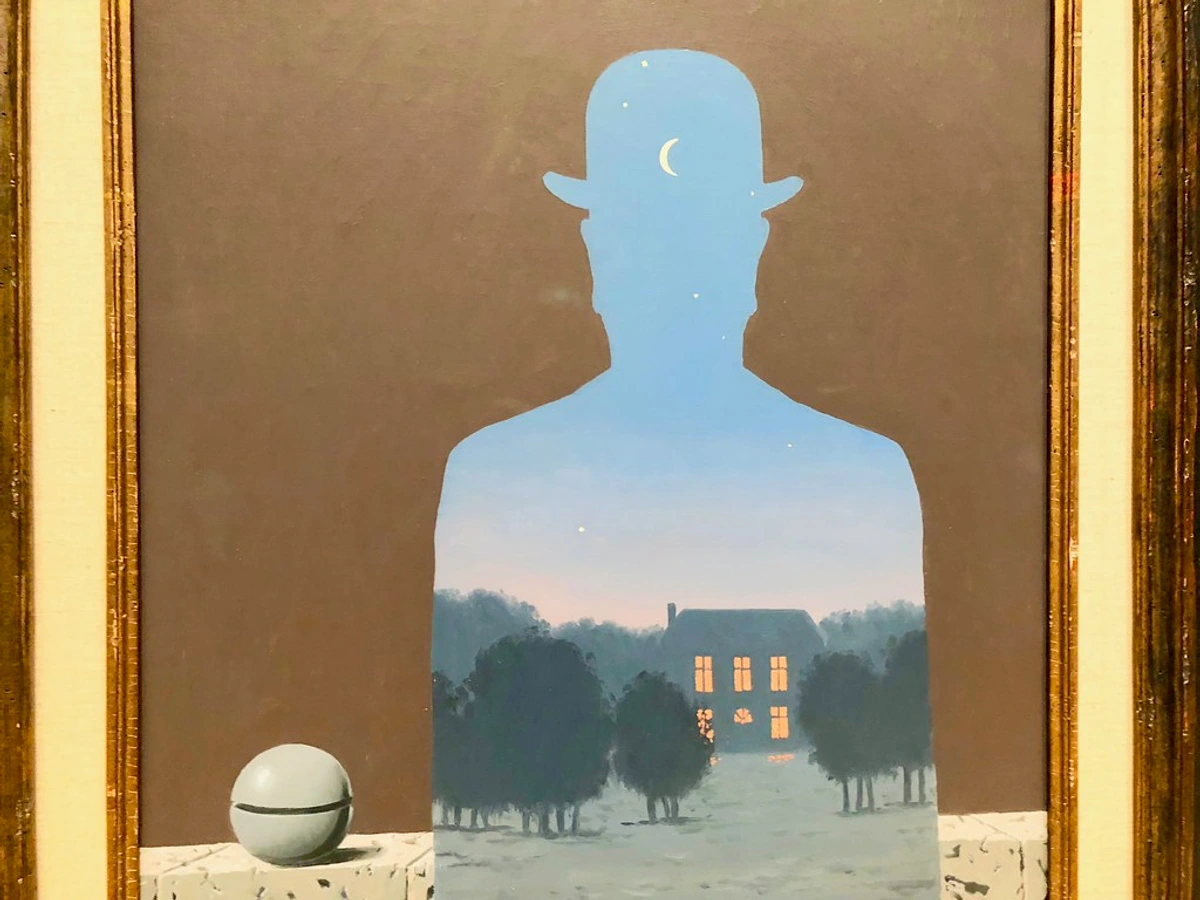
You can’t discuss the bowler’s cultural journey without acknowledging its starring role in the art world. It became a prop, a symbol, sometimes even the entire message. Consider how René Magritte used it in The Son of Man – that mysterious, perfectly circular bowler hat obscuring the face isn’t just clothing; it’s about the absurdity of the visible and hidden. And Picasso? He frequently painted figures in bowler hats, transforming the everyday into geometric exercises in blue and rose periods.
But perhaps nowhere was its transformation more visceral than in Francis Bacon’s portraits. Those distorted, tormented faces often topped with tightly gripping bowlers feel less like hats and more like psychological cages. The crown isn’t sheltering the mind – it’s compressing it, trapping it. That tiny hat becomes a canvas for existential dread.
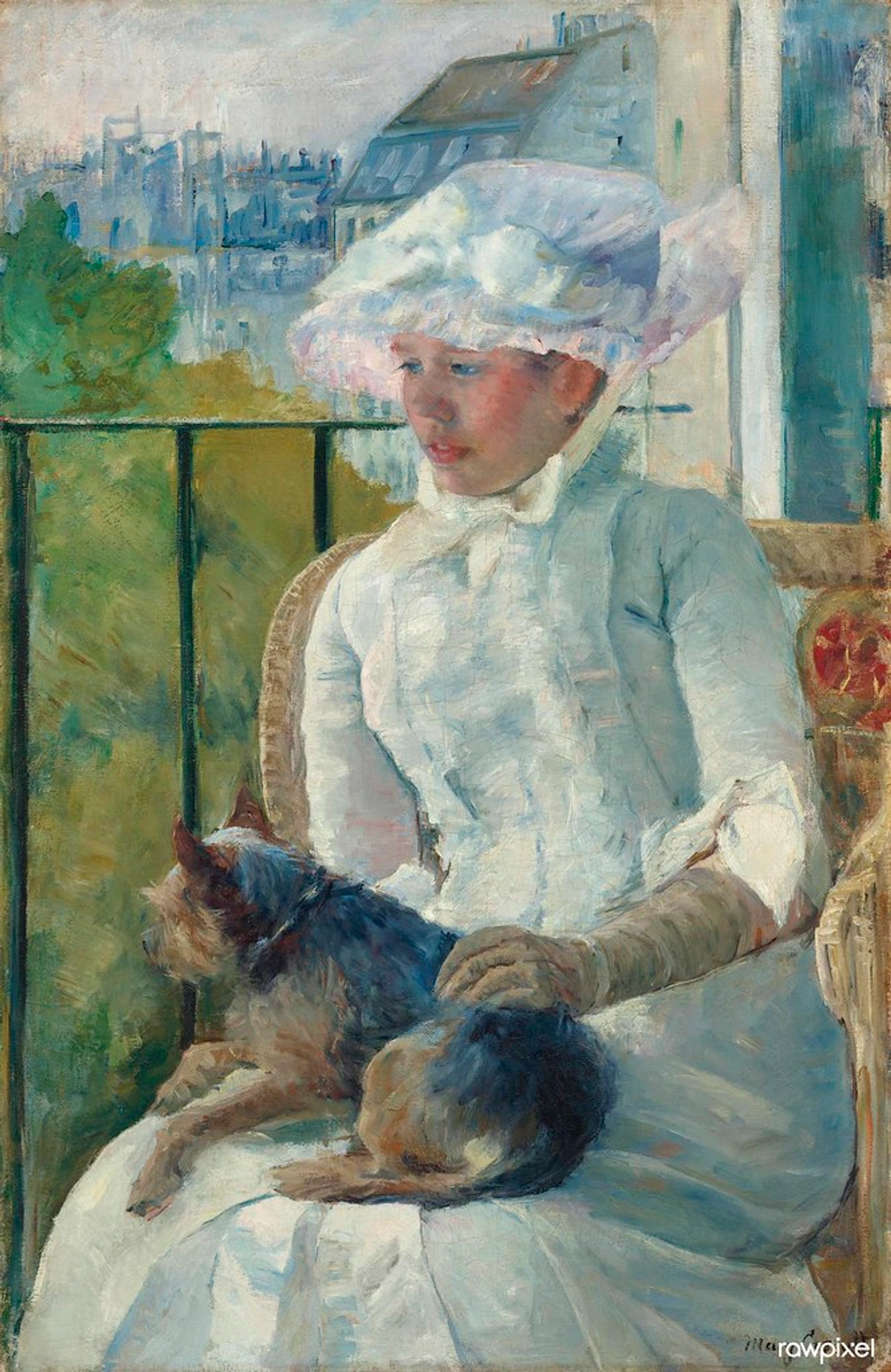
What’s so remarkable is how artists reclaimed the bowler’s meaning. Where Victorians saw respectability, the avant-garde saw irony. Where bankers saw conformity, painters saw conformity’s tension and potential. The hat wasn’t just clothing anymore; it was a visual shorthand for the human condition itself.
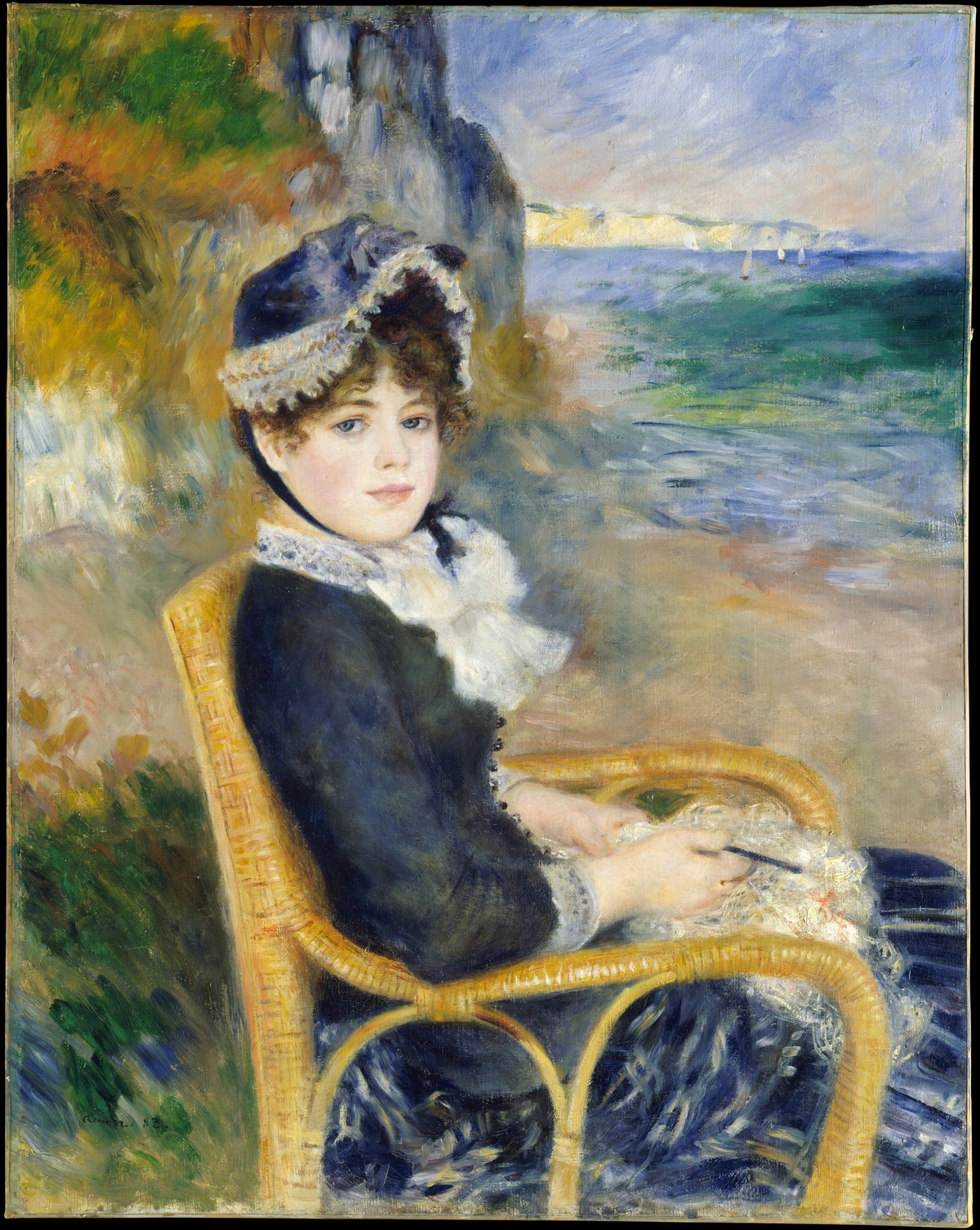
Detailed Artistic Interpretations Across Movements
Surrealism: The Dreamlike Bowler
In Surrealist art, the bowler hat transcends its physical form to become a symbol of the unconscious. Magritte's famous painting The Son of Man (1964) exemplifies this, where the bowler and floating apple create a tension between the visible and hidden. The hat becomes a metaphysical barrier – what does it hide, and why must it be obscured?
Magritte's Bowler Series: Magritte created multiple works featuring bowlers, each exploring different aspects of identity and perception. In Time Transfixed (1938), a bowler-wearing figure emerges from a fireplace, creating an impossible dreamlike scene that challenges our understanding of reality.
Dalí's Melting Forms: While Dalí is famous for melting clocks, he also experimented with distorting bowler hats to represent the fluid nature of dreams and the subconscious. These distorted forms suggest that even our most rigid social symbols can dissolve in the realm of dreams.
Dalí also incorporated bowlers in his work, often melting or distorting them to represent the fluid nature of dreams and reality. For these artists, the bowler represented the rational mind trying to contain the irrational – a perfect symbol for the psychological struggles of modern existence.

Cubism: Multiple Perspectives in One Hat
Picasso and Braque revolutionized the bowler hat by breaking it into geometric fragments. In their Cubist works, a single bowler might be shown from multiple angles simultaneously, with the crown appearing fragmented and the brim dissected into planes. This wasn't just artistic technique – it was a philosophical statement about how we perceive reality.
The bowler's perfect geometry made it ideal for Cubist exploration. Its circular form could be broken into triangles, squares, and other shapes, while maintaining its recognizable identity. This created a fascinating tension between the familiar and the abstract.
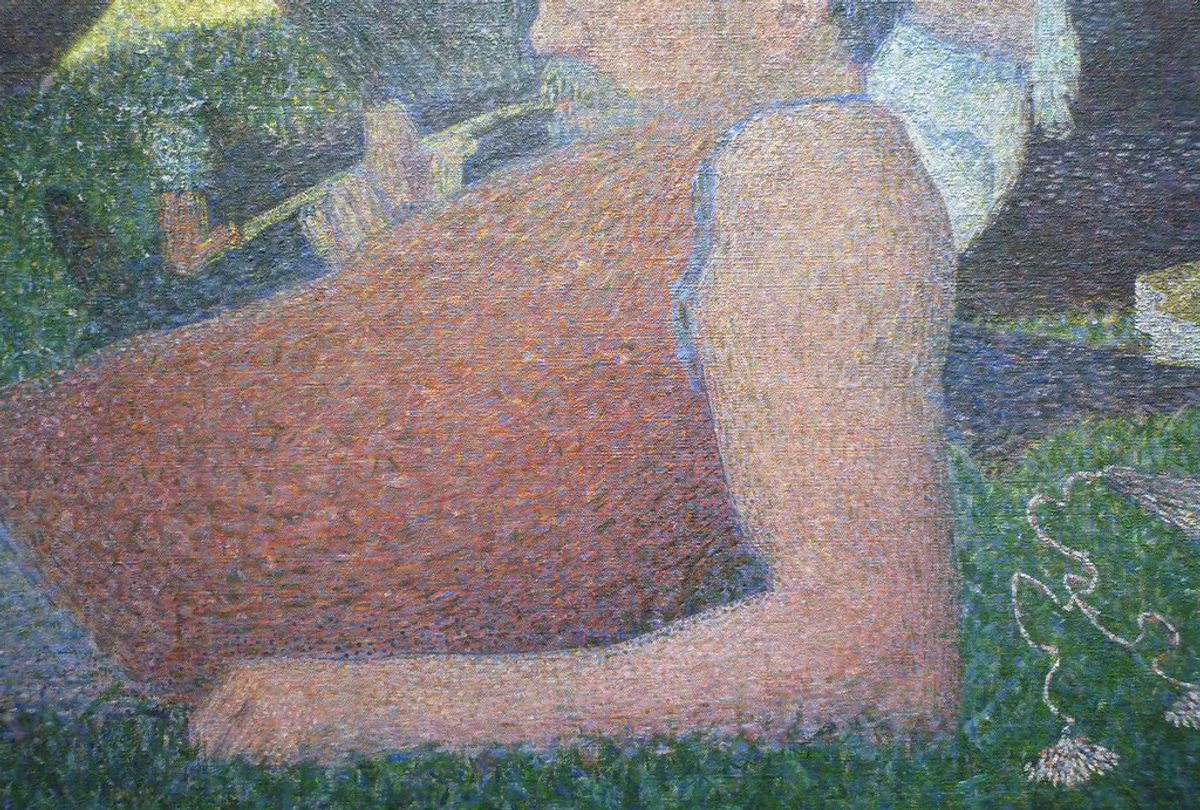
Expressionism: Emotional Weight
Expressionist artists used the bowler hat to convey psychological intensity. Francis Bacon's distorted figures often wear tightly gripping bowlers that seem to compress the face, representing the pressures of society and the human condition. The hat becomes a metaphorical prison – a symbol of confinement and existential dread.
For artists like Egon Schiele and Oskar Kokoschka, the bowler represented the alienation of the modern individual. Its rigid form stood in stark contrast to the emotional turmoil of the wearers, creating visual tension that spoke to the human experience in industrial society.
Pop Art: Bowler as Consumer Symbol
Andy Warhol and other Pop Art masters transformed the bowler from a symbol of individual identity to a representation of mass culture and consumerism. In Warhol's work, the bowler becomes just another commodity, its distinctive shape recognizable but devoid of personal meaning.
Warhol's Celebrity Bowlers: Warhol occasionally featured bowlers in his celebrity portraits, using the familiar form to comment on the relationship between fame, identity, and commercialization.
Roy Lichtenstein's Graphic Bowlers: Lichtenstein incorporated bowler elements into his signature comic book style, exploring the hat as both fashion statement and cultural icon through the lens of mass media representation.
Representation  | Symbolism | Key Artists | |
|---|---|---|---|
| Surrealism | Floating, oversized bowlers | Absurdity, mystery | Magritte, Dalí |
| Cubism | Fragmented, geometric forms | Multiple perspectives | Picasso, Braque |
| Expressionism | Distorted, emotional crowns | Psychological tension | Bacon, Kokoschka |
| Pop Art | Repetitive, graphic bowlers | Consumerism, conformity | Warhol, Lichtenstein |
| Dadaism | Deconstructed, absurd bowlers | Anti-art, chaos | Duchamp, Höch |
| Futurism | Dynamic, angular bowlers | Speed, technology | Boccioni, Severini |
| Minimalism | Simplified, geometric bowlers | Essence, reduction | Judd, Andre |
| Conceptual Art | Conceptual bowlers as ideas | Art as idea, not object | Kosuth, Weiner |
| Installation Art | Large-scale bowler environments | Immersive experience, scale | Eliasson, Olafur Arnalds |
| Performance Art | Bowlers as interactive props | Audience engagement, participation | Abramović, Beuys |
| Digital Art | Virtual bowlers in digital spaces | Virtual identity, digital presence | Hockney, Kaws |
| Postmodernism | Ironic, deconstructed bowlers | Cultural commentary, pastiche | Koons, Sherman |
| Neo-Expressionism | Emotional, textured bowlers | Raw feeling, personal narrative | Basquiat, Schnabel |
| Contemporary Art | Mixed-media bowler installations | Identity, memory, cultural critique | Kehinde Wiley, Cindy Sherman |
| Street Art | Graffiti-covered bowlers | Rebellion, urban culture, Banksy, Shepard Fairey |
Bowler Hats in Literature and Music
The bowler hat's cultural resonance extends to other creative forms, appearing countless times in literature, music, and popular culture as a powerful symbol with multiple meanings.
The Bowler Hat in Global Culture and Society
Beyond Western art and literature, the bowler hat has taken on remarkable significance around the world, becoming a symbol of national identity, cultural pride, and social change in diverse contexts.
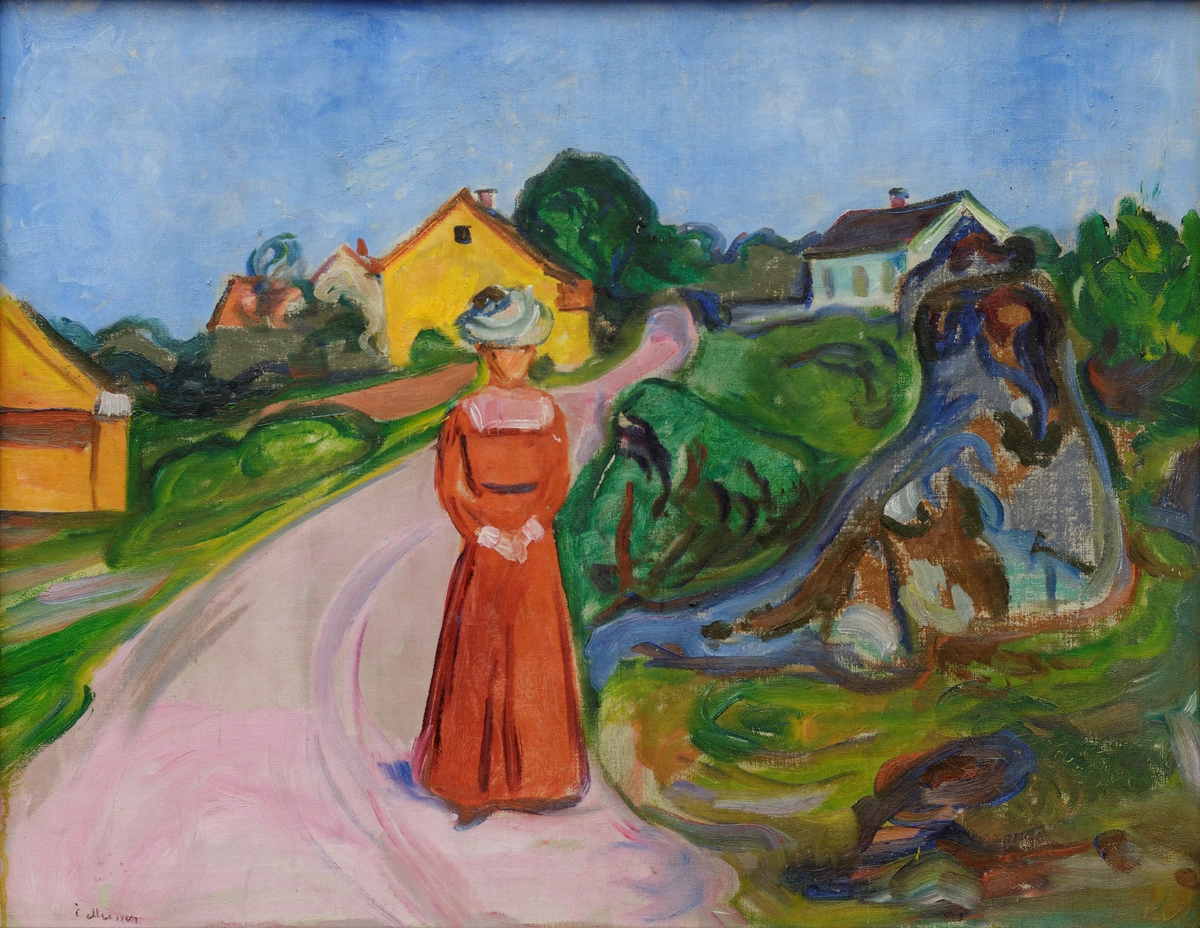
Latin American Cultural Icons
In many Latin American countries, particularly Bolivia, Peru, and Ecuador, the bowler hat has evolved from imported fashion to a powerful symbol of national identity and cultural resistance.
The Andean Bowler: In the Andean region, the bowler (often called bombín in Spanish) became associated with indigenous communities. Contrary to colonial expectations, local communities adopted and adapted the hat, making it uniquely their own. In Bolivia, the bowler is now considered a national symbol, worn by both men and women as an expression of cultural pride.
Social Resistance: During periods of political upheaval, the bowler became a subtle form of resistance. Its continued use despite changing political regimes represented cultural continuity and the resilience of local traditions.
Economic Significance: In countries like Peru, bowler hat production has become an important local industry, with artisans creating distinctive versions that incorporate traditional techniques and materials.
Literary References and Symbolism
Victorian and Edwardian Literature:
- Arthur Conan Doyle's Sherlock Holmes: Though typically associated with a deerstalker, Holmes occasionally wore bowlers when undercover, representing his ability to blend into society while maintaining intellectual superiority
- Charles Dickens' Works: The bowler appears as a symbol of the emerging middle class and Victorian social structures
- Oscar Wilde: Used the bowler to represent dandyism and aesthetic movement ideals
Modernist Literature:
- T.S. Eliot's "The Love Song of J. Alfred Prufrock": The bowler hat symbolizes modern urban anxiety and social conformity, representing Prufrock's fear of social judgment
- Virginia Woolf: Featured bowlers in works exploring gender roles and social expectations
- James Joyce: Used the bowler as a symbol of bourgeois conformity in Dubliners
Dystopian and Contemporary Fiction:
- George Orwell's "1984": The bowler represents Party conformity and the suppression of individuality, worn by Party members as a uniform of control
- Aldous Huxley's "Brave New World": Symbolizes the engineered society and loss of individual identity
- Ian Fleming's James Bond: Bond's occasional bowler wearings signify his ability to blend into any social setting, representing espionage and hidden identities
Musical Connections and Cultural Evolution
Classical and Jazz Connections:
- George Gershwin: Featured bowlers in musical theater productions representing 1920s sophistication
- Duke Ellington: Bowlers appeared in jazz club scenes, representing the elegance of the Harlem Renaissance
- Cole Porter: Used bowlers in lyrics to evoke upper-class sophistication
Rock and Pop Evolution:
- The Beatles: John Lennon's bowler hats in early performances hinted at their intellectual, artistic persona, challenging the typical rock star image
- The Rolling Stones: Used bowlers to represent British mod culture and rebellion
- David Bowie: Ziggy Stardust's flamboyant bowlers challenged traditional gender norms and represented theatrical performance
- Madonna: Material Girl's bowler hats symbolized female empowerment and control in the 1980s music scene
Hip-Hop and Contemporary Culture:
- Old School Hip-Hop: Bowler hats as symbols of sophistication and "old school" cool in modern rap
- OutKast: André 3000's bowler hats in the "Hey Ya!" video represented artistic individuality
- Contemporary Artists: Artists like Pharrell Williams and Kanye West have revived bowler hats as fashion statements
Asian Cultural Interpretations
In Asian cultures, the bowler hat has been interpreted through different lenses, often blending Western influences with local traditions.
Japanese Fashion: Japanese designers have incorporated bowler elements into street fashion and high fashion, creating hybrid styles that blend traditional Japanese aesthetics with Western tailoring. The bowler's structured form appeals to Japanese appreciation for precision and craftsmanship.
Chinese Cultural Context: In China, the bowler has appeared in both historical dramas and contemporary fashion, representing different aspects of cultural exchange and modernization. During the Republican era (1912-1949), the bowler became associated with Western-educated intellectuals and modernizers.
Korean Street Style: Korean fashion has embraced the bowler as a versatile accessory that can convey both sophistication and youthful rebellion, often paired with unexpected elements to create distinctive looks.
Film and Television Appearances
The bowler hat has achieved iconic status in visual media:
- Charlie Chaplin: The Little Tramp's bowler became one of the most recognizable images in cinema history
- Stan Laurel: Wore a bowler as part of the classic comedy duo with Oliver Hardy
- Indiana Jones: Fedora vs bowler distinctions in the adventure series
- Mr. Bean: Rowan Atkinson's character frequently wears a bowler, creating comedic situations
- Breaking Bad: Walter White's transformation represented through subtle costuming choices including hat preferences
Iconic Bowler Moments in Cinema:
- A Clockwork Orange: Alex DeLarge's bowler represents both youthful rebellion and the artificiality of his violent persona
- The Great Gatsby: Gatsby's occasional bowler wearings symbolize his attempt to fit into old money society
- Amélie: The whimsical character's relationship with bowlers reflects her playful, imaginative nature
- Kiss Kiss Bang Bang: Robert Downey Jr.'s character's bowler represents his attempt at noir sophistication
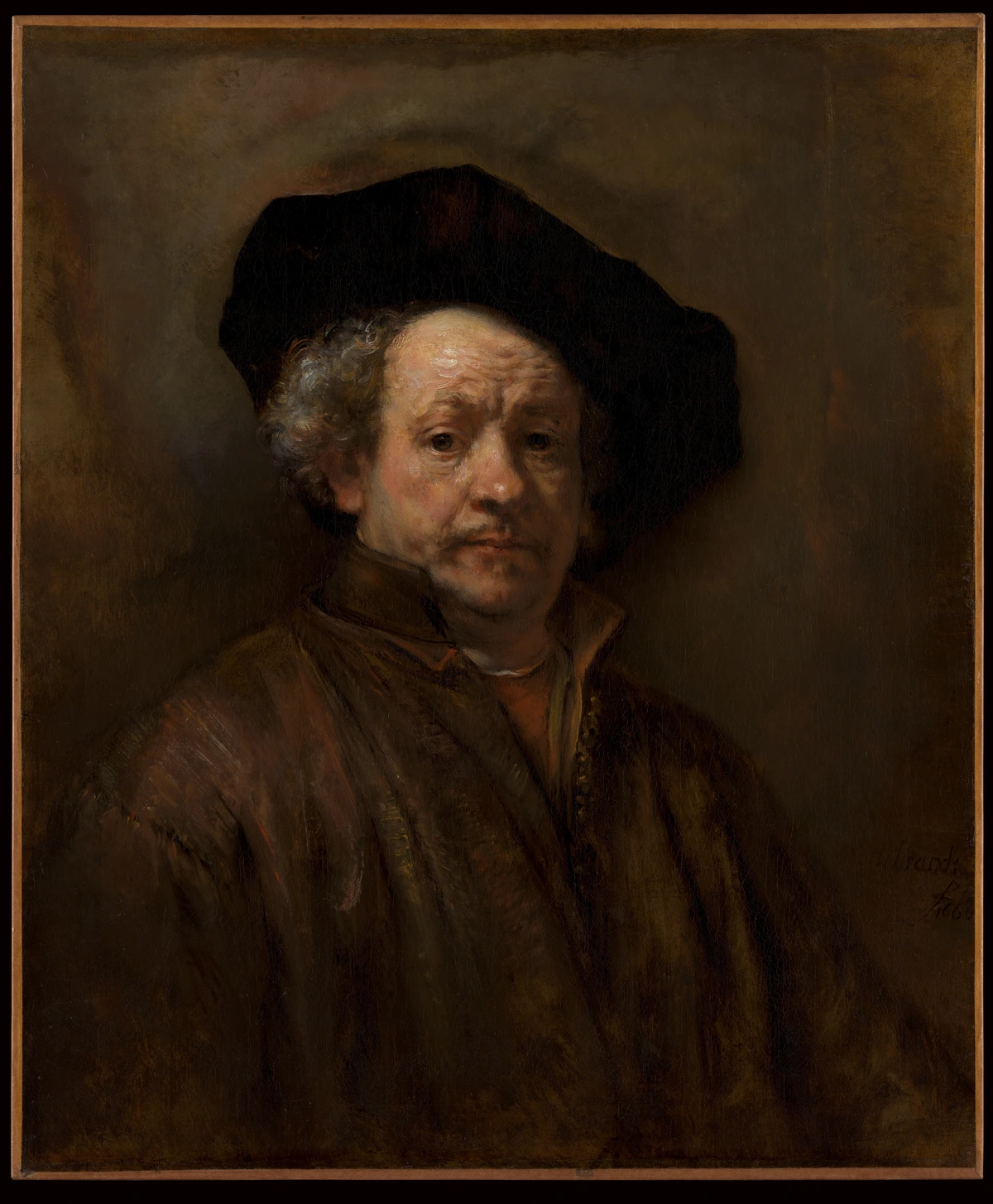
Modern Interpretations: The Bowler Hat Today
The bowler hat has experienced remarkable renaissances throughout history, and today it stands as more relevant than ever. Contemporary fashion, art, and culture continue to find new ways to interpret and reimagine this classic silhouette.
The Sustainability Revolution in Bowler Design
As environmental consciousness grows, many designers and manufacturers are reimagining the bowler hat through sustainable practices and eco-friendly materials. This movement represents both a return to traditional craftsmanship and a forward-thinking approach to fashion.
Eco-Friendly Materials: Contemporary bowlers are now being made from recycled wool, organic cotton, and even innovative materials like mushroom leather (mycelium) and recycled plastic bottles. These materials maintain the traditional bowler silhouette while reducing environmental impact.
Traditional Craft Revival: There's a renewed appreciation for traditional hat-making techniques that emphasize quality over quantity. Artisan milliners are reviving hand-blocking, hand-stitching, and natural dyeing methods that create durable, beautiful hats with minimal environmental footprint.
Circular Fashion: Some designers are implementing circular fashion principles, creating bowlers designed to be easily repaired, recycled, or composted at the end of their lifecycle. This approach challenges the disposable culture of fast fashion.

Contemporary Fashion Revival
In recent years, the bowler hat has made significant comebacks across various fashion movements:
High Fashion Redefinitions:
- Gucci's Modern Take: Creative directors have reimagined the bowler with unexpected materials and colors
- Prada's Architectural Approach: Using the bowler's geometry as inspiration for structured silhouettes
- Burberry's Heritage Collections: Reintroducing classic bowler shapes with contemporary twists
Street Style Integration:
- Urban Fashion: Bowlers paired with streetwear for sophisticated-yet-casual looks
- Gender-Neutral Fashion: The bowler's androgynous appeal makes it perfect for contemporary gender-fluid styling
- Sustainable Fashion: Vintage bowlers being repurposed and upcycled by modern designers
Artistic Reinterpretations in Contemporary Culture
Modern artists continue to find inspiration in the bowler hat's rich history:
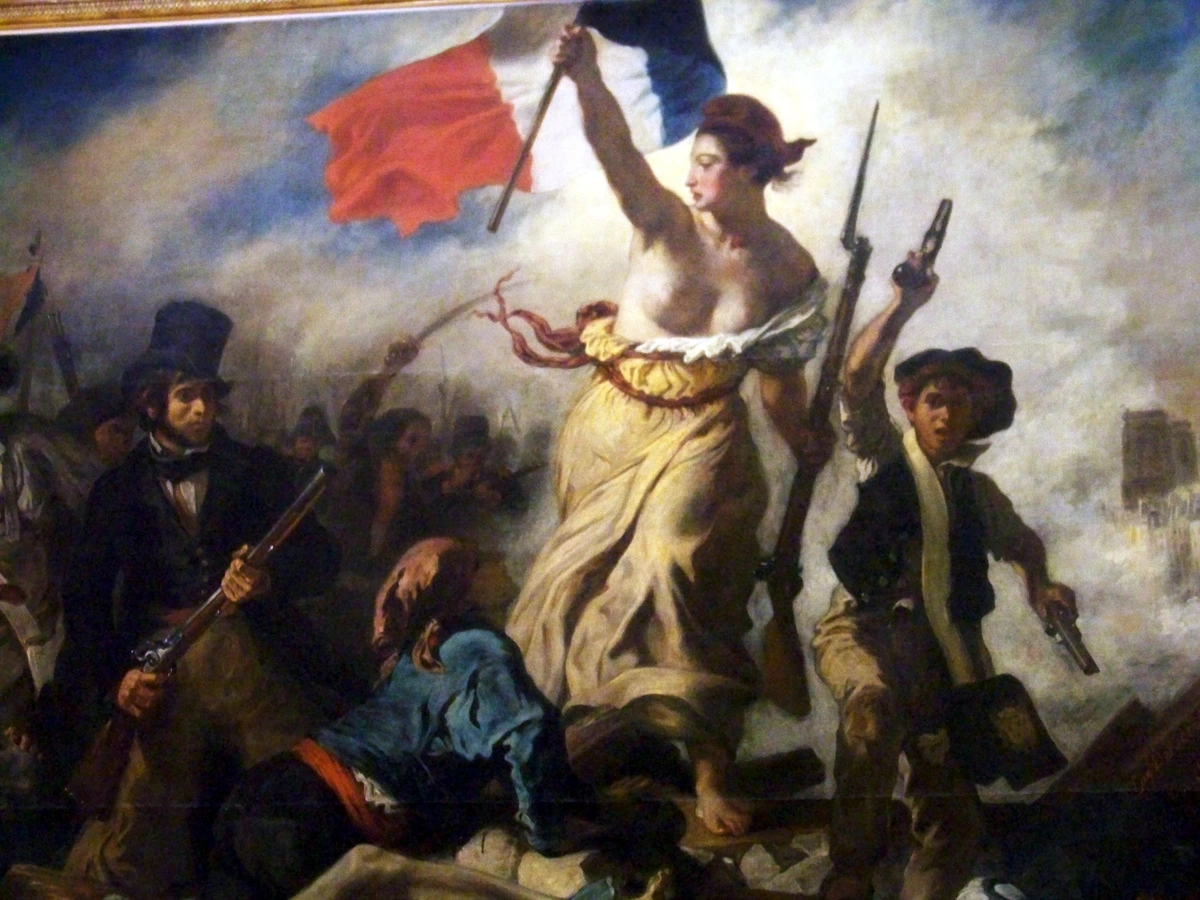
Digital Art and Virtual Spaces:
- NFT Art: Bowler hats reimagined in digital artworks and virtual fashion
- Digital Sculpture: 3D artists exploring the bowler form in virtual environments
- Augmented Reality: Interactive bowler experiences in mobile apps
Installation and Performance Art:
- Large-Scale Installations: Artists creating environments inspired by bowler hat geometry
- Interactive Performances: Audience participation with bowler-themed experiences
- Fashion as Art: Runway shows that treat bowler design as performance art
Celebrity Culture and Bowler Revival
Contemporary celebrities have played a crucial role in keeping the bowler hat relevant, often using it to make fashion statements or express personal identity.
Music Industry Icons:
- Harry Styles: Frequently wears bowlers as part of his gender-fluid fashion aesthetic, challenging traditional menswear norms
- Billie Eilish: Incorporates bowlers into her signature oversized style, creating unexpected contrasts
- Pharrell Williams: Has made the bowler a signature element of his personal brand, often in bold colors and unique materials
Film and Television:
- Timothée Chalamet: Uses bowlers to create sophisticated, character-driven style moments
- Zendaya: Incorporates bowlers into her red carpet looks, demonstrating the hat's versatility across gender lines
- Chris Evans: Occasionally wears bowlers for a more intellectual, thoughtful persona in public appearances
Cultural Significance in Global Context
The bowler hat has transcended its British origins to become a global cultural symbol:
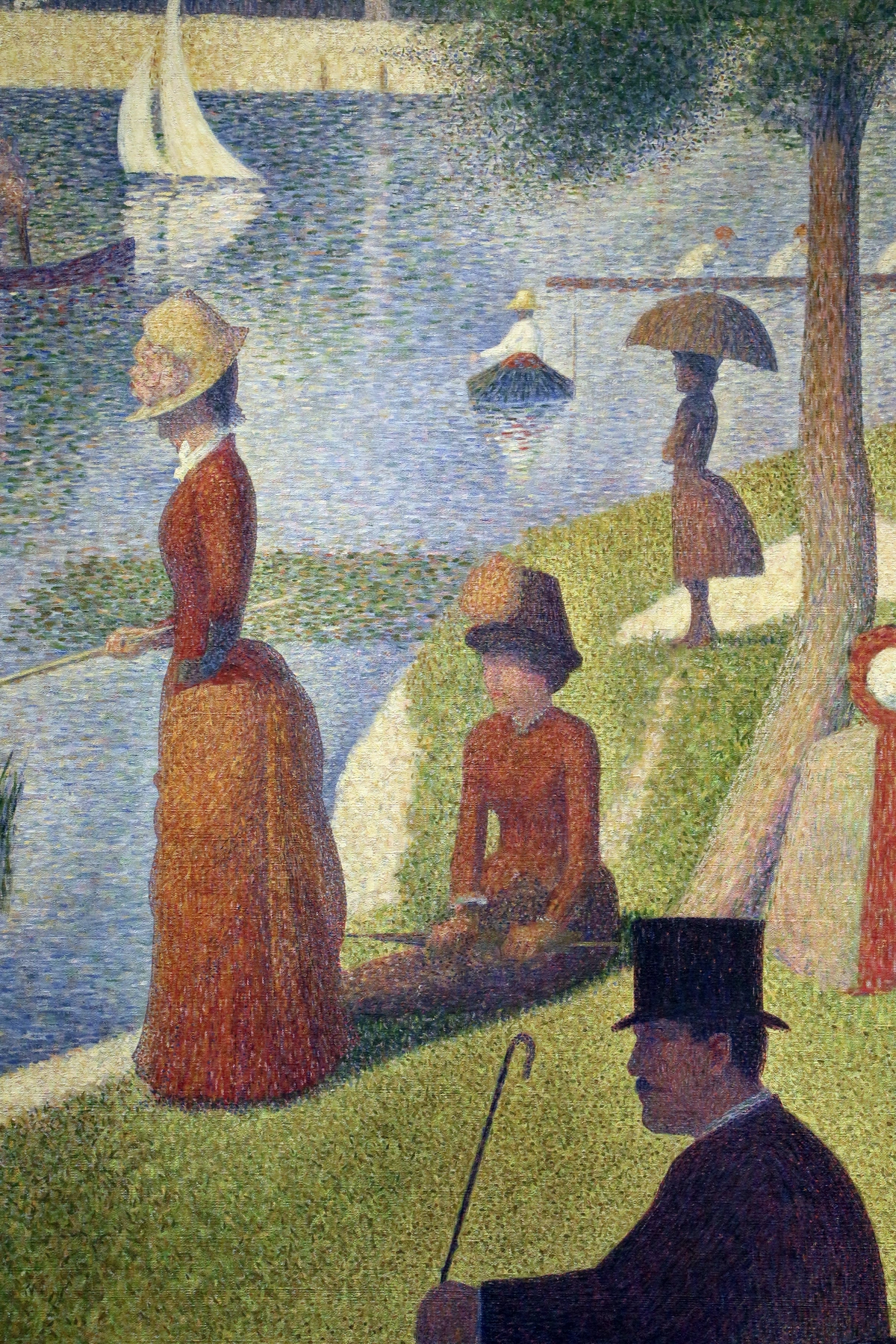
International Adoption:
- Latin America: Especially in countries like Colombia and Peru, the bowler represents national identity
- Middle Eastern Fashion: Contemporary interpretations blending traditional headwear with bowler elements
- Asian Fashion: Japanese and Korean designers incorporating bowler aesthetics into street fashion
Cultural Exchange:
- Fashion Collaborations: International designers reinterpreting traditional bowler shapes
- Cultural Festivals: Bowler hats featured in celebrations of heritage and tradition
- Diplomatic Fashion: Political figures using bowlers to make cultural statements
Here’s where things get wonderfully personal. Can you actually wear a bowler hat today? Absolutely. But it’s not about historical costume – it’s about conversation. The first time I paired a narrow-brimmed wool felt bowler with a tailored blazer and raw denim, I felt both sophisticated and slightly rebellious. There’s something delicious about juxtaposing the formal with the casual.
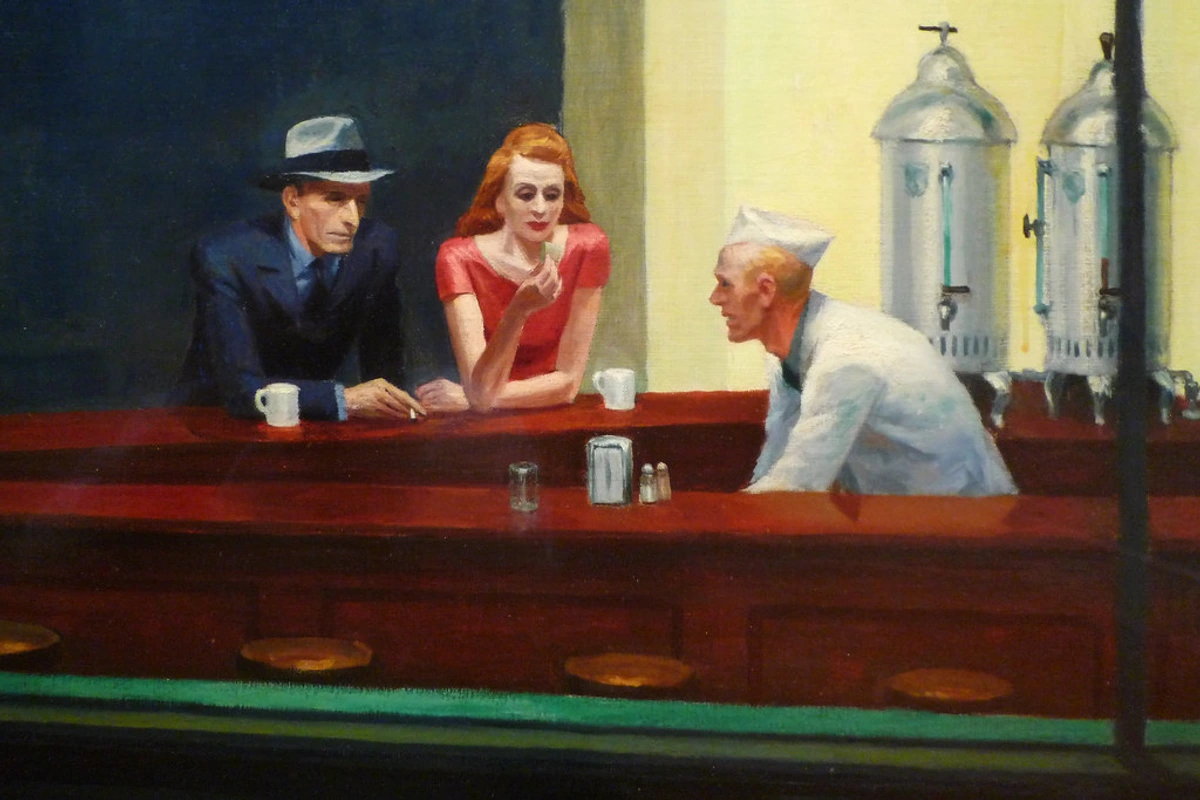
Modern stylists treat the bowler like they would any other architectural accessory. Wide-brim versions (hello, Dior) offer dramatic shadow play on your face, while narrow-brimmed ones recall 1930s sophistication. Velvet adds opulent texture for evening wear; straw versions become sun-soaked summer essentials. The key is to treat it not as a retro affectation, but as a structured sculptural element in your ensemble.
Seasonal Transitions and Layering
The bowler hat's versatility shines when adapting to seasonal changes and layering strategies:
Spring Layering: Pair lightweight felt bowlers with trench coats and lightweight sweaters. The structured form provides visual interest against softer spring fabrics. Consider pastel-colored bowlers for Easter events and garden parties.
Summer Pairings: Straw bowlers work beautifully with linen suits, cotton dresses, and lightweight blazers. For beach outings, pair with swim cover-ups and espadrilles for a sophisticated resort look.
Autumn Combinations: Medium-weight wool felt bowlers complement tweed suits, wool sweaters, and leather jackets. The hat's structure provides balance to chunkier autumn fabrics.
Winter Styling: Heavy felt bowlers with fur trim create dramatic winter elegance. Pair with wool coats, cashmere sweaters, and boots for a cohesive cold-weather look.
Comprehensive Seasonal Bowler Hat Styling Guide
Spring Styling (March - May):
- Materials: Light wool felt, straw with spring colors
- Color Palette: Pastels (mint green, baby blue, blush pink), fresh whites, soft yellows
- Fabric Pairings: Lightweight trench coats, cashmere sweaters, linen shirts
- Occasions: Garden parties, Easter events, spring races, art gallery openings
- Accessories: Silk flowers, ribbon details, lightweight scarves
- Tips: Choose wide brims for sun protection while maintaining spring elegance
Summer Styling (June - August):
- Materials: Straw, raffia, lightweight felt, breathable fabrics
- Color Palette: Bright whites, navy blue, coral, turquoise, lemon yellow
- Fabric Pairings: Linen suits, cotton dresses, lightweight blazers, seersucker
- Occasions: Summer weddings, garden parties, beach outings, outdoor concerts
- Accessories: Wide brims for maximum sun protection, colorful bands
- Tips: Consider ventilation features and moisture-wicking sweatbands for comfort
Autumn Styling (September - November):
- Materials: Medium to heavy wool felt, suede accents
- Color Palette: Deep jewel tones (burgundy, forest green, mustard), warm browns, charcoal
- Fabric Pairings: Tweed suits, wool sweaters, leather jackets, corduroy
- Occasions: Harvest festivals, country outings, autumn weddings, theater events
- Accessories: Leather bands, feather accents, decorative pins
- Tips: Layer with scarves and consider ear protection features in cooler weather
Winter Styling (December - February):
- Materials: Heavy felt, fur/faux fur trim, thermal linings
- Color Palette: Rich neutrals (black, charcoal, deep brown), jewel tones, forest greens
- Fabric Pairings: Heavy wool coats, cashmere sweaters, velvet blazers
- Occasions: Holiday parties, winter galas, formal events, New Year's celebrations
- Accessories: Fur/faux fur bands, thermal liners, ear protection
- Tips: Look for windproof membranes and insulation for extreme cold weather
Each season offers unique opportunities to showcase the bowler hat's versatility while staying appropriate to the weather and occasion.
Professional and Workplace Styling
The bowler hat has made impressive inroads into modern professional wardrobes, offering a sophisticated alternative to traditional business headwear:
Corporate Environments: A charcoal or navy bowler paired with a tailored suit creates an immediate impression of confidence and individuality within conservative dress codes. The structured form suggests precision and attention to detail.
Creative Industries: In advertising, design, and media, colored or patterned bowlers can express creativity while maintaining professionalism. A burgundy bowler with a grey suit, for example, suggests both sophistication and artistic sensibility.
Client Meetings: The bowler can serve as an icebreaker in business settings, making memorable first impressions while demonstrating cultural awareness and personal style.
Casual Fridays: Even in business casual environments, a well-chosen bowler can elevate jeans and a blazer to smart-casual perfection, showing attention to detail even in relaxed settings.

I’ve learned to love it most as a surprise element. A sleek black bowler under a raincoat. A brightly colored version with a minimalist gray suit. It’s your one chance to wear art on your head. The most compliments I ever received came when I paired a tweed bowler with a flowing floral dress – unexpected, yes, but somehow perfectly balanced. The right hat makes people look differently at your whole silhouette.

Styling Your Bowler Hat
Mastering the art of bowler hat styling involves understanding both the hat's traditional roots and its modern versatility.
- For Office Boldness: Pair a charcoal felt bowler with a sharply tailored pantsuit. Let the hat’s clean lines mirror suit structure while adding a quirk of personality.
- Casual Cool: Wear a worn leather or straw bowler with a simple t-shirt and utility jacket. The contrast between structured form and relaxed pieces creates instant visual interest.
- Evening Drama: Choose sequined or embroidered velvet versions with evening dresses. Think of it as the jewelry equivalent of a sparkling statement piece.
- Gender Play: Ignore traditional menswear associations. Bowlers are unisex – try proportioning carefully (smaller crowns for smaller frames, wider brims for dramatic effect).
Decorating with Bowler Hat Aesthetics
You don’t have to wear a bowler to appreciate its artistic impact. That distinctive silhouette translates beautifully into collections and home decor. I’ve seen artists render the bowler as abstract sculpture – think twisted brass wire resembling hat brims, or circular canvases exploring the crown’s perfect geometry. It’s a form that inherently suggests both protection and contemplation.
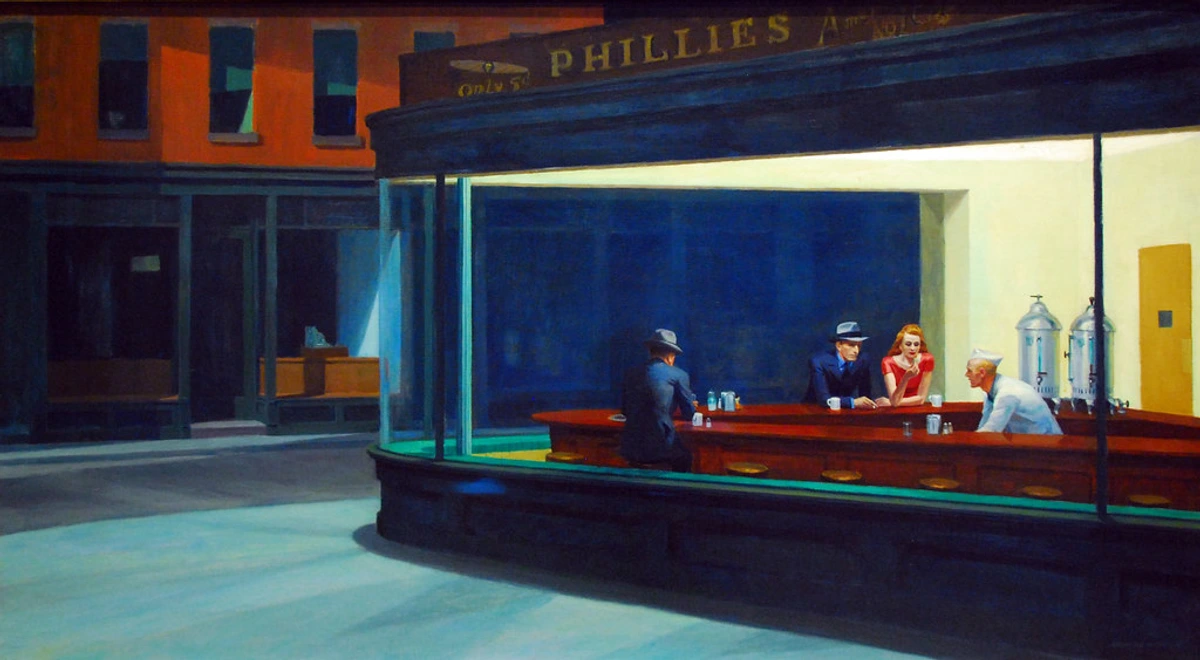
Here at Zen Museum, we frequently encounter artists interpreting this shape. One piece that stays with me uses layered translucent perspex to create a glowing, ethereal crown – you can literally see through history when you view it. Another abstract painting uses the bowler’s circular form as a compositional anchor, radiating color blocks outward like light from a central source.
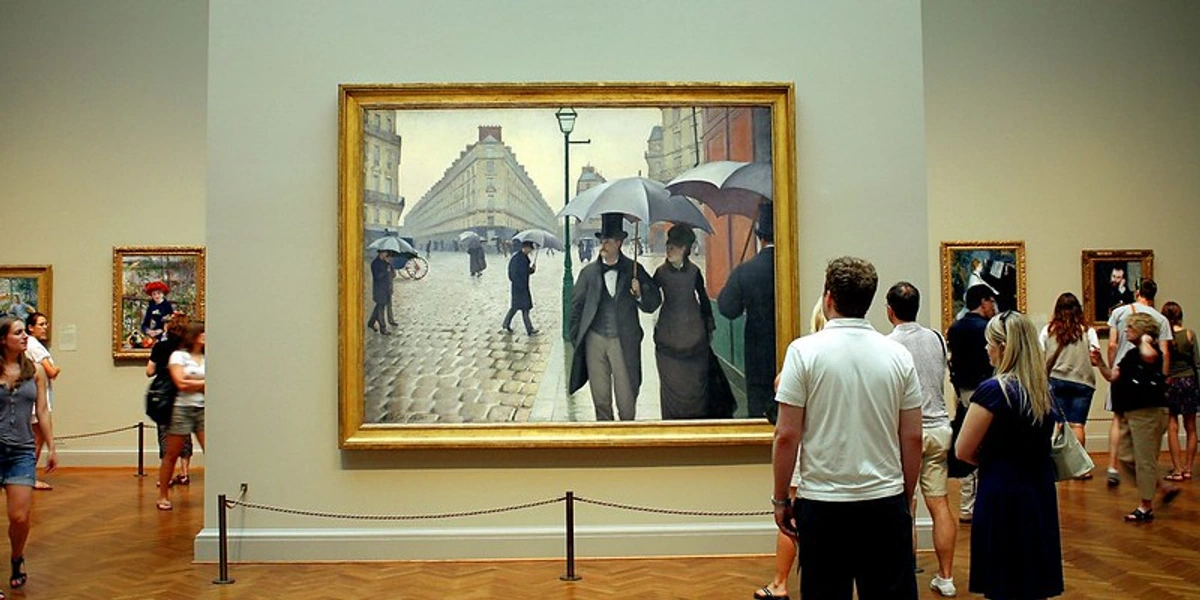
For home collections, bowler hat touches can be subtle:
- Glassware with circular bases mimicking the crown form
- Wall sconces shaped like hat brims
- Sculptural pieces playing with the curve of crown and brim
- Textiles featuring repeated circular motifs
The trick is to treat the bowler’s silhouette not as literal design but as abstract visual poetry. What energy does that particular curve give a room? What feeling evoked by that specific circle?
Frequently Asked Questions
The bowler hat generates many questions from curious enthusiasts, collectors, and fashion lovers alike. Here are the most common inquiries answered in detail.
General Bowler Hat Questions
Q: What's the difference between a bowler hat and other similar hats? A: The bowler is distinguished by its hard, rounded crown and stiff, curled brim. Unlike the fedora (which has a pinched crown and flexible brim) or the top hat (which is tall and cylindrical), the bowler maintains a consistent dome shape. The trilby has a softer brim that can be turned up, while the bowler's brim remains stiff and unyielding.
Q: How do I know what size bowler hat to buy? A: Bowler hat sizing typically ranges from 6½ to 8, corresponding to head circumference in inches. To find your size, measure around your head just above the ears and eyebrows. Most hat shops offer sizing services, and online retailers provide detailed size charts. Remember that felt hats should fit snugly but not tightly, as they tend to stretch slightly with wear.

Q: Is a bowler hat the same as a derby? A: Technically yes! “Bowler” (named after its creators) and “Derby” (popularized in America) refer to the same felt hat design with a rounded, dome-shaped crown and a stiff, curled brim. In Britain, “bowler” is standard; in the US, “derby” is more common. They’re the same iconic silhouette.
Q: Can women wear bowler hats? A: Absolutely! While historically worn by men, fashion has long since embraced the bowler as unisex. From Katharine Hepburn’s androgynous style to modern runway interpretations, the clean lines and structured form offer women a powerful alternative to softer felt or woven summer hats. It’s all about confidence and proportion.
Q: What outfits should I avoid with a bowler hat? A: Skip overly busy prints beneath a strong hat shape – the bowler’s geometric precision needs breathing room. Extremely casual outfits like hoodies and basketball shorts often clash with its formal origins. Similarly, overly elaborate ballgowns might fight for visual dominance. Let either the outfit or the hat be the statement, not both simultaneously.
Q: Are bowler hats warm in winter? A: Proper felt versions are surprisingly insulating! The dense wool construction traps air for warmth. Straw versions are summer-appropriate only. For winter, look for models with leather sweatbands and felted wool that will block wind without overheating. Vintage models often have superior materials. Modern winter bowlers may include additional insulation features like thermal linings or windproof membranes. For extreme cold, consider layering a thin beanie underneath or choosing a fully lined version with ear protection.
Q: What color bowler hat should I choose first? A: Start with classic neutral felt – charcoal grey, black, or deep green. These work with nearly everything and let you experiment with placement without color clashes once you’re comfortable. Save bold colors like crimson or royal blue until you understand how the hat affects your entire look’s balance.
Q: Is it inappropriate to wear vintage bowler hats? A: Not at all! Wearing vintage connects you to the hat’s history. Just ensure it’s clean (most old felt hats can be gently brushed or steamed) and the shape is intact. A slightly aged brim often adds character. You’re not just wearing hat – you’re wearing a story from another era.
The Enduring Appeal: Why This Small Hat Captures Our Imagination
The bowler hat's enduring appeal lies in its remarkable ability to embody multiple meanings simultaneously.
Psychological and Cultural Dimensions
What makes this particular shape so endlessly fascinating? I think it's the way it balances opposites. Protection versus exposure. Structure versus fluidity. Tradition versus rebellion. The bowler is both a armor and a mask. It declares formality while secretly winking at strangeness.
The Psychology of the Bowler: The bowler's geometric precision appeals to our innate appreciation for order and symmetry, while its cultural associations tap into our social consciousness. We recognize it as both familiar and mysterious, which creates psychological tension that's inherently engaging.
Cognitive Dissonance: The bowler creates interesting cognitive dissonance – it's simultaneously conservative and subversive, traditional and modern. This duality makes it intellectually stimulating and emotionally resonant.
Symbolic Resonance: As a symbol, the bowler carries multiple layers of meaning that can be interpreted differently across cultures, time periods, and individual experiences. This interpretive flexibility makes it endlessly fascinating to artists, writers, and thinkers.
What makes this particular shape so endlessly fascinating? I think it’s the way it balances opposites. Protection versus exposure. Structure versus fluidity. Tradition versus rebellion. The bowler is both a armor and a mask. It declares formality while secretly winking at strangeness.
That’s why it speaks so deeply to artists and collectors. It’s not just another accessory – it’s ** wearable art history**. When you place a bowler in your collection or on your head, you’re participating in a century-long dialogue about identity, society, and the space between our heads and the world.

The next time you see one – in a painting, on the street, or hanging on a gallery wall – pause. Notice how its simple curves hold so many questions. Notice how a piece of functional design becomes a canvas for meaning. That tiny perfect dome contains multitudes.
The Future of Bowler Hats
Looking ahead, the bowler hat appears poised for continued relevance, with several exciting developments on the horizon:
Sustainable Innovation: As environmental consciousness grows, we can expect to see more bowlers made from eco-friendly materials and produced using sustainable methods. Traditional craftsmanship is being rediscovered as an alternative to fast fashion.
Technological Integration: Smart textiles and wearable technology may soon be incorporated into bowler design, adding features like temperature regulation, UV protection, or even digital connectivity while maintaining the hat's traditional aesthetic.
Cultural Fusion: Globalization continues to inspire new interpretations of the bowler, with designers from different cultural backgrounds creating hybrid styles that blend Western tailoring with traditional techniques from around the world.
Educational Revival: There's growing interest in the history and craftsmanship behind hat making, suggesting a future where appreciation for the bowler extends beyond fashion to include cultural education and artisanal skill preservation.
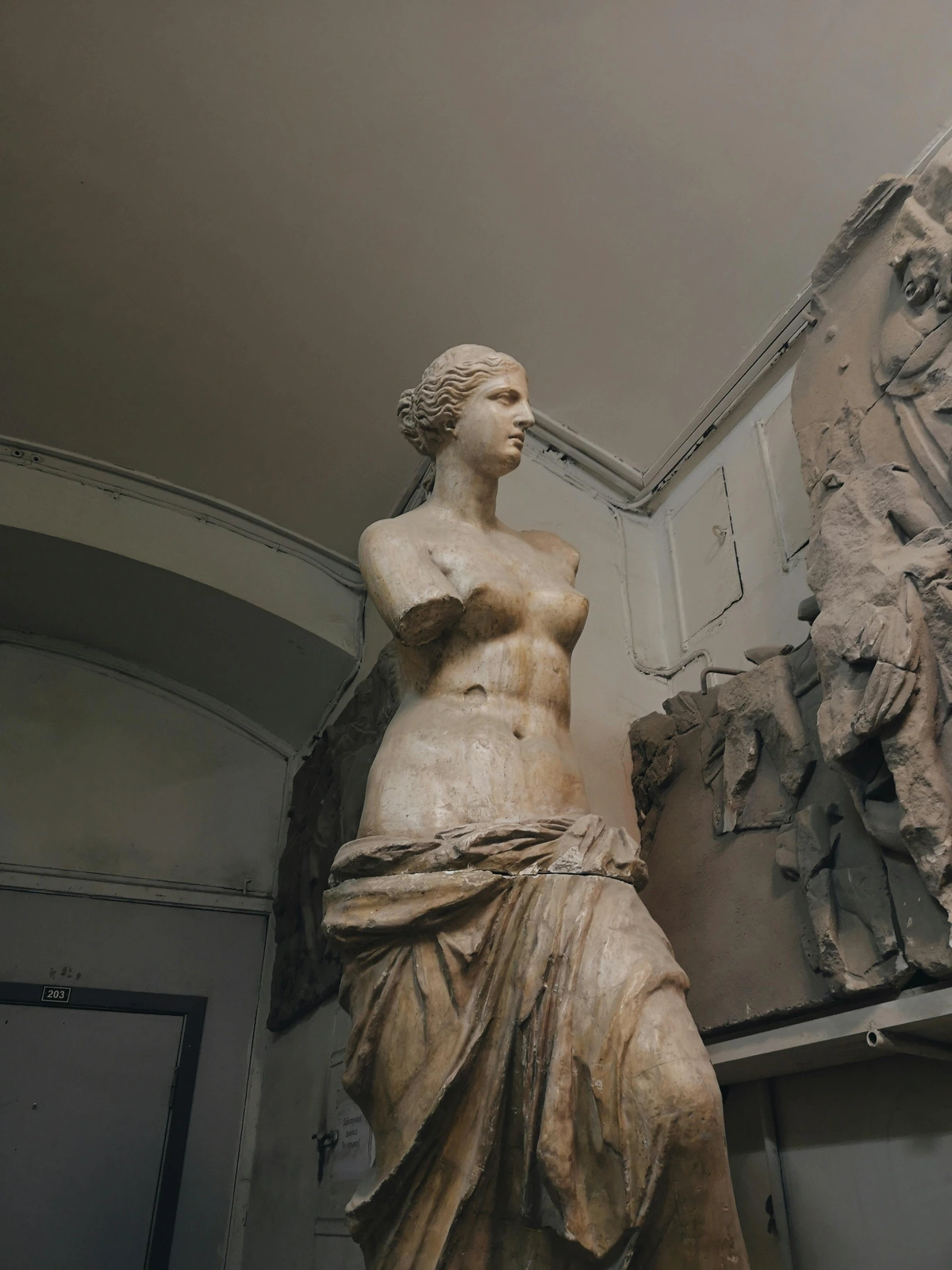
And who knows? Maybe the perfect bowler is out there waiting, ready to help you tell your own story. Sometimes the most profound revolutions start with something as simple as the right hat.
Starting Your Bowler Hat Journey
Whether you're considering your first bowler purchase or looking to deepen your appreciation for this remarkable accessory, here are some practical steps to begin your journey:
Beginner's Mindset and Approach
Define Your Interest: Before making any purchases, consider what aspect of bowler hats fascinates you most. Are you drawn to the history, the fashion, the artistic significance, or the craftsmanship? Understanding your primary interest will guide your collecting or wearing decisions.
Start Small: Begin with an affordable, quality bowler that allows you to experiment with styling and comfort. You don't need to invest in a vintage masterpiece right away – a well-made contemporary bowler can teach you about fit, proportion, and personal style.
Learn by Observation: Spend time studying bowlers in art, films, and real-life situations. Notice how different people wear them, how they interact with different outfits, and what moods they create. This observational learning is invaluable.
Join Communities: Connect with other bowler enthusiasts through online forums, social media groups, or local events. Learning from experienced collectors and wearers can accelerate your understanding and appreciation.

Conclusion: Your Bowler Hat Journey Awaits
The bowler hat stands as one of the most remarkable examples of how functional design can transcend its original purpose to become a cultural icon, artistic symbol, and timeless fashion statement. From its practical origins as protective headwear for 19th century gamekeepers to its current status as a beloved accessory worn by artists, collectors, and fashion enthusiasts worldwide, the bowler hat continues to captivate our imagination.
The Enduring Legacy
What makes the bowler hat so special is its incredible versatility and adaptability. It has seamlessly transitioned through:
- Social classes: From working-class practicality to middle-class respectability to high fashion sophistication
- Cultural contexts: From British tradition to global symbol, representing different meanings in different societies
- Artistic movements: From realistic representation to abstract interpretation across countless art forms
- Fashion eras: From everyday wear to occasional statement piece, always maintaining its essential character
Personal Connection and Meaning
For those who collect, wear, or simply appreciate bowler hats, the connection goes beyond mere fashion. Each bowler hat carries with it:
- Stories of the past: The history of its creation, the lives of its previous owners, the cultural moments it witnessed
- Craftsmanship and artistry: The skill of the milliner who created it, the quality of materials, the attention to detail
- Personal significance: How it makes the wearer feel, the confidence it inspires, the conversations it starts
- Cultural dialogue: The ongoing conversation about identity, tradition, innovation, and meaning that the bowler represents
The Future of Bowler Hats
As we move forward, the bowler hat continues to evolve:
- Sustainable interpretations: New materials and methods that honor tradition while embracing environmental responsibility
- Inclusive design: Adaptations that celebrate diverse body types, gender expressions, and cultural backgrounds
- Technological integration: Smart features and innovations that enhance comfort and functionality
- Educational preservation: Efforts to document, preserve, and share the rich history of hat-making traditions
- Cross-cultural exchange: New interpretations that blend global influences while maintaining the bowler's essential character
Your Role in the Bowler Hat Story
Whether you're just beginning your journey with bowler hats or you're a seasoned collector, you're part of this ongoing story. Each time you:
- Add a bowler to your collection: You're preserving a piece of cultural history
- Wear a bowler with confidence: You're participating in fashion's living tradition
- Share your knowledge: You're contributing to the collective understanding of this remarkable accessory
- Support traditional craftsmanship: You're helping keep millenary arts alive for future generations
The perfect bowler hat is out there waiting for you – perhaps in an antique shop, at an auction, as a contemporary designer piece, or even as something you discover and restore yourself. When you find it, you won't just own a hat; you'll become part of its continuing story, adding your chapter to the rich tapestry of bowler hat history.

Explore bowler-inspired artworks and discover pieces that speak to your personal story in our collection: Discover Art. For deeper historical context on how fashion intersects with artistic movements, visit our timeline: Art History Timeline.
Quick Reference: Bowler Hat Essentials
Aspect | Key Information |
|---|---|
| Origin | London, 1849, designed by Thomas and William Bowler for gamekeepers |
| Alternative Names | Derby (US), Coke (UK informal) |
| Key Features | Hard felt crown, stiff curled brim, structured silhouette |
| Materials | Wool felt (traditional), various modern materials |
| Sizing | 6½ to 8 inches (head circumference) |
| Cultural Impact | British tradition, global fashion symbol, artistic muse |
| Care | Store properly, avoid moisture, clean gently, reshape with care |
| Collecting | Focus on condition, provenance, authenticity, and personal significance |
May your bowler hat journey be as rich and rewarding as the hats themselves – filled with discovery, appreciation, and the joy of owning a piece of wearable history.

Your Bowler Hat Journey Begins
Starting your bowler hat collection is more than acquiring objects – it's joining a conversation that spans centuries, connecting you to artists, craftsmen, and wearers who have found meaning in this remarkable form. Each bowler hat carries stories of its own, from the Victorian gamekeeper who first wore it for protection, to the artist who saw in it a canvas for meaning, to the fashionista who makes it a statement today.
Whether you're drawn to the historical significance, the artistic potential, or the simple pleasure of wearing a beautiful hat, the bowler offers endless possibilities for exploration and expression. Start with curiosity, build with knowledge, and let your collection evolve as your understanding deepens.
The perfect bowler hat is out there waiting – perhaps in an antique shop, at an auction, or even as a contemporary piece that speaks to your personal style. When you find it, you'll not just own a hat; you'll become part of its continuing story.
Happy collecting, and may your bowler journey be as rich and rewarding as the hats themselves.
Getting Started: Your First Bowler Hat Collection
Whether you're a collector, fashion enthusiast, or art lover, starting a bowler hat collection can be incredibly rewarding. This section provides a comprehensive guide for beginners looking to embark on their bowler hat journey.
Beginner's Mindset and Approach
Starting Your Collection:
Define Your Interests: Before making your first purchase, consider what aspects of bowler hats fascinate you most:
- Historical significance: Pieces from specific eras or events
- Artistic merit: Bowlers as design objects or art pieces
- Fashion relevance: Contemporary interpretations and styling
- Craftsmanship: Quality of construction and materials
- Cultural stories: Hats with interesting provenance or background
Set Realistic Expectations: Understand that building a meaningful collection takes time and patience. Focus on quality over quantity, and allow your collection to evolve naturally as your knowledge grows.
Establish Your Budget: Determine how much you're comfortable investing, considering both acquisition costs and ongoing maintenance. Remember that some pieces may appreciate in value over time.
Finding Your First Bowler Hat
Where to Look:
Antique Shops and Vintage Stores: Excellent places to find affordable beginner pieces while getting a feel for different styles and conditions.
Online Marketplaces: Platforms like eBay, Etsy, and specialized hat retailers offer wide selections, but be careful to verify authenticity and condition.
Auction Houses: Both live and online auctions can be great sources, though they require more knowledge and higher budgets.
Hat Fairs and Collector Events: These gatherings often feature reputable dealers and opportunities to learn from experts.
Estate Sales and Auctions: Can yield unexpected treasures at reasonable prices, especially if you know what to look for.
Evaluating Your First Purchase
What to Look For in a Beginner Piece:
Condition: Look for hats with minimal damage, proper shape, and original components. Some wear is acceptable and even desirable for vintage pieces.
Authenticity: Learn to recognize genuine materials and construction techniques. Avoid obvious reproductions or heavily damaged pieces.
Size and Fit: Ensure the hat fits comfortably and can be worn if desired. Remember that felt hats tend to stretch slightly with wear.
Visual Appeal: Choose a piece that genuinely appeals to you aesthetically. Your personal connection to the hat is important.
Price Point: Start with more affordable pieces to learn the market before investing in higher-value items.
Building Knowledge as You Collect
Learning Resources for Beginners:
Books and Publications: Start with introductory books on hat history, construction, and collecting. Many museums publish excellent guides.
Online Communities: Join forums and social media groups where you can ask questions and learn from experienced collectors.
Museum Visits: Spend time studying museum collections to develop an eye for quality, construction, and historical significance.
Expert Consultation: Don't hesitate to ask for advice from reputable dealers, appraisers, or experienced collectors.
Hands-On Experience: Handle as many different bowler hats as possible to develop a tactile understanding of quality and condition.
Care for Your First Collection
Basic Maintenance:
Storage: Keep your hats in individual boxes or on proper stands to maintain their shape. Avoid stacking or crushing.
Cleaning: Learn gentle cleaning methods appropriate for different materials. When in doubt, consult a professional.
Environment: Store hats in a cool, dry place away from direct sunlight and extreme temperatures.
Handling: Always support the crown and brim when moving hats, and avoid excessive pressure on delicate materials.
Documentation: Keep records of your purchases, including receipts, provenance information, and condition notes.
Growing Your Collection
Strategic Acquisition:
Theme Development: As you gain experience, consider developing a thematic focus for your collection (specific eras, makers, styles, etc.).
Quality Upgrade: Gradually trade up or add pieces of higher quality and significance as your knowledge and budget allow.
Diversification: Consider different types of bowler hats (vintage, designer, artist-created) to add variety to your collection.
Condition Priority: Always prioritize good condition when adding to your collection, even if it means paying more or waiting for the right piece.
Personal Significance: Collect pieces that have personal meaning to you, whether through aesthetic appeal, historical connection, or emotional resonance.
Common Beginner Mistakes to Avoid
Impulse Buying: Don't rush into purchases without proper research and consideration.
Overpaying: Learn market values before bidding or making offers on significant pieces.
Ignoring Condition: Poor condition can be expensive or impossible to repair properly.
Neglecting Documentation: Keep detailed records of your acquisitions for insurance, provenance, and research purposes.
Focusing Only on Rarity: While rare pieces can be valuable, don't overlook the importance of quality, condition, and personal significance.
Next Steps in Your Collecting Journey
Continue Learning: The world of bowler hats is vast and fascinating. Never stop learning about history, construction, and cultural significance.
Connect with Others: Join collector communities, attend events, and build relationships with fellow enthusiasts and experts.
Share Your Knowledge: As you gain experience, help others who are just beginning their collecting journey.
Consider Specialization: As your collection grows, you may want to focus on specific aspects that particularly interest you.
Enjoy the Process: Remember that collecting should be enjoyable. Take pleasure in the discovery, the history, and the beauty of these remarkable accessories.
Before You Start: Understanding the Market
Before diving into bowler hat collecting, it's essential to understand the current market landscape and make informed decisions about your collecting journey.
Current Market Analysis:
Price Ranges (as of 2024):
- Entry-level modern bowlers: $50-$200
- Quality vintage pieces: $200-$1,000
- Rare designer pieces: $1,000-$5,000+
- Museum-quality antiques: $5,000-$20,000+
- Celebrity-owned or historically significant: $10,000-$50,000+
Market Dynamics:
- Growing interest in vintage fashion and accessories: Post-pandemic nostalgia driving demand
- Increasing recognition of bowler hats as wearable art: Blurring lines between fashion and collectibles
- Rising prices for well-preserved vintage examples: Investment-grade pieces appreciating steadily
- Strong secondary market for designer pieces: High fashion collaborations holding value well
- Regional variations: European and American markets showing different preferences
Investment Considerations:
- Condition is paramount: Even minor damage can significantly decrease value
- Provenance matters: Documentation and history dramatically increase worth
- Rarity factors: Limited editions, unusual colors, and special sizes command premiums
- Designer collaborations: Pieces by notable fashion houses tend to appreciate over time
- Authenticity verification: Essential for high-value purchases; learn manufacturer marks and period characteristics
Market Predictions: Experts suggest continued growth in the vintage hat market, with particular interest in mid-20th century pieces and contemporary designer interpretations.
Understanding these factors will help you make informed decisions as you build your collection.









Types of Bowler Hats to Collect
Vintage Bowlers (Pre-1970s)
Era-Specific Characteristics:
Victorian Era (1840s-1900):
- Early examples, often more utilitarian, with simpler construction
- Smaller crown sizes reflecting period headwear preferences
- Limited color palette (mostly black, grey, brown)
- Hand-stitched details and natural materials
- Maker's marks on interior sweatbands
Edwardian Era (1901-1910):
- More refined proportions, better materials, increased variety
- Slightly larger crowns reflecting changing fashion
- Introduction of more sophisticated colors and patterns
- Improved construction techniques
- Higher quality felt and lining materials
1920s-1930s (Golden Age):
- Peak craftsmanship and variety in bowler design
- Art Deco influences in some decorative elements
- Wider range of colors and materials
- Excellent construction quality
- Attention to detail in every aspect of design
1940s-1950s (Post-War):
- Post-war adaptations, sometimes with synthetic materials
- Practical designs reflecting wartime austerity
- Gradual shift towards mass production
- Still maintaining good quality in better examples
- Introduction of new materials and manufacturing techniques
1960s (Transitional Period):
- Beginning of mass production and standardization
- More experimental designs and colors
- Decline in traditional craftsmanship
- Rise of synthetic materials and faster production methods
- Cultural shifts reflected in design changes
What to Look For in Vintage Bowlers:
Material Quality:
- Authentic wool felt (not synthetic substitutes)
- Genuine leather sweatbands (not vinyl)
- Original ribbons and decorative elements
- Proper felt density and weight
- Natural material aging that appears authentic
Construction Details:
- Hand-stitched elements where appropriate
- Proper internal lining quality
- Authentic manufacturer's marks and labels
- Period-appropriate sizing and proportions
- Structural integrity maintained over time
Condition Assessment:
- No major structural damage or restoration
- Original shape maintained (not crushed or misshapen)
- Minimal wear to brims and crowns
- Clean interior and exterior surfaces
- All original components present
Historical Significance:
- Association with notable events or periods
- Rarity of specific colors or sizes
- Provenance documentation when available
- Cultural or historical importance
- Examples representing significant design innovations
Key Brands and Manufacturers to Research:
British Heritage Brands:
- Lock & Co. (London, established 1676): Oldest hat shop in the world, produces premium bowlers
- Christy's (British hatters): Royal warrant holders, known for quality construction
- Bowler & Sons: Original family behind the bowler design
- T & W Bowler: The original designers from 1849
- Gieves & Hawkes: Military and civilian tailoring with hat expertise
American Manufacturers:
- Stetson: American icon, various quality levels over time
- Borsalino (Italian, but popular in America): Luxury felt expertise
- Kangol: British company with American market presence
- Bailey: Quality American manufacturer with good reputation
European Luxury Brands:
- Borsalino (Italy): Considered among the finest felt hat manufacturers
- Cappellificio Cervo (Italy): High-quality artisanal production
- Pierre Balmain (France): Fashion house collaborations
- Christian Dior (France): High fashion interpretations
- Hubert de Givenchy (France): Elegant, sophisticated designs
Regional Specialists:
- South American: Particularly strong in Colombia and Peru
- Asian Manufacturers: Rising quality and distinctive interpretations
- Australian/New Zealand: Regional adaptations and materials
Designer Bowlers and Fashion Collaborations
High Fashion Houses and Their Interpretations:
Dior:
- Modern interpretations with luxurious materials and contemporary silhouettes
- John Galliano's theatrical takes on the classic bowler
- Maria Grazia Chiuri's elegant, feminine reinterpretations
- Use of premium fabrics and innovative construction techniques
- Limited edition runway pieces that become collector's items
Gucci:
- Eclectic designs blending traditional forms with innovative patterns
- Alessandro Michele's maximalist approach with bold colors and embellishments
- Vintage-inspired pieces with modern updates
- Collaboration with contemporary artists for unique pieces
- Experimental use of unconventional materials while maintaining bowler essence
Alexander McQueen:
- Avant-garde pieces challenging conventional hat design
- Sarah Burton's continuation of McQueen's dramatic aesthetic
- Sculptural interpretations that push boundaries while recognizing bowler heritage
- Use of unexpected materials and construction methods
- Pieces that blend fashion with art installation sensibilities
Vivienne Westwood:
- Punk-inspired reimaginations of classic shapes
- Combats traditional bowler forms with rebellious elements
- Use of tartan, safety pins, and punk motifs
- Pieces that challenge conventions while maintaining bowler DNA
- Cultural commentary through fashion reinterpretation
Other Notable Fashion Houses:
- Chanel: Classic elegance with modern updates
- Prada: Architectural approach to bowler proportions
- Versace: Bold, dramatic interpretations with signature glamour
- Balenciaga: Contemporary deconstructions and reimaginations
- Bottega Veneta: Minimalist luxury approach
Collectible Elements and Investment Potential:
Limited Edition Releases:
- Seasonal collections with production caps
- Special occasion pieces (weddings, holidays, anniversaries)
- Collaborative collections with artists or designers
- Commemorative pieces marking cultural events
- Anniversary editions celebrating brand heritage
Artistic Collaborations:
- Partnerships with visual artists for unique designs
- Collaborations with musicians for cultural pieces -跨界合作 (Cross-industry collaborations) with technology or design brands
- Celebrity-designed pieces with cultural significance
- Museum collaborations for special exhibition pieces
Signature Design Elements:
- House-specific materials and construction techniques
- Distinctive color palettes and patterns
- Innovative use of traditional materials
- Signature embellishments and decorative elements
- Brand-specific silhouettes within bowler tradition
Packaging and Documentation:
- Original display boxes and hat carriers
- Certificates of authenticity with limited edition details
- Care instructions and maintenance guides
- Historical context and design inspiration documentation
- Provenance tracking for valuable pieces
Artist-Created Bowlers and Conceptual Interpretations
Millinery Artists and Artisan Creations:
Renowned Milliners:
- Pieces by renowned milliners who treat bowler design as art form
- Stephen Jones' experimental approach to traditional shapes
- Philip Treacy's sculptural interpretations
- Noel Stewart's innovative use of materials
- Piers Atkinson's whimsical, conceptual pieces
Artisan Techniques:
- Hand-blocking over traditional wooden hat blocks
- Custom dyeing and material treatments
- Hand-stitched construction using period-appropriate methods
- Bespoke sizing and proportions for individual clients
- Experimental use of unconventional materials while maintaining structural integrity
Technical Innovation:
- New construction methods for improved comfort and wearability
- Sustainable material alternatives without compromising style
- Integration of technology for enhanced functionality
- Cross-disciplinary techniques borrowing from other art forms
- Preservation of traditional methods while embracing innovation
Exhibition and Museum Recognition:
- Pieces featured in major fashion exhibitions
- Museum acquisitions for permanent collections
- Critical recognition in fashion and art publications
- Awards and recognition in millinery competitions
- Academic study and analysis of design significance
Conceptual Artists and Artistic Statements:
Fine Art Integration:
- Bowlers as part of larger artistic statements and installations
- Use of hat elements in mixed media sculptures
- Performance art pieces incorporating bowler hats as props
- Photography and video work featuring bowler motifs
- Textile art exploring the cultural significance of headwear
Conceptual Approaches:
- Exploration of identity and persona through hat symbolism
- Commentary on social class and cultural appropriation
- Examination of fashion as art and cultural expression
- Investigation of memory and nostalgia through objects
- Deconstruction of traditional symbols and meanings
Performance Art Integration:
- Interactive performances where audience members wear bowlers
- Live art creation incorporating hat elements
- Documentation of bowler-related performance pieces
- Collaborative performances with musicians or dancers
- Community engagement projects using bowler symbolism
Mixed Media and Installation Art:
- Sculptural installations using multiple bowler elements
- Digital art exploring bowler hat symbolism in virtual spaces
- Sound art incorporating the acoustic properties of hat shapes
- Light installations playing with bowler silhouettes
- Environmental art using bowler forms in natural settings
Value Factors and Investment Considerations:
Artist Reputation and Recognition:
- Established career in fine arts or fashion design
- Museum exhibitions and gallery representation
- Academic recognition and critical acclaim
- Awards and honors in relevant fields
- Influence on contemporary art or fashion movements
Originality and Technical Execution:
- Innovation in design concept and execution
- Mastery of traditional techniques with contemporary twist
- Technical complexity and craftsmanship quality
- Unique vision that distinguishes the work
- Consistency in artistic vision across portfolio
Documentation and Provenance:
- Complete documentation of creation process
- Exhibition history and publication records
- Authenticity certificates and artist signatures
- Detailed provenance tracking ownership history
- Condition reports and conservation records
Critical Reception and Cultural Impact:
- Reviews and critical analysis in major publications
- Academic study and scholarly attention
- Influence on other artists and designers
- Cultural relevance and social commentary impact
- Long-term significance in art historical context
Advanced Care and Display Techniques for Collectors
Environmental Control and Preservation
Optimal Climate Conditions:
- Temperature: Maintained between 60-70°F (15-21°C) – stable temperature prevents material stress
- Humidity: Controlled between 45-55% RH – prevents mold growth while maintaining material flexibility
- Air Quality: Filtered air with particulate removal – protects from dust, pollutants, and acidic materials
- Light Control: UV-filtered lighting with minimal exposure – prevents fading, weakening, and material degradation
- Vibration Isolation: Display cases on stable surfaces – prevents structural stress over time
Advanced Monitoring Systems:
- Digital temperature and humidity sensors with alerts
- Regular professional inspections by textile conservation experts
- Material testing to detect early signs of deterioration
- Documentation of environmental conditions over time
- Seasonal adjustments for different climate conditions
Structural Protection and Maintenance
Storage Solutions:
Individual Housing:
- Custom-made hat boxes with acid-free, lignin-free materials
- Museum-quality display cases with UV-protective glass
- Climate-controlled storage units for valuable collections
- Rotational display systems to prevent light exposure
- Archival-quality storage containers for less frequently worn pieces
Support Structures:
- Traditional wooden hat blocks for maintaining proper crown shape
- Foam inserts with archival-quality materials for custom support
- Adjustable padding systems for different hat sizes and styles
- Specialized stands that distribute weight evenly
- Hanging systems that maintain brim shape without distortion
Shaping Materials:
- Acid-free tissue paper for internal stuffing and shaping
- Ethafoam inserts for structural support without pressure
- Custom-molded supports for particularly delicate or valuable pieces
- Breathable materials that won't trap moisture or promote mold
- Non-abrasive padding that won't damage interior surfaces
Handling and Care Procedures
Safe Handling Practices:
Preparation:
- Clean hands thoroughly or wear cotton gloves
- Remove jewelry and sharp objects that could catch on materials
- Work in a clean, dust-free environment
- Have proper tools and cleaning supplies ready
- Document condition before and after handling
Movement Techniques:
- Support both crown and brim simultaneously when moving
- Use two hands for stability with valuable pieces
- Avoid carrying multiple hats at once
- Use proper carrying cases or boxes for transport
- Walk slowly and deliberately to prevent accidents
Pressure Points:
- Never squeeze or pinch felt materials
- Avoid excessive pressure on seams and stitching
- Support weight from the crown, not the brim
- Be mindful of internal structures and linings
- Consult professionals for complex reshaping or repair
Cleaning and Restoration Methods
Gentle Cleaning Techniques:
Surface Cleaning:
- Soft-bristled brushes for removing dust and surface debris
- Compressed air for delicate areas and intricate details
- Specialized hat cleaning solutions for specific materials
- Steam treatment for refreshing shape and removing wrinkles
- Spot cleaning with appropriate solvents for different stains
Deep Cleaning:
- Professional dry cleaning for valuable vintage pieces
- Hand washing with appropriate detergents for sturdy materials
- Steam cleaning for disinfection and deodorization
- Enzyme treatments for organic material removal
- Conservation-approved cleaning methods for museum-quality pieces
Repair and Restoration:
- Professional restoration by experienced milliners
- Matching original materials for authentic repairs
- Conservation techniques that preserve historical integrity
- Documentation of all restoration work performed
- Regular maintenance to prevent further damage
Display and Exhibition Strategies
Museum-Quality Display:
Case Design:
- Custom-built display cases with environmental controls
- UV-protective glass filtering 99% of harmful rays
- Proper lighting with minimal heat emission
- Interactive elements where appropriate (touchable replicas)
- Digital displays providing historical context and provenance
Arrangement Principles:
- Chronological organization showing historical development
- Thematic groupings by style, material, or cultural significance
- Color-coordinated arrangements for visual impact
- Spacing that allows individual pieces to stand out
- Groupings that tell stories about bowler evolution
Lighting Design:
- LED lighting with proper color temperature (2700K-4000K)
- Adjustable intensity to prevent light fatigue
- Even illumination avoiding hot spots and shadows
- Track lighting for highlighting specific details
- Backlighting for dramatic effect with translucent materials
Interactive Elements:
- Digital kiosks with detailed information and close-up views
- Touchable replicas for hands-on learning
- Virtual reality experiences showing bowler history
- Audio tours featuring expert commentary
- Interactive screens allowing customization of display arrangements
Creative Display Strategies
Wall Displays:
- Floating shelves with hidden supports for invisible mounting
- Backlit displays that highlight texture and form
- Rotating displays for different viewing angles
- Groupings that tell a story about bowler evolution
Case Displays:
- Museum-quality glass cases with proper environmental controls
- Themed arrangements by historical period or cultural significance
- Interactive elements where possible (touchable replicas)
- Digital displays showing historical context and provenance
Integration with Art Collections:
- Bowler hats as three-dimensional complements to 2D art
- Color-coordinated groupings with paintings or sculptures
- Historical timeline displays showing bowler evolution
- Cross-cultural comparisons of headwear traditions
Strategic Collection Development and Management
Phased Collection Development Strategy
Phase 1: Foundation Building (Months 1-12)
Objective: Establish a solid foundation with representative pieces while developing expertise
Acquisition Strategy:
- Focus on acquiring 3-5 high-quality representative pieces from different eras
- Prioritize condition, authenticity, and historical significance over rarity
- Start with accessible price points to understand market dynamics
- Build relationships with reputable dealers, auction houses, and collectors
Knowledge Development:
- Read extensively about bowler hat history, construction, and cultural significance
- Attend collector events, auctions, and museum exhibitions to observe the market
- Join relevant organizations and online communities to learn from experienced collectors
- Begin systematic documentation of collection pieces with detailed records
Documentation System:
- Create detailed inventory records including purchase information, condition, and provenance
- Take professional photographs of each piece from multiple angles
- Maintain digital and physical records for insurance and research purposes
- Develop a consistent numbering and cataloging system
Financial Planning:
- Establish a realistic collecting budget with built-in flexibility
- Research market values to make informed purchasing decisions
- Consider both acquisition costs and ongoing maintenance expenses
- Plan for future growth and potential upgrades to the collection
Phase 2: Deepening Knowledge and Specialization (Months 12-24)
Objective: Develop expertise in specific areas while expanding the collection strategically
Specialization Focus:
- Identify specific areas of interest (vintage eras, designer pieces, artist collaborations)
- Develop deep knowledge in chosen specialization areas
- Focus acquisitions on pieces that enhance the collection's thematic coherence
- Begin acquiring more sophisticated and valuable pieces
Market Engagement:
- Attend specialized auctions and dealer exhibitions
- Develop relationships with experts and appraisers in the field
- Participate in collector forums and contribute knowledge to the community
- Visit museums and private collections to study significant examples
Authentication Expertise:
- Learn to identify authentic maker's marks and period characteristics
- Develop skills for assessing construction quality and materials
- Understand restoration techniques and how they affect value
- Build network of trusted authentication resources
Collection Enhancement:
- Acquire pieces that fill gaps in the current collection
- Consider acquiring examples that represent significant design innovations
- Look for pieces with interesting provenance or cultural significance
- Balance aesthetic appeal with historical and investment value
Phase 3: Collection Refinement and Legacy Planning (Months 24+)
Objective: Optimize collection quality while establishing long-term preservation strategy
Strategic Deaccessioning:
- Identify underperforming or less significant pieces for potential sale
- Use proceeds to acquire higher-quality or more significant examples
- Maintain ethical standards in selling and trading pieces
- Document the evolution of the collection for historical purposes
Museum and Institutional Relationships:
- Consider loans to museums for special exhibitions
- Participate in curated shows featuring bowler hat collections
- Explore potential donations to museum permanent collections
- Establish relationships with curators and conservation experts
Research and Publication:
- Document unique aspects of the collection for publication
- Contribute articles to collector publications and academic journals
- Share knowledge through lectures, workshops, or online content
- Create comprehensive catalogues of significant collections
Legacy Planning:
- Develop long-term preservation strategy for the collection
- Consider tax implications and estate planning for valuable pieces
- Establish clear guidelines for collection management after your lifetime
- Explore options for continued public access and appreciation
Community Engagement:
- Mentor new collectors entering the field
- Support educational initiatives about bowler hat history and culture
- Participate in collector organization leadership
- Contribute to the broader appreciation of headwear as cultural artifacts
Advanced Research and Authentication Methods
Primary Source and Historical Research:
Archival Investigation:
- Study original manufacturer catalogs and historical advertisements
- Examine museum collection records and exhibition archives
- Research period-appropriate cultural contexts and social meanings
- Interview veteran collectors, historians, and master milliners
- Explore personal papers and business records of historical hat makers
Material Analysis:
- Study original fabric samples and material innovations
- Research technological developments in felt production and hat construction
- Analyze changes in manufacturing techniques over different periods
- Document material substitutions and quality variations
- Create reference library of authentic materials for comparison
Scientific Authentication Techniques:
Laboratory Analysis:
- Material composition analysis through spectroscopy and chemical testing
- Fiber identification to determine authenticity of felt and fabric materials
- Dating analysis through carbon dating or material aging assessment
- Construction analysis examining stitching patterns and assembly methods
- Pigment analysis for dyes and decorative elements
Expert Consultation:
- Professional authentication by specialized hat historians and appraisers
- Technical analysis by experienced milliners and conservators
- Scientific verification through museum conservation laboratories
- Peer review by other knowledgeable collectors and experts
- Documentation of all findings and analysis results
Provenance Research:
Documentation Verification:
- Verify authenticity of ownership records and certificates
- Trace historical ownership through auction records and dealer archives
- Research cultural significance and historical context of specific pieces
- Interview previous owners and descendants of original purchasers
- Cross-reference with historical photographs and period publications
Market Analysis and Investment Strategy:
Historical Market Trends:
- Track auction results and price movements over decades
- Monitor dealer pricing patterns and valuation methodologies
- Study collector preferences and emerging market segments
- Analyze the impact of fashion cycles and cultural trends on values
- Document economic factors affecting bowler hat market fluctuations
Investment Considerations:
- Long-term value assessment based on historical data
- Risk analysis for different types and periods of bowler hats
- Portfolio diversification strategies across collecting categories
- Tax implications and estate planning considerations
- Insurance requirements and valuation documentation
Emerging Market Opportunities:
- Growing interest in sustainable and ethical collecting practices
- Digital presence and online marketplaces for headwear collectibles
- Cross-cultural appreciation and global market expansion
- Educational initiatives increasing mainstream awareness
- Museum exhibitions driving collector interest and values
Comprehensive Bowler Hat Communities and Resources
Online Communities and Digital Networks
Social Media Engagement:
Instagram Communities:
- Follow hashtags like #bowlerhat, #vintagehats, #millineryart, #hatcollectors, #bowlerderby
- Join specific accounts dedicated to hat history, preservation, and fashion
- Participate in Instagram Lives with hat historians and master milliners
- Share collection photos and knowledge through dedicated community accounts
- Use location tags to connect with local hat enthusiasts and events
Facebook Groups and Forums:
- "The Bowler Hat Society": Dedicated community for bowler enthusiasts
- "Vintage Hat Collectors": Focused on historical pieces and preservation
- "Millinery Enthusiasts": General hat making and collecting community
- "Hat History Lovers": Academic and historical discussions
- "Modern Milliners": Contemporary hat design and innovation
- Regional collector groups for local networking and events
YouTube Educational Content:
- Channels dedicated to hat history and cultural significance
- Restoration technique demonstrations and tutorials
- Styling guides for different face shapes and occasions
- Collector interviews and behind-the-scenes museum collections
- Virtual tours of hat museums and historical workshops
- Manufacturing process videos showing traditional methods
Pinterest and Visual Research:
- Curated boards featuring bowler hat evolution and history
- Fashion inspiration boards for modern styling ideas
- Artistic interpretations and cultural references
- Preservation and care technique infographics
- Regional and historical variations collections
- DIY and upcycling inspiration for hat enthusiasts
Specialized Websites and Digital Archives:
Professional Organizations:
- The Hat Guild (professional organization for milliners and hat professionals)
- Vintage Hat Collectors Association (dedicated collector organization)
- Millinery Institute (educational resources and certification programs)
- International Hat Association (global networking and advocacy)
- Regional hat guilds and collector clubs
Educational Resources:
- Online courses on hat history and construction techniques
- Digital archives of historical fashion magazines and catalogs
- Virtual museum collections with detailed object information
- Research databases for authentication and provenance research
- Academic journals and publications on fashion and material culture
Market and Research Platforms:
- Auction house archives with historical hat collections and price data
- Collector forums for buying, selling, and trading advice
- Authentication databases with maker's marks and period characteristics
- Preservation and conservation technique repositories
- Digital preservation projects for endangered hat-making traditions
Physical Resources and Events
Museums and Institutional Collections:
Major Museums with Significant Hat Collections:
- The Victoria and Albert Museum (London, UK) - World-class fashion and costume collection
- The Metropolitan Museum of Art (New York, USA) - Extensive historical headwear collection
- The Hat Museum (Stockholm, Sweden) - Dedicated to hat history and design
- The Fashion Museum (Bath, UK) - Strong historical fashion collection including hats
- The Musée des Arts Décoratifs (Paris, France) - European fashion and design heritage
- Kyoto Costume Institute (Japan) - International fashion and historical dress
Specialized Hat Exhibitions:
- "Headline: Hats Making Fashion" - Major touring exhibitions
- "The Art of the Hat" - Contemporary and historical hat design shows
- "Millinery Masterpieces" - Focused on craftsmanship and artistry
- "Headwear Through History" - Chronological evolution of hat design
- "Hats in Art and Culture" - Cross-disciplinary cultural significance
Educational Institutions:
- Fashion schools with millinery departments (Central Saint Martins, Royal College of Art)
- Historical preservation programs with hat conservation specializations
- Museum studies programs with textile and costume conservation
- Craft programs teaching traditional hat-making techniques
- Cultural anthropology programs studying headwear significance
Events and Gatherings:
Collector Events and Conventions:
- Annual hat collector conferences and swap meets
- Regional collector gatherings and exhibitions
- Themed collecting events (vintage focus, designer focus, etc.)
- Charity auctions and fundraising events for hat preservation
- Educational workshops and collector symposiums
Fashion and Cultural Events:
- Major fashion weeks with millinery shows and presentations
- Historical reenactment events featuring period-appropriate headwear
- Cultural festivals celebrating traditional hat-making techniques
- Art and design fairs featuring contemporary milliners
- Heritage events and living history demonstrations
Educational Opportunities:
Workshops and Classes:
- Millinery workshops teaching traditional construction techniques
- Hat restoration and conservation classes
- Historical costume and period headwear courses
- Contemporary design and innovation workshops
- Material experimentation and technique development classes
Apprenticeship Programs:
- Master milliner apprenticeships for serious students
- Museum conservation apprenticeships specializing in textiles
- Historical preservation internships with hat collections
- Craft guild apprenticeships in traditional hat making
- Designer studio apprenticeships with contemporary milliners
Academic and Research Opportunities:
- Fashion history programs focusing on headwear
- Material culture studies with hat collections
- Museum curatorial programs with costume specialties
- Cultural anthropology research on headwear significance
- Design history programs studying fashion evolution
Professional Development:
- Certification programs in hat conservation and preservation
- Professional development for museum curators and conservators
- Continuing education for fashion historians and researchers
- Conference presentations and scholarly publications
- Networking events for professionals in the field
Physical Resources and Events
Museums and Institutions:
- The Hat Museum (Stockholm, Sweden)
- The Victoria and Albert Museum (London, UK)
- The Metropolitan Museum of Art (New York, USA)
- Costume museums in major fashion capitals
- Historical house museums with period collections
Events and Gatherings:
- Hat collectors' conventions and swap meets
- Historical reenactment events featuring period headwear
- Fashion weeks with millinery shows
- Antique fairs specializing in accessories
- Museum exhibitions focused on headwear history
Educational Opportunities:
- Millinery workshops and classes at fashion schools
- Historical reenactment groups with period-appropriate costuming
- Costume history lectures and conferences
- Museum curator talks and behind-the-scenes tours
- Apprenticeship programs with master milliners