Art's Greatest Battles: How Fierce Rivalries Forged Masterpieces and Defined Art History
Dive into the dramatic world of art's greatest rivalries. From Michelangelo vs. Raphael to Picasso vs. Matisse and Pollock vs. de Kooning, discover how intense artistic competition fueled innovation, shaped iconic masterpieces, and propelled entire movements forward across centuries.

Art's Greatest Battles: How Fierce Rivalries Forged Masterpieces and Defined Art History
I used to think of the great artists as these solitary, almost mythical figures, locked away in dusty studios just... creating. You picture them having a flash of divine inspiration and, voilà, a masterpiece. And, honestly, for a long time, that’s how I approached my own work too—a singular pursuit. But the reality, I've come to learn, is a lot more human. It’s messier, more dramatic, and frankly, more like a high-stakes, paint-splattered soap opera. Forget the sterile timelines and dry pronouncements; art history is, at its core, a pulsating drama fueled by human ambition, love, hate, and the sheer, unadulterated will to create something that outlasts us all. As an artist, I find that both struggle and breakthrough often ignite in the presence of a formidable peer, and I am absolutely here for dissecting it. Sometimes, that friction isn't just about differing ideas; it's a deep, personal challenge that pushes boundaries. It's a fundamental engine of artistic progress.
From the Renaissance to the birth of modern art and beyond, we'll explore the passionate clashes, jealousies, and fierce competitions that didn't just define individual artists but entire movements, leaving us with a legacy of breathtaking works that might not exist otherwise. Understanding these rivalries isn't just about juicy gossip; it’s about unlocking deeper insights into artistic intent, the evolution of styles, and the very forces that propelled art forward. As you explore contemporary art, you'll find these same human dynamics at play, shaping the creative landscape in profound ways.
Ego, jealousy, ambition, and pure, unadulterated competition have fueled some of the most incredible breakthroughs in art. These weren't just colleagues with different ideas; these were epic feuds. These rivalries pushed artists to outdo, out-innovate, and out-maneuver each other, leaving us with a legacy of breathtaking work across the Renaissance, the birth of modern art, and beyond. This dynamic, often a pressure cooker of creative tension, amplified their human traits and compelled them to reach beyond what they might have achieved in isolation. The Yerkes-Dodson Law, which suggests that performance increases with arousal up to a point, certainly seems to apply here – a bit of competitive pressure can be a potent catalyst. Think of a tight deadline for a prestigious papal commission, amplified by news of a rival's groundbreaking success next door; suddenly, that artist is operating at a heightened, almost frantic creative state, pushing past perceived limits. Too little pressure, and the work might stagnate; too much, and it could lead to paralysis, but that sweet spot of competitive arousal? That’s where the magic often happens. So, let's pull back the curtain on the polite gallery walls and dive into the juicy stories of art's greatest rivalries, and see how these clashes weren't just personal dramas, but fundamental forces shaping entire art movements.
The Battle for Rome: Michelangelo vs. Raphael
What happens when a brooding genius and a charming prodigy are vying for the Pope's attention? Imagine 16th-century Rome, the heart of the powerful High Renaissance. The Vatican is the ultimate creative battleground, and the Pope is the world's most powerful patron. Specifically, Pope Julius II, a man known not just for his grand artistic ambitions, but for a singular vision to restore Rome's glory and cement the Vatican's dominance as a cultural and spiritual center. He wasn't just commissioning art; he was orchestrating a high-stakes drama, almost like a Renaissance-era grant competition with eternal prestige on the line. He had a penchant for pitting the best against each other to achieve his monumental vision. Other significant artists like Leonardo da Vinci and Andrea Sansovino were also active, but Julius II's attention zeroed in on two titans.
Two titans were vying for the top spot. In one corner, you have the brooding, solitary, and notoriously grumpy Michelangelo, a master sculptor who was reluctantly painting the Sistine Chapel ceiling (1508-1512). I always wonder what that must have felt like – being forced to paint monumental frescoes on a curved ceiling for years, a medium he considered inferior to sculpture! For Michelangelo, sculpture was about carving form out of stone, revealing the divine within; fresco, with its immediacy and lack of tactile depth, felt like a lesser, more superficial art form, offering less room for revision or the deep, physical engagement he craved. In the other, you have Raphael, the young, charming, and sociable superstar who was painting the Pope's private apartments (the Stanze della Segnatura) right next door (1508-1524). The sheer proximity of their colossal projects in the Apostolic Palace intensified the pressure, making the Vatican itself a stage for their rivalry.
You can almost feel the tension in the air, can't you? Raphael was the golden boy, effortlessly charming and surrounded by assistants. Michelangelo worked mostly alone, complaining constantly (and probably for good reason, given the physically grueling conditions of fresco painting—applying pigment directly onto wet plaster before it dries!). Their personalities were as different as their art, yet their competition ultimately elevated both. It’s like they were holding up mirrors to each other, forcing continuous introspection and evolution.
Feature  | Michelangelo | Raphael |
|---|---|---|
| Personality | Solitary, difficult, intense | Sociable, charming, popular |
| Artistic Focus | Muscularity, divine power, drama | Harmony, grace, idealized beauty |
| Famous Vatican Work | Sistine Chapel Ceiling | School of Athens (Stanze) |
| Primary Medium | Sculpture (self-proclaimed) | Painting |
The story goes that Raphael, with the help of the architect Bramante (who, some historians argue, was keen to see Michelangelo fail, perhaps due to professional jealousy over St. Peter's Basilica commissions or simply a clash of temperaments that saw Bramante favoring his fellow Urbino native, Raphael), snuck a peek at Michelangelo's unfinished Sistine ceiling. He was so blown away by its raw power and originality – the sheer muscularity of the figures, their dramatic contrapposto (a sculptural pose where the body's weight is shifted to one leg, causing the shoulders and hips to twist in opposite directions, creating a dynamic S-curve), and the vibrant fresco technique – that he immediately changed his own style. You can clearly see this shift in his prophet Isaiah, a fresco in Sant'Agostino's Cappella Chigi, which takes on a new monumentality and a more robust, three-dimensional physique. Even more subtly, in the grand, almost sculptural figures within the Sistine Madonna, Raphael moves beyond his earlier softness, incorporating volumetric rendering and a newfound dynamic energy previously absent. It's a testament to how even the greatest artists learn and adapt, sometimes grudgingly, under pressure, but also perhaps out of a genuine, if competitive, admiration.
Michelangelo, for his part, was furious. He accused Raphael of plagiarism and, as far as we know, never forgave him. Yet, this rivalry, fueled by a powerful patron who wanted the best from both, pushed them to create the defining works of the High Renaissance. They were constantly trying to one-up each other for papal favor, and we, the viewers, are the ultimate winners. The immediate reception of these works was awe, but also intense comparison, spurring both to further greatness and leaving an indelible mark on art history, shaping future generations' understanding of Renaissance ideals of power and beauty.
The First Superstars: Leonardo da Vinci vs. Michelangelo
Before the Renaissance reached its zenith, Florence was already the crucible of artistic rivalry. The fiery clash between the elder statesman Leonardo da Vinci and the younger, ambitious Michelangelo set a precedent for how artistic titans could engage in direct, public competition, a battle fought not with swords, but with paint and marble, ultimately shaping the very definition of artistic genius. The age gap alone—Leonardo was over 20 years older—created a fascinating dynamic, almost a generational clash within the artistic elite.
Leonardo was the established, elegant, scientific-minded courtier, whose approach to art was deeply intertwined with empirical observation and experimentation. He saw painting as a science, constantly sketching anatomical studies and engineering designs, striving for an objective understanding of the world. Michelangelo was the up-and-coming, rough-around-the-edges sculptor, a Neoplatonist who saw the human form as the ultimate expression of divine perfection, and famously thought painting was a lesser art form than sculpture (imagine the dinner table conversations!). His pursuit was less about scientific realism and more about idealizing the human body as a vessel for spiritual truth.
Their rivalry came to a head in Florence's Palazzo Vecchio, a grand civic commission intended to adorn the Great Council Hall and assert Florentine power. The city commissioned both artists to paint massive battle murals on opposite walls of the same hall. It was a direct, public showdown, almost a challenge thrown down by the city itself, designed to declare who was truly Florence's greatest artistic son. This competition solidified Florence's reputation as a crucible of artistic innovation and rivalry, showcasing its patrons' ambition to foster unparalleled creative output.

Aspect | Leonardo's 'The Battle of Anghiari' | Michelangelo's 'The Battle of Cascina' |
|---|---|---|
| Subject | Chaotic, swirling combat of men & horses | Soldiers bathing, surprised by alarm |
| Focus | Mastery of movement, dynamic composition | Powerful, nude male figures, anatomical prowess |
| Technique | Experimental encaustic-like oil and tempera mixture | Full-scale drawing ('cartoon') for fresco |
| Outcome | Failed spectacularly due to material issues | Legendary cartoon, never painted as fresco |
- Leonardo's 'The Battle of Anghiari': A chaotic, swirling vortex of men and horses in combat, showcasing his mastery of movement and anatomy. This was his chance to prove his dynamic compositional skills on a grand scale. He famously experimented with an encaustic-like oil and tempera mixture, a technique intended to replicate ancient Roman methods by applying heat to dry the paint. He hoped for vibrant, deeply saturated colors and extreme longevity. Tragically, this experimental approach failed spectacularly, causing the paint to run and flake almost immediately due to issues with the medium's adhesion and improper heat application. It's a poignant reminder that even geniuses have their missteps, especially when pushing boundaries – the raw ambition often comes with risk, particularly with new techniques.
- Michelangelo's 'The Battle of Cascina': A scene of soldiers bathing, caught by surprise by a call to arms. It was an excuse for him to do what he did best: depict powerful, nude male figures in complex, heroic poses, showcasing his anatomical prowess and idealization of the human form. Though he only completed the full-scale drawing, known as the 'cartoon' (a preliminary design for a painting or fresco, often life-sized, used to transfer the composition to the final surface), before being called back to Rome by the Pope, this cartoon itself became a legendary object of study for generations of artists, including Raphael, Andrea del Sarto, and Pontormo. Its dynamism, intricate figure studies, and masterful rendering of the human form were widely replicated and absorbed, directly influencing countless anatomical drawings and large-scale figural compositions for decades. It was a masterclass in drawing that stood on its own.
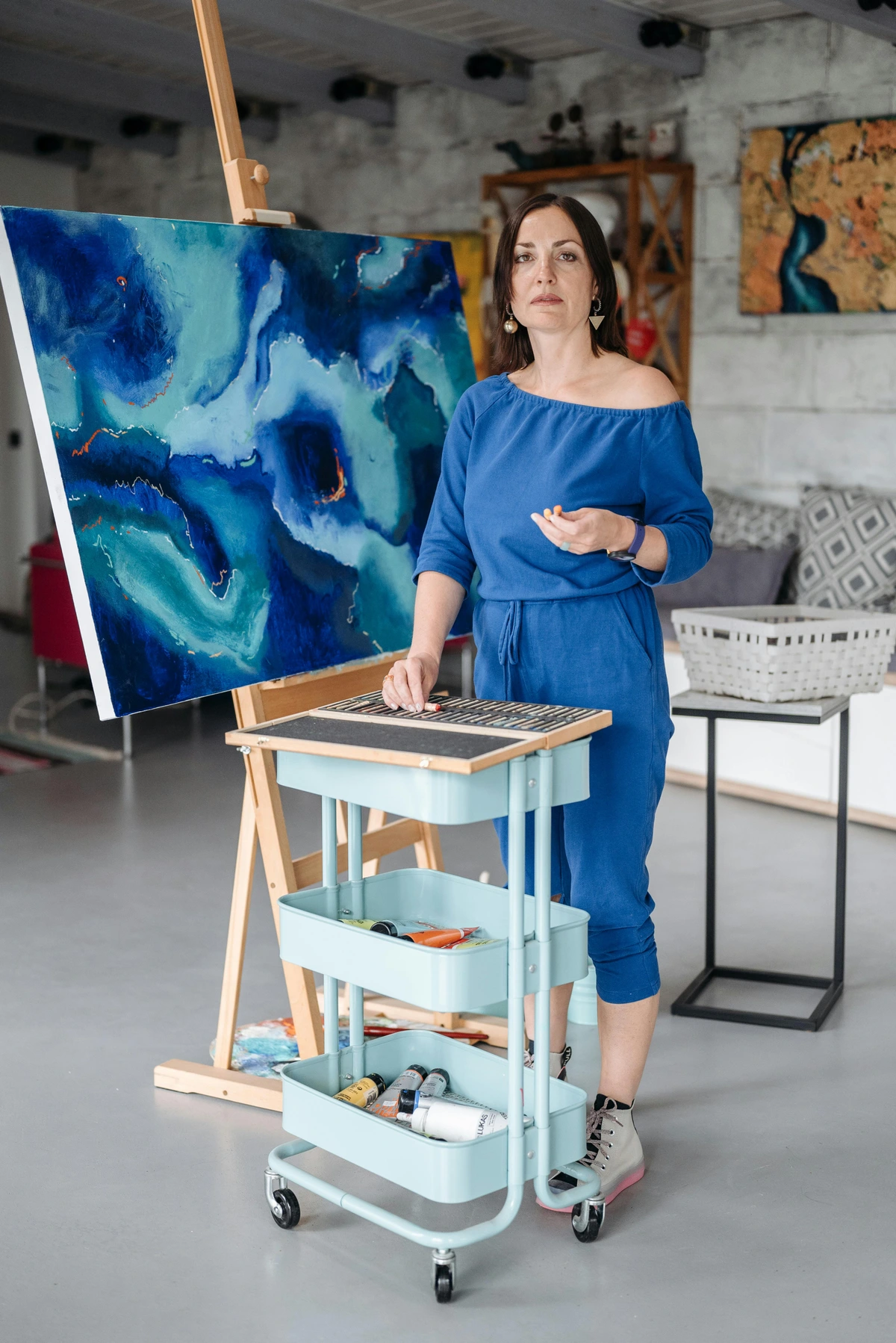
Tragically, neither mural survives today in their intended form. But for a moment, the two greatest artists of the era were locked in direct competition. It was the art world's equivalent of a heavyweight title fight, and the surviving sketches and copies show just how fiercely they were trying to prove their supremacy and validate their distinct artistic philosophies. These rivalries, I believe, are when artists truly stretch the limits of their creativity, compelled to demonstrate their unique genius.
Parisian Firefight: Picasso vs. Matisse and the Dawn of Modernism
As the 20th century dawned, Paris became the new battleground for artistic innovation. The incandescent rivalry between Pablo Picasso and Henri Matisse wasn't just a personal dynamic; it was a seismic shift that redefined the very essence of modern art, a continuous, high-stakes conversation played out on canvas that still echoes today. Their rivalry is arguably the most important of the modern era, fundamentally shaping the trajectory of 20th-century art, almost like a constant, high-level dialogue played out in paint. It's a dynamic that defines the very essence of modern artistic struggle and triumph, a fascinating blend of admiration and intense competition.
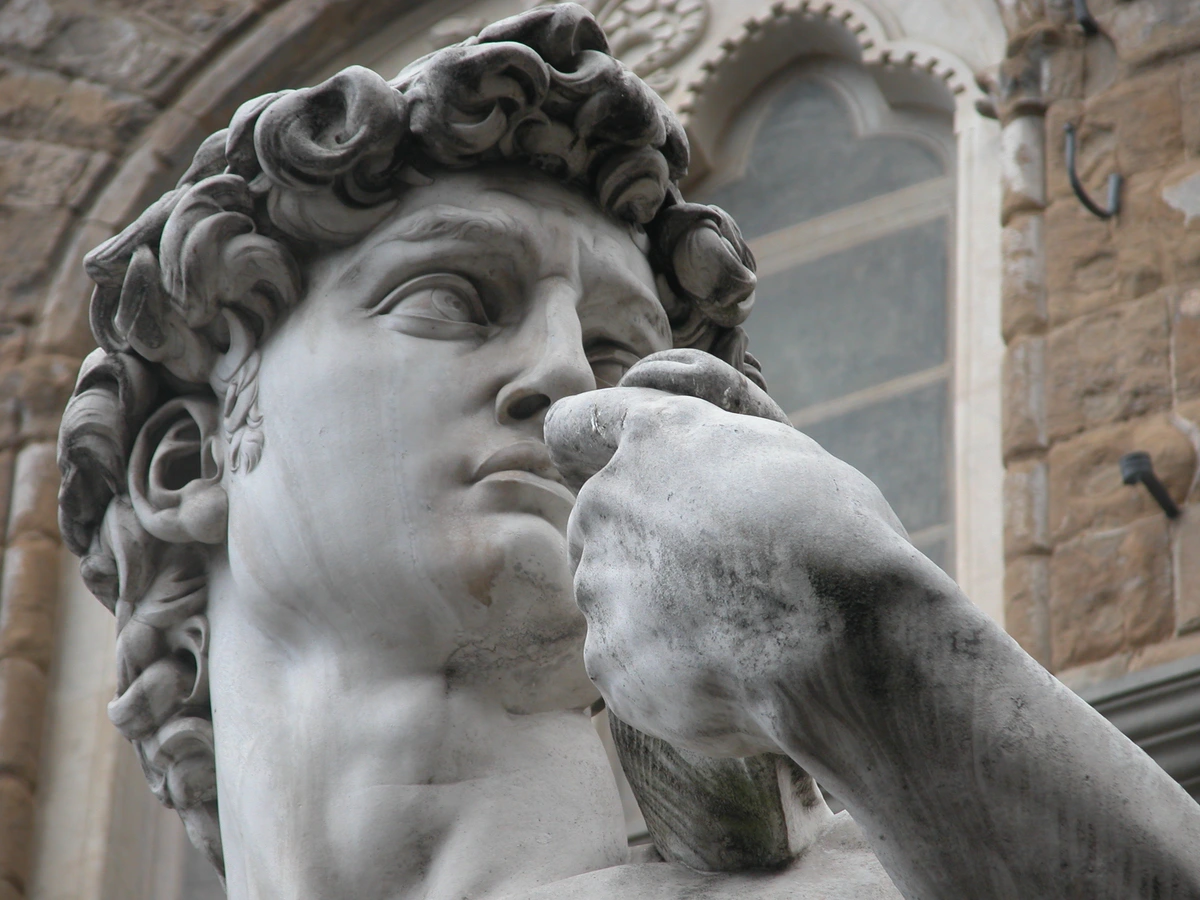
It was a friendship built on mutual respect and intense competition. They were complete opposites, and perhaps that's what made their creative dialogue so potent. Matisse, the elder of the two, was the king of the Fauvism movement, using wild, joyous color, flattened forms (meaning a deliberate reduction of three-dimensional illusion, often emphasizing the two-dimensionality of the canvas through bold color choices and the deliberate eschewing of traditional perspective), and decorative patterns to express pure emotion and decorative harmony. His approach was all about the immediate, sensual impact of color and line, as exemplified by paintings like The Red Room, where rich reds and blues create an enveloping, almost dizzying flatness that deliberately challenged the illusion of depth, a cornerstone of Western painting for centuries.
Picasso, the Spanish prodigy, saw this vibrant, expressive power and felt an immediate need to respond, to create something that would blow it out of the water. His answer was 'Les Demoiselles d'Avignon', a brutal, fragmented, and utterly revolutionary painting. It shattered traditional notions of beauty and perspective by depicting five nude female figures with fractured forms, multiple viewpoints simultaneously, and faces influenced by archaic Iberian sculpture and African masks – a clear embrace of Primitivism (the appropriation and admiration of art from non-Western cultures, particularly African, Oceanic, and Iberian tribal art, which Picasso found more authentic and less constrained by Western academic traditions). The faces, particularly those on the right, are stark, angular, and mask-like, deliberately challenging the European ideal of beauty. It was a deliberate, almost aggressive dismantling of classical form and spatial representation, the undeniable birth of Cubism, and it was a direct, audacious challenge to Matisse's aesthetic dominance, which still adhered to the canvas as a window onto a scene, albeit a wildly colored one. Picasso was essentially saying: art isn't about beautiful surfaces, it's about dissecting reality, revealing its underlying structure.
They would visit each other's studios constantly, like boxers sizing each other up, but it wasn't just a friendly chat. Every painting one made was a calculated move in a complex game of artistic chess, a direct commentary or retort. Picasso once said, "No one has ever looked at Matisse's paintings more carefully than I; and no one has looked at mine more carefully than he." Their powerful art dealer, Daniel-Henry Kahnweiler, also played a significant role, subtly pitting them against each other by strategically exhibiting their works together and championing one's breakthroughs to spur the other, effectively generating buzz and sales. Their entire careers were a creative dialogue, a constant push and pull that defined the trajectory of modern art, forcing both to continually redefine and evolve their groundbreaking styles. Their intertwined careers became a masterclass in artistic evolution, demonstrating how mutual challenge can lead to unparalleled breakthroughs, a lesson that continues to resonate in art schools and studios worldwide.
The New York Brawl: Pollock vs. de Kooning
In the mid-20th century, the center of the art world shifted from Paris to New York. This post-war artistic climate, fueled by a search for a new American identity in art and influenced by Surrealism and existential themes, gave rise to Abstract Expressionism, a movement that was raw, emotional, deeply personal, and often monumental in scale. The two heavyweights of this scene were Jackson Pollock and Willem de Kooning.
This wasn't a rivalry of polite studio visits; it was a gritty, alcohol-fueled competition between two titans of gestural painting, deeply embedded in the bohemian New York art scene. The infamous Cedar Tavern in Greenwich Village was often the epicenter of their clashes, a place where artistic theories were hotly debated and egos collided. Documented arguments and intense discussions about the future of painting regularly erupted in this smoky haunt. Pollock was famous for his radical "drip technique," creating vast, web-like canvases by pouring and flinging paint. He aimed for pure automatism (allowing the subconscious to guide the hand without conscious control, often leading to spontaneous and intuitive marks) and a direct connection to his subconscious, famously developing "all-over painting" where the canvas has no single focal point or compositional hierarchy; instead, the entire surface holds equal visual weight, much like the continuous flow of an orchestra where no single instrument dominates. This fundamentally challenged traditional notions of composition, foreground, and background, seeking a direct, unmediated expression.
De Kooning, on the other hand, never fully abandoned the figure, wrestling with it in his explosive, violent Woman series. These works, begun in 1950, injected raw emotion and aggressive brushstrokes (visible, expressive marks of paint that retain the texture and energy of their application) into recognizable (though distorted and grotesque) female forms, a provocative move that flew in the face of the burgeoning abstract purism of the time. For de Kooning, retaining the figure, even in its most tortured form, was essential; it allowed him to explore universal struggles related to the female archetype, raw sexuality, and the visceral human experience that he felt pure abstraction sometimes missed, seeing it as too detached from the human drama. He was heavily criticized for these works, with some abstract purists accusing him of 'betrayal' for his refusal to fully abstract, but he saw it as a powerful declaration that figuration still held immense, raw power and was vital for conveying complex human states. This perceived step backward by some was, for others, a bold re-engagement with a difficult, profound subject, injecting psychological depth back into the abstract realm.

Their art was the battleground for the very soul of Abstract Expressionism: pure abstraction versus the lingering ghost of the figure. When Pollock achieved massive fame after a feature in Life magazine in 1949, solidifying his status as the avant-garde darling, the pressure mounted on de Kooning to solidify his own revolutionary path. This catapulted Pollock to an almost unprecedented level of celebrity for an artist at the time, placing immense pressure on his peers and on the broader Abstract Expressionist movement to respond. When de Kooning finally unveiled his masterpiece Woman I, a powerful and unsettling depiction of the female form with aggressive black outlines and jarring colors, Pollock reportedly confronted him, saying, "Bill, you betrayed it. You're doing the figure, you're still doing the same goddamn thing." Pollock's blunt assessment, delivered in a moment of intense artistic debate, highlights the stark divergence in their approaches – pure gesture versus the wrestling with form, possibly tinged with a dash of envy at de Kooning's bold, unexpected move. Yet, in private, a grudging respect shone through: "He's a damn good painter," Pollock admitted. They needed each other to define what they were and what they weren't, driving each other to ever more intense and groundbreaking artistic statements within a movement that was all about individual, often conflicting, expression. It’s an interesting thought: sometimes, the most challenging critiques come from those who understand your struggle best, and the constant push-and-pull can hone an artist's vision immensely.
The Impressionist Impasse: Monet vs. Renoir
Moving a bit further back in time, to the late 19th century, we find another fascinating rivalry among the early Impressionists in France: Claude Monet and Pierre-Auguste Renoir. While often painting side-by-side and sharing many artistic principles, their individual pursuits subtly shaped their distinct legacies within the movement. This wasn't a rivalry of direct animosity, but rather a complementary competition of two strong wills defining their own truths side-by-side, indirectly inspiring each other through their distinct successes.
Both were obsessed with capturing the fleeting effects of light and atmosphere, painting en plein air (outdoors) to directly observe nature. This practice was revolutionary, as artists traditionally worked in studios from sketches or memory. Painting en plein air allowed them to capture the momentary sensations of light and color that traditional studio painting often missed, demanding rapid execution and an acute observational eye. It presented significant challenges: dealing with rapidly changing light, unpredictable weather, and the sheer logistics of transporting equipment, all of which forced artists to work quickly and spontaneously. They even painted the same scenes at times, most famously at La Grenouillère, a popular bathing spot on the Seine in 1869, known for its floating restaurant and lively crowds. Their canvases from these sessions, while sharing a similar subject and luminous light, reveal their nascent individual styles.
Monet's brushwork, often described as broken color (using small, distinct strokes of pure color placed side-by-side, allowing the viewer's eye to blend them optically from a distance, creating a vibrant optical mixing of hues and capturing the shimmering quality of sunlight on water) and impasto (thickly applied paint, creating texture and catching light, making the paint itself feel dynamic and alive), captured the shimmering reflections of water and foliage, focusing on the momentary sensation of light. This technique allowed for an unparalleled vibrancy, as the eye would blend the separate dabs of color, producing a more luminous and natural effect than pre-mixed paints. Renoir, on the other hand, even then, was drawn to the lively figures and social interaction, using softer, more blended brushwork to imbue his subjects with a sensual warmth and joyful intimacy. His approach created figures with a gentle glow and a sense of movement that connected them fluidly with their surroundings. It's a great example of how different temperaments can interpret the same reality, and how the same subject can reveal a divergence in artistic priority.
Feature | Pierre-Auguste Renoir | |
|---|---|---|
| Primary Focus | Landscapes, light, serialized studies | Figures, portraits, social scenes |
| Brushwork | Loose, broken color, impasto | Softer, more blended for figures |
| Emotional Tone | Serene, observational, atmospheric | Joyful, sensual, intimate |
| Iconic Subject | Water Lilies, Rouen Cathedral series | Bathers, Luncheon of the Boating Party |
Monet eventually moved towards a more rigorous, almost scientific study of light, capturing the same subject at different times of day and in varying conditions. His numerous series, like the Haystacks or the Water Lilies, exemplify this singular dedication to optical phenomena and the changing atmosphere. He was less interested in narrative or human presence than in the pure visual experience, almost striving for a scientific record of light's transient effects. Renoir, while equally devoted to capturing the vibrancy of life, increasingly turned his attention to the human figure, particularly women and children, infusing his canvases with a warmth, sensuality, and social grace that Monet rarely explored. He was a master of capturing the life and leisure of Parisian society, often through vibrant and intimate portraits and genre scenes, making the human element central to his vision.
Their rivalry wasn't as overtly confrontational as Michelangelo's or Picasso's; it was a quieter, persistent competition to define the very essence of Impressionism and to assert their own unique vision within the burgeoning movement. They pushed each other to explore the limits of light and color, yet their distinct interests carved out two complementary, yet different, paths within the same revolutionary artistic landscape. Ultimately, their parallel yet distinct pursuits within Impressionism solidified their individual positions, offering future generations two fundamental ways to interpret the ephemeral beauty of the world: Monet's relentless focus on light and atmosphere, and Renoir's vibrant celebration of human life and connection.
Other Noteworthy Rivalries That Shaped Art History
While the rivalries above are monumental, art history is littered with other compelling clashes that, in their own way, pushed artists to new heights and defined stylistic directions. These are the unsung heroes of artistic development, often creating intense friction that produced diamonds.
Baroque Battle for Dominance: Caravaggio vs. Annibale Carracci
This was a fundamental stylistic battle for the soul of Baroque art in 17th-century Italy. Caravaggio championed raw, theatrical naturalism with dramatic chiaroscuro (strong contrasts between light and dark, usually bold contrasts affecting a whole composition), focusing on relatable, often gritty, human experiences. His revolutionary use of light and shadow, seen in works like The Calling of Saint Matthew, brought an unfiltered reality to sacred scenes, making religious stories feel immediate and human—a move that was both controversial and deeply effective. Carracci, on the other hand, advocated for a return to classical ideals, emphasizing idealized forms, harmonious compositions, and refined academic drawing. He believed in learning from Renaissance masters, a philosophy he instilled through his founding of the Bolognese School, which became a powerful center for academic art. Both artists were highly influential, and their opposing approaches defined the diverse aesthetics of 17th-century Italian art, providing two distinct, foundational paths for subsequent generations of Baroque artists, influencing dynamics and emotional intensity.

Challenging the Establishment: Manet vs. The Salon
While not a direct rivalry between two artists, Édouard Manet's constant defiance of the conservative French Salon establishment was a powerful, indirect feud. The Salon, as the official art exhibition of the Académie des Beaux-Arts in Paris, was the gatekeeper of artistic success, dictating taste and style. Manet's modern subjects and bold, flattened painting style (as seen in works like Olympia or Luncheon on the Grass) shocked critics because of their stark realism, the direct, unapologetic gaze of the female figures, and their contemporary setting, which challenged traditional academic nudes and historical painting conventions. For Olympia, the model's unashamed stare and modern accessories were seen as scandalous; for Luncheon, the juxtaposition of a nude woman with fully clothed men in a contemporary landscape was equally provocative. He dared to present modern life in a modern way, disrupting centuries of artistic convention. His struggle effectively forced the art world to confront its rigid traditions, and his consistent rejection by the Salon actually propelled him to become a leader of the avant-garde, leading directly to the creation of alternative exhibitions and paving the way for the Impressionism movement, ultimately redefining what was considered 'acceptable' art. The very controversy sparked debates that profoundly altered public perception of what art could be.
The Arles Experiment: Gauguin vs. Van Gogh
This was a short-lived but intensely personal and artistic rivalry that culminated tragically. During their brief time living and working together in the Yellow House in Arles, their contrasting artistic philosophies and temperaments created immense friction. Gauguin's symbolic, decorative approach (often referred to as Synthetism, focusing on emotional truth and imagination over objective reality, using simplified forms and bold colors to convey inner feelings rather than external appearances) clashed profoundly with Van Gogh's emotional, expressive brushwork and vibrant use of color, which sought direct, visceral transcription of reality. Gauguin believed in working from imagination and memory, while Van Gogh felt compelled to paint directly from life, infusing his canvases with raw, untamed emotion, a direct record of his inner turmoil and connection to the world. Despite the creative output they produced side-by-side, this clash of wills and artistic visions, exacerbated by mental health struggles and alcohol, led to their dramatic falling out and Van Gogh's infamous ear-cutting incident. It’s a stark reminder that some creative collaborations, however fruitful, can be deeply destructive when fundamental artistic and personal differences prove irreconcilable, sometimes leading to mental exhaustion and burnout.
FAQ: Famous Artist Rivalries and Their Impact
To really cement this idea of creative tension, let's tackle some frequently asked questions about these fascinating feuds.
What is the most famous artist rivalry in history?
Without a doubt, the rivalry between Michelangelo and Raphael is the most legendary, often considered the benchmark for all art feuds. It had everything: two geniuses at the peak of their powers, the world's most powerful patron (the Pope), and a direct, side-by-side competition in the Vatican. While other rivalries, like Leonardo vs. Michelangelo or Picasso vs. Matisse, were equally significant in shaping their respective eras, the direct artistic and personal clashes between Michelangelo and Raphael have captured the imagination for centuries due to their epic scale and immediate impact on the High Renaissance style. However, if we consider the sheer trajectory and transformative influence on the language of modern art, the Picasso vs. Matisse rivalry arguably holds even greater weight, fundamentally redefining how we understand artistic creation.
Were Picasso and Matisse friends or rivals?
Both, intensely. They had a deep and complex relationship that lasted for decades, evolving from a professional rivalry to a profound intellectual and artistic dialogue. They were friends who respected each other immensely, constantly learning from one another's breakthroughs and challenges, often through their shared dealer Daniel-Henry Kahnweiler. But they were also fierce competitors, each striving to be recognized as the foremost modern artist. Their art was a constant conversation and a challenge to one another, driving both to new heights and fundamentally altering the course of modern art. For example, some art historians suggest that Matisse's bold exploration of color in his Fauvist period spurred Picasso to delve into more fragmented forms in his early Cubism, and conversely, Picasso's radical innovations in form later pushed Matisse towards bolder, more abstract compositions like his cut-outs. Their interaction was a model for modern artistic dialogue, and their mutual criticism was often a catalyst for personal growth as well as artistic evolution. It’s a dynamic that I, as an artist, often reflect on – that beautiful tension of admiration and aspiration, where challenging critiques often come from those who understand your struggle best.
Did artist rivalries help or hinder their work?
I'd argue it almost always helped, often pushing artists to produce their best and most innovative work. Competition is a powerful motivator; the desire to outdo a rival forced these artists to innovate, to push the boundaries of their own styles, and to work with an intensity they might not have otherwise found. The pressure often created diamonds, making their individual contributions even more distinct and potent. For example, a rivalry might compel an artist to meticulously refine their technique or experiment with a new style simply to differentiate themselves from a peer. However, I can also imagine the immense stress and potential for personal alienation that such intense competition could bring. The psychological strain could lead to burnout, stylistic imitation rather than true innovation, or even artists becoming overly focused on a rival's output to the detriment of their own unique vision, potentially stunting personal growth, as tragically seen with the intense, destructive collaboration between Gauguin and Van Gogh. Yet, historically, the artistic output often shines through these challenges, suggesting the benefits generally outweighed the drawbacks.
Are there famous rivalries in contemporary art?
Absolutely, though they often play out differently today. The street art scene, for example, saw a famous, public feud between Banksy and King Robbo in London, a territorial graffiti battle that played out on city walls themselves, with each artist tagging over the other's work for years, a clear act of artistic one-upmanship and territorial marking for public attention and legitimacy. In the high-art world, rivalries can manifest as a competition for market dominance, critical acclaim, or conceptual innovation between artists like Damien Hirst and Jeff Koons, vying for who can create the biggest, most shocking, or most commercially successful spectacle (think Hirst's diamond-encrusted skull or Koons' monumental balloon dog sculptures). It's less about direct painting showdowns and more about staking a claim on the zeitgeist, pushing boundaries of what art can be, and often, commanding astronomical prices. While the digital realm and NFTs have introduced new avenues for creation and speculation, the enduring impact of art often hinges on its fundamental aesthetic and conceptual strength, a quality tested over centuries, not just in market fluctuations or fleeting trends. Skepticism about its long-term artistic impact remains a prevailing sentiment in many circles.
How did patrons and institutions influence these rivalries?
Significantly! Patrons like Pope Julius II in the Renaissance actively fanned the flames of competition by commissioning rival artists for prestigious projects (think Michelangelo and Raphael in the Vatican). This created a high-stakes environment where artists competed not just for financial support and prestige, but also to secure their legacy and make powerful political and social statements through their art. The Medici family's patronage of both Leonardo and Michelangelo also contributed to their rivalry in Florence. In later eras, powerful art dealers like Daniel-Henry Kahnweiler for Picasso and Matisse, or influential critics like Clement Greenberg for the Abstract Expressionists, played a similar role. By championing certain artists or movements over others, or even strategically exhibiting their works side-by-side to highlight differences, they inadvertently (or sometimes intentionally) fueled competitive dynamics, shaping public perception and market value, effectively defining artistic hierarchies. Institutions like the Royal Academy of Arts or influential museums also set the stage for such rivalries by curating exhibitions that implicitly or explicitly contrasted artists or styles, framing artistic debates for public consumption. Even today, major exhibition venues can amplify or create rivalries through their curatorial choices, often reflecting and shaping the contemporary art market.
More Than Just Masterpieces: The Enduring Human Element
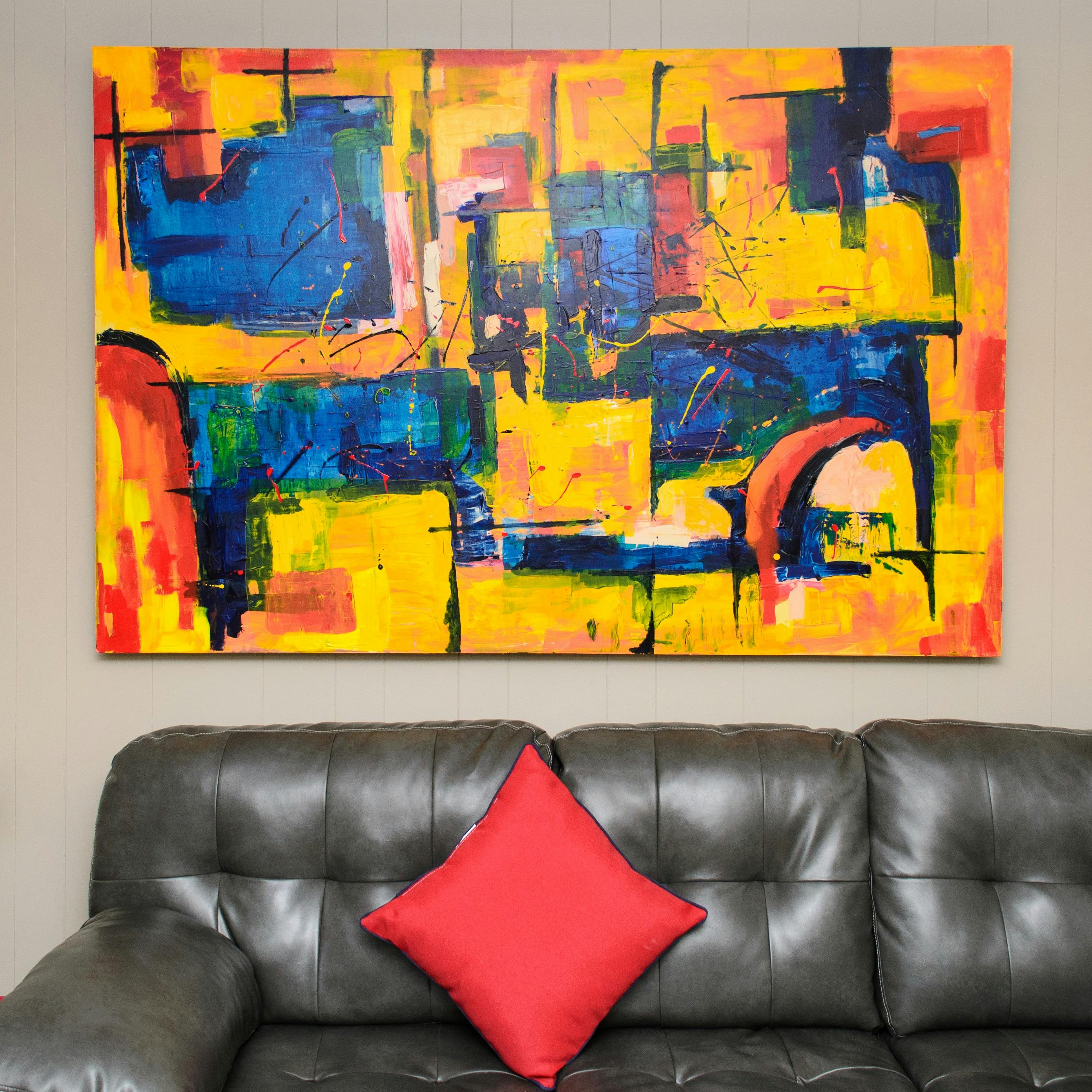
Looking at these stories, it's clear that art history is not a neat, linear progression. It's a messy, human drama, brimming with ego, passion, and an undeniable drive to create. These rivalries remind us that behind the serene canvases and imposing sculptures are people driven by the same complex emotions we all feel: pride, envy, ambition, and a desperate need to make their mark on the world. It’s a drama that I, as an artist, find incredibly compelling, and it often informs my own approach to pushing boundaries and exploring new expressions in my abstract and colorful works. The intense focus of Monet on capturing fleeting light, for instance, reminds me to always be present in the moment of creation, even in my abstract pieces, seeking that raw, immediate connection.
This rich tapestry of human drama, woven through centuries of artistic creation, is precisely why understanding these rivalries is so vital. It allows us to see art not just as objects of beauty, but as vibrant expressions of human will, passion, and the enduring quest for recognition. It’s a legacy that continues to inspire contemporary artists and deepen our connection to the art we encounter every day. Historically, the perception of these rivalries can also change over time; what seemed like petty squabbles in one era might, in retrospect, be recognized as foundational clashes that redefined artistic principles.

So the next time you're in a museum, standing in front of a masterpiece, remember that it might not have been born from a place of calm contemplation. It might be a response, a challenge, or a final, victorious word in a lifelong argument. And that, I think, makes the art even more powerful, connecting us to the raw, human energy that brought it into being, a force that continues to shape art today, often in the most unexpected ways. It is a testament to the idea that pushing boundaries, often spurred by competition, is inherent to artistic evolution.










I'm always amazed at how human the process of making art truly is. Maybe that's why, in my own work, I try to embrace both the struggle and the joy, the quiet contemplation and the occasional flash of competitive spirit. It all feeds the creative fire. If you're curious about the ongoing conversation in contemporary art, feel free to explore more here or check out the timeline of art movements.
Further Reading and Related Articles
For those who want to dive deeper into the artists and movements discussed, explore these related resources on Zen Museum: