Dora Maar: Beyond Picasso’s Muse – A Comprehensive Biography and Art Analysis
Explore the life, art, and legacy of Dora Maar, a groundbreaking artist, photographer, and poet often overshadowed by her relationship with Picasso. Discover her major works, artistic evolution, and enduring influence.

Dora Maar: Beyond Picasso’s Muse – A Comprehensive Biography and Art Analysis
Dora Maar was a multifaceted artist whose contributions to photography, painting, and poetry have often been overshadowed by her association with Pablo Picasso. This article aims to explore her life, work, and legacy, highlighting her significance as an independent artist and a trailblazer in the 20th-century art world.
I’ll admit, the first time I heard the name Dora Maar, it was in the same breath as Picasso. "His muse," they said, "his weeping woman." But as I dug deeper, I realized how reductive that label was. Dora Maar wasn’t just a footnote in Picasso’s story—she was a formidable artist in her own right, a photographer, a poet, and a woman who navigated the turbulent waters of 20th-century art with fierce independence. So, let’s set the record straight and explore the life, work, and legacy of Dora Maar, beyond the shadow of Picasso.
In this article, we will delve into her early influences, her groundbreaking contributions to Surrealism, her complex relationship with Picasso, and her enduring impact on modern art. We will also address common questions about her life and work, providing a comprehensive overview of her artistic journey.
Why Dora Maar Matters
Dora Maar’s significance extends far beyond her association with Picasso. She was a trailblazer in a male-dominated art world, a visionary who pushed the boundaries of photography and painting, and a poet whose words resonated with the same depth as her visual art. Her story is one of resilience, creativity, and an unyielding commitment to her craft. By understanding her contributions, we gain a richer perspective on the evolution of modern art and the role of women in shaping it.
Key Contributions
- Photography: Maar’s innovative use of photography challenged traditional notions of representation and explored themes of fragmentation and identity.
- Painting: Her surrealist paintings, characterized by distorted figures and dreamlike landscapes, contributed to the movement’s exploration of the subconscious.
- Poetry: Her poetic works, though less known, provided a deeper insight into her creative process and the emotions that drove her art.
Legacy
Maar’s legacy is not just about her art; it’s about reclaiming the narratives of women who have been sidelined in history. By recognizing her contributions, we honor her legacy and inspire future generations of artists to pursue their visions fearlessly.
Dora Maar’s significance extends far beyond her association with Picasso. She was a trailblazer in a male-dominated art world, a visionary who pushed the boundaries of photography and painting, and a poet whose words resonated with the same depth as her visual art. Her story is one of resilience, creativity, and an unyielding commitment to her craft. By understanding her contributions, we gain a richer perspective on the evolution of modern art and the role of women in shaping it.
Introduction: Who Was Dora Maar?
Dora Maar (born Henriette Theodora Markovitch) was a French artist whose career spanned painting, photography, and poetry. Born in 1907 in Paris to a Croatian architect father and a French mother, she grew up in a multicultural household that nurtured her artistic inclinations. Maar’s work was deeply influenced by Surrealism, and she was one of the few women recognized in a movement dominated by men. Yet, her relationship with Pablo Picasso often overshadows her own contributions to art history.
But here’s the thing: Dora Maar was so much more than a muse. She was a pioneer, a thinker, and a creator who left an indelible mark on the art world. Let’s dive into her story.
Early Influences and Education
Maar’s early exposure to art and culture was shaped by her father’s architectural work and her mother’s French heritage. This blend of influences fostered a unique perspective that would later define her artistic style. She studied at the École des Beaux-Arts and the Académie Julian, where she honed her skills in painting and photography, setting the stage for her groundbreaking career.
Early Life and Artistic Beginnings
Dora Maar’s journey into art began in her childhood. Her father, an architect, exposed her to the world of design and aesthetics, while her mother’s French heritage connected her to the cultural pulse of Paris. She studied at the École des Beaux-Arts and the Académie Julian, where she honed her skills in painting and photography.
Key Influences
- Surrealism: The movement’s emphasis on the subconscious and dreamlike imagery resonated with Maar’s artistic sensibilities. She was drawn to its exploration of the unconscious mind and its potential to reveal hidden truths.
- Photography: She was particularly drawn to the medium’s ability to capture raw emotion and reality, which she later blended with surrealistic elements. Her photographic work often challenged traditional notions of representation.
- Poetry: Maar’s poetic side often bled into her visual work, adding layers of meaning and symbolism. Her poems explored themes of identity, fragmentation, and the subconscious, mirroring the themes in her visual art.
Early Career and Collaborations
Maar’s early career was marked by collaborations with other artists and her involvement in the Surrealist movement. She worked alongside prominent figures such as André Breton and Man Ray, contributing to exhibitions and publications that defined the movement. Her ability to blend photography, painting, and poetry set her apart as a multifaceted artist.
Dora Maar’s Artistic Career
Photography: Capturing the Unseen
Maar’s photography was revolutionary. She didn’t just take pictures; she created visual narratives that challenged perceptions. Her work often explored themes of fragmentation, identity, and the subconscious.
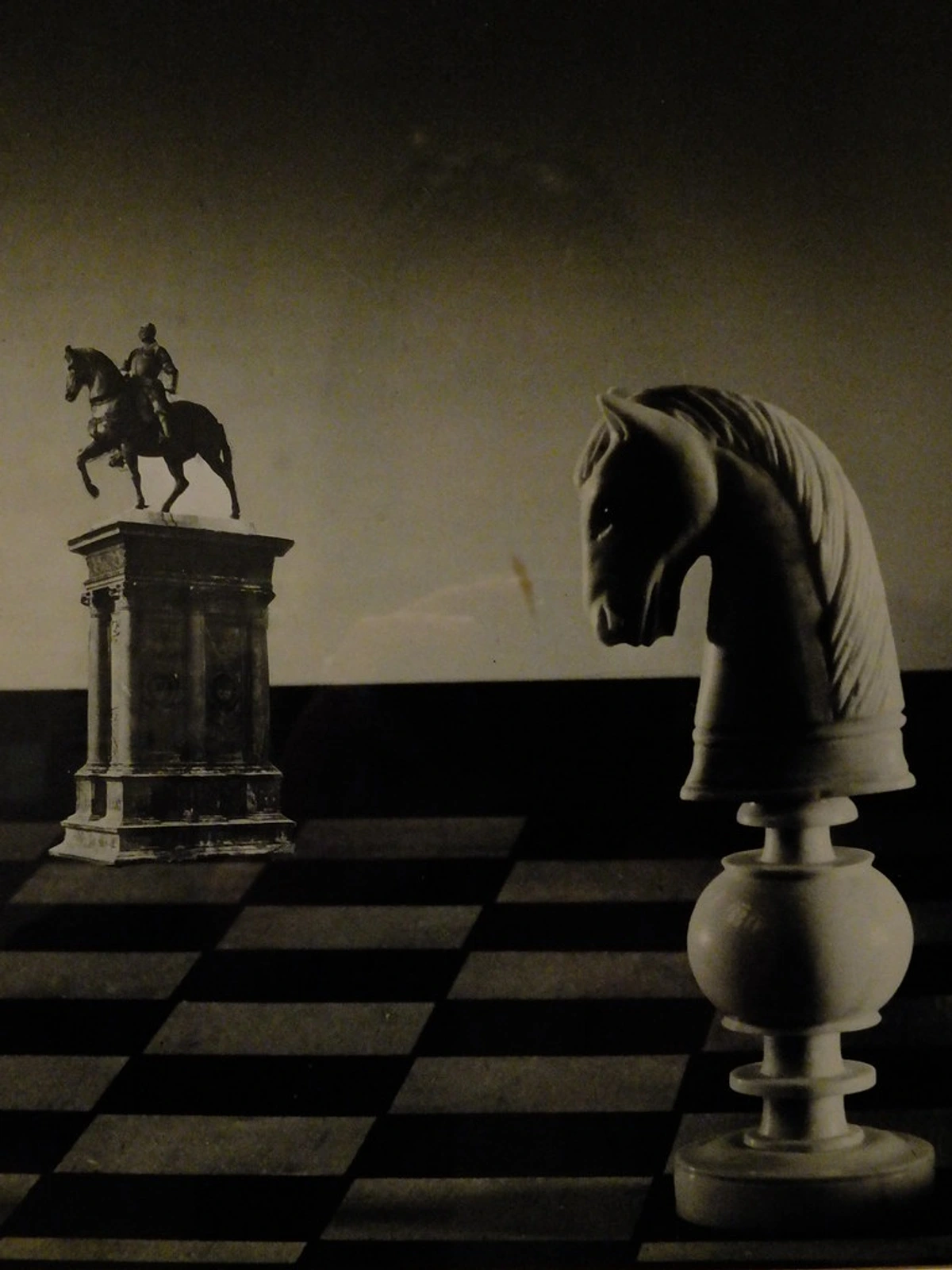
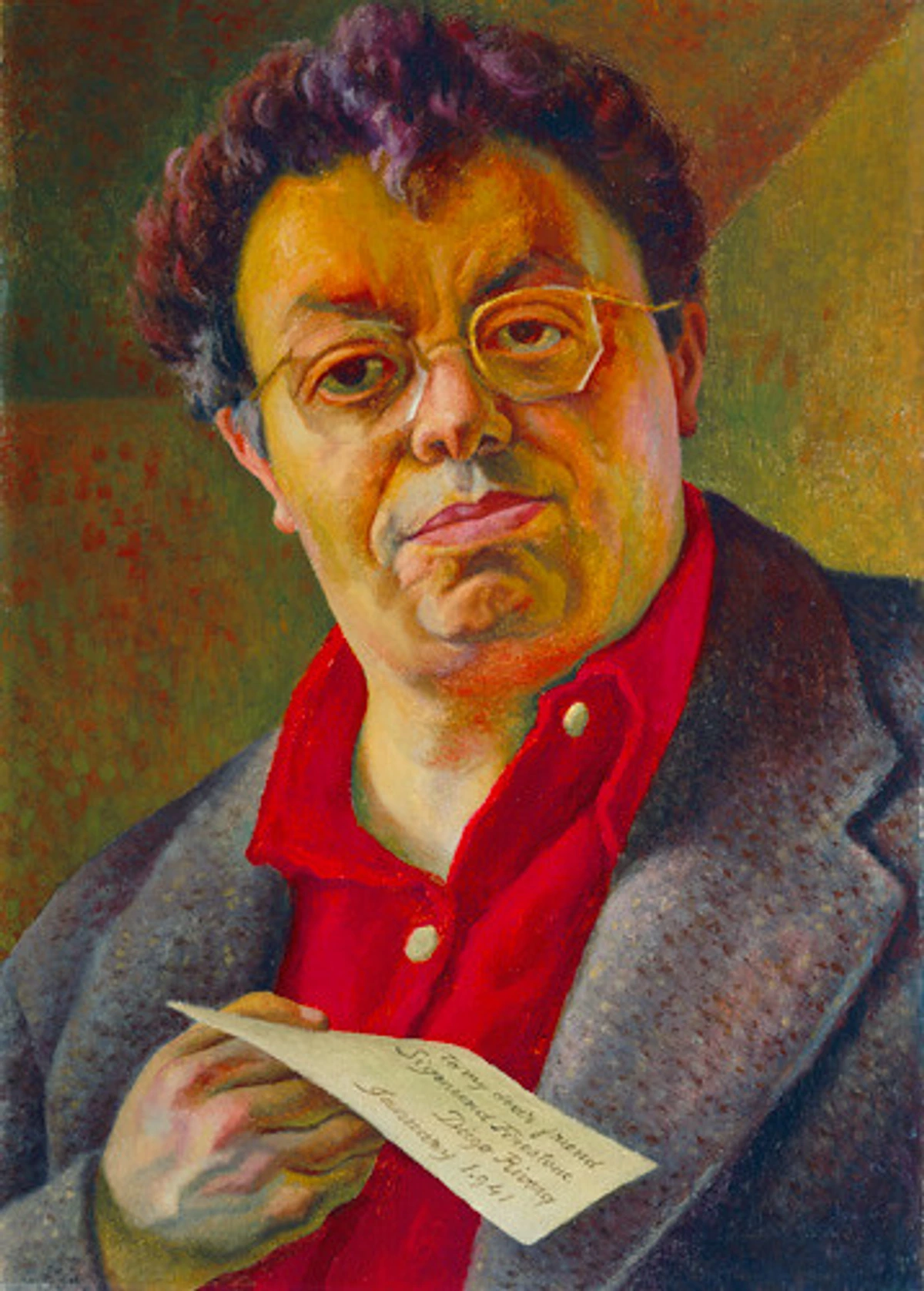
One of her most famous photographic series, 29 Rue d’Astorg (1936), captures the eerie, dreamlike atmosphere of a Parisian studio. The images are haunting, almost cinematic, with a sense of mystery that invites the viewer to look closer.

credit, licence
Painting: A Surrealist Vision
Maar’s paintings are equally compelling. She was part of the Surrealist circle, exhibiting alongside artists like André Breton and Max Ernst. Her work often featured distorted figures, dreamlike landscapes, and a sense of unease that was characteristic of the movement.
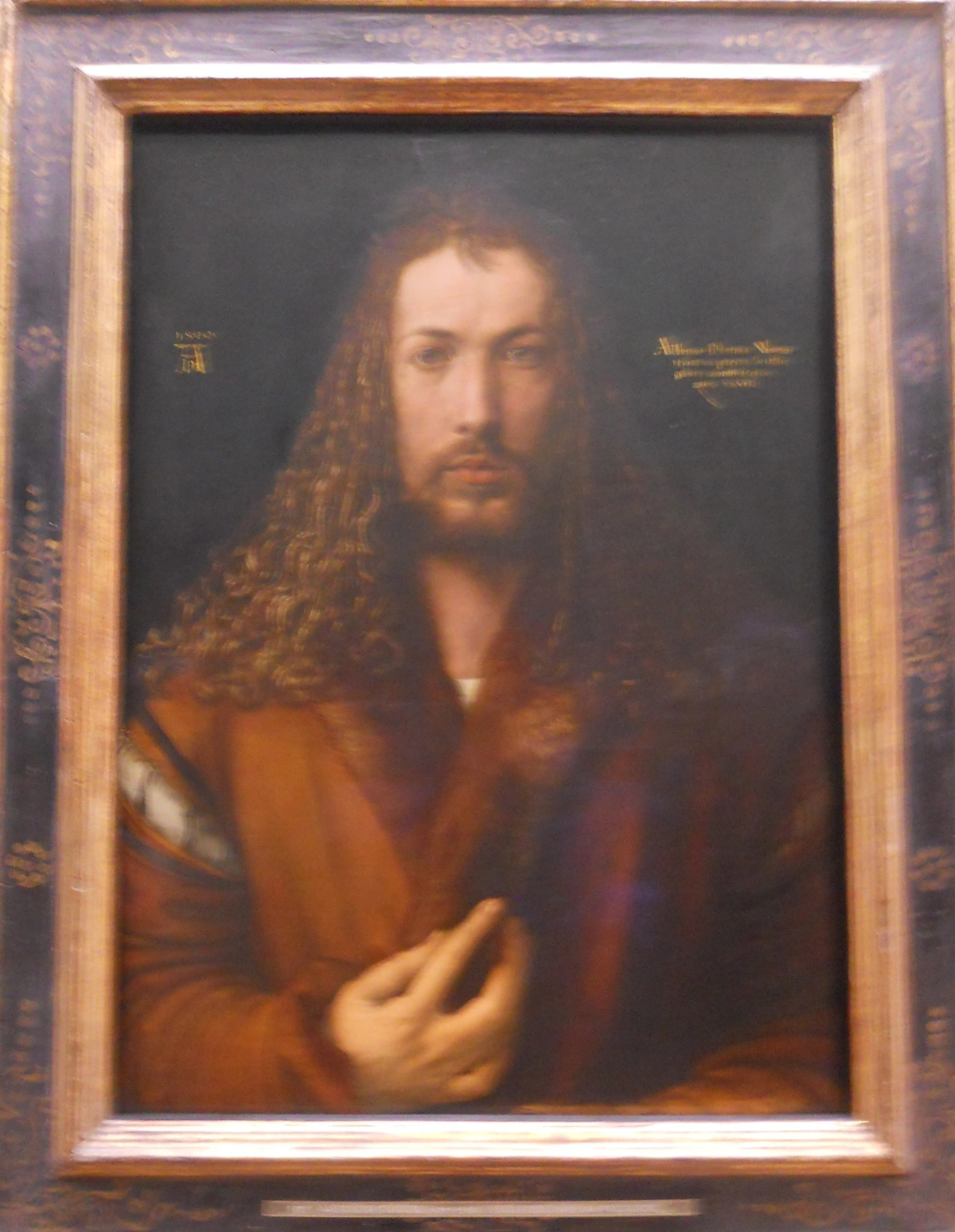
One of her notable paintings, The Conversation (1937), depicts two figures in a surreal, almost claustrophobic setting. The use of color and composition creates a sense of tension and introspection.
credit, licence

Poetry: Words as Art
Maar’s poetic works are less known but equally significant. Her poems often reflect her artistic themes—fragmentation, identity, and the subconscious. They provide a deeper insight into her creative process and the emotions that drove her work.
The Intersection of Poetry and Visual Art
Maar’s poetry was deeply intertwined with her visual art. She often used words to explore the same themes she addressed in her paintings and photographs, creating a cohesive body of work that transcended mediums. Her poems were characterized by their introspective nature and their ability to evoke vivid imagery, much like her visual art.
Dora Maar and Picasso: A Complex Relationship
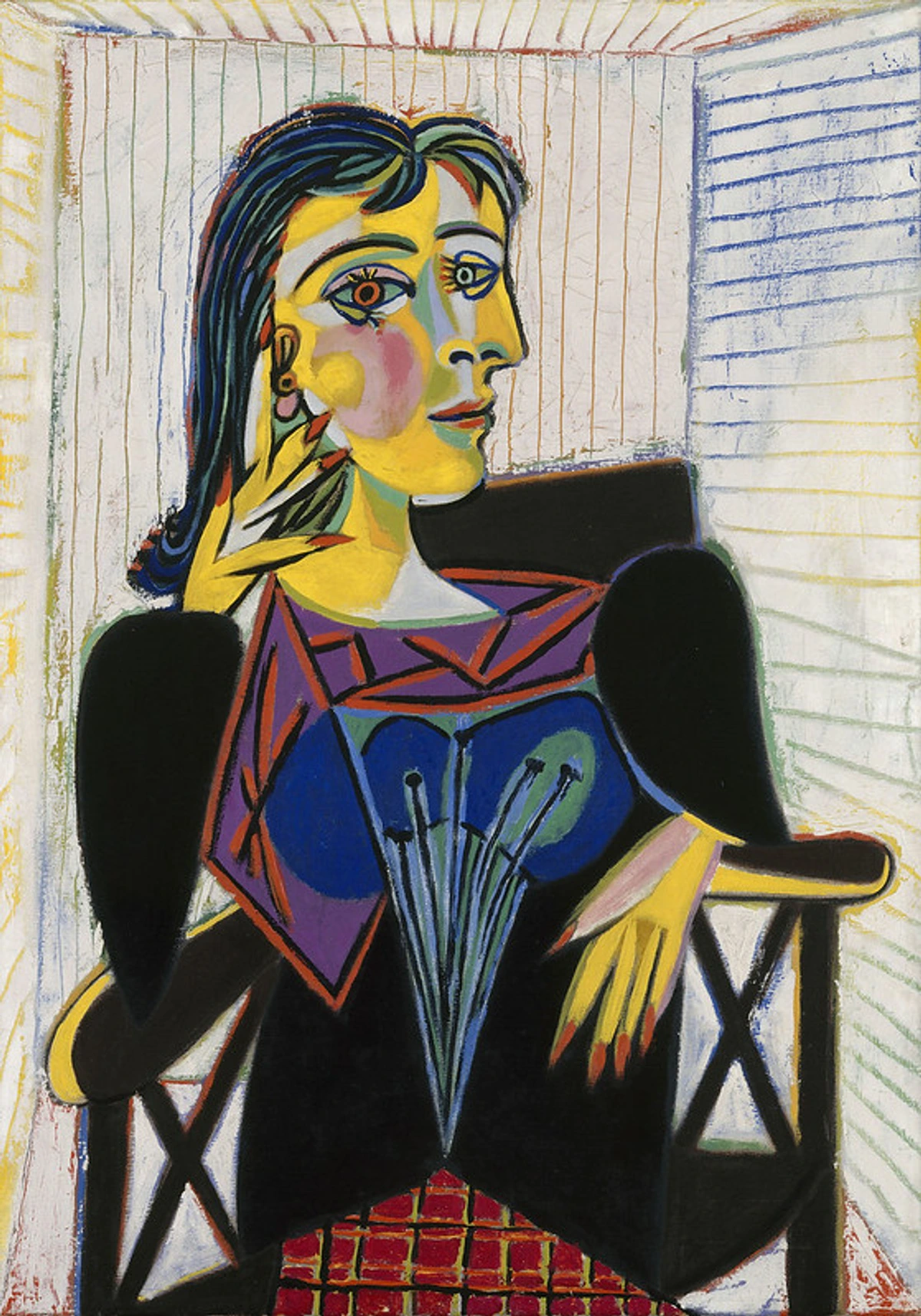
It’s impossible to talk about Dora Maar without mentioning Picasso. Their relationship, which began in the 1930s, was intense and tumultuous. Picasso was captivated by Maar’s intelligence and artistic talent, and she became one of his most prominent muses during this period.
The Weeping Woman Series
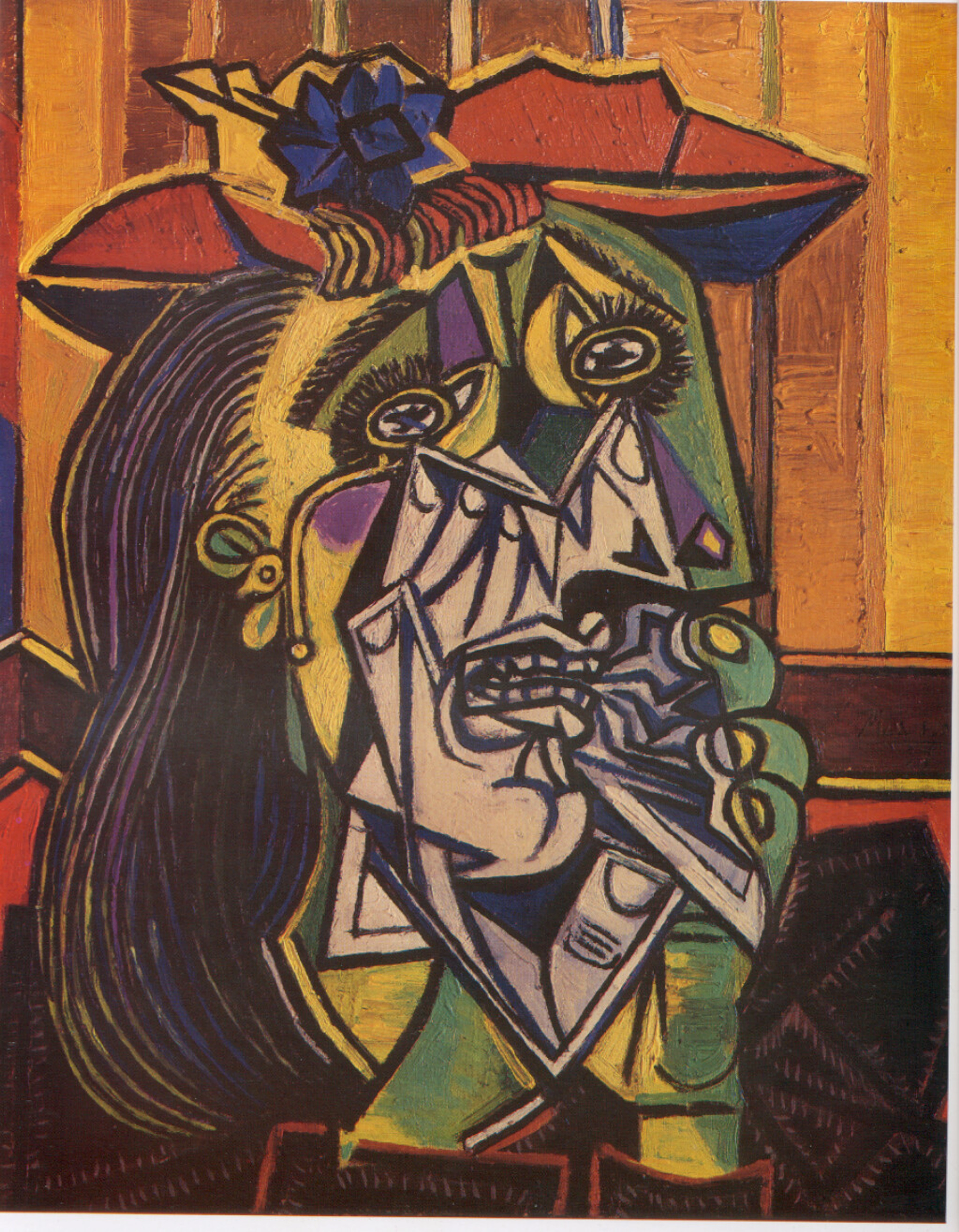
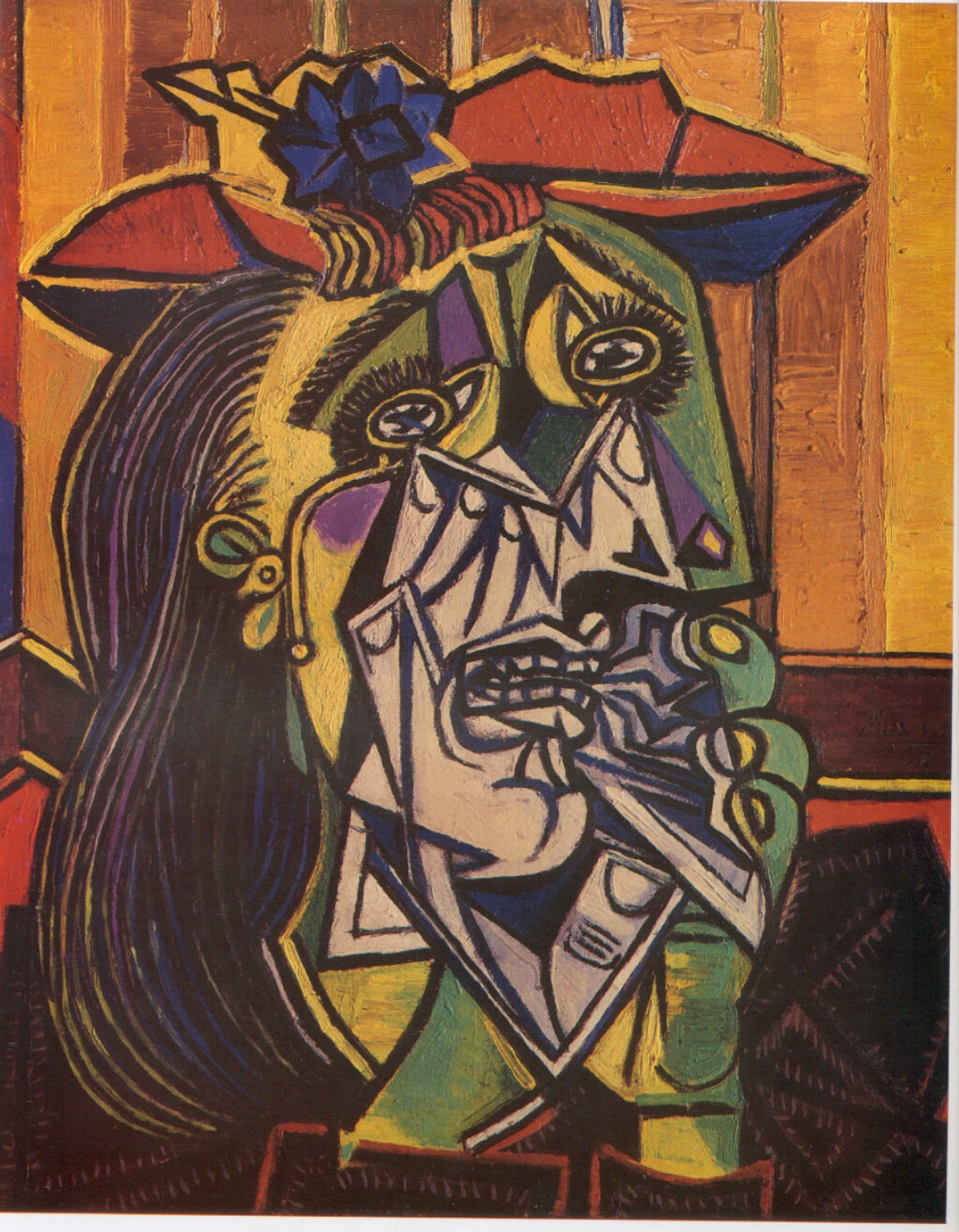
Picasso’s Weeping Woman series, which features Maar as the subject, is perhaps the most famous representation of their relationship. These paintings are raw, emotional, and deeply personal. But it’s important to remember that while Picasso painted her, Maar was also creating her own art during this time.
credit, licence
Beyond the Muse
Maar’s relationship with Picasso was complex, but it didn’t define her. She continued to create art, even as her personal life became more complicated. After their breakup, she retreated from the public eye but never stopped working.
The Impact of Their Relationship on Maar’s Art
While Picasso’s influence on Maar’s life is undeniable, it is essential to recognize how her relationship with him shaped her artistic evolution. The emotional intensity of their bond is reflected in her work, particularly in her exploration of themes such as identity and fragmentation. However, Maar’s art remained distinctly her own, a testament to her resilience and creative independence.
Later Years and Legacy
In her later years, Maar turned increasingly to poetry and religion. She converted to Catholicism and spent much of her time in solitude, reflecting on her life and work. Despite her withdrawal from the art scene, her influence endured.
Major Works and Exhibitions
Maar’s work has been exhibited in major museums and galleries around the world. Some of her most notable exhibitions include:
- Centre Pompidou, Paris: A retrospective of her photographic and painted works.
- Tate Modern, London: Featured in exhibitions on Surrealism and women in art.
- Museum of Modern Art, New York: Her photographs and paintings are part of their permanent collection.
Influence on Modern Art
Maar’s legacy extends beyond her own work. She was a trailblazer for women in the arts, challenging the male-dominated narratives of her time. Her use of photography and painting to explore the subconscious and identity has influenced countless artists who came after her.
The Enduring Relevance of Maar’s Work
Maar’s exploration of themes such as identity, fragmentation, and the subconscious continues to resonate with contemporary artists. Her ability to blend different mediums and her innovative techniques have cemented her place in art history. Today, her work is celebrated not only for its artistic merit but also for its role in paving the way for future generations of women artists.
FAQ: Common Questions About Dora Maar
Who was Dora Maar?
Dora Maar was a French artist, photographer, and poet known for her contributions to Surrealism and her relationship with Pablo Picasso. She was a pioneering figure in 20th-century art.
What is Dora Maar famous for?
Maar is famous for her surrealist photography and paintings, as well as being one of Picasso’s muses. Her work often explored themes of identity, fragmentation, and the subconscious.
What was Dora Maar’s relationship with Picasso?
Maar and Picasso had a complex, tumultuous relationship in the 1930s. She was one of his prominent muses, featured in his Weeping Woman series, but she was also an independent artist in her own right.
What are some of Dora Maar’s major works?
Some of her major works include the photographic series 29 Rue d’Astorg, the painting The Conversation, and her contributions to Surrealist exhibitions.
How did Dora Maar influence modern art?
Maar’s innovative use of photography and painting to explore the subconscious and identity has had a lasting impact on modern art. She was also a trailblazer for women in the arts.
Where can I see Dora Maar’s work?
Her work is featured in major museums such as the Centre Pompidou in Paris, the Tate Modern in London, and the Museum of Modern Art in New York.
What themes did Dora Maar explore in her art?
Maar’s art often delved into themes of identity, fragmentation, and the subconscious. Her work was characterized by its exploration of the human psyche and its ability to evoke complex emotions.
How did Dora Maar’s later years shape her legacy?
In her later years, Maar turned to poetry and religion, reflecting on her life and work. Her legacy is defined by her contributions to art and her role as a trailblazer for women in the arts.
What is the significance of Dora Maar’s poetry?
Maar’s poetry, though less known, provides a deeper insight into her creative process and the emotions that drove her work. It often reflects the same themes as her visual art, such as identity and fragmentation.
How did Dora Maar’s multicultural background influence her art?
Maar’s Croatian and French heritage exposed her to diverse cultural influences, which shaped her unique artistic perspective and contributed to her innovative approach to photography and painting.
What was Dora Maar’s role in the Surrealist movement?
Maar was a key figure in the Surrealist movement, collaborating with artists like André Breton and Man Ray. Her work challenged traditional notions of representation and explored the subconscious mind.
How did Dora Maar’s photography influence her painting?
Maar’s photography often informed her painting, as she experimented with themes of fragmentation and identity across both mediums. Her photographic techniques, such as double exposure and montage, influenced her surrealist paintings.
What is the significance of Dora Maar’s The Conversation?
The Conversation (1937) is a notable painting by Maar that depicts two figures in a surreal, claustrophobic setting. The work is celebrated for its use of color and composition to evoke tension and introspection.
How did Dora Maar’s relationship with Picasso impact her career?
While Picasso’s influence on Maar’s life was significant, her relationship with him did not define her career. She continued to create art independently, and her work remained distinctively her own.
What is Dora Maar’s enduring legacy?
Maar’s legacy is defined by her contributions to art and her role as a trailblazer for women in the arts. Her innovative techniques and exploration of themes such as identity and the subconscious continue to inspire contemporary artists.
Conclusion: Rediscovering Dora Maar
Dora Maar’s story is a reminder of how easily women in the arts can be overshadowed by their male counterparts. But her work speaks for itself—powerful, evocative, and deeply personal. She was more than a muse; she was a visionary who pushed the boundaries of art and left a legacy that continues to inspire.
So, the next time you hear the name Dora Maar, think beyond Picasso. Think of her as the artist, the photographer, the poet—who carved her own path in a world that often tried to define her.
And if you’re as captivated by her story as I am, why not explore more about the artists who shaped the 20th century? Check out our timeline for a deeper dive into the lives and works of other groundbreaking artists.
The Importance of Reclaiming Maar’s Legacy
Maar’s story is not just about her art; it’s about reclaiming the narratives of women who have been sidelined in history. By recognizing her contributions, we honor her legacy and inspire future generations of artists to pursue their visions fearlessly.






Further Reading and Resources
- Books: Dora Maar: A Biography by Mary Ann Caws
- Documentaries: Dora Maar: The Woman Who Painted Picasso
- Exhibitions: Keep an eye on major museums for retrospectives on her work.
- Online Resources: Explore digital archives and online exhibitions dedicated to Maar’s work for a deeper understanding of her artistic journey.
Image Credits
- Image 1: Dora Maar's photography studio, credit, licence
- Image 2: The Conversation by Dora Maar, credit, licence
- Image 3: Picasso's Weeping Woman, credit, licence