
Common Art Mistakes Beginners Make and How to Avoid Them
Discover the most frequent mistakes beginner artists make, why they happen, and how to avoid them. A comprehensive guide to improving your art skills.

Common Art Mistakes Beginners Make and How to Avoid Them
I remember the first time I picked up a brush, thinking I was about to create a masterpiece. Spoiler alert: it didn’t turn out that way. In fact, it looked more like a smudge of colors that even my dog wouldn’t claim. If you’ve ever felt that pang of disappointment staring at your own artwork, you’re not alone. Every artist, no matter how skilled they are now, started somewhere. And let me tell you, that "somewhere" was probably filled with a lot of mistakes.
But here’s the thing: mistakes aren’t just inevitable; they’re essential. They’re the stepping stones that lead you from "I have no idea what I’m doing" to "Wow, I actually created something I’m proud of." The key is recognizing those mistakes early and learning how to avoid them. So, let’s dive into some of the most common art mistakes beginners make, why they happen, and how you can steer clear of them.
Why Beginners Struggle with Art
Art is a journey that requires patience, practice, and persistence. Beginners often struggle because they expect immediate results without understanding the process. It’s important to recognize that every artist, from the most renowned to the hobbyist, started with the basics. Embracing the learning curve and understanding that mistakes are part of the process can help you grow and improve.
The Importance of Learning from Mistakes
Mistakes are not just a part of the learning process; they are the foundation of growth. Every error you make teaches you something new about your craft, your tools, and yourself. Embracing mistakes allows you to experiment freely, take risks, and ultimately discover your unique artistic voice. Without mistakes, there would be no innovation or progress in art.
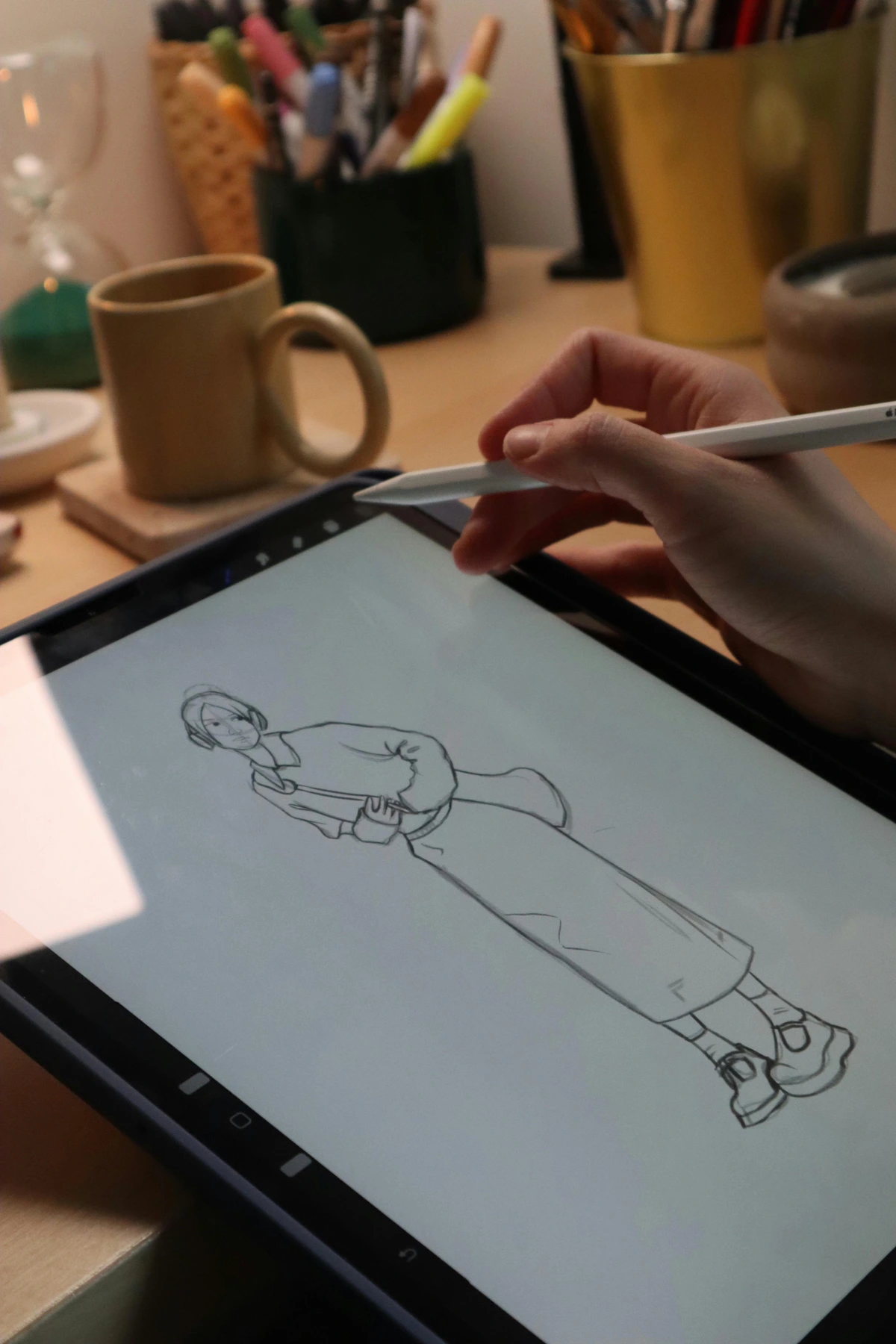
Why Mistakes Are Essential in Art
Mistakes are not just a part of the learning process; they are the foundation of growth. Every error you make teaches you something new about your craft, your tools, and yourself. Embracing mistakes allows you to experiment freely, take risks, and ultimately discover your unique artistic voice. Without mistakes, there would be no innovation or progress in art.
The Role of Mistakes in Artistic Growth
Mistakes help artists develop resilience and adaptability. They encourage you to think creatively and find solutions to unexpected challenges. For example, a "mistake" in color mixing might lead to a unique hue that becomes a signature element of your work. Similarly, an unintended brushstroke could inspire a new technique or style.

Overworking Your Artwork
The Mistake
You’ve probably been there: you start a piece, and it’s going well. The colors are vibrant, the lines are crisp, and you’re feeling pretty good about it. But then, something doesn’t look quite right. Maybe the proportions are off, or the shading isn’t quite where you want it to be. So, you keep tweaking. And tweaking. And tweaking some more.
Before you know it, your once-promising artwork looks like a muddy, overworked mess. The colors are dull, the lines are smudged, and that initial spark of inspiration is long gone.

The Psychology Behind Overworking
Overworking often stems from a fear of failure or a desire for perfection. Artists may feel that if they keep adjusting, they can achieve an unattainable level of perfection. However, this mindset can lead to frustration and burnout, as the artwork loses its spontaneity and freshness.
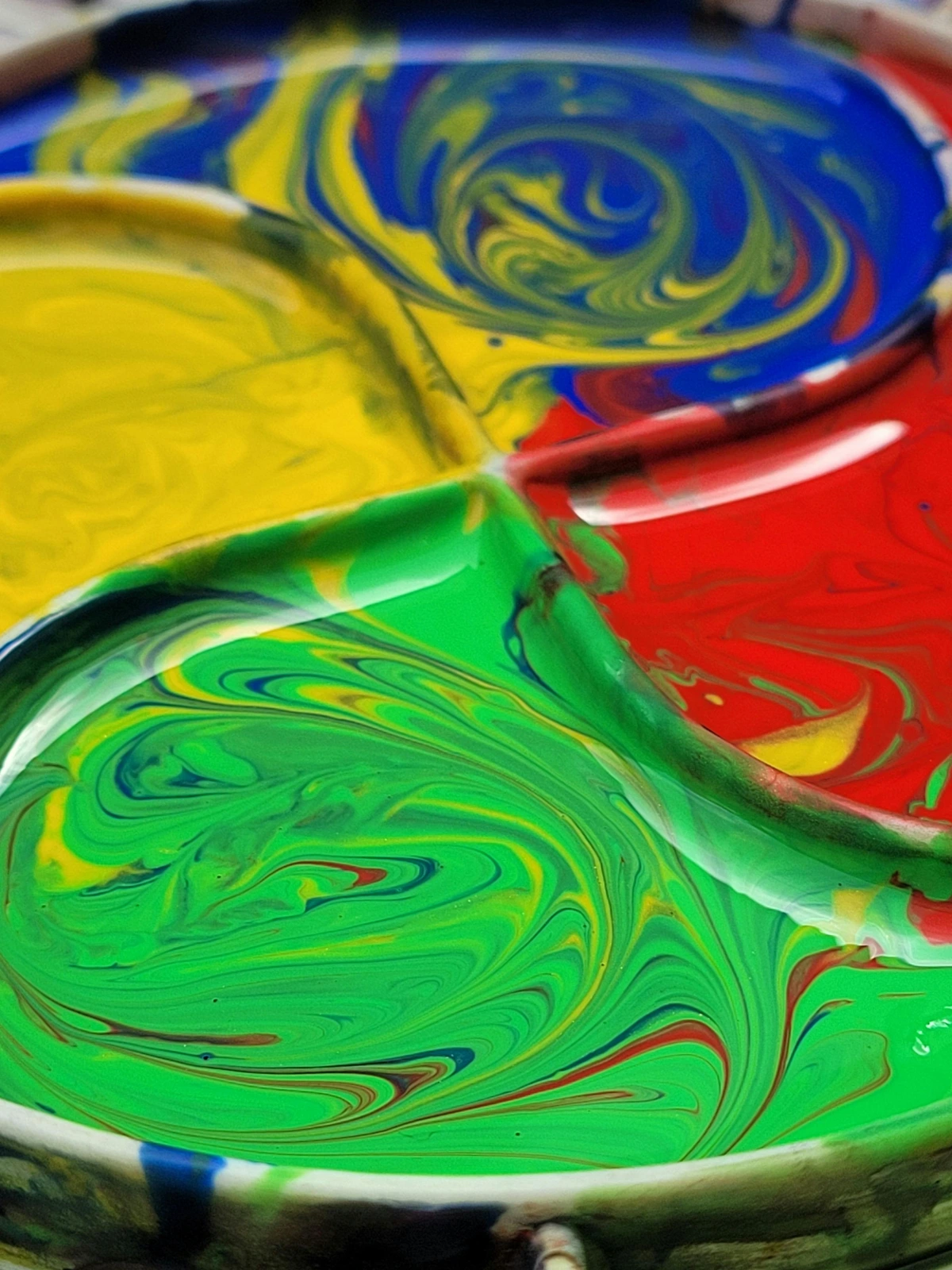
Why It Happens
Overworking your artwork often stems from a few different places:
- Perfectionism: You want your artwork to be perfect, so you keep making small adjustments, hoping to get it just right.
- Uncertainty: You’re not entirely sure what’s "wrong" with your piece, so you keep fiddling with it, trying to figure it out.
- Lack of Confidence: You don’t trust your initial instincts, so you second-guess yourself and keep making changes.
- Fear of Judgment: The fear of how others will perceive your work can drive you to overwork it, hoping to meet unrealistic standards.
How to Avoid It
- Set a Time Limit: Give yourself a specific amount of time to work on a piece. Once that time is up, step away. This can help prevent endless tweaking.
- Work in Layers: Build your artwork in layers. Start with a rough sketch, then add details gradually. This can help you avoid overworking one area too soon.
- Know When to Stop: Learn to recognize when a piece is finished. Sometimes, walking away and coming back later can give you a fresh perspective.
- Embrace Imperfections: Accept that not every piece needs to be perfect. Imperfections can add character and uniqueness to your work.
Additional Tips
- Use a Mirror: Flip your artwork upside down or view it in a mirror. This can help you spot inconsistencies and overworked areas more easily.
- Take Breaks: Regular breaks can help you maintain a fresh perspective and prevent overworking.
- Seek Feedback: Sometimes, an outside opinion can help you see when it’s time to stop.
- Document Your Process: Keep a record of your progress. This can help you identify when you’ve reached a point of diminishing returns.
Ignoring the Basics
The Mistake
It’s easy to get excited about creating art and dive right into complex subjects or techniques. But if you skip the fundamentals, you’re setting yourself up for frustration. For example, trying to paint a realistic portrait without understanding basic anatomy or color theory is like trying to build a house without a foundation.
The Consequences of Skipping Fundamentals
Ignoring the basics can lead to persistent issues in your artwork, such as incorrect proportions, poor composition, and lack of depth. These issues can be difficult to correct later and may hinder your artistic growth.
Why It Happens
- Impatience: You want to create something amazing right away, so you skip the "boring" basics.
- Lack of Awareness: You might not even realize how important the fundamentals are until you hit a wall in your progress.
- Overconfidence: You think you can figure it out as you go, without needing to learn the rules first.
- Misunderstanding Creativity: Some artists believe that creativity is about breaking rules, but true creativity comes from understanding and mastering the rules first.
How to Avoid It
- Start Simple: Begin with basic shapes, lines, and forms. Practice drawing simple objects before moving on to more complex subjects.
- Learn the Rules: Study the fundamentals of art, such as perspective, anatomy, color theory, and composition. These are the building blocks of great artwork.
- Practice Regularly: The more you practice the basics, the more natural they’ll become. This will give you a solid foundation to build on as you tackle more advanced techniques.
- Seek Guidance: Consider taking classes or workshops to learn from experienced artists. Their insights can help you grasp the fundamentals more effectively.
Key Fundamentals to Master
Fundamental  | Description |
|---|---|
| Perspective | Understanding how to create depth and dimension in your artwork. |
| Anatomy | Learning the structure of the human body to create realistic figures. |
| Color Theory | Knowing how colors interact and complement each other. |
| Composition | Arranging elements in a way that guides the viewer’s eye. |
| Light and Shadow | Mastering the use of light and shadow to create realism and depth. |
| Texture | Understanding how to depict different textures to add realism to your work. |
Using Too Many Colors
The Mistake
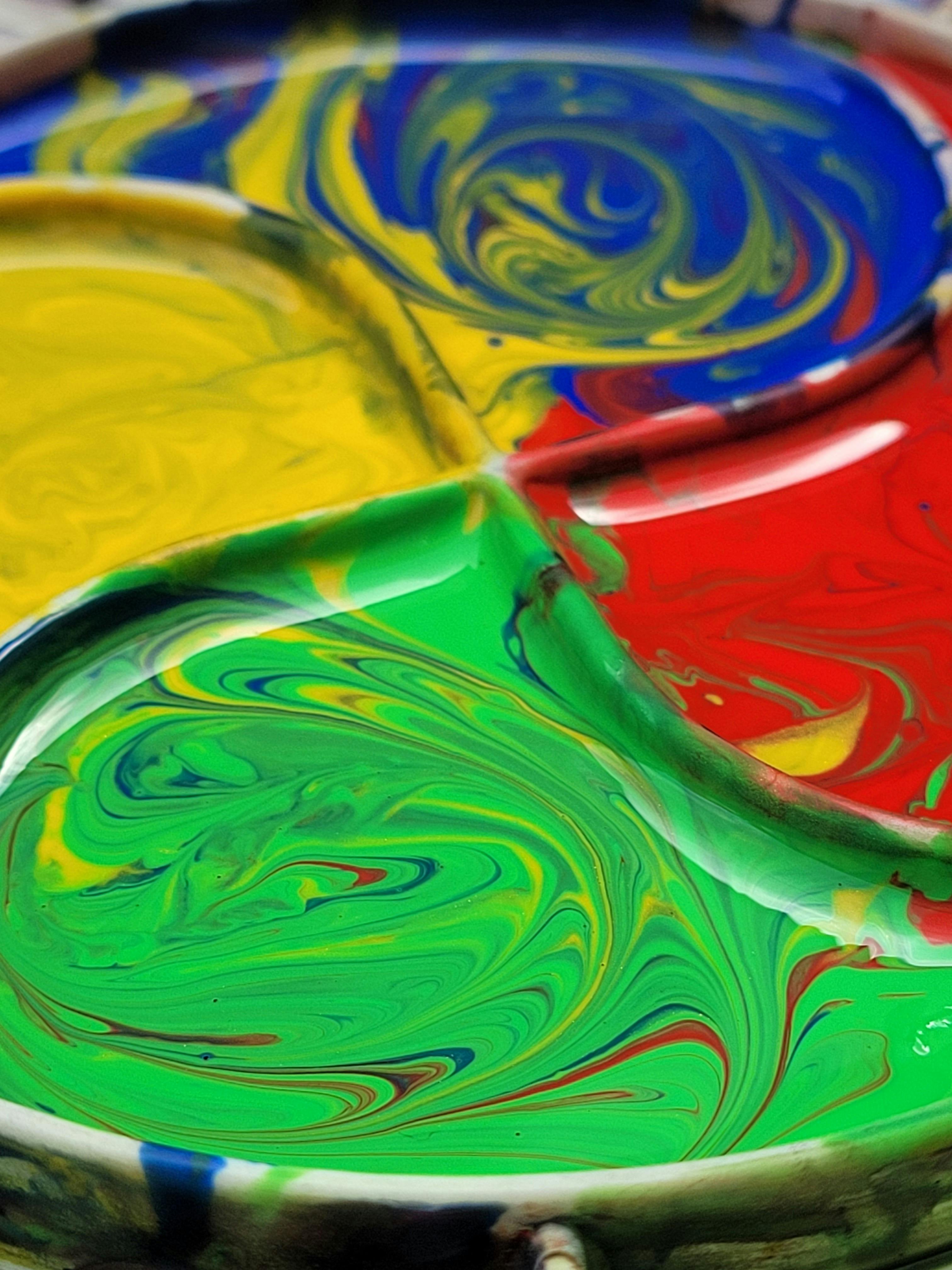
You’ve got a brand-new set of colors, and you want to use them all. So, you start mixing and blending, adding every hue under the sun to your artwork. The result? A chaotic, overwhelming mess that looks more like a rainbow explosion than a cohesive piece.
The Impact of Color Overload
Using too many colors can make your artwork appear busy and confusing. It can distract the viewer from the main subject and create visual noise. A well-planned color scheme, on the other hand, can enhance the mood and message of your artwork.

Why It Happens
- Excitement: You’re eager to experiment with all the colors at your disposal.
- Lack of Planning: You haven’t thought about how the colors will work together, so you end up with a clashing palette.
- Fear of Simplicity: You think using fewer colors will make your artwork look boring, so you overcompensate by adding more.
- Lack of Color Theory Knowledge: Without understanding color theory, it’s easy to create a chaotic color scheme.
How to Avoid It
- Limit Your Palette: Choose a limited color palette for each piece. This can help create harmony and cohesion in your artwork.
- Plan Ahead: Sketch out your color scheme before you start. Think about how the colors will interact and complement each other.
- Use Color Theory: Learn the basics of color theory, such as complementary colors, analogous colors, and color harmony. This will help you make informed decisions about your color choices.
- Experiment with Monochrome: Start with a monochromatic palette to focus on values and tones before introducing more colors.
Color Palette Examples
Palette Type | Description |
|---|---|
| Monochromatic | Uses variations of a single color. |
| Analogous | Uses colors that are next to each other on the color wheel. |
| Complementary | Uses colors that are opposite each other on the color wheel. |
| Triadic | Uses three colors that are evenly spaced around the color wheel. |
| Split-Complementary | Uses a base color and the two colors adjacent to its complementary color. |
| Tetradic | Uses four colors that are evenly spaced around the color wheel, creating a vibrant and balanced palette. |
Poor Composition
The Mistake
You’ve spent hours working on a piece, only to realize that something just doesn’t look right. The elements don’t seem to fit together, and the overall composition feels unbalanced or confusing.
The Role of Composition in Art
Composition is the backbone of any artwork. It determines how the viewer’s eye moves through the piece and what elements they focus on. A poor composition can make even the most skillfully rendered artwork feel disjointed and unengaging.
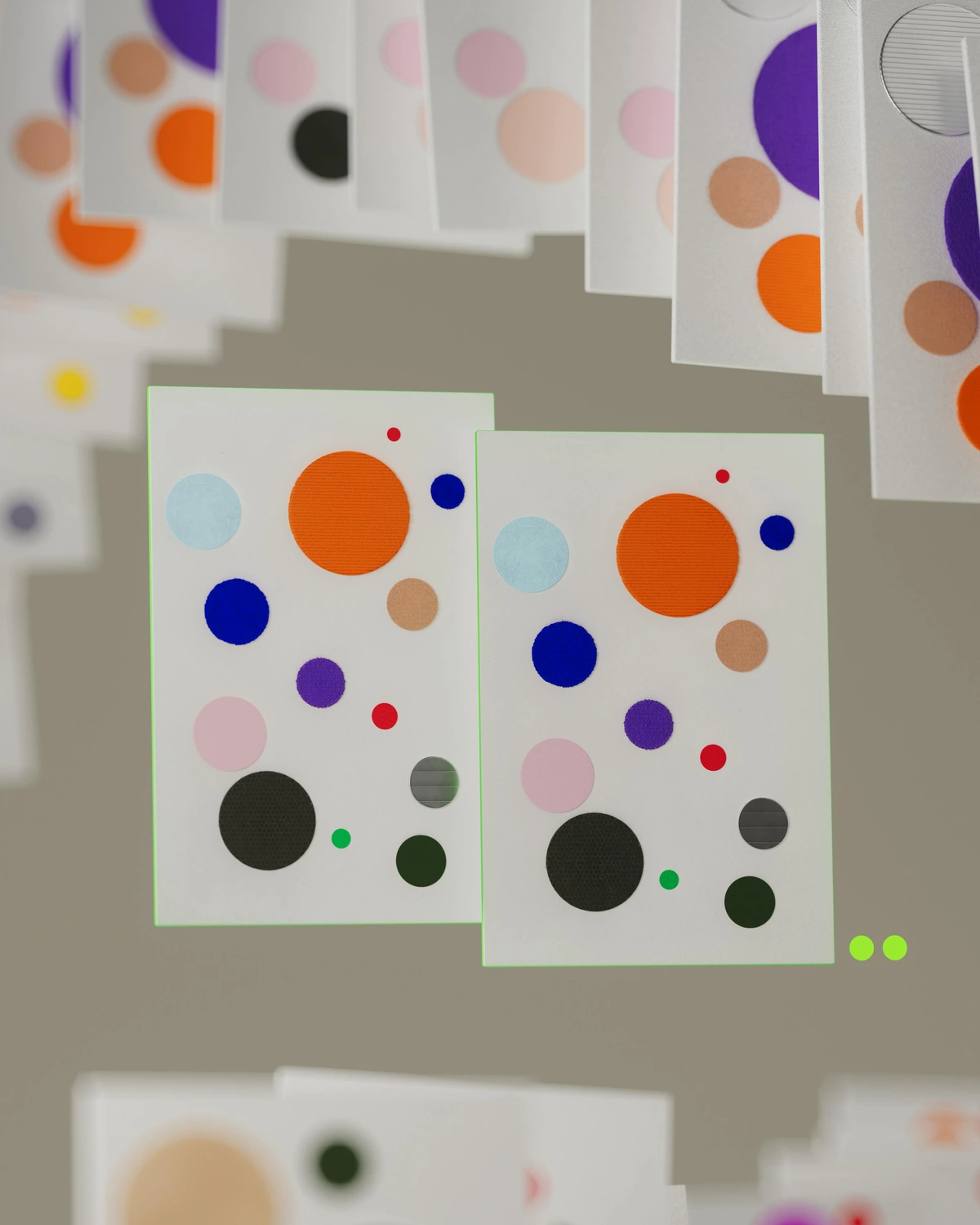
Why It Happens
- Lack of Planning: You didn’t plan out your composition before you started, so the elements don’t work together cohesively.
- Ignoring the Rules: You’re not familiar with the principles of composition, such as the rule of thirds, balance, and focal points.
- Overcrowding: You’ve tried to fit too many elements into your artwork, making it feel cluttered and overwhelming.
- Lack of Focus: Without a clear focal point, the viewer’s eye may wander aimlessly, leading to a lack of engagement.
How to Avoid It
- Plan Your Composition: Sketch out a rough composition before you start. Think about where you want the focal points to be and how the elements will interact.
- Use the Rule of Thirds: Divide your canvas into thirds, both horizontally and vertically. Place important elements along these lines or at their intersections to create a more balanced composition.
- Keep It Simple: Don’t try to fit too many elements into one piece. Focus on a few key elements and arrange them in a way that guides the viewer’s eye through the artwork.
- Create a Focal Point: Ensure there is a clear focal point that draws the viewer’s attention and anchors the composition.
Composition Techniques
Technique | Description |
|---|---|
| Rule of Thirds | Divides the canvas into thirds for balanced placement of elements. |
| Leading Lines | Uses lines to guide the viewer’s eye through the artwork. |
| Framing | Uses elements to frame the main subject and draw attention to it. |
| Symmetry | Uses balanced elements to create a sense of harmony. |
| Negative Space | Uses empty space to emphasize the main subject. |
| Contrast | Uses differences in color, value, or texture to create visual interest and emphasis. |
| Repetition | Repeats elements to create rhythm and cohesion in the artwork. |
Not Using References
The Mistake
You’re trying to draw or paint from memory, but your artwork just doesn’t look quite right. The proportions are off, the details are inaccurate, and the overall piece feels unconvincing.
The Importance of References
References provide a foundation for accuracy and realism in your artwork. They help you understand proportions, lighting, and details that are difficult to recall from memory alone. Without references, your artwork may lack the depth and realism needed to engage viewers.
Why It Happens
- Overconfidence: You think you can rely on your memory or imagination alone.
- Lack of Awareness: You don’t realize how much references can improve your artwork.
- Fear of Copying: You’re worried that using references will make your artwork less original.
- Misunderstanding Creativity: Some artists believe that using references stifles creativity, but references can actually enhance your creative process by providing a solid foundation.
How to Avoid It
- Use References: Don’t be afraid to use reference images or real-life objects to guide your artwork. This can help you achieve more accurate proportions, details, and overall realism.
- Combine References: Use multiple references to create a unique composition. This can help you avoid copying directly while still benefiting from the accuracy of references.
- Experiment with Different References: Use a variety of references to explore different styles and techniques, which can inspire your own unique approach.
Types of References
Reference Type | Description |
|---|---|
| Photo References | Using photographs to guide your artwork. |
| Life Drawing | Drawing from real-life models or objects. |
| Master Studies | Studying and copying the works of master artists. |
| Digital References | Using digital tools and resources to enhance your artwork. |
| Sketch References | Using rough sketches to plan and refine your artwork before finalizing it. |
| Nature References | Observing and drawing from natural elements like landscapes, plants, and animals. |
FAQ
Why does my artwork look flat?
Flat artwork often lacks depth and dimension. This can be caused by a lack of shading, poor use of color, or weak composition. To fix this, focus on adding shadows and highlights to create the illusion of depth. Use a variety of colors and values to make your artwork more dynamic.
How can I improve my drawing skills?
Improving your drawing skills takes practice and patience. Start with basic shapes and forms, and gradually move on to more complex subjects. Study the fundamentals of art, such as perspective, anatomy, and composition. Practice regularly and don’t be afraid to make mistakes—they’re a natural part of the learning process.
What’s the best way to choose colors for my artwork?
Choosing colors for your artwork can be challenging, but there are a few strategies you can use. Start by selecting a limited color palette to create harmony and cohesion. Use color theory to guide your choices, and consider the mood or emotion you want to convey. Don’t be afraid to experiment and try new combinations!
How do I know when my artwork is finished?
Knowing when to stop can be tricky, but there are a few signs to look for. If you find yourself making small, unnecessary adjustments, it might be time to step away. If you’re no longer enjoying the process, or if you’re feeling frustrated, it could be a sign that your artwork is finished. Sometimes, taking a break and coming back later can give you a fresh perspective.
Can I use references without copying?
Absolutely! Using references doesn’t mean you have to copy them exactly. Instead, use them as a guide to help you understand form, light, and shadow. Combine multiple references to create a unique composition, and don’t be afraid to add your own creative touches. The goal is to learn from the references, not to replicate them.
What are some common mistakes in shading?
Common shading mistakes include using inconsistent light sources, over-blending, and neglecting mid-tones. To avoid these, ensure your light source is consistent, use a variety of shading techniques, and pay attention to the full range of values in your artwork.
How can I improve my understanding of anatomy?
Improving your understanding of anatomy involves studying the structure of the human body, practicing figure drawing, and using anatomical references. Focus on proportions, muscle groups, and how the body moves to create more realistic figures.
What tools can help me with composition?
Tools like grid systems, viewfinders, and digital software can help you plan and refine your composition. Experiment with different tools to find what works best for your artistic process.
How can I avoid overworking my artwork?
To avoid overworking your artwork, set a time limit for each piece, work in layers, and learn to recognize when a piece is finished. Taking breaks and seeking feedback can also help you maintain a fresh perspective.
What are some common mistakes in using color?
Common mistakes in using color include using too many colors, not planning your color scheme, and ignoring color theory. To avoid these, limit your palette, plan ahead, and use color theory to guide your choices.
How can I improve my composition skills?
To improve your composition skills, plan your composition before you start, use techniques like the rule of thirds and leading lines, and keep your composition simple and focused. Experiment with different techniques to find what works best for you.
What are some common mistakes in using references?
Common mistakes in using references include overconfidence in your memory, lack of awareness of the benefits of references, and fear of copying. To avoid these, use references to guide your artwork, study from life, and combine multiple references to create a unique composition.
How can I develop my own artistic style?
Developing your own artistic style takes time and experimentation. Start by exploring different techniques and mediums. Study the work of other artists for inspiration, but always add your own unique twist. Over time, your style will evolve naturally as you continue to create and refine your work.
What should I do if I feel stuck in my artistic journey?
Feeling stuck is a common experience for artists. To overcome this, try experimenting with new techniques or mediums. Take a break and seek inspiration from nature, other artists, or everyday life. Sometimes, stepping away from your work can provide the clarity and motivation you need to move forward.
How can I improve my use of light and shadow?
Improving your use of light and shadow involves studying how light interacts with different surfaces and objects. Practice creating gradients and understanding how shadows fall. Use references to guide your understanding of lighting and shadow.
What are some common mistakes in using perspective?
Common mistakes in using perspective include incorrect vanishing points, distorted proportions, and inconsistent horizons. To avoid these, study the principles of perspective and practice drawing from different angles and viewpoints.
How can I improve my use of texture?
Improving your use of texture involves experimenting with different techniques and mediums. Practice creating textures by layering materials, using different brush strokes, and exploring mixed media. Use references to guide your understanding of texture.
What are some common mistakes in using negative space?
Common mistakes in using negative space include ignoring its importance, overcrowding the composition, and failing to balance positive and negative space. To avoid these, study the principles of negative space and practice creating balanced compositions.
How can I improve my use of contrast?
Improving your use of contrast involves experimenting with different color schemes, values, and textures. Practice creating contrast by using complementary colors, varying the intensity of your colors, and exploring different lighting conditions.
What are some common mistakes in using repetition?
Common mistakes in using repetition include overusing elements, creating monotonous patterns, and failing to vary the repetition. To avoid these, study the principles of repetition and practice creating dynamic and engaging compositions.
How can I improve my use of balance?
Improving your use of balance involves experimenting with different compositions and arrangements. Practice creating balance by using symmetrical and asymmetrical elements, varying the size and placement of your objects, and exploring different focal points.
What are some common mistakes in using symmetry?
Common mistakes in using symmetry include creating static compositions, failing to vary the elements, and overusing symmetrical arrangements. To avoid these, study the principles of symmetry and practice creating dynamic and engaging compositions.
How can I improve my use of framing?
Improving your use of framing involves experimenting with different compositions and arrangements. Practice creating frames by using elements to draw attention to the main subject, varying the size and placement of your objects, and exploring different focal points.
What are some common mistakes in using leading lines?
Common mistakes in using leading lines include creating confusing paths, failing to guide the viewer’s eye, and overusing lines. To avoid these, study the principles of leading lines and practice creating dynamic and engaging compositions.
How can I improve my use of focal points?
Improving your use of focal points involves experimenting with different compositions and arrangements. Practice creating focal points by using contrast, color, and placement to draw attention to the main subject. Use references to guide your understanding of focal points.
Conclusion
Making mistakes is a natural part of the artistic journey. The key is to recognize them, learn from them, and use them as stepping stones to improve your skills. Whether it’s overworking your artwork, ignoring the basics, using too many colors, poor composition, or not using references, each mistake is an opportunity to grow.
So, the next time you find yourself staring at a piece that didn’t turn out quite right, don’t be discouraged. Instead, ask yourself: "What can I learn from this?" And remember, every mistake is just another step on the path to becoming the artist you want to be.

Final Thoughts
Art is a journey of continuous learning and growth. Embrace the process, celebrate your progress, and never stop exploring new techniques and ideas. The more you create, the more you’ll discover about yourself and your unique artistic voice. Keep pushing your boundaries, and don’t be afraid to take risks. Your artistic journey is yours alone, and every step you take brings you closer to realizing your full potential.





And if you’re looking for more inspiration or want to explore some amazing artwork, be sure to check out our collection. You might just find the perfect piece to spark your creativity!
Final Thoughts
Art is a journey of continuous learning and growth. Embrace the process, celebrate your progress, and never stop exploring new techniques and ideas. The more you create, the more you’ll discover about yourself and your unique artistic voice.