
Canvas vs. Paper for Acrylics: The Ultimate Artist's Guide
Unlock your creativity! This comprehensive guide explores canvas vs. paper for acrylics, with pro tips on choosing the best surface for your art, budget & style.

Canvas vs. Paper for Acrylic Painting: My Unfiltered Thoughts and Essential Guide
I remember standing in the art supply store, the scent of linseed oil and fresh paper heavy in the air, a familiar paralysis setting in. On one side, the imposing wall of stretched canvases—stark, professional, utterly serious. On the other, the approachable, varied, and much more budget-friendly racks of art paper. It felt less like a choice and more like a pivotal, almost existential decision in my early days. If you're currently in that very aisle, whether physical or scrolling online, take a deep breath. I've been there, countless times, and I'm here to tell you there’s no single, universally "right" answer. There's only the right answer for you, for what you want to achieve, right now.
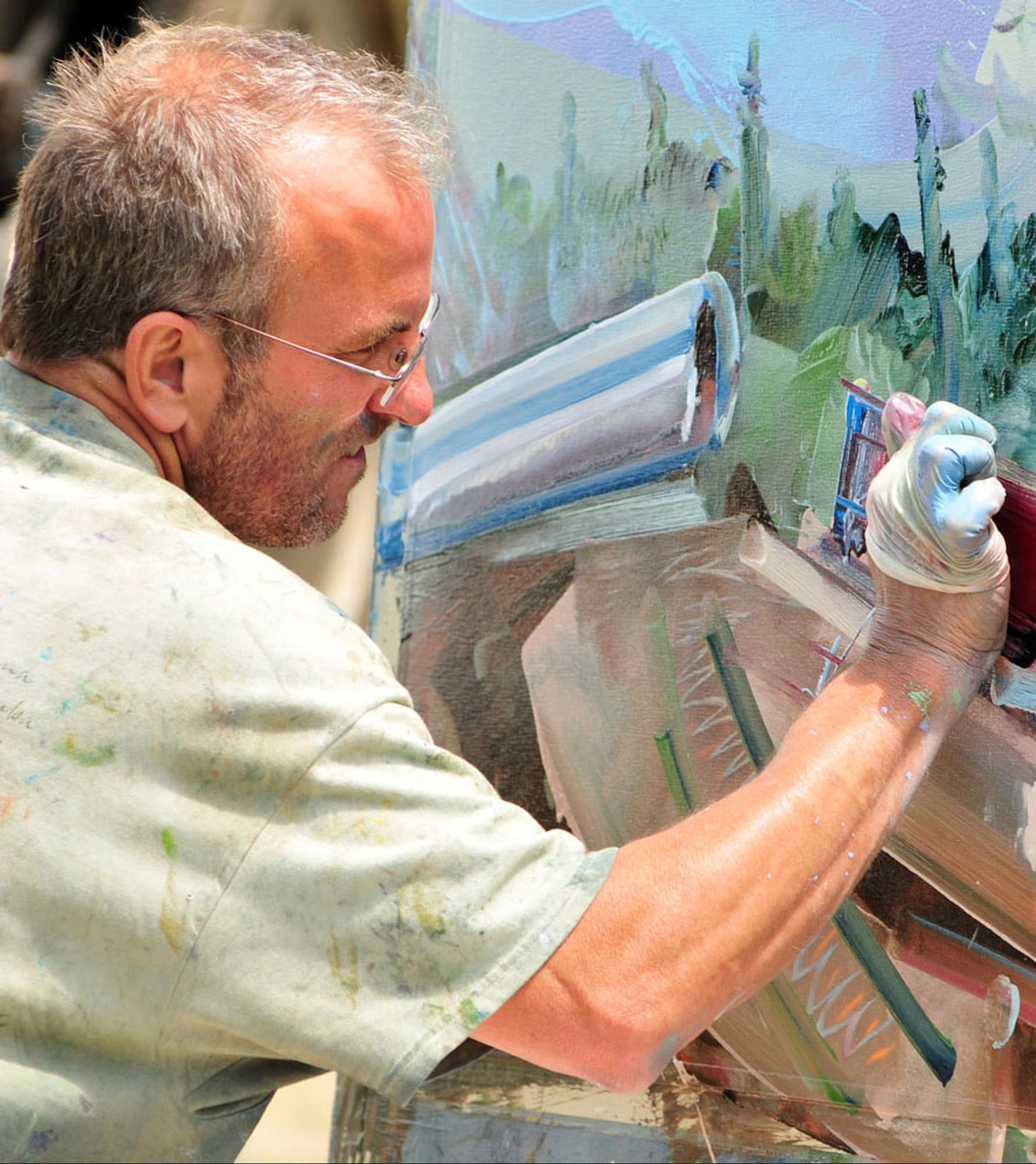
This isn’t about adhering to some ancient, unbreakable rule of art. It's about empowering your creative flow. Are you mapping out a fleeting idea, exploring a new palette, or pouring your soul into a piece destined for a gallery wall (or at least, your impeccably curated living room)? Let's break down the surfaces, artist to artist, cutting through the noise and sharing what I've genuinely learned from years of pushing paint around.
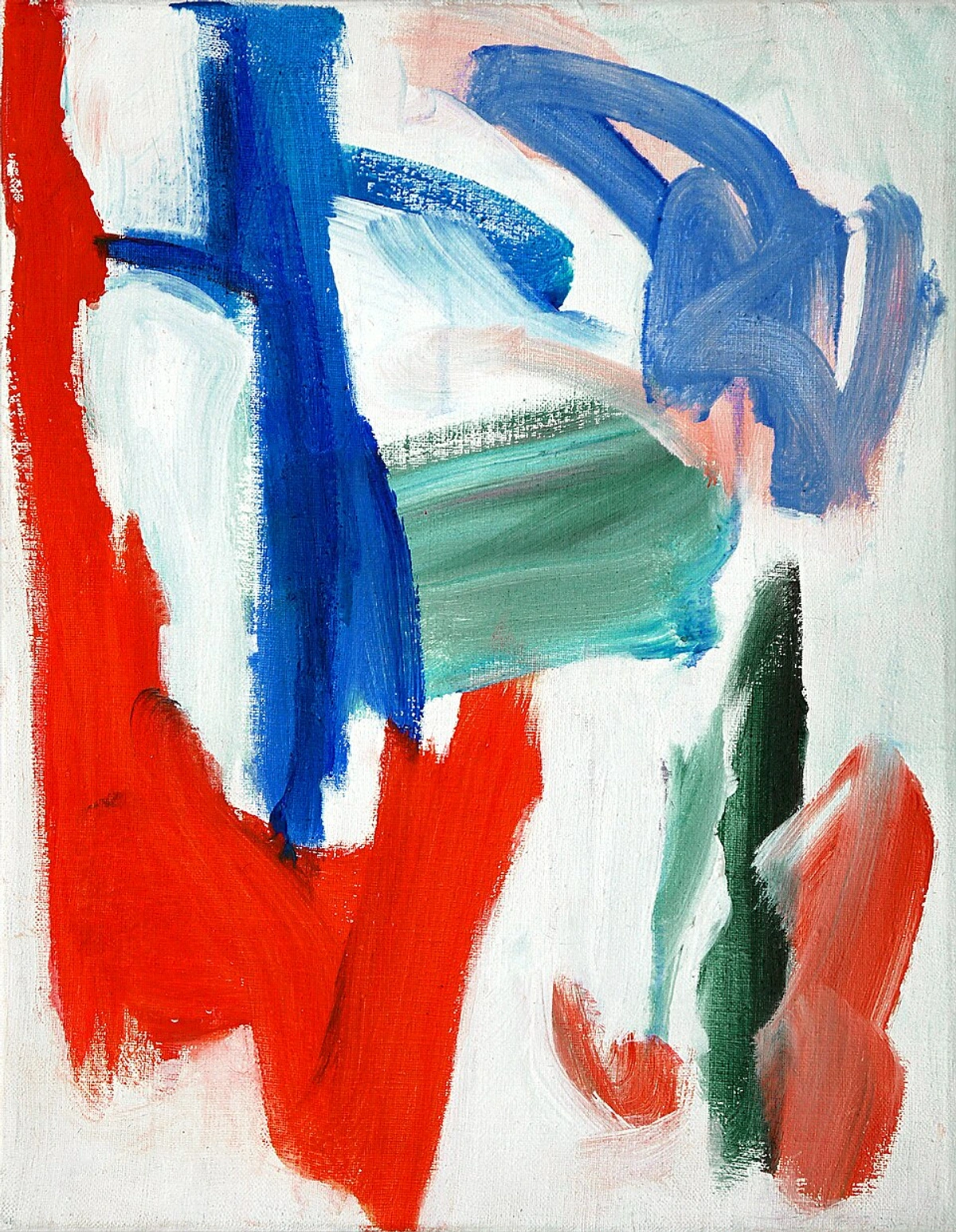
The Enduring Legacy of Canvas: The Professional's Choice
Canvas is, without a doubt, the classic. It’s the surface that instantly conjures images of masters in museums, the very embodiment of "Art" with a capital A. But its reign isn't just about tradition; it's deeply rooted in its inherent properties and historical significance. Before canvas became common, artists primarily painted on wood panels. Canvas, being lighter and more flexible, allowed for larger works that were easier to transport and display, paving the way for grander artistic ambitions. It's built to last, which means your legacy has a pretty solid foundation.
Durability is its superpower. A high-quality, properly stretched canvas is incredibly resilient. You can layer on thick impasto, scrape back paint with a palette knife, douse it with water, and it holds its ground. The fabric, typically cotton or linen, is stretched tautly over a wooden frame, creating a satisfying, responsive tension. This gives a sense of permanence; it feels like you're crafting something meant to endure.
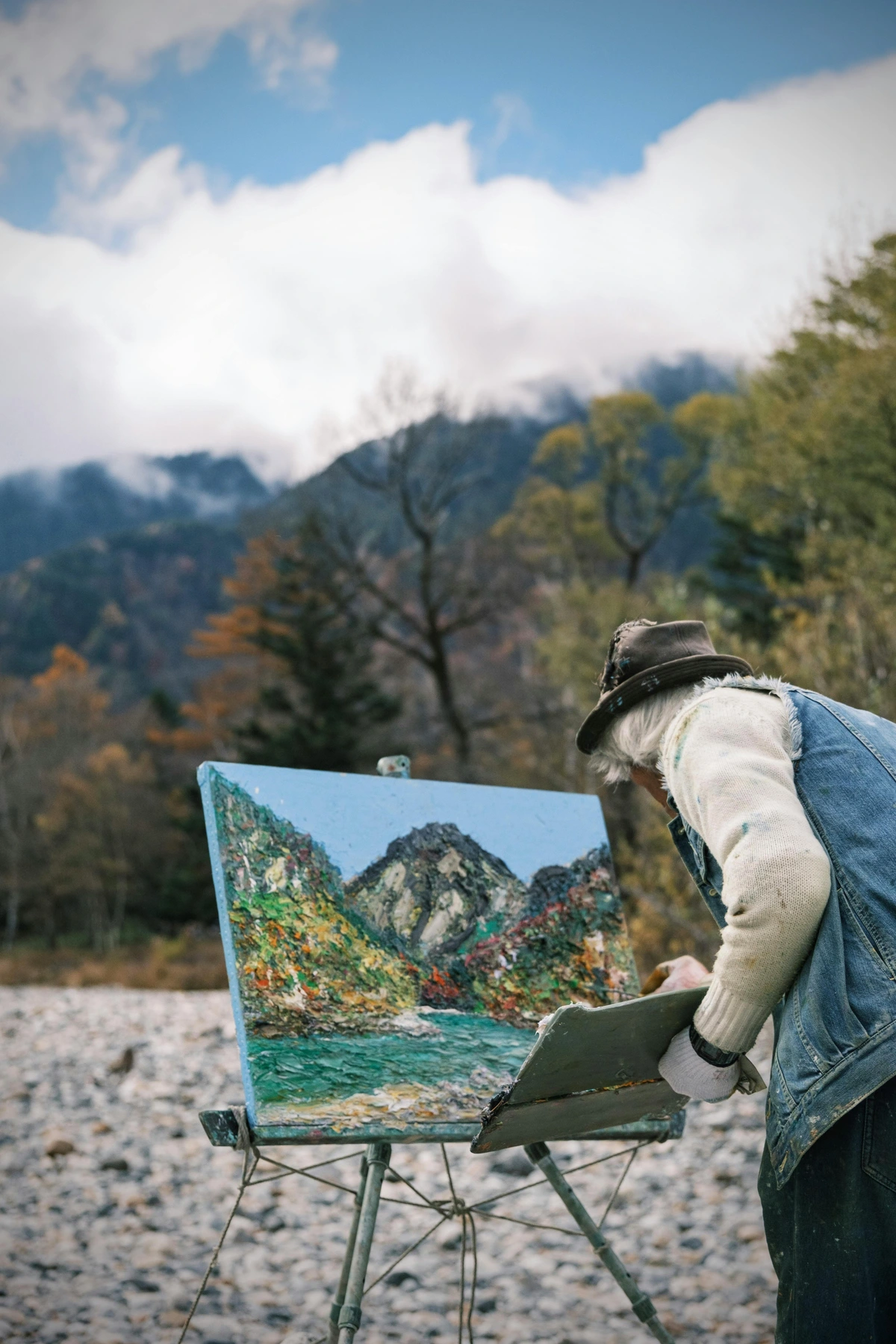
That distinct texture, the signature weave, is another huge part of its appeal. It’s not just decorative; it actively grabs the paint, allowing for beautiful interactions with your basic brushstrokes and contributing a unique character even before complex techniques come into play. I've found this particularly true when I'm exploring texture in my abstract paintings. The weave (from fine, smooth duck cotton to coarser linen) can become an integral collaborator, influencing how paint breaks across the surface, especially with dry brush techniques.
Of course, "canvas" isn't a monolith. Here’s a quick rundown of the main types:
Canvas Type  | Best For | My Two Cents |
|---|---|---|
| Stretched Canvas | Final pieces, gallery display, large works | The gold standard. Comes ready to hang (often) and instantly feels 'professional'. Can be a significant investment, especially for bigger formats. |
| Canvas Panels/Boards | Studies, plein air, beginners, workshops | A rigid, more affordable alternative where canvas is glued to a stiff board. Great for practice and portability, though larger ones can warp if not sealed, and they sometimes feel a bit 'student-grade' or less grand. |
| Canvas Pads | Practice, experiments, travel, texture tests | Sheets of primed canvas, bound into a pad. Super portable and budget-friendly. Ideal for getting the feel of canvas texture without the bulk or commitment of a stretched piece. |
Preparing a canvas is a ritual in itself, from learning how to stretch your own to the meditative act of applying gesso. A well-prepared surface—meaning properly sized to prevent paint absorption into the fibers and then primed with gesso for optimal paint adhesion and vibrancy—is like a clean slate, practically begging for your imagination. The acrylic polymer binder in your paint will adhere beautifully to a properly gessoed surface, ensuring a lasting bond and brilliant colors.
The Versatile Underdog: The Case for Paper
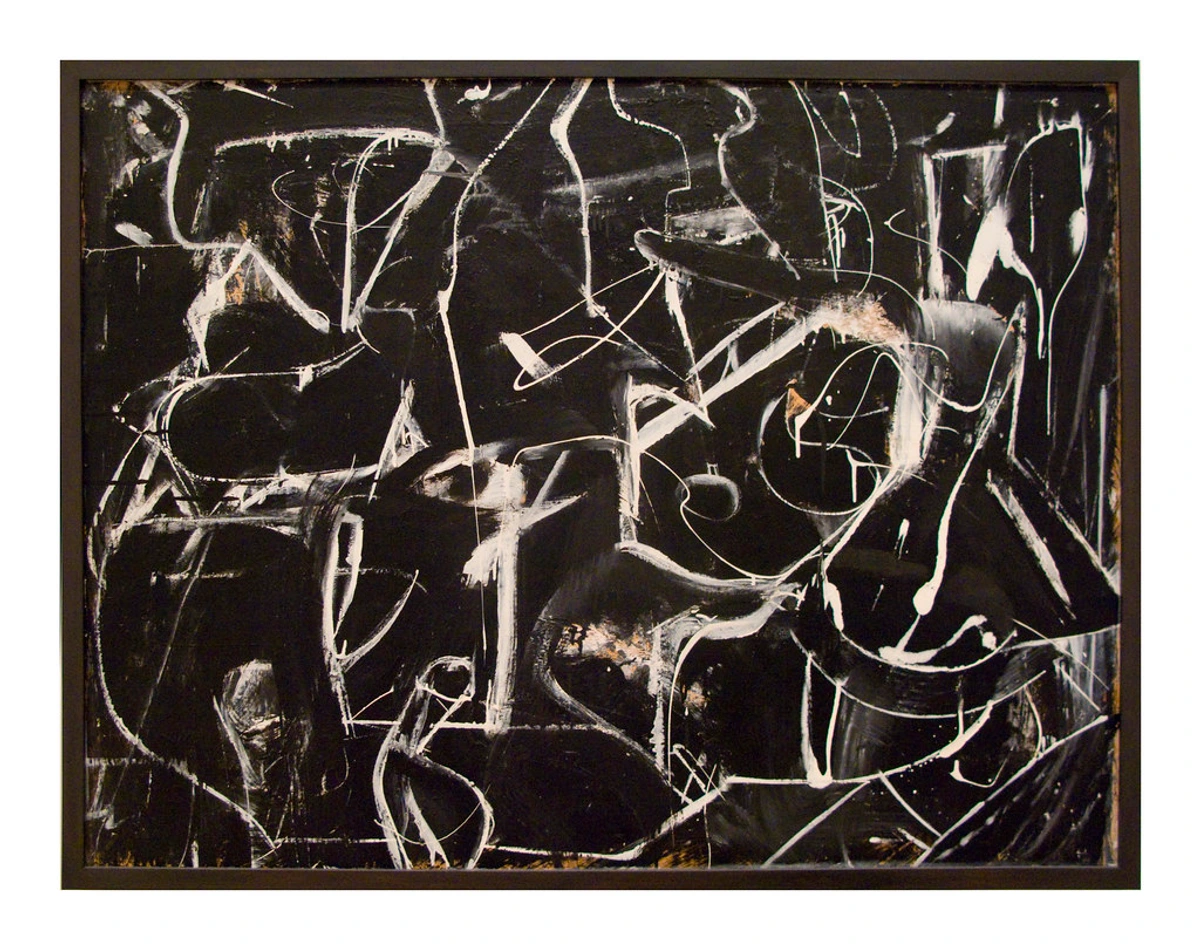
Now, don't let the canvas snobs or the historical gravitas fool you. Paper is a phenomenal surface for acrylics, and sometimes, it's absolutely the better choice. I probably use paper just as much as canvas, especially in the early, exploratory stages of an idea. It’s like the comfortable, adaptable friend to canvas’s formal acquaintance.
Its main advantage? Accessibility and cost. Let’s be real, art supplies can quickly empty a wallet. Paper allows you to experiment, to fail gloriously, and to play without that nagging voice calculating the cost of every brushstroke. This freedom is creatively liberating! You can slash, splatter, and generally make a beautiful mess without the preciousness of a high-priced canvas looming over you.
But, a crucial caveat: you can't just grab a sheet from your printer. Oh, the soggy, buckled, tear-inducing misery that would ensue! Printer paper (typically 80-100 gsm) is simply not strong enough to handle the water content and the polymer binder in acrylic paints. You need heavyweight paper, specifically designed to handle wet media. The higher the GSM (grams per square meter) or poundage (lb), the more robust the paper.
Here are my go-to paper types for acrylics:
- Acrylic Paper: This is the obvious, purpose-built choice. It's heavyweight (often 200-400 gsm / 90-180 lb) and frequently boasts a canvas-like texture. It's specially formulated to minimize buckling and prevent paint from soaking straight through.
- Watercolor Paper (Cold Press): I use this a lot. A good, heavy watercolor paper (300 gsm / 140 lb or more is ideal) can handle acrylics beautifully, especially if you work in thinner washes or glazes. The cold-press variety offers a lovely, subtle texture, while hot-press is smoother for fine detail.
- Mixed Media Paper: A solid, all-around performer. As the name suggests, it’s designed to take a bit of everything—from pencil to ink to wet paints—and it holds up remarkably well to acrylics, usually in the 180-300 gsm (80-140 lb) range.
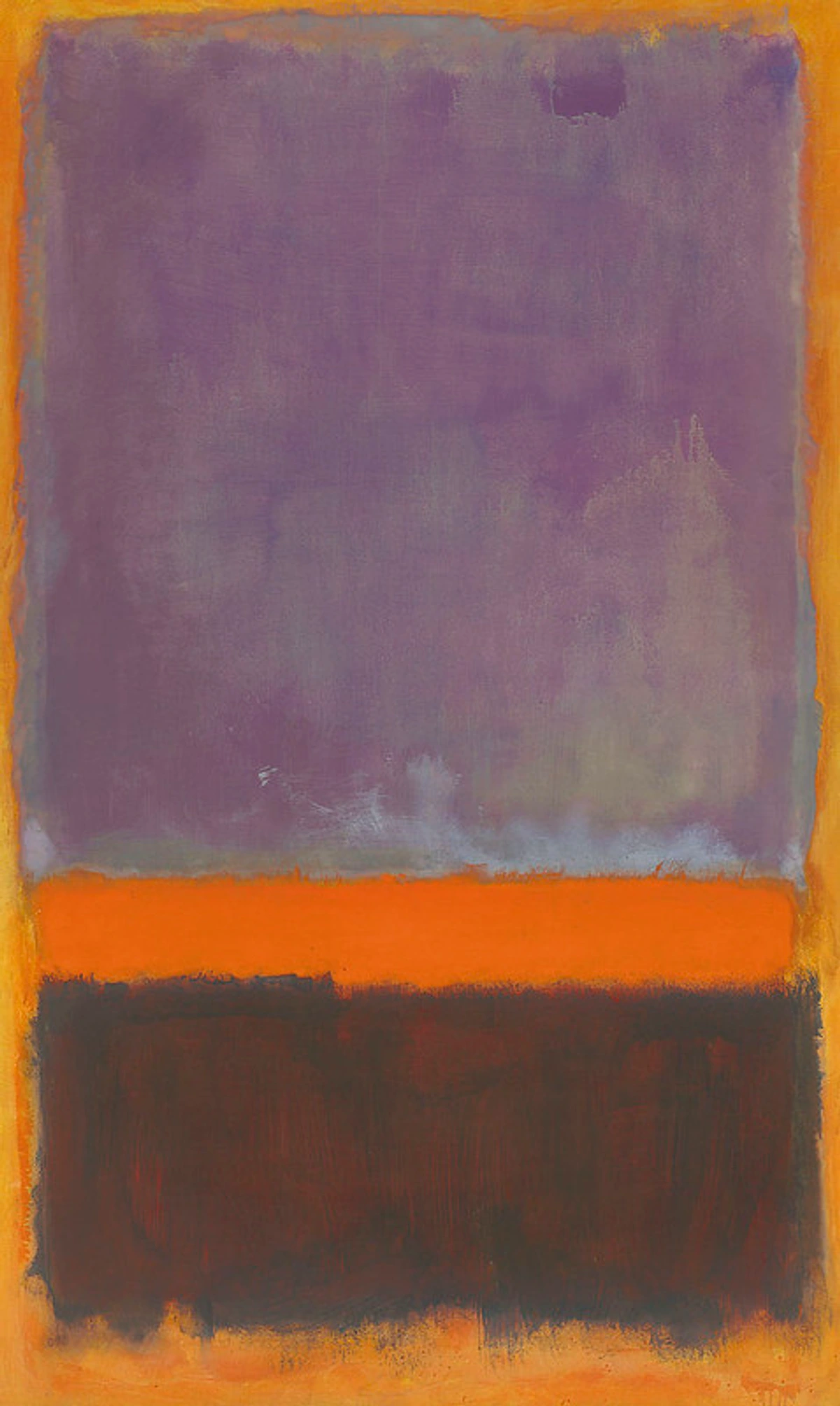
Paper also shines for detail work. If your artistic vision calls for fine lines, crisp edges, or intricate graphic elements, the smoother surface of a hot-press paper can be far superior to the pronounced weave of canvas. And let's not forget portability and storage – a stack of paper sheets takes up a fraction of the space of stretched canvases.
Beyond the Obvious: Quick Notes on Other Surfaces
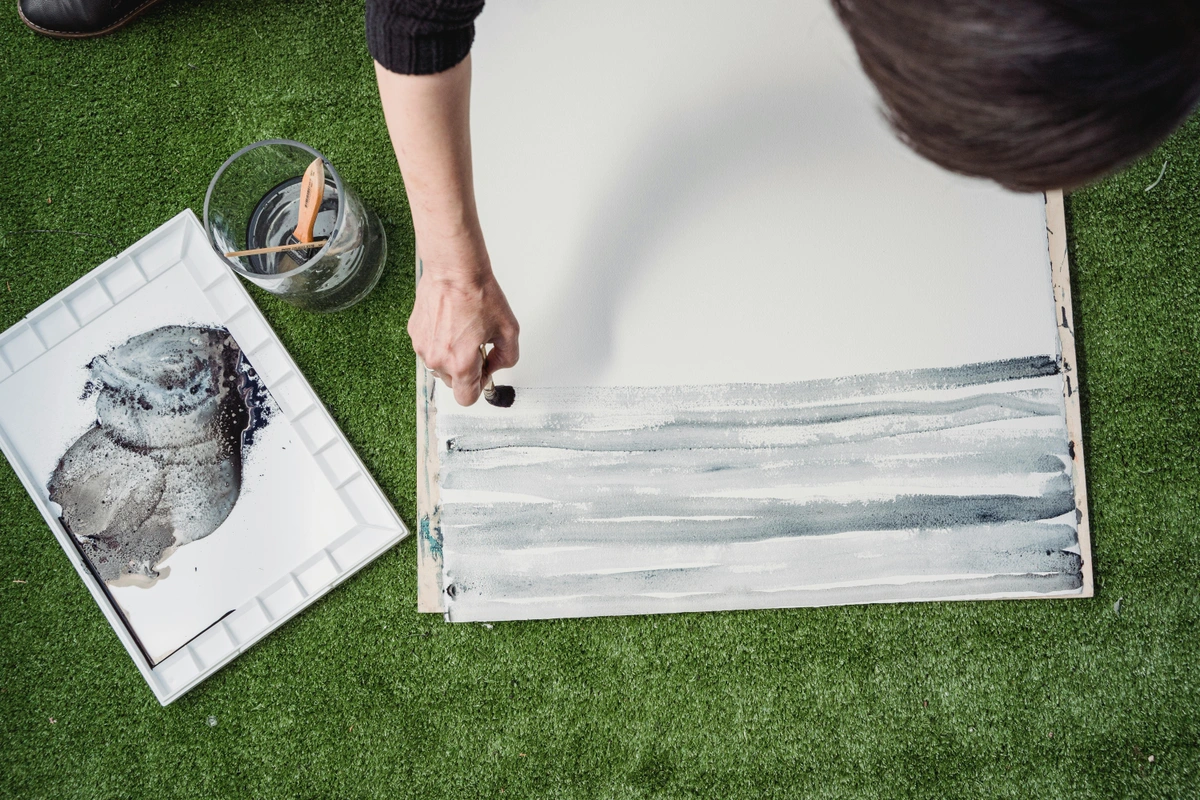
While canvas and paper dominate, it’s worth a quick mention that acrylics are incredibly versatile. I sometimes work on wood panels or illustration board, especially when I want a completely rigid, smooth surface for very precise lines or for adding dimensional elements without the flex of canvas. These surfaces often require a few coats of gesso for optimal paint adhesion and longevity, similar to preparing a canvas. The beauty of acrylics, with their flexible polymer binder, is that they adhere well to a surprising number of surfaces once properly primed.
The Head-to-Head Battle: My Honest Take and Nuances
So, when the paint tubes are uncapped, which surface truly reigns supreme? Here’s my breakdown, feature by feature, with a dose of personal reality.
Feature | Canvas | Paper | My Verdict & Nuances |
|---|---|---|---|
| Durability & Archival Qualities | Excellent. Built for centuries. | Good, but more delicate. Prone to tearing, creasing, and water damage if unprotected. | Canvas wins. It’s the heavyweight champion for longevity and physical resilience, no question. |
| Texture & Detail | Pronounced weave. Fantastic for texture, but can hinder fine detail. | Varies from smooth (hot-press) to textured (cold-press). Ideal for fine lines and graphic elements. | It's a tie. Entirely dependent on your artistic style. Canvas for raw texture, paper for precision. |
| Absorbency | Low (especially when primed). Paint sits on top, allowing more blending time. | Higher. Paint can sink in more, potentially affecting color vibrancy as pigments get trapped in fibers. | Canvas wins for pure acrylic techniques, as it keeps the paint workable on the surface. For paper, extra gesso helps. |
| Cost | More expensive, especially for large sizes. | Significantly cheaper, particularly in pads. | Paper wins. A clear victor for budget-conscious artists or extensive experimentation. Paint freely! |
| Portability & Storage | Bulky, fragile when wet, takes up considerable space. | Easy to store flat in a portfolio. Light and convenient for travel or plein air studies. | Paper wins. A huge advantage for small studios, artists on the go, or prolific sketchers. |
| Surface Preparation | Pre-primed available; custom stretching and gesso optional. | Often ready to use, but taping down heavier sheets prevents buckling. Gesso is optional but beneficial. | Tie. Both can be used 'ready-made' or customized. Paper needs less initial prep, but more post-painting framing prep. |
| Presentation | Ready to hang, looks inherently 'finished' and professional. | Needs to be matted and framed under glass to look professional and for protection. | Canvas wins. Offers instant gallery-ready appeal. Framing paper art adds significant steps and cost. |
When I Reach for Which: Intentional Choices in My Studio
My decision-making process isn't scientific; it’s deeply rooted in the intent for the piece and the mood I'm in. It's about letting the material guide, or be guided by, the creative impulse. Sometimes, the choice of material is the very first step in my artistic timeline, dictating the direction of the piece before a single brushstroke is made.
I consistently reach for CANVAS when:
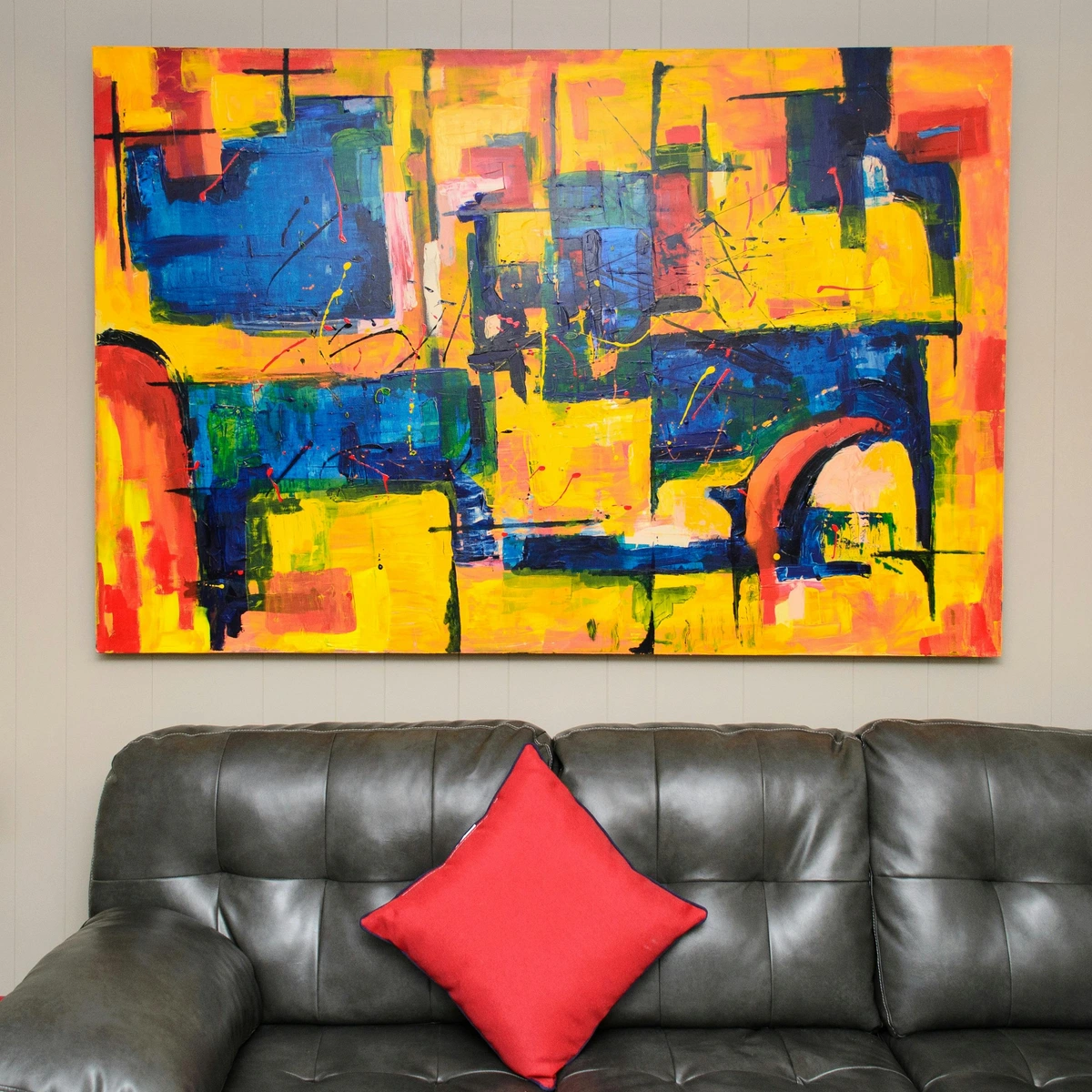
- I’m embarking on a ‘serious’ piece—something I envision as a final, display-worthy work, perhaps for my shop or an exhibition.
- The idea involves heavy body acrylic paints and a lot of texture, perhaps built up with acrylic mediums like modeling paste or gels, often applied with a palette knife.
- I'm working on a large scale. A big canvas commands presence and allows for grand, sweeping gestures.
I almost always reach for PAPER when:
- I’m doing a color study or testing out a new palette. The low stakes free me up.
- I’m sketching out an idea with paint, just trying to get the composition right without commitment.
- The piece is part of a mixed media project that might involve collage, drawing, or a lot of watery layers.
- I simply want to paint without pressure. Paper feels less precious, and that emotional freedom is invaluable for uninhibited creative flow.
- I'm looking for a smooth surface to achieve really fine detail or crisp lines that a canvas weave might obstruct.
Frequently Asked Questions (FAQ)
Now, let's address some of those burning questions that often pop up when deciding between canvas and paper. These are queries I get asked all the time, so let's clear them up.
### Can you use regular printer paper for acrylics?
Please, for the love of art, don't. I mean, technically you can smear paint on anything, but it will be a miserable, frustrating experience. The paper will buckle and warp like a poorly baked pie crust, and likely tear as the water and polymer binder in the paint try to do their job. It's simply not strong enough. Stick to heavyweight papers (200 gsm / 90 lb minimum) specifically designed for art to save yourself a headache and wasted paint.
### Do I need to gesso acrylic paper?
You don't have to, especially with papers specifically made for acrylics, as they're often pre-sized to reduce absorbency. However, I often do! Applying a thin, even coat of gesso can significantly reduce the paper's absorbency even further, making your colors pop with more vibrancy and ensuring your paint goes further. It also gives the paper a more toothy, canvas-like feel, which I personally enjoy. It's an extra step, but often worth it for the improved result and longevity.
### How do I frame a painting on paper?
To look truly professional and ensure its longevity, artwork on paper needs to be properly mounted (often with acid-free tape or hinges) on a mat board and then framed behind glass or acrylic glazing. This protects it from dust, moisture, and damaging UV light. It's an extra step and often an additional cost compared to a stretched canvas, but a well-framed paper piece looks incredibly elegant and is crucial for archival purposes.
### Is canvas or paper better for beginners?
I wholeheartedly lean towards paper for absolute beginners. The low cost removes the inherent fear of "ruining" something expensive. Buy a big pad of mixed media paper and just go for it! Learn how to mix colors, experiment with different basic brushstrokes, see how the paint moves, and make a glorious, uninhibited mess. You'll build confidence much faster when you're not constantly thinking about the price tag.
### Can I use watercolor paper for acrylics?
Absolutely, and it's one of my personal favorites for studies and lighter acrylic applications. As I mentioned earlier, just make sure it's sufficiently heavy (at least 300 gsm / 140 lb is my recommendation). The 'cold press' variety, with its slightly textured surface, works beautifully with acrylics, offering a lovely tooth for the paint to grab onto.
### Can I use acrylics on wood panels or illustration board?
Yes, absolutely! These are fantastic alternative rigid surfaces. For optimal results and longevity, you'll want to prepare them properly. This usually involves sanding the surface lightly, then applying 2-3 coats of gesso to create a consistent, non-absorbent ground for your acrylics. Wood panels offer a super sturdy, warp-resistant base, while illustration board is a good middle ground between paper and wood in terms of rigidity and cost.
Final Thoughts: Just Start Painting
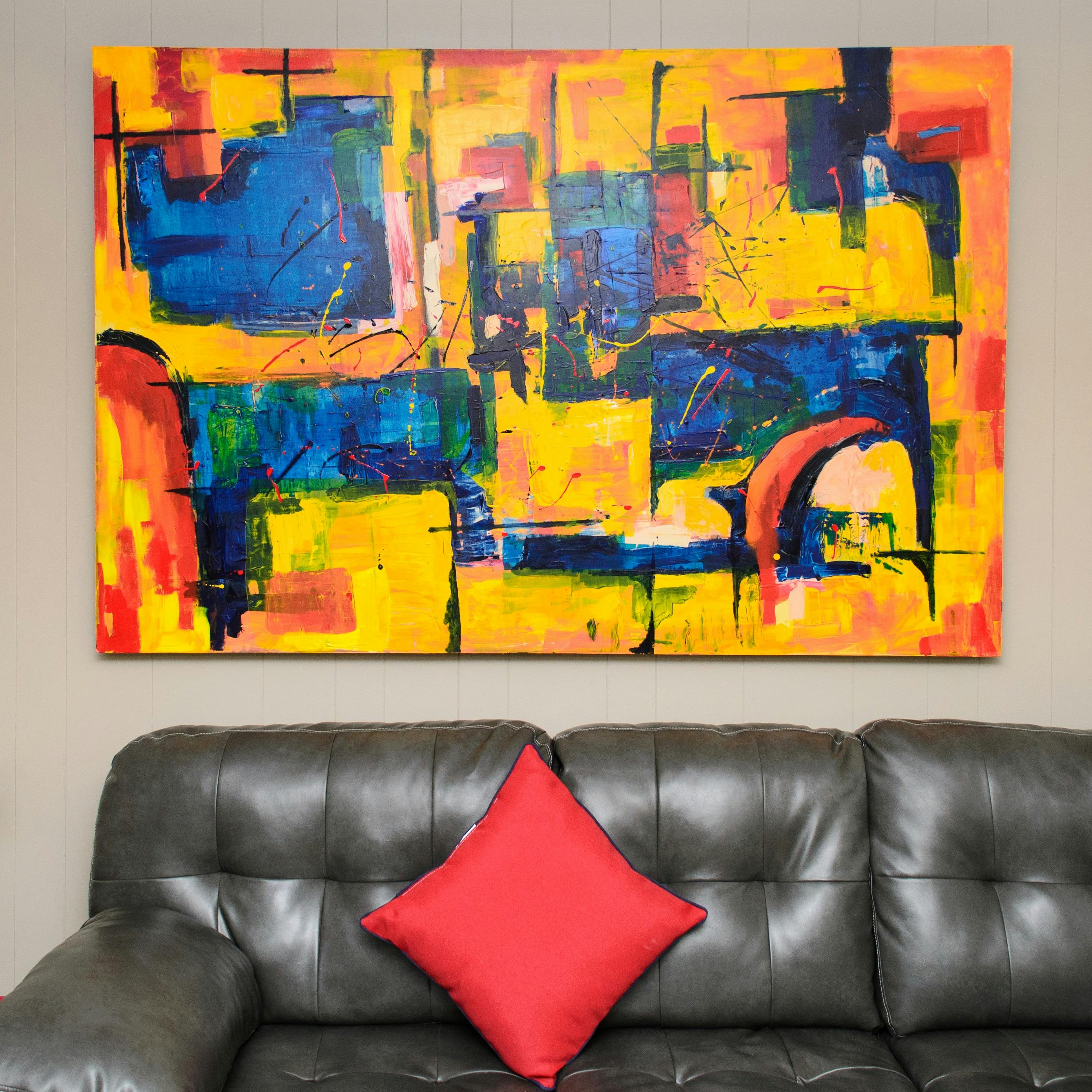
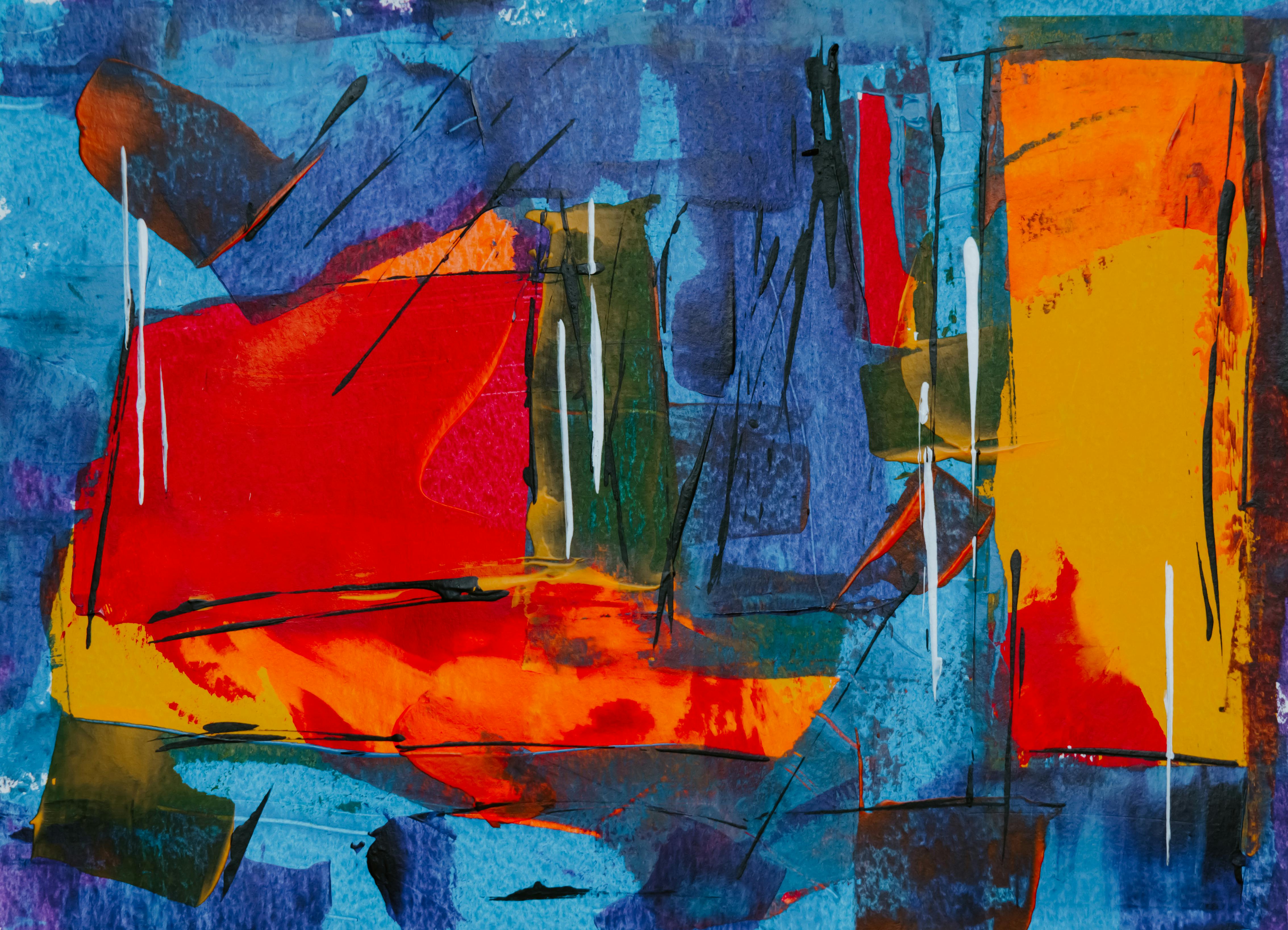
The great canvas vs. paper debate, while seemingly overwhelming at first, ultimately boils down to one simple truth: the best surface is the one that gets you to pick up a brush and start creating. Don't let the choice paralyze you. If budget is a concern, grab some heavyweight paper and unleash your creativity without fear. If you're ready to create a larger, more permanent statement piece, invest in a quality canvas.









Both are valid, both are wonderful, and both offer unique experiences for the acrylic artist. The most important thing, always, is the act of creation itself. So pick one, squeeze out some paint, and make your mark on the world—or at least, on your chosen surface.