Art & Mythology: The Ultimate Guide to Visualizing Ancient Tales and Eternal Truths
Unlock the profound connection between art and mythology with artist & curator Zen Dageraad Visser. Explore global myths, archetypes, and how art from ancient Egypt to contemporary abstraction translates eternal human stories. Your definitive, engaging guide.

Art & Mythology: The Ultimate Guide to Visualizing Ancient Tales and Eternal Truths
There's a certain magic that happens when art and mythology intertwine, isn't there? As both a curator and an artist, I've spent countless hours traversing galleries, delving into art history, and, most importantly, in my studio, wrestling with paint and canvas. And I can tell you, the resonance of ancient stories in visual form is unlike anything else. It's as if artists, no matter their era or medium, inherently understand that myths are the bedrock of our collective human experience. They speak to universal truths, to the very fabric of existence, in a way that pure realism – that faithful depiction of the visible world – often can't quite grasp.
I remember grappling with a particularly challenging abstract piece once, feeling utterly stuck. It wasn't until I stumbled upon an old text about creation myths, specifically the idea of primordial chaos preceding order, that a floodgate opened. Suddenly, my swirling blues and reds weren't just colors; they were the cosmic dust of a nascent world, echoing tales whispered since time began. It was profoundly impactful, shifting my entire approach to finding visual metaphors for existential concepts. This guide, then, is a journey through those echoes – your most comprehensive and engaging source for understanding the profound connection between art and mythology across the globe.
The Timeless Allure of Myth: Why Artists Can't Resist the Archetypes
Before written history, before science, before even the concept of a nation-state, there were myths. They were our first attempts to explain the inexplicable: the rising sun, the changing seasons, love, loss, good, evil. These weren't just bedtime stories; they were the operating systems of entire civilizations, providing moral frameworks, cosmological understandings, and communal identity. I often ponder: how else could such complex ideas, such profound lessons, such foundational identities, be so powerfully solidified and communicated across generations, if not through the potent, often allegorical, visual language of art?
Artists, I believe, are naturally drawn to this wellspring of narrative. It provides a ready-made framework for exploring the human condition, for expressing emotion, and for creating works that resonate deeply with an audience already familiar with the underlying tale. It's a dialogue, a visual conversation that began millennia ago and continues even now in the most abstract forms. At its core, myth offers archetypes – universal patterns of human experience – that artists can explore and reinterpret, making ancient stories eternally relevant.
This idea, famously explored by psychologist Carl Jung, suggests that these archetypes (like the Hero, a figure undergoing a transformative journey; the Mother, embodying nurturing or destructive power; the Trickster, challenging norms; the Shadow, representing repressed aspects of the self; or the Anima/Animus, embodying contrasexual qualities within the psyche) reside in a collective unconscious shared by all humanity, making mythological art profoundly resonate across cultures and time. When an artist, consciously or unconsciously, taps into these primal forms, their work takes on a potent, almost mystic quality. Think of Picasso's deep engagement with Iberian sculpture, or Max Ernst's surrealist explorations of mythological creatures – they weren't just depicting stories, but tapping into these deeper, universal currents. How else could we process the idea of a universal 'journey' without some form of the 'Hero' archetype, whether it's Odysseus sailing home or a character in a modern film defying all odds? Artists give these inner templates visual form, making the invisible, visible. But it's not just Jung; philosophers from Joseph Campbell, who illuminated the universal 'Hero's Journey,' to existentialists who grappled with the absurd, all find common ground in the raw, symbolic power of myth to articulate the fundamental human condition.
The Evolution of Mythic Representation Over Time: From Sacred Objects to Storytelling
Our journey through mythological art reveals a fascinating evolution, often mirroring shifts in belief systems, societal structures, and artistic technologies. Initially, art served as a direct conduit for the sacred, embodying deities and narratives in functional, often ritualistic objects. Think of ancient amulets, tomb paintings, or monumental temple sculptures – they weren't merely illustrative; they were the gods or the means to commune with them. The earliest forms, like prehistoric cave paintings, might even hint at proto-mythological beliefs surrounding hunting, animal spirits, fertility rituals, or shamanic practices, serving as early visual prayers or records of spiritual encounters.
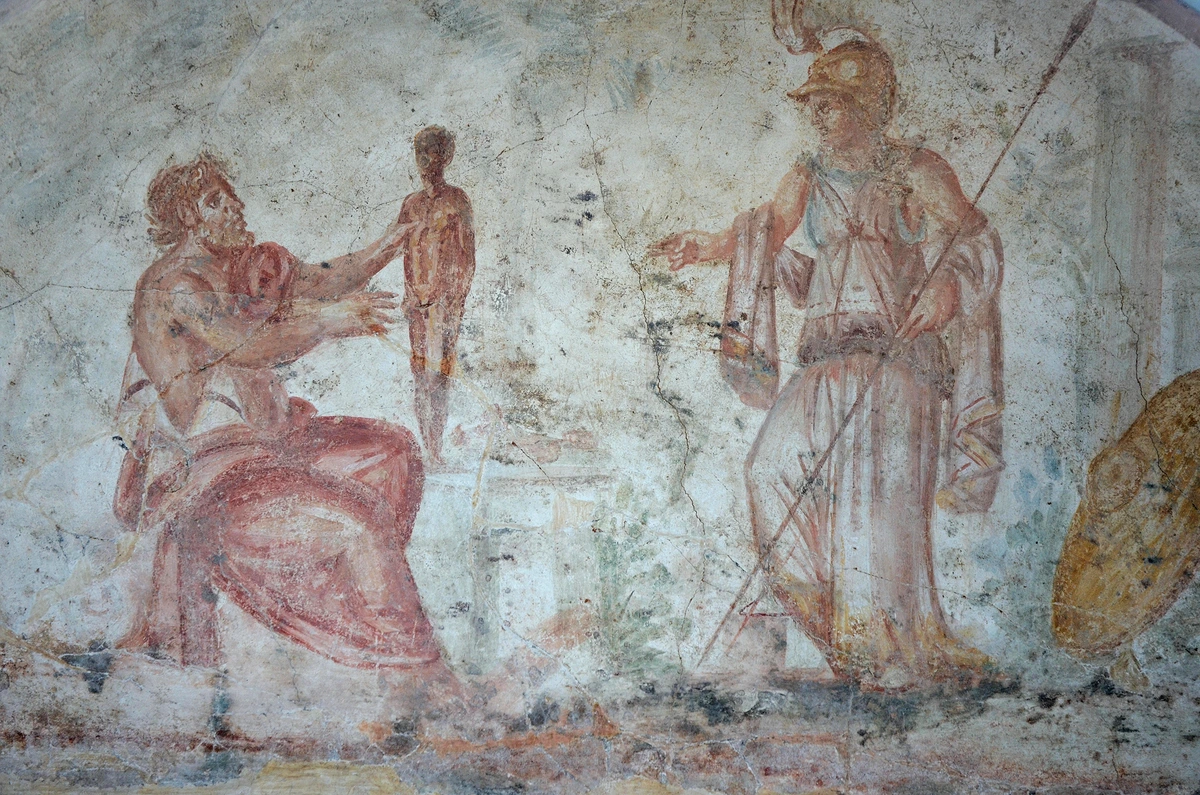
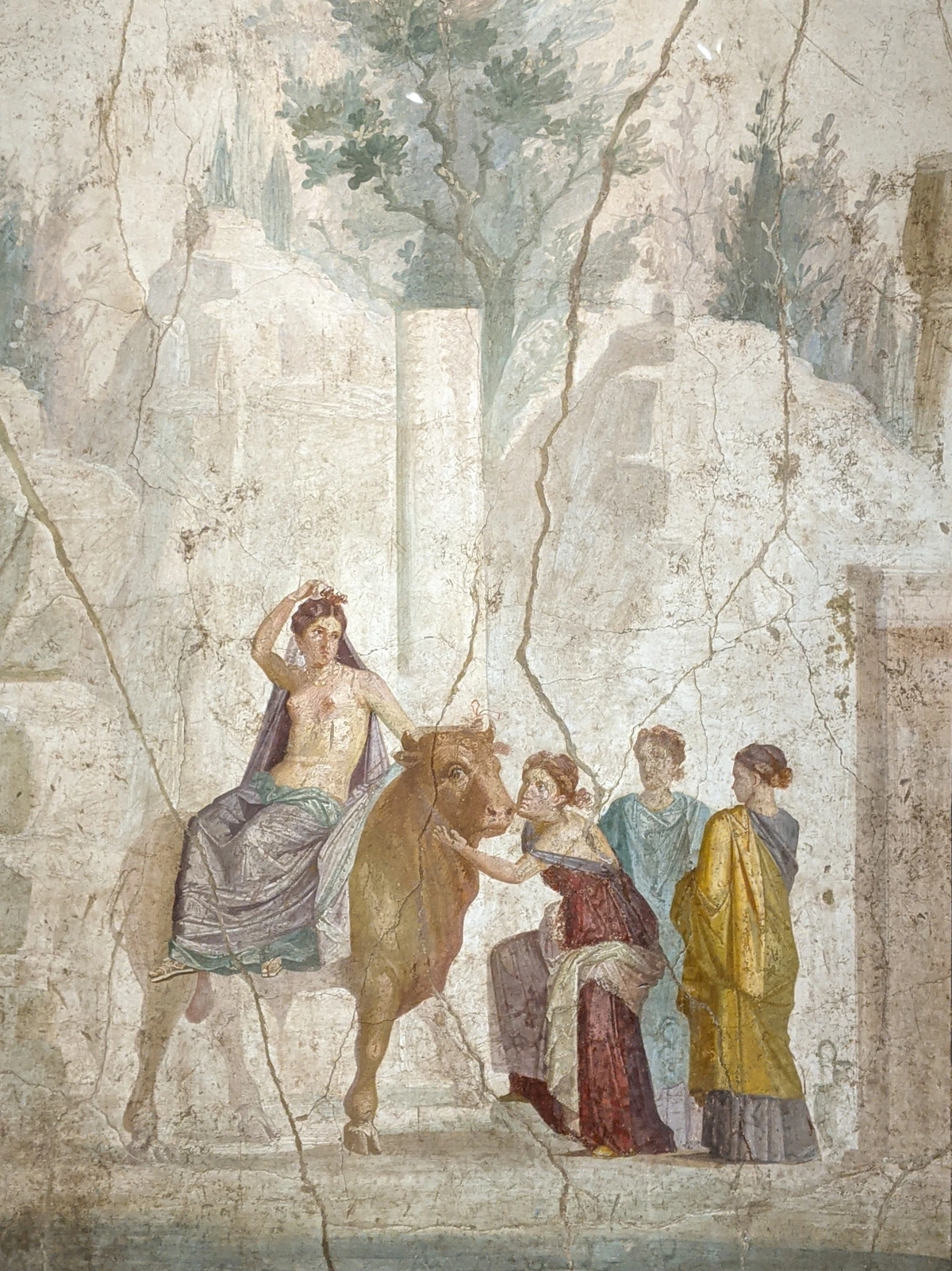
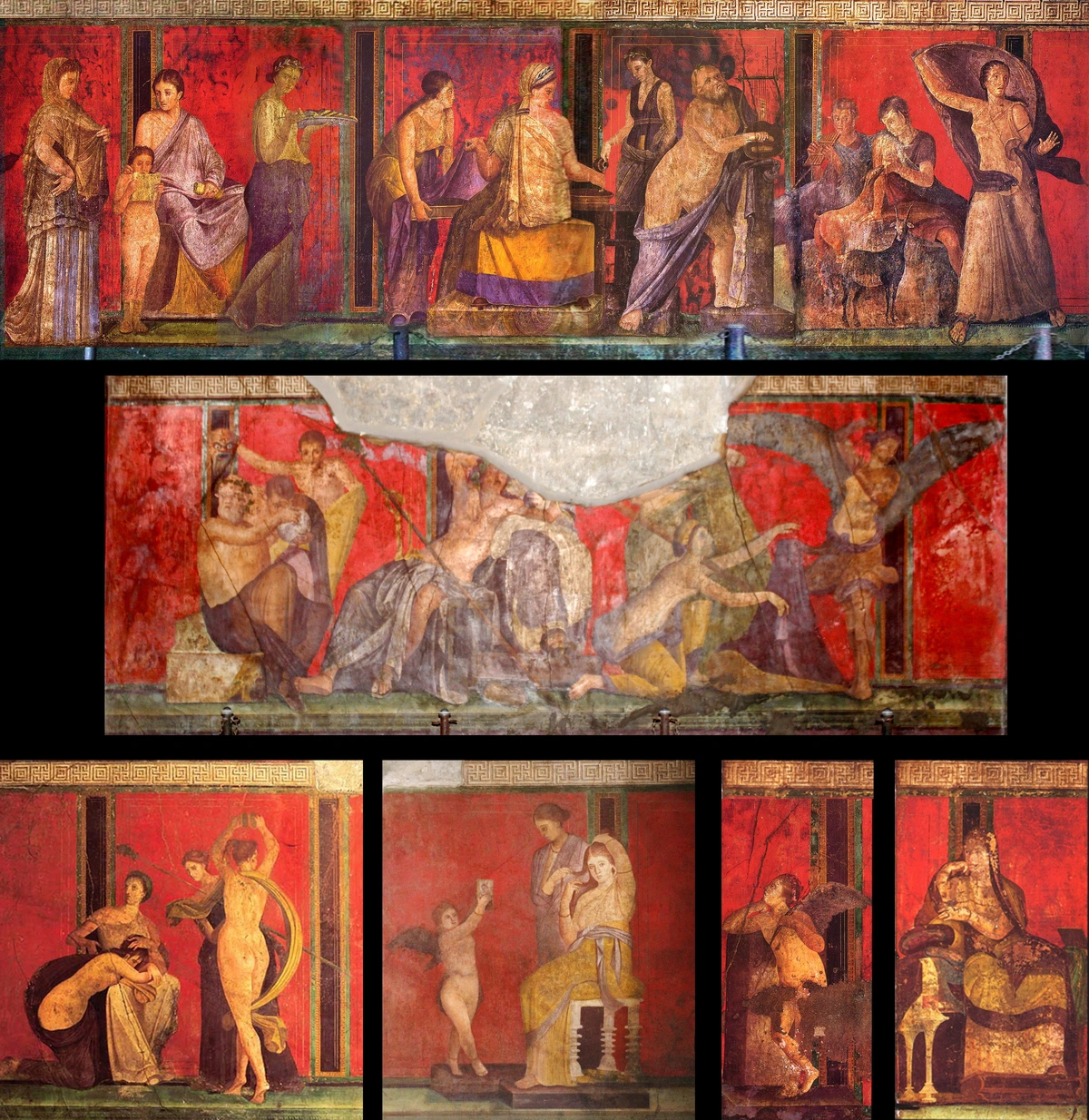
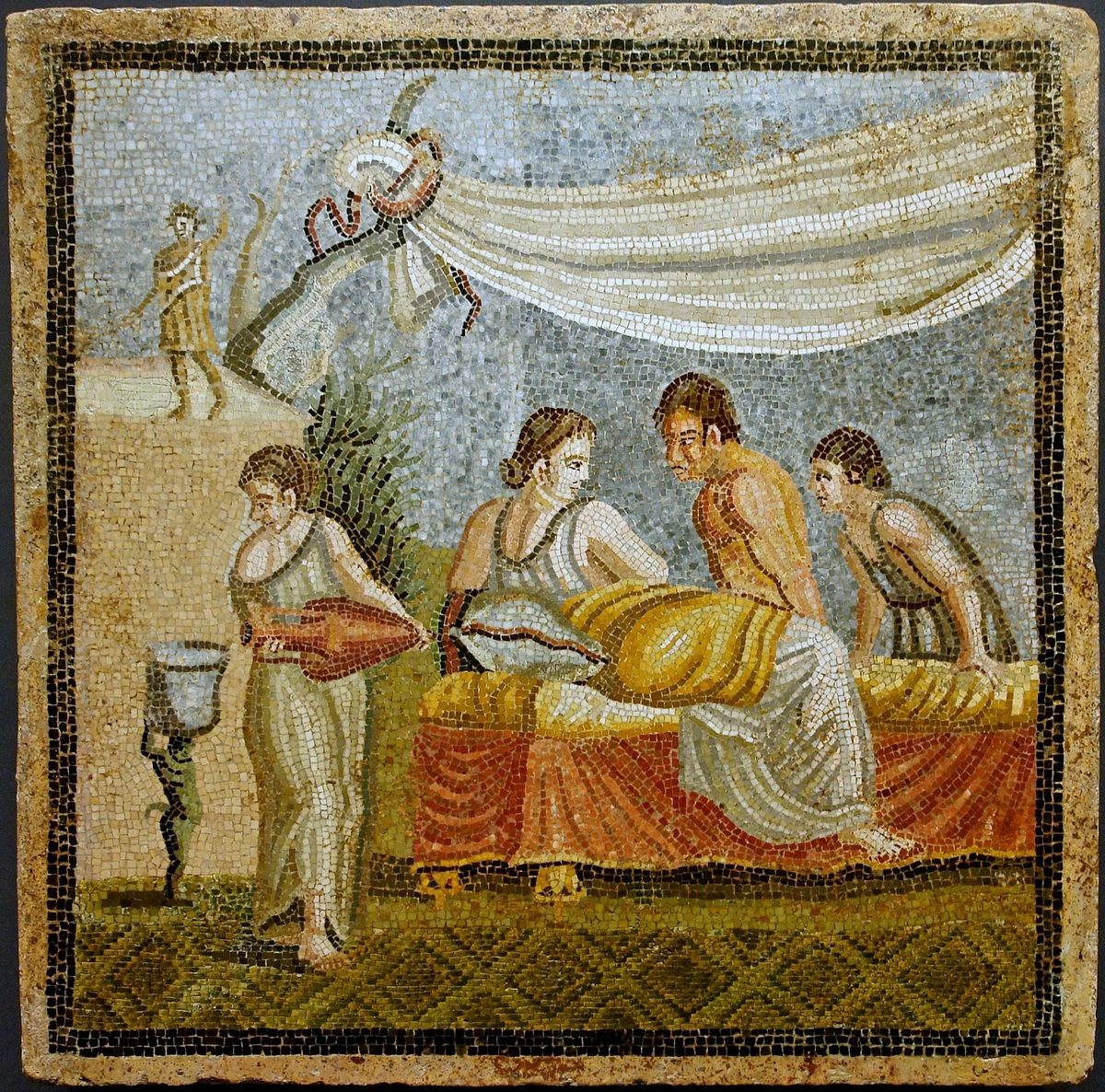
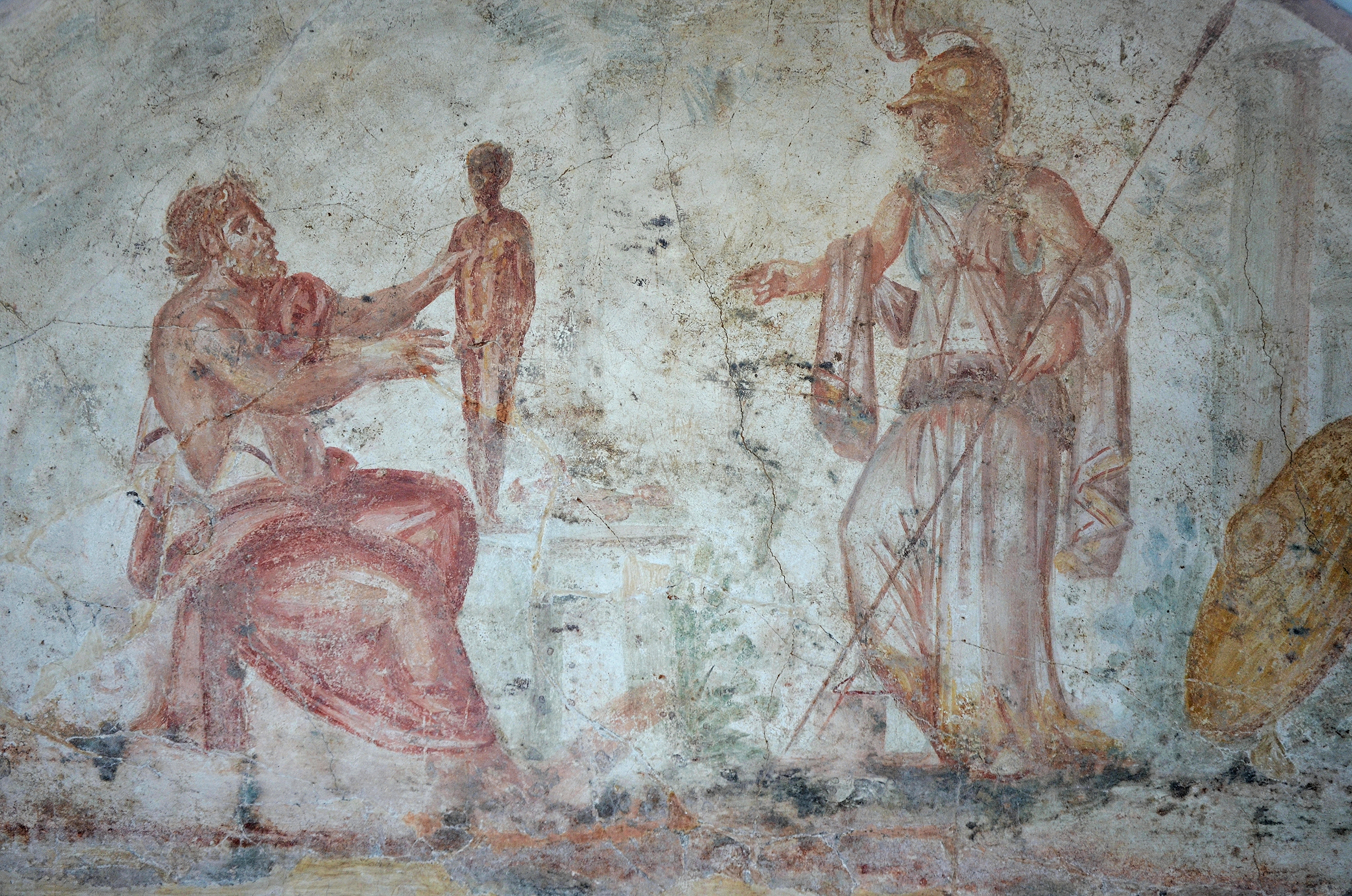
As civilizations developed, the narratives expanded into more elaborate visual storytelling. In ancient Greece, vase painting (from geometric styles to black-figure and red-figure techniques) meticulously detailed myths, acting as both entertainment and moral lessons. The Roman frescoes from places like Pompeii brought mythological figures into domestic spaces with vibrant color and a sense of daily life. The transition from the flat, symbolic, and often hieratic depictions found in Byzantine art (where figures like Christ or saints adopted a certain stylized divinity) to the more naturalistic and human-centered mythological scenes of the Renaissance marks a profound shift. The development of new mediums, from fresco to oil painting, allowed for unprecedented detail, emotional intensity, and manipulation of light and shadow, truly transforming how myths could be visualized. For more on this critical shift, you might find the influence of Byzantine art on Renaissance painting enlightening.
Ancient Echoes: How Early Civilizations First Visualized Their Myths
Our journey continues in the distant past, where the lines between art, religion, and daily life were intricately interwoven. Early civilizations didn't just depict their myths; they lived them, built around them, and celebrated them. I'm always fascinated by how these ancient cultures found such diverse ways to embody their beliefs and how their art served as both sacred object and communal narrative – often simultaneously. It really makes you appreciate the foundational role of creative expression!
Mesoamerican Masterpieces and Cosmic Cycles
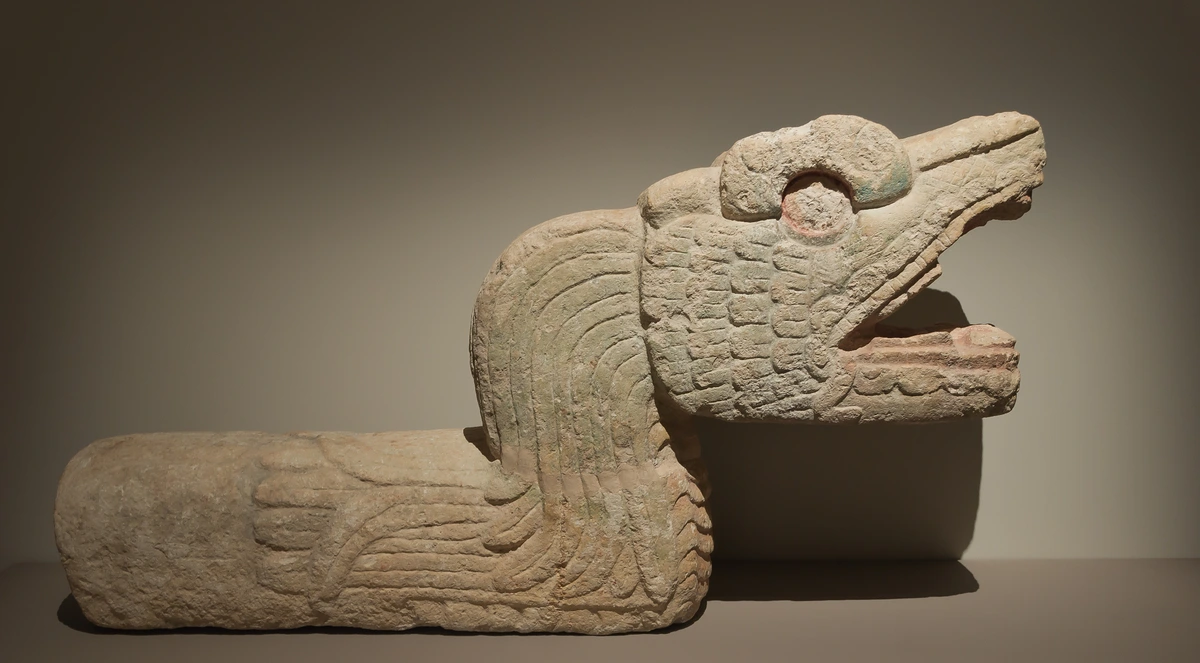
Take the Mesoamerican civilizations, for instance, encompassing the rich traditions of the Maya, Aztec, Olmec, and Teotihuacan cultures. Their deities were often complex, embodying both destructive and creative forces. The feathered serpent god, Quetzalcoatl, is a perfect example – a powerful symbol of creation, knowledge, and wind, famously depicted in monumental sculpture at places like the Temple of the Feathered Serpent at Teotihuacan or the Castillo at Chichen Itza. But he's not alone; Tlaloc, the rain deity, Huitzilopochtli, the god of sun and war, Xochiquetzal (goddess of beauty, love, weaving), and the enigmatic Tezcatlipoca (god of the night sky, sorcery, and conflict) were equally central. These deities were depicted in monumental sculptures, vibrant codices (ancient folding books often made from bark paper, painted with natural pigments like cochineal and indigo), and intricate murals. These artworks weren't just decorative; they were essential to rituals, reflecting a cosmology (their understanding of the universe) often centered on cyclical creation and destruction. The concept of the Five Suns, for example, describes successive ages of the world, each ending in catastrophe and culminating in a new creation. This cyclical worldview, which contrasts sharply with the linear progression often found in Western thought, permeated their art, visible in calendar stones and temple carvings, symbolizing the constant renewal of life and the cosmos. The use of materials like stucco, jade, and obsidian further conveyed sacred meaning, making the art itself a part of the divine. Beyond materials, the visual language often incorporated specific geometric patterns, symbolic colors, and the integration of hieroglyphic text to enhance narrative and sacred purpose. These carvings, vibrant codices, and murals served not just ritualistic functions, but also as important educational tools and historical records, preserving complex narratives for generations. The precision and power in these ancient carvings still take my breath away.
Buddhist Iconography and the Path to Enlightenment
Similarly, in Buddhist art, the figure of the Buddha is often depicted under the protection of a multi-headed Naga (serpent), symbolizing guardianship and enlightenment, a powerful image found in ancient rock-cut cave temples like Ajanta and Ellora, or in the iconic statues of Angkor Wat. This imagery speaks volumes about the synthesis of spiritual belief and artistic expression. The Naga, a powerful serpentine being, often embodies a duality – both a benevolent protector of the Dharma (cosmic law and order) and a potentially dangerous, elemental force. This complex symbolism enriches the visual narrative, reflecting deeper spiritual truths. Other significant iconographies, like the lotus flower (representing purity, spiritual awakening, and faithfulness, largely because it grows from mud yet remains pristine) or the Dharma wheel (the path to enlightenment and the teachings of the Buddha, with its eight spokes often symbolizing the Noble Eightfold Path), also root deeply in Buddhist cosmology, appearing in statues, mandalas, and temple decorations. We also see Bodhisattvas, enlightened beings who defer nirvana to help others, often depicted with specific attributes: Avalokiteshvara (compassion) with many arms, or Manjushri (wisdom) with a sword, sometimes holding a book or a lotus. Each gesture, each attribute, is a visual lesson. Different schools of Buddhism, such as Theravada and Mahayana, might emphasize slightly different visual narratives or Bodhisattva figures, enriching the overall artistic tapestry. The Bhavacakra (Wheel of Life), for example, is a complex visual diagram that maps out the entire cycle of samsara and the path to liberation, a complete mythological and philosophical narrative in itself. It makes you think about how pervasive the symbolism of certain creatures, like the serpent, has been across diverse cultures, doesn't it? If you're curious about that, I highly recommend digging into the symbolism of the serpent in art history or even the symbolism of lotus flower in art. These aren't just pretty pictures; they're packed with meaning, offering a complete spiritual roadmap.
Art and the Afterlife: Ancient Egypt
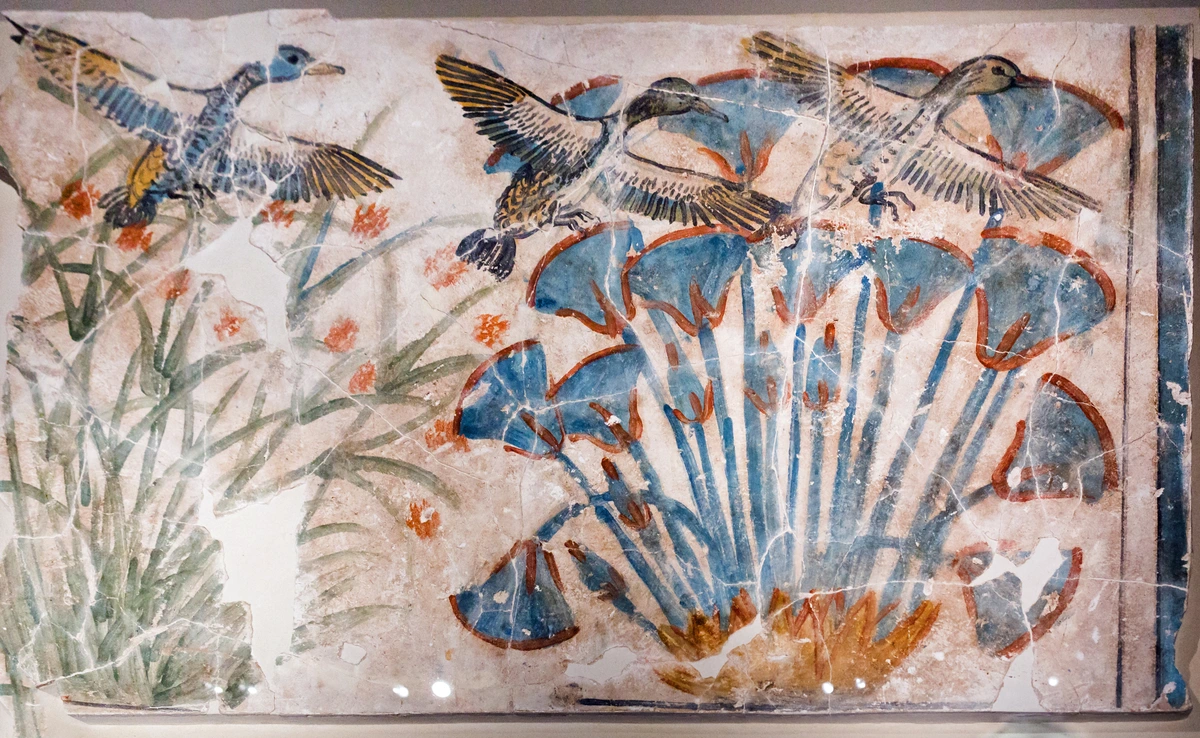
In Ancient Egypt, art was intrinsically linked to the concept of the afterlife and the divine order. Deities like Ra (the sun god), Osiris (god of the underworld), Isis (goddess of motherhood and magic), and Anubis (god of mummification) were central to their belief system. We also see powerful goddesses like Hathor (love, beauty, music, sky goddess often depicted with cow horns and a sun disk) or fierce Sekhmet (war, healing, often lion-headed). Their stories and attributes were meticulously depicted in elaborate tomb paintings (like those in the Valley of the Kings, or the stunning tomb of Nefertari), temple reliefs, and monumental statues (think Ramses II). The famous Book of the Dead, often illustrated on papyrus, wasn't just a book; it was a complex collection of spells, prayers, and visual cues, a map and spellbook for souls navigating the perilous journey through the underworld. These artworks were not just decoration; they were functional elements, actively ensuring safe passage into eternity by providing guidance and appeasing deities, and maintaining cosmic balance through representations of Ma'at (truth, justice, order, often depicted as a goddess with an ostrich feather). Rituals like the Weighing of the Heart ceremony, central to judgment in the afterlife, were frequently depicted, emphasizing moral accountability. Hieroglyphs, too, were not just writing but integral artistic elements, forming part of the visual narrative and imbued with sacred power. The precision and symbolism, like the ankh (symbol of life) or the Eye of Horus (protection), speak volumes about their profound spiritual convictions. Monumental architectural elements like the pyramids (tombs for pharaohs, symbolizing their ascent to the heavens) and obelisks (solar symbols dedicated to Ra, marking sacred spaces) also held deep mythological significance. I always find myself mesmerized by the clarity and enduring power of Egyptian iconography. The Amarna period, with its radical shift in depicting Akhenaten and Nefertiti more naturalistically, shows how even within deeply symbolic art, stylistic evolution occurred, often tied to changing religious beliefs – a fascinating early example of art and dogma intertwining. For a deeper dive into its lasting impact, check out the enduring influence of ancient Egyptian art on modernism.
Indigenous Australian Dreamtime Narratives and Bark Paintings
Moving even further back in time, and to another continent entirely, we find the profound mythological traditions of Indigenous Australians. Their Dreamtime (or 'The Dreaming') is not merely a past era but a continuous spiritual reality, encompassing creation stories, ancestral beings (Creator Spirits like the Rainbow Serpent or the Wanjina), laws, and moral codes. These complex narratives are expressed through a rich artistic legacy, from ancient rock art (some dating back tens of thousands of years) to contemporary bark paintings, body art, and sand paintings. Artists use intricate patterns, cross-hatching, x-ray styles (depicting internal organs of animals), and symbolic motifs to tell these stories, which are often tied to specific lands, sacred sites, and ceremonies. The art itself is a living connection to the ancestral past and a way to transmit knowledge across generations, emphasizing themes of land stewardship, interconnectedness of all life, and the enduring power of creation. It's a testament to the idea that art is not just depiction but active participation in a continuous, sacred narrative.
Civilization  | Key Deities/Figures | Key Concepts/Beliefs | Common Artistic Mediums | Key Artistic Motifs/Styles |
|---|---|---|---|---|
| Mesoamerican | Quetzalcoatl, Tlaloc, Huitzilopochtli | Cyclical Creation/Destruction (Five Suns), Sacrifice, Cosmic Balance | Stone carvings, codices, murals | Feathered serpent, geometric patterns, symbolic colors, calendrical art |
| Buddhist | Buddha, Naga, Bodhisattvas | Dharma, Enlightenment, Samsara, Karma, Nirvana | Statues, mandalas, temple decorations, frescoes | Lotus flower, Dharma wheel, mudras, multi-headed Naga, stylized figures |
| Ancient Egypt | Ra, Osiris, Isis, Anubis, Ma'at | Afterlife, Cosmic Order, Divine Kingship, Rebirth | Papyrus paintings, tomb murals, monumental sculpture | Hieratic scale, frontalism, hieroglyphs, animal-headed gods, ankh, Eye of Horus |
| Indigenous Australian | Rainbow Serpent, Wanjina (Creator Spirits) | Dreamtime, Land Stewardship, Ancestral Beings, Lore | Rock art, bark paintings, body art, sand paintings | X-ray style, dot painting, intricate patterns, symbolic animals, sacred sites |
The Classical Pantheon: Greek and Roman Myths in Antiquity
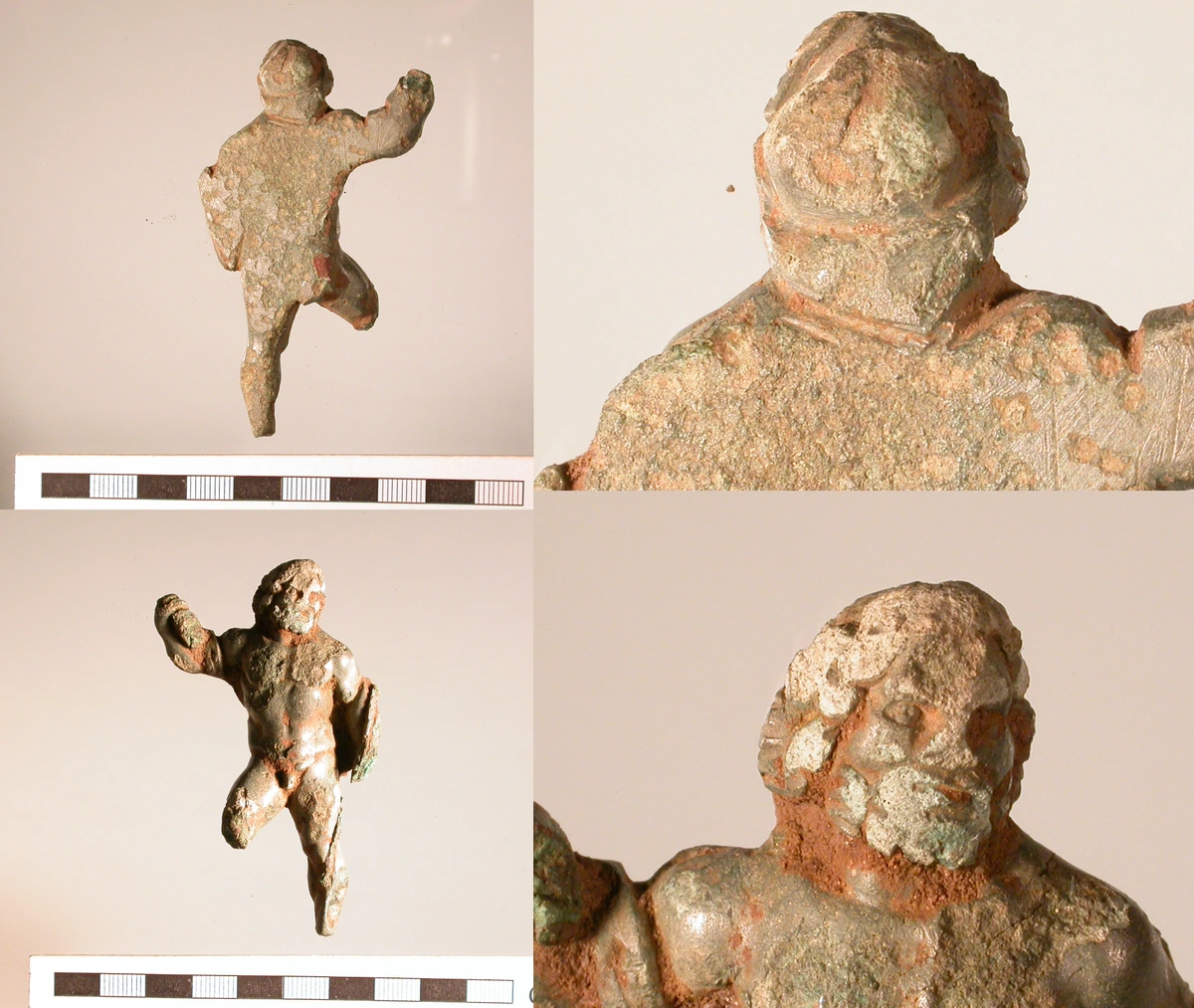
Before their grand revival in the Renaissance, Greek and Roman myths were, of course, the vibrant cultural tapestry of antiquity itself. For the ancient Greeks, their gods were not distant, but intimately involved in human affairs, embodying ideal human forms and flaws alike. Zeus (king of the gods), Hera (queen), Apollo (light, music, prophecy), Athena (wisdom, warfare), Poseidon (sea, earthquakes), and Aphrodite (love, beauty) were omnipresent. Artists depicted these deities and heroes in myriad forms, capturing their dramatic sagas like the Trojan War, the adventures of Heracles, the tragic fate of Orpheus and Eurydice, or the abduction of Persephone by Hades. The epic journey of the Argonauts in search of the Golden Fleece also provided rich material. In Rome, these Greek myths were largely adopted and renamed – e.g., Zeus became Jupiter, Hera became Juno, Apollo remained Apollo, Athena became Minerva, Aphrodite became Venus, Poseidon became Neptune – though Roman mythology also retained distinct indigenous deities and narrative nuances, often emphasizing statecraft and civic virtue. Roman art, while heavily influenced by Greek forms, often emphasized realism, historical narrative, and the grandeur of the empire, sometimes using mythological figures allegorically to glorify Roman virtues or imperial power.
Visualizing the Divine and Heroic in Antiquity
- Vase Painting: Elaborate scenes from these myths adorned countless ceramic vessels. Both Black-figure (where figures are painted in black silhouette against a red clay background, with details incised) and later Red-figure (where figures are outlined, and the background is painted black, allowing for more detailed brushwork on the red figures) techniques allowed for intricate narrative detail. The narrative detail on some of these vases is simply astounding.
- Sculpture: From the idealized forms of the Parthenon frieze depicting processional scenes to monumental statues of gods like Phidias' lost 'Athena Parthenos,' and later, the dramatic, almost agonizing Laocoön Group (a Hellenistic masterpiece showcasing the priest Laocoön and his sons battling sea serpents), Greek sculptors sought to capture divine beauty and heroic virtue in marble and bronze. Sculptors like Praxiteles introduced a more sensuous and graceful depiction of the human form, particularly for goddesses like Aphrodite. The Pergamon Altar, with its dramatic Gigantomachy (battle between gods and giants), illustrates mythological narratives with intense movement and raw emotion.
- Fresco and Mosaics: In both public buildings and private villas, frescoes and mosaics brought these stories to life with vibrant colors and intricate detail. We see grand heroic sagas, but also intimate domestic scenes from myth – a depiction of Venus in a bedroom, or Hercules's labors in a palestra – often chosen by homeowners for their symbolic associations with love, strength, or prosperity. The stunning frescoes from Pompeii and Herculaneum provide a vivid window into this tradition. The cult of Bacchus/Dionysus, god of wine, revelry, and ecstasy, inspired numerous vivid and often sensual depictions in frescoes and mosaics, highlighting the more earthly and celebratory aspects of classical myth.
This rich visual tradition laid the essential groundwork for centuries of Western art to come, shaping our aesthetic sensibilities in profound ways. Even structures like St. Peter's Basilica, though much later, echo the monumental grandeur and scale that Roman architecture, often adorned with mythological or allegorical elements, once commanded, underscoring the enduring legacy of classical aesthetics.
Epic Sagas: Norse and Hindu Visual Narratives
Moving further afield, we discover other equally rich mythological traditions that have inspired breathtaking art across diverse cultures.
Norse Mythology: Fate, Bravery, and the Cosmic Tree
Norse mythology gave us gods like Odin (the Allfather, god of wisdom, war, and death), Thor (god of thunder, strength, and protector of humanity, wielding his hammer Mjolnir), and the mischievous Loki (trickster god of fire and chaos). The powerful goddess Freyja, associated with love, beauty, fertility, war, and death, was also a central figure, sometimes depicted with a cloak of falcon feathers. Their sagas, filled with epic battles, prophecies, the fearsome Jötnar (giants), and the ultimate destruction and rebirth of the world (Ragnarök), were etched into runestones, carved into wooden ships (like the Oseberg ship, with its intricate animal-style carvings that hint at mythological beasts), and woven into intricate tapestries. These works of art conveyed themes of fate, bravery, honor, and the cyclical nature of existence, reflecting a robust warrior culture deeply connected to its environment. Visual motifs often included Odin's ravens (Huginn and Muninn), Thor's hammer (Mjolnir), and the great World Tree, Yggdrasil, visually connecting all realms from Asgard (home of the gods) to Midgard (the human world) and Hel (the underworld). Yggdrasil wasn't just a tree; it was the cosmic axis itself, binding nine worlds and representing the interconnectedness of all life. Runestones, beyond being a writing system, were imbued with magical and mythological significance, often carved onto objects for protection or prophecy, with intricate interlace patterns that symbolized the intertwining of destinies and the complexity of the cosmos. The fierce female warriors, the Valkyries, who guided fallen heroes to Valhalla, were also a popular subject, inspiring dramatic depictions of winged figures on horseback.
Hindu Mythology: Divine Manifestations and Philosophical Depths
Then there's the incredibly rich and diverse Hindu mythology, with its vast pantheon including the powerful triad of Brahma (creator, often with four heads symbolizing his knowledge of the four Vedas), Vishnu (preserver, often blue-skinned, holding a conch shell (sound of creation), discus (cycle of time), mace (mental and physical strength), and lotus (purity and cosmic origin)), and Shiva (destroyer and regenerator, often depicted with a third eye (wisdom), a trident (representing the three Gunas: Sattva - purity, goodness; Rajas - activity, passion; Tamas - darkness, inertia), and a snake (kundalini energy)). Vishnu, particularly, is known for his many avatars (incarnations), such as Rama and Krishna, each depicted with unique attributes and narrative contexts, often surrounded by adoring Gopis (cowherd women whose devotional love for Krishna symbolizes the soul's yearning for the divine). Beyond these, Devi, the Divine Mother, manifests in countless forms (like Parvati - consort of Shiva, Lakshmi - goddess of wealth and prosperity, Saraswati - goddess of knowledge and music, and the fierce warrior goddess Durga). Hindu art, found in elaborate temple sculptures (e.g., Khajuraho, Ellora Caves, with their intricate carvings and multi-tiered structures), miniature paintings (often depicting scenes from epics), and bronze castings (like the iconic dancing Shiva Nataraja), visually translates complex philosophical concepts like karma (action and its consequences), dharma (righteous conduct), samsara (the cycle of rebirth), and moksha (liberation from samsara). Each mudra (hand gesture) or attribute of a deity tells a story, conveying blessings, protection, or spiritual truths – for instance, the Abhaya mudra (raised palm) signifies fearlessness and reassurance, while the Dhyana mudra (palms in lap) denotes meditation. The great epics, the Ramayana and Mahabharata, are also inexhaustible sources of artistic inspiration, depicting tales of dharma, sacrifice, and divine intervention. It's a visual language that simultaneously educates, inspires devotion, and offers a path to understanding the cosmos – a truly immersive artistic experience.
Mythology | Key Deities/Figures | Key Concepts/Beliefs | Common Artistic Mediums | Key Artistic Motifs/Styles |
|---|---|---|---|---|
| Ancient Egypt | Ra, Osiris, Isis, Anubis, Hathor | Afterlife, Cosmic Order (Ma'at), Divine Kingship, Rebirth | Papyrus paintings, tomb murals, monumental sculpture, temple reliefs | Hieratic scale, frontalism, hieroglyphs, symbolic colors, animal-headed gods, ankh, Eye of Horus |
| Greek/Roman | Zeus/Jupiter, Hera/Juno, Apollo, Athena/Minerva | Humanism, Ideal Forms, Fates, Heroism, Moral Allegory | Frescoes, marble sculptures, vase painting (black/red-figure), mosaics | Idealized human form, dramatic narrative, contrapposto, balanced composition, architectural motifs |
| Mesoamerican | Quetzalcoatl, Tlaloc, Huitzilopochtli, Xochiquetzal | Cyclical Creation/Destruction (Five Suns), Sacrifice, Cosmic Balance | Stone carvings, codices, murals, stucco reliefs | Feathered serpent motifs, geometric patterns, symbolic colors, ritualistic imagery, calendrical art |
| Norse | Odin, Thor, Loki, Freyja, Valkyries | Fate, Ragnarök, Yggdrasil (Cosmic Axis), Honor | Runestones, carvings (wood/metal), tapestries, metalwork | Interlace patterns, animal style (gripping beast), mythological beasts, runic inscriptions, ship motifs |
| Hindu | Vishnu, Shiva, Devi (Parvati, Lakshmi, Durga) | Dharma, Karma, Reincarnation, Avatars, Gunas, Moksha | Temple sculptures, miniature paintings, bronze casting, frescoes | Multi-limbed deities, mudras, vibrant colors, symbolic attributes (lotus, trident), complex narratives |
Renaissance & Baroque: The Rebirth of Classical Narratives
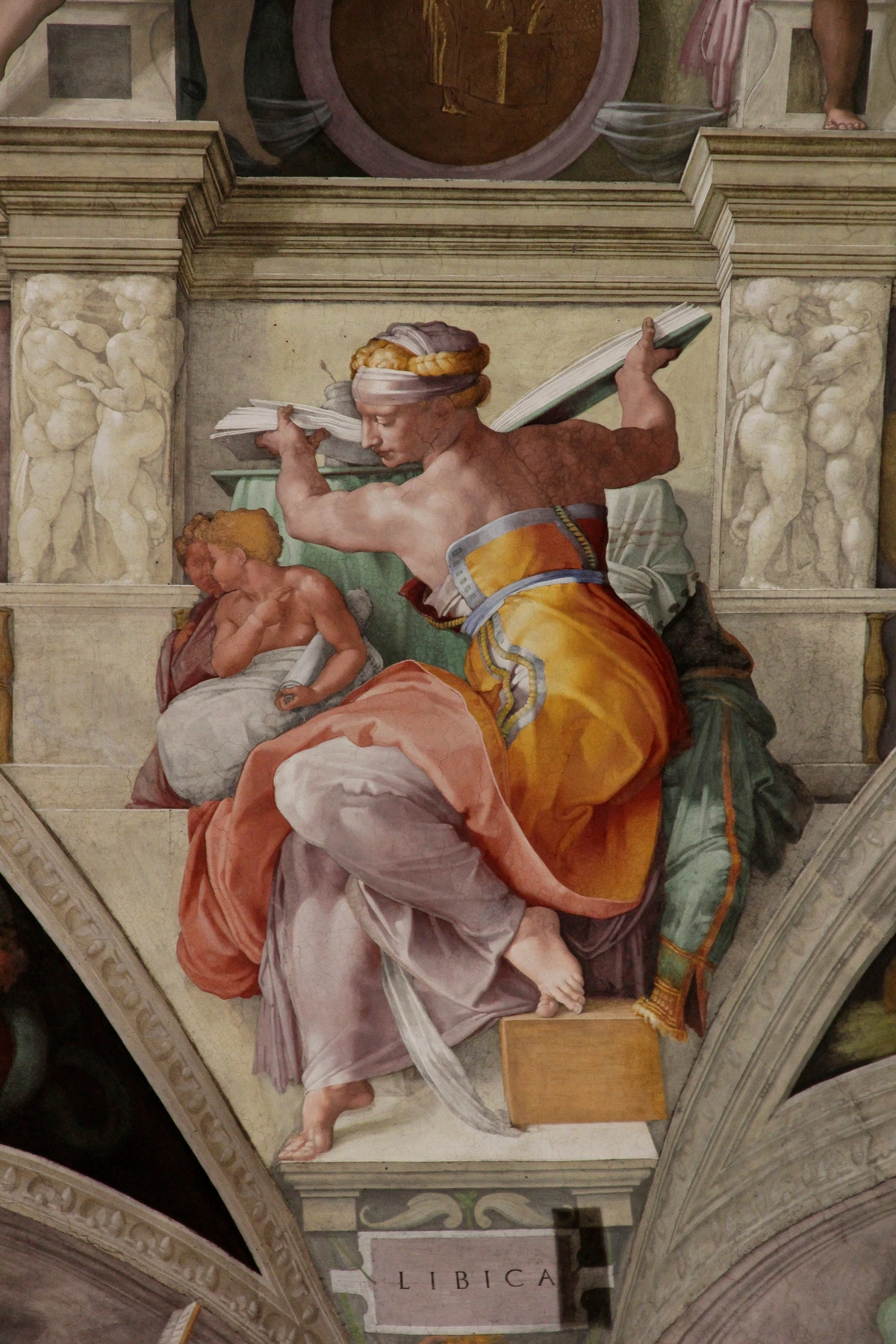
While the ancient world laid the groundwork, it was in the European Renaissance that we witnessed a fervent re-engagement with these powerful narratives. The Renaissance was, as the name suggests, a magnificent 'rebirth' of classical ideals, including the rich tapestry of Greek and Roman mythology. Artists of this period saw these myths not just as ancient stories, but as perfect vehicles for exploring the human form, emotion, and philosophical concepts. It was a time when the classical pantheon became a stage for dramatic human narratives, albeit with divine protagonists, often infused with Neo-Platonic thought, which sought to reconcile classical philosophy (especially Plato's ideas) with Christian theology by viewing earthly beauty and love as reflections of divine perfection. This allowed artists to depict pagan gods and goddesses while imbuing them with spiritual significance and deep intellectual weight. Did you know that the focus on ideal beauty and harmony in Renaissance art was often seen as a pathway to divine truth, directly influenced by this philosophical movement? For a deeper dive into this period, you might also find my ultimate guide to Renaissance art illuminating.
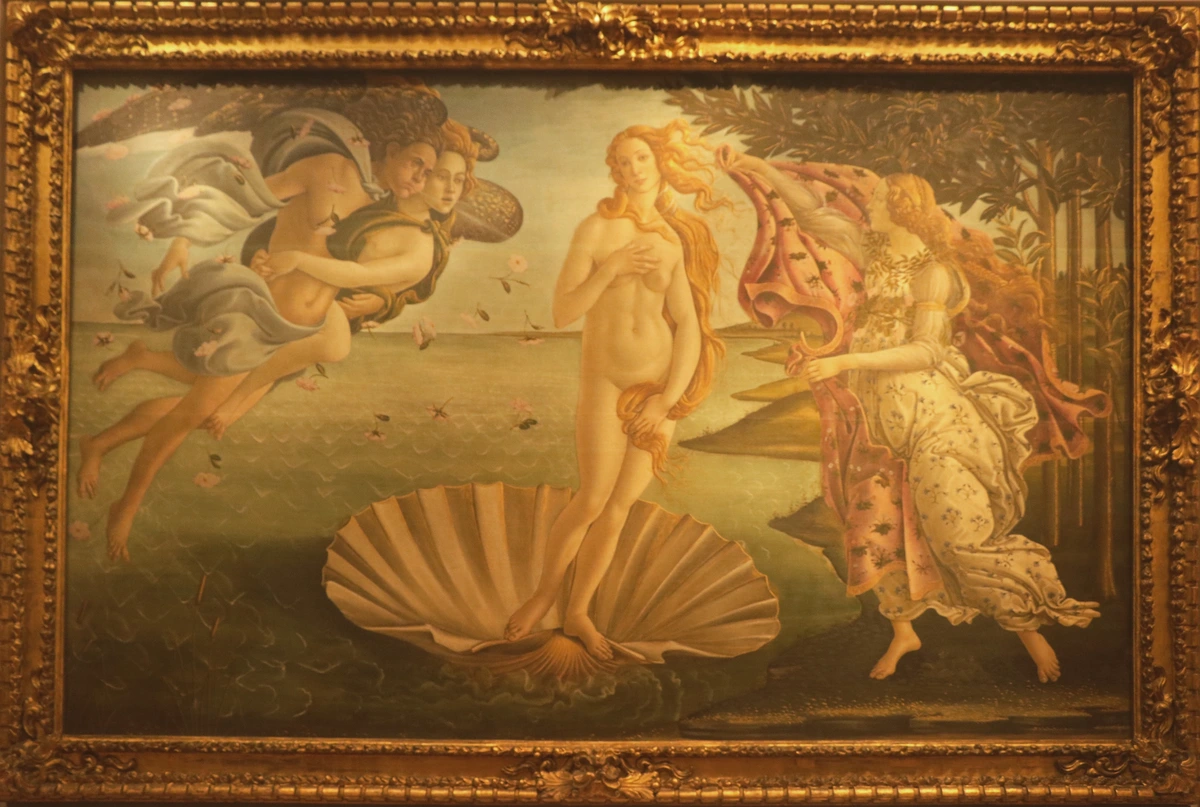
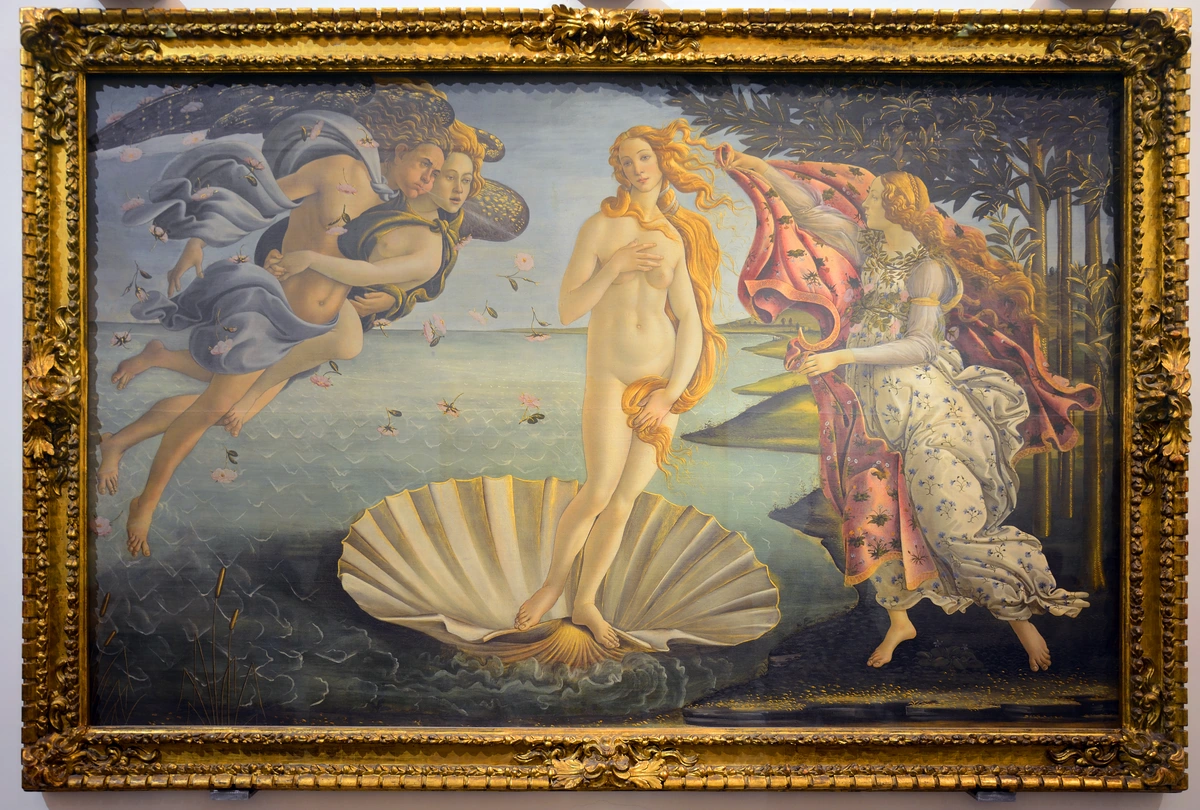
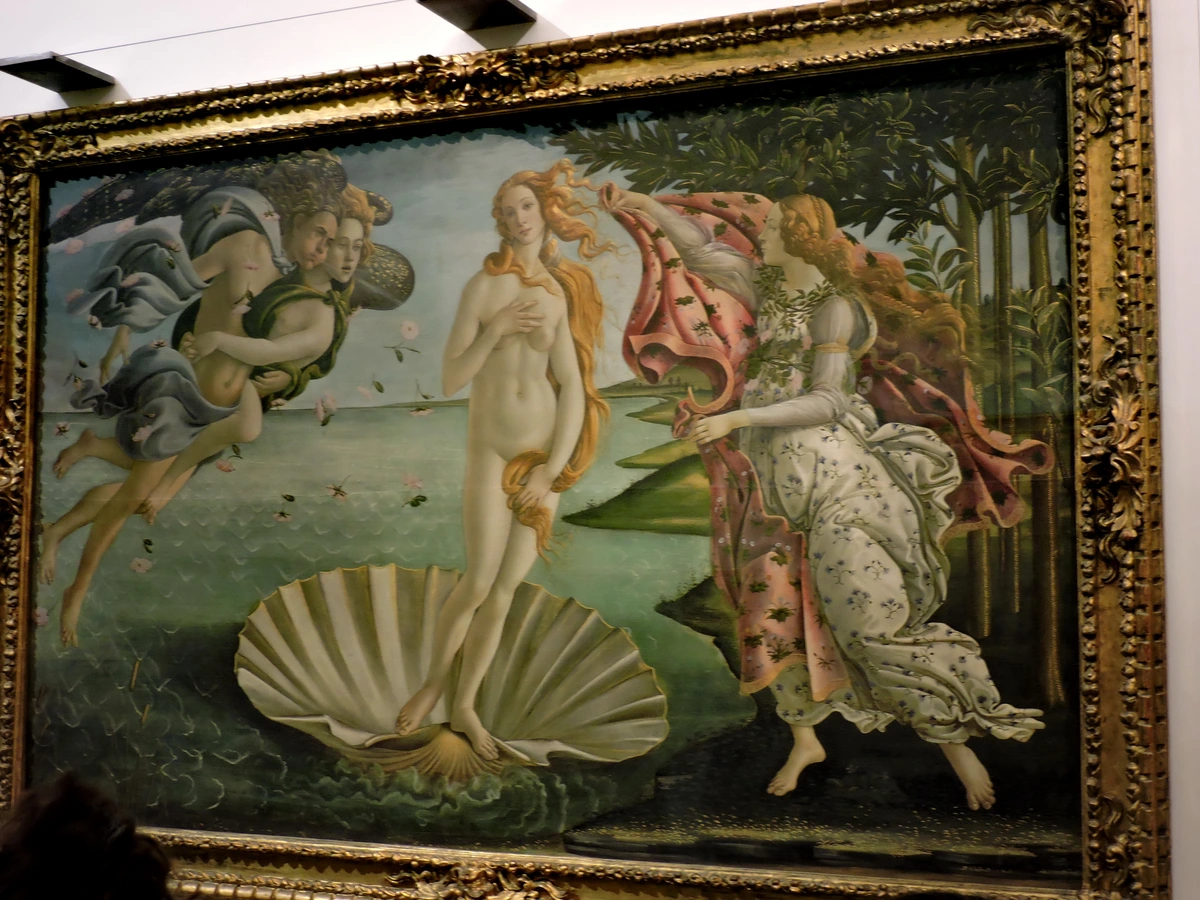
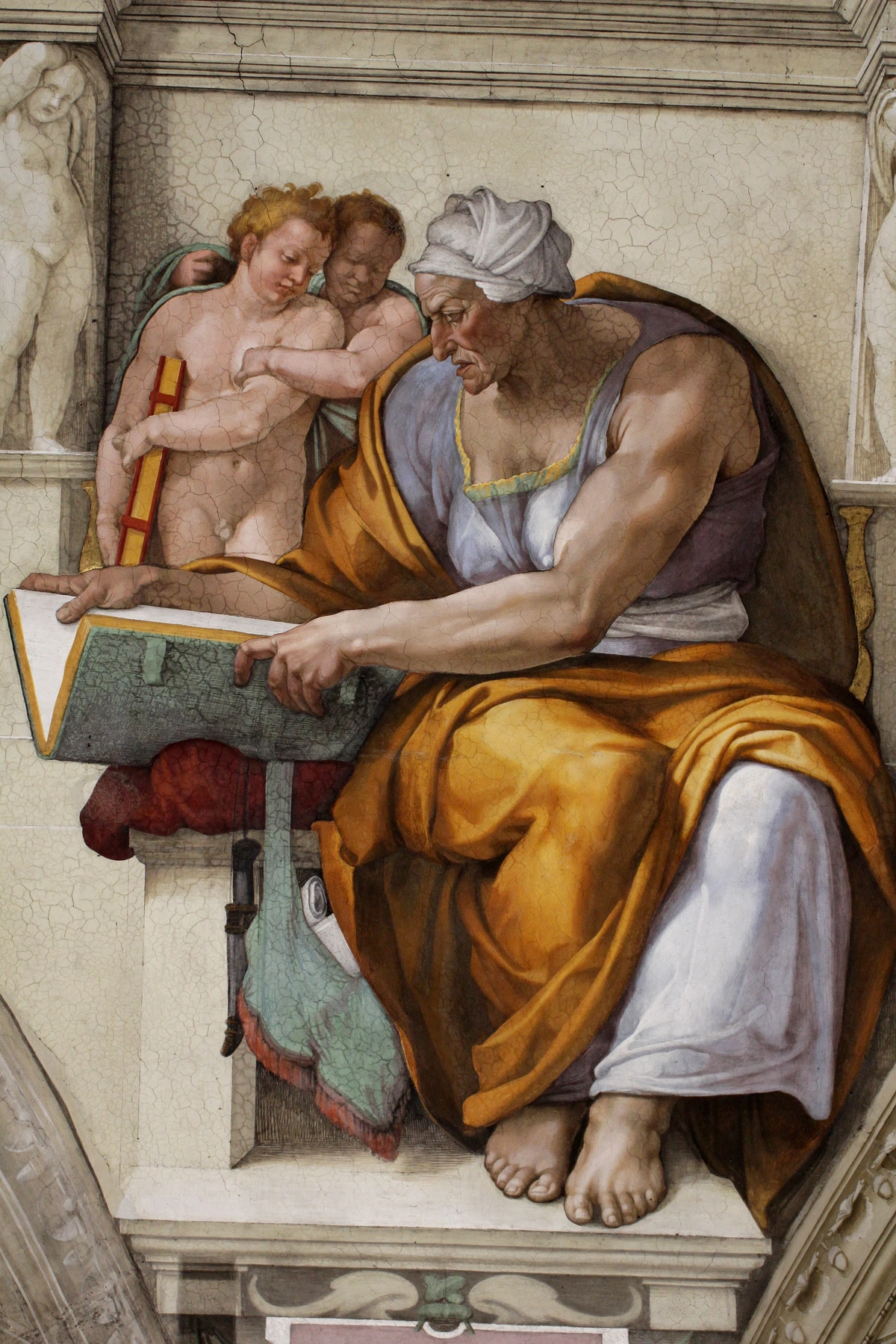
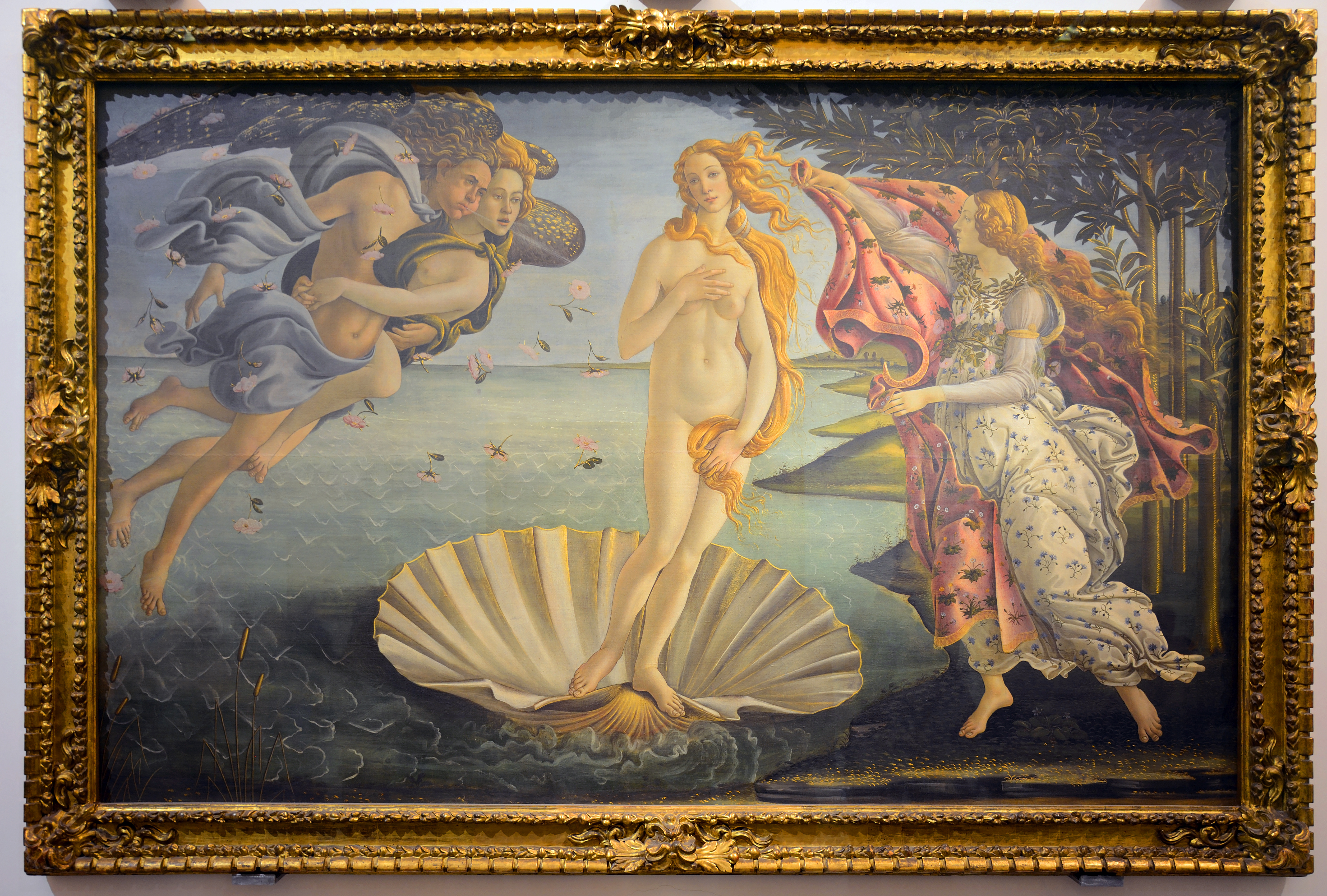
I've always been captivated by how Renaissance masters tackled these narratives. Their understanding of anatomy and linear perspective allowed for incredibly dynamic and emotionally charged depictions. You see it in everything from Botticelli's ethereal 'Birth of Venus' – which beautifully embodies the concept of ideal beauty and Neo-Platonic love, a divine form emerging from the sea – to Michelangelo's powerful 'David' a heroic figure poised for action, inspired by the classical ideal. Titian's 'Bacchus and Ariadne' is another triumph, capturing a moment of divine passion and human despair with vibrant color and movement. They didn't just illustrate; they interpreted, infusing ancient tales with a fresh, humanistic spirit. It's a stark contrast to some earlier, more rigid religious art, isn't it? The shift towards celebrating the human form and individual achievement, often through the lens of classical myth, was revolutionary.
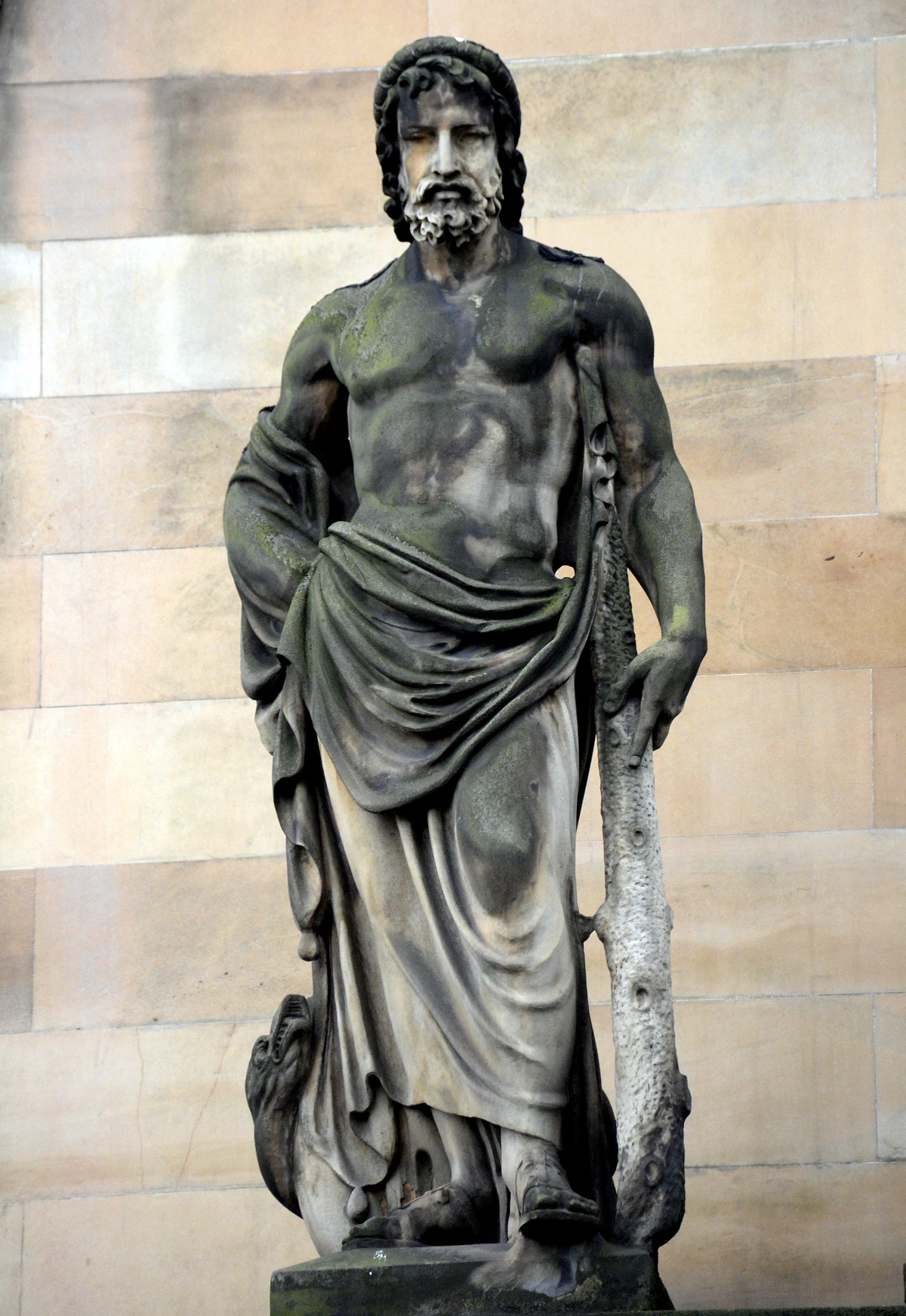
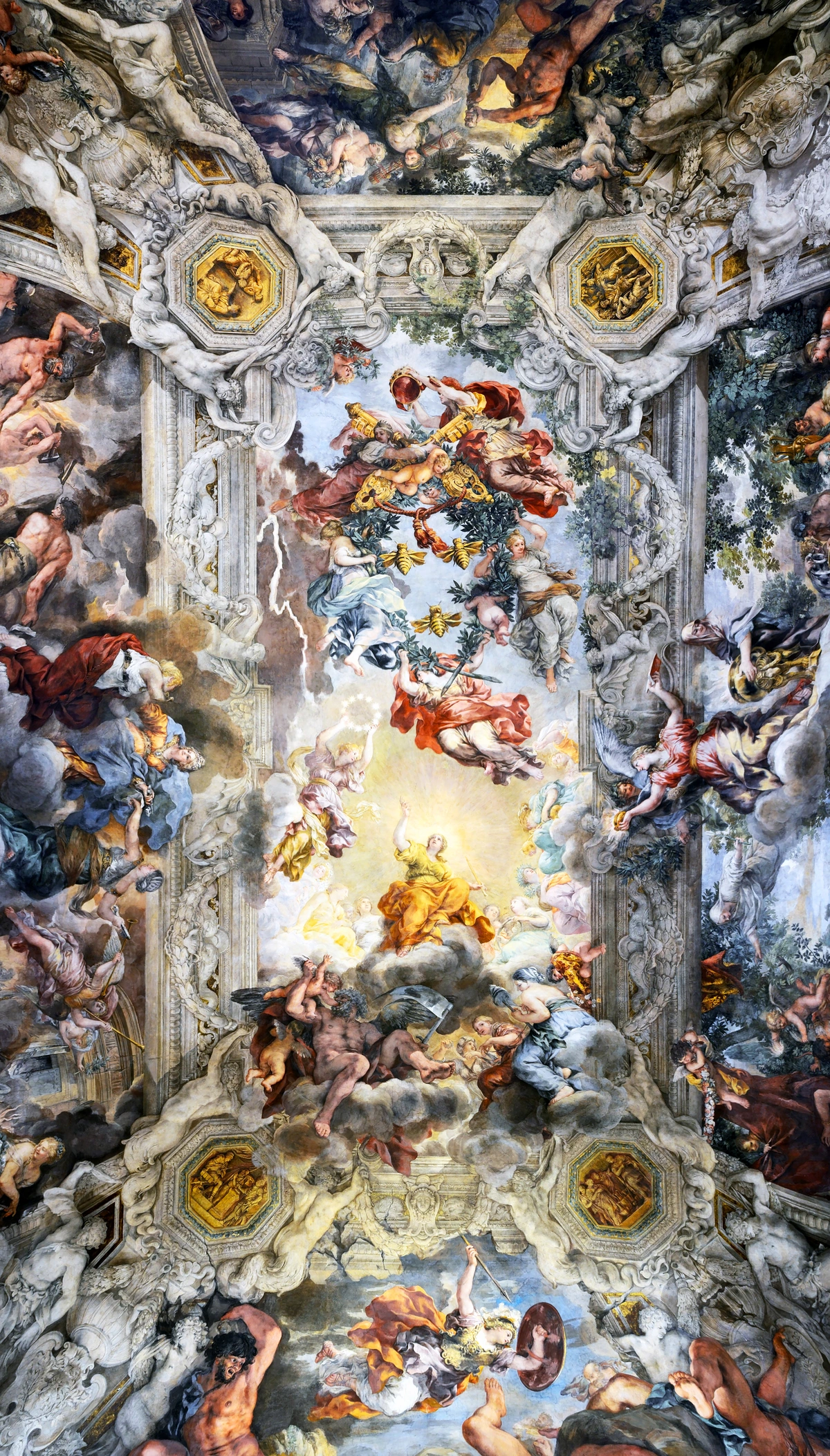
The Baroque era then took this dramatic flair and amplified it tenfold. Think Caravaggio's intense chiaroscuro (the strong contrast between light and dark) or Bernini's swirling marble. Myths became even grander, more theatrical, designed to evoke awe and wonder and often to serve the Counter-Reformation. Consider the story of Judith and Holofernes from the Deuterocanonical Book of Judith. While not Greek or Roman, it's a powerful biblical narrative often treated with the same dramatic intensity and allegorical weight as classical myths, as seen in Artemisia Gentileschi's harrowing depictions. Her painting 'Judith Slaying Holofernes' is a visceral, powerful interpretation of vengeance and strength, using intense light and shadow to heighten the psychological impact. Rubens' 'The Judgment of Paris' explodes with vibrant color and dynamic composition, showcasing the sensuality and drama inherent in mythological narratives. Even a religious work like Bernini's 'Ecstasy of Saint Teresa' (a powerful example of Baroque drama) shares the theatricality, emotional intensity, and masterful use of light and movement found in mythological pieces of the era.
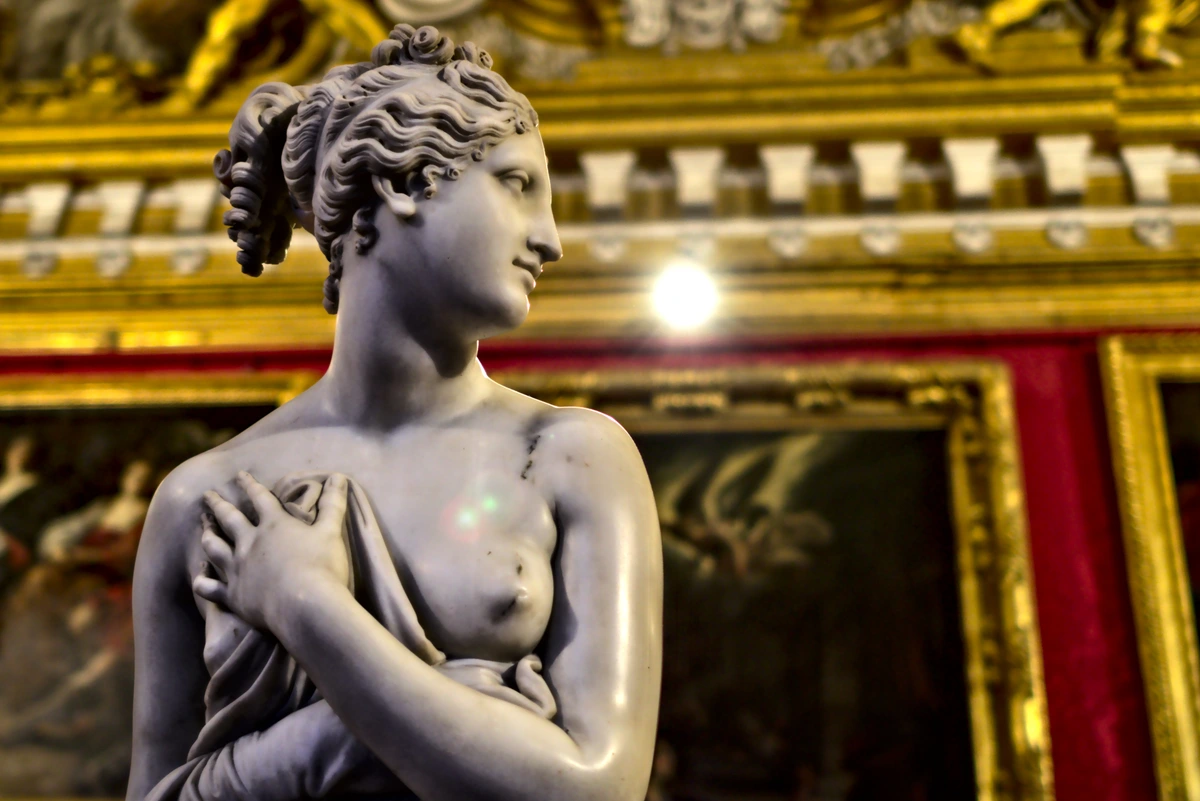
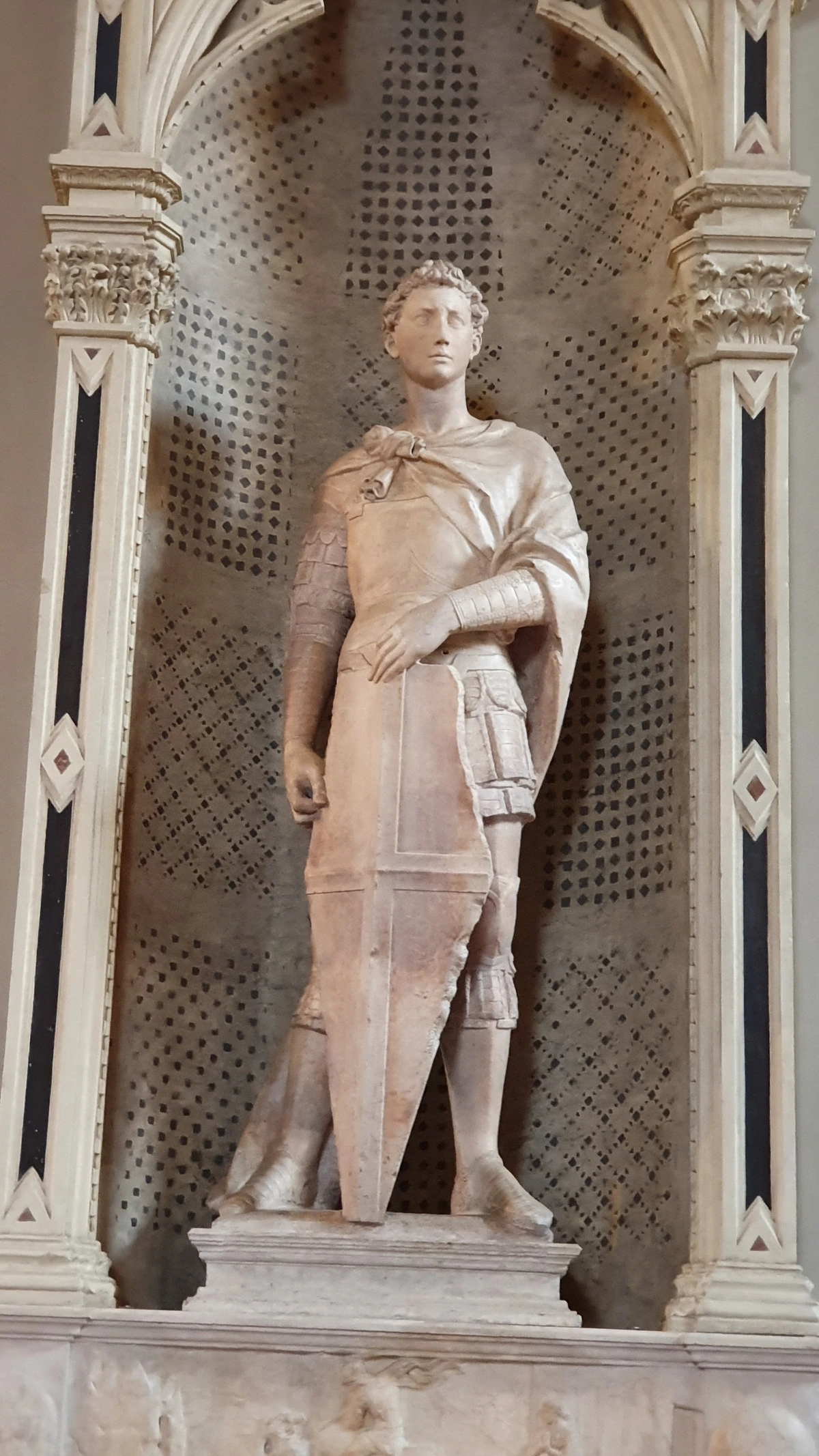
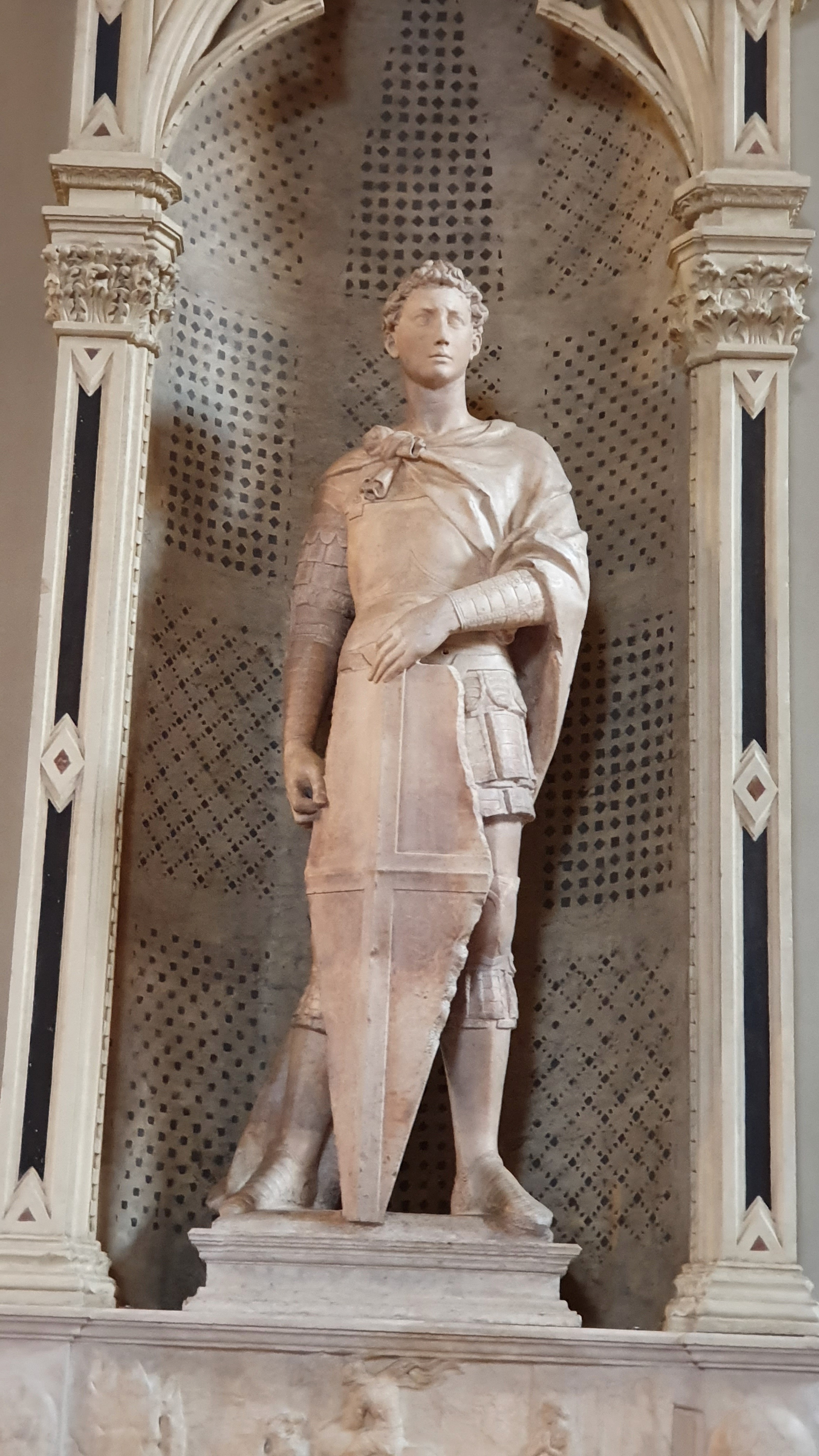
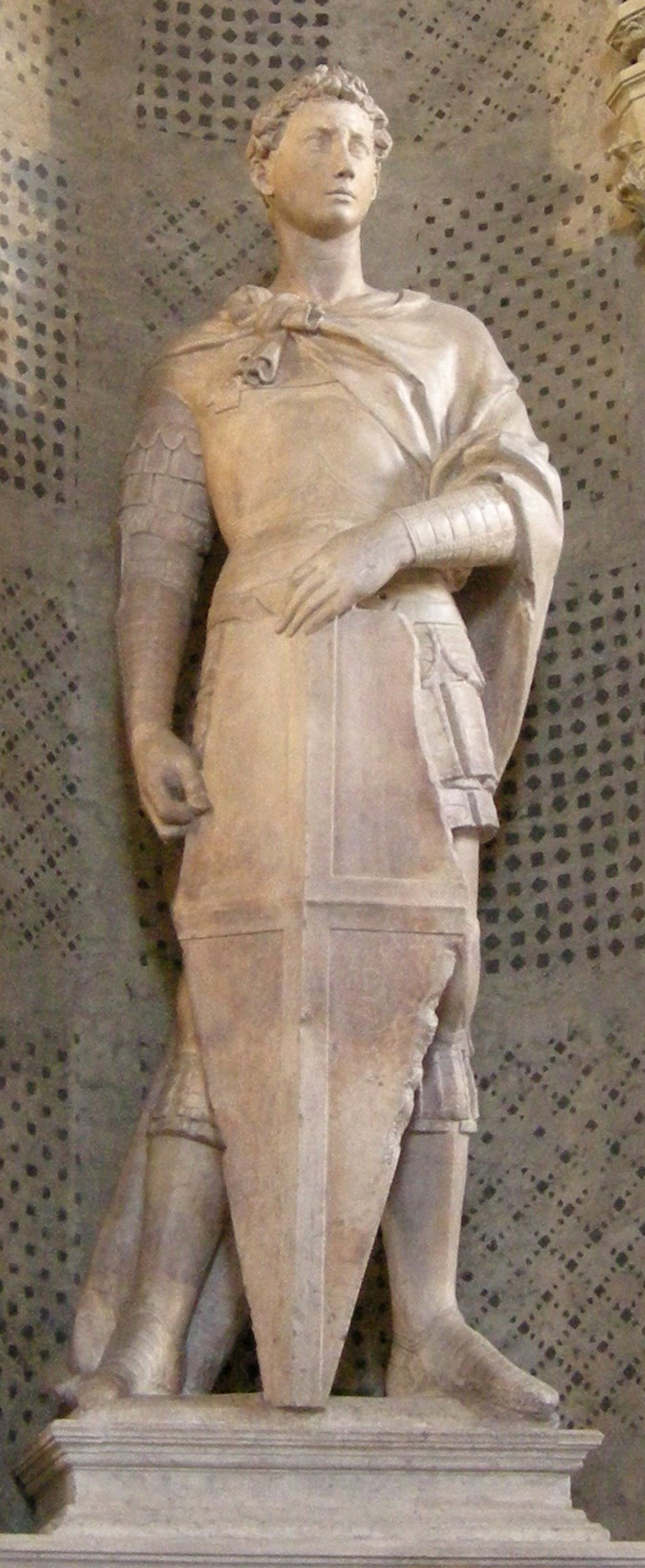
These artists were masters of understanding foreshortening in art to create that sense of intense drama and depth, really pulling you into the scene. It's a technique that elevates simple illustration to profound storytelling. If you're interested in how Byzantine art laid some groundwork for this, a peek at the influence of Byzantine art on Renaissance painting is always enlightening. For a deeper dive into the art of the period, you might also find my ultimate guide to Baroque art movement illuminating. Donatello's Saint George, though a Christian subject, embodies the classical heroism that fascinated Renaissance artists, blending religious narrative with mythological strength and an almost archetypal 'Hero' presence, echoing the figures we see in Greek and Roman sagas. Even a seemingly simple mythological figure like Cupid saw complex and delicate interpretations, as seen in Rococo works (like Falconet's iconic marble Cupid) that emphasized playful sensuality over grand drama. For more on this charming, lighter approach, my ultimate guide to Rococo art can shed light.
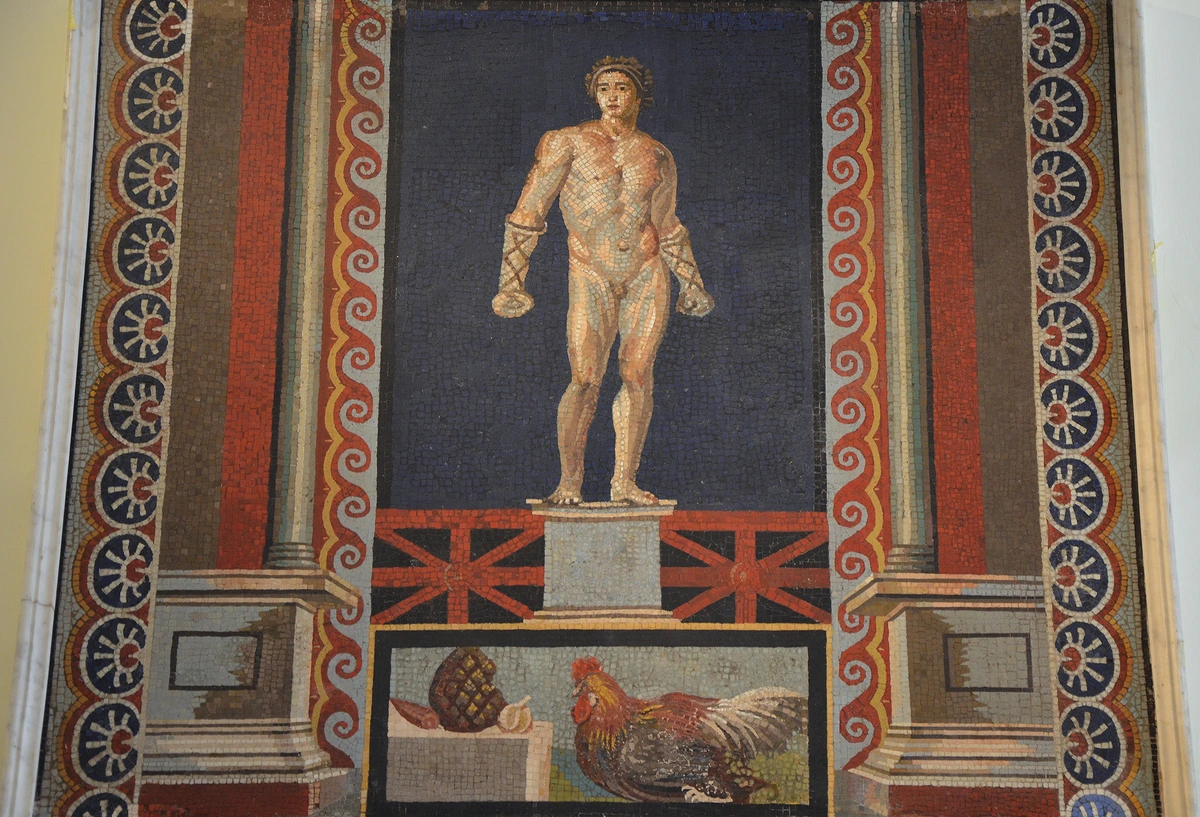
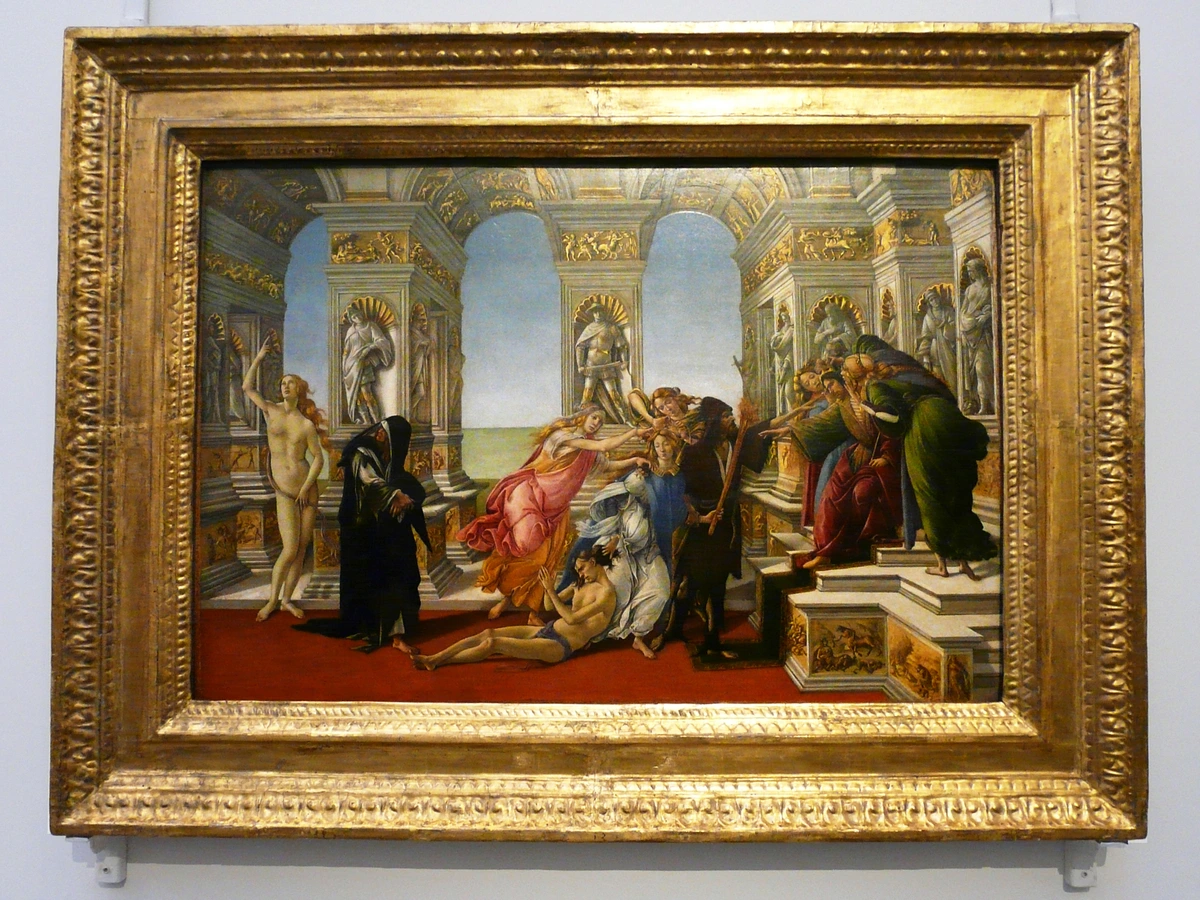
Era | Focus | Key Characteristics | Exemplar Artists (Mythological/Theatrical) | Mythological Themes |
|---|---|---|---|---|
| Renaissance | Revival of Classical Myths, Humanism, Neo-Platonism | Idealized forms, linear perspective, balanced composition, emotional subtlety, grace | Botticelli, Titian, Raphael, Michelangelo | Ideal beauty, heroic virtue, philosophical allegories, human potential, divine love |
| Baroque | Dramatic Interpretation, Emotional Intensity, Counter-Reformation | Dynamic movement, rich colors, strong chiaroscuro, theatricality, grand scale | Caravaggio, Rubens, Bernini, Gentileschi | Suffering, ecstasy, divine intervention, psychological depth, moral lessons, sensuality |
Beyond the Pantheon: Global Myths and Their Visual Storytellers
While Greek and Roman myths often dominate Western art historical discourse, it's crucial to remember that every culture on earth has its own rich tapestry of myths, legends, and folklore. And artists globally have been just as inspired by their ancestral narratives. To truly understand art's connection to myth, we simply must look beyond the familiar Western canon and embrace the sheer diversity of human storytelling.
Japanese Legends in Woodblock and Scroll
I find particular joy in exploring Japanese mythology through art, particularly the incredible world of Ukiyo-e woodblock prints. From the thunder god Raijin to the mischievous tengu (mountain spirits with long noses) and the terrifying oni (demons, often red or blue-faced with fangs), these creatures and tales were brought to life with such distinctive style and vibrancy. Heroes like Momotaro (Peach Boy), Kintaro (Golden Boy), and epic battles, or even the creation myths of Izanagi and Izanami and the tales of the Kami (deities or spirits), were depicted with dynamic compositions, bold lines, and flat areas of color that emphasized dramatic movement. Artists like Katsushika Hokusai, Utagawa Kuniyoshi, Yoshitoshi, and Eitai-Toshi were masters at depicting legendary heroes and mythological beings, often with incredible dynamism. Ukiyo-e's focus on the 'floating world' often included depictions of Kabuki actors portraying mythological figures or scenes from historical legends, providing entertainment for the burgeoning merchant class. Beyond woodblocks, we see mythological beings in Noh theater costumes, detailed scroll paintings (like emakimono), and intricate netsuke carvings. It really is a deep dive, and if you haven't yet, you must explore the enduring legacy of Ukiyo-e: Japanese woodblock prints and their global impact.
African Storytelling: Ase, Orishas, and Trickster Tales
And let's not forget the profound influence of African storytelling and its rich mythological traditions on art. It's important to remember the vast diversity across African mythologies, each with unique deities and narratives. These aren't just decorative elements; they often carry deep spiritual and communal meanings, embodying the concept of Ase – the life force, power, and authority that underpins all things. Ase is manifested through rituals and objects, and artists, as mediators, imbue their creations with this spiritual energy. Whether it's the trickster Anansi stories from West Africa (often depicted as a spider, symbolizing cunning and wisdom), the complex pantheon of Orishas from the Yoruba tradition (like Shango, god of thunder and lightning, associated with double-headed axes and fiery temper; Yemoja, the ocean mother goddess, often depicted with fish or shells, embodying nurturing and protection; or Ogun, god of iron and war), or the intricate cosmologies of the Dogon people (whose art, like their Kanaga masks, reflects a sophisticated understanding of celestial cycles and creation myths), these narratives have found powerful expression in sculpture, masks, textiles, and contemporary African art. Early forms, like the terracotta figures of the Nok culture, hint at ancient ritualistic and narrative practices. Masks, in particular, are not merely representations but become living conduits for the spirits they embody during ceremonies, transforming the wearer into the mythological being. The distinct abstract and geometric styles of African art, like those seen in Kuba masks and textiles, often carry deep symbolic meaning, reflecting ancestral wisdom and communal identity. The stylistic innovations and deep symbolism of African mythological art have, in turn, inspired countless artists globally, from the Cubists to contemporary figures like Kara Walker who uses allegories to explore complex histories. For a fascinating look at this, check out the influence of African art on modernism: a curatorial perspective.

Indigenous Americas: Earth, Sky, and Spirit
It's a huge omission not to acknowledge the vast and powerful artistic traditions born from the indigenous mythologies of the Americas. From the complex creation narratives of the Maya and Aztec (which we touched on in Mesoamerica) to the diverse spiritual beliefs of Native American tribes across North America (like the Plains, Pueblo, and Pacific Northwest peoples), myth is inseparable from art. Think of the intricate totem poles of the Pacific Northwest, recounting ancestral histories and supernatural encounters with figures like the Raven (trickster and creator) or the Thunderbird (powerful spirit, often associated with storms). These poles often feature a hierarchical arrangement of figures, each telling a specific part of a family or clan's mythic lineage, carved from monumental cedar trees. Or the vibrant sand paintings of the Navajo, created during healing ceremonies, depicting deities and cosmic order, often featuring figures like the Yei (holy people) who mediate between humans and the divine. These are unique in their ephemeral nature – meticulously created, then ritually destroyed to release their healing power. In the Arctic, Inuit artists carve powerful animal and human figures from stone and bone, often representing transformative spirits or figures from their rich oral traditions, with an emphasis on shamanism and the spiritual connection to the animal world. From the narrative pottery of the Pueblo peoples to the intricate beadwork of the Plains tribes (often depicting cosmic symbols and ancestral figures), these artworks are not just illustrations; they are spiritual conduits, teaching tools, and reflections of deep reverence for the land, animals, and the interconnectedness of all life. They embody a profound wisdom rooted in centuries of observation and storytelling. If you're interested in how different cultures view the symbolism of animals in contemporary art, this section offers a great starting point.
Mythological Creatures and Monsters in Art
One of the most captivating aspects of mythological art is its boundless imagination when it comes to creatures and monsters. From the terrifying to the benevolent, these beings populate the stories that explain our world and challenge our understanding of reality. They often embody fundamental forces of nature, human fears, or divine attributes, making them incredibly potent visual symbols.
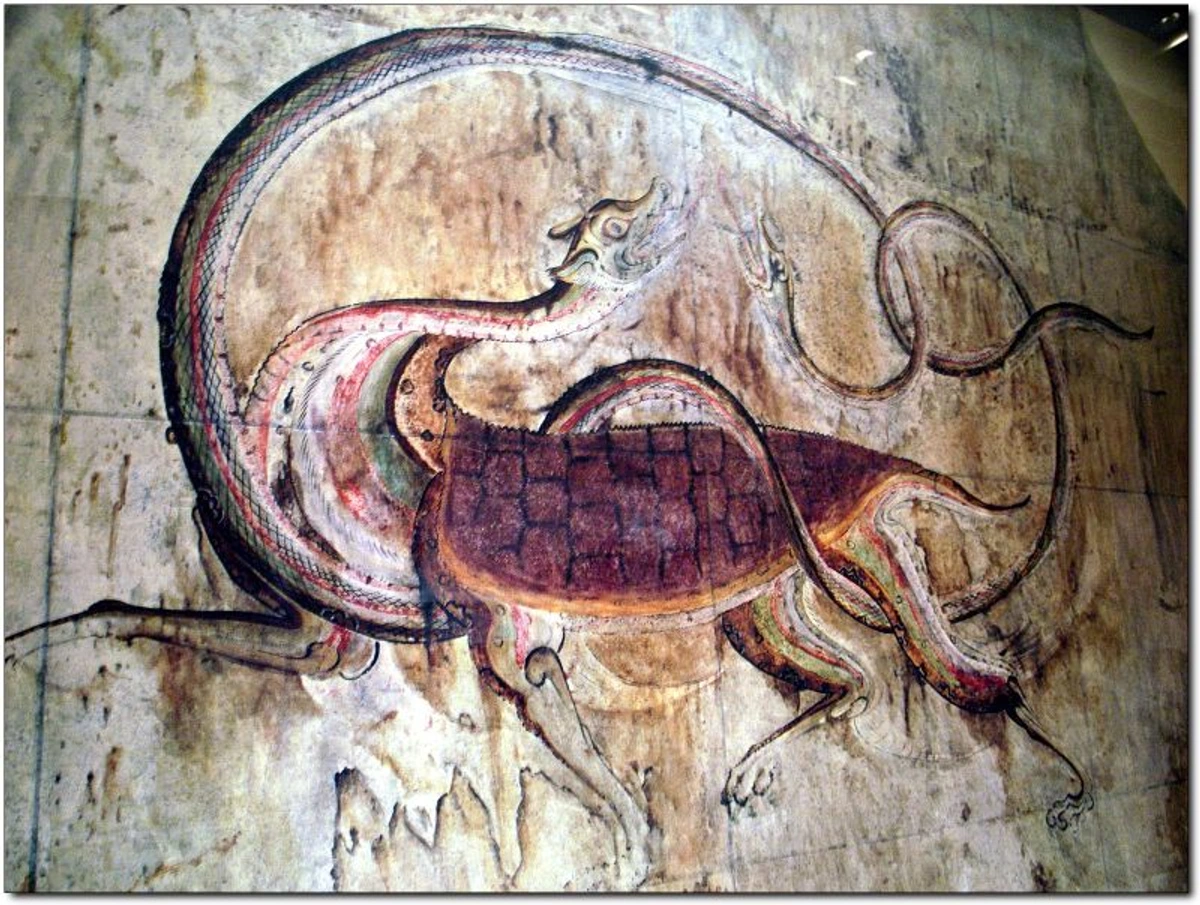
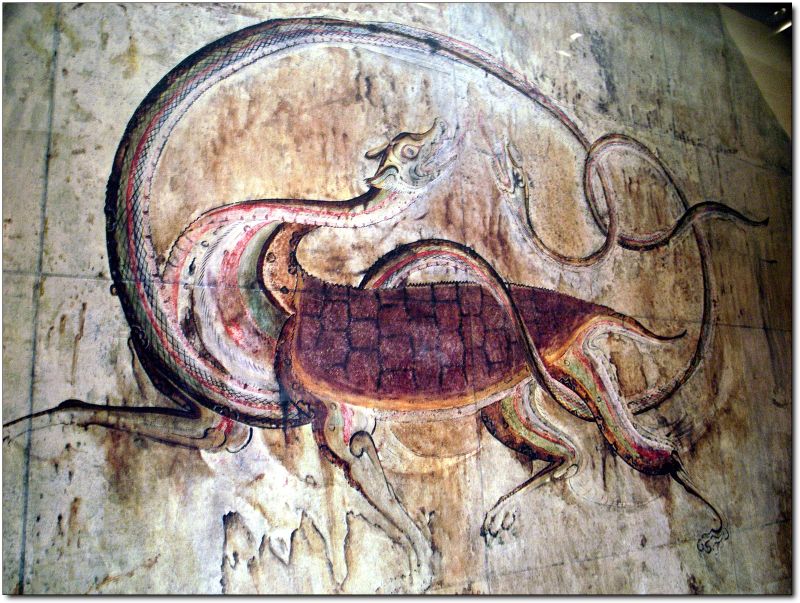
- Dragons: Found in nearly every culture, dragons are perhaps the most iconic mythological creatures. In East Asian mythologies, they are often benevolent, associated with water, rain, and imperial power, depicted as serpentine with four legs and sometimes wings. Think of the intricate dragon motifs in Chinese porcelain or Japanese scroll paintings. In Western mythology, dragons are typically malevolent, hoarders of treasure, or symbols of chaos to be slain by heroes, as seen in countless medieval manuscripts and Renaissance paintings of Saint George and the Dragon.
- Griffins: With the body of a lion and the head and wings of an eagle, griffins combine the strength of two powerful beasts. Originating in ancient Near Eastern art, they were adopted by the Greeks as guardians of treasure and divine power, appearing in jewelry, sculpture, and frescoes throughout the classical world. Their presence in art typically signifies vigilance, power, and wealth.
- Sphinxes: The enigmatic Sphinx, with the head of a human (often female), the body of a lion, and sometimes the wings of a bird, originated in ancient Egypt as a guardian figure. The Greek Sphinx, however, was a malevolent creature of riddle and destruction, famously encountered by Oedipus. Its depiction in art symbolizes mystery, wisdom, and danger, adapting its meaning to cultural context.
- Chimeras: A monstrous creature from Greek mythology, typically depicted with the head of a lion, the body of a goat, and a serpent for a tail, often breathing fire. Chimeras represent hybridity, destructive forces, and the fearsome aspects of the unknown, inspiring artists to create vivid, terrifying forms throughout history.
- Unicorns: A creature of purity and grace, the unicorn (a horse-like beast with a single spiraling horn) is a powerful symbol in medieval European art, often associated with chastity, purity, and Christ. Tapestries like 'The Hunt of the Unicorn' depict its capture, symbolizing the Incarnation.
- Sirens and Harpies: These winged female figures, sometimes with bird-like bodies, are found in Greek mythology. Sirens lure sailors to their death with enchanting songs, while Harpies are often depicted as tormentors or snatchers. In art, they represent temptation, danger, and divine retribution.
These are just a few examples; the world of mythological creatures is vast and offers endless inspiration for artists exploring themes of nature, humanity's relationship with the unknown, and the boundaries of imagination. Their enduring presence in art speaks volumes about our universal fascination with the fantastic and the symbolic power they hold.
Modern and Contemporary Takes: Myth in a New Light
Now, you might be thinking, what about modern and contemporary art? Does mythology still hold sway in an era of abstraction and conceptualism? And my answer, without hesitation, is a resounding yes. The forms might change, the direct narrative might become more elusive, but the underlying archetypes and human experiences embedded in myth are eternal. Artists continue to grapple with creation, destruction, heroism, betrayal, and transformation – the very heart of mythological storytelling.
Symbolism, Expressionism, and the Subconscious
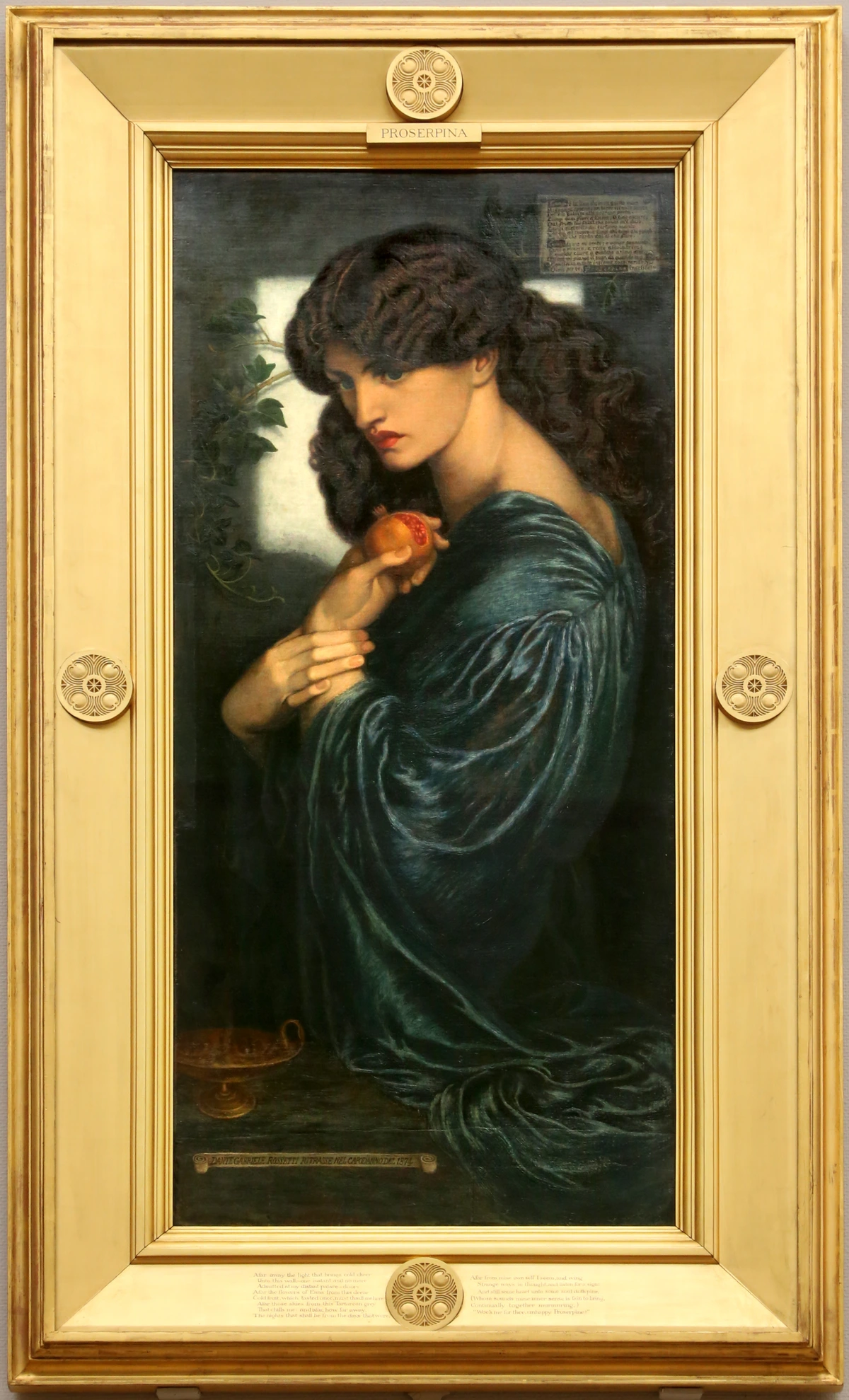
Artists in the 19th and early 20th centuries, particularly those associated with Symbolism and early Expressionism, weren't just illustrating old tales. They were using mythological frameworks to explore the subconscious, dreams, and anxieties of the modern age. Often, this was a response to the rapid industrialization and scientific rationalism of their time; myth offered an escape into deeper, spiritual truths and a way to rebel against a purely materialistic worldview. Gustav Klimt, for instance, wove intricate mythological and allegorical narratives into his dazzling, decorative canvases, using symbolic forms to explore themes of life, death, and human connection, sometimes drawing on Greek myths like Leda and the Swan. Edvard Munch's 'Angst' is a prime example – not a classical myth, but a powerful visual representation of a universal human psychological state that feels almost mythological in its primal intensity, a modern myth of urban alienation and existential dread, where the swirling sky and distorted figures evoke a cosmic, inescapable despair. Gustave Moreau, a key Symbolist, famously reinterpreted classical myths like 'Salome' or 'Oedipus and the Sphinx' to explore inner visions, fatalism, and mystical experiences, often with decadent and erotic undertones, far from simple narrative illustration, using rich, jewel-like colors to create an otherworldly atmosphere. Félix Vallotton, another Symbolist, created stark, often unsettling allegorical scenes rooted in myth, challenging conventional morality. Odilon Redon, also a Symbolist, created otherworldly dreamscapes populated by mythological creatures and gods, often focusing on the monstrous or the sublime. Arnold Böcklin's 'Isle of the Dead' evokes a mythological journey to the underworld, a powerful allegory for death and transition. This period also saw a fascination with alchemy and the occult, which often intertwined with mythological concepts of transformation and hidden wisdom. If you're interested in this period, my ultimate guide to Expressionism might give you another angle.
Surrealism and Beyond: New Myths for a New Age
Later, Surrealists like Salvador Dalí, René Magritte, Yves Tanguy, and Joan Miró explicitly embraced the subconscious, dreams, and the irrational, drawing heavily on archetypal imagery that resonates with mythological thinking. Their fantastical landscapes and distorted figures often feel like fragments of new, unsettling myths, exploring the Freudian and Jungian depths of the human psyche. Dalí's 'The Persistence of Memory', while not depicting a specific myth, taps into the archetypes of time and decay with a dream-like, mythological quality; its melting clocks are a modern visual metaphor for time's elusive nature, echoing ancient tales of Chronos. Magritte's 'The Treachery of Images' (Ceci n'est pas une pipe) questions reality itself, much like a trickster god might challenge our perceptions. Artists like Leonora Carrington and Remedios Varo created deeply personal mythologies, often featuring alchemical symbols, fantastic creatures, and powerful female archetypes within their intricate, dreamlike narratives. It's a prime example of artists creating new visual mythologies for a modern world, often drawing directly from the wellspring of the unconscious mind, a concept central to myth-making.
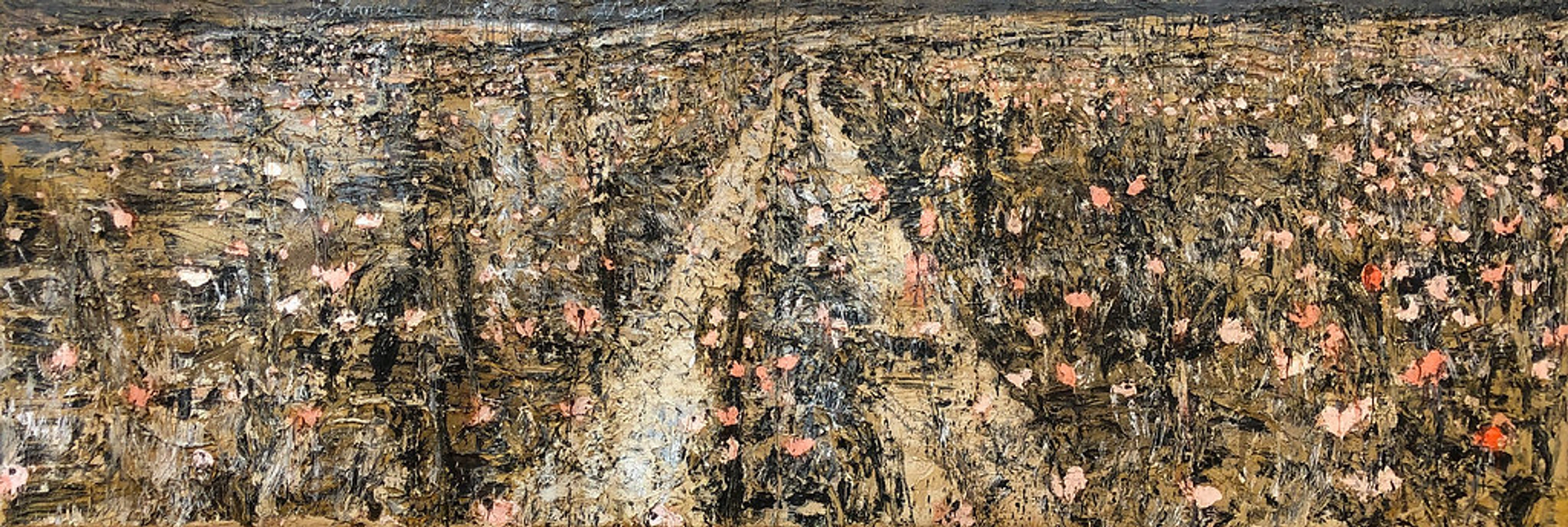
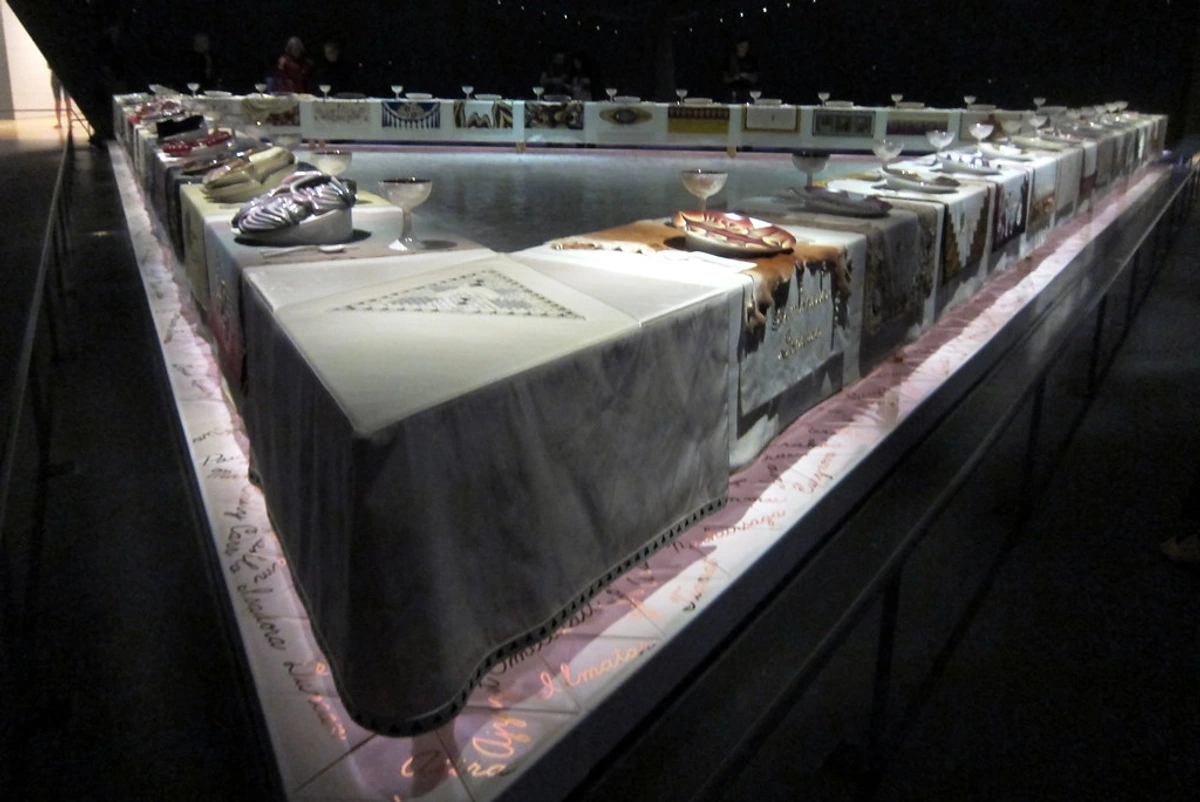
In contemporary art, artists often deconstruct myths, using them to comment on society, politics, or personal identity. Figures like Kara Walker, for instance, create powerful, allegorical narratives through her silhouettes that, while historical (often drawing from slave narratives, minstrel shows, and historical atrocities), resonate with the timeless themes and archetypes of myth – struggle, power, identity, and the hidden 'Shadow' aspects of history. She's creating new visual myths for our time, prompting us to examine our collective past and present. Anselm Kiefer, a German artist, often engages with Germanic myth and history (drawing from sagas like the Nibelungenlied and the Eddas) in his vast, apocalyptic landscapes, exploring themes of destruction, memory, and spiritual quest through the use of heavy, symbolic materials like lead, ash, and straw. Judy Chicago's iconic 'The Dinner Party' includes symbolic plates for mythological female figures like Ishtar, Kali, and the Snake Goddess, reclaiming and celebrating their stories as part of a feminist reinterpretation of history, offering a powerful re-affirmation of the 'Mother' or 'Goddess' archetypes. Beyond traditional art forms, contemporary media like film, video games, and graphic novels are constantly forging new mythologies, which in turn influence visual artists to engage with new heroes, villains, and narratives. Even Auguste Rodin's 'The Thinker', while a singular figure, evokes the archetypal quest for knowledge and self-reflection, a modern take on mythical introspection and intellectual heroism.
Performance Art & Digital Mythologies
In our increasingly digital and performative world, new avenues for myth-making emerge. Performance art can itself become a ritualistic, mythological act, transforming the artist into a temporary embodiment of an archetype or a storyteller enacting a modern saga. Digital artists are forging entirely new visual mythologies within virtual worlds, creating interactive narratives where users can explore and even participate in evolving mythic landscapes. This includes everything from video games that build entire pantheons and creation stories to AI-generated art that can explore archetypal forms in ways we've never seen, challenging our traditional understanding of narrative and authorship. Consider how AI might generate new forms of digital folklore, evolving with user input – a truly exciting frontier for visual storytelling.
For me, as an artist, even in my abstract works, I feel that connection to archetypal narratives. My colors, my shapes, the way I layer textures – they're not explicitly telling a story of Zeus or Anansi, but they often explore themes of creation, transformation, conflict, and peace that echo mythological motifs. For example, the swirling chaos and vibrant energy of my 'Cosmic Bloom' series is my visual interpretation of the primordial void preceding creation, akin to the ancient Mesoamerican concept of the Five Suns. A piece with vibrant, interlocking forms, perhaps called 'Nexus', might speak to the interconnectedness of the World Tree, Yggdrasil, or a deep, brooding blue could be the unfathomable depths of the ocean mother goddess, Yemoja. It's about distilling the essence of these grand narratives into a visual language that speaks directly to the soul, capturing the feeling of myth rather than its literal depiction. If you're intrigued by how abstraction can hold such meaning, you might find my thoughts on the definitive guide to the history of abstract art: key movements, artists, and evolution quite interesting. And of course, you can always explore my current pieces and see what stories they tell you at [/buy].
My Curator's Eye: Decoding Mythological Art
So, how do you approach a piece of art inspired by mythology? It can feel a bit daunting, I know, especially with the sheer volume of stories out there. But it's also incredibly rewarding. When I approach a piece of art steeped in mythology, my process usually involves a combination of research and intuitive looking. Here’s how I usually start, a little roadmap for your own explorations:
- Identify the Source Myth (if possible): A quick Google search or a browse through a mythological dictionary can often reveal the story behind a classical depiction. Understanding the narrative context is your first key. Don't worry if it's obscure; sometimes the most rewarding discoveries are found this way.
- Mini Case Study (Classical): If you saw a painting of a woman with snakes for hair and a petrified gaze, a quick search would lead you to Medusa and the tragic tale of Perseus. Think of Caravaggio's chilling depiction, focusing on her decapitated head, versus Bernini's dynamic sculpture of Perseus holding her head aloft – same myth, different emotional emphasis, different artistic intent.
- Mini Case Study (Buddhist): Imagine seeing a serene, seated figure with elongated earlobes and a topknot (ushnisha) protected by a multi-headed cobra. A search for 'Buddha Naga' would immediately connect you to the myth of the Buddha under the protection of Mucalinda, the serpent king, during his meditation before enlightenment. This shows the protective power of the Naga and the sacredness of the Buddha's path.
- Look for Key Symbols and Attributes: Gods and mythological figures often have specific objects, animals, or gestures associated with them. Zeus has his lightning bolt, Athena her owl and shield, Poseidon his trident, Shiva his trident and third eye. Learning a few of these helps unlock meaning and identify characters even when the full story isn't immediately clear. These are the visual clues the artist gives you. For a deeper dive into many of these, check out understanding the symbolism of mythological creatures in art history or understanding the symbolism of animals in art history.
- Mini Case Study (Egyptian): If you encounter an Egyptian tomb painting featuring a jackal-headed deity overseeing a scale, you're looking at Anubis supervising the Weighing of the Heart ceremony in the afterlife. The jackal is Anubis's attribute, and the scale is key to the judgment myth. Similarly, the ankh (loop-handled cross) universally signifies life, while the Eye of Horus offers protection and royal power.
- Analyze the Emotion and Action: How is the artist depicting the scene? Is it triumphant, tragic, serene, violent? The emotional weight is often paramount, revealing the artist's interpretation of the myth's core message. Is there tension, peace, longing? These are universal human experiences, regardless of the mythological context.
- Mini Case Study (Abstract): Imagine an abstract painting using deep, swirling purples and blacks contrasted with a sharp, vibrant crack of gold. Without a literal narrative, this could evoke the primordial chaos of a creation myth, where light bursts forth from darkness, speaking to the universal feeling of emergence and awe, rather than specific characters. The emotional impact comes first.
- Consider the Artist's Interpretation: No two artists tell the same myth in the exact same way. What unique spin or emphasis has this artist given the story? What does it say about their time, or their personal perspective? This is where mythological art truly shines, evolving with each creative mind that engages with it. Think about how many different ways Botticelli, Titian, and Rubens each depicted Venus – from ethereal beauty to vibrant sensuality, each reflecting their era and personal vision!
- Research the Artist's Background and Motivations: Why did this particular artist choose this myth at this point in time? Their personal life, cultural context, philosophical leanings, or even religious upbringing can profoundly shape their interpretation. Was it a commission? A personal obsession? A political statement?
- Consider the Medium and Scale: How does the chosen medium (painting, sculpture, print, digital art) influence the depiction of the myth and its emotional impact? A marble sculpture might emphasize timelessness and ideal form, while a vibrant oil painting could highlight drama and movement. A woodcut, like Munch's 'Angst,' gives a raw, primal intensity different from a polished canvas. Similarly, the scale of a work – a monumental temple relief versus a delicate miniature painting – dictates its intended impact and message.
- Seek Out Universal Archetypes: Even if you don't know the specific myth, look for universal patterns of human experience. Is there a hero's journey (a common structure involving a call to adventure, trials, and transformation), a creation story, a sacrifice, a trickster figure, or a wise elder? Art often speaks to these deep, resonant themes regardless of cultural origin. Sometimes, the feeling of a myth is more important than knowing every detail – it's the shared human experience that binds us.
It's a process of active looking and questioning, a bit like being a detective in a grand historical art museum. And speaking of which, places like the Musée d'Orsay or the Art Institute of Chicago, with their stunning architecture and diverse collections, are perfect for this kind of exploration. I find that when I slow down and really engage with a piece, the stories it holds begin to unfold. It's a bit like digging for treasure, actually – you never know what you'll find!
Quick Guide to Common Mythological Symbols in Art
To help you on your detective journey, here's a quick reference for some widely recognized symbols and their typical associations across various mythologies:
Symbol | Common Mythological Associations | General Meaning in Art |
|---|---|---|
| Serpent | Wisdom, transformation, danger, healing, primordial force, temptation, duality | Cycle of life, knowledge, rebirth, protection, temptation, the unconscious |
| Lion | Strength, courage, royalty, wrath, guardian, solar power, ferocity | Power, dominion, nobility, protection, passion, kingly authority |
| Dove | Peace, love, divine messenger, purity, Holy Spirit, sacrifice | Purity, hope, spirit, innocence, fidelity, divine communication |
| Owl | Wisdom, nocturnal knowledge, death, mystery, prophecy, solitude | Insight, introspection, foresight, hidden truths, omens, academic pursuit |
| Tree | Life, growth, connection to earth/sky, cosmic axis (Yggdrasil), knowledge, immortality | Endurance, knowledge, rebirth, ancestry, spirituality, interconnectedness, sustenance |
| Anchor | Hope, stability, security, seafaring, steadfastness, salvation | Steadfast faith, safety in turbulent times, hope, security, maritime connections |
| Wheel | Cycle of life, fate, destiny, progress, cosmic order (Dharma wheel), eternity | Time, cosmic order, change, movement, repetition, fate, spiritual path |
| Trident | Power over water, destructive force, divine weapon (Poseidon, Shiva), kingship | Authority, divine power, maritime control, destruction/creation, sovereignty |
| Lotus Flower | Purity, spiritual awakening, faithfulness, beauty, rebirth (Buddhist, Hindu, Egyptian) | Enlightenment, divine purity, creation, fertility, spiritual growth, perfection |
| Sun | Life, energy, divinity (Ra, Apollo), knowledge, power, cosmic order | Vitality, enlightenment, masculine principle, glory, consciousness |
| Moon | Cycles, intuition, femininity, mystery, change, emotion, subconscious | Feminine principle, illusion, mystery, intuition, rebirth, nocturnal aspects |
| Dragon | Power, wisdom, protection, chaos, creation, destruction, imperial authority | Transformation, fortune, strength, danger, ancient wisdom, the primal |
| Horse | Speed, freedom, strength, war, grace, sacrifice, spiritual journey | Mobility, power, instinct, spiritual guidance, freedom, endurance |
| Eye | Vision, omniscience, protection, truth, divine sight, insight, evil (evil eye) | Awareness, insight, divine presence, protection, judgment, hidden knowledge |
FAQs about Art Inspired by Mythology
What exactly is a myth?
A myth is a traditional, often sacred narrative, which typically explains a natural or social phenomenon, or a custom, and usually involves supernatural beings or events. Unlike a legend (a historical narrative that may have a basis in fact but is unverified) or folklore (traditional beliefs, customs, and stories shared informally), myths are often foundational stories that provide a culture's cosmology (understanding of the universe), values, and identity. They offer answers to fundamental questions about existence, creation (cosmological myths), humanity's place in the cosmos, and the origins of things (etiological myths). For example, creation myths explain how the world began, while hero myths often explore themes of sacrifice and transformation. Beyond explanation, myths provide moral guidance, establish social order, and offer profound psychological comfort and meaning. Think of the myth of Prometheus bringing fire to humanity – it explains an origin, provides a moral, and embodies an archetypal figure (the bringer of knowledge).
What exactly is mythological art?
Mythological art refers to artwork that draws its subject matter, characters, or themes from myths, legends, and folklore across any culture. This can include anything from literal depictions of gods and heroes to symbolic or abstract representations of mythological concepts, archetypes, and universal human experiences that myths embody. While religious art often serves a didactic or devotional purpose, mythological art can also be created for aesthetic appreciation, allegorical commentary, philosophical exploration, or even social critique, offering a deep well of inspiration for artists throughout history. It's essentially visual storytelling rooted in shared cultural narratives, providing a rich framework for artistic expression and allowing us to connect with ancient wisdom.

Why are ancient Greek and Roman myths so prevalent in Western art?
Greek and Roman myths became foundational to Western culture primarily through their fervent rediscovery during the Renaissance. Artists and patrons found in them a rich source of dramatic narratives, allegorical meanings, and unparalleled opportunities to depict the idealized human form, aligning perfectly with the humanistic ideals of the period that celebrated human potential. They also provided a 'neutral' ground for moral lessons outside strict religious dogma, and Neo-Platonic philosophy offered intellectual frameworks for interpreting these classical tales in new, profound ways, connecting earthly beauty to divine perfection. During the Enlightenment, classical art and mythology were admired for their perceived rationality, order, and noble simplicity, further cementing their status as cultural ideals. This influence continued through Neoclassicism, which directly sought inspiration from classical antiquity, emphasizing clarity, heroism, and moral rectitude, often through subjects drawn from Greek and Roman myths. Think of Jacques-Louis David's heroic paintings like 'The Oath of the Horatii,' which, while historical, embody a classical moral severity and dramatic presentation akin to myth. Essentially, they offered a complete artistic vocabulary for human emotion, beauty, and narrative without the specific constraints of purely religious patronage, influencing styles from the Renaissance right through Neoclassicism.
Why are myths still relevant today?
Myths are eternally relevant because they speak to universal human experiences and dilemmas that transcend time and culture. They provide archetypal patterns for the human journey – facing adversity, seeking identity, understanding love and loss, grappling with good and evil. In a rapidly changing world, myths offer a sense of continuity, a shared heritage that connects us to our past and helps us understand the fundamental truths of our existence. Psychologically, they provide frameworks for understanding our deepest fears and aspirations, offering catharsis and a way to process complex emotions. They are adaptable narratives that can be reinterpreted to address contemporary social, psychological, or political issues, making them an inexhaustible source of meaning. Many modern stories are, at their core, just new retellings of ancient myths.
Can modern and contemporary art still be considered mythological?
Absolutely! While direct illustration of classical myths might be less common, modern and contemporary artists frequently engage with mythological themes, archetypes, and narrative structures. They might re-interpret old myths, create new personal or cultural myths, or explore universal human experiences (like heroism, sacrifice, love, or conflict) that underpin all myths, often through abstract, symbolic, or conceptual forms. It's less about literal depiction and more about enduring resonance and recontextualization in our current world. For instance, an abstract painting exploring transformation might evoke the essence of a creation myth without depicting specific figures, as I often try to do in my own work. Even performance art can become a ritualistic, mythological act, and digital artists are forging entirely new visual mythologies in virtual worlds.
How do myths influence contemporary storytelling (beyond visual art)?
Myths profoundly shape contemporary storytelling across all media. Modern films, television series, video games, and graphic novels often draw directly from mythological structures, character archetypes (the hero's journey, the mentor, the trickster), and themes (creation, apocalypse, quest for identity). Franchises like Star Wars (with its clear hero's journey and archetypal characters like Luke as the Hero and Obi-Wan as the Mentor) or Marvel (reimagining Norse gods like Thor and Loki) often recontextualize classic mythological motifs for a modern audience. Fantasy epics like 'The Lord of the Rings,' the 'Harry Potter' series (with its chosen hero, wise mentors, and magical creatures), or video game sagas like 'God of War' are deeply steeped in mythological narratives. Even advertising and political rhetoric sometimes tap into archetypal narratives to connect with audiences on a subconscious level, proving the enduring power of these ancient stories in new forms. Beyond popular media, many contemporary novels, plays, and poetry also re-imagine or deconstruct mythological narratives to explore modern human dilemmas. Think of how many modern narratives feature a chosen one, a wise old mentor, or a journey into a strange new world – these are all echoes of ancient myth.
How can I learn more about the myths behind the art?
Start with classic texts! Homer's 'Iliad' and 'Odyssey', Ovid's 'Metamorphoses', and Hesiod's 'Theogony' are excellent starting points for Greek and Roman myths. For other cultures, seek out anthologies of global folklore or specific cultural studies – Joseph Campbell's works are a great general resource for archetypes and comparative mythology. Many art museums also provide excellent educational resources alongside their mythological collections, often available online. Don't be afraid to delve into primary sources and then see how artists have interpreted them! Just like a great meal, the source ingredients make all the difference.
Where can I see mythological art?
Mythological art is found in nearly every major art museum globally! Major collections with strong mythological holdings include the Louvre (Paris), the Uffizi Gallery (Florence), the Metropolitan Museum of Art (New York), the British Museum (London), the Rijksmuseum (Amsterdam), the Musée d'Orsay, and even the Art Institute of Chicago. Many of these house classical sculpture and painting inspired by these tales, but don't forget the incredible collections of Asian, African, and Indigenous American art in museums worldwide. Keep an eye out for special exhibitions and online virtual tours that often focus on specific mythological themes. Even local museums often have pieces inspired by local legends or broader mythological themes. Don't forget to check out what's on view at my local Den Bosch Museum; you might be surprised at the connections you find right on your doorstep. And remember, myth lives on in contemporary galleries too, often in unexpected forms. You never know where the next great mythological artwork will appear!







The Future of Myth in Art: Ever-Evolving Stories
As we look ahead, the relationship between myth and art continues to evolve. New technologies, from virtual reality to AI-generated art, offer unprecedented ways to visualize and experience ancient stories, or even to create entirely new ones. Imagine an immersive VR experience that lets you walk through the underworld, or AI generating entirely new pantheons of deities and their accompanying visual lore, perhaps even in abstract forms that challenge our traditional understanding of narrative and authorship. We're already seeing artists experiment with AI to generate imagery that evokes archetypal patterns or creates 'digital folklore,' where stories evolve through algorithms and collective input. Global interconnectedness means artists are drawing inspiration from an ever-wider range of cultural mythologies, fostering exciting cross-cultural dialogues and 'mythic mashups' that blur traditional boundaries. I envision a future where the timeless human quest for meaning, as expressed through myth, will continue to find groundbreaking and diverse artistic expressions, constantly pushing the boundaries of visual storytelling. Artists will be both myth-tellers and myth-makers, using every tool at their disposal, all while grappling with the ethical considerations of drawing from diverse cultural traditions respectfully.
A Final Thought: The Enduring Power of Story
As our journey through art inspired by mythology comes to a close, I'm left with a profound sense of awe at the enduring power of story. Myths, in all their diverse forms, provide us with a lens through which to understand ourselves, our world, and our place within it. And art, glorious art, is the vibrant, ever-evolving language that brings these stories to life. It's a testament to our shared humanity that these tales, born in the mists of time, continue to inspire, provoke, and move us. This distillation of essence, of universal truths, is something I strive for in my own abstract pieces. My sweeping brushstrokes might evoke the cyclical nature of creation and destruction, echoing the Five Suns, or a vibrant juxtaposition of colors could symbolize the harmonious (or chaotic) balance of Shiva and Devi. Even the quiet contemplation of a single shape might speak to the wisdom of an ancient oracle or the steady presence of the World Tree, Yggdrasil. As you explore art, both historical and contemporary, I encourage you to look for these echoes of myth. Ask yourself: what universal truth is this artist trying to convey? What archetype resonates here? Perhaps even, which myth's visual interpretation in art surprised or moved you the most? And who knows, you might even see them reflected in art that speaks directly to your soul, maybe even in my own work available at [/buy]. If you want to dive deeper into the historical unfolding of art, you can always check out my detailed [/timeline]. I'd love to hear your thoughts in the comments below!