Mythological Creatures in Art: Symbolism, Archetypes & My Abstract Canvas
Uncover the profound symbolism of mythological creatures in art history. Explore how these ancient archetypes, from classical depictions to modern abstract expressions, reflect universal human truths and continue to inspire artists, including myself, today.

Understanding the Symbolism of Mythological Creatures in Art History
Some stories just embed themselves, don't they? They weave into the very fabric of who we are, shaping our understanding of the world long before we even learn to speak. For me, it's always been the tales of mythological creatures. These aren't just figments of imagination; they're ancient mirrors, reflecting our deepest hopes (like the eternal rebirth of the phoenix), fears (the chaos of a hydra), and our innate human need to make sense of the inexplicable. Passed down through vivid oral traditions, they eventually found their way onto cave walls and canvases, evolving into a profound visual language. Diving into their symbolism in art history isn't just an academic pursuit; it’s like uncovering humanity's hidden emotional lexicon. It shows me how societies across millennia have grappled with universal experiences – love, loss, power, chaos, divinity – giving them compelling, often breathtaking, forms. I find myself continually fascinated: Do these creatures, these archetypes – those universal patterns and images that derive from the collective unconscious – truly live not just in our legends, but in the very core of our shared experience? My art might not depict griffins or hydras directly, but the search for meaning, for a narrative beneath the surface, that’s where my world often collides with theirs. This journey, from ancient cave paintings to modern canvases, reveals how these fantastical beings offer a profound lexicon for our deepest human truths, a visual shorthand for the ineffable. This is why, I believe, they continue to fascinate me and, hopefully, you too. These creatures are more than just stories; they are the stories we tell ourselves about ourselves. Our desire to create and respond to these narratives is as primal as our desire to understand the world around us. What drives that deep-seated urge to personify the overwhelming? It's a question I often ponder in my own studio.
The Primal Blueprint: Why We Create Mythical Forms
But why do we keep creating these beings? And why, despite all our 'modern' understanding, do artists persist in depicting them? For me, it really boils down to an innate, almost primal need to make sense of the inexplicable – that deep human urge to personify the overwhelming. I've often felt it myself, perhaps when trying to grasp the sheer force of a storm or the quiet certainty of death; we instinctively project our anxieties onto colossal serpents and our aspirations onto winged guardians. Perhaps, as evolutionary psychologists suggest, it's a remnant of our past, where personifying the unknown – be it dangerous predators or vital resources – might have fostered social cohesion around shared beliefs, helping early humans understand and communicate their world. These creatures are a way to personify forces beyond our control – nature, destiny, good, evil, even our own internal psychological battles. They give abstract concepts a powerful, trans-linguistic form. This is where the real magic of understanding symbolism in art begins. These myths, let's remember, often sprung from our earliest attempts to explain the thunder in the sky, the changing seasons, the mysteries of life and death, or the inexplicable depths of the human psyche. They fulfill a fundamental human need for narrative, for a framework to process existence itself.
marker art, licence
Psychologist Carl Jung would call these recurring figures archetypes – universal, archaic patterns and images residing in the collective unconscious, like innate blueprints for shared human experiences. For me, that resonates deeply; it feels like we're born with a built-in grammar for these stories. Beyond Jung, figures like Joseph Campbell explored the 'monomyth' or hero's journey, showing how these universal narratives and their archetypal characters appear across cultures, reflecting a shared human psychological landscape. It's like we all have this pre-programmed operating system for understanding stories, and mythological creatures are key players in that. It suggests that these creatures are not just cultural inventions, but expressions of something fundamentally human, a shared symbolic language that crosses time and borders. We instinctively respond to them because they tap into something already within us, a deep, collective memory. It's a testament to our shared humanity, then, that these symbolic forms endure. This shared symbolic language, however, isn't always uniform; sometimes, the same creature can tell wildly different stories, showing us the beautiful paradox of human interpretation.
Dragons, Serpents, and the Echo of Paradox
Isn't it fascinating how the same creature can be both revered and reviled, a source of wisdom and a bringer of chaos? Take the dragon, for instance. I find it utterly captivating how its meaning shifts dramatically across cultures, like a chameleon changing its narrative – or perhaps like humanity having a collective mood swing! It’s a bit like trying to decide what I want for dinner; the context of my mood completely changes the meaning! In the West, particularly in medieval European art, dragons are often depicted as terrifying, hoard-guarding monsters, symbols of chaos and evil, waiting to be slain by heroic knights. Think of St. George and the Dragon – a classic good-versus-evil narrative, symbolizing the triumph of order over disruption.
But then you look East, to Chinese art, and suddenly the dragon is a benevolent creature, a symbol of wisdom, power, and good fortune, often associated with emperors and the heavens. It's the same creature, yet two wildly different symbolic meanings – a powerful reminder that context is everything. As an artist, it makes me pause, considering how a single form can hold such opposing emotional and cultural weight, challenging any preconceived notions I might have about universal understanding.
marker art, licence
Or consider the serpent, another endlessly rich symbol. In some ancient traditions, like those of Egypt and many Indigenous cultures, it represents renewal, healing, or creation – shedding its skin is a powerful metaphor for rebirth and transformation. Yet, in Abrahamic traditions, particularly in the Garden of Eden narrative, it becomes the symbol of temptation, sin, and deception. It's a near-perfect example of how the same form can carry diametrically opposed weight depending on the cultural narrative it inhabits, truly highlighting how our collective stories shape perception. This offers endless possibilities for artistic interpretation. For artists, this inherent duality isn't a problem to be solved; it's a powerful source of creative tension. It reminds me that meaning isn't fixed, but fluid, inviting endless reinterpretation and pushing me to look beyond the obvious. And it’s not just these two; figures like the wolf (feared predator in some Western folklore, revered spirit guide in many Native American cultures), the owl (symbol of wisdom in some traditions, an omen of death in others), or even the lion (king of beasts in some narratives, a destructive force in others, like the Nemean Lion) show similar fascinating reversals. These paradoxes are a rich vein for any artist to explore.
A Pantheon of Archetypes: Guardians, Guides, and Shadows
Beyond these fascinating shifts, art history is absolutely brimming with symbolic powerhouses, each offering a distinct window into a specific facet of human experience. It's like a cosmic cast of characters, isn't it? Let’s take a whirlwind tour of some enduring figures, often encountered in a myriad of forms including chimeras or hybrid creatures that fuse disparate elements to create new layers of meaning. These are the beings that populate our oldest stories and continue to haunt our dreams.

marker art, licence
Creature  | Cultural Origin/Key Myth | Key Symbolism | Artistic Reflection/Impact | Modern Interpretation/Relevance |
|---|---|---|---|---|
| The Sphinx | Egyptian (guardian), Greek (riddler – e.g., Oedipus) | Mystery, wisdom, danger, guardian of knowledge, intellect vs. instinct. | Whether guarding secrets in Egyptian art or posing deadly riddles in Greek myth (remember Oedipus?), the Sphinx’s hybrid form (part human, part lion) evokes confronting the unknown, a test of intellect against primal forces. Its enigmatic presence challenges me to look deeper, to solve the riddle of myself. | Contemporary artists like Kara Walker have reinterpreted the Sphinx, challenging traditional narratives and commenting on race, gender, and power, showing its enduring capacity to provoke thought. |
| Mermaids/Sirens | Greek (Sirens), diverse European folklore (Mermaids) | Temptation, danger, irresistible allure of the unknown, forbidden desires. | These half-human, half-fish beings lure with enchanting songs, symbolizing the seductive power of the unconscious or unchecked longing. Their tragic beauty, a blend of natural allure and destructive force, like a beautiful storm, often finds echoes in my art exploring raw emotional depths. | Still captivating today in film, literature, and art, they represent the allure of the unknown and environmental concerns, often as symbols of wild nature or lost innocence. |
| The Griffin | Ancient Near East, Greek, Medieval European | Vigilance, courage, divine power, guardian of sacred knowledge/treasures, duality of earthly strength and heavenly wisdom. | This majestic blend of eagle and lion is the ultimate protector, embodying ancient authority. Its strength and wisdom inspire me to consider the protective, yet formidable, forces present in art – guarding meaning, yet demanding respect. | Its image enduring in corporate logos, heraldry, and fantasy art, still symbolizing guardianship, power, and the integration of diverse strengths, reflecting our ongoing need for powerful protectors. |
| The Phoenix | Egyptian (Bennu bird), Greek (Phoenix), various mythologies | Cyclical renewal, hope, resilience, transformation, overcoming adversity, eternal return. | Consumed by fire only to be reborn from its ashes, the Phoenix offers a powerful metaphor for my own creative process – the constant reinvention, rising from artistic struggles, finding new life in every brushstroke. | A timeless symbol of resilience, it's constantly invoked in popular culture, self-help narratives, and art dealing with recovery, transformation, and overcoming personal or collective crises. |
| The Minotaur | Greek (Cretan Labyrinth) | Primal urges, internal conflict, monstrous aspects of humanity, the beast within, navigating complex psychology. | Residing in its labyrinth, this half-human, half-bull creature embodies the struggle to navigate the dark, unexplored corners of the self, with the labyrinth itself symbolizing the complex, confusing journey into one's own psyche. Depictions from ancient Greek vase paintings to later interpretations often emphasize its brute force and tragic isolation. As an artist, I often feel like I'm building my own labyrinth on canvas, trying to find a path through chaotic emotions, much like Theseus seeking the Minotaur – and sometimes, I admit, getting hilariously lost! | Modern interpretations explore themes of isolation, mental health, and the struggle with one's inner demons, offering a psychological lens on self-confrontation and the human condition. |
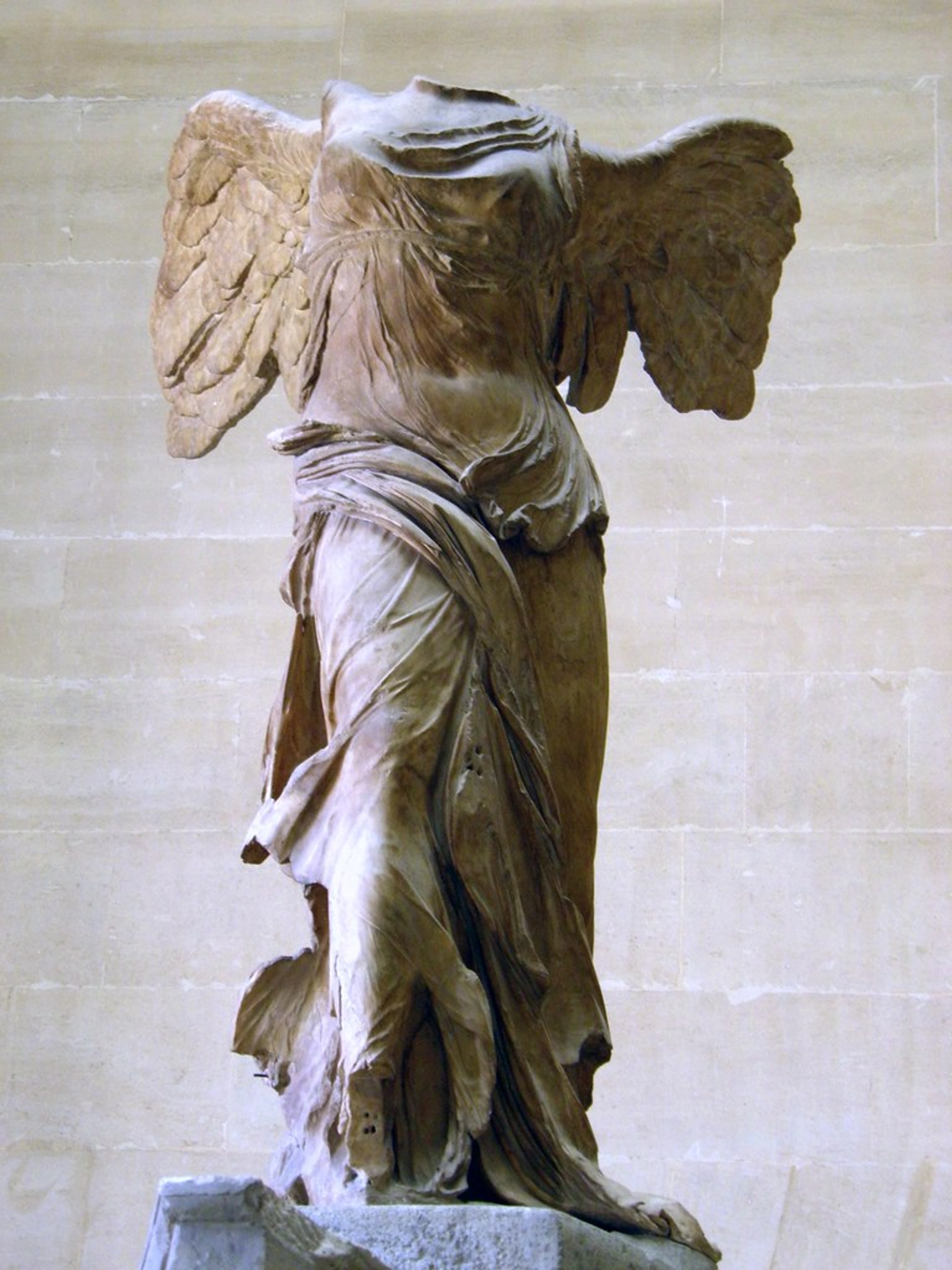
Beyond these specific examples, we see powerful winged deities or angelic figures throughout art history, often symbolizing creation, victory (like the Greek goddess Nike), fertility, or divine intervention, guiding humanity toward higher purposes. These creatures aren't just decorative elements; they are narrative devices, carrying centuries of accumulated meaning in every curve and claw. It’s like understanding the symbolism of animals in art history, but amplified by pure, unbridled fantasy. Each one is a chapter in humanity's ongoing story, a visual manifestation of humanity's primal need for compelling narratives. Seeing how these characters hold such sway, it’s only natural to wonder: how have artists throughout history actually brought them to life on canvas and in sculpture?
From Ancient Walls to Modern Canvases: Myth's Artistic Evolution
So, how have artists, through the ages, actually shown us these incredible beings? From the stylized, almost hieroglyphic forms of ancient cultures to the vibrant, dynamic scenes of the Baroque era, each period imprinted its own understanding. It makes me wonder what our contemporary art, what my art, will say about our myths millennia from now.
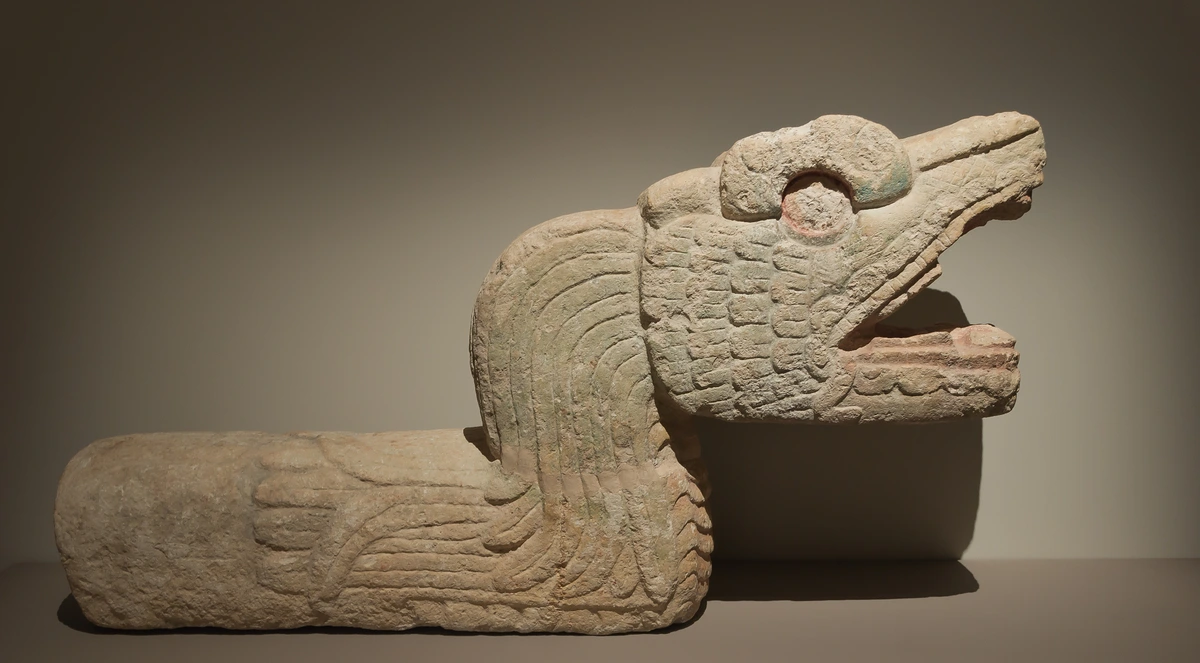
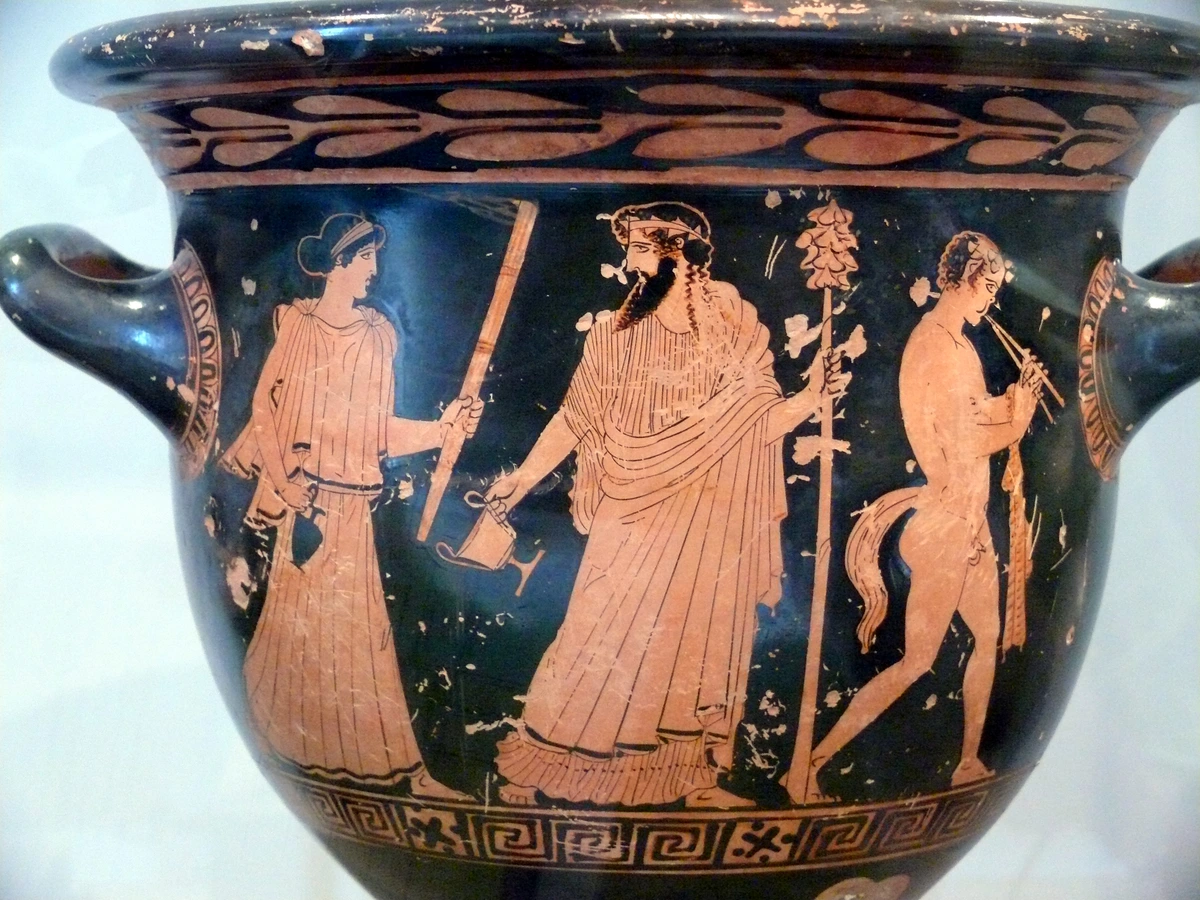
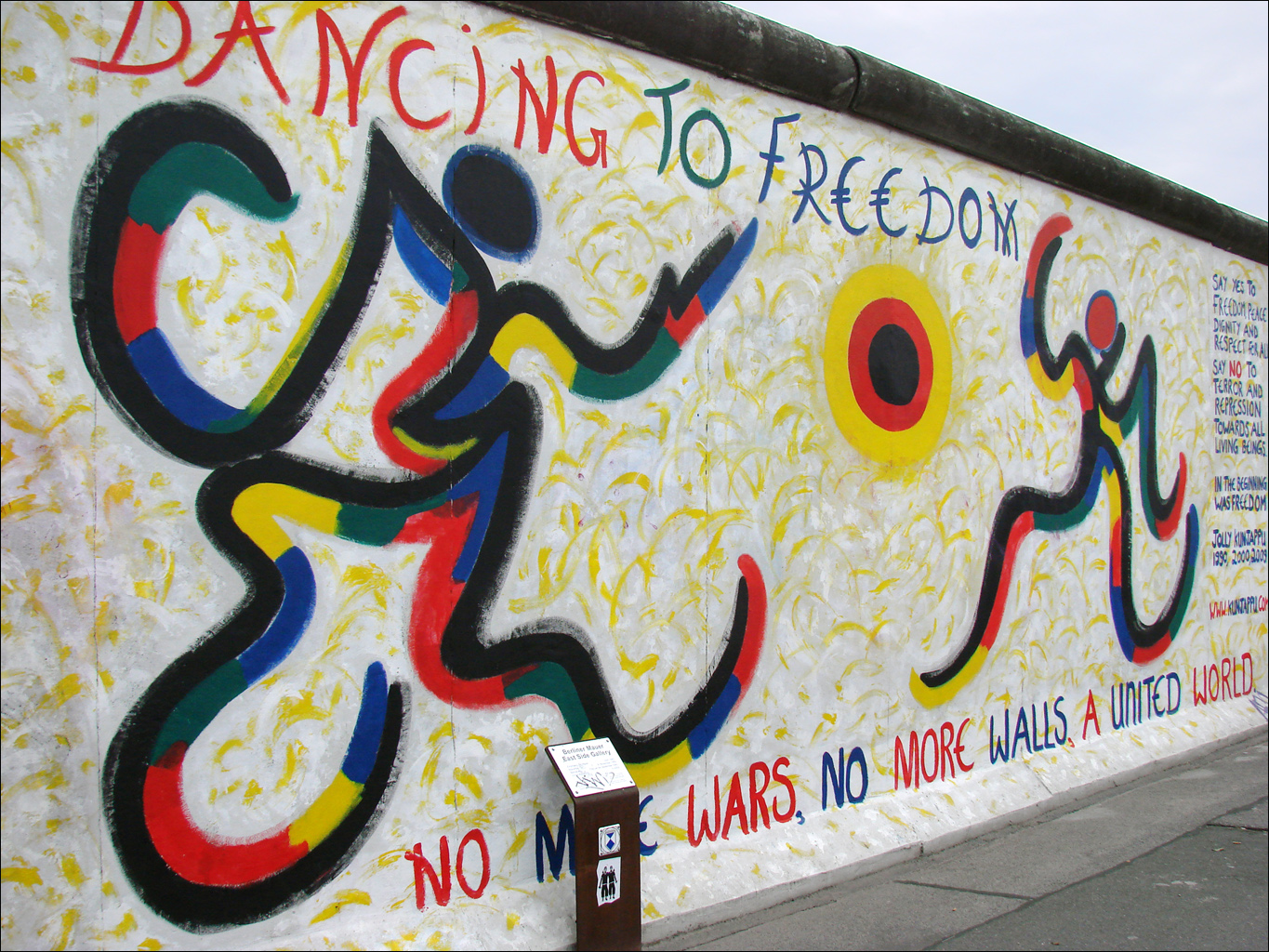
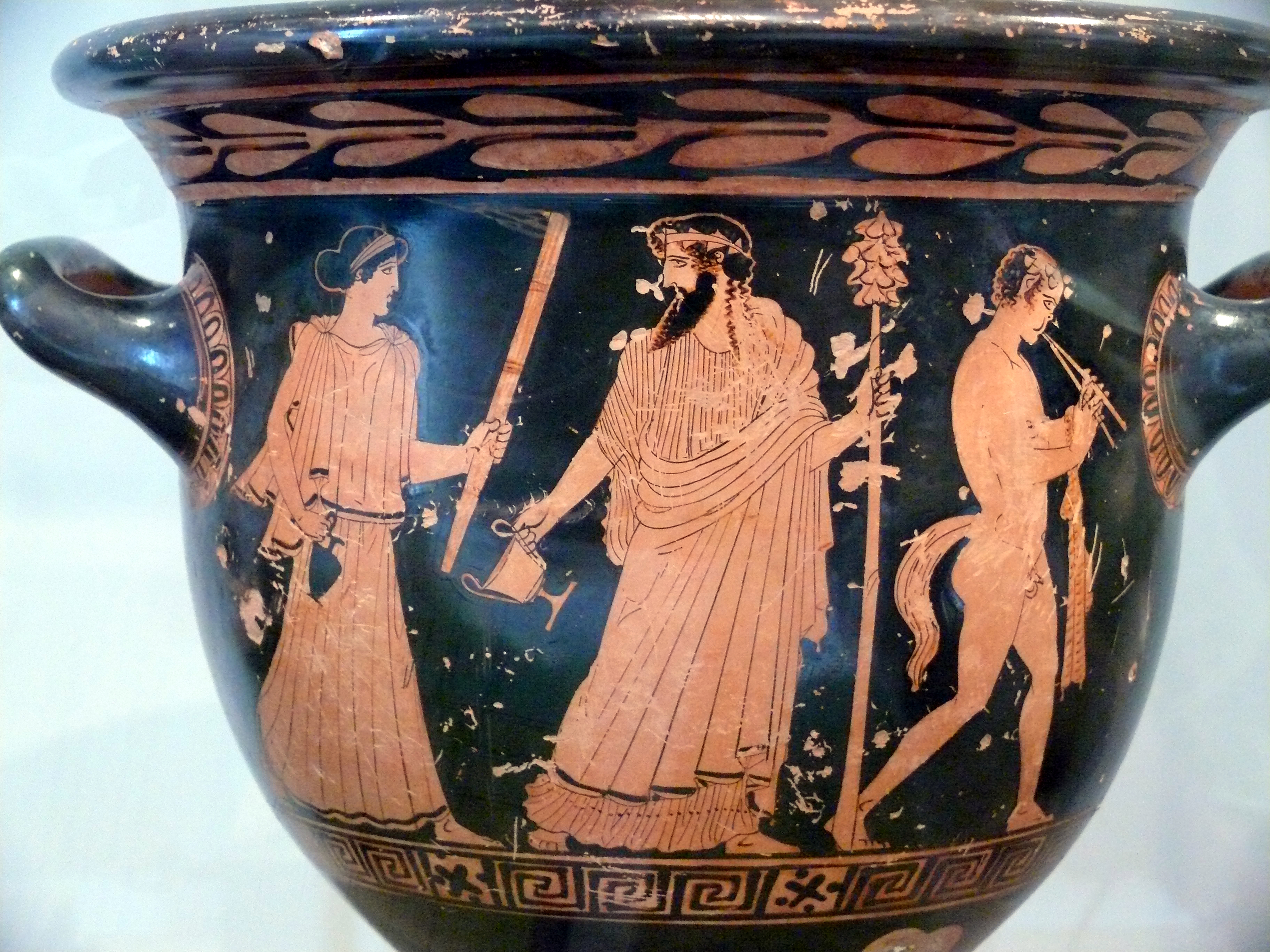
In ancient civilizations, depictions were often highly stylized, emphasizing symbolic function over naturalistic representation. Think of the strong, stoic forms in Egyptian reliefs or the elegant lines on Greek vases, where a centaur might be captured with just a few strokes, conveying essence rather than exhaustive detail. The focus was on the meaning and power of the myth, often enhanced by specific artistic techniques that prioritized clarity and iconic representation. For instance, the use of hierarchical scale could emphasize the divine or monstrous nature of a creature. And it wasn't just paintings and reliefs; tapestries, sculptures, and even stained-glass windows became powerful canvases for these fantastical figures, each medium lending its unique texture and presence to the myths.

publicdomainpictures.net, licence
Then came the Medieval period, where religious iconography often intertwined with mythic beasts. Dragons became personifications of evil to be vanquished by saints, reflecting the prevailing Christian worldview. This era, particularly in Gothic art, also saw a rise in darker, more monstrous depictions, often used to symbolize sin or hellish torments, giving visual form to humanity's deepest fears. Art served to teach moral lessons, sometimes employing chiaroscuro to emphasize the stark contrast between good and evil, light and shadow. The rise of printmaking during this period also played a crucial role, allowing these powerful mythological images to be disseminated more widely than ever before, shaping popular imagination.
The Renaissance brought a renewed interest in classical mythology, with artists like Botticelli and Titian depicting gods and goddesses with a newfound realism and grace. This was heavily influenced by humanism, shifting focus from purely divine narratives to celebrate human potential, beauty, and intellect, even when portraying hybrid forms. This period also saw the influence of Neoplatonism, where classical myths were often reinterpreted to convey spiritual and philosophical truths, adding layers of allegorical meaning to their depictions. Here, detailed anatomical studies and linear perspective brought mythological scenes to life with unprecedented naturalism.
The Baroque era (my personal favorite for sheer drama!) truly embraced movement, emotion, and theatricality. Mythological scenes exploded onto canvases and frescoes with vivid colors and dynamic compositions, pulling the viewer right into the narrative. This Baroque fresco, for instance, is a visual feast that always pulls me in, immersing me in a mythological narrative:

wikimedia.org, licence
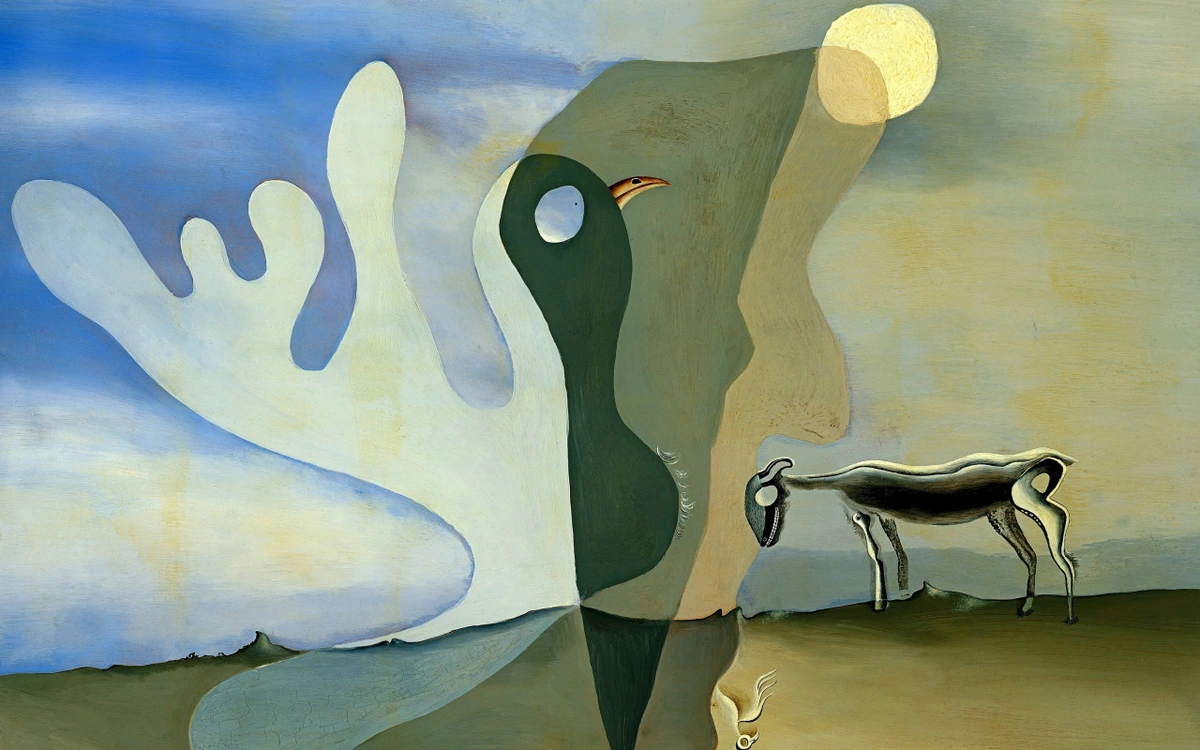
Later, the Romantic period often saw artists exploring the wild, untamed aspects of mythological creatures, connecting them to sublime nature and human emotion. Impasto might be used to convey raw power or emotional intensity. In the Modern era, especially with the rise of abstraction, the literal depiction of myth began to wane, but the underlying archetypal themes persisted, reinterpreted through new artistic languages. Figures like Carl Jung’s work on the collective unconscious and the broader influence of psychoanalysis profoundly influenced artists, encouraging them to delve into universal symbols and mythic narratives in their own psychologically charged works. Think of Surrealism, where artists like Salvador Dalí or Max Ernst delved into dreams, the subconscious, and the realm of the irrational, creating fantastical, often hybrid beings that directly echoed mythic narratives. Their work was a deep dive into the collective unconscious, bringing forth new monsters and muses that were fundamentally archetypal, but with a deeply personal and psychological twist. This whole era, for me, really highlighted the enduring legacy of Surrealism and its power to reframe ancient stories for a modern mind. Even scientific advancements, like Darwin's theories or astronomical discoveries, subtly shifted how humans perceived their place in the universe, sometimes leading to myths being seen less as literal explanations and more as symbolic expressions of truth, perhaps even echoes of real, prehistoric creatures distorted by memory over millennia.
flickr.com, licence
And now, here we are in the contemporary world, still finding ways to express these ancient, powerful narratives. This historical journey, from literal depictions to abstract evocations, directly influences how I approach my own art, seeking the mythic in the unseen.
My Abstract Canvas: Finding Myth in the Unseen
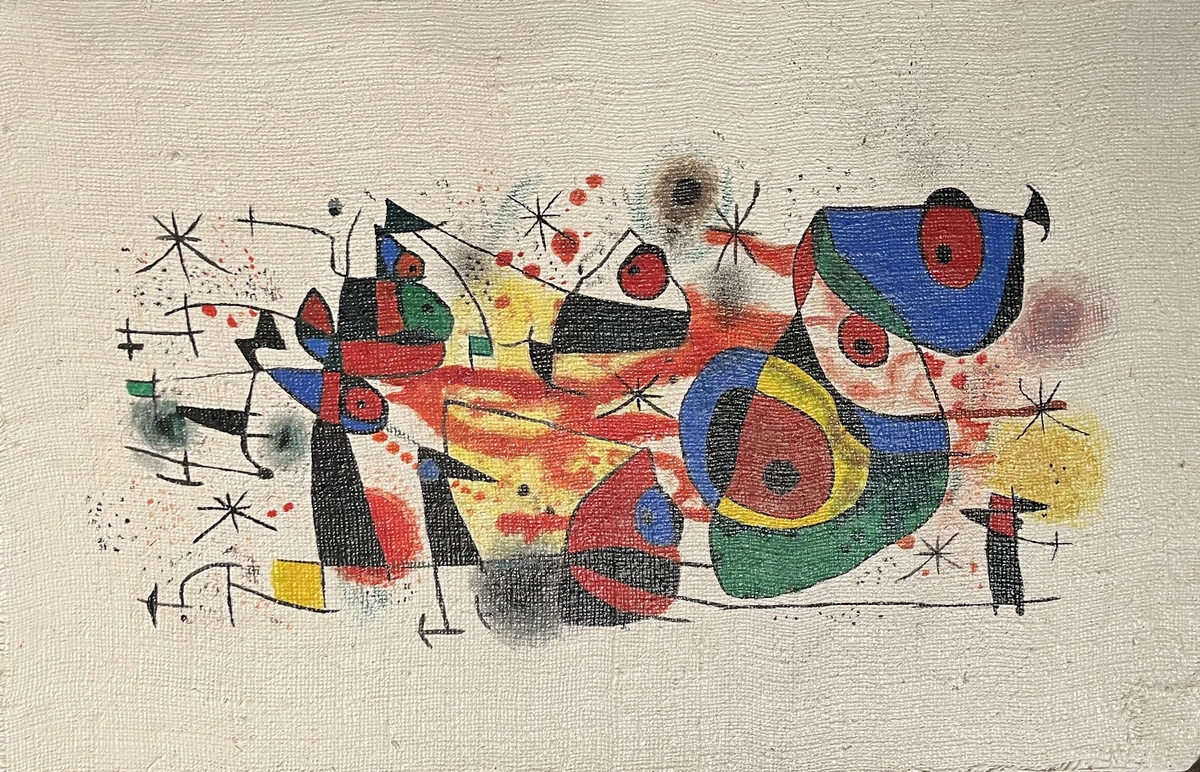
And this brings me to my own work. While my current art tends to be abstract and non-representational, I find myself continually drawing from the wellspring of collective human experience, much like ancient artists drew from their mythologies. The themes of power, vulnerability, the cyclical nature of life, and the search for balance – these are all echoes of mythological narratives that resonate deep within me. For instance, the enduring cycle of the Phoenix finds its way into my creative journey from concept to canvas, a constant process of destruction and rebirth on the canvas.
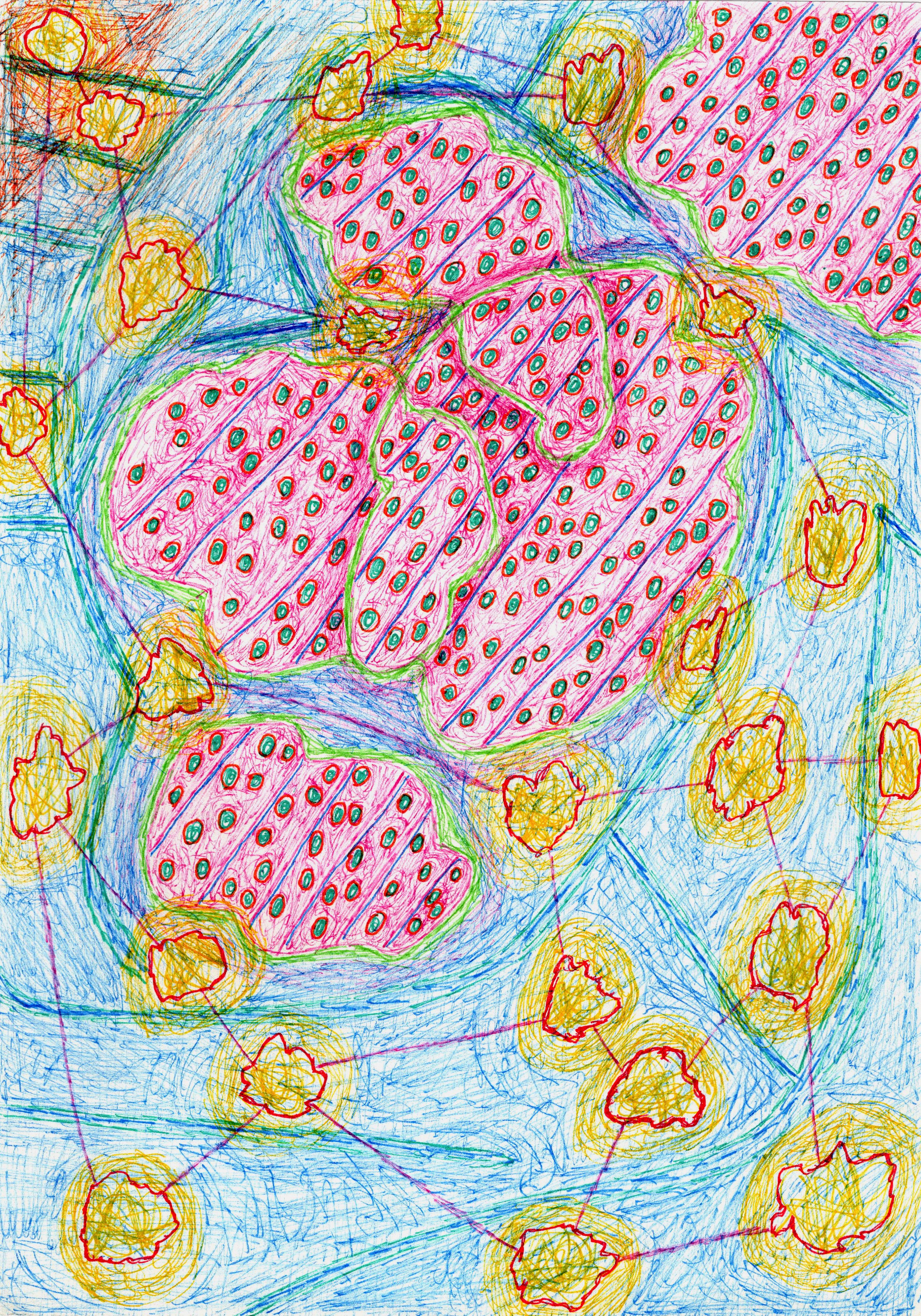
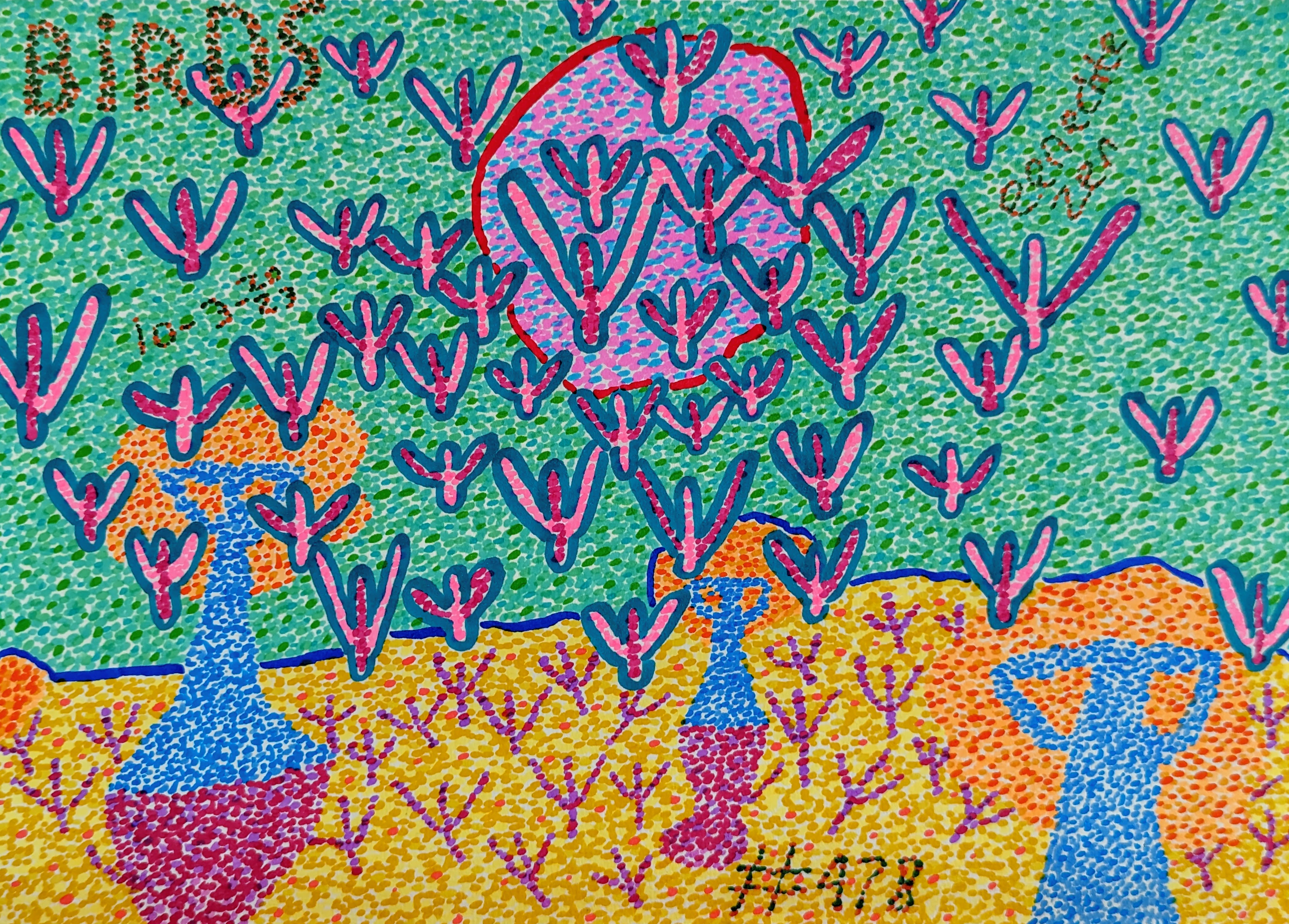
How does a splash of color or a jagged line evoke the mythic? Well, think about it. The fiery oranges and deep reds in an abstract piece can carry the weight of a dragon's breath or the Phoenix's rebirth. Swirling, chaotic forms might hint at the Minotaur's labyrinth or the unpredictable depths of the ocean where mermaids dwell. A sense of soaring aspiration in a composition can echo the majesty of a griffin. But it’s not just color; texture and form also play a huge role. Rough, layered textures might evoke a beast’s hide or the ancient, weathered walls of a mythical dungeon, while smooth, ethereal curves could hint at unseen spirits or otherworldly beings. For example, a thick, swirling application of impasto in deep blues and greens might directly evoke the turbulent depths where a kraken could reside, or the relentless, chaotic energy of a hydra. It's about tapping into the raw emotional and psychological impact that these archetypes embody, translating that feeling onto the canvas. This is where the psychology of color in abstract art comes into play, elevated to connect viewers to these deep-seated symbols without literal depiction. Indeed, the very absence of literal depiction can amplify the archetypal resonance, allowing viewers a more direct, intuitive connection to the 'feeling' of the myth, inviting them to project their own interpretations onto the canvas. It's a shared conversation, where the art provides the stage and the viewer brings their own echoes of myth. Sometimes, when I’m deep in my studio, I feel like I'm wrestling with my own internal dragons, trying to bring form to emotions that are often as intangible as a mythical beast. It's a personal mythology being born on the canvas, a vibrant reflection of these ancient themes expressed through color and form.
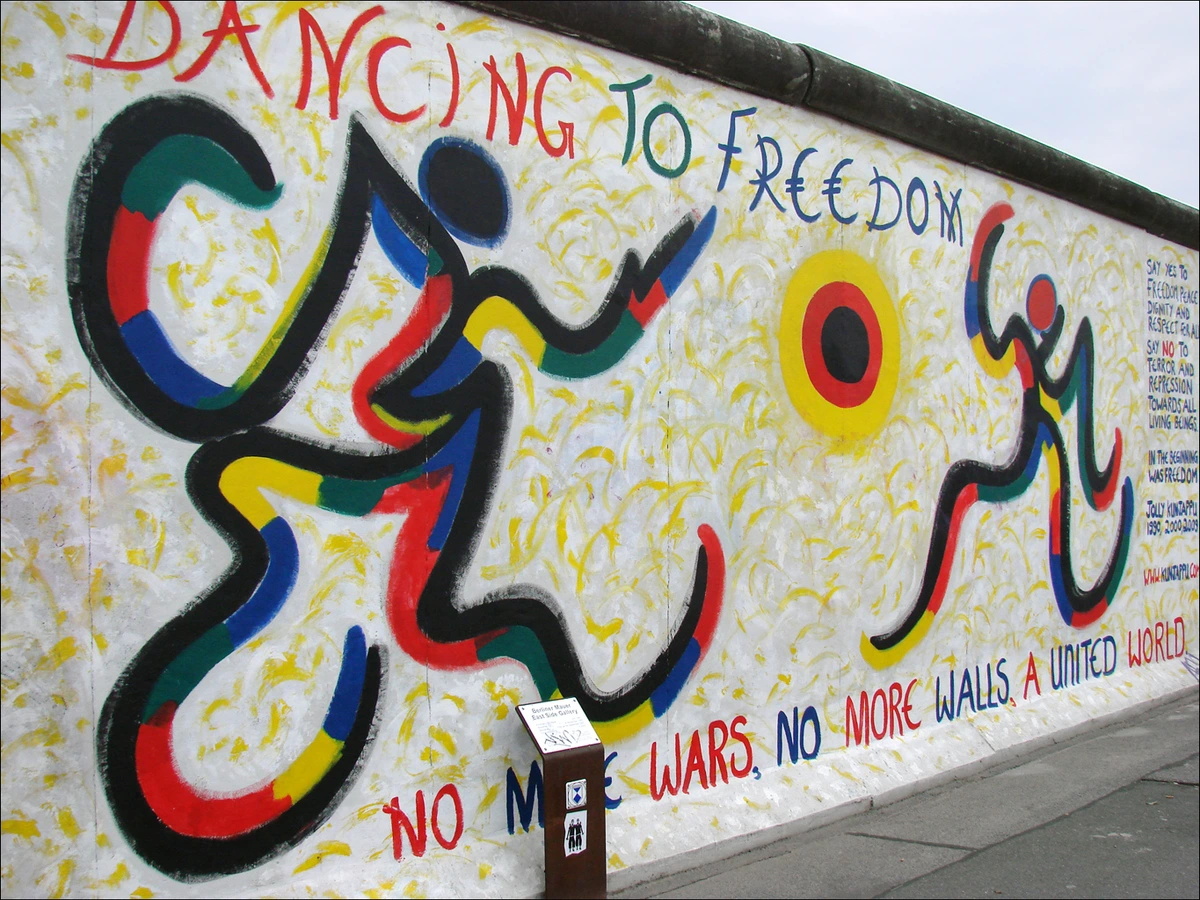
Many artists throughout history have approached this, too, perhaps not always depicting mythological figures literally but certainly channeling their essence. Think of Franz Marc’s vibrant, almost spiritual animal forms that evoke a primal connection to nature, or even Wassily Kandinsky’s early abstract works, which sought to express inner spiritual truths much like myths once did.
Printerval.com, licence





marker art, licence
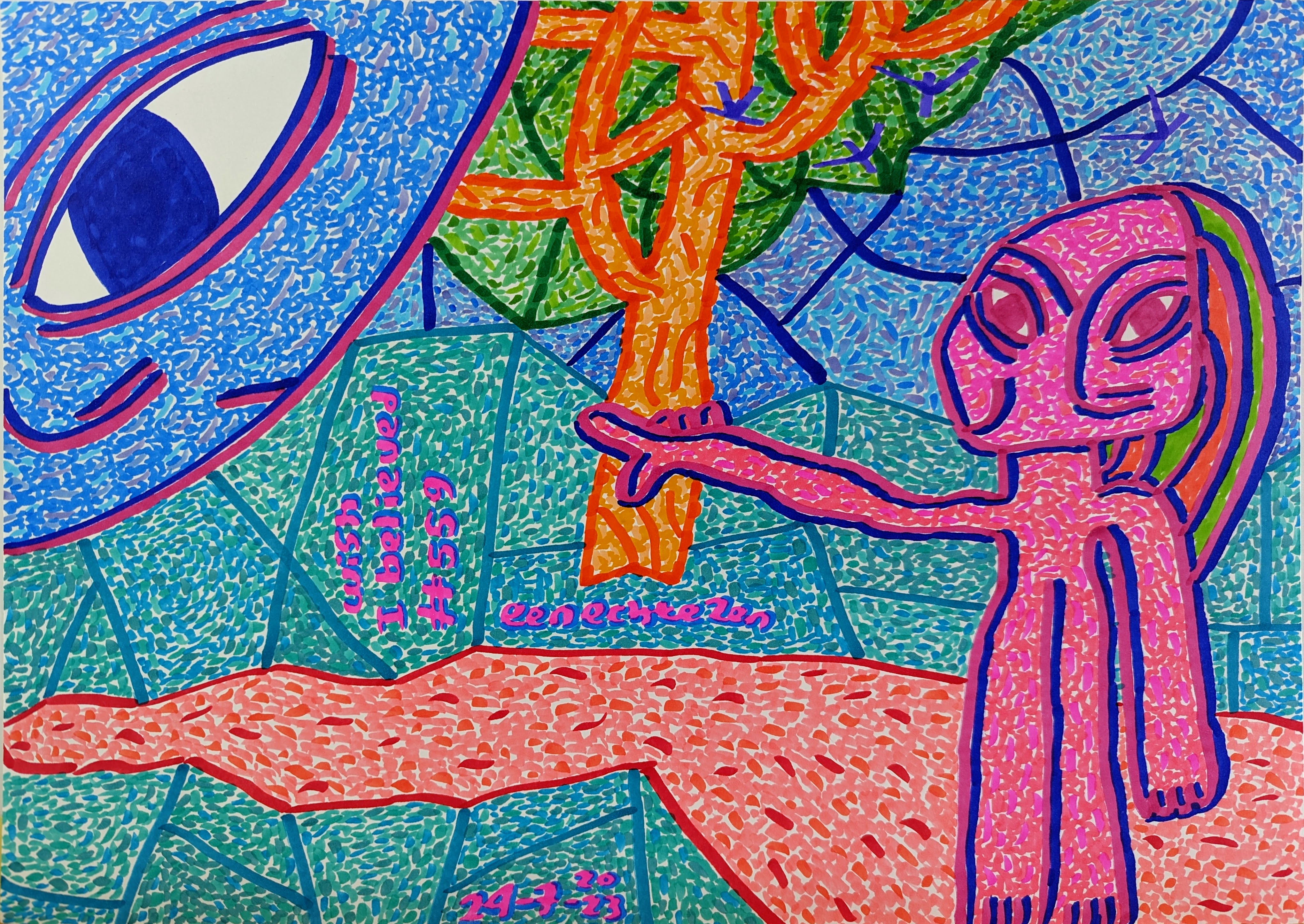
If you ever visit my museum in 's-Hertogenbosch, or browse my latest prints for sale online, you might not see a literal griffin or sphinx, but I hope you feel the underlying current of narrative, the quest for meaning, and the deep emotional resonance that I believe is the true legacy of all symbolic art, mythical or otherwise. It's a journey I'm still very much on, a personal timeline of artistic evolution and discovery, constantly seeking new ways to express these timeless echoes.
Frequently Asked Questions About Mythological Creature Symbolism
Q: What is the main purpose of mythological creatures in art? A: Their main purpose is often to embody abstract concepts (like good, evil, wisdom, chaos, creation, rebirth), teach moral lessons, explain natural phenomena, or represent the unknown. They also play a crucial role in shaping and transmitting cultural identity and values. Initially emerging from oral traditions, they serve as powerful narrative and symbolic devices that transcend literal interpretation, offering a visual language for complex human experiences and universal human truths, fulfilling our innate human need for storytelling itself.
Q: Do mythological creatures have consistent meanings across all cultures? A: Not entirely, and that’s part of their enduring fascination! As with the dragon and serpent examples, meanings can vary dramatically. Cultural and historical context is crucial. Think of the owl, revered as a symbol of wisdom in ancient Greece, yet feared as an omen of death in some Mesoamerican traditions. Or the wolf, a feared predator in some European folklore, but a revered spirit guide in many Native American cultures. A creature revered in one culture might be feared in another, reflecting different belief systems, societal values, and even geographical influences. What’s more, even within a single culture, the interpretation of a creature's symbolism can evolve significantly over time, adapting to changing societal values and beliefs. However, it's worth noting that while specific meanings vary, some core archetypal functions (e.g., representing chaos, wisdom, transformation, the hero's challenge, the trickster figure, or the wise elder) do show remarkable consistency in narrative purpose across disparate cultures, even if the specific creatures embodying them differ. It's a fascinating testament to human diversity and shared underlying patterns.
Q: What's the difference between a myth and folklore? A: While often used interchangeably, myths typically deal with cosmic or universal truths, the creation of the world, or the relationship between gods and humans, often within a sacred or religious context. Folklore, on the other hand, comprises stories (legends, fairy tales, fables, and local tales) that are more localized, often dealing with human characters, historical events, or moral lessons, without necessarily having sacred significance. Mythological creatures often appear in both, demonstrating their versatility across different narrative forms!
Q: How did specific artistic mediums influence the portrayal and dissemination of mythological creatures? A: Different mediums allowed for unique expressions and reach. For instance, monumental sculptures (like Egyptian sphinxes) conveyed power and permanence, while Greek vase paintings offered dynamic narrative sequences. Medieval illuminated manuscripts brought myths to life with intricate detail and vibrant color, often within religious texts, while the advent of printmaking in the Renaissance allowed for the wide dissemination of mythological imagery to a broader public, democratizing access to these powerful symbols beyond elite patrons.
Q: How can I start to "read" the symbolism of mythological creatures in art? A: A great starting point is to consider the creature's hybrid nature (e.g., part human, part animal), its actions within the artwork, its posture, and its interaction with other elements in the composition. Also, the cultural and historical context in which the art was created is crucial. Pay attention to the color palettes used – fiery reds for aggression, cool blues for mystery – and compositional elements that might emphasize a creature's power or vulnerability. Researching the specific myth associated with the creature will provide invaluable insights. Crucially, consider the artist's intent and the commissioning context of historical artworks, as these factors can significantly influence the symbolic message. For deeper understanding, explore iconographic studies, consider the specific artist's background, and even delve into the broader philosophical or religious movements influencing the era. Looking at recurring motifs or even the general psychology of color in abstract art or specific eras can also provide clues to unraveling these rich symbols.
Q: Are mythological creatures still relevant in contemporary art? A: Absolutely! While not always depicted literally, their archetypal themes and symbolic power continue to inspire artists. Contemporary art often reinterprets these ancient narratives, using them to comment on modern society, psychology, and the human condition, sometimes through abstract forms that evoke the feeling of myth rather than its direct representation. They can serve as powerful tools for social commentary, critiquing current societal issues, or exploring enduring human dilemmas through a timeless lens. The stories may change, but the core human experiences they reflect remain timeless, continuously inviting new interpretations.
Q: Do new mythological creatures or archetypes emerge in contemporary culture? A: Absolutely! While ancient myths remain potent, our collective unconscious continues to evolve. Modern stories, films, and digital media create new figures that often function as contemporary archetypes. Superheroes, artificial intelligences, or even internet memes can take on mythic proportions, embodying our current anxieties, aspirations, and ethical dilemmas, demonstrating that the human need for symbolic narratives is timeless and ever-adapting. Interestingly, even modern scientific discoveries, such as paleontology unearthing ancient, fantastical creatures or genetics revealing hidden connections, can feed into new mythologies, blurring the lines between what is imagined and what was real, influencing how we interpret both ancient and emerging archetypes.
So, there you have it. My somewhat meandering thoughts on why these incredible beings still hold such sway over our collective imagination, and certainly over mine. They are more than just fantastic tales; they are profound expressions of who we are, where we’ve come from, and what we imagine ourselves to be. What echoes of myth resonate in your own world? It’s a continuous, evolving conversation between humanity and the unknown, mirrored in every stroke of an artist's brush, from ancient walls to the canvas I work on today – a conversation I truly hope you’ll join.