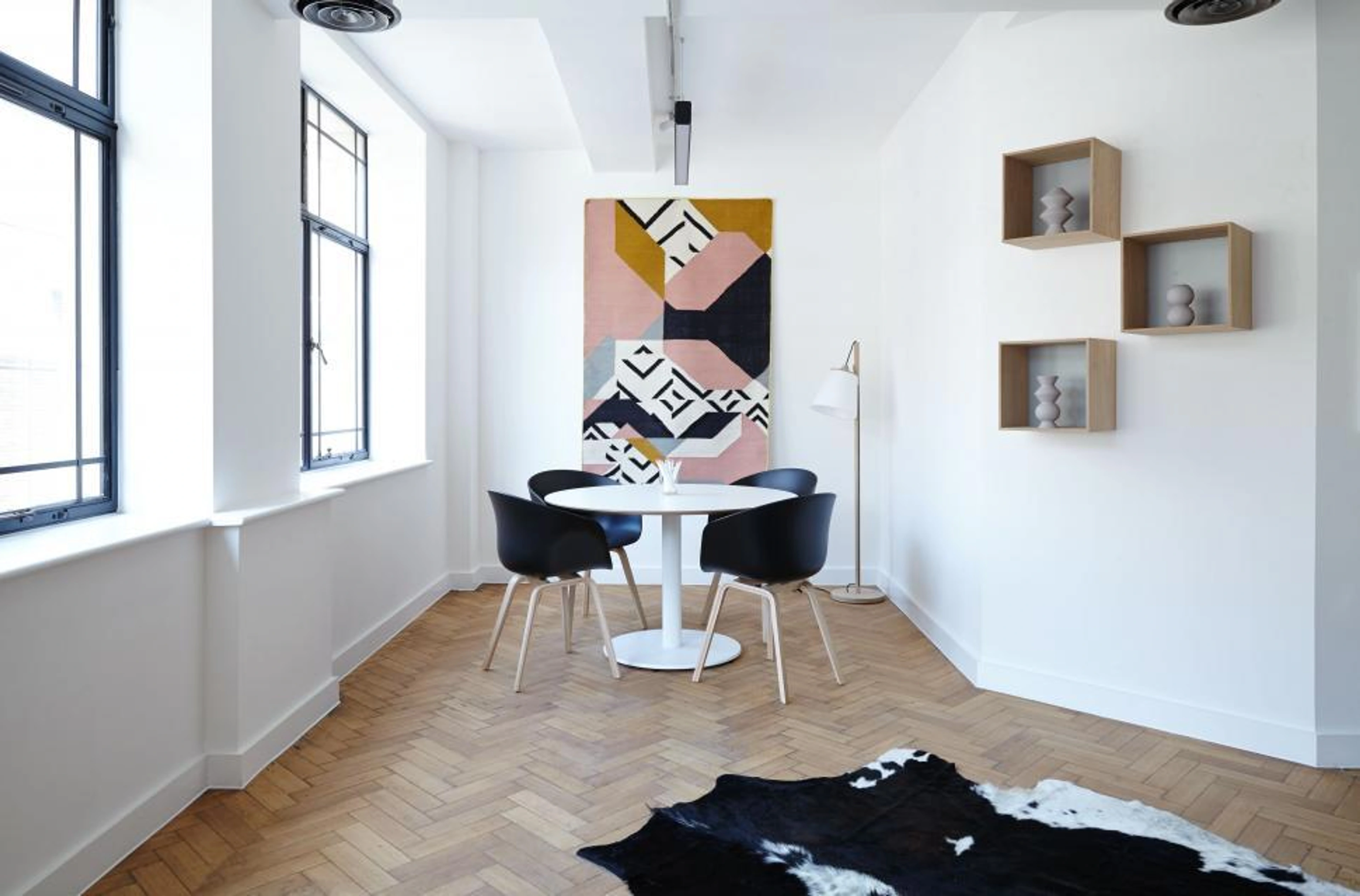
Apartment Art: Personalize Your Rental, Damage-Free & Stylishly
Transform your rental into a true home! This ultimate guide offers an artist's personal insights to choose, hang art damage-free, style every room, and curate a unique, cherished collection, even in an apartment. Discover how art impacts your well-being, explore diverse styles, and learn renter-friendly display techniques.

Art for Apartments: How to Transform Your Rental into a Real Home, Damage-Free & Stylishly
I'll be honest, my first apartment was, to put it kindly, a shoebox. Questionable plumbing, a persistent smell of stale something, and a view that consisted solely of a very uninspiring brick wall. For months, those beige walls remained stubbornly bare. I was paralyzed by a very specific kind of fear, truly. Terrified of the landlord's wrath over a nail hole, terrified of choosing the 'wrong' art, and deep down, convinced this temporary purgatory wasn't a 'real' home, so why invest any emotional energy or money? It felt like I was just waiting for my 'real' life to begin. Perhaps you've felt that insidious trap too, that sense of holding your breath?
That's the silent trick we play on ourselves, isn't it? We treat apartments, especially rentals, like mere waiting rooms for a life that's always just around the corner. But here's the quiet, profound truth, a truth I had to learn the hard way: your life is happening right now, in this very space. And nothing—absolutely nothing—transforms a generic box into a sanctuary more profoundly than art that genuinely speaks to your soul. It's the visual diary of who you are, the story you choose to tell on your walls, and frankly, an investment in your daily happiness and well-being. So, let's navigate this together, drawing on all the art-hanging mishaps and triumphs I've personally experienced, so you don't have to learn the hard way. It's time to unlock the full potential of your living space and turn it into a canvas for your life. We'll tackle the mindset shift, choosing your first piece, practical hanging solutions, exploring every corner of your home, and even how to build a collection, ensuring it feels uniquely yours. For more ideas on maximizing impact in limited spaces, check out our guide on how to choose art for a small apartment.
The Mindset Shift: Permission to Personalize & Psychological Ownership
Before we even think about hammers or adhesive strips, let's talk about permission. Give yourself absolute permission to make your mark. A home, in my book, isn't about owning the deed; it's purely about the visceral feeling you get when you walk in the door after a long day. It's about that sigh of relief, that sense of belonging. The fear of losing your security deposit over a few nail holes? Absolutely real, been there, felt that anxiety in my gut. I remember once, trying to convince myself that a blank wall was 'minimalist' when, in reality, I was just too terrified to touch it. But here's the thing: it's manageable, often overestimated, and we'll delve into plenty of damage-free options. The true tragedy, I believe, is living in a sterile box that actively drains your energy because it simply doesn't reflect the vibrant person you are – a tragedy we can actively avoid.
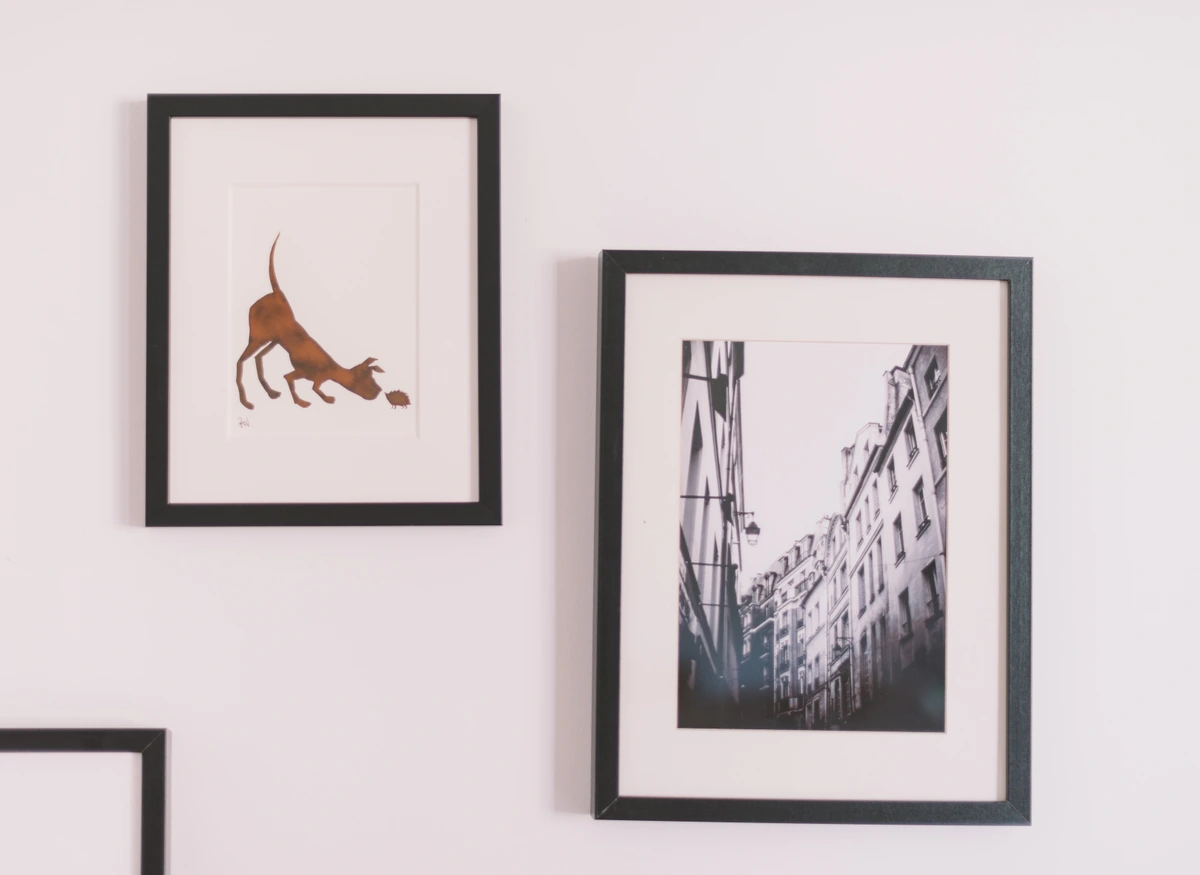
There's a fascinating field called environmental psychology – a fancy term for how our surroundings actually mess with our heads (in good or bad ways!). It studies how our environment affects our mood, behavior, and well-being. Think of it this way: I once lived in a place with utterly bland, featureless walls, and I found myself feeling strangely listless and uninspired, as if my creative spark had dimmed. Turns out, impersonal spaces can literally make us feel more anxious and less creative. For apartment dwellers, this effect can be even more pronounced, especially if the space feels temporary or not truly 'yours.' Art, then, isn't just decoration; it's a powerful declaration. It screams, "I live here. This is my corner of the world, curated by me." It's about taking psychological ownership of your space—that deep, intrinsic feeling that a place belongs to you, regardless of who holds the legal deed. This feeling of agency and belonging is crucial for turning a mere dwelling into a cherished home. Beyond this, engaging with art can also offer cognitive stimulation, emotional regulation, and foster a sense of wonder or curiosity. In a busy urban environment, taking a moment to appreciate a piece of art can even act as a form of mindfulness or contemplative practice. For example, a calming landscape painting in a quiet nook can reduce stress, while a vibrant abstract piece might boost creativity in a home office.
Choosing Your First Piece: Overcoming the "Wrong Choice" Paralysis
I get it. The blank wall stares back, silently judging, and the sheer volume of art out there can feel utterly paralyzing. "What if I pick the wrong thing?" is a thought I've wrestled with more times than I care to admit. It feels like navigating a vast, beautiful, but utterly overwhelming art wilderness. But here's my secret, learned through countless trials (and a few questionable purchases): there's no such thing as "wrong" art if you genuinely love it. Your taste isn't static; it'll evolve, just like you. The goal isn't perfection, but connection. So, how do you find that first, confidence-building piece, especially if you're feeling a bit lost?
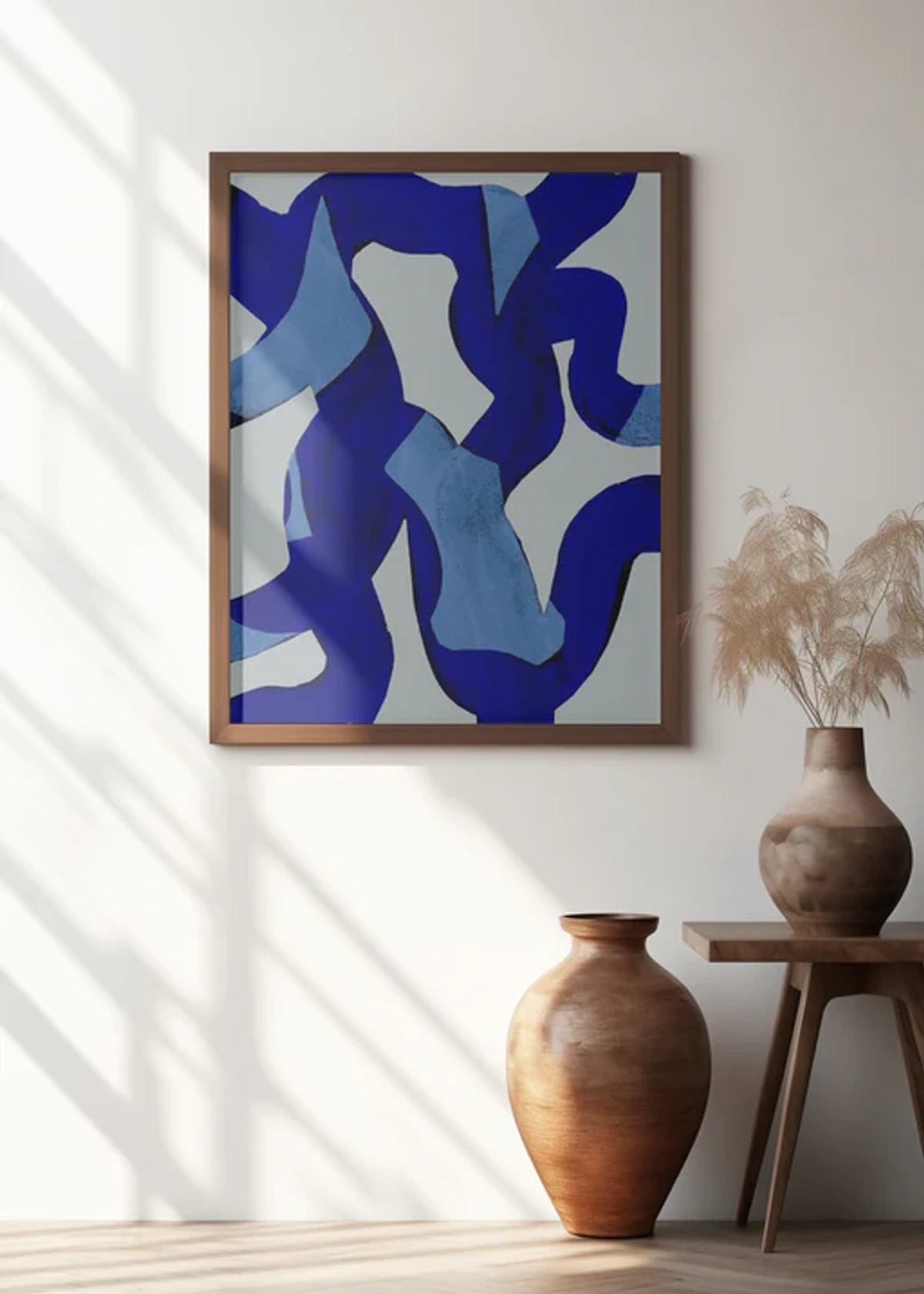
Discovering Your Visual Voice: Your Personal Treasure Hunt
Think of this as a delightful treasure hunt, not a high-stakes exam. Forget what you think you should like, or what someone else tells you is "good art." Instead, pay attention to what genuinely catches your eye in unexpected places, what sparks a little flicker of joy or intrigue:
- Online Galleries & Social Media: Start broad. Browse sites like Pinterest, Instagram, or even online art marketplaces (like our own collection). Don't overthink; just save images that evoke any positive feeling – a sense of calm, curiosity, nostalgia, or pure excitement. What colors pop for you? What shapes feel right? What kind of mood do they set? Consider creating a digital mood board to visualize recurring themes. For a "safe" yet sophisticated start, consider universally appreciated themes like abstract expressionist pieces with calming color palettes, minimalist geometric prints, or serene landscape photography. These often integrate well into diverse décors without overwhelming the space. Also, explore artist's proofs or limited edition prints; these are high-quality reproductions, often signed and numbered by the artist, offering a sense of exclusivity without the original artwork's price tag. They're a fantastic entry point for a burgeoning collector, offering both beauty and a touch of collectibility.
- In-Person Inspiration: Visit local galleries, quirky cafes, museums (even if you think you don't 'get' art, just observe!), art schools, student exhibitions, artist studios, or even well-curated flea markets or antique shops. How does certain art make a room feel? Does it make you pause, smile, or feel a surge of energy? Remember, this isn't about buying; it's about observing and absorbing what resonates.
- Look Beyond the Canvas: What films do you love? What books have covers that captivate you? What fashion styles resonate? What natural landscapes draw you in? Often, your preferences for color, mood, and composition are consistent across different mediums. This can be a surprising guide to your art taste.
When you've collected a few images or ideas, look for common threads. Are there recurring colors, moods (calming, energetic, whimsical), or subjects (abstract, landscape, figurative)? These are clues to your emerging art personality. And for your very first piece, I always recommend something that offers an instant dose of joy every time you glance at it. Don't worry about it "matching" everything perfectly; aim for a piece that simply makes you feel good. Starting with less valuable pieces like digital prints or student art can also be a great way to experiment with your taste without a significant financial commitment, building your confidence as you go.
Understanding Art Mediums & Durability: Practical Considerations for Renters
Before you commit, it's worth considering the medium, especially in a rental where conditions might not be ideal (think fluctuating humidity, dust, or accidental bumps). A delicate watercolor print might fare better in a low-traffic area or behind UV-protective glass, while a robust canvas print or a piece behind acrylic glass can withstand a bit more life (especially if you have kids or pets, more on that later!). Framing and matting aren't just aesthetic choices; they offer crucial protection. A good frame with proper backing and a mat can prevent moisture damage and keep your art looking pristine.
Let's break down common art mediums and their renter-friendly attributes:
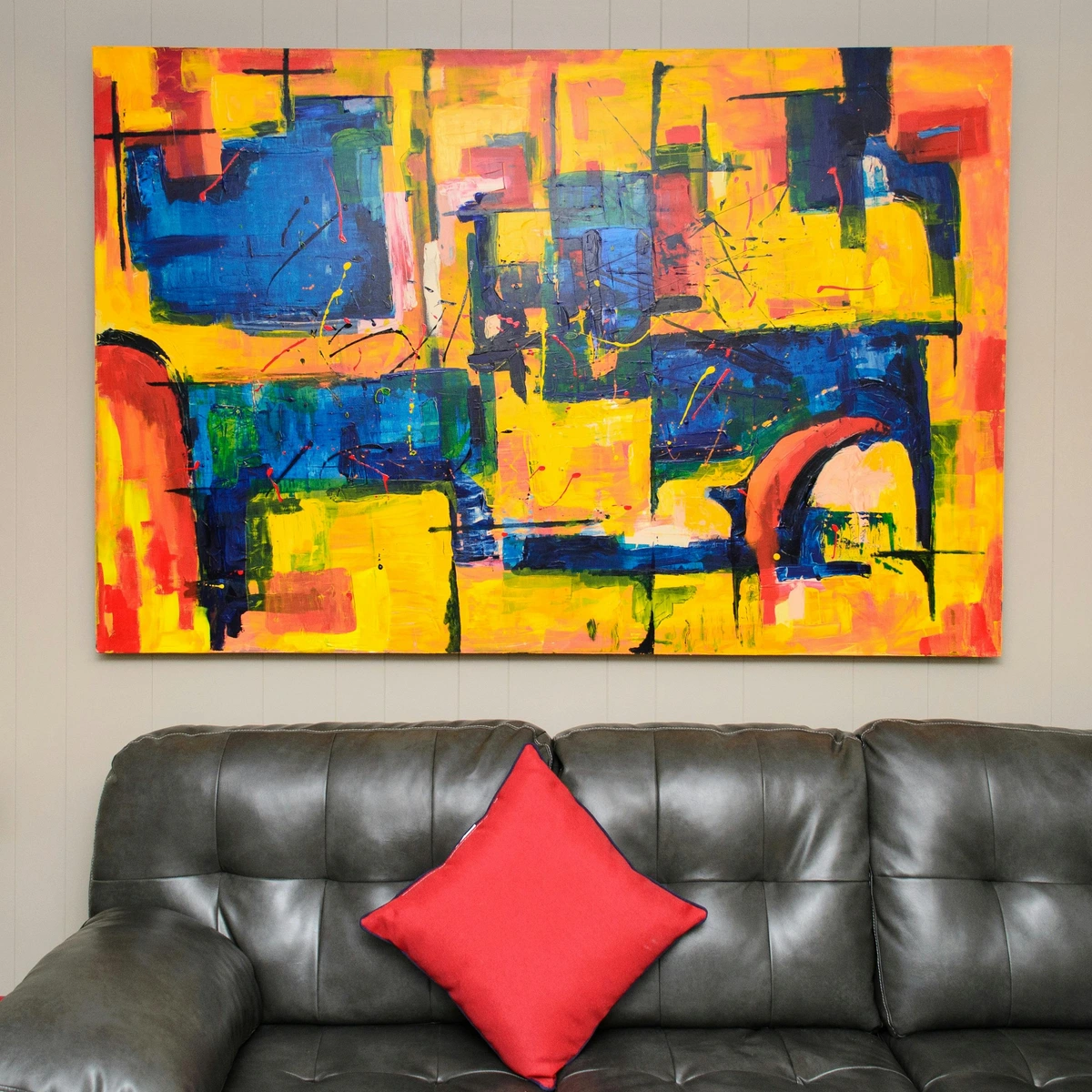
Medium Type  | Key Characteristics | Durability for Apartments | Ideal Placement | Framing/Protection Notes | Cost Range (Relative) | DIY Friendly? | Quality of Reproduction Notes |
|---|---|---|---|---|---|---|---|
| Digital Prints/Posters | Affordable, vast variety, easy to swap. | Good; depends on paper/ink quality. | Anywhere; great for testing styles. | Behind glass/acrylic for longevity. Use lightweight frames. | $$-$ | Yes (with off-the-shelf frames) | Look for Giclée or archival pigment prints for best color fidelity and longevity. |
| Photography Prints | Captures reality, high detail, diverse subjects. | Good; depends on paper/ink, susceptible to UV/moisture. | Anywhere, often in groups or a gallery wall. | Always behind UV-protective glass/acrylic with acid-free matting for preservation. | $$-$ | Yes (with off-the-shelf frames) | Ensure archival paper and pigment inks for fade resistance. |
| Canvas Prints | Mimics paintings, no glass needed, reduces glare. | Very Good; generally robust, easy to clean. | High-traffic areas, or above a sofa/bed. | Often stretched on a frame; can be float-framed for elegance. | $$-$ | Yes (ready-to-hang, or simple float frames) | Quality varies; check canvas material (cotton vs. polyester) and printer reputation. |
| Original Paintings (Oil/Acrylic) | Unique texture, depth, typically a higher investment. | Excellent if properly varnished and cared for. | Main living areas, away from direct sunlight/humidity/heat. | Can be unframed, framed (traditional/float), or behind glass for added protection. | $$-$ | No (often requires professional care) | Unique, non-reproducible. Check provenance if an investment. |
| Watercolors/Drawings | Often on paper, delicate, expressive. | Moderate; highly susceptible to moisture/UV. | Low-traffic, away from kitchens/bathrooms. | Always behind UV-protective glass/acrylic with acid-free matting. | $$-$ | Yes (with careful framing) | Originals are unique; fine art prints offer good reproduction. |
| Mixed Media | Combines various materials (collage, paint, objects). | Varies greatly by materials, may have delicate 3D elements. | Protected areas, away from bumps; consider a shadow box frame. | Requires careful handling; consider professional framing for preservation of delicate elements. | $-$ | No (due to complexity/fragility) | Originals vary widely. Check artist's materials stability and construction. |
| Sculptures/3D Art | Adds dimension, tactile interest. | Varies by material (metal, ceramic, wood). | On sturdy surfaces (shelves, consoles); consider earthquake safety. | Ensure stable placement; anchor if necessary for safety. | $$-$ | Yes (for placement, not creation) | Judge material integrity and craftsmanship. |
| Acrylic Glass Art | Vibrant colors, high gloss, shatter-resistant. | Excellent; very durable, lighter than glass. | Kitchens, bathrooms, kids' rooms. | Often comes ready-to-hang; can be framed. | $$-$ | Yes (ready-to-hang) | Look for face-mounted prints for best depth and vibrancy. |
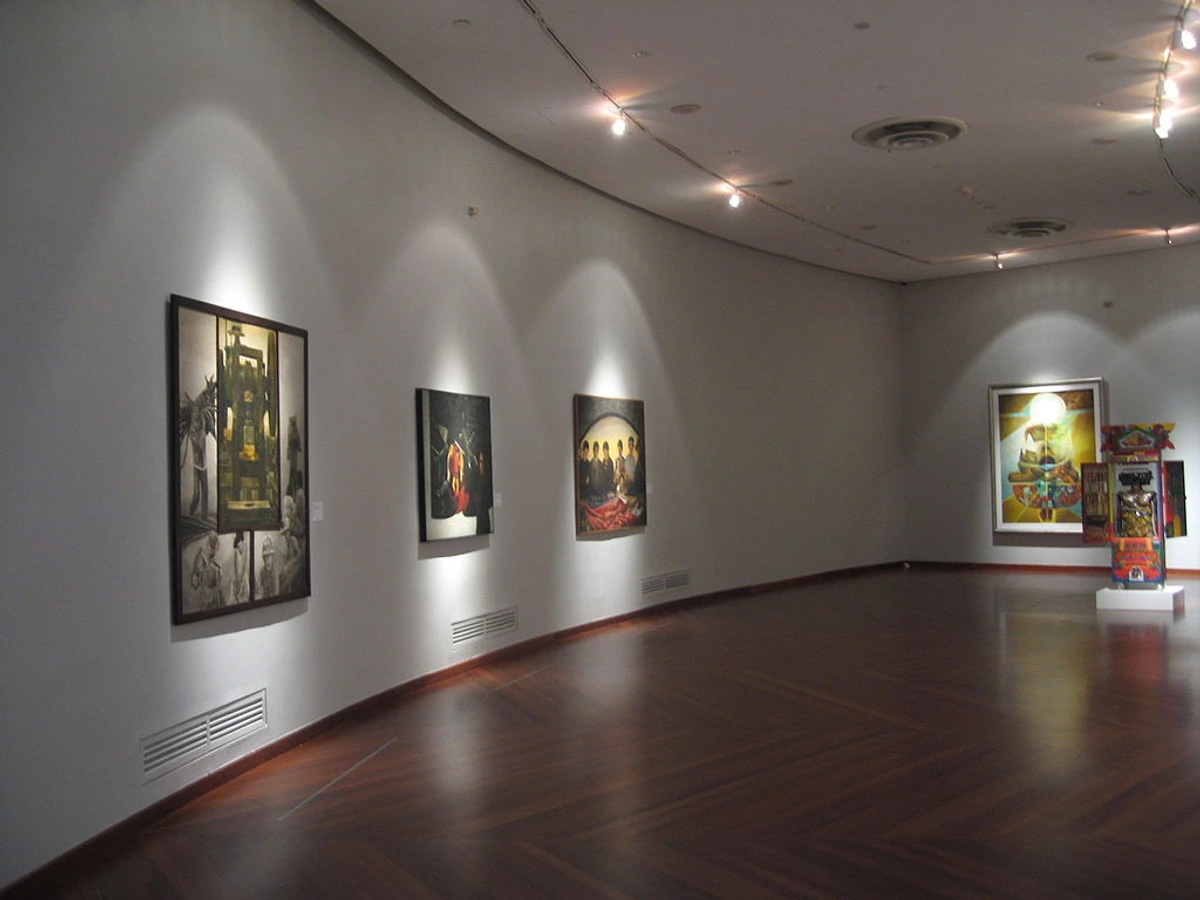
Frame & Presentation Styles: More Than Just Protection
The way you frame and present your art dramatically influences its impact. It's not just about protecting the piece, but about enhancing its story and integrating it into your decor. I've seen a simple print elevated to gallery status with the right frame, and a beautiful original dwarfed by a poor choice.
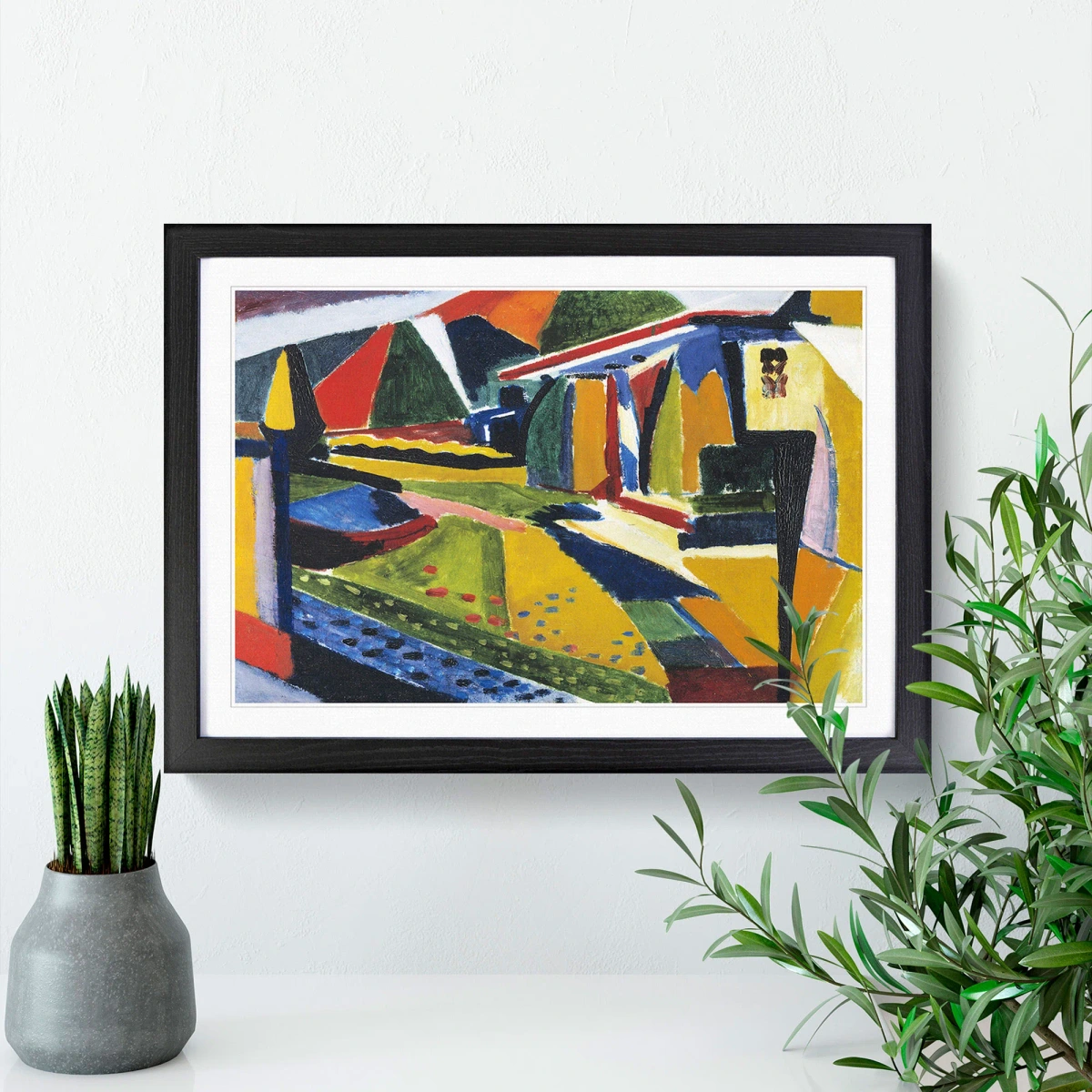
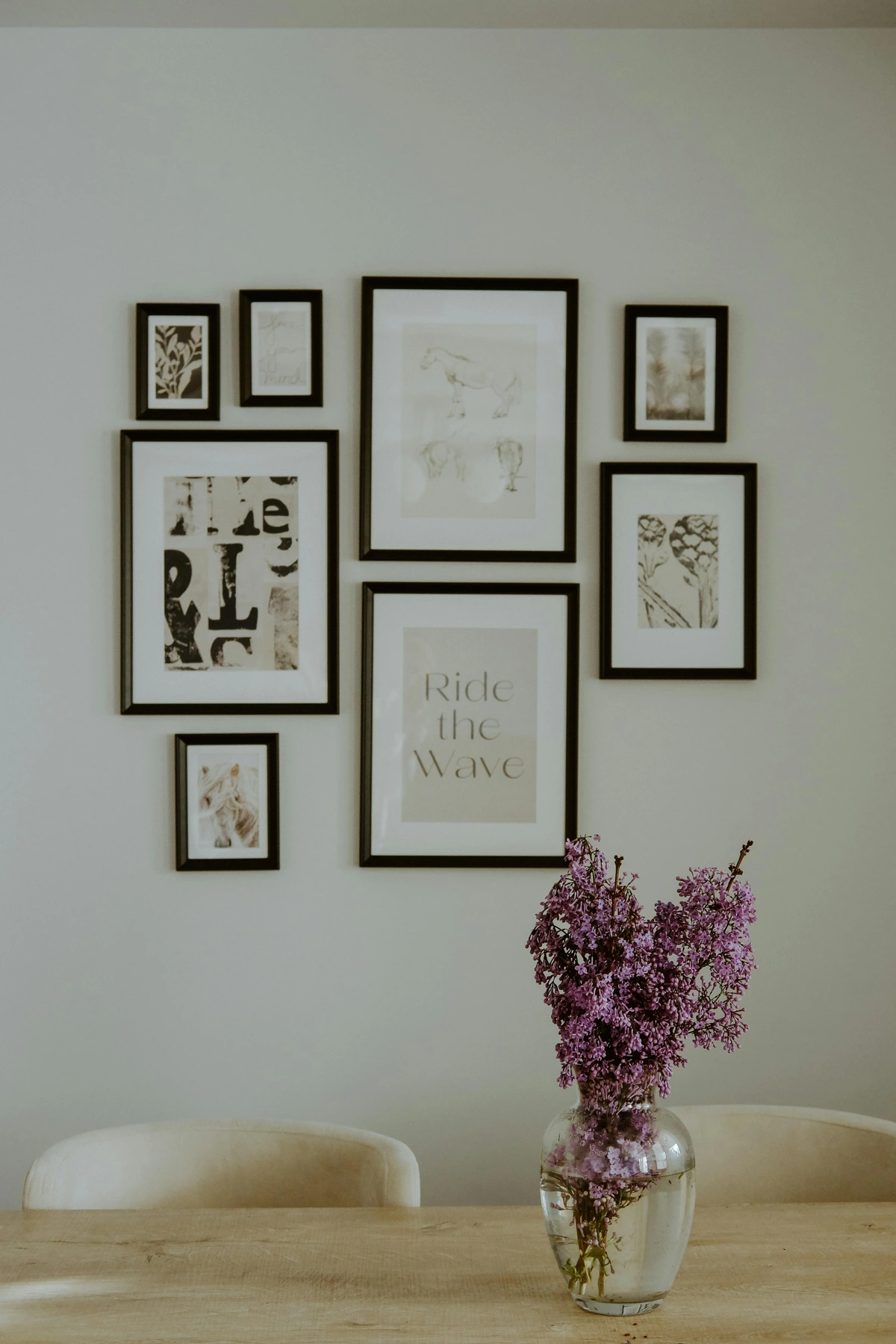
- Minimalist Frames: Thin, sleek frames (black, white, or natural wood) are perfect for contemporary or abstract art, allowing the artwork itself to be the star. They create a clean, sophisticated line that integrates seamlessly into modern or Scandinavian-inspired apartments.
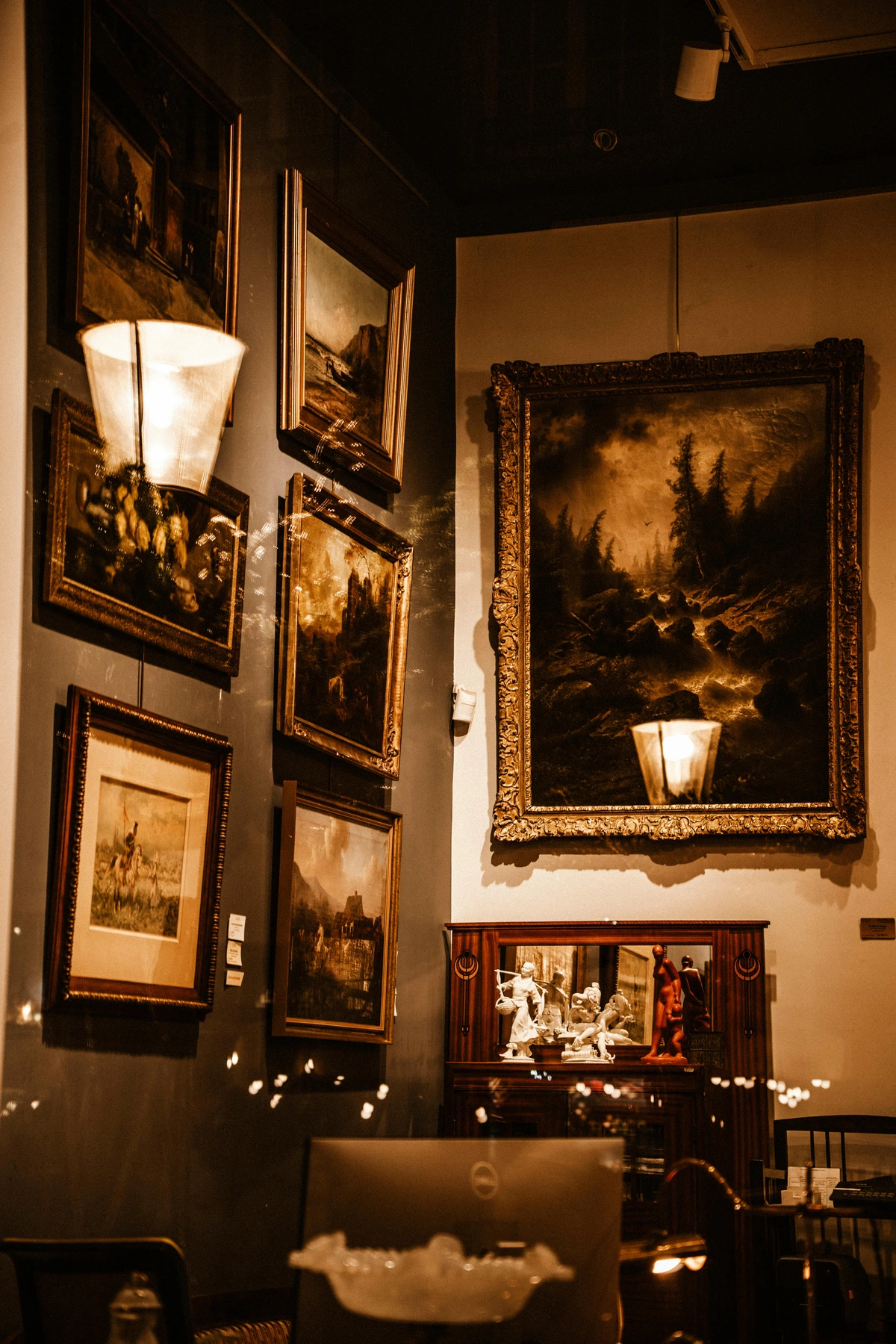
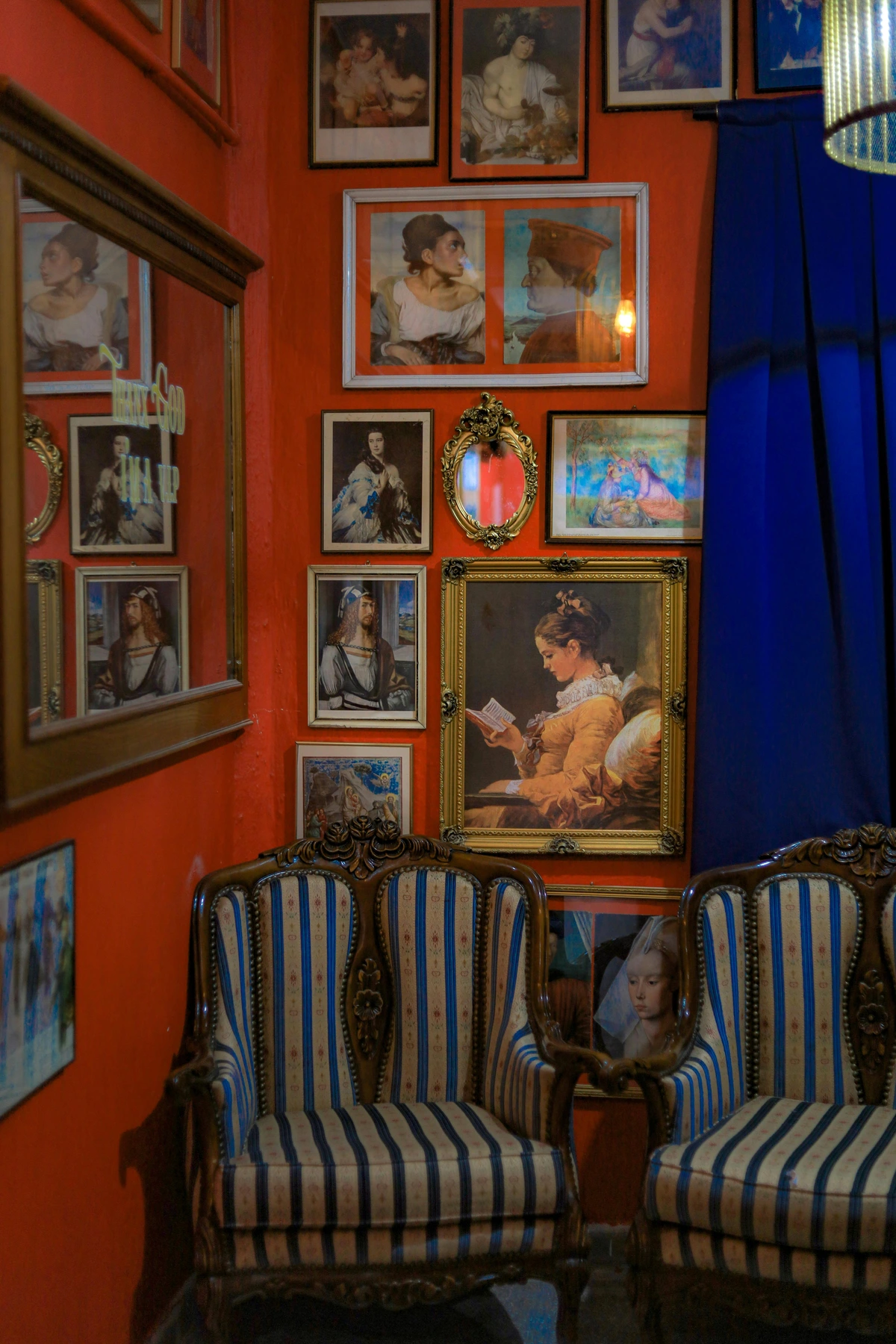
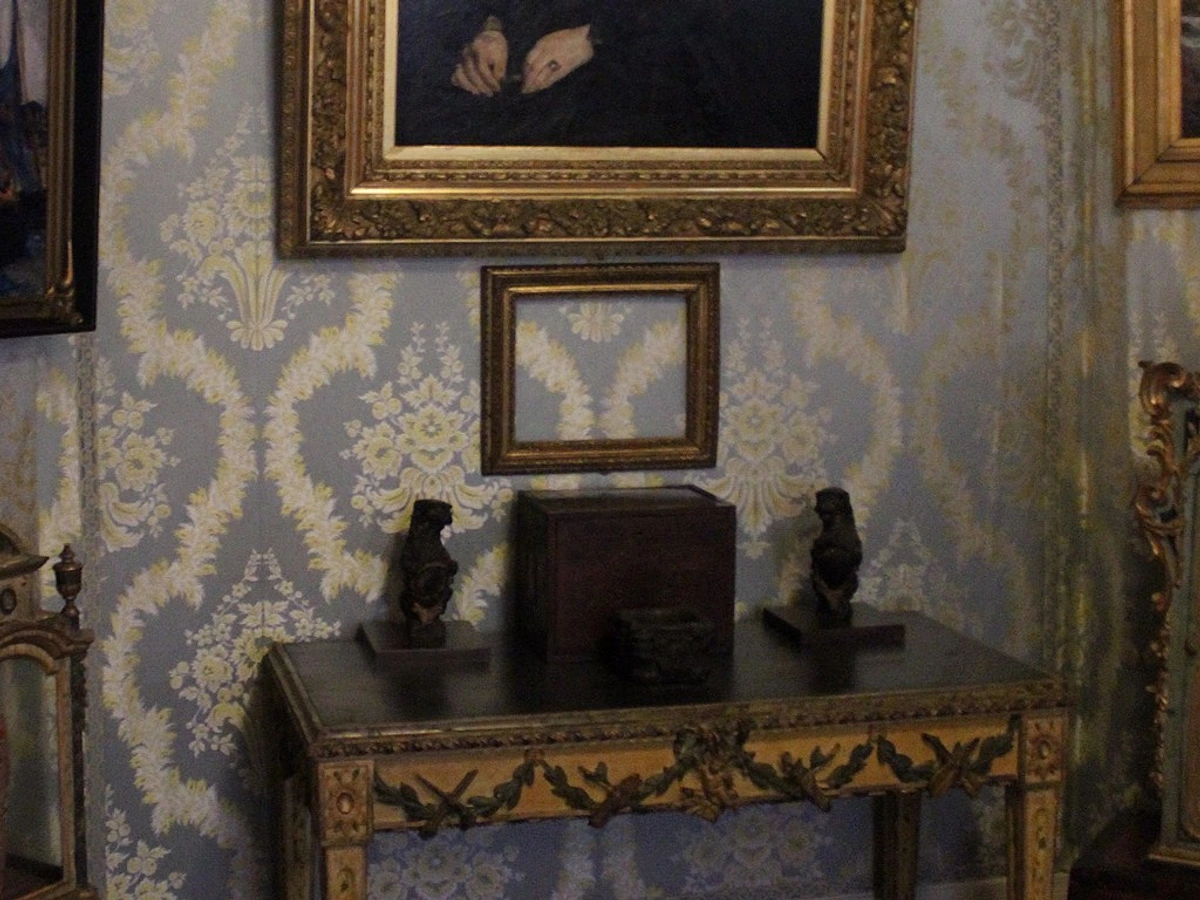
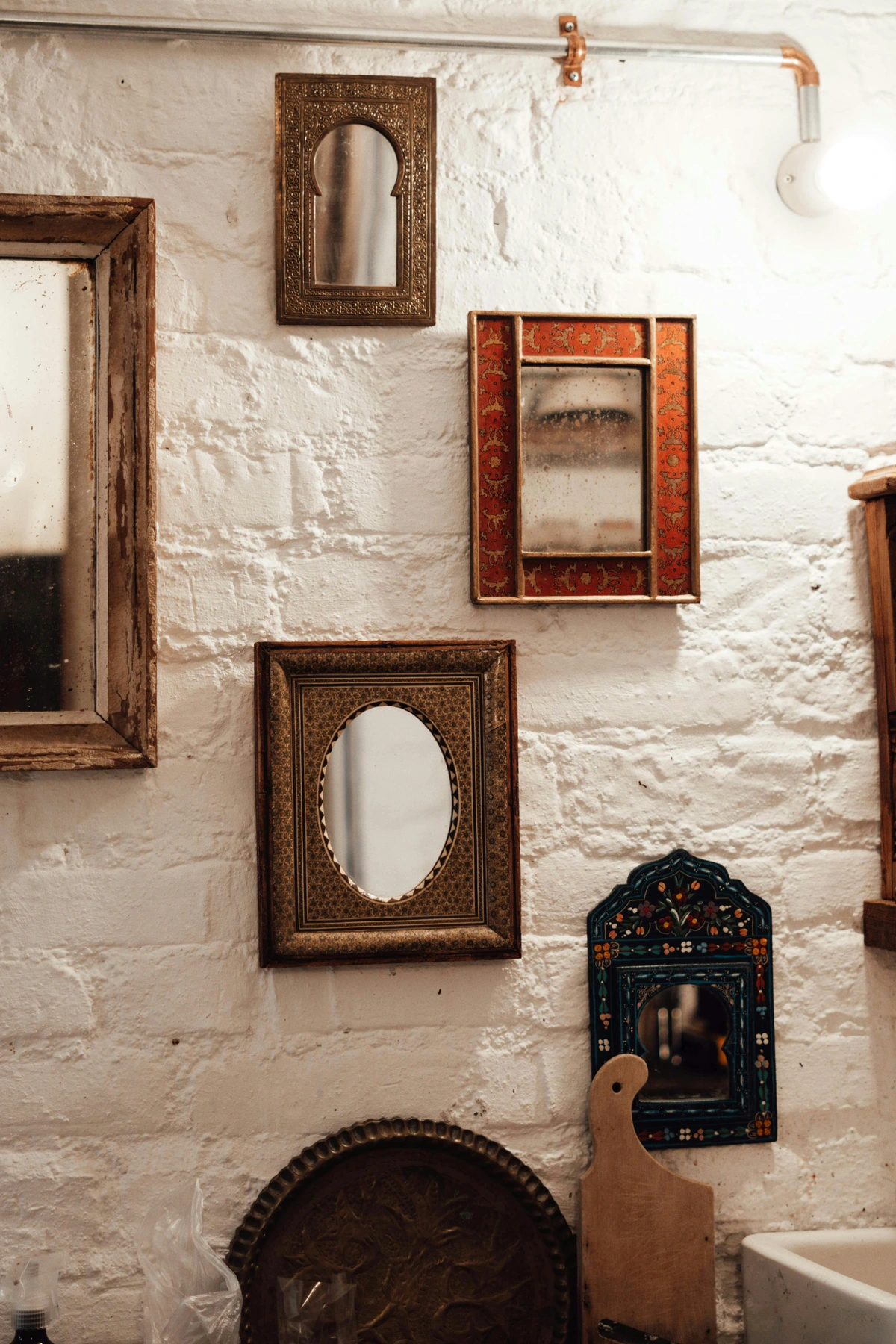
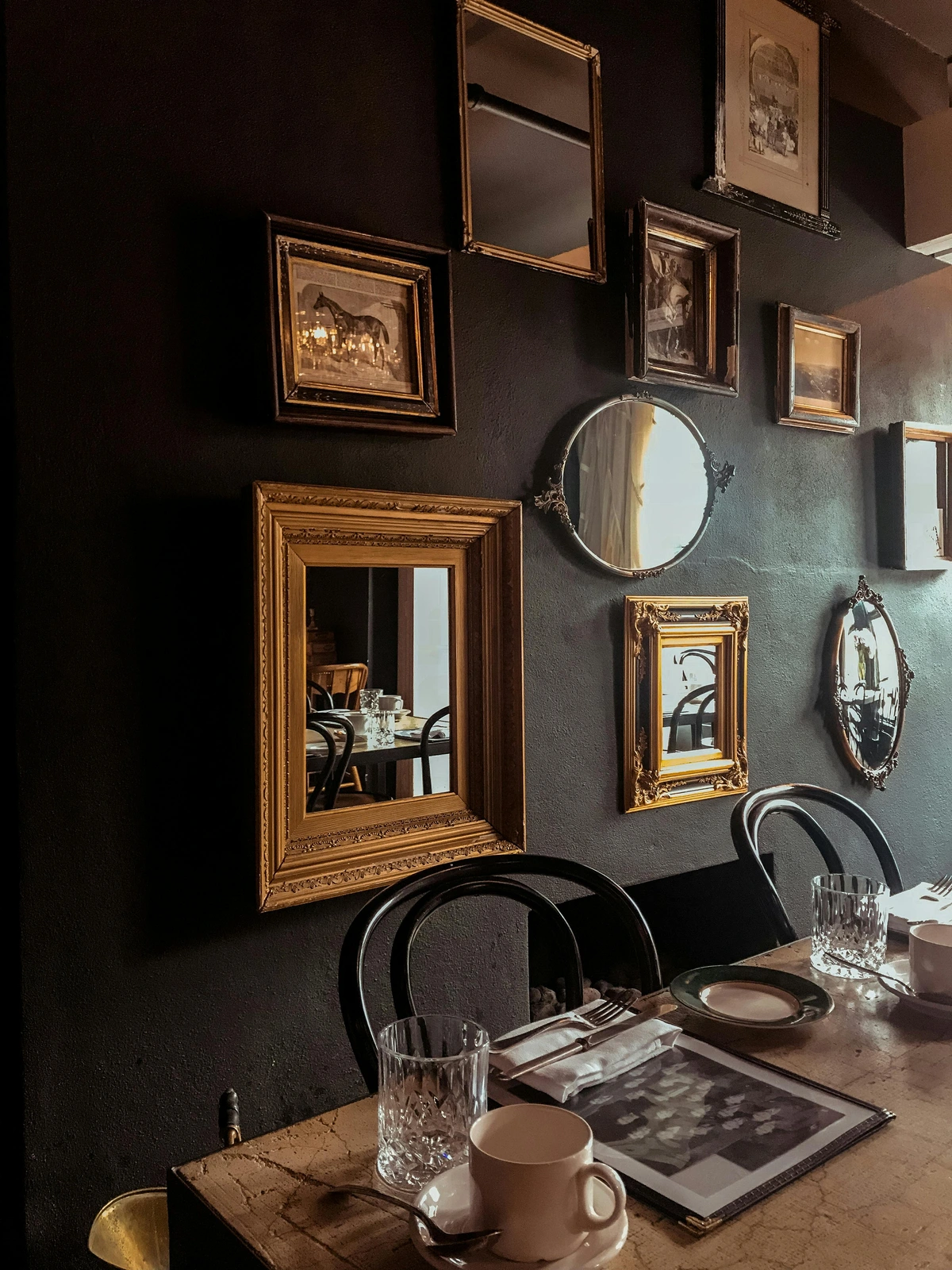
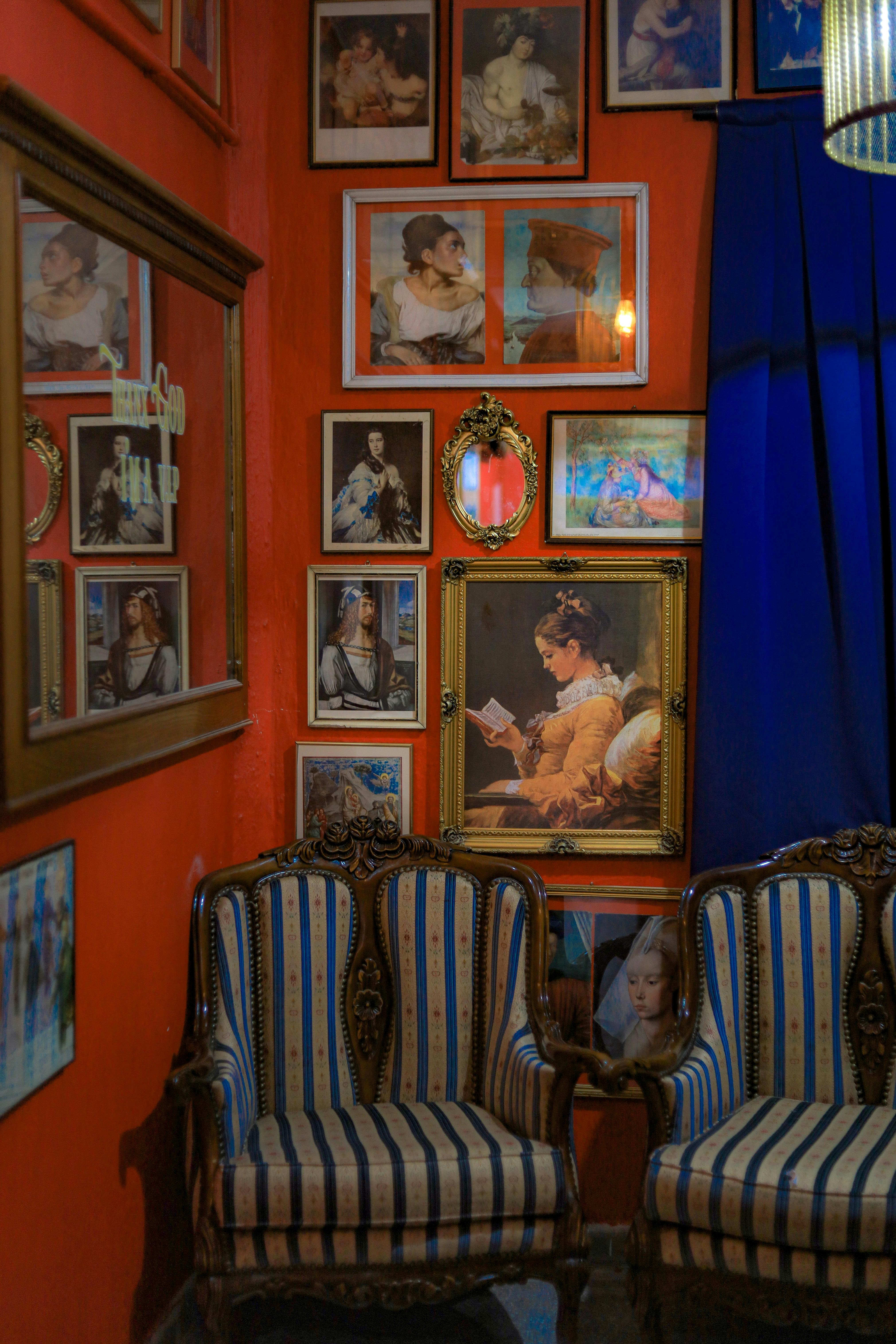
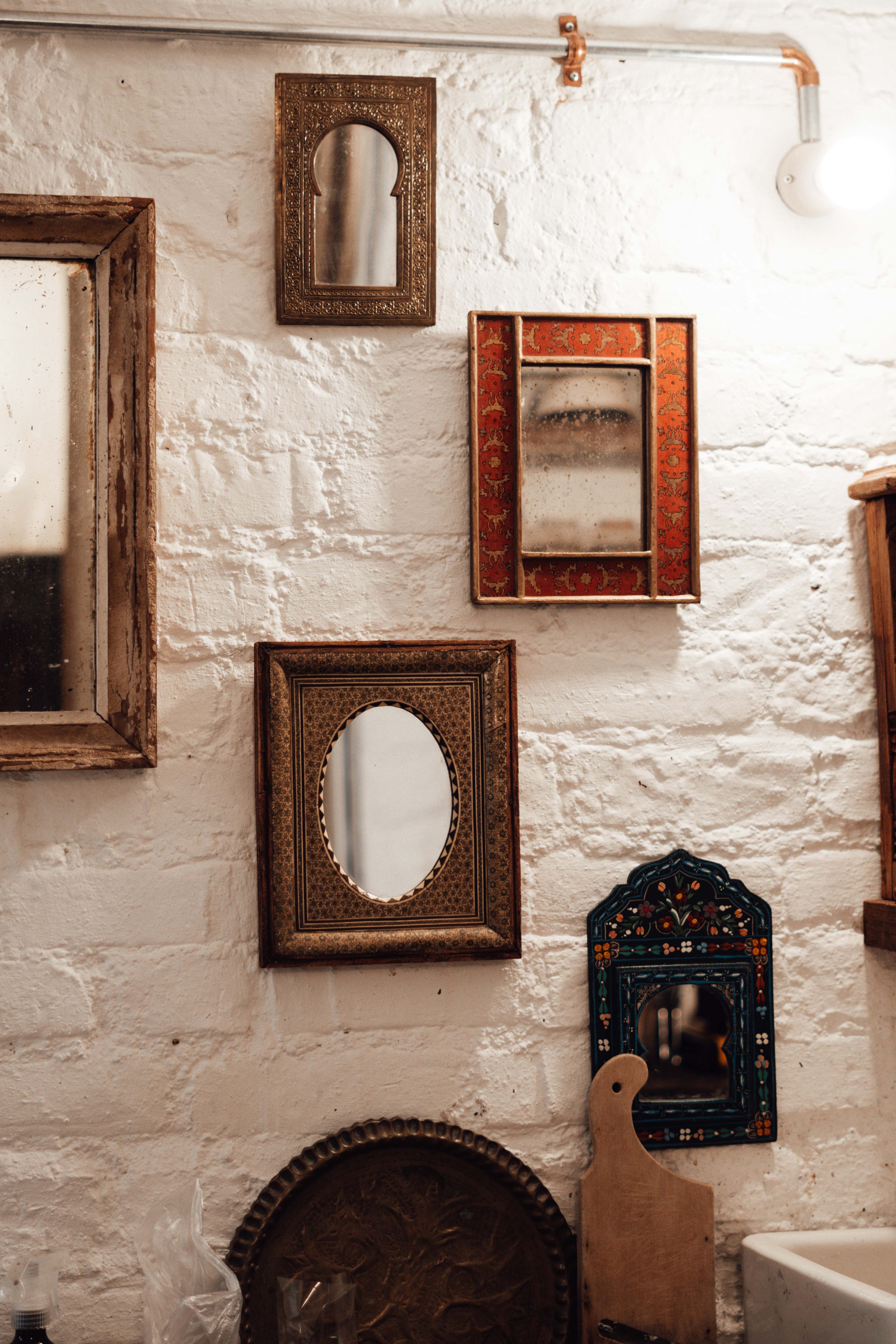
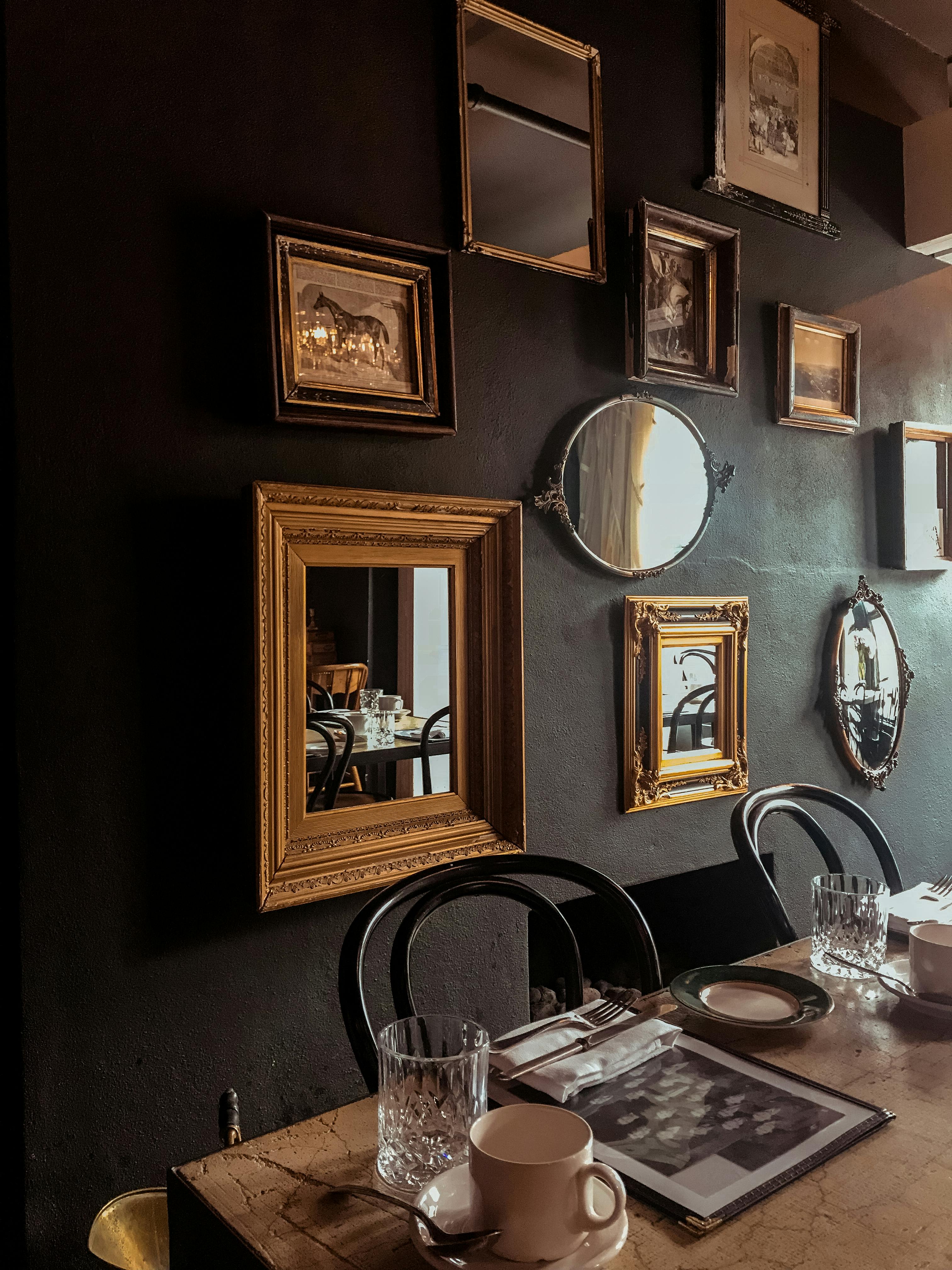
- Ornate/Vintage Frames: A chunky, gold, or intricately carved frame can add a touch of drama, history, and luxury. I often love pairing these with unexpected pieces, like a minimalist photograph or a whimsical illustration, creating a delightful tension between old and new. They work beautifully in eclectic or traditional settings.
- Float Frames: For canvas art, a float frame creates a small gap between the canvas and the frame, making the artwork appear to 'float' within it. This contemporary style adds depth and a professional finish without covering any part of the canvas, ideal for abstract or textured paintings.
- Matting: A mat (the border around the artwork inside the frame) can draw the eye inward, provide crucial breathing room for the piece, and protect it from touching the glass. Acid-free matting is essential for long-term preservation, preventing discoloration of the art. A wide, white mat can make a small piece feel more substantial.
- Frameless Options: For modern pieces printed on acrylic or metal, or stretched canvases, going frameless can create a sleek, contemporary look that allows the art to merge directly with the wall. Just be mindful of edge protection, especially in high-traffic areas.
Experiment with styles. Sometimes, the most interesting choice is the unexpected one, like putting a modern print in a vintage frame or vice-versa. It creates a dialogue that makes your space uniquely yours.
Size and Scale: The Golden Rules (and When to Break Them)
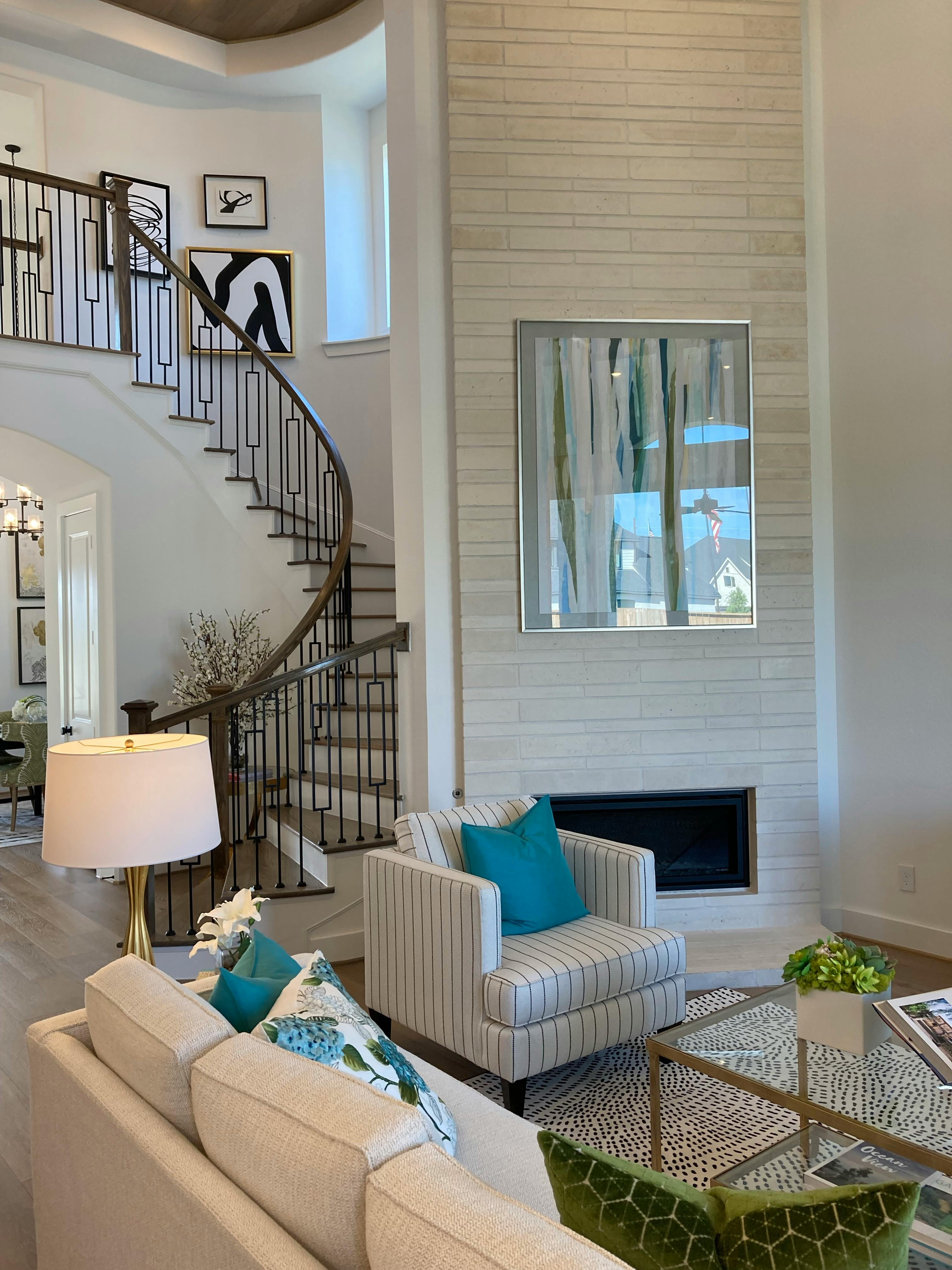
Ah, the golden rules! You've likely encountered them: art above a sofa should be roughly two-thirds its width, and pieces typically hang at eye level—which, for most people, is about 57 inches (145 cm) from the floor to the center of the artwork. This isn't just an arbitrary number; it's the average human eye line, designed to make viewing comfortable and natural, ensuring the art doesn't feel like it's floating up near the ceiling or hiding down by the baseboards. Think of it like this: if you have to crane your neck up or constantly look down, the art isn't serving its purpose. These guidelines are fantastic starting points because they inherently create balance and prevent that awkward 'art-is-floating-away' look, especially crucial in potentially smaller rental spaces. They help make your art feel like a true anchor for the room, grounding your furniture and creating a clear focal point.
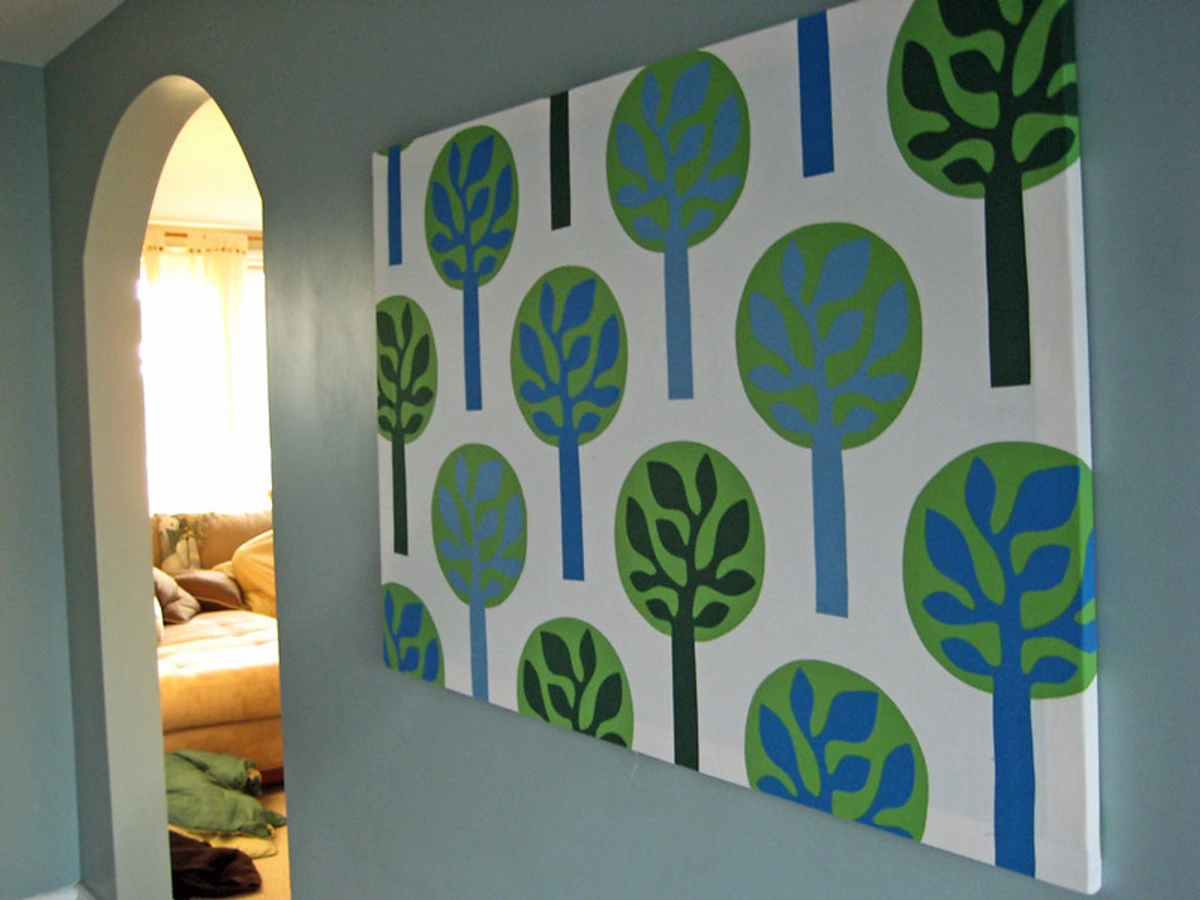
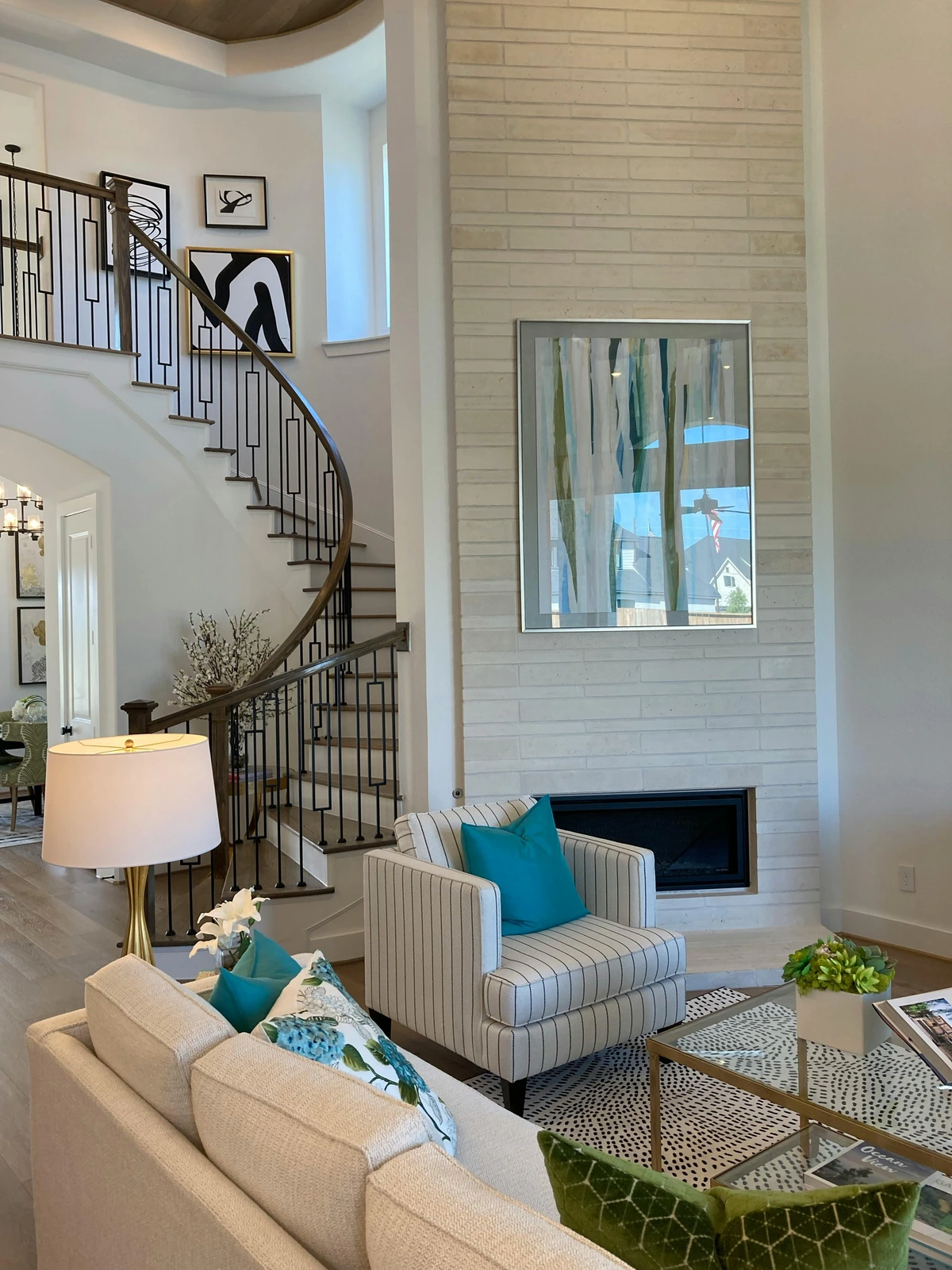
But let's be real, apartments are often full of delightful quirks: low ceilings that feel oppressive, strange nooks, or not a single wall wide enough to host a full-size painting. This is precisely when you need to feel empowered to break the rules. Going unexpectedly big in a small space, for instance, can be a daring power move. Instead of making a room feel cramped, one massive, impactful piece of abstract art for small spaces can actually make it feel grander and more intentional than a scattering of tiny, easily-overlooked frames. It's an optical illusion that draws the eye, making the room feel more expansive by giving it a singular, dominant focal point. Similarly, a tall, narrow piece can draw the eye upwards, making low ceilings feel higher and creating valuable vertical interest. Moreover, consider the concept of negative space: the empty area around and between objects. Strategically incorporating negative space by having a single, significant piece on a smaller wall, rather than cluttering it, can make the wall (and thus the room) appear larger and more sophisticated by giving the eye room to breathe. If you want to explore more on this topic, check out using art to make a small room feel bigger.
Here’s a quick cheat sheet for the traditional approach, now with a bit more "why":
Location | Guideline | Why It Works for Your Rental |
|---|---|---|
| Above a Sofa | Art should be 2/3 the width of the sofa. | Creates a visual anchor that grounds the seating area, preventing the art from looking lost or disproportionate in your space. This ratio ensures balance and a deliberate feel in often-compact living rooms. |
| Above a Bed | Similar to a sofa, aim for 2/3 the width of the headboard. | Defines the sleeping area as a clear focal point, adding serenity and intention to your most personal space, even in a small bedroom. This makes the bed feel intentionally dressed and complete. |
| On a Blank Wall | Hang at eye level (approx. 57" / 145 cm from floor to center). | Ensures the art is viewed comfortably by most people, engaging them directly without craning necks, making the space feel balanced and inviting. This is the sweet spot for natural viewing. |
| In a Hallway | Can be a single piece or a gallery wall. | Transforms a transitional space into a destination, inviting pause and reflection rather than just passing through, maximizing every inch. It adds personality to an often-overlooked area. |
My advice? Don't get too bogged down by the tape measure initially. Grab some painter's tape and outline the shapes directly on your wall before committing. This allows you to visually test sizes and arrangements without a single mark. Live with it for a day or two. See how it feels from different angles, at different times of day. Does it balance the room? Does it complement your furniture, like that charming little antique side table you found? Most importantly, does it make you happy every time you see it? That, truly, is the ultimate test.
For a deep dive into the most common placement, I’ve put together a comprehensive guide on art above the sofa.
Art Styles and Your Aesthetic: Finding Your Vibe
Sometimes, the sheer variety of art styles can be overwhelming. But understanding a few basic vibes can help you narrow down what truly resonates with your apartment's aesthetic and, more importantly, the mood you want to cultivate. As an artist, I often think about how a piece 'sings' in a room, and a lot of that comes down to its inherent style and how it interacts with the viewer's emotions. Here are some popular styles and how they might fit your apartment:
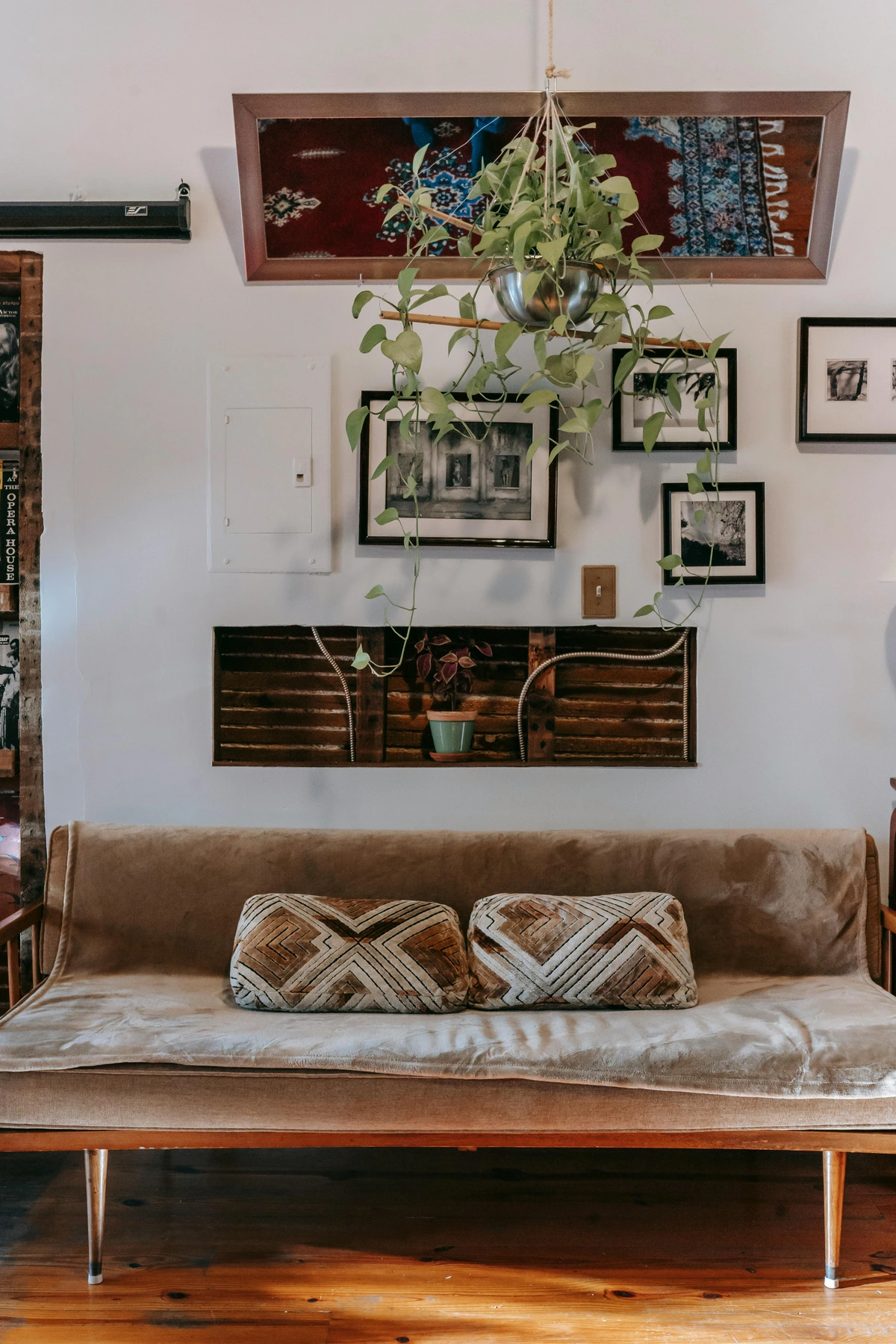
- Abstract Art: My personal playground! Abstract pieces, which surged in popularity in the early 20th century with movements like Abstract Expressionism, are fantastic for apartments because they don't depict a specific object, meaning they transcend literal interpretations. They're about color, shape, and form, and thus incredibly versatile. A bold, geometric abstract can inject energy and modernity (perfect for a home office or creative zone), while softer, more gestural abstracts (often featuring blues, greens, or earth tones) can create a serene, contemplative atmosphere (ideal for bedrooms or reading nooks). They're excellent for sparking conversation and adding a sophisticated touch, often complementing minimalist or contemporary furniture. As an artist, I find the freedom in abstract art allows for pure emotional expression, which translates powerfully into a living space, often making a small room feel grander through sheer visual impact. For more on this, explore decorating with abstract art in small spaces.
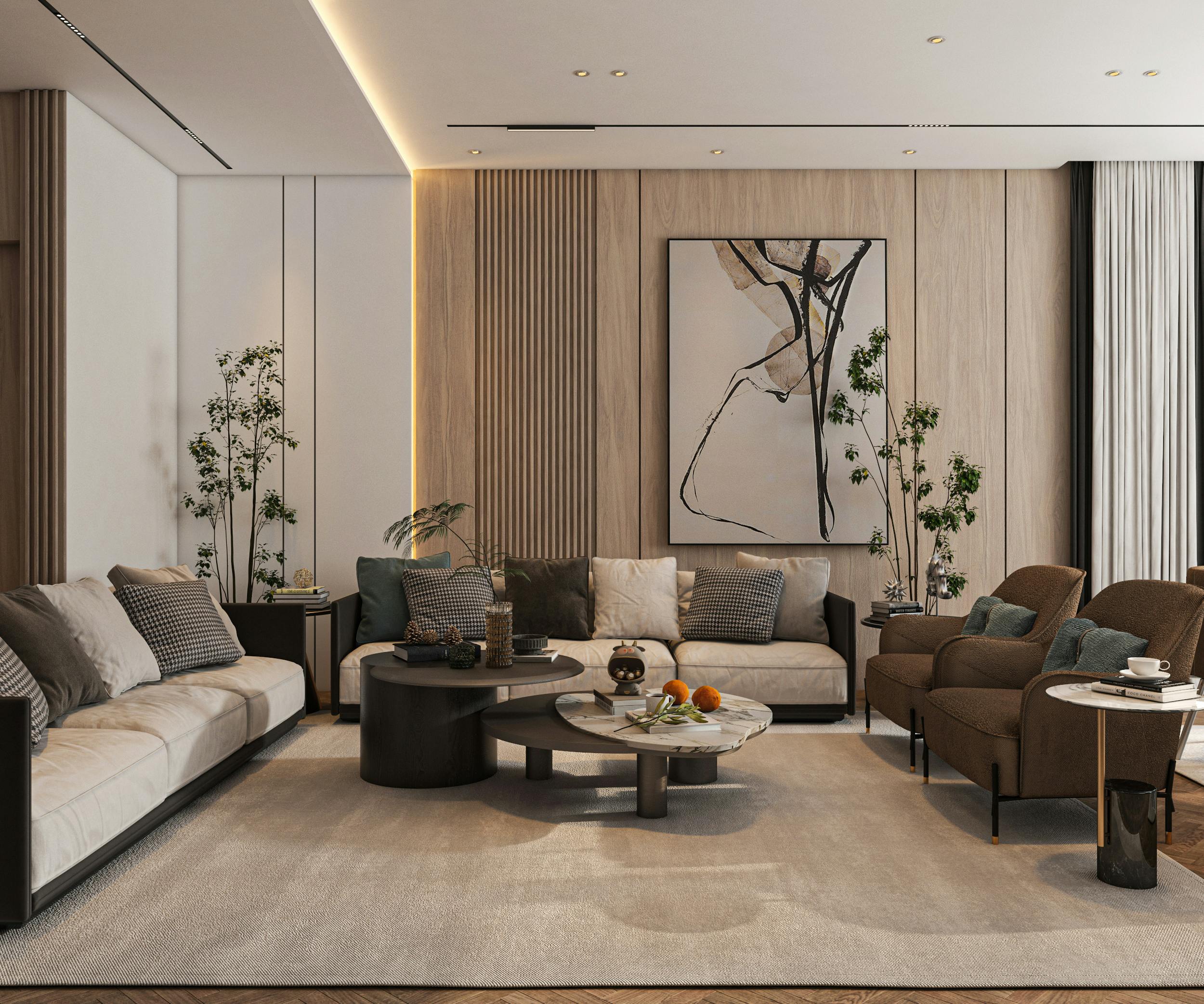
- Minimalist Art: Think clean lines, limited color palettes (often monochromatic or neutral), and a focus on simplicity. Emerging from movements that prioritized purity of form, this style is perfect for small apartments, as it can make a space feel more open and uncluttered, promoting a sense of calm and order. It's about impact through understatement – letting space and simplicity speak volumes. It pairs wonderfully with Japandi or Scandinavian design trends, enhancing the clean aesthetic of modern furniture.
- Landscape or Nature Art: These are natural mood-enhancers. A sweeping landscape can visually expand a small room, offering a window to another world. Botanical prints or serene nature scenes can bring a sense of calm and the outdoors in, perfect for creating a tranquil retreat. Think of them as a peaceful escape on your wall, ideal for coastal or modern farmhouse interiors, complementing natural wood or light-colored furniture. They excel at creating a sense of calm or adventure depending on the scene.
- Figurative or Portrait Art: From classical Renaissance portraits to contemporary abstract figures, these pieces bring a human element and a strong narrative. They can evoke empathy, curiosity, or a sense of connection. Be mindful of the subject matter and emotional tone, especially in bedrooms or spaces where you want ultimate relaxation. A powerful portrait can truly draw the eye and become a room's defining element, pairing well with both traditional and eclectic furniture styles. They anchor a room with human presence.
- Surreal or Whimsical Art: If you love unexpected twists and a touch of the fantastical, surreal art—popularized by artists like Salvador Dalí in the 1920s—can inject a playful, thought-provoking energy into your space. These pieces are often conversation starters and reflect a bold, imaginative personality, inviting viewers to ponder deeper meanings. They add a unique, eclectic touch, often contrasting beautifully with more conventional furniture.
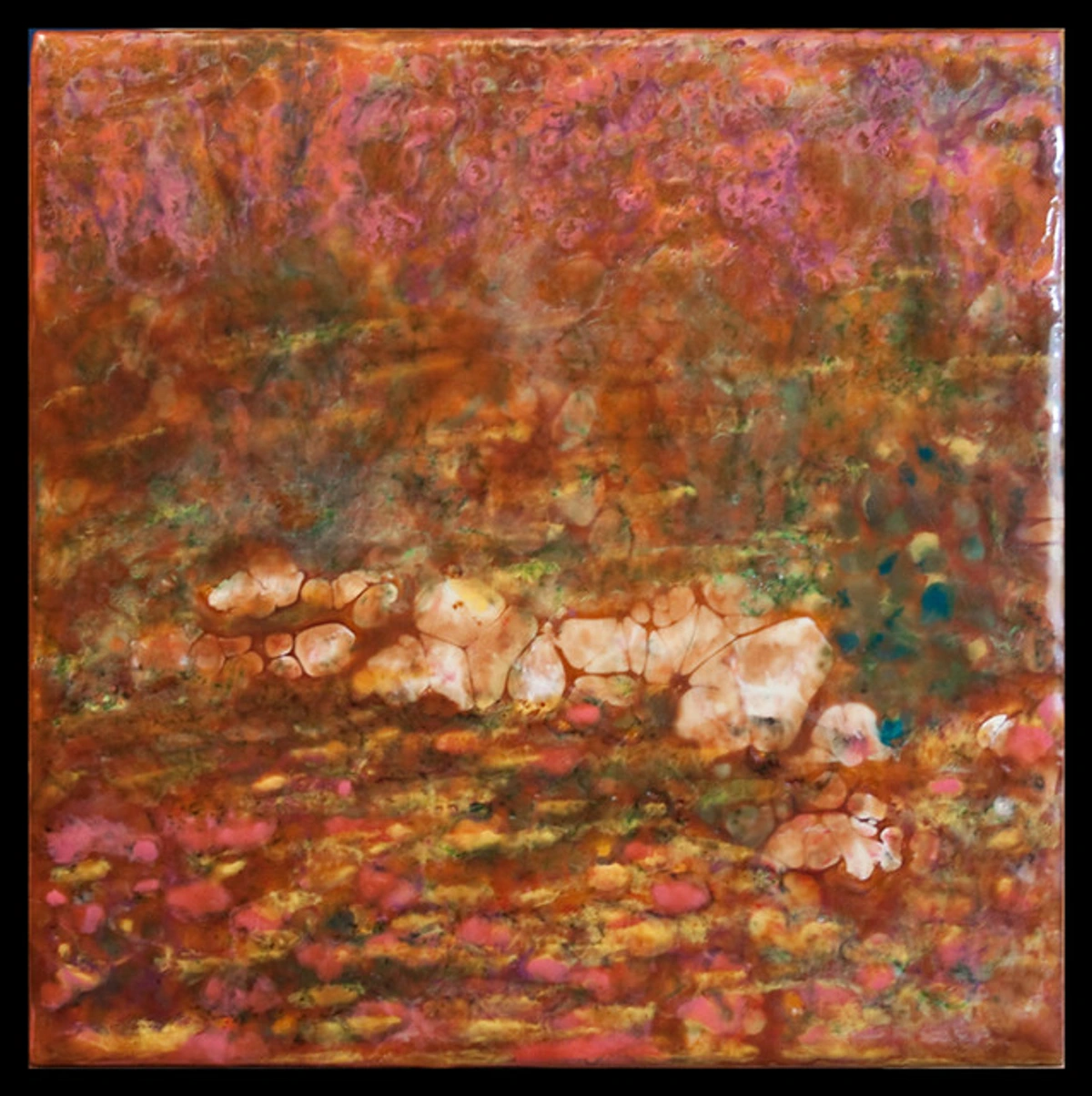
- Textural Art: Don't overlook the power of texture! Art with visible brushstrokes, impasto techniques, mixed media, or even textile art can add incredible depth and sensory appeal to a room. In smaller apartment spaces, tactile experiences become even more noticeable, making textured pieces particularly impactful and engaging, especially in bohemian or eclectic settings, adding richness to simple furniture. Think about how a chunky knit wall hanging or a canvas with thick paint could add warmth to an otherwise flat wall.
Don't feel limited to one style! The most interesting apartments often feature an eclectic mix that tells a richer story. It’s about the dialogue between pieces, not a strict adherence to a single aesthetic. I often mix my own abstract pieces with vintage finds, creating a conversation between the old and the new. For instance, I once paired a very sleek, modern abstract print with a chunky, ornate antique frame found at a flea market – a delightful tension that worked wonders! It's all about intentional curation, even if it feels a bit wild at first.
The Damage-Free Hanging Revolution: Your Landlord-Friendly Toolkit
Ah, the renter's dilemma! The fear of the drill, the spackle, the looming security deposit deduction... it's a very real anxiety. I can still vividly recall one time, trying to patch a hole I thought was tiny, only to accidentally take a chunk of drywall with it. My heart sank. But breathe easy, because we are absolutely living in a golden age of temporary, damage-free solutions that actually, genuinely work. My own journey through countless apartments has turned me into something of an adhesive strip evangelist, and I'm here to convert you. Or at least, convince you it's worth trying! So ditch the drill and embrace the renter-friendly revolution! For an even deeper dive, explore how to hang art without nails.
Understanding Your Rental Agreement: The Fine Print of Freedom
A quick, crucial aside: always give your lease agreement a casual read, just to know what you're working with. Better safe than sorry, even with temporary solutions! Many leases differentiate between minor wear-and-tear (like a few small nail holes, which can often be patched easily before moving out) and significant damage (think large holes, excessive glue residue, or major paint alterations). Some agreements might prohibit certain fasteners (e.g., no screws, only small nails) or have specific stipulations for patching walls. Knowing your landlord's policy can free you from unnecessary anxiety and potential deductions from your security deposit. Before you even unpack your first piece, consider taking photos or videos of your walls to document their condition upon move-in. This simple step can save a lot of headaches later on and provide peace of mind by giving you a baseline for any potential deposit disputes. For more insights into temporary personalization, explore art for rental properties: temporary solutions for personalizing your space.
Your Go-To Methods for Renter-Friendly Art Display
Here are my go-to methods for renter-friendly art display:
- High-Quality Adhesive Strips & Hooks: These are truly your best friends. Forget the flimsy versions of yesteryear; today's strips and hooks (like Command strips or similar brands) have become incredibly strong, capable of holding surprisingly weighty frames. The non-negotiable key to success? Always clean the wall surface with rubbing alcohol (isopropyl alcohol is ideal) first (let it dry thoroughly!), and then press firmly for the recommended time. And please, please, always double-check the weight limit! It’s better to use more strips than you think you need. Crucially, remember that weight limits are often per strip/hook, not for the entire pack. To remove them safely, always follow the package instructions (usually pulling straight down, slowly). Also, be aware of the difference between "removable" (designed to come off cleanly) and "repositionable" (can be moved, but may not be damage-free on removal). Crucial warning: Be extra cautious with highly textured wallpaper, fresh paint (less than 30 days old), or walls with poorly prepped paint, as adhesive products can lift paint or wallpaper. Matte paint finishes are often more susceptible due to their porosity, while high-gloss paints tend to be more resistant. Always test in an inconspicuous area first! Exceeding the weight limit or improper removal can lead to unsightly damage, so follow the rules!
- Leaning Art: This is my personal go-to for achieving that effortlessly cool, relaxed vibe. Forget perfect symmetry. Lean larger pieces against the wall on a console table, a dresser, a sturdy sideboard, or even directly on the floor. It's wonderfully non-committal, incredibly stylish, and allows for spontaneous rearrangements. You can even layer pieces, leaning one slightly behind another, for added depth. Just ensure they are stable and won't easily be knocked over, especially in high-traffic zones or with curious pets/children. For extra security, consider using non-slip pads underneath or a small amount of museum putty behind the top corners.
- Picture Ledges & Floating Shelves: If your landlord allows a few small screw holes (and many will for minimal, easily repairable installations), picture ledges are a revelation. Install one or two narrow shelves, and suddenly you have a flexible display system you can change on a whim. Stack frames, lean smaller pieces, and don't forget to mix in decorative objects like plants or candles for added dimension and texture. This creates a curated, dynamic look with minimal wall commitment. For tricky spots like narrow alcoves, a floating shelf can turn an overlooked space into a charming display area.
- Bookshelves & Cabinets: Your bookshelves are not just for books! They are prime real estate for art. A small, framed piece (or even a beautifully printed art book propped open) tucked among your literary treasures adds unexpected depth, personality, and a touch of curated charm. For more inspiration, check out how to choose art for a bookshelf. Don't forget the tops of kitchen cabinets, dressers, or even windowsills either! Every flat surface is a potential mini-gallery.
- Tension Rods & Curtain Wires: For incredibly lightweight items (think unframed prints, fabric art, or even string lights intertwined with photos), a spring-loaded tension rod can span a window or a narrow doorway without any damage. Delicate curtain wires can also be installed using small, barely-there hooks if your landlord permits, or even attached with strong adhesive hooks on either end to create a flexible hanging system for very light pieces.
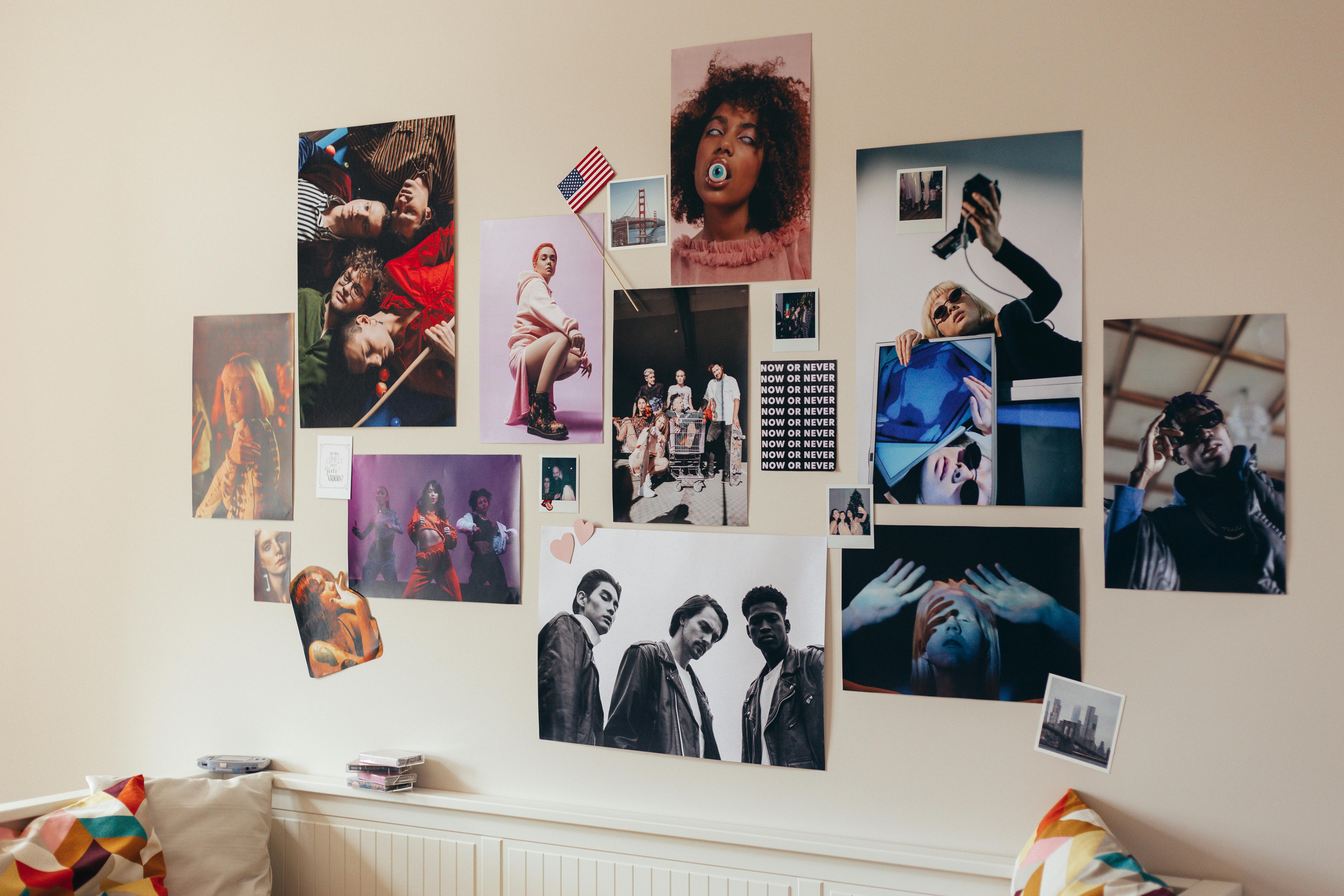
- Washi Tape: For super lightweight prints, posters, or postcards, colorful washi tape offers a playful, completely damage-free way to adhere them to walls. It’s low-tack, decorative, and peels off without a trace, making it perfect for temporary displays or kids' rooms.
Temporary Wall Treatments: Removable Wallpaper & Decals
If you're craving a bolder statement than just hanging art, consider removable wallpaper or wall decals. These have come a long way from their flimsy predecessors! Modern removable wallpapers offer a vast array of patterns, textures, and colors, allowing you to completely transform an accent wall without the commitment or damage of traditional wallpaper. Wall decals, from intricate mandalas to minimalist geometric shapes, can add focused visual interest. The key is to choose high-quality products from reputable brands, and always test a small, inconspicuous area first to ensure it peels off cleanly from your specific paint or wall finish. This is an excellent solution for adding a foundational layer of visual interest, over which you can then layer your art collection.
Method | Pros | Cons | Best Use | Key Removal/Caution |
|---|---|---|---|---|
| Adhesive Strips | Truly damage-free, strong holding power, easy to apply & remove. | Weight limits (per strip!), can damage poorly prepped/matte paint/wallpaper, potential residue if not removed correctly. | Lightweight to medium frames, gallery walls, temporary displays. | Follow instructions exactly. Pull tab slowly, straight down. Use rubbing alcohol for residue. Test in inconspicuous area first. |
| Leaning Art | No wall damage, highly flexible, adds casual elegance. | Can take up surface space, potentially unstable for very tall/narrow pieces without anchors. | Larger pieces, layering, on consoles, dressers, or floors. | Ensure stability, especially with children/pets. Use non-slip pads underneath or museum putty. |
| Picture Ledges | Flexible display, allows mixing art & objects, minimal screw holes. | Requires landlord approval for screws, can look cluttered if overfilled. | Changing displays frequently, small to medium pieces, adding plants/decor. | Spackle and paint small holes upon move-out. |
| Bookshelf Display | Utilizes existing furniture, adds character & depth, zero wall damage. | Limited by shelf size/depth, may obscure books, not a primary wall art solution. | Small framed art, sculptures, art books, mixing with other decor. | Dust regularly; ensure stability for taller items. |
| Tension Rods/Wires | Completely damage-free (rods), minimal if hooks are used (wires). | Limited by weight, aesthetic might not fit all styles. | Lightweight prints, fabric art, string lights, photos. | Ensure tension is firm for rods; remove carefully. |
| Washi Tape | Absolutely damage-free, decorative, easy to change. | Only for very lightweight items, not suitable for valuable art. | Postcards, small prints, kids' art, temporary decor. | Peels off easily; test on sensitive surfaces first. |
| Removable Wallpaper/Decals | Transforms entire wall, customizable patterns, peel-and-stick. | Can be tricky to apply, potential for lifting poorly adhered paint/wallpaper upon removal, quality varies. | Accent walls, creating a backdrop for other art, temporary themes. | Test in inconspicuous spot. Remove slowly, especially if paint feels fragile. |
Beyond the Living Room: Art for Every Corner of Your Apartment
In an apartment, every square inch isn't just space; it's an opportunity. Why relegate the magic of art solely to the living room? My philosophy is that unexpected placements are often the most delightful, transforming mundane spaces into little pockets of joy and personality. This is especially true for apartment dwellers looking for rental decor ideas and wanting to make their space feel larger and more intentional.
The Hallway: Your Personal Gallery Journey
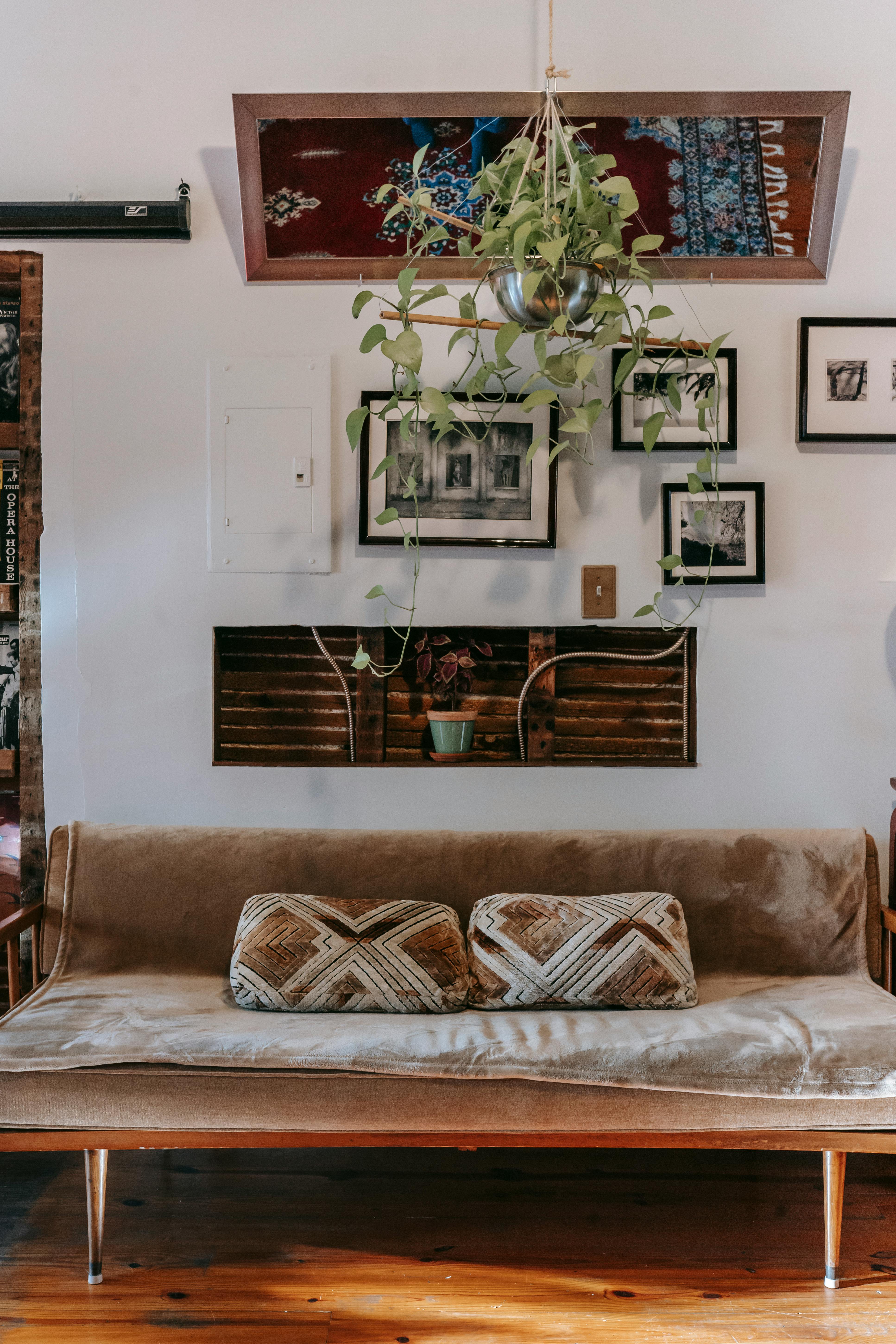
An apartment hallway, often overlooked, is a goldmine for a gallery wall. Because it's a narrow, transitional space, you can actually get away with a denser, more eclectic collection without it feeling cluttered. Think of it as your personal story unfolding as you walk through – a visual autobiography of your life. I've seen hallways transformed from sterile passageways into vibrant, captivating journeys with carefully curated pieces. Consider a series of framed vintage maps, a collection of typographic prints, or even a cohesive series of small landscape photographs that transport you somewhere else. If you're looking for dedicated inspiration, we have a whole guide on art for entryway.
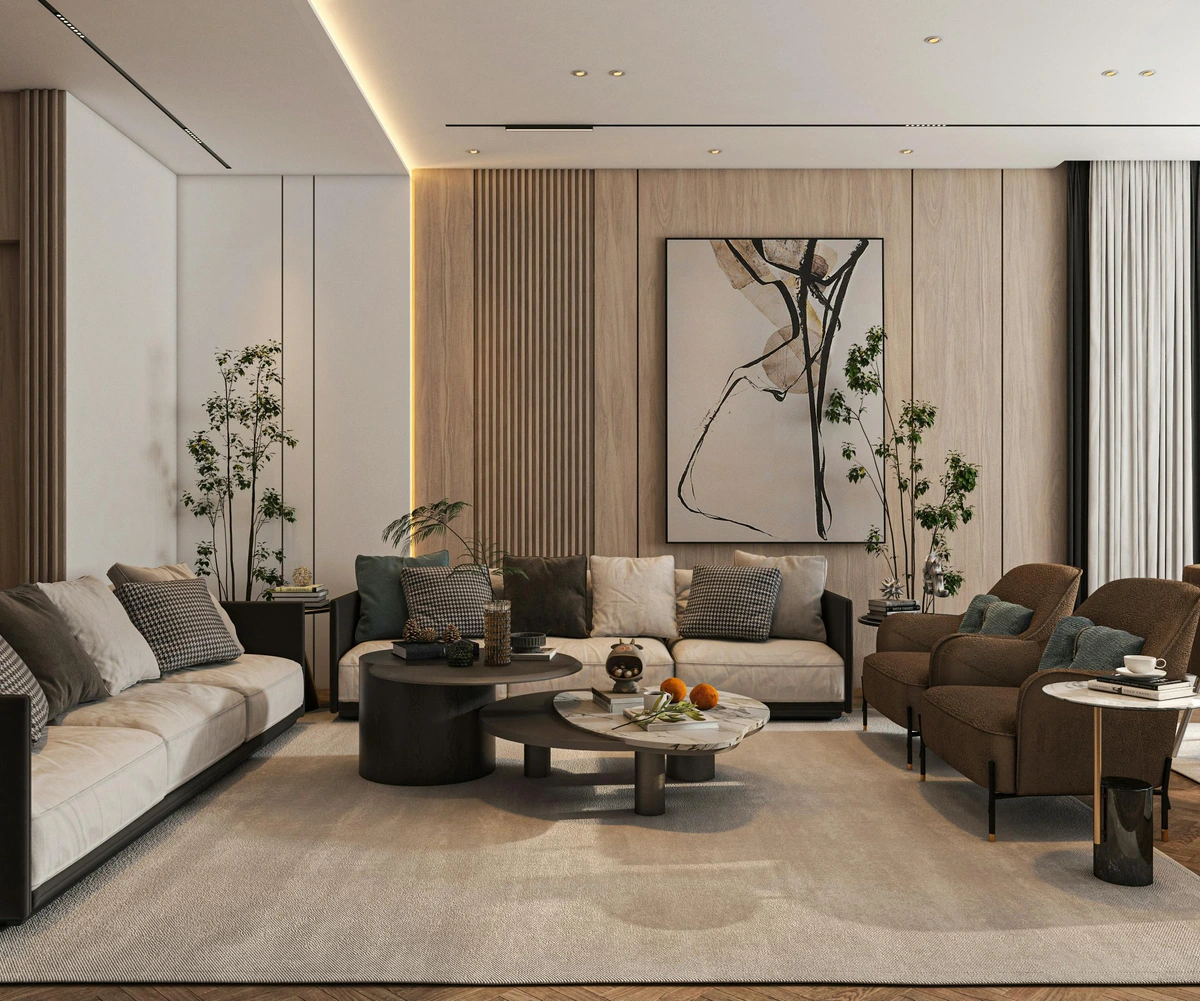
The Kitchen & Dining Areas: Stirring Up Inspiration
A small print on an open shelf, a colorful piece leaning against the backsplash, or even a vibrant abstract on a sliver of wall (like that awkward space above the fridge or between cabinets) can make your kitchen feel infinitely more inviting and inspiring. Beyond obvious food-related themes, consider quirky illustrations, pieces that pick up on your kitchen's accent colors, or perhaps historical prints of culinary tools for a touch of unexpected charm. It's about adding that little spark that makes you smile while you wait for your coffee to brew or a pot to boil. For more specific ideas, check out how to choose art for a kitchen or how to choose art for a dining room.
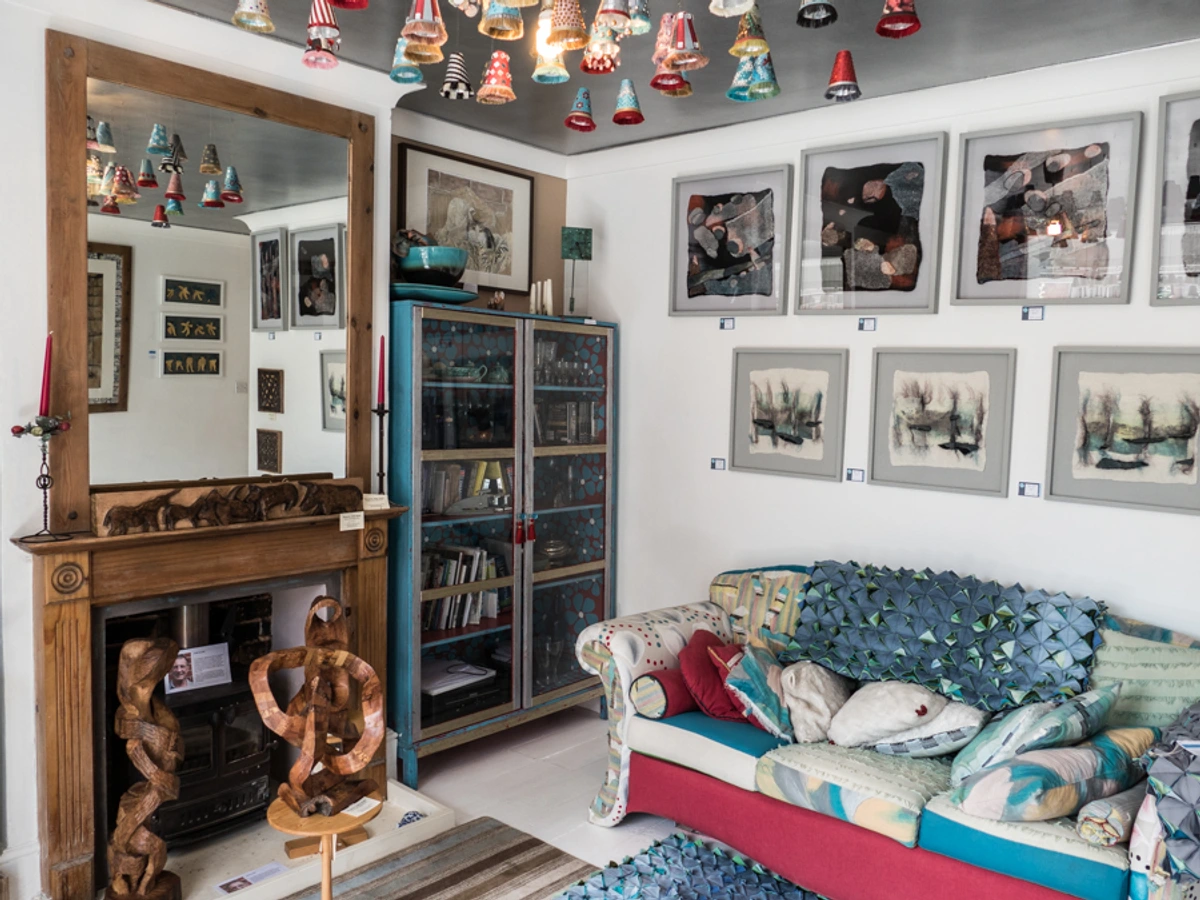
The Bathroom: Your Private Sanctuary
Yes, you can—and absolutely should—put art in the bathroom! It's an instant upgrade, elevating the space from purely functional to a mini sanctuary. Imagine stepping out of a shower into a space that feels intentionally designed. Just a crucial caveat from experience: ensure it's not an irreplaceable original (steam and humidity are not art's friends!) and that the frame offers decent protection. Think botanical prints, calming abstract pieces in cool, watery tones, or even a framed, witty quote about relaxation. These can transform a small powder room or a full bath. For a deep dive into keeping your bathroom beautiful, read up on how to choose art for a bathroom or more specifically, art for small bathrooms.
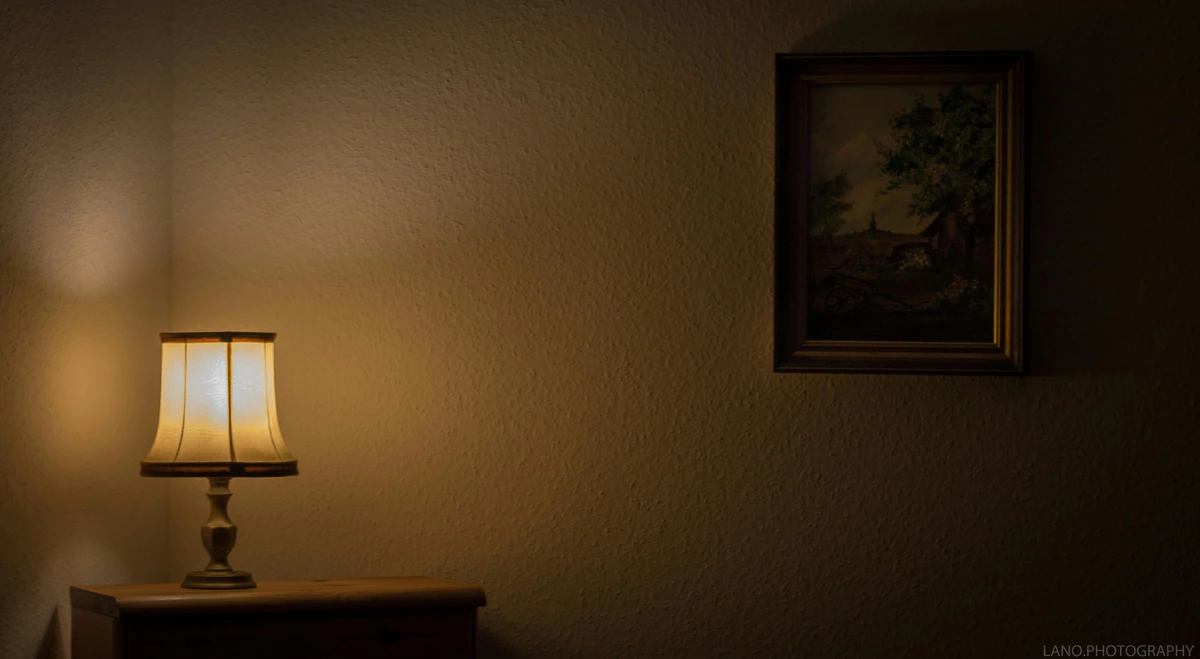
Art for Bedrooms: Your Personal Retreat
Your bedroom is your ultimate personal retreat. Here, art should contribute to a sense of calm, intimacy, or whatever mood helps you unwind. I often recommend softer palettes, abstract pieces that encourage contemplation, or tranquil landscapes. Avoid anything too jarring or intense. Think of it as creating a visual lullaby or a gentle awakening, depending on the art. For more tailored advice, explore how to choose art for a bedroom.
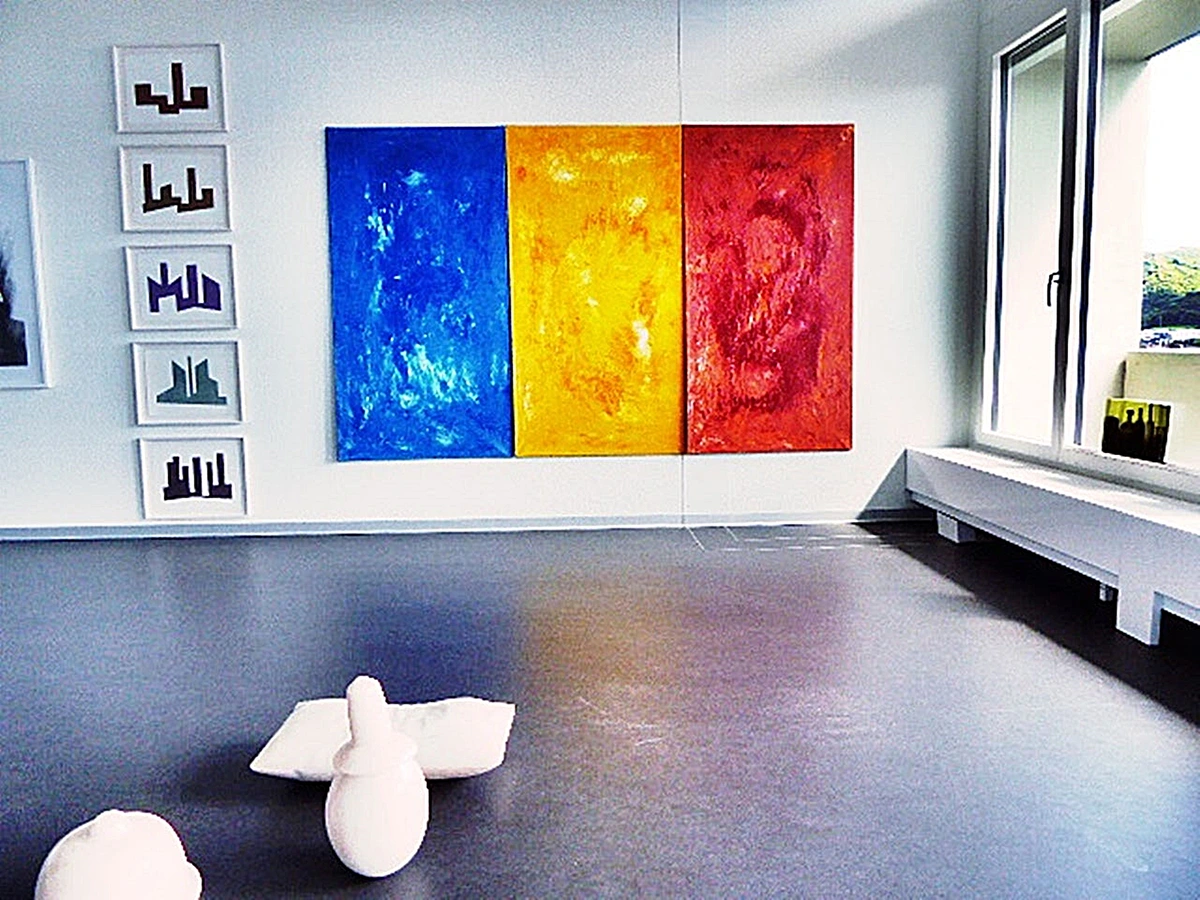
Home Offices & Work Zones: Boosting Productivity and Focus
With more people working from home, your office space deserves just as much attention as your living room. Art here can significantly impact your productivity and focus. Consider energetic abstract pieces or motivational typography for a burst of inspiration. Calming landscapes or minimalist geometric prints can promote concentration and reduce visual clutter, creating a serene yet stimulating work environment. Position a piece strategically where it can catch your eye during a mental break, offering a moment of aesthetic pleasure and a gentle reset.
Defining Zones in Open-Plan Apartments: Art as an Architectural Tool
Many modern apartments feature open-plan living. Art is an incredible tool for defining distinct zones without needing walls. A large, impactful piece of abstract art above your dining area can visually separate it from the living space, while a calming landscape can anchor a reading nook. It's about creating intentional spaces within a larger room, giving each area its own subtle identity and guiding the eye through the apartment, making it feel more expansive and well-thought-out. Consider a series of smaller pieces or a gallery wall to delineate a home office area from a lounge space.
Small Balconies & Outdoor Nooks: Extending Your Canvas
If you're lucky enough to have a small balcony or outdoor space, don't forget to extend your art journey outside! Think weather-resistant materials – metal sculptures, ceramic pieces, or prints framed behind UV-protective, moisture-resistant acrylic. Even a quirky mosaic tile on a small table can transform these often-overlooked areas into delightful extensions of your living space. Why keep all the beauty indoors? A small, vibrant outdoor abstract piece or a botanical print can turn a forgotten corner into a peaceful oasis.
Unexpected Spots: Home Gyms & Pet Corners
Even the most functional or niche areas of your apartment can benefit from art. For a small home gym, consider energetic, abstract pieces that inspire movement or motivational typography. In a pet's dedicated feeding or sleeping corner, a charming animal portrait or whimsical illustration can add a touch of personality and show your furry friend some love. Every corner counts when you're making a rental truly your own.
Lighting Your Art: Making it Shine (or Gloom)
Lighting is an often-underestimated element in art display, especially in apartments where natural light can be limited or tricky. How you light a piece can dramatically alter its mood, colors, and overall impact. As an artist, I know how much the right light can bring a painting to life – or completely flatten it. I remember seeing a vibrant abstract piece once, its colors muted by poor lighting, only to have it explode with hidden depth and texture when a soft, directional light hit it just right. It was like seeing it for the first time.
Mastering the Glow: Natural vs. Artificial Illumination
- Natural Light's Embrace: The best light, when available, is diffused natural light. Position art where it receives indirect sunlight, which reveals true colors and textures by avoiding the harsh glare or color distortion that direct light can cause. This is the ideal scenario for most artwork. Crucial warning: Never expose irreplaceable pieces to direct, harsh sunlight, as UV rays will cause irreversible fading and damage over time. Rotate pieces or use UV-protective glass (which filters out harmful rays) if direct light is unavoidable. Even subtle, long-term exposure can degrade colors.
- Artificial Illumination: Your Control Panel For darker areas or evening viewing, artificial light is key. But it's not just about turning on a lamp; it's about strategic enhancement.
- Track Lighting: Offers fantastic flexibility, allowing you to angle lights precisely onto your artwork. LED bulbs are excellent as they produce minimal heat (important for art preservation) and come in various color temperatures and beam spreads. They're also energy-efficient.
- Picture Lights: Small, dedicated lights mounted directly above a frame, designed to highlight the artwork. Choose a style that complements your frame and decor. These are especially effective for single, prominent pieces.
- Accent Lighting: Beyond dedicated picture or track lights, floor lamps or table lamps with adjustable heads can be strategically positioned to wash a wall with light, drawing attention to art or creating a soft, ambient glow around it. Smart bulbs and dimmer switches are game-changers here, allowing you to adjust brightness and color temperature with ease, adapting to the time of day or your mood. You can switch from a cool, vibrant daytime feel to a warm, cozy evening glow instantly.
- Color Temperature & Direction: Always consider the color temperature of your bulbs, measured in Kelvins (K). Warmer light (around 2700K-3000K) creates a cozy, inviting atmosphere, often enhancing the richness of traditional portraits or landscapes. Cooler light (around 3500K-4000K) can make colors appear crisper and more vibrant, mimicking daylight, which is great for modern abstracts or high-contrast pieces. Match the bulb temperature to the mood of the art and the room. Also, consider the direction of the light: side lighting can enhance the texture and three-dimensionality of a canvas or a heavily impastoed painting, while direct top-down lighting can create unwanted shadows or glare on highly reflective framed pieces. Experiment to find what makes your art sing.
For a deep dive into dealing with challenging lighting, check out how to choose art for a room with low light.
Building Your Art Collection: A Journey, Not a Destination
The idea of an "art collection" might sound intimidating, conjuring images of grand estates and auction houses. But for me, and for most people, building an art collection is a deeply personal, evolving journey – a slow accumulation of pieces that mark moments in your life, reflect your evolving taste, and quite simply, bring you joy. Think of it as an investment in happiness and personal fulfillment, about collecting pieces that make you feel good, truly, not necessarily in massive financial returns (though that's a nice bonus!). It's about curating your visual autobiography, piece by piece, within your apartment walls.
Curating Your Visual Autobiography: More Than Just Decor
- Start Small, Stay Personal: Don't feel pressure to buy big or expensive. Your first pieces might be prints, original sketches, small ceramic pieces, student art, or even beautifully framed photographs you took. The key is that each piece holds meaning for you. Maybe it's a print from an artist whose work truly moved you, or a thrift store find that perfectly captures a certain nostalgia. It's about connection, not cost. I still have a tiny abstract watercolor I bought from a street artist years ago; it hangs by my desk and reminds me to embrace fluidity, instantly boosting my mood on tough days. Consider starting with artist's proofs or limited edition prints; these are high-quality reproductions, often signed and numbered by the artist, offering a sense of exclusivity without the original artwork's price tag. They're a fantastic entry point for a burgeoning collector, offering both beauty and a touch of collectibility.
- Identify Your Evolving Taste: Your taste will change, and that's wonderful! Embrace it. A piece you loved five years ago might still hold sentimental value but no longer fit your current aesthetic. That's okay. Consider rotating pieces, storing some for later, or gifting them. Your collection should be a living, breathing entity that grows with you, reflecting the person you are becoming. It's a dialogue with your past and present self.
- Mix High and Low: Some of my favorite collections blend original paintings with affordable prints, antique finds with modern designs. The value isn't in the price tag; it's in the harmony, the story, and the visual interest they create together. Don't be afraid to put a museum-quality print next to a quirky vintage illustration. This eclectic approach is particularly suitable for apartments, as it tells a more interesting story than a perfectly matched, sterile set.
- Consider the Story: Where did you find it? What does it remind you of? The story behind a piece can be just as powerful as the visual itself. It adds layers of meaning to your home, making it uniquely yours. These narratives contribute to the rich tapestry of your visual autobiography, making your apartment feel deeply personal.
- Explore and Engage: Continuously seek out new art. Visit local art fairs, pop-up exhibitions, and independent galleries. Chat with artists. The more you engage with art, the more you'll refine your eye and discover new passions. We have a great guide on collecting art for small apartments: maximizing impact in limited spaces that might offer even more practical tips. Remember, art can also be a powerful conversation starter, sparking discussions about culture, history, or even social issues among your guests, adding another layer of depth to your living space. While digital art and NFTs are emerging avenues, their long-term value, environmental impact, and physical display remain subjects of debate, so approach them with careful consideration.
Finding Emerging Artists: Supporting New Talent
Supporting emerging artists is a fantastic way to build a unique collection and contribute to the art community. You often find original, thought-provoking pieces at more accessible price points. Look for:
- Student Exhibitions: Art school showcases are treasure troves of fresh, uninhibited talent. You might discover the next big name before they hit the mainstream.
- Local Art Fairs & Markets: These events allow you to meet artists directly, hear their stories, and purchase pieces without gallery markups. It's a personal connection that adds immense value to your collection.
- Online Platforms & Social Media: Many independent artists use platforms like Instagram, Etsy, or dedicated art-selling sites to showcase and sell their work. This offers an unparalleled selection from artists worldwide.
- Open Studios: Some artists open their studios to the public, offering a behind-the-scenes look at their process and the opportunity to buy directly.
Budgeting for Art: Smart Strategies for Apartment Living
Starting an art collection in an apartment doesn't require a trust fund. It's about smart choices and prioritizing what resonates. Here's how to approach it:
- Define Your Priorities: Do you want one large, impactful statement piece, or many smaller pieces to create a gallery wall? A single original might be an investment, while several quality prints can fill more space. Knowing your goal helps allocate your budget.
- Explore All Avenues: As discussed, look at student shows, online marketplaces (like my own collection), art fairs, and thrift stores. These are fantastic places to find unique, affordable art.
- Frame Smart: Framing can sometimes cost more than the art itself. For budget-friendly options, buy standard-sized prints that fit off-the-shelf frames, or consider DIY framing. Floating frames for canvas prints can be a cost-effective way to get a custom look.
- Art Rental Services: Did you know you can rent art? Some galleries and online platforms offer art rental, allowing you to live with a piece for a period, often with an option to buy it later, with rental fees contributing to the purchase price. This is a brilliant, commitment-free way for renters to experience different artworks and see how they feel in their space before investing. Rental agreements typically include insurance and options for professional installation, making it truly renter-friendly.
- Saving Strategies: Consider setting aside a small, consistent monthly amount specifically for art, almost like a dedicated "art fund." Many galleries and online platforms also offer payment plans or layaway options for more significant investments, making art more accessible over time.
Ultimately, building an art collection in your apartment is a journey of self-discovery and aesthetic enrichment. It's about surrounding yourself with beauty and meaning, piece by carefully chosen piece, ensuring that your temporary dwelling feels deeply and unequivocally yours.
Art as Therapy: Nurturing Your Well-being
Beyond aesthetics, art plays a crucial role in our mental well-being. Personalizing your apartment with art isn't just about making it look good; it's about creating an environment that supports your emotional and psychological health. Art can:
- Reduce Stress: Calming landscapes or serene abstract pieces in cool blues and greens can act as visual anchors, promoting relaxation and mindfulness after a long day. Placing such a piece in a bedroom or reading nook can create a peaceful retreat.
- Boost Creativity: Energetic, vibrant, or thought-provoking art, especially abstract or surreal pieces, can stimulate your mind and foster a more creative mindset. I've found a bold abstract in my home office helps break creative blocks.
- Evoke Joy & Comfort: Pieces that hold personal meaning, remind you of happy memories (like a photo from a cherished trip), or simply feature subjects that make you smile can instantly lift your mood and provide a sense of comfort.
- Provide a Sense of Control: In a rental, where many things are outside your control, choosing and displaying art is a tangible way to exert your personal taste and make the space truly yours. This sense of agency is incredibly empowering and can reduce feelings of transience.
For additional guidance on building a cohesive collection in a rented apartment, check out how to create a cohesive art collection in a rented apartment.
Ethical Sourcing of Art: Mindful Collecting
As your collection grows, you might also start thinking about the provenance of your art – where it comes from, and its journey to you. Ethical sourcing in art often means:
- Supporting Living Artists: Buying directly from artists or through reputable galleries ensures they receive fair compensation for their work. This directly fuels their creative practice and career.
- Verifying Authenticity: For higher-value pieces, especially originals, ensuring authenticity and a clear chain of ownership (provenance) is crucial to avoid forgeries or stolen art.
- Sustainable Practices: Some artists prioritize eco-friendly materials or sustainable production methods. If this aligns with your values, seek out artists who champion these practices.
- Avoiding Problematic Histories: Be mindful of purchasing antiquities or cultural artifacts without clear and ethical provenance, as some may have been looted or illegally acquired. When in doubt, always ask questions.
Caring for Your Investment: Basic Art Preservation in an Apartment
Your art, whether a valuable original or a cherished print, deserves proper care, especially in an apartment environment where conditions might fluctuate. Think of it as protecting your visual autobiography.
- Environmental Control: Avoid placing art directly above radiators, heating vents, or in very damp bathrooms (unless the piece is specifically made for high-humidity environments, like some metal or acrylic works). Extreme temperature swings and high humidity can warp frames, cause canvas to slacken, or encourage mold growth. Consider a small dehumidifier in particularly prone areas like basements or poorly ventilated rooms. Good airflow is key. Direct sunlight, as mentioned earlier, is a major culprit for fading and should be avoided at all costs for anything irreplaceable.
- Dusting & Cleaning: For framed art, use a soft, dry microfiber cloth. For canvas or textured pieces, a soft-bristled brush (like a clean, dry makeup brush or a specific art brush) can gently remove dust. Never use abrasive cleaners, glass cleaner directly on the art, or spray liquids directly onto the artwork. If a framed piece needs cleaning, spray cleaner onto a cloth first, then wipe the glass carefully.
- Handling with Care: Always handle art by the frame or support, not the canvas or print surface itself. Wear clean cotton gloves if possible, especially for unframed prints or delicate originals, to avoid transferring oils from your skin. Even a small scuff mark can impact the look of a piece.
- Landlord Inspections & Maintenance: During routine inspections or maintenance, gently communicate with your landlord or maintenance staff about your artwork. If possible, temporarily remove smaller pieces to avoid accidental bumps or splashes. If a piece needs to stay on the wall, a simple polite request to be mindful can go a long way. This is also a good time to check for any signs of water damage or pests near your art.
- Temporary Storage & Moving: If you're moving apartments or undertaking renovations, proper temporary storage is crucial. When handling framed art, pay special attention to corners; use corner protectors or extra padding to prevent dings. Wrap framed art in acid-free paper or breathable fabric, then bubble wrap or sturdy moving blankets. For unframed prints, roll them loosely in an archival tube or store them flat in a portfolio. Always store art in a climate-controlled environment, off the floor, and away from direct light or heat sources. Label boxes clearly with "FRAGILE - ART" and "THIS SIDE UP." This care ensures your cherished pieces transition safely to their next home.
FAQ: Your Apartment Art Questions Answered
Got more questions? We've got answers! Here's a quick rundown of what apartment dwellers often ask, along with my candid thoughts. Consider this your cheat sheet for common concerns!
Q: What if my apartment has really low light?
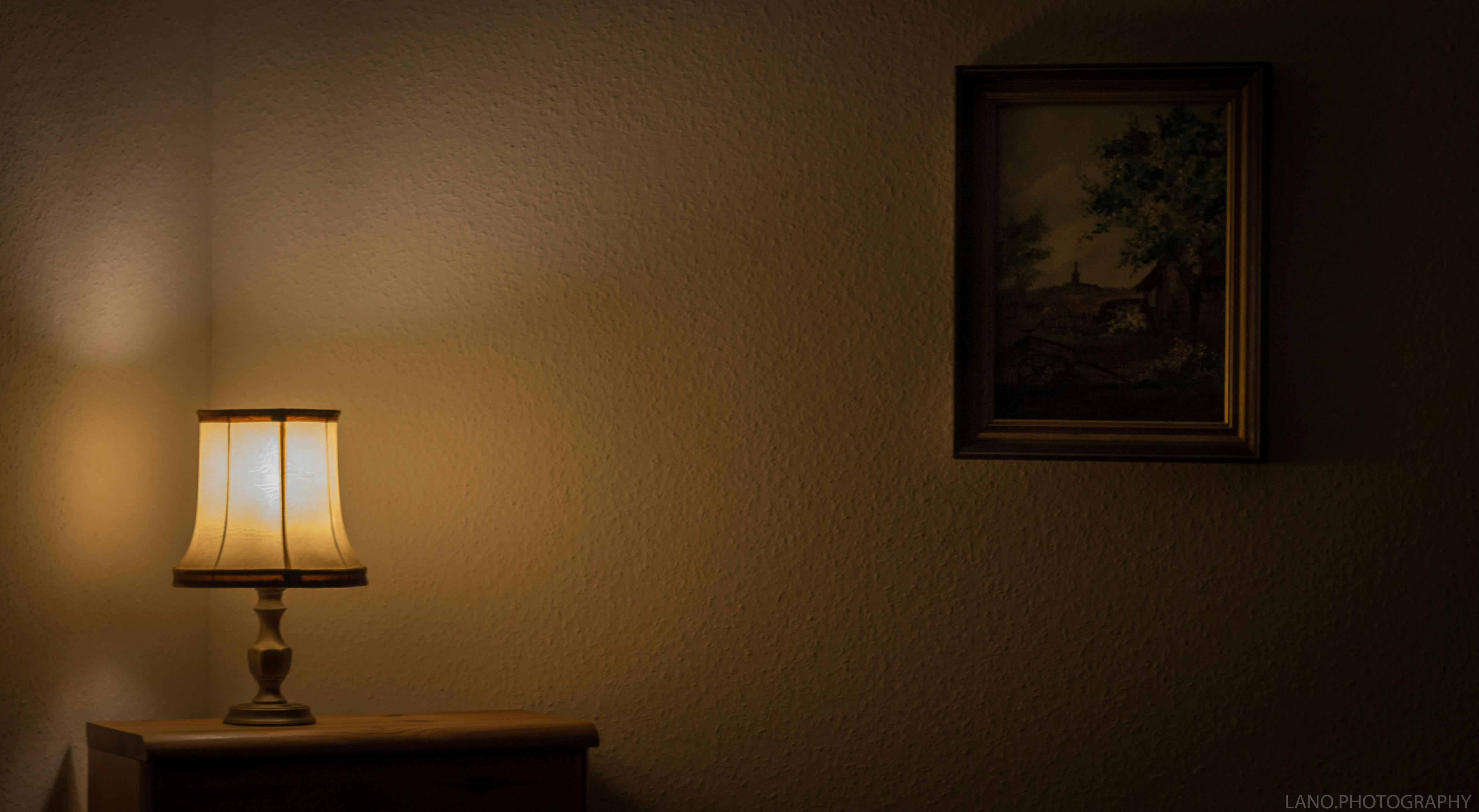
A: Ah, the low-light challenge! My advice? Embrace the mood. Don't try to fight it with a bright, sunny landscape that will only fall flat. Instead, consider art with a lighter background to subtly bounce whatever ambient light you have, or, my personal favorite, lean into the moodiness. Atmospheric, rich-toned pieces (think deep blues, forest greens, or moody abstracts) can create an incredibly cozy, den-like feel that transforms a dim room into an intentional sanctuary. Art with metallic elements can also subtly catch and reflect light, adding an unexpected shimmer. Remember, a room doesn't have to be bright to be beautiful; it can be evocative. We have a specific guide on choosing art for a room with low light if you want to go deeper.
Q: Can I use a gallery wall in a small apartment?
A: Absolutely, and please do! A well-curated gallery wall can actually make a small space feel bigger and infinitely more interesting by drawing the eye across the wall and creating a sense of abundant detail. The "trick" (if there is one) is often to maintain some cohesion – perhaps by keeping the frames consistent (all black, all wood, all white) or sticking to a cohesive color palette within the art itself to avoid a chaotic look. Or, you can throw caution to the wind and go full maximalist! It's your wall, after all. The unexpected density can make the small space feel intentionally curated, not cramped. A gallery wall forces the eye to engage with multiple points of interest, preventing it from dwelling on the room's physical boundaries.
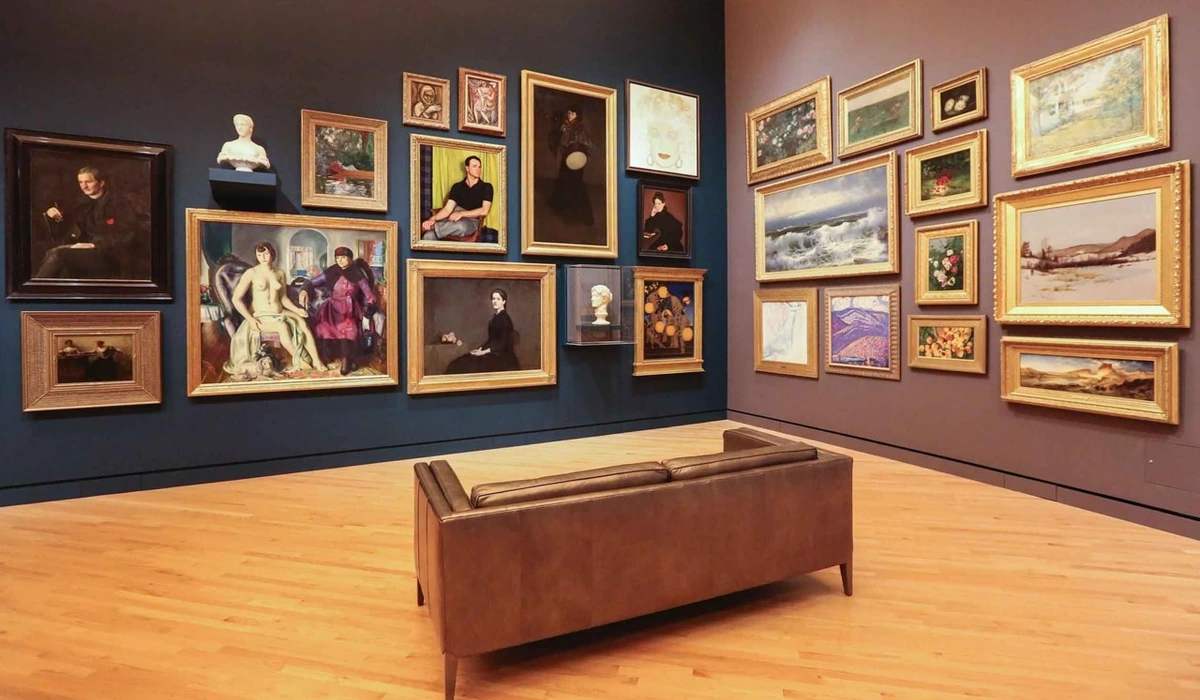
Q: How do I create a cohesive gallery wall if my art tastes are eclectic?
A: This is a fantastic challenge and one that yields truly unique results! The key is to find subtle threads of connection. Perhaps it's a shared color that appears in several pieces, even if the styles are wildly different. Or maybe you unify them with consistent framing (all minimalist black, for instance, lets the art do the talking). Another approach is to group by theme or mood – a "moody corner" next to a "vibrant burst." Don't force every piece to perfectly match; aim for a captivating conversation between them. It’s like arranging a fascinating dinner party; not everyone has to be the same, but they should spark good conversation! For further ideas, read our guide on how to create a cohesive art collection in a rented apartment.
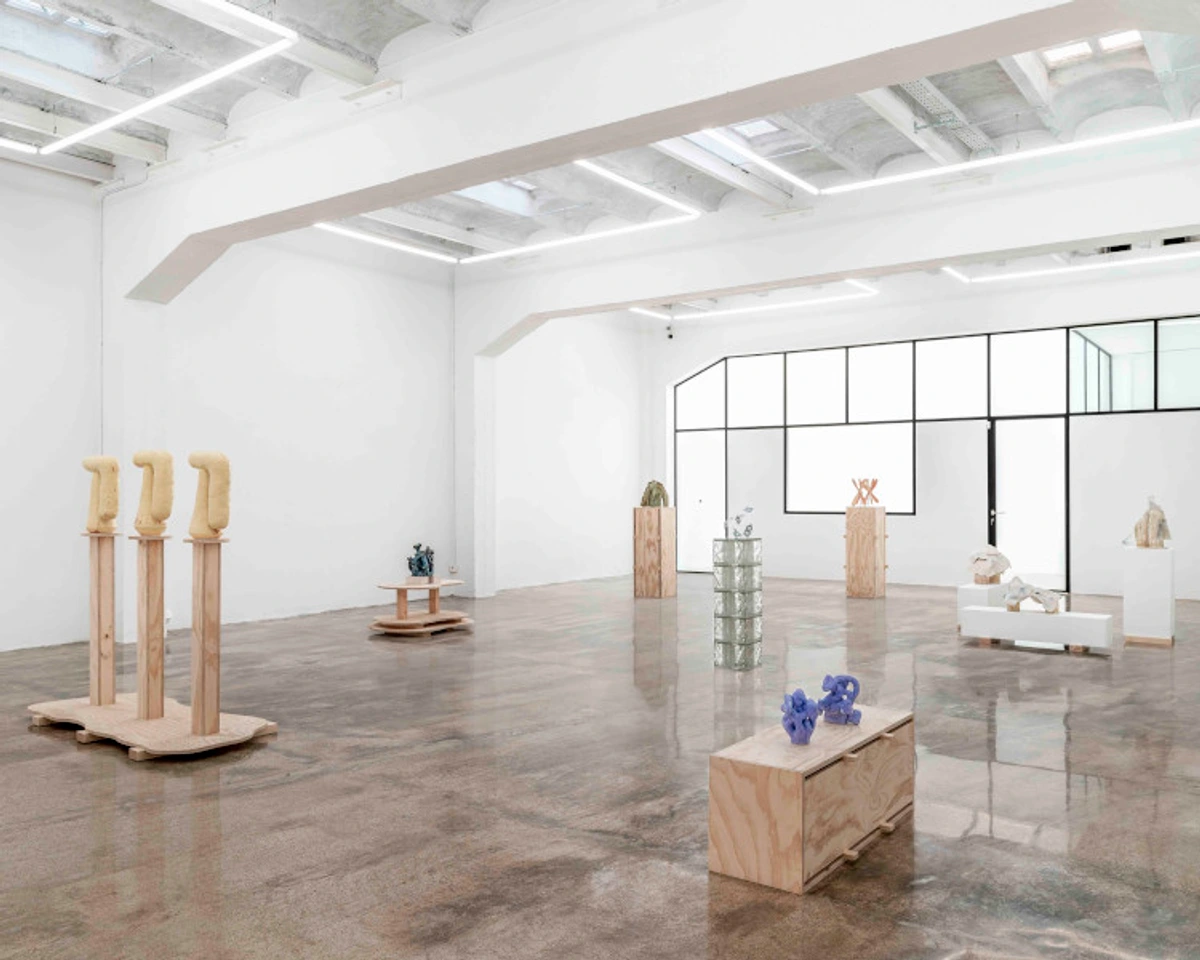
Q: What if my apartment has very textured walls or removable wallpaper?
A: Ah, a common conundrum! Textured walls (like stucco or heavily painted surfaces) or walls covered with removable wallpaper can be tricky for adhesive strips. The adhesive needs a smooth, clean surface to properly bond. For these situations, I’d strongly recommend leaning art against the wall on furniture, using picture ledges (if screws are allowed), or displaying art on bookshelves. If you're set on hanging, Command Strips (or similar brands) might not be reliable and could damage your textured surface or wallpaper upon removal. Always test in an inconspicuous spot if you dare, but proceed with extreme caution, or better yet, opt for zero-damage alternatives entirely. Remember, a textured surface provides less surface area for the adhesive to grip, significantly reducing its holding power and increasing the risk of damage upon removal.
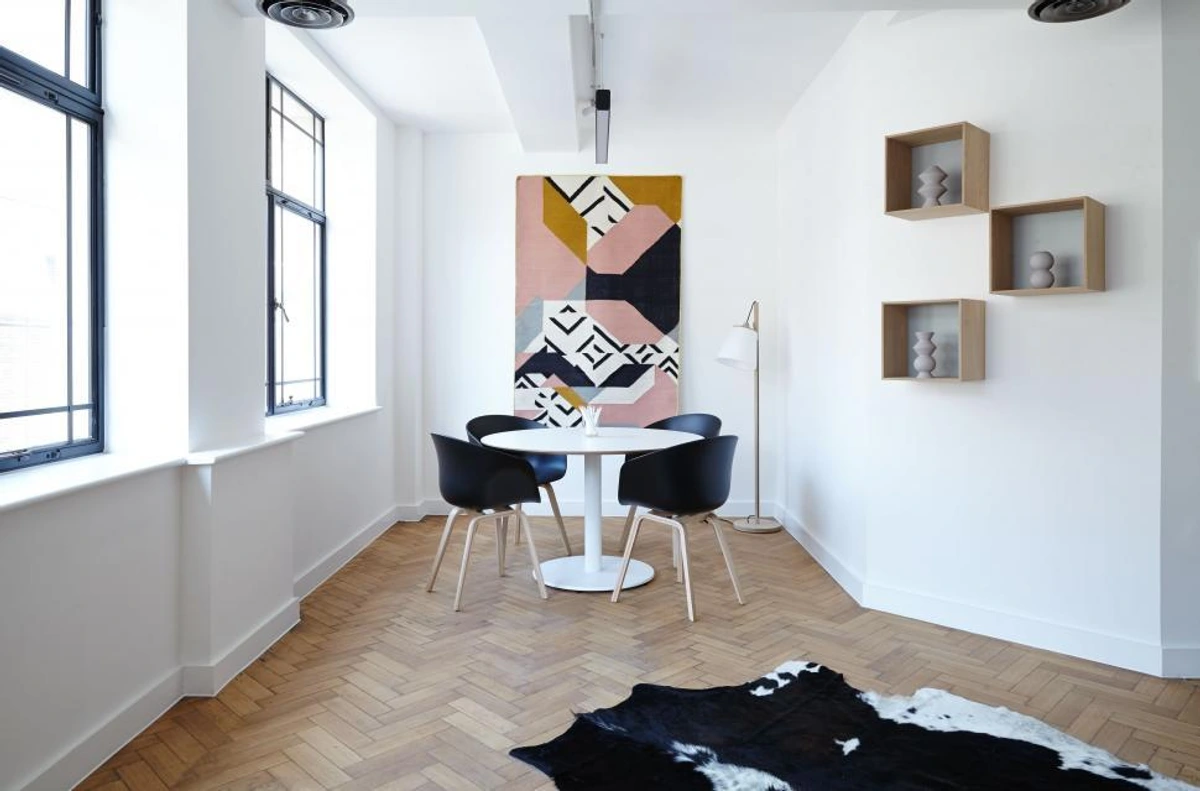


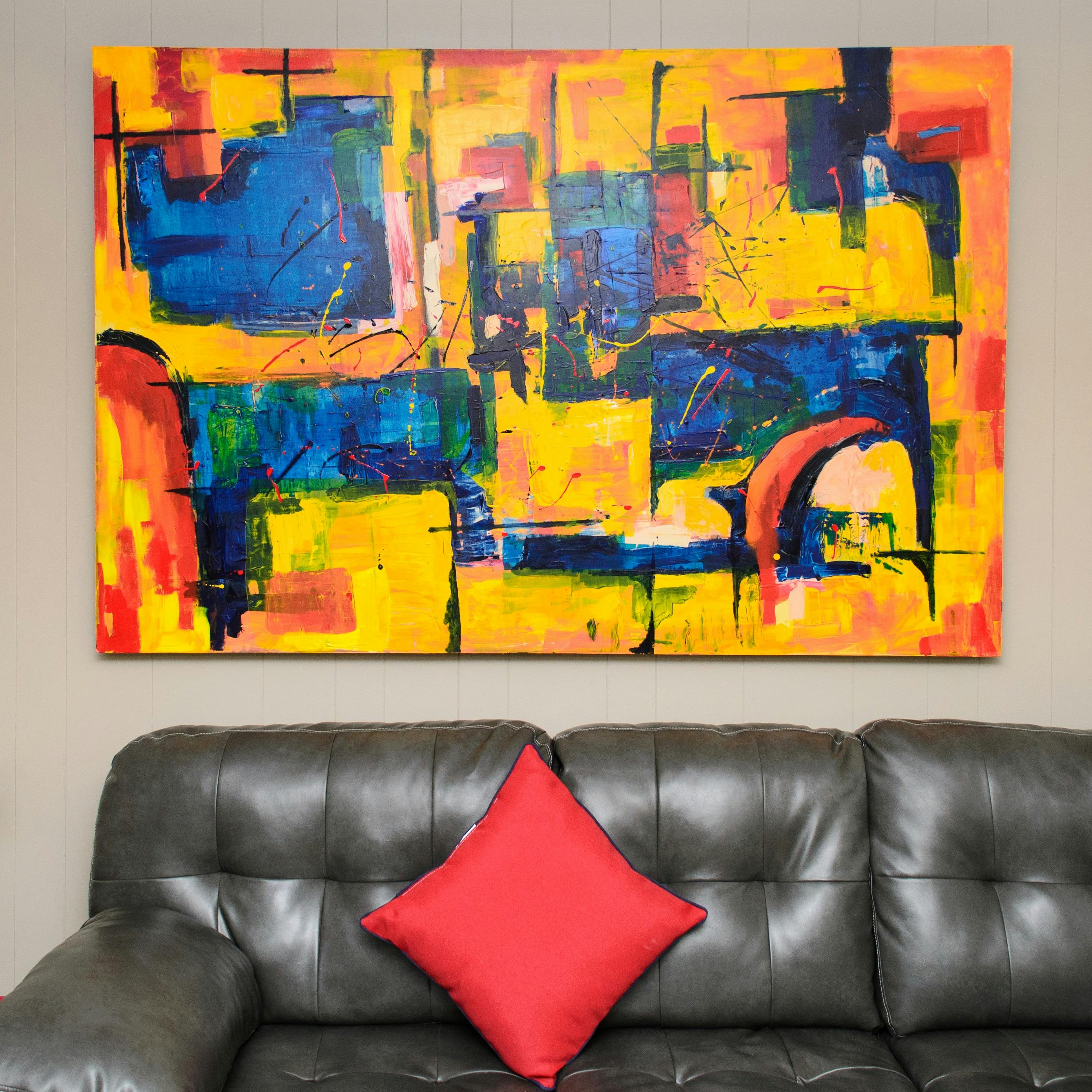






Q: How can I display art if my lease has strict rules against any wall modifications?
A: This is where creativity truly shines! If even a tiny nail hole is forbidden, you're not out of luck – you just need to think strategically. Your best bets are the truly damage-free options: leaning art (on consoles, dressers, or even the floor), displaying art on bookshelves and cabinets, and using washi tape for very lightweight prints. Consider also freestanding screens or room dividers as a backdrop for art, or even tension rods to hang lightweight fabric art or unframed prints in doorways or window frames. It's about utilizing every available surface other than the wall itself as your canvas. Your space can still be vibrant and personal without a single nail hole.
Q: How do I protect my art from pets or children in an apartment?
A: This is a very real concern! For pieces on walls, ensure they are securely fastened and perhaps placed higher than curious hands or wagging tails can reach. For leaning art or sculptures, choose sturdy furniture, use museum putty for extra stability, or place them in less-trafficked areas. Acrylic glass is a fantastic, shatter-resistant alternative to traditional glass for framed pieces. For very valuable or delicate items, consider clear acrylic display boxes or even storing them safely until your living situation changes. Remember, a playful cat can make short work of a canvas, and a toddler's reach is surprisingly far!
Q: Can I hang very large art in a small apartment?
A: Absolutely, and I wholeheartedly encourage it! As mentioned in the "Size and Scale" section, a single, large piece can actually make a small room feel grander and more intentional. It creates a powerful focal point and an optical illusion of depth, preventing the eye from dwelling on the room's physical boundaries. The key is often to let that one piece dominate the wall it's on, rather than trying to fit multiple smaller pieces around it. It's a bold statement that says, "This space is thoughtfully curated."
Q: What about digital art and NFTs in an apartment?
A: This is an interesting, evolving area! Digital art and NFTs (Non-Fungible Tokens) are fundamentally digital assets. Displaying them physically typically involves high-quality digital frames or screens. While they offer unique ownership and sometimes interactive experiences, consider the technical setup (power, internet, software updates), screen fatigue, and the environmental impact of always-on displays. From an aesthetic perspective, they can certainly add a modern, dynamic element to a tech-forward apartment, but their long-term value and physical presence are still subjects of much debate compared to tangible artworks. For now, I find them more of a curiosity than a core part of building a physical art collection.
So, go forth, explore, and begin curating your visual masterpiece, one intentional piece at a time. Your apartment deserves to feel like a home, uniquely yours.
Glossary of Key Terms
- Abstract Expressionism: A post-World War II art movement, primarily American, characterized by large-scale, non-representational paintings emphasizing spontaneous, energetic brushstrokes and emotional intensity. Think Jackson Pollock or Mark Rothko.
- Giclée Print: A high-quality fine art digital print made using inkjet technology and archival pigment inks on acid-free paper or canvas. Known for superior color accuracy and longevity.
- Impasto: A painting technique where paint is laid on an area of the surface in very thick layers, usually thick enough that the brushstrokes or palette knife marks are visible, adding texture to the surface.
- Matting: A border material (usually cardboard or paperboard) placed between a print and the frame's glass. It serves both aesthetic (drawing attention to the art) and protective (preventing contact with glass) purposes. Always opt for acid-free matting.
- Negative Space: The empty space around and between the subjects of an image. In art display, strategically using negative space can enhance a piece and make a room feel more expansive.
- Provenance: The documented history of ownership of a work of art, used as a guide to authenticity or quality. Think of it as a piece's detailed autobiography.
- Psychological Ownership: The feeling that something is 'mine' or 'ours,' regardless of actual legal ownership. In an apartment, art helps foster this deep sense of belonging and agency.
- UV-Protective Glass: Glass or acrylic specifically treated to block harmful ultraviolet (UV) rays, which can cause artwork to fade and degrade over time. Essential for protecting valuable or delicate pieces.