Large Windows & Art: A Guide to Perfect Harmony | Zen Museum
A thoughtful exploration of the unique challenges and creative opportunities that large windows present when displaying art. It blends practical advice on lighting and preservation with inspirational ideas for making art and architecture work in harmony.

Finding Harmony: How to Let Your Art and Your Large Windows Live Beautifully Together
I remember standing in a loft apartment years ago, this beautiful, airy space with a wall of south-facing windows that flooded the room with a glorious, almost holy light. The owner, an avid collector, was wringing his hands. 'I love the light,' he said, gesturing to a wall of floor-to-ceiling windows, 'but it's making my favorite pieces look washed out. I feel like I have to choose between the view and the art.'
That moment has stuck with me as the perfect summary of a very modern domestic dilemma. We're told to embrace natural light for our wellbeing, to open up our homes and connect with the outdoors. But we're also told that sunlight is a relentless enemy of art.
I've thought about that moment often. Large windows are a gift—they flood our spaces with natural light, connect us to the outdoors, and make a room feel expansive and alive. But they also present a unique set of challenges for anyone who loves art. The very thing that makes the space wonderful can also be the enemy of your paintings and prints.
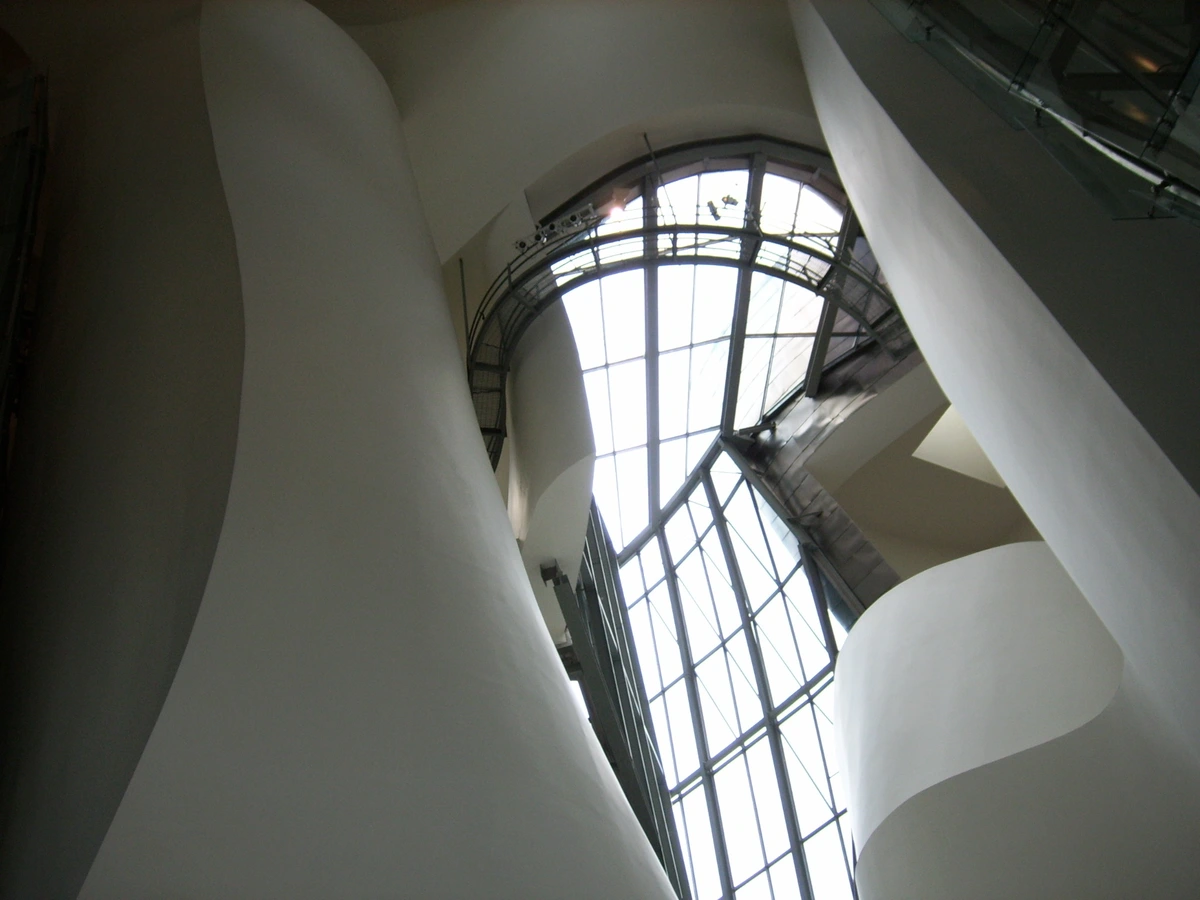
It's a modern dilemma. We crave those panoramic views and the health benefits of natural light, yet we also want to live with beautiful objects that bring us joy. The fear of sun damage, the frustration of glare, the way a masterpiece can turn into a murky silhouette by 4 PM—it's enough to make you want to hang everything in a dimly lit corridor and call it a day. But what if we're thinking about it all wrong?
This anxiety is a modern echo of an ancient dilemma, one famously captured by the Japanese concept of wabi-sabi—the beauty of impermanence. Yet, while a weathered stone lantern gains character, a faded painting loses its soul. This anxiety isn't just about protecting a financial investment; it's about preserving joy. A painting or print you love is a kind of emotional anchor, a daily source of energy and inspiration. Watching it degrade under the unfiltered sun feels like a personal loss. I've had clients tell me they've resorted to keeping their favorite pieces in dark hallways or closets, only bringing them out for special occasions. It's a sad solution, like locking away the good china and never using it. A great room deserves great art, and a great collection deserves to be seen. Resolving this conflict isn't just a design challenge—it's a mission to make your whole home feel more alive.

The truth is, you don't have to choose. This isn't a battle between light and art; it's a dance. It's about finding a creative, dynamic harmony between the pieces you love and the light you live in. When you get it right, the art and the architecture don't just coexist—they elevate each other. The light makes the art sing at certain times of day, and the art gives the light a stage to perform on. It's a living, breathing interior landscape that changes with the hours and the seasons.
The Beautiful Problem: Why Sunlight and Art are Complicated Roommates
The core of the issue isn't the light itself, but its intensity and origin. It’s a classic story of too much of a good thing. That gorgeous, direct afternoon sun is effectively a slow-acting bleach for most artwork. Ultraviolet (UV) rays are the main culprit, breaking down the chemical bonds in pigments and paper, leading to fading and brittleness over time. Think of it like a book left on a sunny dashboard—it won't disintegrate tomorrow, but a few months later, you'll see a very clear reminder of where the sun hit. The damage is cumulative and, for the most part, irreversible.
It's worth pausing here to understand the invisible forces at play. Light damage is a multi-headed hydra. It's not just UV radiation we're fighting. Infrared (IR) radiation is the other silent partner in crime. While UV breaks chemical bonds, IR delivers heat. This thermal energy can dry out canvas, cause wooden frames to expand and contract, and create micro-stresses between the paint layers and the support. Over years, this repeated thermal cycling can lead to cracking, cupping, and flaking paint, even on works that are never exposed to direct UV.
Beyond the physics, there's a psychological component to this 'beautiful problem.' Light is information. It's how we read a painting; it's the syntax of visual experience. When harsh, direct light flattens a work, we lose the story the artist was trying to tell with texture, shadow, and delicate tonal shifts. It's like trying to listen to a symphony while standing next to a jet engine. The experience is destroyed by the environment. So, solving this isn't just about preservation; it's about respecting the art enough to let it speak in its own voice, in a room where the acoustics are just right.
It goes beyond simple fading. Different pigments have different levels of fugitivity—a technical term that just means their tendency to run away from the party when the lights get too bright. A brilliant alizarin crimson might surrender its intensity years before a more stable cadmium yellow. This means a painting doesn't just fade—it can fundamentally change color balance, losing the careful relationship the artist intended.
This selective fading can create bizarre effects. I once saw a landscape painting where the artist had used an early synthetic green that was notoriously fugitive. Over decades in a bright room, the green trees in the painting had turned a pale, sickly blue, while the surrounding colors remained vibrant. The entire mood of the piece had been irrevocably altered, not by a vandal, but by neglectful exposure to light.
Paper, too, suffers a slow decay. Lignin-rich wood pulp paper turns yellow and brittle in sunlight, a process called acid hydrolysis, while even high-quality rag paper can become fragile over decades of exposure. The takeaway is this: light damage is a complex chemical reaction. It's uneven, irreversible, and respects no artistic boundaries. An entire canvas can be compromised by the failure of just one vulnerable pigment within it. It's a ticking clock, but one that you can dramatically slow down.
Beyond preservation, there's the immediate visual problem. Direct frontal light—when the sun streams in and directly hits a piece of art—flattens it. It robs the work of its subtle shadows, texture, and depth. The contrast gets blown out, and vibrant colors can look pale and lifeless. The art doesn't glow; it just gets washed out. It's like trying to see the brushstrokes on a canvas while staring into a car's headlights.
Conversely, a piece hung directly opposite a bright window can sink into a murky silhouette, its details lost in shadow. The human eye adjusts its aperture to the brightest thing in view, making the art look like a dark, underexposed photo. It becomes an afterthought, a visual footnote to the main event happening outside the window.
It's a classic Goldilocks problem rooted in the physics of perception. The human eye can perceive a staggering range of light intensity, but it can't process extreme contrasts simultaneously. This is why a single candle can seem bright in a dark room but invisible in a sunlit courtyard. You need light on the art, but it has to be the right kind of light. Not too much, not too little, not too direct, not too oblique. The solution isn't a single silver bullet, but a holistic approach—a kind of environmental curation that balances preservation with presentation. How do we coax these two opposing forces into a beautiful, harmonious arrangement?
The Art Hanger's Toolkit: Practical Solutions for Light and Preservation
Before you despair, let’s get our toolkit ready.The secret to living with art and light isn't a single magic bullet; it's a layered defense, a philosophy borrowed from museum conservation. You build up a series of barriers and strategies, each one addressing a different part of the problem. Some are about outright protection, others are about clever redirection. Think of it like dressing for unpredictable weather. You don't just wear a raincoat; you layer a shirt, a sweater, and then the coat, so you can adapt. It's the same principle here. We'll start with the most foundational layer—filtering the light itself.

Filtering the Enemy: Your First Line of Defense
The single best investment you can make for any sun-drenched room is protection against UV rays. This is the base layer of our defense, the foundation upon which all other strategies are built, and it's the one that most people, in their rush to hang a new piece, completely overlook. Think of it as installing a high-quality air filter in your home; you can't see it working, but the long-term benefits are immense. It's not about turning your home into a dark cave—it's about controlling the quality of the light that enters, making the space safer for everything you love.
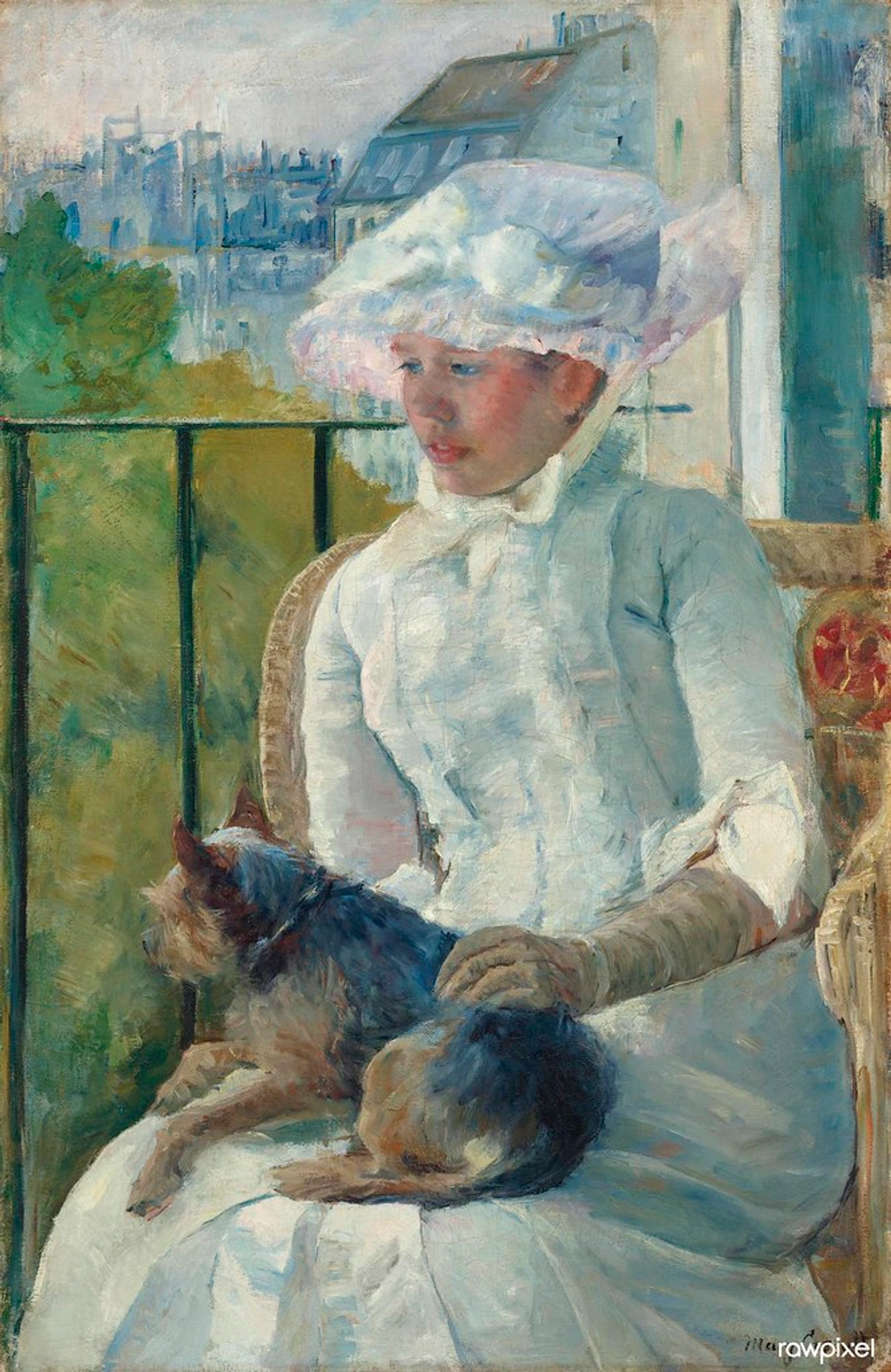
When most people think of UV protection, they imagine dark, heavy drapery. We're not talking about that. Modern solutions are sophisticated, often nearly invisible, and highly effective. The goal is to filter out the damaging wavelengths while maximizing the flow of beautiful, visible light. It's a surgical strike against a specific problem, not a blanket ban on sunshine.
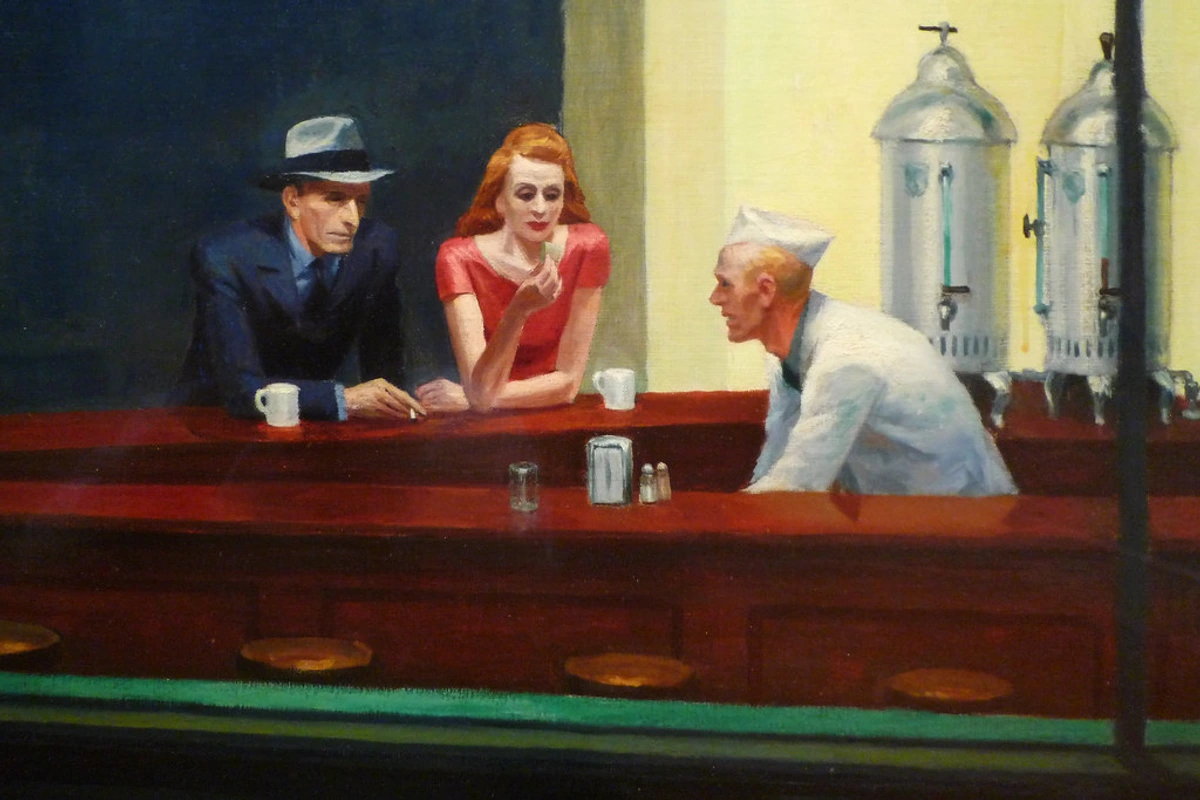
- Museum-Grade UV-Filtering Film: This is the invisible shield, and it's a game-changer. Applied directly to your window glass, this film blocks over 99% of UV radiation while letting visible light pass through almost unimpeded. It’s like putting a constant, powerful sunscreen on your windows. Professional framers and conservators swear by it, and it makes a massive difference in the long-term preservation of any art exposed to daylight. The investment is well worth the peace of mind, transforming your sun-drenched wall from a danger zone into a viable gallery space.
- Pro Tip: The quality of installation matters. A DIY job can lead to bubbling and peeling. I always recommend using a certified installer who can guarantee their work. Some high-end films are even warrantied for 10-15 years, promising not to degrade, discolor, or peel, making it a true long-term investment in your collection's health. For a less permanent solution, pre-cut UV-filtering window panels exist. These can be hung with nearly invisible brackets and are ideal for renters, allowing you to take your art-shield with you when you move without leaving a trace.
- Curtain Call: Never underestimate the power of a good curtain or shade. I’m a huge fan of sheer, diffusing fabrics. They act like a giant softbox for a photographer, taking harsh, direct sunlight and scattering it into a gentle, even glow that fills the room without creating damaging hotspots. Light, unlined linen or a soft voile can be ethereal and beautiful.
- The Practical Magic: My personal favorite setup is a double-rod system. On the inner rod, I hang a set of light-filtering cellular shades. These honeycomb-shaped shades diffuse light beautifully and provide a surprising amount of UV protection. On the outer rod, a pair of linen or cotton curtains adds a layer of softness and can be drawn for total privacy or complete sun-blocking. This layered approach gives you a spectrum of lighting conditions, all within arm's reach.
- Smart Home Integration: For the ultimate in effortless protection, install a layered system with automated shades or blackout curtains on a timer. Imagine them drawing closed at 11 a.m. and reopening at 3 p.m., completely eliminating direct sun exposure without you having to lift a finger. Many systems now integrate with smart home assistants, so you can simply say "protect the art" and watch your shades glide into place. This smart layering allows you to modulate the light throughout the day, from a soft morning glow to complete protection during peak sun.
Lighting Like a Pro: Making the Art the Star
You can’t always rely on the sun. In fact, the most impactful art displays I’ve seen in bright rooms use artificial lighting to create focus and drama, completely independent of the capricious sun. This is the second layer of defense: if you can't beat the ambient light, create your own focal point. Artificial light lets you seize control back from nature and put the emphasis exactly where you want it.
Think of your room as a stage. The sun provides the general background illumination, but a spotlight makes the lead actor shine. A well-lit piece of art commands attention, creates atmosphere, and invites the viewer in for a closer look. It transforms a painting from a decorative object on the wall into an event.
I learned this lesson the hard way. For years, I had a favorite abstract painting hung in a room with wonderful afternoon light. I thought it was perfect. Then one evening, I turned on a dedicated picture light just to see what would happen. The painting didn't just get brighter; it came alive in a way I'd never seen. Colors I didn't know were there suddenly popped, and the texture of the brushstrokes became a landscape of its own. The sun was good, but controlled artificial light was a revelation.
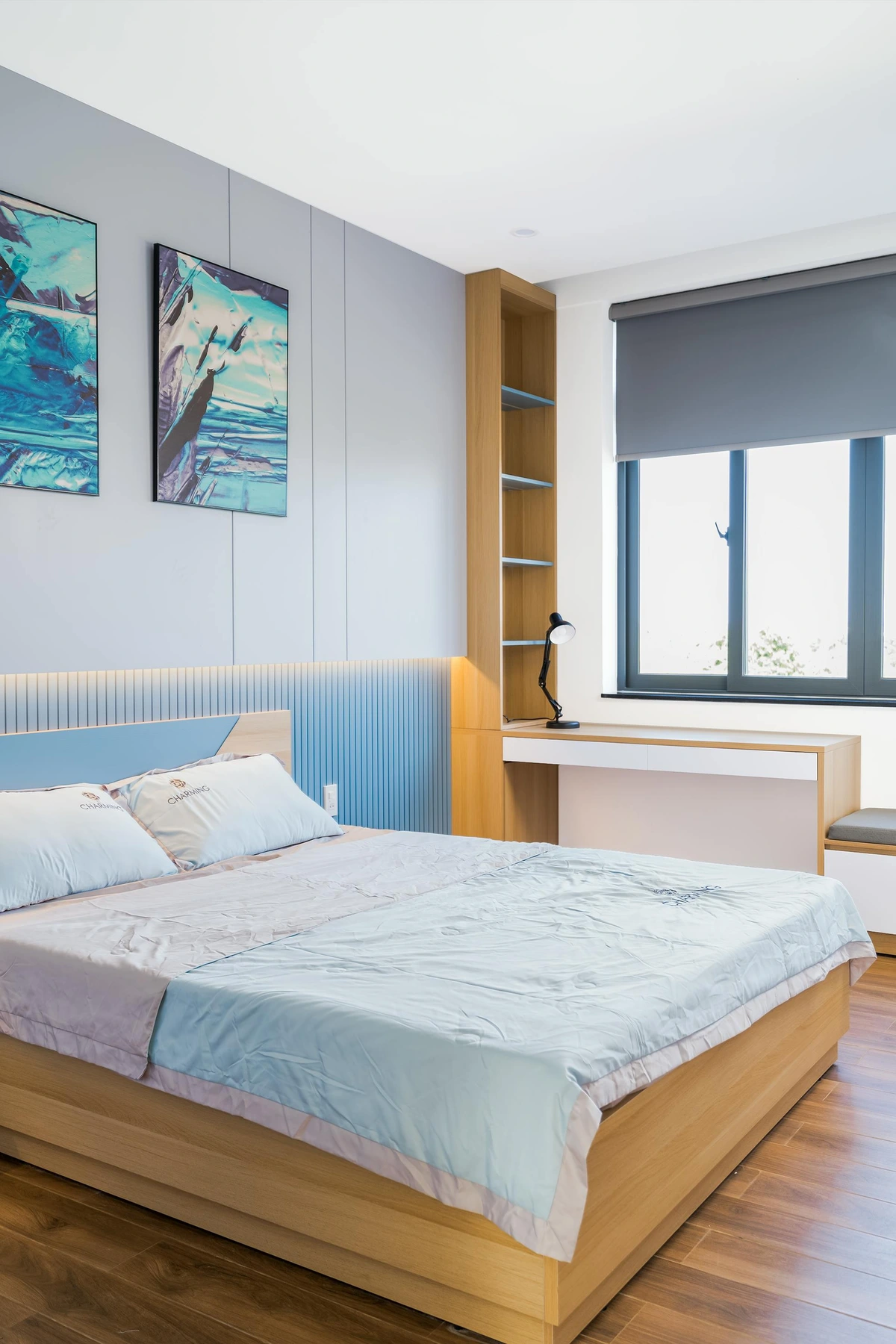
- Picture Lights: A dedicated picture light mounted above a painting is a classic for a reason. It creates a controlled, downward wash of light that makes the art pop, especially against a shaded wall. When choosing a picture light, go for LED models with a high Color Rendering Index (CRI). You want light that reveals the true colors of the art, not something that casts a cold, blueish or sickly yellow hue.
Feature  | Benefit | What to Look For |
|---|---|---|
| Puck Lights | Ultra-discreet, battery-powered spotlights that attach directly to the wall or frame. | Long battery life (12+ months), dimmable, high CRI (90+). Perfect for renters or minimalists. |
| Plug-in Accent Lights | Easy to install with a plug, no electrician needed. Great for highlighting single pieces. | Look for adjustable necks, a warm color temperature (2700-3000K), and a CRI of 90+. |
| Hardwired Systems (Track/Recessed) | The most professional, integrated look. Maximum control and no visible cords. | Requires an electrician. Focus on LED modules with precise beam control and high CRI. |
| Soffit/Wall-Washer Systems | For glass-covered art or highly textured pieces, this indirect lighting bathes a wall evenly, eliminating hotspots and glare. | Requires professional installation. Look for LED strips with high CRI, housed in a proper channel. |
I'm often asked to recommend a specific product for someone getting started. For a single, impactful piece, a high-quality plug-in accent light from a brand like Artemide, Tech Lighting, or even a stylish model from West Elm is a great choice. They're beautifully designed, highly adjustable, and deliver gorgeous light. For a more permanent and flexible solution across a whole wall, a hardwired track system is the professional standard. It's more of an investment upfront, but it gives you the ultimate flexibility to curate your wall as your collection grows and changes. It's the difference between buying a single-purpose tool and investing in an entire workshop.
- Track or Rail Lighting: For more flexibility, a track system is brilliant. You can install a rail along the ceiling and position adjustable spotlights to highlight specific pieces. Track lighting has evolved far beyond the clunky systems of the 1980s. Modern tracks are sleek, and the fixtures themselves are small, discrete, and highly efficient. The best part? You can re-angle and re-position them whenever you rehang your collection. It gives you total control over the drama. You can spotlight a single masterpiece or create a constellation of light across a whole wall of smaller pieces.
- The Magic of Recessed Spotlights: For a clean, minimalist look, recessed ceiling lights with adjustable trims, often called gimbals, are the way to go. You can aim them precisely, creating dramatic accent lighting that gives a piece a gallery-like presence, even in a room flooded with ambient daylight. I love this for contemporary art, as it keeps the architectural lines of the room clean and lets the art itself be the hero.
- The Cordless Revolution: New battery-powered, stick-on spotlights have changed the game, especially for renters or those who hate dealing with wires. These marvels run on simple AA or lithium batteries, last for months, and adhere to the wall with strong, removable pads. You can place them anywhere to create a gallery-quality highlight without a single wire or the need for an electrician.
Strategic Hanging: Working With the Light, Not Against It
Where you place your art is just as important as how you protect it. This is the final layer of strategy. I tend to think like a movie director staging a scene, considering where the light is coming from and how it will interact with the art. You have UV protection on the windows and a plan for artificial light, but positioning is where you can really choreograph the experience.
The placement of a work of art is a form of punctuation. It tells the viewer how to read a room. A single, powerful piece on a large, perpendicular wall can act as an exclamation point. A series of smaller works can feel like an ellipsis, suggesting a story that continues beyond the frame. The light is the narrator, and your job is to give that narrator the best possible material to work with. It's about controlling the narrative, not letting the sun write the entire story.
I also think of it as playing a game of chess with the sun. You can't win by knocking over the king, but you can absolutely play a masterful game of positioning, blocking, and strategic redirection. Let's break down the moves in that game, from the foundational principles to the pro-level gambits.
- The 90-Degree Rule: My go-to principle is to avoid hanging important pieces directly opposite a window. Instead, I place them on a wall that is perpendicular to the window wall. This allows for beautifully indirect ambient light that illuminates the art from the side. This kind of light reveals form and texture in a way direct light never could. It makes the colors richer and brings a quiet, three-dimensional life to the work. Think of the chiaroscuro technique of the Old Masters, where side-lighting was used to create stunning depth and drama.
- Embracing the Side-Lit Glow: As a rule of thumb, north-facing light in the Northern Hemisphere is an artist's best friend—it's consistent and diffused. This is how many professional artists design their studios, by the way. A wall opposite a north-facing window is often the safest and most flattering spot for artwork. A large window facing north is basically a free, perfect, ever-present lighting system for your favorite pieces. In contrast, east-facing windows give you a warm, gentle morning light, while west-facing ones offer a dramatic, golden-hour glow in the evening, each offering their own unique, if more challenging, personality.
- Height & Eye-Line Considerations: Don't forget the vertical plane. The standard 57-inch center-line rule is a good democratic starting point, but consider the sun's path. A piece hung too low might get direct sun right across its bottom edge. Always check your chosen spot at different times of day and year.
- The Triptych and Salon-Style Exception: When creating a large gallery wall or hanging works in a vertical series (a triptych, for instance), the 57-inch rule isn't for the top piece. Instead, calculate the center point of the entire arrangement and place that at 57 inches. This ensures the group is read as a single, cohesive unit rather than a series of mismatched heights.
- The Dynamic Eye-Level: I've always found the 57-inch rule to be a bit static. When hanging art in a room with significant light, consider the "dynamic eye-level." Where will people's eyes naturally be drawn as they move through the space? In a bright room, people often look away from the window first. A piece placed on the perpendicular wall opposite a door, for instance, might do better slightly higher or lower than the "rule" suggests, simply because that's where the natural sightline falls as someone enters the room. Test it with painter's tape. Hang the piece, live with it for a week, and see if you notice yourself craning your neck up or down. The right height is the one that feels effortless to view.
- Create Light-Free Zones: This is a pro-level move. Measure the exact "spread" of direct sunlight on your floor and walls during the worst parts of the day. Using that data, you can literally map out safe zones on your walls—areas that are guaranteed to never receive direct sun. It sounds painstaking, but for a priceless piece, it's the ultimate peace of mind. This is how museums handle touring exhibitions; they treat light not as a constant, but as a precisely mapped variable.
- The "Chimney Breast" Advantage: A wall with an architectural feature like a chimney breast or a deep recess is a natural light-safe zone. The protrusion of the feature itself casts a permanent shadow, creating an ideal, ever-shaded gallery space in an otherwise bright room.
- The Sun Mapping Method: To do this, you don't need fancy equipment. All you need is a roll of painter's tape. Throughout a single sunny day, every hour, place a small piece of tape on the wall where the direct beam of sunlight ends. By evening, you will have a dotted line running across your wall. That's your "danger zone" boundary. Any space above, below, or to the side of that line is a certified safe haven. It's a bit of effort for one day that pays dividends in peace of mind for years to come.
From Challenge to Spectacle: Nine Creative Display Ideas for Large Windows
Now for the fun part. It's like you've been learning the rules of grammar, and now it's time to write poetry. Once you’ve wrapped your head around the basics—filtering, controlling, and positioning—having big windows can become your biggest asset. The protective measures give you the freedom to be truly creative. Instead of seeing the window as a problem to be solved, you can start seeing it as a variable in your artistic equation, a dynamic part of the composition. Your window is no longer a threat; it's a collaborator. Here are some creative ways to turn your sunlit room into a unique, ever-changing art experience.
This is my favorite part of the whole process. It's where problem-solving ends and pure creative play begins. I see too many people get stuck on the "rules" of art hanging—centered on the wall, at eye level, in a perfect grid. Those rules are fine for a static gallery, but your home isn't a museum. It's a living space, full of dynamic light and life. These ideas are about breaking those rules intentionally, using the unique character of your sunlit space as a collaborator in your design.

1. The Glowing Portal: Lightboxes, Transparencies, and Textiles
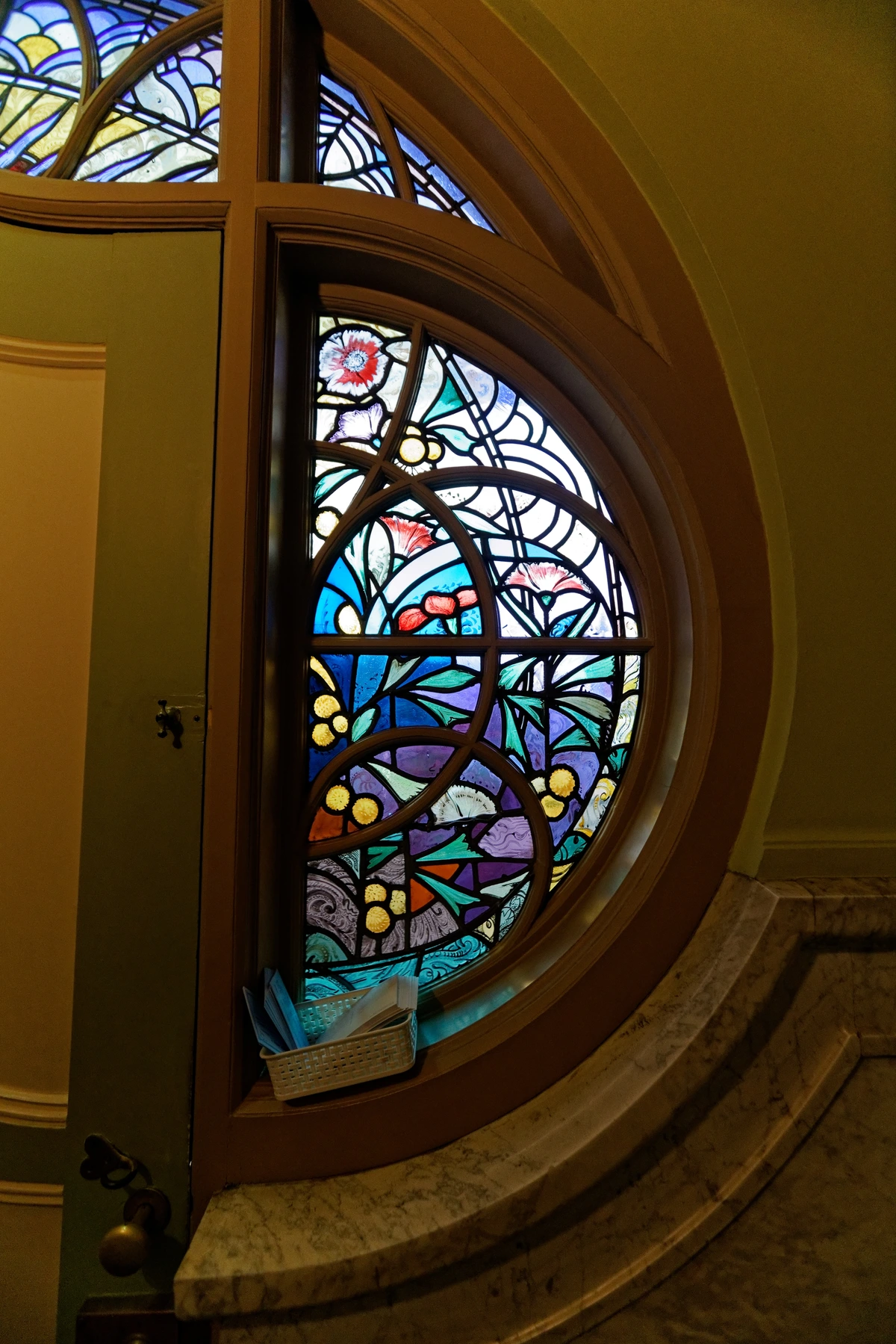
What if, instead of fighting the light, you made the light an active part of the art? You can transform a problematic window into your home's most dramatic feature. This approach draws inspiration from ancient traditions like mosaics and medieval rose windows, where light wasn't just for illumination but was the very substance of the art.
A lightbox hung within the window frame, or even a translucent print directly mounted to the glass, changes everything. It's no longer a barrier between inside and out; it's a lens. I saw a version of this once where someone had taken a high-resolution photograph of a stormy sky and printed it on a translucent film, sandwiching it between two layers of frosted acrylic. During the day, it looked like an ethereal, ever-changing painting. At night, lit from within, it became a beacon of calm in the city. You can apply this to abstract art, botanical prints, or even high-contrast portraiture. The technology has become incredibly accessible, with slim, energy-efficient LED panels that can be controlled with a simple dimmer, allowing you to dial in the perfect mood from a vibrant daytime focus to a soft, ambient nighttime glow.
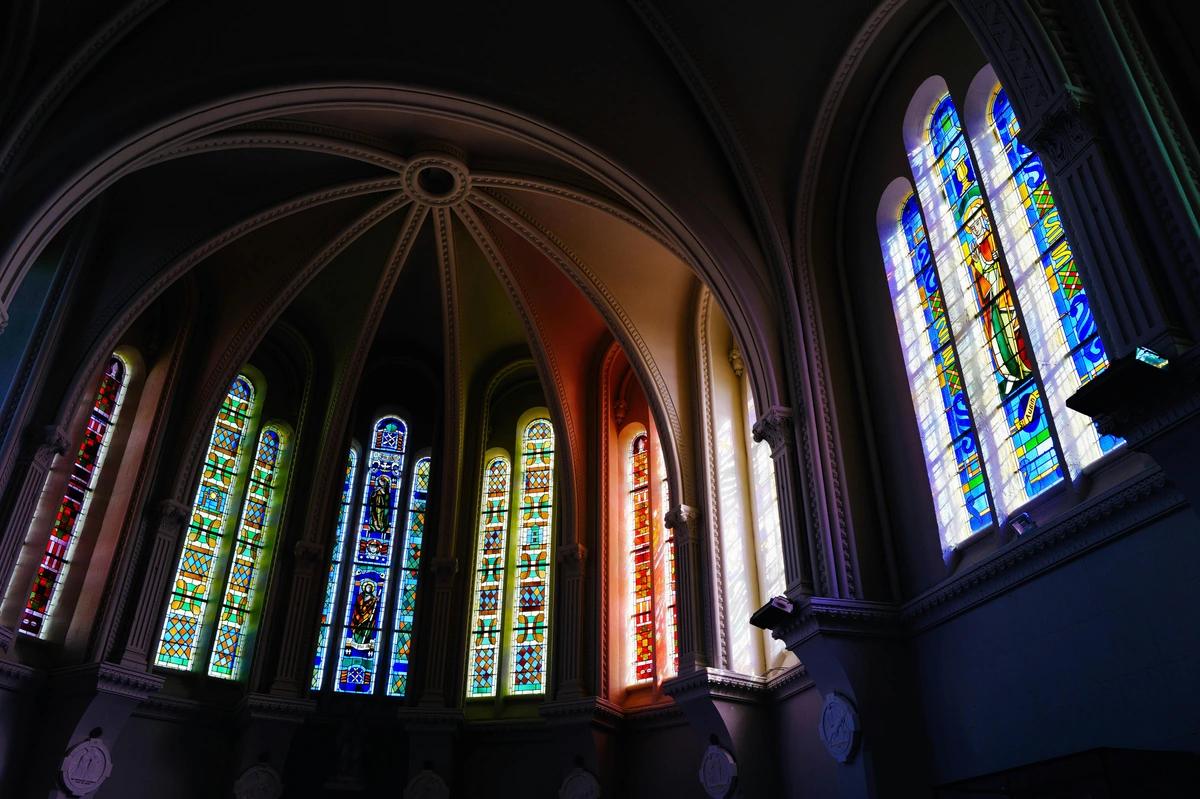
If a full lightbox feels too permanent or expensive, you can achieve a similar effect with stained glass or even high-quality art films. There are companies now that will print your own high-resolution digital photograph onto a UV-protected, adhesive-backed film that can be applied directly to the window glass. This is a fantastic option for renters or anyone wanting to try the look without a major commitment. It turns your entire window into a massive, glowing work of art that interacts with the light outside. It's a bold move, but it redefines the entire room. Or consider light-filtering textiles with bold graphic patterns. Hung as a single panel, a large-scale patterned sheer can transform a window from a simple light source into a giant, softly glowing canvas.

2. The Dynamic Still Life: Layering Art with Silhouettes and Plants
An artwork doesn't exist in a vacuum. Instead of a stark piece on a blank wall, treat the entire window area as a living composition. This is a trick I love for its simple elegance. Hang a painting or print on the wall next to or immediately adjacent to the window, and let the silhouette of a well-placed indoor plant—a fiddle-leaf fig with its sculptural leaves or a trailing pothos for a softer look—interact with it as the sun moves.
The shadows will dance and shift, creating a living, breathing tableau that changes from morning to evening. In the morning, a delicate fern might cast a lacy, intricate shadow over a portrait's face, adding a layer of ephemeral texture. By afternoon, the angular leaves of a monstera might create a stark, graphic shape that contrasts beautifully with a soft abstract piece. This is particularly effective with plein air paintings or floral prints, where the shadow of a real plant adds a touch of meta-wit. You're not just hanging a picture; you're directing a slow, beautiful performance that plays out with the rotation of the earth.

To make this work, you need the right plant. I prefer plants with distinct, interesting silhouettes. A palm with feathery fronds creates a completely different shadow pattern than a snake plant with its sharp, vertical lines. Don't be afraid to play the role of a theatrical director here. Sometimes a bare branch from the garden, stuck in a heavy vase, can create a more dramatic and temporary shadow play than a living plant. It's an experiment that costs almost nothing and can yield breathtakingly beautiful results.
3. The Gallery Corridor: Framing the View
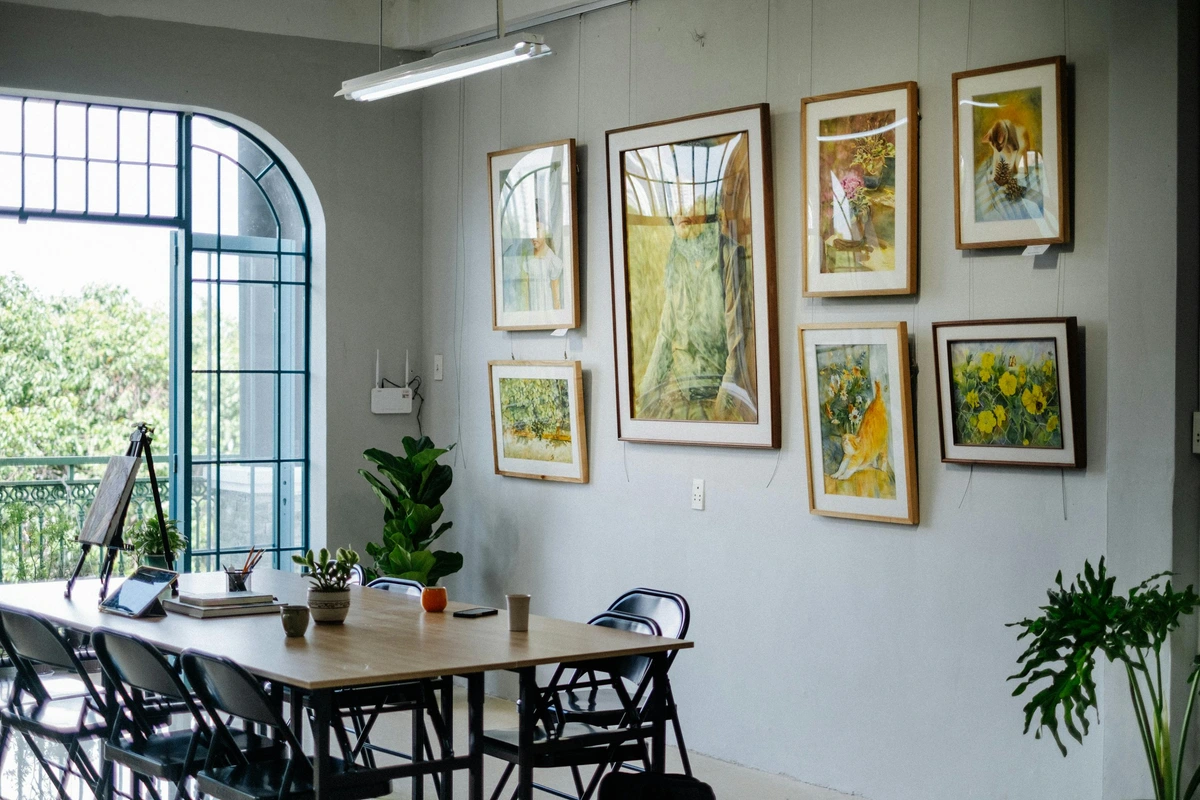
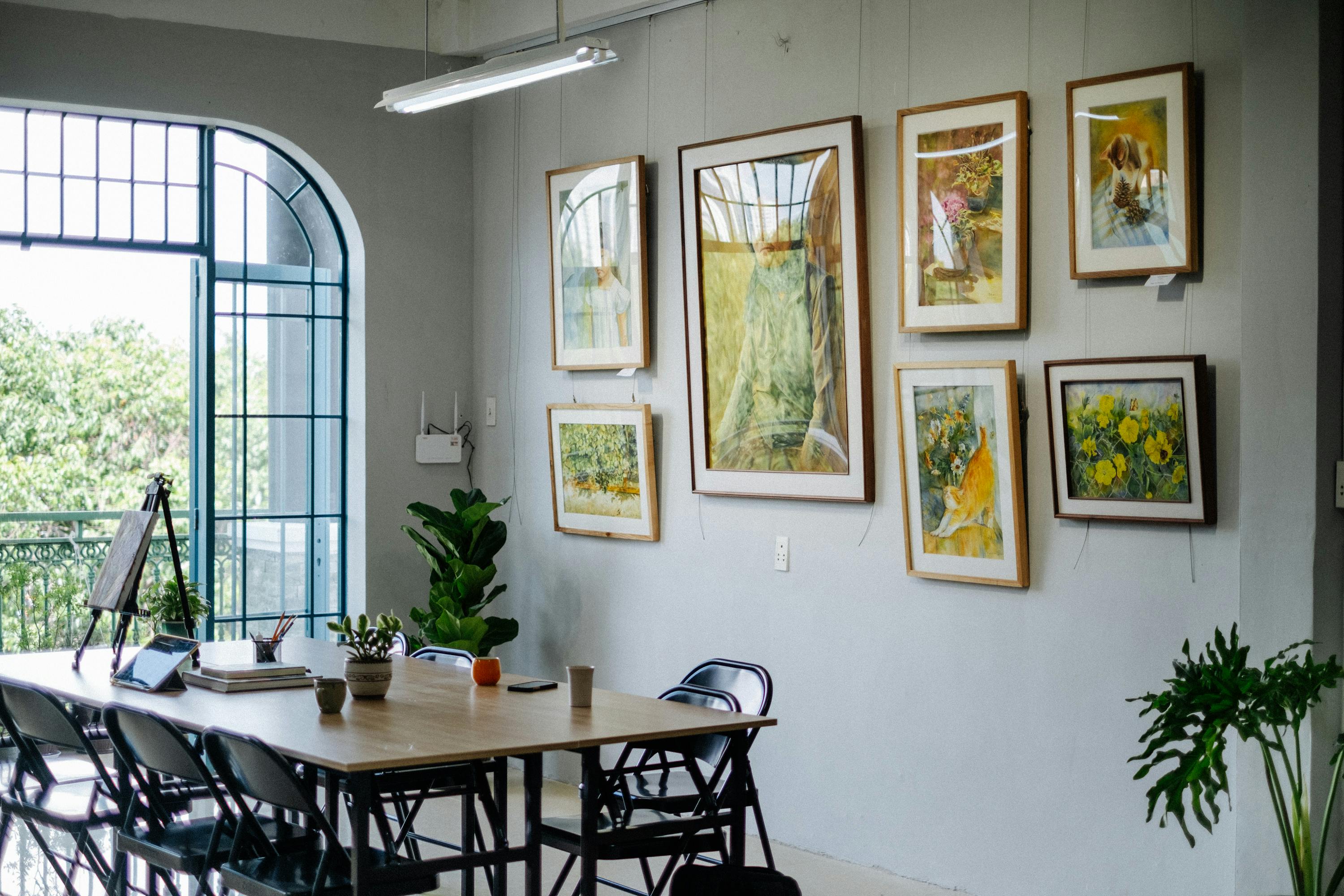
In a room with a stunning view, your instinct might be to leave the windows bare to avoid competing with nature. But I love the idea of framing it with art. Instead of standing empty, the wall space surrounding a window becomes a gallery display. Place a series of smaller, related pieces or a collection of interesting objects on either side of a large window. They act like a proscenium arch in a theater, or punctuation marks in a sentence, drawing the eye toward the center but adding moments of pause, detail, and color.

This creates a rich dialogue between the curated art inside and the natural beauty outside, suggesting that both are part of the same collection. A small, vibrant abstract painting, perhaps one found on the /buy page, can hold its own against a dramatic sky. A series of minimalist black and white photographs can complement the organic chaos of a city view. It's about balance. You're not blocking the view; you're contextualizing it, telling the viewer that this window and everything in its orbit are equally worthy of attention.
4. Sculptural Shadows: Dancing in Three Dimensions
My favorite way to use large windows is to embrace the shadow play. This is an ancient art form, seen in everything from the shadow puppetry of Indonesia to the carved stone windows of Mughal architecture. This works especially well with three-dimensional art. A free-standing sculpture, a ceramic vase on a plinth, or a collection of glass objets d'art placed on a window sill will cast shifting, intricate shadows onto the floor and walls throughout the day.
The artwork is no longer just the object; it's the interaction between the object and the light. The shadow becomes a drawing on the wall, a ghostly echo of the form. It's a daily performance that costs nothing to watch. For a powerful effect, choose objects with distinct silhouettes. Think of a sleek bronze figure, a collection of geometrically fascinating vases, or even a found object like driftwood. The key is contrast. A dense, solid object creates a sharp, dark outline, while something more open and airy, like a lathe-turned wooden form, creates a pattern of light and shadow. I knew someone who had a simple, stylized metal bird sculpture on their sill, and at a certain time in the afternoon, its shadow was so crisp and perfect it looked like it had been painted on the opposite wall. She said it was a moment of magic that never got old, a private art show that happened every day at 3 p.m.

5. The Seasonal Shift: A Rotating, Ever-Changing Collection
Your large windows look different in every season. The light is softer and lower in winter, brighter and higher in summer, and it can change the entire mood of a piece. Why should your art collection be static? I sometimes advise people to treat their sunniest wall as a temporary exhibition space. Hang pieces from your personal archive that can handle a few months of bright, indirect light, and then rotate them out.
It keeps the space fresh, protects your most valuable work, and makes you appreciate both the art and the changing light of the seasons. You might have a light, airy piece that feels just right for the bright light of summer, and a darker, more brooding piece that comes alive in the long shadows of winter. This kind of active curation turns your home into a living gallery. Tie it to the equinoxes, or simply change it when the light in the room starts to feel different. It gives you a reason to revisit the art you already own, curating a dialogue between your collection and the eternal cycle of the seasons.

Here's how to make it a practical ritual: Dedicate a specific storage space—a portfolio, an under-bed box, a flat file—for the "off-season" collection. When spring arrives, take down the dark, moody abstracts that felt so right in the winter and replace them with vibrant prints or watercolors. It's like changing your wardrobe for the weather. It keeps your space feeling dynamic and gives you a renewed appreciation for pieces you haven't seen in a few months. If you're looking for something new to rotate in, browsing collections that celebrate light and color, like those on the /buy page, can be incredibly inspiring.
Answers to Your Burning Questions
Let's tackle some of the most common questions that pop up when you start thinking about art and light. A lot of worry in design comes from simple confusion or fear of making a mistake, so let's clear the air. Think of this as a mini-myth-busting session to give you the confidence to hang, light, and live with your art the way you want to.
I hear these questions all the time from friends, clients, and people who are just starting to think about their spaces more intentionally. There are no stupid questions here, only questions that haven't been asked yet. So let's get into the weeds and demystify some of the most persistent myths and concerns.
Can you put art in front of a window?
Technically, you can, but it's tricky. The biggest issue is backlighting; the piece may be underexposed and turn into a dark silhouette during the day. If the art is translucent (like stained glass or a print on film), it can be spectacular, transforming the window into a glowing panel. If it's a traditional canvas or framed print, you'll need very strong, dedicated accent lighting on the front of it to compete with the bright background.

This is where a powerful picture light or a well-placed ceiling track fixture becomes non-negotiable. The goal isn't just to illuminate the art, but to create a "cone of vision" that is brighter than the light coming from behind it. This requires a very deliberate setup and plenty of lumens.
My honest advice? For any significant work, I'd rather see it on a wall perpendicular to the window, beautifully side-lit, than fighting a losing battle with the full force of daylight right behind it. The glare is often a no-win situation. Save the window-facing wall for translucent sculptures or intentional silhouettes, and give your canvas the side-lit glory it deserves.

Is indirect sunlight bad for art?
This is a crucial distinction, and one of the most important concepts to grasp. Indirect sunlight—light that has been reflected off another surface, diffused through a sheer curtain, or simply bounced around the room—is far less damaging and is often quite beautiful on artwork. Think of the soft light on a wall that's 90 degrees from the window. It's bright enough to see the art clearly, but without the brutal UV and heat of direct rays.
While no sunlight is 100% risk-free over many decades, indirect light is a very safe, practical, and desirable way to view art naturally. It’s the direct, harsh, midday sun that you need to actively protect against with UV film, curtains, and strategic placement. Think of it this way: Museums, the gold standard for art preservation, light their galleries with a combination of controlled natural and artificial light. They aren't keeping masterpieces in the dark; they are creating an environment where the light enhances the art without destroying it. Your goal with indirect light is to recreate that museum-quality environment in your own home—bright enough for beauty, filtered enough for safety. The key is managing light exposure duration and intensity. A few hours of gorgeous morning indirect light is an order of magnitude less harmful than a full day of unfiltered, direct exposure.
Does LED light damage paintings?
Generally speaking, modern LED lights are among the safest options for artwork you can choose today. It's a common worry based on the reputation of older, hotter light sources, but the physics are on our side. They produce very little heat and no UV radiation, which are the two main culprits of light damage (fading from UV, and cracking/deterioration from heat).
When choosing LEDs for picture lighting, opt for dimmable, high-quality bulbs for the most control and flattering effect. Look for a high Color Rendering Index (CRI)—a CRI above 90 is ideal, as it ensures the light shows the artwork's true colors. The short answer: high-quality, cool-running LED lights are an art-lover's best friend.
Lighting Type | UV Output | Heat Output | Safety Rating | Verdict |
|---|---|---|---|---|
| LED | Negligible | Very Low | ⭐⭐⭐⭐⭐ | The Safest Choice |
| Incandescent / Halogen | Low | Very High | ⭐⭐ | Not Recommended (Heat Damage) |
| Fluorescent | Medium (some types) | Low | ⭐⭐⭐ | Generally Safe, check UV levels |
| Natural Daylight | Very High | High | ⭐ | Needs Heavy Filtering |
I'll let you in on a secret: I have a 100-watt incandescent picture light from the 1990s. It's beautiful, but after just 30 minutes, the top of the frame is hot to the touch. That's thermal damage happening in real-time. Compare that to the LEDs I use now, where I can rest my hand on the fixture itself after it's been on all day and barely feel a hint of warmth. The science is undeniable on this: LEDs are a game-changer for safe art illumination.
How do I reduce glare on my art?
Getting rid of that annoying shine on a glass-covered print? It can feel like you're looking at a reflection of yourself rather than the art. Here are your best bets for banishing glare for good, ranging from budget-friendly to pro-level solutions.

- Use Acrylic instead of Glass: Opt for museum-grade acrylic glazing (often with a trade name like Optium), which has excellent optical clarity and is non-reflective. It's lighter, shatter-resistant, and often blocks more UV than standard glass. The key is to specify 'anti-reflective' or 'non-glare' acrylic. It's a fantastic option, especially for large pieces where the weight of glass would be prohibitive or in homes with children where safety is a concern. The only downside is that it scratches more easily than glass.
- Opt for Anti-Reflective (AR) Glass: If you prefer the heft and clarity of real glass, AR glass is the ultimate solution. It has a special multi-layer coating that almost magically makes reflections disappear. It’s more expensive, but for a favorite piece, it's transformative. The difference can be staggering. It's like cleaning a window you didn't even realize was dirty. Suddenly, the art is just there, with no visual barrier between you and the image. For a signature piece, it is absolutely worth the splurge. This is what you see in most high-end museums today.
- Angle it Slightly: Hanging a piece so it tilts forward just a few degrees at the top can cause light to bounce off the glass and down toward the floor instead of straight into your eyes. This simple, free trick can solve 80% of your glare problems. Use small rubber or felt spacer bumpers on the bottom two corners of the frame to achieve this gentle tilt. It's a museum trick that costs virtually nothing but makes a world of difference in perception and clarity.
- Choose the Right Finish: Finally, consider framing works on paper with a matte, non-glare glass. It has a slight etching on the surface that scatters light, eliminating reflections, though it can subtly soften the crispness of the art. It's a trade-off, but often a worthwhile one for works where color nuance is more important than razor-sharp detail.
Putting It All Together: The Art of Light Choreography
In the end, living with art and large windows isn't a puzzle with one right answer. It’s an ongoing relationship, a slow, quiet dialogue between the things you love and the universe outside. It’s about understanding the nature of light, protecting what you value, and then getting creative. Some days you'll throw the curtains open and let the room blaze with sunshine. Other days, you'll dim the lights and let a single, carefully aimed spotlight turn your favorite painting into the main event. The goal isn't to eliminate the sun, but to domesticate it, to make it work for you.
I think the real shift happens when you stop seeing your windows as an architectural feature and start seeing them as the most dynamic lighting instrument you own. It’s the same shift that happens when you stop just hearing notes and start hearing music. A window isn't just a hole in the wall; it's a portal to the sky, a giant, free, ever-changing light source. Your job isn't to fight it, but to become its choreographer, to collaborate with the sun and the seasons as they paint your home in an ever-shifting palette.
My friend in that loft? He ended up installing UV film on every pane, hanging a slim track on the ceiling, and shifting his main collection to that beautiful perpendicular side wall. He even added a few well-chosen sculptures to catch the sun and cast long shadows.
Walking into his apartment now is a completely different experience. The art feels alive, crisp and vibrant against the shaded wall. The artificial track lights allow him to shift the focus from one piece to another during dinner parties, turning his wall into a conversational piece. And the view out the window remains a gorgeous, ever-changing backdrop. He found harmony.











You can, too. It all starts with looking—really looking—at how the light moves through your own space, and then deciding to become its partner in the dance. Get yourself a roll of blue painter's tape. Find a bright, sunny day. Map the light. See where it falls and where it doesn't. Then, place a piece of art there, just temporarily, and watch what happens at different times of day. You might be surprised at the beauty you find when you start to engage with the light instead of just enduring it.