
Choosing Art for Rooms with Many Windows: Embracing the Light
Don't let abundant natural light deter your art choices! Learn how to select, place, and protect artwork in bright, window-filled rooms, turning challenges into stunning opportunities. Get my personal tips for making art shine, not fade.

Choosing Art for Rooms with Many Windows: Embracing the Light
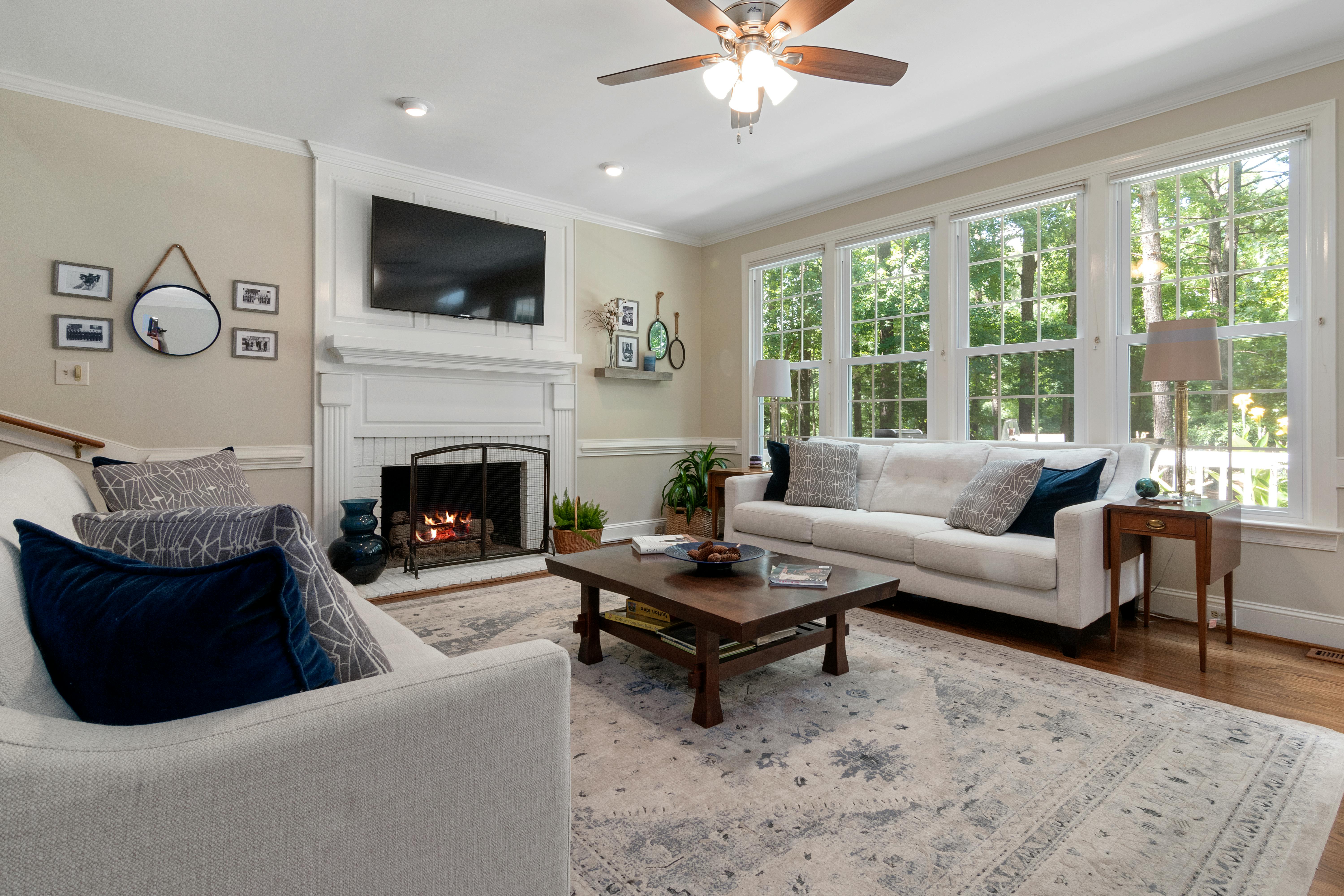
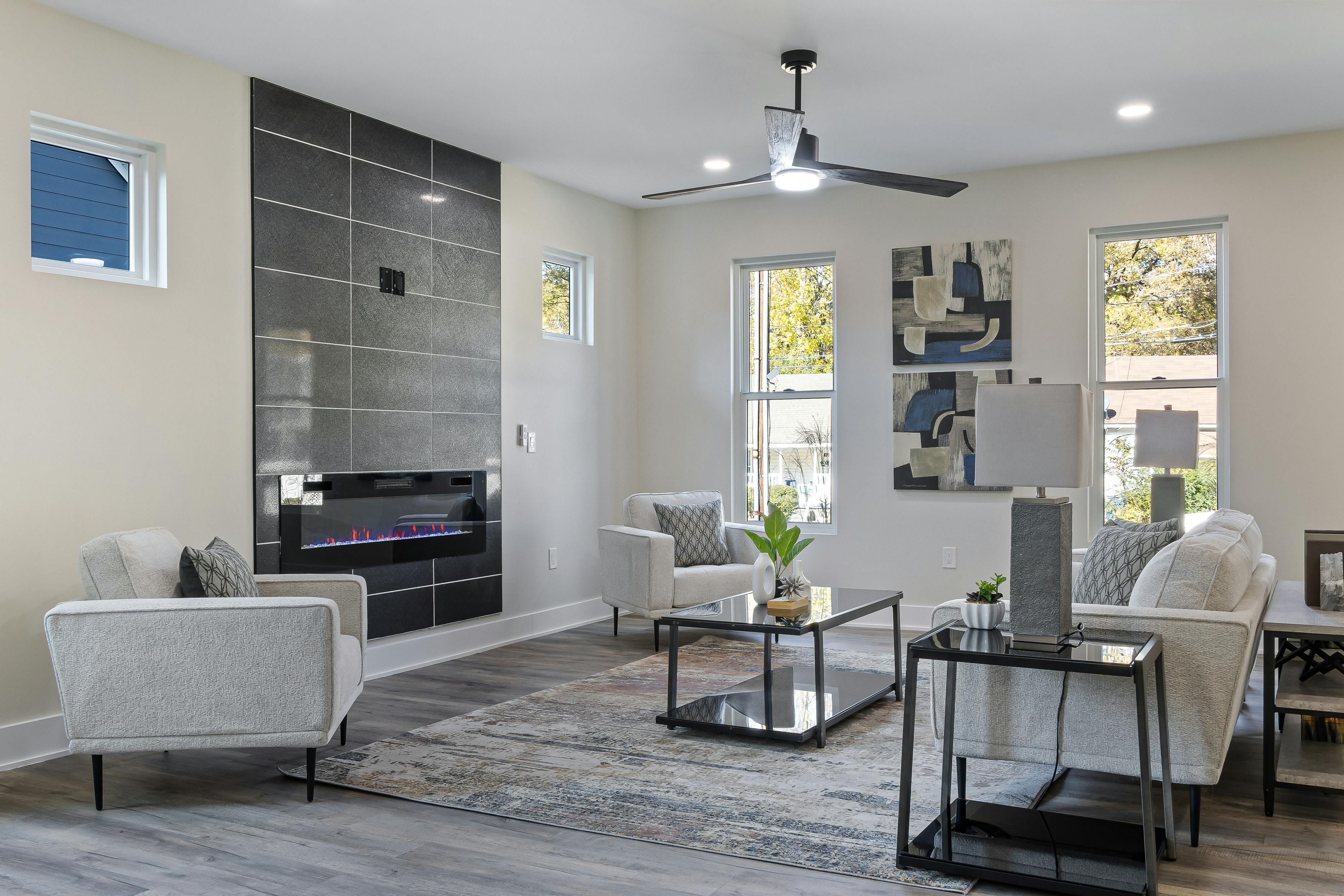
Oh, the joy (and sometimes, the puzzle!) of a room drenched in natural light, brimming with windows. I mean, who doesn't adore sunlight streaming in, illuminating every corner? It's like living inside a beautifully filtered photograph. But then, the decorator in me, the part that's constantly thinking about where the next piece of art will go, starts to ponder: how do you choose art for such a space? How do you ensure your beautiful canvases don't get lost in the brilliance or, even worse, damaged by it? It's a delightful challenge, and one I've spent a fair bit of time contemplating.
Natural light can transform a room, turning it into a dynamic canvas where shadows and highlights shift with the time of day. But with this beauty comes responsibility. The same light that breathes life into your space can also pose risks to your artwork. It's a balance between celebration and caution, and I'm here to guide you through it.
Natural light can transform a room, turning it into a dynamic canvas where shadows and highlights shift with the time of day. But with this beauty comes responsibility. The same light that breathes life into your space can also pose risks to your artwork. It's a balance between celebration and caution, and I'm here to guide you through it.
The Unique Dance of Light and Art
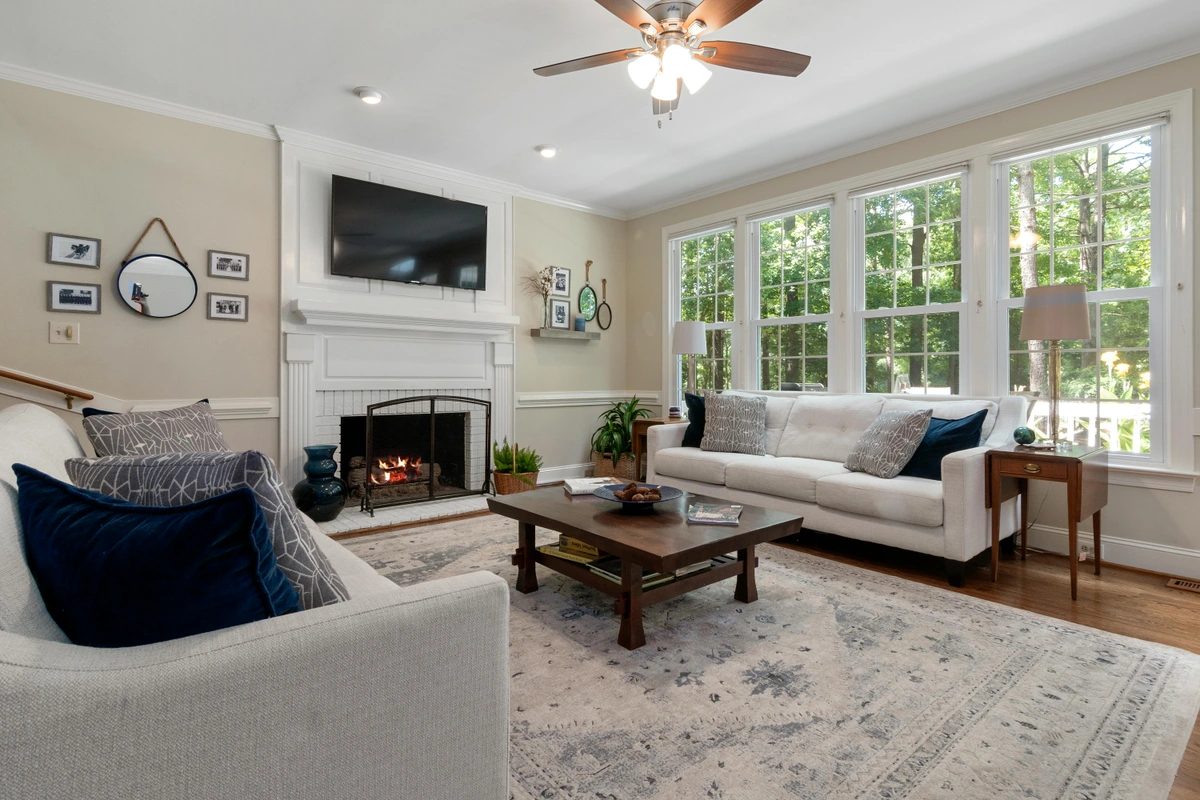
When you have a room with a lot of windows, you're not just decorating a wall; you're creating a dialogue between the interior and the exterior. The view outside becomes an integral part of your decor, and your art needs to play well with that. It's a different beast than choosing art for a room with low light, where you might lean into darker, moodier pieces. Here, it's all about celebration, nuance, and smart choices.
I remember once, in a client's bright, airy sunroom, we hung a vibrant abstract piece. For the first few days, it looked magnificent. Then, as the sun shifted, the glare off the glass made it almost impossible to appreciate. Lesson learned: it's not just about what the art looks like, but how it lives with the light throughout the day.
Understanding Light Dynamics
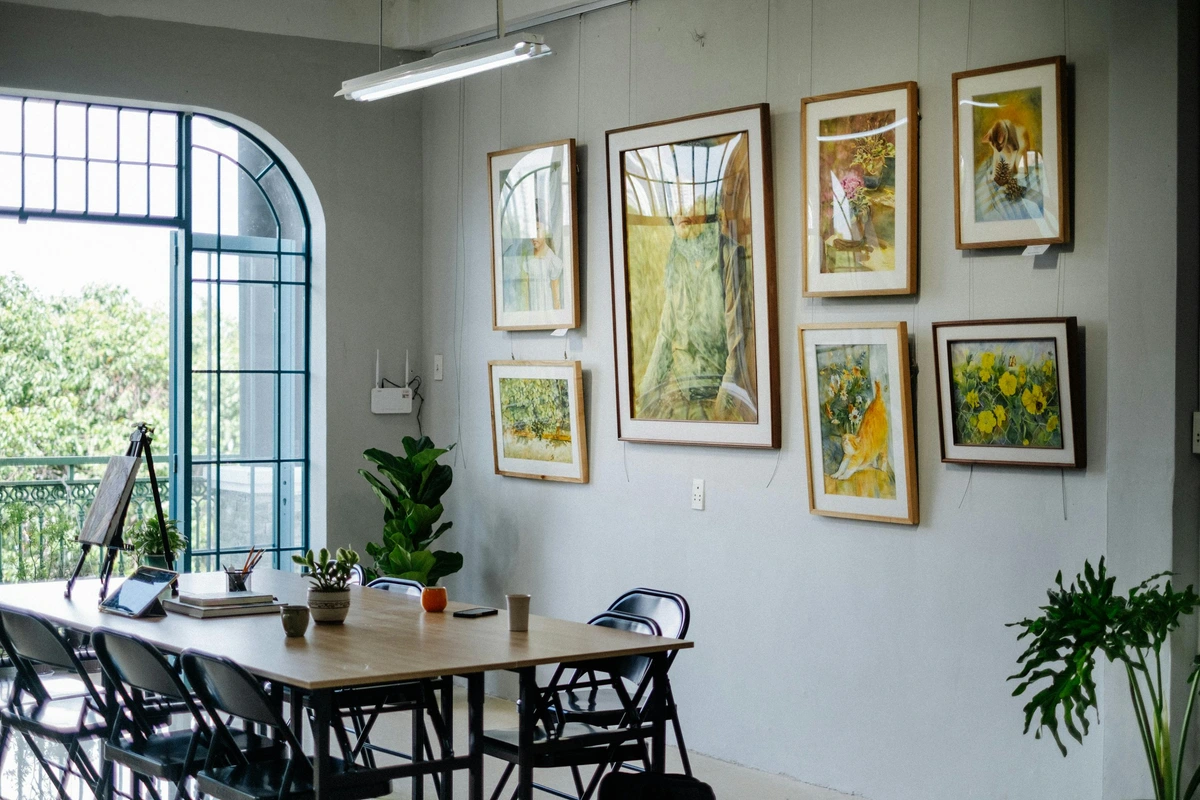
Light is not static; it changes with the time of day, the season, and even the weather. Morning light is soft and warm, while afternoon light can be harsh and direct. Understanding these dynamics is crucial for selecting art that will thrive in your space. Consider how the light moves across your walls and how it interacts with the colors and textures of your artwork.
To better understand this, observe your room at different times of the day. Note how the light shifts and how it affects the mood and appearance of your space. This will help you make informed decisions about the type of art that will work best in your room.
Protecting Your Precious Pieces from the Sun's Embrace
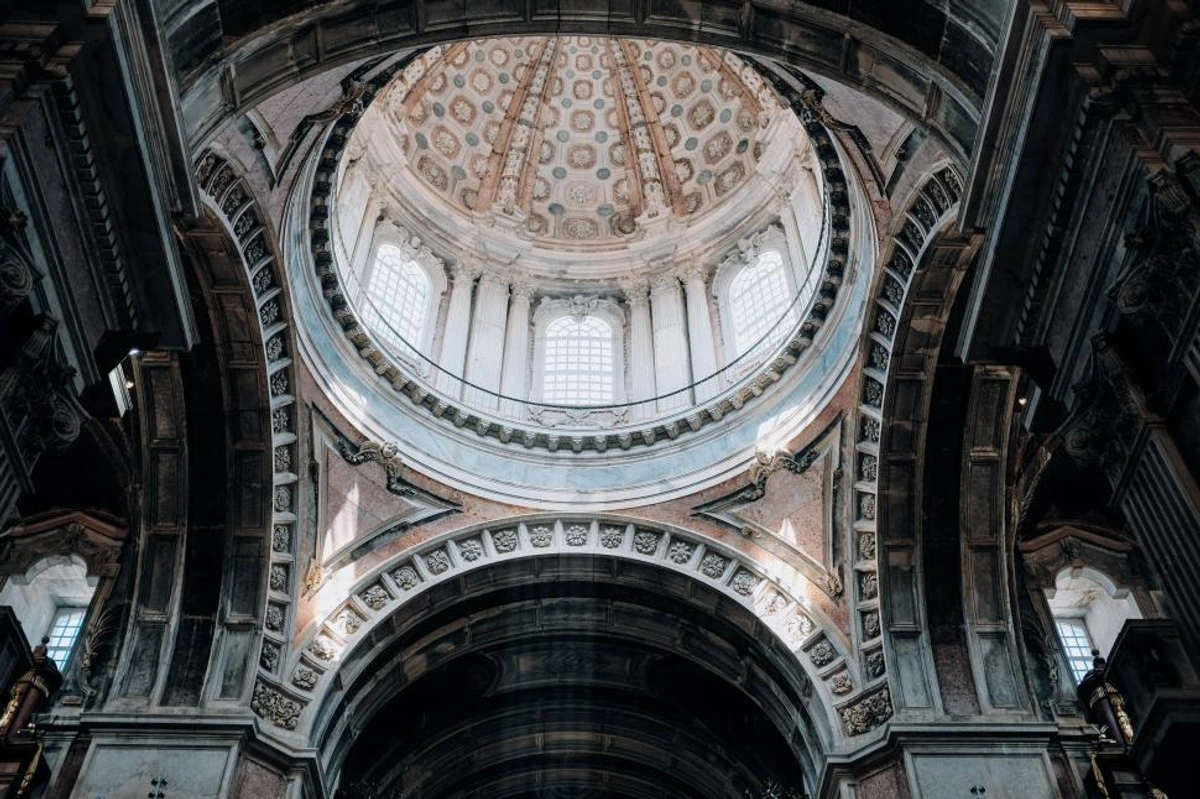
First things first, let's talk protection. Sunlight, glorious as it is, can be art's silent enemy. UV rays cause fading, discoloration, and can seriously diminish the lifespan of your artwork. It's a heartbreaking thing to see a beloved print dull over time. So, what's a savvy art lover to do?
Understanding the risks is the first step. UV rays break down the chemical bonds in pigments and dyes, leading to fading and discoloration. This process is cumulative and irreversible, which is why prevention is key. Even indirect sunlight can cause damage over time, so it's essential to take proactive measures to protect your artwork.
The Science of UV Damage
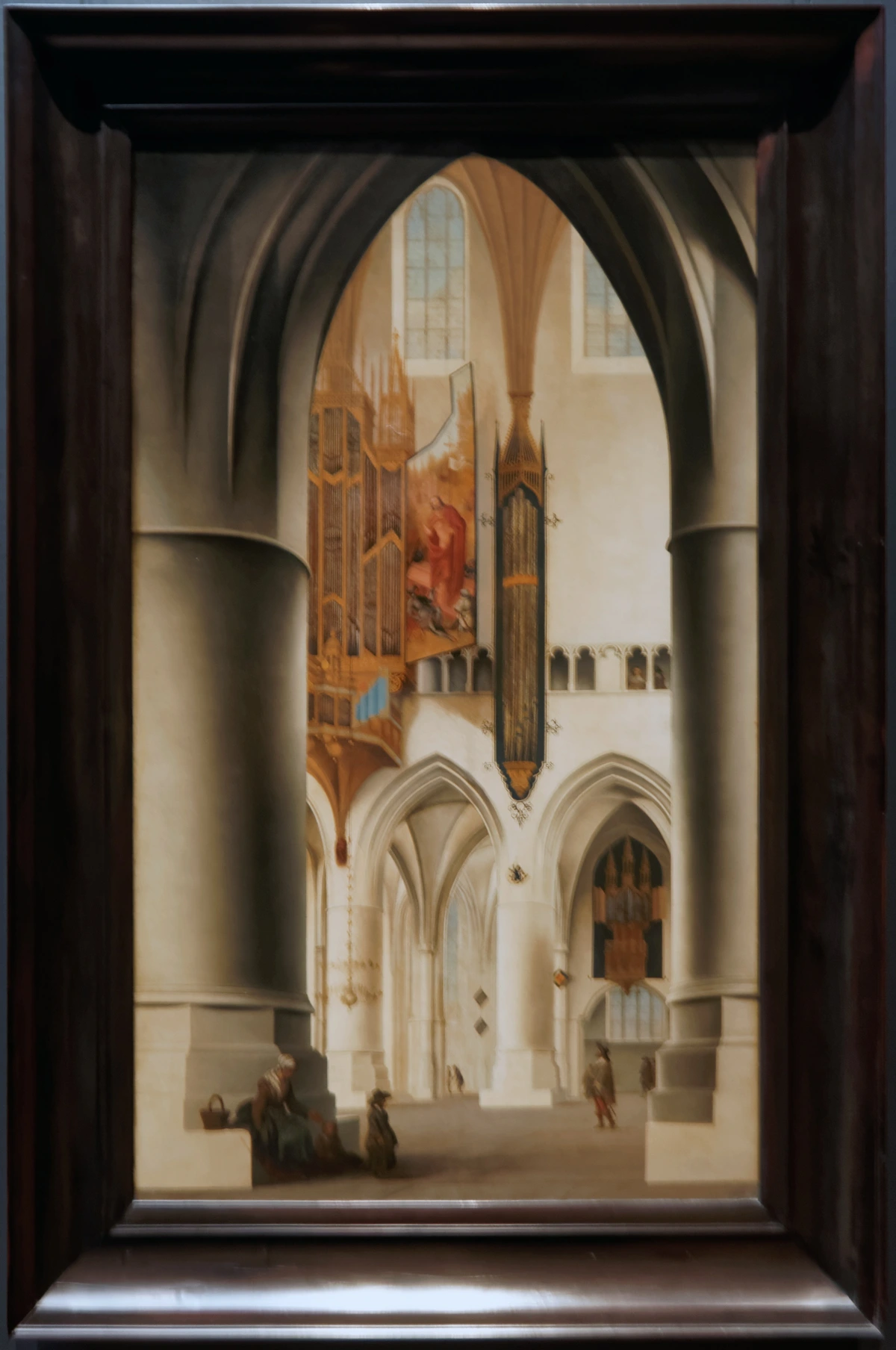
UV rays break down the chemical bonds in pigments and dyes, leading to fading and discoloration. This process is cumulative and irreversible, which is why prevention is key. Even indirect sunlight can cause damage over time, so it's essential to take proactive measures to protect your artwork.
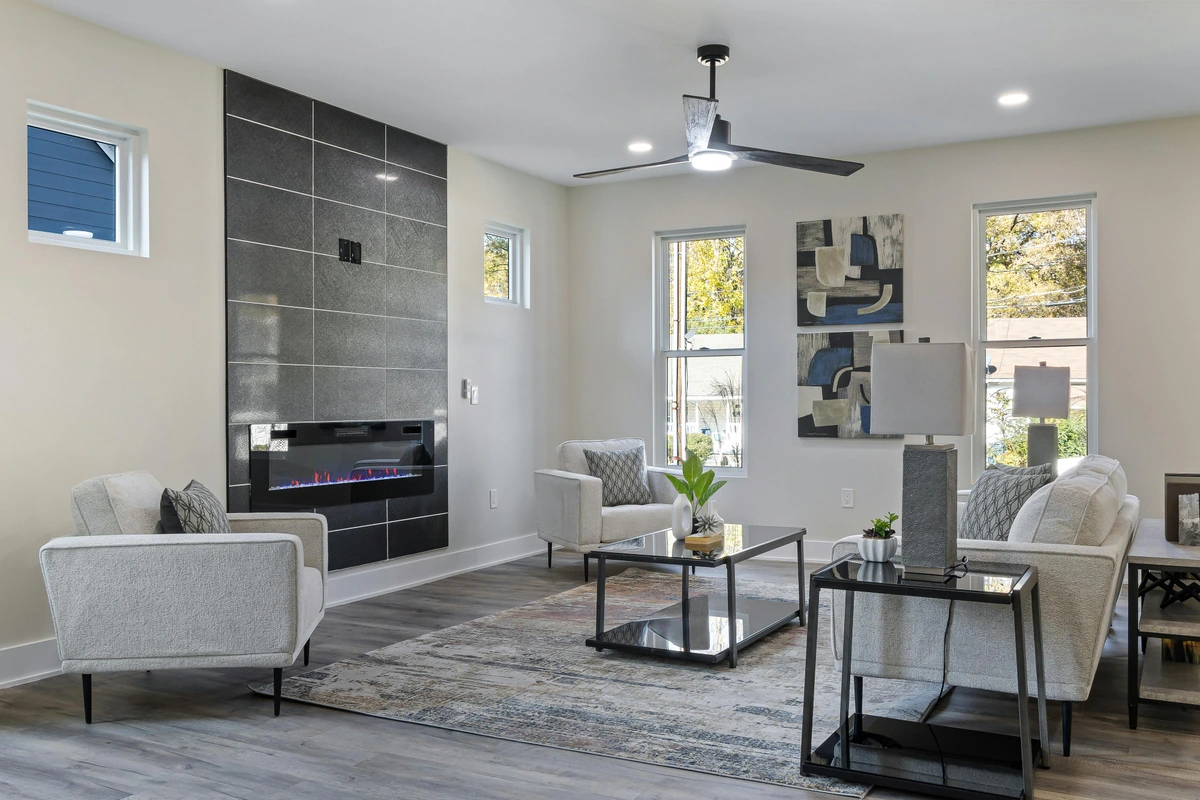
The UV Defense Squad:
- UV-Protective Glass or Acrylic: This is your first line of defense, especially for prints, photographs, and works on paper. Many custom framers offer options with varying levels of UV protection. It might add a little to the cost, but trust me, it's an investment that pays off. When I'm framing a new piece destined for a sunny spot, this is non-negotiable.
- Strategic Placement: Avoid hanging art directly opposite a large, unobstructed window where it will receive direct, prolonged sunlight. Think about the sun's path throughout the day. North-facing walls tend to get consistent, softer light, making them ideal. East and west-facing walls get intense morning and afternoon sun, respectively.
- Window Treatments: Curtains, blinds, or sheers aren't just for privacy; they're fantastic art protectors. You can still enjoy the light, but you can filter out those harmful UV rays during peak sun hours. I've often seen beautiful linen sheers used to great effect, allowing light through while safeguarding the art.
- Regular Rotation: If possible, rotate your artwork periodically. This not only prevents prolonged exposure to sunlight but also allows you to refresh the look of your space. It's a simple yet effective way to extend the life of your pieces.
- Use of UV-Filtering Films: Consider applying UV-filtering films to your windows. These films can block a significant portion of UV rays while still allowing natural light to enter your space. They are a great option if you want to protect your artwork without compromising the view.
Playing with Scale and Placement
This is where the fun really begins! A room with many windows often feels more expansive, more open. Your art needs to respect that openness while still making its statement. You don't want art that feels like it's shouting over the view, but rather complementing it, or offering a serene counterpoint.
The key to achieving this balance is to consider the scale and placement of your artwork. Larger pieces can make a bold statement, while smaller pieces can add subtle touches of personality. The goal is to create a harmonious relationship between your art and the natural light in your space.
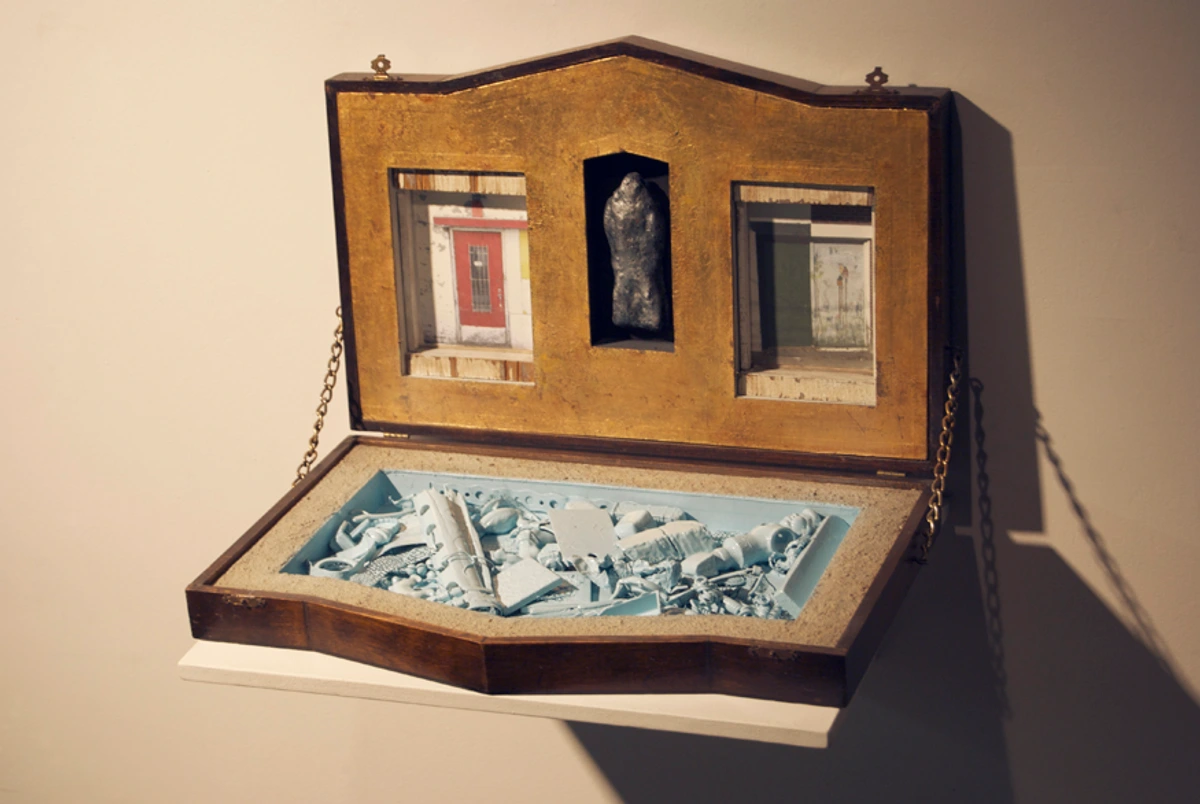
The Role of Negative Space
Negative space, or the empty space around and between your art, plays a crucial role in how your pieces are perceived. In a room with many windows, negative space can help balance the visual weight of the view outside. It allows your art to breathe and ensures that it doesn't feel cramped or overwhelmed by the natural light.
Negative space is not just about aesthetics; it's also about functionality. It helps to create a sense of balance and harmony in your space, allowing your art to stand out without competing with the natural light. This is especially important in rooms with large windows, where the view outside can be a dominant feature.
My Go-To Strategies:
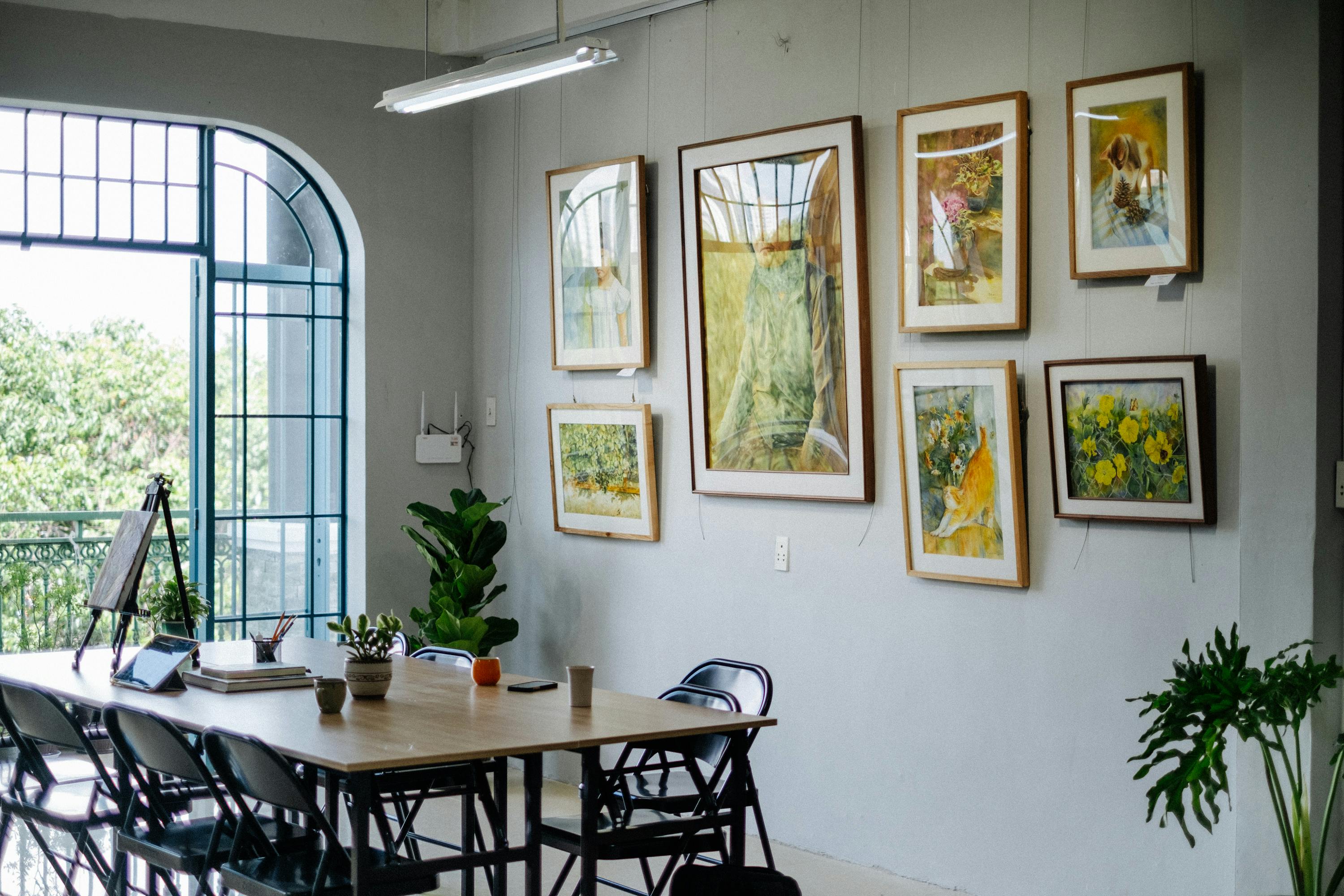
- Embrace the Negative Space: With so much visual information from the outside, sometimes less is more on the walls. One impactful piece might be better than a cluttered gallery wall, allowing both the art and the view their moment. Though, a thoughtfully curated gallery wall can absolutely work, especially if the frames and artwork create a cohesive, calming narrative.
- Consider the View's "Frame": If you have a spectacular view, think of your window as a natural frame. Your art can either echo the mood of the outside or offer a delightful contrast. For example, a serene landscape outside might be beautifully juxtaposed with a bold, abstract piece inside.
- Placement Near, Not Against: Instead of placing art directly between two large windows, consider the solid wall space adjacent to the window. This allows the art to receive indirect light and become a focal point without battling the outdoor vista. I usually test out a few spots, living with temporary placements for a day to see how the light interacts.
- Layering Art: Consider layering your art with other decorative elements like mirrors, shelves, or plants. This can create depth and interest, making your space feel more dynamic and lived-in.
- Use of Light and Shadow: Experiment with the placement of your art to create interesting light and shadow effects. This can add a dynamic element to your space, making it feel more alive and engaging.
Creating a Gallery Wall
If you decide to create a gallery wall, consider the following tips:
- Choose a Theme: Select a theme or color palette for your gallery wall to create a cohesive look. This can help tie the pieces together and make the wall feel intentional.
- Mix and Match: Combine different types of art, such as paintings, photographs, and prints, to add variety and interest.
- Play with Layouts: Experiment with different layouts before committing to one. You can lay the pieces on the floor to visualize how they will look on the wall.
- Use Consistent Framing: Consistent framing can help unify the pieces and create a polished look.

Color and Material Choices: How Light Affects Perception
The sheer amount of light in a window-filled room can dramatically alter how colors appear. A dark, moody piece might get washed out, while a vibrant one could sing even louder. This is where you get to be a bit of a color scientist!
Understanding how light affects color perception is crucial for selecting the right artwork for your space. Natural light can enhance the vibrancy of colors, making them appear more dynamic and alive. This is why it's important to consider the color palette of your artwork and how it will interact with the natural light in your room.
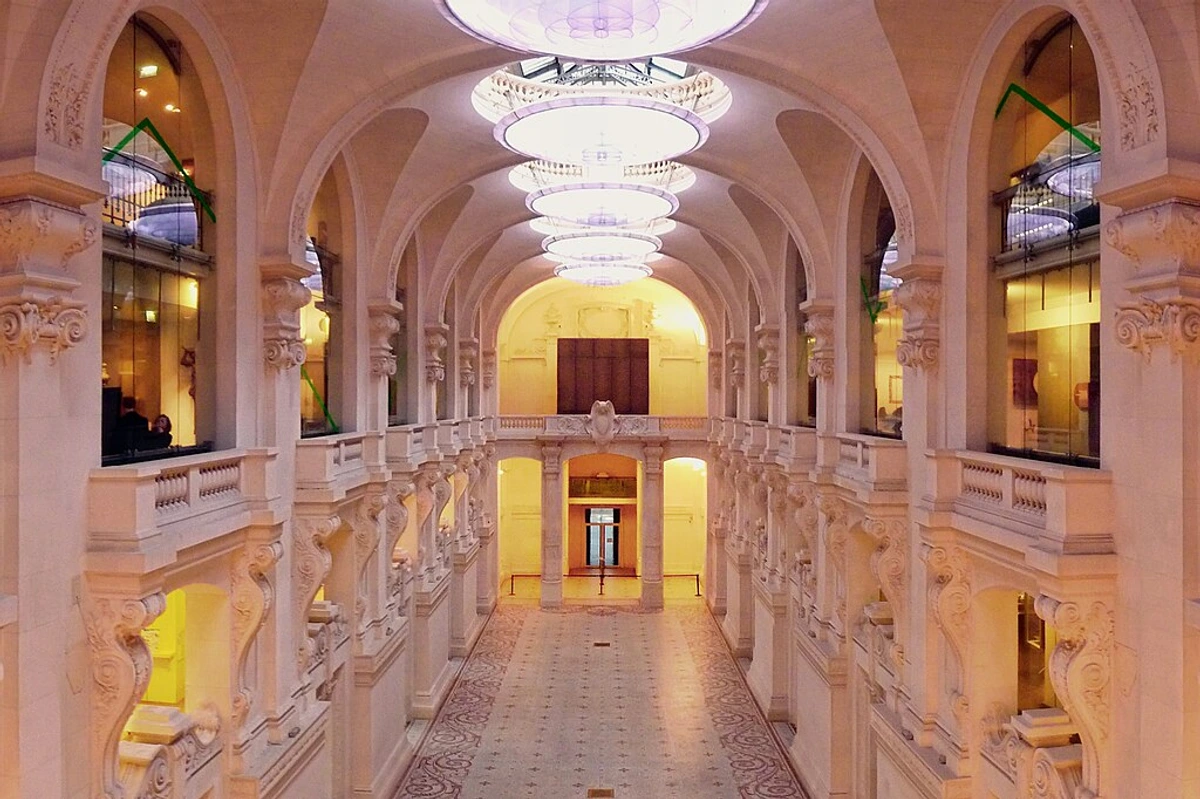
The Psychology of Color in Light
Colors evoke emotions and set the mood of a room. In a space filled with natural light, colors can appear more vibrant and dynamic. Understanding the psychological impact of colors can help you choose pieces that enhance the atmosphere of your room. For example, blues and greens can create a calming effect, while reds and yellows can energize a space.
The psychology of color is a powerful tool in interior design. By understanding how different colors can affect your mood and emotions, you can create a space that not only looks beautiful but also feels harmonious and inviting. This is especially important in rooms with abundant natural light, where the colors can appear more intense and dynamic.
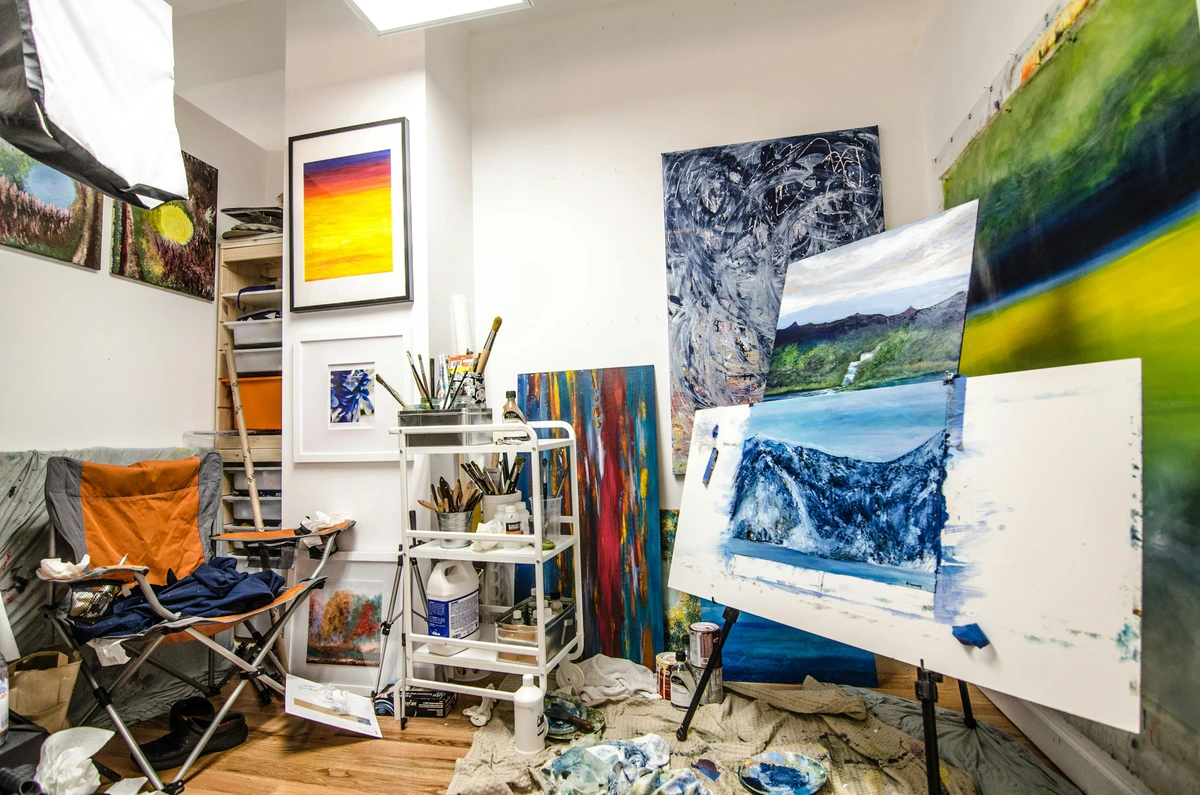
The Color Playbook:
- Vibrant Hues: This is your chance to really lean into bold, saturated colors. My own work, often full of greens, blues, and yellows, really comes alive in natural light, transforming throughout the day. Think about how the light will hit the piece. Will it make certain colors pop or soften others?
- Matte vs. Glossy: Highly glossy finishes can create distracting reflections, especially if placed opposite a window. I usually gravitate towards matte or semi-matte finishes for paintings in bright rooms. For framed pieces, again, UV-protective, non-glare glass is a lifesaver. No one wants to see their reflection more than the art itself!
- Textural Delights: Consider art with rich textures – a thick impasto painting, a woven textile, or a sculpture. The changing light throughout the day will create dynamic shadows and highlights, giving the piece a living quality. It's a subtle way to add depth and interest without relying solely on color.
- Monochromatic Schemes: Don't overlook the power of a monochromatic color scheme. Using varying shades of a single color can create a sophisticated and cohesive look, especially in a room with abundant natural light.
- Neutral Tones: Neutral tones can provide a calming and balanced backdrop for your space. They can help to soften the intensity of natural light and create a sense of harmony and tranquility. This is especially useful in rooms with large windows, where the natural light can be overwhelming.
Choosing the Right Color Palette
When selecting a color palette for your artwork, consider the following tips:
- Consider the Room's Purpose: The purpose of the room can influence the color palette. For example, a bedroom might benefit from calming blues and greens, while a living room might be enhanced by warmer tones like reds and yellows.
- Test Colors in Different Light: Colors can look different in various lighting conditions. Test your chosen colors in the room at different times of the day to ensure they look good in all lighting scenarios.
- Use a Color Wheel: A color wheel can help you understand how different colors relate to each other and create harmonious color schemes.
Embracing the View (or Contrasting It)
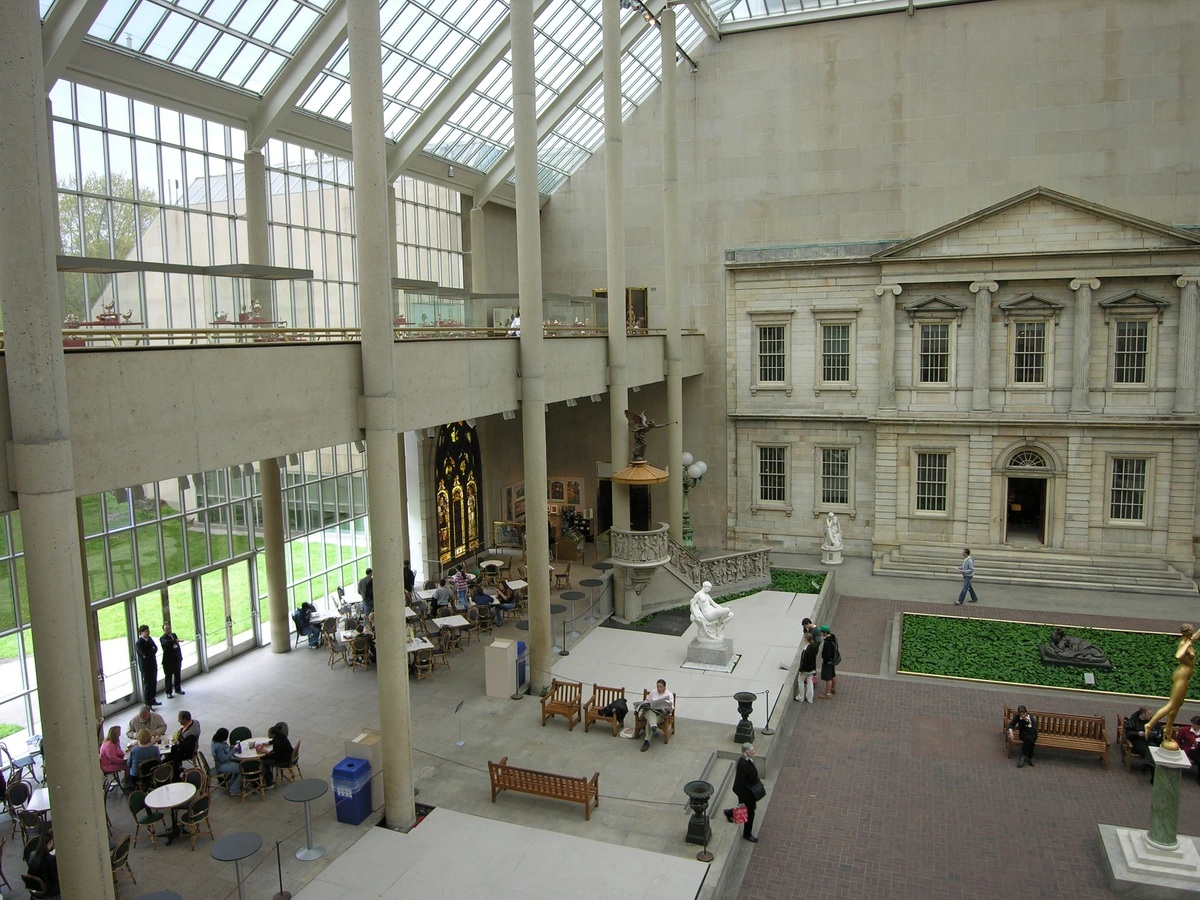
Sometimes, the best art in a sunny room is the view itself. But that doesn't mean your walls should be bare. It means your art should complement, not compete. If you have a sweeping cityscape, perhaps a serene abstract or a calming botanical print would offer a nice visual break. If your view is lush greenery, a vibrant abstract art for small spaces: maximizing impact in compact areas or a bold geometric piece could create a stunning juxtaposition.
The key is to create a harmonious relationship between your art and the view outside. This can be achieved by selecting artwork that complements the colors, textures, and mood of the outdoor scenery. By doing so, you can create a cohesive and inviting space that feels connected to the natural world.
I find that abstract pieces often work wonderfully in these spaces. They offer visual interest without being overly representational, allowing both the interior and exterior to coexist harmoniously. You can find many pieces that resonate with this philosophy on my buy page.
The Role of Nature in Art Selection
Nature-inspired art can create a seamless transition between the indoors and outdoors. Consider pieces that feature natural elements like landscapes, botanicals, or abstract representations of nature. These can enhance the connection to the outside world and create a cohesive aesthetic.
Nature-inspired art is not just about aesthetics; it's also about creating a sense of harmony and balance in your space. By incorporating natural elements into your artwork, you can create a space that feels connected to the natural world, promoting a sense of calm and well-being.

Beyond the Wall: Sculptures and Objets d'Art
Don't limit yourself to flat art! Rooms with abundant windows often have fantastic natural light for sculptures, ceramics, or other three-dimensional art. The light will dance off their surfaces, revealing contours and details that might be lost in a dimmer room. Imagine a beautifully crafted metal sculpture, its facets catching the morning sun, then mellowing in the afternoon glow. It’s truly captivating.
Three-dimensional art can add a dynamic and engaging element to your space. By incorporating sculptures and objets d'art, you can create a space that feels alive and interactive, with the natural light enhancing the beauty and complexity of these pieces.
Choosing the Right Sculpture
When selecting sculptures, consider the material and how it interacts with light. Metal sculptures can reflect light beautifully, while ceramic pieces can cast intriguing shadows. The placement of sculptures is also crucial. Consider placing them on pedestals, shelves, or even hanging them from the ceiling to create a dynamic visual experience.
The material of the sculpture can greatly affect how it interacts with natural light. For example, metal sculptures can create stunning reflections and highlights, while ceramic pieces can add a sense of depth and texture. By carefully selecting the material and placement of your sculptures, you can create a space that feels dynamic and engaging.

My Personal Takeaways
For me, choosing art for a room with many windows is about creating an experience. It’s about balance, protection, and a keen eye for how light transforms everything. It's an opportunity to let your art breathe and interact with the dynamism of the day. Don't be afraid to experiment, and definitely don't shy away from color. If you're ever in doubt, just observe how the light changes in your room throughout a day or even a week. It will tell you so much about what kind of art will truly thrive there.
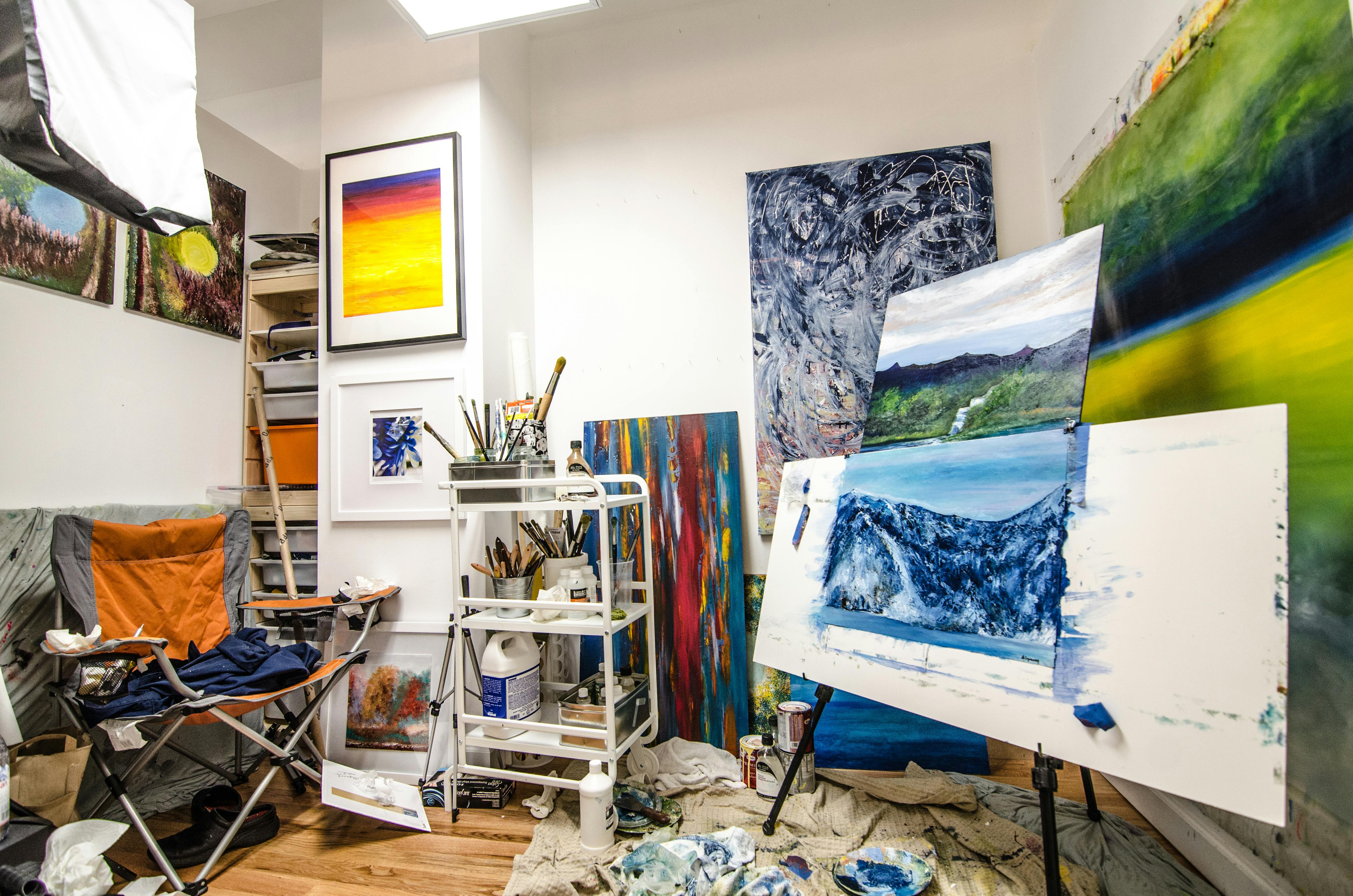
I often think about the light in my den-bosch-museum studio, how it affects my own canvases. It's a constant source of inspiration and a reminder that light is as much a medium as paint itself. And if you're looking for more general advice, I've got plenty of thoughts on how to decorate your home.
The Journey of Discovery
Choosing art for a room with many windows is a journey of discovery. It's about understanding the unique characteristics of your space and how they interact with the art you love. Embrace the process, and don't be afraid to make mistakes. Each piece you choose is a step in creating a space that reflects your personality and enhances your daily life.
This journey is not just about selecting the right artwork; it's also about creating a space that feels uniquely yours. By embracing the process and experimenting with different pieces and placements, you can create a space that is both beautiful and meaningful, reflecting your personal style and enhancing your daily life.

Frequently Asked Questions (FAQ)
Question  | My Insight |
|---|---|
| Can I hang paintings directly opposite a window? | I'd generally advise against it, especially for valuable or light-sensitive pieces. The direct sun can cause fading and glare can make viewing difficult. If you must, ensure the art is protected with UV-filtering glass and consider using blinds or curtains during peak sun. |
| What kind of art is best for a very bright room? | Art with bold colors and matte or semi-matte finishes often thrives. Textured pieces (like woven art or impasto paintings) also look fantastic as changing light creates dynamic shadows. Abstract art can also be a wonderful choice, offering visual interest without competing with an outdoor view. |
| How do I prevent my art from fading in a sunny room? | Prioritize UV-protective glass or acrylic for framed works. Position art on walls that receive less direct sunlight (e.g., north-facing). Use blinds, curtains, or sheers to filter intense light during the day. Consider rotating highly valuable pieces out of direct sun periodically. |
| Should art be smaller or larger in a room with many windows? | This often depends on the wall space available. In rooms with extensive windows, wall space can be fragmented. Sometimes a single larger statement piece on a solid wall works beautifully. Other times, smaller, cohesive pieces can create harmony. The key is to ensure scale feels balanced. |
| Are there certain colors to avoid in bright rooms? | Not necessarily avoid, but be aware that very pale or muted colors might appear washed out under intense natural light. Darker, moodier tones can sometimes lose their depth unless specifically lit or placed out of direct glare. It's all about context and how the light interacts with the pigments. |
| How can I use sculptures in a room with many windows? | Sculptures can add a dynamic element to your space. Consider the material and how it interacts with light. Metal sculptures can reflect light beautifully, while ceramic pieces can cast intriguing shadows. Place them on pedestals, shelves, or even hang them from the ceiling to create a dynamic visual experience. |
| What are the best materials for sculptures in bright rooms? | Metal sculptures can reflect light beautifully, while ceramic pieces can cast intriguing shadows. The material of the sculpture can greatly affect how it interacts with natural light. For example, metal sculptures can create stunning reflections and highlights, while ceramic pieces can add a sense of depth and texture. |
Conclusion
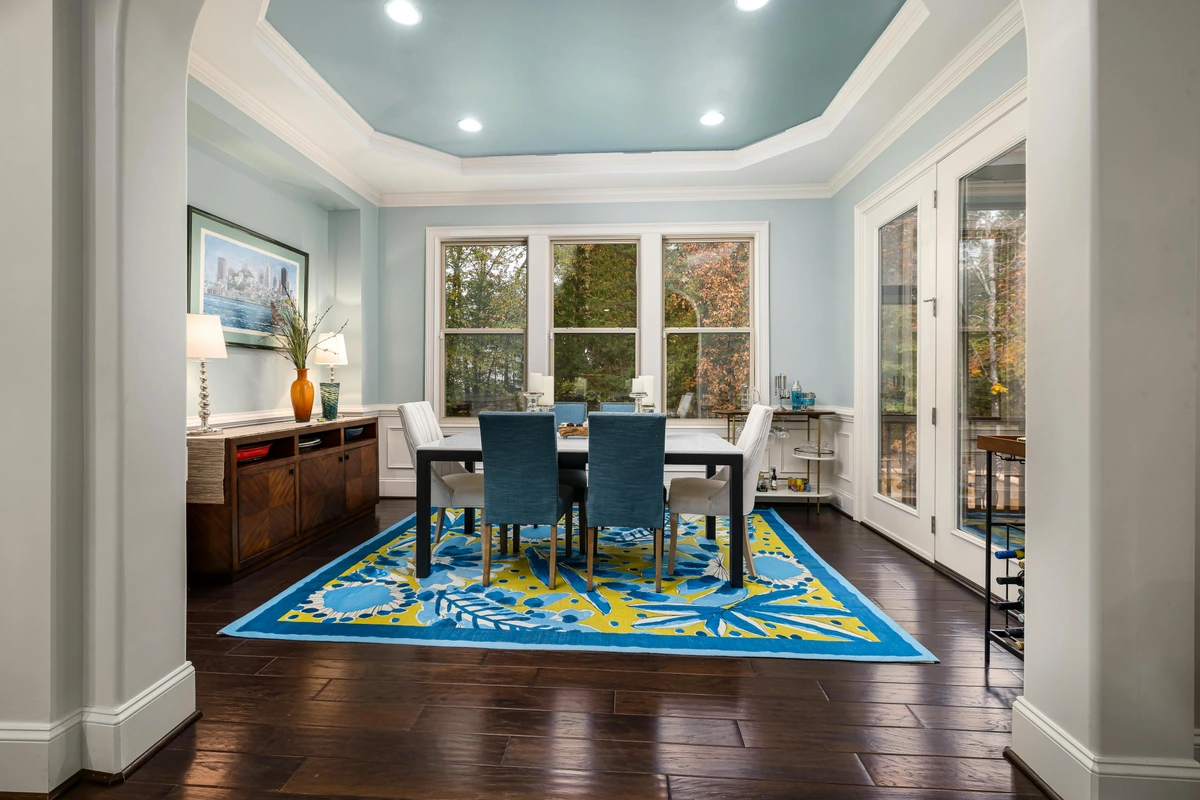
Ultimately, a room with many windows is a gift. It brings the outside in, connects you with nature, and floods your space with life-giving light. Don't see the windows as a limitation for your art choices, but rather as an exciting parameter, a unique characteristic to design around. With a little thought about protection, placement, and palette, you can create an interior that feels both expansive and intimately curated, where every piece of art shines in its own brilliant light. And that, my friend, is a beautiful thing indeed.








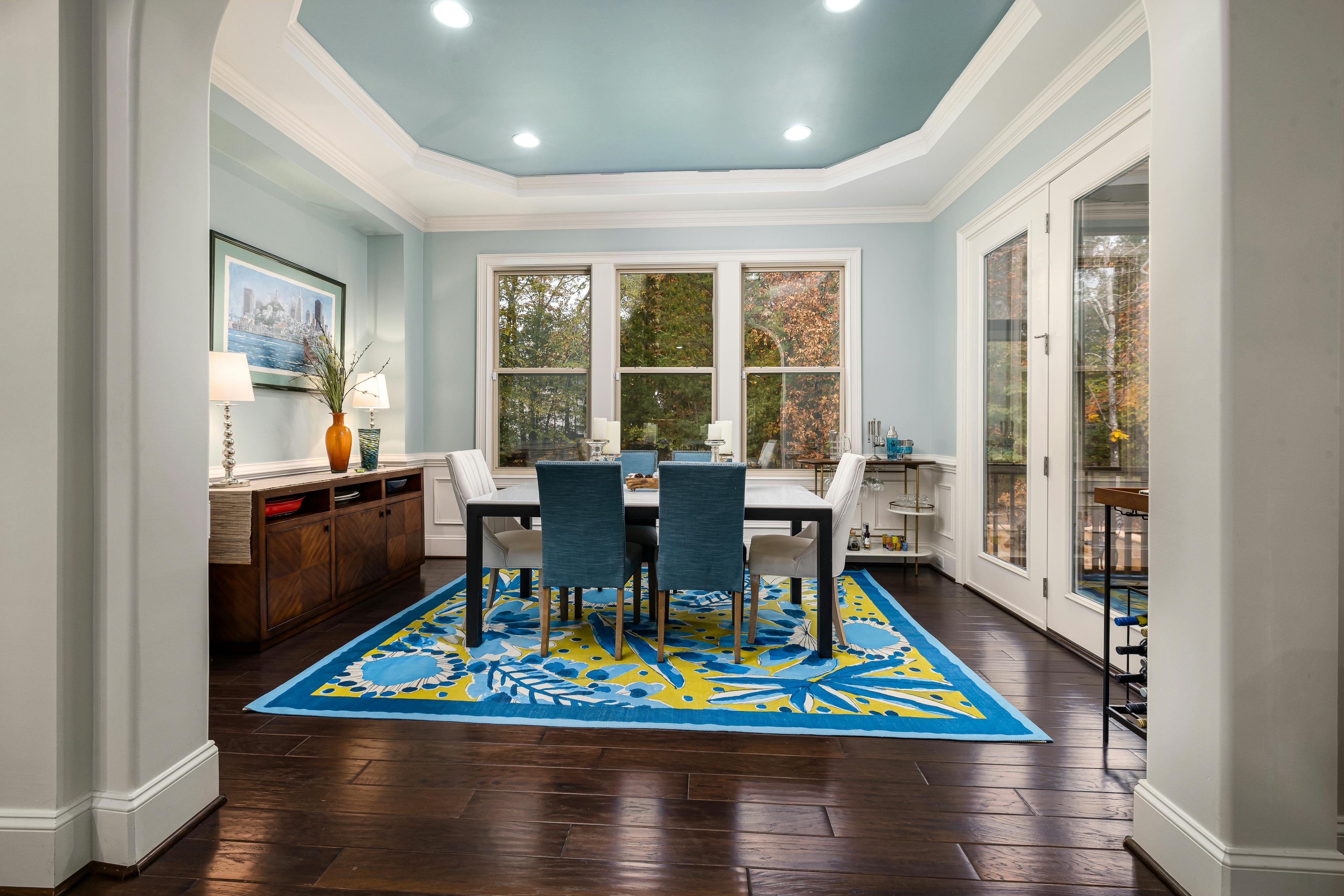
Final Thoughts
Choosing art for a room with many windows is a journey of discovery and creativity. It's about understanding the unique characteristics of your space and how they interact with the art you love. Embrace the process, and don't be afraid to make mistakes. Each piece you choose is a step in creating a space that reflects your personality and enhances your daily life. Enjoy the journey, and let your art shine in its own brilliant light.