
The Last Brushstroke: Deconstructing the 'Final Thought' in Art
A deep dive into the artist's most crucial decision: knowing when a piece is truly finished. Explore the 'final thought' through art history, personal struggle, and what it means for the viewer.

The Last Brushstroke: Deconstructing the 'Final Thought' in Art
An exploration into the crucial, often overlooked, decision that separates a work-in-progress from a finished piece of art.
Table of Contents
- An Artist's Confession
- What Do We Even Mean by a 'Final Thought'?
- The Final Thought as a Conceptual Resolution
- The Medium Shapes the Moment
- Looking Deeper: How to Spot the Final Thought
- Reading the Signs: Famous Final Thoughts in Art History
- The Whisper: Vermeer's Glimmer of Light
- The Roar: When is Chaos 'Finished'?
- The Reduction: A Black Square
- The Erasure: Richter's Scraped History
- The Acceptance: Wabi-Sabi and Imperfection
- The Neuroscience of Stopping: Why Our Brains Resist Completion
- The Zeigarnik Effect in the Studio
- Anxiety and the Fear of Judgment
- The Agony of the End: Knowing When to Walk Away
- Okay, But Does It Really Matter What the Artist Thought?
- The Ghosts of Art: What Unfinished Works Tell Us
- A Note on Digital Iteration and Generative AI
- Conclusion: The Invisible Brushstroke
- FAQs
An Artist's Confession
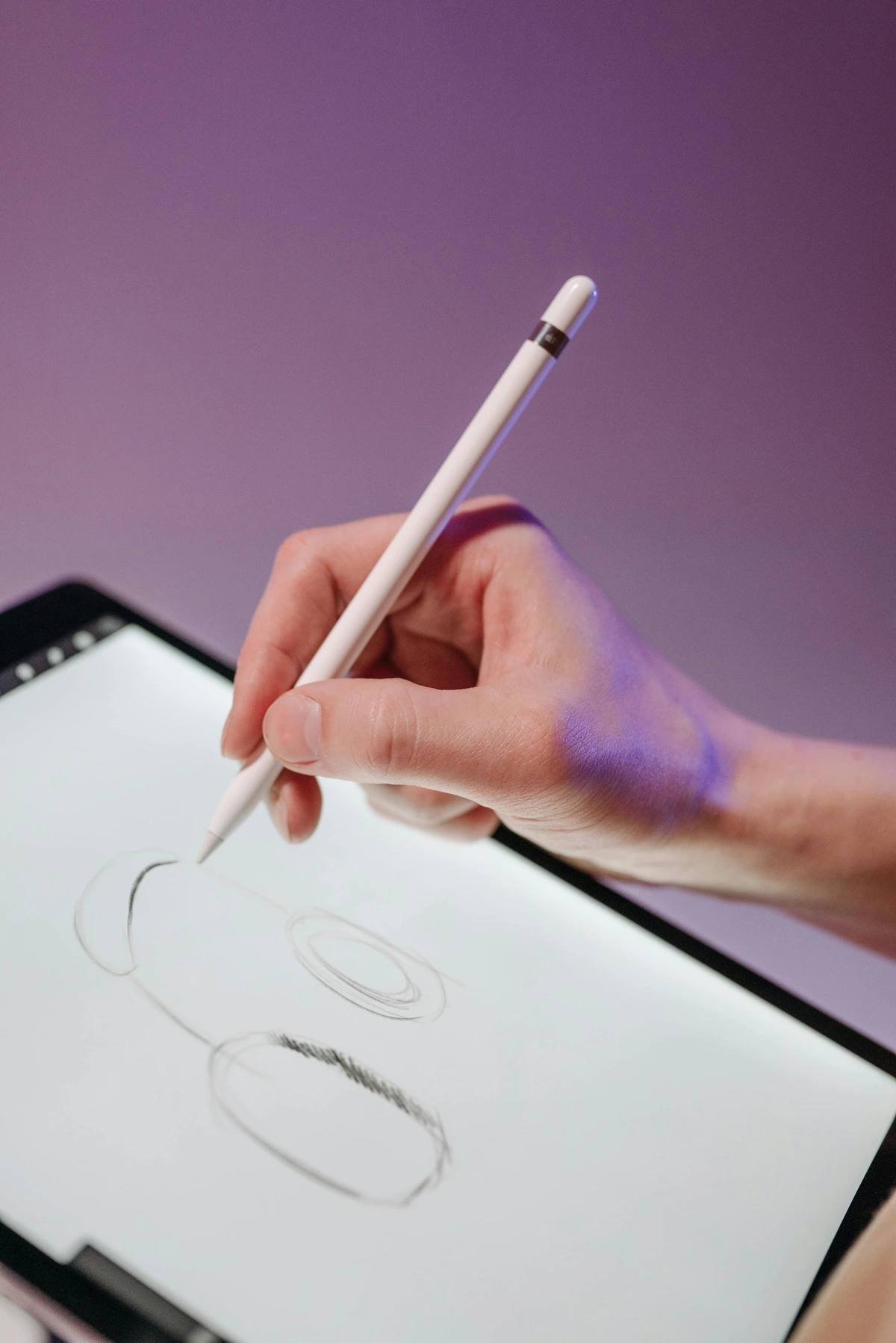
I have a confession. There’s a painting in my studio, leaning against the far wall, that I nearly destroyed. Not with a dramatic slash of a knife or a fit of pique, but with something far more insidious: one more brushstroke. It was almost there. The color was right, the composition felt balanced, but a little voice whispered, "Just one more touch... right there." I listened. And I instantly regretted it. That single, final touch threw the whole thing off balance. It was like adding one too many ingredients to a perfect recipe.
That moment of regret is something every artist knows intimately, the point where a decision transforms a work into something entirely new, often unexpectedly. It’s no coincidence that some of the most interesting art movements were born from these small yet pivotal moments.
That painting taught me the most brutal lesson in art: the most important decision isn't the first mark you make, but the last one you don't. This is what I call the 'Final Thought'—that quiet, gut-wrenching, exhilarating moment an artist decides to step away. It's the silent declaration: "It is done." This invisible hand guiding an artist toward completion is a fascinating interplay between conscious choice and spontaneous discovery, exploring what does art mean beyond mere technique or skill.

But what does that moment really mean? Let's unpack it, because I think it’s where the real magic of a piece of art lives. It’s this very decision that often separates a work that feels dated from one that becomes a quintessential example within contemporary art.
What Do We Even Mean by a 'Final Thought'?
When we talk about the 'final thought,' we're not just talking about the last physical dab of paint. It's the culmination of a thousand tiny decisions. It's the conscious choice to let the work exist as it is, with all its perfections and flaws. In some ways, it's the most conceptual part of the entire process. The artwork isn't just the object; it's the object plus the decision that it needs nothing more.
It's crucial to distinguish this from simply running out of supplies or time. The 'final thought' is a deliberate conclusion, a moment when artistic intent is resolved. To better understand this distinction, let’s consider the broader context of how this moment functions within an artwork.
The Final Thought as a Conceptual Resolution
Unlike a preliminary study or an unfinished work, a piece marked by a final thought asserts its integrity against further modification. This is evident in how artists define when a work is ready for exhibition or sale, a concern central to careers like those of painters from the Dutch Golden Age. It's the moment an artist decides to attach a signature on art, signifying completion. This signature is more than an autograph; it's a formal punctuation mark at the end of a visual sentence.
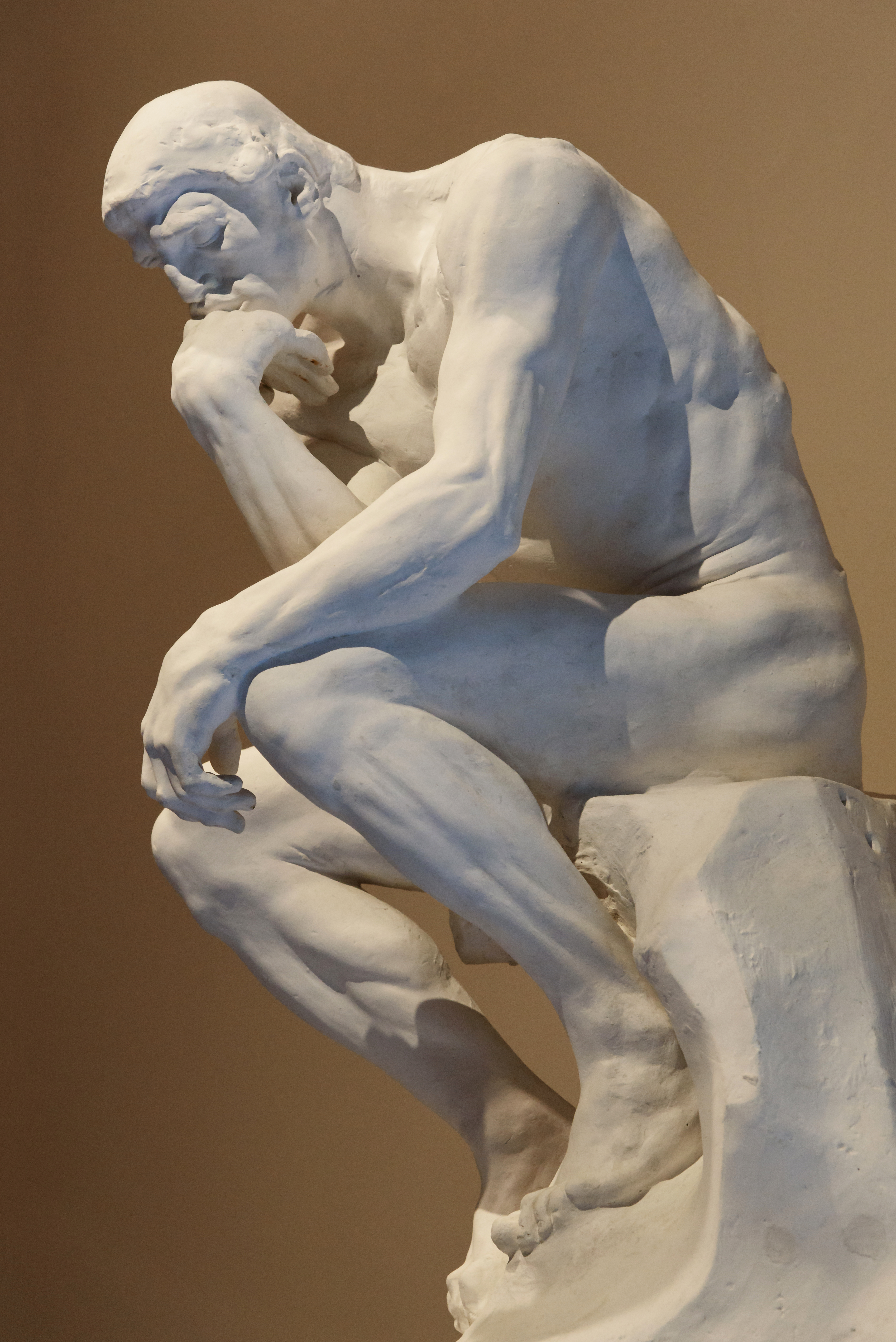
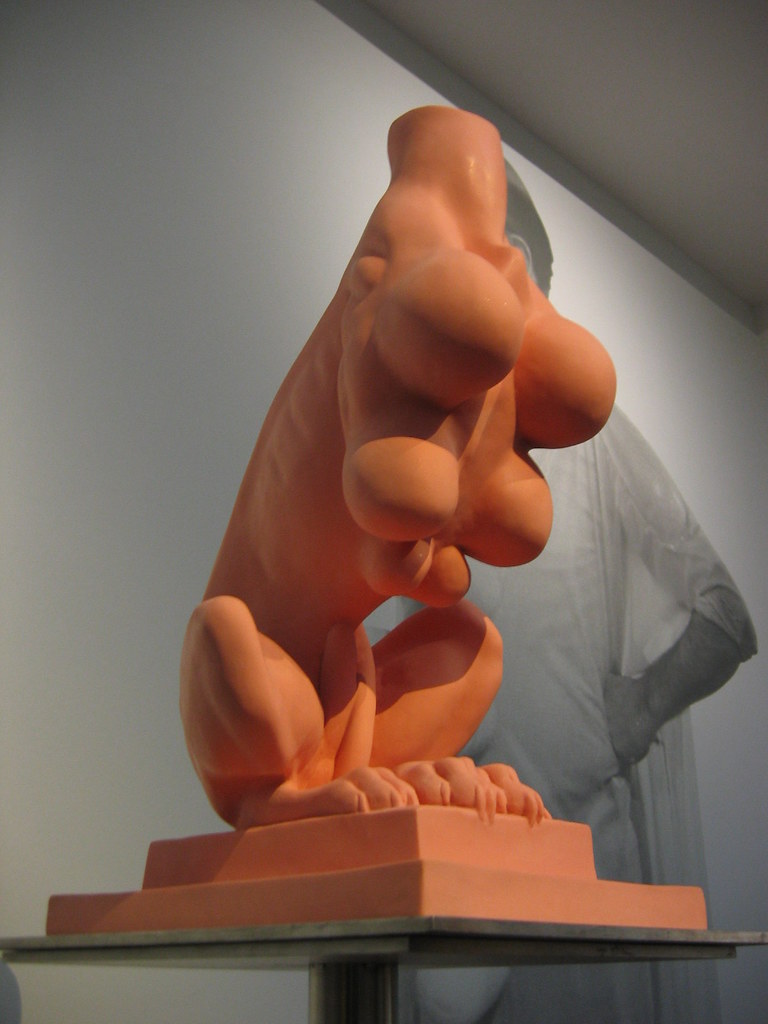
Consider how the pressure of this decision varies dramatically between mediums. A sculptor might be deemed finished when a form can stand without support, a conceptual and practical finality entirely different from deciding a painting is resolved. A weaver stops when the final thread is knotted, and the textile's structure is sound. A printmaker decides the final thought lies in the last pass through the press, knowing each print is a ghost of that moment. A photographer, working within the confines of a single frame, makes a "final thought" not with additive marks, but through the decisive click of the shutter, followed by the equally crucial finality of cropping and developing. The medium itself shapes the very nature of the final act.
This tension is especially palpable when viewing modernist works, where the decision to leave a canvas seemingly incomplete was, in itself, the final, radical thought. It's a reminder that our understanding of finish is not static; it evolves with art history itself.
The Medium Shapes the Moment
I can't think of a more direct contrast than that between a painter and an architect. For a painter, the final thought might be a speck of white titanium paint that makes a highlight sing. For an architect like Zaha Hadid, the final thought was a breathtaking, gravity-defying curve, made possible only by the last few lines of a CAD rendering. The medium doesn't just influence the final thought; it defines the entire arena in which that thought takes place. A potter's final thought is a glaze fired at a specific temperature, a chemical transformation they can only hope for. A digital artist's final thought is committing to one layer state among millions of possibilities. The decision to stop is universal, but the battleground is entirely different.
Looking Deeper: How to Spot the Final Thought
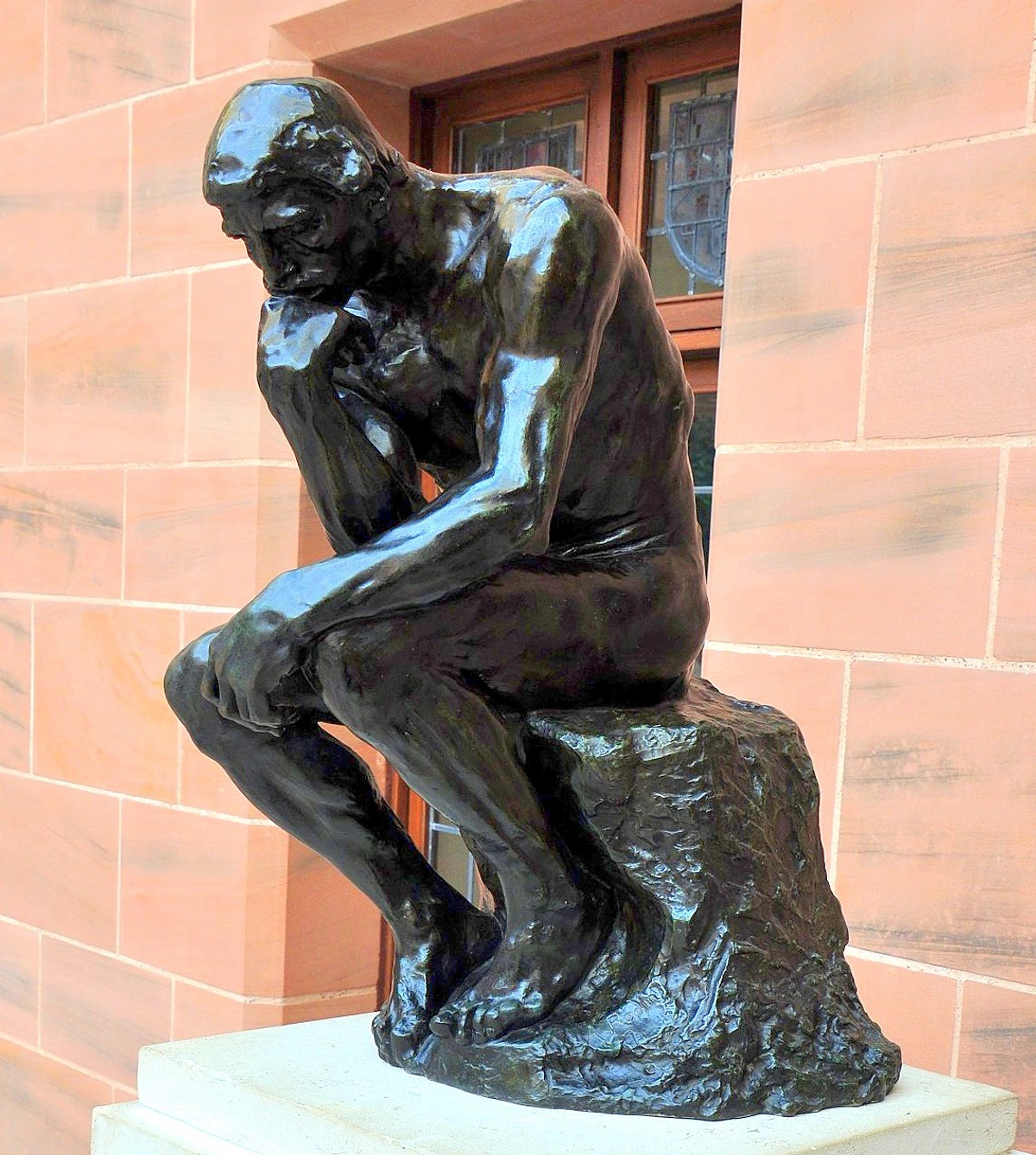
You’ve probably experienced this without even realizing it—standing before a work that feels complete, resolved. How do you begin to consciously recognize that moment? Here are a few practical things to look for, whether you're in a museum, a gallery, or browsing online.
- A Sense of Equilibrium: Does the composition feel balanced, even if it’s asymmetrical? Not static balance, but a dynamic tension where every element seems to hold every other element in place. This is where studying the principles of design, or even understanding the principles of design, becomes invaluable, offering a vocabulary for why something just 'works.' Taking a moment to visit a museum lets you see this firsthand, observing how masters have wrestled with this challenge for centuries.
- Unapologetic Authenticity: Does the work feel confident, as if it couldn’t possibly be any other way? It’s not over-explained or labored over. You sense the artist trusted their choices. This quality, making an artwork memorable, is central to what makes a good painting. It’s the difference between a hesitant gesture and a bold one.
- The Hint of the Invisible: Often, it's what's not there. The unpainted passage in a portrait, the empty space in a drawing, the quiet area in a chaotic abstract painting. This restraint invites you in, allowing you to participate in completing the picture. It’s the artist saying, ‘We build this world together,’ and respecting the intelligence of the viewer.
- Energetic Consistency: Does the energy of the piece feel consistent? A work that begins with frantic, urgent marks but ends with timid, hesitant ones can feel unresolved. When the final thought is truly final, it resonates with the emotional statement of the entire piece. This consistency is often what prompts a collector to decide it’s time to buy a work. It feels like a complete sentence, with a clear beginning, middle, and end.
This is a universe away from just running out of paint. It's a deliberate act of will. It's the artist drawing a line in the sand and saying, "This is the story I wanted to tell, and this is where it ends." It's a concept that touches the very core of what is art itself. For some artists, especially those in the realm of conceptual art, the 'final thought' or the idea is pretty much the entire artwork.
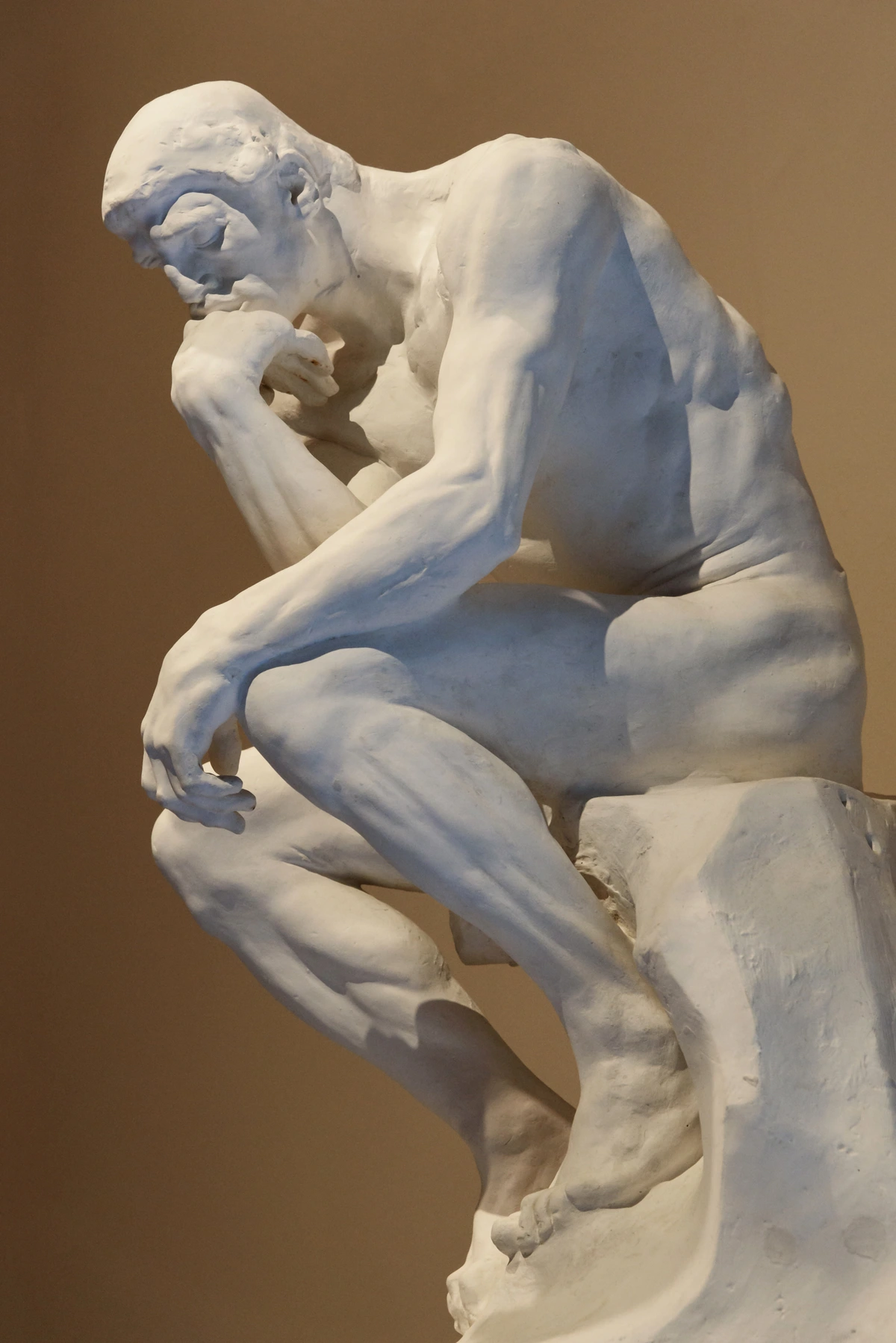
Reading the Signs: Famous Final Thoughts in Art History
You can almost feel this moment when you look at certain pieces. It’s like a quiet hum beneath the surface. These 'final thoughts' can be a whisper or a defiant roar. Recognizing these decisions deepens our appreciation of key art periods, revealing how shifts in technique often reflect broader transformations in thinking, visible across different art styles and historical contexts. It's this very texture of decision-making that imbues an object with presence, distinguishing what makes a good painting. But it's not just a past-tense phenomenon; it's a living question in any era, including our own, shaping what we see in new art movements.
The Whisper: Vermeer's Glimmer of Light
Think about Johannes Vermeer's 'Girl with a Pearl Earring'. Look closely. The painting is a masterpiece of light and shadow, but it all pivots on that earring. And the earring itself isn't even fully painted. It’s just two dabs of white paint: one soft, one a brilliant, sharp highlight. Was that highlight the very last thing he did? I like to think so. In that one, final, decisive touch, he didn't just paint a piece of jewelry; he painted the idea of light hitting a surface. He captured a fleeting moment and made it eternal. Without that final thought, it's a lovely portrait. With it, it's breathtaking.
This technique isn't limited to portraiture or European masters; it finds resonance across geographies, as seen in the deliberate final marks of Chinese art, where a single brushstroke can encapsulate the spirit of a mountain or the movement of water. It's a practice rooted in controlling ink and breath to achieve a state of resolution in a single gesture, where the final thought is inseparable from the physical act of creation itself.

The Roar: When is Chaos 'Finished'?
Now, jump forward a few centuries to Abstract Expressionism. Look at a painting by Willem de Kooning. It’s a storm of violent brushstrokes, chaotic layers, and raw energy. Where’s the final thought in that? That’s the genius of it. The final thought for an artist like de Kooning was to have the courage to stop the storm. To look at this maelstrom of paint and emotion and say, "There. That's it. The energy is captured." Adding one more stroke would be like trying to tame a hurricane. The final thought wasn't about perfection; it was about preserving a moment of pure, untamed expression.

The Reduction: A Black Square
The opposite end of the spectrum is just as revealing. In the work of an artist like Kazimir Malevich, whose final thought was a black square on a white field, the act was one of ultimate reduction. He didn't need to add anything; the final thought was to recognize that nothing more was needed. It was the artistic equivalent of a period at the end of a long, complex sentence. This radical gesture wasn't merely minimalism; it was a declaration of a new artistic philosophy, a final thought that sought to erase all illusion and representation to arrive at "the zero of form."
The Erasure: Richter's Scraped History
We see a more controlled, yet equally profound, version of this in the work of Gerhard Richter. His abstract squeegee paintings are built up in layers, but also scraped away. His 'final thought' is as much about removal as it is about addition. The finished piece is a record of its own history, and the artist's final decision is to let that history stand. This approach contrasts with the meticulous layering found in Flemish painting, where completion involves achieving a specific optical clarity, demonstrating how the nature of the 'final thought' shifts dramatically between art movements. Whether it’s a precise achievement of surface depth or the capture of primal energy, these decisions are what shape our understanding of what art is.
The Acceptance: Wabi-Sabi and Imperfection
It's fascinating to see how this concept travels. Consider the principles of wabi-sabi, the Japanese aesthetic that embraces imperfection and transience. Here, the 'final thought' might involve deliberately not correcting a crack in the glaze of a ceramic bowl, seeing its imperfection as a record of the object's history and a symbol of its unique beauty. It reframes completion not as flawless execution, but as a profound acceptance of what is. The final thought becomes an act of reverence for the material, the process, and the unavoidable marks of time.
The Agony of the End: Knowing When to Walk Away
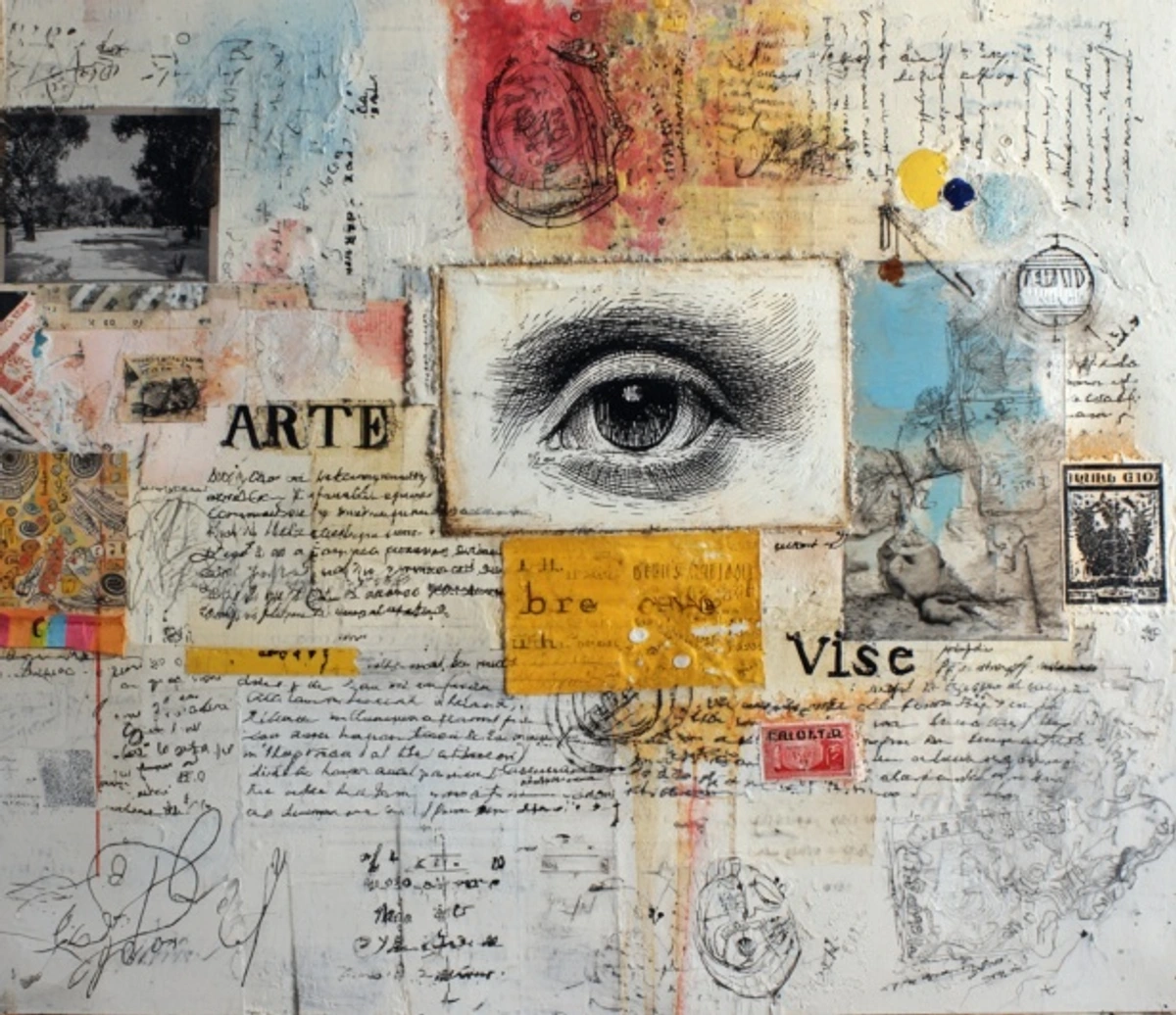
This is the part nobody really talks about. Finishing a piece of art can be terrifying. It's a commitment. You're letting it go, sending it out into the world to be judged. That little voice that tells you to add 'just one more touch' is often just fear in disguise—fear that it's not good enough, not perfect enough. It's the creative equivalent of stage fright, the moment before the curtain goes up. For anyone looking to delve deeper into their craft, exploring online art courses can provide structured guidance, while collecting original works offers tangible examples of these moments of decision in how to collect art. Understanding these fears—and their creative counterparts—is part of what makes acquiring an original so compelling, a topic we explore in depth in how much does original art actually cost.

Learning to recognize the moment a work is truly done is a skill, and it's one I'm still learning. It's a weird mix of intuition and experience. The piece starts to 'breathe' on its own. It pushes back. It tells you it doesn't need you anymore. The struggle is to listen. It’s a feeling in your gut more than a thought in your head. It's the point where your gut feeling overrides the endless, noisy chatter of your inner critic, that internal editor who always wants one more pass.
Here are a few practical mental tricks that can help:

- The Threshold Test: I ask myself, 'If I were forced to hand this over right now, would I be satisfied?' If the answer is a grudging 'yes,' it might be done.
- The Turn-Around Test: Literally turn the work to face a wall for a few days. When you turn it back around, your brain sees it with fresh eyes. The flaws, or the realization that there are no major flaws, become immediately apparent.
- The Inversion Test: Look at the work in a mirror, or flip your digital canvas. This breaks the visual pattern and reveals imbalances you might have become blind to.
This internal push-and-pull is the daily life of an artist, surrounded by tools, paints, and paralyzing decisions. It's this very struggle that infuses a work with its soul, a topic that's deeply connected to mastering your craft through discipline and practice, which you can read more about in our piece on developing intellectual rigor in your art. It's why collecting original art, knowing a human being went through this process, is so special. You can almost feel that final decision hanging in the air when you look at a piece you can buy. This relationship between artist and artwork isn't new; Renaissance masters like Raphael or Leonardo understood this dynamic well. Exploring this historical context through a timeline of works can illuminate how this core challenge has persisted for centuries.

Okay, But Does It Really Matter What the Artist Thought?
Here’s a fun little philosophical wrench to throw in the works. Once the artist walks away, does their 'final thought' even matter anymore? The French philosopher Roland Barthes famously wrote about the "Death of the Author." His argument was that once a work is released to the public, the author's—or in our case, the artist's—specific intent ceases to be the ultimate authority on its meaning. The viewer's interpretation, shaped by their own experiences and culture, is what brings the work to life. This creates an intriguing tension where the artist's artistic intent, captured in their final thought, intersects with our own perceptions and the question of is art subjective.
This debate gets even more interesting with conceptual art, where the idea behind the work is paramount. If the idea is the art, does the final physical state even matter, or is the final thought just a footnote to the concept? This is especially true for installation artists, whose "final thought" might be the precise placement of an object in a room, an ephemeral gesture that is dismantled after the exhibition, leaving only photographic echoes.
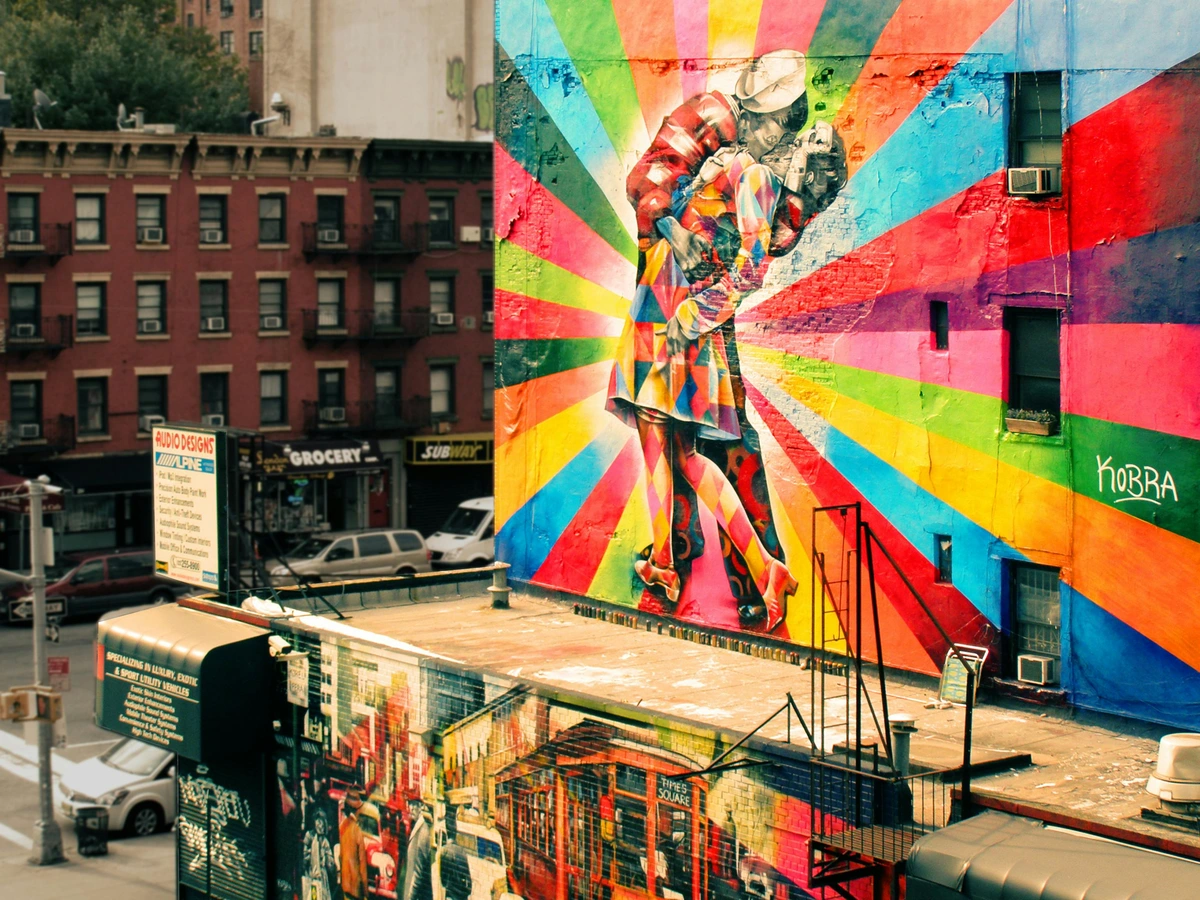
I have mixed feelings about this. On one hand, yes, absolutely. The moment you see a painting in a gallery, your personal history, your mood, your own experiences—they all become part of the artwork. You complete a circuit that the artist started. The work becomes a conversation, not a monologue. This is especially true for works that push the boundaries, forcing us to reconsider what art is in the first place.
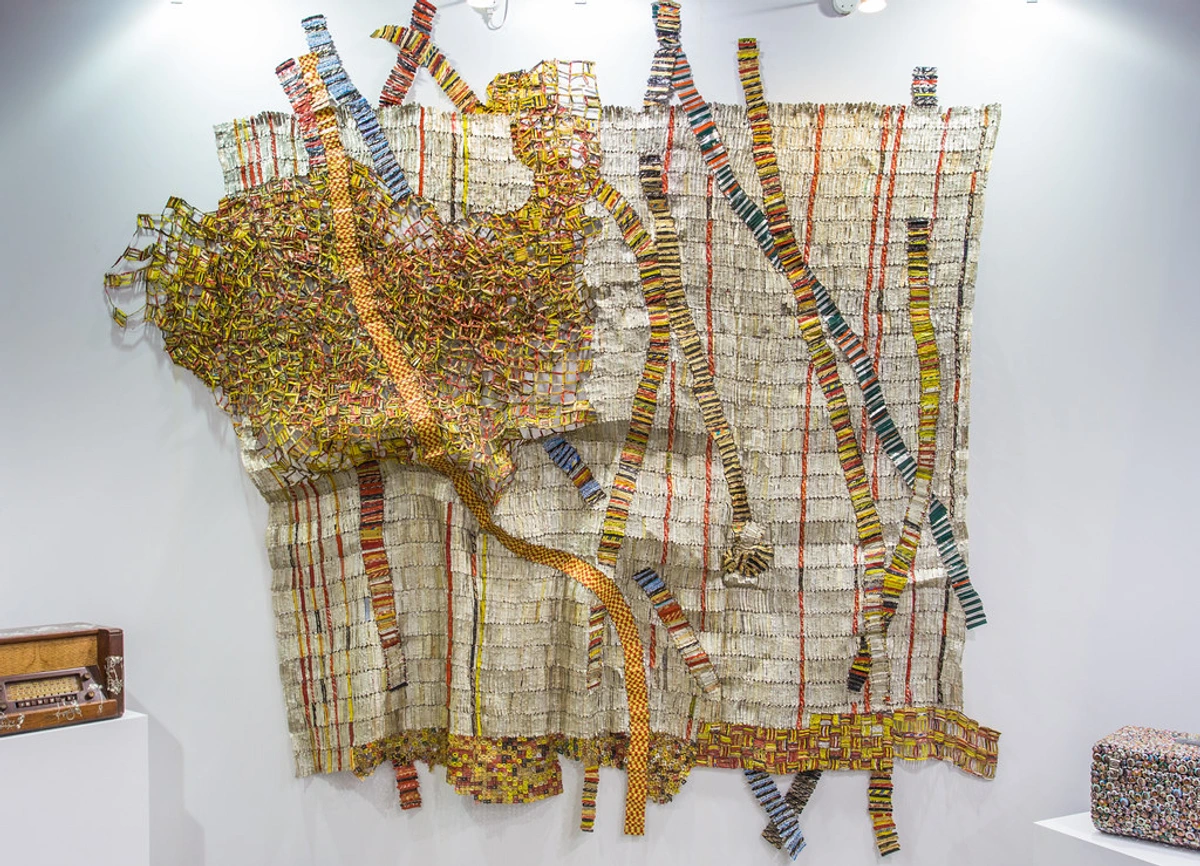
On the other hand, I can't help but feel that knowing—or at least trying to understand—the artist's intent adds a rich layer of depth. Appreciating the final, brave decision to stop gives us a deeper connection to the human being who made the object in front of us. Sometimes, challenging that final thought is an act of critical appreciation, which raises questions explored in is modern art bad.
The Ghosts of Art: What Unfinished Works Tell Us
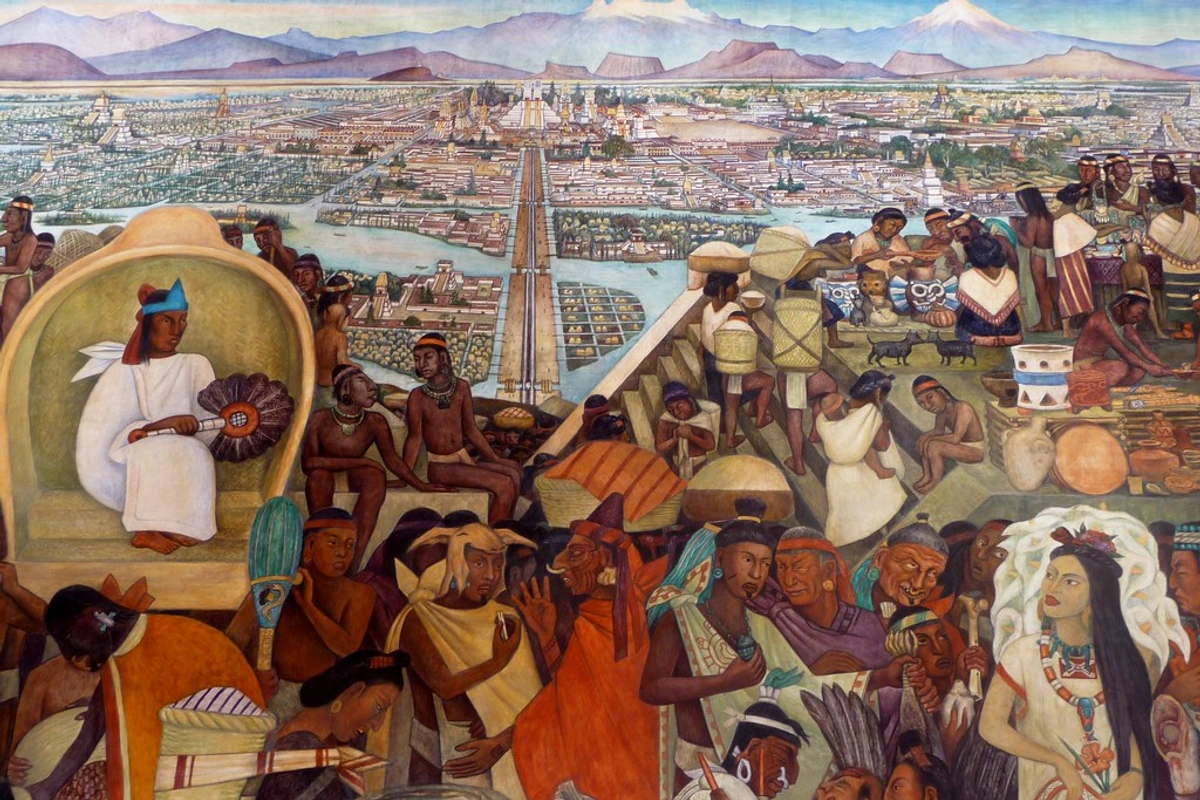
Perhaps the best way to understand the importance of the final thought is to look at works that never had one. Unfinished sculptures by Michelangelo, Leonardo da Vinci's notebooks, Degas's wax studies for his sculptures. These pieces are captivating precisely because they lack a conclusion. What they offer is a privileged glance into the creative process itself, revealing the often-messy reality behind what might seem effortless in a finished piece, and underscoring why original art carries such a powerful charge. They are the beautiful, unresolved questions of art history.
It's a reminder that the creative process is a journey, and the destination is a choice. This appreciation for the incomplete is visible in many traditions, not just in the Western canon.
They offer an intimate glimpse into the artistic process—the raw thought, the exploration, the journey without the destination. Edgar Degas's study for 'The Little Fourteen-Year-Old Dancer' is arguably more raw and emotionally resonant than the 'finished' bronze casts made later. We see his mind at work, and the absence of a 'final thought' invites us to fill in the blanks ourselves. It's a different kind of perfection.
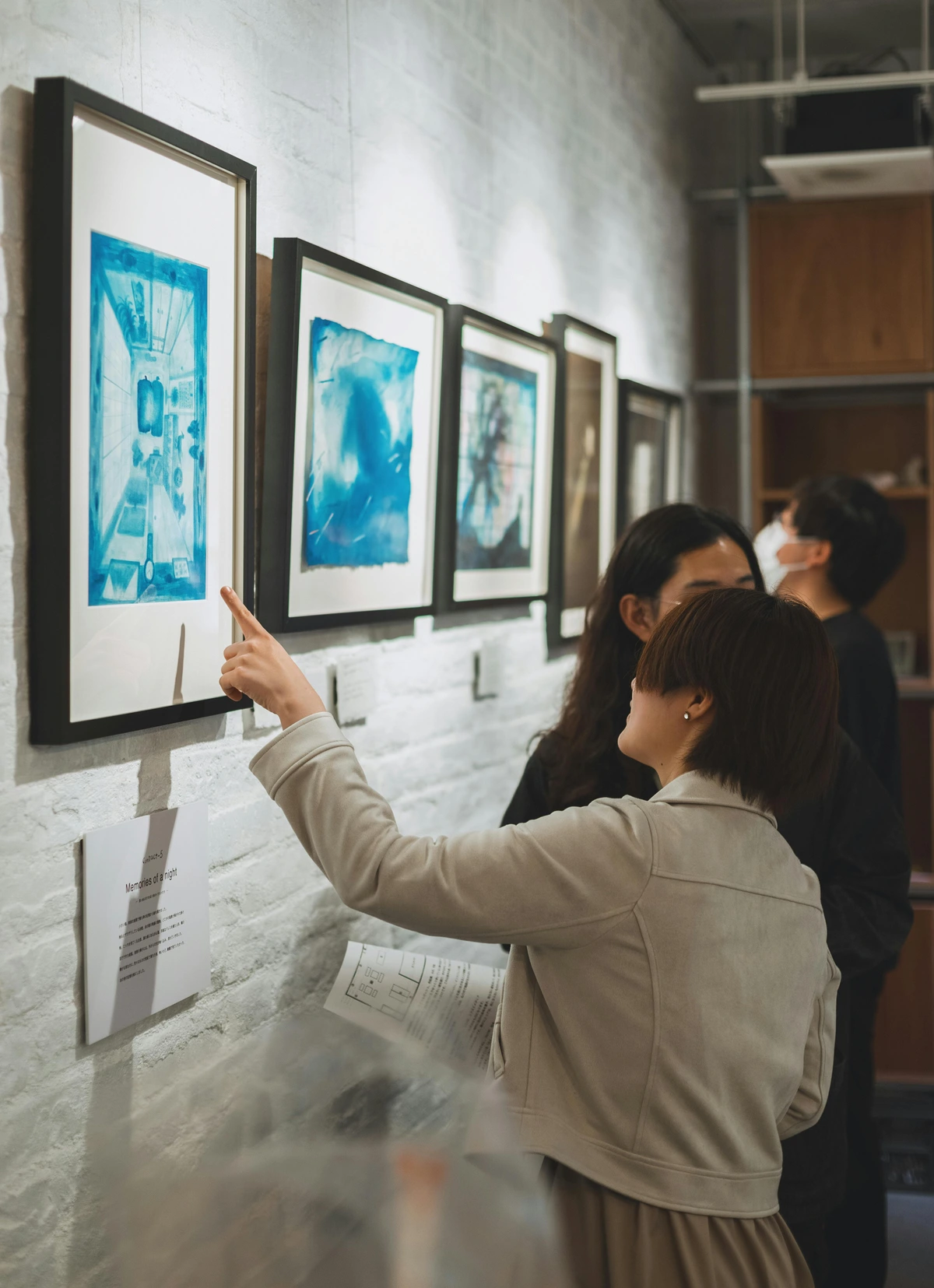
This appreciation for the incomplete is visible in many traditions. Think of the philosophy behind Japanese art aesthetics, where deliberate asymmetry and negative space are central. There, the act of leaving something incomplete is itself a form of completion, providing an alternative perspective on what it means for a work to be final.
Consider, too, the modern fascination with artist studios preserved as museums. We flock to these places not just to see the finished masterpieces, but to see the paint-splattered easels, the half-squeezed tubes of color, the sketches pinned to the wall. It’s a testament to our fascination with the process, and how the 'ghost' of that process haunts the finished work, making it all the more powerful.
A Note on Digital Iteration and Generative AI
The concept of the 'final thought' is being profoundly challenged and reshaped by digital art and generative AI. In the digital realm, where an 'undo' is always possible and infinite variations are just a click away, the decision to stop becomes even more significant. There are no physical limits—no drying paint, no limited materials—to force a conclusion. The finality is entirely self-imposed. The act of exporting a file or printing a piece becomes a monumental act of commitment.
Who Has the Final Thought in AI?
With generative AI art, the question becomes even murkier. If a human artist refines a text prompt and generates 1,000 images to find the 'right' one, is their final thought the prompt itself, or their selection from the AI's output? Is the final thought delegated to the algorithm? The artwork might be a single image, but the process of getting there is a vast, collaborative, and often invisible series of decisions, forcing us to reconsider who—or what—gets to have the 'final thought' in the creative process. It's a conversation at the cutting edge of modern creativity. This pushes directly against traditional roles like Art Director vs. Artist, where the final thought is negotiated, not just decided.
What is artistic intent?
Artistic intent is the meaning, idea, or emotion that the artist consciously tries to embed in their work. It's their 'why'. The 'final thought' is the decision that this intent has been successfully realized, or at least realized to the best of their ability at that moment. For instance, an artist's intent might be to convey tranquility, but their 'final thought' is the specific decision that the blue they just mixed and applied is the exact shade needed to achieve it. While related, this is distinct from artistic style, which refers to the recognizable manner of execution. A strong intent can manifest across many different styles, whereas a 'final thought' applies to the completion of a specific piece.
How can you tell if a painting is overworked?
It's subjective, but often an overworked piece loses its freshness and spontaneity. Colors can become muddy from too much mixing, lines can lose their energy, and the overall impression feels labored rather than inspired. It feels like the artist didn't know when to stop. There's a heaviness to it, a sense that the initial spark has been suffocated. In contrast, works celebrated in contemporary art often deliberately embrace a sense of rawness and immediacy, challenging classical notions of finish. The key difference is often a sense of confidence versus a sense of anxiety.
Does an artist always know when a piece is finished?
Honestly? No. It's often a gut feeling, and sometimes that gut is wrong. Many artists (myself included) have set a piece aside for weeks or months, only to come back and realize it needed one more thing, or that it was actually finished long before they thought. Not knowing is part of the job. It's what keeps you questioning, pushing, and growing. This uncertainty highlights a key reason to connect directly with artists, whether through their timeline of works or by acquiring a piece to buy. You're not just buying an object; you're buying a snapshot of a specific, hard-won moment in an ongoing creative journey.
What's the difference between a 'study' and an 'unfinished' work?
A study is intentionally a practice piece—an exploration of a subject, composition, or technique, never intended to be the final product. An unfinished work is one that was intended to be completed but was interrupted, for example, by the artist's death or a loss of interest. Understanding this distinction is absolutely vital when learning to draw or studying art history, as it changes how we interpret an artist's objectives.
How does the 'final thought' apply to digital art?
It's even more crucial, and perhaps more difficult, in digital art. With the 'undo' button and infinite layers available, the decision to 'export' and call it done is a massive act of will. There are no physical limits like running out of paint, so the discipline to finalize a piece is purely internal. It's like being a writer who can endlessly rewrite a sentence; at some point, you have to declare the book finished. Moreover, this act of finalizing—choosing a single state from an infinite number of possibilities—often becomes part of the work's conceptual basis, a recurring theme in conceptual art.
Conclusion: The Invisible Brushstroke
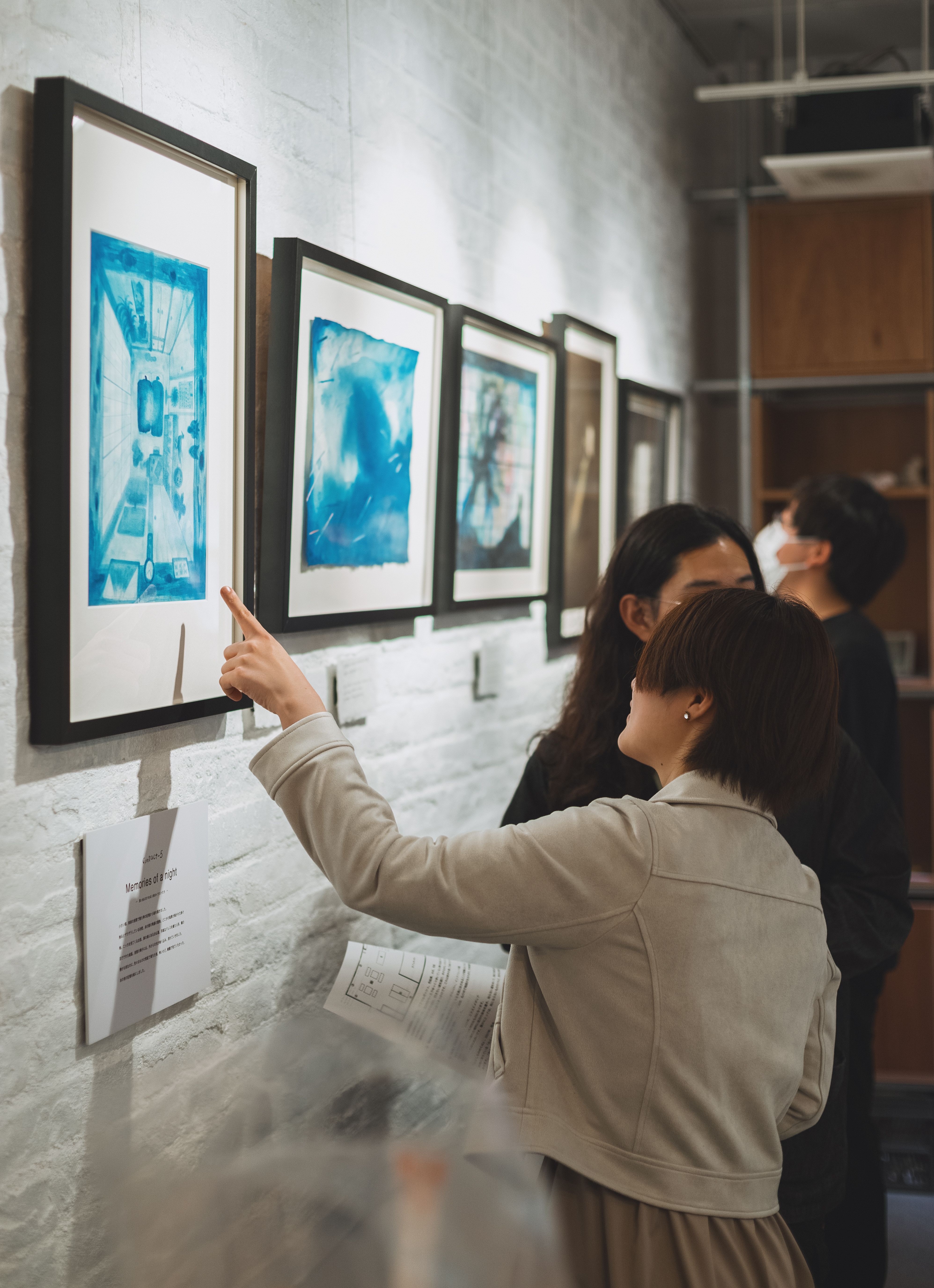
So, the next time you're in a museum or gallery, try this. Stand in front of a piece and instead of just seeing the image, try to feel that moment of decision. Picture the artist in their studio, taking a step back, looking at their work, and taking a deep breath. That final exhale, that quiet release... that's the 'final thought'. It's the invisible, final brushstroke that completes every great work of art.
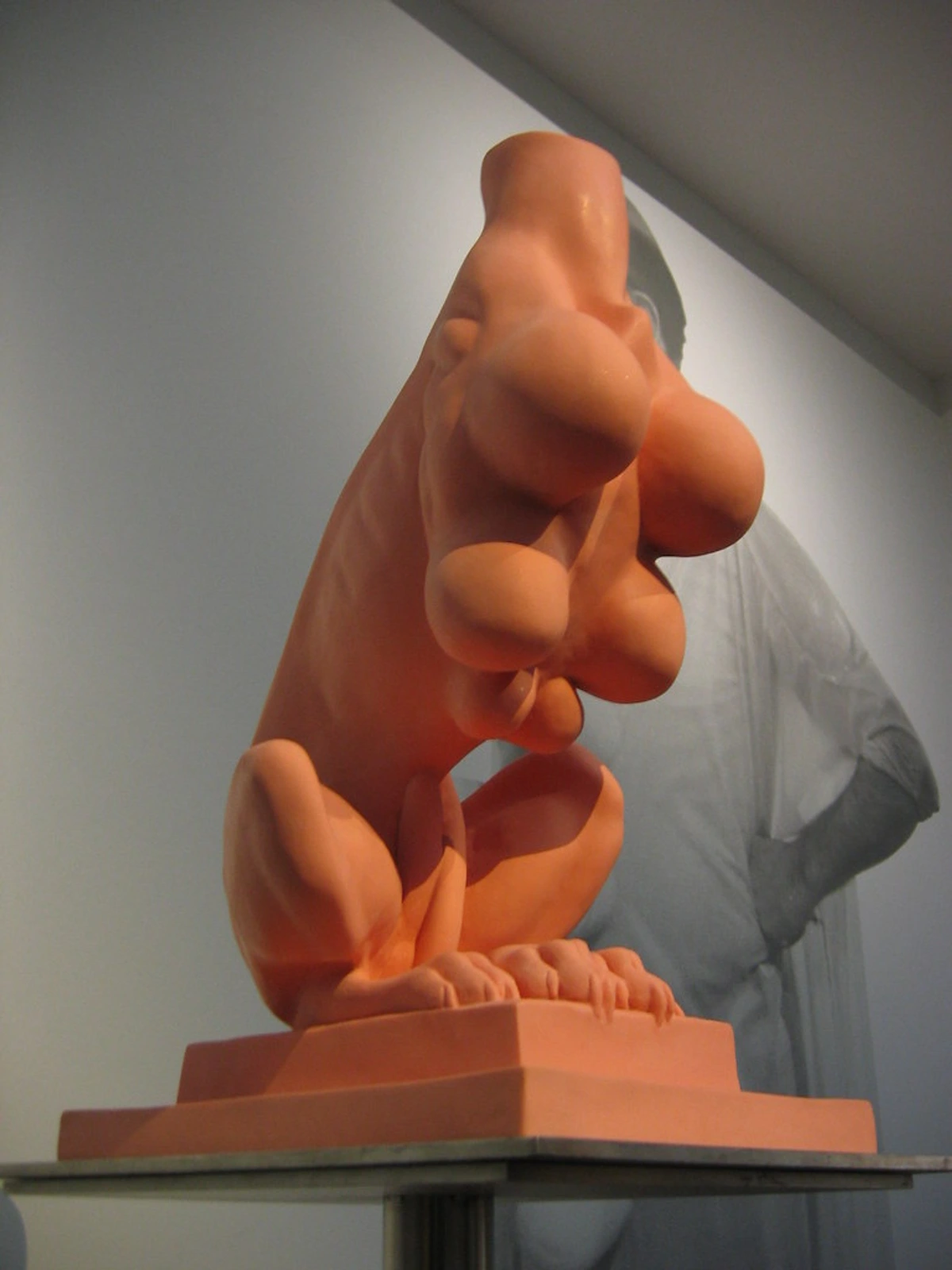
This transcendent quality, captured through disciplined restraint, is why we are so drawn to contemporary art. We're not just looking at colors and shapes; we're seeking that thread connecting us back to the artist's decisive moment. It's the closest we can get to sharing that creative breath.

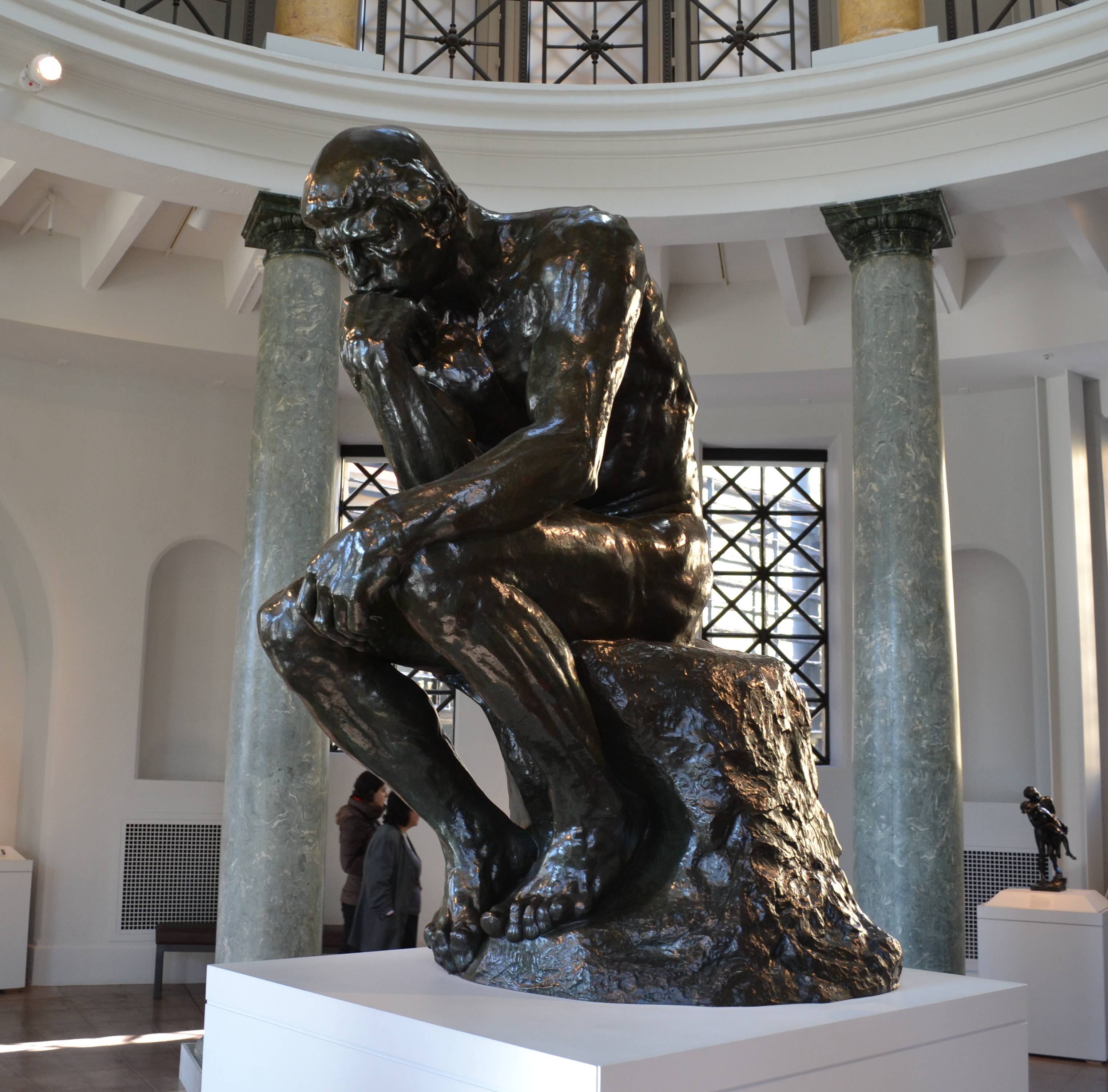











Perhaps that's what makes collecting originals so compelling: acquiring not just an object, but a tangible artifact of a profoundly human decision. It's unlike anything else you can own. This impulse, to hold this moment in your hands, drives many of us to explore options to buy a piece that speaks to us, to bring a whisper of that creative courage into our own lives. And each time you pass by it, you might just feel that final, invisible brushstroke—the quiet completion of a thought that bridges one mind to another.