
The Unsexy Truth About Making Art That Actually Matters
A practical, personal guide for artists on developing intellectual rigor. Explore deep discipline, critical thinking, and emotional honesty to create more meaningful, authentic art. Discover actionable steps, examples, and insights to transform your artistic practice from a hobby into a serious intellectual and emotional pursuit.

The Unsexy Truth About Making Art That Actually Matters
Let's talk about something we don't like to discuss: most art advice is useless. Seriously. All those inspirational quotes about "following your passion" and "letting your creativity flow"—they're the artistic equivalent of telling someone to "just be happy" when they're depressed. It sounds nice, but it doesn't actually help you create anything substantial. I've been making art for over two decades now, and I've watched the same pattern repeat itself countless times: talented artists plateau hard because they're waiting for inspiration to strike like lightning, while artists who look less "gifted" surge ahead because they've figured out how to work systematically, even when they don't feel like it.
I've watched countless talented artists plateau for years while less "gifted" peers surge ahead. I've seen brilliant concepts executed so poorly they become embarrassing, and simple ideas explored with such depth they become profound. The difference wasn't talent, inspiration, or even technical skill. The difference was intellectual rigor—a term so unsexy most artists run screaming from it. What I'm talking about isn't academic pretension or dry theory. It's something far more practical: the willingness to think systematically about your work, to question your own assumptions ruthlessly, and to maintain almost brutal honesty about what you're actually creating versus what you wish you were creating.
But here's the thing most people miss: rigor isn't about being smart. Some of the most rigorous artists I know would never call themselves intellectuals. They're just stubbornly curious and systematically honest about their work. They're the ones who keep journals filled with failed experiments rather than just pretty sketches. They're the ones who can tell you exactly why they made every single decision in a piece, even the "intuitive" ones.
I remember being in a critique years ago where someone showed a technically perfect painting. Everyone murmured approval. Then an older artist asked, "What were you thinking about while making this?" The painter froze. They couldn't answer. The work was beautiful but empty—like a perfectly constructed sentence that says nothing. That moment crystalized something for me: rigor is what happens when thinking and making become the same activity.

Now, before you click away thinking this sounds boring or academic, hear me out. I'm not talking about turning your studio into a university classroom. I'm talking about developing a specific mindset and work ethic that transforms how you think, create, and ultimately, what you put out into the world. This isn't about being smart; it's about being disciplined in your thinking.
The irony? Once you develop this muscle, creating actually becomes more fluid and intuitive—not less. Rigor isn't the enemy of creativity; it's what makes creativity sustainable when inspiration inevitably dries up.
Think about it this way: have you ever watched a chef who's been working for thirty years? They don't measure ingredients. They don't consult recipes. They just... cook. But that apparent effortlessness came from decades of precise measurement, failed dishes, and systematic learning. The intuition you're seeing is built on an invisible foundation of rigor. Artists are the same—the ones who make it look easy are usually the ones who've done the hardest thinking behind the scenes.

There's also this persistent myth that rigor kills spontaneity. Honestly, I think that's backwards. Rigor is what makes real spontaneity possible. When you've thought deeply about your materials, your concepts, and your process, you can take risks that ignorant artists can't. You know exactly which rules you're breaking and why. A jazz musician doesn't just randomly play notes—they improvise based on deep knowledge of harmony and structure. That's rigor enabling freedom.
What Intellectual Rigor Actually Means for Artists
When I say "intellectual rigor," I don't mean you need to start reading Foucault or debating quantum physics at gallery openings. That's not it at all. What I'm referring to is something much more practical:
The willingness to think deeply about your work, question your assumptions constantly, and maintain an almost ruthless honesty about what you're actually creating versus what you wish you were creating.
This definition might sound simple, even obvious. But here's what makes it radical: it shifts the focus from product to process, from outcome to investigation. Rigorous art-making becomes a form of visual research rather than just object production.
This means developing what I call "studio honesty"—the ability to look at your work-in-progress and say, "This part is working because of X, this part is failing because of Y, and that section over there is just me being lazy." Most artists can't do this. They either love everything they make (and never grow) or hate everything they make (and give up). Rigor is what lets you make clear-eyed assessments.
The three-second test for rigor: When you look at a piece you just made, can you immediately identify one specific decision you made and explain why you made it? Not "it felt right," but something concrete like "I used cadmium red here instead of alizarin crimson because I wanted maximum opacity to contrast with the transparent washes below, and I was thinking about how fire engines command attention in urban environments." That's rigor.
It's the difference between painting because you like how colors look together and painting because you're seriously investigating how color can communicate complex emotional states that language can't touch. Both approaches are valid, but they exist in completely different leagues of artistic seriousness.
Let me give you a concrete example. Early in my career, I did a series of abstract landscapes. I thought they were about "the sublime beauty of nature." Very grand. Then I showed them to a curator who asked, "What specifically about nature? The way light changes? The feeling of being small in a vast space? The mathematical patterns in organic forms?" I realized I hadn't actually thought about it. I was just making pretty pictures and slapping a fancy concept on top. That's the opposite of rigor.
I remember going through a phase where I was obsessed with creating "pretty" art. You know the type—harmonious colors, pleasing compositions, nothing that might make anyone uncomfortable. Then a mentor asked me a simple question that changed everything: "Are you decorating a room or are you saying something?" I didn't have a good answer, and that bothered me for weeks.
That question forced a kind of crisis. I had to admit that I was mostly making work that would look good over someone's sofa. There's nothing inherently wrong with decorative art—the world needs beautiful objects. But I realized I wanted something different. I wanted my work to do more than match curtains.
The strange thing was, once I started taking this question seriously, my "pretty" phase didn't disappear—it just got more interesting. I started asking: What makes something beautiful? Why do certain combinations of color and form please us? Can beauty itself be a subject for serious investigation? That decorative impulse became a genuine inquiry into aesthetics. The motivation shifted from "making nice things" to "understanding why we call anything nice." That's the power of rigor—it can transform even your weaknesses into sources of strength.
That question forced me to confront the difference between decorative art and significant art. Both have their place, of course. But if you want your work to matter—to stick with people, to affect them, to maybe even change how they see the world—you need to aim for significance. And that requires rigor.
The Three Pillars of Artistic Rigor
Over the years, I've identified three core components that form the foundation of intellectual rigor in art. Think of these as overlapping circles—strong work usually sits in the middle where all three connect:
Pillar  | Core Question | What It Looks Like in Practice | Common Trap | What Happens When It's Missing |
|---|---|---|---|---|
| Conceptual Depth | "What am I actually investigating?" | Research, questioning, scholarly engagement with your subject | Making work that illustrates ideas rather than investigates them | Work feels decorative or derivative; lacks substance behind the surface |
| Technical Precision | "Does my execution match my ambition?" | Deliberate practice, material mastery, systematic skill development | Using "style" as an excuse for poor craftsmanship | Great ideas fail to translate; work looks amateur despite big ambitions |
| Emotional Honesty | "Am I telling the truth or performing feeling?" | Vulnerability, self-awareness, willingness to explore difficult emotions | Mimicking emotions you think you should have rather than ones you actually have | Work feels performative or fake; viewers sense the inauthenticity immediately |
The Truth About Balance: I need to be honest—achieving perfect balance across all three pillars is nearly impossible, and frankly, not always desirable. I've found it's more useful to think about which pillar you're intentionally leaning into at any given moment. Are you doing deep conceptual research that might temporarily outpace your technical abilities? That's fine—acknowledge it. Are you focused on technical mastery even though you haven't fully resolved your conceptual framework? Also fine—just be honest about it.
The trap isn't imbalance; it's unconscious imbalance. When you don't know which pillar you're neglecting, you can't compensate for it. Rigor means choosing your imbalances consciously.
Let me break down each pillar:
1. Conceptual Depth
This is where you move beyond "it looks cool" and start asking yourself the hard questions about your work:
- What specific idea or phenomenon am I actually exploring?
- Why does this matter to me personally, and why should it matter to anyone else?
- How am I using my medium to investigate this idea, not just illustrate it?
- What assumptions am I making that I haven't examined?
- What conversations is my work entering, and who has spoken before me on this topic?
- How does this work challenge, extend, or complicate existing understandings?
Real Example: I once spent six months exploring the concept of "horizon lines" in my work. Not just as visual elements, but as psychological boundaries between known and unknown. I read philosophy texts about liminal spaces, studied meteorological data about how horizons shift with weather, and interviewed psychologists about how humans process "edge" experiences. What started as "pretty sunset paintings" became an investigation into how we navigate uncertainty. That's conceptual depth.
The Research-to-Making Pipeline: What made this investigation rigorous wasn't just that I did research—it's how I did it. I created a system:
- Monday-Wednesday: Research days. Reading, interviews, data collection. I wasn't allowed to make any art.
- Thursday-Friday: Synthesis days. Looking at my research notes and figuring out what was actually relevant to painting.
- Saturday-Sunday: Making days. Using the synthesized insights to guide painting decisions.
This structure forced me to treat research and making as separate but connected activities. Too many artists try to do both simultaneously and end up doing neither well. The separation created a healthy pressure: by the time I got to making, I was genuinely excited to apply what I'd learned.
But here's the important caveat: This rigid structure worked for that specific project. I've since learned that research and making can also happen simultaneously in a more integrated way. The rigor isn't in the specific structure—it's in being intentional about how you allocate your attention. Sometimes research needs to happen in the studio while you're covered in paint. Sometimes the best insights come when you're supposedly taking a break from thinking. The key is knowing what you're doing and why at any given moment.

2. Technical Precision
Rigor isn't just about ideas—it's about execution. This means:
- Understanding your materials at a deep level
- Being willing to practice fundamentals long after they stop being exciting
- Developing the technical skills necessary to execute your vision without compromise
- Refusing to hide behind "style" when you're actually dealing with poor craftsmanship
- Mastering the physics and chemistry of your medium (yes, even paint has physics)
- Developing systematic approaches to color theory, composition, and technique
The Technical Reality Check: Last year, I wanted to create a series exploring transparency and layering. Problem: I didn't actually understand how glazing worked at a molecular level. So I spent three months doing nothing but glaze experiments—testing ratios of medium to pigment, understanding drying times, learning how different pigments interact chemically. Not exciting. Not fun. But now when I want to create a specific translucent effect, I don't guess—I know. That's technical precision.
Here's what's interesting: that technical work ended up changing my conceptual thinking too. Understanding the physics of transparency made me think differently about metaphor, about layers of meaning, about how we perceive anything at all. The technical research fed back into conceptual depth in ways I never expected.
There's a common belief in art that "the idea is what matters" and technique is secondary. I think this is fundamentally wrong. Technique is thinking. When you're deciding whether to use a soft brush or a hard brush, slow-drying medium or fast, transparent layer or opaque—you're making conceptual decisions. They're just happening at the level of materials rather than words. Rigor means being conscious of these decisions rather than making them randomly.
A few years ago, I was working on a series about memory and forgetting. Conceptually, I wanted to explore how memories fade and distort over time. The breakthrough came when I realized that my technique needed to embody this concept. I started using fugitive pigments that literally fade when exposed to light. I developed a glazing technique where each layer slightly obscures the layer beneath it. The conceptual idea and the technical execution became completely intertwined—each informing the other.
The Material-Thinking Studio Exercise: For one week, keep a log of every technical decision you make, no matter how small. What brush? What medium? What surface preparation? For each decision, write one sentence explaining why. Not "because it looked good," but something like "I chose a stiff hog bristle brush because I wanted the physical resistance to create visible struggle marks in the paint surface, reflecting the psychological tension in my subject matter." Do this for one week and you'll never think of technique as "just" technique again.

3. Emotional Honesty
This might be the hardest one. Emotional honesty means:
- Being truthful about what you're actually feeling and thinking, not what you think you should be feeling
- Willingness to explore uncomfortable or difficult emotions
- Refusing to create work that mimics emotions you don't actually possess
- Being vulnerable enough to let real human experience show through your work
- Questioning whether your emotional responses are actually yours, or borrowed from art you admire
- Digging below surface emotions to find the messy, contradictory feelings underneath
The Vulnerability Test: I recently destroyed an entire series because I realized I was painting grief based on how I thought an artist 'should' respond to loss, not how I was actually experiencing it. The work was technically competent and conceptually sound, but it was emotionally dishonest. Starting over was painful, but the resulting work—messy, confused, contradictory—was finally true. That's emotional honesty.
The hardest part was admitting that my authentic experience of grief wasn't dramatic or profound. It was mostly just... boring. Long stretches of numbness punctuated by weird moments of normal life continuing. That didn't feel "artistic" enough. So I'd unconsciously amped up the drama in my work. The rigor came from being willing to paint the boring truth instead of the beautiful lie.
The Emotional Authenticity Test: I now use a simple test when I'm not sure if I'm being emotionally honest in my work. I ask myself: "If I had to explain this work to someone I trust completely, would I feel embarrassed by any of my explanations?" If I catch myself wanting to exaggerate or romanticize what I was feeling, that's a red flag. Real emotional honesty often means admitting that what you felt was banal, confusing, contradictory, or even boring. And that's exactly what makes it resonate—because that's what being human actually feels like.
The perfectionist impulse in art-making is directly tied to emotional dishonesty. We want our work to reflect our best selves, our most profound thoughts, our most dramatic emotions. Rigor is the willingness to let your work reflect your actual self—confused, contradictory, occasionally profound, frequently mundane. That's where the real power lies.
This points to something important: emotional honesty doesn't mean mining your life for trauma to put in your art. Sometimes emotional honesty means admitting you're making work about something you saw on the subway, not something deep from your childhood. The honesty is about accurately representing your actual experience of being alive, not performing depth you don't feel. A painting about the genuine pleasure of noticing how morning light hits a coffee cup can be more emotionally honest than a painting about your father's death that you made because you thought you should.
Why This Matters (And Why Most Artists Avoid It)
Here's the uncomfortable truth: developing intellectual rigor makes creating art harder, not easier—at least in the short term. It's much more comfortable to stay in the realm of intuition and inspiration.
In the beginning, rigor slows you down considerably. Instead of just making things, you're thinking about what you're making, why you're making it, how it connects to your larger body of work, what conversations it's entering. It's mentally exhausting. Most of the artists I know who try to develop rigor give up during this phase because it feels like they're losing their creative energy.
The turning point usually comes after about six months to a year. That's when you start to see the benefits. The research you did months ago starts informing your decisions. Your technical practice begins to pay off in your ability to execute complex ideas. Your documentation becomes a valuable resource rather than a chore. The mental models you've been building start working automatically.
I think of it like learning a new language. The first few months are frustrating and slow. You know what you want to say, but you can't say it. You have to constantly look up words and think about grammar. But eventually, something clicks. You start thinking in the new language. The rigor you've been practicing becomes second nature, and you can express complex thoughts fluidly. That's when rigor stops feeling like work and starts feeling like thinking.
The artists who stick with it discover something interesting: rigor doesn't replace intuition—it elevates it. Your intuitive responses become more trustworthy because they're built on a foundation of deep knowledge. You can trust your gut because your gut has been educated. When you start applying real rigor to your work, you suddenly have to face some difficult realities:
- Not every idea you have is actually good or interesting
- Your technical skills probably aren't as developed as you think they are
- That "style" you've developed might actually be a collection of habits that you haven't examined critically
- Real artistic growth requires sustained effort in areas that aren't naturally fun or exciting
I call this the "rigorous reckoning." It's that moment when you look at your work and realize that what you thought was a profound artistic statement is actually just a well-executed cliché. It's painful. But it's also the beginning of real growth as an artist.
Here's what I've observed: artists who avoid this reckoning tend to plateau around year five of their practice. They develop a style that works, people respond positively, and they stop growing. Artists who lean into the reckoning—who actively seek out the gaps between their ambitions and their abilities—continue developing for decades. The first group makes pleasant work. The second group makes work that matters.
The five-year mark is interesting because it's when you've typically mastered the basics. You know how to make work that looks professional. You understand composition, color, technique. The problem is that you've also developed habits and shortcuts. You've found your "signature style." This is where most artists get stuck—they've solved the basic problems, so they stop asking hard questions.
I hit this wall myself around year six. I was making what I thought was good work. People were buying it. Galleries were showing it. But privately, I felt like I was repeating myself. Every painting felt like a variation on something I'd already figured out. The breakthrough came when I realized that the problem wasn't that I needed to change my style—the problem was that I'd confused having a recognizable style with having something to say. Style had become a costume I was wearing instead of a genuine way of thinking.
Rigor is what gets you past this point. It forces you to ask: "Now that I can make good-looking work, what am I actually going to do with this skill?" Answering that question honestly is what separates serious artists from weekend hobbyists, even when the weekend hobbyist has better technical skills.

Historical Perspectives: When Rigor Changed Everything
Intellectual rigor isn't a new concept in art. Looking back through art history, you can see clear moments when rigorous approaches fundamentally shifted what art could be:
The Medieval Illuminators: Precision as Prayer
Long before the Renaissance, medieval manuscript illuminators approached their work with extraordinary rigor. For them, artistic practice was spiritual discipline. Every brushstroke was deliberate, every pigment choice carried symbolic meaning, every composition followed intricate theological and mathematical rules. These artists weren't trying to express individual creativity—they were trying to achieve perfect execution within a sacred tradition. The rigor was about submission to something larger than personal expression. I find this fascinating because it shows how rigor can serve radically different purposes. For the illuminators, rigor was a form of devotion. For contemporary artists, it's often a form of inquiry. Both approaches create exceptional work.
The Renaissance Masters: Artists as Scientists
Think about Leonardo da Vinci. We remember him for paintings like the Mona Lisa, but he spent far more time dissecting corpses, studying water flow, and drawing engineering diagrams. His artistic breakthroughs came from his obsessive research into anatomy, optics, and physics. He wasn't just painting; he was investigating—applying scientific rigor to visual problems.
What's striking about Leonardo's approach wasn't just the research itself, but how he integrated it. He didn't study anatomy and then paint anatomical figures. He studied anatomy through drawing, and drew anatomy to study it. The investigation and the making were inseparable. This is perhaps the highest form of artistic rigor: when your research methodology and your artistic practice become the same activity.
The Dutch Golden Age: Painting as Philosophy
The Dutch masters of the 17th century—Vermeer, Rembrandt, Fabritius—approached painting with a different kind of rigor. While the Italians were exploring anatomy and perspective, the Dutch were investigating optics, light, and perception. Vermeer's paintings aren't just beautiful depictions of domestic life; they're systematic studies of how light behaves in interior spaces. He likely used a camera obscura not as a shortcut, but as a research tool to understand optical phenomena that weren't visible to the naked eye. This is rigor in service of perceptual truth.
Post-Impressionist Research: Cézanne's Systematic Investigations
Paul Cézanne didn't just paint landscapes. He spent decades systematically exploring how visual perception works—how color creates form, how planes relate to each other in space, how to represent three-dimensional reality on a two-dimensional surface. He would paint the same mountain dozens of times, each painting a deliberate experiment testing a different hypothesis about perception. That's intellectual rigor transformed into pure visual research.
I visited the Musée d'Orsay a few years ago and spent an afternoon with their Cézanne collection. What struck me wasn't just the paintings themselves, but how clearly you can see him thinking on the canvas. You can practically trace his thought process—here's where he tested this color relationship, here's where he tried a different brushstroke to represent a particular plane, here's where he completely repainted a section because his hypothesis didn't work. The paintings are beautiful, yes, but they're also incredibly moving as documents of sustained intellectual effort. Each canvas is a laboratory notebook recording years of systematic investigation.
Cézanne's rigor extended beyond just formal concerns. His famous statement "I want to make of impressionism something solid and lasting like the art of the museums" reveals his conceptual framework. He wasn't just trying to paint pretty pictures; he was trying to solve a specific problem: how to combine the perceptual freshness of impressionism with the structural integrity of classical painting. That's rigor with a clear intellectual goal.
Conceptual Art: When Ideas Became Primary
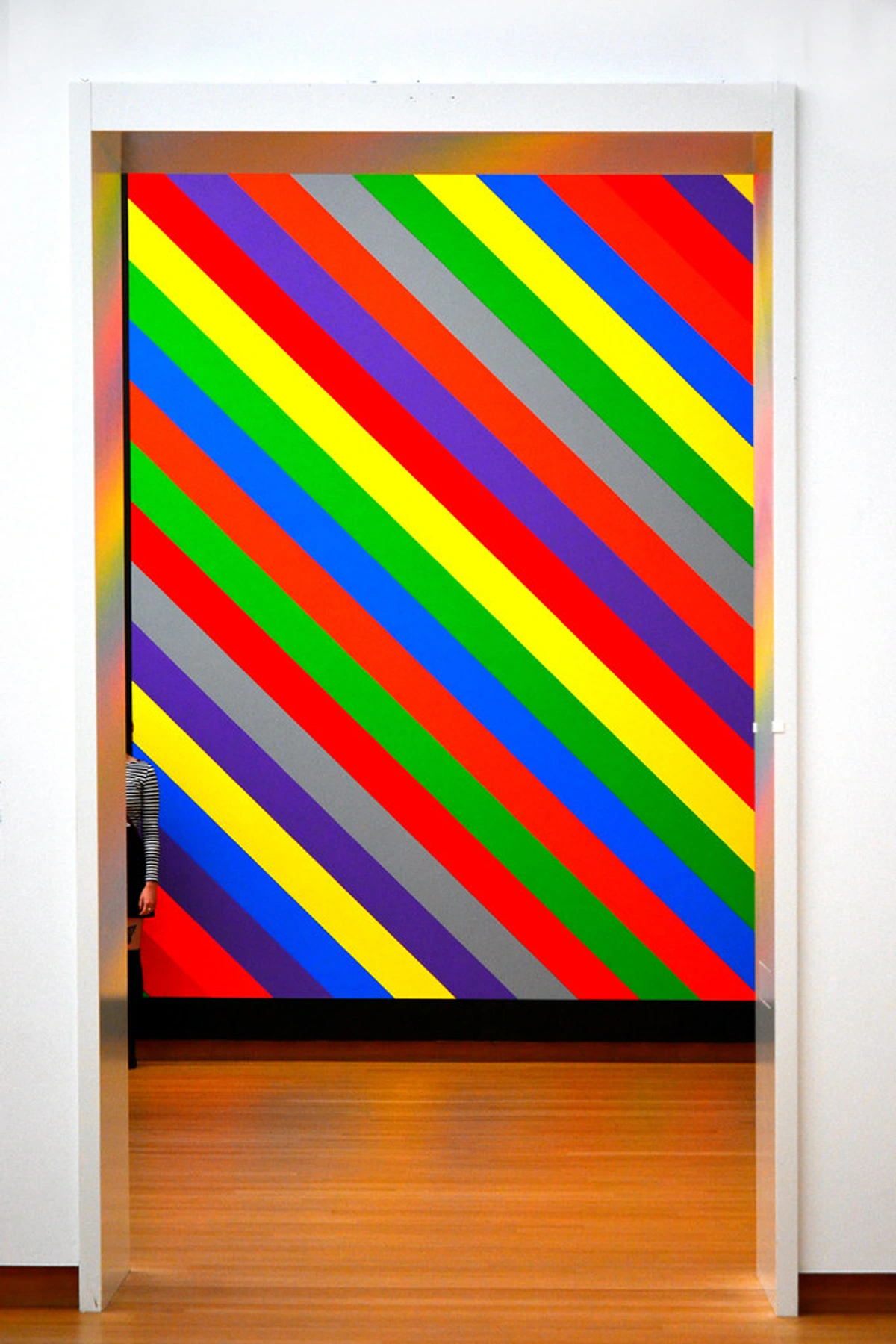
In the 1960s, artists like Sol LeWitt took rigor to its logical extreme. His wall drawings weren't about execution—they were about developing rigorous conceptual systems that could be executed by others. The rigor was in the conceptual framework, not the hand of the artist. This represented a fundamental shift: art could be rigorous thinking first, visual object second.
I'll be honest—when I first encountered conceptual art in my twenties, I hated it. It felt like a betrayal of everything I loved about painting and drawing. But the more I learned about artists like LeWitt, the more I realized their work was profoundly rigorous. LeWitt's wall drawings aren't arbitrary. They're based on mathematical systems, logical progressions, and clear rules. The beauty comes from seeing how complex visual results emerge from simple, systematically applied concepts.
What I eventually understood is that conceptual rigor doesn't have to mean abandoning visual pleasure. It means shifting where the rigor happens—from the moment of physical execution to the moment of conceptual invention. LeWitt spent months developing his concepts, then hired assistants to execute them. The assistants weren't just technicians; they were collaborators in bringing a rigorous thought process to physical reality.
The Legacy Problem: Here's where conceptual rigor gets tricky. LeWitt could be supremely rigorous because he could trust his assistants to execute his instructions faithfully. But what happens when the artist can't afford assistants, or when they work in a medium that doesn't allow for clear instruction-writing? This is the ongoing challenge of conceptual rigor: how do you maintain systematic thinking in media that are inherently messy and resistant to systemization?
Contemporary Examples: Artists Who Live This
Medium | Rigorous Practice | What We Can Learn | The Hidden Cost | |
|---|---|---|---|---|
| James Turrell | Light Installation | Studies perceptual psychology, astronomy, physics of light | How scientific research can deepen aesthetic experience | Requires enormous resources, teams, and institutional support |
| Amy Sillman | Painting & Writing | Constantly questions her own process, publishes essays alongside work | The power of verbalizing your thinking as it happens | Risk of over-intellectualizing the making process |
| Mark Bradford | Mixed Media | Uses systematic processes from urban geography and social research | How methodology can be as important as the final object | Process can become so dominant it overshadows other concerns |
| Julie Mehretu | Painting | Creates layered systems of architectural drawing and mark-making | How to build complexity through disciplined layering | Risk of work feeling overly systematic or schematic |
| Theaster Gates | Social Practice | Approaches social engagement with formal rigor and deep research | Expanding what counts as "material" for artistic investigation | Success depends heavily on community relationships and context |
What all these artists demonstrate is that rigor isn't a single methodology—it's a commitment to systematic thinking that adapts to the specific demands of your practice. Turrell can be rigorous about light perception because he has the resources to build controlled environments. Sillman can be rigorous about process documentation because she works in a tradition that values verbal articulation. Gates can be rigorous about social engagement because he has deep roots in the communities he works with.
The lesson isn't "copy their methods"—it's "figure out what kind of rigor is possible and necessary within your own practice, given your resources, constraints, and cultural context."
These artists prove that rigor doesn't make work academic or soulless. It makes work resonate long after the initial visual impact fades.
What connects all these artists is that they've developed systems for thinking. Turrell doesn't just have good ideas about light—he has a research methodology. Sillman doesn't just make paintings—she documents her decision-making process. Bradford doesn't just find materials—he develops systematic approaches to sourcing and transforming them. That's what rigor looks like in practice: not just having good ideas, but developing reliable ways to investigate them.
How to Actually Develop Intellectual Rigor in Your Practice
Okay, we've talked theory. We've looked at historical examples. Now we get practical. How do you actually build intellectual rigor if you're not James Turrell with a massive studio budget, or Cézanne with decades to paint the same mountain?
Here's what I've learned works for regular artists working in the real world—people with jobs, families, limited studio time, and finite resources. Rigor isn't a luxury; it's a way of thinking that maximizes whatever time and resources you do have.
Okay, enough theory. How do you actually do this? Here's what I've learned works:
1. Adopt a Research Mindset
Stop thinking of yourself as "just" an artist. Start thinking of yourself as a researcher who happens to use visual media. This shift alone changes everything.
Here's why this matters: language shapes behavior. When you think of yourself as an "artist," certain behaviors feel appropriate—waiting for inspiration, following intuition, expressing emotions. When you think of yourself as a "researcher," different behaviors become natural—asking questions, designing experiments, documenting results, seeking evidence, building on previous findings.
The Identity Shift Exercise: For one month, try this linguistic experiment. When people ask what you do, don't say "I'm an artist." Say "I research [your core interest]" or "I investigate [your subject matter] through visual media." For example:
- Instead of "I paint landscapes," try "I research how humans experience natural spaces"
- Instead of "I make abstract art," try "I investigate the relationship between color and emotion"
- Instead of "I do figurative work," try "I study how gesture communicates psychological states"
The interesting thing about this experiment is that it forces you to think about what you're actually researching, which most artists have never clearly articulated. If you can't complete the sentence "I research..." in a way that feels meaningful, that's your first clue that you haven't been approaching your work with enough intellectual rigor.
I used to feel embarrassed telling people I was an artist. It sounded... unserious. Like I was admitting I spent my days waiting for inspiration to strike. When I started thinking of myself as a visual researcher, everything changed. I could say, "I'm researching how spatial perception influences emotional response" or "I'm investigating the relationship between memory and materiality." These statements were just as true as "I'm an artist," but they felt more substantial—and more importantly, they changed how I thought about my own work.
Here's the crucial part: they also changed how other people responded to my work. When I tell someone I'm an artist, they usually say something polite like "That's nice." When I tell someone I'm researching how trauma affects visual memory, they ask serious questions. They treat my work as intellectual labor, not just self-expression. This external validation creates a positive feedback loop that reinforces rigorous behavior.
The practical benefits of research mindset:
- You start seeing everything as potential research material
- You become more systematic about documenting your sources and influences
- You develop patience for slow progress because you understand that research takes time
- You get better at articulating what you're doing, which helps with grants, applications, and professional opportunities
- You start connecting with people outside the art world who are interested in your research questions
About a year into adopting this mindset, I realized I was spending as much time in the science section of the bookstore as in the art section. I was reading about neuroscience, psychology, urban planning, materials science—things I never would have investigated as "just" an artist. This cross-disciplinary reading became one of the most valuable sources of new ideas for my work.
Research doesn't mean you need a PhD or access to a university library. It means developing intellectual curiosity about your subject matter and being systematic about satisfying that curiosity. If you're painting flowers, research might mean learning about pollination, studying Victorian flower symbolism, or interviewing a botanist about plant consciousness. The point isn't to become an expert in botany—the point is to find the interesting questions hidden in your subject matter.
The Three Types of Research Every Artist Needs
1. Primary Research (Direct Investigation)
- Your own experiments, observations, and experiences
- Studio tests and technical explorations
- Interviews and conversations with relevant people
- Visiting locations, observing phenomena, collecting samples
2. Secondary Research (Learning from Others)
- Reading books, articles, and academic papers
- Studying historical and contemporary art
- Watching documentaries and lectures
- Learning from other disciplines that relate to your interests
3. Tertiary Research (Synthesis and Analysis)
- Connecting different sources and ideas
- Identifying patterns across multiple domains
- Creating frameworks and systems from diverse information
- Recognizing gaps in existing knowledge
Most artists focus only on primary research (making work in the studio). Rigorous artists do all three types in parallel, with each type informing the others.
A Practical Research System
Here's what research looks like in my actual practice:
Monthly Research Allocation:
- 40% primary research (studio experiments)
- 40% secondary research (reading, gallery visits, interviews)
- 20% tertiary research (synthesis, writing, connecting ideas)
Weekly Structure:
- Monday-Tuesday: Studio days (primary research)
- Wednesday: Library/research day (secondary research)
- Thursday-Friday: Studio days (synthesis of research)
- Weekend: Reading and note-taking (tertiary research)
This isn't rigid—I adjust according to my projects—but having a default structure means research happens consistently rather than randomly.
The Artist as Amateur: There's actually an advantage to being an "amateur" researcher rather than a professional academic. You don't have to follow disciplinary rules or publish in peer-reviewed journals. You can make unexpected connections between fields that would never appear in the same academic department. I once spent six months learning basic neuroscience, not because I wanted to become a neuroscientist, but because I wanted to understand what was happening in my brain when I looked at certain colors. That kind of cross-disciplinary curiosity is where originality comes from.
The Adjacent Possible: Scientists talk about the "adjacent possible"—the set of discoveries that are one step away from what we already know. Artists have a different version: the "culturally adjacent possible." Because you're not bound by disciplinary constraints, you can connect ideas from art history, pop culture, science, and personal experience in ways that academics can't. Your amateur status isn't a limitation; it's a superpower.
The neuroscientist has to be rigorous about methodology and citation. You just have to be rigorous about how you use insights from neuroscience in your art practice. The standards are different, but both require intellectual discipline.
The Research Notebook Method (Expanded)
Keeping a dedicated research notebook separate from your sketchbook is crucial. Here's what goes into it:
For every research activity, record:
- Date and source (book title, interview subject, website URL)
- Key insights or facts learned
- Questions this raises for your work
- Potential applications in your practice
- Related sources to investigate
Monthly Review Process:
- Go through your research notebook and identify patterns
- Look for unexpected connections between different sources
- Make a list of "research leads" to follow up on
- Consider which research threads are worth pursuing deeper
This systematic approach transforms random curiosity into structured investigation while preserving the joy of discovery.
When I was working on a series exploring memory and perception, I didn't just start painting from feeling. I spent months reading neuroscience papers, psychology textbooks, and philosophy essays. I wasn't trying to become an expert in these fields—I was trying to understand the mechanisms behind what I was intuitively drawn to explore.
The Research-Driven Studio:
- Create a "research library" section in your studio with books, articles, and references related to your current investigations
- Schedule research days separate from making days
- Interview experts in fields related to your interests (most people are happy to talk about their work)
- Learn basic research methods from other disciplines and adapt them to art-making
- Document your research process alongside your making process
The question isn't "What would this look like?" but "What am I trying to understand, and how can visual language help me understand it?"
This shift from "showing" to "understanding" is perhaps the most important mental move you can make as an artist. When you're showing something, you're essentially decorating—making visible something that already exists. When you're understanding something, you're creating new knowledge through the act of making.
The Operational Question Test: Before starting any significant piece, write down your guiding question. Then test it against these criteria:
✓ Is it specific? "How do I use color?" is vague. "How does limiting my palette to red and black affect the emotional intensity of my work?" is specific.
✓ Is it investigable? Can you actually find an answer through making art? "What is beauty?" is not investigable. "How do people respond differently to geometric vs. organic forms when both use the same colors?" is investigable.
✓ Is the answer unknown? If you already know what you'll discover, it's not a real question—it's a project brief in disguise.
✓ Is it consequential? Does the answer matter for your larger body of work? If this question leads nowhere, will you have wasted your time, or will you have learned something useful regardless?
I've started writing my question directly on my canvas or studio wall where I can see it while I work. It's embarrassing how often I realize mid-painting that I've wandered away from my original question. Keeping it visible acts as a constant reminder of what I'm actually trying to achieve.
The Evolution of a Question
Good questions evolve. A question that starts broad should get more specific as you work. Here's an example from my own practice:
Initial question: "How can I paint memory?" (Too vague)
After one week of work: "How do overlapping, semi-transparent layers visually represent the way memories fade and merge?" (Better—more specific)
After one month: "What happens when I use actual fugitive pigments (pigments that fade with light) to paint images of things that are themselves disappearing from memory?" (Much better—now we have a real experiment)
After three months: "How can the material instability of fugitive pigments create a temporal dimension in painting that mirrors the psychological experience of forgetting?" (Excellent—now we have a question that could sustain years of work)
The question gets sharper and more specific as you deepen your understanding. This evolutionary process is intellectual rigor.

2. Develop a Question-Based Practice
Most artists work from answers. They have an idea and they execute it. Rigorous artists work from questions.
Here's the difference: when you work from answers, you're illustrating. When you work from questions, you're investigating. Illustration produces predictable results. Investigation produces genuine discoveries.
The Question Hierarchy:
- Level 1: Decorative Questions (What looks good?)
- Example: "How can I make this painting beautiful?"
- Problem: Focuses on surface appeal, leads to clichés
- Level 2: Technical Questions (How do I achieve X effect?)
- Example: "How can I create depth using only warm colors?"
- Better: Specific, answerable through experimentation
- Level 3: Conceptual Questions (What am I trying to understand?)
- Example: "How does color temperature affect emotional response to abstract forms?"
- Best: Investigative, specific, connects to larger ideas
The Magic Question Format: "If I [do X], what happens to [Y], and what does that tell me about [Z]?"
- "If I paint the same subject every day for a month, what happens to my perception of it, and what does that tell me about familiarity and attention?"
- "If I restrict myself to using only black and one other color, what happens to the emotional range I can achieve, and what does that tell me about the relationship between limitation and creativity?"
- "If I create a series of paintings based on data rather than observation, what happens to the feeling of authenticity, and what does that tell me about the nature of representation?"
Questions in this format are specific enough to be answerable, but open enough to allow for genuine discovery. They give your work direction without predetermining the outcome.
Instead of thinking "I want to create a painting about loneliness," try thinking "What actually happens in the human mind and body during moments of profound loneliness, and how can I explore this through color, form, and composition?"

The difference is subtle but massive. One approach leads to illustration; the other leads to investigation.
Advanced Question Framework:
Not all questions are created equal. Good artistic questions have these characteristics:

- Specific, not vague: "How do warm and cool colors interact?" not "How do I use color?"
- Investigative, not decorative: "What happens when..." rather than "How can I make..."
- Genuinely unknown: You don't know the answer when you start
- Consequential: The answer matters for your larger body of work
Here's a test I use: Can you imagine a scientist designing an experiment to answer your question? If the question is too vague or subjective to be investigated systematically, it's probably not a rigorous artistic question either. That doesn't mean it's a bad question—it just means it needs refinement before it can guide your work.
Another way to think about this: good artistic questions are like good scientific hypotheses. They make specific predictions about cause and effect. "What happens to the emotional tone of a painting when I restrict the palette to colors found in extreme environments?" That's testable. You can make paintings exploring that question and see what you discover. "How can I make meaningful art?" is not testable. It's too big and too vague.
Question Evolution Process:
- Seed Question: Start with a broad area of interest
- Research Phase: Read, study, gather information
- Refined Question: Narrow to a specific, answerable question
- Making Phase: Create work that investigates this question
- Analysis Phase: Document what you discovered
- New Question: Let discoveries generate the next question
This creates a self-sustaining cycle of inquiry and discovery that keeps your work moving forward.
3. Build a Critical Feedback System
You cannot develop rigor in isolation. I don't care how brilliant you are—you need people who will tell you the truth about your work, especially when it's hard to hear.
Let me be blunt: if your feedback system consists primarily of Instagram likes and comments from friends and family, you're not getting real criticism. You're getting social validation, which feels good but doesn't help you grow. Real critical feedback should make you uncomfortable at least some of the time. If it doesn't, your feedback system isn't rigorous enough.
The Three Types of Feedback You Actually Need:
1. Technical Feedback (The Craft)
- Who: Other artists who work in your medium, preferably people with more technical expertise than you
- Question: "Is this competently made?"
- Specific focus: Material choices, structural integrity, craftsmanship, technical execution
2. Conceptual Feedback (The Idea)
- Who: People who think rigorously, regardless of whether they're artists. Could be academics, researchers, professionals in other fields
- Question: "Is this idea interesting and well-developed?"
- Specific focus: Conceptual clarity, intellectual coherence, connection to larger conversations
3. Emotional Feedback (The Feeling)
- Who: People who know you well and care enough to be honest, plus ideally a therapist or counselor
- Question: "Does this feel authentic and emotionally true?"
- Specific focus: Personal truthfulness, emotional resonance, vulnerability vs. performance
The Feedback Preparation Protocol: Before showing work to any of these groups, prepare a one-page document that includes:
- Your guiding question for this work
- What you think is working
- What you know isn't working
- Specific feedback you're seeking (technical, conceptual, or emotional)
This preparation does two things: it helps your critics give better feedback, and it forces you to think critically about your own work before anyone else does.
Let me be honest: this is probably the hardest part of developing rigor. Most of us become artists because we want autonomy and freedom. The idea of subjecting our work to criticism—real criticism, not just polite praise—feels threatening. It took me years to understand that criticism isn't about telling you what's wrong with your work; it's about helping you see it clearly.
The Vulnerability Paradox: The more defensive you are about your work, the less useful feedback you'll receive. The more openly you can say "I know this isn't working but I don't know why," the more helpful people will be. Defensiveness signals that you're not actually ready for real feedback.
I learned this the hard way. For years, I would present my work and then immediately explain away any criticism. "Oh, that part you don't like? That's intentional—I was trying to..." or "Yeah, I know that doesn't work, but..." I wasn't seeking feedback; I was seeking approval with extra steps.
The breakthrough came when I started a critique group with two other artists. We made a rule: when someone gives you feedback, your only allowed response is "Thank you." No explanations, no justifications, no defenses. Just listen and absorb. It was incredibly difficult at first, but it completely transformed how I heard criticism.
What Good Critique Looks Like: Good critique is specific, constructive, and actionable:
- ❌ "I don't like this" (not helpful)
- ✅ "This section feels unresolved because the color choices are fighting with the composition" (specific and actionable)
- ❌ "This is derivative" (not constructive)
- ✅ "This reminds me of [specific artist], which makes me wonder how you're building on their ideas versus repeating them" (constructive and specific)
Good critique also recognizes that all art involves trade-offs. The question isn't "Is this perfect?" but "Given what the artist is trying to do, are these the right sacrifices to make?"
The Difficult Truth About Friends and Family
Here's something uncomfortable: your friends and family are usually the worst people to give you honest feedback about your art. They love you, so they want to support you. Their feedback is filtered through their relationship with you, not through their honest assessment of the work. Even when they try to be critical, they're usually not qualified to give the kind of specific technical or conceptual feedback you need.
This doesn't mean you shouldn't show your work to people you love. It means you should be realistic about what kind of feedback you're getting. If your partner says "I love it, honey," that's relationship support, not artistic critique. Both are valuable, but they serve different purposes.
The solution isn't to stop showing work to loved ones—it's to build a separate, parallel system for real critique that exists outside those relationships.
The feedback problem is especially acute in our current moment. Social media has trained us to expect immediate positive reinforcement for everything we make. If a post doesn't get enough likes, we feel like it failed. This is fundamentally incompatible with serious artistic development. Most significant work takes time to understand, and immediate positive feedback usually means you're doing something familiar and easy to digest.
What I've learned is that you need different kinds of feedback for different purposes:
- Technical feedback: People who can spot when your glaze layer is too thick, when your color mixing is muddy, when your proportions are off. These are usually other artists who work in your medium.
- Conceptual feedback: People who can ask hard questions about your ideas. These don't need to be artists—in fact, it's often better if they're not. I get some of my best conceptual feedback from a biologist friend who knows nothing about art but everything about rigorous thinking.
- Emotional feedback: People who can tell you when your work feels authentic or when it feels performed. This is the hardest kind of feedback to get because it requires someone who knows you well and isn't afraid to be honest.
Finding these people is difficult. Most friends and family will tell you your work is great because they love you. Most other artists will either be too competitive or too polite to give real criticism. You need to actively build a network of people who understand your goals and care enough to be honest.
Building Your Rigor Network:
Level 1: Peer Group (3-5 people)
- Artists working at similar career stages
- Regular meetings with structured critique format
- Focus on technical and conceptual feedback
Level 2: Mentor Figures
- Established artists 10-15 years ahead of you
- Paid consultations or informal mentoring relationships
- Career guidance and big-picture perspective
Level 3: Cross-Disciplinary Advisors
- Experts in fields related to your research interests
- Quarterly conversations about your conceptual framework
- Helps you avoid blind spots in your thinking
The Feedback Protocol:
When presenting work for critique, provide context:
- What question were you investigating?
- What were your technical challenges?
- Where do you feel the work succeeded or failed?
- What specific feedback do you need?
This transforms vague "I like it" responses into targeted, useful feedback.
Advanced Critique Techniques
Once you have a basic feedback system in place, you can start using more sophisticated critique methods:
1. The Silent Critique
- Hang your work and allow people to look at it without any context
- Have them write down their observations and questions
- Only after collecting written feedback do you reveal your intentions
- This shows you the gap between what you intended and what people actually experience
2. The Comparative Critique
- Show your work alongside work by artists you admire (or even work you made years ago)
- Ask: "What does my work do that theirs doesn't? What does their work do that mine doesn't?"
- This helps you understand your work's position within larger conversations
3. The Constrained Critique
- Ask for feedback on only ONE aspect: just composition, just color, just concept
- This prevents overwhelming responses and gets more focused feedback
4. The Expert Interview
- Identify someone with specific expertise relevant to your work (a materials scientist, a historian, a psychologist)
- Ask them specific questions about your work from their professional perspective
- This gives you feedback you literally couldn't get from other artists
Red Flags in Feedback:
- Feedback that focuses on whether the critic personally likes the work rather than whether it's successful on its own terms
- Feedback that suggests you should make work more like the critic's work
- Feedback that dismisses your entire approach without understanding your goals
- Feedback that feels more about the critic showing off their knowledge than helping you improve
Learning to recognize these red flags is as important as learning to accept good feedback.
4. Practice Systematic Skill Development
Here's where things get really unsexy: you need to practice like a musician practices scales. Yes, even when you're an "established" artist. Maybe especially then.
I know, I know—practice is boring. But here's the thing: when you master your fundamentals, you free up mental space to focus on the interesting conceptual stuff. When you don't have to think about basic technique, you can think about more complex ideas.
Every week, I still do fundamental exercises. Color mixing. Value studies. Composition experiments. These aren't exciting, and they'll never end up in a gallery. But they're the reason I can execute complex ideas when I need to.
The Deliberate Practice Framework:
Tier 1: Foundational Skills (Daily/Weekly)
- 20-30 minutes of pure technique work
- Focus on one specific skill at a time
- Use exercises from classical training adapted to your medium
- Track progress quantitatively (speed, accuracy, consistency)
Tier 2: Experimental Play (Weekly)
- Dedicated time for trying new techniques, materials, or approaches
- No pressure to create "finished" work
- Document discoveries systematically
- Permission to fail spectacularly
Tier 3: Master Copying (Monthly)
- Copy work by artists you admire
- Focus on understanding their decision-making, not just replicating results
- Analyze their technical approach and problem-solving strategies
- Apply insights to your own work
The key is treating skill development as data collection: you're gathering information about what's possible in your medium.
5. Maintain a Rigorous Documentation Process
Your sketchbook should be a laboratory notebook, not just a collection of pretty drawings. Document everything: ideas, failed experiments, research notes, technical observations.
The value of rigorous documentation is that it allows you to track your thinking over time. You can see patterns in your work that you might miss otherwise. You can identify recurring problems and track how you've solved them.
The Lab Notebook Method:
I use a three-notebook system:

Notebook 1: Daily Process Journal
- What I worked on today
- Decisions made and why
- Technical challenges encountered
- Questions that arose during work
- Time spent on different activities
Notebook 2: Research and Development Log
- Notes from reading and research
- Ideas for future projects
- Technical experiments and results
- Gallery visit observations
- Conversations with other artists
Notebook 3: Project Documentation
- One page per completed work
- Photographic documentation
- Technical specifications
- Conceptual framework
- What worked, what didn't, what I learned
Digital Backup: I photograph all notebook pages and tag them by project, technique, and concept. This creates a searchable archive of my entire creative process.
Six months from now, when you're stuck on a problem, you'll be able to look back and see exactly how you solved a similar challenge before. That's the power of documentation.

Creating Your Digital Archive: A few years ago, I realized my paper notebooks had serious limitations. I couldn't search them, cross-reference them, or easily find related entries. So I developed a digital system.
Here's my current process:
- Photograph everything: At the end of each day, I photograph every page I wrote or drew in my notebooks.
- Tag systematically: I upload these photos to a digital note-taking app (I use Obsidian, but any will work) and tag them with multiple categories:
- Project tags: 'horizon-series', 'transparency-experiments', 'installation-2024'
- Concept tags: 'perception', 'memory', 'color-theory'
- Technical tags: 'glazing', 'pigment-tests', 'surface-preparation'
- Process tags: 'failure', 'breakthrough', 'question', 'to-research'
- Cross-linking: I create links between related entries. If I'm working on a painting and remember a technical experiment from two years ago, I can find it in seconds.
This digital archive has become my most valuable studio tool. When I'm stuck, I can search for related problems I've already solved. When I'm starting a new project, I can find all my previous research on that topic. When I'm writing about my work, I have detailed documentation of my thinking process.
The key to making this work is consistency. I spend ten minutes at the end of each studio day doing the documentation. Ten minutes isn't much, but over years, it creates an incredibly valuable resource. Most artists I know have notebooks filled with brilliant insights that they can never find when they need them. A little bit of systematic organization makes all those insights actually usable.
Rigor in Different Creative Mediums
The specific form intellectual rigor takes varies dramatically depending on your medium. What rigorous practice looks like for a painter is very different from what it looks like for a digital artist or sculptor.
Painting and Drawing
- Material science becomes crucial—understanding how pigments interact, how different grounds affect application, how aging changes colors
- Color theory moves beyond basic wheel exercises to studying how perception of color shifts based on context, lighting, and cultural associations
- Surface preparation becomes a deliberate choice, not just a default
- Each brush or tool selection becomes a conscious decision with predictable consequences
Sculpture and 3D Work
- Understanding structural engineering and material properties becomes essential
- Site-specific work requires research into architecture, environment, and audience interaction patterns
- The physics of balance, weight distribution, and material stress all become part of your thinking
- Fabrication techniques become as important as conceptual development
Digital and New Media
- Code literacy and understanding of software limitations become part of your skill set
- Research into user experience, interface design, and human-computer interaction informs decisions
- Data becomes a medium—learning how to collect, process, and visualize information
- Understanding network culture, algorithms, and digital distribution becomes relevant
Photography
- Technical mastery of camera systems, lighting, and post-processing becomes baseline
- Research into subject matter becomes as important as technical execution
- Understanding how images circulate, get interpreted, and accumulate meaning
- Developing systematic approaches to editing and sequencing work
Installation and Performance
- Research into space, architecture, and audience psychology becomes central
- Documentation strategies become part of the artistic thinking
- Understanding durational aspects—how work changes over time or how audiences experience work over time
- Collaboration and project management skills become artistic skills
The medium shapes the rigor, but the commitment to systematic thinking remains constant.

Common Pitfalls and How to Avoid Them
As you start developing intellectual rigor, you'll encounter some predictable challenges. I've fallen into every single one of these traps, sometimes multiple times. Here's what they look like and how to climb out.
As you start developing intellectual rigor, you'll encounter some predictable challenges:
Mistake #1: Confusing Complexity with Depth
It's tempting to think that more complicated ideas automatically mean deeper work. This isn't true. Some of the most profound art explores simple ideas with incredible nuance and sophistication.
I fell into this trap for years. I thought that if my work referenced multiple philosophers, incorporated complex theories, and was difficult to understand, it must be intellectually serious. What I was actually making was complicated, not complex. There's a crucial difference.
Complexity ≠ Complication:
Complicated Work | Complex Work |
|---|---|
| Many unrelated ideas thrown together | Simple ideas explored with nuance |
| Difficult to understand because it's messy | Difficult to understand because it's subtle |
| References many things but synthesizes nothing | Says one thing in many different ways |
| Feels like the artist is showing off | Feels like the artist is investigating |
Think about Agnes Martin's grid paintings. They look simple—just lines on a canvas. But they're incredibly complex in their investigation of subtlety, repetition, and perception. She worked with one of the simplest possible formal structures so she could explore the most complex perceptual and emotional effects. That's depth.
I learned this the hard way when a curator told me, "Your paintings have too many ideas fighting for attention. Each one is interesting, but together they cancel each other out." She was right. I was afraid that simple work would seem shallow, so I kept adding more. The real challenge—and the mark of real rigor—is making work that appears simple but contains multitudes.
The fix: Focus on thoroughly understanding one or two core ideas rather than touching on twenty different concepts. Depth comes from sustained investigation, not breadth of reference.
But here's the paradox: sometimes complexity is appropriate. If you're investigating chaos theory or urban systems or information overload, then making simple, minimal work would be intellectually dishonest. The key is making complexity feel inevitable rather than arbitrary.
The Question to Always Ask: "Is this complexity necessary to investigate my question, or am I using complexity to avoid doing the hard work of thinking deeply about something simple?"
Honest answers to that question will save you months of wasted effort.
Mistake #2: Letting Conceptual Work Overwhelm Technical Skill
I've seen brilliant artists get so caught up in their ideas that they forget to master their craft. The result is often work that's conceptually interesting but technically incompetent.
The fix: Maintain balance. Great concepts deserve great execution. If you have a brilliant idea but lack the technical skills to execute it properly, either develop those skills or simplify the idea to match your current abilities.
The Technical Reality Check: Every three months, take an honest inventory:
- What specific technical skills am I trying to develop?
- Am I actually practicing these skills systematically?
- Are my technical abilities keeping pace with my conceptual ambitions?
- Where are the gaps between what I want to do and what I can actually execute?
If you discover gaps (and you will—every serious artist does), don't panic. Just acknowledge them and make a realistic plan to close them. Rigor isn't about being perfect; it's about knowing exactly where you need to improve.
Mistake #3: Using Rigor as an Excuse for Perfectionism
This is insidious trap I've fallen into many times. You can become so focused on getting every detail "right" that you never finish anything.
The fix: Remember that rigor is about process, not perfection. A truly rigorous approach means knowing when work is complete enough to represent your current thinking, even if it's not perfect.
This is something I still struggle with. My natural tendency is to keep refining, keep adjusting, keep "improving" a piece until it's completely dead from overwork. I've had to develop concrete strategies to protect my work from my perfectionism.
The Completion Criteria System: Before I start any significant piece, I write down exactly what will need to happen for me to consider it finished. This becomes my completion criteria. Some examples:
- "This painting is finished when the color relationships accurately convey the emotional tone I'm investigating"
- "This drawing is finished when I've explored at least five different approaches to representing this form"
- "This installation is finished when viewers can navigate the space without verbal instructions"
When I'm tempted to keep working, I don't ask myself, "Is this perfect yet?" I ask, "Have I met my completion criteria?" If the answer is yes, the work is done—even if I can see imperfections. This shifts the goal from making something perfect to making something that successfully addresses my original question.
The "Done for Now" Mindset: I also use what I call the "done for now" approach. Instead of thinking of pieces as permanently finished, I think of them as complete enough to represent my current thinking on this question. In six months, I might know more and make something better. That's fine. The goal isn't to make definitive statements; it's to document an ongoing investigation.
This mindset has another benefit: it makes you more willing to show work publicly. If you think of your pieces as statements of permanent truth, showing them feels terrifying. If you think of them as reports from your current research, showing them becomes a natural part of the process.
Mistake #4: Adopting Rigor That Doesn't Suit Your Personality
Not everyone benefits from the same type of rigorous approach. Some artists need structure and routine. Others need flexibility and spontaneity. The key is finding what works for your brain, not trying to force yourself into someone else's system.
I learned this from watching different artists in my critique group. Some of us are naturally systematic—we love schedules, checklists, and detailed planning. Others are naturally intuitive—they need freedom to follow unexpected connections. Neither approach is inherently better, but each requires a different kind of rigor.
The Rigor Spectrum:
If you're naturally systematic, your rigor might look like: | If you're naturally intuitive, your rigor might look like: |
|---|---|
| Detailed project plans and schedules | Capturing and analyzing spontaneous decisions |
| Systematic research methodologies | Following curiosity wherever it leads, then mapping the path |
| Completing work exactly as planned | Allowing work to evolve, but documenting the evolution |
| Structured critique formats | Open-ended conversations that generate unexpected insights |
The mistake I made early on was trying to force myself into a hyper-systematic approach because I thought that's what rigor meant. I created detailed schedules, research plans, and production timelines. Then I spent most of my energy feeling guilty for not following them.
My breakthrough came when I realized that rigor could be applied to my intuitive process. I didn't need to become a systematic person; I needed to become rigorous about understanding how my intuition worked. When did I have breakthroughs? What conditions made me make interesting "mistakes"? How could I create more of those conditions?
For me, rigor now looks like this: I work intuitively and spontaneously for a few days, then I step back and systematically analyze what happened. I look for patterns, document decisions, and identify questions that emerged. The rigor is in the analysis, not in the making process. This honors both my natural working style and my commitment to serious thinking.
The key insight is this: rigor isn't about the external structure of your process—it's about the internal consistency of your thinking. As long as you're thinking deeply, questioning constantly, and being honest about what you're doing, the external form doesn't matter.
The fix: Experiment with different approaches to rigor. Try intense structure for a month, then try looser frameworks. Pay attention to what actually helps you think more deeply and create better work, not what feels most "artistically serious."
Mistake #5: Confusing Rigor with Rigidity
Some artists hear "rigor" and think it means no experimentation, no play, no spontaneity. This is a fundamental misunderstanding. Rigor isn't about eliminating experimentation—it's about being systematic about how you experiment.
The fix: If you're naturally intuitive and spontaneous, rigor means documenting your intuitive process. What triggers certain decisions? What patterns emerge in your "random" choices? How can you recreate conditions that lead to breakthroughs?
The Relationship Between Rigor and Originality
Here's something counterintuitive: the path to genuine originality runs directly through rigorous discipline, not around it.
Most artists trying to be "original" make the same mistake: they avoid studying what came before them because they're afraid of being "influenced." They think originality means starting from zero. This is backwards.
I see this all the time with younger artists. They're so determined to be unique that they refuse to look at art history, avoid studying traditional technique, and intentionally ignore contemporary work. The result is almost always the opposite of what they want: they end up recreating clichés that feel fresh to them only because they don't know how familiar these ideas actually are.
The Originality Map Analogy: Think of it this way: originality is like discovering an uncharted island. You can't find something new by staying in port and refusing to look at maps. You find something new by studying all the existing maps so thoroughly that you can identify the blank spaces—the places no one has explored yet.
The more you know about what's been done, the more clearly you can see what hasn't. Adam Grant calls this "strategic ignorance"—knowing when not to look at what others are doing so you don't get intimidated or overly influenced. But strategic ignorance only works if you've done the hard work of learning the field first.
How Rigor Leads to Originality:
- Depth creates uniqueness: When you study one topic with more rigor than anyone else, you naturally develop unique insights.
- Discipline reveals gaps: Systematic practice shows you what's actually hard or impossible in your medium—and those limitations are where innovation happens.
- Knowledge enables risk-taking: The more you understand the rules, the more intelligently you can break them. Ignorant rule-breaking just looks sloppy; knowledgeable rule-breaking can be revolutionary.
True originality comes from knowing your field so deeply that you can see the gaps, the unexplored territories, the conversations that haven't happened yet. You can only recognize what's genuinely new when you know what's already been done.
The Originality Paradox: The more rigorously you study art history, technique, and existing work in your field, the more clearly you can see where the unexplored possibilities lie. Ignorance doesn't lead to originality; it leads to accidentally repeating what others have already done.
Here's a personal example: I spent years avoiding looking at Agnes Martin's work because I was afraid it would influence my own grid-based paintings. I wanted my work to be "pure" and "uncontaminated" by other artists. Then I finally gave in and did a deep dive into her work—hundreds of hours studying her paintings, reading her writings, understanding her process.
The result was the opposite of what I feared. Instead of becoming a bad copy of Agnes Martin, I became a much better version of myself. Understanding her choices helped me understand what was genuinely different about my own approach. I could see exactly where she had explored certain questions, which made it easier to identify the questions she hadn't explored—the spaces where my work could contribute something new.
The paradox is that influence doesn't make you less original; it makes you more capable of originality. When you understand your influences deeply, you can work with them consciously rather than unconsciously. You can choose to extend their ideas, contradict them, or take them in completely different directions.
This is why I now recommend that every artist choose three historical artists and study them obsessively. Not to copy them, but to understand their thinking so thoroughly that you can have an imaginary conversation with them while you work. "What would Agnes Martin think of this decision? What would Cézanne suggest I do here?" This kind of rigorous engagement with tradition is what allows you to build on it rather than repeat it.
I studied color theory obsessively for years. Not because I wanted to make academic color studies, but because I wanted to understand the rules deeply enough to break them intelligently. There's a huge difference between breaking rules you don't understand (which looks amateur) and breaking rules you understand completely (which can create genuine innovation).
The Long Game: When Rigor Starts Paying Off
Here's something important: developing intellectual rigor doesn't necessarily make creating individual pieces more satisfying, at least not immediately. In fact, it often makes the process more frustrating because your standards rise faster than your abilities.
But over the long term, rigor changes everything. You start developing a body of work that has internal coherence and conceptual depth. Collectors, curators, and other artists begin to see your work as serious and substantial. Most importantly, you develop the ability to work through difficult periods when inspiration inevitably dries up.
I've found that my most rigorous work is also my most resilient work. Pieces that were created from deep thinking and careful execution hold up over time. Pieces that were created from pure inspiration often feel shallow or dated when I look back at them years later.
The economic reality is that rigorous work also tends to be more commercially sustainable. I don't mean it sells for higher prices (sometimes it does, sometimes it doesn't). I mean that collectors and curators who are serious about building meaningful collections recognize and reward sustained intellectual engagement. They can tell the difference between a pretty object and a thoughtful investigation.
Practical Exercises to Build Your Rigor
If you're ready to start developing intellectual rigor in your own practice, here are some specific exercises to try over the next month:
Week 1: The Question Challenge
For one week, don't allow yourself to start any new work without first writing down a specific, answerable question you want to explore with that piece. The question should be specific enough that you'll know whether you've answered it by the time you finish.
Day-by-Day Structure:
- Day 1-2: Practice writing questions. Don't even make art yet. Just write 20 questions based on things you're curious about. Most will be terrible—that's fine.
- Day 3-4: Choose your best three questions. Research each one for a few hours. Which question gets more interesting the more you learn?
- Day 5-7: Work on the piece investigating your chosen question. Keep the question written where you can see it. Every time you make a decision, ask yourself: "Does this help answer my question?"
The Reflection Process: At the end of Day 7, write one page answering:
- Did I successfully answer my original question?
- What surprised me during this process?
- What question does this work generate for next time?
This trains you to approach making as investigation rather than production. Even if you normally work intuitively, this constraint will change how you think about your decisions. I've done this challenge with dozens of artists, and the results are always fascinating—people make work they never would have made otherwise, because the question format forces them down unexpected paths.
Examples of good questions:
- "How can I use temperature contrast to create psychological tension?"
- "What happens when I limit my palette to colors that evoke a specific emotion?"
- "How does the feeling of a space change when I alter the scale relationship between foreground and background elements?"
Examples of bad questions:
- "How can I make something beautiful?" (too vague)
- "What does love feel like?" (too general)
- "How can I create meaningful art?" (unanswerable)
Week 2: The Research Deep Dive
Choose one concept that appears frequently in your work. Spend the week researching that concept from three different perspectives: scientific, historical, and artistic. Take notes. Don't worry about how this research will "help" your art—just accumulate knowledge and perspective.
At the end of the week, write a brief synthesis (one page maximum) connecting these different perspectives and identifying potential areas for artistic investigation.

Week 3: The Technical Focus
Identify one technical skill that's holding back your work. Spend the entire week doing focused practice on just that skill. Don't create any "finished" work. Just practice, experiment, and document what you learn.
Week 4: The Critique Exchange
Find one other artist and schedule a structured critique session. Each of you brings one piece and spends 30 minutes discussing it using this framework:
- What is the piece trying to do?
- How successfully does it do it?
- What specific choices support or undermine the piece's goals?
- What would make it stronger?
Beyond Four Weeks: Building Sustainable Rigor Habits
The four-week program gets you started, but real rigor develops over years. Here's how to sustain momentum:
Monthly Rituals
- First Friday Review: Spend the first Friday of each month reviewing your journal entries from the previous month. Look for patterns, recurring questions, and moments of insight.
- Mid-Month Research Day: One full day each month dedicated purely to research—reading, visiting galleries, interviewing people, exploring new ideas.
- Month-End Technical Check: Review what technical challenges you faced this month. Choose one to focus on for the coming month.
Quarterly Deep Dives
Every three months, take a full week for:
- Comprehensive portfolio review
- Identifying major themes and questions in your work
- Setting specific goals for the next quarter
- Research trips or focused learning periods
Annual Assessments
Once a year:
- Create a complete archive of everything you made
- Write an artist statement that accurately reflects your current thinking
- Identify major breakthroughs and persistent challenges
- Plan the next year's major investigations
Measuring Your Rigor Progress
How do you know if you're actually developing rigor? It's not something you can measure with a simple test, but there are clear indicators:
Signs You're Developing Rigor:
- You spend more time thinking and researching than you used to
- Your creative decisions become more intentional and less random
- You can articulate exactly why you made specific choices in your work
- Other people's questions about your work don't surprise you (you've already asked them)
- Technical problems become interesting puzzles, not frustrating obstacles
- Your work develops internal consistency and coherence across pieces
- You look back at work from six months ago and can clearly see your thinking has evolved
Rigor Self-Assessment Questions:
- Can I explain the conceptual framework for my current work in under three minutes to a non-artist?
- Do I have specific technical goals I'm actively working toward?
- Am I keeping systematic documentation of my process and thinking?
- Do I have people in my life who give me honest, critical feedback?
- Am I actively researching topics related to my artistic interests?
- When I get stuck, do I have systematic ways of working through creative blocks?
If you can answer yes to most of these, you're on the right track.

Frequently Asked Questions
How do I know if my art has conceptual depth?
Ask yourself this: Can you explain what your work is about in a way that would make sense to someone who can't see it? If you're making work about anxiety, can you explain exactly what aspect of anxiety you're exploring and why it matters? If you're just making "pretty paintings," can you articulate what you mean by "pretty" and why that aesthetic matters to you?
Depth isn't about complexity—it's about specificity and intentionality. If you can be specific and intentional about your work, you have conceptual depth.
I'm not a naturally intellectual person. Can I still develop intellectual rigor?
Absolutely. Intellectual rigor isn't about being "smart" or well-read. It's about being disciplined in your thinking. You don't need to read dense philosophy or know art history backwards and forwards. You just need to be willing to think harder and more systematically about your own work than most people do.
Some of the most rigorous artists I know dropped out of high school. What they share isn't formal education—it's intellectual curiosity and the discipline to pursue that curiosity systematically.

I think the word "intellectual" scares people because it sounds academic and elitist. But rigor is really just about being systematic in your thinking. A mechanic who methodically diagnoses engine problems is being rigorous. A chef who carefully tests how different cooking times affect a sauce is being rigorous. An artist who systematically investigates how colors interact is being rigorous. It's not about being fancy; it's about being thorough.
Doesn't all this thinking interfere with creativity and intuition?
This is the most common worry, and I understand it completely. Here's what I've found: rigorous thinking doesn't replace intuition—it informs it. The more you think deeply about your work, the richer your intuitive responses become.
Think of it this way: a jazz musician spends countless hours learning scales and theory (rigor), which allows them to improvise more effectively (intuition). The rigor doesn't kill the creativity—it enables it.
That said, there's a balance to find. I still have days where I just paint without thinking too much. But these intuitive sessions are more productive because they're built on a foundation of rigorous practice.
There's also a timing issue. Rigor is for the studio when you're developing ideas, researching, and preparing to work. Intuition is for the moment of creation when you're actually making things. You do the rigorous thinking so that you can trust your intuition when it matters. The thinking prepares the ground; intuition plants the seeds.
How do I develop rigor without becoming paralyzed by overthinking?
The key is distinguishing between productive thinking and obsessive worrying. Productive thinking leads to decisions and actions. Obsessive worrying leads to indecision and paralysis.
Here's how I tell the difference: If my thinking is helping me make specific choices about my work, it's productive. If my thinking is just going in circles without leading to any decisions, it's worry.
When I catch myself worrying instead of thinking, I force myself to make a decision—any decision—and see what happens. Sometimes the decision is wrong, but even wrong decisions teach me something. Indecision teaches me nothing.
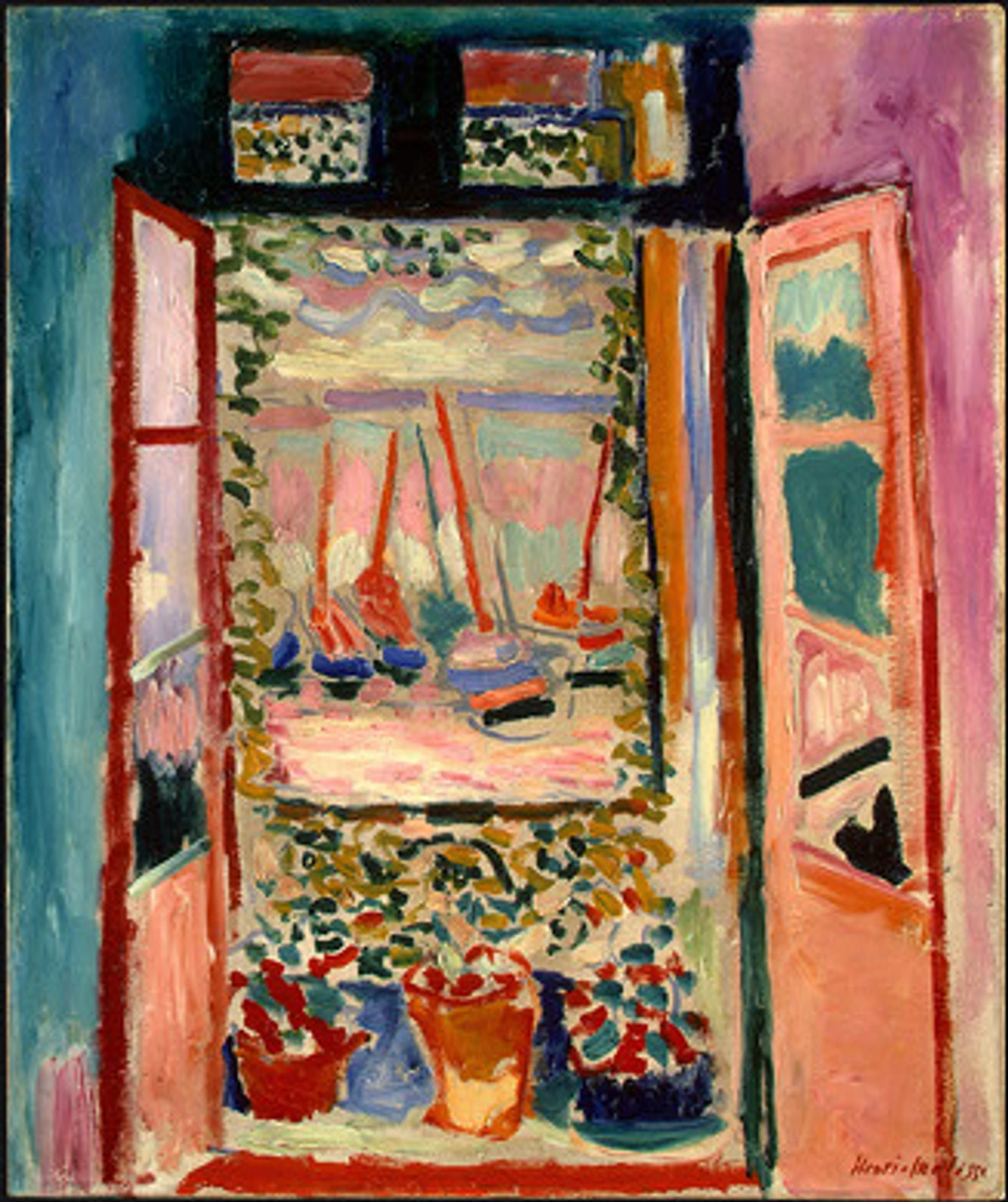
I also use a "decision deadline" system. I give myself a specific amount of time to research and think about a decision (say, two weeks for a major choice). When the deadline hits, I make the best decision I can with the information I have, and I commit to it. This prevents endless deliberation and keeps me moving forward.
Can commercial art have intellectual rigor?
Yes, absolutely. The question isn't whether art is commercial—it's whether the artist approaches their work with serious intent and intellectual discipline.
I know artists who create highly commercial work (prints, products, commissions) with incredible rigor. They research their subjects deeply, experiment constantly with technique, and maintain strict standards for their output. The fact that their work sells well doesn't diminish its intellectual seriousness.
The opposite is also true: I know artists who create "fine art" with zero rigor, relying entirely on trends and superficial style. Commercial vs. non-commercial isn't the relevant distinction—rigorous vs. unrigorous is.
How do I balance rigor with deadlines and client demands?
This is where systematic approaches really prove their value. When you have limited time, the habits you've built through rigorous practice become even more important.
Rigor under time pressure looks like:
- Clear priorities based on your research and understanding of the project
- Efficient technical approaches you've mastered through practice
- Ability to make quick decisions informed by previous systematic thinking
- Systematic documentation that helps you work faster and more effectively
The more rigorously you've developed your practice, the better you'll perform under pressure. Chaos isn't creative—clarity is.
Some of the most rigorous work being made today exists in commercial contexts. Great graphic designers, illustrators, and commercial photographers often demonstrate extraordinary intellectual rigor in how they solve visual problems and communicate complex ideas. The constraints of commercial work can actually force more rigorous thinking, not less.
The Role of Failure in Developing Rigor
You can't talk about rigor without talking about failure, because rigorous practice means constantly failing in interesting ways.

I used to think failure was something to avoid. Now I understand that systematic failure is how you learn anything worth knowing. The question isn't whether you fail—it's whether you fail randomly or fail deliberately.
Random failure: Trying things without understanding why they might work or not work, getting surprised by results, not learning anything systematic from the experience.
Systematic failure: Designing experiments to test specific hypotheses, documenting exactly what happened and why, learning something that informs your next experiment.
I've probably destroyed or painted over more work than I've ever shown publicly. But each of those "failures" taught me something specific about my materials, my process, or my thinking. They weren't wasted time—they were research.
Here's the paradox: the more comfortable you become with systematic failure, the more confident you become as an artist. You stop fearing mistakes because you understand that mistakes are just data points helping you refine your understanding.
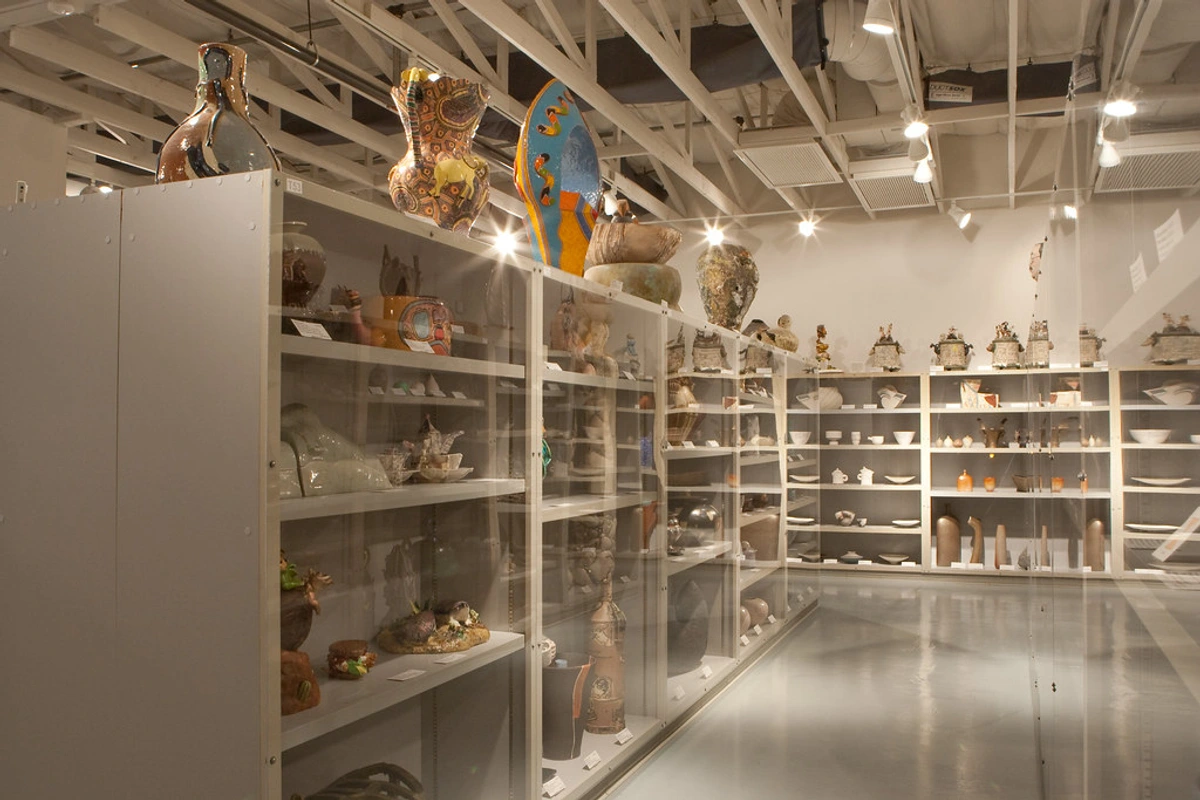
International Perspectives: Cultural Approaches to Artistic Rigor
This emphasis on intellectual rigor isn't universal across cultures. Different artistic traditions prioritize different aspects of artistic development.

Western Academic Tradition: Emphasizes conceptual frameworks, art historical knowledge, and systematic skill development. Tends to value innovation and individual artistic voice. The risk here is that the conceptual framework can become more important than the physical work, leading to art that's interesting to read about but not compelling to experience.
Japanese Traditional Arts: Emphasizes mastery through repetition, transmission from teacher to student, and spiritual development through technical practice. Rigor comes through discipline and gradual refinement over decades. I spent a summer studying Japanese calligraphy and was struck by how the practice was simultaneously technical training and spiritual discipline. The goal wasn't just to make beautiful marks, but to develop a certain state of mind through repetition. The rigor was in the commitment to the process itself.
Indigenous Art Practices: Often emphasize connection to tradition, community knowledge, and spiritual practice. Rigor comes from deep understanding of cultural context and traditional techniques passed through generations. What looks like "traditional" craft to an outsider is often the result of centuries of accumulated knowledge about materials, processes, and cultural meaning. The rigor is in honoring that tradition while keeping it alive.
Contemporary Global Practice: Increasingly hybrid approach that draws from multiple traditions—artists might combine conceptual rigor from Western academic training with the technical discipline of traditional practices. The most exciting work I see today often comes from artists who refuse to choose between these different approaches and instead find ways to integrate them.
The point isn't that one approach is better. The point is that rigor can take many forms, and understanding different cultural approaches can expand your own thinking about what rigorous practice might look like.
The Trap of Cultural Tourism: It's important to approach these different traditions with respect and genuine curiosity, not just as a tourist looking for interesting techniques to borrow. If you're going to learn from another cultural tradition, do the work of understanding it deeply. Learn some of the language. Read the history. Understand the philosophical foundations. Don't just cherry-pick the parts that look cool. That kind of superficial borrowing is the opposite of rigor—it's intellectual laziness disguised as cultural openness.
Mentorship and Learning from Rigorous Masters
One of the most effective ways to develop rigor is to learn from artists who embody it. This doesn't necessarily mean formal mentorship (though that can be valuable). It can mean:
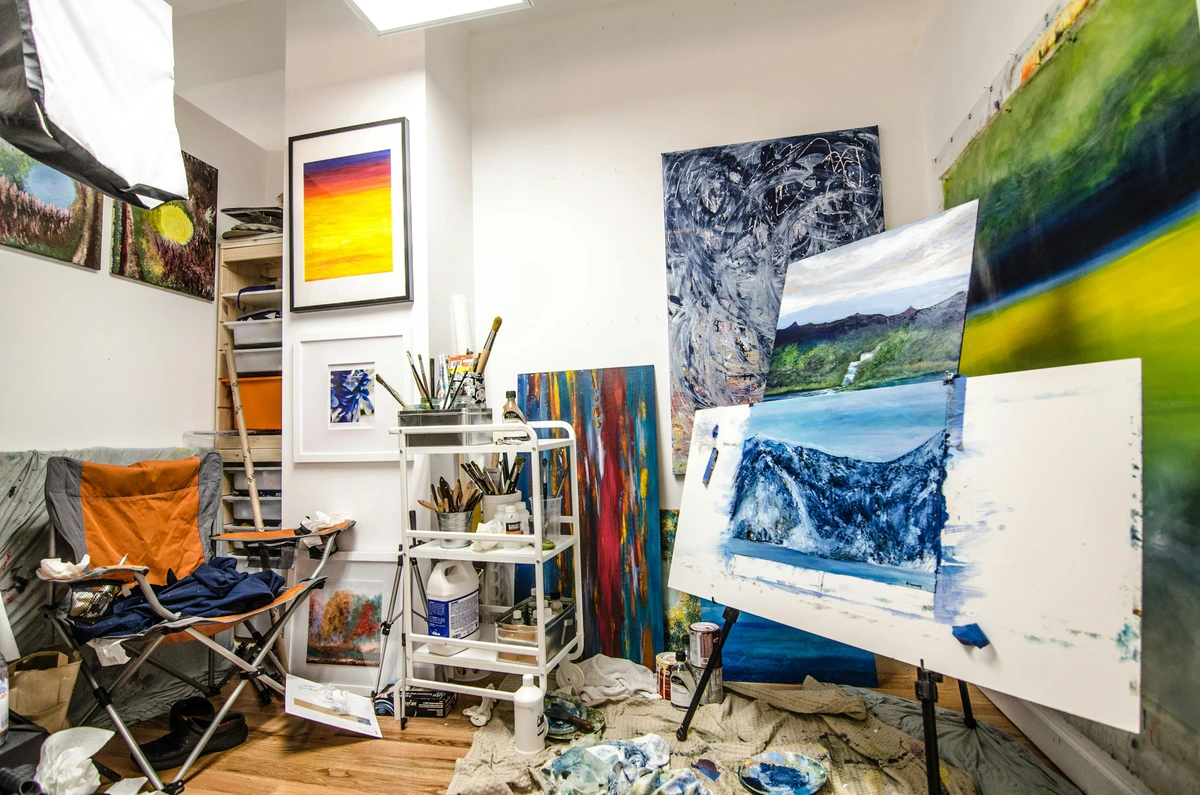
- Studying their work systematically in person
- Reading their writings and interviews
- Analyzing their creative process and decision-making
- Understanding how they developed their approach over time
When I study rigorous artists, I'm not trying to copy their style or subject matter. I'm trying to understand how they think, how they approach problems, how they maintain discipline in their practice.
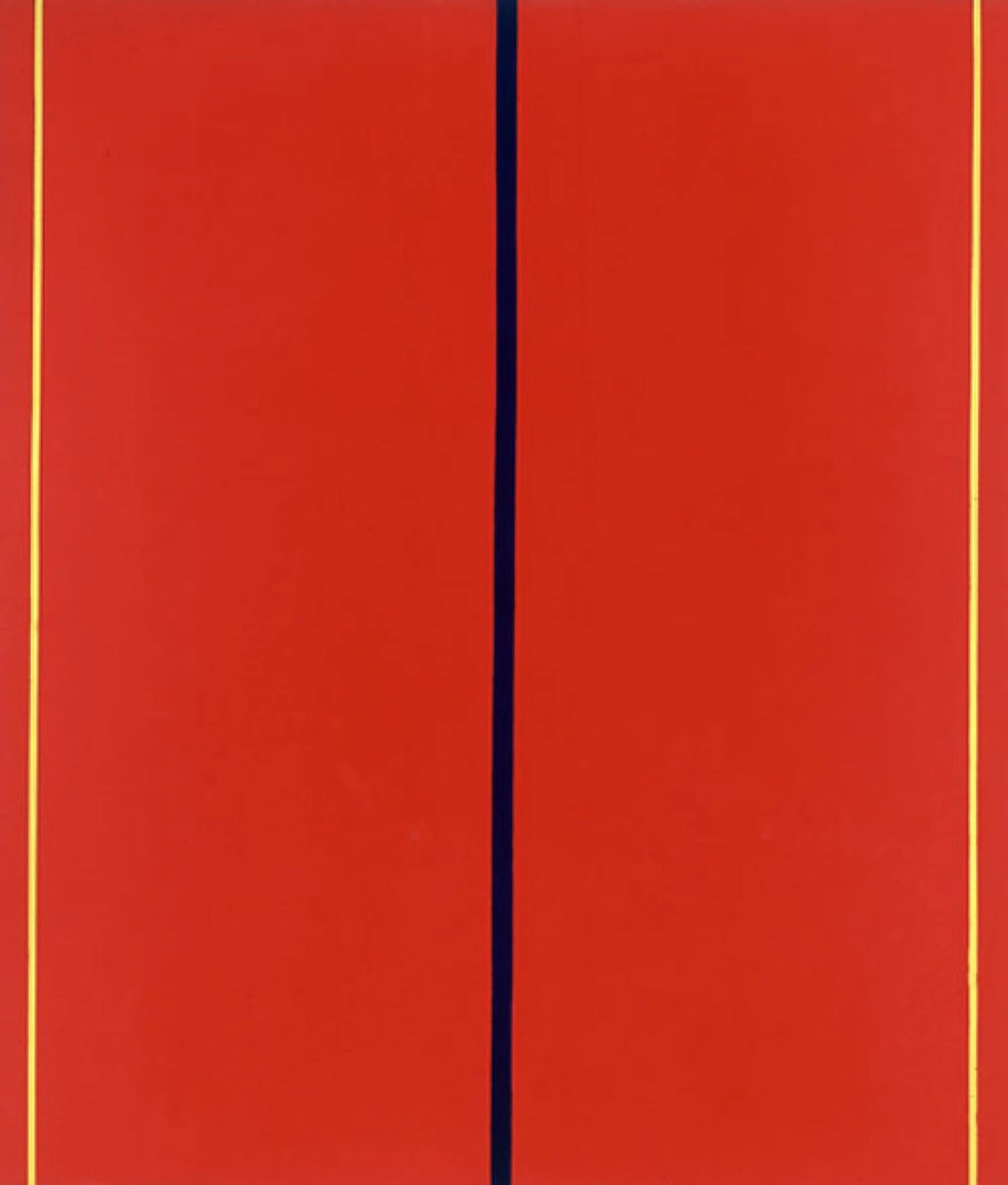
Some rigorous artists to explore (across different traditions and mediums):
- Agnes Martin (systematic approach to abstraction and spirituality)
- William Kentridge (combines drawing, animation, theater, and political philosophy)
- Taryn Simon (methodological approach to photography and research)
- Richard Serra (systematic investigation of material and space)
- Eva Hesse (experimental approach to materials with intellectual foundation)
- Mark Rothko (deep philosophical investigation through color and form)
Each of these artists demonstrates rigorous thinking in very different ways. Study the diversity of rigorous approaches, not just one narrow definition.
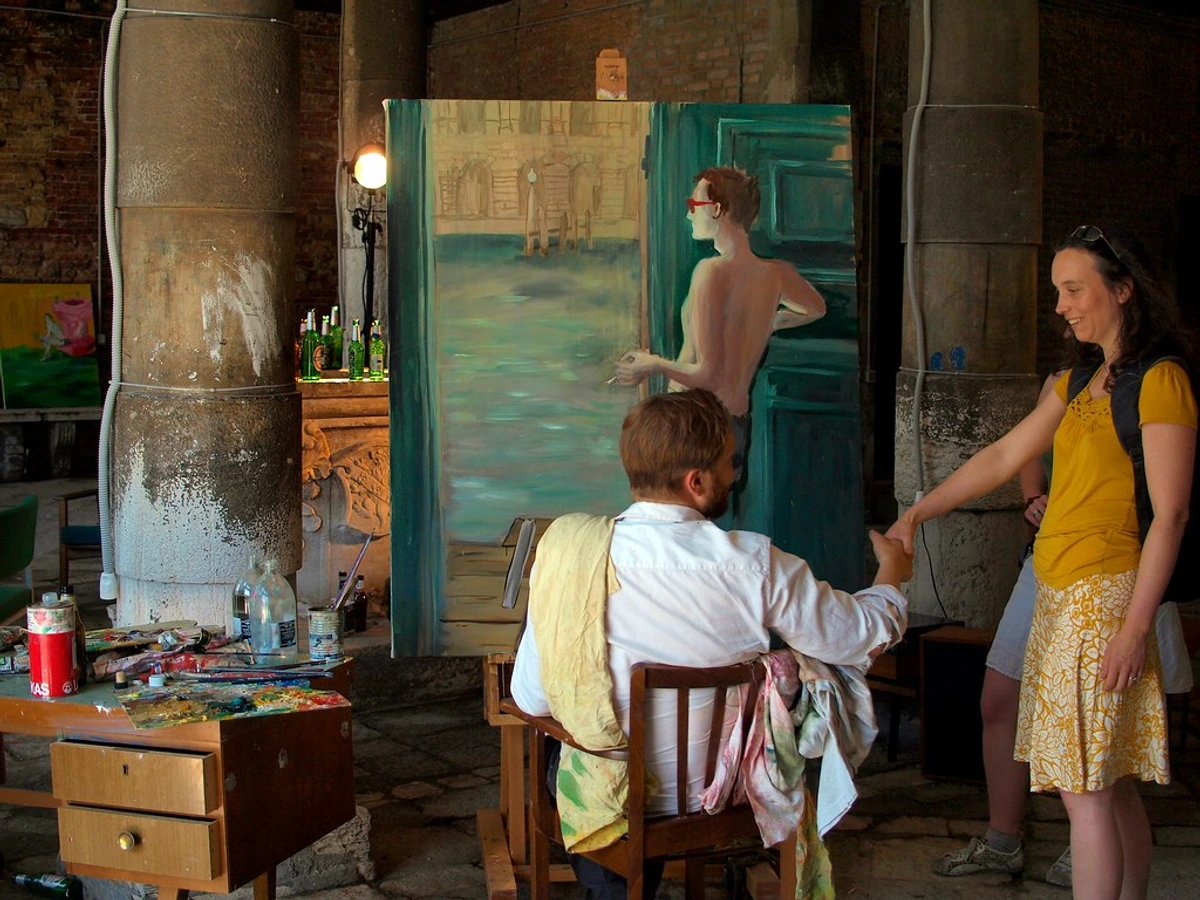
The Path Forward
Developing intellectual rigor isn't a destination you reach—it's a practice you maintain. Some days you'll do it well. Some days you won't. The important thing is that you keep trying, keep questioning, and keep refusing to settle for work that doesn't represent your fullest thinking.
The artists whose work I return to again and again—the artists whose work actually changes how I see the world—they all share this quality. Their work feels thought through, not just felt through. It has weight. Substance. Authority that comes not from confidence, but from deep, sustained engagement with difficult questions.
You don't need to be the most talented artist in the world to develop this kind of rigor. You just need to be willing to think harder about your work than almost anyone else does about theirs. And in my experience, that willingness matters more than any amount of natural talent.
Your Next Steps (The Five-Year Rigor Development Plan)
Year 1: Foundation
- Establish your three-notebook documentation system
- Join or create a serious critique group
- Identify your core conceptual interests and begin systematic research
- Choose one technical weakness and work on it consistently
Year 2: Deepening
- Develop your question-based practice framework
- Begin regular study of art history and contemporary practice
- Build relationships with mentor figures
- Take on ambitious projects that challenge your current abilities
Year 3: Integration
- Bring together your conceptual, technical, and research practices
- Begin showing work publicly and seeking serious feedback
- Develop your unique voice through systematic exploration
- Consider teaching or mentoring others (teaching forces rigor)
Year 4: Mastery
- Significant technical command of your medium
- Clear conceptual framework guiding your work
- Strong documentation and research practices
- Recognition from serious collectors and curators
Year 5: Contribution
- Your work contributes something new to the conversation
- You can articulate and demonstrate your rigorous approach
- You serve as a mentor to younger artists
- Your practice generates ongoing questions and investigations
The five-year mark isn't arbitrary. It's roughly how long it takes to move through the full cycle of developing rigor, from systematic practice to genuine contribution. But here's what I've learned from watching artists go through this process: the timeline isn't linear and it's not uniform.
What Actually Happens During These Five Years:
- Year 1-2: Mostly frustration. You're doing all this rigorous work but you can't see the results yet. Your work might actually get \worse\ because you're questioning everything and haven't developed new solutions to replace your old habits. This is when most people quit.
- Year 3: The pivot. Something starts to click. Your technical practice begins to pay off. Your research starts informing your decisions. You begin to see connections between different bodies of work. This is when rigor starts to feel exciting rather than burdensome.
- Year 4: Integration. The different aspects of your practice start working together. Technical decisions become conceptual decisions. Research feeds directly into making. Documentation becomes a source of new ideas rather than just a record of old ones.
- Year 5: Contribution. You're not just making work anymore—you're adding to a conversation. Other artists start referencing your work. You can articulate a clear perspective that's recognizably yours. You become a resource for others.
The most important thing to understand about this timeline is that it's not about becoming a "good artist"—it's about becoming a serious thinker who uses visual language. The goal isn't to arrive at some destination called "rigorous artist." The goal is to develop the habits of mind that will sustain you for a lifetime of serious work.
If this resonates with you and you're interested in exploring how to bring more thoughtfulness into your art practice, I'd love to hear from you. Sometimes the best way to develop rigor is through conversation with other serious artists.

But let me be honest: developing rigor is fundamentally solitary work. You can have all the conversations in the world, read all the books, join all the critique groups—but ultimately, rigor happens in the studio when you're alone with your work and your thoughts. No one can develop your intellectual rigor for you. No mentor can think your thoughts. No book can do your research.

This is why rigor is so rare, and why it's so valuable. Most people want shortcuts. They want someone to tell them the secret formula for making good art. They want techniques they can copy, styles they can imitate, concepts they can borrow. Rigor is the opposite of all that. It's the commitment to do the hard thinking yourself, to develop your own questions, to find your own answers through sustained effort.
That might sound discouraging, but I actually find it liberating. Rigor democratizes artistic development. You don't need the right teacher, the right school, the right connections. You just need your own mind and your own commitment to serious thinking. All the resources you need are available to anyone with internet access and a library card. The only thing that matters is your willingness to do the work.
And if you're looking for work that embodies this approach, I invite you to explore my prints and original pieces, where I try to practice what I've discussed here. You can also learn more about my artistic timeline and what influenced these ideas.
























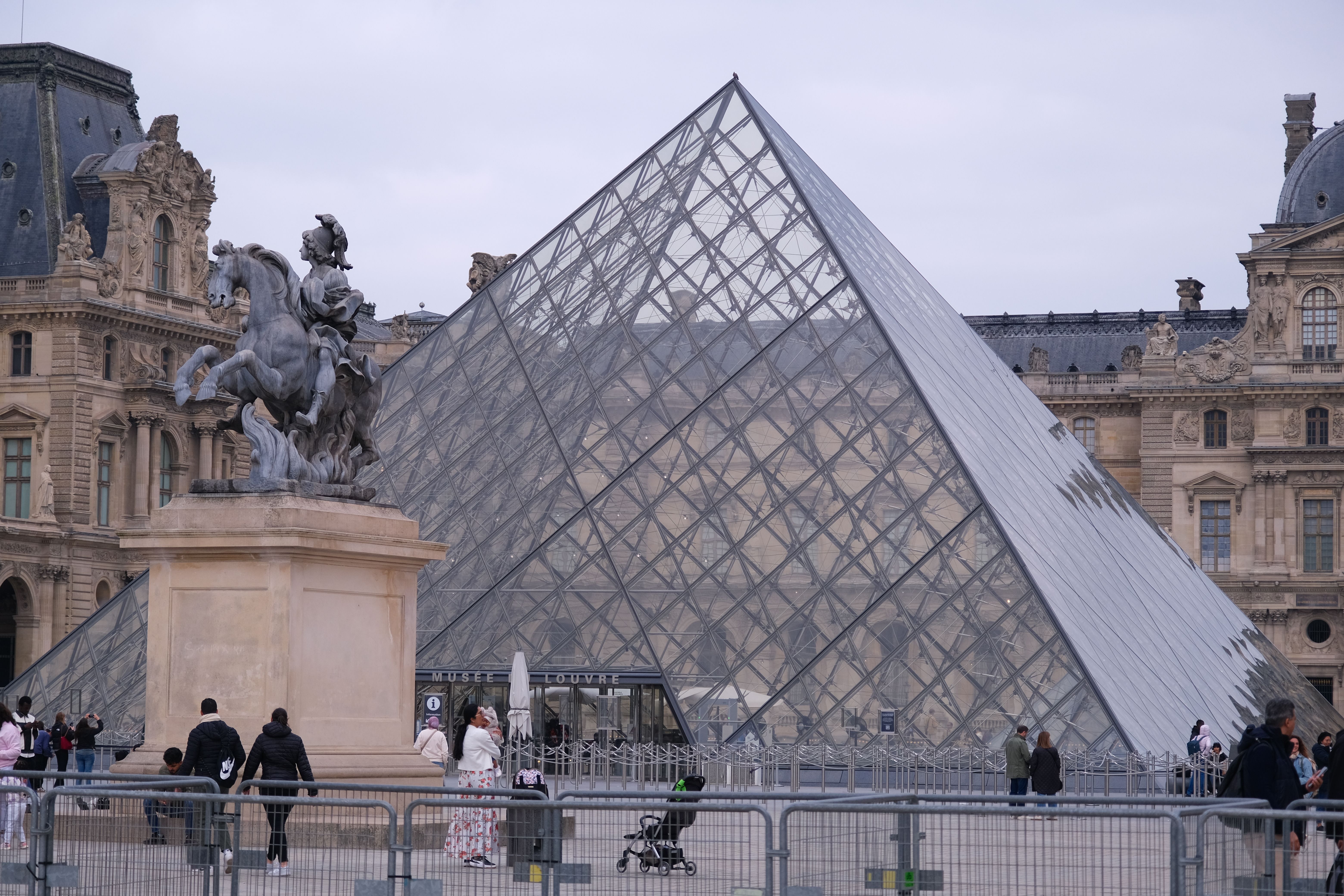



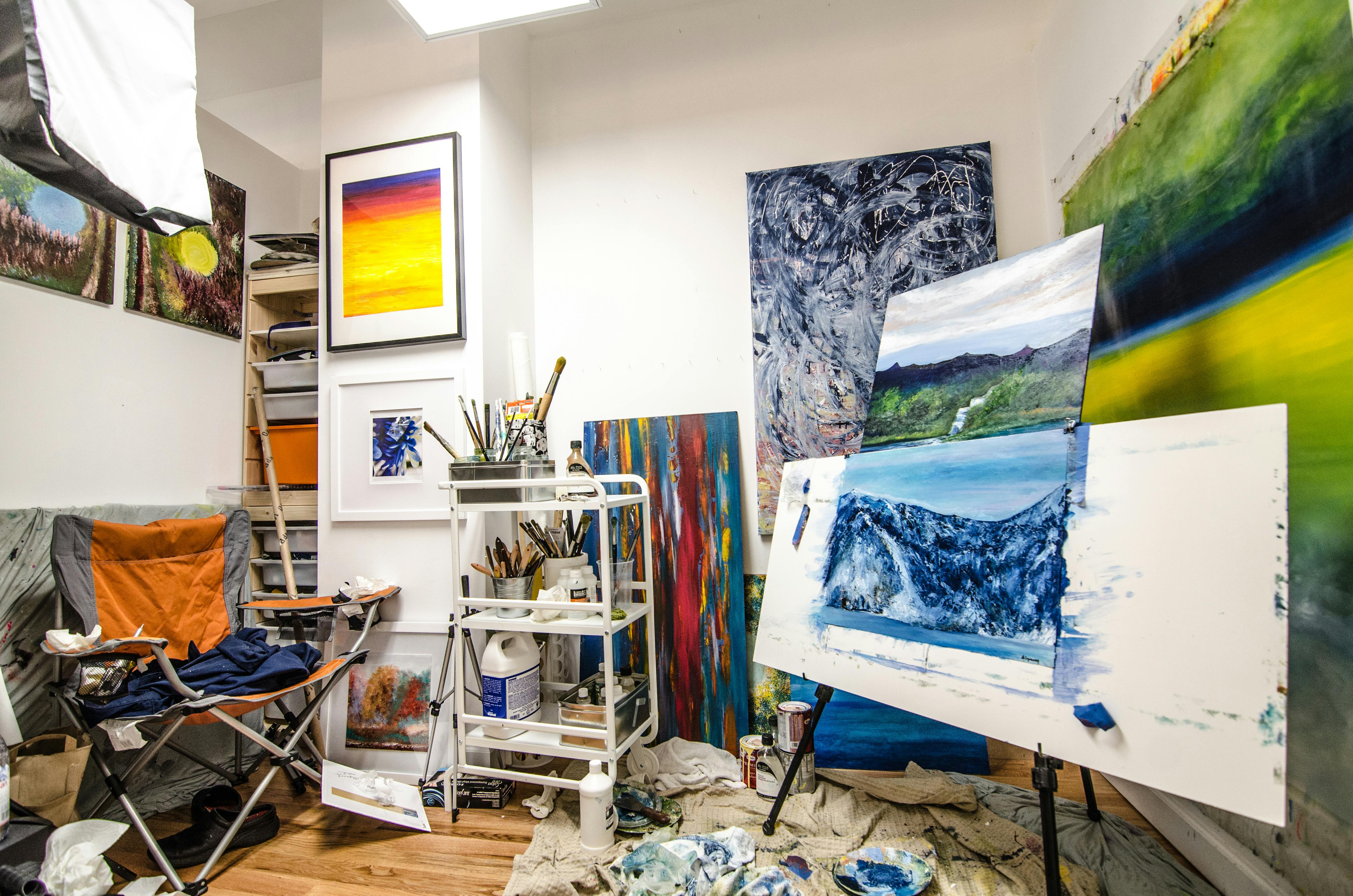




But mostly, I hope this has given you something to think about. The world needs more art that comes from deep thinking and serious engagement. We have enough decorative objects. What we need are works of substance, and substance only comes through rigor.
Start today. Start small. Start systematic. The rest will follow.
I'll leave you with one final thought: rigor isn't something you achieve and then maintain. It's something you practice, like meditation or physical fitness. Some days you'll do it well. Some days you won't. The important thing is that you keep returning to it, keep asking hard questions, keep demanding more from yourself and your work.
The artists I most admire aren't the ones who never struggle or never fail. They're the ones who treat their practice as a lifelong investigation rather than a series of finished products. They're the ones who remain curious, who continue questioning, who refuse to settle for easy answers.
That, finally, is what intellectual rigor really means: the refusal to accept easy answers, and the courage to keep asking hard questions even when you know the answers won't come easily. It's not glamorous. It's not romantic. But it's the only thing I've found that makes creating art feel like a meaningful way to spend a life.
And with that, I've probably said more than enough. If you've read this far, you're clearly serious about this work. Now the real question is: what are you going to do with it? What hard question will you ask yourself tomorrow in the studio? What investigation will you begin? What comfortable assumption will you challenge?
Don't tell me. Show me in your work.