Who Was Sol LeWitt? Exploring the Mind of a Conceptual Art Pioneer
Discover Sol LeWitt's revolutionary approach to art—where ideas trump execution, creativity becomes collaborative, and geometric forms tell profound stories. The ultimate guide to a conceptual master.

Who Was Sol LeWitt? Exploring the Mind of a Conceptual Art Pioneer
Have you ever stared at a blank wall and wondered how simple lines could become something monumental? I know I have. That’s the magic of Sol LeWitt—his art isn’t just on a wall; it is the wall, breathing through geometry and collaboration. But who exactly was this artist who reshaped how we think about creativity itself? From his early life in Hartford to his transformative years in New York, LeWitt dismantled the Romantic ideal of the artist as a solitary genius and replaced it with something far more democratic and intellectually rigorous. Strap in, because we’re diving deep into the world of a true visionary who proved that art, at its core, is a set of instructions for seeing the world anew.
From Hartford to New York: The Making of a Conceptualist (1928-1960s)
Sol LeWitt’s journey began far from the epicenters of art, in Hartford, Connecticut, in 1928. His story wasn’t one of immediate, blazing genius, but of patient, methodical evolution. He studied at Syracuse University, served in the Korean War, and eventually moved to New York City in 1953, a pivotal pilgrimage for any ambitious artist of his generation. For years, he worked a day job at the book counter at the Museum of Modern Art. Think about that for a second: the man who would redefine art spent his days surrounded by books and artworks, not creating, but observing and absorbing. His early work was tentative—he flirted with Abstract Expressionism, but the gestural theatrics of artists like Jackson Pollock never quite fit. I often imagine him during those years, feeling like a puzzle piece forced into the wrong space, searching for a system that made sense. He even worked briefly as a graphic designer for the architect I.M. Pei, an experience that surely sharpened his eye for precision, structure, and the relationship between form and space.
It wasn’t until the mid-1960s, with the art world still reeling from Pop Art’s flashy consumerism and the lingering shadows of Abstract Expressionism, that LeWitt found his voice. He started making simple, three-dimensional structures. He called them just that—structures—a deliberately un-art term. These were not sculptures to be admired for their emotional power; they were testaments to the logic of their own making. This shift was monumental. It was the moment Sol LeWitt stopped trying to be an artist and started being an inventor of systems, and the art world would never be the same.
His first solo show in 1965 at the now-legendary John Daniels Gallery was a quiet explosion. It was here he began showing these open, skeletal forms, their shapes dictated by the simplest of premises. He wasn't interested in ornament or hidden meaning. He was laying a new foundation for art, brick by conceptual brick. During this period, he began working with what he termed 'basic modules': white, skeletal forms placed on black grids. These weren’t just objects; they were three-dimensional propositions, asking you to consider not just their form, but the invisible logic that dictated every edge and intersection. It was here that his fascination with the grid—the single most important element in his vocabulary—truly took root, becoming a neutral, all-purpose structure upon which all other ideas would be built.
The Big Idea: Conceptual Art’s Architect
Let’s get something straight right away: Sol LeWitt wasn’t your typical painter or sculptor. In an era obsessed with brushstrokes and final products, he flipped the script entirely. Remember that time you got stuck on a word puzzle because the solution was simpler than you expected? LeWitt operated like that with art. His famous quote—"The idea becomes a machine that makes the art"—isn’t just clever; it’s a manifesto. Think of it like a recipe. Anyone can follow the instructions to bake a cake, but the soul of the cake—its flavor, its texture—is already there in the recipe itself. For LeWitt, the recipe was everything. Conceptual art, as he defined it, meant the idea behind the piece was more valuable than the polished result. The labor, the materials, even the creator—it all became secondary to that initial, generative spark.
credit, licence
The Forerunners & Contemporaries: LeWitt in Context
LeWitt didn't emerge from a vacuum. He was part of a vibrant, argumentative community of artists in New York City from the late 1950s onward. This wasn't just a gathering of artists; it was a collision of radical ideas. While the world was still trying to decode Abstract Expressionism, this new generation was already dismantling it, piece by painstaking piece. They gathered in now-legendary spaces like the Jewish Museum and, of course, on the bustling streets of SoHo and the Lower East Side, engaging in a furious, public conversation through their work.

Marcel Duchamp is the unavoidable ghost at this party. Duchamp, decades earlier, had declared that a work of art was whatever the artist said it was. He called them "readymades"—a urinal, a bottle rack—and in doing so, he relocated the creative act from the hands to the brain. The artist’s job was no longer to craft, but to choose. LeWitt revered Duchamp, but he took this logic a step further. He saw the poetry of a system that could create itself, over and over. He internalized Duchamp’s declaration that the idea was paramount, but LeWitt didn't just choose an existing object; he created a generative engine, a conceptual machine that could produce not just one object, but an endless stream of them.
Then there were his contemporaries, the titans he exhibited alongside and debated with in downtown lofts and scruffy galleries. Jasper Johns and his targets and flags taught LeWitt that a simple, recognizable form—a target, a map, a set of numbers—could be a vessel for endless variation. The grid pattern of Johns's paintings is a direct ancestor of LeWitt's own gridded preoccupations. Frank Stella, another key figure, was painting his stark Black Pin-Stripe paintings, famously stating, "What you see is what you see." LeWitt internalized that directness, that stripping-away of hidden meaning. But instead of just painting the object, LeWitt went a step further: he created the logic that created the object in the first place. He shared ideas and gallery space with fellow conceptualists like Dan Flavin, Donald Judd, and Carl Andre, a group of artists who, though diverse, all shared a commitment to stripping art to its essential, non-illusionistic bones.

It's a thrill to imagine those downtown scenes in the '60s. Artists weren't just making work in isolation; they were having a furious, public conversation through their art. LeWitt's first "Paragraphs on Conceptual Art" was published in 1967. A few years later, he followed it up with "Sentences on Conceptual Art." These weren't just essays; they were provocations, manifestos tossed into the arena to see who would pick them up and run with them.
1968: A Year Zero for Conceptual Art
While his 1965 show was a signal of intent, 1968 was the year LeWitt truly pulled the pin on the grenade. If you had to pick a single origin point for his radical reinvention, it would be 1968. That year, he did two things that would change the course of art history.
First, he began his lifelong series of Wall Drawings. The inaugural piece, Wall Drawing #1, was breathtakingly simple. Its instructions read: "Drawing Series I. 24" x 36" (61 x 91.4 cm). On a wall surface, any continuous stretch of wall, using a hard pencil, place fifty points at random. The points should be evenly distributed over the area of the wall. All of the points are connected by straight lines."
Let's pause on that. Fifty random points. All connected. The result is a chaotic web of intersecting lines, a visual record of chance encounters. The wall, once a passive support, became an active field of logical operations, a universe of possibilities generated from a few, almost mathematical, sentences.
Second, he started working directly on paper with a series he simply called drawings. These weren’t sketches or plans for larger works; they were finished artworks in themselves. They were ideas captured in their purest form, an archive of thought-processes. I've always found it significant that he turned to this most direct and intimate of mediums at the exact moment he began his most collaborative and large-scale work. It's as if he needed both poles: the solitary, immediate notation of the idea on paper, and the complex, communal execution of that idea on a wall. One was the score, the other was the symphony.
LeWitt’s Toolkit: Geometry as Poetry
Now, how did LeWitt turn ideas into art? His secret weapon was geometry—simple grids, cubes, lines, and curves that evolved into mind-bending complexity. Picture a kid with LEGOs, but a kid obsessed with infinity, mathematical precision, and finding every single possible way you could arrange those blocks. That’s LeWitt. His early work featured what he called basic modules—like white, skeletal forms on black grids—deceptively simple at first glance. But beneath the surface, he was building entire systems, self-contained universes where a single rule could generate a world of form.
His structures—these architectural sculptures—became the ultimate playgrounds for his ideas. Think towering white pyramids or labyrinthine walls made from stacked, open cubes that you could almost get lost in. These were often fabricated from industrial materials like cinder block or steel, embracing a no-nonsense, anti-illusionistic aesthetic that aligned perfectly with his mission to strip art down to its logical bones. But here’s what’s crazy, and where the conceptual genius truly kicks in: LeWitt rarely built them himself! He’d draft blueprints—handwritten notes on graph paper, dog-eared diagrams, pages of seemingly cryptic rules—and then hand them over to teams of assistants to execute.
This was the core of his 'artist-as-director' philosophy. I remember the first time I learned this. A part of me felt let down. Where was the artist’s hand, the personal struggle, the craft? But then it hit me: the hand-off was the point. LeWitt was proving that the act of creation could be separated from the Creator with a capital "C." It was a radical act of humility and intellectual confidence wrapped into one. This collaborative method was not merely a practical choice; it was a philosophical statement that directly challenged the art market's obsession with the unique, hand-made object and the artist's "signature style." For LeWitt, the signature was the idea itself, a far more durable and interesting marker of identity than a brushstroke.
He didn't just think like an architect; he was a composer whose score could be played by any orchestra. This system directly challenged the art market's obsession with the unique, handmade object and the artist's "signature style." For LeWitt, the signature was the idea itself, a far more durable and interesting marker of identity than a brushstroke. It's a philosophy that feels incredibly relevant today, in a world where creativity is increasingly about systems, code, and directing complex production.

Key Forms LeWitt Championed
Form  | Description | Example Work |
|---|---|---|
| Grids | The single most important element in LeWitt's entire vocabulary. A simple grid became a neutral, all-purpose structure upon which all other ideas could be built. It was a starting point, a system, and sometimes the entire artwork itself. It’s the one rule he gave himself that seemed to have infinite outcomes. | Wall Drawing #1 (1968) |
| Incomplete Open Cubes | A masterclass in systematic exploration. LeWitt set himself the task of finding every single way to depict an open cube using only its edges, from simple forms to mind-bendingly complex ones. The result is a family of 122 related but unique forms, proving that a single constraint can generate endless variety. | Incomplete Open Cubes (1974) |
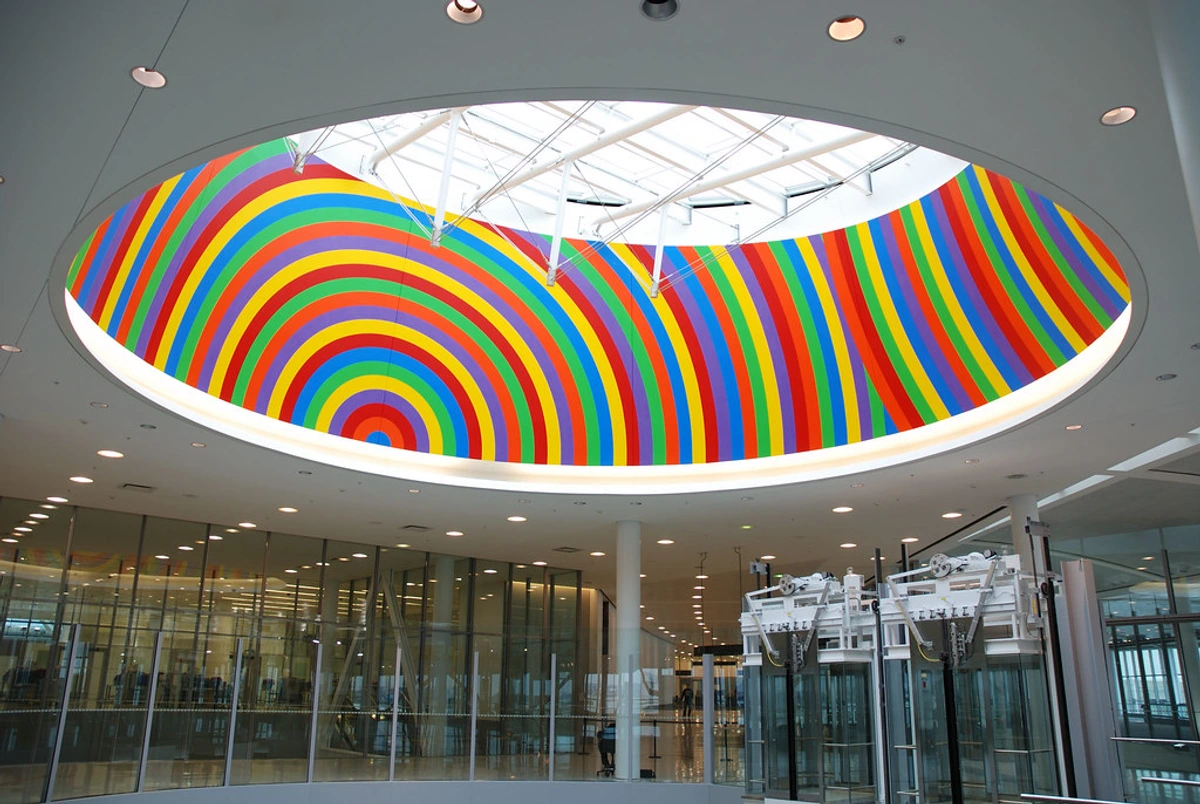
| Curves & Arcs | A later addition to his toolkit. Flowing, organic lines that create a surprising sense of movement and unpredictability against his rigid, architectonic structures. It was a leap into a more lyrical and playful way of thinking, showing his systems could embrace the non-linear. | Wall Drawing #344 (1981) |
| Towers | Stacked geometric blocks that seem to defy gravity, playing with scale and architectural form. Often placed in public plazas, they become landmarks of pure geometry, transforming the space around them and engaging the viewer's body as well as their mind. | Tower (B) (1985) |
| Color Washes | A mid-to-late career explosion of vibrant, saturated hues applied in washes to his geometric structures. This wasn't about feeling; it was about the logical interaction of colors, creating an optical buzz that disrupted the calm logic of his minimalist roots. His color was another variable in the system, not an emotional outpouring. | Wall Drawing #652 (1990) |
| Bands & Blobs | In his final years, LeWitt made another radical turn. He abandoned the rigid geometry of his past for exuberant, free-form shapes—wavy, vibrating bands and amoebic blobs of pure, joyful color. It was a final, thrilling liberation from the grid, a return to a more intuitive, childlike state of play. | Splotch series (2000s) |
Wall Drawings: Art That Breathes
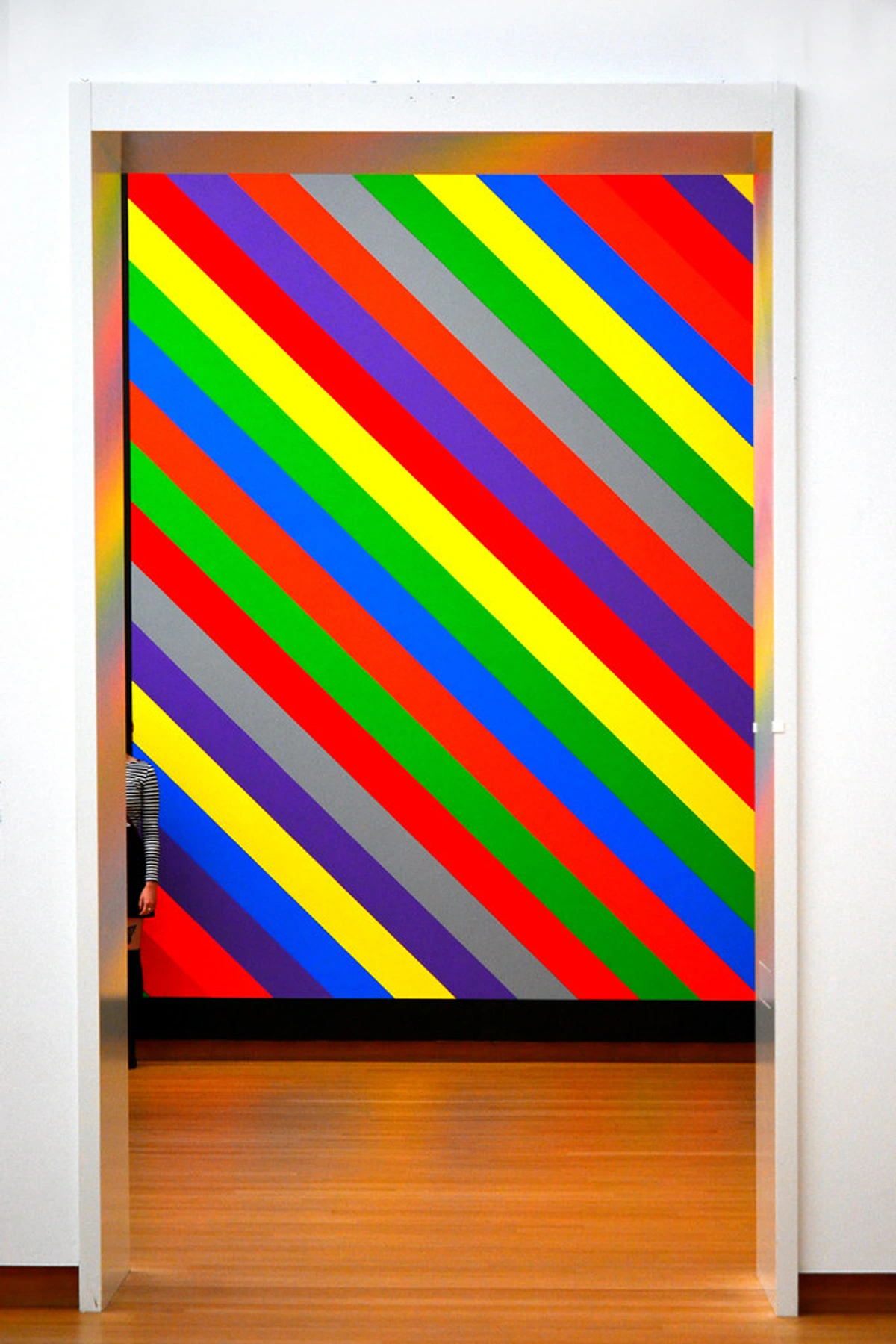
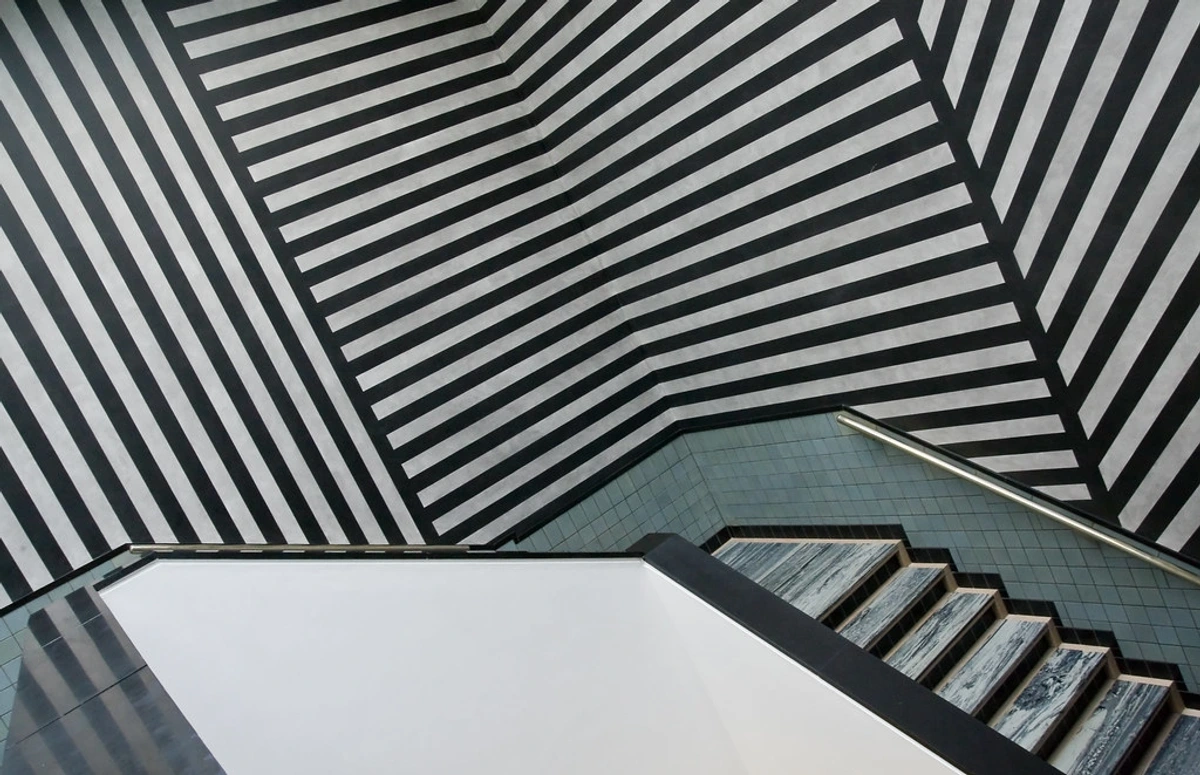
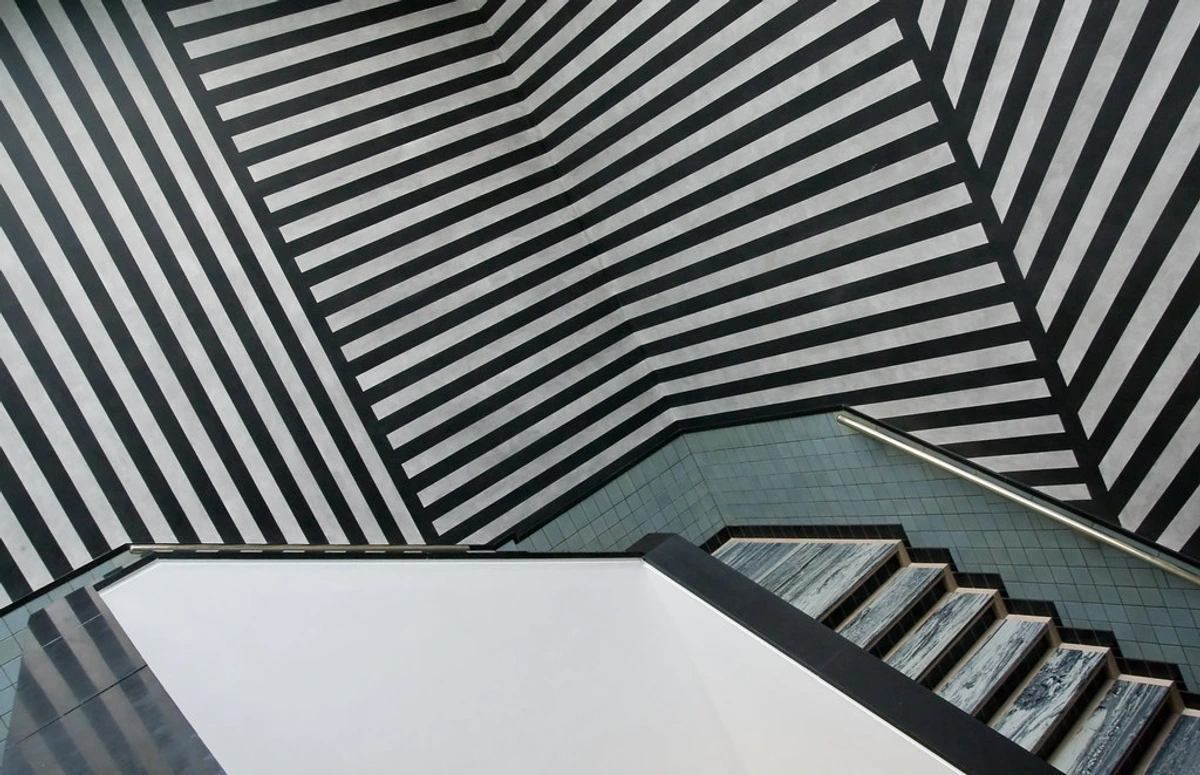
If LeWitt had a masterpiece category, it’s his wall drawings. Over his lifetime, he created around 1,200 of these site-specific creations—ephemeral pieces painted or drawn directly onto gallery or museum walls. Some were tiny, tucked into a corner; others spanned entire multi-story buildings. Here’s where the "idea-as-machine" philosophy shines in its purest form: a few pages of simple, direct instructions could spawn radically different versions depending on the location, the assistants who executed them, or even the specific pigments used. I like to think of the instructions as a recipe and the finished drawing as a meal—deeply shaped by the hands that cooked it.

But what’s truly profound—and at first, counter-intuitive—is their built-in impermanence. Unlike bronze sculptures or oil paintings, wall drawings are not meant to last. They get painted over, dismantled at the end of an exhibition, or left to fade. And yet—that’s their power! They force us to appreciate art as a moment rather than an eternity. It’s like catching fireflies in a jar for a single evening. They force us to be present, to look closely, precisely because we know they won’t be there tomorrow. In an odd way, their eventual destruction is a proof of their conceptual purity. They are an idea, perfectly executed for a specific time and place, and then they are gone, living on only as documentation and memory.

Think about it: a collector doesn't buy a physical object. They buy the certificate—the right and the instructions to "perform" the drawing for a period of time. The artwork is the concept, not the paint on the wall. This completely reframes the value of art, moving it from a precious, static object to a dynamic, repeatable event. It's a profoundly anti-materialist stance that still manages to be incredibly generous, offering a lifetime of unique experiences from a single idea.
Beyond Walls: Prints, Books, and Influence
LeWitt wasn’t a one-trick pony; his creativity spilled over into every conceivable medium. For him, the idea was primary, and the execution was simply the most efficient way to realize it—whether that was on a wall, in a book, or on an album cover.
His prints are a world unto themselves. He didn’t just see printmaking as a way to make multiples; he saw it as another system to be explored. He produced hundreds of prints—woodcuts, lithographs, screenprints—using his familiar geometric vocabulary of grids, cubes, and lines. A company in the Netherlands once messaged him about the practical challenges of printing a particularly complex design. LeWitt’s response was simple: “They will find a way.” He was interested in the challenge, the problem to be solved by the craft of the printer. It was a perfect extension of his philosophy: set up the parameters, then let the medium and the collaborators find the solution within them.
His artist's books, like the seminal Arcs, Circles, & Grids (1972), functioned as portable exhibitions of his logic. These weren't catalogs; they were the primary artworks themselves, putting the core conceptual experience directly into the hands of anyone for a few dollars. It was a radical act of publishing, a way to democratize art and disseminate his ideas far beyond the walls of a gallery.
His artist books and works on paper are perhaps where LeWitt got to be the most direct and unadorned. These were ideas captured in their purest, most immediate form. Books like Arcs, Circles, & Grids (1972) or Photogrids (1978) became cult manuals for conceptual artists, practical demonstrations of how to make art out of almost nothing. They were affordable, mass-produced objects that sought to democratize art, putting the core conceptual experience directly into the hands of anyone for a few dollars, bypassing the traditional gatekeepers of the gallery system.
And yes, he even dipped his toes into graphic design, a natural extension of his love for systems. He designed the iconic poster for the 1973 São Paulo Biennial, a masterpiece of orderly chaos. He later designed the album cover for Sonic Youth’s 1988 record "Sister." It was a perfect match: his controlled geometry providing a visual anchor for the band's wall of chaotic noise. Talk about crossing boundaries. This wasn't just a side hustle; it was LeWitt proving that his conceptual logic could be applied to any visual problem, from a museum wall to a punk rock album.
Artist’s book: Works from 1962–1965 (1966), MassMoCA, CC BY-NC-SA 4.0

His influence is hard to overstate because it’s not just a style; it’s a way of thinking. You can see it in the systematic, rule-based work of younger artists who emerged in the 1980s and beyond. The entire school of Simulationism and artists who work with data and systems owe a debt to LeWitt. He taught a generation that art wasn't just about what you felt, but what you could figure out.
Structurally, his wall drawings paved the way for later generations of installation and public art, demonstrating how an artwork could have a symbiotic relationship with the architecture around it. And his embrace of collaboration and the artist-as-director influenced countless studios where the artist’s primary tool is no longer a paintbrush, but an idea that can be disseminated to a team.
Internationally, LeWitt found kindred spirits and became a bridge between American and European art. He corresponded with Italian artists like Alighiero Boetti and had a deep respect for the Arte Povera movement, feeling a kinship with their use of simple, often ephemeral materials and intellectual rigor. And it’s no surprise that some of the most important collections of his work are in Europe, including a long-term installation at the Kunstraum Weishaupt in Germany.
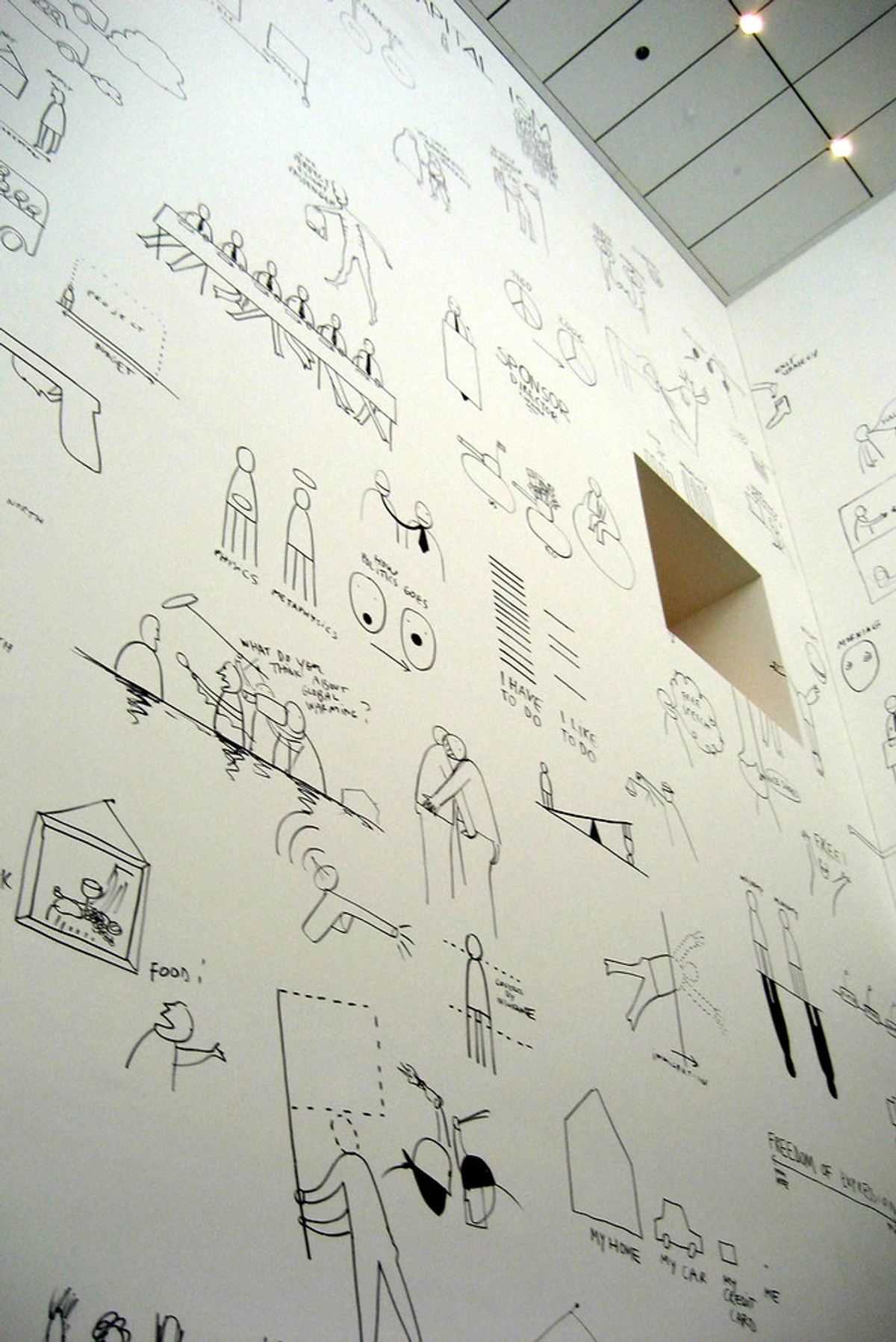
The Legacy of a System Builder: Why LeWitt Still Matters in 2024
Okay, so we’ve got grids and walls—a career spent on lines and cubes. But why should you care in 2024, in a world saturated with screens and instant everything?
First, LeWitt’s work feels eerily prescient of our digital age. The idea that a piece of information—a set of instructions—can exist as its own self-contained work of art is the same logic that underpins code, algorithms, and software. He was essentially writing analog software for walls, long before anyone thought about digital canvases. His human-centered, process-driven collaboration feels revolutionary in an age of AI and automation, reminding us that even the most rigid systems are ultimately brought to life by human hands and human choices. Each certificate of a wall drawing is a unique token—not a digital one, but a tangible right to execute a concept, a fascinating parallel to how we think about digital ownership and execution rights today, though without any of the technological baggage.
In our digital age, where art is often reduced to digital assets, LeWitt’s human-centered, process-driven collaboration feels revolutionary. He invites you to be part of the creation, not just a spectator of a trophy. His work proves that even the most rigorous systems are ultimately brought to life by human hands and human choices.
But his influence goes deeper than a simple tech parallel. He fundamentally altered the landscape of public art. Before LeWitt, public sculpture was mostly about monuments. He showed that public art could be a conceptual experience, a direct, unadorned interaction with architecture and space that didn't require a PhD in art history to appreciate. You just had to be willing to look and think.
More than that, his minimalism serves as a form of intellectual hygiene. Amidst our constant sensory overload, a precise grid or a slowly curving band of color isn’t an aesthetic choice; it’s a necessity. It forces a moment of focus, a pause. It’s a deep breath for the eyes. I often reflect on this when looking at or curating abstract collections for /buy. The boldest statements don’t always come from adding more. Sometimes, they come when we have the courage to strip it all back to the essentials. LeWitt’s art quietly asks: What ideas are you creating space for?
The final lesson is one of graceful evolution. Look at the journey from the rigid white cubes of the 1960s to the exuberant, almost joyful "Splotch" paintings of the 2000s. He never stopped pushing his own logic, finding new ways to generate form. He avoided the trap of becoming a pastiche of himself. It’s a powerful reminder that the most rigid systems can, paradoxically, be the very things that set you free. This steady evolution is a testament to his belief that an idea is not a dead end, but a starting point for infinite variation.
The Language of LeWitt: Decoding Instructions
Before we get to the questions everyone asks, it's worth understanding the primal medium of LeWitt’s art: the instruction. What did a set of his instructions actually look and feel like? They were often a fascinating mix of the precise and the poetic.
Take the instructions for 1982's Wall Drawing #340: “On a black wall, a white circle within which are white vertical parallel lines, and a white parallelogram within which are white horizontal parallel lines.” It reads like a technical manual, and in a way, it is. But the result, when executed, is an elegant play of geometric forms, a visual puzzle of containment and direction.
Contrast that with 1971's Wall Drawing #123: “Copious, irregular, and widely separated dots covering the wall as evenly as possible.” Here the language shifts. “Copious,” “irregular,” “widely separated”—these are words that require interpretation. One team’s “copious” might be another team’s “abundant.” LeWitt’s genius was in knowing when to be a drill sergeant of precision and when to let human judgment, guided by a loose poetic logic, take over. He trusted the idea to hold its own, even when filtered through the unique lens of another person’s mind.
On Interpretation and Ownership
This leads to a fascinating question: if two installations of the same wall drawing look different, are they both authentic LeWitts? By LeWitt’s own philosophy, absolutely. The certificate authenticates the idea, not the specific physical manifestation. Each version is a new performance of the core concept, shaped by its time, place, and executors. This is why the work is so resistant to the commodification of a single “masterpiece.” The masterpiece isn’t the object; it's the endlessly regenerating idea.

Frequently Asked Questions
What was the most important thing about Sol LeWitt’s art?
LeWitt believed the idea behind the artwork was paramount. As he put it, "The idea is the machine that makes the art." He prioritized the intellectual labor over the physical execution, letting concepts live through assistants and collaborators.
How do LeWitt’s wall drawings work?
It all starts with a Certificate of Authenticity and a set of instructions. These instructions, which LeWitt called diagrams, range from a few sentences to several pages of text, sketches, and precise rules. When an institution wants to install a drawing, they receive these documents. A team of specialized installers (who are artists in their own right) then interprets these rules and executes the drawing directly onto the wall using paint, crayon, or ink. Crucially, since no two walls are identical and no two installers will make exactly the same choices, each completed drawing is a unique performance of the idea, specific to its location and historical moment.
Was Sol LeWitt a minimalist or conceptual artist?
This is the central, fascinating paradox. He was, unequivocally, both. Art historians place him as a key pioneer of Minimalism, particularly for his early, modular sculptures which used basic geometric forms and repeated industrial materials. At the exact same time, he is arguably the single most important figure in the development of Conceptual Art. His work bridges the two movements perfectly: he used the stripped-down, objective forms of Minimalism to explore the complex, idea-driven frameworks of Conceptual Art. His structures were Minimalist, but the premise and process were purely Conceptual. Trying to put him in one box is like trying to describe a river by only talking about the water or the riverbank—you need both to understand the whole picture.
Why did LeWitt let his assistants create his art?
It wasn’t laziness—it was philosophy. By outsourcing creation, LeWitt reinforced that art is a collaborative process, not a solo act. It also democratized creation, turning assistants into co-creators. Plus, it allowed his ideas to scale beyond one person’s body. This studio system challenged the very definition of authorship. He believed the artist could be a "catalyst or an idea man," and that the physical act of making was just one step in a creative chain. He was making a powerful statement: the idea, not the ego, is what matters most.
This model directly presages the way many contemporary architects, filmmakers, and even software developers work today: the visionary director who sets the core vision and trusts a team to realize it. It's a model rooted in a profound humility—the belief that the idea is bigger than any single person’s ability to execute it.
Where can I see Sol LeWitt’s work today?
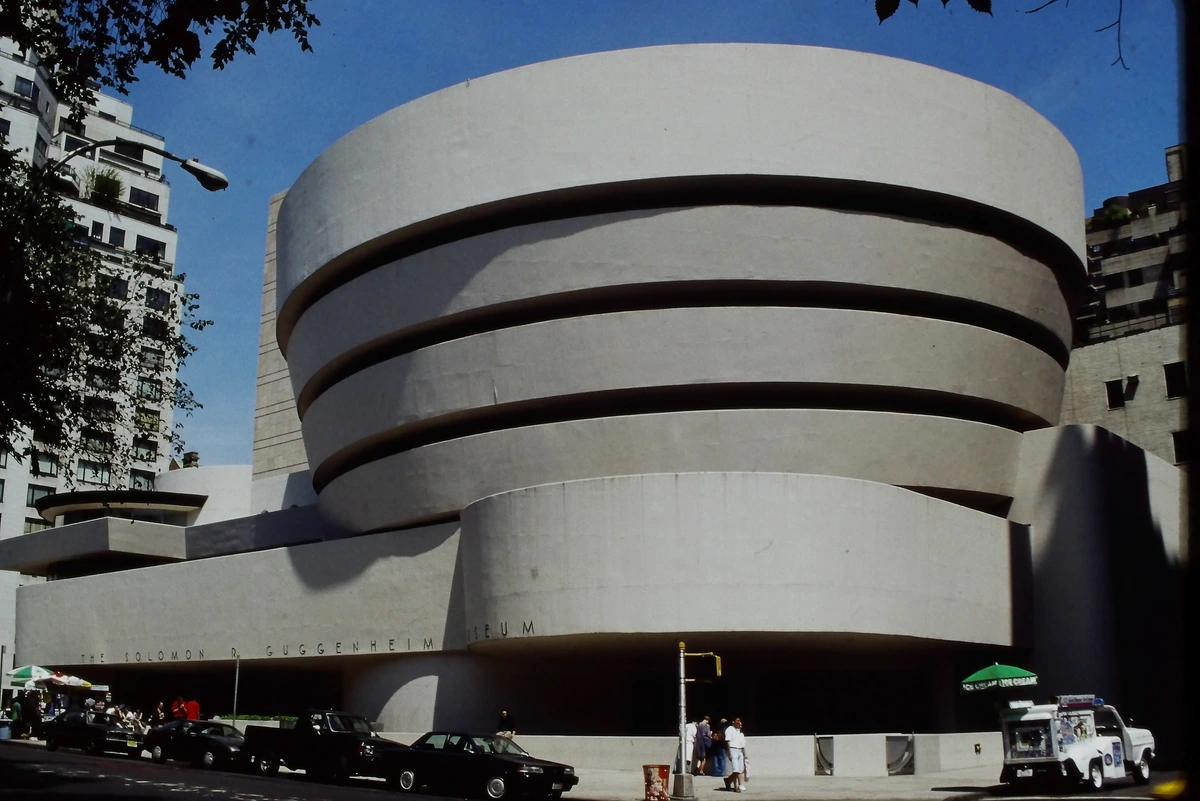
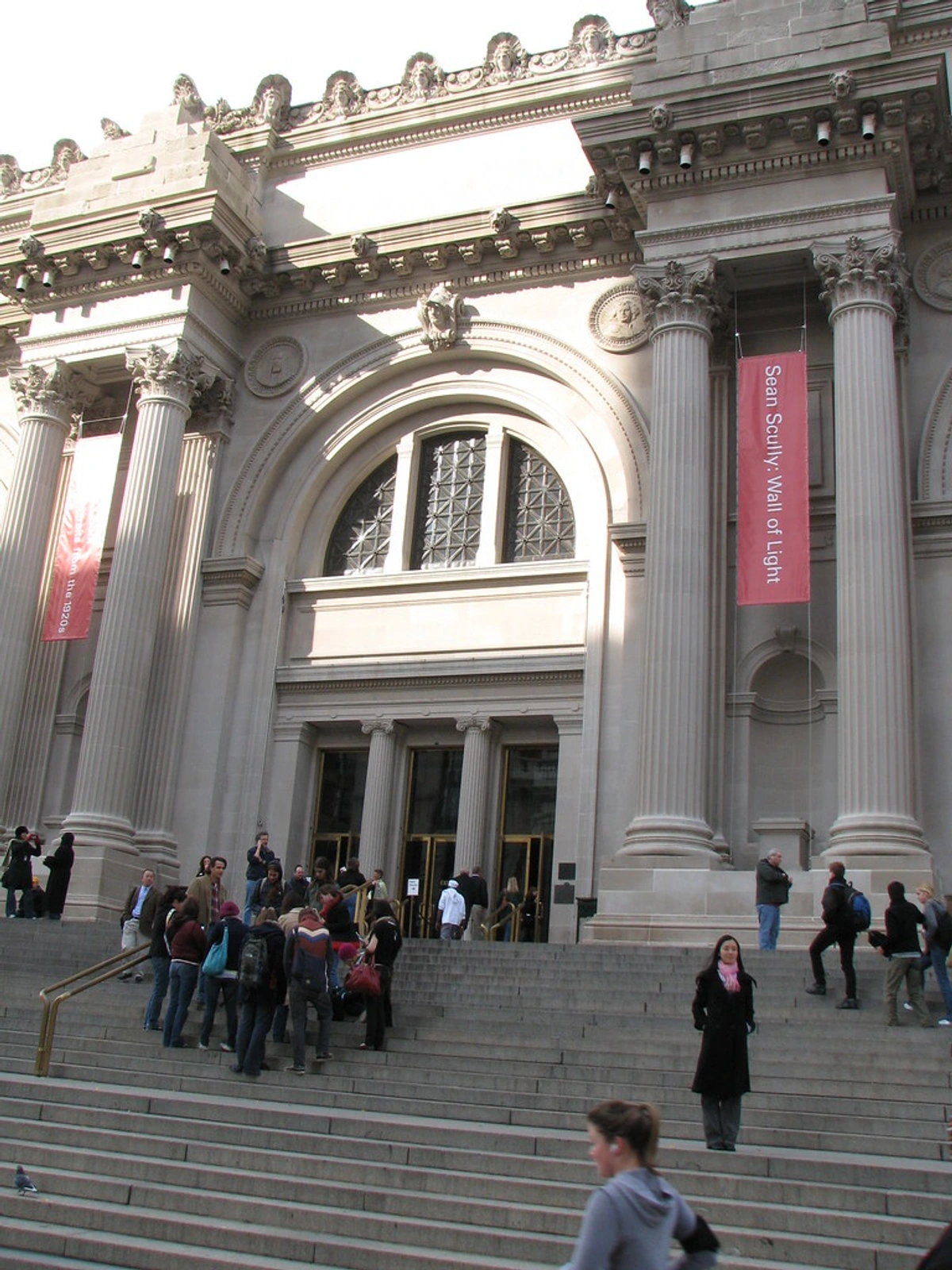
LeWitt's work is held in nearly every major modern and contemporary art collection in the world. You can find significant pieces and often temporary wall drawing installations at institutions like the MoMA (New York), the Tate Modern (London), and the Solomon R. Guggenheim Museum (New York).
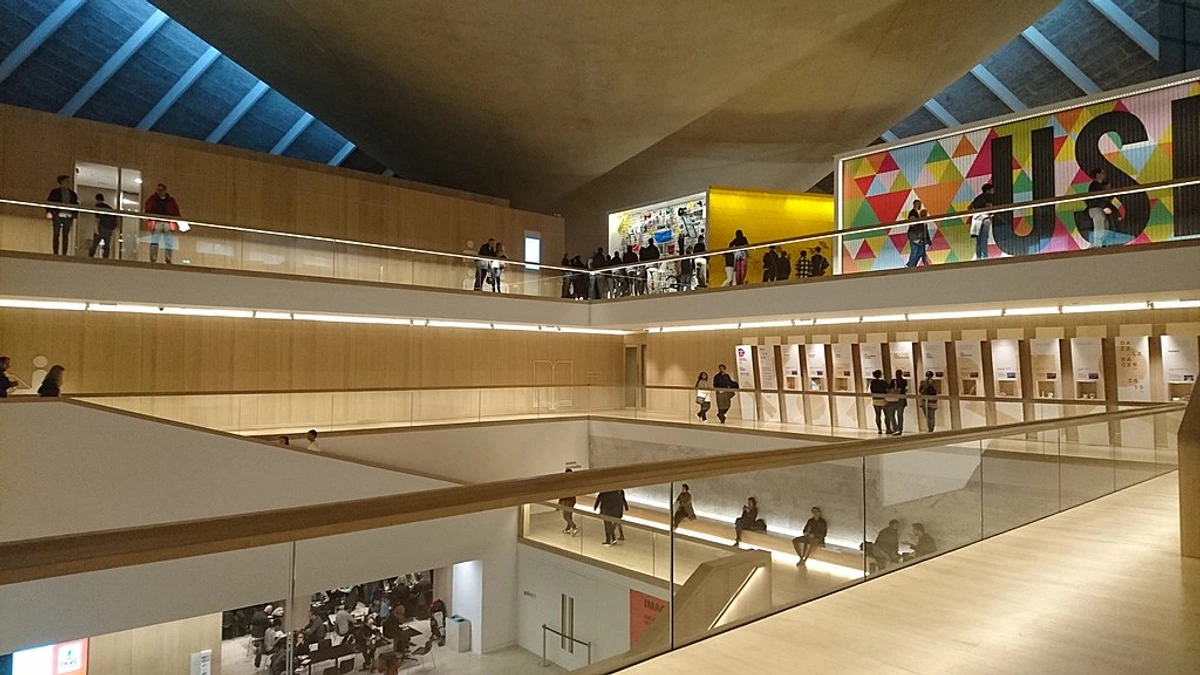
However, the most profound and truly life-altering place to experience his work is at MassMoCA (Massachusetts Museum of Contemporary Art) in North Adams, Massachusetts. They have a dedicated multi-story building with 27,000 square feet of exhibition space, filled with over 100 of his wall drawings. Many of these are monumental, multi-story works that are on permanent, long-term display. It’s the closest you can get to walking inside the mind of Sol LeWitt.
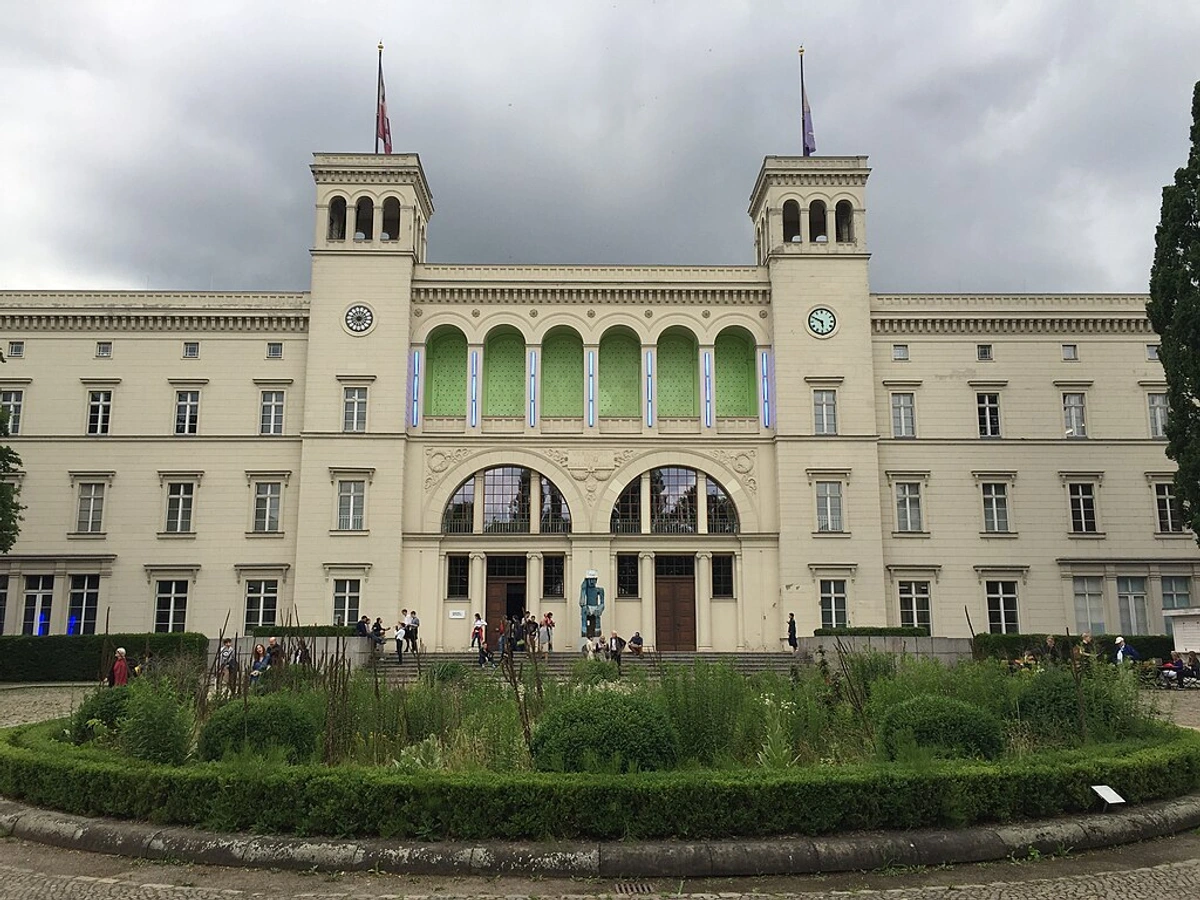
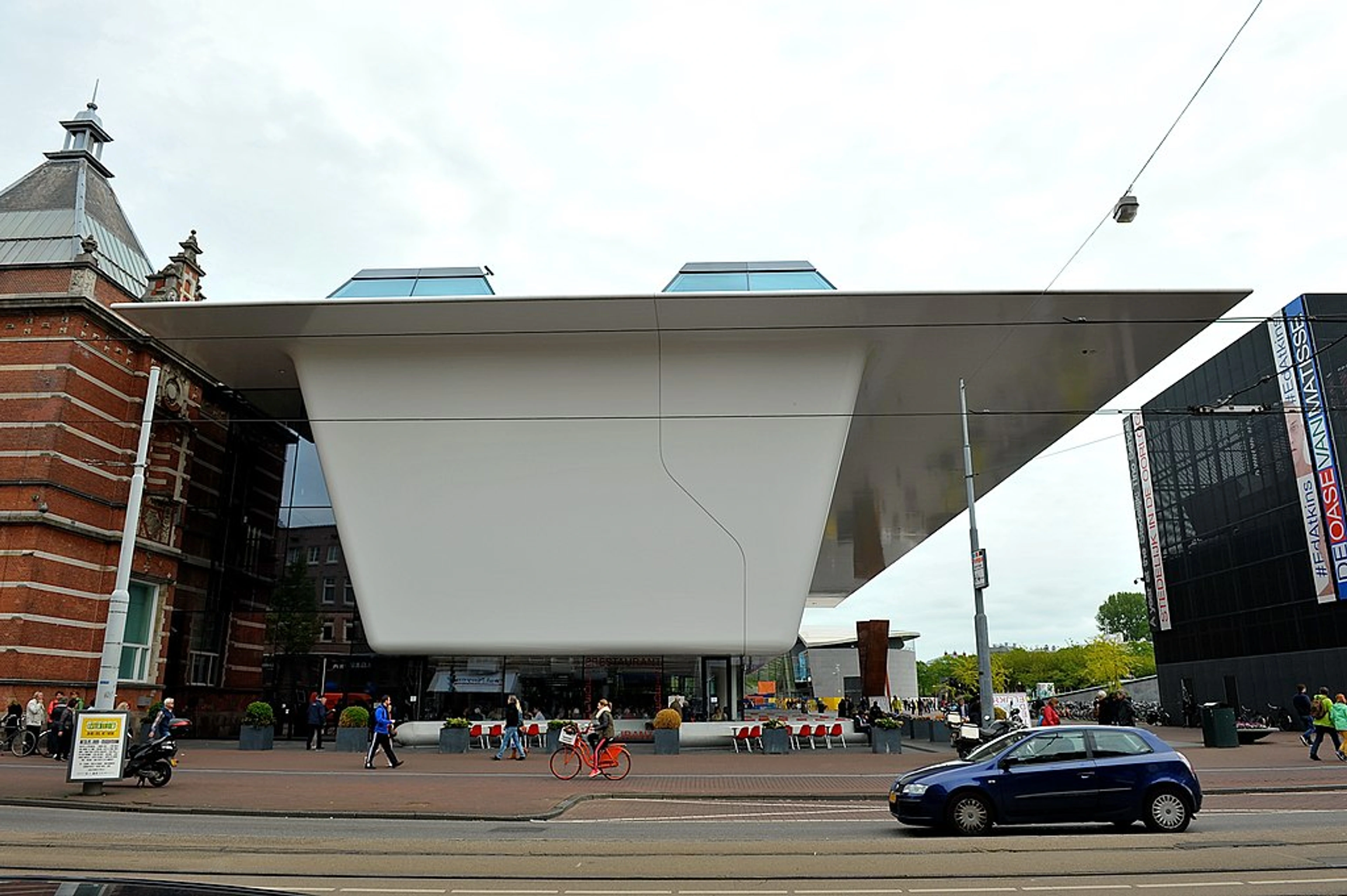
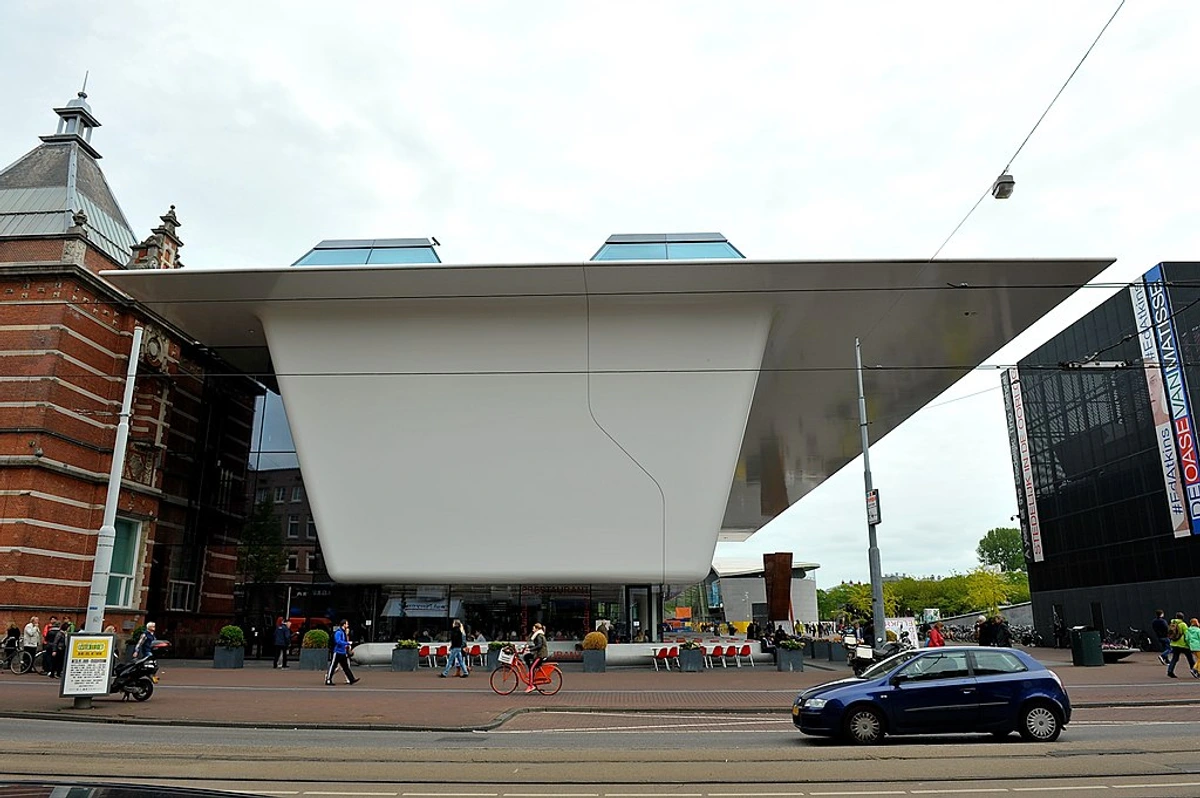
Additionally, the Cologne Cathedral in Germany features one of his public, multi-story wall drawings, and the Kunstraum Weishaupt in Ulm, Germany, houses a significant collection. If you happen to be in the Netherlands, the Gemeentemuseum Den Haag (now Kunstmuseum Den Haag) has a remarkable collection and a long history of presenting his work, including a whole room dedicated to his designs, where the architecture itself becomes part of the art. Traveling retrospectives also appear in major museums and galleries worldwide, so it’s always worth checking local listings.

What’s LeWitt’s most famous artwork?
It’s tricky to name just one, as his influence is tied to so many different series. Art historians and critics often point to a few key ones for different reasons:
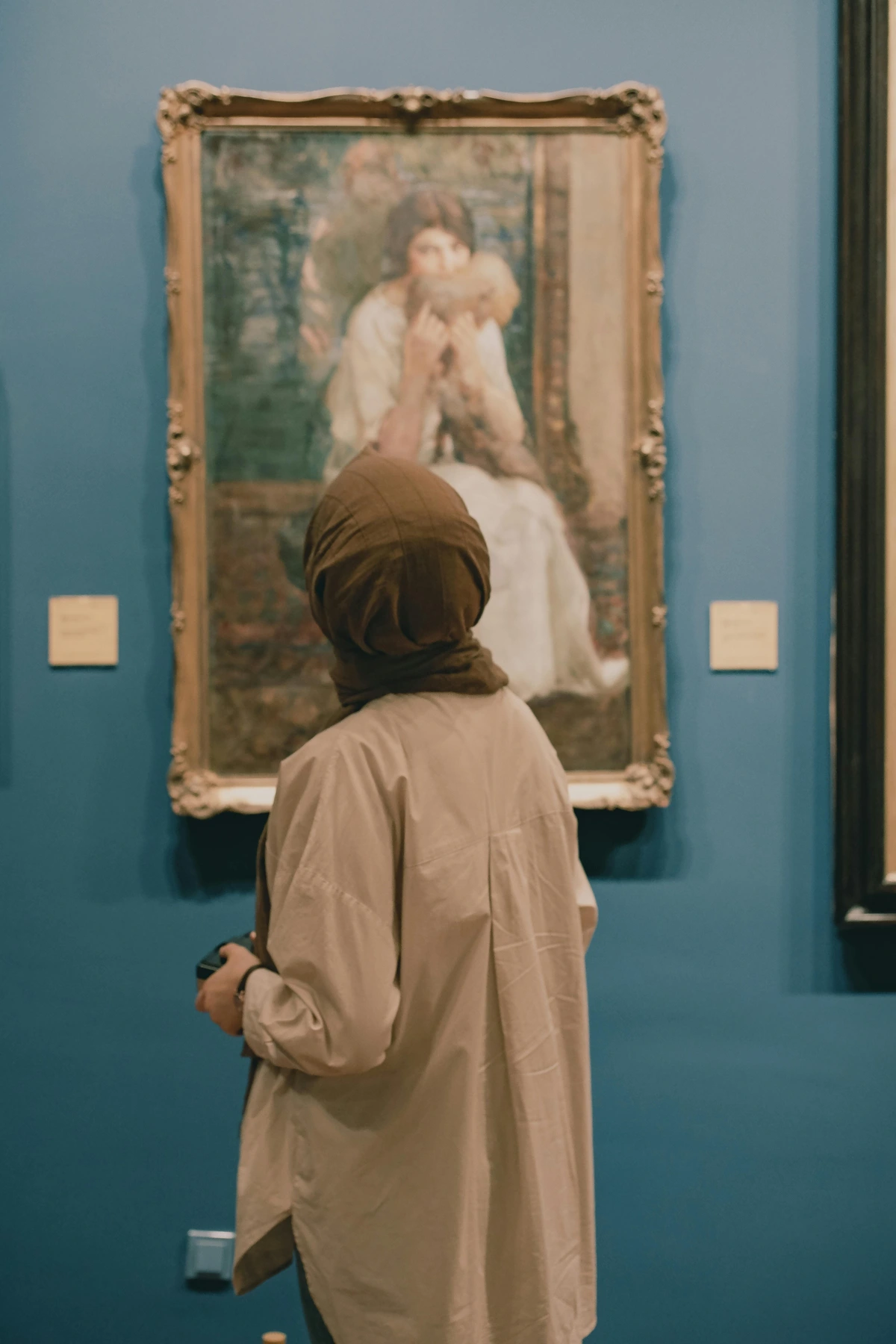
- Wall Drawing #1180 Scribbles (2005): Beloved for its seemingly chaotic and surprisingly organic energy. It shows that even as he aged, LeWitt wasn't afraid to embrace chance and loosen his rigid control.
- Incomplete Open Cube (1974): This series of sculptures is arguably his most iconic three-dimensional work. It is a classic example of his systematic, logical exploration of a single idea—in this case, all the ways to represent a cube using only its edges.
- Wall Drawing #652 Continuous Forms with Color Ink Washes (1990): A late-career masterpiece of mind-bending color and complex, overlapping geometric forms. It represents the stunning visual payoff of his lifelong investigation into color theory.
- Loopy Doopy (Citroën) (1999): A life-sized, open-frame sculpture of a car rendered in his classic geometric style, showing how his logic could be playfully applied to any object.
- Wall Drawing #51 (All architectural points connected by straight lines): A simpler but deeply profound early work that perfectly encapsulates his 'idea-as-machine' philosophy.
But arguably, his true masterpiece isn’t a single artwork. It’s the entire conceptual framework he built—the radical redefinition of authorship, process, and the art object—and the thousands of works on paper, in books, and on walls that sprang from it. This framework has directly influenced subsequent generations, from the systems-based art of the 1980s to the digital and generative art of the 21st century. Without LeWitt, it's hard to imagine the conceptual rigor of an artist like Ai Weiwei or the data-driven installations of teamLab. His legacy isn't a style you can copy; it's a permission slip to think differently about what art can be.

Sol LeWitt: The Architect of Ideas (1928-2007) - A Life in Brief
Before we dive into the enduring magic of how his mind worked, it's worth grounding his long and prolific career in a biographical timeline. It wasn't a straight shot to stardom, but a slow and relentless evolution. A full timeline of his life is available at /timeline.
- 1928: Born in Hartford, Connecticut.
- 1945-1949: Studies Fine Arts at Syracuse University.
- 1951-1952: Serves in the Korean War, where he creates posters for the Special Services.
- 1953: Moves to New York City. Takes a job as a graphic designer for the architect I.M. Pei for a short time, before landing the pivotal role at MoMA.
- late 1950s: Works as a night receptionist at The Museum of Modern Art. Begins experimenting with painting and three-dimensional work.
- 1965: Has his first solo exhibition at the John Daniels Gallery in New York, showing his modular "structures."
- 1968: Creates the first wall drawings and his seminal artist's book, Serial Project, 1.
- 1978: A major retrospective of his work opens at the Museum of Modern Art in New York, cementing his status as a pioneer.
- 1980s: His work becomes more expansive and architectural, with major public commissions. He begins a crucial shift towards vibrant color in his wall drawings.
- 1980s-2000s: Travels extensively, creating site-specific works across Europe and Asia.
- 2000: A massive, three-floor survey of his wall drawings opens at the Dia Center for the Arts in New York, a precursor to the MassMoCA installation.
- 2007: Dies in New York City. In the years since, his influence has only grown, with numerous posthumous retrospectives and countless artists citing him as a foundational influence.
Born in Hartford, Connecticut in 1928, LeWitt's path was not a straight line to art-world fame. It was a slow burn. After studying at Syracuse University and serving in the Korean War, he landed in New York City in 1953, taking that crucial day job at MoMA. His artistic voice truly began to coalesce in the mid-1960s with his first modular structures. The 1970s and 80s saw him explode in productivity, creating hundreds of wall drawings, prints, and artist's books that cemented his global influence. A major retrospective at the Museum of Modern Art in 1978 solidified his status as a pioneer. In his later years, he embraced a new, vibrant lyricism with his "Splotch" series before his death in 2007. His life's work stands as one of the most consistent and influential explorations of the relationship between idea and object in the history of art.
The Artist as Director: Inside the LeWitt Studio Method
So what did a day in the life of Sol LeWitt actually look like? If you're picturing a Pollock-esque figure throwing paint in a frenzy, you'd be completely wrong. His studio was a place of quiet, methodical thought.
I imagine it filled with graph paper, pencils, and the hum of intense concentration, more like an architect's office than a traditional artist's garret. LeWitt would conceive of an idea, then work out its permutations logically. He was a master draftsman, not of finished pictures, but of concepts. He'd create the plan—the 'score'—for the artwork and then hand it off to his team of highly skilled assistants.
This studio was a workshop dedicated to the execution of ideas, not a factory for mass production. Key figures like Kazuko Miyamoto, who began working with LeWitt in the late 1960s, became instrumental in developing the techniques for the wall drawings, evolving from a traditional artist's assistant into a master interpreter of his conceptual scores. These assistants, many of whom became respected artists in their own right, were not anonymous laborers; they were partners in a collaborative intellectual project.
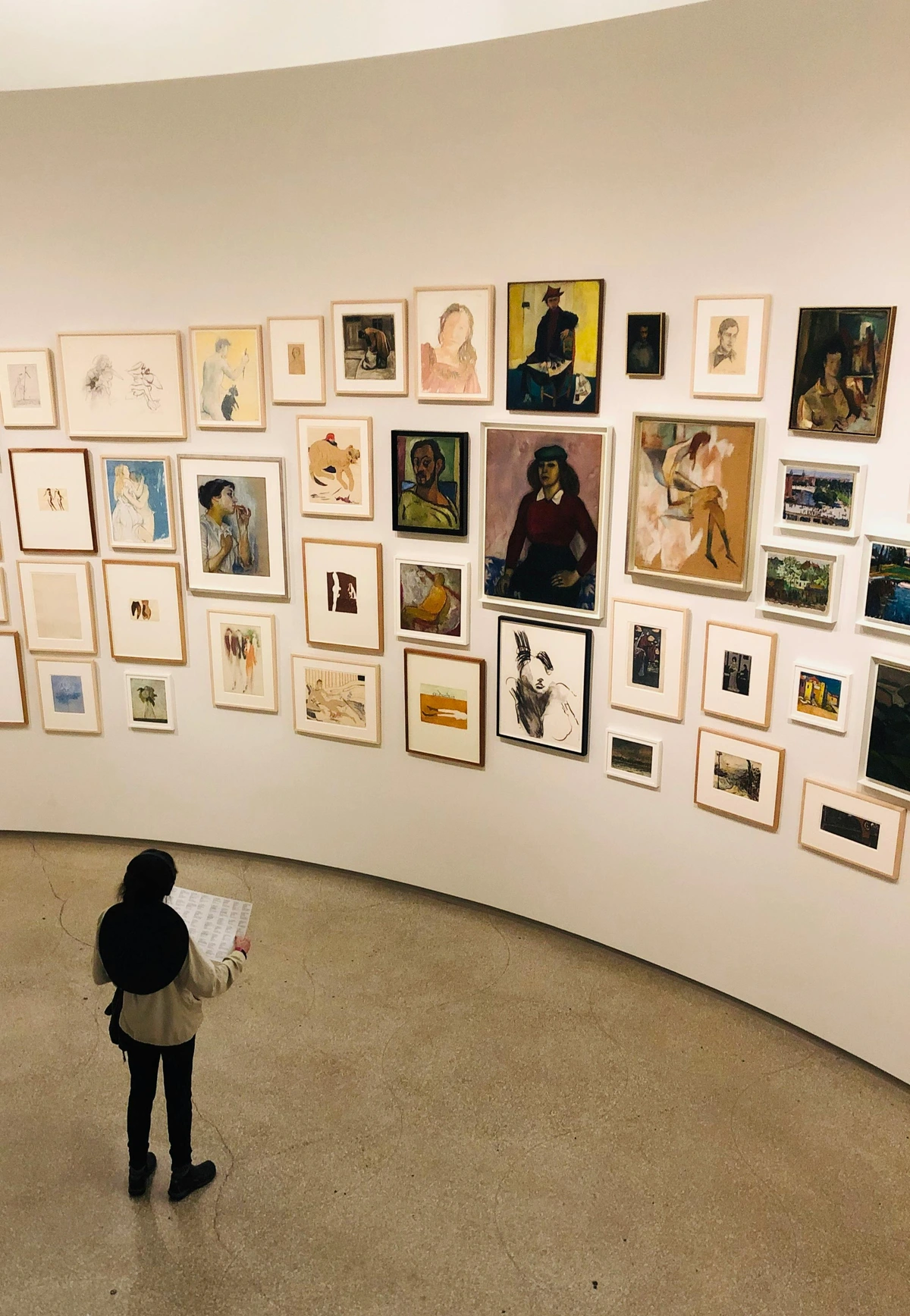
This was not a factory, but a workshop dedicated to the execution of ideas. The assistants weren't just hired hands; they were interpreters, bringing their own subtle choices to the table. A line might be drawn with more or less pressure, a color mixed to a slightly different hue. LeWitt embraced these small variations.
Consider the sheer physical and mental endurance required to execute, say, a wall drawing with thousands of perfectly ruled pencil lines. It's a marathon of focus. The assistants developed specialized tools and techniques, inventing new ways to meet the conceptual demands of the instructions. These small variances weren't flaws to be corrected; they were proof of his core thesis: the idea could withstand and even be enriched by human interpretation. It was a new model for artistic practice, one that prioritized intellect and collaboration over solitary genius and precious touch.










The Takeaway: Beyond the Grid
Sol LeWitt wasn’t just an artist; he was a kind of art scientist and a systems architect, dissecting the very nature of creativity with geometric precision and poetic curiosity. He demolished the Romantic cliché of the artist as a solitary, suffering genius and replaced it with something far more radical and useful: the artist as a thinker, a collaborator, a catalyst for ideas.
In a world that often feels obsessed with instant results and perfect, polished products, his life's work stands as a quiet, powerful rebellion. It's a reminder that the most profound transformations don't happen with a single stroke of genius, but often through a slow, methodical, and deeply thoughtful process. The idea, he showed us, can be enough. It can be the engine, the machine, the reason for it all.
Next time you encounter a blank wall, I hope you see it not as empty space, but as a universe of infinite, unrealized possibility, a canvas waiting for a set of instructions. LeWitt didn’t just make drawings on walls; he turned the wall itself into a philosophical proposition. And if that sparks your imagination? Maybe the next move is yours. The principles of systematic, foundational art that LeWitt championed are a deep well of inspiration, perhaps even influencing the abstract works you can find in our own collection at /buy. After all, the best ideas are never truly finished; they’re just instructions waiting to be passed along.
This guide honors Sol LeWitt’s legacy—the idea of art as an open invitation. For more explorations into visionary creators, keep watching our space.