Tokyo Art Scene: Ancient to Avant-Garde – Your Ultimate Guide
Dive into Tokyo's dynamic art world, from Ukiyo-e masters and Zen aesthetics to groundbreaking teamLab installations, vibrant street art, and innovative urban design. This guide is your compass.

Tokyo's Art Scene: A Masterful Blend of Ancient Tradition and Avant-Garde Innovation
If there's one city that completely redefines what I thought I knew about art, it's Tokyo. It's not just a city; it's a living, breathing canvas where ancient traditions whisper secrets to cutting-edge contemporary expressions, and the lines between past and future blur into something utterly captivating. For years, I imagined myself strolling through serene Zen gardens and contemplating classic woodblock prints. And while Tokyo delivers on that beautifully, it also smacks you with a vibrant, often audacious, modern art scene that's just as captivating. This incredible duality—a profound respect for heritage blended with a relentless push towards innovation—is what makes Tokyo such a rich hunting ground for anyone who truly loves art. Frankly, it's why I keep finding myself drawn back to its energetic embrace, always discovering new layers to its artistic soul, from profound historical artifacts to ephemeral digital wonders and unexpected urban canvases. Tokyo truly is one of the great art capitals of the world, and an absolute must for any art lover's bucket list. So, are you ready to dive into Tokyo's artistic river with me, from its ancient foundations to its bustling contemporary pulse, its unexpected street canvases, and even its innovative urban design? This guide is your compass.
Tokyo's Artistic Heartbeat: A Journey Through Time and Space
When you think about the sheer volume of history and innovation packed into this metropolis, it's almost dizzying, isn't it? My approach to Tokyo's art scene has always been a bit like a treasure hunt – sometimes I'm digging for ancient relics, other times I'm chasing after the newest, most ephemeral digital installations or vibrant street art. Both are equally valid, equally rewarding, and equally Tokyo. The city’s art scene thrives on this constant tension between veneration and reinvention, creating a dialogue that's both deeply personal and universally engaging. It reminds me that the best art often lives at these fascinating intersections.
Stepping Back in Time: Traditional Japanese Art and its Enduring Philosophy
Let's start where many art journeys should: with the foundations. Japanese art has a lineage that stretches back millennia, with influences from periods like Heian (think refined court aesthetics, exquisite Yamato-e narrative scrolls, and the rise of emakimono or illustrated handscrolls), Kamakura (emphasizing samurai strength and strikingly realistic Buddhist sculpture, often with inlaid crystal eyes), and Muromachi (where Zen philosophy profoundly shaped ink painting and abstract garden design). Tokyo is a fantastic place to witness its evolution firsthand. It's here that you can truly understand concepts like wabi-sabi – the profound aesthetic principle of finding beauty in imperfection, transience, and simplicity. This isn't just about rustic tea bowls; it's a worldview that subtly underpins so much of Japanese creation, from the deliberate asymmetry of a perfectly composed rock garden to the textured glaze of a masterfully crafted ceramic vase, and even the natural wear of traditional architecture. It's about accepting and appreciating the natural cycle of growth and decay, much like the changing seasons or the subtle variations in a handmade textile.
I remember seeing a perfectly imperfect, slightly chipped ceramic cup in a gallery once, and it held more profound beauty than any flawless piece, precisely because of its story and its embrace of natural decay. For me, understanding wabi-sabi transformed how I see not just Japanese art, but all art, encouraging me to seek out the unique narrative in every 'flaw'. It's a powerful lesson in seeing authenticity as the truest form of beauty, a stark contrast to the Western pursuit of pristine, sterile perfection. Imagine, for instance, a moss-covered stone lantern in a Zen garden – its age and natural weathering aren't seen as decay, but as indicators of its journey through time, imbuing it with a quiet, profound beauty. It's these kinds of subtle observations that truly bring the concept to life.
The Tokyo National Museum: A Walk Through Ages
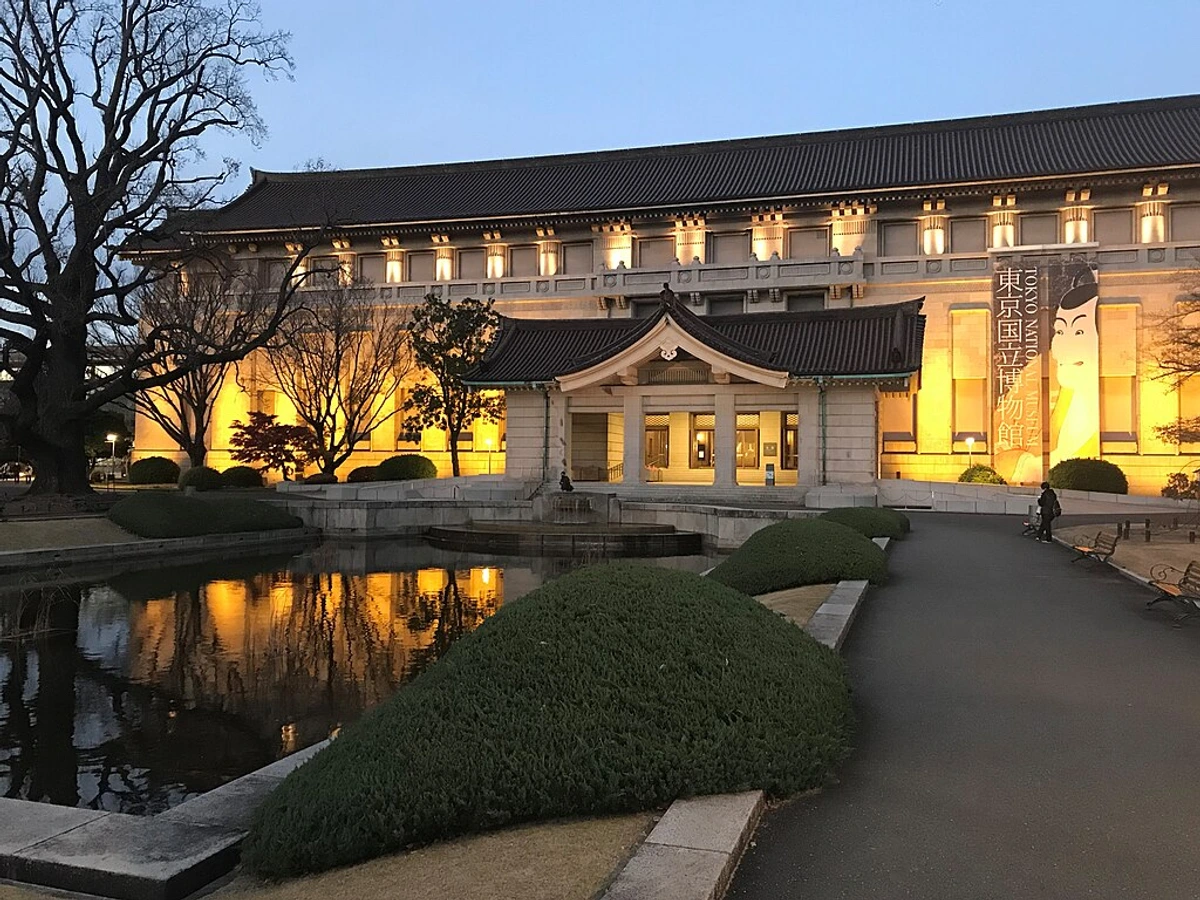
If there's one place you absolutely must visit to understand the breadth of Japanese artistic heritage, it's the Tokyo National Museum. Nestled in the sprawling Ueno Park, its grand facade and tranquil ponds hint at the deep historical treasures held within. The museum is actually a complex of several buildings, each a treasure trove. I remember spending an entire day there, completely losing myself in the intricate details of ancient pottery, stunning Buddhist sculptures (like the powerful Kamakura period statues), and, of course, the exquisite Ukiyo-e prints. You can almost feel the whispers of the past, connecting you to the artisans who poured their lives into these works. It's a profound experience, and honestly, a perfect antidote to the city's sometimes overwhelming modernity.
While you're there, keep an eye out for works by masters like Hokusai, Utamaro, and the atmospheric landscapes of Hiroshige. His series "One Hundred Famous Views of Edo" offers a captivating glimpse into the daily life and natural beauty of Edo-period Tokyo. Hokusai's iconic "The Great Wave off Kanagawa" isn't always on display, but seeing any original Ukiyo-e print up close is a revelation. Ukiyo-e, or "pictures of the floating world" (referring to the fleeting, transient nature of urban pleasures during the Edo period), was popular art for the masses, depicting urban life, landscapes, actors, and beautiful women. The process itself is a testament to meticulous craftsmanship: a master artist would create the original drawing, skilled carvers would meticulously cut separate woodblocks for each color, and printers would then carefully apply pigments and press the paper, layer by layer, to create the final, vibrant image. The delicate colors, the precise lines – it makes you appreciate the incredible skill involved in this intricate woodblock printing process and its democratizing role in bringing art to the common people.
The influence of Ukiyo-e is truly staggering, even on Western art. If you're fascinated by this era, I highly recommend diving deeper into the ultimate guide to Katsushika Hokusai and exploring the enduring legacy of Ukiyo-e: Japanese woodblock prints and their global impact on art worldwide. As I've discussed in the influence of Japanese aesthetics on Western abstract art, principles like ma (the thoughtful use of empty space, creating rhythm and tension) and yūgen (a subtle, profound beauty that hints at deeper meanings beyond what is seen) resonate with artists from Monet to the Abstract Expressionists like Mark Rothko, who shared a similar focus on color fields and emotive simplicity, often aiming to evoke deep emotion with minimal elements. These concepts are foundational, influencing art far beyond Japan's borders.
It’s fascinating to trace the direct lines: how Claude Monet’s series paintings (like his water lilies) were influenced by Ukiyo-e’s multi-perspective approach and appreciation for nature, or how Edgar Degas' off-center compositions and candid portrayals of everyday life mirror the spontaneity found in Edo-period prints. Vincent van Gogh, too, famously copied Ukiyo-e prints, integrating bold outlines and flat areas of color into his Post-Impressionist style. Even James McNeill Whistler’s Japonisme, particularly evident in works like the “Peacock Room,” shows a clear embrace of Japanese decorative motifs and aesthetic principles. This profound cross-cultural exchange highlights how Japanese artistic traditions didn't just stay within their borders; they reshaped global art movements. Ma, in particular, taught Western artists the power of the eloquent pause, the negative space that allows elements to breathe and creates a subtle tension in a composition, or even the significant silence in music. Yūgen, on the other hand, is that mysterious, ineffable beauty – imagine a moon barely visible through a mist, suggesting profound depth and an unattainable beauty beyond what is explicitly seen, evoking a deep emotional resonance without needing to be literally depicted.
Here's a quick look at some key traditional Japanese art forms you might encounter in Tokyo:
Art Form  | Description | Key Characteristics | Where to See It (Examples) |
|---|---|---|---|
| Ukiyo-e | "Pictures of the floating world"; woodblock prints and paintings depicting urban life, landscapes, actors, and beautiful women from the Edo period. | Dynamic compositions, vibrant colors, often narrative or observational. | Tokyo National Museum, Ota Memorial Museum of Art |
| Nihonga | Traditional Japanese painting using natural materials (mineral pigments, ink, gold leaf) on paper or silk, often with bold compositions and spiritual themes. Its use of natural pigments creates unique textures and soft, glowing colors, distinguishing it from Western oil painting. | Rich, often symbolic imagery; grand scale; emphasizes natural beauty and spiritual harmony. | Tokyo National Museum, Yamatane Museum of Art (known for modern Nihonga) |
| Sumi-e | Ink wash painting, characterized by minimalistic brushstrokes and varying shades of black ink, focusing on capturing the essence of a subject rather than detail. Often deeply connected to Zen Buddhism, it aims to express the inner spirit of nature. | Meditative, expressive brushwork; captures essence, often associated with Zen Buddhism. | Often found in Buddhist temples (for historical pieces) or smaller galleries specializing in Asian art |
| Ceramics | From functional tea ceremony wares (chawan) to decorative vases, showcasing diverse styles, glazes, and the beauty of handcrafted imperfection. Examples include Kutani ware (bold colors), Seto ware (utilitarian beauty), and Shigaraki ware (natural, earthy tones). | Embraces natural textures, glazes, and forms; values utilitarian beauty and skilled craftsmanship. | Tokyo National Museum, various craft shops and galleries (e.g., in Ginza), specific regional craft exhibitions |
| Calligraphy | The art of beautiful writing, elevated to a high art form, expressing aesthetic and spiritual principles through brushstrokes and characters. It's not just writing; it's a dance of the brush, ink, and paper, conveying emotion and meaning through balance and flow. | Expressive brushstrokes, flow, balance, and harmony; conveys meaning and aesthetic beauty. | Tokyo National Museum, specific cultural centers or exhibitions |
| Ikebana | The traditional Japanese art of flower arrangement, emphasizing harmony, line, rhythm, and color. It aims to bring out the inner qualities of flowers and other natural materials. | A mindful, structured approach to natural beauty; uses empty space (ma) and natural forms to create balance. | Various cultural centers, department store exhibitions, private studios (e.g., Sogetsu Kaikan) |
Edo-Tokyo Museum: A Journey Through Daily Life and Masterful Craftsmanship
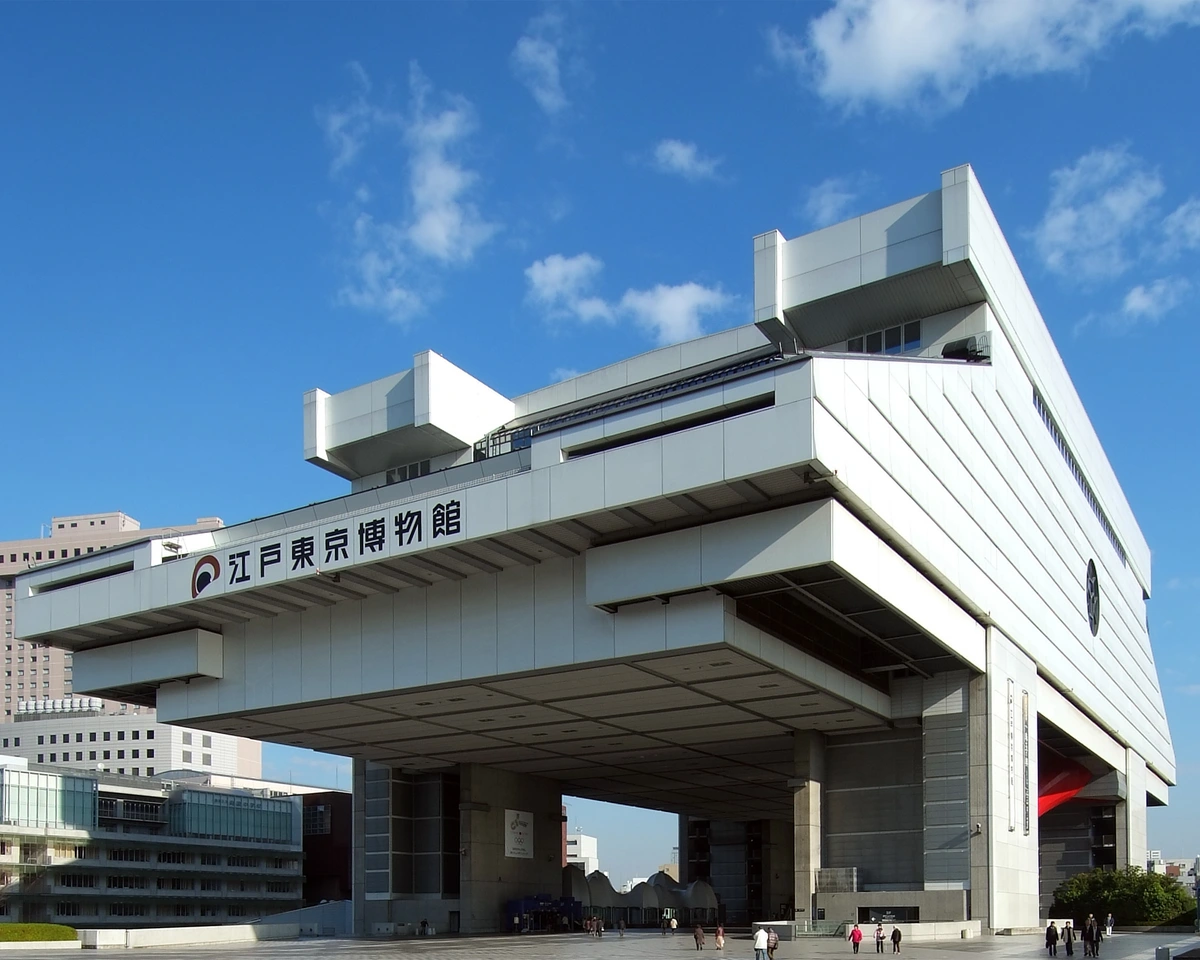
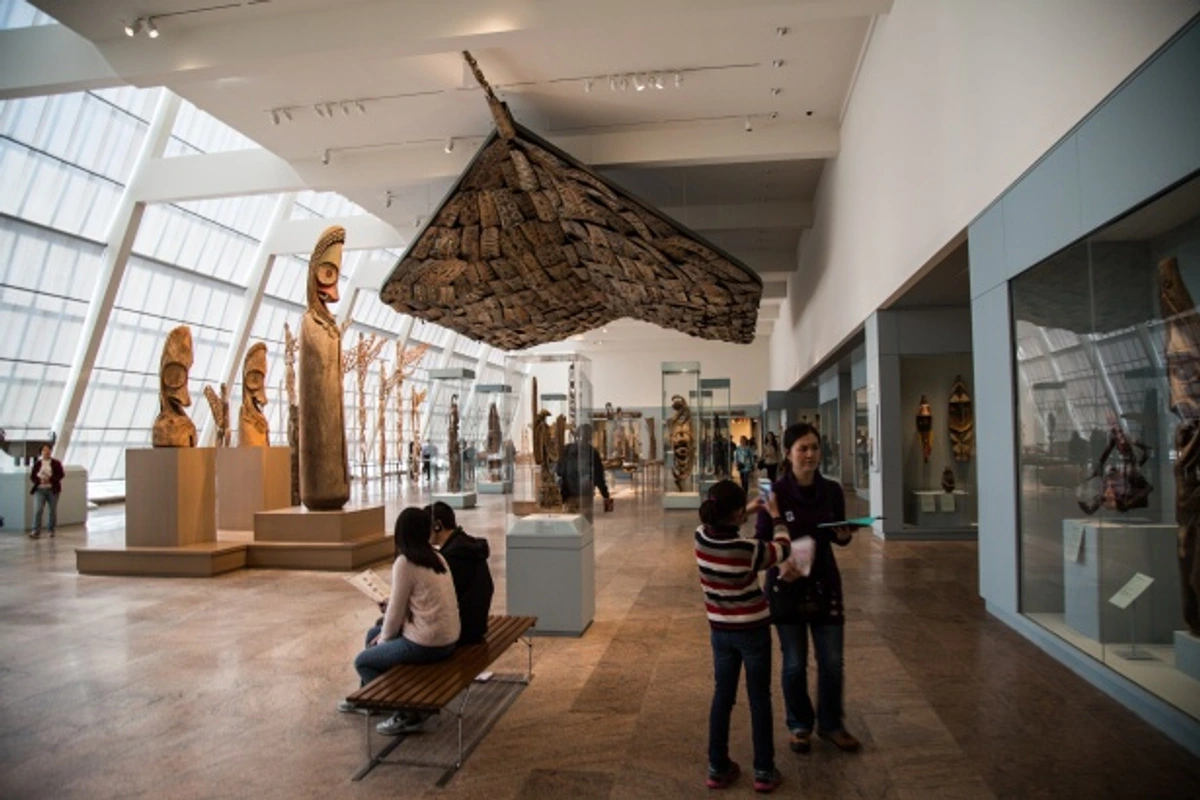
For a slightly different, equally fascinating historical perspective, the Edo-Tokyo Museum in Sumida is phenomenal. It tells the story of Tokyo (formerly Edo) from its inception to the present day, with a focus on urban life and culture. It's less about "fine art" in the traditional gallery sense and more about the art of living, the masterful craftsmanship that shaped an entire city. Think detailed dioramas, life-sized replicas, and artifacts that paint a vivid picture of how people lived, worked, and created. You'll find exquisite examples of Edo Kiriko glassware, with its delicate cut-glass patterns like nanako (fish roe, tiny intricate dots) or kiku (chrysanthemum, often a symbolic motif), intricately woven kimonos whose patterns tell stories of seasons and legends, meticulously crafted lacquerware that elevates everyday objects into works of art, and even detailed architectural models showcasing Edo-period building techniques. It's a wonderful complement to the National Museum, giving context to the traditional art forms you'll encounter and highlighting how artistry permeated every aspect of daily life, from a simple Bento box to a grand temple. It makes you realize that in Japan, art isn't just displayed, it's lived.
The Pulse of Now: Tokyo's Electrifying Contemporary Art Scene
While the echoes of history resonate profoundly, Tokyo's artistic soul also beats with a fierce, forward-looking pulse. The city is a relentless engine of innovation, constantly reinventing itself, and its contemporary art scene is nothing short of electrifying. Artists here are at the forefront, pushing boundaries and challenging perceptions, often drawing inspiration from traditional aesthetics while forging entirely new expressions. This is where I find a lot of parallels with my own creative process – the constant push and pull between tradition and modernity, structure and abstraction, and the search for new forms of expression. Tokyo truly breathes contemporary art in Tokyo, and is a hotbed for movements like Superflat and Neo-Pop, often reinterpreting traditional motifs through a modern lens.
Let me tell you a bit more about these fascinating movements. Superflat, championed by figures like Takashi Murakami and Yoshitomo Nara, is a postmodern art movement deeply influenced by manga, anime, and otaku culture. It intentionally blurs the line between "high art" and "popular culture," often featuring flat, two-dimensional imagery. But it's more than just aesthetics; Superflat often critiques consumerism, explores post-war Japanese identity, and delves into themes of cuteness, horror, and cultural superficiality. Think vibrant, almost cartoonish characters coexisting with traditional Japanese motifs, forcing a re-evaluation of what is considered art and what truly reflects modern Japanese society. Other artists like Aya Takano and Mr. have further explored these themes, creating a distinctive aesthetic that is both playful and profoundly thought-provoking.
Neo-Pop, on the other hand, is a broader, international movement that also draws from popular culture but often with a more ironic or critical undertone than its 1960s Pop Art predecessor. In Tokyo, you'll see it manifesting in vibrant, accessible imagery that might comment on global consumerism, media saturation, or the digital age, often with a playful yet thoughtful approach. While sharing visual similarities with Superflat, Neo-Pop tends to have a wider range of thematic concerns and can be less tied to a specific critique of Japanese post-war identity, focusing more on broader global cultural phenomena. For instance, a Superflat artist might use a cute, flat character to critique the superficiality of Japanese kawaii culture itself, while a Neo-Pop artist might use a similar aesthetic to comment on the universal appeal of global branding. Both movements represent Tokyo's dynamic engagement with its own unique cultural history and the broader globalized world.
Roppongi Art Triangle: A Modern Mecca
If you're into modern vs contemporary art and want to dive deep into what contemporary art meaning truly holds, Roppongi Hills is your go-to district. It's home to what's often called the Roppongi Art Triangle, which includes the Mori Art Museum, The National Art Center, Tokyo, and the Suntory Museum of Art, each offering a distinct lens into Japan's artistic present.
- Mori Art Museum: Perched on the 53rd floor of the Mori Tower, this museum is famous for its boundary-pushing exhibitions of contemporary international and Japanese art. They don't have a permanent collection, which means every visit offers something new and exciting, often tackling global themes. This model allows them to respond quickly to current global artistic trends and showcase cutting-edge works, making it a vital platform for contemporary discourse. The views alone are worth the trip, offering a breathtaking panorama of the city. I've seen some truly mind-bending installations here, challenging my perceptions of space and form, often framed against the glittering cityscape below. It's a powerful reminder that art isn't confined to the canvas; it interacts with its environment, becoming a dialogue between the art and the urban sprawl.
- The National Art Center, Tokyo (NACT): With its striking, undulating glass facade, NACT is less a museum with a permanent collection and more an architectural marvel and a dynamic exhibition space. Designed by Kisho Kurokawa, its iconic waves of glass make it a work of art in itself. This unique structure, without a permanent collection, allows NACT to host a diverse and constantly changing array of shows, from retrospectives of modern masters (giving insight into what is modern art) to cutting-edge contemporary displays. It’s always a good idea to check their schedule before you go, because you never know what fantastic surprises await within its grand, light-filled halls. I remember one particularly impactful exhibition that used the very architecture of the space to amplify the art, blurring the lines between the container and the contained, making the building itself an active participant.
- Suntory Museum of Art: This one often gets overlooked in the contemporary buzz, but it offers a fascinating counterpoint, focusing on Japanese aesthetics in various art forms, from painting to ceramics, and even exquisite fashion. It's a nice bridge between the ancient and the modern, showcasing how traditional sensibilities continue to inform contemporary design and artistic expression, often upholding the principles of wabi-sabi in a modern context. It’s a wonderful example of continuity amidst change, and I always leave feeling a deeper appreciation for the nuanced beauty of Japanese design, a quiet elegance that persists in a bustling world.
Digital Dreams: The Immersive World of teamLab
No discussion of Tokyo's contemporary art scene is complete without mentioning the groundbreaking, immersive digital art experiences offered by teamLab. Their two main venues, teamLab Borderless and teamLab Planets, offer a complete sensory overload (in the best way possible!). Imagine stepping into a waterfall of light, walking through fields of interactive digital flowers, or having your presence transform a projection. These are what I'd call truly ephemeral digital installations – art that is transient, constantly changing, and exists only in the moment of interaction. The experience itself is fleeting, constantly re-generated and evolving, much like a live performance where you are part of the unfolding drama. The underlying themes of "digital nature," "interconnectedness," and "collective creativity" mean that your participation is key; you're not just viewing art, you're becoming part of a collective, ever-evolving artwork. These spaces redefine the museum experience, merging technology, nature, and human interaction into an unforgettable journey that challenges our perceptions of authorship and permanence. Seriously, plan your visit and book tickets well in advance – they sell out fast, sometimes weeks ahead! I once missed a show at a similar popular venue because I thought I could just walk in; a rookie mistake I learned from the hard way. It's an experience that blurs the lines between viewer and creator, and honestly, it’s unlike anything else. Every time I've visited, I've walked away feeling both awestruck and deeply connected to the art and other visitors, a true testament to the power of shared digital experiences.
Ginza's Galleries, Kiyosumi-Shirakawa, and Beyond: Discovering Emerging Talent
Ginza, a district famous for its upscale shopping, also hides a plethora of smaller, independent best galleries in Tokyo. These are fantastic for discovering emerging Japanese artists and exploring contemporary crafts. Beyond Ginza, areas like Daikanyama offer a more bohemian, artistic vibe with unique boutiques and art spaces. But for a true deep dive into Tokyo's contemporary gallery scene, especially for cutting-edge and international works, you simply must explore Kiyosumi-Shirakawa. This former industrial area has transformed into a vibrant art hub, home to numerous warehouses converted into minimalist galleries and cafes. I love wandering these streets, popping into a gallery that catches my eye, often stumbling upon a piece that just speaks to me. To discover emerging talent, look for local art magazines, online listings like Tokyo Art Beat, university art department shows, or simply keep your eyes peeled for subtle signage in unexpected alleys and converted industrial spaces. Many galleries, particularly in Kiyosumi-Shirakawa, will list their current shows on their windows, inviting you in. It's a more intimate experience than the grand museums, allowing for direct engagement with the art and sometimes even the artists themselves, and a great way to see how art movements of the 21st century are taking shape in Japan, often with an international flair. For those interested in acquiring art, Kiyosumi-Shirakawa also hosts several galleries that are excellent starting points for collectors, offering a range of price points and styles from established and burgeoning artists. It's here that you can truly feel the pulse of Tokyo's dynamic art market, from established names to the next big thing.
Tokyo's Art Fairs and Biennials: The Seasonal Pulse
For a concentrated burst of contemporary art, timing your visit with one of Tokyo's major art fairs or biennials is an absolute game-changer. Art Fair Tokyo, held annually, is Japan's largest international art fair, bringing together a vast array of galleries showcasing everything from antiques and modern masters to cutting-edge contemporary works, including painting, sculpture, photography, and digital art. It's an incredible opportunity to see a wide spectrum of art under one roof, connect with gallerists, get a pulse on current market trends, and even acquire unique pieces. Beyond the capital, other significant art events like the Yokohama Triennale and the Setouchi Triennale (on the art islands, including Naoshima) offer expansive, often site-specific contemporary art experiences that integrate art with urban and natural landscapes. These events are not just exhibitions; they're cultural spectacles that draw artists and collectors from around the globe, offering unique insights into the directions Japanese and international art are heading, often with innovative themes that push the boundaries of artistic expression. They’re a fantastic way to experience the energy of the art world compressed into a few vibrant weeks.
Unexpected Canvases: Tokyo's Street Art Scene
Sometimes, I want my art to jump out at me, to be an unexpected burst of color and thought in the urban landscape. So, what about street art in Tokyo? While it might not be as overtly aggressive or widespread as, say, Berlin or New York, it's certainly there, weaving itself into the city's fabric. It's a subtler dialogue, often blending seamlessly with the vibrant advertising and neon lights, sometimes utilizing existing architectural features or tucked away in less polished alleys and underpasses. It’s an interesting expression of urban creativity that, much like traditional Japanese aesthetics, often values harmony and thoughtful integration into its environment, rather than overt confrontation. You can explore more about this global phenomenon in the history of street art movements beyond graffiti.
Areas like Shibuya and Harajuku, especially around Cat Street, are great for spotting intricate sticker art, smaller stencils, and paste-ups reflecting pop culture and youth trends. You might even find some 'sticker bombing' (covering surfaces with numerous art stickers) in unexpected corners, a more ephemeral and playful form of urban intervention. For larger, more commissioned murals, character-driven pieces, or abstract flourishes of graffiti, keep an eye out in bohemian residential areas of districts like Shimokitazawa or Kichijoji. Look specifically in underpasses, on the sides of older buildings, or even near train stations. I've often found delightful surprises hidden away in pedestrian tunnels or tucked behind a bustling market stall – perhaps a beautifully rendered character, a subtle protest piece, or a striking abstract pattern. This urban canvas is ever-changing, a vibrant reflection of the city's dynamic energy. It's a different kind of authority – one that doesn't ask for permission, finding its voice in unexpected corners and fleeting moments, offering a raw, transient beauty. Keep your eyes peeled, because you might just find a stunning piece of urban poetry hidden between a vending machine and a ramen shop. It's a brilliant reminder that art thrives in every corner, on every surface, often demanding that you slow down and truly observe.
credit, licence
Tokyo's Art Beyond the Gallery Walls: Design & Urban Artistry
Beyond traditional and contemporary art spaces, Tokyo itself is a masterpiece of design and urban artistry. The city's meticulous attention to detail, efficiency, and aesthetic harmony permeates everything from its stunning architecture to its everyday objects. Think about the sleek lines of a bullet train, the perfectly presented bento box, or the thoughtful layout of a public plaza – these are all expressions of a deeply ingrained artistic sensibility. Tokyo has a way of blurring the lines between art, design, and daily life, creating a constant visual dialogue for the curious observer. If you're wondering what defines design within the broader art world, you can explore what is design in art.
Even in seemingly mundane elements, you'll find art. Japanese packaging design, for instance, is often a work of art in itself, reflecting principles of elegance and attention to detail, often using intricate patterns or minimalist aesthetics. Or consider the striking architectural works in areas like Omotesando and Marunouchi, where buildings by world-renowned architects like Kengo Kuma (known for his use of natural materials and light) become sculptural forms that interact with light and space. Look out for examples of Metabolism architecture in areas like Shinjuku, which emerged in post-war Japan, envisioning a fluid, adaptable urban future. This visionary style, with its focus on modular, adaptable structures, reflects a deep-seated artistic and philosophical approach to urban planning, viewing cities as organic, ever-evolving entities. While the iconic Nakagin Capsule Tower was sadly demolished, you can still see Metabolist influences in other structures and urban planning philosophies around the city, emphasizing organic growth, adaptability, and the integration of technology into a living cityscape. The philosophy behind brands like MUJI, with its focus on minimalist design, sustainable materials, and functional beauty, also embodies this pervasive artistic sensibility, elevating everyday objects to quiet works of art. It’s a testament to how design, deeply influenced by traditional aesthetics and craftsmanship (like the precision of lacquerware or the subtle beauty of textiles), continues to shape the modern Tokyo experience. This omnipresent artistry subtly reminds me that creativity isn't confined to a canvas; it's a way of approaching the world, a philosophy of making that elevates the functional to the sublime, making the entire city a carefully curated exhibition of living art.
Navigating the Labyrinth: Practical Tips for the Art Explorer
Tokyo can be overwhelming, even for seasoned travelers. Here are a few things I've learned that make the art-hunting expedition much smoother. After all, you don't want to miss a masterpiece because you're lost on a subway platform!
Tip Category | Recommendation | Why it Helps for Art Exploration |
|---|---|---|
| Transport | Master the subway system (Google Maps is your indispensable friend). | Efficiently connects major art districts and museums; taxis are expensive for long distances. I've wasted precious gallery time trying to figure out train lines, so trust the apps! Avoid peak hours if possible. |
| Planning | Check museum opening hours and exhibition schedules before you go; book popular spots in advance. | Many museums are closed on Mondays. Special exhibitions, especially at places like the Mori Art Museum or teamLab, often require advance booking and can sell out days ahead. Trust me, I once missed a show because I didn't book – a rookie mistake! |
| Language | Basic Japanese phrases are appreciated, but English signage is common in major spots. | A small phrasebook or translation app can go a long way, especially in smaller galleries or when asking directions to a hidden art space. Knowing "Sumimasen" (Excuse me) and "Arigatou gozaimasu" (Thank you) is always helpful and makes a difference. |
| Pacing | Don't try to cram too much into one day. | Art exploration can be intense! Allow time to digest, wander, and enjoy the journey between locations. Tokyo's art scene demands contemplation, not just consumption. I typically plan for 1-2 major spots per day, max. |
| Comfort | Wear comfortable shoes! | You'll be doing a lot of walking, both within sprawling museum complexes and between districts exploring galleries and street art. You'll thank me later, especially after a long day in Ueno Park. |
| Connectivity | Get a pocket WiFi or local SIM card. | Essential for navigation, checking opening times, finding exhibition details, and uncovering those hidden gems that aren't in every guidebook. I wouldn't leave my hotel without it! |

Beyond the City Limits: Day Trips for the Dedicated Art Pilgrim
While Tokyo offers an endless wellspring of art, sometimes a change of scenery can spark new inspiration. If you have extra time and a deep desire to explore Japan's unique relationship with art, consider a trip to Naoshima, often called Japan's "Art Island." It's a bit of a journey, involving trains and ferries, but it's utterly breathtaking. To get there, you'd typically take a Shinkansen (bullet train) to Okayama, then a local train to Uno Port, and a short, picturesque ferry ride to the island itself. Plan for at least one to two full days to truly appreciate everything it offers, including potential overnight stays at unique accommodations like Benesse House Museum if your budget allows. The best times to visit are generally spring and autumn for pleasant weather and clear skies.
Naoshima is unique because it seamlessly integrates world-class contemporary art, architecture (notably by Tadao Ando), and nature. It exemplifies a broader Japanese trend of creating art islands that fosters profound dialogues between art, architecture, environment, and local communities. Imagine large-scale outdoor sculptures by artists like Yayoi Kusama, architecturally significant museums like the Benesse House Museum built into hillsides, and the famous Art House Project where abandoned homes in various villages are transformed into permanent, site-specific art installations. This project isn't just about exhibiting art; it's about revitalizing communities and integrating art directly into the fabric of daily life, offering a completely immersive art experience and a true pilgrimage for many art lovers. It's a testament to the power of art to transform places and lives, making it a powerful extension of Tokyo's vibrant art exploration.
My Personal Take: Why Tokyo's Artistic Soul Continues to Inspire Me
Honestly, Tokyo's art scene always leaves me feeling incredibly energized and a little overwhelmed in the best possible way. It’s the way traditional aesthetics inform even the most radical contemporary pieces, the profound respect for craftsmanship that pervades every aspect of their culture, and the sheer audacity of artists pushing boundaries. It reminds me of the importance of my own artistic timeline – how every experience, every piece of art I encounter, subtly shapes my perspective. The blend of profound history and relentless forward-thinking in Tokyo is a constant source of inspiration.

As an artist, the city's approach pushes me to think deeply about the interplay of color, form, and emotion in my own abstract works, often bringing a vibrant, thoughtful energy to my art for sale. I often think about the Japanese concept of wabi-sabi – finding beauty in imperfection and transience – and how that subtly influences not just ancient pottery but also the fleeting nature of street art, the carefully curated imperfections in a contemporary installation, or even the deliberate simplicity in a minimalist digital display. For my own abstract art, this might manifest in the intentional use of negative space to create ma, the subtle layering of paint that suggests a history or a natural wearing away (similar to concepts explored in exploring-texture: my favorite techniques for adding depth to abstract paintings), or the organic flow of lines that mimic natural decay. It's about finding beauty not in pristine perfection, but in the marks of time and process, in the balance of presence and absence, much like the greatest abstract art. It’s a concept that bridges centuries and styles, embodying Tokyo's artistic soul and continually informing my creative journey, urging me to find meaning and beauty in unexpected places and forms, much like the definitive guide to the history of abstract art has taught me.
credit, licence
Frequently Asked Questions (FAQ)
Got more questions? You're not alone! Here are some common queries I get about exploring Tokyo's incredible art scene:
Q: What are the must-see art museums in Tokyo for a first-timer?
A: For a comprehensive view, I'd say the Tokyo National Museum (for its unparalleled collection of traditional Japanese art, from ancient pottery to exquisite Ukiyo-e, offering a deep dive into historical context), the Mori Art Museum (for boundary-pushing contemporary international and Japanese exhibitions with incredible city views, showcasing the cutting edge), and the Edo-Tokyo Museum (for fascinating cultural context and the artistry of daily life throughout Tokyo's history, connecting art to everyday existence) are essential starting points. And for a truly unique, immersive experience, don't miss teamLab Borderless or teamLab Planets for their interactive digital art – just remember to book those teamLab tickets well in advance! You won't regret it.
Q: Is Tokyo good for street art, and where can I find it?
A: Yes, but it's often more subtle and integrated than in some Western cities. You'll need a keen eye and a sense of discovery! Look in areas like Shibuya and Harajuku (especially around Cat Street) for intricate sticker art, smaller stencils, and paste-ups reflecting pop culture and youth trends, including 'sticker bombing'. For larger, more intentional murals, character-driven pieces, or abstract graffiti, explore bohemian districts like Shimokitazawa or Kichijoji. Specifically, check underpasses, the sides of older buildings, and areas near train stations. Remember, street art is transient, so what you see one day might be gone the next, making each discovery unique and special, blending into the city's unique aesthetic.
Q: How can I find out about current art exhibitions and smaller galleries in Tokyo?
A: Websites like Tokyo Art Beat (en.tokyoartbeat.com) are invaluable resources for current exhibitions, gallery openings, and events. Many major museums also have excellent English-language websites. For smaller galleries, explore districts like Ginza, Daikanyama, and especially Kiyosumi-Shirakawa by foot, looking for discreet signs and hidden entrances, often in converted industrial spaces like former warehouses. University art departments and smaller cultural centers can also be great places to discover emerging talent. Many simply list their current shows on their windows, offering a direct invitation to discover new art and artists. It's often about serendipitous discovery, so allow yourself to wander off the beaten path!
Q: Are there any unique art experiences in Tokyo beyond traditional museums, like art fairs or digital art?
A: Absolutely! As mentioned, the immersive digital art museums like teamLab Borderless or teamLab Planets offer incredible, interactive experiences, often exploring themes of digital nature and interconnectedness. Beyond that, consider timing your visit with major events like Art Fair Tokyo, which showcases a vast range of Japanese and international art, providing networking opportunities and insights into market trends, or even the broader Yokohama Triennale for large-scale contemporary installations. Tokyo's incredible architecture (especially the bold Metabolism buildings in Shinjuku, or the contemporary designs in Omotesando and Marunouchi by architects like Kengo Kuma) is an art form itself. Visiting contemporary craft shops, attending pop-up installations that are common in creative districts, browsing high-design packaging in stores, or even just observing the meticulous design in everyday items can be deeply artistic experiences. The city itself is a gallery, a dynamic blend of ancient and avant-garde!




Q: What is the best time of year to visit Tokyo for art, and how about art collecting?
A: Spring (March-May) and Autumn (September-November) offer pleasant weather for exploring, making it ideal for walking between galleries and enjoying outdoor art. However, Tokyo's art scene is vibrant year-round, with new exhibitions constantly opening. Just be mindful of national holidays and museum closures, which are often on Mondays. Any time is a good time to visit if you plan well! For art collecting, major art fairs like Art Fair Tokyo are excellent for seeing a wide range of works, connecting with gallerists, and understanding market trends. Smaller galleries in districts like Kiyosumi-Shirakawa are also fantastic for discovering emerging talent across various price points, from established names to up-and-coming artists. Don't be shy to ask gallery staff about artists and pricing; they are usually very helpful, and it's a great way to find unique pieces to begin or expand your collection, embracing the idea of collecting unique experiences and objects that resonate with you.
Q: Can you explain wabi-sabi, ma, and yūgen in simpler terms?
A: Of course! These are core Japanese aesthetic concepts:
- Wabi-sabi: Finding beauty in imperfection, impermanence, and simplicity. Imagine a rustic, handmade ceramic bowl with a unique, uneven glaze and a small crack – its flaws and natural wear are seen as beautiful aspects of its story, not defects. It’s the beauty of authenticity and the passage of time, much like the serene beauty of a weathered stone or a leaf gracefully decaying.
- Ma: The deliberate and thoughtful use of empty space, silence, or a pause, creating a sense of rhythm, tension, or opportunity for contemplation. In art or music, it's not just about what's there, but the significant space between elements, inviting the viewer or listener to complete the experience. Think of it as the 'eloquent pause' in a conversation, the blank canvas around a single brushstroke, or the precise timing between notes in music.
- Yūgen: A subtle, profound beauty that hints at deeper meanings beyond what is seen; a mysterious, elusive quality. It's the feeling you get looking at a misty mountain landscape painting that evokes more than just trees and peaks, but a sense of the infinite, the unknown, or a profound, unexplainable atmosphere. It’s a beauty that is felt rather than explicitly described, like the faint sound of a distant temple bell echoing through the fog, hinting at a world beyond our immediate grasp, creating a deep emotional resonance.
A Final Thought on Tokyo's Artistic Soul
Tokyo, for me, is more than just a city with art; it's a profound lesson in artistic continuity and audacious evolution. It’s a place that teaches you to look closer, to appreciate the delicate brushstroke and the bold statement with equal reverence. It embodies the constant, beautiful tension between honoring what was and bravely envisioning what could be. So, go on, let yourself get lost in its artistic currents. I promise, you'll come away not just with memories, but with a richer understanding of what art can be, and perhaps even a fresh perspective on your own creative journey. Which aspect of Tokyo's vibrant, multifaceted art scene calls to you most? And what unexpected artistic discoveries will you make?