Contemporary Art in Japan: Beyond Manga, A Dynamic Fusion of Past and Future
Dive into Japan's electrifying contemporary art scene. Discover how tradition dances with hyper-modernity, explore pivotal movements like Superflat and Gutai, and uncover the genius of artists from Yayoi Kusama to Chim↑Pom. An authoritative guide to Japan's unique creative spirit.

Contemporary Art in Japan: Beyond Manga, A Dynamic Fusion of Past and Future
For far too long, my understanding of Japanese art felt stuck in a beautiful, ancient past. Think serene landscape paintings, elegant calligraphy scrolls, and perhaps, if I pushed myself, the exquisite woodblock prints of ukiyo-e. And then, for anything 'contemporary,' my mind, perhaps a little lazily, often jumped straight to manga and anime. There's no denying their massive influence and artistic significance, but that narrow focus, I've now realized, meant I was missing out on a universe far more electrifying and thought-provoking than I could have imagined. It was like thinking you understood a language after only learning a handful of its most popular phrases. What a silly mistake.
Stepping into the realm of contemporary art in Japan feels less like observing and more like participating in a dynamic, ongoing conversation. It's a space where deep-rooted tradition doesn't just coexist with hyper-modernity; it dances with it, often in ways that are delightfully unexpected. From traditional ink wash paintings rendered in digital pixels to ancient Zen gardens reimagined as augmented reality experiences, this intricate choreography weaves together global pop culture, cutting-edge technology, centuries of history, and a uniquely Japanese perspective shaped by everything from natural disasters to economic booms and busts. It's not always easy to grasp; sometimes it's wonderfully weird, occasionally challenging, but it's rarely, ever boring. And isn't that precisely what we crave from art? Something that compels you to pause, to think, to maybe even feel a little uncomfortable or utterly delighted? I know it is for me, a constant invitation to see the world a little differently.
That dynamic interplay between the ancient and the electric is what truly captures my imagination. It's as if artists have inherited this rich, beautiful language of their ancestors and are now speaking it with a brand new, electric vocabulary, constantly innovating its syntax and rhythm. This constant negotiation reminds me of my own studio process – how do I take the quiet wisdom of a master craftsman and infuse it with the frantic energy of today's world? It's a constant negotiation, a blend, a delicate balance. Japanese artists seem to navigate this with a particular grace and a compelling boldness, offering a mirror that reflects both the universal human experience and the distinctly Japanese spirit.
The Roots: A Timeless Dialogue of Tradition and Transformation
To truly appreciate the vibrant present of Japanese contemporary art, you have to understand its profound connection to the past. One of the most striking aspects is this incredible tension – or, more accurately, a profound harmony – between the old and the new. It's a continuous conversation between centuries of aesthetic principles and the very latest in cultural and technological shifts. The traditional Japanese appreciation for nature, for meticulous craftsmanship, for negative space, or even the profound concept of wabi-sabi (finding beauty in imperfection, transience, and natural simplicity) aren't just dusty historical footnotes. They subtly, and sometimes overtly, inform the work of artists today. For instance, you might see a contemporary photographer intentionally capturing the fleeting beauty of a decaying urban structure, embracing the natural process of change, a direct echo of wabi-sabi.
I often think of how a contemporary ceramicist might intentionally leave a glaze uneven, or how an installation artist might use fragile, natural materials that are destined to decay, not just echoing wabi-sabi but actively inviting viewers to contemplate impermanence in a modern context. It’s an inherited aesthetic sensibility that permeates far beyond tea ceremonies and traditional gardens, finding new expression in abstract sculpture or minimalist photography.
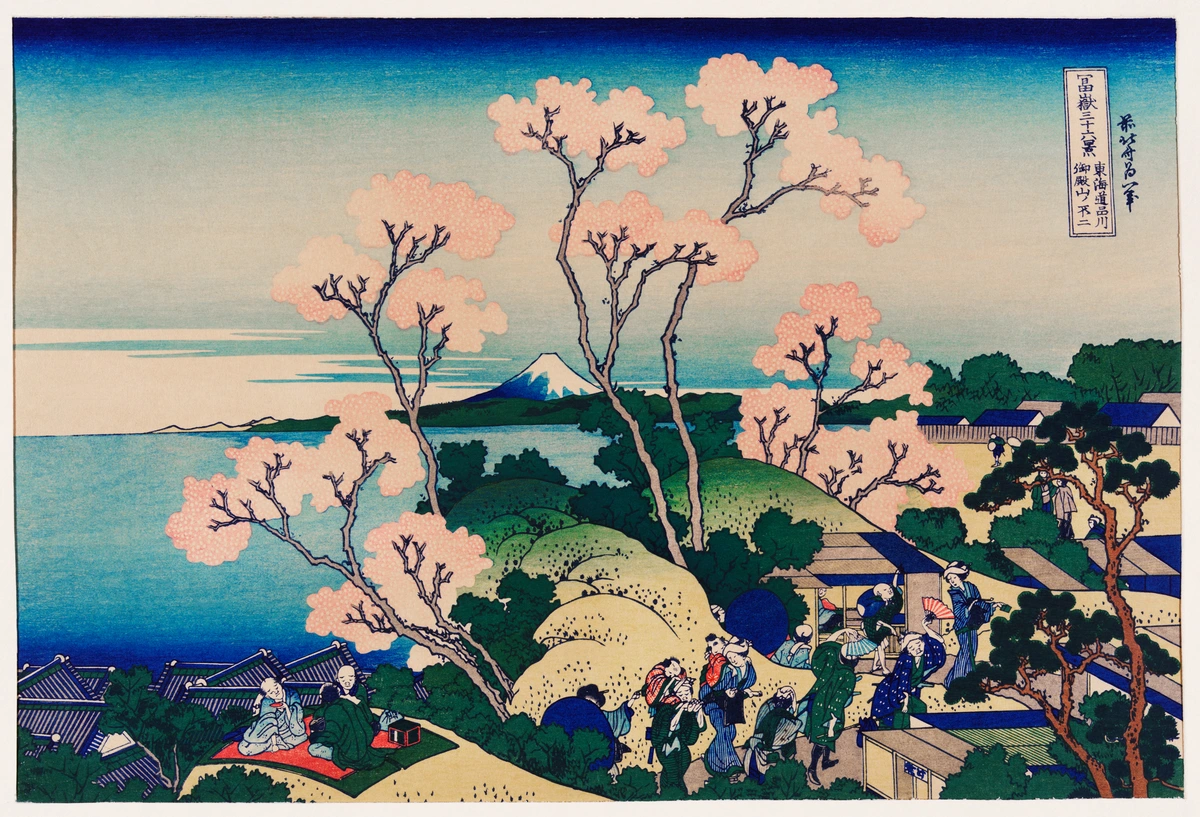
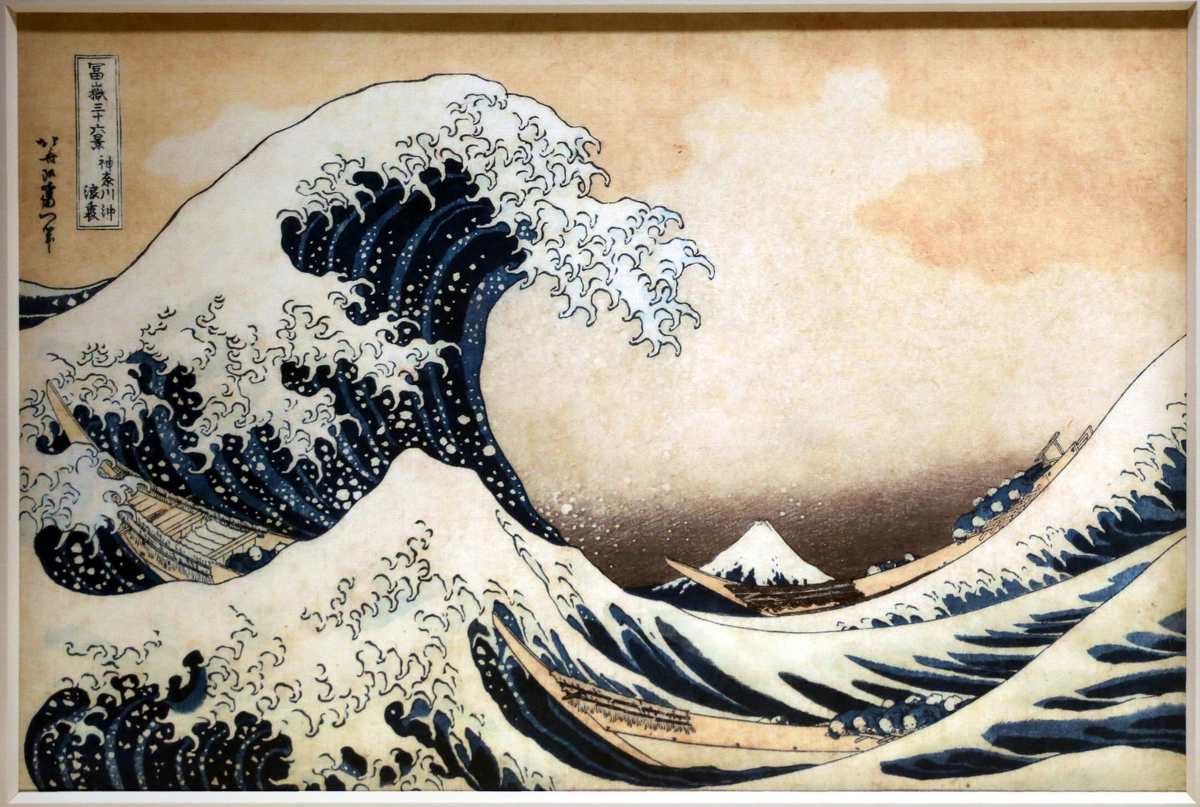
And let's not forget ukiyo-e, those 'pictures of the floating world' that gave us iconic images like Hokusai's Great Wave. Beyond their global fame, their flattened perspectives, bold outlines, and dynamic compositions directly inform the visual language of movements like Superflat, but also permeate modern graphic design and narrative structures in contemporary art. This deep lineage reminds me that innovation often comes from a profound understanding of what came before.
Layered onto this rich tradition is the tumultuous post-war experience. The trauma of defeat, the rapid reconstruction, the economic boom of the mid-20th century, periods of economic stagnation and introspection, the rise of global pop culture, and the digital revolution – these aren't just historical markers. They are active ingredients, a potent mix that has shaped themes, materials, and modes of expression in profoundly unique ways. The psychological impact of the atomic bombings, for instance, surfaces in subtle explorations of fragility, resilience, or the questioning of humanity's destructive potential. The American occupation also had a significant impact, introducing new cultural forms while simultaneously sparking critical self-reflection within Japanese artistic circles. For instance, the economic boom led to both a fascination with consumerism and a critique of its excesses, while later periods of introspection spurred artists to grapple with national identity and existential questions.
Artists grapple with identity, memory, technology, and consumerism, often through a distinctly Japanese lens. Movements like Gutai, for instance, emerged directly from the ashes of war, seeking radical new forms of expression to break free from rigid traditions and embrace raw materials and action as a cathartic release. It was a visceral response, a rebuilding from the ground up, not just of a nation, but of artistic possibilities.
Key Movements and Ideas: Shaping the Canvas of Today
To truly grasp the dynamism of contemporary Japanese art, we need to look at the groundbreaking movements and ideas that laid its foundation and continue to influence it. While you could write entire books on this (and many have, believe me!), a couple of concepts and movements really stand out, vividly illustrating how tradition is reinterpreted and new ideas burst forth.
Gutai: Action and Experimentation
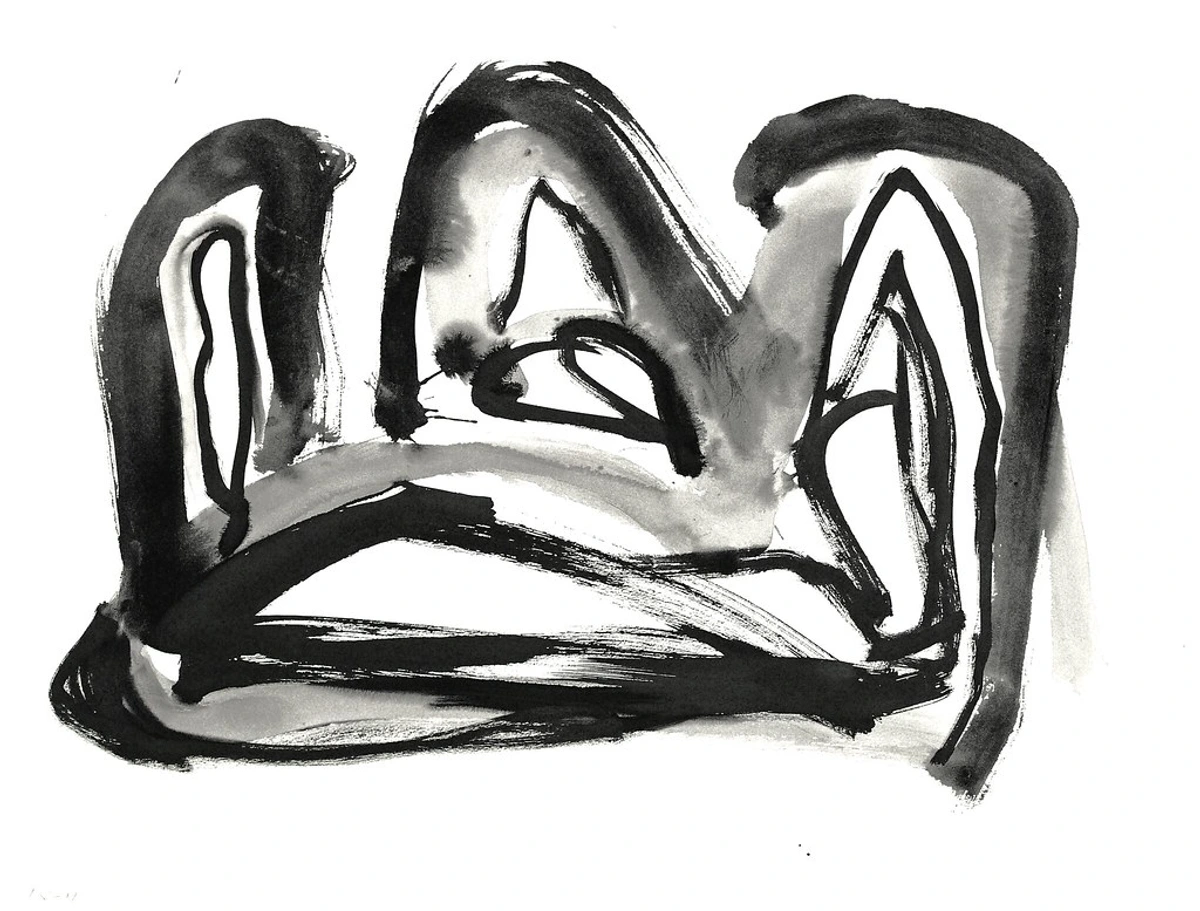
Formed in 1954, the Gutai Art Association truly paved the way for performance and conceptual art in Japan and beyond. Their mantra, "Do not imitate others!" and "subsume originality within the material," emphasized the raw, direct interaction between human spirit and material. Artists like Kazuo Shiraga would paint with his feet, while Atsuko Tanaka created wearable electric dresses. This was art as an event, a raw, sometimes shocking, confrontation with materials and the body. While showing an awareness of Western Abstract Expressionism, Gutai artists developed a distinctly Japanese approach to gesture and materiality, often incorporating elements of ritual and Zen philosophy into their radical acts. Though a generation older than some later movements, Gutai’s radical embrace of direct engagement with materials and performative action laid crucial groundwork for the experimental spirit that defines much of Japanese contemporary art. They were, in a sense, tearing down conventions to build something entirely new, seeking to transcend the tragic past through pure, unfiltered creativity.
Mono-ha: The School of Things
Emerging in the late 1960s and early '70s, Mono-ha (literally "School of Things") was a pivotal movement. While its peak occurred prior to what some might strictly define as "contemporary" chronologically, its philosophical influence on subsequent contemporary art in Japan is undeniable and enduring. Mono-ha artists focused on raw materials – stone, steel, wood, paper, water, air – and their inherent properties. They often arranged them with minimal alteration, emphasizing their relationship with space and each other. It was a powerful reaction against Western academic art and a profound return to materiality, process, and the philosophical contemplation of existence. You can see echoes of global Land Art, but Mono-ha's unique philosophical roots in Japanese phenomenology and existentialism gave it a distinct quiet yet powerful intensity, compelling you to observe the essence of everyday materials and their interaction with the environment. I appreciate that; sometimes I just need to look at a rock and truly think about its essence, its history, its raw presence.

Mono-ha's perceived detachment from overt social or political commentary, focusing instead on pure material existence, was sometimes a point of contention among critics during a period of global political unrest. Yet, this very focus allowed for a deeper, almost spiritual, contemplation of existence, a quiet rebellion against the clamor of the modern world.
Superflat: The Blurring of Worlds
Now, if we talk about manga and anime, we absolutely have to talk about Superflat. Coined by the artist Takashi Murakami, Superflat is not just an art movement but also an aesthetic theory that critiques and deliberately blurs the lines between "high art" and "low art" (like anime, manga, and otaku culture – the passionate, often obsessive, fan subculture deeply immersed in specific interests like animation, comics, or video games). It refers to the flattened perspectives found in traditional Japanese painting (like the stacked, non-perspectival planes in ukiyo-e prints). But it also speaks to the "flatness" of post-war Japanese society – the perceived lack of distinction between different social classes and values, especially under the pervasive influence of consumer culture, where everything can feel equally surface-level. Murakami uses the term to describe both a visual aesthetic and a societal condition.
Murakami's vibrant, often playful, yet subtly critical work is a prime example of this aesthetic, embracing pop culture's visual language while simultaneously commenting on it. Superflat, to me, is incredibly smart. It takes what many might dismiss as mere entertainment and elevates it, forcing us to confront the pervasive influence of pop aesthetics and the consumer landscape. Otaku culture itself, while a source of immense creativity and community, can also be critiqued for its potential escapism or its role in a consumer-driven society. Superflat reflects this complexity, a shiny, kaleidoscopic surface mirroring society back at itself. While celebrated for its engaging visuals and global appeal, Superflat has also drawn criticism for potentially oversimplifying Japanese culture for a Western audience or for its intense commercialization, blurring the line between art and product. But isn't that part of the point, to provoke these very questions?
If you're keen to dive deeper into the historical roots of this flattened aesthetic, you might enjoy exploring articles on the ultimate guide to Katsushika Hokusai.
Neo-Pop and the "Kawaii" Aesthetic
Building on Superflat's engagement with pop culture, Neo-Pop artists often incorporate elements of kawaii (cuteness) into their work. But don't let the cute facade fool you. The term kawaii isn't just about 'cute'; it encompasses a whole cultural phenomenon of youthfulness, innocence, and charm that can also subtly convey vulnerability or defiance. This aesthetic, while seeming innocent, can serve as a powerful form of social commentary, allowing artists to express complex emotions (like vulnerability, anger, or rebellion) in a society that may discourage overt emotional displays. It often builds upon traditional Japanese aesthetics of refinement and delicate beauty, twisting them into something modern and subversive.
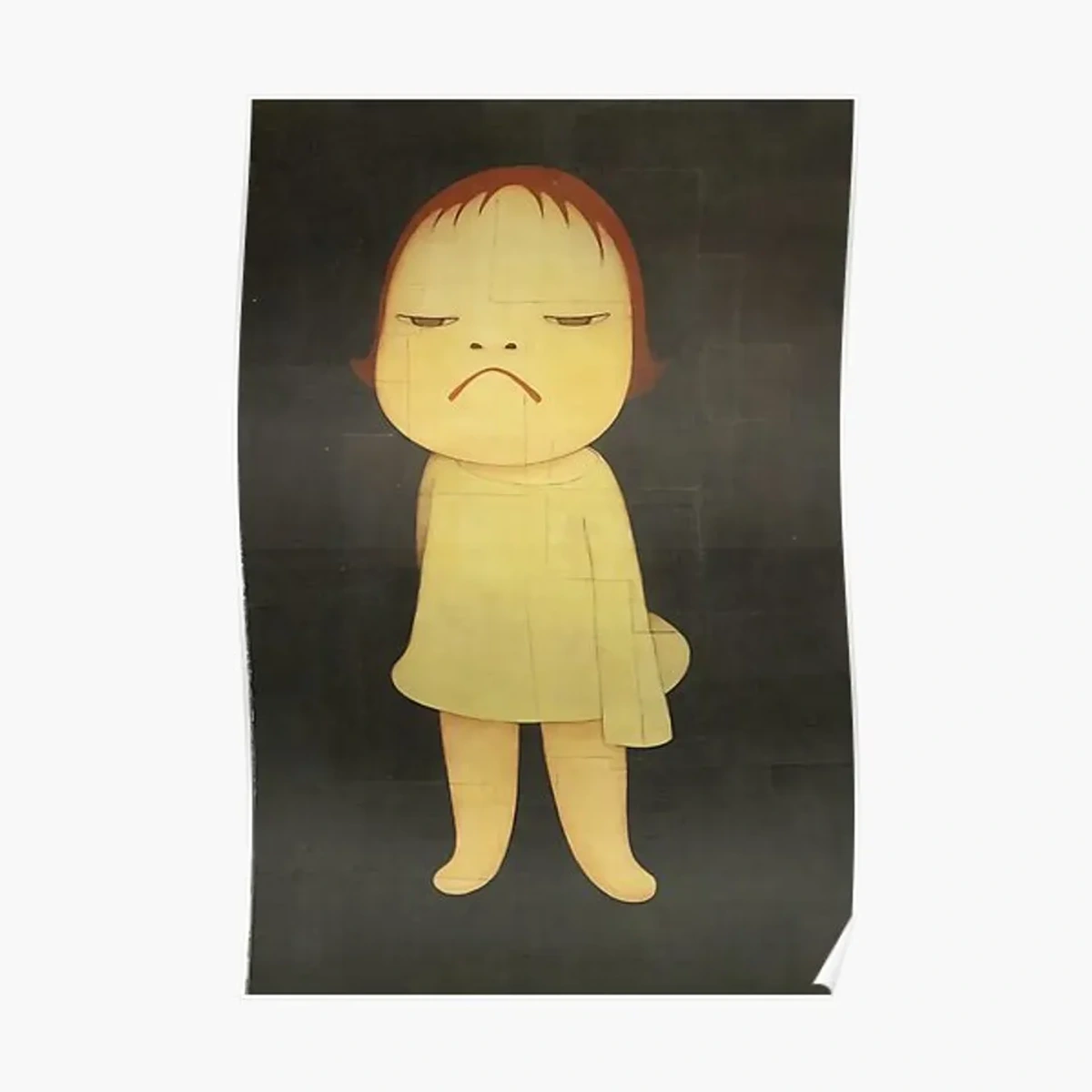
Artists like Yoshitomo Nara frequently blend saccharine imagery with subtly unsettling or rebellious undertones. His signature big-eyed children, often with defiant glares or melancholic expressions, reflect themes of alienation, individuality, and even punk rock attitude within a seemingly innocent package. It’s art that uses familiarity to deliver a punch, subverting expectations with a wink and a sneer. I remember seeing a large-scale Nara sculpture once, and despite its 'cuteness,' there was an undeniable emotional weight to that defiant child figure that stayed with me for days.
Another artist, Aya Takano, similarly explores themes of youthful escapism and female sexuality through a distinctly kawaii lens, often depicting elongated, doe-eyed figures in fantastical, often vulnerable, settings. Her work creates dreamlike narratives that are both enchanting and quietly subversive.
Table: Key Japanese Contemporary Art Movements
Movement  | Period | Core Concept | Key Artists | Notable Work/Exhibition |
|---|---|---|---|---|
| Gutai | 1954-1972 | Radical experimentation, action, spirit-material interaction, performativity | Jirō Yoshihara, Kazuo Shiraga, Atsuko Tanaka | Challenging Mud, Electric Dress |
| Mono-ha | Late 1960s - early 1970s | Focus on raw materials and their relationship to space, philosophical contemplation of existence | Lee Ufan, Nobuo Sekine, Kishio Suga | Relatum series, Phase—Mother Earth |
| Superflat | Late 1990s - Present | Blurring high/low art, flattened aesthetics, critique of post-war consumer society, otaku culture | Takashi Murakami | My Lonesome Cowboy, Flower Ball |
| Neo-Pop | 1980s - Present (evolved from Pop Art) | Incorporation of pop culture, kawaii aesthetic, often with subversive or critical undertones | Yoshitomo Nara, Aya Takano | Nara's Doggy Radio, Takano's The Earth Beneath the Skirt |
Materials and Techniques: A Spectrum of Expression
Japanese contemporary artists are truly masters of versatility, often blurring the lines between traditional craftsmanship and cutting-edge innovation. You'll find a spectrum of materials and techniques at play, from ancient natural elements to the latest digital media. What fascinates me is how an artist might spend years mastering a traditional craft, only to then use it to express something utterly modern, or vice versa. It’s like learning ancient languages to write futuristic poetry.
Many artists continue to use traditional Japanese materials like washi paper, wood, lacquer, and ceramics, but in entirely new contexts and forms. I've seen contemporary sculptors create monumental works from intricately woven bamboo, transforming a traditional craft into an architectural statement that challenges our perception of what traditional materials are capable of. Others embrace industrial materials like steel, concrete, and synthetic polymers, often arranged in minimalist or monumental installations, sometimes reflecting the sleek urbanity and rapid technological prowess of Japan's cities. The digital realm is also a vibrant space, with artists like Ryoji Ikeda creating intricate video art, immersive digital projections, and generative art that explores data and algorithms. It's a testament to their willingness to experiment and push boundaries.
Photography, too, has evolved into a distinct and powerful contemporary medium, with artists like Daido Moriyama capturing the raw, gritty streets of post-war Tokyo, and Rinko Kawauchi exploring the delicate beauty of everyday life with a dreamlike sensibility. And of course, performance art, drawing inspiration from Gutai's legacy, remains a powerful medium for direct engagement, while site-specific installations transform landscapes and urban spaces into temporary galleries. It's this dynamic interplay of ancient tools and avant-garde approaches that makes the Japanese contemporary art scene so endlessly inventive.
Even something as new as NFTs (Non-Fungible Tokens) has been tentatively explored by some artists, though often with a critical distance. I've noticed a healthy skepticism, perhaps born from a desire to maintain the integrity of art beyond fleeting trends. The questions often revolve around environmental impact, the speculative nature of the digital art market, or the potential for art to be reduced to a commodity detached from its true artistic context and meaning. It highlights a thoughtful engagement with new tools, rather than a simple, uncritical embrace.
Faces of the Future: Influential Contemporary Artists
Beyond movements and manifestos, it's the individual voices that truly define an art scene, pushing boundaries and challenging perceptions. Here are a few names that often come to my mind when I think about the sheer breadth of creativity emanating from Japan, each offering a distinct and profound perspective:
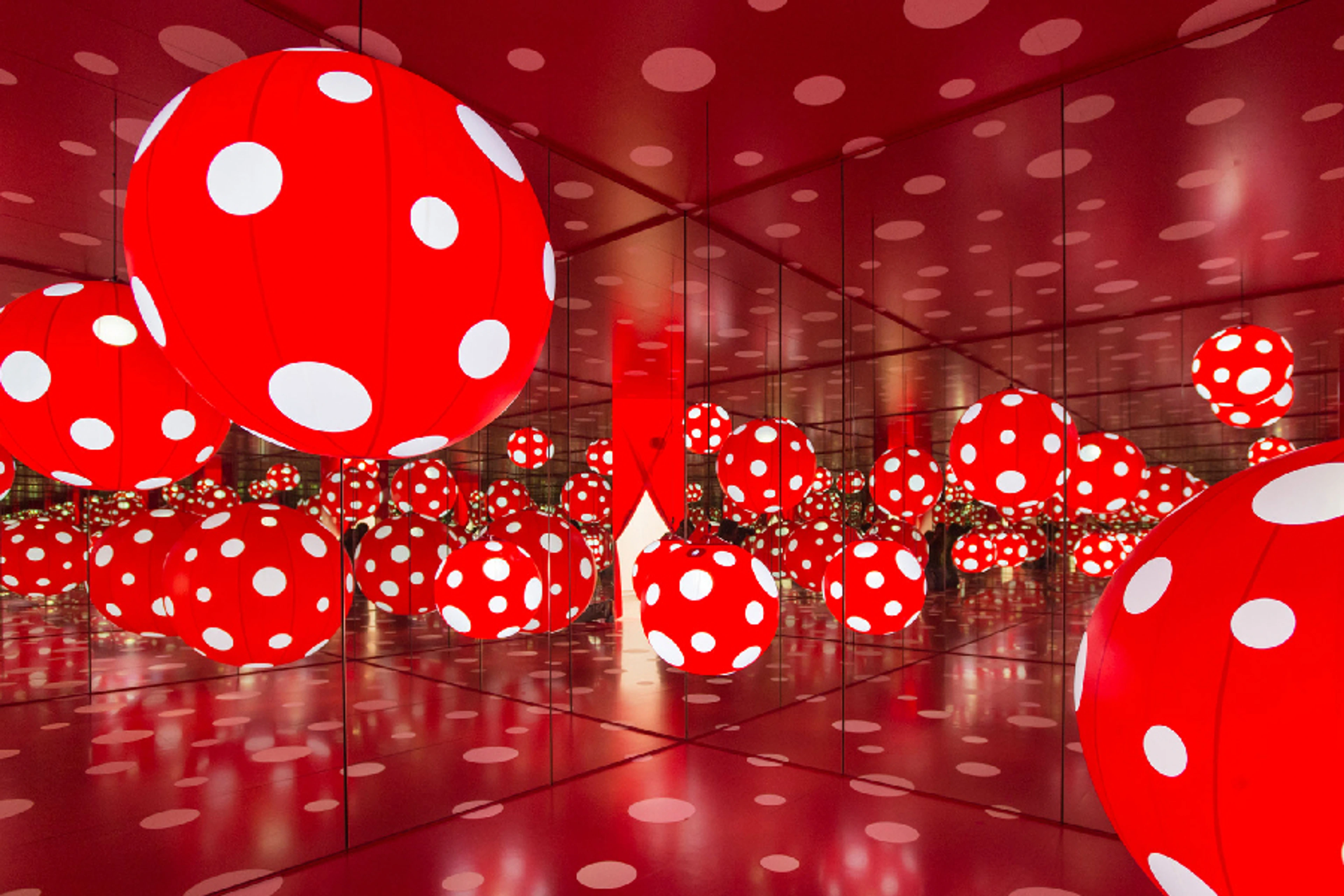
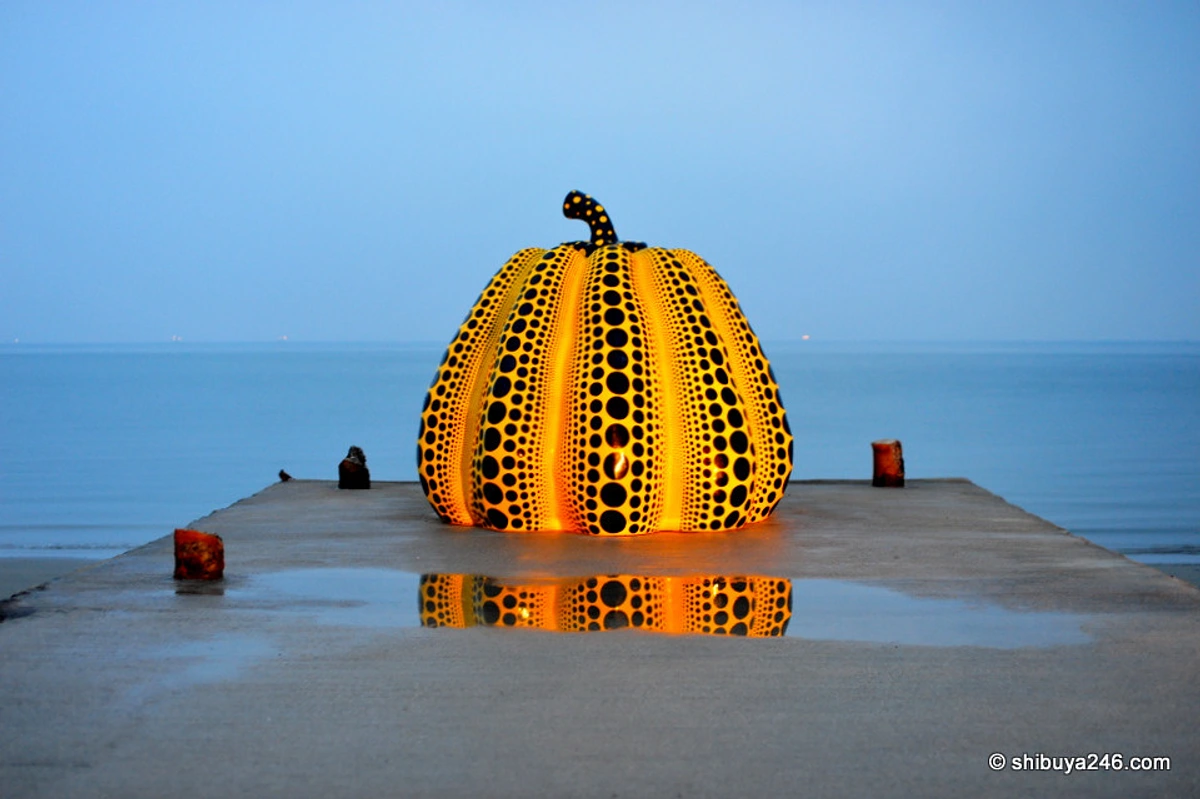
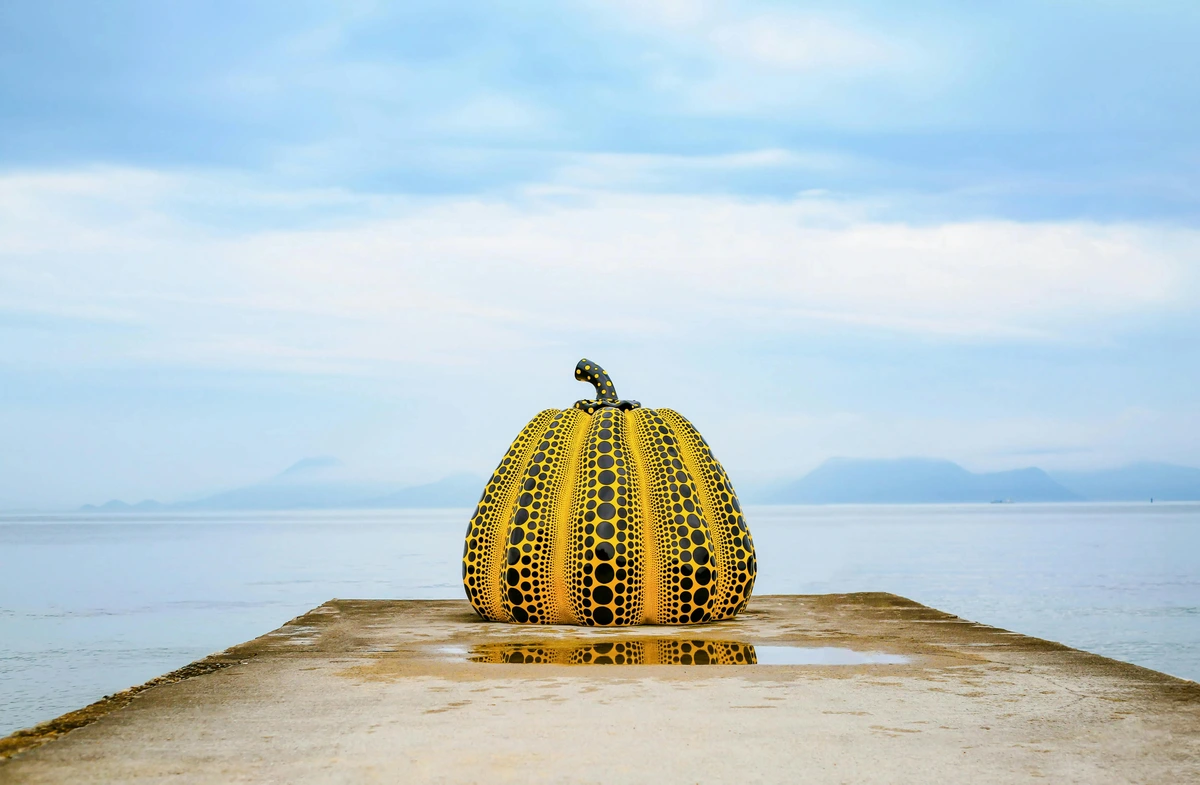
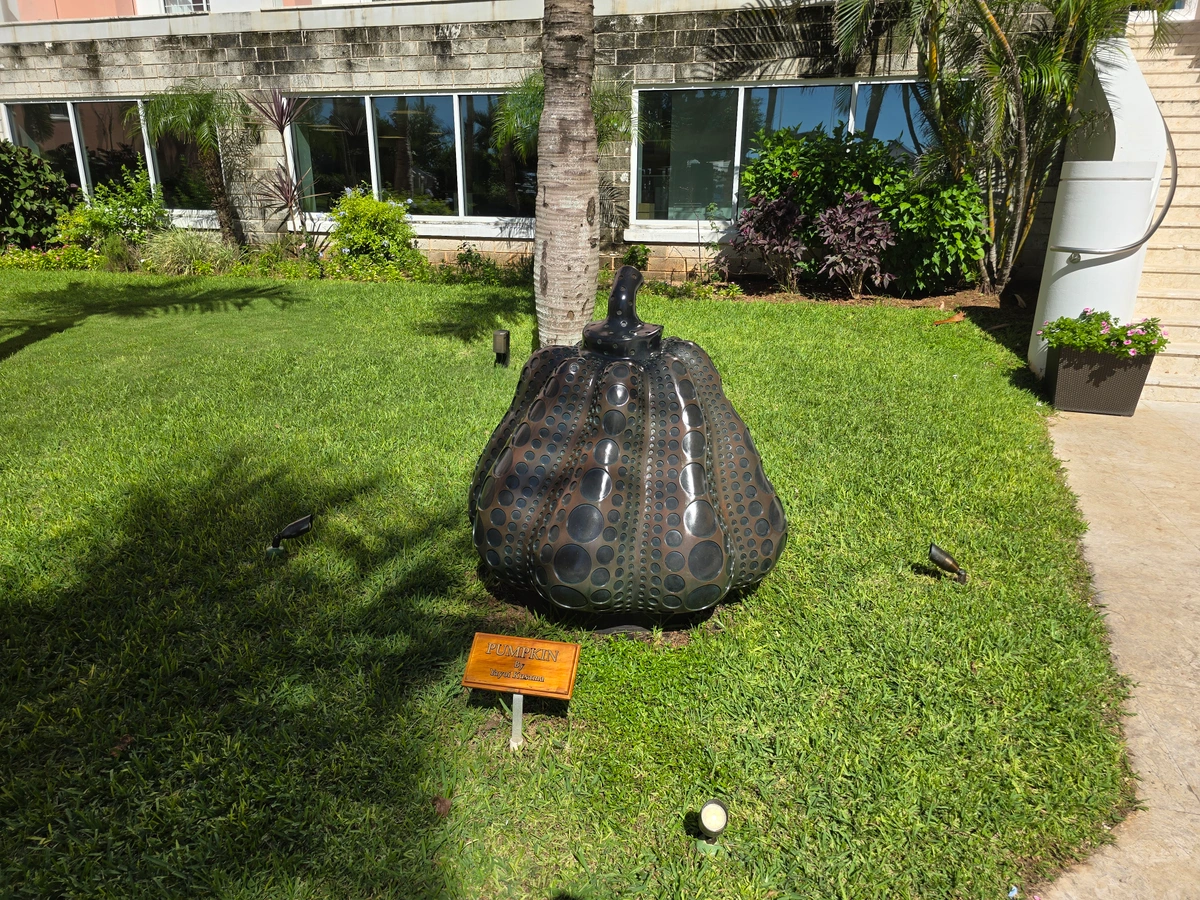
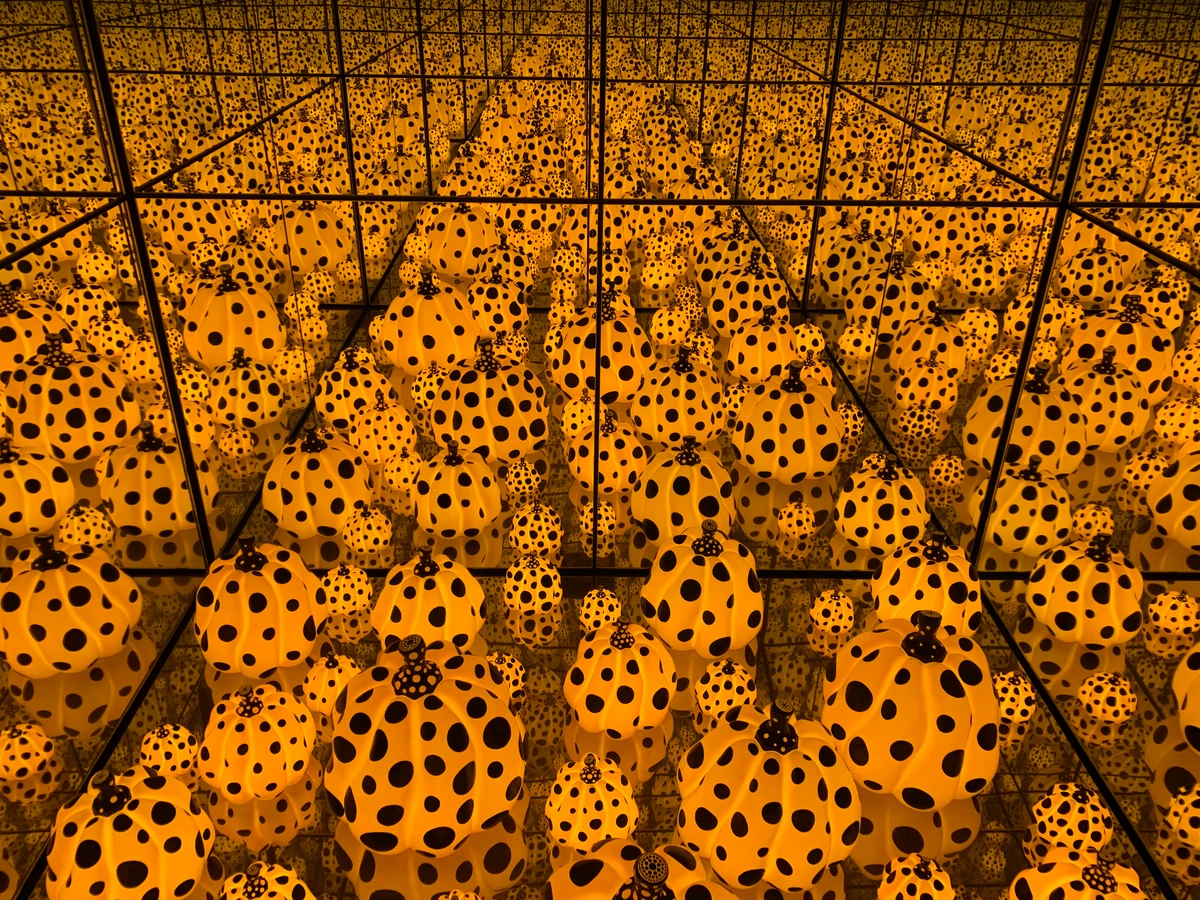
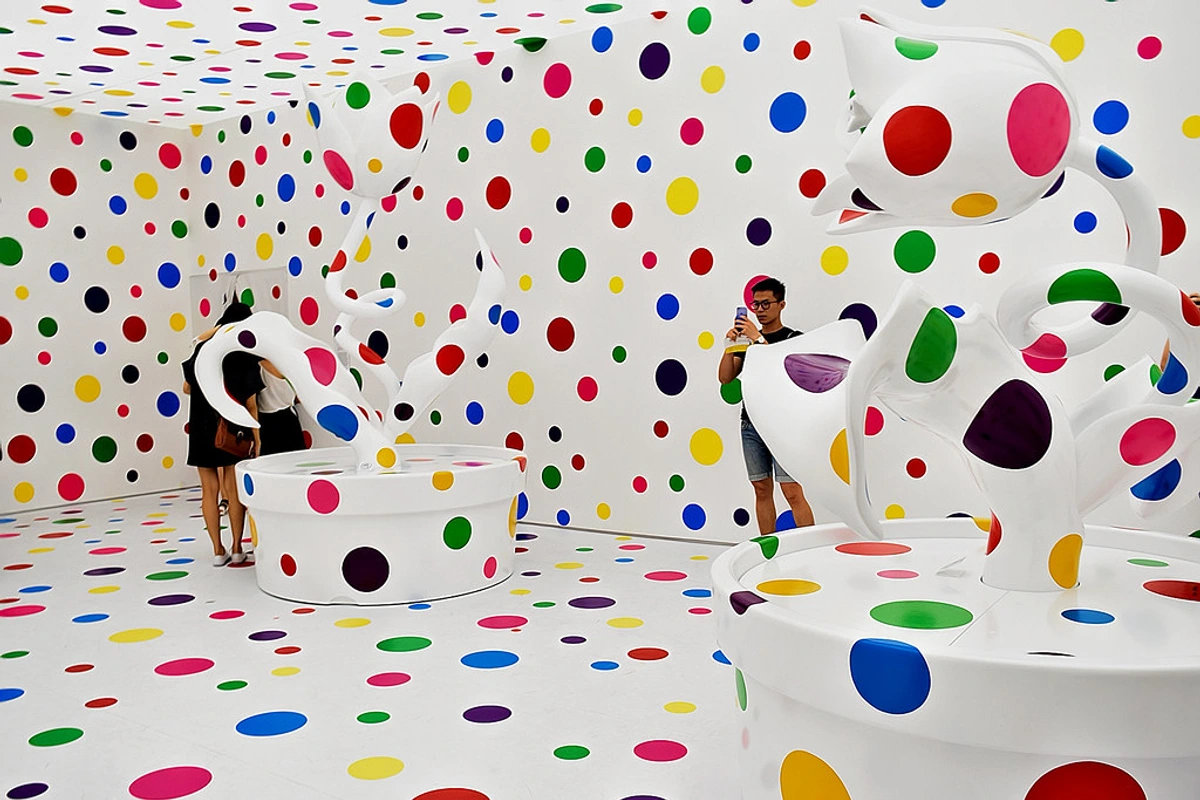
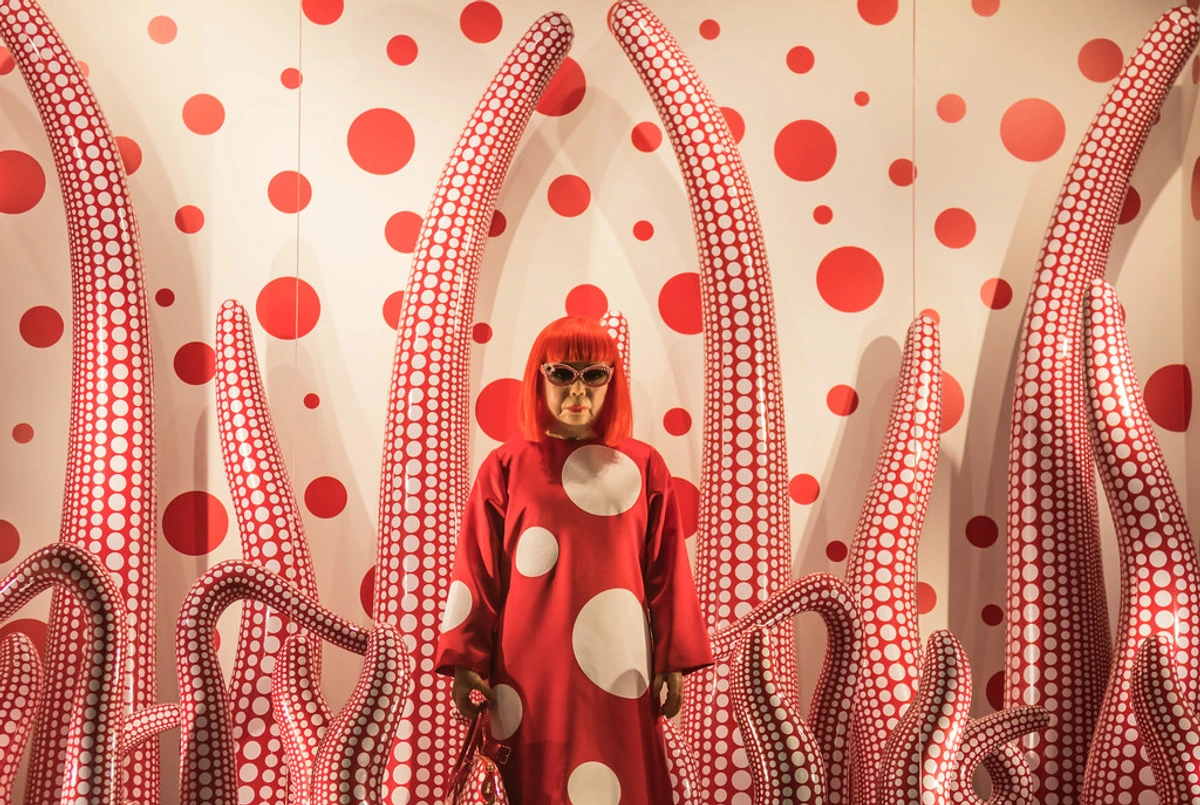
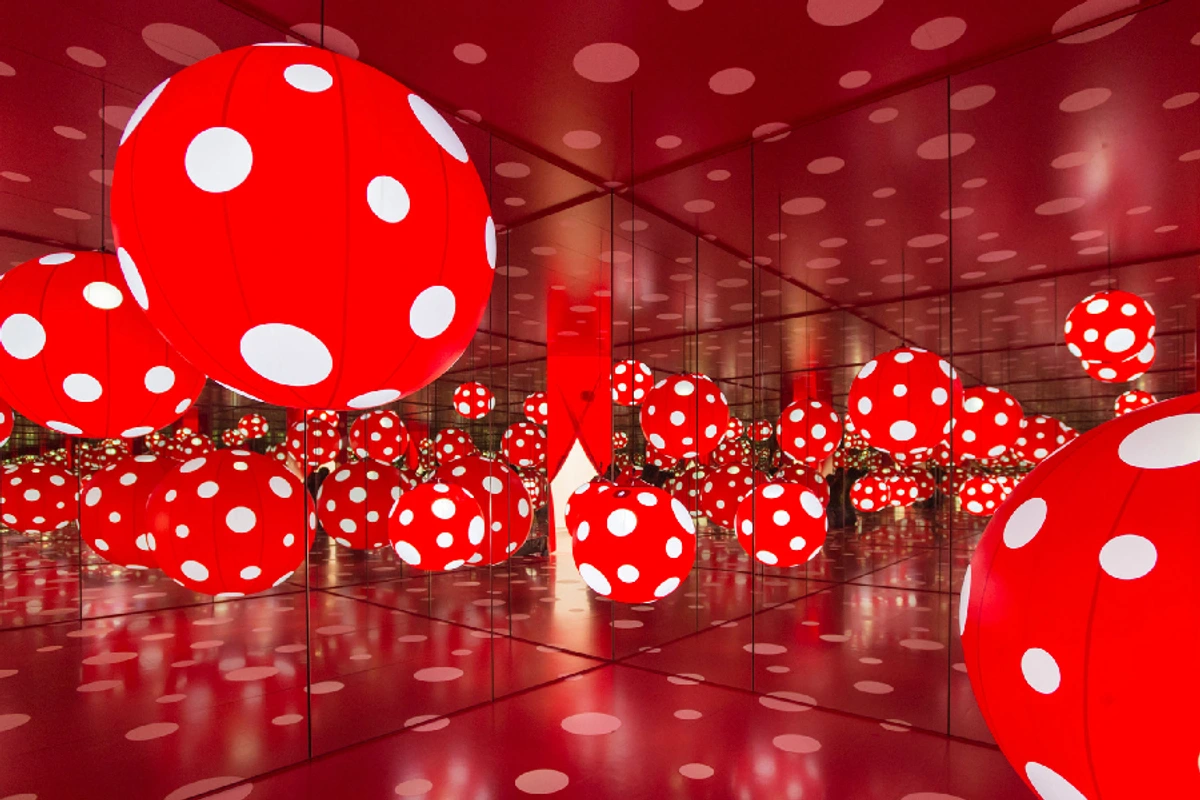
- Yayoi Kusama: A global icon and an absolute legend. Kusama's work spans painting, sculpture, installation, and performance, with her instantly recognizable immersive infinity rooms and signature polka dots. Her early life in Japan and subsequent move to the US were crucial for her exposure to Western art movements and her rise to global fame. These motifs often reflect her lifelong struggle with mental health and her concept of "self-obliteration" – the idea of dissolving the individual self into universal, repetitive patterns. Her art is both deeply personal and universally appealing, drawing massive crowds wherever it's exhibited. Standing in one of her infinity rooms is an experience you won't forget; it's a humbling, mind-bending moment that forces a confrontation with the vastness of existence, and honestly, it makes me feel wonderfully small and connected. If you are intrigued, delve deeper into her journey with an ultimate guide to Yayoi Kusama.
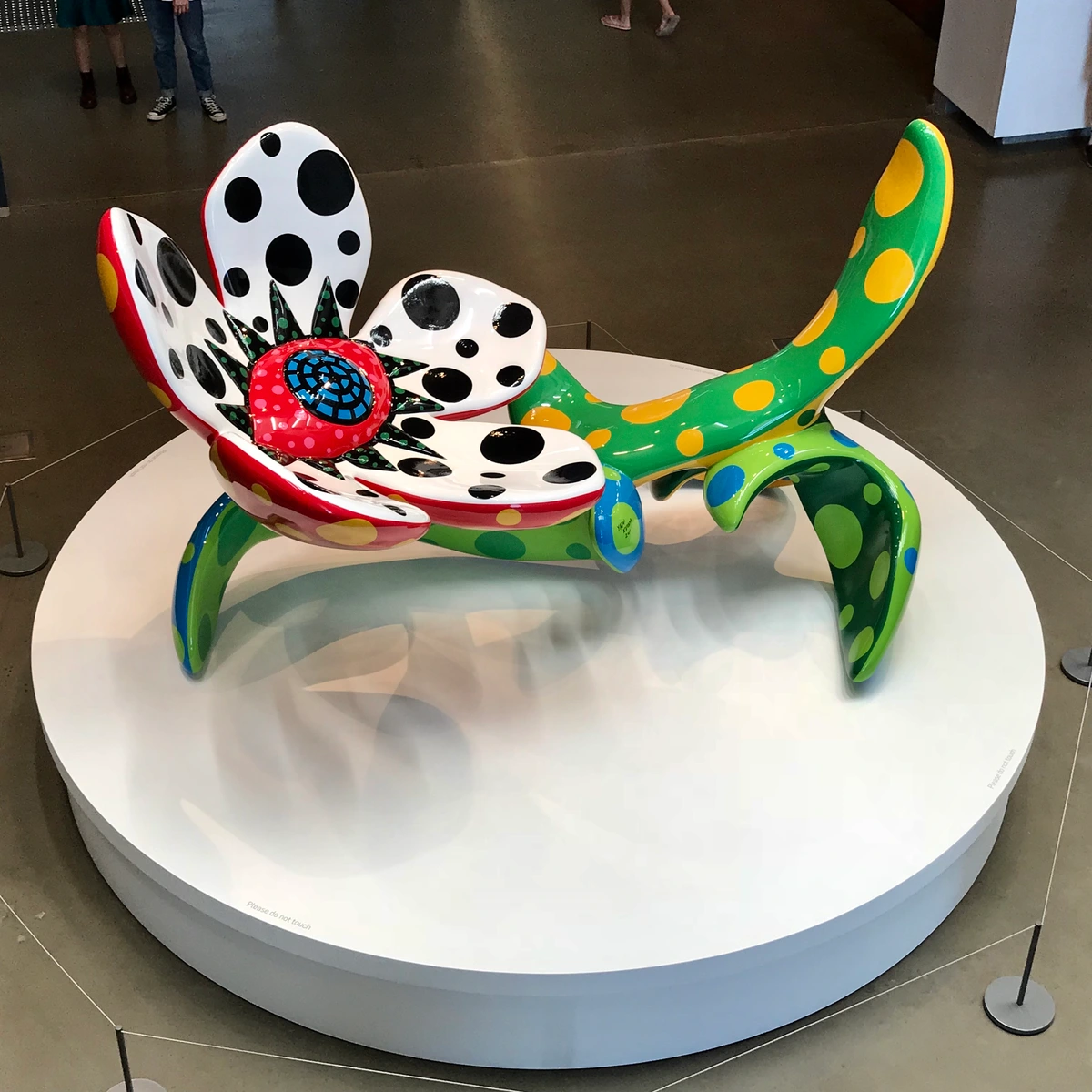
- Takashi Murakami: The mastermind behind Superflat, Murakami is known for his vibrant, often playful, yet highly sophisticated work that freely mixes traditional Japanese art forms, anime, Western pop art, and high fashion. His academic background in traditional Japanese painting (Nihonga) profoundly informed his later Superflat approach, demonstrating a conscious engagement with historical techniques before deconstructing them. His iconic "Flower" and "Mr. DOB" characters have transcended the art world, becoming symbols of contemporary Japanese visual culture. He's an artist who understands branding as much as brushstrokes, using both to brilliant effect while subtly critiquing the consumer-driven society he simultaneously embraces.
- Yoshitomo Nara: Famous for his melancholic, often rebellious child figures, Nara's art connects with a vast audience on an emotional level. His cute aesthetic often masks deeper themes of loneliness, anger, and punk rock defiance. His work evokes a powerful sense of nostalgia and empathy, making you feel an immediate, sometimes unsettling, connection to those small, vulnerable, yet fiercely independent characters. I find his work incredibly poignant; it speaks to the quiet battles we all fight internally.
- Mika Ninagawa: A celebrated photographer and film director, Ninagawa is known for her intensely saturated, vividly colorful imagery, particularly her floral series (such as her popular "Sakura" series) and her film work like "Helter Skelter." Her work is often a dazzling exploration of artificiality, natural beauty, and the ephemeral, blurring the lines between art, fashion, and commercial photography. Her world is a vibrant, almost overwhelming feast for the eyes, a sensory overload that's both seductive and thought-provoking.
- Ryoji Ikeda: On a different spectrum entirely, Ikeda is an electronic composer and visual artist known for his minimalist, data-driven, large-scale sound and visual installations. His work explores mathematical concepts, quantum physics, and the vastness of the universe, often creating immersive experiences that are as intellectually stimulating as they are aesthetically arresting. Imagine being enveloped in a cacophony of precisely ordered data, a profound dive into pure information and sensory overload, but in the most meticulously controlled and awe-inspiring way possible.
- Chim↑Pom: A collective founded in 2005, Chim↑Pom is known for their provocative, often socially and politically charged interventions in public spaces and their critical engagement with contemporary Japanese society, including post-disaster issues. Their work, like the "Super Rat" project where they captured a mutated rat near Fukushima, can be controversial, using performance, video, and installation to challenge conventions and spark dialogue about consumerism, historical memory, and urban development. They're unafraid to tackle difficult subjects head-on, making them a vital, often uncomfortable, voice in the scene.
- Tabaimo: Known for her unsettling, hand-drawn animation installations, Tabaimo delves into psychological states, domesticity, and the darker side of Japanese folklore. Her unique style often uses traditional ukiyo-e motifs to create disquieting yet mesmerizing narratives that expose the undercurrents of everyday life.
- Nobuaki Takekawa: His work often combines found objects, surreal imagery, and political commentary, frequently featuring recurring characters and narrative elements that offer a subtle critique of societal norms and consumerism. He challenges viewers to reconsider their relationship with history and everyday objects.
- Naoko Takanashi: Her delicate, often miniature, ceramic works explore themes of memory, displacement, and domesticity with a subtle yet powerful emotional resonance. Her intricate craftsmanship offers a quiet counterpoint to larger-scale installations, reminding us of the profound beauty found in small, thoughtful gestures.
Table: Influential Japanese Contemporary Artists
Artist | Primary Mediums | Defining Themes/Style | Notable Work/Exhibition |
|---|---|---|---|
| Yayoi Kusama | Painting, Sculpture, Installation, Performance | Infinity, polka dots, self-obliteration, mental health, cosmic patterns | Infinity Mirror Rooms, Pumpkins |
| Takashi Murakami | Painting, Sculpture, Fashion, Film | Superflat, pop culture critique, "kawaii" characters, branding, high/low art | My Lonesome Cowboy, Mr. DOB |
| Yoshitomo Nara | Painting, Sculpture, Drawing | Melancholy/rebellious children, kawaii, punk rock defiance, alienation, individuality | Doggy Radio, Knife Behind Back |
| Mika Ninagawa | Photography, Film Direction | Vibrant colors, floral motifs, artificiality, natural beauty, ephemerality | Sakura series, Helter Skelter (film) |
| Ryoji Ikeda | Sound/Visual Installation, Electronic Music | Data aesthetics, quantum physics, minimalist sensory immersion, mathematical concepts | datamatics, test pattern |
| Chim↑Pom | Installation, Performance, Video, Public Art | Social commentary, political critique, post-disaster issues, urban intervention | Super Rat, Black of Death |
| Tabaimo | Animation, Video Installation | Psychological states, domesticity, Japanese folklore, ukiyo-e motifs | Japanese Commuter Train, Dolefullhouse |
| Nobuaki Takekawa | Painting, Sculpture, Installation | Social/political critique, consumerism, recurring characters, narrative | The Ocean That Connects the World, Cat and Dog |
| Naoko Takanashi | Ceramics, Sculpture | Memory, displacement, domesticity, intricate craftsmanship, emotional resonance | Traces of Time series, various miniature installations |
Beyond the Gallery: Where to Experience Japanese Contemporary Art
Where can you truly experience the vibrant pulse of contemporary Japanese art? While Tokyo certainly boasts an undeniable art scene, the beauty of Japanese contemporary art is that it's spread far and wide, often in unexpected places, waiting for discovery. If you're an art enthusiast, planning a trip with an artistic bent is a must.
Major Cities & Dedicated Art Destinations
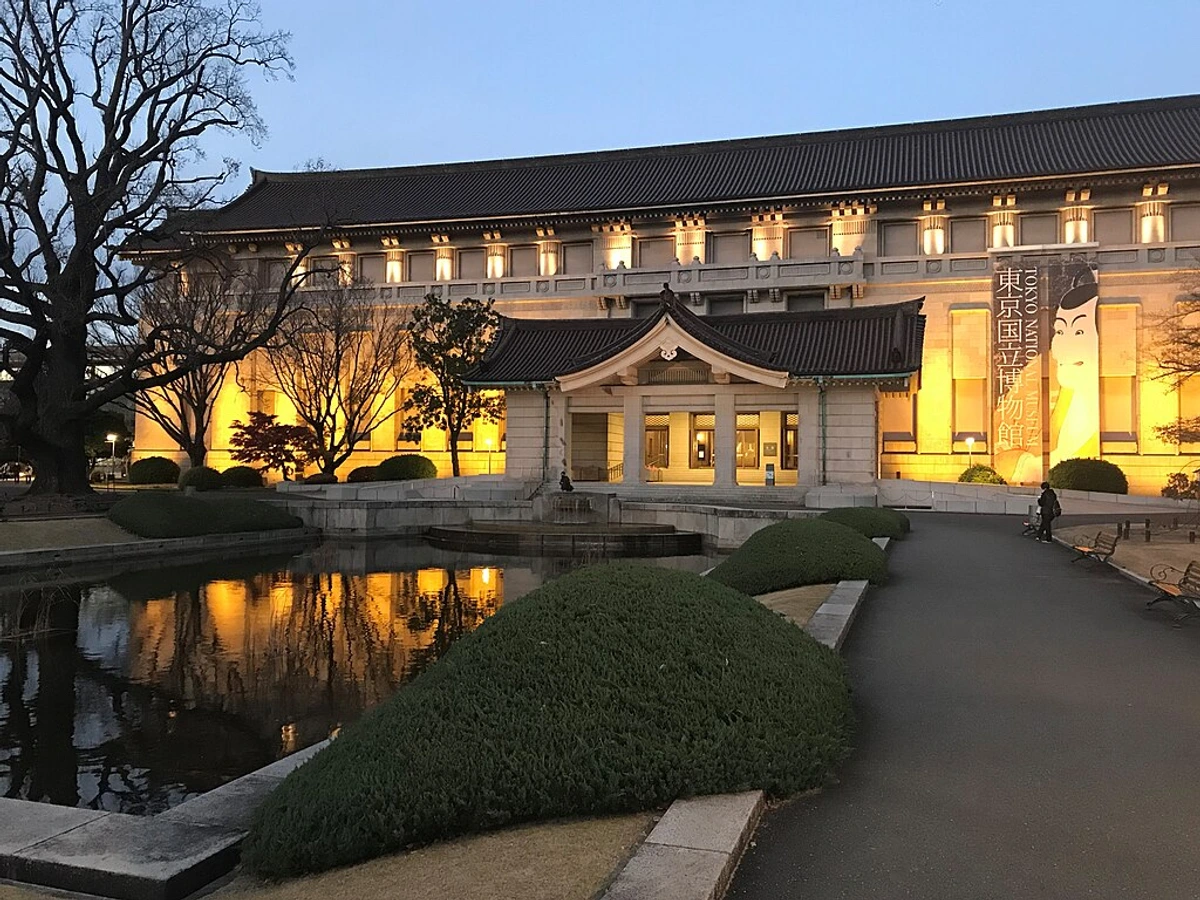
- Tokyo: The bustling capital is a powerhouse, a city that feels like a living, breathing art installation itself. Home to institutions like the Mori Art Museum (known for its ambitious, often internationally focused contemporary exhibitions on the 53rd floor of Roppongi Hills, offering incredible city views alongside cutting-edge art), the National Art Center, Tokyo (a stunning architectural marvel that hosts diverse temporary exhibitions), and numerous smaller galleries in areas like Ginza, Shinjuku, Roppongi, and the emerging art hub of Kiyosumi-Shirakawa. The Edo-Tokyo Museum also offers invaluable historical context that enriches understanding of contemporary movements.
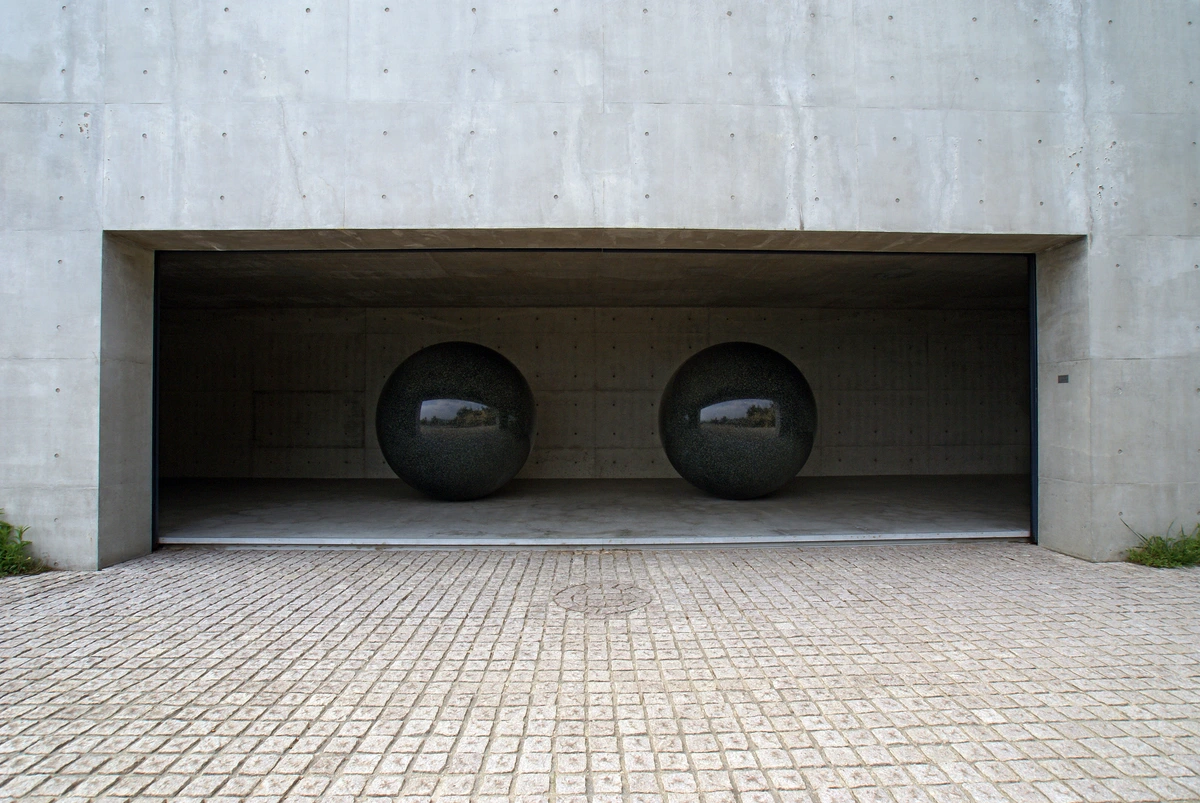
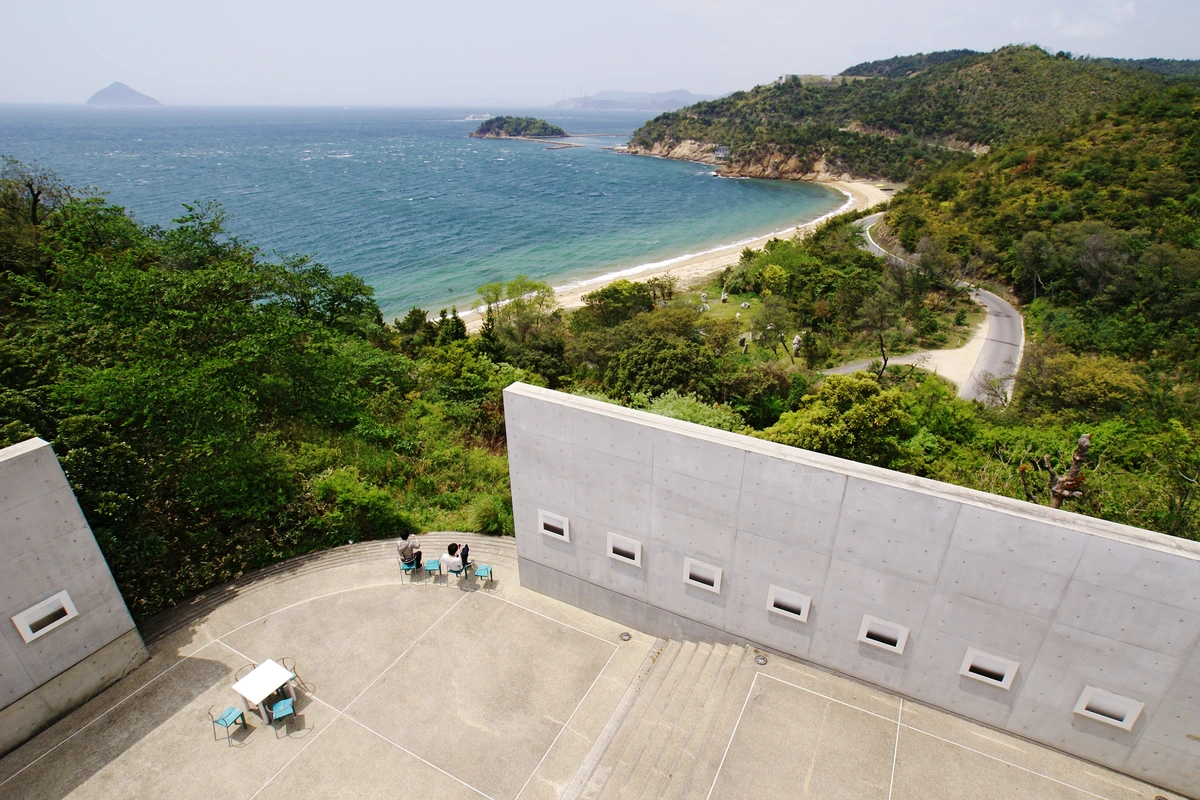
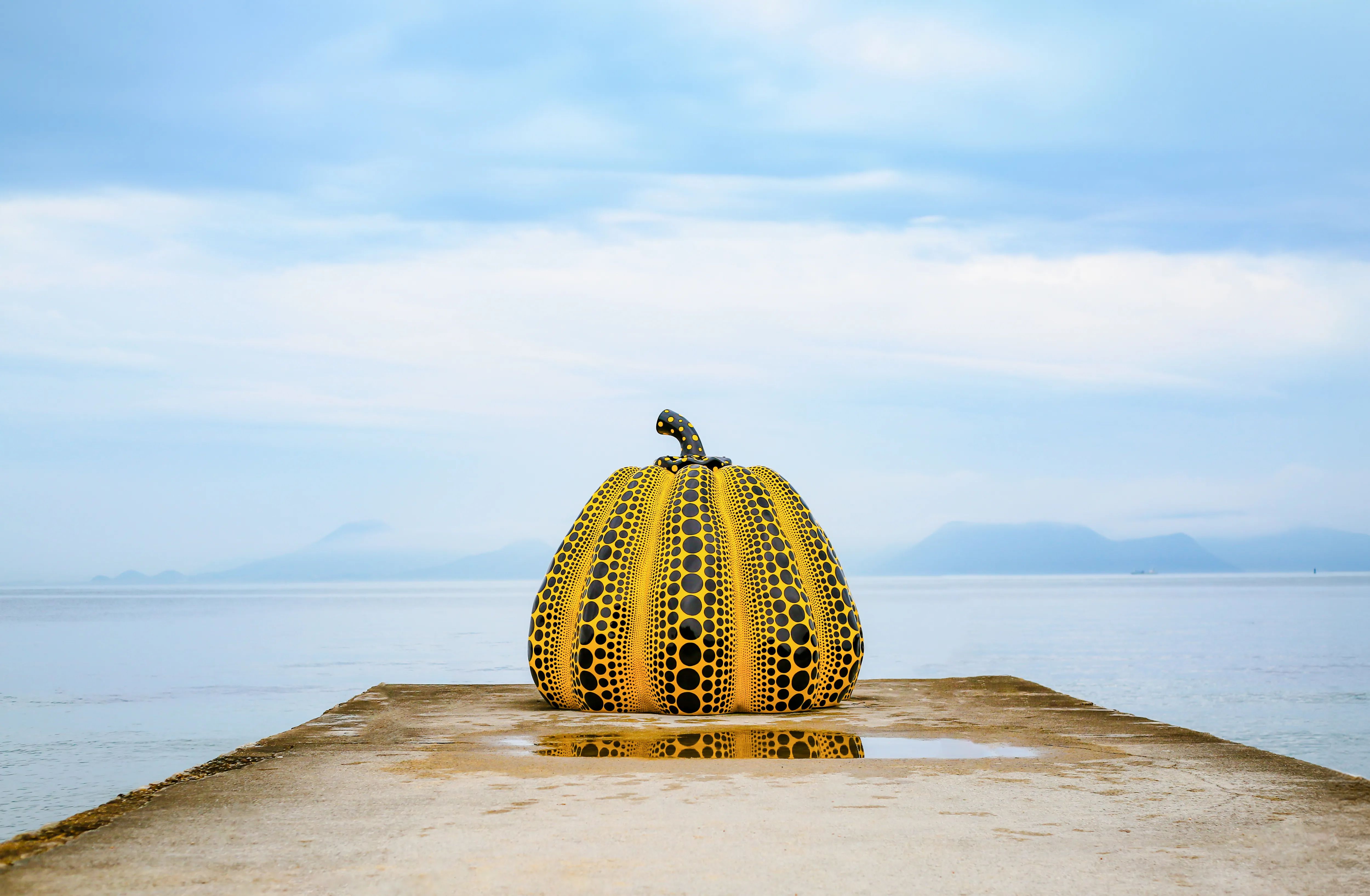
- Naoshima (Art Island): This small island in the Seto Inland Sea is a true pilgrimage site, renowned for its unique blend of art and nature. It features the Benesse House Museum (an integrated museum and hotel), Chichu Art Museum (designed by Tadao Ando, housing permanent works by James Turrell, Walter De Maria, and Claude Monet), and outdoor sculptures by artists like Yayoi Kusama. It's an entire island dedicated to art, offering an immersive experience unlike any other. I dream of visiting Naoshima someday – the idea of art integrated so seamlessly into the landscape is just magical, a profound conversation between human creativity and raw natural beauty.
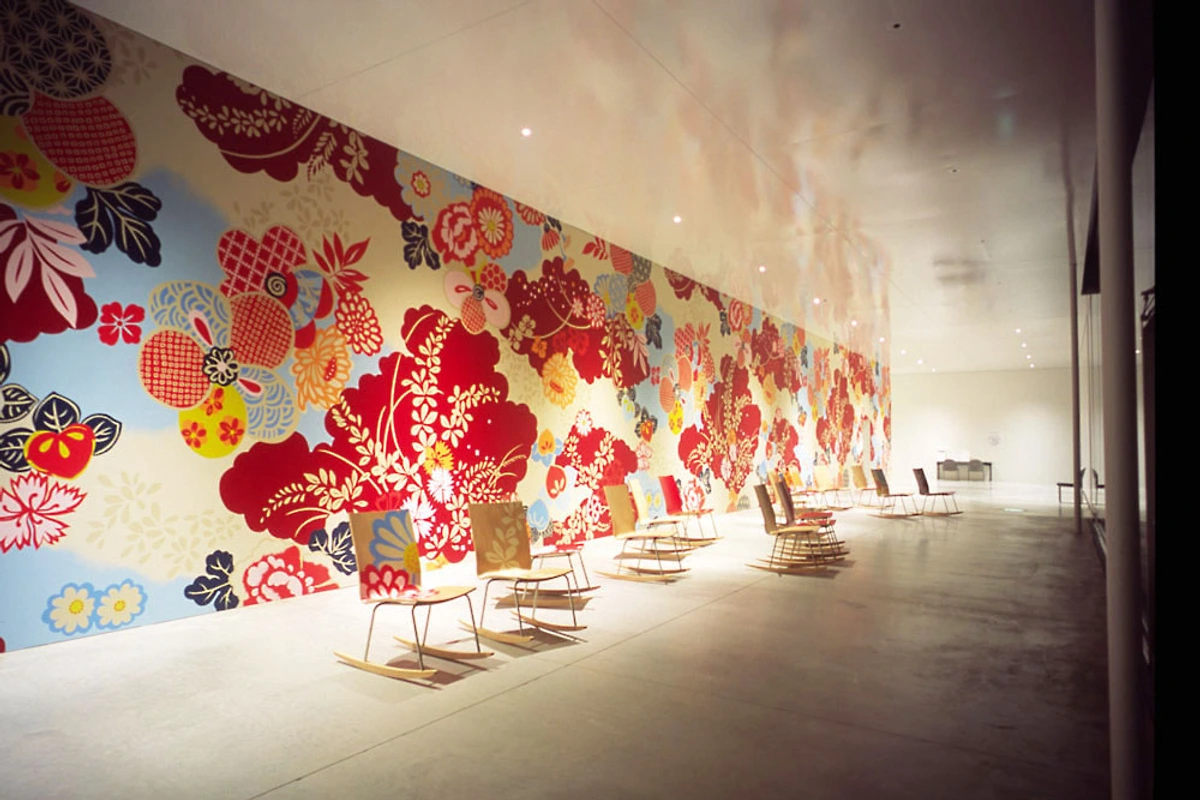
- Kanazawa: Home to the 21st Century Museum of Contemporary Art, known for its circular glass design and its collection of playful, interactive, and thought-provoking works that often engage with light and space, making art accessible and engaging for all ages.
- Fukuoka & Osaka: While perhaps not as prominent as Tokyo, cities like Fukuoka (with its Fukuoka Asian Art Museum) and Osaka also host vibrant contemporary art scenes, offering diverse regional perspectives and emerging talents. It’s always worth exploring beyond the major hubs to find those hidden gems.
Art Festivals and Biennales
Japan hosts several internationally acclaimed art festivals that transform entire regions into open-air galleries and living canvases. These events are deeply integrated with local communities and natural environments, offering truly unique experiences.
- The Setouchi Triennale (held every three years across multiple islands in the Seto Inland Sea, including Naoshima) is famous for its site-specific installations that engage with the unique island cultures and stunning natural beauty. Visitors explore remote villages and coastlines, discovering art hidden in old houses, on beaches, and amidst fishing communities.
- The Echigo-Tsumari Art Triennale (in rural Niigata Prefecture) similarly transforms a vast agricultural region into a sprawling art museum, focusing on the relationship between art and the land, and encouraging dialogue between urban artists and rural communities.
- The Aichi Triennale (in Aichi Prefecture, centered in Nagoya) is another major international contemporary art event that brings together diverse artists and audiences, often exploring pressing global themes through innovative exhibitions across various venues.
These aren't just exhibitions; they're grand dialogues between art, land, community, and the passage of time. They make you reconsider the very definition of a gallery space.
How to Start Exploring Contemporary Japanese Art
For those just beginning their journey, the world of contemporary Japanese art can seem vast and a little daunting. My advice? Start small and follow what sparks your curiosity. Visit your local museum or gallery to see if they have any Japanese contemporary pieces. Many online platforms, like Artsy or Ocula, offer extensive databases of artists and galleries, allowing you to discover new names from the comfort of your home. Follow key artists like Takashi Murakami or Yayoi Kusama on social media to see their latest projects and exhibitions. And don't be afraid to delve into articles or documentaries; sometimes a good story about an artist's motivation is the best gateway into their work. The important thing is to just start looking. If you're feeling adventurous, you could even try to buy a print that speaks to you.
Many of these experiences, if you aren't able to travel, can also be explored through numerous reputable online galleries and virtual tours, allowing the world of Japanese contemporary art to reach you wherever you are.
Critical Perspectives and the Global Stage
Japanese contemporary art, like any vibrant and evolving art scene, isn't without its internal debates and critical discourse. These discussions often revolve around significant questions: How does global influence impact a distinct national identity? Does the commercialization of art, especially with global figures like Murakami, diminish its deeper artistic merit or simply expand its reach and democratize access? The argument is often made that commercial success can dilute artistic intent, turning art into a mere product, while others assert it makes art more accessible to wider audiences, breaking down elitist barriers. Are artists sufficiently addressing deeper societal issues, or is there an over-reliance on kawaii and pop culture aesthetics that might, to some, feel superficial? I find these questions not as weaknesses, but as essential forces that actively push the art forward, ensuring it remains dynamic, relevant, and self-aware.

What’s clear is that the unique blend of ancient aesthetics, profound philosophical underpinnings, and an unapologetic embrace of the hyper-modern continues to make Japanese contemporary art a compelling force on the international stage. It offers perspectives that often challenge Western-centric views, providing fresh insights into universal human experiences through a lens that is both deeply familiar and wonderfully, intriguingly alien. It achieves this through unique conceptual frameworks, its engagement with specific cultural histories, and distinct aesthetic sensibilities that push against universalizing Western art theories. It forces you to question your own assumptions about what art can be, and to me, that's its enduring power.
Frequently Asked Questions (FAQ)
Contemporary Japanese art can be a rich and sometimes complex field, full of layers and unexpected turns. Here are some common questions I hear, or have asked myself, when diving into this fascinating world:
What defines contemporary art in Japan?
It's defined by a dynamic interplay of traditional Japanese aesthetics (like wabi-sabi, respect for nature, meticulous craftsmanship, and ukiyo-e flatness) with post-war experiences, rapid technological advancements, and global pop culture influences (manga, anime, video games). It often explores themes of identity, consumerism, memory, the relationship between nature and urbanity, and the tension between individuality and collective society. The impact of the American occupation and the trauma of atomic bombings are also frequently, if subtly, addressed.
What are common themes in contemporary Japanese art?
Common themes include identity in a rapidly changing world, the impact of consumerism and globalized culture, memory (especially post-war trauma and reconstruction), humanity's relationship with technology, and the delicate balance between nature and urbanity. Many artists also explore individual alienation, kawaii culture (often with subversive undertones), and the reinterpretation of traditional philosophical concepts. Social and political critique is also a significant theme, especially with collectives like Chim↑Pom.
How does technology influence Japanese contemporary artists?
Technology profoundly influences Japanese contemporary art. It allows for new mediums like video art, digital installations, and generative art. Pop cultural elements like anime and manga (products of technological advancement) are deeply integrated into movements like Superflat. Furthermore, technology often becomes a theme itself, with artists exploring its impact on society, communication, and human existence. While some artists dabble in NFTs, it's often approached with a degree of skepticism regarding long-term artistic value, environmental impact, and market speculation, highlighting a critical engagement rather than simple acceptance.
Who are some of the most famous contemporary Japanese artists?
Some globally renowned figures include Yayoi Kusama (infinity rooms, polka dots, self-obliteration), Takashi Murakami (Superflat, pop art, branding), Yoshitomo Nara (cute yet rebellious child figures), Mika Ninagawa (vibrant photography and film), Ryoji Ikeda (minimalist data/sound installations), and the collective Chim↑Pom (socially critical public art and interventions). Emerging and influential artists like Tabaimo (animation installations), Nobuaki Takekawa (political commentary, found objects), and Naoko Takanashi (delicate ceramics of memory) also contribute significantly to the scene, constantly pushing boundaries and offering diverse perspectives.
What is Superflat and why is it important?
Superflat is an art movement and theory coined by Takashi Murakami that blurs the lines between "high art" and "low art" (like anime and manga). It references flattened perspectives in traditional Japanese art (like ukiyo-e) and critiques the "flatness" of post-war Japanese society and consumer culture, where distinctions can feel superficial. It's important because it legitimizes and critically engages with pervasive pop cultural aesthetics, offering a distinct post-modern perspective while also sparking debates about commercialization, cultural representation, and the role of otaku culture.
How does traditional Japanese art influence contemporary artists?
Traditional elements like ukiyo-e prints (with their flat planes, bold outlines, and unique compositions), calligraphy, Zen philosophy (like wabi-sabi), and an appreciation for natural materials continue to inspire contemporary artists. They often recontextualize these elements using modern techniques and materials, creating a powerful, ongoing dialogue between past and present. For example, the meticulous craftsmanship seen in traditional arts can be found in the precise execution of digital art or complex installations today, or the aesthetic of emptiness and negative space can inform minimalist sculpture.
Where can I see contemporary Japanese art?
Major cities like Tokyo (Mori Art Museum, National Art Center, Kiyosumi-Shirakawa galleries) and Kanazawa (21st Century Museum of Contemporary Art) are key. The island of Naoshima is a dedicated art destination offering an immersive experience. Major art festivals like the Setouchi Triennale, Echigo-Tsumari Art Triennale, and Aichi Triennale also offer unique, site-specific experiences in stunning natural settings. Additionally, many international exhibitions, galleries, and reputable online platforms bring this incredible art closer to you, making it accessible even if you can't travel.





Conclusion: A Never-Ending Dialogue
My journey into Japanese contemporary art has been anything but linear. It started with those lazy assumptions about manga and anime, but quickly blossomed into an appreciation for a culture that truly understands how to weave its past into a future that's both breathtakingly innovative and deeply reflective. It's a place where artists aren't afraid to be playful, profound, or provocatively strange – often all at once, which I find utterly compelling.
This isn't just art; it's a vibrant, ongoing dialogue between history and tomorrow, East and West, the beautiful and the bizarre. It's a conversation worth leaning into, and one that, for me, continues to spark new thoughts and perspectives about creativity itself. So, next time you think of Japan, I hope your mind, like mine, will wander beyond the familiar, into the wild, wonderful, and utterly compelling world of its contemporary art. It's an invitation to see the world a little differently, to question, to feel, and perhaps, to find a piece of its unique creative spirit that resonates with your own. Why not take that first step and see what you discover?