Alfred Stieglitz and the Soul of Pictorialist Photography
Discover how Alfred Stieglitz transformed photography into fine art through Pictorialism. Explore techniques, controversies, and timeless masterpieces that still influence visual storytelling today.

Beyond the Lens: Alfred Stieglitz and the Revolutionary Soul of Pictorialist Photography
There's something happening right now that feels uniquely modern - photographers arguing about Instagram filters, designers debating Photoshop ethics, artists wrestling with AI image generators. We tell ourselves these are unprecedented times, that we're having fundamentally new conversations about truth, manipulation, and what counts as "real" art. Here's the thing: we're not. We're replaying arguments that tore photography apart over 130 years ago, arguments that shaped how we see everything.
I remember standing in front of an original Stieglitz platinum print for the first time - not a digital reproduction, not a textbook illustration, but the actual physical object. What struck me wasn't just the image (though that was extraordinary), but the paper itself: the velvety texture, the almost imperceptible brushstrokes, the way light seemed to sink into the emulsion rather than bounce off it. This wasn't just a photograph; it was a crafted object, something made by human hands. Suddenly I understood: photography wasn't invented to document reality. It was invented to reinvent reality, to transform the visible world into something personal, emotional, and fundamentally handmade.
That realization - that photography could be interpretation rather than just recording - is the revolutionary heart of Pictorialism. It's a movement that began in the 1880s, reached its peak in the early 1900s, and never really ended. Because every time we debate whether a heavily filtered photo is "authentic," every time we question whether digital manipulation betrays photography's documentary mission, every time we wrestle with what makes a photograph art rather than just a snapshot, we're inheriting arguments that Pictorialist photographers fought over a century ago.
This isn't just ancient history. It's the foundation of everything we think about photography today. So let me take you back to where it all began - to a world where photography was fighting for its artistic soul, and one stubborn visionary decided photography deserved better than being treated like a mechanical recording device.
When Photography Became a People's Medium
Before we dive deeper into Stieglitz's world, let's set the stage properly. Pictorialism didn't emerge because a few photographers suddenly decided to get artistic. It emerged because photography itself was undergoing a revolution that threatened to destroy its soul before it had even found one.
We're talking about the 1880s and 1890s - decades of unprecedented change. The Industrial Revolution wasn't just background noise; it was reshaping how people lived, worked, and saw the world. Cities were exploding - New York's population doubled between 1880 and 1900. Factories were churning out products at speeds nobody had imagined possible. And photography? Photography was becoming something that ordinary people could do, not just professional technicians.
This is crucial to understand: photography was democratizing rapidly. In 1871, Richard Maddox invented the dry plate process, which meant photographers no longer had to coat their own glass plates with wet chemicals right before taking a picture. Suddenly photography became portable, reliable, almost easy. Then in 1888, George Eastman introduced the Kodak camera with his famous slogan: "You press the button, we do the rest." For the first time, ordinary people could take photographs without understanding anything about chemistry, optics, or darkroom techniques.
This should have been wonderful news for photography. Instead, it created a crisis of identity that would define the next fifty years of photographic history. Because the easier photography became, the less it seemed like art. If anyone could take a photograph - if you didn't need training, skill, or artistic vision - how could photography be taken seriously as an art form? How could photographers claim to be artists rather than just technicians operating a machine?
The photographic establishment's response was to double down on technical perfection. Camera clubs became obsessed with achieving maximum sharpness, perfect exposure, flawless prints. Photography's value, they argued, lay in its ability to document reality with scientific accuracy. Art was secondary - or worse, irrelevant.
But a small group of rebel photographers looked at what was happening and saw catastrophe. If photography defined itself solely by its technical capabilities, if it rejected interpretation and emotion in favor of mechanical perfection, it would never be art. It would just be the most efficient documentation tool humans had ever invented.
These rebels began asking dangerous questions: What if photography's mechanical nature wasn't its strength but its limitation? What if the goal wasn't perfect reproduction but personal expression? What if photographers deserved the same artistic freedom as painters, sculptors, and printmakers?
Those questions would eventually become Pictorialism. But they started as acts of rebellion against a photographic culture that seemed determined to prove photography could never be art by making it as mechanical and soulless as possible.
This crisis was happening against a backdrop of even broader cultural upheaval. The late 19th century was when modern art was being born - when Impressionism was scandalizing Paris, when Art Nouveau was reimagining design, when avant-garde movements across Europe were declaring war on tradition and academic rules. Painters were breaking free from centuries of constraints, and they were celebrated for it.
Photographers looked at what was happening in painting and saw a cruel irony. While painters were being praised for rejecting mechanical perfection and embracing personal expression, photographers were being told that their medium's value lay precisely in its mechanical accuracy. Painters could be subjective, emotional, interpretive. Photographers were expected to be objective, factual, literal.
The very accessibility that made photography popular - the fact that George Eastman's slogan was "You press the button, we do the rest" - also threatened its status as art. Because if anyone could take a photograph without training or vision, how could photography be considered serious artistic expression? The easier photography became, the more it seemed like a technological convenience rather than a creative medium.
This created a painful dilemma for photographers who wanted to be taken seriously as artists. Should they embrace photography's technical nature and argue that perfect mechanical reproduction was inherently valuable? Or should they reject mechanical perfection and insist that photography, like painting, should be about interpretation and personal vision?
That question would divide photography for decades. And it wasn't just about aesthetics - it was about identity, status, and whether photography would be remembered as an art form or just a really good documentation tool.
Here's what's easy to forget: the word "photography" literally means "drawing with light." That's not just poetic language - it's a statement of intent. The people who invented and pioneered photography weren't thinking "how can we create the world's most efficient documentation tool?" They were thinking "how can we harness light itself as an artistic medium?"
These early practitioners - people like Henry Fox Talbot, who invented the negative-positive process in the 1840s - saw themselves as artists working in the most modern medium imaginable. They were literally painting with rays of light, using chemistry and optics to create images that had never existed before. Talbot called his invention the "pencil of nature," suggesting that photography was nature itself creating art with light as its medium.
This is the crucial context for understanding Pictorialism. The movement wasn't trying to turn photography into art - photography had started as an art form. Pictorialism was trying to reclaim photography's artistic legacy after decades of being treated as a mechanical convenience. The early photographic pioneers had seen themselves as artists. Their successors were fighting to maintain that vision against a culture that increasingly saw photography as just another industrial product.
When Photography Split in Two
The 19th century was when photography had its identity crisis, and the debate that emerged still defines how we think about photography today. The question was simple but profound: what separates art photography from ordinary snapshots? Is it technical perfection, or is it something harder to define - something to do with vision, intention, emotional resonance?
These weren't abstract academic questions. They were fights that happened in camera club meetings, photography journals, and exhibition committees across Europe and America. Photography was splitting into two incompatible visions of what the medium should be.
On one side stood the traditionalists - often members of established camera clubs, frequently scientists, engineers, and wealthy amateurs who approached photography as a technical pursuit. For them, photography's virtue lay in its scientific accuracy. The perfect photograph was one that reproduced reality faithfully, with maximum sharpness, proper exposure, and no interference from the photographer's subjective intentions. These photographers believed their job was to document the world, not interpret it. They saw themselves as technicians, not artists.
On the other side stood the rebels - photographers like Stieglitz who had backgrounds in art, literature, and philosophy rather than just technology. They argued that photography, like any other art form, should be about interpretation and feeling. For them, technical perfection was secondary to emotional expression. They believed photographers deserved the same creative freedom as painters - the freedom to manipulate their medium to achieve their artistic vision.
The traditionalists had a powerful argument: if photography was no different from painting, why use photography at all? Why not just paint? The camera's unique power, they insisted, was its ability to record reality with mechanical objectivity. To reject that was to reject photography's essential nature.
But the rebels had an equally powerful response: if photography can only document reality, if it's incapable of interpretation and expression, then it can never be art. It can only be a really good copying machine. And if that's all photography is, then photographers can never be artists - only operators of sophisticated machinery.
This argument wasn't really about technique. It was about whether photography could be more than a documentation tool. Could it be a medium for personal expression, emotional exploration, artistic vision? Could photographers be artists, or were they doomed to be just technicians?
The fascinating thing is that this debate has never been resolved - not really. We're still arguing about the same questions today, just with different technology. Every time someone debates whether Photoshop manipulation is "cheating," whether Instagram filters are "fake," or whether AI-generated images can be "art," they're replaying the 19th-century debate about photography's identity.
Sound familiar? Of course it does, because we're having exactly the same debate today - just with different technology. Every heated argument about whether a heavily Photoshopped image "counts" as real photography, every controversy about Instagram filters being "fake" or "cheating," every philosophical discussion about whether AI-generated images represent creativity or artistic theft - these are all echoes of the 19th-century debate that divided photography.
We're still fundamentally arguing about where mechanical reproduction ends and artistic expression begins. We're still wrestling with the same questions about authenticity, authorship, and whether "art" requires human hands or just human vision. We're still trying to define where the line is between legitimate artistic manipulation and unacceptable deception.
The tools have changed dramatically - Photoshop instead of gum bichromate, AI algorithms instead of soft-focus lenses, smartphone filters instead of platinum printing. But the fundamental questions about art, human expression, and what makes an image meaningful rather than just mechanically perfect - those haven't changed at all. The more things change, the more photography's central dilemma remains the same.
This philosophical divide eventually hardened into two distinct camps, each with its own techniques, aesthetics, and institutions:
- Pure Photography/Pictorialism: These photographers embraced manipulation and aesthetic choices to create painterly, emotional effects. They used processes like gum bichromate, platinum printing, and soft-focus techniques to make photographs that felt more like paintings or drawings than mechanical reproductions. For them, photography's artistic potential lay in its ability to be manipulated, interpreted, and personalized.
- Straight Photography (later Modernism): These photographers took the opposite approach. They championed sharp focus, minimal manipulation, and letting the camera's unique characteristics speak for themselves. For them, photography's artistic power lay not in imitating painting but in being purely photographic - in its ability to render reality with precision and clarity that no other medium could match. They believed artistic vision should be expressed through composition and selection, not through technical manipulation.
The most fascinating thing about Stieglitz - and the reason he remains such an important figure - is that he spent his entire career navigating between both worlds. He wasn't just a pictorialist or just a modernist. He was both, at different times, and sometimes simultaneously.
Stieglitz began as a passionate pictorialist, using soft-focus techniques and painterly printing processes to prove photography could be as expressive as painting. But later in his career, he became equally passionate about straight photography, arguing that photography's unique artistic power lay in its ability to be purely photographic rather than imitating other media. He pioneered pictorialist techniques before ultimately helping establish straight photography as fine art.
This evolution is crucial to understanding not just Stieglitz but how art movements work. Stieglitz wasn't inconsistent or confused. He was constantly learning, constantly rethinking what photography could be. His journey from pictorialism to modernism wasn't a rejection of his early beliefs but a deepening of them. He never stopped believing photography could be art; he just discovered increasingly sophisticated ways to achieve that goal.
Understanding this evolution matters because it helps us understand how art movements develop, how tastes change, and how one person's revolution becomes another person's establishment. Stieglitz's story is the story of photography's struggle to define itself - a story that continues today.
Stieglitz, incredibly, spent his entire career navigating between both worlds, pioneering pictorialist techniques before ultimately helping establish straight photography as fine art. Understanding this evolution isn't just about photographic history - it's about understanding how art movements develop, how tastes change, and how one person's revolution becomes another person's establishment.
The Man Who Refused to Let Photography Be Small
The more I learn about Stieglitz, the more I'm struck by how absolutely relentless this man was. We tend to think of art movements as emerging naturally from cultural forces, but Pictorialism's success in America wasn't natural or inevitable - it was practically willed into existence by one person's stubborn refusal to accept the reality that photography couldn't be art.
Let me tell you something that museum plaques and art history textbooks usually smooth over: Alfred Stieglitz was not a nice man. He was relentless, obsessive, uncompromising, and charismatic in ways that could be terrifying. He basically bullied photography into being taken seriously as fine art. This wasn't gentle persuasion; this was a fifty-year campaign of stubborn determination against a culture that refused to see photography as anything more than a technical curiosity.
The man was a force of nature. He would argue with curators, confront critics, publicly denounce fellow photographers who he felt were betraying the medium, and generally make himself impossible until he got his way. He was born into privilege - the son of a wealthy German-Jewish silk merchant in 1864 - but he refused the comfortable life that was expected of him. While his brothers went into the family business, Alfred bought his first camera as a student in Germany and immediately started breaking every rule about what photography was supposed to be.
What made Stieglitz so extraordinary wasn't just his talent or his vision, though he had both in abundance. It was his absolute refusal to accept that photography couldn't be art. At a time when museums wouldn't collect photographs, when art critics wouldn't review them, when serious artists wouldn't consider them, Stieglitz insisted that photography wasn't just potentially artistic - it was potentially the most important art form of the modern age.
Early Life and Radical Beginnings (1864-1890)
Stieglitz's childhood in Hoboken was filled with privilege but also pressure. Born to Edward Stieglitz, a successful German-Jewish wool merchant, and Hedwig Werner, young Alfred was expected to follow the respectable path laid out for him. His father had emigrated from Germany in 1849, built a prosperous business, and expected his sons to maintain their social position through conventional careers. The family spoke German at home, maintained European cultural connections, and provided their children with every advantage money could buy - private tutors, cultural experiences, and eventually university education.
Yet from an early age, Stieglitz showed signs of what would become his defining characteristic: an intense, almost obsessive personality that could not be satisfied with conventional expectations. He was competitive, perfectionistic, and already showing the relentless energy that would later characterize his photographic career.
Stieglitz was born in Hoboken, New Jersey in 1864 to Edward Stieglitz and Hedwig Werner, in a household that embodied the immigrant dream of combining German culture with American opportunity. His father was a successful wool merchant who had emigrated from Germany in 1849 and built a prosperous business. The family was financially comfortable, culturally sophisticated, and expected their children to maintain their social position.
In 1881, when Alfred was 17, his father moved the family back to Germany so his sons could receive what he considered a proper German education. Stieglitz was enrolled at the Technische Hochschule in Berlin to study mechanical engineering - a practical, respectable career path for a young man of his background.
But his life took a radical turn in 1883 when he encountered photography for the first time. Or rather, when photography grabbed him by the throat and never let go. He would later call it "my mistress photography," and the phrase captures something essential about his relationship to the medium. This wasn't a hobby or an interest; it was a passion that would eclipse everything else in his life - family expectations, social convention, financial security, everything.
Within months, Stieglitz had essentially abandoned his engineering studies. He was spending all his time and money on photography - buying equipment, experimenting with processes, teaching himself everything he could about this new medium that seemed to combine art, science, and magic in ways that fascinated him. His professors were appalled. His father was furious. Stieglitz didn't care. He had found his calling, and he would pursue it regardless of what anyone thought or expected of him.
This would become a pattern that defined his entire life: total commitment to his artistic vision, regardless of consequences or conventional wisdom. Photography wasn't just something Stieglitz did; it was something he was, something he believed in with an intensity that bordered on religious devotion. And that intensity would soon transform not just his own life, but the entire history of photography.
Here's what's fascinating: Stieglitz's first photographs weren't stunning masterpieces. They were typical amateur snapshots of German countryside and family members - the 19th-century equivalent of smartphone vacation photos. But something clicked (no pun intended) that transformed this wealthy young man's hobby into an all-consuming passion. He was obsessive about mastering every technical aspect. He'd spend days in the darkroom, sometimes sleeping there, experimenting with different developers, papers, and printing processes, determined to understand photography from the ground up. This wasn't just technical curiosity - it was the beginning of his lifelong belief that technical mastery was essential to artistic expression. This combination of relentless craftsmanship and artistic ambition became his signature approach.
Consider this revealing incident from 1887, when his increasingly frustrated father offered to buy him a photographic equipment business in New York so he could "make something respectable" of himself. Stieglitz refused, writing in a letter that would become famous: "I would rather be a first-rate photographer than own the whole photographic establishment in New York." That tells you everything about his priorities. He wasn't interested in commercial success or maintaining family appearances; he was determined to become an artist in a medium that hardly anyone considered art at all.
The Berlin Years: Forging an Artistic Identity
Stieglitz's time in Europe wasn't just about technical training; it was about cultural saturation. He was absorbing everything - from the paintings in Berlin's museums (he was particularly drawn to Whistler's atmospheric, tonal harmonies) to the radical art theories circulating in European salons. He was particularly struck by the way painters used color and light to create mood and emotional resonance. But photography was still primarily black and white - how could he achieve similar atmospheric effects, similar emotional depth, in his chosen medium?
He began to realize that photography's limitations - its black and white palette, its mechanical precision - didn't have to be limitations at all. They could be turned into artistic strengths if photographers could just learn to see differently and master techniques that would give them the same expressive control that painters enjoyed.
His breakthrough came when he realized that photography didn't have to accept its limitations - it could transform them into strengths. While other photographers were obsessing about achieving maximum sharpness and technical perfection, Stieglitz was moving in exactly the opposite direction. He was realizing that photography's artistic potential lay not in perfect reproduction but in interpretive transformation.
This realization took place against a backdrop of broader cultural revolution. Berlin in the 1880s was a hotbed of artistic innovation - Expressionist painters were beginning to explore emotional distortion, Nietzsche was writing about the subjective nature of truth, and photographers across Europe were beginning to question whether mechanical accuracy was photography's only available destiny. Stieglitz wasn't just learning technique during these years; he was absorbing an entire cultural atmosphere that valued individual expression over objective truth.
This led him to what would become the pictorialist hallmark: manipulating the photographic process to create painterly, emotional effects. He began intentionally softening focus - not because he couldn't achieve sharpness, but because he wanted to create atmospheric effects that suggested mood rather than just documenting appearances. He would use specially designed soft-focus lenses, or sometimes smear petroleum jelly on regular lenses to create diffusion.
He was also revolutionizing the printing process. While other photographers used standard commercial papers, Stieglitz was seeking out textured printing papers - handmade papers with visible fibers and surfaces that would catch light and give prints a physical, almost sculptural presence. He wanted photographs that felt like objects made by human hands, not just images that appeared by mechanical magic.
Most importantly, he was mastering complex printing processes that gave photographers unprecedented artistic control. Platinum printing produced rich, permanent blacks with a matte, non-reflective surface that felt more like charcoal drawings than conventional photographs. Gum bichromate allowed photographers to brush pigment onto paper in multiple layers, creating prints that showed visible brushstrokes and felt more like watercolor paintings than photographic reproductions.
These techniques gave photography the emotional weight and tactile presence of traditional art forms. Stieglitz was proving that photography could be as expressive, as personal, and as physically present as any painting or drawing. He was transforming photography from a mechanical reproduction process into a full-fledged art form.
Return to America: A Young Man in a Hurry
The America that Stieglitz returned to in 1890 was undergoing its own massive transformation. The Gilded Age was in full swing, with unprecedented industrial expansion, rapid urbanization, and the emergence of America as a major economic power. New York City was becoming the modern metropolis we recognize today - skyscrapers were beginning to dominate the skyline, electric lighting was replacing gas lamps, and the pace of life was accelerating dramatically.
Yet the photographic scene remained dominated by conservative camera clubs obsessed with technical perfection rather than artistic expression. These clubs were full of wealthy amateurs who treated photography as a scientific hobby rather than an artistic pursuit. Their competitions focused on technical achievements: maximum sharpness, perfect exposure, flawless chemical processes. It was a world of scientific measurement, not artistic expression, and it was completely unprepared for what Stieglitz was about to unleash upon it.
When Stieglitz returned to America in 1890, he was 26 years old and virtually unknown in photographic circles. His father had finally cut off his allowance, forcing him to return and "make something of himself." But he was armed with a vision that would soon set the American photographic world on fire. What he found when he arrived was a photography scene dominated by camera clubs - exclusive organizations of wealthy amateur photographers who treated photography as a scientific hobby rather than an artistic pursuit. Their competitions were focused on technical achievements: who could produce the sharpest image, the most perfect exposure, the clearest details. It was a world of scientific measurement, not artistic expression.
Stieglitz wasn't just unimpressed - he was actively disgusted by what he saw as a fundamental betrayal of photography's artistic potential. To his European-trained eyes, these club photographers had reduced what could be a profound artistic medium to a technical measuring contest. A perfect reproduction of reality wasn't art; it was documentation - valuable in its own right, perhaps, but not the same thing as artistic expression. Real art, he believed, required interpretation, emotion, and the unmistakable presence of the artist's hand - whether that hand was holding a brush, a chisel, or a print that had been carefully manipulated to express the artist's vision.
The establishment saw him as condescending and arrogant, which he absolutely was. He called them "philistines," "technicians masquerading as artists," and worse. They called him "dogmatic," "unreasonable," and accused him of trying to turn photography into something it was never meant to be. Both sides were absolutely correct about each other, which is what made the conflict so intractable and ultimately so productive for photography's development.
Of course, this attitude didn't exactly endear him to the photographic establishment. The camera club scene was dominated by wealthy amateurs who saw photography as a scientific hobby rather than an artistic pursuit. They called his work "messy," "unfocused," and "pseudo-artistic." Stieglitz, never one to back down from a fight, called them "philistines," "technicians masquerading as artists," and worse. The battle lines were drawn, and they would define photographic culture in America for the next three decades.
What's fascinating is how his early pictorialist work shaped his later modernist crusade. He wasn't some overnight convert - he was exploring photography's expressive potential long before he championed straight photography. And boy, did he make enemies in the process. While he was pioneering soft-focus techniques, the camera clubs were obsessing over "scientific precision." The establishment called his work slovenly. He called it progress.
The Battle for Recognition (1890-1902)
The 1890s were Stieglitz's "wilderness years" - a period of intense experimentation, professional frustration, and slow recognition. He was making photographs that would later be recognized as masterpieces, but American audiences weren't ready for them.
Consider his early pictorialist masterwork Winter, Fifth Avenue (1893). Today we look at this image and see a beautiful atmospheric study of a snowy New York street. But in 1893, critics attacked it for its "lack of definition" and "excessive softness." They couldn't understand why Stieglitz would deliberately make a photograph that wasn't perfectly sharp.
Stieglitz's response was characteristically defiant: "The ability to make a truly artistic photograph is not given to everyone," he wrote. "It is only for those who possess a natural artistic instinct combined with years of laborious practice." In other words: you have to understand art to understand my work, and most photographers don't understand art.
This period was marked by some of Stieglitz's most innovative technical experiments. He was mastering processes like:
- Photogravure - an etching process that allowed photographic images to be printed like engravings
- Gum bichromate - a technique that let photographers brush pigment onto paper in multiple layers
- Platinum printing - which produced rich, permanent blacks with a matte, non-reflective surface
What set Stieglitz apart wasn't just his technical mastery - though that was extraordinary - but his ability to use these techniques expressively. Other photographers might learn the mechanics of gum bichromate, but Stieglitz was thinking about how the visible brushstrokes could suggest the artist's presence in ways that connected photography to painting traditions. He understood that platinum printing wasn't just about archival permanence; it was about creating a specific kind of visual experience that felt intimate and precious rather than mechanical and mass-produced. Each technical choice was a deliberate artistic decision about how the photograph should feel as much as how it should look.
Take The Terminal (1892), his famous street scene of a horse-drawn trolley in winter. This photograph is fascinating because it captures both the documentary power of photography and the interpretive possibilities of Pictorialism in perfect balance. What makes this photograph remarkable isn't just its technical excellence (made with a hand-held camera - cutting edge for 1892, requiring considerable skill to avoid motion blur), but how Stieglitz used natural atmospheric conditions to transform a mundane urban scene into something almost mystical. The falling snow creates a natural soft-focus effect, blurring harsh details and giving the scene a dreamlike quality. The steam from the horses and the diffused morning light turn a simple street scene into a study of atmosphere and mood. It's pictorialism at its best - using photographic means and real-world conditions to achieve painterly poetry that feels both modern and timeless.
The Camera Club of New York: A Double-Edged Sword
In 1893, Stieglitz joined the Society of Amateur Photographers of New York, which would later merge with another organization to become the prestigious Camera Club of New York. At first, this seemed like a perfect match - here was an organization that claimed to be dedicated to advancing photography artistically and technically. Finally, Stieglitz thought, he had found his people.
But conflicts emerged almost immediately. The problem wasn't that the Camera Club was opposed to artistic photography - at least not in principle. The problem was that they had a very different idea of what "artistic" meant. For the club establishment, artistic photography meant beautiful subjects photographed with perfect technical execution. For Stieglitz, it meant personal expression, emotional depth, and the artist's right to manipulate the photographic process to achieve their vision. He wanted the club to be a revolutionary force pushing photography toward fine art status. The conservative members wanted to maintain photography's reputation as a scientific, technically perfect medium. They wanted to keep photography safe, respectable, and above all, technically perfect.
The battles between Stieglitz and the camera club establishment were often petty but always revealing. Club competitions had strict rules against hand manipulation of prints - rules designed to ensure photography remained a "pure" mechanical process. Stieglitz would deliberately violate these rules by submitting prints that had clearly been manipulated, sometimes with actual brushwork and pigment applications applied directly to the print surface.
The judges, bound by their own regulations, would reject these prints. Stieglitz would then protest publicly, often in heated meetings and increasingly in print, arguing that these rules were fundamentally anti-artistic. He pointed out the obvious hypocrisy: museums collected and exhibited paintings and prints that showed clear evidence of the artist's hand - why should photography be held to a different standard?
These conflicts revealed something crucial about the photographic culture of the 1890s. The camera club establishment wasn't really opposed to art - they collected and admired paintings that were clearly the result of subjective interpretation and visible handwork. Their objection was specifically to treating photography as an art form. Photography, in their view, was a mechanical process, and its virtue lay in its mechanical objectivity. To manipulate photographs was to betray photography's essential nature.
Stieglitz's response was characteristically sharp: if restricting photography to pure mechanical reproduction means photography can never be art, then those restrictions are the problem, not the manipulation. If photography can only be art by betraying its essential nature, then perhaps photography's essential nature needs to be reimagined.
These seemingly petty conflicts were actually about the fundamental definition of photography: was it a science or an art? Could it be both without betraying itself? And who got to decide - the artists who were pushing boundaries, or the technicians who wanted to maintain established standards?
Stieglitz was determined to prove that photography could be more than what the camera clubs allowed. He just needed to build his own platform.
The most frustrating part for Stieglitz - and the most revealing about the deeper cultural prejudices at work - was that many of these same camera club members collected Renaissance drawings, Baroque prints, and contemporary paintings that were clearly the result of extensive handwork and subjective interpretation. Their own homes were filled with evidence that art could involve human manipulation, interpretive distortion, and visible evidence of the artist's hand. Yet somehow photography was expected to remain "pure" - which really meant it was expected to remain mechanical rather than artistic.
This hypocrisy exposed something crucial about late 19th-century attitudes toward technology and art. Photography was seen as fundamentally technological, while painting was seen as fundamentally artistic. Technology was expected to be objective and perfect; art was allowed to be subjective and interpretive. The idea that a technological medium could also be an artistic medium - that photography might be both at once - struck many traditionalists as a category error, like expecting a steam engine to write poetry or a telegraph to compose symphonies.
The deeper Stieglitz looked into this philosophical divide, the more he realized that this wasn't just about photography. It was about the growing cultural anxiety about where human beings fit in an increasingly mechanized world. As factories replaced artisans, as machines began doing work that had previously required human skill, people were becoming increasingly anxious about what distinguished human beings from the tools we created. The photographic debate was really a debate about whether human creativity could survive the age of mechanical reproduction.
By the late 1890s, after nearly a decade of fighting with the photographic establishment, Stieglitz realized that making beautiful photographs wasn't enough. The problem wasn't that photography lacked artistic potential - it was that photography lacked the institutional support that other art forms enjoyed. It had no museums collecting it, no serious critics writing about it, no galleries exhibiting it alongside painting and sculpture.
He began advocating for a more radical approach: not just making art photographs, but building the institutional infrastructure that would establish photography as a legitimate fine art medium. This was perhaps Stieglitz's most important insight - the realization that individual artistic achievement wasn't enough. Artists needed institutions, publications, critical discourse, and cultural conversations to support their work.
Painters had this infrastructure: art academies that trained them, galleries that exhibited their work, museums that collected it, critics who wrote about it seriously, collectors who supported them financially, and publications that fostered discussion about their ideas. Photographers had camera clubs, technical competitions, and specialized journals that focused on chemical processes rather than artistic expression. Photography was trapped in a feedback loop where it couldn't be taken seriously as art because it lacked the institutional support that other art forms enjoyed, and it lacked institutional support because it wasn't taken seriously as art.
Stieglitz realized he needed to break this cycle by creating the institutions that photography desperately needed. This meant building everything from the ground up: creating exhibitions that treated photographs as serious art objects rather than technical demonstrations, publishing magazines that established serious critical discourse about photography, and eventually opening galleries that would show photographs alongside modern painting and sculpture. It was an enormous undertaking, and it would consume the next twenty years of his life.
This was Stieglitz's crucial insight: art doesn't exist in isolation. It needs institutions, critical frameworks, and cultural conversations to survive and thrive. Photography needed what painting had - galleries that displayed it seriously, publications that discussed it intelligently, collectors who preserved important work, critics who took it seriously as art rather than technology.
He would spend the next two decades building this infrastructure almost single-handedly: creating exhibitions that treated photographs as serious art, publishing magazines that established critical discourse about photography, and eventually opening galleries that showed photographs alongside modern painting and sculpture. Stieglitz understood that photography wouldn't be accepted as art until it had the same institutional support as every other art form.
The Photo-Secession: When Photography Found Its Revolution (1902)
Everything came to a head in 1902 when Stieglitz finally got the opportunity he had been waiting for. He organized an exhibition at the National Arts Club in New York titled "American Pictorial Photography Arranged by the Photo-Secession." This wasn't just an exhibition; it was a declaration of war, carefully planned and strategically executed to break photography free from the camera club establishment.
The term "secession" was deliberately provocative - borrowed from European art movements like the Vienna Secession (which had broken away from conservative art academies), it signaled a clean break with traditional artistic institutions. Stieglitz and his fellow secessionists were declaring their independence from the conservative camera club establishment. They weren't just asking for recognition; they were creating an alternative to the existing system.
But this wasn't just about rejection; it was about claiming legitimacy. By holding their exhibition at the National Arts Club - a respectable venue that normally showed paintings and sculptures - the Photo-Secessionists were making a bold statement: photography belonged in art spaces, not just in camera club meeting rooms. They were positioning photography alongside other recognized art forms, not as a separate technological category.
The exhibition featured work by photographers who shared Stieglitz's vision: Edward Steichen, Gertrude Käsebier, Clarence White, Alvin Langdon Coburn, and others who believed photography could be as personal, expressive, and emotionally powerful as any other art form. This was a new generation of photographers who saw themselves as artists first, technicians second.
The Photo-Secession also had a clear manifesto, even if it wasn't always stated explicitly: photography deserved the same artistic freedom as painting and sculpture. Photographers should be free to manipulate their medium, to express personal vision, to create work that was interpretive rather than just documentary. The goal was to establish photography as a legitimate fine art with its own aesthetic principles and cultural institutions, not just a technical hobby for wealthy amateurs.
The term "secession" was deliberately provocative - borrowed from European art movements like the Vienna Secession (which had broken away from conservative art academies), it signaled a clean break with traditional artistic institutions. Stieglitz and his fellow secessionists - including photographers like Edward Steichen, Gertrude Käsebier, Clarence White, and Alvin Langdon Coburn - were declaring their independence from the conservative camera club establishment. They weren't just asking for recognition; they were creating an alternative to the existing system.
But here's what's crucial to understand: this wasn't just about rejecting old institutions; it was about building new ones dedicated specifically to photography as fine art. Looking back, we can see the Photo-Secession as the moment when American photography found its artistic voice and began the process of establishing itself as a legitimate fine art medium.
But here's what's crucial to understand: this wasn't just about rejecting old institutions; it was about building new ones dedicated specifically to photography as fine art. Looking back, we can see the Photo-Secession as the moment when American photography found its artistic voice.
What Was Pictorialism, Really?
Let me pause here and really try to make sense of what this pictorialist revolution was all about, because it's deceptively complex. If I had to sum it up in one sentence, I'd say Pictorialism was photography's awkward, frustrating, exhilarating adolescence - the moment when photography began to question its identity, rebel against its parents, and insist that it wasn't just a documentation tool, it was an art form with its own passions and visions.
I want to pause here and really unpack what this pictorialist revolution was all about, because it's easy to misunderstand. At its simplest, Pictorialism was about photography embracing artistic interpretation - deliberately manipulating images to create atmospheric, emotional works that could compete with paintings. This wasn't documentary photography pretending to be painting; this was photography discovering its own artistic potential by learning from other art forms.
But to call it mere "imitation of painting" - as critics often did - is to miss the point completely. The pictorialists weren't trying to create second-rate versions of oil paintings. They were exploring what was uniquely possible when you combined photographic vision with artistic techniques.
Think about it this way: painting and photography are fundamentally different processes. A painter starts with a blank canvas and builds an image through addition - adding paint stroke by stroke, color by color, building up an image from nothing. A photographer starts with the entire visible world and creates an image through selection - choosing what to include in the frame, how to frame it, when to click the shutter, how to develop the negative, how to print it, which printing process to use, and how to manipulate that process.
Both approaches require artistic vision, technical skill, and expressive intent. The pictorialists argued that this process of selection and interpretation was inherently artistic, and that manipulation techniques simply extended their creative control over the final image. They weren't trying to hide photography's nature; they were expanding it.
The pictorialist goal wasn't to document reality but to transform it into something more personal and dreamlike. They wanted photographs that felt like visual poetry rather than factual descriptions - images that suggested rather than stated, evoked rather than recorded. This meant rejecting the mechanical perfection that traditional photographers valued in favor of atmospheric effects, visible handwork, and emotional resonance.
But crucially, this wasn't just about aesthetics. It was about establishing photography's right to be considered art rather than just technology. If photography could be interpretive rather than objective, expressive rather than documentary, personal rather than mechanical, then photographers could be artists rather than just technicians.
The Birth of an Idea: Origins and Influences (1880s-1890s)
Pictorialism didn't spring fully formed from any single artist's imagination. It emerged gradually during the 1880s and 1890s as photographers across Europe and America began wrestling with the same fundamental question: how could photography escape its scientific origins and become a legitimate fine art?
The movement drew inspiration from several major sources:
- Impressionist and Symbolist Painting: Photographers were deeply influenced by the way painters like Monet, Degas, and Whistler used soft focus, atmospheric effects, and visible brushstrokes to suggest rather than describe reality. They wanted to achieve similar poetic qualities in their photographs.
- Japanese Woodblock Prints: The craze for Japanese art in late-19th century Europe introduced photographers to new compositional possibilities - asymmetrical designs, flattened pictorial space, and dramatic cropping.
- The Arts and Crafts Movement: This anti-industrial movement, led by figures like William Morris, championed the value of hand craftsmanship in an age of mass production. Pictorialist photographers embraced this philosophy, proudly displaying the evidence of their hand manipulation.
- Artistic Photography in Britain (The Brotherhood of the Linked Ring): While Stieglitz would become Pictorialism's most famous American champion, the movement actually had British roots. In 1892, a group of photographers broke away from the Photographic Society of Great Britain to form the Brotherhood of the Linked Ring. Their goal: promote photography as an expressive art form rather than a scientific pursuit.
It's crucial to understand that Pictorialism wasn't a unified style but rather a shared philosophical commitment that connected photographers across different countries, techniques, and subject matter preferences. What united pictorialist photographers wasn't a specific technique but a common attitude: that photography could be as personal, expressive, and emotionally resonant as any other art form. They believed that photographers deserved the same artistic freedom that painters, sculptors, and printmakers had always enjoyed - the freedom to interpret reality rather than just record it, to express emotions rather than just document facts, and to follow their individual vision rather than obey technical rules.
Beyond Imitation: Pictorialism's Defenders
Critics often dismissed pictorialist photography as mere slavish imitation of painting. That's deeply unfair. While pictorialist photographers admired painters, they weren't interested in creating second-rate versions of paintings. Instead, they were exploring what was uniquely possible when you combined photographic vision with painterly sensibilities.
Think about it this way: a painter starts with a blank canvas and builds an image through addition (adding paint stroke by stroke). A photographer starts with the entire visible world and creates an image through selection and interpretation (choosing what to include in the frame, how to frame it, when to click the shutter, how to develop the negative, how to print it, which printing process to use, and how to manipulate that process). Both approaches require artistic vision, technical skill, and expressive intent. Pictorialist photographers argued that this process of selection and interpretation was inherently artistic, and that manipulation techniques simply extended their creative control over the final image.
Robert Demachy, a French pictorialist photographer, put it beautifully: "The photograph is not reality, but a symbol of reality. It is not intended to represent things as they are, but as they appear to the artist's vision."
This philosophical stance - that photography could be interpretive rather than purely documentary - was revolutionary. It opened up possibilities that had never been considered before, laying the theoretical groundwork not just for future photographic art, but for virtually all forms of visual manipulation that followed, including digital imaging and computer-generated art. The pictorialists were essentially arguing that photographic images could be more than just evidence - they could be symbols, feelings, memories, fantasies, and expressions of the artist's inner world.
The Movement Takes Shape: Key Characteristics
Pictorialism was never a single unified style - it encompassed everything from soft-focus landscapes that looked like Whistler paintings to sharp-focused architectural studies that emphasized geometric form. But despite this diversity, most pictorialist photographs share certain common characteristics that set them apart from both earlier documentary photography and later modernist approaches:
- Emphasis on Tonal Quality: Sharpness was less important than achieving rich, nuanced tonal gradations - what photographers called "quality of tone." They wanted their prints to have the visual richness of drawings or paintings, with velvety blacks, subtle mid-tones, and delicate highlights that rewarded careful viewing.
- Soft or Controlled Focus: Rather than maximum sharpness throughout the image, pictorialist photographers often used soft focus to create atmospheric, dreamlike effects that suggested mood and emotion rather than just documenting appearances.
- Expressive Printing Processes: They favored printing methods that allowed significant control over the final image's appearance - platinum, gum bichromate, carbon, and photogravure processes that enabled handwork and manipulation.
- Simple, Evocative Subject Matter: Landscapes, portraits, nudes, and symbolic genre scenes were preferred over the commercial and documentary subjects that had dominated earlier photography. They sought subjects that allowed for emotional interpretation rather than just factual recording.
- Textured Printing Papers: They deliberately chose papers with visible texture (sometimes handmade), believing that this physical quality added to the image's artistic character and connected photography to traditional printmaking.
- Cropped Compositions: Unlike earlier photographers who typically included the entire subject matter, pictorialists often used tight cropping to direct the viewer's attention and create more dynamic, modern compositions.
- Evidence of Handwork: Many pictorialists made sure that traces of their manipulation remained visible - brushstrokes in gum prints, pencil marks on finished prints, or other signs of the artist's direct intervention.
Think of it this way: while documentary photography says "This is how it was," Pictorialist photography says "This is how it felt." The movement rejected the machine-like precision of early photography and embraced deliberate "flaws" - soft focus, hand-applied pigments, textured papers - all in service of artistic expression.
Continental Connections: Pictorialism Goes Global
While Stieglitz was fighting his battles in New York, parallel movements were developing across Europe - a reminder that Pictorialism was truly an international phenomenon, not just an American or British story. In Vienna, the Camera Club was exploring similar ideas about photography as fine art. In Paris, photographers like Robert Demachy and Constant Puyo were creating work that pushed beyond mere imitation of painting toward something uniquely photographic yet deeply expressive. In Germany, photographers were experimenting with more philosophical approaches to pictorialist aesthetics, while in Italy, pictorialist photography had connections to the broader Symbolist movement in the arts.
What's interesting is how these different national versions of Pictorialism reflected local artistic cultures. The French pictorialists were more sensual and decorative, often exploring nude studies and still lifes. The Austrian and German photographers were more philosophical, interested in photography's potential to reveal psychological states. The British pictorialists (the Linked Ring) were perhaps the most literary, often creating photographs that told stories or evoked specific moods.
This international network of pictorialist photographers formed the basis for photography's first truly global art movement. They exhibited together in international salons (London, Paris, Vienna, New York, Hamburg), corresponded extensively about techniques and aesthetics, and shared technical innovations in specialized journals. Stieglitz's magazine Camera Work (published 1903-1917) would become the movement's international voice, featuring work from all these different national schools and helping to establish photography as a legitimate international art form with a shared conceptual framework despite local variations.
The Salon System: Photography Finds Its Exhibition Space
An essential part of establishing photography as fine art was creating exhibition venues that treated photographic prints as seriously as paintings and sculptures. The traditional camera club annual shows weren't enough - these were amateur competitions, not art exhibitions.
Pictorialist photographers responded by creating their own salon system, modeled on the French art salons. These weren't competitions but curated exhibitions that showed the best contemporary photographic art. Entry wasn't based on technical perfection but on artistic merit, judged by fellow artists rather than technical experts.
The first major pictorial photography salon was organized in Paris in 1894, followed by similar exhibitions across Europe. Stieglitz brought the idea to America with his Photo-Secession exhibitions, holding the first American photographic salon in 1905.

These salons were crucial for several reasons. First, they proved that photography could command serious critical attention and attract sophisticated audiences - the same people who attended painting and sculpture exhibitions. Second, they helped establish photographic prints as valuable art objects worthy of being collected and preserved, not just ephemeral snapshots. Third, they created a sense of community among art photographers, giving them a space to exchange ideas, support each other's work, and develop a shared critical language for discussing photography as art. Finally, they established photography's international character, showing that artistic photography was a global phenomenon with different national interpretations but shared fundamental goals.
The success of these early photographic salons laid the groundwork for the development of photography departments in major museums, which began happening in the 1930s and 1940s. Today, when we see major museum exhibitions of photographic art, we're witnessing the direct descendant of those pioneering pictorialist salons.
The Pictorialist Toolkit: A Revolution in Technique
Let me walk you through what made these techniques revolutionary. These weren't just technical choices - they were philosophical statements about what photography could become. Each process represented a different way of thinking about photography's relationship to reality, to traditional art forms, and to the artist's expressive freedom.
Technique  | How It Works | Why It Matters | Philosophical Statement |
|---|---|---|---|
| Soft Focus | Using special lenses or petroleum jelly on the lens to create controlled blur | Creates ethereal, romantic atmospheres instead of sharp details | Photography should suggest rather than describe, creating mood over fact |
| Gum Bichromate | Brushing light-sensitive gum arabic mixed with pigment onto paper, then printing through a negative | Allows multiple layers of pigment for painterly effects with visible handwork | The artist's hand should be visible, connecting photography to painting traditions |
| Platinum/Carbon Printing | Using platinum or carbon instead of silver salts in the printing process | Creates rich, permanent tones with a matte, non-reflective surface | Photography can be as precious and archival as any traditional art medium |
| Photogravure | Etching a photographic image onto a copper plate, then printing like an engraving | Produces subtle tonal gradations and archival-quality prints | Photography can bridge the gap between mechanical reproduction and fine art printmaking |
| Hand Manipulation | Drawing, painting, or scratching directly on the print surface | Bridges photography and graphic arts uniquely | All art involves human intervention; photography is no exception |
| Tissue and Combination Prints | Layering multiple transparent images to create composite photographs | Allows creation of visually complex scenes that never existed in reality | Photography can create new realities, not just document existing ones |
| Vignetting | Darkening or softening the edges of an image to create compositional focus | Directs viewer attention inward and creates intimate viewing experience | Composition matters as much in photography as in any other visual art |
| Atmospheric Conditions | Using weather effects like fog, snow, or mist to create natural soft focus | Harnesses natural elements to achieve poetic effects without technical manipulation | Photography can find its expressive potential in the natural world itself |
| Bromoil Process | Bleaching a silver print and re-inking by hand with lithographic inks | Gives complete painterly control over tones and textures | The print is just the starting point for artistic expression |
| Tonal Range Manipulation | Using different papers and developers to alter contrast and tonal relationships | Creates mood and emotional weight beyond documentary literalism | Technical choices should serve artistic vision, not technical perfection |
| Composites & Combination Printing | Combining multiple negatives or printing different elements together | Allows creation of scenes that never existed in reality | Photography can create new realities, not just document existing ones |
| Vignetting | Darkening or softening the edges of the image to direct attention | Creates focused, intimate viewing experience reminiscent of drawing | Composition matters as much in photography as in any other visual art |
But this table only scratches the surface of what made these techniques so revolutionary. Each represented not just a method but a manifesto. Let's explore them individually.
Soft Focus: The Art of Not Seeing Clearly
Perhaps no technique is more associated with Pictorialism than soft focus. Today, we associate soft focus with romantic portraits or nostalgic wedding photography. But in the 1890s, using soft focus was an act of artistic rebellion.
The technique itself was relatively simple - photographers used lenses specifically designed to produce slightly blurred images, or they'd smear petroleum jelly on regular lenses to create diffusion. But the effect was revolutionary. Soft focus deliberately sacrificed the sharp, documentary detail that most photographers considered essential to photography's identity.
Why would anyone do this? Because soft focus transforms photography from factual recording to emotional interpretation. A sharply focused photograph shows you what something looked like; a soft-focused pictorialist photograph suggests what it felt like. The slight blurring eliminates harsh details, smooths skin imperfections, and creates an overall atmospheric effect that feels more like memory or dream than documentary reality.
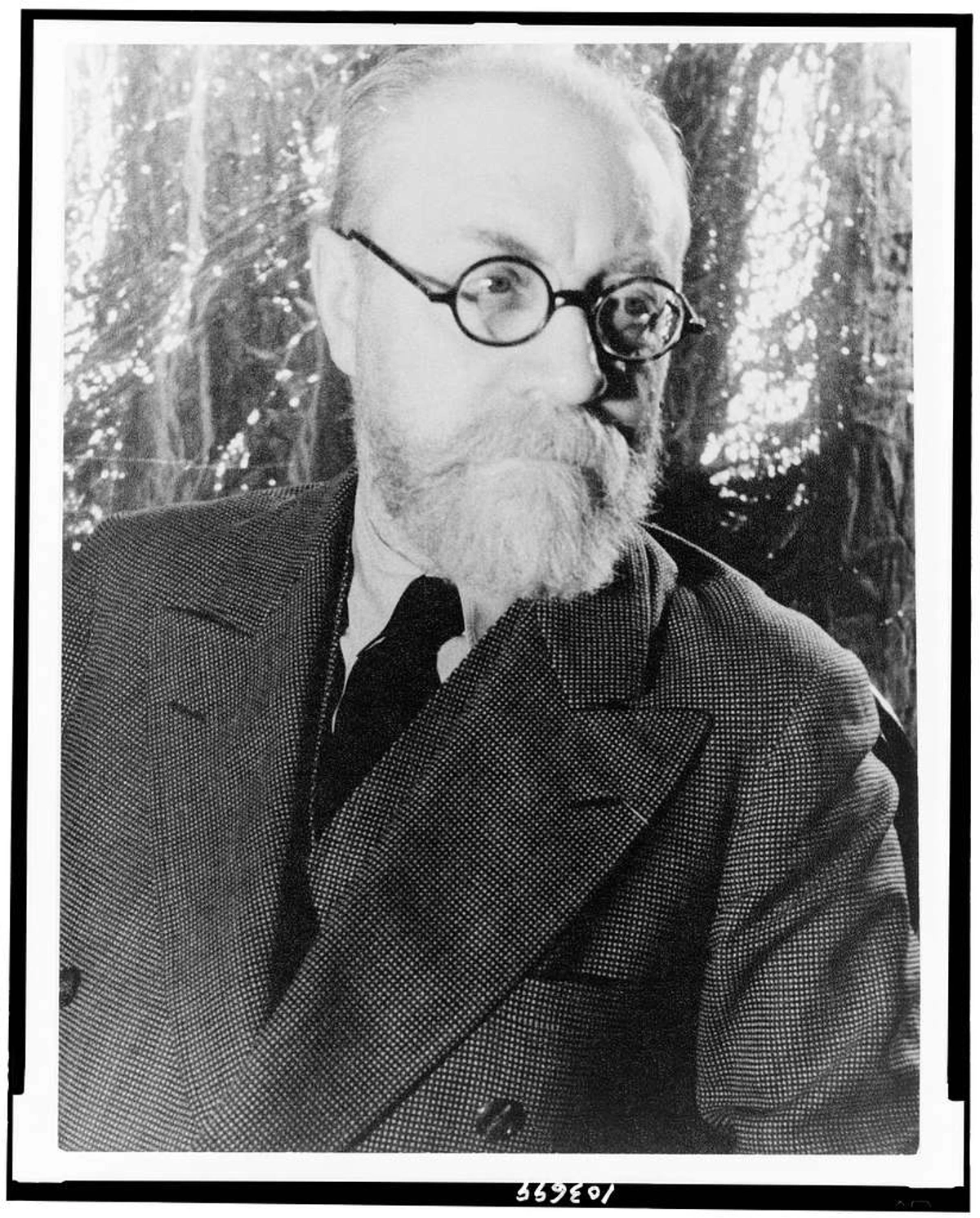
The philosophical implications were profound. By adopting soft focus, pictorialist photographers were declaring that the camera could lie - beautifully, expressively, and legitimately. They were moving photography from the realm of objective fact to subjective experience.
Gum Bichromate: When Photographs Become Paintings
The gum bichromate process represented perhaps the ultimate pictorialist statement: photography that could be literally painted onto paper. Here's how it worked:
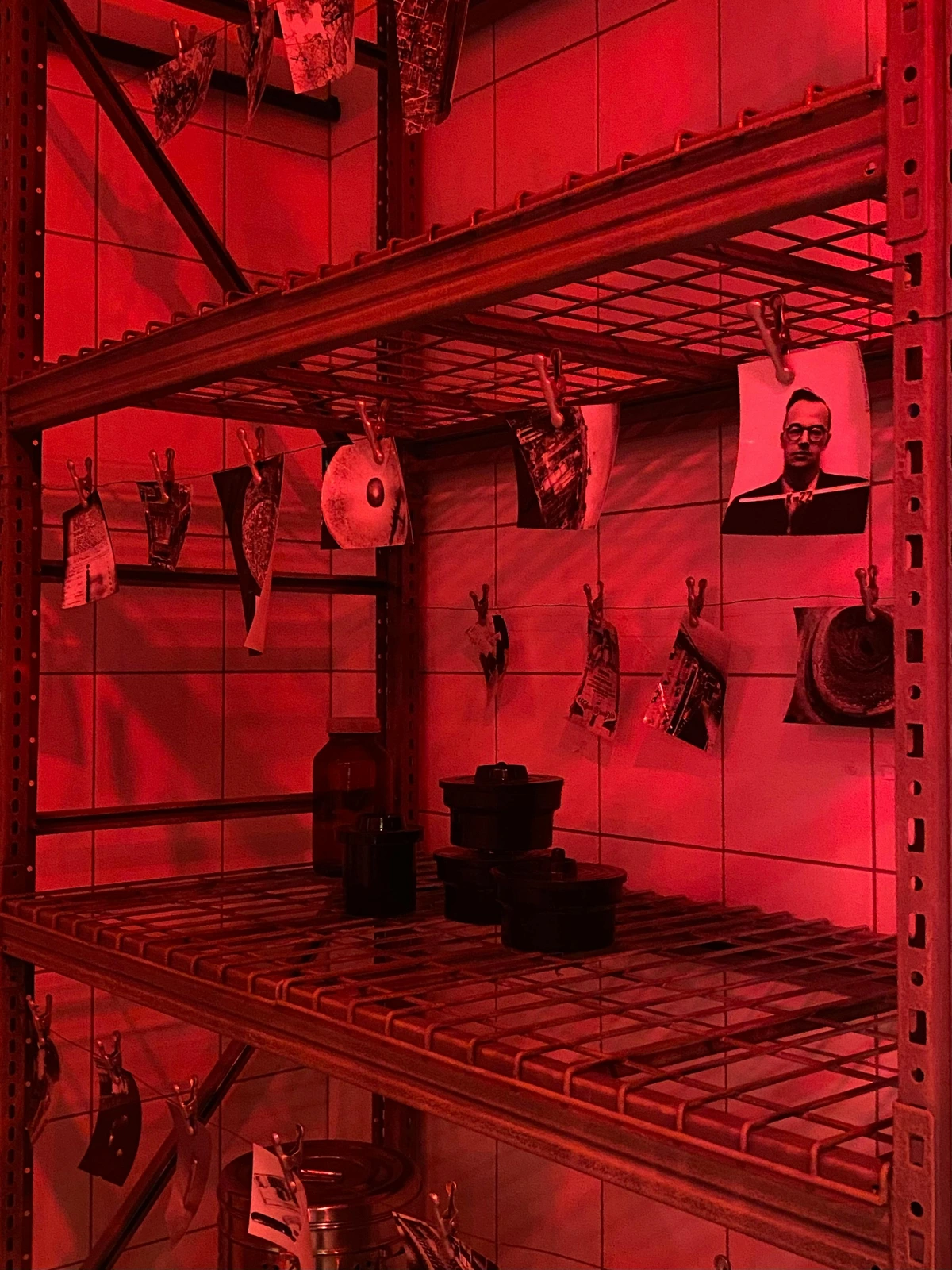
- A light-sensitive solution of gum arabic and potassium dichromate was mixed with watercolor pigment
- This mixture was brushed onto paper (the brushstrokes often remained visible)
- A negative was placed over the coated paper and exposed to light
- The exposed print was developed in water, which dissolved the unhardened gum and pigment
The revolutionary aspect was that photographers could repeat this process, building up multiple layers of different colors and densities - exactly like a painter working in glazes. Each print was unique because each application of pigment was done by hand.
The gum bichromate process blurred the line between photography and painting more completely than any other technique. Not surprisingly, it was both beloved by pictorialist photographers and attacked by traditionalists as "not really photography." For Stieglitz and his followers, that was precisely the point - they were creating a new art form that combined the best of photography and painting.
Platinum Printing: The Aristocrat of Photographic Processes
Platinum printing, which Stieglitz used extensively in his early work, was photography's equivalent of artist-grade oil paints on museum-quality canvas. The process, invented in the 1870s, used platinum salts rather than the silver salts found in standard photographic papers.
Why platinum? The results were extraordinary - images with rich, subtle tonal gradations, particularly in the shadows and mid-tones. Platinum prints had a matte, non-reflective surface that looked more like charcoal drawings than conventional photographs. They were also exceptionally permanent, resistant to fading and deterioration.
The catch? Platinum was expensive, making platinum prints more costly to produce than silver prints. This economic reality reinforced the idea that photography could be a luxury art form, worthy of being collected and preserved like fine prints or drawings.
Today, vintage platinum prints by photographers like Stieglitz command extraordinary prices at auction, proving that these early pictorialist arguments about photography's artistic value were ultimately successful.
Photogravure: Photography and Printmaking Collide
Photogravure was perhaps the most technically demanding pictorialist process, but it produced results that were second to none in terms of tonal richness and permanence. The process is fascinating:
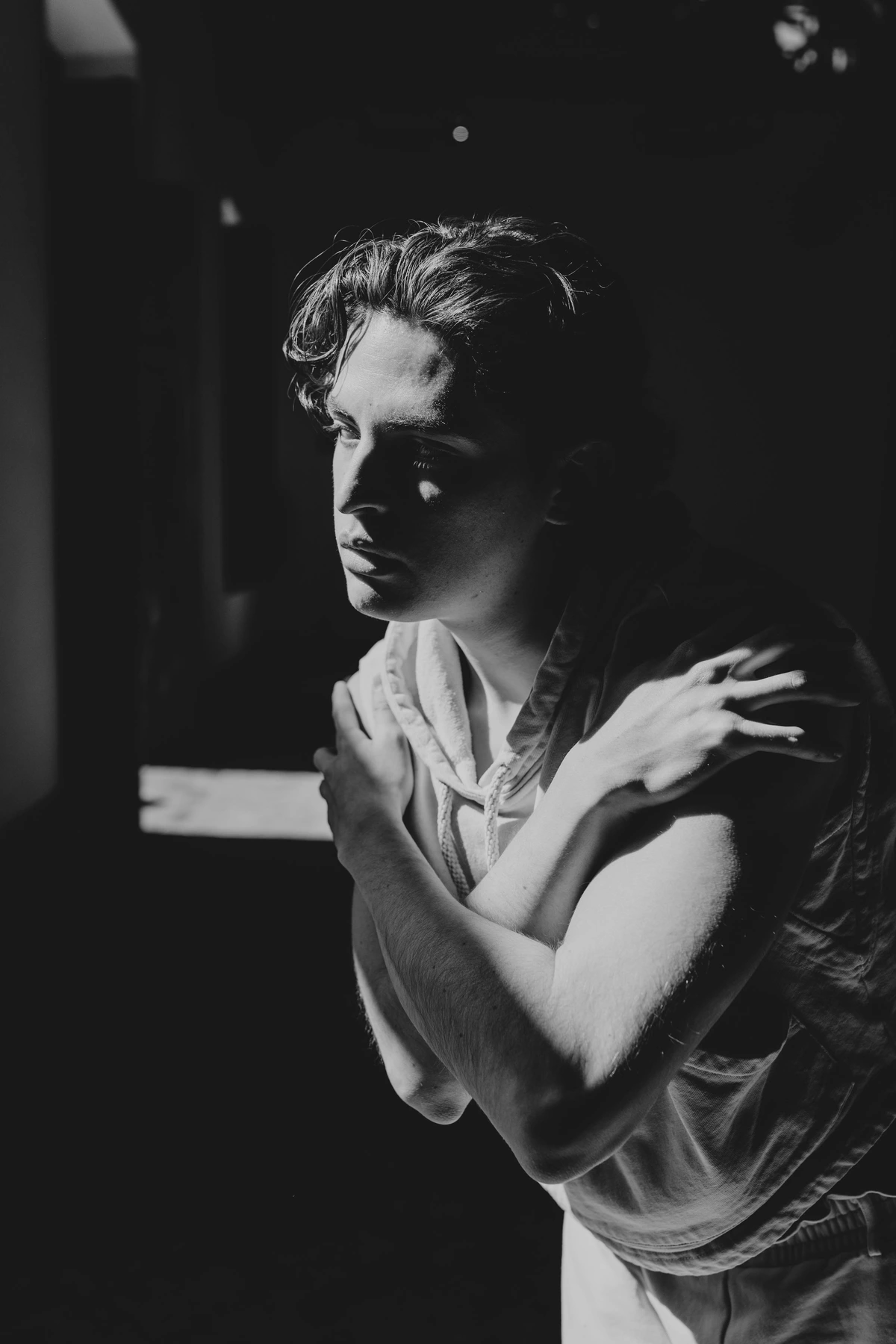
- A photographic positive is contact-printed onto a special film called carbon tissue
- This is transferred to a copper plate and etched with chemicals
- The etched plate can then be inked and printed on an etching press
Each final image is an original print pulled from an etched plate - exactly like an etching or engraving, but with photographic origins. The process beautifully preserved the tonal range of the original negative while giving it the rich, inky blacks and subtle surface characteristics of fine art prints.
The challenging part is creating perfect prints. After etching, the copper plates must be carefully inked and wiped - properly executing this step requires the skill and experience of a master printer. And because every plate is printed by hand, each photogravure print is subtly unique, carrying the marks of the printer's individual craftsmanship.
For pictorialist photographers, photogravure represented the perfect marriage of photographic technology and traditional printmaking craftsmanship. It allowed them to create photographic images while displaying the same manual skill that painters and printmakers had traditionally valued.
The Great Debate: Man versus Machine
You might be thinking: "Isn't this just cheating?" Well, that was the argument that nearly tore photography apart! Traditionalists argued that photography's virtue lay in its mechanical truth - that the camera was a scientific instrument, not an artist's brush. But Pictorialists countered that all art involves interpretation. You don't accuse a painter of cheating because they didn't reproduce reality exactly as it appeared. So why hold photographers to a different standard?
The debate reached its peak in camera club competitions where strict rules governed what counted as legitimate photography:
- No hand manipulation: Prints could not be altered after processing
- Natural color only: No artificial coloring or toning
- Standard printing methods: Only conventional silver gelatin printing allowed
- Sharp focus required: Soft focus considered technical failure
- No composite printing: Multiple negatives couldn't be combined
Pictorialist photographers deliberately violated every one of these rules, not as technical shortcuts but as artistic statements. Their position was that restricting photography to pure mechanical reproduction was like forcing painters to work only with neutral colors or forbidding composers from using certain instruments. Art requires freedom, and photography was art.
What made this debate so fierce was that both sides were partly right. Traditionalists correctly understood that photography's unique power came from its connection to reality - its ability to record what was actually there. But pictorialists were equally right that art requires interpretation and that excluding photography from artistic freedom was arbitrary and unfair.
Ultimately, history proved both sides right in different ways. The pictorialist argument that photography could be art became universally accepted, but the traditionalist insistence on photography's documentary power also proved essential to the medium's development. Modern photography accommodates both views - we accept that photography can be purely documentary or wildly interpretive, and that both approaches are legitimate.
But in 1900, this synthesis was still decades away. The immediate effect of the pictorialist rebellion was a schism that would reshape photography for generations. It was a battle not just about technique but about photography's fundamental identity and destiny as an art form.
The arguments made by Stieglitz and his contemporaries established the philosophical foundation for all subsequent debates about photographic truth, manipulation, and artistic freedom - including contemporary discussions about Photoshop, digital manipulation, and AI-generated imagery. Every time we debate whether a heavily edited photograph "counts" as real photography, we're replaying the great pictorialist debate of over a century ago.
Here's where it gets interesting: these techniques weren't just about aesthetics. They were a direct rebellion against the Industrial Revolution's obsession with machine perfection. By deliberately reintroducing the human hand - with all its imperfections and idiosyncrasies - these photographers were making a statement: beauty doesn't live in technical accuracy alone. It lives in emotional resonance. Sound familiar? It's the same argument we have today about Photoshop, Instagram filters, and now AI-generated images. The tools change, but the philosophy remains remarkably constant.
Parallel Battles: Arts and Crafts, Art Nouveau, and Anti-Industrialism
The pictorialist rebellion against mechanical perfection didn't happen in isolation. It was part of a broader cultural rejection of industrial-era values that swept across Europe and America in the late 19th century.
The Arts and Crafts Movement, led by figures like William Morris in England, argued that industrial mass production had destroyed the connection between workers and their work, resulting in soulless, poorly made goods. They championed a return to hand craftsmanship, arguing that objects made by skilled artisans carried an intrinsic value that factory-made goods could never possess.
Art Nouveau designers rejected the stiff, mechanical regularity of Victorian style in favor of flowing, organic forms inspired by nature. They wanted art and design to feel alive and natural rather than machine-perfect.
Pictorialist photographers were making essentially the same argument. The photographic establishment wanted technically perfect images that demonstrated mastery of the mechanical process. Pictorialists wanted artistically expressive images that demonstrated mastery of artistic vision. By deliberately introducing handwork and visible signs of human intervention, they were aligning photography with broader cultural movements that valued human expression over mechanical perfection.
This parallel has fascinating implications for understanding photography's place in art history. Photography is often seen as the most modern, technological art form, but its acceptance as fine art actually depended on connecting it with much older traditions of hand craftsmanship. Pictorialist photographers weren't just making photographs; they were making the case that photography belonged to the world of art, not just to the world of technology.
The Maker's Mark: Evidence of the Artist's Hand
One of the most radical aspects of pictorialist practice was their insistence on making the artist's hand visible. In gum bichromate prints, the brushstrokes were often left deliberately visible. In platinum prints, the paper texture was chosen to be prominent. In hand-manipulated prints, the evidence of drawing or pigment application was meant to be seen, not hidden.
This was the exact opposite of traditional photographic practice, where the ideal was an image that seemed to have appeared by magic, without any human intervention in the printing process. Pictorialist photographers wanted viewers to see and appreciate the labor, skill, and artistic decisions that went into making each print.
This attitude connects pictorialist photography to contemporary art practices that emphasize process and materiality. When contemporary artists like Jackson Pollock made gestural paintings that emphasized the physical act of painting, or when ceramics artists deliberately leave finger marks visible in their work, they're following the same philosophical impulse that drove pictorialist photographers to leave their brushstrokes visible.
The pictorialist insistence on the artist's hand also connects to contemporary discussions about authenticity and authorship in the age of AI and digital reproduction. When we value hand-made objects over mass-produced ones, when we pay premiums for original prints rather than digital reproductions, when we debate whether AI-generated images can be considered art, we're grappling with the same fundamental questions that motivated pictorialist photographers over a century ago.
This philosophical connection makes pictorialism feel remarkably contemporary despite being over a century old. The movement may have used 19th-century technology, but its core concerns about artistic authenticity, the meaning of handmade craft in an age of mechanical reproduction, and the relationship between art and technology feel thoroughly modern.
Stieglitz's Masterclass: Seeing Beyond the Surface
Stieglitz didn't just practice Pictorialism; he defined it. His most [famous work](/finder/page/famous abstract art), The Steerage (1907), started life as a pictorialist vision before becoming arguably the first truly modern photograph. But let's talk about his earlier pictorialist masterpieces that changed everything.
Winter, Fifth Avenue (1893): Pictorialism Meets Urban Reality
This photograph represents a perfect marriage of pictorialist technique and documentary content. Taken during a blizzard in Manhattan, it shows horse-drawn carriages moving through deep snow on Fifth Avenue. The falling snow creates a natural soft-focus effect, blurring details and giving the scene an almost otherworldly atmosphere.

What makes this photograph remarkable is how Stieglitz balanced sharpness and softness. The closest carriage is relatively sharp, grounding the image in reality, while the receding street becomes progressively softer, creating a sense of depth and mystery. The composition is carefully constructed - the diagonal line of the street leads the eye into the distance while the snowy ground creates a unifying visual field.
Most importantly, this photograph proved that pictorialist techniques could be applied to everyday contemporary subjects. You didn't need romantic landscapes or picturesque ruins to create pictorialist poetry; you could find it in the middle of a New York snowstorm. This connection of pictorialist aesthetics with modern urban life would become increasingly important in Stieglitz's later work.
The Terminal (1892): Capturing Fleeting Moments
Taken the year before Winter, Fifth Avenue, this photograph shows a horse-drawn streetcar in a New York snowstorm. What made it revolutionary was Stieglitz's use of a hand-held camera to capture a fleeting moment in challenging conditions.
For pictorialist photography, this was groundbreaking. Most pictorialist work involved careful posing, controlled lighting, and deliberate, slow processes. Stieglitz proved that pictorialist aesthetics could be applied to spontaneous, unposed moments captured with modern camera technology.
The photograph's composition is masterful - the receding streetcar creates dynamic diagonal lines while the snow and steam create atmospheric effects that feel both real and dreamlike. Stieglitz was demonstrating that pictorialist photography didn't have to imitate painting's slow, deliberate processes; it could embrace photography's unique ability to capture fleeting moments while still achieving painterly beauty.
This photograph also reveals Stieglitz's gradual shift from pure pictorialism toward the straight photography he would later champion. While still employing pictorialist techniques, The Terminal shows increasing respect for photography's documentary power and unique characteristics as a medium distinct from painting.
The Hand of Man (1902): Technology as Subject
This remarkable photograph shows a steam locomotive passing under a bridge at night, its steam illuminated by the train's own headlight. It's a thoroughly modern subject - industrial technology in the modern city - treated with pictorialist sensitivity to light, atmosphere, and composition.
What makes this photograph significant is how Stieglitz found pictorial beauty in industrial modernity. Unlike many pictorialist photographers who preferred nostalgic or rustic subjects, Stieglitz was increasingly interested in photography's relationship to modern life. The steam, smoke, and artificial light create the kind of atmospheric effects pictorialists typically achieved through soft focus and printing techniques - but here they emerge naturally from the subject itself.
This photograph marks a crucial turning point. Stieglitz is still working within the pictorialist tradition, but he's discovering that modern life itself - with its new technologies, urban environments, and artificial illumination - can provide the poetic atmosphere that earlier pictorialists had to create through technical manipulation.
This realization would eventually lead Stieglitz away from pictorialism and toward straight photography. But it's important to understand that this wasn't a rejection of pictorialist goals so much as the discovery of new ways to achieve them. Stieglitz was learning that photography could be both modern and poetic, both technologically advanced and artistically expressive.
The Flatiron (1903): Modern Architecture as Art
Stieglitz's photograph of the Flatiron Building, taken in 1903, shows his growing interest in modern architecture as a subject for art photography. The massive triangular building, then one of New York's tallest structures, is photographed through atmospheric conditions that echo pictorialist techniques - soft focus, atmospheric diffusion, and emphasis on mood over sharp detail.
By choosing to photograph this controversial new building rather than more traditional picturesque subjects, Stieglitz was making a statement about photography's relationship to modernity. He was claiming that the modern city - with its skyscrapers, bridges, and industrial infrastructure - was as worthy a subject for art photography as the pastoral landscapes and classical ruins favored by traditional pictorialists.
This photograph also shows Stieglitz's increasing mastery of photography's unique characteristics. Rather than imitating painting, he was beginning to explore what only photography could do - capture the fleeting effects of weather and light on modern architecture, preserve the specifics of a particular moment while transforming them into something timeless.
From Picturesque to Modern: A Gradual Evolution
The evolution from Winter, Fifth Avenue (1893) to The Flatiron (1903) to The Steerage (1907) shows Stieglitz gradually moving away from pure pictorialism while retaining pictorialist goals. He never abandoned the idea that photography should be expressive and emotionally resonant. What changed was his understanding of how to achieve these goals - moving from deliberate soft-focus techniques to discovering that modern life itself, with its unique atmospheric and lighting conditions, could provide the poetic effects that earlier pictorialists had achieved through technical manipulation.
Stieglitz discovered that photography didn't need to imitate painting to be art. Instead, photography could be a uniquely artistic medium with its own special characteristics. The camera's ability to quickly capture fleeting moments, record details invisible to the eye, and document contemporary life could itself be a source of artistic power.
This evolution wasn't unique to Stieglitz - it was happening throughout the photographic world. As technology improved and cameras became more portable and easier to use, photographers increasingly discovered that photography's unique characteristics offered more artistic possibilities than techniques borrowed from painting. By the 1910s and 1920s, this realization would lead to the emergence of straight photography and modernism.
The Georgia O'Keeffe Portraits: Where Pictorialism and Modernism Meet
Stieglitz's extensive series of portraits of Georgia O'Keeffe, begun in 1917, represent perhaps the most complete synthesis of his pictorialist training and his modernist evolution. These photographs employ all the tonal richness and expressive printing techniques Stieglitz had developed as a pictorialist, but they feel unmistakably modern in their directness and psychological intensity.
The O'Keeffe portraits are intimate, sensual, and psychologically penetrating. Stieglitz uses soft focus not to create dreamlike atmosphere but to suggest emotional and psychological depth. The velvety blacks and subtle tonal gradations of his platinum prints create a sense of intimacy that feels both modern and timeless.
What makes these photographs so significant is how they demonstrate that pictorialist techniques could be adapted to modernist purposes. Stieglitz wasn't interested in imitating painting anymore, but he retained everything he had learned about printing, tonality, and creating emotional atmosphere. The result was photography that was both modern and deeply expressive.
Beyond their technical achievement, the O'Keeffe portraits marked a crucial moment in the history of photographic art. They proved definitively that photography could achieve the psychological depth and emotional power that had previously been associated only with painting and drawing. When museums and collectors began accepting photography as fine art in the 1920s and 1930s, it was work like Stieglitz's O'Keeffe portraits that made the case most persuasively.
Stieglitz's evolution from pictorialism to modernism wasn't a rejection of his early work so much as a maturation of his artistic vision. He never stopped believing that photography could be as expressive and emotionally powerful as any other art form. He simply discovered increasingly sophisticated ways to achieve those goals while respecting photography's unique characteristics. The pictorialist emphasis on emotional expression and the modernist emphasis on photographic specificity weren't opposites - they were different stages in the same ongoing project of establishing photography as fine art.
Then there's his portraits. Look at how he portrays Georgia O'Keeffe - less a photograph, more a visual symphony. He uses platinum printing to achieve those velvety blacks and dreamy mid-tones, making her seem both present and ethereal. It's no wonder she called him "the only one who photographed me as I am."
The Camera Club Wars: Defending Artistic Freedom
Here's where it gets juicy. Stieglitz basically declared war on the establishment photography scene. While the Photo-Secession movement he founded was creating breathtaking works, the camera clubs were busy hosting strict competitions with rules like "no hand manipulation allowed." They wanted photography to be "pure." Stieglitz called them "reactionary amateurs."
The Decline and Legacy of the Photo-Secession
By the time the United States entered World War I in 1917, the Photo-Secession was essentially over. Stieglitz closed both Gallery 291 and Camera Work, ending the institutional infrastructure that had supported the movement for fifteen years. But the Photo-Secession's ending wasn't a failure - it was a natural evolution as photography moved from rebellion to acceptance.
The movement had achieved virtually all its goals:
- Photography was widely accepted as a legitimate fine art
- Major museums were beginning to collect and exhibit photographs
- A critical discourse had developed to discuss photography as art
- Photography had its own institutions separate from camera clubs
- Photographers enjoyed the same artistic freedom as painters and sculptors
The Photo-Secession had succeeded so completely that it had made itself unnecessary. Photography didn't need a rebel movement anymore because it had achieved mainstream acceptance as fine art.
But the movement's influence went far beyond its immediate achievements. The Photo-Secession established a model for how new art forms could achieve mainstream acceptance by creating their own institutions, critical frameworks, and cultural conversations. This model would be followed by subsequent art movements throughout the 20th century.
The Photo-Secession also established photography's dual nature - its ability to be both documentary and expressive, both factual and interpretive. This fundamental insight would influence photography throughout the 20th century and beyond.
From Pictorialism to Modernism: Photography's Great Transformation
The story of photography between roughly 1910 and 1930 reads like a family drama - a revolution within a revolution where one generation's breakthroughs became the next generation's limitations. If Pictorialism was photography's adolescent rebellion against being treated as mere documentation, modernism was its maturation into confidence about its own unique capabilities.
This transition wasn't just about changing techniques or aesthetic preferences. It reflected deeper shifts in how artists understood photography's essential nature and its relationship to modernity itself.
The period between roughly 1910 and 1930 witnessed one of the most dramatic stylistic shifts in art history - a transition as significant as the shift from Renaissance to Baroque painting, or from Impressionism to Cubism. Photography moved decisively away from the soft-focus, painterly aesthetics of Pictorialism and toward the sharp-focused, geometrically precise approach that would define modernist photography. But this wasn't just about changing fashions; it reflected deeper shifts in society, technology, and how artists understood photography's essential nature.
The Rise of Straight Photography
"Straight photography" is a deceptively simple term for a complex and revolutionary idea. At its heart was the principle that photography should capitalize on its unique characteristics - sharp focus, fine detail, the ability to capture fleeting moments, the camera's distinctive way of seeing the world - rather than trying to imitate painting. Where pictorialists had sought to make photography more like painting, straight photographers argued that photography should be more like photography.
The straight photography movement argued that:
- Sharp Focus and Technical Precision: Photographs should be sharp and clearly focused throughout, demonstrating technical mastery and respect for the camera's unique characteristics
- Minimal Manipulation: Manipulation should be minimal or non-existent during both exposure and printing; the artist's vision should be expressed through selection and composition rather than handwork
- Straightforward Printing: The printing process should be straightforward and respectful of photographic materials, without complex artist interventions that imitated other media
- Unique Documentary Power: Photography's uniqueness lay in its ability to record reality in unprecedented detail and with mechanical objectivity that other art forms couldn't match
- Contemporary Subject Matter: The subject matter should be contemporary and real rather than nostalgic or staged, reflecting modern life in all its complexity and energy
- Geometric Clarity: Composition should emphasize clean lines, geometric forms, and the kind of visual clarity that only photography could achieve in its sharpest mode
This represented a complete reversal of pictorialist principles. Where pictorialists had celebrated soft focus and hand manipulation, straight photographers valued technical precision and minimal intervention. Where pictorialists had created dreamlike, atmospheric images, straight photographers sought clarity and directness.
Paul Strand: The Young Revolutionary
The key figure in photography's transition from Pictorialism to modernism was Paul Strand, a young photographer who began his career as a pictorialist but quickly rejected its principles in favor of more direct approaches.
Strand's revolutionary 1917 photograph Wall Street shows the new aesthetic clearly. The photograph captures pedestrians walking past the massive columns of the Morgan Bank building, their shadows stretched by morning light. The image is sharp-focused and geometrically composed, with no manipulation or soft-focus effects. Yet it's also intensely emotional and atmospheric, suggesting the alienating scale of modern finance.
Strand proved that photography didn't need pictorialist techniques to achieve emotional power and artistic significance. Sharp-focus photography could be just as expressive as soft-focus work - sometimes more so.
Stieglitz recognized Strand's importance immediately, featuring his work in the final issues of Camera Work and championing his cause. The student had become the teacher, and Stieglitz had the wisdom to recognize it.
The Influence of European Modernism
The shift from Pictorialism to straight photography wasn't happening in isolation. Across Europe, similar changes were underway as photographers like:
- László Moholy-Nagy in Germany explored photography's modernist potential
- Man Ray in Paris experimented with surrealist photography
- Aleksandr Rodchenko in Russia used photography for revolutionary propaganda
These European modernists were even more radical than their American counterparts, embracing photography's mechanical character and exploring completely new ways of seeing. Their influence spread through exhibitions, publications, and the emigration of European artists to America during the 1930s.
The European influence helped American photographers understand that modernism wasn't just a rejection of Pictorialism but an embrace of photography's unique relationship to modernity - its ability to capture the speed, scale, and visual complexity of modern life in ways that traditional art forms could not. European photographers were exploring radical new approaches: unusual camera angles that emphasized the dynamic experience of modern architecture, photomontage techniques that created surreal juxtapositions, and abstract photography that treated light and shadow as pure forms rather than as descriptions of objects.
Group f/64 and the West Coast Revolution
In 1932, a group of California photographers formed Group f/64 to champion straight photography and reject pictorialist techniques. The group's name referred to the smallest camera aperture, which produces maximum sharpness and depth of field - a clear statement of their aesthetic principles.
Key members included:
- Ansel Adams - whose sharply focused landscape photography would become the most famous example of straight photography
- Edward Weston - known for his precise, sensual studies of natural forms
- Imogen Cunningham - whose botanical photographs combined scientific precision with artistic beauty
- Willard Van Dyke - the group's youngest member and an important documentary photographer
Group f/64 believed that photography's unique power lay in its ability to render reality with extreme precision and detail. They rejected pictorialist soft focus and manipulation, arguing that these techniques betrayed photography's essential character.
The group's 1932 exhibition at San Francisco's M.H. de Young Memorial Museum drew large crowds and sparked intense debate. Critics attacked their work as cold, mechanical, and lacking in artistic feeling, while supporters praised its clarity and truthfulness. The controversy was remarkably similar to earlier debates about pictorialism, but with the positions reversed.
Group f/64 represented the final triumph of straight photography over Pictorialism. But the ultimate irony - and proof of the pictorialist legacy - was that Group f/64's members were eventually accepted as serious artists by the same museums and collectors who had earlier championed pictorialist work. The battle wasn't really between photography and art; it was between different conceptions of what photographic art could be.
Stieglitz's Own Evolution
What makes Stieglitz's relationship to this transition so fascinating is that he himself was evolving away from pictorialism just as younger photographers were rejecting it entirely. By 1920, Stieglitz was making his own straight photography - sharp-focused studies of clouds, New York City, and the landscape around his family's summer home in Lake George, New York.
His "Equivalents" series - photographs of clouds taken between 1925 and 1934 - represents perhaps the most complete realization of his mature photographic vision. These are straight photographs - sharp-focused, unmanipulated, technically precise - yet they're also deeply emotional and expressive. Stieglitz called them "Equivalents" because they were meant to be equivalent to his inner emotional states - visual metaphors for feelings, thoughts, and spiritual experiences that couldn't be put into words. They proved that photography could be both modern and deeply personal, both technically precise and emotionally expressive, without any contradiction. Stieglitz was exploring how photography could express inner states through external forms, achieving through selection and composition what pictorialists had achieved through technical manipulation.
The "Equivalents" proved that photography could be both modern and deeply personal, both technically precise and emotionally expressive. They represented Stieglitz's final answer to the question that had driven his entire career: how could photography be recognized as fine art while remaining true to its unique characteristics?
Stieglitz's evolution from pictorialism to modernism was complete, but it had taken him fifty years to get there. Along the way, he had not only transformed his own artistic practice but fundamentally changed how the world understood photography.
Why Modernism Won: Technology, Society, and Changing Tastes
The triumph of modernism over Pictorialism wasn't just about artistic preferences. It reflected broader changes in technology, society, and cultural attitudes:
- Technological advancement: Cameras became smaller, faster, and more portable. Film became more sensitive and reliable. These changes made it easier to achieve sharp, well-exposed photographs without elaborate preparation
- The 35mm revolution: The introduction of 35mm cameras in the 1920s allowed photographers to work spontaneously and capture fleeting moments in a way that had been impossible with earlier equipment
- Modernist aesthetics: The broader modern art movement valued clarity, precision, and functionalism over romanticism and decoration
- Changing social attitudes: As society became more urban, industrial, and fast-paced, the nostalgic, atmospheric quality of pictorialist photography seemed increasingly disconnected from contemporary experience
- Economic factors: The rise of professional photojournalism and commercial photography created demand for sharp, clear, reproducible images
By the 1930s, pictorialist techniques seemed not just old-fashioned but fundamentally opposed to photography's essential character. Modernist photographers had successfully argued that sharp-focused, unmanipulated photography could achieve the same artistic power as pictorialist work while being truer to the medium's unique characteristics.
The triumph of straight photography also reflected a broader cultural shift toward accepting photography on its own terms. As photography became more integrated into modern life - in newspapers, magazines, advertising, and personal documentation - its unique characteristics became more valued and understood. Photography didn't need to imitate painting anymore because it had established its own artistic identity.

Pictorialism's Underground Survival
Despite the triumph of modernism, pictorialism never completely disappeared. Instead, it went underground, continuing to influence photography in less obvious ways:
- Commercial and portrait photography: Soft-focus techniques remained popular in portrait and wedding photography throughout the 20th century
- Artistic revivals: Periodic revivals of interest in pictorialist techniques occurred, particularly in the 1960s and 1970s as part of the broader craft movement
- Alternative process photography: The revival of interest in historical photographic processes in the late 20th century brought renewed attention to gum bichromate, platinum printing, and other pictorialist techniques
- Philosophical influence: Even photographers who used sharp-focus techniques often maintained the pictorialist belief that photography should be expressive and emotionally resonant
The most interesting survival of pictorialism might be in the work of photographers who used sharp-focus techniques but maintained pictorialist goals. Ansel Adams's landscape photography, while technically precise, often achieved the same emotional and atmospheric effects that pictorialists had sought through different means, sometimes with even greater emotional power than pictorialist techniques might have allowed.
Adams was deeply influenced by Stieglitz's work and philosophy, yet he chose to work in straight photography rather than pictorialism. Why? Because he believed that photography's unique characteristics - its ability to reveal details and perspectives that humans couldn't see, its precision in rendering tonal relationships, its power to capture fleeting moments of light and atmosphere - were more powerful artistic tools than pictorialism's painterly effects. The Zone System that Adams developed with Fred Archer was essentially a way to achieve systematic technical control that would allow photographers to express their artistic vision through straight photographic means rather than manipulation.
The techniques changed, but the fundamental goals often remained constant. Both pictorialist and modernist photographers believed that photography could be emotionally expressive and artistically significant. They both rejected the idea that photography should be purely documentary or mechanical. They just had very different ideas about how to achieve these goals - pictorialists through manipulation and painterly effects, modernists through straight photography and technical mastery.
The Broader Legacy: Photography as Art
The most important legacy of the pictoralist-modernist transition wasn't about which techniques won or lost, but about establishing photography as a legitimate fine art with its own institutions, critical discourse, and cultural significance. By the 1930s, thanks largely to Stieglitz's efforts and the Photo-Secession's influence, photography was fully accepted as fine art by:
- Major museums establishing photography departments
- Art schools offering photography instruction
- Serious art collectors acquiring photographic prints
- Art critics treating photography seriously
- Publishers producing high-quality photography books
This institutional acceptance created the foundation for all subsequent developments in art photography. Without the battles fought by Stieglitz and his contemporaries, the explosion of creative photography in the second half of the 20th century would have been impossible. Contemporary art photography, from Cindy Sherman's staged self-portraits to Andreas Gursky's monumental digital compositions, ultimately rests on the foundation that the Photo-Secession established.
The transition from pictorialism to modernism also established a fundamental tension that has driven photography ever since - the tension between photography as truthful documentation and photography as expressive art. This tension hasn't been resolved so much as accepted as essential to photography's identity. We now understand that photography can be both, sometimes simultaneously, and that this dual nature is part of what makes it such a powerful and compelling medium.

Why Does All This History Matter? Pictorialism's Contemporary Relevance
Here's the uncomfortable truth that no one wants to admit: we're still fighting the same battles that Stieglitz fought over a century ago. The technology has changed beyond recognition - we're debating Photoshop and AI instead of gum bichromate and soft-focus lenses - but the fundamental questions haven't changed at all.
So why should anyone care about a 19th-century photographic movement in the age of Instagram, Photoshop, and AI-generated imagery? Well, as it turns out, the questions that tormented Stieglitz and his contemporaries are remarkably similar to the questions that occupy us today when we think about photography and visual culture.
The Eternal Return: Photography's Ongoing Identity Crisis
The debates that divided pictorialists and their opponents have never really ended; they've just evolved with changing technologies and cultural contexts. Consider these contemporary parallels:
Photoshop and Digital Manipulation: When photographers in the 1890s smeared petroleum jelly on their lenses to create soft-focus effects, traditionalists accused them of "cheating" and betraying photography's documentary mission. Today, when photographers use Photoshop to manipulate their images, the same accusations are leveled. The debate hasn't changed much in over a century - we're still arguing about where to draw the line between legitimate artistic expression and unacceptable manipulation.
Instagram Filters and Snapshot Aesthetics: Every time someone applies a vintage filter to their smartphone photo, they're participating in a pictorialist tradition. The impulse to make photographs look older, softer, or more atmospheric connects directly to pictorialist goals of creating emotional resonance rather than just showing reality. Those moody, softly focused Instagram photos of coffee cups and sunsets? They're pictorialism for the digital age.
AI-Generated Images: The current debate about whether AI-generated images can be considered art echoes the 19th-century debate about photography's artistic legitimacy. Traditionalists argue that art requires human agency and intentionality, while advocates point to centuries of artists using tools and assistants. Stieglitz faced the same arguments when critics claimed photography couldn't be art because it required a machine rather than just human skill.
I think there's something deeper going on here - something about how human beings relate to technology more generally. The pictorialist debate wasn't really about photography; it was about whether machines could be tools for human expression rather than just replacements for human labor. It was about whether technology could serve human creativity rather than just human convenience.
Every major technological shift since has raised similar questions. When synthesizers were invented, musicians debated whether electronic music could be as emotionally expressive as acoustic. When digital audio workstations became powerful enough to manipulate recordings extensively, people debated whether digitally edited musical performances were "authentic." When computer-generated imagery first appeared in film, people debated whether it could be as artistically valid as practical effects. And now we're having the same debates about AI-generated art that photographers had about pictorialism.
The persistence of these debates suggests that we're grappling with something fundamental about the relationship between human intention and technological mediation. How much machine intervention is acceptable before art stops feeling human? How much technical perfection is desirable before it starts feeling sterile? How much manipulation is legitimate before the image stops feeling "real"? These aren't questions that can be definitively answered; they're tensions that each generation has to navigate in its own way.
Pictorialism and Contemporary Art Practice
Contemporary artists continue to engage with pictorialist concepts, sometimes explicitly and sometimes indirectly:
- Alternative Process Photography: Artists like Sally Mann, Chuck Close, and Adam Fuss have revived historical photographic processes - platinum printing, wet plate collodion, daguerreotypes - that were central to pictorialist practice. Their work shows that these "old-fashioned" techniques can still feel contemporary and relevant.
- Staged Photography: Contemporary artists like Jeff Wall, Gregory Crewdson, and Cindy Sherman create elaborately staged photographic tableaux that owe something to pictorialist photography's emphasis on artistic construction rather than just documentary recording. Like the pictorialists, they create photographs that feel more like paintings or theatrical productions than casual snapshots.
- Digital Manipulation: Artists like Andreas Gursky, Thomas Ruff, and Trevor Paglen use digital technology to create photographs that are both documentary and highly manipulated, continuing the pictorialist tradition of artistic interpretation while embracing contemporary tools.
The contemporary artists working in these traditions aren't simply reviving pictorialism; they're extending its fundamental insights into new technological and cultural contexts. They prove that pictorialism's central insight - that photography can be interpretive and expressive rather than just documentary - remains vital and productive.
The Democratization of Artistic Photography
Perhaps the most significant parallel between the pictorialist era and our own is the democratization of artistic photography. Just as the Photo-Secession fought to establish photography as a legitimate art form, the digital revolution has made artistic photography accessible to millions rather than just a small elite.
The tools have changed dramatically - smartphone cameras instead of view cameras, Instagram filters instead of gum bichromate printing - but some of the underlying impulses remain similar. Amateur photographers today can:
- Apply sophisticated filters and effects that would have required years of technical training in Stieglitz's era
- Share their work with global audiences rather than just local camera clubs
- Access educational resources that teach artistic techniques
- Participate in online communities that support creative development
The result is that millions of people now engage in photography as an artistic practice rather than just as documentation. While most of this work may not achieve museum quality, the sheer scale of creative photographic activity dwarfs anything that existed in the pictorialist era.
This democratization has its own challenges and complications, but it represents a fulfillment of the pictorialist dream that photography could be a legitimate art form available to anyone with vision and dedication rather than just a small group of technically skilled professionals. Yet it also raises questions the pictorialists never had to consider - in a world where billions of images are shared every day, how do we distinguish meaningful artistic expression from casual visual communication, and who gets to make those distinctions?
The irony is almost too perfect: the pictorialists fought to establish photography as fine art, and now that photography is fully accepted as fine art and available to everyone, we're struggling with the opposite problem - how to maintain standards, develop critical frameworks, and preserve the idea that photography can be serious artistic expression in an environment where it's also casual communication, social currency, and commercial promotion. The pictorialists worried that photography wouldn't be taken seriously enough as art; contemporary photographers worry that photography is being taken too seriously, or not seriously enough, or seriously in all the wrong ways.
I find myself thinking about this constantly when I see how photography functions in contemporary culture. The same technology that allows millions of people to explore photography seriously as an art form also makes it nearly impossible for serious photographers to get noticed amid the noise. The tools that enable unprecedented creative possibilities also enable unprecedented mediocrity. This isn't a reason to be pessimistic - quite the opposite, it suggests that photography is a living, evolving medium that continues to generate interesting questions and productive tensions, just as it did when Stieglitz was fighting with camera club traditionalists.

Stieglitz's Enduring Lessons for Contemporary Photographers
What can contemporary photographers learn from Stieglitz's long and complex career? Several lessons seem particularly relevant in our current moment:
- Technical mastery serves artistic vision: Stieglitz was obsessive about mastering photographic technique, but always in service of artistic expression rather than technical perfection for its own sake
- Embrace change while maintaining principles: Stieglitz evolved from pictorialist techniques to modernist approaches, but he never abandoned his core belief that photography could be emotionally expressive and artistically significant
- Build communities and institutions: Stieglitz understood that individual artistic achievement wasn't enough; photography needed institutions, publications, and critical discourse to achieve full acceptance as fine art
- Don't be afraid to challenge conventions: Throughout his career, Stieglitz was willing to take unpopular positions and challenge accepted wisdom in pursuit of his artistic vision
- Connect photography to broader cultural conversations: Stieglitz always saw photography as part of a larger dialogue about art, culture, and modernity rather than as a separate, isolated practice
These lessons feel particularly relevant in an era when photography seems to be undergoing another period of rapid technological transformation and cultural redefinition.
Where Do We Go From Here? Pictorialism's Future Legacy
The most interesting question may be where pictorialism's legacy will lead photography in the future. As we enter an era of AI-generated imagery, computational photography, and increasingly sophisticated digital manipulation, the fundamental questions that animated pictorialism seem more relevant than ever. Will future photographic practice emphasize direct documentary evidence, or will it embrace the interpretive and constructed possibilities that digital technology enables? Will the distinctions between photography, painting, and digital art become increasingly blurred?
History suggests that these questions won't be resolved by choosing one approach and rejecting others. Instead, future photography will likely accommodate multiple approaches, just as contemporary photography encompasses both hyper-realistic documentary work and highly manipulated artistic construction.
The contribution of Stieglitz and the pictorialists was not to provide final answers to these questions, but to establish that photography could be part of these artistic conversations in the first place. Before Stieglitz, photography was seen as a mechanical process separate from the world of art. After Stieglitz, photography was understood as a legitimate art form with its own unique possibilities and challenges.

This redefinition of photography's cultural status may be Stieglitz's most important contribution, and it's one that continues to shape how we think about photography, art, and visual culture today. Contemporary photographers, whether they realize it or not, are still working within the framework that Stieglitz and his fellow pictorialists established over a century ago.
Why Pictorialism Still Captivates Us
We live in an age of hyper-sharp, AI-perfected images. Yet there's something undeniably compelling about "imperfect" photography. Like vinyl records against digital streams, pictorialism's imperfections feel honest and human. The visible brushstrokes on a gum bichromate print? That's the artist's hand making itself felt. The soft focus in a misty landscape? That's emotion trumping resolution.
Stieglitz knew that artistic truth isn't about mechanical perfection. It's about vision. It says something profound that when we scroll through thousands of flawless digital photos daily, we're still drawn to the ones with soul. The ones that feel like they were made, not taken.
Frequently Asked Questions about Pictorialism
Did Pictorialism exist outside America and Europe?
Yes, absolutely. While Pictorialism is most famously associated with Stieglitz and his circle in New York, the movement had international reach that reflected broader global patterns of cultural exchange. In Japan, photographers like Shinzō Fukuhara were creating work that blended Japanese aesthetic principles with pictorialist techniques, often achieving remarkably subtle effects that felt distinctly Eastern. Australian Pictorialists like Harold Cazneaux adapted European pictorialist ideas to Australian landscapes and light conditions. The movement's reach showed that the impulse to establish photography as art was truly global, even if different cultures adapted pictorialist ideas to their own aesthetic traditions.
This international dimension is crucial for understanding the movement's full scope and significance. It wasn't just a rebellion against American camera clubs; it was a global re-imagining of photography's artistic potential.
What's the difference between pictorialism and straight photography?
Pictorialism embraces manipulation to imitate painting - soft focus, hand-coloring, textured printing. Straight photography, championed by photographers like Ansel Adams, emphasizes sharp focus, fine detail, and making the camera the tool without intervening hand-work. Stieglitz actually started as a pictorialist before moving toward straight photography.
Why did pictorialism fade in popularity?
Several reasons: the rise of 35mm cameras made sharp, handheld photography easier; modernist movements like Bauhaus valued functional clarity over romanticism; and photographic materials improved, reducing the need for manipulative techniques. But its artistic principles never truly disappeared.
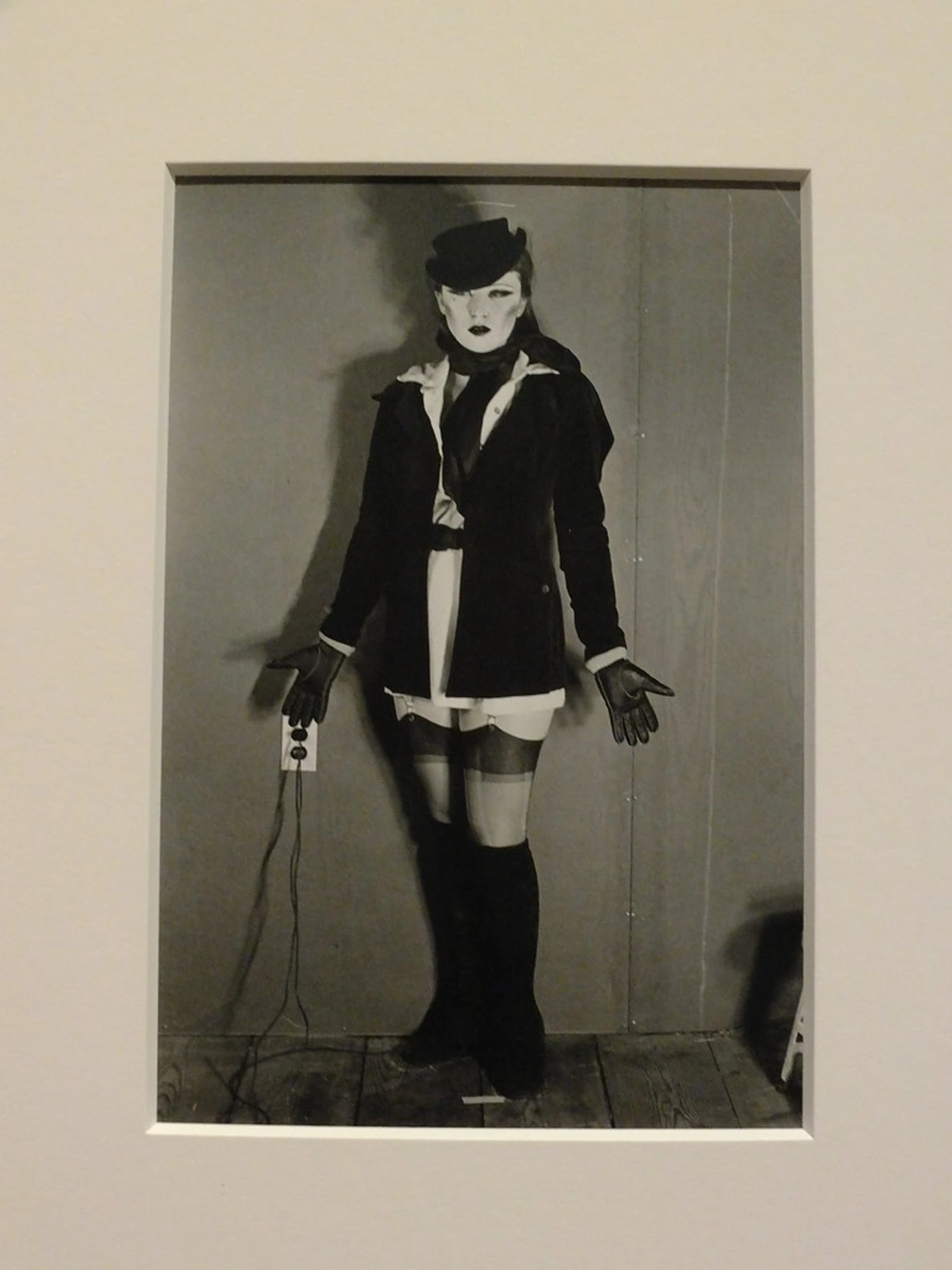
How can I spot pictorialist techniques today?
Look for photos with deliberate softness (especially in portraits and landscapes), matte instead of glossy finishes, unusual color tones (sepia, cyanotypes), and visible evidence of handwork. Photographers like the late Sally Mann still employ pictorialist aesthetics, especially in her evocative portraits.
Was pictorialism only about copying painting?
Not at all! While painters inspired many techniques, pictorialists developed unique photographic aesthetics. They explored new ways of seeing through lenses and created a visual language that was simultaneously photographic and painterly. They didn't just copy art - they expanded what photography could be.
How do museums display pictorialist photography today?
They often treat them like other art objects - carefully controlled lighting, archival framing that protects chemically treated prints, and contextual displays alongside paintings and drawings that influenced the photographers. The tactile qualities are key to experiencing them properly.
Can I still create pictorialist photography today?
Absolutely! In fact, there's never been a better time to explore these techniques. The revival of alternative processes means you can find workshops on gum printing, platinum/palladium, and photogravure at art centers and photography schools across the country. Organizations like photography collectives keep these traditions alive, and you'd be amazed at how many contemporary photographers work exclusively with 19th-century methods.
What excites me is how these historical techniques intersect with contemporary concerns. Artists like Martha Madigan use plant materials in her lumen prints, connecting pictorialist sensibilities with environmental awareness. Others combine digital negatives with platinum printing, proving that old and new technologies can coexist beautifully.
If you want to start exploring, try this: take a photograph that moves you and ask yourself, "What would Stieglitz do?" Would he soften the focus? Would he burnish the tones? Would he print it on handmade paper? You might discover that these "old-fashioned" techniques offer exactly the expressive tools your vision has been craving.
The Invisible Revolution: How Pictorialism Redefined What Photography Could Be
The most revolutionary thing about Pictorialism wasn't the soft-focus effects, the textured papers, or the visible brushstrokes - though those were certainly striking. The most revolutionary thing was how Pictorialism fundamentally changed what photographers believed their medium could be. Before Pictorialism, serious photography largely meant technical proficiency: sharp focus, proper exposure, clear documentation. The pictorialists introduced a radical new idea: technical choices should serve artistic intent, not the other way around.
This might not sound revolutionary today - of course we expect artists to make technical decisions based on their creative vision - but in the 1890s, this was heresy. The photographic establishment believed that technical perfection was the goal, and artistic expression (if it existed at all) had to fit within the boundaries of what the technology could do perfectly.
Pictorialists reversed this completely. They started with their artistic vision and then figured out what technical choices would achieve it. If that meant using soft-focus lenses when everyone else demanded sharpness, so be it. If that meant hand-coloring prints when the establishment insisted on "pure" photography, that was fine. If that meant choosing textured papers that would catch light in particular ways, or using printing processes that allowed visible handwork, then those were the right technical choices.
This shift in thinking opened up possibilities we now take for granted. It created space for photographers to make decisions based on aesthetics rather than just technical requirements. It allowed for personal expression, emotional interpretation, individual vision. It made photography a medium for artists, not just technicians.
But perhaps most importantly, it established photography's dual nature - the idea that photography could be both documentary and expressive, both factual and interpretive, both objective and subjective. This fundamental insight shaped photography throughout the 20th century and continues to influence how we think about photography today.
This shift in thinking opened up possibilities that seem obvious now but were revolutionary at the time. Consider portrait photography: before Pictorialism, portrait photographers aimed for technical perfection - sharp focus, proper lighting, clear representation of the subject's features. Pictorialist photographers introduced the idea that portraits should capture mood and character, that soft focus could suggest psychological depth, that lighting should serve emotional impact rather than just technical requirements.
Or landscape photography: traditional landscape photography documented topography - this mountain, that river, these trees. Pictorialist landscape photography captured atmosphere and mood - the feeling of being in a particular place at a particular time, the emotional experience of landscape rather than just its visual facts. Pictorialist photographers would wait hours for the right light, the right weather conditions, the right atmospheric effects that would transform a literal landscape into an emotional experience.
Even commercial photography - advertising, product photography, editorial illustration - eventually embraced pictorialist principles about lighting, composition, and emotional resonance. The idea that commercial images should create atmosphere and mood rather than just document products owes something to Pictorialism. The realization that lighting can be expressive rather than just functional, that composition can suggest emotion rather than just organizing visual elements, that photography can connect with viewers emotionally rather than just visually - these insights emerged from Pictorialism's fundamental reimagining of what photography could be.
More subtly, Pictorialism established the photographer as someone with individual vision rather than just technical skill. Before Pictorialism, photographers were often seen as technicians - operators of sophisticated machinery. Pictorialism established that photographers could be artists with unique perspectives, personal styles, individual ways of seeing and interpreting the world. This doesn't seem revolutionary now, but it was absolutely groundbreaking at the time.


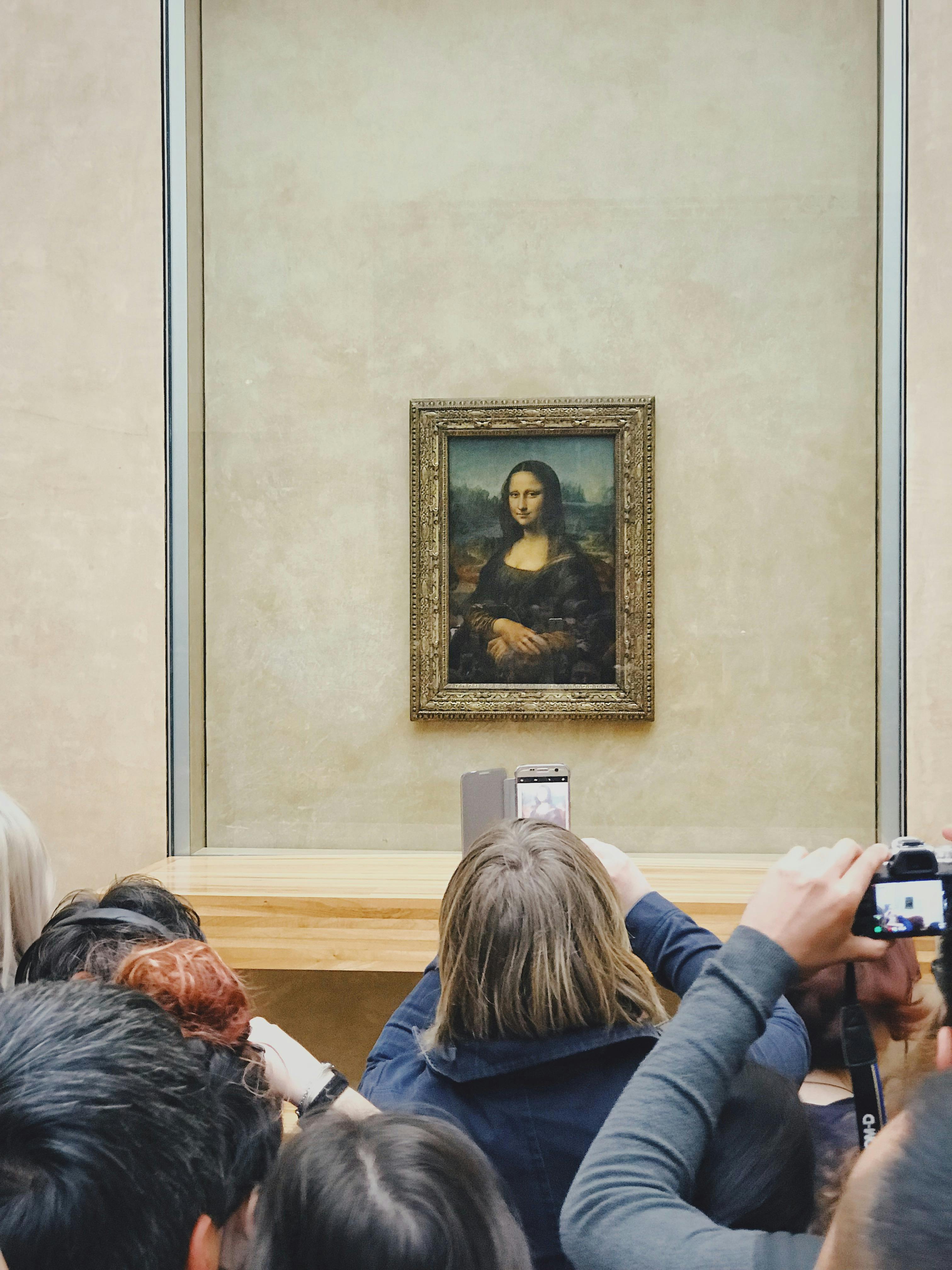

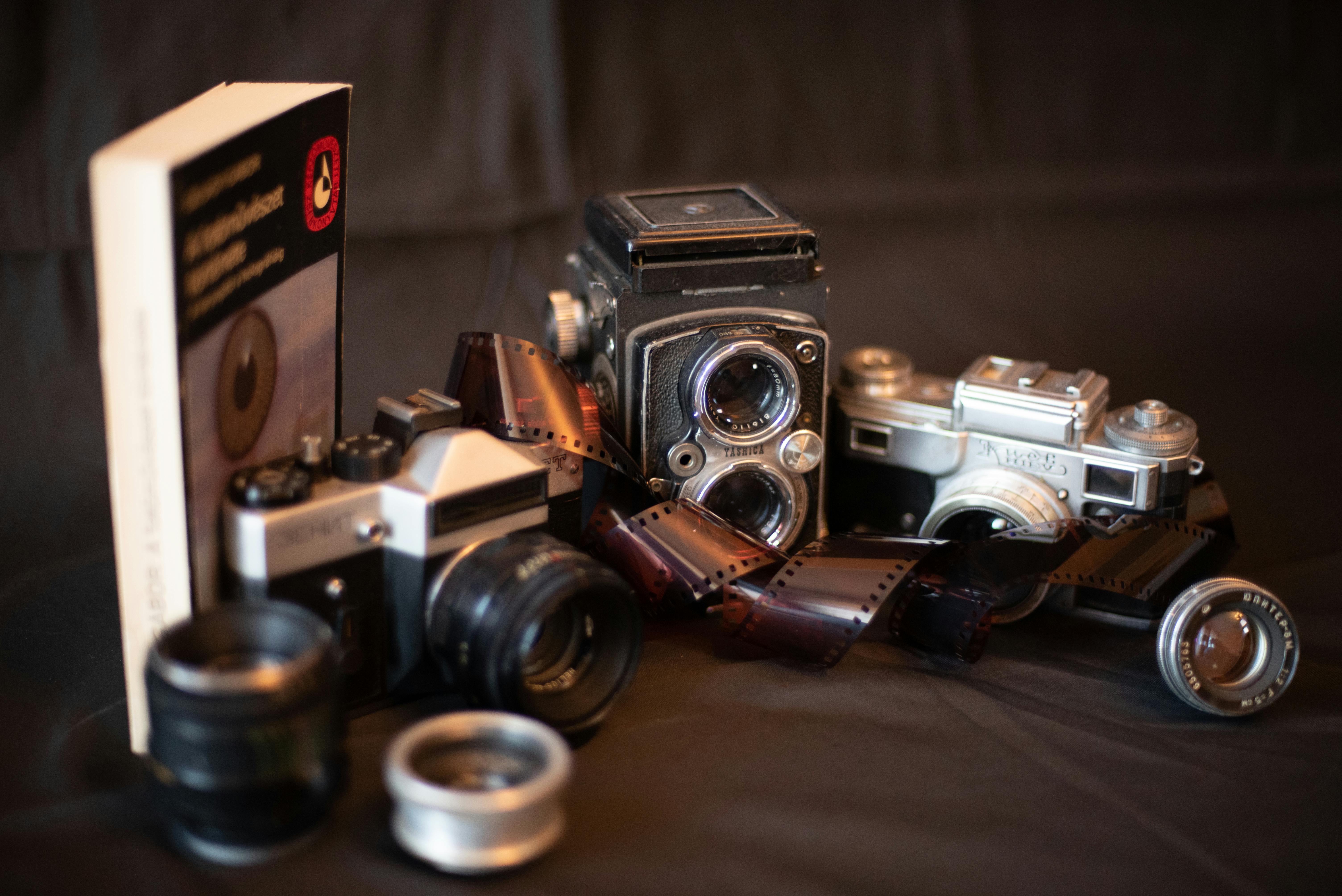







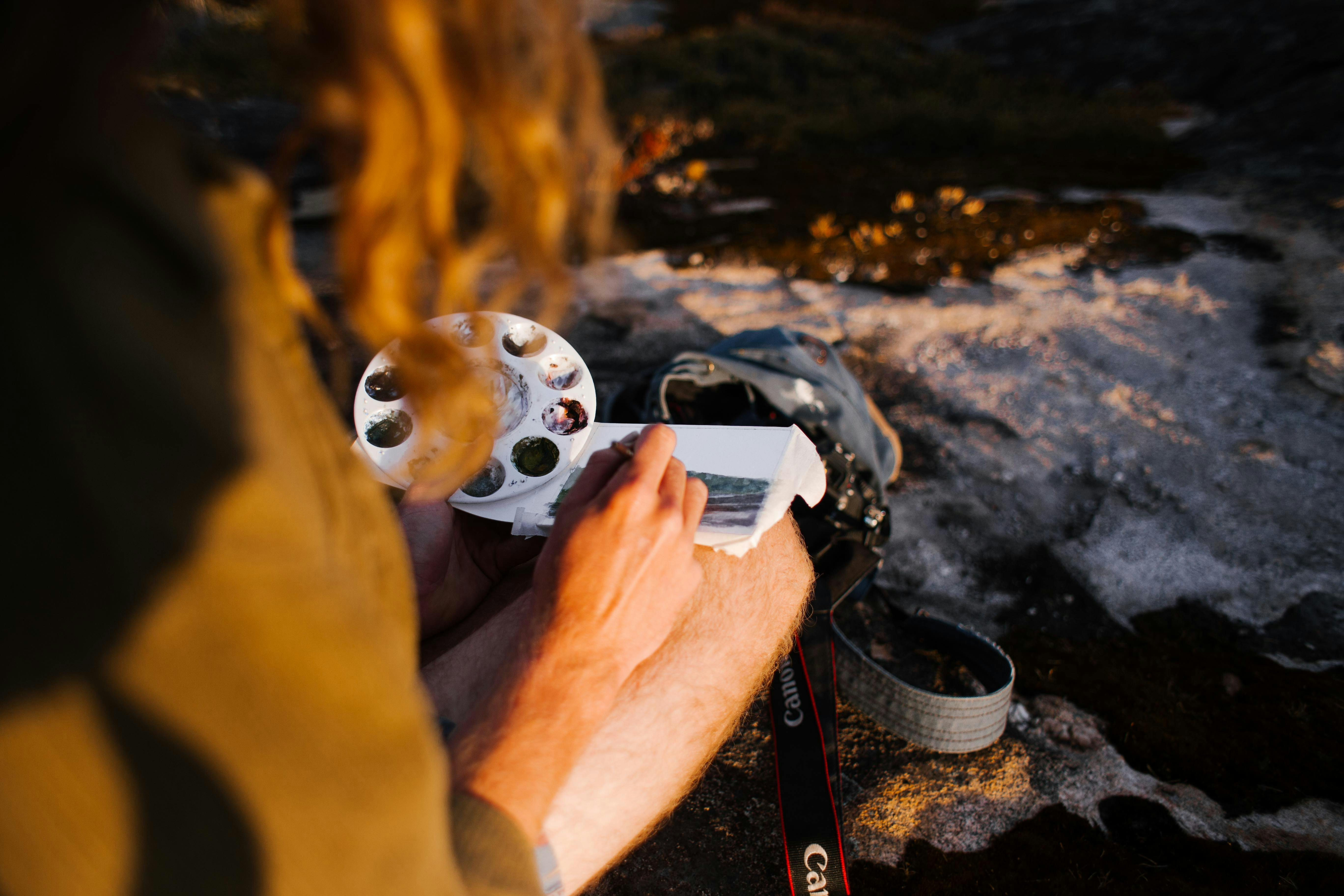





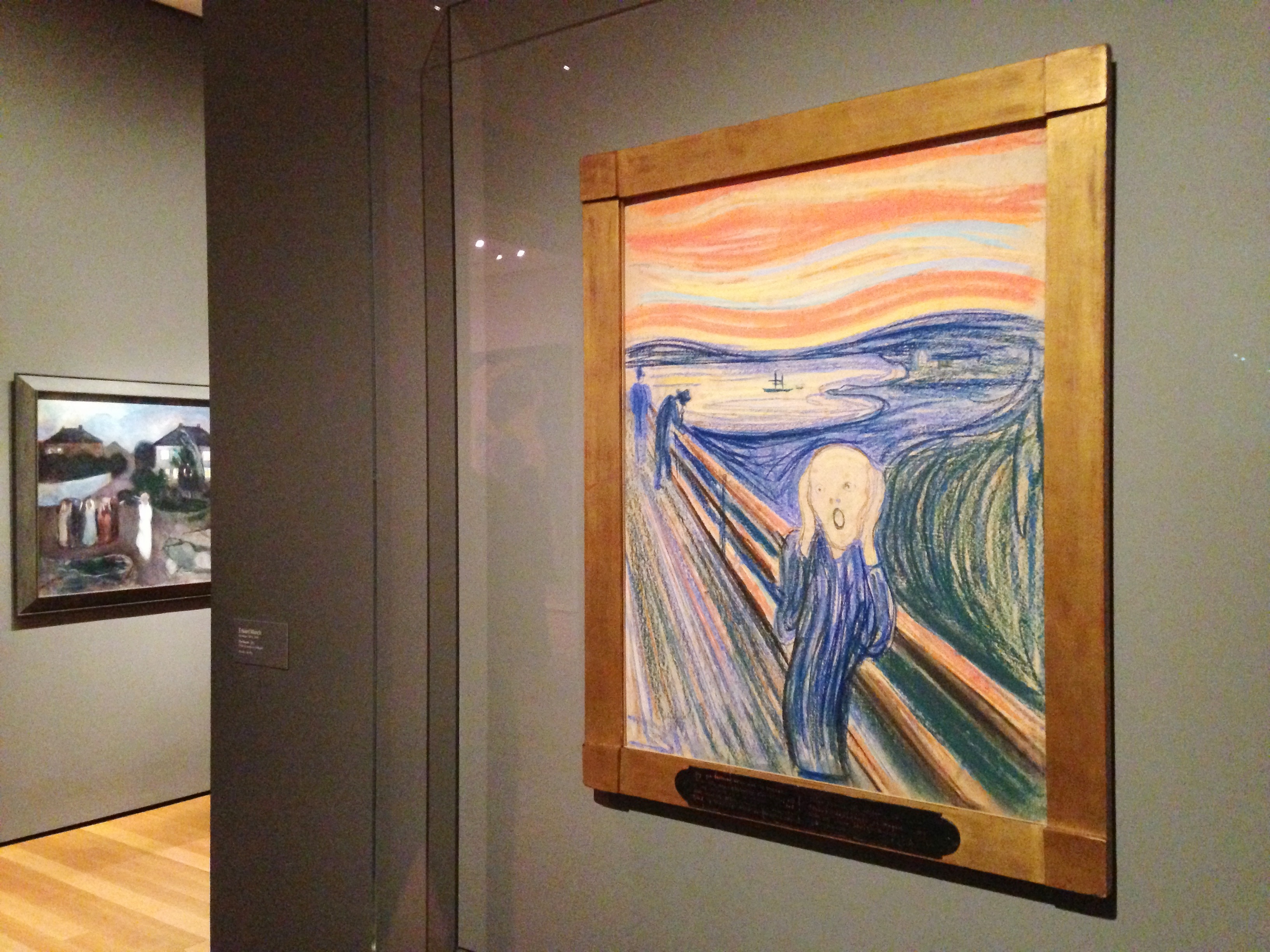





But perhaps most importantly, Pictorialism planted the idea that photographers could be artists with individual voices and unique perspectives - not just technicians operating machinery. This wasn't just about gaining external acceptance in the art world; it was about photographers developing the internal confidence to trust their own vision. Suddenly photography could be about expressing an inner world rather than just recording an outer one.
Every photographer today who pushes beyond pure documentation owes something to that foundational shift in thinking. When contemporary photographers create work that's personal and interpretive rather than just factual, when they use the medium to explore ideas and emotions rather than just record appearances, when they approach photography as a way of thinking and seeing rather than just a way of documenting - they're inheriting insights that emerged from Pictorialism's reimagining of what photography could be.
The Photographer as Artist: Timeless Lessons
Stieglitz's story teaches us something profound about creative evolution. He started fighting for photography's place in the art world through pictorialism, eventually helping found modernist photography. But he never abandoned pictorialism's core belief: that the artist's vision matters more than the tools used. That's a legacy worth remembering in our AI-dominated age.
I often think about how Stieglitz would respond to our current moment. Would he embrace digital manipulation? Would he experiment with AI? Would he still insist that photography is fundamentally about human vision? My guess is he'd be fascinated by new tools but remain stubbornly committed to the idea that art lives not in technology but in the space between the artist's intention and the viewer's experience.
For anyone who loves photography - whether you're a smartphone shooter capturing daily moments or a darkroom purist working with century-old processes - Stieglitz's journey offers a powerful lesson in staying true to your vision. He didn't fit neatly into categories. He evolved, he changed his mind, he sometimes contradicted himself. But he never stopped believing that photography could be more than the sum of its mechanical parts.
So next time you see a photograph that moves you - whether it's a century-old platinum print in a museum or an Instagram post that stops your scroll - ask yourself: What story is it telling? How does it make me feel? Because whether it uses soft focus filters or hand-applied gum bichromate, whether it was captured on glass plates or silicon sensors, photography at its heart remains about connecting with others through shared vision.
And that, ultimately, is what Stieglitz taught the world: that every photograph is an argument about what's worth seeing and how we should see it. The question isn't whether photography is art. It's whether we have the courage to use it that way.