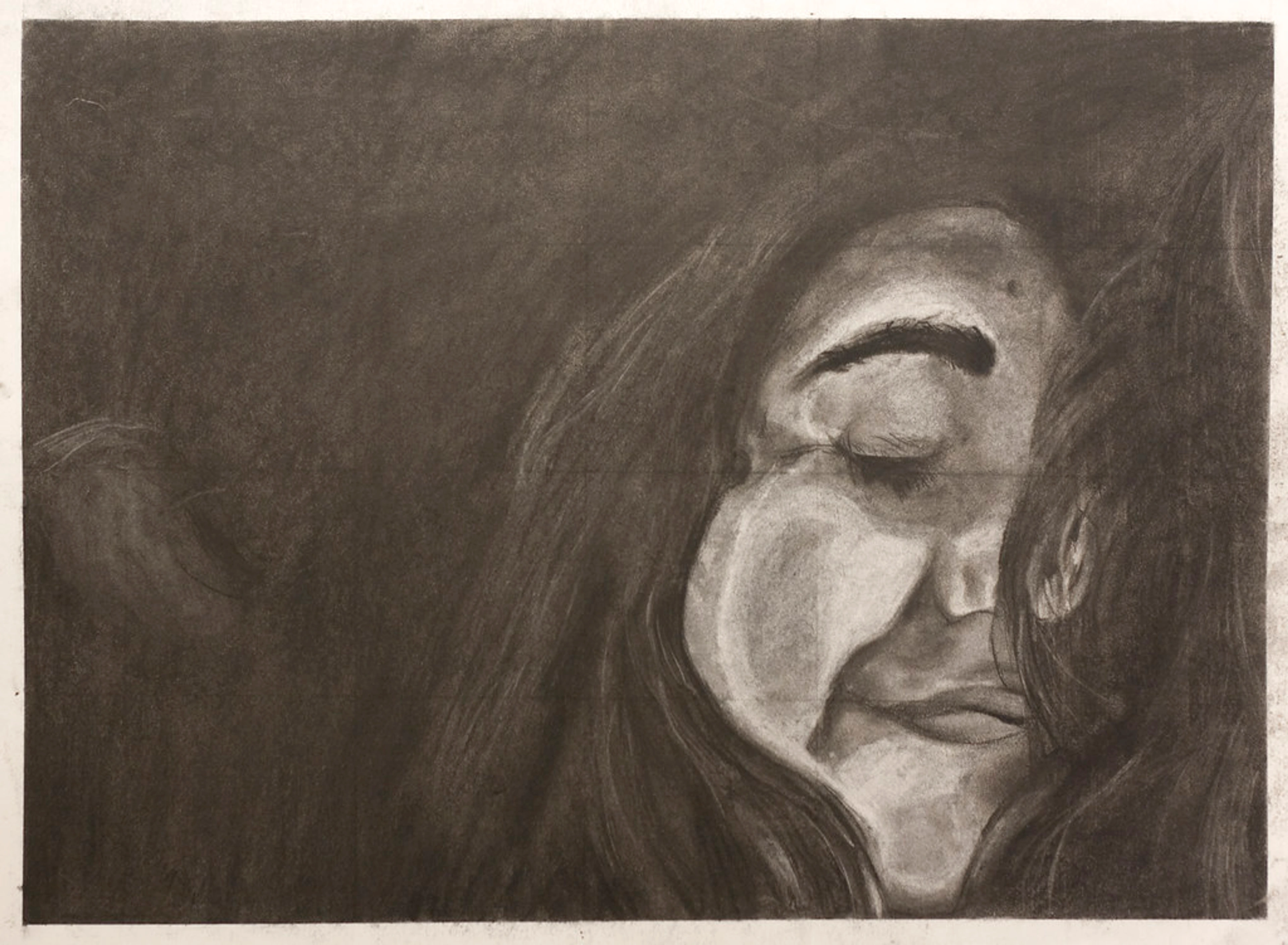
Decollage Art: The Definitive Guide to Unveiling Layers & Calculated Chaos
Dive into decollage art's rebellious history, unique techniques of creative destruction, psychological depth, and enduring impact. This ultimate guide explores how to uncover hidden narratives, critique consumerism, and embrace imperfection from street art to digital canvases.

Decollage Art: The Definitive Guide to Unveiling Layers & Calculated Chaos
I remember it like it was yesterday: walking past an old, dilapidated billboard in some forgotten corner of the city, and stopping dead in my tracks. It wasn't the advertisement itself that caught my eye, but the layers upon layers of torn posters beneath it – a fragmented face peeking out from behind a faded political slogan, a burst of unexpected color emerging from the grime. My first thought? "Wait, isn't that just... tearing stuff up?" And yes, in its most basic form, it is. But like so many things in art, the "just" is where all the magic and meaning truly reside. That accidental urban tapestry was my first encounter with decollage, an art form that, far from being mere vandalism, is a sophisticated act of revealing hidden narratives through calculated chaos. What do I mean by 'calculated chaos'? It's the deliberate yet intuitive process of destruction and removal, where every tear, rip, and peel is a choice, even if the outcome isn't entirely predictable. This isn't just random destruction; it's an intentional engagement with existing material to create something new, often profound, and always layered. It’s a defiant act of artistic creation, not mere destruction. It speaks volumes about destruction, creation, memory, and the urban landscape we navigate every single day. This guide will delve into its origins, techniques, profound meanings, and even how you can start creating your own layered revelations. If you're interested in the layers beneath the surface – literal and metaphorical – then pull up a chair; this is my deep dive into decollage, the ultimate guide to this art of controlled revelation.
What Exactly is Decollage? My Kind of "Anti-Collage"
So, what exactly are we talking about? Imagine collage, that wonderful art of assembling disparate elements into a new whole, but then flip it completely on its head. If collage is like building with carefully selected LEGO bricks, decollage (from the French décoller, meaning "to unstick" or "to take off") is like excavating an ancient ruin with a delicate brush and then a crowbar. It isn't about adding; it's about removing. It's the art of tearing away, ripping, and peeling back layers – usually of posters, advertisements, or other pre-existing layered materials – to reveal the fragments of what lies beneath. This makes it a profound form of found art and appropriation, where artists take existing cultural artifacts – often commercial or public ephemera – and transform their meaning through an act of deconstruction. The very act of tearing imbues the found material with new intent, shifting it from discarded ephemera to a deliberate artistic statement, effectively recontextualizing its original purpose.
I find it fascinating because it's such a visceral process. You're not carefully cutting and gluing; you're actively engaging with destruction to create. The tension in the paper as it resists, the sudden rip, the unexpected glimpse of a forgotten image – it’s a sensory experience that speaks of memory and the passage of time. You can almost hear the paper groan as it tears, smell the dust and history, and feel the ragged edges against your fingers. It's almost archaeological, isn't it? Digging through layers of cultural ephemera to find something new, something unintended, something beautiful in the chaos. This exploration of what's hidden beneath aligns so much with my own journey into the unseen layers of abstract mixed media, where I too seek to uncover hidden narratives and build depth from various elements.
Let's get a clearer picture of how it stands apart from its cousin, collage, because I know that's usually the first question people ask.
Feature  | Decollage | Collage |
|---|---|---|
| Core Action | Tearing, ripping, peeling away existing layers | Cutting, pasting, assembling new elements |
| Starting Point | Pre-existing layered material (e.g., billboards, posters) | Individual source materials (e.g., magazines, fabric, photos) |
| Focus | Revelation of hidden layers, history, urban decay, time, dialogue between transient messages | Creation of new compositions, narratives, juxtapositions, new visual stories |
| Result | Textured, often fractured, revealing past messages, sense of historical depth | Often smooth, unified, presenting a clear new visual story |
| Philosophy | Destruction as creation, unveiling, critique of consumerism and ephemeral culture, embracing decay | Synthesis, construction, reimagining reality |
| Artist's Intent | To deconstruct, critique, reveal hidden meanings and latent narratives | To construct, compose, and create new narratives |
| Viewer Experience | Fragmented, suggestive, often jarring, invites interpretation and reconstruction | Often cohesive, unified, presents a clear visual story |
The Raw Origins: Decollage's Rebellious Heartbeat
Decollage really came into its own in the mid-20th century, a time of massive cultural shifts and a growing awareness of mass media and consumerism. The post-World War II era saw an explosion of advertising, propaganda, and a rapid turnover of public imagery, creating a pervasive "visual noise" on city streets. Imagine walls plastered with vibrant but quickly outdated film posters, urgent political flyers, flashy product advertisements for new household appliances, and even government public service announcements – a constant, overwhelming visual assault that felt both exciting and exhausting. Against this backdrop of consumer culture, societal disillusionment, and the burgeoning student movements and counter-cultural currents of the 1960s, artists looked at the plastered walls of cities, overflowing with advertising, film posters, and political propaganda. They saw not just a mess, but a canvas begging to be deconstructed. It was a direct, often rebellious, response to the visual overload of the time, a way to reclaim public space from commercial interests and critique the fleeting nature of mass communication. This environment, especially in economically recovering yet politically fractured Europe, fostered a potent ground for artistic rebellion.
But where did this art of tearing and revealing truly begin, and who were its early pioneers? Before diving into the pioneers, it's fascinating to consider that while decollage emerged powerfully in the mid-20th century, the idea of fragmenting and reassembling reality has roots in earlier avant-garde movements. Think of Cubism, which fractured objects and depicted multiple viewpoints, or Futurism, which aimed to capture dynamism and the destruction of the old to make way for the new. These movements broke away from traditional representation, preparing the ground for more radical experimentation. However, decollage's unique contribution was its physical engagement with pre-existing, found urban materials, directly using the signs of societal flux rather than abstracting them purely through painting or sculpture. It was a hands-on confrontation with the manufactured visual environment. This direct engagement with existing objects also links it conceptually to the anti-art sentiments of Dadaism, where everyday items were elevated to art, and to Surrealism's exploration of the subconscious through juxtaposition and chance, transforming mundane objects into profound statements.
The French 'Affichistes' and Nouveau Réalisme: Critiquing the Urban Tapestry
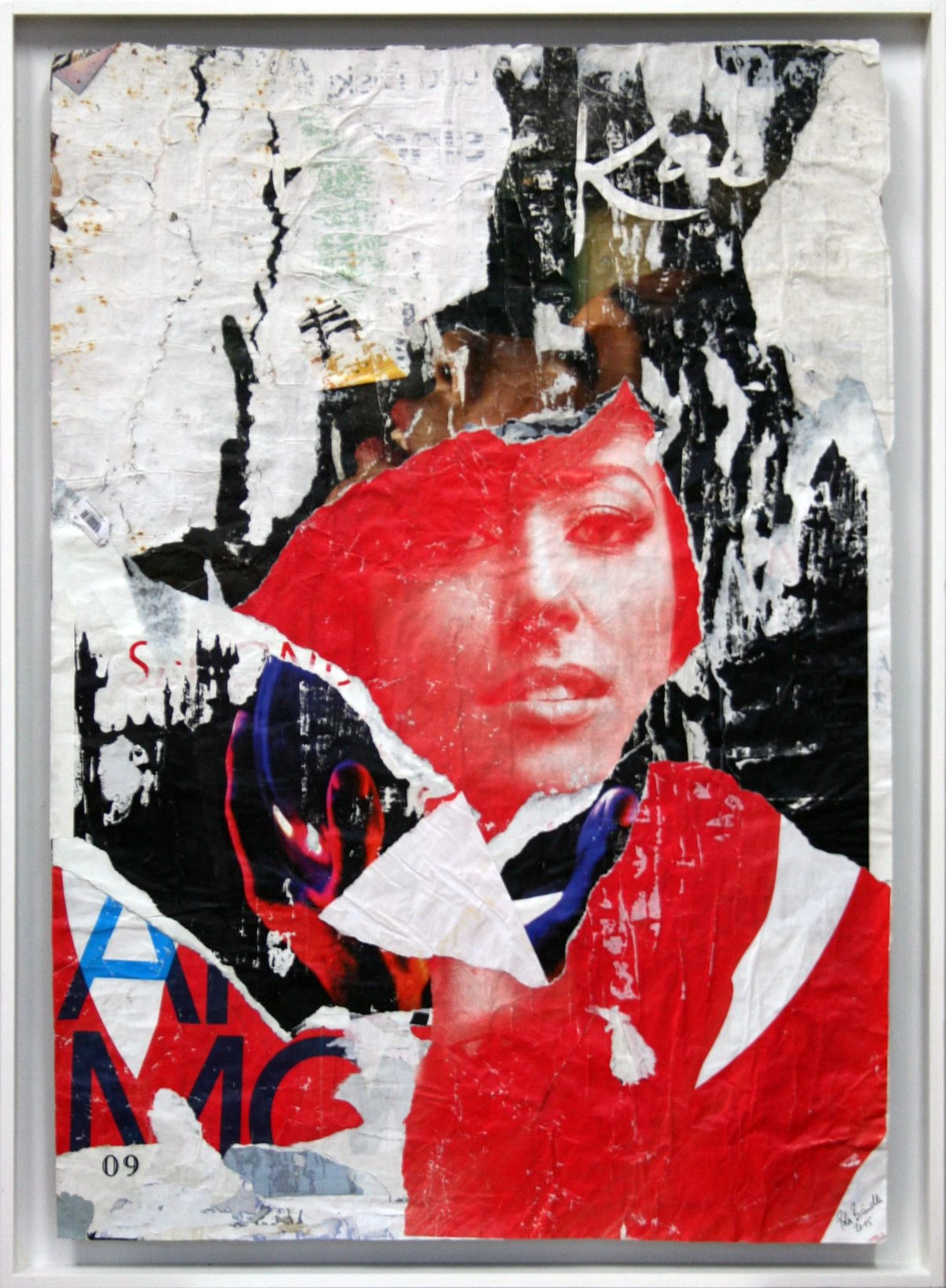
In France, artists like Raymond Hains, Jacques Villeglé, and François Dufrêne became known as the Affichistes (from affiche, the French word for poster). They literally ripped posters from Parisian walls – often featuring film stars, fashion ads, or political campaigns – and presented them as artworks, sometimes even specifying the exact street corner where they were found. This wasn't just vandalism; it was a profound commentary on urban life, media saturation, and the fleeting nature of communication. By deconstructing these commercial messages, they forced viewers to consider the underlying societal pressures and the ephemeral nature of public discourse. Villeglé's immense, multi-layered decollages, for example, often revealed a vibrant cacophony of colors and fragmented images, transforming the mundane into a powerful, almost archaeological record of Parisian life. When I first saw one of Villeglé's pieces in person, the sheer density of information was overwhelming, in the best possible way – a true urban symphony of torn paper. It was a powerful act, reclaiming public space from corporate messaging.
These artists were part of the broader Nouveau Réalisme movement, which, like Pop Art in America, sought to incorporate everyday objects and materials into art, blurring the lines between art and life. Nouveau Réalisme specifically embraced "spontaneous appropriation" and "social reality" through direct engagement with found urban materials, often with a critical edge. For example, while Andy Warhol's iconic soup cans celebrated or ironically replicated consumer goods, the Affichistes' torn posters explicitly deconstructed commercial messages, exposing their underlying layers and challenging their superficiality. The intent was to critique, to unveil, to reveal the hidden rather than to simply reproduce or elevate. For me, there's a certain poetry in taking something designed to be temporary and giving it permanence in a gallery setting, elevating the mundane to the profound. It's a bit like finding beauty in the overlooked details.
The German 'Décollagisten' and Fluxus: Confrontation and Performance
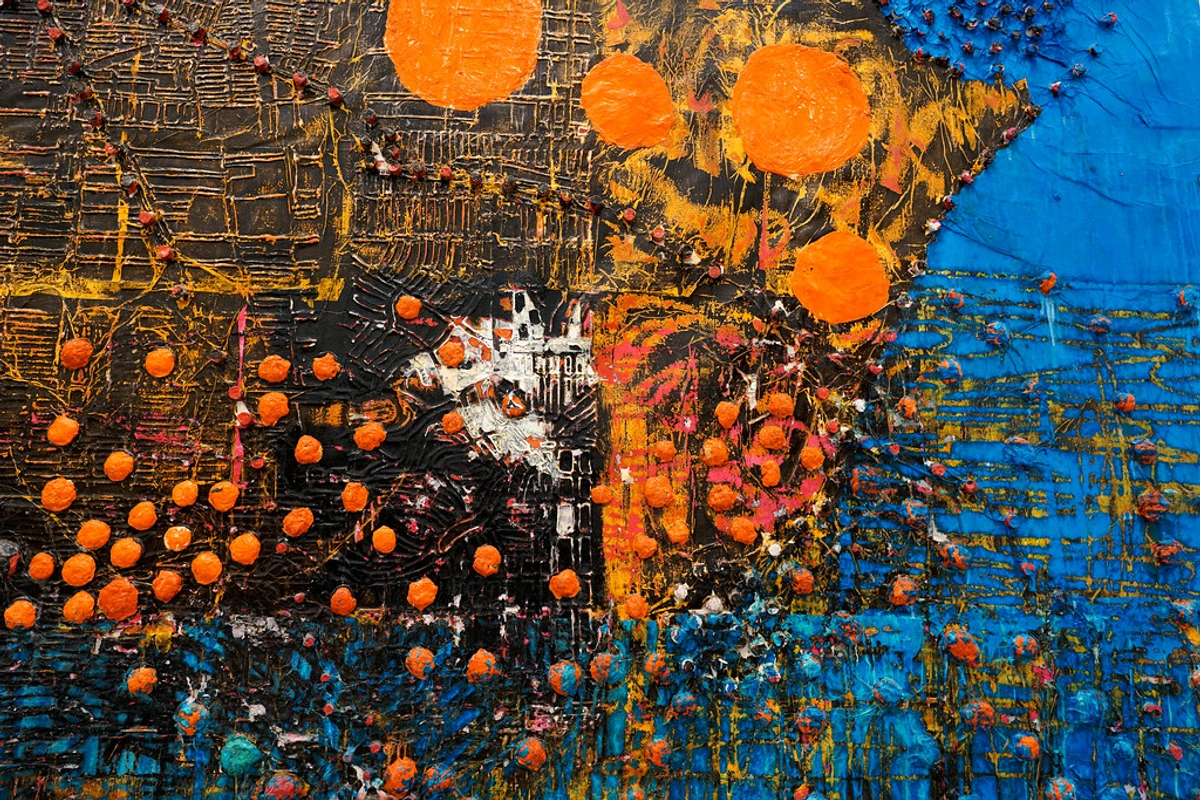
Across the border, in Germany, artists like Wolf Vostell also embraced decollage, though often with a more confrontational and performance-oriented edge. Vostell, a pioneer of the Fluxus movement, used decollage not just on paper but in live dé-coll/age events. Germany in the post-war era, grappling with its recent history and the rapid consumerization of culture, provided a fertile ground for Vostell's aggressive critique. He would actively manipulate and destroy objects, famously televisions, by burning, submerging, or defacing them, turning the act of destruction into a potent, unsettling spectacle. One notable dé-coll/age event involved smashing a television set in front of an audience, the act of violence reflecting the violence of media manipulation and the numbness it induced. These events were a searing critique of media manipulation, the saturation of images, and societal apathy, forcing the public to confront the violence inherent in mass media. His work often felt like a visceral punch, raw and unyielding, contrasting sharply with the French Affichistes' more contemplative and aesthetic approach. Yet both were equally powerful in their own right, deconstructing the visual landscape of their time. Of course, if you're exploring different ways to manipulate and combine materials, you might also find inspiration in techniques covered in our guide to the definitive guide to mixed media in abstract art techniques materials and contemporary masters.
The Decollage Process: A Dance of Deconstruction and Revelation
When I think about decollage, I think about layers – the way life itself builds up experience, memory, and sometimes, unfortunate stains on your favorite shirt. (My studio often looks like a paper bomb went off after a session, but hey, that's part of the charm!). The beauty of decollage is in peeling back those layers, not just literally but conceptually, revealing the hidden narratives that time and human interaction have etched onto a surface. It’s a process where negative space, created by the removal of material, actively shapes the new forms and compositions, giving prominence to what remains. But what about the deeper meanings and the psychological resonance of this art form? The very act of creation through destruction inherent in decollage carries a potent symbolic weight, often mirroring our own complex relationship with the past, public memory, and the ephemeral nature of culture. So, what exactly goes into making these layered revelations, this orchestrated "calculated chaos" that resonates so deeply?
Materials: Unearthing Histories and Patinas
While posters are the most iconic material, decollage can involve anything layered: old newspapers, magazine pages, fabric, wallpaper remnants, even painted surfaces or damaged photographs. The key is that there are multiple layers that can be revealed. Artists often seek out materials with existing weathering, decay, and the beautiful patina – that subtle discoloration, wear, and texture that only time and the elements can create – that adds authenticity, a sense of history, and emotional resonance to the final piece. Imagine the subtle greens and browns of old water stains, or the almost silky feel of paper smoothed by countless hands. Patina isn't just surface dirt; it's a visual record of a material's journey, much like the aged surface of an antique bronze sculpture or the worn pages of a beloved old book. You're not adding new items; you're working with what's already there, transforming it by subtraction. It's almost like a sculptor carving away stone to reveal the form within, but instead of marble, you're working with the fragile, layered histories of paper and urban detritus, letting the material's inherent qualities guide your hand.
This focus on found, pre-existing materials also raises important ethical and legal considerations. While much early decollage was created by illicitly removing posters from public walls (and some artists even faced legal challenges for this!), contemporary artists often seek permission or create their own layered surfaces in the studio. In an age of digital reproduction, copyright laws around appropriation become even more complex. For instance, using a commercial image, even if torn, can still infringe on original copyright, as artists like Shepard Fairey have famously discovered with his 'Hope' poster. Another well-known case is Richard Prince's 'New Portraits' series, which involved re-photographing other people's Instagram posts, raising intense debates about transformative use versus direct infringement. Furthermore, legal interpretations vary significantly across jurisdictions; what's considered transformative use in one country might be outright infringement in another. Understanding the nuances of appropriation, ownership, and public versus private space is crucial for any artist engaging with found materials, especially when those materials might be protected by intellectual property rights. This ongoing dialogue challenges our notions of authorship, much like the enduring influence of Dadaism on art. From an economic perspective, early decollage offered a low-cost medium for artists, transforming discarded ephemera into art. Today, established decollage works by pioneering artists can command significant prices, showcasing the journey from street-found material to valuable art market asset.
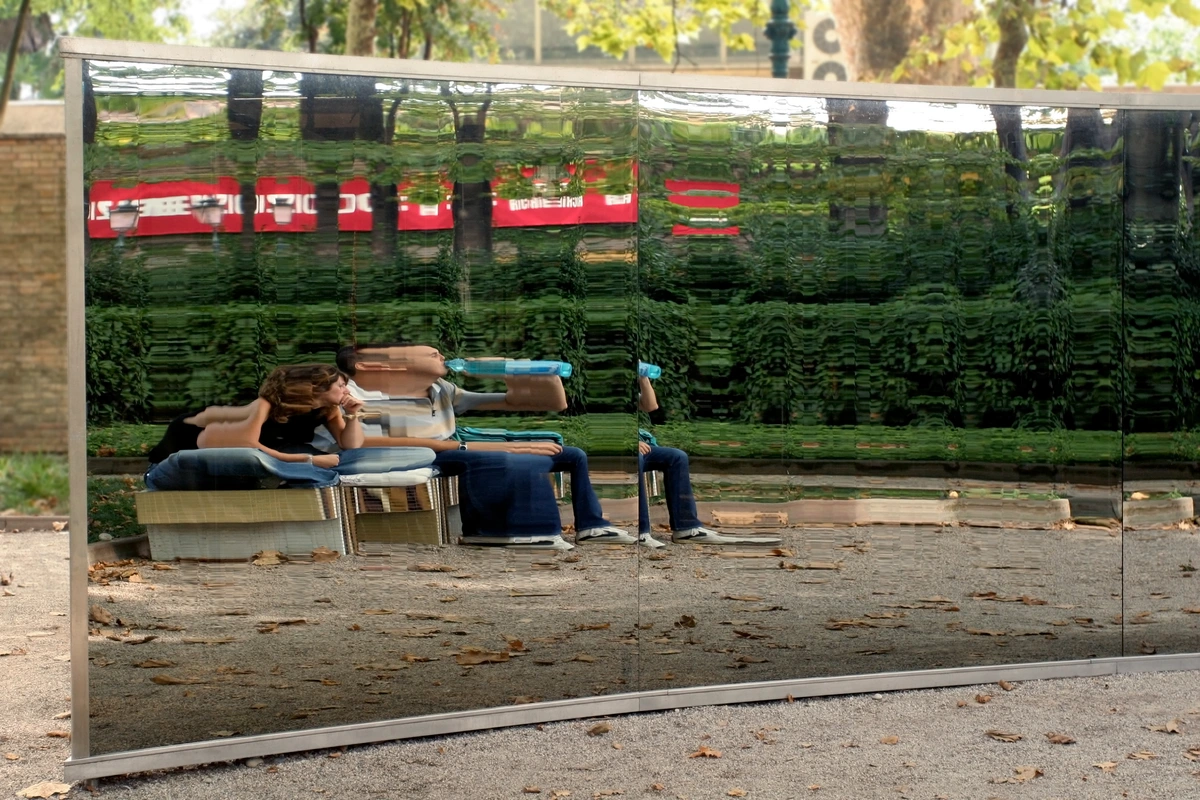
Beyond legality, the material science of paper itself plays a crucial role. Different paper types – from thick cardstock to thin newsprint, glossy magazine pages to matte posters, and even handmade papers with irregular fibers – react distinctly to tearing, scraping, and adhesives. The grain of the paper (the direction its fibers align), its fiber length, and even its moisture content can dictate how it rips, peels, or holds up to manipulation. For example, a heavily coated, glossy paper might resist tearing cleanly, producing jagged, unpredictable edges, while an older, more brittle newsprint might crumble with minimal effort, revealing delicate textures and a dusty patina. A paper with a strong grain running horizontally might tear smoothly in that direction but shred irregularly when pulled vertically. Archival paper, designed for longevity, typically has longer, stronger fibers and a neutral pH, making it more resistant to yellowing and degradation over time compared to acidic newsprint, which quickly becomes brittle. Understanding these properties allows for a more nuanced "calculated chaos" where the artist works with the material's inherent resistance and fragility.
The Artist's Toolkit: Techniques for Controlled Chaos
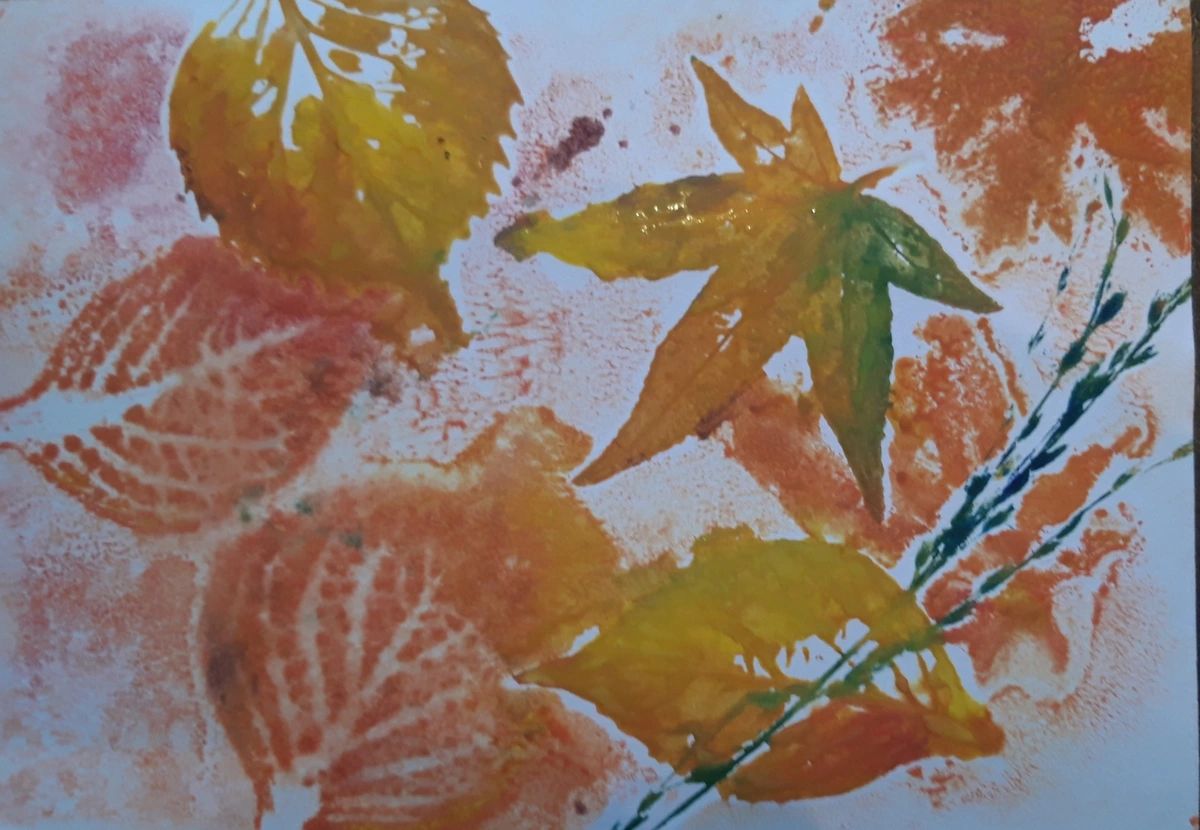
The process often starts with selecting a found poster or layered surface. Maybe it's a billboard that's been weathered by time and elements, or a wall where political flyers have accumulated. Sometimes, artists create their own layered surfaces in the studio, giving them more control over the 'history' they're about to deconstruct. The artist then begins to tear, rip, scrape, or even sand away portions of the top layer, exposing glimpses of the layers beneath. It’s a dance between intuition and controlled accident; you might intentionally score a surface with a utility knife, a bone folder, or even a credit card edge to encourage a particular tear, or you might let the paper's resistance guide your hand spontaneously. I've found that sometimes, a seemingly random tear can lead to the most perfect alignment of an image fragment, a truly serendipitous moment of discovery.
Key Tools and Their Applications for Calculated Chaos:
Tool | Primary Application | Why it Aids "Calculated Chaos" |
|---|---|---|
| Utility Knife/Blades | Precise cuts, initial scoring for tears | A scalpel allows for delicate, surgical tears to reveal fine details, enabling targeted destruction. A wider blade can score a broad area for a more dramatic, controlled rip, defining specific boundaries for the chaos without losing all control. |
| Bone Folder/Credit Card | Initiating clean tears, creating sharp folds | These help control the direction and crispness of a rip, managing paper resistance, and encouraging specific fracture lines where you want a cleaner edge amidst the raggedness. |
| Scrapers/Palette Knives | Lifting/peeling broader sections, texturing | Metal scrapers offer rigidity for deep, aggressive peels, exposing lower layers quickly and decisively. Plastic scrapers allow for gentler, more textured removal, preserving subtle nuances and providing more control over the degree of destruction. |
| Damp Sponges/Brushes | Weakening paper fibers for easier tearing | Moisture allows for more controlled, less destructive removal, especially on thick or stubborn layers, creating softer, feathered edges rather than abrupt, harsh rips. It's a way to erode rather than simply tear. |
| Sandpaper/Abrasives | Distressing, creating hazy reveals, blending | Different grits achieve varied effects, from smooth blending and softening transitions to rough erosion and creating a faded, aged appearance, mimicking the natural decay of urban surfaces. |
| Adhesive/Medium | Re-adhering loose layers, sealing | Crucial for archival quality and stabilizing fragile elements. Choosing the right adhesive (like matte medium) can also influence the sheen and texture, subtly altering the visual chaos while ensuring the artwork's longevity. |
It's a spontaneous and often intuitive process, guided by the visual dialogue that emerges as new colors, shapes, and text fragments come into view. There's a constant conversation between the artist and the material, where the material itself often dictates the direction and meaning of the artwork. I always find it amazing how the accidental can become the intentional. A random tear can create a perfect line, or a faded advertisement from decades ago can suddenly gain new relevance when juxtaposed with a contemporary image. This interaction between the past and present, the seen and unseen, is what gives decollage its profound depth. It's truly a testament to the unexpected beauty that emerges from destruction.
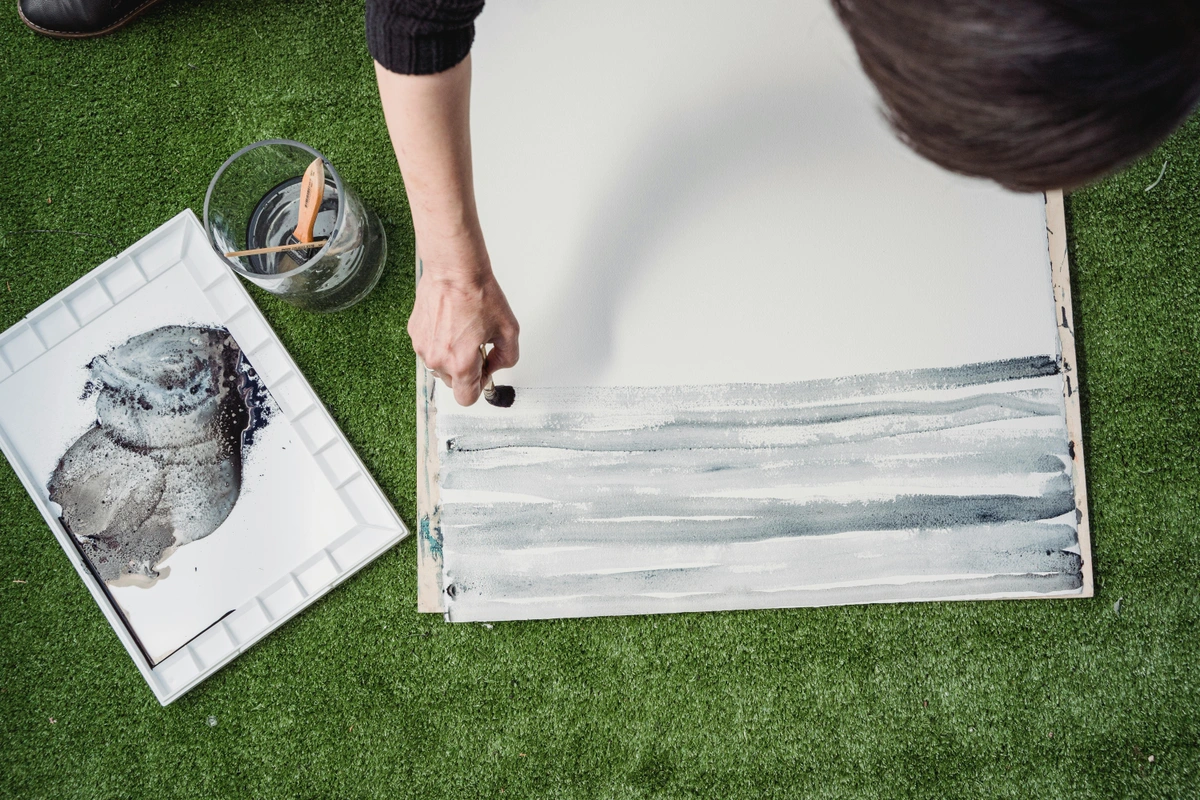
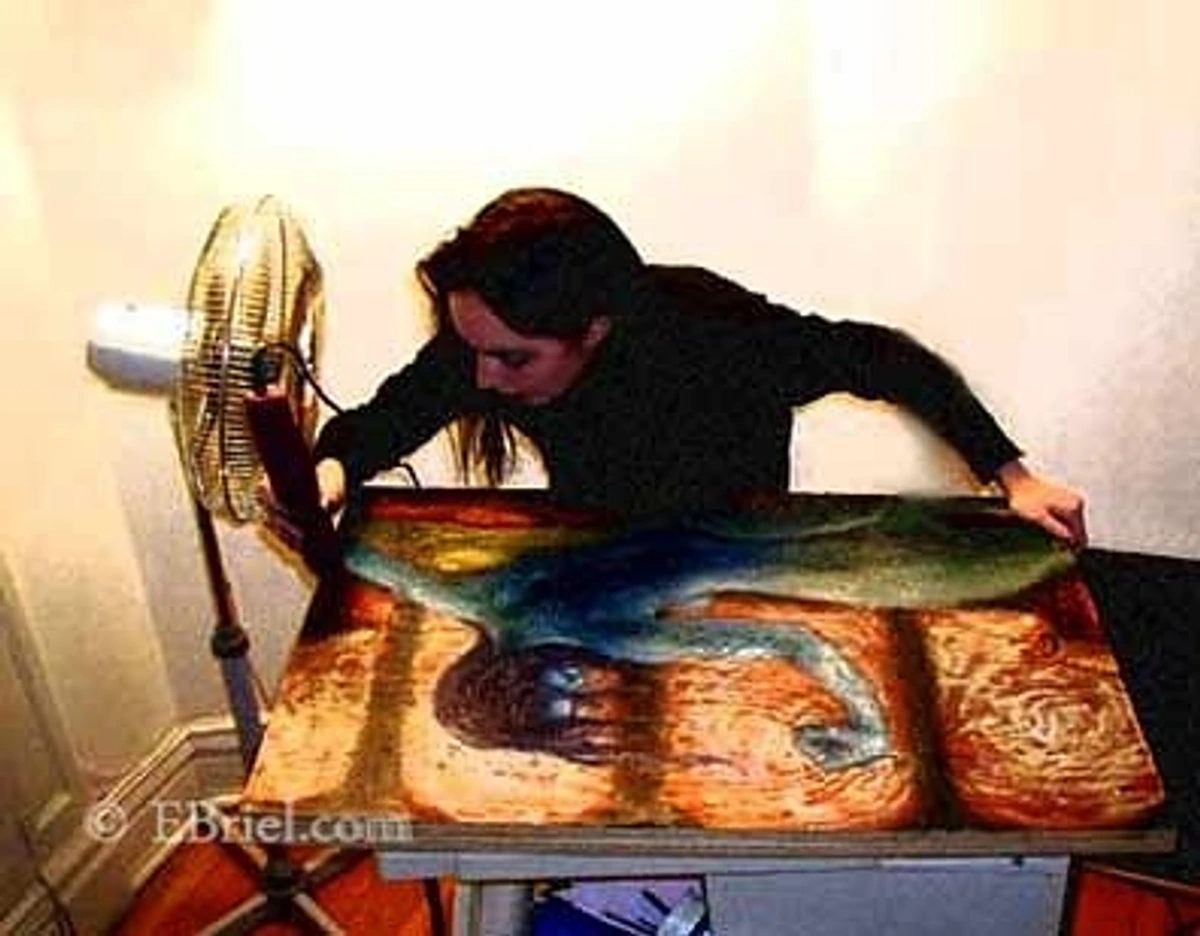
While this image shows a different medium, it perfectly captures the essence of working with hidden layers and revealing structure through a process of careful manipulation and exposure, much like decollage.
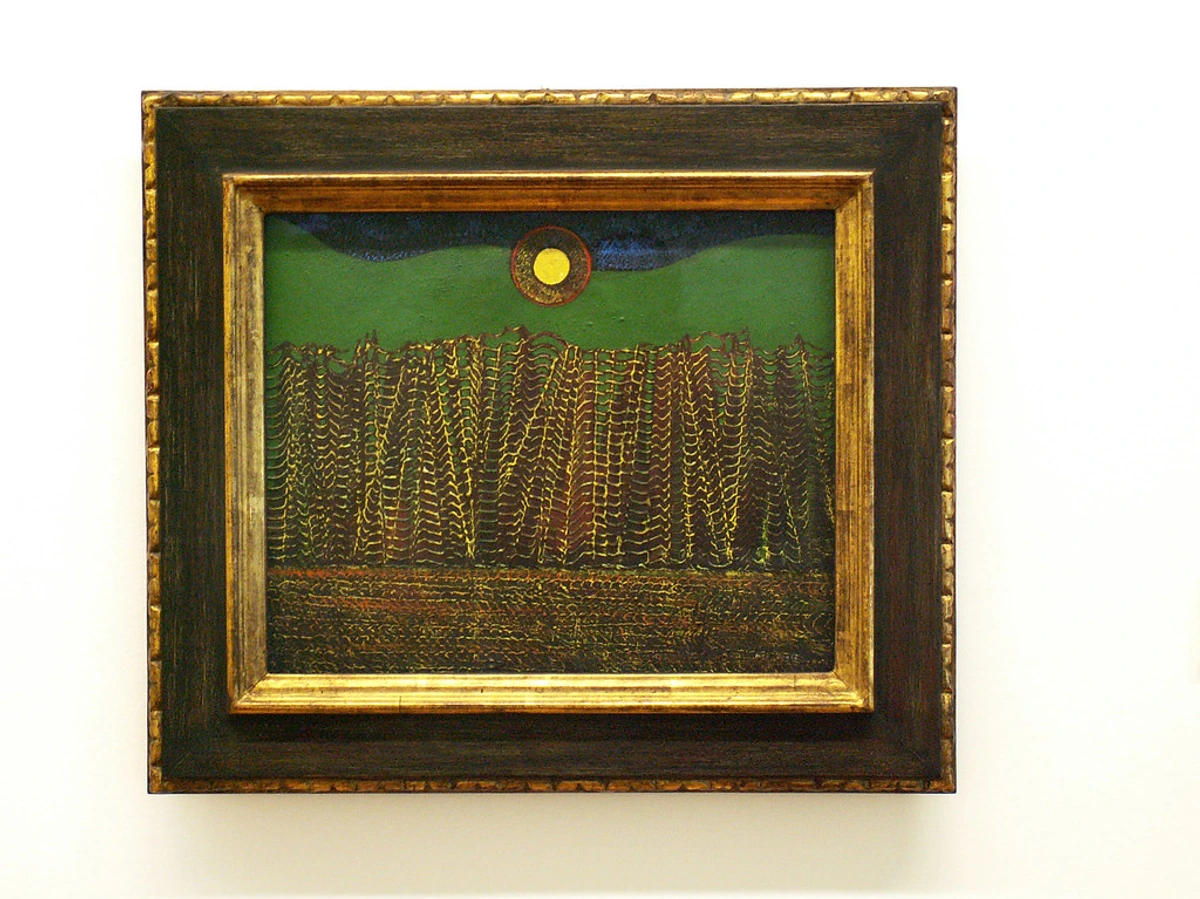
Composing with Absence: The Role of Negative Space and "Found Poems"
In decollage, the act of removal isn't just about what you expose; it's also about the new forms and compositions created by the absence of material. The ripped edges and missing sections become active participants in the artwork, shaping the negative space – the area around and between the subjects of an image – and creating unexpected visual juxtapositions. This is particularly powerful in a subtractive art form, as the voids are not merely empty, but actively contribute to the narrative, inviting the viewer to engage in a process of reconstruction. It's the 'emptiness' that gives definition and meaning to what remains, much like the spaces between musical notes shape the melody.
This is also where the "found poems" often emerge: a fragment of a face from one layer might combine with text from another to create a new, unintended meaning. Imagine, for instance, a bold headline from an old newspaper: "HOPE FOR THE FUTURE," but as you tear away layers, it fragments, leaving only "HOPE" from that headline, perfectly aligned above an older, faded advertisement for a forgotten politician promising "A BRIGHTER TOMORROW." This accidental pairing creates a poignant, unplanned narrative that speaks volumes about transient promises. Or perhaps a glossy image of a luxury car is torn to reveal a stark, black-and-white photograph of a protesting crowd from decades past, beneath a ripped slogan that now reads simply, "DEMAND CHANGE." Another example I've seen is a torn magazine page featuring a pristine model's smile, revealing underneath a fragment of a newspaper story about social inequality, with the words "...struggle continues." The contrast creates an instant, powerful social commentary, a subtle jab at superficiality. And in a more abstract vein, a vibrant, optimistic color from a top layer might be torn to reveal a somber, muted tone from a layer below, creating an emotional clash that speaks volumes about underlying realities. The gaps and voids are just as important as the remaining fragments, inviting the viewer to fill in the blanks and reconstruct the narrative, making them active participants in the meaning-making process. It’s a powerful testament to visual storytelling through subtraction, where what's not there speaks volumes.
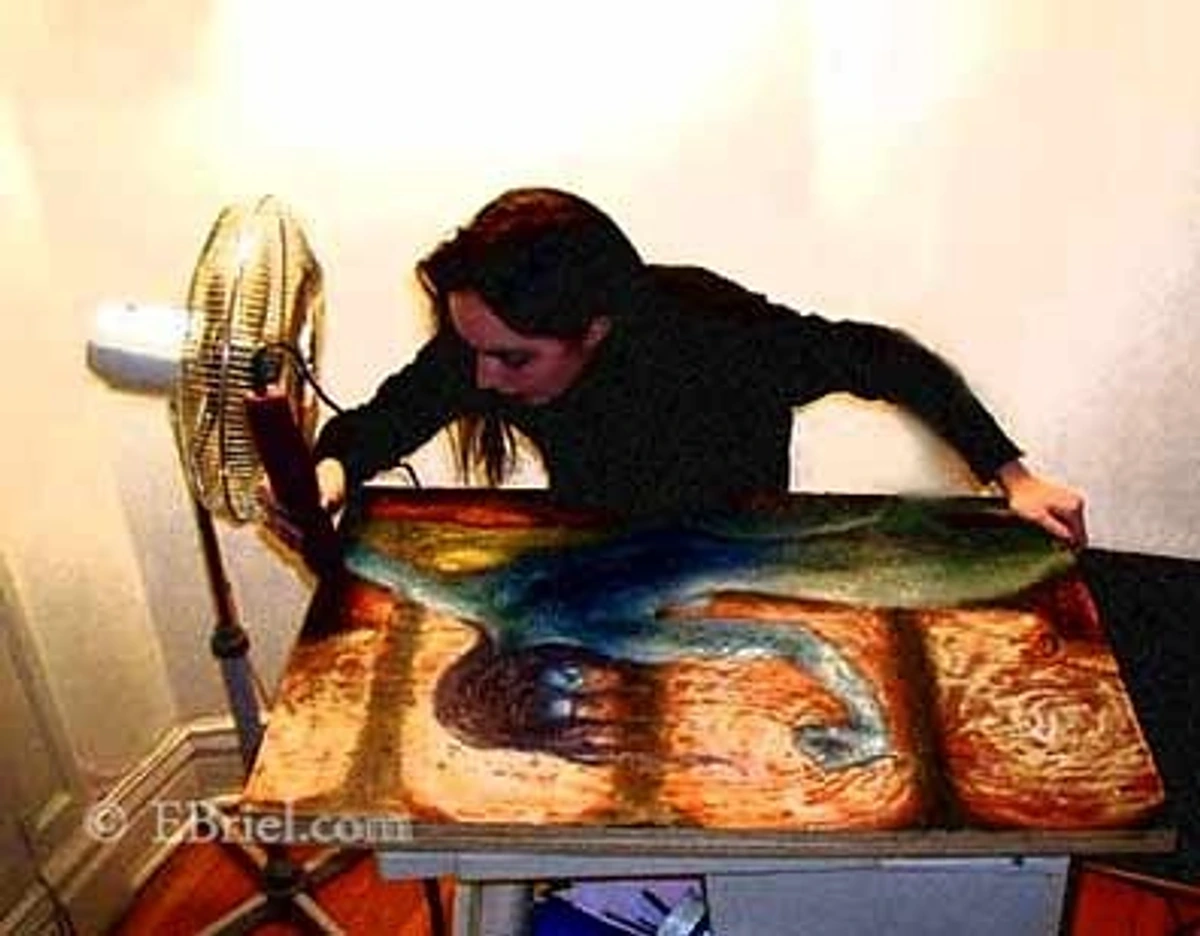
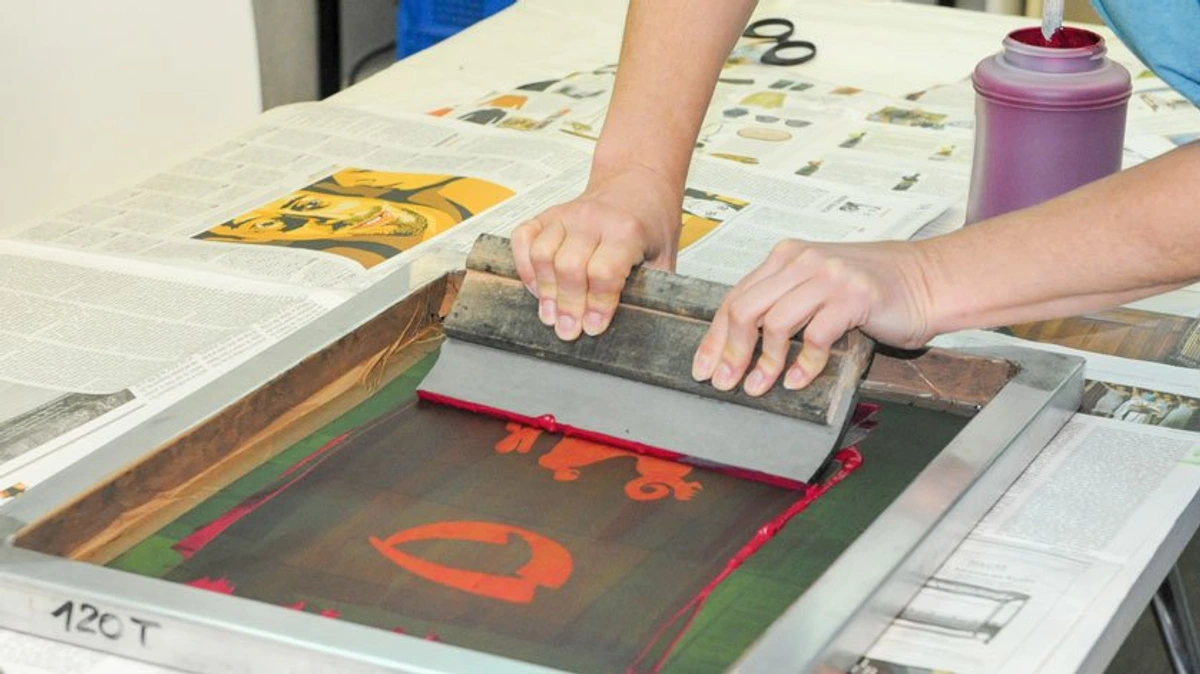
This image of screen printing, while a different technique, beautifully illustrates the idea of working with layers and creating a composition through a multi-step process, similar to the methodical yet spontaneous nature of decollage.
Why Decollage Resonates: Themes and Profound Meanings
Beyond the technique itself, what really draws me to decollage is its ability to communicate complex ideas in such a raw, immediate way. It's not just pretty pictures or torn paper; it's art with something profound to say about our world, our history, and ourselves.
Memory, Time, and the Urban Palimpsest
Think about the layers of posters on a city wall. Each one represents a moment in time, an event, a product, a promise. As they accumulate and tear, they create a visual archive of a specific place's history. Decollage taps into this, revealing glimpses of forgotten narratives and the relentless march of time. It's like a visual palimpsest, where faint traces of earlier writings or images remain visible beneath later additions, much like how old parchment was scraped clean to be reused, but faint ghosts of the previous text still show through. Consider the layers of ancient Rome, where medieval structures sit atop Roman ruins, or the visible strata of old paint on a historic building – these are all palimpsests in the urban landscape. Decollage shows us how the past constantly permeates and shapes the present, creating a tangible metaphor for how our own memories are layered, fragmented, sometimes distorted, and often unexpectedly resurface, still potent despite the passage of years. I often find a forgotten scent or a snippet of an old song can trigger a flood of fragmented memories, much like a torn corner revealing a long-lost image. The very act of uncovering evokes a sense of archaeological discovery, linking the artwork to the deep, complex history of urban spaces and personal recollection.
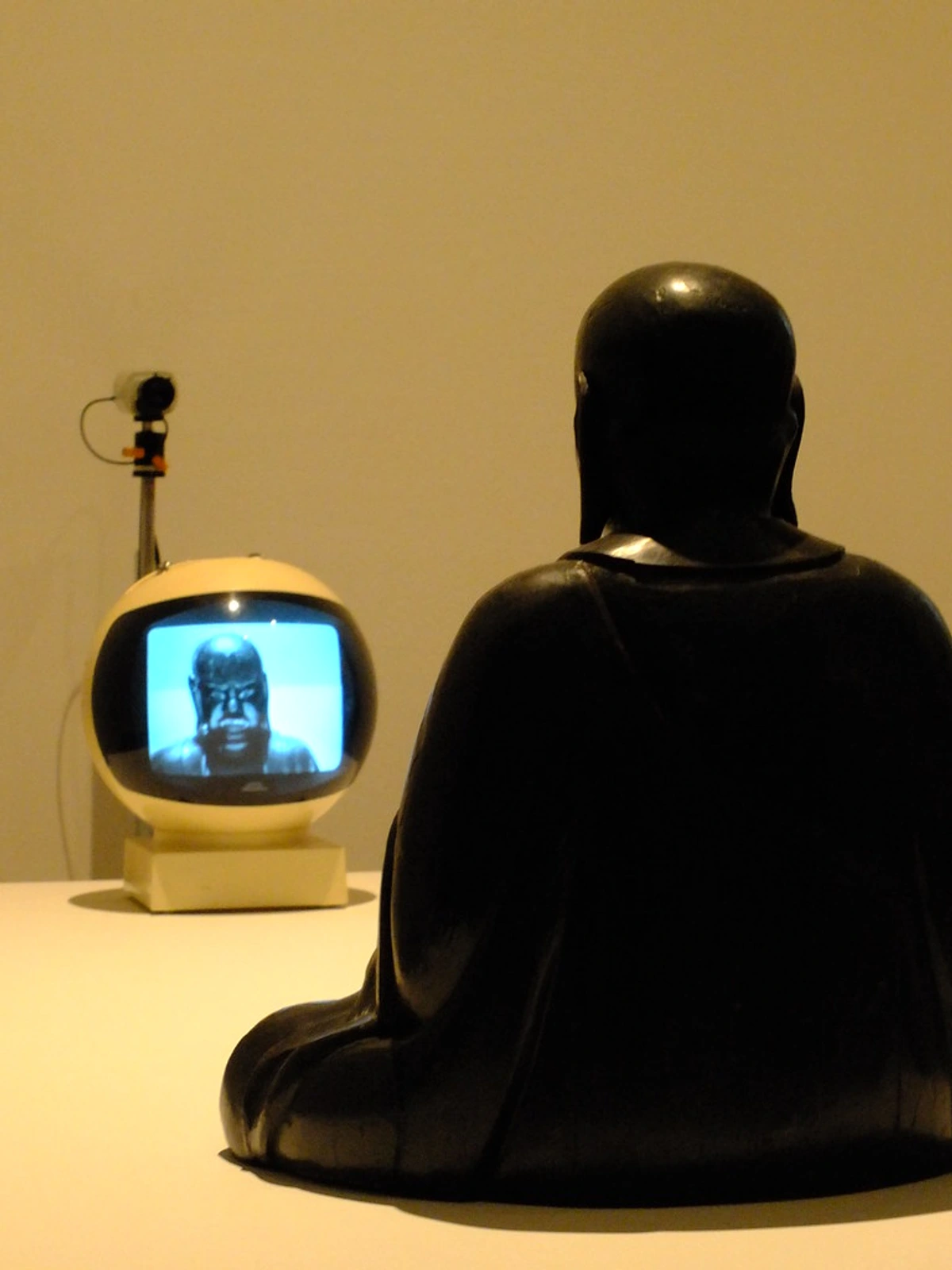
Critiquing Consumerism and Ephemeral Culture
Originally, a huge part of decollage's power came from its direct engagement with advertising. By ripping apart glossy advertisements, artists were literally deconstructing the messages of consumerism and challenging the commercialization of public space. Imagine a brightly colored ad for a luxury car, torn away to reveal a stark black-and-white image of an industrial worker from decades past, or a fragmented political slogan urging change beneath a pristine political campaign poster. The immediate juxtaposition creates a biting commentary, transforming superficial propaganda into raw, socio-political poetry. What strikes me about this is how direct and uncompromising the critique is, unlike Pop Art's more ambiguous stance.
For example, an early Affichiste might tear a poster advertising a new perfume, revealing underneath a 1950s flyer for a social welfare program. This juxtaposition doesn't just show layers of time; it actively questions societal priorities – beauty vs. basic needs, or perhaps frivolity versus necessity. Or think of how a torn billboard for a blockbuster movie could reveal a faded poster for a local, struggling theater group, highlighting the dominance of corporate entertainment over local culture. While Pop Art often embraced and even glorified consumer culture, mirroring its imagery, decollage actively undermined it. Pop Art reproduced the glossy surface; decollage tore it down, literally exposing the underlying mechanics and often the hypocrisy of mass messaging. In a world still inundated with images telling us what to buy and how to feel, decollage feels as relevant as ever, perhaps even more so with the digital barrage we face daily. It exposes the superficiality beneath the polished surface of modern media, forcing us to question the narratives constantly being sold to us. This engagement with the fleeting nature of trends and information, what we call ephemeral culture, is a core critique.
This Cubist portrait, with its fragmented forms and multiple perspectives, conceptually echoes decollage's deconstruction of reality and its fragmented revelation of underlying emotions or narratives.
The Beauty of Imperfection: Embracing Decay, the Unfinished, and Psychological Depth
Perhaps most importantly, decollage celebrates the beauty in imperfection, the charm of decay, and the honesty of the unfinished. There's a certain freedom in working with materials that are already damaged or worn, acknowledging that life itself leaves its marks. It's a reminder that art doesn't always have to be pristine; sometimes, the most profound statements come from embracing the ragged edges and the stories etched by time. This philosophy deeply resonates with concepts like the Japanese aesthetic of Wabi-Sabi, which finds beauty in transience, imperfection, and the natural processes of aging and decay. The weathered textures, faded hues, and visible history in a decollage piece perfectly embody Wabi-Sabi's appreciation for the ephemeral and the authentic, much like the raw materiality and gestural marks found in Abstract Expressionism or even my own exploration of the power of imperfection in art. Think of the delicate tears that expose a fragile, discolored layer, or the way a torn poster's edge frays, creating a soft, organic line – these are all manifestations of Wabi-Sabi in decollage.
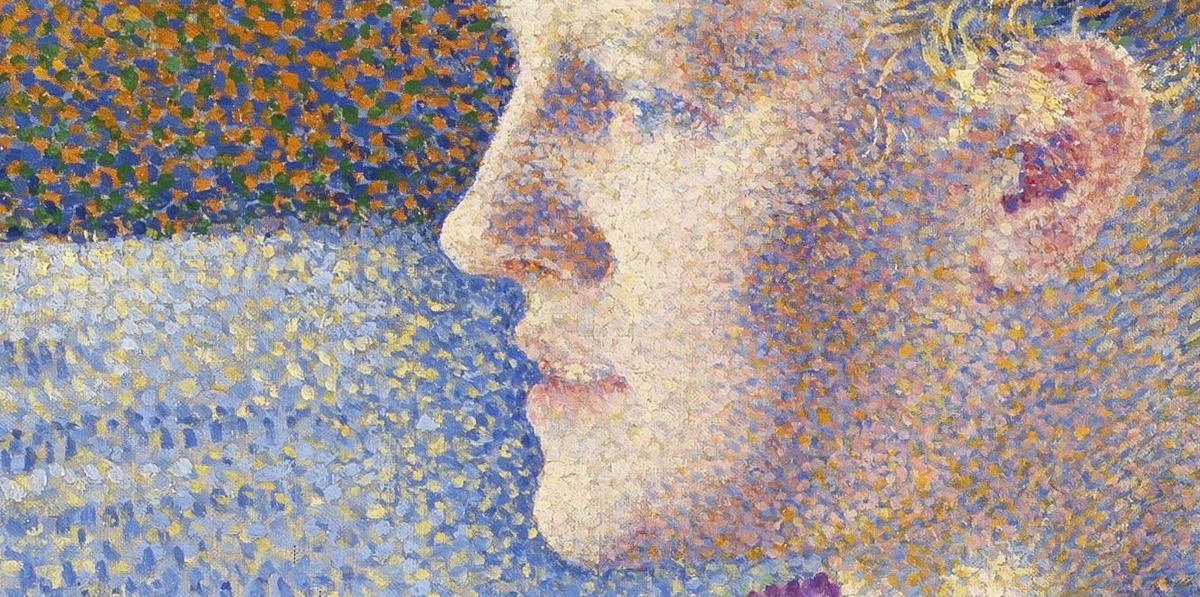
Beyond aesthetics, the act of deconstruction can carry significant psychological weight for both the artist and the viewer. For the artist, the process of tearing and revealing can be incredibly cathartic, a way to process the constant bombardment of information or to confront personal histories. The physical act of dismantling existing structures, whether literally ripping paper or metaphorically peeling back societal layers, can be a potent form of release or introspection. In therapeutic art settings, for example, individuals might be guided to deconstruct images that represent anxieties or past traumas, and then to reassemble the fragments in a new way, creating a sense of control and a new narrative. A prompt might be to tear up old photographs or newspaper clippings that evoke negative emotions, then reconstruct them into a more hopeful or resolved image. For the viewer, encountering fragmented images and hidden layers can evoke feelings of nostalgia, loss, or even anxiety, as they subconsciously grapple with themes of memory, the passage of time, and the unraveling of societal narratives. This makes decollage a potent tool in therapeutic art settings, where the physical act of dismantling and reassembling can help individuals explore and process complex emotions or experiences. This idea certainly resonates with my own approach to art, where I often find beauty in the unexpected and the abstract forms that emerge from the process.

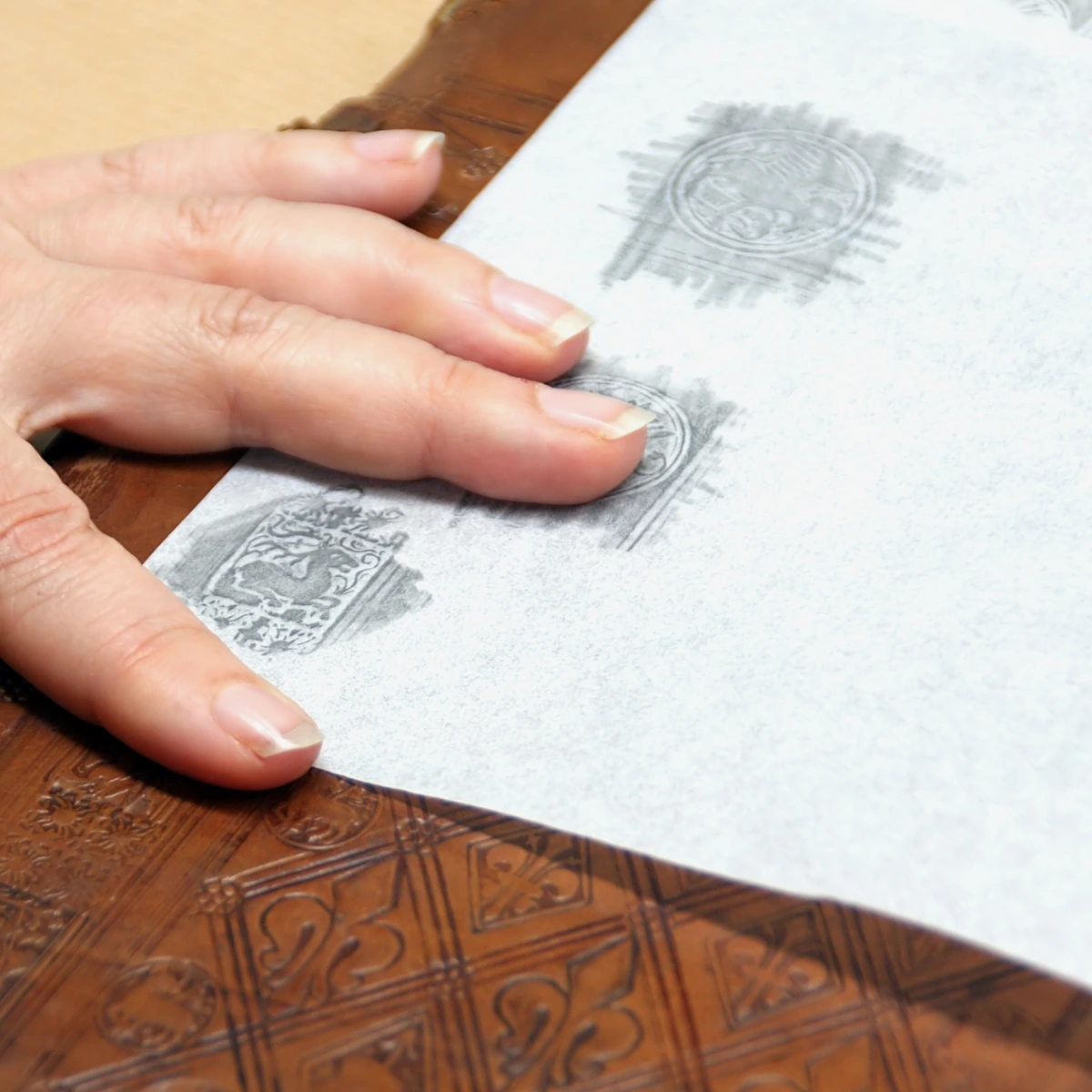
My Journey with Decollage: A Personal Echo in Abstract Art
While my own work often leans into vibrant colors and abstract expression, the philosophy behind decollage – the idea of revealing hidden narratives, working with layers, and finding beauty in the process of dismantling – definitely influences how I approach my art. I might not be tearing down billboards, but I'm constantly layering and scraping in my paintings, allowing earlier marks and colors to peek through, creating a history on the canvas. For example, in my 'Urban Echoes' series, I deliberately layered washes of acrylic paint, followed by gestural charcoal marks, and then partially scraped them away to mimic the erosion of posters on a city wall. This allowed hints of underlying vivid blues and reds to surface through the grays and blacks, creating a visual dialogue between the transient and the permanent. It’s less about direct replication of the technique and more about embodying the spirit of uncovering, creating a visual dialogue between what's seen and what's suggested. I remember one specific piece where a vibrant red underpainting, almost entirely covered, spontaneously revealed itself through a subtle scrape, completely shifting the emotional tone of the work. It was a moment of accidental discovery, a 'found poem' on canvas, much like the unexpected revelations in decollage. It's a bit like preparing a rich, complex meal where each ingredient, even if hidden, contributes to the overall flavor.
I've always been fascinated by how different techniques, like those explored by Richard Prince in his rephotography or even the found object assemblages of Marcel Duchamp, challenge our perceptions of authorship and originality. Prince's rephotography, by recontextualizing existing images, similarly deconstructs their original meaning, much like decollage deconstructs advertising. Both question the idea of a singular, original creator. Duchamp's readymades question the very definition of art and the artist's role by presenting manufactured objects as art, echoing decollage's challenge to traditional art-making through acts of removal and appropriation of everyday detritus. Decollage fits right into that lineage, forcing us to reconsider what art can be and who the artist truly is – perhaps less of a sole creator and more of a curator or discoverer of latent meanings, engaging in a profound conversation with existing culture. It's about letting the materials, the history, and the process guide the narrative, much like exploring how to abstract art or diving into the evolution of abstract art.
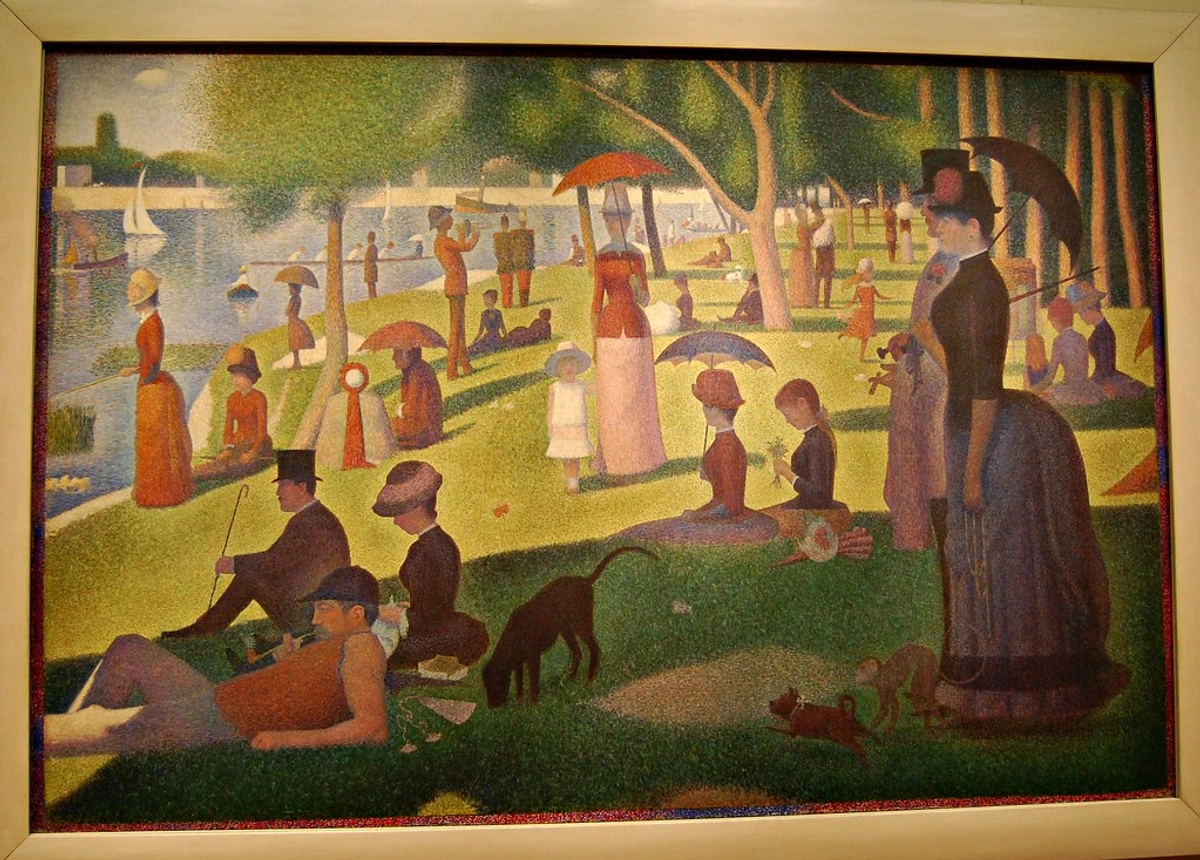
This piece from my collection, with its organic layers and emerging forms, embodies that very spirit of unveiling and interaction with the canvas's history.
Here too, the swirling textures and embedded colors hint at deeper layers and narratives, much like a decollage reveals its past.
Decollage in Contemporary Art: Evolving Narratives
While its roots are firmly planted in mid-20th century street art, decollage continues to evolve, proving its timeless relevance. Contemporary artists use the technique, or variations of it, to explore new themes and push boundaries. You see it in mixed-media pieces that combine torn paper with paint, photography, or even digital elements. For instance, artists like Christian Marclay use decollage principles to create stunning visual and sonic collages from album covers, where the ripped fragments evoke both the visual and auditory experience of music history. Mark Bradford, another influential contemporary artist, creates massive, abstract canvases from salvaged paper, transforming found urban detritus into powerful, textured narratives that echo decollage's engagement with urban textures and social commentary. It's a testament to its enduring power as a conceptual tool for commenting on society, identity, and the relentless media landscape. And if you're curious about how contemporary artists are constantly redefining what art can be, our timeline offers a fantastic overview.
Artists might create their own layered surfaces in the studio, rather than relying solely on street finds, giving them more control over the initial 'destruction' phase and allowing them to infuse personal narratives. Others use decollage principles to dissect digital imagery, exploring the idea of tearing away layers of information in our digital age. Imagine digitally layering screenshots of social media feeds or browser histories, then 'erasing' parts to reveal hidden code, fragmented messages, or the stark algorithms beneath the polished surface. This digital decollage can be created using software features like layer masks, eraser tools, or blend modes in programs like Photoshop or Procreate, allowing for pixel-perfect 'tears' or subtle reveals. For example, you might:
- Import multiple images: Start by bringing several high-resolution images of old posters, digital ads, or even abstract textures into Photoshop as separate layers.
- Apply layer masks: Instead of deleting pixels, use layer masks on the upper layers. With a soft, textured brush (or even a custom brush that mimics torn paper edges), paint with black on the mask to 'reveal' the layers beneath. This allows for non-destructive editing and easy adjustments.
- Experiment with blend modes: Change the blend modes of various layers (e.g., Multiply, Overlay, Screen) to create unexpected interactions and transparency, simulating how light and wear might affect physical layers.
- Add digital textures: Overlay scans of weathered paper, grime, or subtle rips as separate texture layers, adjusting their opacity and blend modes to enhance realism.
- Use selection tools for precise tears: Employ the Lasso Tool or Marquee Tool to select specific areas, then use the mask to 'tear' them away with sharp or jagged edges. You can even apply a 'Distort' filter to these selections before masking to give them a more organic, uneven feel.
This approach opens up possibilities for animated decollage, where layers peel back or morph over time, adding a dynamic dimension to the art form. This approach can be a powerful comment on data privacy, digital overload, or political polarization, showing how the glossy surface of digital communication can be deconstructed to reveal deeper truths.
Decollage in Mixed Media: Beyond the Canvas
Decollage isn't confined to paper alone. Many contemporary artists integrate decollage elements into broader mixed media works, combining torn layers with paint, found objects, photography, or sculpture. This approach allows for even greater textural depth and conceptual complexity. For example, an artist might apply torn poster fragments onto a painted canvas, then add gestural marks or sculptural elements that emerge from or recede into the paper layers. This creates a multi-dimensional dialogue, where the decollaged pieces provide a historical and textural foundation for the other mediums. Think of artists like Anselm Kiefer, who embeds found objects and lead into his massive paintings, creating layers of history and meaning that resonate with decollage's spirit of excavation, albeit with different materials.
The Role of Typography and Text: Found Narratives
One of the most compelling aspects of decollage is its ability to transform fragmented text into new narratives, often without intending to. Artists strategically (or accidentally) utilize bits of headlines, slogans, and advertising copy from underlying layers. A single word or phrase, ripped from its original context, can suddenly take on profound new meaning when juxtaposed with an image or another fragment of text. This creates a kind of visual poetry, where the viewer actively participates in deciphering and constructing the "found poems." The style, size, and font of the exposed typography also contribute to the overall aesthetic, adding a graphic dimension that can range from bold and confrontational to subtle and poetic. It’s like discovering hidden messages whispered through the layers of time.
The Influence of Decollage on Other Art Forms
The principles of decollage have rippled out, influencing a wide array of other creative fields. In street art, artists often engage in a form of decollage by layering graffiti or paste-ups, only for them to be weathered, torn, and layered again by other artists or the elements, creating an organic, evolving urban canvas. Graphic design draws on decollage's aesthetic of fragmentation and juxtaposition to create dynamic layouts and visual narratives, particularly in editorial design or album art. Even in film montage, the rapid cutting and layering of disparate images to create a new emotional or conceptual impact shares a lineage with decollage's deconstructive approach to visual information. It shows how profoundly the act of revealing and recontextualizing can impact our perception across different mediums.
Decollage as Social and Political Commentary
Beyond general critiques of consumerism, decollage has been a potent tool for direct social and political commentary. Artists often target specific political propaganda, public service announcements, or media portrayals of current events, tearing them down to expose underlying truths, challenge narratives, or give voice to marginalized perspectives. By physically dismantling official or commercial messages, decollage artists can create powerful visual metaphors for societal unrest, censorship, or the struggle for change. It's a defiant act that reclaims public discourse and reframes it through an artistic lens, making it a powerful form of protest art. This direct engagement with contemporary issues is why decollage remains a vibrant and relevant art form today.
The Economic Value and Market for Decollage Art
The journey of decollage from street walls to prestigious galleries has also given it a distinct place in the art market. Early works by pioneers like Jacques Villeglé or Mimmo Rotella, particularly those from significant periods of their careers, command substantial prices at auction and through established dealers. For example, a major work by Jacques Villeglé can easily fetch six figures, sometimes reaching over a million dollars, reflecting its historical significance and rarity. Their historical significance, coupled with the unique, often unrepeatable nature of each piece, contributes to their value. For contemporary decollage artists, the market can be more varied. Factors such as the artist's reputation, exhibition history, the scale and complexity of the work, and the provenance (the documented history of ownership) all play a crucial role in valuation. Collectors are often drawn to decollage for its inherent narrative qualities, its connection to urban history, and its visual texture that stands apart from more traditional art forms. The shift towards larger, museum-scale installations by artists like Mark Bradford further underscores the growing recognition and economic importance of this layered art form, with his works sometimes selling for millions.
Preservation and Conservation of Decollage Art
Given its origins in ephemeral street materials, decollage presents unique challenges for preservation and conservation. The very nature of the art – torn, weathered paper often adhered with various types of glue – means it can be highly susceptible to environmental factors like humidity, light, and temperature fluctuations. Conservation efforts focus on stabilizing the fragile layers, preventing further degradation, and ensuring the artwork's longevity. This often involves careful archival mounting, using acid-free materials, and controlling exhibition conditions to minimize exposure to damaging UV light and fluctuating moisture levels. Specific treatments might include deacidification of brittle paper, consolidation of flaking layers with reversible adhesives, and precise infilling of losses with toned paper to minimize visual distraction while preserving the original aesthetic. For artists creating new decollage works, choosing archival quality adhesives and supports is paramount to ensure their pieces can endure and be enjoyed by future generations. It’s a delicate balance between preserving the raw, transient aesthetic and ensuring the physical survival of the artwork.
Ready to Rip? A Beginner's Guide to Creating Decollage
Feeling inspired to try your hand at decollage? It's surprisingly accessible, and you don't need much to get started. Honestly, half the fun is in the mess and the unexpected discoveries! Having explored the history and philosophy of decollage, you might now be wondering how to begin creating it yourself. Here's how I'd approach it if you're a beginner, complete with the tools and techniques for your own calculated chaos:
Essential Toolkit & Preparation
Item | Purpose | Key Considerations |
|---|---|---|
| Found Posters/Paper | Primary medium for layering and tearing | Seek weathered, layered materials. Always seek permission for public finds; consider thrift stores, flea markets, old books, or creating your own layered surfaces. Look for different paper types – glossy, matte, newsprint – for varied tearing effects. |
| Safety Precautions | Crucial for using sharp tools | Always cut away from yourself, use a cutting mat, wear gloves for hygiene (especially with street finds), and ensure good ventilation. |
| Utility Knife/Blades | Precise cuts or initial scoring of layers | Define starting points, control tear direction. A scalpel is great for fine lines and delicate tears; a box cutter for broader scores. |
| Scrapers/Palette Knives | Lifting/peeling layers, creating texture, removing adhesive | Choose metal for rigidity (deep, aggressive peels), plastic for gentleness (subtle removal, preserving texture). Experiment with shapes for varied textures and effects. |
| Bone Folder/Credit Card | Initiating clean tears, pressing down edges, folds | Helps achieve specific tears and manages paper resistance, creating crisp folds or encouraging straight rips. Also useful for smoothing down freshly glued layers. |
| Damp Sponge/Brush | Weakening paper fibers on resistant layers | Allows for more controlled, less destructive removal, creating soft, feathered edges rather than harsh, abrupt rips. Great for achieving a weathered, eroded look. |
| Sandpaper/Abrasives | Distressing, creating hazy reveals, blending | Different grits achieve varied effects, from smooth blending and softening transitions to rough erosion and creating aged patinas. |
| Adhesive/Medium | Re-adhering loose layers, sealing the final piece | Archival quality (PVA glue, matte medium, gel medium) prevents yellowing, ensures longevity and stability for your work. Test on scraps first! |
| Brushes | Applying adhesive or sealing medium | Various sizes; soft for smooth coats, stiffer for texture work and spreading adhesive evenly. |
| Protective Surface | Protecting your workspace | A self-healing cutting mat or several layers of old newspaper are essential to protect your table from cuts and glue spills. |
| Gloves | Keeping hands clean, protection from materials | Especially important for street finds (grime, dust, bacteria) and for protecting against adhesive. |
| Camera | Documenting the process (optional) | Captures evolution, details, aids reflection on artistic decisions and how the piece changed. I love looking back at the 'before' state! |
| Surface Preparation | Ensuring materials are ready for adhesion | Clean off dirt/grime; ensure materials are dry and free from mold/mildew before starting your layers. Flatten crumpled papers if desired. |
| Considerations for Adhesion | Ensuring effective, lasting adhesion | Test adhesives on scraps; humidity affects drying; matte medium/PVA works well for most paper types. Apply thinly and evenly to avoid warping and bubbling. |
The Steps: Orchestrating Your Deconstruction
- Gather Your Layers and Build Your Canvas: Start with a stack of old magazines (think vintage fashion for aesthetics, glossy travel for rich visuals, or National Geographic for diverse imagery), newspapers (for historical context or specific typography), or even printed out images. You can glue several layers together onto a sturdy backing (like cardboard or wood panel) using a simple craft adhesive. Let each layer dry completely before adding the next. This creates your 'urban wall' in miniature, ready for deconstruction. Don't be afraid to experiment with different types of paper or even fabric remnants. You can even pre-paint some layers with different colors or textures to create your own unique 'history' beneath the surface – a bit like preparing your canvas with gesso for a painting. I often find this initial layering step surprisingly meditative, anticipating the chaos to come.
- Plan (or Embrace Spontaneity!): You can have a rough idea of an image or theme you want to reveal, or simply let the process guide you. I often find the unexpected results are the best ones. Embrace the "accident" – your "mistakes" are often your greatest discoveries in decollage. It's okay to "ruin" a piece; it's part of the learning and discovering process. Remember, the true magic often lies just beyond your initial intention, so be open to happy accidents and shifts in direction. This is where the 'calculated chaos' truly comes alive. It's about letting the material tell its story, not just imposing yours. Sometimes I start with a clear vision, only for the paper to insist on a completely different direction!
- Start Tearing with Purpose (Gently!): Begin gently peeling or tearing away the top layers. I recommend starting with smaller, more controlled tears, and then expanding as you get a feel for the material. Use your fingers for organic, ragged edges, or a craft knife (perhaps guided by a ruler for initial scoring) for more controlled lines. A bone folder or the edge of a credit card can also be useful for initiating a tear or creating a crisp fold before ripping. Experiment with different depths – sometimes a shallow tear is all you need, other times you might want to expose several layers down, creating real visual depth. Listen to the auditory feedback of the paper as it rips and peels – it's part of the process! Remember, you're not trying to be neat; you're trying to reveal.
- Look for Juxtapositions and "Found Poems": As you tear, pay attention to how different colors, texts, and images from various layers interact. That's where the magic happens! A fragment of a face from one layer might combine with text from another to create a new, unintended meaning, almost like a 'found poem.' For example, imagine tearing a bright consumer ad to reveal a fragment of an older newspaper headline beneath, perhaps "GLOBAL CONCERN OVER CLIMATE," juxtaposed with a faded image of a smiling, carefree family from another layer. This accidental pairing creates a poignant, unplanned narrative that speaks volumes about transient promises. Or perhaps a glossy image of a luxury car is torn to reveal a stark, black-and-white photograph of a protesting crowd from decades past, beneath a ripped slogan that now reads simply, "DEMAND CHANGE." Another powerful example I've seen is a torn magazine page featuring a pristine model's smile, revealing underneath a fragment of a newspaper story about social inequality, with the words "...struggle continues." The contrast creates an instant, powerful social commentary, a subtle jab at superficiality. The gaps and voids are just as important as the remaining fragments, inviting the viewer to fill in the blanks and reconstruct the narrative, making them active participants in the meaning-making process. Sometimes, the most powerful messages are accidentally created through these juxtapositions, offering insights you never planned. It's a bit like exploring texture in a painting, where each mark contributes to the overall story.
- Refine and Seal Your Revelation: Keep tearing and peeling until you're happy with the composition. You might want to re-adhere loose flaps with a little glue, or even add a thin layer of matte medium over the whole piece to seal and unify it. A sealant can also subtly alter the texture and sheen of the finished artwork, adding another layer of artistic control and ensuring your fragile work stands the test of time. I usually step back, live with the piece for a day or two, and then decide if it needs that final unifying touch.
- Embrace the Imperfection: Remember, decollage isn't about perfection. It's about the process, the history, and the beautiful accidents that happen along the way. Your 'mistakes' are often your greatest discoveries! The challenges in decollage, such as the fragility of torn paper or the difficulty in precisely controlling every outcome, are inherent to its raw beauty. Let the material lead you, and trust your intuition. What you perceive as a flaw might just be the unique character of your piece. This embrace of the imperfect is not only an aesthetic choice but can also be a profound reflection of life itself – messy, unpredictable, yet ultimately beautiful in its layers. And that, I believe, is where the real art lies. So, go ahead, make a mess, and discover something wonderful!
Frequently Asked Questions About Decollage
What's the difference between decollage and collage?
Ah, the classic question! While both involve paper and can create layered effects, they're essentially opposites. Collage is about adding elements together – cutting pieces from different sources and gluing them onto a surface to create a new composition. Think construction, building something new from disparate parts, focusing on synthesis and creation. Decollage, on the other hand, is about removing elements. You start with an already layered surface (like a poster stack) and you tear away layers to reveal what's underneath. Think deconstruction, uncovering hidden histories, and critiquing what was already there. They're two sides of the same artistic coin, really, both exploring the power of found imagery and playing with layers, but with fundamentally different approaches to creation. If you're curious about traditional paper artistry, I have a fantastic article on a beginners guide to creating collage art that goes much deeper!
This collage image is a great way to see what decollage isn't directly, but how similar elements of paper, text, and imagery are used, just in a different method of assembly.
Is decollage abstract art?
Decollage often blurs the lines between figurative and abstract art. Because you're tearing away and revealing fragments, the resulting image can be highly abstracted, with colors, textures, and lines dominating over recognizable forms. When an artist focuses on the material's inherent qualities and the random interplay of layers, the result can be purely abstract. However, many decollage artists, especially the early Affichistes, worked with fragmented advertisements that still contained recognizable imagery, albeit distorted or incomplete. This is often referred to as figurative abstraction; for example, a torn image of a celebrity's face might lose its clear identity but retain an emotional resonance through the expressive power of the fragmented lines and colors. So, it can be both! It depends on the artist's intent and how aggressively they deconstruct the original material. Some of my abstract paintings also explore this tension between form and abstraction, finding beauty in the suggested rather than the explicit.
What are some famous decollage artists?
Some of the most prominent pioneers of decollage include the French Affichistes like Raymond Hains, Jacques Villeglé, and François Dufrêne. In Italy, Mimmo Rotella was a key figure, famous for his décollages made primarily from ripped movie posters, often showcasing fragmented cinematic icons with a strong sense of urban energy. And in Germany, Wolf Vostell pushed the boundaries of decollage into performance and mixed media, particularly within the Fluxus movement. More recently, artists like Christian Marclay and Mark Bradford have continued to explore decollage principles, extending its reach into new media and conceptual territories. These artists laid the groundwork for how we understand and appreciate this unique and often rebellious technique.
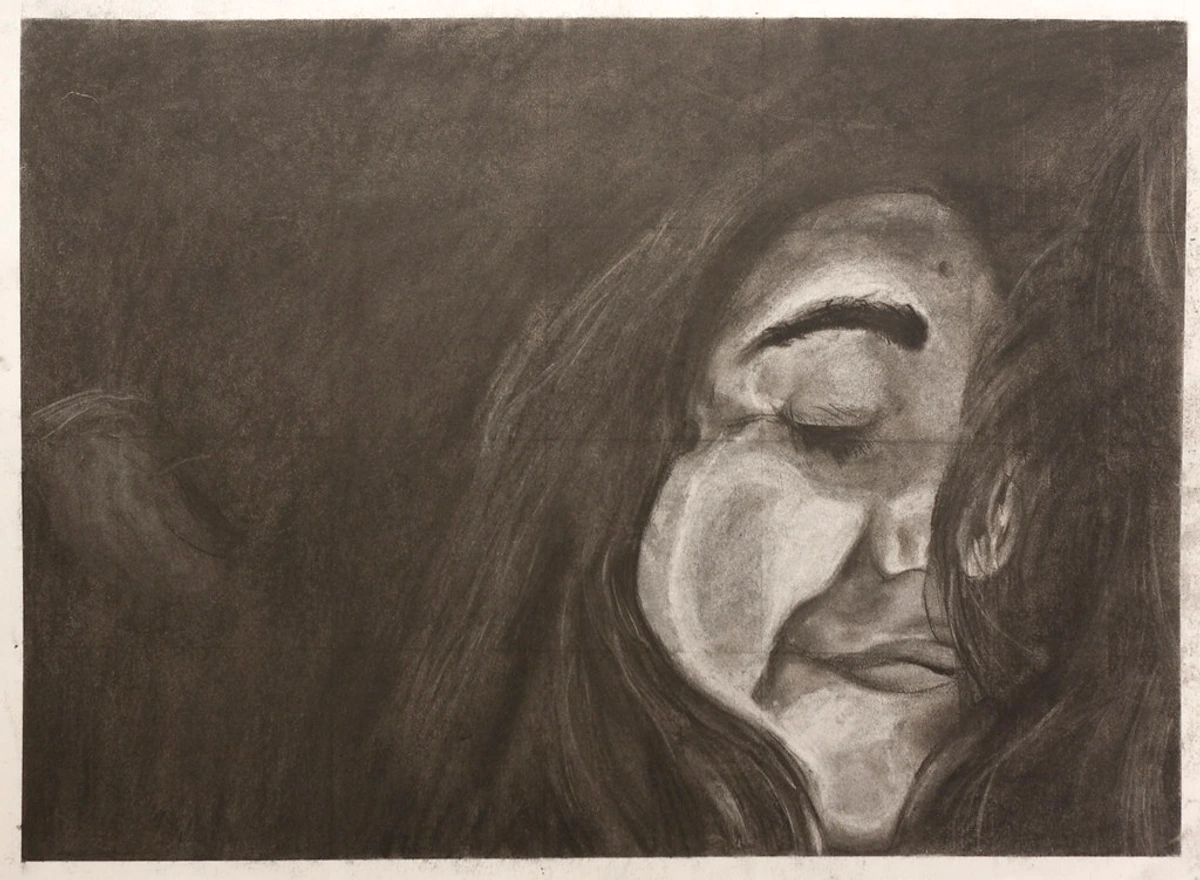
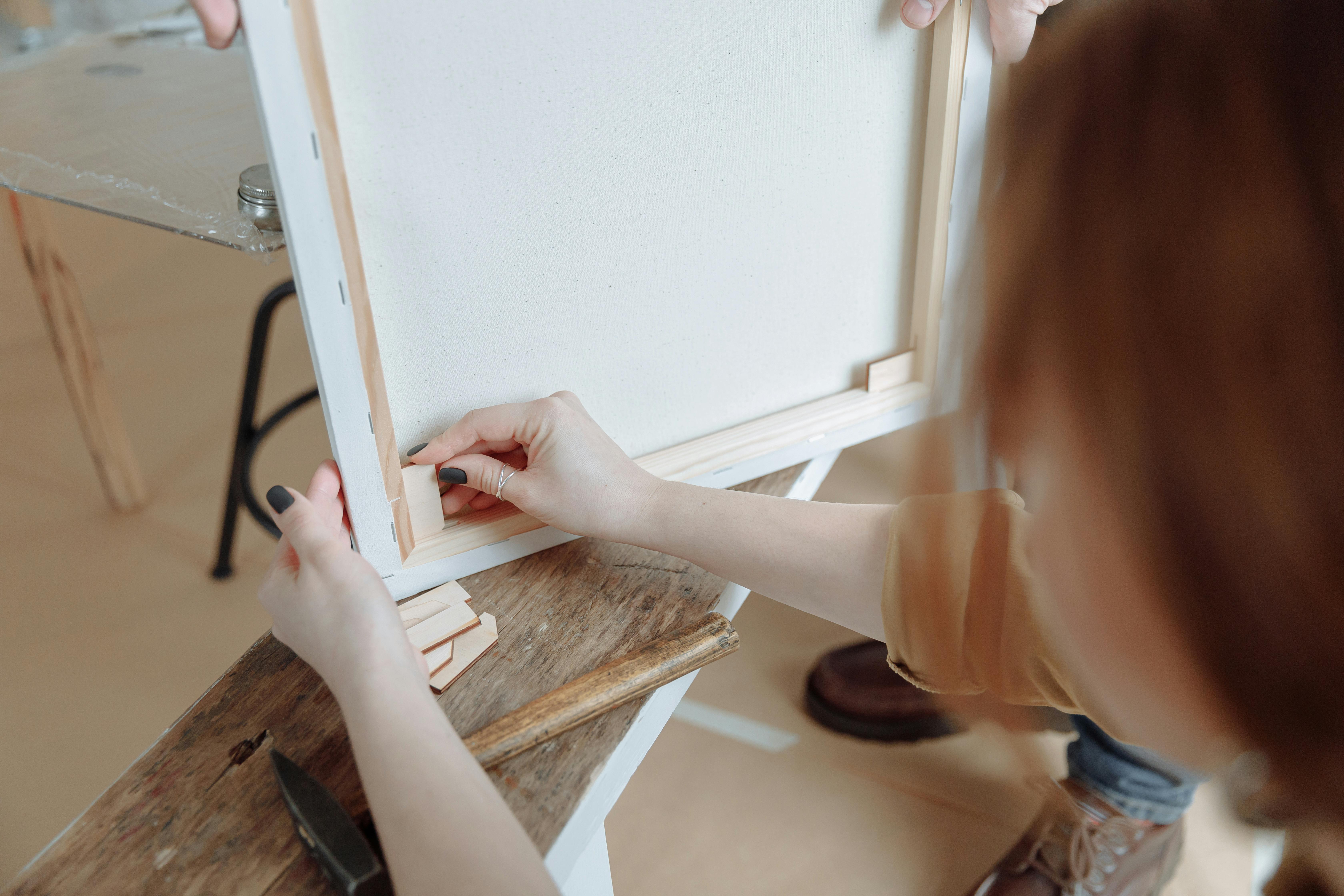
This image, while not decollage, shares a powerful sense of fragmented narrative and layered meaning, echoing the spirit of uncovering hidden stories.








Can I do decollage with digital tools?
Absolutely! While traditional decollage is very tactile, the principles can certainly be applied digitally. You could take multiple layers of digital images, text, and textures, and then use tools like layer masks, the eraser tool, or blend modes in software like Photoshop or Procreate to 'tear away' or 'reveal' layers, mimicking the effect of physical decollage. You can even apply digital textures to simulate paper fibers or weathered surfaces. Digital decollage offers endless possibilities for precise control and undoing 'mistakes,' which can be incredibly liberating for some artists, allowing for experimentation with complex compositions and endless revisions. You can even explore animation, where layers tear or reveal over time, adding a new dimension to the art form. It's a fantastic way to experiment with the concept without the mess (though I do love the mess sometimes!).
What are the challenges of decollage?
Decollage, for all its freedom, comes with its own set of challenges that I've learned to embrace. The first is the inherent unpredictability: while it's "calculated chaos," you can never fully control how a paper will tear or what image will be revealed beneath. This requires a certain level of letting go, trusting the process, and being open to accidental beauty. Another challenge, especially with street finds, is the material's fragility – old, weathered paper can be delicate and prone to crumbling, requiring gentle handling. Adhesion can also be tricky; ensuring layers stick effectively without bubbling or distorting requires practice and the right choice of medium. Finally, the ethical and legal aspects of using found imagery, particularly commercial or copyrighted material, remain a complex consideration for artists. Despite these hurdles, for me, the rewards of discovery and the profound messages that emerge far outweigh the difficulties.
Glossary of Terms
- Affichistes: French artists (e.g., Raymond Hains, Jacques Villeglé) who created decollage works by tearing posters from urban walls, particularly active in the 1950s and 60s.
- Calculated Chaos: The deliberate yet intuitive process in decollage where destruction and removal are chosen acts, leading to outcomes that are not entirely predictable but are guided by artistic intent.
- Décollagisten: German artists (e.g., Wolf Vostell) who embraced decollage, often with a more confrontational, performance-oriented approach, particularly within the Fluxus movement.
- Ephemeral Culture: Refers to the transient nature of trends, information, and commercial messages, especially in advertising and mass media, which decollage often critiques by revealing their fleeting existence.
- Fluxus: An international, interdisciplinary group of artists, composers, and designers in the 1960s and 70s, known for experimental art performances, happenings, and art that emphasized process over product. Wolf Vostell was a key figure.
- Nouveau Réalisme: A French art movement (c. 1960-1970) that sought to incorporate everyday objects and materials into art, similar to Pop Art, but often with a more critical, socially engaged perspective, embracing "spontaneous appropriation" of urban realities.
- Palimpsest: Originally a manuscript page from which the text has been scraped or washed off to be reused, but where traces of the original writing remain. In art, it refers to surfaces with visible layers of history, where past images or narratives show through later additions.
- Patina: A thin layer that forms on the surface of something, often due to age, wear, or chemical reaction, which can add a sense of history, authenticity, and beauty to materials.
- Wabi-Sabi: A Japanese aesthetic concept that finds beauty in imperfection, transience, and the natural processes of aging and decay.
Final Thoughts: Embracing the Layers of Life and Art
Decollage, to me, is more than just a technique; it's a way of seeing the world. It teaches us to look past the pristine surface, to appreciate the stories etched in worn facades, and to find beauty in the fragmented and the forgotten. It reminds me that sometimes, to create something truly new, you first have to let go, to tear down, to reveal the raw, honest layers beneath. This philosophy underpins much of my own work, where I strive to create art that feels both new and ancient, built from visible layers and hidden depths, focusing on the "hidden gestures" and "underpainting" that give a piece its history. It’s a beautifully human way of making art, full of accident and intention, destruction and discovery. It really makes you think about how every layer contributes to the final story, much like the interconnectedness of different art forms through history, which we often explore in the timeline of art movements.
This art form, with its embrace of the raw and unfinished, echoes through various artistic expressions, from the deliberate texture of abstract paintings to the found object installations of conceptual art. It’s a constant reminder that art, much like life, is a layered, evolving narrative, full of both calculated chaos and unexpected revelations. If this deep dive into decollage has sparked something in you – perhaps a desire to explore the unconventional, to see the world with a fresh, decollage-inspired eye, or even to try your hand at creating your own layered revelations – then my work here is done. Go forth and unveil some beauty! And if you're eager to discover more art that challenges perceptions and reveals hidden depths, don't forget to explore my own art for sale.