What Is Mechanical Reproduction in Art?
What happens when you can make infinite, perfect copies of a masterpiece? I break down Walter Benjamin's 'aura' and the radical shift caused by mechanical reproduction in art. From prints to pixels, this is how art became democratic, and why the original still holds power.

What Is Mechanical Reproduction in Art?
You know that feeling, walking out of a silent gallery hall, where you've just had an almost sacred encounter with a centuries-old canvas that feels like a direct line to a human soul? Then you turn a corner and bam—you're in the gift shop. That same painting you just revered is now on a coffee mug, a tote bag, and a set of coasters. The sacred has become a souvenir, mass-produced and available for $14.99. I've stood there, holding a postcard of a Rothko and feeling a strange cognitive dissonance—the solemnity of his color fields reduced to a glossy 4x6 rectangle. It's jarring, sure, but it's also one of the most honest illustrations of a force that has reshaped our entire culture: the collision between the unique artifact and the mass-produced copy.
This experience captures the central tension of our visual culture: the collision between the unique artifact and the mass-produced copy. But mechanical reproduction isn't just about putting art on merchandise—it's a fundamental force that has reshaped how we create, consume, and understand art itself. From ancient Roman sculpture molds to today's viral digital images, the ability to replicate artworks has consistently challenged our notions of originality, authenticity, and artistic value.
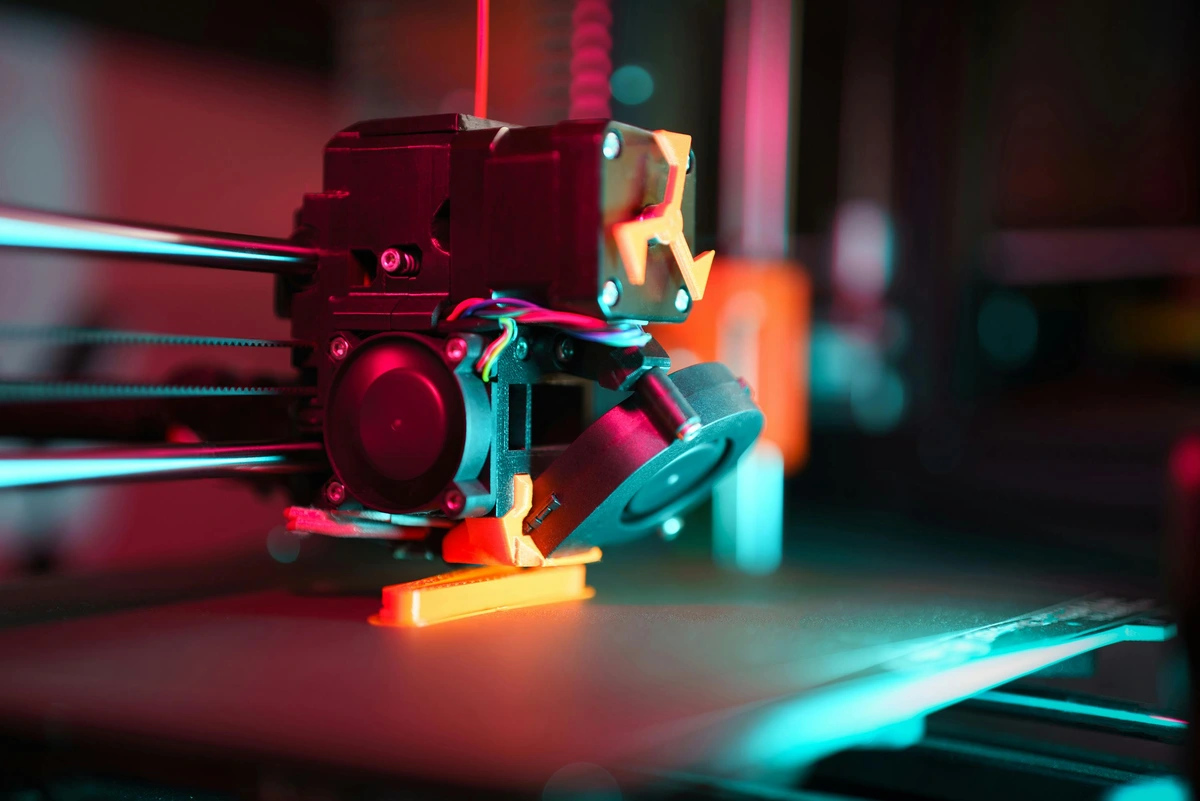
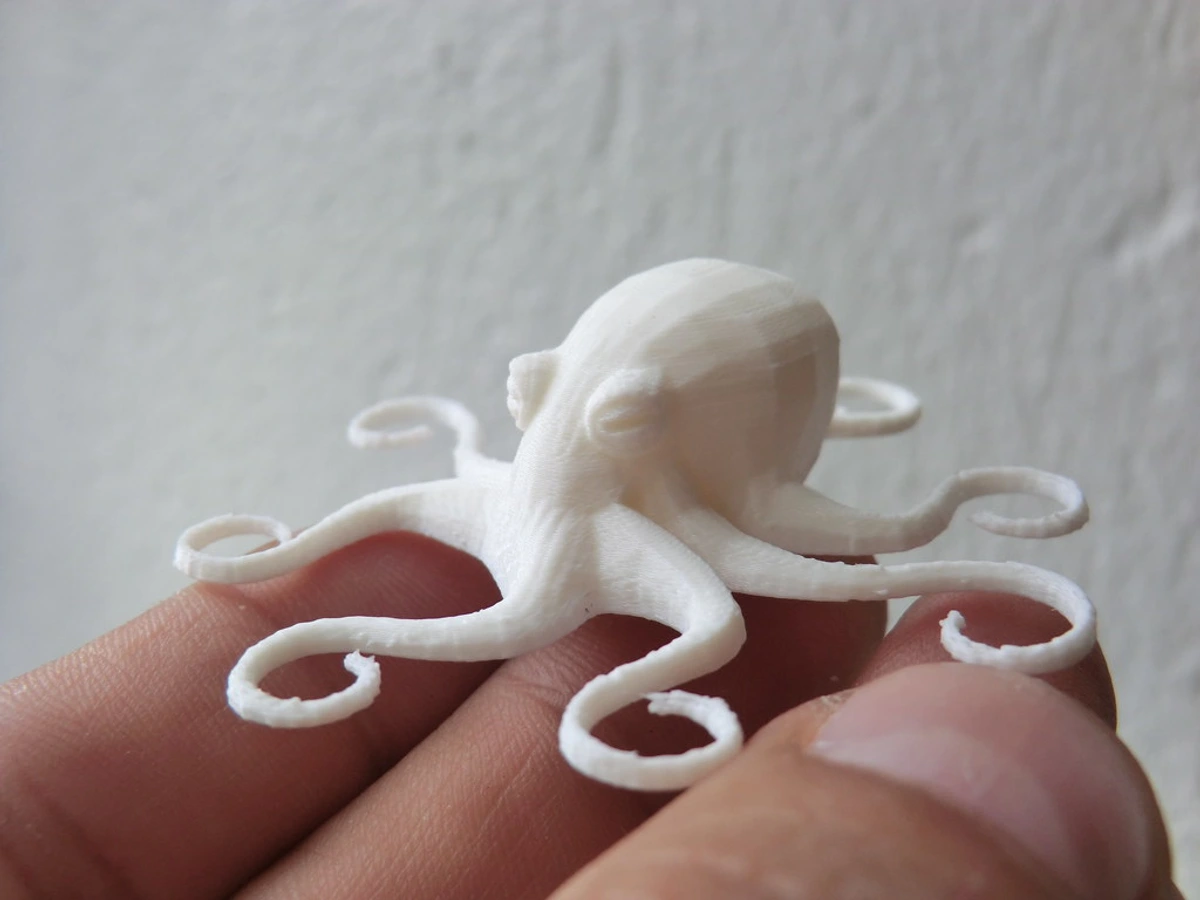
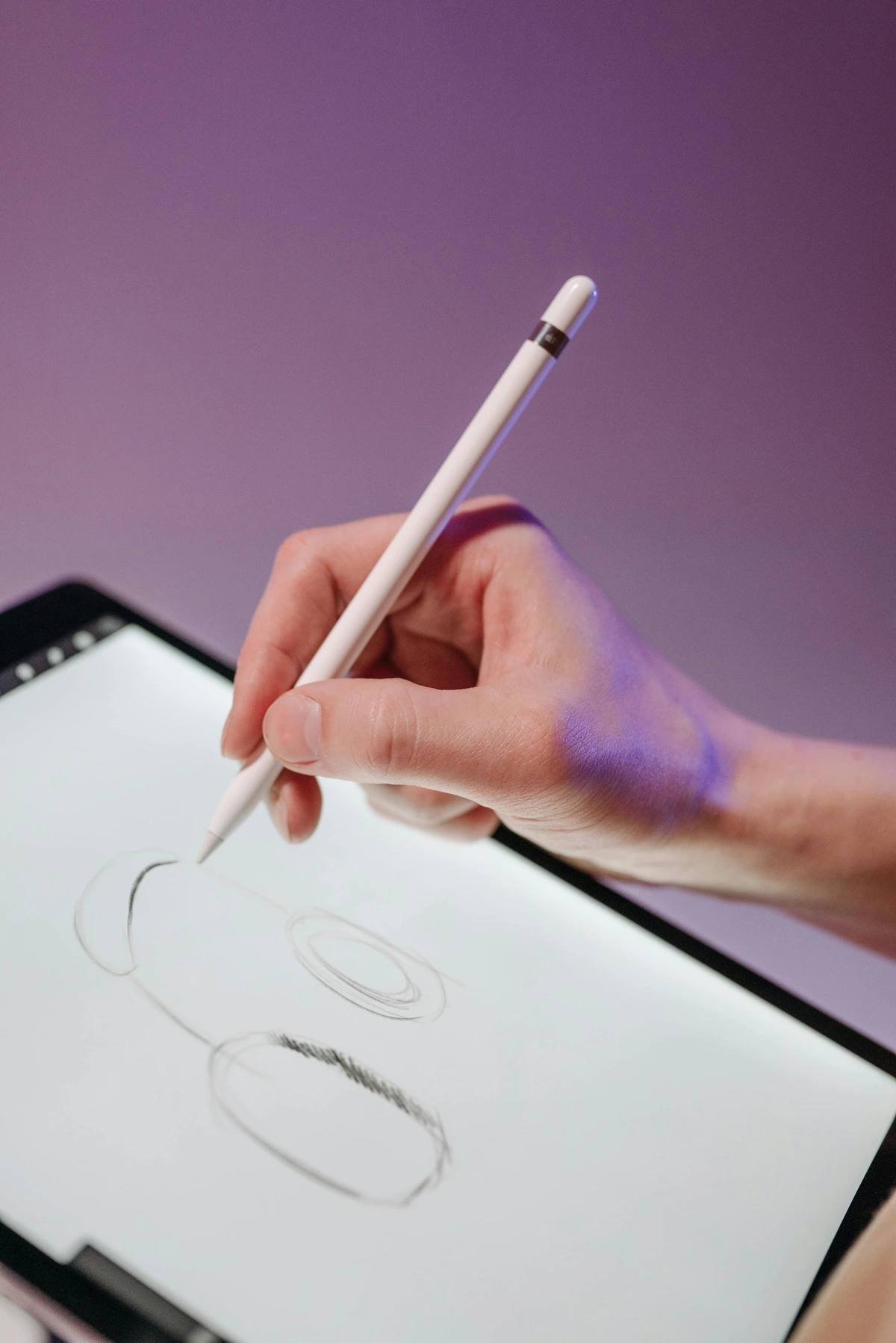
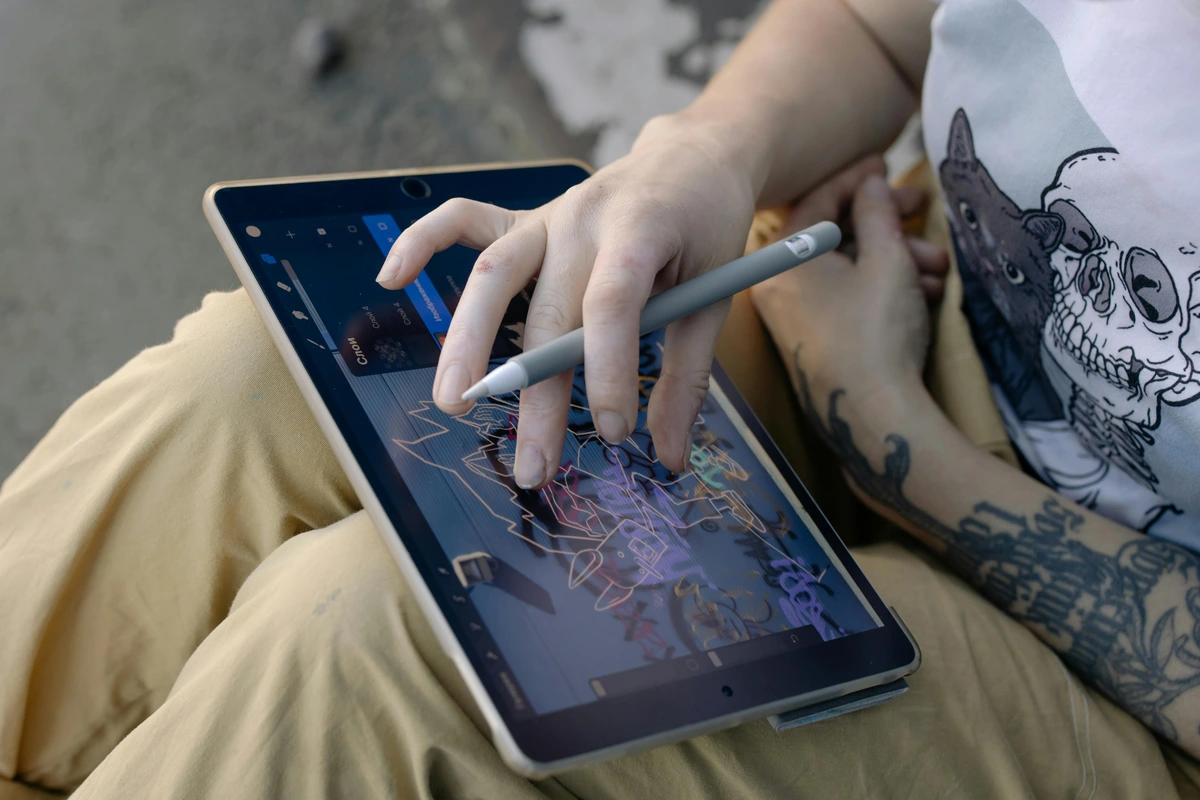
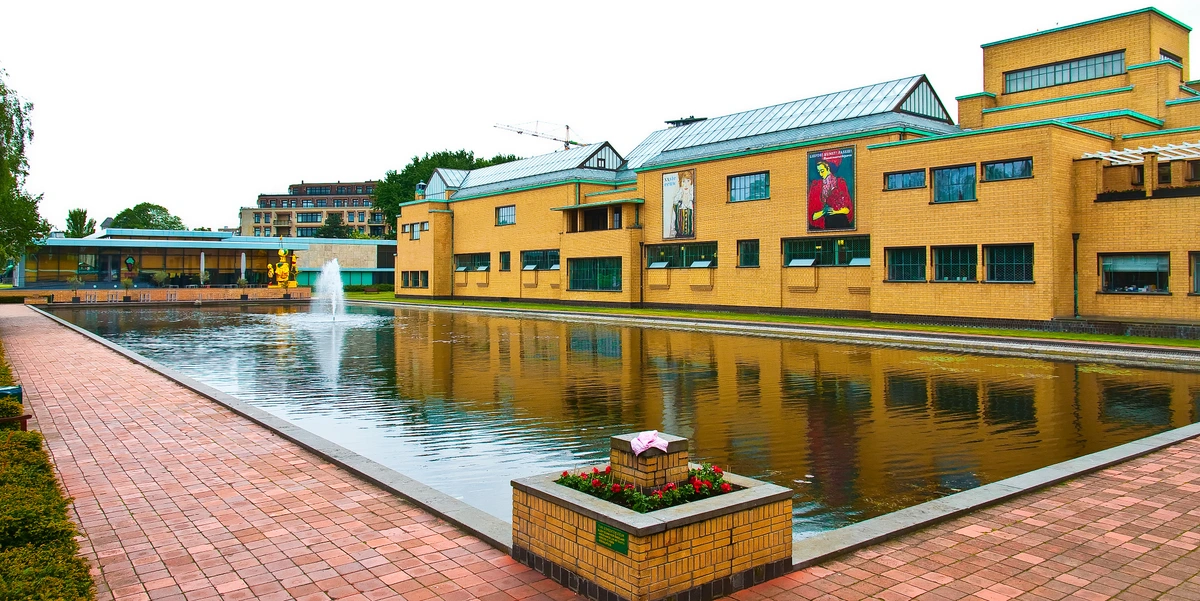
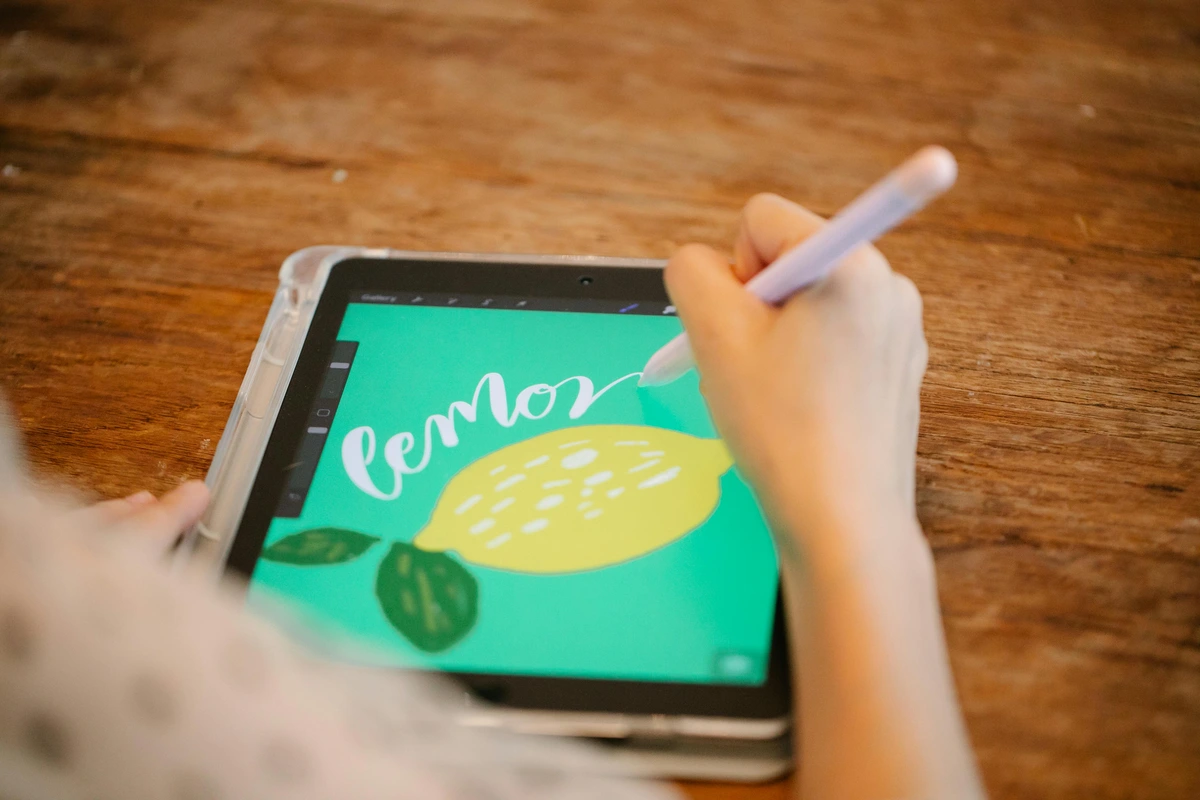
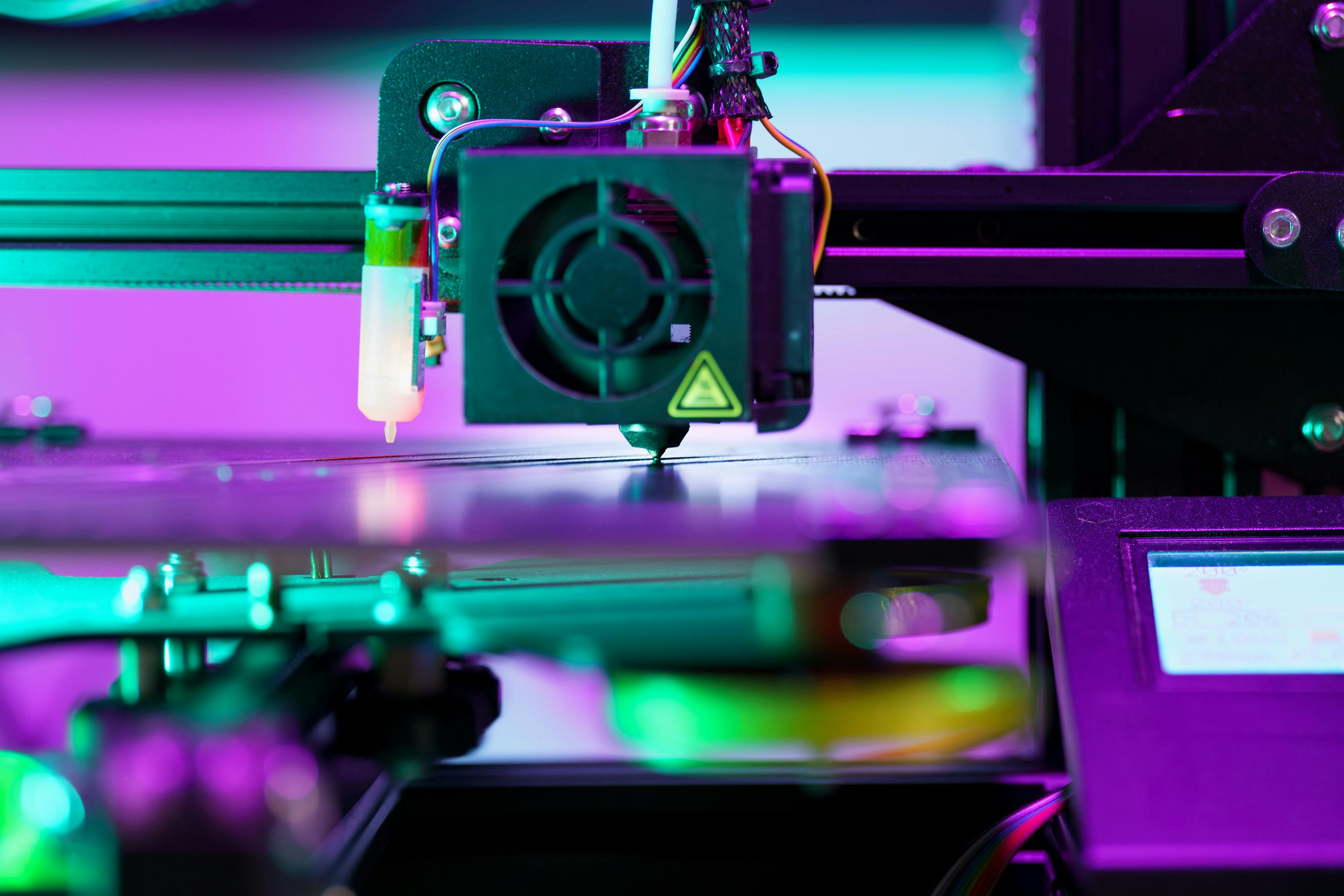
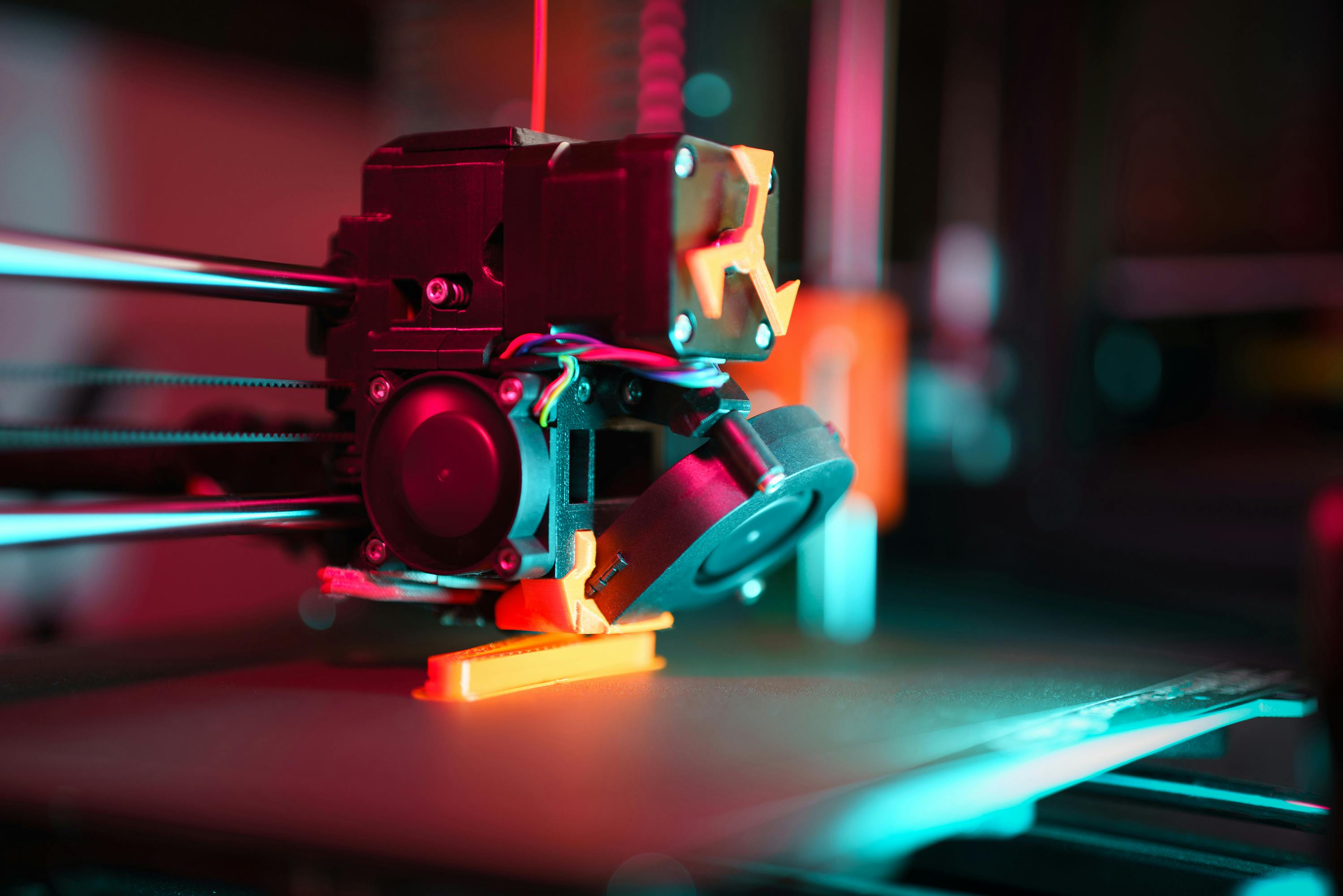
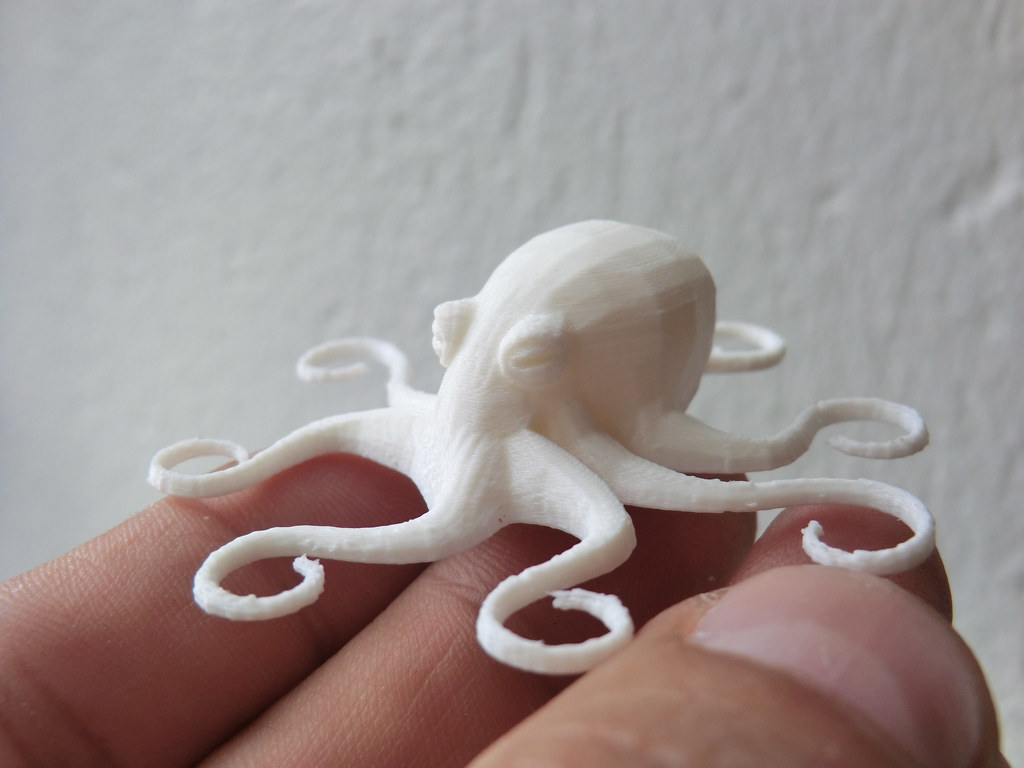
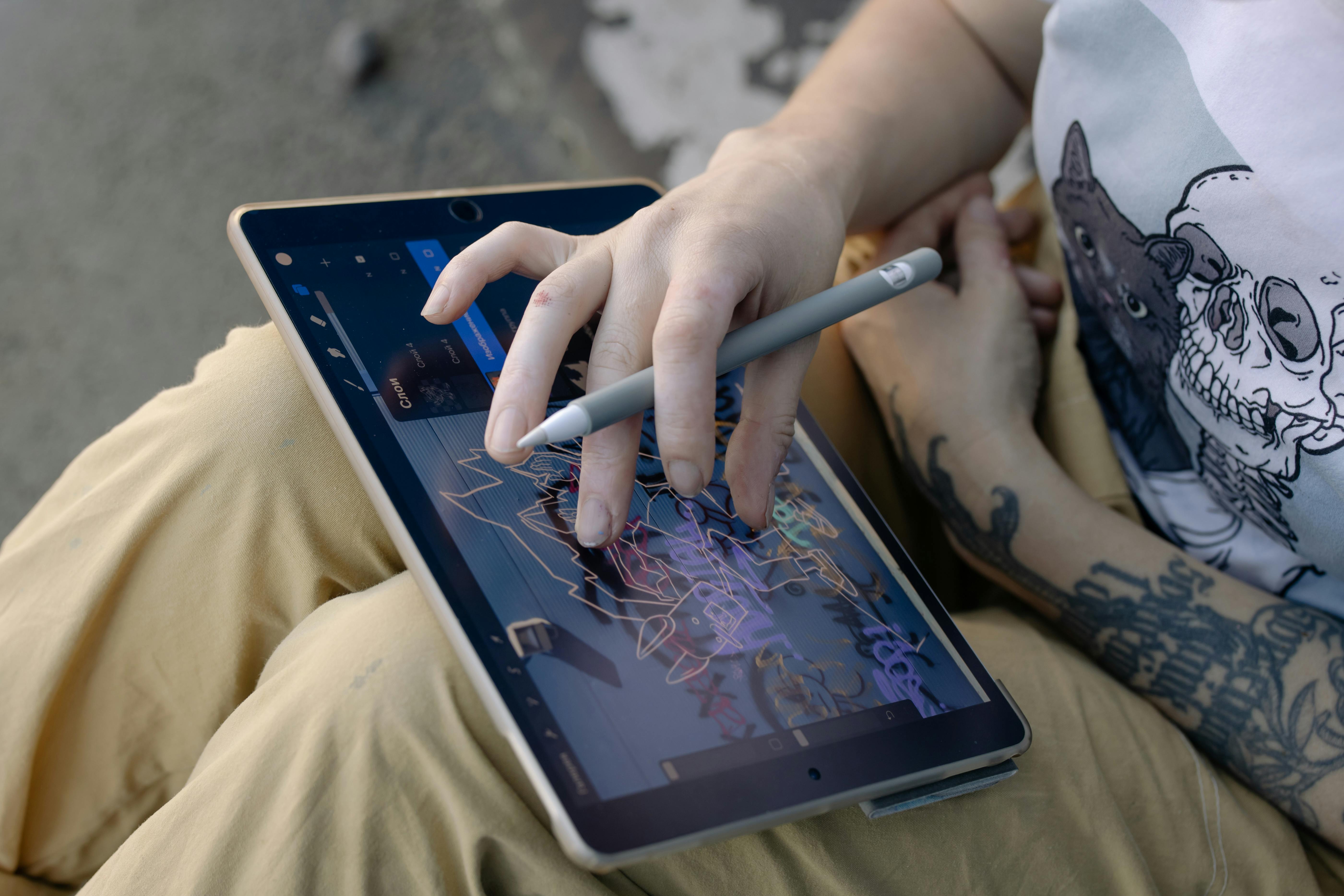
This jarring transition, that quiet collision between the unique artifact and the mass-produced copy, is the central nervous system of mechanical reproduction in art. But let's get specific: what are we actually talking about? At its core, mechanical reproduction is the act of using any technology—a printing press, a camera’s shutter, a 3D printer's nozzle, even an artist's screen in a studio in Den Bosch—to generate multiple iterations of a work that was conceived as singular. This act doesn't just make copies; it fundamentally rewires our relationship with originality, authenticity, and the very soul of an artwork. It forces us to ask: Where does the true value lie? In the one-of-a-kind object, or in the idea that can travel?
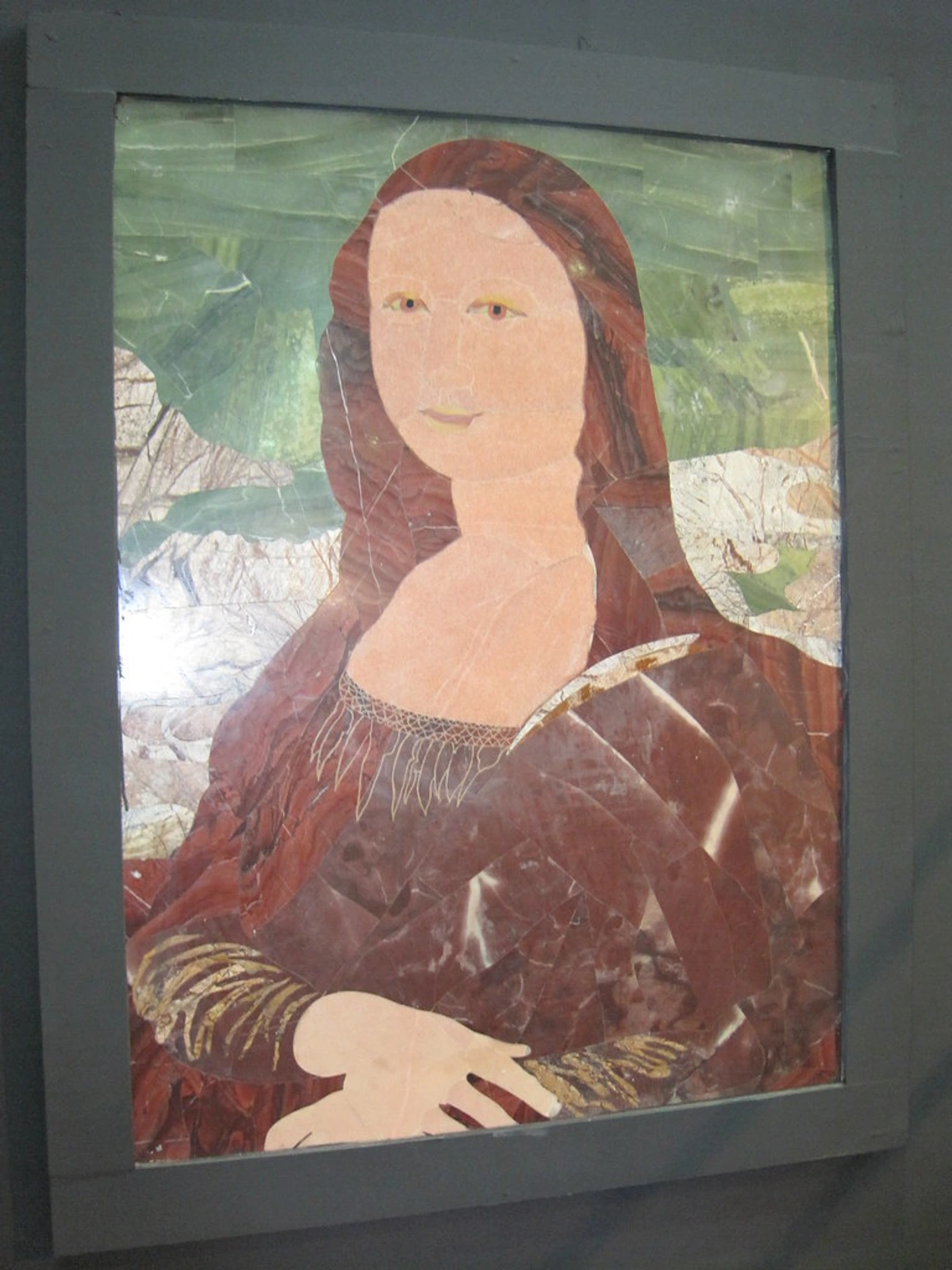
These questions feel unnervingly modern, as if they were born with the internet. But they've been twisting in philosophers' minds for over a century. If a masterpiece can be stamped onto a million coffee cups, what happens to its essence? Does the iconic smile of the Mona Lisa on your fridge magnet somehow steal a little magic from the one guarded in the Louvre? The thinker who dove deepest into this unsettling paradox was a German cultural critic, Walter Benjamin. His 1936 essay, The Work of Art in the Age of Mechanical Reproduction, isn't just a historical text; it's a skeleton key for understanding our entire digital age. Benjamin's core argument was revolutionary, and more than a little terrifying: mechanical reproduction doesn't just copy art; it fundamentally amputates it from its history, its location, its ritual, and its singular presence—what he famously called its aura.
In the pages ahead, we'll dissect this idea from every angle. We'll trace its technological roots, weigh what we've sacrificed against what we've gained, and see how artists from Warhol to the digital innovators of today have not just adapted to this reality, but weaponized it. We will also grapple with contemporary challenges: How does artificial intelligence fit into this long history of the copy? Can a digital file, born to be infinitely cloned, ever be truly owned? And what happens to our collective memory when an artwork can be edited, remixed, and deleted by anyone, at any time? The questions Benjamin raised are no longer just philosophical—they are the tangible realities of our networked world. We'll explore the subtle difference between a mass-produced poster and a masterfully crafted limited-edition print, and why that very distinction is at the heart of the story. By the end, you'll never look at a museum postcard—or the screen of your phone—the same way again.
In the pages ahead, we'll dissect this idea from every angle. We'll trace its technological roots, weigh what we've sacrificed against what we've gained, and see how artists from Warhol to the digital innovators of today have not just adapted to this reality, but weaponized it. By the end, you'll never look at a museum postcard—or the screen of your phone—the same way again.
The Death of Presence: Unpacking Walter Benjamin's "Aura" and Ritual Value
The most potent concept to emerge from the study of mechanical reproduction isn’t about the machine itself, but about what the machine erases. Before we can grasp the shockwave of mechanical reproduction, we have to understand what it was poised to destroy: the very soul of the artwork itself. For Walter Benjamin, that soul had a name—the aura. And its decay, he argued, was the single most important cultural consequence of the industrial and post-industrial age.
Before we can grasp the shockwave of mechanical reproduction, we have to understand what it was poised to destroy: the very soul of the artwork itself. For Walter Benjamin, that soul had a name—the aura. He described it with a beautiful, cryptic, almost poetic phrase: "a unique phenomenon of a distance, however close the thing may be."
I know what you're thinking—that sounds like academic mumbo-jumbo. But let's translate it into a real-world experience, the kind we've all had.
Picture this: you're in a dimly lit room at the Met, standing before a Rembrandt self-portrait. This isn’t just an image. This is a physical relic. You can see the ridges of paint, layered centuries ago by a specific human hand. You can almost feel the weight of every person who has ever stood in this exact spot, gazing at this same canvas. You are aware of its journey through time to be here, now, with you. It's the humbling shock of standing before an object that has a deeper, richer history than you do. That palpable sense of history and singular existence—that unbridgeable gap between you, the viewer in the present, and the artwork's embeddedness in its own past—that is the aura.
It’s the authority of the original. The magic of "the real thing." It's the artwork’s unique presence in the world, its authenticity stamped into its very atoms.
Now, bring in the machine. The printing press, the camera, the modern inkjet printer—they perform a kind of magic trick in reverse. They produce a perfect, functional duplicate of the image. But in doing so, they perform a violent act of abstraction. The copy is stripped of its physical history, its scale, its texture, and its journey. It's unmoored from its 'here and now.' It becomes a placeless, timeless piece of data. Think about it: a JPEG of the Rembrandt exists just as much on your phone as it does on a server in Nevada. It has no singular home, and therefore, no singular presence.
The copy, in Benjamin's view, has no aura. It is an orphan, identical in image but utterly divorced from its origin story. Its unique existence is replaced by a perpetual, ghostly availability. Yet, in this very 'orphaning', the copy gains a new kind of freedom. It can be clipped, edited, juxtaposed with other images, and made to serve purposes the original creator never intended. It's the difference between meeting a person and holding their photograph. The photograph can tell you what they look like, but it can't shake your hand, can't interrupt you, can't surprise you with a thought you didn't see coming. The reproduction gives us the information, but it withholds the encounter.
This leads to a peculiar kind of haunting—what I think of as a double-sided ghost story. The original artwork haunts all its copies. When you see that postcard of Starry Night, the "real" one in MoMA is the unspoken presence, the standard against which the copy is always found wanting. But the copies also haunt the original. They constantly remind us that the singular object is no longer the only way the work exists in the world. Its image is out there, circulating, mutating. Every great work carries within it the ghosts of all the images that influenced it, and projects forward into all the copies it will become, blurring the line between what it was and what it is to the millions who will only ever know it as a thumbnail.
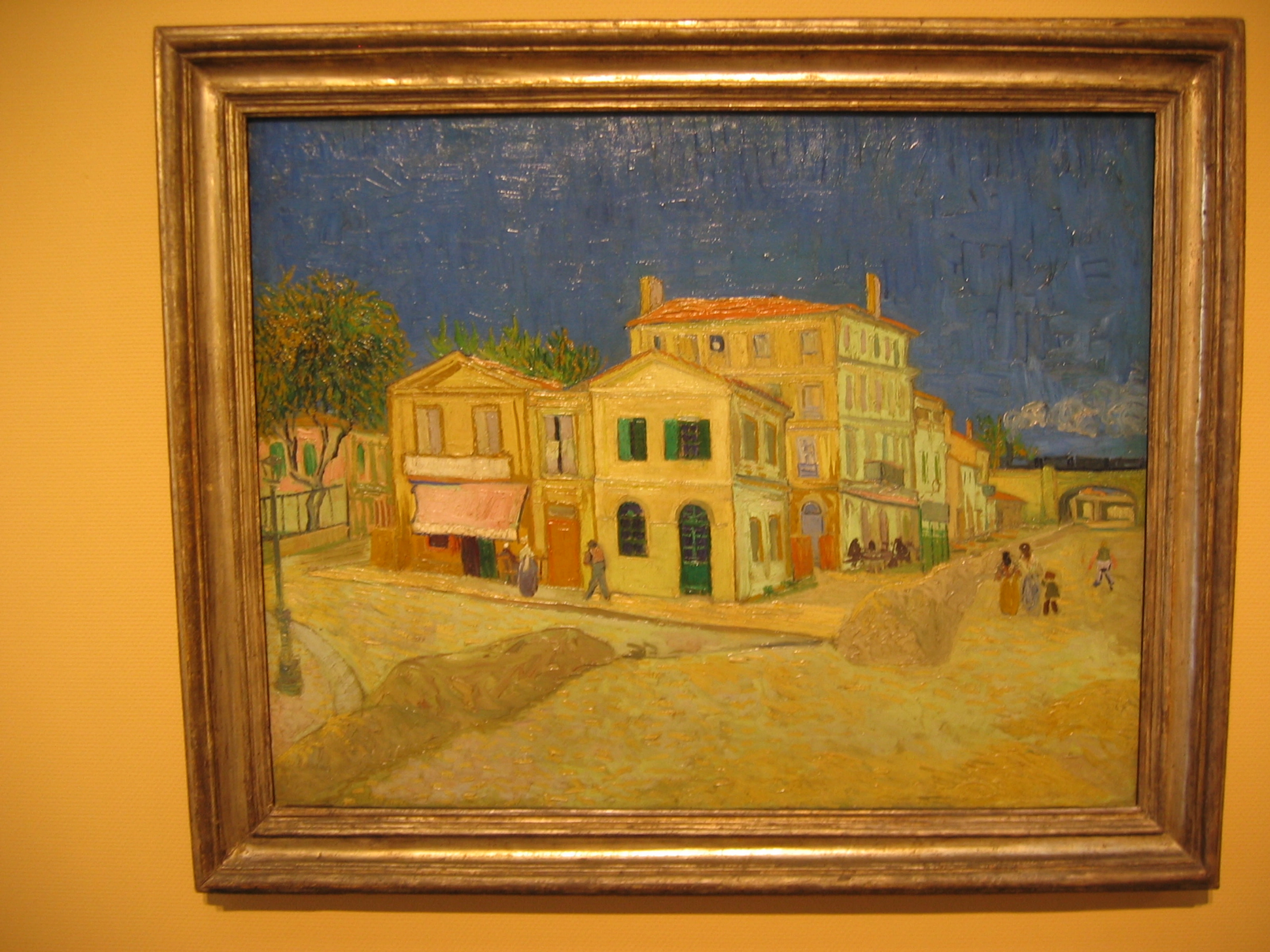
Think about that postcard of Van Gogh's Starry Night. It shows you the swirling blues and yellows, but it completely erases the violent, three-dimensional impasto of the paint. You can't see the ridges, can't appreciate its massive scale, can't feel the ghost of Van Gogh's frenzied brushstrokes. The physical struggle is invisible, sanitized.
I think of the postcard as an imposter—a hollow shell of the original's lived reality. It's a whisper of a scream. And yet, is it completely without value? That same postcard might hang on the wall of a young person who will never make it to MoMA, sparking an interest that changes the course of their life. I know artists who first fell in love with painting not in a museum, but through a tattered library book. The reproduction can be both a loss and a gift—a flattened experience that nonetheless opens doors to deeper engagement. It's a paradox we have to live with, not one we can easily solve.
Benjamin's chilling conclusion was that the aura, that delicate presence, is systematically withered away in the relentless, flattening process of mechanical reproduction. And he wasn't just wistful; he was making a political argument. He believed the decline of the aura was an 'emancipatory' act, stripping art of its phony ritual and paving the way for it to take on a more social, political role.
From Cult Value to Exhibition Value: Art's New Purpose
Benjamin was particularly transfixed by photography and film—new art forms that were, by their very nature, reproducible from the instant of their birth. There was no 'original' negative or film reel in the same way there was an original painting. This, to him, was a revolution far deeper than just a new technology; it was a fundamental shift in art's DNA.
He argued that traditional art, like ancient statues or religious icons, had what he called cult value. Their power came from their role in ritual, their sacredness, their being kept in secret, dark places. They were objects of worship, their presence an end in itself. A medieval altarpiece wasn't meant to be analyzed in a museum; it was meant to facilitate communion with the divine. Its value was intrinsic to its physical presence in a specific place for a specific purpose.
But the mechanically reproduced art of the modern era shed this mystical skin. It was made to be seen, to be circulated, to be put on display for the masses. Its new function was defined by its exhibition value—its power multiplied not through secrecy, but through sheer, widespread visibility. The aura, tied to cult value, withers as the artwork is pried from its ritual context and repurposed for public consumption.
This shift is not just academic; it has real, physical consequences. Take the journey of a religious icon from a dimly lit monastery chapel to a brightly lit museum gallery. In its original context, its value was in its perceived power to intercede with the divine. In the museum, its value is in its status as a rare artifact of a bygone era, its aesthetic beauty, and its ability to draw a crowd. The object is the same, but its entire reason for being has been fundamentally altered by its new context. The museum didn't just move the painting; it redefined its purpose. The question shifts from "What is its sacred function?" to "How widely can it be seen?"
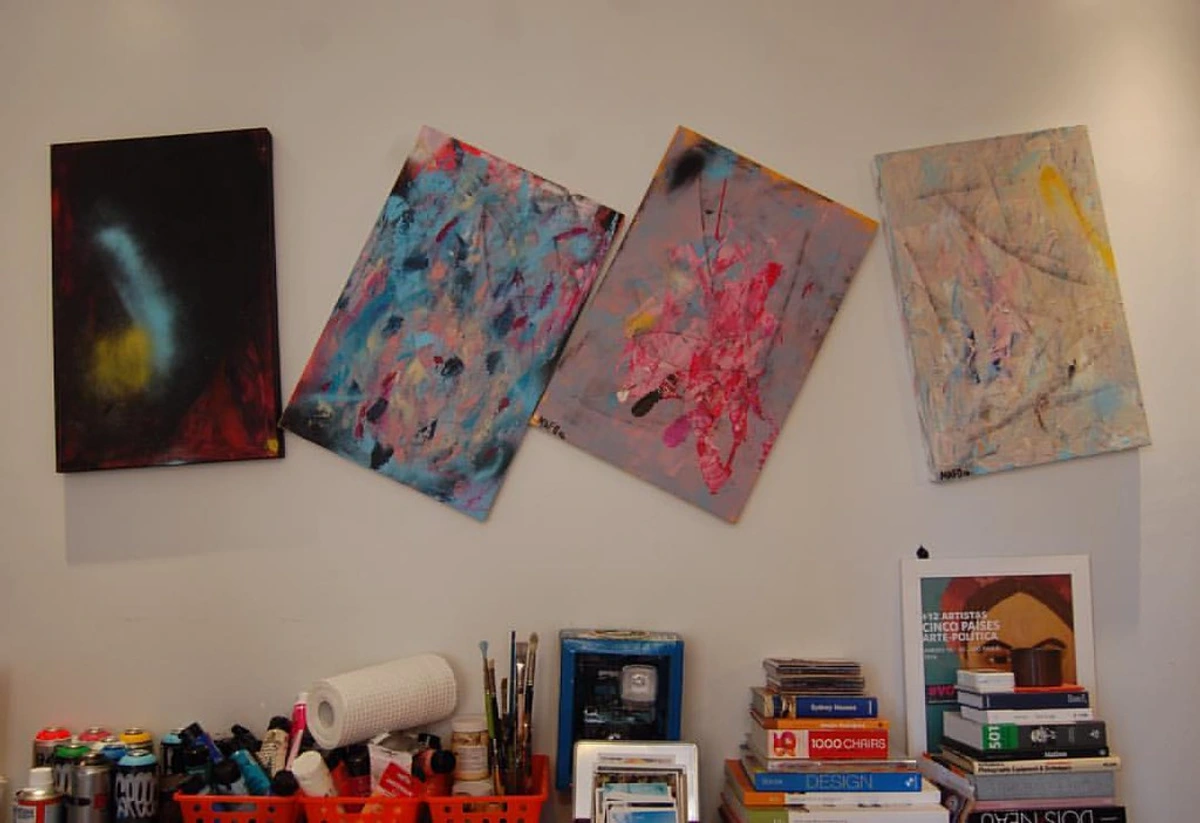
I find myself thinking about this constantly in my own studio. My abstract landscapes rely heavily on texture, on the physical build-up of paint and the way light catches it. That's their cult value—their unique, physical presence that whispers a different story from different angles and can never be fully communicated in a single photograph.
The moment I photograph one and upload it, I'm prioritizing its exhibition value, offering its image for consumption in a way that is necessarily incomplete, yet vastly more accessible. This isn't a compromise—it's a strategic choice about what kind of relationship I want the work to have with the world. Sometimes that relationship needs to be intimate and physical; other times it needs to be expansive, instant, and digital. The key is knowing which mode serves the work, and the audience, best.
The challenge for contemporary artists, myself included, is to be deeply intentional about these choices. We have to recognize that different modes of reproduction create different kinds of meaning. A painting that lives primarily on Instagram is a fundamentally different cultural object than one that exists primarily as pigment on canvas, even if they "look" the same in a feed. One is a physical event; the other is pure signal.
To put it in a frame we all know, imagine a live concert. You're in the crowd, the band is pouring everything into the performance, and the entire room vibrates with a collective hum. You experience a moment that can never be repeated. That’s the aura. The CD, the Spotify stream, the bootleg video on YouTube—those are the reproductions. They can capture the notes and the lyrics, but they can never fully replicate the feeling of being there—the bass thumping in your chest, the shared glances with strangers, the spontaneous energy. Digital technologies try to bridge this gap—think of a live stream—but even that introduces another layer of mediation, another screen. It often just amplifies Benjamin's observations in ways he could scarcely have imagined.
A History of the Copy: The Evolution of Reproduction
The compulsion to copy isn't a modern affliction; it seems hardwired into us. As long as humans have made things of beauty, we've tried to capture, preserve, and replicate them. We've found evidence of early stencils and carved seals dating back millennia.
But—and this is the crucial bit—the difference between ancient copying and mechanical reproduction lies in mediation. When a Roman artisan made a marble copy of a Greek bronze, the process was soaked in human interpretation—translating between materials, adapting to different scales, making countless micro-decisions that made each "copy" a unique work of art in its own right. Pre-industrial copies maintained a direct, tangible connection to the hand and eye of the maker, preserving a kind of aura through their unique craft. They were cousins, not clones. ## A History of the Copy: The Evolution of Reproduction and Its Cultural Shockwaves
You might think the story of making copies begins with the printing press, but the truth is much older. The hand stencil on a cave wall in Lascaux, France from 17,000 years ago is itself a kind of reproduction: an attempt to capture and repeat the shape of a human hand. The ancient Romans used sculptural molds to mass-produce terracotta figurines, and cultures across the globe have been making their own stamps and seals for thousands of years.
What's genuinely new in the story of mechanical reproduction isn't the desire to copy; it's what happens when that desire is supercharged by technology and scaled to the level of entire societies. It isn't just about making more of something; it's about fundamentally breaking the link between the original object and the place it comes from, making it context-free. Each breakthrough didn't just improve efficiency—it fundamentally rewired our entire nervous system for images. The printing press didn't just make books cheaper; it changed how knowledge circulated and who had the authority to define reality. Photography didn't just provide a new way to make pictures; it challenged painting's 400-year monopoly on picturing the world. The internet didn't just make images faster to share; it turned every user into a node in a global, decentralized printing press.
From Ritual to Reason: The Pre-Industrial Roots of Reproduction
Let's walk through the key technological earthquakes that shattered and remade the art world, turning the singular into the multiple, one innovation at a time. Each of these moments was a cultural quake, fundamentally altering the landscape of what art could be and who it could be for.
The First Shockwave: The Printing Press (c. 1440)
While methods for stamping images existed for centuries, Johannes Gutenberg's invention of the movable-type printing press ignited a cultural explosion. Its impact on text is legendary, but its effect on art was just as profound. Techniques like woodcuts and engravings could now be translated into hundreds, even thousands, of nearly identical impressions. For the first time in history, a unique visual idea—a religious scene, a political cartoon, a map of the world—could be put on a boat, shipped across a continent, and distributed on a massive scale. This seismic shift made art a powerful tool for religious doctrine, political dissent, and the spread of scientific knowledge. It was the birth of the mass-media image, and its echoes are still with us today.
This was the beginning of the end for art as a purely elite experience. The image began its long journey of liberation from the private palace and the church altar, slowly making its way into the homes and hands of ordinary people. This seismic shift didn't just spread existing art; it created entirely new forms and a new kind of artist. Masters like Albrecht Dürer became superstars of their day not just by painting one-of-a-kind altarpieces, but by designing incredibly detailed and widely distributed prints. The art print, as a distinct category of object that you could own without being royalty, was born from this technology, forever changing the economics and reach of an individual artist's vision.
The Problem of the Multiple: Birth of the Limited Edition
This fundamental change also introduced a new anxiety for artists and collectors: the problem of the multiple. How could a work maintain its specialness, its value, its 'magic,' if there were suddenly dozens or hundreds of nearly identical versions in existence? The concept of the limited edition, where a master printmaker would create a finite number of impressions and then ceremoniously destroy the original plate (known as "defacing the plate"), was born from this very tension. It was an attempt to create artificial scarcity, a sort of controlled aura for a medium designed for multiplication. Early printmakers like Albrecht Dürer became wealthy by operating this system, signing and numbering their prints to grant them authority and reassure collectors that their investment was safe. This act of planned destruction is a bizarre but telling ritual. It's an attempt to re-introduce finality, a sense of irreversible death, into a process defined by endless potential life. By killing the parent, we make the children more precious. It’s the first great example of humans trying to manufacture scarcity in a world of mechanical abundance.
The Democratization of the Image: Lithography (1796)
If the printing press made reproduction powerful, lithography made it an art form. Invented by Alois Senefelder, this process was a revelation. For the first time, an artist could draw directly onto a prepared limestone slab with a greasy crayon, capturing the spontaneity of their hand almost like a pencil on paper. The result was prints with an unprecedented range of tones and subtle details, far richer than the stark lines of an engraving. Masters like Francisco Goya and later Henri de Toulouse-Lautrec seized on this, creating vibrant posters and prints that were both accessible and artistically serious.
But this newfound fluidity came at a price. Art could now be replicated with stunning fidelity, capturing the nuance of the artist's 'hand,' yet it was a captured hand, repeated over and over. Artists like Toulouse-Lautrec weren't just making art; they were making visual culture, using the tools of mechanical reproduction to do it. The art object, in this context, becomes a kind of social currency rather than a singular, precious relic.
There's a strange intimacy to lithography. The artist's touch is preserved, but it's a fossilized touch, a gesture frozen and repeated. It's this dual nature—the authentic mark and its mechanical multiplication—that makes a Toulouse-Lautrec poster of the Moulin Rouge both a work of individual genius and a piece of mass communication. He wasn't just making art; he was making visual culture, and he used the tools of mechanical reproduction to do it. The art object, in this context, becomes a kind of social currency rather than a singular, precious relic.
The Reality Engine: Photography (c. 1839)
Then, in 1839, the floor dropped out from under the traditional art world. The invention of photography introduced a machine that could do what painters had spent centuries perfecting: capture a perfect, perspectivally accurate image of the visible world. And it could do it in a fraction of a second. This wasn't an interpretation of reality through an artist's hand; it was an unblinking, mechanical transcription of reality.
This created an existential crisis for painting. If a machine could record reality perfectly and cheaply, what was the purpose of a portrait or a landscape painter? This crisis, however, was also a liberation. It pushed painting away from its duty to represent the world and toward new territories: exploring emotion, light, movement, and eventually, pure abstraction. Artists like the Impressionists, freed from the burden of pure representation, could capture a fleeting moment of light, while others began to explore purely formal concerns in their work.
The impact of this shift on the concept of aura was absolutely fundamental. A photograph, particularly in its negative form, has no single 'original.' Every print from a negative is, in a sense, an original. The very soul of the artwork—its unique, singular existence—was technologically erased at the moment of its invention. Think of your smartphone. When you press the shutter, you don't create one unique object; you create an endlessly duplicable data file. Benjamin saw photography as the ultimate harbinger of the aura's decay, because the medium itself was born from reproducibility. It had no "here and now" to begin with.
This tension highlights a crucial point: mechanical reproduction is not a one-way street towards loss. It also forces a profound re-evaluation of what art even is. Is it the physical object? The idea it represents? The skill required to make it? The conversation it generates? The way it makes us feel? By stripping away the easy comfort of the 'aura,' reproduction throws these fundamental questions into sharp relief. History is filled with moments of technological panic in art, where a new invention was seen as the death of tradition, only to end up expanding the definition of art itself. The very act of copying an image a million times forces us to confront what, if anything, remains when its unique presence is gone.
A Grand Bargain: What We Sacrificed and What We Won
To frame the story of mechanical reproduction as a simple tale of loss—the tragic withering of the sacred aura—is to miss half the plot. Yes, something profound was sacrificed at the altar of mass production. The experience of being in the physical presence of a singular object has become, for many works, a rare event. But something was also won: a new, more democratic, and socially charged role for art in our lives. It's a messy, complicated bargain that has reshaped our world, and it's worth looking at both sides of the ledger.
The philosopher Jean Baudrillard took Benjamin's ideas a step further, arguing that we now live in a world of simulacra. A simulacrum is a copy for which there is no original. Think of a theme park "castle" or a corporate logo. They aren't copies of anything that ever existed; they are original "originals" that only ever existed as copies, designed from the ground up for mass reproduction. In this world, the idea of an original, auratic object becomes a nostalgic fantasy, something we chase but can never truly return to. Our entire visual environment—from the apps on our phones to the ads we see—is built on this logic of the simulacrum. The goal in this next section is to weigh the concrete gains and losses that have emerged from this grand bargain.
The Gain: Art for Everyone (Democratization)
This is the most profound and positive transformation brought about by mechanical reproduction: democratization. For centuries, experiencing art was a privilege reserved for a tiny elite. The general public might glimpse religious art in a cathedral, but the masterpieces of painting and sculpture were locked away in palaces and private collections, utterly inaccessible. Widespread printing, and later photography and digital archives, shattered this exclusivity. This seismic shift didn't just change who gets to see art; it fundamentally changed who gets to participate in the conversation of culture.
Before mass reproduction, if you weren't a king, a bishop, or a Medici, you might never see a great work of art. Today, an art student in Tokyo can study Michelangelo's brushwork in ultra-high definition on their laptop, a nurse in Colorado can own a museum-quality print of a Klimt, and anyone with an internet connection can take a virtual tour of the Louvre. This access has transformed art from a cultural totem for the elite into a shared human experience, a common vocabulary we can all access and use to understand ourselves and our world. It has fueled art education, inspired countless artists who might never have otherwise seen a range of artistic styles, and allowed for the development of a global art history, rather than one limited by national borders.
The Loss: The Flattening of the Object (Disembodiment)
And yet, for all its democratic promise, the price of this access is a profound and irreversible loss. When the aura recedes, the artwork is flattened, both literally and metaphysically. A painting isn't just a picture; it's an event in physical space. It has a specific scale—a mural that towers over you, a miniature that draws you into an intimate world. It has a palpable surface, a terrain of peaks and valleys, of glossy impasto strokes and chalky dry-brush whispers. If you've ever found yourself involuntarily whispering in a gallery, it's because a great work commands a certain reverence, a presence that is undeniable. It makes you lean in, physically and mentally.
A JPEG or a poster annihilates this reality. It reduces a three-dimensional object to a two-dimensional array of pixels or dots. The experience becomes disembodied—stripped of its physical power and distilled into pure, dislocated information. This reduction is precisely why encountering the original artwork in person can still feel like a revelation, a shock to the system that no screen or page can ever replicate. We lose the scale, the texture, the subtle variations in color that a camera can't capture, and even the smell of the materials—all the subtle, embodied knowledge that an artwork communicates beyond its visual data. The reproduction gives you the facts of the image, but it withholds the feeling of its physical existence.

The digital screen, while a magnificent window, imposes its own characteristics on everything. The glowing backlight, the smooth glass surface, the tendency to rapidly scroll past images—all of these factors train us to be passive consumers rather than active contemplators. The quiet, sustained attention that an "auratic" artwork in a gallery demands is almost antithetical to the fractured, high-speed way we typically interact with images online. This mental shift is, perhaps, one of the most subtle but profound consequences of the digital flattening. We are in danger of becoming a culture that knows a million artworks but has truly experienced none of them.
The Inevitable Sensory Deprivation of the Copy
The flattening goes beyond just losing scale and texture. When we experience art only through reproductions, we lose something even more fundamental: the ability to have a direct, unmediated encounter. Every digital image has already been interpreted for us—cropped, color-corrected, lit in a specific way. We're seeing the photographer's vision of the artwork, not the artwork itself. It's a secondhand experience, filtered through another person's lens, literally and figuratively.
This becomes especially problematic with sculpture, where the experience is inherently three-dimensional and often involves movement around the object. Rodin's The Thinker seen from the front in a photograph is a completely different proposition from encountering it in the round, where the play of light across the muscular form changes with every step you take. Or consider the way the surface of a Degas bronze seems to come alive in changing light—a quality completely lost in even the best photographs. You can't walk around a JPEG. You can't feel the volume of space it displaces.

The Shift: Art as Social Object (Politicization)
Challenging the Author: From Genius to Remixer
The unique and the multiple can sometimes blend together in surprising ways. The modern 'artist's proof' is a good example. It's technically one of the multiple, but because it's often the first print pulled from the plate and held by the artist, it sometimes accrues a special status—a secondary aura, if you will. It's a testament to our stubborn need to assign singularity and specialness even within systems designed for mass production.
This creates intriguing market dynamics. An artist's proof might sell for more than a numbered edition print, even though they're technically identical, simply because of the story attached—who touched it first, how the artist made decisions based on that first impression. It's as if the trace of the artist's hand—even just their looking and deciding—can restore a bit of aura to the mechanically produced object.
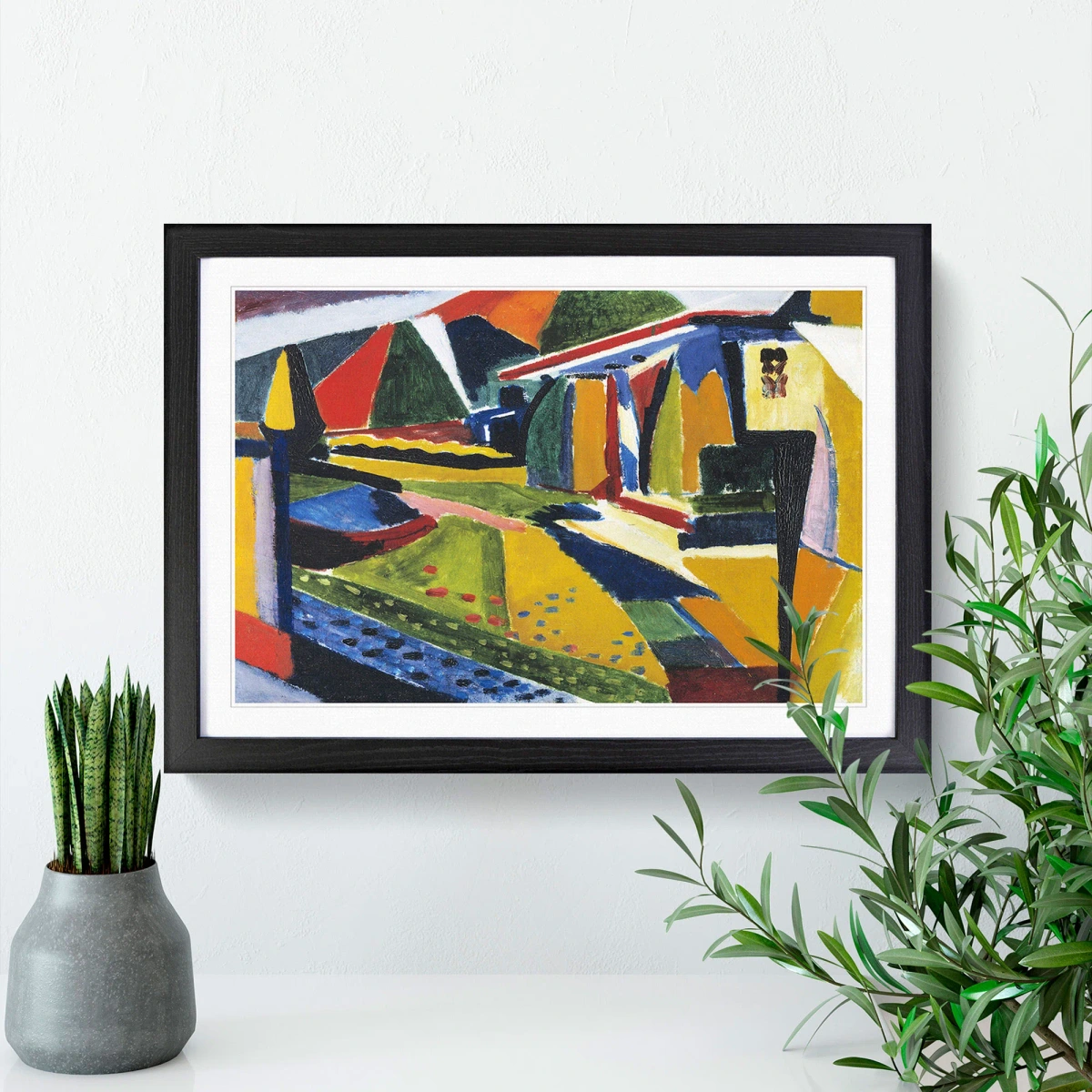
Contemporary artists play with this deliberately. Ceramic artists might use molds but hand-paint each piece differently. Printmakers might create an edition but then destroy the plate by drawing directly onto it, creating a unique work that carries the history of its mechanical production. These hybrid approaches acknowledge that mechanical reproduction isn't going away, but that doesn't mean we have to abandon the human touch entirely.
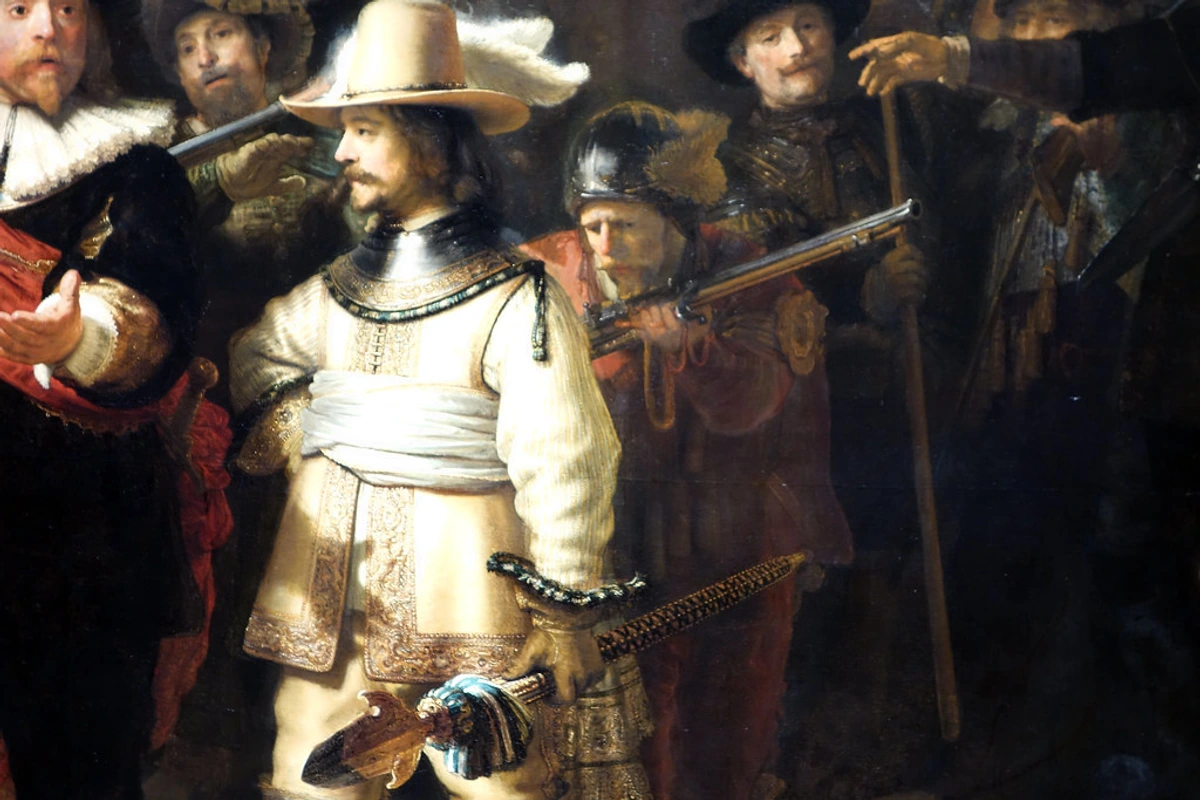
Beyond the Frame: Current Artists Working with Reproduction
If Warhol was the prophet of reproduction's power, then artists working today are living in his promised land—and grappling with its paradoxes. The artists of the Pictures Generation—think Cindy Sherman, Richard Prince, and Sherrie Levine—were particularly fascinated by these ideas. In the 1980s, they began to explicitly make work about reproduction.
-Cindy Sherman didn't copy existing images; she created her own, photographing herself in various guises that mimicked the visual language of film stills, old master paintings, and fashion photography. Her work reveals how our identities are not singular or "auratic," but are themselves constructed from a vast library of reproduced archetypes we've absorbed from popular culture.
-Sherrie Levine performed perhaps the ultimate conceptual act of reproduction, deliberately re-photographing iconic images by famous male photographers like Walker Evans. Her project wasn't about forging or stealing, but about challenging the modernist obsession with originality and the "genius" male author. By creating a "copy of a copy," she exposed how much of our artistic discourse is built on a romantic fantasy of the singular creator, a fantasy that reproduction had supposedly made obsolete. Her work asks: if a work's power comes from its mass circulation and iconic status, what happens when you strip away the name of the original genius and just present the powerful, reproduced image itself?
The Aura in the 21st Century: A Digital Paradox
Eighty-eight years after Walter Benjamin wrote his essay, we are still living inside its logic. The questions he raised about authenticity, value, and presence have become the very language of our digital lives. The only difference is that our tools for reproduction have become instantaneous and ubiquitous. Every time you "Save Image As..." or share a JPEG, you are participating in the process Benjamin described, flattening an object's context and location into pure, transferable data.
But the 21st century has also complicated his ideas in ways he could never have foreseen. Benjamin's theory of the aura was built on a clear binary: there was the original (possessing aura), and the copy (lacking it, but gaining political potential). Our digital world doesn't just break this binary; it shatters it into a million pieces and reassembles it as something else entirely.
New Kinds of Auras
We've begun to see the emergence of new, strange kinds of "auras" that don't depend on physical singularity. What is the aura of a massive digital billboard in Times Square? It has a powerful presence, a kind of monstrous authenticity, but one based on scale, spectacle, and technological immersion—not on a unique history. What about the aura of a website, or a viral video that millions of people experience simultaneously? This is a collective, distributed aura, one Benjamin never considered.
The feeling of "being there" in a physical gallery is replaced by the feeling of "being part of it" in a global, digital conversation. Think of a viral TikTok dance or a meme format—its power comes not from uniqueness but from ubiquity, from the fact that millions of people are participating in the same cultural moment simultaneously.
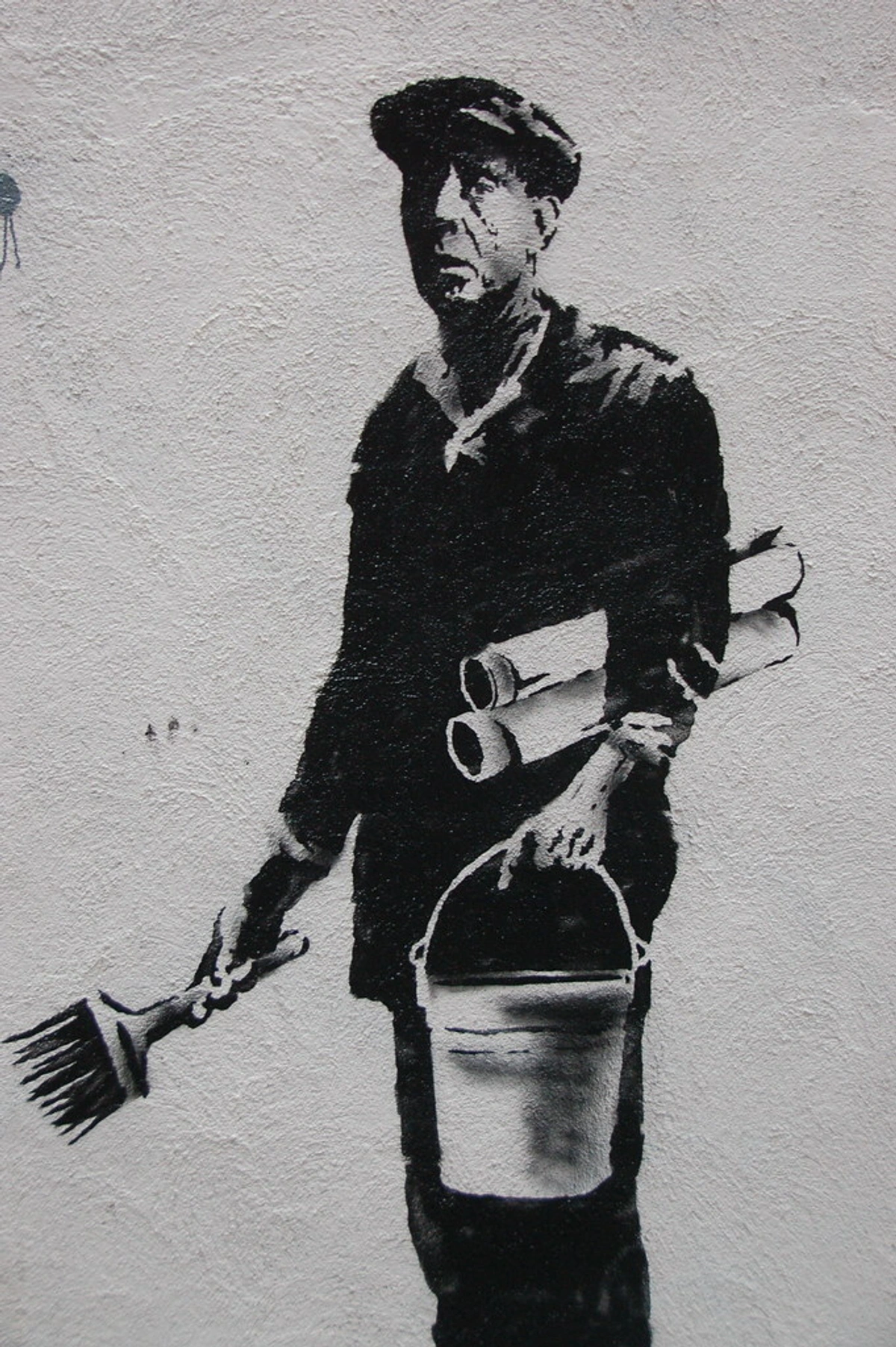
Or consider the case of a Banksy piece that self-destructs the moment it's sold at auction. The shredding mechanism is a machine, activated at the moment of its commercial pinnacle. This isn't just a prank; it's a profound, real-time performance about the aura. It actively transforms a singular, physical artwork (high aura) into a globally shareable digital media event (low/transformed aura) in a matter of seconds.
The value—both cultural and monetary—of the artwork is fundamentally tied to this dual existence as both a destroyed object and a perfect, eternal reproduction. It's perhaps one of the most brilliant examples of how the "aura" has evolved into something far more complex than a simple glow around an original object. Banksy created an artwork that was simultaneously about the market, about authenticity, and about mechanical reproduction—and he did it using the very tools of mechanical reproduction to make his point.
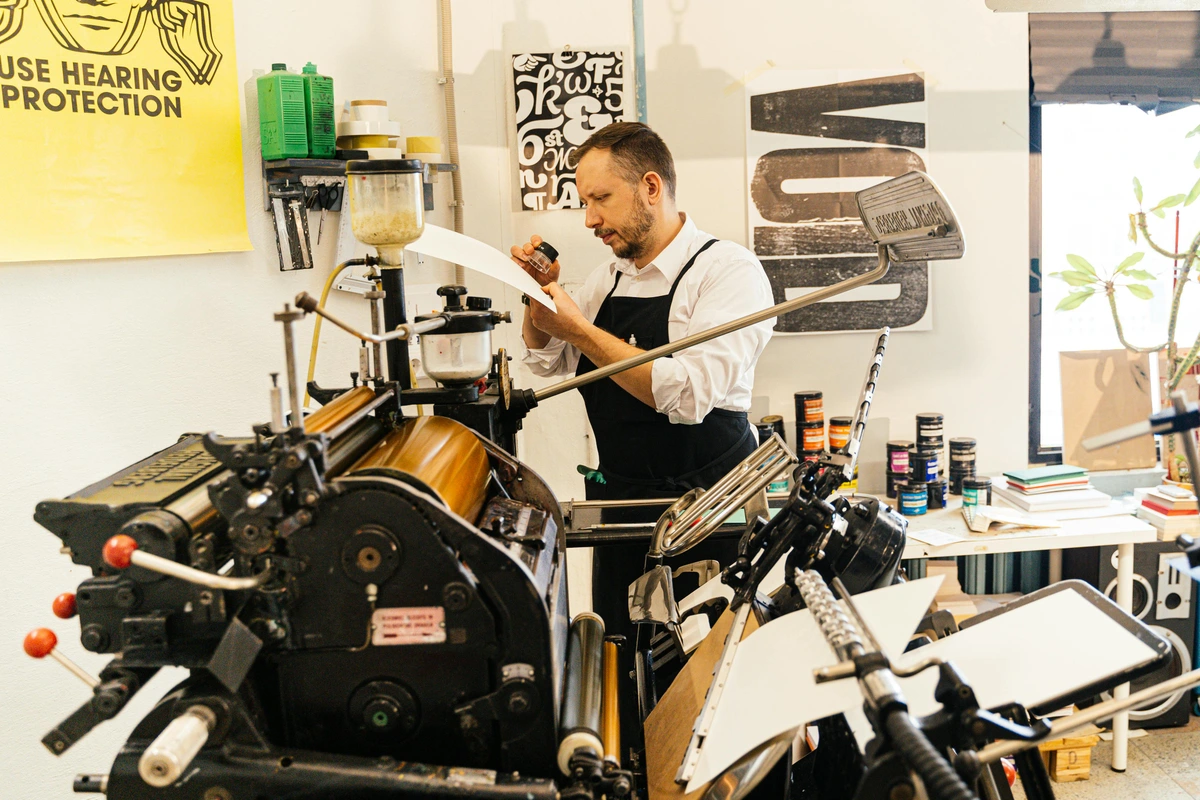
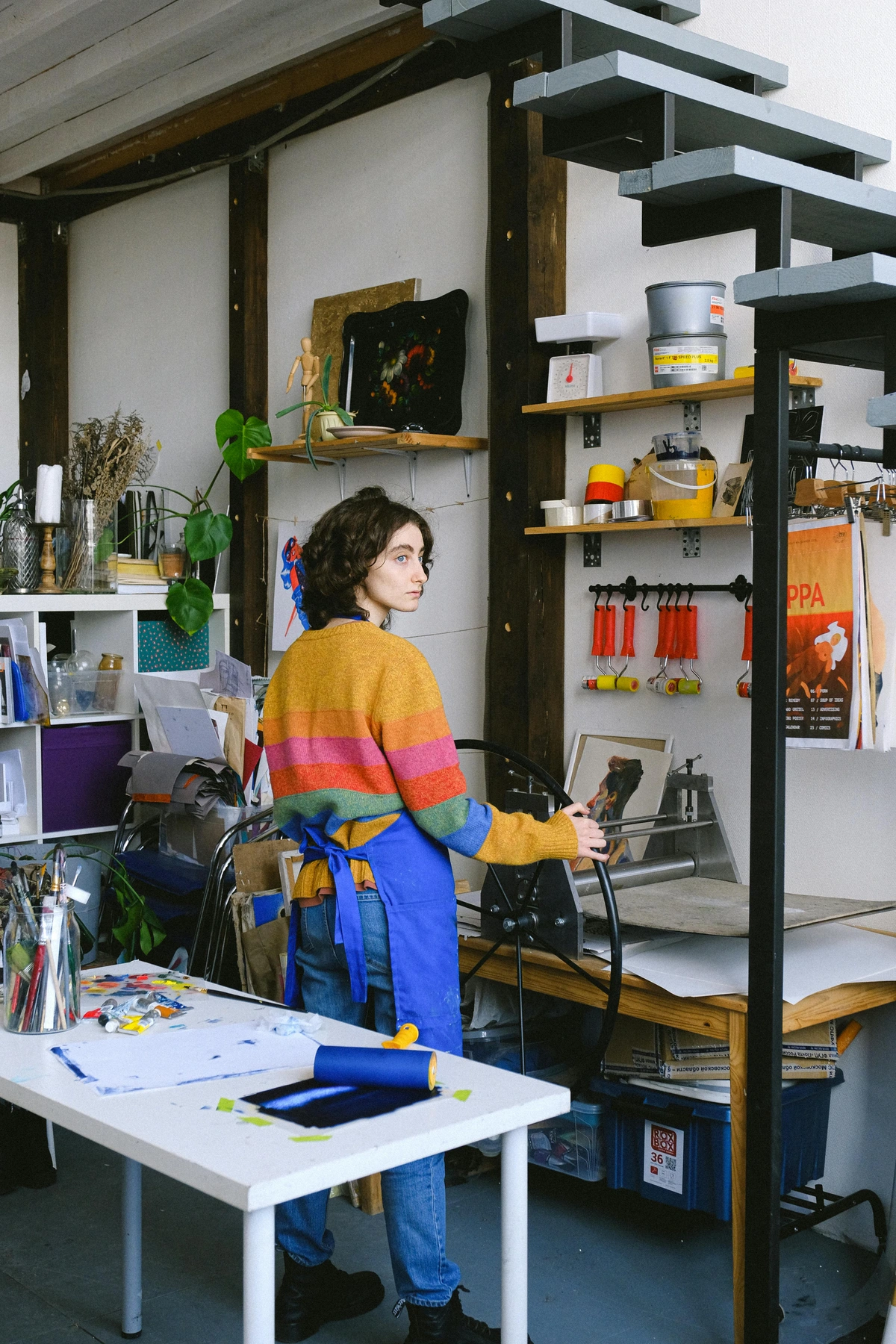
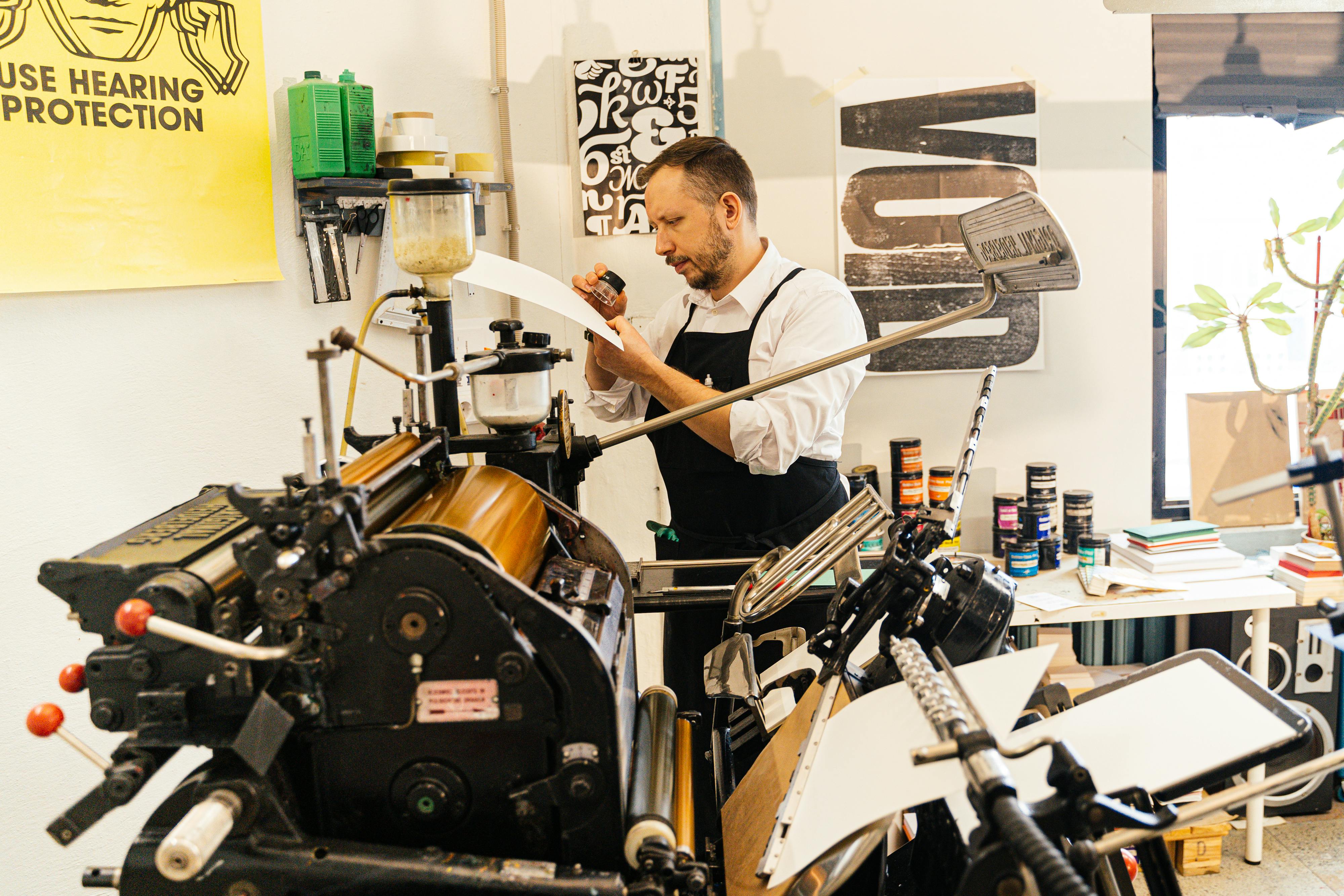
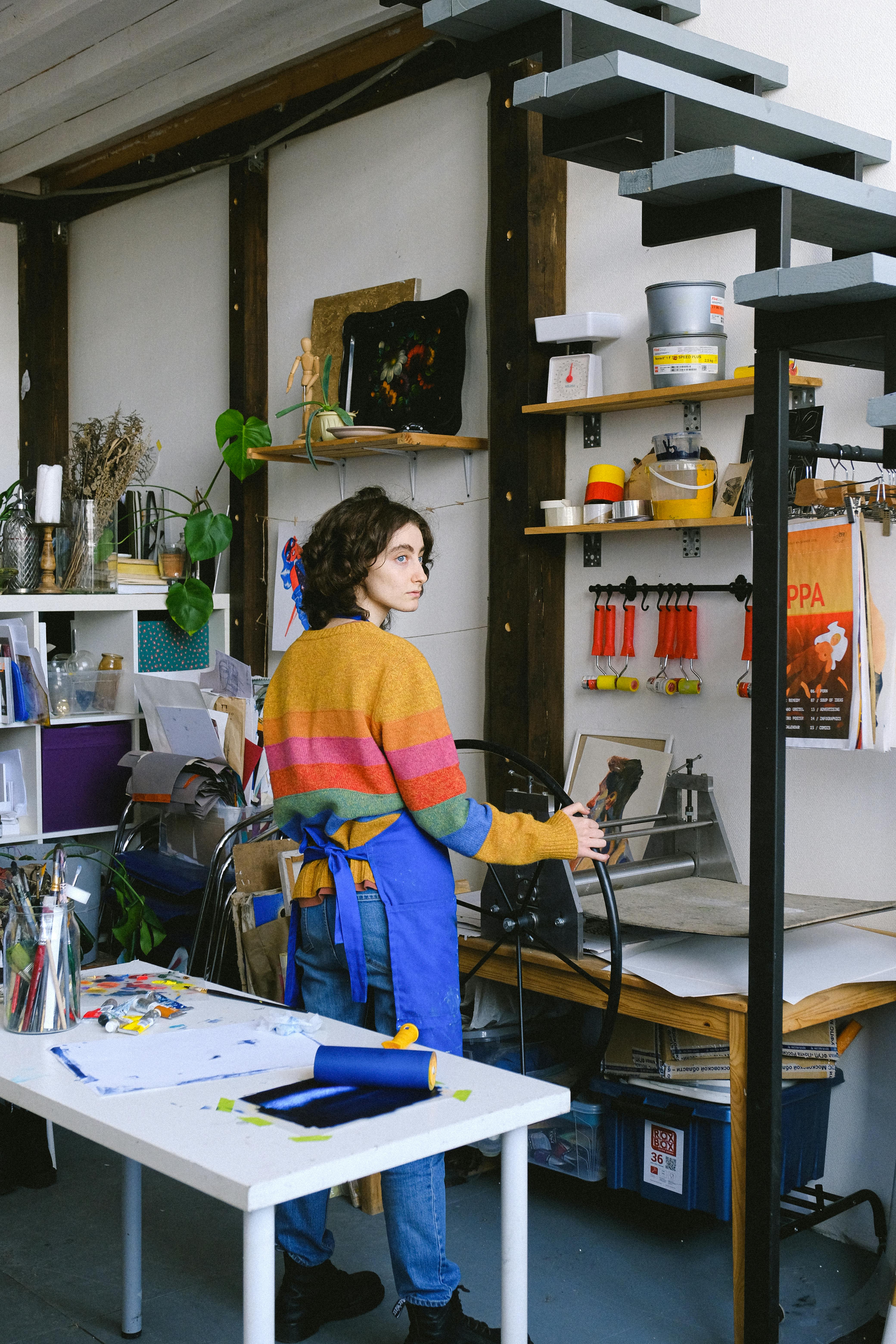
The tension between the unique and the multiple continues to fascinate contemporary artists. A printmaker in her studio, painstakingly carving a linocut, is engaged in a delicate negotiation with the ghost of the aura. Each print she pulls is a unique event—subtle variations in inking and pressure ensure no two are exactly alike. Yet, it is part of a finite series. The value lies not in its utter singularity, but in the trace of the artist's hand and the ritual of the limited edition. It's a conscious and beautiful compromise.
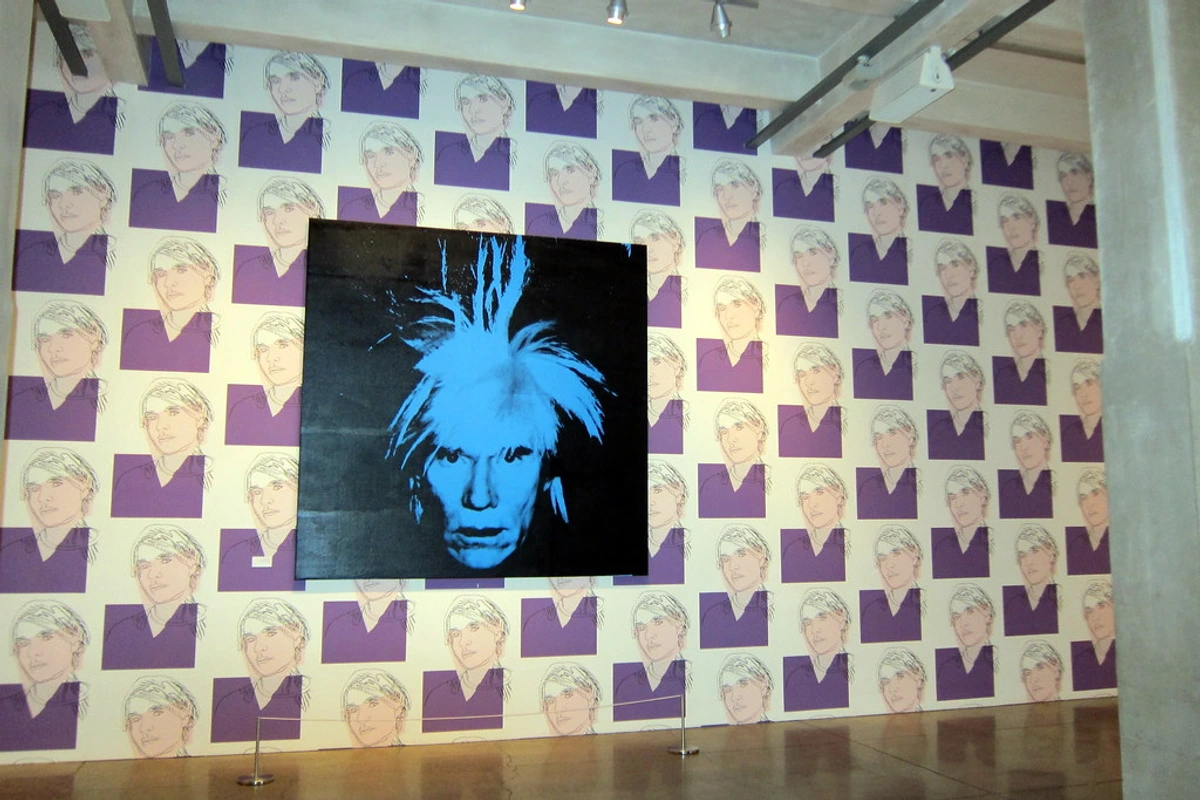
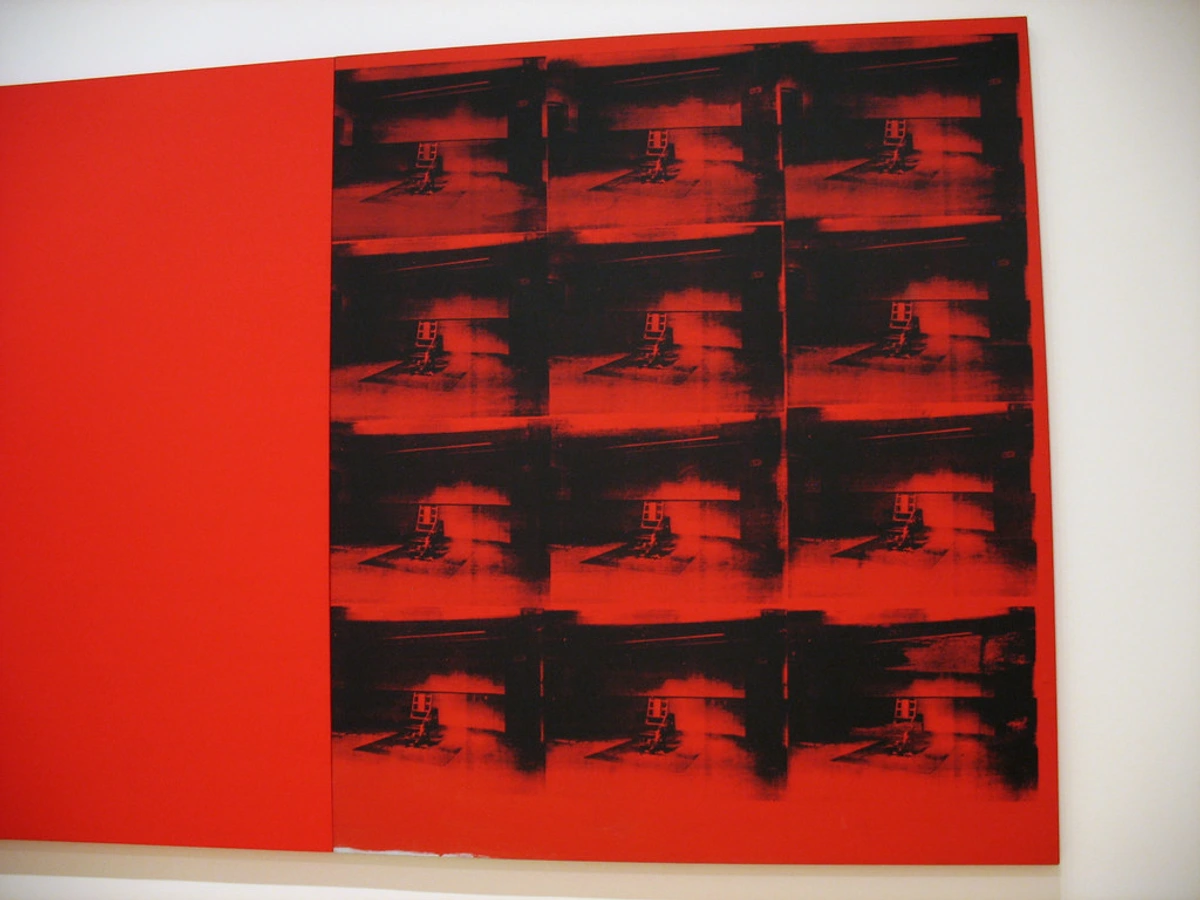
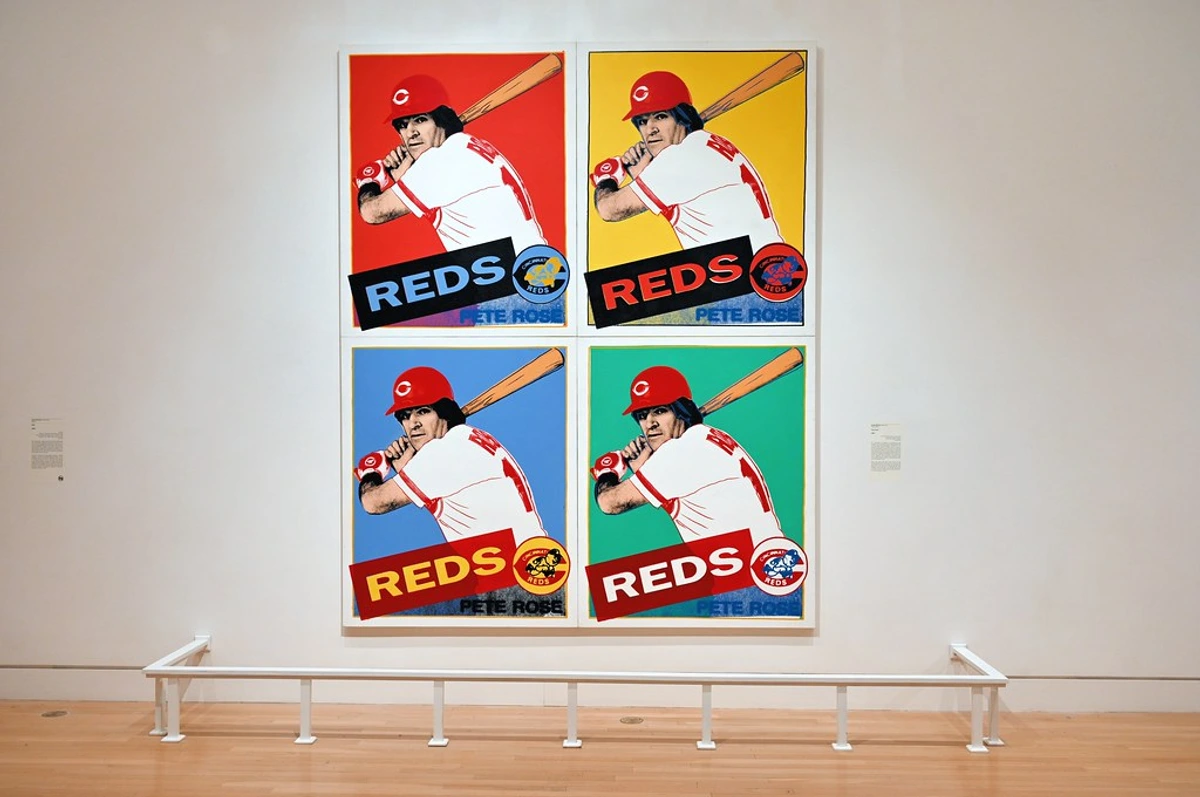
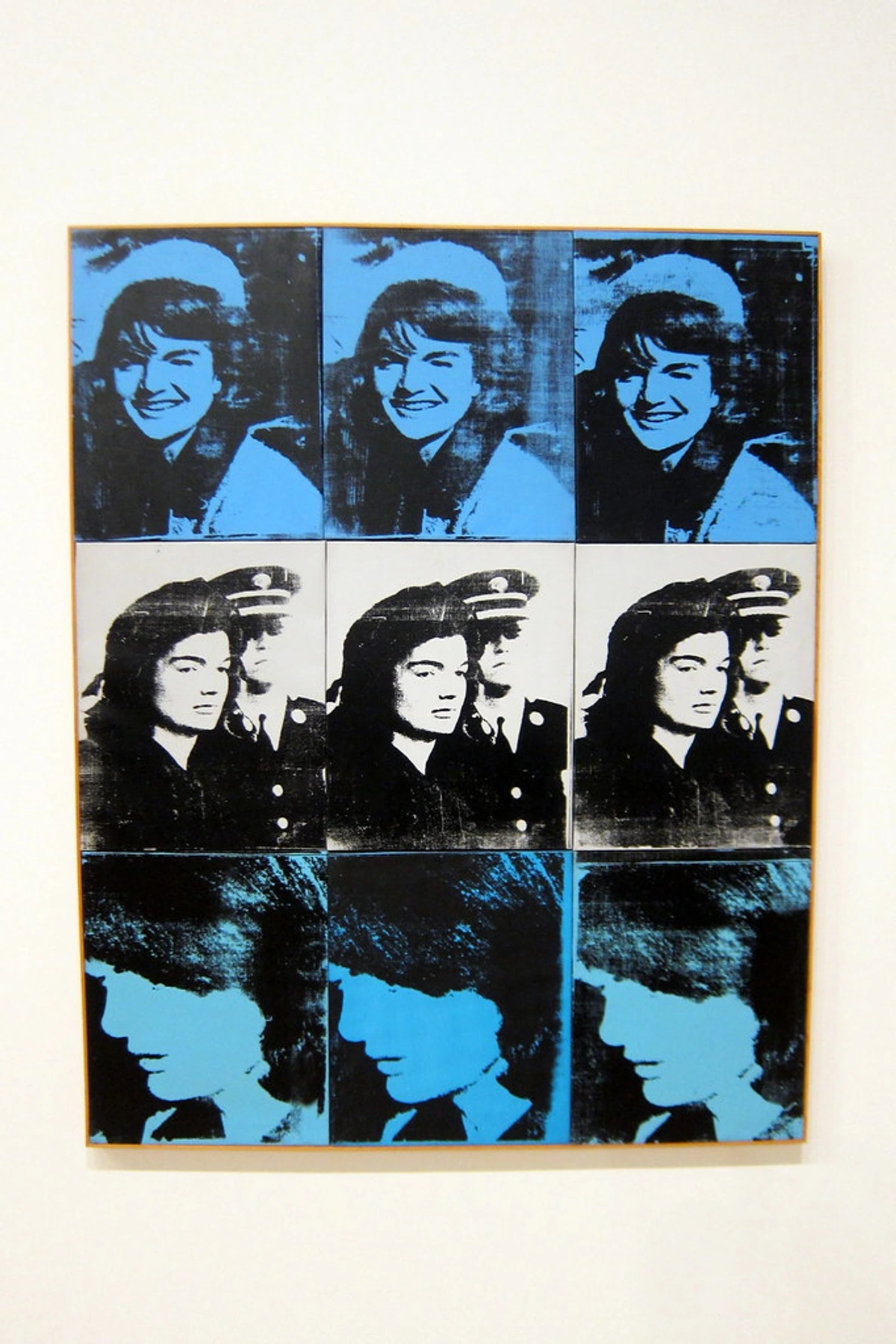
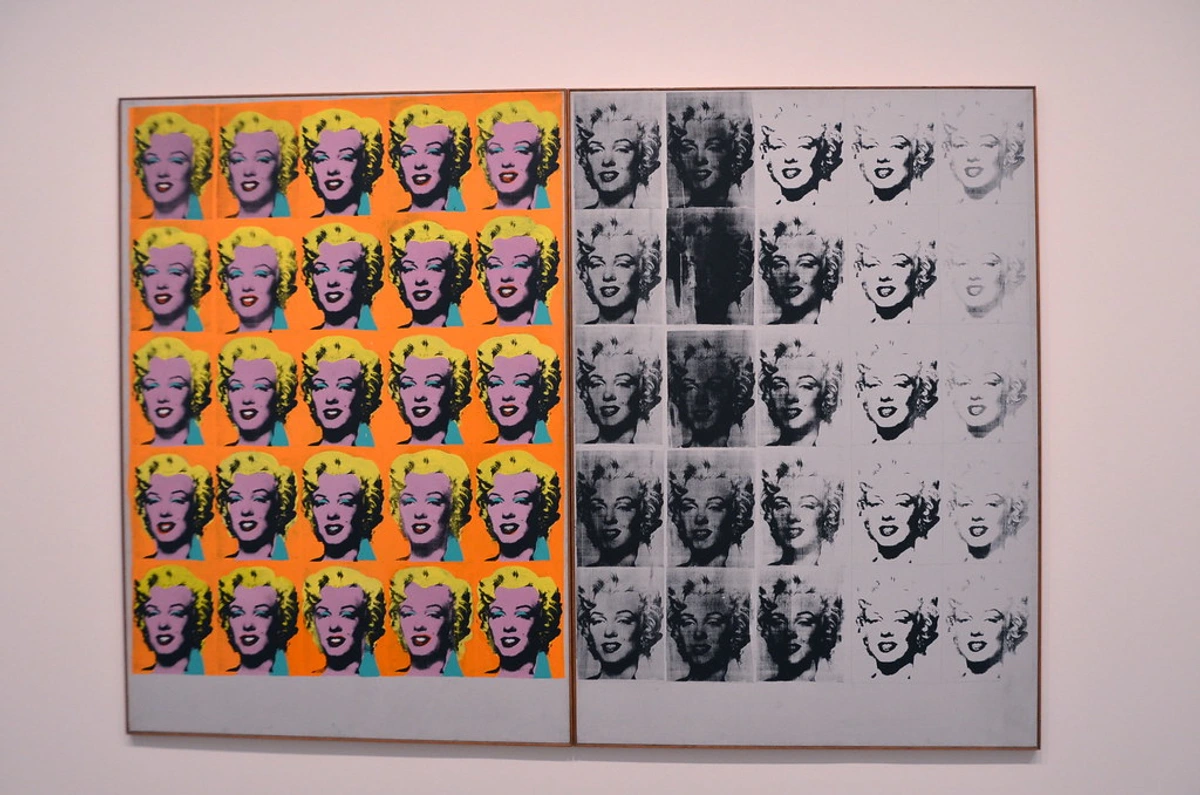
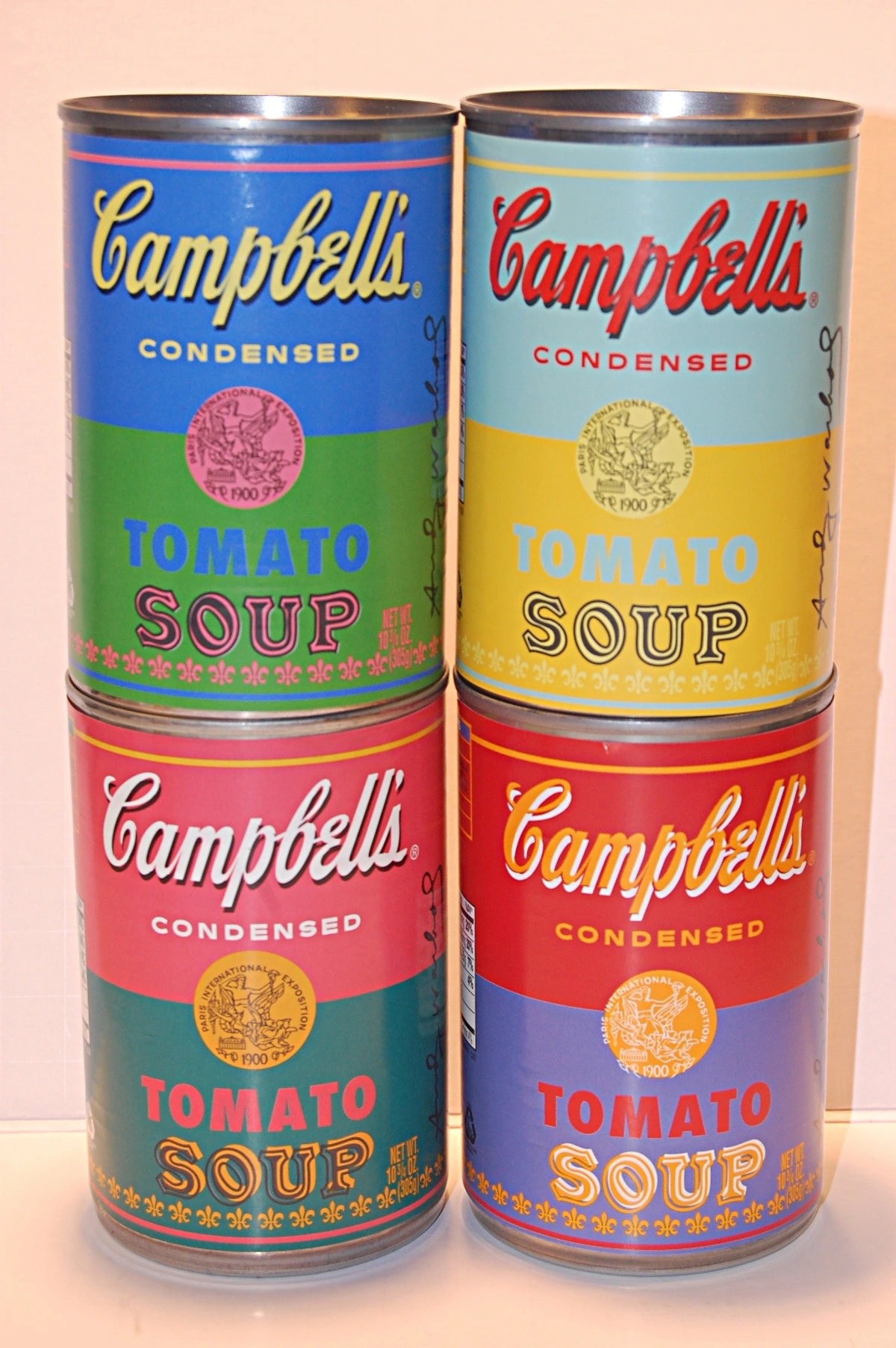
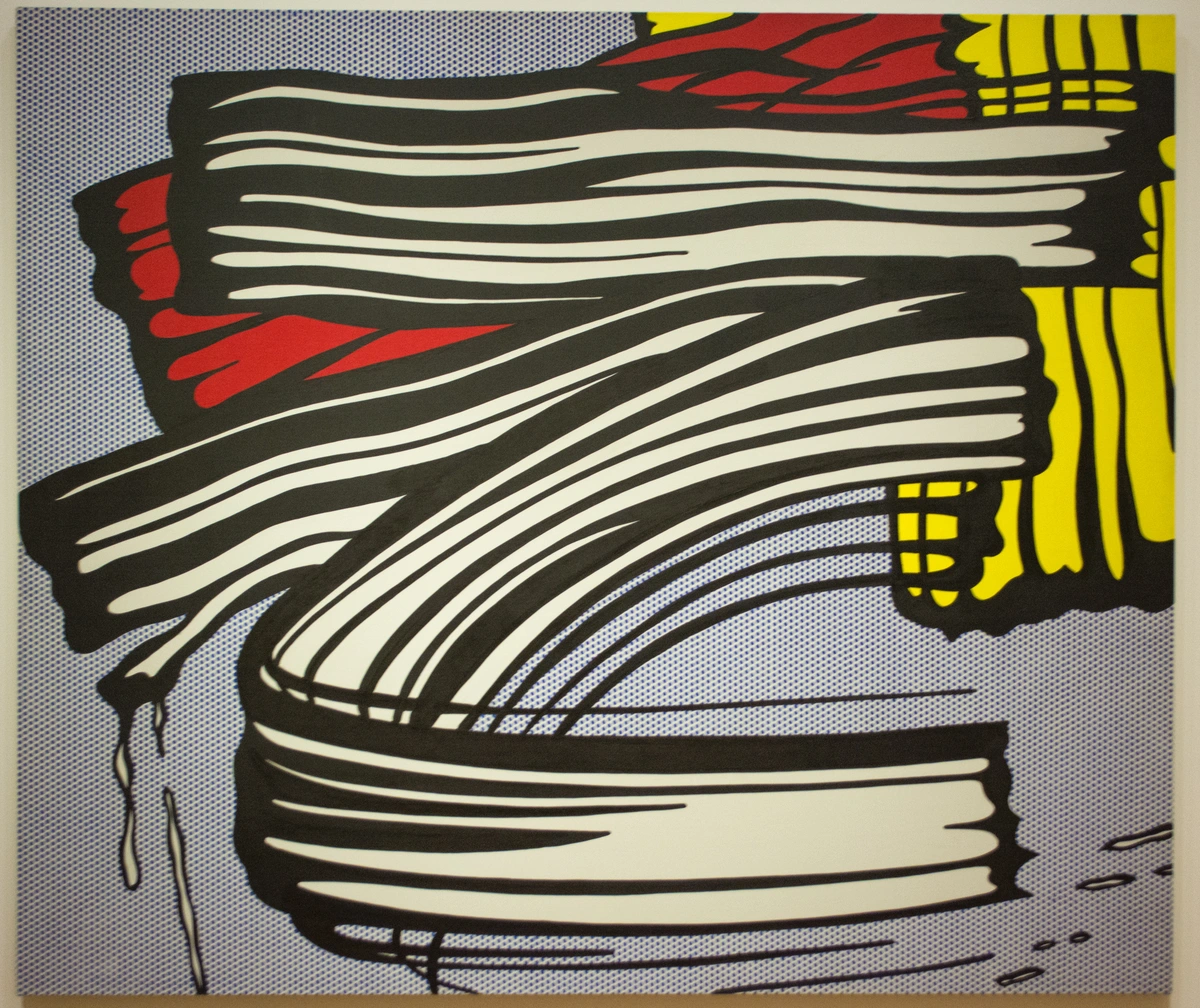
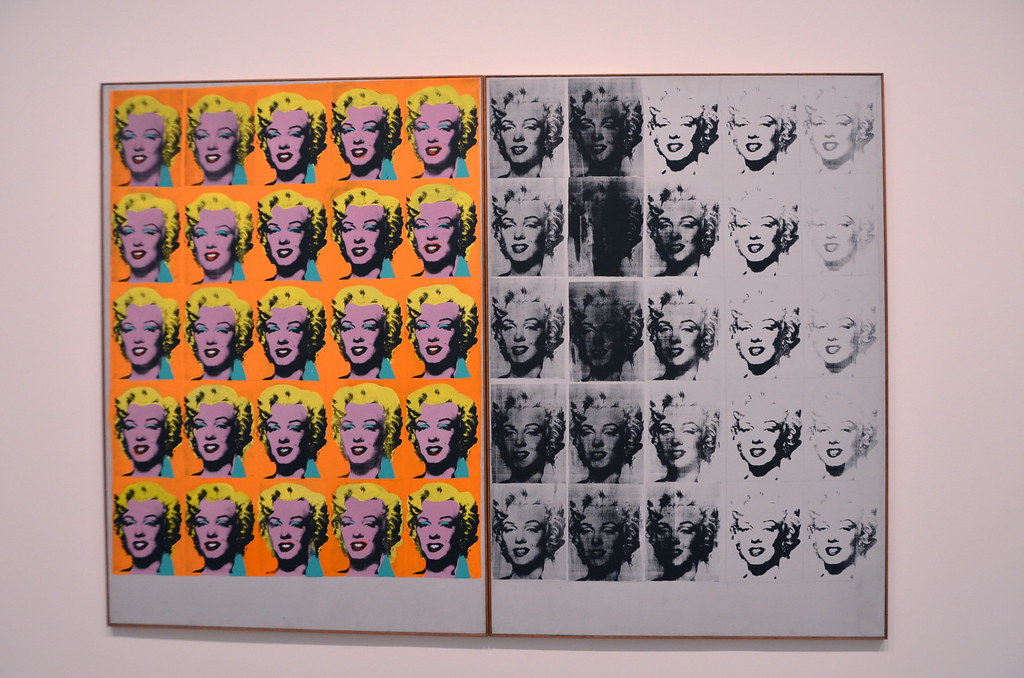
Postmodern artists took this logic and turned it into a central theme. Andy Warhol is the undisputed master of this. His silkscreen prints of Marilyn Monroe, Elvis Presley, and Campbell's Soup Cans didn't just use reproduction; they worshipped it. He embraced the mechanical process, the slight misregistrations, the flat, commercial ink.
What's particularly brilliant about Warhol is how he used the language of mechanical reproduction against itself. Those "slight misregistrations" in his prints weren't just accidents—they were proof of the human hand operating the machine, small rebellions against perfect automation. He understood that even in mechanical reproduction, something human and imperfect always leaks through.
In Warhol's world, the copy wasn't a degraded version of an original; the copy was the original. His subjects were themselves products of mass media—movie stars and consumer goods. He used mechanical reproduction as a mirror, forcing us to confront our own society where celebrity, commerce, and art had all become part of one giant, endlessly repeating image factory. He didn't just depict consumer culture; he made us feel how it feels to be a consumer of images, to live in a world where everything is already a copy of a copy.
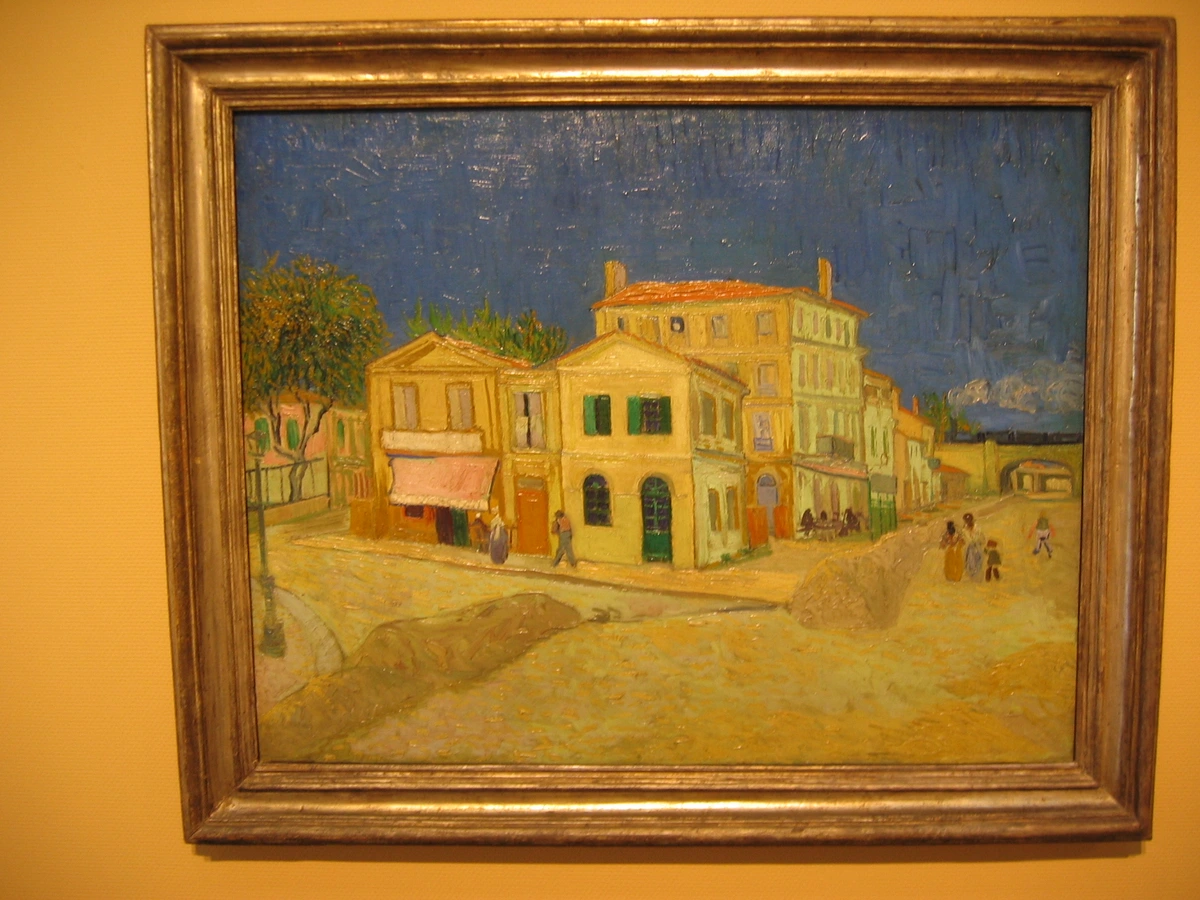
Manufacturing Scarcity: Benjamin's Questions in the 21st Century
This brings us to the strange, speculative world of the NFT (non-fungible token). At its core, an NFT is a blockchain-based receipt—a digital certificate of ownership for a digital file. The entire premise is a direct, and rather clumsy, attempt to solve the problem Benjamin identified: how do you create scarcity, and therefore value, in an infinitely reproducible digital environment? The NFT represents an effort to manufacture an artificial aura, to create a clear distinction between "the original" JPEG and the millions of copies. In many ways, it's the ultimate expression of our culture's persistent anxiety about the copy—a technological solution to a philosophical problem that Benjamin laid bare nearly a century ago. The NFT represents an effort to manufacture an artificial aura, to create a clear distinction between "the original" JPEG and the millions of copies.
My own feeling is that the NFT project, at least as an art market, is built on a fundamental paradox. It tries to impose artificial scarcity on something that is fundamentally abundant by its nature, often conflating ownership of the receipt with ownership of the art itself. The value often seems tethered more to financial speculation than to deep aesthetic or conceptual engagement, representing a market-driven attempt to solve a cultural problem that perhaps shouldn't be solved with a ledger entry.
The whole endeavor feels like trying to put a single drop of water from a river into a fancy bottle and declaring it the "real" river. It's a fascinating, if often fraught, 21st-century answer to the very questions Benjamin was asking back in 1936, highlighting our continued obsession with possession and value in a digital economy built on sharing.
Yet even in failure, NFTs have performed a valuable service: they've made the general public aware of the questions that artists and philosophers have been grappling with for over a century. Suddenly, millions of people are having conversations about authenticity, ownership, and value in digital spaces—the very conversations Benjamin initiated in his essay.
Frequently Asked Questions (FAQ)
A topic this rich in philosophy and art history understandably sparks a lot of questions. I've spent countless hours in my studio thinking about these very issues, trying to bridge the gap between the physical work in front of me and its digital shadow. Here are the questions that seem to come up most often, along with my best attempt to answer them.
What is meant by the "ritual" value of art? Benjamin contrasts the "cult" or "ritual" value of traditional art with the "exhibition value" of modern art. Ritual value refers to the artwork's function within a specific, often sacred, context. A medieval religious icon, for example, derived its primary power not from being beautiful or well-known, but from its role in prayer and worship. It was often kept hidden, only revealed on special holy days, its presence an end in itself. This value came from its secrecy, its embeddedness in a lived tradition, and its direct connection to a community's spiritual life. It was art that you participated in, not just looked at.
What is the difference between a reproduction and a copy? While often used interchangeably, there's a subtle but important difference. A copy is a general term for any duplicate. A reproduction, in the art world, is usually understood as a mechanical or digital process of creating a duplicate using technology.
Benjamin was specifically focused on mechanical reproduction because the intervention of the machine was what fundamentally altered the object's relationship to its origin. You could have a hand-painted copy of a Vermeer, which would still, in a strange way, retain a certain aura through the immense labor and skill of the copyist. But a mechanically produced reproduction is different in kind—it's a functional, automated act of duplication that inherently disconnects the image from its physical source.
Think of it this way: every photograph is technically a reproduction, but when we talk about "art reproductions," we usually mean postcards, posters, or digital images intended to stand in for the original work. The terminology matters because it reflects how deeply the technology has become embedded in our understanding of art itself.
What is Walter Benjamin's concept of 'aura' in art? Think of the aura as the artwork's soul, its singular presence in the world. It's not just its beauty, but its authority, its history, and its unique existence in a specific place and time. It’s the sense of awe you feel standing before the original, knowing its journey. For Benjamin, the entire process of mechanical reproduction—from printing presses to digital screens—systematically chips away at and ultimately destroys this aura. It's the fingerprint of authenticity that gets wiped clean in the process of making a copy. He saw it as "a unique phenomenon of a distance, however close it may be," meaning that even when you're physically close to an object with aura, there's an unbridgeable historical and ritual distance that makes it feel both near and far at the same time.
How did mechanical reproduction democratize art?
Before prints and photographs, if you weren't royalty, a bishop, or extremely wealthy, you might never see a great work of art. Mechanical reproduction shattered this exclusivity. It made masterpieces accessible on postcards, in books, and on posters. Suddenly, an art student in Tokyo could study Michelangelo without flying to Rome, and a factory worker could hang a Van Gogh print on their wall. It transformed art from a private possession of the elite into a shared public experience. This process accelerated with every new technology, culminating in the digital age where millions of works are available to anyone with an internet connection.
What's the main difference between an original painting and a print?
An original is the single, unique object resulting from the artist's direct work on a surface. It can never be perfectly replicated. A print is one of a series. The artist creates a matrix (like a woodblock or a silkscreen), and then pulls multiple impressions from that matrix. While each print is an original work of art in its own right, its existence as part of a finite edition means it's not singular. Its identity is tied to its membership in a group of similar, but never perfectly identical, objects.
Do mechanical reproductions harm the value of an original artwork?
Generally, no—in most cases, the opposite is true. Widespread reproduction transforms a work into a cultural icon, increasing its fame and, consequently, its monetary value. This widespread visibility creates a much larger audience that covets the "real thing," making the original even more legendary. It creates a cultural buzz that far outweighs any perceived loss of exclusivity.

What is an example of mechanical reproduction in art? The most iconic examples come from the Pop Art movement, especially Andy Warhol's silkscreen prints. His series of Marilyn Monroe, Campbell's Soup Cans, and Coca-Cola bottles took mass-produced imagery and used a mass-production technique to critique celebrity and consumer culture. In our own lives, every art poster on a wall, every digital image shared on social media, and every postcard bought in a museum gift shop is a part of this long and ongoing story. It's the very air our contemporary visual culture breathes.
The Original and Its Children: A Conclusion
After all this, I find myself back in that imaginary museum, caught between the sacred gallery and the bustling gift shop. The conclusion I keep coming to is that this isn't a zero-sum game. It's not a battle where the original must vanquish the copy, or vice versa. They exist in a strange, symbiotic dance.
The original matters. Profoundly. That direct, unmediated encounter with an object—feeling its scale, its texture, its aura—is an experience that a million JPEGs cannot replicate. It is a conversation with history, a connection to a human hand, a moment of uncanny presence.
But the copies matter too. They are the lifeblood of art's influence, the vessels through which ideas travel, the messengers that carry an artist's vision to places they could never go. They are how art lives and breathes in the world, far beyond the white walls of a gallery.
Perhaps the most apt metaphor is a familial one. The original holds the aura, the unique DNA. But the reproductions are its children, its descendants, sent out into the world to spread its story, to spark new conversations, and to build a larger family of admirers.














We are living in the world Walter Benjamin foresaw, one saturated with images to a degree he could scarcely have imagined. The lines between the authentic and the replicated have not just blurred; they have been radically redrawn. The challenge for us today, as artists and as viewers, is not to mourn the loss of a singular, sacred aura. It's to navigate this complex new landscape, to find new ways to forge meaning, create connection, and rediscover presence in a world of infinite, beautiful copies.