The Ghost in the Machine: What Mechanical Reproduction Stole from Art (and What It Gave Back)
A deep dive into how mechanical reproduction, from the printing press to the digital pixel, fundamentally reshaped art's value, purpose, and our very idea of 'the original'.

The Ghost in the Machine: What Mechanical Reproduction Stole from Art (and What It Gave Back)
I want you to try and remember the last time you saw a piece of art. Not on a screen, not in a book, but physically in front of you. The texture of the paint, the glint of light off a brushstroke, the sheer physical presence of the thing. Now, think of the posters you had on your bedroom wall as a teenager—the Monet water lilies, maybe, or a print of The Starry Night. Were they the same? Of course not. One was an original, a singular object. The others were reproductions, ghosts of the real thing. This is the central puzzle of mechanical reproduction in art history, and it’s a puzzle that forever changed what art even is.
My own story with this starts with a cheap postcard. I was in a museum gift shop, and I bought a glossy print of a painting I’d just spent an hour with. I remember holding the postcard up to the original, squinting, trying to find the connection. The painting was a messy, vibrant, living thing. The postcard was… flat. A pleasant-enough collection of colors. It made me ask: What exactly was lost in translation? The answer, I’ve come to learn, is everything and nothing at all.
The Gutenberg Galaxy Collides with the Art World
Before we dive in, let's get our terms straight. What do we mean by mechanical reproduction? Simply put, it’s any technology that allows us to make many copies of an image or object without an artist having to recreate it by hand every single time. This isn’t about a forger secretly working in a basement; it’s about a process that is, in its essence, automated.
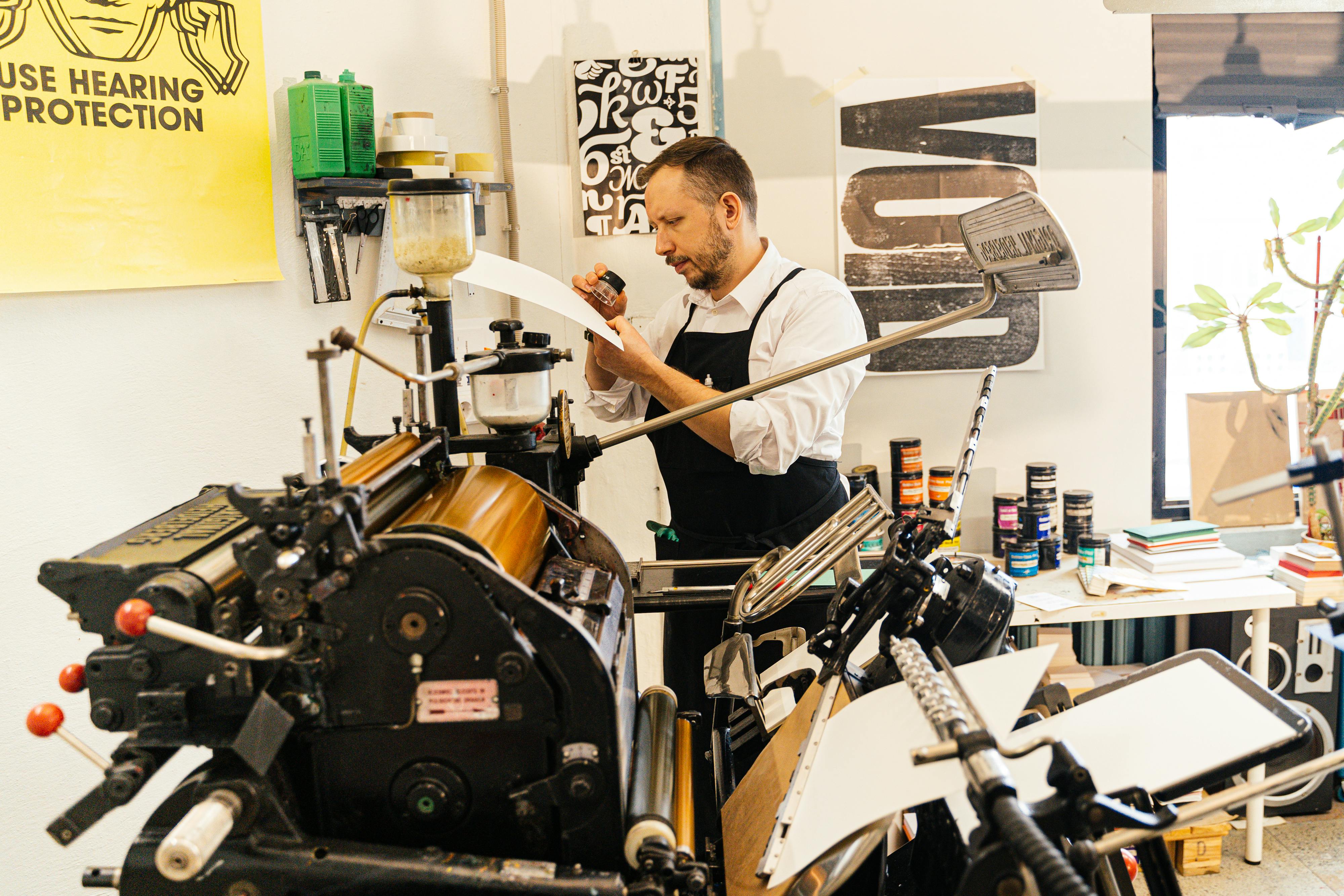
The first seismic shift wasn't a giant leap but a series of small, ingenious steps. For centuries, if you wanted a copy of a painting, you commissioned an artist to paint another one. It was expensive, slow, and inevitably different. But then came relief prints, like the ones made from carved woodblocks in Asia as early as the 8th century, slowly migrating West. An artist could carve their design once, ink it, and press it onto paper dozens or hundreds of times. It was a revolution in distribution, even if the images were often simple and stylized.
This process holds its own strange beauty. The woodblock itself, worn down with each pass through the press, means the first print is subtly different from the hundredth—a kind of slow decay is built into the promise of perfect replication. Even the earliest attempts at reproduction carried the seeds of entropy, a ghost in the machine that reminded you every copy was its own unique event.
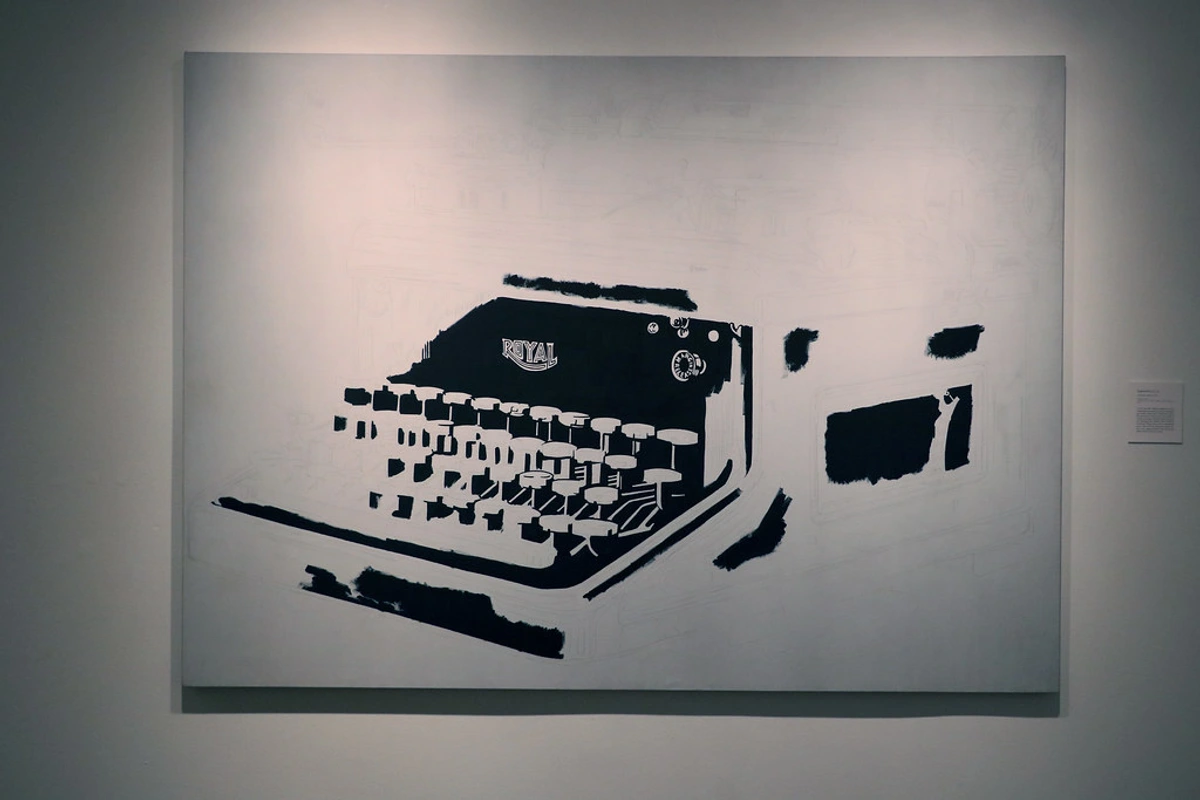
Fast forward to 1439 (or thereabouts), and Johannes Gutenberg’s invention of the movable-type printing press. While he was mostly concerned with text, the press also allowed for the mass production of images through copperplate engraving. All of a sudden, elaborate illustrations could be printed in books and sold across a continent. The aura—a concept we'll get to in a moment—was already starting to fade. The image was beginning to break free from its singular, physical shell.
The Lithograph and the Democratization of the Image
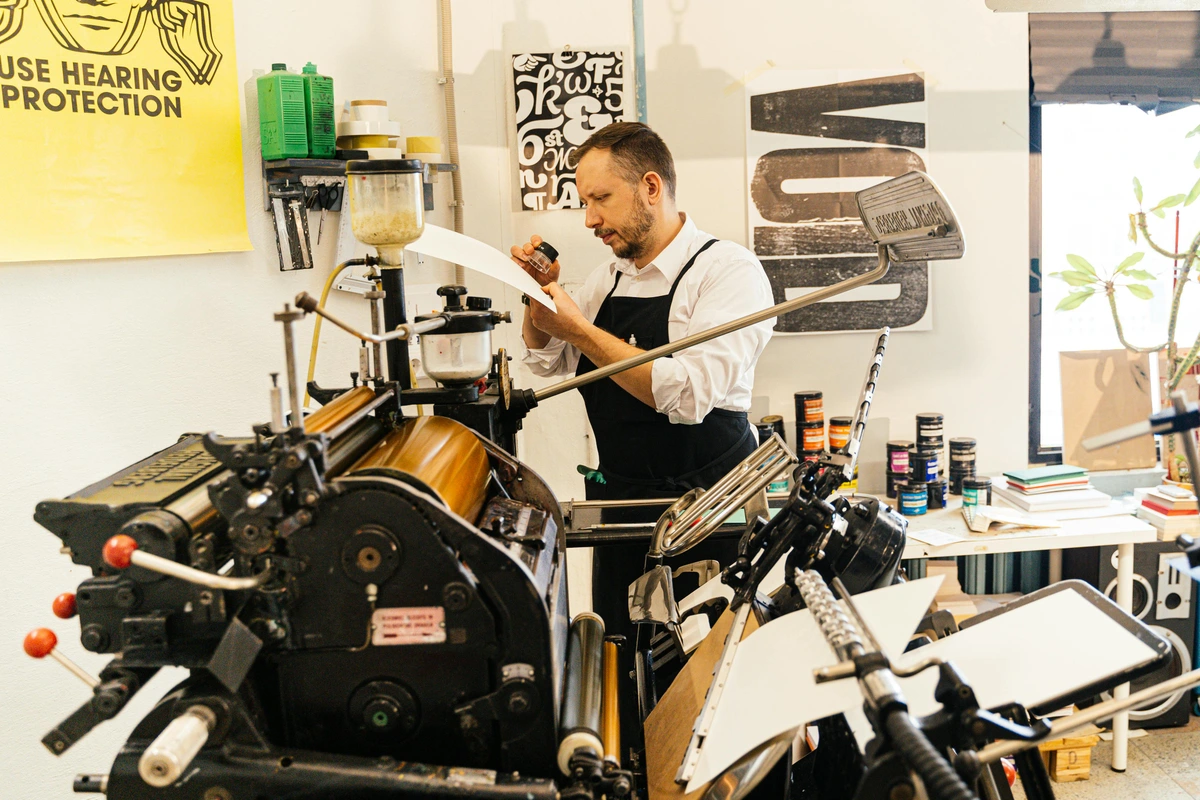
The real game-changer for art arrived in 1796 with Alois Senefelder’s invention of lithography. This technique, which works on the simple chemical principle that oil and water don't mix, allowed artists to draw directly onto a limestone slab with a greasy crayon. The beauty of it was its immediacy—for the first time, an artist could create a print that felt like an extension of their drawing hand, without needing to master the intricate, indirect craft of carving or engraving. The process captured the artist's hand with incredible nuance—the pressure of the line, the texture of a chalk mark. As a friend who works in printmaking once told me, with a shake of his head, “A good lithograph doesn't just show you an image, it lets you lean in and almost hear the artist's pencil scratching against the stone.” It was the photocopier of its day, but one that amplified personality instead of erasing it.
For the first time, you could produce hundreds of high-quality, tonally rich prints that felt incredibly close to an original drawing. Artists like Honoré Daumier and Francisco Goya seized on this. They weren't just making copies of paintings; they were creating original works of art designed to be reproduced. A drawing could become a commentary in a newspaper, a political cartoon, a piece of art to be owned by the masses.
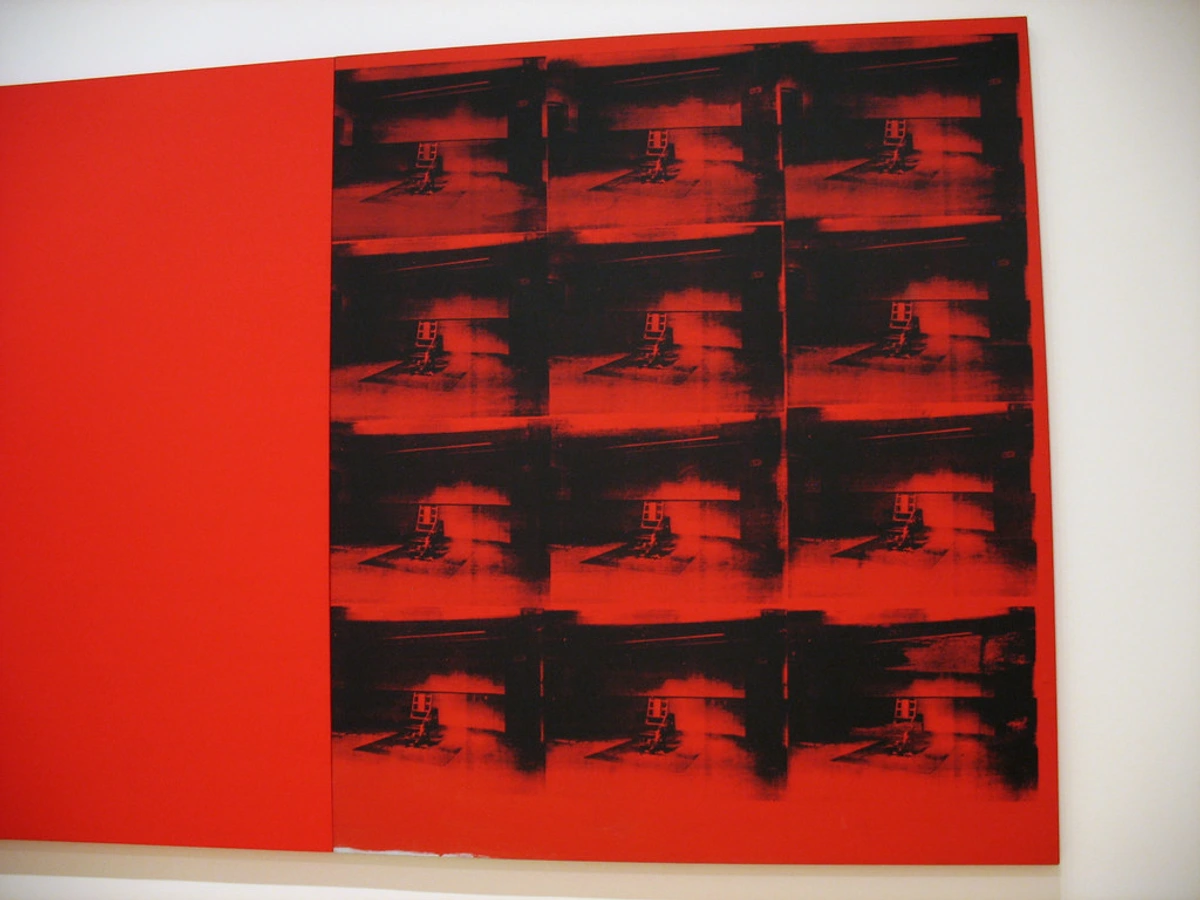
Take Goya's Los Caprichos series. These nightmarish, satirical prints were his way of holding a mirror up to the corruption and superstitions of his society. He didn't make them for a king or a bishop; he made them for anyone who could buy a print. The mechanical reproduction was no longer a lesser copy; it was a primary medium in its own right, a way for an idea to travel faster and wider than ever before, carrying the artist's voice directly into the public square.
The Aura and Its Discontents: Walter Benjamin's Big Idea
This brings us to the man who gave us the language to talk about all of this: the German philosopher Walter Benjamin. In his seminal 1935 essay, The Work of Art in the Age of Mechanical Reproduction, he dropped a bombshell of an idea. He wrote it as fascism was rising in Europe, watching how new media like film and radio were being used to mesmerize crowds, and he saw that the very nature of art itself was being transformed into something political. It's a text that feels like it was written yesterday, even if the technologies have changed.
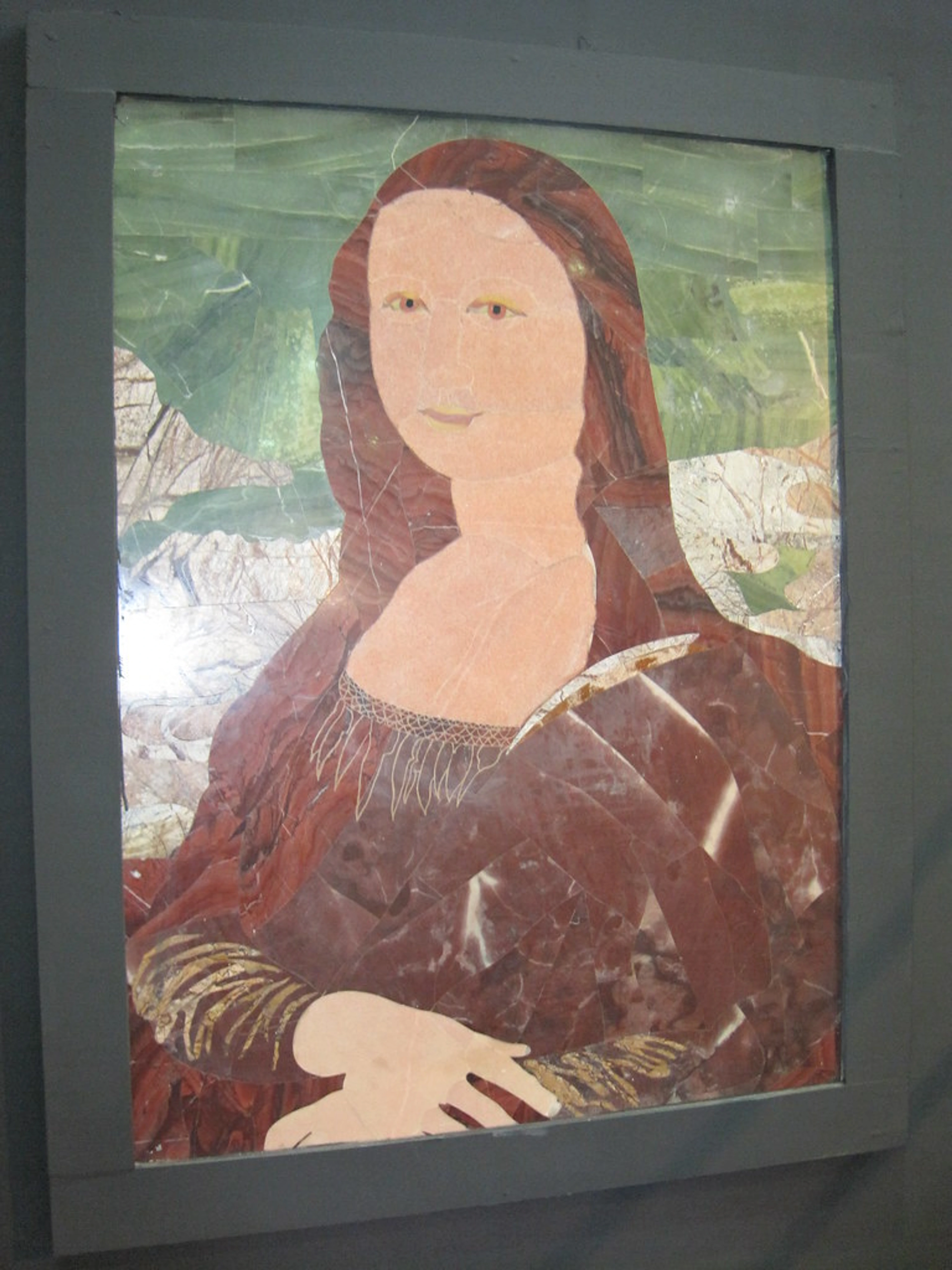
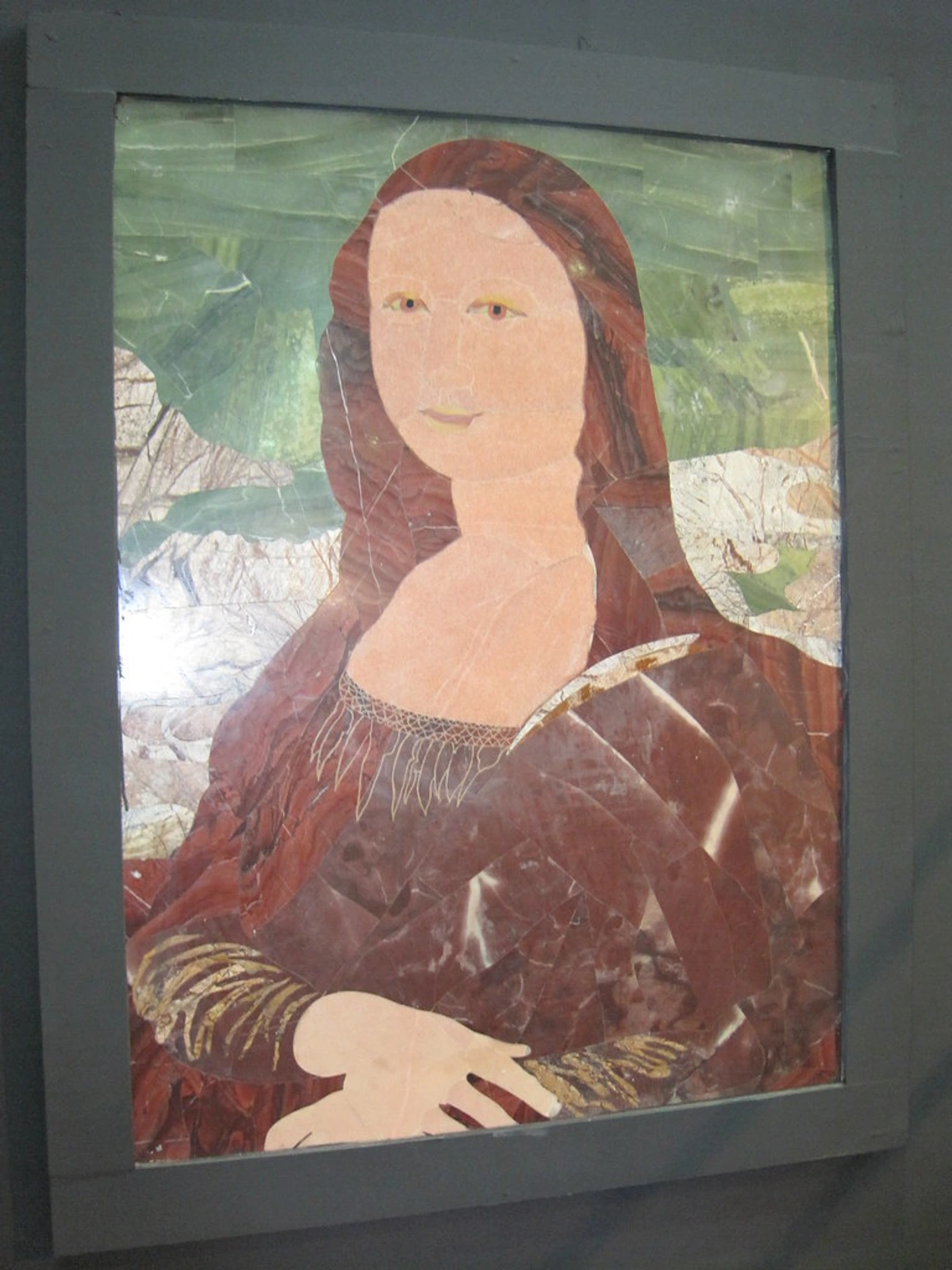
Benjamin argued that what made an original work of art special was its aura. This aura wasn't some mystical energy field. It was a combination of its uniqueness and its presence in a specific place and time—its history. Think about da Vinci’s Mona Lisa. Its aura comes from knowing da Vinci’s hand touched that specific piece of poplar wood, that it hung in this or that king's palace, that it was the very canvas Napoleon once had in his bedroom. There's a famous scene in Luc Besson's film The Fifth Element where the protagonist, Korben Dallas, has a small, framed print of the Mona Lisa in his rundown apartment. He looks at it not with awe, but with a kind of weary familiarity. That print has no aura. It’s just an image, a piece of cultural furniture. Benjamin’s point was that this shift—from sacred object to disposable image—changes us, the viewers, as much as it changes the art.
A reproduction, Benjamin said, shatters this aura. A poster of the Mona Lisa has no history. It's untouchable, placeless, and endlessly repeatable. For Benjamin, this was a political act. Stripping art of its aura meant stripping it of its authority and its connection to ritual and tradition. Art, once a singular, almost sacred object, became just another piece of information to be copied and distributed. But he wasn't just mourning this loss. He also saw its radical potential. An art without an aura is an art that can be used by the masses, for the masses. It can be cut up, reassembled, quoted, and turned into a tool for critical thinking—a process he called 'politicizing art' instead of 'aesthetisizing politics,' which is what he accused the fascists of doing.
The Photography Paradox
If the printing press and lithography started the fire, photography poured gasoline on it. Invented in the first half of the 19th century, photography presented a mind-bending paradox. The camera is a machine, a mechanical eye. A photograph is, by its very nature, a reproduction of a moment of reflected light. So, does a photograph even have an original in the traditional sense? This wasn't just a philosophical problem for artists; it was an existential crisis. If a machine could capture a perfect replica of reality in a fraction of a second, what was the point of spending months on a portrait? The painter Paul Delaroche reportedly declared, "From today, painting is dead!" when he saw his first daguerreotype. He was wrong, of course, but he wasn't wrong about the panic.
What about a photographic negative? Is that the "real" work of art? Or the first print made from it? Or is every print an original? This technology completely scrambled the definition of authenticity. It forced artists to ask: if a machine can perfectly capture reality, what's left for painting to do? This question sparked impressionism, cubism, and the entire arc of modern art—a story of painting fleeing from the tyranny of realism that the camera had mastered. Painters like the Impressionists stopped trying to compete with the camera's verisimilitude and instead started painting their subjective impression of a moment—the play of light, the feeling of the air. In a way, the camera liberated painting. It forced it to become more philosophical, more abstract, more psychological. It freed art from the duty of being a perfect mirror and allowed it to become a window into the mind.
The Pop Art Rebellion: Embracing the Copy
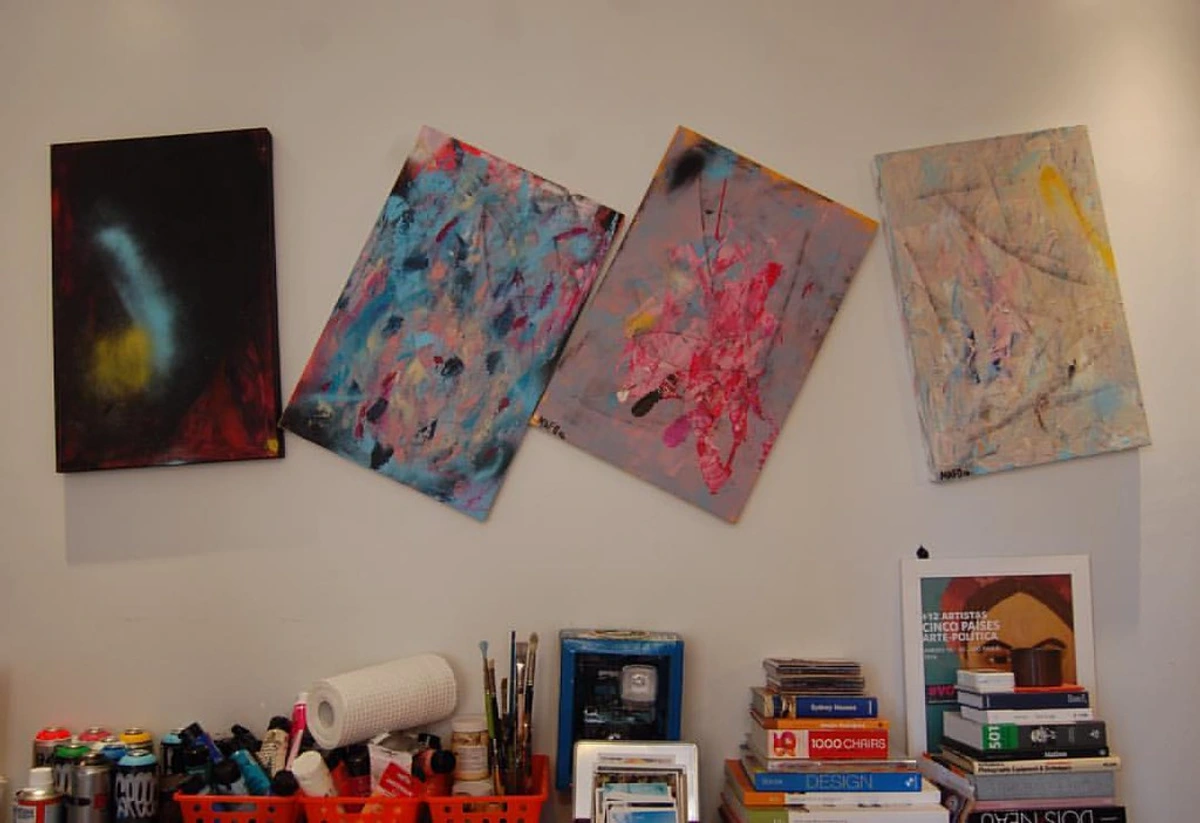
For centuries, Western art had been obsessed with the cult of the original. The artist was a genius, a singular creator, and the painting was a sacred relic. To own an original was to own a piece of that artist's soul, or at least their struggle. Then came Andy Warhol.
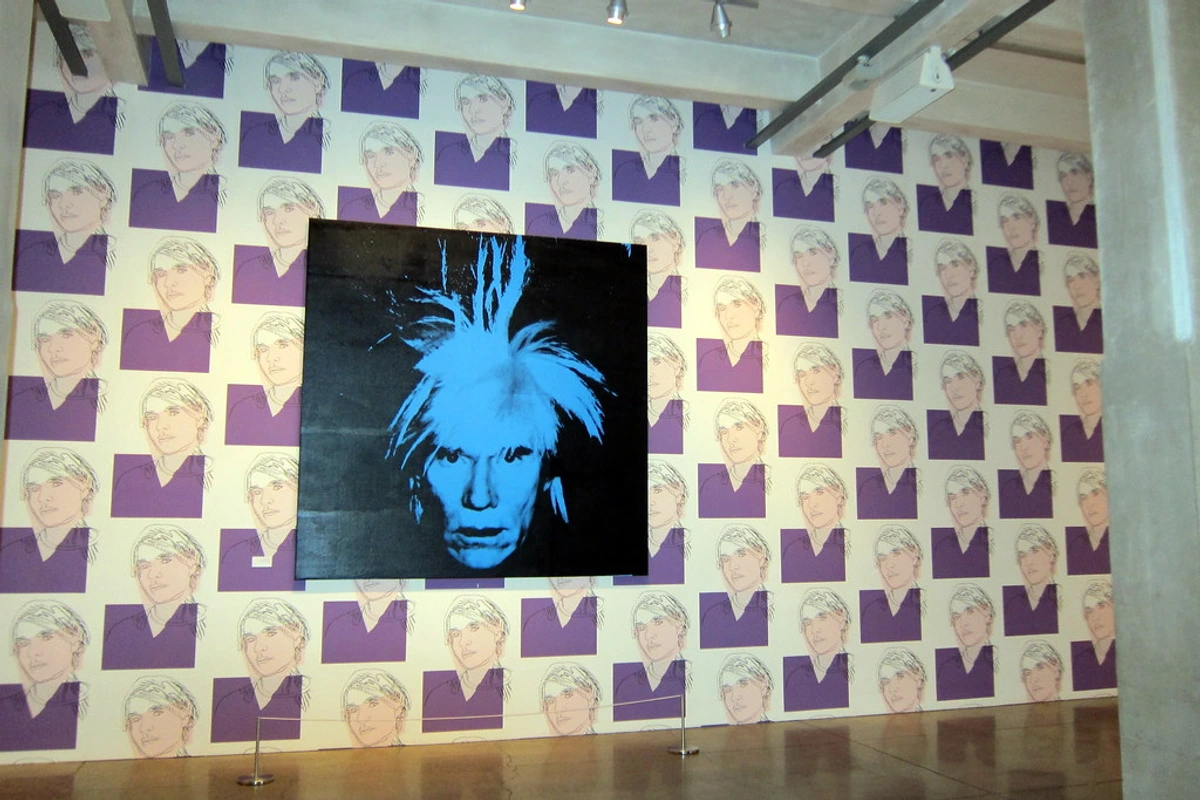
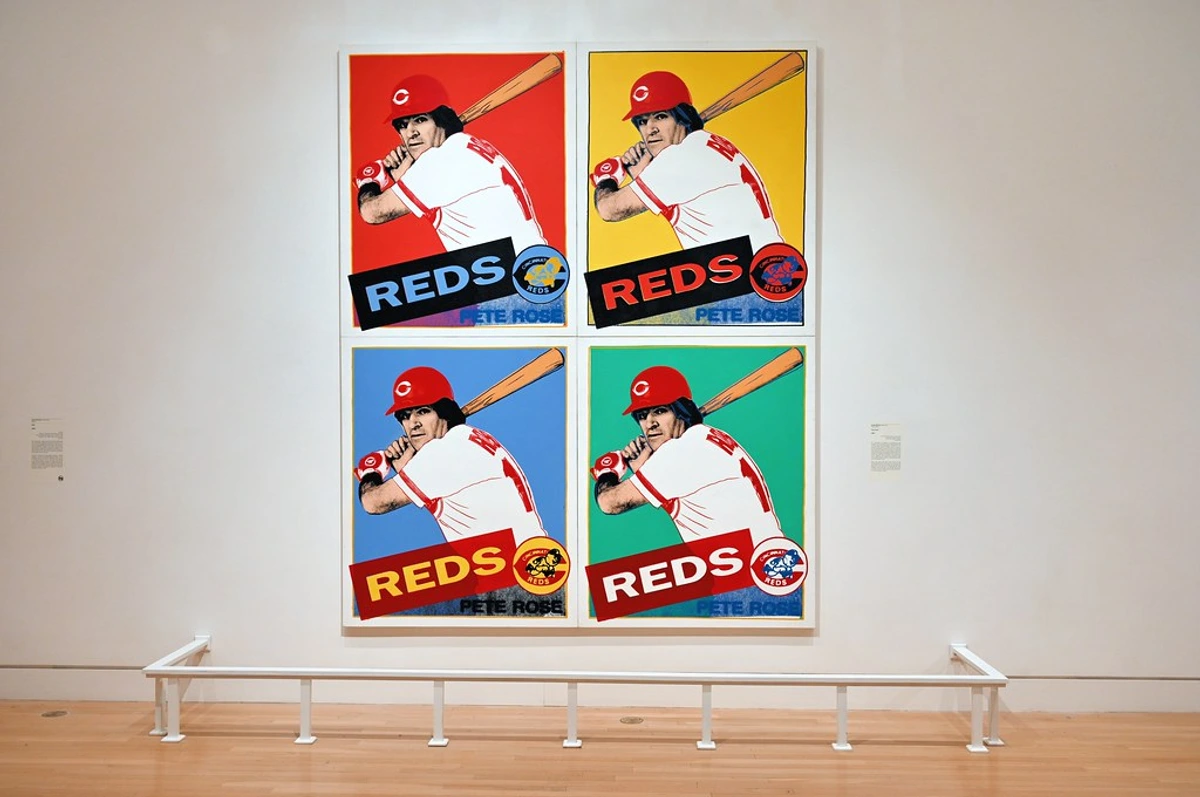
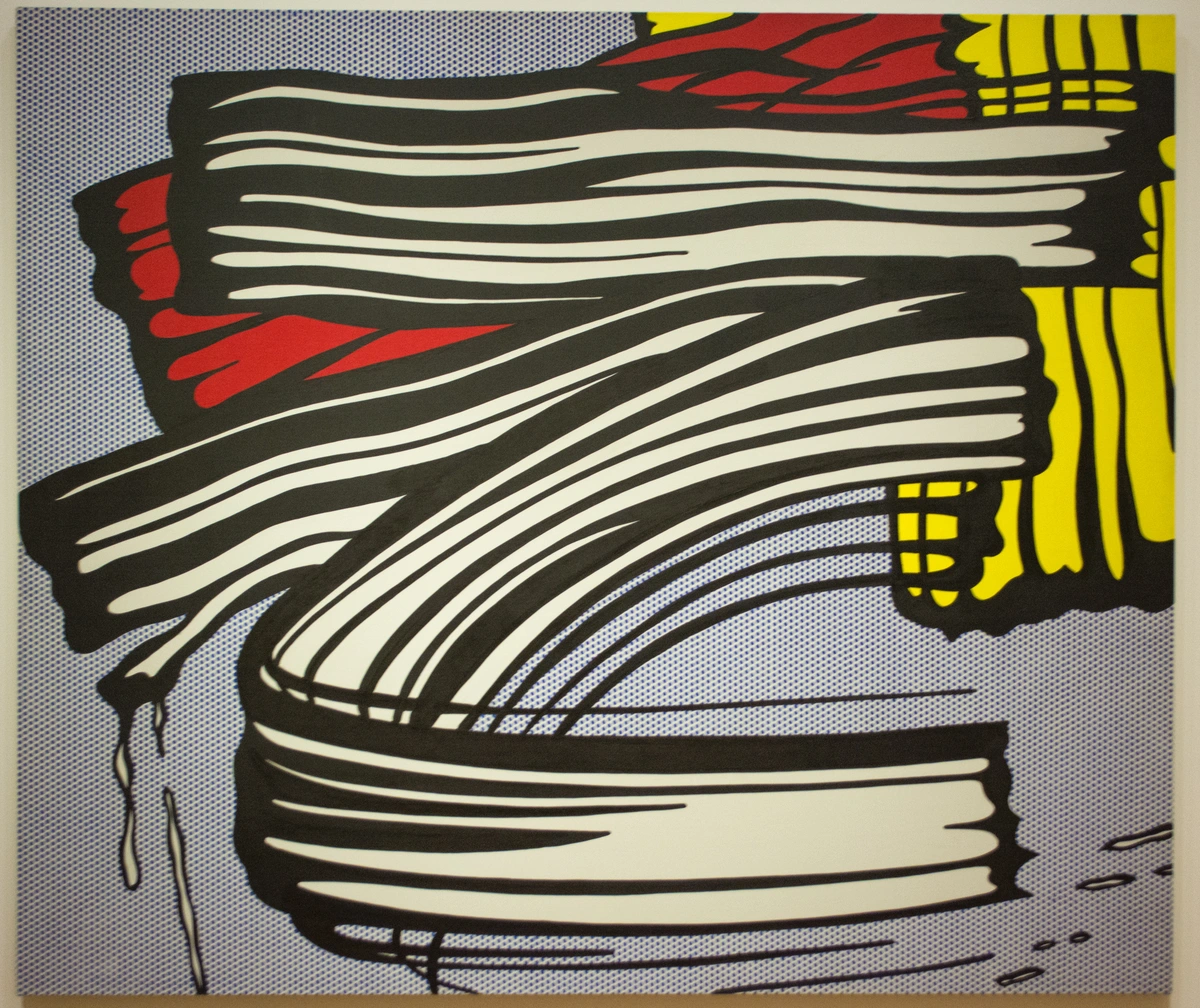
Warhol didn't just use mechanical reproduction; he made it the entire subject and substance of his art. His famous Campbell's Soup Cans weren't paintings of soup cans. They were paintings about the endless copies of soup cans that lined every supermarket in America. He used silkscreen printing, a stencil-based technique, to transfer photographic images onto canvas.
The process was deliberately impersonal and commercial. He famously said he wanted to be a machine. He’d have his assistants make the silkscreens, apply the paint, and move the canvases along, often with rock music playing in the background. He was turning the sacred act of painting into a modern form of industrial labor. His studio, which he called "The Factory," wasn't a romantic garret; it was a production line. And in doing so, he held up a mirror to a culture that was itself becoming a relentless production line of images and consumer goods.
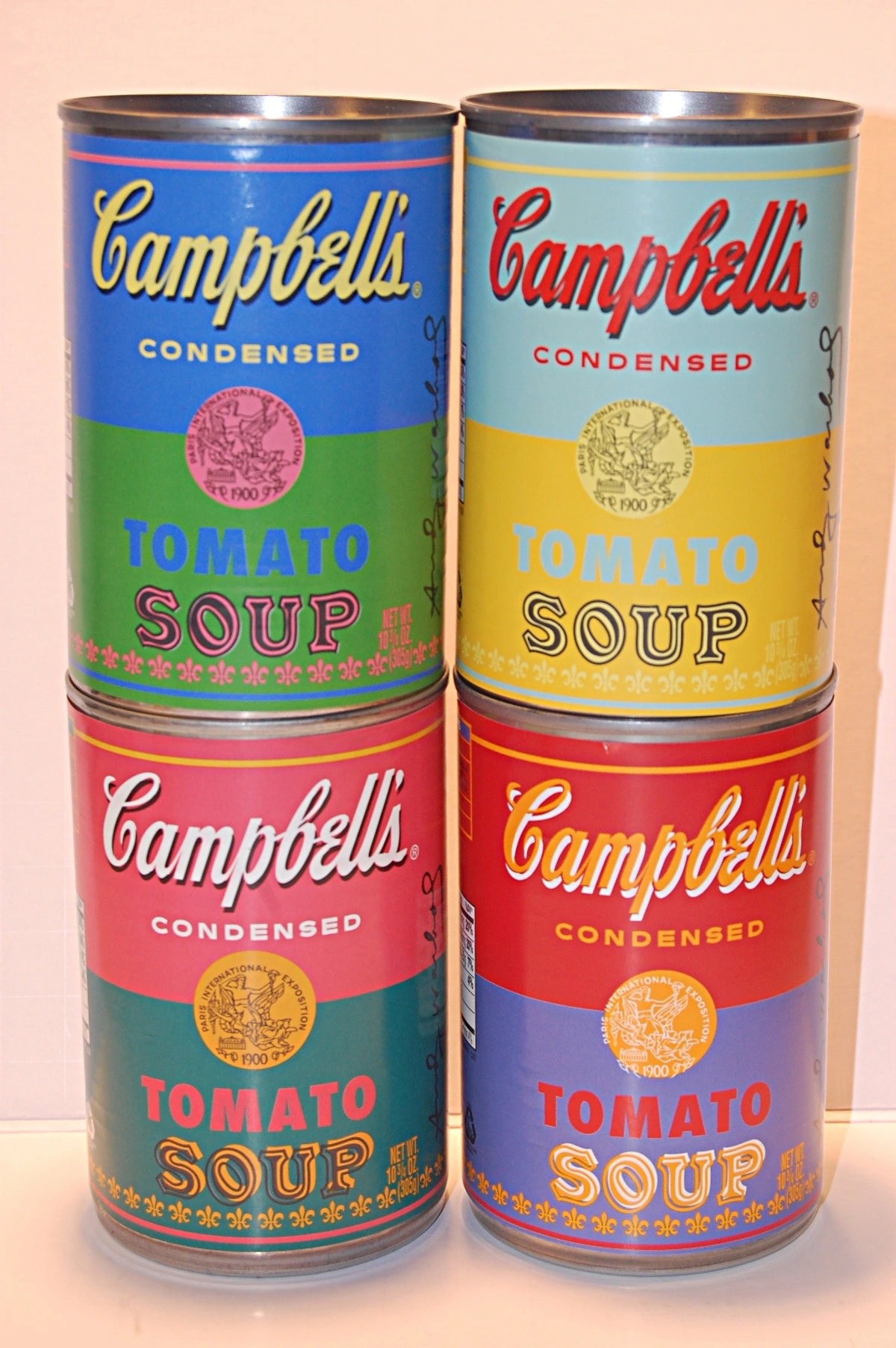
The brilliance of Pop Art was its deadpan acceptance of the world Benjamin feared. The aura was gone. We were living in a world of endless copies, of celebrity faces on magazine covers, of brand logos stamped on everything. Warhol didn't lament this. He celebrated it, mirroring the machine-made aesthetic of the world around him. He understood that our reality was being shaped more by advertising, celebrity, and the media than by the solitary vision of a painter in a studio.
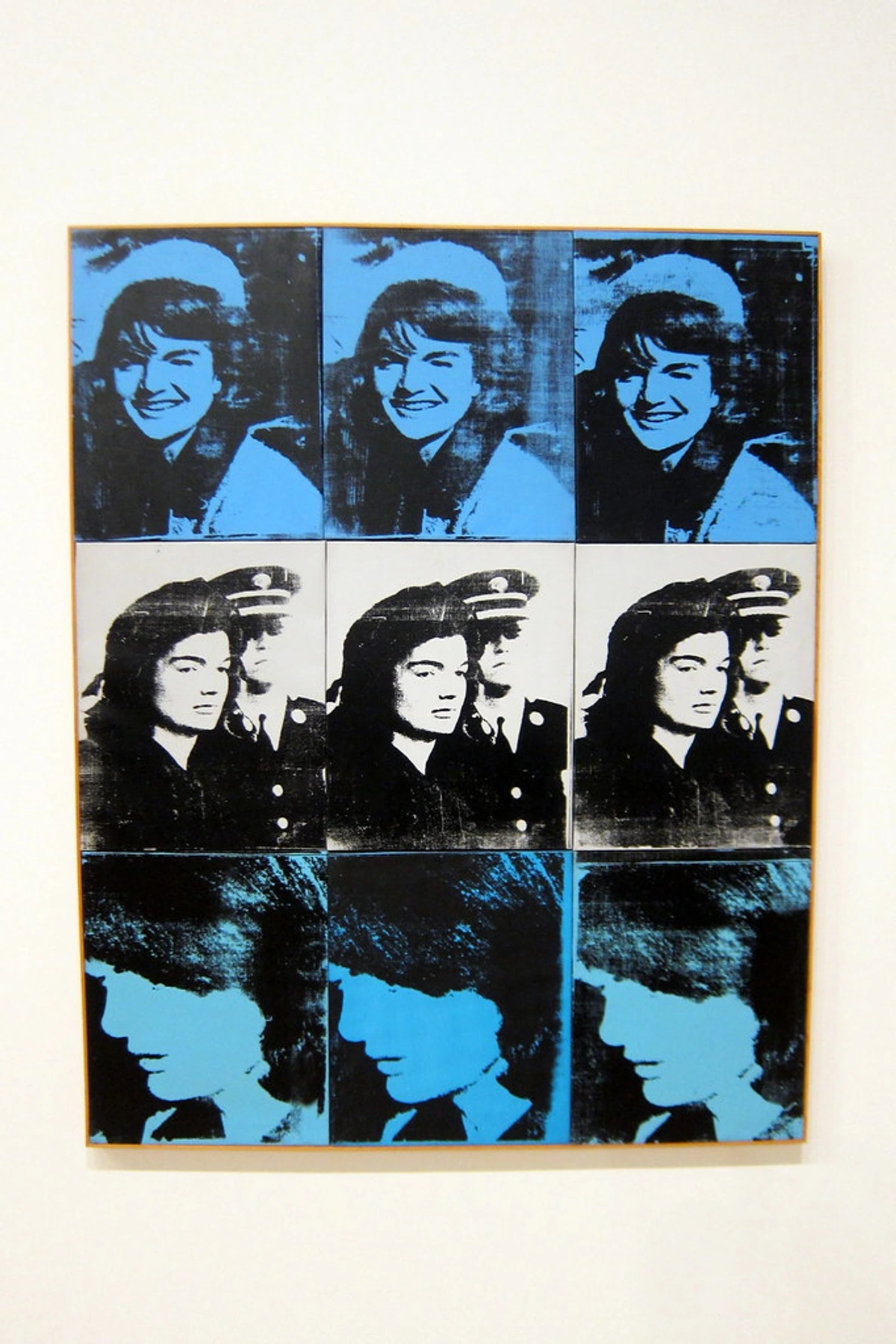
He forced the art world to confront an uncomfortable truth: maybe the copy was more honest to our modern experience than the singular, precious original. When you look at his Marilyn Diptych, which repeats the movie star's face in a grid of fading, flawed silkscreen impressions, you're not looking at Marilyn Monroe the person. You're looking at the idea of Marilyn Monroe—a manufactured image mass-produced by Hollywood. It's a portrait of the copy itself, of fame as an endless, impersonal reproduction. He didn't steal the image; he exposed the theft at the heart of our image-saturated culture.
The Digital Age and the Infinitely Reproducible Pixel
And then came the computer. Digital technology represents the final, ultimate triumph of mechanical reproduction. A digital image is nothing but a string of ones and zeros. Every copy is a perfect clone of the original file. There is no degradation. A JPEG shared a thousand times is identical to the one on the artist's hard drive.
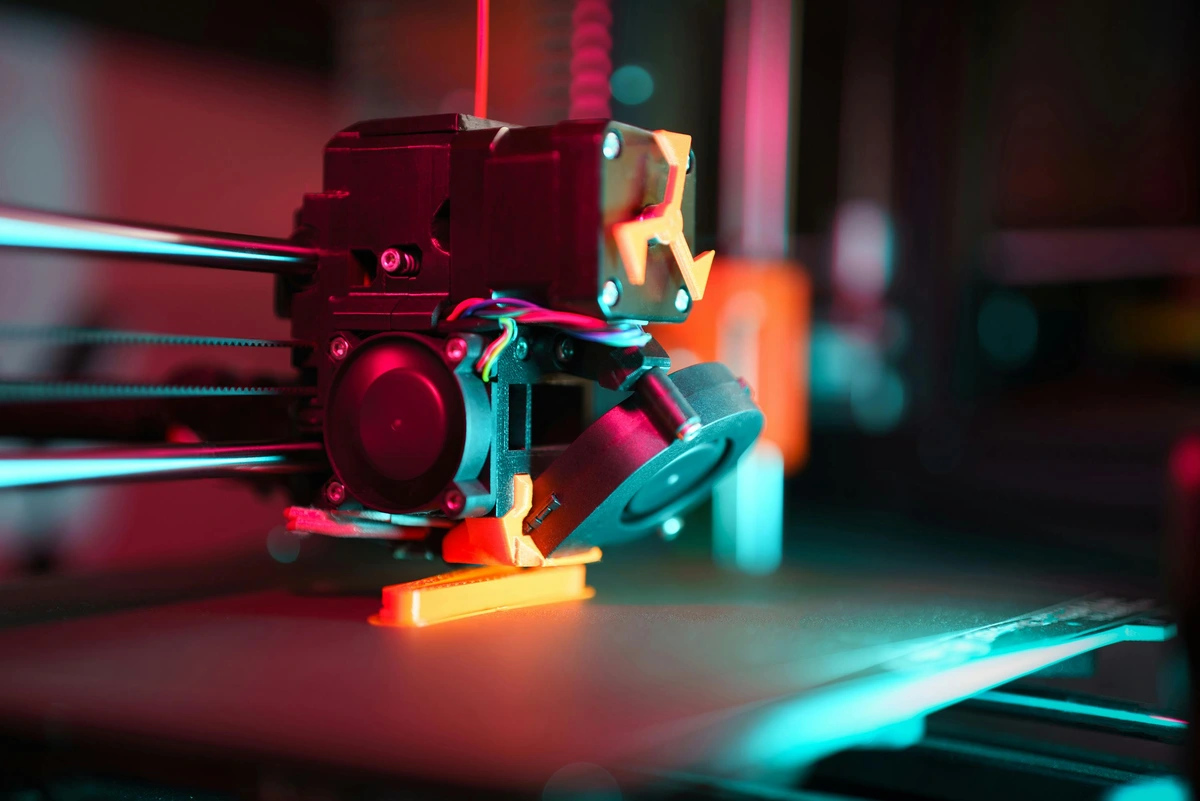
This has unlocked a world of creative possibility. Artists like Beeple and a host of others create digital-first art, works that were never meant to be physical. Distribution is instantaneous and global. Art can now be made collaboratively, algorithmically, and in virtual spaces. This is the world of the dematerialized art object, a concept that would have been unthinkable before the 20th century. The pixels on your screen don't have the same physical aura as paint on a canvas—they flicker, they change, they can be duplicated with a click. But they offer a different kind of aura, one based on participation, data, and network effects. An Instagram story by an artist is a fleeting, disposable work of art, but it can be seen by millions in real-time. Is the value in the image itself, or in the scale and speed of its shared experience?
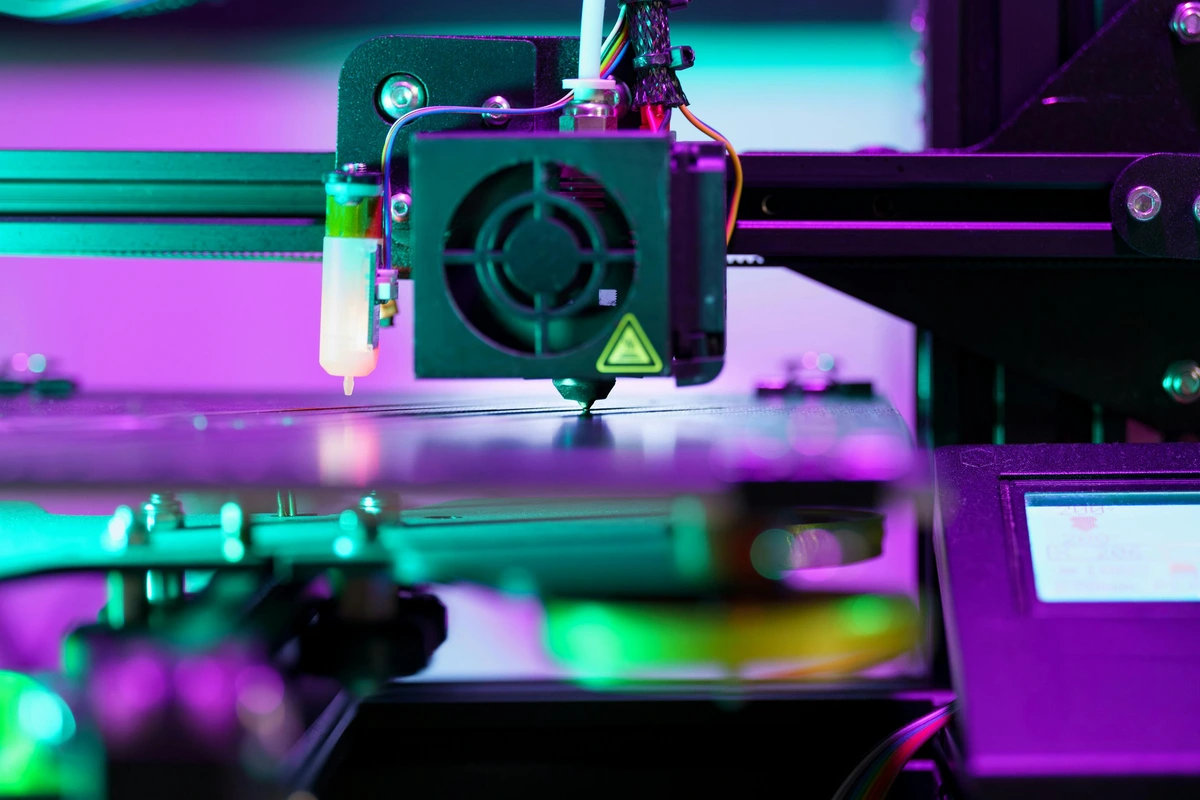
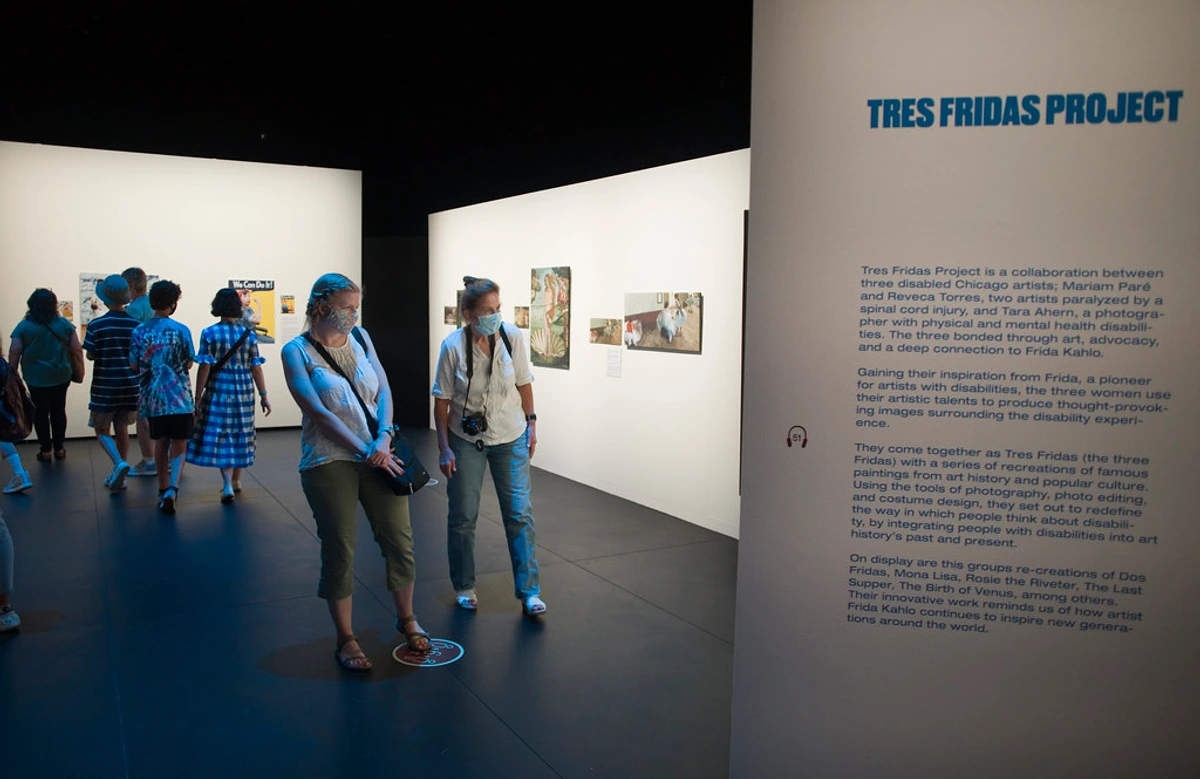
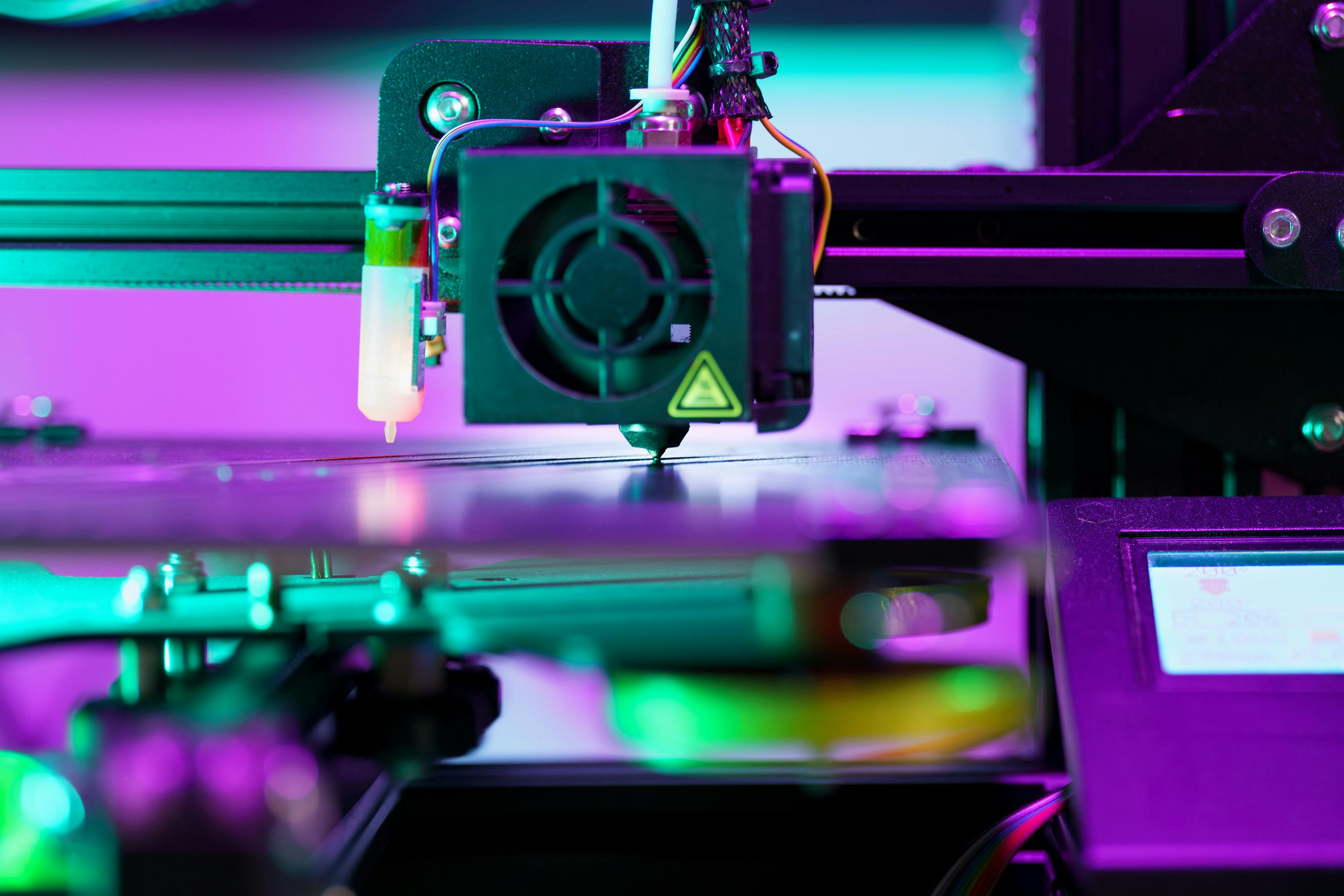
But it also raises the old questions about value and authenticity with new urgency. If you can copy a painting perfectly with a high-resolution 3D printer, matching every brushstroke, what is the "original" then? Is it the first one? The one with the most provenance? The one that has the best story? We're circling back to the questions that started with the postcard in the museum shop, but at a much higher resolution.
The Footnote on Blockchain
I know what you’re probably thinking. What about NFTs (Non-Fungible Tokens)? The blockchain was initially heralded as the technology that would solve the digital originality problem by creating a verifiable, unforgeable certificate of authenticity for a digital file. It was supposed to reintroduce scarcity and an aura to the infinitely copyable pixel.
The reality, as I see it, has been far more complex and less magical. The art world is still grappling with the fundamental question: what are you actually buying with an NFT? Are you buying the art, or just a very expensive digital receipt? Many artists have experimented with the technology, and it has opened up new avenues for digital creators to monetize their work. However, the environmental cost, the extreme market volatility, and the persistent confusion about what the token actually represents have made the prospect feel less like a revolution and more like a fascinating, complicated, and often problematic experiment. It’s a technological solution to an aesthetic problem that we’re still trying to fully understand.
Beyond the Original: Art in an Age of Copies
So where does this leave us? We live surrounded by copies. The images on your phone, the posters in your home, the backgrounds in movies—almost everything you see is a reproduction. The old model of art, with the singular, untouchable masterpiece at its center, feels increasingly distant, a relic from an age of scarcity.
But the core human desire that art addresses hasn't changed. We still crave connection, beauty, and meaning. What has changed, perhaps, is where we find the unique spark that Benjamin called the aura. It's no longer just in the object itself, in its unique history of paint and canvas. Maybe the aura has migrated from the object to the experience. It's in the energy of being in a room with a powerful work, whether it's an original or a perfect facsimile. It's in the conversation between the work, the artist's intent, and the viewer's imagination.





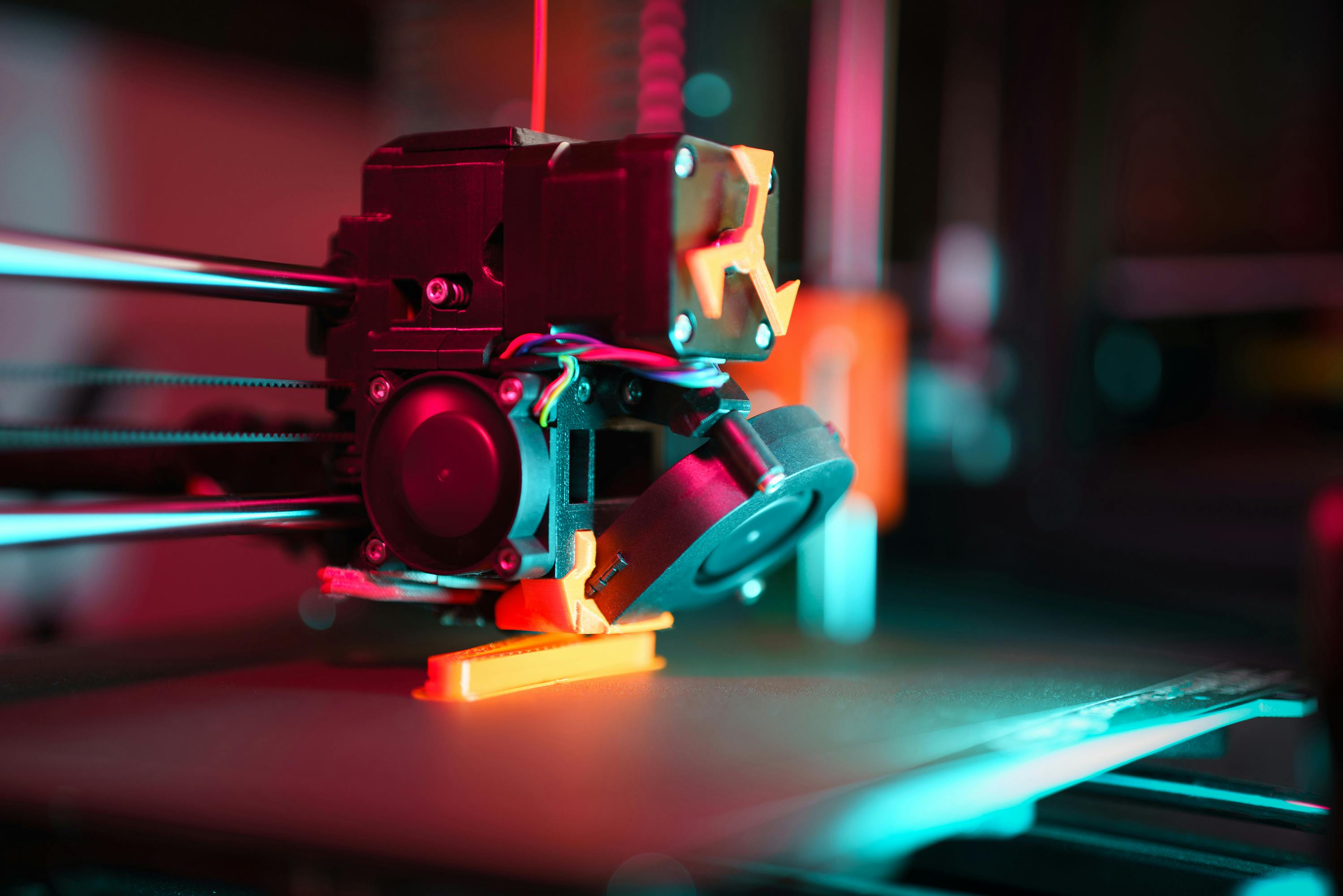


Maybe we find it in the way an artist's idea, whether in oil paint or pure data, makes us see the world differently. Maybe the aura is in the conversation between the artist, the work, and the viewer—a conversation that can, it turns out, happen even through the ghostly medium of a reproduction. After all, that cheap postcard I bought started me on a journey that led me here, writing these words for you. It couldn't give me the texture of the paint, but it could transmit the idea. And sometimes, the idea is the most powerful part of all. The ghost isn't a theft; it's the message, finally free of its material prison.
Frequently Asked Questions (FAQ)
Q: Does all mechanical reproduction hurt the value of an original artwork? A: Generally, the opposite is true. While a mass-produced poster is cheap, high-quality, authorized reproductions (like limited edition prints made by an artist) can actually increase the fame and value of the original. It's a strange paradox: the more widely an image is reproduced, the more iconic the original becomes. Think of Van Gogh's Starry Night. We've all seen it on coffee mugs and tote bags, but this omnipresence only deepens the pilgrimage to see the real thing at MoMA. The more people see and recognize an image, the more culturally significant it becomes, which in turn increases the value of the one-of-a-kind original. The copy, in a way, is a form of advertising for the original.
Q: Has mechanical reproduction made art less special? A: It depends on your definition of "special." If "special" means rare and untouchable, then yes, reproduction has eroded that. But if "special" means accessible, democratic, and woven into the fabric of our daily lives, then it has made art more special for more people. A world where art was locked away and never seen would be a poorer one. The challenge for us now is to cultivate the ability to look closely, to find the specialness not just in the object's uniqueness but in the depth of the encounter. It takes a different kind of attention to see a masterpiece in a thumbnail on your phone.
Q: How did photography specifically influence painting? A: Photography freed painting from its historical job of documenting reality. Once a machine could capture a scene perfectly, painters were pushed to explore things the camera couldn't: emotion, abstraction, dreams, and the very nature of perception. This directly led to movements like Impressionism, Expressionism, and Cubism. It sparked a century of relentless innovation. The clearest example is probably Eadweard Muybridge's stop-motion photographs of a galloping horse, which settled a bet but also showed painters a new way of seeing motion that you can see echoed in the fractured forms of a work by Marcel Duchamp or the Italian Futurists. Art had to stop competing with the camera and start exploring what only it could do.
Q: What is the most important form of mechanical reproduction in art history? A: While the printing press and lithography were foundational, I would argue photography had the most profound impact. It didn't just copy existing art; it created a whole new way of seeing the world and fundamentally challenged the purpose of painting, forcing it to evolve in radical new directions. It is the ghost that has haunted all modern art—and, in haunting it, has spurred it to find new and more powerful forms of expression, from the gutted emotionalism of Picasso to the laser-straight lines of photorealism.
Q: Can a reproduction ever be considered a true work of art? A: Absolutely. This is the legacy of Pop Art. When an artist like Andy Warhol uses silkscreening to create a commentary on mass production, the medium is the message. The reproduction isn't just a copy of an idea; it is the very expression of the idea itself. The authority comes from the artist's intent and the power of the concept, not just the uniqueness of the object. In fact, for much conceptual art, the physical object is just a vessel for the idea. The real artwork is the idea, which can be perfectly and endlessly reproduced.