Richard Hamilton: The Father of Pop Art
Explore the life, works, and groundbreaking contributions of Richard Hamilton, the father of Pop Art.

Richard Hamilton: The Father of Pop Art
I remember the first time I stumbled upon Richard Hamilton's work. It was in a small, dimly lit gallery in London, and there it was—"Just what is it that makes today's homes so different, so appealing?"—staring back at me. It was like a time capsule, a snapshot of a moment I never lived but somehow understood. That's the magic of Hamilton's art. It doesn't just reflect culture; it dissects it, holds it up to the light, and invites you to question it.
Hamilton's work is more than just a visual experience; it's an intellectual journey. It challenges you to think about the world around you, the messages we consume, and the culture we create. It's no wonder that his influence extends far beyond the art world and into the realms of design, advertising, and even politics.
Why Richard Hamilton Matters Today
Hamilton's relevance today lies in his ability to capture the essence of modern life through his art. His work serves as a lens through which we can examine our relationship with consumerism, media, and technology. In an era dominated by digital media and rapid technological advancements, Hamilton's exploration of these themes feels more pertinent than ever. His art invites us to reflect on how our perceptions and behaviors are shaped by the world around us.
The Early Years and Influences
Richard Hamilton's journey into the world of art began in London in 1922. His early fascination with machines and technology set the stage for his later exploration of media and consumer culture. Hamilton's education at the Royal Academy of Arts and the Slade School of Fine Art exposed him to a wide range of artistic techniques and philosophies, shaping his unique approach to art. His exposure to the works of Marcel Duchamp and the Dada movement challenged him to think differently about what art could be, laying the foundation for his groundbreaking contributions to Pop Art.
Formative Experiences
Hamilton's early life was marked by a deep curiosity about the mechanical and technological advancements of his time. This curiosity was not just a passing interest but a foundational element that would later manifest in his artistic explorations. His time at the Royal Academy and the Slade School provided him with the technical skills and theoretical knowledge necessary to push the boundaries of traditional art forms. The influence of Duchamp and the Dada movement, in particular, encouraged Hamilton to question the very definition of art, leading him to experiment with unconventional materials and techniques.
Why Richard Hamilton Stands Out
Hamilton's ability to merge high art with popular culture set him apart from his contemporaries. His work often blurred the lines between fine art and everyday life, making it accessible and thought-provoking for a broader audience. This unique approach not only defined his career but also laid the foundation for the Pop Art movement.
Bridging High Art and Popular Culture
Hamilton's genius lay in his ability to take mundane, everyday objects and elevate them to the status of high art. By incorporating imagery from advertisements, magazines, and television, he created a visual language that resonated with the masses while challenging the elitism of the traditional art world. This democratization of art was revolutionary, as it made art more relatable and accessible to people from all walks of life.
The Intersection of Art and Popular Culture
Hamilton's work is a testament to the power of art to reflect and critique society. By incorporating imagery from advertisements, magazines, and television, he created a visual language that spoke to the complexity of modern existence. His ability to blend high art with popular culture challenged traditional notions of what art could be, making it accessible and thought-provoking for a broader audience.
The Role of Media in Art
Hamilton's use of media imagery was not just a stylistic choice but a commentary on the pervasive influence of media in society. He recognized early on that media shapes our perceptions, behaviors, and even our aspirations. By integrating these elements into his art, Hamilton invited viewers to question the messages they consumed daily and to reflect on the impact of media on their lives.
Introduction
Richard Hamilton is often hailed as the father of Pop Art, and for good reason. His work in the 1950s and 60s laid the groundwork for an entire movement that would come to define an era. But who was Richard Hamilton, and why does his work still resonate today? Let's dive in.
The Birth of a Movement
Hamilton's contributions to Pop Art were not just about creating visually striking pieces; they were about challenging the status quo. His work in the 1950s and 60s was a response to the cultural shifts of the post-war era, where consumerism and mass media were reshaping society. By incorporating elements of popular culture into his art, Hamilton created a new visual language that spoke to the complexities of modern life.

To truly appreciate Hamilton's contributions, it's essential to understand the context in which he worked. Post-war Britain was a time of rapid change, with consumer culture booming and technology advancing at an unprecedented rate. Hamilton's art captures this moment in history, offering a critical yet playful commentary on the world around him.
The Post-War Cultural Landscape
The post-war era was marked by a shift in societal values and consumer behavior. Hamilton's work reflects this transformation, capturing the essence of a society grappling with newfound prosperity and the influence of mass media. His art serves as a mirror to the complexities of modern life, inviting viewers to reflect on their own relationship with consumerism and technology.
The Rise of Consumerism
The rise of consumerism in the post-war era was a defining feature of Hamilton's time. His work often critiqued the growing obsession with material possessions and the role of advertising in shaping societal aspirations. By incorporating images of household appliances, advertisements, and other consumer goods into his art, Hamilton highlighted the ways in which consumer culture was transforming everyday life.
The rise of consumerism and the proliferation of mass media created a new visual language that Hamilton embraced. His work often incorporated images from advertisements, magazines, and television, reflecting the pervasive influence of media on society. This approach not only made his art relatable but also challenged viewers to question the messages they consumed daily.
Why Richard Hamilton Matters
Hamilton's work is not just a reflection of his time; it's a lens through which we can examine our own relationship with consumerism, media, and technology. His ability to blend high art with everyday imagery challenged the boundaries of what art could be, making it accessible and thought-provoking for a broader audience.
Hamilton as a Mentor
Hamilton's influence extends beyond his artistic innovations. He was also a mentor and teacher, inspiring a new generation of artists to push the boundaries of what art could be. His work continues to be studied and celebrated, serving as a reminder of the power of art to challenge, provoke, and inspire.
The Legacy of Hamilton's Teaching
Hamilton's role as a teacher was as significant as his contributions as an artist. He taught at institutions like the University of Newcastle and the Royal College of Art, where he influenced countless students. His teaching philosophy emphasized experimentation and critical thinking, encouraging students to challenge conventional ideas about art and to explore new techniques and materials.
The Evolution of Pop Art
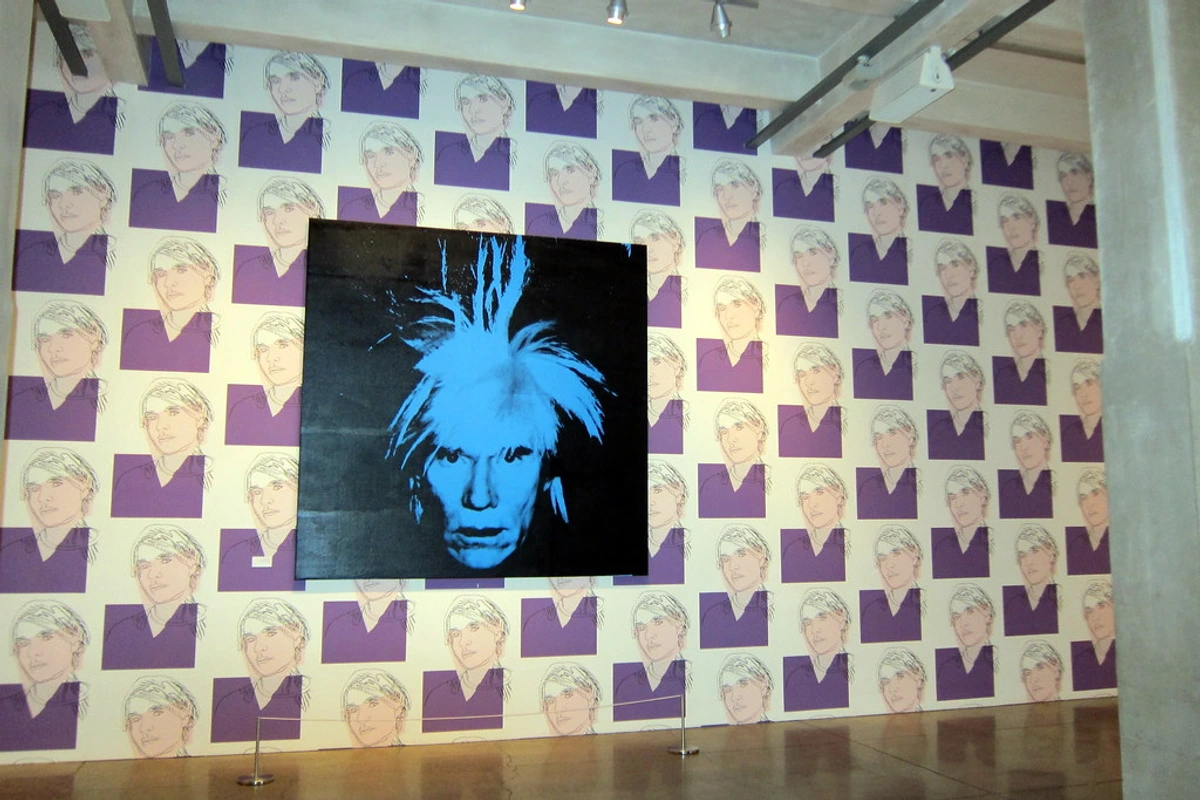
Hamilton's influence on Pop Art is profound. He not only pioneered the movement but also inspired a generation of artists to explore themes of consumerism and media. His innovative techniques, such as collage and mixed media, became hallmarks of the genre, paving the way for artists like Andy Warhol and Roy Lichtenstein.
Pop Art emerged as a response to the cultural shifts of the post-war era. Artists like Hamilton sought to challenge traditional notions of art by incorporating imagery from popular culture, advertising, and mass media. This movement democratized art, making it more accessible and relatable to a broader audience.
Early Life and Influences
Born in London in 1922, Hamilton's early life was marked by a fascination with machines and technology. He studied at the Royal Academy of Arts and later at the Slade School of Fine Art. His early influences included the works of Marcel Duchamp and the Dada movement, which would later become evident in his own art.
Hamilton's time at the Slade School was particularly formative. It was here that he began to experiment with collage and mixed media, techniques that would become central to his later work. His exposure to Duchamp's ready-mades and the Dadaists' irreverent approach to art challenged him to think differently about what art could be.
The Role of Education in Hamilton's Artistic Development
Hamilton's education played a crucial role in shaping his artistic vision. His studies at the Royal Academy and the Slade School exposed him to a wide range of artistic techniques and philosophies. This diverse education allowed him to develop a unique style that blended traditional artistic methods with innovative approaches to collage and mixed media.
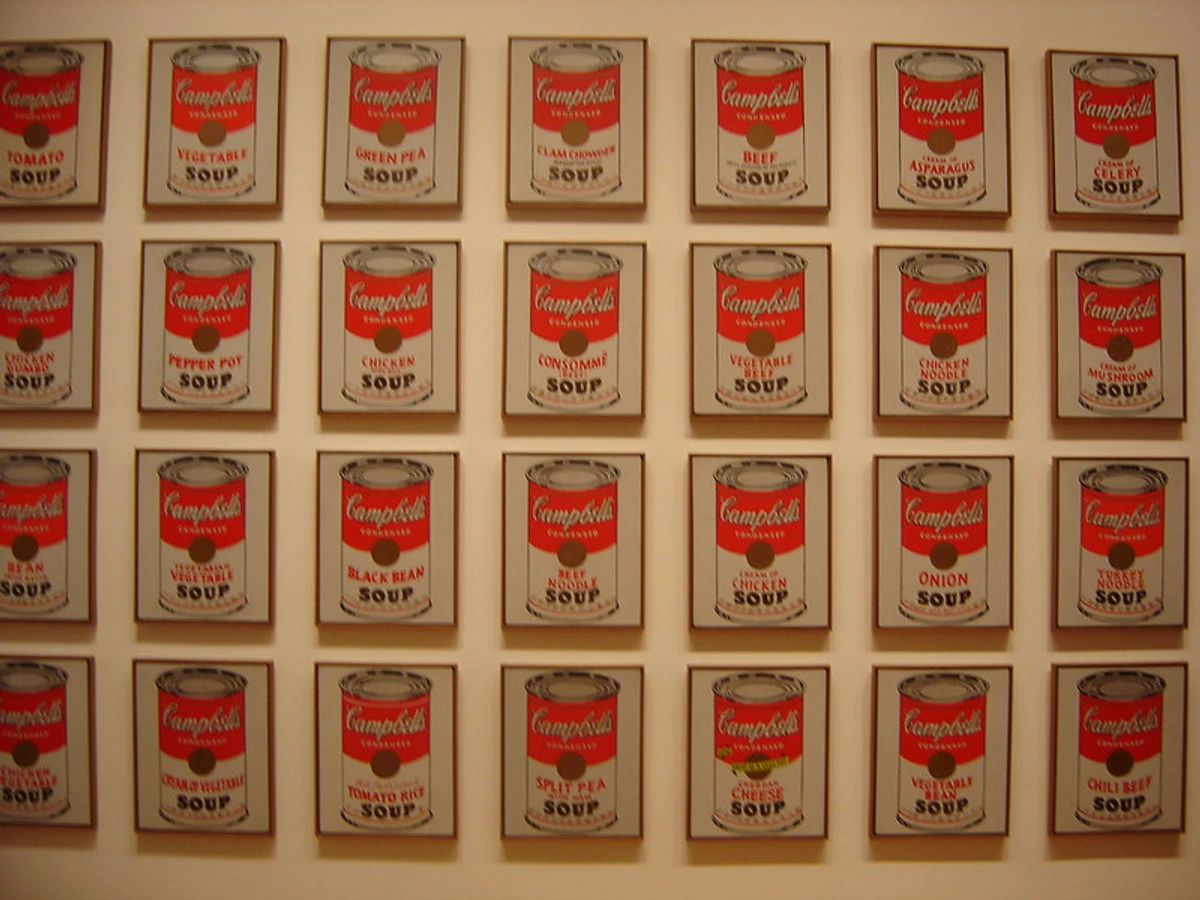
Hamilton's exposure to a variety of artistic movements and techniques during his education provided him with the tools to experiment and innovate. His ability to synthesize these influences into a cohesive artistic vision set him apart from his contemporaries and laid the groundwork for his future contributions to Pop Art.
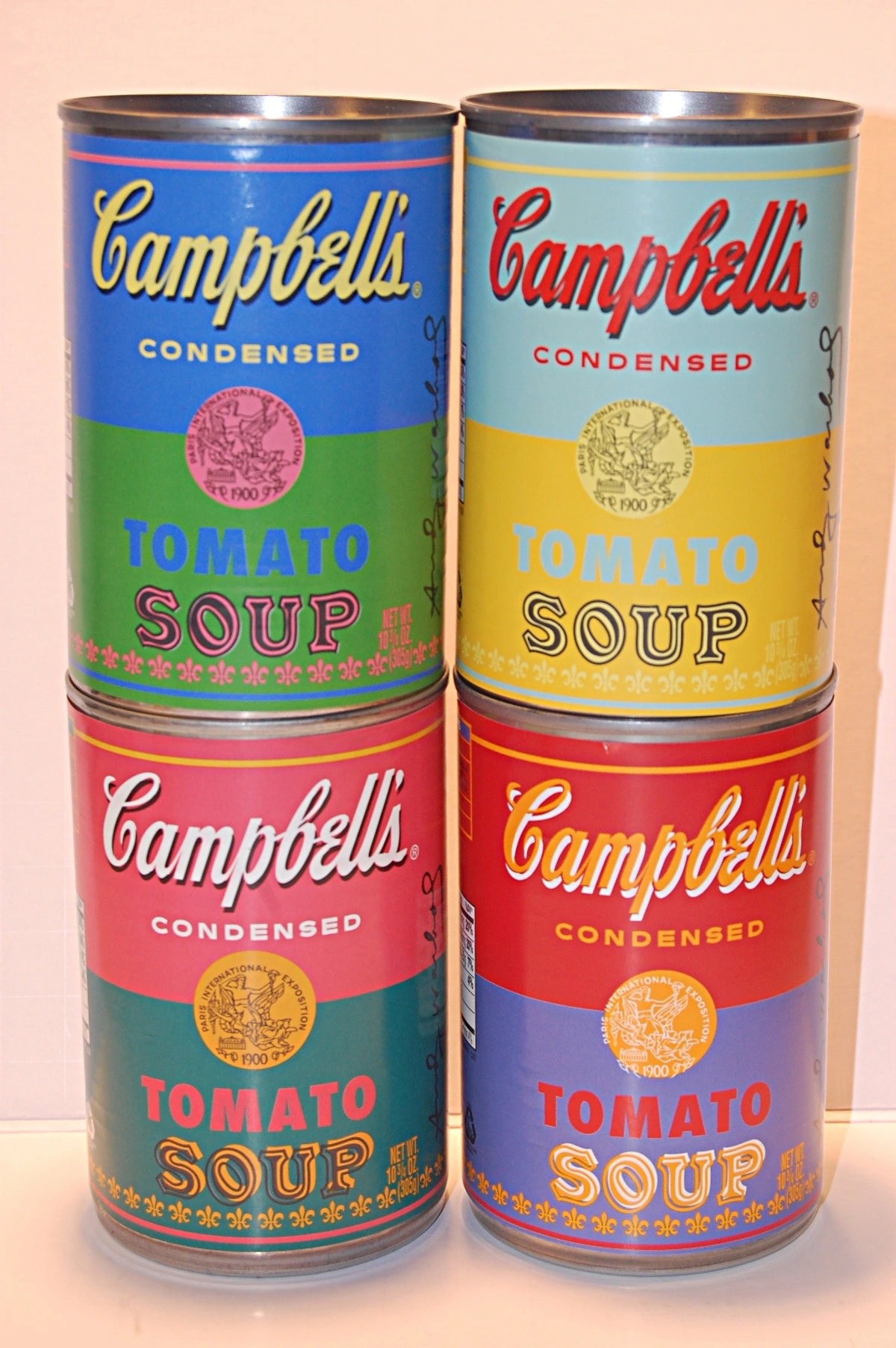
Key Influences
- Marcel Duchamp: Duchamp's concept of ready-mades, where everyday objects are presented as art, deeply influenced Hamilton's approach to incorporating consumer culture into his work.
- Dada Movement: The Dadaists' emphasis on absurdity and anti-art resonated with Hamilton, inspiring him to challenge traditional artistic norms.
- Technology and Machines: Hamilton's fascination with technology is evident in his use of mechanical reproduction techniques and his exploration of media's role in society.
These influences shaped Hamilton's artistic philosophy and provided him with the tools to challenge traditional notions of art. His ability to blend these diverse influences into a cohesive artistic vision set him apart from his contemporaries and laid the groundwork for his future contributions to Pop Art.
The Impact of Duchamp and Dada on Hamilton's Work
Duchamp's ready-mades and the Dada movement's emphasis on absurdity and anti-art had a profound impact on Hamilton's artistic philosophy. These influences encouraged him to experiment with unconventional materials and techniques, ultimately leading to the development of his signature style. Hamilton's work reflects a deep engagement with the ideas of his predecessors, while also pushing the boundaries of what art could be.
The Evolution of Hamilton's Style
Hamilton's engagement with Duchamp and the Dada movement provided him with the tools to challenge traditional notions of art. His ability to blend these diverse influences into a cohesive artistic vision set him apart from his contemporaries and laid the groundwork for his future contributions to Pop Art. Over time, Hamilton's style evolved to incorporate a wide range of techniques and materials, reflecting his ongoing exploration of the relationship between art and everyday life.
Hamilton's engagement with Duchamp and the Dada movement provided him with the tools to challenge traditional notions of art. His ability to blend these diverse influences into a cohesive artistic vision set him apart from his contemporaries and laid the groundwork for his future contributions to Pop Art.
The Birth of Pop Art
Hamilton's 1956 collage "Just what is it that makes today's homes so different, so appealing?" is often cited as the first true work of Pop Art. Created for the "This Is Tomorrow" exhibition at the Whitechapel Art Gallery, the piece is a commentary on consumer culture, advertising, and the post-war boom.
This groundbreaking work was not just a reflection of the times but a critique of the growing consumerism that defined post-war society. Hamilton's use of everyday imagery—from household appliances to advertisements—challenged the traditional boundaries of art and set the stage for the Pop Art movement.

The Significance of "This Is Tomorrow"
The "This Is Tomorrow" exhibition was a pivotal moment in the art world. It brought together artists, architects, and designers to explore the intersection of art and technology. Hamilton's contribution stood out for its bold commentary on consumerism and its innovative use of collage techniques. This exhibition marked the beginning of a new era in art, one that embraced the complexities of modern life.
The exhibition's focus on the intersection of art and technology reflected the cultural shifts of the post-war era. Hamilton's work, in particular, challenged traditional notions of art by incorporating imagery from popular culture, advertising, and mass media. This approach democratized art, making it more accessible and relatable to a broader audience.
The Impact of "This Is Tomorrow"
The "This Is Tomorrow" exhibition was a pivotal moment in the art world. It brought together artists, architects, and designers to explore the intersection of art and technology. Hamilton's contribution stood out for its bold commentary on consumerism and its innovative use of collage techniques.
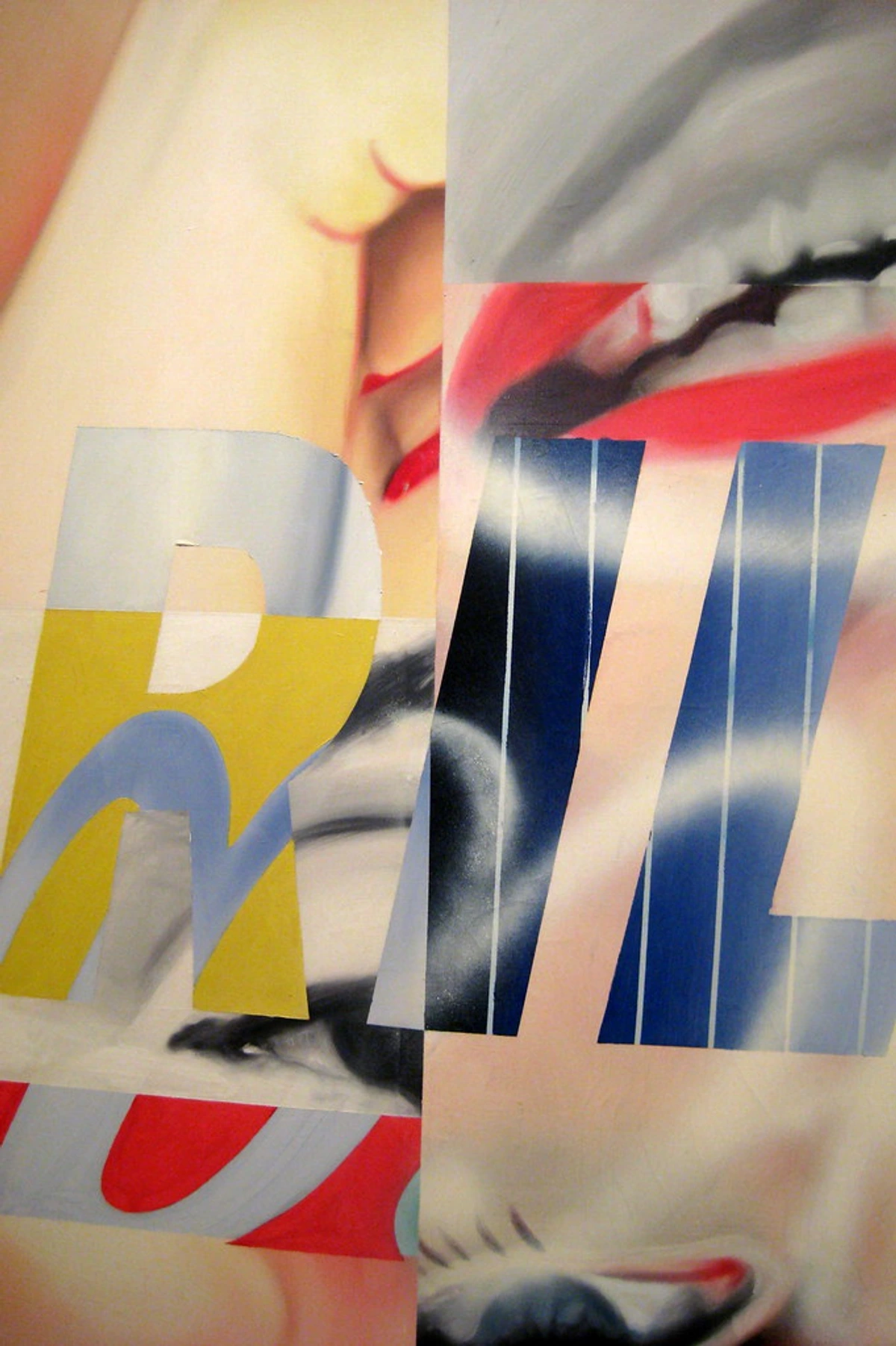
The Role of Technology in Hamilton's Art
Hamilton's fascination with technology is evident in his exploration of mechanical reproduction techniques. His work reflects a deep understanding of how technology shapes our perceptions and behaviors. By incorporating images from newspapers, television, and film into his art, Hamilton highlighted the pervasive influence of media on our lives.
The Influence of Technology on Artistic Techniques
Hamilton's use of technology in his art challenged traditional notions of artistic creation. His innovative techniques, such as collage and mechanical reproduction, allowed him to create works that were both visually striking and conceptually rich. These methods enabled him to incorporate a wide range of materials and images into his work, reflecting the diversity and complexity of modern life.
Hamilton's use of technology in his art challenged traditional notions of artistic creation. His innovative techniques, such as collage and mechanical reproduction, allowed him to create works that were both visually striking and conceptually rich. These methods enabled him to incorporate a wide range of materials and images into his work, reflecting the diversity and complexity of modern life.
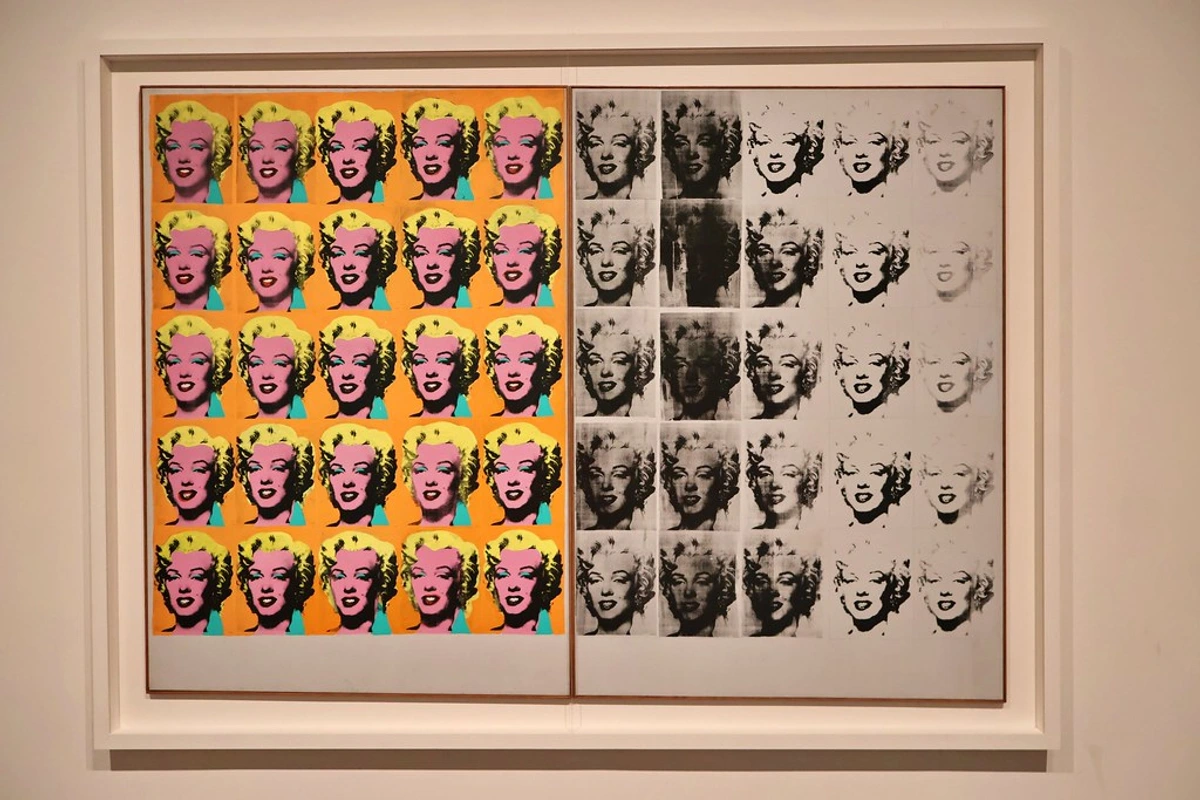
Pop Art vs. Traditional Art
Aspect  | Pop Art | Traditional Art |
|---|---|---|
| Subject Matter | Everyday objects, consumer culture | Mythology, religion, historical events |
| Techniques | Collage, screen printing, mixed media | Oil painting, sculpture, classical methods |
| Audience | Mass appeal, accessible | Elite, often exclusive |
| Purpose | Critique and celebration of modern life | Aesthetic beauty, moral or religious instruction |
| Key Artists | Richard Hamilton, Andy Warhol, Roy Lichtenstein | Leonardo da Vinci, Michelangelo, Rembrandt |
| Cultural Context | Post-war consumerism, mass media | Renaissance, Baroque, Classical periods |
The Evolution of Artistic Techniques
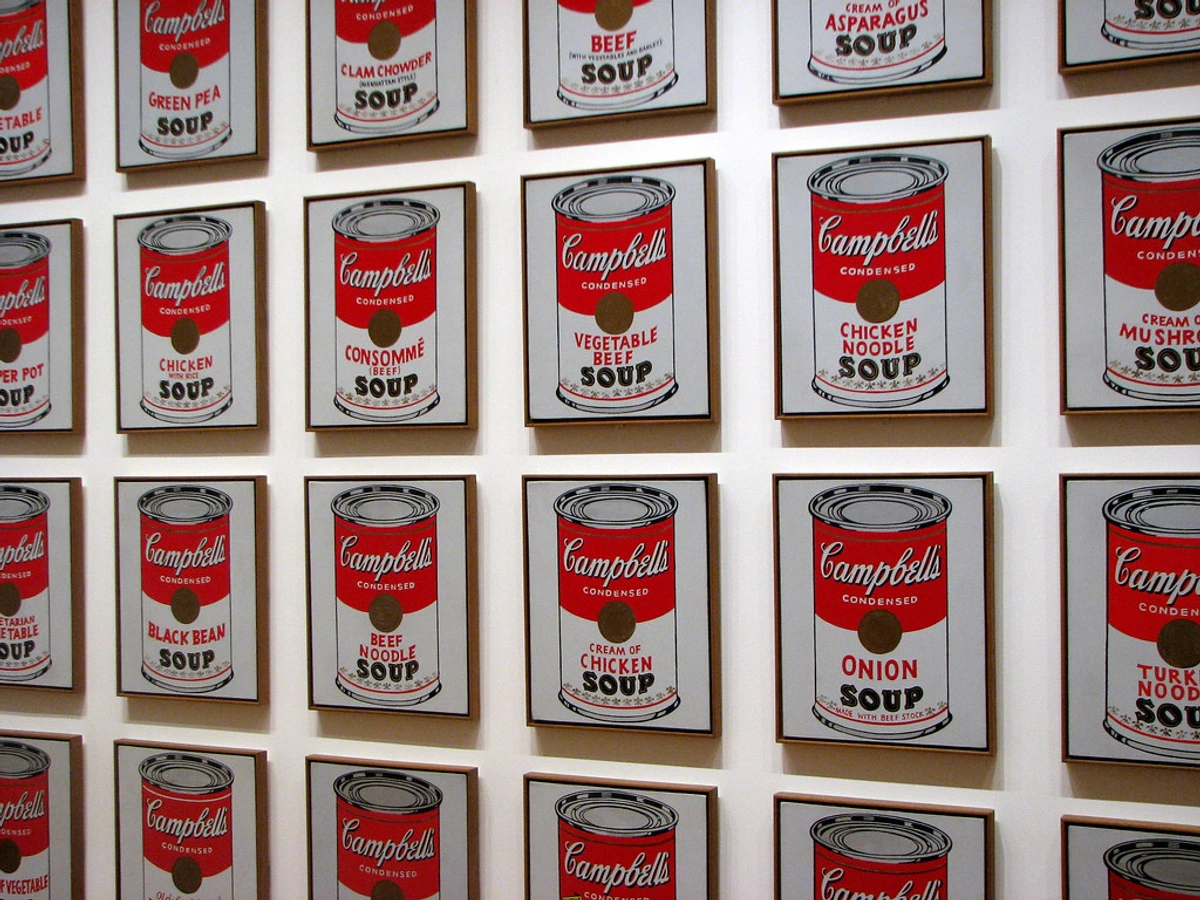
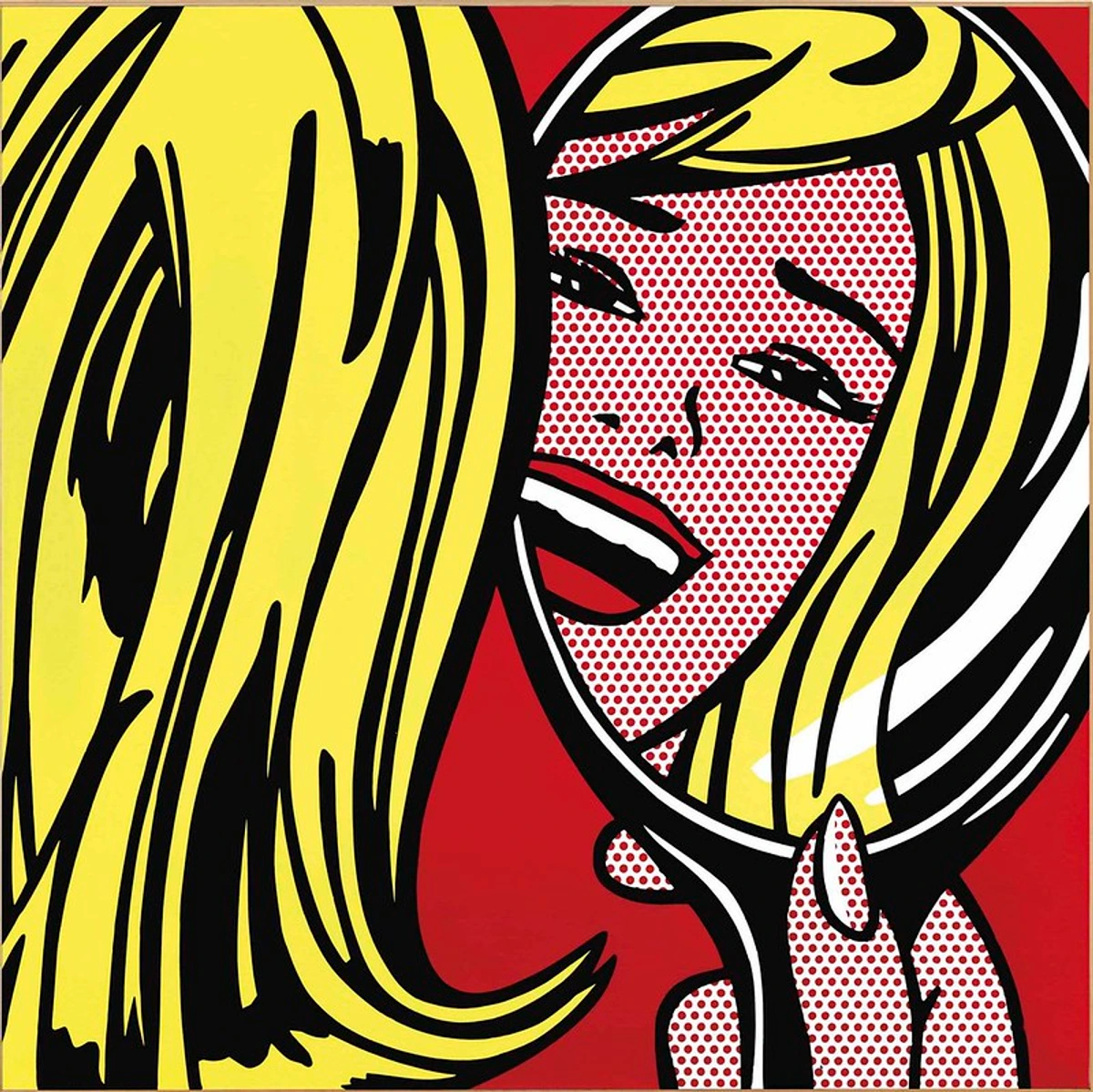
The techniques used in Pop Art, such as collage and screen printing, allowed artists to create works that were both visually striking and conceptually rich. These methods enabled artists to incorporate a wide range of materials and images into their work, reflecting the diversity and complexity of modern life. Hamilton's innovative use of collage and mixed media techniques set him apart from his contemporaries and paved the way for future generations of artists.
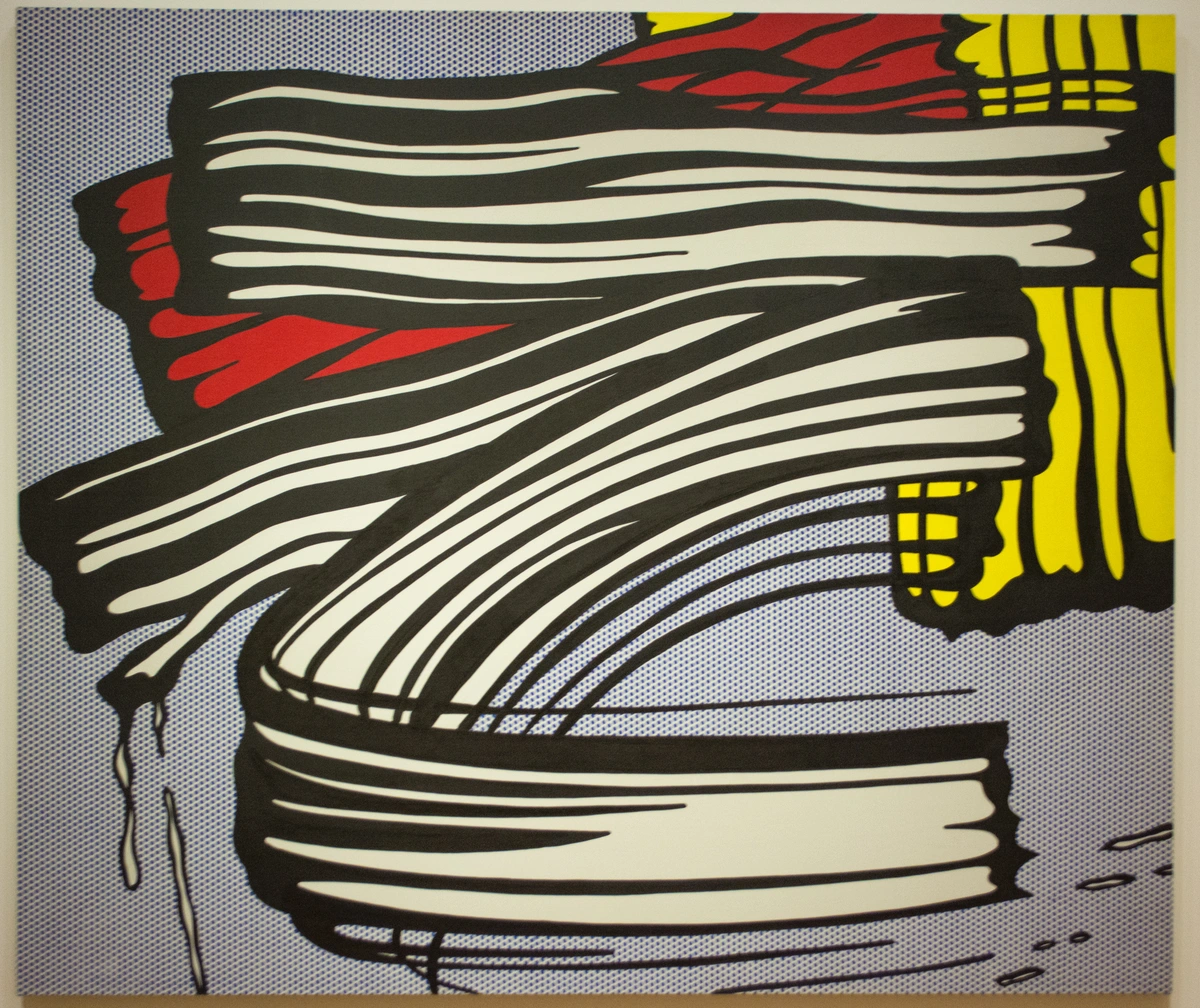
The Evolution of Artistic Techniques
The techniques used in Pop Art, such as collage and screen printing, allowed artists to create works that were both visually striking and conceptually rich. These methods enabled artists to incorporate a wide range of materials and images into their work, reflecting the diversity and complexity of modern life.
Hamilton's innovative use of collage and mixed media techniques set him apart from his contemporaries. His ability to blend disparate images and ideas into a cohesive artistic vision challenged traditional notions of art and paved the way for future generations of artists.
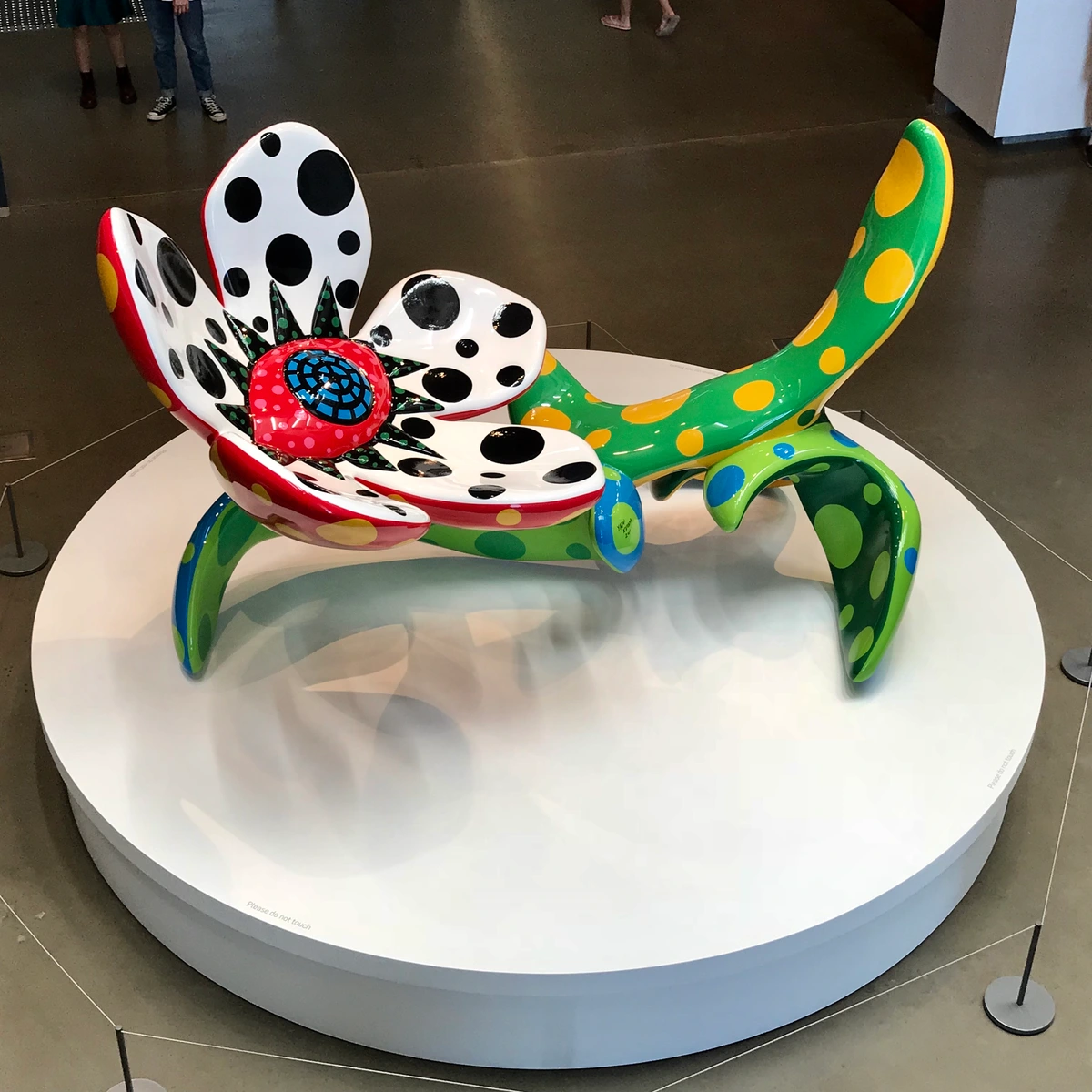
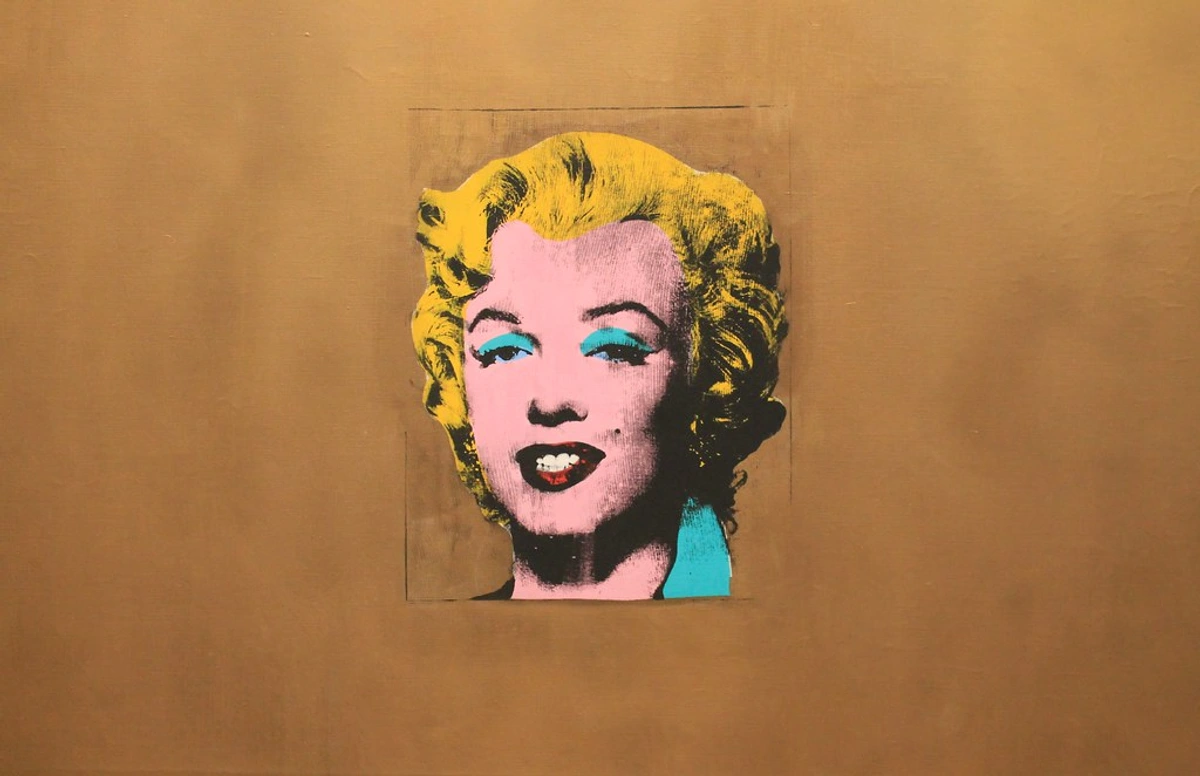
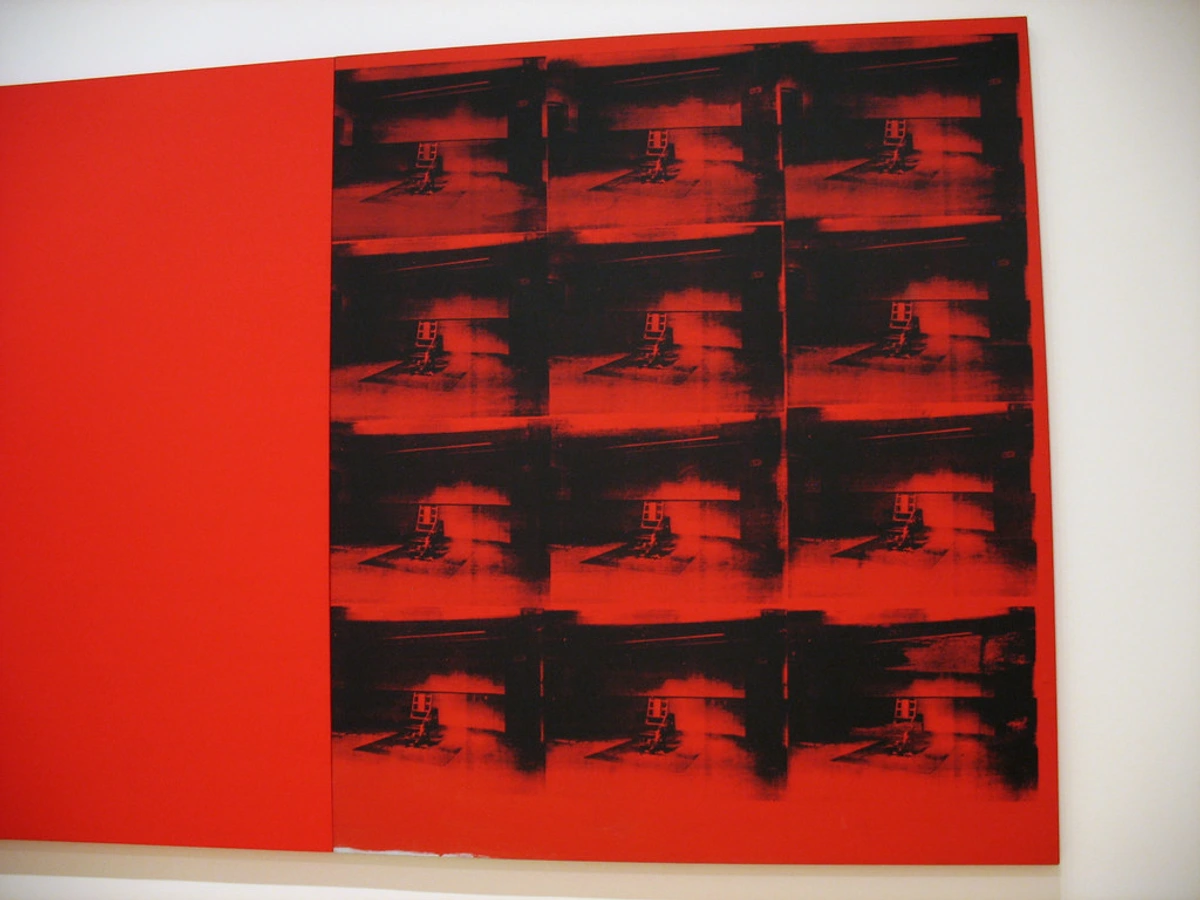
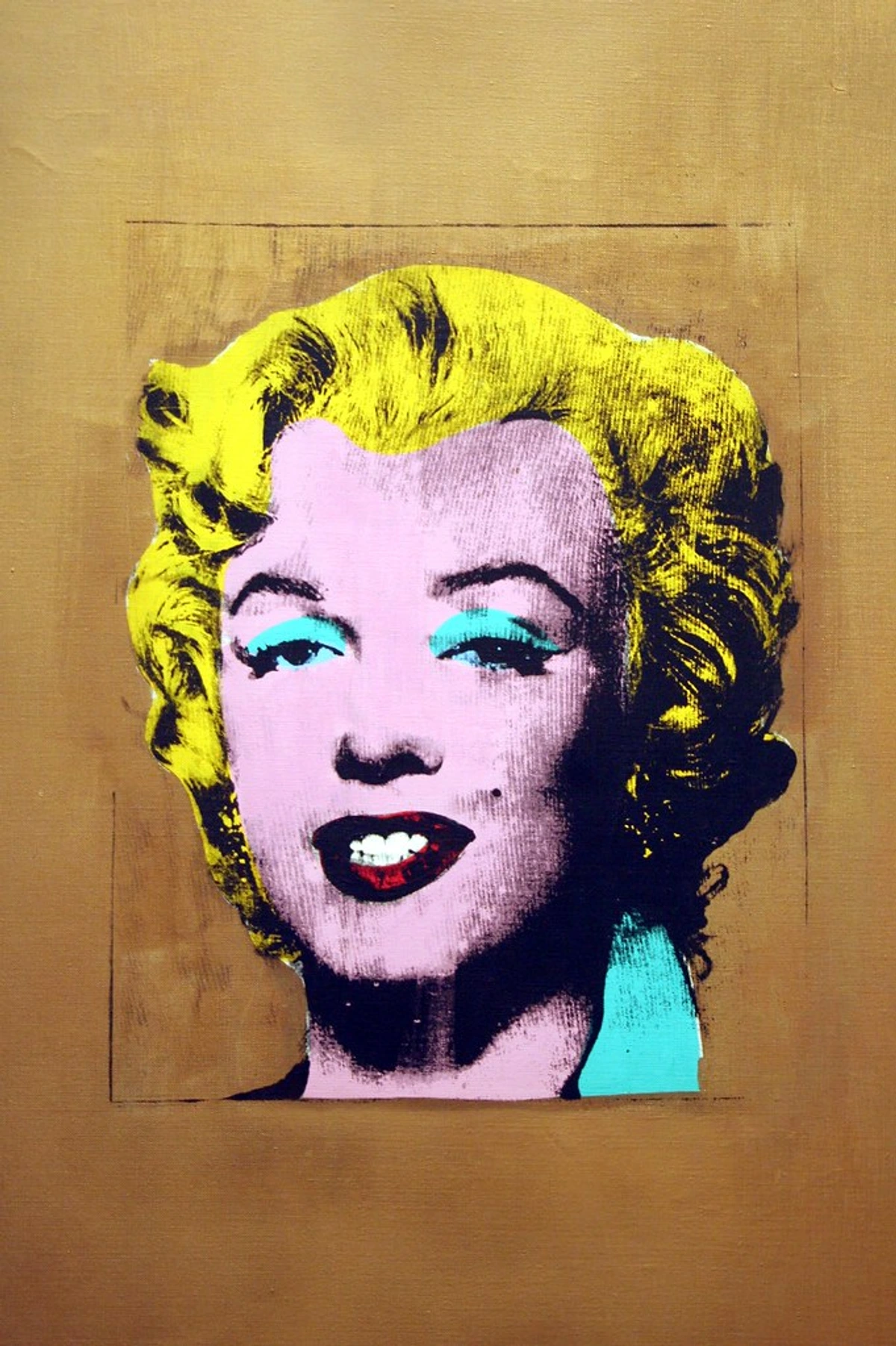
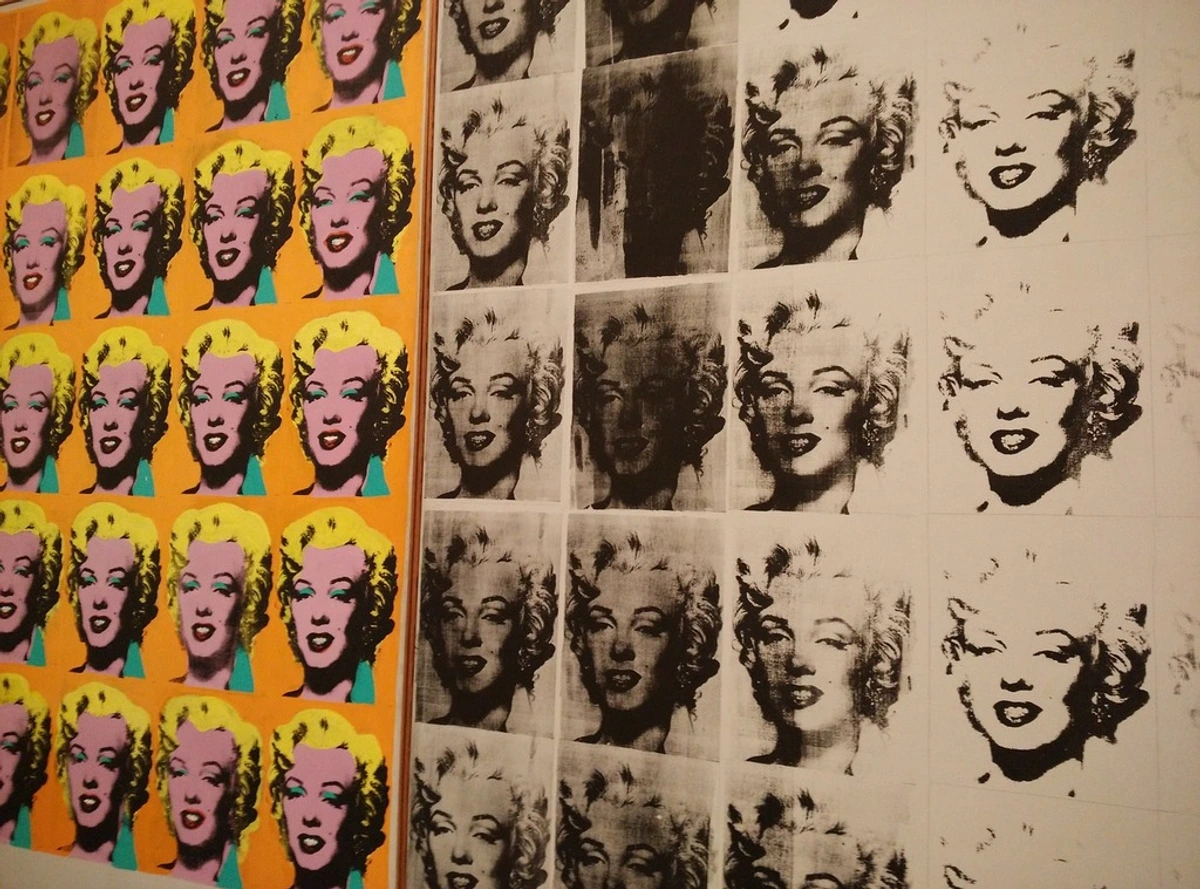
This image captures the essence of Pop Art, a movement that Hamilton helped pioneer. The use of bold colors and iconic imagery, such as Marilyn Monroe, became a hallmark of the genre.
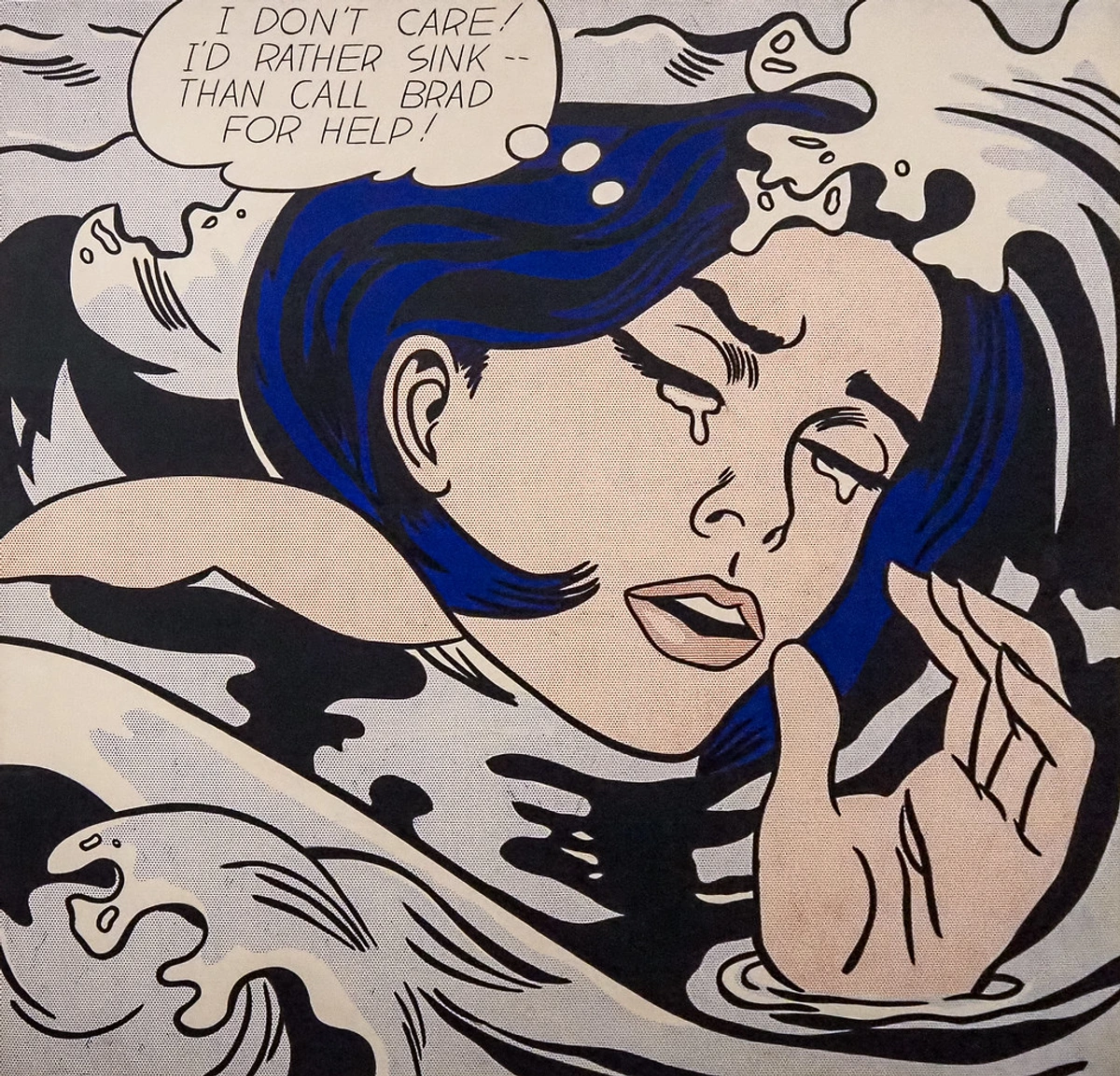
Key Concepts in Hamilton's Work
- Consumer Culture: Hamilton's work often critiqued the rise of consumerism and the impact of advertising on society. His art invites viewers to question the messages they consume daily and the values they represent.
- Technology and Media: He was fascinated by the role of technology and media in shaping modern life. His exploration of these themes reflects a deep understanding of how media influences perception and behavior.
- Collage and Mixed Media: Hamilton frequently used collage and mixed media techniques to create layered, complex works. These methods allowed him to juxtapose disparate images and ideas, creating new meanings and challenging viewers to see the world differently.
- Social Commentary: Hamilton's work often served as a commentary on the societal values and aspirations of his time. His ability to blend high art with popular culture provided a unique lens through which to examine the complexities of modern life.
The Role of Collage in Hamilton's Art
Collage was not just a technique for Hamilton; it was a way of thinking. By combining images from advertisements, magazines, and everyday life, he created a visual language that spoke to the complexity of modern existence. His collages often featured juxtaposed elements that forced viewers to reconsider their assumptions about art and reality.
Hamilton's use of collage allowed him to challenge traditional notions of artistic creation. His ability to blend disparate images and ideas into a cohesive artistic vision set him apart from his contemporaries and laid the groundwork for his future contributions to Pop Art.
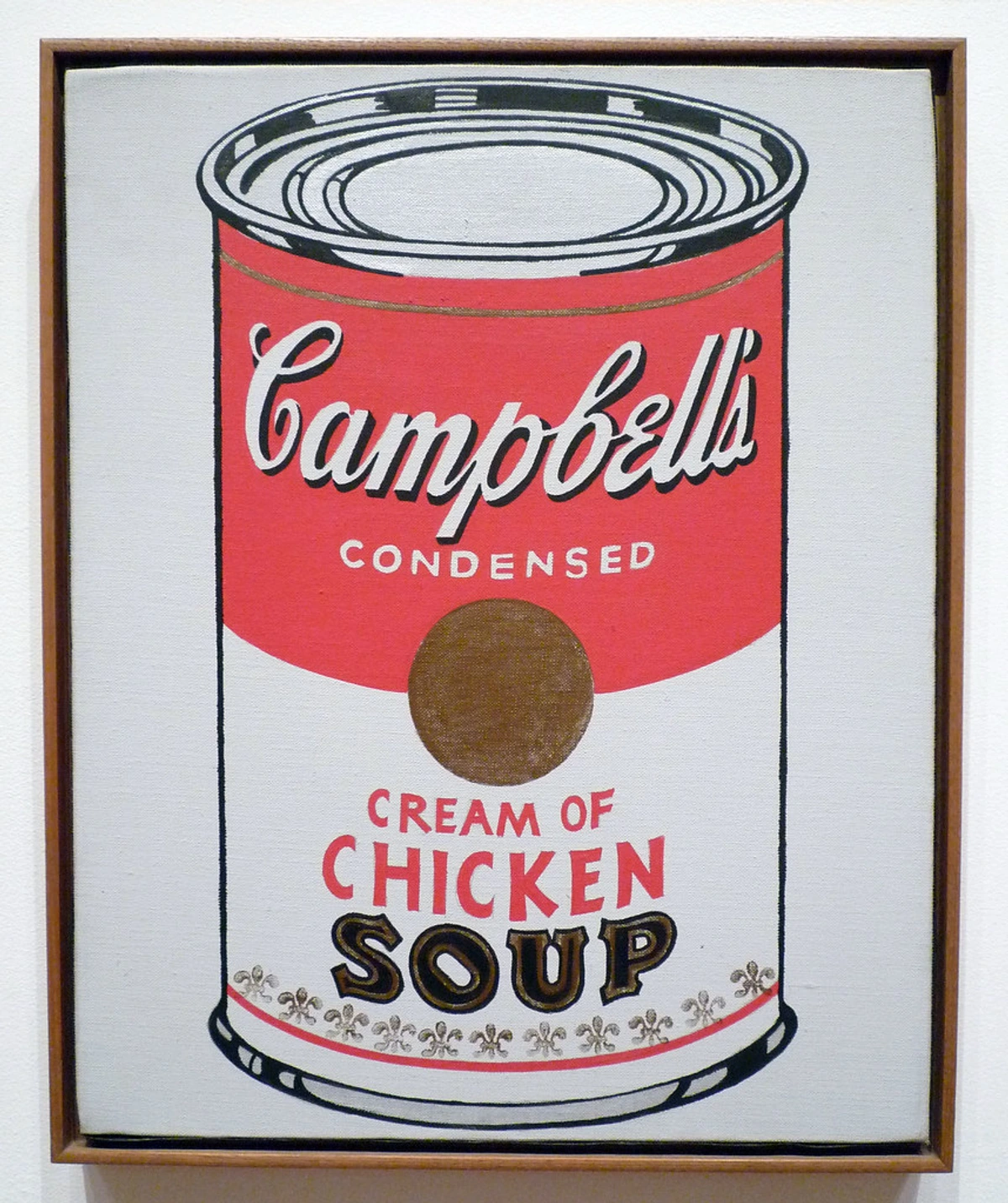
Media and Perception
Hamilton's work delves into how media shapes our understanding of the world. He often incorporated images from newspapers, television, and film into his art, highlighting the pervasive influence of media on our perceptions and behaviors. This theme remains relevant today, as we navigate an increasingly media-saturated world.
The Impact of Media on Art
Hamilton's exploration of media and perception challenged traditional notions of artistic creation. His ability to blend disparate images and ideas into a cohesive artistic vision set him apart from his contemporaries and laid the groundwork for his future contributions to Pop Art. His work invites viewers to reflect on the ways in which media shapes our understanding of the world and influences our daily lives.
Hamilton's exploration of media and perception challenged traditional notions of artistic creation. His ability to blend disparate images and ideas into a cohesive artistic vision set him apart from his contemporaries and laid the groundwork for his future contributions to Pop Art.
Significant Works
"Just what is it that makes today's homes so different, so appealing?" (1956)
This iconic collage features a muscular man holding a giant lollipop, a woman with a lamp shade on her head, and a variety of household appliances and advertisements. It's a visual feast that captures the essence of post-war consumer culture. The piece is a commentary on the commodification of desire and the role of advertising in shaping societal aspirations.
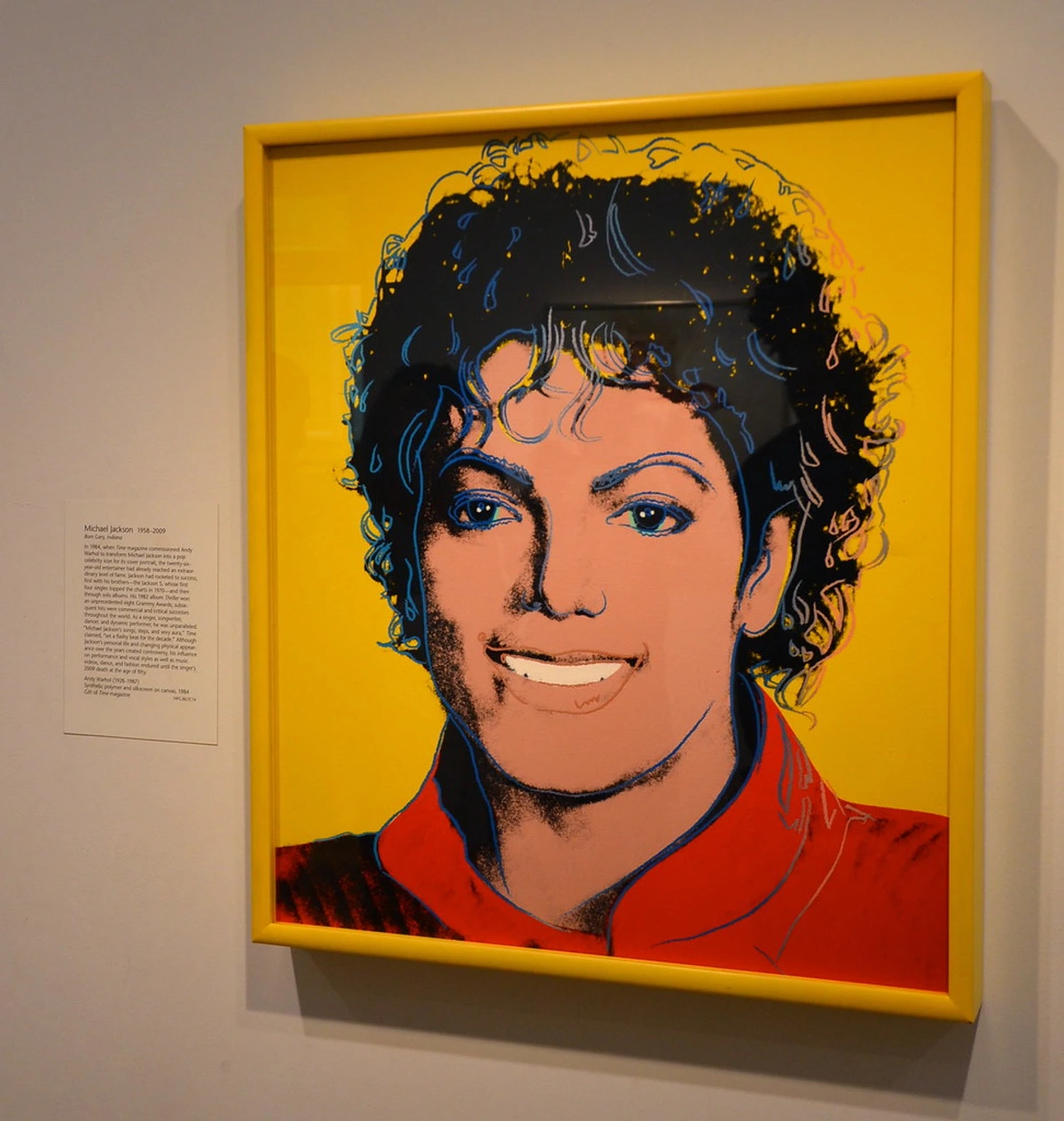
Hamilton's use of everyday imagery in this collage challenged traditional notions of art. His ability to blend disparate images and ideas into a cohesive artistic vision set him apart from his contemporaries and laid the groundwork for his future contributions to Pop Art.
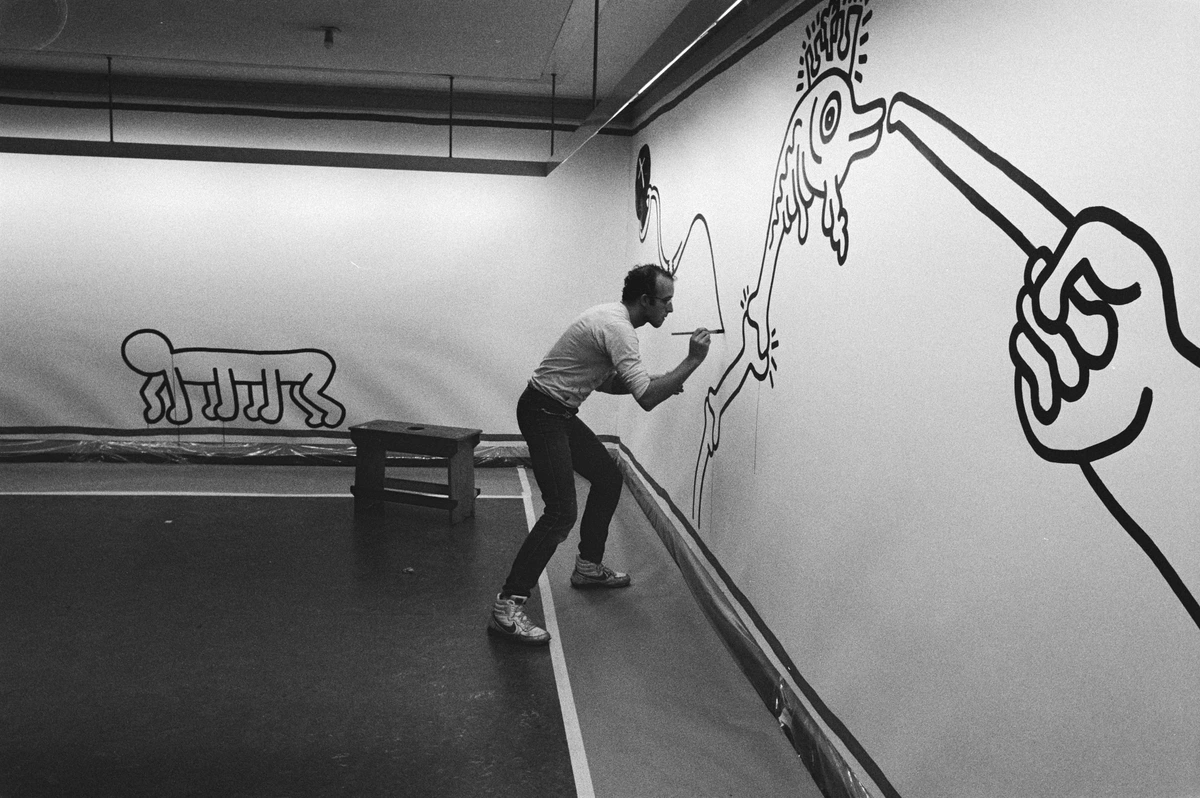
The Symbolism in "Just what is it that makes today's homes so different, so appealing?"
The imagery in this collage is rich with symbolism. The muscular man and the woman with a lamp shade on her head represent the idealized images of masculinity and femininity promoted by advertising. The household appliances and advertisements reflect the growing consumer culture of the post-war era. Together, these elements create a powerful critique of the societal values and aspirations of the time.
Hamilton's use of symbolism in this collage challenged traditional notions of art. His ability to blend disparate images and ideas into a cohesive artistic vision set him apart from his contemporaries and laid the groundwork for his future contributions to Pop Art.

"Swingeing London 67" (1968-69)
This series of paintings and prints depicts the arrest of Mick Jagger and art dealer Robert Fraser. It's a commentary on the intersection of celebrity, crime, and media. Hamilton's work here reflects the tumultuous cultural landscape of the 1960s, where fame and notoriety often went hand in hand.
Hamilton's exploration of celebrity and media in this series challenged traditional notions of art. His ability to blend disparate images and ideas into a cohesive artistic vision set him apart from his contemporaries and laid the groundwork for his future contributions to Pop Art.
The Cultural Context of "Swingeing London 67"
The 1960s were a time of significant cultural and social change. Hamilton's depiction of the arrest of Mick Jagger and Robert Fraser captures the spirit of this era, where the boundaries between celebrity, crime, and media were increasingly blurred. This series of works serves as a commentary on the complexities of fame and the role of the media in shaping public perception.
"The Critic Laughs" (1971-72)
A series of prints that explore the relationship between art, criticism, and the media. Hamilton uses humor and satire to question the role of the critic in the art world. This work challenges viewers to consider the power dynamics at play in the art world and the influence of critics on public perception.
Hamilton's exploration of art and criticism in this series challenged traditional notions of artistic creation. His ability to blend disparate images and ideas into a cohesive artistic vision set him apart from his contemporaries and laid the groundwork for his future contributions to Pop Art.

The Role of Criticism in the Art World
Hamilton's exploration of the relationship between art and criticism highlights the complex dynamics at play in the art world. His use of humor and satire invites viewers to reflect on the role of critics in shaping public perception and the power dynamics that influence artistic discourse.
"Interior II" (1964)
This painting is a continuation of Hamilton's exploration of domestic spaces and consumer culture. It features a modern interior filled with contemporary furniture and appliances, reflecting the changing lifestyles of the post-war era. The piece is a testament to Hamilton's ability to capture the zeitgeist of his time.
Hamilton's exploration of domestic spaces in this painting challenged traditional notions of art. His ability to blend disparate images and ideas into a cohesive artistic vision set him apart from his contemporaries and laid the groundwork for his future contributions to Pop Art.
The Evolution of Domestic Spaces
Hamilton's depiction of domestic spaces reflects the changing lifestyles and values of the post-war era. His work captures the essence of a society embracing modernity and consumer culture, offering a glimpse into the evolving nature of domestic life.
"Portrait of the Artist by Francis Bacon" (1969)
A tribute to Francis Bacon, this work showcases Hamilton's admiration for his fellow artist. It's a layered piece that combines elements of Bacon's style with Hamilton's own unique approach to collage and mixed media.
The Influence of Francis Bacon on Hamilton's Work
Hamilton's tribute to Francis Bacon reflects his deep admiration for the artist's work. This piece combines elements of Bacon's style with Hamilton's own unique approach to collage and mixed media, creating a layered and complex work that pays homage to Bacon's influence on the art world.
Hamilton's engagement with Bacon's work provided him with the tools to challenge traditional notions of art. His ability to blend disparate images and ideas into a cohesive artistic vision set him apart from his contemporaries and laid the groundwork for his future contributions to Pop Art.
"The Annunciation" (1958)
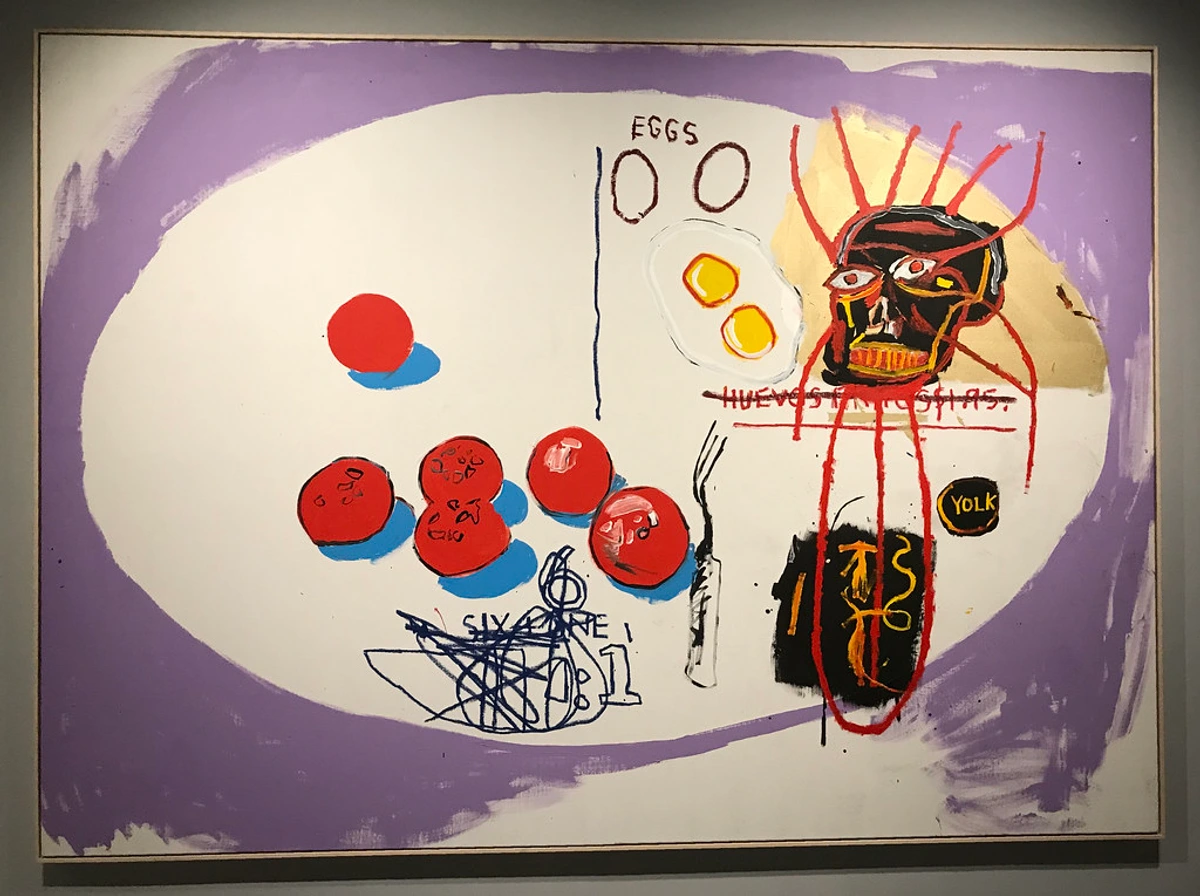
This work reimagines the traditional religious theme of the Annunciation through a modern lens. Hamilton replaces the angel Gabriel with a vacuum cleaner, blending sacred imagery with everyday consumer products. This piece exemplifies his ability to merge high art with popular culture, creating a thought-provoking commentary on modernity and tradition.
The Intersection of Sacred and Secular in "The Annunciation"
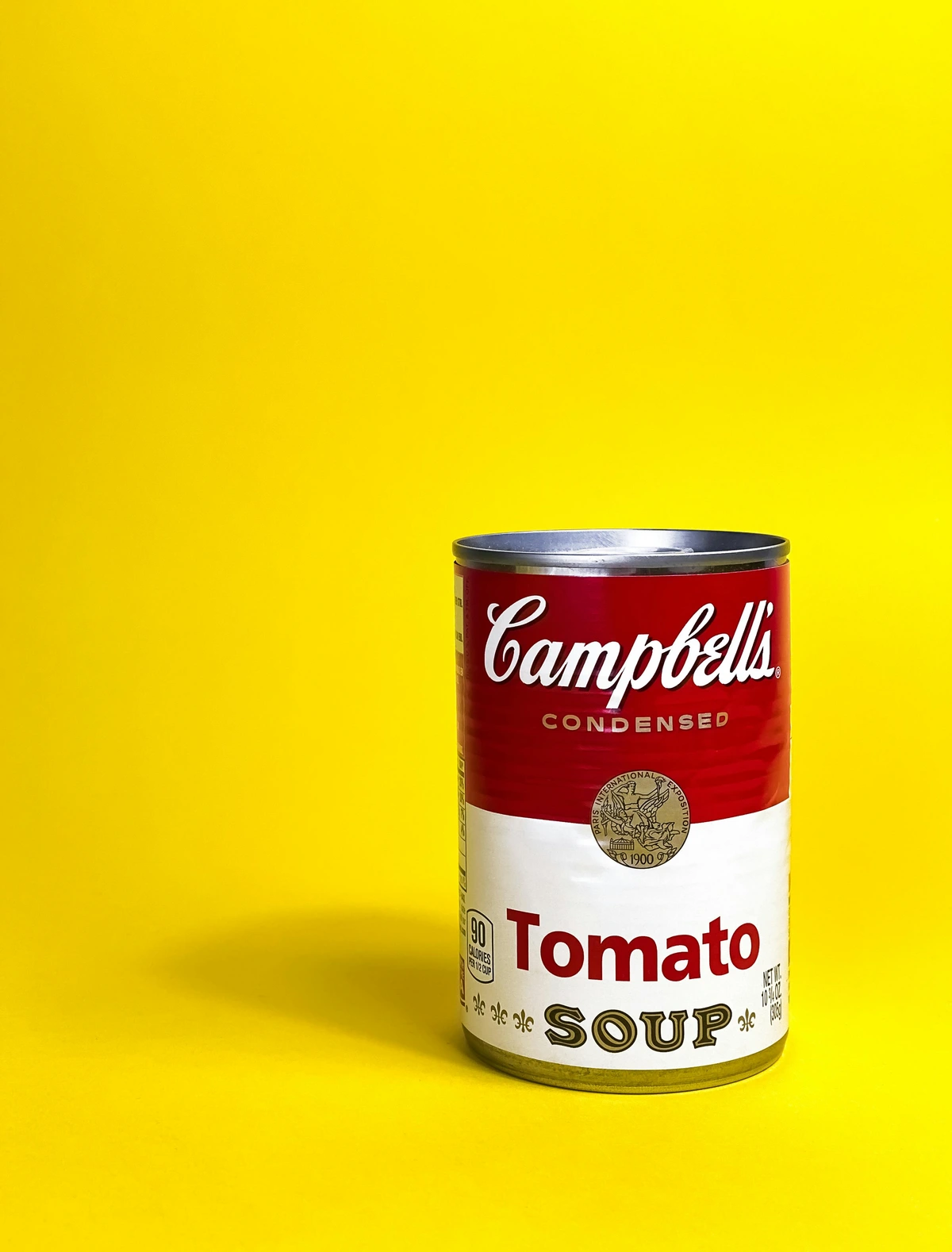
Hamilton's reimagining of the Annunciation reflects his ability to blend sacred and secular imagery. By replacing the angel Gabriel with a vacuum cleaner, he creates a powerful commentary on the intersection of tradition and modernity. This piece invites viewers to reflect on the evolving nature of religious and cultural values in the post-war era.
Hamilton's exploration of sacred and secular imagery in this piece challenged traditional notions of art. His ability to blend disparate images and ideas into a cohesive artistic vision set him apart from his contemporaries and laid the groundwork for his future contributions to Pop Art.
Hamilton's Legacy
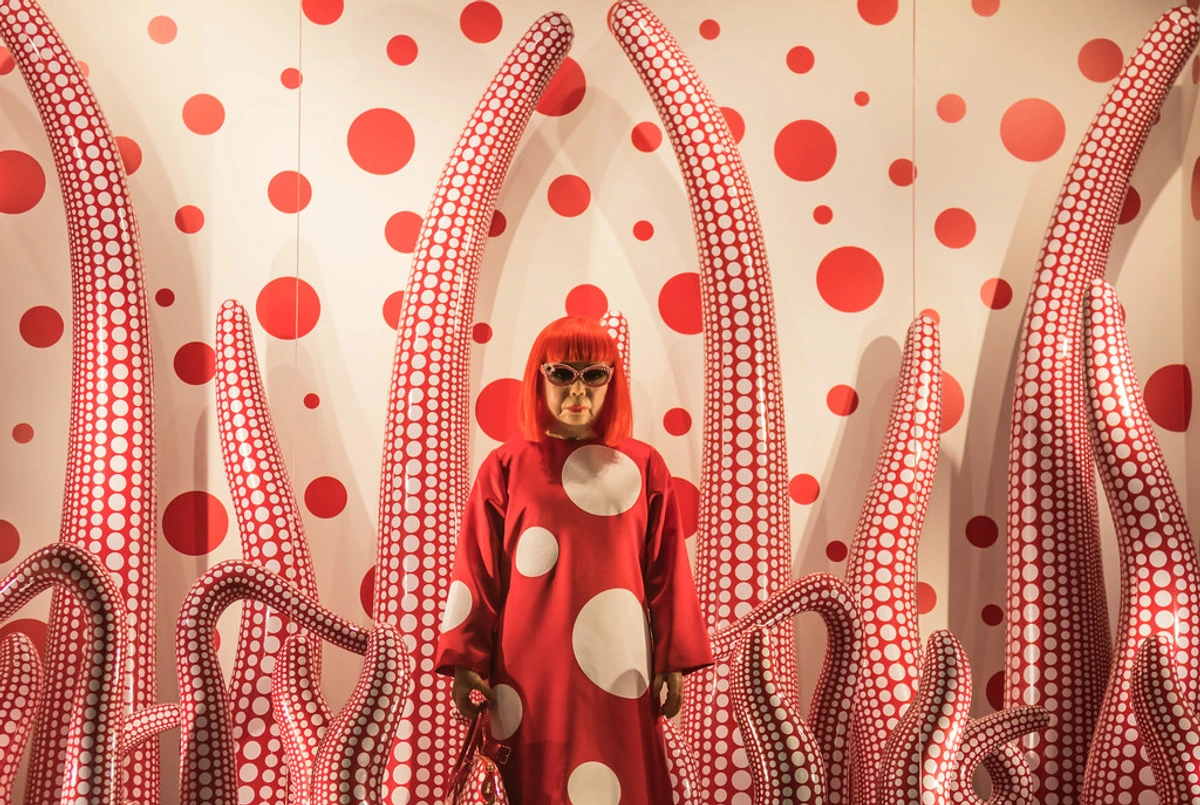
Richard Hamilton's influence on Pop Art and contemporary art cannot be overstated. His work paved the way for artists like Andy Warhol, Roy Lichtenstein, and many others. But perhaps his greatest contribution was his ability to make art that was both intellectually stimulating and accessible to the masses.
Hamilton's legacy extends beyond his artistic innovations. He was also a mentor and teacher, inspiring a new generation of artists to push the boundaries of what art could be. His work continues to be studied and celebrated, serving as a reminder of the power of art to challenge, provoke, and inspire.
The Influence of Hamilton on Contemporary Artists
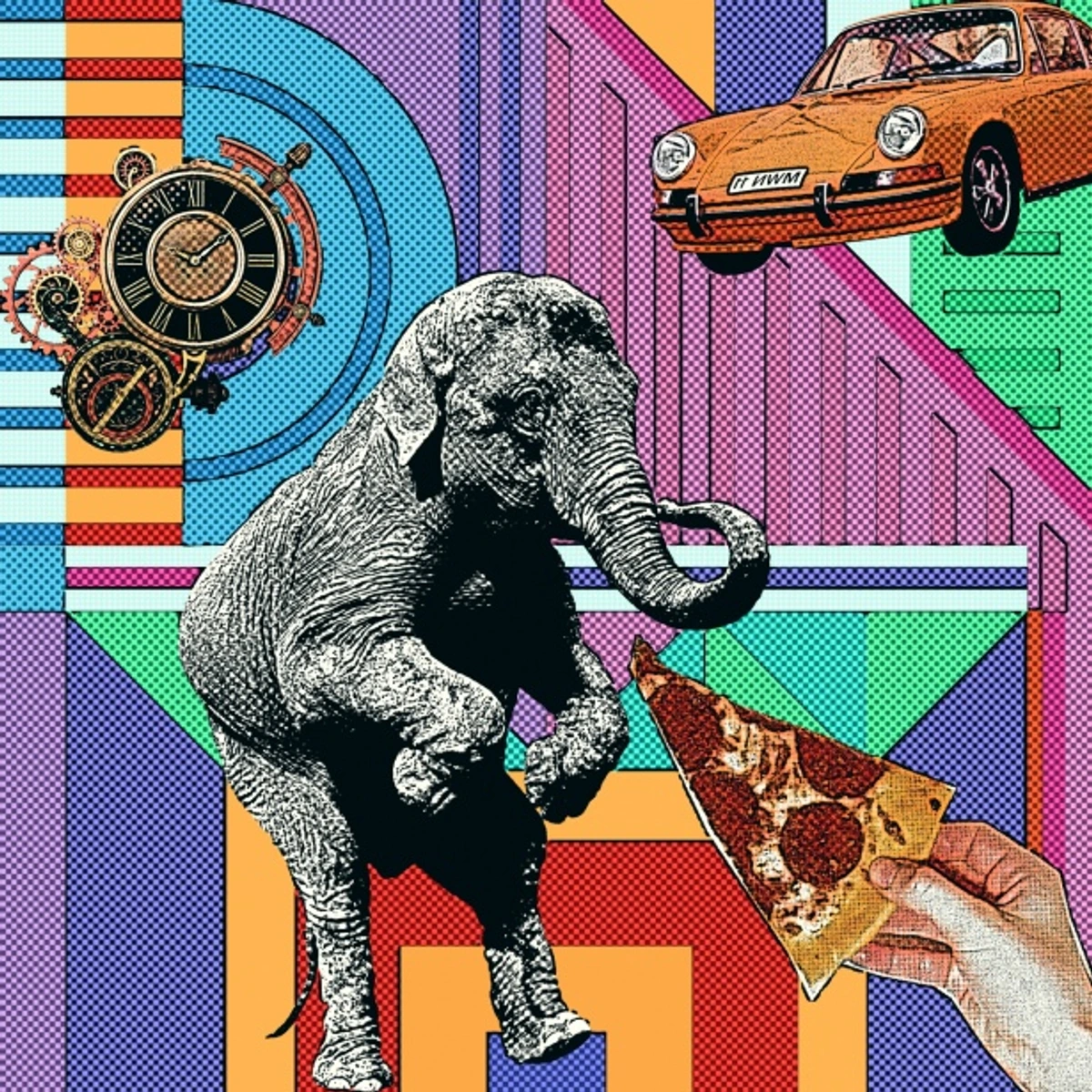
Hamilton's impact on contemporary art is evident in the work of artists who continue to explore themes of consumerism, media, and technology. His innovative use of collage and mixed media has inspired countless artists to experiment with new techniques and materials, pushing the boundaries of what art can be.
Hamilton's engagement with contemporary themes provided him with the tools to challenge traditional notions of art. His ability to blend disparate images and ideas into a cohesive artistic vision set him apart from his contemporaries and laid the groundwork for his future contributions to Pop Art.

Influence on Contemporary Artists
Hamilton's impact on contemporary art is evident in the work of artists who continue to explore themes of consumerism, media, and technology. His innovative use of collage and mixed media has inspired countless artists to experiment with new techniques and materials.
Hamilton as a Teacher
Hamilton's role as a teacher and mentor was as significant as his artistic contributions. He taught at institutions like the University of Newcastle and the Royal College of Art, where he influenced a generation of artists. His approach to teaching emphasized experimentation and critical thinking, encouraging students to challenge conventional ideas about art.
The Impact of Hamilton's Teaching Philosophy
Hamilton's teaching philosophy had a profound impact on his students and the broader art world. His emphasis on experimentation and critical thinking encouraged a new generation of artists to push the boundaries of what art could be. This approach not only shaped the careers of his students but also contributed to the evolution of contemporary art.
Hamilton's engagement with teaching provided him with the tools to challenge traditional notions of art. His ability to blend disparate images and ideas into a cohesive artistic vision set him apart from his contemporaries and laid the groundwork for his future contributions to Pop Art.
FAQ
What is Richard Hamilton best known for?
Richard Hamilton is best known for his 1956 collage "Just what is it that makes today's homes so different, so appealing?", which is often cited as the first true work of Pop Art. This piece is celebrated for its commentary on consumer culture and its influence on the Pop Art movement.
Hamilton's ability to blend high art with popular culture set him apart from his contemporaries. His work often blurred the lines between fine art and everyday life, making it accessible and thought-provoking for a broader audience.
How did Richard Hamilton influence Pop Art?
Hamilton's work laid the groundwork for the Pop Art movement by focusing on consumer culture, advertising, and the impact of technology and media on society. His use of collage and mixed media techniques also influenced many Pop Art artists. His innovative approach to art challenged traditional norms and inspired a new generation of artists.
Hamilton's influence on Pop Art is profound. He not only pioneered the movement but also inspired a generation of artists to explore themes of consumerism and media. His innovative techniques, such as collage and mixed media, became hallmarks of the genre, paving the way for artists like Andy Warhol and Roy Lichtenstein.

What are some of Richard Hamilton's most famous works?
Some of Hamilton's most famous works include:
- "Just what is it that makes today's homes so different, so appealing?" (1956)
- "Swingeing London 67" (1968-69)
- "The Critic Laughs" (1971-72)
- "Interior II" (1964)
- "Portrait of the Artist by Francis Bacon" (1969)
- "The Annunciation" (1958)
These works exemplify Hamilton's ability to blend high art with popular culture, creating thought-provoking commentaries on modernity and tradition. His innovative use of collage and mixed media techniques set him apart from his contemporaries and laid the groundwork for his future contributions to Pop Art.
Where can I see Richard Hamilton's work?
Richard Hamilton's work can be seen in major museums and galleries around the world, including the Tate Modern in London and the Museum of Modern Art in New York. His pieces are also part of private collections and have been exhibited in numerous international exhibitions.
Hamilton's work continues to be studied and celebrated, serving as a reminder of the power of art to challenge, provoke, and inspire. His ability to blend high art with popular culture set him apart from his contemporaries and laid the groundwork for his future contributions to Pop Art.
What themes did Richard Hamilton explore in his art?
Hamilton's art explored a variety of themes, including consumer culture, technology, media, and the intersection of art and everyday life. His work often critiqued the impact of advertising and mass media on society, while also celebrating the creativity and innovation of the post-war era.
Hamilton's exploration of these themes challenged traditional notions of art. His ability to blend disparate images and ideas into a cohesive artistic vision set him apart from his contemporaries and laid the groundwork for his future contributions to Pop Art.
How did Richard Hamilton's early life influence his art?
Hamilton's early fascination with machines and technology, as well as his studies at the Royal Academy of Arts and the Slade School of Fine Art, greatly influenced his artistic style. His exposure to the works of Marcel Duchamp and the Dada movement also played a significant role in shaping his approach to art.
Hamilton's engagement with these influences provided him with the tools to challenge traditional notions of art. His ability to blend disparate images and ideas into a cohesive artistic vision set him apart from his contemporaries and laid the groundwork for his future contributions to Pop Art.
What techniques did Richard Hamilton use in his art?
Hamilton frequently used collage and mixed media techniques to create layered, complex works. These methods allowed him to juxtapose disparate images and ideas, creating new meanings and challenging viewers to see the world differently. He also experimented with printmaking, painting, and photography.
Hamilton's innovative use of these techniques challenged traditional notions of art. His ability to blend disparate images and ideas into a cohesive artistic vision set him apart from his contemporaries and laid the groundwork for his future contributions to Pop Art.
How did Richard Hamilton's work influence contemporary art?
Hamilton's innovative techniques and themes continue to inspire contemporary artists. His exploration of consumerism, media, and technology remains relevant, and his use of collage and mixed media has influenced artists across various disciplines.
What is the significance of Hamilton's use of collage?
Collage allowed Hamilton to blend disparate images and ideas, creating a visual language that reflected the complexity of modern life. This technique enabled him to critique consumer culture and media while also celebrating the creativity of everyday life.
Hamilton's use of collage challenged traditional notions of artistic creation. His ability to blend disparate images and ideas into a cohesive artistic vision set him apart from his contemporaries and laid the groundwork for his future contributions to Pop Art.
Conclusion
Richard Hamilton's work is a testament to the power of art to reflect and critique society. His contributions to Pop Art have left an indelible mark on the art world, and his influence can still be seen today. Whether you're a seasoned art enthusiast or just starting to explore the world of Pop Art, Hamilton's work is a must-see.
If you're interested in exploring more about Pop Art and its influences, you might want to check out our timeline or visit our museum in Den Bosch. And if you're inspired to add some Pop Art flair to your own space, take a look at our collection.
Hamilton's legacy reminds us that art is not just about aesthetics; it's about challenging perceptions, questioning norms, and inspiring change. His work continues to resonate because it speaks to universal themes—consumerism, technology, and the human experience—that are as relevant today as they were in his time.





Why Hamilton's Work Endures
Hamilton's ability to blend high art with popular culture ensures that his work remains relevant. His exploration of consumerism, media, and technology continues to inspire artists and thinkers, making his contributions timeless and universally significant.
Hamilton's engagement with these themes challenged traditional notions of art. His ability to blend disparate images and ideas into a cohesive artistic vision set him apart from his contemporaries and laid the groundwork for his future contributions to Pop Art.
The Future of Pop Art
As we look to the future, Hamilton's legacy serves as a reminder of the power of art to challenge and inspire. His innovative techniques and themes continue to influence contemporary artists, ensuring that the spirit of Pop Art lives on. Whether through new technologies or evolving cultural trends, the principles that Hamilton championed remain as vital as ever.