Richard Hamilton’s Collage Techniques: The Blueprint of Pop Art
Explore Richard Hamilton’s groundbreaking collage methods that shaped Pop Art, blending high culture and consumerism in visually arresting ways.

Richard Hamilton’s Collage Techniques: The Blueprint of Pop Art
Richard Hamilton’s work is a cornerstone of Pop Art, a movement that redefined the boundaries between high art and popular culture. His collages are not just artistic expressions but also critical commentaries on consumerism, technology, and identity. This article explores Hamilton’s techniques, his influence on Pop Art, and why his work remains relevant today.
Hamilton’s collages are a visual dialogue, a conversation between the viewer and the fragmented world he presents. His work challenges us to see beyond the surface, to question the images and symbols that surround us daily. In this article, we’ll explore the techniques that defined his work and why they continue to resonate in contemporary art.
I still remember the first time I saw Richard Hamilton’s Just What Is It That Makes Today’s Homes So Different, So Appealing?—it was like someone had cracked open my brain and rearranged the pieces into something both familiar and utterly alien. That collage, now iconic, didn’t just define Pop Art; it was Pop Art in its purest form. Hamilton didn’t just glue things together; he dissected modern life and reassembled it with a surgeon’s precision and a poet’s wit. If you’ve ever wondered how a few clipped images could capture an entire cultural moment, you’re in the right place. Let’s pull back the curtain on the techniques that made Hamilton a pioneer.
The Evolution of Collage in Pop Art
Collage as an art form has a rich history, but Hamilton’s approach was revolutionary. Unlike the Cubists, who used collage to explore form and space, Hamilton leveraged it to critique and reflect the consumer-driven society of post-war Britain. His work bridged the gap between traditional art forms and the burgeoning world of mass media, setting the stage for the Pop Art movement.
Hamilton’s work is a visual dialogue, a conversation between the viewer and the fragmented world he presents. His collages challenge us to see beyond the surface, to question the images and symbols that surround us daily. In this article, we’ll explore the techniques that defined his work and why they continue to resonate in contemporary art.
The Man Who Invented Pop (Before It Had a Name)
Before Pop Art became a household term, Richard Hamilton was already crafting collages that questioned the very fabric of consumer culture. Born in 1922 in London, Hamilton’s journey into art began with engineering, a discipline that influenced his meticulous approach to collage. His work was not just about aesthetics; it was a form of research, a way to explore the intersections of art, technology, and society.
Hamilton’s early life and training as an engineer provided him with a unique perspective on art. His technical background allowed him to approach collage with a precision that was both analytical and creative. This blend of disciplines enabled him to create works that were not only visually striking but also intellectually rigorous.
Before there was Warhol’s soup or Lichtenstein’s comics, there was Hamilton—quietly, meticulously crafting collages that asked hard questions about consumerism, technology, and identity. Born in 1922 in London, he trained as an engineer before turning to art, and that technical mindset never left him. His work wasn’t just art; it was research. He treated each piece like an experiment, testing how images could collide, converse, or contradict one another.
Hamilton’s approach to art was deeply influenced by his engineering background. He saw collage as a way to dissect and reassemble the world around him, much like an engineer might take apart a machine to understand its inner workings. This methodology allowed him to create works that were both visually compelling and conceptually profound.
Hamilton’s Influence on Contemporary Art
Hamilton’s impact on contemporary art cannot be overstated. His techniques have inspired countless artists to explore the boundaries between high art and popular culture. By challenging traditional notions of art, Hamilton paved the way for future generations to experiment with new forms and mediums. His legacy is evident in the works of artists who continue to push the boundaries of what art can be.
I’ve always thought of him as the artist who built bridges—between fine art and advertising, between high culture and mass media, between the gallery wall and the grocery store shelf. And he did it all with scissors, glue, and an uncanny ability to see the world in fragments.
Key Techniques: How Hamilton Built His Visual Language
Hamilton’s collages are a masterclass in visual storytelling. He employed a variety of techniques to create works that are both visually striking and intellectually engaging. Below, we delve into the key techniques that defined his approach.
Hamilton’s techniques were not just about aesthetics; they were about creating a dialogue between the viewer and the artwork. His collages invite us to question the images and symbols that surround us, challenging us to see the world in new and unexpected ways.
5. The Role of Text in Hamilton’s Collages
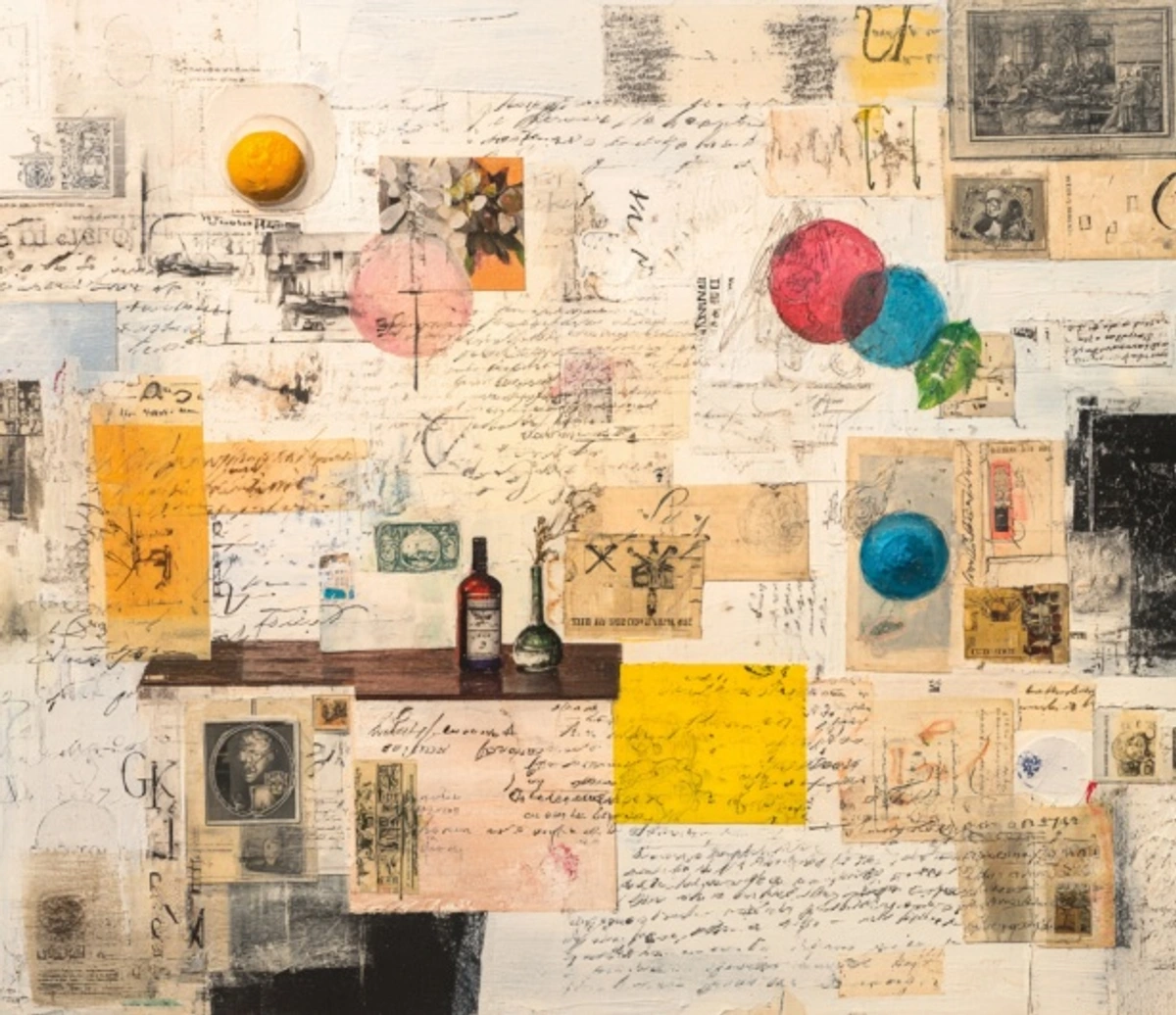
Text played a crucial role in Hamilton’s collages. He often incorporated headlines, advertisements, and slogans to add layers of meaning to his work. By juxtaposing text with images, Hamilton created a dynamic interplay that encouraged viewers to engage with the work on multiple levels. This technique not only added depth to his collages but also invited viewers to question the messages conveyed by the text.
1. The Art of Juxtaposition: Clashing Worlds on a Single Plane
Juxtaposition was Hamilton’s signature technique. By placing seemingly unrelated images side by side, he created a visual tension that forced viewers to question their assumptions. For example, a bodybuilder next to a vacuum cleaner or a pin-up girl beside a television set were not random choices. They were deliberate provocations, designed to challenge the viewer’s perception of reality.
Hamilton’s use of juxtaposition was not just about creating visual tension; it was about creating a dialogue between the images. By placing disparate elements together, he invited viewers to explore the relationships between them, to question their assumptions, and to see the world in new ways.
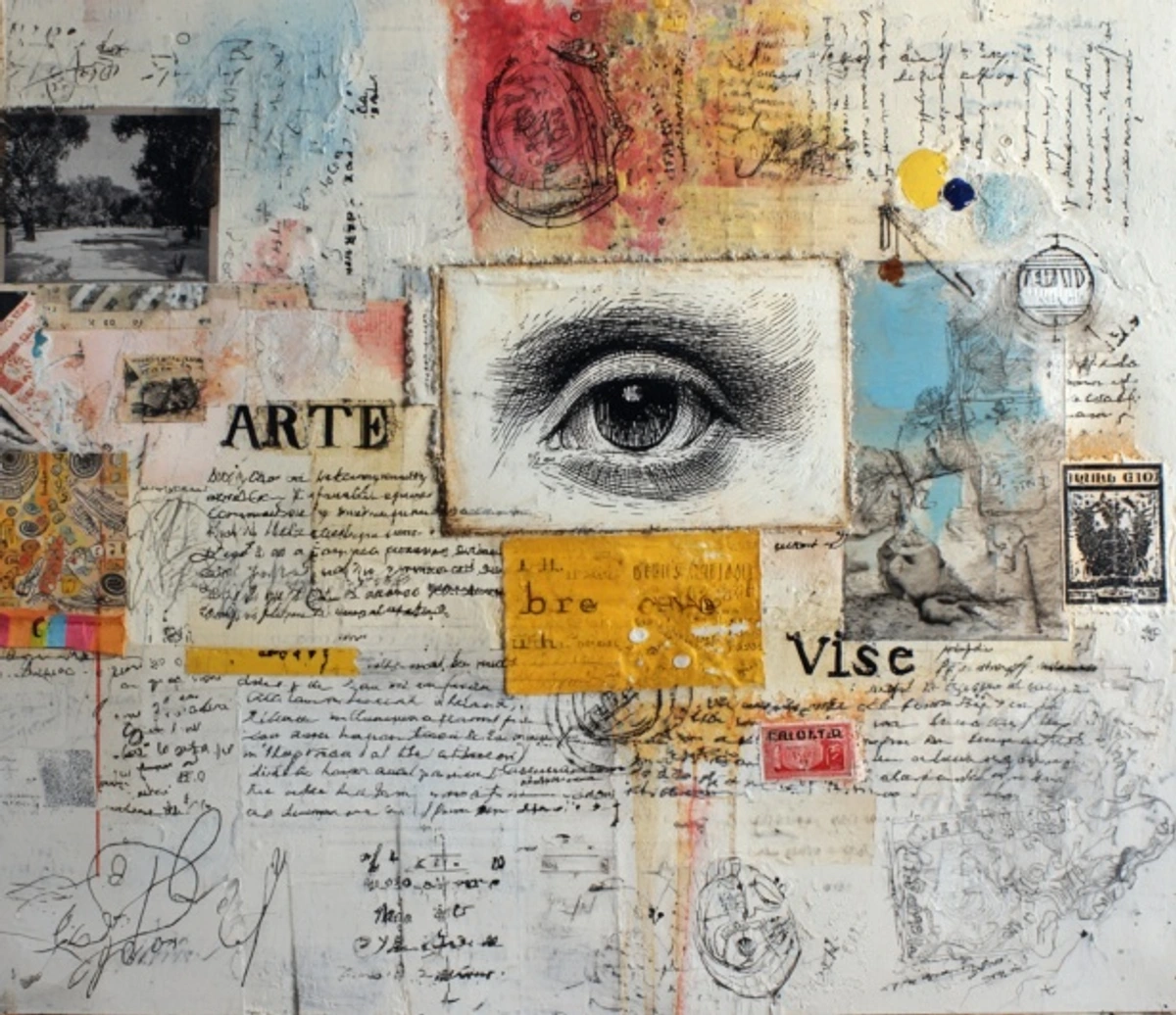
Hamilton’s genius lay in placing disparate elements side by side and letting the sparks fly. A bodybuilder flexing next to a vacuum cleaner? A pin-up girl lounging beside a television set? These weren’t random pairings—they were deliberate provocations. He forced the viewer to ask: What does this say about us?

Take Just What Is It... (1956), often called the first true Pop Art work:
Richard Hamilton, Just What Is It That Makes Today’s Homes So Different, So Appealing?, 1956, Fair Use
This iconic collage is often regarded as the first true work of Pop Art. It captures the essence of post-war consumer culture, blending images of domestic life with symbols of modernity.
In this piece, he crams a living room with symbols of post-war abundance: a tape recorder, a vacuum cleaner, a television, and even a tin of ham. But the real kicker? The figures are cut from magazines—anonymous, idealized, and utterly artificial. It’s a commentary on how consumer culture was reshaping human identity, and it’s all delivered with a wink.
Why it works:
- Contrast: High art meets low culture.
- Irony: The "perfect" home is built from fragments of fantasy.
- Satire: The more you look, the more you realize how hollow it all feels.
2. Layering: Depth Without Illusion
Hamilton’s use of layering went beyond mere aesthetics. He stacked images to create a sense of depth that was not about realism but about meaning. In works like Swingeing London 67, he combined photographs, newspaper clippings, and hand-painted elements to tell a story that transcended the limitations of any single medium.
Hamilton’s layering technique was not just about creating visual depth; it was about creating a narrative depth. By combining different types of images and materials, he was able to tell stories that were rich and complex, inviting viewers to explore the layers of meaning within his work.
Hamilton didn’t just place images next to each other; he stacked them, creating a sense of depth that wasn’t about realism but about meaning. In works like Swingeing London 67 (1968–69), he layered photographs, newspaper clippings, and hand-painted elements to tell a story that no single medium could convey.
Richard Hamilton, Swingeing London 67, 1968–69, Fair Use
This piece documents the 1967 drug bust of Mick Jagger and his art dealer, Robert Fraser. Hamilton layers police photos, tabloid headlines, and his own painterly touches to create a collage that’s part news report, part social commentary.
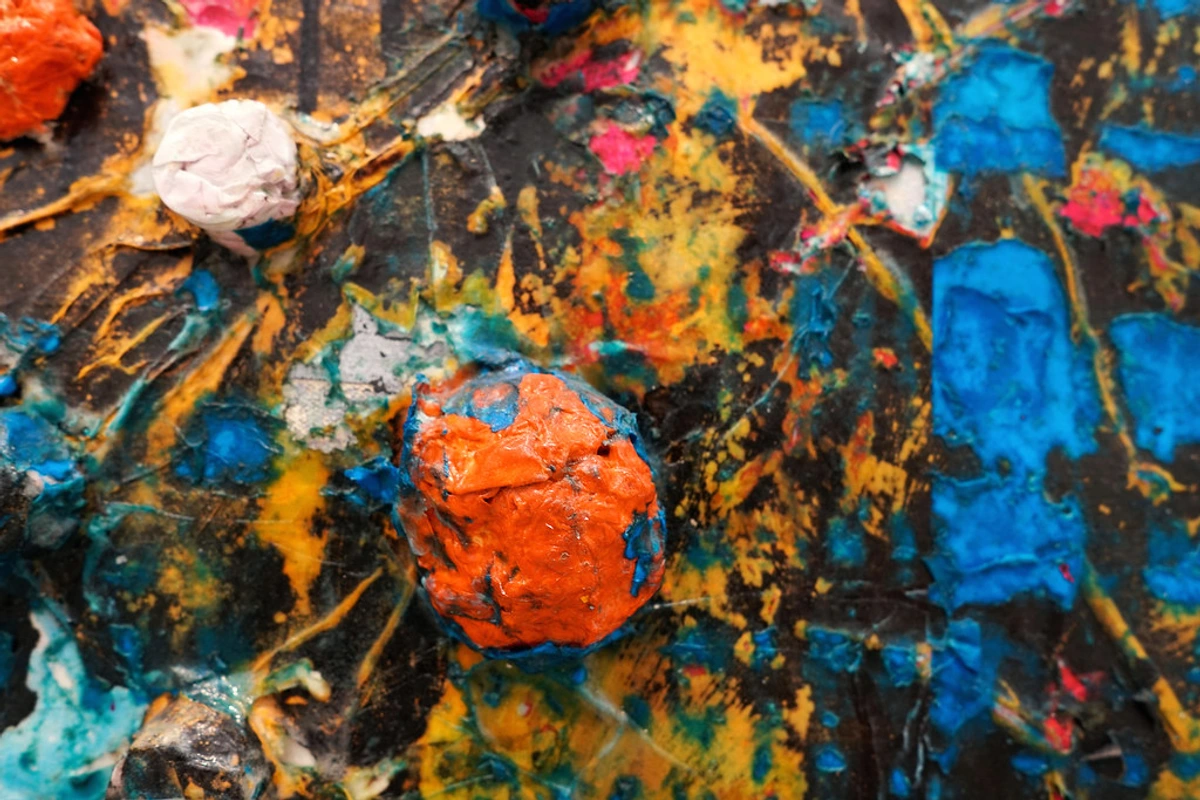
This piece documents the 1967 drug bust of Mick Jagger and his art dealer, Robert Fraser. Hamilton layers police photos, tabloid headlines, and his own painterly touches to create a collage that’s part news report, part social commentary. The effect is almost cinematic—you can feel the chaos of the moment.
How to spot Hamilton’s layering:
- Physical depth: Some elements are literally glued on top of others.
- Temporal depth: He mixes past and present (old ads with contemporary photos).
- Conceptual depth: Each layer adds a new angle to the story.
3. Appropriation: Stealing to Say Something New
Appropriation was a cornerstone of Hamilton’s practice. He borrowed images from popular culture and recontextualized them to critique the society that produced them. Unlike later artists who used appropriation for shock value, Hamilton’s approach was surgical. He didn’t just copy; he transformed, forcing viewers to see familiar images in a new light.
Hamilton’s use of appropriation was not just about borrowing images; it was about recontextualizing them to create new meanings. By taking familiar images and placing them in new contexts, he was able to challenge viewers’ perceptions and invite them to see the world in new ways.
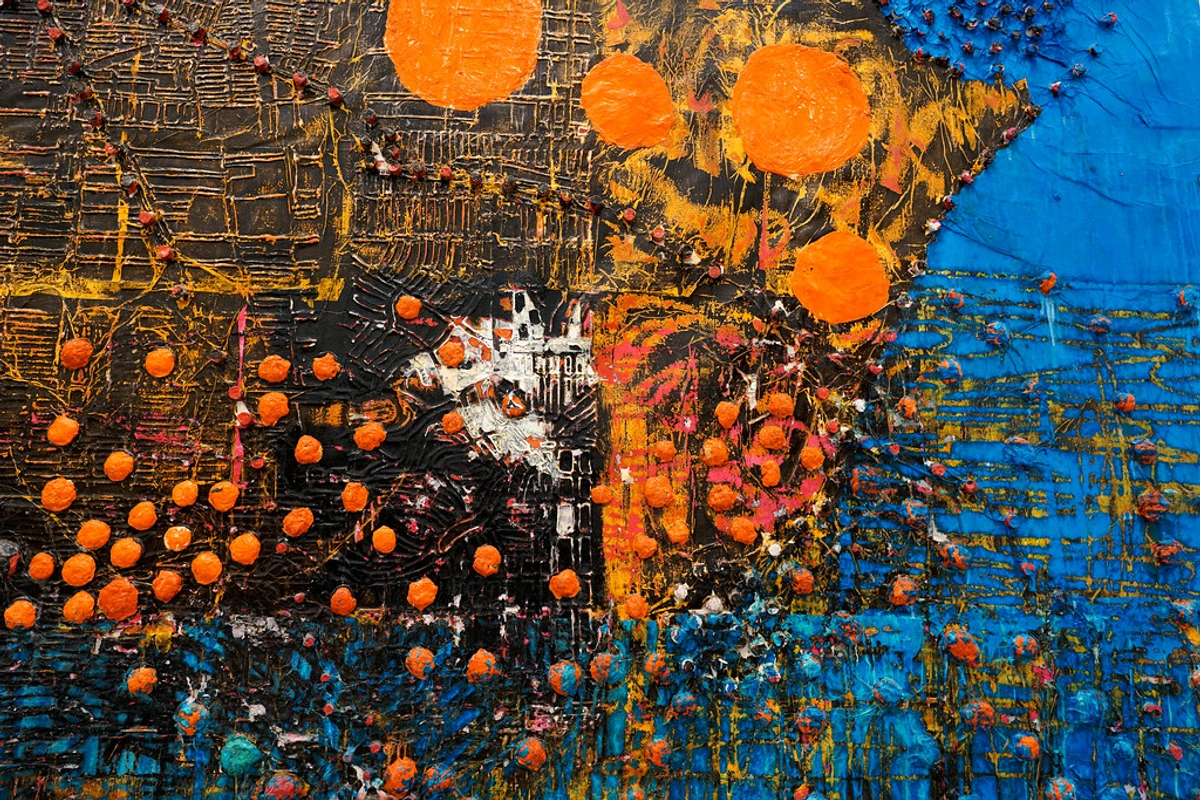
Hamilton was a master of appropriation—taking existing images and repurposing them to critique the culture that produced them. Unlike later artists who appropriated for shock value, Hamilton did it with surgical precision. He didn’t just copy; he recontextualized.
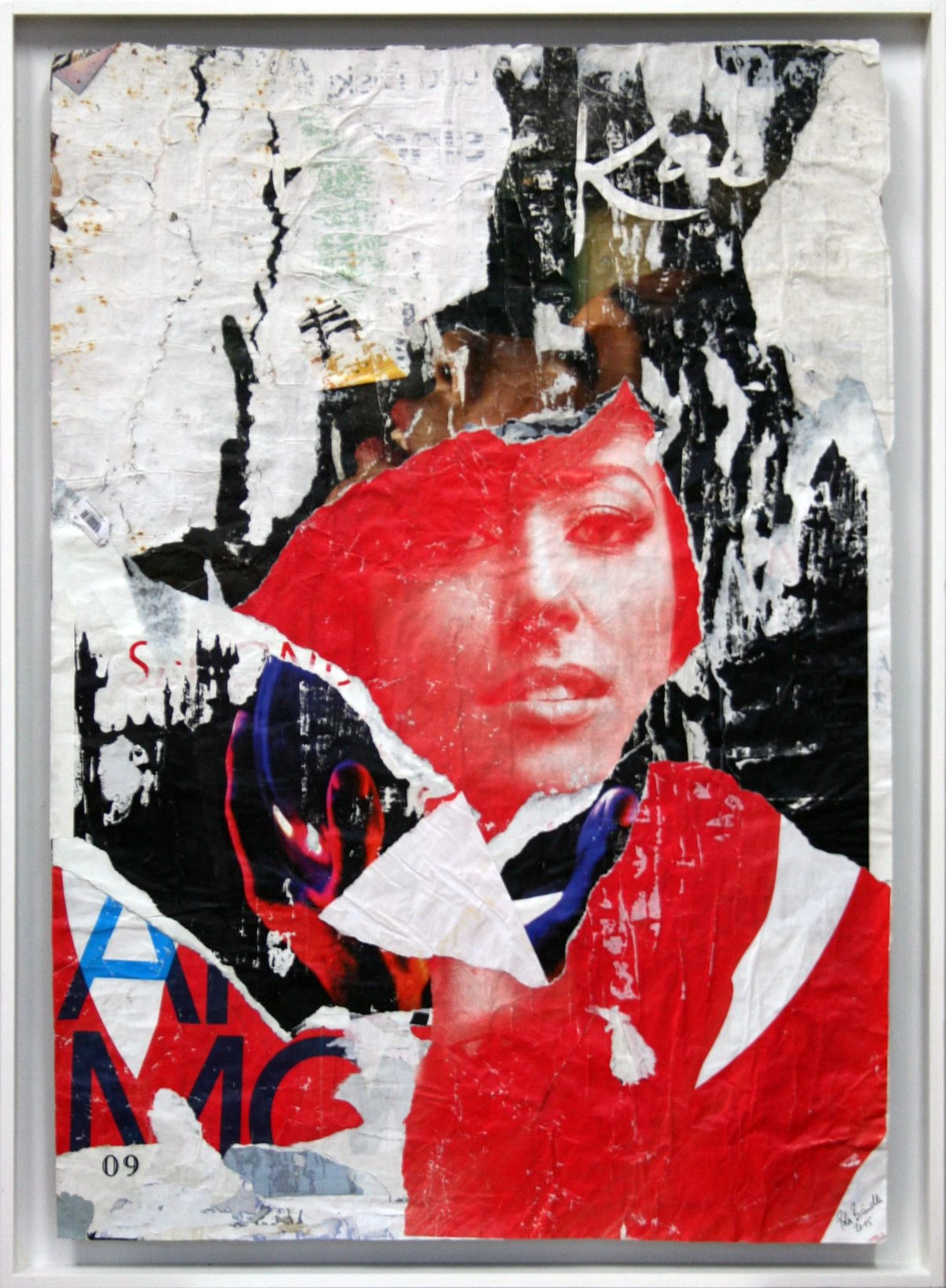
For example, in The Critic Laughs (1971–72), he borrowed from a 19th-century painting by William Powell Frith but overlaid it with modern elements, turning a stuffy Victorian scene into a commentary on art criticism itself.
Why appropriation mattered:
- It exposed the artificiality of media images.
- It forced viewers to question what they consumed.
- It turned passive looking into active thinking.
4. Mixed Media: Beyond Paper and Glue
Hamilton’s collages were not limited to paper and glue. He incorporated photography, painting, screen printing, and even early digital techniques. This mixed-media approach allowed him to blur the lines between reality and representation, creating works that are as thought-provoking as they are visually striking.
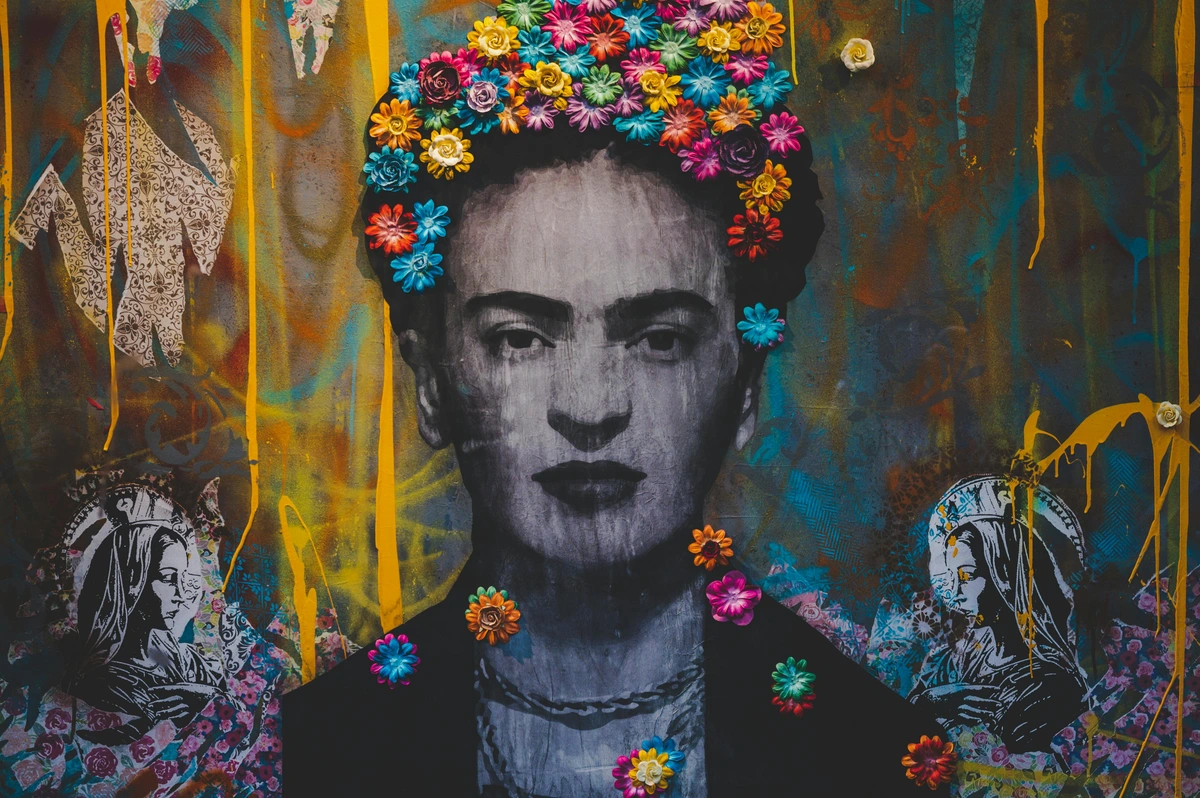
Hamilton’s use of mixed media was not just about creating visually striking works; it was about exploring the boundaries between different types of images and materials. By combining photography, painting, and digital techniques, he was able to create works that were rich and complex, inviting viewers to explore the relationships between different types of images.
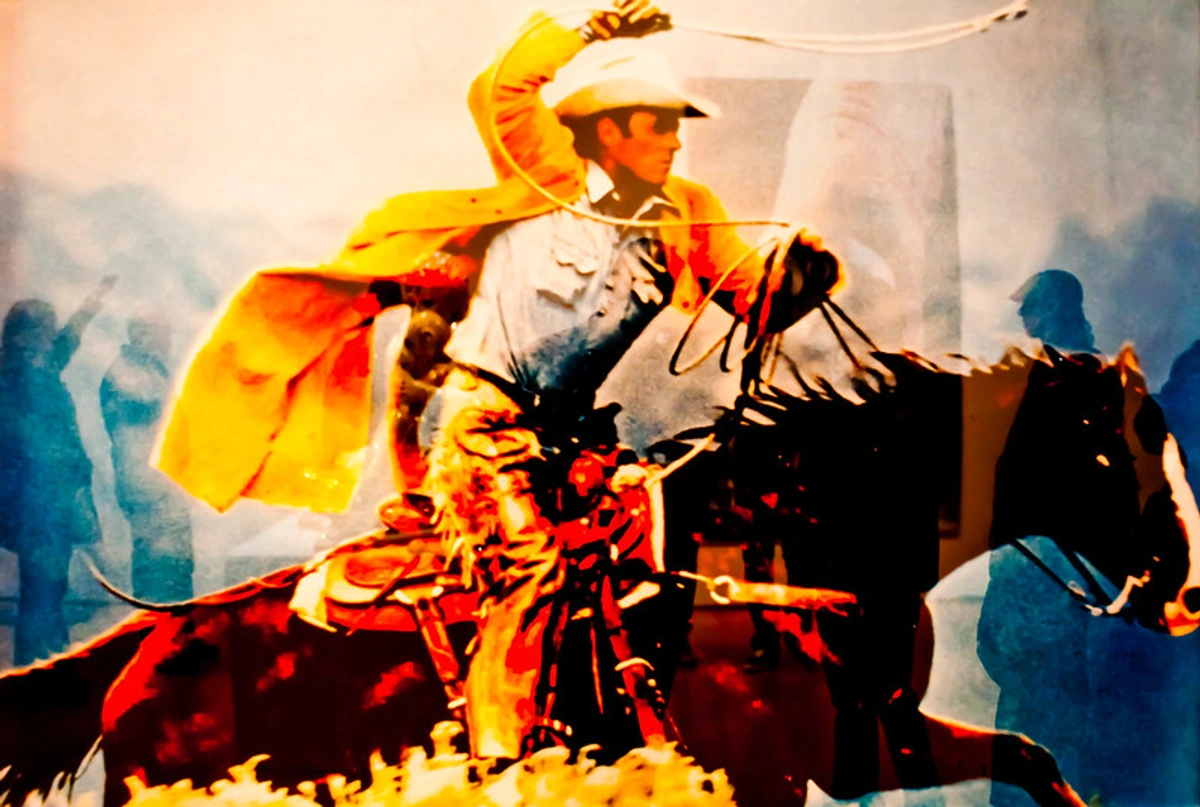
Hamilton wasn’t content with just paper. He incorporated photography, painting, screen printing, and even early digital techniques. His collages often included:
- Photographic elements: For realism and immediacy.
- Hand-painted details: To add a personal, artistic touch.
- Printed text: For direct commentary.
In Interior II (1964), he combined a photograph of a modernist interior with a painted figure, blurring the line between reality and representation. The result is unsettling—like walking into a room where the walls are made of images.

Richard Hamilton, Interior II, 1964, Fair Use
In Interior II, Hamilton combines a photograph of a modernist interior with a painted figure, blurring the line between reality and representation. The result is unsettling—like walking into a room where the walls are made of images.
How to "Read" a Hamilton Collage: A Step-by-Step Guide
Reading a Hamilton collage is like solving a visual puzzle. Each element is carefully chosen and placed to convey a deeper meaning. Here’s a step-by-step guide to help you unpack the layers of his work.
Hamilton’s collages are not just about the images he used; they are about the relationships between those images. By exploring the connections between different elements, viewers can uncover the deeper meanings within his work.
If you’re new to Hamilton’s work, here’s how to unpack it:
- Start with the obvious: What images do you recognize? (A celebrity? A product? A landmark?)
- Look for contrasts: What feels out of place? Why?
- Follow the layers: What’s on top? What’s underneath? What’s hidden?
- Read the text: Hamilton often included headlines, ads, or slogans—what do they add?
- Ask the big questions: What is this saying about society? About art? About you?
I like to think of it as a visual puzzle. The more you engage, the more the pieces start to talk to each other.
6. Hamilton’s Use of Color and Composition
While Hamilton is often celebrated for his conceptual depth, his use of color and composition is equally noteworthy. He employed bold, contrasting colors to draw attention to specific elements within his collages. His compositions were carefully balanced, ensuring that each element contributed to the overall narrative of the piece. This attention to detail is what makes his work both visually striking and intellectually engaging.
Hamilton’s Legacy: Why His Techniques Still Matter
Hamilton’s influence extends far beyond the realm of Pop Art. His techniques have inspired generations of artists, from Warhol to contemporary digital collage artists. His work reminds us that art is not just about beauty; it’s about challenging perceptions and starting conversations.
Hamilton’s legacy is not just about the techniques he developed; it is about the way he used those techniques to explore the world around him. His work continues to inspire artists to challenge perceptions, to question assumptions, and to see the world in new and unexpected ways.
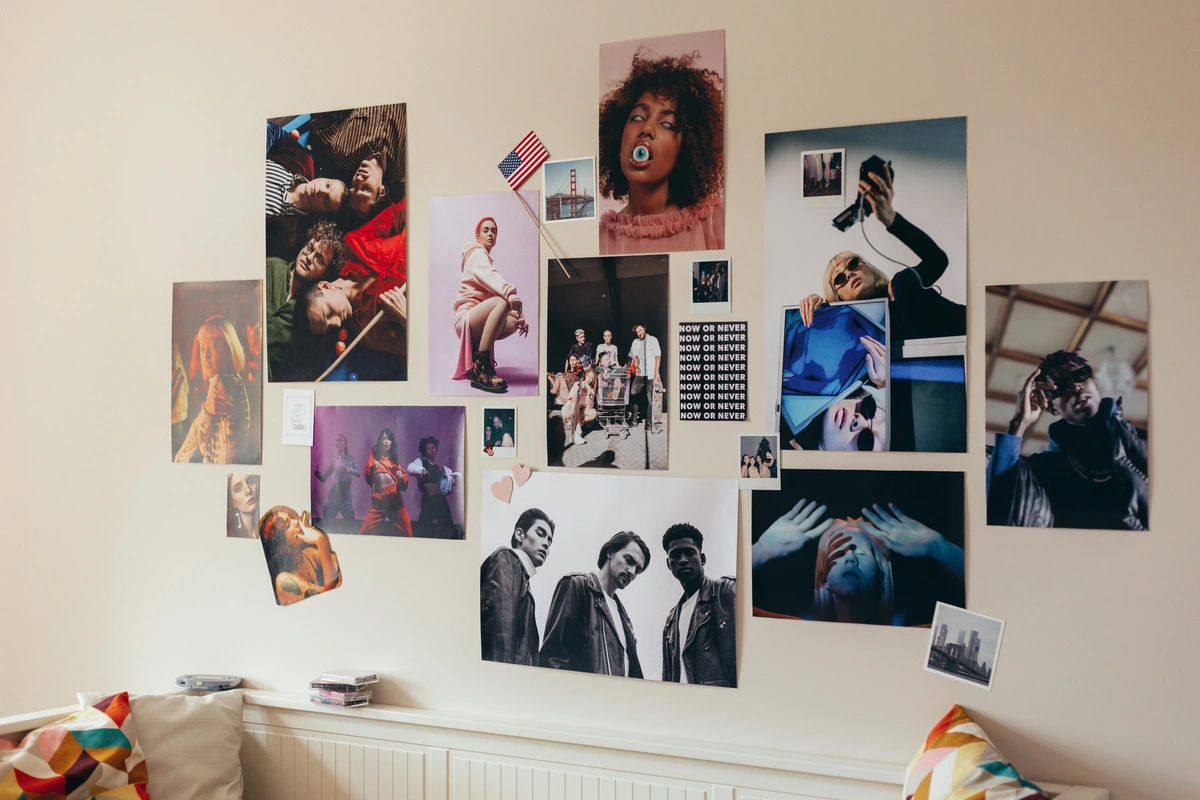
Hamilton didn’t just influence Pop Art—he invented the tools that defined it. Without his collages, we might not have:
- Warhol’s silkscreens
- Lichtenstein’s comic panels
- Even contemporary digital collage artists
But more than that, Hamilton taught us that art doesn’t have to be pretty to be powerful. It can be messy, critical, and even uncomfortable. His work reminds me that the best art doesn’t just decorate a room—it starts a conversation.
7. Hamilton’s Impact on Digital Art
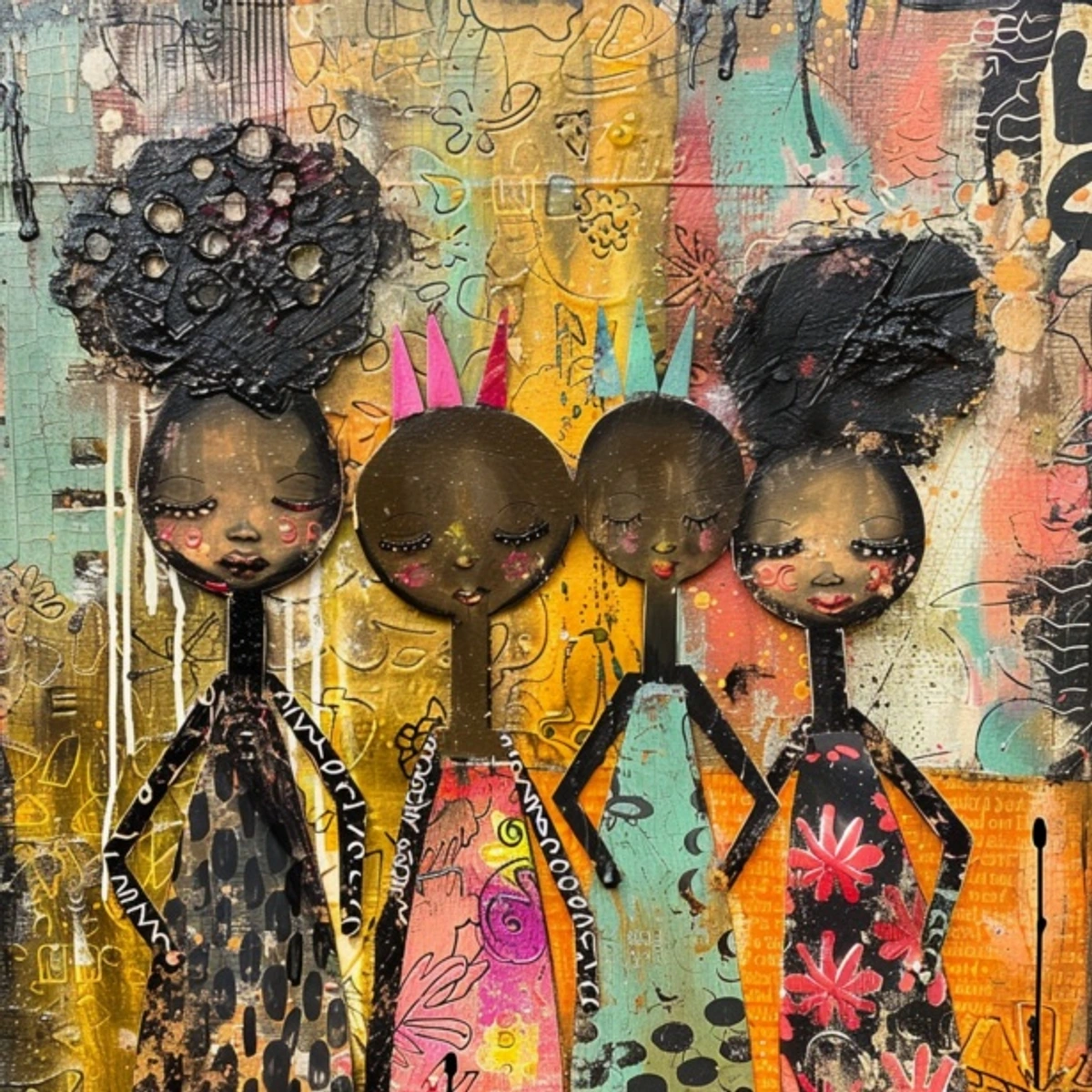
Hamilton’s influence extends to the realm of digital art, where artists continue to explore the boundaries of collage in new and innovative ways. His techniques have inspired digital artists to experiment with layering, juxtaposition, and appropriation in the digital space. This legacy is a testament to the enduring relevance of Hamilton’s work in an ever-evolving artistic landscape.
FAQ: Your Burning Questions About Richard Hamilton’s Collages
Q: Did Richard Hamilton invent collage?
No, collage has been around since the early 20th century (think Picasso and Braque). But Hamilton redefined it for the post-war era, using it to dissect consumer culture in ways no one had before.
Q: What materials did Hamilton use?
Everything from magazine cutouts and photographs to hand-painted elements and screen prints. He was a tinkerer—always experimenting with new materials.
Q: How can I create a collage inspired by Hamilton?
Start by collecting images that clash—ads next to fine art, old next to new. Then, ask yourself: What story do I want to tell? Layer, juxtapose, and don’t be afraid to get political.
Q: Where can I see Hamilton’s work in person?
Major pieces are held in museums like the Tate Modern (London) and MoMA (New York). If you’re ever in Den Bosch, check out our timeline for more on how collage evolved in contemporary art.
Q: Is Hamilton’s work considered "high art" or "pop culture"?
That’s the beauty of it—it’s both. He blurred the line intentionally, forcing the art world to confront the power of mass media.
Q: What is the significance of Hamilton’s use of text in his collages?
Hamilton often incorporated text into his collages to add another layer of meaning. Whether it was headlines, advertisements, or slogans, the text served as a commentary on the images and the culture they represented. This use of text invited viewers to engage with the work on a deeper level, questioning the messages and meanings behind the words.
Q: How did Hamilton’s engineering background influence his art?
Hamilton’s training as an engineer provided him with a unique perspective on art. He approached collage with a precision that was both analytical and creative, allowing him to create works that were visually striking and intellectually rigorous. This blend of disciplines enabled him to explore the intersections of art, technology, and society in innovative ways.
Q: What are some of Hamilton’s most famous works?
Some of Hamilton’s most iconic works include Just What Is It That Makes Today’s Homes So Different, So Appealing?, Swingeing London 67, and The Critic Laughs. These pieces are celebrated for their conceptual depth and their ability to challenge viewers’ perceptions of the world around them.
Final Thought: The Collage of Life
Hamilton’s collages are more than just art; they are mirrors reflecting the fragmented, fast-paced, image-saturated world we live in. In an era where we curate our own digital collages—whether through social media feeds or personal blogs—Hamilton’s work feels more relevant than ever. It challenges us to see the world differently, to question the images we consume, and to find meaning in the chaos.
If you’re feeling inspired, why not explore how contemporary artists are pushing collage even further? Check out our collection for works that carry Hamilton’s legacy into the 21st century.
I’ll leave you with this: Hamilton’s collages aren’t just art—they’re mirrors. They reflect the fragmented, fast-paced, image-saturated world we live in. And in a time when we’re all curating our own digital collages (hello, Instagram feeds), his work feels more relevant than ever.




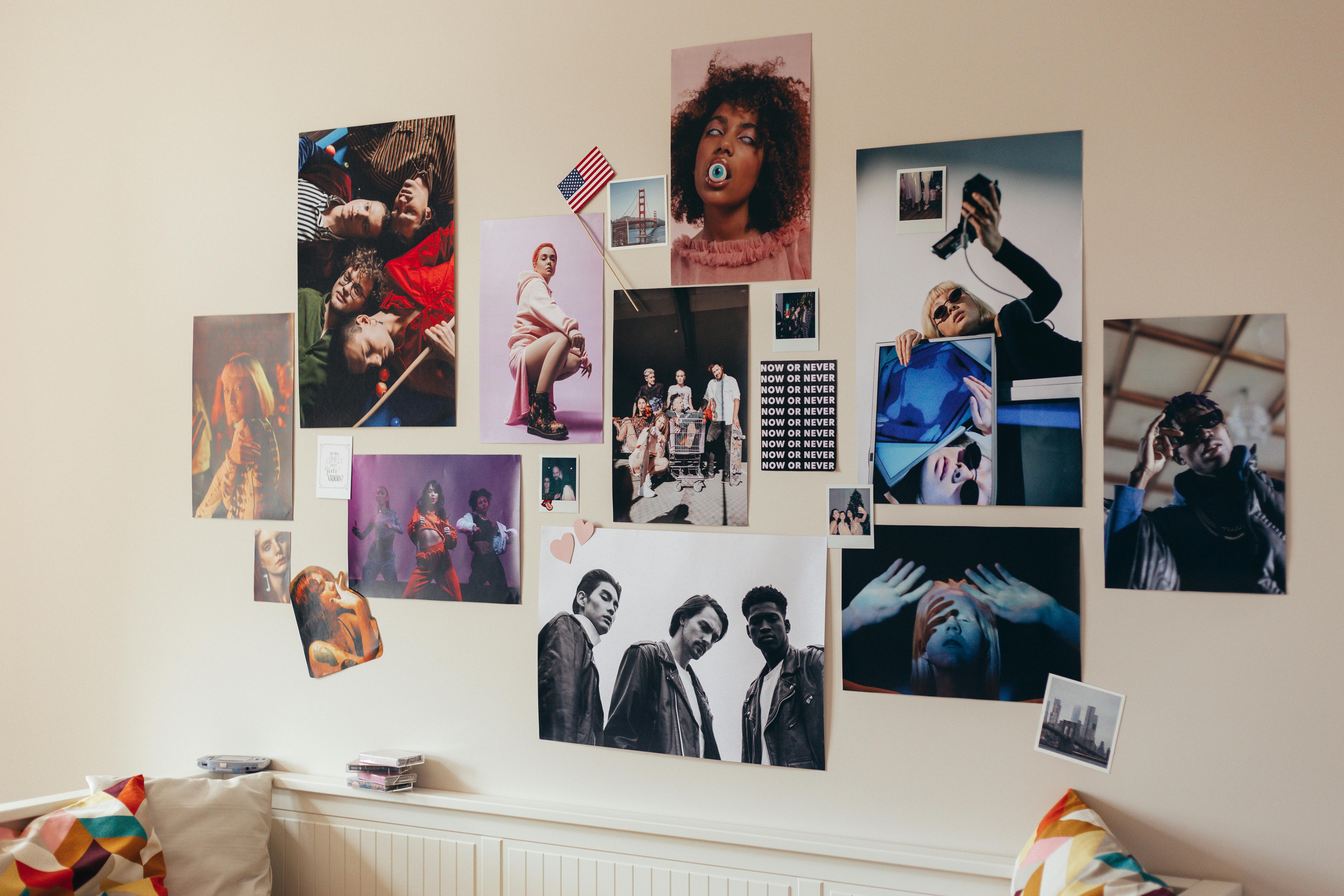


So next time you’re flipping through a magazine or scrolling through your phone, ask yourself: What would Hamilton do with this? You might just see the world a little differently.
And if you’re feeling inspired, why not explore how contemporary artists are pushing collage even further? Check out our collection for works that carry Hamilton’s legacy into the 21st century.
Hamilton’s work reminds us that art is not just about beauty; it’s about challenging perceptions and starting conversations. His collages invite us to question the images and symbols that surround us, to see the world in new and unexpected ways, and to find meaning in the chaos of modern life.
8. Exploring Hamilton’s Influence Today
Hamilton’s influence can be seen in the works of contemporary artists who continue to push the boundaries of collage. From digital art to mixed media, his techniques have inspired a new generation of artists to explore the intersections of art, technology, and society. This ongoing legacy is a testament to the enduring relevance of Hamilton’s work in the ever-evolving world of art.