The Magic Behind Artistic Creation: From Intuition to Masterpiece
Discover the mysterious process of artistic creation, where intuition meets technique to transform ideas into compelling visual art that resonates emotionally.

The Magic Behind Artistic Creation: From Intuition to Masterpiece
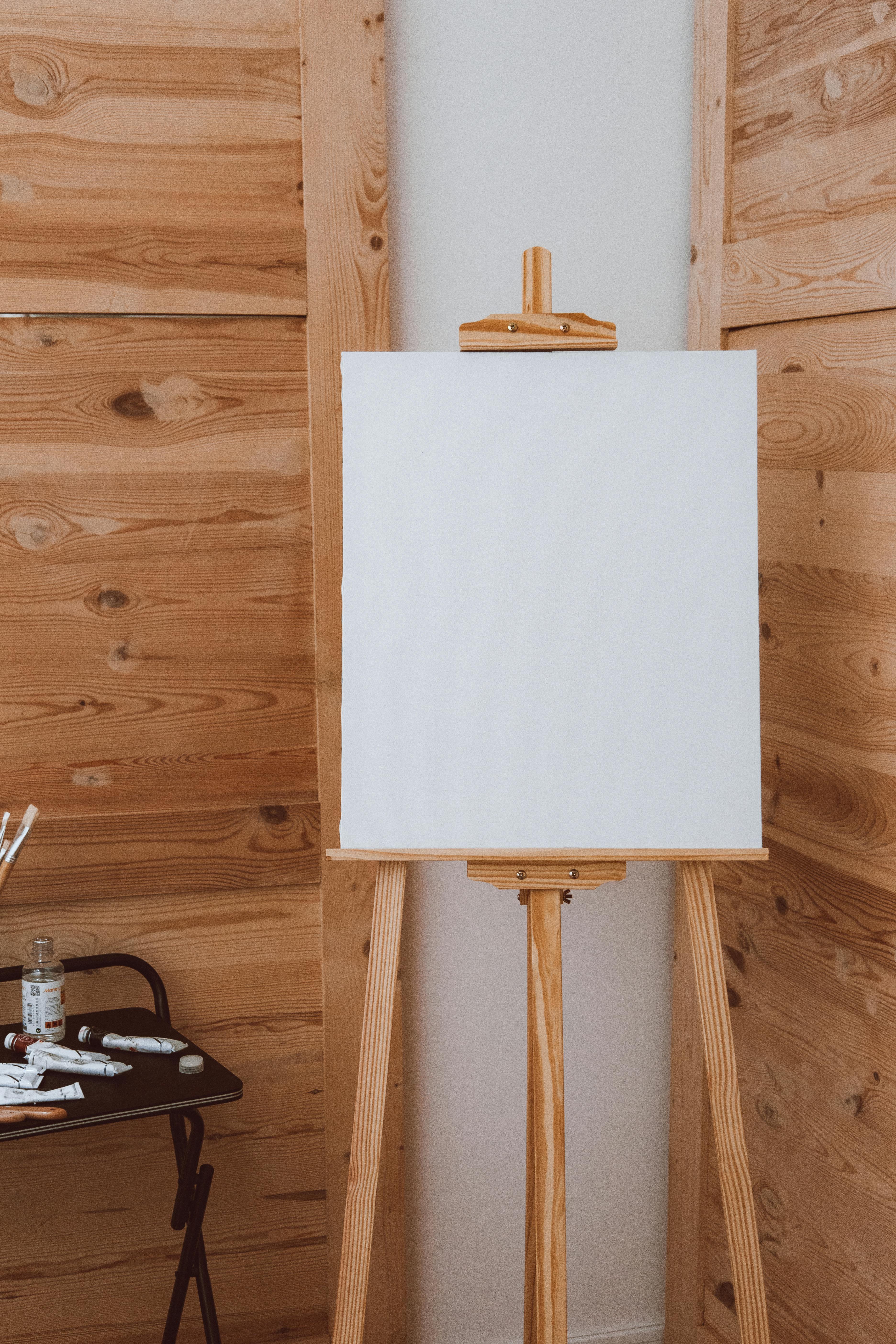
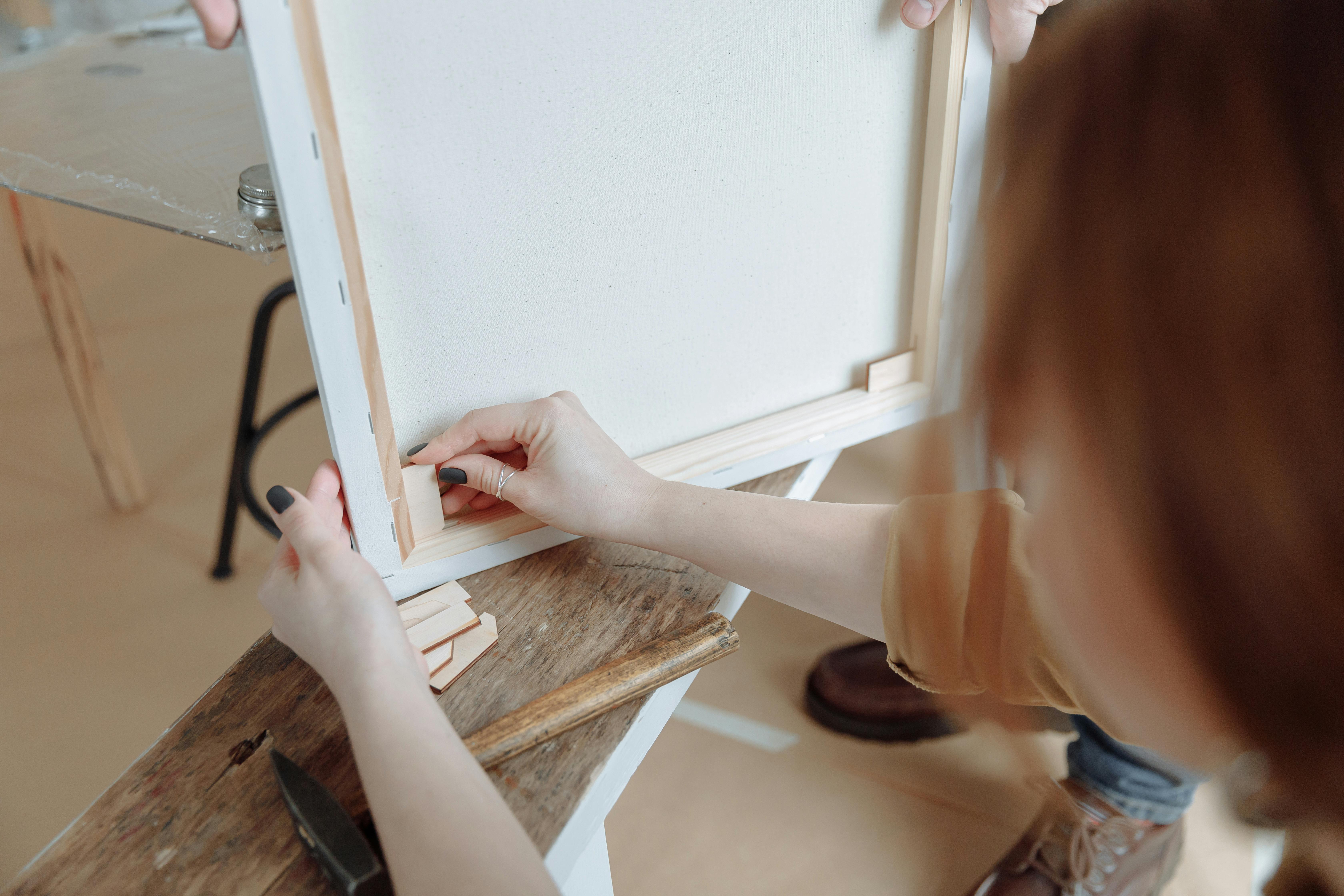
I remember standing in front of a blank canvas, brush in hand, feeling that familiar mix of excitement and terror. How does something as abstract as an idea become a tangible piece of art that speaks to people? That’s the magic we’re diving into today—the alchemy of turning intuition, inspiration, and skill into something that resonates.
Artistic creation is a journey that begins with a spark—an idea, a feeling, or a fleeting moment of inspiration. It’s a process that blends intuition, technique, and emotion, transforming the intangible into something that can be seen, felt, and experienced. Whether you're an artist, an art enthusiast, or simply curious about the creative process, this exploration will take you through the stages of artistic creation, from the initial spark to the final masterpiece.
The Spark: Where Do Ideas Come From?
You’ve probably heard artists say, "I just knew what to paint," or "The idea came to me in a dream." But what does that really mean? Ideas don’t just appear out of thin air. They’re the result of a mind constantly absorbing the world—colors, emotions, conversations, even the way light hits a coffee cup in the morning.
For me, inspiration often strikes when I least expect it. A walk in the park, a snippet of music, or a fleeting thought can trigger a cascade of creativity. It’s like my brain is a sponge, soaking up experiences and squeezing them out as art.
The Science of Creativity
Creativity isn’t just a mystical force; it’s also rooted in science. Studies show that the brain’s default mode network, which is active during daydreaming and mind-wandering, plays a crucial role in generating creative ideas. This network allows the brain to make connections between seemingly unrelated concepts, leading to those "aha" moments that artists often describe.
Cultivating Inspiration
Inspiration isn’t something you can force, but you can create an environment that nurtures it. Surround yourself with stimuli—books, music, nature, and conversations. Keep a sketchbook or journal to capture ideas as they come. The more you feed your mind, the more it will reward you with creative insights.
The Role of Intuition
Intuition is that quiet voice inside you that says, "This feels right." It’s not about logic or rules; it’s about trusting your gut. When I’m painting, I often start with a vague idea—a color palette, a mood—and let intuition guide the rest. It’s like driving at night with only the headlights to show the way. You don’t see the whole road, but you trust you’re going in the right direction.
Intuition vs. Deliberation
While intuition is essential, it’s not the only force at play. Deliberation—the process of consciously thinking through decisions—also plays a role. The balance between intuition and deliberation is what makes art unique. Intuition provides the initial spark, while deliberation refines and shapes the final piece.
Trusting Your Gut
Learning to trust your intuition is a skill in itself. It requires practice and a willingness to take risks. Start small: experiment with colors, compositions, and techniques without overthinking. Over time, you’ll develop a deeper connection with your intuitive voice, allowing it to guide your creative process more confidently.
The Dance of Technique and Creativity
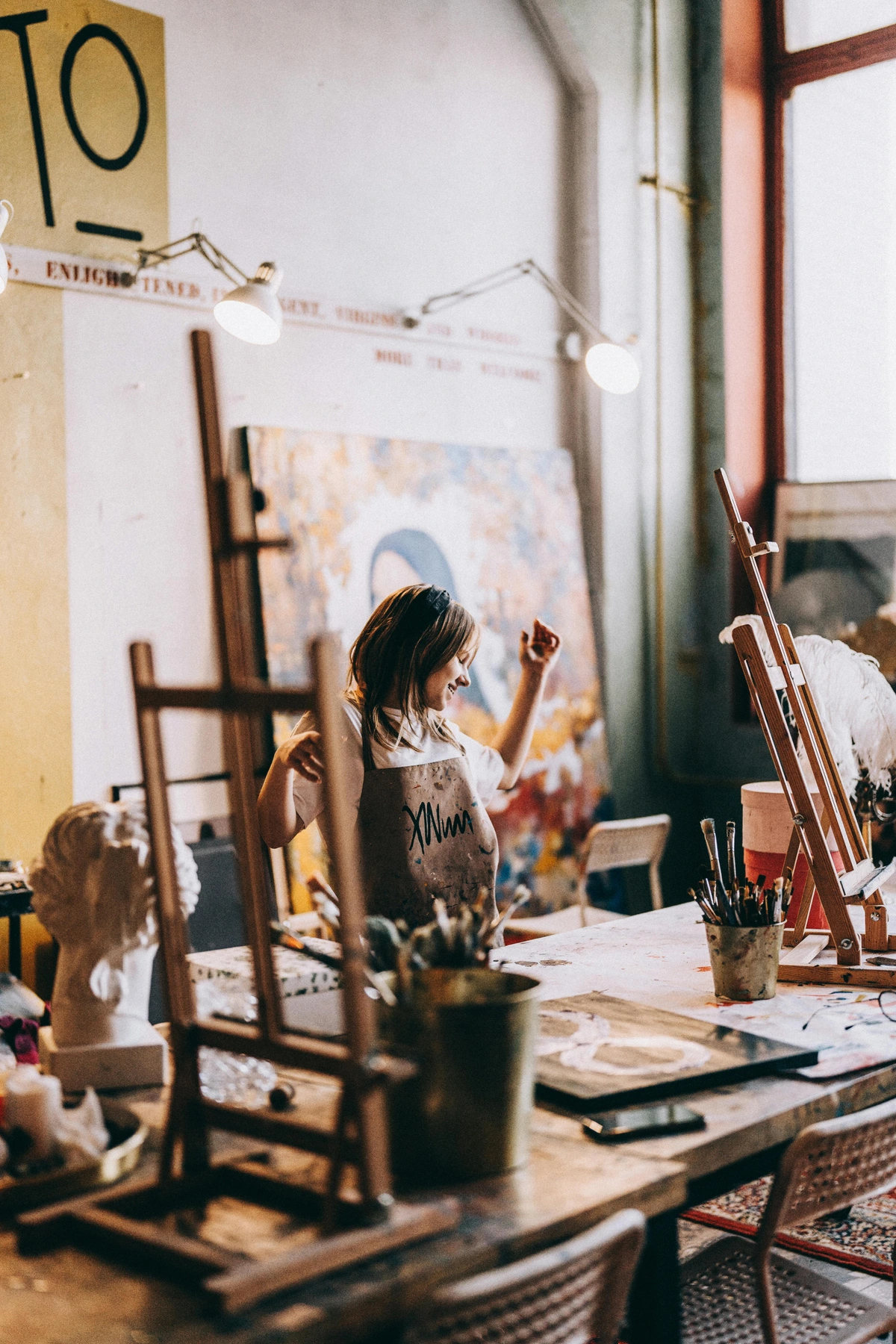
Art isn’t just about feeling; it’s also about skill. Technique is the bridge between imagination and reality. Without it, even the most brilliant ideas can fall flat.
The Importance of Practice
Technique isn’t something you’re born with; it’s something you develop through practice. The more you practice, the more natural your techniques become, allowing you to focus on the creative aspects of your work. Think of technique as the foundation of a building—it supports everything else you create.

Finding Your Unique Style
While mastering technique is essential, it’s also important to find your unique style. Your style is what sets your work apart from others. It’s a reflection of your personality, experiences, and creative vision. Don’t be afraid to experiment and take risks—this is how you’ll discover what makes your art truly yours.
Mastering the Basics
Every artist starts with the basics: learning how to mix colors, understanding composition, practicing brushstrokes. These fundamentals are like the grammar of a language. You need to know the rules before you can break them.
I spent years studying the works of masters, experimenting with different styles, and refining my techniques. It’s not glamorous, but it’s necessary. The more you practice, the more freedom you have to express yourself.
Essential Techniques for Artists
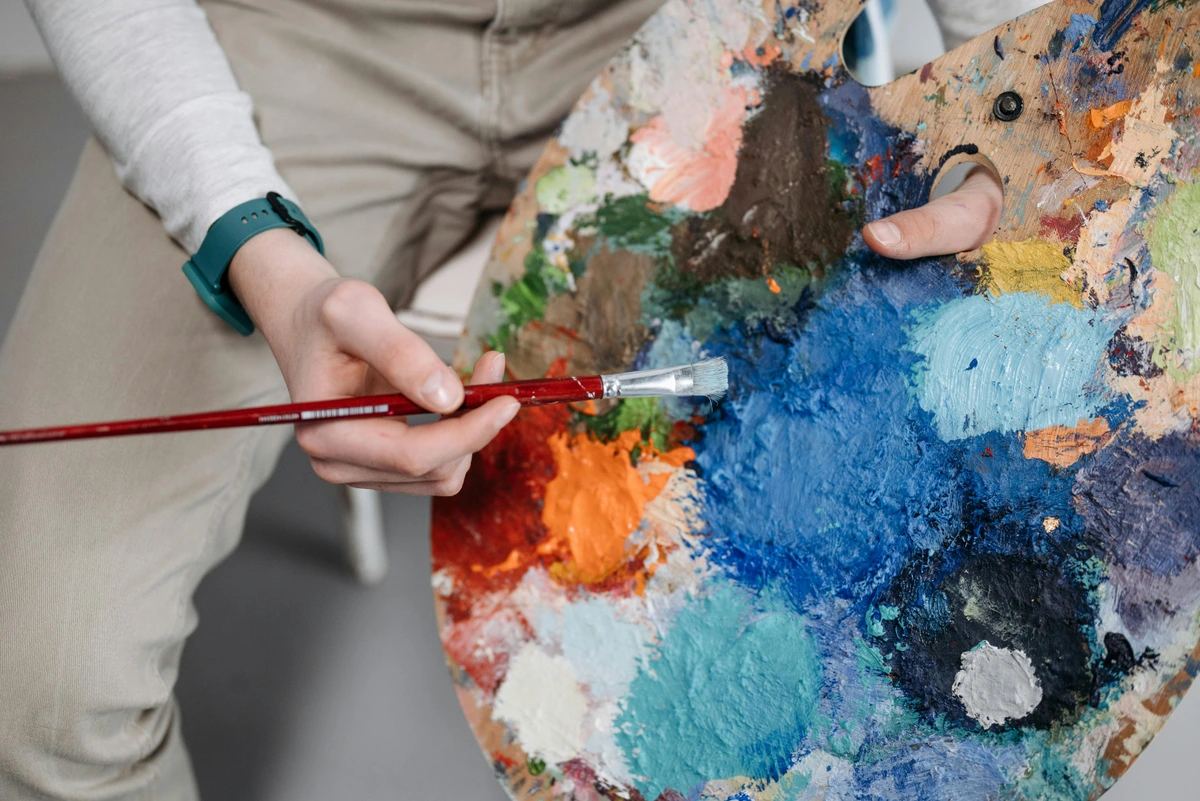
Here are some essential techniques every artist should master:
- Composition: The arrangement of elements within a piece can make or break its impact. Learn about the rule of thirds, balance, and focal points.
- Brushwork: Different brushstrokes can create different textures and effects. Experiment with various brushes and techniques to find what works best for you.
- Perspective: Mastering perspective allows you to create depth and realism in your artwork.
Learning from the Masters
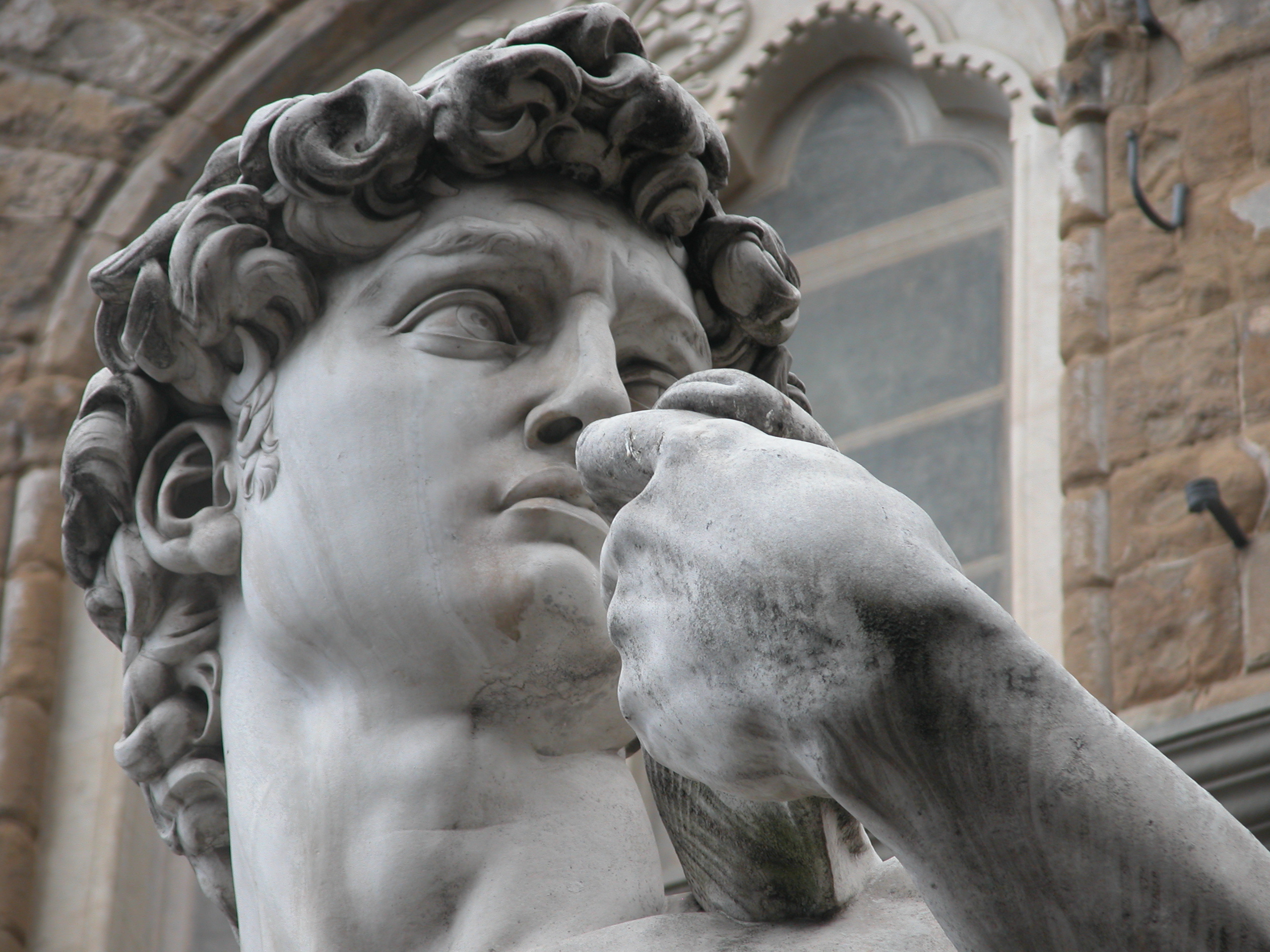
Studying the works of master artists is one of the best ways to improve your technique. Analyze their use of color, composition, and brushwork. Try to replicate their styles to understand their methods better. This doesn’t mean copying their work outright but learning from their techniques and applying them to your own creations.
Breaking the Rules
Once you’ve mastered the basics, you can start playing with them. Some of the most iconic artworks break traditional rules in bold ways. Think of Picasso’s fragmented forms or Van Gogh’s swirling brushstrokes. They didn’t just follow the rules—they redefined them.
The Art of Experimentation
Breaking the rules is about experimentation. It’s about pushing boundaries and exploring new possibilities. Don’t be afraid to try unconventional techniques or materials. Some of the most innovative artworks come from artists who dared to challenge the status quo.
Finding Balance
While breaking the rules can lead to groundbreaking art, it’s essential to find a balance. Understanding the rules allows you to break them effectively. It’s like knowing the grammar of a language before you can write poetry. The key is to use your knowledge of the basics to inform your creative decisions, even when you’re pushing boundaries.

The Emotional Connection
Art isn’t just about what you see; it’s about what you feel. The best artworks evoke emotions, tell stories, and connect with people on a deeper level.
The Power of Storytelling
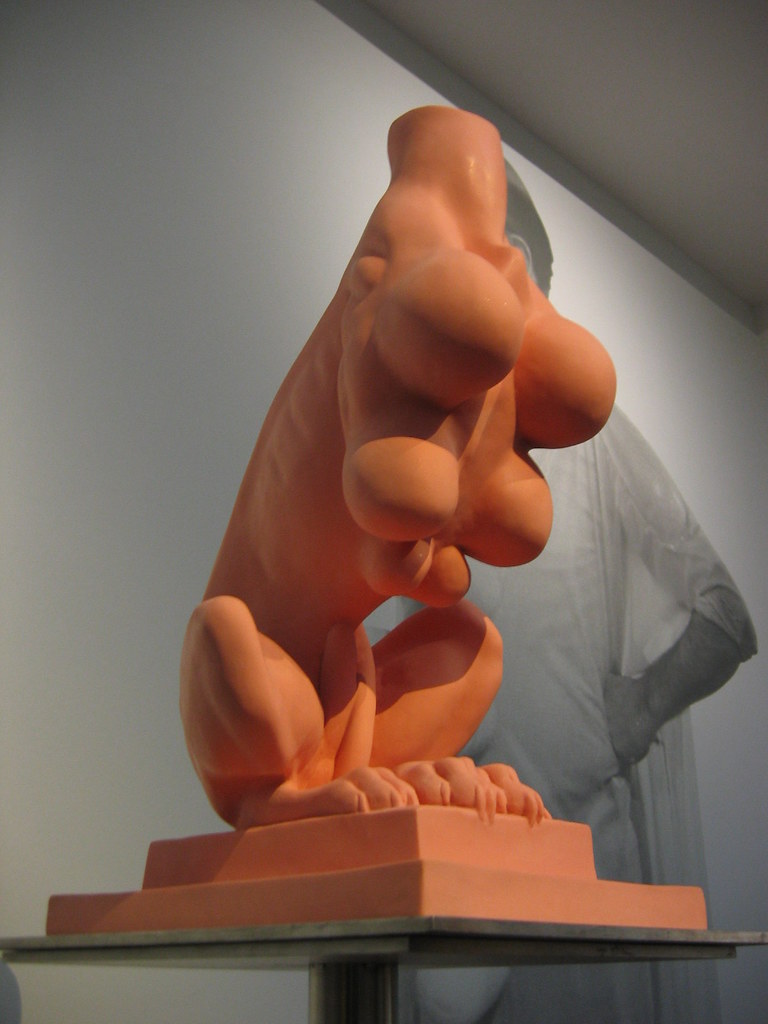
Art is a form of storytelling. Whether it’s a painting, a sculpture, or a photograph, every piece of art tells a story. It might be a personal narrative, a reflection of society, or an exploration of abstract concepts. The power of art lies in its ability to communicate these stories in a way that resonates with viewers.
Emotion as a Universal Language
Emotions are a universal language. They transcend cultural and linguistic barriers, allowing art to connect with people from all walks of life. Whether it’s joy, sorrow, anger, or love, emotions are what make art relatable and meaningful. As an artist, tapping into these universal emotions can help you create work that speaks to a broader audience.
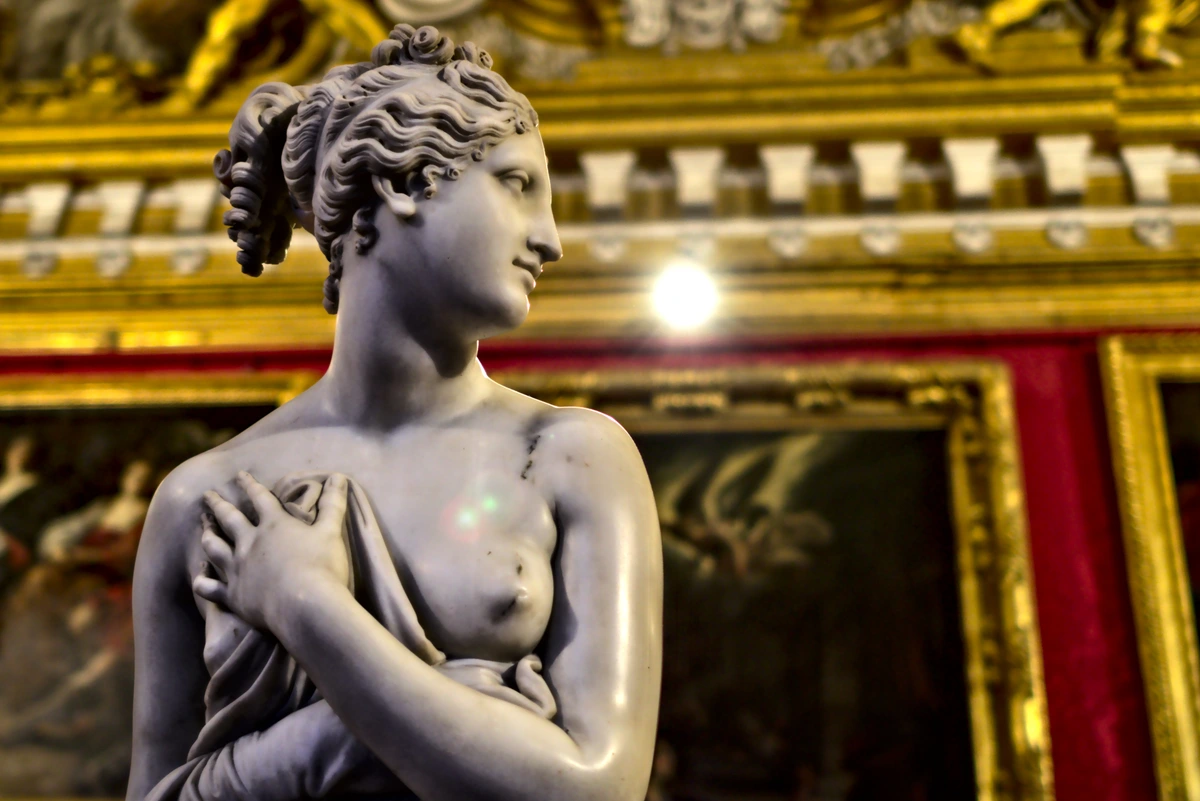
Why Do Some Artworks Resonate More Than Others?
Ever wondered why a simple painting can move you to tears while another leaves you indifferent? It’s all about emotional resonance. Art that speaks to universal human experiences—love, loss, joy, fear—tends to have a stronger impact.
For example, a piece like "Starry Night" by Van Gogh isn’t just a depiction of a night sky; it’s a window into the artist’s soul. The swirling stars and vibrant colors convey a sense of turmoil and wonder that resonates with viewers.
The Role of Personal Experience
Personal experiences play a significant role in how we perceive and connect with art. A piece that resonates with one person might not have the same effect on another. This is because our experiences shape our emotions and interpretations. As an artist, drawing from your own experiences can help you create work that is authentic and relatable.
Creating Emotional Depth
To create art that resonates emotionally, focus on the following:
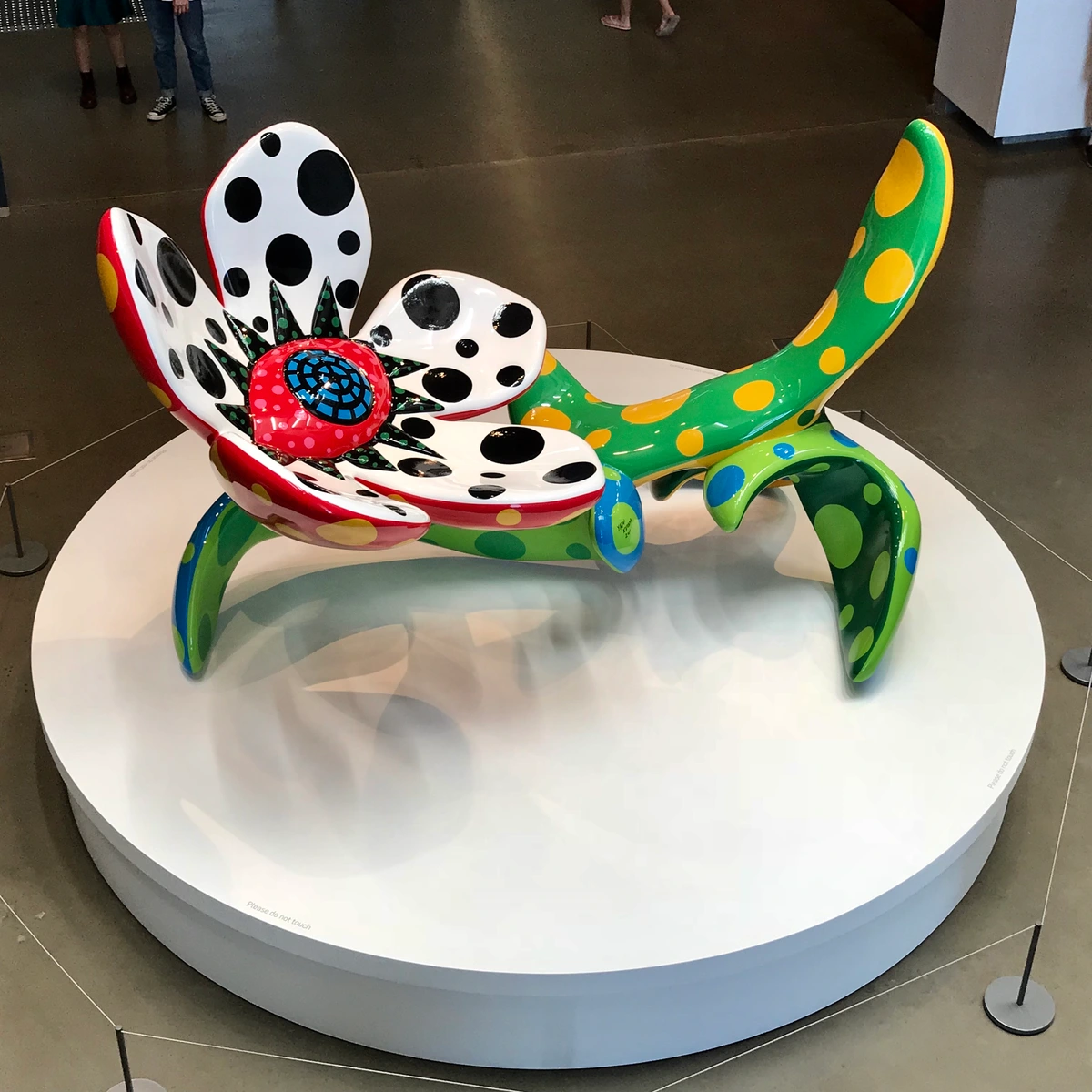
- Authenticity: Be true to your feelings and experiences. Authenticity is what makes art genuine and relatable.
- Vulnerability: Don’t be afraid to express vulnerability in your work. It’s often the raw, unfiltered emotions that connect most deeply with viewers.
- Empathy: Put yourself in the shoes of your audience. What emotions do you want to evoke? How can you create a piece that speaks to their experiences?
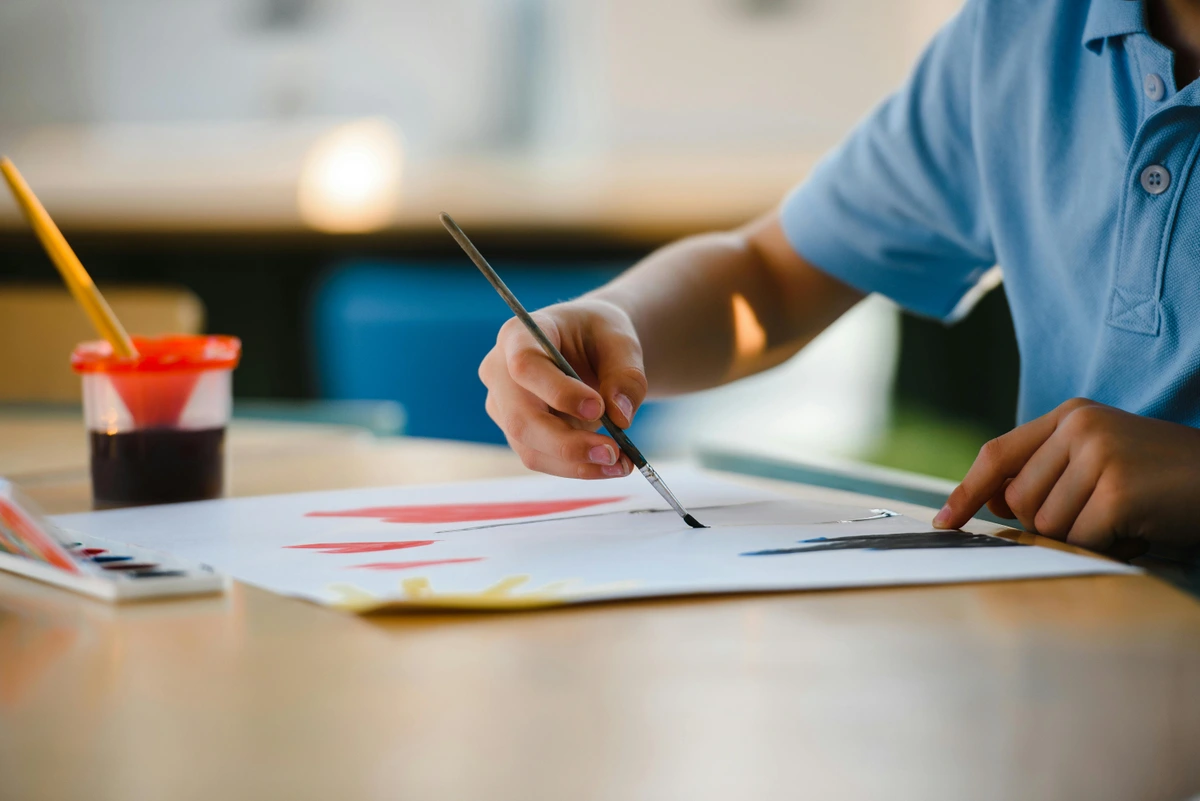
The Power of Color and Composition
Colors and composition play a huge role in how an artwork affects us. Warm colors like red and orange can evoke passion and energy, while cool colors like blue and green can create a sense of calm. The way elements are arranged in a piece can guide the viewer’s eye and create a narrative.
Understanding Color Psychology
Color psychology is the study of how colors affect human behavior and emotions. Different colors can evoke different feelings and associations. For example:
- Red: Passion, energy, and intensity.
- Blue: Calm, tranquility, and trust.
- Yellow: Happiness, optimism, and warmth.
- Green: Growth, harmony, and nature.
Understanding color psychology can help you choose the right colors for your artwork, depending on the emotions you want to evoke.
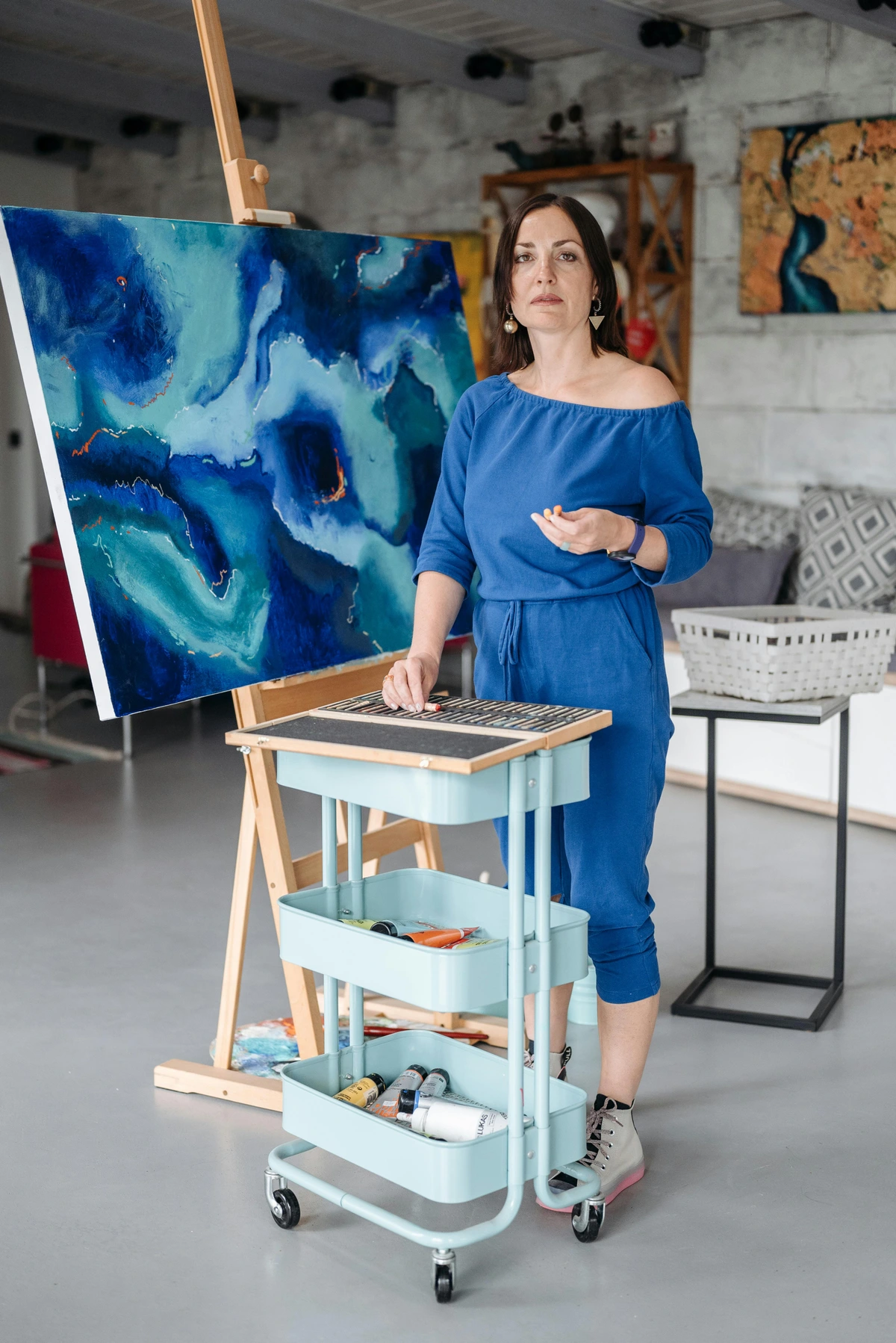
The Art of Composition
Composition is the arrangement of elements within a piece of art. It’s what guides the viewer’s eye and creates a sense of balance and harmony. Here are some key principles of composition:
- Rule of Thirds: Divide your canvas into thirds both horizontally and vertically. Place key elements along these lines or at their intersections to create a balanced composition.
- Balance: Achieve visual balance by distributing elements evenly across the canvas. This can be symmetrical or asymmetrical.
- Focal Points: Create focal points to draw the viewer’s attention to specific areas of the artwork.
- Leading Lines: Use lines to guide the viewer’s eye through the piece, creating a sense of movement and flow.
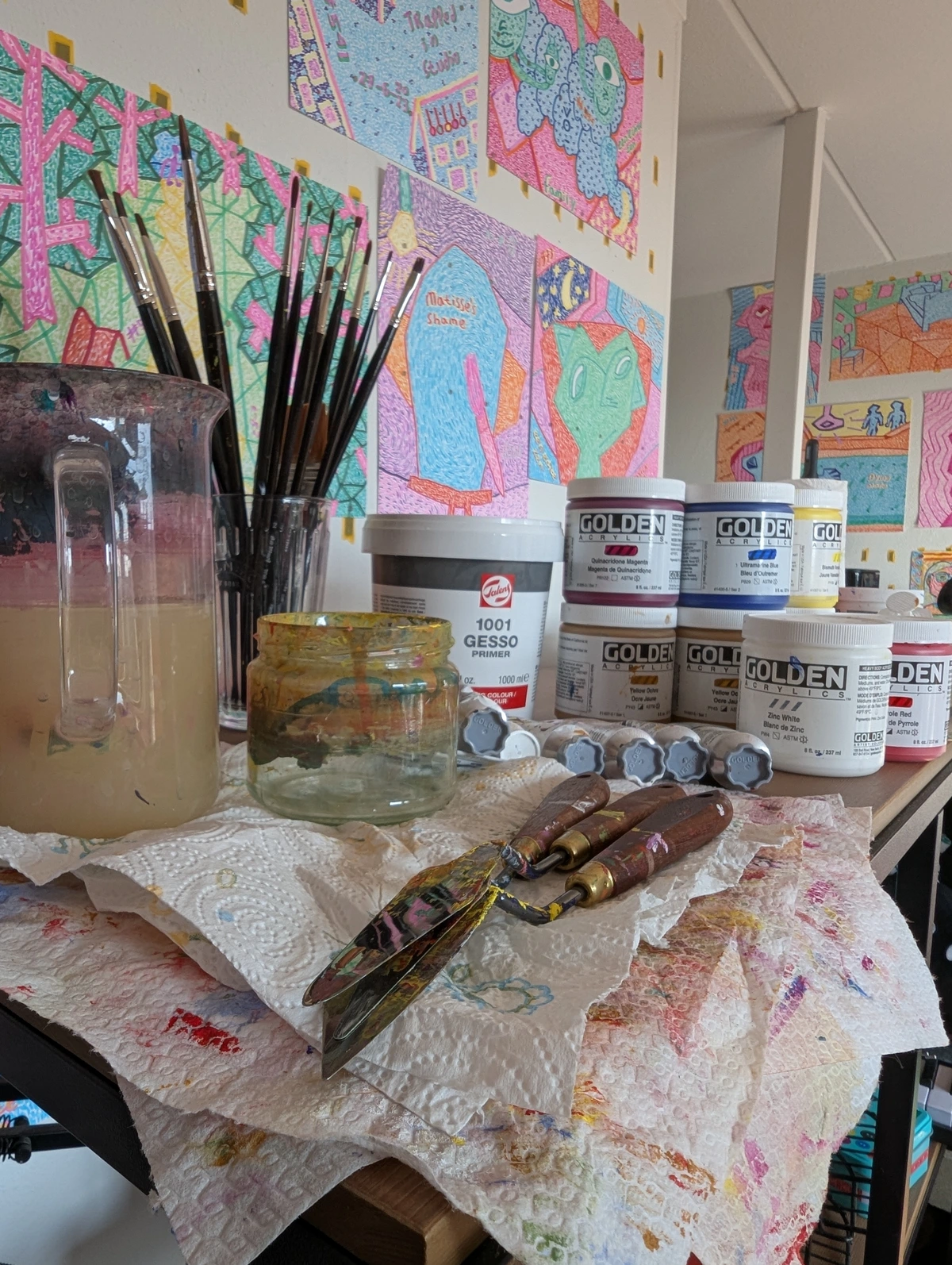
The Creative Process: From Idea to Masterpiece
Creating art is a journey, and every artist has their own process. Here’s a glimpse into mine:
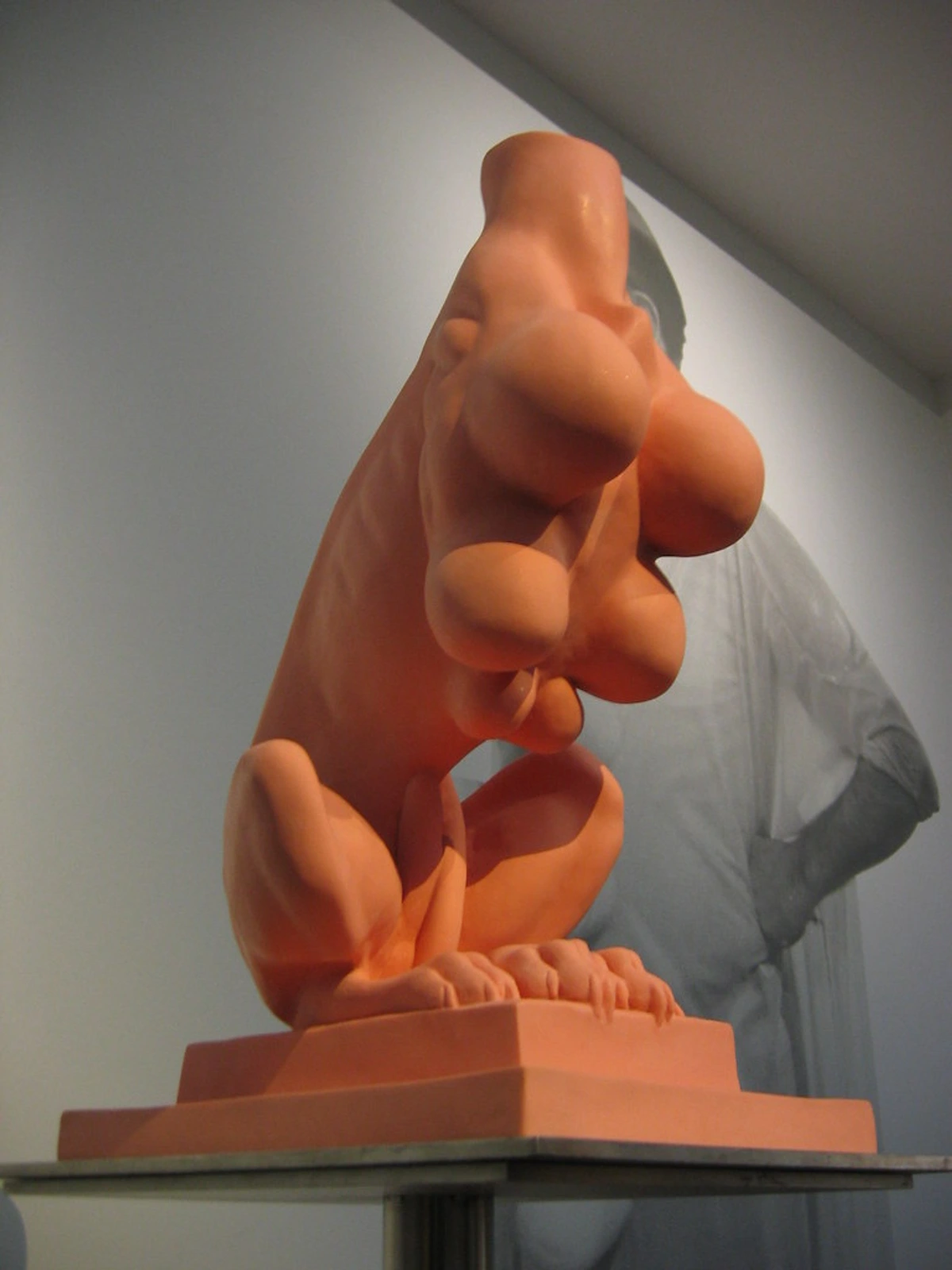
- Inspiration: It all starts with an idea, a feeling, or a spark of creativity.
- Sketching: I often begin with rough sketches to explore compositions and concepts.
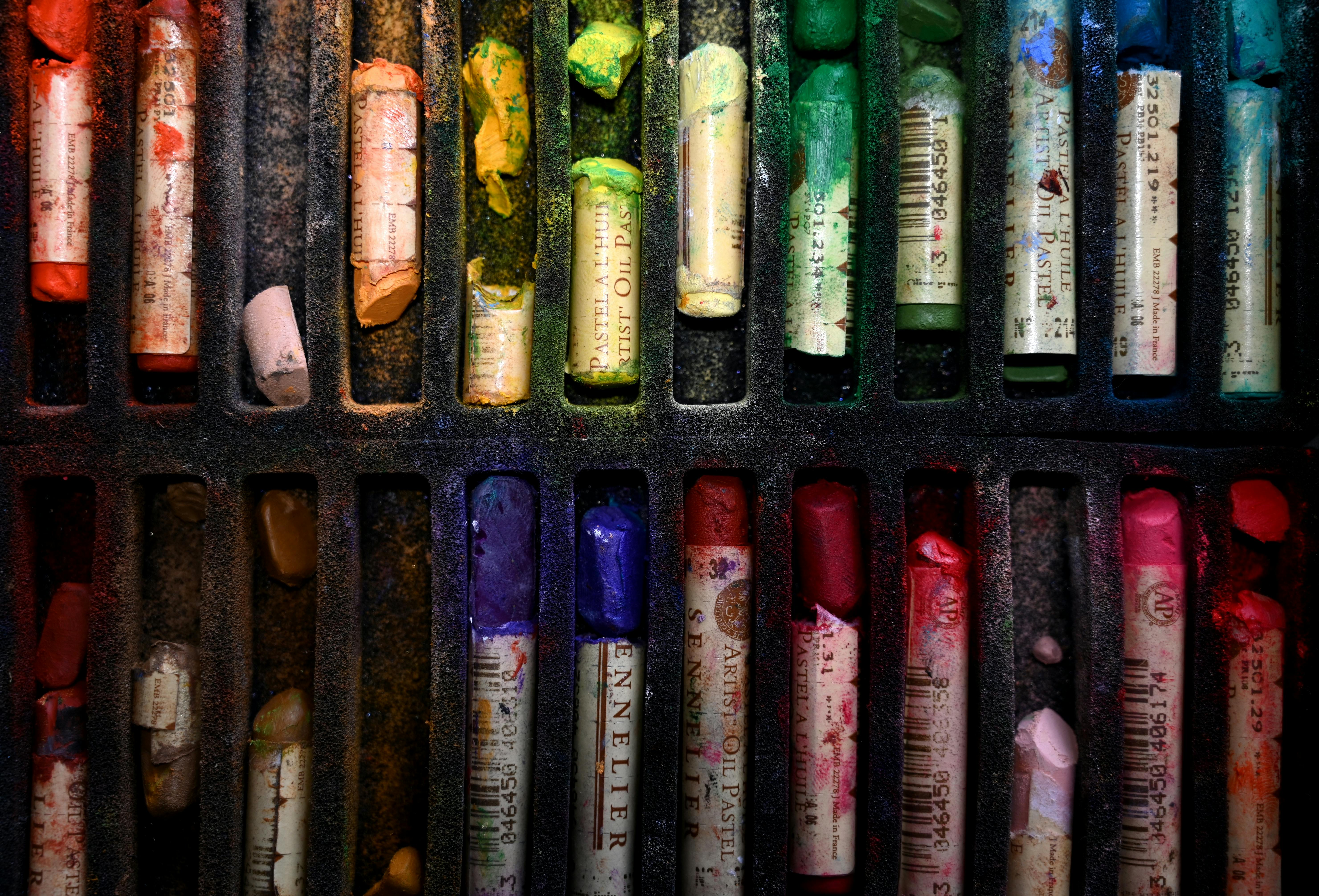
- Color Palette: Choosing the right colors is crucial. I experiment with different combinations to set the mood.
- Execution: This is where technique comes into play. I layer paints, refine details, and let intuition guide me.
- Refinement: I step back, evaluate, and make adjustments until the piece feels complete.
The Importance of Iteration
The creative process is rarely linear. It’s a cycle of iteration—creating, evaluating, and refining. Don’t be afraid to make mistakes or change direction. Each iteration brings you closer to your vision.
Finding Your Creative Rhythm
Every artist has their own creative rhythm. Some work best in the early morning, while others find inspiration late at night. Experiment with different routines and environments to find what works best for you. The key is to create a process that feels natural and sustainable.
Overcoming Creative Blocks
Let’s be honest—creative blocks happen to everyone. There are days when the ideas just won’t flow, and the canvas feels like a battleground. Here’s how I deal with it:
- Take a Break: Sometimes, stepping away and doing something unrelated can reset your mind.
- Seek Inspiration: Visit a museum, browse art books, or take a walk in nature.
- Experiment: Try a new medium or technique. The change can spark fresh ideas.
FAQ
What is the most important skill for an artist?
There’s no single "most important" skill, but I’d say observation is key. The ability to see the world around you—colors, shapes, emotions—and translate that into your work is invaluable.
How do I find my artistic style?
Finding your style is a journey. Experiment with different techniques, study artists you admire, and most importantly, create consistently. Your style will evolve naturally over time.
Can anyone become an artist?
Absolutely! Art is about expression, not perfection. Everyone has a unique perspective to share. The more you practice, the more you’ll develop your skills and find your voice.

How do I know when a piece is finished?
This is a tough one. Sometimes, it’s a feeling—you just know it’s complete. Other times, it’s about stepping back and evaluating the piece objectively. Does it convey what you intended? Does it feel balanced? Trust your instincts.
Conclusion
The magic behind artistic creation is a blend of intuition, inspiration, and technique. It’s about trusting your gut, mastering your craft, and connecting with others on an emotional level. Whether you’re an artist or an art lover, I hope this journey into the creative process has given you a deeper appreciation for the art that surrounds us.
The Journey Continues
Artistic creation is a lifelong journey. It’s a process of continuous learning, experimentation, and growth. Embrace the challenges, celebrate the successes, and never stop exploring the magic of art. Whether you’re creating your own masterpieces or simply appreciating the work of others, remember that art is a powerful force that connects us all.

Explore Further
If you’re feeling inspired, why not explore some of my works? You might find something that speaks to you. Check out my collection.
Thank you for joining me on this journey into the world of artistic creation. I hope it has inspired you to see art in a new light and to embrace the magic of the creative process.








And if you’re feeling inspired, why not explore some of my works? You might find something that speaks to you. Check out my collection.