Max Ernst: Dada, Surrealism, & Unflinching Art Pioneer
Explore Max Ernst's profound journey: from Dada's rebellion to Surrealism's dreams. Discover his pioneering techniques like frottage & grattage, his war-forged vision, and enduring impact on modern art.

Max Ernst: The Unflinching Guide to the Surrealism Pioneer, Dada Visionary, and Master of the Unconscious
Have you ever looked at a piece of art and felt like you'd just stepped into a vivid, unsettling dream that was somehow more real than waking life? That's the peculiar magic of Max Ernst. While you might know Surrealism through Dalí's melting clocks or Magritte's raining businessmen, for me, Ernst always felt like the quiet architect of the movement – a kind of mad scientist diligently crafting new ways to pull visions directly from the subconscious. I remember the first time I encountered "The Elephant Celebes"; it felt less like a painting and more like an archaeological find from a dimension I hadn't known existed, completely recalibrating my understanding of what art could be. The disorientation, the unsettling familiarity – it was truly a profound experience, pulling me directly into the core of his vision.
He wasn't merely present in the Surrealist movement; he was one of its most radical innovators, helping to lay the very foundations of its thought and practice. His genius lay in his absolute refusal to shy away from the grotesque, the traumatic, or the deeply unsettling truths his inner world revealed, no matter how uncomfortable – a truly unflinching approach. This isn't just a guide; it's an invitation to explore the mind of an artist who fundamentally challenged the boundaries of reality and art-making itself. To truly grasp Ernst is to understand that explosive moment when art decided to abandon conventional logic and embrace the illogical as a profound truth, making magic out of the mundane and mirroring our deepest psychological landscapes. Prepare to dive deep into his mind, his groundbreaking methods, and his magnificent, often disturbing, genius.
Ernst is a perpetually fascinating figure because he stands with one foot firmly planted in the chaotic, anti-art world of Dadaism and the other in the dreamy, psychoanalytic landscape of Surrealism. He didn't just passively exist during the transition between these two revolutionary movements; he actively embodied it, shaping both with his radical vision and relentless experimentation. Think of him as a visionary bridge builder, creating entirely new pathways for the imagination and, perhaps more importantly, for the uncharted territories of the subconscious mind. His unflinching genius allowed him to confront and visualize the profound depths of human experience, transforming personal and collective trauma into enduring artistic statements.
Early Life and the Seeds of Disillusionment (Pre-1914)
To understand the roots of this radical vision, we must first look to his early life. Born in Brühl, Germany, in 1891, Max Ernst’s formative years offered subtle precursors to his later radicalism. His father, a teacher for the deaf and an amateur painter, introduced him to art but also to a rigid, systematic way of seeing the world. I imagine this early exposure to both creative expression and strict logic laid a foundational tension – perhaps suggesting that art was something to be dissected and ordered, a notion he would later vehemently reject. He briefly studied philosophy and art history at the University of Bonn, immersing himself in the intellectual currents of his time. Here, he explored Romanticism, Symbolism, and early Expressionist thought, alongside philosophers like Nietzsche. Nietzsche's critiques of conventional morality, reason, and objective truth deeply resonated, planting seeds of doubt about the 'rational' world. This intellectual fertile ground, where traditional ways of seeing and thinking were already being challenged, would soon be shattered by global conflict. His childhood home was also located near a mental asylum, a detail that feels almost too perfectly surreal, perhaps exposing him early to the fluidity of perception and the thin veil between 'sanity' and 'madness'. These experiences, seemingly disparate, coalesced to form a highly sensitive individual, ripe for the profound ideological rupture that was just around the corner.
From Wartime Trauma to Dada Disruption (1914-1922)
You simply cannot talk about Max Ernst without acknowledging the colossal shadow of World War I. He was conscripted into the German army in 1914, and the unfathomable horrors he endured completely annihilated any lingering faith he had in the rational, orderly world he'd been raised to believe in. The sheer scale of devastation forced him to confront the terrifying illogicality that underpinned 'logic' itself. He famously declared, "Max Ernst died on the 1st of August, 1914. He was resurrected on the 11th of November, 1918." That quote, for me, always hits hard. It speaks volumes about the profound, almost spiritual rupture he experienced with his former self and the world, starkly illustrating how deeply personal and transformative historical cataclysms can be for an artist. The war's grotesque mechanization of death, the senseless suffering, and the dehumanizing scale of conflict directly fueled the themes of absurdity, futility, and fragmented identity that would define his early Dada works.
After the war, shattered and profoundly disillusioned, he became a co-founder of the Cologne Dada group around 1919, alongside artists like Hans Arp and Johannes Theodor Baargeld. Dada, a movement born directly from the sheer absurdity and trauma of war, was a furious, joyful rebellion. It championed nonsense, irrationality, and a radical, often provocative, rejection of the very establishment and 'rational' thought that had led humanity into such a horrific global conflict. Ernst's contributions included satirical collages for Dada publications and participation in controversial exhibitions, all designed to shock and provoke. It was the absolute perfect crucible for an artist who had witnessed firsthand that the 'rational' world was, in fact, utterly insane. This potent blend of rebellious spirit – this insatiable desire to deconstruct and disrupt, to challenge the fundamental nature of reality – became an indelible part of his artistic DNA, a direct and vital precursor to his groundbreaking Surrealist explorations.
The Birth of Collage and Assemblage as Radical Tools
It was amidst his fervent Dada years, driven by the disillusionment of war, that Ernst truly embraced and, dare I say, revolutionized collage – a technique involving cutting, tearing, and pasting existing images, texts, and fragments together. But he didn't merely paste; he reimagined the medium as a philosophical weapon and a subversive act. This wasn't just a craft; it was a way to dismantle conventional meaning and perception, unlocking fresh, often disturbing, visual narratives from pre-existing fragments of reality. I think of it as a form of visual alchemy, where the mundane ingredients of mass media – perhaps anatomical diagrams from a medical journal, a botanical illustration, or a fashion plate from a 19th-century catalogue – were transmuted into something profoundly unsettling and new, like turning a harmless bird illustration into a menacing, mechanical beast. He frequently plundered such imagery, transforming the utterly familiar into the menacingly fantastic, the comfortably known into the profoundly uncanny.
He also used assemblage, bringing three-dimensional objects together to create startling new realities. Unlike Marcel Duchamp's readymades, which presented manufactured objects as art with minimal alteration, Ernst's assemblages often combined disparate objects in illogical, dreamlike relationships, directly bridging the chaotic defiance of Dada with the psychological depth of Surrealism. He sought to imbue these found objects (objets trouvés) with new, often disturbing, symbolic meaning, pulling elements from the material world and forcing them into surreal narratives, much like dreams imbue everyday objects with profound significance.
Embracing the Unconscious: Ernst and Surrealist Theory (From 1922)
Ernst’s profound journey into Surrealism wasn't merely a geographical relocation; it was a deep, uncompromising plunge into the very fabric of human experience. In 1922, he moved to Paris, swiftly becoming a foundational member of the Surrealist group, formally established in 1924 under the formidable leadership of André Breton. It was here that he discovered kindred spirits, all united in the movement's fervent embrace of Freudian psychoanalysis. He, much like Breton and his fellow Surrealists, held an unshakeable belief that the rational, waking mind was nothing more than a thin, permeable veneer stretched over a vast, rich, and wild subconscious – a hidden realm teeming with unspoken desires, primal fears, and profound, often illogical, connections. For them, art became the ultimate conduit, a subversive pathway to bypass the conscious censor and tap directly into this deeper psychic reality. My personal take? It's like discovering a secret, overgrown tunnel that leads straight to your most honest, unvarnished self.
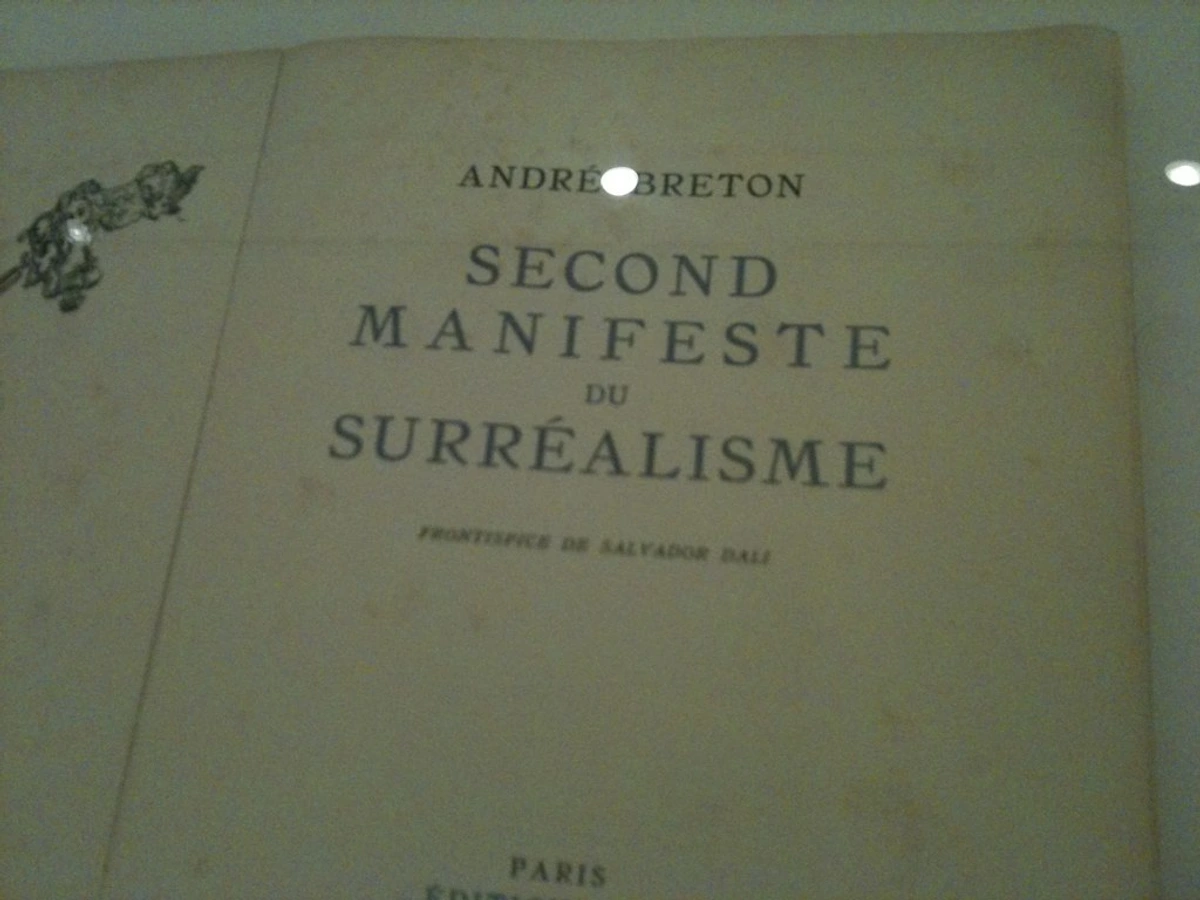
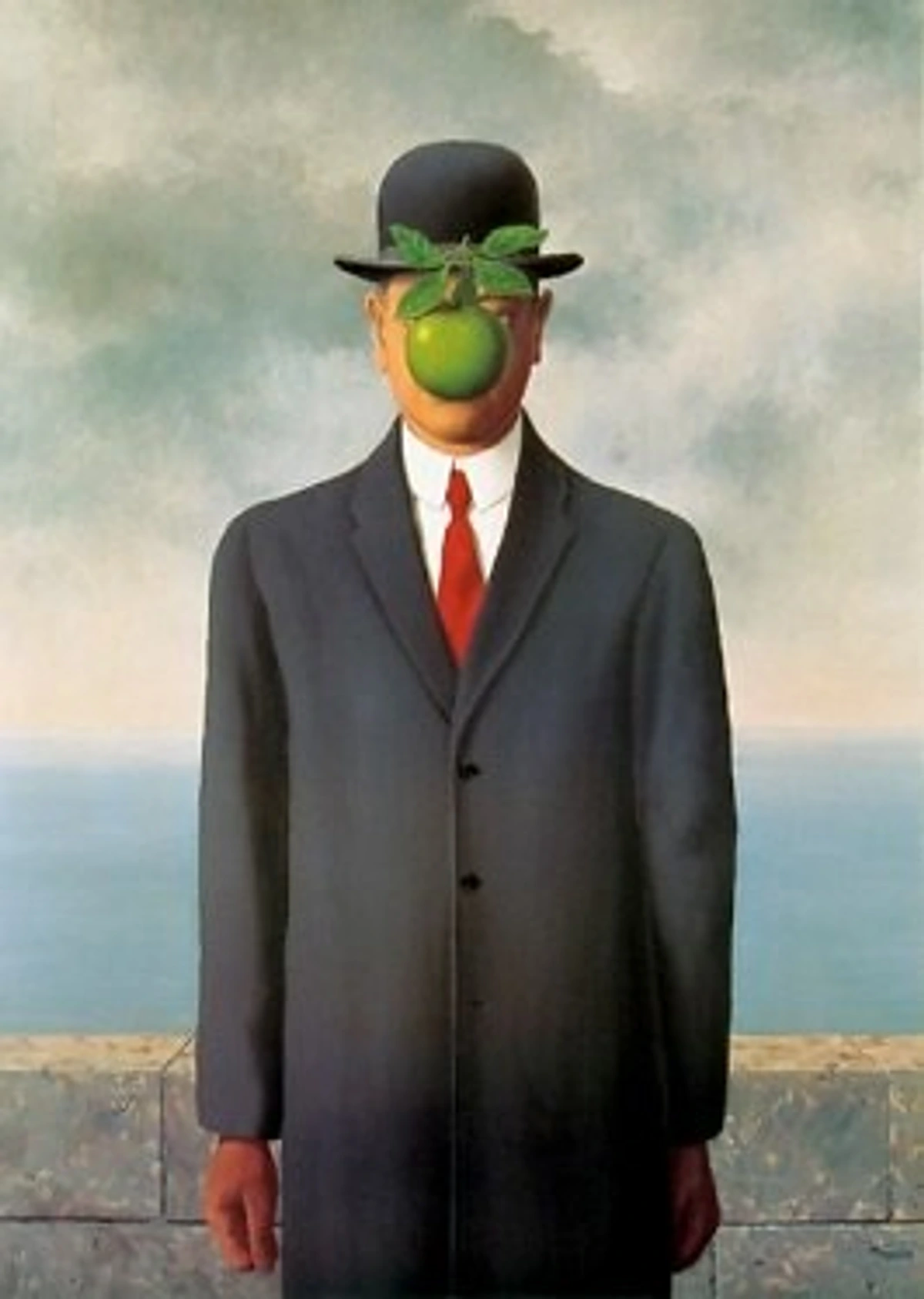
This group, heavily influenced by Breton's seminal "Surrealist Manifesto" (1924) and earlier Romantic-era fascinations with dreams and the irrational, sought to access this subconscious realm primarily through automatism. This core Surrealist concept involved producing art without conscious thought or ego, drawing directly from the deepest, most unfiltered parts of the mind. Imagine it as a form of active dreaming, a visual equivalent to free association in psychoanalysis or stream-of-consciousness writing, where images and ideas flow freely, unhindered by logic or intention. This was a radical departure from traditional, consciously planned art-making. For Ernst, this wasn't just a captivating theory; it was a practical, almost mystical, methodology – a profound way of collaborating with the universe itself to bring forth art. While contemporaries like René Magritte approached Surrealism through witty visual paradoxes and conceptual puzzles, Ernst often delved into raw, tactile processes to surface the unconscious, creating haunting dreamscapes rather than intellectual enigmas.
Freud's seminal ideas, particularly his assertion that dreams offered a "royal road to the unconscious," resonated deeply with Ernst. He viewed his art as a form of visual dream interpretation, where illogical juxtapositions and bizarre figures were never random but rather potent, symbolic expressions of the psyche's inner workings. This vision encompassed visualizing concepts like repression, where hidden desires or traumas stubbornly resurface in distorted, uncanny forms, or the constant, often tumultuous, interplay between the conscious and unconscious mind. He aimed to make the uncanny – that profoundly unsettling sensation of something familiar yet terrifyingly strange – not just present, but palpable in his work. He fearlessly crafted images that felt like half-remembered, deeply disturbing nightmares, using motifs like fragmented bodies, animal-human hybrids, and desolate, petrified landscapes to convey states of fear, desire, and alienation. This unique fusion of personal wartime trauma, cutting-edge Freudian theory, and relentless artistic experimentation truly set him apart, cementing his position as a leading figure among famous surrealist artists.
Ernst's Toolkit of the Strange: Inventing New Realities
This is precisely where Ernst, in my opinion, transcends mere artistry and becomes a true genius – an alchemist of the accidental. He wasn't content with simply illustrating his dreams; he wanted to collaborate with the universe itself to conjure them. Beginning in the early 1920s, he meticulously developed a suite of revolutionary techniques specifically designed to bypass the conscious mind, effectively allowing chance, texture, and pure serendipity to do the talking. His entire approach revolved around automatic creation: producing art without conscious planning, letting it flow directly from the boundless wellspring of the subconscious. This concept utterly fascinated me – the profound idea that an artist could become a privileged spectator to their own creation, a conduit for something far larger than individual will.
His most celebrated inventions were frottage and grattage, but his experimentation was relentless. He was perpetually seeking novel methods to channel the irrational and the serendipitous, continuously striving to coax the unconscious to the surface through deeply tactile processes. These methods also aligned perfectly with the Surrealist fascination with found objects (objets trouvés), transforming everyday detritus and textures into profound sources of artistic inspiration. For Ernst, objets trouvés were not just curiosities; they were catalysts, everyday items imbued with psychological resonance, waiting to be rediscovered and recontextualized to unlock hidden meanings, much like a dream elevates the mundane to the symbolic. He saw in them echoes of childhood memories or fragmented psychological states, making them potent tools for his automatic explorations.
- Frottage (developed 1925): Remember the childhood thrill of placing a piece of paper over a coin or a leaf and rubbing it with a pencil to capture its texture? That, in essence, is frottage. Ernst elevated this simple act into a profound artistic technique. He would apply paper to textured surfaces – floorboards, leaves, string, anything with an interesting tactile quality – and then rub it with a pencil or crayon. The resulting patterns served as a potent springboard for his drawings, allowing him to perceive monsters, dense forests, or entire phantom cities within the seemingly random marks. I imagine him seeing skeletal forms in tree bark or ghostly faces in weathered wood grain, then meticulously elaborating on these subconscious suggestions. It's like allowing the very surface of the world to whisper its secrets directly to your pencil, a true, almost spiritual, collaboration with inanimate objects. The genius here wasn't merely the rubbing, but Ernst's active interpretation and imaginative elaboration of these chance marks, subtly guiding the subconscious output with his singular artistic vision. The emerging patterns, often fragmented or organic, could be interpreted as manifestations of repressed memories or psychological turmoil, directly echoing Freudian concepts. His famous series Histoire Naturelle (1926) is a prime example of frottage at its most imaginative.
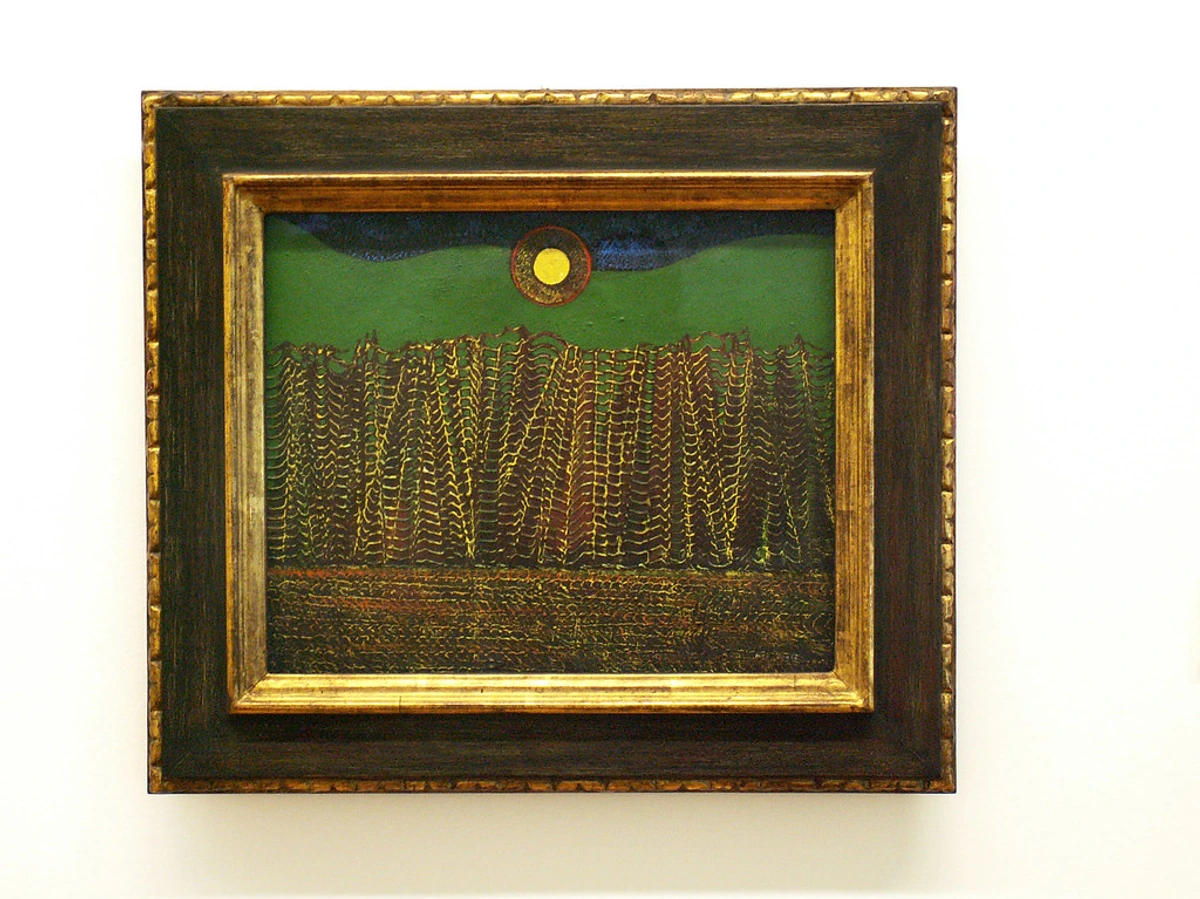
- Grattage (developed late 1920s): This technique applies the same core principle as frottage, but to painting. Ernst would meticulously apply layers of wet paint to a canvas, then lay it over a textured object – perhaps a wire mesh, a piece of deeply grained wood, or even a bundle of string – and then scrape the paint off. The underlying texture of the object would be dramatically revealed through the scraped paint, often creating unexpected, ghostly, and deeply evocative images. These layered textures frequently conjured the impression of ancient ruins, petrified landscapes, or strange geological formations. For example, textured wood might reveal skeletal forms, while a wire mesh could suggest a bombarded city or petrified forests, directly mirroring the war trauma he harbored. The magic truly lies in these "happy accidents," the unforeseen details and specters that emerge from the process, which Ernst would then expertly refine and integrate into his compositions, exercising a masterly form of controlled chance, transforming pure randomness into deliberate artistic narrative. The Horde (1927) is a chilling example.
- Decalcomania (pioneered by Ernst in the late 1930s): This captivating technique involves pressing wet paint between two surfaces – typically paper and glass, or two sheets of paper – and then carefully pulling them apart. The astonishing result is a bizarre, organic, often vein-like, coral-like, or even brain-like pattern, like primordial landscapes emerging from an ethereal mist. Ernst would then use this spontaneously generated texture as a base, finding forms and figures within the random splotches, allowing them to dictate the next stage of his creative process. It's an almost alchemical transformation of pure chance into compelling imagery. I often think of it as controlled chaos, giving birth to profound visual poetry directly from the very act of separation and emergence. This was particularly effective in creating landscapes of decay and transformation, such as in Europe After the Rain II (1940-42).
These weren't just clever artistic tricks or novelties. They were, in essence, profound philosophical tools. Ernst's overarching ambition was to consciously remove his own conscious ego from the creative act, striving to become a mere spectator to the spontaneous birth of an image. He firmly believed that by embracing chance and surrendering conscious control, he could tap into deeper, primal forces and unveil the raw, unfiltered workings of the unconscious mind – much like how psychoanalysis sought to reveal hidden desires and traumas through the careful interpretation of dreams. This ceaseless, fascinating interplay between accident and deliberate artistic intention is what imbues his work with such an enduring, almost hypnotic, allure.
Comparing Ernst's Revolutionary Techniques
Technique  | Primary Medium | Process | Goal | Key Artworks Associated |
|---|---|---|---|---|
| Collage | Paper, diverse found images & materials | Cutting, tearing, and pasting existing images and texts from diverse sources together. | To create jarring, illogical juxtapositions and entirely new, often unsettling, realities from disparate elements, directly challenging conventional perception and meaning. | The Elephant Celebes (1921), Oedipus Rex (1922) |
| Frottage | Drawing (pencil, crayon on paper) | Rubbing a drawing tool over paper placed on a textured surface to capture its pattern. | To reveal latent patterns and inspire new forms from everyday textures, allowing chance marks to guide artistic vision and uncover subconscious imagery, which the artist then interprets and elaborates upon. | Histoire Naturelle (1926) |
| Grattage | Oil painting (on canvas) | Applying layers of wet paint, laying the canvas over textured objects, then scraping paint off. | To create ghostly, layered, and often monstrous images by revealing underlying textures and relying on the element of chance, which are then refined and integrated into complex compositions, blending accident with intention. | The Horde (1927), Forest and Dove (1927) |
| Decalcomania | Wet paint (on paper/glass) | Pressing paint between two non-absorbent surfaces and then pulling them apart, creating random patterns. | To generate complex, organic, and often bizarre or monstrous patterns and textures that spark the imagination and are then integrated into larger compositions, transforming pure chance into compelling visual narratives. | Europe After the Rain II (1940-42) |
Key Works: A Journey Through Ernst's Mind
To truly appreciate the breadth of Max Ernst's vision, we must dive into some of his most iconic creations. His paintings frequently feel like meticulously rendered artifacts from an impossible dimension – visual dream narratives that are both unsettling and profoundly insightful. These works aren't just expressions of his unique vision; they are powerful demonstrations of how he applied his groundbreaking techniques, often weaving in deeply personal experiences and complex Freudian undertones, earning both acclaim and controversy for their radical nature.
- The Elephant Celebes (1921): This seminal work stands as a perfect bridge between his Dadaist disruption and his burgeoning Surrealist exploration. The monstrous, boiler-like creature, with its trunk-like hose, a frilly cuff for a neck, and an unsettlingly detached eye, is a prime example of his illogical juxtapositions. Though painted with oil, its precise construction mimics a collage, directly channeling the trauma and absurdity he experienced during WWI into a compelling Freudian nightmare. The industrial, mechanical quality of the elephant, combined with organic elements, vividly visualizes primal fears, deeply repressed desires, and the grotesque mechanization of the human psyche, truly feeling like an entity ripped directly from a vivid, deeply disturbing dream – a weaponized beast born of the subconscious. The disproportionate scale, the inexplicable presence of the figure, and the disquieting atmosphere all contribute to a profound sense of the uncanny, a hallmark of Ernst’s unflinching confrontation with inner turmoil. Critics at the time were often shocked by its unsettling combination of familiar objects in an alien context.
- Two Children are Threatened by a Nightingale (1924): This iconic work is more than a painting; it's an assemblage. The inclusion of a tiny wooden gate and house physically attached to the canvas adds a jarring, three-dimensional, and profoundly uncanny element to the scene, literally pulling the nightmare into the viewer's physical space. The figures – two children experiencing inexplicable terror from a seemingly innocuous nightingale – are rendered in a dreamlike, almost hallucinatory manner. The title itself, a classic Surrealist move, immediately suggests a hidden, perhaps deeply repressed, narrative, where an innocent symbol of nature becomes a source of profound dread. This could represent the irrational fears of childhood, the vulnerability of innocence, or the subconscious mind's capacity to subvert conventional symbols, turning comfort into terror. It’s a masterful demonstration of how Ernst transformed deeply personal psychological narratives into universal visual puzzles, frequently bewildering its early audiences.
- Ubu Imperator (1923): A bizarre, top-heavy figure, resembling a spinning top or a human-sized chess piece, with human hands and feet, yet rendered with an almost architectural precision. This painting exemplifies Ernst's knack for creating deeply unsettling symbols of authority and the absurd. Is it a child's toy grotesquely inflated? A forgotten idol? A tyrannical potentate? The power of the image lies in its unsettling ambiguity, a visual echo of the confusing and often absurd power structures Ernst witnessed after the war. It could be all three, a deeply disquieting and absurd symbol of post-war power dynamics and societal anxieties. It evokes the strange, persistent feeling of a dream you can't quite remember but also cannot shake, a recurring motif that permeates the subconscious mind. The precise, almost technical rendering of such an inherently absurd subject, infused with a collage-like exactitude, only amplifies its profoundly unsettling quality, unflinchingly questioning the nature of power. Its stark critique of power resonated strongly with many disillusioned by post-war politics.
- Europe After the Rain II (1940-42): Painted while Ernst was a refugee, desperately fleeing Nazi persecution during World War II, this work is hauntingly prescient and deeply personal. Employing decalcomania, he conjured a desolate, apocalyptic landscape that appears to have been bombed, melted, and then grotesquely overgrown with monstrous, coral-like forms and petrified forests. The chance-driven technique of decalcomania perfectly mirrored the subject matter: the organic separation of paint created the very textures of decay, uncontrolled growth, and destruction. The paint textures themselves – rich with coralline growths and petrified, bone-like structures – allowed the medium to speak for the ravages of war, giving form to immense collective trauma. It’s a powerful, visceral vision of a continent devouring itself, a raw expression of the immense trauma of war seeping from the canvas directly into the viewer's mind. For me, this painting speaks volumes about art's unique capacity to process immense collective pain, and it resonates with a chilling, timeless prescience even today. Its powerful imagery made it one of the most poignant artistic statements about World War II.
Loplop, Superior of the Birds: The Artist's Alter Ego
As if his artistic universe wasn't already brimming with enough strange, compelling narratives, Ernst introduced perhaps his most enigmatic creation: Loplop, the Bird Superior. This distinct bird-like figure began to appear in his work from the late 1920s onwards, often taking on various roles – a silent presenter, a cryptic narrator, a muse, or even the primary subject within a piece. This was far from a mere whimsical branding exercise; for Ernst, Loplop was profoundly personal, deeply rooted in a significant childhood trauma. He recounted that his cherished pet bird died the very day his sister was born, an event that created a lifelong, deeply ingrained confusion in his mind, blurring the boundaries between birds and humans. This deeply personal experience was a classic example of repression and symbolic transference from his subconscious, a wound he unflinchingly explored through his art.
This classic Surrealist fusion of deeply personal trauma and nascent mythology transformed a singular, intimate experience into a resonant, universal symbol. It perfectly embodies the Surrealist aim of excavating the subconscious not just for individual truths, but for archetypal patterns that speak to the collective human experience. Loplop, as Ernst's artistic alter ego, became a conduit for his creative process, a guiding spirit that helped him navigate and give form to his complex inner world. I find it fascinating how a personal wound can be alchemized into such a potent, guiding artistic force. When you encounter Loplop, you're not just seeing a bird; you're seeing a direct manifestation of Ernst's innermost psychological landscape.
Loplop evolved into Ernst's principal means of exploring his own multifaceted identity as an artist. This enigmatic avian figure served as a presenter of visions, a liminal creature capable of traversing the fragile boundary between the tangible waking world and the fluid, boundless world of dreams. Loplop became his personal totem, a visual manifestation of his complex inner world and his overarching artistic mission – an enigmatic guide to the intricate labyrinth of the subconscious. He even dedicated entire series of collages and paintings to Loplop, where the bird-figure would physically "present" other artworks, almost as if Loplop himself were the ultimate Surrealist curator, guiding the viewer through Ernst's mind, particularly in works like "Loplop Introduces" (1930) or "Loplop Introduces a Young Girl" (1930).
The American Years and Later Life (1941-1976)
Max Ernst’s life, much like his art, was a tumultuous tapestry woven with dramatic shifts and relentless innovation. Forced to flee war-torn Europe during World War II, escaping the harrowing specter of Nazi persecution, he found crucial refuge in the United States in 1941. This period proved profoundly impactful, not only on his personal work but also on the burgeoning American art scene. In New York, he married the formidable art collector Peggy Guggenheim, who founded the hugely influential 'Art of This Century' gallery, a pivotal space for European avant-garde and emerging American artists. He later married Dorothea Tanning, herself a significant Surrealist artist and collaborator, and they eventually settled in Sedona, Arizona.
His years in America, particularly in the stark, mystical landscapes of the American Southwest, saw a subtle shift in his work. He began to incorporate more organic, desert-inspired forms and even elements of Native American imagery into his Surrealist visions, creating a unique blend of European sensibility and American landscape. His radical experimental approach, especially his automatist techniques like frottage and decalcomania, exerted a direct, albeit often subtly acknowledged, influence on many American abstract artists who were desperately seeking to break free from traditional European artistic paradigms. Figures like Jackson Pollock found resonance in Ernst’s methods of relinquishing conscious control; his drip technique and "all-over" compositions are often seen as direct descendants of Ernst's process-oriented automatism and embrace of chance, allowing the material itself to dictate form rather than a pre-conceived image. Robert Motherwell, another key Abstract Expressionist, also acknowledged Ernst's profound impact on his own development, particularly in freeing the hand and allowing material to speak through textured surfaces and spontaneous gestures. Ernst literally brought the cutting-edge European avant-garde directly to American soil, catalyzing a new artistic era.
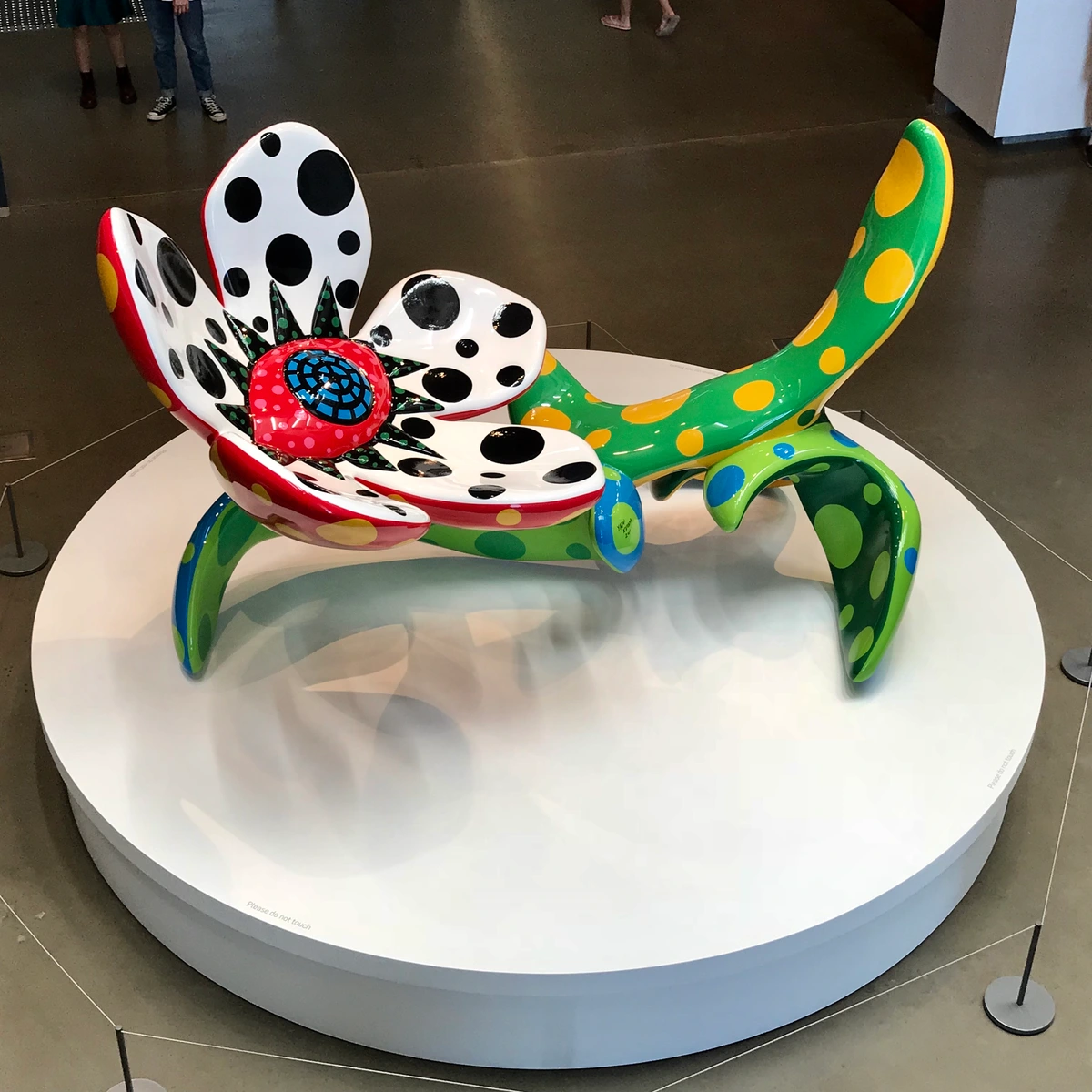
After the war, with the turmoil subsiding, he returned to France in 1953, continuing to push artistic boundaries and explore new techniques with undiminished vigor. His later work saw him integrate sculpture more prominently into his oeuvre, creating monumental pieces that often utilized his characteristic Surrealist forms in three dimensions, extending the principles of assemblage into grander scale. He consistently demonstrated his boundless creative energy and intellectual curiosity until his death in 1976. Critics often lauded his relentless innovation, though some found his later works less politically charged than his early Dadaist output. He remained a restless innovator and a true pioneer until the very end, never content to simply repeat himself, always seeking new pathways for the unconscious to manifest.
The Enduring Legacy: Why Max Ernst Still Matters
So, what’s the ultimate takeaway from Max Ernst's extraordinary journey through the art world? For me, Max Ernst gave artists an invaluable gift: permission. He granted them permission to be gloriously irrational, to embrace the grotesque, to seek out profound art in the humble grain of a wooden floor, and to discover beauty in the utterly unexpected. He powerfully demonstrated that the artist's hand didn't always have to be in total, conscious control. By inventing and pioneering techniques that fundamentally embraced chance and the potent forces of the subconscious, he flung open a whole new universe of possibilities for artistic expression. He taught us, quite profoundly, that chaos isn't merely something to be endured, but something that can be actively harnessed and channeled creatively. He transformed the unpredictable into a most powerful paintbrush.
You can draw a clear, albeit delightfully wobbly, line from his automatic methods directly to the drip paintings of Jackson Pollock and the broader explorations of Abstract Expressionism. His influence ripples through any artistic practice where an artist seeks to "get out of their own way" and allow the materials, the process, or pure chance to speak for themselves, whether through complex chance operations, raw automatism, or a deliberate, almost spiritual, surrender of conscious control. Beyond Abstract Expressionism, Ernst’s methodologies resonated deeply with subsequent movements such as Neo-Dada, which shared his rebellious spirit and experimental chance operations; Pop Art's sophisticated use of collage and appropriation, directly echoing his transformation of mass media imagery into new, unsettling narratives; and even aspects of conceptual art that prioritize process and idea over finished product, aligning with his focus on the generative nature of his techniques. His groundbreaking use of montage and innovative textures even left a mark on graphic design and illustration. He was a true pioneer, demonstrating that the deepest, most authentic truths often emerge not from rigid logic but from the wild, untamed, and profoundly fertile territories of the mind – a concept that continues to be rigorously explored in contemporary art and scholarship. He didn't just participate; he fundamentally changed the game.

Ernst was, without doubt, one of the most inventive and influential famous surrealist artists of the 20th century. Engaging with his work is truly like eavesdropping on a vivid, unsettling dream – it rarely makes perfect sense, but you simply cannot – and honestly, shouldn’t – look away. It challenges you to embrace mystery, to find your own profound meaning in the beautiful, deliberate chaos he so masterfully conjured. And that, I firmly believe, is a powerful form of permission we all still desperately need, whether we're creating art, navigating life's relentless absurdities, or simply striving to understand ourselves better. It’s a testament to the unyielding power of the subconscious, a lesson I carry into my own art every single day, hoping to inspire you to fearlessly explore your own inner landscapes. Perhaps you'll find a piece that sparks your imagination at the buy section or explore my journey on the timeline.
While the art world continues to evolve, the material presence, texture, and unique story of creation inherent in Ernst's hands-on, process-driven works stand in stark contrast to the often ephemeral and purely digital nature of assets like NFTs. When considering such digital art or prints, always ensure you understand the terms of digital ownership and their long-term value. This discernment is crucial in an increasingly virtual landscape, especially when comparing it to the tangible, physical legacy of artists like Ernst.


Frequently Asked Questions (FAQ)
Was Max Ernst a Dadaist or a Surrealist?
He was both, emphatically so! Ernst began as a key, active figure in the Cologne Dada group after World War I (around 1919), passionately embracing its anti-art and nonsensical spirit as a radical rejection of the 'rational' world that had led to such immense devastation. He subsequently moved to Paris in 1922 and swiftly became a foundational member of the Surrealist movement, officially established in 1924. Here, he continued to apply and further develop his experimental, automatic techniques to deeply explore the subconscious, a core tenet of Surrealism. He masterfully bridged the dynamic transition between these two revolutionary movements, carrying Dada's rebellious, experimental, and disruptive spirit into Surrealism's deeper, more analytical exploration of dreams and the psyche.
How did Max Ernst's wartime experiences directly shape his artistic output?
Max Ernst's direct experience as a conscripted soldier in World War I profoundly transformed his worldview and, consequently, his art. The unimaginable horrors and the perceived irrationality of the conflict shattered his faith in traditional societal structures and conventional logic. This disillusionment fueled his involvement in the Dada movement, a radical anti-art protest against the very 'rationality' that led to the war. His art subsequently became a vehicle to explore the grotesque, the absurd, and the deeply unsettling aspects of the human psyche, directly reflecting the trauma of war through illogical juxtapositions, monstrous figures, and devastated landscapes. Works like "The Elephant Celebes" and "Europe After the Rain II" vividly illustrate this direct connection, embodying the chaos and devastation he witnessed and felt, transforming personal suffering into powerful, universal artistic statements.
What was Max Ernst most known for?
Max Ernst is most renowned for his pivotal role as a pioneering figure in both the Dada and Surrealist art movements. He is particularly celebrated for inventing or pioneering several automatic art techniques – notably frottage (pencil rubbing, 1925), grattage (paint scraping, late 1920s), and decalcomania (paint transfer, late 1930s). These methods were ingeniously designed to bypass the conscious mind, tap directly into the subconscious, and create unique textures and dreamscapes. His body of work consistently features unsettling juxtapositions, fantastical creatures, and profound psychological explorations.
What are the main characteristics of Max Ernst's art?
His art is distinctly characterized by its dreamlike, bizarre, and often deeply unsettling imagery that consciously defies rational explanation. Key features typically include:
- Illogical Juxtapositions: Especially prominent in his collages and early paintings like "The Elephant Celebes," where disparate, often incongruous, objects are combined to forge new, absurd, yet compelling realities.
- Monstrous and Fantastical Creatures: These often emerge organically from his automatic techniques or are central figures in his elaborate visual dream narratives.
- Haunted or Devastated Landscapes: Evident in powerful works like "Europe After the Rain II," starkly reflecting his personal wartime trauma and broader societal anxieties.
- Recurring Bird-like Alter Ego (Loplop): A deeply personal and symbolic figure appearing from the late 1920s onwards, often acting as a narrator, muse, or presenter within his compositions.
- Exploration of Psychological Themes: Profoundly influenced by Freudian concepts of the unconscious, dreams, and repression, these themes are vividly visualized through rich symbolic imagery.
Ultimately, Ernst's work consistently aims to evoke the uncanny – that potent, unsettling sensation of encountering something familiar yet profoundly strange – and frequently blurs the critical line between the natural and the mechanical, the interior and the exterior.
What is frottage in art?
Frottage is a groundbreaking Surrealist technique developed by Max Ernst in 1925. It involves placing a piece of paper over a textured surface (such as wood grain, fabric, or leaves) and then rubbing it with a pencil or crayon. The resulting textured image, generated by chance, is then used as a foundational base for a more complex artwork, allowing pure chance and the artist's subconscious to guide the initial creative impulse. Ernst would then actively interpret and imaginatively elaborate upon these chance marks, transforming them into fantastical landscapes, figures, or entire scenes. It’s a powerful method to find unexpected forms and inspiration in everyday textures, effectively minimizing the artist's conscious ego from the initial act while still allowing for profound artistic guidance and interpretation. His series Histoire Naturelle (1926) is a renowned example of this technique.
Who was Loplop?
Loplop, also known as the Bird Superior, was Max Ernst's artistic alter ego and a recurring, enigmatic motif that began appearing in his work from the late 1920s onwards. This distinctive bird-like figure often functions as a narrator, a presenter of other images within his compositions, or as a direct stand-in for the artist himself. Its origin is deeply personal, stemming from a vivid childhood memory linking the death of his beloved pet bird to the birth of his sister – a profound trauma that instilled a lifelong confusion in his mind, blurring the distinctions between birds and humans. This intensely personal trauma was transmuted into a powerful, recurring mythological symbol in his art, serving as a profound visual representation of his creative identity and his artistic mission to fearlessly navigate the complex subconscious realm. He even dedicated entire series of collages to Loplop, showcasing its importance to his artistic narrative.
What are some common interpretations of Loplop?
Common interpretations of Loplop often view the figure as:
- An Alter Ego: A direct representation of Ernst himself, allowing him to explore his own multifaceted identity and subconscious desires through a symbolic proxy.
- A Guide or Initiator: Loplop frequently introduces other artworks or scenes, acting as a curator or a guide for the viewer into Ernst's inner world or the surreal realm.
- A Symbol of Childhood Trauma: Rooted in the personal tragedy of his pet bird's death, Loplop represents the lasting impact of early experiences and the subconscious mind's way of processing them through symbolic imagery.
- A Mediator: Bridging the conscious and unconscious, the rational and irrational, Loplop embodies the liminal spaces that Ernst continually explored in his art.
- A Universal Archetype: Beyond personal symbolism, Loplop can be seen as an archetypal trickster figure or a harbinger of the subconscious, speaking to broader human experiences of memory, fear, and desire.
Can Max Ernst's techniques be replicated by contemporary artists today?
Absolutely! Max Ernst's groundbreaking automatic techniques – frottage, grattage, and decalcomania – are highly accessible and continue to be replicated and adapted by contemporary artists, students, and enthusiasts worldwide. They offer a unique pathway to bypass conscious control, explore textures, and discover unexpected forms, making them excellent starting points for creative experimentation. While the psychological depth of Ernst's work is unique to his experience, the methods themselves are foundational to process-driven art and can inspire new generations to tap into their own subconscious and find art in the serendipitous and accidental. I encourage anyone to try them – you might be surprised by what emerges!
How did psychoanalysis influence Max Ernst?
Max Ernst was profoundly influenced by Sigmund Freud's seminal psychoanalytic theories, particularly concepts surrounding the unconscious mind, the interpretive power of dreams, and the mechanisms of repression. He firmly believed that art could serve as a direct pathway to access these hidden psychological realms, much like Freud posited dream interpretation could. His revolutionary automatic techniques (frottage, grattage, decalcomania) were specifically conceived to bypass conscious control, thereby allowing images and ideas to emerge directly and unfiltered from his subconscious. This approach directly mirrored Freudian ideas about the raw, untamed expression of inner desires, fears, and traumas. His works consistently feature symbolic, often unsettling, dreamlike imagery and bizarre juxtapositions that vividly mirror the complex narratives of the psyche, unequivocally revealing the artist's deep-seated attempt to visualize and explore internal psychological states on canvas. He essentially transformed the canvas into a vast space for psycho-visual exploration.
What are some of Max Ernst's most famous quotes?
Max Ernst was known for his witty, often profound, and sometimes defiant remarks that encapsulated his artistic philosophy. Here are a few notable quotes:
- "Painting is not for me a purely aesthetic exercise: it is a magical act of liberation, a means of penetrating the wall of appearances."
- "Collage is the noble conquest of the irrational, the coupling of two realities, irreconcilable in appearance, upon a plane which apparently does not suit them."
- "The mind, in its search for meaning and the unknown, constantly tries to establish new relationships between things."
- "Art has nothing to do with taste. It is not there to be tasted. It is there to be recognized."
- "Dada was not a movement, it was an explosion."
These quotes offer direct insight into his views on art as a tool for psychological exploration, a challenge to rational thought, and a transformative force.