
What is Ancient Greek Art? A Journey Through Time and Aesthetics
Explore the origins, evolution, and enduring influence of Ancient Greek art. Discover how its principles shape modern aesthetics and creativity.

What is Ancient Greek Art? A Journey Through Time and Aesthetics
Ancient Greek art is a cornerstone of Western aesthetics, embodying the ideals of beauty, harmony, and proportion. From the towering columns of the Parthenon to the delicate brushstrokes on a vase, Greek art has shaped the way we perceive creativity and aesthetics. This article explores the origins, characteristics, and enduring influence of Ancient Greek art, offering a comprehensive guide to its historical development and cultural significance.
Ancient Greek art is a cornerstone of Western aesthetics, embodying the ideals of beauty, harmony, and proportion. From the towering columns of the Parthenon to the delicate brushstrokes on a vase, Greek art has shaped the way we perceive creativity and aesthetics. This article explores the origins, characteristics, and enduring influence of Ancient Greek art, offering a comprehensive guide to its historical development and cultural significance.
I remember the first time I stood in front of a Greek statue. It was a marble figure of Apollo, and I was struck by how alive it seemed—how the artist had captured not just the form, but the essence of movement and grace. That moment made me wonder: what is it about Ancient Greek art that still captivates us today?
Perhaps it is the way Greek art transcends time, speaking to universal human experiences and ideals. The Greeks sought to capture the essence of beauty, not just in form but in spirit, and their works continue to resonate with us because they reflect our own aspirations and emotions.
Ancient Greek art is not just a relic of the past; it is a living testament to the human spirit's quest for beauty, meaning, and perfection. From the towering columns of the Parthenon to the delicate brushstrokes on a vase, Greek art has shaped the way we perceive aesthetics and creativity. But what makes it so enduring? Let's embark on a journey through time and aesthetics to uncover the secrets of Ancient Greek art.
To truly appreciate Greek art, we must understand its historical context and the cultural values it represents. The Greeks believed that art was not merely decorative but a reflection of the divine and the human experience. This belief is evident in their sculptures, pottery, and architecture, which continue to inspire awe and admiration.
Why Ancient Greek Art Matters Today
Ancient Greek art is more than just a historical curiosity; it is the foundation of Western aesthetics. Its principles of harmony, balance, and proportion continue to influence modern art, architecture, and design. Understanding Greek art is essential for anyone interested in the evolution of human creativity and the enduring quest for beauty.
The Influence on Modern Aesthetics
The principles of Greek art have permeated modern aesthetics in countless ways. From the neoclassical architecture of government buildings to the proportions used in contemporary design, the legacy of Greek art is everywhere. Artists and designers continue to draw inspiration from Greek ideals, creating works that resonate with audiences across cultures and generations.
Ancient Greek art is more than just a historical curiosity; it is the foundation of Western aesthetics. Its principles of harmony, balance, and proportion continue to influence modern art, architecture, and design. Understanding Greek art is essential for anyone interested in the evolution of human creativity and the enduring quest for beauty.
The Origins of Ancient Greek Art
Ancient Greek art didn’t just appear out of nowhere. It evolved over centuries, influenced by earlier civilizations like the Egyptians and Mesopotamians. But the Greeks took these influences and made them their own, creating something entirely new.
The roots of Greek art can be traced back to the Cycladic and Minoan civilizations, which flourished in the Aegean region. These early cultures laid the groundwork for the artistic traditions that would later define Ancient Greece. The Greeks absorbed and adapted elements from these civilizations, infusing them with their own unique vision and creativity.
The Influence of Earlier Civilizations
The Egyptians and Mesopotamians were masters of monumental architecture and intricate carvings. The Greeks admired their techniques but sought to refine them, focusing on humanism and naturalism. This shift marked the beginning of a new era in art, where the human form and experience took center stage.
The Role of Mythology
Mythology played a crucial role in shaping Ancient Greek art. The gods and heroes of Greek myths were not just subjects for art; they were embodiments of ideals and values. Artists used these figures to explore themes of heroism, beauty, and the human condition, creating works that resonated deeply with their audience.

Key Periods in Ancient Greek Art
Ancient Greek art can be divided into several key periods, each with its own distinct characteristics and contributions to the evolution of Greek aesthetics.
Period  | Time Frame | Characteristics | Notable Works |
|---|---|---|---|
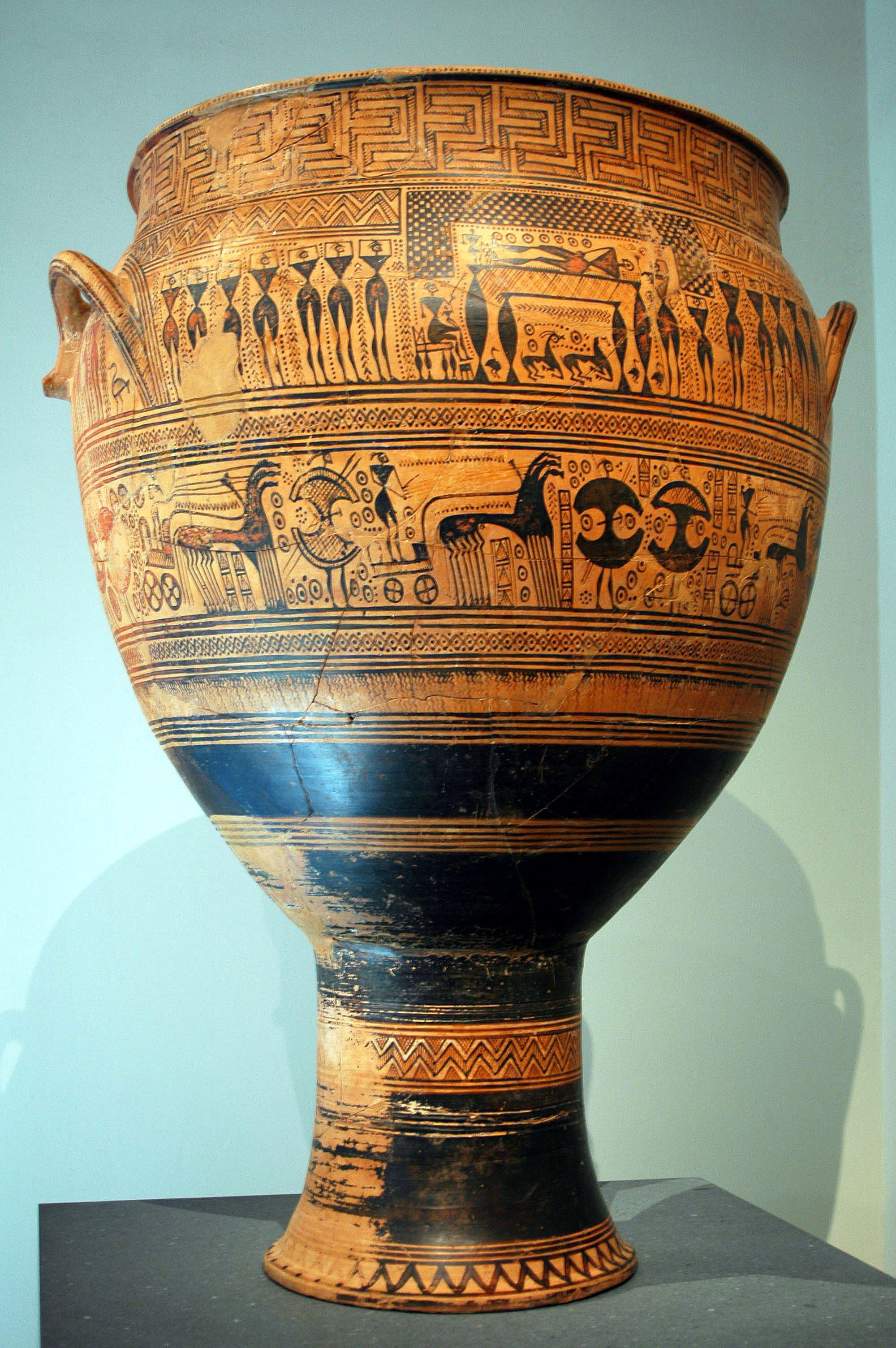
| Geometric | 900-700 BCE | Simple shapes, geometric patterns | Amphorae with linear designs |
| Archaic | 700-480 BCE | More natural forms, stiff poses | Kouros and Kore statues |
| Classical | 480-323 BCE | Idealized beauty, harmony, balance | Parthenon, Doryphoros |
| Hellenistic | 323-31 BCE | Emotional intensity, realism | Venus de Milo, Laocoön |
Each of these periods reflects the cultural, political, and social changes that shaped Ancient Greece. From the rigid forms of the Geometric period to the emotional depth of the Hellenistic era, Greek art evolved in response to the world around it.
The Geometric Period: A Foundation
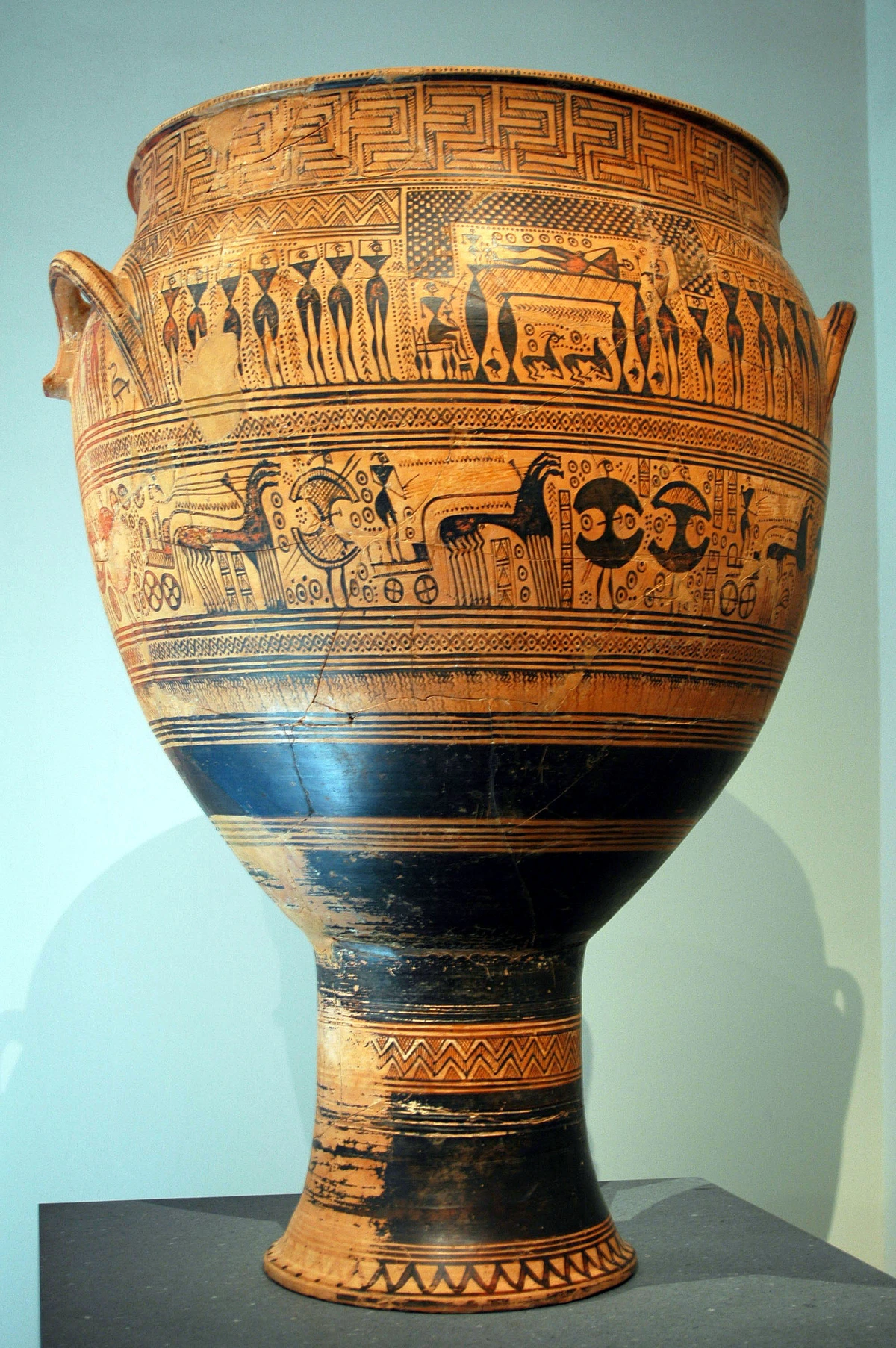
The Geometric period marked the beginning of Greek art as we know it. Artists focused on abstract designs and geometric patterns, often depicting scenes of warfare and daily life. This period laid the foundation for the more naturalistic styles that would follow.

The Archaic Period: The Dawn of Naturalism
The Archaic period saw the emergence of more lifelike representations of the human form. Sculptures from this era, such as the Kouros and Kore statues, exhibit a blend of Egyptian rigidity and Greek innovation. The famous "Archaic Smile" is a hallmark of this period, reflecting the Greeks' growing confidence in their artistic abilities.

The Classical Period: The Pinnacle of Perfection
The Classical period is often considered the golden age of Greek art. Artists like Phidias and Polykleitos sought to capture the idealized human form, emphasizing symmetry, proportion, and balance. The Parthenon, with its intricate sculptures and architectural brilliance, stands as a testament to the Greeks' pursuit of perfection.
The Hellenistic Period: Emotion and Realism
The Hellenistic period brought a shift towards emotional intensity and realism. Artists explored themes of drama, suffering, and triumph, creating works that resonated with the human experience. The Venus de Milo and the Laocoön group are iconic examples of this period's focus on realism and emotional depth.
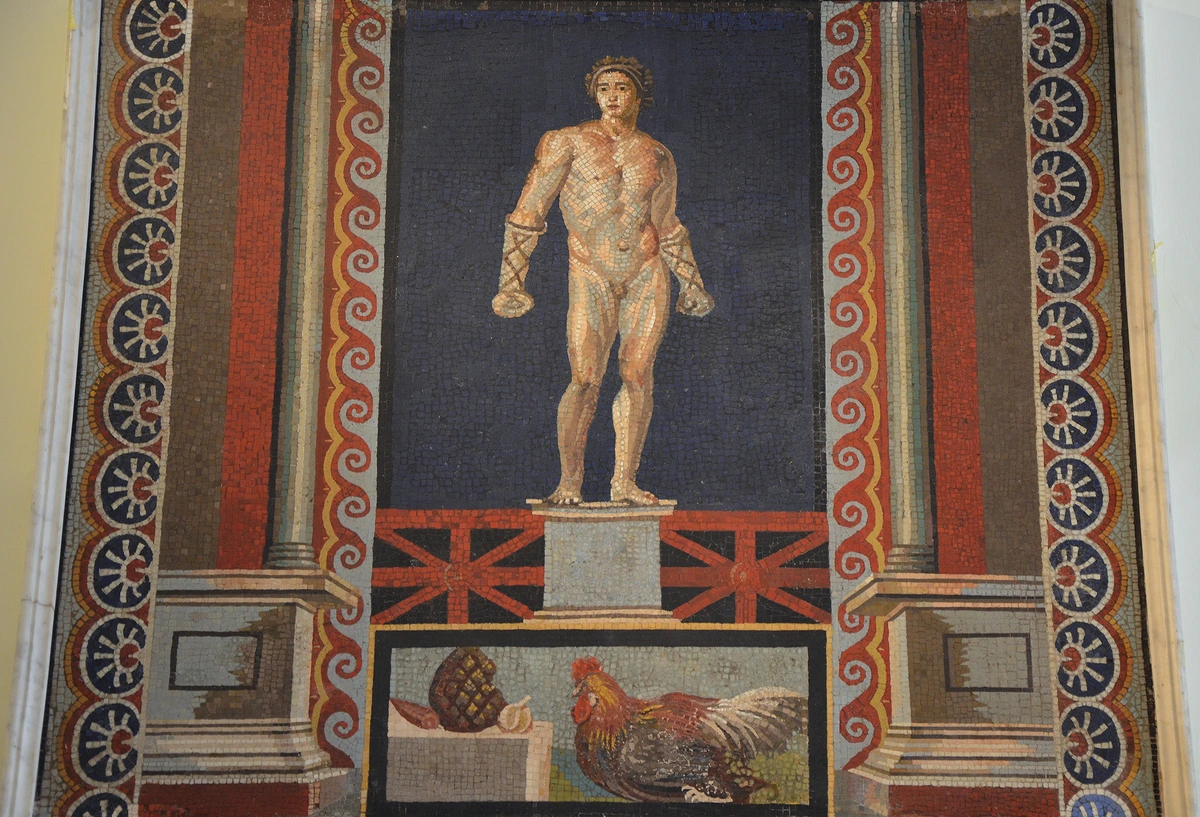
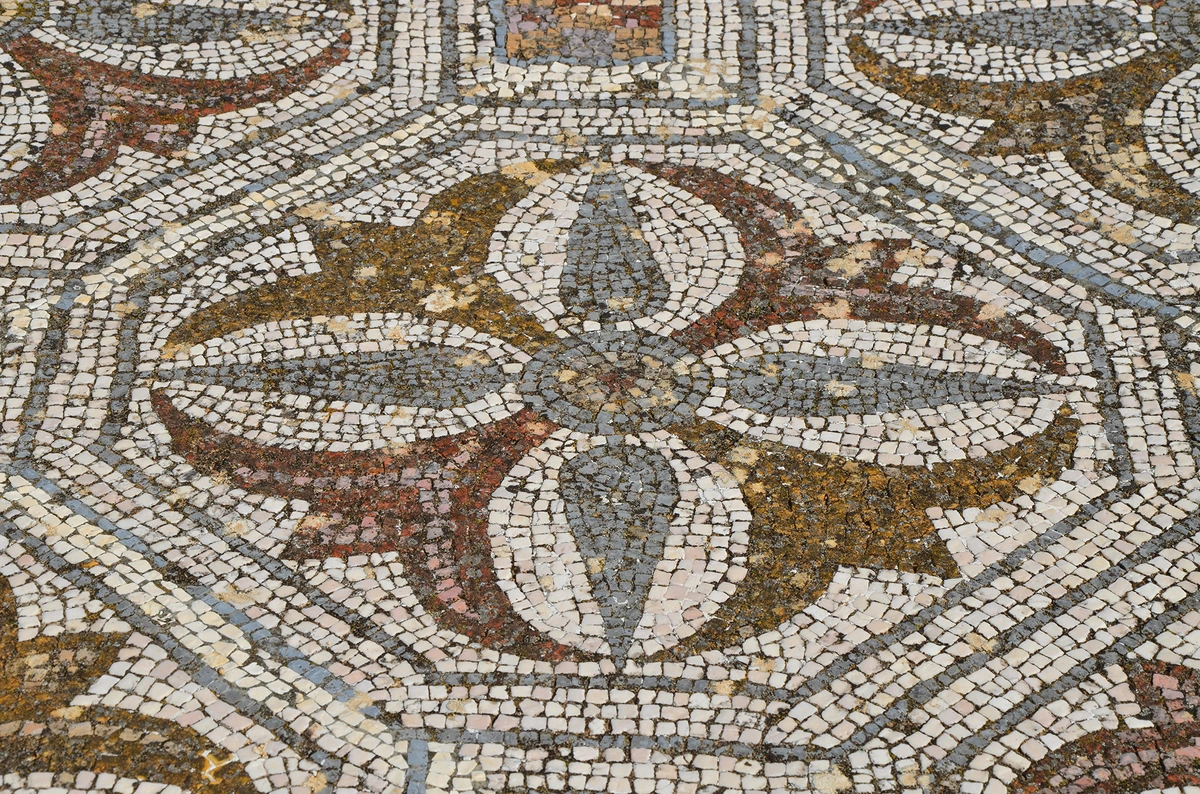
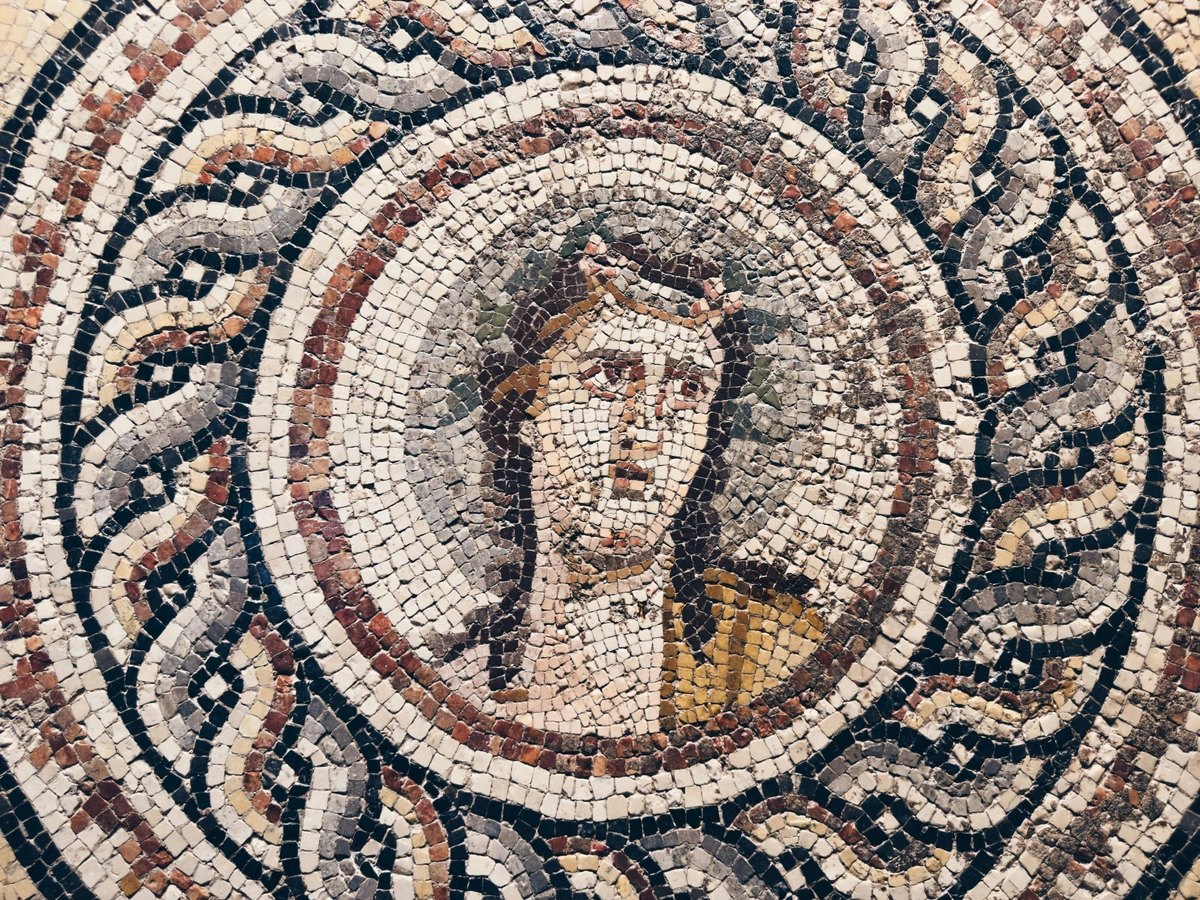

This mosaic is a stunning example of the intricate craftsmanship and attention to detail that characterized Ancient Greek art. It reflects the Greeks' fascination with the human form and their ability to capture movement and emotion in their work.
The Characteristics of Ancient Greek Art
Ancient Greek art is renowned for its emphasis on harmony, balance, and the pursuit of beauty. These principles are evident in the various forms of Greek art, from sculpture and pottery to architecture.
The Pursuit of Ideal Beauty
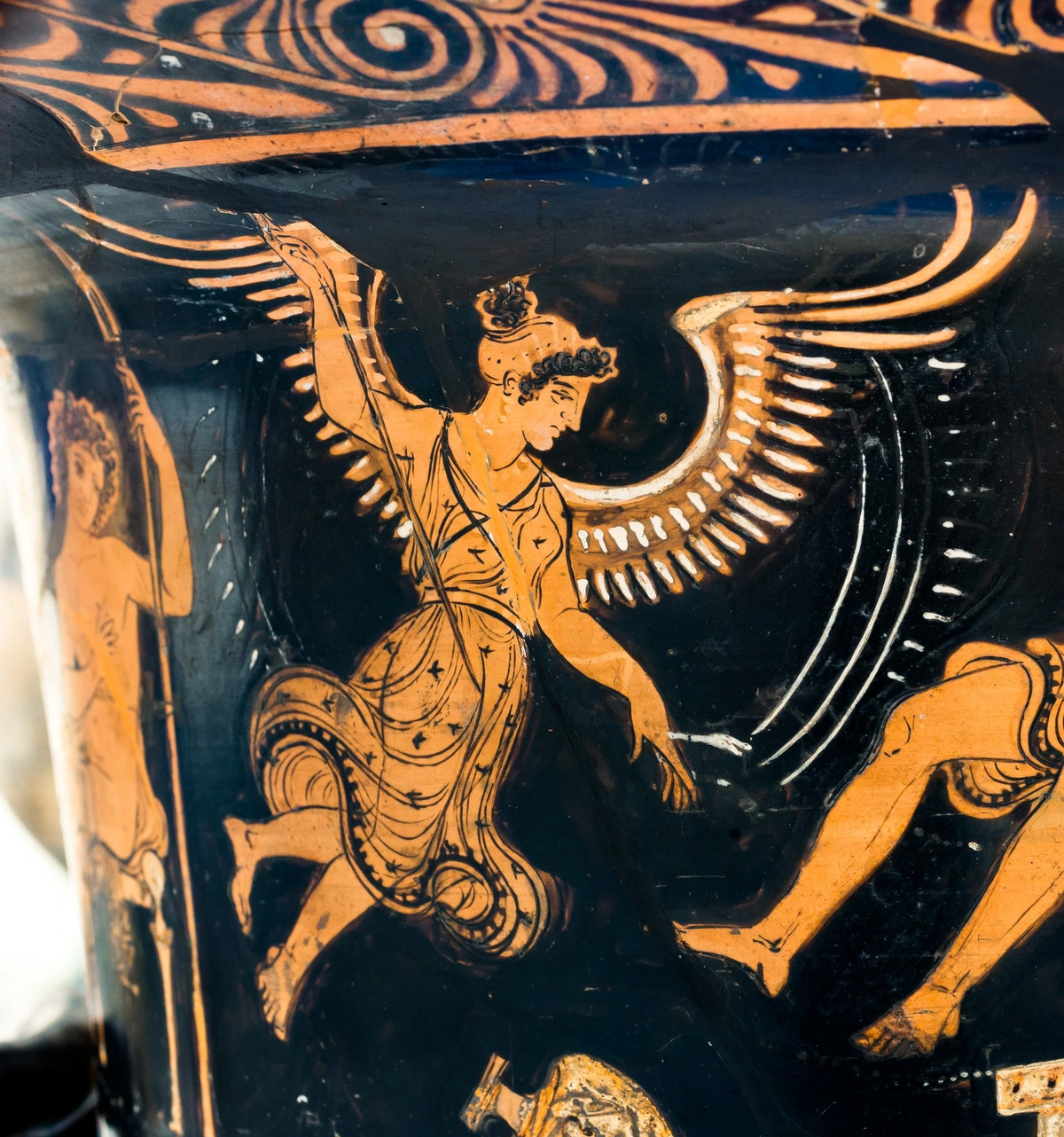
Greek artists were obsessed with capturing the idealized human form. They believed that beauty was a reflection of divine perfection, and their works sought to embody this ideal. This pursuit of beauty was not just about aesthetics; it was a philosophical and spiritual endeavor.
The Role of Symmetry and Proportion
Symmetry and proportion were central to Greek art. Artists used mathematical principles to create works that were visually harmonious and balanced. This focus on proportion extended beyond art to architecture, where the Greeks developed the golden ratio, a principle that continues to influence design today.
The Importance of Narrative
Greek art was deeply narrative. Whether through sculpture, pottery, or architecture, artists told stories of gods, heroes, and everyday life. These narratives were not just decorative; they were a means of preserving history, culture, and values for future generations.
Sculpture: The Pursuit of Perfection
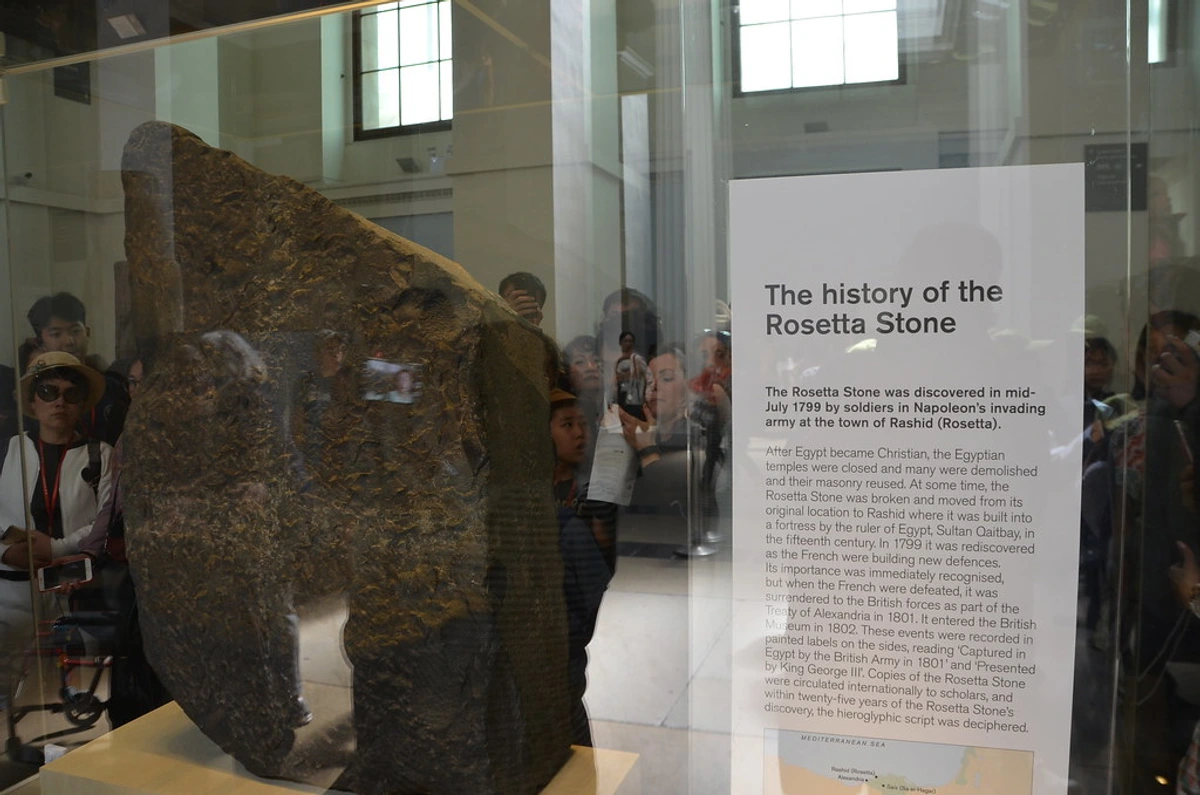
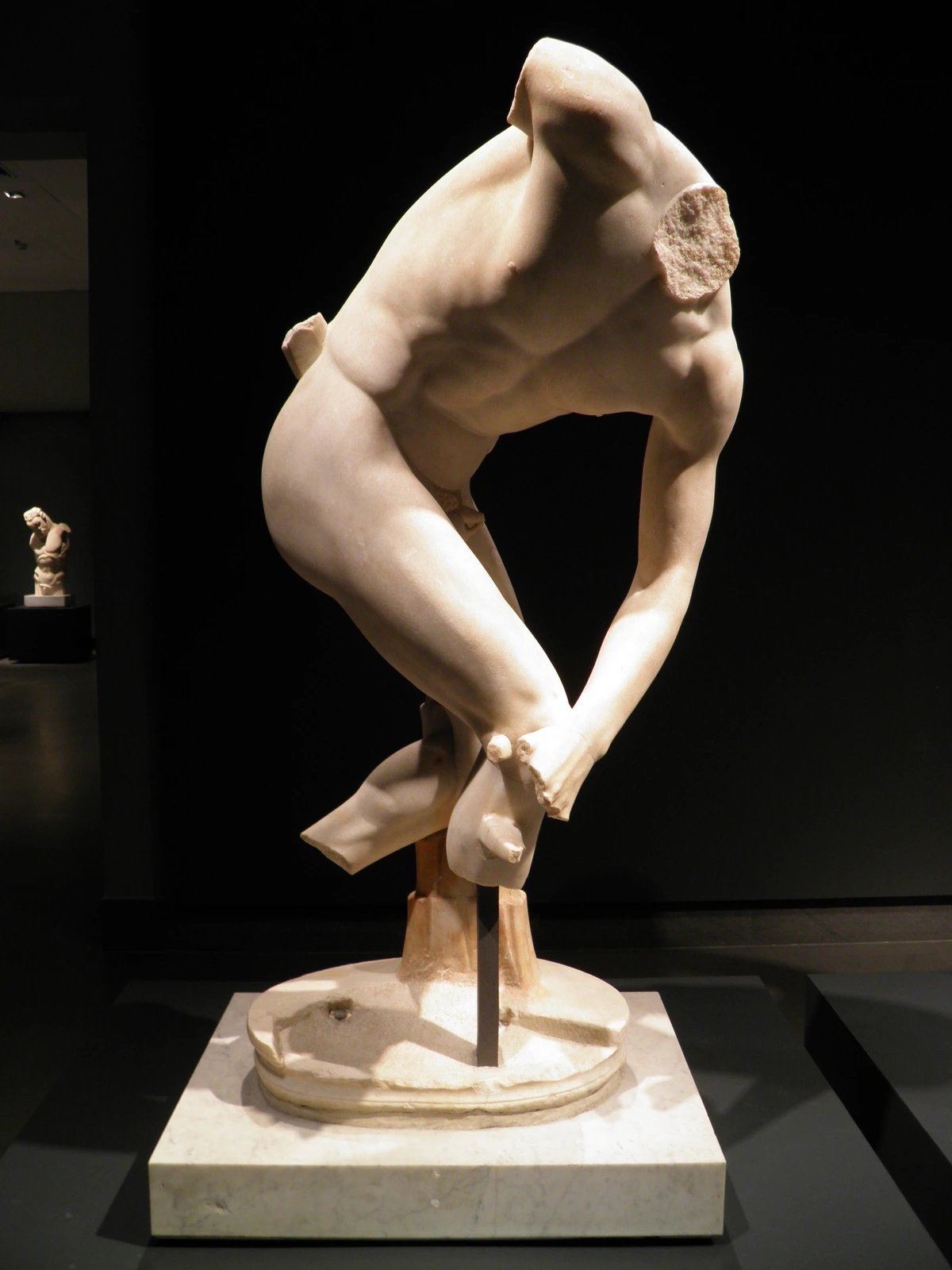
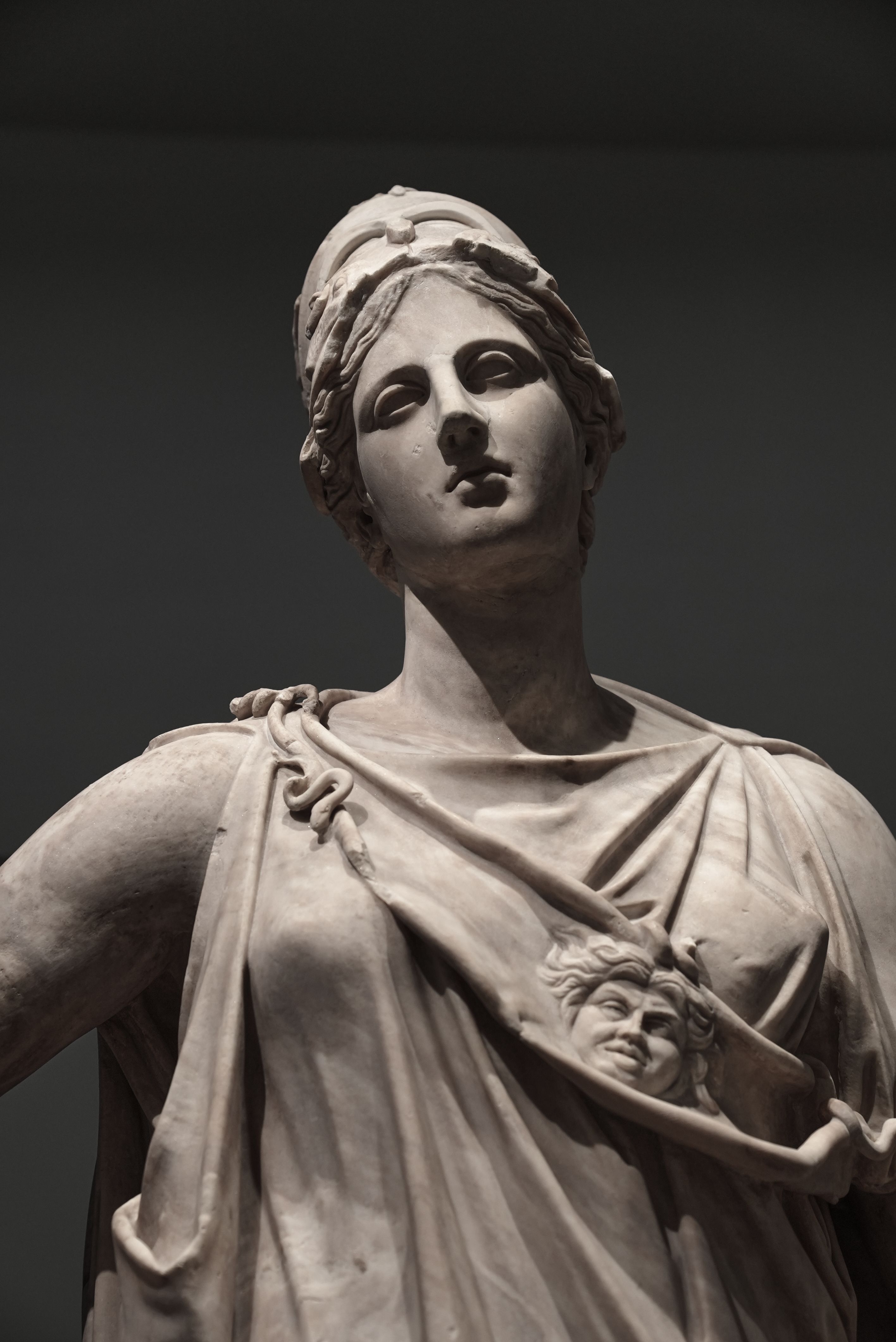
Ancient Greek sculptors were obsessed with the human form. They sought to capture the idealized version of the human body, emphasizing symmetry, proportion, and balance. The famous statue of Doryphoros by Polykleitos is a perfect example of this pursuit of perfection.
Greek sculptors believed that the human body was a reflection of the divine, and they strove to create works that embodied this ideal. Their sculptures were not just representations of the physical form but also expressions of the human spirit and its connection to the gods.
Techniques and Materials
Greek sculptors used a variety of materials, including marble, bronze, and terracotta. Each material had its own unique properties, allowing artists to achieve different effects. Marble, for example, was prized for its durability and the way it captured light, while bronze allowed for intricate detailing and a lifelike finish.
The Evolution of Sculpture
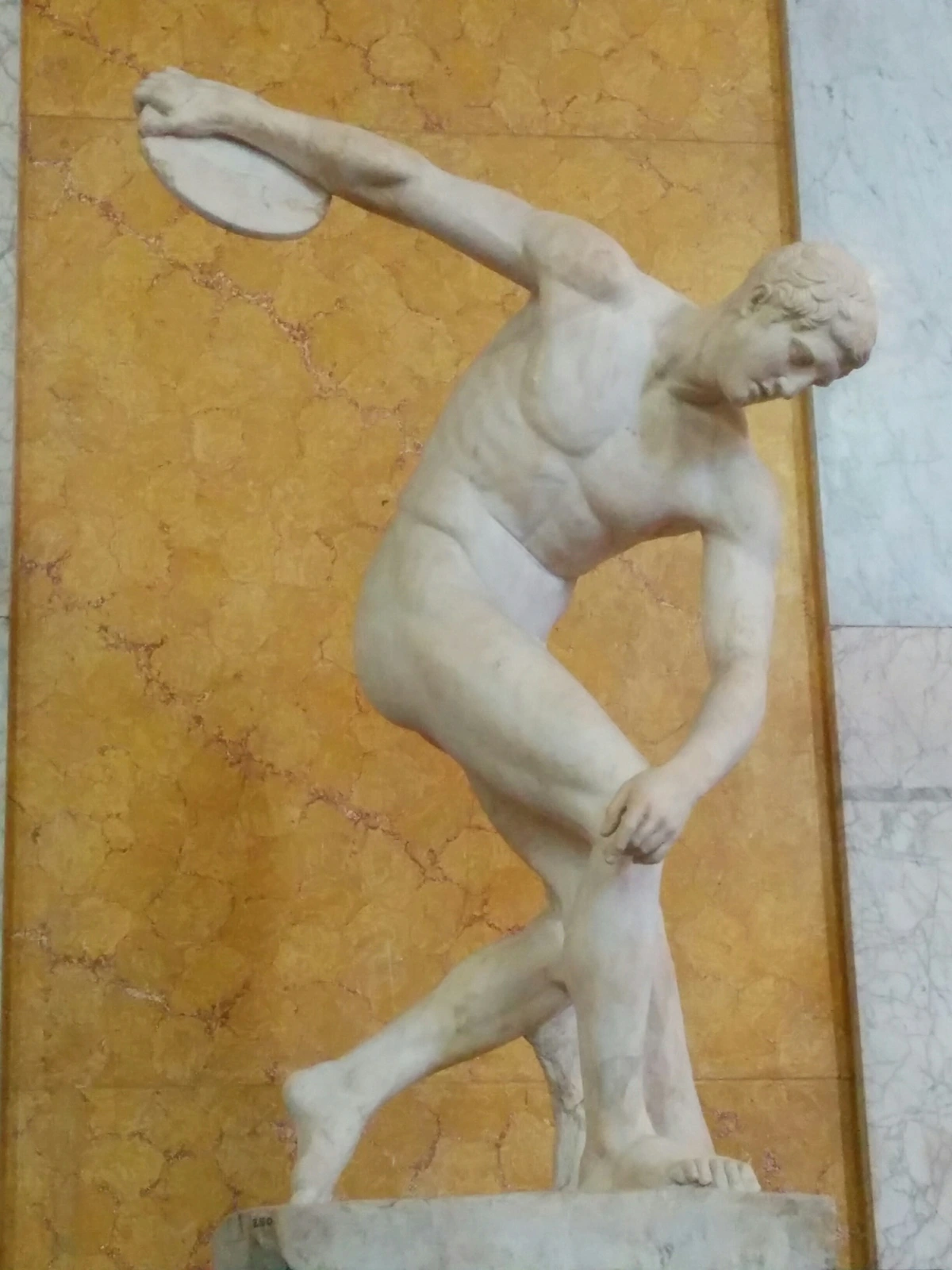
Greek sculpture evolved significantly over time. Early works, such as the Kouros statues, were rigid and formal, reflecting the influence of Egyptian art. As Greek artists gained confidence, their sculptures became more naturalistic and dynamic, culminating in the lifelike works of the Hellenistic period.
Iconic Sculptures
Some of the most iconic sculptures from Ancient Greece include:
- Doryphoros by Polykleitos: A masterpiece of Classical sculpture, embodying the idealized human form.
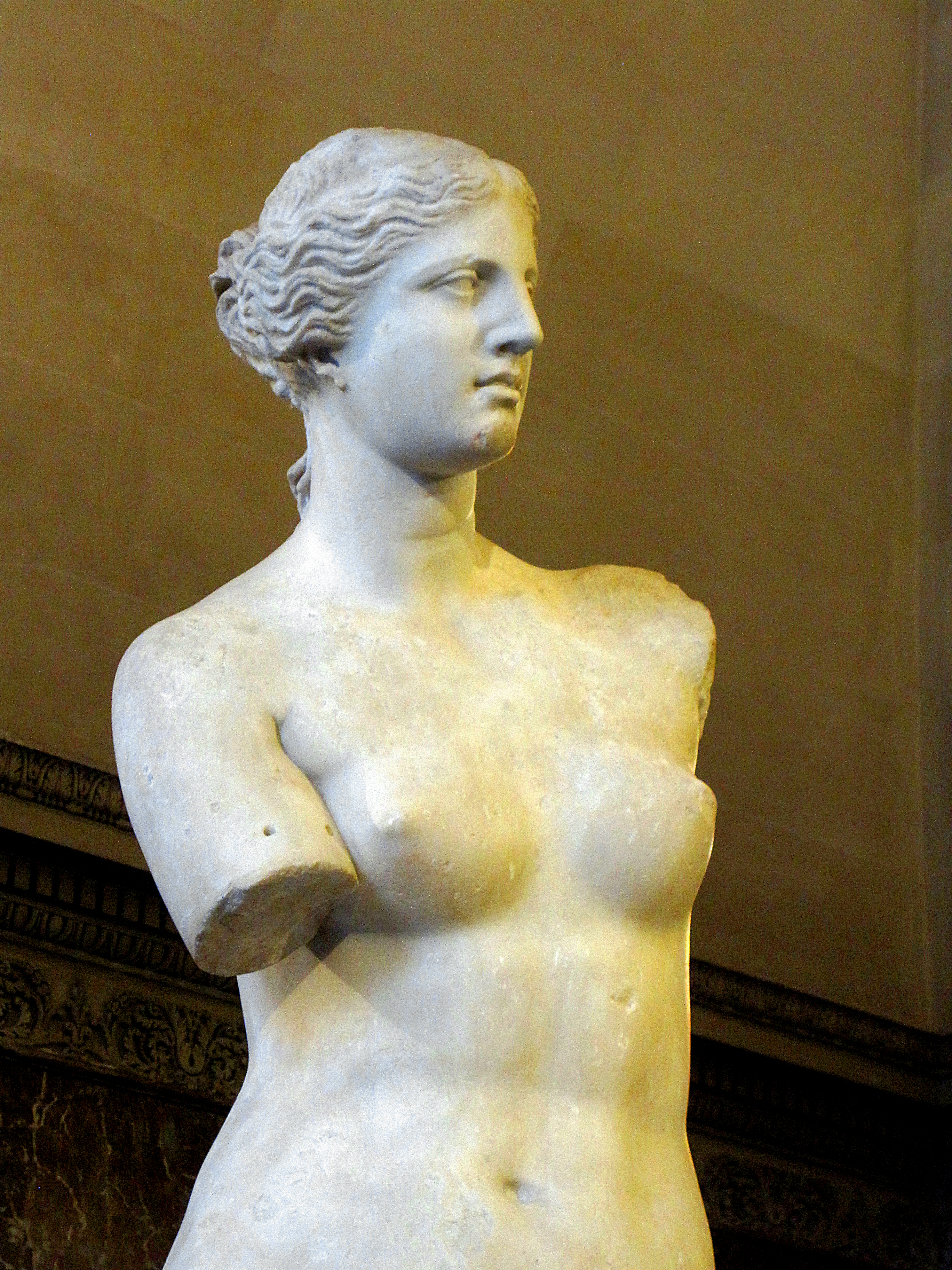
- Venus de Milo: A Hellenistic sculpture depicting the goddess Aphrodite, renowned for its grace and elegance.
- Laocoön and His Sons: A dramatic Hellenistic sculpture capturing the agony of the Trojan priest Laocoön and his sons.
These works are not just artistic achievements; they are cultural touchstones that continue to inspire and captivate audiences today.
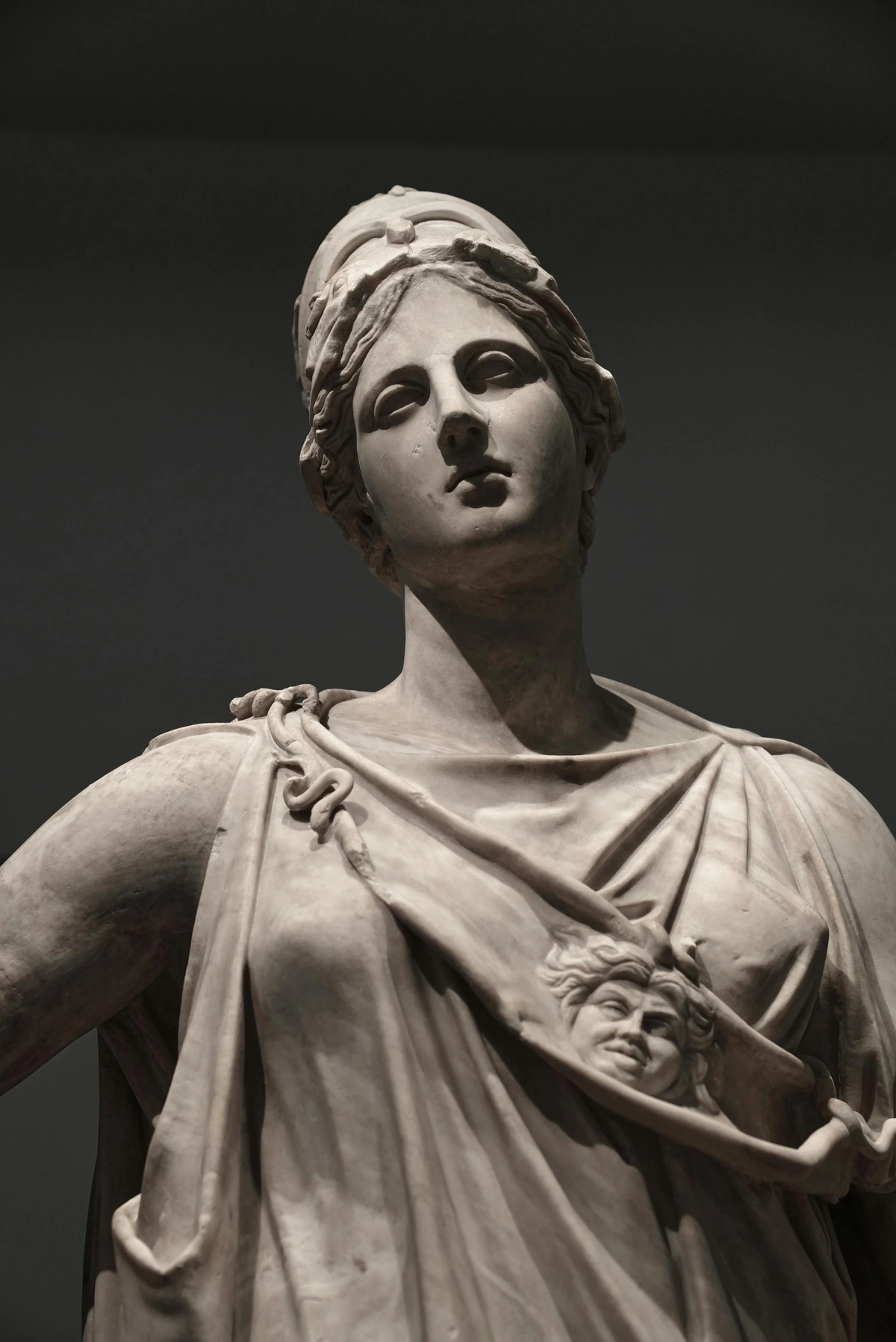
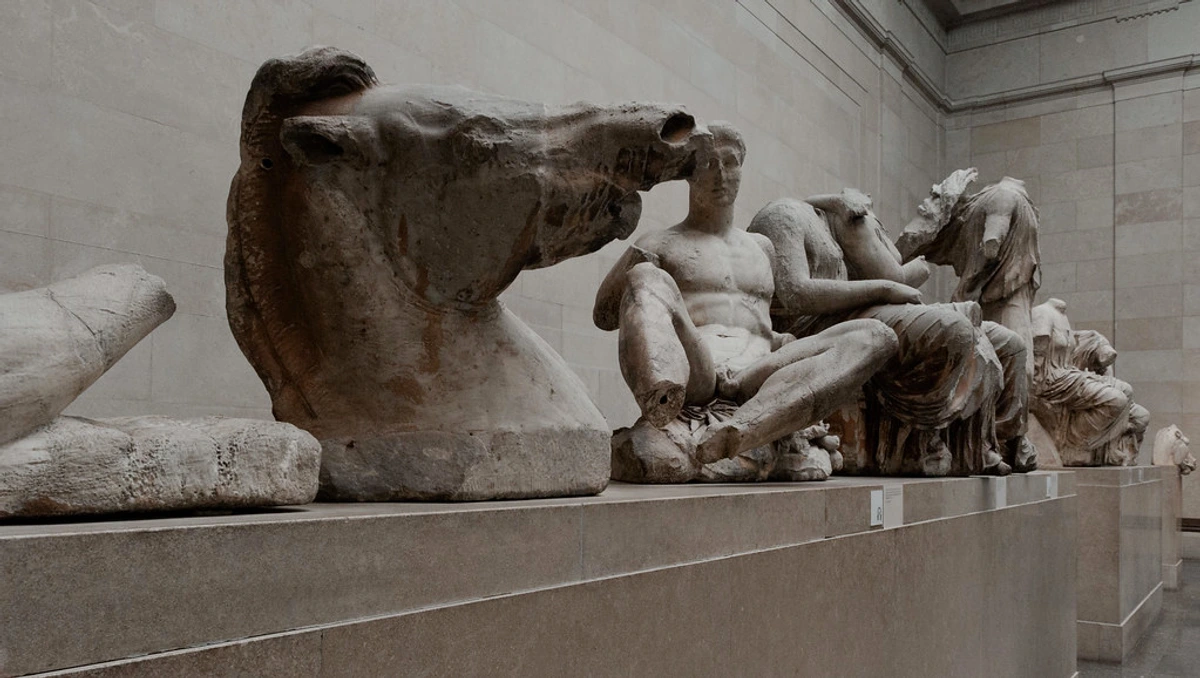
The Parthenon's East Pediment sculptures are a testament to the Greeks' mastery of sculpture. These intricate carvings depict mythological figures and scenes, showcasing the Greeks' ability to blend artistry with storytelling.
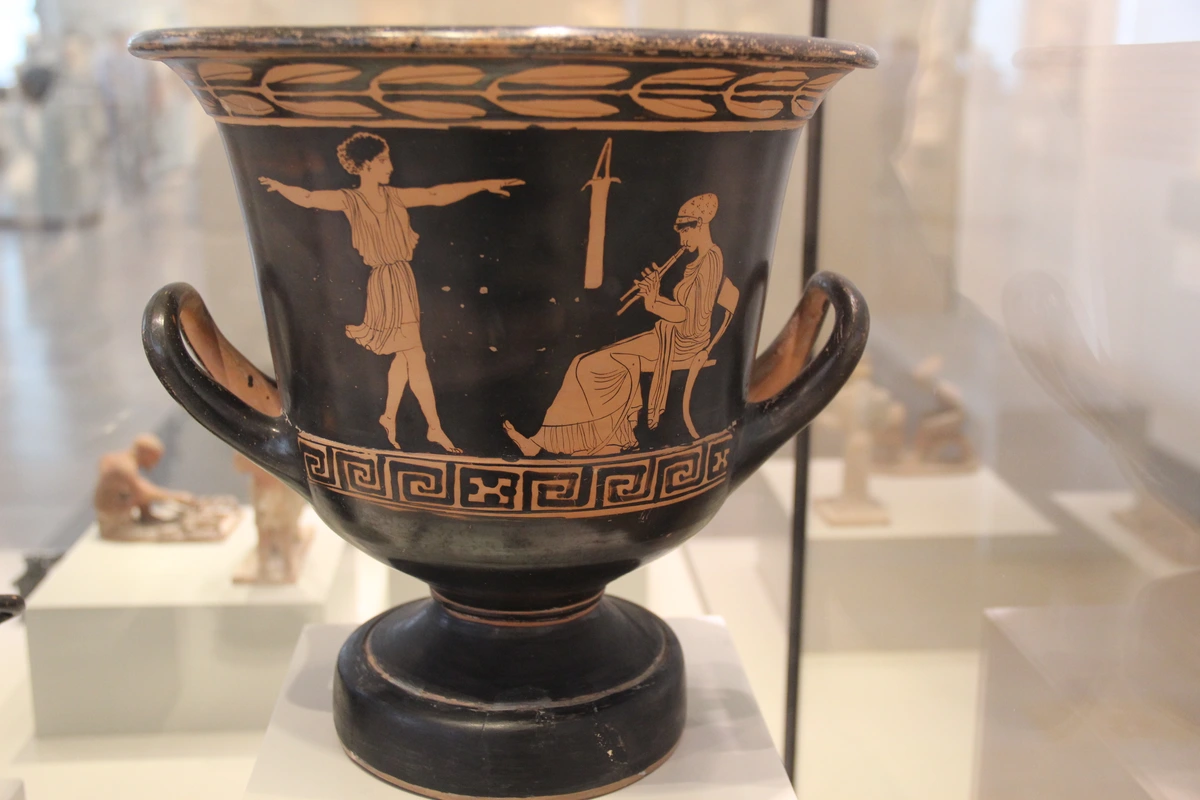
Pottery: Storytelling in Clay
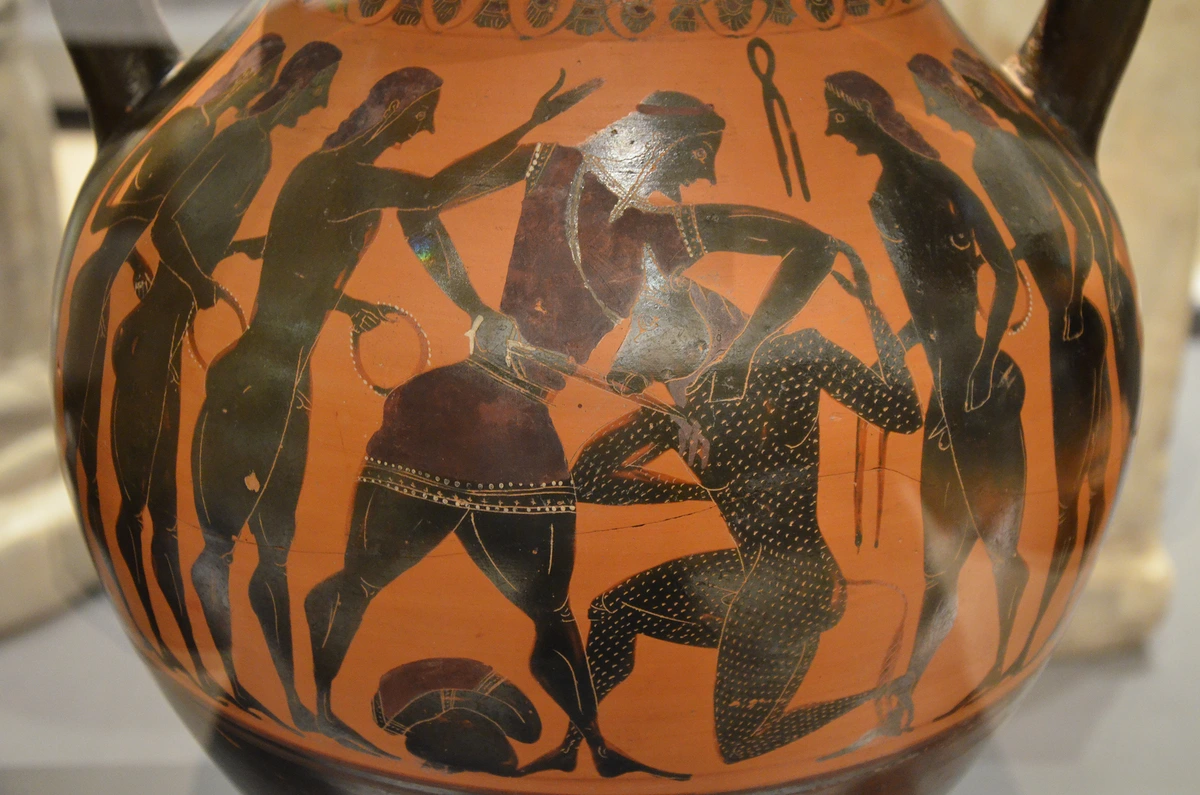
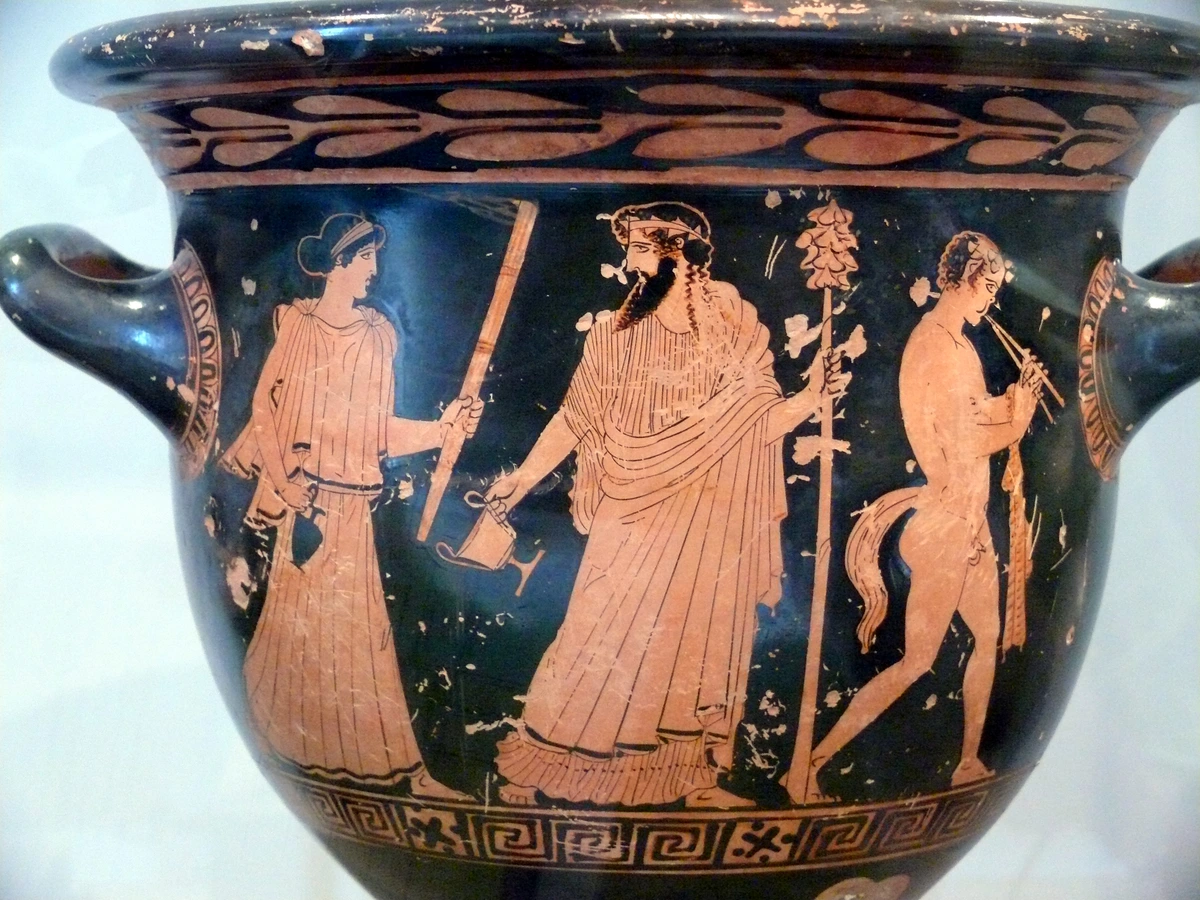
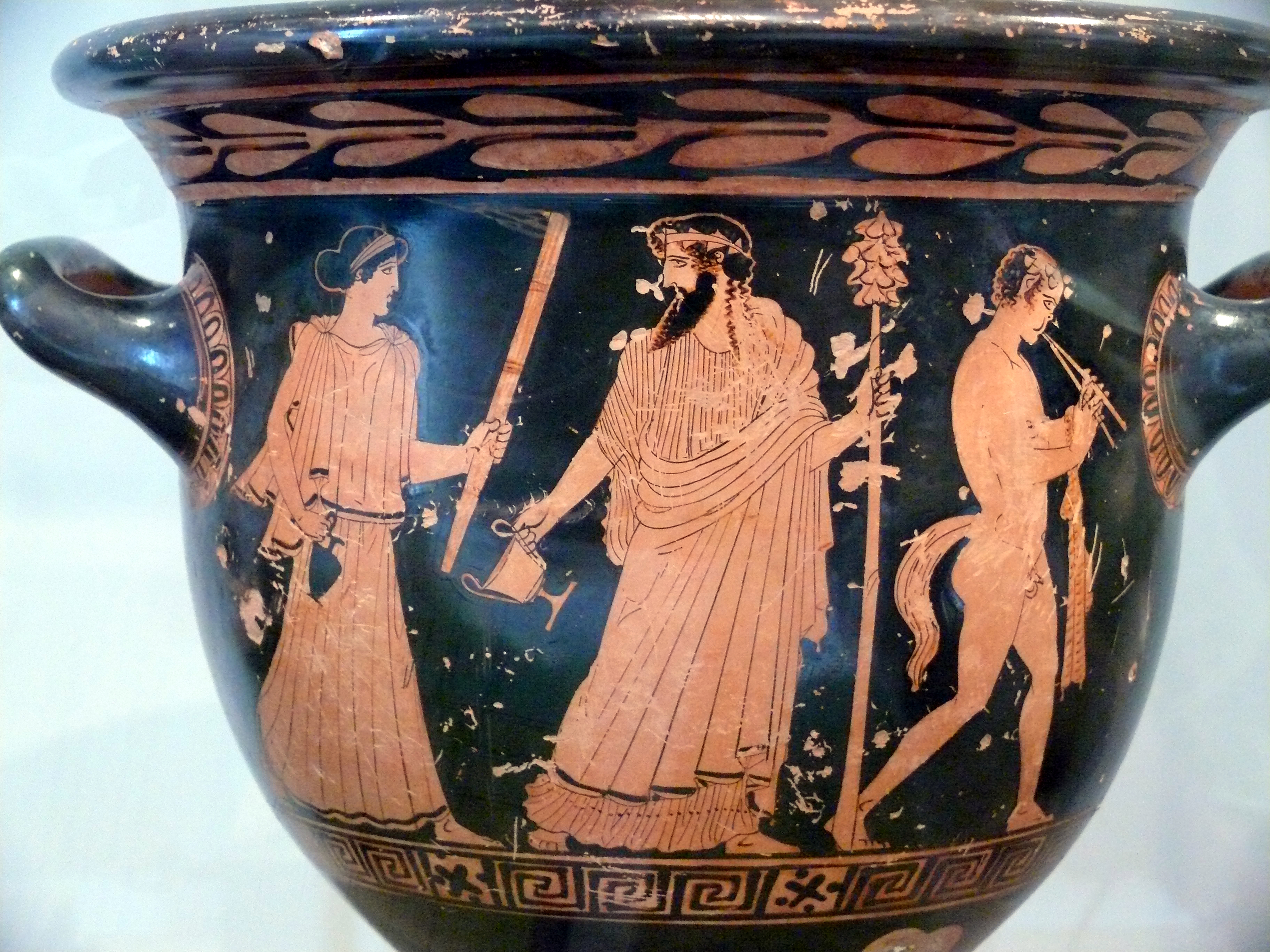
Greek pottery wasn’t just functional; it was a canvas for storytelling. From everyday scenes to mythological tales, these vessels offer a glimpse into the lives and beliefs of the ancient Greeks. The Amphora and Kylix are two of the most iconic forms.
Greek pottery was not only a medium for artistic expression but also a reflection of the culture and society of the time. The intricate designs and detailed narratives on these vessels provide valuable insights into the daily life, religious practices, and social structures of Ancient Greece.
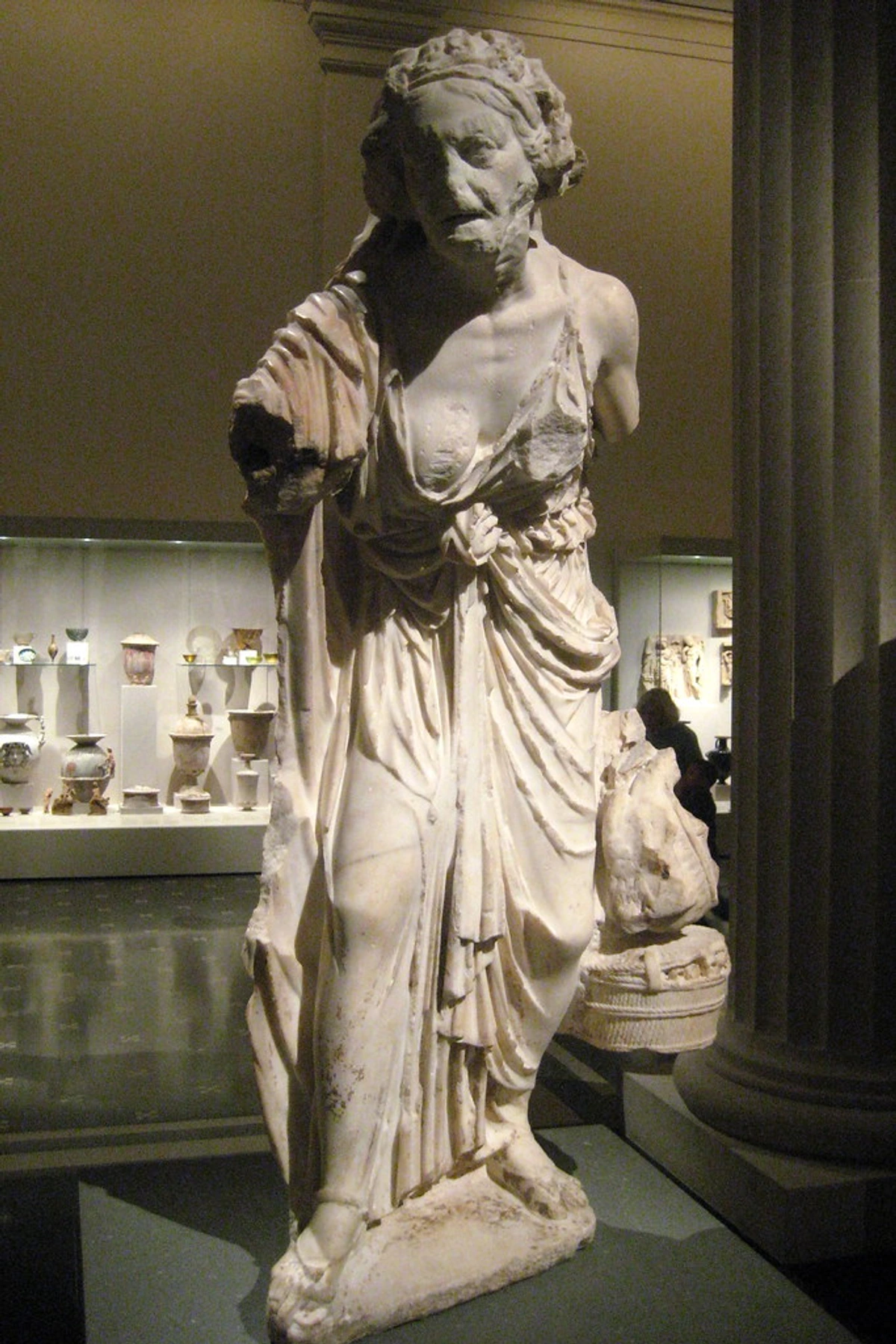
Techniques and Styles
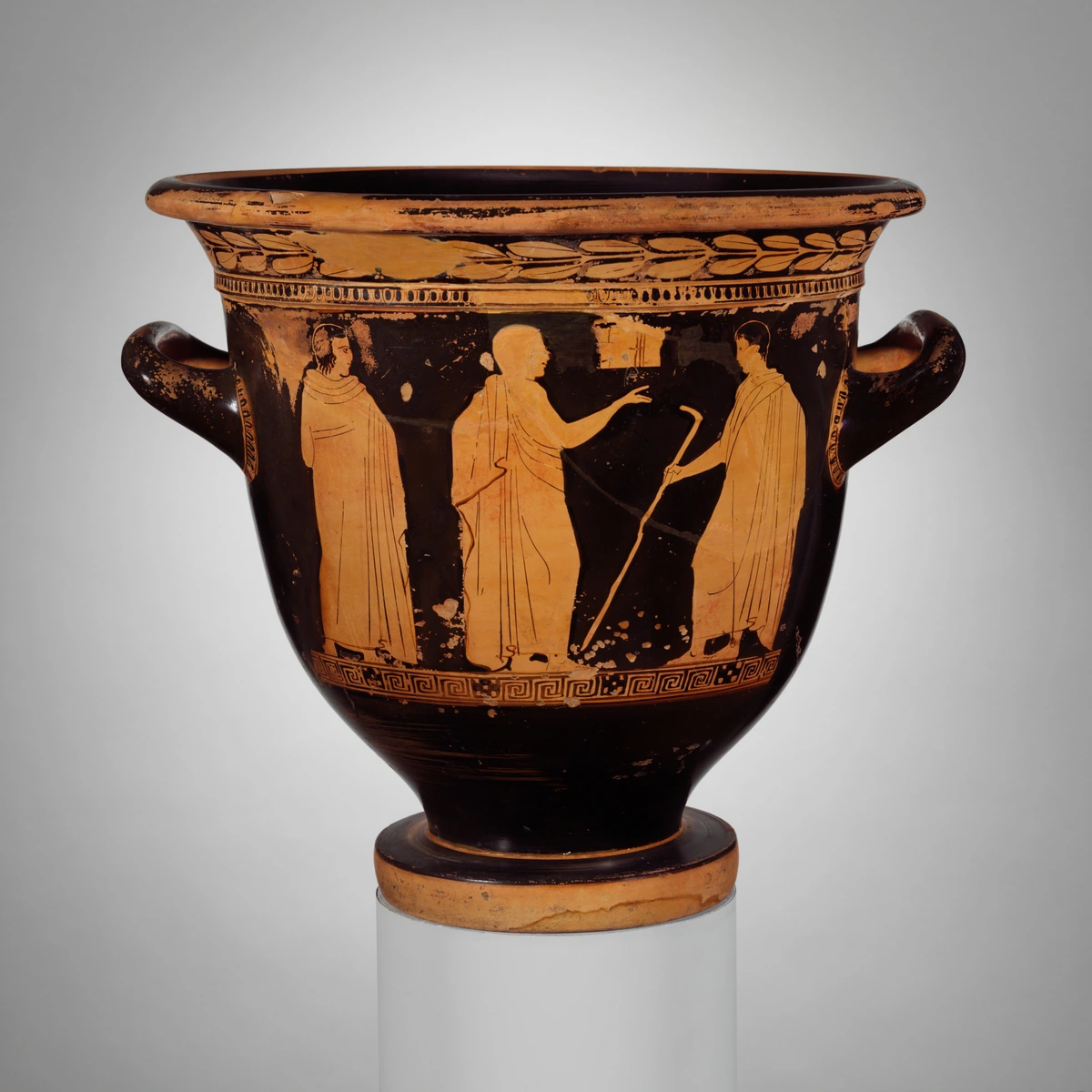
Greek potters used a variety of techniques to create their works. The most common methods included black-figure and red-figure pottery, which involved painting figures onto the surface of the clay. These techniques allowed artists to create detailed and expressive designs that told stories of gods, heroes, and everyday life.
The Role of Pottery in Society
Pottery played a crucial role in Ancient Greek society. It was used for storage, transportation, and ritual purposes. The designs on these vessels often depicted scenes from mythology, providing a visual record of Greek culture and beliefs. Pottery was also a form of artistic expression, with artists using their skills to create works that were both functional and beautiful.
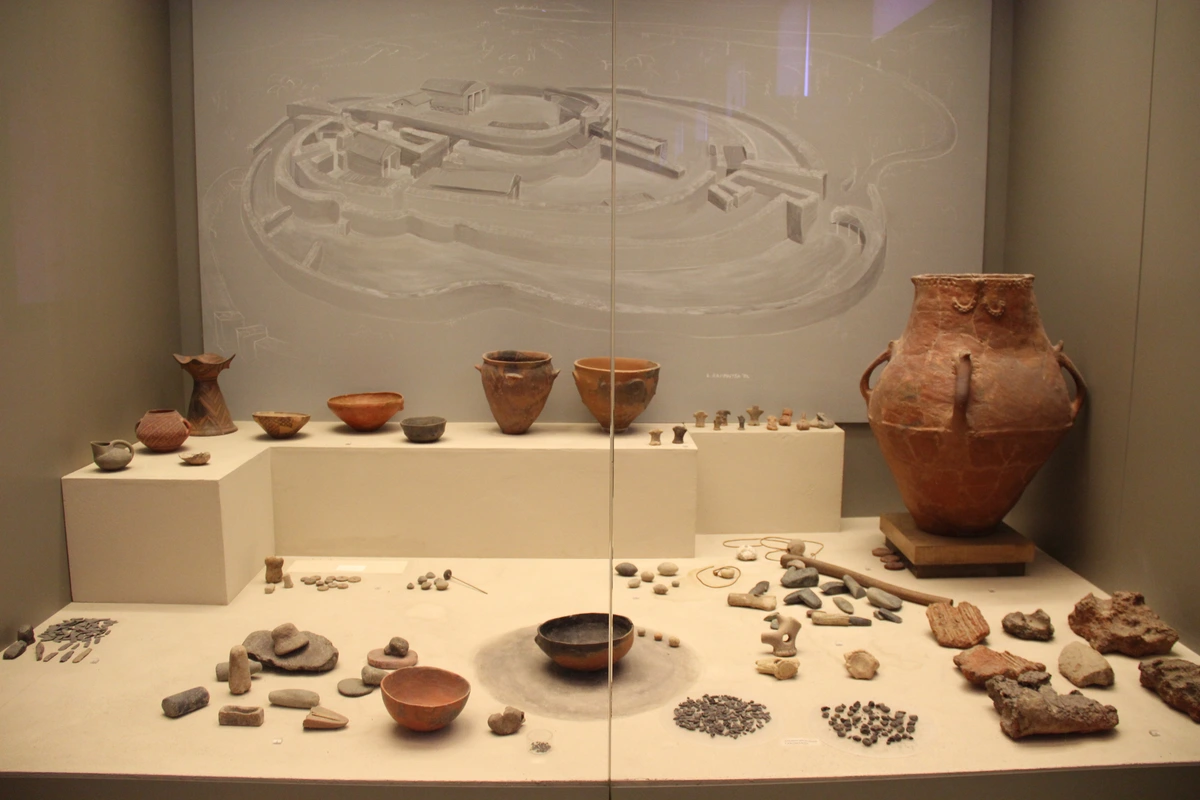
Iconic Pottery Forms
Some of the most iconic forms of Greek pottery include:
- Amphora: A tall vessel with two handles, used for storing and transporting liquids.
- Kylix: A shallow drinking cup with a wide rim, often decorated with scenes of revelry and celebration.
- Krater: A large bowl used for mixing wine and water, often adorned with intricate designs.
These forms were not just practical; they were works of art that reflected the Greeks' appreciation for beauty and craftsmanship.
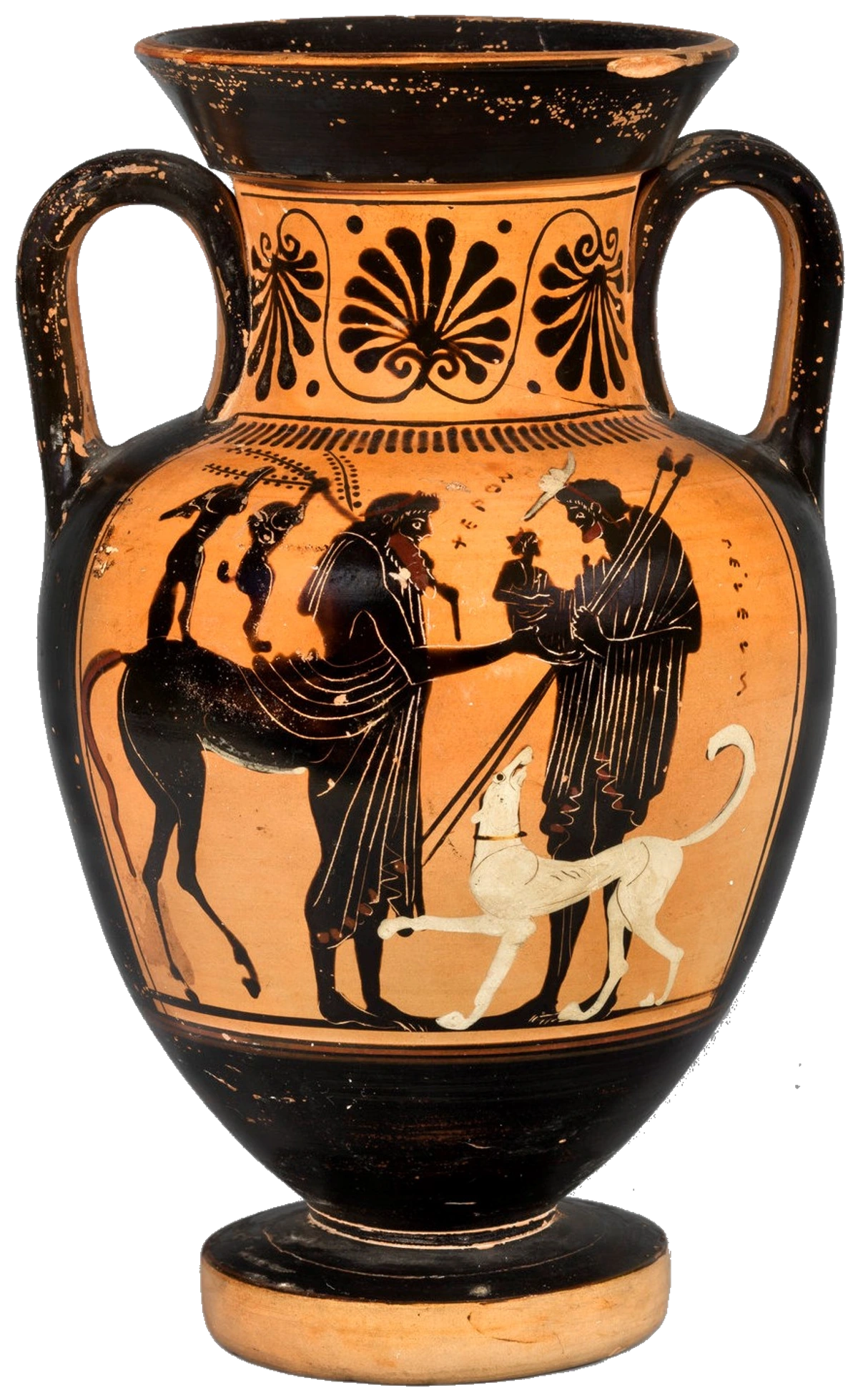
The Venus de Milo is one of the most iconic examples of Ancient Greek sculpture. This masterpiece, believed to depict the goddess Aphrodite, showcases the Greeks' ability to capture the idealized human form with grace and elegance.
Architecture: The Birth of Western Design
Greek architecture is all about harmony and proportion. The Parthenon in Athens is a testament to this, with its perfect ratios and elegant columns. The Greeks developed three main types of columns: Doric, Ionic, and Corinthian, each with its own unique style.
Greek architecture has had a profound influence on Western design. The principles of symmetry, balance, and proportion that defined Greek buildings continue to inspire architects and designers to this day. The Parthenon, with its iconic columns and intricate details, remains a symbol of the Greeks' architectural genius.

The Three Orders of Columns
The Greeks developed three main types of columns, each with its own unique style and characteristics:
Order | Characteristics | Example |
|---|---|---|
| Doric | Simple, sturdy, and masculine | Parthenon |
| Ionic | Elegant, slender, and feminine | Erechtheion |
| Corinthian | Ornate, decorative, and elaborate | Temple of Olympian Zeus |
These columns were not just structural elements; they were symbols of the Greeks' aesthetic ideals and their pursuit of perfection.
The Role of Architecture in Society
Architecture played a crucial role in Ancient Greek society. Temples, theaters, and public buildings were not just functional; they were expressions of civic pride and cultural identity. The Greeks believed that architecture should reflect the ideals of harmony, balance, and proportion, and their buildings continue to inspire architects and designers today.
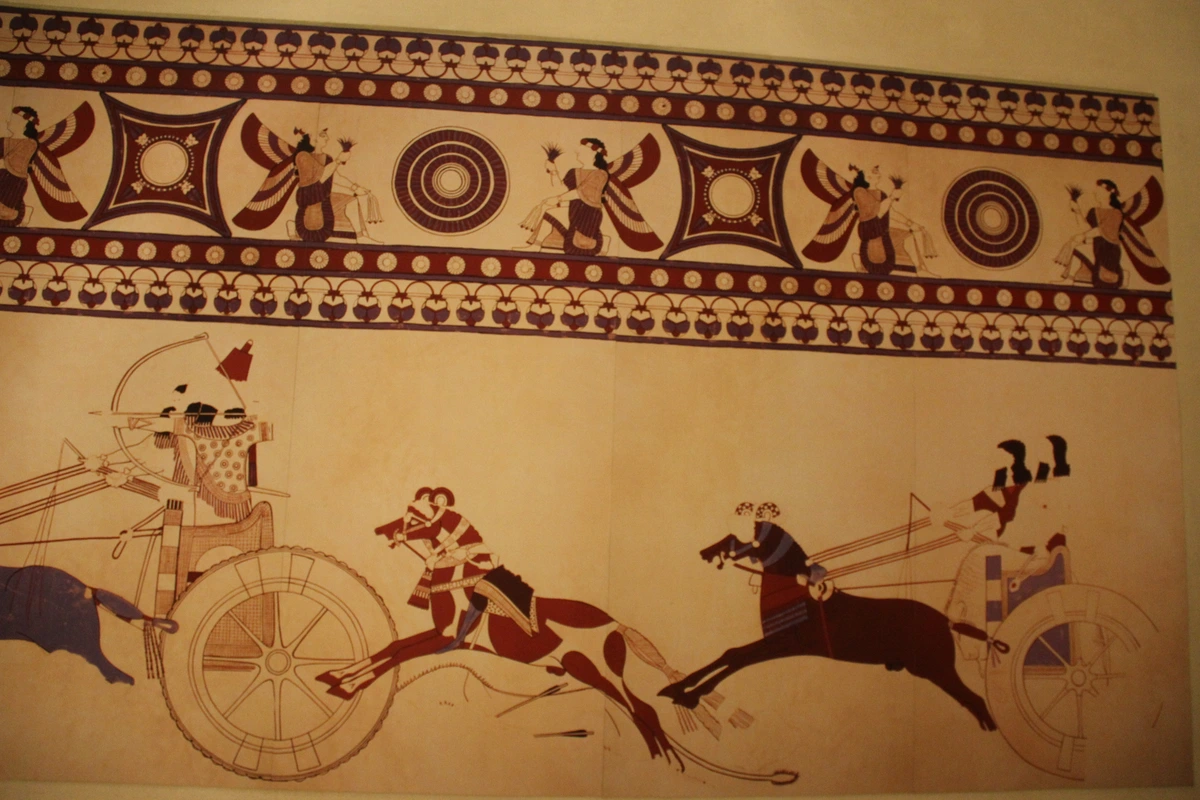
Iconic Architectural Works
Some of the most iconic works of Greek architecture include:
- Parthenon: A temple dedicated to the goddess Athena, renowned for its perfect proportions and intricate sculptures.
- Erechtheion: A temple on the Acropolis, famous for its Caryatids, or female statues used as columns.
- Temple of Olympian Zeus: A colossal temple dedicated to Zeus, showcasing the grandeur of Greek architecture.
These works are not just architectural achievements; they are cultural landmarks that continue to inspire and captivate audiences today.
The Influence of Ancient Greek Art on Modern Creativity
Ancient Greek art has left an indelible mark on the world of creativity. Its principles of harmony, balance, and the pursuit of beauty continue to inspire artists and designers across the globe.
From Ancient Greece to the Renaissance
The Renaissance was a period of renewed interest in the art and culture of Ancient Greece. Artists like Michelangelo and Leonardo da Vinci drew inspiration from Greek sculptures and architecture, incorporating their principles of proportion and symmetry into their own works. This revival of Greek aesthetics marked the beginning of a new era in Western art.
The Legacy of Greek Aesthetics
The legacy of Greek aesthetics extends far beyond the Renaissance. From the neoclassical architecture of the 18th and 19th centuries to the modernist movements of the 20th century, Greek art has continued to inspire and influence artists and designers. The principles of harmony, balance, and proportion that defined Greek art remain central to the way we perceive and create art today.
Contemporary Art and Greek Influences
Even in contemporary art, the influence of Ancient Greek art can be seen. Artists continue to draw inspiration from Greek mythology, sculpture, and architecture, creating works that explore themes of beauty, heroism, and the human condition. The enduring appeal of Greek aesthetics lies in their ability to transcend time and culture, reminding us of the timeless quest for beauty and perfection.

From Ancient Greece to Contemporary Art
The principles of Ancient Greek art—harmony, balance, and the pursuit of beauty—have influenced countless artists throughout history. Even today, contemporary artists like those featured in our timeline draw inspiration from these ancient ideals.
From the Renaissance to modern abstract art, the legacy of Greek aesthetics can be seen in the works of artists who seek to capture the essence of beauty and human emotion. The Greeks' emphasis on proportion and symmetry has shaped the way we perceive and create art.

The Winged Victory of Samothrace is a powerful symbol of the Greeks' artistic prowess. This iconic statue, depicting the goddess Nike, captures the essence of victory and triumph, embodying the spirit of Ancient Greek art.
The Enduring Appeal of Greek Aesthetics
Why does Ancient Greek art still resonate with us? I think it’s because it speaks to something universal—the human desire for beauty, order, and meaning. Whether you’re an artist, a historian, or just someone who appreciates a well-crafted statue, there’s something in Greek art that speaks to you.
The enduring appeal of Greek aesthetics lies in their ability to transcend time and culture. The principles of harmony, balance, and proportion that defined Greek art continue to inspire and captivate us, reminding us of the timeless quest for beauty and perfection.
The Universal Language of Art
Greek art speaks a universal language that transcends time and culture. Its themes of heroism, beauty, and the human condition resonate with audiences across the globe. Whether through the graceful lines of a sculpture or the intricate designs of a vase, Greek art continues to captivate and inspire us.

The Role of Greek Art in Education
Greek art plays a crucial role in education, providing a visual record of history, culture, and values. From the study of mythology to the exploration of artistic techniques, Greek art offers a wealth of knowledge and inspiration. Its enduring legacy reminds us of the power of creativity and the timeless pursuit of beauty.
FAQ: Your Questions About Ancient Greek Art
What are the main periods of Ancient Greek art?
The main periods are the Geometric, Archaic, Classical, and Hellenistic periods. Each has its own unique characteristics and contributions to the evolution of Greek art.
What materials did Ancient Greek artists use?
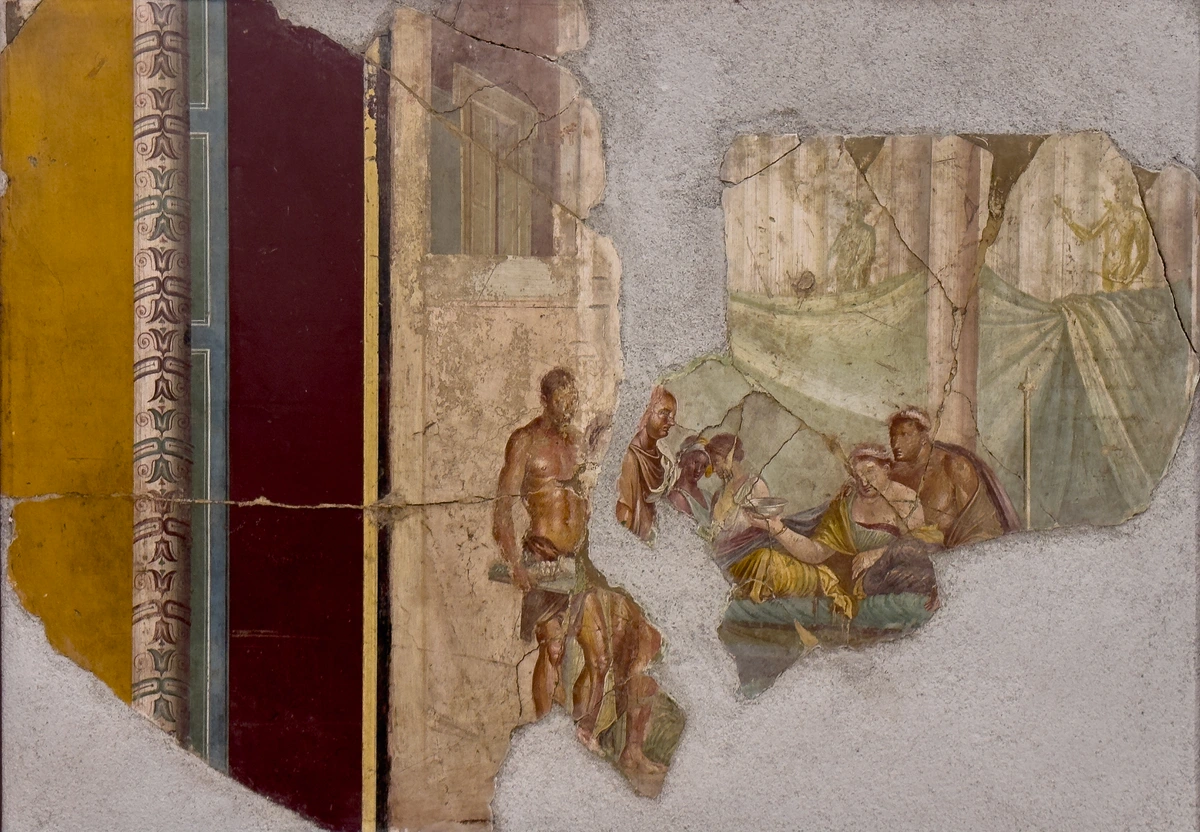
Greek artists primarily used marble, bronze, terracotta, and various types of stone. They also used pigments for painting, although much of the original color has faded over time.
The choice of materials was crucial to the Greeks' artistic vision. Marble, for example, was prized for its durability and the way it captured light, while bronze allowed for intricate detailing and a lifelike finish.
How has Ancient Greek art influenced modern art?
Ancient Greek art has had a profound influence on modern art, particularly in the areas of sculpture, architecture, and the pursuit of idealized beauty. Many contemporary artists continue to draw inspiration from Greek aesthetics.
The principles of harmony, balance, and proportion that defined Greek art have shaped the way we perceive and create art today. From the Renaissance to modern abstract art, the legacy of Greek aesthetics continues to inspire and influence artists around the world.
Where can I see Ancient Greek art today?
You can see Ancient Greek art in museums around the world, such as the British Museum in London, the Louvre in Paris, and the Acropolis Museum in Athens. Additionally, our Den Bosch Museum features a collection that highlights the influence of Greek art on modern creativity.
These museums offer a unique opportunity to explore the rich history and artistic achievements of Ancient Greece. From iconic sculptures to intricate pottery, these collections provide a glimpse into the world of Greek art and its enduring legacy.
Conclusion: The Timeless Beauty of Ancient Greek Art
Ancient Greek art is more than just a historical curiosity. It’s a testament to the human spirit’s quest for beauty and meaning. Whether you’re admiring a statue in a museum or creating your own art, the principles of Greek aesthetics continue to inspire and captivate.

As we reflect on the legacy of Ancient Greek art, we are reminded of the enduring power of creativity and the timeless pursuit of beauty. From the intricate details of a mosaic to the grandeur of a temple, Greek art continues to captivate and inspire us, connecting us to a rich cultural heritage that spans centuries.













If you’re interested in exploring more about how ancient art influences contemporary creativity, check out our buy section for works that draw inspiration from these timeless ideals.
Ancient Greek art is a testament to the enduring power of creativity and the timeless pursuit of beauty. Whether you're an artist, a historian, or simply someone who appreciates the beauty of a well-crafted statue, there's something in Greek art that speaks to you. Explore the rich history and artistic achievements of Ancient Greece, and discover the legacy that continues to inspire and captivate us today.