
What Are the Main Types of Ancient Greek Pottery?
Ever wondered about ancient Greek pottery? I'll guide you through the fascinating evolution of styles like Geometric, Black-Figure, and Red-Figure, exploring their techniques, stories, and enduring cultural impact.

What Are the Main Types of Ancient Greek Pottery?
Ancient Greek pottery is more than just functional clay vessels; it is a visual narrative of a civilization that has shaped art, culture, and history. These artifacts offer a glimpse into the daily lives, myths, and artistic evolution of ancient Greece. From geometric patterns to intricate mythological scenes, each piece tells a story that transcends time. This article explores the main types of ancient Greek pottery, their techniques, and their significance in the broader context of art history.
Ancient Greek pottery is more than just functional clay vessels; it is a visual narrative of a civilization that has shaped art, culture, and history. These artifacts offer a glimpse into the daily lives, myths, and artistic evolution of ancient Greece. From geometric patterns to intricate mythological scenes, each piece tells a story that transcends time. This article explores the main types of ancient Greek pottery, their techniques, and their significance in the broader context of art history.
Ancient Greek pottery is more than just functional clay vessels; it is a visual narrative of a civilization that has shaped art, culture, and history. These artifacts offer a glimpse into the daily lives, myths, and artistic evolution of ancient Greece. From geometric patterns to intricate mythological scenes, each piece tells a story that transcends time. This article explores the main types of ancient Greek pottery, their techniques, and their significance in the broader context of art history.
I've always been fascinated by how everyday objects can tell the most incredible stories. And when it comes to ancient Greece, few things are as eloquent as their pottery. It's not just about clay pots, you know? It's a whole narrative, a visual diary of their myths, their daily lives, their triumphs, and even their grief. It’s like stepping into a time machine, or maybe more accurately, holding a piece of history in your hands.
Pottery in ancient Greece was not merely utilitarian; it was a medium of artistic expression and cultural storytelling. The craftsmanship and creativity poured into these vessels reflect the values, beliefs, and daily routines of the people who made and used them. Whether it was a simple storage jar or an intricately decorated vase, each piece had a purpose and a story to tell.
Pottery in ancient Greece was not merely utilitarian; it was a medium of artistic expression and cultural storytelling. The craftsmanship and creativity poured into these vessels reflect the values, beliefs, and daily routines of the people who made and used them. Whether it was a simple storage jar or an intricately decorated vase, each piece had a purpose and a story to tell.
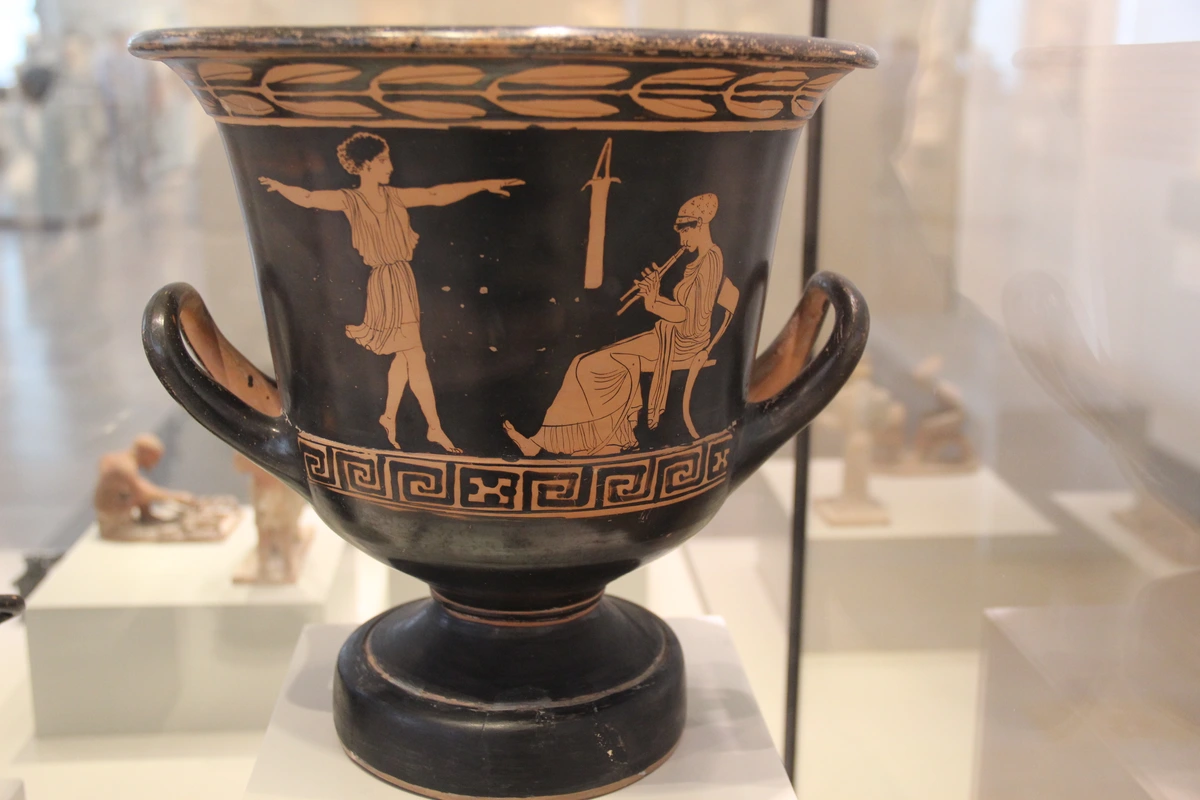
I mean, think about it: these aren’t just functional items, though they certainly were that. They’re canvases for artists, chroniclers of a civilization. And the evolution of these ceramic masterpieces is a journey through ingenuity and artistic expression. It's something I often ponder when I'm working with my own materials – how much of ourselves we pour into what we create, and how that creation then speaks across time. Let's dig into the main styles that defined ancient Greek pottery.
I mean, think about it: these aren’t just functional items, though they certainly were that. They’re canvases for artists, chroniclers of a civilization. And the evolution of these ceramic masterpieces is a journey through ingenuity and artistic expression. It's something I often ponder when I'm working with my own materials – how much of ourselves we pour into what we create, and how that creation then speaks across time. Let's dig into the main styles that defined ancient Greek pottery.
The Significance of Ancient Greek Pottery
Ancient Greek pottery serves as a bridge between the past and present, offering insights into the societal norms, religious practices, and artistic innovations of the time. These vessels were not only used for practical purposes but also played a crucial role in rituals, trade, and cultural exchange. The intricate designs and motifs found on these pots provide a window into the minds of the artisans and the society they lived in.
Ancient Greek pottery serves as a bridge between the past and present, offering insights into the societal norms, religious practices, and artistic innovations of the time. These vessels were not only used for practical purposes but also played a crucial role in rituals, trade, and cultural exchange. The intricate designs and motifs found on these pots provide a window into the minds of the artisans and the society they lived in.
The Foundation: Geometric Pottery (c. 900-700 BCE)
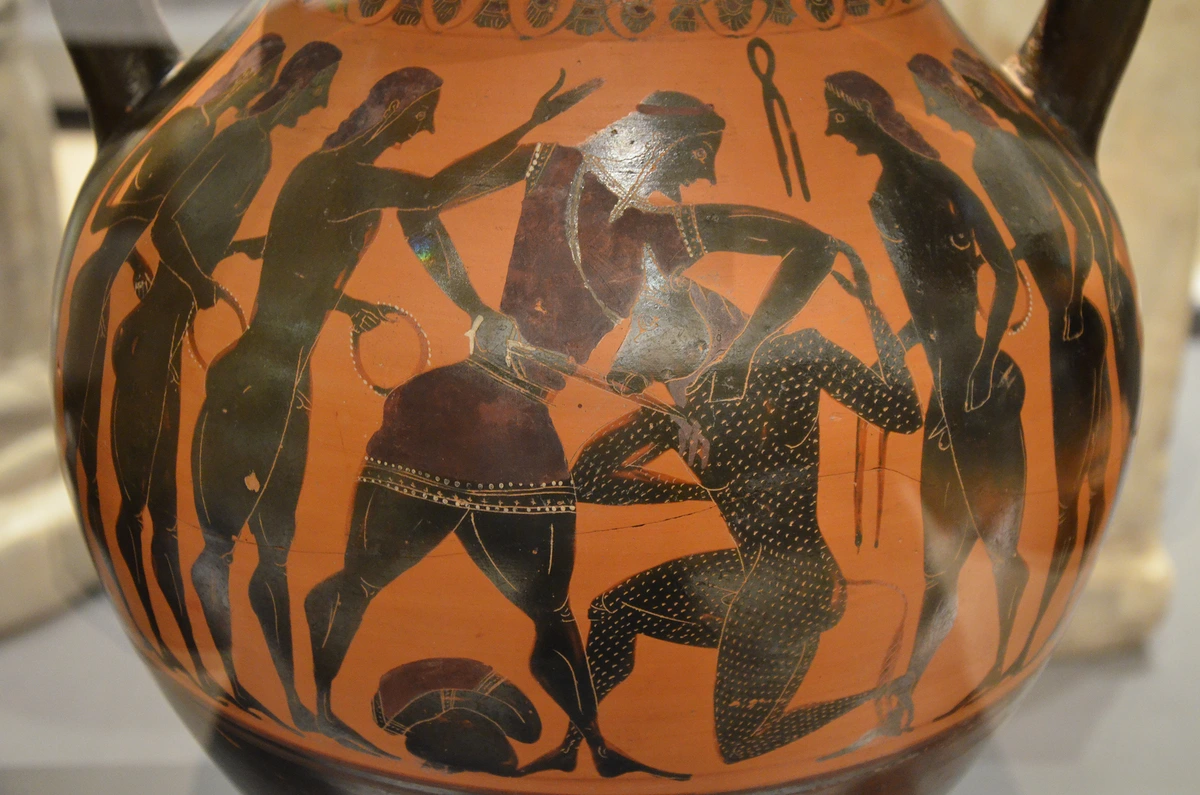
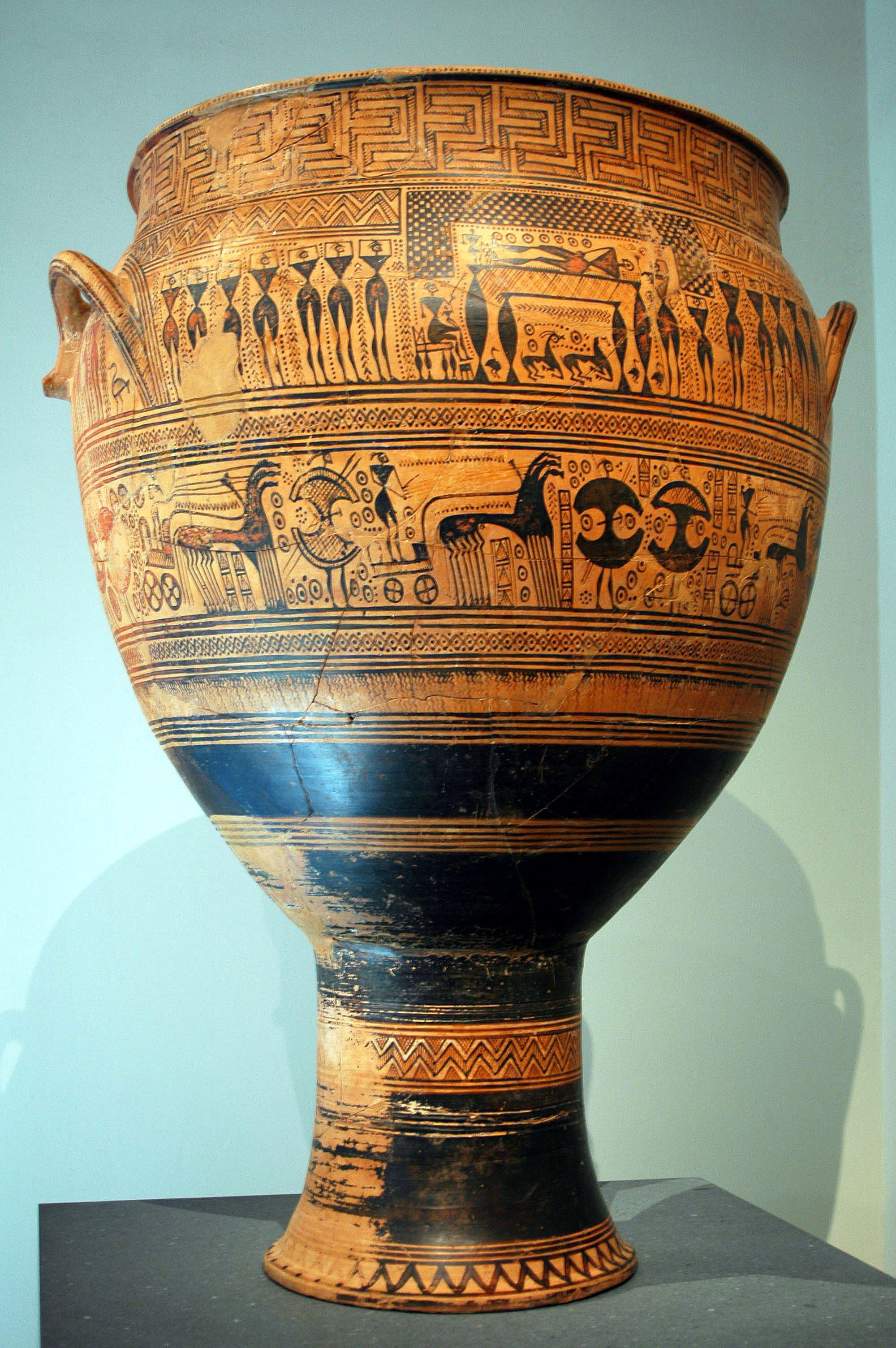
The Geometric period marks the beginning of a distinct artistic style in ancient Greek pottery. This era is characterized by its abstract and linear designs, which reflect the cultural and artistic sensibilities of the time. The pottery from this period is not just a testament to the artistic skills of the craftsmen but also a reflection of the societal values and beliefs.
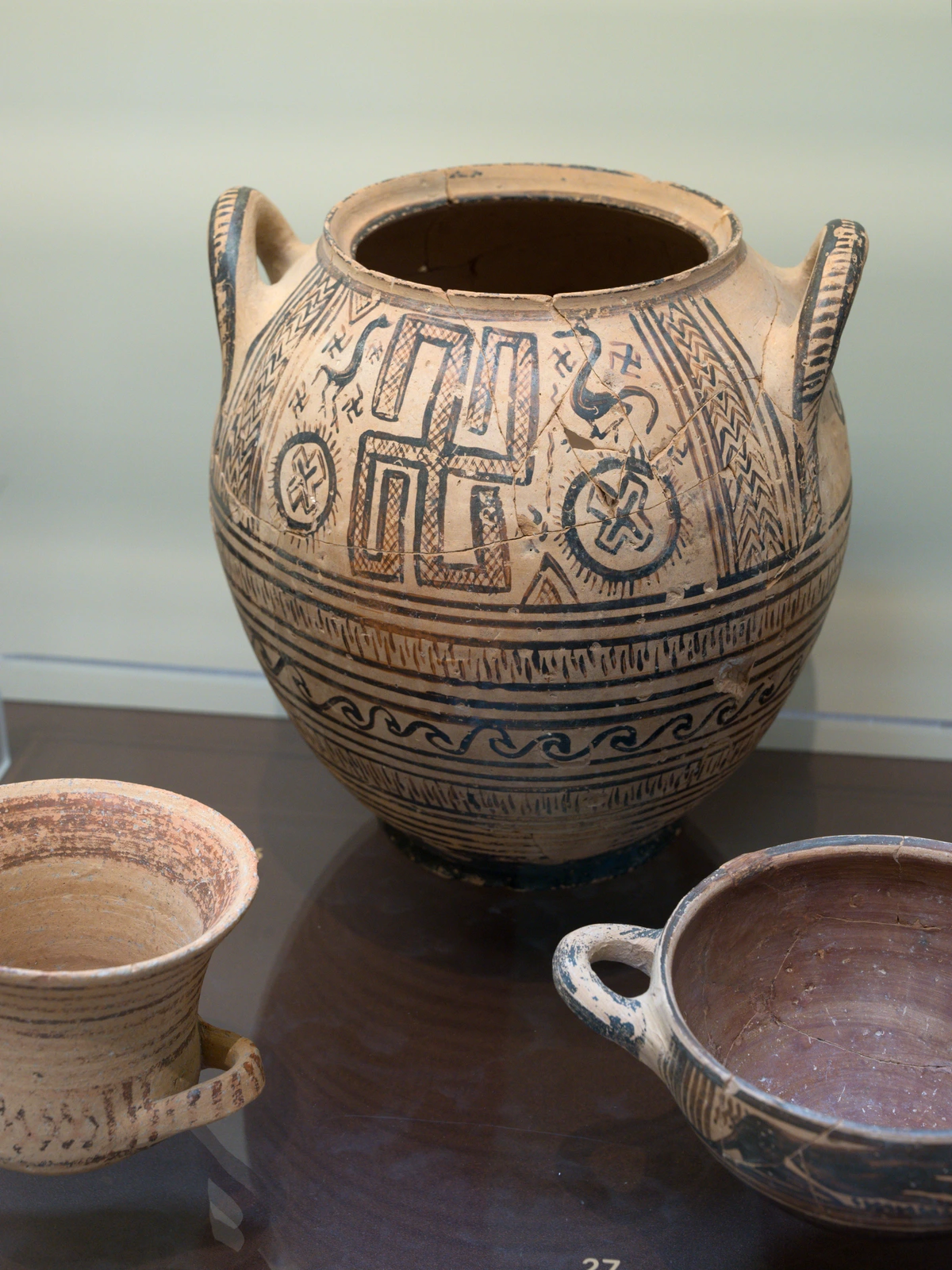
Imagine a world just emerging from a 'dark age,' full of abstract ideas but perhaps a bit light on detailed visual representation. That's the vibe of the Geometric period. When I first encountered images of this pottery, I remember thinking, "Wow, these guys really loved their patterns!" And they did. The pots from this era are characterized by geometric motifs: meanders (that classic 'key' pattern), zigzags, triangles, and checkerboards. It's all very precise, very orderly, almost mathematical in its execution.
The Geometric period is also notable for its funerary significance. Many of the vessels from this era were used as grave markers, reflecting the importance of honoring the dead in ancient Greek culture. The intricate patterns and designs were not just decorative but also held symbolic meanings, often related to life, death, and the afterlife.
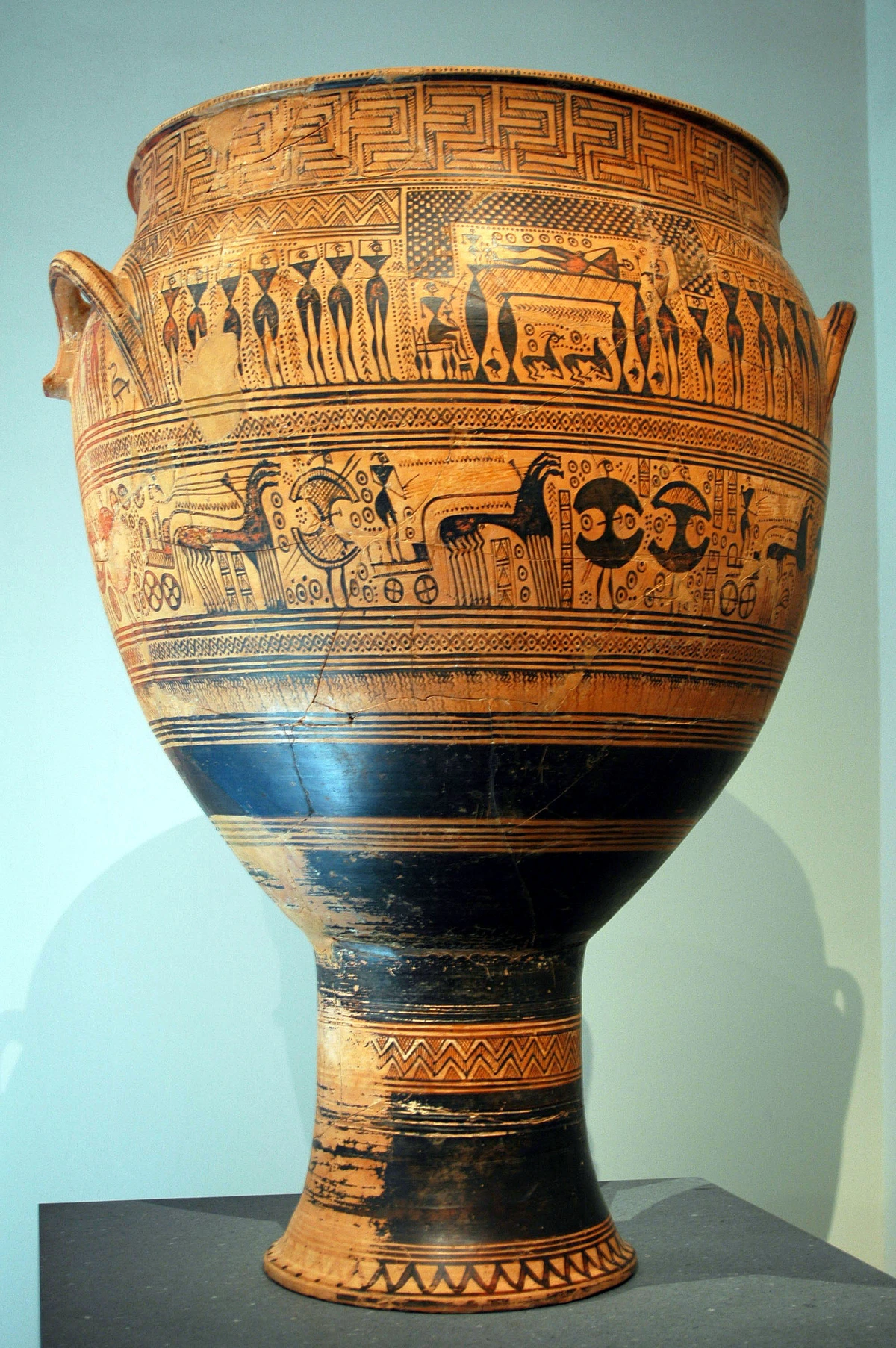
Eventually, tiny, highly stylized human and animal figures started to appear, almost like stick figures but with a bit more bulk, fitted into these geometric frameworks. Often, these scenes were connected to funerary rituals, depicting lamentations or chariot processions. The sheer scale of some of these vessels, like the monumental Dipylon amphorae, tells you a lot about their importance as grave markers. It's a powerful reminder of how art, from the earliest times, serves both the living and the memory of the departed. It really makes you think about how different cultures approach remembrance, doesn't it?
Eventually, tiny, highly stylized human and animal figures started to appear, almost like stick figures but with a bit more bulk, fitted into these geometric frameworks. Often, these scenes were connected to funerary rituals, depicting lamentations or chariot processions. The sheer scale of some of these vessels, like the monumental Dipylon amphorae, tells you a lot about their importance as grave markers. It's a powerful reminder of how art, from the earliest times, serves both the living and the memory of the departed. It really makes you think about how different cultures approach remembrance, doesn't it? (And if you're curious about how ancient art can influence later periods, you might find some interesting parallels when looking at the-evolution-of-art-in-interior-design-from-grand-salons-to-modern-minimalism).

Techniques and Materials
The Geometric period saw the use of a variety of techniques and materials. The pottery was typically made from clay, which was shaped and fired to create durable vessels. The designs were painted using a slip, a liquid mixture of clay and water, which was applied to the surface of the pottery before firing. This technique allowed for the creation of intricate patterns and designs that have stood the test of time.
The Orientalizing Interlude (c. 700-600 BCE)
The Orientalizing period represents a significant shift in the artistic style of ancient Greek pottery. This era is marked by the influence of Eastern cultures, particularly from the Near East and Egypt. The introduction of new motifs and designs reflects the cultural exchange and artistic innovation that characterized this period.
The Orientalizing Interlude (c. 700-600 BCE)
The Orientalizing period represents a significant shift in the artistic style of ancient Greek pottery. This era is marked by the influence of Eastern cultures, particularly from the Near East and Egypt. The introduction of new motifs and designs reflects the cultural exchange and artistic innovation that characterized this period.
Just before the next big thing, Greek pottery had a bit of an identity crisis, in the best possible way. Imagine being exposed to incredibly vibrant, rich cultures from the Near East and Egypt. That's what happened during the Orientalizing period.
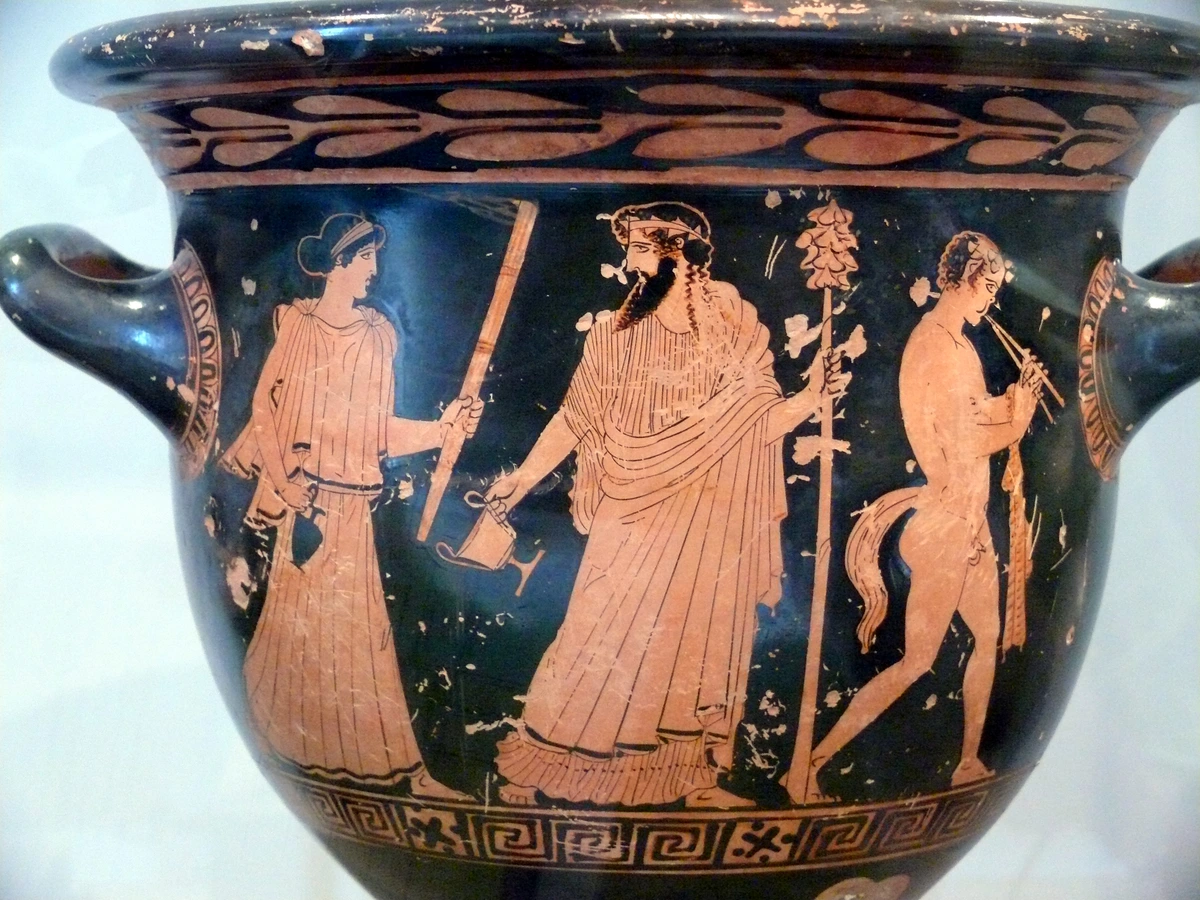
This period saw the introduction of new motifs and designs, such as griffins, sphinxes, and intricate floral patterns. These elements were incorporated into the pottery, creating a unique blend of Eastern and Greek artistic styles. The Orientalizing period was a time of experimentation and innovation, setting the stage for the development of more complex narrative art.
Suddenly, those rigid geometric patterns loosened up, making way for fantastical creatures like griffins and sphinxes, intricate floral designs, and more curvilinear forms. Corinth was a major player here, with its distinctive 'Corinthian style' known for friezes of animals and mythological beasts. It was a wonderful, albeit relatively brief, period of cross-cultural artistic exchange, setting the stage for more complex narrative art.
The Role of Corinth
Corinth played a pivotal role in the development of the Orientalizing style. The city's strategic location and cultural connections with the East allowed for the exchange of ideas and artistic techniques. The Corinthian style is characterized by its intricate designs and the use of mythological creatures, which became a hallmark of this period.
The Iconic: Black-Figure Pottery (c. 620-480 BCE)
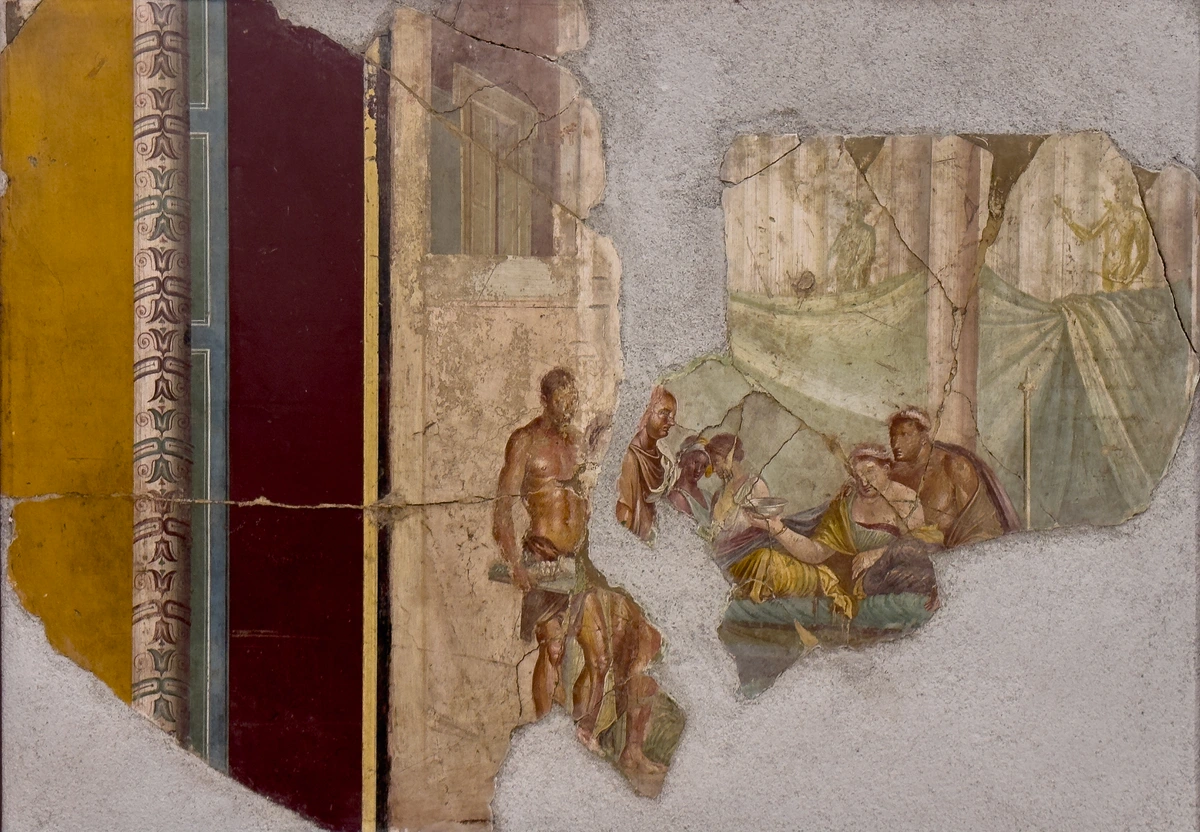
Black-Figure pottery is one of the most recognizable styles of ancient Greek pottery. This technique revolutionized the way stories and scenes were depicted on ceramic vessels, allowing for greater detail and artistic expression. The black-figure style is characterized by its use of black slip to create silhouettes of figures against a red clay background.
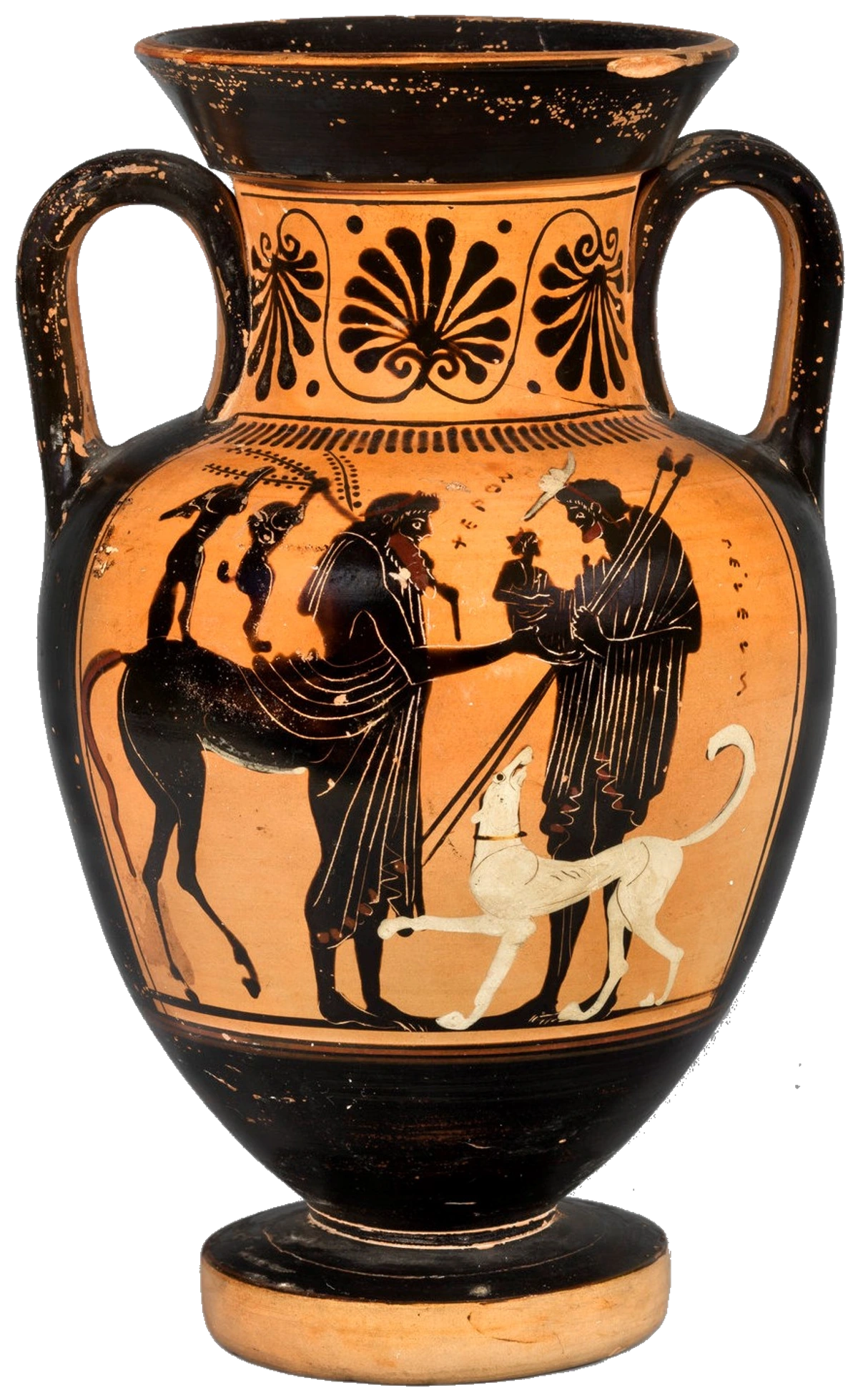
Ah, Black-Figure pottery. This is probably what most people picture when they think of ancient Greek vases, and for good reason. It was revolutionary! I remember the first time I saw a really well-preserved black-figure vase in a museum – the crispness of the details, the narrative unfolding. It’s captivating.
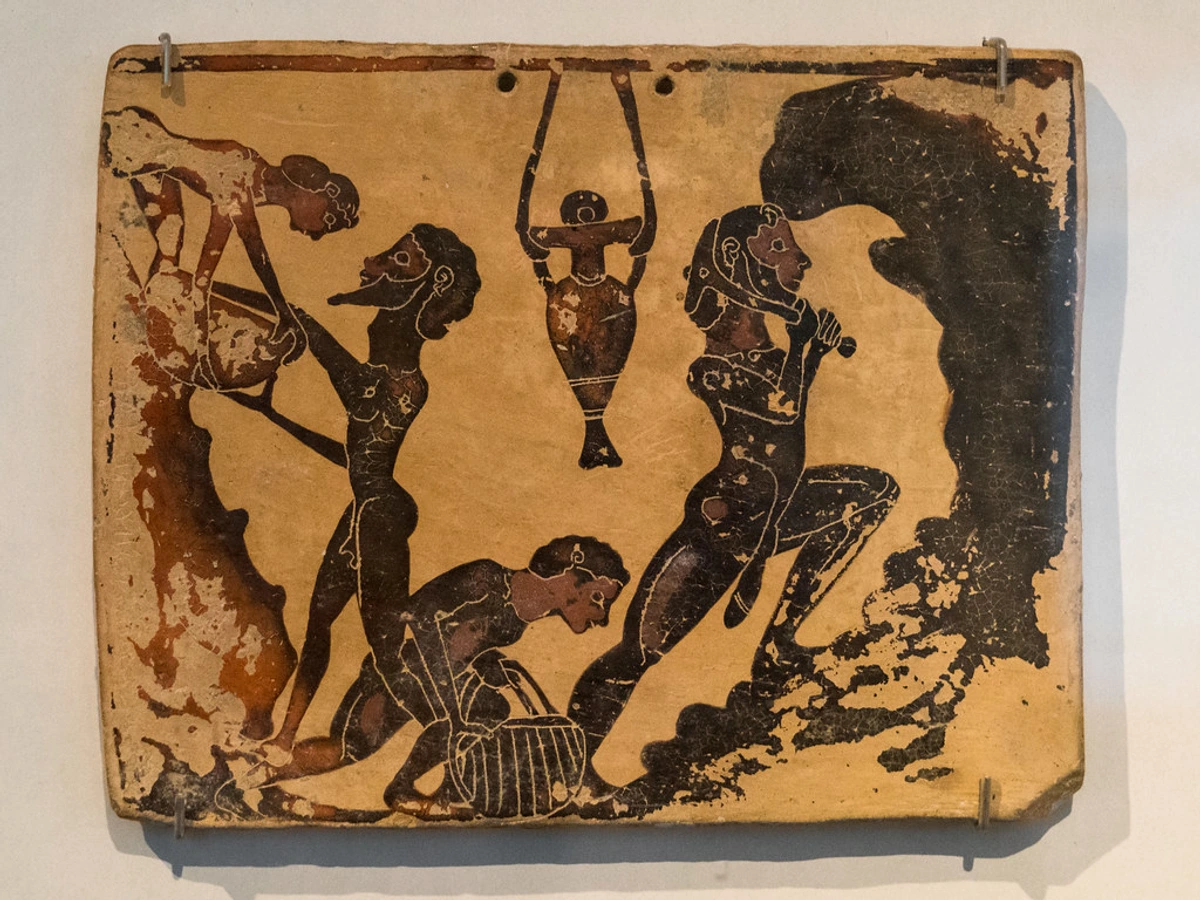
The technique involved painting figures in a glossy black slip onto the natural red clay background of the pot. Then, before firing, artists would incise fine lines into the black to reveal the red clay beneath, creating details like muscles, hair, and drapery. Red and white pigments were often added for highlights on things like female flesh or decorative elements.
The Rise of Athens
While Corinth pioneered the black-figure technique, Athens quickly became the dominant center for Attic black-figure pottery. The quality and volume of their output were staggering, reflecting the city's artistic and cultural significance. The Athenian potters and painters pushed the boundaries of the black-figure style, creating intricate and detailed scenes that captivated viewers.
Corinth actually pioneered this technique, but Athens quickly took over and became the dominant center for Attic black-figure pottery. The sheer quality and volume of their output were staggering. Mythological scenes were incredibly popular – heroes fighting monsters, gods interacting, legendary battles. But you also find fascinating glimpses into daily life: symposia (drinking parties), athletic contests, or scenes of artisans at work.
Themes and Narratives
The themes depicted in black-figure pottery are diverse and rich. Mythological scenes, such as the exploits of heroes like Heracles and the adventures of gods like Zeus, were common. These scenes not only served as decorative elements but also as a means of storytelling and cultural preservation. The pottery provided a visual narrative that complemented the oral traditions of the time.
It’s remarkable to think about the skill involved. These painters weren't just decorating pots; they were telling stories with incredible precision using what, to us, might seem like a very restrictive palette. It allowed for powerful silhouettes and iconic imagery, which resonates even today. If you love stories, especially those with ancient roots, you'll be fascinated by the history of encaustic painting and how it played out on these vessels.
It’s remarkable to think about the skill involved. These painters weren't just decorating pots; they were telling stories with incredible precision using what, to us, might seem like a very restrictive palette. It allowed for powerful silhouettes and iconic imagery, which resonates even today. If you love stories, especially those with ancient roots, you'll be fascinated by the-history-of-encaustic-painting-ancient-wax-art-to-modern-revival and how it played out on these vessels.
The Legacy of Black-Figure Pottery
The legacy of black-figure pottery extends beyond its artistic and cultural significance. It represents a pivotal moment in the evolution of ancient Greek art, setting the stage for the development of more complex and realistic styles. The techniques and themes introduced during this period continue to inspire artists and scholars today.

The Revolutionary: Red-Figure Pottery (c. 530-300 BCE)
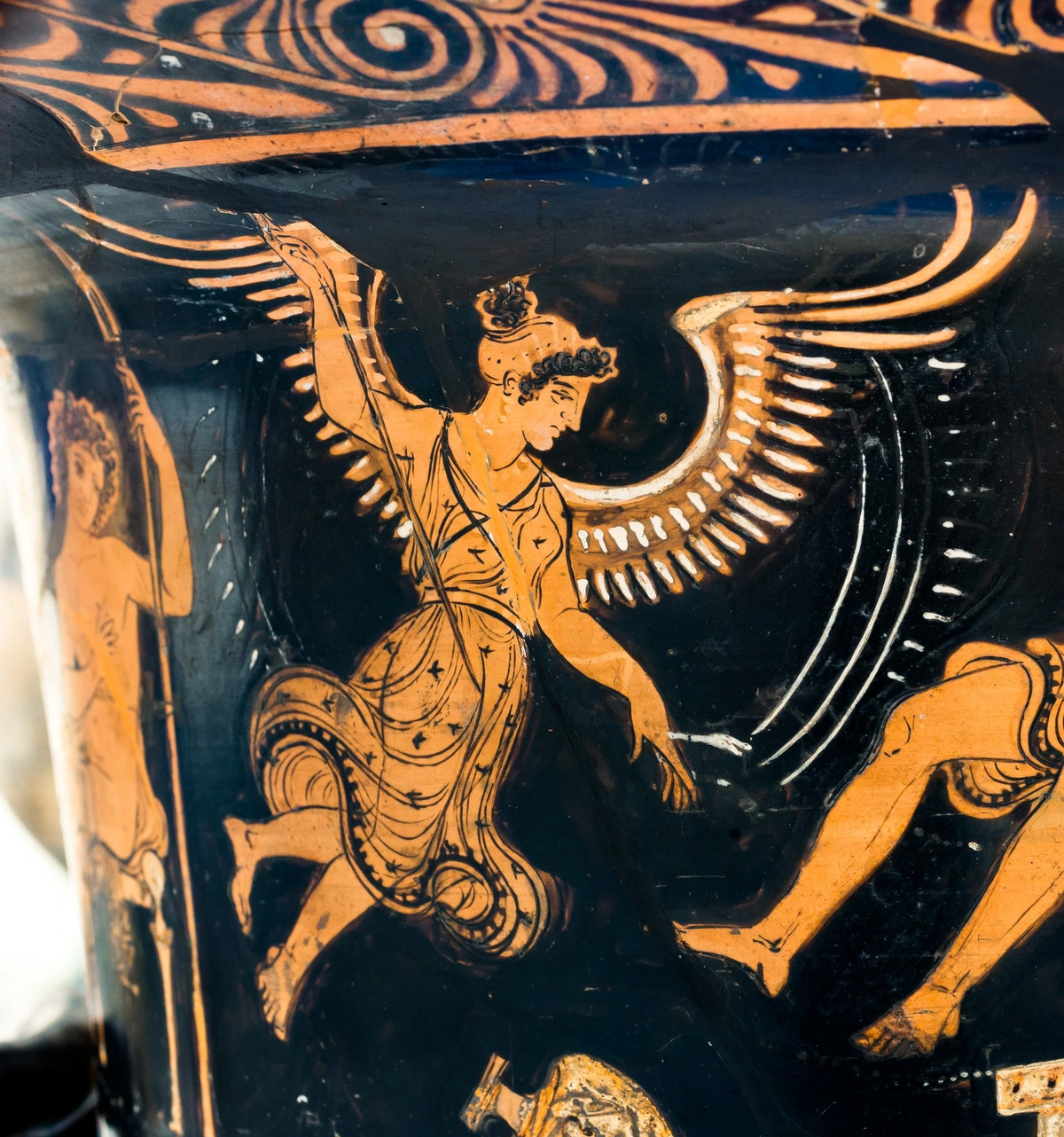
Red-Figure pottery represents a significant advancement in the artistic techniques of ancient Greek pottery. This style, which emerged in the late 6th century BCE, allowed for greater detail and realism in the depiction of figures and scenes. The red-figure technique is characterized by its use of the natural red color of the clay for the figures, with the background painted black.
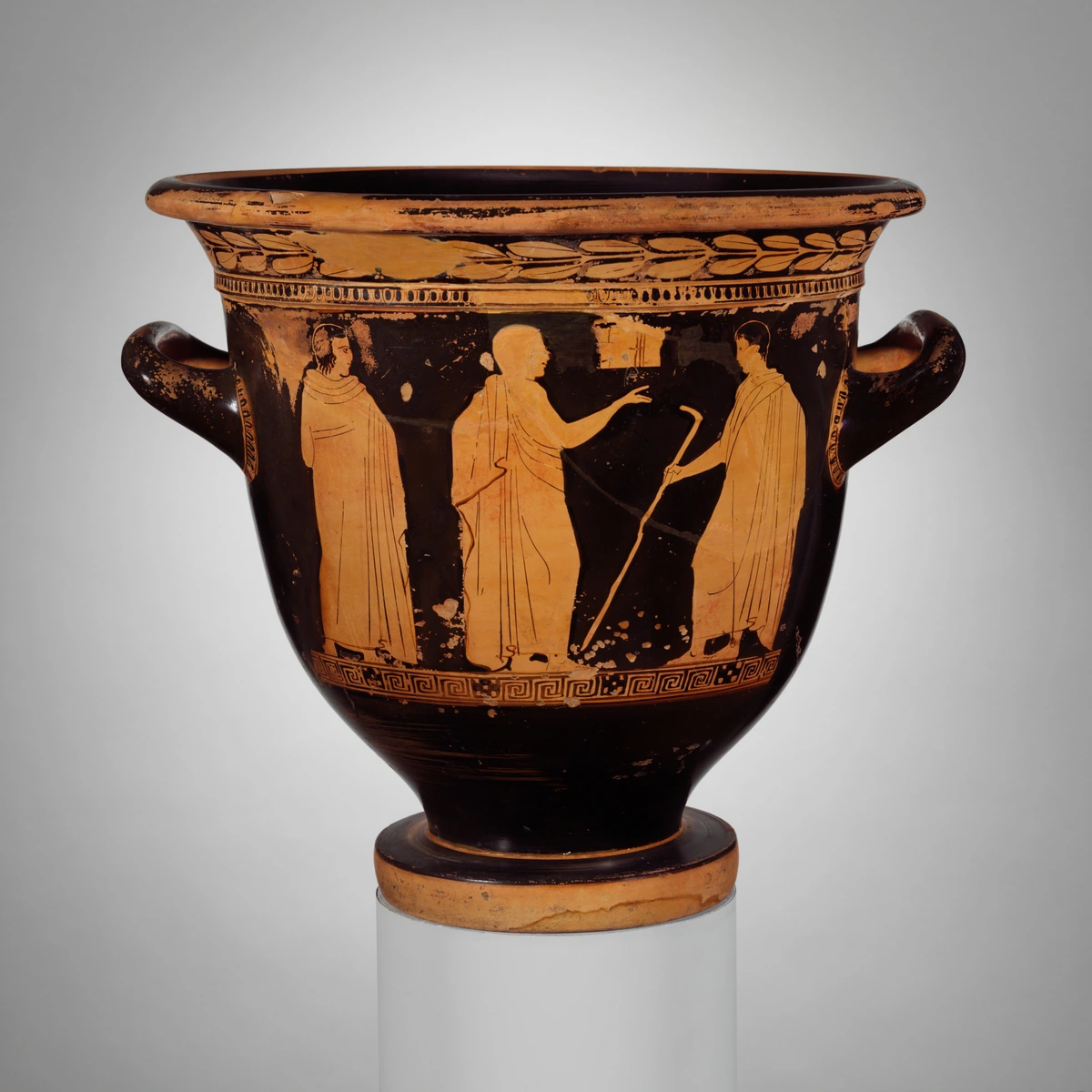
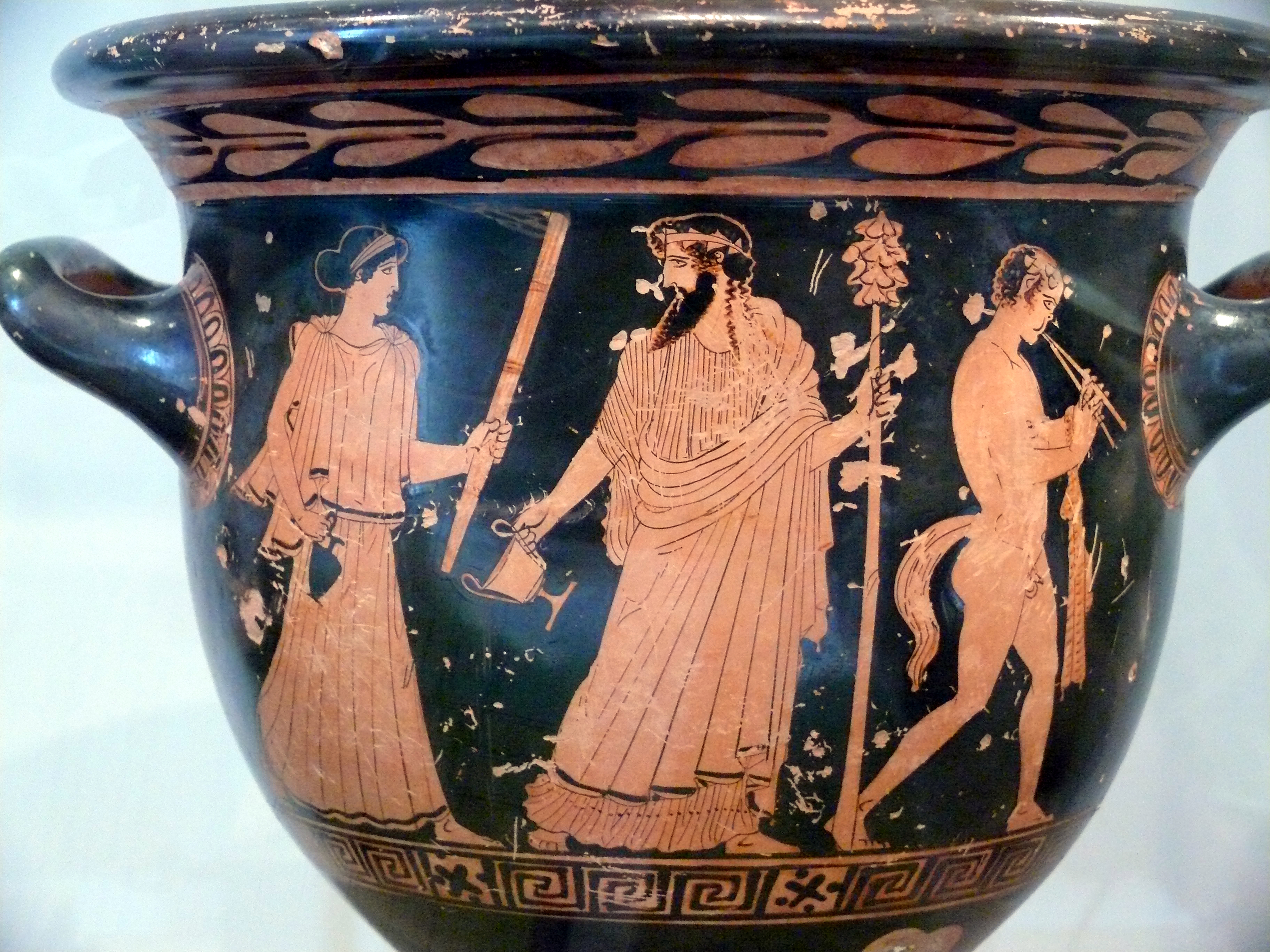
Just when you thought they'd perfected the art of vase painting, the Greeks, or rather, the Athenian potters, flipped the script. Literally. Red-Figure pottery is, in essence, the inverse of black-figure. Here, the figures are left in the natural red color of the clay, while the background is painted black.
Details, instead of being incised, were drawn with a fine brush using dilute black slip, allowing for far greater artistic freedom and naturalism. This was a game-changer! Suddenly, artists could depict human anatomy with more subtlety, foreshortening, and expressive gestures. Movement, emotion, and depth could be conveyed in ways that black-figure simply couldn't achieve.
I think of it as a painter's dream come true; imagine going from carving rigid lines to having the fluidity of a brush. It allowed for more dynamic compositions and a level of psychological depth that was truly ahead of its time. It’s almost like they decided, "Let's make these figures truly live on the pot!" The ability to paint fine lines for inner details, rather than incising, meant figures could overlap, twist, and turn, creating a sense of three-dimensionality. It paved the way for a more realistic (or dare I say, verist) approach to art that would later dominate classical sculpture and painting.
The Impact of Red-Figure Pottery
The impact of red-figure pottery on the art world cannot be overstated. This technique allowed for a level of detail and realism that was previously unattainable. The ability to depict complex scenes and emotions opened up new possibilities for storytelling and artistic expression. The red-figure style became a benchmark for future artistic endeavors, influencing not only pottery but also sculpture and painting.
Beyond Black and Red: White Ground Pottery
While black-figure and red-figure pottery dominated the artistic landscape, the White Ground technique offered a unique and delicate alternative. This style involved covering the vase with a layer of white slip, upon which figures were drawn with outlines and then filled with color. The result was a more fragile but visually striking piece of pottery.

While black-figure and red-figure dominated, it's worth a quick mention of White Ground pottery. This technique involved covering the vase with a layer of white slip, upon which figures were drawn with outlines and then filled with color. It was more fragile and less common for everyday use, often reserved for funerary lekythoi (oil flasks) – the delicate colors giving them a spectral, ethereal quality, perfectly suited for offerings to the dead. It's a poignant reminder of how form and function, even in art, are so deeply intertwined.
The Use of White Ground Pottery
White Ground pottery was primarily used for funerary purposes, reflecting the cultural and religious significance of these vessels. The delicate and ethereal quality of the white slip made it ideal for creating pieces that were intended to honor the dead. The intricate designs and colors used in this style added a layer of depth and meaning to the pottery, making it a powerful symbol of remembrance and respect.

More Than Just Pretty Pots: The Deeper Meaning
Ancient Greek pottery is more than just a collection of beautiful vessels; it is a testament to the artistic and cultural achievements of a civilization. These pots offer a glimpse into the daily lives, beliefs, and values of the people who created and used them. From practical storage jars to intricately decorated vases, each piece tells a story that transcends time.
So, what do all these pots actually tell us? Well, they're like a window into the entire ancient Greek world. From large amphorae for storing wine and oil, to kraters for mixing wine and water at lively symposia (I imagine those parties must have been quite something!), to delicate kylixes (drinking cups) that reveal a new scene at the bottom as you drink, each shape had a purpose. It's a testament to ancient Greek design, really – combining utility with profound aesthetic value. You can learn more about the broader context in the influence of Byzantine art on Renaissance painting.
So, what do all these pots actually tell us? Well, they're like a window into the entire ancient Greek world. From large amphorae for storing wine and oil, to kraters for mixing wine and water at lively symposia (I imagine those parties must have been quite something!), to delicate kylixes (drinking cups) that reveal a new scene at the bottom as you drink, each shape had a purpose. It's a testament to ancient Greek design, really – combining utility with profound aesthetic value. You can learn more about the broader context in the-influence-of-byzantine-art-on-renaissance-painting.
The Role of Pottery in Ancient Greek Society
Pottery played a central role in ancient Greek society, serving both practical and symbolic purposes. These vessels were used in everyday life, from storing and serving food and drink to participating in religious and social rituals. The intricate designs and motifs found on these pots reflect the cultural and artistic values of the time, providing a rich tapestry of information about ancient Greek life.
These vessels were not merely utilitarian; they were central to social rituals, religious practices, and even expressions of wealth and status. The stories painted on them served as moral lessons, cultural touchstones, and entertainment. They literally brought myths to life in the hands of the people. It’s a powerful concept, this idea of art as a ubiquitous, integrated part of life, rather than something confined to a gallery. I often think about that integration when I'm creating my own pieces, wondering how they'll weave into the lives of those who acquire them.
The Cultural Significance of Pottery
The cultural significance of ancient Greek pottery extends beyond its artistic and practical uses. These vessels were a means of storytelling, a way to preserve and transmit cultural values and beliefs. The scenes depicted on the pottery often reflected the myths, legends, and daily life of the ancient Greeks, providing a rich source of information about their society and culture.

Key Distinctions and Evolution
The evolution of ancient Greek pottery is a testament to the artistic and cultural achievements of the civilization. From the abstract designs of the Geometric period to the intricate narratives of the red-figure style, each era reflects the societal values and artistic innovations of the time. Understanding the key distinctions between these styles provides a deeper appreciation of the artistry and craftsmanship involved.
To sum it up, here’s a little table I put together to help clarify the main differences between these fascinating styles. Sometimes seeing it laid out like this really helps, doesn’t it?
The Evolution of Techniques
The techniques used in ancient Greek pottery evolved significantly over time. From the simple geometric patterns of the early periods to the intricate and detailed designs of the later styles, each era brought new innovations and artistic advancements. These techniques not only enhanced the visual appeal of the pottery but also allowed for greater storytelling and cultural expression.
Pottery Type  | Approximate Period | Key Technique | Common Themes | Key Characteristics |
|---|---|---|---|---|
| Geometric | 900-700 BCE | Painted black linear patterns | Funerary scenes, stylized human/animal figures | Horizontal bands, meanders, zigzags, 'horror vacui' (fear of empty space) |
| Orientalizing | 700-600 BCE | Figures in black silhouette, outlines, incised details | Mythical beasts, animals, floral motifs | Eastern influences, rosettes, curvilinear forms, friezes |
| Black-Figure | 620-480 BCE | Figures in black silhouette on red clay; details incised | Mythology, daily life, heroic deeds | Powerful silhouettes, added red/white highlights, less fluid than red-figure |
| Red-Figure | 530-300 BCE | Figures in red on black background; details painted | Mythology, daily life, more complex narratives | Greater naturalism, fluidity, depth, expressive movement |
| White Ground | c. 500-400 BCE | Figures outlined on a white slip ground; colors added | Funerary scenes | Delicate, ethereal, often reserved for lekythoi |
The Influence of Ancient Greek Pottery
The influence of ancient Greek pottery extends far beyond its time and place of origin. The techniques, themes, and artistic innovations introduced during this period have had a lasting impact on the art world. From the intricate designs of the Geometric period to the realistic depictions of the red-figure style, ancient Greek pottery continues to inspire and inform contemporary art and culture.
Frequently Asked Questions (FAQ)
What is the earliest type of ancient Greek pottery?
The earliest prominent style is Geometric pottery, emerging around 900 BCE. It's recognizable by its abstract patterns and highly stylized figures, which eventually evolved into more complex forms.
What is the main difference between black-figure and red-figure pottery?
The primary difference lies in the color of the figures and background, and how details are rendered. In black-figure, the figures are painted black onto the red clay, with details incised. In red-figure, the figures are left in the natural red color of the clay, with the background painted black, and details are painted on with a brush, allowing for greater realism and fluidity.
What were ancient Greek vases primarily used for?
Ancient Greek vases had a variety of uses, both practical and ritualistic. They were used for storing liquids like wine, water, and oil (amphorae, hydriai), for mixing wine and water (kraters), for drinking (kylixes, skyphoi), and for carrying oil or perfume (lekythoi, aryballoi). Many also served as grave markers or offerings in tombs, especially during the Geometric period.
Who were some famous Greek vase painters?
While many ancient Greek potters and painters didn't sign their work, some prominent figures and groups are known. For black-figure, artists like Exekias are celebrated for their mastery and emotive scenes. For red-figure, pioneers like the Andokides Painter (credited with inventing the style) and later masters such as the Berlin Painter and Euphronios pushed the boundaries of naturalism and narrative.
How can I appreciate ancient Greek pottery today?
Today, ancient Greek pottery is a treasure trove of historical and artistic information. You can appreciate it by visiting museums around the world – many major institutions have extensive collections. Pay attention to the vessel's shape, the stories depicted, the artistic technique, and imagine the lives of the people who created and used them. It's a direct connection to a civilization that shaped so much of Western thought and art.
My Final Thoughts on Clay and Legacy
Walking through a gallery filled with these ancient vessels, I'm always struck by the sheer human desire to create, to decorate, to tell a story. Whether it’s a geometric pattern from 900 BCE or a dynamic red-figure scene from the Classical period, each piece is a conversation across millennia. It's a reminder that art isn't just about what's new and contemporary; it's also about understanding the deep roots from which our current expressions spring.
These potters and painters, in their workshops centuries ago, probably never imagined their work would be studied and admired today. Yet, here we are, still learning from their innovations and appreciating their craft. It really makes you think about the enduring power of art, doesn't it? If you're inspired by the stories art can tell, perhaps you'd like to explore some of my own modern narratives in paint – you can always buy a piece that speaks to you. Or, if you're ever in my hometown, come visit the den-bosch-museum to see how contemporary art dialogues with history.














These potters and painters, in their workshops centuries ago, probably never imagined their work would be studied and admired today. Yet, here we are, still learning from their innovations and appreciating their craft. It really makes you think about the enduring power of art, doesn't it? If you're inspired by the stories art can tell, perhaps you'd like to explore some of my own modern narratives in paint – you can always buy a piece that speaks to you. Or, if you're ever in my hometown, come visit the den-bosch-museum to see how contemporary art dialogues with history.