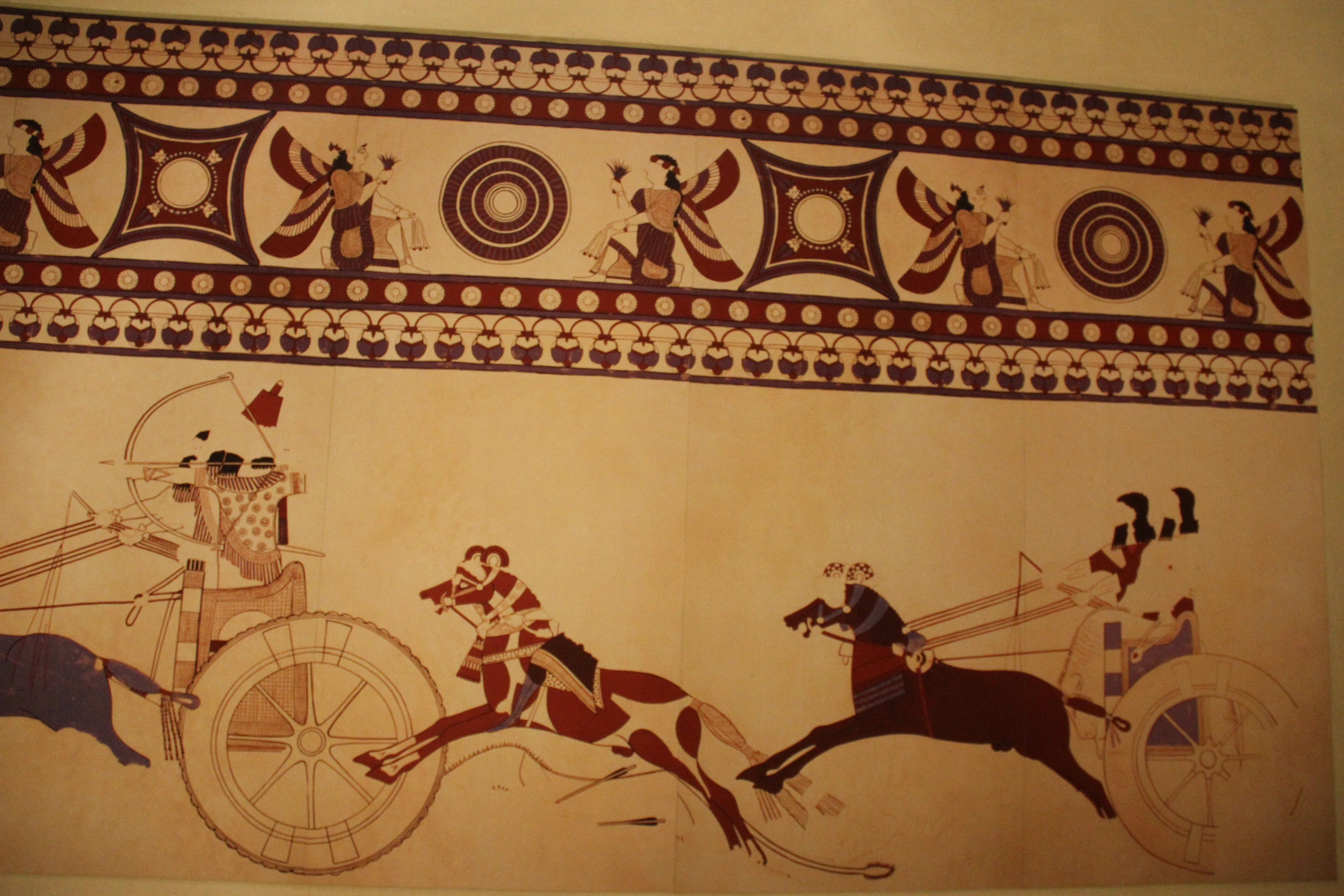
Ancient Greek Art History: A Journey Through Time
Explore the evolution of Ancient Greek art through its major periods, from the Archaic to the Hellenistic era. Discover the beauty and significance of Greek sculpture, pottery, and architecture.

Ancient Greek Art History: A Journey Through Time
I remember the first time I stood in front of a Greek statue. It was one of those moments where you feel a connection across centuries, a whisper from the past that somehow still resonates today. Ancient Greek art isn’t just about aesthetics; it’s a story of human expression, innovation, and cultural identity. Let’s dive into this journey through time, exploring the major periods of Ancient Greek art and what makes each one unique.
Why Study Ancient Greek Art?
Ancient Greek art is not just a relic of the past; it is a foundation for much of the art and culture we see today. From the principles of symmetry and proportion to the depiction of human emotion, Greek art has influenced countless movements and artists. Understanding its evolution provides insight into the broader narrative of human creativity and the enduring quest for beauty and meaning.
The Origins of Greek Art
The origins of Greek art can be traced back to the influence of Egyptian and Near Eastern art. Early Greek sculptures, such as the kouros and kore, were heavily influenced by Egyptian styles, but Greek artists gradually developed their own unique approach. This period laid the foundation for the artistic achievements of the Classical period.
Why Ancient Greek Art Matters
Ancient Greek art is more than just a historical curiosity; it is the bedrock of Western artistic tradition. From the principles of symmetry and proportion to the depiction of human emotion, Greek art has shaped the way we perceive beauty and creativity. Understanding its evolution provides insight into the broader narrative of human creativity and the enduring quest for beauty and meaning.
The Influence on Western Art
Greek art introduced concepts such as idealized human forms, mathematical proportions, and narrative storytelling through visual mediums. These principles have been adopted and adapted by artists throughout history, from the Renaissance to modern art movements.
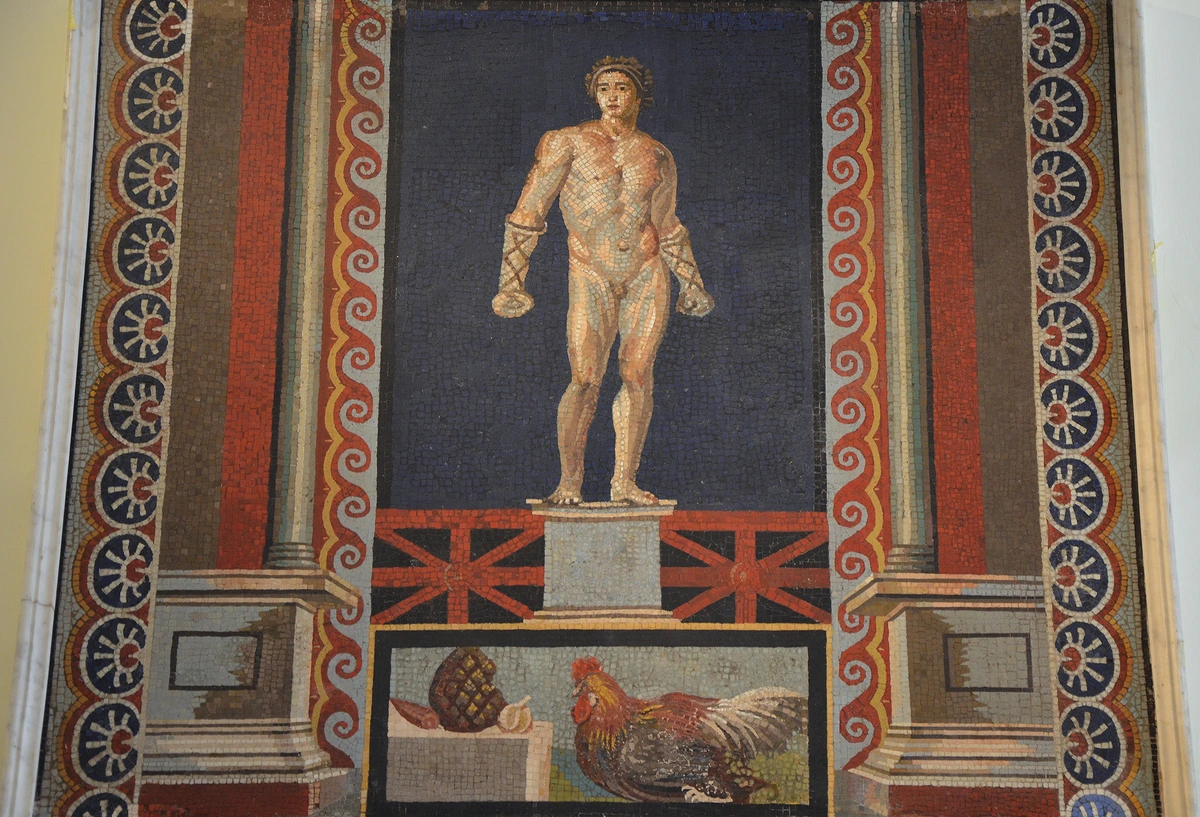
The Significance of Greek Art in Modern Culture
Greek art has shaped the way we perceive beauty, proportion, and emotional expression in art. Its influence extends far beyond its historical context, shaping the way we perceive beauty, proportion, and emotional expression in art. Whether you're an artist, a historian, or simply an admirer of beauty, the legacy of Greek art is undeniable.
Influence on Renaissance Art
The Renaissance period saw a revival of Greek artistic principles, with artists like Michelangelo and Leonardo da Vinci drawing inspiration from Greek sculptures and architectural styles. The emphasis on humanism and realism in Renaissance art can be traced back to Greek ideals.
The Enduring Influence of Greek Art
Greek art has left an indelible mark on the world. From the principles of symmetry and proportion to the depiction of human emotion, its influence can be seen in countless movements and artists. Understanding its evolution provides insight into the broader narrative of human creativity and the enduring quest for beauty and meaning.
Greek Art in Contemporary Culture
Even today, Greek art continues to inspire contemporary artists and designers. The clean lines and balanced compositions of Greek architecture can be seen in modern buildings, while the ideals of beauty and harmony resonate in various forms of visual and performing arts.
Key Contributions to Western Art
Greek art introduced concepts such as idealized human forms, mathematical proportions, and narrative storytelling through visual mediums. These principles have been adopted and adapted by artists throughout history, from the Renaissance to modern art movements.
The Role of Greek Art in Education
Studying Greek art is not just about appreciating its beauty; it’s also about understanding the historical and cultural context in which it was created. This knowledge enriches our understanding of Western civilization and its artistic heritage.
Why Study Ancient Greek Art?
Ancient Greek art is not just a relic of the past; it is a foundation for much of the art and culture we see today. From the principles of symmetry and proportion to the depiction of human emotion, Greek art has influenced countless movements and artists. Understanding its evolution provides insight into the broader narrative of human creativity and the enduring quest for beauty and meaning.

The Philosophical Underpinnings
Greek art is deeply intertwined with philosophy. The works of Plato, Aristotle, and Socrates explored the nature of beauty, truth, and the human condition, which in turn influenced the artistic expressions of their time. This philosophical foundation continues to resonate in modern art and thought.
Educational Value
Studying Greek art offers a window into the cultural, political, and religious contexts of ancient Greece. It helps us understand the values, beliefs, and aspirations of a civilization that laid the groundwork for Western culture.

Greek Art and Modern Aesthetics
The principles of Greek art, such as balance, harmony, and proportion, are still relevant in modern aesthetics. These principles are applied in various fields, from architecture and design to digital art and photography.
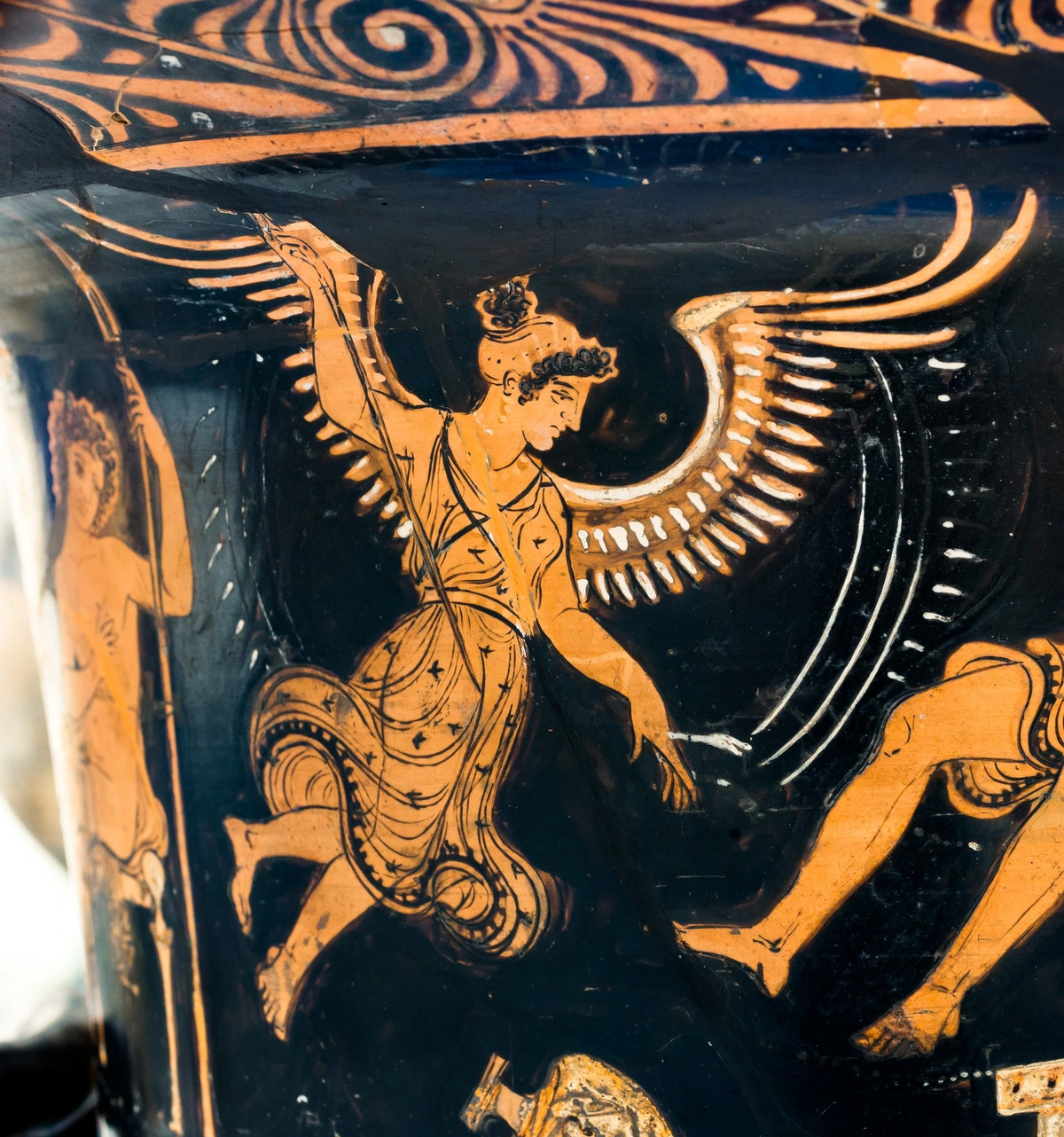
Introduction to Ancient Greek Art
Ancient Greek art spans over a thousand years, from around 1000 BCE to the first century CE. It’s a period marked by incredible creativity and a deep appreciation for beauty, balance, and harmony. The Greeks were pioneers in many art forms, including sculpture, pottery, and architecture, and their influence can still be seen in modern art and culture.
The Evolution of Greek Artistic Techniques
Greek artists were innovators, constantly refining their techniques and materials. From the early use of marble and bronze in sculpture to the development of advanced pottery techniques, Greek artists pushed the boundaries of what was possible in their time.
The Evolution of Greek Art
Greek art evolved through distinct periods, each marked by unique styles and innovations. These periods include the Archaic, Classical, and Hellenistic eras, each contributing to the rich tapestry of Greek artistic achievement.
The Role of Trade and Commerce
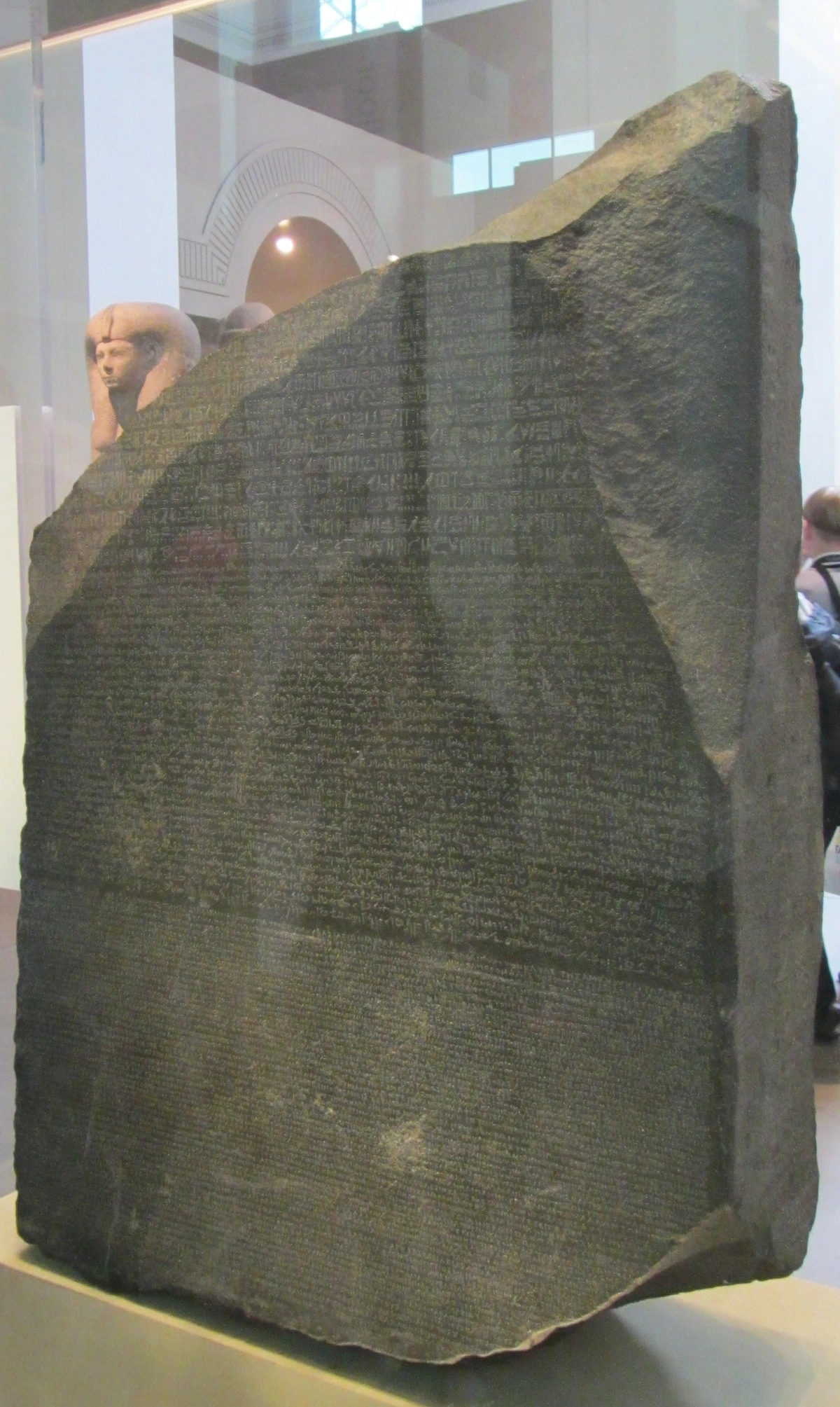
Trade and commerce played a significant role in the spread of Greek art. The exchange of goods and ideas between city-states and other cultures facilitated the dissemination of artistic styles and techniques, enriching the artistic landscape of ancient Greece.
The Cultural Context
Greek art did not develop in isolation. It was shaped by the political, social, and religious contexts of the time. The city-states of Athens, Sparta, and Corinth, among others, played pivotal roles in fostering artistic innovation. Religion, too, was a driving force, with gods and heroes serving as central themes in Greek art.
The Influence of Greek Democracy
The development of democracy in Athens had a profound impact on Greek art. The emphasis on individualism and civic participation is reflected in the art of the time, particularly in the depiction of human figures and their expressions.

The Role of Mythology
Mythology played a significant role in Greek art. Stories of gods, goddesses, and heroes were depicted in sculptures, pottery, and paintings, serving as both religious symbols and cultural narratives. These mythological themes provided a rich source of inspiration for artists.
Mythology and Symbolism
Greek mythology was not just a source of inspiration; it was also a system of symbols and metaphors. Artists used mythological themes to convey complex ideas and emotions, creating a visual language that resonated with their audience.
The Archaic Period (700-480 BCE)
The Archaic period is where it all begins. This era is characterized by the development of the kouros and kore statues, which are some of the earliest examples of Greek sculpture. These statues are known for their stiff, formal poses and the famous "Archaic smile," a slight upturn of the lips that gives them a sense of life and personality.
The Origins of Greek Sculpture
The origins of Greek sculpture can be traced back to the influence of Egyptian and Near Eastern art. Early Greek sculptures, such as the kouros and kore, were heavily influenced by Egyptian styles, but Greek artists gradually developed their own unique approach.
The Evolution of Archaic Sculpture
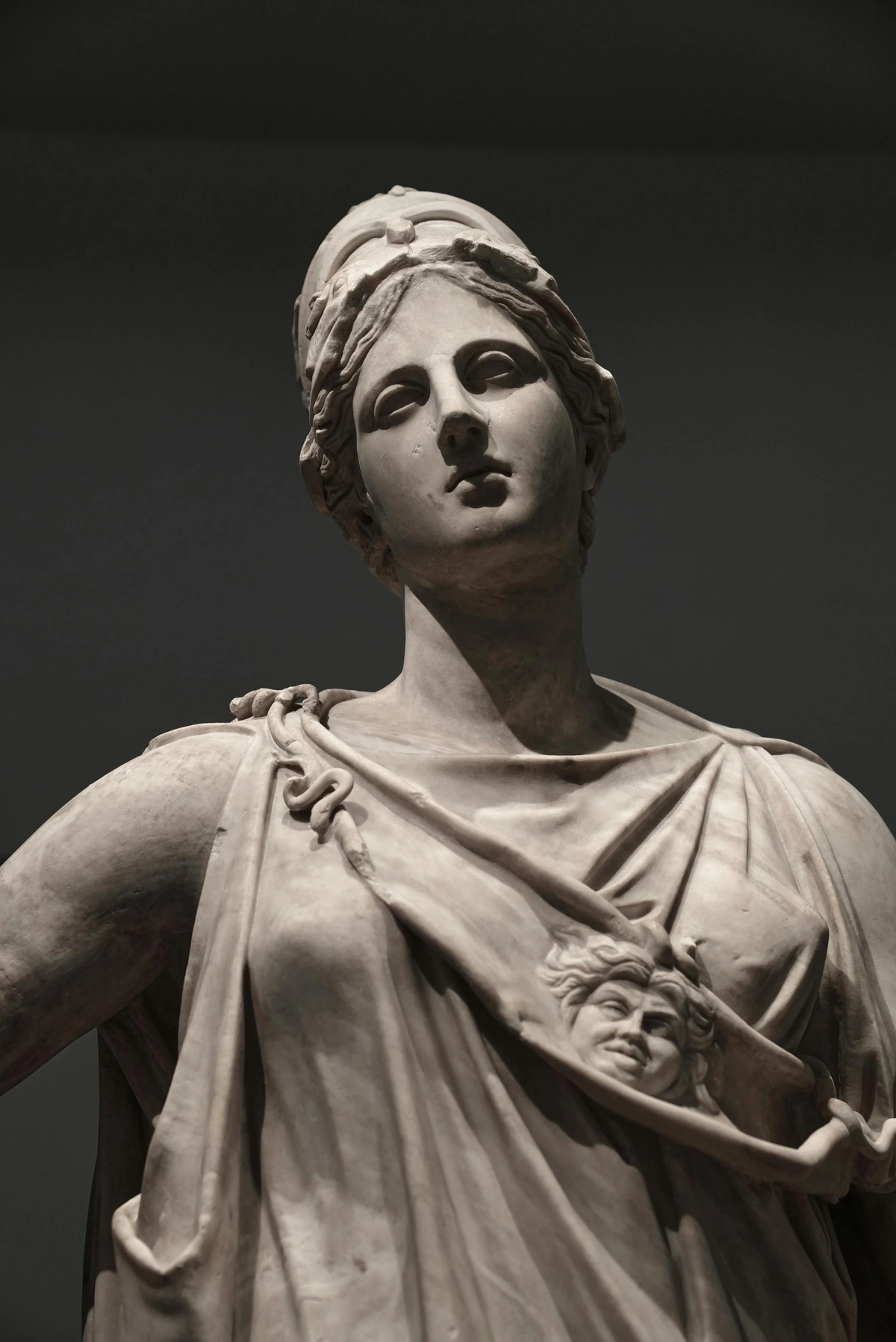
The Archaic period saw a gradual shift from rigid, Egyptian-inspired forms to more naturalistic representations. Early kouroi and korai were heavily influenced by Egyptian sculpture, but over time, Greek artists began to experiment with more dynamic poses and expressions. This evolution reflects a growing confidence in Greek artistic identity.
The Influence of Archaic Pottery
Pottery was another significant art form during the Archaic period. The development of black-figure pottery, where figures were painted in black against a red background, allowed artists to tell complex stories and depict intricate scenes.
Key Features of Archaic Art
- Kouros and Kore Statues: These are life-sized statues of young men (kouros) and women (kore). They were often used as grave markers or offerings to the gods.
- Archaic Smile: A distinctive feature that adds a touch of humanity to the otherwise rigid forms.
- Pottery: The Archaic period saw the rise of black-figure pottery, where figures were painted in black against a red background.
- Architectural Innovations: The Archaic period also saw the development of early Greek temples, such as the Temple of Hera at Olympia, which laid the groundwork for later architectural achievements.
The Role of Religion in Archaic Art
Religion played a central role in Archaic art. Many of the sculptures and pottery from this period were created as offerings to the gods or as grave markers, reflecting the deep religious beliefs of the ancient Greeks.
The Influence of Egyptian Art
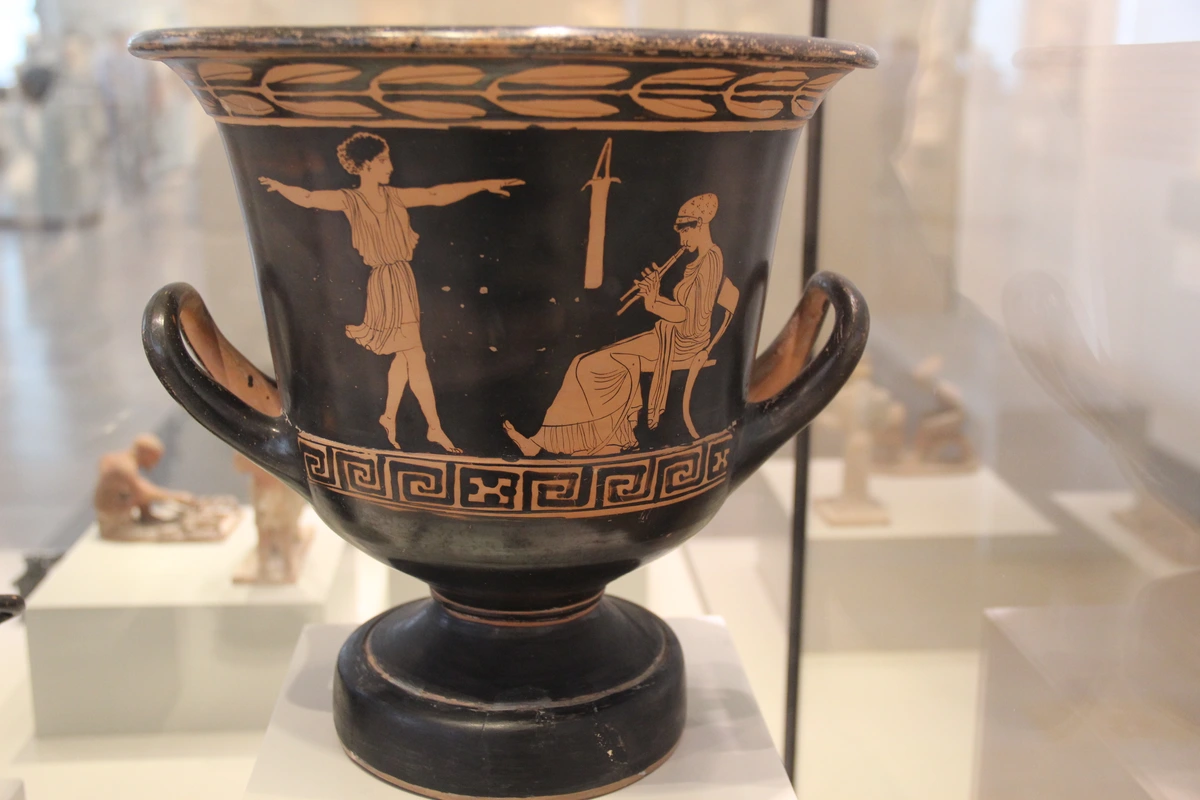
Early Greek art was heavily influenced by Egyptian styles, particularly in sculpture. The rigid poses and formal structure of kouros and kore statues reflect this influence, but Greek artists gradually developed their own unique style.
The Transition to Classical Art
The Archaic period laid the foundation for the artistic achievements of the Classical period. The innovations in sculpture, pottery, and architecture during this time set the stage for the more naturalistic and dynamic styles of the Classical era.
Examples of Archaic Art
- The New York Kouros: A stunning example of a kouros statue, showcasing the idealized male form.
- The Peplos Kore: A beautiful kore statue, named after the garment she wears.
- The Siphnian Treasury: A small temple at Delphi, known for its intricate sculptures and architectural details.
The Legacy of Archaic Art
The Archaic period was a time of experimentation and innovation. The artistic achievements of this era laid the groundwork for the more refined and naturalistic styles of the Classical period, making it a crucial chapter in the history of Greek art.
The Legacy of Archaic Art
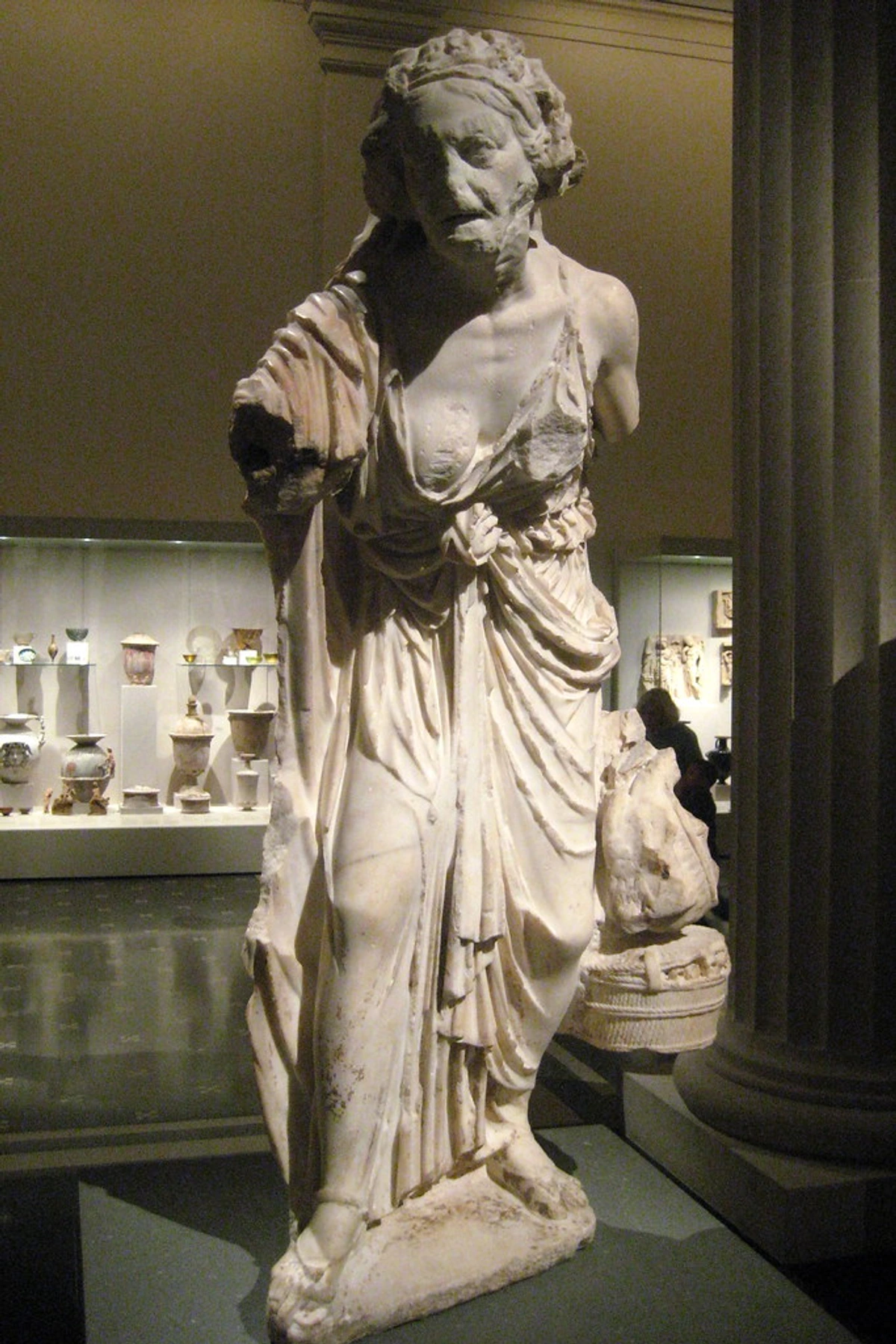
The Archaic period laid the foundation for later Greek art. The innovations in sculpture, pottery, and architecture during this time set the stage for the artistic achievements of the Classical and Hellenistic periods.

credit, licence
The Classical Period (480-323 BCE)
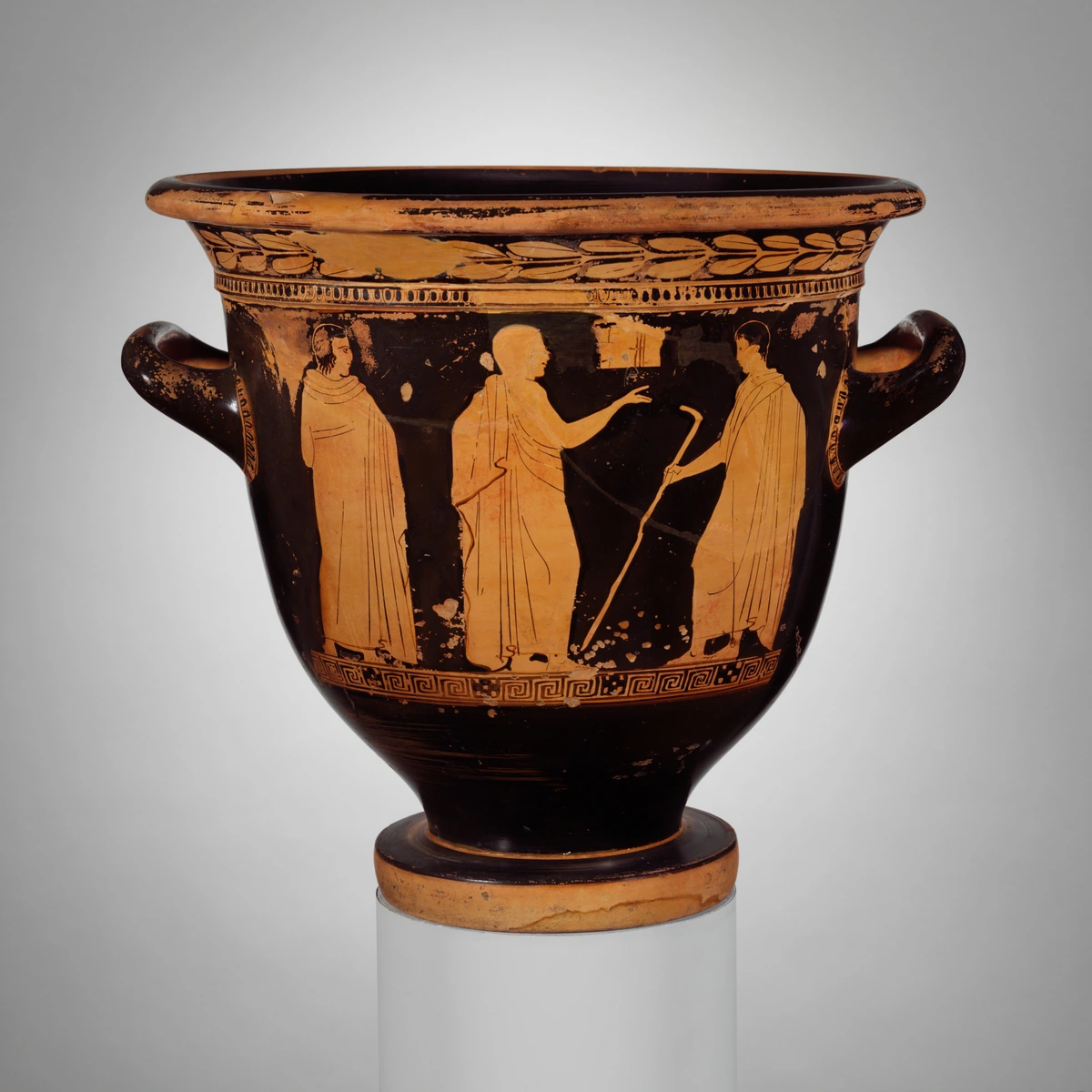
The Classical period is often considered the golden age of Greek art. This era is marked by a shift towards more naturalistic and dynamic forms. The Greeks were striving for perfection, and their art reflects this pursuit of ideal beauty and harmony.
The Pursuit of Perfection
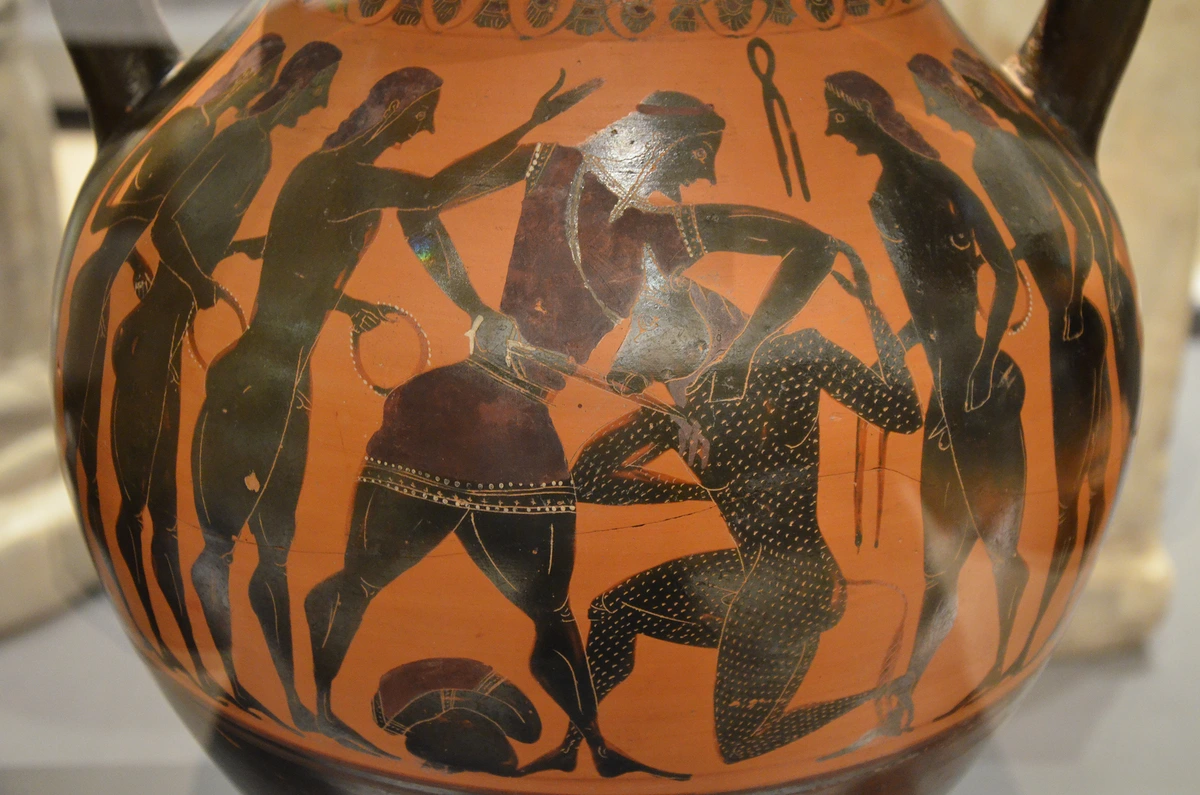
The Classical period was characterized by a relentless pursuit of perfection. Greek artists sought to capture the ideal human form, using mathematical principles to achieve perfect proportions and symmetry. This pursuit of perfection is evident in the sculptures and architecture of the time.
The Influence of Philosophy
The Classical period was also a time of great philosophical thought, with figures like Socrates, Plato, and Aristotle shaping Greek culture. Their ideas about beauty, truth, and the human condition deeply influenced the art of the time, leading to a greater emphasis on realism and emotional depth.
The Role of Mathematics in Classical Art
Mathematics played a crucial role in Classical Greek art. Artists used mathematical principles to achieve perfect proportions and symmetry, reflecting the Greek belief in the harmony of the universe. This mathematical approach is evident in the architecture of the Parthenon and other iconic structures.
Key Features of Classical Art
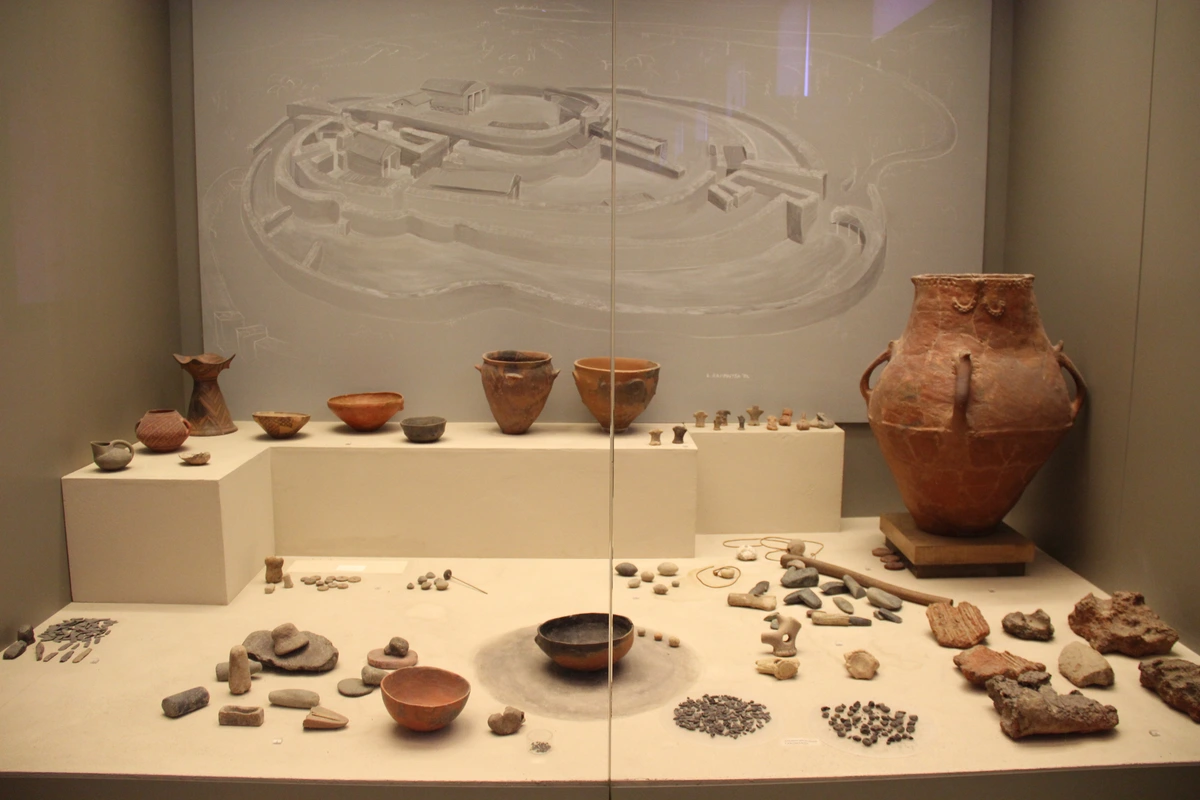
- Contrapposto: A pose where the body’s weight is shifted onto one leg, creating a sense of movement and balance.
- Idealized Forms: The Greeks sought to depict the perfect human form, often using mathematical proportions.
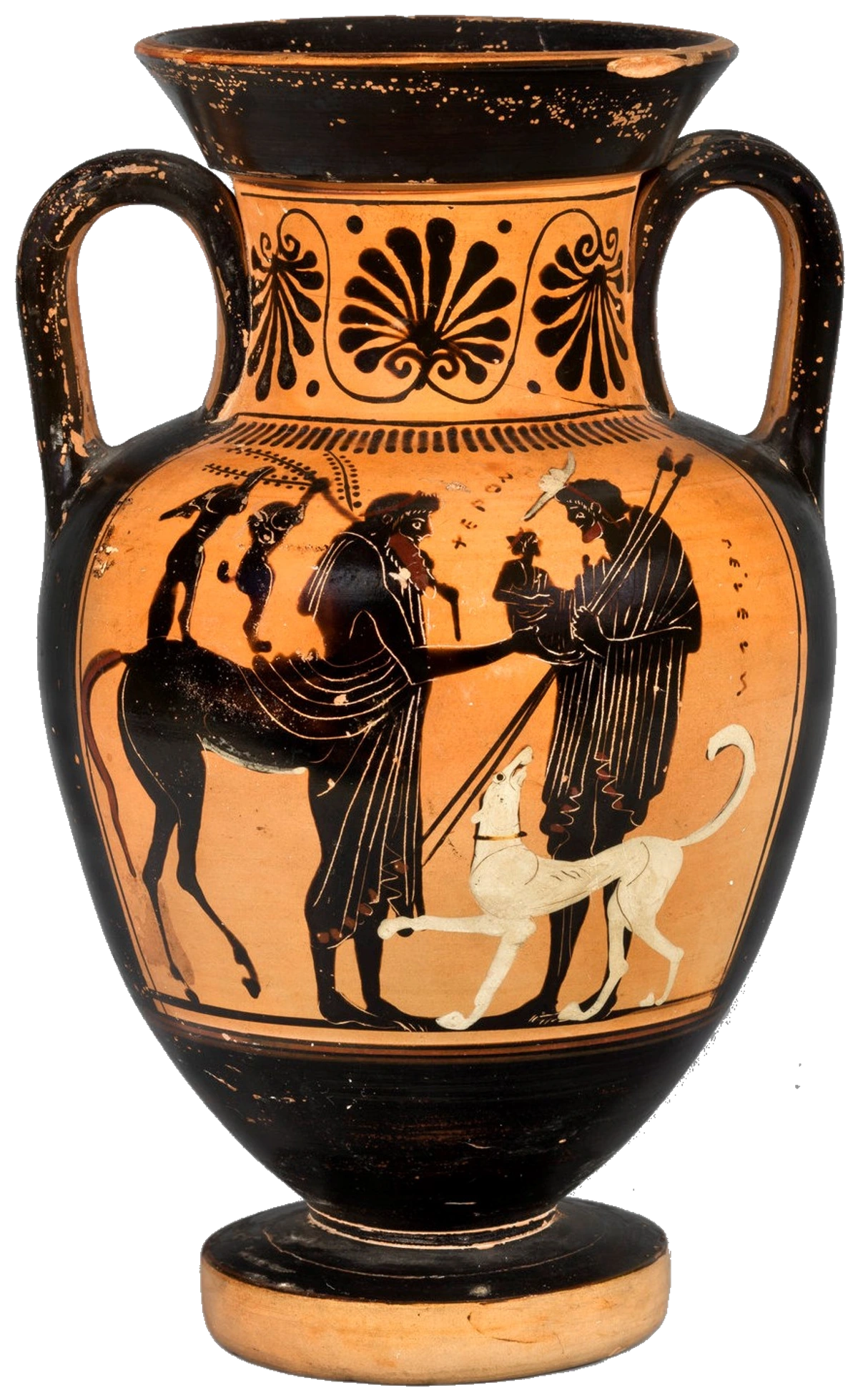
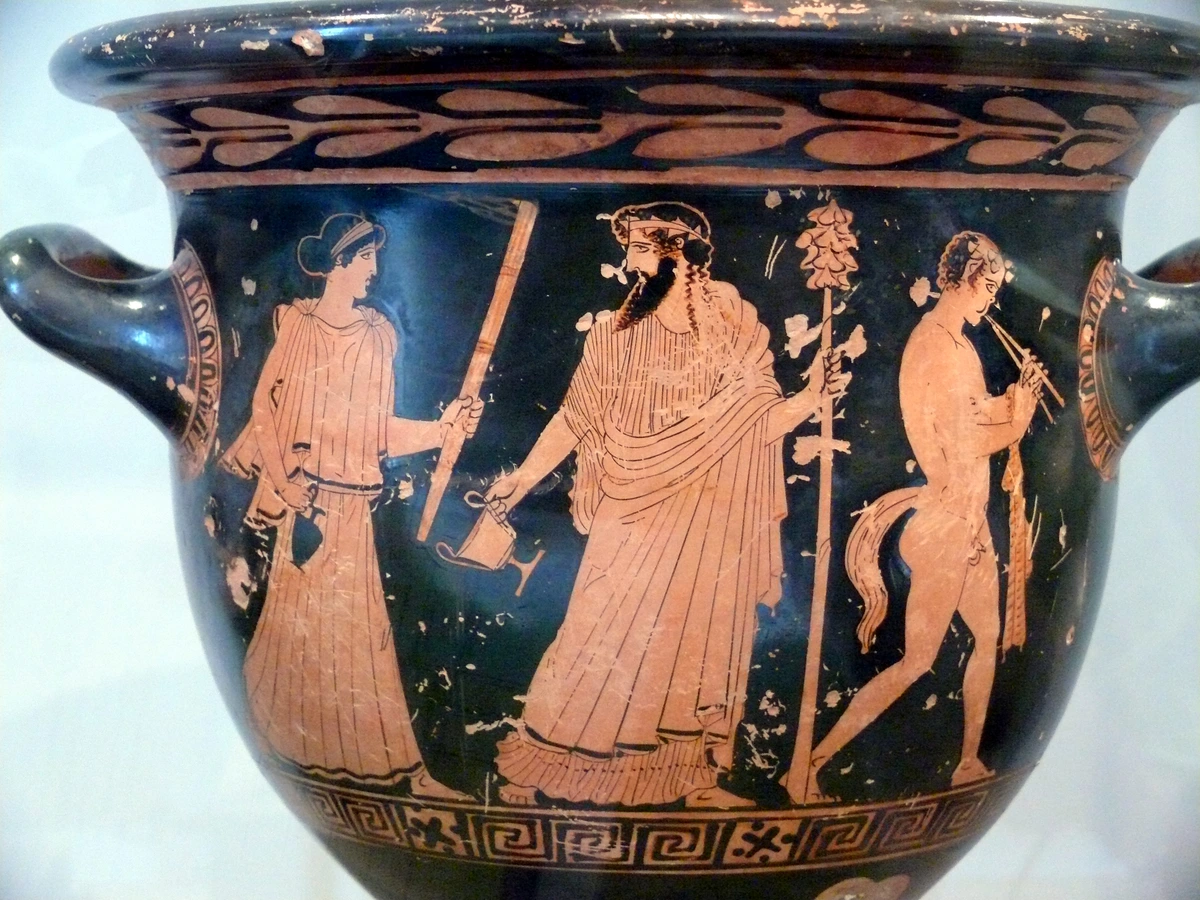
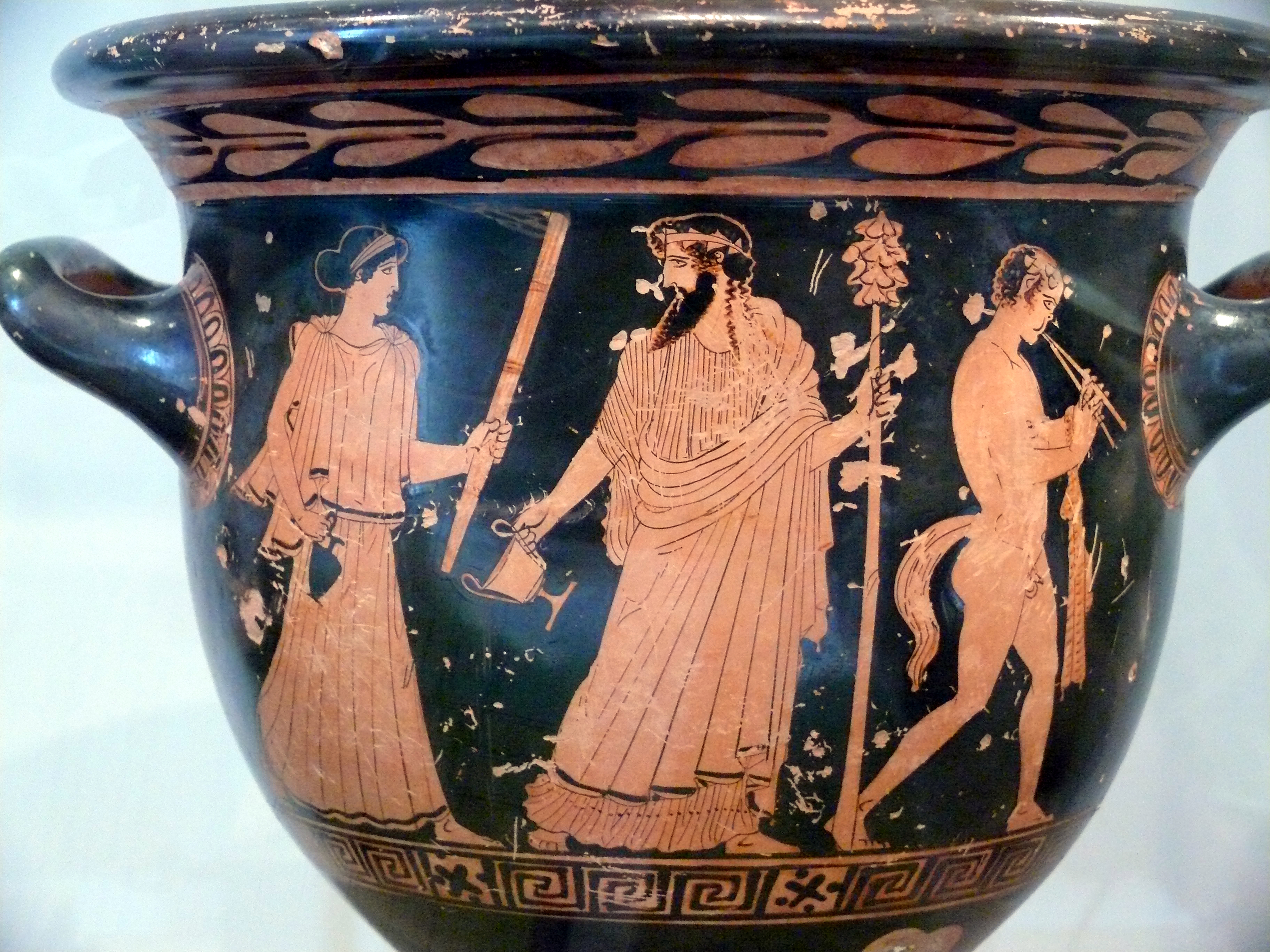
- Red-Figure Pottery: A technique where figures were painted in red against a black background, allowing for more detail and expression.
- Architectural Mastery: The Classical period saw the construction of iconic structures like the Parthenon, which embodied the principles of harmony and proportion.
The Role of Public Art
Public art played a significant role in Classical Greece. Sculptures and architectural masterpieces were often commissioned by the state or wealthy patrons, reflecting the civic pride and cultural achievements of the city-states.

The Role of Mathematics in Art
Mathematics played a crucial role in Classical Greek art. Artists used mathematical principles to achieve perfect proportions and symmetry, reflecting the Greek belief in the harmony of the universe.
Examples of Classical Art
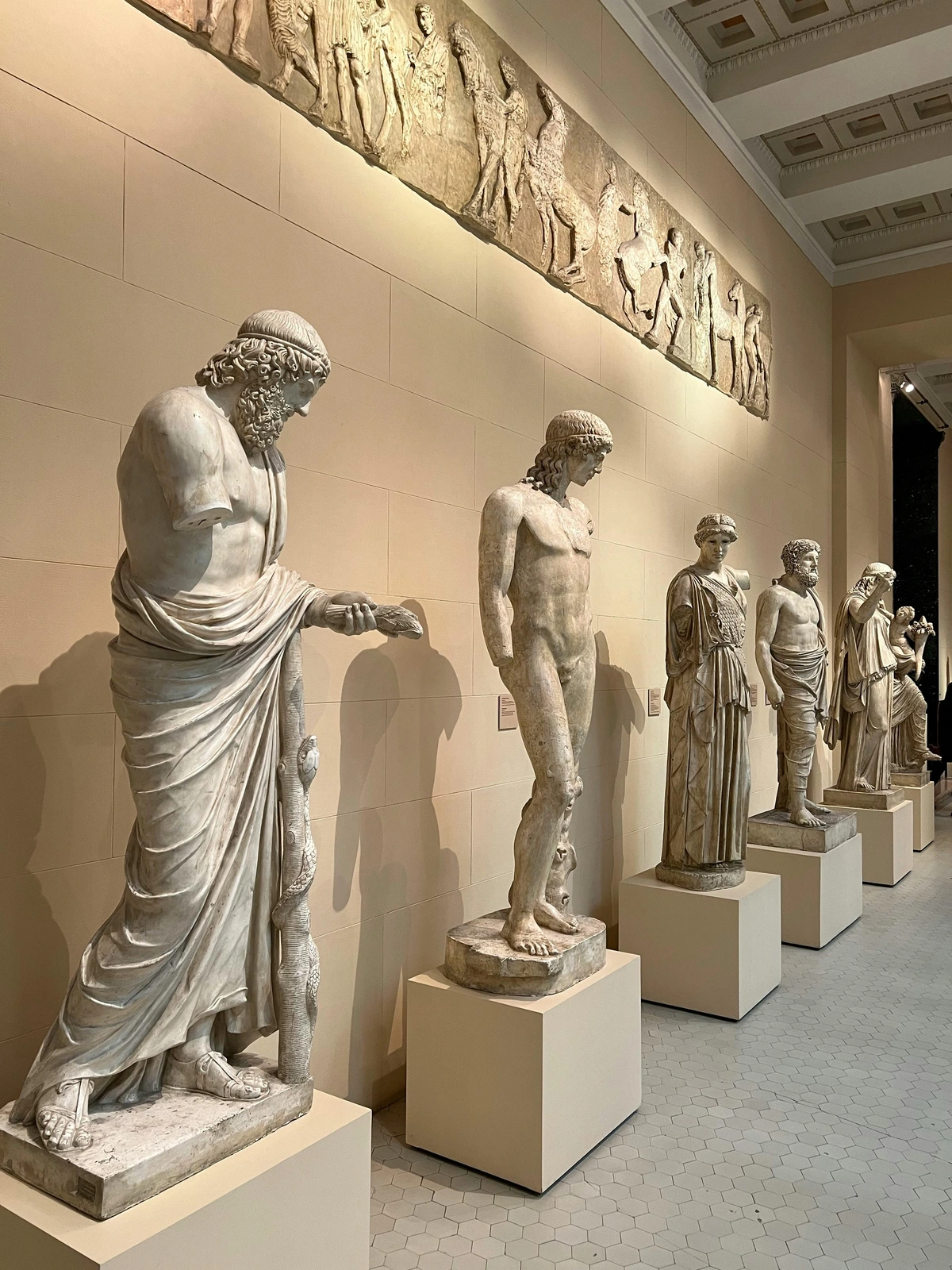
- The Doryphoros (Spear Bearer): A masterpiece by Polykleitos, showcasing the idealized male form and the use of contrapposto.
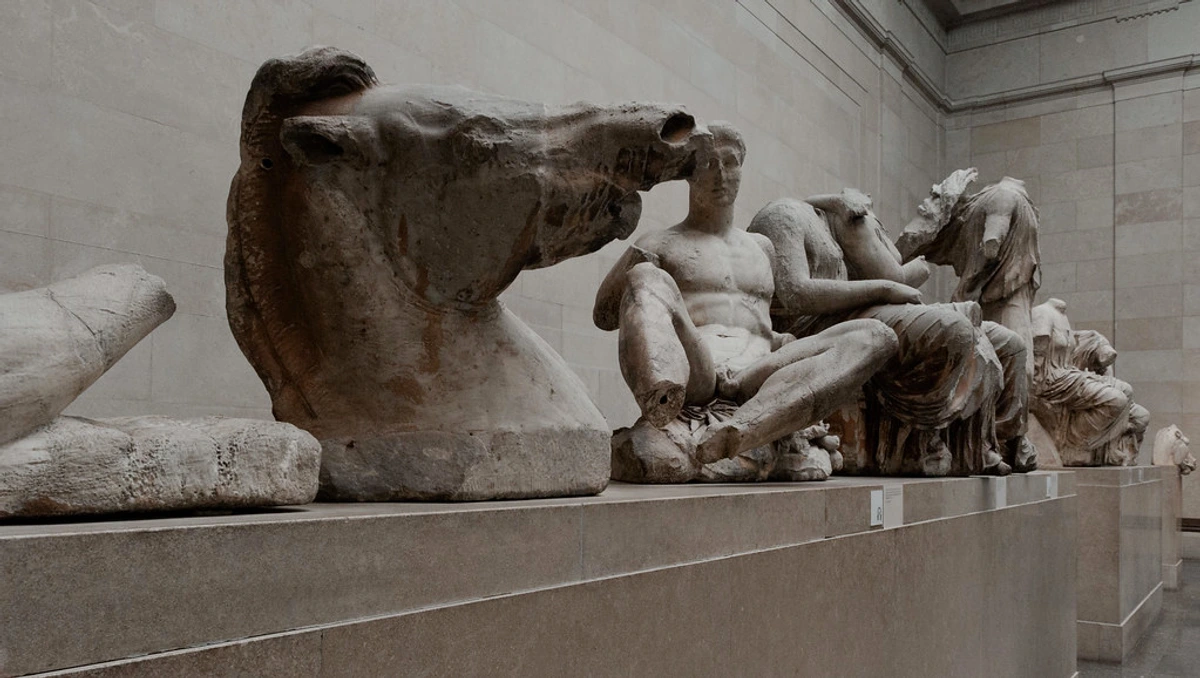
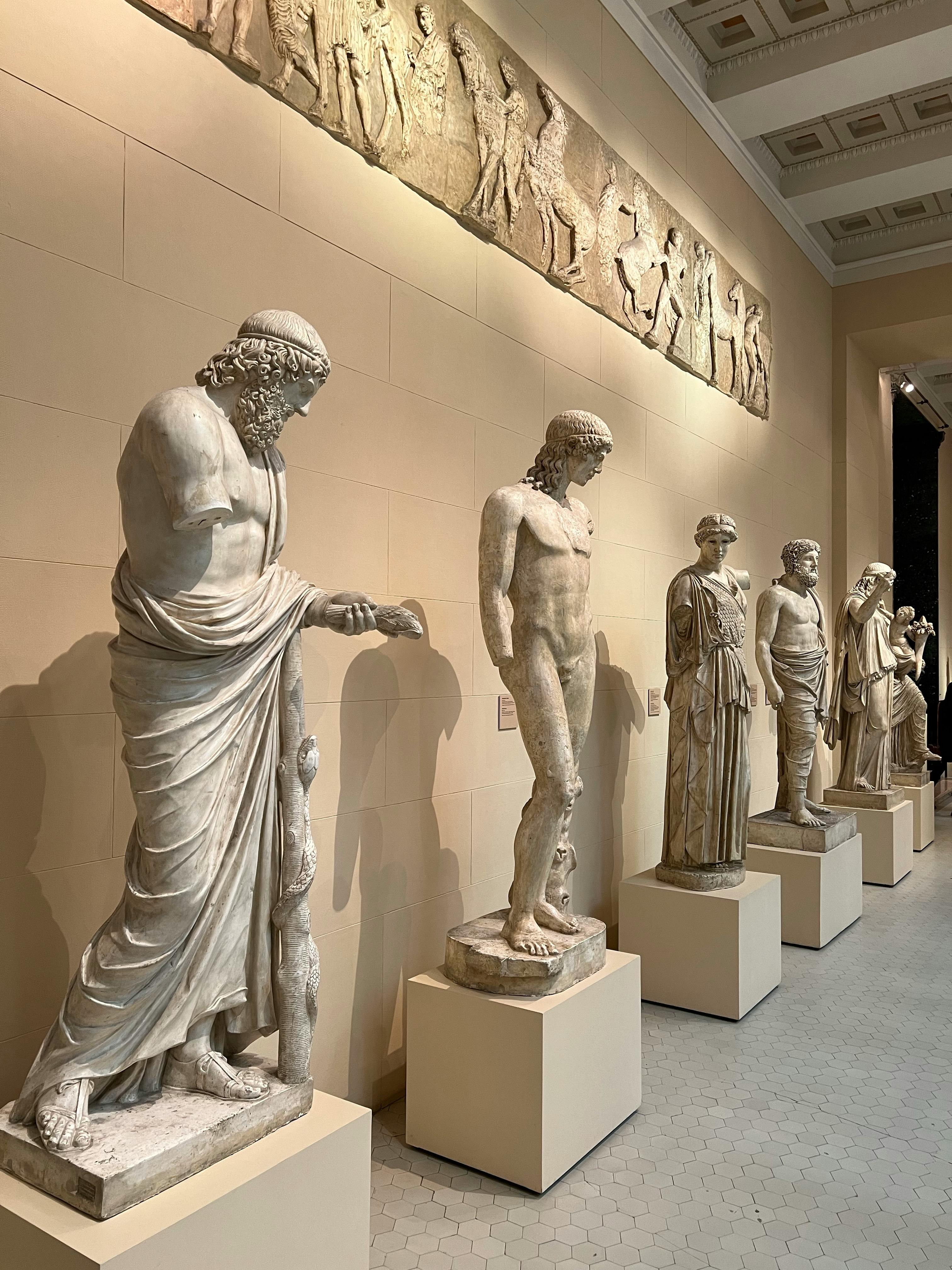
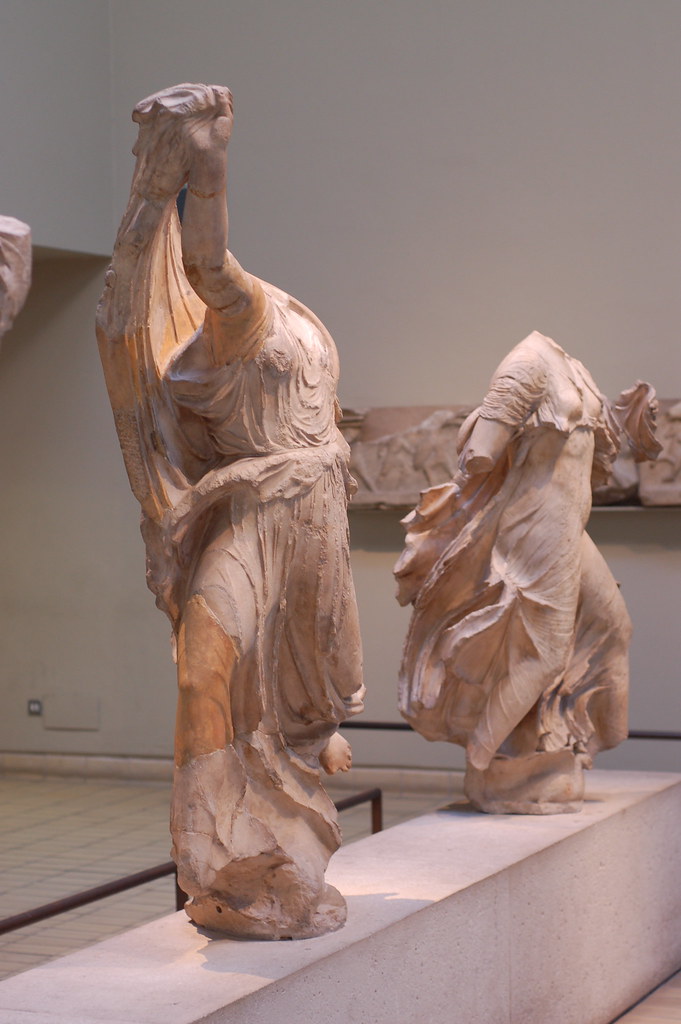
- The Parthenon Marbles: A series of sculptures that once adorned the Parthenon, depicting scenes from Greek mythology.
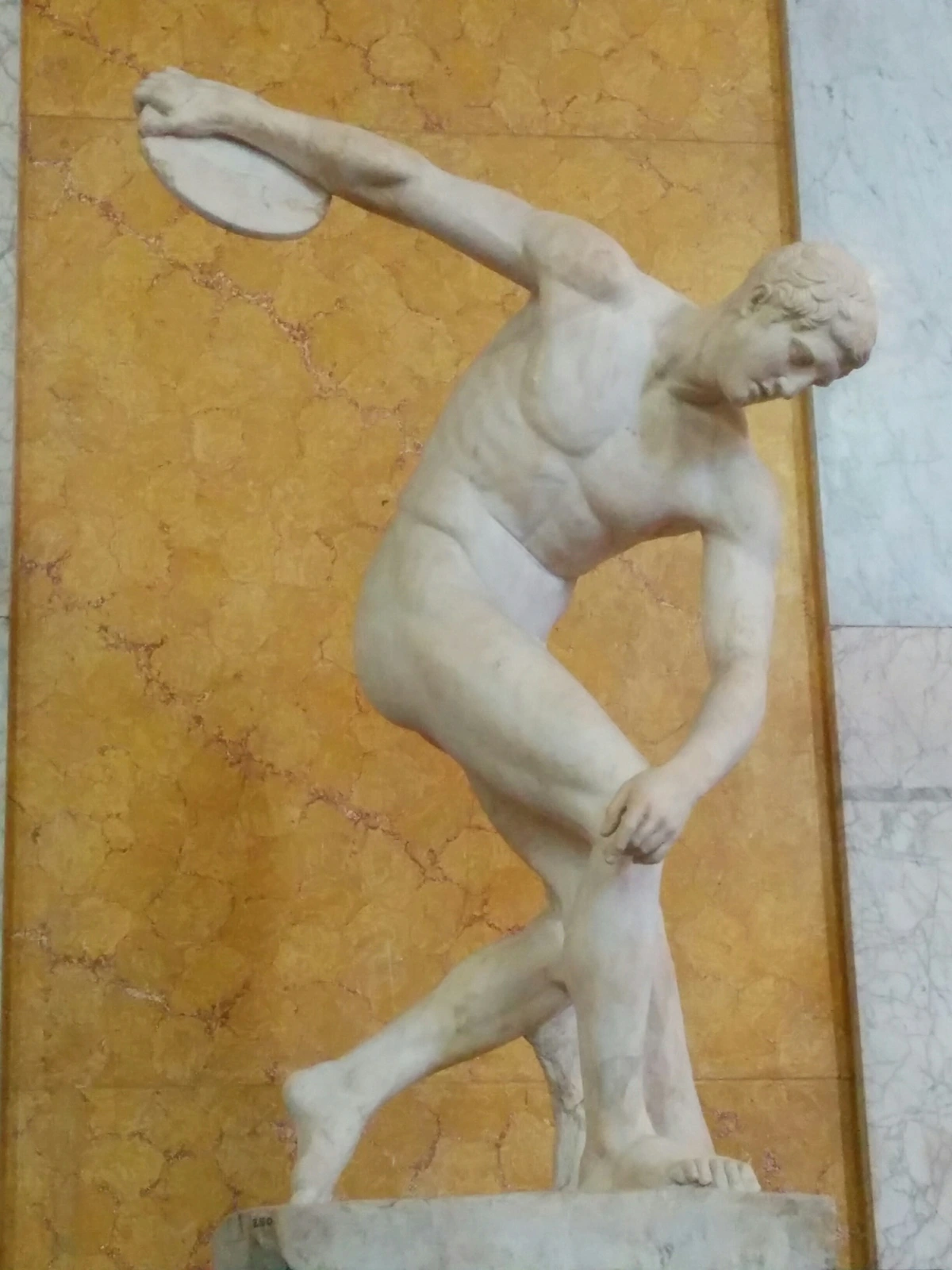
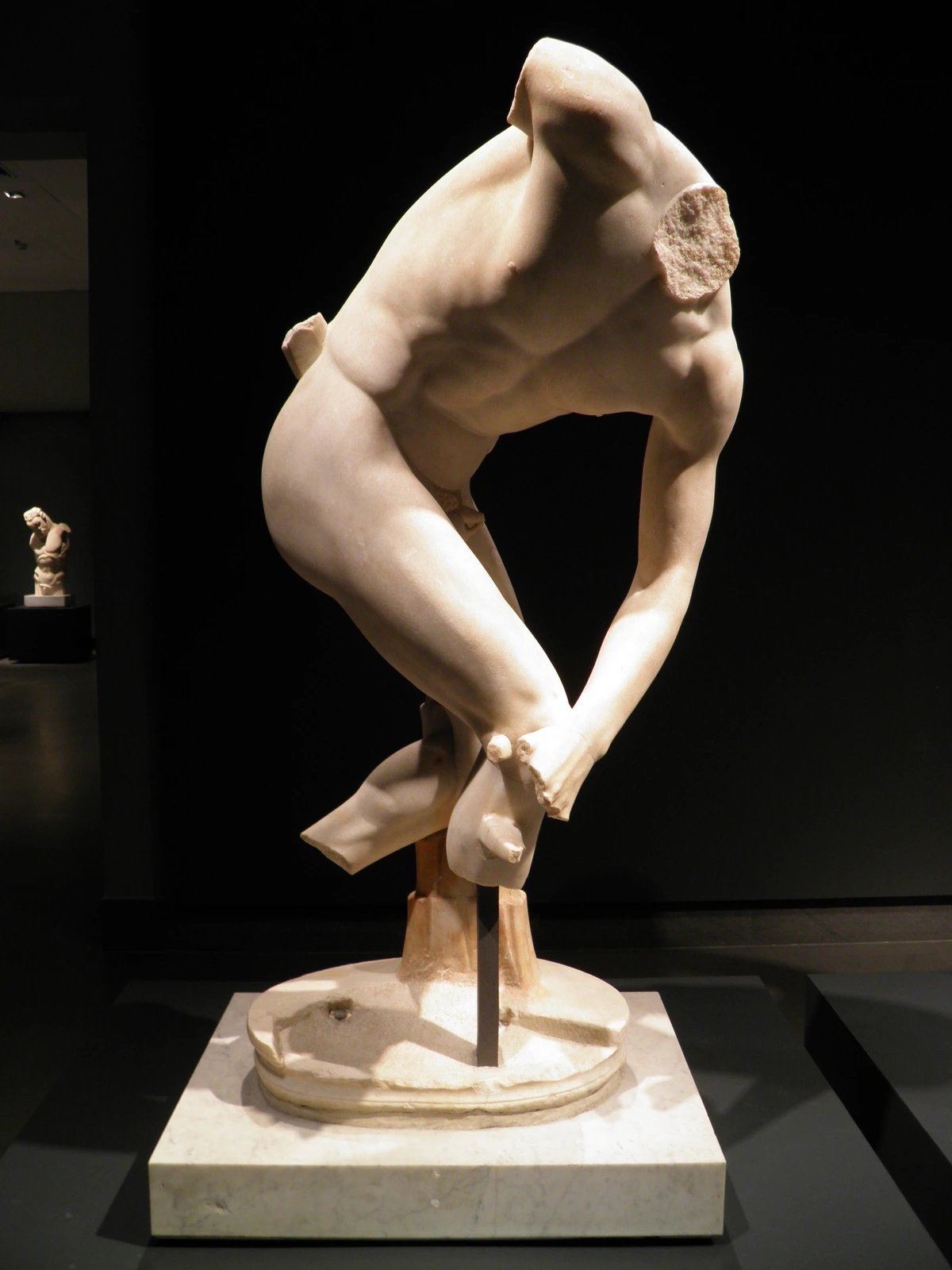
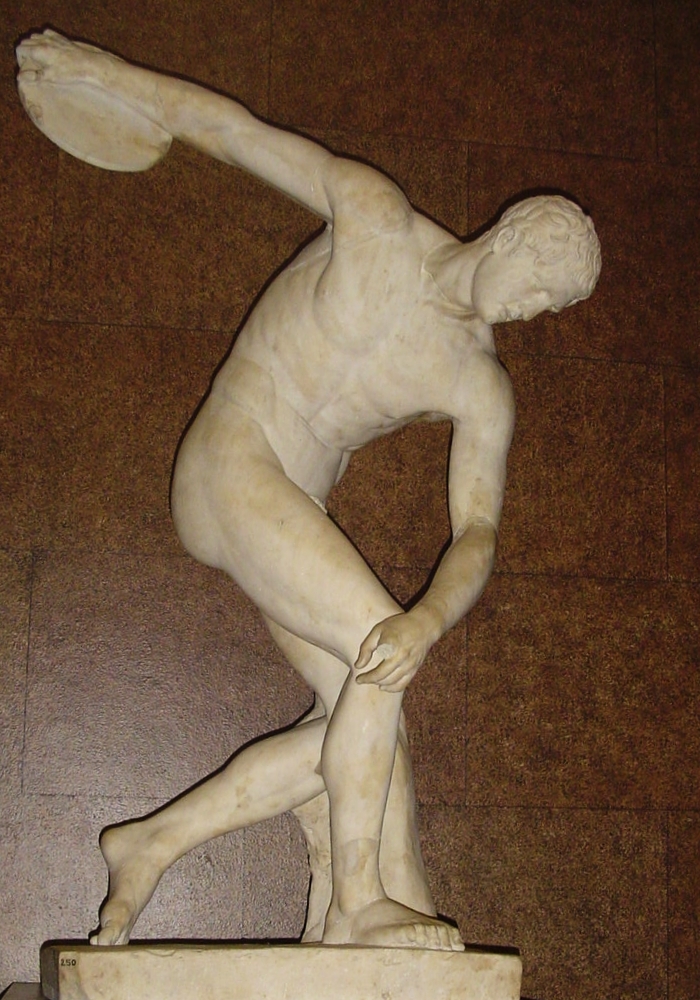
- The Discobolus: A statue by Myron, capturing the moment of an athlete throwing a discus, embodying the ideals of motion and balance.
The Legacy of Classical Art
The Classical period set the standard for artistic excellence. The principles of harmony, proportion, and realism developed during this time continue to influence art and architecture to this day, making it one of the most significant periods in the history of art.
The Legacy of Classical Art
The Classical period set the standard for artistic excellence. The principles of harmony, proportion, and realism developed during this time continue to influence art and architecture to this day.
credit, licence
The Hellenistic Period (323-31 BCE)
The Hellenistic period marks the final chapter in the story of Ancient Greek art. This era is characterized by a move towards more dramatic and emotional expressions. The art becomes more realistic and diverse, reflecting the broader cultural influences of the Hellenistic world.
The Expansion of Greek Culture
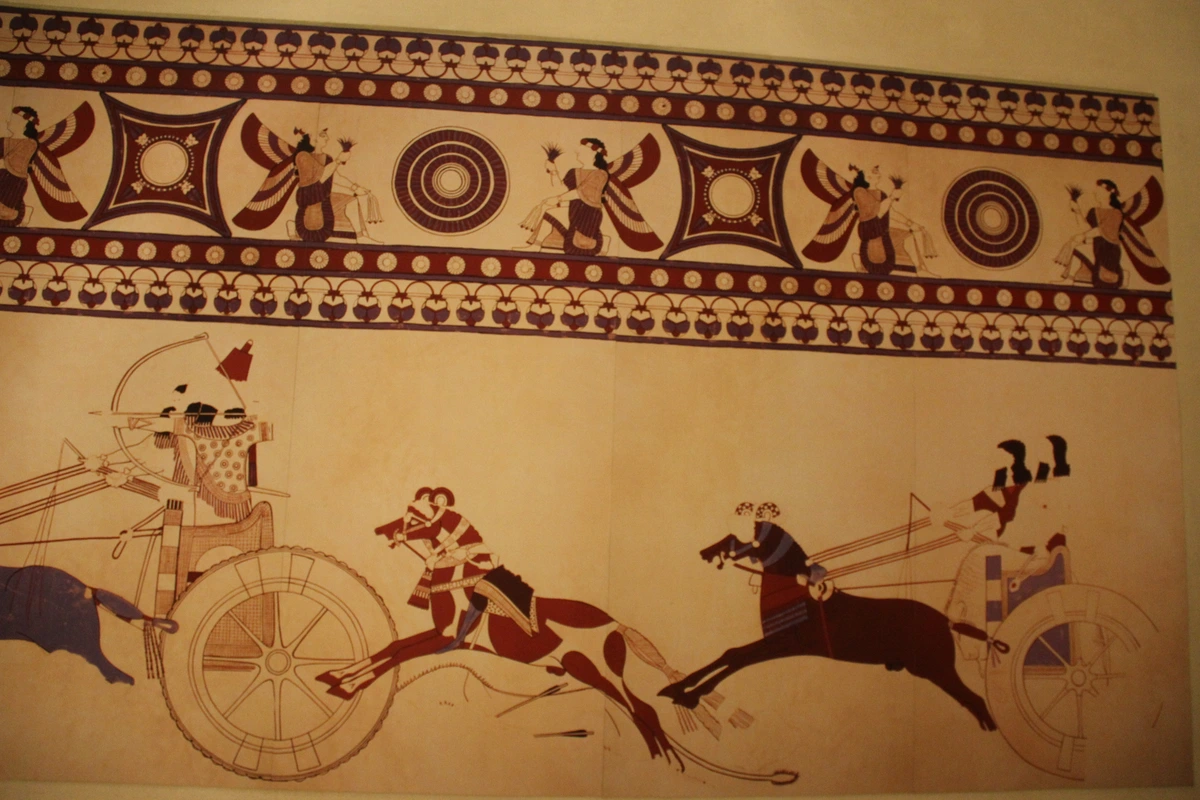
The Hellenistic period was marked by the spread of Greek culture across a vast empire, from Egypt to India. This cultural exchange led to a blending of artistic styles and techniques, resulting in a rich and diverse artistic landscape.
The Expansion of Greek Culture
The Hellenistic period was marked by the spread of Greek culture across a vast empire, from Egypt to India. This cultural exchange led to a blending of artistic styles and techniques, resulting in a rich and diverse artistic landscape.
The Expansion of Greek Culture
The Hellenistic period was marked by the spread of Greek culture across a vast empire, from Egypt to India. This cultural exchange led to a blending of artistic styles and techniques, resulting in a rich and diverse artistic landscape.

The Influence of Hellenistic Art on Later Traditions
Hellenistic art had a profound impact on later artistic traditions. Its emphasis on realism and emotional expression influenced Roman art and, through it, the art of the Renaissance and beyond.
Key Features of Hellenistic Art
- Dramatic Poses: Figures are often depicted in dynamic, emotional poses.
- Realism: A focus on realistic details, including facial expressions and textures.
- Diversity: The art reflects the cultural diversity of the Hellenistic world, incorporating elements from different regions.
- Innovation in Sculpture: Hellenistic artists experimented with new techniques and materials, pushing the boundaries of what was possible in sculpture.
The Role of Patronage in Hellenistic Art
Patronage played a significant role in Hellenistic art. Wealthy patrons and rulers commissioned artworks that reflected their power and prestige, leading to the creation of some of the most iconic sculptures and architectural masterpieces of the time.
The Influence of Hellenistic Art
Hellenistic art had a profound impact on later artistic traditions. Its emphasis on realism and emotional expression influenced Roman art and, through it, the art of the Renaissance and beyond.
The Legacy of Hellenistic Art
The Hellenistic period brought Greek art to new heights of realism and emotional depth. Its innovations continue to inspire artists and art lovers around the world, making it a crucial chapter in the history of art.
Examples of Hellenistic Art
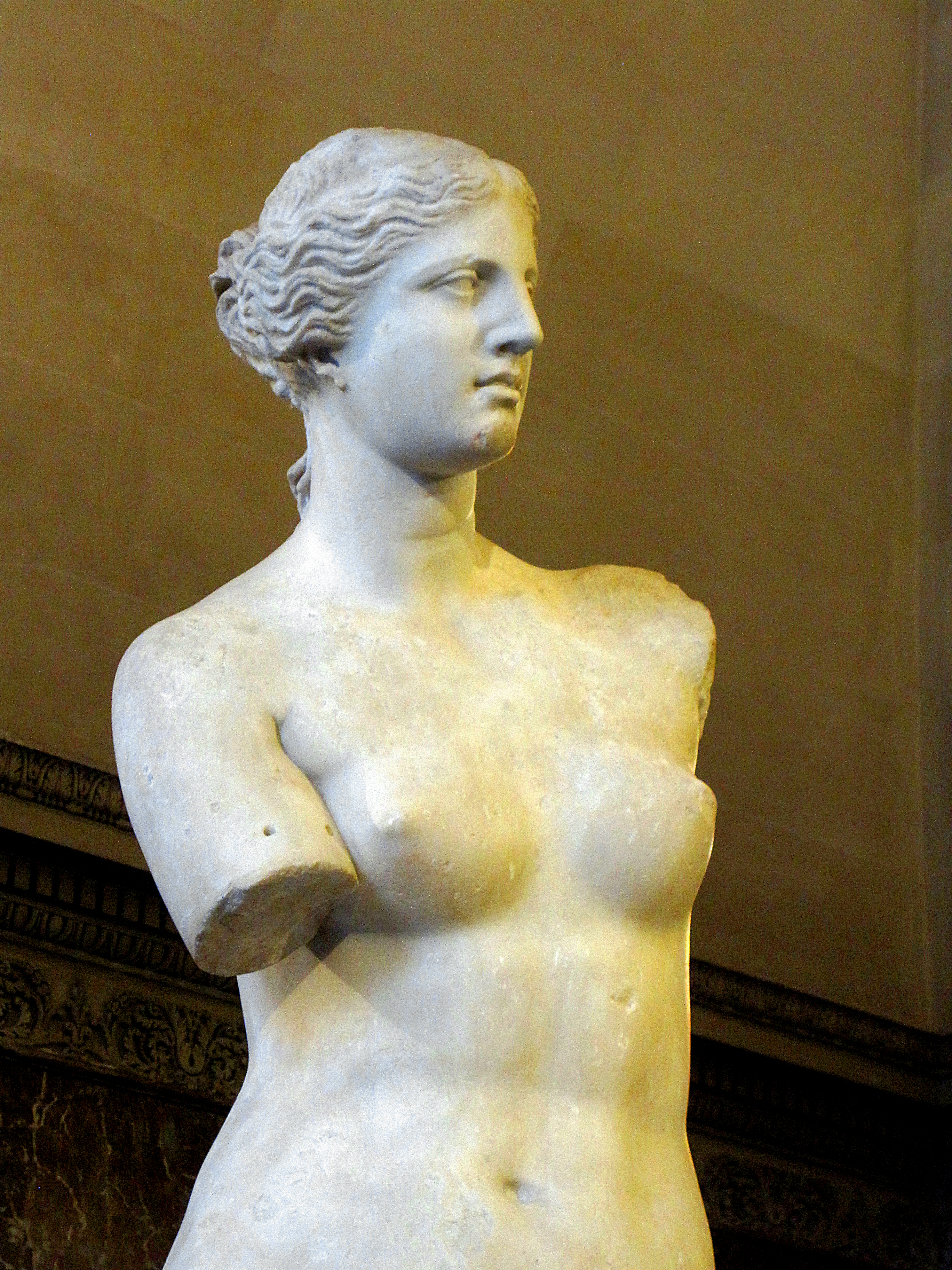
- The Venus de Milo: A famous statue of Aphrodite, known for its beauty and the mystery surrounding its missing arms.
- The Laocoön and His Sons: A dramatic sculpture depicting the Trojan priest Laocoön and his sons being attacked by sea serpents.
- The Winged Victory of Samothrace: A statue of Nike, the goddess of victory, celebrated for its dynamic composition and sense of movement.
The Enduring Appeal of Hellenistic Art
The enduring appeal of Hellenistic art lies in its ability to capture the complexity of human emotions and experiences. The dramatic and realistic depictions of figures continue to resonate with audiences, making Hellenistic art a timeless and universal form of expression.
The Legacy of Hellenistic Art
The Hellenistic period brought Greek art to new heights of realism and emotional depth. Its innovations continue to inspire artists and art lovers around the world.
credit, licence

FAQ
What are the main periods of Ancient Greek art?
The main periods are the Archaic period (700-480 BCE), the Classical period (480-323 BCE), and the Hellenistic period (323-31 BCE).
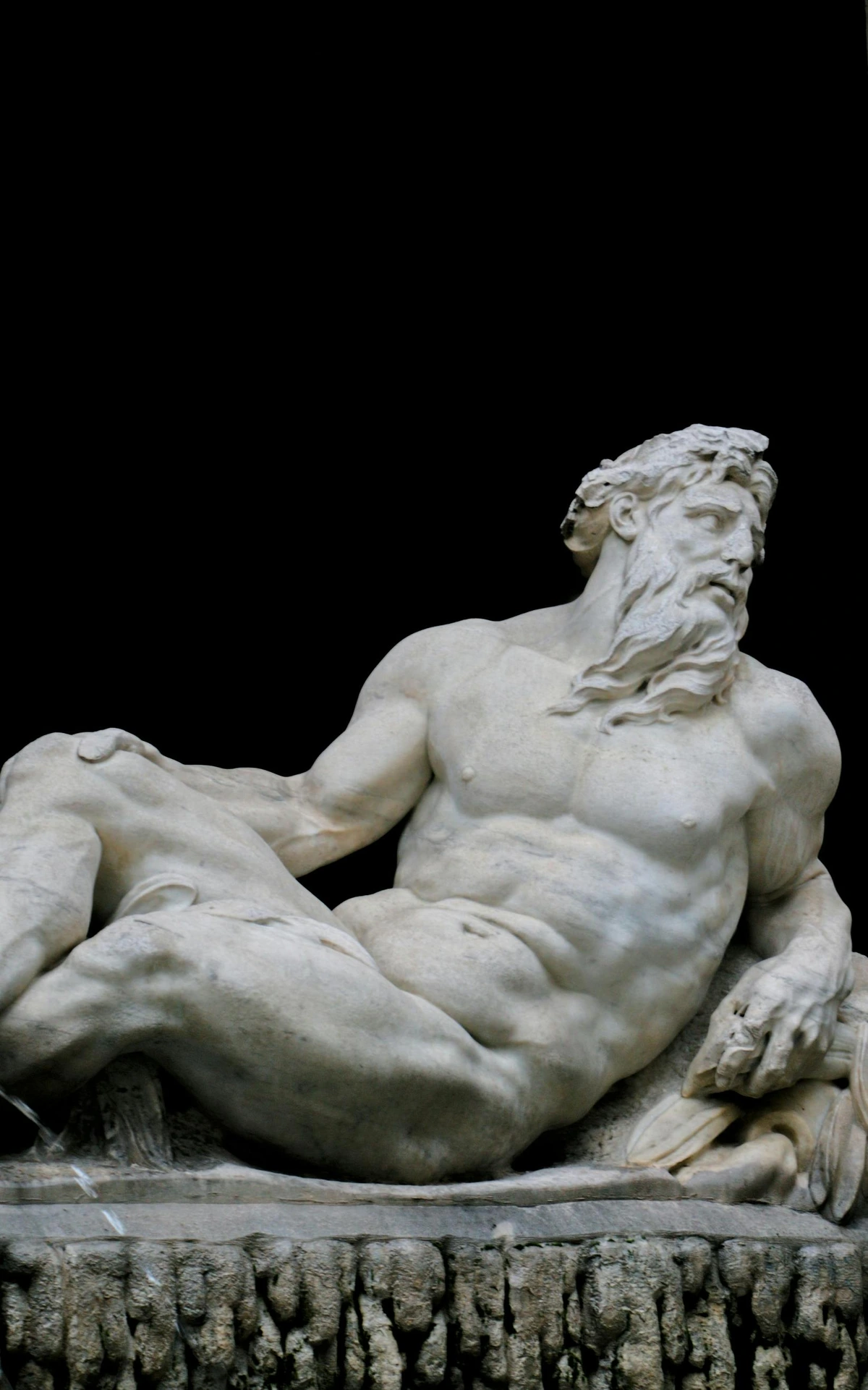
What is the significance of the Archaic smile?
The Archaic smile is a distinctive feature of Archaic statues, adding a touch of humanity and personality to the otherwise rigid forms.
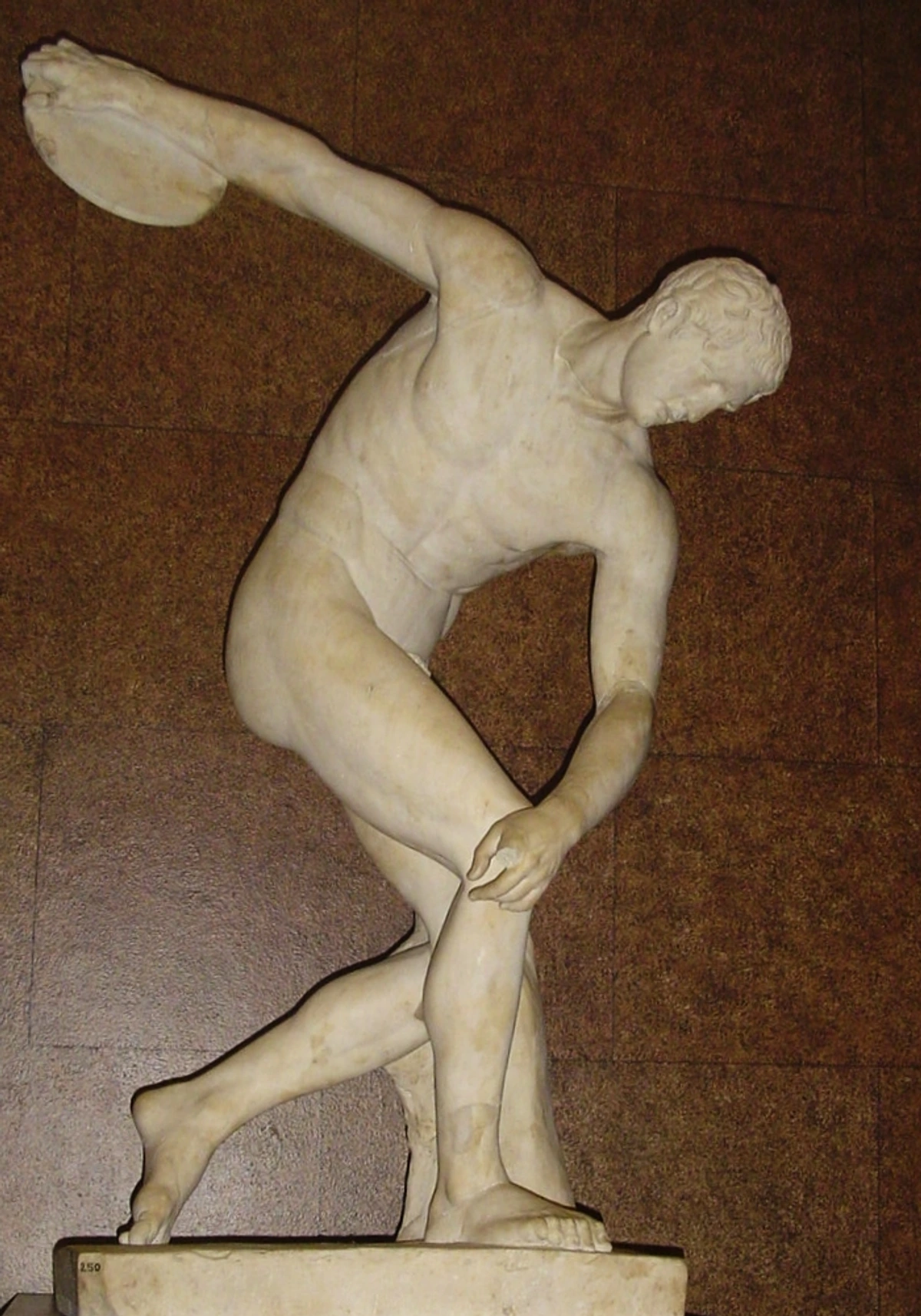
What is contrapposto?
Contrapposto is a pose where the body’s weight is shifted onto one leg, creating a sense of movement and balance. It’s a key feature of Classical Greek sculpture.
How did Greek art influence modern art?
Greek art has had a profound influence on modern art, particularly in the areas of sculpture, architecture, and the depiction of the human form. The ideals of beauty, balance, and harmony continue to inspire artists today.
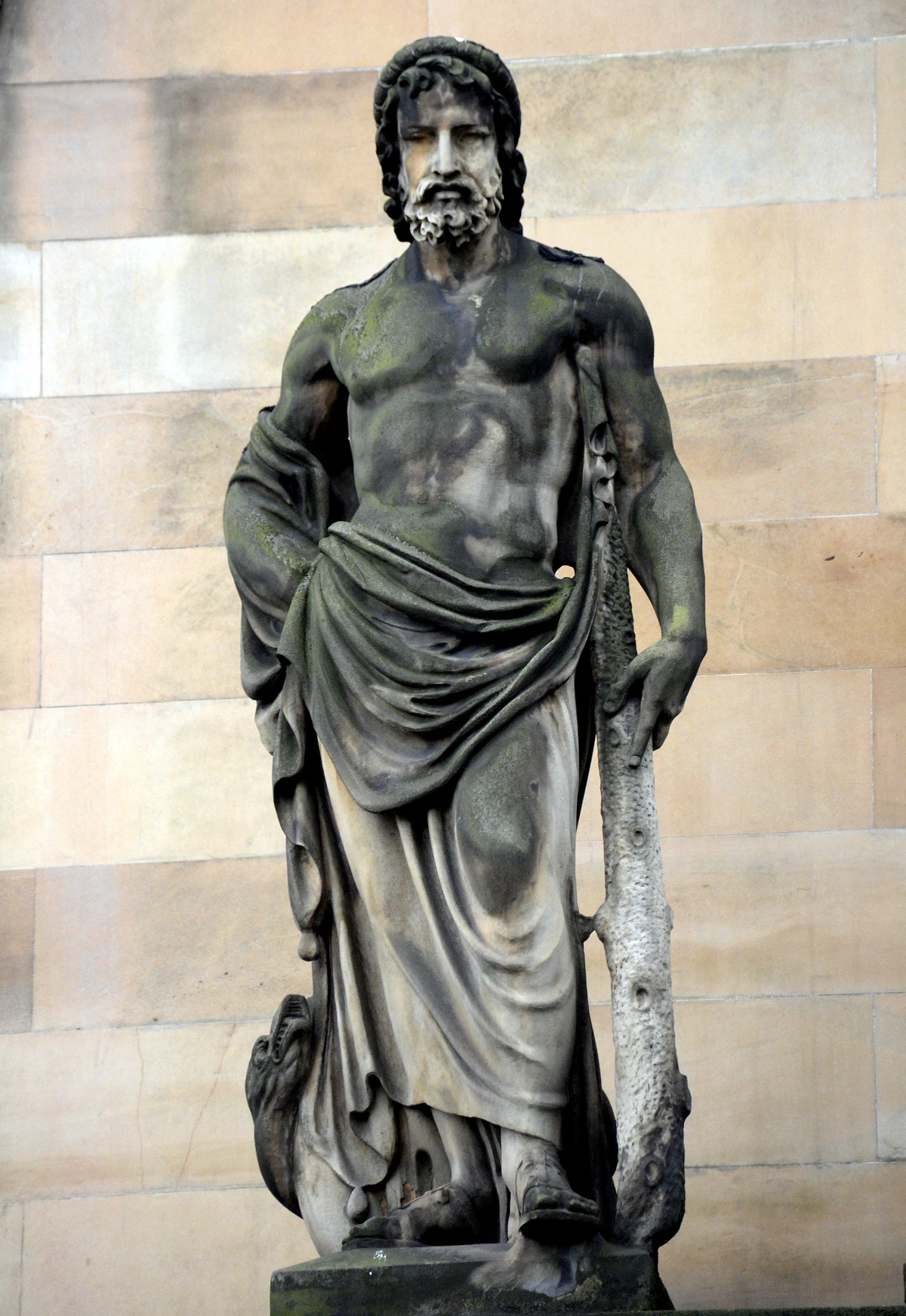
What materials did Greek artists use?
Greek artists primarily used marble and bronze for sculpture, clay for pottery, and stone for architecture. These materials were chosen for their durability and aesthetic qualities.
How did Greek pottery evolve over time?
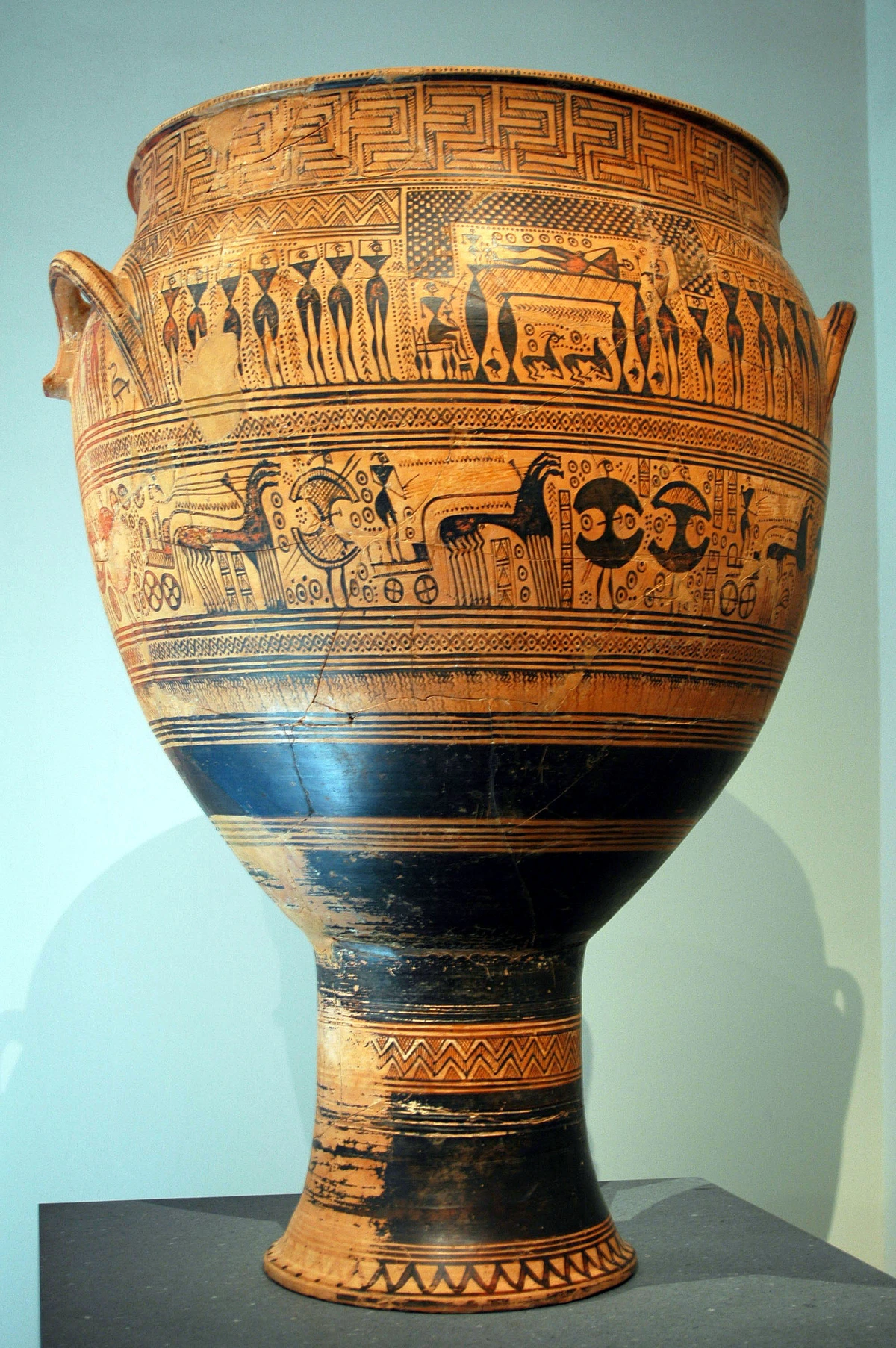
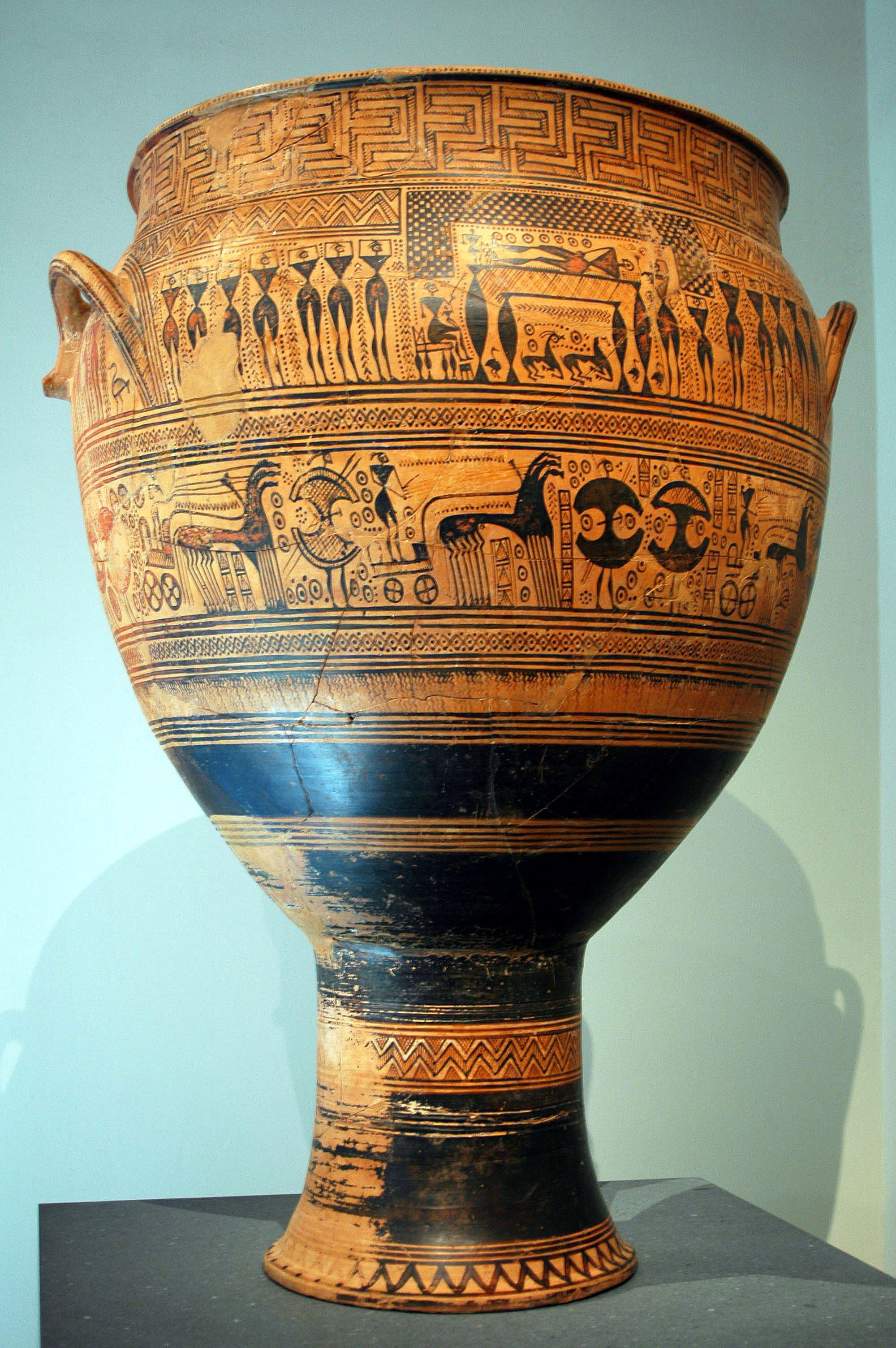
Greek pottery evolved from the geometric designs of the early Archaic period to the intricate black-figure and red-figure techniques of the Classical period. These changes reflect advancements in artistic skill and cultural influences.
What is the significance of Greek mythology in art?
Greek mythology provided a rich source of inspiration for artists. The stories of gods, goddesses, and heroes were depicted in sculptures, pottery, and paintings, serving as both religious symbols and cultural narratives.

How did Greek architecture influence modern buildings?
The principles of Greek architecture, such as the use of columns, pediments, and symmetrical designs, continue to influence modern architecture. Many contemporary buildings reflect the enduring legacy of Greek architectural mastery.
What is the legacy of Greek art?
The legacy of Greek art is vast and enduring. It has shaped the way we perceive beauty, proportion, and emotional expression in art. The principles and ideals of Greek art continue to inspire artists and art lovers around the world.

Conclusion
Ancient Greek art is a testament to the power of human creativity and expression. From the stiff, formal poses of the Archaic period to the dramatic realism of the Hellenistic era, each period offers a unique glimpse into the cultural and artistic achievements of the Greeks. As an artist, I find endless inspiration in the beauty and innovation of Greek art, and I hope this journey through time has given you a new appreciation for this incredible legacy.
The Legacy of Greek Art
The influence of Greek art extends far beyond its historical context. It has shaped the way we perceive beauty, proportion, and emotional expression in art. Whether you're an artist, a historian, or simply an admirer of beauty, the legacy of Greek art is undeniable.
Exploring Greek Art Today
If you’re interested in exploring more about art history, check out our timeline for a comprehensive overview of different art periods. And if you’re inspired to add some art to your own space, visit our buy page to see our collection of contemporary prints and originals.
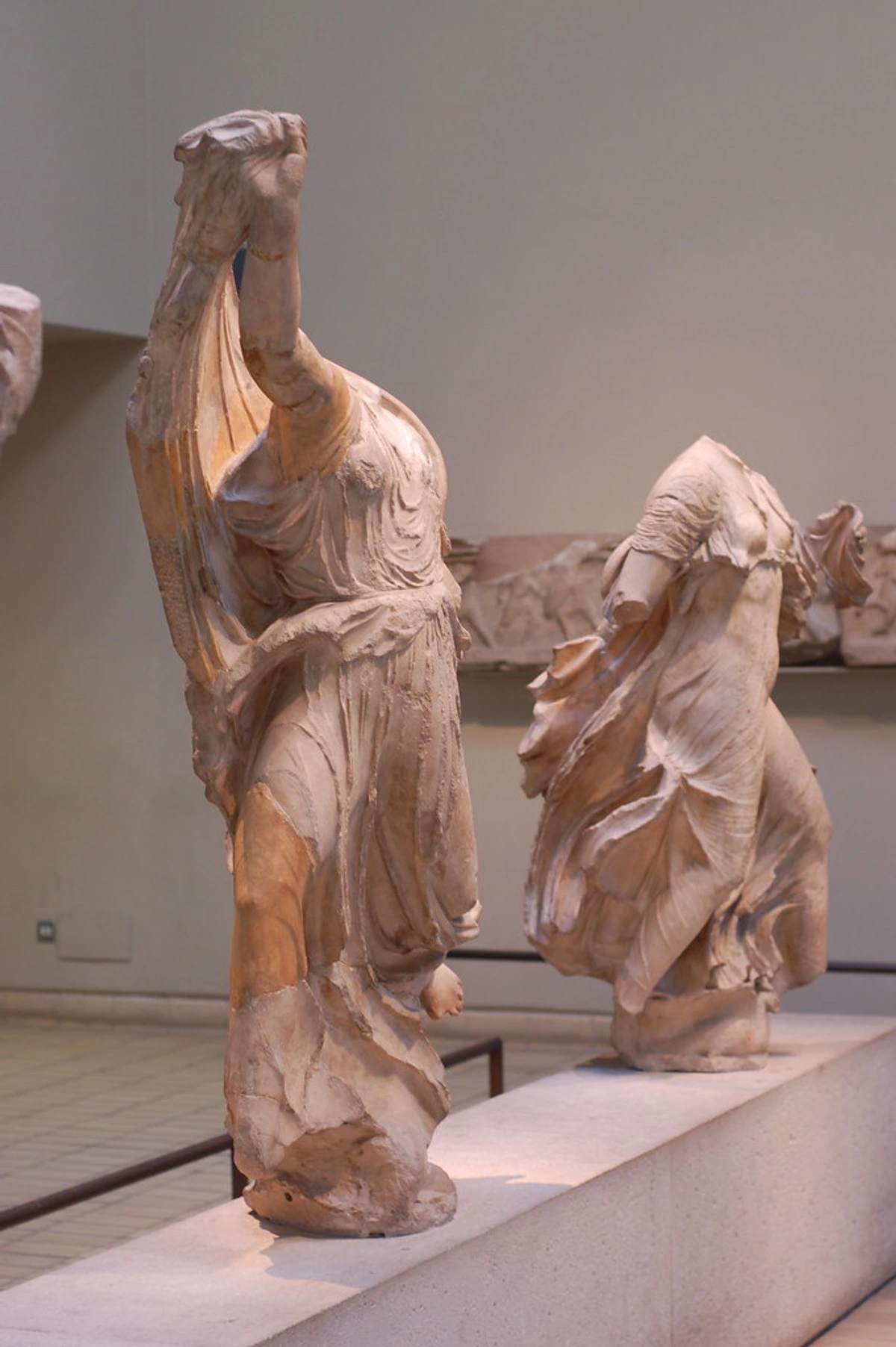















Further Reading and Resources
For those who want to delve deeper into the world of Greek art, there are countless resources available. From books and documentaries to museum exhibitions, the legacy of Greek art continues to captivate and inspire. Here are some recommended resources:
- Books: "The Art and Architecture of Ancient Greece" by John Boardman, "Greek Art and Archaeology" by Richard T. Neer.
- Documentaries: "The Greeks: Crucible of Civilization" by PBS, "Ancient Greece: The Greatest Show on Earth" by the BBC.
- Museums: The British Museum, the Louvre, and the Acropolis Museum in Athens.
Final Thoughts
Greek art is not just a relic of the past; it is a living tradition that continues to inspire and influence artists and art lovers around the world. Its principles of beauty, harmony, and proportion are timeless, and its legacy is a testament to the enduring power of human creativity.
The Enduring Appeal of Greek Art
The enduring appeal of Greek art lies in its ability to capture the complexity of human emotions and experiences. The dramatic and realistic depictions of figures continue to resonate with audiences, making Greek art a timeless and universal form of expression.