
The Pre-Raphaelite Brotherhood: An Unconventional Guide to Art's Rebel Romantics
Dive into the Pre-Raphaelite Brotherhood! I share a personal, comprehensive guide to these rebellious Victorian artists, their vivid art, and lasting legacy.

The Pre-Raphaelite Brotherhood: An Unconventional Guide to Art's Rebel Romantics
You know, sometimes I look at the vast tapestry of art history and feel a bit... overwhelmed. So many movements, so many manifestos! But then I stumble upon a story like that of the Pre-Raphaelite Brotherhood (PRB), and it's like a breath of fresh, rebellious air. These weren't just artists; they were a movement born out of a profound discontent with the art world of their time, a true artistic rebellion against the perceived sterility of their contemporary art scene. They dared to look back, not just to imitate, but to find a different path forward – a path of intense observation, vibrant color, and deep symbolism. Their vision was to infuse art with a moral purpose and a spiritual intensity they felt was long lost. And honestly, isn't that what we all try to do in our own creative journeys, whether we're painting an abstract piece or just trying to see the world with fresh eyes? We're often striving for something more authentic, something that truly resonates. This guide is for anyone who's ever felt like an art rebel, or who simply appreciates beauty that dares to be different and tells a deeper story. It's a deep dive into how these rebel romantics shook up the Victorian art establishment and left an indelible mark on art history.

What Was the Pre-Raphaelite Brotherhood, Anyway?
Imagine a group of young, passionate artists in the bustling, often grimy, and rapidly industrializing Victorian London, around 1848. The air was thick with change, and yet the art world, specifically the powerful Royal Academy, felt stubbornly stagnant, clinging to rigid conventions. These young rebels, fresh out of art school, were looking at the art being taught and celebrated, and they were just not feeling it. It was all a bit too polished, too conventional, too... well, too much like a watered-down version of Raphael. Yes, Raphael, the towering Renaissance master whose genius had, ironically, become the very blueprint for what they saw as lifeless, formulaic art. I mean, think about it: a genius's style, when endlessly copied and codified into rules, can lose its soul.
Their name, the Pre-Raphaelite Brotherhood (PRB), was a direct jab at what they perceived as the stifling, saccharine influence of art after Raphael, particularly the academic conventions that had, in their eyes, become rote, devoid of genuine emotion, and entirely lifeless. They felt that after Raphael, especially after his middle period, art had lost its sincerity, its spiritual depth, and its vivid connection to nature. They yearned for the raw honesty, the vibrant intensity, and the meticulous detail of Italian art before Raphael – roughly the early Renaissance period, the Quattrocento, when artists like Botticelli and Fra Angelico painted with a spiritual fervor and directness they felt was lost. It's like preferring the raw energy of early rock and roll over polished, overproduced pop!
They started as a secret society, a clandestine art gang, with just seven founding members. Think of it like a punk band forming in a garage, but with paintbrushes instead of guitars, scribbling "PRB" on their canvases. The core painters were John Everett Millais, Dante Gabriel Rossetti, and William Holman Hunt – these were the driving artistic forces. Alongside them were James Collinson, Frederic George Stephens, William Michael Rossetti (Dante Gabriel's brother, who, bless his organizational heart, also served as the Brotherhood's chronicler, keeping invaluable records that are now priceless to art historians!), and Thomas Woolner (a sculptor, reminding us they weren't just about two dimensions). Their initial secrecy wasn't just for dramatic effect; it was about carving out a space for their radical ideas before the conservative art establishment could dismiss them outright. They wanted to build a movement, not just individual careers.
Why "Pre-Raphaelite"? The Rebellion Against the Academy
It wasn't about rejecting Raphael entirely, though that's a common misconception that still pops up today. Oh no, they admired Raphael's early work! Their beef was more with the imitators of Raphael, the art academies that had boiled down his genius into a set of rigid, soul-crushing rules. These rules dictated idealized forms, perfect compositions, and often, a rather bland palette. The PRB, on the other hand, wanted to recapture what they perceived as the purity, intense, jewel-like color, and profound symbolic depth of art from earlier periods, particularly the Italian Quattrocento (15th century). Imagine the vivid storytelling and spiritual clarity of a Botticelli or a Fra Angelico – that's the kind of artistic sincerity they craved, a return to what they felt was truly 'spiritual' art.
They were passionately against a few things that had become artistic dogma, things that, frankly, made art feel a bit... dead:
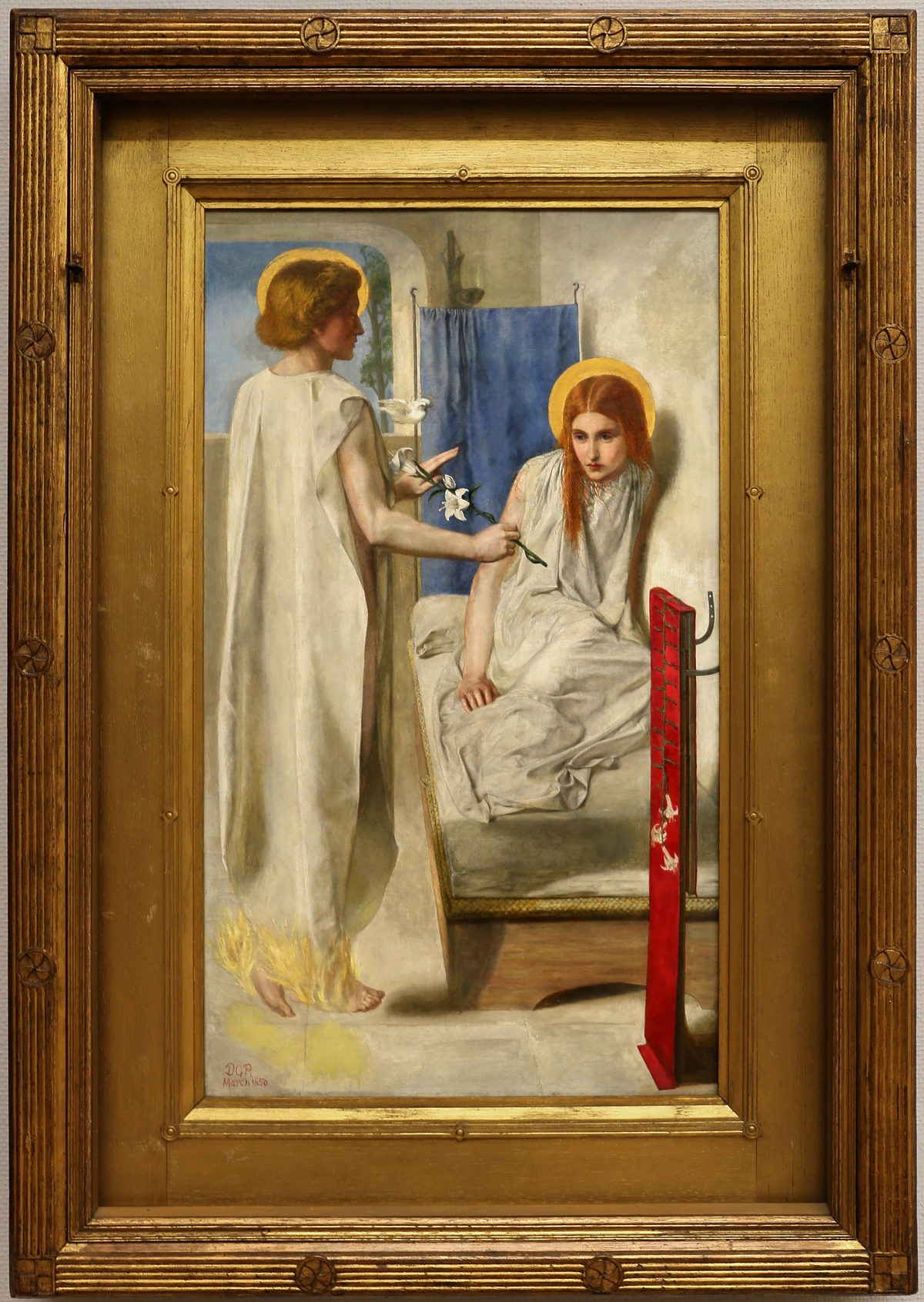
- Conventionality: They loathed the idealized, often theatrical, poses and compositions of academic art, which they felt lacked genuine human emotion and observation. No more vapid goddesses or stiff historical scenes for them; they wanted raw, relatable human drama.
- Slavish imitation: Copying old masters without genuine feeling or direct engagement with the subject was anathema. Art should come from the heart and eye, not from a textbook formula. It was about seeing the world afresh, not through the lens of another artist's interpretation.
- Dullness: Oh, the muted palettes and generalized, often muddy, forms that had become fashionable in the name of 'gravitas'! They saw it as a betrayal of nature's inherent vibrancy. They wanted their canvases to sing with color, not whisper in sepia tones.
They were unequivocally for a revitalized, emotionally resonant art:
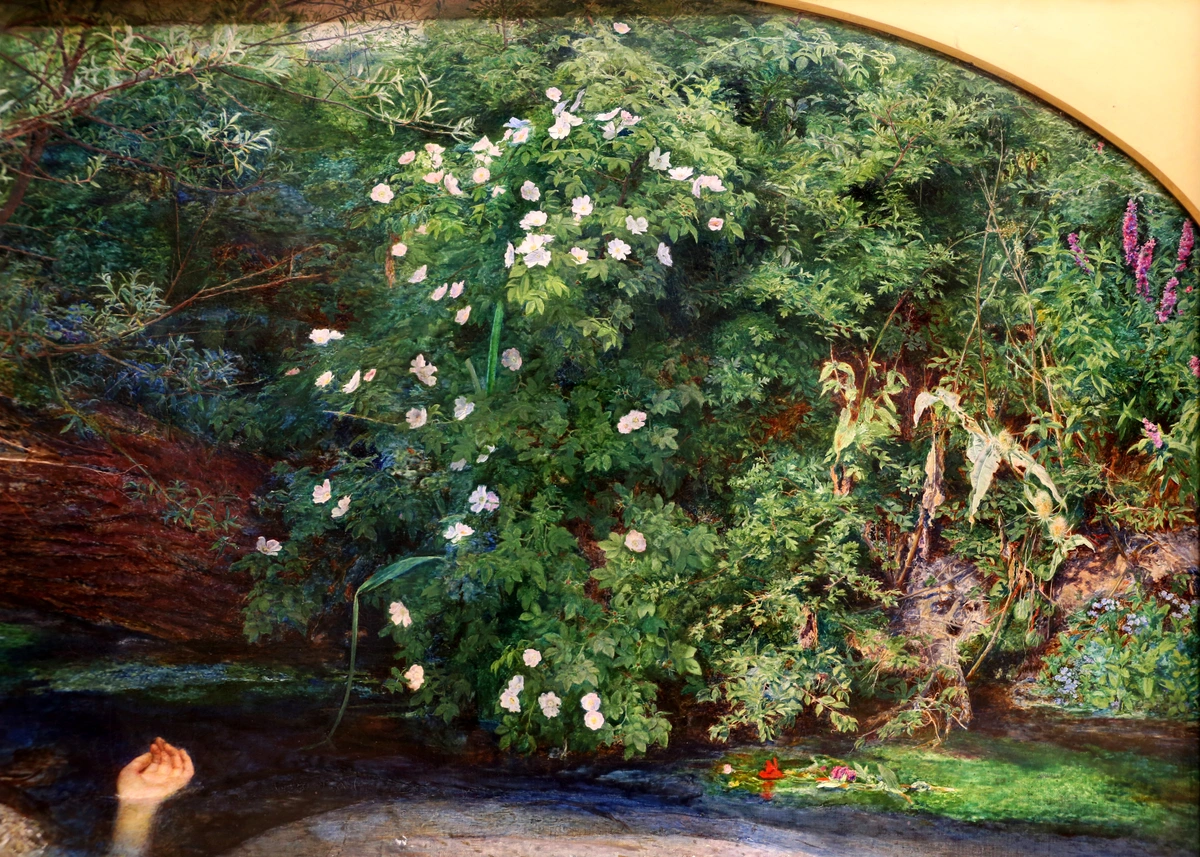
- Truth to Nature: This was their rallying cry! They demanded intense realism and meticulous detail, often painting directly from life and meticulously studying botanical forms, light, and texture. No more generalized trees; every leaf, every blade of grass, mattered. This practice, known as en plein air (painting outdoors), was radical for its time and pre-dated the Impressionists by decades.
- Vibrant Color: Forget the academic browns and grays. They wanted bold, jewel-like colors, often achieved by painting with thin glazes of pigment over a wet white ground, which gave their canvases an incredible luminosity and intensity. It's like turning up the saturation on the world, making every hue pop with life.
- Literary Themes: They were deeply steeped in poetry, mythology, and literature. They drew inspiration from Shakespeare, Tennyson, Dante, and Malory, transforming stories into vivid visual narratives, often with a dramatic, emotional edge. Their art was a visual poem, rich with narrative.
- Symbolism: More than just telling a story, they infused their work with deeper, often intricate meanings, hidden within seemingly ordinary natural details. A particular flower, a specific gesture, the quality of light – all could carry profound symbolic weight, turning each painting into a visual puzzle box. (If you're as fascinated by this as I am, I've got a whole piece dedicated to the symbolism of the Pre-Raphaelite Brotherhood that you might enjoy!)
Their Radical Ideals: A Return to "Truth to Nature"
Their philosophy, their whole artistic worldview really, was heavily influenced by the towering figure of the era, the art critic John Ruskin. He was a champion of truth in art and a moral purpose, advocating for a return to nature as the ultimate teacher. It was Ruskin, in his seminal work Modern Painters, who essentially gave them their marching orders: "Go to nature in all singleness of heart, rejecting nothing, selecting nothing, and scorning nothing." And oh boy, did they take him seriously! His words became a kind of mantra, pushing them towards an almost scientific observation of the world, but always with an underlying moral and spiritual dimension. Ruskin's emphasis on sincerity, truth, and the moral power of art resonated deeply with the young Brotherhood, giving their artistic rebellion a powerful intellectual backbone. He saw beauty as a reflection of divine truth, a concept that infused much of their early work.
Here’s a closer look at the core principles that guided the Pre-Raphaelite Brotherhood:
Principle  | Description | How They Applied It |
|---|---|---|
| Genuine Ideas | Art should convey a sincere, original message or a compelling story, born from the artist's own heart and intellect, rather than formulaic convention. | They rejected superficial salon paintings, instead choosing themes from deeply felt literature, profound mythology, or poignant everyday life, always imbued with emotional and intellectual depth and a strong narrative. |
| Truth to Nature | This wasn't just about pretty landscapes; it was a commitment to meticulous observation and unvarnished depiction of the natural world in all its intricate glory, no matter how "ugly" conventional beauty standards deemed it. | They painted outdoors (en plein air), focused obsessively on botanical accuracy, realistic textures, and the precise effects of natural light, often to startling and sometimes controversial effect. Every detail had to be exactly as seen. |
| Sympathy with Past Art | A heartfelt appreciation for the directness, emotional honesty, and vibrant quality of art created before the rigid academic rules took hold – particularly art from the 'pre-Raphael' era, valuing the spiritual sincerity of early Renaissance and medieval art. | They studied early Renaissance masters with an almost reverential eye, admiring their bright, clear colors, distinct lines, and unpretentious compositions, seeing them as exemplars of artistic integrity and narrative power. |
| Good Pictures/Statues | Ultimately, the goal was not just rebellion, but to create truly high-quality, impactful works of art that transcended mere academic exercises, showcasing exceptional craftsmanship and imaginative content. | They employed rigorous technique, brilliant, innovative use of color, and often complex, multi-layered compositions, always aiming for lasting artistic merit and profound emotional resonance, demanding painstaking attention to detail. |
This unwavering commitment to detail, to capturing the world "as it is" but with an underlying symbolic layer, is what makes their work so captivating. It's like finding a secret message woven into the fabric of reality, prompting you to look closer, to truly see. This depth of observation and meaning is, I think, why their paintings still hold such a powerful gaze today, inviting us to slow down and truly look.
The Key Players: A Closer Look at the Brotherhood's Visionaries
While the seven founding members were the initial spark, three artists truly defined the early Pre-Raphaelite painting style and ethos. Their individual approaches, while united by the PRB's principles, offered distinct contributions to the movement.
John Everett Millais (1829–1896): The Prodigy of Detail
Millais was the youngest of the original trio and often considered the technical genius of the Brotherhood. A child prodigy, he entered the Royal Academy schools at just eleven years old. His early Pre-Raphaelite works are characterized by an almost obsessive attention to detail, jewel-like colors, and often powerful narrative themes drawn from literature.
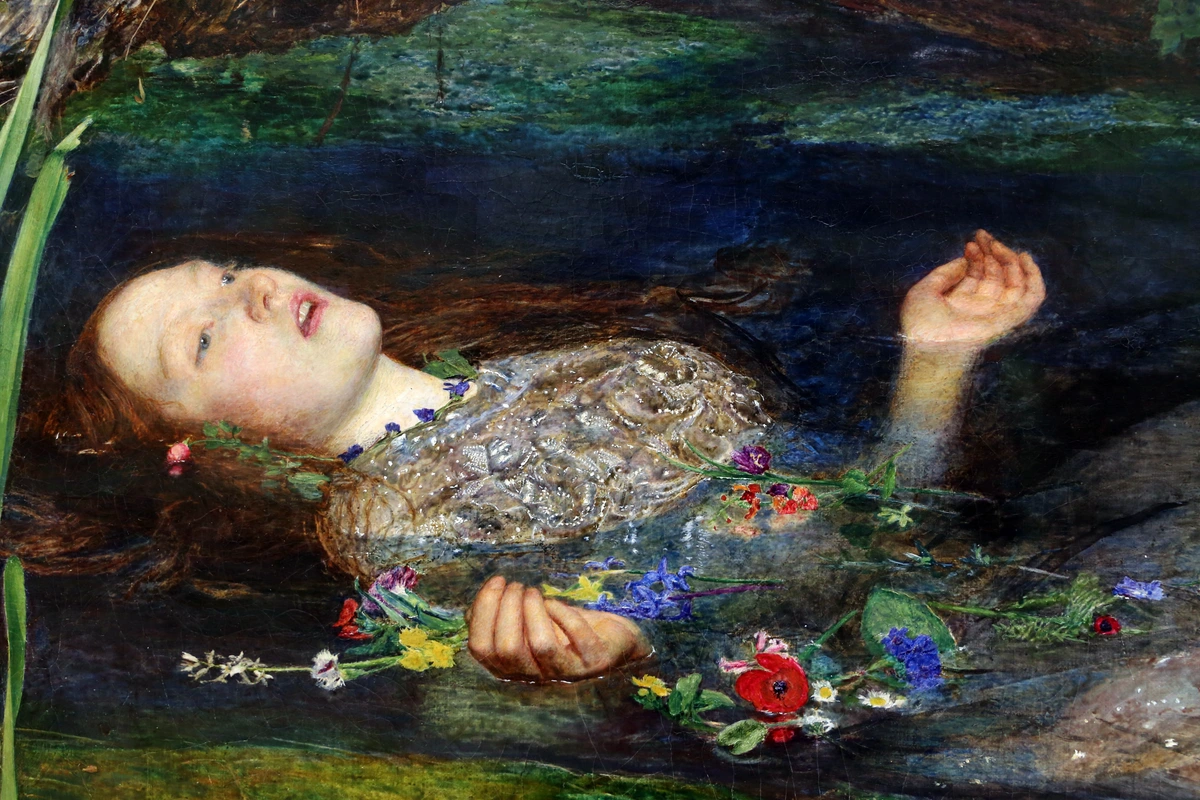
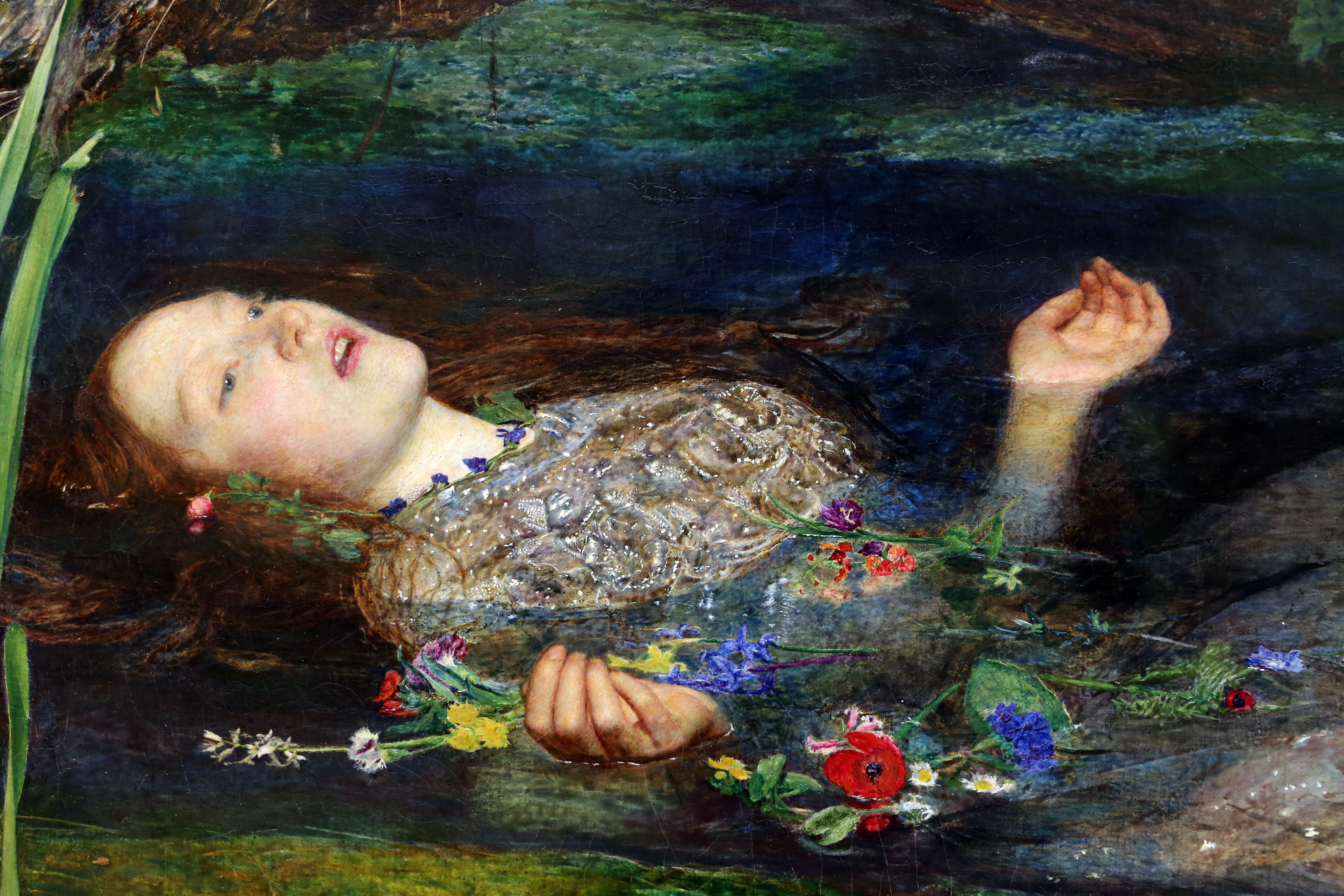
One of his most iconic works, and perhaps the most famous Pre-Raphaelite painting, is Ophelia (1851-52). I mean, you look at this painting and you can't help but be mesmerized by the sheer, painstaking detail! Every leaf, every flower, every ripple in the water is rendered with astonishing botanical accuracy, painted en plein air along the Hogsmill River in Surrey. The tragic narrative, drawn from Shakespeare's Hamlet, is portrayed with a chilling beauty that perfectly encapsulates the PRB's blend of literary inspiration and "truth to nature."
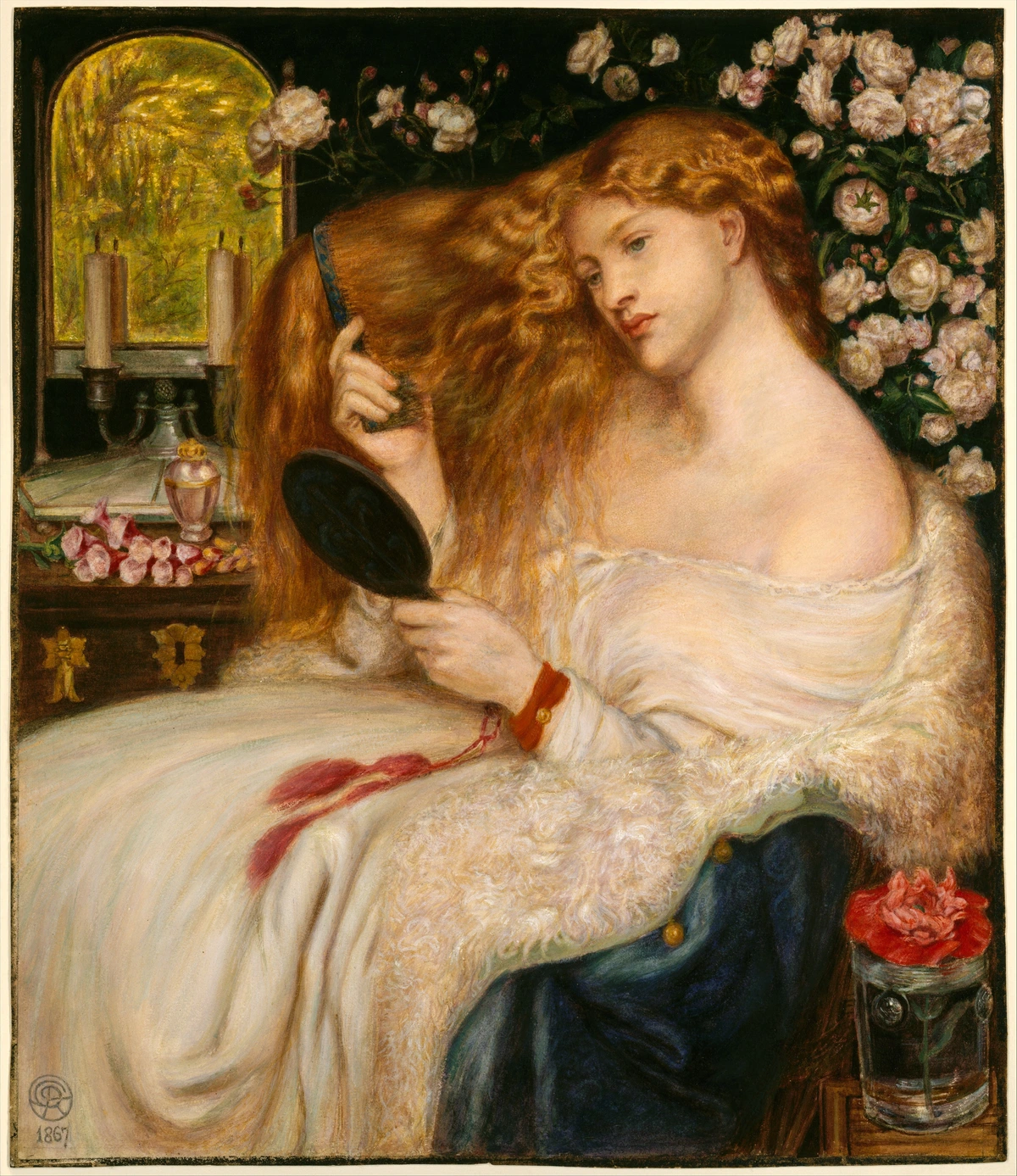
Dante Gabriel Rossetti (1828–1882): The Poet-Painter and Mystic
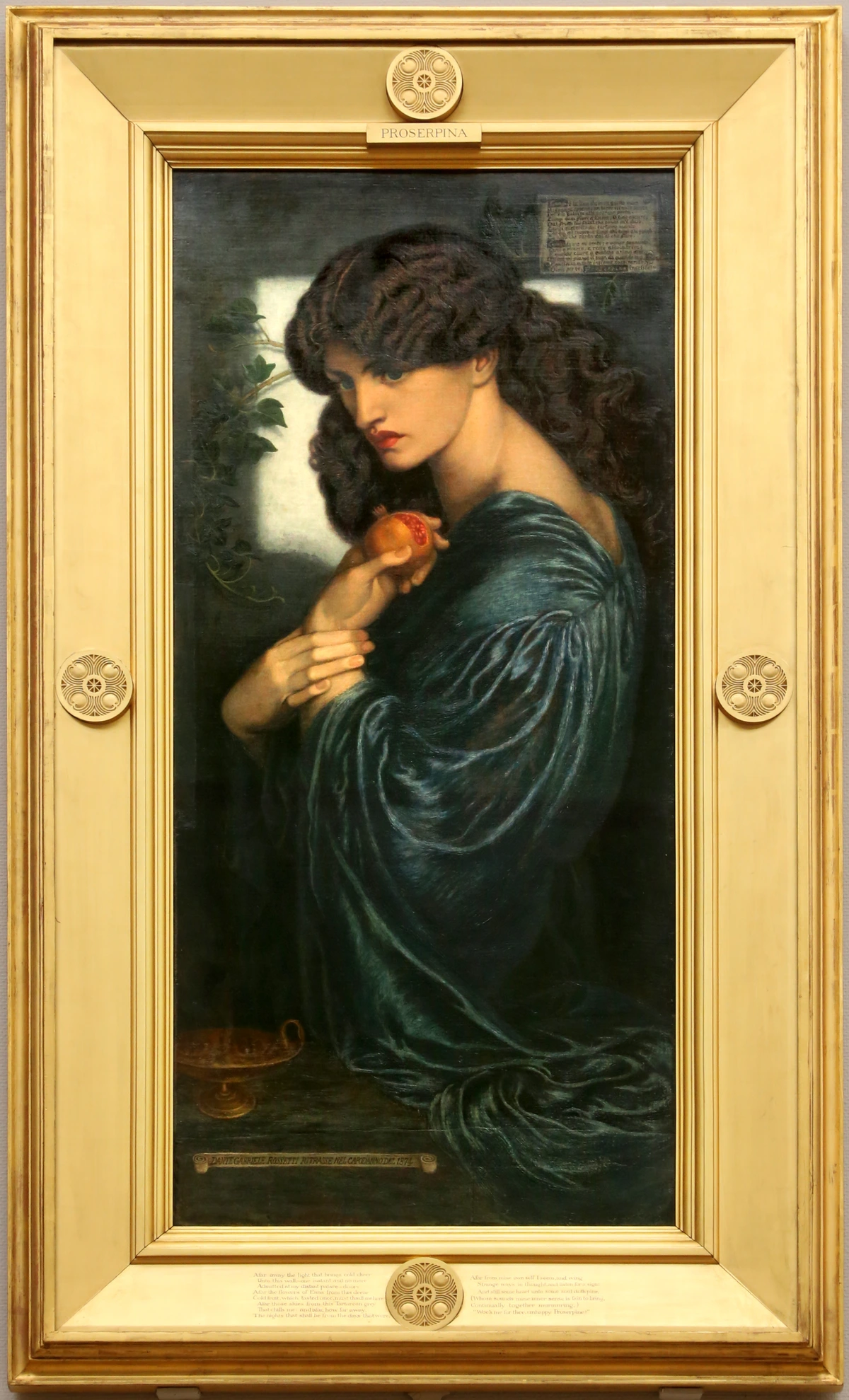
Rossetti was the charismatic heart of the Brotherhood, a poet as much as a painter. His work often delved into themes of medievalism, intense emotion, and a deeply personal symbolism. He was less concerned with strict realism than Millais or Hunt, favoring a more dreamlike, sensual, and often melancholic aesthetic.
His personal life was famously intertwined with his art, particularly his relationships with his muses, most notably Elizabeth Siddal. Her distinctive features and aura of ethereal beauty dominated many of his works, imbuing them with a poignant, almost spiritual intensity. Later, his paintings would explore more overtly sensual and femme fatale imagery, reflecting a shift in his artistic focus and personal interests.
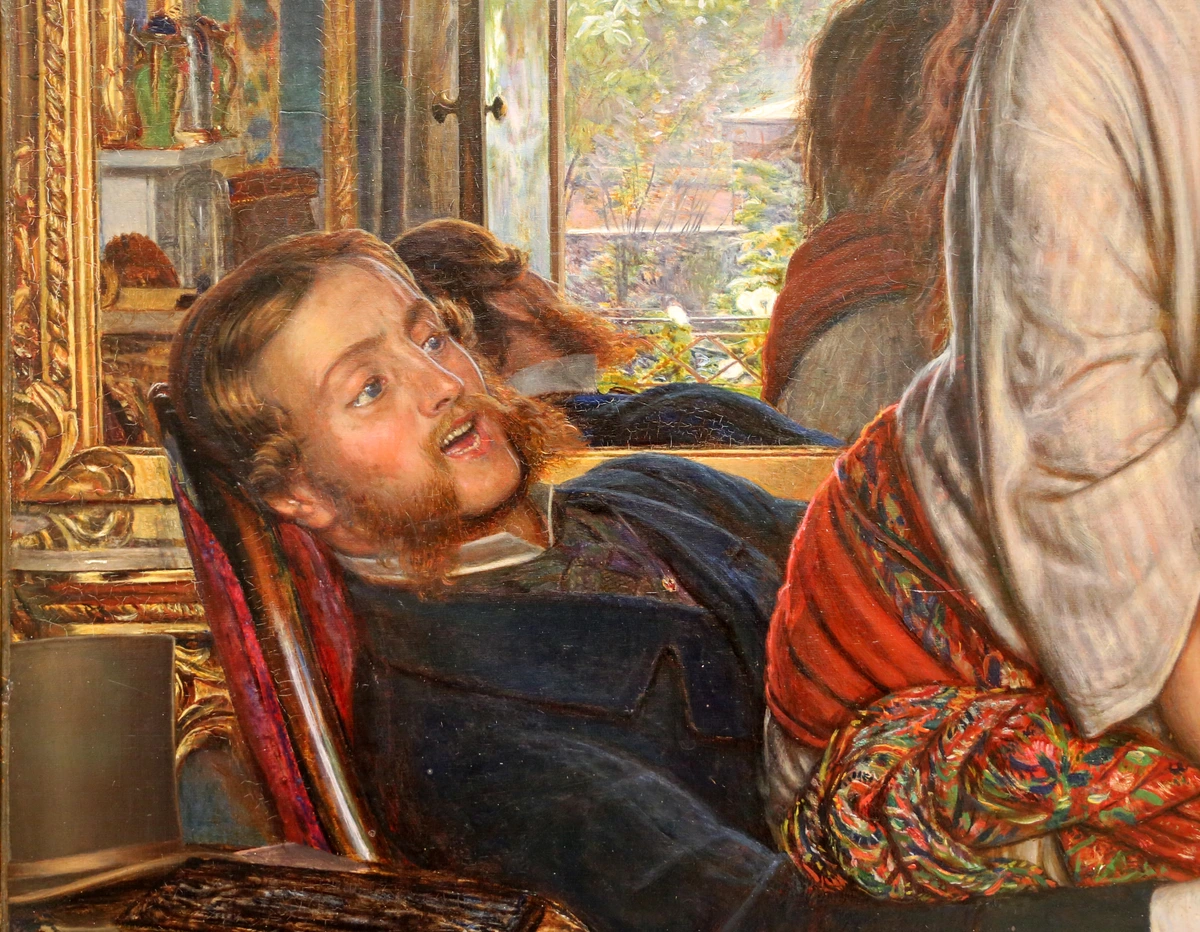
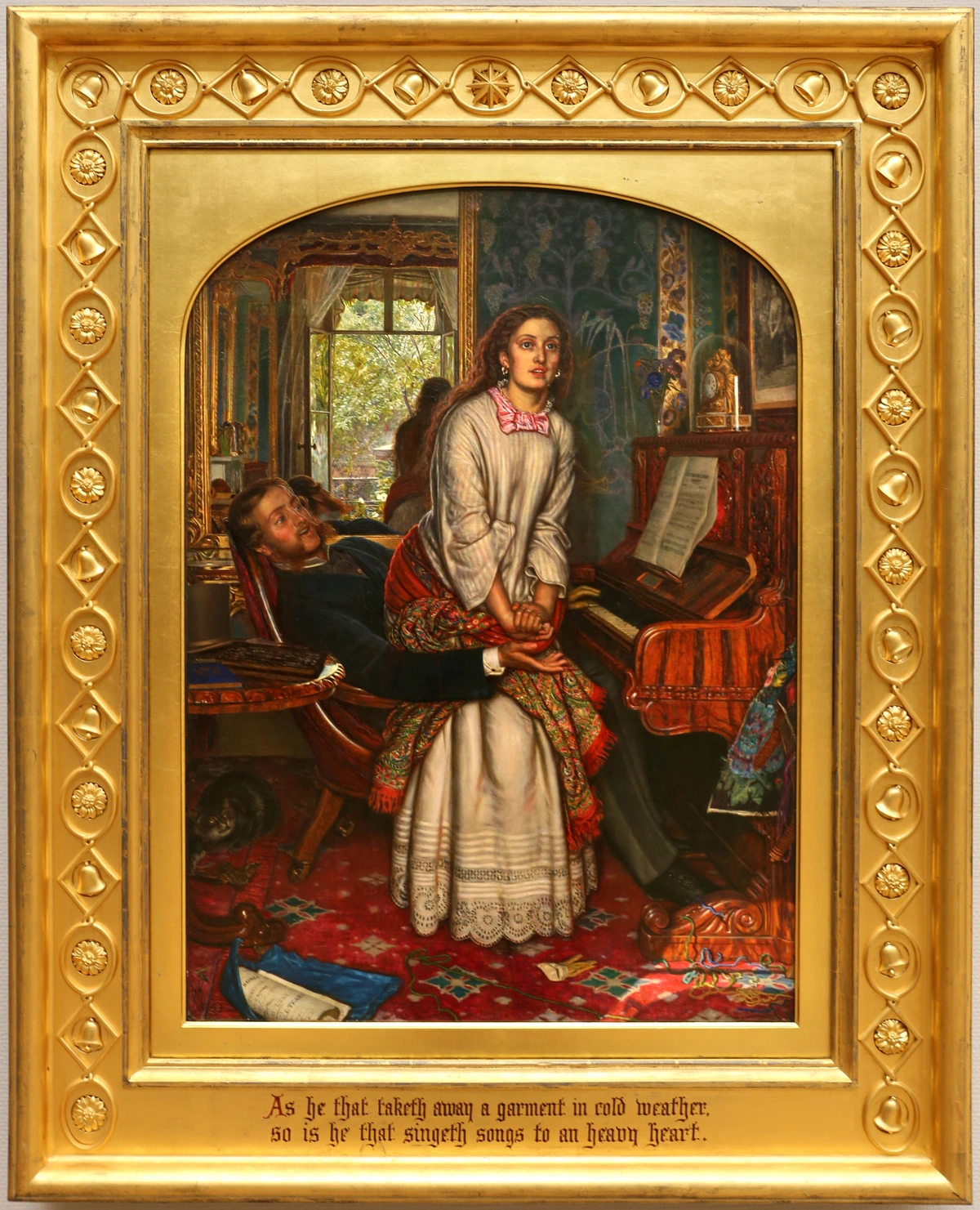
William Holman Hunt (1827–1910): The Moral Crusader
Hunt was perhaps the most dogmatically committed to the original ideals of the PRB throughout his career. He believed art had a profound moral and spiritual purpose, and his paintings are often laden with intricate symbolism designed to convey complex ethical messages. He even travelled to the Holy Land to ensure the biblical accuracy of his scenes, a testament to his unwavering dedication to "truth."
Works like The Light of the World (1851–53) exemplify his approach, depicting Christ knocking at a door overgrown with weeds, symbolizing a soul unwilling to open to divine truth. His meticulous technique and brilliant use of color were always in service of a deeper moral or religious message.
The Broader Circle and Enduring Muses: A Web of Influence
The Pre-Raphaelite Brotherhood, though a small, formal group, catalyzed a much wider movement, attracting a constellation of associated artists, writers, and particularly, remarkable women who served as both models and artists in their own right.
Key Associated Artists:
- Ford Madox Brown (1821–1893): Though never an official member, Brown was a crucial mentor and a spiritual forefather to the PRB, sharing their commitment to realism, vibrant color, and social commentary. His monumental work Work (1852-65) is a testament to these shared values.
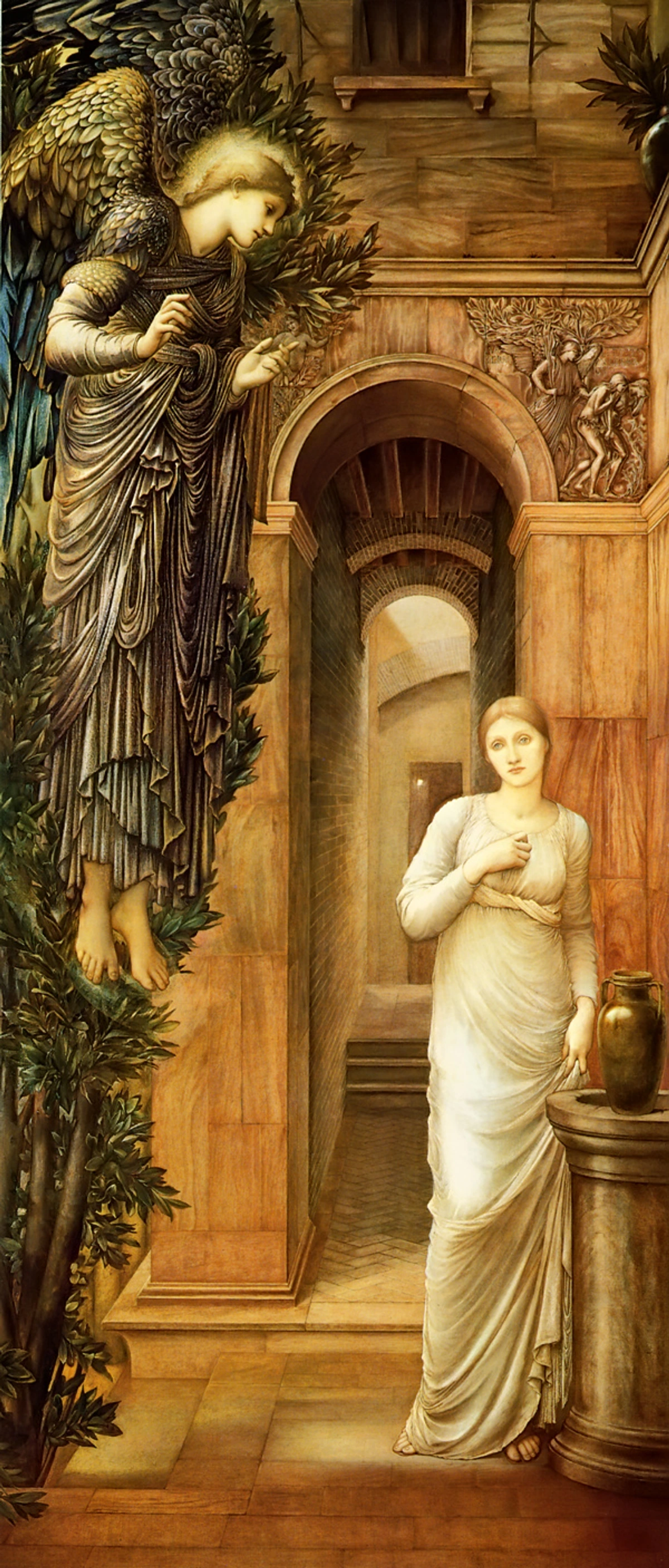
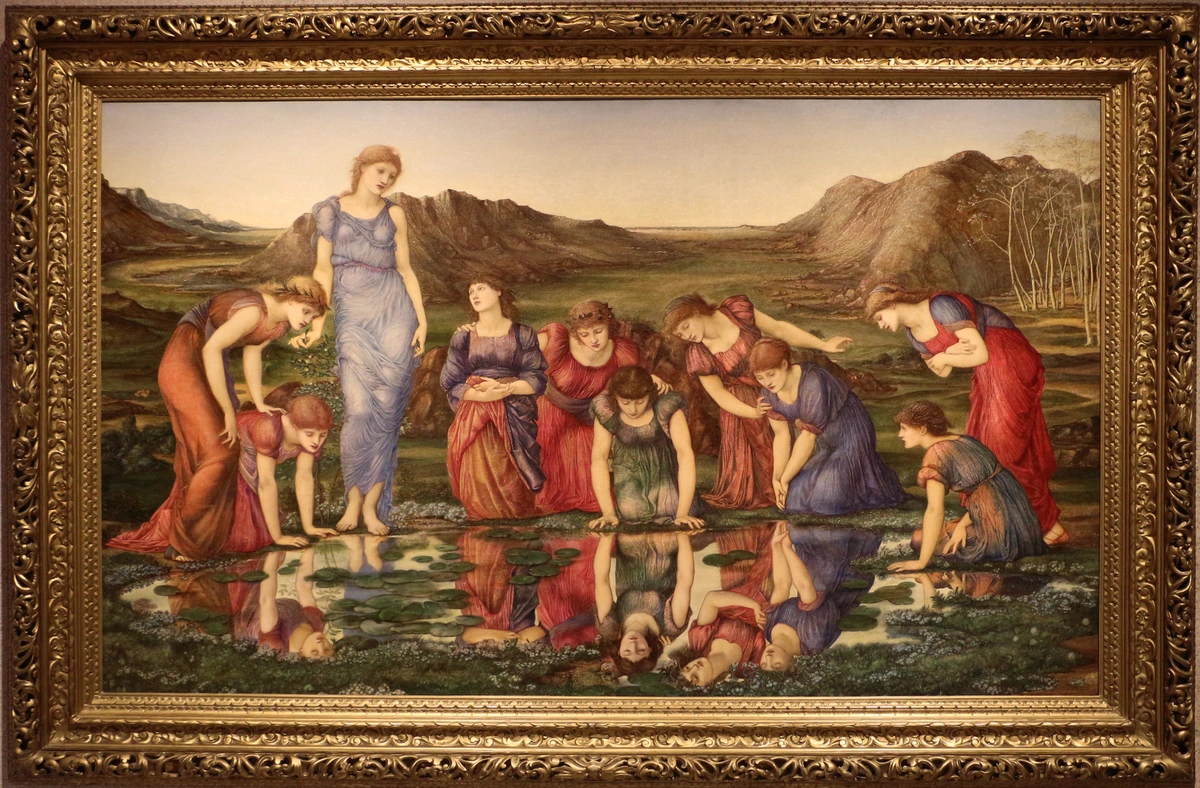
- Edward Burne-Jones (1833–1898): A second-generation Pre-Raphaelite, greatly influenced by Rossetti. His work moved towards a more ethereal, fantastical, and mythological realm, foreshadowing Symbolism and contributing significantly to the Aesthetic Movement.
- William Morris (1834–1896): Another Rossetti protégé, Morris was a painter, poet, novelist, and revolutionary designer. Deeply committed to the PRB's ideals of craftsmanship and rejecting industrial ugliness, he founded the Arts and Crafts Movement, advocating for a return to traditional artisan skills. He saw the beauty of art in everyday objects, a powerful extension of the PRB's principles.
The Unforgettable Muses:
The Pre-Raphaelites are almost as famous for their muses as for their paintings. These women were not merely passive subjects but often intelligent, artistic individuals who profoundly shaped the movement's aesthetic and narrative.
- Elizabeth Siddal (1829–1862): Rossetti's most iconic muse, often depicted with her striking red hair and melancholic gaze. She was also a talented poet and artist herself, though her contributions are often overshadowed by her tragic life and association with Rossetti. She was the model for Millais's Ophelia.
- Jane Burden Morris (1839–1914): Wife of William Morris and muse to Rossetti and Burne-Jones. Her strong, distinctive features and long dark hair embodied a different, more powerful ideal of beauty than Siddal's, reflecting a shift in aesthetic.
- Fanny Cornforth (1835–1909): Another significant model for Rossetti, embodying a more voluptuous and earthy beauty than Siddal or Burden. Her presence in Rossetti's work often marked his shift towards more sensuous and less overtly spiritual themes.
Artistic Techniques: A Rebellion in Paint
The Pre-Raphaelites didn't just challenge subject matter; they revolutionized painting techniques to achieve their desired effects of luminosity and detail.
- "Wet White Ground": This was perhaps their most radical technical innovation. Instead of painting on a dry, prepared canvas, they applied thin glazes of pure, bright pigment onto a wet white ground. This allowed the colors to fuse and glow with an unprecedented intensity and luminosity, giving their paintings that characteristic jewel-like vibrancy. It's like painting on a fresh, luminous canvas, letting the light shine through from underneath the layers of color.
- Meticulous Detail: Driven by "truth to nature," they spent countless hours meticulously rendering every leaf, blade of grass, and fabric fold. They often worked outdoors (en plein air) to capture natural light and botanical accuracy, a practice that set them apart from their studio-bound contemporaries.
- Symbolic Realism: Their realism wasn't just about depiction; it was imbued with symbolic meaning. Every detail, from the flowers in Ophelia's hand to the arrangement of objects in a domestic scene, was carefully chosen to deepen the narrative and moral message.
The Pre-Raphaelite Legacy and Enduring Impact
The Pre-Raphaelite Brotherhood, despite its initial controversy and relatively short official lifespan as a cohesive group, left an astonishingly profound and diverse legacy that rippled through art, design, and literature.
- The Arts and Crafts Movement: Spearheaded by William Morris, the Pre-Raphaelite emphasis on craftsmanship, authentic materials, and a rejection of industrial mass production directly fueled the Arts and Crafts Movement's commitment to handmade beauty and the dignity of labor.
- Symbolism and Aestheticism: Their later works, particularly those of Rossetti and Burne-Jones, with their emphasis on poetic themes, sensual beauty, and evocative symbolism, paved the way for the Aesthetic Movement ("Art for Art's Sake") and the broader European Symbolist movement. The idea that art could convey complex emotions and ideas without explicit narrative was a powerful one.
- Influence on Fantasy and Illustration: The dreamlike quality, literary focus, and detailed rendering of the Pre-Raphaelites profoundly influenced later illustrators and artists working in the genres of fantasy and romanticism, from early fairy tale illustrations to modern fantasy art.
- Reclaiming Narrative in Art: At a time when academic art often felt sterile, the PRB reinvigorated storytelling in painting, proving that art could be both beautiful and deeply engaging, drawing viewers into rich, emotionally charged narratives.
- Challenging the Establishment: Their initial rebellion against the Royal Academy set a precedent for challenging artistic dogma and opened doors for future avant-garde movements. They showed that true innovation often comes from questioning established norms.
Common Questions About the Pre-Raphaelite Brotherhood (FAQ)
You've got questions, I've got answers! Let's clear up some common curiosities about these fascinating artists.




Q: Why were they called "Pre-Raphaelites"?
A: They called themselves "Pre-Raphaelite" because they admired the art created before the High Renaissance master Raphael. They felt that art after Raphael, particularly the academic art taught in their time, had become overly conventional, idealized, and devoid of the "truth to nature" and spiritual sincerity found in earlier Italian art (like the Quattrocento period).
Q: What were the main characteristics of Pre-Raphaelite art?
A: The main characteristics include:
- Intense "Truth to Nature": Meticulous detail, especially in natural elements like plants and landscapes.
- Vibrant, Jewel-like Colors: Achieved often by painting on a wet white ground.
- Literary and Symbolic Themes: Drawing inspiration from poetry, mythology, and medieval legends, with deep symbolic meanings embedded in the details.
- Emotional Depth and Narrative: A focus on conveying powerful human emotions and telling compelling stories.
- Realism over Idealism: A rejection of the idealized forms of academic art in favor of more naturalistic, sometimes unconventional, beauty.
Q: Who were the most famous Pre-Raphaelite painters?
A: The three core painters were John Everett Millais, Dante Gabriel Rossetti, and William Holman Hunt. Later influential figures associated with the movement include Ford Madox Brown, Edward Burne-Jones, and William Morris.
Q: What was the significance of their muses, like Elizabeth Siddal?
A: The Pre-Raphaelite muses were hugely significant. Women like Elizabeth Siddal, Jane Burden Morris, and Fanny Cornforth not only posed for iconic paintings but often embodied the Pre-Raphaelite ideal of beauty. Many were talented artists, poets, and designers themselves, playing an active role in the creative community and shaping the movement's aesthetic and narrative themes.
Q: How did the Pre-Raphaelites influence later art movements?
A: Their influence was vast! They inspired the Arts and Crafts Movement through figures like William Morris, promoted Symbolism and Aestheticism with their focus on evocative themes and beauty for its own sake, and their commitment to "truth to nature" even had parallels with later movements like Impressionism, although their aims were different. They essentially carved out a path for artists to challenge academic norms and explore new ways of seeing and representing the world.
Q: Is the Pre-Raphaelite Brotherhood still active today?
A: The original Pre-Raphaelite Brotherhood as a formal group disbanded relatively quickly, but its spirit and influence certainly live on! The aesthetic and philosophical impact of the movement continues to inspire artists, designers, and writers, and their works remain immensely popular in museums and galleries worldwide. So, while the "Brotherhood" itself is a historical entity, its legacy is very much alive.
And there you have it. The Pre-Raphaelite Brotherhood wasn't just another art movement; it was a passionate declaration of independence, a group of young artists daring to find beauty and truth in places the establishment had overlooked. Their vibrant colors, meticulous detail, and profound narratives continue to captivate, reminding us that sometimes, looking back can be the most radical way to move forward. It’s a powerful lesson in finding your own voice, even if it means challenging the giants. And that, I think, is a message that resonates with any artist or creative today. So, what do you think? Are you ready to dive deeper into their world? Perhaps you'll even find inspiration for your own creative endeavors, much like I often do when I revisit their incredible, soulful work.```
{