title
description

National Palaces of Europe: Your Ultimate Guide to the Continent's Most Magnificent Art Collections
I have to confess something: I used to think palaces were just fancy houses for dead royalty—pretty buildings with good PR and centuries of inherited wealth. Then I actually started visiting them, and boy, was I wrong. I remember standing in the Hall of Mirrors at Versailles during a quiet morning, watching sunlight catch dust motes above parquet floors that Louis XIV himself might have walked on, and realizing I'd been missing something profound. These aren't just museums—they're time capsules where you can walk through rooms where history actually happened, surrounded by masterpieces that have hung on those walls for centuries, often in the exact positions they were meant to occupy.
If you're an art lover planning a European trip, or even just someone who appreciates beauty and history, national palaces offer something that traditional museums simply can't match. There's something profoundly different about seeing art in the actual spaces it was meant to inhabit, rather than in sterile white-walled galleries.

This guide is my attempt to pay forward what I've learned from years of palace-wandering—from racing tour groups to frozen January mornings when I had entire wings to myself. I've organized it to help you understand what makes each palace unique, what masterpieces await you, and—just as importantly—how to plan your visits to make the most of your time while avoiding the tourist crowds that can turn a sublime experience into a stressful one. Think of it as your insider's key to unlocking these places on a deeper level.
What Makes National Palaces Special?
Before we dive into the specific palaces, let's talk about what sets them apart. National palaces are different from your typical art museum in several key ways:
The Art is in Context
When you see a painting in the Louvre, it's been removed from its original setting—plucked from its natural habitat like an exotic bird in a zoo. But when you see a Velázquez in the Royal Palace of Madrid, or a Rembrandt in the Royal Palace of Amsterdam, you're seeing it exactly where it was intended to be seen. The architecture, the furniture, the very atmosphere (that specific palace light filtering through tall windows) all work together to create an experience that goes beyond just looking at art. It becomes a conversation across centuries.
History You Can Feel
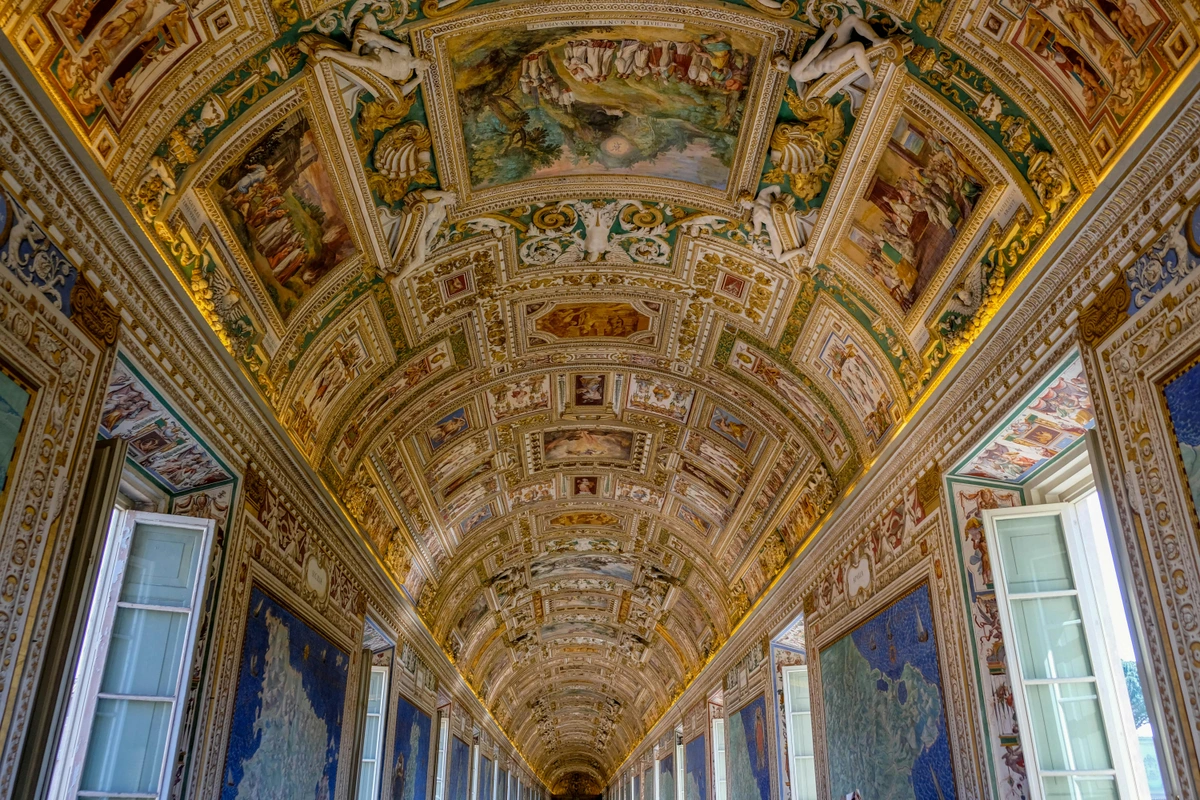
These palaces weren't built as museums—they were centers of power, intrigue, and surprisingly ordinary daily life. When you walk through the Hall of Mirrors at Versailles, you're following in the footsteps not just of kings and queens, but of servants who polished those mirrors, diplomats who negotiated treaties under those painted ceilings, and revolutionaries who eventually stormed the gates. That kind of connection to the past adds an emotional dimension that transforms how you experience the art—you start seeing the human stories behind the brushstrokes.
Architecture as Art
Here's something I didn't fully grasp until my fifth or sixth palace visit: these buildings are artworks themselves, not just containers for art. From the Baroque opulence of Schönbrunn Palace to the neoclassical grandeur of Buckingham Palace, these structures represent the pinnacle of architectural achievement from their respective periods. You're not just seeing paintings and sculptures—you're walking through three-dimensional works of art where every cornice, every column, every ceiling fresco was designed to create a specific emotional effect. The building is the first masterpiece you encounter.

Major National Palaces by Country
France
France's relationship with its royal palaces is… complicated, to say the least. After all, this is a country that literally chopped off its king's head, then decided his palace was too magnificent to destroy. The result? Some of the world's most spectacular palace museums, where revolutionary history lives uncomfortably alongside absolute monarchical splendor.
Palace of Versailles
Let's start with the big one. Versailles isn't just a palace; it's a statement. Built by Louis XIV to showcase France's absolute power, it became the template for royal residences across Europe. What many visitors don't realize is that Versailles houses one of the world's finest collections of French art, spanning from the Renaissance through the 19th century.
Key Art Collections:
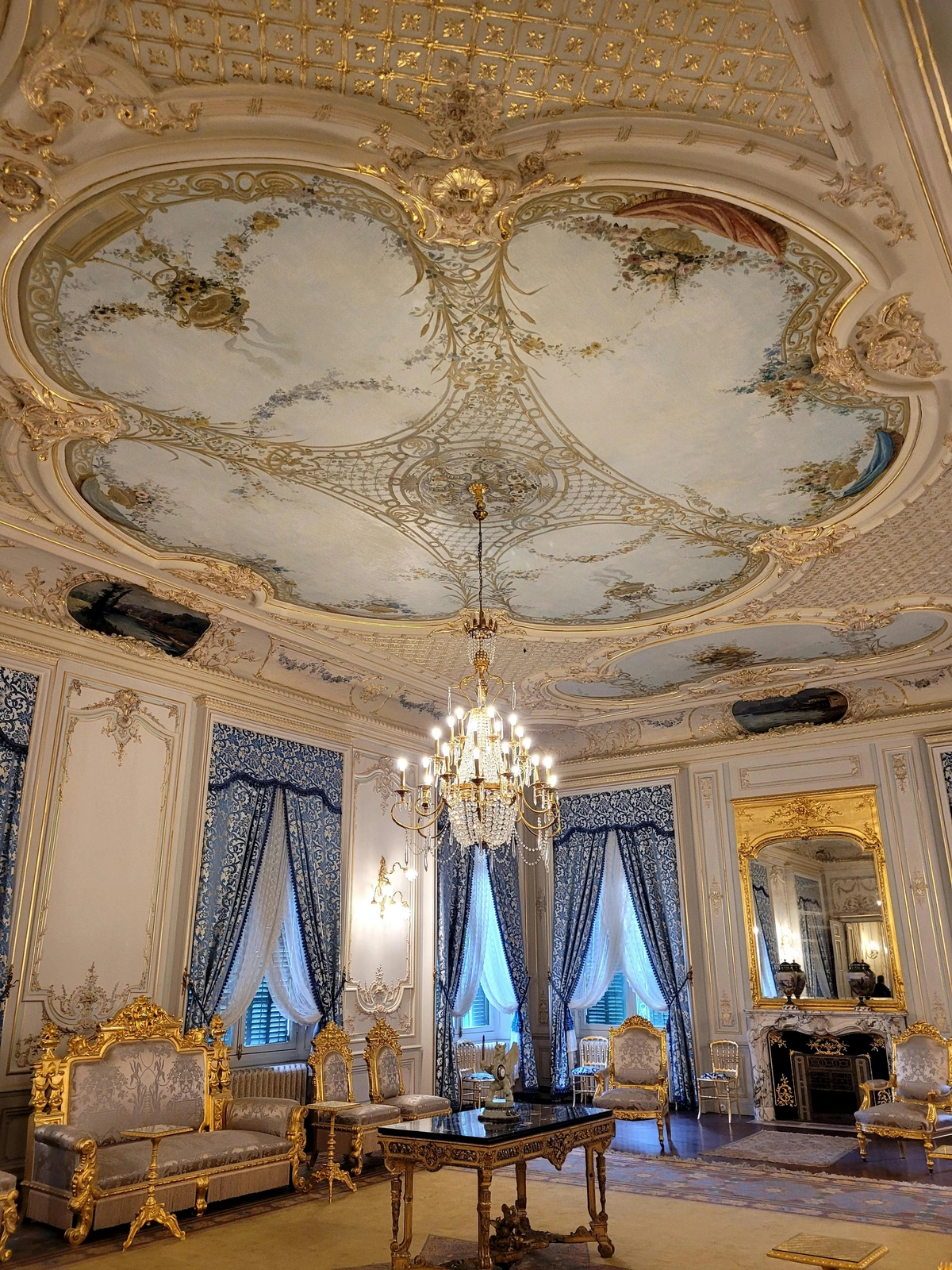
- Paintings: Charles Le Brun wasn't just Louis XIV's court painter—he was essentially the artistic dictator of France, and his allegorical ceiling paintings in the Hall of Mirrors are pure political propaganda disguised as classical myth. You'll also find works by Hyacinthe Rigaud (whose portraits defined royal image-making), François Boucher (the master of Rococo sensuality), and Jean-Honoré Fragonard.
- Sculpture: The gardens alone contain enough marble gods and goddesses to populate a small Olympus, while interior sculptures range from Roman antiquities collected by French royalty to contemporary 18th-century works.
- Decorative Arts: This is where Versailles truly shines. We're talking about the world's finest collection of 18th-century French furniture—pieces by master 'ébénistes' like André-Charles Boulle that represent the absolute pinnacle of European craftsmanship. The porcelain, the tapestries, the gilt bronze… it's overwhelming in the best possible way.
Must-See Artworks:
- The Hall of Mirrors: Not just architecture—the ceiling paintings by Le Brun depict Louis XIV's military victories
- The Royal Chapel: Baroque architecture meets religious art at its most opulent
- Marie-Antoinette's Private Chambers: Intimate spaces showcasing exquisite craftsmanship
Visitor Tip: Most people rush through Versailles in half a day, which is like speed-reading War and Peace—you'll hit the plot points but miss everything that matters. Don't. Spend at least 6-8 hours, and consider a second day if you're serious about the art. Here's my strategy: arrive when doors open, head straight to the Hall of Mirrors to experience it relatively empty, then work backward through the State Apartments. Save the gardens for afternoon when the light is softer. The fountain shows on summer weekends are spectacular but draw massive crowds; if you want peace, visit gardens on weekday mornings when they're nearly empty.
Louvre Palace (Musée du Louvre)
Yes, the Louvre is technically a palace—and what a palace it is! Originally built as a medieval fortress, then transformed into a Renaissance palace, it finally became the world's most visited museum. But the building itself tells a story that's just as fascinating as the art it contains.
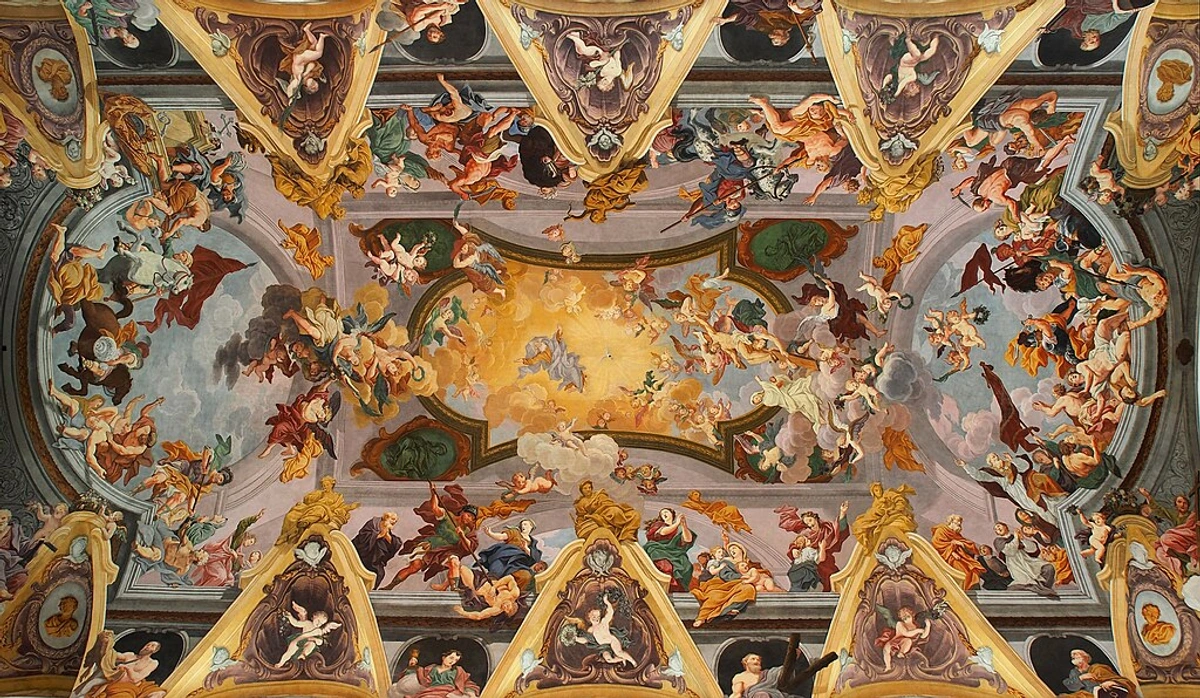
Key Art Collections:
- Greek and Roman Antiquities: Including the Venus de Milo and Winged Victory of Samothrace—both sculptures that have become so iconic they're almost impossible to see freshly. My advice? Don't try to 'appreciate' them. Just stand there and let yourself be overwhelmed by their presence. The Venus is missing arms but radiates complete serenity; Victory is all wind-whipped drapery and forward momentum frozen in marble.
- Italian Renaissance: Obviously, Leonardo da Vinci's Mona Lisa—but honestly? Don't make her your priority. The crowds are insane, and she's much smaller than you expect. Instead, seek out works by Raphael (the sweet-faced Madonnas), Titian (the master of color and flesh), and Caravaggio (the bad boy of Baroque who painted religious drama like it was happening in a Roman back alley).
- French Painting: From medieval works through the 19th century, including monumental canvases by Jacques-Louis David that capture the theatrical intensity of revolutionary and Napoleonic France.
- Egyptian Antiquities: One of the world's most comprehensive collections, thanks to Napoleon's Egypt obsession. The mummies get all the attention, but look for the smaller objects—the jewelry, the household items—that reveal daily life along the Nile.
Architecture Note: Don't just race to the Mona Lisa—that's like going to a gourmet restaurant and only eating the bread. Take time to appreciate the palace itself. I always make a point of visiting the medieval foundations (the Louvre began as a 12th-century fortress), walking through the Renaissance courtyards, and especially exploring Napoleon III's apartments. Those rooms are pure Second Empire opulence—think Versailles on steroids, with crimson velvet, gilded everything, and chandeliers that could power a small town. They reveal how France's rulers, even after revolutions, couldn't resist the allure of palace life.
United Kingdom
Buckingham Palace
Let's get this straight upfront: Buckingham Palace is first and foremost a working royal residence, which means most of it is closed to visitors most of the year. But for about ten weeks each summer, when the King decamps to Scotland, the State Rooms open their doors—and it's worth planning your entire London trip around those dates if you're serious about palace art. This isn't just a museum with royal branding; it's a genuine palace where state business still happens, which makes walking through it feel vaguely transgressive, like you've snuck into someone's very important office after hours.
You know it as the Queen's (now King's) London residence, but Buckingham Palace's State Rooms contain one of Britain's most significant art collections. The palace is only open to visitors during August and September when the royal family is away, making it a special experience for those who plan ahead.
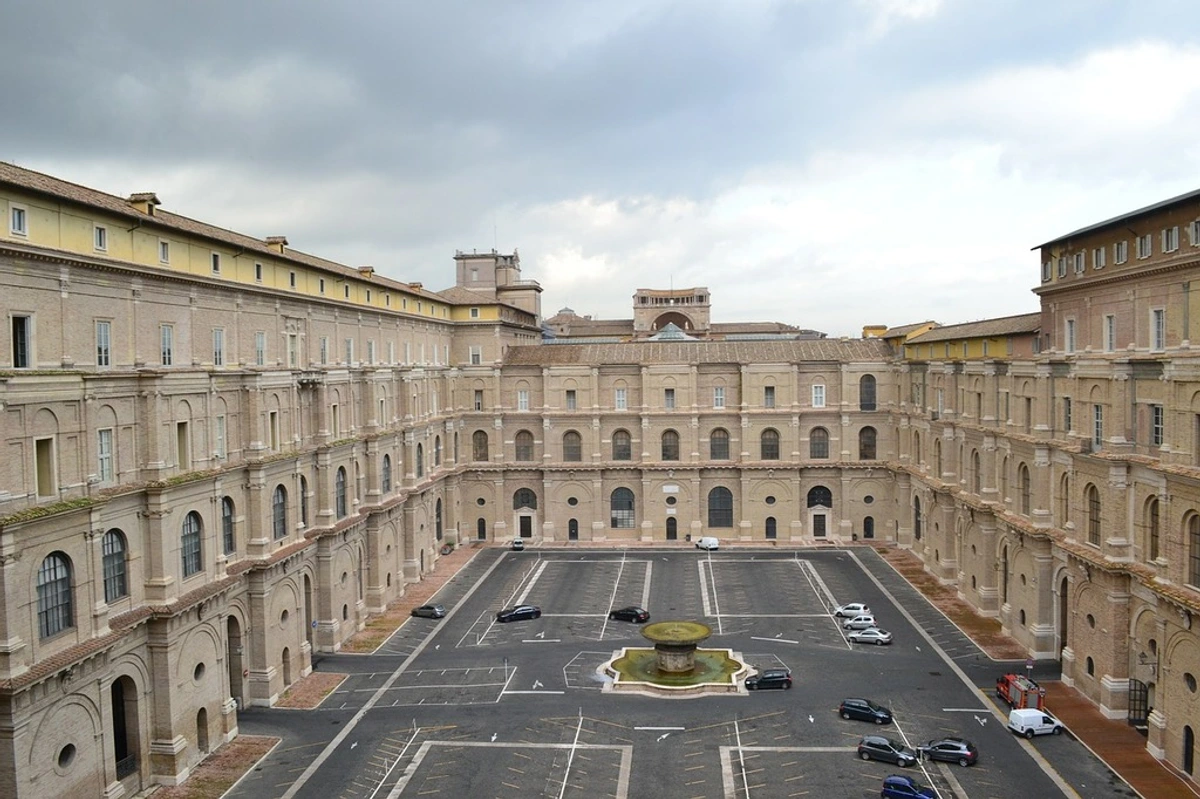
Key Art Collections:
- Old Master Paintings: The Royal Collection contains masterpieces that would be the pride of any major museum. We're talking Rembrandt portraits that seem to follow you with their eyes, Rubens canvases bursting with fleshy exuberance, Vermeer's quiet moments of domestic intimacy (though only a few—most are elsewhere), and Canaletto's Venetian views that feel like postcards from a vanished world. The quality is staggering.
- British Portraiture: Extensive collection including works by Thomas Gainsborough (who painted aristocrats with an almost liquid elegance) and Joshua Reynolds (the first president of the Royal Academy, who turned portrait painting into high art). These aren't just pictures of posh people—they're documents of a social order that still influences Britain today.
- French Furniture: Exquisite pieces from the 18th and 19th centuries, including furniture that survived the French Revolution (ironic, given where it ended up) and pieces commissioned by British royalty who couldn't resist French style, even when they were at war with France.
- Sèvres Porcelain: One of the world's finest collections—delicate, impossibly expensive ceramic objects that were the 18th-century equivalent of designer handbags, except more breakable and far more beautiful.
Highlights:
- The Picture Gallery: Designed specifically to display the royal collection
- The White Drawing Room: Perhaps the most opulent room in any working palace
- Changing of the Guard: Not art per se, but a magnificent spectacle of living tradition
Windsor Castle
Windsor is different from Buckingham Palace in almost every way. For starters, it actually looks like a proper castle—crenellated walls, towers, the whole medieval package. It's also much, much older (nearly 1,000 years of continuous royal occupation) and somehow more intimate despite its massive scale. The 1992 fire that devastated parts of the castle turned out to be a blessing in disguise: the restoration revealed original features and created an opportunity to rethink how the castle presents itself to visitors. The result feels both ancient and surprisingly fresh.
This is the world's oldest and largest inhabited castle, and it's been a royal residence for nearly 1,000 years. Windsor Castle survived a devastating fire in 1992 and was magnificently restored, making it a testament to both historic preservation and traditional craftsmanship.
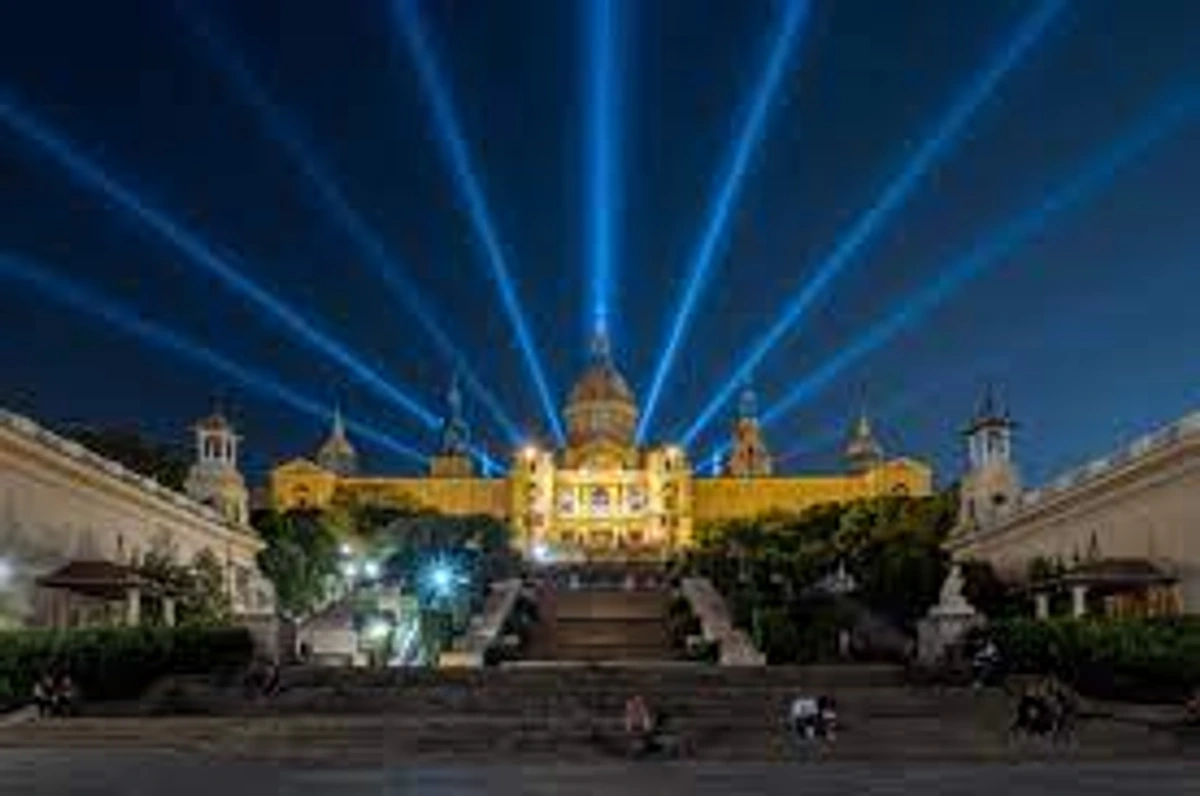
Key Art Collections:
- Drawings by Leonardo da Vinci: From the royal collection—not paintings, but delicate drawings on paper that reveal da Vinci's restless mind at work. You'll see studies of hands, horses, machines, and faces that feel startlingly modern despite being 500 years old. These are rotated for conservation reasons, so you never know exactly what you'll see, which is part of their magic.
- Portraits by Holbein: Including his famous portrait of Henry VIII—the one that defined how we imagine the Tudor king: legs planted like tree trunks, dressed in enough fabric to sail a ship, radiating masculine power and utter self-confidence. It's in the Drawing Gallery along with other Tudor portraits that feel more like character studies than formal portraits.
- St. George's Chapel: Medieval architecture and heraldic art at its finest. This is where the Order of the Garter has its home, and the heraldic stalls are a riot of carved wood, painted banners, and centuries of accumulated tradition. Even if you're not into heraldry, the sheer craftsmanship is breathtaking.
- The Semi-State Rooms: Open only in winter, these represent George IV's idea of interior design—which is to say, maximalism pushed to its logical extreme. Think gilt, velvet, silk, and porcelain all competing for attention. They're exhausting and magnificent in equal measure.
Special Note: The Semi-State Rooms (open in winter) represent some of the most lavish interiors created during George IV's reign.
Spain
Spain's palaces tell a complex story of imperial power, religious fervor, and a monarchy that's survived dictatorships, civil wars, and centuries of political turmoil. What I love about Spanish palaces is their sheer theatricality—they feel like stage sets for dramas that haven't ended yet.
Royal Palace of Madrid (Palacio Real)
Don't let the fact that the Spanish royal family doesn't actually live here full-time fool you—this is one of Europe's most spectacular palaces. Built on the site of a medieval Moorish fortress (because Spanish kings loved symbolic gestures), the current palace dates from the 18th century and houses an astonishing collection of art and decorative objects. Walking through it feels like wandering through a very elegant encyclopedia of Spanish history, with each room representing a different chapter.
Don't let the fact that the Spanish royal family doesn't actually live here full-time fool you—this is one of Europe's most spectacular palaces. Built on the site of a medieval Moorish fortress, the current palace dates from the 18th century and houses an astonishing collection of art and decorative objects.

Key Art Collections:
- Paintings by Goya, Velázquez, and El Greco: The Spanish masters are well represented here, but interestingly, not always in the most obvious ways. You'll see Goya paintings that show his early, more conventional court-portrait phase (before he went deaf and started painting those terrifying dark visions), Velázquez portraits that demonstrate why he was called the "painter of painters," and works by El Greco that reveal the mystical intensity of Spanish religious art.
- Stradivarius Instruments: The palace has the world's most complete collection of Stradivarius instruments—violins, violas, cellos that represent the absolute pinnacle of musical instrument craftsmanship. They're displayed in glass cases like crown jewels, which essentially they are.
- Flemish Tapestries: Woven from cartoons by Rubens and Goya (yes, that Goya—he designed tapestries before he became the court painter), these massive textile artworks show everything from biblical scenes to everyday 18th-century life. They're warmer, more intimate than paintings somehow.
- Royal Armory: Medieval and Renaissance arms and armor displayed not as weapons but as art objects—exquisitely crafted, decorated with gold and silver, bearing the scars and dents of actual battles. You can almost hear the clank of armor and the thunder of horses.
Must-See Rooms:
- The Throne Room: With its magnificent Tiepolo ceiling fresco
- The Royal Pharmacy: An alchemist's dream of ceramic jars and ancient remedies
- The Royal Library: Illuminated manuscripts and rare books
Alhambra (Palace of Granada)
Here's where things get interesting. The Alhambra isn't just different from other European palaces—it feels like it comes from an entirely different aesthetic universe. This is a masterpiece of Islamic architecture and art that happens to be in Europe, and visiting it recalibrates your understanding of what a palace can be. Forget gilt and marble; think carved stucco so delicate it looks like frozen lace, tile patterns that seem to shift and dance as you walk past them, and poetic inscriptions woven into the very fabric of the architecture. The Alhambra represents the pinnacle of Moorish art and craftsmanship—a civilization that valued mathematics, poetry, and water (oh, the water features!) as much as it valued military power.
This isn't your typical European palace—it's a masterpiece of Islamic architecture and art that happens to be in Europe. The Alhambra represents the pinnacle of Moorish art and craftsmanship, with its intricate stucco work, tile mosaics, and poetic inscriptions.
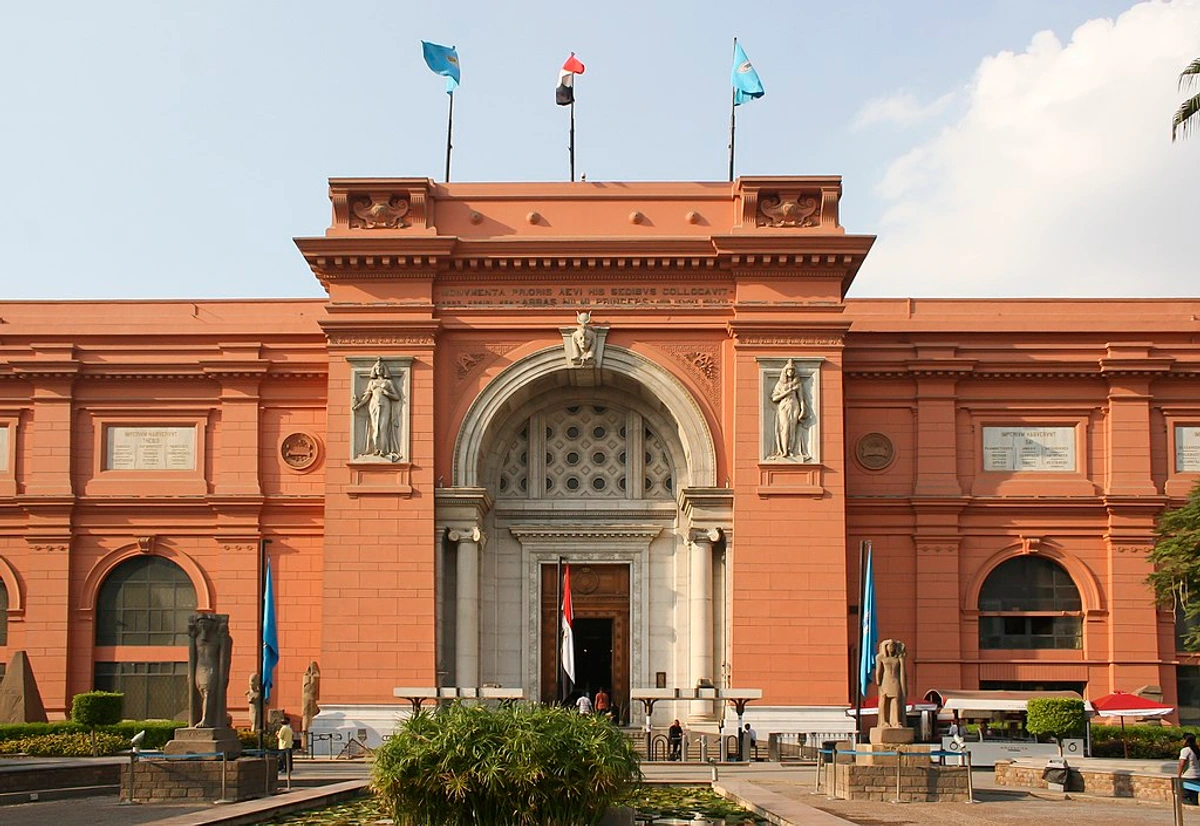
Artistic Highlights:
- Nasrid Palaces: The most exquisite example of Moorish palace architecture anywhere in the world. Every surface is covered in intricate geometric patterns (because Islamic art generally avoids human imagery), creating an effect that's simultaneously overwhelming and deeply calming. The famous Court of the Lions, with its fountain supported by twelve marble lions, is justifiably famous—but don't rush through it. Sit. Watch the light change. Listen to the water.
- Generalife Gardens: Islamic garden design at its most sophisticated. These aren't European-style gardens meant to impress with scale and symmetry; they're intimate spaces designed to evoke paradise, with water channels, shade trees, and the scent of flowers creating a multisensory experience. The relationship between architecture, water, and plants is absolutely masterful.
- Calligraphy: Arabic inscriptions throughout the complex aren't just decoration—they're actual poetry praising Allah, the beauty of the palace, and the glory of the Nasrid rulers. The artisans who created these inscriptions were considered master calligraphers, and their work transforms writing into pure visual art.
- The Views: This seems obvious, but the Alhambra is positioned perfectly to command views of Granada and the surrounding mountains. The relationship between the palace and its landscape is integral to understanding Islamic palace design—it's about connecting interior luxury with exterior natural beauty.
Austria
Austria's imperial palaces are like the nation itself—grand, musical, and haunted by the ghost of a vanished empire. Vienna is unique in having not one but two major palace complexes, each representing different aspects of Habsburg power and personality.
Schönbrunn Palace (Vienna)
What Versailles is to France, Schönbrunn is to Austria—a symbol of imperial power and cultural sophistication wrapped in Baroque splendor. This magnificent palace was the summer residence of the Habsburg emperors, which honestly makes you wonder what their winter residences looked like if this was just their 'summer home.' The interiors showcase the evolution from Baroque to Rococo to Neoclassical styles, giving you a masterclass in European decorative arts history.
This magnificent Baroque palace was the summer residence of the Habsburg emperors. What Versailles is to France, Schönbrunn is to Austria—a symbol of imperial power and cultural sophistication. The palace interiors showcase the evolution from Baroque to Rococo to Neoclassical styles.
Key Art Collections:
- 18th-Century Austrian Art: Works by Martin van Meytens and other court painters who essentially created the visual language of Habsburg power. Look for portraits of Maria Theresa—the formidable empress who gave birth to sixteen children while running an empire—and her children. These aren't sentimental family pictures; they're political statements about dynasty, succession, and imperial legitimacy.
- Chinese Cabinets: Reflecting 18th-century European fascination with Asian art, these rooms are decorated with imported Chinese wallpaper, porcelain, and furniture. It's a fascinating example of how European courts imagined the "exotic East"—a fantasy version of China filtered through European tastes and manufactured in Europe.
- The Great Gallery: 40 meters of mirrored, gilded Rococo splendor where you can literally see yourself surrounded by imperial grandeur. The effect is deliberately overwhelming—Habsburg power made visible and tangible.
Special Features:
- The Great Gallery: 40 meters of mirrored, gilded Rococo splendor
- Millions Room: Named for the cost of its rosewood paneling and Indian miniatures
- The Gardens: Designed as an integral part of the artistic experience
Hofburg Palace (Vienna)
If Schönbrunn was the summer escape, Hofburg was the center of imperial power in Vienna. This massive complex has been expanded over centuries and now houses multiple museums, including the Imperial Apartments and the Sisi Museum.

Art Collections:
- Imperial Treasury: Crown jewels and religious artifacts of breathtaking craftsmanship
- Silver Collection: Tableware and decorative objects showing court life
- Sisi Museum: Personal objects of Empress Elisabeth
Germany
Germany's palace culture is complicated—literally dozens of small states, each with its own ambitious ruler building his own Versailles, resulted in an astonishing density of palace art. Many were damaged or destroyed during World War II, making the survivors even more precious.
Zwinger Palace (Dresden)
Technically more of a palace complex than a single residence, the Zwinger is one of Germany's most important Baroque buildings. It feels like a stage set where gods and goddesses might appear at any moment. The palace was heavily damaged in World War II (Dresden was essentially flattened), but meticulously reconstructed—a testament to how seriously Germans take their artistic heritage. Now it houses several world-class museums that would be major attractions anywhere else but somehow get overshadowed by the architecture itself.
Technically more of a palace complex than a single residence, the Zwinger is one of Germany's most important Baroque buildings. It was heavily damaged in World War II but meticulously reconstructed, and now houses several world-class museums.
Art Collections:
- Gemäldegalerie Alte Meister: Raphael's Sistine Madonna (yes, the one with the two cherubs everyone recognizes) is justifiably famous, but don't miss works by Titian, Giorgione, and Veronese—Venetian masters who understood color and light in ways that still feel revolutionary. The collection is Italian Renaissance painting at its absolute best.
- Porcelain Collection: One of the world's most important collections, reflecting Augustus the Strong's obsessive fascination with "white gold." This isn't just pretty dishes; we're talking about porcelain objects that bankrupted kingdoms and started wars. The craftsmanship is insane—delicate flowers, intricate figurines, and massive vases that seem to defy gravity.
- Mathematical-Physical Salon: Historic scientific instruments as works of art. Globes, astrolabes, clocks, and early calculating machines that were created when science and art weren't separate disciplines but different expressions of the same human desire to understand the world. The objects are beautiful, but they're also reminders that science was once considered a courtly pursuit.
- The Crown Gate: Okay, this is architecture, not a collection, but it's worth mentioning—the gate is topped with a golden crown supported by four golden eagles, creating an effect that's both triumphant and slightly ridiculous. It perfectly captures the Baroque love of spectacle.
Italy
Italy's palace culture is… well, Italian. Meaning it's simultaneously more romantic, more theatrical, and more human than French palace culture. Yes, there's plenty of grandeur, but there's also a sense that people actually lived in these places, loved in them, argued in them, and occasionally trashed them. Italy has countless palaces, but Caserta represents a specific moment when Italian rulers looked at Versailles and said, 'We can do better.'
Palace of Caserta (Reggia di Caserta)
Often called the "Versailles of Italy," this enormous palace was built by the Bourbon kings of Naples specifically to rival its French counterpart. Here's the thing: Caserta might actually be more impressive than Versailles in terms of sheer scale and architectural coherence. It's less visited than many Italian attractions, which makes it a hidden gem for serious art and architecture lovers who want to experience palace splendor without the crowds.
Often called the "Versailles of Italy," this enormous palace was built to rival its French counterpart. It's less visited than many Italian attractions, which makes it a hidden gem for serious art and architecture lovers.
Artistic Features:
- Neoclassical Architecture: Designed by Luigi Vanvitelli, the palace represents Italian Baroque evolving into something cleaner, more classical. The facade is an exercise in disciplined grandeur—row after row of identical windows, perfectly proportioned, creating a rhythm that's both monumental and strangely calming. It's architecture as musical composition.
- Grand Staircase: A masterpiece of spatial design that makes you feel like you're ascending into heaven itself. The double staircase creates dramatic entrances and exits—perfect for court ceremonies where everyone was essentially performing their social rank.
- Palace Theatre: One of the finest surviving court theaters, preserved almost exactly as it was in the 18th century. Court theaters were where aristocracy watched itself being aristocratic—a kind of meta-theatrical experience where the audience was also the show.
- Royal Apartments: Magnificent interiors with original furnishings that escaped the worst of Italian unification wars and world wars. The rooms are decorated in styles ranging from Baroque to Neoclassical, giving you a sense of how palace interiors evolved over time.
- The Park and Gardens: The gardens stretch for miles, complete with fountains, cascades, and a romantic English garden that feels like it was designed for assignations and secret conversations. The relationship between palace and landscape is even more integrated than at Versailles.
Planning Your Palace Visits: A Practical Guide
Best Times to Visit
Seasonal Considerations:
- Spring (April-May): Ideal for gardens, fewer crowds, pleasant weather
- Summer (June-August): Peak season means more people but longer hours and special events
- Fall (September-October): Crowds thin out, weather is still good, autumn colors in gardens
- Winter (November-March): Fewest crowds, but some areas may be closed; Christmas markets add charm
Time of Day:
- First thing in the morning: Beat the tour groups
- Late afternoon: Many day-trippers leave, creating more space
- Evening openings: Some palaces offer special evening access (Versailles has musical fountain shows)
Tickets and Reservations
Advance Booking is Essential:
- Most major palaces require or strongly recommend tickets booked in advance
- Some offer timed entry to control crowds
- Consider membership programs for multiple visits
Money-Saving Tips:
- City passes: Many cities offer passes that include palace entry
- Student/senior discounts: Bring ID
- Free days: Some palaces offer free entry on certain days
- Combination tickets: Often cheaper than buying separate entries
What to Bring (and What Not to Bring)
Essential:
- Comfortable walking shoes (you'll be on your feet for hours)
- Water bottle (many palaces have fountains)
- Camera (but check photography rules)
- Small bag (large bags are often not allowed or require checking)
Leave Behind:
- Large backpacks or luggage
- Food (most palaces don't allow it inside)
- Tripods or selfie sticks (usually prohibited)
- Sharp objects
Art Appreciation in Palace Settings
Understanding Palace Art vs. Museum Art
When you visit a palace, you're seeing art that was created for specific purposes:
Political Propaganda: Many palace paintings and sculptures were commissioned to convey messages about power, legitimacy, and authority. Portraits weren't just records of what someone looked like—they were statements about their right to rule.
Religious Expression: Palace chapels house some of Europe's finest religious art, created not just for worship but to demonstrate the ruler's piety and connection to divine authority.
Personal Taste: Unlike museums, where curators select works based on art-historical importance, palace collections reflect the personal tastes (and sometimes eccentricities) of the people who lived there.
Reading Palace Interiors
Palace rooms tell stories if you know how to look:
Ceilings: Often the most elaborate artistic statements, with allegorical paintings and elaborate stucco work
- Look for: Mythological scenes, allegories of virtues, family pride
Wall Treatments: From silk wallcoverings to gilt leather to painted panels
- Look for: Symbolic colors, repeating motifs, craftsmanship quality
Lighting: Before electricity, light was carefully controlled for effect
- Notice: Window placement, mirror positioning, candlestick placement
Photography and Etiquette
Photography Rules
Generally Allowed:
- Most palaces now allow non-flash photography
- Photography in gardens is usually unrestricted
Usually Prohibited:
- Flash photography (can damage artworks)
- Tripods and selfie sticks
- Commercial photography without permission
- Photography in special exhibition areas
Best Practices:
- Always check specific rules at each palace
- Be respectful of other visitors
- Focus on details, not just overviews
- Consider buying official postcards for the highest quality images
Palace Etiquette
Dress Code:
- Most palaces don't have strict dress codes for tourists
- Cover shoulders and knees if visiting palace chapels
- Comfortable but respectful clothing is appropriate
Behavior:
- Keep your voice down (these are often still working royal spaces)
- Don't touch artworks or furnishings
- Follow designated pathways
- Supervise children closely
- Turn off or silence mobile phones
Comparative Overview: Europe's Major National Palaces
Palace  | Location | Key Art Focus | Best For | Peak Season | Special Tips |
|---|---|---|---|---|---|
| Versailles | France | French Baroque painting, decorative arts | Grand scale, gardens | June-Sept | Book timed entry, arrive early |
| Louvre | France | Universal collection | Comprehensive art experience | July-Aug, holidays | Skip-the-line essential, focus on one section |
| Buckingham | UK | Old Masters, British portraits | Summer opening, royal experience | Aug-Sept only | Book months ahead |
| Windsor | UK | Drawings, medieval art | Medieval architecture | Easter-Oct | Combine with Eton, see St. George's Chapel |
| Madrid Royal | Spain | Spanish masters, decorative arts | Baroque interiors | April-Oct | Free hours available, see armory |
| Alhambra | Spain | Islamic art, architecture | Islamic art, gardens | March-Oct | Book months ahead, night visits special |
| Schönbrunn | Austria | Austrian Baroque, decorative arts | Family travel | May-Sept | Buy Vienna Pass, see Tiergarten |
| Caserta | Italy | Neoclassical architecture | Escaping crowds | Year-round | Visit gardens early, theatre is little-known gem |
Hidden Gems: Lesser-Known Palace Collections
While everyone visits Versailles and the Louvre, consider these under-the-radar palaces with significant art collections:
Charlottenburg Palace (Berlin)
The largest palace in Berlin houses magnificent Baroque and Rococo interiors, with important works by Antoine Pesne and an outstanding collection of French 18th-century painting.
Royal Palace of Queluz (Portugal)
Called the "Portuguese Versailles," this exquisite Rococo palace near Lisbon is a masterpiece of Portuguese decorative arts and architecture.
Royal Palace of La Granja (Spain)
Located in the mountains near Segovia, this palace is famous for its magnificent gardens and fountains, while the interior contains important tapestries and decorative arts.
Palazzo Pitti (Florence)
While technically part of the Uffizi system, the Pitti Palace is often overlooked by visitors rushing to see Michelangelo and Botticelli. The Royal Apartments contain one of Italy's finest collections of Baroque and Rococo furnishings.
Accessibility and Special Needs
Physical Accessibility
Most historic palaces present challenges for visitors with mobility issues, but improvements are being made:
Generally Accessible:
- Ground floor reception areas
- Formal gardens (though some have gravel paths)
- Most newer visitor facilities
- Palace cafés and shops
Limited Accessibility:
- Upper floor state rooms (stairs, no elevators)
- Historic staircases between levels
- Small historic rooms and corridors
- Some garden terraces and fountains
Planning Ahead:
- Check palace websites for detailed accessibility information
- Some palaces offer special tours for visitors with disabilities
- Wheelchairs are usually available for loan
- Service animals are generally permitted
For Families with Children
Palaces can be magical for children if approached correctly:
Engaging Kids:
- Look for family activity trails or scavenger hunts
- Focus on dramatic stories about the people who lived there
- Don't try to see everything—pick a few highlights
- Build in garden time and snack breaks
Practical Considerations:
- Most palaces allow strollers but may require checking them
- Baby-changing facilities are increasingly available
- Family tickets offer better value
- Consider audio guides designed for children
Academic and Research Resources
For those interested in deeper study, many palace collections offer extensive research opportunities:
Library and Archive Access
- Royal Library collections: Many palaces maintain historic book collections
- Architectural drawings: Original plans and elevations
- Photographic archives: Historic documentation
Digital Resources
- Online collections: High-resolution images and catalog information
- Virtual tours: 360-degree views of palace interiors
- Educational materials: Lesson plans and study guides
- Podcast series: Many palaces now offer audio content
Fellowships and Study Programs
- Summer research programs for students
- Conservation and museum studies opportunities
- Internship programs in palace museums
Recommended Reading and Resources
Books for Preparation
- "Versailles: A Biography of a Palace" by Tony Spawforth
- "The Louvre: The History, The Collections, The Architecture" by Genevieve Bresc-Bautier
- "Royal Palaces of Europe" by Henri Stierlin
- "The Art of Power: Royal Armor and Portraits from Imperial Spain" (exhibition catalog)
Online Resources
- Official palace websites: Always check for latest visitor information
- Google Arts & Culture: High-resolution images and virtual exhibitions
- European Museum Network: Information about temporary exhibitions
- National tourist board websites: Practical travel information
Frequently Asked Questions
How much time should I allocate for each palace?
Half-day palaces (2-4 hours):
- Most town palaces (Buckingham, Madrid Royal Palace)
- Smaller residences
- Quick visits to major sites
Full-day palaces (6-8 hours):
- Versailles (minimum full day, better to plan two)
- Louvre (you could spend weeks, but plan at least 8 hours for highlights)
- Schönbrunn (palace, gardens, and zoo)
- Alhambra (complex is extensive)
Are the art collections in palaces as good as major museums?
In many cases, the collections are different but equally impressive. Palace collections often focus on specific periods and styles that relate to their history, while museums have more encyclopedic collections. For specific periods (like French 18th-century art at Versailles), palace collections can be superior to what you'd find in general art museums.
Can I visit palaces year-round?
Most major palaces are open year-round, but there are exceptions:
- Buckingham Palace: Only August-September for State Rooms
- Some castle areas: Close in winter months
- Gardens: Hours are often limited November-March
- Special restoration: Some areas may be temporarily closed
Are palace visits worth it with young children?
Yes, but manage expectations:
- Focus on one or two highlights rather than full tours
- Take advantage of family activities and trails
- Build in plenty of breaks
- Visit gardens for running-around time
- Consider audio guides designed for children
- The key is making it an adventure, not a forced march through art history
What's the difference between a "palace" and a "castle"?
Generally speaking:
- Castles: Primarily defensive fortifications (though many became comfortable residences)
- Palaces: Built primarily as luxury residences, not fortifications
- Many sites are hybrids: the Royal Palace of Madrid is built on the site of a Moorish fortress
Are guided tours worth the extra cost?
Pros of guided tours:
- Expert interpretation and context
- Access to areas not open to general public
- Skip-the-line privileges
- Behind-the-scenes stories
Cons:
- Less flexibility in pacing
- May not match your specific interests
- More expensive than self-guiding
My recommendation: Consider a guided tour for your first major palace visit, then explore others independently using audio guides and guidebooks.
What should I do if I have limited time?
Prioritization strategy:
- Identify 3-5 "must-see" rooms or artworks from advance research
- Start with those highlights when you're freshest
- Use skip-the-line tickets to maximize your limited time
- Consider a guided highlights tour for efficient coverage
- Visit early or late to avoid crowds
- Don't try to see everything—better to fully experience a few things than rush through many
How do palace art collections compare to visiting traditional museums?
Palace advantages:
- Art in original context
- Historic atmosphere
- Architecture as part of the experience
- More personal connection to history
Museum advantages:
- Better lighting for viewing art
- More comprehensive collections
- Educational materials and labels
- Easier navigation
Bottom line: Visit both! They offer complementary experiences rather than competing ones.
Is there a best order to visit multiple palaces?
Some suggestions:
- Start with a smaller, less crowded palace to get oriented
- Progress to major sites like Versailles once you're comfortable with palace navigation
- Mix styles: Don't visit three Baroque palaces back-to-back
- Consider geography: Group nearby palaces together
- Pace yourself: Palace fatigue is real—build in rest days
What about temporary exhibitions in palaces?
Many palaces host special exhibitions that can be worth planning around:
- Check palace websites 3-6 months before your visit
- Some exhibitions require separate tickets
- These can offer access to artworks not normally on display
- Exhibition catalogues make excellent souvenirs
Conclusion
The national palaces of Europe represent something unique in the art world—places where masterpieces live in the spaces they were created for, where history breathes through every corridor, and where the distinction between art and life blurs in the most delightful ways. Whether you're standing in the Hall of Mirrors at Versailles as sunlight streams through the windows, or admiring a Velázquez portrait in the palace where Spanish kings once walked, these experiences offer a connection to art that no traditional museum can match.
I encourage you to approach palace visits not as obligations on some cultural checklist, but as opportunities to step into living history. Take your time, sit in the gardens, imagine the conversations that happened in these rooms, and let yourself be transported. The artworks will reveal themselves more fully when you understand the world that created them.
Remember, too, that these palaces continue to evolve. New research uncovers forgotten stories, restoration projects reveal original colors and details, and changing perspectives help us see familiar spaces in new ways. Your experience of these places will be different from someone who visited twenty years ago—and someone visiting twenty years from now will see them differently too.





So plan your visits, book your tickets, break in your comfortable shoes, and prepare to be amazed. Europe's national palaces are waiting to share their treasures—and their stories—with you. The only real mistake would be rushing through them.
Take it from someone who once thought palaces were just fancy houses: these places can change how you think about art, history, and beauty itself. And isn't that why we travel in the first place?