National Palaces: Where Architecture and Art History Collide
Dive deep into the world of national palaces: their architectural genius, priceless art, and the powerful stories they tell about the nations that built them.

Beyond the Golden Gates: What National Palaces Really Tell Us
Have you ever rounded a corner in a city and been stopped dead in your tracks by a building that seems to swallow the sky? I remember the first time it happened to me, not in Rome or Paris, but in Mexico City. I was looking for a late-night taco stand and instead found myself staring up at the Palacio Nacional, its stone facade glowing under the streetlights, a silent declaration of national identity in the heart of the city. It wasn’t just a big building; it was a physical presence that seemed to press down on me, a mix of awe and intimidation so potent it felt intentional. And that, I realized later, is the whole point. We're not talking about a quaint mansion or a charming castle. We're talking about the national palace: that singular, over-the-top structure designed to do one thing—make you feel the sheer, overwhelming weight of a nation's power, art, and history. It’s not just a home for royalty; it’s a carefully crafted symbol, a treasure chest, the loudest political statement ever made of stone, and a "material witness" to the nation's triumphs and follies. The choice of materials—stone quarried from a conquered territory, hardwood from a distant colony—is itself the first exhibit. These palaces are three-dimensional maps of past empires, museums of geopolitical power long before the first painting is hung. Consider that the columns of the U.S. Capitol, a building designed to rival the palaces of Europe, were originally intended to be carved from marble quarried by enslaved people right there in the United States. Those columns stand as a testament not just to democratic ideals, but to the painful and often hypocritical labor they were built upon. They are built from the very lands and resources they claim to rule, making their walls a physical archive of conquest, ambition, and national conflict. Think of it this way: if a regular house is for living, a national palace is for declaring. It declares, "We have arrived," "We are magnificent," and "We will be remembered." Today, let's move past the tourist brochures and look at what these colossal structures truly represent—the fascinating intersection of architecture, art, and raw human ambition. We'll travel from the nested courtyards of the Forbidden City, designed to make you feel like an insignificant part of a cosmic order, to the dizzying Hall of Mirrors at Versailles, built to convince you of a king's god-like status. We'll delve into the collections within, where paintings served as ancient press releases and furniture testified to global dominance. We'll also explore how these buildings, once centers of power, have evolved into complex cultural institutions, and how their artistic legacies continue to influence contemporary art and architecture in ways you might not expect.

What Exactly Is a National Palace?
A national palace isn't just a big, fancy building the head of state lives in. You could fit a thousand cozy houses inside, but it’s not just about size. It's about function. It's the official, ceremonial, and often symbolic heart of a country's governance. From the Forbidden City in Beijing to Buckingham Palace in London, these complexes were built to project power and prestige to the world and, just as importantly, to the nation's own people. They are not primarily residences; they are the headquarters of a nation's brand identity, a physical logo in stone and gold.
But here’s the thing I find endlessly fascinating: while their purpose was universal—to impress—their architectural and artistic languages were wildly different. The language a ruler chose tells us more about their values and their culture than any history book ever could. It’s a language of symbols, where a fleur-de-lis is never just a flower and an eagle is never just a bird. Understanding this language is key to deciphering the palace's true message, a fascinating journey through aesthetics and ambition, where every column, every painting, and every gilded mirror is a word in a long, complex story about who we are and who we want to be. It's a language of symbols, where a fleur-de-lis is never just a flower and an eagle is never just a bird. Understanding this language is key to deciphering the palace's true message.
On a personal note, the scale of these buildings is what gets me every time. Standing in a palace courtyard, you’re reduced to the size of an ant. I think the architects knew this—that making a person feel small was the first step in making them feel the authority of the state. It taps into a deep-seated instinct, perhaps one that made our ancestors feel awe before a vast landscape or a towering mountain. It’s a psychological game played with stone and space, and we’re all willing participants.
The Architectural Language of Power
Architecture is the first and most brutal form of communication a palace has. Before you read a plaque or step inside, the building itself is already shouting its story, projecting power across the landscape long before you reach its gates. I like to think of national palace architecture in a few distinct styles, each representing a different idea of what power should look like. It’s a global vocabulary of stone and light, and once you learn to read it, these buildings start to speak.
Interestingly, while we often focus on the grand facades, the choice of materials is the very first act of political storytelling. A French king importing porphyry from a defeated Roman province isn't just decorating; he's literally embedding his victory into the walls. When the Spanish built their monumental royal sites, they frequently used stone from local quarries, but the intricate wood for the ceilings—artesonado—was a style deliberately adopted from the Moors they had conquered. It was a way of absorbing and displaying the identity of the vanquished, turning their aesthetic into a trophy. The materials themselves become a museum of geopolitical history, a theme we'll see repeated in the art collections within.
The Fortress of Absolute Control
Imagine a palace so vast and imposing that its primary feature isn't beauty, but inescapability. The Forbidden City in Beijing is the ultimate example of this. Built in the 15th century, its design is a masterclass in hierarchical power and cosmological alignment. It was less a home and more a sprawling machine for governance, designed to physically manifest the emperor’s role as the "Son of Heaven" and the center of the universe.
Beyond the nested walls, the entire layout is a microcosm of the universe as the emperor saw it. The rigid north-south central axis wasn't just for order; it was a symbolic representation of the celestial pole, placing the emperor at the literal and metaphorical center of the world. The architecture wasn't just inspired by celestial order; it was meant to be a direct, physical echo of it on Earth. Just as the Pole Star was the fixed point around which the heavens revolved, the emperor was the fixed point around which all of human society turned. The names of the halls—Hall of Supreme Harmony, Hall of Central Harmony—are not boasts but assertions of cosmological fact as understood by his government. The architecture is a form of frozen ideology: the world is ordered, hierarchical, and revolves around the Son of Heaven. Any deviation from this path was not just a breach of etiquette; it was a violation of the natural order itself, an act of cosmic impropriety.
It's a series of nested walls and courtyards, each more exclusive than the last, culminating in the emperor's private quarters at the very heart of the complex. This journey inward was a ritual of purification and preparation. The entire layout is aligned on a north-south axis, a deliberate cosmic alignment meant to place the emperor at the center of the universe. The architecture isn't just defensive; it's a physical manifestation of a rigid, Confucian social order. You walk through it not as a guest, but as a subject. Once you entered, the Forbidden City was a one-way street—a physical manifestation of a political reality where power flowed only one way: toward the Dragon Throne. To enter was to submit to a system designed to strip away individual identity and replace it with a sense of one's assigned place in the grand, celestial hierarchy.
But here's the contemporary angle that fascinates me: the Forbidden City's design was essentially about social control through architecture. It was a masterpiece of what we now call 'architectural determinism'—the idea that physical space can directly influence human behavior and even thought. In a strange way, it predicted modern urban design. Think about the layout of a shopping mall or an airport terminal—they're built for flow, to guide you, to control your movement. A palace like the Forbidden City was built to control movement socially, while modern public spaces are built to control it economically. The impulse is the same: choreograph people's experience of space, compelling them towards a desired action or mindset without them even realizing they've been directed. And in a way, I do the same thing in my work, like with my 'Glitch in the System' series. It's a subtle critique of control, but it follows that same core idea of how systems guide our movement.
The Symbology of Stone and Space
It's one thing to see the physical features; it's another to understand their symbolic weight. These elements work in concert to create an environment of total control, both physical and psychological.

Key Features:
- Impenetrable Walls: High, thick walls designed for defense but also to symbolize separation from the outside world.
- Axial Symmetry: A central axis that all buildings are arranged around, representing order and centralized authority. It forces a single, directed viewpoint.
- Tiered Courtyards: A progression of spaces that slowly builds a sense of awe and reinforces the ruler's supreme status.
- Restricted Color Palettes: The dominance of red and gold in the Forbidden City was not an aesthetic choice but a symbolic one, reserved exclusively for the imperial family to project uniqueness and divine mandate.
The Showcase of Divine Right
Now, let’s travel to Europe. Many European palaces, like France’s Palace of Versailles, were built on a different philosophy. Here, the goal wasn't to be an impenetrable fortress, but to be the most dazzling court in the world—the place where God’s chosen monarch ruled by divine right. If the Forbidden City was about creating an inner world of perfect order, Versailles was about projecting an outer image of perfect glory.
Versailles wasn’t just a home; it was a stage for the performance of absolute monarchy. The infamous Hall of Mirrors isn't just beautiful. It's a psychological weapon. Imagine being a visiting noble from a provincial chateau, seeing your own reflection multiplied endlessly amidst unimaginable wealth and light. Your own image, repeated into infinity, becomes dwarfed by the King's glory. It’s designed to make you feel both mesmerized and completely insignificant. The mirrors served another, more practical purpose: they amplified the limited natural light from the seventeen opposing windows, creating a dazzling, almost supernatural brightness that was meant to mimic the divine light of the "Sun King" himself. The entire palace is a testament to this solar obsession, from the east-west orientation of the main axis (so the sun would appear to rise and set via the king's bedroom) to the abundance of gold and Apollo-themed imagery.
The Psychology of the Mirror: The Hall of Mirrors at Versailles is a masterclass in psychological power. It’s easy to focus on the wealth, but the real genius is the mirrors themselves. Glass was the high-tech innovation of its day, and a clear, large mirror was a breathtakingly expensive and difficult object to produce. By lining an entire gallery with them, Louis XIV wasn’t just showing off; he was demonstrating that he alone could bend the laws of physics and economics to his will. The effect must have been disorienting—an infinite multiplication of the self amidst the king’s infinite glory. It’s an early form of multimedia, using light, space, and reflection to overwhelm the senses and reinforce Louis XIV’s absolute authority. This engineered disorientation is a theme across palace architecture. Just as the Forbidden City used overwhelming order to control, Versailles used overwhelming splendor to dazzle its subjects into submission.
You can see a similar, though less ostentatious, approach in London's Buckingham Palace. Its public face is a grand, neoclassical facade, but its true power lies in the relentless, unchanging ceremony that takes place there—the Changing of the Guard, royal appearances on the balcony. The architecture provides the dignified, classical backdrop for a living, breathing institution. It's a prime example of a national palace transitioning from a seat of absolute power to a "dignified" part of a constitutional monarchy. The message shifts from "Obey, because God wills it" to "Respect, because we represent an unbroken thousand-year tradition." The facade isn't a threat; it's a familiar, reassuring symbol of national continuity, a very different kind of power.
What I find so compelling about Buckingham Palace is that its power is almost entirely symbolic and ritualistic. It commands a different kind of attention—not through force, but through familiarity and continuity. The daily ceremony of the Guard Change isn’t a practical security measure; it’s a piece of living theater that reassures you that the institution is stable, that the script of national life is being followed. It’s power through clockwork, a far cry from the Versailles’ power through dazzling divine authority. It's the architectural equivalent of a trusted, if sometimes stuffy, family heirloom rather than a crown of divine right.
The Modern Palace-Office Hybrid
What happens to the national palace in the age of democracy? It often transforms into a more public-facing institution, a symbol of state rather than a fortress of personal rule. The White House in Washington D.C. is a perfect example. It’s one of the few palaces in the world where you can actually book a public tour. Its design is neoclassical, borrowing from ancient Greek and Roman ideals of republicanism and democracy. It’s grand, yes, but it's also meant to be seen as the "People's House." It has to project both the power of the presidency and the accessibility of a democratic government. This creates a fascinating architectural paradox. The White House must be impressive enough to command global respect, yet humble enough not to appear monarchical. The famous South Portico isn’t just an entrance; it’s a stage for press conferences, state arrivals, and the peaceful transfer of power—the ultimate democratic ritual.

Here, the entire philosophy is inverted. Instead of an impenetrable fortress, the goal is a building open enough to represent popular sovereignty, yet grand enough to command international respect. This is the central contradiction of modern state architecture—how to be magnificent without being tyrannical. It's a near-impossible balancing act that architects of democratic palaces have been trying to solve for centuries, with varying degrees of success.
The Soul of the Palace: Inside the Art Collection
If the architecture is the body of the national palace, the art collection is its soul. I still remember my first visit to Versailles, breezing through room after room until I stopped dead in front of a seemingly minor battle painting. It wasn't just a painting; it was a three-hundred-year-old press release. It hit me then that these aren’t random paintings on a wall; they are state propaganda in its most elegant form. Every piece is chosen to tell a story, reinforce a lineage, or demonstrate national glory. They're less like a personal collection and more like a carefully drafted speech, each piece a sentence arguing for the legitimacy and grandeur of the state.
The Gallery as a Political Tool
Palaces are filled with history painting. You'll see massive canvases of battle victories, coronations, and treaty signings. Why? Because before photography, this was how a ruler controlled the narrative. The painting isn't a historical document; it's the version of history the ruler wanted you to believe. It's a powerful tool to legitimize their rule and inspire loyalty (or fear) in their subjects.
Take the famous painting by Jacques-Louis David, The Coronation of Napoleon. It shows Napoleon crowning his wife Josephine, but the painter manipulated reality: Napoleon's mother, who boycotted the ceremony, is prominently placed in the painting as if she were there. The Pope's posture is also altered from the historical record to seem more subservient. Every detail was curated to project an image of divine sanction and universal approval, even where none existed.
The 'Battle of Grunwald' by Jan Matejko, hanging in the Royal Castle in Warsaw, isn't just a depiction of a 15th-century battle; it's a powerful symbol of Polish resilience during its period of partition, a painted rallying cry.
But let's be honest about what's happening here—these paintings were the original infographics, designed to persuade through emotion rather than data. And let’s not forget the more chilling examples, like the many portraits of King Louis XIV after he consolidated power. He was often depicted in lavish Roman attire, portraying himself not just as a king, but as a Caesar, a god-emperor. Think about it: when you see a massive canvas of Napoleon crossing the Alps, you're not learning military history—you're being taught to feel the power and destiny of Napoleon. Every choice—the angle, Napoleon's pose, the lighting, the scale—is calculated for maximum emotional impact.
This connects directly to the question I wrestle with in my own work: how much should an artist try to control the viewer's experience? Palace artists didn't leave much to chance; they wanted you to feel exactly what they intended. Every brushstroke was a calculated move in the game of persuasion. But as a contemporary abstract artist, I'm interested in the opposite—creating spaces where the viewer is a collaborator, bringing their own history and emotions to complete the piece. It's a fundamental difference in how we think about the relationship between art, power, and the person looking at it. You can explore my thoughts on this in my timeline.
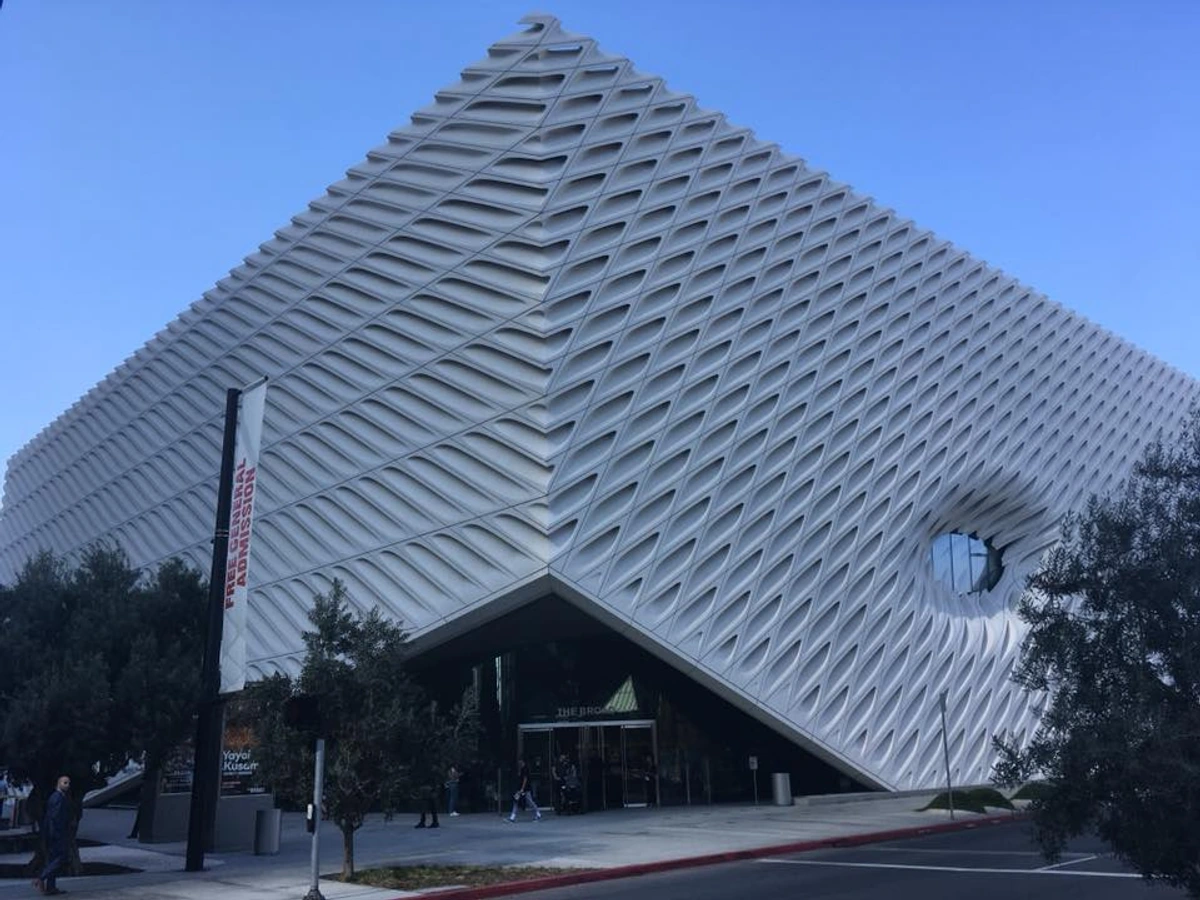
The Subtle Language of the Land: But it’s not all battles and gods. Some of the most effective propaganda is quieter. Landscapes hanging in a palace weren’t just pretty pictures; they were legal claims. A painted vista of rolling hills and fertile valleys was a declaration that this land, and all its wealth, belonged to the state. It functioned like a visual Domesday Book, asserting ownership and reinforcing the ruler’s dominion over the very earth. The landscape wasn't just scenery; it was a subject, a possession to be cataloged and admired as an extension of the state's body.
Portraits and the Performance of Power
Portraiture in a palace isn't about capturing a likeness; it's about crafting an image. Look at any formal portrait of a monarch. They are almost never smiling. A smile is a momentary human emotion, and a deity or a semi-divine ruler must project eternal, unchanging authority. They are depicted as serene, all-knowing, and slightly removed from the everyday world—qualities befitting a near-deity. The elaborate costumes, the jewels, the symbols of office (globes, scepters, swords)—every element is a carefully placed prop in the performance of power. It was brand management on a grand scale, intended to project an image that would be reproduced on currency, in official documents, and in the minds of their subjects for generations.
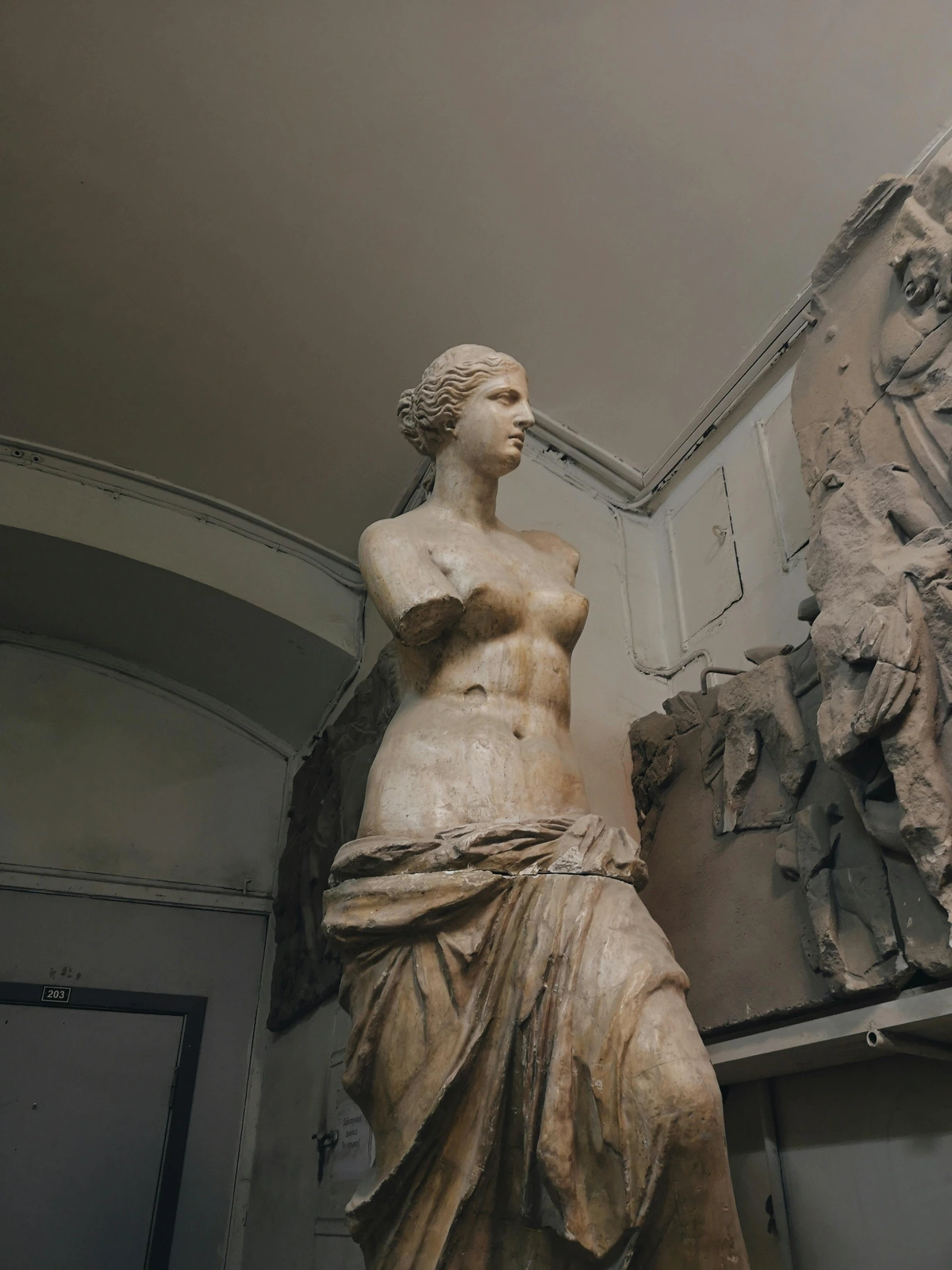
The portrait was also a form of psychological warfare. When a king's portrait was sent to a foreign court or displayed in a conquered territory, it was a virtual royal presence. The painting stood in for the person, projecting their authority even in their absence. It was a constant, silent reminder that the ruler was the state, his face inseparable from the machinery of government and the land he claimed to own. I think about this when I see how images work in our digital age—a single photograph can travel further and faster than any 18th-century portrait, but the principle is the same. We're still using images to project authority, create influence, and shape perception. Even in my abstract work, I think about presence and absence, what we show and what we withhold. It's all part of the same conversation about visual power.
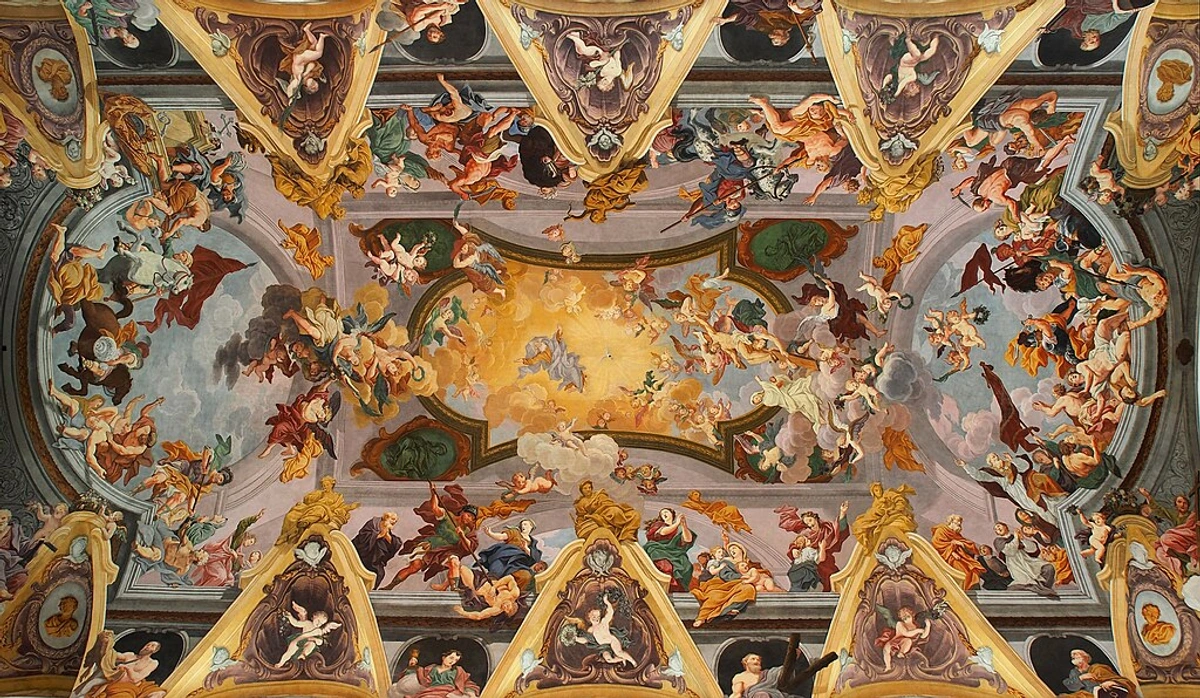
Decorative Arts: The Testimony of Opulence
Beyond the paintings and sculptures lies a layer of power that is perhaps even more revealing: the decorative arts. This is the granular, tactile evidence of a state's reach, wealth, and technological prowess.
The real story is often in the details: the furniture, the porcelain, the tapestries. This is where you see the true extent of a nation's wealth and its artistic taste. A single piece, like the Meissen Porcelain collection in Dresden's Zwinger Palace, represents the successful reverse-engineering of a secret craft. For centuries, Chinese porcelain was "white gold," a luxury that Europeans could not replicate. When the alchemist Johann Friedrich Böttger finally cracked the code under the patronage of Augustus the Strong, it wasn't just a scientific breakthrough. It was a geo-economic coup. This was state-sponsored industrial espionage, where art and technology were one and the same, a clear demonstration of a state's capacity for innovation, espionage, and economic dominance. It’s a testament to state-sponsored industrial espionage and genius. A single room can tell you about trade routes (Chinese porcelain in a French palace), technological advancement (the finest glass and mirrors), and the sheer amount of human labor that went into sustaining a royal lifestyle. This relentless pursuit of luxury is a constant theme that connects palaces across cultures.
Consider the materials: tortoiseshell from the Caribbean, hardwoods from India, silk from China. These weren't just beautiful objects; they were 3D reports from the far corners of an empire, tangible proof of a global reach. Every table and vase was a testament to the crown's ability to command resources and labor from across the known world. A gilded commode in Versailles was never just a piece of furniture; it was the entire French colonial project condensed into a single, opulent form—an object of daily use transformed into a monument to extractive power.
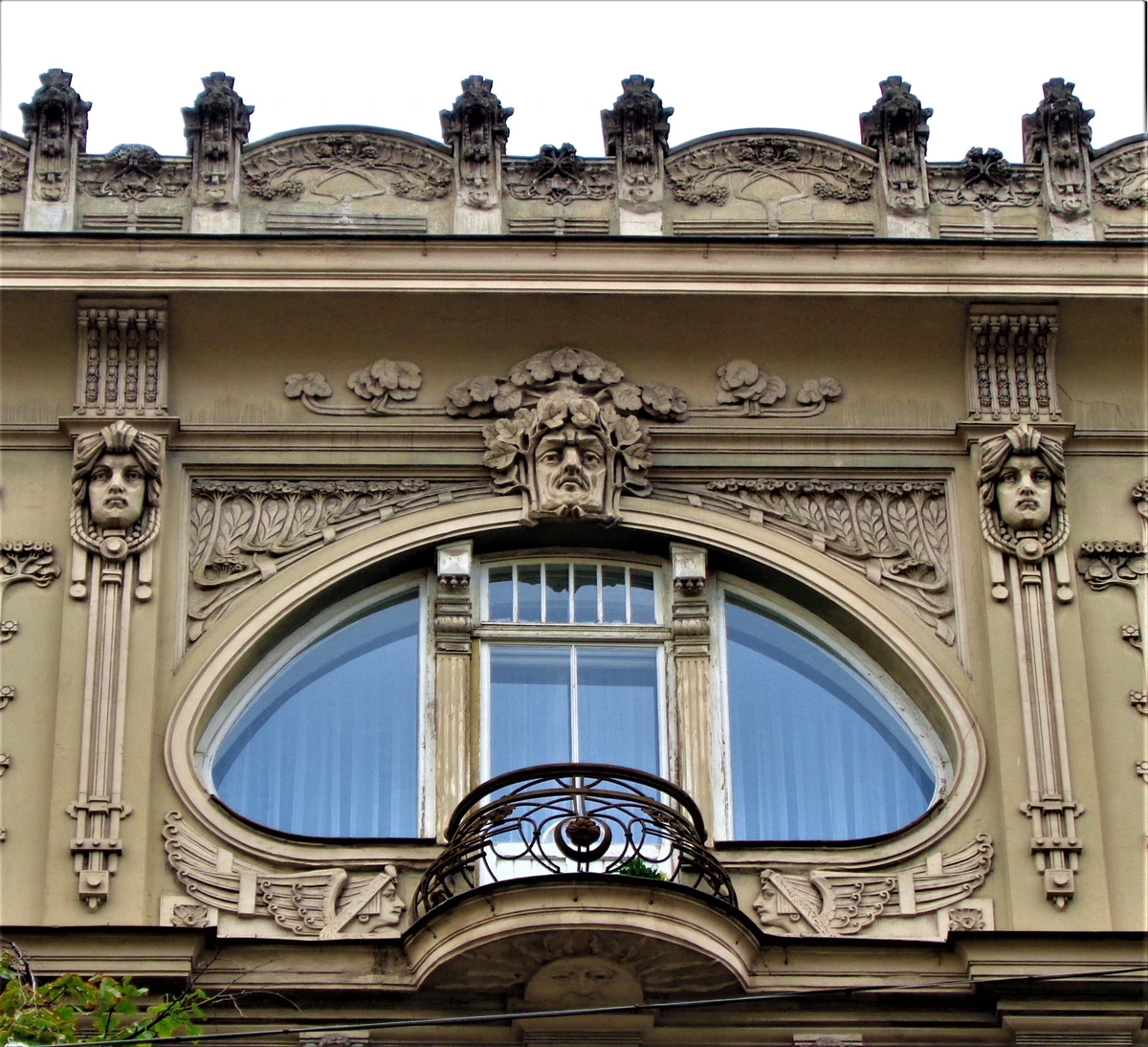
Certain questions come up again and again. Let me address them directly.
The Unexpected Connections: From Palace to Canvas
I'll be the first to admit, I don't paint portraits of kings or sprawling battle scenes. My work is often abstract—a tangle of emotions and colors that doesn't look anything like Versailles. But when I pull back from the canvas and really think about it, I realize I'm chasing the same ghost those long-dead artisans were. We're all trying to make the intangible tangible, to take something we feel inside—awe, authority, nostalgia, joy—and give it a form you can see and touch. It’s just that my kingdom is a 24x36 inch canvas, and my subjects are fleeting thoughts.
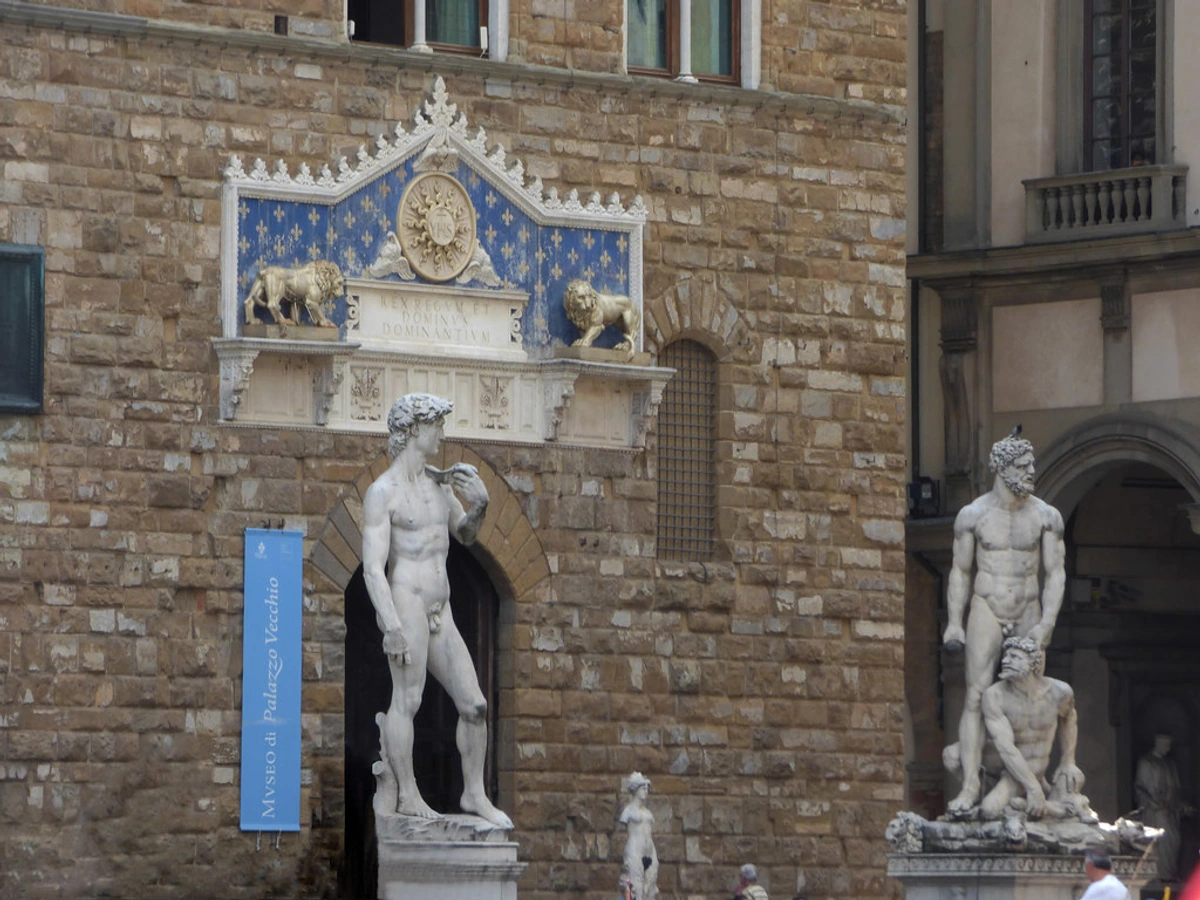
You might wonder what any of this has to do with the art of today, like the kind you see on my /timeline. On the surface, not much. My work is contemporary, often abstract, and about personal emotion. But I find myself drawn to the same fundamental questions that drove palace architects and artists: How do you make the invisible visible?
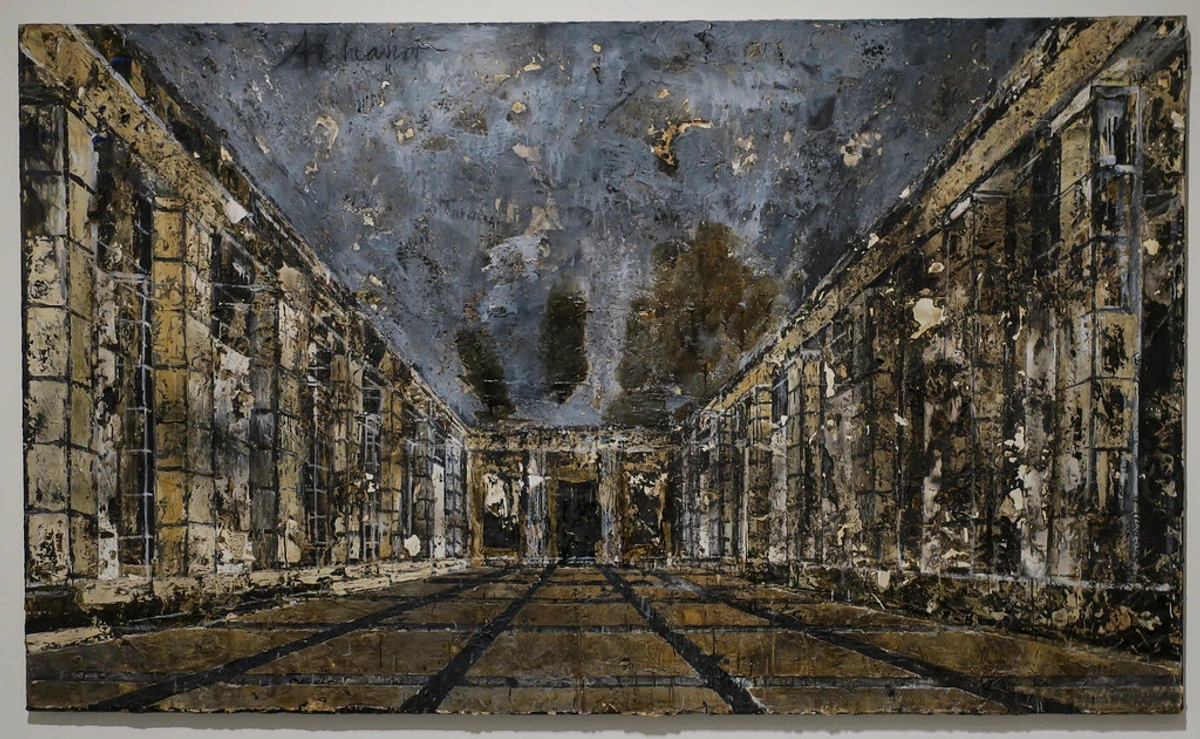
The architects of the Forbidden City made the concept of "imperial authority" visible through massive scale and inflexible layout. The painters of Versailles made the idea of "divine right" visible through shimmering, god-like portraits.
And in my own small way, when I’m in my studio trying to capture the feeling of a fleeting emotion or a memory, I'm trying to make the invisible visible, too. It’s not about power, but about translating an internal state into an external form that you, the viewer, can connect with. In a way, every artist is trying to build their own little palace—a carefully constructed space where a specific feeling or idea can live forever. We’re all just searching for a form that can contain what we feel is too big to be contained.
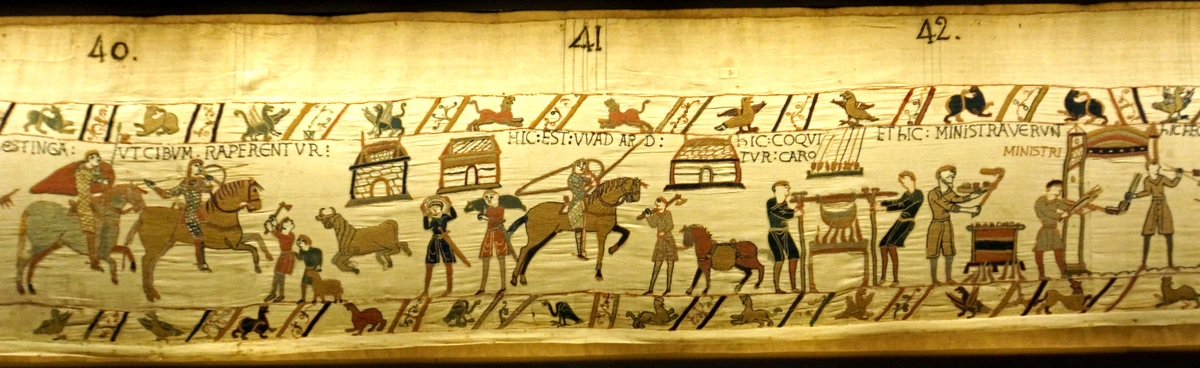
It’s that impulse to create something that might outlast you. I think about the artisans who spent a lifetime carving a single stone that would be placed thirty feet up a palace wall, a detail no one would ever see up close. Was it an act of devotion, or a contract job? Perhaps it was a bit of both, a way to find personal meaning within a grand, impersonal system. But the audacity to try and capture a feeling or an idea in a form that will endure is something I understand in my bones, even if my own canvas is a fraction of the size. You can see some of my own attempts to capture fleeting moments in time on my /timeline. It's not about power, but the same fundamental desire: to make the invisible, visible.
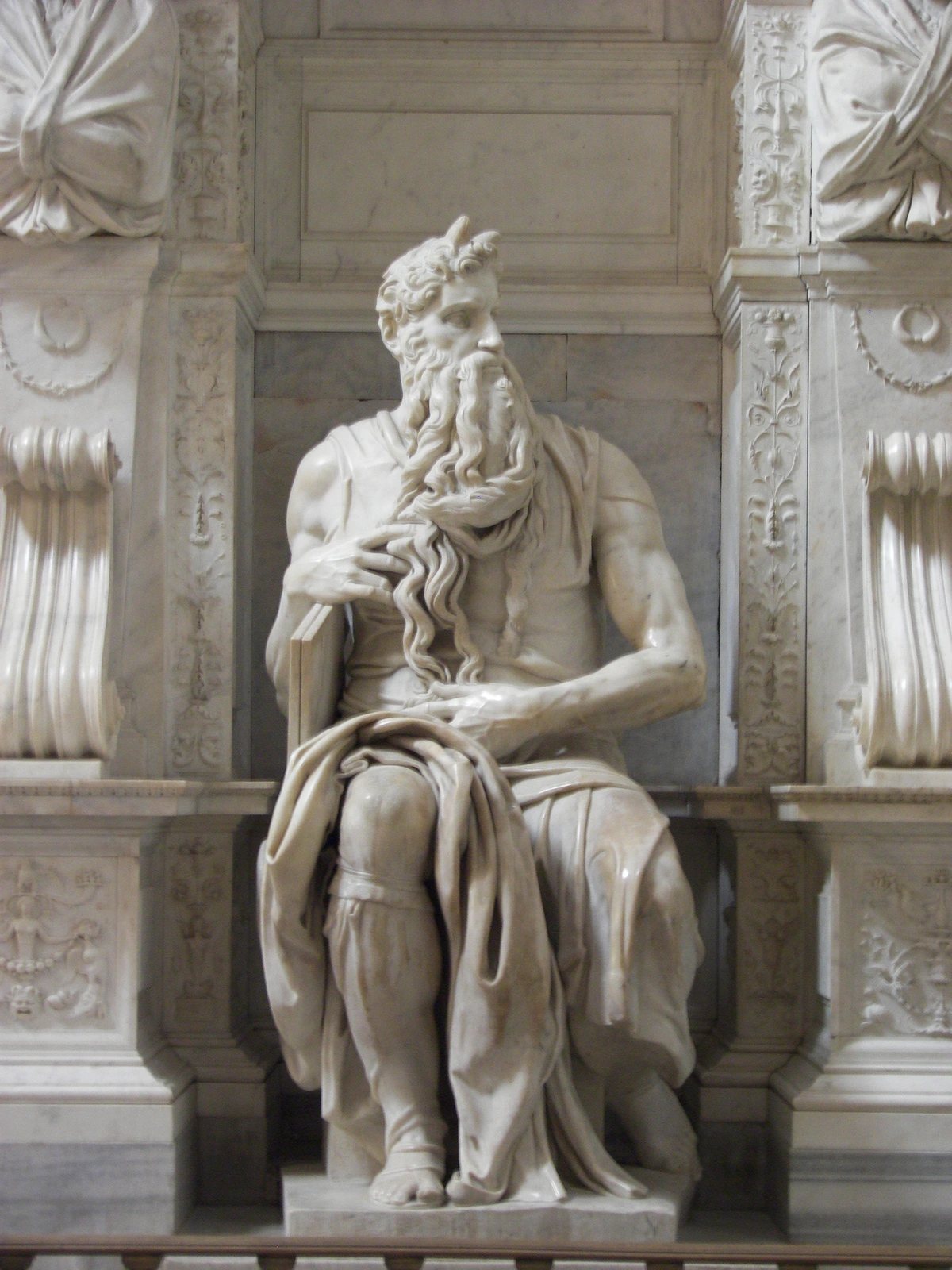
I'm also drawn to the audacity. The sheer, unapologetic ambition to create something magnificent that stands the test of time. It's a universal human impulse, whether you're an emperor decorating a throne room or an artist staring at a blank canvas, daring to fill it with color.
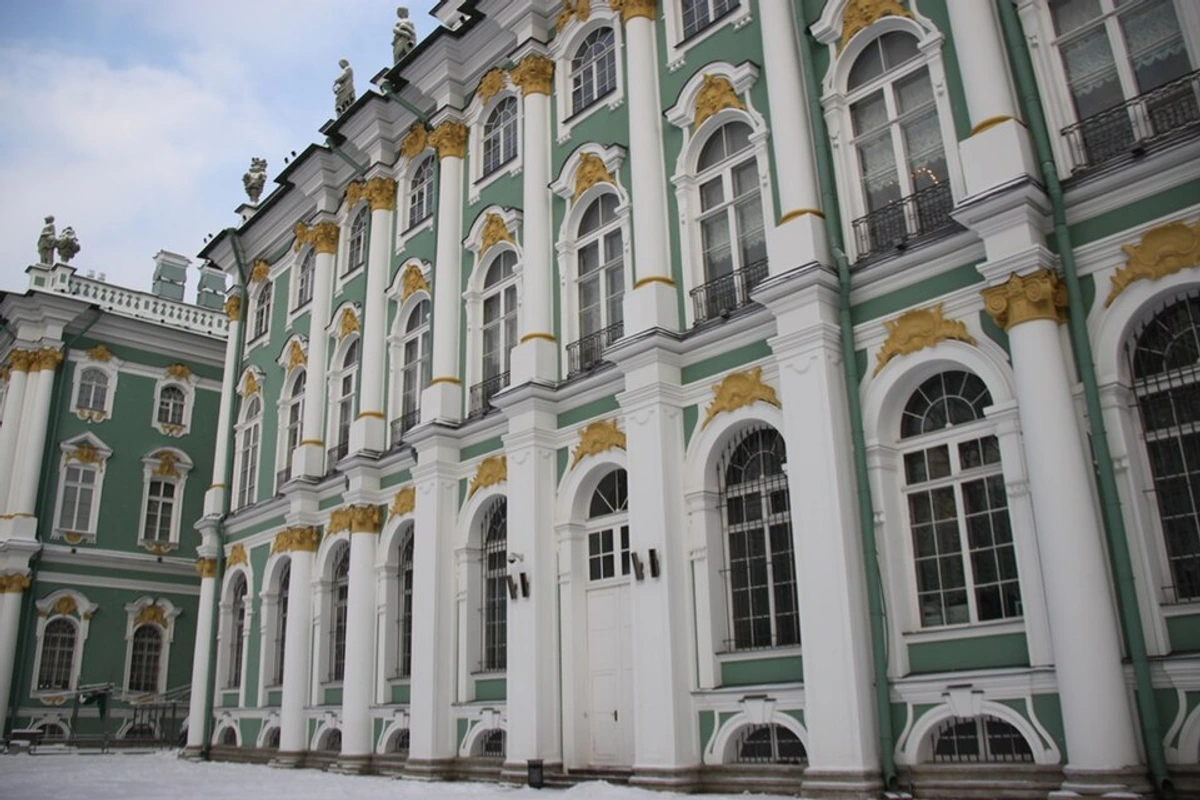
The Living Palace: Ritual, Power, and the People's Gaze
A palace isn't just stone and art; it’s a theater. And what is a theater without a performance? A static symbol is only half the story; power must be performed to be believed. The rituals enacted within and around a national palace were as carefully choreographed as any ballet. The daily life of a monarch was a public performance, a constant reinforcement of their divine or absolute right to rule. Let's pull back the velvet curtain and look at the stagecraft of sovereignty, where the palace wasn't just a backdrop, but an active participant in the drama.
It’s a strange paradox: for something to be eternal, it has to be in constant motion. A stone palace is static, so we fill it with recurring rituals, a kind of living wiring that provides an electric current of legitimacy. The building is the hardware; the ritual is the software that gives it purpose and meaning.
The Stage is Set: Architecture as Performance Space
Before a single actor appears, the palace itself sets the scene. Think about the enfilade—those long, door-lined rooms where all doors align. This wasn't just for ventilation or symmetry. It was a runway. When the king walked through, every door would be opened ahead of him, creating a tunnel of light and perspective that framed him as the central, moving focal point. The architecture forced everyone's gaze upon him. The grand staircase of the Würzburg Residence in Germany isn't just a way to get to the second floor; it's a processional route designed for maximum dramatic effect, forcing visitors to ascend toward power in a state of awe. These aren't just buildings; they are machines for creating theatrical moments.
The Daily Grind of Glory: Royal Rituals
The very layout of a palace was designed for performance. The long gallery wasn’t just for walking; it was a parade ground for the court, where the royal family could process in full view, their clothing and demeanor a constant display of power and wealth. At Versailles, the king’s day, from his waking ceremony (the levée) to his bedtime ceremony (the coucher), was a public event for the highest nobles. Even the most private acts were turned into public affirmations of the social hierarchy. Seating at the king's dinner table followed a strict protocol, with proximity to the monarch signifying one's status. A folded napkin, the right to hand the king his shirt—these were not chores, but the highest honors, turning daily life into a constant, visible reinforcement of the power structure.
But let's pause on the levée for a moment, as it was perhaps the ultimate example of this ritualistic theater. Nobles would vie for the honor of handing the king his shirt or pouring his bowl of porridge. This was a brilliant strategy—it turned every single day into an opportunity for the elite to publicly reaffirm their loyalty and subservience. The king's daily rising was a ceremonial rehearsal of the social contract, reminding everyone of their place in a hierarchy that descended directly from God. The intimacy of the act made it even more profound. It's one thing to bow from a distance, but quite another to hand the king his stockings; it collapses the distance, forcing a proximity that reinforces your subordinate status. It's power choreographed down to the most minute, mundane detail.
The Balcony: A Gateway Between Worlds
Perhaps no architectural feature is more symbolically charged than the balcony. It is the point where the private world of the palace meets the public world of the people. It's a threshold, a transitional space that transforms a monarch from a distant figure into a visible, tangible presence. From the balcony of Buckingham Palace, the monarch waves to the crowds, celebrating victories, coronations, and national unity. It is a platform for direct, yet highly controlled, communication.
Think of Pope John Paul II in 1979, standing on a balcony in Warsaw before a million people, a moment that showed how a figure on a platform could become a catalyst for profound historical change. Or consider the significance of Franco appearing on the balcony of the Royal Palace of Madrid after his victory in the Spanish Civil War—the balcony was the final punctuation mark on his declaration of absolute control. A wave from a balcony can silence a crowd or incite a celebration, a powerful reminder that the sovereign is both of the people and above them.
The Hidden Balconies: But some palaces played with this visibility in interesting ways. The Alhambra in Granada has what we might call 'hidden balconies'—windows with intricate lattice screens that allowed the women of the court to look out on the world without being seen. This creates a different kind of power—the power of the unseen observer. It introduces a fascinating dynamic into palace life: the power of observing without being observed. The gaze isn't just something the powerful cast upon their subjects; it's also an act of surveillance, control, and private knowledge.

The Modern Performance: Media and Openness
In today’s democratic age, the performance has changed, but it has not ended. The U.S. President pardoning a turkey on the White House lawn is as much a ritual as any royal levee. The annual Garden Parties at many European palaces are carefully managed events designed to project an image of approachability and national unity. Even tragedy becomes part of the ritual. The sea of flowers spontaneously laid outside Kensington Palace after the death of Princess Diana transformed a private grief into a very public, national event, demonstrating that the monarchy is now a daily dialogue with its people.
Today, the palace is broadcast. The global television audience that watched the wedding of Prince William and Catherine Middleton or the funeral of Queen Elizabeth II participated in a modern palace ritual. The camera lens is the new long gallery, and the soundbite is the new royal decree. These modern rituals, broadcast on television and social media, are the democratic evolution of the Sun King’s daily promenade, inviting public participation on an unprecedented scale. The ritual is no longer just for the few nobles in the room, but for millions on their screens, transforming subjects into an audience and pageantry into prime-time entertainment.
What’s the difference between a palace and a castle?
Palace vs. Castle: A Tale of Two Titans
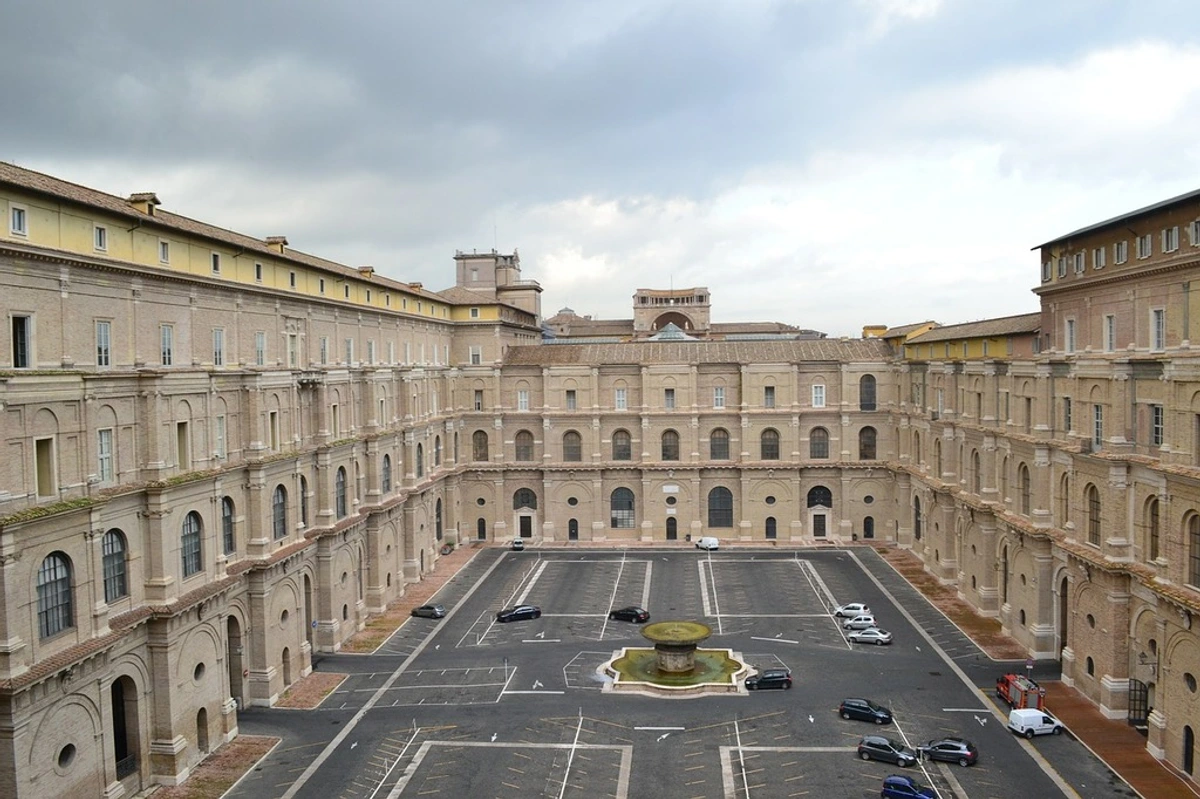
This is a classic point of confusion. Think of it this way: a castle is built for war. Its primary features are defensive—thick walls, moats, arrow slits, and towers designed for soldiers. A palace, on the other hand, is built for peace, luxury, and administration. It might have walls, but they are for privacy and prestige, not to withstand a siege. The goal of a castle is to protect its inhabitants. The goal of a palace is to impress its visitors.
Feature  | Castle (Medieval) | Palace (Renaissance Onward) |
|---|---|---|
| Primary Goal | Defense & Military Control | Propaganda & Administration |
| Architecture | Functional, Fortified (moats, towers) | Aesthetic, Grand (facades, gardens) |
| Location | Strategic (hilltops, rivers) | Central (capitals, cities) |
| Symbolism | Power through Strength & Fear | Power through Wealth & Culture |
| Social Function | Hunker down, survive a siege | Host a ball, impress a diplomat |
Technological advancements, especially the rise of gunpowder and professional standing armies, made castles obsolete. A cannonball could reduce a century's worth of masonry to rubble in an afternoon. Why live in a cold, damp fortress when you can project power more effectively by hosting an opera in a lavishly decorated hall? The shift from castle to palace marks a fundamental change in how rulers viewed power: not just as something to be defended with walls, but as something to be displayed through culture, wealth, and the sheer force of one's artistic and political will.

How does a national palace differ from a museum?
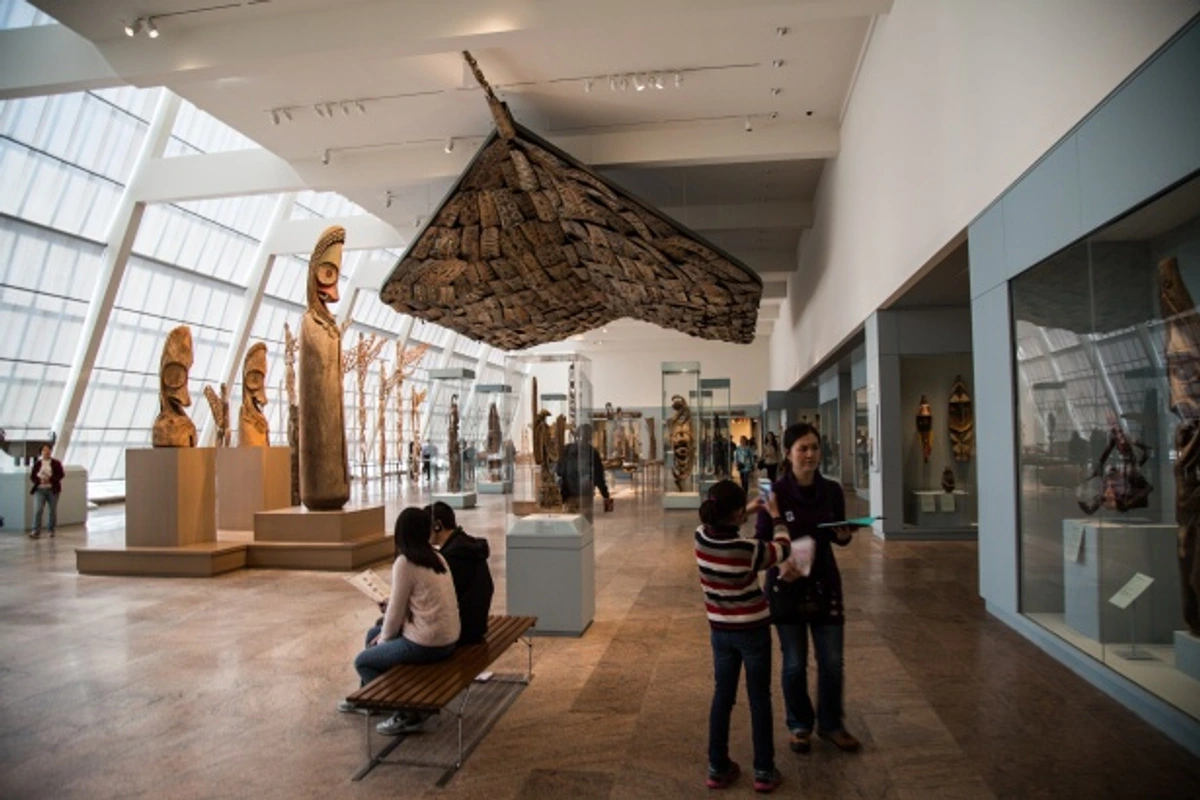
A great question! It gets to the heart of what these buildings were, and what they've become. While many palaces are now open to the public like museums, their original function was completely different.
- A palace is a place of active power. Kings lived, ruled, and entertained there. The art was part of a living space, a theater of politics.
- A museum is a place of passive preservation. The art is the star, and the building exists to display and protect it. Its role is to educate, not to govern.
Today, many palaces like the Louvre or the Palace of Versailles function as hybrids—historic palaces that now serve as museums. They are palimpsests, where the ancient stains of power and politics are still visible beneath the modern labels and velvet ropes. But when you walk through, try to imagine the rooms not as quiet galleries, but as bustling centers of political intrigue, smelling of candle smoke and perfume rather than polished wood. The paintings weren't just for quiet contemplation; they were the buzzing, conversation-starting wallpaper for affairs of state, where a casual comment about an artwork could be a subtle move in a high-stakes game for the king's favor.
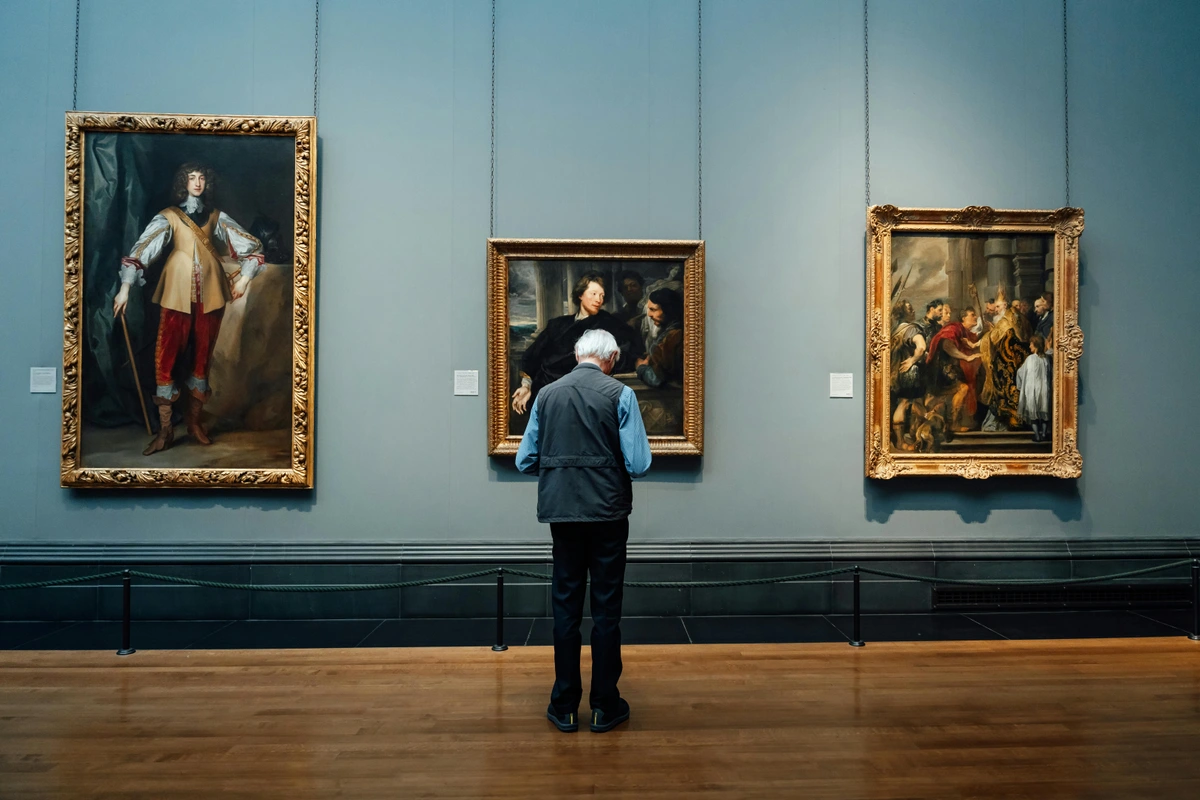
Here's the key difference: in a palace, the art served the power. In a museum, the art 'is' the power. When you see a painting in a purpose-built museum, you're meant to look at it as an autonomous work of art. When you see the same painting in a palace, you're meant to see it as evidence of the owner's wealth, taste, and authority. The frame no longer just holds the picture; it holds the entire political entity that put it there.
What are the most famous national palace art collections?
Oh, a few spring to mind that are absolute must-sees for any art lover:
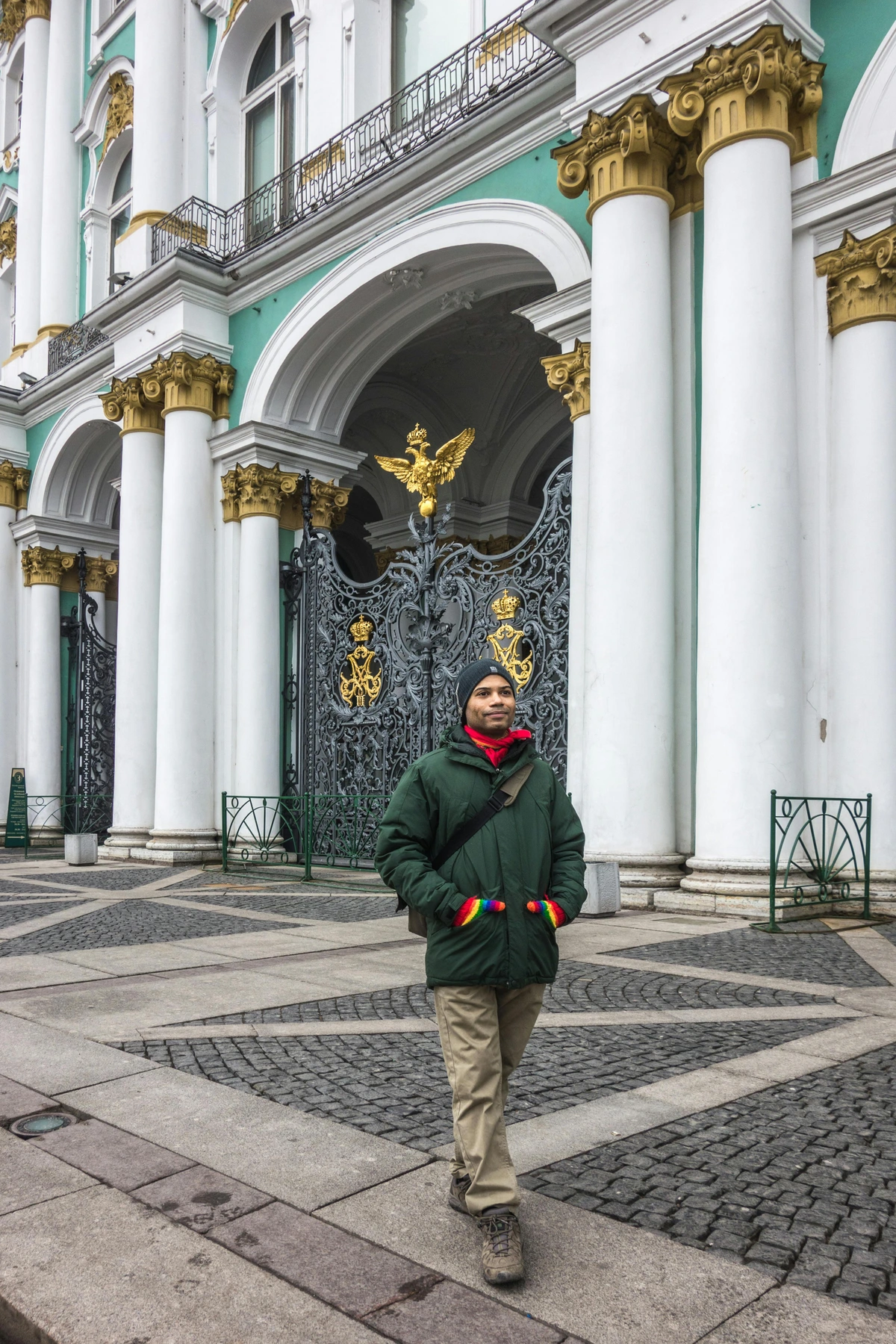
Palace & Collection | Location | Key Highlights & What It Tells Us |
|---|---|---|
| The Louvre | Paris, France | Once a royal palace, its vast collection (from Mona Lisa to Winged Victory) tells the story of France's dominance as a cultural superpower, a nation that defined itself not just by military might, but by being the undisputed center of the artistic world. |
| Palace of Versailles | Versailles, France | More than just paintings, the entire complex is a Gesamtkunstwerk (a total work of art) celebrating the absolute power of the French monarchy. Every vista, from the grand canal to the patterned flowerbeds, was designed to be seen from the king's central viewpoint, making the entire landscape a portrait of his singular power. |
| Royal Collection (Buckingham Palace) | London, UK | A staggering collection of Old Masters and decorative arts, projecting a legacy of taste, wealth, and enduring tradition. |
| Kremlin Armoury | Moscow, Russia | A treasure trove of Fabergé eggs & regalia; a testament to the Romanovs' desire to project divine-right power through dazzling objects. |
| Topkapi Palace Museum | Istanbul, Turkey | Houses holy relics and Islamic art, symbolizing the sultan's role as both a political and religious leader (Caliph). |
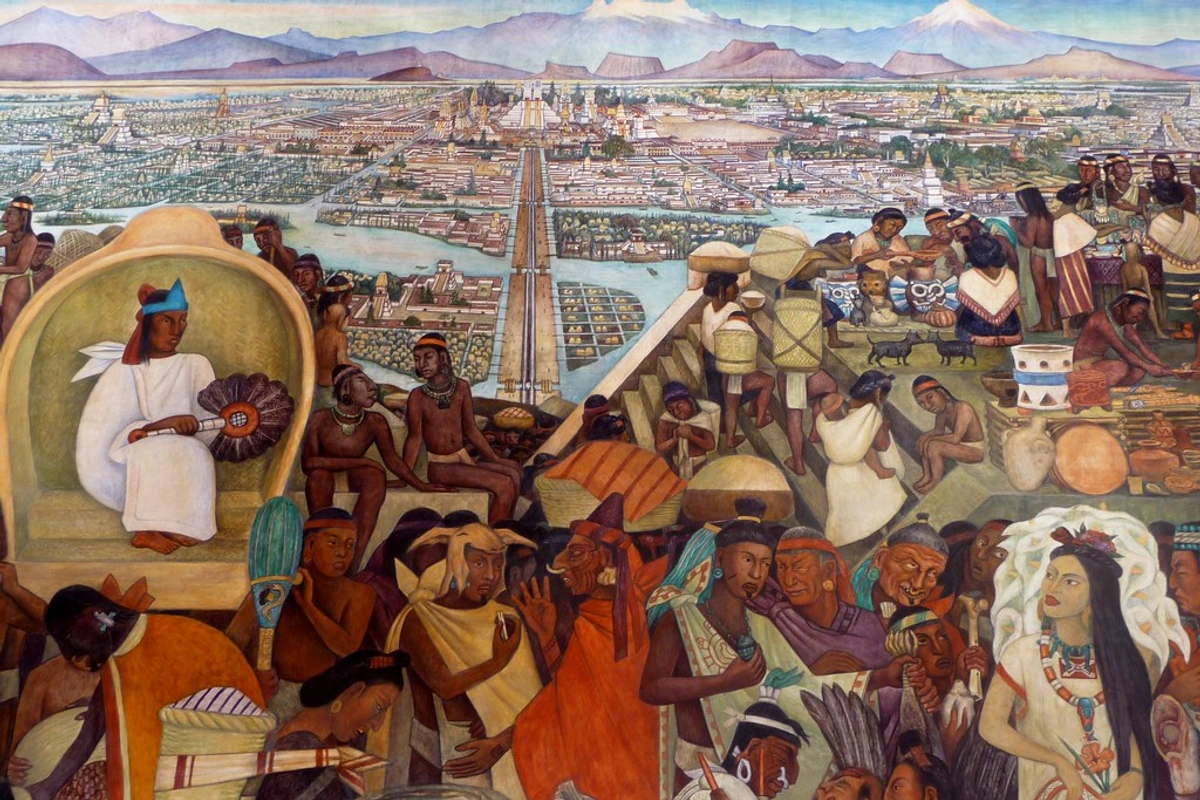
| Palacio Nacional | Mexico City, Mexico | Home to the monumental Diego Rivera murals depicting Mexican history from the Aztec era to the Revolution; a powerful post-revolutionary statement that the nation and its people, not a king, are the true protagonists of the palace. |
| Schönbrunn Palace | Vienna, Austria | A stunning collection of Rococo interiors & Habsburg artifacts, reflecting the ornate tastes and dynastic pride of Central European empires. |
| Palazzo Pitti / Uffizi | Florence, Italy | The Medici family collection, showcasing how a banking dynasty used art to buy their way into the nobility and shape the very soul of the Renaissance. |
- Forbidden City, Beijing: The Palace Museum houses a mind-boggling collection of Chinese imperial art—over a million objects spanning 5,000 years of history.
- Doge's Palace, Venice: A breathtaking fusion of Byzantine and Gothic styles, this was the heart of a commercial empire. Its art collection glorifies the Venetian Republic's wealth, maritime power, and the civic pomp of its elected ruler, the Doge.
- Royal Palace of Madrid: Houses works by Goya, Velázquez, and Caravaggio, showcasing the immense wealth of the Spanish Empire at its zenith, and the Habsburg dynasty's patronage of profoundly religious and deeply realistic art.
- The Alhambra, Granada: While not technically a national palace in the same era, its intricate stucco walls, geometric tilework (zellij), and soothing courtyards represent a different philosophy of power—one based on creating a paradise on earth, a refuge of intellectual and aesthetic beauty.
The Enduring Whisper of Power
In the end, I think that's what keeps drawing me back to the subject of national palaces. They are monuments to the human desire to leave a mark, to say, "I was here, and I mattered." They are containers for some of humanity's greatest artistic achievements, preserved not just as art, but as artifacts of ambition—the ambition of emperors, of architects, of artists, and of entire nations.
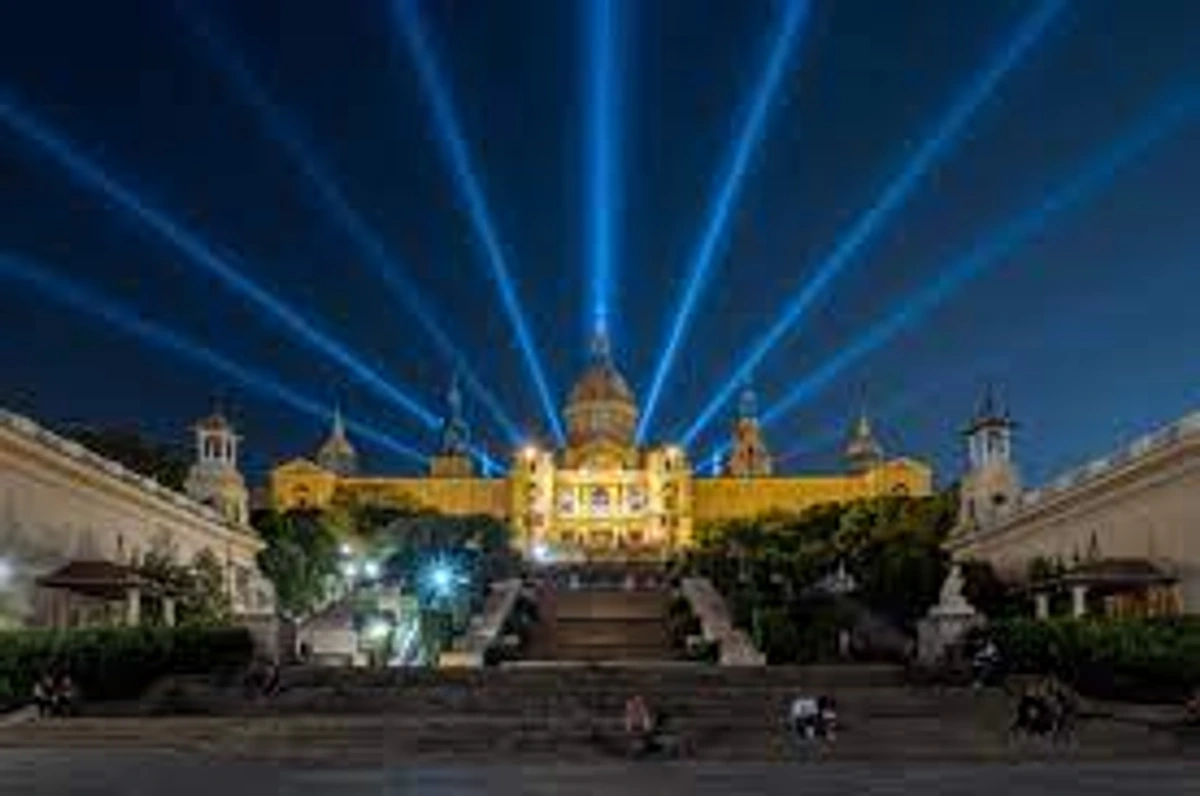


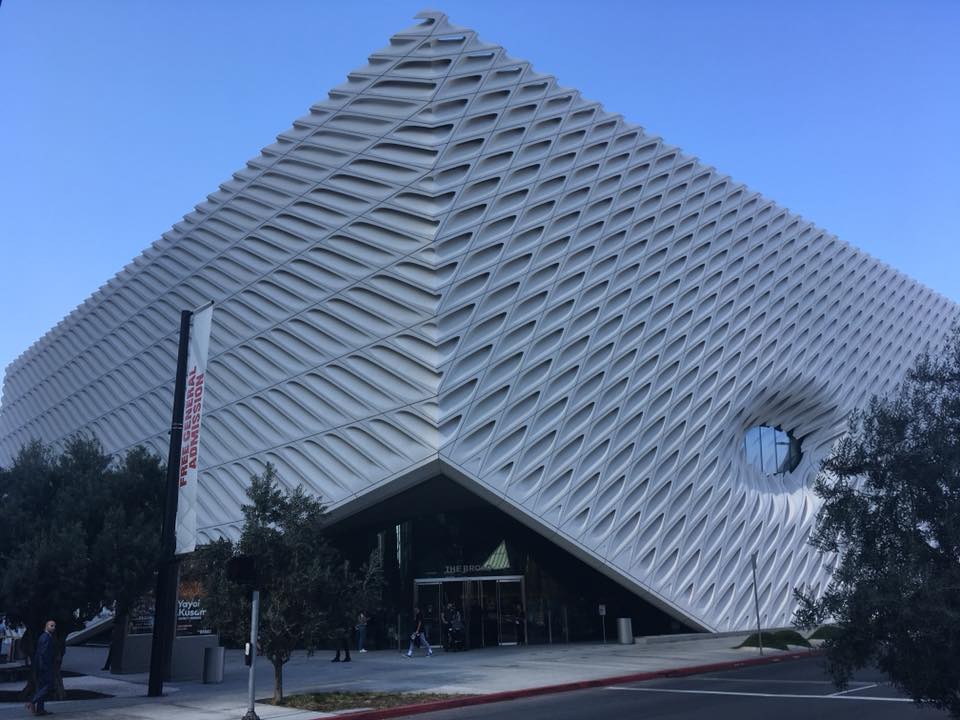
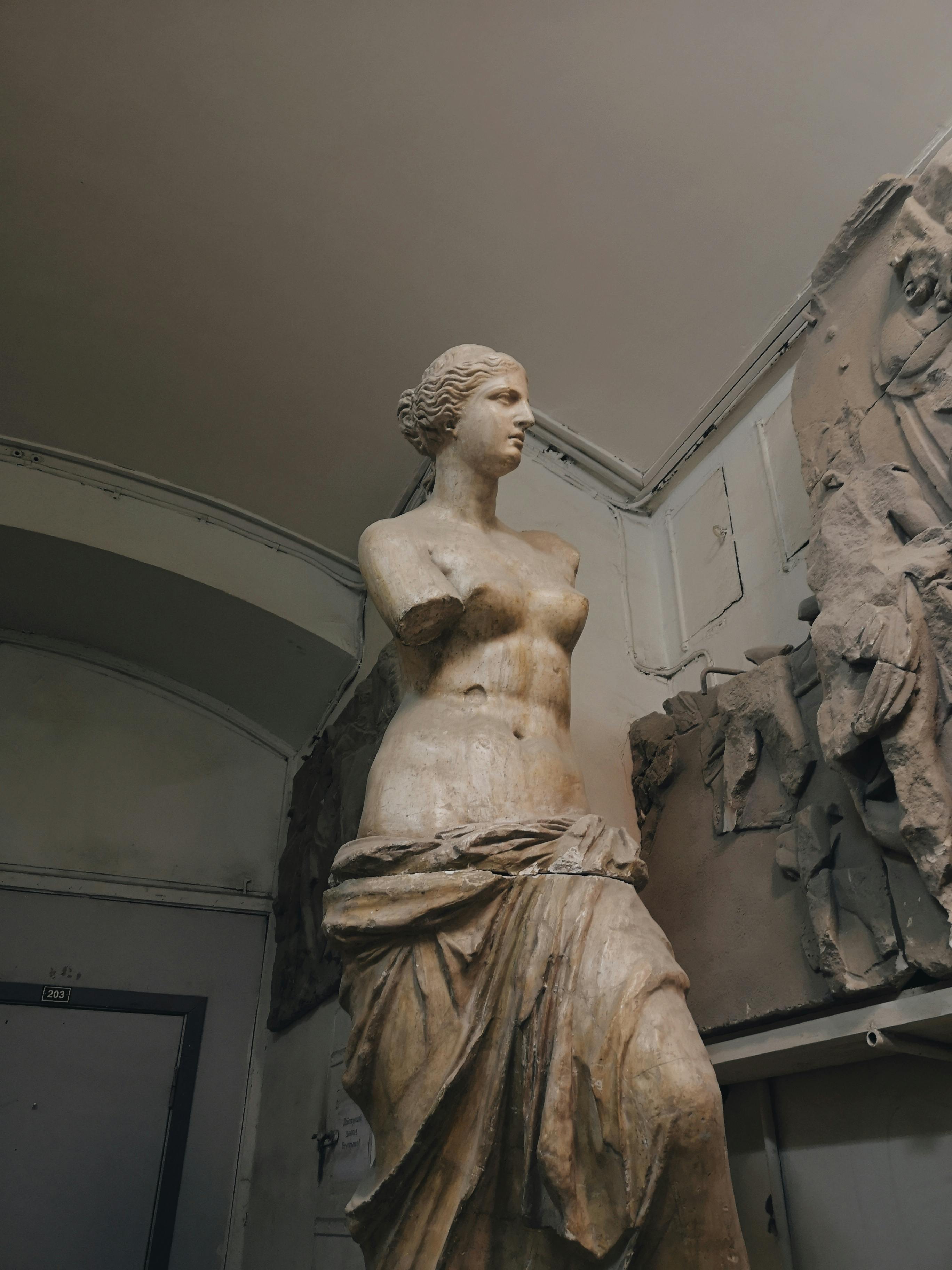


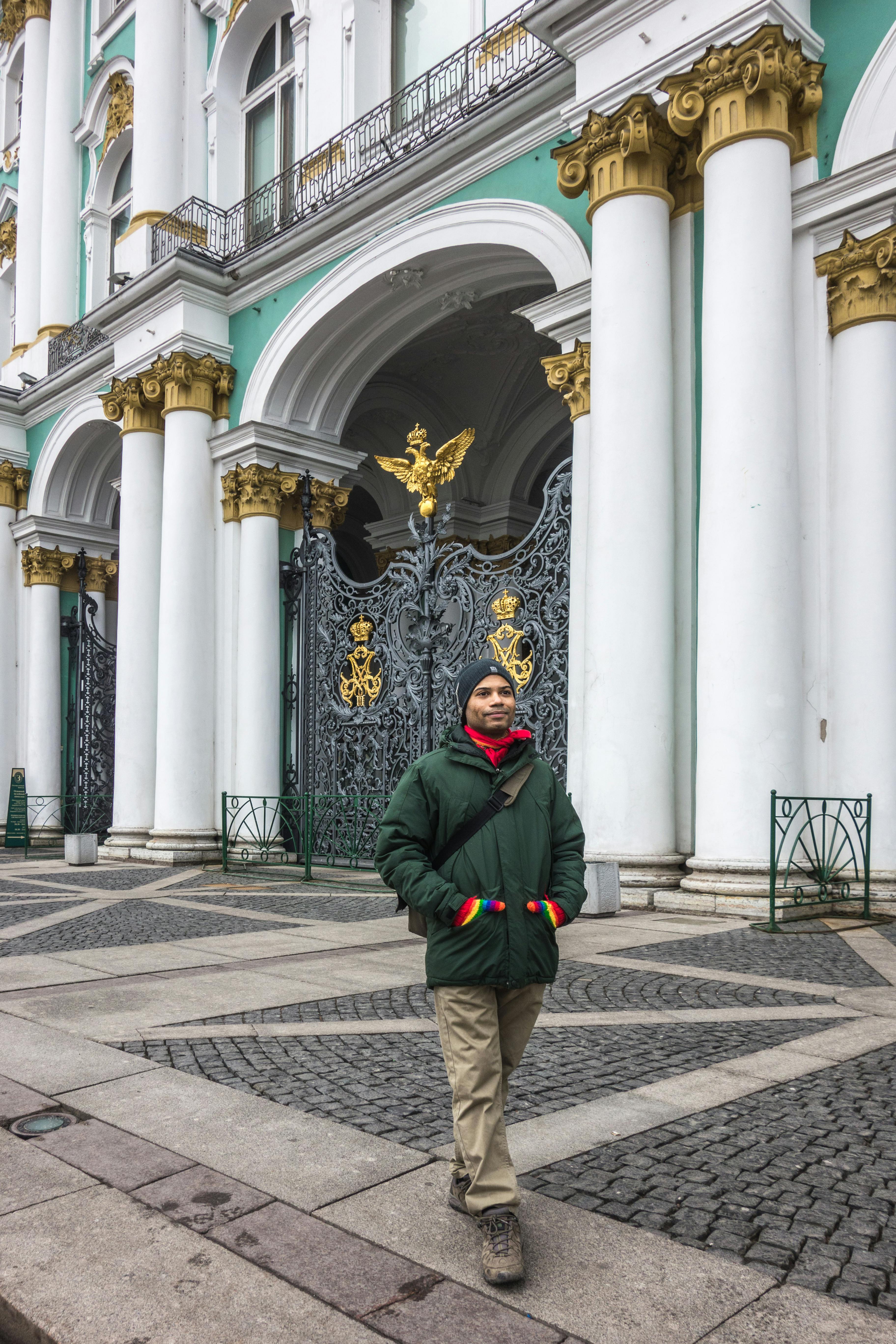
But perhaps most importantly, they are case studies in the democratization of art and power—places where history's most exclusive treasures, once jealously guarded symbols of absolute authority, now belong to everyone who cares to look. They have been transformed from instruments of control into sources of public education and national identity.
Their power may have waned in the political sense—most are now tourist destinations or ceremonial backdrops—but their artistic and cultural power is as strong as ever. They continue to whisper, or sometimes shout, the stories of the people who built them and the nations they represented. They are masterpieces of architecture, temples of art, and ultimately, profound reflections of us. They are the physical proof of ambition, the leftovers of bygone empires, and invitations to every one of us, in whatever medium we choose, to build something of our own that might last.