
Art as a Weapon: The Spanish Civil War's Forging of Modern Art
A through-provoking analysis of how the Spanish Civil War forged new art movements, focusing on the visceral works of Picasso, Miró, and the chilling legacy of propaganda posters.

When Art Became a Weapon: The Spanish Civil War's Forging of Modern Art
Understanding the Spanish Civil War's art isn't just about appreciating Picasso's genius; it's about feeling the desperation of an era where a lithograph could be as vital as a loaf of bread, and where artists were forced to become journalists, revolutionaries, or exiles.
What if I told you that every jagged line in Guernica, every frantic brushstroke in a hastily printed militia poster, was not mere decoration, but a calculated act of psychological warfare? That amidst the screams of bombers and the crackle of radio static, art became a vital organ for a society gasping for truth. This is the story of how the Spanish Civil War forged a new kind of artist—not a distant observer, but a combatant armed with pigment and propaganda, whose canvas became both shield and weapon.
Have you ever stood before a piece of art and felt it was lying to you? I don't mean a forgery, but something more fundamental—a work so polished and perfect it erases the very conflict it claims to represent. That's the void the Spanish Civil War (1936-1939) rushed to fill. This wasn't a war fought only with bullets; it was fought with brushes, printing presses, and the unflinching gaze of the camera lens. It was the moment art shed its skin as a decorative object and became something feral, essential, and dangerously public—an act of survival, an act of testimony, and an act of war.
When you think of Picasso, you probably picture the fragmented faces of cubism. I certainly did. But then I stumbled upon a reproduction of Guernica in a second-hand bookshop years ago, and I remember just standing there, feeling a kind of heavy silence fall over me. Here was a painting so loud, so raw, it felt less like something to be looked at and more like something that grabs you by the shoulders. This wasn't art for a quiet gallery; this was art as a scream in the dark.
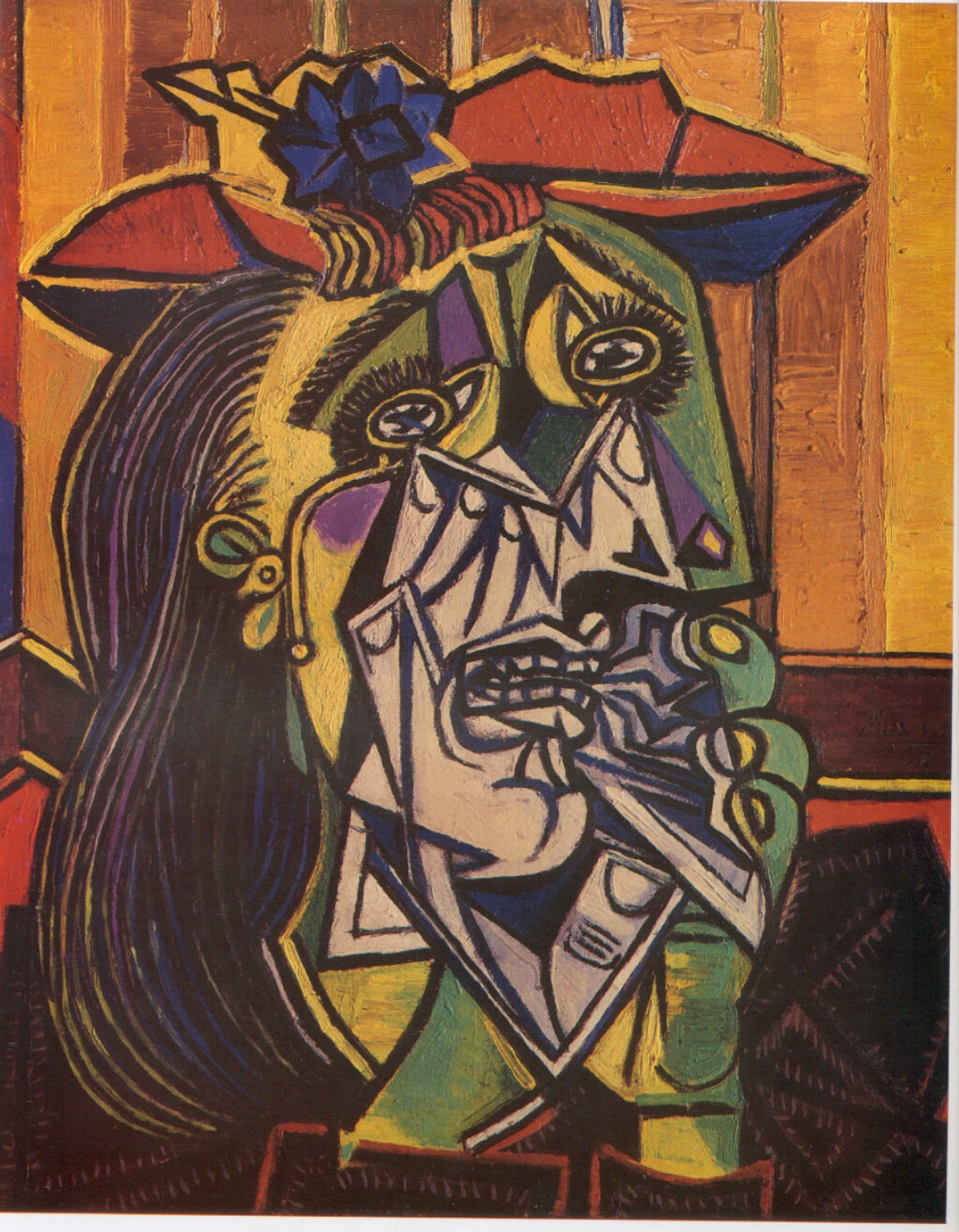
That's the thing about the Spanish Civil War. It didn't just happen in Spain between 1936 and 1939. It was a brutal fight for the soul of a nation, a cataclysmic birth pang announcing the rise of modern ideological warfare. And art was conscripted as a soldier on both sides. What emerged wasn't just propaganda in the crude sense, but a fundamental re-imagining of how art could be used to witness, to accuse, to endure, and to shape the very narrative of the conflict itself, both for those living through it and for an anxious world watching from afar.
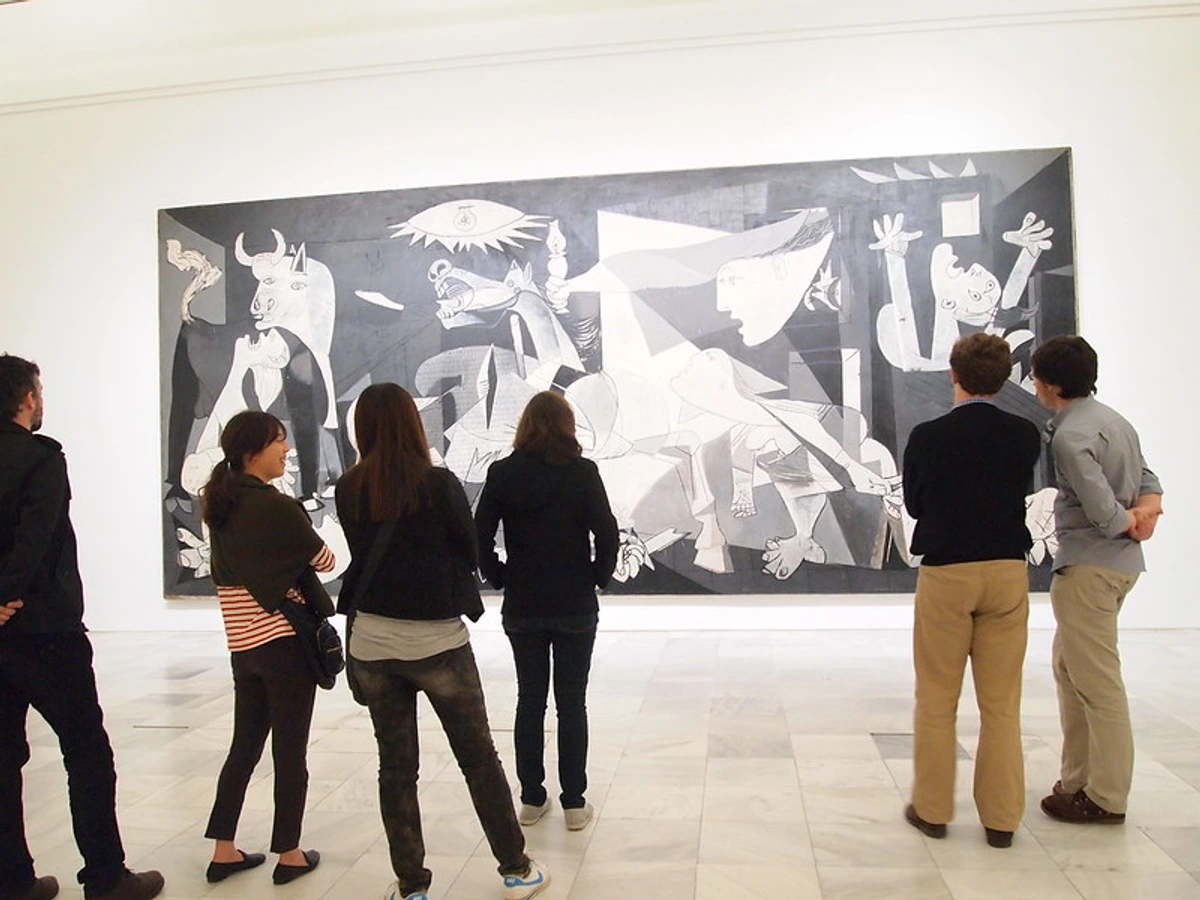
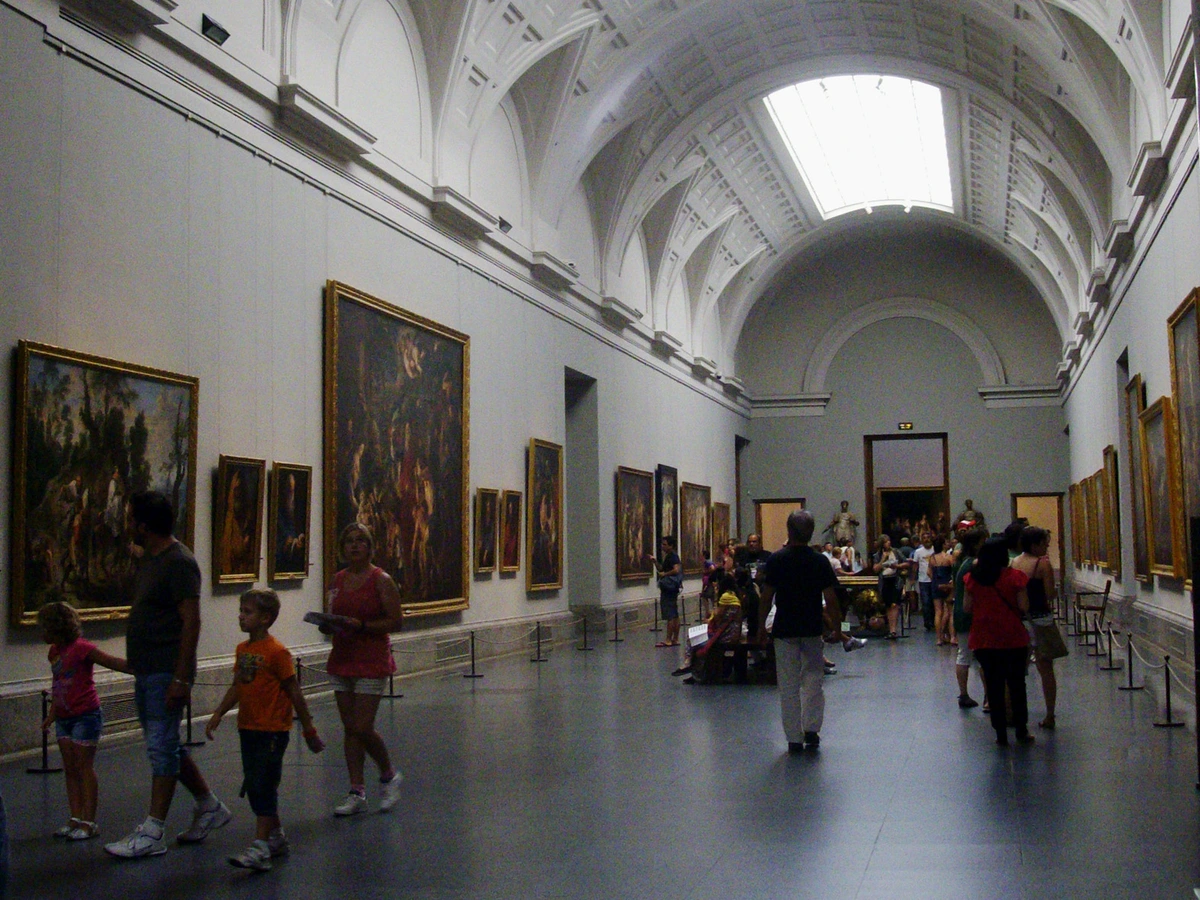
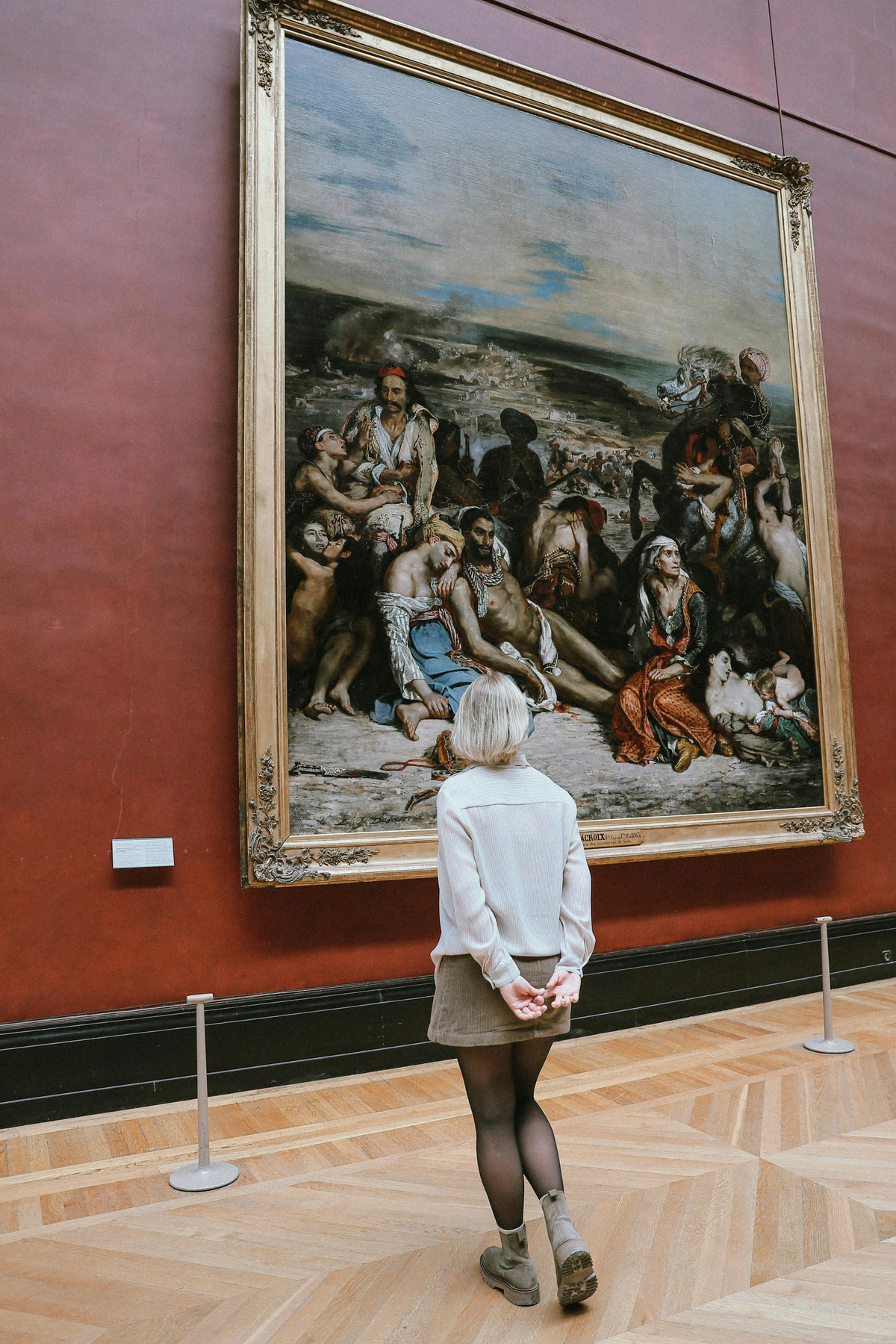
Walking its length, you don't just see the painting; you feel its tremor, a vibration that has traveled across decades, a testament to its undiminished power.
To really grasp its impact, you have to see it as the first 'modern' war in so many ways, and that modernity seeped into the art. It was the first conflict where the terror of aerial bombardment was unleashed on civilian populations—a cold, impersonal violence captured perfectly by Picasso in Guernica. It was a war broadcast over the radio, a war of photojournalism, where political narratives were almost as crucial as military advances. This was the first media war, where images and words were deployed as strategic assets. Artists found themselves not just illustrating a conflict, but actively shaping its very perception for millions, both at home and across the globe. This is the story of that terrifying, transformative moment—a moment when artists became witnesses, soldiers, and chroniclers all at once.
This isn't just a painting; it's an echo of the anguish that saturated Spain during its civil war—a preview of the emotional vocabulary artists would be forced to master.
The Canvas as a Battlefield: Art in the Crucible of Conflict
Before the war, Spanish art was a roiling, fertile ground of conflicting energies, a microcosm of the nation's own political schizophrenia. In Madrid, the epicenter was the Residencia de Estudiantes, a progressive cultural hub more akin to a laboratory of ideas than a simple dormitory. It was here that the likes of Salvador Dalí, Federico García Lorca, and Luis Buñuel had once debated, collaborated, and pushed against the boundaries of convention. It was a microcosm of the nation's intellectual ferment. Meanwhile, in Catalonia, a distinct modernist tradition flourished, championed by figures like Joan Miró, whose work drew deeply from the region's unique landscape and fierce sense of identity. The spirit of this era was perhaps best captured not in a painting, but in a literary form—Ramón Gómez de la Serna's concept of the greguería—a witty, absurdist fusion of metaphor and humor that perfectly encapsulated a culture that was simultaneously looking back to its literary past and hurtling into an avant-garde future.
But war has a way of stripping away the purely decorative, forcing every creative act into a political statement. The nuanced debates of the Residencia were replaced by the stark clarity of a manifesto. Artists were suddenly faced with a choice: pick a side, document the horror, or retreat into a silence that was itself a political act. For many, neutrality became an impossible luxury. Your canvas wasn't just a surface for paint; it was a piece of the frontline.
To understand the artistic divide, you have to grasp the two opposing forces. This wasn't a simple battle of two armies; it was a clash of visions for Spain's past and future, and artists were on the front lines of this ideological war.
On one side stood the Republicans—a democratically elected, left-leaning government supported by a patchwork of socialists, communists, anarchists, and regional separatists. They represented the Spain of modernity, secularism, and a desperate attempt at deep social reform. Their ranks included intellectuals, urban workers, and a burgeoning avant-garde who saw the Republic as the only path toward a progressive future, a Spain free from the stifling grip of the church and the landed aristocracy.
On the other side stood the Nationalists, a right-wing rebel coalition of monarchists, conservative Catholics, fascists of the Falange party, and Carlist traditionalists, all united under the military leadership of General Francisco Franco. They fought for a traditional, authoritarian, and ultra-Catholic unified Spain, viewing the Republic's reforms as a godless, Bolshevik-tainted, chaotic threat to their centuries-old way of life. This divide was so profound that the Nationalists saw not just the Republican army, but their very culture—a culture of innovation, secular thought, and regional autonomy—as an enemy to be eradicated. Art, inevitably, was pulled into this chasm. This conflict was a brutal testing ground for the ideologies of fascism and communism that would soon engulf Europe in World War II, with artists serving as the conscience, propagandists, and chroniclers on the front lines of this global cultural war—a war where a mural could be as strategically important as a fortified bunker.
But this wasn't just about two opposing visual styles; it was about fundamentally different philosophies of what art was for. For the Republicans, art was a living instrument of change, a weapon, a form of direct action. For the Nationalists, it was a monument to eternal principles of tradition, faith, and hierarchy, intended to reinforce an established order. This difference is starkly laid out in their propaganda, a schism that ran deeper than aesthetics and into the very soul of what Spain could become.
Feature  | Republican Art & Propaganda | Nationalist Art & Propaganda |
|---|---|---|
| Primary Goal | Mobilize the masses, inspire resistance, document injustice, articulate a new society. Art as a direct call to action, a tool for immediate political education. | Promote unity, glorify leadership, restore the old order. Art as a monument to eternal principles of tradition and faith, intended to reinforce an established order. |
| Subjects | Heroic militias, suffering civilians, enemy atrocities, collective labor, international solidarity, hope for a new world. Iconography drew from socialist realism with a distinctly Spanish avant-garde edge. | Franco, traditional family values, religious iconography, a romanticized rural past, military iconography rooted in Spain's imperial history. |
| Style | Avant-garde, photomontage, expressionist, Soviet-inspired, urgent and 'unfinished'. Compositional chaos was a feature, reflecting a broken and reassembled world. | Academic realism, neoclassical, heroic, idealized, polished and 'timeless', and a theatrical form of Baroque grandiosity. |
| Key Medium | Mass-produced posters, murals (like the striking works by Josep Renau for the Pavilion of the Republic), illustrated magazines such as Estampa and Ahora, Picasso's paintings, and photomontages. | Massive public paintings glorifying Franco, sculptures, religious art, official portraits, and grandiose architectural projects meant to project an image of imperial power. |
| Emotional Appeal | Outrage, solidarity, revolutionary fervor, a call to action, and a fierce, almost desperate optimism in the face of annihilation. | Order, piety, nationalistic pride, fear of chaos, nostalgia for a lost Spain, and the promise of divine protection. |
This table barely scratches the surface, but it gives you a sense of the propaganda arms race. The Republicans, with their stronghold in the cities and alliance with international leftists, championed modernist styles that mirrored the fractured reality the war had created. It's a testament to their belief that a new, revolutionary society needed a new, revolutionary artistic language—one that could scream. The table highlights a fundamental divergence: Republicans embraced the fractured, urgent, and often brutal honesty of modernism to depict a world being unmade. Nationalists, conversely, reached for the clean lines and idealized forms of a glorified past to project an image of unshakeable order.
Standing before Guernica, you feel the scale. It's not an intimate painting; it's a public monument to suffering, designed to be encountered, not just observed.
This is where things get incredibly interesting for an artist like me. They weren't just depicting war; they were deploying the visual language of fractured reality—a language artists had been developing for decades—to say something urgent and specific. Meanwhile, the Nationalists turned to the past. Their art rejected the perceived chaos and decadence of modernism. It sought to project a vision of Spain rooted in imperial glory, Catholic piety, and social hierarchy—a clean, ordered world built on the ashes of what they considered a godless republic.
The Scream of the Century: Picasso's 'Guernica' and the Transformation of an Artist
Let's go back to that painting. Guernica. It's the ultimate example of art born from the war's ashes, but it's also the story of how a conflict can transform an artist's entire purpose. In April 1937, Nazi Germany's Condor Legion, supporting Franco's Nationalists, carried out a devastating aerial bombardment of the ancient Basque town of Guernica. It was market day. Bombs rained down on streets crowded with women and children. Civilians were the primary targets, a shocking act of modern warfare that treated a defenseless populace as a testing ground. The attack, lasting over three hours, reduced the town to rubble and left hundreds dead, serving as a horrific laboratory for the Blitzkrieg tactics to come in World War II.
The Republican government, desperate for international legitimacy and cultural capital, had shrewdly commissioned Pablo Picasso—their most famous artistic export, a Spaniard living in self-imposed exile in France—to create a massive mural for their pavilion at the Paris World's Fair of 1937. Until this point, Picasso had been relatively quiet, even deliberately aloof, about the politics back home, his personal life and artistic pursuits taking precedence. But the devastating news reports and harrowing photographs from Guernica ignited something visceral in him, transforming the celebrated, almost untouchable master of formal invention into a powerful and uncompromising voice of political conscience for the very first time in his storied career.
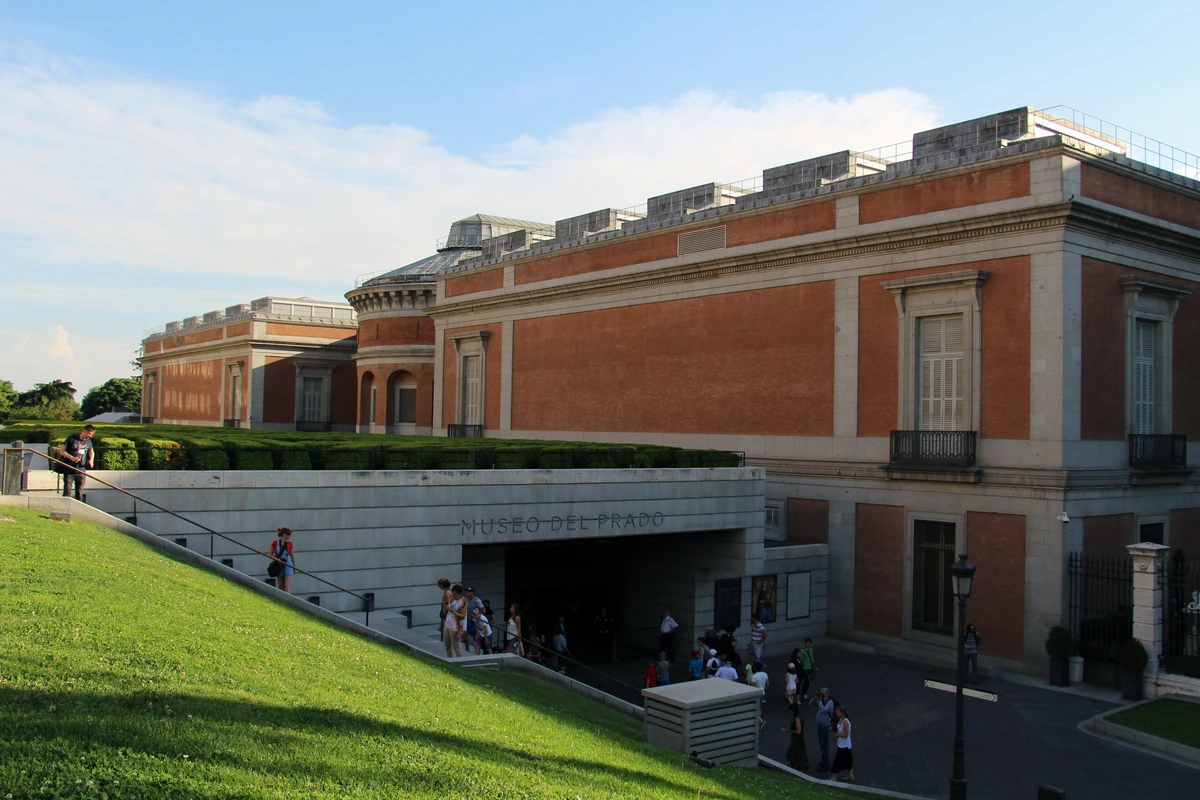
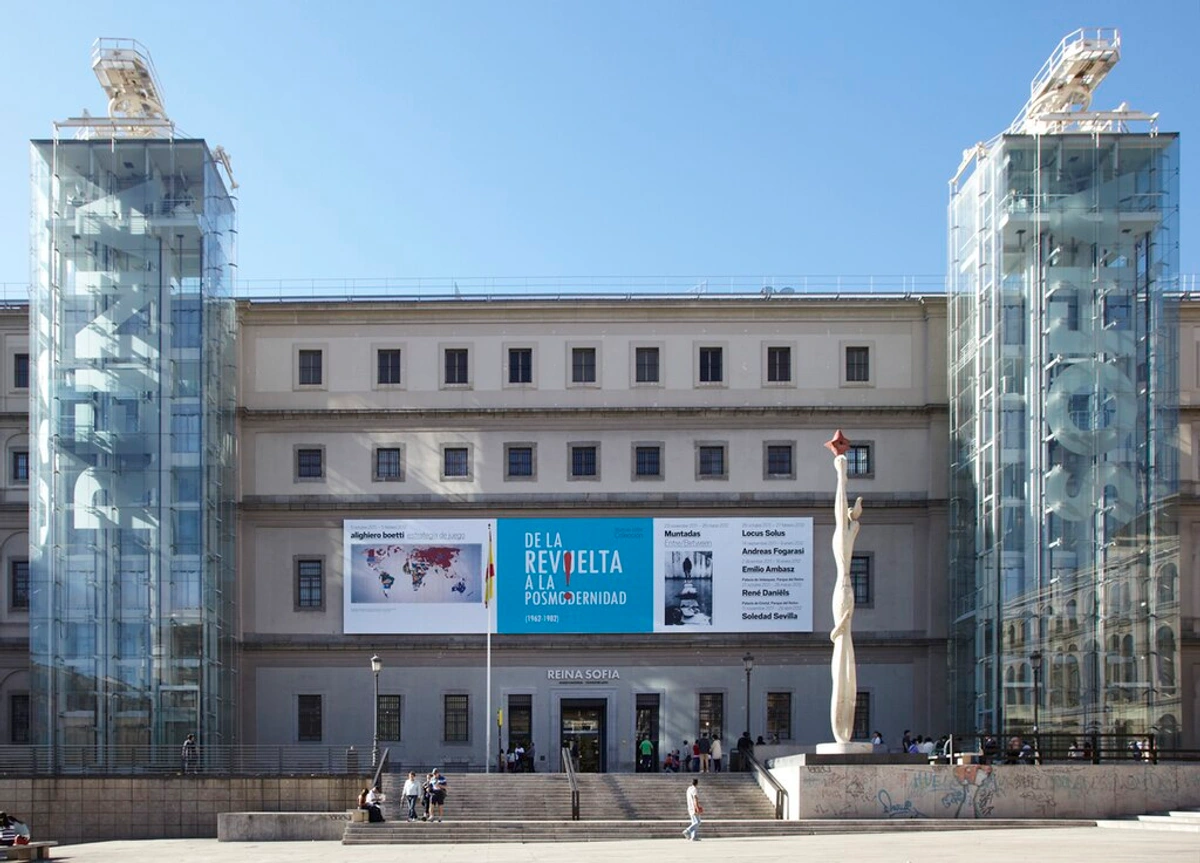
Today, Guernica is housed in Madrid's Reina Sofía museum, a pilgrimage site for anyone seeking to understand the soul of modern Spain. Standing before its monumental scale, you feel the weight of history, not as a distant fact, but as a raw, living wound.
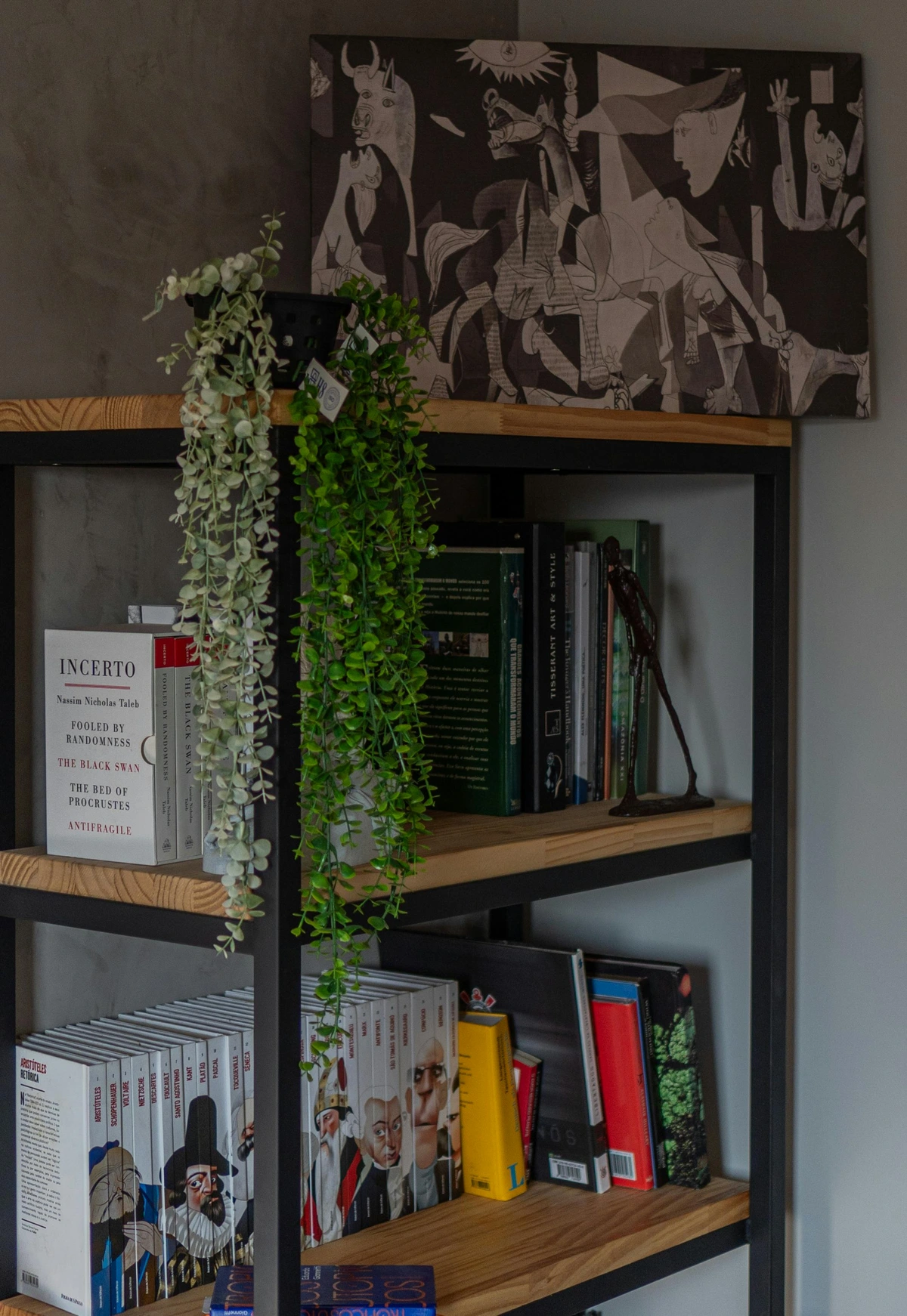
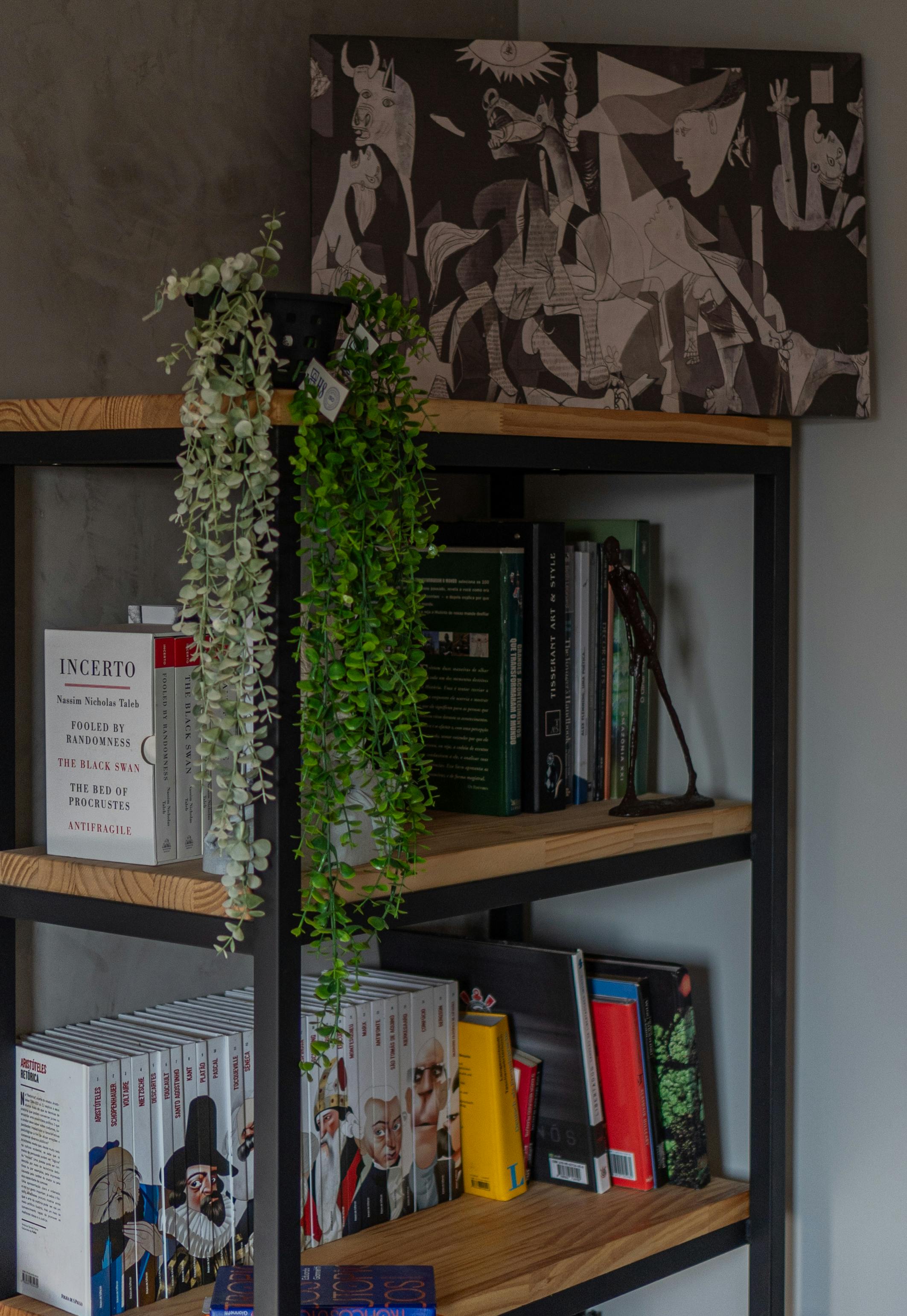
What he created wasn't a literal depiction of the bombing. You will search in vain for planes, bombs, or identifiable buildings in ruins. Instead, he gives us the raw, unfiltered feeling of it. The agony. The chaos. The sheer sensory overload of being torn apart. The painting is a monochromatic storm of black, white, and grey, filled with writhing, dismembered bodies, a screaming horse pierced by a spear, a grieving mother cradling her dead child. It's a collective nightmare captured in oil and canvas. Picasso deliberately restricted his palette to the stark, ephemeral tones of a newspaper, suggesting an official reportage but filtered through the lens of unbearable agony. The central electric light bulb, an all-seeing, harsh, man-made eye, illuminates a panorama of suffering in a godless, modern hellscape, refusing to let us look away. You don't see the bombs; you feel the impact in the contorted limbs and the silent screams that seem to tear through the canvas itself.
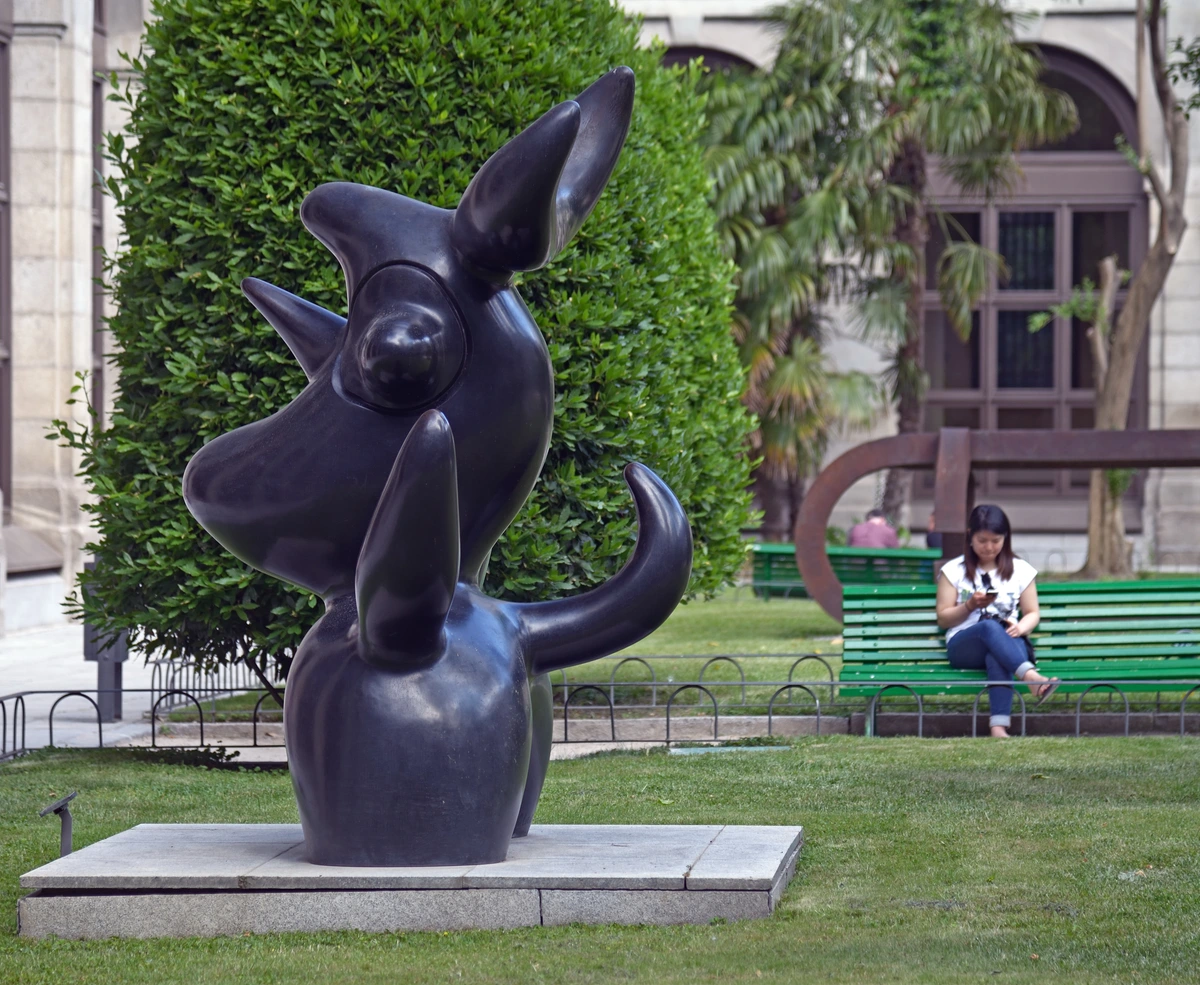
The choice to exclude color wasn't merely an aesthetic one; it was a moral and political decision. At a time when fascist regimes were wrapping their ideologies in grandiose, colorful neoclassicism, Picasso opted for the stark, unforgiving reality of the daily newspaper. It was the visual language of truth-telling, of documentation, and of reportage. The symbols—the gored horse representing the suffering people, the stoic bull standing for either Spain itself or the brutal onslaught of fascism, the shattered sword of the defeated warrior—form a lexicon of anguish. Picasso famously refused to explain them, forcing each viewer to confront the image and construct their own meaning from the wreckage. He understood that to explain the symbols would be to limit their power, to turn a universal howl into a specific polemic. In doing so, he transformed a specific event in a Basque town into a universal, timeless protest against the barbarism of all war, a prophetic warning from the past that still vibrates with urgency today.
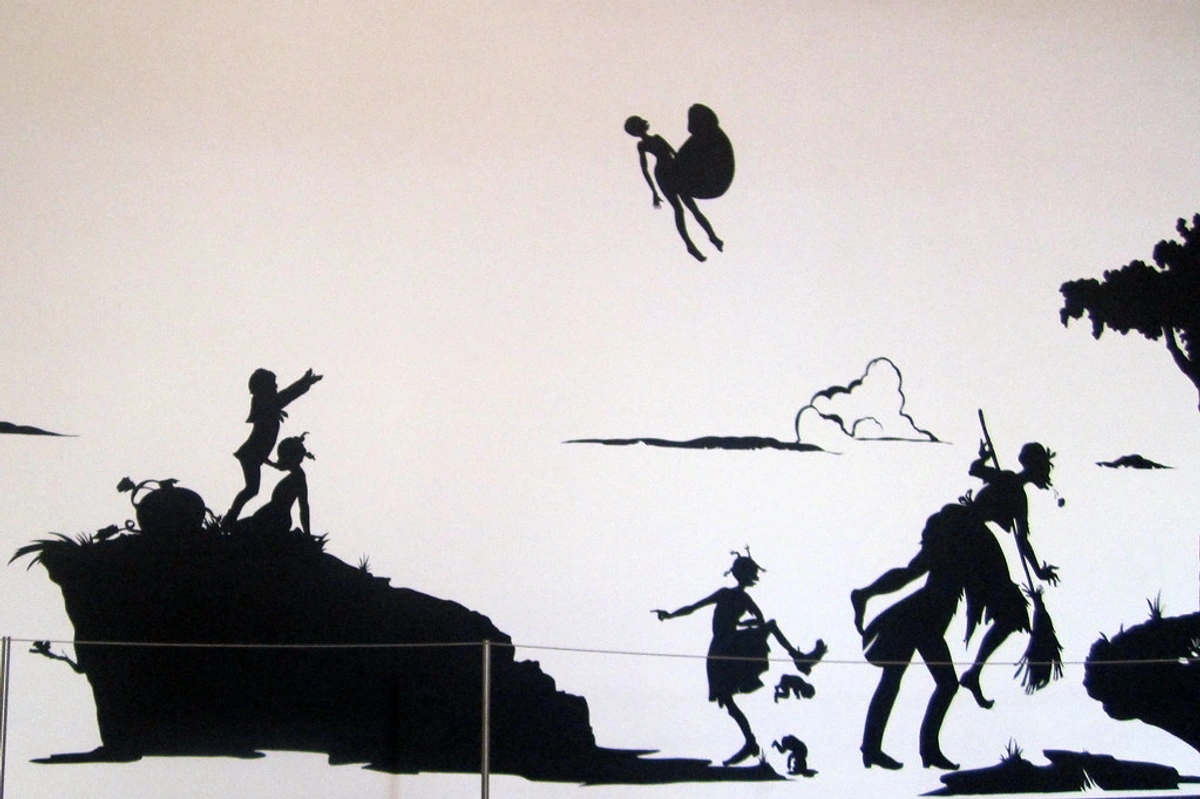
The stark, graphic power of silhouettes like this from a later American Civil War re-envisioning shows how artists continue to plumb history's darkness, much like Spanish Civil War artists did.
Guernica wasn't just a painting; it was a deliberate act of international witness, a calculated political gambit. From 1937 onwards, it traveled the world in a kind of tragic exile, raising awareness and funds for the Republican cause and shaming the Western democracies for their policy of non-intervention. It transformed Picasso from a celebrated, almost mythical modernist into an unambiguous voice of political conscience. He proved, once and for all, that an avant-garde, abstracted style could carry the immense weight of a very real, very specific tragedy, making it universally understood without resorting to simplistic illustration. Every symbol in that painting—the bull, the horse, the fallen soldier, the screaming mother—has been debated for decades. Picasso refused to give a simple key, saying instead that it was up to the viewer to interpret. For me, that's the point. The meaning isn't handed to you; it's felt, a gut-punch that bypasses intellectual debate. It's a masterpiece that I find both aesthetically overwhelming and politically humbling—a testament to art's profound capacity to respond to inhumanity with a cry of pure humanity.
_07.jpg&w=1200&q=93&output=webp)
Beyond Picasso: A Chorus of Artistic Voices
While Guernica often dominates the conversation, reducing the war's art to a single masterpiece misses the point entirely. It was one terrifying scream in a huge, desperate chorus. The real story is in the diversity of response—from graphic satire to photojournalism, from traditional easel painting to innovative photomontage that predated much of what we would recognize as modern graphic design. To focus only on Picasso is to miss the thousands of anonymous hands that sketched, printed, and pasted the revolution onto the walls of a burning country.
It's about how artists, with vastly different styles and beliefs, were all forced to answer the fundamental question posed by the conflict. The war became a crucible, forging a new kind of artistic responsibility. And while Picasso and Miró are the giants, countless other artists risked their lives to document, protest, and create in the face of annihilation. Let's explore some of those other crucial voices who prove that the war's artistic response was a movement, not a moment.
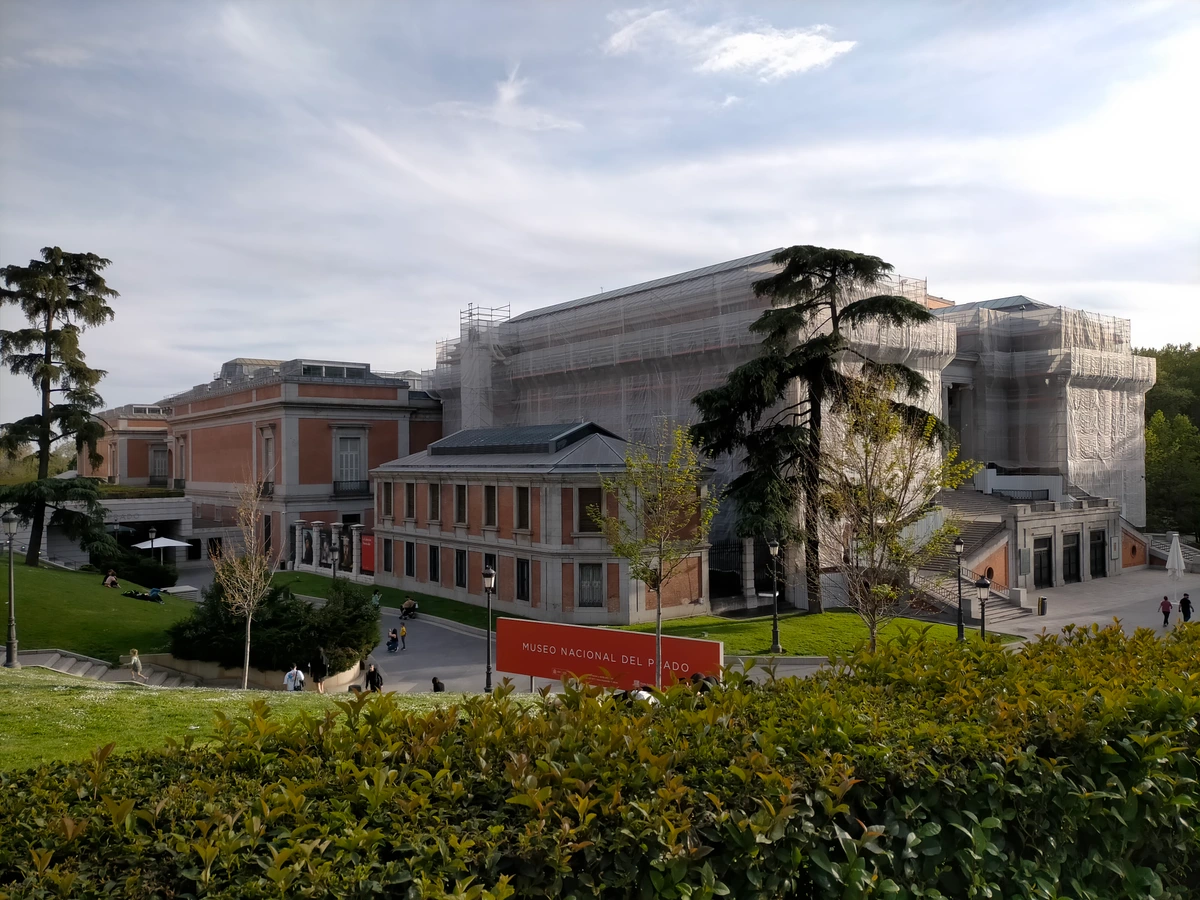
The Poetic Rage of Joan Miró
Joan Miró, another Catalan giant, possessed a style that was more poetic and symbolic than Picasso's, rooted in the landscapes and folklore of his homeland. But his response to the conflict was no less powerful. His painting The Reaper (also titled Catalan Peasant in Revolt), created for the same Paris pavilion, depicted a menacing, angular figure rising up with a sickle, painted on celotex, a humble material.
Unlike Guernica, Miró's work was a direct reference to the Catalan peasant's long struggle for autonomy and dignity, a visual echo of a centuries-old resistance. It was savage and somber—a clear, defiant statement against Franco and the centralizing force of fascism. Its radical simplification was a political act; it was an art that anyone, literate or not, could understand. Miró was speaking in a universal tongue of form and color. Tragically, after the Paris Fair, the painting vanished, likely destroyed when the pavilion was dismantled, making it a ghost in the story of the war's art—a powerful testament not just to what was lost, but to how art itself can be a casualty of war.
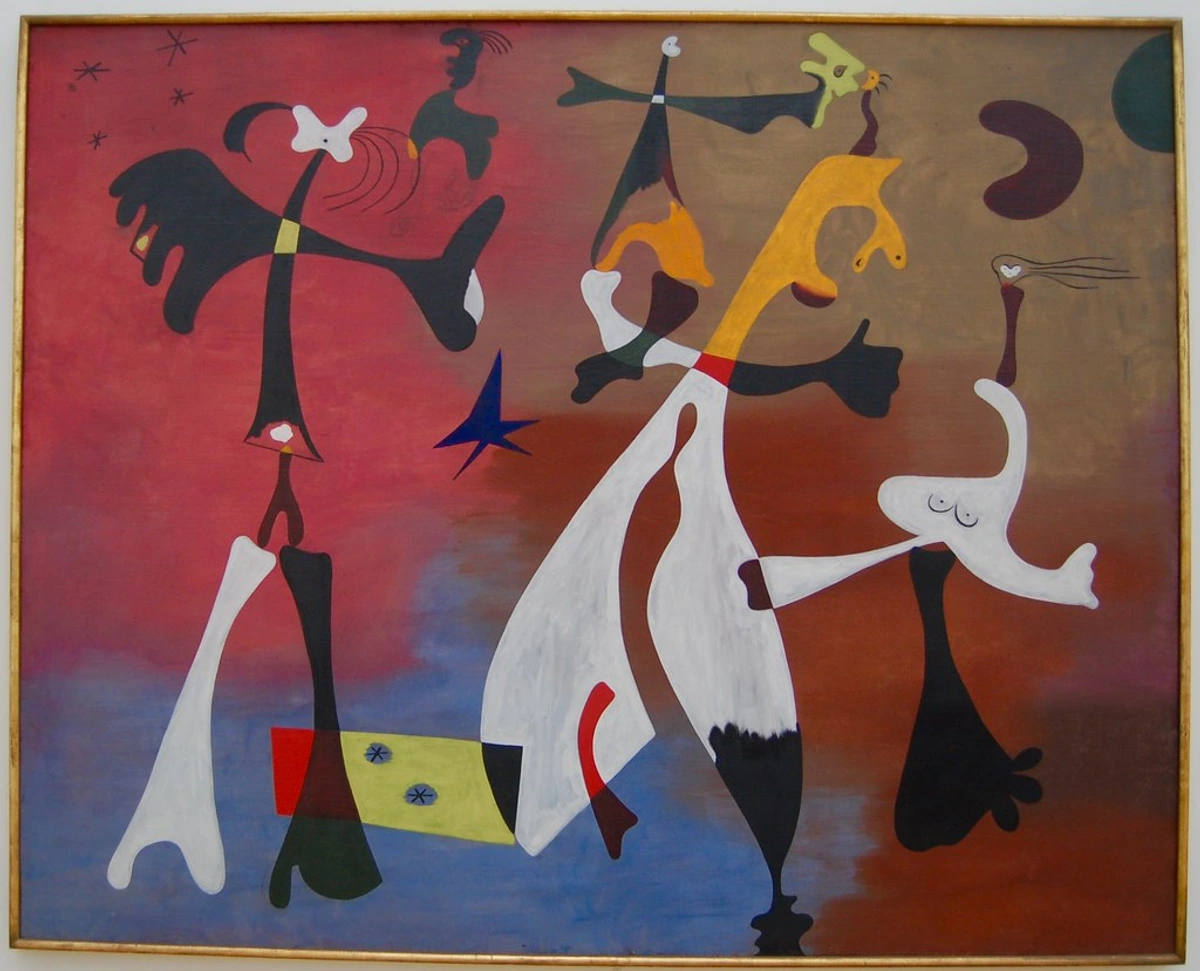
After the Republic's fall, in the depths of the coming darkness, Miró's work turned even more inward, with his Constellation series. These small, intricate gouaches, painted in Varengeville-sur-Mer during a period of immense despair, feel like tiny, secret messages of hope, a spiritual resistance when physical freedom was impossible. They are intricate codes of stars, birds, and women, a defiant act of creating beauty in a world that had chosen brutality. It's a lesson I've always carried: that radical simplification isn't just a style, it's a form of communication under duress. When the message is life or death, the form must be as clear as a scream in a silent room.
The Propaganda Poster: Art for the People
The most widespread form of Republican art was the propaganda poster. Designed for maximum legibility and emotional impact, they were pasted up on walls across Madrid, Barcelona, and Valencia. They didn't have the luxury of being subtle. They were the viral content of their day—meant to be seen, absorbed, and acted upon in the time it took to walk past them.
Organizations like the UGT (General Union of Workers), the CNT (National Confederation of Labor), and various communist and socialist parties all had their own prolific poster workshops, creating a fierce but unified visual front that transformed the streets of Republican-held cities into sprawling, open-air galleries of dissent and resolve.
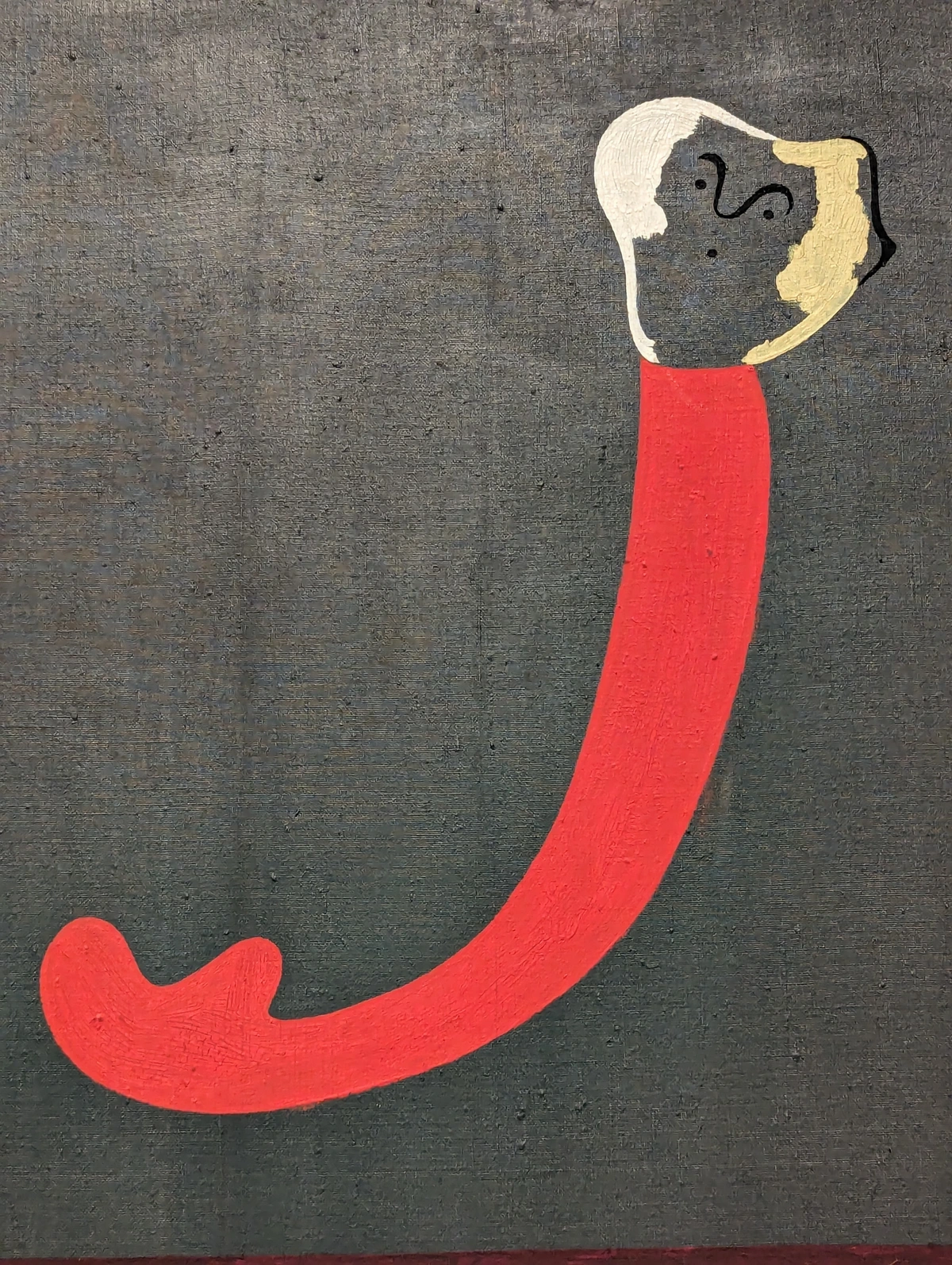
A typical poster might show a heroic, stylized militiaman urging citizens to enlist ("¡Alistarse en el ejército popular!"), or a monstrous, tentacled octopus labeled "Fascism" crushing the people ("El fascismo es la muerte. ¡Destruidlo!"). These images needed to be understood in an instant by an often illiterate population. They used simple, bold lines and a restricted color palette driven by the cheapest inks available (lots of red and black). But within those constraints, artists like José Bardasano, Josep Renau, and Mauricio Amster created icons of enormous power.

The urgency is what gets me. These weren't meant for museums; they were meant to be consumed, to inspire action, and then to be covered by the next poster or destroyed by enemy shells. They were disposable, vital, and utterly democratic. Looking at these posters now, I'm struck by how modern they feel, less like paintings and more like graphic design in its purest, most potent form. The political poster as we know it—a bold integration of image, text, and symbol for mass persuasion—was essentially forged in the heat of the Spanish conflict.
The influence is undeniable, a direct line can be drawn from these hand-printed placards to the anti-war graphics of the 1960s and the bold, text-heavy protest art of today. If you're interested in the power of graphic design, this is where it's at. It's art stripped of all pretension and focused entirely on communication and mobilization. You can almost feel the hands of the artist, working through the night, the ink barely dry, to get the message out by morning.
Surrealism's Broken Mirror
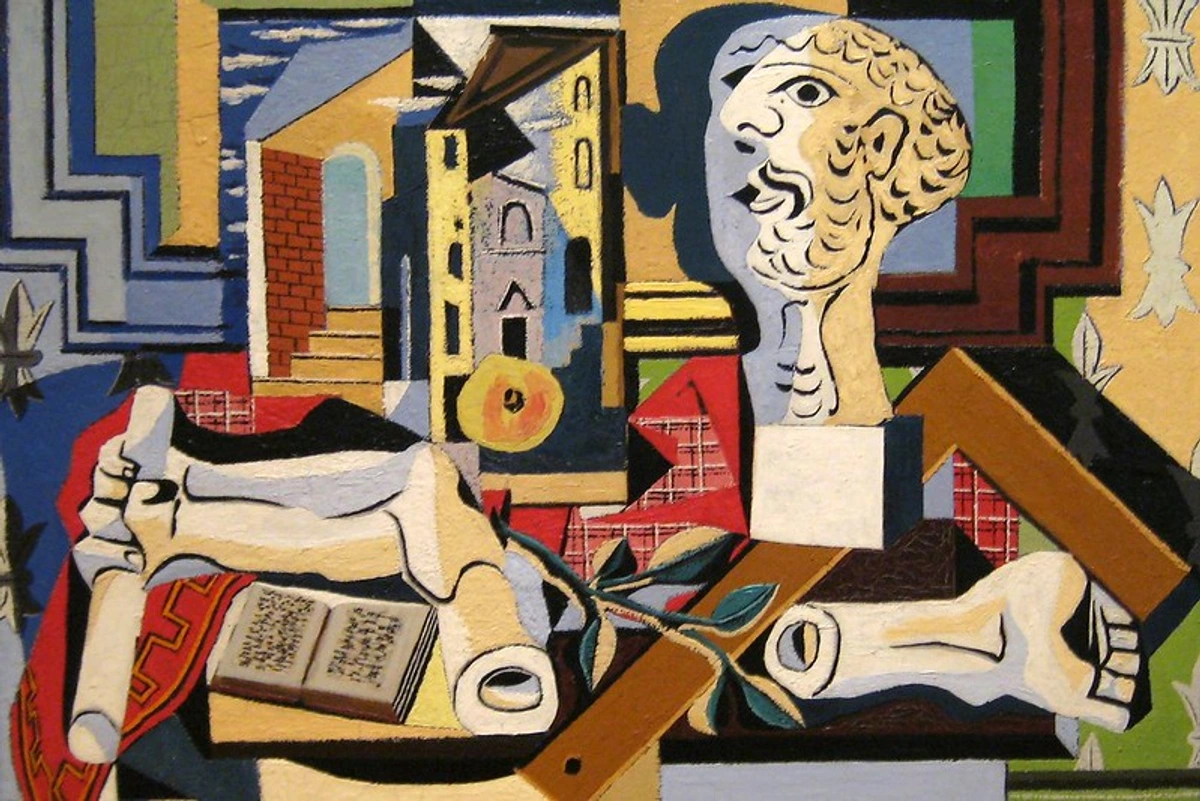
The war also put the ideas of the Surrealists—with their focus on the unconscious and dream logic—to a terrible test. How do you depict a reality that is already more horrific and illogical than any nightmare? How does an artist shock an audience that has become numb to daily reports of atrocities? This was the challenge for painters like Remedios Varo and Óscar Domínguez. Their war-era work became sharper, more anxious; the whimsical gave way to the macabre.
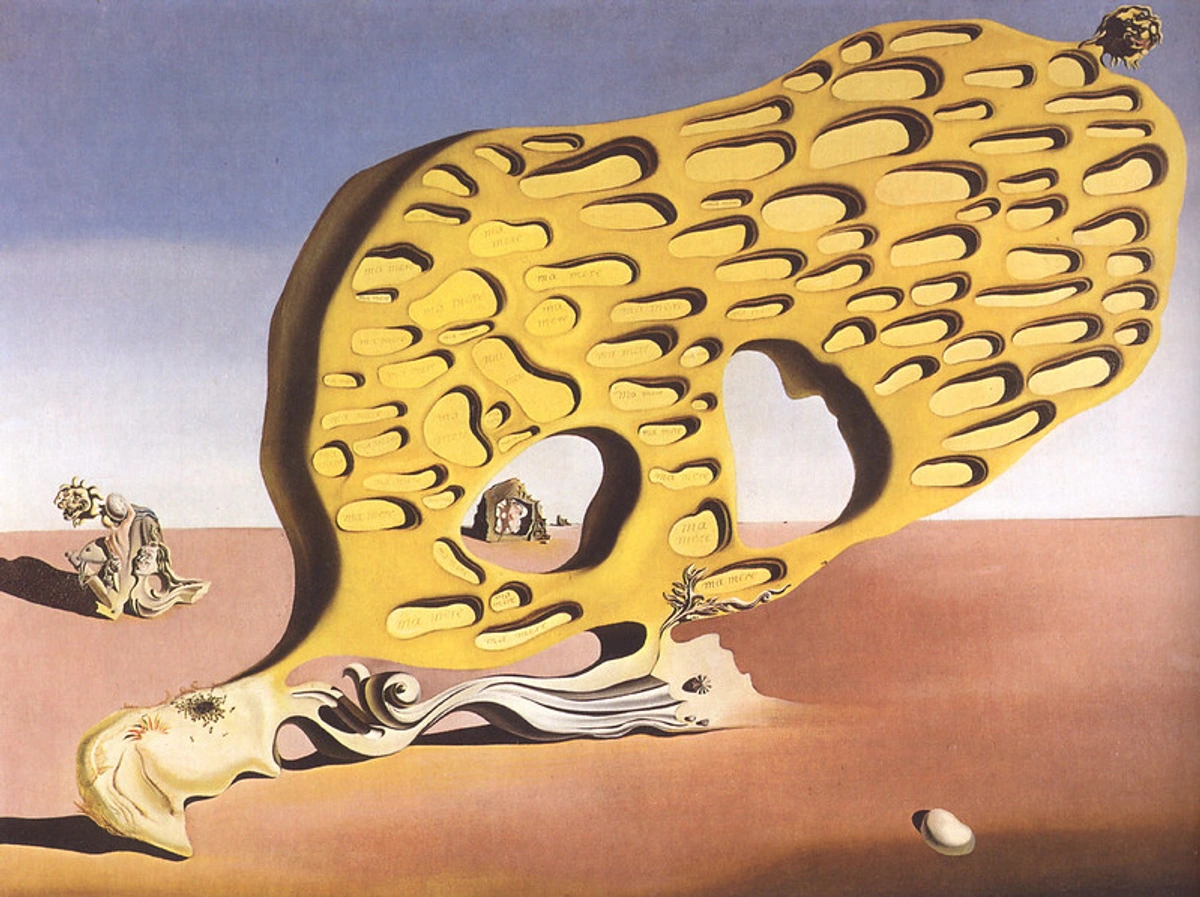
It's as if the war broke the mirror of surrealism, and the fragmented pieces reflected an even uglier truth. For some, like Salvador Dalí, the war solidified a move away from political engagement. His famous painting, Soft Construction with Boiled Beans (Premonition of Civil War), painted months before the war began, is a terrifying self-devouring monster of human limbs, an almost prophetic vision of the internal horror to come. However, his public statements remained apolitical, and he was eventually exiled by his fellow Surrealists, led by André Breton, who saw his political ambiguity and perceived opportunism as a betrayal of the movement's revolutionary spirit. Other artists, those who stayed true to the Republic's cause, saw their work infused with a new, agonizing reality. The dream was no longer an escape; it was a battleground.
One can't discuss this era without mentioning the profound impact on figures like Luis Buñuel. Though his most famous surrealist films were made before the war, the conflict profoundly altered his trajectory. His stark, unflinching documentary Las Hurdes: Land Without Bread (1933), which critiqued the crushing poverty in rural Spain, was banned by the Republican government for its bleakness—a sign of the censorial pressures that existed even before the war, and a precursor to the kind of brutal realism the conflict would demand.
The war forced these artists to confront the limitations of pure, apolitical aesthetics—a choice that divided the movement irrevocably. It was no longer enough to explore the interior landscape; the exterior one was on fire. For the painters remaining in Spain or fleeing fascism, the very concept of the "unconscious" became politically charged, filled with real, external terrors.
The Bitter Legacy: Franco's Win and the Great Silence
The Nationalists won the war in 1939, and Franco's dictatorship began—a period known in Spain as 'the years of silence,' or los años del silencio. It's a chillingly apt name. With the Republic's defeat, the vibrant, revolutionary art of the preceding years was outlawed, destroyed, or driven into exile. Museums were purged of "degenerate" modernist works. Guernica itself became a pilgrim, housed at MoMA in New York with strict instructions from Picasso that it must not return to Spain until democracy was restored. The artistic flourishing of the pre-war era was not just cut short; it was systematically erased.
Art in Spain was forced into a sterile, state-sanctioned style of heroic realism, a kitsch aesthetic that celebrated Franco, glorified a mythical imperial past, and promoted rigid Catholic family values. The country's artistic soul went underground or fled. The Residencia de Estudiantes fell silent. Museums were purged of 'degenerate' modernist works. This period of enforced cultural conformity wasn't just an absence of art; it was the weaponization of aesthetics in the service of a totalitarian state. Public sculpture became a forest of monuments to Franco's generals, while paintings depicted an airbrushed, fanatical Spain that never truly existed.
This is the final, tragic act of the story. The war didn't just destroy buildings and lives; it sought to erase a culture. Artists who stayed faced censorship, imprisonment, or execution. Those who had been major figures, like Miró, worked from abroad, their connection to their homeland forever scarred. It would be decades before Spain's art world could recover its courage and its voice. Spanish art became a story of two veins: the stale officialdom within the country, and the scattered, persistent work of the diaspora. The profound act of cultural amnesia inflicted on Spain during Franco's rule is perhaps the longest-lasting wound of the conflict, one that the country continues to grapple with today in a process known as "historical memory," or memoria histórica.
To me, this is the ultimate lesson of the Spanish Civil War's art: it is a testament to resilience in the face of overwhelming darkness. It shows us that creativity can be a powerful tool against oppression, but it also serves as a stark reminder of what is lost when the forces of censorship win. The triumph of Franco was a cultural black hole, one that would take decades to escape. The story is a sobering but crucial one for any artist today navigating a world where art and politics are, once again, inextricably linked.
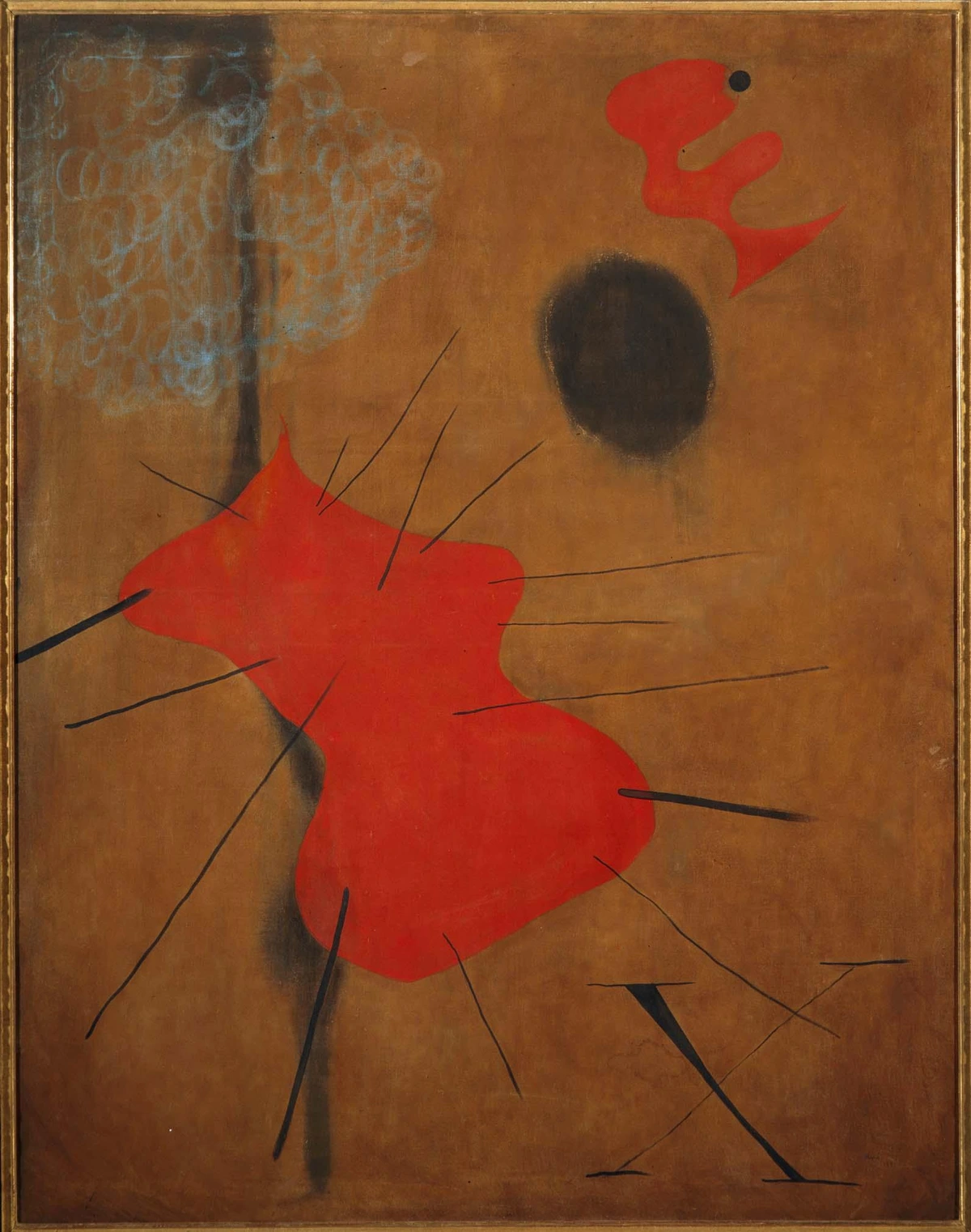
The International Brigades and the Art of Solidarity
The war wasn't just a Spanish affair. It was, in many ways, the first battle of World War II, drawing in idealists, writers, and artists from across the globe who saw the Republic's fight as a last-ditch stand for democracy against the rising tide of fascism. Many, like those in the Abraham Lincoln Brigade from America or the various European battalions, joined the International Brigades. Their contribution was monumental, not just in fighting with rifles, but in documenting the war through their art. The British painter Clive Branson, a dedicated communist and volunteer, created stark, raw, expressionistic paintings of life on the front lines in the frozen trenches of the Jarama, and of the suffering civilians in besieged Madrid. His work, and that of so many others, served as a vital bridge, carrying the visceral, unvarnished reality of the conflict to a wider, often complacent world.
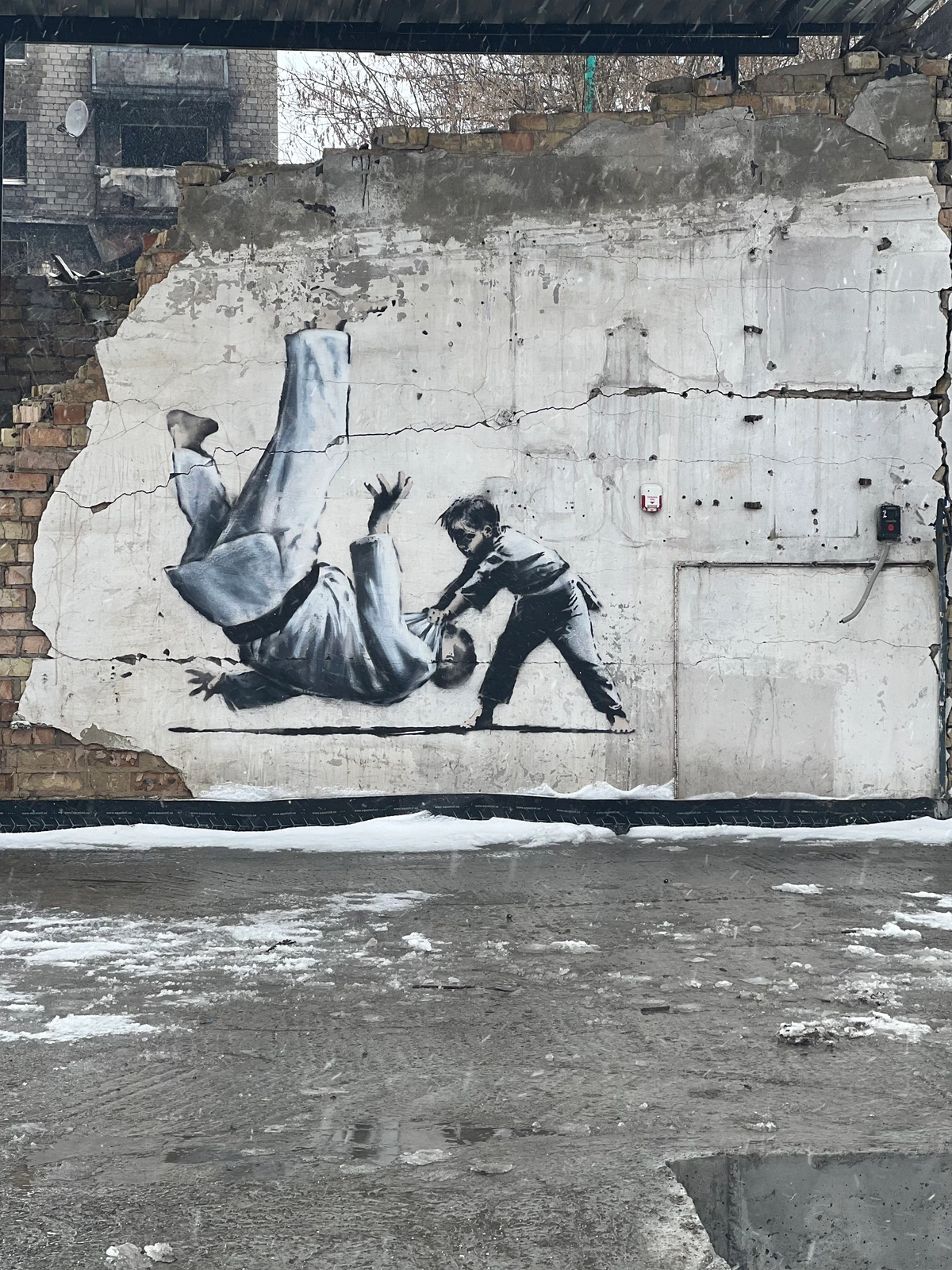
But perhaps the most iconic foreign chronicler was the Hungarian-born photographer Robert Capa. His photograph, The Falling Soldier (1936), captured a Republican militiaman at the exact moment of his death. The authenticity of the photograph has been debated for decades—whether it was a lucky, miraculous capture of a truly random moment, or a posed image with soldiers acting out their own demise. But the debate itself is part of its power. The photo became an icon of sacrifice, redefining the very notion of bearing witness and proving the camera was a weapon. It forced a global audience to confront the intimate, human-scale horror of war, not as a distant geopolitical event, but as a bullet hitting a single man on a nameless hill.
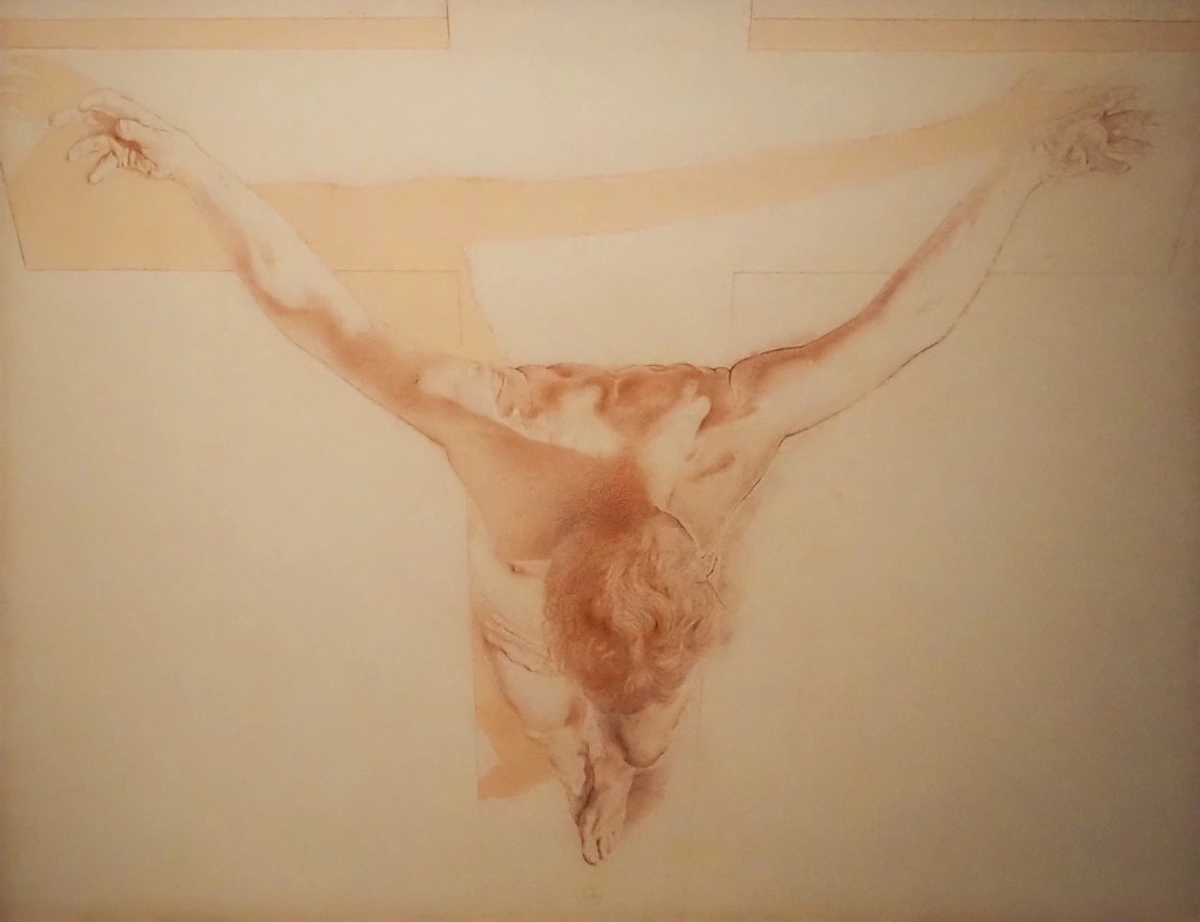
These international artists didn't just come to fight; they came to see, and what they created, from sketches in a notebook to epic paintings, ensured that the world would not—and could not—look away. Their work formed a powerful bridge, carrying the visceral reality of the conflict far beyond Spain’s borders and cementing the Spanish Civil War, for the international left, as a defining moral cause of the 20th century.
How Artists Grappled with the Aftermath of War
The end of the war in 1939 was not the end of the story for Spanish art. It was the beginning of a long, dark chapter. The "years of silence" under Franco were a period of forced amnesia, where official portraits of the Caudillo replaced the artistic ferment of the Republic. But the artistic impulse couldn't be completely extinguished. It just had to learn to speak in a different language—one of whispers, symbols, and grit.
During the 1940s and 50s, an art of quiet defiance emerged. This was not the bombastic public art of the Republic, but a more private, symbolic language. Artists like Benjamín Palencia and the Escuela de Vallecas turned to the stark, unforgiving Spanish landscape (paisaje), while others focused on still life (bodegones) and intimate portraits. These subjects were politically safe, but in the hands of a subtle artist, they could carry a heavy weight of melancholy and unspoken loss. A simple still life of wilting flowers could become a silent elegy for a fallen comrade. Color would be muted, compositions introverted. This was a survival mechanism, a way to continue painting while the regime's cultural police watched.
It was only much later, in the 1950s and 60s, with the rise of movements like Informalism and the group El Paso, that a new generation began to reconnect Spanish art with the international avant-garde. This time, however, the connection was different. The shadow of the Civil War and the long oppression under Franco gave their abstract gestures a raw, anxious, and deeply existential edge. Artists like Antoni Tàpies used thick, scarred materials like mud and burlap to create paintings that were not just seen, but felt as physical wounds. They didn't need to paint bombs to paint trauma; the trauma was embedded in the very matter of their art. This movement, a kind of abstract expressionism born of specific oppression rather than general existentialism, was Spain's re-entry into the global art conversation on its own, distinctly scarred terms.
Musical and Literary Echoes of the War
The art of the Spanish Civil War wasn't confined to canvas and paper; it resonated in concert halls and on the printed page, creating a multi-sensory tapestry of resistance. While painters showed the horror, musicians and writers gave it a voice.
The poet Federico García Lorca, perhaps the most significant literary martyr of the conflict, represents its darkest loss. A beloved figure of the 'Generation of '27', a dazzling constellation of poets that included Rafael Alberti and Vicente Aleixandre, his assassination by Nationalist forces at the start of the war cast a long shadow over Spanish culture. His work, infused with Andalusian folklore and avant-garde sensibility, became a symbol of the vibrant, pluralistic Spain the Nationalists sought to destroy. Killing Lorca was tantamount to killing the Spanish soul.
International writers flocked to the cause, documenting the conflict and shaping its perception abroad. Ernest Hemingway's For Whom the Bell Tolls remains the most famous novel to emerge from the war, romanticizing the international brigades and the brutal realities of guerrilla warfare. Journalists like George Orwell, in his brilliant memoir Homage to Catalonia, provided a ground-level, profoundly disillusioned account of the revolution betrayed from within, not just by the fascists, but by the cynical infighting of the Republican factions. Their works became essential, if flawed, chronicles of a struggle that captivated the global literary imagination.
Composers, too, found their voices. The folk songs of the Republican militias, known as canciones de lucha, became anthems of resistance, while classical composers wrote music to stir the soul. Consider Pablo Casals, the world-renowned cellist, who went into exile in protest and vowed never to play in a fascist country, his silence a profound political statement. This sonic dimension—from popular song to profound musical silence—was as much a part of the artistic resistance as any painting. It showed that art wasn't just a visual battleground; it was a cultural front fought on every sensory level.
What art movement was popular during the Spanish Civil War?
There wasn't a single movement that dominated; rather, it was a fascinating and often chaotic convergence of styles repurposed for war, a kind of aesthetic 'all hands on deck' moment. For the Republicans, Cubism, Surrealism, and Expressionism were the primary languages of the avant-garde. These modernist styles, with their fragmented forms and psychological intensity, were seen as the most honest tools to express the chaos and injustice of the conflict as it was being experienced. The Bolshevik-inspired style of Social Realism also played a massive role, especially in the most explicitly propagandistic posters and murals. The urgency of the moment also saw the meteoric rise of photomontage, heavily influenced by Soviet and German artists like John Heartfield and Gustav Klutsis. The Nationalists, in stark and deliberate contrast, rejected all of modernism as 'degenerate' and 'decadent,' favoring a sterile, state-approved cocktail of academic realism and neoclassicism that projected a sense of order, divine destiny, and traditional, hierarchical power.
Did Picasso fight in the Spanish Civil War?
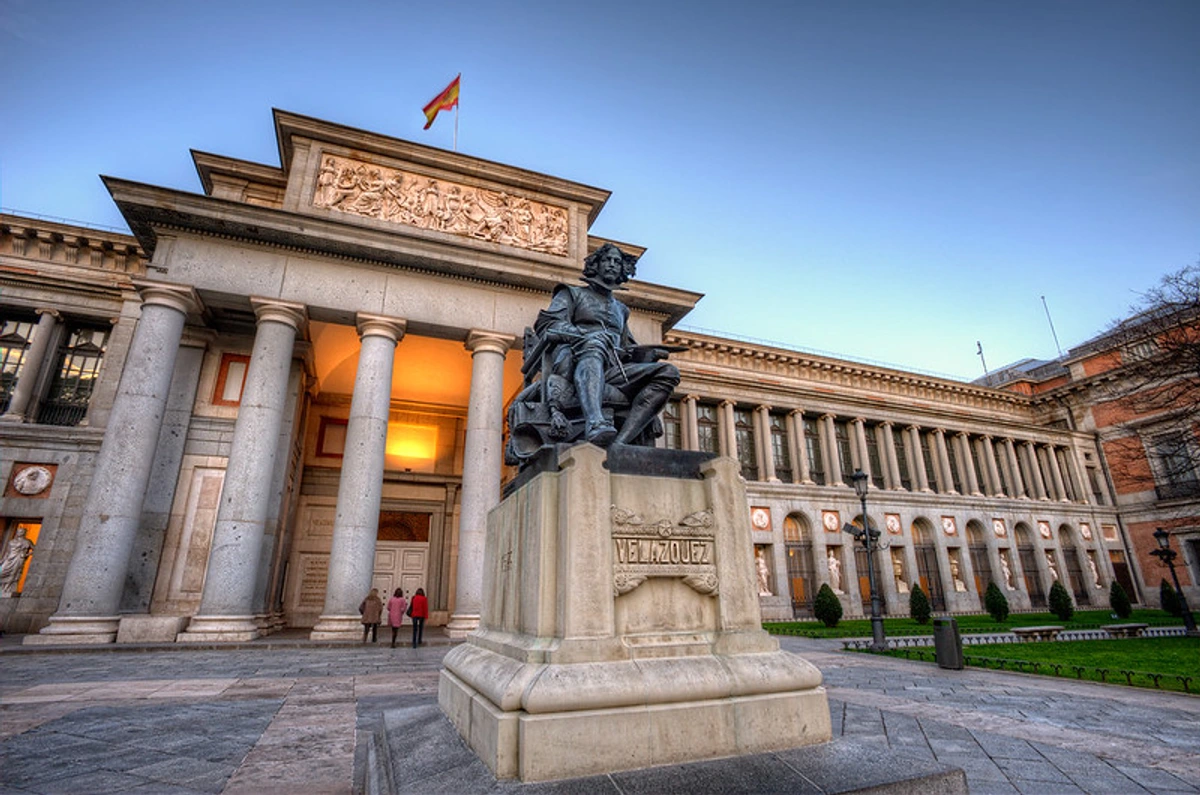
No, Picasso did not engage in combat. He was already 55 years old when the war began in 1936 and had been comfortably settled in France for decades, far removed from the physical battles. While he was a prominent and outspoken supporter of the Republican cause and created some of the war's most powerful and politically charged art, including Guernica, he remained in self-imposed exile in Paris throughout the entire conflict. He did, however, make a notable symbolic gesture by accepting an honorary directorship of the Prado Museum from the besieged Republican government, a deeply political act of solidarity that aligned him with the preservation of Spanish culture against the perceived barbarism of the Nationalist threat.
How did propaganda posters contribute to the Spanish Civil War?
They were absolutely crucial, arguably one of the most effective weapons in the Republican arsenal, functioning as both a morale booster and a recruitment tool. In a country with widespread illiteracy, these posters functioned as a primary tool of mass communication, transforming complex political ideas—anarchism, socialism, anti-fascism—into simple, powerful, emotionally resonant images that could be understood in an instant. They were used to recruit soldiers, boost morale, vilify the enemy, and promote the Republic's ambitious social reforms, like literacy campaigns and women's rights. The stylistic innovations—bold graphic forms inspired by Soviet constructivism, innovative photomontage, arresting typography—directly influenced the development of modern graphic design and political art, creating a legacy that can be seen in everything from anti-war graphics of the 1960s to the protest art of today.

What happened to artists after the Spanish Civil War ended?
The defeat of the Republic in April 1939 led to a massive, systematic cultural purge known as the 'White Terror.' Artists, writers, and intellectuals who had supported the Republic faced a stark, often life-or-death choice: exile, persecution, or silence. Many, like the brilliant photomontage artist Josep Renau, fled to Mexico, where they found a welcoming intellectual climate; others, like Miró, remained in self-imposed exile in France. Some, sadly, faced summary execution or long, brutal imprisonment in concentration camps. Those who stayed in Spain were often forced into an 'internal exile,' their public careers broken, their work forced into sterile, state-approved styles. Picasso famously and publicly vowed his paintings, including Guernica, would never enter Spain while Franco was alive—a promise he kept, turning the painting into a symbol of democratic resistance in exile. The painting finally returned home in 1981, six years after Franco's death, its arrival a profound and emotional symbol of Spain's democratic rebirth.
How did the Spanish Civil War influence modern art?
The war irrevocably cemented the idea of the artist as a political witness and actor. It proved that avant-garde art styles, once considered purely aesthetic, could be incredibly effective tools for social commentary. This shift laid the groundwork for movements like Abstract Expressionism, where artists like Mark Rothko infused large swaths of color with profound philosophical and emotional weight, while others, like Jackson Pollock, channeled a kind of existential anxiety directly onto the canvas. The war also saw the birth of modern war photography, with Robert Capa's The Falling Soldier redefining war reportage by emphasizing the human, intimate, and chaotic moments of conflict over staged heroism. Finally, it fostered a global network of artist solidarity, a model that would be crucial during the rise of fascism and throughout World War II, fundamentally altering the artist's conscience and responsibilities on a global scale.
The war irrevocably cemented the idea of the artist as a political witness and actor. It proved that avant-garde art styles, once considered purely aesthetic, could be incredibly effective tools for social commentary. This shift laid the groundwork for movements like Abstract Expressionism, where artists like Mark Rothko infused large swaths of color with profound philosophical and emotional weight, while others, like Jackson Pollock, channeled a kind of existential anxiety directly onto the canvas. The war also saw the birth of modern war photography, with Robert Capa's The Falling Soldier redefining war reportage by emphasizing the human, intimate, and chaotic moments of conflict over staged heroism. Finally, it fostered a global network of artist solidarity, a model that would be crucial during the rise of fascism and throughout World War II.
Conclusion: The Enduring Echo of a Scream
Looking back, the story of art in the Spanish Civil War is a story of extremes. It's about how a conflict can simultaneously destroy and create, how it can silence a generation while giving its artists a voice of unprecedented urgency. It destroyed lives and a democratic society, but it forged some of the most powerful and politically charged art the world has ever seen. It took the cool, intellectual experiments of modernism and showed they could burn with a fiery, humane passion. This was the moment art's potential for direct social engagement was tested in the crucible of total war, and it proved its power.
Looking back, the story of art in the Spanish Civil War is a story of extremes. It's about how a conflict can simultaneously destroy and create. It destroyed lives and a democratic society, but it forged some of the most powerful and politically charged art the world has ever seen. It took the cool, intellectual experiments of modernism and showed they could burn with a fiery, humane passion.






The conflict was a brutal test of the artist's role in society. It forced a generation to choose between aesthetic purity and political responsibility. In the Republican response, we see art becoming urgent, public, and immediate—a tool for survival as much as for expression. This moment cemented the idea of the artist as a witness, a role that would profoundly influence generations to come, from the politically charged work of Kara Walker to the protest art of today. It serves as a permanent reminder that art is never truly separate from the world it inhabits, that it can be an action, a testimony, or an accusation. Sometimes, against all odds, a scream on a canvas can be the most powerful weapon of all, leaving an echo so profound it never truly fades.