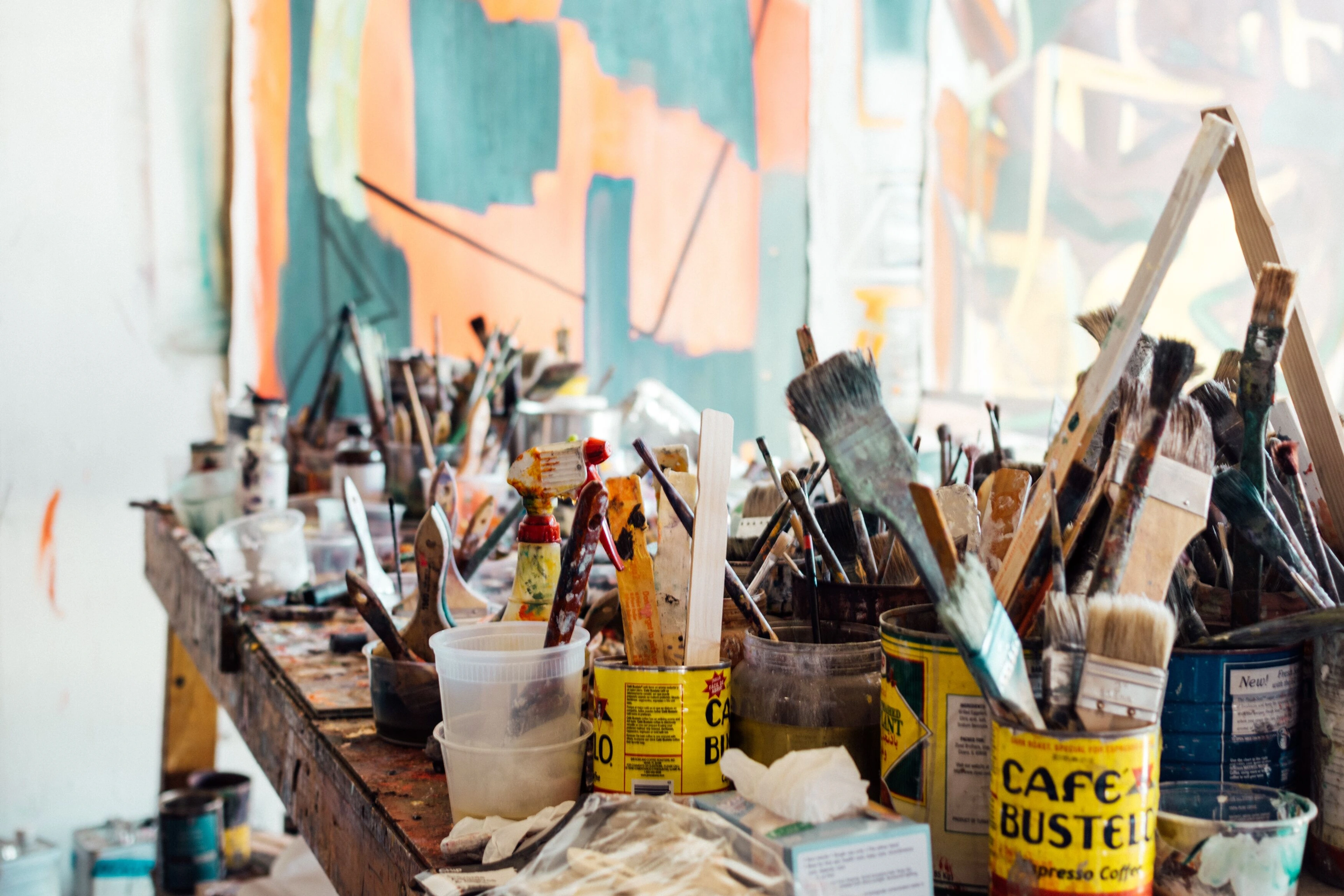
The Art of Creative Resilience: Transforming Artistic Stumbles into Innovation
Unlock creative resilience and artistic innovation. This guide explores how embracing perceived 'failures' and strategic experimentation fosters growth, strengthens your unique voice, and transforms challenges into breakthroughs in art.

The Art of Creative Resilience: Transforming Artistic Stumbles into Innovation
I remember a moment of pure creative paralysis. A large canvas, meant to be a vibrant abstract, stared back at me, a chaotic mess of clashing colors and indecisive strokes. I wanted to give up. To scrape it all away. But somewhere in that frustration, a quiet voice whispered: "What if this isn't a failure, but a crucial data point for my next masterpiece?" That shift in perspective, that's the core of creative resilience. It's rarely in the smooth, perfect moments that we truly grow, is it? No, for me – and I suspect for many of you too – it’s in the messy, tangled bits. The glorious, frustrating, eye-opening realm where stumbles turn into genuine stepping stones, paving the path for artistic innovation and a deeper understanding of our abstract artistic style.
Creative resilience is the ability to adapt, learn, and grow stronger from setbacks, creative blocks, or perceived 'mistakes' in your artistic journey. It's about cultivating a mindset where every unexpected outcome is an opportunity for discovery, transforming creative blocks into breakthroughs by reframing them as essential experiments. This fundamental principle of growth through stumbling is something I've grappled with and learned from extensively in my own journey as a painter and digital artist, and it's essential for anyone navigating the vibrant chaos of the creative world.
I recall an early abstract piece that was just... wrong. The vibrant blues I intended to flow harmoniously instead clashed violently with muddy yellows, feeling thick and suffocating on the canvas. The composition felt heavy, almost oppressive. I wanted to throw it away. Yet, in that pit of frustration, a flicker of understanding about negative space (the empty areas around and between forms) emerged. It was a revelation of how these voids could create breath and tension, completely shifting how I approached composition later. I started actively experimenting with leaving certain areas intentionally sparse or using subtle washes to push elements back, leading to more dynamic and expansive pieces. That 'failure' wasn't just a misstep; it was a pivotal, almost shouted, awakening – a 'noisy' internal dialogue of frustration giving way to revelation – revealing a new dimension in my artistic vision and influencing my understanding of understanding balance in art composition. This iterative back-and-forth with my canvas, where each attempt, even a 'mistake,' teaches me something new, is at the core of my practice.
Embracing the Unseen Foundation: Why 'Failures' Are Crucial for Artistic Growth
Because, honestly, we rarely talk about them. We celebrate the polished successes, we share the finished products, but the gritty, often embarrassing process of getting there? That often stays hidden. Yet, I believe understanding that journey, acknowledging the missteps, is far more valuable. It builds artistic resilience, fortifying your artistic spirit against inevitable setbacks. It fosters genuine understanding, not just of technique, but of your own creative voice and limitations. This messy exploration is the often-unseen bedrock upon which every seemingly effortless composition, bold color choice, or even a definitive guide to understanding light in art is built. And frankly, this emphasis on constant self-assessment and learning is why an artist focused on personal growth will often outshine one who fears every imperfection.
Think of monumental scientific breakthroughs like penicillin, born from initial 'failures' or unexpected observations. Or how revolutionary art styles like Cubism or Impressionism emerged precisely by breaking traditional rules and challenging existing norms – their 'mistakes' were deliberate acts of defiance that reshaped the art world and opened up entirely new forms of visual storytelling techniques in narrative art. Even iconic works like Andy Warhol's Campbell's Soup Cans challenged the very notion of 'high art' by embracing commercial imagery, a deliberate 'deviation' from the established path that carved a new movement.
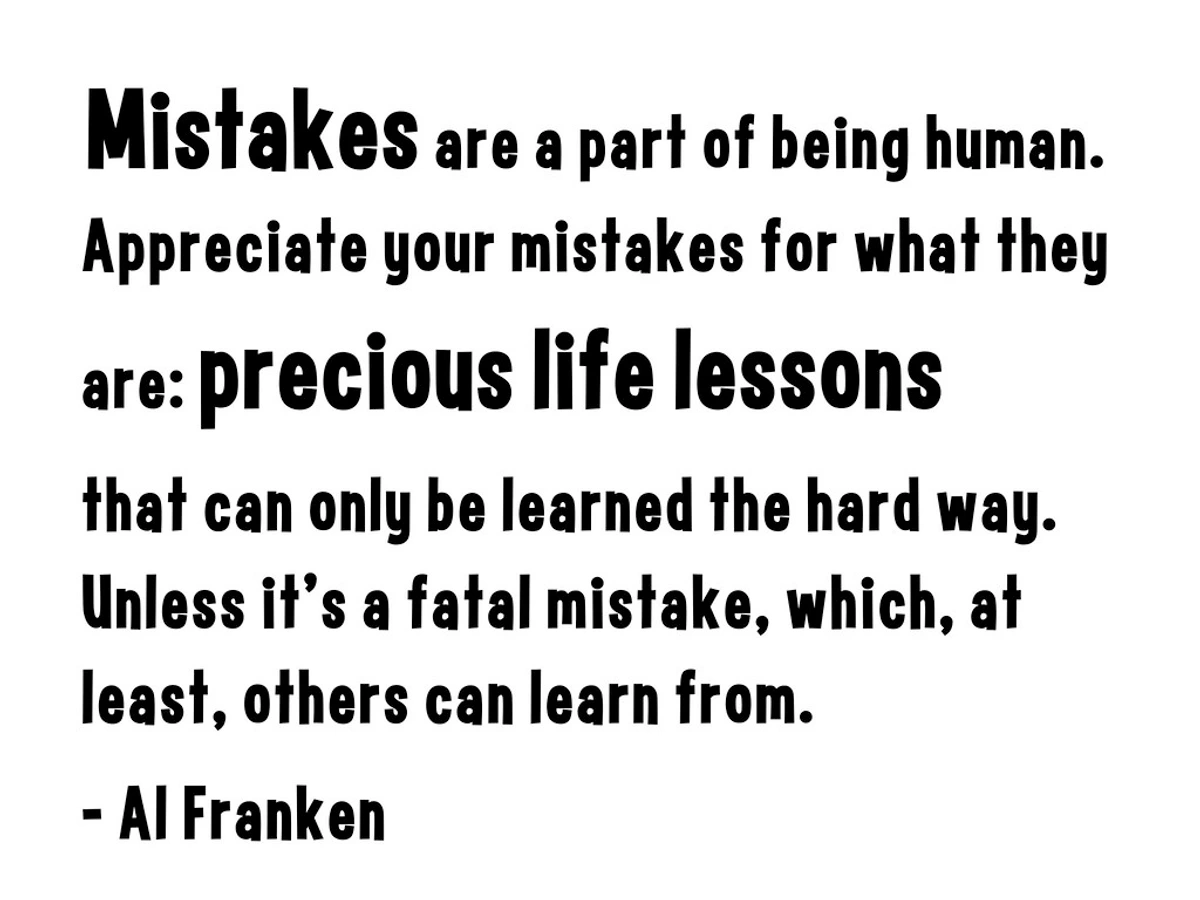
In business, countless successful products iterate from initial, flawed prototypes – think of the early, clunky iterations of almost any smartphone, gradually refined into the sleek devices we use today. Or consider how a chef perfects a new dish: it's rarely flawless on the first attempt. They taste, adjust, learn from an over-salted sauce or undercooked ingredient, and iterate until it's perfect. Learning, at its core, is an iterative process, much like a dynamic conversation between intent and outcome, where each attempt provides crucial data, not just a pass or fail.
The Uncomfortable Truth: Why Your Brain (and Art) Needs Mistakes
Let’s get this out of the way, a truth often acknowledged but rarely embraced: you will make mistakes. I will make mistakes. It’s not a question of if, but when. The trick, as ancient philosophers like Seneca observed, and as confirmed by modern cognitive psychology (which shows that errors are crucial for neuroplasticity, reinforcing learning pathways more effectively than repeated successes), is not to shun them, but to welcome them as data points, learn from them, and then, crucially, move on. Why are we so resistant to this? Often it's ego, a fear of judgment, or even simple cognitive dissonance – the discomfort of holding conflicting ideas (e.g., "I am a good artist" and "I just made a glaring error"). I’ve certainly felt it when a color mix I swore would work turned into mud, creating a painful internal tug-of-war. Or when a finished piece, after weeks of work, simply didn't resonate with the initial vision, leaving me with a sense of internal conflict. But here's the thing: that initial 'mistake' isn't a problem; it's information that informs the stronger line that follows, adding depth and character. Or, like baking: your first batch of cookies might burn, but you learn about oven temperatures and timing, leading to a perfect batch next time. These are not failures, but stepping stones on the path to mastery, essential feedback loops in your creative journey, whether you're working on a painting, a sculpture (perhaps using introduction to ceramics history techniques and contemporary practice), or even a piece of music.
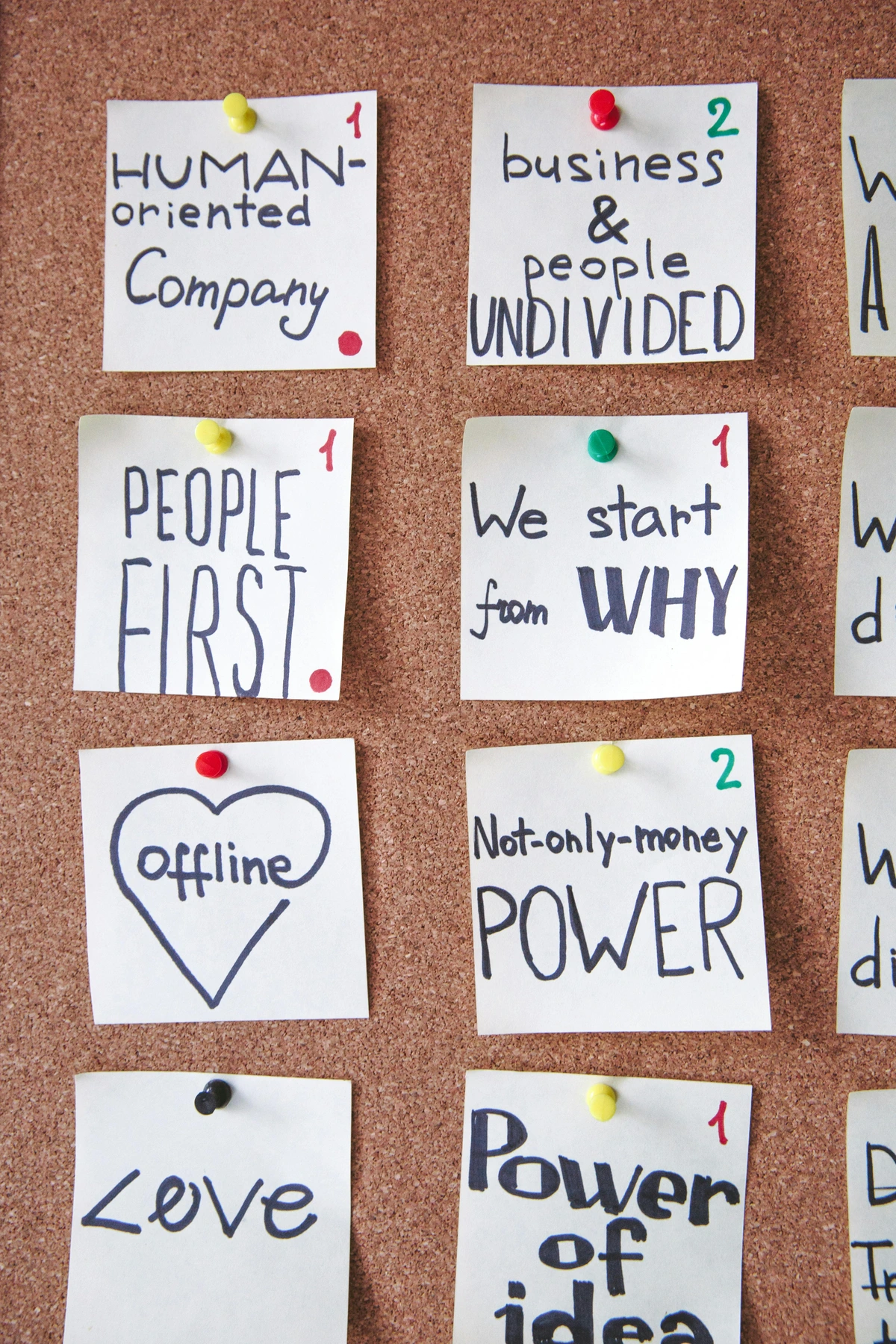
As you can see from my own messy notes, some of these lessons even touch on fundamental principles like being 'Human-oriented' and putting 'People First' – realizing that the core 'WHY' behind my work is far more potent than just the pursuit of 'money POWER'. By focusing on the human connection and the genuine impact of my art, I've found a more forgiving and ultimately more productive creative environment for myself. This human-centric approach actively fosters resilience: when a piece doesn't 'work,' it's not a personal failure but a chance to refine the message and better connect with an audience, which in turn fosters better learning from any artistic 'missteps.' It’s a journey of self-discovery as much as skill acquisition, helping me to better articulate why I paint abstract: my personal philosophy and artistic vision.
Five Pillars Forged in Frustration: My Core Lessons for Creative Resilience
I’m not a guru, just a fellow traveler navigating the sometimes-turbulent, always-rewarding waters of creative life. What are the fundamental pillars that have supported my creative journey through these inevitable ups and downs? Here are a few insights that have really stuck with me, shaping not just my art, but my entire approach to... well, everything. These aren't just abstract ideas; they're battle-tested truths forged in countless hours at the easel and behind the screen.
1. The Power of "No": Artistic Integrity is Non-Negotiable
Have you ever felt yourself spread too thin, saying 'yes' to obligations that drain your spirit and dilute your focus? Oh, this was a tough one for me, especially when starting out. Every opportunity felt like the opportunity. The fear of missing out was a strong pull. I once said 'yes' to a large corporate commission that paid exceptionally well but felt like painting with someone else’s palette, dictating exact colors and forms; it simply wasn’t aligned with my vision or my growing understanding of the emotional resonance of my abstract art. The resulting creative block was immense, a silent protest from my artistic soul. Saying "yes" to that project meant saying "no" to truly fulfilling personal work, to exploring new techniques, and to the quiet time needed for genuine inspiration. I learned (the hard way, naturally, after weeks of creative block) that protecting my time and energy, and aligning with projects that truly resonate with my artistic core, is non-negotiable. Artistic integrity – staying true to your authentic vision, values, and expressive purpose – is paramount. Saying "no" to something merely good means saying "yes" to something great – the kind of great work you might find on my /buy page. This isn't just about time management; it's about safeguarding your unique contribution, a concept championed by avant-garde movements that dared to reject the status quo to forge new paths. Of course, discerning which opportunities to say 'yes' to, even if they push you out of your comfort zone, and which to decline, is a skill in itself – it requires deep self-awareness and a clear vision of your artistic trajectory.
2. Embrace Imperfection, Reject Perfectionism: Done is Better than Perfect
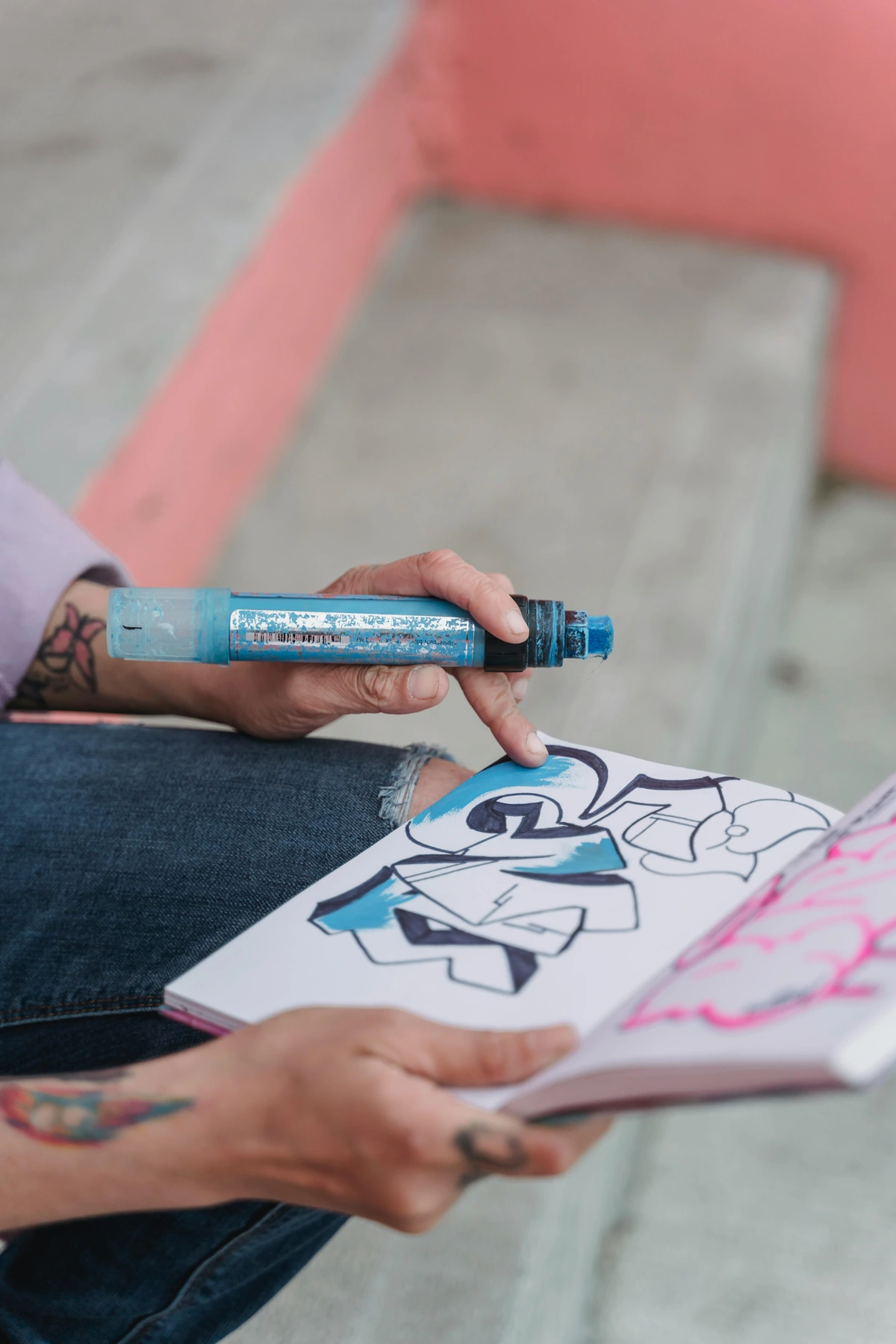
Perfectionism is a silent killer of creativity. It paralyzes. It makes you second-guess every brushstroke, every color choice, every mark. I remember agonizing over a series of pieces, trying to achieve this mythical 'perfect' state, often scrubbing away layers of paint in frustration. They never saw the light of day. I even spent three days once trying to 'fix' a tiny, almost invisible drip on a large canvas, the kind that shimmered with a slightly different sheen in the light, only to realize the raw, authentic texture it created was far more interesting than sterile flawlessness. The crucial lesson: Done is better than perfect. True beauty often resides in those raw, honest imperfections – the visible brushstrokes, the slight unevenness, the 'happy accidents' of uncontrolled washes. It's in those moments that you truly understand the flow, the texture, the spirit of your work. This philosophy resonates deeply with the Japanese concept of Wabi-sabi, which finds profound beauty in imperfection and transience, or Kintsugi, the art of repairing broken pottery with gold, celebrating the breaks as part of the object’s history. Think of artists like Vincent van Gogh, whose raw, visible brushstrokes and often 'imperfect' forms are central to their emotional power, creating a profound beauty that sterile flawlessness could never achieve. Or consider the raw energy of Abstract Expressionism, where the very act of painting – the drips, the energetic marks – became part of the artwork's emotional truth. These aren't just concepts; they're actionable ways to approach your art. For example, leaving an intentional, visible brushstroke in an otherwise smooth area or allowing the natural grain of your canvas to show through can add character and depth, much like how an understanding of what is design in art isn't about rigid rules, but dynamic interplay.

3. Consistency Trumps Intensity: The Power of Small, Daily Efforts
This applies to everything from my daily art practice to building a website, coding a new feature, or practicing a musical scale. A little bit, every day, adds up to a lot. While intense, all-nighter sprints can feel heroic for emergencies, they are unsustainable in the long run and often lead to creative burnout. I’ve found a consistent, gentle rhythm is far more productive, enjoyable, and conducive to genuine skill development. For instance, committing to just 30 minutes of daily sketching or dedicated studio time, even when inspiration feels low, yields far better long-term results than waiting for a burst of energy to fuel a single 12-hour session once a month. Small, consistent efforts build lasting mastery. This isn't just about willpower; it’s rooted in how our brains build habits and muscle memory. Regular, focused repetition strengthens neural pathways, making complex artistic skills – like rendering light, mixing colors intuitively, or composing fluidly – more intuitive and accessible over time. It's how one builds a substantial timeline of work, piece by piece, rather than in sporadic, exhausting bursts. This is also the essence of deliberate practice: not just repeating what you already know, but consistently focusing on improving specific weaknesses and pushing your artistic boundaries. Occasional bursts of intense work can be valuable for specific deadlines or creative surges, but they must be balanced within a sustainable rhythm to prevent burnout and foster true artistic longevity.
4. Feedback Is a Gift (Even When It Stings): Refining Your Vision
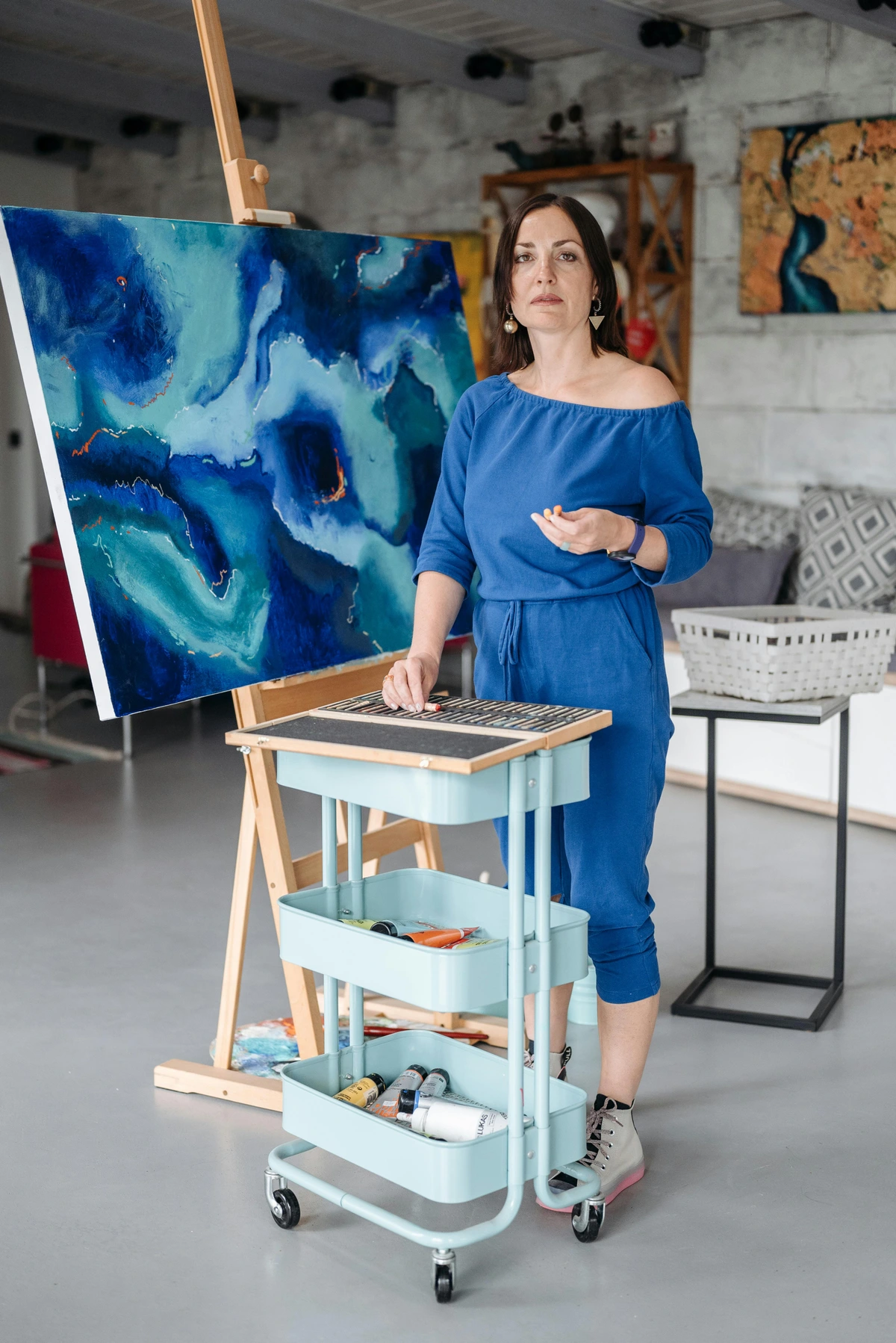
Asking for feedback is an act of vulnerability. Receiving constructive criticism, especially when you’ve poured your soul into something, can feel like a direct attack. But it’s gold. It shows you blind spots you couldn't possibly see yourself, offers fresh perspectives, and helps refine your vision in ways you hadn't imagined. My initial reaction is a familiar sting of defensiveness, a knot in the stomach, before the true value of their insight begins to dawn. I remember showing a piece I felt was utterly complete, only to have a trusted peer point out an imbalance in the understanding balance in art composition that I completely missed. It stung, yes, but after reflection and adjustment – a subtle shift in a foreground element, a slight darkening of a background area – the piece was undeniably stronger, more harmonious. Embrace feedback to discover your blind spots and strengthen your art.
Crucially, I’ve also learned when to not act on feedback, recognizing that some critiques might steer the work away from its authentic core. Discerning useful feedback means evaluating if it's specific, actionable, and aligns with your overall artistic intent, rather than being vague or simply a reflection of someone else's subjective taste. For instance, a critique suggesting a fundamental change in your chosen definitive guide to paint types for artists when your vision is tied to it might be less useful than feedback on a compositional element. This discernment, knowing which feedback serves the work and which serves another's subjective preference, is a different kind of valuable lesson about protecting one's unique artistic voice, helping to evolve my unique abstract artistic style.
5. The Marathon, Not the Sprint: Persistent Evolution is Key
Success, however you define it – whether it's developing a unique artistic style, completing a significant series, or simply finding joy in your daily practice – rarely happens overnight. It’s a slow, steady accumulation of effort, learning, and persistence. There have been countless moments I wanted to throw in the towel, believe me, especially during a particularly challenging series of large-scale abstracts where nothing seemed to 'work'. But looking back at my den-bosch-museum page, seeing the journey laid out, reminds me that every small step, every attempted experiment, every single finished piece, no matter how small, contributes to developing a unique artistic style and a substantial body of work. Show up consistently; your artistic journey is a marathon, not a sprint. It’s about showing up, day after day, even when you don't feel like it. Especially then. This concept is beautifully encapsulated in deliberate practice, a focused effort on improving specific weaknesses and pushing boundaries rather than just repeating what you're already good at. It’s the intentionality behind the consistency that truly drives long-term mastery and the evolution of your distinct artistic voice and helps you to truly understand the role of intuition in abstract art creation.
Cultivating Your "Lessons Learned" Mindset: A Cycle of Artistic Growth
These individual lessons, while powerful, become truly transformative when approached with a deliberate and systematic mindset. It’s not just about passively experiencing things; it's about actively extracting wisdom from every stroke, every decision, every outcome. This process, often iterative and always human, is crucial for turning creative challenges into catalysts for growth. Here’s a little table of my go-to process, a cycle of continuous improvement, often referred to as the PDCA Cycle (Plan, Do, Check, Act) in a creative context:
Step  | Description | Why It's Important | Actionable Takeaway for Artists | Tool/Technique for Creative Practice |
|---|---|---|---|---|
| 1. Acknowledge | Don't shy away from the creative block, unexpected result, or technical challenge. Call it what it is, without judgment. This is the 'Plan' phase's starting point. | You can't learn from something you refuse to see. Self-compassion is key to moving forward, not getting stuck in frustration or creative burnout. | Be honest with yourself to unlock artistic growth. | Quick sketch journaling, Mindfulness check-in, Blind contour drawing |
| 2. Analyze | Ask why it happened. What were the contributing factors – a rushed brushstroke, incompatible colors (how artists use color), lack of planning, environmental distractions, or perhaps old, dry brushes affecting your line quality? What part did I play? Be honest, but not overly harsh. | Understanding root causes prevents recurrence and fosters deeper insight into your artistic process. It's about data, not blame. | Use data to inform your art; avoid self-blame. | "5 Whys" technique, Mind-mapping (e.g., tracing cause-effect chains of creative decisions), Color swatch analysis, Peer review |
| 3. Strategize | What could I do differently next time? Brainstorm solutions – a new technique, a different color palette, a structured approach, or perhaps trying a new mixed media approach. Create a new approach or a tiny adjustment. This is the 'Do' phase's preparation. | Knowledge without action is just information. Turn insight into a concrete plan for your next creative endeavor. | Transform artistic insight into tangible progress with a plan. | Brainstorming, Action Plan, Small experiment design (e.g., value studies) |
| 4. Implement | Put your new strategy into practice. This is the 'Do' phase in action. Even small changes, like trying a different medium or approaching a composition from a new angle, make a difference. | The only way to validate your artistic learning is to test it in the real world of your studio. | Action validates artistic learning and builds skill. | Conscious application, Habit stacking (e.g., timed practice sessions) |
| 5. Reflect | Check back in. Did the new approach work? What further adjustments are needed? This is the 'Check' and 'Act' phase. This might involve observing your work from a distance or revisiting your initial intentions. | Continuous improvement is about iterating. Artistic learning isn't a one-time event; it's a constant process of refinement and discovery, evolving your understanding of art elements. | Iteration is the path to artistic mastery and unique expression. | Daily/Weekly art journal review, Feedback loops, Critique group review |
The Role of Reflection and Play in Artistic Breakthroughs
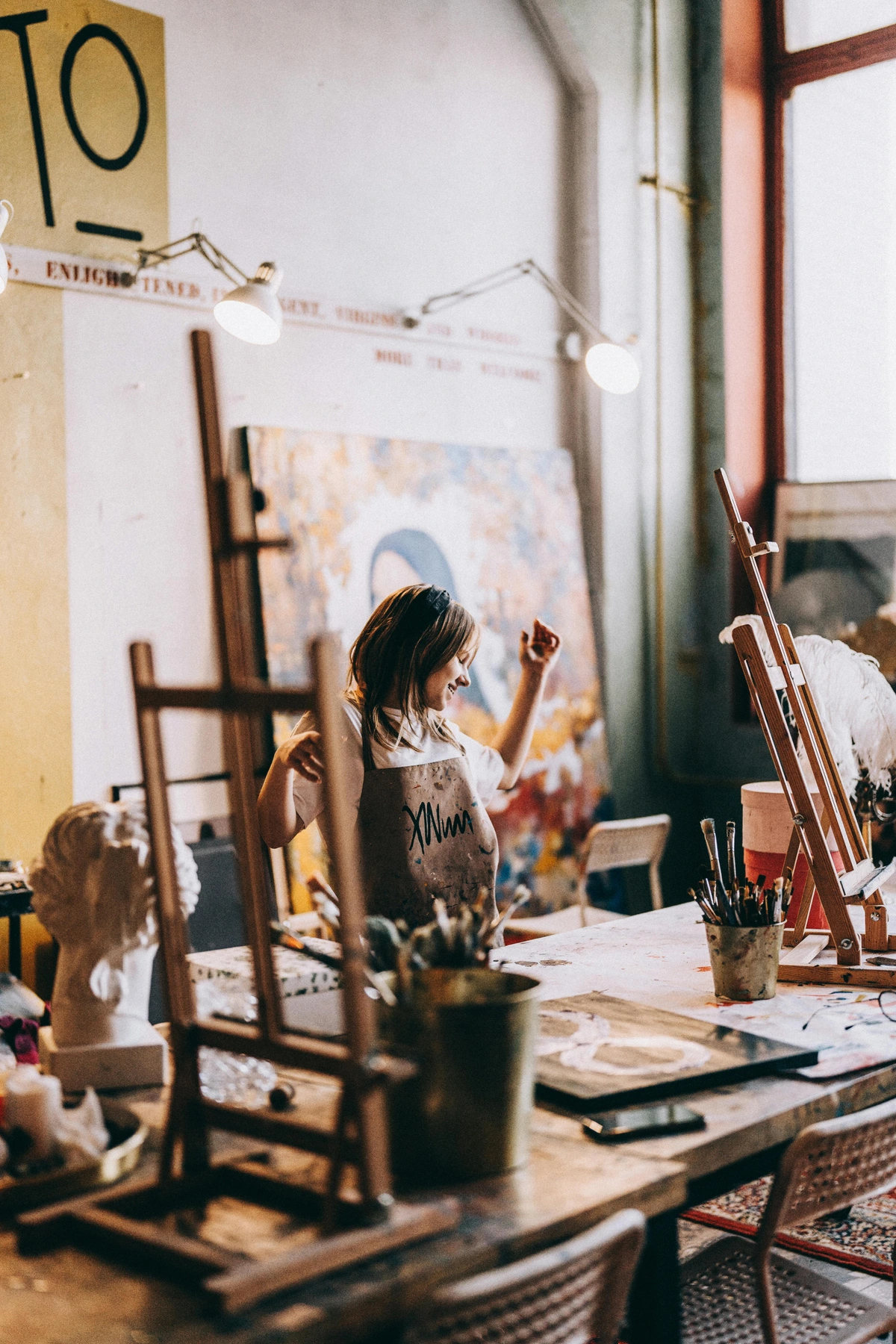
This systematic approach to learning is powerfully amplified by moments of quiet reflection and unstructured play. Reflection is the engine of lessons learned. It’s stepping back from the immediate chaos of creation, taking a breath, and truly processing what just happened on your canvas or in your sketchpad. For me, this often happens during my quiet time in the studio, observing my work from a distance, or sometimes, bizarrely, when I’m out in nature, letting my mind wander. I remember a specific hiking trip where I was grappling with a complex abstract composition – the forms felt disconnected, the colors lacked punch. Miles into the trail, suddenly, the solution for the color balance clicked into place, informed by the interplay of dappled sunlight filtering through the canopy and the cool, deep shadows on the forest floor. It’s when the seemingly disparate pieces of the puzzle click into place. It’s a bit like understanding how the psychology of color in abstract art works – you need to reflect on the subtle interactions to grasp the full emotional and visual impact. This is often where mindful moments: how abstract art can be a gateway to inner peace and reflection truly come alive. Reflection can happen anywhere: during your morning commute, a quiet moment before bed, or even a structured meditation session. The key is allowing your mind the space to connect the dots and uncover deeper insights.
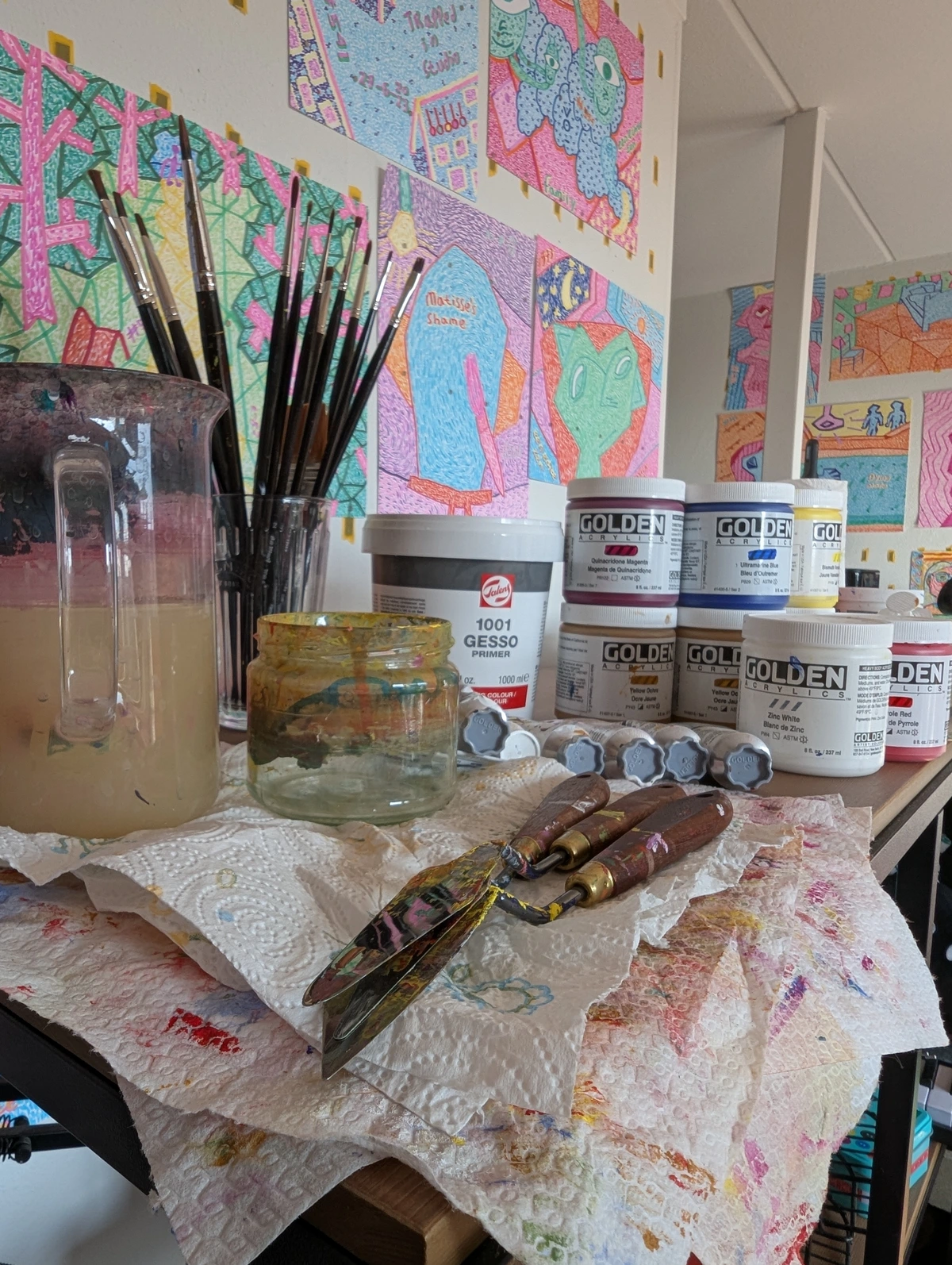
Then there's the power of play and experimentation. Sometimes, the best way to learn is to simply try things out without a clear goal. What happens if you apply gesso differently (perhaps using how to apply gesso to canvas a beginners guide)? What if you use non-traditional tools? This unstructured exploration creates a safe space for "happy accidents" and unexpected discoveries, fostering the kind of spontaneity that can lead to entirely new techniques or directions in your art. It’s the antithesis of perfectionism, a direct embrace of the unknown, and a powerful antidote to creative blocks.
Beyond Just "Fixing Problems": Innovation Through Error
Lessons learned aren't just about preventing future failures; they are powerful catalysts for artistic innovation. They're about finding new ways to approach old problems, about uncovering unexpected strengths, and about pushing the boundaries of your creative practice. It's in the wrestling with challenges and the unexpected outcomes that genuinely unique solutions emerge, sometimes leading to entirely new avenues for artistic expression. The history of art is rife with such serendipitous discoveries; think of the Impressionists' 'mistake' of incomplete brushstrokes creating new optical effects, or the accidental development of acrylic paints. I once faced a critical shortage of a specific vibrant pigment for a large series; instead of halting production, I experimented with unconventional mixed media, combining available inks with textured coffee grounds. This 'problem' ultimately led to a signature technique – a rich, earthy texture and a muted, sophisticated palette – that defined the entire series. Another time, an accidental splash of turpentine on a drying oil painting, which I initially thought had ruined the work, created an unexpected translucent layer and soft diffusion of color that I then intentionally integrated into subsequent pieces, adding a new dimension to my abstract forms and influencing my entire creative journey from concept to canvas. It was a moment where constraints became the mother of invention, transforming a potential setback into a profound artistic breakthrough, a true testament to the the role of experimentation in my abstract art embracing the unknown.
FAQ: Unpacking the Artistic Learning Process
Let’s tackle some common questions I hear (or ask myself) about this whole 'lessons learned' business. After all, the path isn't always linear, and these questions often crop up when we're deep in the thick of it – in the studio, mid-project, or staring at a blank canvas.
Q: What if I keep making the same mistake in my art? A: Ah, the classic creative loop! This usually means you haven't fully moved past the "Acknowledge" and "Analyze" steps in the PDCA cycle. Are you being truly honest about the why? Sometimes, external factors play a role (e.g., poor studio lighting affecting your judgment of color value, old or dry materials impacting your line quality), but often, it's an internal pattern, a deeply ingrained habit, or a subconscious belief that needs a deeper look. Don't beat yourself up; just dig a little deeper with your analysis. Maybe try a different analysis method (like a '5 Whys' approach, asking 'why' five times to get to the root cause), get an outside perspective from a mentor or peer critique group, or identify specific environmental triggers in your studio. Consciously working to unlearn a habit is a powerful step, often requiring more than just willpower; it demands a systematic change in your approach or environment, or even your internal monologue about your capabilities.
Q: How do I know if I've truly 'learned' an artistic lesson? A: You'll know when your response to a similar creative situation changes. Instead of reacting habitually – perhaps with frustration or avoidance – you'll consciously choose a different, more effective path. It feels less like a struggle and more like an informed decision, a subtle shift in your artistic intuition, embodying genuine artistic resilience techniques. It's like when you've finally mastered a difficult technique – it becomes intuitive, almost second nature, but you remember the initial struggle, and your internal dialogue shifts from 'I can't do this' to 'I know how to navigate this.' True learning manifests as altered behavior, improved technique, and a calmer, more confident internal state within your creative process.
Q: Isn't focusing on 'failures' just dwelling on the negative? A: Not at all! This isn't about wallowing in regret or self-recrimination. It's about constructive retrospection, a forward-looking process. The goal is forward movement and artistic growth. You acknowledge the misstep, you learn from it, you adjust your approach, and then you release the negative emotion associated with the mistake. It's a proactive, empowering process, not a backward-looking one. Focusing on the lesson rather than the fault is key to maintaining a positive, growth-oriented mindset in your artistic journey.
Q: How can I distinguish between a 'mistake' and a 'bad idea' in art? A: A mistake is typically an error in execution within a generally sound artistic plan or concept. It's about how you executed something – miscalculating paint ratios, forgetting a step in a glazing process, an accidental smudge, or a technical flaw in a mixed media piece. It’s an oversight that can be corrected or learned from directly within the existing framework. A 'bad idea,' on the other hand, often implies a fundamentally flawed premise or approach that, even if perfectly executed, wouldn't yield the desired results or align with your artistic vision. It's about the fundamental choice of the idea itself – trying to create a vibrant abstract with only black paint, for example, or embarking on a landscape series when your passion is portraiture. Mistakes offer immediate, tangible feedback for refinement; bad ideas often require a more fundamental pivot or re-evaluation of the 'why' behind the artistic endeavor – sometimes teaching you what not to pursue, which is also incredibly valuable.
Q: What if my 'lesson learned' is that a particular artistic style or medium isn't for me? A: That is one of the most powerful and courageous lessons to learn! Recognizing when to pivot or even completely step away from an artistic path isn't a failure; it's a testament to profound self-awareness and a wise allocation of your precious creative energy. Sometimes the most valuable lesson is realizing what doesn't resonate with your deepest values, natural talents, or artistic voice. This frees you up to pursue paths that do align, saving you years of potential frustration and creative block. It's about optimizing for artistic joy and impact, not just persistence for persistence's sake. The art world is vast; finding your niche, or realizing a niche isn't yours, is a massive step forward.
Q: How do I deal with external pressure to not make mistakes, especially in commissioned work? A: This is a tough but common challenge for professional artists. The key is to manage client expectations and communicate your learning-oriented process. Explain that controlled experimentation (and the occasional misstep, which is then corrected) is often essential for innovation and achieving the best long-term outcome. Frame 'mistakes' as 'learning opportunities' or 'iterative steps' for stakeholders, ensuring them that the final product will be refined. Internally, build your resilience by focusing on the growth you gain, rather than solely the external judgment. Seek out mentors or communities that embrace a growth mindset. Remember, true creativity often requires stepping into the unknown, where errors are inevitable waypoints on the path to an original and captivating piece.
Q: Should I document my artistic lessons learned? A: Absolutely, if it works for you! A simple art journal, a digital note, even just a mental file system can be incredibly useful. Seeing your progress, noting down the solutions you devised for specific artistic challenges (e.g., "how to fix a muddy color mix," "composition ideas for dynamic tension"), can be a huge motivator and a valuable resource when you face similar challenges down the line. It's your personal handbook for creative growth – a living document of your unique artistic journey. Think of it as your own evolving artist's statement, detailing not just what you create, but how you create and grow.
Q: How can I teach or mentor others to learn from their artistic mistakes? A: The best way to teach this mindset is to model it yourself with vulnerability. Share your own 'failures' and how you learned from them. Encourage experimentation, frame mistakes as essential data, and guide others through the "Acknowledge, Analyze, Strategize, Implement, Reflect" cycle. Emphasize that critique should always be constructive and forward-looking, never personal. Foster a safe environment where risk-taking is celebrated, and imperfect attempts are seen as necessary steps toward mastery. Creating a shared 'lessons learned' journal or a regular 'retrospective' session within a group can be incredibly powerful.
Q: Can AI help me learn from my artistic mistakes? A: AI tools can offer interesting analytical perspectives. For instance, some programs might identify repetitive patterns in your compositions, color choices, or even brushstroke dynamics, which you might internally perceive as 'mistakes' or areas for improvement. They can provide data-driven insights into stylistic consistency or deviations. However, it's crucial to remember that AI lacks the subjective, emotional, and intuitive understanding of art. It can be a tool for analysis, but the deeper 'lesson learned' and the truly creative pivot always stem from your human artistic intelligence and personal vision. Use it for data, but don't let it dictate your artistic soul. While AI art generators like Midjourney or Dall-E can rapidly create iterations, they lack the lived experience and emotional depth of a human artist wrestling with materials and personal meaning. The 'mistakes' they make are algorithmic, not existential.
Q: What about new technologies like NFTs or AI art? Do the same lessons apply? A: That's a fascinating and rapidly evolving space, isn't it? My take is that while the mediums and platforms change, the core human lessons learned from artistic practice remain timeless. Whether you're working with paint or pixels, the principles of experimentation, iterative improvement, seeking feedback, and understanding your authentic artistic vision are still paramount. While technologies like NFTs offer new ways to authenticate and distribute digital art, and AI tools can be powerful creative assistants (much like advanced software for from pixels to paint my creative journey integrating digital tools in abstract art), it's crucial to approach them with a discerning eye. They are tools, not shortcuts to genuine artistic merit. Focus on the enduring value of human creativity, connection, and craft, rather than getting swept away by fleeting trends. The most valuable lessons are always about internal growth, not external technology, which, despite its capabilities, cannot replicate the uniquely human experience of a hand creating on a canvas.




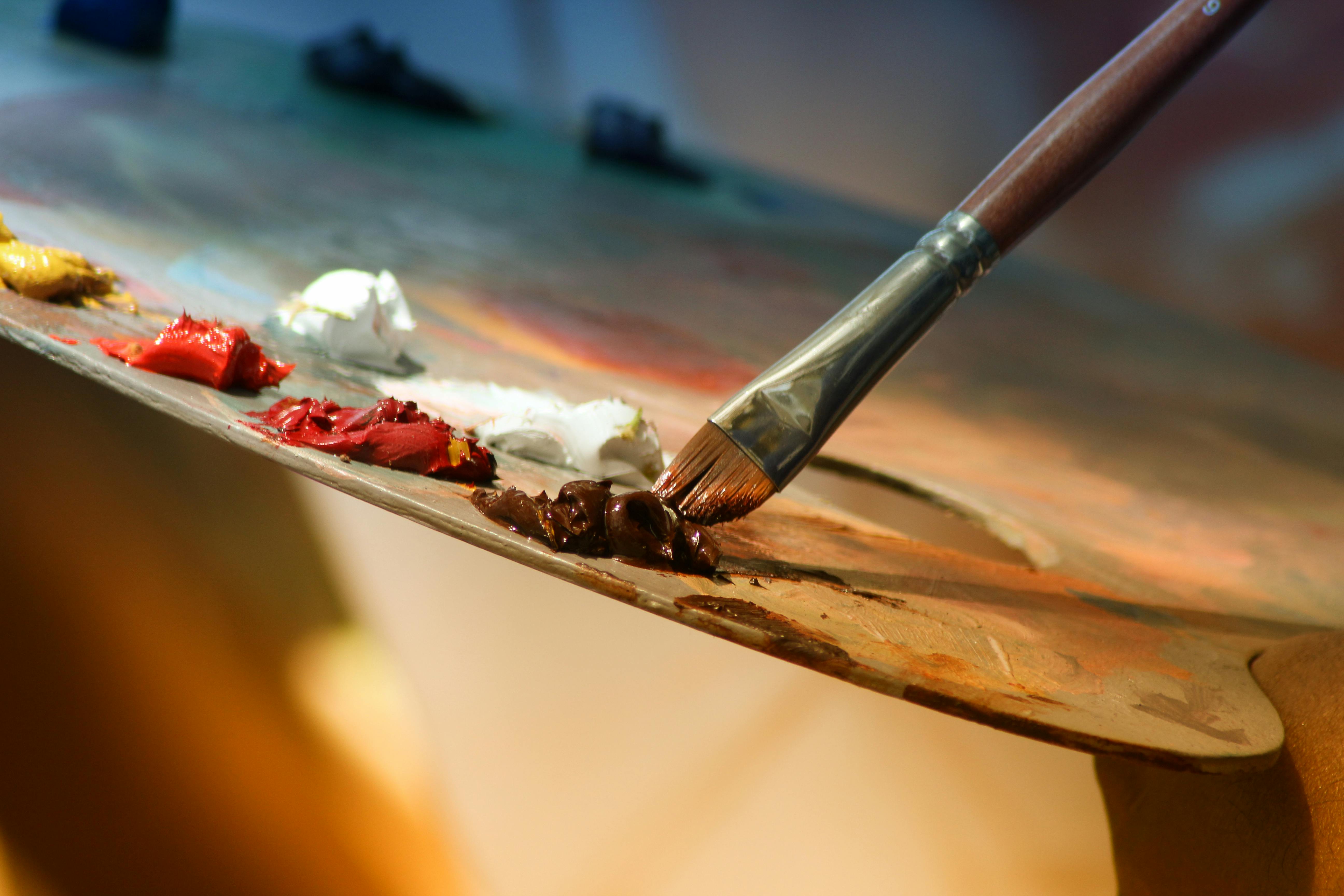


The Continual Evolution: Embracing the Messy Masterpiece
Life, and art, is a constant state of becoming. There's no finish line where you suddenly know everything and never make another misstep. And frankly, that's what makes it so incredibly exciting. Each lesson learned, each pivot, each moment of clarity adds another rich, complex layer to who you are and what you create. From the wobble of a bicycle to the bold stroke on a canvas, the act of stumbling forward, learning, and adjusting is not merely a path to success; it is the very essence of the creative journey itself. Serendipity, the delightful unexpected discovery, often thrives in this messy, exploratory space, turning what we thought was an error into a profound revelation.
So, here’s to the beautiful, messy, invaluable journey of getting it wrong, learning from it, and growing into something even more authentic and vibrant. It's a journey I wouldn't trade for anything, and I hope you embrace your own with open arms and a curious heart, allowing every 'mistake' to refine your vision and deepen your artistic practice. Embracing the messy masterpiece is not about striving for flawlessness, but for authenticity, resilience, and the profound joy of continuous evolution. What small, imperfect step will you take today to learn, grow, and create your most vibrant work yet?