The Inherent Qualities of Art Mediums: A Deep Dive
Explore how the physical properties of oil, watercolor, and acrylic paints shape artistic expression. A comprehensive guide for artists and enthusiasts.

The Inherent Qualities of Art Mediums: A Deep Dive
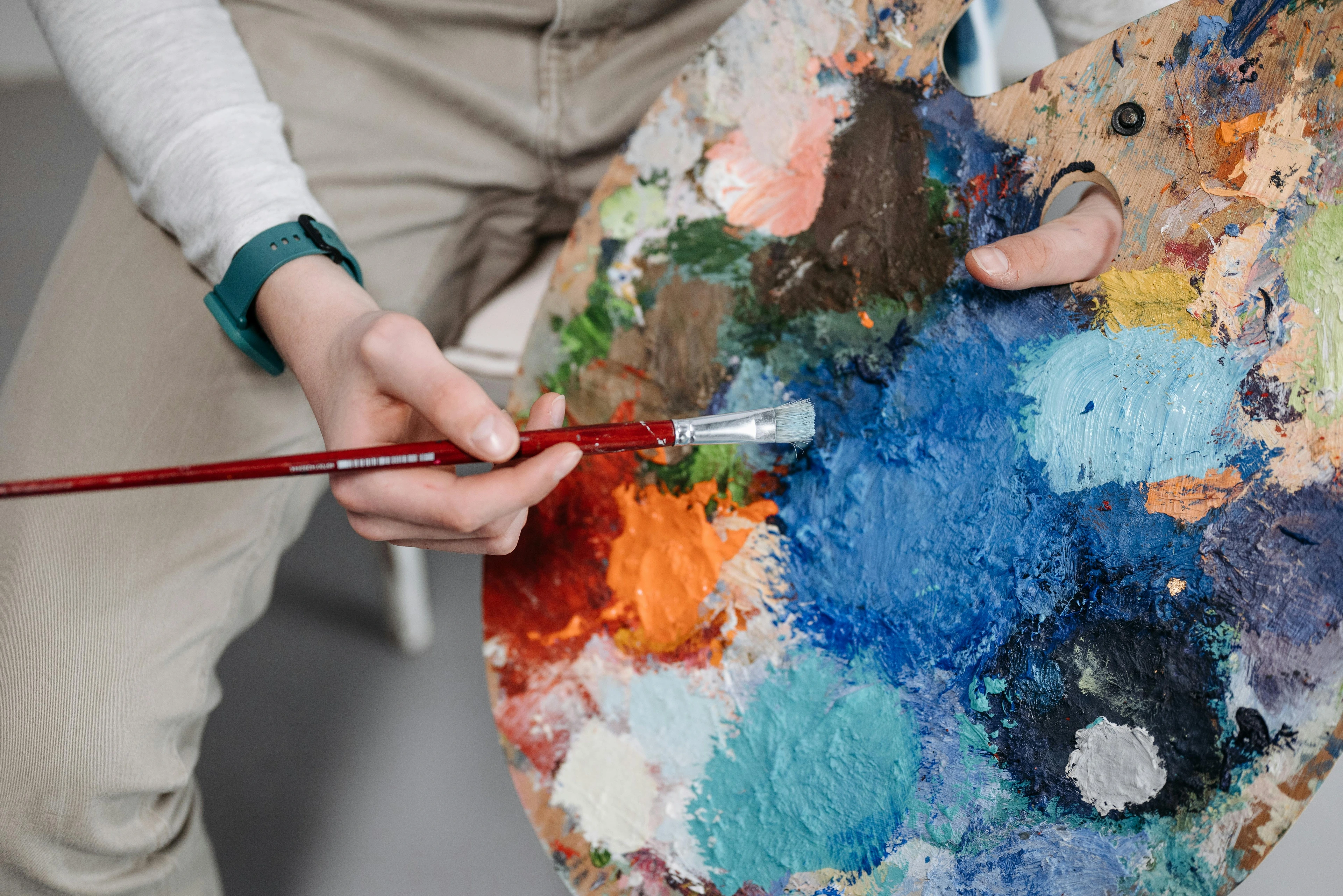
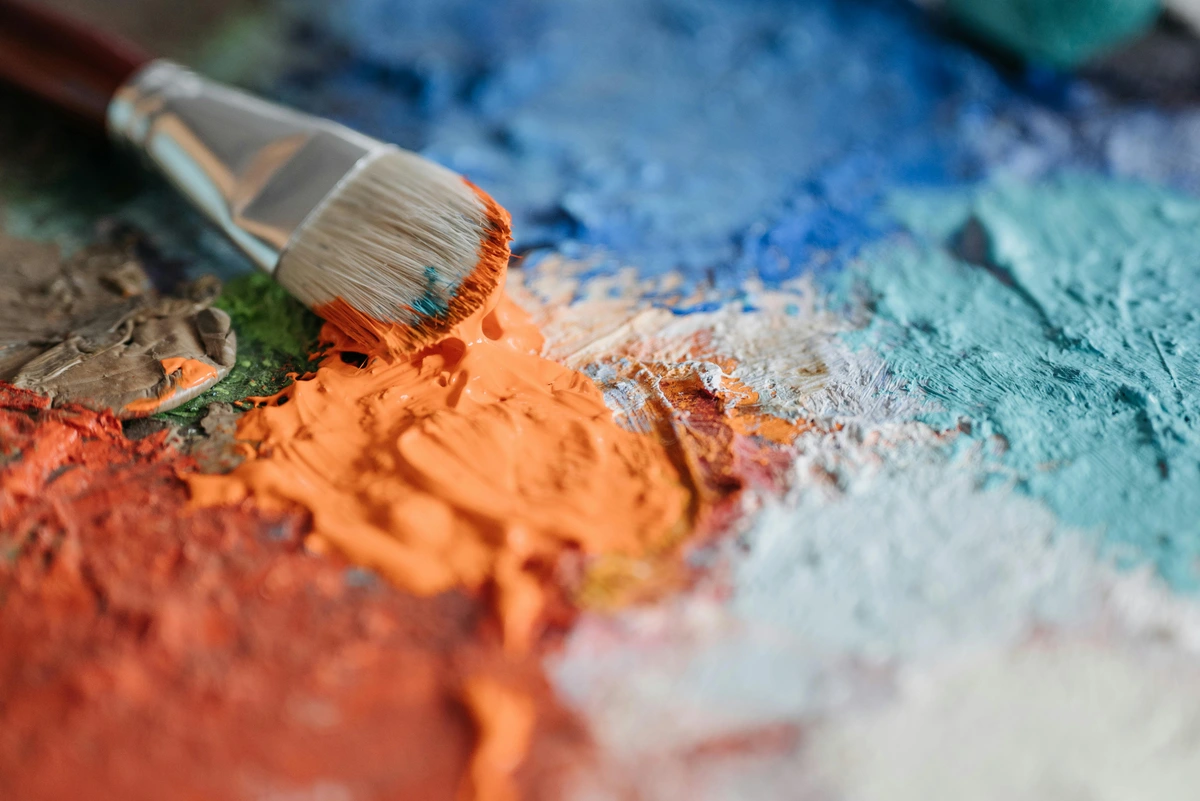
I remember the first time I picked up a brush, staring at the tubes of paint lined up like little soldiers on my desk. Each one promised something different—oil with its buttery richness, watercolor with its ethereal transparency, acrylic with its bold versatility. It wasn’t just about color; it was about texture, drying time, and even the smell. The medium wasn’t just a tool; it was a partner in the creative process. Let’s explore how the inherent qualities of these mediums shape artistic expression.
Art is not just about the final piece; it’s about the journey, the process, and the tools that bring it to life. Whether you're a seasoned artist or just starting, understanding the medium you work with can transform your creative experience. In this article, we’ll delve into the unique characteristics of oil, watercolor, and acrylic paints, and how they influence artistic expression.
The Evolution of Art Mediums
Art mediums have evolved significantly over centuries, reflecting changes in technology, culture, and artistic trends. From the earliest cave paintings to the digital art of today, the tools and materials artists use have shaped the way we perceive and create art. Understanding this evolution can provide deeper insight into the mediums we use today.
Early Beginnings
The earliest forms of art, such as cave paintings, used natural pigments like charcoal and ochre. These materials were limited in their range but laid the foundation for future artistic expression. As civilizations advanced, so did the materials, with ancient Egyptians using tempera paints made from egg yolks and pigments.
The Renaissance and Beyond
The Renaissance period saw a significant shift with the introduction of oil paints. Artists like Leonardo da Vinci and Michelangelo utilized these mediums to create masterpieces that still captivate audiences today. The development of new techniques and materials during this time allowed for greater detail and realism in art.
Modern Innovations
The 20th century brought about a revolution in art mediums with the introduction of acrylics and synthetic paints. These innovations allowed artists to experiment with new textures, colors, and techniques, pushing the boundaries of traditional art forms. Today, digital art continues to evolve, offering endless possibilities for creative expression.
Why the Medium Matters
You might think, "A brushstroke is a brushstroke, right?" Wrong. The medium you choose dictates not just how your art looks, but how it feels—both to create and to experience. Imagine trying to paint a misty landscape with oil paints. You’d spend hours blending, only to realize watercolor could have captured that softness in minutes. Or consider the frustration of layering watercolor over acrylic—it just doesn’t work the way you’d hope. The medium isn’t neutral; it’s an active participant in your art.
Choosing the right medium is like selecting the perfect instrument for a musical piece. Each medium has its own rhythm, tone, and personality. Understanding these nuances can elevate your artwork from good to extraordinary.
The Psychological Impact of Mediums
The medium you choose can also influence your psychological state as an artist. For example, the slow and deliberate process of oil painting can induce a meditative state, while the quick and fluid nature of watercolors can evoke a sense of spontaneity and freedom. Acrylics, with their versatility, can adapt to your mood and creative needs, making them a popular choice for artists who enjoy experimentation.
The Role of Medium in Artistic Expression
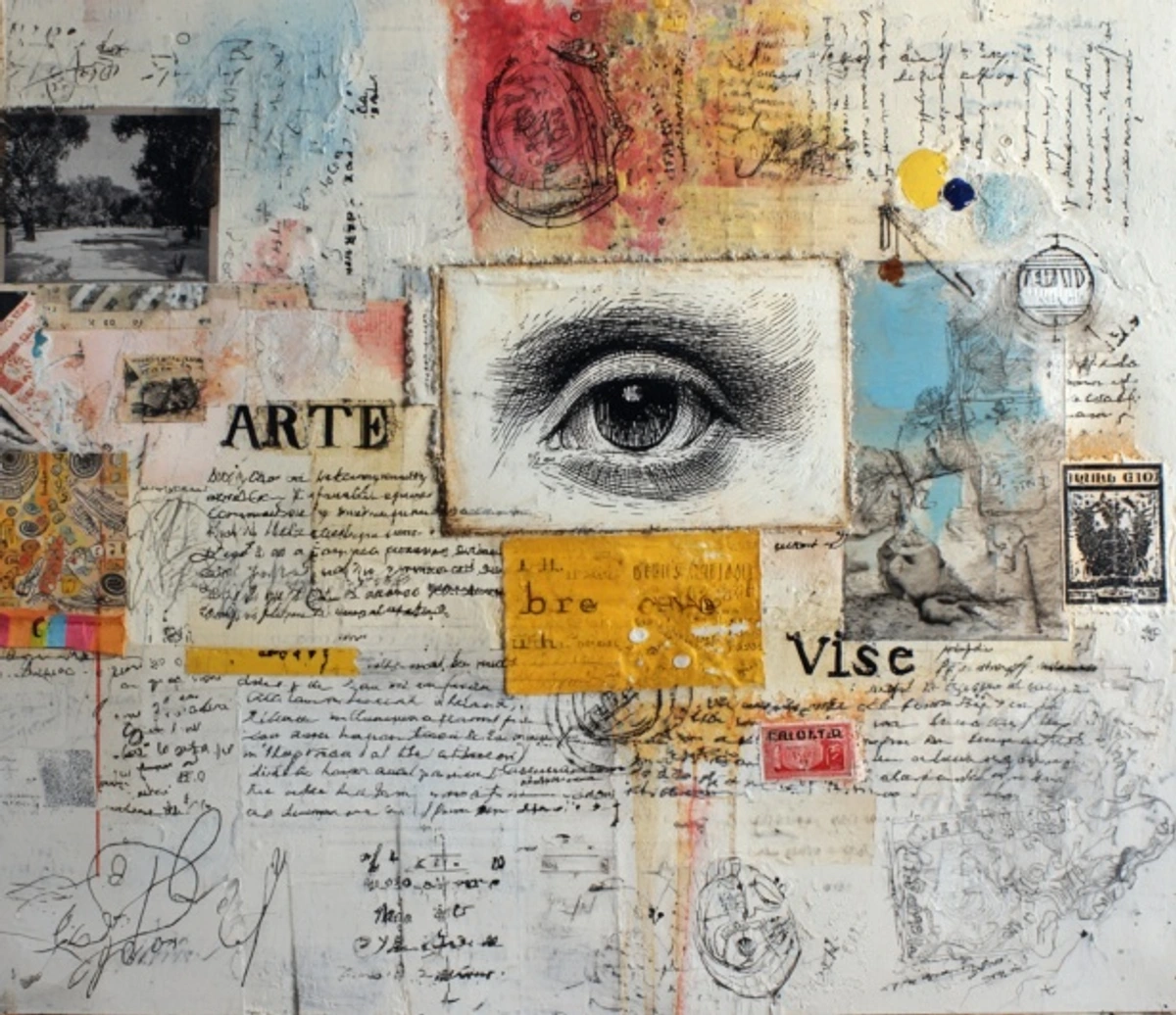
The medium you choose can significantly influence your artistic expression. For example, the slow drying time of oil paints allows for extensive blending and layering, making them ideal for creating depth and realism. On the other hand, the transparency of watercolors can capture light and atmosphere in a way that other mediums cannot. Acrylics, with their versatility, can mimic the properties of both oils and watercolors, making them a popular choice for artists who enjoy experimenting with different techniques.
Mediums and Emotional Expression
Different mediums can evoke different emotional responses. Oil paints, with their rich textures and deep colors, are often used to convey intensity and drama. Watercolors, with their soft and fluid nature, can evoke a sense of calm and tranquility. Acrylics, with their bright and bold colors, can create a sense of energy and vibrancy. Understanding these emotional nuances can help you choose the right medium to express your artistic vision.

Oil Paints: The Timeless Classic
Credit, License
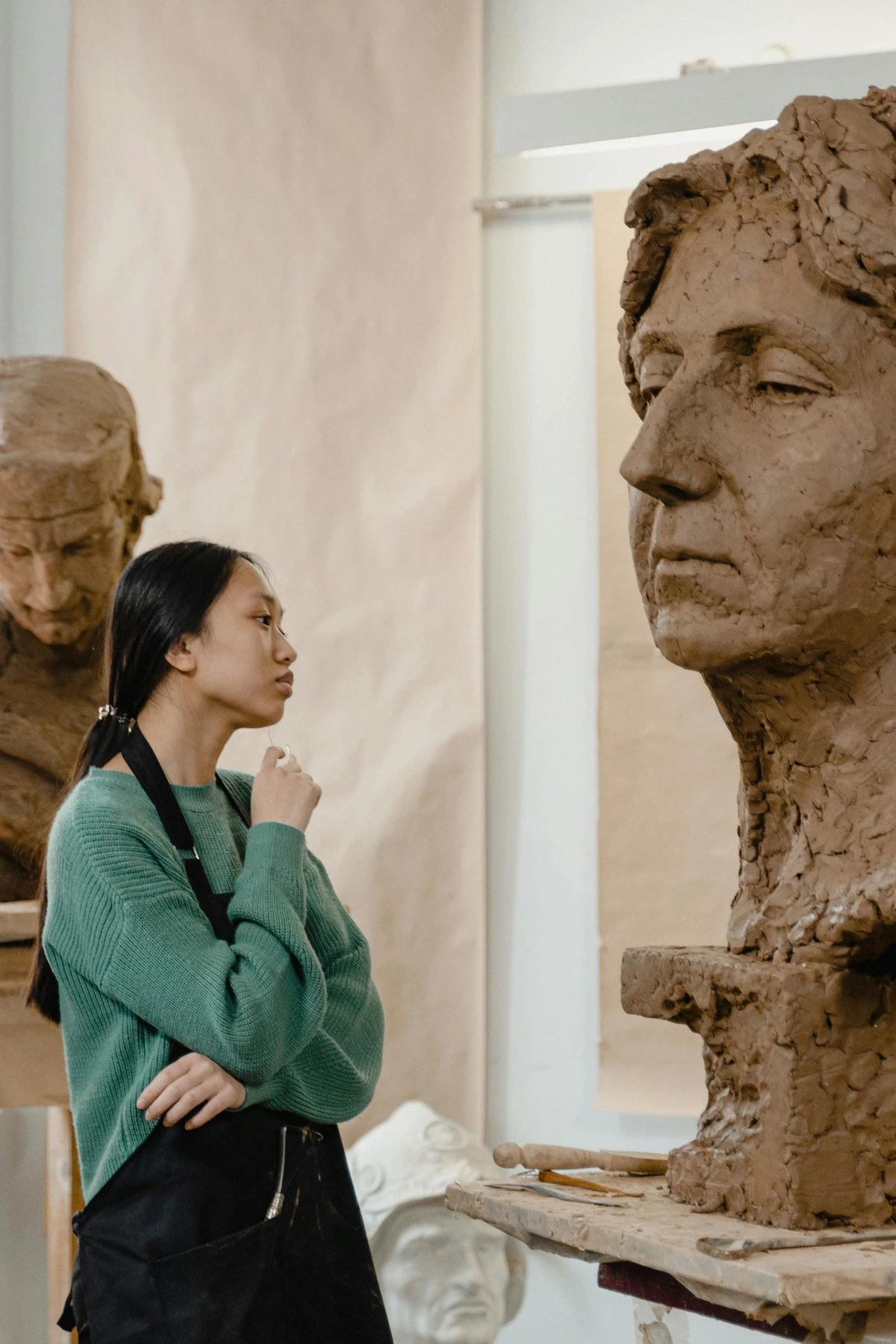
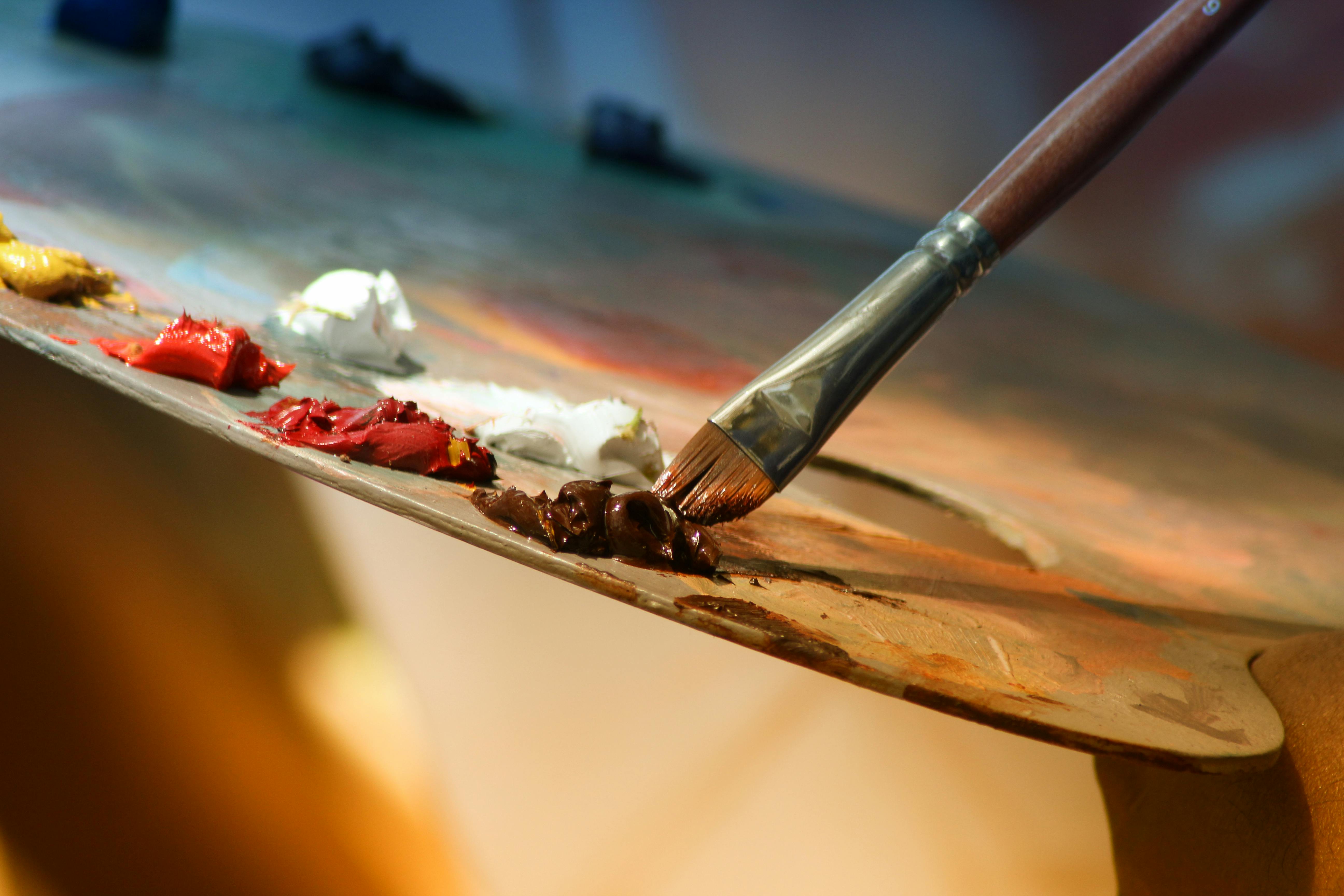
Oil paints are like the fine wine of the art world—rich, complex, and demanding patience. Here’s why artists swear by them:
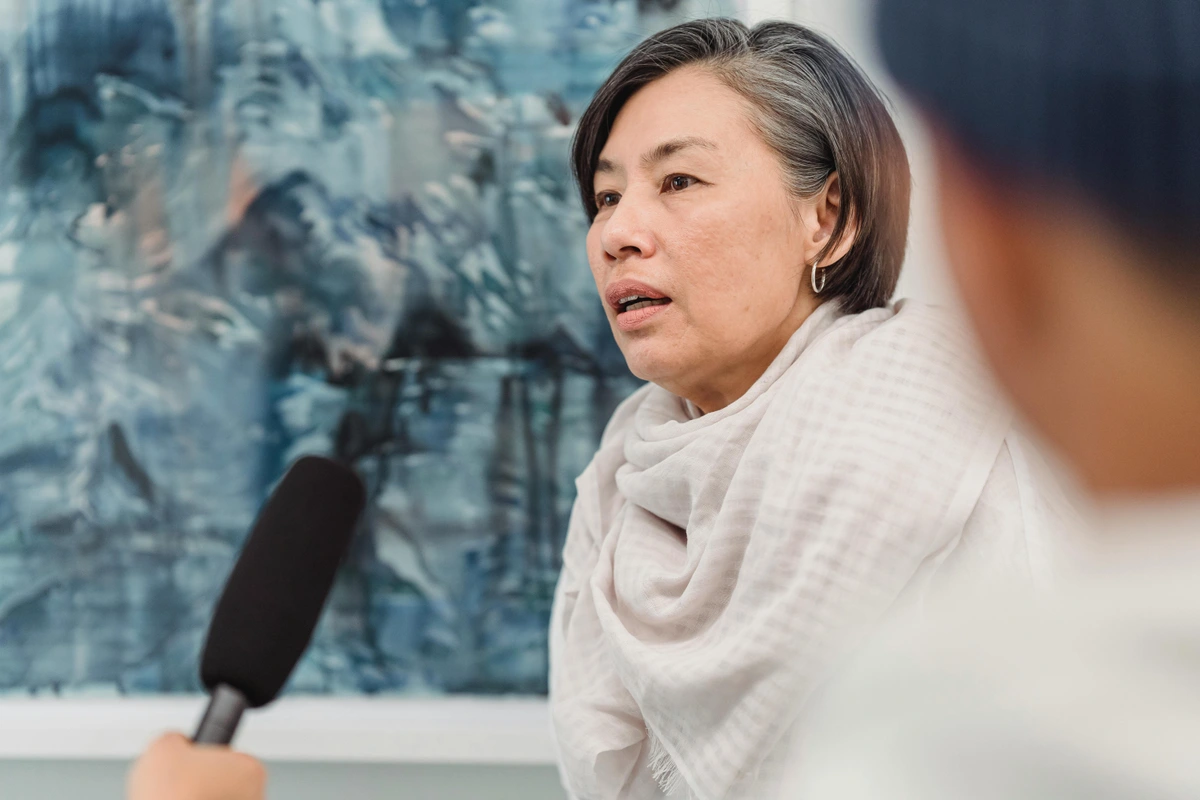
Oil paints have been a staple in the art world for centuries. Their ability to create depth, texture, and luminosity makes them a favorite among artists who seek to create timeless pieces. From the Renaissance masters to contemporary artists, oil paints have stood the test of time.
The Science Behind Oil Paints
Oil paints are made by suspending pigments in a drying oil, typically linseed oil. This unique composition allows for a slow drying process, which gives artists the flexibility to blend and rework their paintings over extended periods. The chemical properties of oil paints also contribute to their durability and resistance to cracking, making them a long-lasting medium for artistic expression.
Historical Significance of Oil Paints
The use of oil paints dates back to the early 15th century, where artists like Jan van Eyck pioneered the technique. The medium quickly gained popularity due to its ability to produce vibrant colors and intricate details. Over the centuries, oil paints have been used to create some of the most iconic artworks in history, from Leonardo da Vinci's "Mona Lisa" to Vincent van Gogh's "Starry Night."

Key Qualities of Oil Paints
Property  | Description |
|---|---|
| Drying Time | Slow (days to weeks). Allows for blending and reworking. |
| Texture | Thick, buttery consistency. Holds brushstrokes beautifully. |
| Color Depth | Intense, luminous colors. Layers create depth and richness. |
| Versatility | Can be thinned with solvents or used impasto (thickly). |
| Durability | Long-lasting. Resistant to cracking if properly cared for. |

Why Use Oil Paints?
Oil paints are ideal for artists who love detail and depth. The slow drying time means you can blend colors seamlessly, creating gradients that feel almost alive. Think of Rembrandt’s portraits—the way the light seems to glow from within. That’s oil at work.
But here’s the catch: oils require patience. You can’t rush them. And if you’re someone who likes to finish a piece in one sitting, oils might frustrate you. They also require solvents like turpentine, which can be harsh on your skin and lungs. Ventilation is key.
Oil Paints in Contemporary Art
While oil paints have a rich history, they continue to be a popular choice among contemporary artists. Many modern artists appreciate the depth and texture that oils provide, allowing them to create works that are both visually striking and emotionally resonant. The versatility of oil paints also makes them suitable for a wide range of styles, from hyper-realism to abstract expressionism.
Techniques for Oil Painting
- Glazing: Applying thin, transparent layers of paint to build up depth and luminosity.
- Impasto: Using thick layers of paint to create texture and dimension.
- Underpainting: Creating a monochromatic base layer to establish values and composition before adding color.
- Alla Prima: Painting wet-on-wet, which allows for spontaneous and expressive brushwork.
- Chiaroscuro: Using strong contrasts between light and dark to create a sense of volume and three-dimensionality.
- Sfumato: Blending colors and tones so subtly that there are no visible transitions, creating a soft, smoky effect.
- Grisaille: Painting in shades of gray to create a monochromatic underpainting, often used to establish values before adding color.
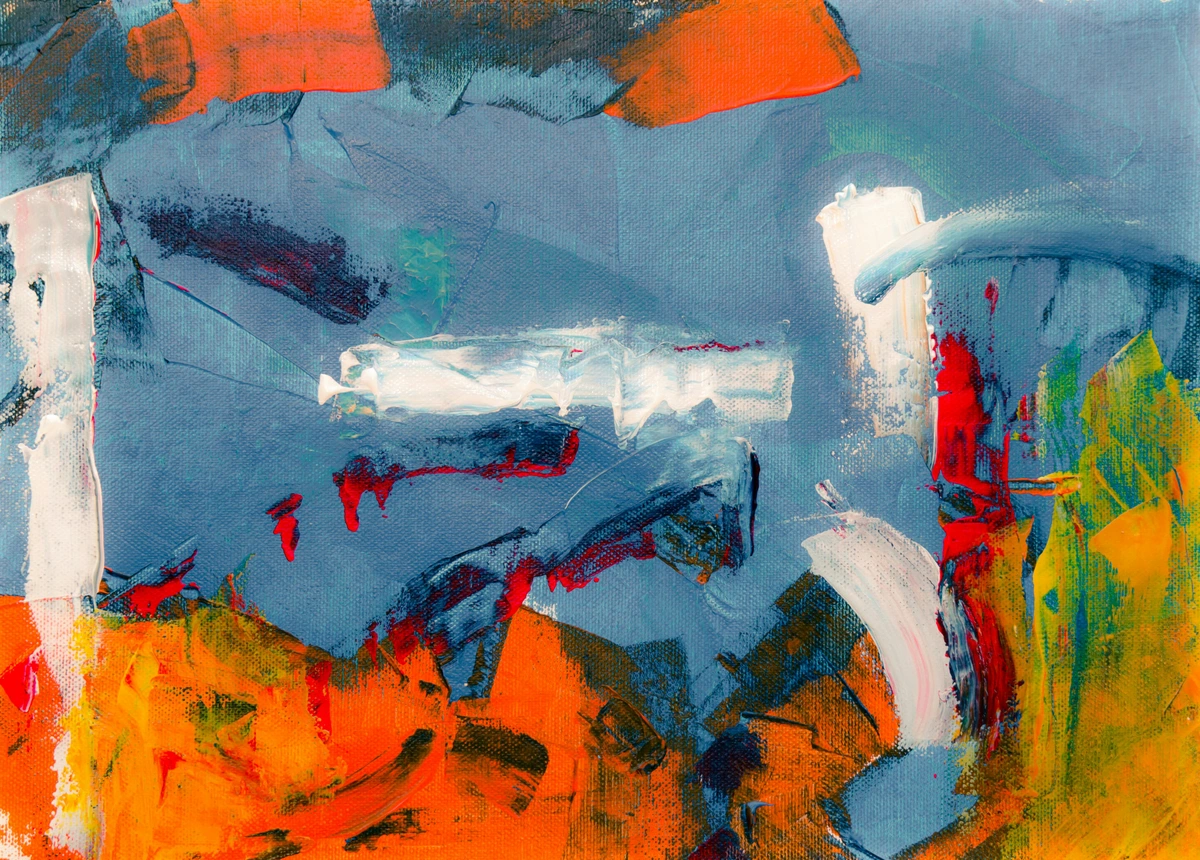
Oil paints are perfect for artists who enjoy the process as much as the result. The slow drying time allows for extensive blending and layering, making it possible to achieve a level of detail and realism that is hard to replicate with other mediums.
Tips for Working with Oils
- Start with a sketch: Use a thin layer of paint (a "wash") to block in your composition.
- Fat over lean: This is a golden rule. Start with thinner paint (more solvent) and gradually add more oil as you layer. This prevents cracking.
- Embrace the wait: Let layers dry before adding details. Impatience is your enemy here.
- Use quality brushes: Invest in good brushes that can handle the thickness of oil paints.
- Experiment with mediums: Add linseed oil or other mediums to alter the consistency and drying time of your paints.
- Clean your brushes: Use odorless mineral spirits to clean your brushes thoroughly after each session to prolong their life.
- Work in a well-ventilated area: Ensure proper ventilation to avoid inhaling harmful fumes from solvents.
- Store your paints properly: Keep your oil paints in a cool, dry place to prevent them from drying out or becoming too soft.
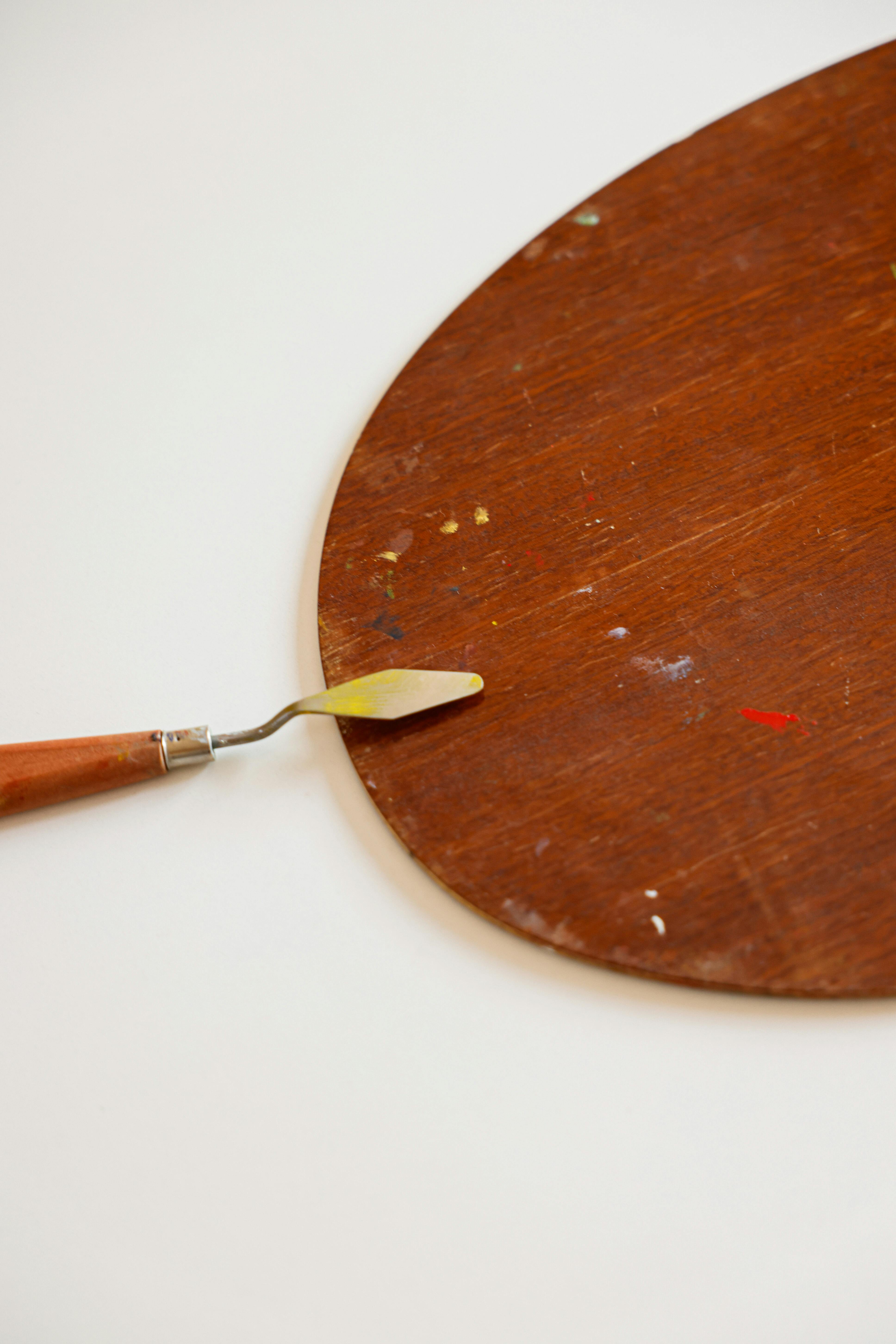
- Use a palette knife: For thick applications of paint, a palette knife can create unique textures and effects.
- Practice color mixing: Understanding how to mix colors effectively can enhance the depth and realism of your paintings.
Common Mistakes to Avoid with Oil Paints
- Using too much solvent: This can weaken the paint film and cause cracking over time.
- Rushing the drying process: Patience is key with oils; rushing can lead to unsatisfactory results.
- Ignoring ventilation: Always work in a well-ventilated area to avoid inhaling harmful fumes.
- Not cleaning brushes properly: This can ruin your brushes and affect the quality of your work.
- Overworking the paint: Excessive manipulation of the paint can lead to a muddy appearance.
- Using low-quality materials: Poor-quality paints and brushes can affect the longevity and appearance of your artwork.
Watercolors: The Dance of Transparency
Credit, License
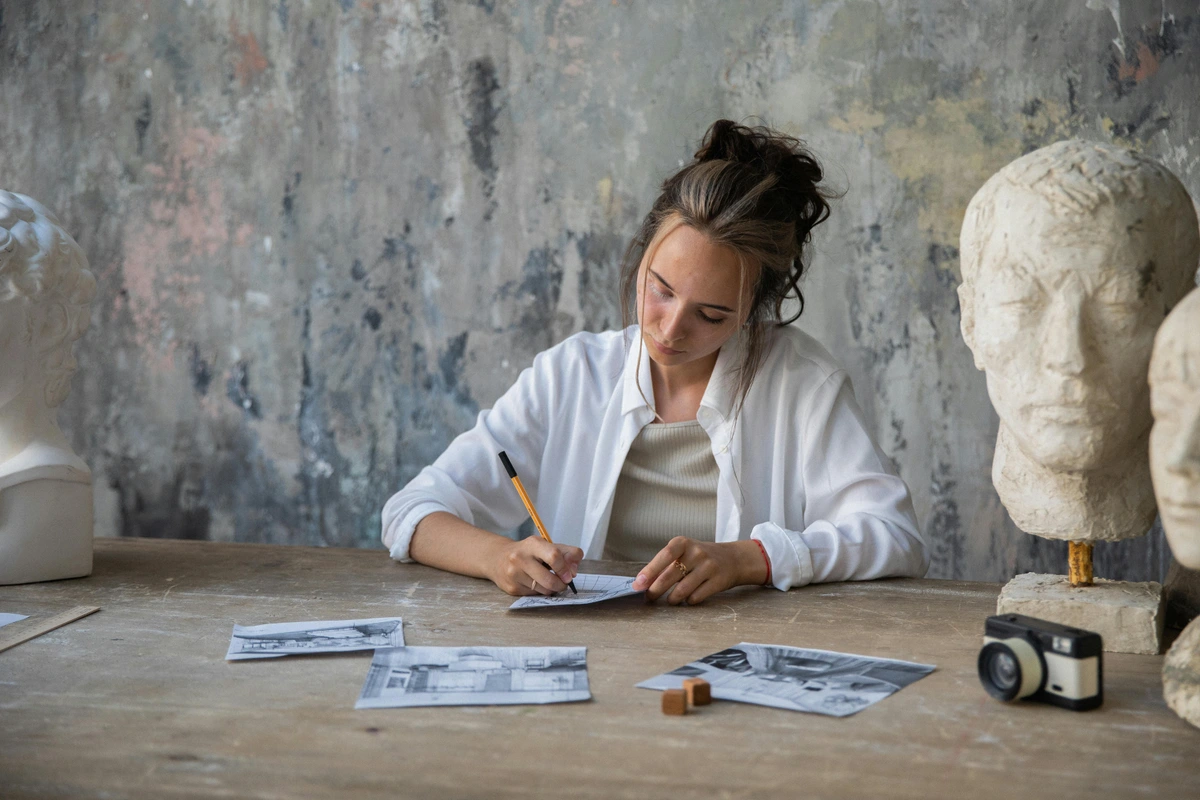
Watercolors are like the ballet dancers of the art world—graceful, fluid, and full of surprises. They’re unpredictable, which is both their charm and their challenge.
The Science Behind Watercolors
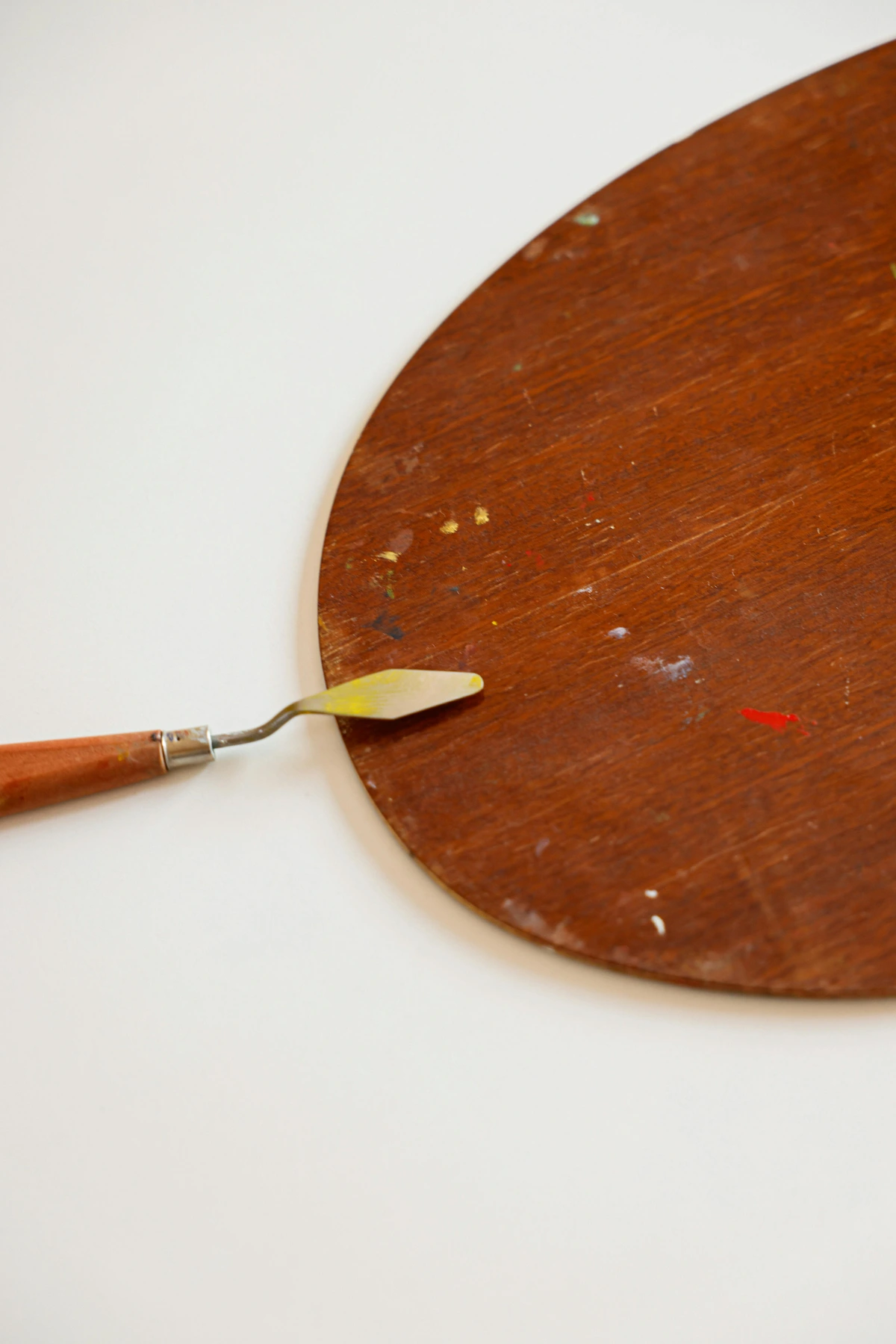
Watercolors are made by suspending pigments in a water-soluble binder, usually gum arabic. This unique composition allows for a high degree of transparency and fluidity, making watercolors ideal for capturing light and atmosphere. The water-soluble nature of the medium also means that watercolors can be easily reactivated with water, allowing for corrections and adjustments.
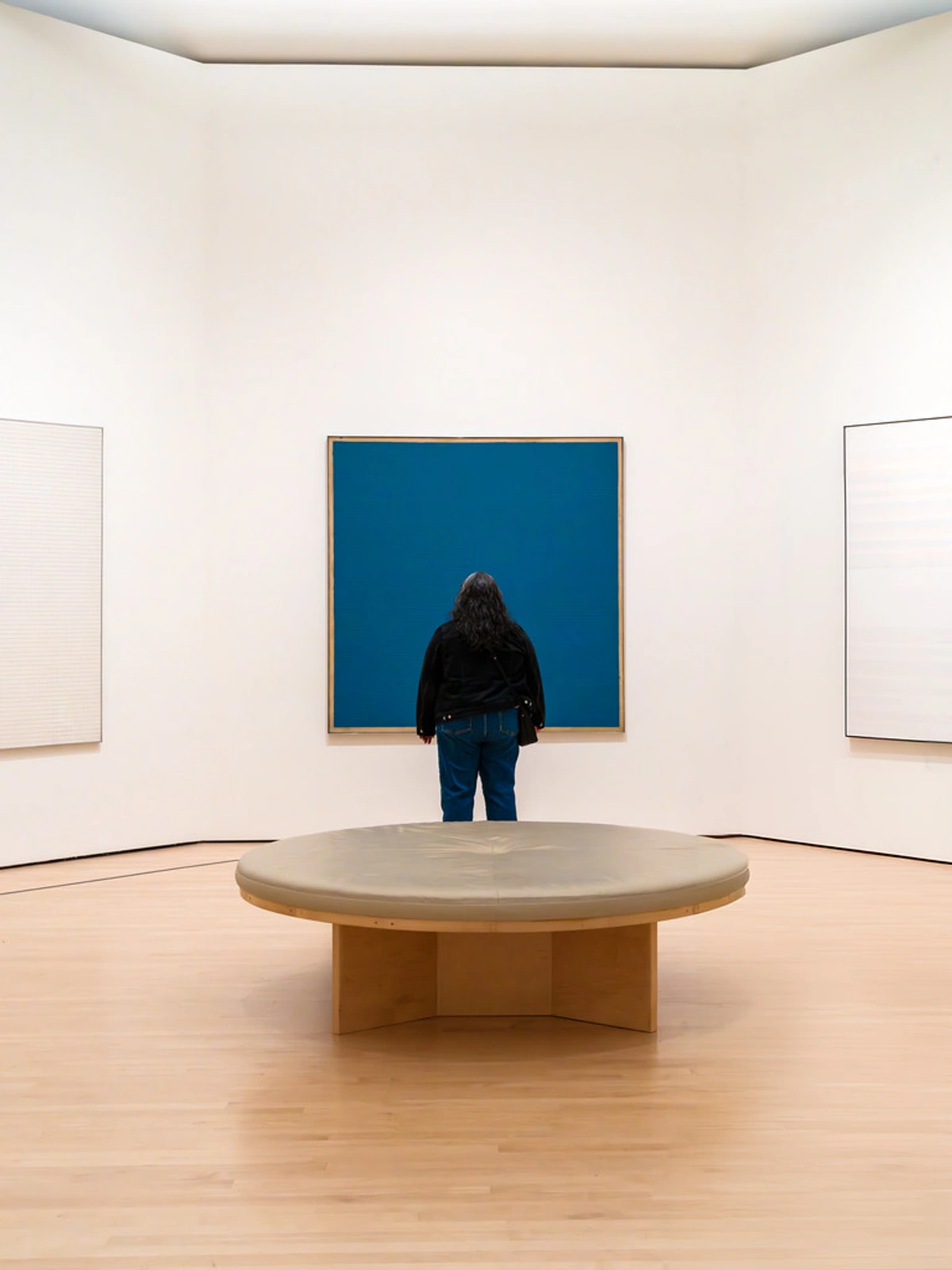
Historical Significance of Watercolors
Watercolor painting has a rich history, dating back to ancient civilizations where it was used for manuscripts and decorative arts. In the 18th and 19th centuries, watercolors became popular among European artists for landscape painting, particularly in England. Artists like J.M.W. Turner and John Constable used watercolors to capture the fleeting effects of light and atmosphere, making the medium a staple for plein air painting.
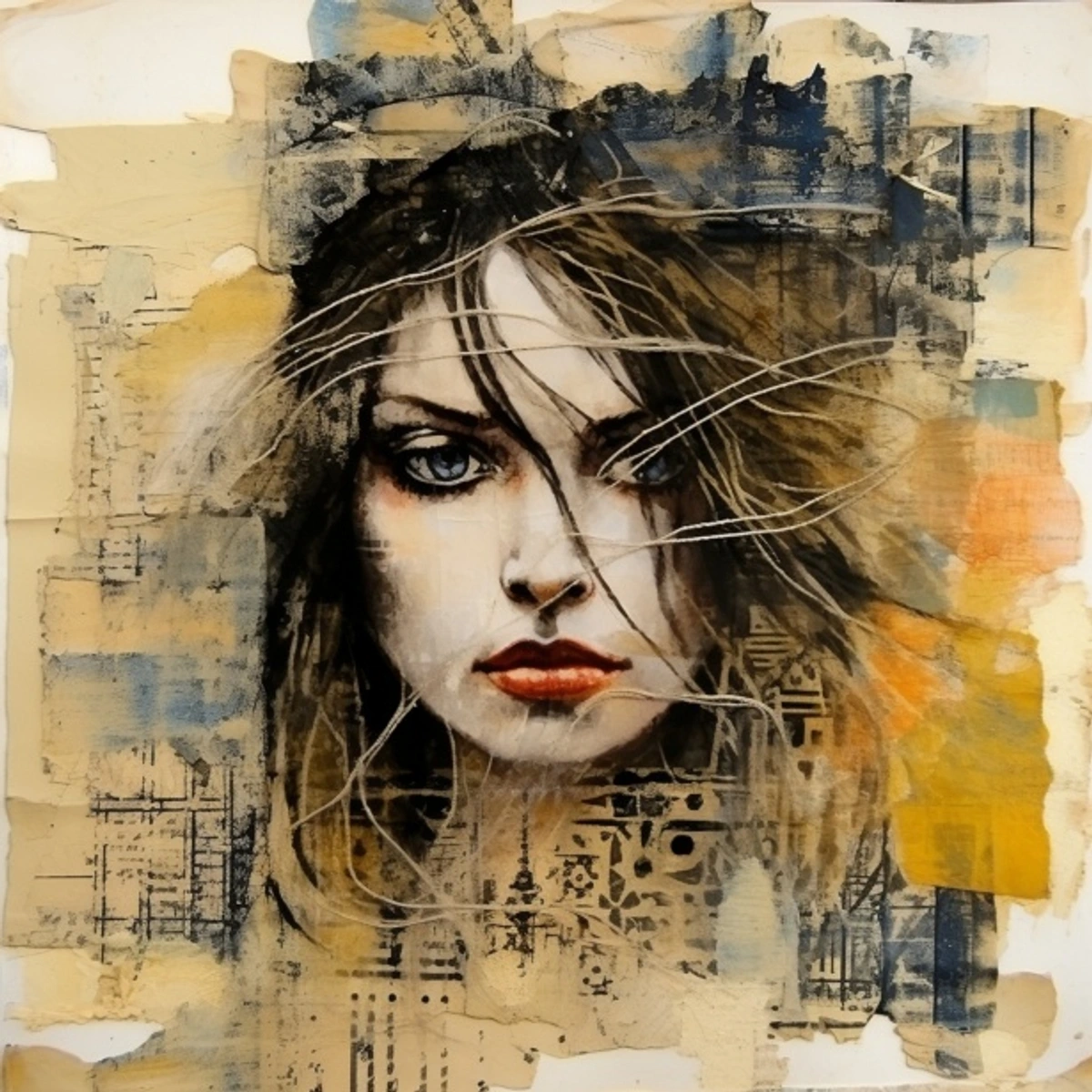
Key Qualities of Watercolors
Property | Description |
|---|---|
| Drying Time | Fast (minutes to hours). Requires quick, decisive strokes. |
| Texture | Light, transparent. Layers build up from light to dark. |
| Color Depth | Subtle, luminous. Relies on the white of the paper for brightness. |
| Versatility | Can be used wet-on-wet for soft edges or wet-on-dry for sharp details. |
| Durability | Fragile. Prone to fading if not properly protected. |

Why Use Watercolors?
Watercolors are perfect for capturing light and atmosphere. They’re portable, easy to set up, and ideal for plein air painting (painting outdoors). The transparency of watercolors means you can create effects that are impossible with other mediums—like the soft glow of a sunset or the delicate petals of a flower.
But watercolors are unforgiving. Once you put a stroke down, it’s hard to lift. And if you overwork the paper, it can pill or tear. You need to plan ahead and work from light to dark.
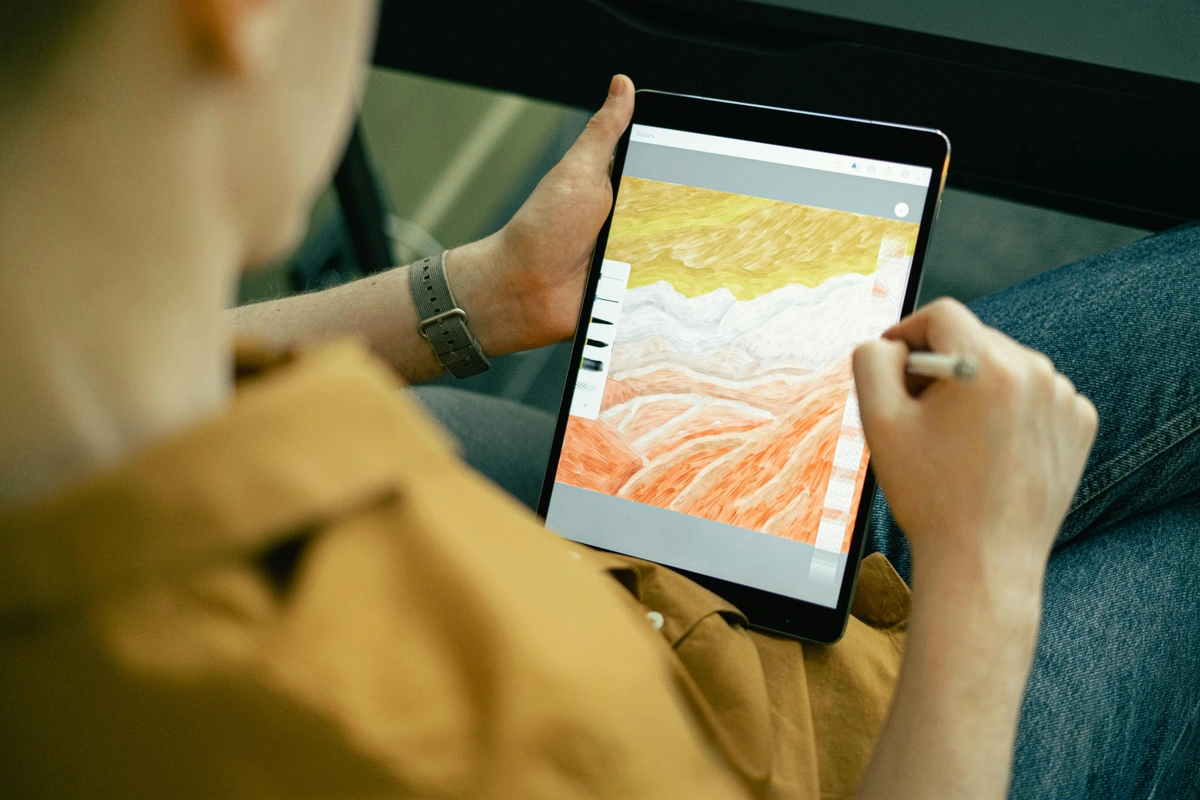
Watercolors in Contemporary Art
Watercolors continue to be a popular choice among contemporary artists due to their unique ability to capture light and atmosphere. Many modern artists appreciate the spontaneity and fluidity of watercolors, allowing them to create works that are both visually striking and emotionally resonant. The portability of watercolors also makes them ideal for artists who enjoy painting outdoors or on the go.
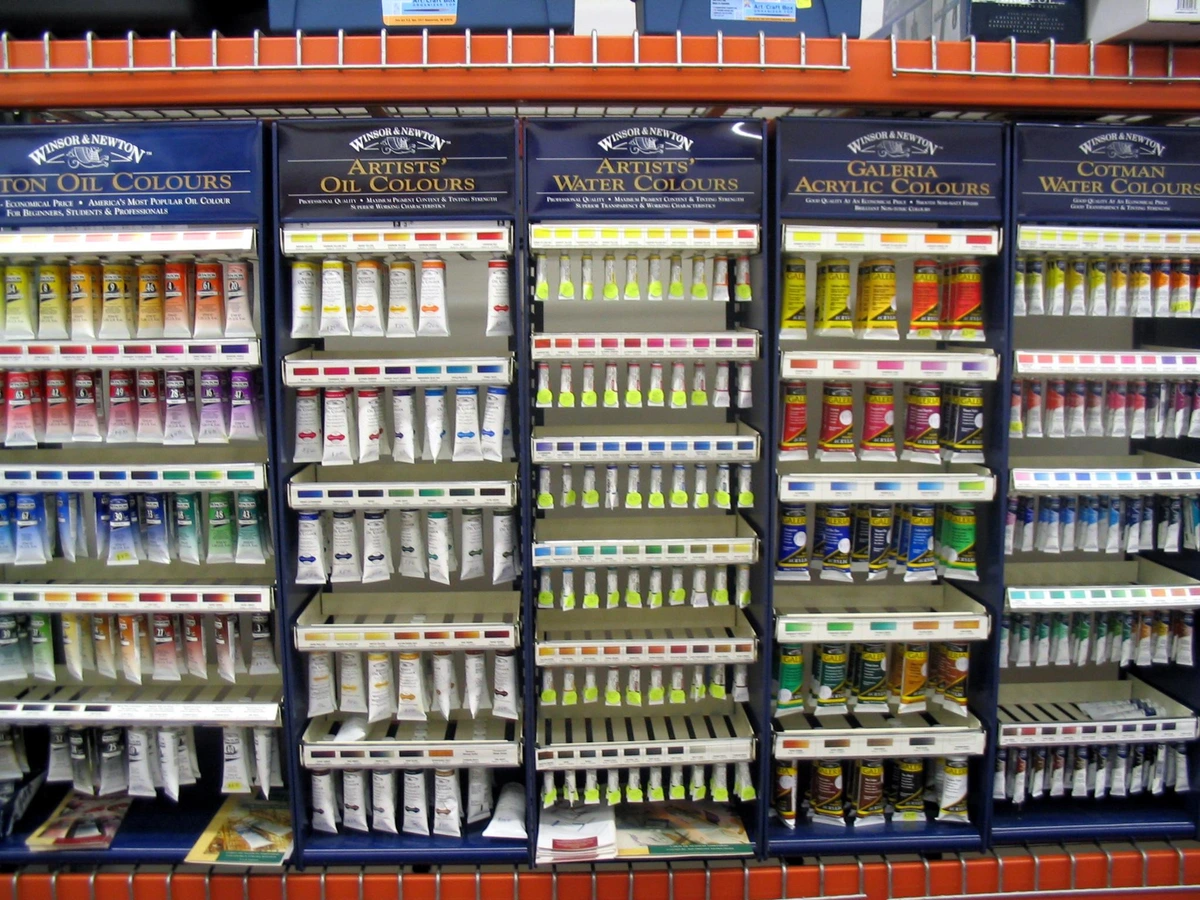
Techniques for Watercolor Painting
- Wet-on-Wet: Applying paint to a wet surface to create soft, blended edges.
- Lifting: Removing paint from the paper using a damp brush or sponge to create highlights or correct mistakes.
- Masking: Using masking fluid to preserve areas of white paper while painting around them.
- Salt Texture: Sprinkling salt on wet paint to create unique textures and patterns.
- Alcohol Drops: Adding drops of alcohol to wet paint to create interesting effects and textures.
- Wet-on-Dry: Applying paint to dry paper to create sharp, defined edges.
- Graded Wash: Creating a smooth transition from light to dark by gradually adding more pigment to the water.
Watercolors are ideal for artists who enjoy spontaneity and the challenge of working with a medium that requires precision and planning. The unpredictability of watercolors can lead to beautiful, unexpected results.
Tips for Working with Watercolors
- Use quality paper: Cheap paper buckles and warps. Invest in 100% cotton, acid-free paper.
- Control your water: Too much water and your colors will be wishy-washy. Too little, and they’ll be muddy.
- Layer strategically: Start with light washes and build up to darker tones. Patience is key.
- Experiment with techniques: Try salt textures, alcohol drops, or masking fluid to create unique effects.
- Practice on scrap paper: Test your colors and techniques before applying them to your final piece.
- Use a limited palette: Start with a few colors and learn how to mix them to create a wide range of hues.
- Work in a well-lit area: Ensure proper lighting to accurately see the colors and values of your paint.
- Store your watercolors properly: Keep your watercolors in a cool, dry place to prevent them from drying out or becoming too soft.
Common Mistakes to Avoid with Watercolors
- Overworking the paper: This can cause it to pill or tear.
- Not planning ahead: Always work from light to dark to avoid muddying your colors.
- Using too much water: This can dilute your colors and make them appear wishy-washy.
- Ignoring the quality of paper: Cheap paper can warp and buckle, affecting the quality of your work.
- Using low-quality pigments: Poor-quality pigments can fade over time.
- Not allowing layers to dry: Patience is key; allow each layer to dry before adding another.
Acrylics: The Modern All-Rounder
Credit, License
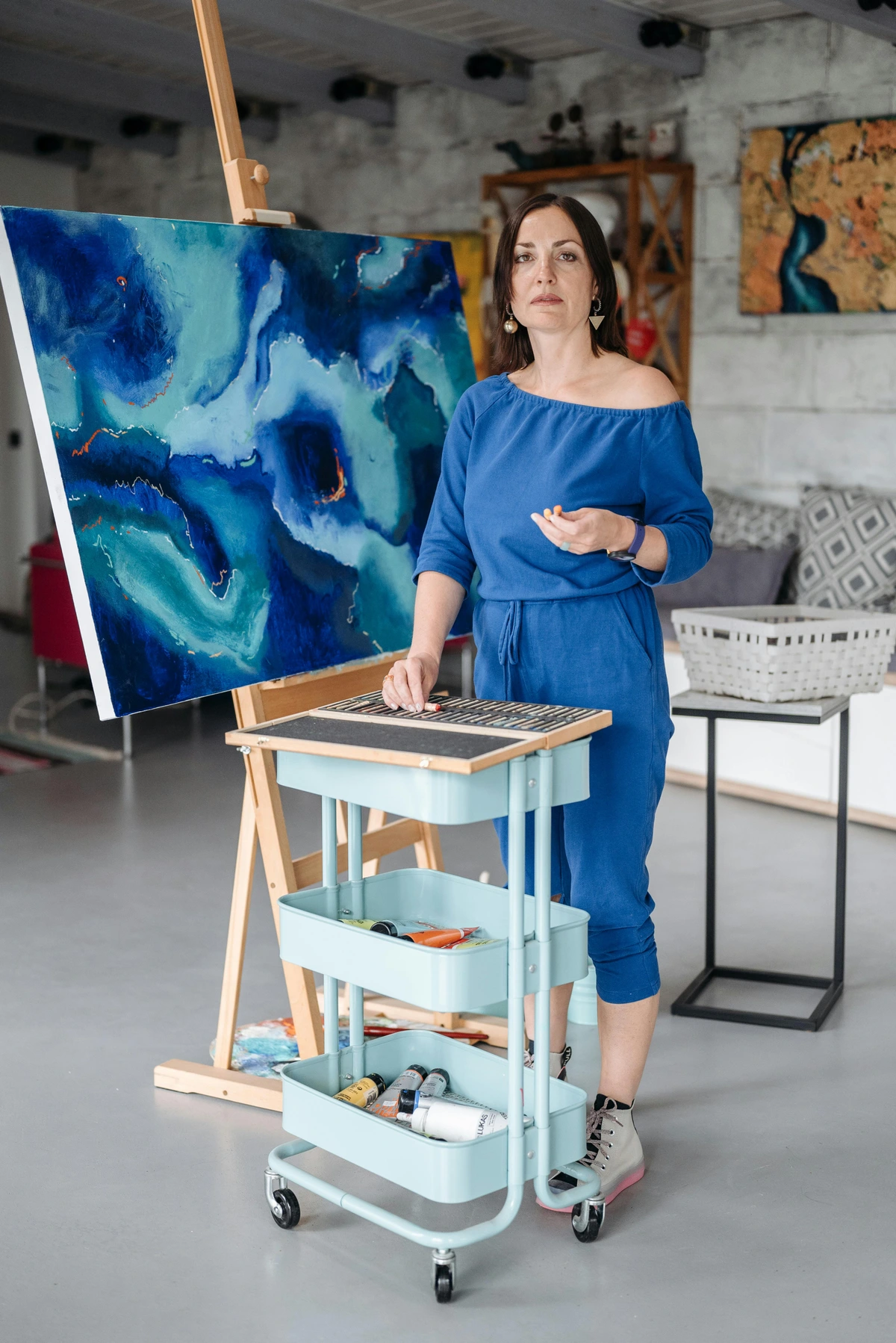
Acrylics are the chameleons of the art world. They can mimic oils, watercolors, and even pastels. They’re fast-drying, versatile, and forgiving—perfect for artists who like to experiment.
The Science Behind Acrylics
Acrylic paints are made by suspending pigments in an acrylic polymer emulsion. This unique composition allows for a fast drying process, which gives artists the flexibility to work quickly and make corrections on the fly. The chemical properties of acrylic paints also contribute to their durability and resistance to cracking, making them a long-lasting medium for artistic expression.
Historical Significance of Acrylics
Acrylic paints were first introduced in the 1940s and quickly gained popularity due to their versatility and durability. Unlike oil paints, acrylics are water-soluble and dry quickly, making them a practical choice for artists. They were embraced by modern artists like David Hockney and Mark Rothko, who appreciated their vibrant colors and adaptability.
Key Qualities of Acrylics
Property | Description |
|---|---|
| Drying Time | Fast (minutes to hours). Can be slowed with retarders. |
| Texture | Can be thick (like oils) or thin (like watercolors). |
| Color Depth | Vibrant and opaque. Can be diluted for transparency. |
| Versatility | Can be used on almost any surface—canvas, wood, fabric, even glass. |
| Durability | Water-resistant when dry. Long-lasting and flexible. |
Why Use Acrylics?
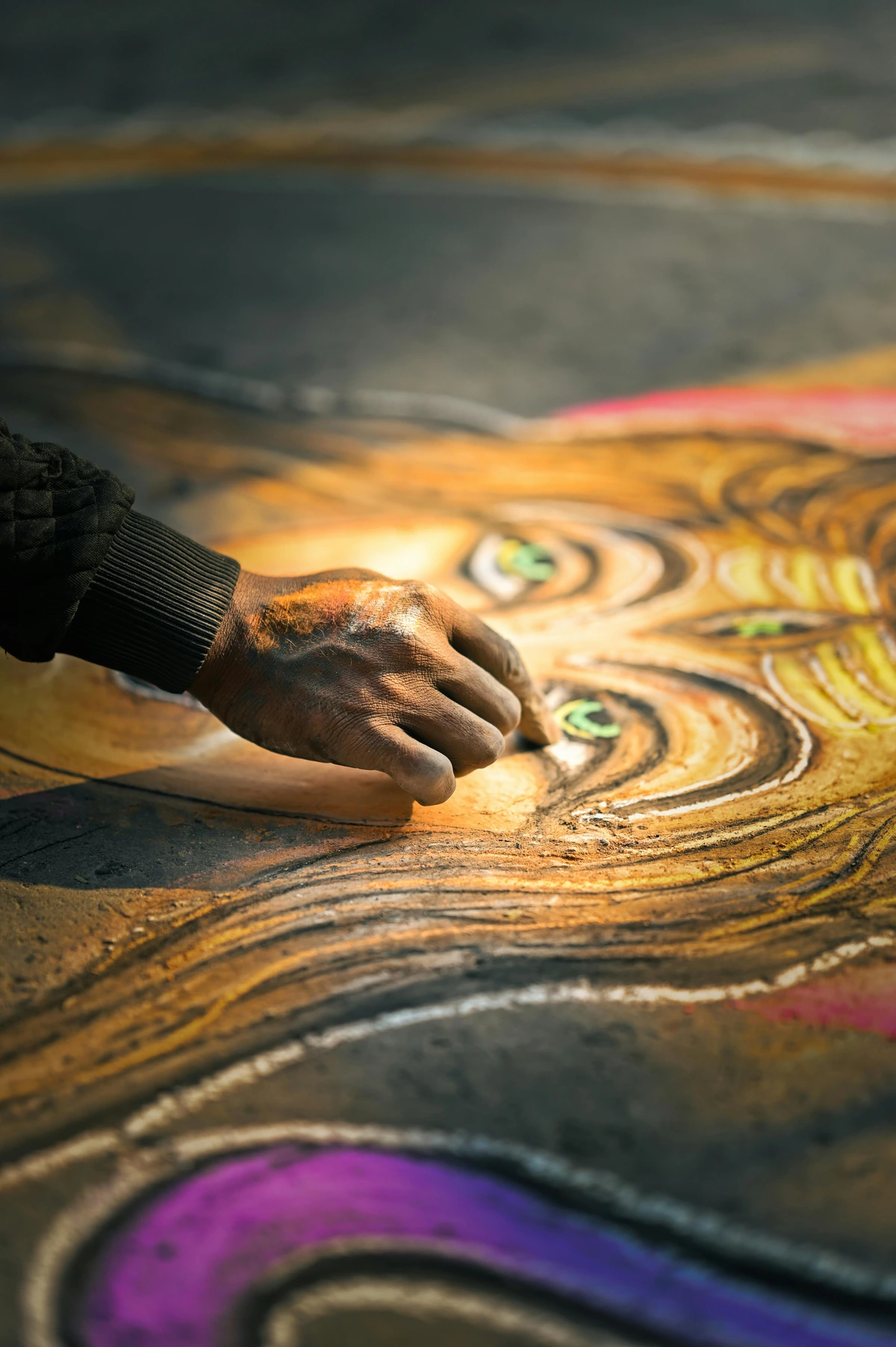
Acrylics are ideal for artists who want flexibility. You can paint in thin, translucent layers or build up thick, textured impasto strokes. They’re also great for mixed media work—you can collage, spray, or even pour them.
But acrylics dry fast—sometimes too fast. If you’re a slow painter, you might find yourself fighting the clock. And once they’re dry, they’re permanent. No reworking like with oils.
Acrylics in Contemporary Art
Acrylics have become a popular choice among contemporary artists due to their versatility and durability. Many modern artists appreciate the bright and bold colors of acrylics, allowing them to create works that are both visually striking and emotionally resonant. The fast drying time of acrylics also makes them ideal for artists who enjoy working quickly and making spontaneous corrections.
Techniques for Acrylic Painting
- Impasto: Applying thick layers of paint to create texture and dimension.
- Glazing: Using thin, transparent layers to build up depth and luminosity.
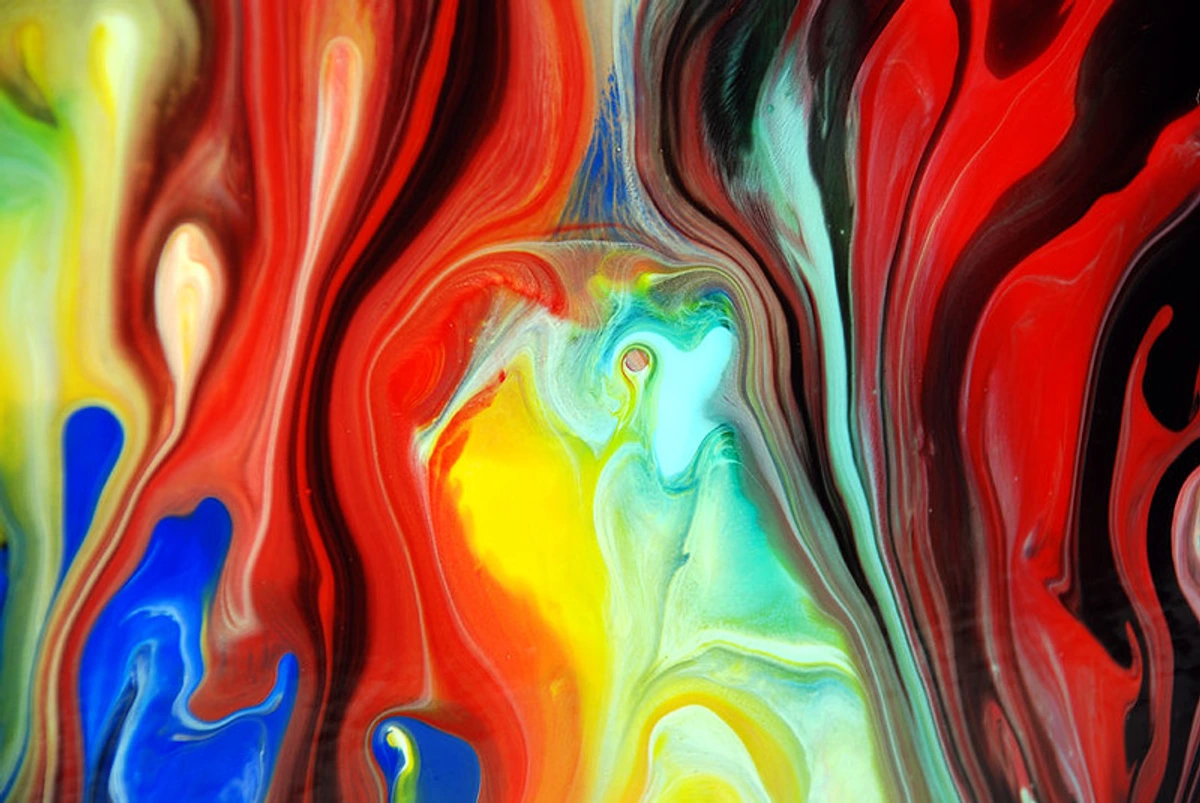
- Pouring: Mixing acrylics with a pouring medium to create fluid, abstract effects.
- Collage: Incorporating paper, fabric, or other materials into your acrylic paintings for mixed media effects.
- Dry Brush: Using a dry brush on dry paint to create sharp, textured strokes.
- Sgraffito: Scratching into the surface of the paint to reveal underlying layers.
- Stippling: Creating patterns or textures by applying small dots of paint.
- Washing: Diluting acrylic paint with water to create a thin, translucent layer.
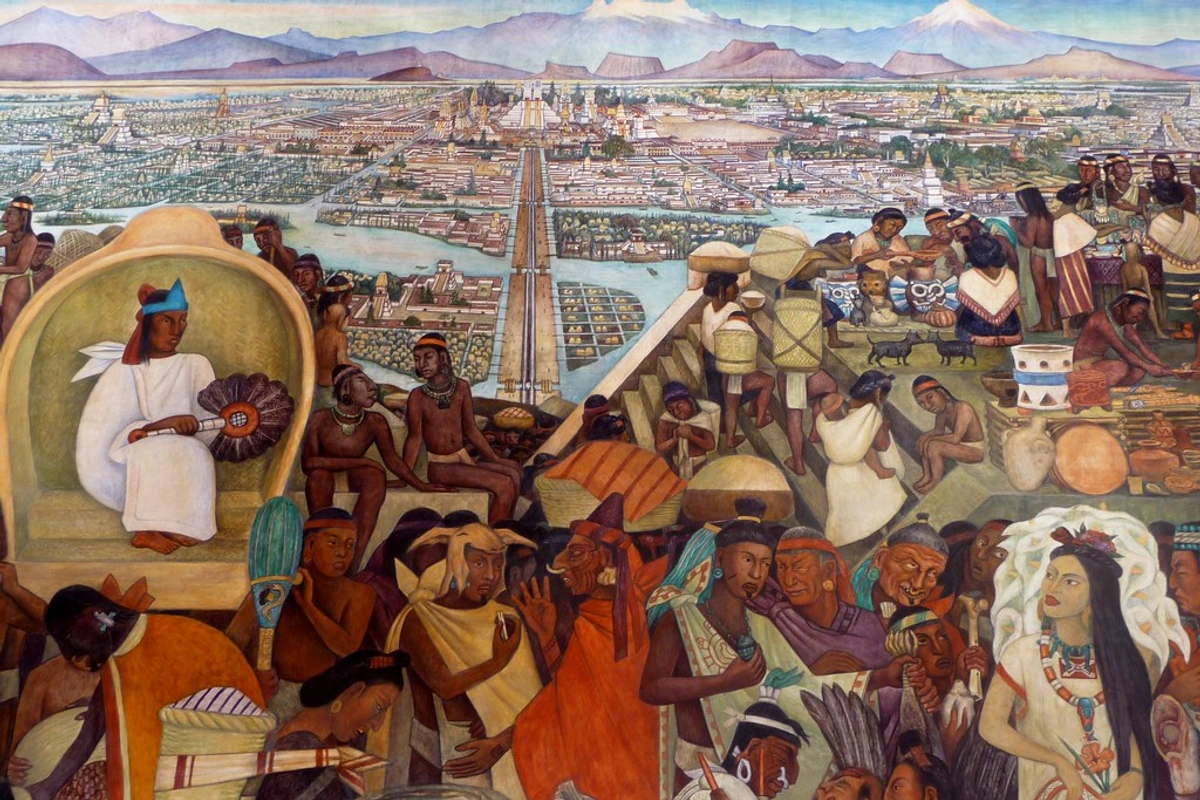
Acrylics are perfect for artists who enjoy experimenting with different techniques and styles. Their fast drying time allows for quick layering and corrections, making them ideal for artists who like to work spontaneously.
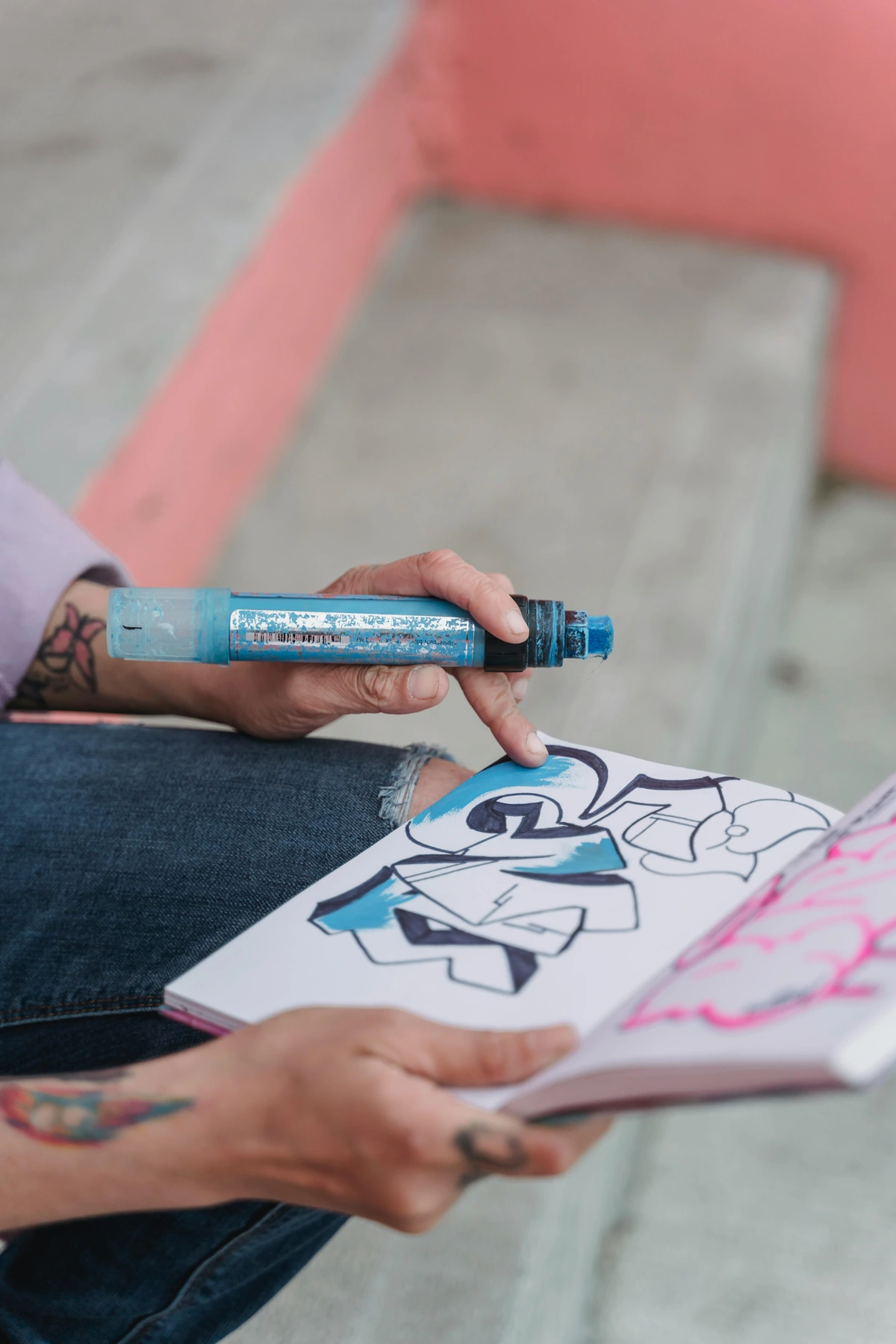
Tips for Working with Acrylics
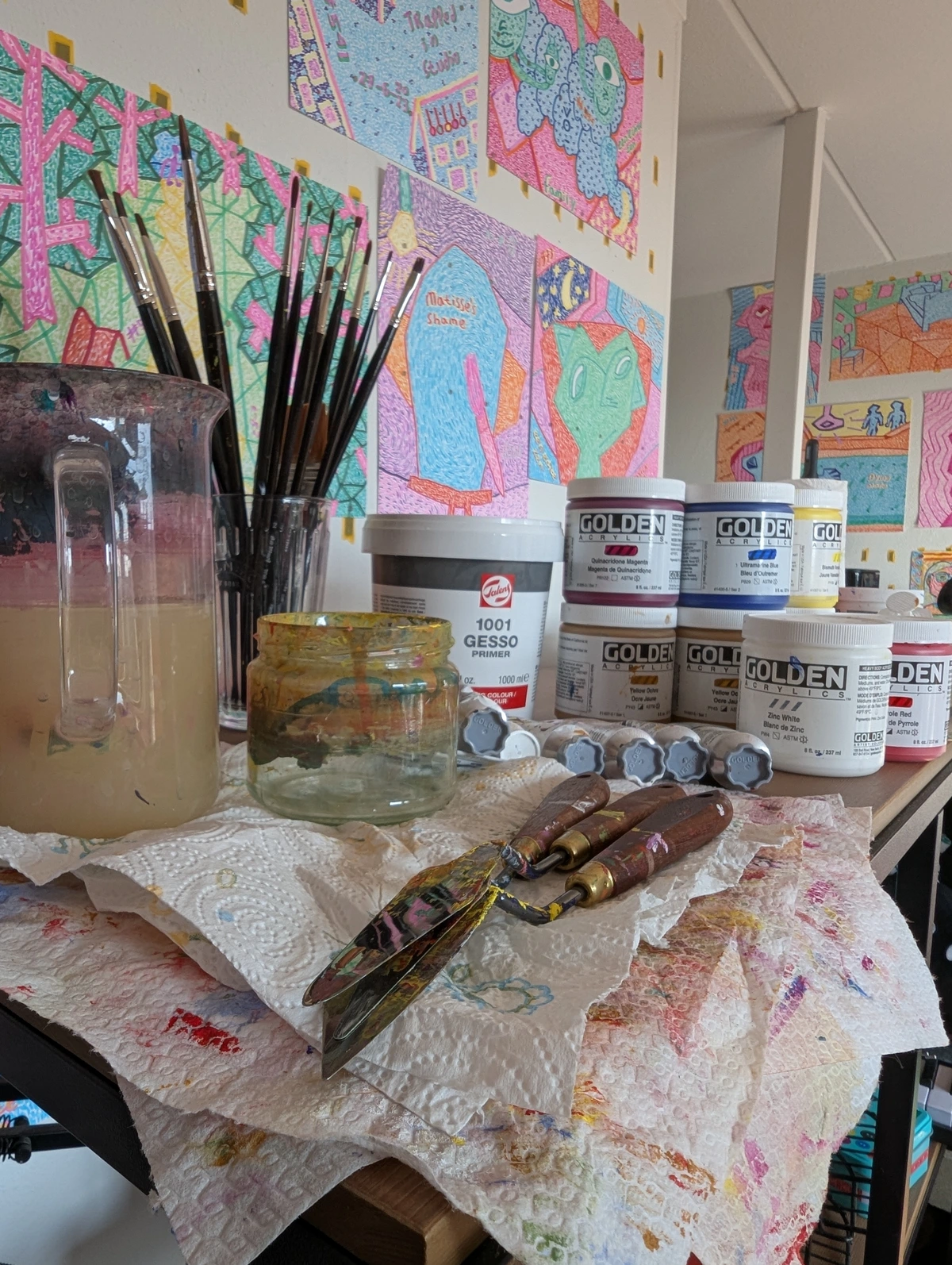
- Keep your brushes wet: Acrylics dry quickly, so keep a spray bottle handy to mist your palette.
- Use retarders: These slow down drying time, giving you more time to blend.
- Experiment with textures: Add gels or pastes to create thick, sculptural effects.
- Clean your brushes immediately: Acrylics can ruin brushes if left to dry on them.
- Use a stay-wet palette: This can help keep your paints workable for longer periods.
- Layer with care: Allow each layer to dry completely before adding another to avoid muddying colors.
- Work in a well-ventilated area: Ensure proper ventilation to avoid inhaling harmful fumes from acrylics.
- Store your acrylics properly: Keep your acrylic paints in a cool, dry place to prevent them from drying out or becoming too soft.
Comparing the Mediums
Let’s break it down in a way that’s easy to digest:
Medium | Best For | Challenges | Drying Time | Surface Options |
|---|---|---|---|---|
| Oil | Depth, blending, realism | Slow drying, solvents required | Days-Weeks | Canvas, wood, linen |
| Watercolor | Lightness, transparency, speed | Unforgiving, fragile | Minutes-Hours | Watercolor paper |
| Acrylic | Versatility, brightness, mixed media | Dries too fast, permanent when dry | Minutes-Hours | Almost anything |
Each medium has its own unique strengths and challenges. Understanding these can help you choose the right medium for your artistic vision.
Choosing the Right Medium for Your Style
Your artistic style and preferences play a significant role in choosing the right medium. If you enjoy working slowly and meticulously, oils might be the best choice for you. If you prefer spontaneity and fluidity, watercolors could be ideal. For artists who enjoy experimentation and versatility, acrylics offer a wide range of possibilities. Ultimately, the best medium is the one that resonates with you and allows you to express your artistic vision.
Choosing the Right Medium for Your Project
When selecting a medium for your project, consider the following factors:
- Subject Matter: Realistic portraits may benefit from the depth of oils, while landscapes might be better suited to the transparency of watercolors.
- Time Constraints: If you need to complete a project quickly, acrylics or watercolors might be more suitable than oils.
- Desired Effects: Consider the texture, color depth, and techniques you want to use. Each medium offers unique possibilities.
- Surface: The surface you plan to work on can also influence your choice. Acrylics are versatile and can be used on almost any surface, while oils and watercolors have more specific requirements.
- Emotional Impact: Think about the emotional response you want to evoke. Oils can create intensity and drama, watercolors can evoke calm and tranquility, and acrylics can create energy and vibrancy.
How to Choose Your Medium
So, which one should you use? It depends on what you want to achieve:
- For realism and depth: Go for oils. They’re the gold standard for portraits and detailed work.
- For speed and lightness: Watercolors are your best bet. They’re perfect for sketches and atmospheric pieces.
- For versatility and experimentation: Acrylics are the way to go. They’re great for abstract work and mixed media.
But here’s the thing: you don’t have to pick just one. Many artists work across multiple mediums. The key is to understand the strengths and limitations of each and use them to your advantage.
Choosing the right medium is a personal journey. It’s about experimenting, making mistakes, and discovering what resonates with you. Don’t be afraid to step out of your comfort zone and try something new.
Experimenting with Multiple Mediums
Many artists find that working with multiple mediums can enhance their creativity and artistic expression. For example, you might use watercolors for quick sketches and studies, then switch to oils or acrylics for more detailed and finished pieces. Experimenting with different mediums can also help you discover new techniques and approaches to your art.
Combining Mediums for Unique Effects
Combining different mediums can lead to unique and innovative effects. For example, you might use watercolors for the background of a painting and then add details with acrylics or oils. This approach can create a sense of depth and complexity that is difficult to achieve with a single medium. Experimenting with combinations can open up new possibilities for your artistic expression.
FAQ
What’s the easiest medium for beginners?
Acrylics are often recommended for beginners because they’re forgiving and versatile. They dry quickly, so you can see your mistakes and correct them fast. Plus, they’re easy to clean up with just soap and water.
Can I mix different mediums in one painting?
Yes, but with caution. For example, you can use watercolor pencils over acrylic, but painting watercolor over oil is a no-go. Always test a small area first to see how the mediums interact.

How do I preserve my paintings?
- Oil paintings: Varnish them once fully dry (6-12 months) to protect the surface.
- Watercolors: Frame them under glass to prevent fading and damage.
- Acrylics: They’re naturally durable, but a varnish can add extra protection and enhance colors.
Are there any health concerns with these mediums?
- Oils: Solvents like turpentine can be toxic. Use odorless mineral spirits and work in a well-ventilated area.
- Watercolors: Generally safe, but some pigments may be toxic if ingested.
- Acrylics: Non-toxic when dry, but some additives can be irritating. Always read labels and use gloves if needed.
Can I use these mediums for professional work?
Absolutely. Each medium has its place in the professional art world. Oils are classic for gallery pieces, watercolors are prized for their delicacy, and acrylics are popular for modern and contemporary work. The key is mastering your chosen medium.
What are some common mistakes to avoid with each medium?
- Oils: Avoid using too much solvent, as it can weaken the paint film. Also, never rush the drying process.
- Watercolors: Avoid overworking the paper, as it can cause it to pill or tear. Always work from light to dark.
- Acrylics: Avoid letting acrylics dry on your brushes, as it can ruin them. Clean them immediately after use.
How can I experiment with different mediums without breaking the bank?
Start with small tubes of paint and inexpensive brushes. Many art supply stores offer student-grade materials that are more affordable. Additionally, consider buying in bulk or sharing supplies with fellow artists.
What are some advanced techniques for each medium?
- Oils: Experiment with glazing and scumbling to create depth and texture.
- Watercolors: Try techniques like salt textures and masking fluid to create unique effects.
- Acrylics: Explore pouring and collage techniques for mixed media applications.
What are some tips for choosing the right medium for a specific project?
Consider the subject matter, time constraints, desired effects, surface, and emotional impact you want to achieve. Each medium offers unique possibilities that can enhance your artistic vision.
How can I improve my skills with a specific medium?
Practice regularly, experiment with different techniques, and seek feedback from other artists. Taking classes or workshops can also help you refine your skills and learn new approaches.
Conclusion
The medium you choose is more than just a tool—it’s a partner in your creative journey. Oils offer depth and richness, watercolors bring lightness and transparency, and acrylics provide versatility and boldness. Each has its own language, its own way of speaking to the artist and the viewer.
So, what’s your medium of choice? Have you tried all three, or are you loyal to one? I’d love to hear about your experiences. And if you’re looking to explore more, check out our collection of contemporary art or dive into the timeline of artistic movements to see how mediums have evolved over time.
















Happy painting!
Remember, the journey of artistic expression is as unique as the mediums themselves. Embrace the process, experiment fearlessly, and let your creativity flow.
Final Thoughts
Art is a journey of discovery, and the mediums you choose are your companions along the way. Whether you prefer the timeless elegance of oils, the ethereal beauty of watercolors, or the modern versatility of acrylics, each medium offers a unique path to artistic expression. So, pick up your brushes, embrace the process, and let your creativity shine.
Additional Resources
For further exploration, consider visiting local art galleries, attending workshops, or joining online communities dedicated to your chosen medium. Engaging with other artists can provide valuable insights and inspiration for your own artistic journey.