Water-Mixable Oil Paints: Ultimate Solvent-Free Guide & Top Brands
Unlock solvent-free oil painting! This ultimate guide dives into water-mixable oils, comparing top brands like Cobra & Holbein, detailing pros/cons, studio tips, and troubleshooting for healthier, easier art.

Water-Mixable Oil Paints: Your Ultimate Solvent-Free Studio Guide
Let's be honest. For years, I adored everything about oil painting, but the "price of admission" felt steep. The brain-buzzing smell of turpentine, the hazmat-suit ritual of cleaning brushes, and the constant worry about ventilating my studio properly. I vividly remember one winter, painting in an icebox because the windows had to be wide open, or the heart-stopping moment a jar of mineral spirits nearly tumbled onto my curious cat. These moments, frankly, were really getting to me, but I accepted them as part of that buttery, slow-drying magic—a small toll for the depth and luminosity only oils could offer.
Then I stumbled upon water-mixable oil paints, and it felt like finding a secret cheat code for my artistic practice. All the joy of oils, none of the toxic fumes? It sounded almost too good to be true. Were they a cheap knock-off or a genuine revolution for the modern artist? I've spent years putting them through their paces, experimenting with different brands, mediums, and techniques, and now I'm here to give you the real story, studio-tested and completely unfiltered. This is the ultimate, comprehensive guide for artists considering the switch, those already using them but seeking a deeper understanding, or anyone simply curious about painting with oils in a healthier, more accessible way. We’ll dive into what they truly are, compare them rigorously to traditional oils, explore the practical pros and cons, review the best brands on the market, and share my essential studio tips for getting the absolute most out of them.
So, What Even Are Water-Mixable Oil Paints? The Chemical Magic Explained
I know what you're probably thinking: "Oil and water don't mix! That's science 101." And you're absolutely right, under normal circumstances. But these paints have a brilliant secret ingredient. The oil—typically linseed or safflower, just like in traditional oils—has been chemically modified. A clever chemist has attached an emulsifier to the oil molecule. This emulsifier, often plant-based and sometimes even food-grade, acts as a molecular bridge, allowing the oil and water to form a stable mixture.
You can imagine this as an oil molecule that's had a tiny, yet incredibly smart, chemical makeover. Scientists have essentially given it a 'hydrophilic hand' – a special part that loves to hold onto water molecules. So, when you add water, instead of the frustrating separation you'd expect, it forms a stable emulsion. It's the same scientific principle that keeps mayonnaise from separating into oil and vinegar – a beautifully pigmented, very fancy mayonnaise for your canvas! And the best part? No harsh solvents are needed for thinning or cleanup. Just good old tap water. This modification often involves an esterification process, altering the oil's chemical structure to become 'water-loving' or hydrophilic.
Water-mixable oil paints first emerged in the late 1980s and early 1990s. This timing wasn't accidental; it coincided with a growing environmental awareness and increased concern among artists and art educators about the health risks associated with traditional painting solvents. While initially met with some skepticism—and a few early formulations were indeed a bit finicky—their chemistry has significantly advanced over the decades. Today, we have high-quality, professional-grade options that perform remarkably similarly to traditional oils.
It's crucial to understand that these are real oil paints, not a type of acrylic or gouache. They possess the same high-quality pigment-in-oil base as traditional oils, meaning they behave much more like their traditional cousins than any other paint type. Like traditional oils, they dry through oxidation (the oil reacting with oxygen in the air). However, the water content in water-mixable oils evaporates first. This initial, rapid evaporation of water leads to a slightly faster 'touch-dry' time—often 2-5 days compared to 3-7 days for traditional oils. This accelerated initial drying is a huge aesthetic benefit for artists who love to build up layers without waiting weeks between them. But remember, while they feel 'touch-dry' quicker, the deeper oil oxidation process which gives oils their archival strength still takes weeks or even months for a full cure, much like traditional oils. Factors like humidity, temperature, and paint thickness will still significantly influence overall drying. You can find a deeper dive into the differences between paint types in my guide to paint types for artists.
Traditional Oils vs. Water-Mixable Oils: The Showdown
To truly understand the innovation, let's put them side-by-side.
Feature  | Traditional Oil Paints | Water-Mixable Oil Paints |
|---|---|---|
| Binder | Linseed/Safflower Oil | Modified Linseed/Safflower Oil (with emulsifier) |
| Thinner/Solvent | Turpentine, Mineral Spirits, Odorless Mineral Spirits | Water, Water-Mixable Mediums |
| Cleanup | Solvents, specialized brush cleaners | Soap and Water |
| Drying Time | Slow (3-7 days touch-dry, months for full cure) | Slightly Faster Touch-Dry (2-5 days), months for full cure |
| Toxicity/Fumes | High (due to solvents), strong odor | Very Low (faint natural oil smell), no harsh fumes |
| Environmental Impact | High (solvent disposal, VOCs) | Low (water cleanup, fewer VOCs) |
| Feel & Consistency | Buttery, rich, consistent. Can become stringy with solvents. | Very similar, can feel slightly stickier or 'gummy' if too much water is used; excellent with dedicated mediums. |
| Compatibility | Mixes with traditional oil mediums (e.g., stand oil, liquin) | Mixes with water & dedicated water-mixable mediums |
| Handling with Water | Does not mix, separates into distinct layers | Mixes readily, forms stable emulsion (unless oversaturated) |
| Flexibility in Consistency | Limited range without specific solvents/mediums; can be thinned with solvent. | Wide range with water and dedicated mediums; water thins, mediums adjust viscosity and properties. |
| Adhesion | Excellent adhesion to properly primed surfaces. | Excellent adhesion to properly primed surfaces. |
| Re-workability | Long open time allows extensive wet-on-wet manipulation. | Ample open time, often slightly less than traditional, allowing good wet-on-wet work. |
| Archival Quality | Excellent (if proper techniques are followed) | Excellent (if proper techniques are followed; ASTM lightfastness rated) |
The Big "Why": Pros and Cons from a Practical Painter's Perspective
Switching to water-mixable oils sounds appealing, but like any medium, it's not without its quirks. Here’s my no-nonsense breakdown of the good, the bad, and the occasionally sticky.
The Pros (Why I Love Them & Why You Might Too):
- No Solvents, No Headaches, Real Freedom: This is, hands down, the number one reason I keep them in my studio. I can paint for hours in my home studio (or even my kitchen table!) without worrying about toxic fumes, ventilation, or the health of my pets and family. This newfound freedom to paint anywhere, anytime, is revolutionary, opening up possibilities I simply never had with traditional oils. It truly removes a significant barrier to entry and consistent practice.
- Easy Cleanup: The True Game-Changer: This is genuinely life-changing. No more endless, murky jars of turpentine or mineral spirits. Just a quick rinse under the tap with warm water, a little brush soap, and my brushes are clean in minutes. The same goes for my palette and hands. It has completely streamlined my palette cleaning process and transformed studio upkeep from a dreaded chore into a simple, satisfying routine.
- Travel Friendly & Plein Air Ready: Imagine throwing a small set of tubes, a brush, and a water bottle into a bag and painting almost anywhere inspiration strikes. No lugging around flammable, smelly liquids or worrying about hazardous waste disposal. It's plein air painting on easy mode, allowing me to capture fleeting moments and expand my creative horizons without the logistical fuss.
- Slightly Faster Drying (Initially): They still offer plenty of open time for blending, which is crucial for oils, but I've consistently found they generally reach the touch-dry stage a day or two faster than my traditional oils. This isn't because the oil cures quicker, but because the initial water content evaporates more rapidly than solvents or the oil binder itself. This means the surface becomes non-tacky sooner, allowing for quicker layering and building up a piece with more efficiency and spontaneity. For artists who love to build up layers, this can be a huge aesthetic and practical benefit. While this speeds up my process, I've heard from artists who cherish very long open times for extensive blending that this quicker initial dry can sometimes feel a bit restrictive. It's a trade-off, not a universal win, and depends on your specific painting style.
- Eco-Friendly Choice: Beyond personal health, the environmental impact is significantly reduced. No solvents mean less hazardous waste to dispose of and fewer volatile organic compounds (VOCs) released into the atmosphere. It's a small change that makes a tangible, positive difference.
The Cons (What to Watch Out For & How to Avoid Them):
- The Dreaded "Sticky" & "Chalky" Phases: This is by far the most common complaint, and I've certainly had my share of frustrating encounters. I once tried to thin a large wash with way too much water, and it dried into this strange, tacky, almost gummy mess – completely unworkable. If you use too much water, especially in initial layers, the paint can go through a weird, tacky phase as the water evaporates. Even worse, if you continue adding water past the point the emulsifier can effectively handle (and it has a finite capacity!), the oil and pigment can separate. This breaks the delicate emulsion, leading to a dull, chalky finish that lacks vibrancy, proper saturation, and crucially, strong adhesion. A chalky finish looks powdery, noticeably lacks the rich intensity of true oil, and can be fragile. The trick? Use water sparingly, more like you'd use traditional solvents for a very thin wash, or better yet, rely primarily on dedicated water-mixable mediums. Overuse of water overwhelms the emulsifier, actively interfering with the paint's stable oil-water bond. This is the biggest hurdle for newcomers, but once understood, easily avoided.
- Subtle Color Shift: Some brands, particularly when heavily diluted with plain water, can exhibit a slight shift in value or hue as the water evaporates and the paint dries. It's usually a subtle darkening or dulling, not dramatic, but it’s something to anticipate and get used to if you're accustomed to traditional oils maintaining their wet appearance. I've found this to be less pronounced with artist-grade paints, which tend to have a higher pigment load that holds its own better against the diluting effect of water. Using dedicated water-mixable mediums instead of pure water also significantly mitigates this.
- Limited Selection (But Rapidly Improving!): While the ranges are expanding significantly, you won't find the encyclopedic variety of colors and brands that you do with traditional oils. The same applies to highly specialized mediums. However, major brands are constantly expanding their lines, and new, innovative products are hitting the market regularly, making this "con" less significant each year.
The Contenders: A Deep Dive into the Best Water-Mixable Oil Paint Brands
Alright, this is the main event. Choosing the right water-mixable oil paints is crucial, as not all are created equal. Some are professional-grade powerhouses, while others are more suited for beginners. Rest assured, all the brands below offer lightfast, archival paints suitable for professional use, assuming proper technique and preparation. When I say artist-grade, I'm referring to paints with a high pigment load, finely ground pigments, and excellent lightfastness ratings, ensuring professional archival quality. Student-grade options, while still viable, typically have slightly less pigment, more filler, and can sometimes be less intense, though still perfectly suitable for many uses, especially for beginners or practice. Knowing this distinction helps you invest wisely for your specific artistic goals.
My Personal Brand Comparison & Unfiltered Take
Brand | Consistency | Pigment Load | Price Point | Best For | My Unfiltered Take |
|---|---|---|---|---|---|
| Royal Talens Cobra Artist | Buttery, smooth, very close to traditional oils. | Very High (Artist-grade) | Premium | The Purist Professional: Ideal for subtle blending, rich color work, and artists who want a true traditional oil feel without compromise. | This is my undisputed champion, the one I reach for most often. It feels luxurious, the colors are incredibly vibrant, and they don't muddy easily. Crucially, they rarely exhibit that sticky feel, which I attribute to Royal Talens' unique production process where they reportedly don't use water in their initial formulation. This likely leads to a purer, more stable emulsified oil, resulting in superior handling and truer color retention. Pricey, yes, but an investment absolutely worth making for serious artists seeking uncompromising quality. Archival and professional-grade with excellent lightfastness ratings (ASTM D4236). |
| Holbein Duo Aqua Oil | Stiffer, more body, holds brushstrokes beautifully. | High (Artist-grade) | Premium | The Impasto & Texture Artist: Perfect for bold brushwork, knife painting, and building tangible surface textures due to its robust body. | These are truly fantastic, offering an impressive range of vibrant colors and handling beautifully. They excel, in my experience, for expressive, textural marks and feel a little heavier straight from the tube, which I absolutely adore for building up thick impasto layers. A very, very close second to Cobra, and often my go-to for specific impasto projects. Professional-grade with excellent lightfastness ratings (ASTM D4236). |
| Winsor & Newton Artisan | Softer, slightly more oily, very spreadable. | Good (Artist/Student-grade) | Mid-Range/Budget-Friendly | The Beginner & Value Seeker: Widely available, affordable, and reliable, making it an excellent entry point into water-mixable oils. | A superb entry point. They're reliable and get the job done, but I generally find their pigment load isn't quite as rich or intense as Cobra or Holbein. They can also feel a bit stickier when heavily mixed with water, which is why understanding water usage is key here. While often considered student-grade due to price, Artisan offers a great balance for the cost, making it an excellent starting point without breaking the bank. Still a solid, accessible choice and one of the best oil paint brands for artists just starting out. Archival and good lightfastness ratings (ASTM D4236). Consider a sample set to try them out! |
| Daniel Smith Water Soluble Oils | Very smooth, uniform consistency, excellent flow. | High (Artist-grade) | Premium | The Color Enthusiast & Glazing Maestro: Renowned for their unique and vibrant pigments, these are superb for transparent, luminous layers and subtle transitions. | Daniel Smith brings their legendary pigment expertise to water-mixable oils, and it truly shines. Their heritage in exceptional pigments means incredible lightfastness and vibrant, often single-pigment colors that truly sing on the canvas. The handling is smooth and lovely, making them excellent for precise work, glazing, and subtle blending. A top-tier professional choice for those who prioritize unique, high-quality color and nuanced application. Archival and professional-grade with excellent lightfastness ratings (ASTM D4236). |
| Grumbacher Max | Stiff, similar to Holbein in body. | Good (Artist/Student-grade) | Budget-Friendly | The Dependable Workhorse: Offers a good balance of quality and price, suitable for a wide range of general painting techniques and artists on a budget. | A solid, reliable workhorse. It’s often more affordable than the other professional lines but still delivers good performance, decent pigment load, and a consistency that lends itself well to various techniques. A strong choice if you're on a budget but don't want to compromise too much on quality. Archival and student/artist-grade with good lightfastness ratings (ASTM D4236). |
How to Actually Use Them: Essential Studio Tips & Techniques
While the core principles of oil painting remain steadfast, truly mastering water-mixable oils involves understanding a few critical nuances. Here’s what I’ve learned through plenty of trial and error in my own studio, distilled into actionable tips that will save you headaches.
- Fat Over Lean Still Applies (Always!): This is the immutable golden rule of oil painting, and it's still absolutely in effect with water-mixable oils. Your initial layers should be leaner (thinned sparingly with a little water or a lean water-mixable medium), and your final layers should be fatter (more oil-heavy, straight from the tube, or with a water-mixable oil medium added). This crucial principle ensures your painting dries correctly from the bottom up, preventing cracking and ensuring archival stability. Remember, while water evaporates quickly, the underlying oil binder still needs to cure properly.
- Don't Treat Them Like Watercolors (Seriously, This is Key): This is, without a doubt, the biggest mistake newcomers make. A tiny bit of water goes a very long way. Use it to thin paint to an inky consistency for an initial sketch or a thin wash, but for general painting, use it * sparingly*. Too much water will break the delicate emulsion that makes these paints water-mixable, weakening the paint film, leading to that dreaded chalky finish, poor adhesion, and a gummy, unworkable texture. Unlike traditional solvents (like turpentine) which evaporate cleanly without disrupting the oil binder, excessive water actively interferes with the paint's emulsified structure. The consequences can be paint that loses its vibrancy, adhesion, and ultimately, its archival qualities.
- Embrace the Mediums: Unlock Their Full Potential: The real magic and control with water-mixable oils truly happen when you start using their dedicated mediums. Think of these as your paint's best friends – they are specifically formulated with emulsifiers to maintain the paint's unique water-compatibility while simultaneously modifying its working properties. Unlike plain water, which can overwhelm the paint's system, these mediums enhance it.
- Water-mixable linseed oil will increase flow, gloss, and transparency, extending open time.
- Fast-dry mediums will, predictably, accelerate the drying process by incorporating additional drying agents.
- You'll also find water-mixable impasto gels for building thick, expressive texture; glazing liquids for transparent, luminous layers that build depth; and even painting butter mediums for added body and brushstroke retention. These specialized mediums give you all the control and versatility you're used to from traditional oils without compromising the paint structure or its solvent-free benefits. You can read more about them in this beginner's guide to painting mediums.
- Prime Your Surface (Properly): Any surface you'd typically use for traditional oils is perfect for water-mixable oils—canvas, wood panels, primed paper. The absolute key is to ensure it's properly primed with a good quality gesso. While the paints themselves are water-friendly, an unprimed, highly absorbent surface can wick too much oil from the paint, leading to dull patches (known as 'sinking in') or a brittle paint film over time. Always prepare your surface diligently. Check out my guide on how to prepare a canvas for oil painting or learn how to apply gesso to canvas.
- Cleaning is a Dream: This truly is the reward for choosing this medium! Simply rinse your brushes under the tap with lukewarm water, work in a little brush soap or mild dish soap, lather, and rinse until the water runs clear. It's that simple, genuinely. For stubborn, dried-on paint, a quick soak in a jar of water for a few minutes (not hours!) usually does the trick before cleaning. Your studio (and your sink!) will absolutely thank you. For more detailed insights, check out my guide on cleaning and caring for your paint brushes.
Troubleshooting Common Issues
Every medium has its quirks, and water-mixable oils are no exception. Here’s a quick guide to tackling the most common challenges you might encounter:
- Sticky or Gummy Paint: This almost always indicates too much water. If the layer is fresh, immediately try adding a tiny amount of water-mixable linseed oil or a dedicated water-mixable painting medium to re-emulsify the paint and improve its workability. If it's started to dry tackily, sometimes a very thin layer of water-mixable oil will reactivate it, but often the most reliable solution for an overly diluted, gummy layer is to carefully scrape it off and restart. Prevention through judicious water use is key.
- Chalky Finish: This happens when the emulsion breaks down due to excessive water, effectively stripping the pigment of its oil binder and leaving a dull, powdery surface that lacks proper adhesion. To prevent this, significantly reduce your water usage, especially in lower, absorbent layers. Rely more on water-mixable mediums. If a layer does dry chalky, you might try applying a very thin layer of water-mixable linseed oil or a water-mixable glazing medium over it once dry. This can sometimes restore some of the lost vibrancy and saturation, but consider it a salvage operation – prevention is always superior.
- Color Shift (Dulling/Darkening): As water evaporates, some colors can subtly shift in value or hue, often appearing slightly duller or darker. To minimize this, prioritize water-mixable mediums for thinning rather than pure water, particularly in your final, most visible layers. Always test colors on a scrap surface to observe how they dry before committing to your main piece. Being aware of this characteristic allows you to adjust your mixing decisions accordingly.
- Lack of Impasto Hold: If your paint isn't holding thick brushstrokes as well as you'd like, especially when diluted, plain water is likely the culprit. Instead, incorporate a dedicated water-mixable impasto gel or a painting butter medium. These are specifically designed to increase the body and texture of the paint without compromising its water-mixable properties, allowing you to build rich, expressive textures that hold their shape beautifully.
FAQ: Your Questions, Answered (And My Two Cents!)
I get asked these questions all the time, so let's clear them up. If you're wondering, chances are someone else is too!
Can you mix water-mixable oils with traditional oils?
Yes, you absolutely can mix them freely on your palette or canvas. However, there's a critical caveat: the moment you incorporate more than about 30% traditional oil paint into your water-mixable mix, the paint will lose its water-solubility. This happens because exceeding that ratio dilutes the emulsifier to a point where it can no longer effectively bridge the oil and water. At that point, the mixture will behave like traditional oil paint, immediately requiring traditional solvents for thinning and cleanup. My advice? Keep them separate if you want to enjoy the solvent-free benefits. Otherwise, you're essentially just using traditional oils.
Can you mix them with acrylics?
No, this is a big no-no. Water-mixable oils and acrylics are fundamentally different mediums with entirely distinct drying mechanisms (oxidation for oils, evaporation for acrylics). Oil and acrylic simply do not play well together when wet on the palette or canvas; they'll separate, refusing to properly emulsify, and potentially compromising the archival integrity of your artwork. You can, however, paint oils (water-mixable or traditional) over a fully dried acrylic underpainting. That's a common and stable practice!
Do they smell at all?
They definitely do not have the harsh chemical smell of traditional solvents like turpentine or mineral spirits. However, they are still oil paints, and their binder is typically natural linseed or safflower oil. So, yes, they have a faint, generally pleasant, slightly nutty or earthy smell of natural oil. It's miles removed from the sharp, chemical tang of turpentine; think more of a subtle, authentic linseed oil aroma, like old books or natural wood. I personally find it quite agreeable – it's the authentic scent of painting without the headache, which is a massive win in my book.
Are water-mixable oils archival?
Absolutely. This is a common misconception, but rest assured, the artist-grade paints from reputable brands like Royal Talens Cobra, Holbein, Daniel Smith, and Winsor & Newton Artisan are all lightfast and just as archival as their traditional oil counterparts. Reputable brands explicitly state that their artist-grade water-mixable oils meet the same stringent ASTM lightfastness ratings (e.g., ASTM D4236) as their traditional oil paints. This means, provided you follow proper painting practices (like the essential fat over lean rule), your work will last for generations.
What's the best brand if I'm a complete beginner?
For complete beginners, I consistently recommend Winsor & Newton Artisan. It’s the most accessible in terms of price and availability, making it perfect for trying them out without a huge initial investment. It's one of the beste olieverven voor beginners in this category because it's forgiving and offers a great introduction to the medium. If Artisan is unavailable or you want another solid option, Grumbacher Max is also a reliable, budget-friendly choice to start with. My advice? Pick up a small starter set of either brand to dip your toes in!
Do I need special canvases or brushes?
Nope, fantastic news on this front! Any surface you'd typically use for traditional oils is perfectly suitable – just make sure it's properly primed with gesso (as we discussed in the 'How to Use Them' section). And any brush designed for oils or acrylics will work just fine. No need for new, specialized equipment here, which helps keep initial costs down!
Can I use water-mixable oils for underpaintings?
Yes, absolutely! Their slightly faster initial drying time and the ability to thin with water make them exceptionally well-suited for initial washes and underpaintings. You can quickly create a thin, lean layer to establish your values and composition before building up your fatter, more opaque layers. This can significantly speed up the early stages of a painting, allowing for more spontaneous and efficient development.
Can I use traditional oil mediums with water-mixable oils?
No, and I strongly, strongly advise against this. Traditional mediums (like stand oil, dammar varnish, or conventional alkyd mediums) lack the specialized emulsifying agents present in water-mixable oils. Adding them will quickly and irrevocably break the water-mixable emulsion, causing immediate separation and rendering cleanup with water impossible. Stick strictly to dedicated water-mixable mediums to preserve the unique integrity of your paints and all their solvent-free benefits. It’s not worth the risk.
Are there any specific techniques that are harder or easier with water-mixable oils?
Easier/Enhanced: Glazing, particularly with dedicated water-mixable glazing mediums, can be incredibly luminous and a joy to achieve. Their slightly faster touch-dry time can actually aid in building up transparent layers more quickly than with traditional oils, allowing you to layer more efficiently. Impasto techniques are also excellent with water-mixable oils, especially when using dedicated impasto gels which maintain their body beautifully. Harder/Requires Care: Creating extremely thin, watercolor-like washes that remain vibrant and durable can be trickier. Too much plain water, as we've discussed, can lead to chalkiness and a compromised paint film. For very thin, transparent applications, lean heavily on water-mixable painting mediums rather than just water. Open Time for Blending: While the initial touch-dry time is faster, the actual open time for wet-on-wet blending can still be quite generous, though perhaps a little shorter than some traditional oils with very slow-drying mediums. Adjusting with water-mixable linseed oil can help extend this if needed.
How do water-mixable oils handle in different climates (humidity/dryness)?
Like all oil paints, water-mixable oils are affected by environmental conditions. In humid environments, the water content will evaporate more slowly, which can extend the touch-dry time. This might mean you need to wait a bit longer between layers or adjust your use of fast-dry mediums. In very dry climates, conversely, the water can evaporate quite rapidly, potentially leading to a shorter open time and a quicker shift to the sticky phase if too much water was used. Always work in a well-ventilated area with consistent temperature and humidity if possible, and adjust your use of water or mediums accordingly to compensate. Observation is your best friend here!
Can I use water-mixable oils for impasto techniques?
Absolutely! Many artists, myself included, adore their body and consistency straight from the tube for impasto work. For even more pronounced texture and to ensure structural integrity in very thick layers, I highly recommend incorporating dedicated water-mixable impasto gels or a painting butter medium. These are specifically designed to increase body and volume without compromising the paint's unique properties, allowing you to build rich, expressive textures that hold their shape beautifully and cure reliably.
Have more questions? Feel free to explore other articles on my site, particularly those covering olieverftechnieken, or ask in the comments! I'd love to hear your experiences and tips too.





My Final Word: An Evolution, Not a Replacement
So, are water-mixable oils a perfect replacement for traditional oils? For me, they aren't a replacement at all. They're an evolution—an alternative, more accessible, and frankly, a healthier path to the same beautiful destination. They've earned a permanent, prominent spot in my studio right alongside my traditional tubes.
They give me unparalleled freedom—the freedom to paint without noxious fumes, to clean up with surprising ease, and to travel and paint with far less hassle. This newfound flexibility has genuinely enhanced my creative process, allowing for spontaneous layering and faster execution of ideas, not just in my home studio but even when I grab a small set for quick plein air painting sessions. If you've been hesitant to try oils because of the solvents, the mess, or health concerns, this is your invitation to jump in. Pick up a small starter set of a good brand like Winsor & Newton Artisan or Grumbacher Max. You might just fall in love with painting all over again, and your head, lungs, and conscience will definitely thank you for it. The future of oil painting is looking vibrant, accessible, and remarkably solvent-free!
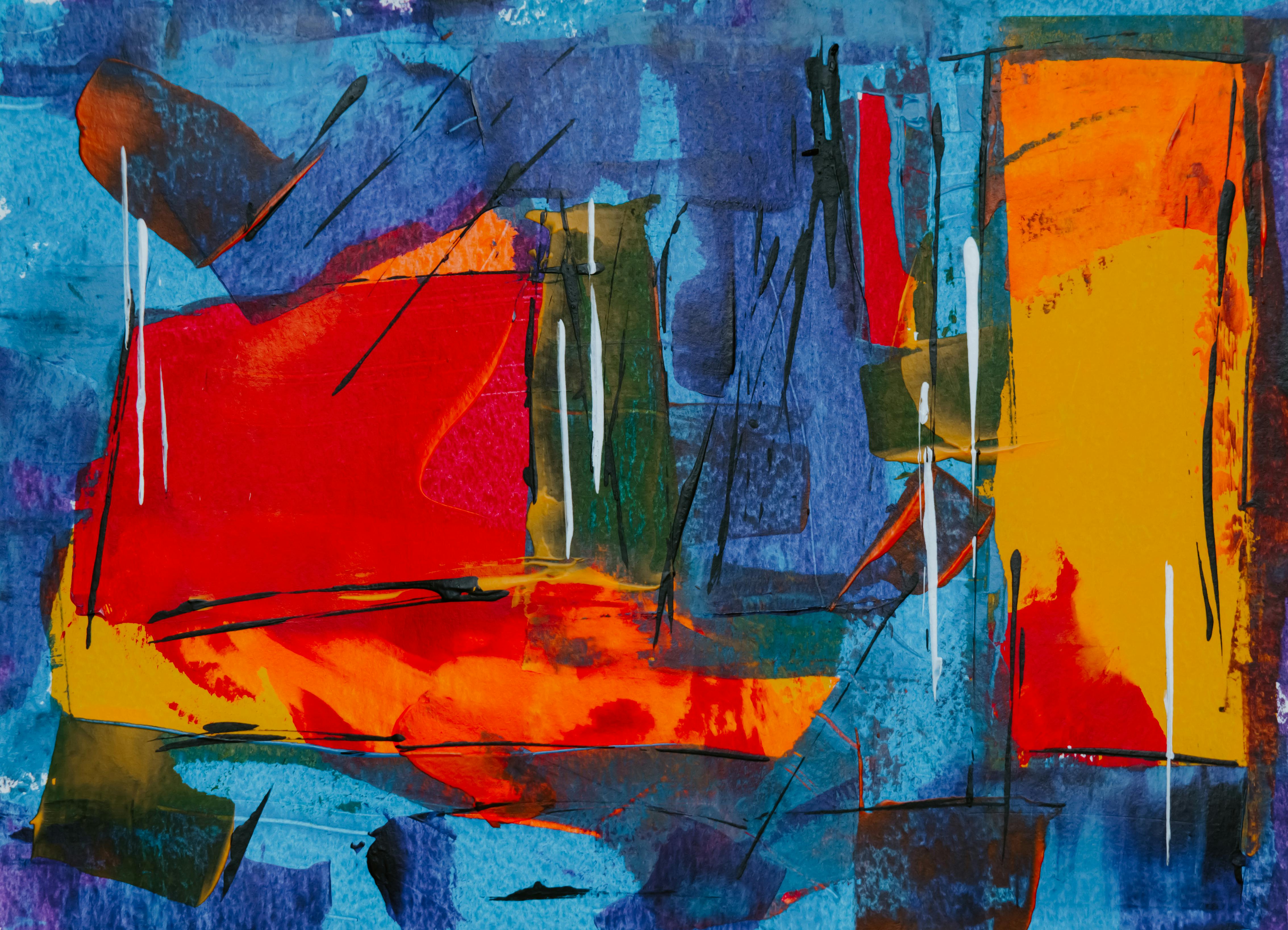
Many of the expressive and layered techniques I use in my own abstract works, which you can see on my site, are made possible and more enjoyable by the flexibility and freedom these modern paints offer. Explore, experiment, and enjoy the buttery magic!