My Candid Thoughts on CoBrA: The Raw Power of Post-War Art
Dive into the CoBrA art movement with a personal, engaging guide. Explore its rebellious spirit, key artists, and lasting impact on abstract expression, straight from an artist's perspective.

My Candid Thoughts on CoBrA: The Raw Power of Post-War Art
You know, sometimes I look at the vast landscape of art history and think, "Where do I even begin?" There are so many movements, so many manifestos, so many grand ideas. But then there are those moments when a particular movement just clicks. For me, CoBrA was one of those lightning strikes – a burst of raw, untamed energy, a primal scream born from the ashes of war, demanding attention and defying convention, and honestly, it just gets me. It was like a bolt of lightning hitting a dusty, stagnant landscape, electrifying everything it touched. It was a refusal to be quiet, a demand to be heard through vivid colors and unpolished forms. It’s not neat, it’s not polite, and that’s exactly why it’s so compelling. You know, I've always been drawn to things that defy easy categorization, things that have a bit of a wild heart. CoBrA, for me, is that untamed spirit distilled into art.
What Even Was CoBrA, Anyway? A Quick Primer with a Personal Twist
So, CoBrA. Sounds a bit dangerous, doesn't it? Like a serpent striking. And in a way, it was. Born in Paris in 1948, this avant-garde group of artists from Copenhagen, Brussels, and Amsterdam (see what they did there?) came together with a shared frustration. Imagine the feeling: a world utterly changed, old ideals shattered, and a longing for something raw, honest, and truly reflective of the human spirit. Europe was rebuilding after the devastation of World War II, and there was a yearning for something new, something authentic, something human. It felt like the formal, rigid structures of the past had led to such destruction, and artists were desperate to find a new visual language that could express the raw, often chaotic, emotions of a post-war existence. They weren't just reacting to the war; they were reacting to the perceived failure of intellectualism and refined culture to prevent it. They felt the traditional art world was too stuffy, too intellectual, too detached – a world that felt completely out of touch with the lived experience of millions. They wanted art that bled, that screamed, that laughed; art that was alive with emotion and unfiltered truth, reflecting the chaos and resilience of the human condition.
I remember first stumbling upon CoBrA art – perhaps in a book, or maybe during one of my many dives into the history of abstract art. It wasn't like anything I'd seen before. It had this immediate, almost primal impact. It wasn't about understanding a complex intellectual narrative; it was about feeling something deep in your gut. There was no need for careful dissection; it just was, a pure burst of visual energy that bypassed the brain and went straight to the soul. And that, for an artist like me who often finds beauty in the unrestrained, was incredibly liberating.
CoBrA and the European Avant-Garde: A Historical Deep Dive
Okay, so let's zoom out a bit and look at the bigger picture. CoBrA didn't just appear in a vacuum; it sprang from a very specific moment in European history, a continent reeling from war but also brimming with intellectual and artistic ferment. You see, the post-war period was a strange mix of exhaustion and exhilarating possibility. Artists felt a profound need to break with the past, to invent new forms that could speak to the trauma and the hope of a new era.
CoBrA, in its essence, was a crystallization of various avant-garde currents that had been swirling around. You had surrealism, with its fascination for the subconscious, and expressionism, with its emphasis on emotional intensity. The CoBrA artists absorbed these influences but pushed them further, stripping away any lingering intellectualism to get to something more primal. They were part of a wider European movement to redefine art, not as something for the elite, but as a visceral, almost raw, human experience. It’s like they picked up the pieces of shattered tradition and built something entirely new, fueled by pure, unadulterated passion. This historical context is vital to understanding their radical stance, and how they dared to challenge the very foundations of what art could be in a rebuilding world.
The CoBrA Manifesto: A Rejection, a Roar, a Return to Roots
The CoBrA artists weren't just painting pictures; they were making a statement. Before CoBrA officially formed, many of the Danish members had already been working together as the 'Danish Experimental Group' (later known as Høst, after their exhibition society), publishing the magazine Helhesten and later, Reflex. Their collective frustration culminated in their manifesto, which was less about strict rules and more about a complete rebellion against the academic, the structured, the overly cerebral art that preceded them. They championed spontaneity, believing that true art sprung from the unconscious mind, from pure emotion. This wasn't just a stylistic choice; it was a philosophical stance. They believed that by tapping into these primal forces, they could create a more honest and universal form of expression, one that bypassed the limitations of traditional aesthetics and logic. They looked to the art of children, to folk art, to what they called "primitive" art – anything that hadn't been tainted by sophisticated training or cultural expectations. Why? Because they saw in these forms an honesty, an uninhibited directness that they felt had been lost in the Western art tradition. Children draw what they feel, not what they see 'correctly,' and folk artists often work from deeply rooted cultural impulses, not academic rules. This was pure, unadulterated expression.
This really resonates with my own philosophy on creating. There's a profound joy, a genuine truth, in allowing the hand to move without overthinking, in letting the colors blend and clash without a preconceived notion of perfection. It's like a conversation with the materials themselves, letting them guide you rather than forcing them into submission. That's where the real magic happens, isn't it? It's a kind of intuitive painting that CoBrA truly celebrated, and it’s a practice I cherish in my own studio.

We're all just big kids, really, trying to make sense of the world with crayons and paint, aren't we?
The Faces Behind the Fire: Some CoBrA Artists Who Left Their Mark
While CoBrA was a collective, certain artists really embodied its fiery spirit. Names like Karel Appel, Corneille, and Asger Jorn are often the first to come to mind. Each brought their unique flair to the movement, but all shared that commitment to raw expression.
I've always been particularly drawn to Karel Appel's work. It's so visceral, so tactile. You can practically feel the paint oozing from the canvas, the urgency in every stroke. His figures, often childlike and distorted, somehow manage to convey profound emotion. I mean, who can forget pieces like 'Questioning Children' with their wide-eyed, almost haunting innocence, or his roaring 'Animal' series, often depicted with a ferocious, vibrant energy? They grab you, right? His work felt like a direct, raw scream of emotion onto the canvas. And Jorn! His paintings feel like a whirlwind, a chaotic dance of color and form, pushing the boundaries of what art could be. He often incorporated mythological or folkloric elements, transforming them into explosive, semi-abstract compositions that pulsed with an almost primeval energy. He wasn't just pushing boundaries; he was shattering them. But let's not forget Corneille, who often infused his canvases with vibrant, almost fantastical birds and landscapes, a kind of primal paradise. His work often felt like a joyous, almost childlike re-imagining of the world, full of vivid color and optimistic, yet still raw, energy. And Constant Nieuwenhuys, whose later visionary projects like New Babylon extended CoBrA's utopian impulses into architectural and social theory. When I see their pieces, I don't just see paint on a canvas; I see a conversation, a struggle, a burst of unfiltered life. And then there were figures like Christian Dotremont, the Belgian poet who co-authored the CoBrA manifesto and was instrumental in articulating the group's philosophical underpinnings through his 'word-paintings' or 'logogrammes.' And Pierre Alechinsky, whose expressive, often calligraphic lines carried the movement's energy forward, blending figuration and abstraction with a spontaneous flourish. It wasn't just painters; it was a multi-disciplinary explosion of creativity.
Speaking in Hues: Understanding CoBrA's Visual Language
So, what did CoBrA art actually look like? Imagine a riot of color – bold, often primary hues, applied with an almost reckless abandon. These weren't subtle pastels; they were screaming oranges, deep blues, fiery reds, and vivid greens, often clashing in a way that felt both jarring and exhilarating. Think expressive, gestural brushstrokes that convey energy and emotion rather than precise representation. The paint was often applied thickly, almost sculpturally, directly from the tube or with rapid, forceful movements, creating a tangible sense of immediacy and raw texture. Figures might be distorted, animalistic, or mythological, often blending elements of abstraction with figuration. Faces might be mask-like, bodies elongated or contorted, creating a sense of raw emotion or a dreamlike narrative rather than realistic portrayal. It's like seeing the world through a child's imagination, where anything is possible and logic is secondary. There's a rawness, an untamed quality that feels incredibly vital. It's the kind of art that makes you feel a pulse, a breath, a living, breathing entity on the canvas, far removed from the polished perfection of traditional art academies.
It’s almost like watching a child draw, completely uninhibited by rules of perspective or realism. They simply put down what they feel. This is the essence of CoBrA. When I look at an artwork like this one, I see that immediate connection to a raw, unadulterated form of expression:
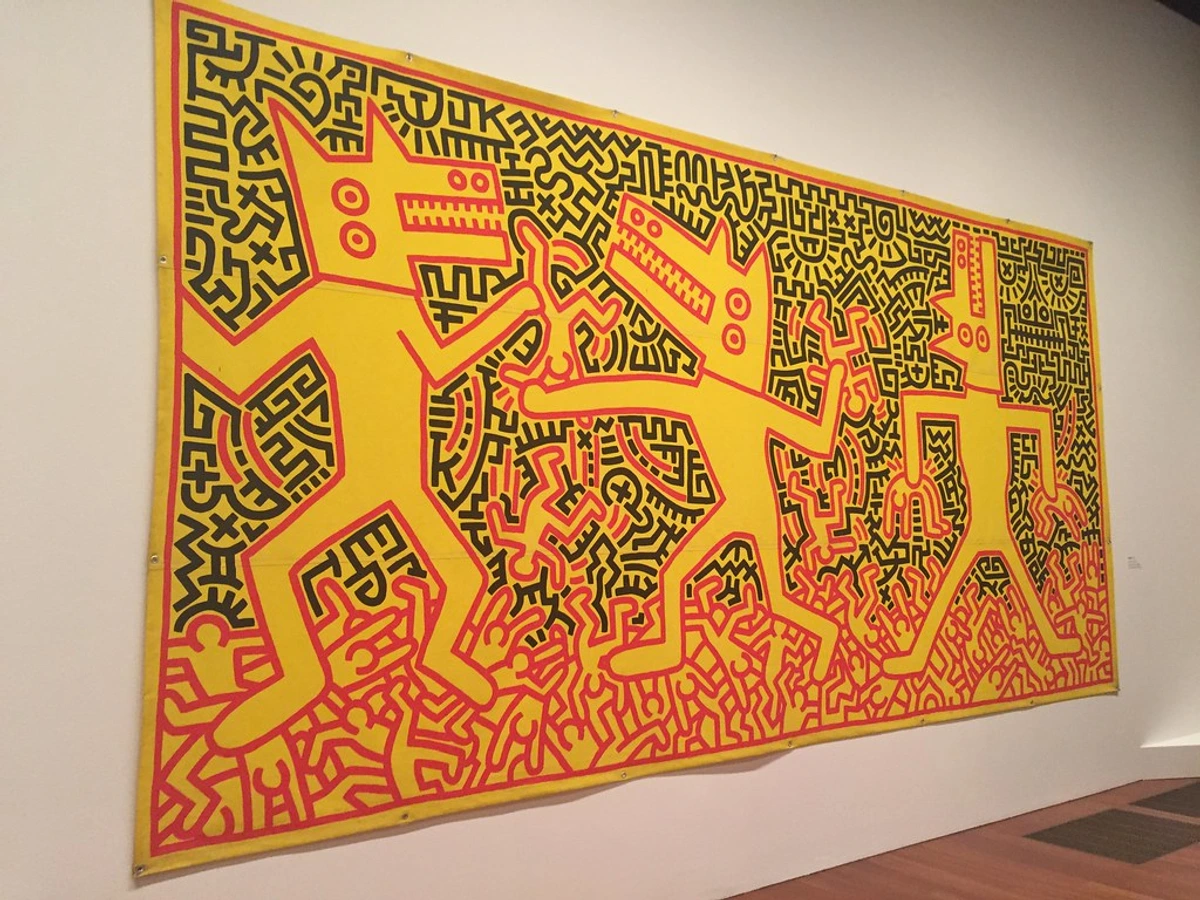
And it’s a feeling I often get when walking into a gallery space, expecting one thing, and being hit by this unexpected, vibrant energy.
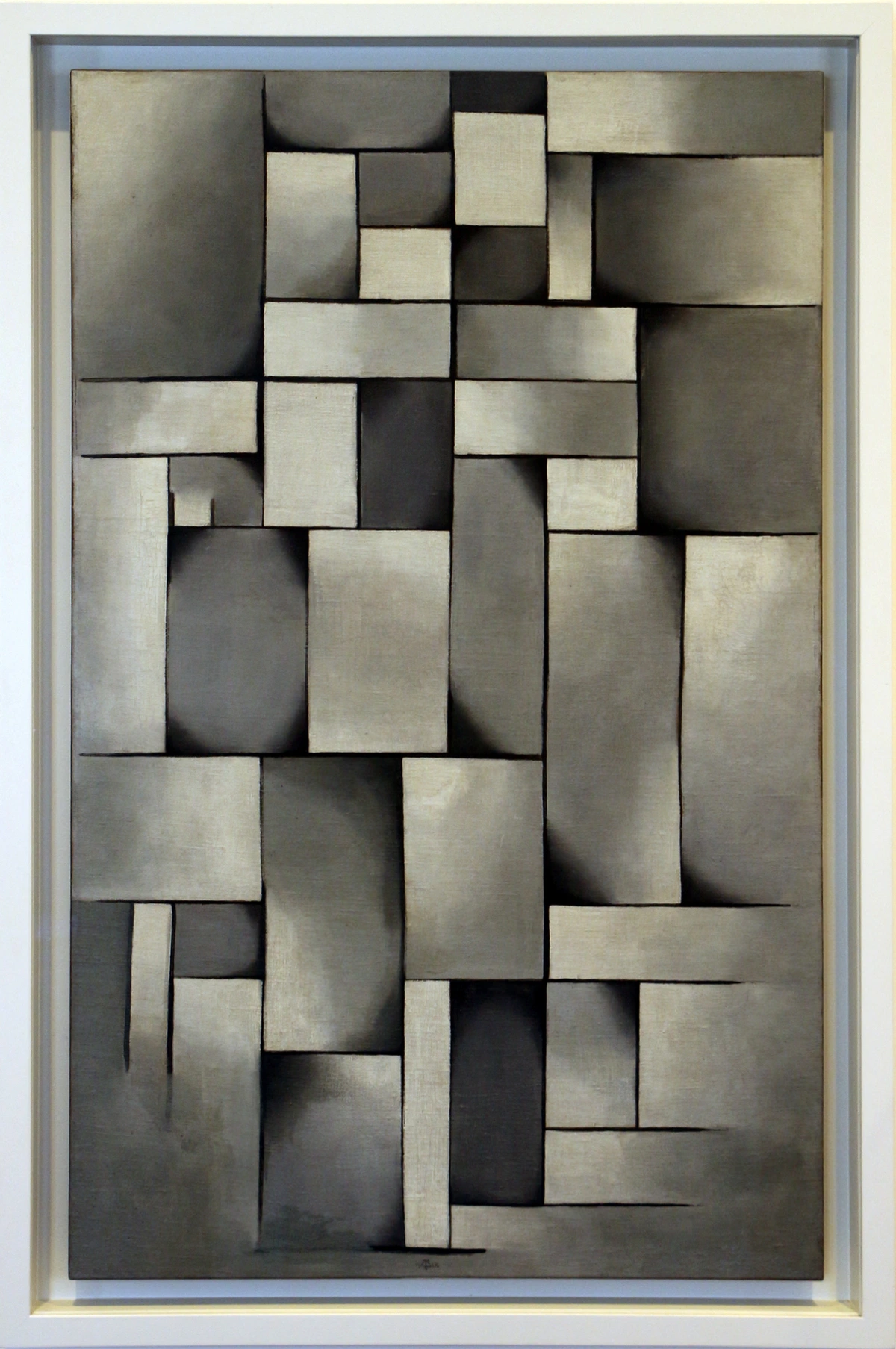
The vibrant psychology of color is undeniable in CoBrA, too. They didn't just use color; they unleashed it, allowing it to speak volumes about mood, energy, and the human condition. It’s a powerful lesson in how artists use color to transcend mere representation.
CoBrA's Echo: Its Legacy in a Wider Art World
Despite its explosive impact, the CoBrA movement itself was incredibly short-lived, officially dissolving in 1951. Just three intense years! During that brief period, however, they made waves with their controversial exhibitions. The 1949 Amsterdam exhibition, for example, provoked outrage and strong reactions from critics and the public who were simply not ready for such raw, 'anti-aesthetic' art. It wasn't just art; it was a challenge to the status quo. Yet, its influence reverberated far beyond its brief existence. It was a crucial bridge between European Expressionism and the more global Abstract Expressionism that would follow. While American Abstract Expressionism often focused on the heroic individual gesture, CoBrA emphasized collective spontaneity and a more deeply rooted European tradition of expressive figuration and mythology. They were both about raw emotion, but with different cultural inflections, which I find fascinating. Its spirit of spontaneity and raw emotional output certainly laid groundwork for movements like Neo-Expressionism in the later part of the century, particularly in the 1980s when artists like Jean-Michel Basquiat picked up on that raw, almost graffiti-like energy. You can definitely see threads of its vibrant energy in contemporary art today, proving that the desire for unvarnished, authentic expression never really dies.
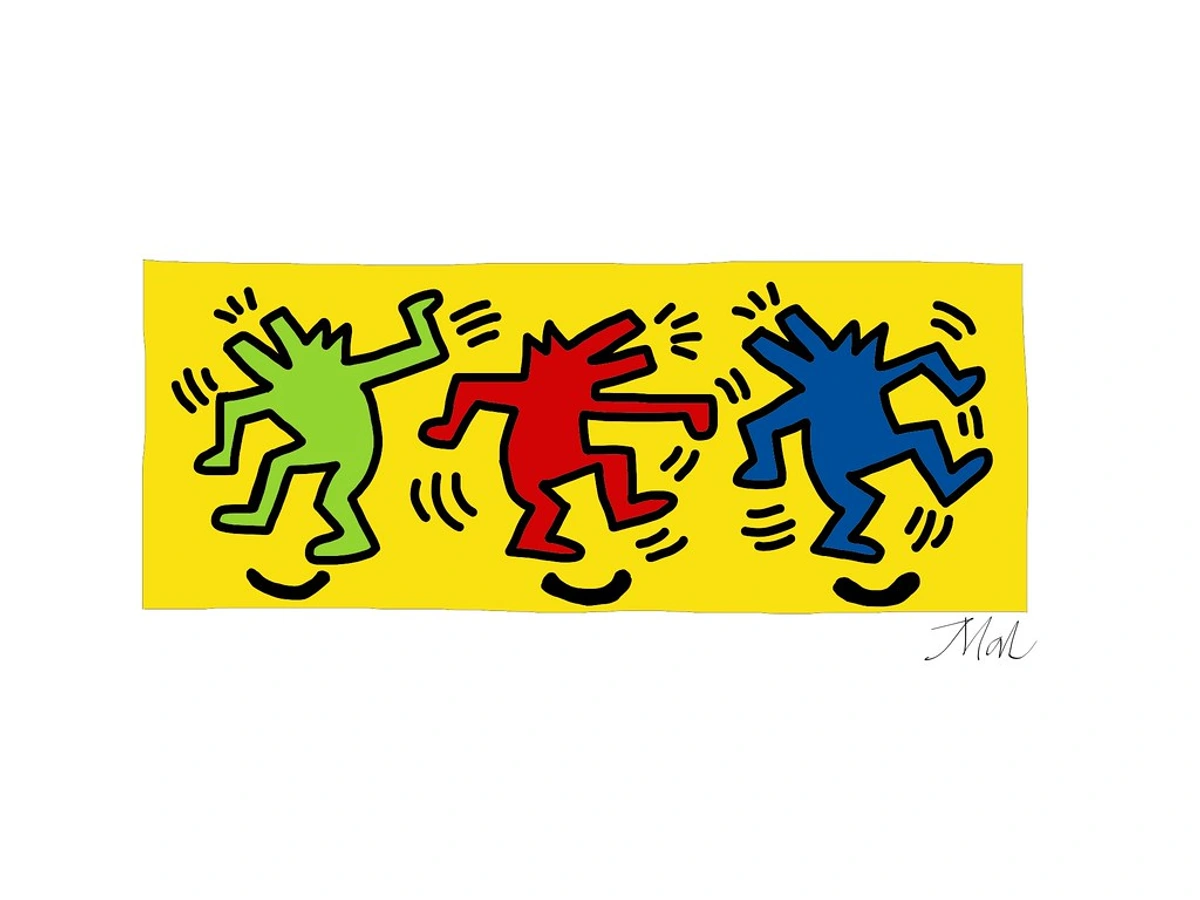


Seriously, when I see works like Basquiat's, I can't help but feel a direct lineage to that CoBrA spirit – that raw, uninhibited mark-making and intense emotional impact.
For anyone trying to understand the full sweep of abstract art movements, CoBrA is an absolute must. It’s a vital, fiery chapter in how art continually reinvents itself. Honestly, without the brave, messy work of CoBrA, I wonder if the artistic freedom many of us enjoy today would have taken quite the same path. You can even see some echoes of this uninhibited expression in the broader arc of Expressionism as a whole.
Why CoBrA Resonates with My Own Artistic Journey
Perhaps it’s obvious why CoBrA speaks to me so profoundly as an artist. My own approach to creating abstract art often involves embracing intuition, allowing colors to lead the way, and letting the raw energy of the moment guide the brush. It's a surrender, really, to the creative impulse, rather than trying to control every stroke. That's a lesson I learned, consciously or unconsciously, from movements like CoBrA. It's a deeply personal journey, one that finds kinship in the unpretentious, heartfelt output of the CoBrA artists. They really threw out the rulebook, didn't they? And that resonates so much with my own struggle to break free from what art should be and embrace what it can be, which is often messy and glorious. I mean, how many times have I stood in front of a blank canvas, paralyzed by the idea of 'perfection,' only to remember the wild freedom of CoBrA and just go for it?
Their commitment to expressing an inner world, rather than merely depicting the outer, is a core tenet of my personal philosophy and artistic vision. It’s not about capturing a perfect likeness of a tree; it’s about translating the feeling of standing under that tree, the wind, the rustling leaves, the sense of being small in a big world. That’s the emotional truth CoBrA chased, a raw, unfiltered honesty that bypasses intellectual filters, and it’s what I chase too. It’s about creating art that truly feels something, rather than just looks pretty. It’s about being vulnerable on the canvas, showing a piece of your soul. And while you can see some of my work for sale, it's important to remember that the true value, to me, lies in that connection, that raw exchange. I even have a corner in my mind, a bit like a personal museum, where these historical threads connect to my own timeline of creative discovery.
FAQs About the CoBrA Art Movement
What motivated the CoBrA artists?
They were largely motivated by a shared frustration with the academic, intellectualized art that prevailed after World War II. They sought a return to more spontaneous, expressive, and authentic forms of art, drawing inspiration from children's drawings, folk art, and 'primitive' art. They wanted art that felt human and alive, not detached and theoretical.
What does "CoBrA" stand for?
CoBrA is an acronym for the home cities of its founding members: Copenhagen, Brussels, and Amsterdam. It's a simple name, but it perfectly encapsulates the international, collaborative spirit of the group, bringing together artists from different cultures under a unified, rebellious banner. Pretty clever, right?
When was the CoBrA movement active?
The movement officially lasted a remarkably short period, from 1948 to 1951. Just three years! But don't let its brevity fool you; its impact was immense. Like a meteor, it burned brightly and intensely, leaving a lasting crater in the landscape of modern art.
What were the main characteristics of CoBrA art?
Think raw energy! CoBrA art is characterized by vibrant, often primary colors, expressive brushstrokes, distorted or semi-abstract figures (often childlike or mythological), and a rejection of academic conventions in favor of spontaneity and emotion. It often conveyed themes of human suffering, joy, and the subconscious.
What were CoBrA's main influences?
They drew inspiration from a diverse range of sources, including Nordic mythology, prehistoric art, children's drawings, folk art, and the works of artists like Paul Klee and Joan Miró. They sought to tap into universal, primal forms of expression unburdened by Western cultural conditioning.
What were the main characteristics of CoBrA art?
Think raw energy! CoBrA art is characterized by vibrant, often primary colors, expressive brushstrokes, distorted or semi-abstract figures (often childlike or mythological), and a rejection of academic conventions in favor of spontaneity and emotion.
Who were some key CoBrA artists?
Some of the most prominent members included Karel Appel, Corneille, Asger Jorn, Christian Dotremont, Pierre Alechinsky, and Constant Nieuwenhuys. Each brought their unique voice to the collective.
Where can I see CoBrA art today?
You're in luck! Major museums around the world, especially in Europe, have significant CoBrA collections. The Stedelijk Museum in Amsterdam, Tate Modern in London, and the Centre Pompidou in Paris are excellent places to start. Their works are also frequently featured in international exhibitions focusing on post-war European art.
How did CoBrA influence later art movements?
CoBrA served as a vital link between European Expressionism and Abstract Expressionism, and its emphasis on raw emotion and spontaneity heavily influenced movements like Neo-Expressionism in the 1980s, particularly through artists like Jean-Michel Basquiat. Their focus on the collective, the spontaneous, and the subconscious also laid groundwork for various forms of experimental art and performance art that emerged in the decades that followed. Its spirit continues to inspire artists today who value uninhibited expression.
Final Strokes: The Unforgettable Spirit of CoBrA
So there you have it. CoBrA, a movement that burned bright and fast, leaving an indelible mark on the canvas of art history. It's a powerful reminder that sometimes, the most profound statements come not from careful calculation, but from pure, unadulterated passion. It's about daring to be messy, daring to be real, and daring to let your inner child take over the brush. And really, isn't that what art is all about? The legacy of CoBrA isn't just in the paintings and sculptures they left behind, but in the enduring spirit of artistic freedom and the courage to look for beauty in the unconventional. It’s a powerful testament to the idea that sometimes, the most profound artistic statements come from breaking all the rules and simply allowing your authentic self to emerge.