
My Deep Dive into Famous Japanese Artists: Hokusai, Kusama & More
Join me on a personal journey through Japanese art, exploring the iconic works of Hokusai, the vibrant world of Kusama, and the poignant figures of Nara. Discover the enduring legacy of these masters and their universal appeal.

The Ultimate Guide to Japanese Art: From Ancient Traditions to Contemporary Visions
Japanese art, for me, is more than just beautiful objects; it's a conversation across millennia, a profound meditation on nature, impermanence, and the human spirit. It's an invitation to experience an entire cultural worldview. Sometimes, I find myself just staring. Not at my phone, not at a screen, but really staring at a piece of art, letting it wash over me, letting its quiet power seep into my bones. And honestly, some of my most profound moments of quiet awe have come from diving into the world of Japanese art. It’s a realm that’s not just about paintings and sculptures; it’s a holistic philosophy encompassing everything from the rusticity of a tea bowl to the sprawling serenity of a garden, from a delicate kimono to the raw power of a woodblock print. It’s a realm that’s both intensely personal and wildly expansive, capable of capturing a fleeting moment of nature or an entire universe within a single brushstroke. I’ve always been drawn to how Japanese artists manage to convey so much with what often feels like such intentional simplicity. From the exquisite, ancient Jōmon pottery of prehistory to the democratic Ukiyo-e woodblock prints of the Edo period, and on to the vibrant, often challenging installations of contemporary masters, Japanese art offers a continuous journey through history, philosophy, and unparalleled aesthetic innovation.
This guide isn't just a list of names; it's an immersive exploration of the movements, the profound ideas, the intricate craftsmanship, and the individual geniuses who have shaped one of the world's most captivating and influential artistic traditions. We'll trace its evolution from prehistoric pottery to contemporary digital works, uncovering the universal truths hidden within its unique aesthetic. Ready to dive into this rich tapestry of creativity? Perhaps you've encountered a fleeting image of a cherry blossom or a serene rock garden, and felt that inexplicable pull. That's the essence of what we're exploring here: an art tradition that’s both deeply rooted in its own culture and universally resonant, offering a window into a truly unique worldview.
Sometimes, I find myself just staring. Not at my phone, not at a screen, but really staring at a piece of art, letting it wash over me, letting its quiet power seep into my bones. And honestly, some of my most profound moments of quiet awe have come from diving into the world of Japanese art. It’s a realm that’s not just about paintings and sculptures; it’s a holistic philosophy encompassing everything from the rusticity of a tea bowl to the sprawling serenity of a garden, from a delicate kimono to the raw power of a woodblock print. This isn't just a guide; it's an invitation to experience an entire cultural worldview. It’s a realm that’s both intensely personal and wildly expansive, capable of capturing a fleeting moment of nature or an entire universe within a single brushstroke. I’ve always been drawn to how Japanese artists manage to convey so much with what often feels like such intentional simplicity. From the exquisite, ancient Jōmon pottery of prehistory to the democratic Ukiyo-e woodblock prints of the Edo period, and on to the vibrant, often challenging installations of contemporary masters, Japanese art offers a continuous journey through history, philosophy, and unparalleled aesthetic innovation.
This guide isn't just a list of names; it's an immersive exploration of the movements, the profound ideas, the intricate craftsmanship, and the individual geniuses who have shaped one of the world's most captivating and influential artistic traditions. We'll trace its evolution from prehistoric pottery to contemporary digital works, uncovering the universal truths hidden within its unique aesthetic. Ready to dive into this rich tapestry of creativity? Perhaps you've encountered a fleeting image of a cherry blossom or a serene rock garden, and felt that inexplicable pull. That's the essence of what we're exploring here: an art tradition that’s both deeply rooted in its own culture and universally resonant, offering a window into a truly unique worldview.
Core Japanese Aesthetic Principles: Wabi-Sabi, Mono no Aware, and Yūgen
Before we dive deeper into specific periods and artists, it’s essential to grasp some of the foundational aesthetic principles that underpin much of Japanese art. These aren't just artistic styles; they are philosophies that permeate daily life, design, and our understanding of beauty. They've certainly shaped how I approach my own art, encouraging me to find depth in simplicity.
- Wabi-Sabi (侘寂): This is arguably the most recognized, and perhaps the most deeply felt, Japanese aesthetic. At its heart, it’s about finding beauty in imperfection, transience, and simplicity. Think of a rustic, handmade ceramic bowl with an uneven glaze, or a withered branch against a clear sky. It’s an acceptance of the natural cycle of growth, decay, and the beauty inherent in wear and tear. It teaches us to appreciate the subtle, the imperfect, the ephemeral – a cracked glaze, a faded color, the quiet dignity of age on an antique piece of furniture. It’s a profound counterpoint to Western ideals of perfect symmetry and eternal youth. For me, it's a powerful reminder that true beauty often lies in what is authentic and impermanent.
- Mono no Aware (物の哀れ): This phrase is often translated as
The Irresistible Pull of Japanese Masters and Their Global Footprint
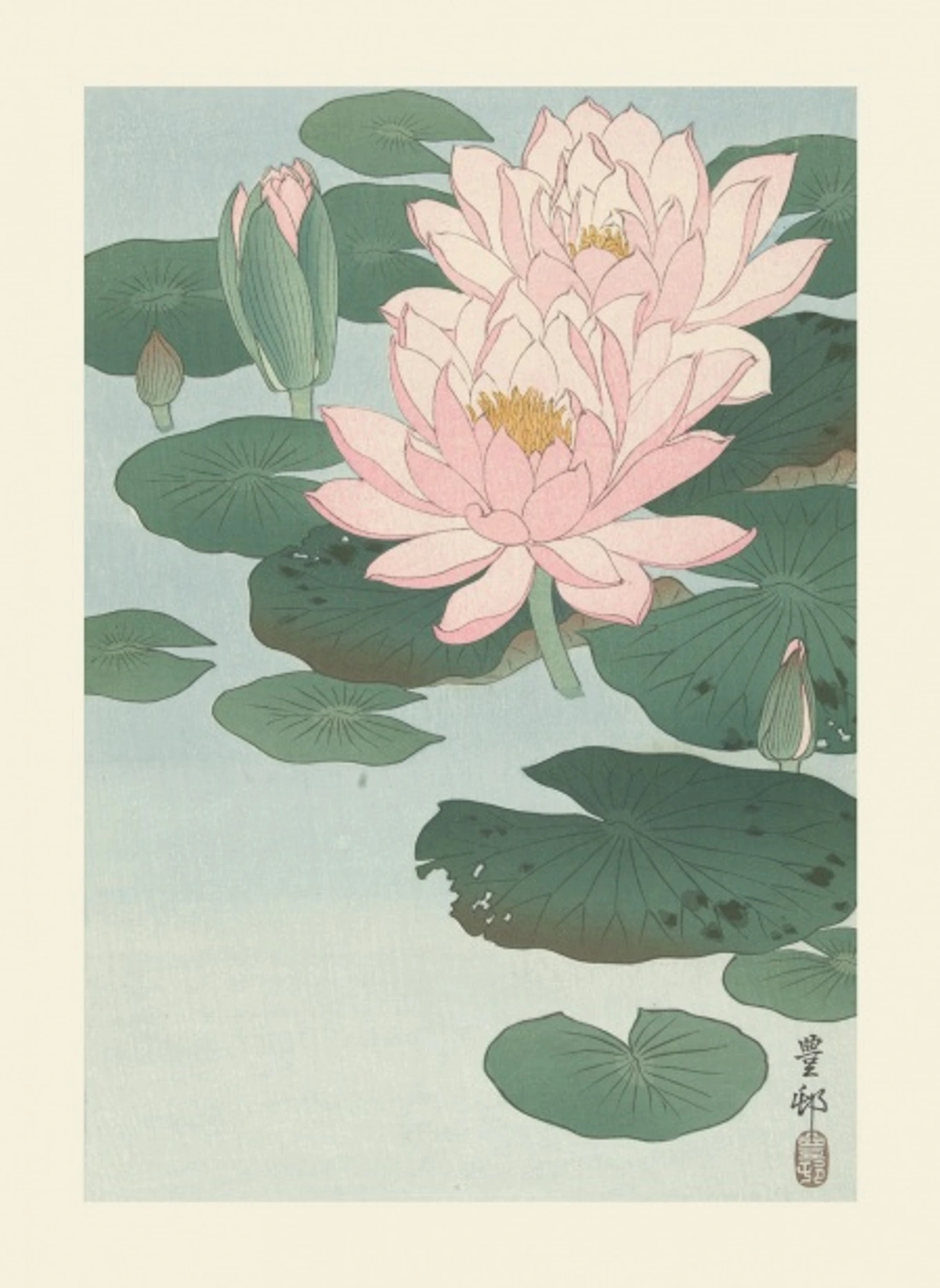
When I first started exploring art, I was, like many, probably more familiar with European movements. But the moment I really encountered Japanese art, it felt like discovering a secret garden – a vibrant, deeply rooted culture that speaks to something universal. There's a certain elegance, a profound respect for nature, and an undercurrent of philosophical depth that just resonated with me. It’s not just about pretty pictures; it’s about capturing the essence of things – the fleeting beauty of a cherry blossom, the raw power of the ocean, or the quiet contemplation of a rock garden. It's this dedication to capturing the spiritual and emotional resonance of the world that I believe allows these artists to transcend borders and time, leaving an indelible mark on the global art scene. I mean, who hasn't seen that wave? What you might not realize, though, is how deeply that wave, and countless other Japanese artworks, impacted Western artists, sparking a phenomenon known as Japonisme. It wasn't just a fleeting trend; it was a profound cross-cultural dialogue that fundamentally reshaped European artistic sensibilities, opening eyes to new compositional strategies, color palettes, and philosophical approaches to art, from the everyday to the sublime. This cross-cultural exchange was nothing short of revolutionary. We can see its profound influence on Impressionists like Van Gogh, whose bold outlines, flattened perspectives, and vibrant colors in works like 'The Courtesan' directly reference ukiyo-e prints, and Monet, whose series paintings, like his iconic water lilies, echo Japanese compositional principles and serial approaches to nature, capturing the ephemeral qualities of light and atmosphere. Post-Impressionists like Degas adopted unusual compositional angles and cropped figures, creating a sense of immediacy and candidness often seen in Japanese woodblock prints. Furthermore, designers of Art Nouveau drew heavily from Japanese woodblock print motifs and intricate craftsmanship, favoring organic lines, natural forms, and elegant sinuousness that permeated everything from furniture to jewelry. Even early Cubism, with its flat planes and multiple perspectives, found echoes in the spatial ambiguities and graphic qualities seen in ukiyo-e. It's a testament to the power of artistic exchange, showing how a culture's unique vision can completely redefine the global art landscape.

Katsushika Hokusai: Beyond the Great Wave
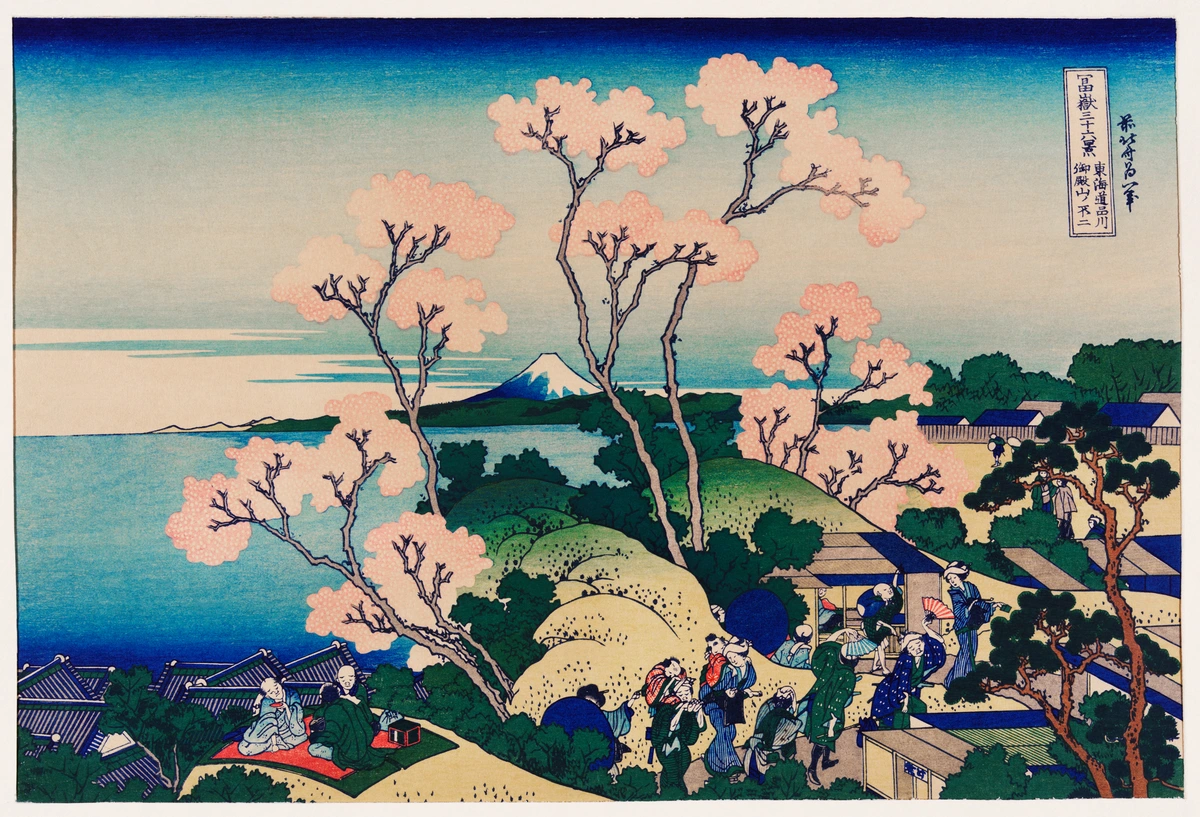
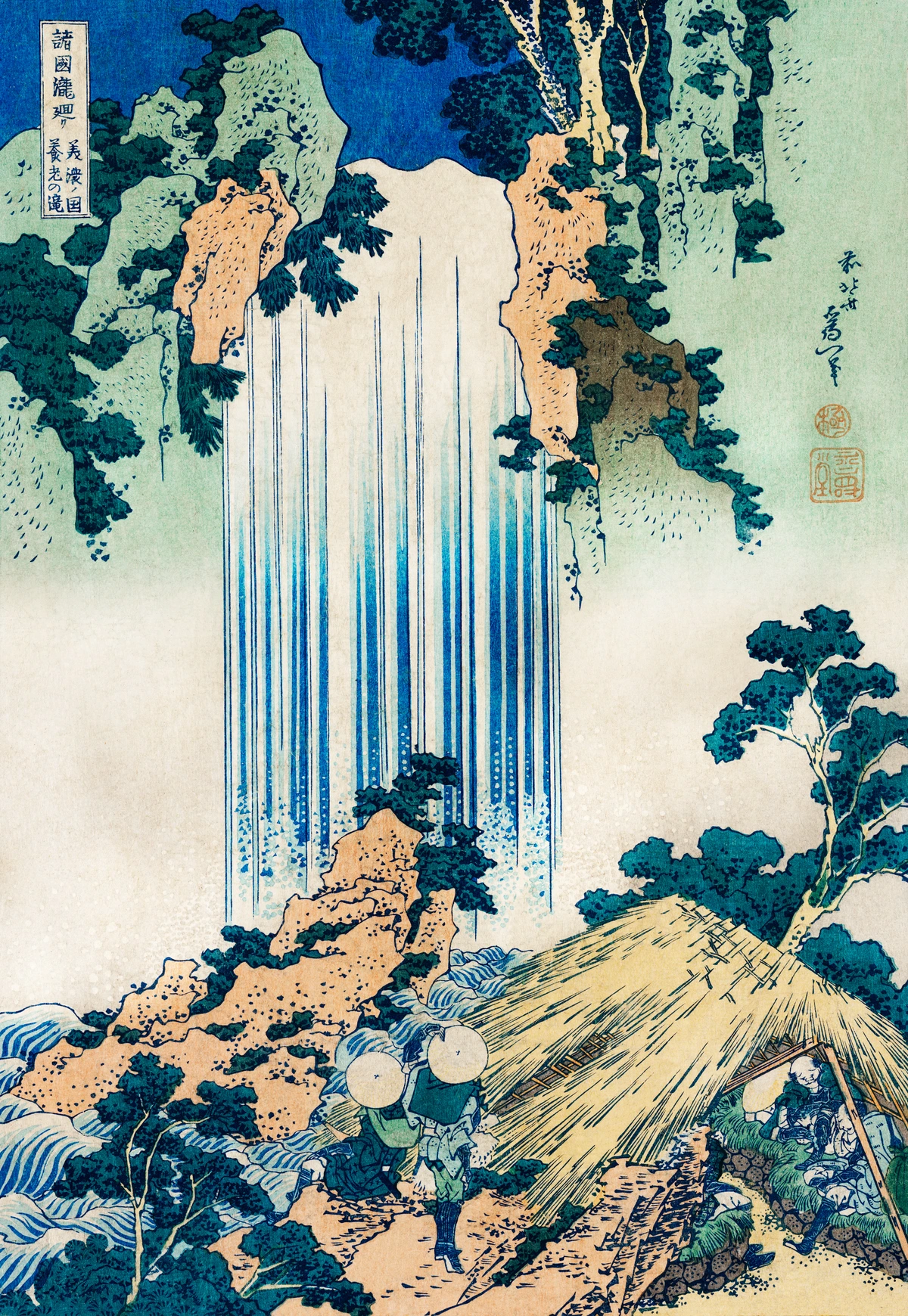
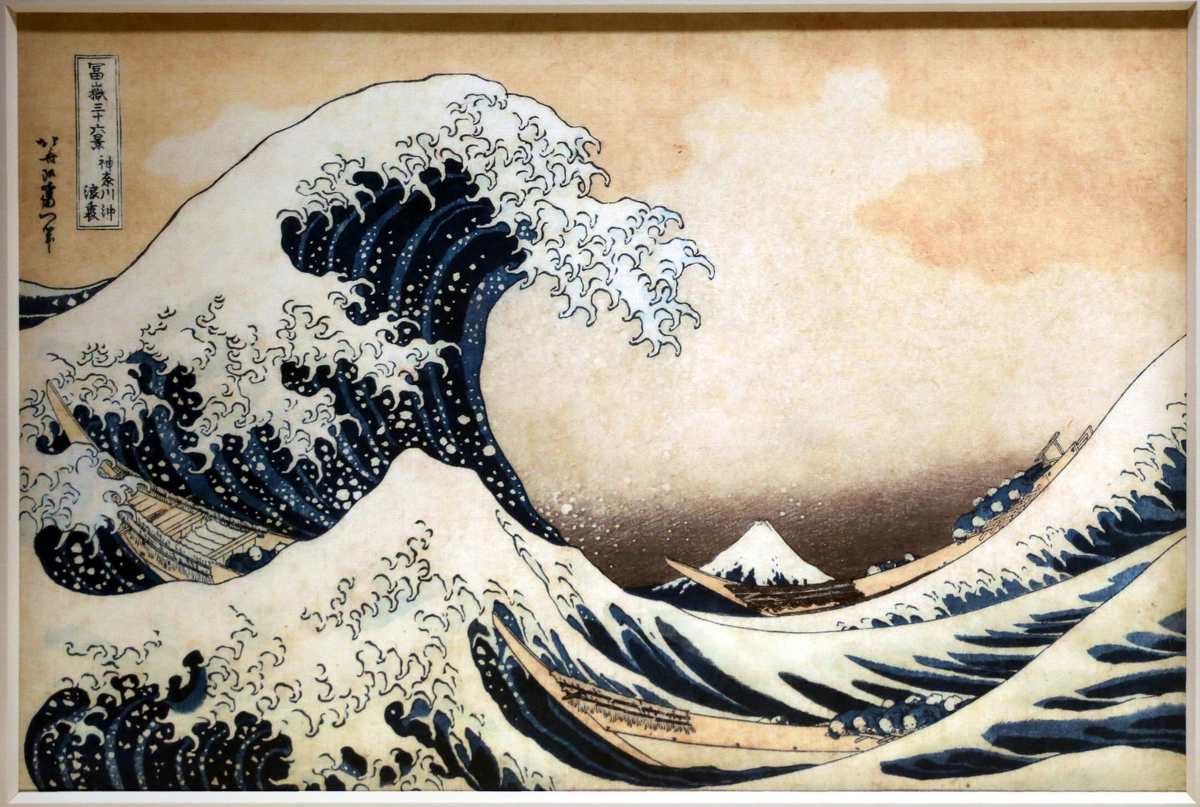
Ah, Katsushika Hokusai. The name itself feels like history whispered on a breeze, carrying with it the scent of Edo-period Japan. When people think of Japanese art, often the first image that springs to mind is his iconic "The Great Wave off Kanagawa." And honestly, who can blame them? It’s not just a masterpiece; it’s a cultural touchstone. I still remember the first time I saw a high-quality print of it, not just a tiny thumbnail online – the sheer scale, the intricate details, the vibrant blue. It was like seeing the ocean for the first time, truly seeing it. The sheer power, the impending doom, the fragile boats against nature’s might, all framed by that distant, serene Mount Fuji – it’s just breathtaking. It reminds me of how small we are, yet how persistent.
But to truly appreciate Hokusai, you have to go beyond the wave. Born Tokitarō in 1760, he adopted over 30 different names throughout his career, a testament to his evolving styles and phases of artistic exploration – a bit like a musician reinventing themselves with each album, each persona unlocking a new creative vein! He was an incredibly prolific Ukiyo-e artist, a master of woodblock prints, working during Japan's Edo period. His artistic output spanned over seventy years, a testament to his relentless pursuit of artistic perfection and his unwavering dedication, even when facing personal hardship, poverty, or ostracization. Think about that for a second – seven decades of creating, constantly experimenting and pushing boundaries, often depicting the lives of ordinary people with an extraordinary eye for detail and narrative! His artistic journey, often marked by poverty and personal setbacks, fueled his relentless pursuit of perfection, compelling him to innovate and experiment tirelessly throughout his long career. He once famously remarked, at the age of 73, that he hoped to live to 110 to achieve true artistic enlightenment.
His iconic series "Thirty-six Views of Mount Fuji" (which actually comprises 46 prints) is, of course, a masterpiece, showing Fuji-san from every conceivable angle and season, each a narrative in itself. Beyond "The Great Wave," prints like "Fine Wind, Clear Morning" (Red Fuji) or "South Wind, Clear Sky" offer serene yet powerful depictions of the mountain, showcasing his mastery of perspective, color, and atmospheric effects. These works don't just record the mountain; they interpret its spiritual presence and cultural significance, transforming a geological feature into a living, breathing entity. He wasn't just observing; he was interpreting the spiritual presence of the mountain in every print. But he also produced other iconic works like "The Dream of the Fisherman's Wife" (a somewhat scandalous, yet profoundly artistic image that still sparks conversation today, pushing the boundaries of erotic art at the time) and countless nature studies, from detailed birds and flowers to fantastical creatures (like the yōkai in his Hokusai Manga), showcasing his keen observation skills and boundless imagination across diverse genres. It’s a journey through an artist's soul, expressed through ink and wood, an insatiable curiosity about the world, reflecting a profound engagement with both the natural and supernatural realms.
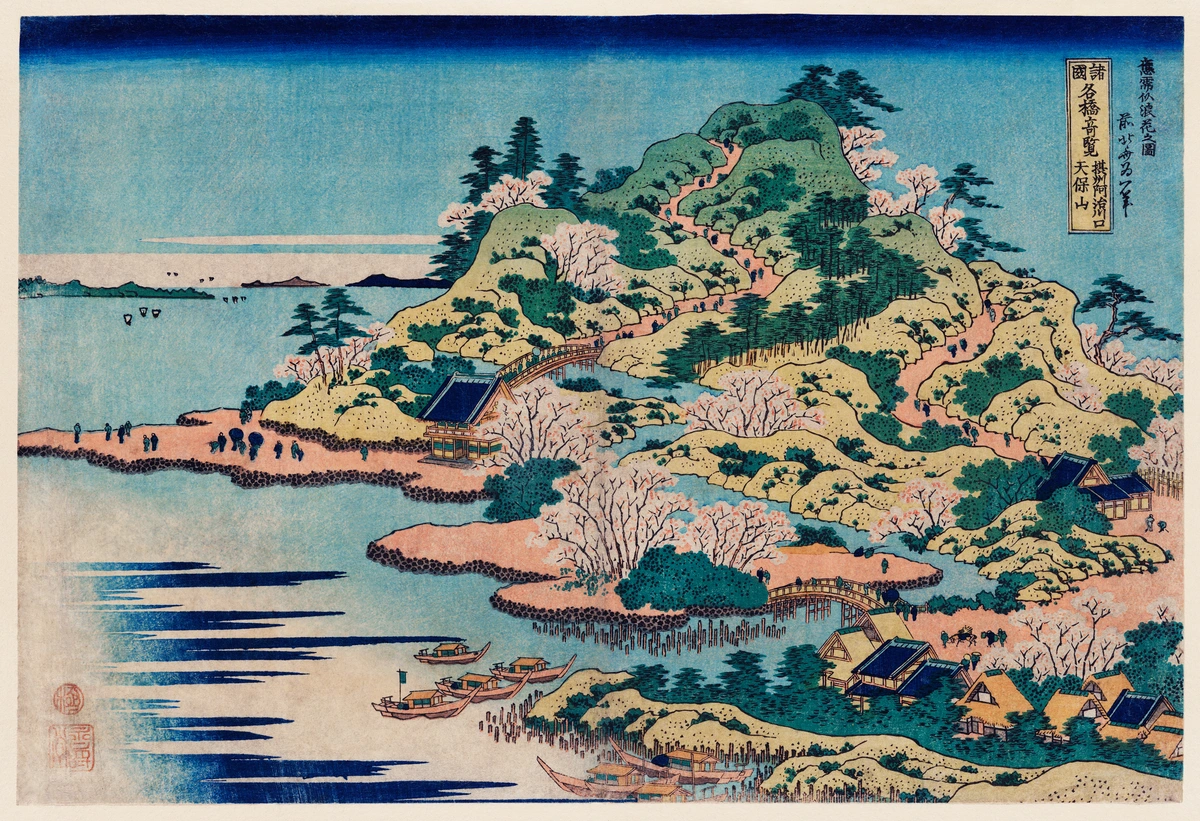
Ukiyo-e, which literally translates to "pictures of the floating world," was a revolutionary genre of Japanese art that flourished from the 17th to 19th centuries during the Edo period. It captured the daily life, transient pleasures, entertainment, landscapes, beautiful women (bijin-ga), and theatrical scenes (yakusha-e) of common people – art for the masses, a truly democratic art form that I find incredibly appealing because it wasn't just for the elite, but spoke to the aspirations and experiences of the burgeoning merchant class. This 'floating world' (ukiyo) referred to the urban pleasure districts, kabuki theaters, and teahouses that thrived in cities like Edo (modern-day Tokyo), celebrating a hedonistic, transient lifestyle. It was about the here and now, the vibrant pulse of Edo-period urban life, a celebration of temporal beauty and earthly delights, offering a fascinating visual record of daily culture and popular tastes.
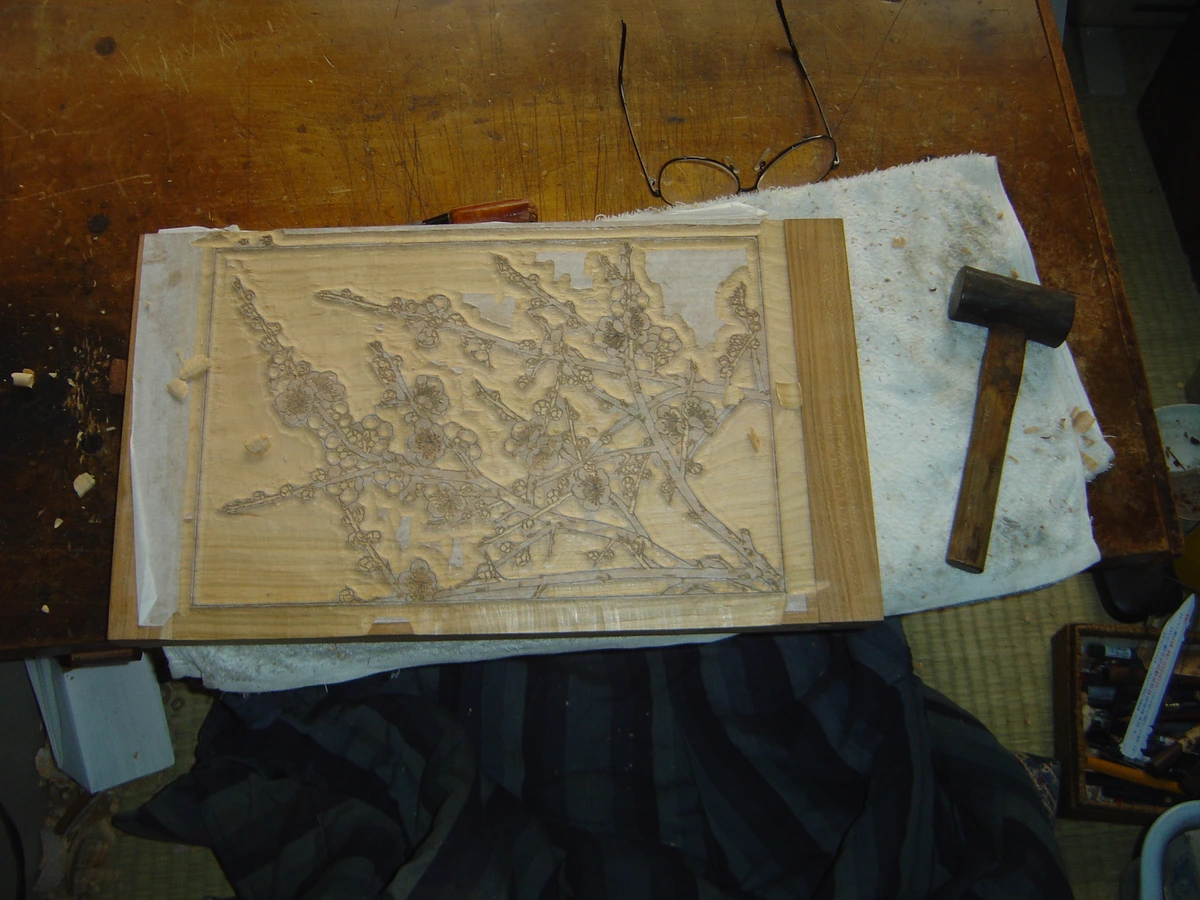
The intricate process of woodblock printing itself is fascinating – a true marvel of collaboration and craft, a symphony of specialized skills. It wasn't a solo act! Imagine a team: the artist (like Hokusai) who drew the original design, often in exquisite detail; the carver who meticulously chiseled away the wood for each color block (sometimes dozens for a single print, each requiring painstaking precision, a single slip could ruin an entire block!); the printer who applied the inks and carefully pressed the paper onto each block with a baren (a disc-shaped tool), ensuring perfect registration for each color and often creating subtle gradations; and the publisher who financed and distributed the works, often guiding the artistic direction and commissioning popular subjects. It's a far cry from clicking 'print' on your computer, requiring immense skill, patience, and coordination to bring these vibrant images to life, a testament to collective artistic endeavor that truly resonates with the Japanese spirit of craftsmanship and attention to detail.
https://upload.wikimedia.org/wikipedia/commons/8/8b/Ukiyo-e_dsc04680.jpg, http://creativecommons.org/licenses/by-sa/3.0/
If you want to dive deeper into the incredible legacy of this master, I highly recommend checking out my other piece, an ultimate-guide-to-katsushika-hokusai. It really gets into the nitty-gritty of what made him so special. Or, for a broader view on the genre, explore the-enduring-legacy-of-ukiyo-e:-japanese-woodblock-prints-and-their-global-impact.
Beyond the Wave: Other Ukiyo-e Masters and Traditional Japanese Art Forms
While Hokusai might be the most globally recognized, the world of traditional Japanese art, particularly Ukiyo-e, is incredibly rich and diverse. It's like finding a treasure chest where every piece tells a different story of the 'floating world' of Edo Japan.
Other Iconic Ukiyo-e Artists
Beyond Hokusai, another towering figure in the Ukiyo-e landscape is Ando Hiroshige (1797–1858). While Hokusai often captured grand, dramatic narratives, Hiroshige's genius lay in his poetic landscapes and evocative travel series, particularly "The Fifty-three Stations of the Tōkaidō" (depicting scenes along the ancient highway connecting Edo and Kyoto) and "One Hundred Famous Views of Edo." His work often evokes a profound sense of atmosphere, showing people interacting with nature and the changing seasons, making you feel like you're right there with them on their journey. He brought a delicate sensibility and a keen eye for subtle beauty to the genre, often incorporating elements of rain, snow, or moonlight that feel incredibly contemporary even today, a true master of capturing ephemeral moments.
Now, let's explore some other masters who carved their own niches in the vibrant world of Ukiyo-e:
- Kitagawa Utamaro (c. 1753–1806): Known for his exquisite bijin-ga (pictures of beautiful women), Utamaro's work often focused on courtesans, geisha, and high-ranking women from the Yoshiwara pleasure district, capturing their elegance, inner world, and elaborate fashion with incredible detail and psychological depth. His prints aren't just pretty faces; they're windows into the lives of Edo period women, revealing their expressions, their hairstyles, and their daily routines with a captivating intimacy, often focusing on half-length portraits that convey individual character. He had a way of making you feel like you knew the person in the print, even if they were from centuries ago, like catching a fleeting glance across a crowded room.
- Toshusai Sharaku: A truly mysterious figure, Sharaku only produced works for about ten months in 1794-1795, yet his impactful Kabuki actor portraits are unforgettable. His bold, almost caricatured, yet deeply expressive depictions of actors on stage are dramatic, powerful, and truly capture the essence of their theatrical roles – not just their likeness, but their very spirit and presence, often emphasizing their stage makeup and elaborate costumes. It's like he saw straight through to their souls and painted that, leaving us to wonder about the identity of the artist behind such genius, a true enigma of the Ukiyo-e world.
- Utagawa Kuniyoshi (1797–1861): A master of musha-e (warrior prints), Kuniyoshi created dynamic and imaginative scenes of legendary samurai, heroes, and mythical beasts. His work is full of explosive energy, vibrant colors, and often a touch of the fantastical, drawing from Japanese folklore, historical epics, and even Western influences in his landscapes. If you like epic tales, powerful imagery, and heroes facing impossible odds, Kuniyoshi is your guy, bringing a cinematic quality and dramatic flair to the woodblock print, often portraying his subjects with a powerful, almost exaggerated musculature.
### Japanese Textiles: Kimono as Canvas and Storyteller
Stepping away from paper and wood, but staying firmly within the realm of profound craftsmanship, we encounter Japanese textiles, a world of intricate beauty where the kimono stands as an undisputed artistic masterpiece. More than just clothing, kimonos are wearable canvases for incredible artistry, employing diverse techniques like weaving, dyeing, embroidery, and painting. Each pattern, color, and motif often carries deep symbolic meaning, reflecting seasons, poetic sentiments (like those inspired by classical poetry), or social status, transforming the wearer into a walking narrative. Think of the elaborate Yūzen dyeing technique, originating in Kyoto, which allows for incredibly detailed, multi-colored patterns reminiscent of paintings, often depicting scenes from nature or classical literature with stunning fluidity. Or the geometric precision of Kasuri weaving, where threads are dyed selectively before weaving to create intricate, often abstract or ikat-like patterns that emerge with fascinating complexity.
I find it fascinating how the kimono embodies the wearer's identity and tells a story, much like a painting or sculpture. The choice of fabric (silk, linen, cotton), the way it drapes, and the patterns (cherry blossoms for spring, chrysanthemums for autumn, cranes for longevity) are all meticulously considered, transforming fabric into a wearable work of art. It’s a tradition that combines aesthetic beauty with cultural narrative, offering a unique window into Japanese sensibilities and craftsmanship.
Japanese Folding Screens (Byōbu) and Sliding Doors (Fusuma): Art in Architecture
Moving to another captivating realm where art and architecture intertwine, we find the exquisite world of Japanese folding screens (Byōbu) and sliding doors (Fusuma). These aren't just functional elements; they are large-scale, portable artworks that transform interior spaces, acting as dynamic canvases for lavish paintings. Byōbu are multi-paneled folding screens, often decorated with vibrant narrative scenes, breathtaking landscapes, or delicate floral motifs, painted on paper or silk and framed with lacquer and metal. They could be used to divide rooms, provide privacy, or simply display art, changing the ambiance of a space with their presence. Imagine a set of six panels depicting a famous battle scene, or a serene garden unfolding across the screen – it's art that moves with you, literally!
Fusuma are opaque sliding panels used as room dividers or closet doors, typically decorated with paintings, calligraphy, or patterned paper. Unlike shoji (translucent paper screens), fusuma offer a solid surface, allowing artists to create expansive murals that could span an entire wall, blurring the lines between painting and interior design. Masters from schools like the Kano school or Tosa school famously adorned castles and temples with these monumental artworks. For me, the beauty of byōbu and fusuma lies in their ability to integrate art seamlessly into daily life, creating immersive environments that are both beautiful and deeply functional. They remind us that art in Japan isn't just something to be observed; it's something to live within.
The Serene Brush: Sumi-e and the Art of Ink
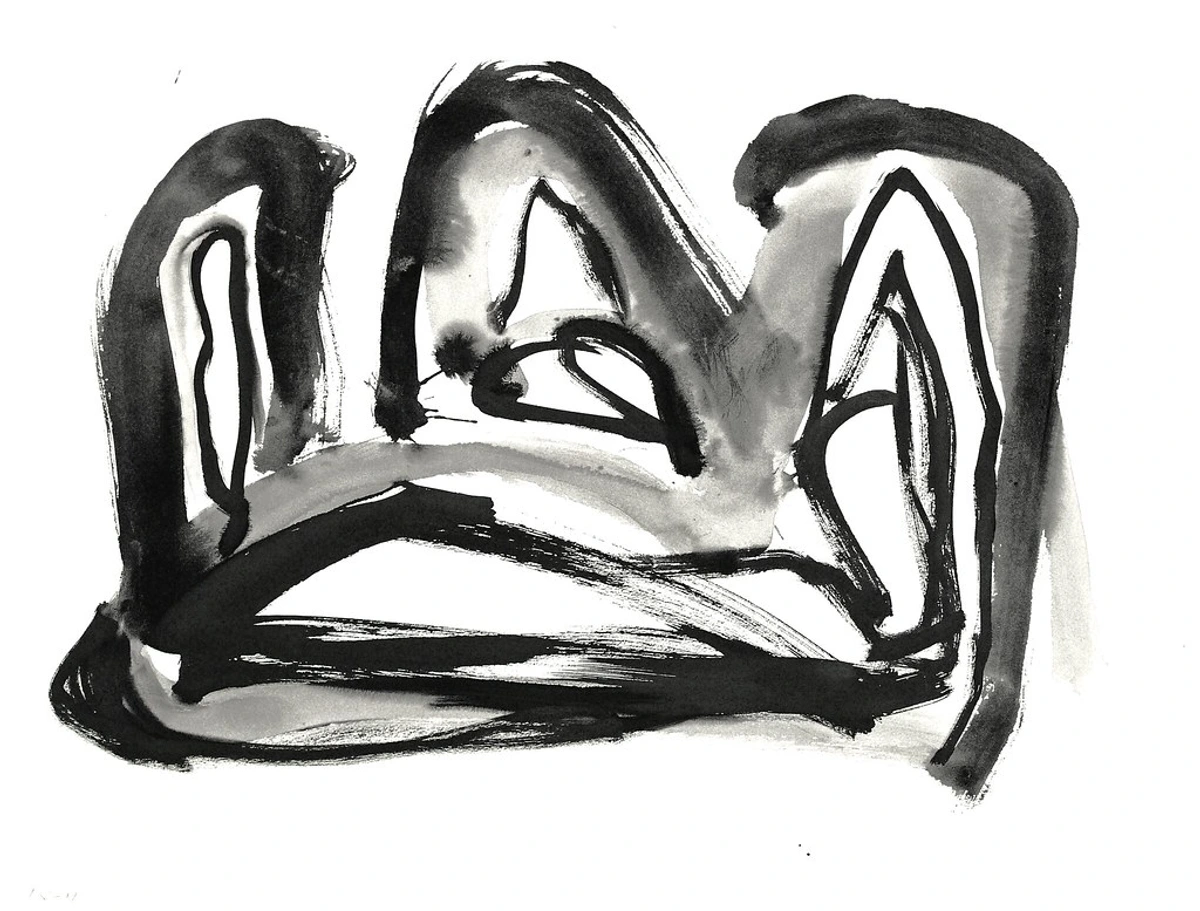
Moving beyond the vivid world of woodblock prints, we encounter Sumi-e, or Japanese ink painting, a practice deeply rooted in Zen Buddhism and Chinese artistic traditions. It's an art form that emphasizes simplicity, spontaneity, and the profound power of negative space – what isn't painted is often as important as what is. With just black ink and a brush, artists evoke vast landscapes, delicate flora, and profound emotions, often seeking to capture the spirit rather than just the literal appearance of their subjects. I always find it mesmerizing how a few well-placed strokes can suggest an entire mountain range shrouded in mist, or the delicate rustling of leaves in an unseen breeze. It's truly a masterclass in 'less is more', and it often encourages me to simplify my own thinking about art.
Key characteristics include:
- Monochromatic Palette: Primarily uses various shades of black ink, ranging from rich darks to translucent greys, achieved through dilution and skillful brush control. Sometimes, a touch of color might be added, but the focus remains on the expressive power of ink.
- Emphasis on Brushwork: Each stroke is deliberate, yet often fluid and spontaneous, conveying texture, form, and movement with remarkable economy. Think of techniques like haboku ('splashed ink') or hatsuboku ('flung ink'), where ink is applied with dramatic, uncontrolled gestures to suggest forms, capturing a fleeting moment of artistic energy. The mastery of brush control allows for an astonishing range of textures, from dry, crackling lines to smooth, translucent washes.
- Spirituality and Nature: Often depicts natural scenes – mountains, water, birds, and flowers – reflecting Buddhist and Daoist principles of harmony, impermanence, and the interconnectedness of all things. It's a meditative practice, both for the artist and the viewer, designed to foster a deeper appreciation for the natural world and inner stillness.
- Artists: Masters like Sesshū Tōyō (Muromachi period), a Zen monk, are revered for their profound, dynamic landscapes, which often seem to breathe with life and spiritual energy. Others like Miyamoto Musashi, the legendary swordsman, also produced remarkable ink paintings, demonstrating the link between martial arts, Zen, and artistic discipline, where the precision of the sword is mirrored in the precision of the brush. The Nanga (Southern School) movement also saw a revival of literati painting, emphasizing personal expression over technical virtuosity, often by scholars and poets.
The Poetic Script: Japanese Calligraphy (Shodo)
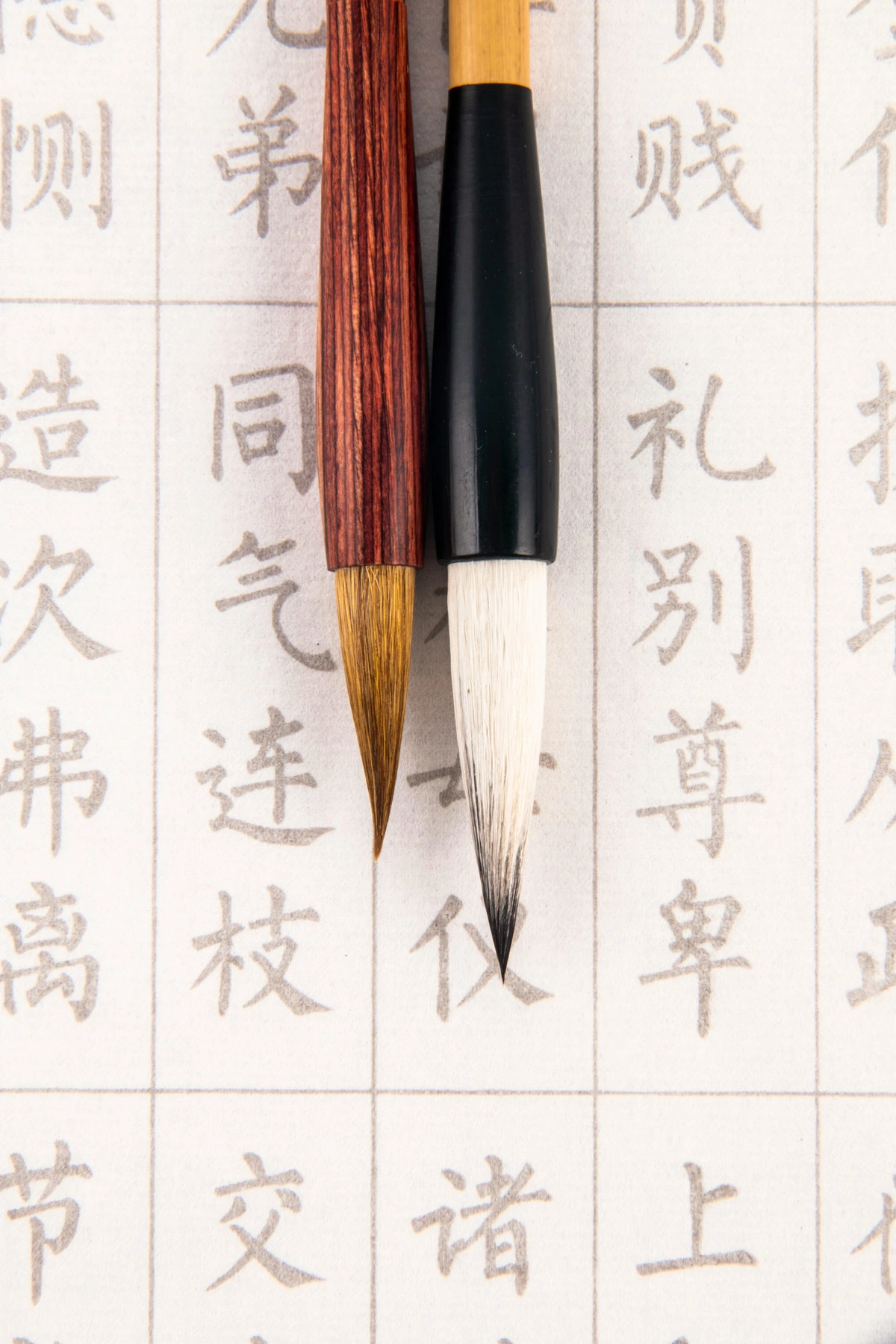
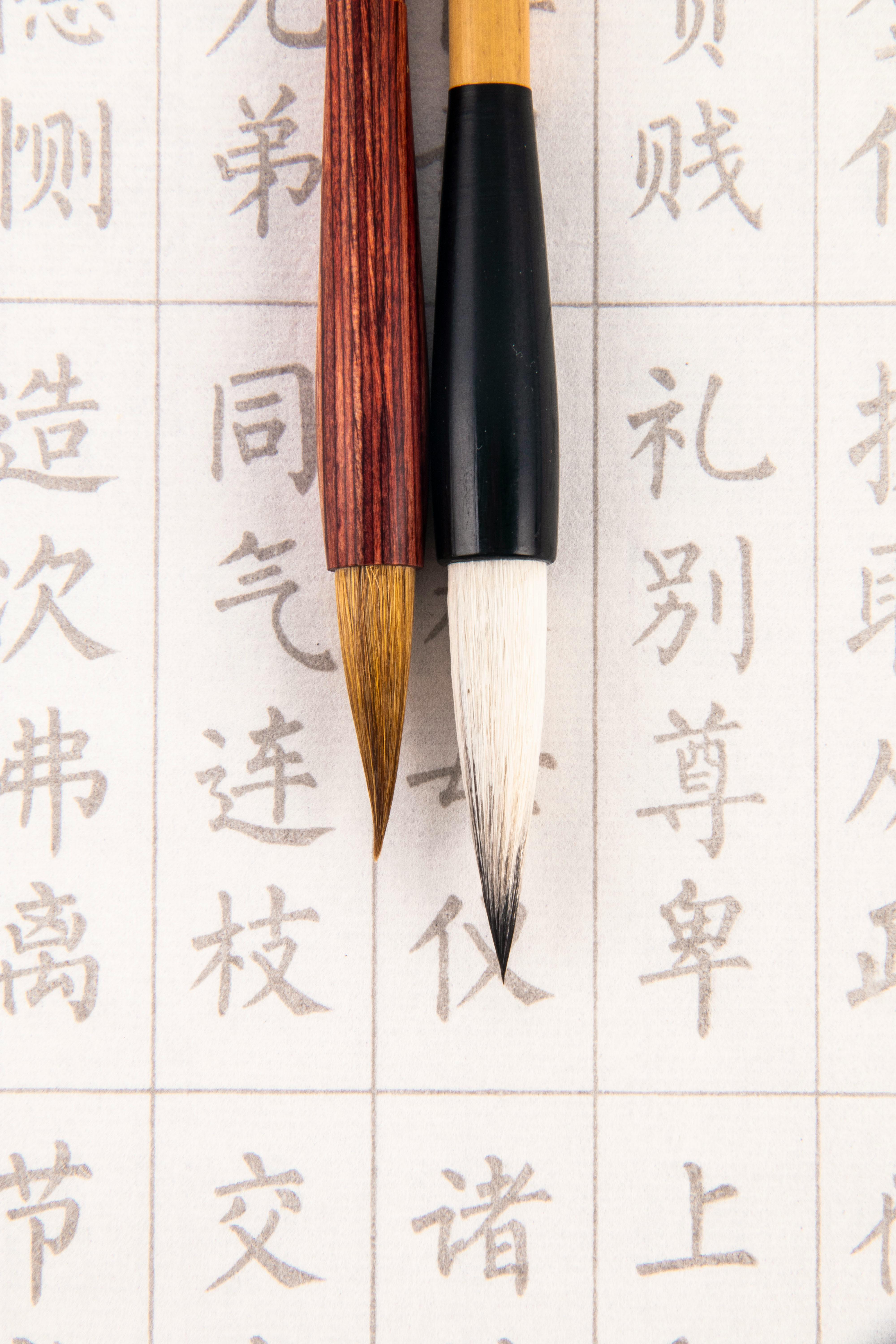
While Sumi-e uses ink for painting, Shodo (書道), or Japanese calligraphy, elevates writing itself into a profound art form and spiritual discipline. It’s not just about legible script; it’s about the aesthetic beauty of each character, the balance of form, and the dynamic energy of the brushstroke, often reflecting the calligrapher's inner state and the very essence of the word being written. Using a brush, ink, and paper, masters convey immense depth with seeming simplicity. The deliberate movement, the pressure of the brush, the varying thickness of lines, and the skillful use of negative space all contribute to a powerful visual rhythm. Each character is a microcosm of the universe, a moment captured in ink that can never be precisely replicated. For me, Shodo embodies a beautiful blend of precision and spontaneity, a meditative practice that demands intense focus and a clear mind, echoing principles found in Zen Buddhism and martial arts. The careful selection of paper, ink, and brush, along with the physical posture and breath, all contribute to the artistic and spiritual outcome, making each piece a unique expression of the calligrapher's journey. It's a direct expression of the artist's spirit, often studied for decades to achieve true mastery and personal style.
Earth and Spirit: Japanese Ceramics and Sculpture
Japanese art is certainly not limited to two dimensions, or even to the terrestrial plane! The nation boasts an incredibly rich history in ceramics, from the rustic, contemplative beauty of Raku ware used in the intimate rituals of the tea ceremony (where its imperfections are celebrated), to the vibrant, elaborate porcelain of Arita and Kakiemon, which were highly prized both in Japan and in Europe for their delicate designs and vibrant colors. Each piece often tells a story of its origins, the particular clay used, the firing process, and the hands that shaped it – a testament to the profound respect for materials and craftsmanship that borders on reverence.
Beyond these, we also have the exquisite artistry of Japanese Lacquerware, particularly the intricate Maki-e (蒔絵) technique. This ancient decorative art involves applying layers of natural lacquer (urushi) to wood or other objects, then meticulously sprinkling gold or silver powder onto the wet surface to create incredibly detailed and luminous designs, often depicting natural scenes, literary motifs, or geometric patterns. Sometimes, mother-of-pearl or other precious materials are inlaid, creating works of breathtaking beauty that were once reserved for the imperial court and samurai elite. The creation of a single piece can take dozens, even hundreds, of hours, a true testament to patience and precision, transforming functional objects into opulent works of art. Different Maki-e techniques like hiramaki-e (flat sprinkled picture), takamaki-e (raised sprinkled picture), and togidashi maki-e (burnished sprinkled picture) allowed for astonishing variations in texture and luminosity.
Beyond these, styles like Shino ware with its thick, milky glazes and characteristic "crawling" (pinholes that reveal the clay beneath), the earthy, unglazed beauty of Bizen ware, with its natural ash glazes and distinctive "hidasuki" (scarlet scorch marks), or the precise geometric patterns of Mashiko ware, showcase the incredible diversity and regional specialties that make Japanese pottery so endlessly fascinating. Each style has its own story, its own connection to the local clay and traditions, and its own unique aesthetic appeal, from the austere to the opulent. And let’s not forget Kintsugi (金継ぎ), the Japanese art of repairing broken pottery with lacquer dusted or mixed with powdered gold, silver, or platinum. But it's so much more than just a repair technique; it's a philosophy, a beautiful expression of both wabi-sabi and mono no aware. Instead of hiding the breaks, Kintsugi emphasizes them, highlighting the object's history and recognizing that the repairs make it even more beautiful, unique, and resilient. It teaches us to embrace flaws and imperfections, viewing them as part of an object's story rather than something to be discarded. I find this idea of celebrating imperfection incredibly profound, a tangible expression of wabi-sabi that offers a powerful metaphor for life itself.
Similarly, Japanese sculpture, particularly the awe-inspiring Buddhist sculpture from earlier periods, demonstrates an unparalleled skill in carving and a deep spiritual resonance. Think colossal wooden Buddhas that just emanate serenity (like the Great Buddha (Daibutsu) at Todai-ji Temple in Nara, a towering bronze figure that embodies immense devotion, or the majestic Kannon Bosatsu at Horyu-ji, radiating profound compassion), or the dynamic guardian figures (Niō) carved by masters like Unkei and Kaikei from the Kamakura period, whose powerful, realistic forms seem to pulse with life, a vivid contrast to the earlier serene styles. These forms, whether a humble tea bowl or a monumental deity, often embody the quintessential Japanese aesthetic of wabi-sabi – finding beauty in imperfection, transience, and simplicity. It's about embracing the natural wear and tear of time, the subtle crackle of a glaze, or the dignified patina of age, recognizing that true beauty often lies in the imperfect and ephemeral. It's a reminder that art can be a powerful vessel for spiritual expression, transforming raw materials into objects of deep contemplation and veneration.
Ancient Japanese Art: From Jōmon to Heian
Before the Edo period's bustling 'floating world,' Japan's artistic legacy stretched back millennia, showcasing remarkable innovation and spiritual depth. Diving into these early eras feels like unearthing hidden treasures, each period adding a crucial layer to the rich tapestry of Japanese art history.
The Earliest Echoes: Jōmon, Yayoi, and Kofun Periods
- Jōmon Period (c. 10,000 – 300 BCE): This is where it all began, with some of the oldest pottery in the world, dating back over 10,000 years! Jōmon pottery is characterized by its distinctive cord-marked patterns (jōmon literally means 'cord-marked,' referring to the impressions left by ropes pressed into wet clay) and often flamboyant, flame-like rims, sometimes described as 'flame-ware'. These utilitarian vessels, crafted by hunter-gatherers, are not just pots; they're sculptural marvels, raw and powerful, reflecting a deep connection to nature and early animistic beliefs. This period also saw the creation of fascinating Dogū figures – small, stylized humanoid and animal figurines, often with exaggerated features or large eyes, believed to have served ritualistic or spiritual purposes, perhaps for fertility rites or protection, or as effigies for shamanistic rituals. From simple, functional bowls to highly elaborate, almost fantastical vessels with intricate ornamentation, Jōmon pottery and Dogū figures showcase an astonishing diversity of forms and an early artistic sensibility. I find their rugged beauty and enigmatic presence incredibly compelling, a testament to ancient human creativity and the enduring human desire to imbue everyday objects and figures with meaning.
- Yayoi Period (c. 300 BCE – 300 CE): With the arrival of new peoples from the Asian continent, agriculture (specifically rice cultivation), and advanced metalworking (bronze and iron) techniques, Japanese society underwent significant transformation, and art became more refined. This era saw the creation of elegant Dotaku (bronze bells), often adorned with abstract patterns or depictions of daily life and nature, which likely served ceremonial purposes, possibly in agricultural rituals or as symbols of authority or community cohesion. Beautifully crafted bronze mirrors (dokyo) also emerged, often featuring intricate geometric designs, used in religious rituals and as grave goods. Alongside these, more functional and less ornate pottery emerged, hinting at an-increasingly organized society, new ceremonial practices, and a shift towards agricultural communities, laying the groundwork for the later imperial structures.
- Kofun Period (c. 300 – 710 CE): This era is named after the massive, keyhole-shaped burial mounds (kofun) built for the ruling elite, some of which are among the largest tombs in the world, surrounded by concentric moats. Surrounding these monumental tombs, we find fascinating Haniwa figures – terracotta sculptures of people (warriors with elaborate armor, shamans, farmers, dancers), houses, boats, and animals (horses, birds). These aren't just decorative; they offer invaluable insights into the daily life, beliefs, and social structures of ancient Japan, believed to have protected the deceased, spiritually marked the boundary of the sacred burial ground, and served as symbolic offerings. Their simplicity, often charmingly direct forms, and quiet dignity are oddly captivating, almost like friendly sentinels from the past, each telling a silent story of a bygone era and revealing much about the emerging aristocracy, from their military might to their spiritual practices.
The Influence of Buddhism: Asuka, Nara, and Heian Periods
The arrival of Buddhism in the 6th century from Korea and China completely reshaped Japanese art. It brought with it new architectural styles, sculptural techniques, and painting traditions, transforming the artistic landscape forever.
- Asuka Period (538 – 710 CE): This period saw the rapid assimilation of Buddhist culture, leading to the construction of Japan's first great Buddhist temples, such as the majestic Horyu-ji (home to some of the world's oldest wooden structures and a UNESCO World Heritage site). This era also brought the creation of serene, powerful Buddhist sculptures, often crafted in bronze or camphor wood, characterized by a sense of ethereal beauty. Masters like Tori Busshi, whose distinctive style included almond-shaped eyes, archaic smiles, and graceful, flowing robes, became influential, emphasizing a sense of spiritual enlightenment and compassion in their works. The iconic Shaka Triad at Horyu-ji is a prime example of this early, powerful Buddhist art, reflecting strong Korean and Chinese influences that were gradually integrated into a burgeoning Japanese aesthetic of solemn grandeur and spiritual devotion.
- Nara Period (710 – 794 CE): Nara, established as Japan's first permanent capital, became an unparalleled hub of Buddhist art and imperial patronage, a golden age of Buddhist art. This era produced monumental bronze statues on a colossal scale, most notably the Great Buddha (Daibutsu) at Todai-ji Temple, a towering bronze figure of the Buddha Vairocana, embodying the immense wealth and devotion of the imperial court and serving as a symbol of national unity. The construction of Todai-ji itself was an epic undertaking, involving countless artisans, resources, and even national labor. The court commissioned lavish works not only in sculpture but also in painting, which began to flourish with detailed Buddhist narrative scrolls, intricate mandalas, and depictions of deities. You can really feel the weight of history and devotion in these grand works, reflecting a period when Buddhism was deeply interwoven with the state and national identity, a powerful force for cultural and spiritual development and the flourishing of imperial art.
- Heian Period (794 – 1185 CE): As the imperial court moved to Heian-kyo (modern Kyoto) to escape the powerful Buddhist monasteries, a distinctly Japanese aesthetic, Yamato-e, emerged in painting. This style, literally 'Japanese painting,' focused on native Japanese subjects – court life, seasonal landscapes, and literary narratives – often depicted with vibrant colors, delicate lines, and distinct compositional techniques like 'blown-off roof' (fukinuki yatai) to view interiors from above, or 'hikime kagibana' (line-eye, hook-nose) for facial features, creating a sense of detached elegance. The iconic Genji Monogatari Emakimono (handscrolls illustrating The Tale of Genji), one of the world's first novels, are prime examples, offering an intimate glimpse into the aristocratic world, revealing not only daily life but also profound psychological insights and refined aesthetics. This period also saw the development of elaborate esoteric Buddhist art, with intricate mandalas and stylized deities (like Fudō Myō-ō), and the flourishing of exquisite decorative arts (including lacquerware and textiles), signaling a significant move away from purely Chinese influence to find a truly unique and refined Japanese voice, one centered on courtly elegance and native sensibility. These narrative scrolls were vital for capturing the intricate emotional landscape of the courtly literature.
Yayoi Kusama: The Infinite World of Dots and Pumpkins
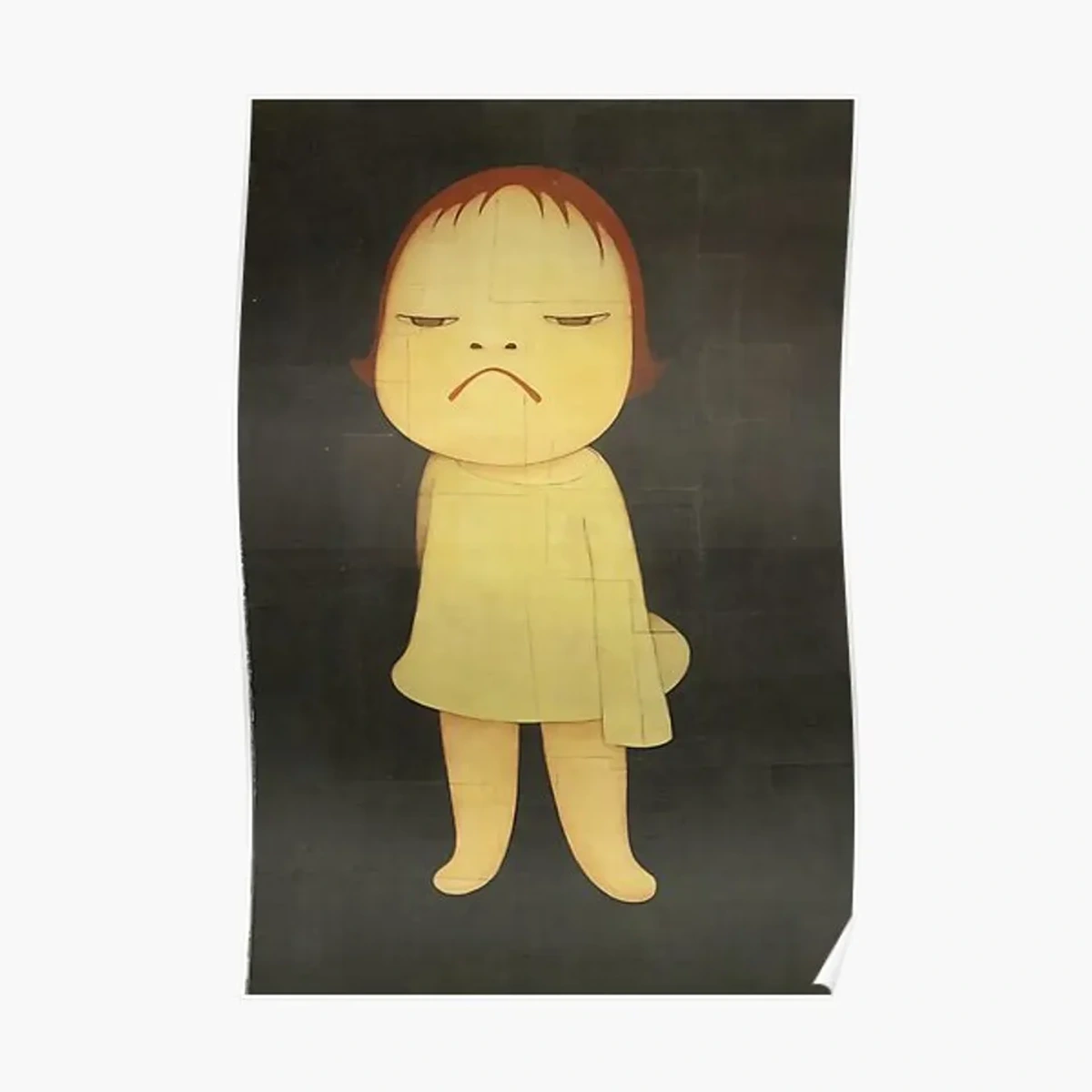
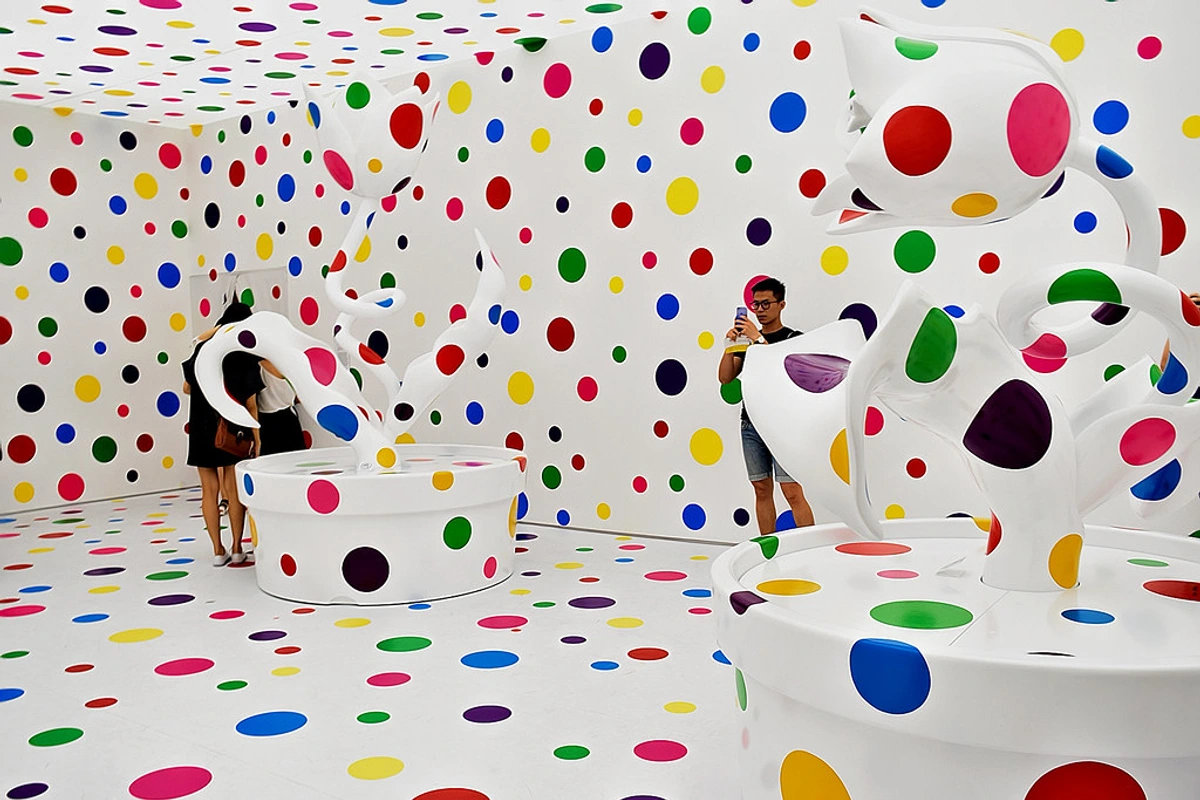
From the serene Edo period to the vibrant, pulsating present, we leap forward to Yayoi Kusama. Now, if Hokusai is the whisper of tradition, Kusama is the loud, unapologetic shout of contemporary art. Her work is instantly recognizable: think polka dots, pumpkins, and mesmerizing Infinity Mirror Rooms. I remember seeing her Narcissus Garden installation years ago, a field of reflective spheres, and just being completely disoriented and enchanted. It was an experience, not just a viewing.
https://live.staticflickr.com/4128/5163822251_66d3e5c4d0_b.jpg, https://creativecommons.org/licenses/by-nc/2.0/
Kusama’s art is a fascinating blend of pop art, minimalism, surrealism, and abstract expressionism, all filtered through her unique perspective, which often grapples with themes of hallucination, obsession, and the infinite. Her artistic journey began early in Matsumoto, Japan, influenced by vivid childhood hallucinations (often of polka dots and flashing lights), which she channeled into her art as a way to cope – a form of self-therapy through relentless creation. This personal struggle is deeply interwoven with her repetitive motifs of dots and nets, which she describes as 'self-obliteration' – a way to integrate herself into the universe by dissolving boundaries between herself, her art, and the viewer, often creating a sense of dizzying infinity. It's a truly profound concept, especially when you step into one of her iconic Infinity Mirror Rooms, like Phalli's Field or Dots Obsession, where the world dissolves into endless reflections, an immersive and often overwhelming experience. It's a disorienting, exhilarating, and deeply personal experience that challenges your perception of space and self.
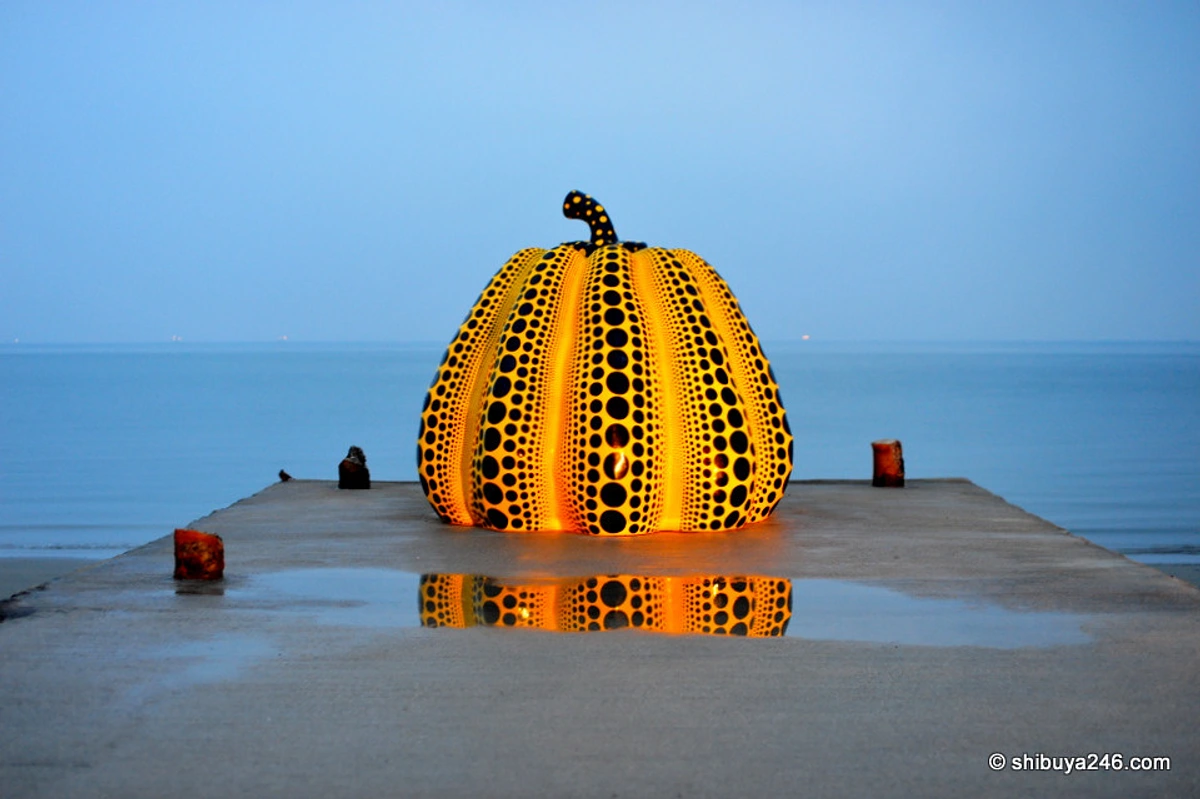
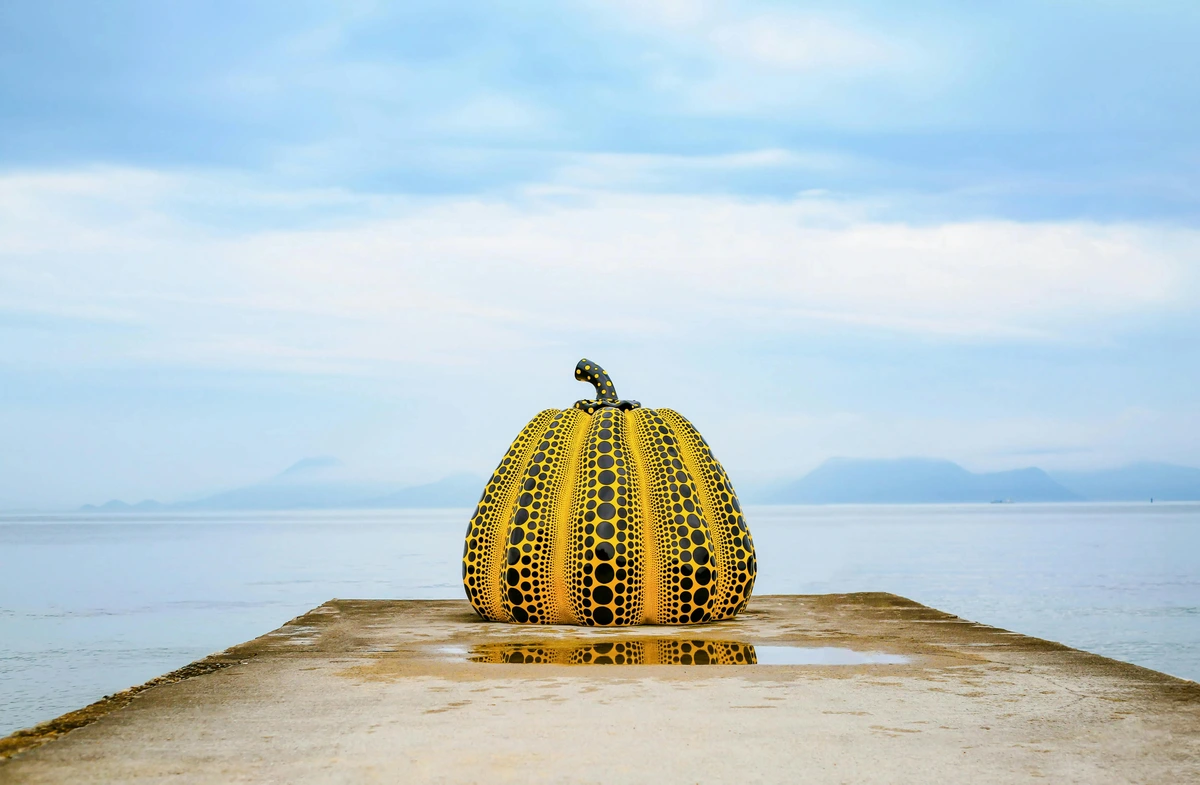
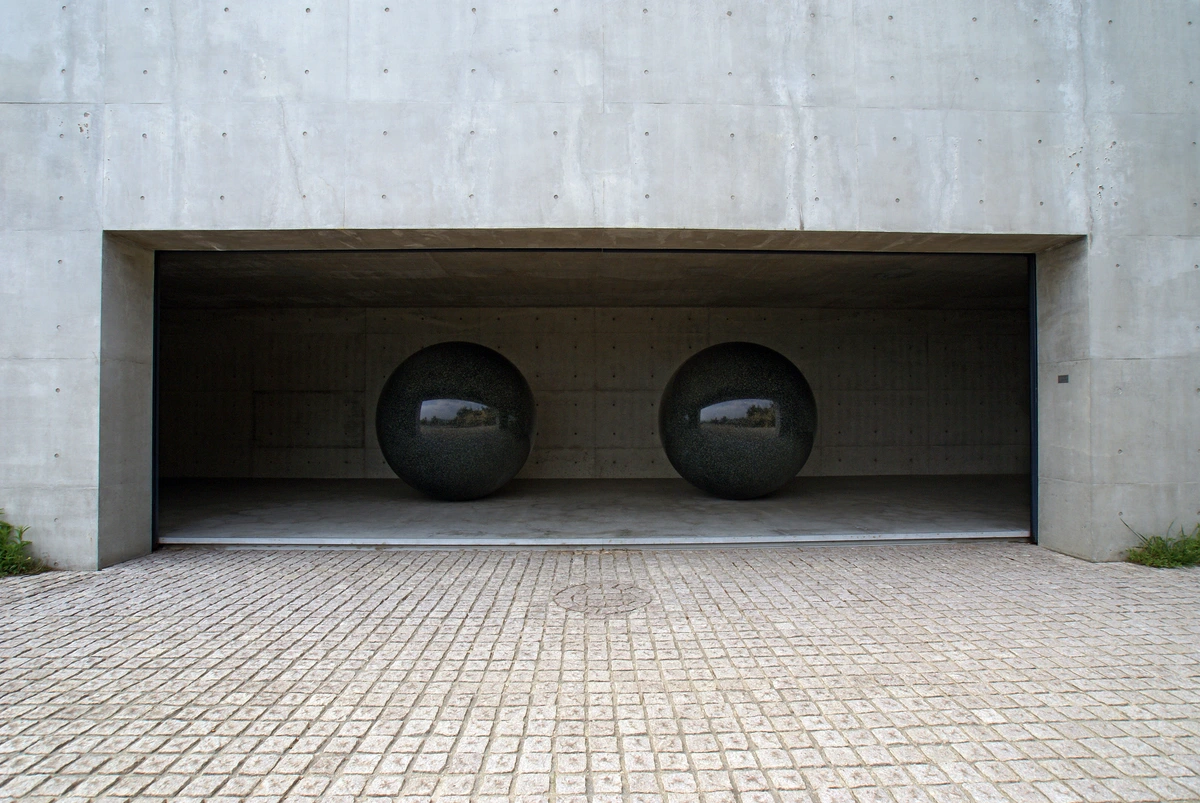
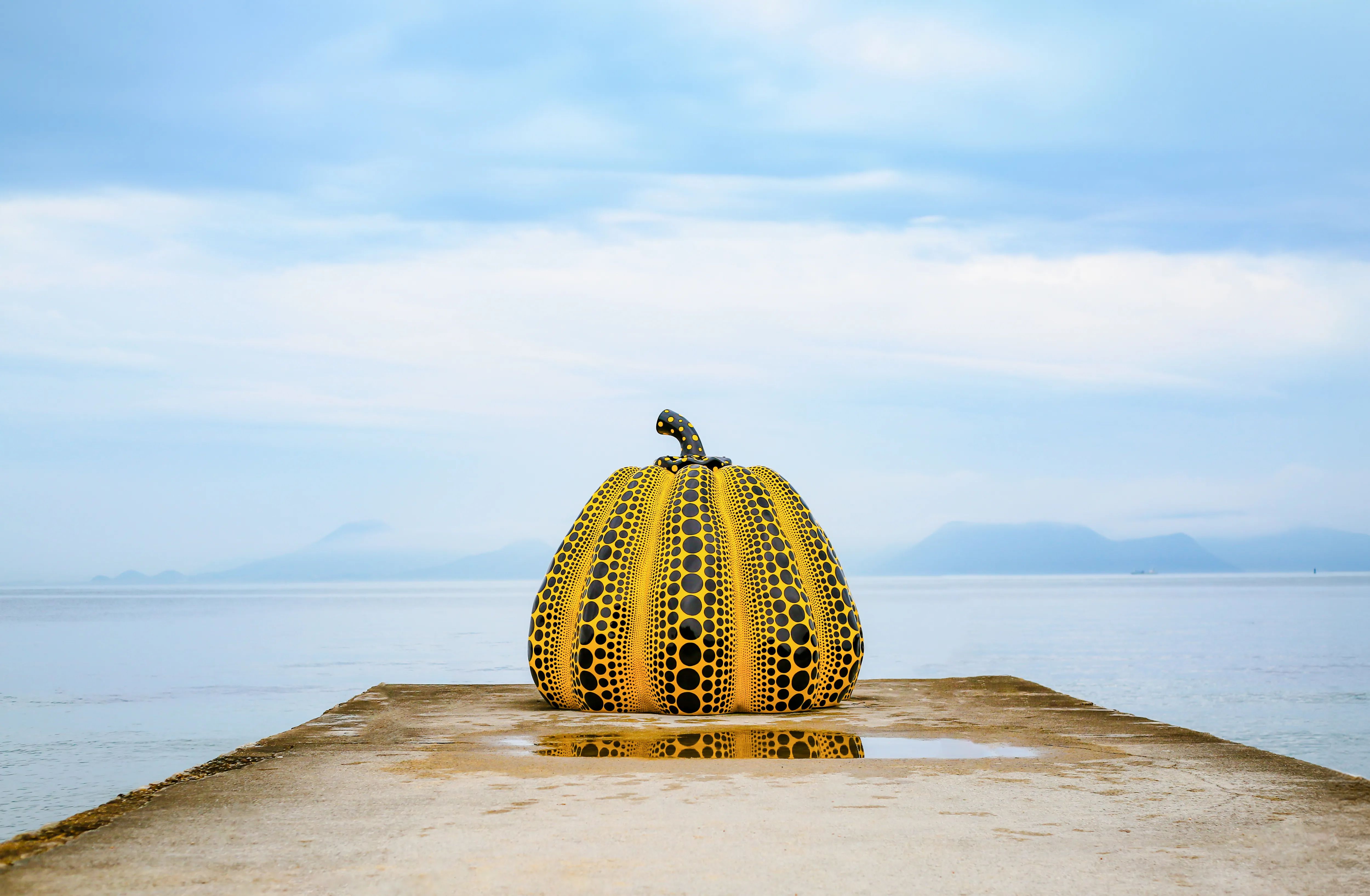
Her iconic yellow pumpkin sculptures, especially the ones found on Japan's art island of Naoshima, have become global symbols of modern Japanese art. They’re whimsical, yet they possess a strangely profound presence, embodying a kind of comforting yet alien familiarity. Every time I see one, it just makes me smile, and then I start to think about its implications. It’s a wonderful example of how art can transform a landscape and create a sense of wonder. She’s truly a force of nature, and her dedication to art as a form of therapy and expression is nothing short of inspiring. To dive even deeper, check out an ultimate-guide-to-yayoi-kusama.
Yoshitomo Nara: The Quiet Rebellion of Childhood
Next up, we have an artist whose work often feels like a punch to the gut, but in the best possible way: Yoshitomo Nara. If you’ve ever seen a painting of a wide-eyed, sometimes slightly menacing, sometimes just profoundly sad child, you’ve probably encountered Nara’s distinctive style. His figures, often alone, capture a complex mix of innocence, rebellion, and vulnerability that speaks volumes. I've always found his work incredibly relatable because it taps into those raw, unfiltered emotions we all felt (or still feel) as children.
Nara emerged from the Japanese Neo-Pop movement of the 1990s, drawing inspiration from a melting pot of influences: classic manga and anime (particularly shōjo manga), punk rock album covers (especially those from the 70s and 80s), children's book illustrations, and even early Disney cartoons. But his art is far from superficial; it delves into feelings of loneliness, alienation, and resistance, often reflecting his own experiences growing up in post-war Japan when his parents were often working and he spent much time alone, finding solace in imagination and music. Those big, soulful eyes of his characters often seem to be challenging you, or perhaps just asking for understanding, or maybe even judging you a little (in a charming way, of course), creating a direct, almost confrontational dialogue with the viewer. He uses painting, sculpture (often in bronze or fiberglass), and drawing to create these poignant figures, whose innocent exteriors often belie a deeper, more complex emotional landscape within. His work, often featuring solo figures accompanied by equally expressive animals like dogs, reminds me that even in moments of quiet contemplation, there can be immense power and emotion, and that childhood isn't always as simple as it seems. It’s a beautiful, sometimes uncomfortable, exploration of the human psyche through the lens of childhood, a world where vulnerability and defiance coexist, much like our own, a universal commentary on the inner life.
New Waves, New Visions: Other Contemporary Japanese Artists
While Kusama and Nara are global icons, contemporary Japanese art is a vibrant, ever-evolving landscape filled with incredible talent. It's a testament to how Japanese artists continue to innovate while often maintaining a unique cultural sensibility. It's a field as diverse as the artists themselves, constantly pushing boundaries and engaging with both local traditions and global dialogues. It's a fascinating reflection of a nation grappling with its past, present, and future, often through bold artistic statements.
Art in Post-War Japan: From Gutai to Mono-ha
The period following World War II saw Japan's art scene explode with new, radical movements that challenged traditional notions of art and pushed the boundaries of expression. It was a time of intense reflection and reinvention, mirroring the nation's own transformative journey.
The Gutai Art Association: Performance and Materiality
Emerging in 1954, the Gutai Art Association was one of the most avant-garde groups of its time, proclaiming, "Do not imitate others!" Led by Jiro Yoshihara, Gutai artists like Atsuko Tanaka and Kazuo Shiraga embraced radical performance art, installation, and abstract painting. They focused on the relationship between the human spirit and material, often emphasizing the process of creation and the raw qualities of paint, mud, or fabric. Imagine artists breaking through paper screens (Kazuo Shiraga's Challenging Mud where he wrestled in mud, creating monumental abstract paintings with his entire body), or Atsuko Tanaka's iconic Electric Dress (a wearable sculpture made of flashing lightbulbs that challenged notions of fashion, painting, and performance) – it was visceral, direct, and deeply philosophical, seeking to awaken the viewers' senses and connect directly with their reality. They truly pushed the boundaries of what art could be, often involving direct physical action and an embrace of destruction as part of creation.
Mono-ha: The School of Things
In the late 1960s, a new movement called Mono-ha ('School of Things') emerged, with artists like Lee Ufan and Kishio Suga. In stark contrast to the dramatic gestures of Gutai, Mono-ha artists created works with minimal intervention, using natural and industrial materials (stones, wood, steel, paper, cotton) in their raw, unaltered state. Their focus was on the inherent properties of these materials and their relationship to space and each other. Works like Lee Ufan's Relatum series, which explored the relationship between natural stones and industrial steel plates, or Kishio Suga's arrangements of logs and stones, emphasized the 'things' as they are, often exploring concepts of temporality, gravity, and the encounter between the artwork and the environment. It feels very zen, drawing attention to the quiet presence of everyday objects and their intrinsic qualities rather than imposing a narrative upon them.
Takashi Murakami: Superflat and Beyond
When we talk about contemporary Japanese art, we have to talk about Takashi Murakami. He's a powerhouse, a master of blurring the lines between high art and low culture, often incorporating elements of anime, manga, and traditional Japanese painting into his work. His signature style is often referred to as Superflat, a postmodern art movement and theory which he himself developed. Superflat is deeply influenced by Japanese graphic art, traditional painting, and animation, and is characterized by flat, two-dimensional images lacking perspective. Murakami's theory argues for a seamless continuum between various forms of visual culture in post-war Japan—from classical Japanese painting to contemporary anime, manga, and consumer products—positing that there's no hierarchy between 'high' and 'low' art forms. It’s a powerful critique and celebration of Japanese consumer culture and artistic heritage simultaneously.
Murakami's work, with its smiling flowers, psychedelic mushrooms, and iconic Mr. DOB character (a playful, sometimes menacing, cartoonish figure inspired by Mickey Mouse and a Japanese comic book character), can be seen as a commentary on consumerism, post-war Japanese culture, and the complex fusion of Eastern and Western aesthetics. His Superflat theory proposes that there is no hierarchy between high art and low culture, or between anime, manga, and traditional Japanese painting – it all exists on the same, flat plane, a deliberate rejection of Western artistic hierarchies and an embrace of Japan's unique visual culture. This allows him to create works that are both visually exuberant and intellectually sharp, often critiquing the superficiality of consumer culture while simultaneously reveling in it, a clever paradox. It's bold, colorful, instantly recognizable, and highly collectible – just try not to smile when you see one of his flower prints, I dare you! He's also a master of collaboration, famously working with Louis Vuitton (his "Monogram Multicolore" line was iconic), Marc Jacobs, and Kanye West, further blurring those lines between art, fashion, and pop culture, bringing his distinctive aesthetic to a global audience. His expansive Kaikai Kiki studio operates much like an Edo-period workshop, fostering young artists and producing a wide range of creative output, from fine art to merchandise, embodying the very principles of Superflat and creating a thriving artistic ecosystem. His pieces often reflect a deep engagement with the cultural anxieties and fascinations of contemporary Japan, packaged in a deceptively playful veneer.
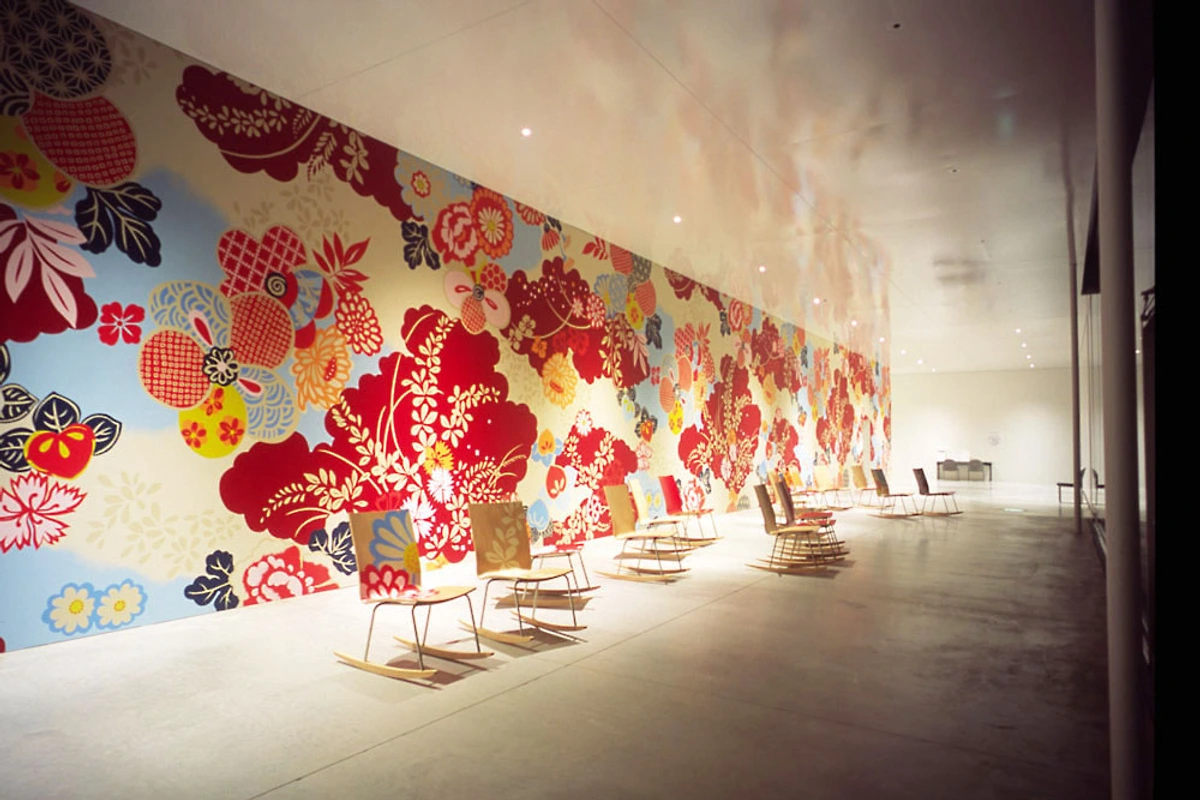
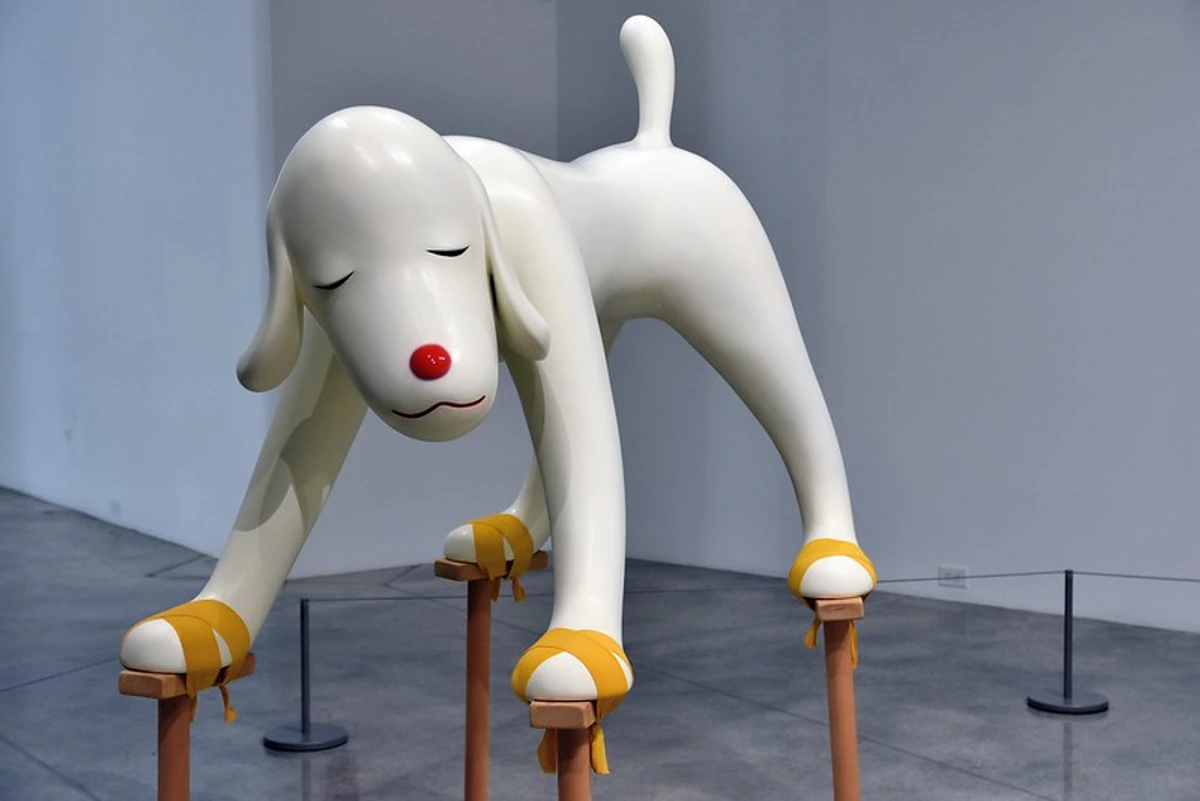
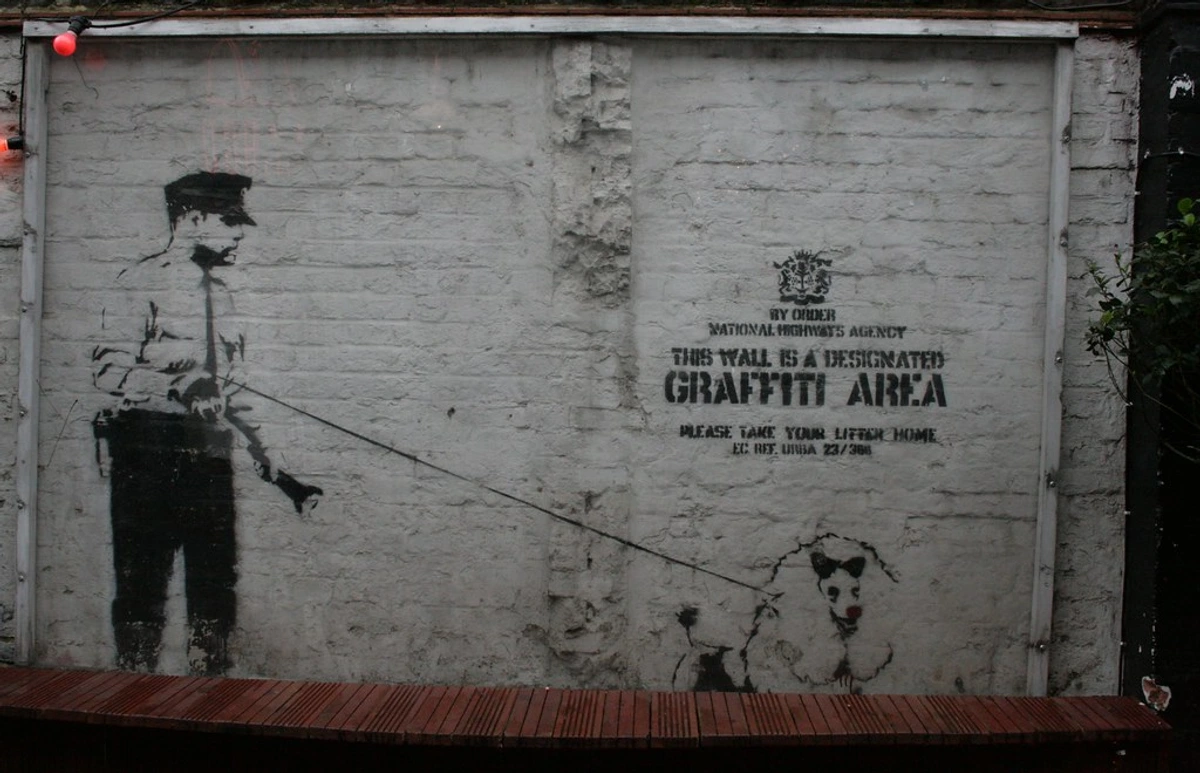
Hiroshi Sugimoto: Time, Photography, and Philosophy
In stark contrast to Murakami's exuberant pop, Hiroshi Sugimoto offers a minimalist and deeply philosophical approach to photography. His breathtaking series, such as "Seascapes" (capturing timeless horizons with a single, long exposure), "Theaters" (where the entire film is condensed into a single glowing white screen), and "Portraits" (which appear hyper-realistic but are often based on wax figures, challenging our perception of reality), explore profound themes of time, perception, and the nature of reality. Imagine a single photograph of the ocean, where the horizon perfectly bisects the frame, blurring the line between sea and sky – it's both exquisitely simple and profoundly complex, making you really think about what you're seeing. His "Theaters" series, which captures the interior of old movie palaces or drive-ins with a single, hours-long exposure (the duration of the entire film), results in a glowing white screen that embodies the entire film in one radiant image – a stark visual representation of time's passage and the ephemeral nature of light and narrative, reminding us of both the transience and endurance of human experience. He also has a compelling "Dioramas" series, where he photographs museum dioramas of prehistoric animals or historical scenes with such precision and atmospheric lighting that they appear real, further questioning our understanding of truth, authenticity, and representation in a captivating way. His "Portraits" series, photographing wax figures of historical personalities, similarly blurs the line between the living and the inanimate, provoking thoughts on history, representation, and the essence of identity. His work feels like visual meditation, almost a scientific inquiry into how we see and understand the world, creating a serene yet deeply intellectual experience that challenges our assumptions about what is real and what is perceived, pushing the boundaries of photographic art.
Key Contemporary Japanese Artists: A Snapshot
Artist Name  | Movement / Style | Signature Elements / Themes | Notable Works | My Quick Take |
|---|---|---|---|---|
| Yayoi Kusama | Avant-garde, Pop Art, Minimalism | Polka dots, Infinity Nets, pumpkins, self-obliteration, vibrant repetition | Infinity Mirror Rooms, Narcissus Garden, Pumpkin sculptures | A joyful yet profound exploration of perception & self, often grappling with hallucination and the infinite. |
| Yoshitomo Nara | Neo-Pop, Contemporary | Wide-eyed, sometimes menacing, children; punk rock aesthetic, dogs | Puff Marshie, Lonesome Puppy, numerous child portraits | Captures raw childhood emotions, quietly rebellious, and deeply relatable. |
| Takashi Murakami | Superflat, Pop Art | Manga/anime motifs, smiling flowers, Mr. DOB, psychedelic mushrooms | My Lonesome Cowboy, 727, Flower Ball series, Louis Vuitton collaborations | Playful, thought-provoking, visually explosive; a master of blurring high/low art and critiquing consumerism. |
| Hiroshi Sugimoto | Conceptual Photography, Minimalism | Seascapes, theaters, portraits; long exposures, black & white | Seascapes series, Theaters series, Dioramas series | Meditative, intellectually stimulating, visually serene; profoundly explores time, perception, and the nature of reality. |
| Gutai Art Association | Post-War Avant-Garde, Performance Art | Emphasis on process, raw materiality, abstract painting, body-art | Works by Atsuko Tanaka (Electric Dress), Kazuo Shiraga (Challenging Mud) | Energetic, experimental, profoundly philosophical; challenged conventions and explored the direct relationship between body and material. |
| Mono-ha | Post-War Contemporary, Conceptual Art | Natural/industrial materials (stone, wood, steel), minimal intervention | Works by Lee Ufan (Relatum series), Kishio Suga (arrangements of logs and stones) | Quiet, profound, highlights the 'being' of objects and their spatial relationships; focuses on the inherent properties of materials. |
The Enduring Legacy and Universal Language of Japanese Art
What strikes me about these artists – Hokusai, Kusama, Nara – is not just their individual genius, but how they collectively demonstrate the incredible breadth and depth of Japanese artistic expression. From the Edo period's detailed woodblock prints that democratized art, to the post-war avant-garde pushing boundaries, to contemporary artists reflecting on modern anxieties, Japanese art has continually reinvented itself while often retaining a core sensibility. There's a persistent thread of mindfulness, a respect for craft, and an unwavering commitment to emotional resonance that ties it all together. It's truly a universal language, speaking to anyone who takes the time to listen and look.
https://www.pxbarn.com/en/search?q=art+gallery, https://creativecommons.org/licenses/publicdomain/
Their influence extends far beyond Japan's shores, touching everything from the vibrant palettes of Impressionism (think Monet and his obsession with Japanese prints, especially Ukiyo-e landscapes, adopting their focus on fleeting moments and natural light, or Degas's use of unusual compositional angles, cropped figures, and flattened spaces inspired by Japanese works) to the bold, organic outlines of Art Nouveau (which drew heavily from Japanese woodblock print motifs, intricate craftsmanship, and naturalistic designs, transforming European decorative arts with its elegant sinuousness), and even impacting early Cubism with its flat planes and multiple perspectives, echoing the spatial ambiguities and graphic qualities seen in ukiyo-e. It’s a constant dialogue, a beautiful exchange of ideas that keeps the art world vibrant and ever-evolving. This cross-pollination of ideas is what makes art history so fascinating to me; nothing truly exists in a vacuum. It’s an experience that truly nourishes the soul and reminds us how truly global art has always been, even before our hyper-connected world.

Perhaps even visit the den-bosch-museum if you're in the area, to see how contemporary art dialogues with these influences, or delve into an ultimate-guide-to-van-gogh to understand Japonisme's impact firsthand.

Japanese Architecture and Gardens: Art as Environment
Beyond paintings and sculptures, Japanese aesthetic principles deeply inform its architecture and gardens, creating immersive artistic experiences that blur the lines between art, nature, and daily life. These aren't just buildings or green spaces; they are meticulously crafted environments designed for contemplation, ceremony, and harmony, reflecting a deep respect for both the natural world and human ingenuity.
Traditional Japanese Architecture: Serenity and Structure
From the ancient Shinto shrines (like Ise Grand Shrine, rebuilt periodically to embody renewal) and grand Buddhist temples (such as the impressive Todai-ji Temple in Nara, housing the Great Buddha) to the elegant tea houses and warrior castles (like Himeji Castle, a masterpiece of defensive architecture), Japanese architecture is characterized by its deep respect for natural materials (wood, paper, stone), modular design, and seamless integration with the surrounding landscape. Key features often include:
- Openness and Flexibility: Sliding doors (fusuma and shoji) allow spaces to be reconfigured, promoting a dynamic connection to the outdoors and adapting to different seasons or functions. It feels very liberating, letting the outside in and transforming the space with the changing light. The shoji screens, with their translucent paper, also diffuse light beautifully, creating a soft, ambient glow within the interiors.
- Natural Materials: Unpainted wood, bamboo, and straw evoke a sense of warmth, humility, and impermanence, reflecting the wabi-sabi aesthetic and a profound appreciation for the materials' inherent beauty, allowing the structures to blend harmoniously with their natural surroundings.
- Post-and-Beam Construction: This allowed for flexible layouts and elevated floors, protecting against dampness and creating shaded verandas (engawa) for quiet reflection, blurring the line between interior and exterior, and encouraging a seamless flow between indoor and outdoor spaces.
- Roof Design: Iconic, often sweeping rooflines, especially on temples and shrines, with intricate eaves and gables, showcasing incredible carpentry skills and acting as a defining visual element. These roof designs, often made of thatch or tile, are not just functional but are deeply aesthetic, contributing to the overall grandeur and elegance.
Iconic examples include the majestic Horyu-ji Temple (one of the world's oldest wooden structures, a marvel of Asuka period architecture, showcasing early Buddhist influence and incredible preservation), the grand Todai-ji Temple in Nara (housing the Great Buddha and representing the zenith of Nara period religious architecture and imperial power), the serene Katsura Imperial Villa (a masterpiece of residential architecture and garden design from the Edo period, embodying refined taste and the sukiya-zukuri style of tea house aesthetics), and the intricate Meiji Jingu Shrine in Tokyo, each a testament to meticulous craftsmanship, harmonious design, and spiritual intention, inviting quiet reverence. These structures aren't just buildings; they are dialogues between humanity, nature, and the divine, often designed for both practical living and profound spiritual contemplation.
Japanese Gardens: Living Artworks
Japanese gardens are often considered living, evolving artworks, designed not just for beauty but also for contemplation, escape, and spiritual insight. They are miniature landscapes that evoke larger natural scenes, encouraging visitors to pause, observe, and reflect. Different styles serve different purposes, each with its own philosophy and aesthetic:
- Zen Gardens (Karesansui): Often called 'dry landscape' gardens, these feature carefully raked gravel or sand, rocks, and minimal planting. They are designed for meditation and contemplation, symbolizing mountains, islands, and bodies of water, inviting the viewer to contemplate infinity, emptiness, and the vastness of nature within a confined space. The meticulously raked patterns in the gravel often represent waves or ripples in water, while strategically placed rocks become islands or mountains. The most famous example is Ryōan-ji in Kyoto, which I find incredibly calming, almost like a puzzle for the mind, where the arrangement of stones challenges your perception and encourages deep introspection.
- Stroll Gardens (Chisen-kaiyū-shiki teien): Designed for leisurely walking, these gardens feature winding paths, ponds, bridges, and strategically placed viewpoints, revealing new perspectives with every step. They create a journey through an idealized natural world, often incorporating 'borrowed scenery' (shakkei) from the surrounding environment, seamlessly blending the garden with the distant landscape.
- Tea Gardens (Roji): Leading to a tea house, these simple, rustic gardens are designed to prepare guests spiritually for the tea ceremony, encouraging a sense of tranquility and detachment from the mundane world. It's about setting a mood, a moment of transition, cleansing the spirit before the ritual.
- Paradise Gardens (Jodo Teien): Developed during the Heian period, these gardens aimed to recreate the Buddhist Pure Land paradise, often featuring large ponds, islands, and elaborate pavilions, designed for prayer and meditation on the Buddha Amitābha. A splendid example is the Byōdō-in in Uji.
Both Japanese architecture and gardens showcase an incredible attention to detail, a profound understanding of natural elements, and a desire to create spaces that nourish the soul and inspire introspection. They are truly art that you can walk through, sit within, and experience with all your senses, offering a holistic aesthetic encounter.
Key Japanese Artists and Movements: A Comprehensive Overview
To wrap things up in a neat little bow, and to provide a clearer framework, here's a comprehensive snapshot of some of the artists and movements who’ve made a truly unforgettable impact. Think of this as your quick reference guide – a cheat sheet for diving deeper, or perhaps a conversation starter at your next art gathering!
Artist / Movement | Era / Style | Signature Elements / Key Works | Key Themes / Impact | My Quick Take |
|---|---|---|---|---|
| Jōmon Pottery | Neolithic Period (c. 10,000-300 BCE) | Cord-marked patterns, flame-like rims, dogū figures | Oldest pottery in the world, animistic beliefs, connection to nature | Rugged, raw, incredibly ancient beauty that speaks volumes about early human creativity. |
| Haniwa Figures | Kofun Period (c. 300-710 CE) | Terracotta sculptures of people, houses, animals, boats | Funerary art, insights into daily life, social structure | Simple yet captivating, like friendly sentinels from Japan's ancient past. |
| Asuka Buddhist Sculpture | Asuka Period (538-710 CE) | Serene, powerful Buddhist deities (e.g., Shaka Triad by Tori Busshi) | Spread of Buddhism, spiritual enlightenment | Elegant and profound, marking the powerful arrival of Buddhist art in Japan. |
| Yamato-e Painting | Heian Period (794-1185 CE) | Native Japanese subjects, vibrant colors, "blown-off roof" technique | Court life, literary narratives (The Tale of Genji), distinct Japanese aesthetic | Delicate and intimate, a peek into the aristocratic world of ancient Kyoto. |
| Katsushika Hokusai | Edo Period (Ukiyo-e) | "The Great Wave," "Thirty-six Views of Mount Fuji," nature studies | Master of woodblock prints, democratic art, power of nature, universal themes | Timeless elegance, profound insight into life & landscape, and a truly global impact. |
| Ando Hiroshige | Edo Period (Ukiyo-e) | "Fifty-three Stations of the Tōkaidō," "One Hundred Famous Views of Edo" | Celebrated for delicate landscapes, atmospheric perspective, travelogues | Captures the serene beauty of the Japanese countryside and the poetry of travel. |
| Kitagawa Utamaro | Edo Period (Ukiyo-e) | Bijin-ga (beautiful women portraits), courtesan life | Portrayed beauty, fashion, and inner lives of Edo women with grace | Elegant, insightful, a window into historical femininity and transient pleasures. |
| Toshusai Sharaku | Edo Period (Ukiyo-e) | Kabuki actor portraits, exaggerated features | Mysterious identity, bold caricatures, captured theatrical essence | Dramatic, expressive, and unforgettable – an enigma of the Ukiyo-e world. |
| Sumi-e (Ink Painting) | Muromachi to Edo Periods | Monochromatic landscapes, expressive brushwork, birds & flowers | Zen philosophy, spontaneity, appreciation of negative space | Meditative, subtle, reveals much with minimal strokes and profound spiritual depth. |
| Japanese Ceramics | Ancient to Contemporary | Raku, Arita, Kakiemon, Shino, Bizen, Kintsugi | Tea ceremony, regional styles, wabi-sabi aesthetic, respect for materials | A tactile journey through history, embracing both rustic beauty and refined elegance. |
| Japanese Textiles (Kimono) | Ancient to Contemporary | Yūzen dyeing, Kasuri weaving, symbolic motifs | Wearable art, cultural narrative, seasonal beauty, craftsmanship | A stunning blend of fashion, art, and storytelling, each piece a visual poem. |
| Byōbu & Fusuma | Heian to Edo Periods | Folding screens, sliding door paintings, narrative scenes, landscapes | Art in architecture, spatial transformation, decorative arts | Dynamic, immersive artworks that redefine interior spaces and daily living. |
| Yayoi Kusama | Post-War, Contemporary | Polka dots, "Infinity Mirror Rooms," pumpkins, nets | Obsession, hallucination, self-obliteration, infinity, pop art | Vibrant, immersive, a joyous yet complex journey into perception and self-expression. |
| Yoshitomo Nara | Contemporary (Neo-Pop) | Wide-eyed, sometimes menacing, children; punk rock influences | Loneliness, rebellion, innocence, vulnerability, global youth culture | Profoundly relatable, subtly challenging, emotionally resonant – tapping into universal childhood feelings. |
| Takashi Murakami | Contemporary (Superflat) | Smiling flowers, Mr. DOB, anime/manga motifs, collaborations | Blurs high/low art, consumerism, post-war Japanese identity | Playful, explosive, and a smart critique of modern culture, often with a mischievous wink. |
| Hiroshi Sugimoto | Contemporary (Photography) | Seascapes, theaters, portraits (long exposures), dioramas | Time, perception, reality, minimalism, philosophy | Visually stunning, intellectually deep, calmly unsettling – a profound meditation on existence. |
| Gutai Art Association | Post-War Avant-Garde | Performance art, raw materiality, abstract painting | Challenging conventions, process over product, body-art | Energetic, experimental, and profoundly philosophical – redefining what art could be. |
| Mono-ha | Post-War Contemporary | Natural/industrial materials, minimal intervention, spatial relationships | Reconnecting with materials, existence, phenomenology | Quiet, profound, highlights the 'being' of objects and their intrinsic qualities. |
Frequently Asked Questions About Japanese Art
Even after hours of research and contemplation, questions always pop up, don't they? Here are a few that often come to my mind, and perhaps yours too:
Who are some of the most famous traditional Japanese artists?
Beyond the undeniable genius of Hokusai, the pantheon of traditional Japanese artists is vast and inspiring! I'd definitely point to artists like Ando Hiroshige, another Ukiyo-e master often associated with Hokusai, celebrated for his serene landscapes and evocative travel series like "The Fifty-three Stations of the Tōkaidō." Then there's the enigmatic Toshusai Sharaku, whose brief but impactful career left us with stunning, dramatic portraits of Kabuki actors. For those interested in the delicate beauty of women, Kitagawa Utamaro is unparalleled, capturing the inner lives of courtesans and geisha. And reaching further back in history, masters of ink painting like Sesshū Tōyō demonstrate the profound spiritual depth of Sumi-e, while the artisans who crafted intricate Jōmon pottery, expressive Haniwa figures from the Kofun period, or elegant Yamato-e handscrolls from earlier periods also deserve immense recognition. We also shouldn't forget the incredible sculptors like Unkei and Kaikei from the Kamakura period, whose dynamic Buddhist sculptures brought a new realism to the form. Each of these artists and traditions offers a unique window into different eras and artistic traditions, showcasing the incredible breadth of pre-modern Japanese art.
What are the major periods of Japanese art history?
Japanese art history is a long and fascinating journey, typically divided into distinct periods, each with its unique artistic contributions. It all starts with the prehistoric Jōmon Period (c. 10,000 – 300 BCE) known for its distinctive cord-marked pottery and dogū figures. This was followed by the Yayoi Period (c. 300 BCE – 300 CE) which saw the introduction of agriculture and metalworking, and the Kofun Period (c. 300 – 710 CE) famous for its monumental burial mounds and haniwa figures. The arrival of Buddhism heralded the Asuka Period (538 – 710 CE) and Nara Period (710 – 794 CE), golden ages for Buddhist sculpture and temple building. The Heian Period (794 – 1185 CE) developed a distinctly Japanese aesthetic, Yamato-e painting. The subsequent Kamakura Period (1185 – 1333 CE) saw a more realistic and dynamic sculptural style, while the Muromachi Period (1333 – 1573 CE) was pivotal for Zen ink painting (Sumi-e). The vibrant and popular Ukiyo-e woodblock prints characterized the Edo Period (1603 – 1868). After the Meiji Restoration, Japanese art entered a modern and contemporary phase, constantly evolving and engaging with global movements. Each period builds upon the last, creating an incredibly rich and diverse artistic tapestry.
What role did the Samurai play in Japanese art and culture?
While often associated with warfare and discipline, the Samurai (the warrior class) played a surprisingly significant role in shaping Japanese art and culture, especially from the Kamakura period onwards. Their patronage fostered new artistic expressions. For example, Zen Buddhism, which emphasized discipline and self-mastery, became closely associated with the samurai, leading to the flourishing of Sumi-e (ink painting) and the development of the tea ceremony, which they embraced for its meditative qualities. Samurai taste also influenced lacquerware, sword fittings (like tsuba), and even ink painting, emphasizing simplicity, austerity, and a profound connection to nature and spiritual principles. They commissioned armor, decorated with intricate designs, and supported artists who depicted heroic warrior scenes (musha-e) in Ukiyo-e prints, showcasing their values and legends. In many ways, the samurai ethos of bushido (the way of the warrior) subtly permeated many art forms, favoring strength, stoicism, and a deep appreciation for beauty in the face of impermanence.
What is Chawan and its importance in the Japanese tea ceremony?
A Chawan (茶碗) is simply a tea bowl, but in the context of the Japanese tea ceremony (Chanoyu), it's elevated to an object of profound artistic and spiritual importance. It's not just a vessel; it's central to the entire ritual. Each chawan is chosen for its unique aesthetic, often reflecting the principles of wabi-sabi – finding beauty in imperfection, asymmetry, and natural textures. A Raku ware chawan, for example, with its hand-molded form and rustic glaze, is prized for its individuality and the intimate connection it fosters between the user's hands and the earth. The feel of the bowl, its weight, its warmth, and the way it presents the tea are all meticulously considered. It's a humble object that, through its craftsmanship and role in the ceremony, becomes a focal point for meditation, appreciation of nature, and the transient beauty of the moment, embodying the very spirit of the tea ritual."a thing to wear," is indeed considered a profound art form in Japan, far beyond mere clothing. It's a canvas for exquisite textile artistry, where design, color, fabric, and decorative techniques (like weaving, dyeing, and embroidery) converge to create a visually rich narrative. Each kimono can tell a story through its motifs (cherry blossoms for spring, cranes for longevity, pines for endurance), its seasonal appropriateness, and the intricate craftsmanship involved in its creation, such as the elaborate Yūzen dyeing or geometric Kasuri weaving. Wearing a kimono is a performance in itself, transforming the wearer into a living artwork, embodying cultural aesthetics and symbolic meaning. It's a tradition that beautifully merges fashion, art, and cultural identity, demonstrating a holistic approach to beauty where the human body becomes part of the artistic presentation.
How did the Meiji Restoration impact Japanese art?
The Meiji Restoration (1868) was a pivotal, almost seismic, shift for Japanese art! It marked the end of the Edo period's long isolation and the rapid modernization of Japan, profoundly changing the social, political, and cultural landscape. Initially, there was a strong push to adopt Western styles and techniques, leading to a significant decline in demand for traditional Ukiyo-e and other forms, and many traditional artisans, whose livelihoods depended on Edo-period patronage, struggled immensely to adapt to the new patronage systems and aesthetic preferences. Art education shifted dramatically to Western models, with art academies emphasizing oil painting, academic realism, and European artistic styles. However, this turbulent period also sparked new, vital movements: nihonga (Japanese-style painting) emerged as a deliberate effort to modernize traditional painting while preserving its essence, integrating Western realism and perspective with traditional Japanese materials and motifs. Simultaneously, yōga (Western-style painting) became popular, with artists wholeheartedly adopting oil paints, canvas, and Western techniques. It was a turbulent but ultimately incredibly fertile period of artistic exchange and self-definition, where Japanese artists grappled with their rich heritage in a rapidly globalizing world. Some argue that this forced introspection ultimately strengthened Japanese art by making it consciously define its unique identity amidst new influences, leading to a richer and more diverse artistic landscape than ever before.
What is the role of Manga and Anime in contemporary Japanese art?
Manga (comics) and anime (animation) are undeniably colossal forces in contemporary Japanese culture, and their role in art is both significant and complex! While often considered popular culture, they are a rich source of inspiration and a distinct artistic medium. Many contemporary Japanese artists, like Yoshitomo Nara and Takashi Murakami, consciously draw from the aesthetics, narratives, and characters of manga and anime, blurring the lines between 'high art' and 'low culture' through their Superflat theory. They use these universally recognized visual languages to explore themes of childhood, consumerism, post-war identity, and global communication, often with a critical or ironic undertone. Beyond direct appropriation, manga and anime have profoundly influenced visual storytelling, character design, and even the flat, graphic quality often seen in modern Japanese painting and illustration, fostering a unique aesthetic that has captivated audiences worldwide. They are a vibrant, ever-evolving part of Japan's artistic expression, reaching a global audience that often first encounters Japanese creativity through these dynamic forms, proving that popular culture can indeed be a powerful vehicle for profound artistic statements.









Where can I see famous Japanese art?
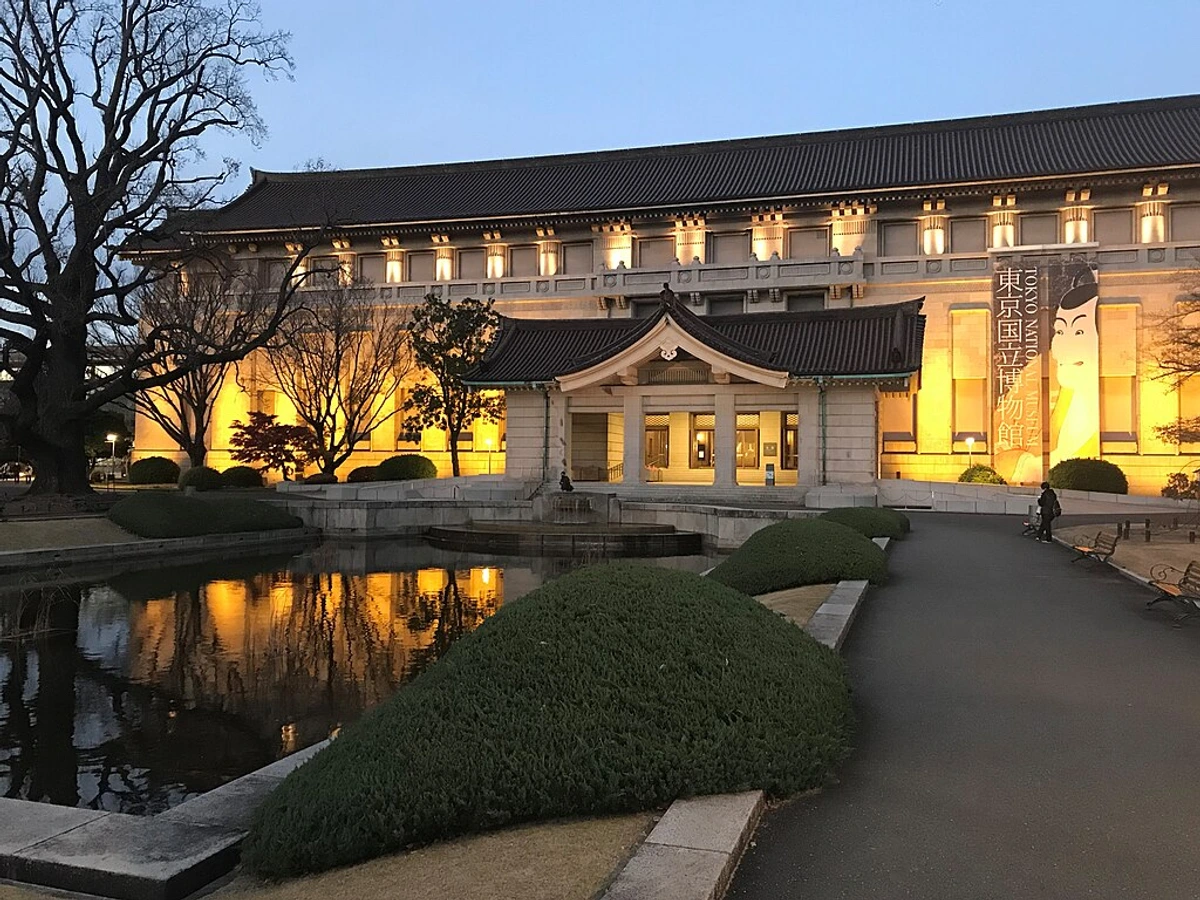
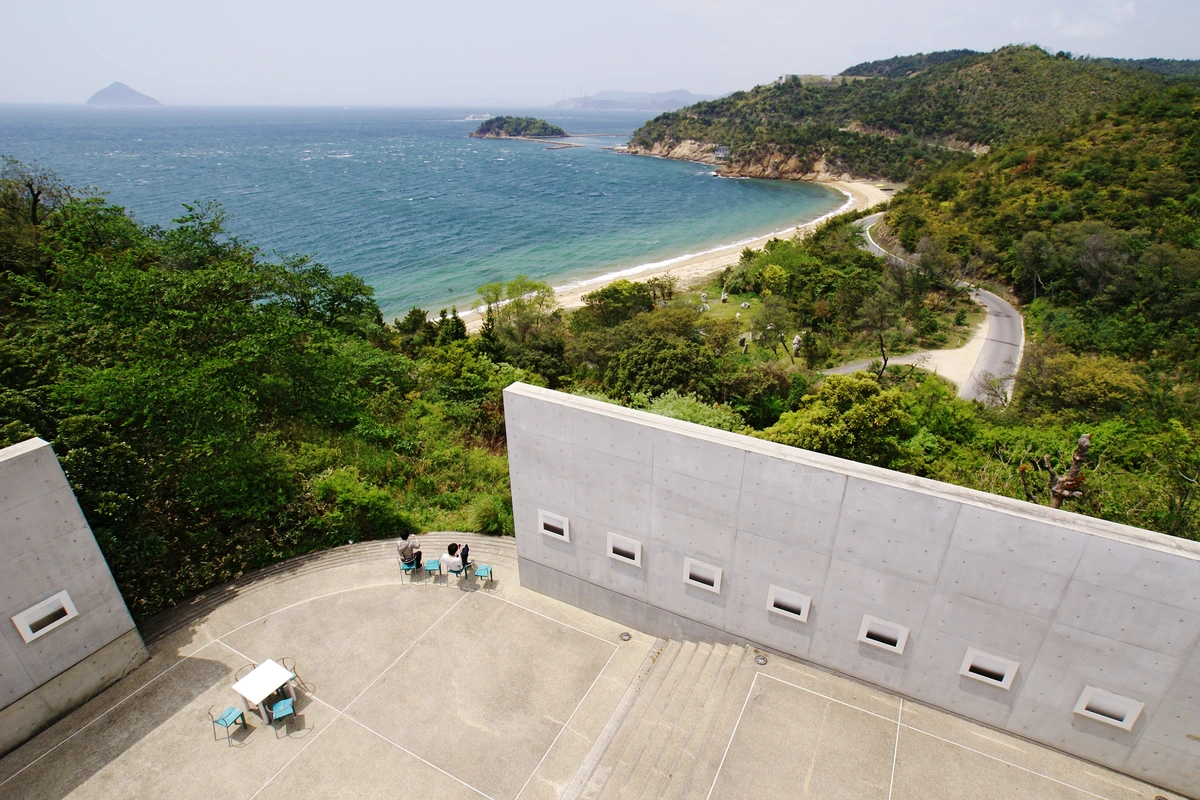
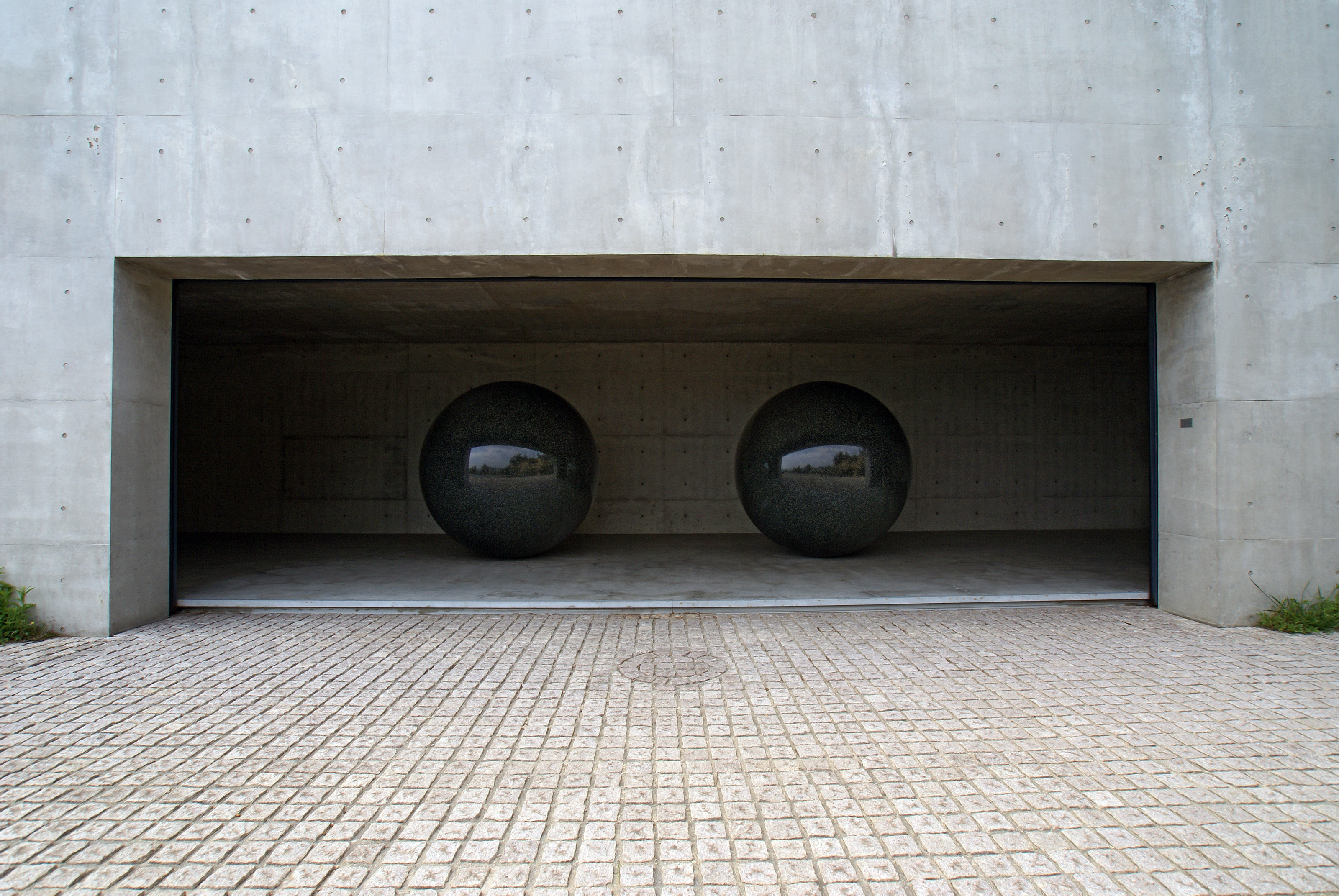
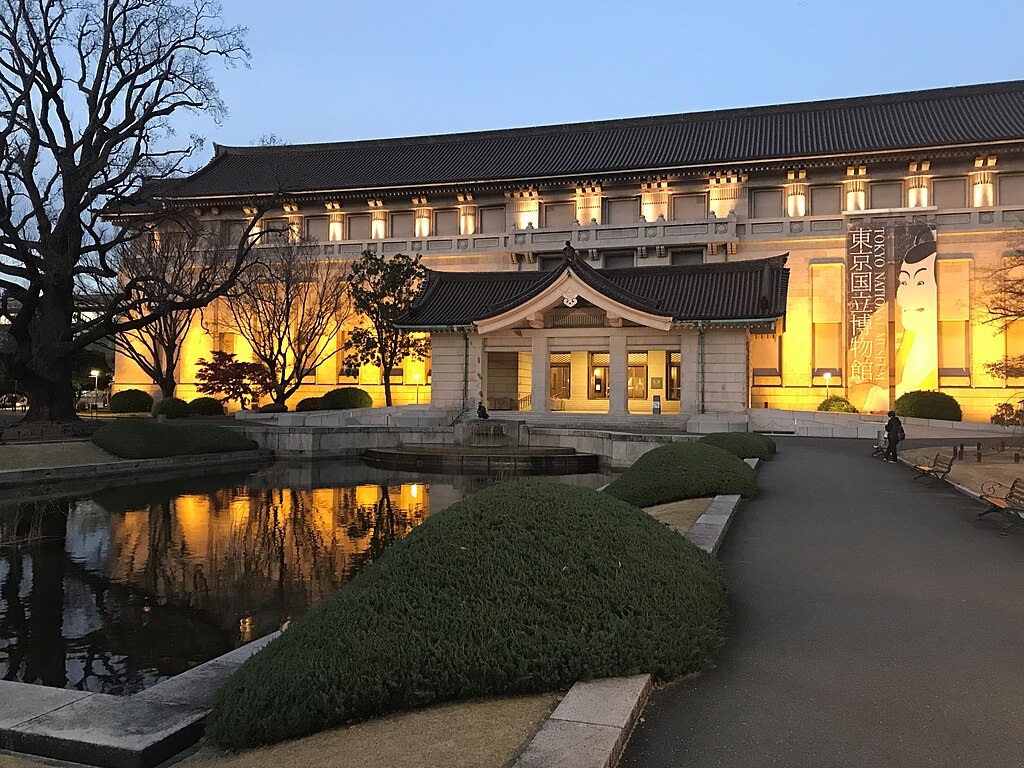
If you're lucky enough to be in Japan, the Tokyo National Museum is an absolute treasure trove for traditional art, as are many other national and prefectural museums across the country, like the Kyoto National Museum or the National Museum of Modern Art, Tokyo (MoMAT) for contemporary works. Don't forget the Nezu Museum in Tokyo for its stunning collection of pre-modern Japanese art and beautiful garden. For a truly unique contemporary art experience, the art island of Naoshima is an absolute must-visit, with its outdoor installations and museum architecture integrated into the landscape. Outside Japan, major international institutions like the Metropolitan Museum of Art (New York), the British Museum (London), the Museum of Fine Arts (Boston), and the Musée Guimet (Paris) have incredible collections that span centuries of Japanese artistic output. And, of course, specialized galleries and temporary exhibitions around the world often showcase both historical and contemporary Japanese artists. Keep an eye on your local museum's timeline for upcoming shows! The beauty of art is its portability, so chances are, a piece of Japan's artistic soul isn't too far from you.
What is the Wabi-Sabi aesthetic?
Ah, Wabi-Sabi. This is a beautiful, quintessentially Japanese aesthetic that’s harder to define than to feel. In essence, it's about finding beauty in imperfection, transience, and simplicity. Think of a rustic, handmade ceramic bowl with an uneven glaze, or a withered branch against a clear sky. It’s an acceptance of the natural cycle of growth, decay, and the beauty inherent in wear and tear. It teaches us to appreciate the subtle, the imperfect, the ephemeral – a cracked glaze, a faded color, the quiet dignity of age on an antique piece of furniture. It's a profound counterpoint to Western ideals of perfect symmetry and eternal youth, and I think we could all use a little more wabi-sabi in our lives, don't you? It's about seeing the beauty in natural processes and embracing the authentic character that time and use impart.
What is Japanese calligraphy (Shodo) and its significance?
Shodo, or Japanese calligraphy, is far more than just writing; it's considered a highly respected art form and a spiritual practice. Using a brush and ink, calligraphers create characters with a fluid, expressive quality, where each stroke is a direct extension of the artist's mind and body. It's about balance, rhythm, and capturing energy in a single, unrepeatable moment, often seeking to convey the artist's inner state. The act of calligraphy is meditative, a way to cultivate inner peace and focus, demanding intense concentration and discipline. Its significance lies not only in its aesthetic beauty but also in its connection to Zen philosophy and its role in preserving cultural heritage and literacy, transmitting classical texts and poems through generations. It's like a dance on paper, where every movement matters, and each character becomes a microcosm of the universe.
What is lacquerware (Maki-e) and its artistic importance?
Lacquerware, particularly the exquisite Japanese variety, is another profound example of art beyond painting. It's an ancient decorative art form where layers of natural lacquer (sap from the lacquer tree, urushi) are meticulously applied to wood, bamboo, or metal objects, then polished to a high sheen, creating a remarkably durable and lustrous surface. But the true artistic magic comes with Maki-e (蒔絵), or "sprinkled picture." This technique involves sprinkling gold or silver powder onto wet lacquer to create incredibly intricate designs, often depicting natural scenes, literary motifs, or geometric patterns, sometimes inlaying mother-of-pearl or other precious materials. The craftsmanship is astounding – sometimes dozens, even hundreds, of layers and hours are required for a single piece, making it a true labor of love. Its importance lies not only in its breathtaking beauty and durability but also in its historical use for everything from humble bowls to elaborate samurai armor, imperial furniture, and religious objects, showcasing a pinnacle of Japanese decorative art and meticulous handiwork. It's a true treasure, embodying both function and profound artistry, often reflecting themes of nature, literature, and seasonal beauty.
How did Japanese art influence Western art movements like Impressionism and Art Nouveau?
The influence of Japanese art on Western movements was nothing short of revolutionary, primarily through Japonisme in the latter half of the 19th century. When Japan reopened to the West after centuries of isolation, a flood of Ukiyo-e prints arrived in Europe, captivating artists like Monet (whose water lilies echo Japanese compositional principles), Degas (who adopted unusual compositional angles and cropped figures), Van Gogh (evident in his bold outlines and vibrant color palettes), and Whistler (whose delicate pastels and simplified forms show clear Japanese influence). They were mesmerized by the flat planes of vibrant color, bold outlines, unusual compositional angles (like high horizons or cropped figures), asymmetrical layouts, and the focus on everyday subject matter that was a stark contrast to traditional Western academic art. Impressionists eagerly adopted these fresh perspectives, integrating them into their depictions of modern life and landscapes, finding new ways to capture fleeting moments. Art Nouveau designers and artists, on the other hand, drew immense inspiration from the organic, flowing lines, natural motifs (like cherry blossoms, bamboo, and waves), and intricate patterns found in Japanese prints, ceramics, and textiles, transforming European decorative arts with a new elegance and sinuousness. It truly sparked a fresh wave of creativity and a rejection of academic traditions across Europe, changing the course of Western art history forever. It's a great example of artistic cross-pollination, showing how new ways of seeing can travel across oceans and completely redefine artistic expression!
What is Kintsugi and its philosophy?
Kintsugi (金継ぎ) is the Japanese art of repairing broken pottery with lacquer mixed with powdered gold, silver, or platinum. But it's so much more than just a repair technique; it's a philosophy, a beautiful expression of wabi-sabi and mono no aware. Instead of hiding the breaks, Kintsugi emphasizes them, celebrating the object's history and recognizing that the repairs make it even more beautiful and unique. It teaches us to embrace flaws and imperfections, viewing them as part of an object's story rather than something to be discarded. I find this concept deeply moving – it’s a tangible metaphor for resilience and finding beauty in brokenness, a powerful reminder that our own imperfections and past scars can contribute to our unique beauty.
What are Byōbu (folding screens) and Fusuma (sliding doors) as art forms?
As we explored earlier, Byōbu (folding screens) and Fusuma (sliding doors) are not merely architectural elements but significant art forms in Japan. Byōbu are multi-paneled, portable screens, often lavishly decorated with paintings on paper or silk, framed with lacquer. They served to divide spaces, provide privacy, or display elaborate narratives, landscapes, or seasonal motifs. The way they unfold can reveal a story or a panoramic scene, making them dynamic artworks that transform an environment. Fusuma are opaque sliding panels used as permanent room dividers or closet doors. They provide expansive, continuous surfaces for large-scale paintings, often by renowned artists from schools like the Kano or Tosa, effectively integrating mural-sized art into domestic and institutional architecture. Both exemplify how Japanese art often blurs the lines between functional design and profound artistic expression, creating immersive and adaptable artistic environments.
How is the Kimono considered an art form?
The kimono (着物), literally meaning "a thing to wear," is indeed considered a profound art form in Japan, far beyond mere clothing. It's a canvas for exquisite textile artistry, where design, color, fabric, and decorative techniques (like weaving, dyeing, and embroidery) converge to create a visually rich narrative. Each kimono can tell a story through its motifs (cherry blossoms for spring, cranes for longevity, pines for endurance), its seasonal appropriateness, and the intricate craftsmanship involved in its creation, such as the elaborate Yūzen dyeing or geometric Kasuri weaving. Wearing a kimono is a performance in itself, transforming the wearer into a living artwork, embodying cultural aesthetics and symbolic meaning. It's a tradition that beautifully merges fashion, art, and cultural identity, demonstrating a holistic approach to beauty where the human body becomes part of the artistic presentation.## A Final Thought on Inspiration and Connection
Exploring the world of Japanese artists has been, for me, a truly enriching experience. It's a journey that continually reminds me of art's power to connect us across cultures and centuries, to evoke deep emotion, and to offer new ways of seeing the world. Whether it's the raw power of Hokusai's wave, the boundless joy of Kusama's dots, the poignant introspection of Nara's children, or the serene contemplation of a Zen garden, these artists offer something profoundly human. And that, I think, is the true magic of art—its ability to transcend time and culture, speaking directly to our souls.
So, if this journey through Japanese art, from the dramatic waves of Hokusai to the vibrant polka dots of Kusama and beyond, has sparked even a tiny flame of curiosity in you, then my work here is done. Go explore! Look up some of these artists, find an exhibition – perhaps at a major institution near you – or perhaps even discover a piece that speaks to you personally. Who knows, maybe you'll find your next favorite artwork, or even be inspired to visit the den-bosch-museum to see how contemporary art dialogues with these ancient influences. You could even buy a piece for your own collection, adding a touch of this incredible artistic legacy to your space. The world of Japanese art is truly infinite, and I hope you find as much joy in exploring it as I have, discovering new connections and insights along the way. So, what Japanese artwork will you seek out next, I wonder? Perhaps a journey through more art inspirations is in order, or maybe you'll even visit the den-bosch-museum to see how contemporary art dialogues with these ancient influences. The world of Japanese art is truly infinite, a constantly unfolding scroll of creativity, and I hope you find as much joy in exploring it as I have, discovering new connections and insights along the way, just as I constantly do in my own artistic journey. After all, art is a conversation that transcends time, place, and medium, and Japanese art speaks with a unique and powerful voice, one that resonates with our deepest human experiences. It reminds me that beauty can be found in a thousand places – in the dramatic crest of a wave, in the serene simplicity of a tea bowl, in the defiant gaze of a child, or in the profound emptiness of a Zen garden. And that, I believe, is a lesson worth carrying with us.