
From Landfill to Legacy: Famous Artists Who Used Recycled Materials
Discover famous artists who transformed everyday trash into priceless treasures. An engaging look at recycled art from Duchamp to El Anatsui, exploring why it matters.

From Landfill to Legacy: Famous Artists Who Turned Trash into Treasure
I have a confession to make: I used to be a terrible hoarder of 'art supplies.' Old jars, interesting bits of packaging, broken electronics... my studio was a graveyard of good intentions. I kept telling myself, "I'll use this for something one day." That day rarely came. Then I started digging into the history of artists who didn't just plan to use junk, they built their entire careers on it. It completely rewired my brain. Suddenly, the pile of 'waste' wasn't a sign of creative failure; it was a palette of possibilities.
What I discovered is that this isn't just about being eco-friendly, though that's a huge part of it. It's about seeing the soul in discarded objects. It's about telling stories with materials that already have a history. It's about challenging our assumptions about value, beauty, and what constitutes "art." When you look at a rusty bicycle seat and handlebars and see a bull's head like Picasso did, when you take a urinal and call it art like Duchamp did, you're not just making objects—you're questioning the very nature of creativity itself.
Let's dive into some of the brilliant minds who saw a masterpiece hiding in the recycling bin, along with practical ways you can start your own journey into found object art.
This isn't just about being eco-friendly, though that's a huge part of it. It's about seeing the soul in discarded objects. It's about telling stories with materials that already have a history. It's about challenging our assumptions about value, beauty, and what constitutes "art."

The Evolution of Trash Art: A Historical Journey
The journey of using discarded materials in art is fascinating because it mirrors humanity's changing relationship with objects and waste. While we might think of this as a modern phenomenon, the roots go much deeper than you'd expect. The practice of using discarded materials in art is actually as old as human creativity itself, reflecting our relationship with objects, waste, and transformation.
Pre-20th Century: Folk Traditions and Necessity
Before the concept of "modern art" even existed, people around the world were making beautiful things from what was available. Folk artists, indigenous communities, and everyday people created functional and decorative objects from scrap materials out of necessity and tradition. Think of African American quilts made from fabric scraps, Native American dream catchers using found wood and sinew, or Mexican alebrijes sculpted from discarded cardboard. These weren't "art movements"—they were just people being creative with what they had.
The Industrial Revolution changed everything. Mass production created unprecedented amounts of waste, but it also created new materials and possibilities. Suddenly, there were bottle caps, tin cans, and machine parts that didn't exist before. Artists started noticing these new "found objects" and wondering what they could become. This era marked the beginning of what we now call "assemblage art"—the practice of creating three-dimensional compositions from pre-existing materials.

The Early 20th Century: Conceptual Breakthroughs
This is where things really get interesting. Around the 1910s, artists began questioning what art even was. Why did it have to be made with traditional materials like paint, canvas, and marble? Why couldn't art be an idea, or an object that the artist selected?
The Dada movement was crucial here. Born out of the disillusionment of World War I, Dada artists rejected traditional aesthetics and embraced the absurd. They started using everyday materials not just for their form, but for what they represented—consumer culture, industrialization, the absurdity of modern life.
Marcel Duchamp's Fountain (1917) wasn't just a prank; it was a philosophical bombshell. By taking a mass-produced urinal, signing it "R. Mutt," and putting it in an art exhibition, he forced everyone to ask: What makes something art? The object itself? The artist's intention? The context in which it's presented? These questions opened doors that could never be closed again.
The Godfathers of Found Objects: Revolutionizing Art Materials
You can't really talk about using junk in art without tipping your hat to a few early 20th-century revolutionaries. They weren't thinking about recycling, but they were questioning the very definition of what art materials could be. These pioneers didn't just create art—they rewrote the rules of what art could be.
Kurt Schwitters: The Master of Merz
While Duchamp was busy shocking the art world in Paris, a German artist named Kurt Schwitters was doing something similar in Germany. He developed a style he called Merz (a fragment of the word "Kommerz," or commerce). Schwitters collected everything he could find: scraps of paper, string, wood, metal, fabric—anything he could incorporate into his collages and assemblages.
His most famous work, the Merzbau (Merz Building), was a room in his house that he gradually transformed into a sculptural environment made entirely found materials. It grew over time to include multiple rooms, becoming a total work of art that consumed his living space. Schwitters wasn't just making objects; he was creating entire worlds from discarded materials.
Schwitters' process was fascinatingly methodical. He would organize his materials by color, texture, and shape, creating compositions that were both chaotic and harmonious. The Merzbau evolved over decades, incorporating everything from driftwood to furniture parts to architectural elements. When he was forced to flee Germany during WWII, he recreated versions of the Merzbau in exile, demonstrating how deeply this concept was tied to his artistic identity.
What makes Schwitters particularly interesting today is his influence on contemporary artists working with found materials. His approach—treating everyday objects as legitimate artistic materials laid the groundwork for generations of artists who followed. The idea that "anything can be art," which we now take for granted, was revolutionary in Schwitters' time.
Joseph Cornell: The Poet of Boxes
In America, Joseph Cornell took a completely different approach. While Schwitters and Rauschenberg worked on large scale, Cornell created intimate, poetic works in small wooden boxes. He collected all sorts of ephemera: old photographs, glass vials, feathers, maps, toys, and other small found objects.
His shadow boxes feel like little windows into other worlds—they're nostalgic, mysterious, and deeply personal. Cornell never traveled far from his home in Queens, New York, but through his art, he created entire universes. He showed that you don't need grand gestures to make powerful art; sometimes the most profound statements come in small, carefully assembled packages.
Cornell's process was incredibly meticulous. He would spend hours arranging and rearranging objects in his boxes, searching for the perfect composition. His boxes often contained references to his obsessions—ballerinas, birds, European architecture, and scientific specimens. He called these works "poetic theater," and indeed, they function like miniature stages where objects take on new meanings through their relationships with each other.
What's particularly fascinating about Cornell is how he elevated "junk" to the level of high art. By carefully selecting and arranging ordinary objects, he transformed them into something magical. His influence can be seen in countless contemporary artists who work with found materials, especially those creating intimate, narrative-driven pieces.
Marcel Duchamp: The Original Troublemaker
Honestly, everything in this genre owes a debt to Marcel Duchamp. With his 'readymades,' he took ordinary, mass-produced objects, signed them, and declared them art. The most notorious, of course was Fountain (1917), which was just a urinal turned on its back. People were outraged, which was exactly the point. He forced the art world to ask, "Is art about the artist's technical skill, or the idea behind the work?" By choosing an object instead of making one, he opened the door for everything that followed.
But Fountain was just the beginning. Duchamp created dozens of readymades over the years, each one a conceptual puzzle:
- Bottle Rack (1914): A standard wire bottle rack that he "chose" as art
- Bottle Dryer (1914): Similar to the bottle rack, exploring repetition
- In Advance of the Broken Arm (1915): A snow shovel he "prepared" for a broken arm that never happened
- L.H.O.O.Q. (1919): A postcard of the Mona Lisa with a mustache drawn on it
- Hat Rack (1916): A wooden hat rack he presented as sculpture
- Bicycle Wheel (1913): A bicycle wheel mounted on a stool, considered his first readymade
These works weren't just about the objects themselves—they were about challenging the entire system of art. Duchamp wanted to free art from the tyranny of skill and beauty, making it about ideas instead. In doing so, he created the foundation for all conceptual art that followed.
What's particularly interesting about Duchamp's approach is how it democratized art. If anyone could take an ordinary object and declare it art, then the definition of art itself became fluid. This idea has profound implications for artists working with found materials today. Duchamp showed that the artist's role wasn't necessarily to create objects from scratch, but to select, arrange, and contextualize existing materials in meaningful ways.
Pablo Picasso: The Bicycle Bull
While he was busy inventing Cubism, Picasso was also playing with junk. His most famous piece of assemblage art is probably Bull's Head (1942). It's ingeniously simple: a rusty bicycle seat and a pair of handlebars. That's it. But when you see them put together, it's unmistakably a bull's head. It’s a perfect example of how an artist's vision can transform the mundane into the magical.
The Assemblage All-Stars: Post-War Innovators
After World War II, a new generation of artists took the ideas of Duchamp and Picasso and ran with them, using the debris of a rapidly changing, consumer-driven world to create powerful statements. The post-war years saw an explosion of creativity as artists grappled with the trauma of war, the rise of consumer culture, and the rapid pace of technological change. Found object art became the perfect medium to express these complex feelings.
This period was particularly significant because it coincided with the rise of Abstract Expressionism and other avant-garde movements. Artists were questioning traditional boundaries between painting, sculpture, and everyday life. Found object art became a way to bridge these gaps, creating works that were simultaneously personal and universal, intimate and monumental.
Robert Rauschenberg's "Combines"
Rauschenberg didn't want to choose between painting and sculpture, so he just did both at the same time. His "Combines" are sprawling works that incorporate found objects like tires, street signs, stuffed goats, and bedding directly onto the canvas. They’re chaotic, beautiful, and feel like a slice of urban life has been glued to the wall. He famously said he wanted to work "in the gap between art and life," and by using the actual stuff of life, he did just that.
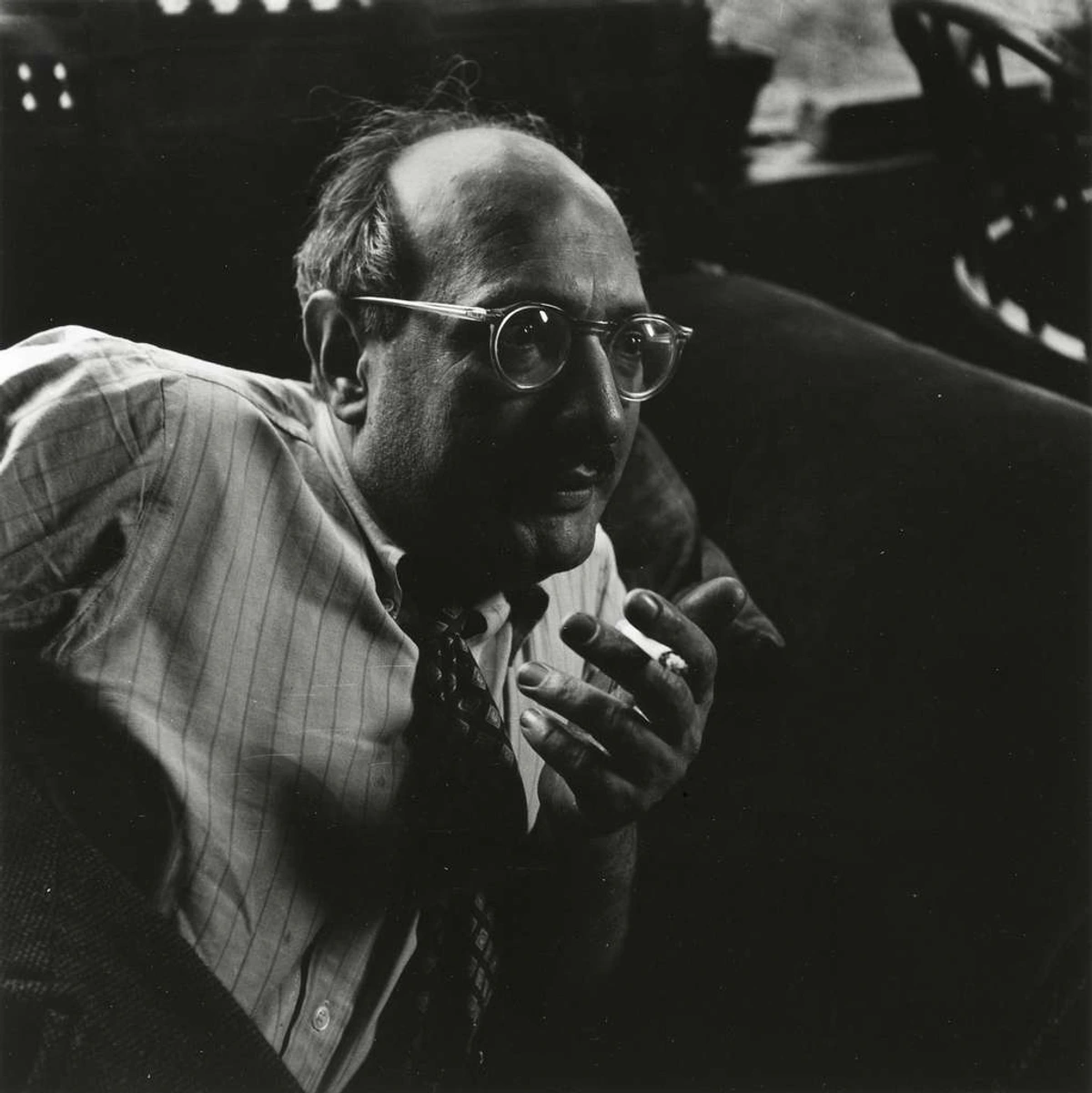
Jean-Michel Basquiat: The Urban Poet
Walking through a city, Jean-Michel Basquiat didn't just see walls; he saw canvases. He didn't just see a discarded door or window frame; he saw a perfect surface for a painting. He incorporated the grit and energy of 1980s New York into his work, using found objects as the foundation for his frantic, poetic, and politically charged paintings. His work proves that the most powerful art doesn't always need a pristine, store-bought canvas.
Basquiat started his career as graffiti artist under the name "SAMO," creating cryptic text-based paintings on buildings around Manhattan. These early works were essentially found object art—they used the city itself as their canvas. When he transitioned to gallery art, he brought that same sensibility with him.
His use of found materials wasn't just practical; it was political. By using discarded doors, window frames, and other architectural elements, he was literally incorporating the urban environment—often the environment of marginalized communities—into his art. His paintings on these surfaces feel more raw, more authentic, like they're speaking directly from the streets rather than from a sterile museum.
Basquiat also incorporated text from found sources into his paintings—newspaper clippings, book pages, handwritten notes. His work is filled with words, symbols, and diagrams that create a visual language all his own. It's as if he's taking fragments of culture—advertisements, medical texts, historical references—and rearranging them to create new meanings.
What makes Basquiat particularly relevant to contemporary found object art is his approach to materials. He didn't just use found objects as backdrops—he integrated them into his painting process, allowing the inherent qualities of the materials to influence his work. This approach has influenced countless artists who work with mixed media and found objects today.
Louise Nevelson: Queen of Shadows
Louise Nevelson's work is pure magic. She would collect discarded wooden scraps from the streets of New York City—bits of furniture, architectural ornaments, chair legs, anything—and assemble them into intricate, wall-sized sculptures. Then, she'd paint the entire thing one single color, usually matte black, white, or gold. The monochrome paint unifies all the disparate objects, forcing you to see their forms, shadows, and relationships. She called herself the "architect of shadow," and it's a perfect description.
Nevelson's process was fascinating. She'd spend hours walking the streets, scavenging for interesting wooden pieces. She didn't just take anything—she was looking for specific shapes, textures, and proportions. Back in her studio, she'd arrange these pieces into compositions that felt architectural, like miniature buildings or cityscapes.
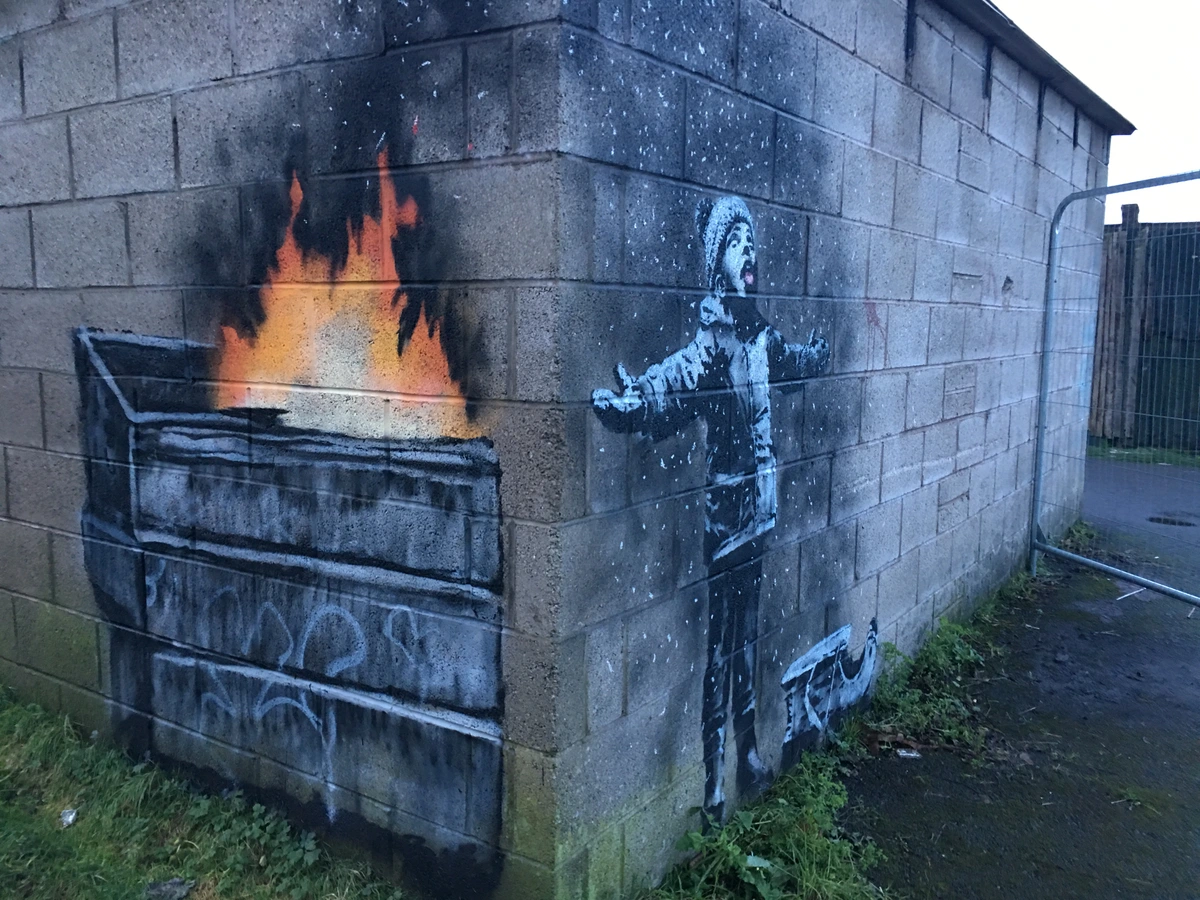
What makes her work so powerful is the transformation. Individual pieces of junk—a chair leg, a decorative molding, a piece of fence—become something entirely new when combined and painted. The color choice is crucial too. Black creates drama and mystery, white creates purity and light, and gold creates opulence and nobility. Each color changes how we perceive the same arrangement of objects.
Nevelson was one of the few successful female artists of her generation, and she worked in a field dominated by men. Her use of "feminine" materials (wood, craft) in monumental, architectural ways challenged gender norms in art. She proved that you could create powerful, abstract sculpture without using traditional materials like bronze or stone.

Contemporary Masters of Material: 21st Century Innovators
Today, artists using recycled materials are often making powerful statements about globalization, consumption, and the environment. The 21st century has brought new challenges and new materials, and artists have risen to meet them. Climate change, mass production, and digital culture have all influenced how contemporary artists approach found object art.
This new generation of artists is building on the foundations laid by earlier innovators while addressing contemporary issues in new ways. They're working with materials that didn't exist in previous generations—plastic packaging, electronic waste, and digital debris—and finding creative ways to transform these materials into meaningful art.
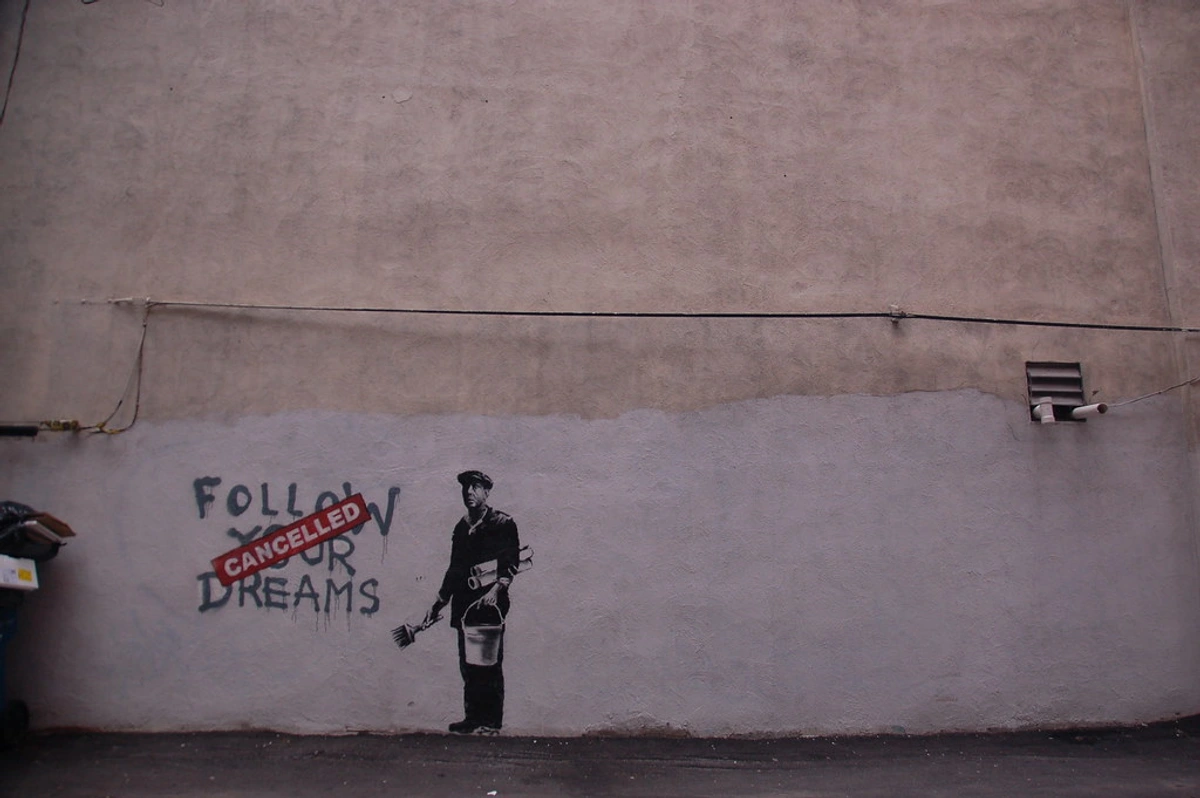
El Anatsui: Weaving with Waste
If you ever get the chance to see one of El Anatsui's pieces in person, do it. They are breathtaking. From a distance, they look like shimmering, opulent tapestries. Get closer, and you'll realize they're made from thousands of aluminum bottle caps and foil from liquor bottles, painstakingly flattened, folded, and stitched together with copper wire. The materials speak to the history of trade (including the slave trade) between Africa and Europe, where alcohol was a major commodity. It's beauty, history, and social commentary all woven into one.
Anatsui's process is as fascinating as his work. He collects bottle caps from distilleries and recycling centers in his native Ghana. Each cap is carefully flattened with a hammer, then folded into specific shapes that can be linked together. The final pieces can weigh hundreds of pounds but hang like fabric, creating a beautiful tension between weight and lightness, permanence and fragility.
What makes his work so powerful is the transformation of materials with loaded meanings. Bottle caps are symbols of consumption, waste, and global trade. But in Anatsui's hands, they become something beautiful, valuable, and historically significant. The shimmering surface references traditional African kente cloth, linking contemporary issues to cultural heritage.
Anatsui's work has been exhibited in major museums worldwide, including the Tate Modern, the Metropolitan Museum of Art, and the Venice Biennale. He's proven that art made from "waste" can not only be visually stunning but also critically important and financially valuable.
Anatsui's influence extends beyond his own work. He has inspired a generation of African artists to work with local materials and address global issues through their art. His success has also helped challenge Western notions of what "African art" should be, showing that contemporary African artists can work with cutting-edge materials and techniques while maintaining deep connections to their cultural heritage.
Vik Muniz: The Garbage Painter
Vik Muniz doesn't just use trash; he collaborates with the people who handle it. For his series Pictures of Garbage, he worked with the catadores (pickers) at one of the world's largest landfills outside Rio de Janeiro. He projected images of famous paintings (like Jacques-Louis David's The Death of Marat) onto the floor of a massive warehouse and had the catadores arrange mountains of garbage to recreate the images. He then photographed them from above. The project, documented in the film Wasteland, is a profound statement on value, visibility, and the transformative power of art.
Muniz's approach is brilliant because it's collaborative and educational. The catadores weren't just subjects—they were co-creators. They learned about art history while creating art, and their work brought international attention to both their situation and the environmental crisis of waste management.
The series includes recreations of famous works by artists like Van Gogh, Botticelli, and Picasso. What's fascinating is how different materials create different interpretations. Bottles might become a face, plastic bags might form clothing, and electronic waste might create texture. Each work is a commentary on both the original painting and the materials used to create it.

Muniz has done similar projects with other groups of marginalized people—chocolate factory workers in Brazil, diamond miners in South Africa, and workers in various industries. His work consistently asks questions about who creates value in society, whose labor is visible, and how art can change perspectives.
Joe Minter: An African Village in America
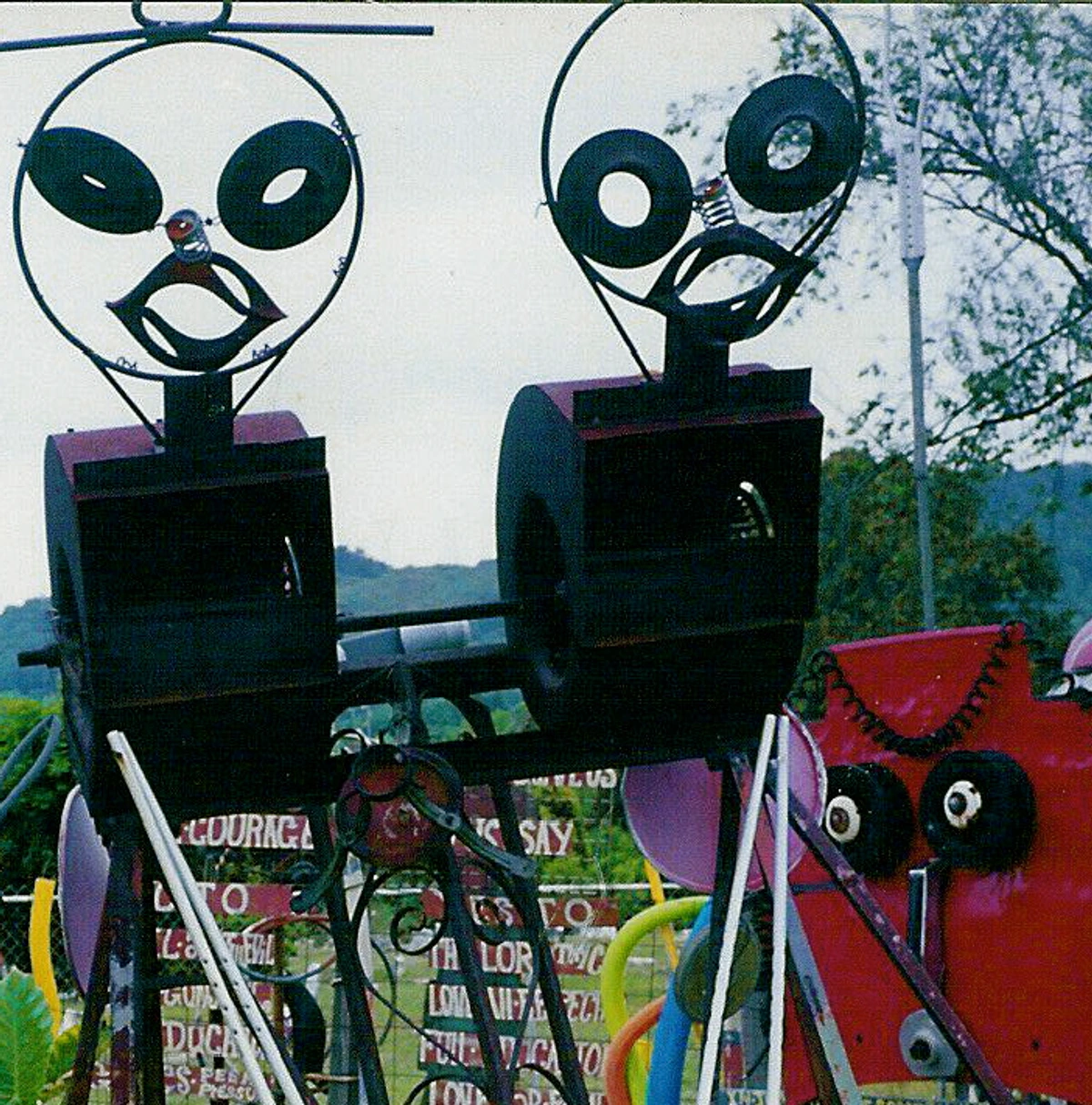
Sometimes, an artist's entire environment becomes the artwork. Joe Minter, a self-taught artist in Birmingham, Alabama, has spent decades creating the "African Village in America" in his own yard. It's a sprawling, immersive installation made from scrap metal, old tools, discarded toys, and other found materials. Each sculpture tells a story about African American history, from the transatlantic slave trade to the Civil Rights Movement and beyond. It’s a powerful, raw, and deeply personal chronicle built from the refuse of society.
Why This Art Matters More Than Ever
So, why do we find art made from junk so compelling? I think it’s a few things.
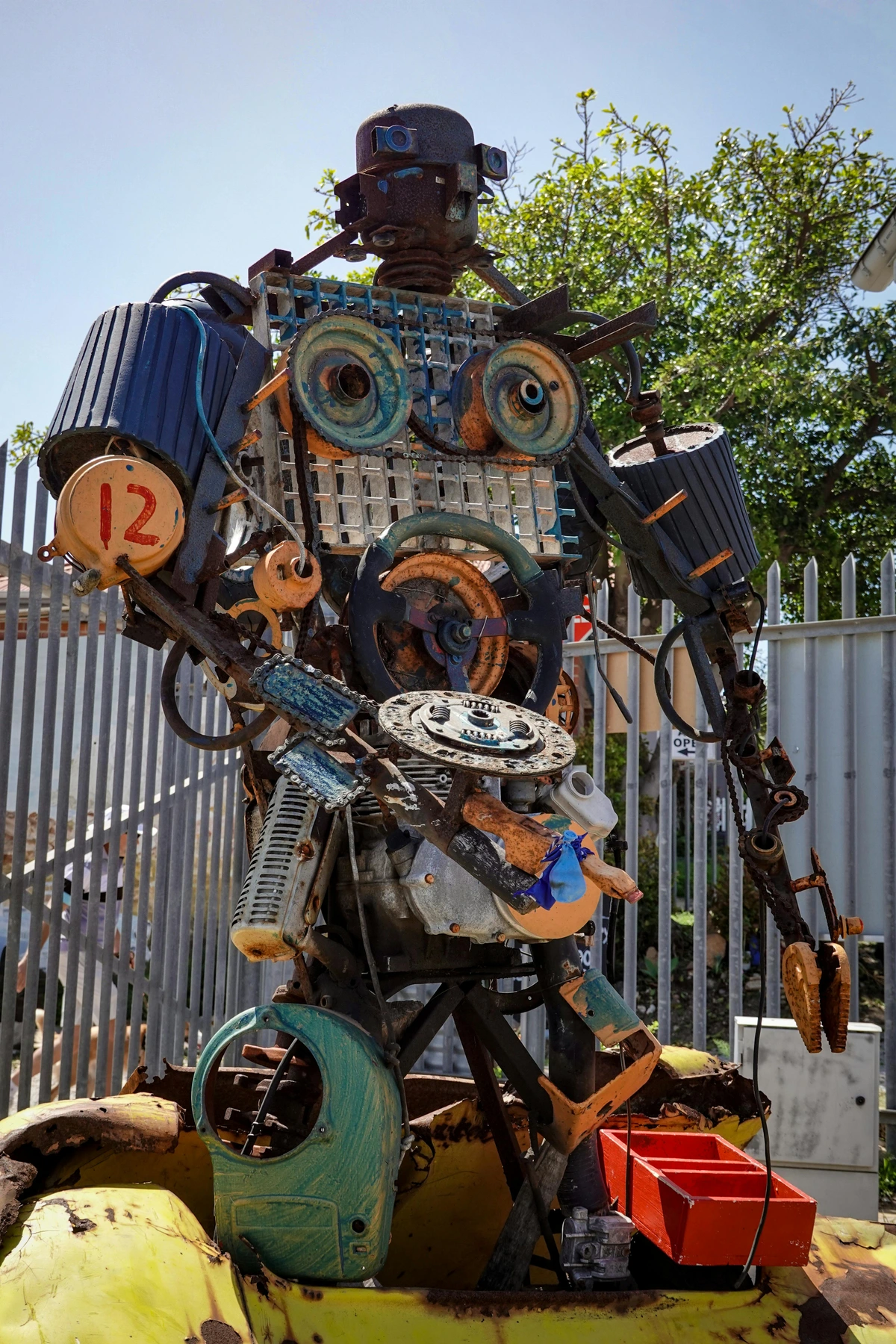
- It's a Mirror: This art holds up a mirror to our society, reflecting our habits of consumption and waste.
- It's Accessible: It demystifies art. You don't need expensive paints from a store (though I do love them, as you can see in my own work for sale). You can start with what's around you.
- It's about Transformation: It’s the ultimate story of alchemy—turning the worthless into the priceless, the forgotten into the unforgettable. It gives us hope that things (and maybe people) can be repurposed and find new meaning.
Here’s a quick breakdown of the artists we've talked about:
Artist  | Primary Materials | Key Theme(s) |
|---|---|---|
| Marcel Duchamp | Urinals, bottle racks, everyday objects | The definition of art, the power of ideas |
| Pablo Picasso | Bicycle parts, scrap metal | Transformative vision, seeing potential |
| Robert Rauschenberg | Tires, quilts, street signs, taxidermy | The gap between art and life, urban chaos |
| Jean-Michel Basquiat | Doors, window frames, discarded wood | Street culture, social commentary, poetry |
| Louise Nevelson | Wooden scraps, furniture parts | Unity in form, the architecture of shadow |
| El Anatsui | Aluminum bottle caps, liquor bottle foil | Globalization, consumerism, African history |
| Vik Muniz | Garbage, sugar, chocolate syrup, diamonds | Perception, value, social collaboration |
| Joe Minter | Scrap metal, old tools, found objects | African American history, memory, resilience |
Frequently Asked Questions (FAQ)
Q: What is the difference between found object art and recycled art?
A: It's a subtle but important distinction. A found object (or objet trouvé in French) is used in art for its symbolic or conceptual value, often with little alteration (think Duchamp's urinal). Recycled art focuses more on the transformation of waste materials into something new, often with an environmental message. The terms overlap a lot, and many artists do both!
Q: Who was the first artist to use recycled materials?
A: While you could argue folk artists have been doing it for centuries, in the context of modern art, Pablo Picasso and Georges Braque were among the first when they incorporated newspaper clippings and other materials into their Cubist collages around 1912. But Marcel Duchamp really blew the doors open conceptually a few years later.
Q: Is art made from trash valuable?
A: Absolutely. The value of an artwork is determined by the artist's reputation, the work's historical significance, and market demand, not the cost of its materials. A Rauschenberg "Combine" made of street trash can sell for tens of millions of dollars. Some of the most expensive artworks in history are made from humble materials.
Q: What are some famous examples of recycled art?
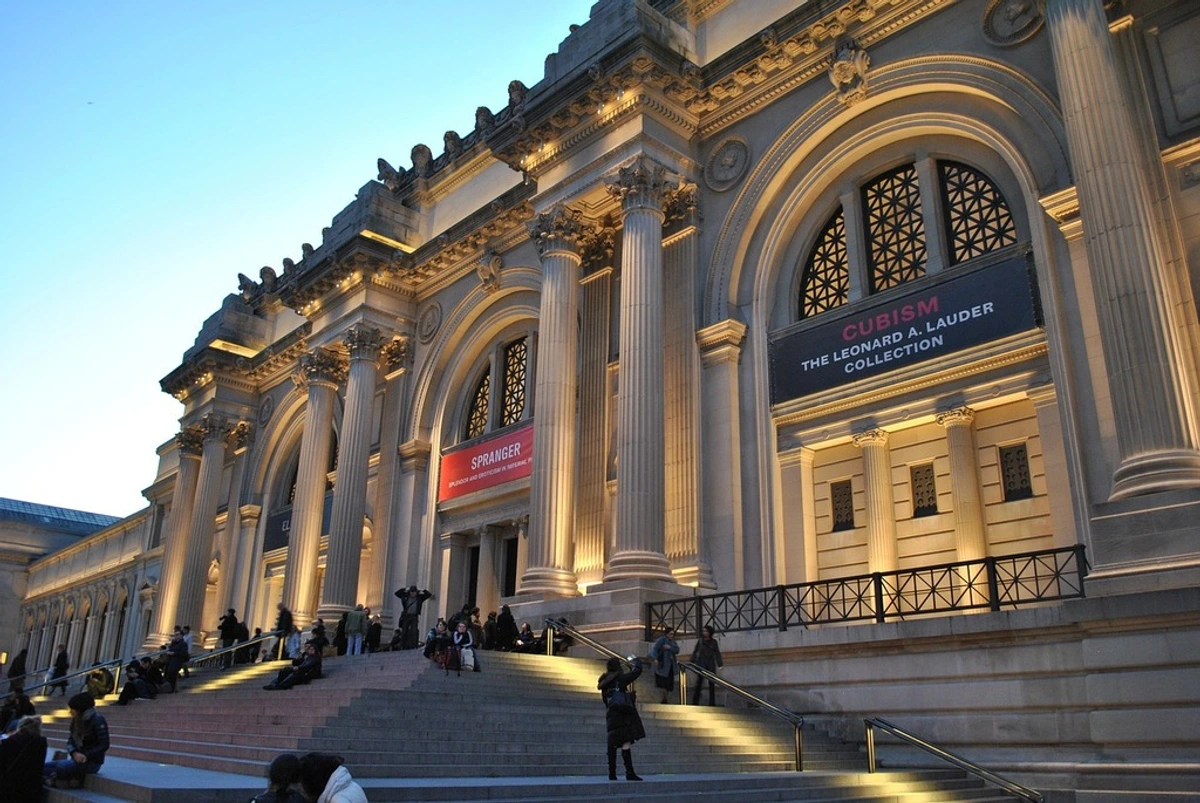
A: Picasso's Bull's Head, Rauschenberg's Monogram (the one with the goat), and any of El Anatsui's bottle-cap tapestries are iconic examples that you can find in major museums around the world, like those you'd see on my ideal museum tour. Other famous examples include Joseph Cornell's shadow boxes, Louise Nevelson's wooden sculptures, and more contemporary works by artists like Marina DeBris and Aurora Robles.
Q: How do artists find and collect materials?
A: Artists use all sorts of creative methods! Some, like Louise Nevelson, literally walk the streets scavenging for interesting pieces. Others get materials from recycling centers, thrift stores, or even directly from manufacturers who would otherwise discard them. Some artists, like Vik Muniz, collaborate with people who handle waste professionally. The key is having a trained eye to see potential where others see junk.

Q: What tools and techniques do artists use for found object art?
A: It depends on the artist and the materials! Some use basic tools like hammers, nails, and glue to assemble pieces. Others might use welding, soldering, or more advanced fabrication techniques. Some incorporate paint, while others let the natural patina of the materials show through. The beauty of found object art is that there are no rules—artists use whatever techniques help them realize their vision.
Q: Is found object art considered "real" art?
A: This is one of the oldest debates in contemporary art! When Duchamp first exhibited his readymades, critics were outraged that he would "just pick up" an object and call it art. But over time, the art world has come to recognize that art is about ideas, concepts, and context as much as it's about technical skill. Today, found object art is firmly established as a legitimate and important genre, taught in art schools and collected by major museums.
Q: How can I start making art with found objects?
A: The great thing about found object art is that anyone can start! Here are some tips:
- Start collecting: Keep an eye out for interesting shapes, textures, and materials in your daily life. Don't judge them yet—just collect things that catch your eye.
- Create a "junk journal": Keep a sketchbook where you glue or tape found items—ticket stubs, wrappers, interesting papers—to document what you collect.
- Play with combinations: Try arranging your collected objects in different ways. What happens when you combine these seemingly unrelated items?
- Start small: You don't need to create a massive installation right away. Try making a small assemblage or collage first.
- Document your process: Take photos of your work in progress. This helps you see how ideas evolve and can be useful for sharing your work later.
Q: What are some environmental benefits of found object art?
A: Found object art has several environmental benefits:
- Waste reduction: It keeps materials out of landfills and incinerators
- Resource conservation: It reduces the need for new materials and the energy required to produce them
- Raising awareness: Many found object artists create works that highlight environmental issues
- Sustainable practice: It promotes the idea that "waste" is a resource waiting to be repurposed
Of course, not all found object art is created equal environmentally. Some artists work with genuinely discarded materials, while others might use "vintage" items that have market value. But overall, the genre encourages a more thoughtful approach to consumption and waste.

Getting Started: Your First Found Object Art Project
I know what you might be thinking: "This all sounds amazing, but I'm not an artist. I could never create something like that." Let me tell you something—I felt exactly the same way for years. I kept looking at these incredible works by professional artists and thinking, "There's no way I could do that." But then I realized something important: you don't need to be a professional artist to enjoy making art with found objects. You just need to be willing to play, experiment, and see what happens.
The beauty of found object art is that it's accessible to everyone. You don't need expensive supplies or formal training—you just need eyes that can see potential in the ordinary. The most important thing is to approach it with curiosity and playfulness, not with the pressure of creating something "perfect."
Here's a simple project to get you started:
The Found Object Collage
What you'll need:
- A sturdy base (canvas board, wood panel, even cardboard)
- A collection of found objects (paper, fabric, plastic, metal—anything that interests you)
- Glue (white glue, hot glue, or epoxy depending on your materials)
- Optional: Paint, markers, or other embellishments
What to do:
- Gather your materials: Spend a week collecting interesting items. Don't overthink it—if it catches your eye, save it. Ticket stubs, bottle caps, interesting packaging, fabric scraps, keys, old jewelry—anything goes.
- Arrange before gluing: Lay everything out on your base and experiment with different arrangements. Move things around. See what combinations feel interesting or tell a story.
- Start assembling: Once you have an arrangement you like, start gluing things down. Work from the background to the foreground.
- Add your personal touch: Once everything is glued down, you might want to add paint or other elements to unify the piece or emphasize certain areas.
- Step back and look: When you're done, put it somewhere you can see it for a few days. Sometimes you'll want to make small adjustments as you live with it.
The most important thing is to not judge your work too harshly. This isn't about creating a masterpiece—it's about the process of seeing potential in ordinary things. You might be surprised at what you can create!
Remember, every artist started somewhere. The found object artists we've discussed—Duchamp, Picasso, Rauschenberg, Nevelson—they all began by experimenting with materials and ideas. Your first piece might not be groundbreaking, but it will be meaningful because it represents your journey of seeing the world differently.
One of the best things about found object art is that it's a practice that can grow with you. As you gain experience, you can experiment with more complex techniques, larger projects, and deeper themes. But even if you just make small collages or simple assemblages, you're participating in a rich artistic tradition that challenges how we see value and creativity in the world.
Women Pioneers in Found Object Art: Breaking Barriers
While we've discussed many influential artists, it's worth highlighting some of the incredible women who have shaped this field. Historically, women artists have often worked with materials and techniques that were considered "craft" rather than "fine art," making found object art a natural fit for many.
The history of found object art is also a history of gender in the art world. Women have often been excluded from mainstream art movements, but found object art provided an alternative space where they could create meaningful work on their own terms. Their contributions have been crucial in expanding what we consider "art" and challenging traditional hierarchies of materials and techniques.
Betye Saar: The Alchemist of Memory
Betye Saar creates powerful assemblages that explore African American history, spirituality, and personal memory. She combines found objects like photographs, clothing, and domestic items with mystical symbols and cultural references. Her work often deals with themes of race, gender, and time, creating pieces that are both visually stunning and deeply meaningful.
One of her famous series is the "Liberation of Aunt Jemima," where she transforms the stereotypical mammy figure from advertising into a powerful symbol of resistance. By incorporating found objects like rifles, brooms, and religious items, she reclaims and subverts racist imagery.
Saar's work is particularly important because it addresses the intersection of race and gender in American culture. Her assemblages often incorporate elements from African spiritual traditions, American folk art, and personal memorabilia, creating complex narratives that challenge viewers to confront uncomfortable truths about history and identity.
What makes Saar such a significant figure in found object art is her ability to transform racist and sexist imagery into something empowering. By taking objects that were used to oppress African Americans and repurposing them as symbols of resistance, she demonstrates the transformative power of art to change how we see the world.
Judy Chicago: Dinner Party with Found Objects
While best known for her large-scale installation The Dinner Party, Judy Chicago has also worked extensively with found objects. Her early work often incorporated domestic objects—sewing patterns, kitchen tools, and other items associated with women's work—into feminist statements. She showed that the materials of daily life could be powerful tools for artistic and social commentary.
Chicago's approach to found object art was revolutionary because it elevated "women's work" to the level of fine art. By taking items that were traditionally dismissed as craft or domestic labor and presenting them in museum contexts, she challenged the hierarchy of art materials and techniques.
The Dinner Party itself can be seen as a form of found object art, as it incorporates ceramics, needlework, and other craft techniques that were historically associated with women. The installation features place settings for 39 important women from history, each with a hand-painted plate and embroidered runner. The work celebrates women's contributions to history while acknowledging the ways their achievements have been overlooked.
Niki de Saint Phalle: Shooting Art with Found Objects
Niki de Saint Phalle was a French-American artist known for her "shooting paintings" and large-scale sculptures. She worked with found objects, plaster, and paint to create colorful, playful works that often incorporated themes of mythology and femininity. Her most famous project is the Tarot Garden in Italy, a monumental sculpture park built entirely by hand over decades.
De Saint Phalle's "shooting paintings" were a radical form of performance art where she would embed bags of paint with found objects and then shoot them with rifles, creating explosions of color and texture. This process was both dangerous and liberating, allowing her to channel aggression and emotion into her art.
What makes de Saint Phalle particularly interesting to contemporary found object artists is her combination of different materials and techniques. She seamlessly blended painting, sculpture, found objects, and performance, creating works that were multidimensional and engaging. Her Tarot Garden, which incorporates mosaic tiles, found objects, and sculptural elements, represents the ultimate expression of her artistic vision—a world where art, mythology, and everyday life merge.
The Digital Age: Technology and Found Objects
You might think that found object art is a purely analog, traditional practice, but in the 21st century, technology has brought new possibilities and new challenges. The relationship between digital technology and found object art is complex and evolving, with artists finding creative ways to bridge the gap between the physical and digital worlds.
Digital Documentation and Sharing
One of the biggest changes is how artists document and share their work. Social media platforms like Instagram have created global communities of found object artists who can share their work instantly. This has led to new forms of collaboration and inspiration across borders and cultures.
Digital photography also allows artists to document their process more thoroughly, showing how materials transform from junk to art. This documentation has become an important part of the artistic practice itself.
3D Printing and New Materials
3D printing has opened up new possibilities for found object art. Artists can now scan found objects and create digital versions that can be reproduced or modified. They can combine digital fabrication with traditional found materials, creating hybrid works that bridge the gap between the physical and digital worlds.
At the same time, new types of "found objects" are emerging—electronic waste, obsolete computer parts, and digital debris. Artists are beginning to incorporate these materials into their work, commenting on our increasingly digital lives.
Virtual and Augmented Reality
Some artists are creating virtual found object art, where digital objects are "found" and assembled in virtual space. Others use augmented reality to layer digital elements onto physical found objects, creating hybrid experiences that exist in both the real and virtual worlds.
While these technologies are exciting, many traditional found object artists remain skeptical. They worry that the tactile, physical nature of working with real materials might be lost in digital translation. But others see technology as just another tool in the artist's toolbox—one that can expand the possibilities of what found object art can be.
Global Perspectives on Found Object Art: Cultural Traditions
While we've focused on Western artists, found object art is a global phenomenon with rich traditions around the world. Different cultures bring different perspectives to working with discarded materials, reflecting unique relationships to waste, value, and creativity.
The global nature of found object art reveals something important about creativity itself: it's not tied to specific materials or techniques, but to the human capacity to see potential in what others discard. From African recycling traditions to Japanese wabi-sabi philosophy to Latin American alebrijes, artists around the world have developed their own approaches to working with found materials.
African Traditions
Many African cultures have long traditions of working with found and recycled materials. In Nigeria, for example, artists create sculptures from recycled oil cans and other industrial waste. In South Africa, artists use discarded materials to create powerful commentary on post-apartheid society.

El Anatsui, whom we discussed earlier, is part of this rich tradition. His bottle-cap tapestries not only comment on global consumerism but also connect to traditional African textile patterns and weaving techniques.
Asian Traditions
In Japan, the concept of wabi-sabi—finding beauty in imperfection and impermanence—has influenced how artists approach found materials. Traditional Japanese art often incorporates natural, weathered materials that show the marks of time.
In China, artists are increasingly working with the rapid industrialization and urbanization of the country. Found object art becomes a way to comment on the environmental and social impacts of these changes.
Latin American Traditions
Latin American artists have a long history of working with found materials, often out of economic necessity but also as a form of cultural expression. In Mexico, for example, artists create alebrijes—colorful fantasy sculptures—from recycled cardboard and other materials.
In Brazil, artists like Vik Muniz have gained international attention for their work with materials from favelas and recycling communities. Their work often addresses social inequality and environmental issues specific to Latin American contexts.
Indigenous Traditions
Indigenous communities around the world have always worked with materials from their environment, often using every part of plants and animals out of respect for the natural world. Many contemporary Indigenous artists continue these traditions while also commenting on modern issues like climate change and cultural preservation.
For example, some Native American artists incorporate found natural materials into contemporary art forms, creating works that bridge traditional and modern practices. Others use found objects to comment on the impacts of colonialism and environmental destruction on Indigenous communities.
The Business of Found Object Art: Market Realities
Let's be honest—one of the questions people often have about found object art is: "Can you actually make money doing this?" The answer is yes, but it's complicated. The art market for found object art has evolved significantly over the past few decades, with increasing recognition of its cultural and financial value.
Market Value and Collectibility
The value of found object art depends on several factors:
- Artist reputation: Established artists like Rauschenberg, Nevelson, and Basquiat command high prices for their work
- Historical significance: Works that were important in the development of art movements tend to be more valuable
- Condition: Found object art can be fragile, so condition matters a lot
- Provenance: Documentation of the work's history adds value
- Rarity: Some artists create series of similar works, while others make unique pieces
- Materials used: Rare or historically significant found materials can increase value
- Technical execution: The skill and creativity involved in assembling and transforming materials
- Cultural relevance: Works that address contemporary issues or have strong cultural narratives
The market for found object art has grown significantly in recent years, with auction houses like Christie's and Sotheby's regularly featuring works by major found object artists. In 2019, a Robert Rauschenberg "Combine" sold for $93 million, demonstrating the high value that collectors place on this type of work.
Galleries and Representation
Getting gallery representation is challenging for any artist, but especially for those working with unconventional materials. Galleries often worry about the durability and marketability of found object art. However, many galleries that specialize in contemporary or outsider art do represent found object artists.
Alternative Markets
Because traditional galleries can be difficult to break into, many found object artists find success through alternative channels:
- Art fairs and craft shows: These can be great places to sell work directly to collectors
- Online platforms: Websites like Etsy and specialized art marketplaces have made it easier to reach global audiences
- Commission work: Many artists create custom pieces for private collectors or public spaces
- Teaching and workshops: Sharing your skills can provide steady income while building your reputation
Sustainability and Longevity
One challenge for found object art is the question of longevity. Unlike traditional art materials, found objects can degrade over time. Artists have developed various techniques to preserve their work, but it remains an ongoing concern.
Some artists create "archival versions" of their work using more stable materials for sale, while keeping the original found object pieces for exhibitions. Others develop specialized conservation techniques to preserve their work.
Museums and Institutions featuring Found Object Art
If you want to see found object art in person, here are some institutions known for their collections:
- The Museum of Modern Art (MoMA), New York: Strong collection of Dada, Surrealism, and contemporary assemblage
- The Tate Modern, London: Excellent collection of 20th and 21st century found object art
- The Smithsonian American Art Museum: Significant holdings in self-taught and outsider art
- The American Folk Art Museum: Great collection of folk and visionary art often made from found materials
- The Outsider Art Museum, Amsterdam: Dedicated to art created outside the mainstream art world
Many of these institutions also have excellent online collections and virtual tours, so you can explore found object art from anywhere in the world.








A Final Thought
Exploring these artists has taught me that creativity isn't about having the best supplies; it's about having the best eyes. It's about looking at a pile of scrap metal and seeing a story about history, or looking at a bicycle seat and seeing the face of a bull. It's a reminder that potential is everywhere, just waiting to be reassembled.
The artists we've discussed—Duchamp, Picasso, Rauschenberg, Nevelson, Basquiat, Anatsui, and countless others—have all shown us that art is not about materials or technique alone. It's about perspective, about seeing the world differently, about finding meaning in the seemingly meaningless.
Found object art challenges us to reconsider our relationship with the objects around us. It asks us to look at the world not as a collection of things to be consumed and discarded, but as a source of endless creative potential. In a world facing environmental challenges and material excess, this message has never been more important.
So the next time you're about to throw something away, take a moment to really look at it. Ask yourself: What stories could this object tell? What beauty could it reveal? What conversations could it start? You might be surprised at what you discover.
Now, if you'll excuse me, I've got a date with that pile of old jars in my studio. Who knows what masterpiece might be hiding in there?