Duchamp's R. Mutt 'Fountain' (1917): The Dada Urinal That Redefined Art
Unlock the secrets of Marcel Duchamp's R. Mutt 'Fountain' (1917). Explore its role in the Dada movement, its challenge to art itself, and its enduring impact on readymades and conceptual art.

The Greatest Art Heist You've Never Heard Of: Duchamp, a Urinal, and the Night Art Changed Forever
Have you ever been in a public restroom and thought, "This belongs in a museum"? Probably not. But one evening in 1917, a man walked out of a New York plumbing supply shop with exactly that thought on his mind, and the world of art has never been the same since. That man, the enigmatic Marcel Duchamp, wasn’t a thief of objects, but a thief of definitions. The object in question wasn’t a rare gem, but a porcelain urinal.
I think about that moment more than is probably normal. The sheer, breathtaking gall of it. The art world, a temple of tradition guarded by committees and connoisseurs, was about to have its doors blown off by a piece of mass-produced sanitary ware. This isn’t a dry art history lesson. It’s the story of an intellectual heist, a declaration of war on taste, and the birth of the single most important question in modern art: "But is it art?"
This is the story of Fountain, signed by the mysterious R. Mutt. Today, I want to take you inside that moment of controlled chaos. We’ll walk the streets of a New York teeming with European refugees and radical ideas, and peer into the mind of a man who believed art was not in the crafting, but in the choosing. We'll crash the party at the supposedly open-minded art society that was about to be exposed as hypocritical gatekeepers, and trace the shockwaves of this one defiant gesture all the way to the movements that define our current era—from the grocery store aisles of Pop Art to the pure brain-teasers of Conceptual Art.
This is the story of how a single urinal became a declaration of war on meaning, taste, and tradition—the moment the art world had its own Copernican revolution, realizing the center of the art universe wasn't a divine masterpiece, but the artist's simple, powerful choice. It's a story about art, but it feels more like a heist. Let's get started.
The Powder Keg: What Was Happening in Art Before Duchamp?
To understand why a urinal was so explosive, you have to picture the art world of 1917. It was a world dominated by a handful of sacred ideas that felt as solid as stone, a carefully guarded temple of aesthetics where tradition reigned supreme. This wasn't just a style; it was an entire belief system about what counted as valuable, meaningful, and beautiful.
Imagine the galleries and salons. You’d see paintings on grand subjects—historical battles, Greek myths, serene landscapes. Art was, first and foremost, a display of skill. You were meant to look at a canvas and marvel at the technical prowess, the artist's ability to render a perfect sunset or a noble face. It was a celebration of the hand, a testament to years of disciplined training in studios and academies, a lineage passed down from master to apprentice. This was the cult of craft, and your ability to draw or paint with lifelike precision was your ticket in.
More importantly, art was tied to beauty and meaning. A painting told a story, conveyed a moral lesson, or captured a moment of sublime, awe-inspiring beauty. Viewers expected a kind of spiritual or intellectual experience when they stood before a great work, an experience defined by reverence for the unique, handcrafted object. The most avant-garde movements of the day, like Fauvism and Cubism, were already chipping away at this edifice, but they still operated within the fundamental framework of creating unique aesthetic objects.
But then, the world tore itself apart. World War I, with its mechanized slaughter and unprecedented brutality, changed everything. For a generation of artists and intellectuals, the old certainties no longer held. The idea of creating beautiful paintings felt hollow, even obscene, in the face of such industrialized destruction. If the logic and reason of Western civilization had led to the trenches, then perhaps logic, reason, and tradition were the problem. This profound disillusionment was the gasoline. All it needed was a match. And that match would be struck, unexpectedly, in the form of a urinal—an object designed for utility and promptly ignored, about to become the catalyst for a creative explosion that challenged the very foundations of art itself.
Cast of Characters: The Rebels of Dada
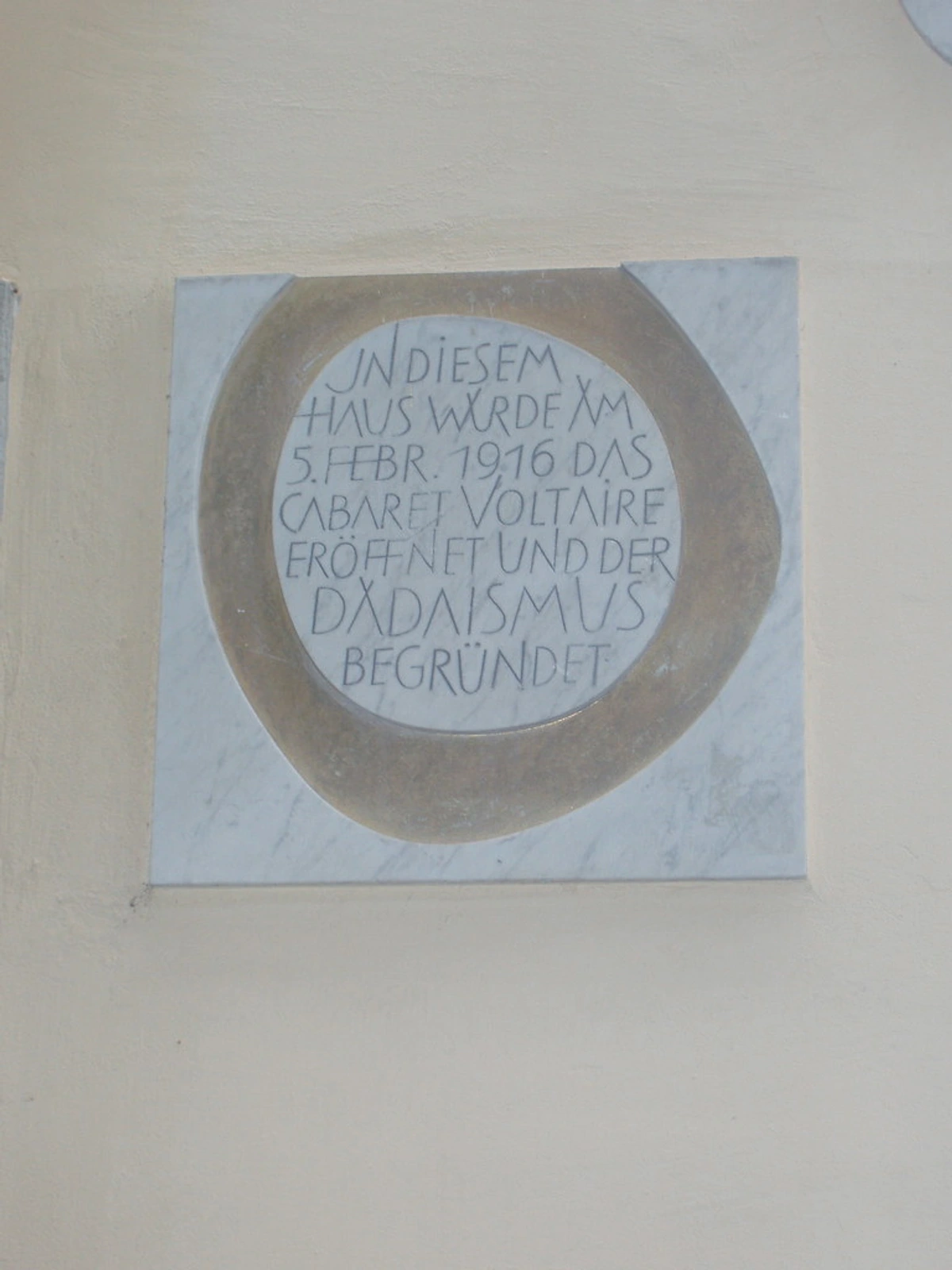
This is where our protagonists enter the stage. They were a group of artists, poets, and provocateurs who had fled the war in Europe for the relative safety of New York City. They called themselves the Dada movement, a name that signified both their rejection of logic and their intention to create a new kind of cultural language rooted in absurdity.
Their name was as nonsensical as their art. The story goes that they chose "Dada"—a French word for a child's hobbyhorse—by randomly stabbing a dictionary with a penknife. The very act was a perfect Dada gesture: random, meaningless, and a rejection of all rational choice, a declaration that if society's rules led to war, they would choose chaos and nonsense instead.
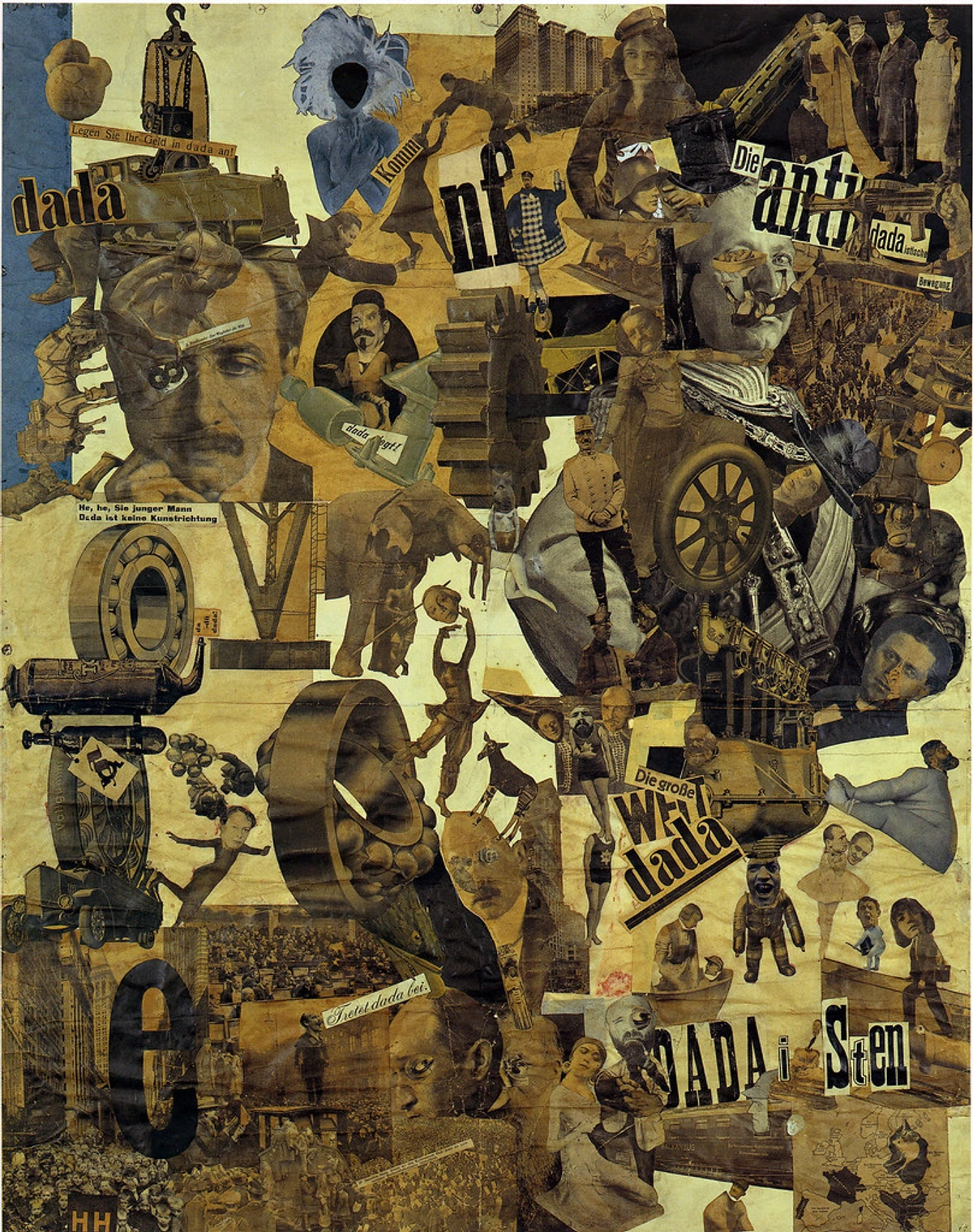
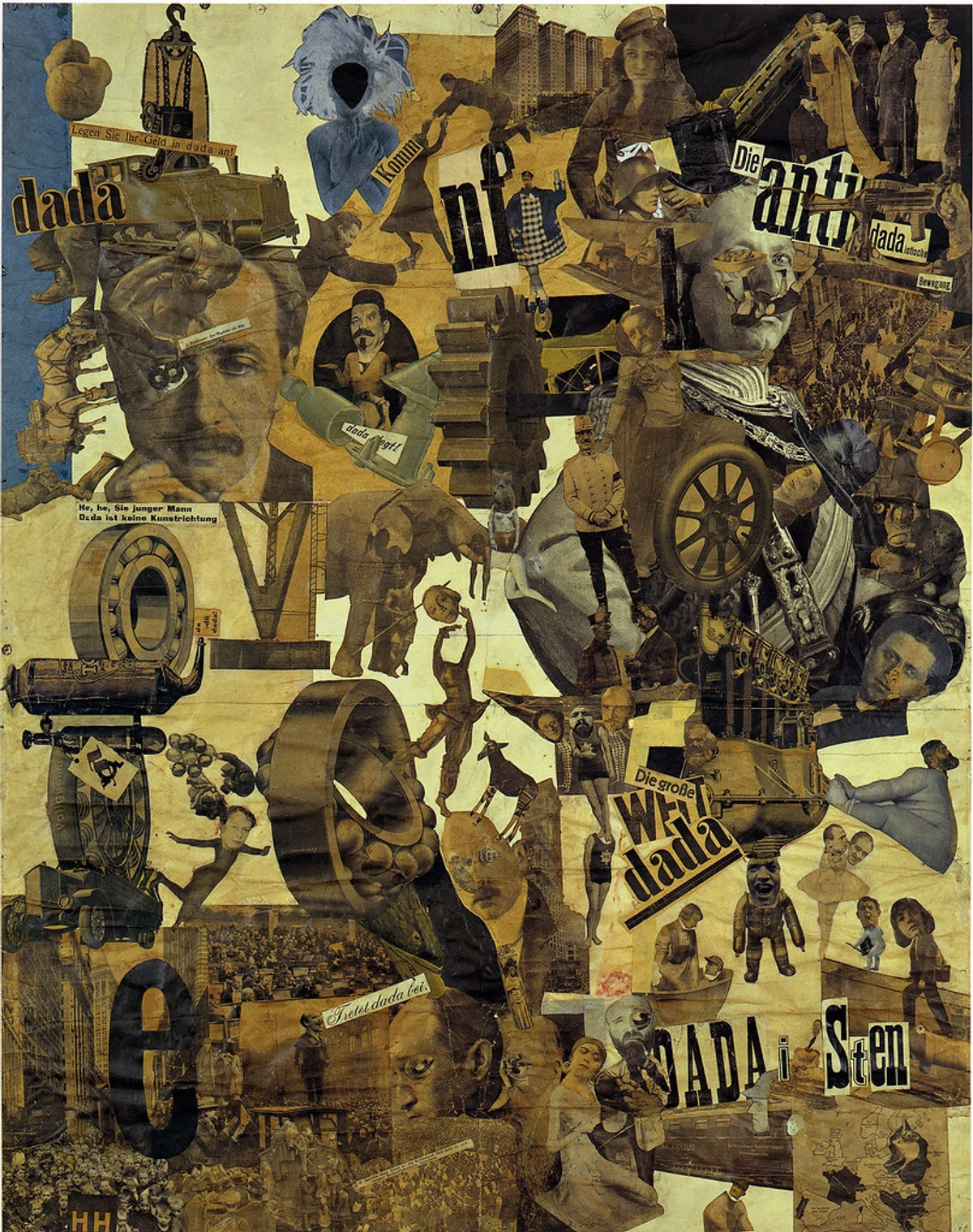
Theirs was not an art of creation, but of negation. They believed that logic and reason had led humanity into the quagmire of war. Their response was to embrace chaos, nonsense, and absurdity. A Dada poem might be made by pulling words from a hat. A Dada collage would combine the most jarring, unrelated images, deliberately rupturing any semblance of conventional narrative or aesthetic harmony.
Their guiding principle was one of anti-art: a complete and total rejection of everything the art world held dear. And their leader in New York, though he might have denied the title, was a brilliant and enigmatic Frenchman named Marcel Duchamp, a man whose quiet demeanor masked a revolutionary intellect.
The Mind of the Trickster: Who Was Marcel Duchamp?
You can't understand Fountain without understanding the man behind it, and Marcel Duchamp was a man who delighted in frustrating expectations. I've always pictured him with a quiet smile, the kind of person who knew a joke no one else did. He was less of a traditional artist and more of a philosopher—or a chess player—who used art as his medium for philosophical inquiry, strategically dismantling boundaries with every move.
Before Fountain, Duchamp was an accomplished painter, but he was becoming increasingly bored with what he called "retinal art"—art that only pleased the eye. He was interested in something deeper, something that engaged the mind. He wanted to ask questions, not provide answers, shifting the focus from visual pleasure to intellectual provocation.
This led him to an idea that would become his most significant contribution: the readymade. Imagine you're strolling through a hardware store, and you see a snow shovel hanging on a hook. It's a tool, pure and simple. Duchamp's thought was this: what happens if I take this object, detach it from its ordinary purpose, and place it in an art gallery? If I call it art, does it become art? What does that do to our definition of art? This wasn't just about the object, but about the power of context and the artist's intention to redefine reality itself.
That idea, that mental act of transposition, became the artwork, far more than the object itself. The snow shovel, titled In Advance of the Broken Arm, was one of his first. It was a test, a probing question. A few years later, Fountain would be his ultimate, most baffling, and most genius experiment, the one that would force the art world to confront its own assumptions about value, authorship, and meaning.
The Scene of the Crime: The 1917 Society of Independent Artists Exhibition
Now we come to the scene of the crime, the event that set the stage for the perfect scandal. In 1917, New York's art scene was buzzing with the upcoming first exhibition of the Society of Independent Artists. Think of it as a massive, open-call art fair. The whole point of their society was radical for its time: anyone could be a member, and any member could submit their art to be hung in the exhibition. This was a bold move towards democratizing art, a direct challenge to the gatekeepers of traditional institutions. The two key rules were:
- No Jury: No panel of experts would decide what was "good" or "bad" art.
- No Prizes: There would be no awards, no hierarchy of "best in show."
The organizers, including Duchamp himself, championed themselves as a progressive alternative to stuffy institutions. They were opening the doors to everyone. Their manifesto was built on a promise of total acceptance, a promise they were about to test in the most unexpected way possible.
You can probably see where this is going. Duchamp saw their high-minded principles as a challenge. He decided to test their commitment to "no jury" and "no prizes" in the most literal way imaginable. He would submit an artwork so contrary to all accepted ideas of art that it would force them to break their own rules. He would give them a philosophical grenade and see if they dared to pull the pin, a test of whether their radical ideals could withstand their own conservative instincts.
The Heist: Creating a Masterpiece from a Men's Room
The story of Fountain's creation feels less like a historical anecdote and more like the opening scene of a caper film. The best accounts tell it like this: sometime in early April 1917, Duchamp and a group of co-conspirators, including the wealthy collector Walter Arensberg and the painter Joseph Stella, walked into the showroom of the J. L. Mott Iron Works, a plumbing supplier on Fifth Avenue. This wasn't an act of solitary genius, but a collective performance, an art heist executed in broad daylight.
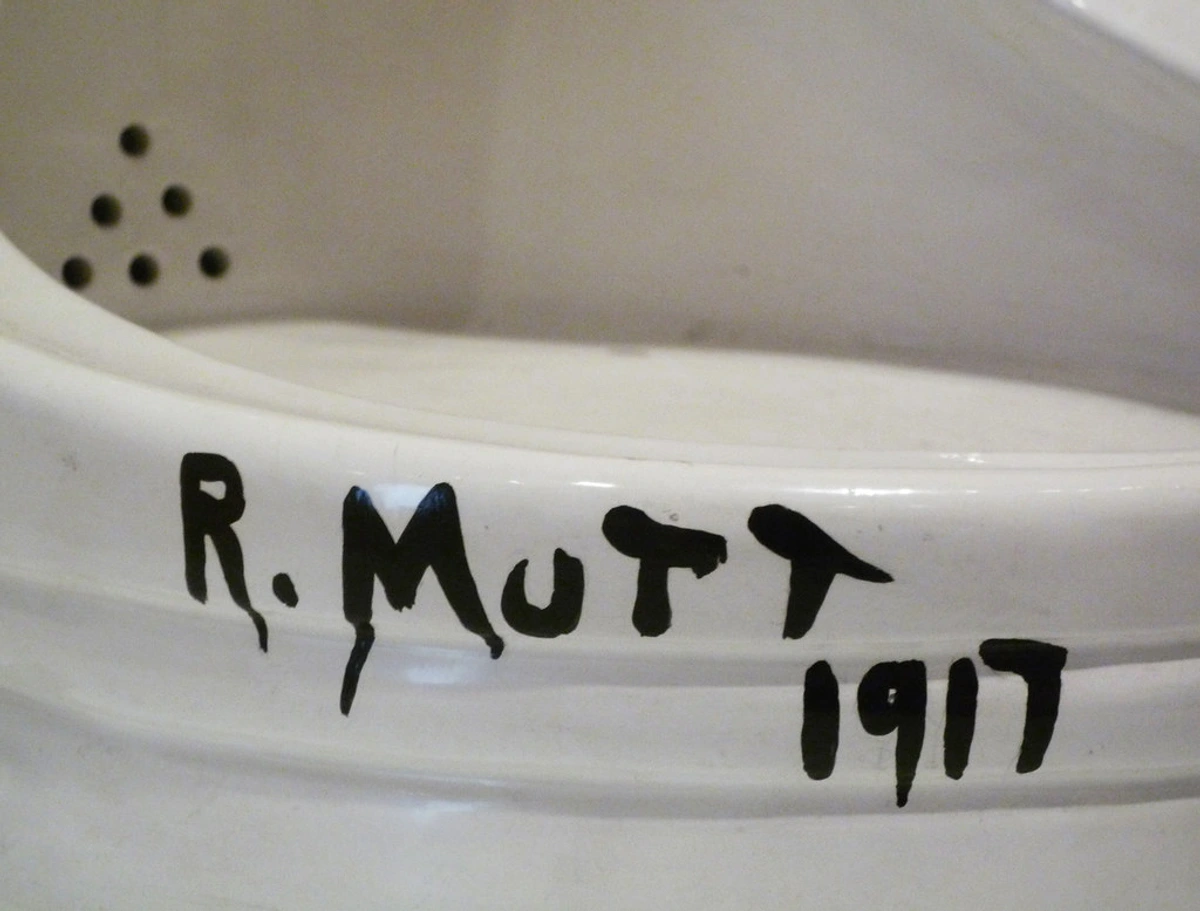
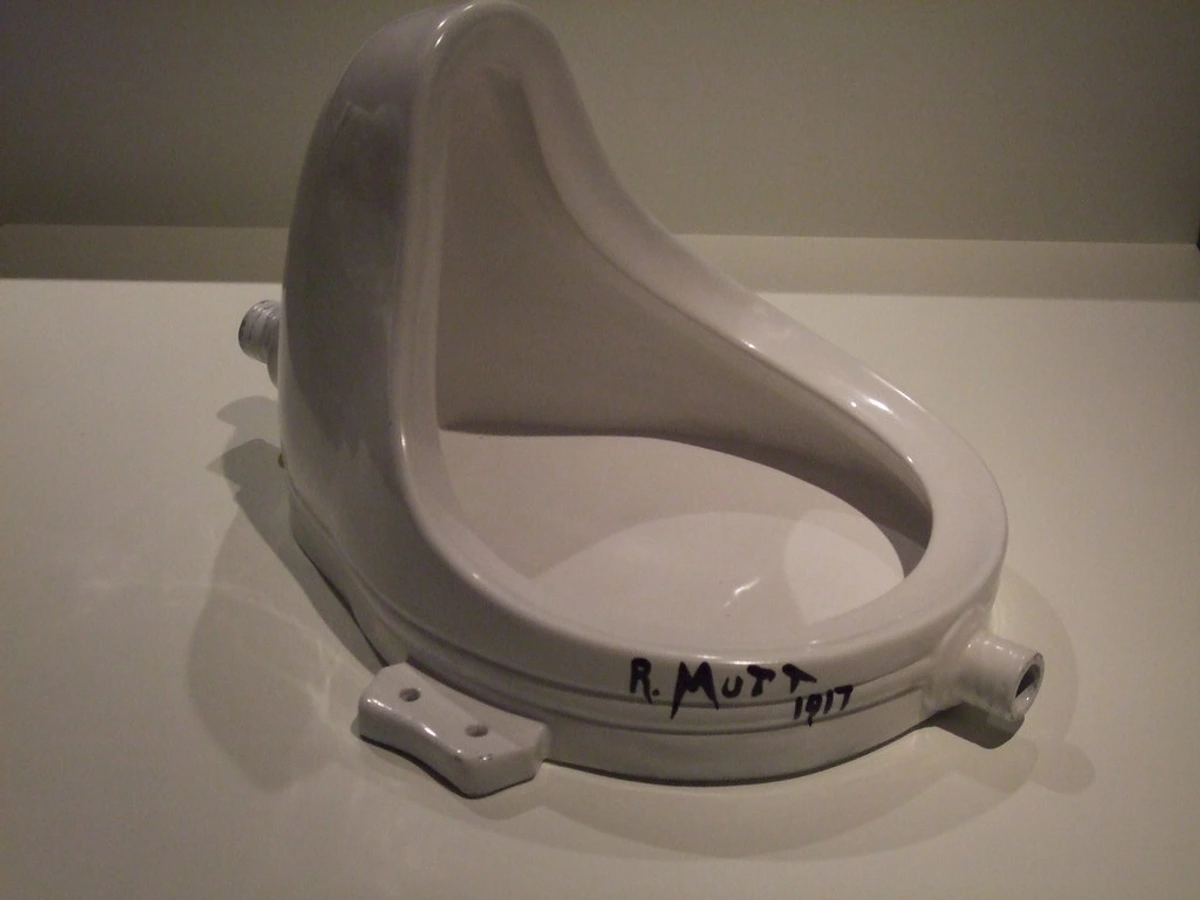
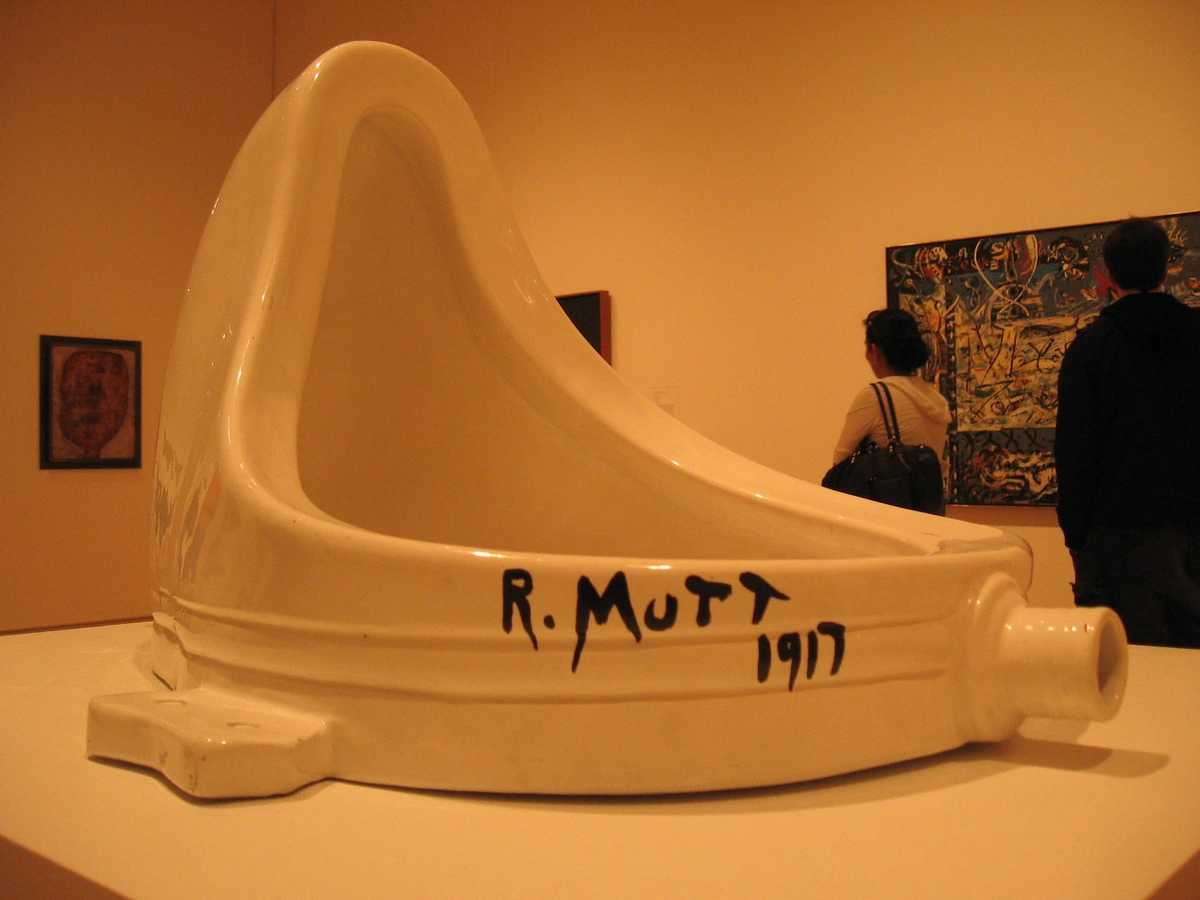
With the clinical eye of a connoisseur, Duchamp selected one item from the rows of porcelain fixtures: a standard Bedfordshire model urinal. It was a mass-produced, readymade object, identical to thousands of others in buildings across the city. He purchased it, and then, in his studio, performed the crucial act of transformation. He signed it on the side with the pseudonym "R. Mutt," rotated it 90 degrees so it sat on its back, and titled it Fountain. He then filled out the exhibition entry forms and had a friend submit it for him—hiding his own identity as a member of the board. This was an elaborate ruse designed to expose the hypocrisy he was certain lurked beneath the Society's progressive veneer.
Imagine the scene. A urinal. An object designed to be ignored, to be functional and invisible. Duchamp took this icon of industrial utility and, through a few simple gestures, made it monstrously strange. By titling it Fountain, he wasn't just renaming it; he was forcing a new reading. He was pointing out its shape, its form, its sculptural quality. This simple act of reorientation was a profound gesture, transforming an object of function into an object of pure thought.
The pseudonym added another layer to the game. "R. Mutt" was a masterstroke of wit, a play on the popular comic strip "Mutt and Jeff" and also on the name of the "Mott" plumbing company. But by signing it, Duchamp did something crucial. He established authorship. He wasn't just presenting a random urinal; he was presenting R. Mutt's urinal. He created an artistic persona, a phantom creator for this phantom masterpiece. This simple signature was the final, brilliant move that transformed an everyday object into a work of art. Instantly, the focus shifted from craftsmanship to authorship, from the hand to the idea.
The Outrage and the Cover-Up: The Art World's First Reaction
The Society of Independent Artists was thrown into chaos. For all their talk of radical acceptance, they were not prepared for Fountain. A dispute erupted behind the scenes. Is this art? Is it an insult? Is it just a joke? The very foundations of their open-door policy were cracking under the weight of a single porcelain urinal.
The board of directors was horrified. The core of their outrage wasn't even the object itself, but its implications. As historian Calvin Tomkins wrote, the arguments against it boiled down to a few key points, revealing their deep-seated anxieties:
- It was indecent and immoral.
- It wasn't art because the artist hadn't made it.
- If we accept this, what stops anyone from calling anything art?
This last point was the killer. The board realized that if they accepted Fountain, their entire system for valuing art—based on skill, beauty, and meaning—would collapse. It was a philosophical threat they couldn't tolerate. The infamous "no jury" rule was quickly, and quietly, broken, proving Duchamp's point that even the most radical institutions are susceptible to their own brand of conservatism.
Shortly before the exhibition opened, the board, without a formal vote, hid Fountain from public view. It was placed behind a partition. Duchamp and Arensberg, upon discovering this act of censorship, immediately resigned from the board in protest. The great open-door experiment had failed its very first test spectacularly, and Duchamp's critique of the art establishment—its hypocrisy, its political maneuverings, its fear of the new—was proven entirely correct. He had exposed them, revealing that even 'progressive' gatekeepers were still gatekeepers.
The original Fountain was likely discarded as trash, lost to history. But the photograph Duchamp commissioned, taken by the great art photographer Alfred Stieglitz, ensured that the scandal, and the idea, would live on, transforming the physical object's absence into a symbol of its enduring conceptual power.

The Art of the Idea: Duchamp's Radical Philosophy in Action
So what, exactly, was Fountain? Here's the real brain-twister: it wasn't the urinal. The physical object, the white porcelain thing, was just a prop in a much larger intellectual performance. The real work of art was the concept. This is what Duchamp called the "readymade," and its implications are staggering, fundamentally shifting art's focus from the hand to the head, from the tangible object to the intangible idea.
With Fountain, and his other readymades, Duchamp radically shifted the location of the creative act. Art was no longer something you just looked at with your eyes. It was now something you thought about with your mind. The creative act was no longer in the patient crafting of the object, but in the instantaneous mental leap of the artist who selected it, re-contextualized it, and declared it to be art. The artist's intention, choice, and the context of the gallery became the most important ingredients in the recipe for art. This was a radical democratization of creative power; anyone could pick something up. The genius was in the decision to do so.
He was making a powerful argument that art wasn't necessarily about beauty or skill. It could be about ideas, wit, and challenging authority. Fountain was a self-aware piece of art whose primary goal was to make you question what art even is. It was a mirror held up to the art world, reflecting its own prejudices and pretensions, forcing a confrontation with the very rules it claimed to uphold.
This move broke the chain that had bound art to craft and aesthetics for centuries. Suddenly, the doors were wide open. If a urinal could be a fountain, what else was possible? The trajectory of art for the next 100 years—from Pop Art and Minimalism to Conceptual Art and beyond—was forever altered by that one simple, defiant gesture, unleashing an unprecedented wave of creative freedom.
The Manifesto: How Fountain Embodied Dada's Core Principles
Fountain wasn't just a Duchampian one-off; it was the ultimate expression of the Dada movement. If Dadaism needed a single object to serve as its manifesto, Fountain would be it. It was a distillation of the very principles that drove Dada's absurd rebellion, a physical manifestation of their anti-art philosophy. It was the perfect marriage of philosophical inquiry and outright provocation, a gesture that made you laugh and think in the same instant.
Think about it. Dada was a reaction to a world gone mad. If the rational, logical, and ordered society of the 19th century had produced the bloodbath of WWI, then Dada argued that logic and reason were bankrupt. The only sane response was absurdity. Fountain is the ultimate absurd object. It’s a urinal. It’s a fountain. It’s both, and it’s neither. It forces your brain to short-circuit, confronting the flimsy nature of rational classification and the labels we take for granted.
Dada was anti-art. It rejected the idea of the precious, skillful, aesthetic object sold to a wealthy elite. Fountain did this by being aggressively unaesthetic, mass-produced, and functionally useless once reoriented. It mocked the preciousness of sculpture and the insane prices attached to "masterpieces." It stripped art down to nothing but an idea, a pure intellectual provocation shorn of all aesthetic adornment.
The act of signing "R. Mutt" was a profoundly Dada gesture. It rejected the cult of the artist as a unique, heroic genius. It was an anonymous, provocative act that put the focus on the work, not the biography. Dada was a movement of manifestos, magazines, and performances, less concerned with creating timeless objects than with staging disruptive events. Fountain was exactly that. Its art was the scandal it created. It was an event in the history of ideas, where the conversation, the debate, and the outrage it provoked became the ultimate artwork.
Duchamp often kept his distance from the Dada label, perhaps because he was suspicious of movements and saw Dada itself as in danger of becoming just another -ism. But in 1917, Fountain was Dada incarnate. It was the physical embodiment of the movement's nihilistic belief that art needed to be destroyed, not so that it could be forgotten, but so that something entirely new could be thought.
The Earthquake and its Aftershocks: A Legacy That Redefined Art
If Fountain was the earthquake, the tremors it created are still being felt today. Duchamp's provocation didn't just create a momentary scandal; it fundamentally rewired the art world's DNA. Its influence is so vast that it's almost impossible to imagine modern art without it. Let's talk about the aftershocks—the profound and lasting shifts that transformed the course of creative expression.
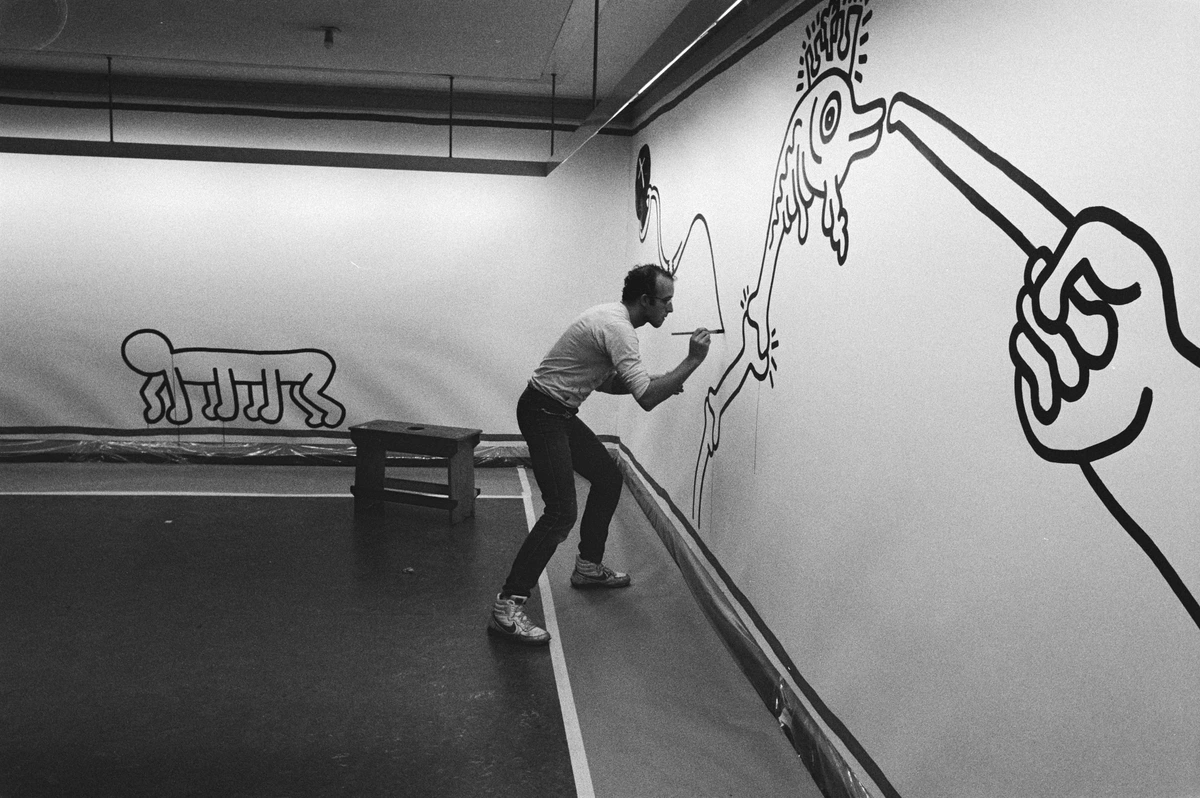
First, the most direct line: Conceptual Art. Duchamp is the undisputed father of the movement where the idea, or concept, is more important than the physical object. Artists like Sol LeWitt, who famously said, "The idea becomes a machine that makes the art," were working directly in Duchamp's shadow. With Fountain, Duchamp proved that you could make art just by thinking, liberating artists from the constraints of material craftsmanship.
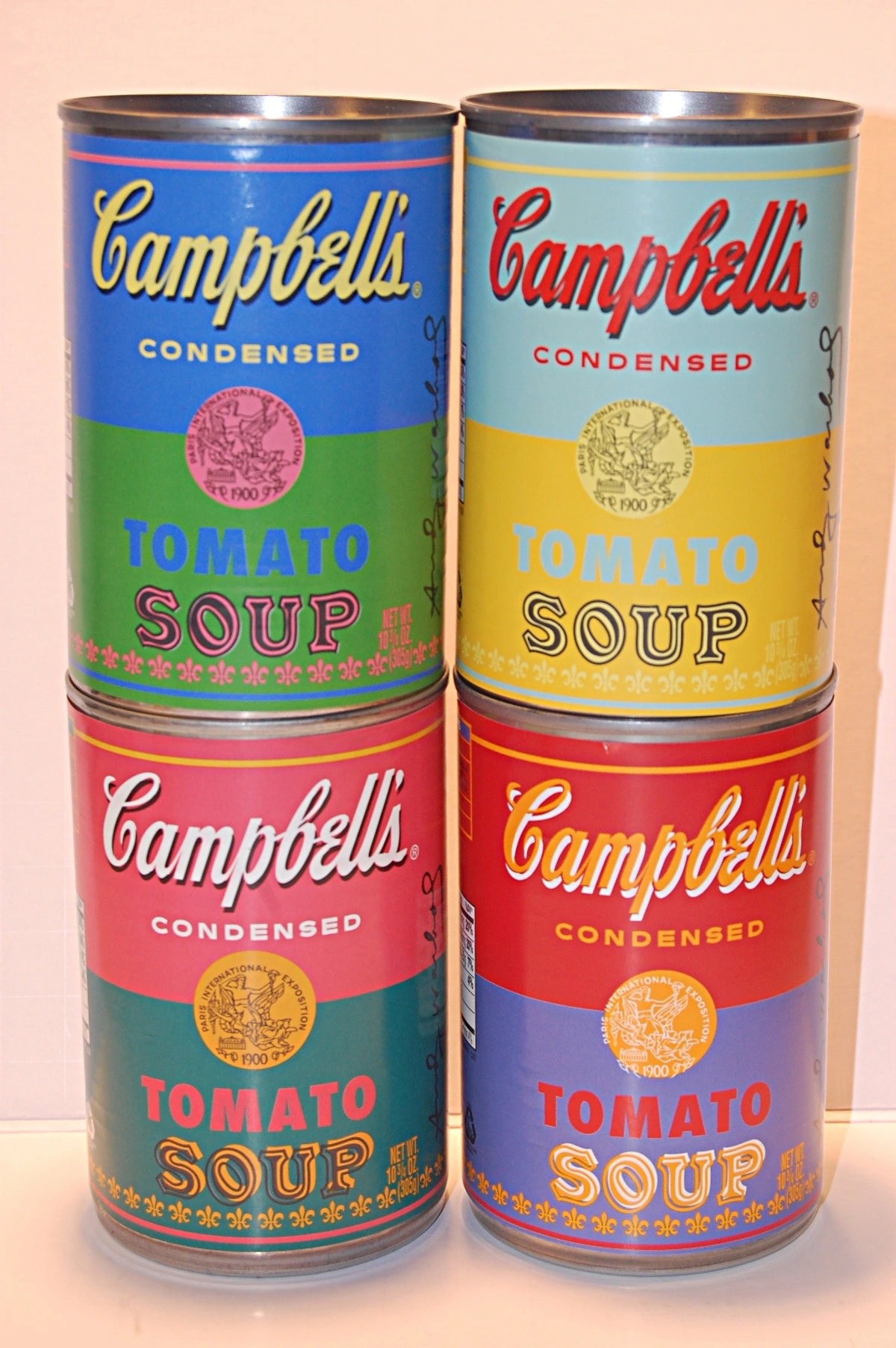
Then came Pop Art. When Andy Warhol displayed his Brillo Boxes in the 1960s, he wasn't just making a statement about consumer culture; he was channeling Duchamp directly. Warhol took another mass-produced, everyday object—a soap pad box—and placed it in the pristine white space of a gallery. Like Duchamp, he was asking us to look again at the objects that surround us and question the invisible line between commerce and art, high culture and low. The same goes for every Campbell's Soup can he ever painted; the idea of elevating the utterly mundane to the status of high art starts right here, with Duchamp's readymade.
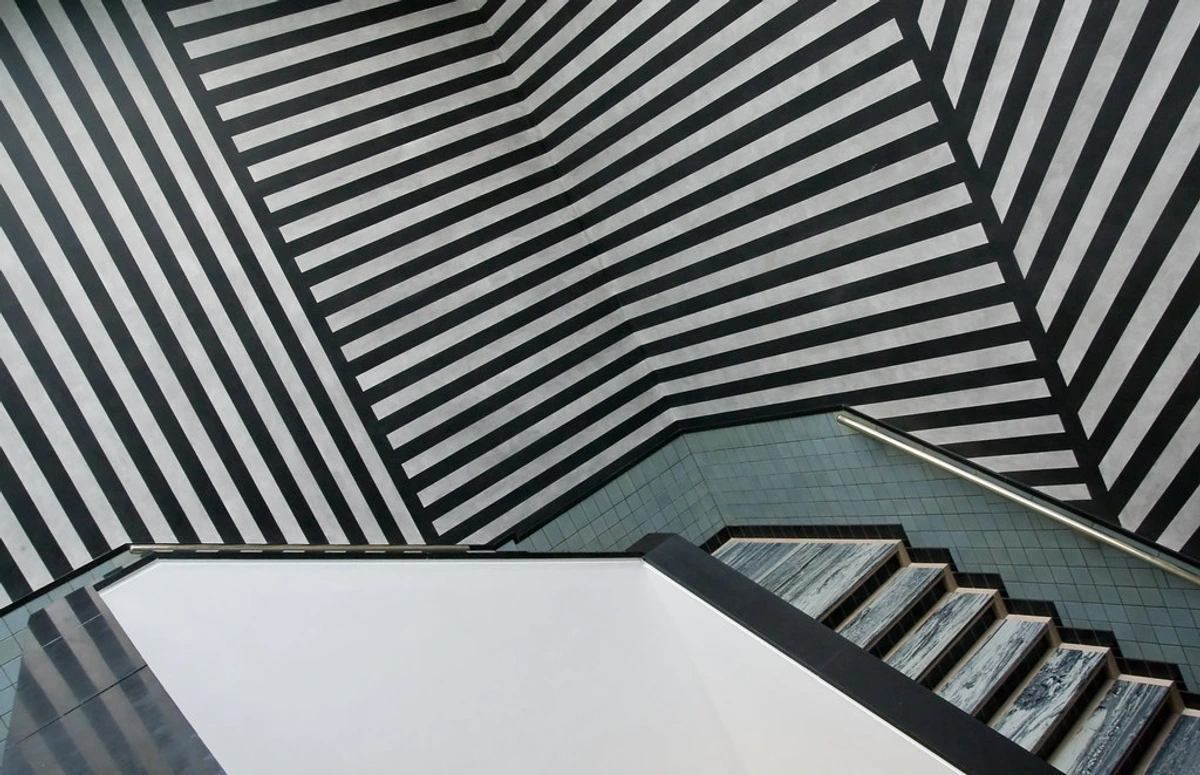
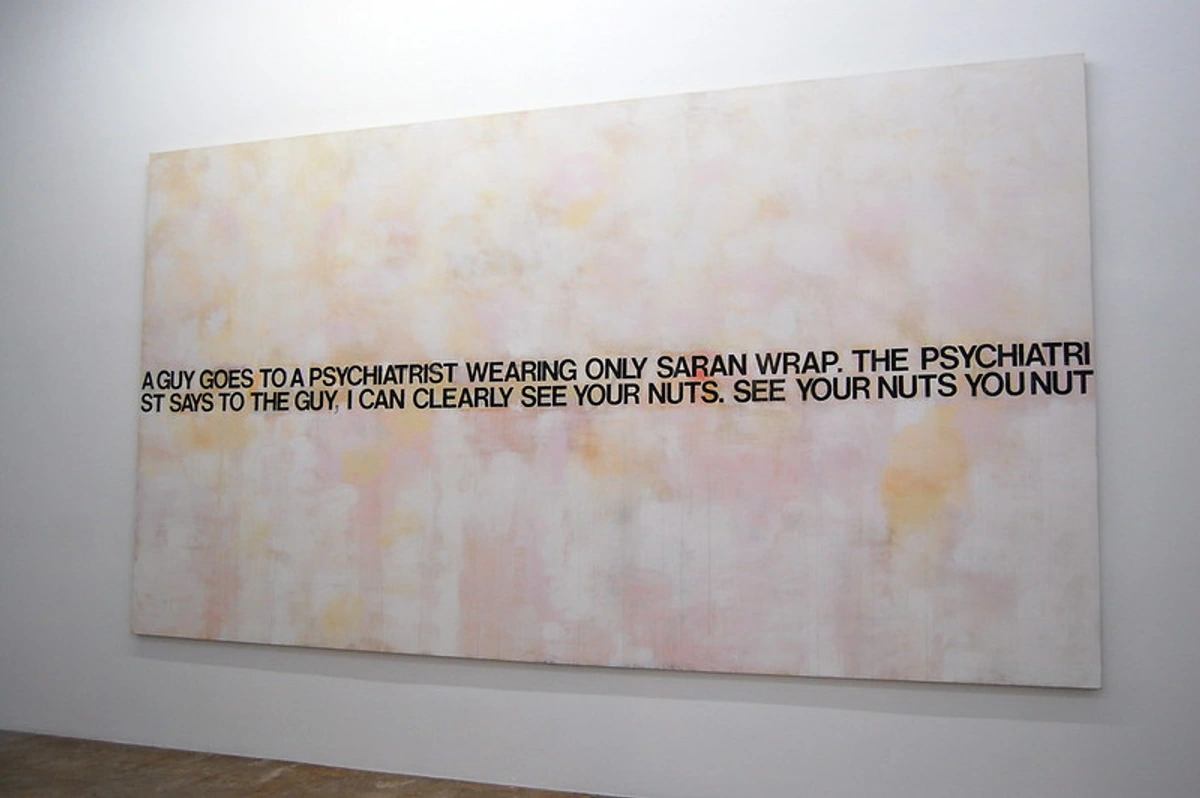
The entire practice of using and subverting existing imagery, known as appropriation, has its roots in Fountain. Duchamp appropriated an industrial product and gave it a new meaning by force of will and context alone. He proved that meaning wasn't inherent in an object, but was assigned to it. Later artists like Sherrie Levine, who famously re-photographed Walker Evans's iconic photographs to question originality, or Richard Prince, who photographed Marlboro advertisements, are all playing a high-stakes game of chess that Duchamp started. They are exploring the power of context to give meaning, interrogating originality and authorship in a world increasingly saturated with recycled images.
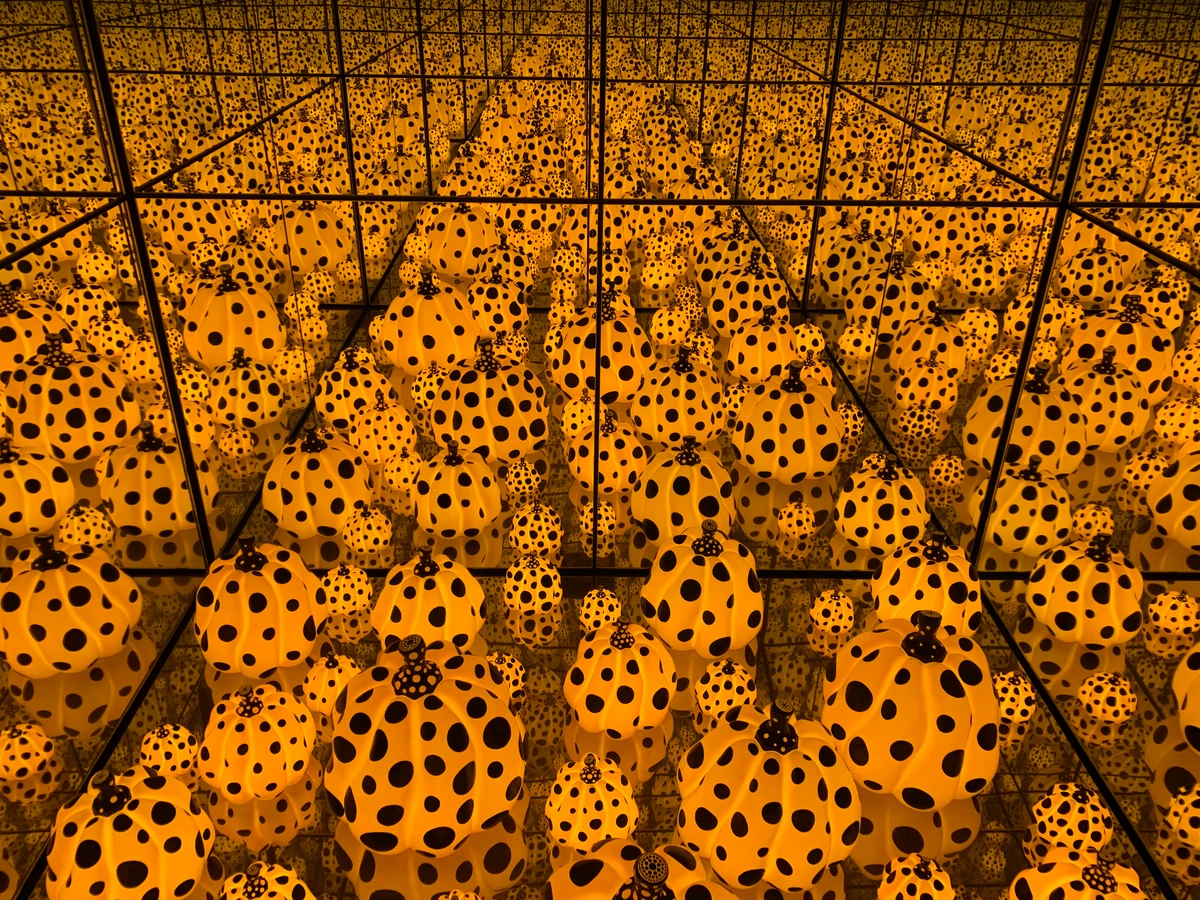
Perhaps the most profound impact is that Duchamp gave artists permission to think differently. The definition of art exploded. It could now be a performance, a conversation, a political gesture, a pile of candy, or an unmade bed. The 20th and 21st centuries became a playground of "what can art be?"—and it all began with a urinal in a gallery. If you've ever stood in a modern art museum and thought, "My kid could make that," you're experiencing the legacy of Marcel Duchamp, the moment art shifted from craft to concept, from skill to idea.
Debunking Myths and Misconceptions
Over a century later, a few myths about Fountain have hardened into art-world folklore. It’s worth taking a moment to separate the facts from the legend, because the truth is often more interesting than the myth.

Myth #1: "It was just a prank." While there was a huge dose of humor and provocation, to dismiss Fountain as "just a prank" is to completely misunderstand Duchamp. It was a meticulously planned philosophical attack, a piece of intellectual jiu-jitsu designed to expose the hypocrisy and hidden conservatism of the art world. The joke had a purpose, and it was devastatingly effective, using wit as a weapon to dismantle centuries of artistic dogma. The laughter was a tool, not the goal.
Myth #2: “Dadaism was just a meaningless movement.” Dada’s nonsense wasn't random; it was highly strategic. Its embrace of irrationality was a direct protest against the logic and reason that had led to a senseless global war. It was a form of aggressive anti-sense, designed to shock people out of their complacency and force them to question everything. It wasn't meaningless; its meaning was the rejection of traditional meaning, a powerful critique of a society that had lost its way.
Myth #3: “Why is a urinal in museums now?” This is the ultimate irony. The Fountains you see in museums today (like the Tate Modern) are replicas, authorized by Duchamp in the 1950s and 1960s. The ultimate anti-art gesture became a canonical, precious museum piece. But this doesn't invalidate the work; it completes its argument. The work isn’t the original porcelain urinal; it's the idea of Fountain. The replicas are simply certificates of authenticity for that idea. Duchamp proved that if you push the art world hard enough, it will eventually embrace what it once rejected. He was right, demonstrating his ultimate victory over the very institutions he critiqued.
Duchamp vs. The Art World: A Cheat Sheet
To see how radical Fountain was, it helps to put its principles side-by-side with the traditions it shattered.

Idea  | The Traditional Art World (Pre-1917) | Duchamp’s Fountain (The Dada Approach) |
|---|---|---|
| Skill | Art was a display of the artist's technical mastery: brushwork, realism, and craftsmanship. | Art is an act of selection. No craftsmanship is required. The artist's choice is the only skill. |
| Beauty | Art should be aesthetically pleasing, beautiful, or sublime, offering a specific kind of experience. | Art can be unaesthetic, mundane, ugly, or provocative. The experience is intellectual, not just visual. |
| Authorship | The artist as a unique hero-genius, whose "hand" is visible and whose identity is central. | The artist can be anonymous or use a pseudonym (R. Mutt). The idea matters, not the person. |
| Material | Art is made from special materials (marble, bronze, oil paints, fine paper) that add to its value. | Art can be made from anything, especially the most common, mass-produced industrial objects. |
| Originality | The artwork must be hand-made by the artist; it must be a unique, original creation. | The object can be a pre-existing, mass-produced item. Its originality comes from its new context and idea. |
| Function | Art's value is separate from any practical purpose; it is supposed to be useless (for contemplation). | Art appropriates a functional object (a urinal) and strips it of its function, making it useless, and thus, art. |
This table shows you why the board of the Society of Independent Artists was so horrified. Duchamp wasn't just breaking one rule. He was challenging their entire operating system.
Annotated Gallery: The Readymades
To understand Fountain fully, it's helpful to see it as part of a series of "tests" Duchamp was conducting on the art world. These are a few of his other famous readymades, the philosophical experiments that paved the way for his masterstroke.

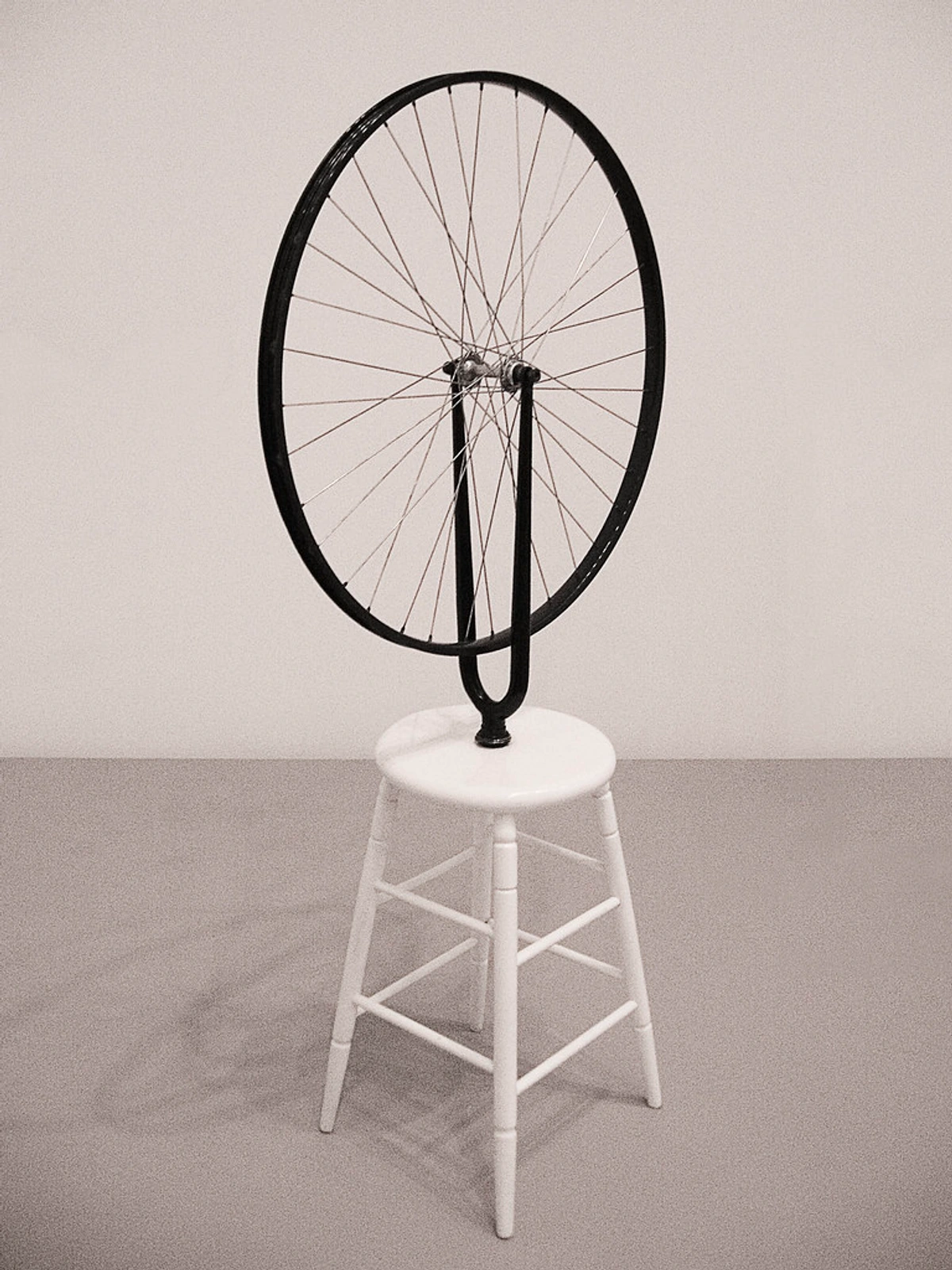
- Bicycle Wheel (1913): A bicycle fork and wheel mounted upside-down on a wooden stool. Duchamp said he enjoyed watching it spin, that it was "a spiritual thing." It was a useless, self-pleasing object, deliberately created with no purpose other than to exist as an idea.
- In Advance of the Broken Arm (1915): The snow shovel mentioned earlier. Its title, intended to be inscribed on the object, is an act of poetic interpretation. It creates a meaning for the object that has nothing to do with its function, adding a layer of intellectual play.
- Comb (1916): A standard dog-grooming comb, which Duchamp inscribed with a nonsensical phrase: "3 ou 4 gouttes de hauteur n'ont rien a faire avec la sauvagerie" (3 or 4 drops of height have nothing to do with savagery). It's a readymade that further divorces the object from its origin and function.
- L.H.O.O.Q. (1919): Not a readymade in the 3D sense, but this work—a cheap postcard of the Mona Lisa on which Duchamp drew a mustache and goatee—is the 2D equivalent. It's an act of irreverent appropriation, a defacement of the world's most famous painting that questions the preciousness of the original. It was a brilliant, witty, and deeply Dada act of defiance.
The View from a Century Later: What Fountain Means Today
More than a hundred years after its creation, Fountain is no longer just an art object; it's a cultural landmark, a thought experiment that has seeped into our collective consciousness. You cannot visit a modern art museum or walk through a contemporary art fair without feeling its presence. Every time someone debates whether a shark in formaldehyde, a diamond skull, or a performance of endurance is art, they are walking in the long shadow cast by R. Mutt's urinal. The question itself—"But is it art?"—is, in many ways, the entire point of modern art. And we have Duchamp to thank, or blame, for that.
It forces a question on us that we are still learning to answer: Who gets to decide what art is? Is it the academy? The museum? The wealthy collector? Duchamp's answer, radical for its time, was simple: the artist decides. The artist's intention and declaration are what matter most. Fountain is a monument to the power of creative freedom, the freedom to question, to redefine, and to start a conversation that, over a century later, has no end.
On a more personal level, that porcelain urinal is a powerful reminder to look harder at the world around us. It suggests that meaning isn't something we find, but something we create. It encourages us to find beauty and interest in the mundane, to make strange connections, and to ask simple questions that have complicated answers.





The next time you pass a urinal—and I guarantee you'll think of this now—you might see it differently. You might see a rejected sculpture, a philosophical statement, and a declaration of war. You might see a fountain.
Frequently Asked Questions (FAQ)
What is the main message of Duchamp's Fountain?
The main message is a radical redefinition of art. Duchamp argued that art is not defined by an object's beauty, craftsmanship, or aesthetic qualities. Instead, art is created when an artist makes a conscious choice, places an object in a new context (like a gallery), and forces the viewer to think. The idea and the context are the art, not the object itself. The real work of art was the mental act of selection and re-contextualization. This laid the groundwork for conceptual art, where the thought behind the work is more important than the final product.
Is Fountain considered the most influential work of modern art?
Many art historians and critics argue that it is, without a doubt. While it wasn't immediately accepted and the original was lost, its long-term impact is immeasurable. It's the foundational work for Conceptual Art and directly paved the way for major movements like Pop Art, Minimalism, and Installation art. It fundamentally changed the questions artists ask, shifting the focus from "How is it made?" to "What does it mean?" and "Why is it art?" making it a pivotal turning point in the history of 20th and 21st-century art.
Why didn't Duchamp sign his real name?
The pseudonym "R. Mutt" was a crucial part of the concept, not just a coy flourish. It was a multi-layered move that served several functions:
- To create an anonymous persona: It detached the work from Duchamp's already established (and more traditional) artistic reputation. This allowed the work to be judged on its own bizarre terms, or rejected for its own bizarre reasons.
- To be provocative and mysterious: Let's be honest, a urinal signed by "R. Mutt" is far more strange and provocative than one signed "Marcel Duchamp." The anonymity added a layer of mystique that enhanced its avant-garde power.
- To make a joke: "R. Mutt" was a brilliant pun, a play on the popular "Mutt and Jeff" comic strip and the "J. L. Mott" Iron Works plumbing company it came from. This element of witty wordplay and irony was central to Duchamp's intellectual approach.
- To reject the artist-as-genius cult: Dada often rejected the idea of the artist as a unique, heroic genius. By using a pseudonym, Duchamp was subverting the idea that the artist's identity and personal touch were the most important things about a work.
If a urinal is art, can anything be art?
This is the central, terrifying, and exhilarating question that Fountain forces us to confront. Duchamp's answer would likely be a sly, "yes, but..." Yes, an artist can, in theory, declare anything to be art. However, it's not just about the declaration. It's the artist's intention, the context, and the intellectual framework they build around the object that truly matter. It's not about the object's inherent "artiness," but about the way it activates thought, sparks conversation, and challenges our most deeply held perceptions. Duchamp opened the door for everything, but he also showed that the artist must provide a thoughtful, provocative reason for stepping through it.
What happened to the original Fountain?
The original porcelain urinal submitted to the 1917 exhibition was hidden from view by the show's organizers and was almost certainly thrown away, lost forever to history. The most important and lasting record of it is the famous photograph taken by the great art photographer Alfred Stieglitz. All the versions of Fountain you see in major museums today (like the Tate Gallery or MoMA) are later replicas that Duchamp himself authorized from the 1950s onwards.
How did Fountain perfectly embody the Dada movement?
It was the ultimate Dada object because it epitomized the movement's core tenets:
- It was anti-art: It rejected skill, beauty, and tradition.
- It was absurd: The idea of a urinal as a sculpture is nonsensical on purpose.
- It was provocative: Its primary goal was to create a scandal and challenge authority.
- It was about ideas, not objects: The art was the event and the conversation it started, not the porcelain itself. It was a philosophical act disguised as a prank.
Was Duchamp's intention serious or was it just a joke?
It was both, and that's what makes it so powerful. On the surface, it's a brilliantly executed prank with a wry sense of humor. But beneath that is a deadly serious philosophical inquiry into the nature of art, authorship, and the institutions that govern creativity. The joke is the delivery system for a radical and profound message.
And there you have it. The story of the urinal that became a fountain, the joke that became a philosophy, and the gag that completely rewired a century of art. Duchamp showed us that art doesn't have to be on a pedestal; sometimes, it can be right under your nose, hiding in plain sight, waiting for you to see it differently. All it takes is a curious mind, a sharpie, and the courage to ask one simple question.