Creating Ragtime-Inspired Art Patterns
Explore how to translate the rhythmic energy of ragtime music into vibrant, dynamic art patterns. This guide covers techniques, examples, and practical tips for artists.

Creating Ragtime-Inspired Art Patterns
Ragtime music, with its syncopated rhythms and lively tempo, has long been a source of inspiration for artists seeking to translate its energy into visual form. This guide explores the origins, characteristics, and cultural significance of ragtime, and provides practical techniques for creating art that captures its essence. Whether you're a seasoned artist or a beginner, this comprehensive guide will help you bring the spirit of ragtime to your canvas.
I’ve always been fascinated by how music can inspire visual art. There’s something about the syncopated rhythms of ragtime that feels like it’s begging to be translated into bold, dynamic patterns. If you’ve ever listened to a ragtime piece and wondered how to capture that same energy in your artwork, you’re in the right place. Let’s dive into the world of ragtime-inspired art patterns and explore how you can bring that lively, rhythmic feel to your canvas.
Ragtime isn’t just a genre of music; it’s a cultural phenomenon that has influenced art, dance, and even fashion. By understanding its roots and characteristics, you can create art that resonates with its spirit and energy. This guide will take you through the history of ragtime, its key characteristics, and practical techniques to translate its essence into visual art.
The Origins of Ragtime
Ragtime emerged in the late 19th century, primarily within African American communities. It blended European classical music with African rhythms, creating a sound that was both sophisticated and accessible. This fusion not only defined ragtime but also laid the groundwork for future genres like jazz and blues. Understanding this cultural backdrop is essential for creating art that truly embodies the spirit of ragtime.
The Cultural Significance of Ragtime
Ragtime was more than just a musical genre; it was a reflection of the social and cultural dynamics of its time. It provided a platform for African American musicians to showcase their talent and creativity, breaking racial barriers and influencing mainstream culture. The genre’s popularity also coincided with significant societal changes, including the rise of urbanization and the spread of recorded music.
Why Ragtime?
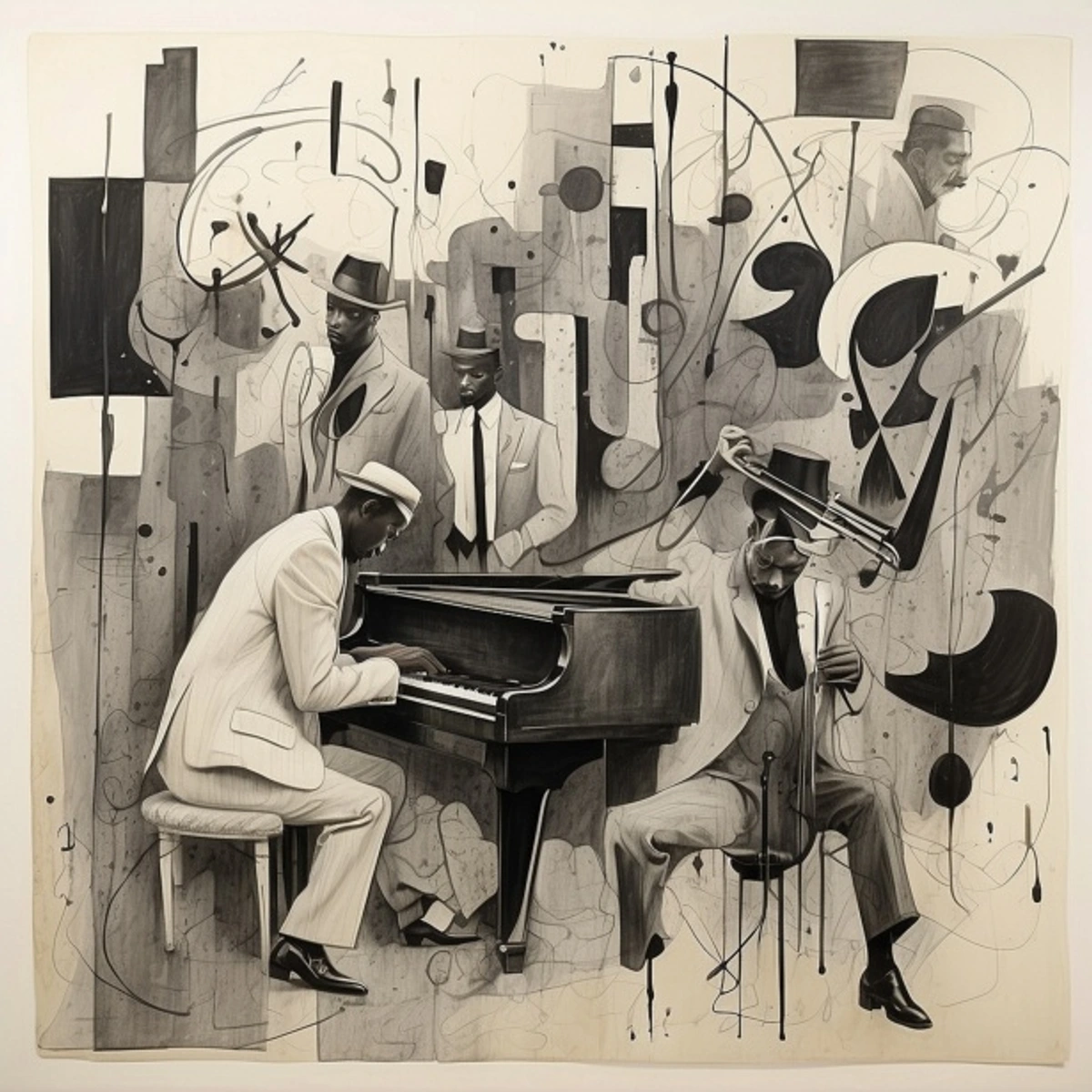
Ragtime’s influence extends beyond music. Its rhythmic complexity and lively tempo have inspired artists to experiment with patterns, colors, and textures that mirror its energy. Whether you’re a seasoned artist or just starting, ragtime offers a unique lens through which to explore creativity.
The Emotional Resonance of Ragtime
Ragtime music evokes a range of emotions, from joy and excitement to nostalgia and melancholy. These emotional layers can be translated into visual art by experimenting with color palettes, textures, and compositions that reflect the mood of the music. For example, bright and vibrant colors can capture the lively energy of ragtime, while softer tones can evoke its more introspective moments.
The Cultural Impact of Ragtime
Ragtime wasn’t just a musical trend; it was a movement that influenced various aspects of culture, from dance to fashion. Its syncopated rhythms and lively tempo made it a symbol of innovation and creativity. By exploring ragtime, artists can tap into a rich cultural heritage that continues to inspire today.
Ragtime and Social Change
Ragtime played a significant role in shaping social dynamics during the early 20th century. It brought people together across racial and cultural divides, fostering a sense of unity and shared experience. This social impact is something artists can draw upon to create work that resonates with themes of unity, diversity, and cultural exchange.
What is Ragtime?
Before we jump into the art, let’s talk about ragtime itself. Ragtime is a musical genre that emerged in the late 19th century, characterized by its syncopated rhythms—those unexpected, off-beat accents that give it such a lively feel. Think of Scott Joplin’s "The Entertainer" or "Maple Leaf Rag." The music is playful, energetic, and full of movement.
The Structure of Ragtime Music
Ragtime music is typically structured in a way that emphasizes its rhythmic complexity. It often features a steady bassline accompanied by a syncopated melody, creating a dynamic interplay between the two. This structure can be visually represented in art through the use of layered patterns and contrasting elements.
Ragtime’s origins trace back to African American communities, where it blended European classical music with African rhythms. This fusion created a sound that was both sophisticated and accessible, making it wildly popular in the early 20th century. Its influence can be heard in jazz, blues, and even early rock and roll.

The Evolution of Ragtime
Ragtime evolved from its roots in African American communities to become a mainstream phenomenon. Its popularity surged in the early 20th century, with composers like Scott Joplin leading the way. The genre’s unique blend of rhythms and melodies made it a favorite among audiences, and its legacy continues to influence modern music and art.
Ragtime’s Influence on Modern Genres
The influence of ragtime extends to modern genres like jazz, blues, and even rock and roll. Its syncopated rhythms and lively tempo have inspired countless musicians and artists, making it a foundational element of contemporary music. Understanding this influence can help artists create work that bridges the gap between traditional and modern artistic expressions.

Ragtime originated in African American communities, blending European classical music with African rhythms. It became wildly popular in the early 20th century, influencing everything from jazz to early blues.
Key Characteristics of Ragtime
Ragtime is defined by several key characteristics that make it unique and influential:
Characteristic  | Description |
|---|---|
| Syncopation | The rhythm is emphasized on the off-beats, creating a sense of surprise and energy. |
| Lively Tempo | Ragtime is usually upbeat and fast-paced, making it feel energetic and dynamic. |
| Repetitive Patterns | The music often features repeating motifs that build in complexity, adding depth to the composition. |
| Melodic Structure | Ragtime pieces often have a clear, structured melody that is both catchy and intricate. |
| Improvisation | While not as prominent as in jazz, ragtime allows for subtle improvisational elements, giving it a spontaneous feel. |
| Harmonic Complexity | Ragtime often incorporates complex harmonies that add richness to its sound. |
| Cultural Fusion | It blends African rhythms with European classical music, creating a unique and influential sound. |
The Role of Syncopation in Ragtime
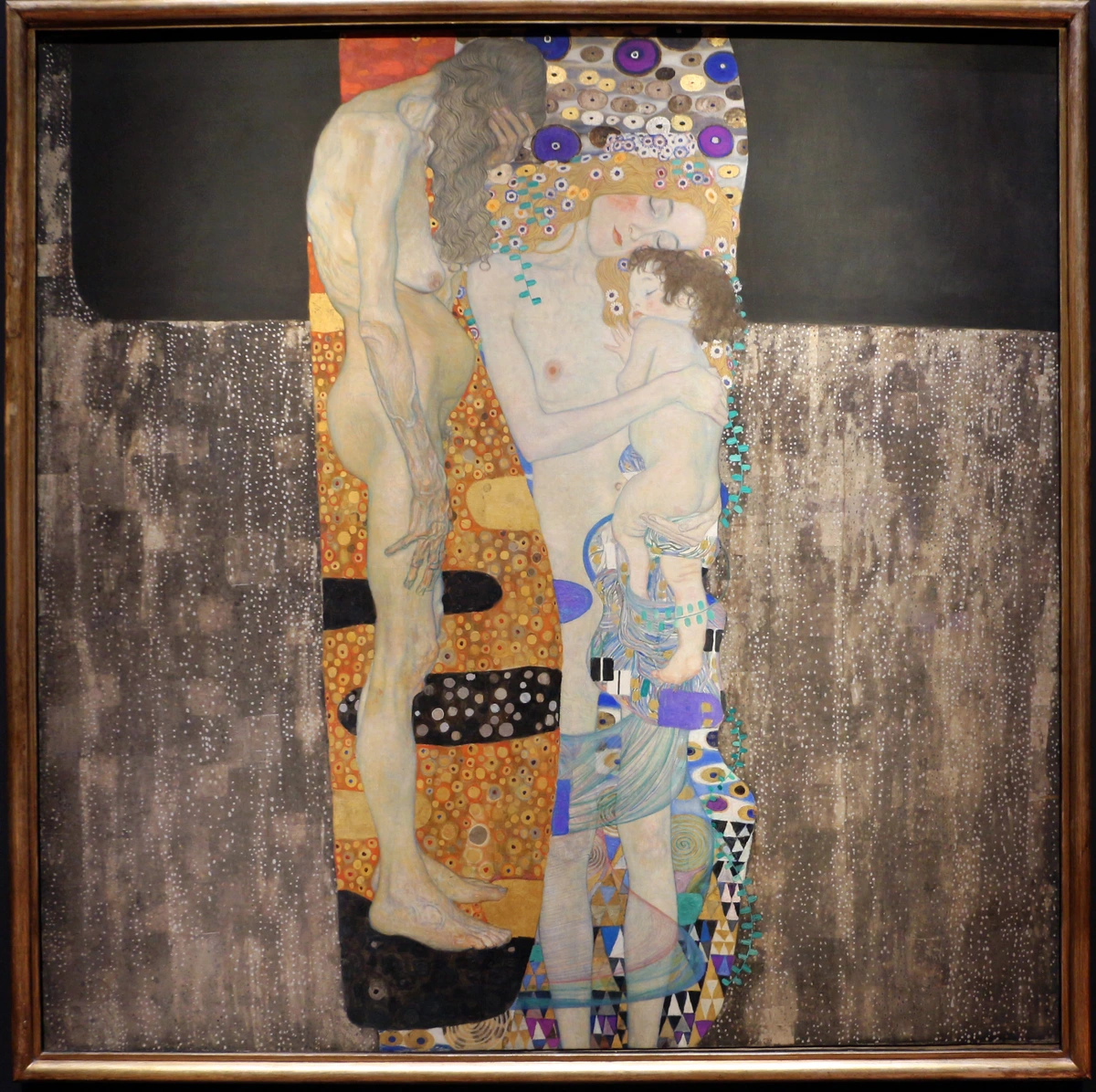
Syncopation is the heartbeat of ragtime. It creates a sense of unpredictability and energy that defines the genre. For artists, understanding syncopation is key to translating ragtime’s rhythmic qualities into visual patterns. By emphasizing off-beat accents, you can create artwork that feels dynamic and alive.
Translating Ragtime into Visual Art
So, how do we take these musical qualities and turn them into visual patterns? It’s all about capturing the essence of the music—its rhythm, energy, and movement.
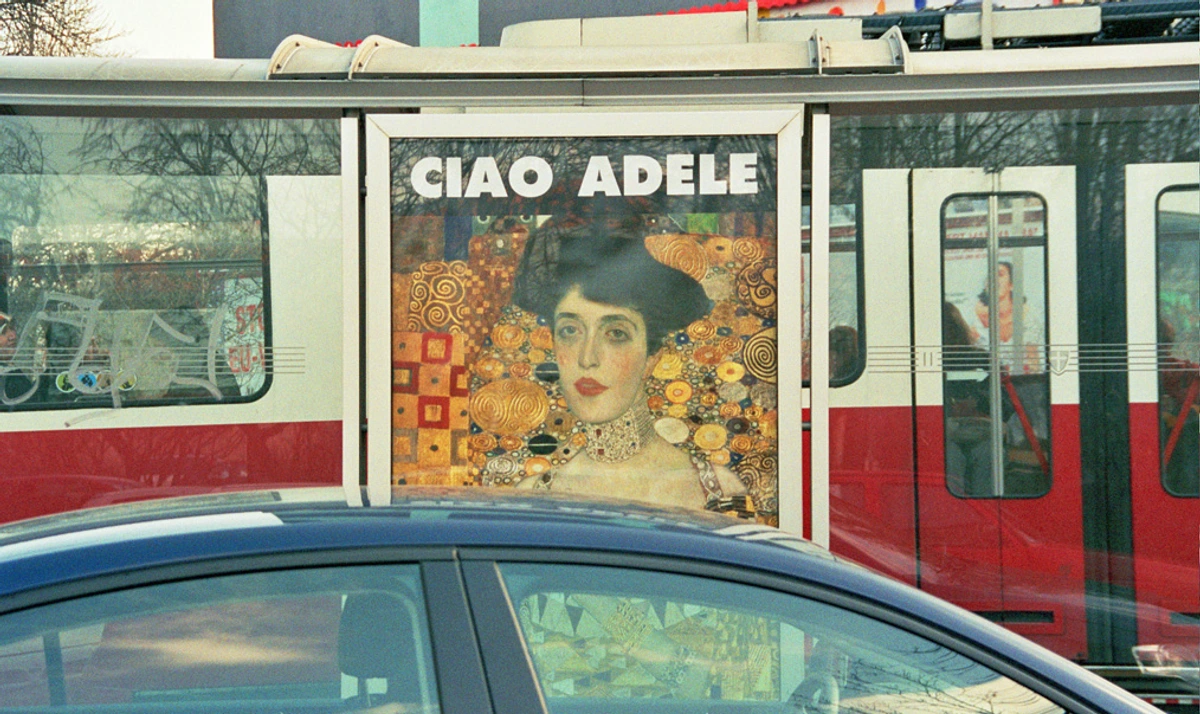
To truly translate ragtime into visual art, you need to immerse yourself in the music. Listen to the way the notes bounce off each other, the way the tempo shifts, and the way the melody builds. These elements can all be translated into visual patterns, shapes, and colors.
Understanding the Connection
Ragtime’s syncopated rhythms can be visualized as jagged lines or asymmetrical shapes. The lively tempo can inspire bold, vibrant colors, while the repetitive patterns in the music can be mirrored in repeating motifs in your artwork. By understanding these connections, you can create art that truly resonates with the spirit of ragtime.
The Role of Emotion in Art
Art is not just about technique; it’s about emotion. Ragtime music is full of energy, joy, and sometimes melancholy. Capturing these emotions in your artwork can make it more relatable and engaging. Think about how the music makes you feel and try to convey those emotions through your patterns and colors.
Rhythm and Movement
In ragtime, rhythm is everything. To translate this into visual art, think about how you can create a sense of movement and energy in your patterns.
Technique | Description |
|---|---|
| Lines and Shapes | Use jagged, zigzag lines or asymmetrical shapes to mimic the syncopated rhythms. |
| Repetition | Just like in music, repetition can create a sense of rhythm in your artwork. Try repeating certain shapes or lines in a pattern. |
| Flow | Let your lines and shapes flow across the canvas, creating a sense of movement. |
| Layering | Experiment with layering different patterns to create depth and complexity, much like the layers of sound in ragtime music. |
| Contrast | Use contrasting elements to highlight the dynamic nature of ragtime. |
| Texture | Incorporate textures to add tactile energy to your artwork. |
The Importance of Flow in Art
Flow is essential in both music and art. In ragtime, the flow of the melody creates a sense of movement and energy. Similarly, in visual art, the flow of lines and shapes can create a dynamic composition. By focusing on flow, you can create artwork that feels alive and engaging.

Color and Energy
Ragtime is lively and energetic, so your color palette should reflect that.
Technique | Description |
|---|---|
| Bold Colors | Use bright, bold colors to capture the energy of the music. |
| Contrasts | High contrast between colors can create a sense of dynamism and excitement. |
| Harmonies | Think about color harmonies that evoke the same feelings as the music—warm tones for a lively feel, cool tones for a more relaxed vibe. |
| Gradients | Use gradients to create a sense of movement and transition, mirroring the way ragtime music builds and evolves. |
| Texture | Incorporate textures to add depth and tactile energy to your artwork. |
| Monochromatic Schemes | Experiment with monochromatic color schemes to create a cohesive yet dynamic look. |
| Complementary Colors | Use complementary colors to create visual tension and energy. |
The Psychology of Color
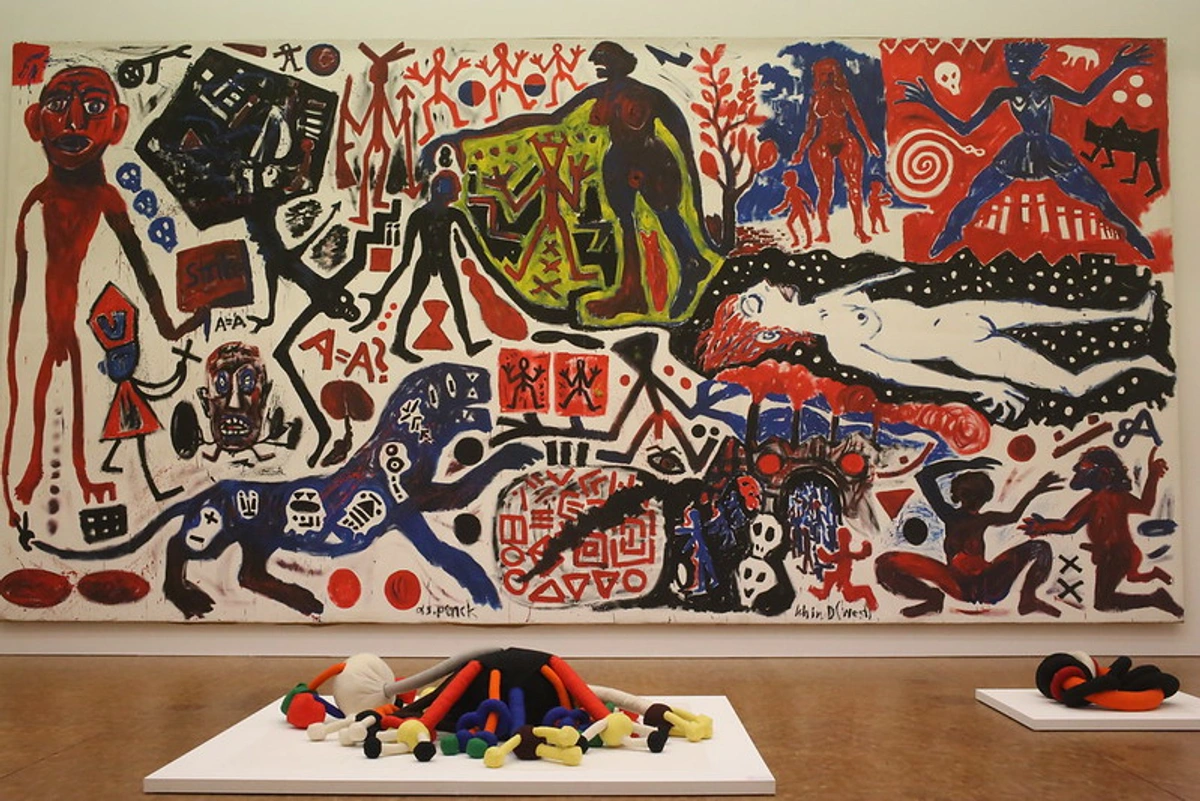
Colors have the power to evoke emotions and set the mood. In ragtime-inspired art, bold and vibrant colors can capture the energy and excitement of the music. Understanding the psychology of color can help you create artwork that resonates with viewers on a deeper level.

Practical Techniques
Step-by-Step Guide
- Listen to Ragtime: Start by listening to some classic ragtime pieces. Pay attention to the rhythms and how they make you feel.
- Sketch Your Ideas: Let the music guide your hand. Sketch out some initial ideas based on the rhythms and energy you hear.
- Experiment with Patterns: Try creating patterns using lines, shapes, and colors that reflect the syncopated rhythms.
- Refine Your Design: Once you have a basic pattern, refine it. Add details, adjust colors, and make sure the energy of the music is captured.
- Finalize Your Artwork: Transfer your design to your final medium—whether it’s a canvas, digital art, or a print.
- Share Your Work: Consider sharing your artwork on social media or art platforms to get feedback and inspire others.
The Role of Sketching in Art
Sketching is a crucial step in the creative process. It allows you to explore ideas and experiment with different patterns and designs. By sketching your ideas, you can refine your vision and create artwork that truly captures the essence of ragtime.
Advanced Techniques
Once you’ve mastered the basics, consider exploring these advanced techniques:
- Mixed Media: Combine different mediums like ink, watercolor, and collage to create unique textures and effects.
- Digital Manipulation: Use software like Adobe Photoshop or Procreate to experiment with digital patterns and effects.
- Interactive Art: Explore interactive digital art that responds to music or user input, creating a dynamic experience.
The Future of Digital Art
Digital art is constantly evolving, offering new tools and techniques for artists. From digital manipulation to interactive art, the possibilities are endless. By exploring these advanced techniques, you can create innovative and engaging artwork that pushes the boundaries of traditional art forms.
Common Challenges and Solutions
Challenge | Solution |
|---|---|
| Lack of Inspiration | Listen to a variety of ragtime pieces to spark new ideas. |
| Overcomplicating Designs | Start with simple patterns and gradually add complexity. |
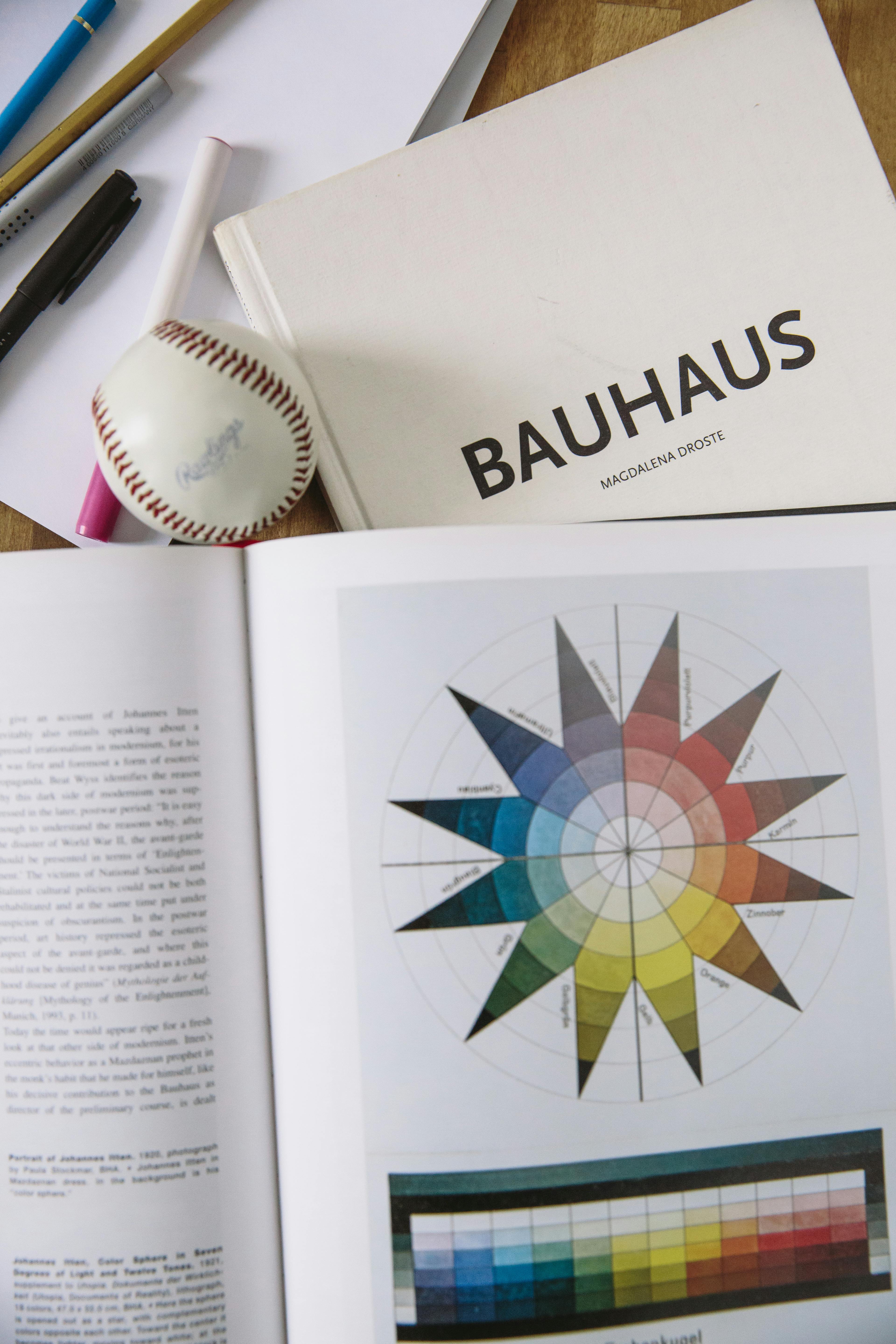
| Color Selection | Use color theory principles to guide your choices. |
| Maintaining Rhythm | Focus on repeating motifs and asymmetrical shapes. |

Overcoming Creative Blocks
Creative blocks are a common challenge for artists. Whether you’re struggling with inspiration or feeling overwhelmed by complexity, there are strategies to overcome these obstacles. By listening to music, experimenting with new techniques, and seeking inspiration from other artists, you can break through creative blocks and create artwork that truly resonates.
Tools and Materials
Here are some tools and materials you can use to create ragtime-inspired art:
Tool/Material | Description |
|---|---|
| Pencils and Paper | For initial sketches and ideas. |
| Acrylic Paints | Great for bold, vibrant colors. |
| Digital Tools | Software like Adobe Illustrator or Procreate can help you create precise patterns. |
| Prints | Consider turning your designs into prints for sale or display. |
| Mixed Media | Combine different materials like ink, watercolor, and collage to create unique textures and effects. |
| Brushes and Markers | Use a variety of brushes and markers to experiment with different strokes and lines. |
| Fabric and Textiles | Experiment with fabric paints and dyes to create wearable art. |
| 3D Modeling Software | Use tools like Blender to create three-dimensional ragtime-inspired sculptures. |
Choosing the Right Tools
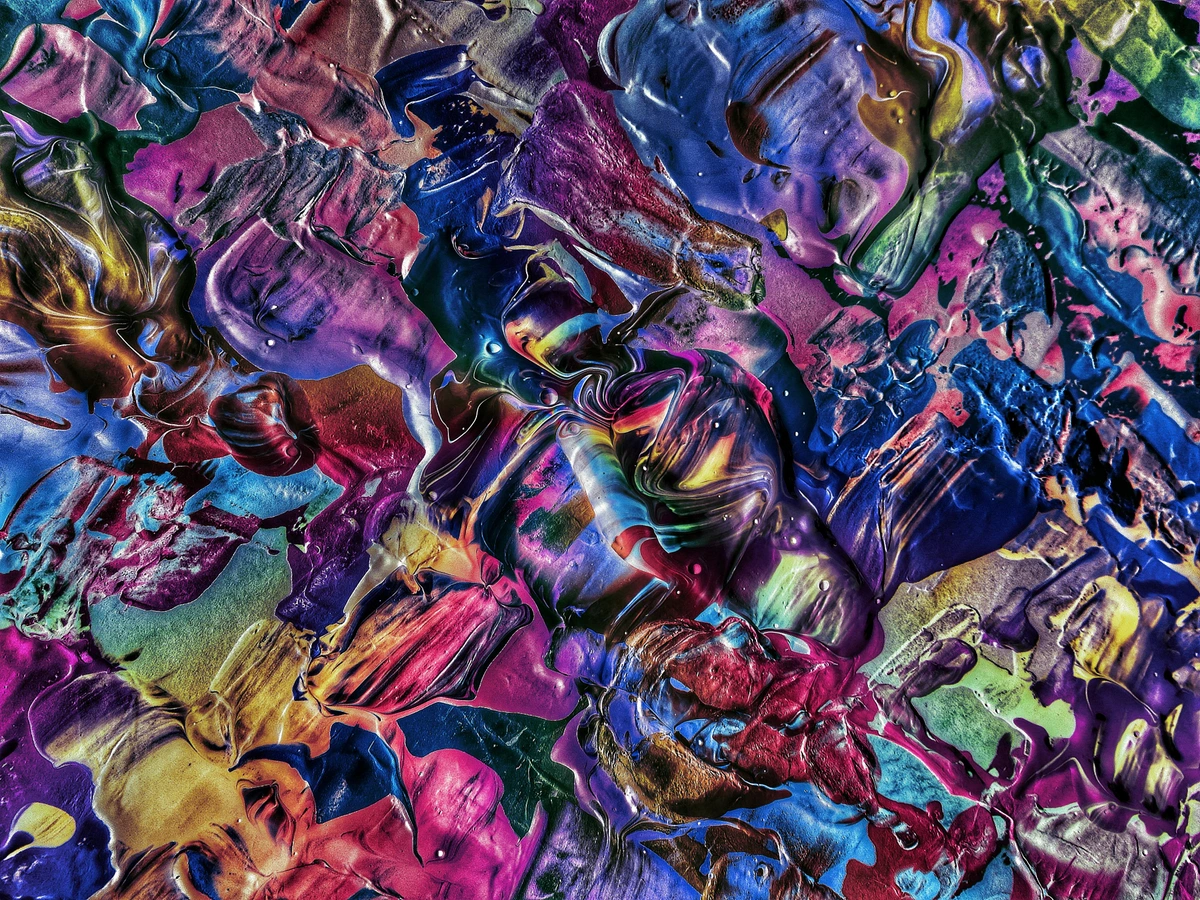
Selecting the right tools and materials is essential for creating ragtime-inspired art. Whether you prefer traditional mediums like pencils and paper or digital tools like Adobe Illustrator, choosing the right tools can help you achieve your artistic vision. Experiment with different materials to find what works best for you.
Essential Tools for Artists
Having the right tools is crucial for any artist. Here are some essential tools and materials for creating ragtime-inspired art:
- Pencils and Paper: For initial sketches and ideas.
- Acrylic Paints: Great for bold, vibrant colors.
- Digital Tools: Software like Adobe Illustrator or Procreate can help you create precise patterns.
- Prints: Consider turning your designs into prints for sale or display.
- Mixed Media: Combine different materials like ink, watercolor, and collage to create unique textures and effects.
- Brushes and Markers: Use a variety of brushes and markers to experiment with different strokes and lines.
Exploring New Mediums
Don’t be afraid to experiment with new mediums and techniques. Whether it’s digital art, mixed media, or 3D modeling, exploring new mediums can help you discover new ways to express your creativity and create unique artwork.
Examples of Ragtime-Inspired Art
Abstract Patterns
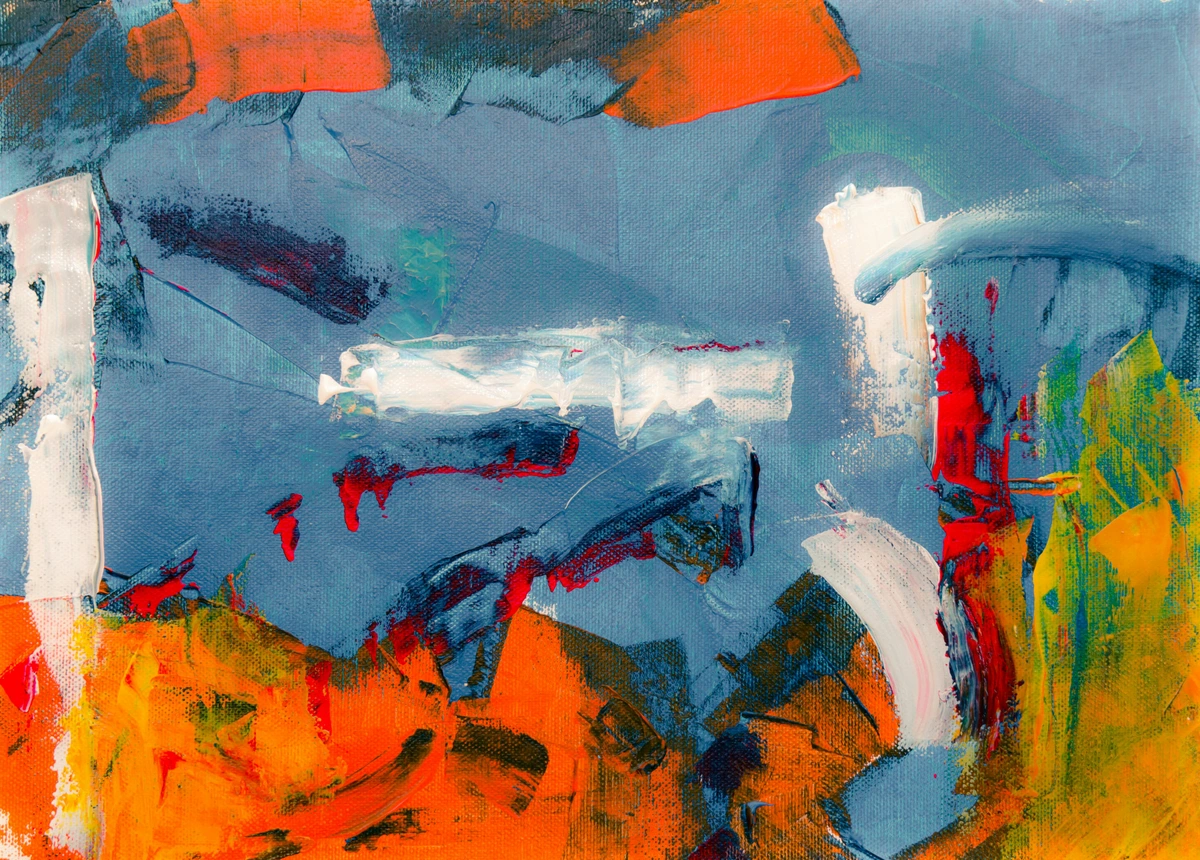
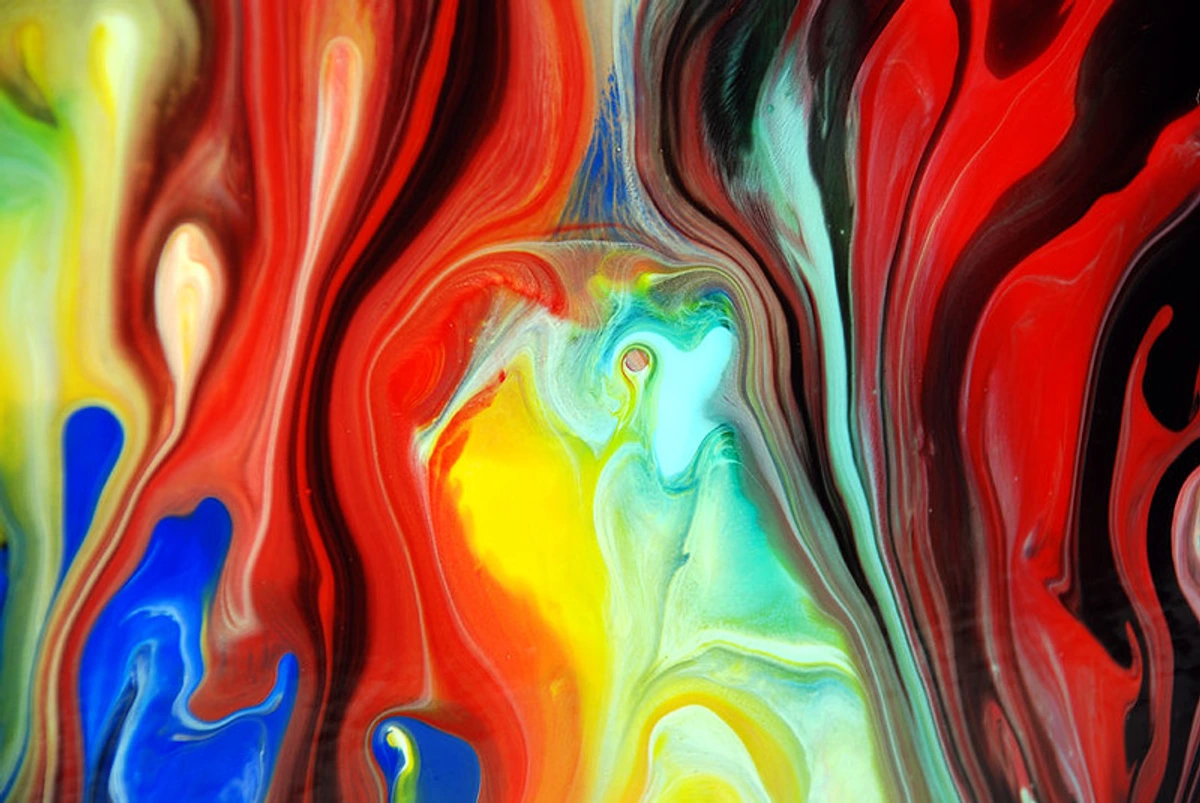
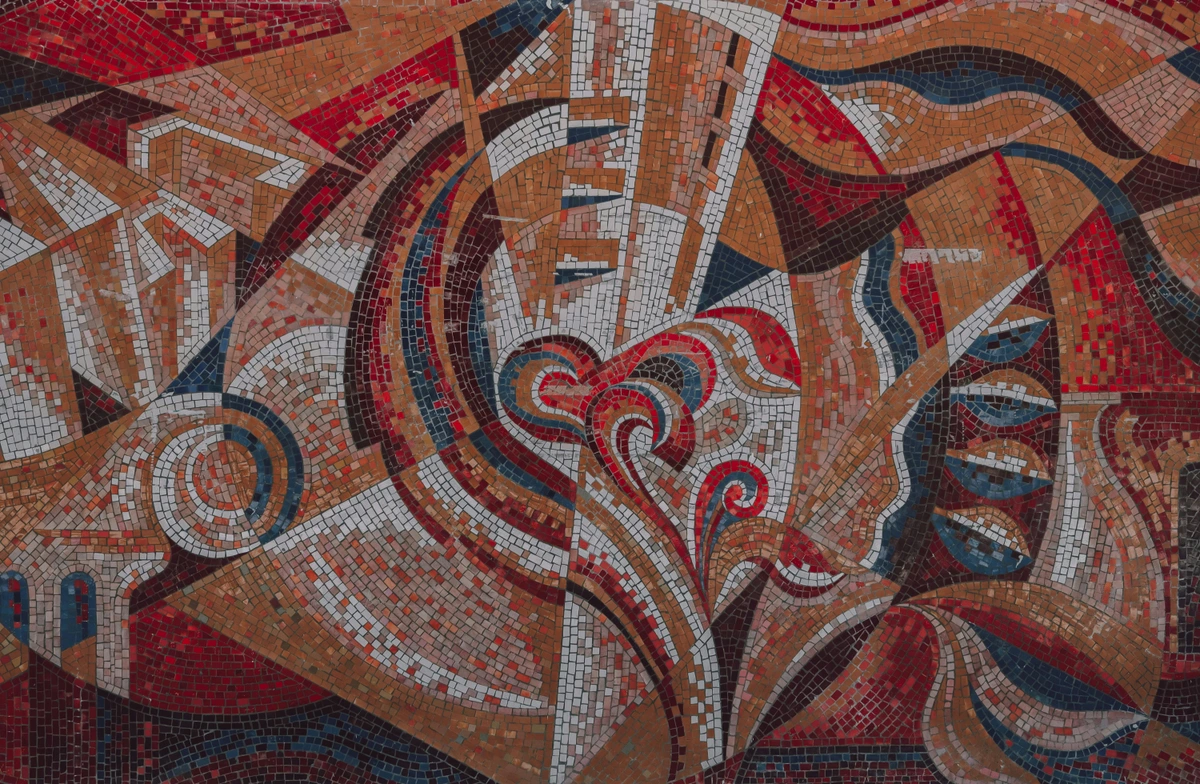
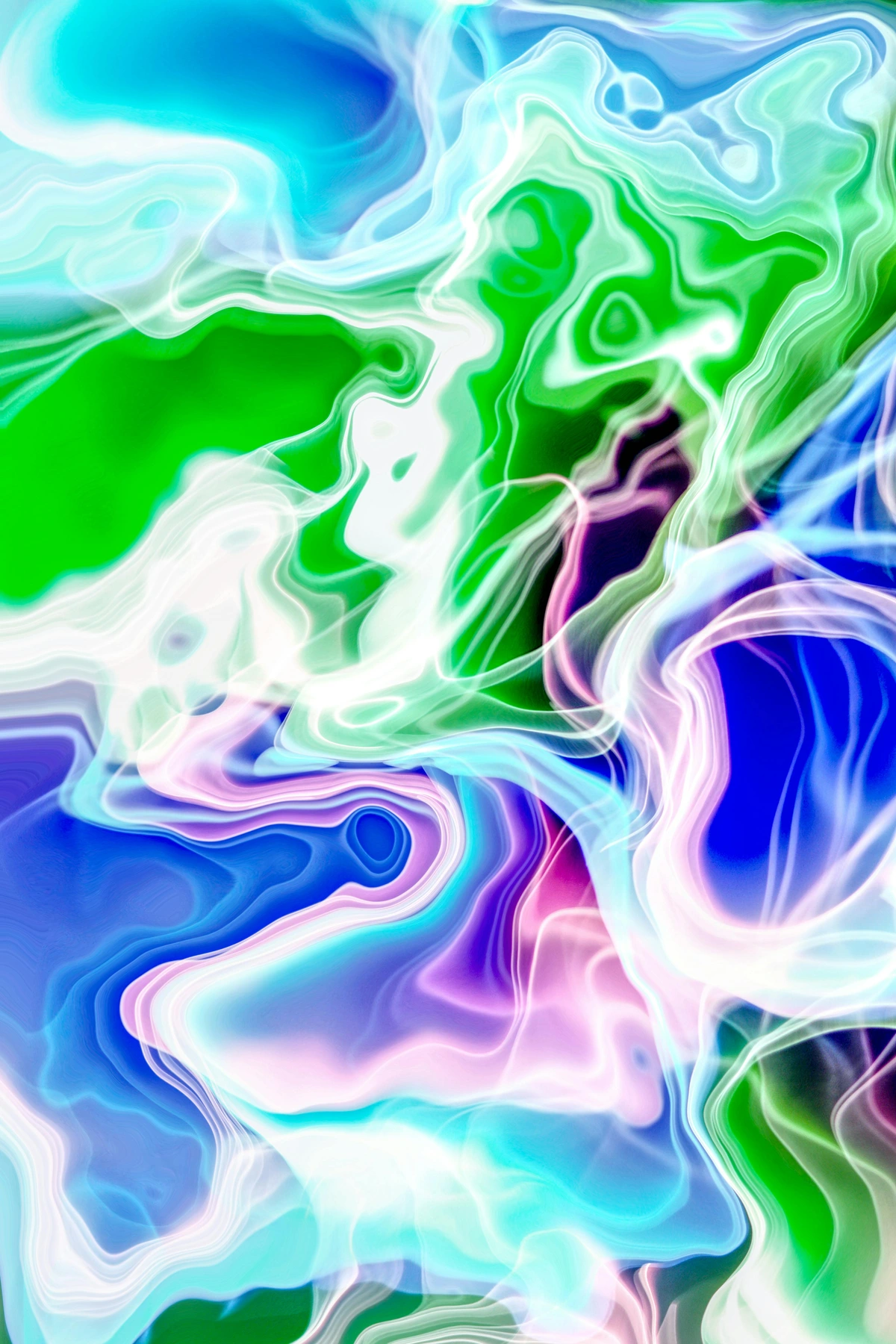
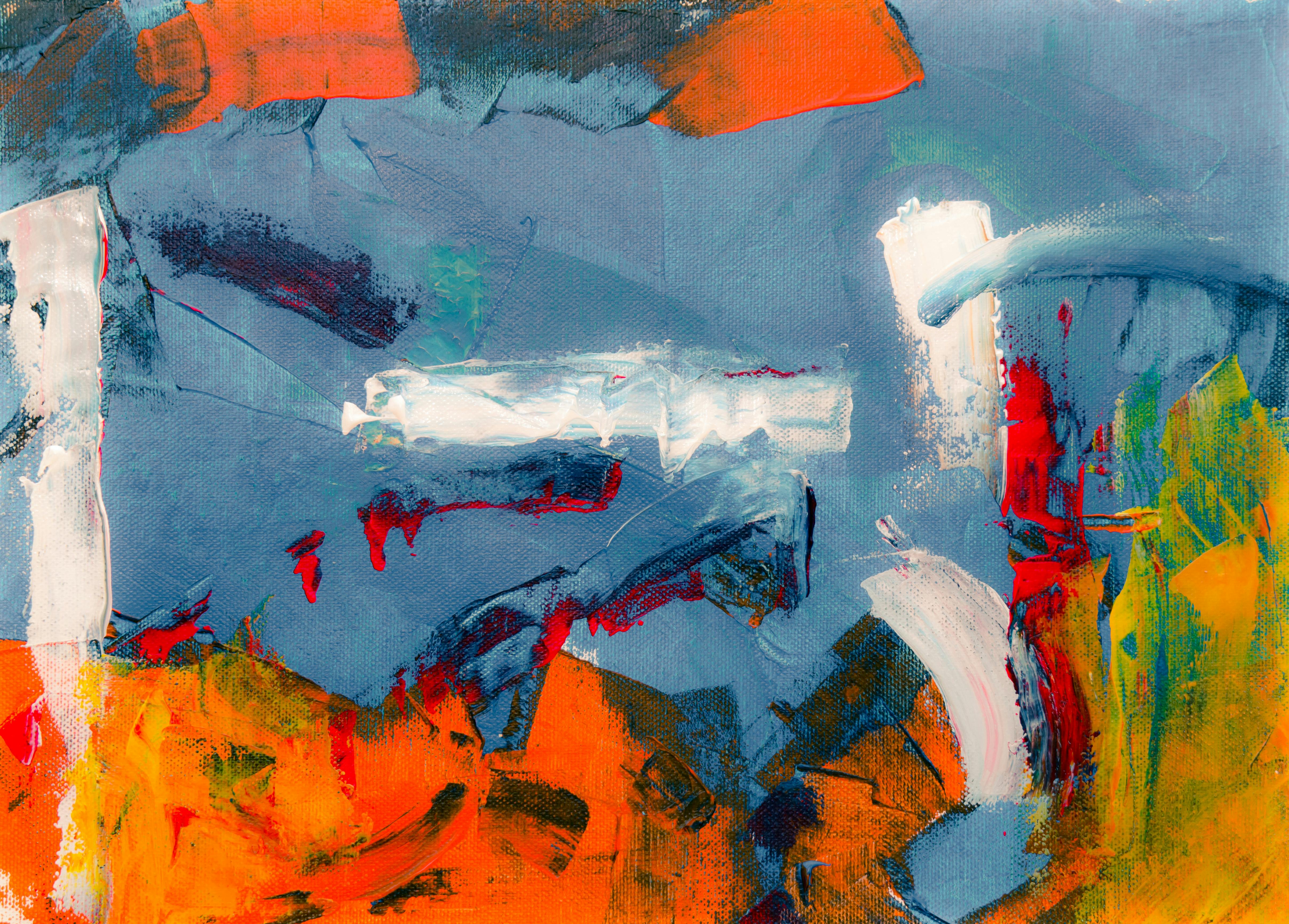
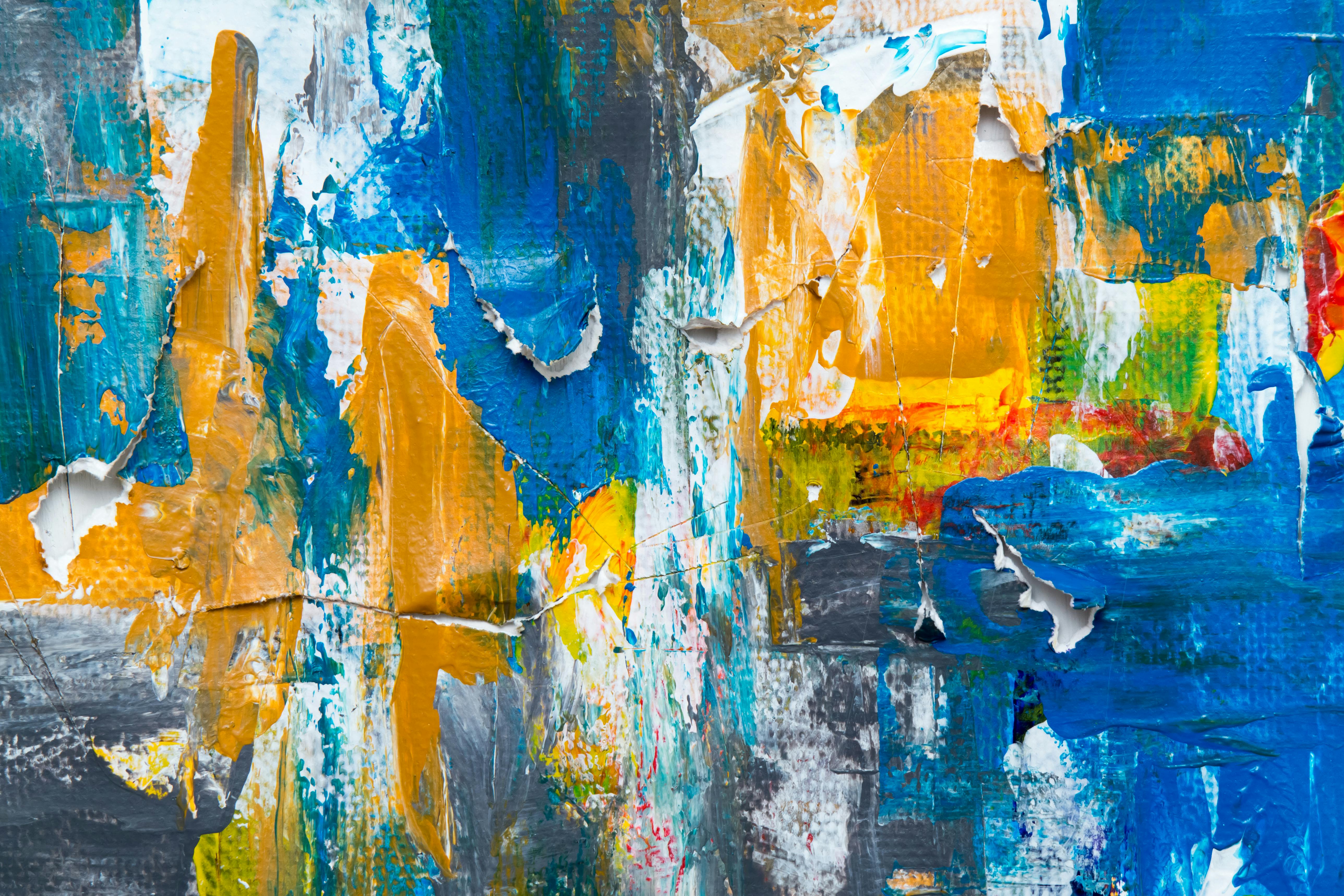
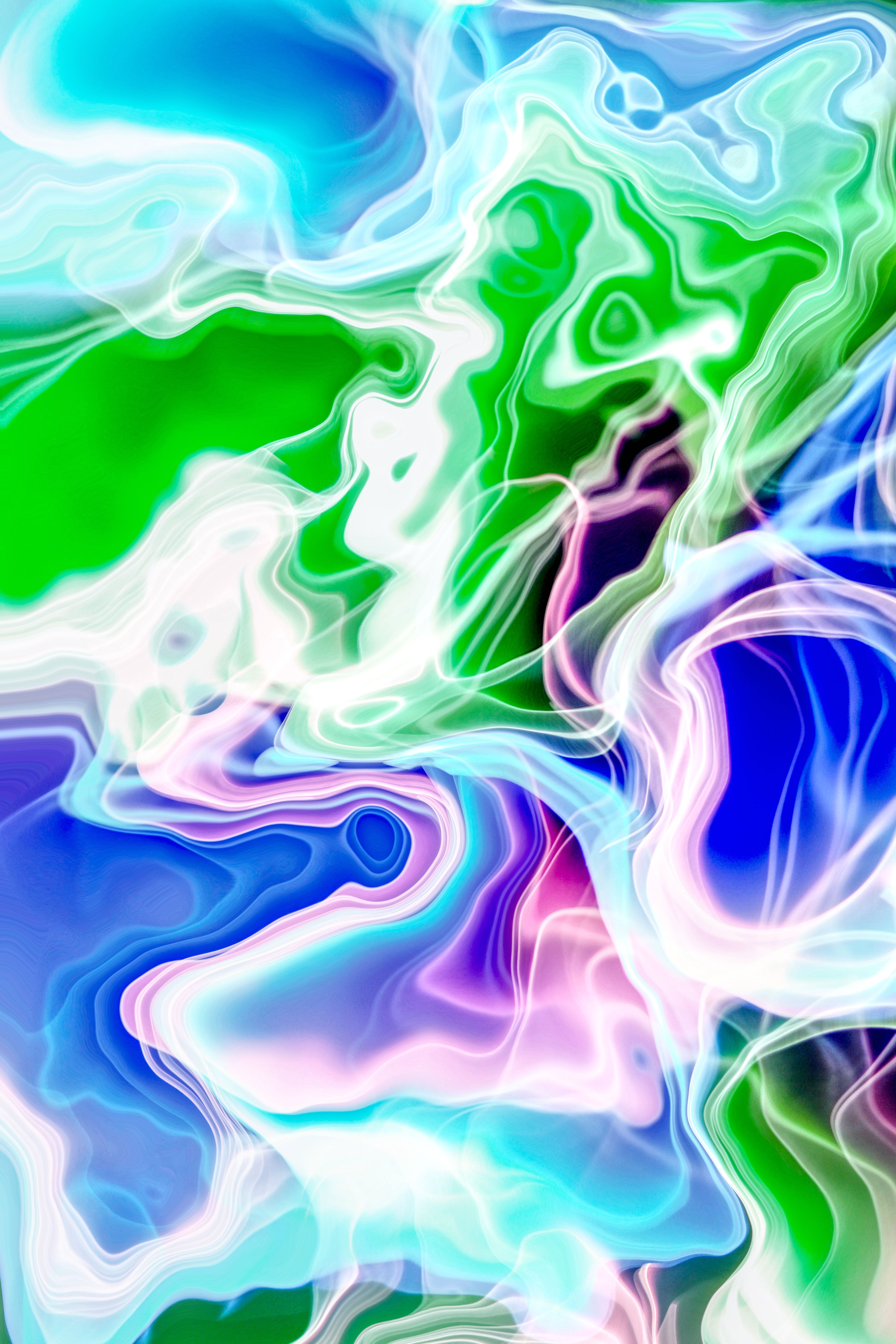
Abstract art is a great way to capture the energy of ragtime. Think about using bold, asymmetrical shapes and vibrant colors to create a sense of movement and rhythm.
Geometric Designs
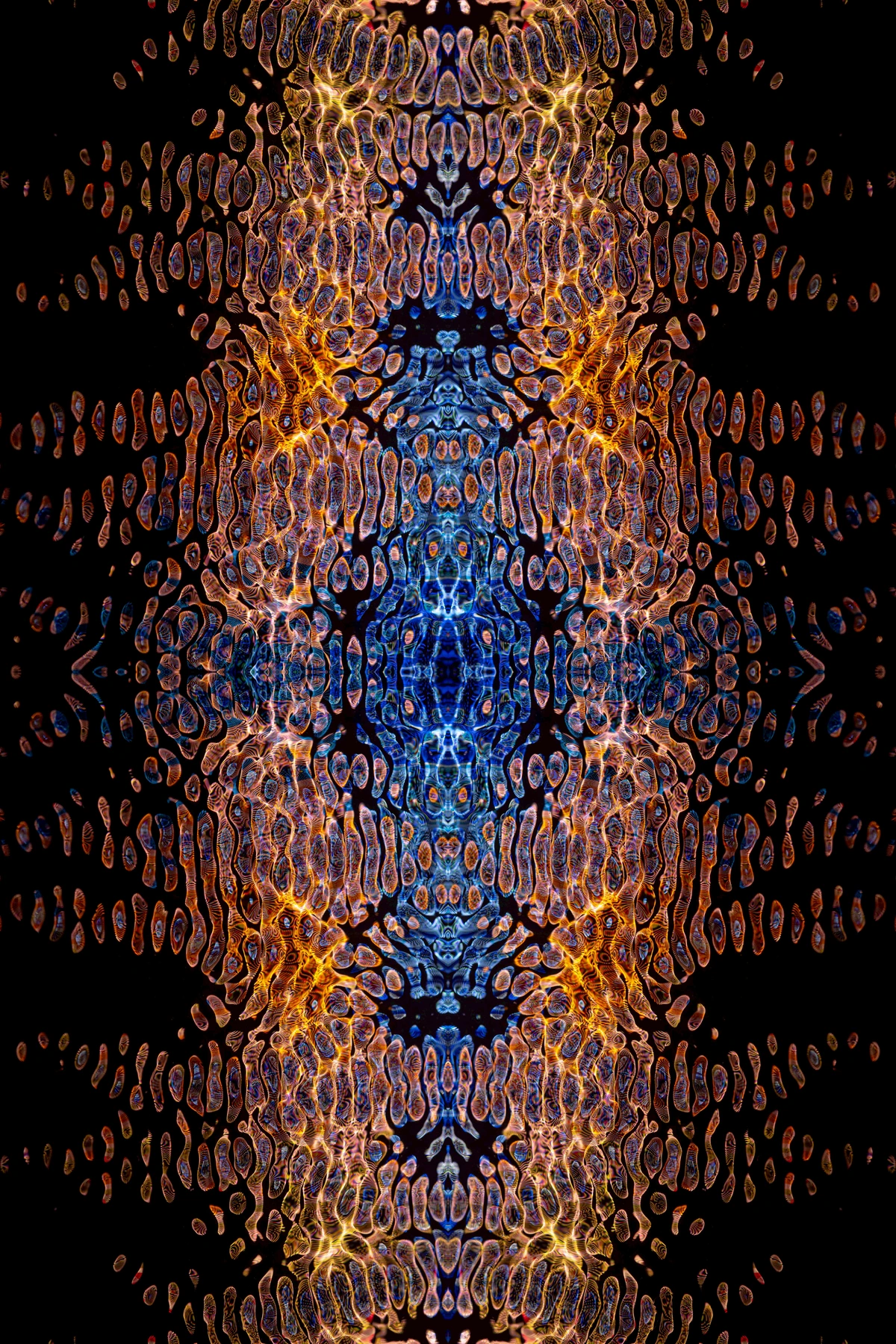
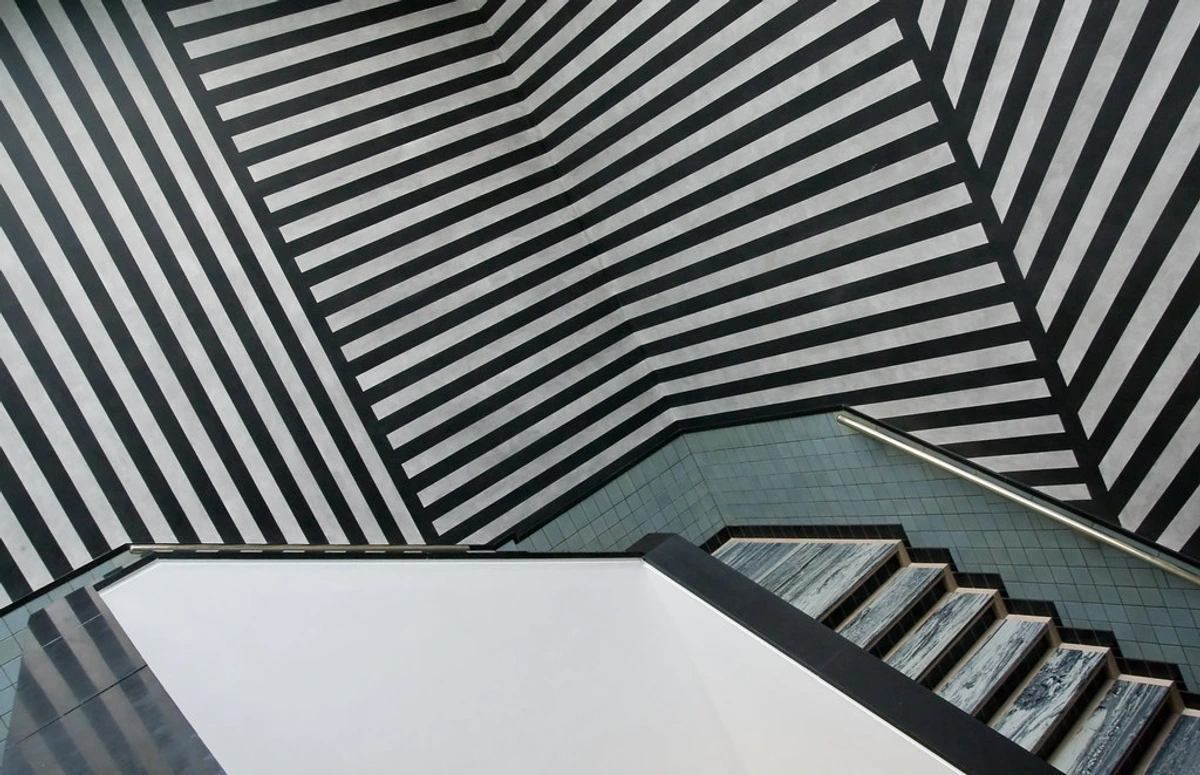
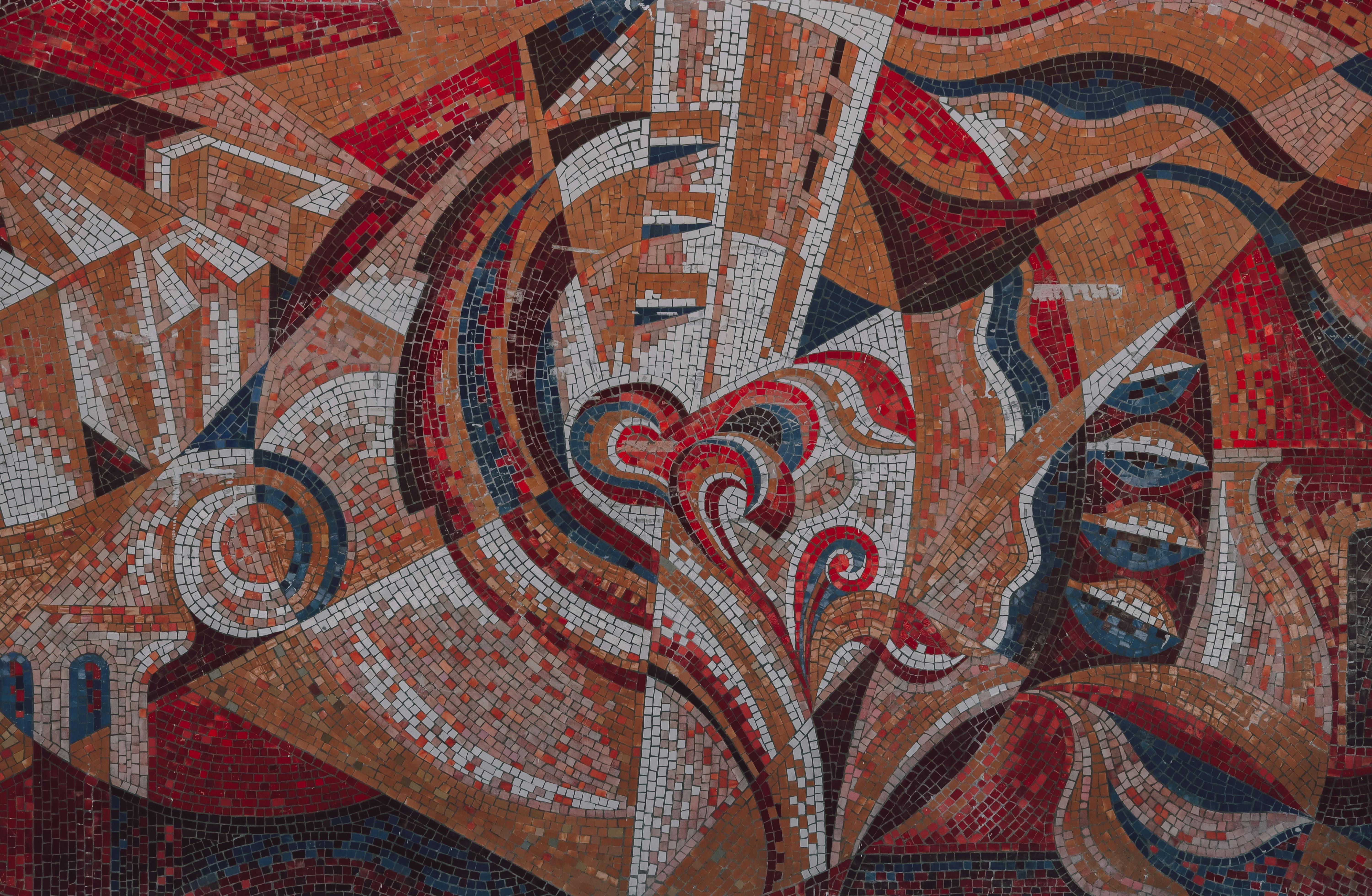
Geometric patterns can also reflect the syncopated rhythms of ragtime. Use repeating shapes and lines to create a sense of rhythm and flow.
Mixed Media
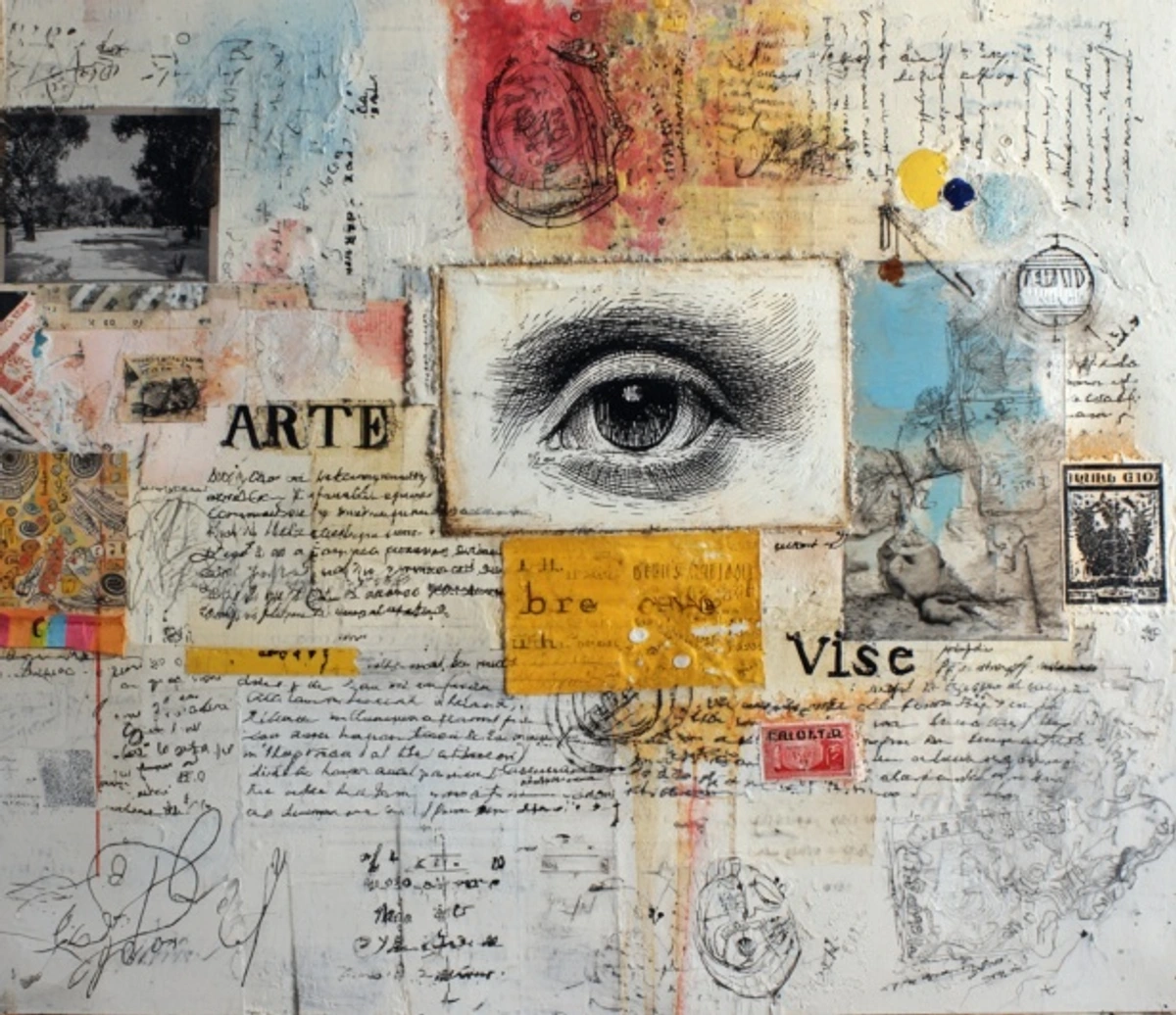
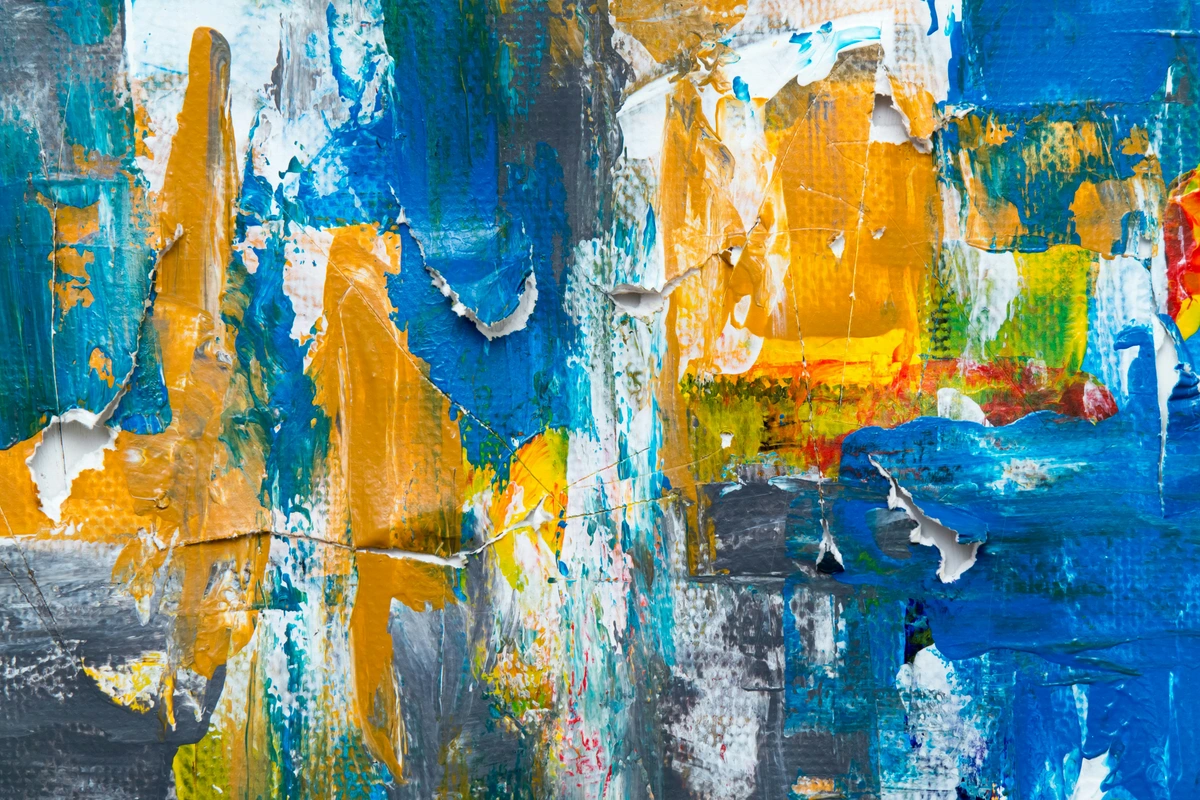
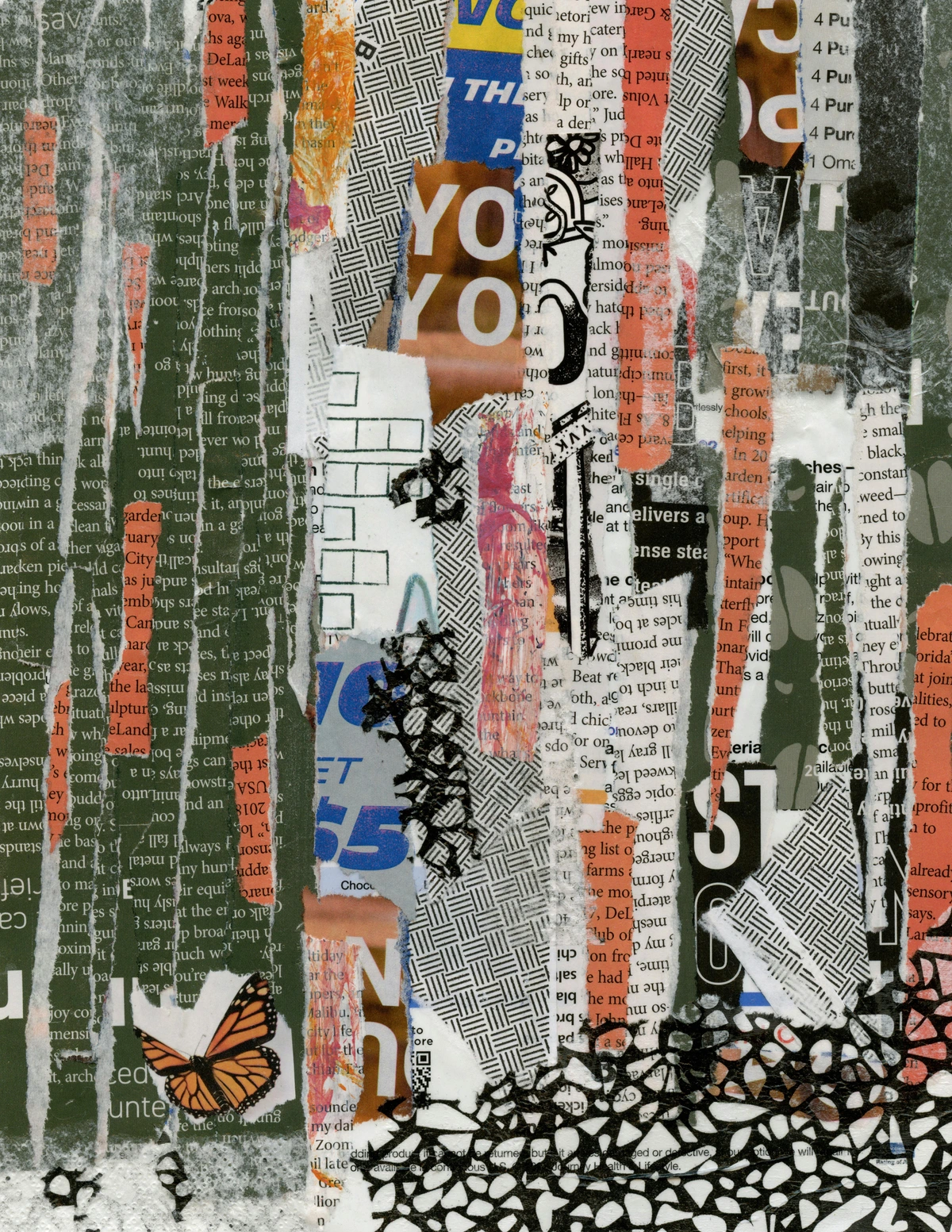
Don’t be afraid to mix different mediums. Combine painting, drawing, and digital elements to create a unique, dynamic piece.
Digital Art
Digital tools allow for endless experimentation. Use software to create intricate patterns and vibrant color schemes that capture the essence of ragtime.
Textile Design
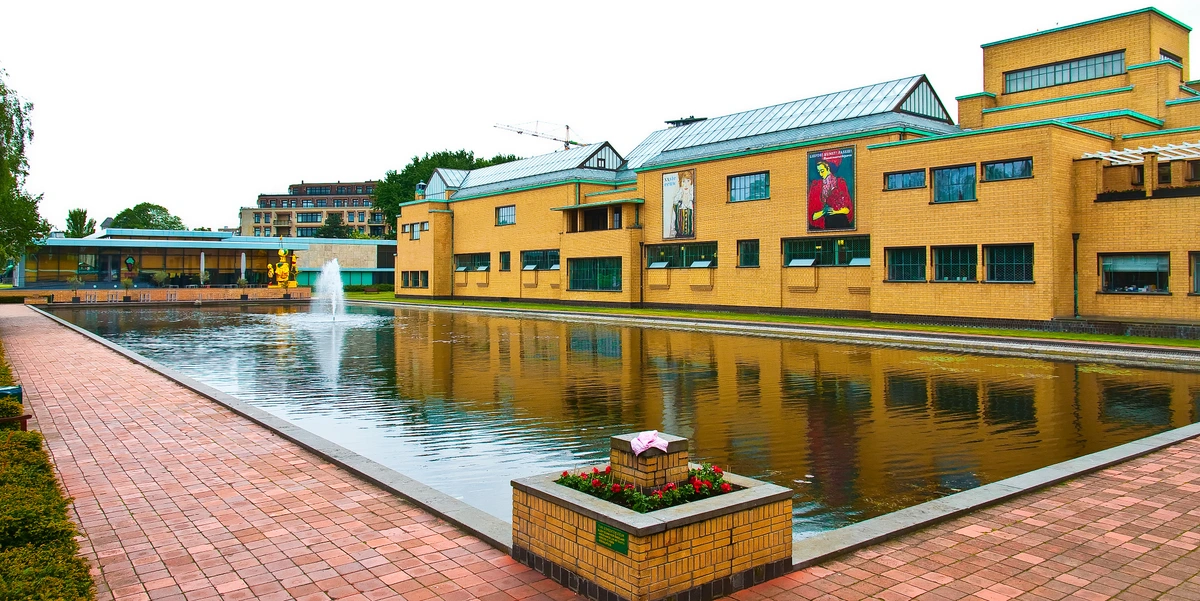
Ragtime-inspired patterns can also be translated into textile designs. Think about creating fabrics with bold, rhythmic patterns for clothing or home decor.
Sculpture and 3D Art
Consider exploring three-dimensional forms to represent ragtime. Sculptures with dynamic lines and shapes can evoke the rhythmic qualities of the music.
FAQ
What is the best way to capture the rhythm of ragtime in visual art?
The best way is to focus on creating patterns that mimic the syncopated rhythms of the music. Use jagged lines, asymmetrical shapes, and bold colors to capture the energy and movement.
Can I use digital tools to create ragtime-inspired art?
Absolutely! Digital tools like Adobe Illustrator or Procreate can help you create precise patterns and experiment with different colors and shapes.
How can I make my ragtime-inspired art stand out?
Focus on creating bold, dynamic patterns that capture the energy of the music. Use high-contrast colors and experiment with different mediums to create a unique piece.
Are there any specific artists who have created ragtime-inspired art?
While there aren’t many well-known artists specifically known for ragtime-inspired art, you can look to abstract and geometric artists for inspiration. Think about how their work captures movement and rhythm.
Can I sell my ragtime-inspired art?
Yes! You can sell your art as prints or originals. Consider offering your designs on platforms that support independent artists, or even create your own website to showcase and sell your work.
What are some common mistakes to avoid when creating ragtime-inspired art?
Avoid overcomplicating your patterns. While ragtime is intricate, it’s also about simplicity and rhythm. Focus on capturing the essence of the music rather than overloading your artwork with too many elements.
How can I incorporate ragtime-inspired art into my home decor?
Consider creating or purchasing prints, textiles, or wall art that feature ragtime-inspired patterns. These can add a dynamic and energetic touch to any space.
Are there any workshops or classes on creating ragtime-inspired art?
While specific workshops on ragtime-inspired art may be rare, you can find classes on abstract art, pattern design, and color theory that can help you develop the skills needed to create ragtime-inspired pieces.
What are some tips for beginners?
Start by listening to ragtime music and sketching your ideas. Experiment with different mediums and techniques to find what works best for you. Don’t be afraid to make mistakes and learn from them.
How can I find inspiration for my ragtime-inspired art?
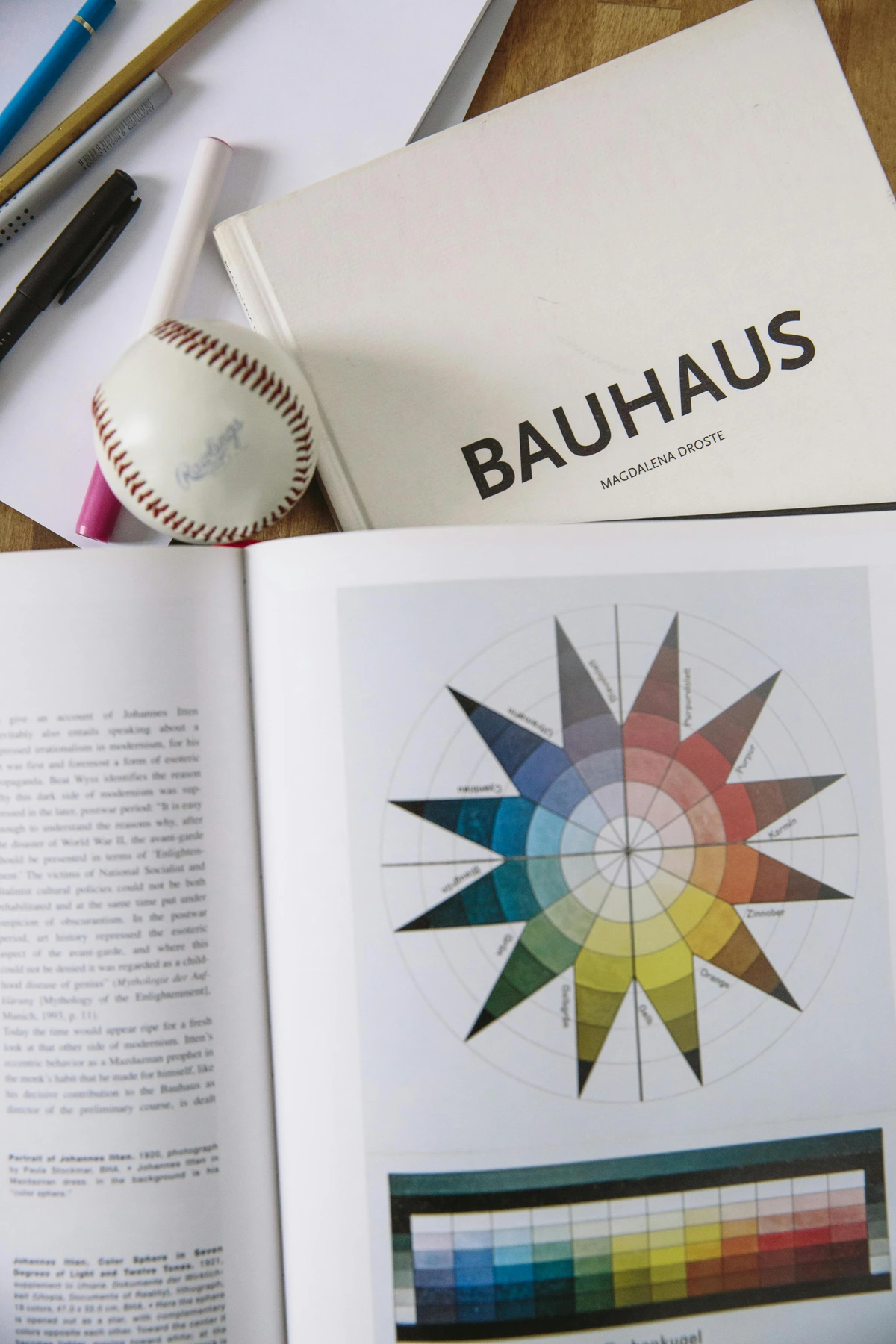
Look to other forms of art, nature, and even everyday objects for inspiration. The key is to find patterns and rhythms that resonate with the energy of ragtime music.
Conclusion
Creating ragtime-inspired art patterns is all about capturing the energy, rhythm, and movement of the music. Whether you’re working with abstract patterns, geometric designs, or mixed media, the key is to let the music guide your creativity. So, put on some ragtime, grab your tools, and let the rhythms inspire your next masterpiece.
And if you’re looking for more inspiration or want to explore other artistic styles, check out our timeline or visit the Den Bosch Museum for a deeper dive into the world of art.
Happy creating!
Additional Resources
For further exploration, consider the following resources:













- Books: Look for books on abstract art, pattern design, and the history of ragtime music.
- Online Courses: Platforms like Udemy and Skillshare offer courses on abstract art and pattern design.
- Art Communities: Join online art communities to share your work, get feedback, and connect with other artists.
By immersing yourself in the world of ragtime and experimenting with different techniques, you can create art that truly captures the spirit of this vibrant musical genre.