The Raw Truth: Why Bold Brushstrokes Still Electrify My Soul
I explore the enduring power of bold brushstrokes, from Rembrandt's sculptural impasto to Van Gogh's emotional swirls and Abstract Expressionists' raw energy. Discover how textured art conveys deep emotion, timeless authenticity, and an artist's unfiltered presence, inviting you to feel the unseen hand behind every mark.

The Raw Truth: Why Bold Brushstrokes Still Electrify My Soul, And Why They Should Electrify Yours
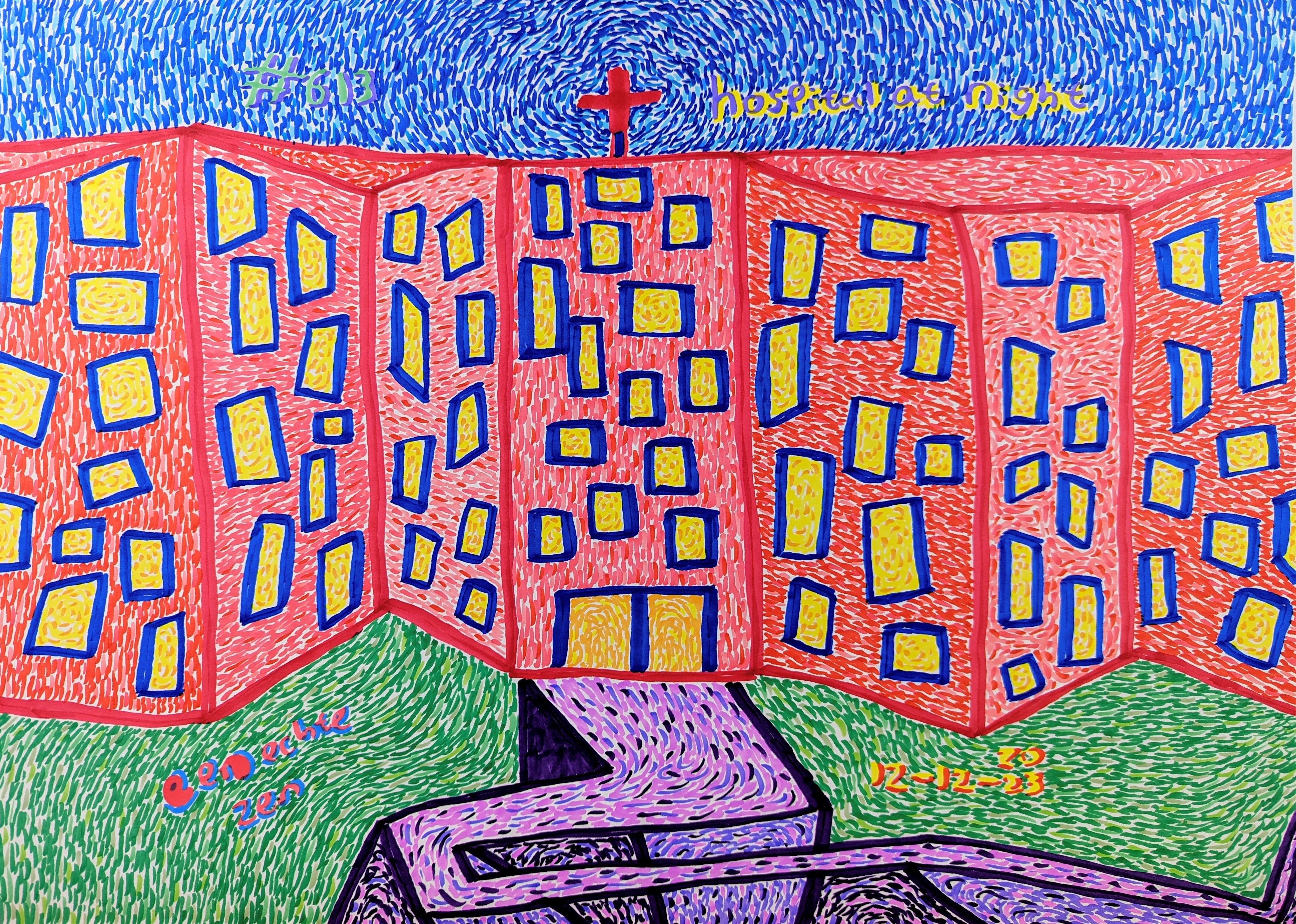
Have you ever just felt a painting? Not just seen it, but felt the raw, undeniable energy radiating from the canvas? For me, it’s often about the paint itself. That thick smear, that confident slash, a dollop of color so unapologetically present you can almost trace the artist's hand. That, my friends, is the magic of the bold brushstroke. It’s more than just a technique; it’s a direct conduit from the artist's soul to the canvas, a visceral whisper that can, at times, erupt into a full-throated shout across centuries. I still remember the first time I stood before Rembrandt’s The Night Watch – not just the grand composition, but the way the light seemed to physically shimmer off the thick impasto on Captain Banninck Cocq's hand. In that moment, the centuries melted away. It wasn't just paint; it was a living texture, a tangible record of the artist's unseen hand, and it changed everything for me. In this exploration, we'll journey from the masters who first sculpted with paint to the abstract pioneers who turned the canvas into an arena of action, uncovering what makes a bold brushstroke so electrifying and enduring.
Look, I remember early on in my journey, a well-meaning relative once told me, "Wouldn't that be more... finished... if you smoothed it out?" And honestly, for a moment, I paused. I even tried it once, gently coaxing a thick landscape into something flatter, more 'perfect.' But then I looked at the art that truly moved me – the works where the paint told its own story – and I realized that to smooth it out would be to erase the very heartbeat of the piece. In a world increasingly saturated with slick screens and polished perfection, a bold brushstroke stands as an act of defiance. It’s messy, it’s emotional, it’s undeniably human. It declares, "I was here, I felt this, and I made this mark. Witness my process." It's a raw, undeniable visual record of the artist's struggle, their joy, and their absolute conviction. And who wants bland perfection when you can have raw, human truth?
What Makes a Brushstroke Bold? Beyond Just Thickness
So, what exactly separates a mere application of paint from a truly bold stroke? It’s a spectrum that goes beyond sheer thickness. When I talk about bold brushstrokes, I’m talking about more than just thick paint. While impasto (the technique of laying on paint thickly so it stands out from the surface, creating a sculptural quality) is certainly a prime example, boldness encompasses a wider spectrum of expressive mark-making. It’s about the artist's conviction, their visible energy, and the deliberate impact of their hand. Think of it as painting with a purpose that goes beyond mere representation, embracing what we call a painterly style rather than a strictly linear one that tries to hide the brush. A truly painterly approach allows the paint itself to be a character, almost breathing life into the composition.
Beyond sculptural impasto, a brushstroke can be bold through:
- Energetic Gestures: Broad, sweeping motions that capture movement and speed, even if the paint layer isn't exceptionally thick. It’s about the visible action of the artist – their entire body moving with the brush, almost like a dance. This contrasts sharply with the delicate, controlled hand of a meticulous portrait painter, aiming for a smooth, hidden surface.
- Forceful Lines and Scrapes: Jagged, aggressive marks, or paint that's been scraped (sgraffito), pushed, or carved into, revealing a raw, almost violent engagement with the canvas. It's like the canvas itself is fighting back, or the artist is wrestling with the material, creating a visible record of struggle.
- Dry Brushing: Using a brush with very little paint, dragged across a textured surface, leaving broken, gritty marks that emphasize the canvas weave. This creates a distinct, visible texture without being physically thick, lending a sense of age or ethereal quality.
- Unusual Tools: Employing unconventional implements like sponges, cardboard, even direct hand application, or, famously, Jackson Pollock pouring paint directly from the can. These create unique textures and assertive marks that challenge traditional brushwork, often leaving unexpected, raw impressions.
- Unapologetic Presence: Even a flat area of color can feel bold if applied with undeniable conviction and clarity, dominating the visual field and demanding attention, refusing to blend into the background. Think of a single, vibrant block of color by a Mark Rothko that, through its sheer, intense presence, seems to push out from the canvas, even if the texture isn't overtly thick up close.
Ultimately, a bold brushstroke is a statement. It’s a refusal to blend into the background, an insistence on being seen and felt as a distinct, physical manifestation of the artist’s hand and emotion.
The Glorious Mess: Embracing the "Wrong" Mark
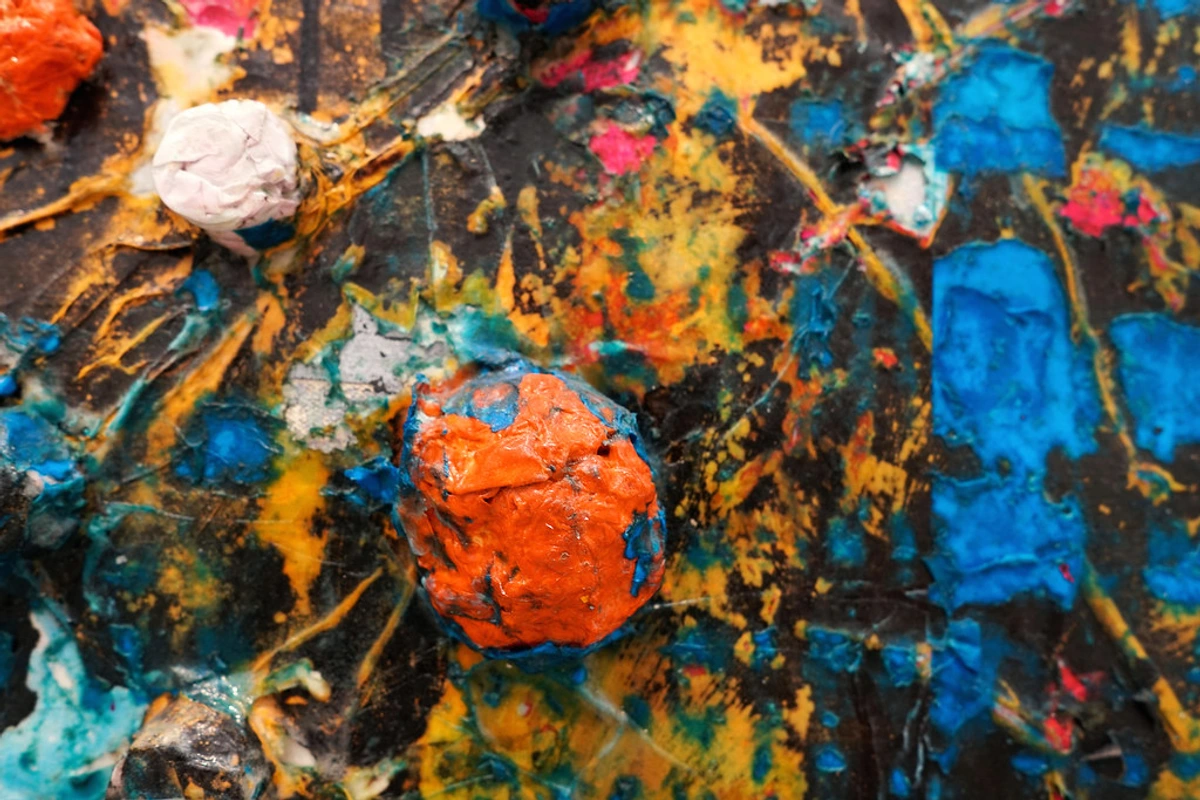
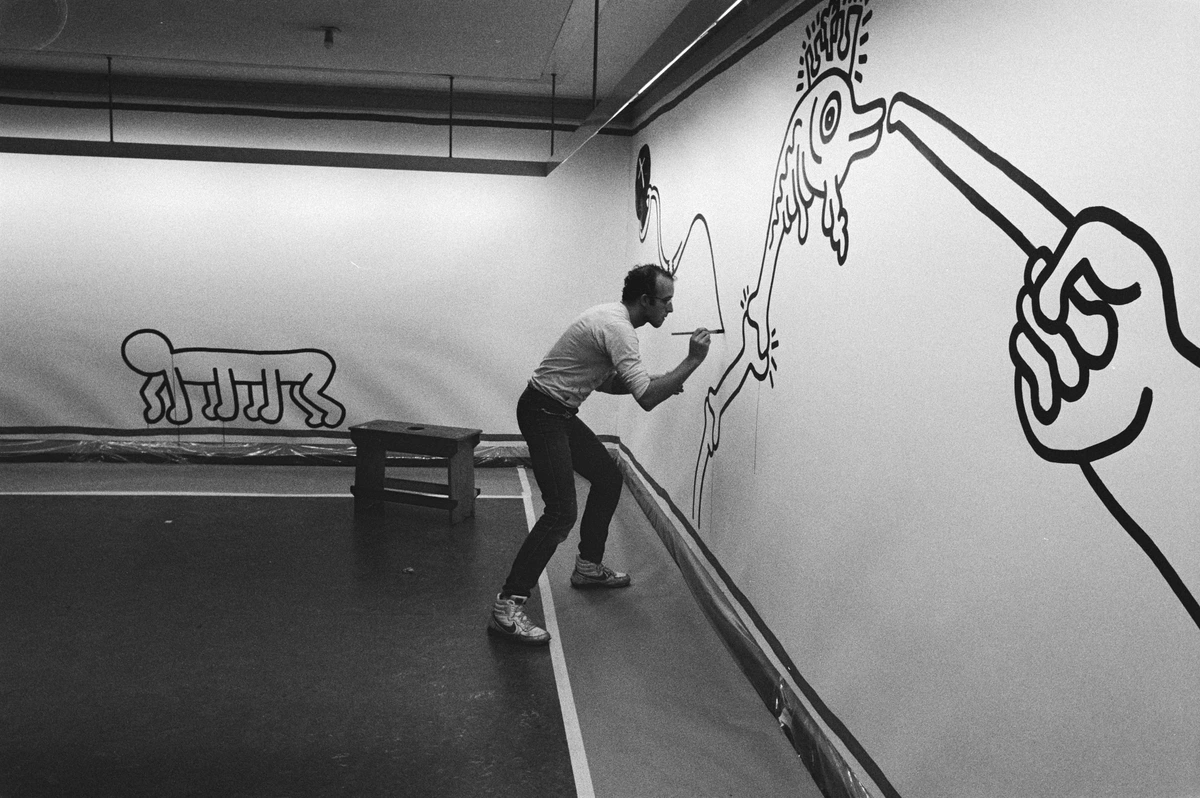
One of the most liberating aspects of the bold brushstroke, for me, is its inherent embrace of imperfection. In a process that prioritizes spontaneity and emotional truth, there's rarely such a thing as a truly "wrong" mark, only a redirection. I've often found that a seemingly misplaced thick glob of paint or an accidental scrape, rather than being a mistake, can inject unexpected energy and authenticity into a piece. Think of the subtle, luminous color fields of a Mark Rothko. From a distance, they seem smooth, but up close, you see the delicate, insistent, almost vibrating brushwork, often built from many layers, some of which might have been "re-dos" or subtle shifts in intention. Each one adds to the painting's deep emotional resonance, a visible history of its own making. It’s like discovering a happy accident in your own work – that unexpected texture that just works, or a splash of color that suddenly opens up a new dimension.
Artists like Francis Bacon, with his raw, distorted figures, or Lucian Freud, known for his thick, almost sculpted portraits, embraced the visible history of their work. They layered, scraped, and rebuilt, allowing the struggle and the process to remain palpable. This refusal to erase the journey allows the history of every decision – every struggle, every triumph, every happy accident – to remain visible on the canvas. This honesty is deeply human and allows for a dynamic dialogue between the artist and their evolving work. It's about letting the raw process shine through, a true record of the artist's unseen hand grappling with creation.
Color, Scale, and the Canvas's Roar: Amplifying the Sensory Punch
The impact of a bold brushstroke isn't just about its texture; it's profoundly amplified by its interplay with color and scale. Imagine the searing intensity of Vincent van Gogh's yellows applied thickly in his Sunflowers series – the color itself vibrates with an almost tangible heat, pushing out from the canvas. Vibrant hues, when layered with impasto, gain a three-dimensional depth and luminosity that flat color simply can't achieve, making the emotion feel more potent and immediate.
Here’s how color choices intensify boldness:
- Vibrant Hues: Thick applications of intense colors (like a fiery red or electric blue) command attention and convey immediate, strong emotions, almost shouting off the canvas.
- Complementary Contrast: Applying thick, bold strokes of complementary colors (e.g., orange and blue, red and green) next to each other creates a visual tension and vibration, heightening the impact, making the colors buzz with energy.
- Muted Gravitas: Conversely, muted tones can take on a heavy, somber gravitas when applied with substantial texture, conveying immense weight or melancholy. Think of a deep, textured blue in a Rembrandt portrait that feels colder, heavier, and more introspective than a flat wash.
Similarly, scale profoundly influences the experience. On a monumental canvas, broad, sweeping gestural strokes become enveloping, drawing the viewer physically into the artist's world. A Jackson Pollock or a Franz Kline demands to be experienced up close, the sheer size of the marks amplifying their expressive power. On a smaller scale, bold strokes can create an intimate intensity, transforming a small surface into a microcosm of texture and condensed emotion. The physical act of applying paint, whether a grand sweep or a concentrated dab, changes its resonance depending on the canvas's dimensions, inviting a different kind of engagement from the viewer. For monumental works, the boldness might come from sweeping, full-body motions, while for smaller pieces, it might be concentrated, deliberate dabs of thick paint that still declare their presence with fierce conviction.
The Old Master Who Sculpted with Paint: Rembrandt van Rijn
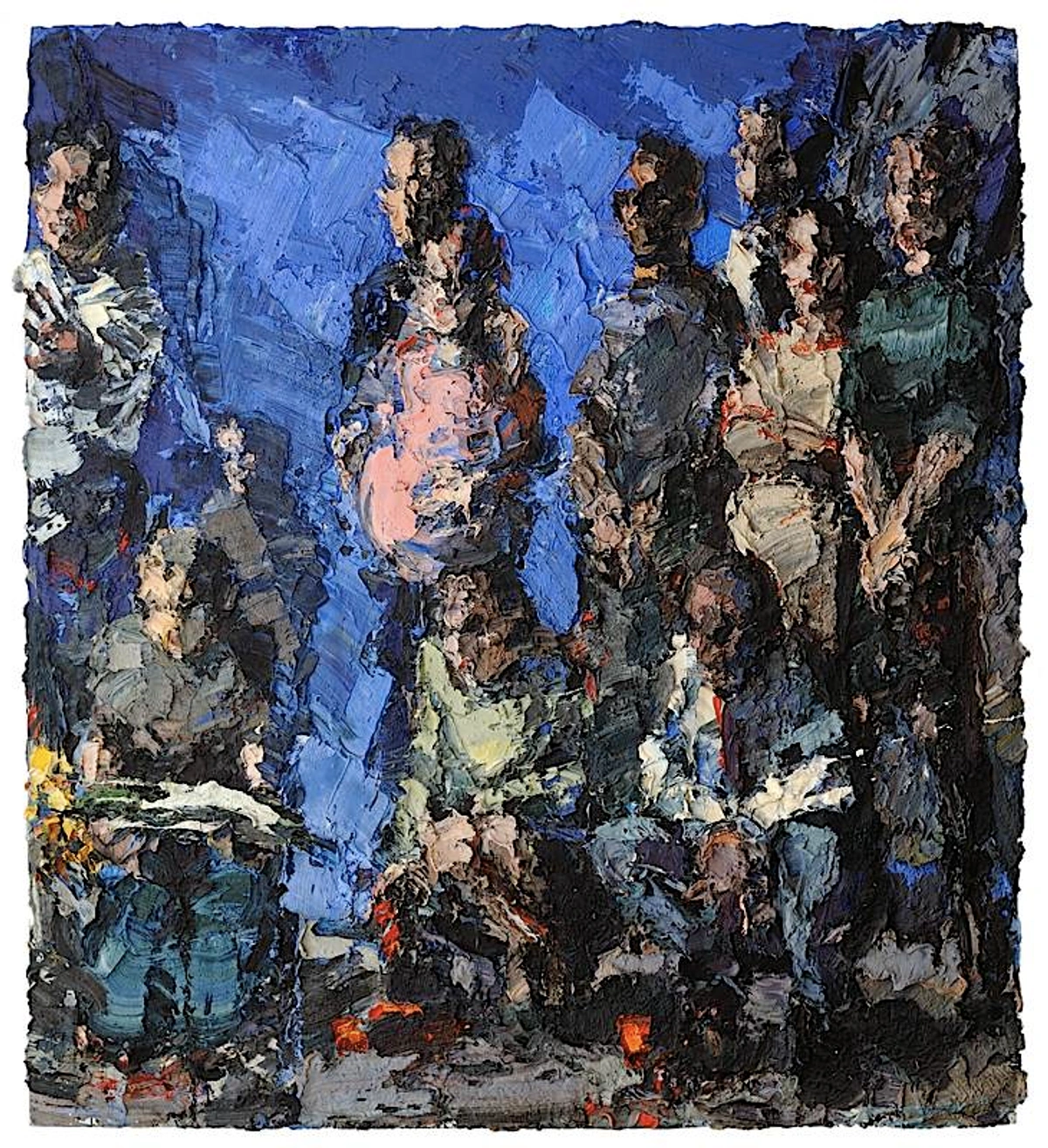
When we think of bold strokes, our minds often leap forward to the 20th century. But let's rewind. Way, way back. You might know Rembrandt van Rijn for his incredible mastery of light and shadow, but if you look closely at his later works, something truly revolutionary unfolds. The surfaces become incredibly gritty, thick, and profoundly expressive. He wasn't just applying paint; he was sculpting with it, sometimes even with a physical, almost violent, scraping or carving into the wet surface. This was revolutionary because, at the time, many artists still strived for an idealized smoothness, a pristine surface that hid the artist's hand. Rembrandt, however, chose to reveal his, making his "unseen hand" a tangible part of the artwork itself, a silent conversation across time.
Rembrandt began to build paint in such thick layers—a technique known as impasto—that he could manipulate it with the butt of his brush, his fingers, even a palette knife. Consider his late self-portraits, like the powerful Self-Portrait with Two Circles (c. 1661-65), or the tender yet monumental Bathsheba at Her Bath (1654), or of course, "The Return of the Prodigal Son." In these, the paint's texture isn't merely decorative. It's an integral part of the narrative, a visual representation of the subject's inner life, their age, their suffering, their raw humanity. The very physicality of the paint, often enriched with lead to hold its form, becomes a metaphor for the weight of existence. It’s like those deep, etched lines around an elderly sitter’s eyes; Rembrandt didn't just paint them, he built them with paint, making their story tangible.
Vincent van Gogh: The Heart on the Canvas
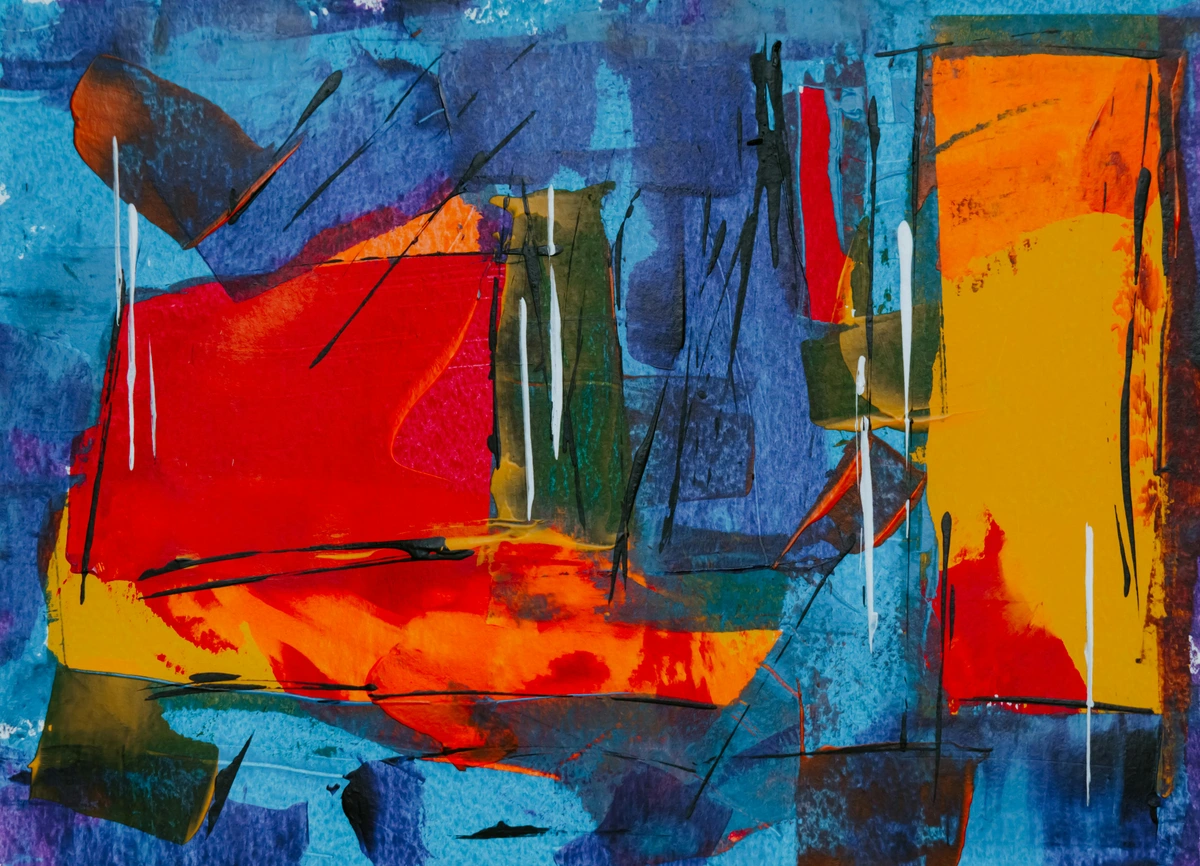
Okay, you knew he was coming. You can't talk about expressive brushwork without talking about Vincent. For Vincent van Gogh, a brushstroke wasn't just for filling in color; it was a vessel for pure, unbridled emotion. It was his unique language, a direct transmission of feeling that vibrates off the canvas, inviting you to literally trace the path of his hand. It's almost as if he bypassed intellectual thought and poured his raw feelings directly into the paint, creating an indelible record of his inner world.
Look at the sky in The Starry Night. Those swirling, heavily applied marks aren’t just pictures of stars; they are the overwhelming, almost terrifying, feeling of looking up at a vibrant, turbulent cosmos. The impasto here is so pronounced that the paint itself seems to writhe with urgency and passion, almost breathing with its own life. Think of his "Sunflowers" series, where the layered, almost sculptural texture of the petals seems to burst with life and a desperate vibrancy, or the desolate, agitated fields in "Wheatfield with Crows," where each upward-surging stroke embodies a surge of melancholy and profound connection to nature. Even his earlier, darker works like "The Potato Eaters" (1885) show a nascent bold stroke, chunky and earthy, conveying the raw struggle of peasant life. His work, for me, is a cornerstone for anyone exploring how art can embody raw, immediate experience, capturing not just what he saw, but how intensely he felt it.
Expressionism: Painting from the Inside Out
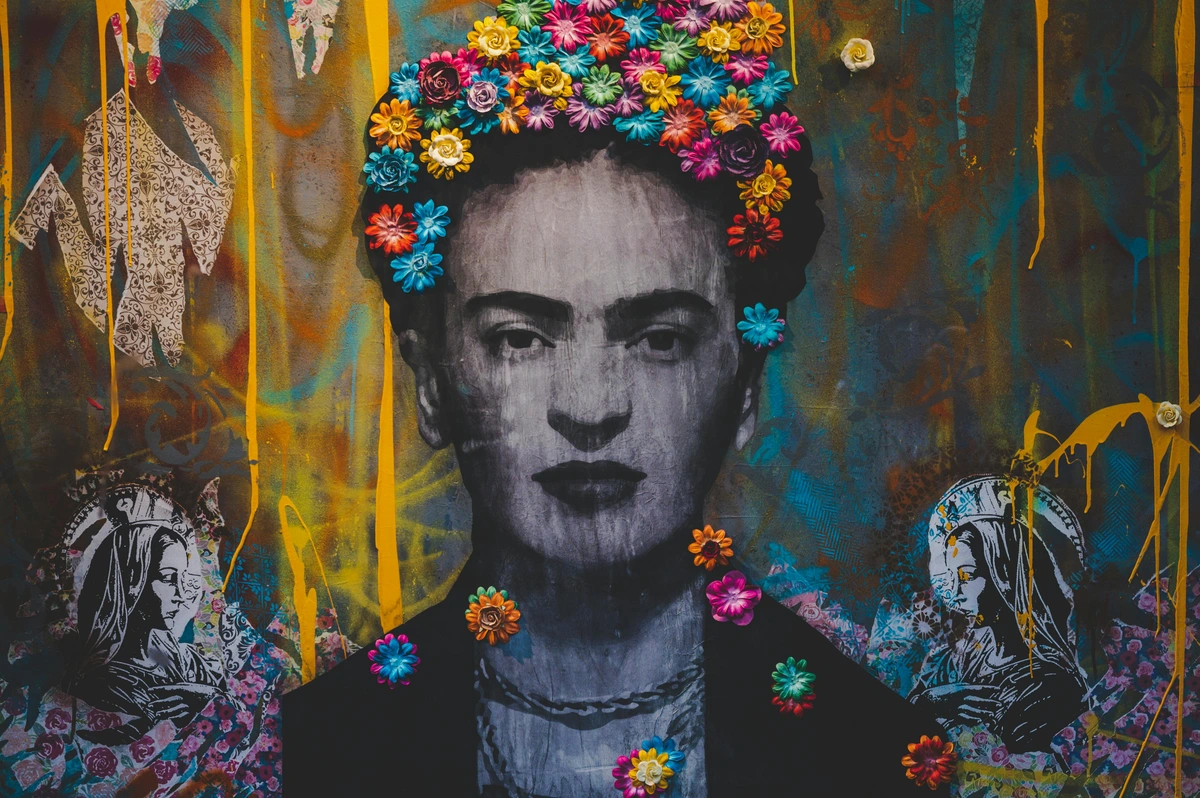
The early 20th century saw a seismic shift, a whole movement dedicated to this idea of internal truth over external reality. The Expressionists weren't interested in painting what the world looked like, but what it felt like. They sought to convey profound emotional and psychological experience rather than objective reality, and the bold, often jagged, brushstroke became their primary weapon. This period truly paved the way for more radical departures from traditional representation, stripping away polite appearances to reveal inner turmoil and vulnerability. It was a philosophical stance against academic polish, arguing that raw, expressive marks were a more honest conduit for the artist's inner world.
Artists like Egon Schiele used nervous, almost violent lines and thick, raw strokes to depict the uncomfortable, often raw, psychological state of his subjects (and himself). You see it vividly in his self-portraits; the brushwork is fraught with an energy that’s almost electric, as if the canvas itself is his confidant. His strokes are less about rendering form and more about expressing a raw, exposed nerve.
But the movement was diverse. Artists from groups like Die Brücke (The Bridge), such as Ernst Ludwig Kirchner and Emil Nolde, employed intensely vivid colors and crude, forceful brushwork, often with a raw, almost woodcut-like immediacy, to express angst, alienation, and a primitive, untamed emotion.
- Kirchner's strokes, for example, often felt like they were carving into the canvas, sharp and aggressive, reflecting the harsh urban realities he depicted. His frenetic energy is palpable.
- Nolde, on the other hand, used agitated, almost swirling strokes that made his vibrant colors feel even more fervent and emotionally charged, often to depict spiritual or primordial scenes with an untamed force.
- Oskar Kokoschka, particularly in his early portraits, used vigorous, restless brushstrokes to capture the sitter's inner psyche, often exaggerating features to convey psychological states rather than physical likeness.
Then came Der Blaue Reiter (The Blue Rider), with artists like Wassily Kandinsky and Franz Marc, who pushed beyond figuration into pure abstraction. Here, the color and brushstroke alone conveyed spiritual and emotional truths.
- Kandinsky believed a color, applied with a certain stroke, could resonate with the soul, a direct departure from classical beauty, heading straight for emotional truth through the directness and expressive potential of paint application.
- Franz Marc used bold, often symbolic colors and dynamic brushwork, even in his animal studies, to convey the spiritual essence and inherent purity of nature, rather than just its outward appearance. His blue horses, for instance, are a testament to this.
Abstract Expressionism: The Canvas as an Arena
After WWII, the art world's compass swung hard towards New York, and things got truly wild. The Abstract Expressionists took the brushstroke and made it the absolute star of the show. It wasn't just part of the painting; it was the painting, embodying the entire emotional and physical act of creation. This movement, emerging in the socio-political context of post-WWII anxiety and the rise of American cultural dominance, was all about immediate, spontaneous expression, often on a truly grand, wall-sized scale, making the materiality of the paint paramount. It transformed the canvas into an arena where the artist's inner world was externalized through raw, unfiltered marks, a testament to individual freedom and existential angst.
Willem de Kooning: Battlegrounds of Paint
Willem de Kooning's canvases are often described as battlegrounds of paint. His strokes are aggressive, scraped, layered, and endlessly reworked, leaving a dense, almost fleshy texture that feels truly visceral. Looking at his 'Woman' series, you feel the raw energy, the constant push and pull between creation and destruction. The paint is messy, alive, and utterly physical—a beautiful chaos that shows the entire history of its own making. He would sometimes scrape away entire sections, only to rebuild them with fervent, almost violent applications, leaving a rich archaeological record of his process on the canvas. His use of the brush (and palette knife) wasn't about rendering a perfect form, but about the very act of painting itself, a potent record of intense emotional and physical engagement, a true testament to the artist's unseen hand wrestling with the material.

Jackson Pollock: The Dance of Drip Painting
And then there's Jackson Pollock, who famously took the traditional brush out of the equation almost entirely. Instead of applying paint with a brush, Pollock would drip, pour, and throw paint onto canvases laid on the floor. This technique, often called action painting or drip painting, was a radical extension of the brushstroke's expressive potential. He moved around and within his massive canvases, orchestrating a complex choreography of movement and material. The resulting intricate webs and splatters of paint were not random; they were direct records of his bodily movements, his rhythm, his energy, and his remarkable control over the fluid paint. Each "line" of flung paint, while not a brushstroke in the conventional sense, carries the undeniable gestural quality – the visible trace of the artist's action and presence – that defines bold expression. He transformed the canvas into an arena for pure, unmediated creation, making the entire body's movement part of the mark, and leaving a visible trail of his "unseen hand" in motion.
Expanding the Arena: Other Voices in Abstract Expressionism
While De Kooning gave us battlegrounds of paint and Pollock danced across his canvases, other Abstract Expressionists carved their own powerful paths with bold marks, each exploring the materiality of paint in unique ways:
- Joan Mitchell, for instance, infused her work with incredibly vibrant, energetic strokes that captured the intensity of landscape and emotion, almost battling with the canvas itself. Her thick, tangled marks feel like a raw wrestling with feeling.
- Clyfford Still created towering, rugged fields of color with deeply textured, torn edges, almost geological in their intensity, making the paint feel like solidified raw earth, monumental and stark.
- Franz Kline unleashed powerful, raw black and white strokes, his huge brush marks feeling like a visceral shout on the canvas, each line a monument to speed and force, often painted with house painter's brushes for maximum impact.
- Even Mark Rothko's luminous color fields, though seemingly smooth from a distance, reveal a subtle, layered texture up close, built from delicate, insistent brushwork that vibrates with emotional depth, drawing you into its spiritual expanse.
- Barnett Newman, through his iconic "zips" – a single, vertical strip of color interrupting a vast color field – demonstrated how even a minimal, precise mark, when applied with conviction and scale, could possess monumental boldness and command spiritual presence. It's a bold stroke through sheer, unapologetic clarity.
- Lee Krasner, whose evolution from gestural abstraction to more structured, mosaic-like compositions, always maintained a vigorous, assertive handling of paint, allowing the raw energy of her creative process to shine through.
- Ad Reinhardt, though known for his minimalist "black paintings," meticulously layered dark, almost imperceptible hues, creating an intense, textured surface that demanded patient, close viewing, making the subtle build-up of paint a bold statement in itself.
Each, in their own powerful way, used the bold application of paint to convey something profound and deeply personal, emphasizing the materiality of the art itself, and leaving their unique "unseen hand" for us to discover.
The Enduring Impact: Why Bold Brushwork Still Resonates
So, why does this matter? Why do we, as viewers, find ourselves mesmerized by a thick dollop of paint or a furious swipe of a brush? I think it boils down to something primal, a deep-seated appreciation for authenticity and human connection. It's the visceral quality that pulls us in, a refusal to hide the messy, beautiful truth of creation. And in a world that often demands flawless digital perfection, that human touch feels more vital than ever. It's the silent dialogue between the artist's "unseen hand" and your own gaze.
Authenticity and Presence
In a world that often values perfection and seamlessness, the bold brushstroke is refreshingly imperfect. It’s honest. It shows the hand of the artist, the physical act of creation – perhaps even a visible thumbprint or a distinct palette knife mark – the very presence of the painter in that moment. Consider Rembrandt's later works; those rough, tactile surfaces feel profoundly more real and honest than any polished ideal. It's a refusal to hide the process, an invitation to witness the journey, engaging our tactile imagination as much as our visual sense. It’s saying, "This is real. I made this. Here I am." This isn't just about seeing the art; it's about feeling the artist's hand in its making, bypassing intellectual filters and resonating on a deeper, more primal level.
Emotional Connection: A Visceral Dialogue
As we've seen with Van Gogh and the Expressionists, a bold stroke can carry an emotional charge unlike anything else. A jagged, frenetic stroke, like those of an Egon Schiele self-portrait, might suggest anxiety or anger, much like a sudden jolt, while a sweeping, fluid stroke from a Joan Mitchell landscape could convey exuberance or a sense of awe. The speed and force with which paint is applied directly correlate to the intensity of emotion the artist is conveying. From a psychological standpoint, the directness of a bold mark bypasses the intellectual interpretation and hits us on a gut level, translating raw feeling directly from creator to viewer, establishing an empathetic link. It's a non-verbal language of feeling, directly communicated from the artist's hand to the viewer's soul, triggering an almost unconscious, primal response to the artist's emotional state.
Challenging Perception: The Materiality Speaks
Bold brushwork often forces us to confront the nature of paint itself. It reminds us that a painting isn't just a window to another scene, but a physical object, a surface with weight and texture. A Willem de Kooning canvas, with its scraped and rebuilt surfaces, constantly reminds you of its materiality, how the viscosity and layering of paint contribute to meaning. It asks us to consider this physicality and how it creates a unique dialogue with the viewer, demanding engagement not just with the image, but with the very substance that forms it. This tactile engagement deepens our understanding and appreciation, shifting our perception from pure illusion to a more embodied experience of the art object.
A Legacy of Freedom
The artists who dared to wield a bold brush often did so in defiance of academic traditions and restrictive notions of beauty. Rembrandt's textural revolution, Van Gogh's emotional explosions, and the Abstract Expressionists' action painting paved the way for greater artistic freedom, pushing the boundaries of what art could be and how it could be made. This legacy continues to inspire artists to experiment, combine techniques, and find their own unique voice, celebrating imperfection as a form of truth.
Key Figures in Bold Brushwork: A Comparative Look
Artist  | Era | Key Characteristic | Key Approach to Boldness | Emotional Impact Often Conveyed |
|---|---|---|---|---|
| Rembrandt | 17th Century | Thick, sculptural impasto | Sculpting with paint, carving into wet layers with tools/fingers | Inner life, suffering, dignity, profound humanity |
| Van Gogh | Late 19th Century | Energetic, swirling impasto | Direct, layered strokes building tactile forms | Urgency, passion, melancholy, awe, intense feeling |
| Expressionists | Early 20th Century | Jagged lines, forceful strokes | Distorting reality with raw, immediate paint application | Psychological turmoil, angst, alienation, raw emotion |
| De Kooning | Mid 20th Century | Aggressive, layered, reworked texture | Visceral manipulation of paint, expressive surface building | Visceral energy, struggle, chaotic vitality |
| Pollock | Mid 20th Century | Dripped, poured, flung paint (gestural) | Whole-body action, unmediated flow of paint | Pure energy, primal movement, unfiltered expression |
| Newman | Mid 20th Century | 'Zips' on expansive color fields | Singular, declarative line commanding space | Sublimity, spiritual awe, existential presence |
| Auerbach/Kossoff | Mid-Late 20th Century | Extremely dense, geological build-up | Accumulation of paint over time, relief-like surfaces | Weight of existence, raw urban reality, intense presence |
Contemporary Explorations: The Bold Stroke Today
The legacy of these titans of texture is far from over; it’s a living, breathing tradition that continues to thrive in the contemporary art world. Many modern artists still embrace the power of the bold brushstroke, often pushing its boundaries in new and exciting ways, integrating it with evolving technologies and perspectives. My own work, I like to think, builds upon this very tradition of expressive mark-making.
Think of Neo-Expressionists like Georg Baselitz or Julian Schnabel, who in the late 20th century revived the raw, aggressive brushwork of earlier Expressionists, infusing it with renewed urgency, scale, and often a confrontational materiality, sometimes incorporating broken plates or other found objects into their surfaces. Baselitz’s inverted figures, for instance, are amplified by the aggressive, directional force of his brushwork, making them feel even more disorienting and powerful. Jean-Michel Basquiat also notably employed raw, energetic brushstrokes combined with text and symbols, creating a distinctive style that was both primal and highly intellectual, his marks feeling like scribbled urgency.
Today, artists like Cecily Brown continue this legacy with richly layered, swirling, almost erotic abstractions, where the paint itself seems to pulsate with life, blurring the lines between figuration and pure painterly energy. Anselm Kiefer creates monumental works with deeply textured surfaces, incorporating straw, ash, and lead, making the physical substance of the painting as significant as its historical or mythological subject. Kerry James Marshall uses thick, vibrant paint in his figurative works to give monumental presence to his subjects, making their stories feel tangible and undeniably important. Even artists like Julie Mehretu use explosive, layered marks and architectural lines to create complex, dynamic compositions that feel both vast and intensely physical.
Even artists like Gerhard Richter, known for his squeegee paintings, engage with the bold, physical manipulation of paint, albeit through mechanical means, to create highly textured, emotionally charged surfaces that belie their process. Modern innovations also play a role; artists now use software to plan complex textures or even 3D printing to create sculptural impasto effects that were unimaginable centuries ago, mimicking the hand-drawn marks with astonishing precision. However, while digital art and NFTs offer new avenues for dissemination, the inherent materiality and physical presence of a bold brushstroke on canvas remain distinct and irreplaceable in conveying raw human touch. This is because the direct, tactile experience of traditional paint application creates a connection that purely digital mediums, however sophisticated, struggle to replicate. Is it still a bold stroke if the artist's unseen hand isn't physically present in its creation, if the 'error' and 'struggle' are removed? I often wonder this.
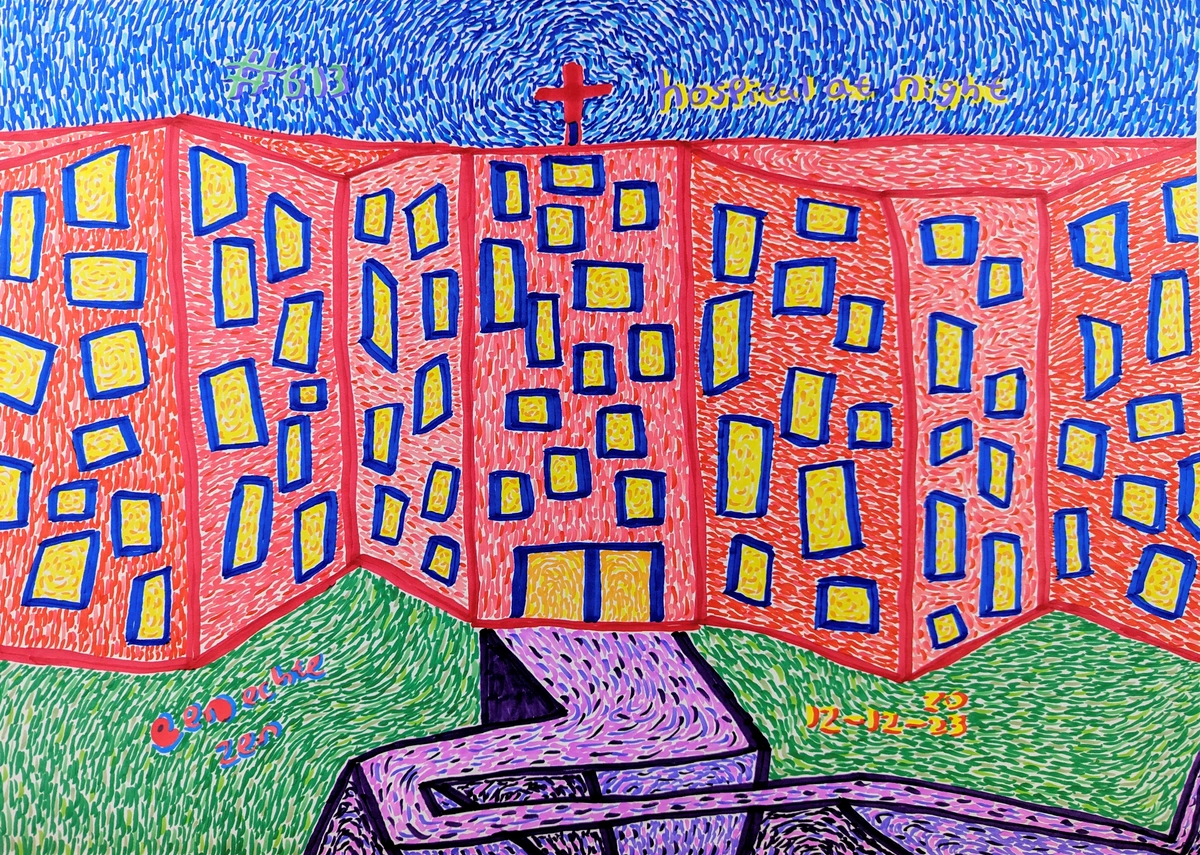
For me, the bold brushstroke remains a fundamental element of artistic expression. It's a way to infuse a piece with undeniable life, with that unmistakable human touch. Whether it's through vibrant colors, thick impasto, or energetic gestural marks, the aim is still the same: to create a piece that isn't just seen, but felt, echoing the very process of its creation. If you're curious about how contemporary artists (including myself!) continue to explore these ideas, why not explore my collection or even visit my Den Bosch museum? You might just find a new titan of texture, a new heartbeat on canvas.
Finding Your Own Bold Mark: An Artist's Journey
If you're an artist, or just curious about trying your hand at more expressive painting, embracing the bold brushstroke can be incredibly liberating. It’s not about perfection; it’s about presence. I've found that one of the best ways to start is to simply experiment with different tools. Forget the fine detail brushes for a moment. Grab a wider brush, a palette knife, or even just your fingers. My own studio floor is often a testament to many such experiments, some glorious, some... less so, but all part of the journey. And when it comes to impasto, remember that mediums like oil paint naturally lend themselves to thicker applications and hold their shape well, while acrylics can also be built up, often with the help of impasto gels or mediums to increase body and drying time, allowing for greater manipulation.
Here are some exercises I've found useful to cultivate your own bold mark-making:
- Exercise 1: The Emotional Stroke: Choose a strong emotion (e.g., anger, joy, calm, frustration) and try to represent it using only one color and one bold stroke, focusing on the feeling of application rather than the outcome. What happens if you apply it quickly? Slowly? With immense pressure? Notice the difference.
- Exercise 2: The Texture Challenge: Using a palette knife, or even a piece of cardboard, build up a surface with at least three distinct layers of thick paint (impasto), focusing purely on the tactile experience and how light interacts with the raised surfaces. Experiment with mixing a small amount of sand or a texture medium into your paint for even more pronounced effects.
- Exercise 3: Tool Exploration: Dedicate a session to using only unconventional tools (e.g., a crumpled cloth, a stiff card, a twig, even your own thumb) to create bold marks. See what unexpected textures and gestures emerge.
- Exercise 4: The "Apple-ness" Test: Paint a simple object, like an apple, but use only bold, expressive strokes. Don't focus on rendering it realistically, but rather on conveying its weight, its ripeness, its very apple-ness through the quality of your marks.
Let the paint itself become a character in your narrative, telling its own story of viscosity, texture, and light. It's a journey into the raw, tactile language of art, and one I highly encourage you to embark upon. It's how you discover your own unique "unseen hand."

Frequently Asked Questions about Bold Brushstrokes
To wrap things up, here are some common questions I hear about this fascinating and deeply impactful aspect of art.
What is the purpose of bold brushstrokes in art?
Bold brushstrokes serve multiple purposes: they convey strong emotion and psychological states (think Edvard Munch's Despair or Egon Schiele's agitated self-portraits), reveal the artist's unique hand, energy, and physical presence, add profound texture and dimensionality to a painting, and challenge the viewer to engage with the artwork as a physical object, not merely an illusion. They are a testament to authenticity and the raw, unpolished process of creation, engaging our tactile and visual senses on a deeper, more visceral level. It's about making the art feel alive and inviting the viewer to actively participate in the artist's journey of creation, directly communicating the artist's emotional intent.
What is impasto?
Impasto is a painting technique where paint is laid on so thickly that it stands out from the surface, creating a visible, three-dimensional texture. The brushstrokes or palette knife marks are clearly evident, adding a sculptural quality to the artwork. This technique emphasizes the materiality of the paint itself, allowing it to become a tangible part of the art's expression. It's about letting the paint exist as a physical substance, not just a medium for illusion. Different paint mediums behave uniquely with impasto: oil paints are often naturally thick and retain their form well, drying slowly, which allows for more manipulation; acrylics can also achieve impasto, often with the addition of specific impasto gels or heavy body mediums to increase their viscosity and allow them to hold peaks. A prime example is Van Gogh's The Starry Night, where the sky literally swirls with built-up paint, making the cosmic energy almost palpable and allowing us to feel the artist's unseen hand.
Which artists are famous for using thick paint?
Many artists are renowned for their expressive use of thick paint or impasto. Key historical figures include:
- Rembrandt van Rijn (sculptural, soulful impasto, conveying the weight of existence in his later portraits)
- Frans Hals (lively, immediate portraits with visible, energetic brushwork, giving a sense of immediacy and life)
- Vincent van Gogh (swirling, emotional impasto, making the canvas literally pulsate with intense feeling)
In the 20th century, Abstract Expressionists like:
- Willem de Kooning (aggressive, fleshy paint surfaces that record struggle and creation, embodying battlegrounds of paint)
- Jackson Pollock (layered drips and splatters that create substantial, dynamic texture, transforming the canvas into an arena of action)
- Christopher Wool (textured stenciled works and drips that often build up a dense surface, blurring the line between graphic art and painting)
Beyond them, British artists like Frank Auerbach and Leon Kossoff are celebrated for their incredibly dense, almost geological build-up of paint, creating portraits and cityscapes with immense physical presence and emotional weight. More contemporary artists like Anselm Kiefer and Peter Doig also famously employ thick, textural applications to convey historical weight, narrative depth, and evocative atmosphere. Kerry James Marshall too, often uses rich, textured paint to imbue his figures with a powerful, almost sculptural presence. This technique, in their hands, often adds a sense of gravitas and intense physical presence to their work, a tangible connection to the artist's "unseen hand."
How do bold brushstrokes convey emotion?
Bold brushstrokes convey emotion through their visible energy, direction, and intensity, often mirroring the artist's psychological state during creation. For example, rapid, sharp zig-zag strokes might evoke anxiety or anger, much like a sudden, unexpected jolt, seen powerfully in some Expressionist works, like Egon Schiele's agitated lines. Conversely, sweeping, fluid strokes can convey exuberance, movement, or a sense of awe, as in the cosmic skies of Van Gogh's Starry Night. A slow, deliberate build-up of thick paint could express deep contemplation or the sheer weight of a subject, giving it a profound sense of gravitas, much like Rembrandt's later portraits. Thin, scumbled strokes, on the other hand, might suggest fragility or fleeting movement. The speed and force with which the paint is applied directly correlate to the intensity of emotion being conveyed. The physicality of the paint itself creates an empathetic link with the viewer, allowing them to feel the artist's intent rather than just observe it passively. This interplay of direction, thickness, and color creates a non-verbal language of feeling, directly communicated from the artist's hand to the viewer's soul, bypassing purely intellectual interpretation.

Is gestural painting the same as bold brushwork?
Gestural painting refers to a style where the artist's physical movement and the broad, sweeping motions of their arm are clearly evident in the application of paint. It emphasizes the action of painting, making the creative process a visible part of the artwork, as seen in Jackson Pollock's "action paintings." It's about the energy of the movement.
Bold brushwork, on the other hand, refers to the substance and texture of the mark – it is strong, visible, and assertive. While bold brushwork often features heavily in gestural painting (as the strokes are strong, visible, and dynamic), not all bold brushwork is necessarily broadly gestural. Imagine a meticulously applied, very thick impasto that builds up a sculptural form – that's bold brushwork due to its texture, but it might not involve expansive arm movements. Conversely, a gestural mark could be very fluid and thin, yet still convey immense energy. However, many of the artists discussed, particularly the Abstract Expressionists like Pollock and De Kooning, masterfully combined both elements, using bold, gestural marks to achieve profound expression. Often, they're two sides of the same powerful coin, with gestural painting being a method that frequently results in bold brushwork, making the artist's unseen hand evident through both action and substance.
A Final Thought: The Unseen Hand's Enduring Whisper
From Rembrandt’s introspective, sculpted layers to Van Gogh’s emotional cyclones, and from the Expressionists’ raw honesty to the Abstract Expressionists’ explosive freedom, the bold brushstroke has consistently been a testament to the artist's hand, heart, and mind. It invites us to look beyond the image and appreciate the sheer physicality of creation, the very substance of art. It’s a powerful reminder that art, at its core, is a deeply human endeavor – sometimes messy, always honest, and endlessly fascinating.
I find myself drawn again and again to that faint trace of a thumbprint in a thick impasto, or the almost imperceptible groove left by a palette knife. It’s the artist’s 'unseen hand,' a direct communication across time that speaks of a specific moment, a specific feeling. And as art continues to evolve, pushing into digital realms and new mediums, I believe the authentic, tangible mark of the bold brushstroke will remain a vital and irreplaceable form of expression, continuing to connect us to the artist's soul. It’s what keeps me coming back to the canvas, day after day, year after year, searching for that perfect, imperfect mark. It's the whisper that electrifies the soul, reminding us that behind every great piece of art, there's a powerful, unapologetic human story waiting for your engagement.