How American Art Became a Mirror for a Changing Society | zenmuseum.com
Explore how every brushstroke tells a story, with a deep dive into how the evolution of American society has been mirrored in its art. Understand the journey through every era.

How American Art Became a Mirror for a Changing Society
You know that feeling when you walk through a museum, and a painting from a hundred years ago feels like it’s speaking directly to the anxieties of today? I’m not talking about a vague sense of familiarity, but a gut punch of recognition. A depiction of a crumbling Main Street from the 1930s can suddenly illuminate our own fears about the future. That, to me, is the most captivating magic trick art has up its sleeve: its ability to act as a mirror. And perhaps nowhere is this more vividly true than in the story of American art.
This article traces that reflection across more than two centuries, exploring how artists—from the expansive vistas of the Hudson River School to the fractured canvases of the digital age—have captured, critiqued, and shaped the nation's evolving identity. We'll move beyond the familiar names and delve into the historical moments that forged new artistic languages. Understanding this dialogue between the canvas and the culture isn't just about appreciating aesthetics; it's about recognizing art as a vital tool for understanding who we are, where we've been, and where we might be headed.
Table of Contents
- The Seeds of a Nation: 19th-Century Idealism and Reality
- The Shock of the New: Modernism and the Fracturing of the American Dream
- The Armory Show and its Ripple Effect
- Art in a World on Fire: Crisis, Cynicism, and Social Commentary
- The Age of the Image: Pop Art and the Consumer Society
- The Inner Landscape: Abstract Expressionism's Psychological Depths
- Art as the Voice of the Voiceless: The Struggle for Civil Rights and Identity
- The Return of the Real: Provocation and Pluralism
- Contemporary Reflections: Art in the Digital and Global Age
- Frequently Asked Questions

This isn’t about art history as a dry list of dates and styles. It’s about how artists, consciously or not, capture the invisible undercurrents of their time—the economic fears, the social revolutions, the quiet shifts in what it means to be a community. I want to peel back the layers and look at the art not just as an object, but as a fossilized piece of a nation’s emotional and social DNA. It's a conversation where the audience plays a crucial role. We bring our own moment in time to the painting, and in return, the painting offers a perspective that can reframe our own reality. Let's trace this story together.
The Seeds of a Nation: 19th-Century Idealism and Reality
If you wanted to sell a new country to the world, how would you paint it? The answer, it turns out, is both a grand vision and a quiet truth. In the 19th century, the answer was: big, beautiful, and unapologetically optimistic. This was the era of the Hudson River School. I remember standing before a massive canvas by Frederic Edwin Church, feeling utterly dwarfed. These painters weren’t just depicting landscapes; they were selling a product. Their product was the myth of America as a divine, unspoiled Eden — a land of boundless opportunity.
Imagine being a European immigrant seeing these paintings. The message was clear: here is a land of pure, God-given potential, waiting for you. It was a powerful piece of propaganda, perfectly aligned with the concept of Manifest Destiny, the belief that American expansion across the continent was both justified and inevitable. The art of this period reflects a society defining its identity through its relationship with the land itself, a society largely confident in its divine right to prosper.
And yet, this idealism wasn't the whole story. While Church was painting pristine wilderness, other artists were turning their gaze toward the people. Winslow Homer’s depictions of rural life and the immense, unforgiving power of the sea felt more grounded, more human. His work hinted at the reality behind the myth: that life in this new Eden was often about resilience in the face of hardship. At the same time, the quietly observant realism of artists like George Caleb Bingham, with his scenes of frontier politics and daily life on the Mississippi, offered a less romanticized view. His paintings, like Fur Traders Descending the Missouri, capture the nuanced, often messy human interactions that were the true fabric of the nation. These were the subtle counter-narratives that presaged the dramatic shifts to come.
Key Artists of the 19th Century
Understanding the primary voices of this era helps clarify the dialogue between idealism and reality.
Artist  | Style & Contribution | Key Work & Social Reflection |
|---|---|---|
| Thomas Cole | Founder of the Hudson River School; painted allegorical landscapes that warned of the fleeting nature of empire. | The Oxbow (1836) - A celebration of the tamed wilderness, symbolizing America's pastoral potential. |
| Frederic Edwin Church | Second-generation Hudson River School painter, known for grandiose, luminous landscapes. | Heart of the Andes (1859) - An immersive vision of untamed, exotic nature, reinforcing Manifest Destiny. |
| Winslow Homer | Realist painter who captured the raw power of nature and the dignity of rural labor. | The Gulf Stream (1899) - A later, more somber reflection on humanity's vulnerability against nature's force. |
| George Caleb Bingham | Genre painter focused on the political and social life of the American frontier. | Daniel Boone Escorting Settlers through the Cumberland Gap (1851-52) - Mythologizes westward expansion while depicting its human reality. |
This period wasn't just about painting what was seen; it was about defining an American identity in direct contrast to the established cultures of Europe. The land itself became the protagonist in the nation's story, whether it was a divine gift to be conquered or a formidable power to be respected.
The aesthetic choices themselves tell a story about American values taking shape. The monumental scale of Church's paintings wasn't just impressive—it was aspirational. The level of detail, from botanical accuracy to atmospheric perspective, showed a nation eager to prove its sophistication while celebrating its unique natural endowment. It's worth considering how these artists balanced European academic traditions with distinctly American subject matter, creating a visual language that was both familiar to international audiences and uniquely their own.
The Shock of the New: Modernism and the Fracturing of the American Dream
Then, the world sped up. The 20th century arrived with the roar of factories, the clamor of unprecedented immigration, and the horrifying spectacle of a global war. The neat, orderly vision of the 19th century began to crack. Art responded not with a whisper, but with a scream. This was a fundamental break. The idea that art should represent a stable, external reality seemed, to many artists, like a lie. How could you paint a serene landscape when the very ground under your feet was shifting? This led to a tumultuous period of experimentation that would redefine the boundaries of expression.
Consider the sheer velocity of change: between 1880 and 1920, America transformed from a predominantly rural nation into an industrial powerhouse. Cities like New York exploded in population, creating entirely new social dynamics and new forms of visual experience. Skyscrapers, electric lights, streetcars, and mass-produced consumer goods created a sensory environment that demanded new ways of seeing. Is it any wonder that artists began to fragment form, embrace chaos, and reject the peaceful vistas of the previous century?
The Armory Show of 1913 was a bomb going off in the middle of New York City. For the first time, many Americans saw the radical work of European Modernists like Picasso and Duchamp. The public was scandalized. Art wasn’t supposed to look like that—fragmented, confusing, and chaotic. But that was precisely the point. It felt chaotic because life felt chaotic. The old rules were breaking down.
Out of this ferment, homegrown movements emerged. The Ashcan School took the grime and grit of city life and put it on the canvas. They painted the crush of the tenements, the sweat of the working class—a far cry from the divine landscapes of the previous century. This wasn't art as an escape; it was art as a confrontation. Artists like John Sloan and George Bellows depicted New York not as a beacon of progress but as a living, breathing organism, with all its messiness and vitality. Bellows's boxing paintings, in particular, are charged with a raw, almost brutal energy that mirrored the dynamism and violence of the modern city.
The Armory Show's Ripple Effect
The Armory Show of 1913 remains one of the most pivotal moments in American art history, and not just because it introduced new styles. It fundamentally shattered the cultural authority of the academy. The exhibition, officially titled the International Exhibition of Modern Art, brought together over 1,300 works, with European modernism taking center stage and causing the greatest uproar.
Imagine walking into that vast space on Lexington Avenue and encountering Marcel Duchamp's Nude Descending a Staircase, No. 2 for the first time. Critics mocked it, the public was bewildered, and cartoonists had a field day. But something essential shifted in that moment. The artist was no longer someone who simply recorded reality or created beautiful objects—they could be a philosopher, a provocateur, someone who challenged the very nature of perception itself.
This period also saw American artists grappling with how to be modern without simply copying European innovations. The precisionists found one answer in America's industrial landscape itself—a subject matter Europeans couldn't match in scale or novelty.
Art in a World on Fire: Crisis, Cynicism, and Social Commentary
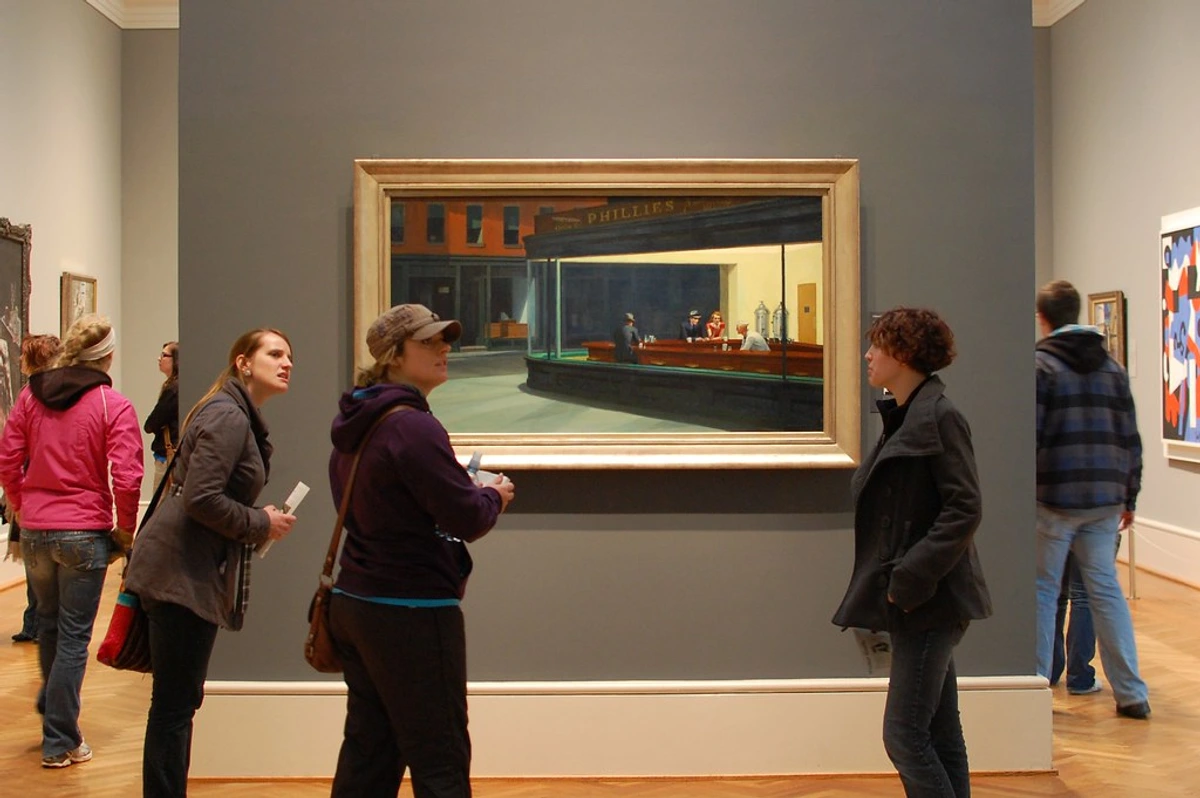
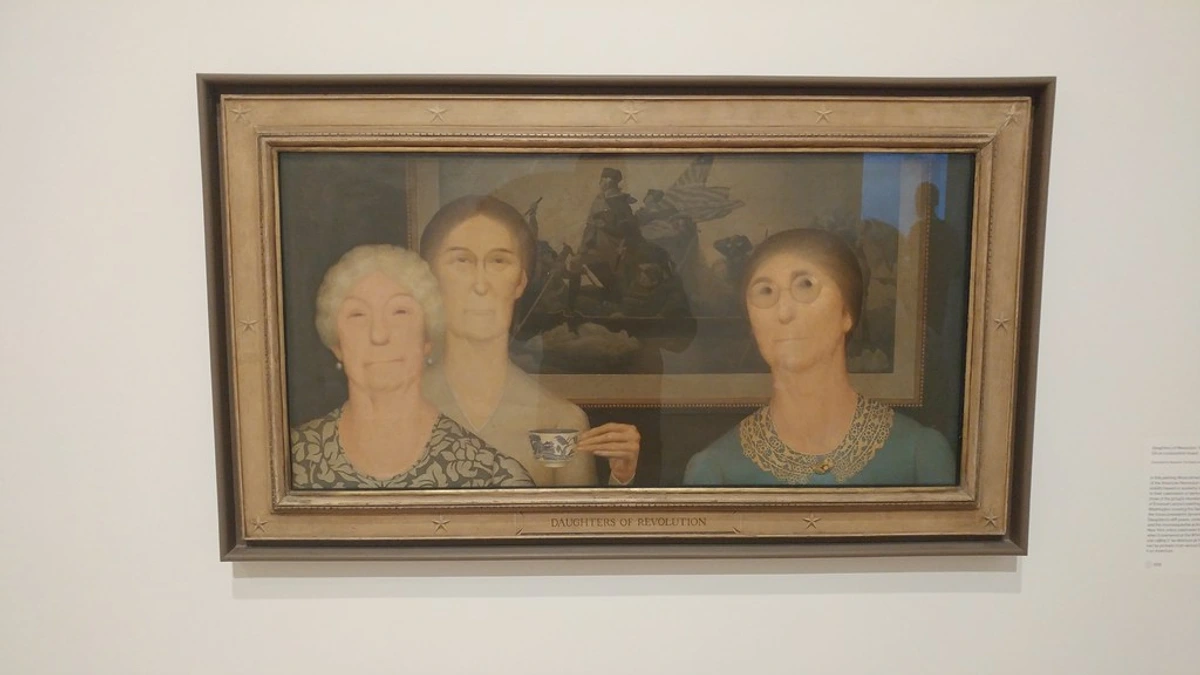
Nothing fractures a society more than a Great Depression. The 1930s saw the collapse of the economy and the shattering of the pervasive American optimism. In response, the government itself became one of the nation’s biggest patrons of the arts through the Works Progress Administration (WPA). This was a radical departure. For the first time, the federal government took a direct, active role in shaping the country’s cultural output.
This was art with a blunt, public purpose. Murals went up in post offices and government buildings, not for the elite, but for everyone. Artists like Jacob Lawrence, with his Migration Series, chronicled the Great Migration of African Americans from the rural South to the urban North. It was art as journalism, as social history. It gave a dignified face and a powerful narrative to a demographic shift that was reshaping the country, reflecting a government's desperate attempt to rebuild a sense of shared national identity through shared public art.
The scale of this public art initiative was unprecedented. Murals in post offices from California to Maine depicted local industries, regional history, and American ideals. Photographers like Dorothea Lange and Walker Evans, working for the Farm Security Administration, created an indelible visual record of American hardship and resilience. Dorothea Lange's Migrant Mother became one of the most recognized photographs in American history, transforming a specific moment of suffering into a universal symbol of dignity in the face of adversity. Art was no longer just reflection; it was a direct tool for social documentation and federal policy.
What fascinates me most about this era is how it redefined who art was for. Previously, fine art belonged to museums, private collections, and wealthy patrons. The WPA insisted that art should be accessible to everyone, that it should speak to the experiences of ordinary Americans, and that artists themselves deserved to make a living wage.
This era of direct commentary gave way to a different kind of reaction after World War II. As America flexed its new muscles as a global superpower, a wave of abstraction swept the art world. Abstract Expressionism, with figures like Jackson Pollock and Mark Rothko, seemed to turn its back on recognizable social issues. Was this a retreat? The movement also had a complex geopolitical dimension. During the Cold War, this non-representational, individualistic art was promoted globally by the U.S. government as a symbol of American freedom and creativity—a stark contrast to the state-mandated Socialist Realism of the Soviet Union.
The Return of the Real: Provocation and Pluralism
By the 1980s, the art world had fragmented completely. This was the end of any single, dominant narrative. After the detached cool of Pop and the cerebral nature of conceptual art, a new generation of artists brought raw reality back with a vengeance. This was an era defined by the culture wars, the AIDS crisis, the fallout of Reaganomics, and a deep cynicism toward authority. It felt as though every foundational pillar of American society was being questioned, and art became the arena for those fights.
Jean-Michel Basquiat erupted onto the scene, his graffiti-inspired canvases pulsating with the chaotic energy of downtown New York City. His paintings are dense palimpsests of text, symbols, and imagery drawn from Black history, pop culture, and his own psyche. They are powerful, often angry, critiques of power structures and racism. I look at his work and see the voice of a marginalized community shouting to be heard, using the visual language of the street to infiltrate the hallowed halls of high art.
At the same time, the pictures generation, led by artists like Cindy Sherman and Richard Prince, deconstructed the images that saturated our world. Sherman’s Untitled Film Stills, where she photographed herself in various archetypal female roles, wasn't self-portraiture; it was a brilliant critique of how women are portrayed and perceived in media and film. This marked the rise of Postmodernism, where art became deeply skeptical of grand narratives and focused instead on issues of identity, representation, and power. It was a reflection of a society that no longer believed in a single, unified "truth." Gallery activism, famously championed by groups like the Guerrilla Girls, used humor and facts to expose deep-seated inequalities, proving the fight for representation was far from over.
I don't think so. I see it as a reflection of a new kind of American psyche. Jackson Pollock's chaotic, sprawling canvases and Mark Rothko’s vast, meditative color fields spoke to the internal landscape. After the horrors of the war, how could one paint the world with simple clarity? This was art grappling with anxiety, scale, and a search for meaning in a universe that suddenly felt nuclear-powered and terrifyingly uncertain. It was less about what was happening in the streets and more about how it felt to be alive in that moment. Artists like Willem de Kooning added another layer, with his ferocious Woman series capturing a raw, psychological violence that perfectly mirrored the era's simmering tensions. This wasn't a retreat from reality, but a plunge into its psychological depths.
Art as the Voice of the Voiceless: The Struggle for Civil Rights and Identity
By the 1960s, the American social fabric was stretched to its breaking point. The mirror that art held up to society once again sharpened into a lens of focused protest and a powerful assertion of identity. The struggle for Civil Rights became the defining narrative, and art was on the front lines. This was different from the social realism of the 1930s. This wasn't just documenting hardship; it was actively demanding change and asserting a denied identity.
The political urgency of this era galvanized artists to create work with unambiguous political content. What strikes me as so distinctive about this period is how visual art became one part of a broader cultural uprising, interconnected with literature, music, and public protest. The sit-ins and freedom rides, the speeches and songs—art helped create the visual dimension of this resistance.
The emergence of collectives like the Black Arts Movement was a declaration of independence. This wasn't about seeking inclusion in the white art world; it was about building a new, parallel world. Their art was loud, political, and unapologetically Black. Artists such as Faith Ringgold used their work to tell powerful stories of Black life and resistance, while collectives in cities like Chicago and New York fostered a revolutionary aesthetic. It was a tool to build pride, solidarity, and political consciousness within a community that had been systematically ignored by mainstream culture.
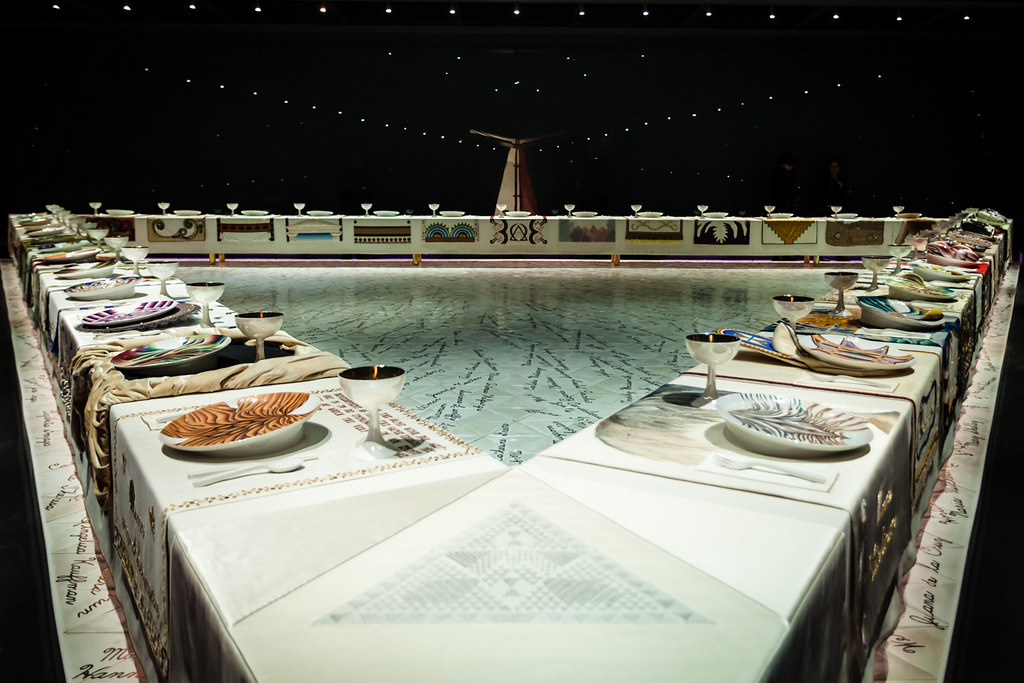
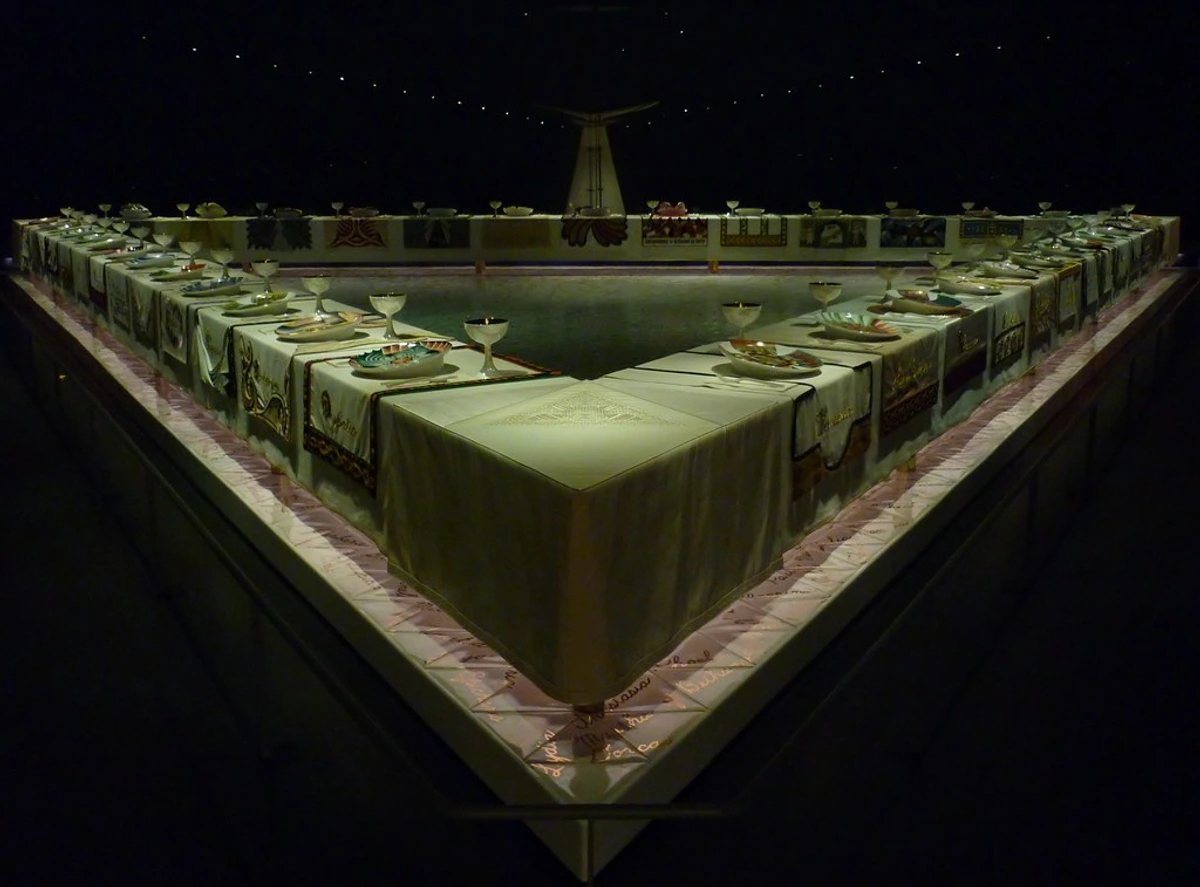
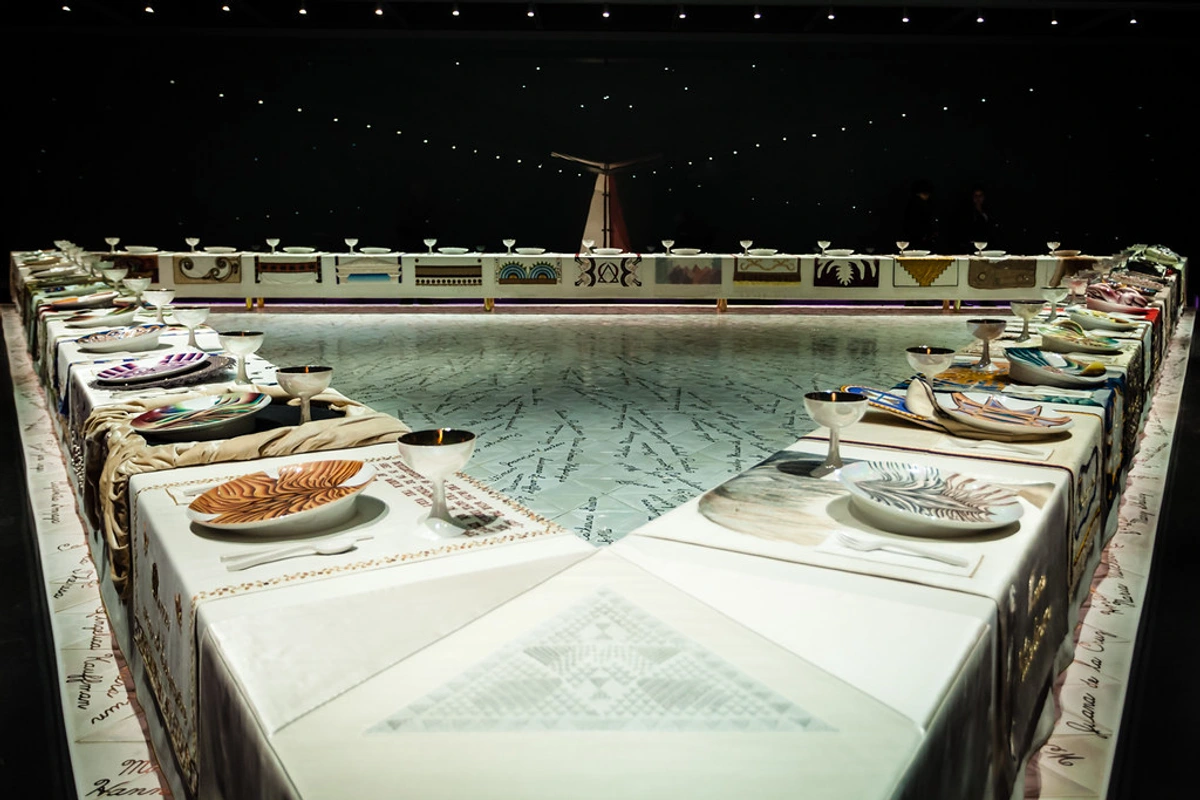
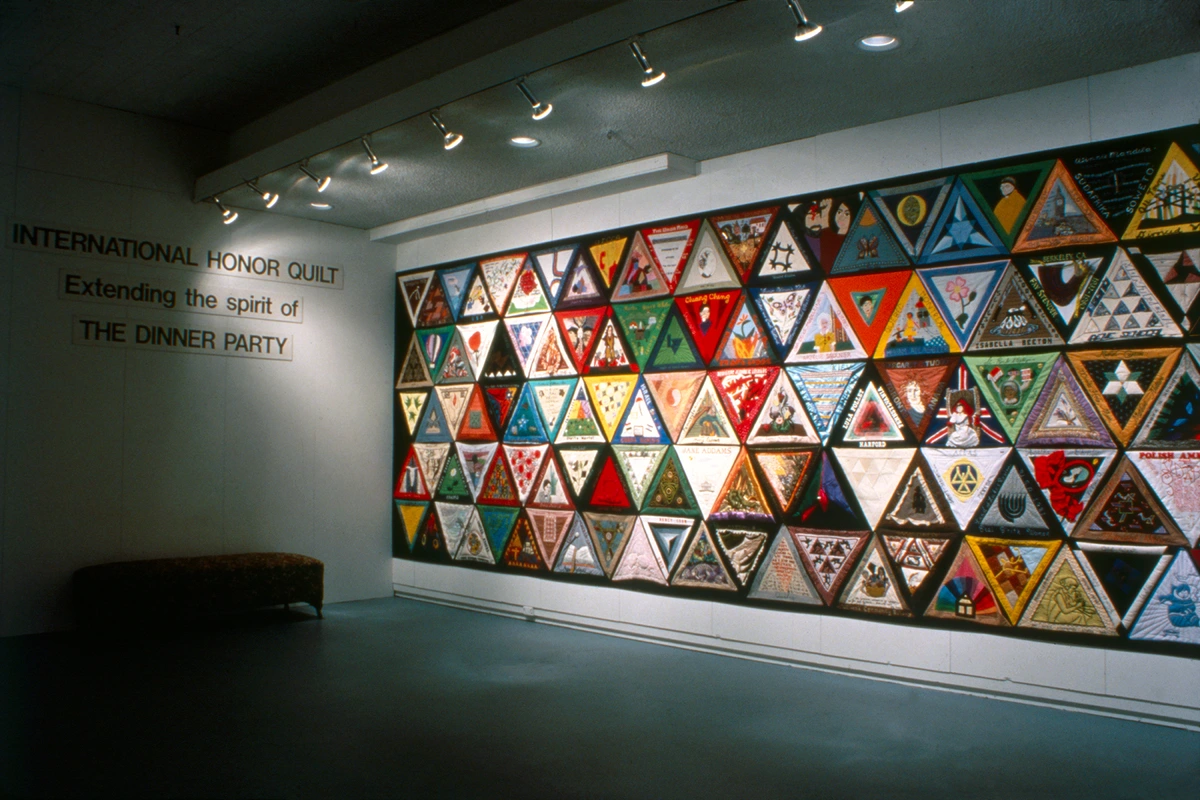
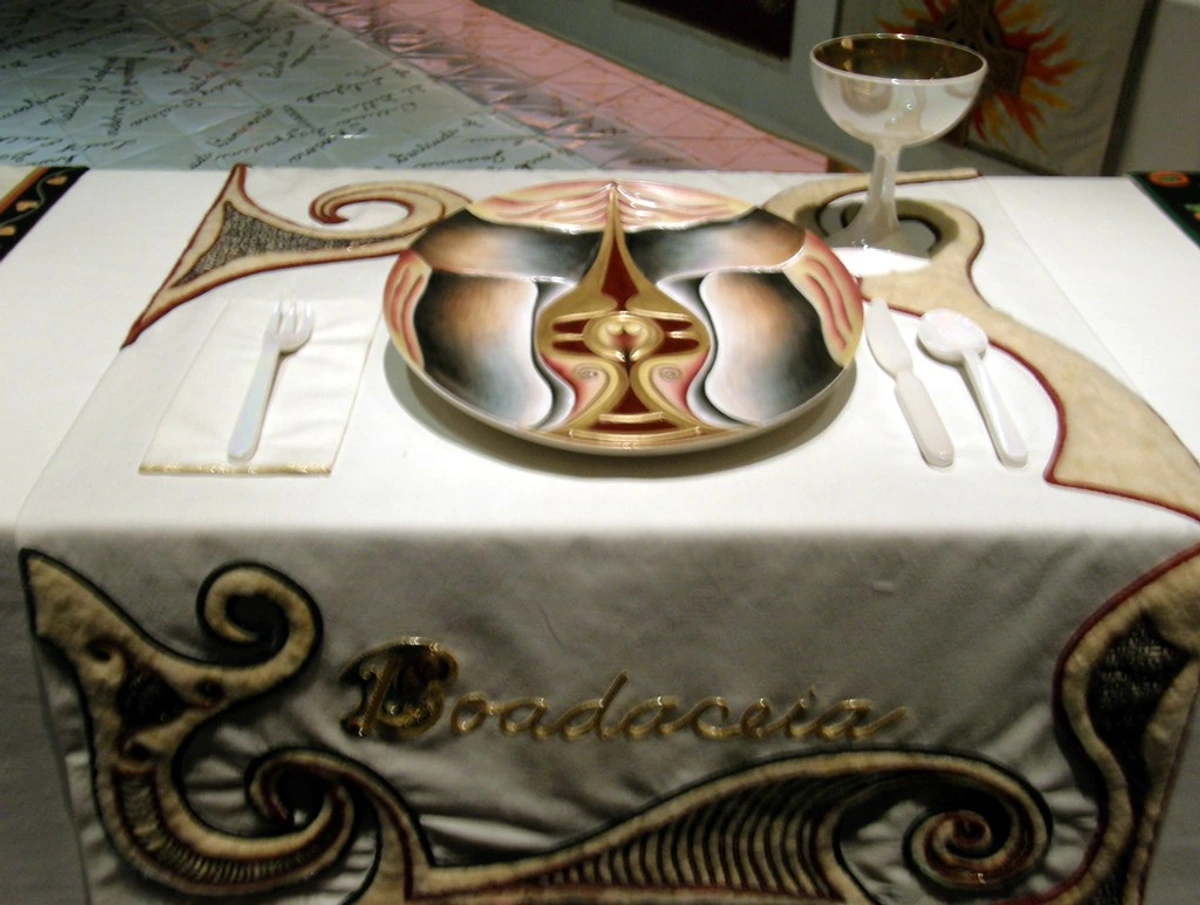
At the same time, movements like Feminist Art emerged, with artists like Judy Chicago demanding a place for the female experience in a history that had overwhelmingly been written by and for men. Her monumental work, The Dinner Party, wasn't just a dinner table; it was a reclamation of history. Each place setting was a tribute to a forgotten or marginalized woman. Artists like Carolee Schneemann pushed boundaries even further, using her own body in performance pieces to challenge taboos and dismantle the male gaze. This wasn't just art for galleries; it was an urgent, vital form of activism that fundamentally changed the conversation, directly reflecting a society in the painful, necessary process of confronting its own deep-seated inequalities. These movements proved that art wasn't just reflecting the news; it was an active participant in making it.
The Age of the Image: Pop Art and the Consumer Society
If Abstract Expressionism was about the soul, the next major movement was a sharp, almost cynical turn toward the surface of things. As the post-war economic boom hit its stride, America became a culture dominated by mass media, advertising, and celebrity. Art, as always, was watching. The Pop Art movement didn't just observe this new reality; it dove in headfirst. It embraced the very things high culture had traditionally dismissed as trivial.
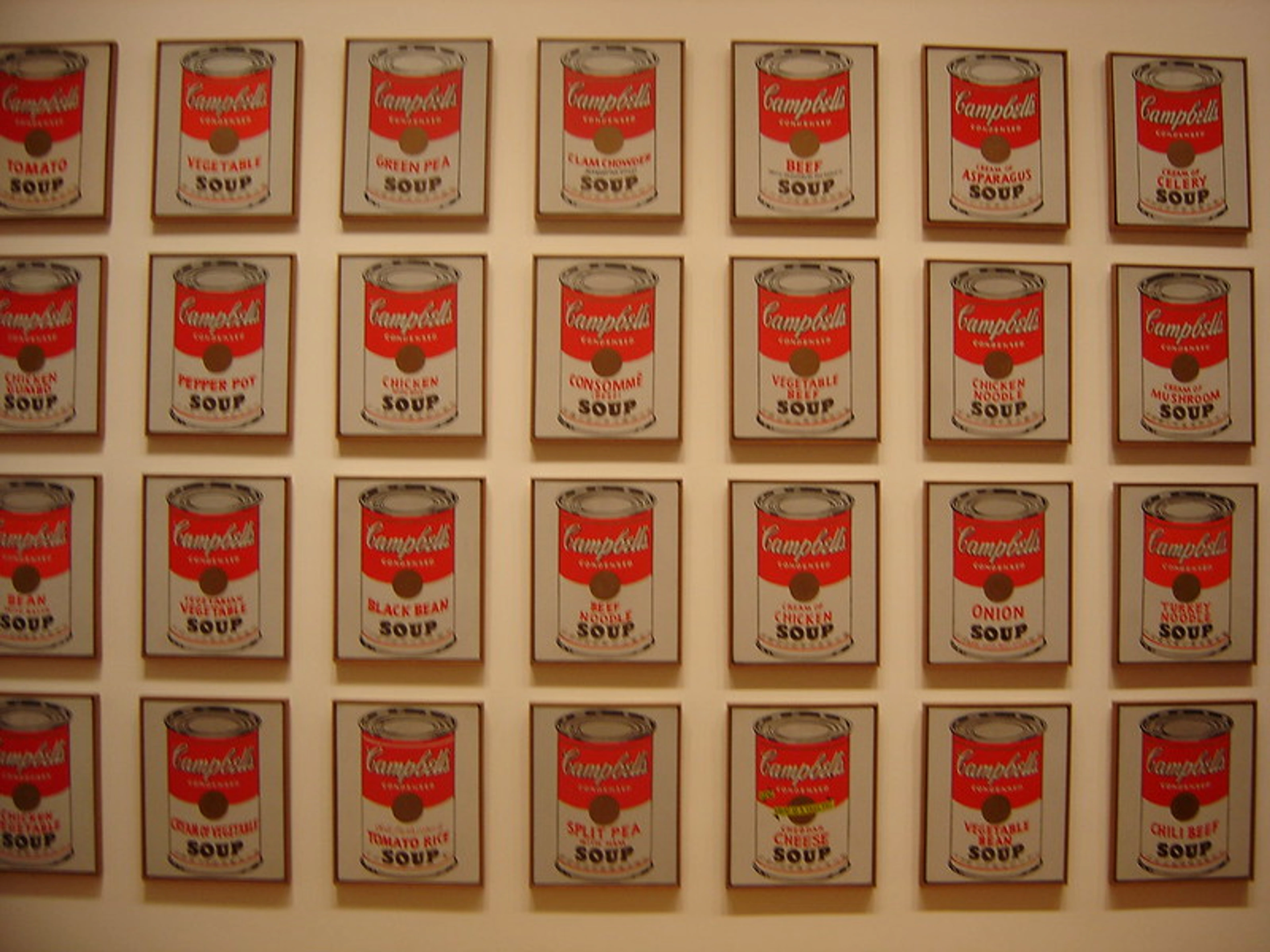
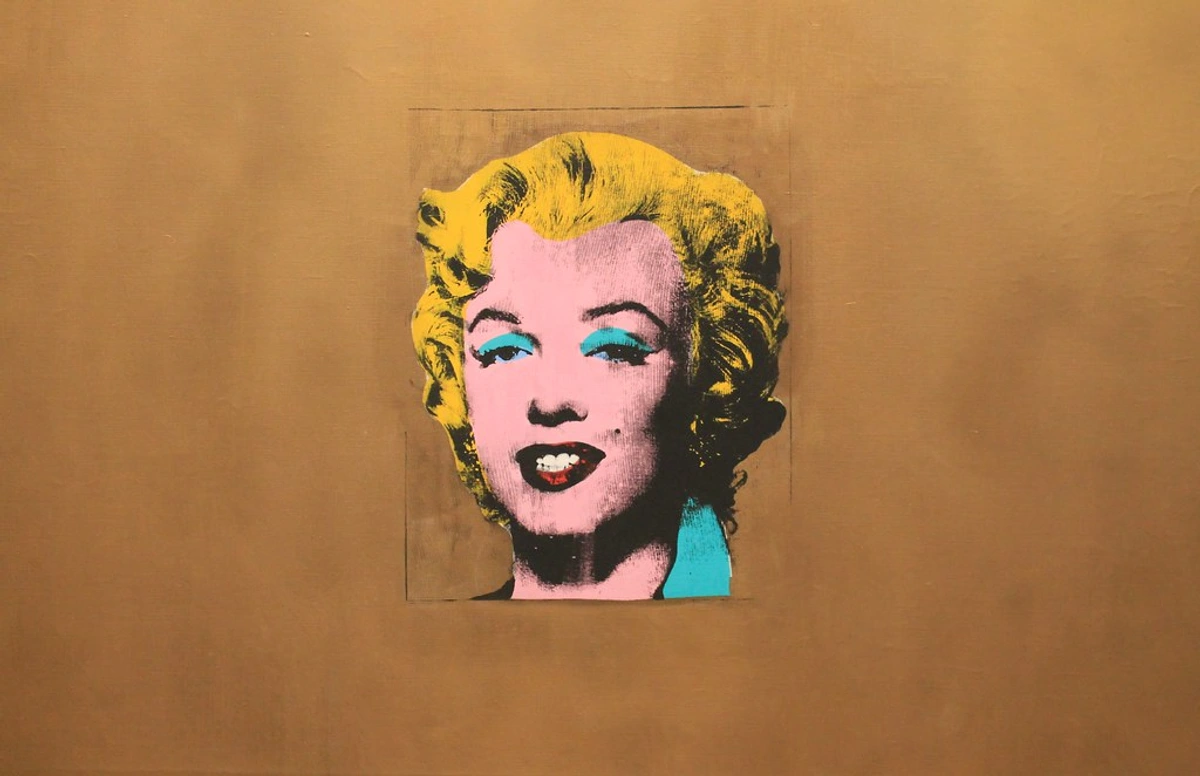
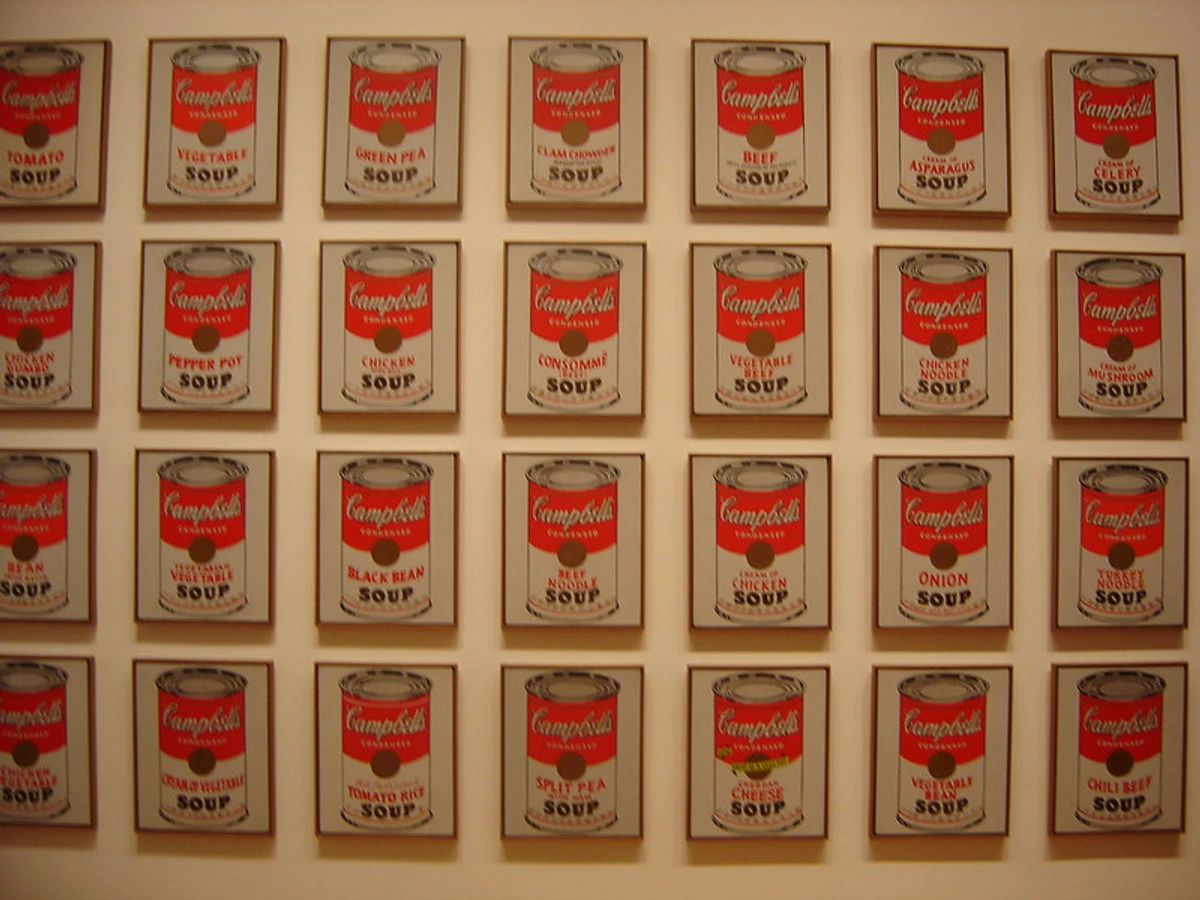
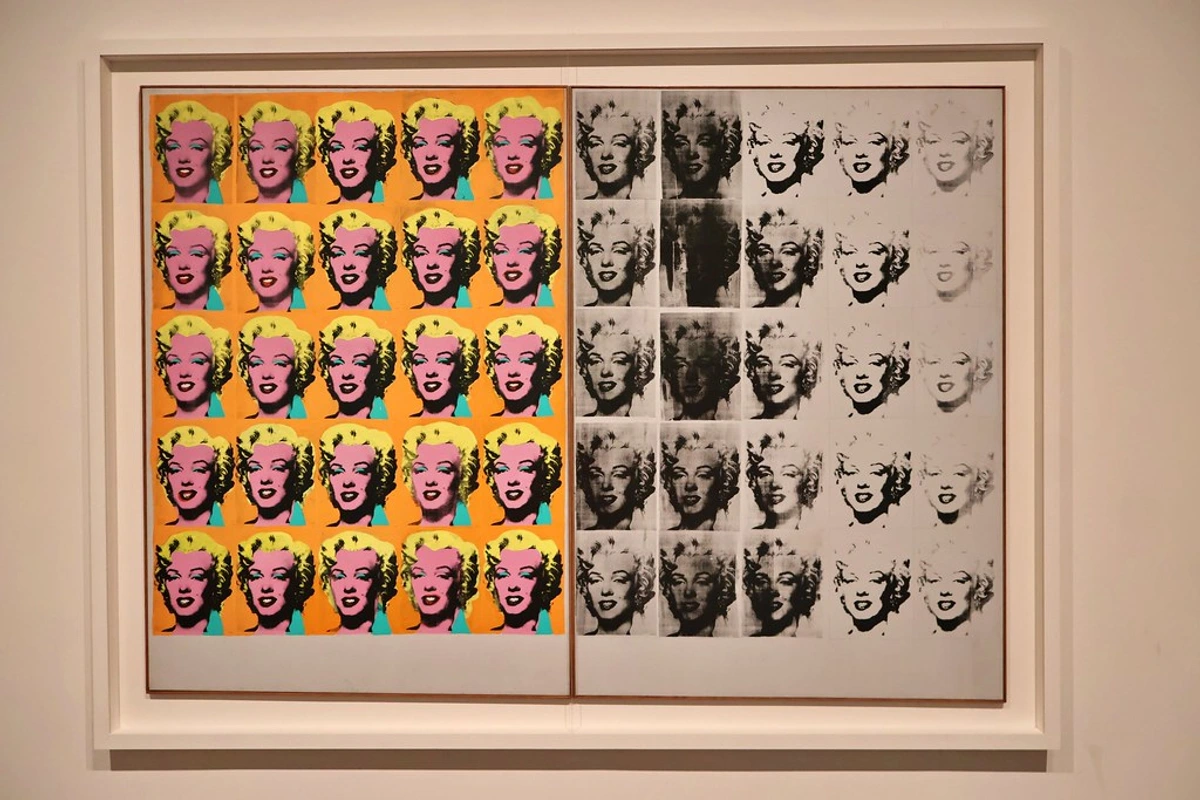
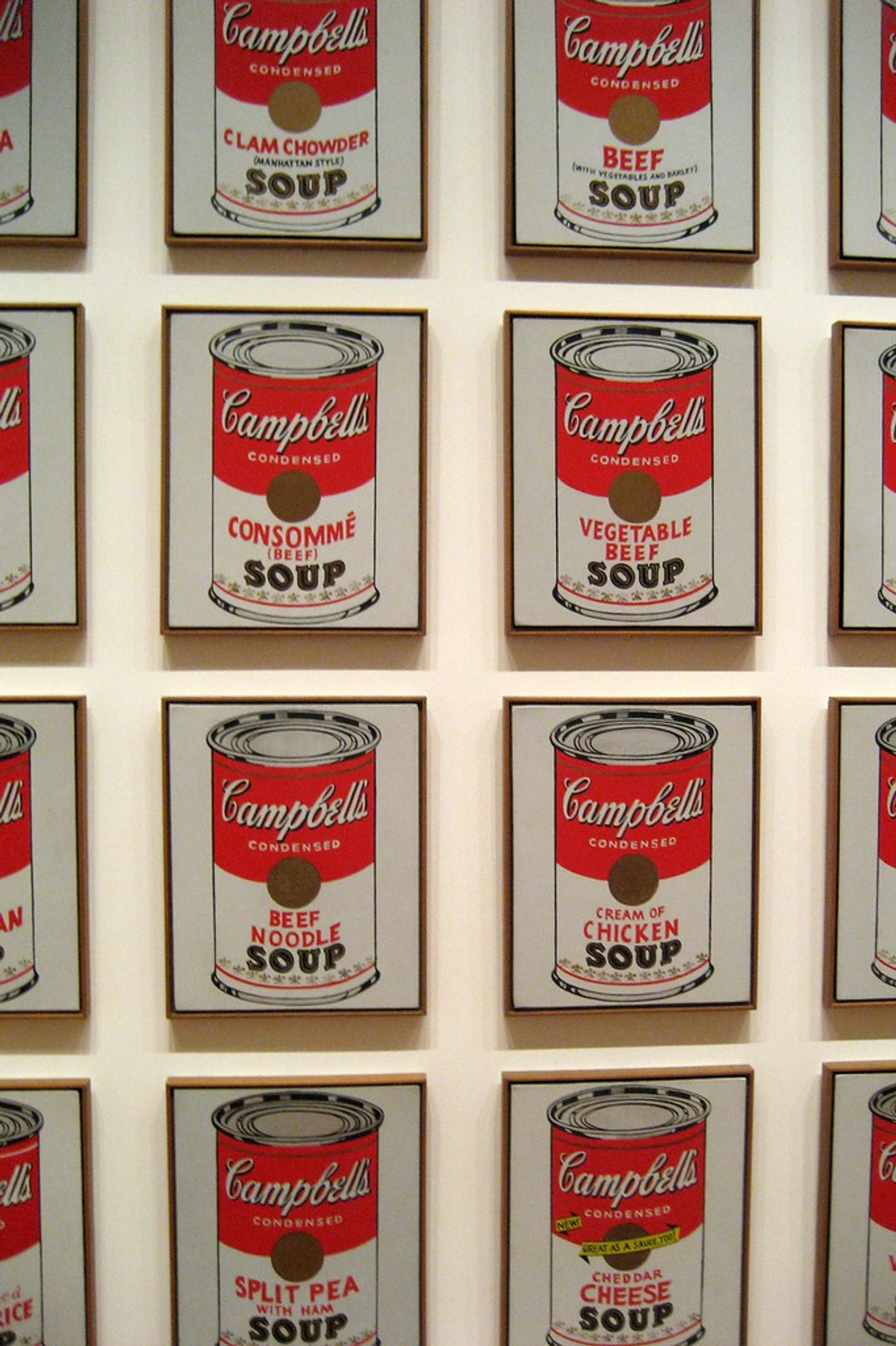
You can't talk about Pop Art without talking about Andy Warhol. His fascination with Campbell's soup cans and images of Marilyn Monroe wasn't just a celebration of consumer culture; it was a mirror held up to the new American obsession with fame, repetition, and manufactured desire. By reproducing these ubiquitous images, Warhol forced a question: in a world saturated with brand logos and celebrity faces, what is authentic? What is original? His art perfectly captured the strange mix of fascination and emptiness at the heart of the modern consumer experience. This raised a critical question about value itself in an age where a picture of a soup can could become as revered as a classical masterpiece.