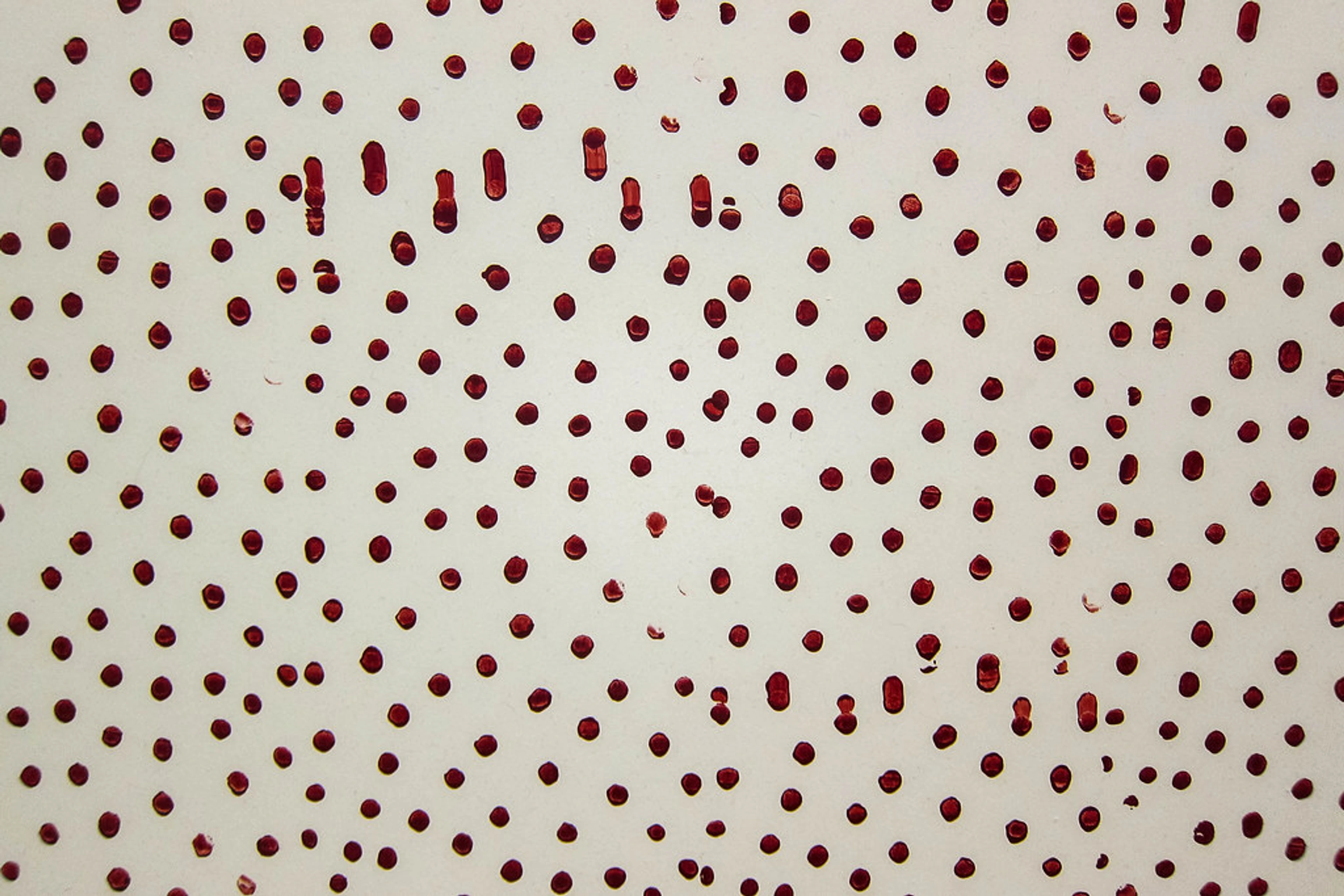
Applying Fundamental Elements of Art
Discover how to effectively use the fundamental elements of art in your creative practice with this comprehensive guide.

Applying Fundamental Elements of Art
I remember the first time I stood in front of a blank canvas, overwhelmed by the sheer possibility of it all. The colors, the shapes, the emotions—where do you even begin? That's when I realized the importance of understanding the fundamental elements of art. These are the building blocks that artists use to create visually compelling work. Let's dive into how you can apply these elements in your own creative practice.
Art is not just about talent; it's about understanding the tools and techniques that can bring your vision to life. Whether you're a beginner or an experienced artist, mastering these elements can elevate your work to new heights. In this guide, we'll explore each element in detail, providing practical tips and examples to help you apply them effectively.
Art is a journey of self-expression and discovery. Whether you're a beginner or an experienced artist, mastering these elements can elevate your work to new heights. In this guide, we'll explore each element in detail, providing practical tips and examples to help you apply them effectively.
Art is not just about talent; it's about understanding the tools and techniques that can bring your vision to life. Whether you're a beginner or an experienced artist, mastering these elements can elevate your work to new heights. In this guide, we'll explore each element in detail, providing practical tips and examples to help you apply them effectively.
Understanding these elements is like learning the alphabet before writing a novel. It's the foundation upon which you can build your unique artistic voice. Remember, the goal is not to master each element in isolation, but to understand how they work together to create a cohesive and compelling visual experience.

Key Concepts
Line
The line is perhaps the most basic element of art, but don't let its simplicity fool you. Lines can be straight, curved, thick, thin, or even implied. They can guide the viewer's eye, create texture, and convey emotion. Think about how a jagged line might evoke tension, while a smooth, flowing line can suggest calmness.
Lines are not just about drawing; they are about storytelling. They can define boundaries, create movement, and even evoke emotions. For example, vertical lines often convey strength and stability, while horizontal lines can evoke a sense of calm and tranquility. Experiment with different types of lines to see how they can enhance your artwork.
Types of Lines
Type of Line  | Characteristics | |
|---|---|---|
| Straight | Precise, structured | Strength, stability |
| Curved | Fluid, organic | Calmness, movement |
| Thick | Bold, prominent | Emphasis, power |
| Thin | Delicate, subtle | Fragility, elegance |
| Implied | Suggested, not drawn | Mystery, intrigue |
Understanding the emotional impact of lines can help you convey specific moods and messages in your artwork. For instance, using thick, bold lines can create a sense of power and emphasis, while thin, delicate lines can evoke fragility and elegance.

Shape
Shapes are enclosed spaces defined by lines or changes in color or value. They can be geometric (like squares and circles) or organic (like leaves and clouds). Shapes help to define objects and create a sense of depth in your artwork.
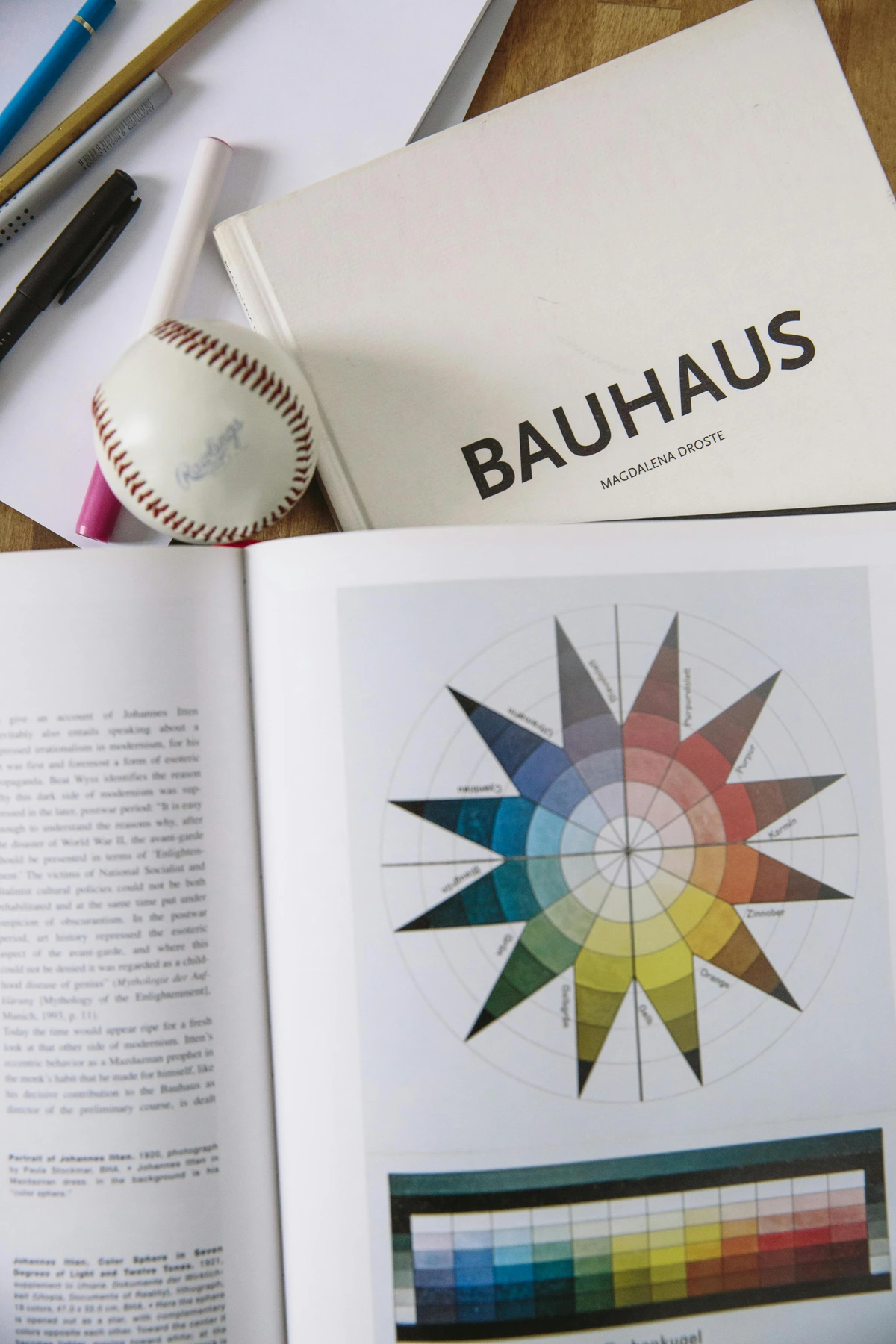
Shapes are the building blocks of your composition. They can be used to create patterns, convey meaning, and even evoke emotions. For example, geometric shapes often convey a sense of order and stability, while organic shapes can evoke a sense of natural beauty and fluidity. Experiment with different shapes to see how they can enhance your artwork.
Types of Shapes
Type of Shape | Characteristics | Emotional Impact |
|---|---|---|
| Geometric | Precise, structured | Order, stability |
| Organic | Irregular, natural | Fluidity, spontaneity |
Geometric shapes are often associated with man-made objects and structures, while organic shapes are reminiscent of nature. Both types of shapes can be used to create a sense of depth and interest in your artwork.
Form
Form refers to the three-dimensional aspects of objects. It's what gives a shape volume and makes it appear solid. Artists use techniques like shading and perspective to create the illusion of form on a two-dimensional surface.
Form is what brings your artwork to life. It can create a sense of depth and realism, making your artwork more engaging and immersive. Experiment with different techniques to see how you can create the illusion of form in your artwork.
Form is what brings your artwork to life. It can create a sense of depth and realism, making your artwork more engaging and immersive. Experiment with different techniques to see how you can create the illusion of form in your artwork.
Techniques for Creating Form
Technique | Description | Effect |
|---|---|---|
| Shading | Gradual transition of light and dark | Depth, realism |
| Perspective | Creating the illusion of distance | Spatial awareness |
| Highlighting | Emphasizing light areas | Focus, dimension |
Shading is one of the most effective techniques for creating the illusion of form. By gradually transitioning from light to dark, you can create a sense of depth and realism in your artwork. Perspective, on the other hand, helps to create the illusion of distance, making your artwork more spatially aware.
Space
Space is the area around, between, and within objects. It can be positive (the objects themselves) or negative (the empty spaces). Understanding space helps you to create a sense of depth and composition in your artwork.
Space is not just about the objects in your artwork; it's about the relationship between them. It can create a sense of balance, harmony, and even tension. Experiment with different compositions to see how you can use space to enhance your artwork.
Space is not just about the objects in your artwork; it's about the relationship between them. It can create a sense of balance, harmony, and even tension. Experiment with different compositions to see how you can use space to enhance your artwork.
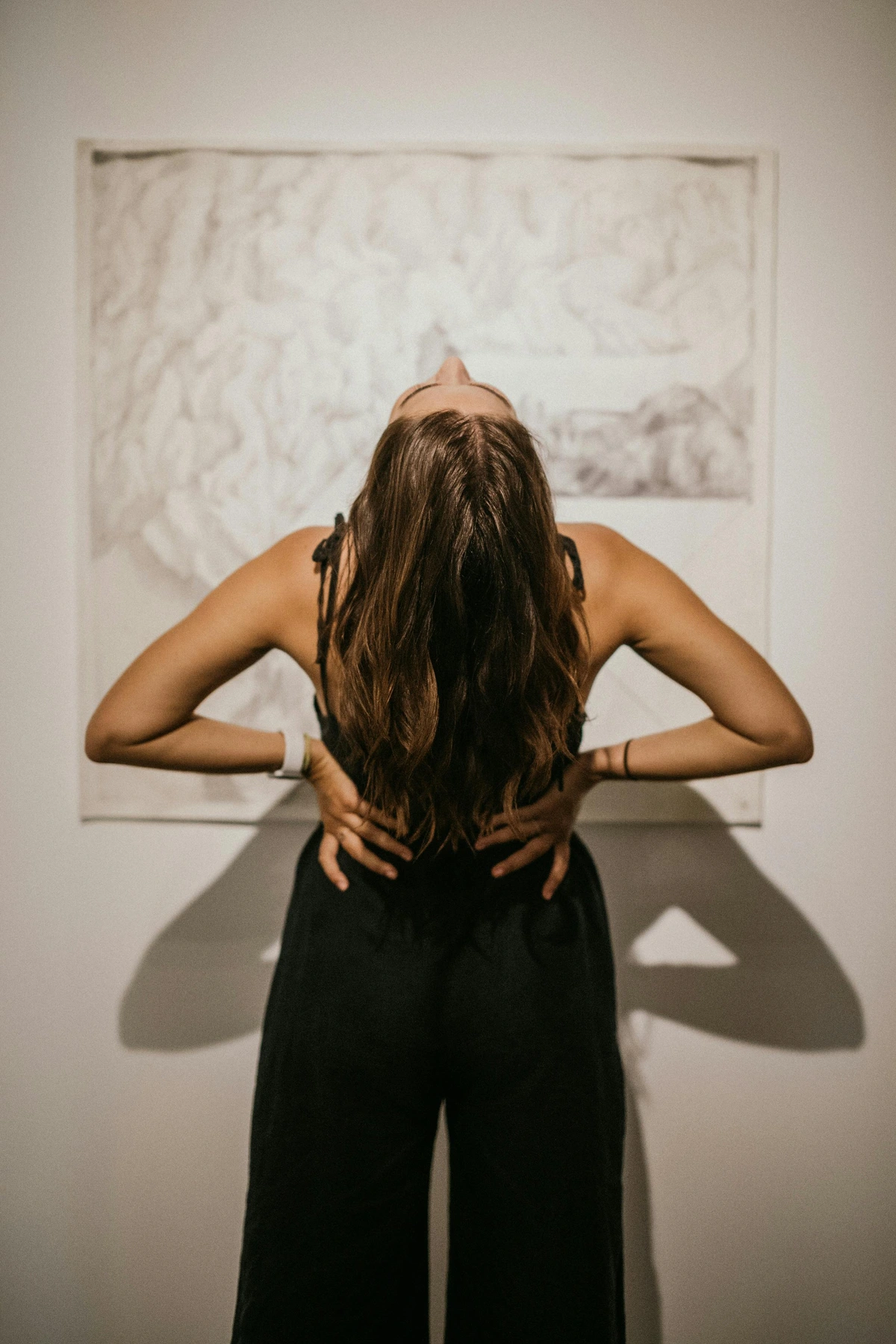
Space is not just about the objects in your artwork; it's about the relationship between them. It can create a sense of balance, harmony, and even tension. Experiment with different compositions to see how you can use space to enhance your artwork.
Types of Space
Type of Space | Description | Effect |
|---|---|---|
| Positive | Occupied by objects | Focus, structure |
| Negative | Empty areas | Balance, contrast |
Positive space is occupied by the main subjects of your artwork, while negative space is the empty area around them. Both are equally important in creating a balanced and visually appealing composition.
Positive space is occupied by the main subjects of your artwork, while negative space is the empty area around them. Both are equally important in creating a balanced and visually appealing composition.
Color
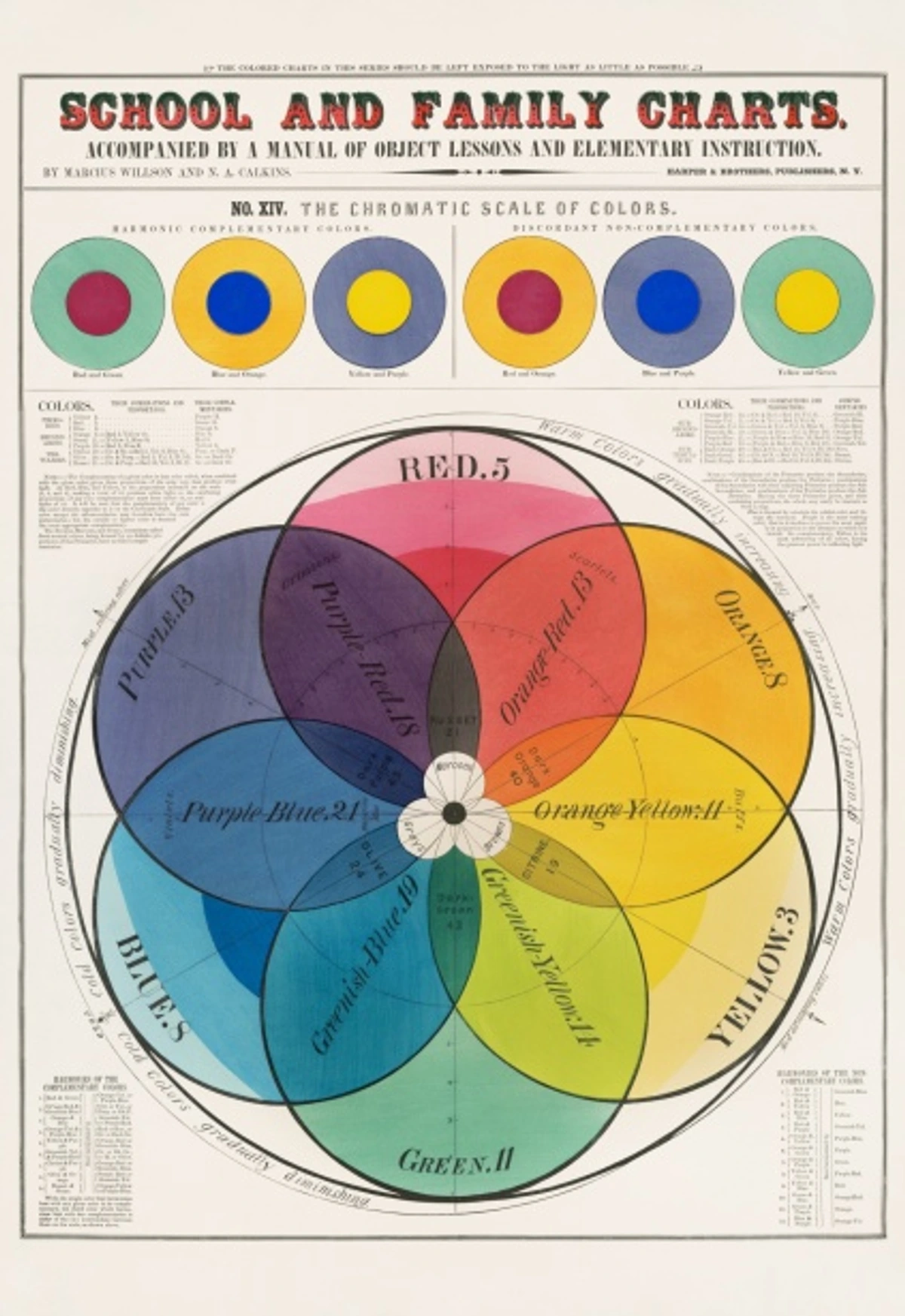
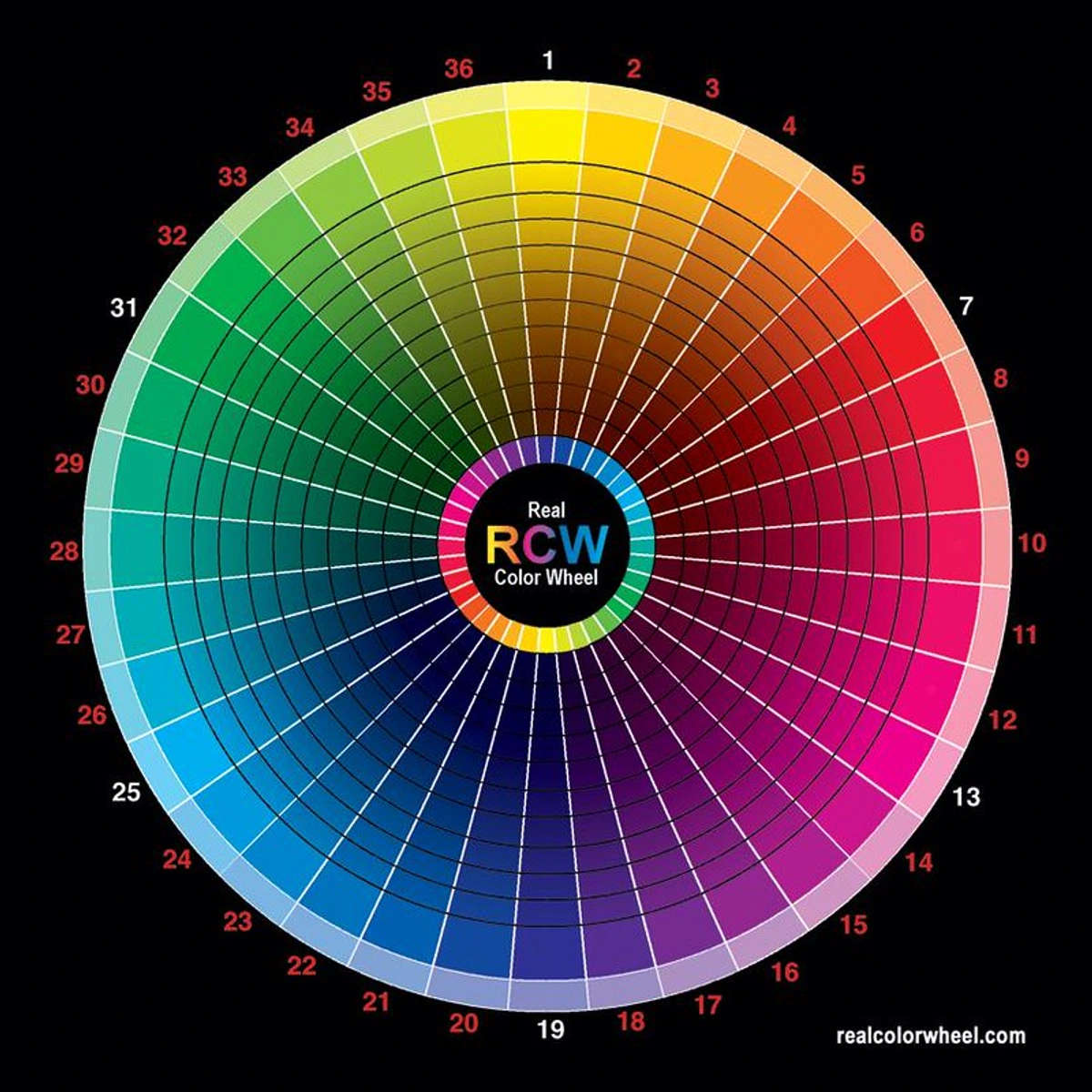
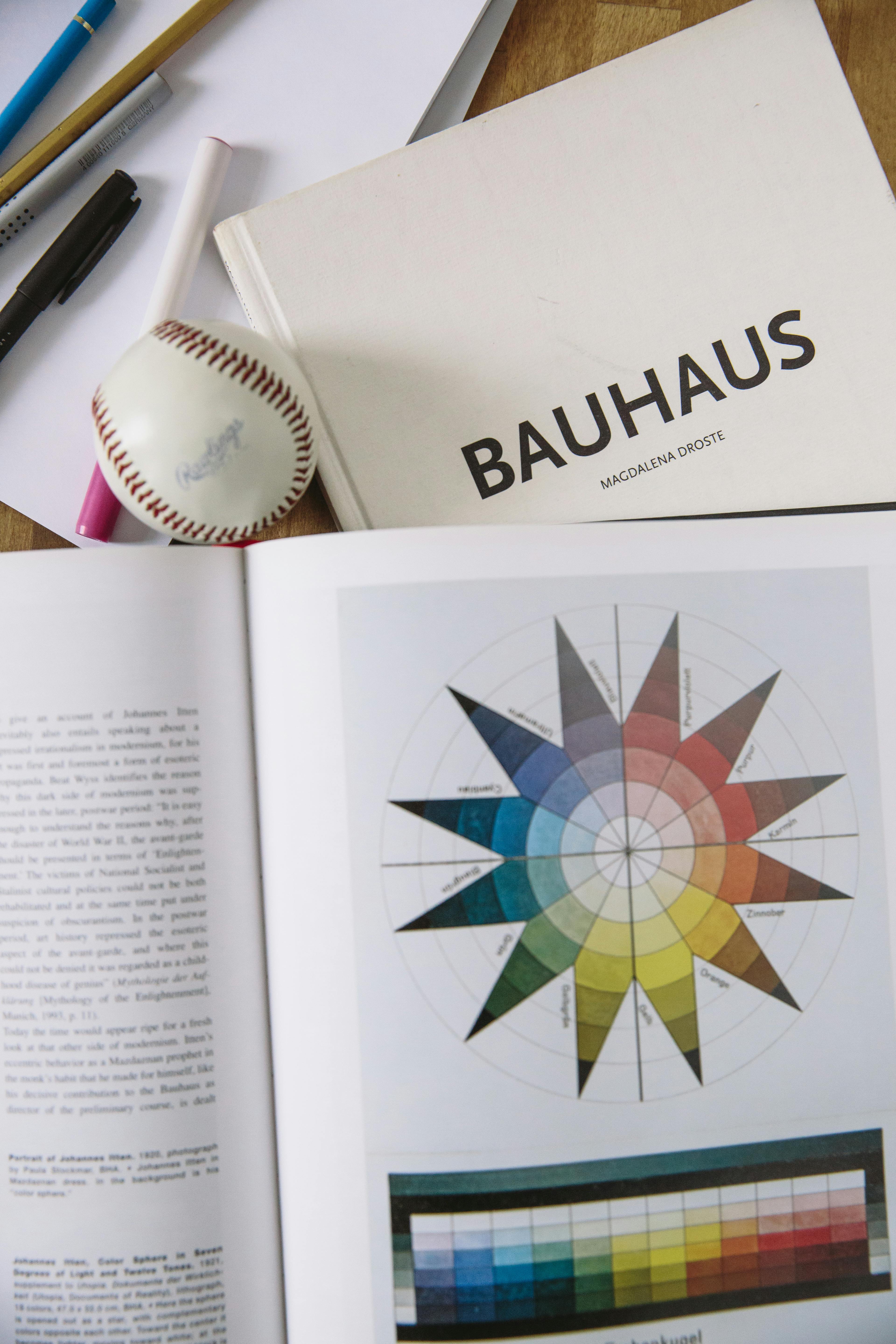
Color is one of the most expressive elements of art. It can evoke emotions, create mood, and draw attention. The color wheel is a useful tool for understanding color relationships, such as complementary, analogous, and triadic colors.
Color is a powerful tool that can transform your artwork. It can create contrast, evoke emotions, and even convey meaning. Experiment with different color palettes to see how they can enhance your artwork.
Color is a powerful tool that can transform your artwork. It can create contrast, evoke emotions, and even convey meaning. Experiment with different color palettes to see how they can enhance your artwork.
Color Relationships
Relationship | Description | Effect |
|---|---|---|
| Complementary | Opposite colors on the wheel | High contrast, vibrancy |
| Analogous | Adjacent colors on the wheel | Harmony, cohesion |
| Triadic | Three evenly spaced colors | Balance, diversity |
Complementary colors are opposite each other on the color wheel and create high contrast and vibrancy. Analogous colors, which are adjacent on the wheel, create harmony and cohesion. Triadic colors, evenly spaced around the wheel, offer a balance of diversity and unity.
Complementary colors are opposite each other on the color wheel and create high contrast and vibrancy. Analogous colors, which are adjacent on the wheel, create harmony and cohesion. Triadic colors, evenly spaced around the wheel, offer a balance of diversity and unity.
Texture
Texture refers to the surface quality of an object. It can be actual (felt with the touch) or implied (suggested visually). Texture adds depth and interest to your artwork.
Texture is what makes your artwork tactile and engaging. It can create a sense of depth, add visual interest, and even evoke emotions. Experiment with different techniques to see how you can add texture to your artwork.
Texture is what makes your artwork tactile and engaging. It can create a sense of depth, add visual interest, and even evoke emotions. Experiment with different techniques to see how you can add texture to your artwork.
Texture is what makes your artwork tactile and engaging. It can create a sense of depth, add visual interest, and even evoke emotions. Experiment with different techniques to see how you can add texture to your artwork.
Types of Texture
Type of Texture | Description | Effect |
|---|---|---|
| Actual | Physical surface quality | Tactile engagement |
| Implied | Visual suggestion of texture | Depth, realism |
Actual texture is the physical surface quality of an object, which can be felt with the touch. Implied texture, on the other hand, is a visual suggestion of texture that adds depth and realism to your artwork.
Value
Value is the lightness or darkness of a color. It's crucial for creating contrast, depth, and emphasis in your artwork. Understanding value helps you to create a sense of three-dimensionality on a two-dimensional surface.
Value is what gives your artwork depth and dimension. It can create contrast, evoke emotions, and even convey meaning. Experiment with different values to see how they can enhance your artwork.
Value is what gives your artwork depth and dimension. It can create contrast, evoke emotions, and even convey meaning. Experiment with different values to see how they can enhance your artwork.

Value is what gives your artwork depth and dimension. It can create contrast, evoke emotions, and even convey meaning. Experiment with different values to see how they can enhance your artwork.
Techniques for Using Value
Technique | Description | Effect |
|---|---|---|
| Chiaroscuro | Strong contrast between light and dark | Drama, intensity |
| Gradation | Smooth transition of values | Softness, subtlety |
| Hatching | Parallel lines to create shading | Texture, depth |
Chiaroscuro is a technique that uses strong contrasts between light and dark to create drama and intensity. Gradation, on the other hand, involves a smooth transition of values to create softness and subtlety. Hatching uses parallel lines to create shading, adding texture and depth to your artwork.
Examples
Line
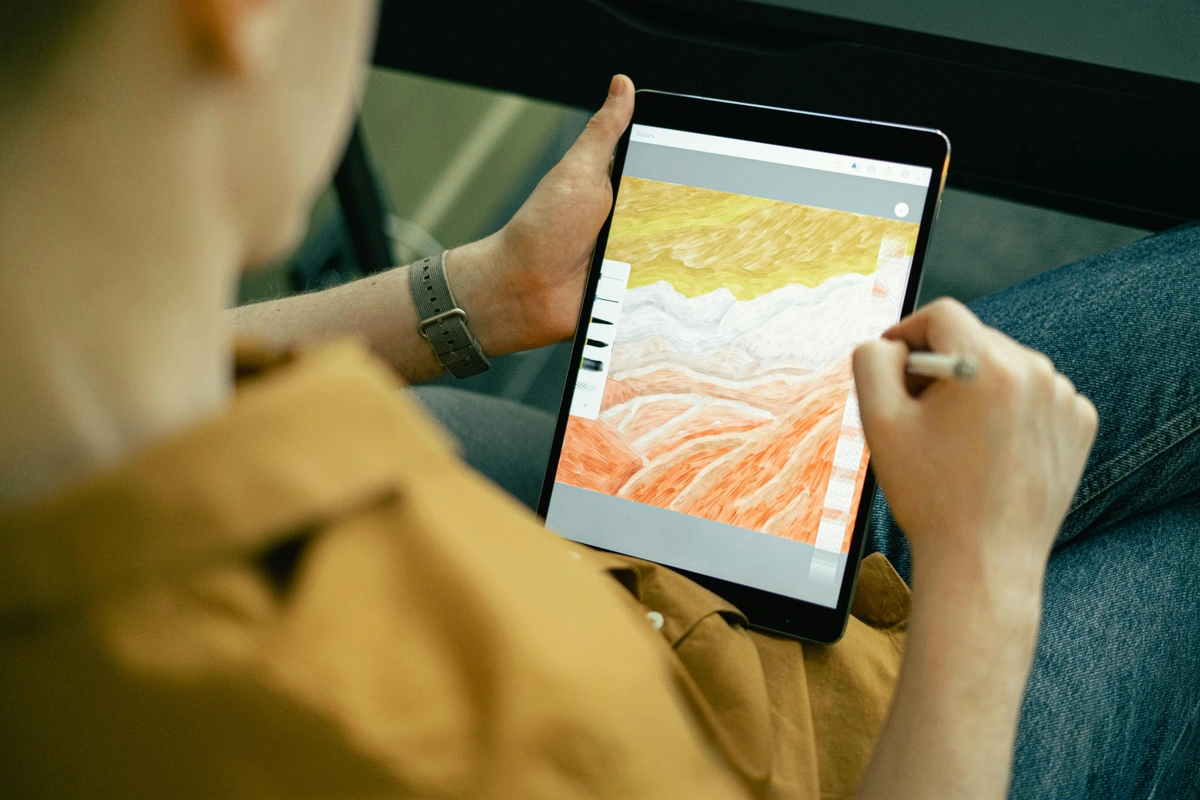
Look at how the artist uses bold, sweeping lines to create a sense of movement and energy. The lines guide your eye through the composition, creating a dynamic visual experience.
Lines can be used in various ways to create different effects. For example, diagonal lines can create a sense of movement and energy, while horizontal lines can create a sense of calm and stability. Experiment with different types of lines to see how they can enhance your artwork.
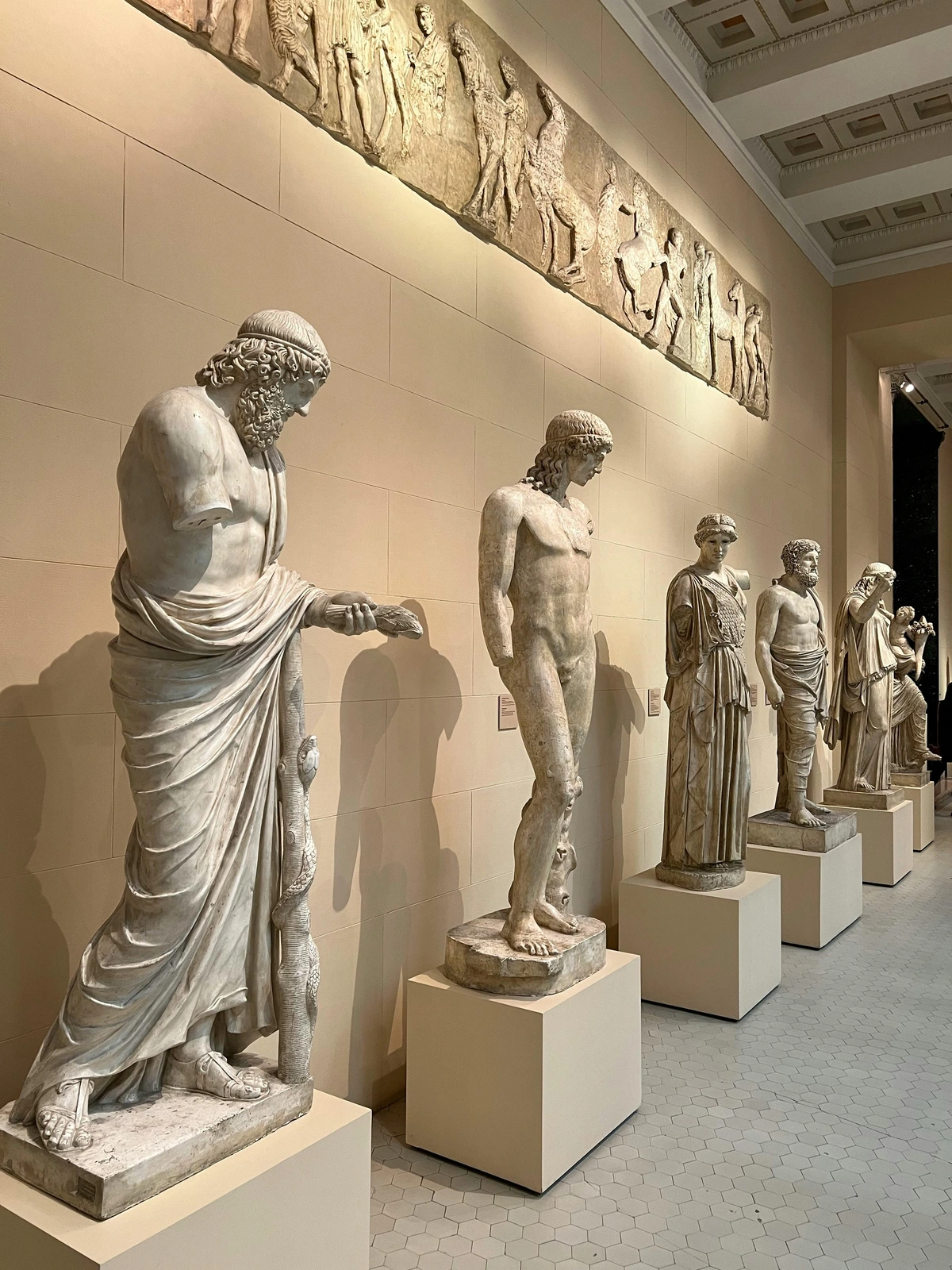
Practical Applications of Lines
Application | Description | Example |
|---|---|---|
| Contour Drawing | Outlining shapes with continuous lines | Sketching a portrait |
| Gestural Drawing | Capturing movement with loose, expressive lines | Drawing a dancer in motion |
| Cross-Hatching | Using intersecting lines to create shading | Adding depth to a landscape |
Contour drawing involves outlining shapes with continuous lines, which is a great way to practice your drawing skills. Gestural drawing, on the other hand, captures movement with loose, expressive lines, making it ideal for drawing dynamic subjects like dancers. Cross-hatching uses intersecting lines to create shading, adding depth and texture to your artwork.

Shape

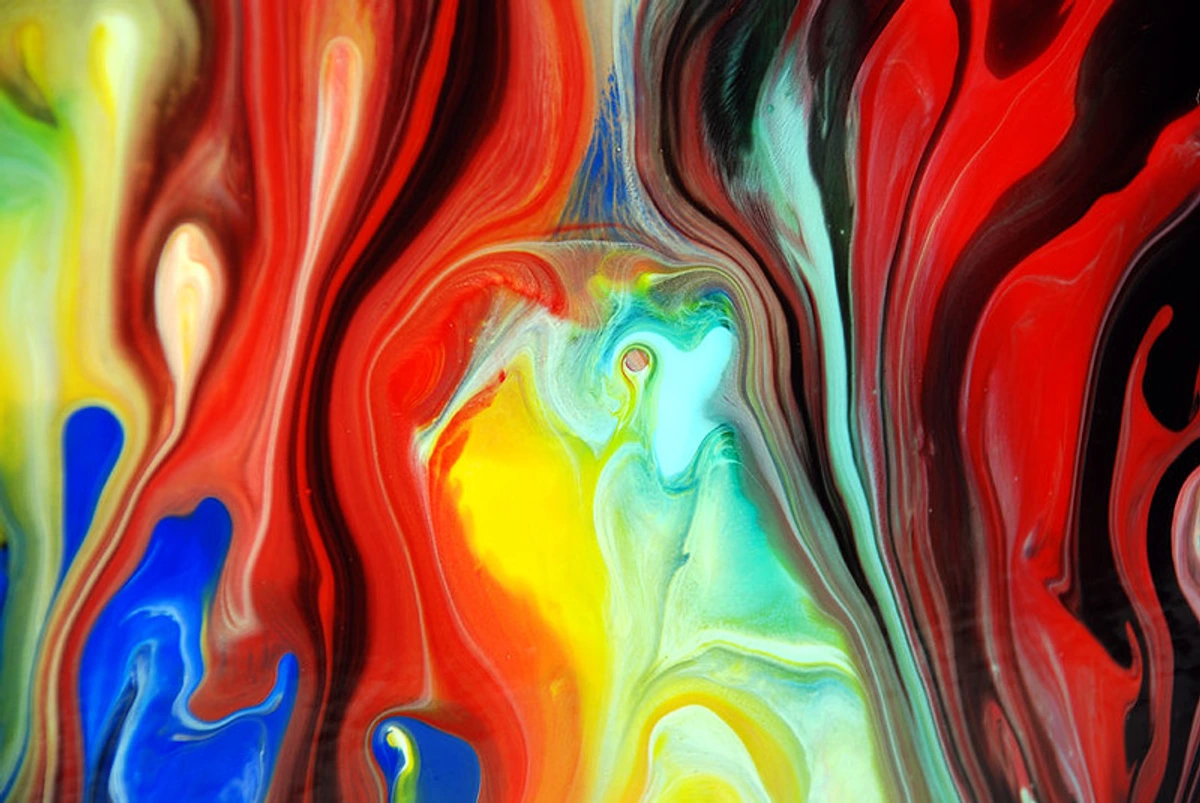
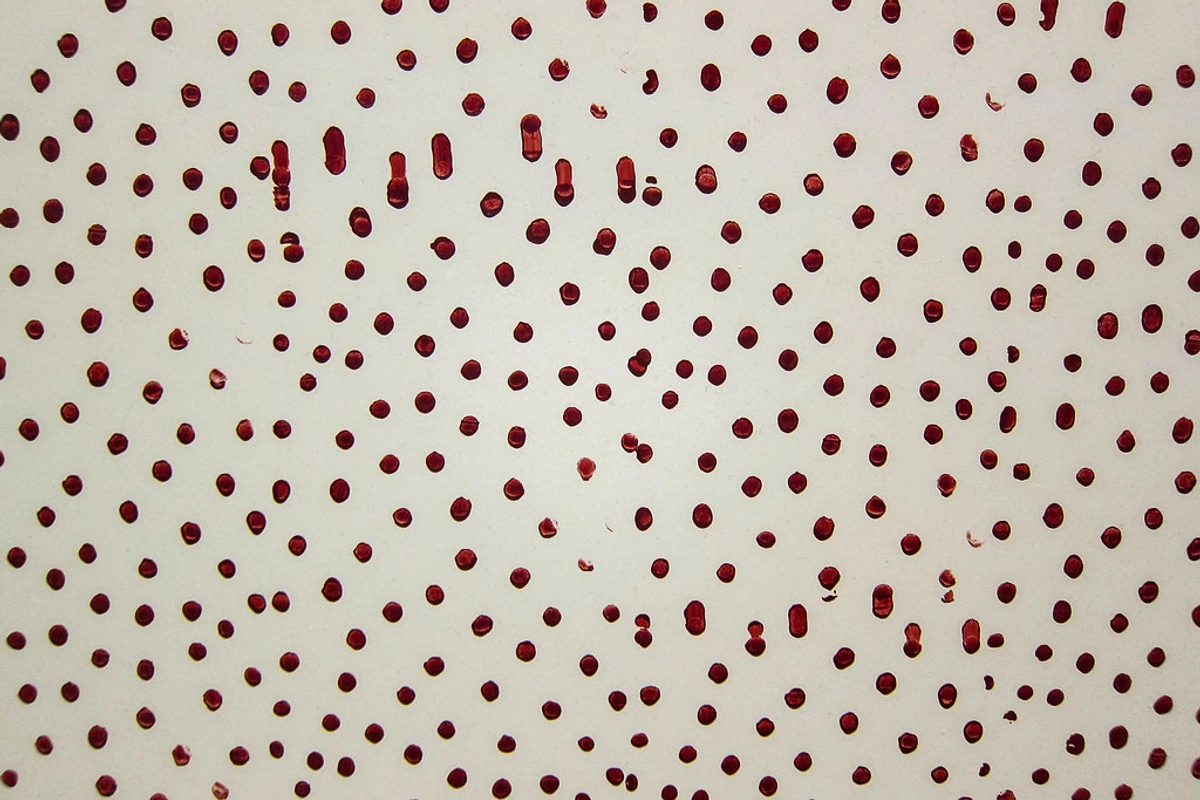
In this piece, the artist uses geometric shapes to create a sense of order and structure. The shapes are arranged in a way that draws your eye to the center of the composition.
Shapes can be used to create patterns, convey meaning, and even evoke emotions. For example, geometric shapes often convey a sense of order and stability, while organic shapes can evoke a sense of natural beauty and fluidity. Experiment with different shapes to see how they can enhance your artwork.
Practical Applications of Shapes
Application | Description | Example |
|---|---|---|
| Collage | Combining shapes to create a composition | Mixed-media artwork |
| Silhouette | Using shapes to define a subject | Portrait in profile |
| Pattern Design | Repeating shapes to create a motif | Textile design |
Collage involves combining shapes to create a composition, which is a great way to experiment with different shapes and textures. Silhouette uses shapes to define a subject, making it ideal for creating striking portraits. Pattern design involves repeating shapes to create a motif, which is commonly used in textile design.
Form
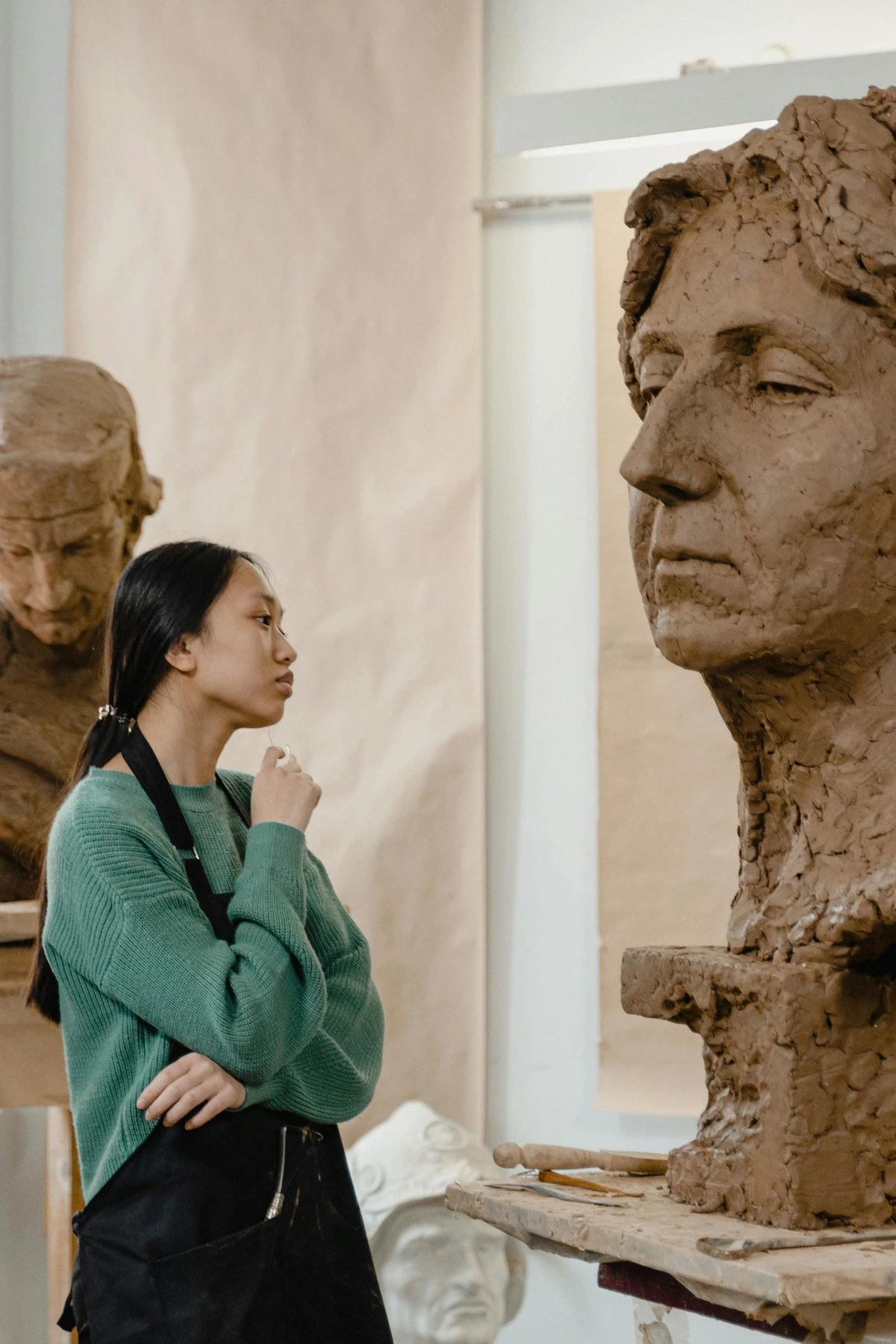
Here, the artist uses shading and perspective to create the illusion of three-dimensional form. The objects appear solid and tangible, even though they're painted on a flat surface.
Practical Applications of Form
Application | Description | Example |
|---|---|---|
| Sculpture | Creating three-dimensional objects | Clay modeling |
| Still Life | Depicting objects with depth and volume | Painting a bowl of fruit |
| Architecture | Designing structures with form and function | Building design |
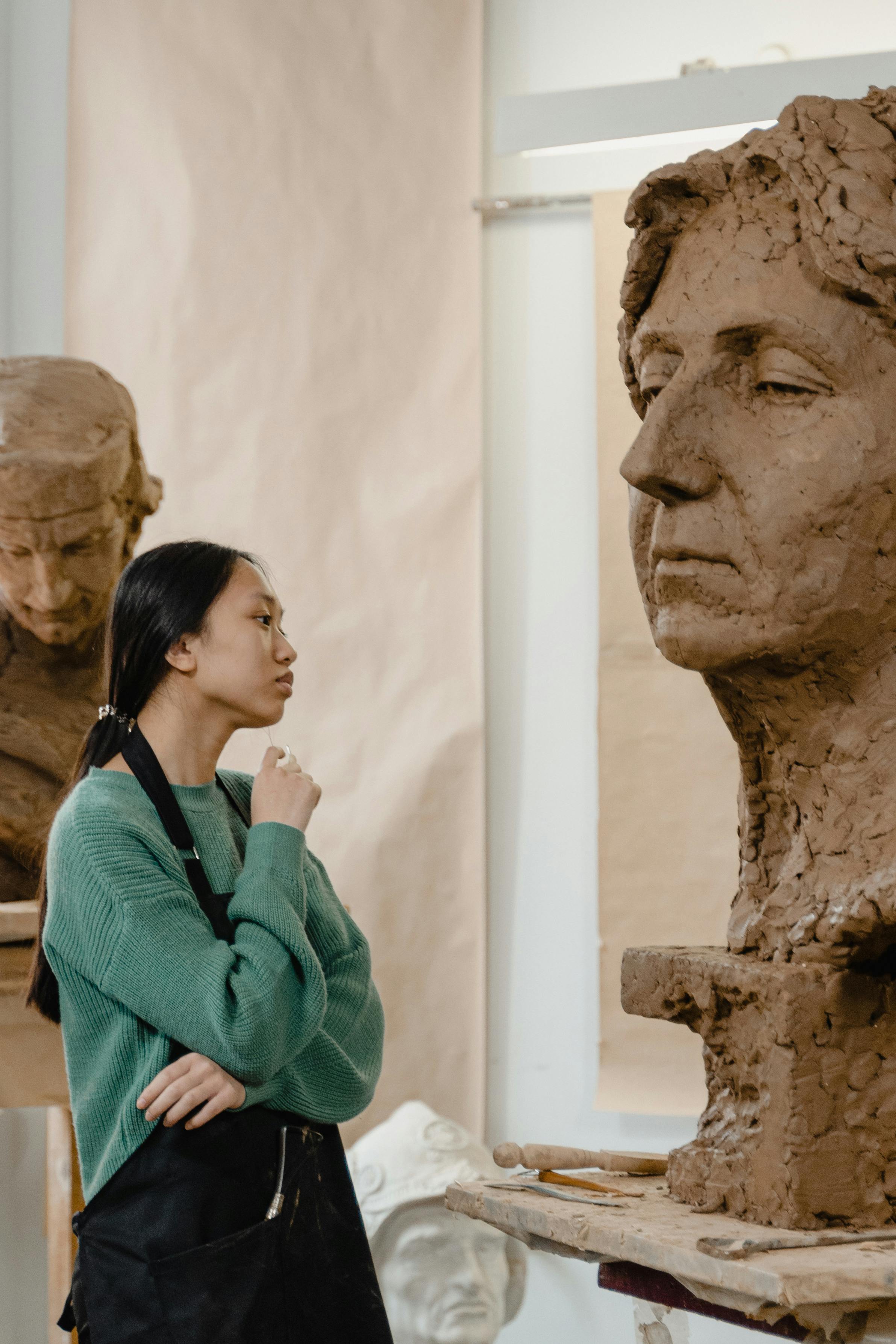
Sculpture involves creating three-dimensional objects, which is a great way to explore form and space. Still life involves depicting objects with depth and volume, making it ideal for practicing shading and perspective. Architecture involves designing structures with form and function, which is a great way to explore the relationship between form and space.
Sculpture involves creating three-dimensional objects, which is a great way to explore form and space. Still life involves depicting objects with depth and volume, making it ideal for practicing shading and perspective. Architecture involves designing structures with form and function, which is a great way to explore the relationship between form and space.
Space
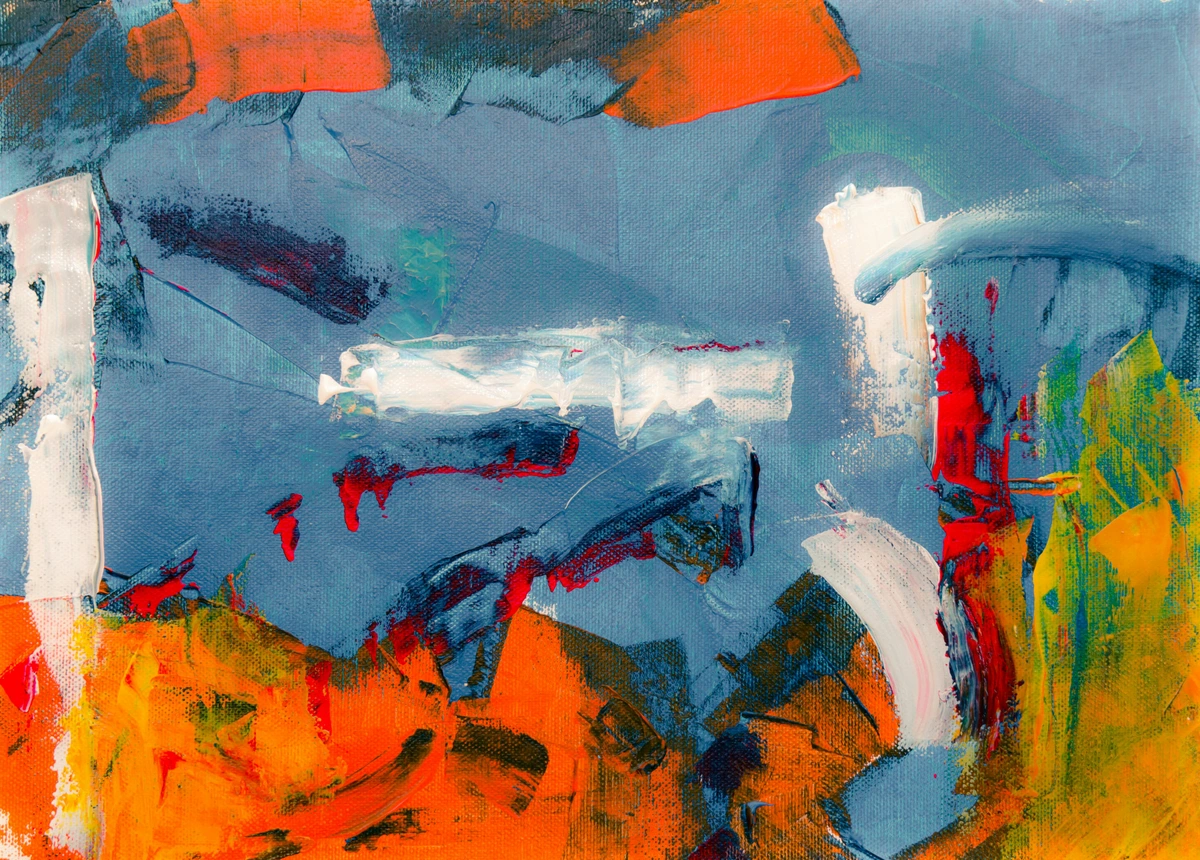
This artwork demonstrates the effective use of space. The artist has balanced the positive and negative spaces to create a harmonious composition.
Space is not just about the objects in your artwork; it's about the relationship between them. It can create a sense of balance, harmony, and even tension. Experiment with different compositions to see how you can use space to enhance your artwork.
Practical Applications of Space
Application | Description | Example |
|---|---|---|
| Composition | Arranging elements to create balance | Landscape painting |
| Perspective Drawing | Creating the illusion of depth | Architectural sketch |
| Minimalism | Using space to emphasize simplicity | Abstract art |
Composition involves arranging elements to create balance, which is a great way to explore the relationship between positive and negative space. Perspective drawing involves creating the illusion of depth, making it ideal for practicing spatial awareness. Minimalism involves using space to emphasize simplicity, which is a great way to explore the relationship between form and space.
Color
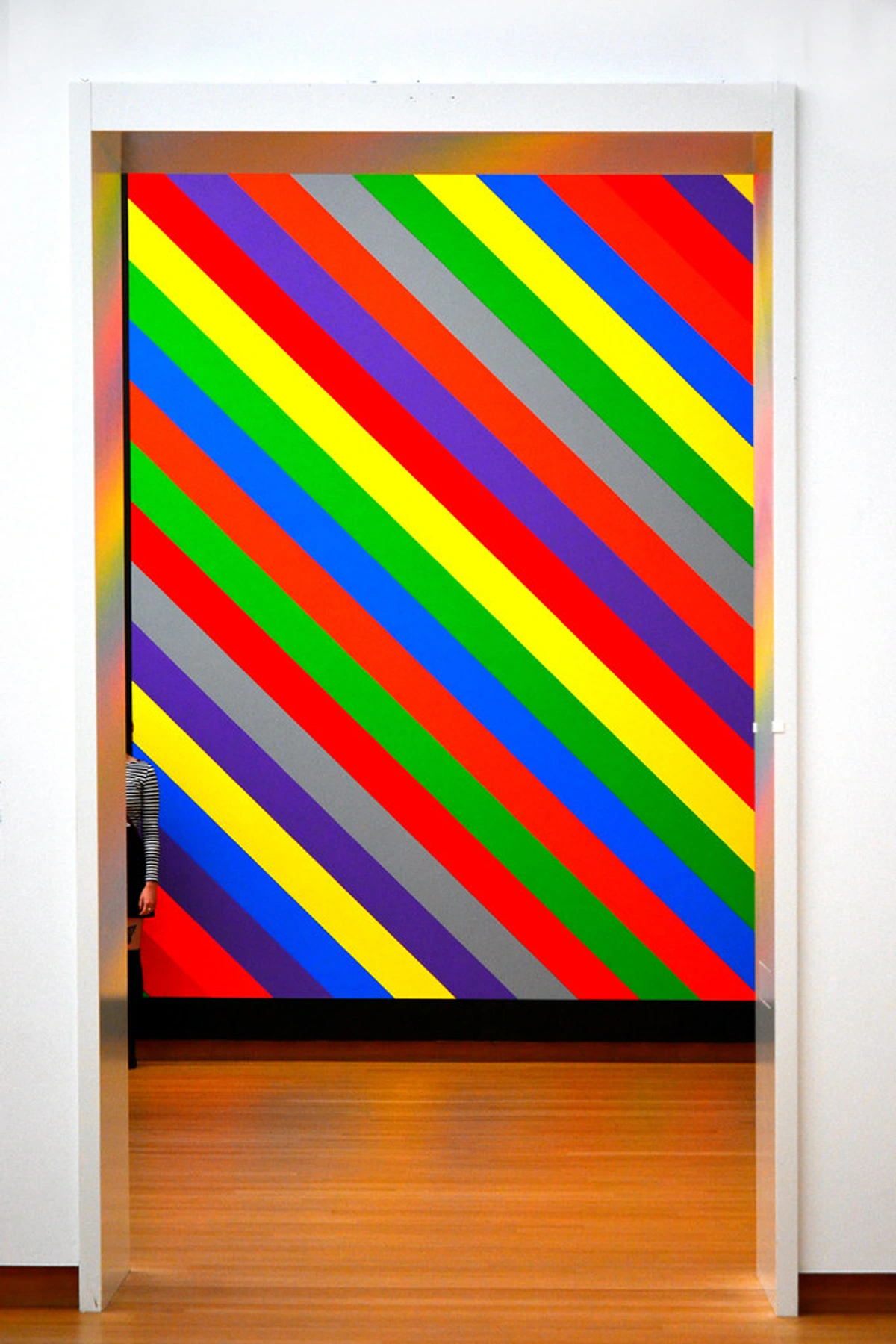
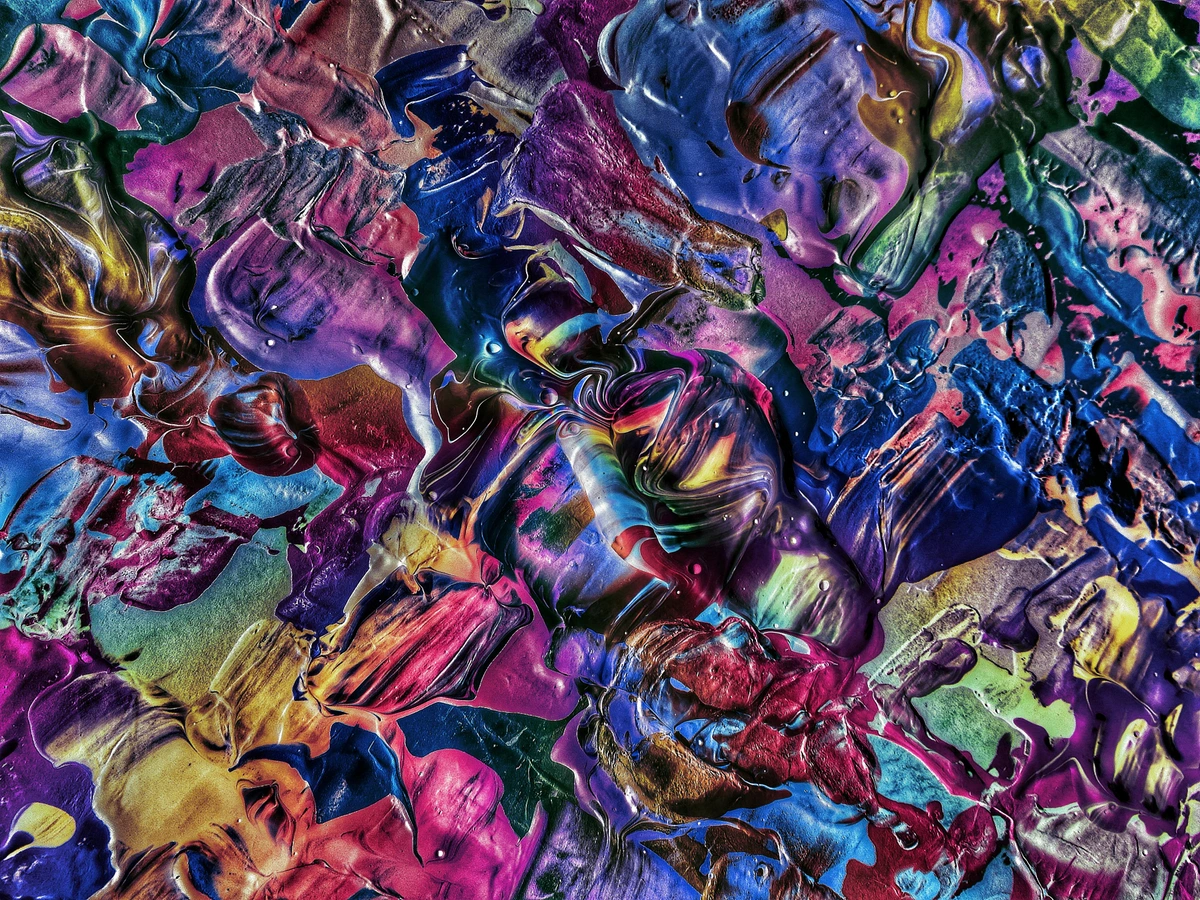
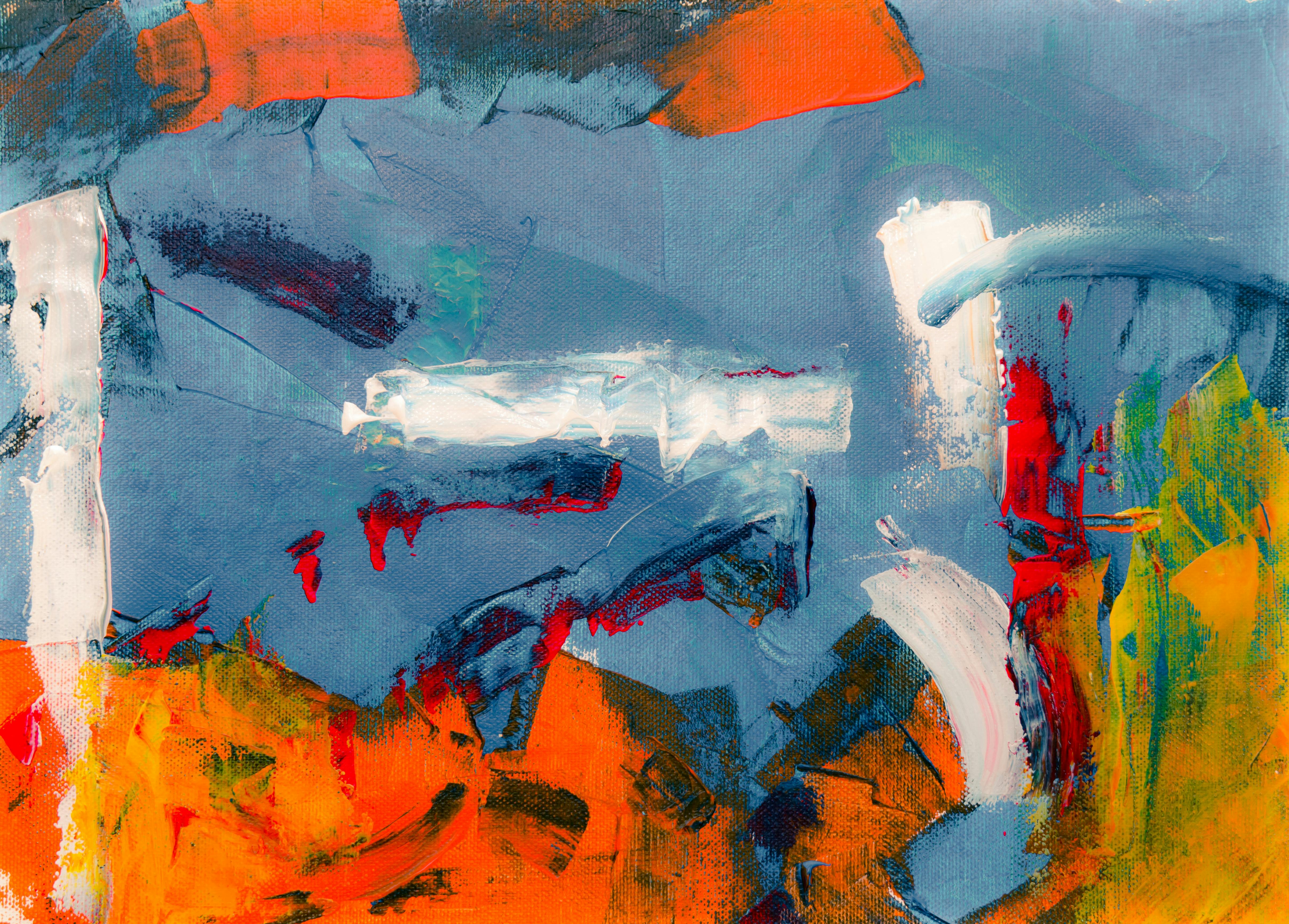
The vibrant colors in this piece evoke a sense of joy and energy. The artist has used complementary colors to create contrast and draw attention to specific areas of the composition.

Practical Applications of Color
Application | Description | Example |
|---|---|---|
| Color Blocking | Using bold color sections | Modern fashion design |
| Mood Setting | Choosing colors to evoke emotions | Film lighting design |
| Branding | Selecting colors for identity | Logo design |
Color blocking involves using bold color sections, which is a great way to create contrast and draw attention to specific areas of your artwork. Mood setting involves choosing colors to evoke emotions, making it ideal for creating a specific atmosphere or mood. Branding involves selecting colors for identity, which is a great way to explore the relationship between color and meaning.
Texture
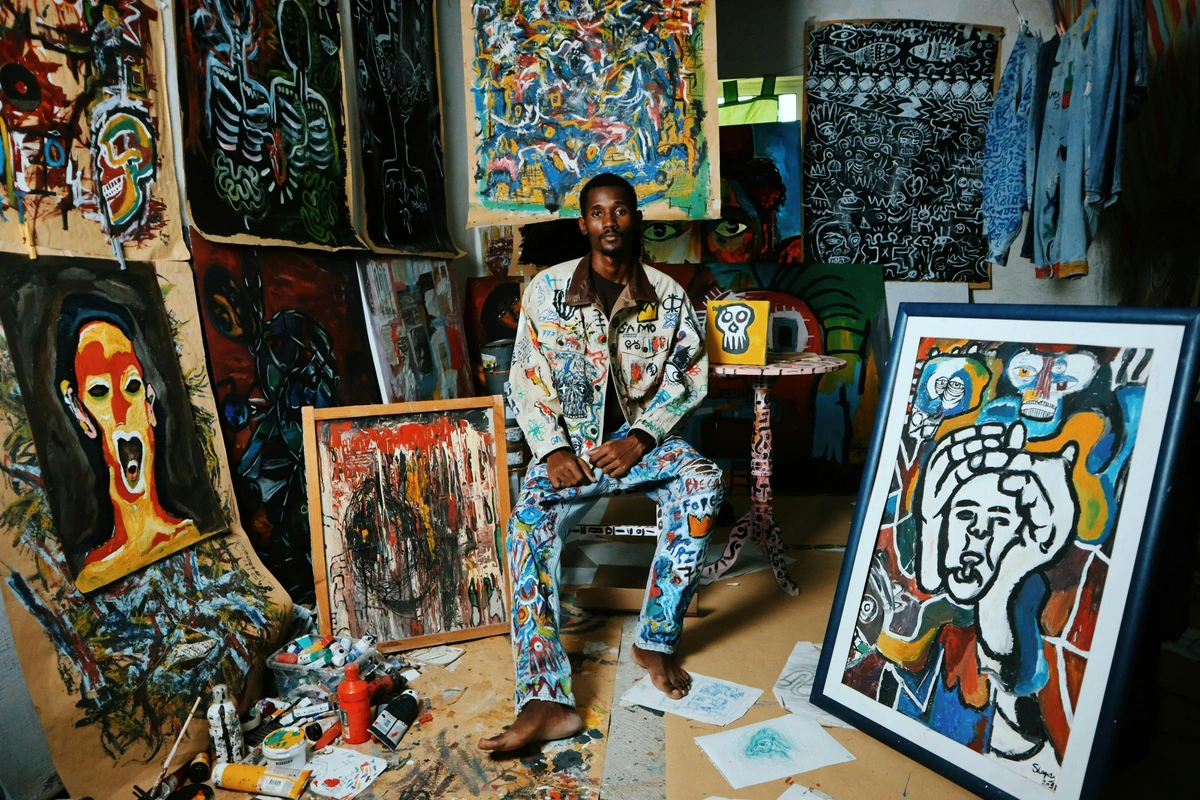
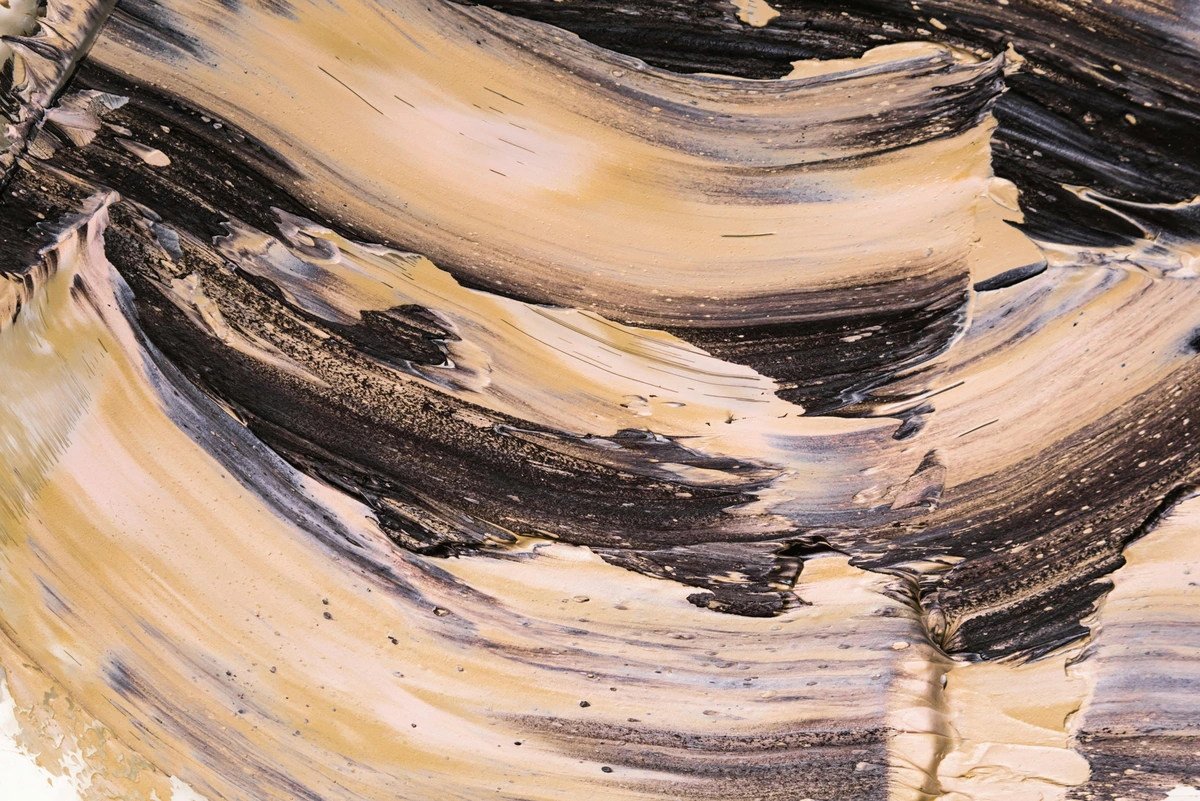
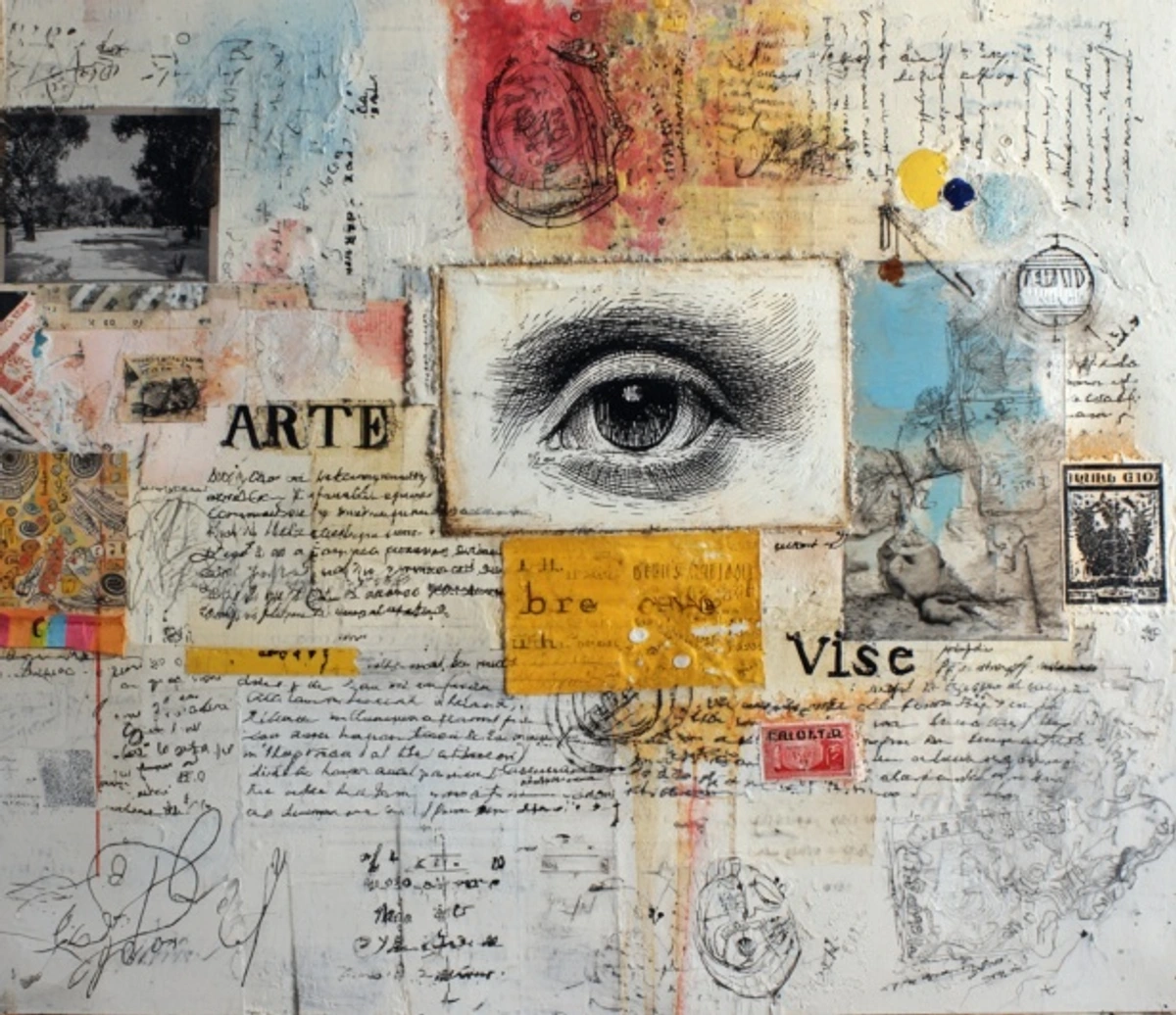
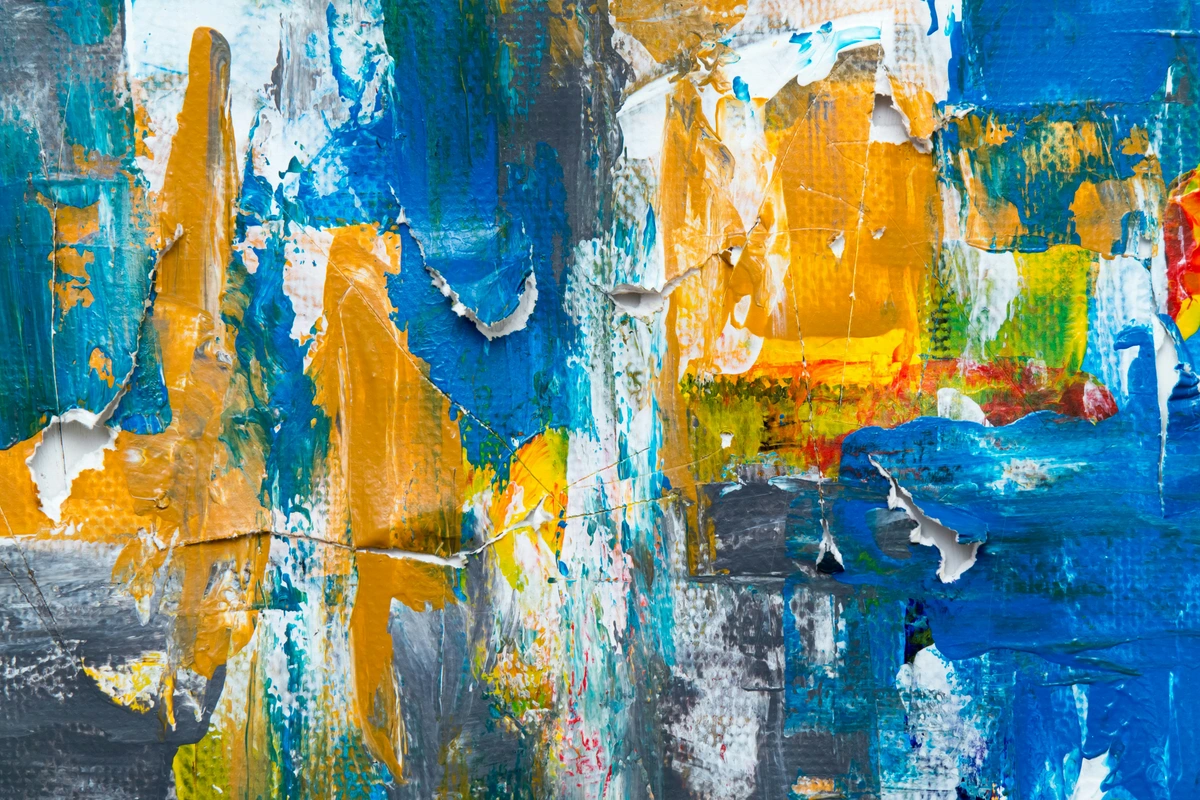
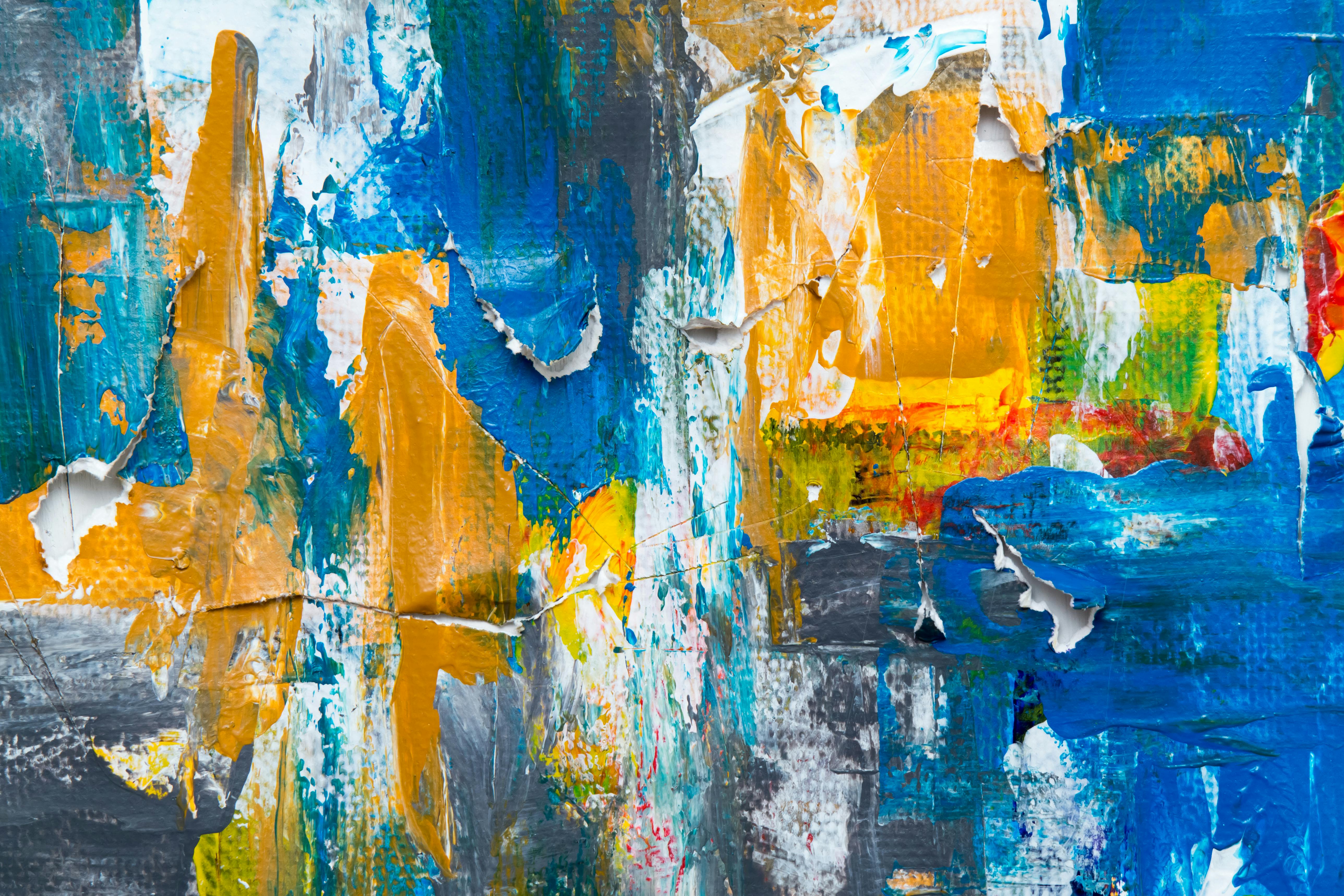
In this artwork, the artist has used a variety of techniques to create texture. The surface appears rough and tactile, adding depth and interest to the piece.
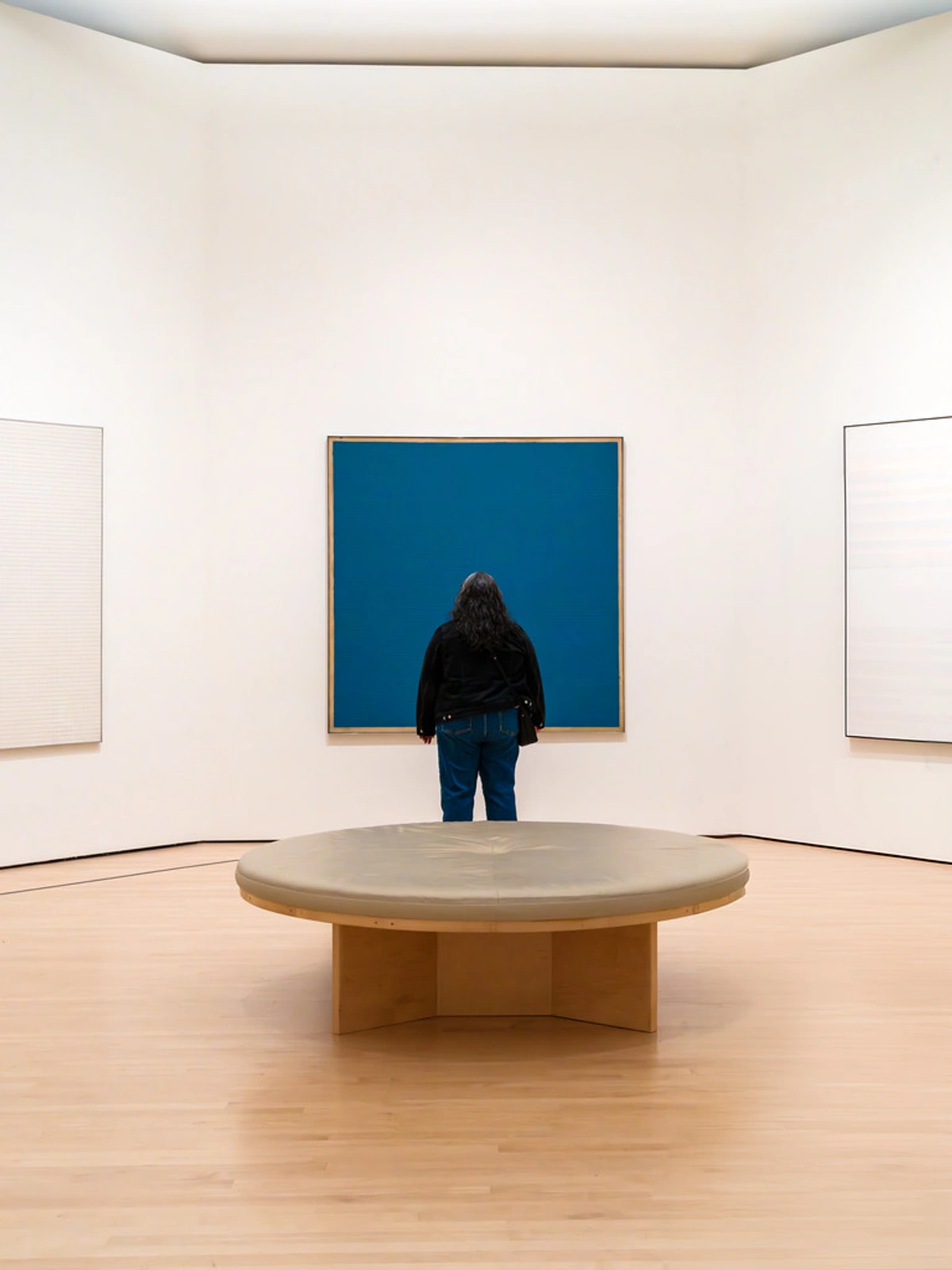
Practical Applications of Texture
Application | Description | Example |
|---|---|---|
| Impasto | Thick application of paint | Oil painting |
| Collage | Layering materials for texture | Mixed-media artwork |
| Etching | Creating texture through engraving | Printmaking |
Impasto involves applying paint thickly, which is a great way to create texture and depth in your artwork. Collage involves layering materials for texture, making it ideal for experimenting with different textures and materials. Etching involves creating texture through engraving, which is a great way to explore the relationship between texture and form.
Value
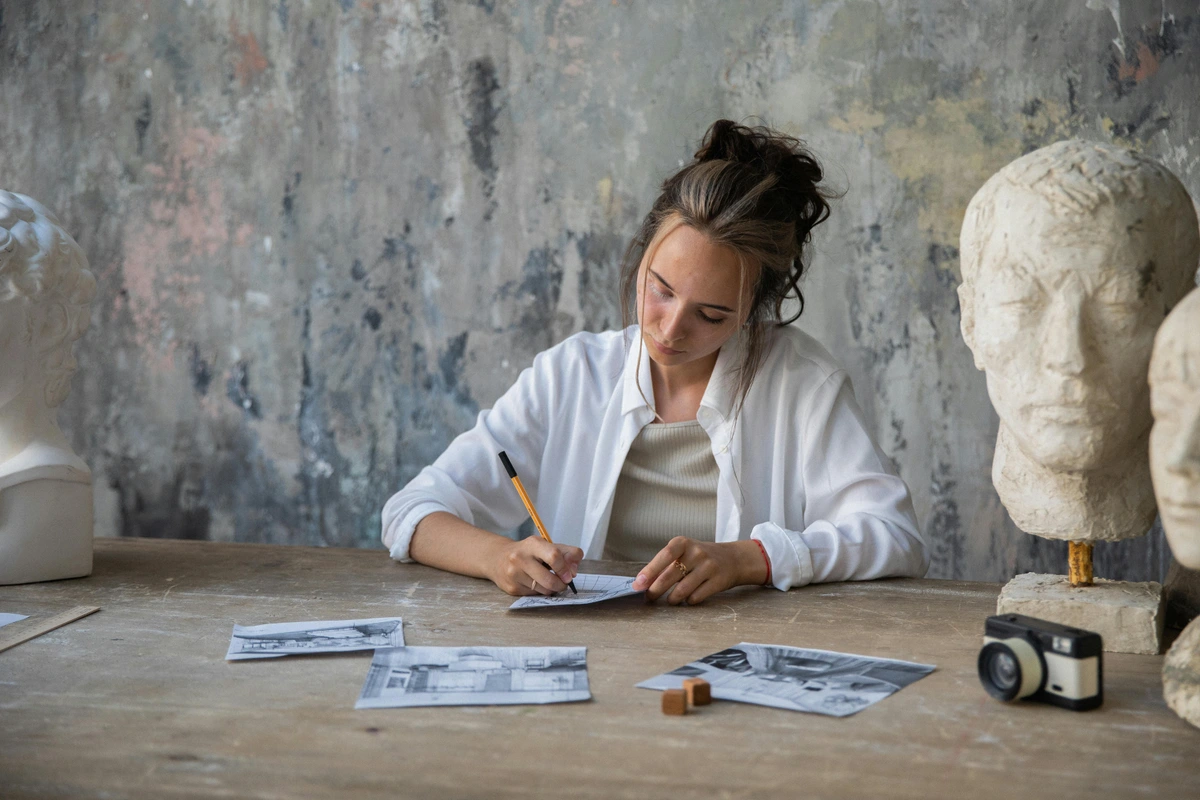
This piece demonstrates the importance of value in creating contrast and depth. The artist has used a range of light and dark values to create a sense of three-dimensionality.
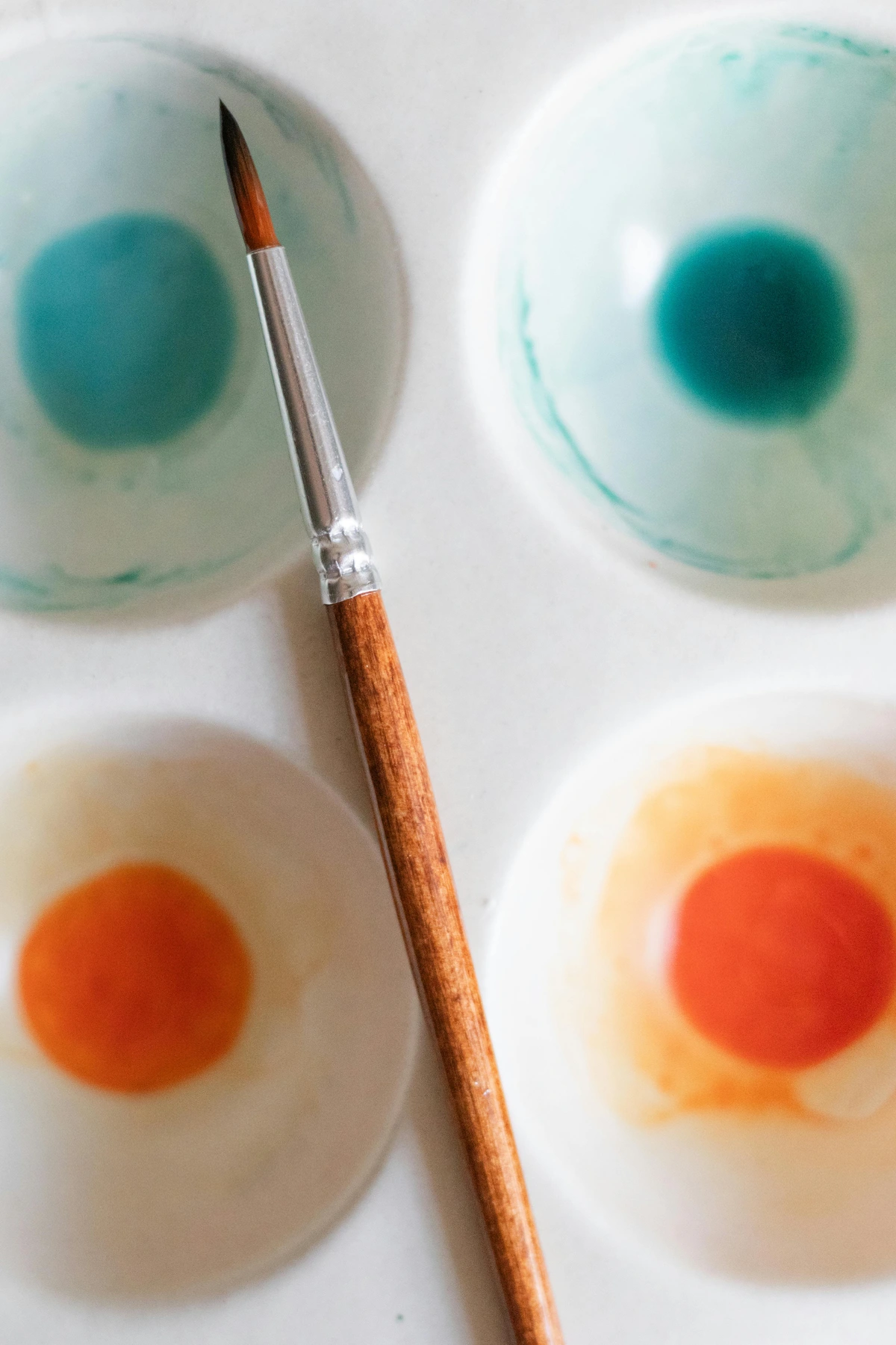
Practical Applications of Value
Application | Description | Example |
|---|---|---|
| Chiaroscuro | Strong contrast for dramatic effect | Baroque painting |
| Gradation | Smooth transitions for softness | Watercolor landscape |
| Hatching | Parallel lines for shading | Pen and ink drawing |
Chiaroscuro involves using strong contrasts between light and dark to create drama and intensity, which is commonly used in Baroque painting. Gradation involves smooth transitions of values to create softness and subtlety, making it ideal for watercolor landscapes. Hatching involves using parallel lines to create shading, adding texture and depth to your artwork.
How-To
Step-by-Step Guide to Applying Fundamental Elements of Art
- Start with a Concept: Begin with a clear idea or concept for your artwork. This will guide your use of the fundamental elements.
- Sketch Your Composition: Use lines to sketch out your composition. Think about how you can use lines to guide the viewer's eye and create a sense of movement.
- Define Shapes: Use shapes to define the objects in your composition. Consider the relationship between geometric and organic shapes.
- Create Form: Use shading and perspective to create the illusion of three-dimensional form. Think about how light and shadow can enhance the sense of depth.
- Manage Space: Balance the positive and negative spaces in your composition. Consider how the use of space can create a sense of harmony and balance.
- Choose Colors: Select a color palette that evokes the desired emotions and mood. Use the color wheel to understand color relationships and create contrast.
- Add Texture: Use a variety of techniques to create texture. Consider how texture can add depth and interest to your artwork.
- Adjust Value: Use a range of light and dark values to create contrast and depth. Think about how value can enhance the sense of three-dimensionality.
- Experiment with Techniques: Don't be afraid to try new techniques and styles. This is how you'll develop your unique artistic voice.
- Seek Feedback: Share your work with others and seek feedback. This can help you to identify areas for improvement and grow as an artist.
- Refine and Iterate: Continuously refine your artwork based on feedback and your own observations. Iteration is key to achieving mastery.
- Study Master Artists: Analyze the works of master artists to understand how they applied these elements. This can provide valuable insights and inspiration for your own work.
- Practice Regularly: The more you practice, the better you'll become at applying the fundamental elements of art.
- Stay Inspired: Keep a sketchbook or journal to document your ideas and inspirations. This can help you to stay motivated and focused on your artistic goals.
- Join a Community: Engage with other artists in online forums or local groups. Sharing experiences and learning from others can accelerate your growth.
- Use References: Collect images, sketches, and notes that inspire you. These references can serve as a valuable resource when you're stuck or looking for new ideas.
- Set Goals: Establish clear, achievable goals for your artistic practice. This can help you stay focused and motivated.
- Embrace Failure: Don't be afraid to make mistakes. Failure is a natural part of the learning process and can provide valuable insights for improvement.
Considerations
Common Mistakes to Avoid
- Overcomplicating Your Composition: It's easy to get carried away with all the elements, but sometimes less is more. Focus on a few key elements and use them effectively.
- Ignoring the Importance of Value: Value is crucial for creating contrast and depth. Don't underestimate its importance in your artwork.
- Using Too Many Colors: While color is expressive, using too many colors can be overwhelming. Stick to a cohesive color palette.
- Neglecting Negative Space: Negative space is just as important as positive space. Don't forget to consider the empty spaces in your composition.
- Lack of Experimentation: Don't be afraid to try new techniques and styles. This is how you'll develop your unique artistic voice.
- Not Seeking Feedback: Share your work with others and seek feedback. This can help you to identify areas for improvement and grow as an artist.
- Rushing the Process: Take your time to explore and refine your ideas. Rushing can lead to missed opportunities for creativity and depth.
- Overusing Patterns: While patterns can add interest to your artwork, overusing them can make your composition feel cluttered and overwhelming. Use patterns sparingly and strategically.
- Ignoring Composition Rules: While rules are meant to be broken, understanding the basics of composition can help you create more balanced and visually appealing artwork. Don't ignore these principles entirely.
Tips for Success
- Practice Regularly: The more you practice, the better you'll become at applying the fundamental elements of art.
- Study Other Artists: Look at how other artists use the fundamental elements in their work. This can provide inspiration and insight.
- Experiment: Don't be afraid to experiment with different techniques and styles. This is how you'll develop your unique artistic voice.
- Seek Feedback: Share your work with others and seek feedback. This can help you to identify areas for improvement and grow as an artist.
- Stay Inspired: Keep a sketchbook or journal to document your ideas and inspirations. This can help you to stay motivated and focused on your artistic goals.
- Take Breaks: Don't forget to take breaks and step away from your work. This can help you to see your artwork with fresh eyes and identify areas for improvement.
- Join a Community: Engage with other artists in online forums or local groups. Sharing experiences and learning from others can accelerate your growth.
- Use References: Collect images, sketches, and notes that inspire you. These references can serve as a valuable resource when you're stuck or looking for new ideas.
- Set Goals: Establish clear, achievable goals for your artistic practice. This can help you stay focused and motivated.
- Embrace Failure: Don't be afraid to make mistakes. Failure is a natural part of the learning process and can provide valuable insights for improvement.
FAQ
What are the fundamental elements of art?
The fundamental elements of art are line, shape, form, space, color, texture, and value. These are the building blocks that artists use to create visually compelling work.
How can I improve my understanding of the fundamental elements of art?
The best way to improve your understanding of the fundamental elements of art is to practice regularly and study the work of other artists. This can provide inspiration and insight into how these elements can be used effectively in your own work.
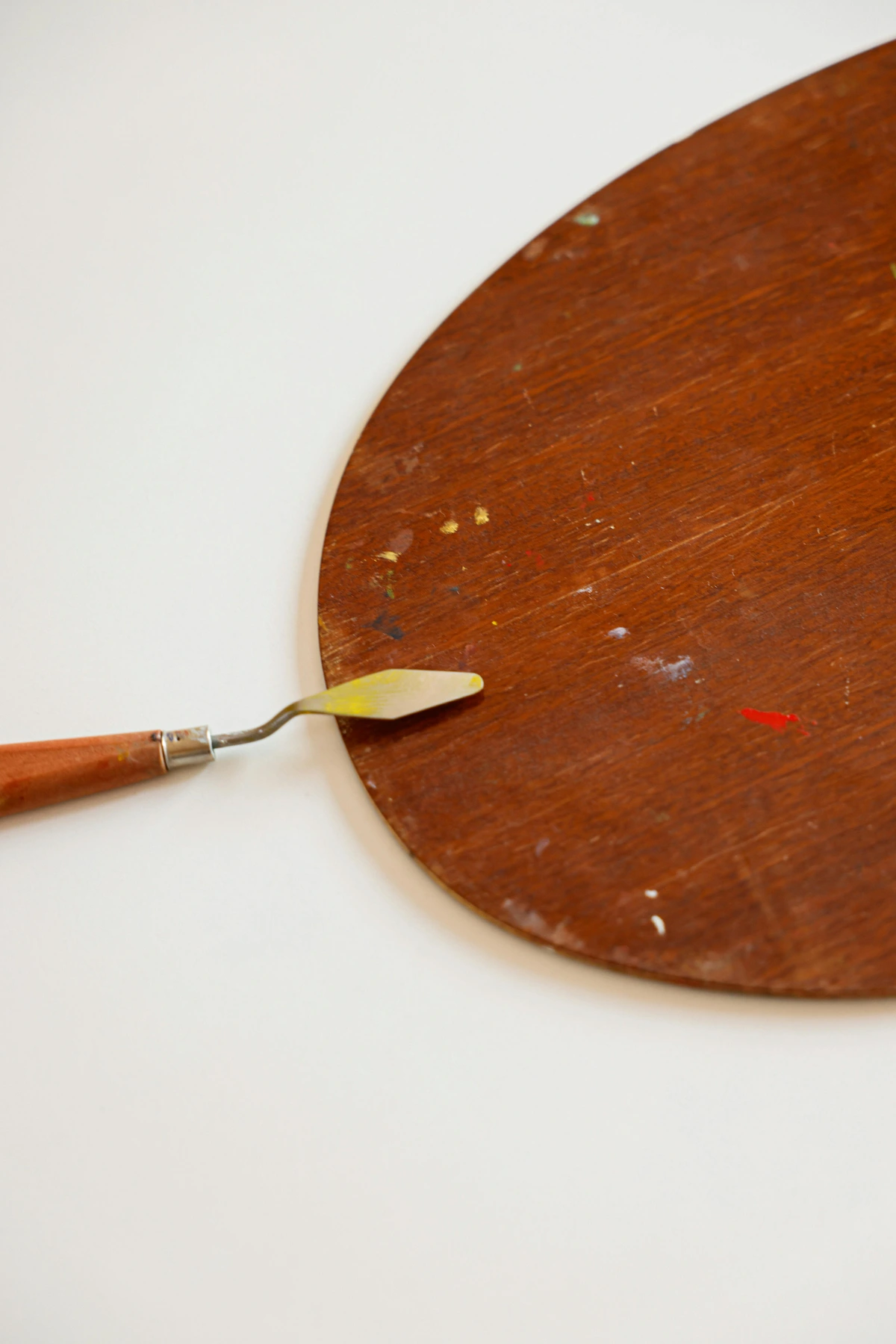
How can I use lines effectively in my artwork?
Lines can be used to guide the viewer's eye, create texture, and convey emotion. Experiment with different types of lines—straight, curved, thick, thin—to see how they can enhance your composition.
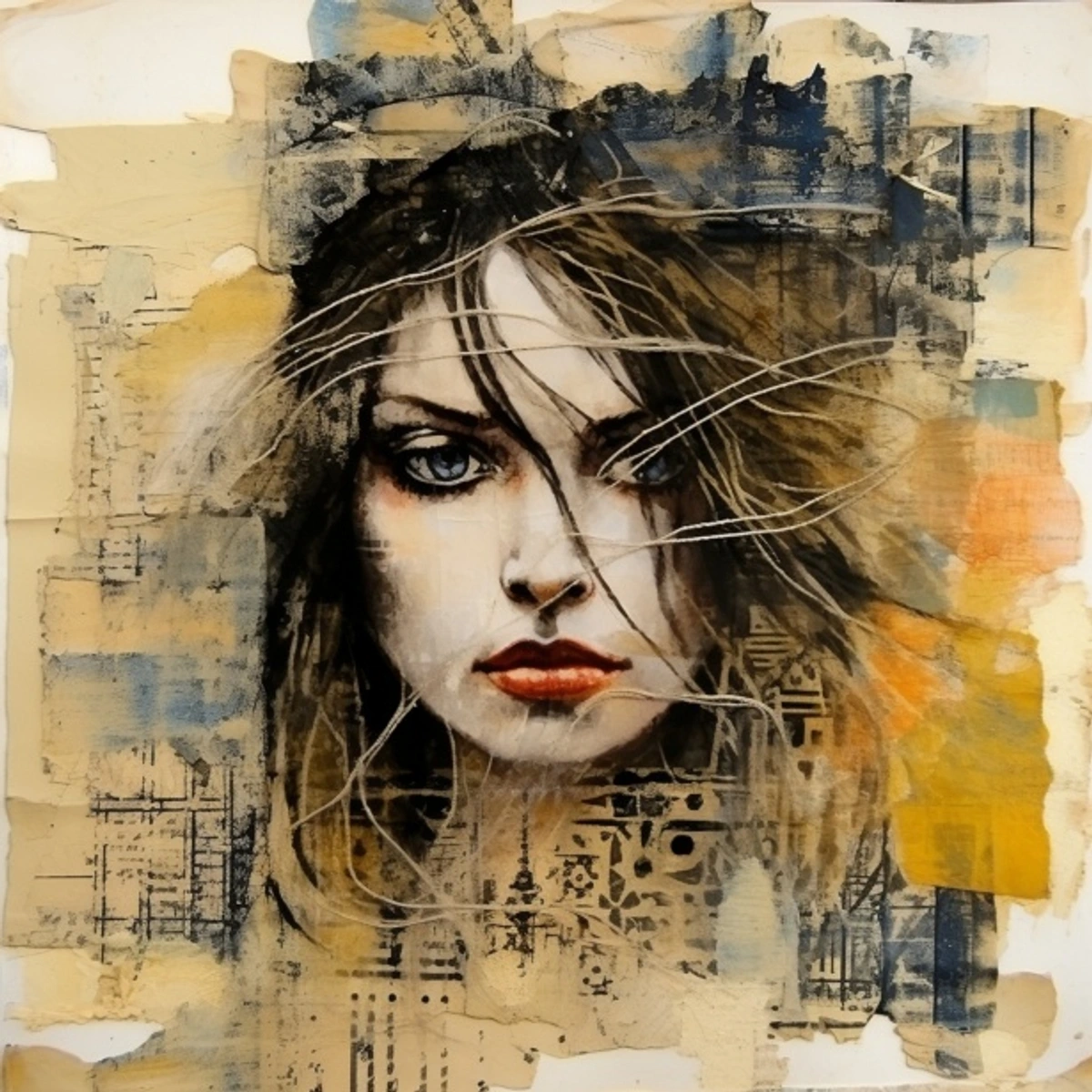
What is the difference between geometric and organic shapes?
Geometric shapes are precise and often man-made, such as squares and circles. Organic shapes are irregular and often found in nature, such as leaves and clouds. Both types of shapes can be used to create a sense of depth and interest in your artwork.
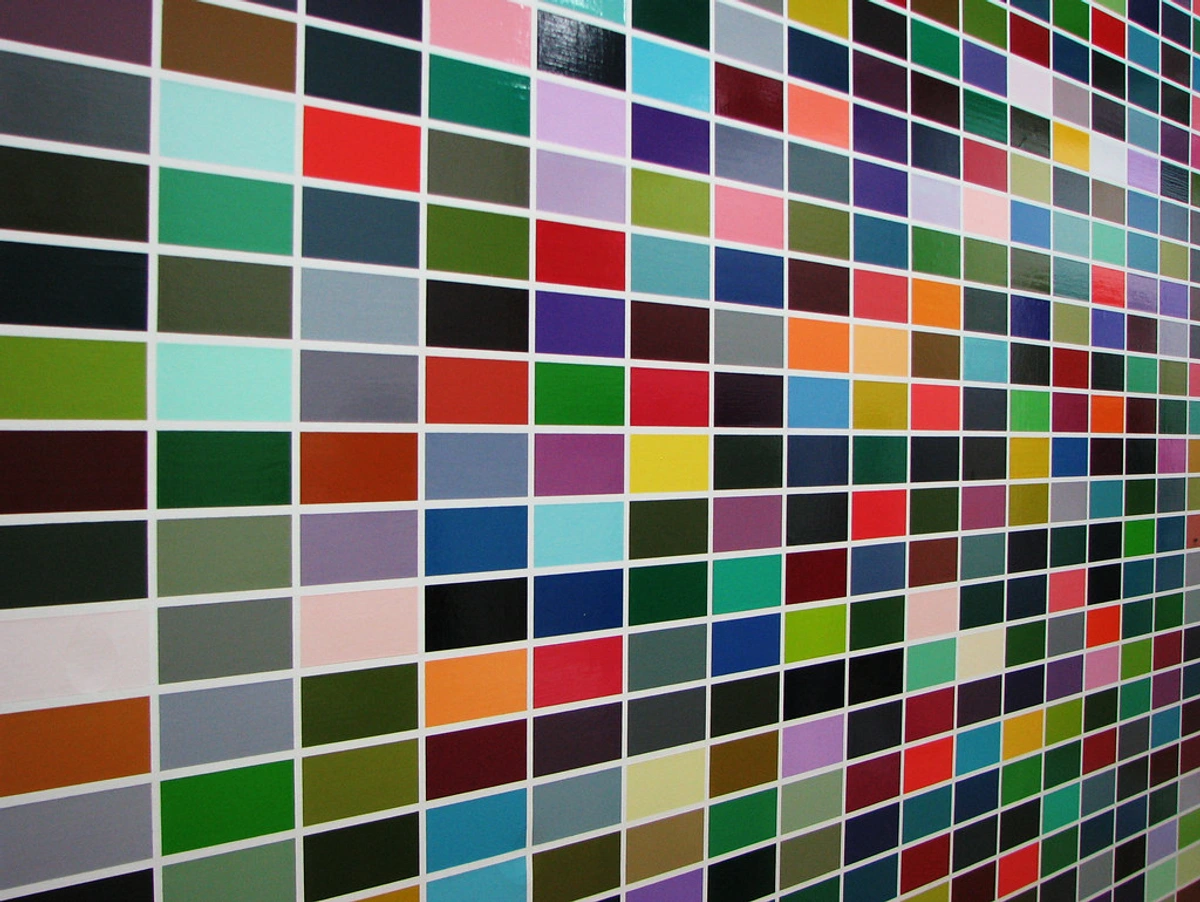
What is the difference between shape and form?
Shape refers to the two-dimensional aspects of objects, while form refers to the three-dimensional aspects. Artists use techniques like shading and perspective to create the illusion of form on a two-dimensional surface.
How can I create a sense of depth in my artwork?
You can create a sense of depth by using techniques like shading, perspective, and the effective management of space. Understanding value is also crucial for creating depth.

What is the importance of color in art?
Color is one of the most expressive elements of art. It can evoke emotions, create mood, and draw attention. The color wheel is a useful tool for understanding color relationships.
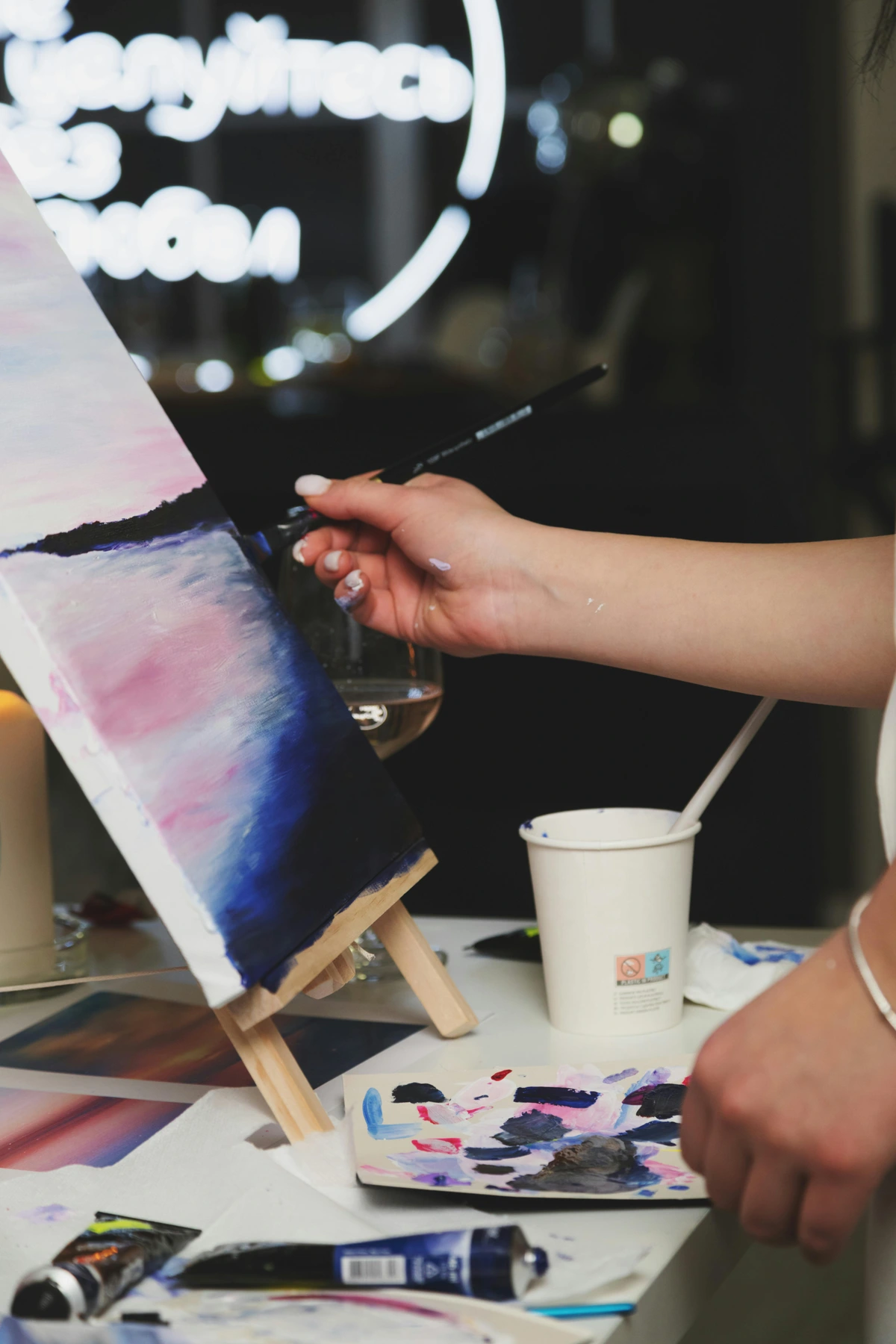
How can I add texture to my artwork?
Texture can be added using a variety of techniques, such as brushstrokes, layering, and the use of different materials. Texture adds depth and interest to your artwork.
What is value in art?
Value is the lightness or darkness of a color. It's crucial for creating contrast, depth, and emphasis in your artwork. Understanding value helps you to create a sense of three-dimensionality on a two-dimensional surface.
How can I use value to create contrast in my artwork?
You can use value to create contrast by using a range of light and dark values. This can help to create a sense of depth and dimension in your artwork.

How can I use the fundamental elements of art to tell a story?
You can use the fundamental elements of art to tell a story by combining them in a way that conveys a narrative. For example, you can use lines to guide the viewer's eye through a sequence of events, shapes to represent characters or objects, and colors to set the mood and evoke emotions.
What are some common tools and materials used to explore the fundamental elements of art?
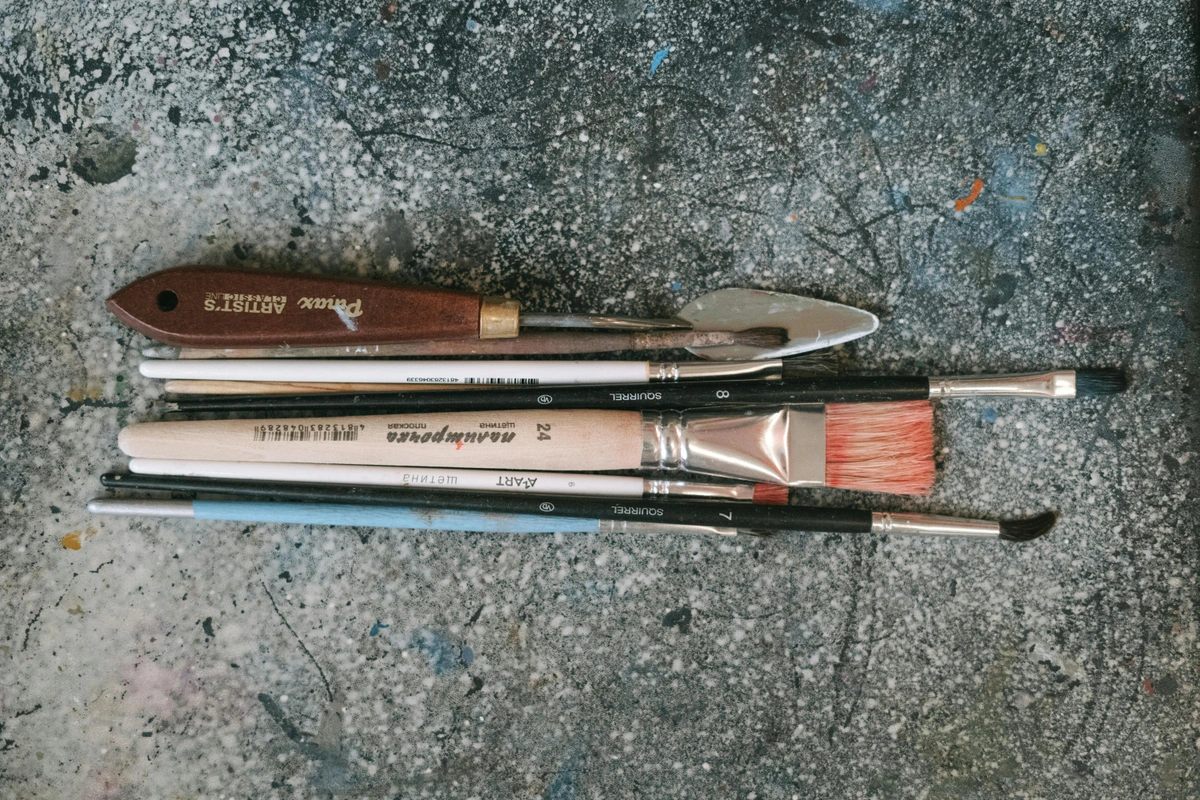
Some common tools and materials include pencils, brushes, paints, charcoal, pastels, and digital software. Each tool offers unique possibilities for exploring lines, shapes, colors, and textures.
How can I practice applying the fundamental elements of art?
You can practice by creating small studies or sketches that focus on one element at a time. For example, create a series of drawings that explore different types of lines, or experiment with color palettes to understand how colors interact with each other.





















Conclusion
Applying the fundamental elements of art is like learning the alphabet before writing a novel. It's the foundation upon which you can build your unique artistic voice. Remember, the goal is not to master each element in isolation, but to understand how they work together to create a cohesive and compelling visual experience.
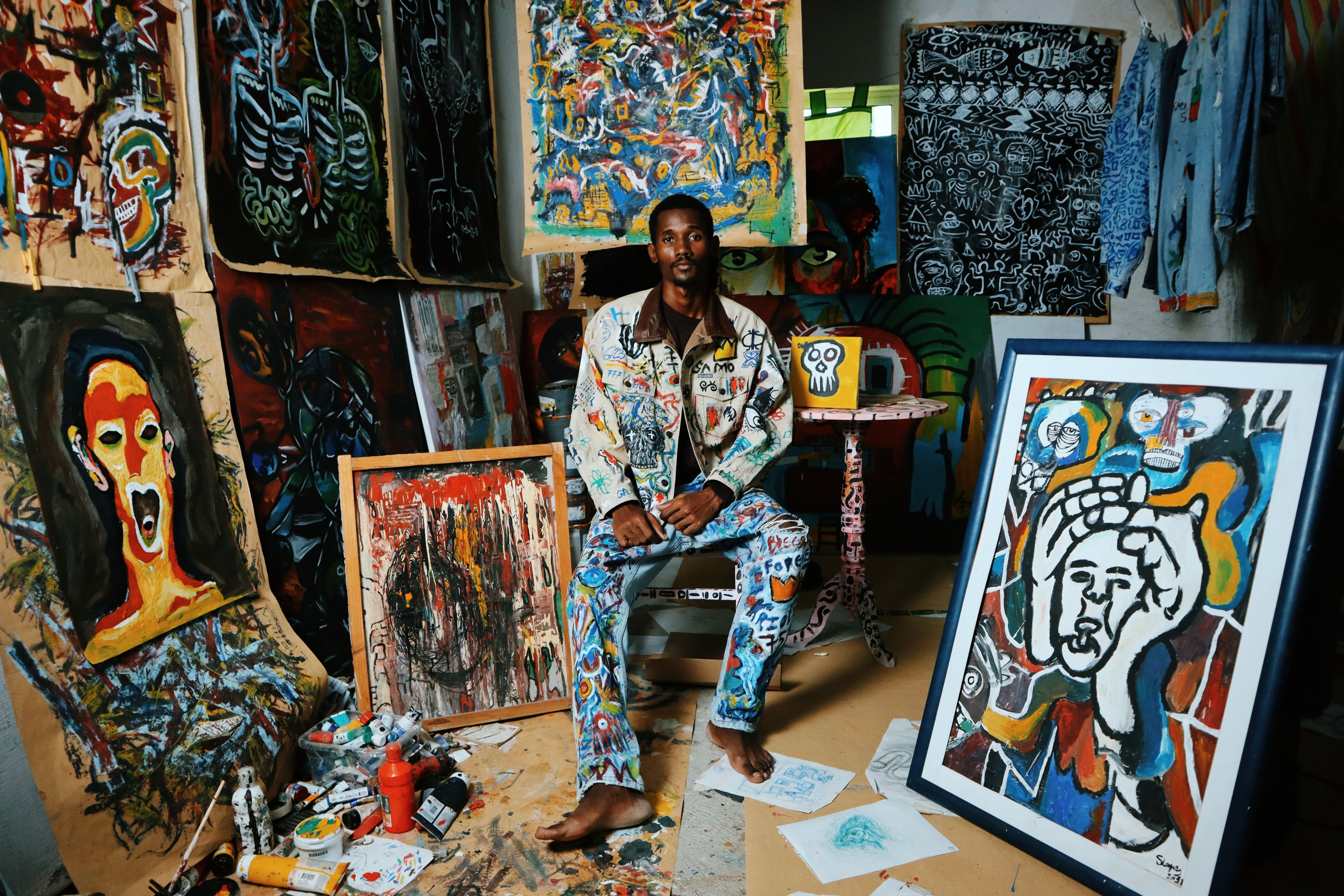
And if you're looking for inspiration or want to see how these elements come together in practice, check out some of the works available for purchase here. You can also explore more about the artist's journey and creative process on the timeline.
Happy creating!
Additional Resources
- Color Theory Guide: Learn more about color theory and how to use it in your artwork.
- Understanding Texture in Art: Explore the different types of texture and how to use them in your artwork.
- The Role of Negative Space in Art: Discover the importance of negative space and how to use it effectively in your compositions.