London Art Scene: An Artist's Ultimate Guide to Museums, Galleries & Street Art
Explore London's dynamic art scene with a curated guide by artist Zen Dageraad. Discover iconic museums, cutting-edge galleries, vibrant street art, and the pulse of emerging talent.

The Art Lover's Ultimate Guide to London: Beyond the Usual Canvas
London. For me, the name itself is less a city and more a living, breathing canvas – a place where history hangs heavy in the air, yet innovation bursts from every corner. It's where the echoes of Turner's brushstrokes can be felt near a freshly painted Banksy stencil. This constant, beautiful collision of the profoundly old and the exhilaratingly new is precisely what makes my heart race every time I find myself wandering these streets.
I know what you're probably thinking: "Another London guide?" But this isn't that. Think of this as me, perhaps with a slightly too-strong coffee in hand, excitedly mapping out the London I know and love – the one that truly feeds an art-hungry soul, an appetite for visual expression and creative endeavors. We'll dive into the grand institutions, of course, but we'll also take those delightful detours down the side streets where the real magic often happens. My goal? To arm you with the ultimate map to London's vibrant art scene, seen through the eyes of someone who lives and breathes art. And believe me, after decades of navigating this city's artistic currents, I've learned a thing or two about finding the pulse, the hidden gems, and the grand narratives that truly define London's place as a global art capital.
Titans of Taste: London's Unmissable Art Institutions
You can't truly begin to understand London's artistic pulse without paying homage to its monumental institutions. These aren't just museums; they're cultural epicenters, each a universe unto itself, reflecting centuries of societal shifts, patronage, and evolving artistic philosophies. From the grand narratives of Neo-classicism, emphasizing order and classical forms, and the emotional depths of Romanticism, to the revolutionary light of Impressionism, capturing fleeting moments, these institutions tell the story of art through time. Trying to conquer them all in one go is, frankly, a recipe for artistic indigestion – it leads to superficial engagement and exhaustion. If there’s one thing I’ve learned to avoid that particular pitfall, it’s this: pick one or two, and let yourself get utterly lost within their walls. Allow for deep contemplation, preventing the common pitfall of "museum fatigue" and ensuring a more meaningful connection with the art.
Here’s a quick overview of what each 'Titan' broadly offers, and which periods they best represent:

Institution  | Primary Focus | Key Highlights (General) | Best for Art Periods |
|---|---|---|---|
| Tate Modern | Modern & Contemporary Art (from 1900 to present) | Turbine Hall installations, Rothko, Picasso, Surrealism, Pop Art | Modernism, Abstract Expressionism, Pop Art, Contemporary |
| National Gallery | Western European Paintings (13th to 19th Century) | Van Gogh, Monet, Turner, Renaissance Masters, Impressionists | Renaissance, Baroque, Dutch Golden Age, Impressionism |
| V&A Museum | Art, Design, & Performance (spanning 5,000 years) | Fashion, Photography, Ceramics, Sculpture, Textiles, Architecture | Decorative Arts, Design History, Applied Arts, Performance |
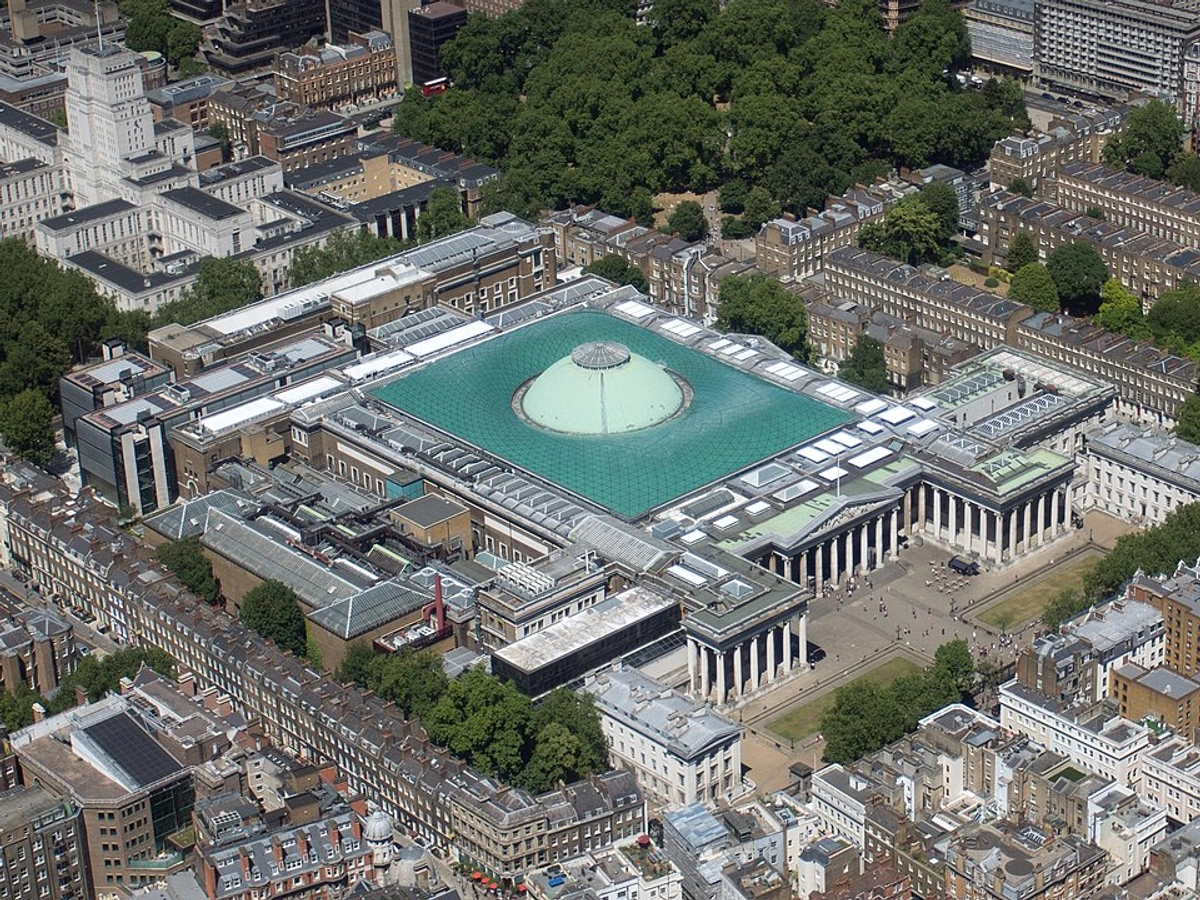
| British Museum | Human History, Art & Culture (from ancient to contemporary) | Rosetta Stone, Elgin Marbles, Egyptian Mummies, diverse global artifacts | Ancient Civilizations, Ethnography, Archaeology |
The Tate Modern: A Cathedral of Contemporary Spirit
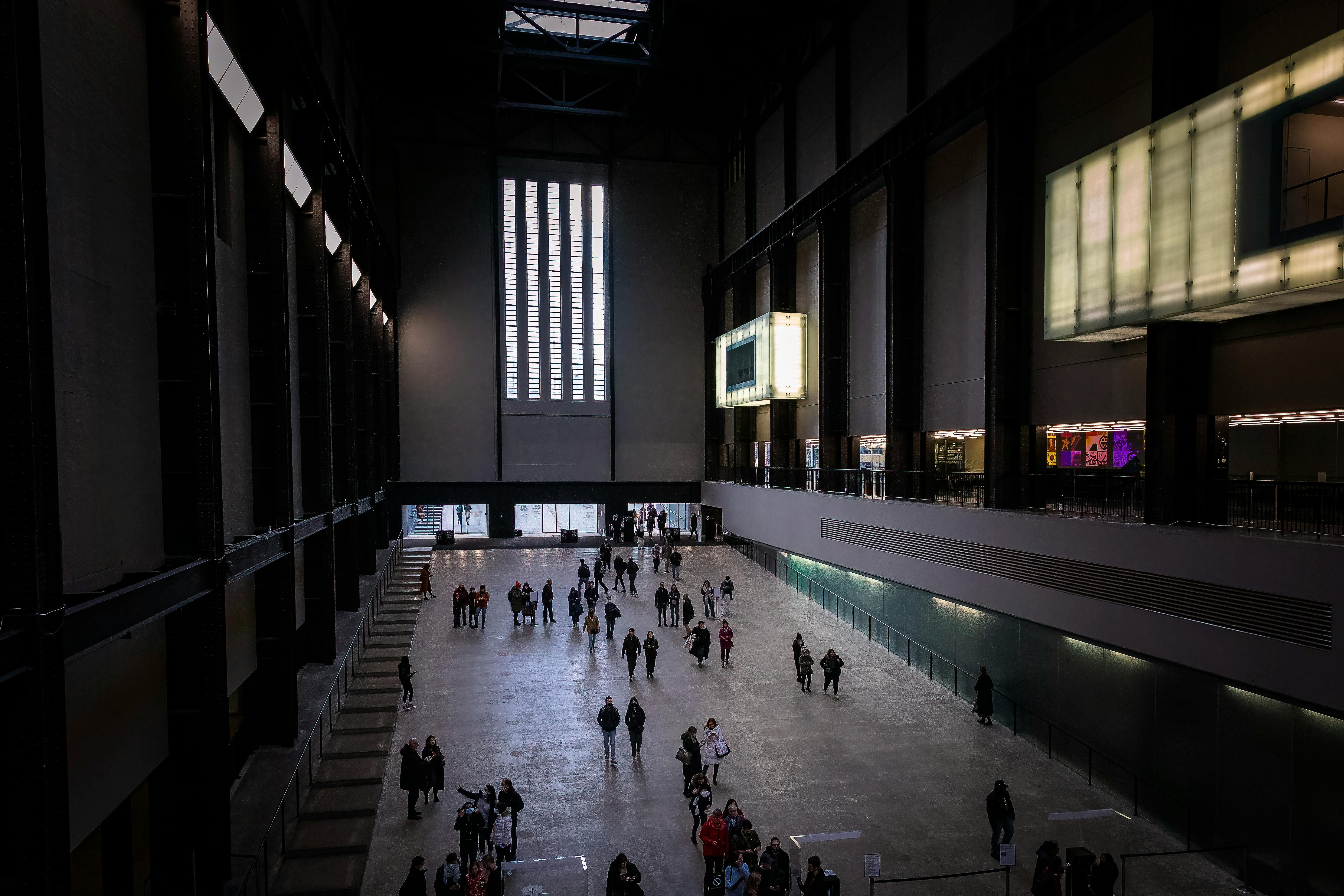
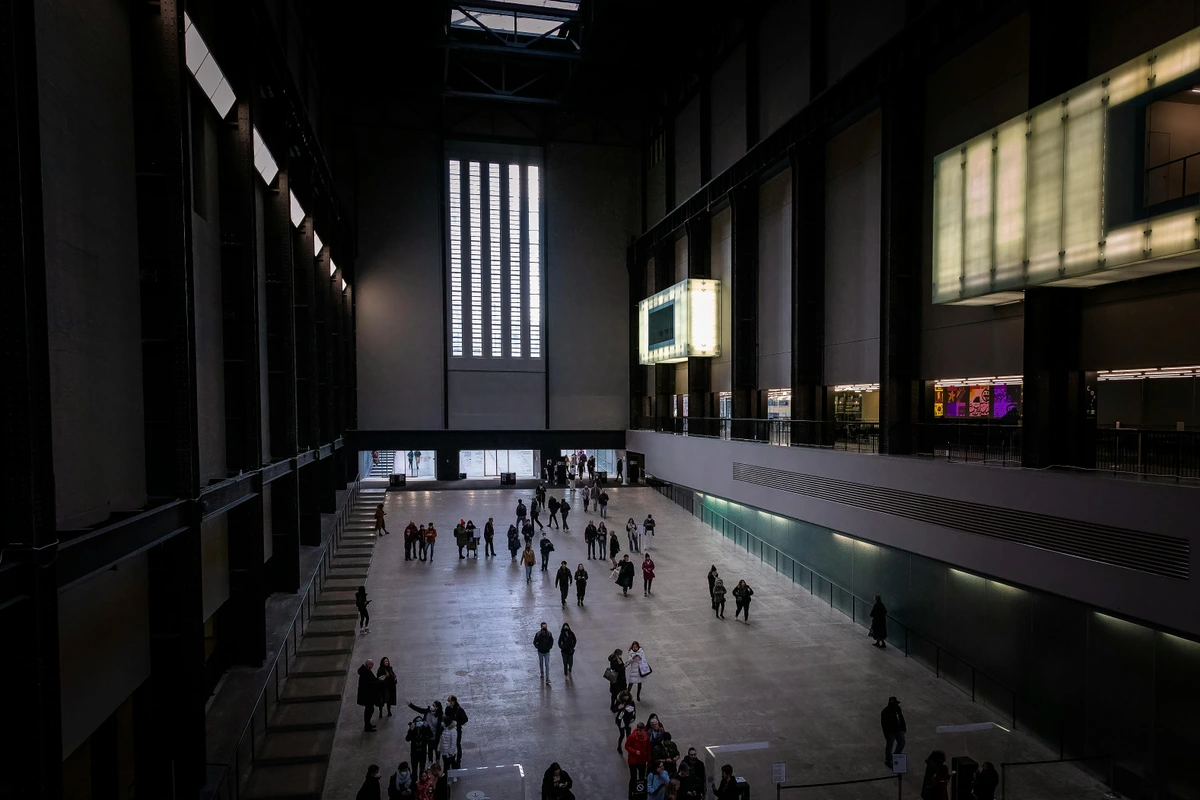
Walking into the Tate Modern's Turbine Hall is always a moment. It's this colossal, industrial skeleton that once powered a city as the Bankside Power Station, now channeling that raw energy into new forms of creativity. For me, it’s the definitive go-to for a jolt of the provocative, the profound, and sometimes, the utterly bewildering (in the best way, I promise). You can easily lose hours here, from the moody, enveloping depths of Rothko's Seagram murals – pieces that, for me, evoke a quiet, almost spiritual contemplation, making color itself a language – to installations that genuinely mess with your perception. I remember losing myself for what felt like an eternity in the subtle shifts of color and light in front of them. It always reminds me how color itself can be a language, a concept I explore often in my own work.
My personal tip? Don't just stick to the main collection floors. Always check out what's stirring in the Tanks – these subterranean spaces often host cutting-edge performance art and film, pushing the boundaries of what art can be. And for a panoramic masterpiece, absolutely ascend to the viewing level. The vista of St. Paul's Cathedral across the Thames isn't just a view; it's a silent dialogue between architectural eras, a powerful juxtaposition of old and new. If you're planning your first delve, I've laid out a few more thoughts in a first-timer's guide to the Tate Modern, London.

The National Gallery: Western Art's Grand Tapestry
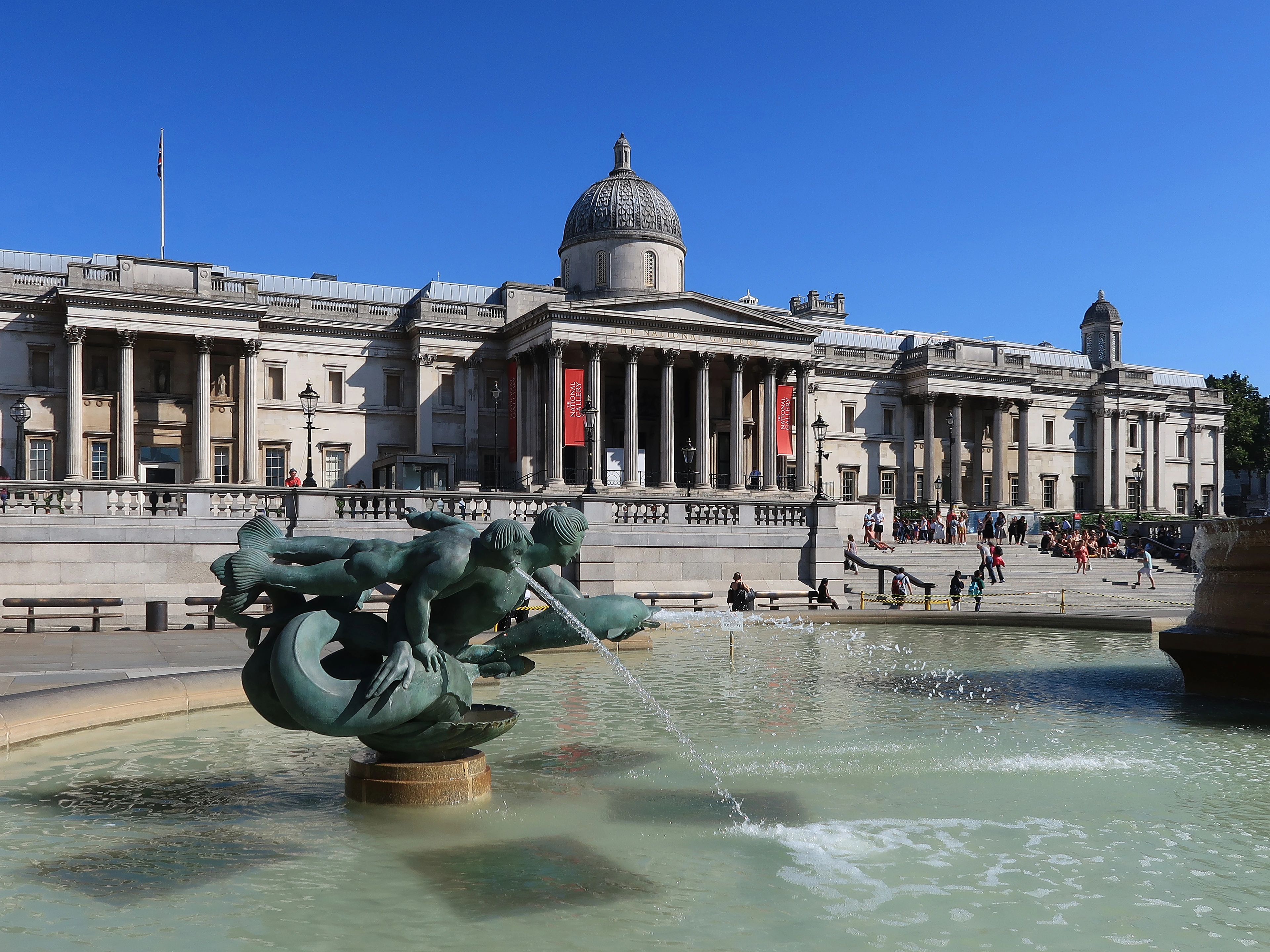
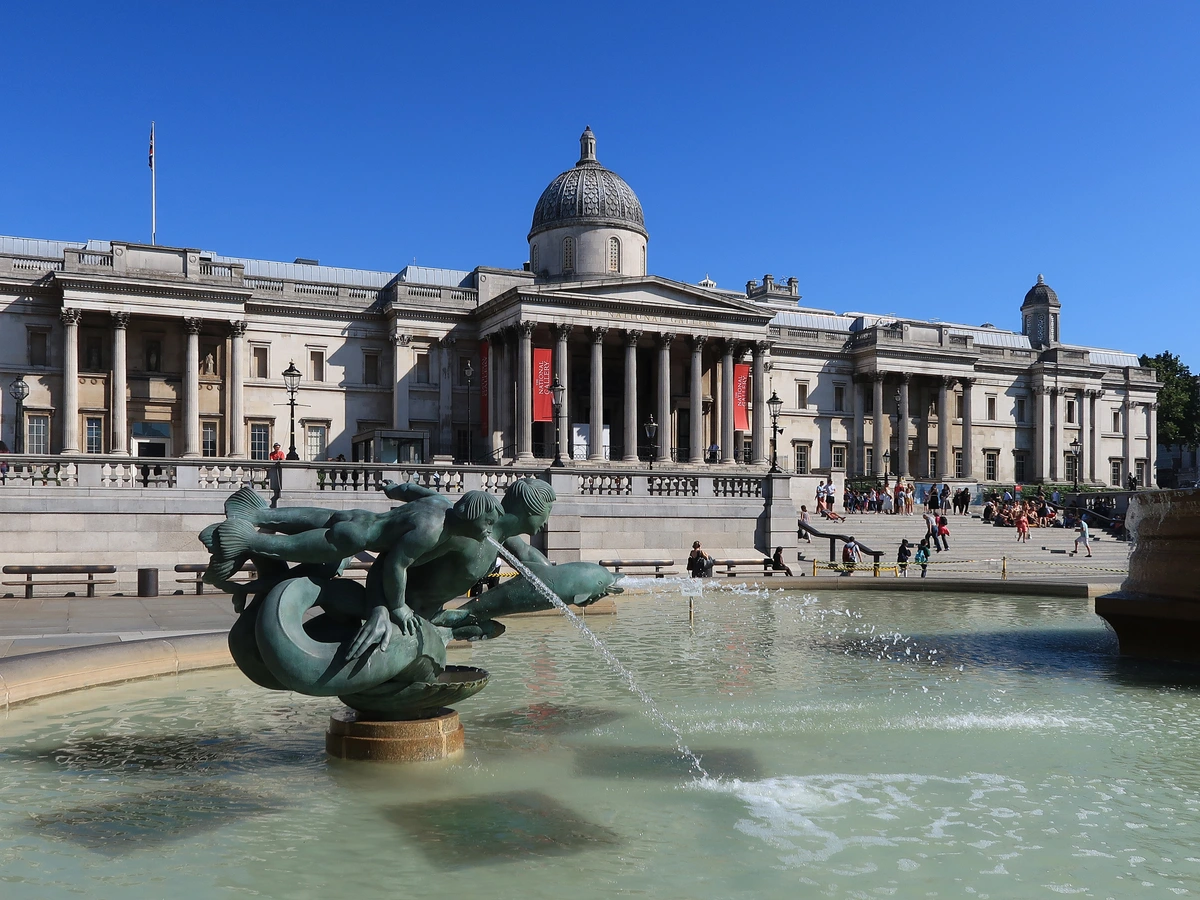
Right there in the bustling heart of Trafalgar Square, The National Gallery feels like London's most elegant parlor, where centuries of artistic dialogue unfold. Established in 1824, its initial purpose was to inspire and educate, which it still does masterfully within its grand, classical halls. It's where you can stand before a Van Gogh and practically feel the raw, almost violent energy of his brushstrokes, or lose yourself in the serene perfection of a Renaissance master. It's vast, it's free, and yes, it can be wonderfully overwhelming – a beautiful problem, if you ask me. You'll trace the lineage of Western European painting, seeing how storytelling, religious devotion, and portraiture evolved across eras.
My tried-and-true strategy here is simple: don't try to see it all. Pick a period, an artist, or even just a handful of paintings that call to you. Maybe today is your Italian Renaissance day, tracing the evolution of storytelling through paint. Or perhaps you're craving the luminous light of Monet, the dramatic skies of Turner, and the pastoral calm of Constable. Give yourself permission to truly see a few things deeply, rather than rushing past everything. It truly is one of the best museums in London for a reason.
The V&A & The British Museum: Tales of Humanity and Design
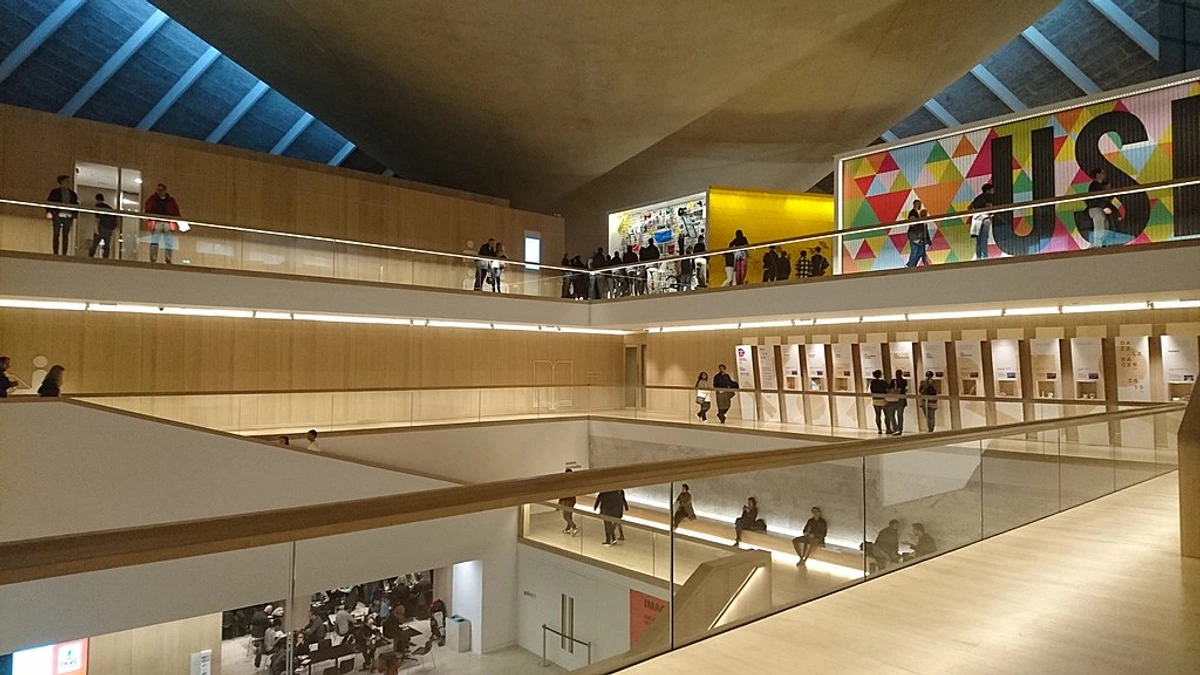
These two giants offer distinct yet equally enriching experiences. The Victoria and Albert Museum (the V&A), to me, is an absolute riot of human creativity. Born from the Great Exhibition of 1851, it was founded to make works of art available to all and to educate designers and manufacturers. It’s a glorious, dizzying celebration of art and design in every imaginable form. From breathtaking fashion exhibits and groundbreaking photography to intricate sculpture, ceramics, and historical textiles, it's a treasure trove of beautiful things. I never leave without feeling utterly inspired, and their central courtyard, especially on a rare sunny London afternoon, is genuinely one of the most sublime spots for a cup of tea. It's a perfect place to see how art intertwines with daily life and material culture, reflecting movements from Art Nouveau to Art Deco within its vast collections.
The British Museum, on the other hand, is less an 'art' museum in the traditional sense and more a profound journey through human history, told through its astounding collection of objects. Where else can you gaze upon the Rosetta Stone – that linguistic key to ancient Egypt – and instantly feel the colossal weight of centuries? Or wonder at the Elgin Marbles, fragments of the Parthenon, that spark ongoing debates about cultural heritage? It’s a place for grand narratives of human civilization, told through artifacts from every corner of the globe. It's a testament to the enduring human impulse to create, document, and connect.
Beyond the Blockbusters: London's Dynamic Commercial Gallery Scene
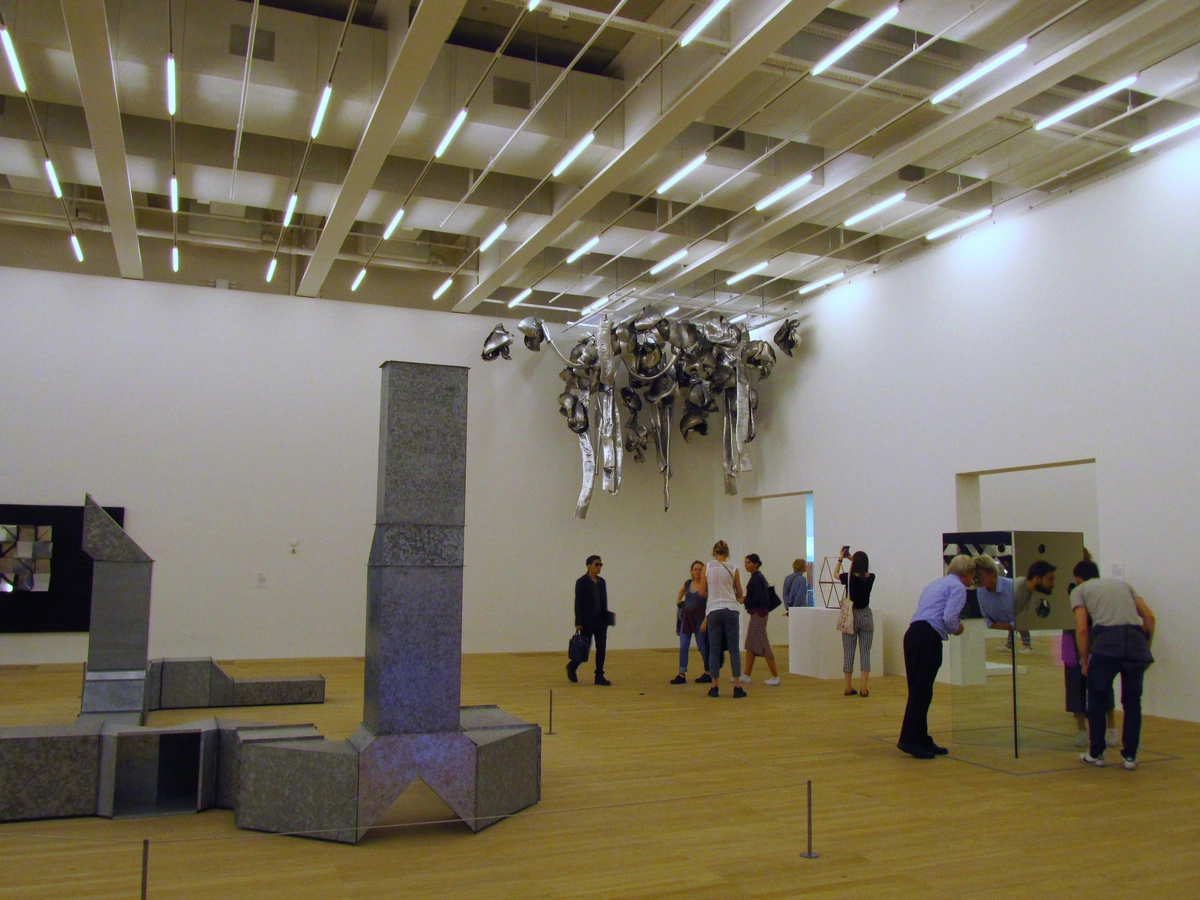
Okay, once you've had your fill of history and monumental canvases, it's time to feel the city's current pulse. This is where art is being born, debated, and sold right now. Exploring London's commercial galleries offers a more intimate, often more challenging, and always evolving art experience. Here, you'll encounter everything from established blue-chip galleries – major, established galleries representing well-known artists with proven market value and significant financial stability – to exciting, independent spaces on the cusp of discovery.
So, why bother with commercial galleries? Because they are the engine room of the contemporary art world. They are the frontline for discovering emerging artists in London, for engaging with new ideas, and for perhaps even finding that piece that speaks directly to your soul (and your wall). Plus, it’s a wonderful way to understand the immediate trends and critical conversations happening in art.
Don't be shy – just walk in. Gallerists are usually keen to talk about the art and the artists they represent. It’s a great way to learn, even if you’re not looking to buy. Consider signing up for their mailing lists to hear about private views and artist talks – it's often how I've stumbled upon unexpected treasures and made connections.
Here's a quick map to navigate the distinct vibes of London's gallery districts:
Area | Vibe | What to Expect | Perfect For... |
|---|---|---|---|
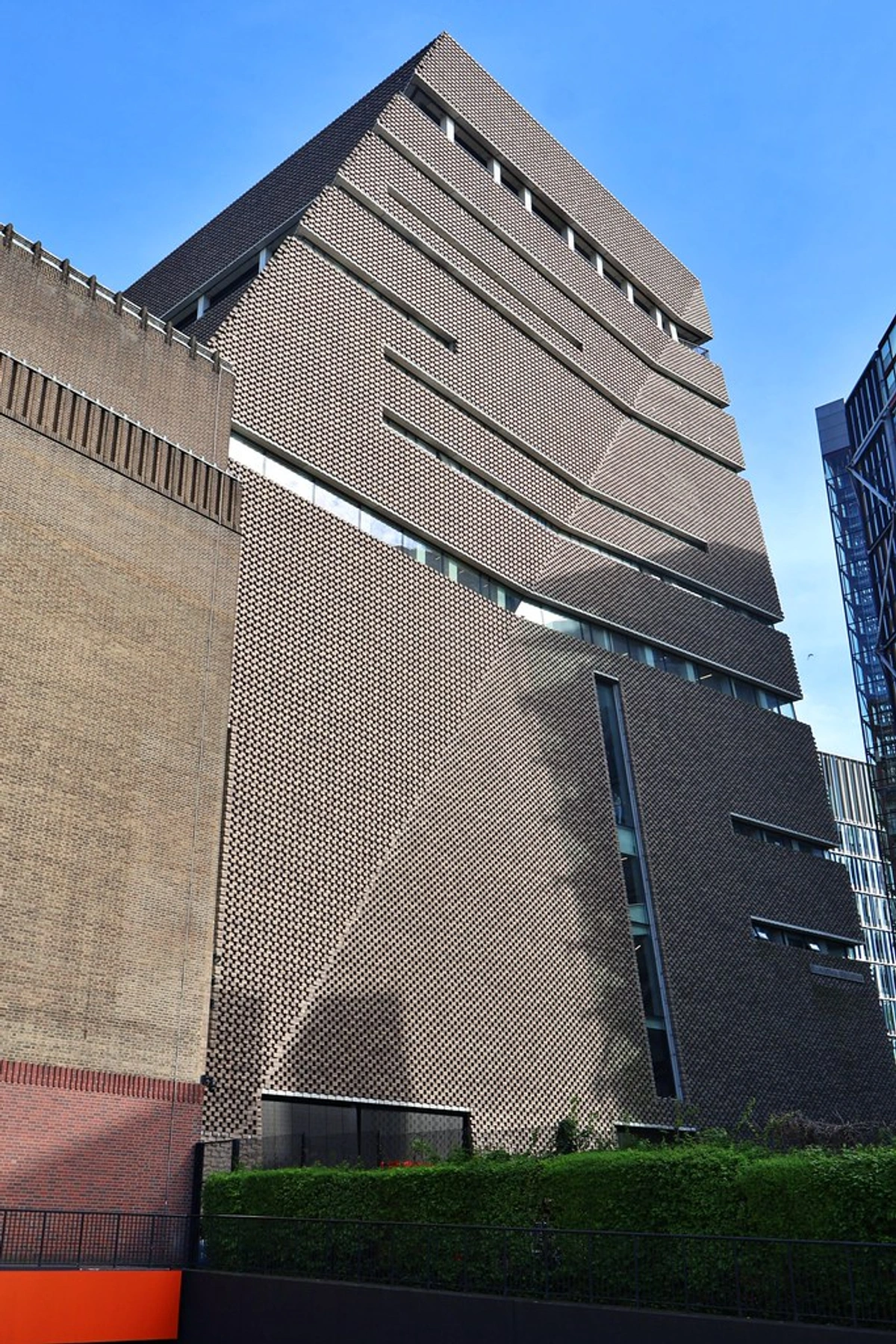
| Mayfair (e.g., Cork Street) | Polished, Established, High-End | Blue-chip galleries like Gagosian and Hauser & Wirth. Hushed, pristine spaces showcasing art-world superstars. Think international names and significant investments. | Seeing works by contemporary art titans, feeling a touch of old-world art dealing gravitas, and admiring art as an investment. |
| Shoreditch & East London | Edgy, Emerging, Experimental | Smaller, independent galleries, pop-up shows in converted warehouses, and artist-run spaces on streets like Rivington Street and Curtain Road. More raw, dynamic, and often on the pulse of new trends. This is where you'll find the ethos of constant creative challenge. | Discovering the next big thing, finding affordable prints, soaking in a youthful creative energy, and seeing where new artistic movements are truly brewing. |
| South London (Peckham, Bermondsey) | Creative, Community-Focused | A vibrant mix of non-profits, artist studios with open days, and established galleries like White Cube Bermondsey. A strong sense of artistic community. | A relaxed Saturday gallery crawl, often ending at a local food market or pub, with a chance to meet artists and see work in progress. |
To truly delve deeper into this dynamic scene, I've compiled a list of the best galleries in London. The best pieces, like the vibrant, geometric abstract art I often create, are often waiting in the most unexpected corners.
Art in the Wild: Streets, Parks, and Public Spaces
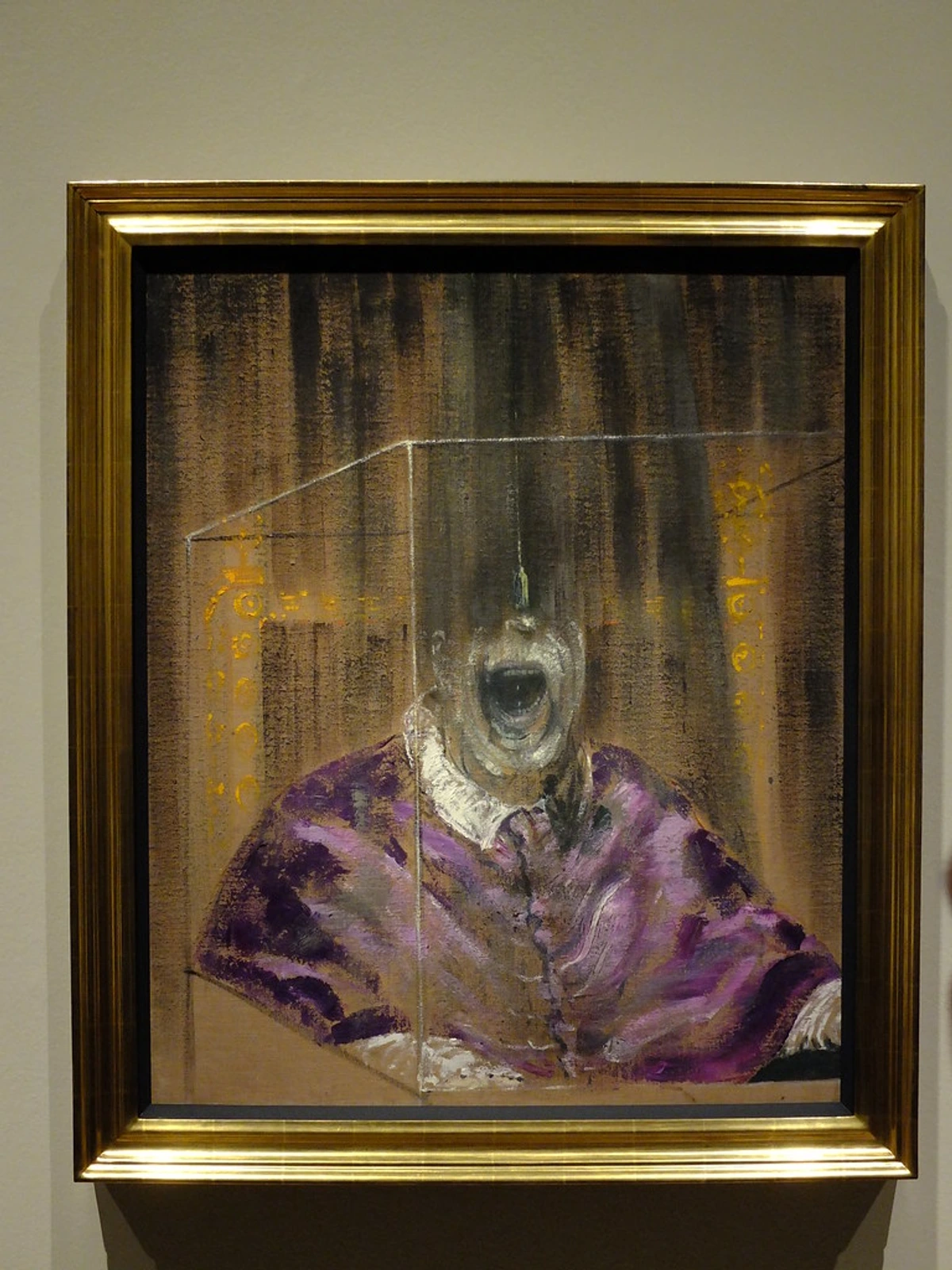
Some of London's most compelling art isn't behind a velvet rope or within climate-controlled walls. The city itself is the grandest canvas of all, constantly shifting, surprising, and often utterly free. Ever wondered what makes street art so compelling? It's the immediacy, the democratic access, and the raw energy it brings to everyday urban life. It’s art that demands you engage with your environment, that challenges the mundane, and that, much like my own abstract pieces, uses bold forms and colors to tell an immediate story.
Brick Lane and the surrounding labyrinthine streets of Shoreditch are an absolute must-see. The street art here is in constant, beautiful flux – a mural, a stencil, a paste-up. What you see one day might be painted over the next. It’s ephemeral, energetic, and completely free, a beautiful, chaotic ballet of color and form that demands you be present. Just wander with your eyes wide open, and let the city's artists speak to you. This is also where you might stumble upon a new piece by a Banksy, adding to the legendary, anonymous artist's ever-expanding gallery. Keep an eye out for iconic works like the "Guard Dog" or the "Rage, the Flower Thrower" if you're lucky enough to spot remnants or new installations.
Another unmissable spot for graffiti art and urban murals is the Leake Street Tunnel near Waterloo Station. It's one of London's few legal graffiti walls, meaning the art changes literally by the hour – a vibrant, ever-evolving exhibition that's both raw and exhilarating. Beyond these hubs, look out for unexpected guerrilla art projects or even creative uses of advertising spaces that blur the lines between commerce and art – I've seen some truly clever interventions that make you double-take.
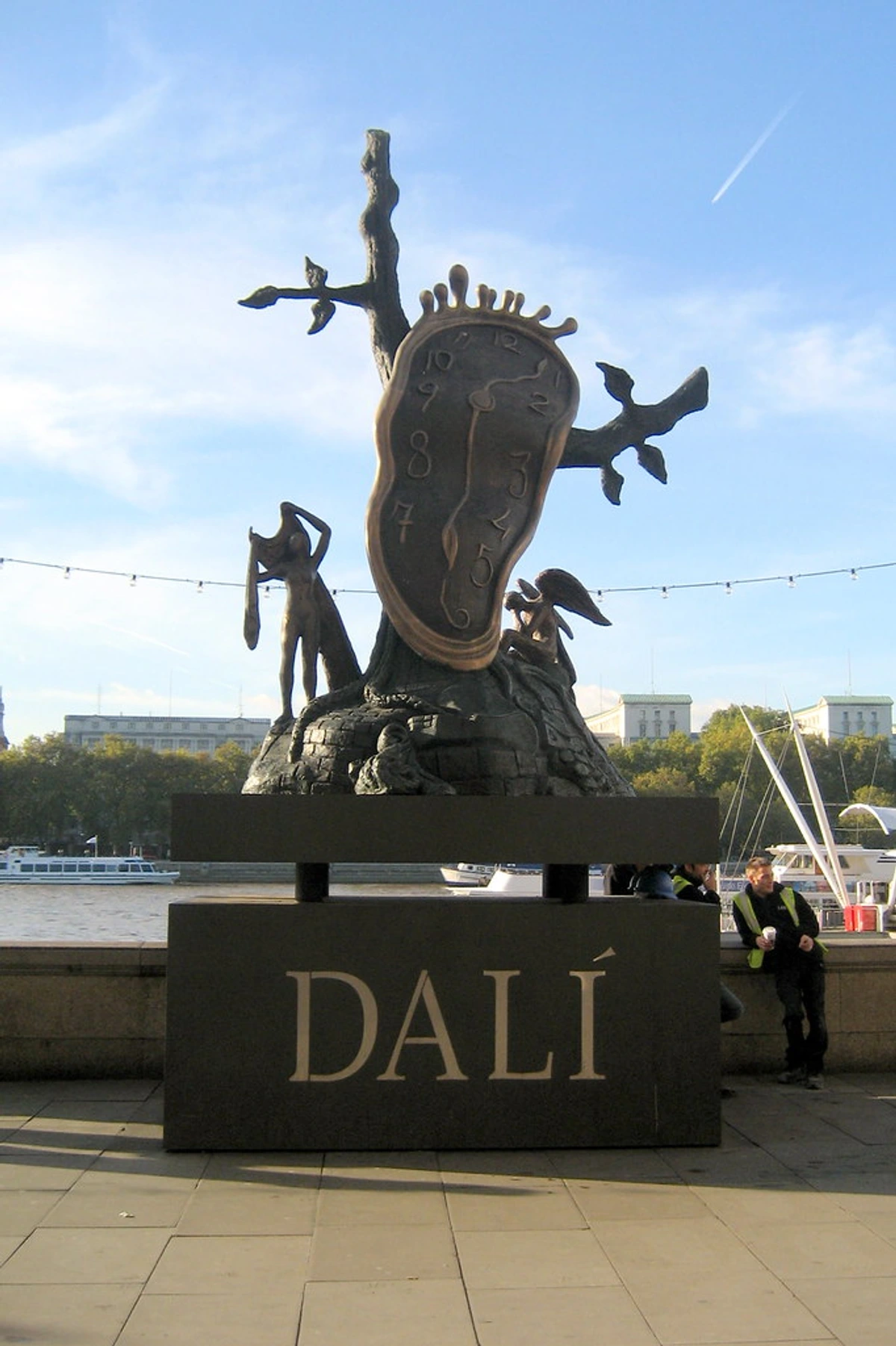
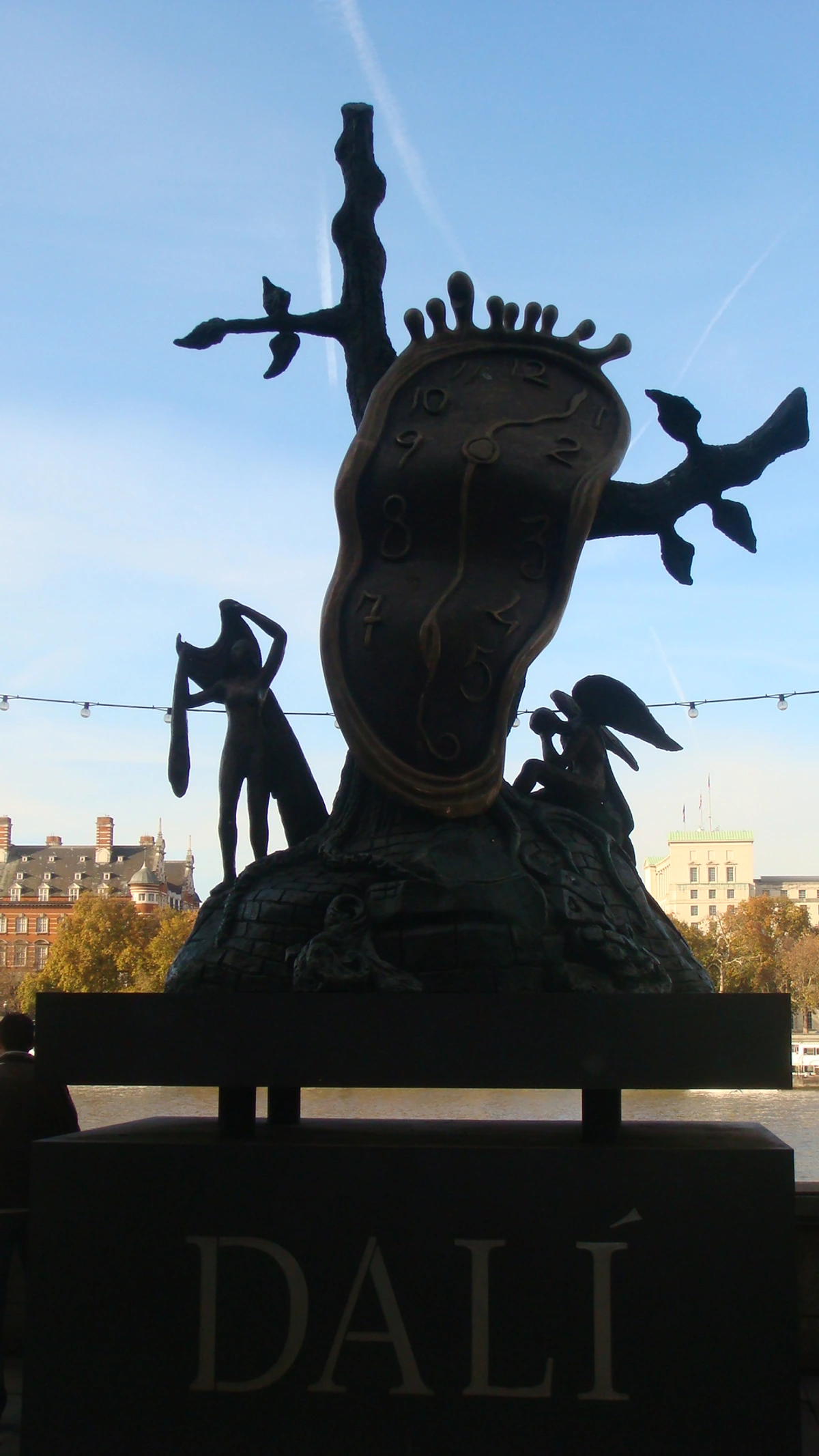
And don't overlook public sculpture. From the ever-changing, often provocative installations on the Fourth Plinth in Trafalgar Square to permanent, thoughtful pieces dotted along the South Bank (where I often find myself contemplating life beside the Thames), there's always something to discover on a simple walk. It’s art integrated into the very fabric of daily life, a concept that deeply resonates with my own work, which you can explore further if you feel so inclined to buy. For instance, keep an eye out for the various melting clock sculptures inspired by Dalí, adding a surreal touch to the urban landscape – they always make me question time, which is probably the point.
Cultivating Creativity: London's Art Schools, Studios, and Emerging Talent
London isn't just a display case for art; it's a vibrant incubator. The city's esteemed art schools play a crucial role in nurturing the next generation of artists, feeding the commercial galleries and public art spaces with fresh perspectives and groundbreaking work. Institutions like Goldsmiths, University of the Arts London (including its renowned constituent colleges like Central Saint Martins and Chelsea College of Arts), and The Slade School of Fine Art are globally renowned. They're incubators where established practices are challenged, new artistic languages are forged, and critically, where many of the art world's future luminaries – from Damien Hirst and Tracey Emin to innovative contemporary abstract artists – began their journeys. Their curricula often emphasize experimentation and conceptual depth, directly influencing the city's artistic output and defining trends.
Beyond formal education, artist residencies across the city offer spaces for focused creation and cross-cultural exchange. These often lead to open studio events, offering a unique chance to step into the creative process and discover artists before they hit the mainstream. It’s a wonderfully direct way to support and engage with the emerging talent that keeps London's art scene so electrifyingly alive. Keep an eye out for local gallery listings, art school degree show announcements, and artist collective social media for these often-hidden gems. Attending these events can give you an invaluable insight into the raw energy and diverse ideas shaping tomorrow's art, and sometimes, even the chance to chat directly with an artist about their work – a real privilege.
Echoes of Bohemia: The Bloomsbury Group's Artistic Legacy
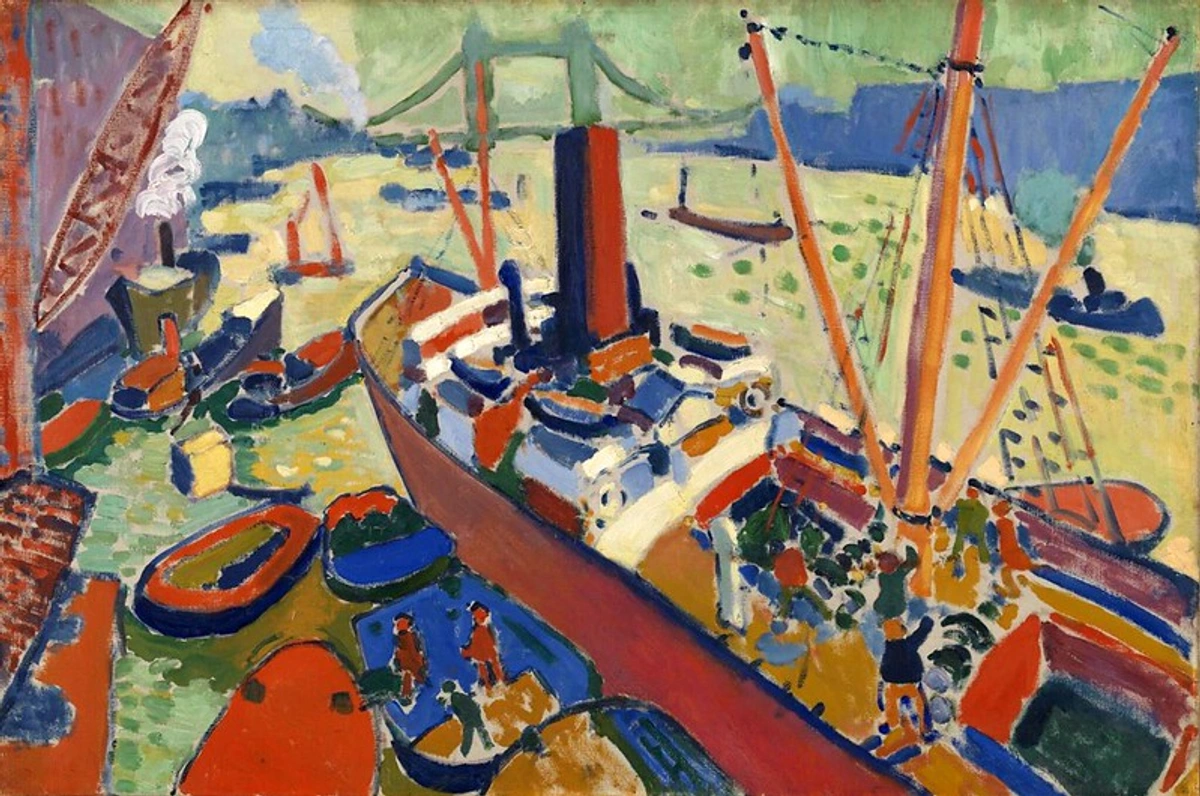
While we're talking about nurturing creativity, it's impossible to overlook the profound impact of the Bloomsbury Group. This collective of English writers, intellectuals, philosophers, and artists, active in the first half of the 20th century, weren't confined to a single institution but permeated London's intellectual and artistic fabric. Figures like Vanessa Bell and Duncan Grant (painters), alongside writers such as Virginia Woolf and economists like John Maynard Keynes, championed modernism, open dialogue, and a rejection of Victorian mores. Their influence can be traced in the collections of institutions like the Tate Britain and The Courtauld Gallery, which often feature works by Bell and Grant. For a more immersive feel, simply wandering through the Bloomsbury neighborhood itself, observing the blue plaques commemorating where these radical thinkers lived and worked, offers a tangible connection to their bohemian past and their groundbreaking ideas that shaped early 20th-century modernism and indeed, London's broader cultural identity. It's a reminder that art isn't just about what's on the wall, but the conversations and lives that create it.

The Digital Canvas: Art in the Online Age
In our increasingly connected world, London's art scene extends far beyond its physical walls. The digital canvas offers incredible new avenues for discovery, engagement, and even creation. Many galleries and museums now host virtual exhibitions and provide detailed online collections, allowing you to explore shows and historical artifacts from anywhere in the world. This is particularly valuable for discovering contemporary art and artists who are leveraging digital tools, from generative art and AR (Augmented Reality) installations that transform public spaces, to interactive digital experiences that challenge traditional viewing.
Online platforms, virtual tours, and even artists' own websites (like my own, perhaps, where you can delve into my timeline or buy directly) are democratizing art access, making it easier to connect directly with creators and discover art that resonates with you. While the tactile experience of art is irreplaceable, the digital realm acts as a powerful complement, expanding our reach and allowing for deeper engagement with art history and emerging movements. It’s an evolving space, offering constant surprises and new ways to interact with art.
However, it's also a landscape ripe with new debates. The rise of speculative digital assets like Non-Fungible Tokens (NFTs), often disconnected from tangible artistic creation or lasting cultural value, presents a complex and widely debated landscape. While some see them as an evolution, I remain cautious, believing true artistic merit lies beyond fleeting digital trends. For me, the beauty of art often comes from its physical presence, its texture, the hand of the artist, and its enduring message – elements that NFTs, in their current form, often struggle to replicate or sustain. It's a reminder that while technology offers new tools, the core human element of creation and connection remains paramount.
Practical Pointers for the Art Explorer
Navigating London's art scene can be as exhilarating as it is vast. Here are a few things I've learned along the way that might make your journey smoother – a few insider tips, if you will:
- Check Ahead: Always, always check opening hours and any special exhibition timings online before you set out. Things change, and it's best to be prepared, especially for smaller independent galleries. It saves disappointment, and frankly, my own patience.
- Walk and Wander: London is a city best explored on foot. Many gallery districts are wonderfully walkable, and you'll stumble upon unexpected gems (and great coffee shops!) if you allow yourself to get a little lost. Trust me, the best discoveries are rarely on the map.
- Public Transport is Your Friend: The Tube and bus networks are excellent. Plan your routes, but also be open to spontaneous changes. An Oyster card or contactless payment makes life easy. Embrace the journey as part of the art experience.
- Embrace the Free: As mentioned, many major institutions have free permanent collections. Save your pennies for special exhibitions that truly grab your attention, or that unexpected piece you fall in love with in an emerging gallery. No need to feel guilty! It's a privilege to have such rich cultural resources freely accessible.
- Look Up, Look Down: Art isn't just at eye level. From grand architectural details to hidden mosaics underfoot, keep your senses open. London itself is a constant gallery, if you only take the time to truly see it. I often find inspiration in the patterns of Victorian ironwork or the unexpected splash of color on a forgotten wall.
- Art Etiquette & Conservation: In quieter galleries, remember to keep your voice low. Resist the urge to touch sculptures or paintings, no matter how tempting – the oils on our skin, dust, and sudden changes in humidity can cause irreversible damage over time. It's our collective responsibility to preserve these works for future generations, and expert conservators work tirelessly to ensure their longevity. Also, don't block others' views for too long; a little consideration goes a long way. After all, we're all here to share in the magic of art.
- Consider an Art Tour or Workshop: If you prefer a guided experience, look into specialized art walking tours (many focus on street art or a specific neighborhood). Or, for a hands-on experience, London offers numerous art workshops where you can try painting, pottery, or drawing – a fantastic way to engage with your own creativity while visiting.
Your Burning Questions Answered (FAQ)
Q: Is it expensive to see art in London?
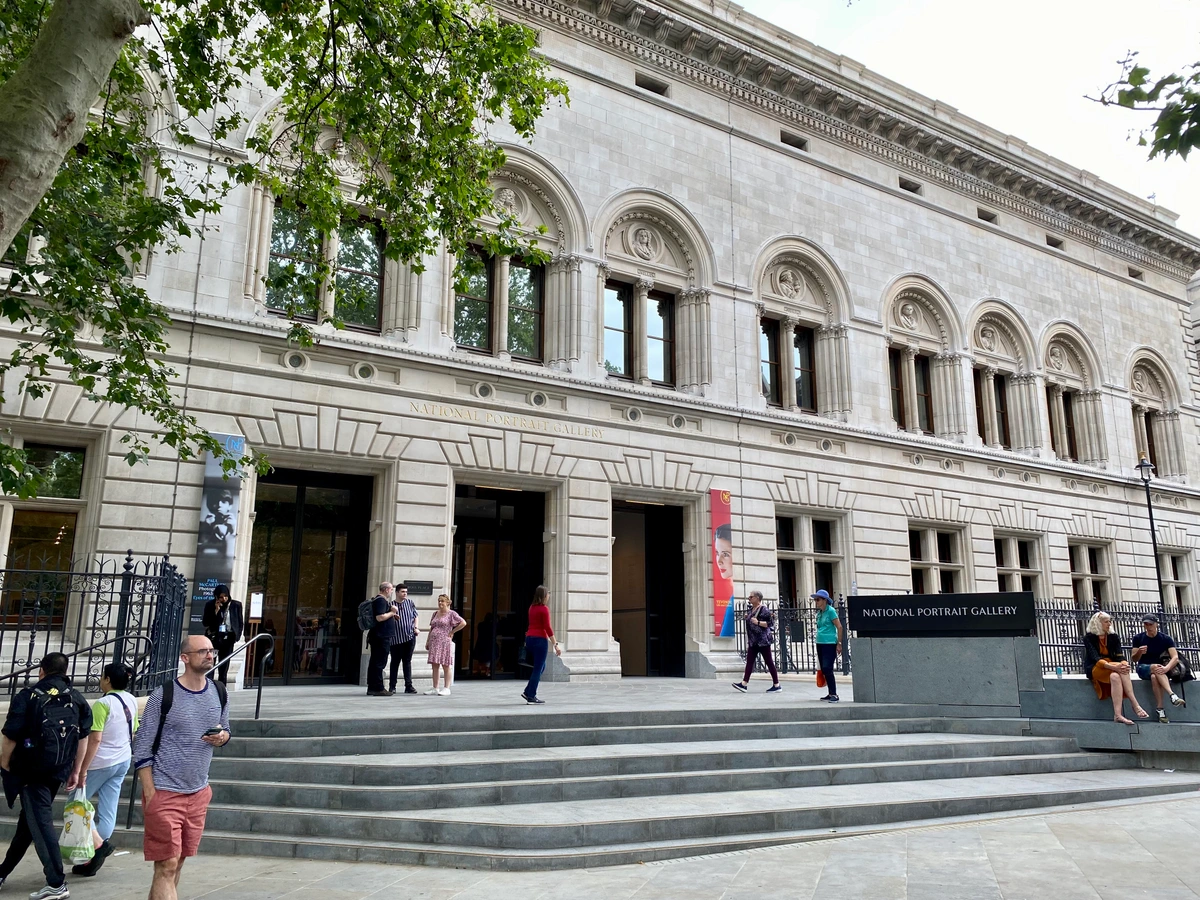
A: Not at all! This is one of London's greatest gifts to art lovers. All the major national museums – Tate Modern, National Gallery, British Museum, V&A, National Portrait Gallery, and more – offer free entry to their permanent collections. You'll only pay for special, temporary exhibitions, which are usually optional. It's truly fantastic, allowing everyone access to world-class art.
Q: What's the best day to go gallery hopping in East London?
A: Saturdays are generally the liveliest and best day, with most independent galleries open and a fantastic buzz in areas like Shoreditch and Hackney. Also, keep an eye out for "First Thursdays," when many East London galleries host late openings and events – it's a wonderfully social way to experience the scene and often includes special artist talks and performances.
Q: I only have one day for art. What should I absolutely not miss?
A: This is truly a tough one! If I had to pick, I'd suggest a classic route: spend the morning immersing yourself in the Tate Modern's contemporary wonders, then walk across the Millennium Bridge (taking in the views!) to St. Paul's Cathedral. From there, hop on the Tube to Trafalgar Square for an hour or two at the National Gallery. It's a whirlwind, but it's a classic for a reason. You'll get a taste of both old and new, and see some truly iconic London sights along the way.
Q: How do I find emerging artists in London?
A: Beyond the specific areas mentioned (Shoreditch, Peckham), follow independent gallery social media accounts, look for open studio events from art schools like Goldsmiths or Central Saint Martins, and attend local art fairs or pop-up exhibitions. Many artist collectives also have an online presence where you can discover new talent. Serendipity plays a huge part, too; just keep your eyes peeled and be open to discovering the unexpected!
Q: Are there any art fairs or festivals in London?
A: Absolutely, London hosts several world-renowned art fairs and festivals throughout the year! Frieze London and Frieze Masters in Regent's Park (October) are major international events. Other significant fairs include Art Fair London (various dates), The Other Art Fair (for independent artists), and specialist photography or contemporary art fairs like Photo London. Always check the annual calendar for specific dates and locations – they are fantastic opportunities to see a huge range of art in one go. Keep an eye out for seasonal art festivals, often featuring temporary installations in public spaces, too!
Q: What's the difference between a gallery and a museum?
A: While often used interchangeably, generally, a museum is a non-profit institution focused on acquiring, preserving, and exhibiting collections for public education and enjoyment, often with a permanent collection. A gallery, especially a commercial one, is primarily focused on representing artists and selling art. While both exhibit art, a gallery's main purpose is sales, whereas a museum's is cultural preservation and education. Museums are usually free for their permanent collections, while commercial galleries are typically free by default as they aim to attract buyers. Think of museums as public libraries of art, and commercial galleries as dynamic showrooms where art is actively bought and sold.
My Final Thought
London's art scene isn't a static collection you tick off a list; it's a dynamic conversation you participate in. It’s about allowing yourself to get wonderfully lost, to turn a corner and be surprised by a mural, or to simply sit on a bench in a quiet gallery, letting a painting speak to you in its own language, evoking emotion and thought without literal interpretation. It's about finding that raw energy, that collision of the old and new that I find so compelling, much like the process of creating vibrant abstract art yourself. So go explore, be curious, and let this incredible city show you its infinite colors. You absolutely will not be disappointed.
Remember, art is a journey, not a destination. And in London, that journey is endless. Keep exploring. Keep questioning. Keep finding what moves you.