Who Was Adriano de Sousa Lopes? A Guide to Portugal's Modernist Painter
Discover the life and art of Adriano de Sousa Lopes, the Portuguese painter who bridged 19th-century traditions with the explosive energy of modernism.

Who Was Adriano de Sousa Lopes? The Portuguese Painter Who Walked Between Worlds
I have this thing for artists who exist in the in-between spaces. You know the ones I mean—not quite the textbook headliners, but the figures who acted as crucial bridges, connecting one era to the next. They’re often more interesting than the superstars because their careers tell a story of change, of struggle, and of synthesis. And that's exactly how I feel about Adriano de Sousa Lopes.
If you've just typed his name into a search engine, you might be looking for a quick answer. Was he an Impressionist? A Modernist? The honest answer is a bit of both, and that’s what makes him fascinating. He was a man who stood with one foot in the academic traditions of the 19th century and the other stepping tentatively, then boldly, into the fractured, exciting world of 20th-century abstract art.
Let’s unpack the story of this pivotal Portuguese artist, a name you really should know.
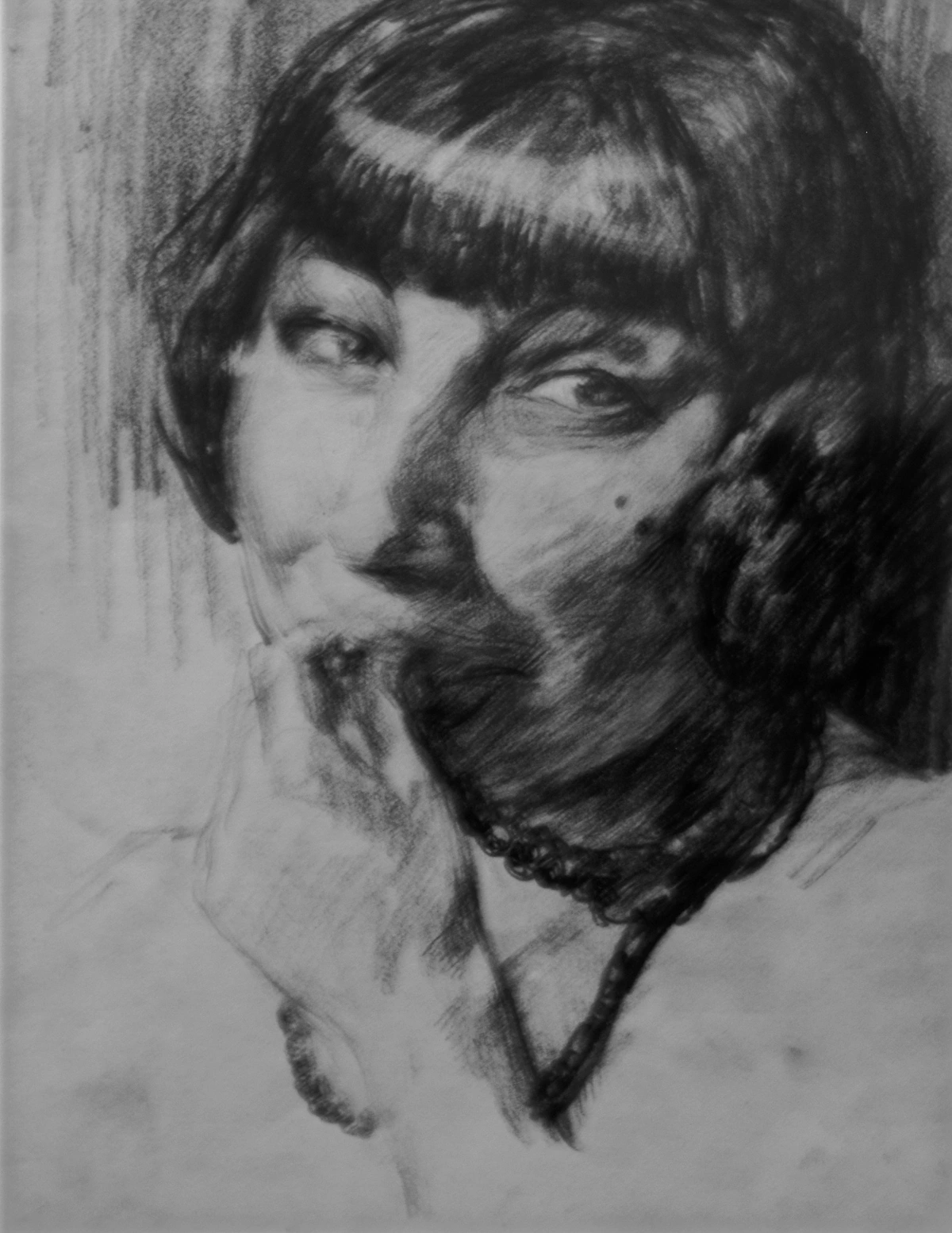
The Evolution of His Style: A Visual Journey
Looking at Sousa Lopes's work over time is like watching a caterpillar transform into a butterfly. His early pieces show technical mastery but traditional subject matter. His wartime work reveals psychological depth and emotional intensity. And his later pieces show a fascinating synthesis of all these elements.
Early Period (1890s-1903): Academic Foundations
In his early work, you can see the influence of his Portuguese teachers. The paintings are technically impeccable—perfect perspective, realistic anatomy, and compositions that follow academic rules. But look closely, and you'll see hints of what's to come. Even in these traditional scenes, there's a subtle play of light and shadow that shows his emerging interest in atmospheric effects.
"O Embarque do Gado" (The Embarkation of the Cattle) is a perfect example. On the surface, it's a realistic depiction of rural Portuguese life. But Sousa Lopes doesn't just paint what he sees—he paints what it feels like to be there. You can almost smell the salt air, hear the cattle lowing, and feel the bustle of the port. This ability to capture mood was his first step away from pure academicism.
Middle Period (1903-1917): The Parisian Transformation
When Sousa Lopes moved to Paris in 1903, he entered a whirlwind of artistic innovation. The early 1900s were a time when art was being reinvented almost monthly. Fauvism with its wild colors, Cubism with its fragmented forms, Expressionism with its emotional intensity—these weren't just movements to him; they were a new language.
He didn't adopt these movements wholesale. Instead, he absorbed their essence and translated it into his own visual language. His Parisian work shows looser brushwork, bolder color choices, and more dynamic compositions. This wasn't just about technique—it was about seeing the world differently. He learned to paint not just what things looked like, but how they felt, how they moved, how they existed in space and time.
The Man and His Time: A Quick Sketch
Before we dive into the art, you need a sense of the man. It’s impossible to separate an artist from their era, and Sousa Lopes lived through some seriously turbulent times. Born in 1879, he came of age when the world was shedding old skins and trying on new, often shocking, identities.
Here’s a quick rundown of his life's key moments. I find tables are great for getting the bare facts straight before we get into the messy, interesting stuff.
Event  | Date | Significance for Sousa Lopes |
|---|---|---|
| Birth | 1879 | Born in Leiria, Portugal. |
| Early Artistic Training | c. 1885-1895 | Studied basic drawing and painting techniques in Leiria, showing exceptional talent for his age. |
| Fine Arts Education | c. 1895-1900s | Attended the Lisbon School of Fine Arts, studying under Portuguese masters focused on academic realism. |
| First Major Exhibition | c. 1901 | Gained recognition in Portuguese art circles for his technically proficient traditional works. |
| Move to Paris | 1903 | A pivotal move. He immersed himself in the avant-garde atmosphere of Montparnasse. |
| Meeting Matisse & Picasso | 1904-1905 | Witnessed the birth of Fauvism and early Cubism, a formative experience. |
| Return to Portugal | 1906-1910 | Brief return to Lisbon, bringing new ideas that influenced local artists. |
| Portuguese Revolution | 1910 | Experienced the fall of the monarchy and establishment of the republic, a time of great social change. |
| World War I Begins | 1914 | War disrupted European art scenes, affecting Sousa Lopes's connections and opportunities. |
| Official War Artist | 1917-1918 | Documented the Portuguese Expeditionary Corps on the Western Front during WWI. |
| Personal Crisis | 1919-1920 | Experienced profound psychological effects from war trauma, influencing his artistic style. |
| Teaching Career | 1920s | Began teaching at Lisbon's School of Fine Arts, passing on his knowledge to younger generations. |
| Director of National Museum of Contemporary Art | 1929-1944 | Became an institutional figure, shaping the national collection in Lisbon. |
| Death | 1944 | Died in Lisbon, leaving a complex and influential body of work. |
The Parisian Crucible: Forging a New Style
Paris in the early 1900s. Can you imagine it? It was the undisputed center of the art world. This is where movements like Cubism and Fauvism were exploding. For a young painter like Sousa Lopes, it must have been like drinking from a firehose. He was there, breathing the same air as Picasso and Matisse.

The Artistic Crossroads of Montparnasse
Sousa Lopes arrived in Paris at the perfect (or depending on your perspective, most overwhelming) time. Montparnasse was a beehive of artistic activity. Artists from all over the world converged there, sharing ideas, arguing aesthetics, and pushing each other to new heights. The cafés—La Rotonde, Le Dôme, La Coupole—weren't just places to drink coffee; they were where artistic revolutions were planned.
Imagine being there: you might stumble in for a simple meal and end up in a heated debate about whether art should represent reality or express emotion. You could watch Picasso sketching furiously in a corner while Matisse discussed color theory with his students. The air would have been thick with cigarette smoke, espresso, and revolutionary ideas.
Sousa Lopes didn't just observe this—he participated. He became part of this international community of artists. This wasn't just about learning techniques; it was about absorbing a whole new way of thinking about art. He learned that art could be anything, that there were no rules except those you made for yourself.
The Portuguese Diaspora in Paris
What's fascinating is that Sousa Lopes wasn't alone. There was a significant Portuguese artistic community in Paris at the time. Artists like Amadeo de Souza-Cardoso (who would become one of Portugal's greatest modernists) and Santa-Rita Pintor were also there, experiencing the same artistic revolution.

These artists formed a kind of support network. They shared experiences, complained about the difficulty of making a living as artists, and discussed how to bring these new ideas back to Portugal. They were pioneers, representing their country in the heart of the European avant-garde. Sousa Lopes became part of this group, and through them, he saw how Portuguese identity could coexist with modern artistic practice.
The Return to Portugal: Bringing Modern Ideas Home
After his time in Paris, Sousa Lopes returned to Portugal with more than just new techniques—he brought a new philosophy. This was crucial because Portugal was still largely untouched by the artistic revolution that had swept through the rest of Europe. Portuguese art was still dominated by academic traditions, and modernist ideas were often viewed with suspicion.
The Challenge of Cultural Isolation
Portugal in the early 20th century was a place of contrasts. While intellectually isolated from the European avant-garde, it was experiencing significant social and political change. The 1910 Portuguese Revolution overthrew the monarchy and established a republic, creating an environment where new ideas were more welcome than ever.
But artistic change doesn't happen overnight. The Portuguese art establishment was conservative, and many institutions resisted modernist influences. Sousa Lopes found himself in a difficult position: he wanted to bring the exciting new ideas from Paris to Portugal, but he also needed to respect Portuguese artistic traditions.
His solution was brilliant: he didn't try to force modernism on Portugal. Instead, he created a synthesis that respected both worlds. His work showed that you could be modern while still being authentically Portuguese. This approach was crucial for making modern art acceptable to the Portuguese public.
Teaching and Mentorship
One of Sousa Lopes's most important contributions was as a teacher. When he returned to Lisbon, he began teaching at the Lisbon School of Fine Arts. Through his teaching, he influenced a generation of younger artists who would go on to shape Portuguese modernism.
He didn't just teach technique—he taught philosophy. He encouraged his students to look at the world with fresh eyes, to experiment with new forms, and to find their own artistic voice. But he also emphasized the importance of mastering traditional techniques before breaking the rules. This balanced approach produced artists who were both technically skilled and creatively innovative.
The War Artist: Documenting a Generation's Trauma
One of the most defining periods of Sousa Lopes's life was his time as an official war artist during World War I. This wasn't about painting heroic, sanitized battle scenes. He was on the front lines in Flanders, sketching the grim reality of trench warfare. His work from this period is raw, somber, and deeply human.
The Call to Duty
In 1917, Portugal entered World War I on the side of the Allies. The Portuguese government sent an expeditionary corps to fight on the Western Front, and they needed to document this historic moment. Sousa Lopes, already established as one of Portugal's leading artists, was appointed as an official war artist.
This wasn't a position he sought. War artists were often seen as propagandists, creating heroic images that glorified conflict. But Sousa Lopes approached it differently. He saw it as his duty to bear witness—to show the truth of war as he experienced it, not as the government wanted people to see it.
Life in the Trenches
The conditions Sousa Lopes experienced were horrific. He lived in the same mud, cold, and fear as the soldiers. He saw the wounds, the deaths, the psychological breakdowns. This firsthand experience fundamentally changed his art. His earlier work, while technically proficient, had been relatively detached. Now, his art became an expression of profound human suffering.
His war sketches and paintings are remarkable for their immediacy. You can see the quick, urgent lines of someone working under pressure. The colors are muted—browns, grays, sickly greens—reflecting the oppressive atmosphere of the battlefield. But look closely, and you'll find moments of beauty: the way light catches on a helmet, the dignity in a soldier's posture despite his exhaustion.
The Psychological Impact
War doesn't just damage bodies—it damages souls. Sousa Lopes returned from the war with what we would now call post-traumatic stress disorder. He experienced nightmares, anxiety, and depression. But rather than suppressing these experiences, he channeled them into his art.

His post-war work shows the psychological scars of conflict. The figures in his paintings often have haunted expressions, the compositions feel claustrophobic, and there's a sense of underlying anxiety. This was groundbreaking in Portugal. Before Sousa Lopes, Portuguese art rarely dealt with psychological depth or emotional trauma. He showed that art could be a vehicle for exploring the darkest aspects of human experience.
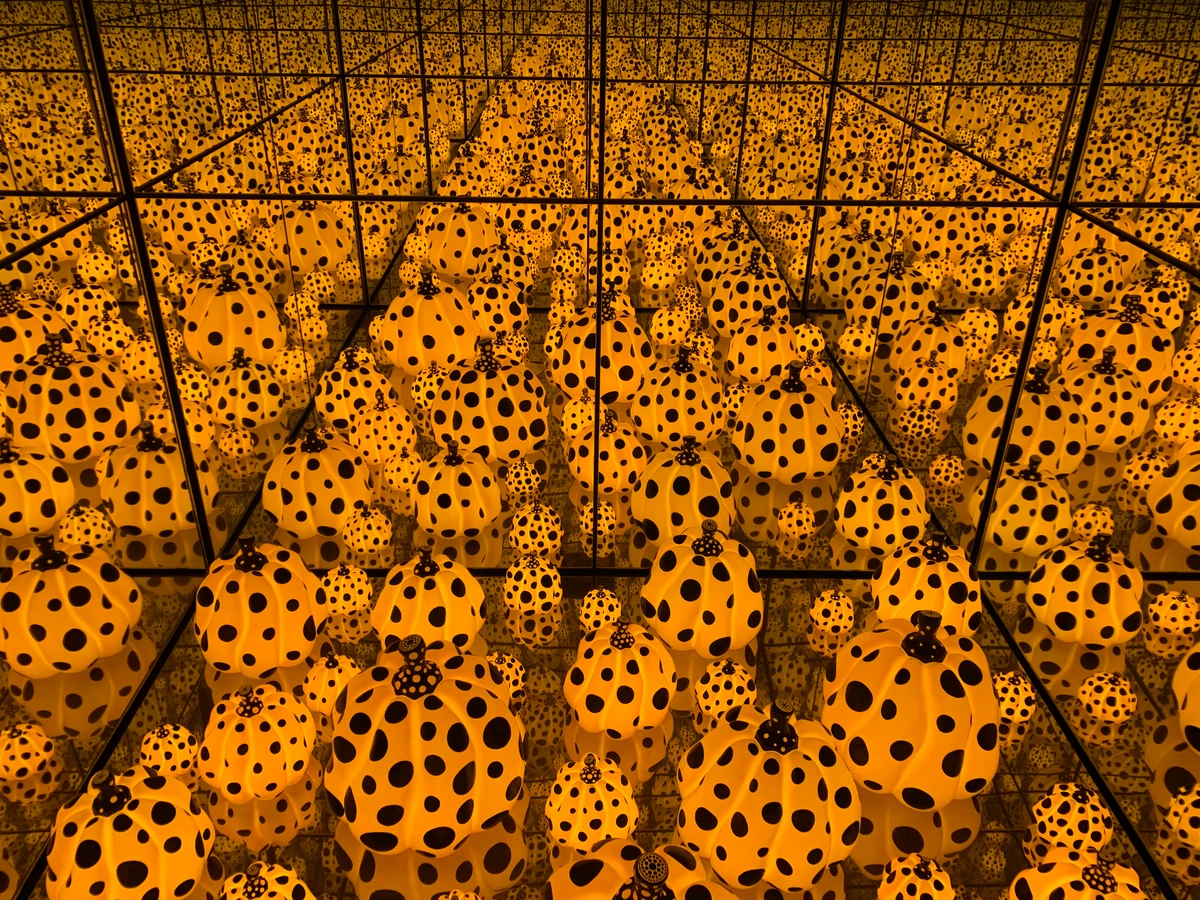
He captured the exhaustion of the soldiers, the devastated landscapes, and the oppressive atmosphere of the war. The colours are muted—browns, grays, sickly greens. The lines are fast and urgent. In these pieces, you feel the psychological weight of the conflict. It's a powerful reminder that art isn't just about beauty; it's about bearing witness. It’s about using line and color to tell a truth that words can't quite reach, a concept we explore more in our guides on line in abstract art and how artists use color.

Key Works and Evolving Style
It's tough to talk about his work without being able to show you a gallery right here. But let me try to paint a picture with words for a few of his most significant pieces.
- "O Embarque do Gado" (The Embarkation of the Cattle): This is an early work, showing his mastery of a more naturalistic style, but with a clear interest in the play of light and the movement of the crowd. It’s solid, traditional, but you can see the seeds of something new.
- World War I Paintings (e.g., "A Trincheira" - The Trench): As mentioned, these are stark and powerful. The composition is often claustrophobic, pulling you right into the mud and fear with the soldiers.
- Portraits and Landscapes: Later in his career, his style continued to evolve. His landscapes of the Portuguese coast are vibrant and full of light, showing the lasting influence of Impressionism. His portraits, however, often have a modernist edge—simplified forms and a focus on the subject's inner psychology.
He was a master of the palette, constantly experimenting. His ability to move between styles is not a sign of indecision; it's a sign of a restless, curious mind. He used whatever visual language best suited his subject.
Comparative Analysis: Sousa Lopes vs. His Contemporaries
To truly appreciate Sousa Lopes's importance, it helps to place him alongside his contemporaries. How does his work compare to other Portuguese artists of the time? How does it stack up against the European avant-garde he encountered in Paris?
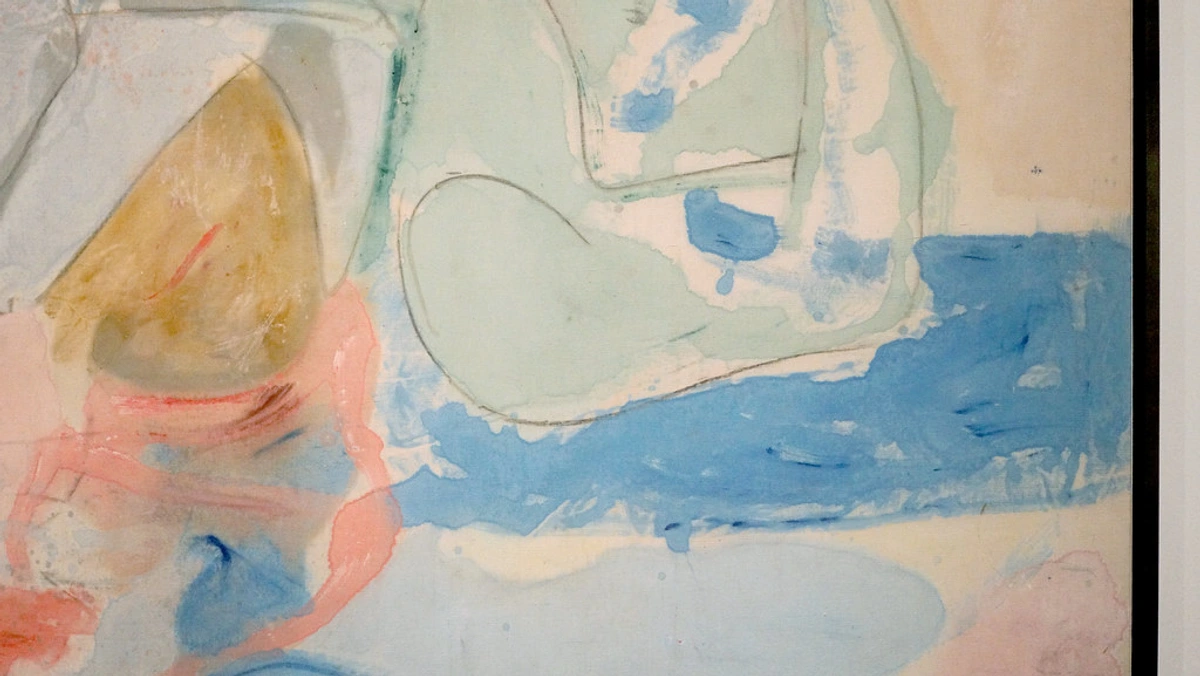
Sousa Lopes vs. Amadeo de Souza-Cardoso
Amadeo de Souza-Cardoso is often mentioned alongside Sousa Lopes as one of the fathers of Portuguese modernism. Both artists were in Paris at the same time and brought modernist ideas back to Portugal. But their approaches were quite different.
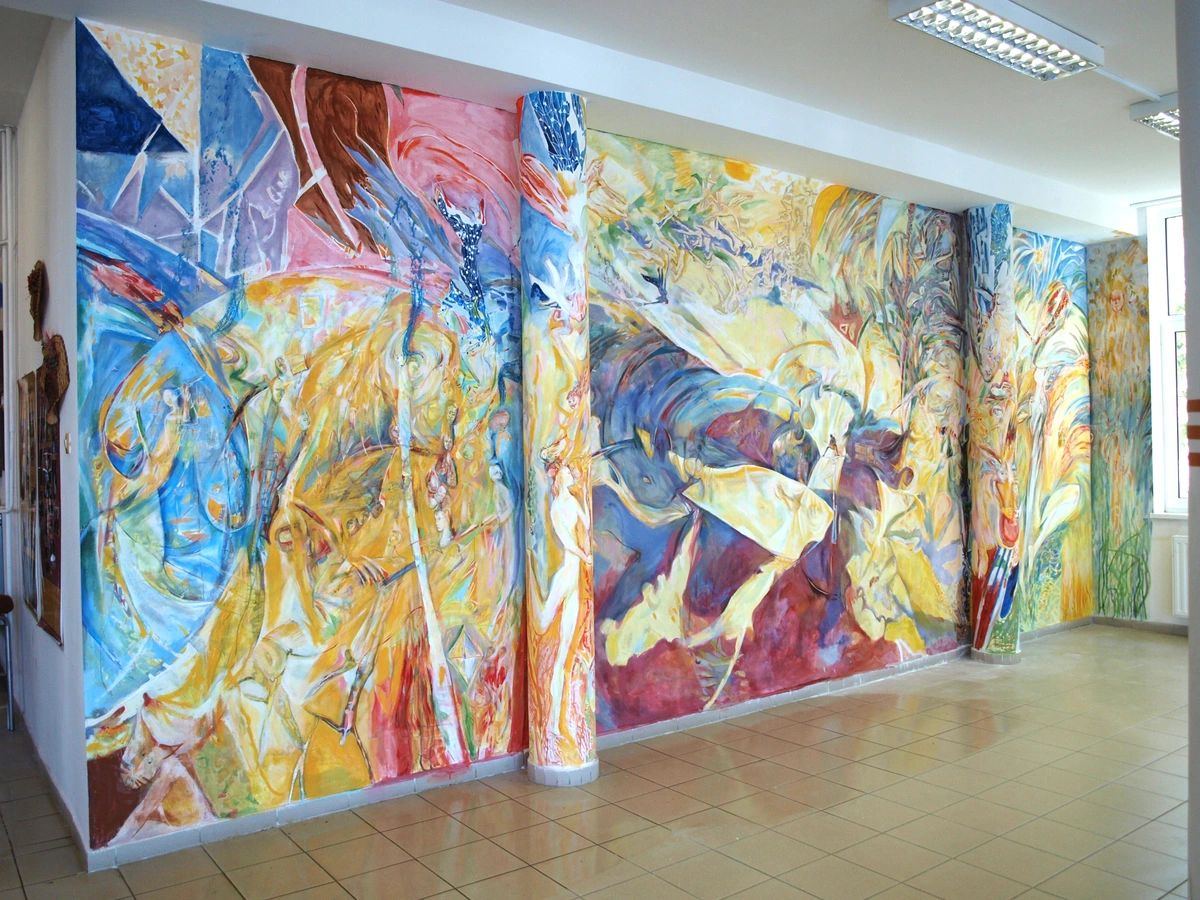
Amadeo was the more radical modernist. He embraced Cubism and abstraction more fully, creating works that were almost completely non-representational. He was willing to break all the rules of traditional art.
Sousa Lopes, on the other hand, was more of a bridge-builder. He respected traditional techniques but incorporated modernist elements. His work remained recognizable and accessible to the Portuguese public, making him more effective in introducing modern ideas.
In many ways, Amadeo was the visionary who pointed the way forward, while Sousa Lopes was the pragmatist who actually got Portugal to move in that direction.
Sousa Lopes vs. European Modernists
When you compare Sousa Lopes to European artists like Picasso or Matisse, you see both his limitations and his strengths.
Compared to Picasso, Sousa Lopes was less revolutionary in his approach to form. Picasso was constantly reinventing visual language, while Sousa Lopes was more about refining and perfecting existing techniques.
Compared to Matisse, Sousa Lopes was less experimental with color. Matisse used color as a primary expressive element, while Sousa Lopes tended to be more restrained.
But where Sousa Lopes excelled was in his synthesis of traditions. While European artists often rejected the past entirely, Sousa Lopes found ways to incorporate traditional elements into modernist work. This made his art uniquely Portuguese.
His Legacy: The Father of Portuguese Modernism?
So, where does that leave him? He is often called one of the fathers of Portuguese Modernism, alongside artists like Amadeo de Souza-Cardoso. While others may have pushed further into pure abstraction, Sousa Lopes played the vital role of acclimatizing the Portuguese public and art institutions to new ways of seeing.
The Institutional Legacy
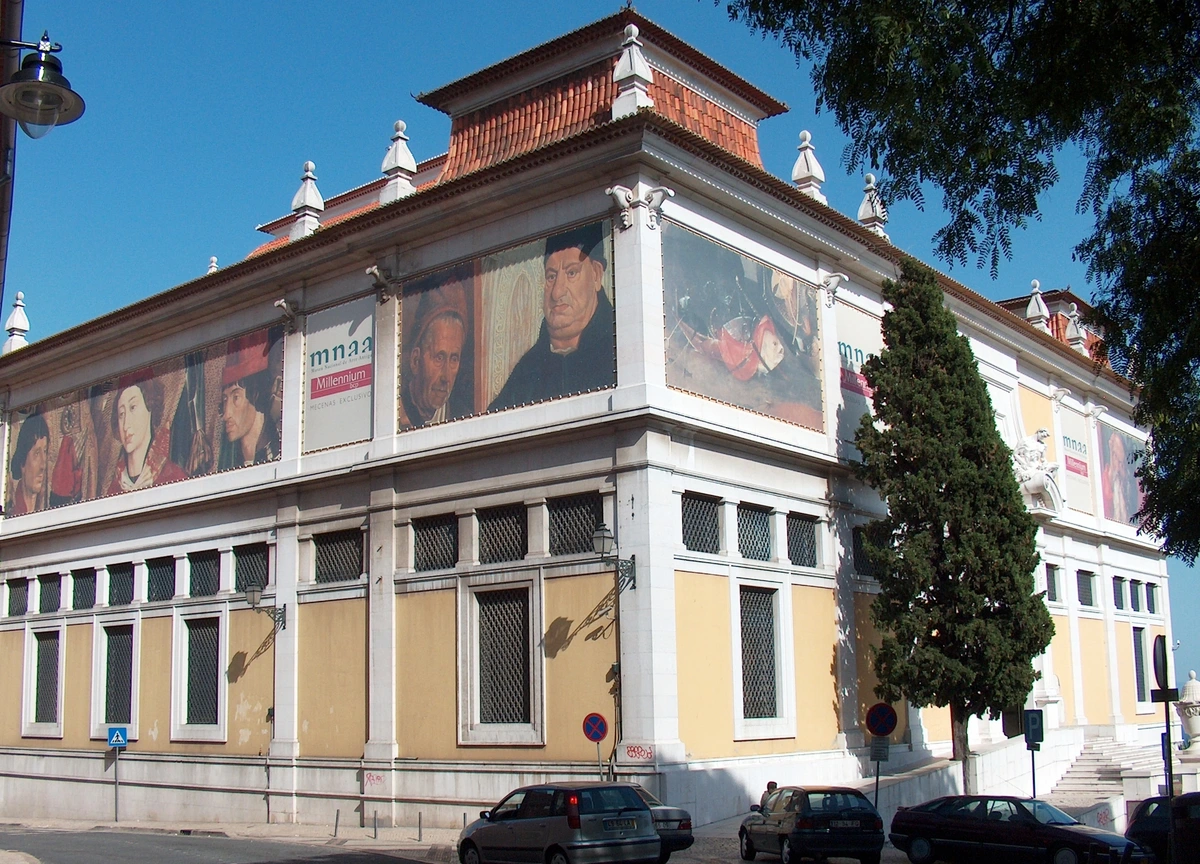
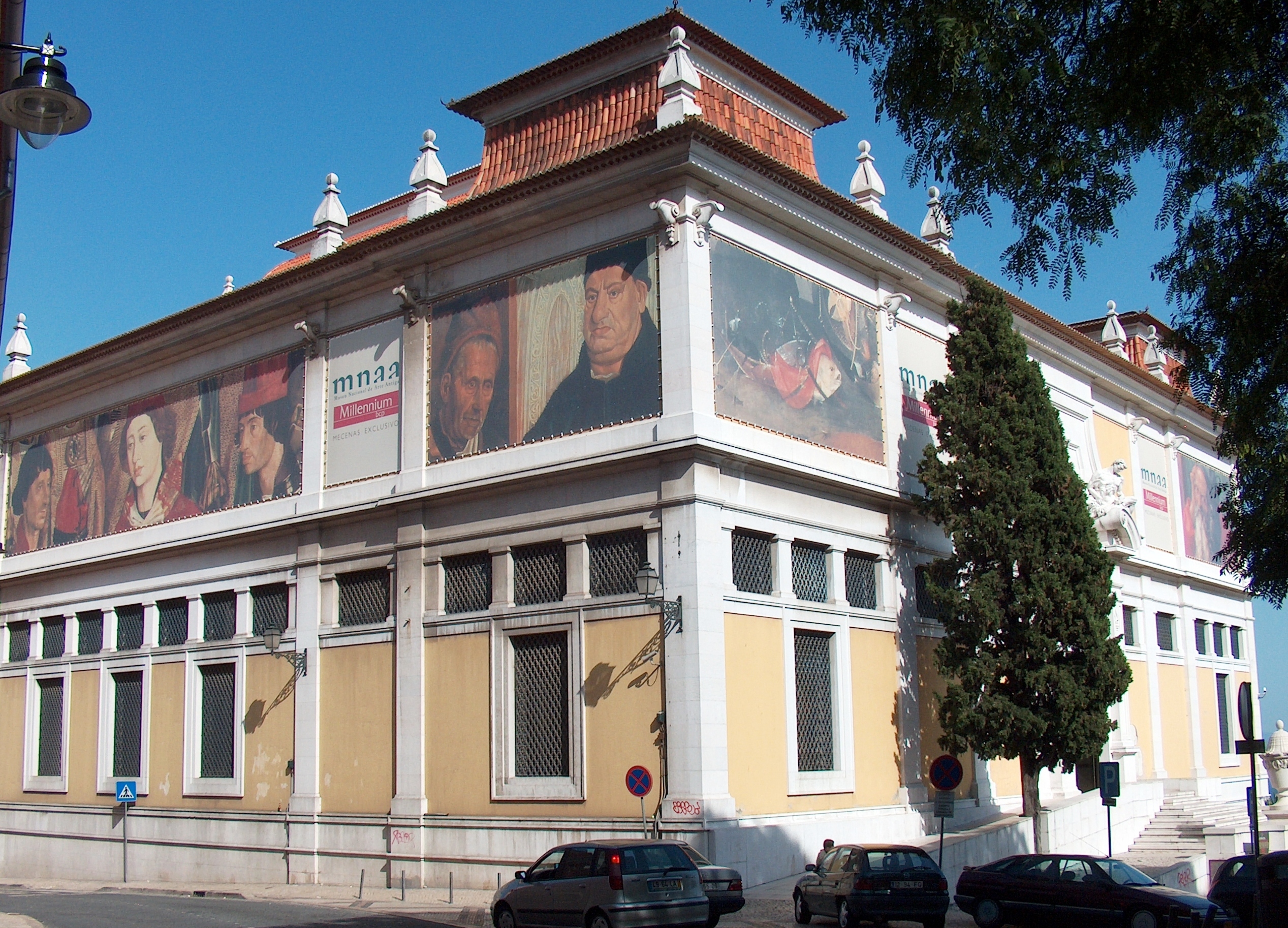
By becoming the director of the National Museum of Contemporary Art (now the Chiado Museum) in Lisbon, he cemented his role as a tastemaker and an advocate for modern art. He was no longer just a painter; he was a builder of institutions, shaping the very history of art in his country.
During his directorship (1929-1944), Sousa Lopes transformed the museum from a conservative institution into a showcase for modern art. He acquired works by both Portuguese and European modernists, creating a collection that reflected the new artistic directions he had helped pioneer. More importantly, he curated exhibitions that educated the public about modern art, making it accessible and understandable.
The Educational Legacy
Beyond his museum work, Sousa Lopes's influence as a teacher cannot be overstated. When he returned from Paris, he brought back not just new ideas but new methods of teaching art. He emphasized the importance of both technical mastery and creative exploration.
His students went on to become some of Portugal's most important modern artists. They learned from him that art could be both traditional and modern, both Portuguese and international. This balanced approach became characteristic of Portuguese modernism as a whole.
The Contemporary Reassessment
For decades after his death, Sousa Lopes was somewhat overshadowed by more radical modernists. His reputation suffered partly because he wasn't as revolutionary as some of his contemporaries, and partly because his work didn't fit neatly into modern art categories.
But in recent years, there's been a reassessment of his importance. Art historians are recognizing that figures like Sousa Lopes were crucial to the development of modern art in countries that were on the periphery of the European art scene. His work shows how modernism didn't just happen in Paris and Berlin—it spread outward, adapting to local contexts and traditions.
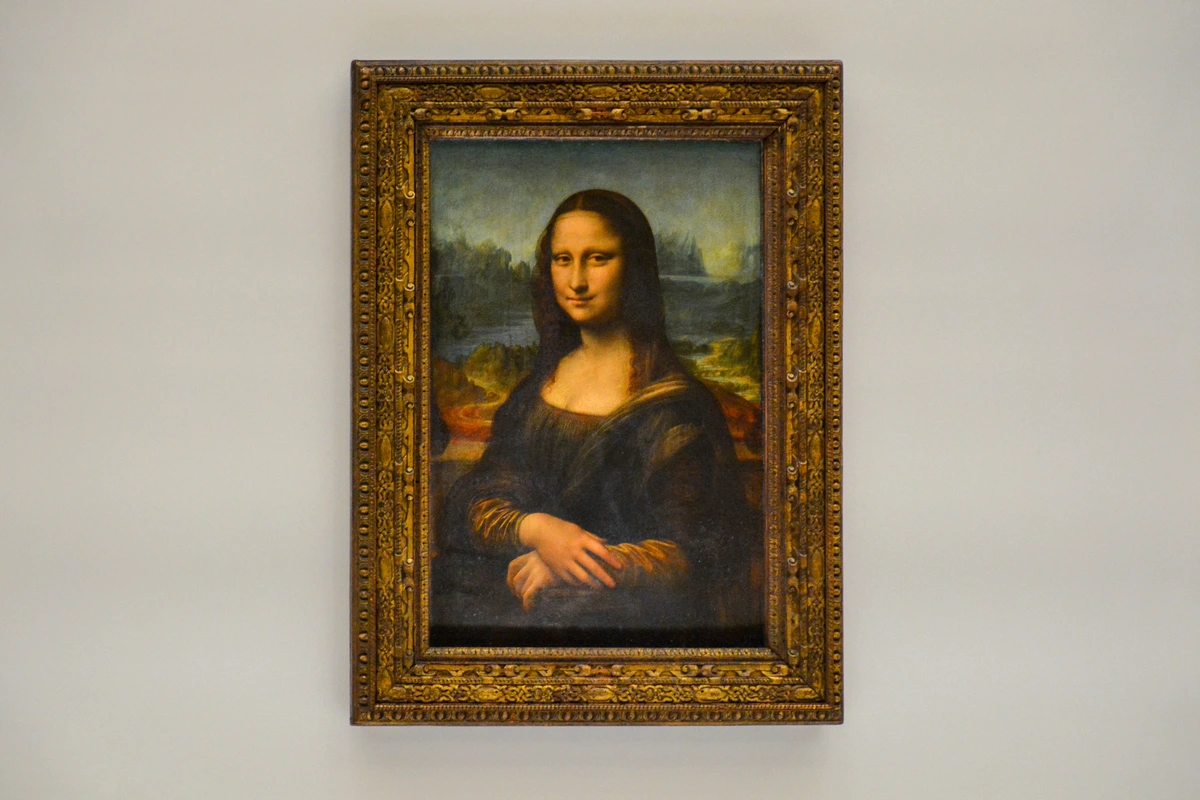
This reassessment is part of a broader trend in art history to look beyond the usual centers and understand how modern art developed in different cultural contexts. Sousa Lopes is now seen not as a lesser figure, but as a vital example of how modernism traveled and transformed as it moved across Europe.
Where to Experience Sousa Lopes Today
One of the best ways to understand an artist is to see their work in person. While many famous artists have works scattered in museums around the world, Sousa Lopes's work is concentrated in Portugal. This makes it possible to get a comprehensive view of his artistic development by visiting a few key locations.
Major Collections in Portugal
Chiado Museum (Lisbon) - This is the most important collection of Sousa Lopes's work. As the former National Museum of Contemporary Art, it houses many pieces he acquired during his directorship, plus his own works. The museum has a dedicated section that traces his career from his early academic works to his mature modernist pieces.
Soares dos Reis National Museum (Porto) - Located in Portugal's second-largest city, this museum has an excellent collection of Sousa Lopes's war paintings. These pieces are particularly powerful because they show the psychological depth he developed during his time on the Western Front.
Calouste Gulbenkian Museum (Lisbon) - While primarily known for its ancient and Eastern art collections, the Gulbenkian also has some important Portuguese modernist works, including pieces by Sousa Lopes that showcase his engagement with international artistic movements.
Special Exhibitions and Events
Portuguese museums occasionally mount special exhibitions focused on Sousa Lopes and his contemporaries. These exhibitions often bring together works from different collections, providing a more comprehensive view of his career than is usually possible.
The Portuguese Centres for Modern Art in both Lisbon and Porto frequently feature Sousa Lopes in their exhibitions of early 20th-century Portuguese art. These shows often include contextual materials like photographs, letters, and contemporary art criticism that help illuminate his place in the art world.
Virtual Access and Digital Resources
For those who can't visit Portugal in person, there are excellent digital resources available. The Portuguese Ministry of Culture has an online portal with high-resolution images of many of Sousa Lopes's works, along with detailed biographical and contextual information.
Several Portuguese universities have digital archives of Portuguese art that include Sousa Lopes's work. These resources often include essays by art historians, exhibition histories, and conservation reports that provide deep insights into his techniques and materials.
Frequently Asked Questions (FAQ)
Q: What art movement is Adriano de Sousa Lopes most associated with?
A: It's complex! He's best described as a transitional figure. His roots are in Naturalism and Impressionism, but his work, especially after his time in Paris and during WWI, shows clear Modernist and Expressionist tendencies. He's a key figure in the first generation of Portuguese Modernism.
Q: Where can I see Adriano de Sousa Lopes's art?
A: The best place to see his work is in Portugal. The Chiado Museum (National Museum of Contemporary Art) in Lisbon holds a significant collection, as does the Soares dos Reis National Museum in Porto. His war paintings are a particularly important part of the national collection.
Q: How does Sousa Lopes's work compare to other Portuguese modernists?
A: Sousa Lopes occupies a unique position between more radical modernists like Amadeo de Souza-Cardoso and traditional academic painters. While Amadeo embraced abstraction more fully, Sousa Lopes created a synthesis that respected both tradition and innovation. His work is more accessible to general audiences while still being intellectually sophisticated.
Q: What was the impact of World War I on Sousa Lopes's art?
A: The war was transformative for his work. His earlier pieces were technically proficient but relatively detached. His wartime and post-war work became more psychologically complex, emotionally intense, and focused on human suffering. The trauma of the war years gave his art a depth and urgency that wasn't present in his earlier work.
Q: How did Sousa Lopes influence Portuguese art education?
A: As a teacher at the Lisbon School of Fine Arts, he revolutionized art education in Portugal. He brought modernist ideas from Paris but balanced them with traditional technical training. His students went on to become some of Portugal's most important modern artists, creating a generation that valued both skill and innovation.
Q: What makes Sousa Lopes important to art history?
A: Sousa Lopes is important because he represents how modernism developed outside the major European art centers. His work shows how artistic ideas traveled and adapted as they moved from Paris to the peripheries. He's also important for his role in building Portuguese cultural institutions and for his synthesis of traditional and modern approaches.
Q: Did Sousa Lopes have any famous students?
A: While comprehensive records are incomplete, several important Portuguese artists studied under Sousa Lopes or were influenced by his teaching. His most notable student was likely Mário Eloy, who became an important figure in Portuguese modernism and was known for his socially engaged art.

Q: How did the political situation in Portugal affect Sousa Lopes's career?
A: The 1910 Portuguese Revolution that established the republic created a more open environment for artistic innovation. This allowed Sousa Lopes to pursue modernist ideas more freely than under the monarchy. His role in cultural institutions also gave him influence over how modern art was presented to the Portuguese public.
Q: Is Sousa Lopes's work gaining international recognition?
A: Yes, there's growing international interest in Sousa Lopes's work. Art historians are reassessing his importance as an example of how modernism developed in peripheral European countries. His work is increasingly featured in exhibitions about European modernism, and prices for his pieces are slowly rising as international collectors discover his significance.
Q: What are some good books or resources about Sousa Lopes?
A: The most comprehensive resource is "Adriano de Sousa Lopes: Vida e Obra" (Life and Work) by Maria Helena Mendes. For English readers, "Portuguese Modern Art: The Early 20th Century" includes a substantial section on Sousa Lopes. The Portuguese Ministry of Culture's online portal also has excellent digital resources and scholarship about his work.
The Art Market and Sousa Lopes
Like many artists, Sousa Lopes struggled with the practical realities of making a living from his art. Understanding his relationship with the art market gives us insight into the challenges faced by artists working outside the major art centers.

Early Career and Financial Struggles
In his early career, before his Paris period, Sousa Lopes relied on portrait commissions and sales to private collectors. This was the traditional way for artists to make a living, but it was limiting. He had to cater to his clients' tastes rather than pursuing his own artistic vision.
His time in Paris was financially difficult. While he was surrounded by artistic innovation, he wasn't always part of the commercial scene. Many of the avant-garde artists in Paris were also struggling financially, and Sousa Lopes was no exception. This experience probably contributed to his practical approach to art when he returned to Portugal.
Recognition and Market Value
After his return to Portugal, Sousa Lopes's reputation grew, and so did his market value. His appointment as director of the National Museum of Contemporary Art gave him institutional credibility, which helped his commercial prospects.
During his lifetime, his work was collected by Portuguese institutions and some private collectors. However, he never achieved the international fame or astronomical prices that some of his European contemporaries did. This was partly due to Portugal's position on the periphery of the art world, and partly because his work didn't fit neatly into the major modernist movements.
Contemporary Market and Investment Potential
Today, Sousa Lopes's work is primarily collected in Portugal. His paintings occasionally come up at auction, usually fetching moderate prices compared to major European modernists. However, there's growing interest in his work internationally, particularly among collectors who are looking beyond the usual art market centers.
For art investors, Sousa Lopes represents an interesting opportunity. His prices are still relatively accessible compared to more famous modernists, and there's potential for appreciation as his international reputation grows. His work is also a good example of how modernism developed in peripheral European countries, which is an increasingly important area of art historical research.
Authentication and Provenance
One challenge for collectors of Sousa Lopes's work is authentication. Because he wasn't as systematically documented as major European artists, some attribution questions exist. However, Portuguese art experts have developed good systems for authenticating his work based on stylistic analysis and provenance research.
The Chiado Museum and the Soares dos Reis National Museum maintain records of his works, which can help with authentication. Private collectors should work with reputable Portuguese art dealers and authenticators when considering Sousa Lopes's work.
Technical Analysis: Sousa Lopes's Artistic Materials and Methods
To truly understand Sousa Lopes's work, it helps to know something about the materials and techniques he used. Like all artists, his choices about materials influenced the final look and feel of his paintings.
Painting Mediums and Supports
Sousa Lopes worked primarily in oil on canvas, which was the standard for serious painting in his time. He used canvas of varying qualities depending on the intended purpose of the work. His more ambitious pieces were painted on fine linen canvas, while smaller studies or works for sale might be on cotton canvas.
He occasionally worked on wood panel, especially for smaller works or where he wanted a smoother surface. Wood panel was traditional for academic painting, and his use of it shows his respect for historical techniques even as he embraced modernist ideas.
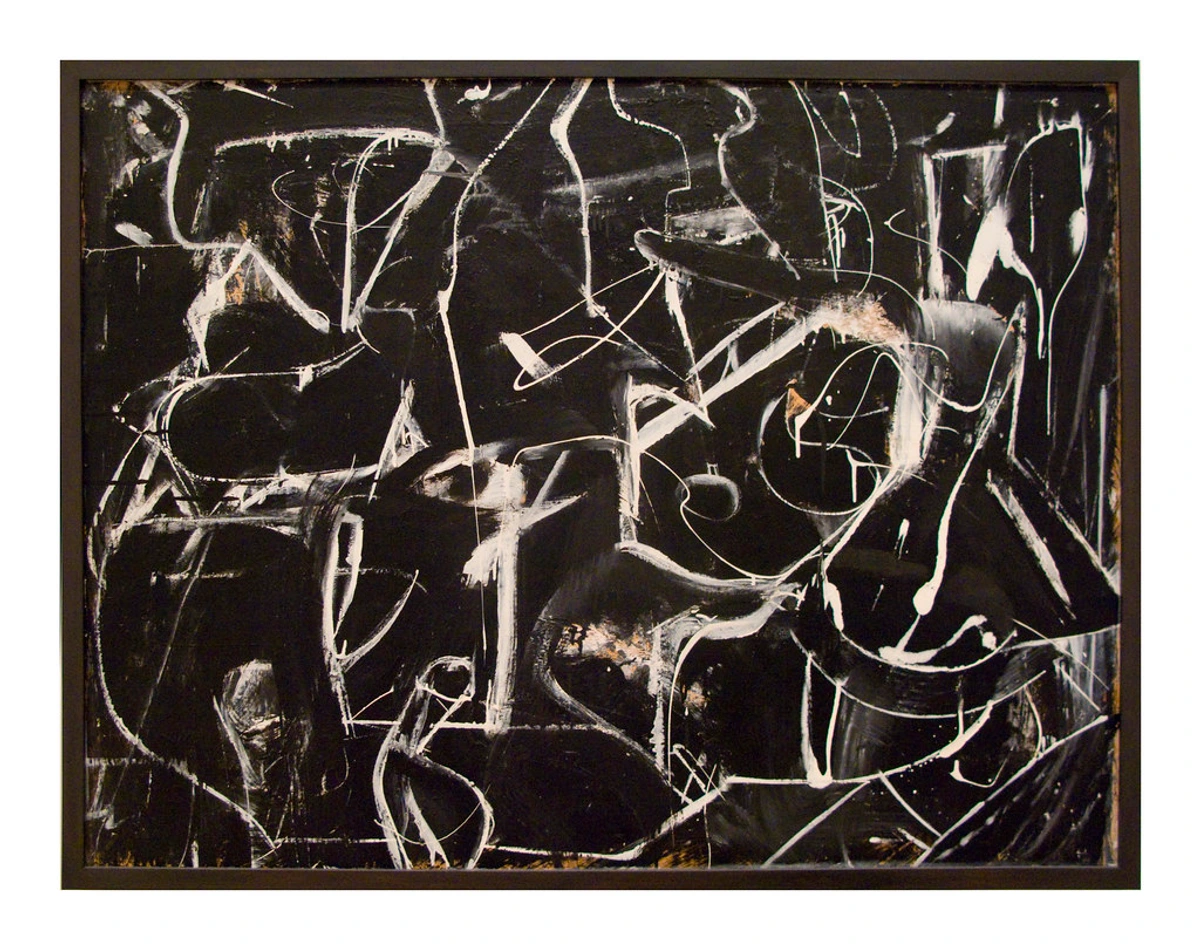
For his drawings and sketches, he used a variety of materials including charcoal, graphite, and chalk. His wartime sketches were often done quickly on whatever paper was available, which gives them an immediacy and raw quality.
Pigments and Color Palette
Sousa Lopes's color palette evolved significantly over his career. In his early academic work, he used traditional pigments like ochre, umber, and sienna for earth tones, along with lead white and basic blues and reds.
After his Paris experience, his palette expanded to include brighter, more modern pigments. He began using cadmium yellows and reds, cobalt blue, and synthetic organic pigments that were newly available. These brighter colors gave his work a more modern, vibrant quality.
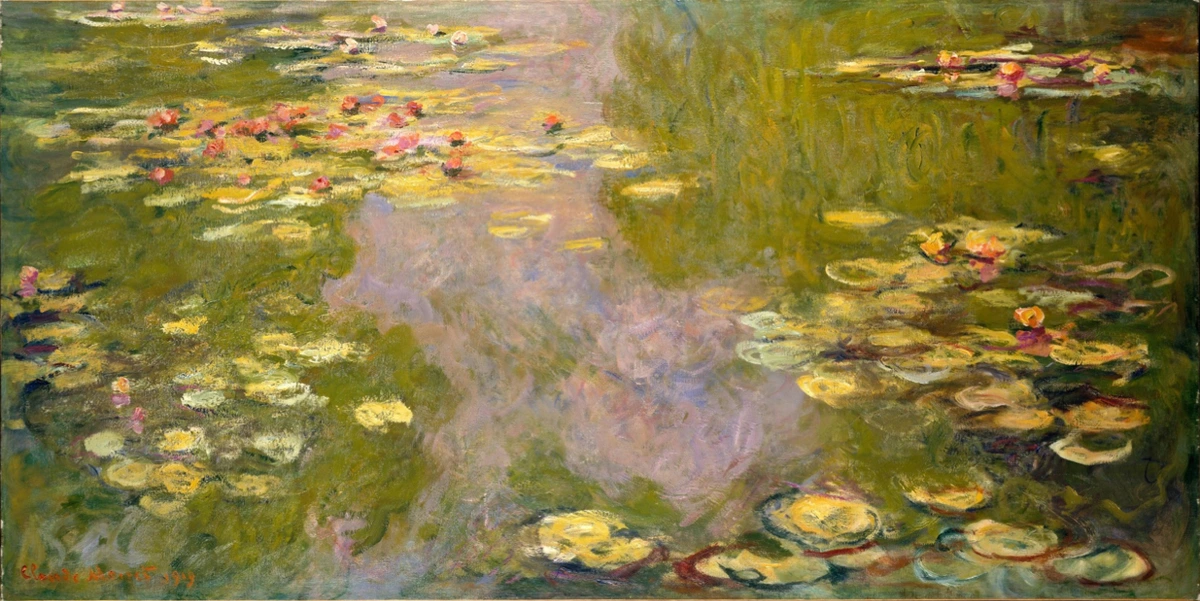
During his wartime period, his palette became more muted. He used earth tones, grays, and limited colors to reflect the somber atmosphere of the battlefield. This wasn't just a choice—it was a deliberate artistic decision to use color to convey emotion.
Brushwork and Application Techniques
Sousa Lopes had an extraordinary command of different brushwork techniques. In his early work, you can see the influence of academic training—smooth, blended brushstrokes that create realistic surfaces. He would often use glazing techniques, applying thin layers of paint to build up depth and luminosity.
In his Parisian period, his brushwork became more expressive and visible. You can see individual brushstrokes, and he sometimes used impasto techniques, applying thick layers of paint to create texture and emphasis.
His wartime work shows the urgency of his situation. The brushstrokes are quick, energetic, and sometimes even aggressive. He worked rapidly to capture scenes before they changed, which gives his war paintings their distinctive immediacy.
Understanding Sousa Lopes in Context
To fully appreciate Sousa Lopes's work, it helps to understand the broader historical and cultural context in which he created. His art doesn't exist in a vacuum—it's shaped by the specific circumstances of early 20th-century Portugal and Europe.
Portugal's Cultural Position in Europe
In the early 20th century, Portugal was in a unique cultural position. It had a long artistic tradition dating back to the Renaissance, but it was geographically isolated from the main centers of European artistic innovation. This created interesting tensions:

- Tradition vs. Innovation: Portuguese art was deeply rooted in academic traditions, while Europe was experiencing an artistic revolution.
- Isolation vs. Integration: Portugal was on the margins of Europe, both geographically and culturally.
- Colonial vs. National Identity: Portugal was still a colonial power, which influenced how artists saw their role in society.
Sousa Lopes navigated these tensions skillfully. He brought modern ideas to Portugal without rejecting its artistic heritage, creating a synthesis that was uniquely Portuguese.
The Impact of World War I
World War I was a watershed moment for European art, and Sousa Lopes was right in the middle of it. The war shattered many illusions about progress and civilization, and this was reflected in the art that came afterward.
For Sousa Lopes, the war was particularly significant because it happened at the exact moment when his artistic style was forming. The trauma and disillusionment of the war years influenced his approach to art, making his work more psychologically complex and emotionally intense.

This was common among artists who experienced the war. Many European artists who had been experimenting with abstraction and formal innovation returned to more representational work, focusing on human suffering and psychological depth. Sousa Lopes was part of this broader trend.
The Republican Experiment in Portugal
The 1910 Portuguese Revolution that overthrew the monarchy and established a republic created an environment where new ideas were more welcome than ever. Sousa Lopes's career unfolded during this period of political change, which influenced how he saw his role as an artist.
In a monarchy, artists often served the state or the church. In a republic, there was more opportunity for artists to define their own purpose. Sousa Lopes embraced this freedom, seeing himself as both an individual artist and a contributor to national cultural development. This dual identity—individual and national—became an important theme in his work.
A Final Thought
Discovering an artist like Adriano de Sousa Lopes is a reminder that art history is not a neat timeline of famous names. It's a sprawling, messy, and wonderful web of connections. He was a man of his time, caught in the currents of immense change, and he used his art to navigate it all. He may not be as famous as his Parisian contemporaries, but his work tells a powerful story—one of a nation's art scene waking up to a new and uncertain century. And that's a story worth knowing.
Why Sousa Lopes Matters in the 21st Century
In today's globalized art world, where we often talk about "decolonizing" art history and looking beyond traditional centers, Sousa Lopes feels more relevant than ever. He represents what happens when artistic innovation travels from the center to the periphery, adapting and transforming in the process.
His work asks us to think about what makes art "modern." Is it about rejecting the past entirely? Or is it about finding new ways to engage with tradition? Sousa Lopes would argue for the latter. His art shows that modernism isn't just a set of techniques—it's an attitude, a way of seeing the world that respects both innovation and heritage.

Lessons from Sousa Lopes for Today's Artists
For contemporary artists, Sousa Lopes offers some valuable lessons:




















- Master the basics before breaking the rules. Sousa Lopes's technical mastery gave him the freedom to experiment meaningfully.
- Context matters. His work shows how art is shaped by its cultural and historical context.
- Be a bridge, not just a revolutionary. Sometimes the most important role an artist can play is helping their community understand and accept new ideas.
- Authenticity trumps novelty. Sousa Lopes's most powerful work came from his genuine experiences and emotions, not from trying to be fashionable.
The Continuing Reassessment of Sousa Lopes
Art history is constantly being rewritten, and Sousa Lopes is part of that ongoing process. For decades, he was seen as a secondary figure, less important than the radical modernists who changed art forever. But now we're beginning to understand that artists like Sousa Lopes were crucial to how modernism actually spread and took root in different parts of the world.
This process of reassessment is healthy and necessary. It reminds us that art history isn't just about the most famous or revolutionary artists—it's about understanding how art actually functions in society, how ideas travel, and how cultures exchange and transform artistic practices.
Sousa Lopes's story is ultimately a story about connection—between past and future, between tradition and innovation, between Portugal and Europe, between individual expression and collective culture. And in that sense, he's not just a historical figure. He's a reminder that art at its best is always about making connections, building bridges, and helping us see the world in new ways.