
Iconography in Art: The Curator's Essential Guide to Decoding Visual Narratives
Unlock art's secret visual language with this curator's comprehensive guide. Explore iconography's ancient roots, global reach, practical interpretation, and enduring presence in art, empowering deeper understanding of hidden meanings.

Iconography in Art: The Curator's Essential Guide to Decoding Visual Narratives
Let's be real: when I first started as a curator, I was pretty good at pretending. Wandering through hallowed halls, nodding sagely at masterpieces, I’d act like I understood the profound whispers of the art. Internally? I was usually panicking, thinking, "Okay, pretty picture, but what in the name of art history are you actually trying to tell me?" This realization led me to understand that the key to unlocking these visual narratives often lies in iconography – the secret handshake of art history, the visual language artists use to embed narratives, beliefs, and cultural contexts into their creations. For me, it's about looking beyond the surface, a challenge I've always relished. Think of it as learning to read between the lines, but for art – finding the whispers in the brushstrokes, the stories in the symbols. So, I’ve put together this guide, drawing from my own winding journey through art, to demystify iconography for you, to equip you with the tools to actively decipher art's hidden messages, and to perhaps deepen your own silent conversations with masterpieces. We’ll journey through its ancient roots, explore practical interpretation, and see how this visual language continues to evolve, even in our noisy modern world.
What Exactly Is Iconography? More Than Just a Pretty Picture
When we talk about iconography in art, we're referring to the identification, description, and interpretation of the content of images: the subjects depicted, the particular compositions and visual motifs (those recurring elements that convey meaning) used, and their hidden or implied meanings. It's not just about recognizing a figure or an object; it's about understanding what that figure or object represents within a specific cultural, historical, or religious context. Now, I know what you might be thinking: isn't that just symbolism? And yes, there's a huge overlap, but here's my quick take: symbolism is the broader act of using something to represent an idea, while iconography is the systematic study and established visual vocabulary of those symbols within a specific artistic tradition or cultural framework. It's about decoding a language with a known grammar, rather than just appreciating individual words.
Think of it this way: a red rose isn't just a flower. In certain contexts, it's a symbol of love, passion, or even martyrdom. This layered meaning is the essence of iconography. But it doesn't stop there. A peacock, for instance, often symbolizes immortality or resurrection in Christian art due to ancient beliefs about its flesh not decaying, while in other contexts, it might represent beauty and vanity. A swan could signify grace, purity, or even love, depending on the narrative. An hourglass is a classic memento mori, a stark reminder of life's fleeting nature, and an anchor universally suggests hope, steadfastness, or salvation. Keys, for example, often symbolize knowledge, authority, or access, while books can represent learning, wisdom, or religious texts. A lily, commonly found in Annunciation scenes, stands for purity and the Virgin Mary, whereas a palm branch is often an emblem of victory or martyrdom. While iconography shares similarities with understanding symbolism in contemporary art, it typically delves deeper into established, systematic frameworks of meaning and interpretation, particularly within older artistic traditions. It's like moving from a general appreciation of language to becoming fluent in a specific, historical dialect of visual storytelling. For a broader perspective on symbolism, you might want to check out the definitive guide to understanding symbolism in art.
A Journey Through Time: The Historical Roots of Iconography
But where did this intricate visual language come from? Its roots stretch back to the very dawn of human civilization. It's tempting to think of iconography as a dusty academic pursuit, something only art historians with tweed jackets fret over. But really, it’s as ancient as humanity's urge to tell stories, to make sense of the world, and (let's be honest) to show off a little. My own fascination began not just in grand European museums, but when I first encountered images from ancient civilizations, realizing how deeply ingrained this visual language is.
Ancient Roots: The Dawn of Visual Storytelling
From the earliest cave paintings – those stunning, silent narratives from our ancestors – to the intricate hieroglyphs of ancient Egypt, humans have consistently used visual symbols to communicate complex ideas and stories. What always strikes me is how these early traditions laid the groundwork for centuries of visual communication, creating a foundation for what would become sophisticated systems of meaning. But before even the Egyptians, ancient Mesopotamia offered some of the earliest examples of systematic visual narratives. Think of the Sumerian votive figures, with their wide, staring eyes conveying perpetual prayer, or the Akkadian reliefs depicting rulers with specific regalia to signify divine authority and military prowess. These early examples, including the symbolic scenes on Mesopotamian cylinder seals which often depicted deities, mythological creatures, and ritual scenes, demonstrate humanity's consistent impulse to embed complex social and religious messages into art, creating a profound visual heritage. And if we really want to dig deep, even the Indus Valley Civilization, with its enigmatic seals depicting animals and symbols, hints at a sophisticated, albeit still largely undeciphered, early iconographic system that clearly communicated meaning within its society.
Classical Echoes: Gods, Heroes, and Their Calling Cards
Then came classical antiquity, with its pantheon of gods and heroes, offering a rich tapestry of narratives and attributes that shaped art for ages. A trident for Neptune (symbolizing his dominion over the sea), a thunderbolt for Zeus (representing his power over the sky and storms), Apollo with his lyre, Venus with her dove – these weren't mere decorative flourishes, you see. They were universally understood visual cues, iconic attributes that instantly communicated identity and domain. Mars almost always had his shield and spear (emblems of warfare and protection); Minerva, an owl, shield, and spear (signifying wisdom and strategic combat); and Dionysus (Bacchus) his thrysus or grapevines (linked to revelry and wine). These became a shared cultural lexicon, a visual shorthand that profoundly influenced later European art. It's also worth remembering that Roman art often inherited and adapted Greek iconography, repurposing these visual tropes for its own narratives and political statements, further solidifying their foundational role. Beyond adapting Greek motifs, Roman iconography also developed its own powerful visual language, particularly in imperial portraiture and coinage. Images of emperors on coins, for instance, were carefully crafted propaganda, using specific regalia, poses, and divine attributes (like a laurel wreath or an eagle) to project authority, piety, and military success across the vast empire. Think of the monumental triumphal arches, like those of Titus or Constantine, where carved reliefs served as enduring visual chronicles of military victories and imperial legitimacy, using a powerful iconography of dominion and divine favor. These weren't just portraits; they were visual manifestos of power and legitimacy. The Etruscans, too, played a crucial bridging role, drawing heavily from Greek mythology in their tomb paintings and sarcophagi, thus transmitting and transforming these visual vocabularies to early Roman art.
Think of Neoclassical painters like Jacques-Louis David, who revisited classical themes. Or even Caravaggio, whose dramatic use of light and shadow in religious scenes often drew on classical postures and powerful narratives. But the influence spread wide! Artists like Sandro Botticelli in the Renaissance, for instance, wove classical figures like Venus and Mars into allegorical narratives, subtly using their established attributes to enrich Christian or philosophical themes. Even Titian, much later, repurposed classical mythology to explore themes of sensuality and human experience, proving these symbols had a long, vibrant life. It’s like they left their calling cards everywhere, for anyone fluent in the visual language to find.
Religious Narratives & Debates: Where Faith Meets Form
Building directly on these classical narratives, religious devotion became the most profound and widespread vehicle for what we now understand as iconography. Historically, iconography was profoundly shaped by religious traditions, offering a visual grammar for faith. Consider early Christian art, where specific attributes identified saints: St. Peter with keys (symbolizing his role as keeper of the gates of heaven), St. Catherine with a wheel (referencing her martyrdom by breaking on a wheel); St. Sebastian, for instance, is almost always depicted with arrows piercing his body, a direct reference to his martyrdom. St. John the Baptist is frequently identified by a lamb (the Lamb of God), and St. Jerome by a lion, skull, and books (representing his penitence, scholarship, and wild hermitage). Or Buddhist art, where hand gestures (mudras) like the Dharmachakra mudra – representing the turning of the wheel of the Dharma or teaching – conveyed precise spiritual states. In Mahayana Buddhism, bodhisattvas like Avalokiteshvara are instantly recognizable by their specific attributes, such as the lotus flower or a thousand arms, symbolizing compassion and the ability to save all beings. Even in Hinduism, complex iconographies abound: Shiva's trident (trishula) symbolizes his power over the three worlds, creation, preservation, and destruction, while Vishnu's conch shell (shankha) represents divine sound and cosmic creation.
In Islam, while aniconism (the deliberate avoidance of figurative imagery) is prevalent, rich iconographic traditions thrive through intricate calligraphy and geometric patterns. These aren't just decorative elements; they function as profound icons themselves, symbolizing divine unity, infinity, and the order of the cosmos, translating complex theological concepts into accessible visual forms that resonate deeply with believers. Moreover, the Kaaba in Mecca and the crescent moon and star have become powerful, universally recognized symbols of Islam itself, acting as non-figurative icons of immense spiritual significance. And we can't forget Zoroastrianism, one of the world's oldest monotheistic religions, whose primary symbol, the Faravahar, is a powerful icon representing the human soul's progression towards spiritual growth and the divine, often depicted as a winged disc with a human torso.
Before the advent of widespread printing, the intricate illustrations found in illuminated manuscripts also served as crucial vehicles for religious iconography, conveying doctrine and narratives to diverse audiences, often illiterate. The immense power of these images sometimes led to iconoclasm – the deliberate destruction of religious icons or other images, often for religious or political reasons. Think of the Byzantine iconoclast controversies in the 8th and 9th centuries, where emperors like Leo III issued decrees banning religious images, leading to widespread destruction. This wasn't merely vandalism; it stemmed from deep theological debates about idolatry, about whether depicting the divine was an act of reverence or a forbidden act of worshipping images themselves. The destruction itself became a potent iconographic statement—an assertion of belief through absence, a void that spoke volumes. This also extends into the realm of political art and propaganda, where symbols are crafted, or destroyed, to convey state ideology, glorify rulers, or condemn enemies. The shifting iconography of communist or fascist regimes, for example, demonstrates how visual language can be deliberately manipulated for mass persuasion, proving that images hold immense power, capable of inspiring both devotion and destruction. Don't you think that's fascinating? It's a sobering reminder that iconography isn't always about shared understanding, but sometimes about contested meaning and deliberate control.

https://live.staticflickr.com/2806/11715123333_366bb09d9e_o.jpg, Creative Commons Attribution-ShareAlike 2.0 Generic
Global Echoes: Iconography Beyond the Western World
While my curatorial journey and much of this guide naturally lean towards Western art traditions (it's what I've primarily studied, after all), it's vital to remember that equally rich and complex iconographic systems thrive across the globe. These aren't just decorative elements; they're entire visual universes, each with its own grammar and vocabulary, often serving deep spiritual or cultural functions rather than purely narrative illustration. And what's more, these systems were rarely isolated; trade routes, conquests, and cultural exchanges often led to fascinating interactions and adaptations of iconographic elements between different traditions. It's a constant reminder of our shared human impulse to communicate visually, and honestly, I'm always in awe of the sheer diversity! So, how many of these visual universes are you already fluent in? Personally, I'm always discovering new dialects!
- Buddhist Mandalas (Asia): These intricate geometric diagrams are profound iconographic maps of the cosmos and spiritual states, designed to aid meditation. Each color, shape, and deity within a mandala holds precise symbolic meaning, guiding practitioners towards enlightenment. It’s a visual blueprint for the soul.
- Naga (Southeast Asia): In Southeast Asian art, the multi-headed serpent deities known as Naga are powerful symbols of protection, fertility, and the underworld. Their elaborate coils and numerous heads communicate their cosmic power and divine connection, often guarding temples and sacred sites.
- Chinese Dragons (East Asia): The dragon in Chinese art is not merely a beast but a complex icon of imperial power, good fortune, and celestial energy. Unlike Western dragons, which are often malevolent, the Chinese dragon embodies auspicious strength, often depicted with specific attributes like pearls of wisdom or clouds to denote its specific role or manifestation. While a lion in Western art might represent courage and royalty, in some African cultures, it can symbolize leadership and communal strength, highlighting how animal symbolism shifts culturally.
- Mesoamerican Codices (Pre-Columbian Americas): Ancient civilizations like the Maya and Aztec created elaborately illustrated codices (folding books) where intricate iconography conveyed religious narratives, historical events, astronomical observations, and prophecies. Every glyph, figure, and color was part of a dense visual language understood by the initiated.
- Indigenous North American Art (Various Cultures): From the intricate designs on totem poles of the Pacific Northwest symbolizing ancestry, kinship, and spiritual guardians, to the symbolic animal and human figures found in petroglyphs and pictographs across the continent, Indigenous North American art is rich with diverse iconographic systems. These visual languages convey creation stories, historical events, spiritual beliefs, and tribal identities, often deeply intertwined with the land and natural world.
- Indigenous Australian Art (Australia): The dot paintings and other forms of Indigenous Australian art are rich with iconography that maps ancestral lands, tells creation stories (Dreaming narratives), and depicts sacred sites. These aren't just pretty patterns; they are complex topographical and spiritual maps, a living connection to millennia of tradition.
- African Masks (Various African Cultures): Across numerous African cultures, masks are powerful iconographic objects used in rituals and ceremonies. Their forms, materials, and symbolic embellishments communicate specific ancestral spirits, social roles, or moral lessons, transforming the wearer into a conduit for profound cultural meanings.
The Renaissance Masters: Puzzles for the Intellect
And as we return to the Western tradition after our global tour, the Renaissance saw an explosion of intellectual and artistic engagement with iconography, moving from those tumultuous religious debates and expansive global systems. During this era, artists like Leonardo da Vinci and Michelangelo didn't just paint beautifully; they crafted visual puzzles designed to engage the intellect. I remember being particularly struck by Leonardo's Last Supper: every gesture, every expression, every object on the table contributes to the narrative and reveals the apostles' reactions. Or the sheer, overwhelming narrative woven into Michelangelo's Sistine Chapel ceiling. Artists of this era, deeply influenced by the burgeoning humanism and philosophical currents like Neoplatonism (which sought to find divine beauty and truth in earthly forms), often used classical symbols alongside religious ones, creating complex allegories that rewarded a discerning eye and a well-read mind.
They also frequently incorporated allegorical figures – personifications of abstract concepts like Justice, Charity, or the Muses – each with their own established, often classical, attributes (e.g., Justice with scales and a sword, Charity with children). These figures added profound layers of meaning to their works. Beyond the mere placement of symbols, artists of the Renaissance also masterfully employed pictorial devices like linear perspective and foreshortening. While seemingly technical, these weren't just about realism; they were powerful iconographic tools. They directed the viewer's eye, established hierarchy, and immersed them more profoundly in the narrative, thereby intensifying the emotional and symbolic impact of the scene. Imagine how much more impactful a foreshortened figure of Christ appears, drawing you directly into the sacred drama! They created these "puzzles" not only to demonstrate their own erudition and skill but also to encourage a deeper, more intellectual engagement with the artwork, turning viewing into a contemplative and interpretive act. And let's not forget the crucial role of patronage here. Wealthy families, the Church, and even guilds often commissioned specific works with detailed iconographic programs, guiding the artist to include particular symbols or narratives to reinforce their piety, status, or political agendas. The artist became a master translator of these desires into visual form.
These works are not only beautiful but also rich tapestries of meaning, rewarding those who take the time to learn their visual language. It's a reminder that artists were, and still are, profound storytellers. When I'm feeling particularly stuck on a piece, sometimes I imagine myself as a visual detective, trying to crack the code of a Renaissance masterpiece, and that often gets my own creative juices flowing. This era wasn't just about Italy; the Northern Renaissance, with artists like Jan van Eyck and Hieronymus Bosch, developed its own rich, often more subtly detailed iconography. Van Eyck's meticulous realism, for instance, often embedded religious symbolism into everyday objects (a single candle, a mirror), making the mundane sacred. Bosch, on the other hand, created fantastical, nightmarish iconographies that explored moral themes with a unique, unsettling visual vocabulary. Beyond Cesare Ripa's Iconologia, other significant texts like Petrarch's allegorical poetry or the rediscovery of classical philosophical works profoundly shaped the symbolic landscape artists drew from, providing a shared intellectual framework for complex visual narratives. Ripa's Iconologia, first published in 1593, was an absolute lifesaver for artists and patrons back then, codifying visual language and acting as a veritable guidebook for creating and interpreting complex allegories. Understanding the provenance – the history of ownership and location of an artwork – can also sometimes offer crucial clues, as it might reveal the original context or patron's intentions, shifting how we interpret its symbols. Honestly, sometimes I feel like I need a decoder ring just to keep up with it all! These foundational texts show that art has always been a language, waiting to be learned and spoken by you.
The Curator's Toolkit: How to Interpret Iconography
We've journeyed through time, tracing how iconography has shaped our visual world. But how do we, as modern viewers, actually do this visual detective work? How do we crack these codes when we're standing in front of a canvas? As your slightly disheveled, but ultimately enthusiastic, visual detective, I’ve assembled my trusty toolkit here for solving artistic mysteries. Remember, sometimes I'm just as puzzled as you are, but the process is half the fun, and this table lays out my essential steps.
Tool #  | Action | What to Look For | Why it Matters |
|---|---|---|---|
| 1 | Context is King | Time period, culture, geographic origin, artist's life/beliefs. | A serpent means evil in one culture, healing in another. Personal beliefs can create unique meanings. |
| 2 | Identify Key Elements | Recurring motifs, objects, figures, gestures, colors. | These are the building blocks of the visual narrative, like keywords in a text, offering immediate clues to the underlying story. |
| 3 | Consider Medium & Materials | Marble vs. fresco, gold leaf, specific pigments, brushwork. | Permanence of marble implies eternity; expensive ultramarine for divinity. These choices add meaning. |
| 4 | Understand the Narrative | Stories from religion, mythology, literature, history. | Knowing the source story unlocks the symbols within the illustration. |
| 5 | Compare & Contrast | How other artists depicted the same subject; common vs. unique elements. | Reveals an artist's adherence or subversion of tradition, and their unique interpretation. |
| 6 | Consult Scholarly Resources | Art historical texts, academic journals, iconographic dictionaries (e.g., Lexicon Iconographicum Mythologiae Classicae for classical art, or Kirschbaum's Lexikon der christlichen Ikonographie for Christian art), online museum databases, and specialized digital archives. | Provides rigorously researched interpretations and historical context, revealing lost meanings. |
| 7 | Look for Subtle Cues | Hidden meanings, slight hints, or even deliberate absences. | A wilting flower as memento mori; an unlit candle changing a meaning. The absence of an expected element can speak volumes. |
| 8 | Embrace Nuance & Evolution | Meanings can shift over time, across cultures, or be deliberately ambiguous. | What an artist intended and how we interpret it centuries later can differ. It’s an ongoing dialogue. |
| 9 | Analyze Scale & Placement | Monumental fresco vs. small devotional panel; central vs. peripheral figures. | A large, central figure on an altar piece communicates immense religious importance, while a small, easily overlooked detail might hold a private, personal message. |
Iconography's Enduring Presence: A Broader Canvas
Hearing equipped ourselves with these tools, let's explore how this visual language continues to resonate. It's truly amazing how deeply ingrained it is, not just in historical masterpieces, but in the everyday world around us. This pervasive influence isn't confined to grand museums; it shapes how we understand our world daily, from political cartoons to advertisements.
Iconography in Everyday Life: The Unseen Language
Take a moment to consider how iconography silently guides you every day. Traffic signs, company logos, even emojis – they're all visual shorthand, packed with meaning that transcends language. A red octagon means "stop," regardless of what language you speak. I'm always amazed how a simple red octagon can command such immediate obedience, aren't you? The golden arches of a fast-food chain are an immediate identifier. Political cartoons use established visual tropes (Uncle Sam, a dove for peace) to convey complex political messages instantly. Beyond these, consider the visual language of advertising, where a glistening diamond symbolizes eternal love, or a lone wolf represents independence. Think, too, of corporate branding, which often taps into deep-seated archetypal imagery to convey its message – a lion for strength and nobility, an owl for wisdom, a soaring bird for freedom and aspiration. These are modern echoes of ancient iconographic principles, designed to communicate instantly and universally. Or even the visual cues in fashion, where specific clothing items or brands communicate social status or affiliation. Think of something as common as the 'like' button on social media – a simple thumb's up, a direct descendant of ancient gestures of approval. And for a more historical, yet still present, example, think of heraldry and coats of arms, complex systems of visual symbols that convey lineage, status, and identity, still seen today in everything from family crests to university seals. It’s a constant reminder that the human brain is hardwired to seek and interpret symbols, constantly decoding a world filled with visual information.
Fine Art Through the Ages: From Portraits to Protest
The enduring presence of iconography in fine art is perhaps where it truly shines, evolving from traditional forms to potent contemporary statements:
- Portraits: Objects placed near a sitter (a book, a pet, a specific piece of clothing, or even a particular pose) can symbolize their profession, status, character, or even their hopes and fears. A scholar might be depicted with books, a saint with a halo, an aristocrat with fine silks and jewels. These aren't just details; they're narrative cues.
- Still Lifes: A skull (memento mori), a half-eaten meal (vanity of earthly pleasures), or a watch (passage of time) all carry symbolic weight, often influenced by the patron's desires or the artwork's intended audience. Dutch Golden Age vanitas paintings are particularly rich in this subtle, yet profound, iconographic language, reminding us of life's transience. Think of the elaborate flower arrangements where one wilting petal or a lurking insect speaks volumes about decay.
- Modern Masters & Subversion: Even in modern art, artists engage with iconography, sometimes by twisting it. Pablo Picasso's Guernica, for example, uses distorted, almost archetypal figures like the bull and the suffering mother to create a harrowing iconography of war and brutality. He achieves this by drawing on universal symbols of agony and destruction, echoing ancient depictions of suffering but in a radically new, fragmented visual language. Frida Kahlo's self-portraits are steeped in a personal iconography of pain, resilience, and Mexican cultural identity, using specific plants, animals, and traditional garments as potent symbols of her inner world, often recontextualizing pre-Columbian imagery within a contemporary context. Contemporary street artists like Banksy often appropriate and subvert widely recognized icons (e.g., the Mona Lisa, images of royalty) to deliver sharp social and political commentary, creating a new, often provocative, iconography for the digital age. This idea of appropriation, where artists take existing iconic imagery (like Andy Warhol's ubiquitous Campbell's Soup Cans) and recontextualize it to comment on mass production, consumerism, and the nature of fame, creates a new layer of iconographic meaning.

https://www.flickr.com/photos/21022123@N04/15694508911, Creative Commons Attribution 2.0 Generic
Modern and Abstract Art: A Personal Language and Abstract Meanings
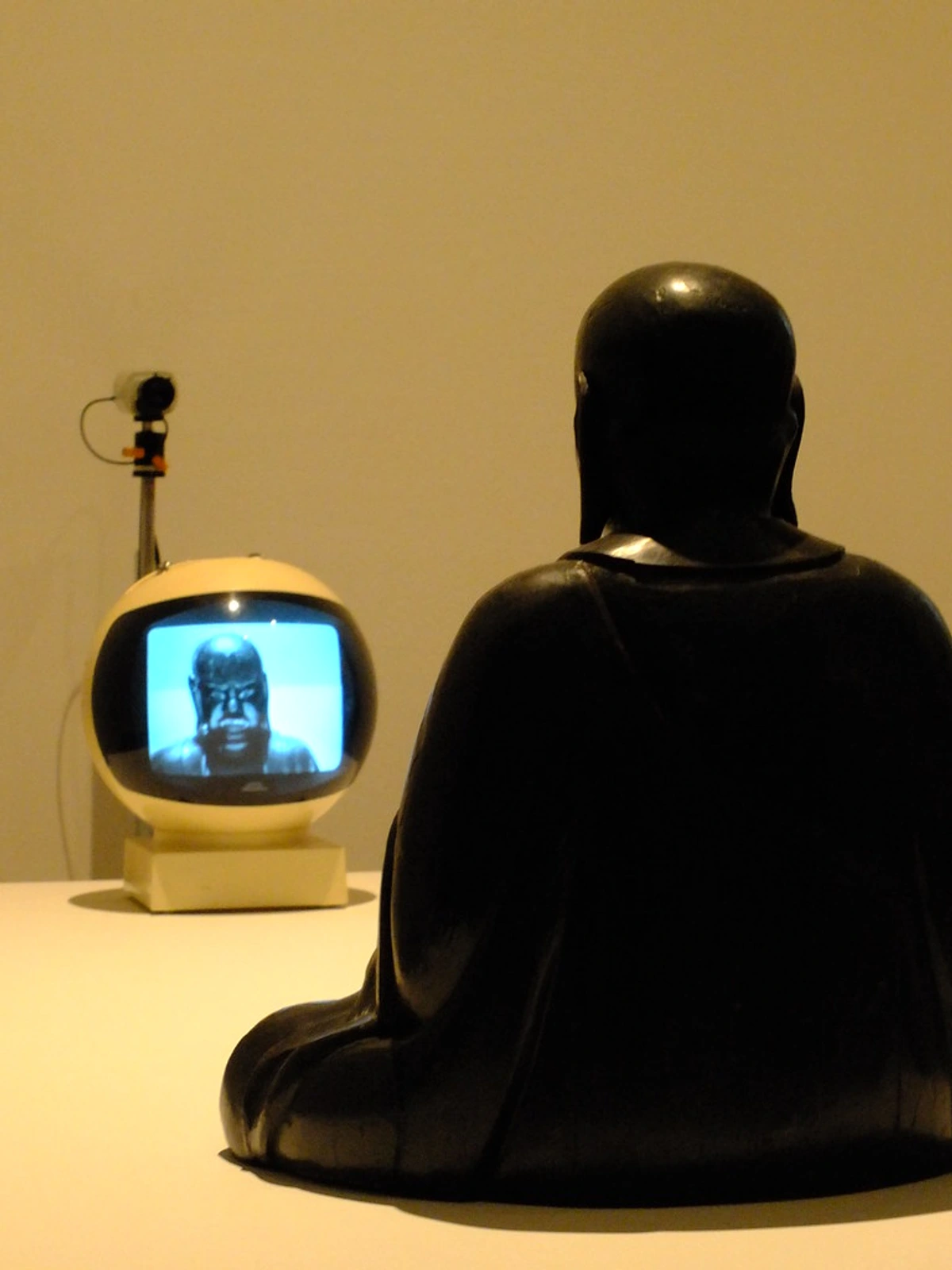
While abstract art might seem devoid of traditional iconography, many artists still imbue their works with personal or universal symbols. This concept of personal iconography—where an artist develops a unique, consistent visual vocabulary within their own body of work—is especially prevalent in modern and contemporary art. Surrealist artists like Salvador Dalí, for instance, created intensely personal and dreamlike iconographies, employing recurring motifs like melting clocks or burning giraffes to explore the subconscious and challenge perceived reality. These aren't universally codified symbols, but within their unique worlds, they carry profound and consistent meaning, reflecting their creators' inner landscapes. Joan Miró, for example, developed a unique vocabulary of biomorphic forms and stellar motifs often described as "star people" or "dream figures," creating a personal iconography that spoke to his inner world and Catalan heritage.
https://heute-at-prod-images.imgix.net/2021/07/23/25b32e7b-0659-4b35-adfe-8895b41a5f89.jpeg?auto=format, Creative Commons Attribution 4.0 International
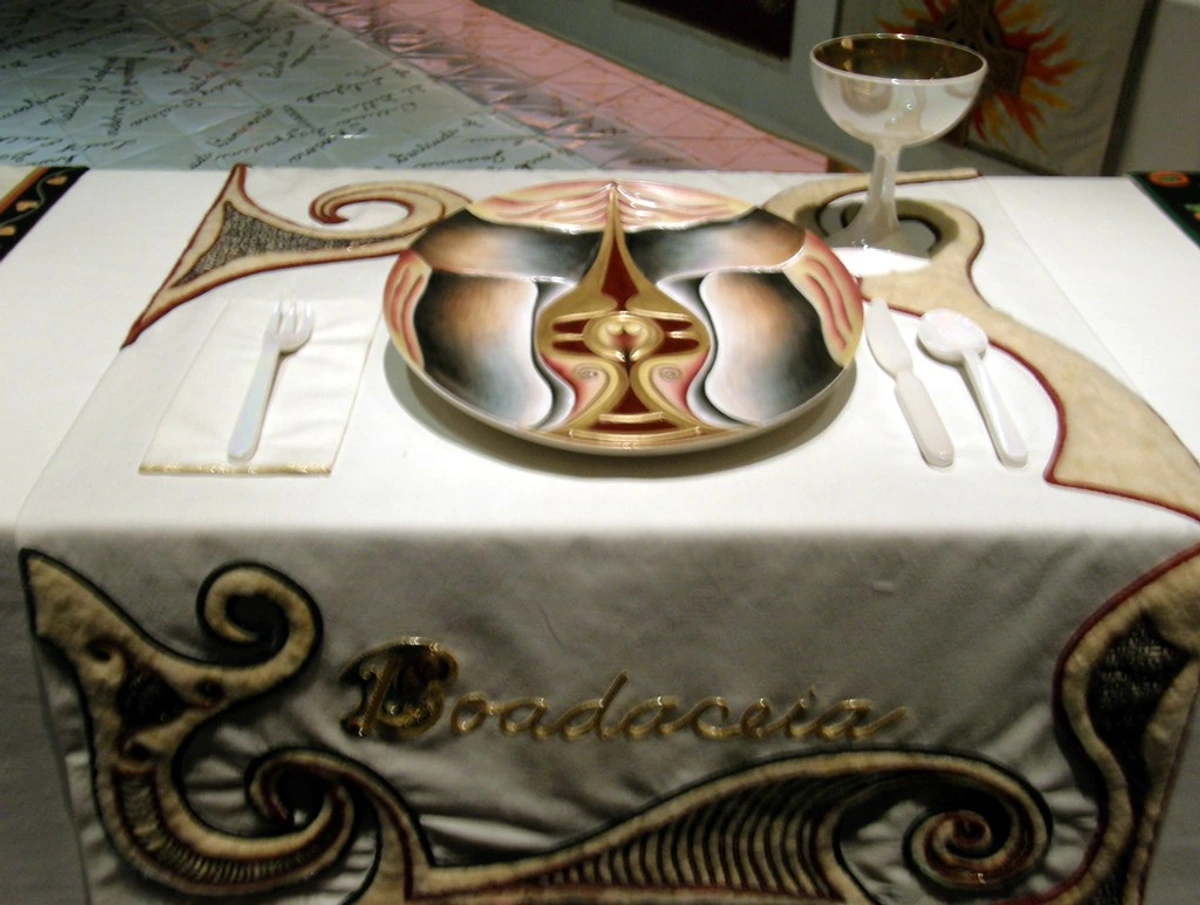
Wassily Kandinsky, for instance, spoke extensively of the spiritual significance of colors and forms in his abstract compositions. He believed that colors and shapes had intrinsic emotional and spiritual resonances, capable of directly affecting the viewer's soul, often influenced by his own synesthetic experiences and a deep philosophical search for spiritual expression in art. His seminal book, Concerning the Spiritual in Art, published in 1911, laid out much of his theoretical framework for this abstract iconographic system, effectively creating a visual grammar for his work where colors and lines themselves carried symbolic weight – for example, blue often represented the spiritual or heavenly, while yellow signified earthly energy. Paul Klee often employed symbolic forms in his semi-abstract works, like arrows or eyes, to convey complex ideas. Mark Rothko's color fields, while not narrative in the traditional sense, evoke profound emotional and spiritual responses—a kind of abstract iconography where monumental scale and deliberate color interactions directly address the viewer's inner world, aiming for a sublime or tragic experience. Even in the history of abstract art, artists often sought to express deeper truths through form and color, moving beyond literal representation to a more symbolic language. And when we consider what is design in art, we often find that formal elements like line, shape, and color themselves contribute to an underlying symbolic resonance, even without explicit subject matter. Some contemporary artists even intentionally create new, distinctive iconographies that become instantly recognizable. Take Yayoi Kusama, whose repetitive polka dots and infinity nets have become her signature visual language, symbolizing her personal experience of hallucinations, infinity, and self-obliteration – a wholly original, powerful iconography.
https://live.staticflickr.com/5791/22589338477_1aa45ca0d9_b.jpg, Creative Commons Attribution-ShareAlike 2.0 Generic
The Art of Interpretation: When Meanings Shift and Blur
One of the most fascinating, and sometimes frustrating, aspects of iconography is how meanings aren't always static or universal. Symbols can evolve, be reinterpreted, or even tragically repurposed across different cultures and eras. We all know the tragic story of the swastika's repurposing, but consider also the color purple. In ancient Rome, it was a symbol of imperial power and luxury, reserved for emperors and the elite. Yet, in many contemporary contexts, it can signify creativity, spirituality, or even gender-neutrality. In some parts of Thailand, it's associated with mourning, a stark contrast to its celebratory use elsewhere. A laurel wreath, for example, was a powerful symbol of victory and honor in ancient Greece and Rome, awarded to poets and athletes, but later adapted in funerary contexts to symbolize everlasting life or remembrance, shifting its primary meaning from triumph to eternal rest. A classic example of a symbol whose meaning has been significantly debated and even lost over time is the specific arrangement of objects or gestures in many Dutch Golden Age genre paintings, where what appears to be an everyday scene often held layers of moralizing or allegorical meaning that now require extensive scholarly detective work to reconstruct. These shifts highlight why context and scholarly rigor are so vital.
This dynamic nature is why context and scholarly rigor are so vital. Art historians and critics don't just "guess" at meanings; they meticulously research historical texts, cultural practices, and contemporary reception to build robust interpretations. Sometimes, they even get a little help from modern science! Techniques like X-ray imaging or infrared reflectography can reveal underlying sketches (pentimenti) or changes an artist made, offering crucial clues about their original intentions or shifts in iconographic planning. These scientific analyses can sometimes confirm or challenge long-held interpretations, adding another layer to our understanding. However, the path isn't always clear. A major challenge in interpreting iconography is the potential for loss of context over time – what was once universally understood can become obscure. Take, for instance, the meaning behind the specific gestures in many Renaissance portraits; while scholars have painstakingly reconstructed some, others remain debated, their original nuance lost to centuries. There's also the risk of misinterpretation, where modern viewers project their own cultural biases onto historical art, and artists themselves might employ deliberate ambiguity, inviting multiple readings rather than a single fixed meaning. The advent of digital media and the internet has, of course, both democratized access to images and complicated interpretation, leading to wider dissemination but also potential for misinformation or decontextualization. And in our rapidly evolving digital world, we're seeing entirely new iconographic languages emerge. Think of the unique visual symbols and aesthetics developing within digital art and NFTs, where specific visual cues can signify authenticity, rarity, or connection to a digital community, creating a fresh, often community-driven, layer of iconographic meaning. Iconography, in this sense, isn't just about identifying a symbol; it's about understanding its entire life cycle of meaning, its intended message, and how it might have been received (or even misunderstood) by different audiences throughout history. It's a constant process of discovery where every new piece of evidence adds another brushstroke to our understanding. Sometimes, the artist's intent gets muddled with how a viewer interprets it, especially centuries later. The dialogue between those two perspectives is, for me, where the real magic (and occasional headache) of art history happens.
Frequently Asked Questions About Iconography in Art
Q: What's the difference between iconography and symbolism?
A: Think of symbolism as the big, sprawling language itself, referring to the use of symbols to represent ideas or qualities. Iconography, on the other hand, is a specific branch of art history – it's like becoming fluent in a very particular dialect or grammar of visual communication. It's the systematic study and interpretation of the symbols, themes, and subject matter within works of art, often drawing from established cultural, religious, or historical systems or corpora of meaning. So, while all iconography involves symbolism, not all symbolism is part of a codified iconographic system. An artist might use a personal symbol (symbolism), but when art historians study repeated patterns of those symbols across a culture or era, looking at how they form a recognizable language, that's iconography. You might even want to check out the definitive guide to understanding symbolism in art for a broader perspective.
Q: How important is the artist's original intent when interpreting iconography?
A: That's a fantastic, deep question, and one that art historians have debated for centuries! The artist's original intent is certainly a crucial starting point – it provides the initial context and helps us understand the choices they made. However, once a work of art enters the public sphere, its meaning can evolve. Viewers bring their own cultural background, experiences, and historical moment to the interpretation, sometimes discovering meanings the artist never consciously intended, or reinterpretations that resonate differently over time. This tension is often discussed through concepts like the "intentional fallacy" in art criticism, where focusing solely on the artist's stated intent might overlook other valid interpretations or the work's broader cultural impact. So, while intent is important, it's not the only factor. Iconography often becomes a dynamic dialogue between the artist's world and the viewer's world, creating a richer, multi-layered experience. It's less about finding a single, static meaning and more about understanding the conversation it generates.
Q: Can iconography be found in contemporary art?
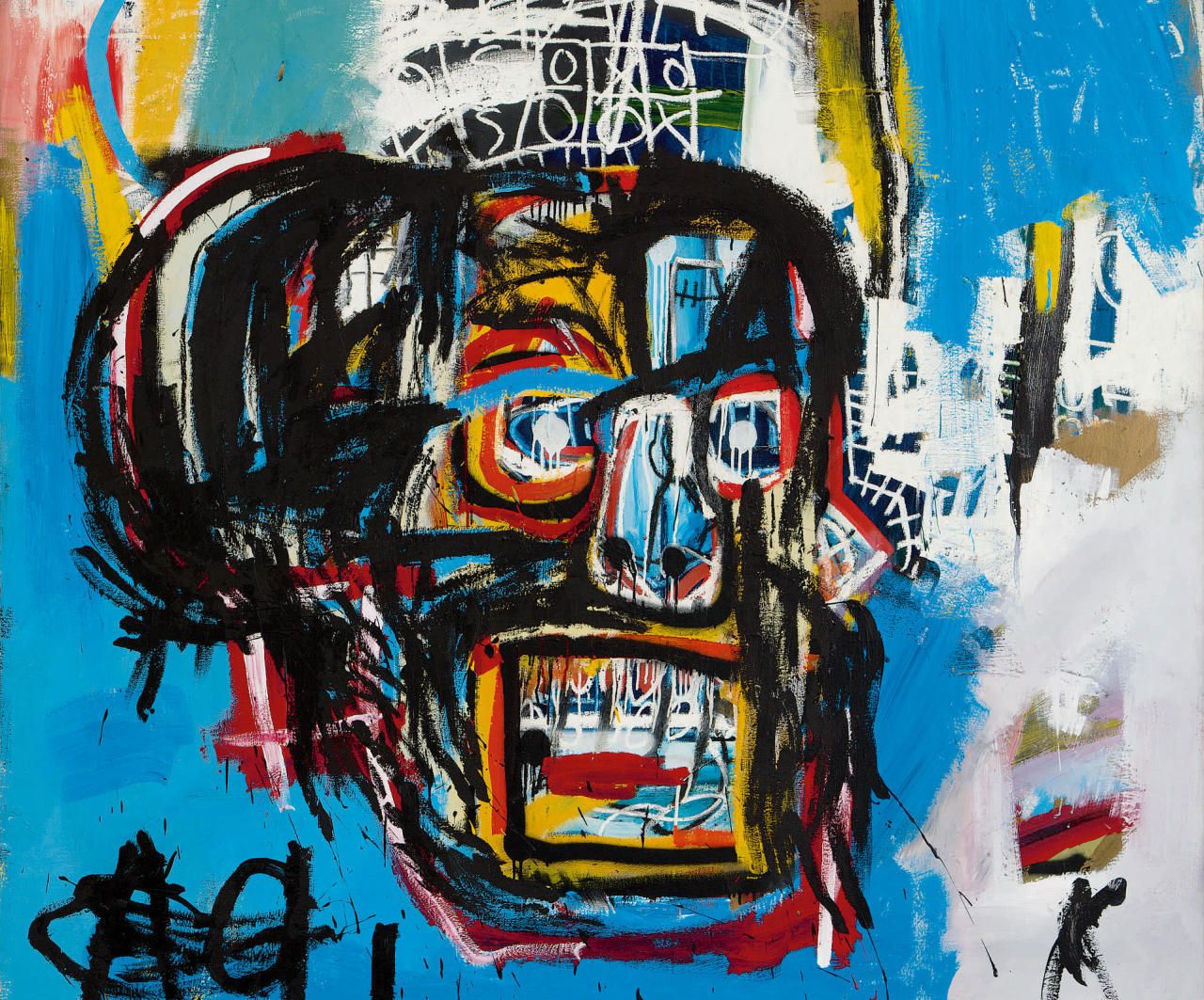
A: Absolutely, and it's fascinating! While contemporary art often breaks from traditional narratives and established systems, artists continue to use symbols—personal, universal, or even invented—to convey meaning. It might be less overt or universally recognizable than historical iconography, and sometimes highly subjective, but the impulse to infuse art with deeper meaning through visual cues remains strong. Moreover, contemporary artists often engage with traditional iconography by subverting it (twisting known symbols to new meanings), deconstructing it (breaking down its components to reveal underlying assumptions), or recontextualizing it (placing ancient symbols in modern settings to provoke new dialogues). For instance, an artist might consistently use a particular shape or color to represent a specific emotion or concept in their body of work, creating their own iconographic system. Digital art and new media, too, are rapidly developing their own forms of iconography, from interface elements to the pervasive power of visual memes, which often appropriate, subvert, or combine existing cultural symbols to create rapidly understood, and rapidly evolving, narratives and commentary – a new form of visual shorthand in our digital age. Take an artist like Christopher Wool, whose text-based paintings, though seemingly direct, use common words to create a stark, almost unsettling iconography of language itself, forcing us to confront the inherent symbolism in everyday communication. Or consider Jean-Michel Basquiat, whose powerful works are teeming with a personal iconography of crowns, skulls, and specific historical figures, drawing from his Haitian and Puerto Rican heritage and commenting on societal injustices. I certainly find myself doing it within my own abstract works; there's a language emerging, even if it's one I'm still learning myself.
Q: How does patronage influence iconography?
A: Patronage plays an absolutely critical role in shaping iconography, historically and even today. When wealthy individuals, religious institutions, or governments commission art, they often have specific agendas. Patrons might dictate the subject matter, the inclusion of particular symbols, or even the overall message to be conveyed. For example, a Renaissance family commissioning an altarpiece would want symbols reinforcing their piety and status, perhaps including their family crest or specific saints associated with their name. Political leaders commission works filled with symbols of power, justice, and national identity. Even in modern times, corporate commissions might subtly embed brand values or societal messages. Understanding who commissioned a piece and why can unlock profound iconographic layers that might otherwise remain hidden, revealing the power dynamics and intentions behind the artwork.
Q: How do I interpret iconography in art that doesn't belong to a well-documented tradition or historical period?
A: That's a fantastic, and very common, question! When you encounter art that doesn't fit neatly into established iconographic systems (think highly personal contemporary pieces or art from obscure historical periods), the detective work becomes even more nuanced, and frankly, a bit more exciting. Start by researching the artist themselves: their statements, manifestos, interviews, influences, personal history, and other works. Are there recurring motifs in their own oeuvre? That's often a primary clue to their personal iconography! Then, broaden your scope to their immediate cultural context. Are there contemporary social, political, or philosophical ideas that might be influencing their choices? Don't overlook the materials and techniques either; the choice of a specific pigment, a particular sculptural medium, or a unique digital process can itself carry symbolic weight, reflecting cultural values, economic status, or an artist's philosophical stance. Sometimes, the iconography is deliberately ambiguous, inviting multiple interpretations. It's less about finding a single "correct" answer and more about building a well-reasoned argument based on available clues and a deep understanding of the artist's world. This is where your personal engagement becomes part of the art's evolving story. It's like finding a new language and slowly piecing together its grammar from limited examples—a rewarding challenge.
Q: Are there other key iconographic dictionaries or resources besides Ripa's Iconologia?
A: Absolutely! While Ripa is a classic, the field has evolved considerably. For classical mythology, a standard, albeit massive, reference is the Lexicon Iconographicum Mythologiae Classicae (LIMC). For Christian art, Kirschbaum's Lexikon der christlichen Ikonographie is highly influential, and for a more general approach, you might consult works like James Hall's Dictionary of Subjects and Symbols in Art. More accessible guides often focus on specific periods or cultures. Art historical journals are also invaluable for current scholarship, as they publish the cutting-edge research. Beyond books, don't underestimate the power of online databases and museum collection websites or specialized digital archives. Institutions like the Metropolitan Museum of Art or the Louvre, or even smaller, specialized galleries, often provide incredibly detailed object descriptions and iconographic analyses that are freely accessible and constantly updated, offering a wealth of rigorously researched context. The key is to seek out resources that align with the specific artwork's context you're studying – it's all about finding the right Rosetta Stone for the visual language you're trying to decipher.
Q: Why is understanding iconography important for appreciating art?
A: Understanding iconography transforms how you experience art. It's like gaining access to a secret language, unlocking the layers of meaning an artist intended. It turns passive viewing into an active dialogue with the artwork, allowing you to truly understand its context, its message, and the cultural tapestry from which it emerged. For me, it has deepened my connection to countless pieces, making the silent conversations with art all the more profound. It's empowering to look at a work and feel like you're truly seeing it, not just observing it. It’s like hearing the artist whisper their deepest thoughts directly into your ear, even centuries later.
The Enduring Language of Art: Your Next Adventure
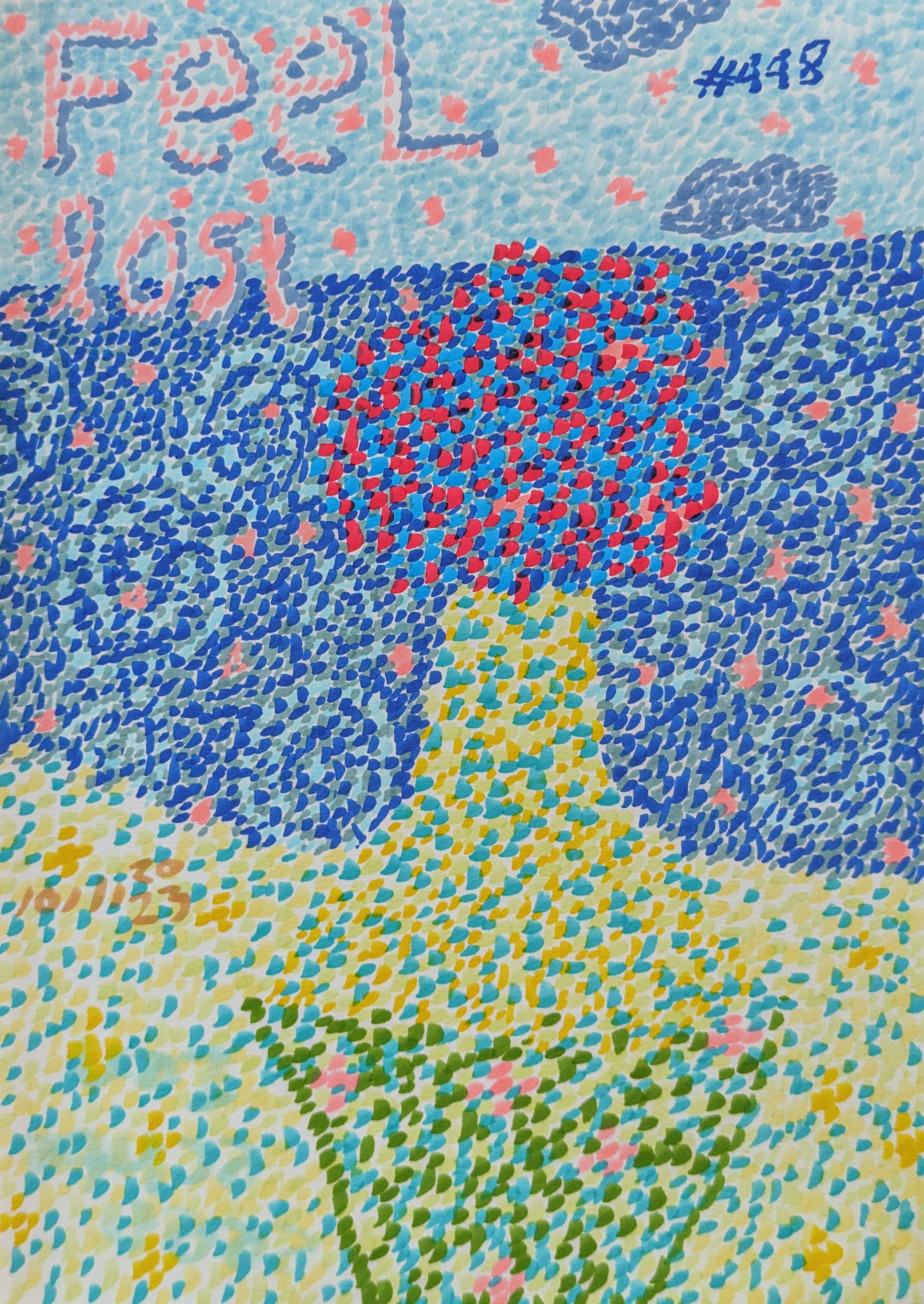
Iconography is a testament to humanity's enduring need to communicate, to tell stories, and to imbue our world with meaning. It reminds us that art isn't just decoration; it's a profound intellectual and emotional exchange. As a curator, I find immense satisfaction in helping people decipher these visual puzzles, bringing them closer to the artists' intentions and the rich histories behind the works. My personal collection, though contemporary and often abstract, also explores the power of color and form to evoke feelings and suggest narratives, much like the ancient traditions we've discussed. There's a persistent whisper of meaning in every stroke, a desire to communicate beyond the literal, to weave my own personal iconography into the fabric of my work.




https://images.zenmuseum.com/art/448/picture.jpg, https://images.zenmuseum.com/art/448/picture.jpg
So, what hidden stories do you think are waiting to be discovered in the art you encounter every day? Whether you're exploring the masters in a grand museum like the ones in Den Bosch or contemplating a modern piece, the principles of iconography offer a powerful lens through which to view and truly see art. If you're curious to see how these ancient principles manifest in a contemporary, abstract form, I invite you to explore my own art for sale, or delve deeper into my abstract language: decoding the personal symbolism and narratives within my work and journey as an artist on my timeline. The conversation between viewer and artwork, enabled by understanding its language, is one of the most rewarding experiences art has to offer. Go on, give it a try – you might just surprise yourself with what you uncover, and you might just find yourself having those silent, profound conversations with art that make life a little richer.