Abstract Art: Your Definitive Guide to a Home Meditation Sanctuary
Transform your space into a haven of calm. This ultimate guide, from an artist's unique perspective, shows you how to select, place, and meditate with abstract art to create a deeply personal home sanctuary for inner peace and mindful living.

Abstract Art: Your Definitive Guide to a Home Meditation Sanctuary, Crafting Your Calm Within Your Walls
In the relentless hum of modern life, where do you truly find your quietest moments? I know I've certainly been there, trying to carve out a slice of peace, only to be interrupted by the everyday symphony of a busy home. I remember one particularly valiant (and predictably disastrous) attempt to meditate amidst the clatter of breakfast dishes—let's just say my inner peace was decidedly not served with toast (and definitely not scrambled eggs). For a long time, I thought meditation was just about closing your eyes and trying not to think. Turns out, it's so much more. And for me, an artist deeply immersed in the world of abstraction, abstract art has become an unexpected, profound guide in that journey. It’s not merely about decor or hanging a pretty picture; it’s about crafting a feeling, designing a dedicated space for reflection and quietude, and creating a true art and wellbeing experience right in your home. This is about transforming an ordinary corner into an extraordinary home sanctuary – a space that acts as a visual anchor for your inner world.
Why Abstract Art for a Sacred Space? My Personal Revelation
Now, I know what you’re probably thinking: "Abstract art? Isn't that just… splashes of paint? How does that help me meditate or create a calming home?" Believe me, I get it. The perception of abstract art can sometimes lean towards the 'art snob' territory, or just be seen as chaotic. But its true power, especially for mindful art practice and abstract meditation art, lies in its accessibility to our subconscious. It bypasses the need for logical interpretation, speaking directly to emotions and intuition.
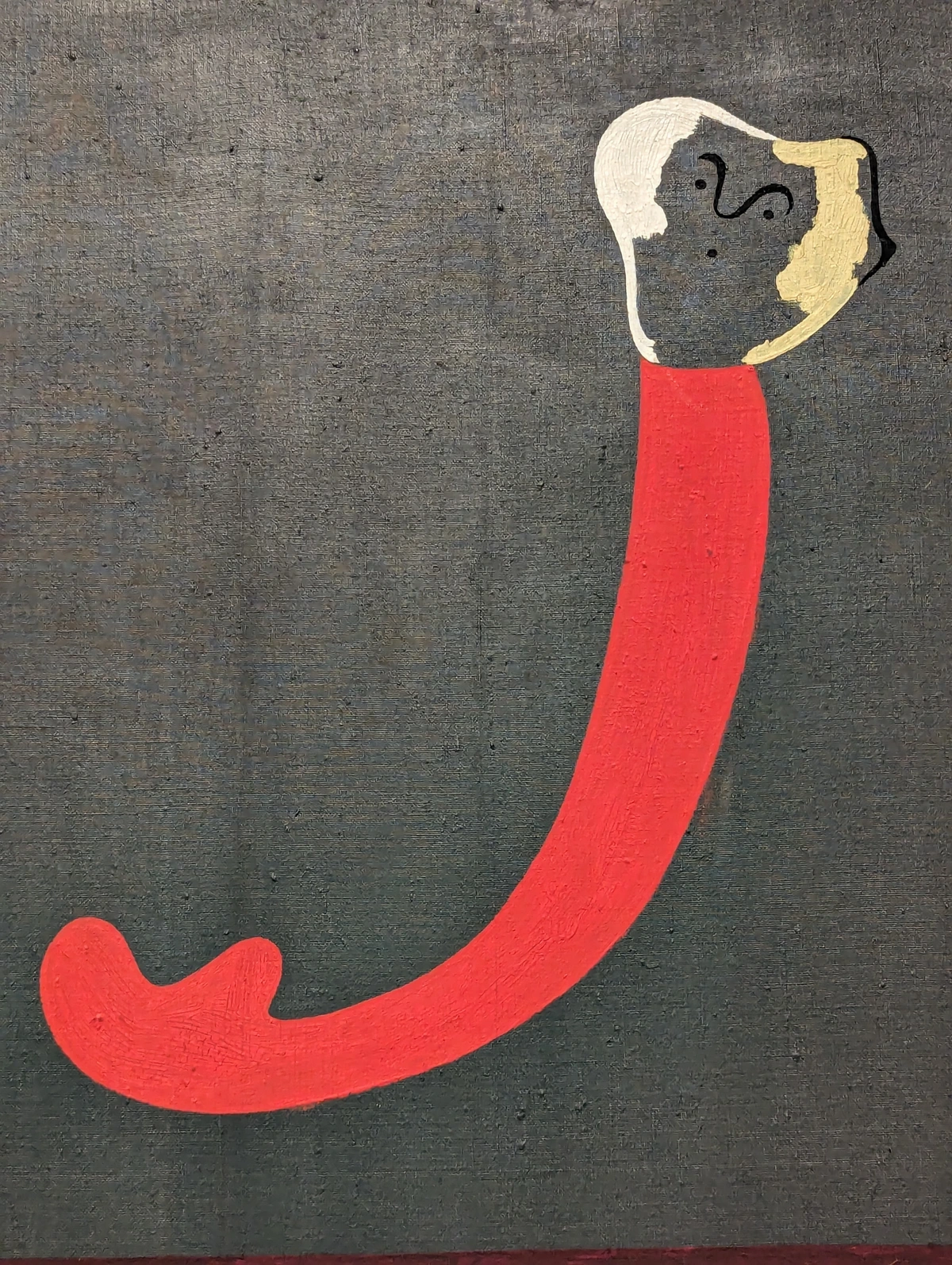
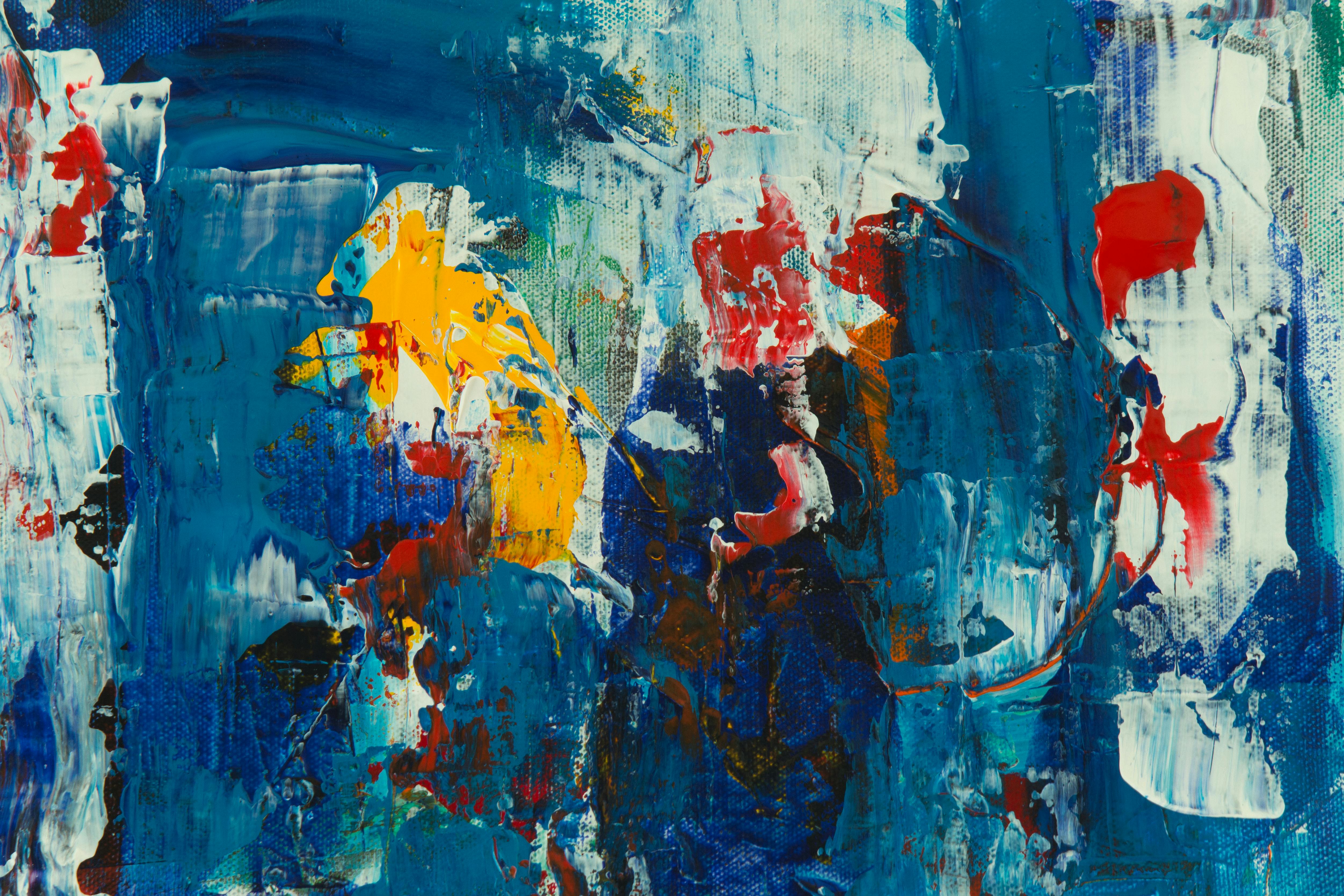
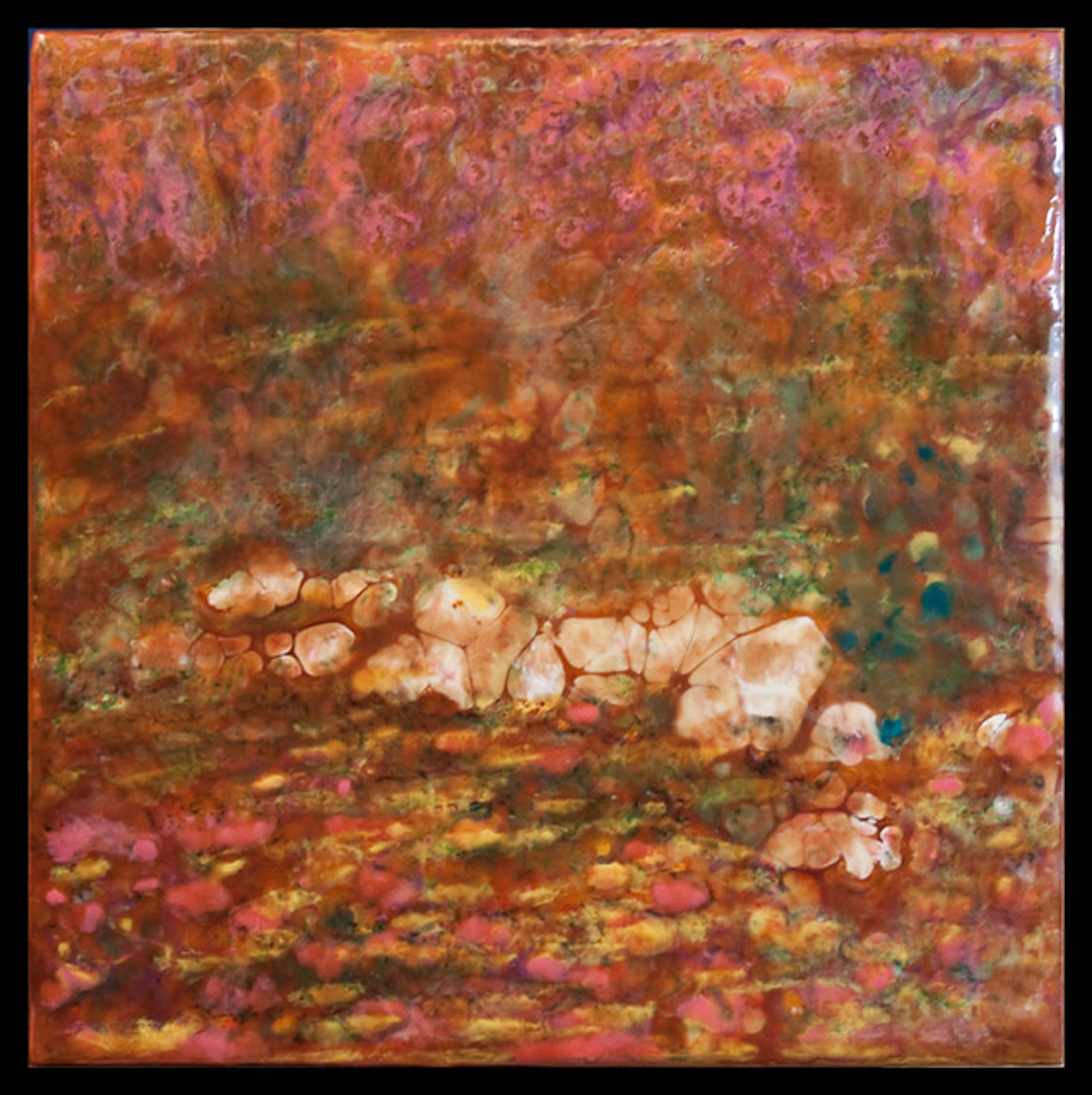
My own journey into this connection started almost by accident. I remember setting up a little nook in my studio, hoping to get some quiet time. Yet, a detailed landscape painting I owned, though beautiful, kept pulling my mind into its fields and trees. It demanded my interpretation, pulling my focus outwards into its story rather than inwards. That's when I had a moment of clarity: what if the art didn't tell me what to see, but instead invited me to feel? Imagine an abstract piece, perhaps from my own collection, with a soft, swirling vortex of blues and grays that seems to expand and contract with your breath, or delicate, interconnected lines that echo the gentle, rhythmic beating of a heart. This is where spiritual abstract art shines for creating a meditation corner. It doesn't depict a specific scene or object, freeing your mind from the need to interpret or construct a narrative. Instead, it offers a visual language of color, form, texture, and movement that speaks directly to your inner landscape, not an external one. It's an invitation to explore, to breathe, to simply be in the moment.
Debunking Misconceptions: Your Mindful Approach to Abstract Art
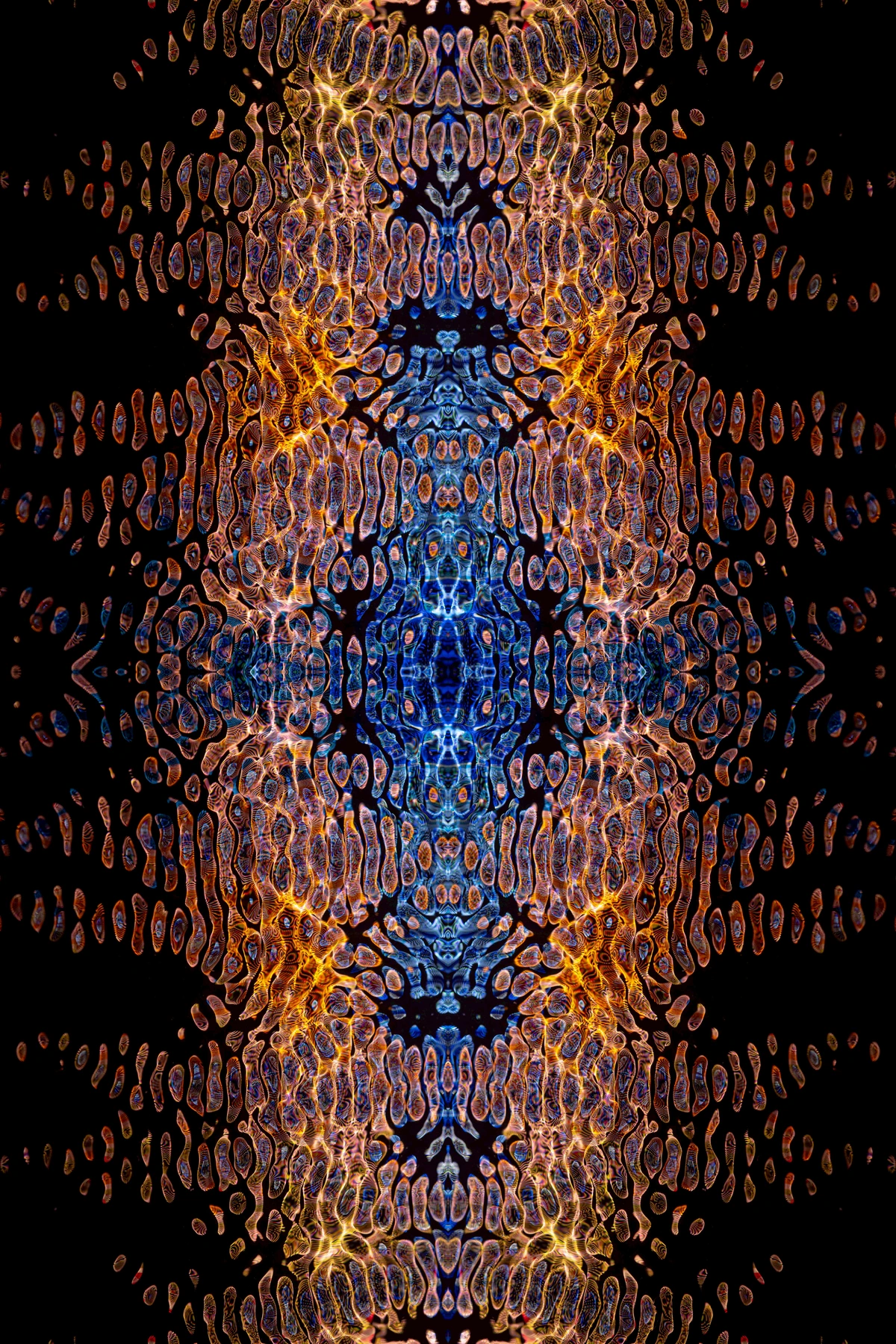
Let's clear up a few common misunderstandings. Many people assume abstract art is inherently chaotic, difficult to understand, or requires a degree in art history to appreciate. Not at all! In fact, one of its greatest strengths for meditation is its inherent democracy. It's not just for the 'elite' or 'educated'; its beauty for meditation lies precisely in its lack of literal narrative. You don't need to 'figure it out.' There's no right or wrong interpretation, which in itself is incredibly liberating. It's not about what the artist 'meant' for you to see, but what the colors, forms, and textures do for you—how they invite you to feel, breathe, and simply be. So, let go of the need to analyze; simply allow the art to be with you.
I've written before about the psychology of color in abstract art beyond basic hues, and those principles become incredibly potent when you're curating a space for stillness. For instance, cool tones like blues and greens are universally recognized for their calming effects, while certain muted purples can evoke deep introspection. But it's not just basic hues; consider how a monochromatic palette (using variations of a single color) with subtle shifts in tone can create a profound sense of depth and quiet, or how warm, earthy neutrals can ground and comfort. What it's really about is resonance – how a visual element in the art mirrors or evokes an internal feeling or state. An abstract piece can reflect the vastness of the ocean, the gentle shift of light, or the complex tapestry of an emotion without ever literally showing any of those things. This ability to evoke rather than represent is key to abstract art for relaxation. For me, when I'm in my studio creating, I often think about how certain color combinations, like a soft, diffused blend of indigo and olive, can create a sense of expansive serenity, almost like a whispered secret. This is where the emotional language of art truly speaks.
The Power of Negative Space
Beyond color and form, don't underestimate the quiet power of negative space – the area around and between the primary subjects or forms in an artwork. In abstract art, this often becomes a deliberate element of the composition itself. Think of it as visual breathing room. Just as silence is essential for sound, negative space is crucial for visual balance and calm. It allows the eye and mind to rest, preventing overstimulation and fostering a sense of openness and spaciousness. A piece with well-utilized negative space can feel lighter, more expansive, and create a profound sense of visual quietude, perfectly supporting a meditative state.

Historical Roots: Abstract Art and the Spiritual Quest
Historically, the connection between abstract art and spirituality is deep, far predating modern movements. Across diverse cultures, abstract forms have long served as conduits for spiritual expression. Think of the intricate geometric patterns in Mandalas in Buddhism and Hinduism, used for focus and meditation, or the symbolic patterns found in indigenous art around the world – all speaking to inner realities without literal representation. This universal human impulse to use non-representational forms for higher understanding echoes the very essence of meditation.
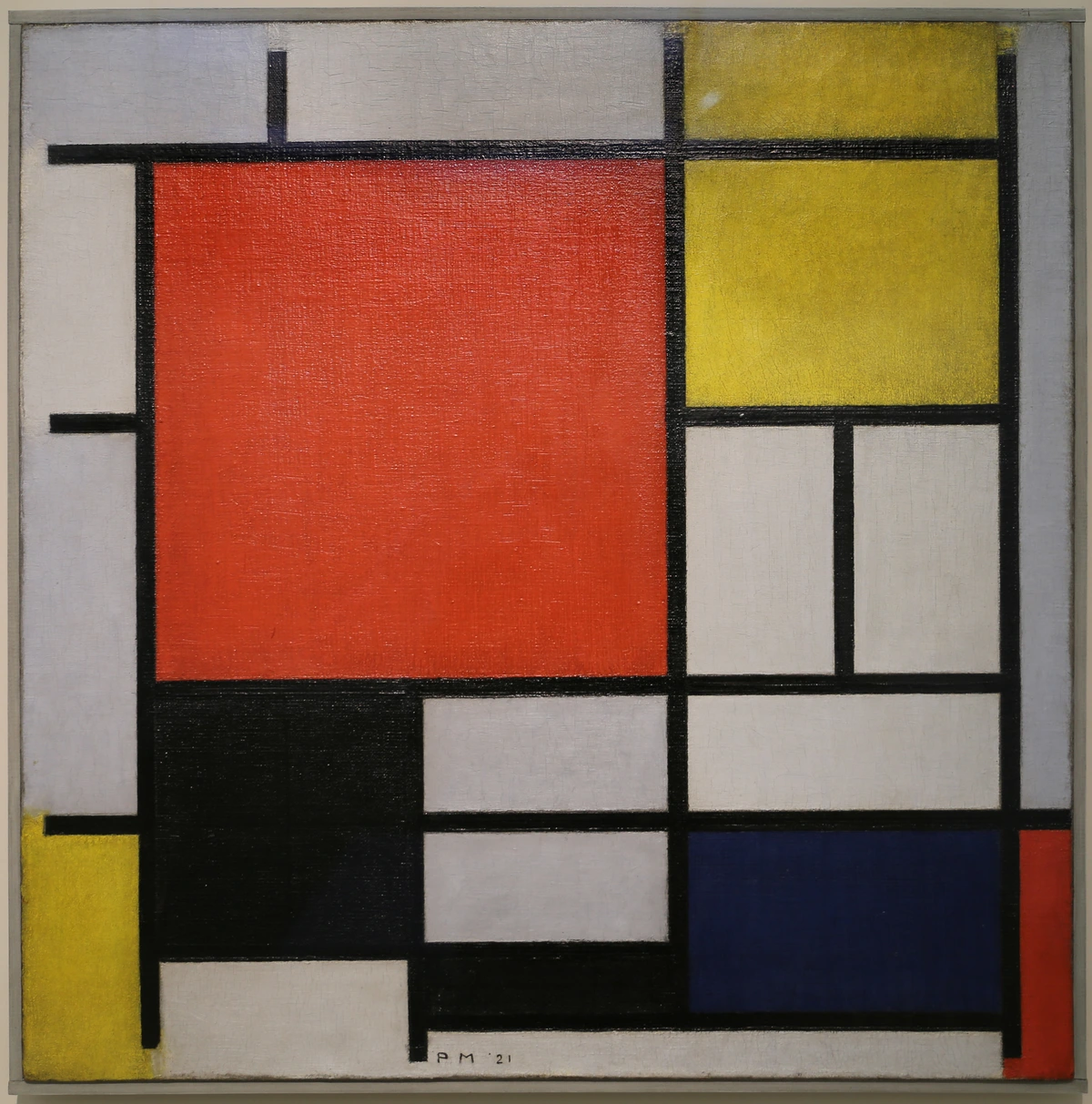
Pioneers like Wassily Kandinsky, often credited with painting one of the first purely abstract works, explored abstraction as a means to express inner spiritual truths, bypassing the material world entirely. He believed color and form could directly influence the soul. Similarly, Kazimir Malevich's Suprematism sought pure geometric forms to achieve a 'supreme feeling,' a spiritual connection unburdened by worldly objects. Piet Mondrian, through his Neo-Plasticism, aimed for universal harmony and spiritual equilibrium using precise geometric grids and primary colors. This pursuit of the 'spiritual in art' seamlessly connects with the modern quest for mindfulness – a journey inward to connect with profound, non-material realities. Minimalist abstract art, with its reduction to essential forms and colors, directly mirrors the decluttering of the mind, creating visual breathing room that supports mental clarity.
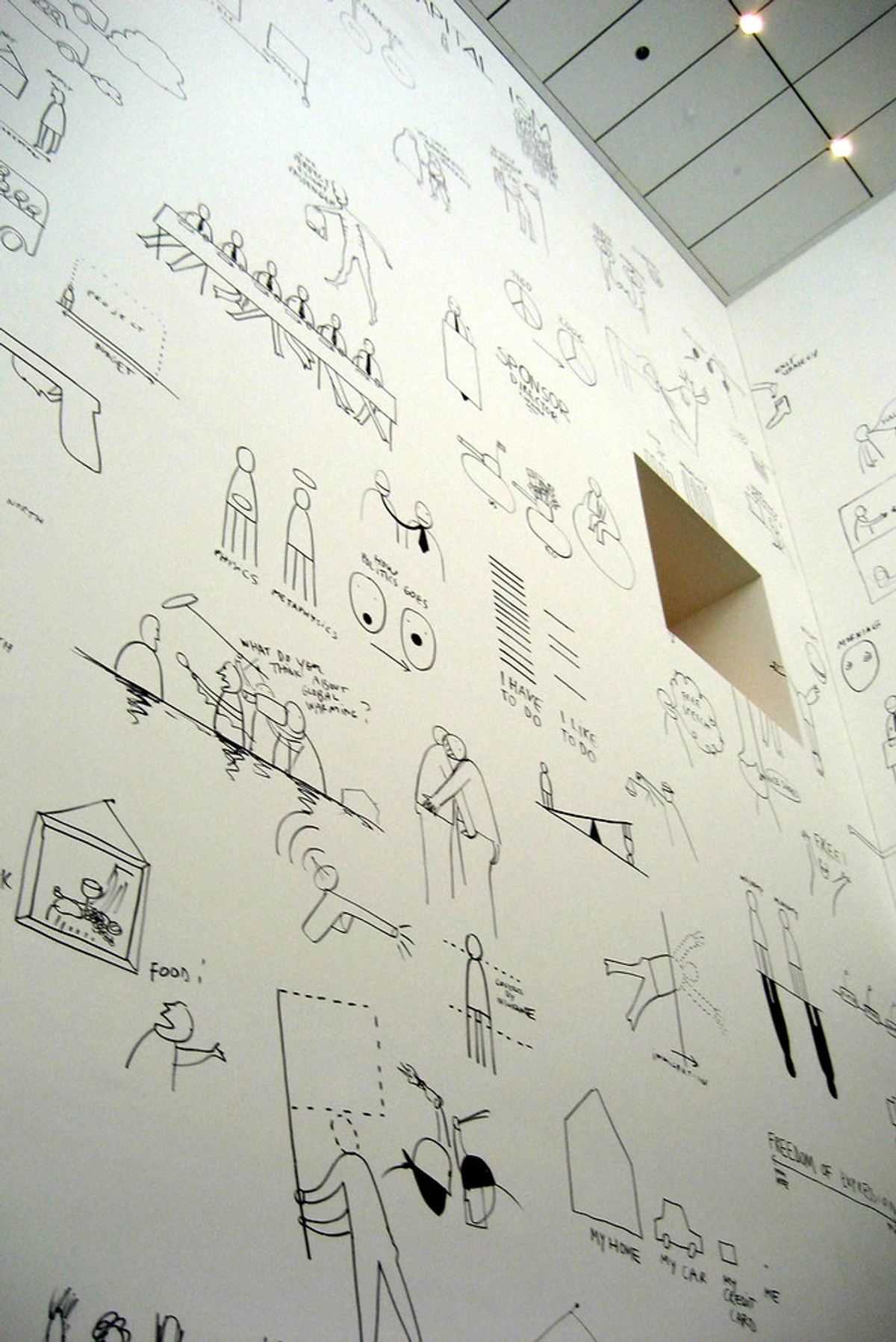
Movements like Color Field painting, exemplified by artists like Mark Rothko and Helen Frankenthaler, are particularly suited for meditation. Their expansive, immersive fields of color envelop the viewer, encouraging a contemplative, almost spiritual experience, often without a discernible focal point. Similarly, Lyrical Abstraction, with its emphasis on spontaneous, gestural forms and flowing lines, can evoke a sense of natural rhythm and emotional depth, gently guiding the mind into a state of relaxed observation. These movements, with their focus on pure visual elements and emotional resonance, become powerful tools for inner peace, reflecting a long-standing dialogue between humanity's inner world and abstract visual language.
Creating Your Sanctuary: From Vision to Reality
So, how do you actually do this? It’s less about following rigid rules and more about intuitive feeling, much like art itself. But there are certainly guiding principles I’ve picked up along the way, especially for interior design for mindfulness.
Choosing Your Corner Wisely
First things first: the spot. You don't need a spare room; a quiet nook, a wall in your bedroom, or even a small, unused corner in your living room can work wonders. The key is minimal distraction and creating a distinct zen art decor zone. My attempt to meditate in the kitchen, surrounded by the fridge's hum and the lingering scent of last night's dinner, was a memorable lesson in environment setting (and a good laugh, looking back). Look for a place that naturally feels a bit more hushed and where you can minimize through-traffic. Natural light is a bonus, but not essential if you can create a soft, inviting atmosphere with lighting. And if you're in a smaller living space, remember that even a small piece of abstract art placed thoughtfully can transform a momentary glance into a mindful pause. For broader advice on maximizing impact in compact areas, you might find ideas in decorating with abstract art in small apartments maximizing impact and flow.
Selecting the Right Abstract Piece for Inner Peace
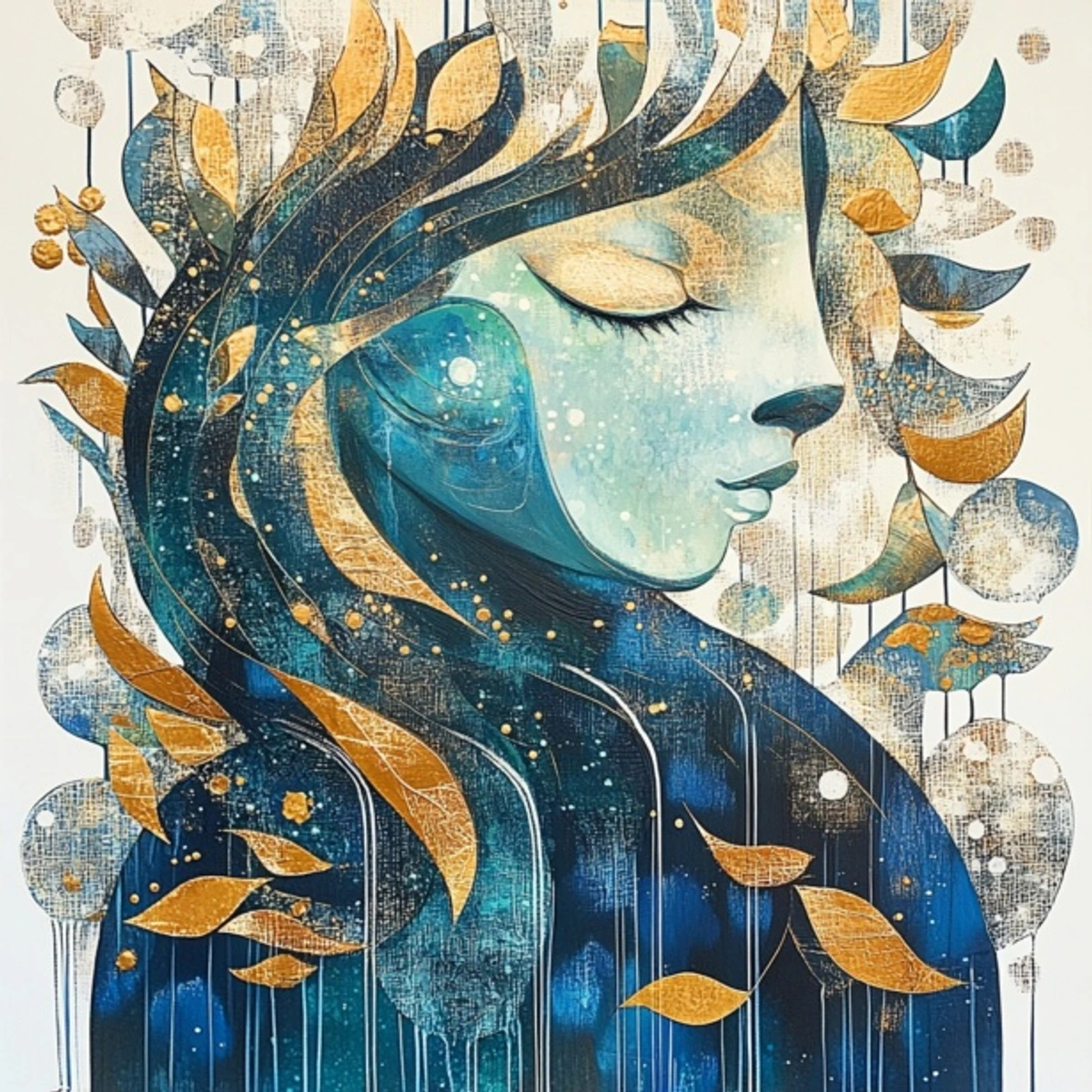
This is the fun part, and where your personal taste truly comes into play when building your calming home. When choosing abstract art for a meditation corner, I encourage you to listen to your gut. What colors draw you in? What forms evoke a sense of calm rather than agitation? I often think about the emotional language of color in abstract art when I'm creating, and it's that same feeling I look for when selecting a piece for a quiet space. To help you navigate this intuitive process and find the perfect resonance, I've put together a little guide on key characteristics to consider:
Feature  | Ideal for Meditation Corner | Less Ideal for Meditation Corner | Why it Works (for Ideal) |
|---|---|---|---|
| Color Palette | Soft, harmonious, cool tones (blues, greens, gentle purples), earthy neutrals, or subtle monochromes. Promotes serenity, think Rothko's serene color fields or delicate gradients. | Highly saturated or dissonant color palettes that might inadvertently energize rather than soothe. | Cool tones naturally lower heart rate and calm the mind. Earthy neutrals provide grounding. Subtle monochromes encourage depth and focus without overstimulation. These palettes are crucial for creating a calming home environment through visual aesthetics. |
| Composition | Fluid, organic, open, or balanced geometric forms. Invites the eye to wander gently or rest, fostering a calm mental state. Think of the soft, flowing forms in Lyrical Abstraction or Agnes Martin's serene grids. | Jagged, chaotic, overly complex, or high-contrast forms that demand constant visual interpretation or create tension. | Organic shapes mirror nature's calm. Open compositions prevent claustrophobia. Balanced forms offer stability. These compositions provide a gentle visual anchor for meditation, allowing the mind to relax and not feel challenged. |
| Texture | Subtle, inviting textures that add depth without demanding intense focus. A smooth matte finish or slightly raised impasto (thick application of paint). | Highly textured, sharp, or gritty surfaces that might feel distracting or abrasive to the eye. | Subtle textures add richness without overstimulation. A smooth finish can feel expansive; gentle impasto can offer a tactile sense of grounding. This contributes to the sensory experience of a peaceful space, making the art a deeper part of the home sanctuary design. |
| Movement | Gentle, flowing lines; a sense of quiet expansion or stillness. Encourages a deep, steady breath. Consider the subtle dynamism in my own pieces or works by Ellsworth Kelly. | Extremely dynamic, frantic, or sharply diagonal lines that create a sense of urgency or instability. | Flowing lines mimic the rhythm of breath or water, promoting ease. Stillness in the art reflects inner peace. This guides the eye and mind into a state of repose, a key aspect of abstract art for relaxation and mindful living. |
| Scale | Appropriate to the space; a larger piece can envelop you, while a smaller one can be a focused anchor. Avoid overwhelming the space. | Too small to make an impact, or so large it visually consumes the small meditation corner and feels claustrophobic. | Correct scale ensures the art feels integrated, not intrusive. An enveloping piece can create immersion, a smaller one provides a concentrated focal point. This is a crucial interior design for mindfulness consideration, ensuring the art enhances, rather than detracts from, the sense of peace. |
Ultimately, it's about what resonates with you. Take your time. Browse through different styles, maybe even explore more of my work if you're looking for how to abstract art principles applied to creating mood. Remember, your intuition is your best guide here. And if you're feeling adventurous, you might even consider creating your own simple abstract piece – sometimes the act of creation itself is the most profound meditation. For insights into that process, I often reflect on my creative flow: embracing intuition in abstract painting and the art of intuitive painting: embracing spontaneity in abstract creation.
Integrating the Art into Your Nook: Beyond the Hook
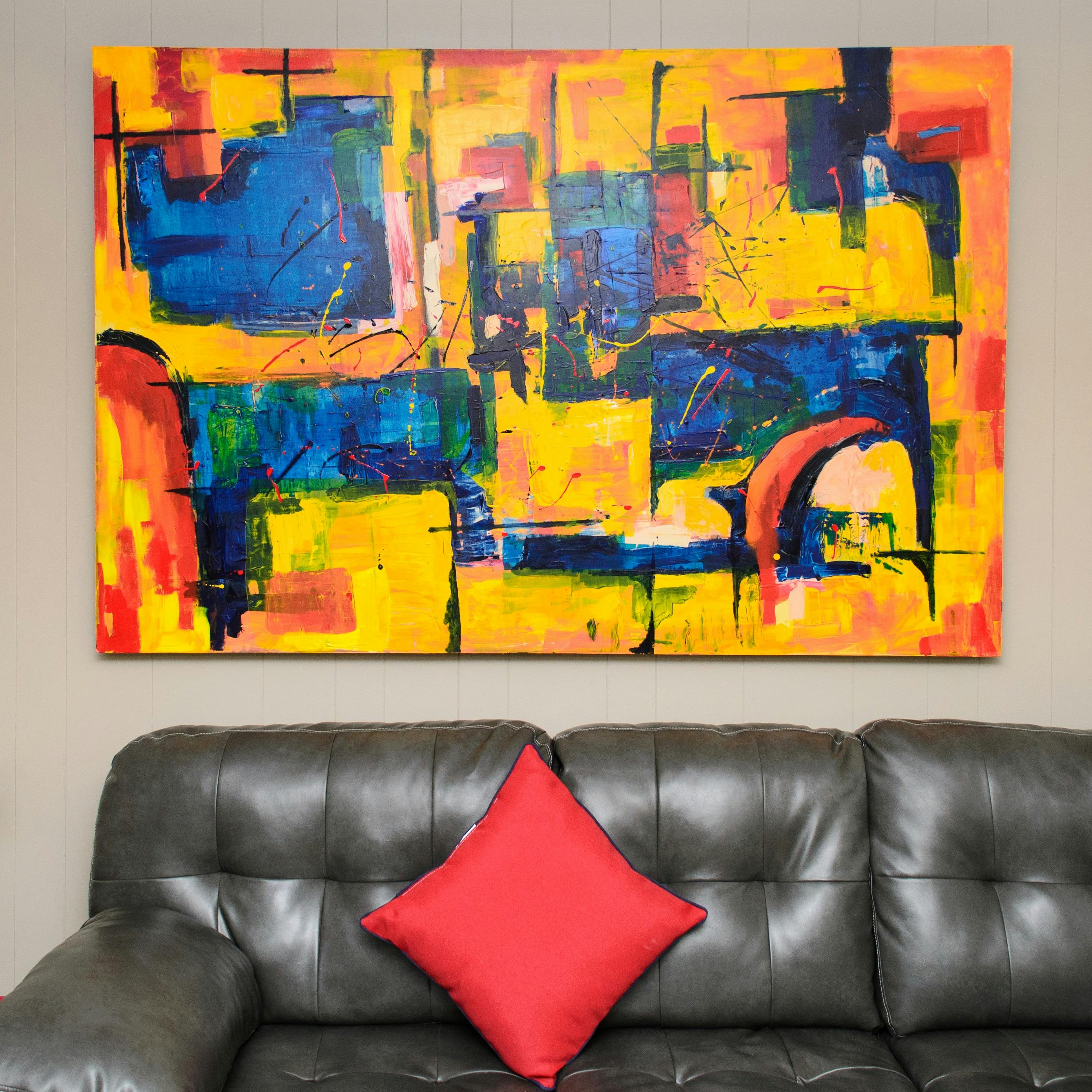
Once you have your piece, placement is key to enhancing your home sanctuary. Generally, eye-level works best when you are seated for meditation. You want it to be a natural focal point without strain. But what if you have a floating shelf, or a small plinth? Placing a medium-sized piece there, slightly below eye-level, can create a sense of grounding and intimacy. Think about how the art interacts with the light – does it catch a gentle morning glow, or is it softly illuminated by a lamp in the evening? The energy of the art should align with the type of meditation you seek; a piece with quiet expansion (like a Color Field painting) might be perfect for open awareness, while one with subtle depth (like a minimalist piece with rich texture) could be ideal for deep introspection. This careful consideration elevates the art from mere decor to a profound tool for mindful art practice.
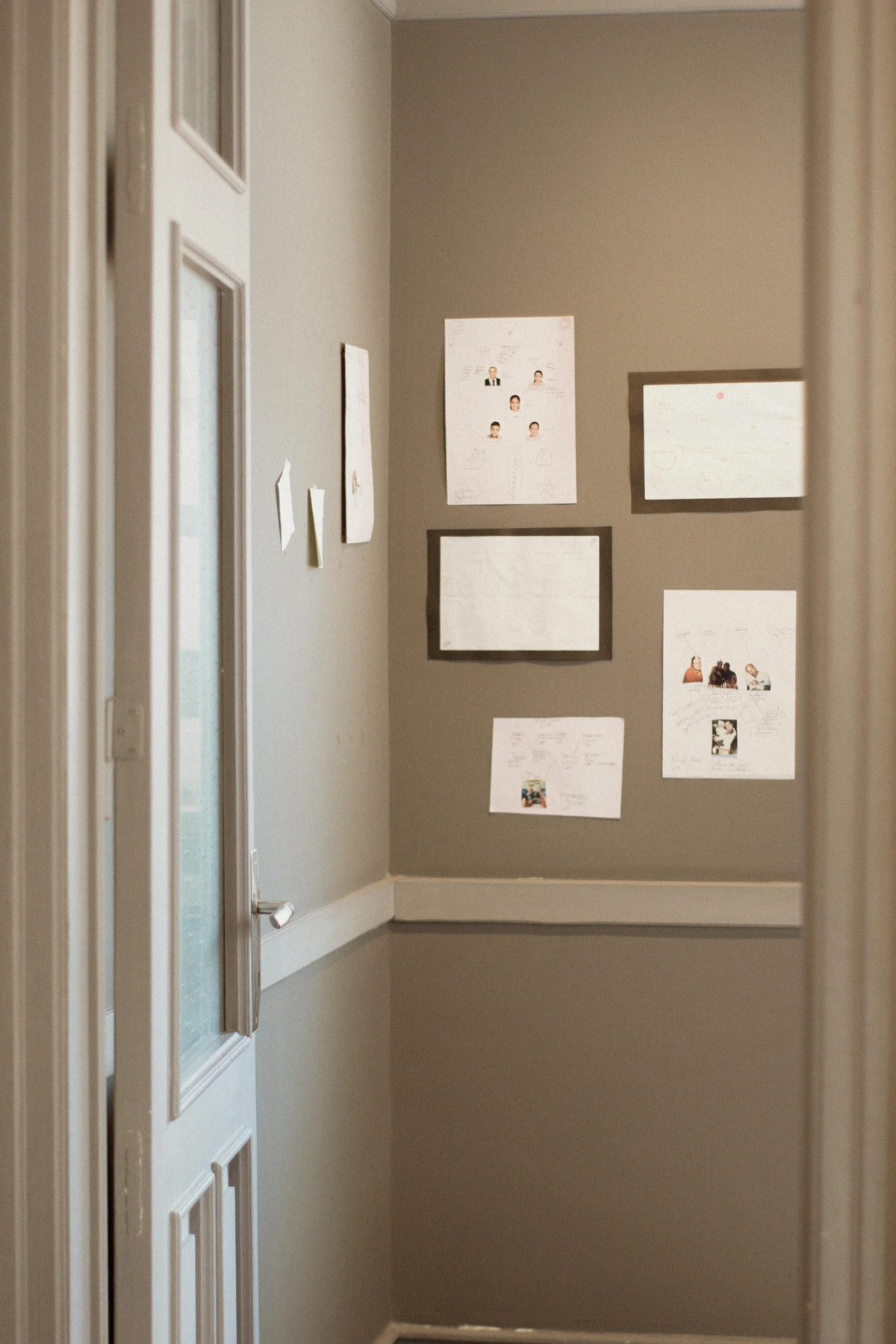
Sometimes, I find a piece leaning casually against the wall on a low shelf or a console table works better than a perfectly hung one. It softens the rigidity, making the art feel less like a museum piece and more like an approachable companion, creating a more organic and inviting space. This relaxed approach to zen art decor can profoundly shift the energy of a room. If you’re like me and constantly tinkering with your space, remember that even minor adjustments can have a major impact. For more general advice on how to decorate a house with art, there are plenty of avenues to explore, but for this specific sanctuary, it's about intention over perfection.
Beyond the Canvas: Completing Your Meditation Corner
While the art is the centerpiece, a few other elements can truly enhance its sanctuary-like quality and elevate your meditation practice. These small additions work together to create a cohesive and deeply calming environment, solidifying your home sanctuary design and amplifying the abstract art as therapy for home aspect:
- Comfortable Seating: A plush cushion, a small, soft rug, or a cozy armchair. The foundation of comfort is paramount for sustained presence. Your body needs to feel at ease for your mind to follow.
- Soft Lighting: A dimmer lamp, a string of fairy lights, or natural light, avoiding harsh overheads. Warm, diffused light signals relaxation and sets the mood. Consider light that subtly highlights the art, making it glow gently.
- Natural Elements: A simple, quiet plant (like a snake plant or peace lily for their air-purifying qualities and low maintenance), a bowl of smooth river stones that echo organic forms in your art, or even a sculptural branch. These elements ground the space, connect you to nature, and introduce subtle sensory anchors. A small, trickling water feature can add gentle sound, but only if it truly soothes, rather than distracts. For more on this, you might explore the healing power of color: how abstract art transforms my space.
- Subtle Scents: An essential oil diffuser with calming aromas like lavender, frankincense, or sandalwood. Scent is a powerful memory trigger for calm, enhancing the overall atmosphere of abstract art for relaxation.
Remember, less is often more. The goal is clarity, not clutter; simplicity that fosters a profound sense of peace. This isn't just decorating; it's cultivating an environment that actively supports your wellbeing, a testament to the idea that our surroundings profoundly influence our inner state.
Meditating with Abstract Art: A Personal Practice
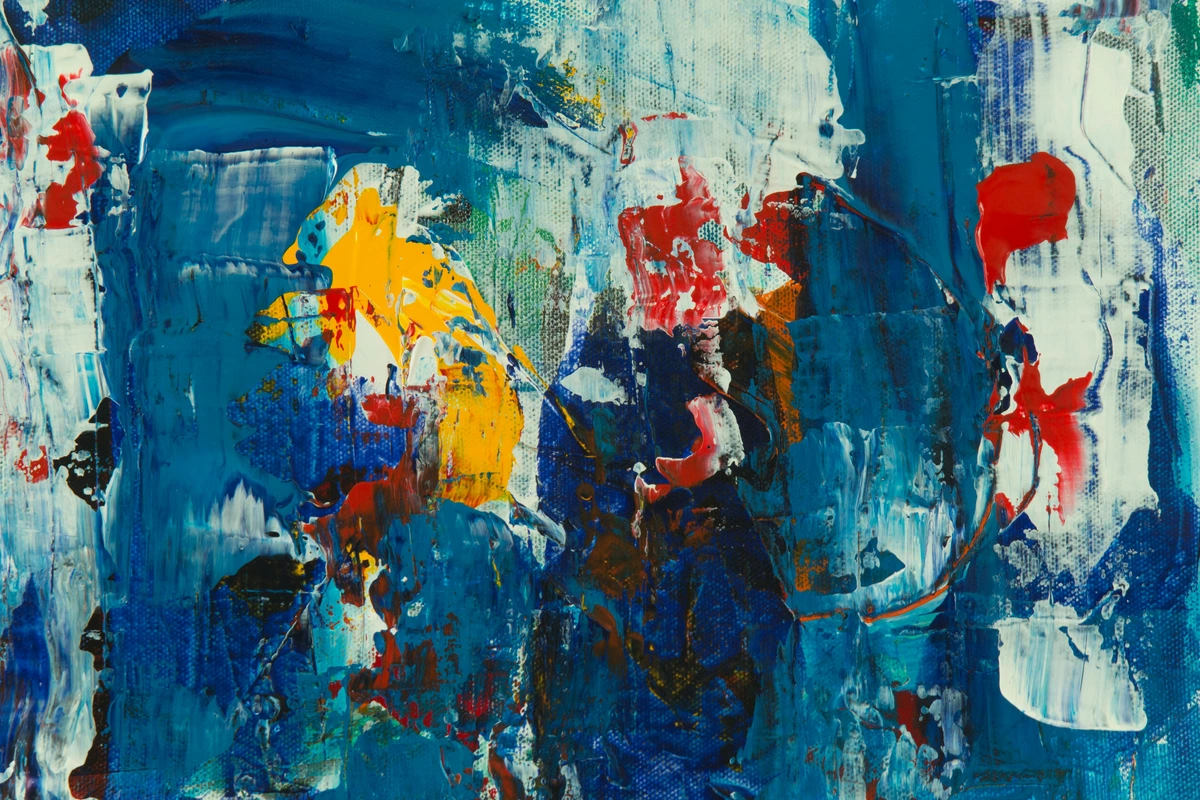
This isn't about deciphering the art; it's about using it as a gentle anchor for your awareness, a visual mantra. I often describe it as a 'soft gaze'. Instead of focusing intensely on one point, allow your eyes to relax and take in the entire piece. It’s like looking at a distant horizon, where your eyes are open but not strained. Let your gaze drift along the lines, linger on a color field, or simply absorb the overall impression. This subtle form of engagement helps to quiet the analytical mind, allowing for deeper introspection and a true mindful art practice. It’s also a powerful tool for emotional expression and release, allowing your feelings to resonate with the art without judgment.
A Guided Visual Meditation Prompt
Find a comfortable position facing your chosen abstract artwork. Take three deep, slow breaths, allowing your body to soften with each exhale. Gently close your eyes for a moment, then open them, allowing your gaze to softly rest upon the art.
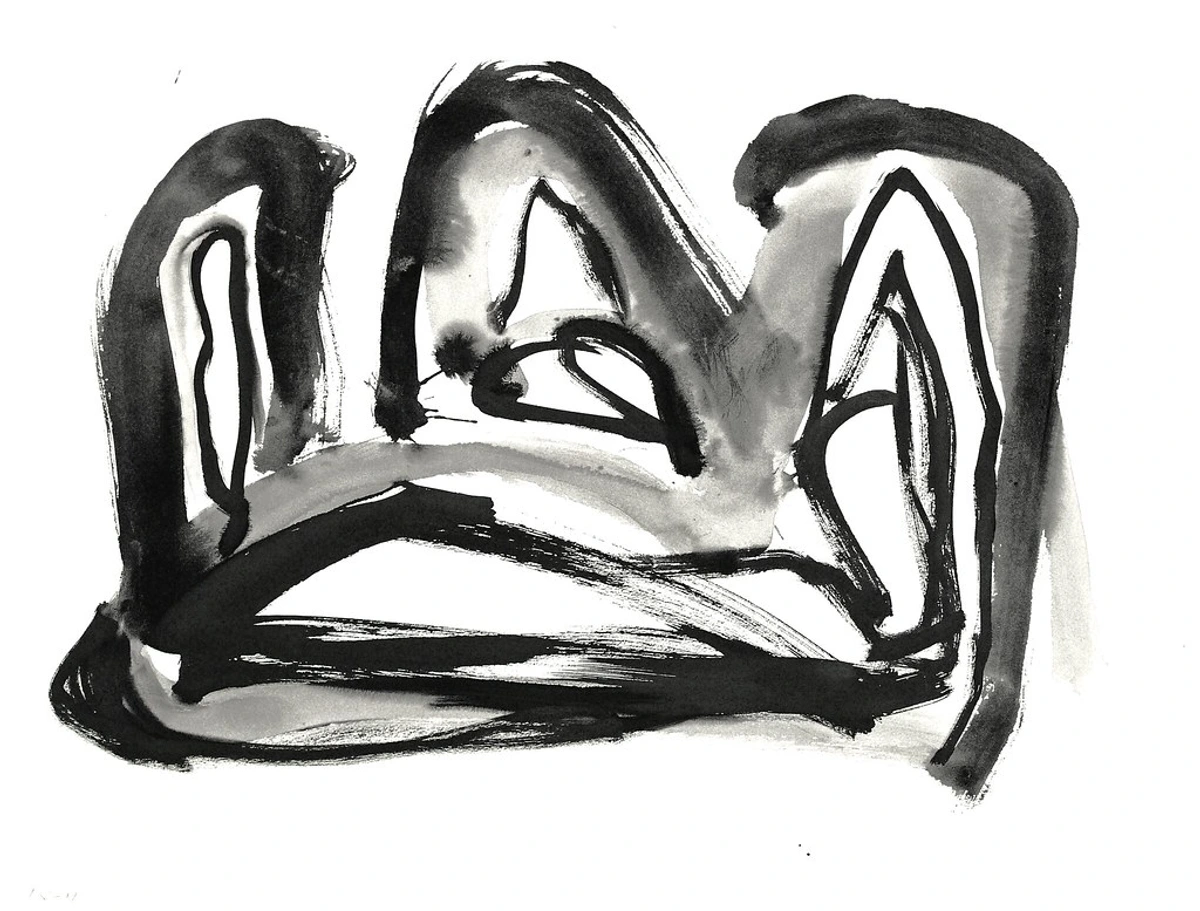
- Observe without Judgment (2-3 minutes): Notice its overall impression first. What colors stand out? What shapes or forms do you perceive? Don't try to name them, understand them, or interpret them; just observe. Allow your gaze to soften further, letting your eyes drift along any lines, perhaps following a subtle curve, or resting within a tranquil color field. How do these elements interact? What feelings or sensations arise within you as you observe? There’s no right or wrong answer. Just notice. If a thought arises, simply acknowledge it by mentally saying 'thinking' and gently guide your attention back to the artwork, without judgment or frustration. It’s a practice of returning.
- Breathe with the Art (3-5 minutes): Match your breath to the rhythm or flow you perceive in the artwork. If you perceive expansive spaces, let your breath expand with it. If there are delicate, quiet areas, let your breath quieten and become more subtle. If you see flowing lines, imagine your breath moving in harmony with those lines. This makes the art a true visual anchor for meditation.
- Allow Your Mind to Wander (Gently) (5-7 minutes): When your mind inevitably drifts (and it will!), simply acknowledge the thought without judgment. Don't fight it. Then, gently guide your attention back to the artwork, to its colors, its forms, its textures. It’s a practice of returning, not of perfection.
I’ve found that this practice helps me understand a dialogue with art: my guide to meditating with an an abstract painting on a much deeper level. It’s not just about looking; it’s about listening with your eyes, letting the abstract language of the piece speak to your soul. This form of engagement can be a truly mindful moments how abstract art can be a gateway to inner peace and reflection.
My Journey: Finding Peace in Abstraction
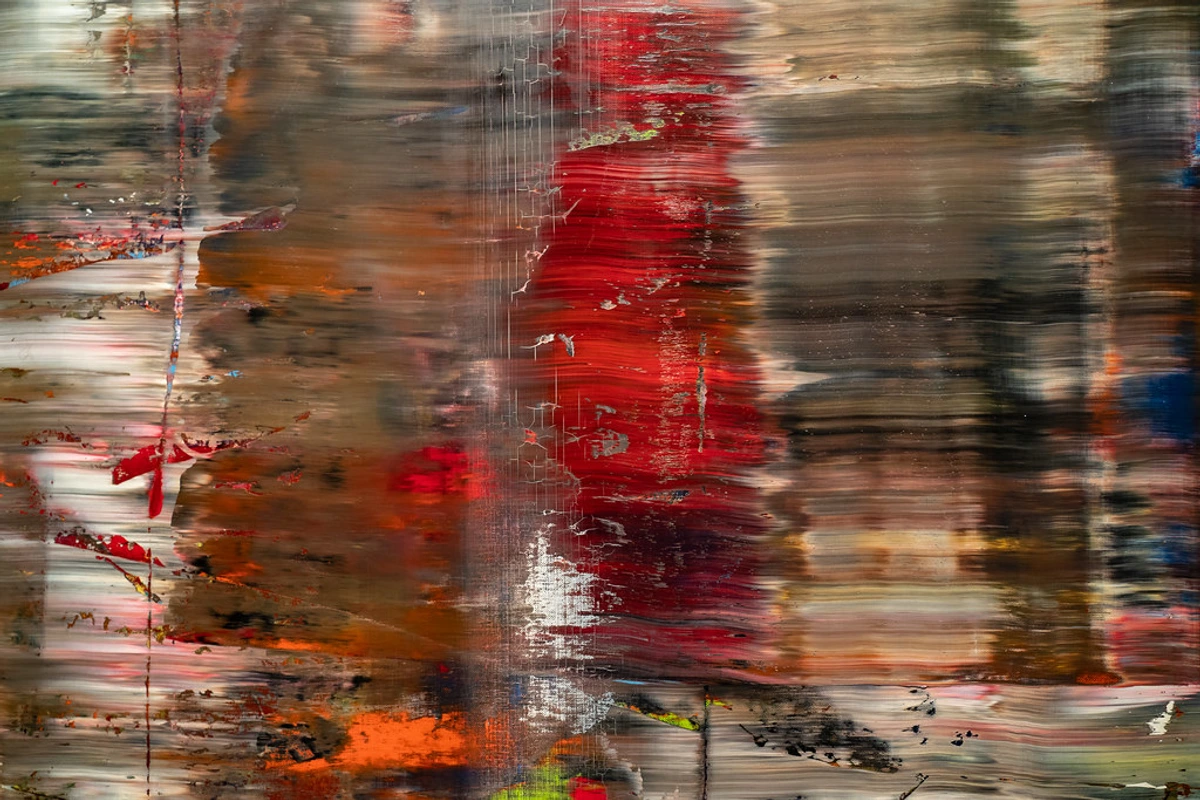
Creating art has always been my meditation, my way of making sense of the world. But it wasn't until I started consciously using other abstract pieces as focal points in my own quiet moments that I truly understood their power beyond creation. There’s a particular painting I have—a cool blue and green piece with subtle, sweeping lines that gently curve into soft, expansive forms, and a delicately textured surface—that just melts away the day's anxieties. It reminds me of the quiet contemplation I often infuse into my own work, that sense of my creative flow: embracing intuition in abstract painting. I remember one particularly stressful week; looking at that painting, I found myself tracing its expansive, yet contained, forms, and with each breath, the tension in my shoulders eased. It was a simple, profound return to presence, a testament to art as therapy for home.
It’s about bringing a moment of stillness into the chaos, a visual anchor for your inner world. If you're curious about the kind of pieces that might resonate with you, feel free to explore my gallery or learn more about my influences at the Den Bosch Museum.
Common Questions on Crafting Your Meditation Nook with Abstract Art
Here are some questions I often get when talking about this topic of home sanctuary design and abstract art for stress relief:
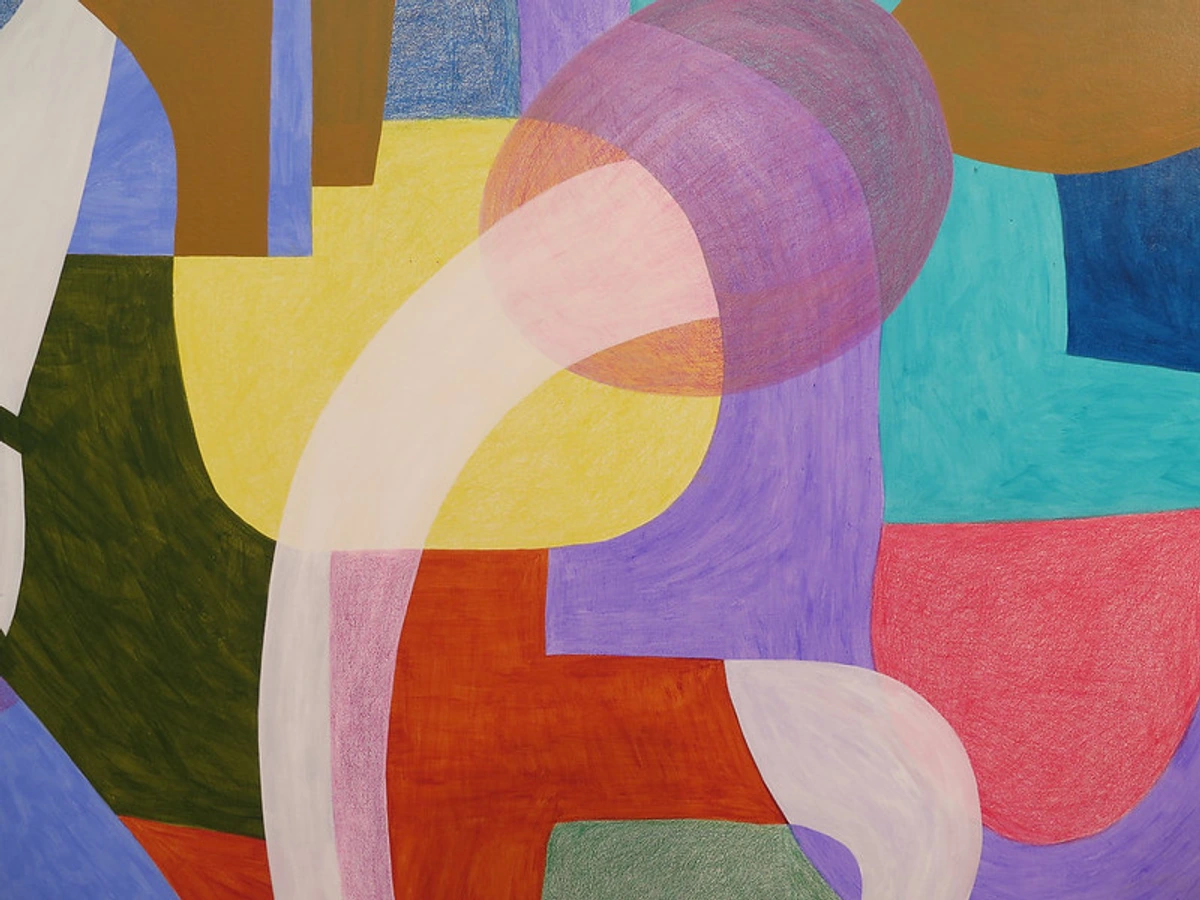
What kind of abstract art is best for a meditation corner?
The best abstract art for meditation generally features soft, harmonious colors (cool tones like blues and greens, gentle purples, earthy neutrals), fluid or balanced compositions, and subtle textures. Think of art that invites a gentle gaze rather than demanding intense interpretation. These qualities tend to lower heart rate and calm the mind, fostering a peaceful state. Ultimately, it should be a piece that personally evokes a sense of calm and introspection for you, functioning as an effective visual anchor for meditation.
Are there specific abstract art movements particularly suited for meditation?
Absolutely. Movements like Color Field painting (e.g., Mark Rothko, Helen Frankenthaler) are often ideal due to their expansive, immersive fields of color that encourage contemplation without a specific focal point. Lyrical Abstraction, with its emphasis on spontaneous, flowing gestures and emotional expression, can also be excellent. Certain forms of Minimalist Abstraction, with their reduction to essential forms and colors, invite quiet reflection by decluttering the visual field and encouraging focus on pure aesthetic elements. These movements all prioritize evoking feeling over depicting objects, making them powerful for creating a mindful space.
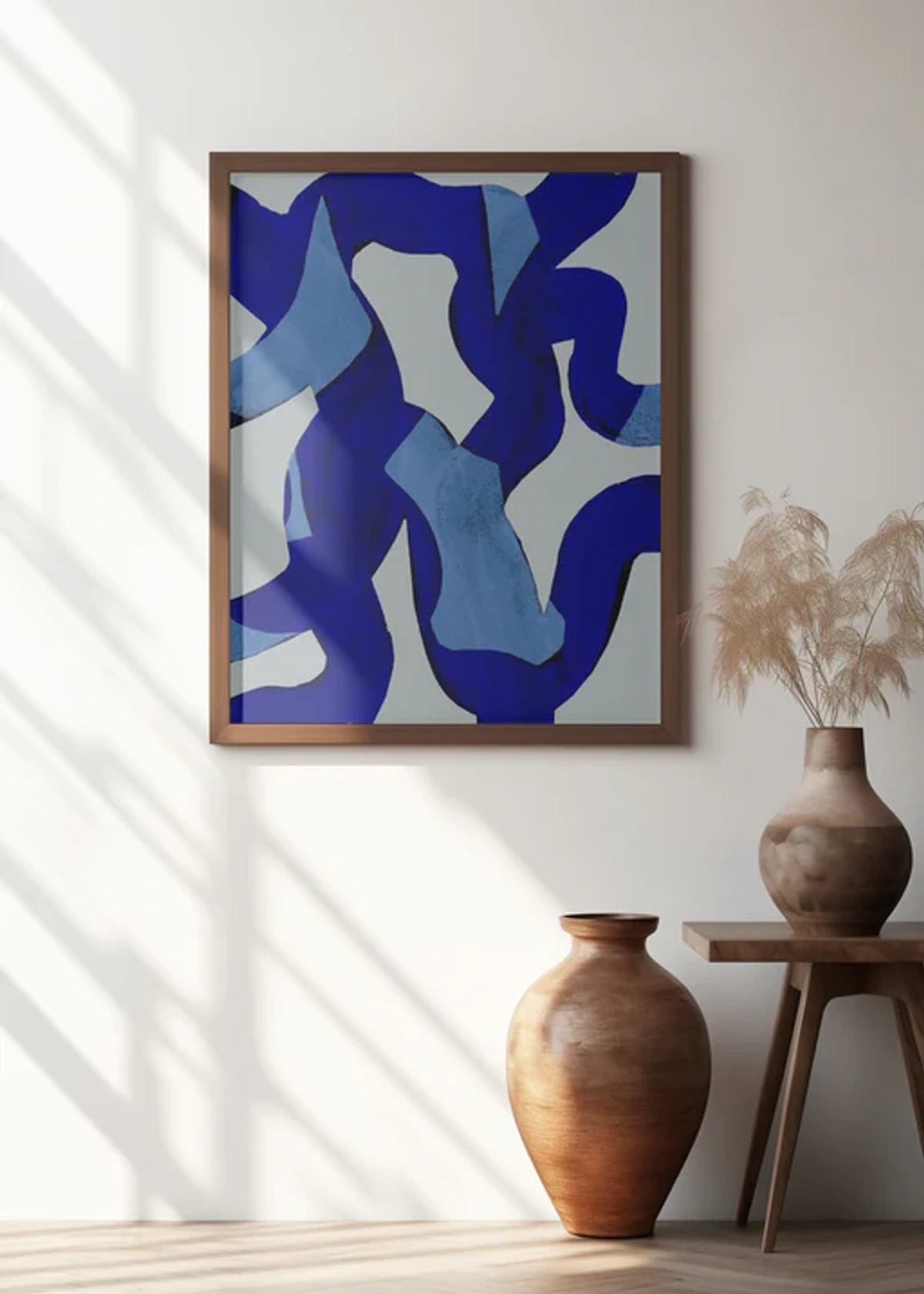
Does the size of the abstract art matter for a meditation space?
Yes, size can significantly impact the atmosphere. A piece that's too small might get lost, failing to provide an adequate focal point, while one that's too large could overwhelm a small meditation corner, making it feel claustrophobic rather than expansive. The goal is a piece that feels enveloping without being intrusive. Choose a size appropriate to the space; for a small nook, a medium-sized piece at eye level when seated is often ideal for zen art decor, allowing it to become a contained world of calm.
Can any abstract art work for meditation, or are some styles better than others?
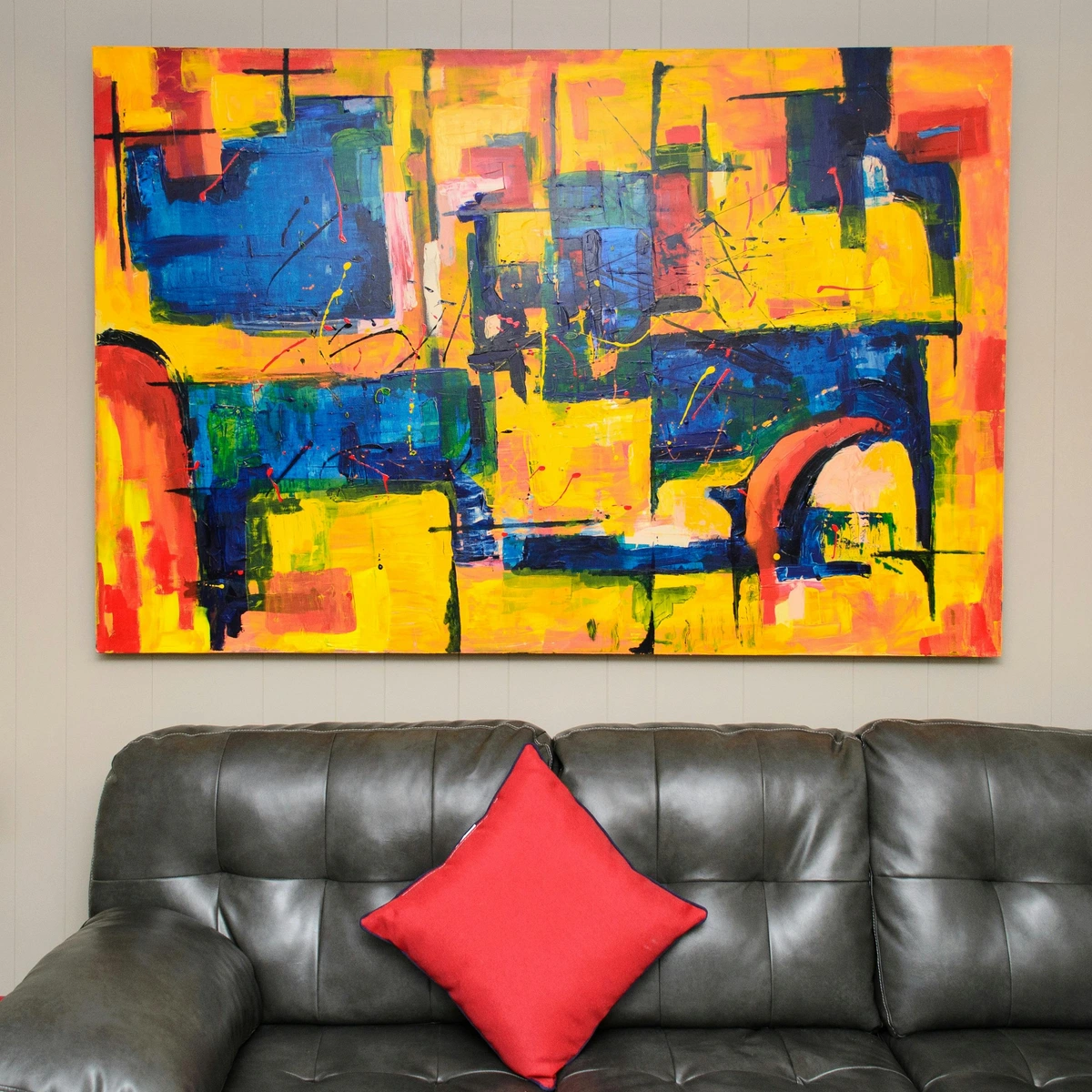
While personal resonance is paramount, not all abstract art is equally suited. Pieces with very aggressive, highly saturated colors, sharp angles, chaotic, or high-energy compositions might be stimulating rather than calming. The goal is to create a visual aid for stillness and abstract art for relaxation, so choose art that feels peaceful and allows your mind to gently wander, rather than demanding active engagement or stirring agitation. It’s crucial to distinguish between art that energizes and art that soothes when curating a meditation space.
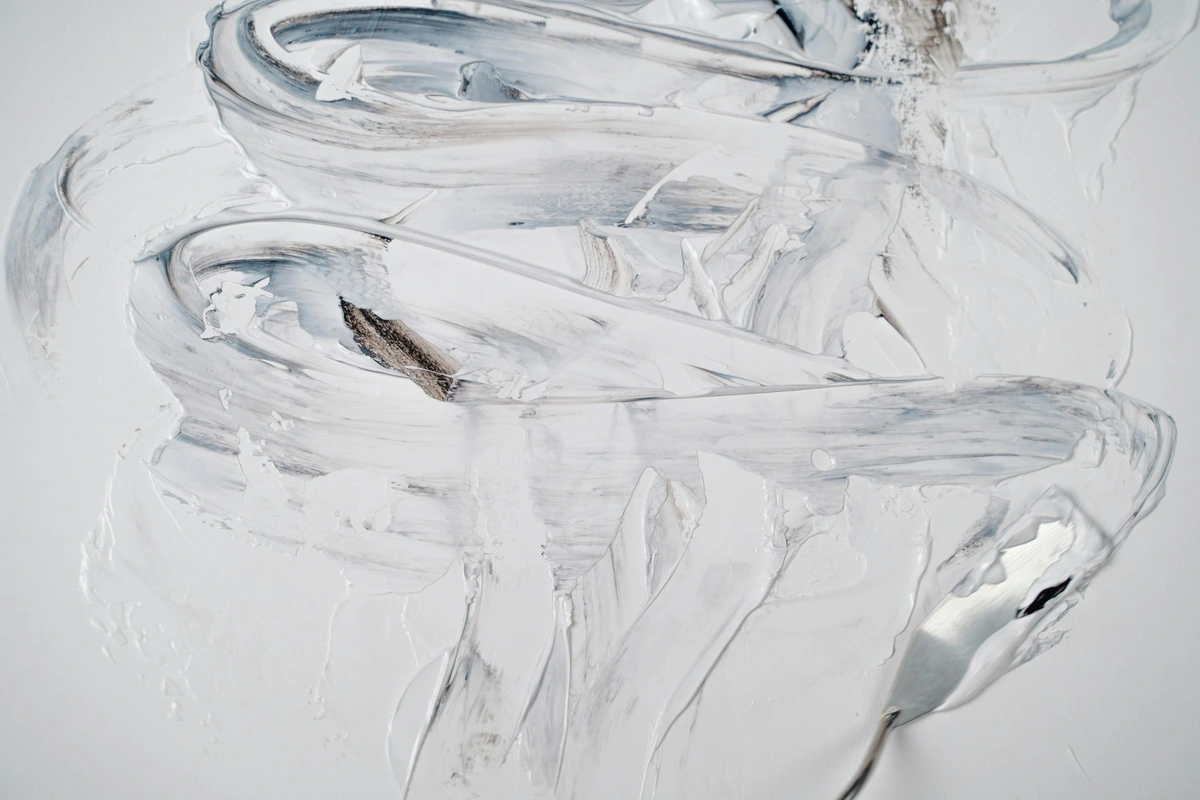
How do I start meditating with an abstract painting?
Begin by sitting comfortably in your meditation corner, facing the artwork. Take a few deep, slow breaths to settle your body and mind. Allow your gaze to soften, taking in the entire piece without focusing intently on any single detail—this is often called a 'soft gaze.' Breathe deeply and evenly. When thoughts arise, gently acknowledge them (perhaps by mentally noting 'thinking') and then return your awareness to the colors, shapes, and feelings evoked by the art. Let the art be a visual anchor for meditation that supports your breath and presence, rather than a puzzle to solve. For a more structured approach, try the guided visual meditation prompt earlier in this article.
What if I live in a small space and can't dedicate a whole corner?
No problem at all! Even a small, thoughtfully chosen abstract piece on a bedside table, a floating shelf, or leaning against a wall on your desk can serve as a potent focal point for a few minutes of mindful breathing. The key is its intentional placement and your conscious engagement with it, even if it's just for a brief pause in your day. Every home, no matter its size, has potential for small pockets of peace and mindful living; it’s about making the most of what you have with intention.
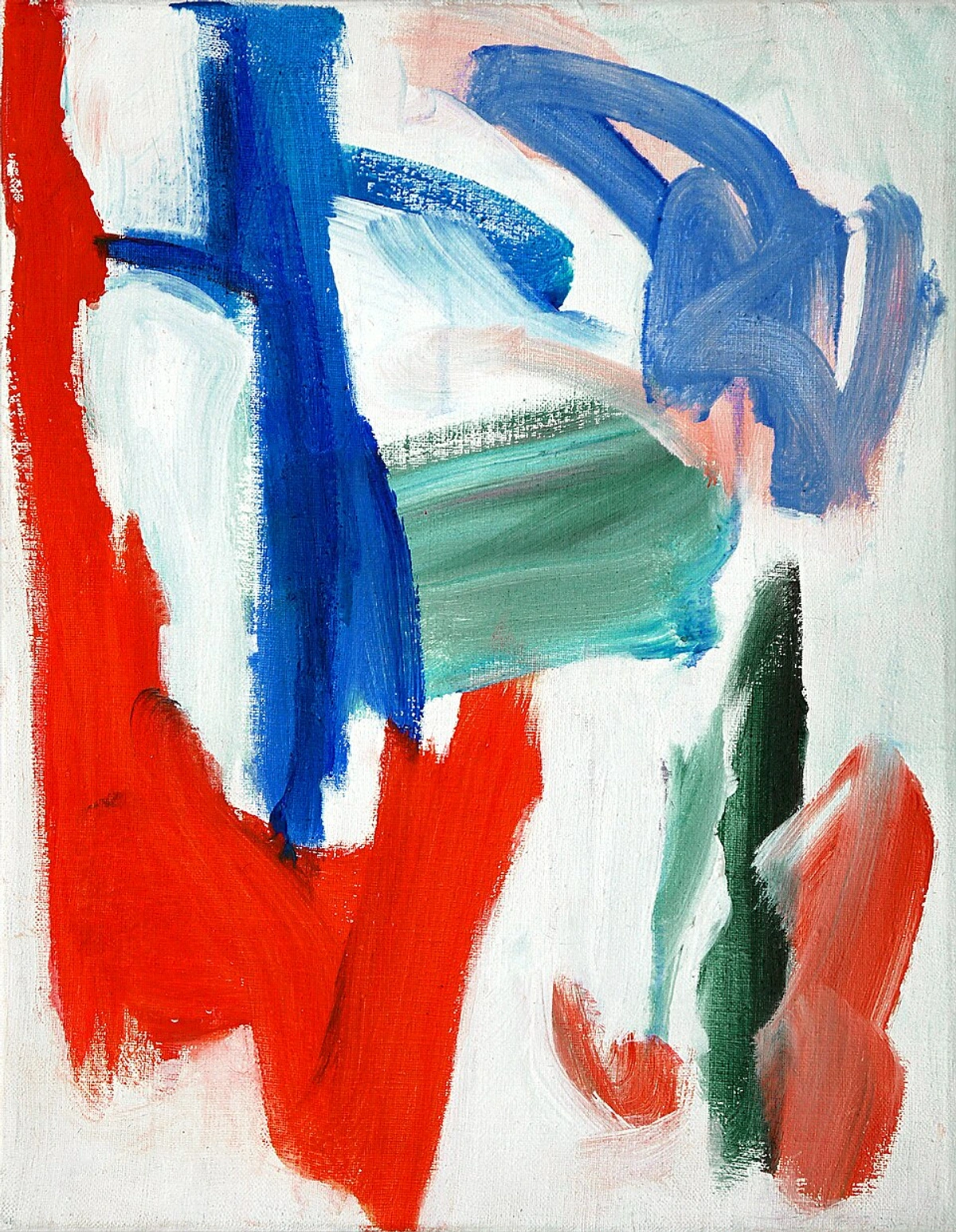
How can I tell if an abstract piece is 'working' for my meditation?
This is a great question! The effectiveness of an abstract piece for meditation is highly personal. You'll know it's working if, during your practice, you feel a sense of ease, a softening of mental chatter, or a subtle pull into a state of calm observation. The art shouldn't demand analysis or provoke strong reactions; instead, it should allow your mind to gently rest, providing a visual anchor without being a distraction. If it consistently helps you return to your breath and a state of presence, then it's absolutely doing its job for you. Trust your inner feeling.
How often should I change the art in my meditation corner?
There's no fixed rule! Some people find immense comfort in a consistent piece that becomes a familiar guide, offering a sense of stability and deepening its role as a visual anchor over time. Others enjoy rotating art to introduce new perspectives, energies, or to align with different seasonal moods or personal needs. If you feel your current piece no longer serves its purpose or you're craving a fresh visual stimulus, don't hesitate to swap it out. Listen to what your inner space needs. Remember, this is about cultivating your personal well-being.
Conclusion: Your Personal Path to Presence
Creating a meditation corner with abstract art is more than just decorating; it's an act of self-care, a deliberate step towards cultivating presence and peace in your home. It’s about creating a silent dialogue between your inner world and the visual language of art, fostering introspection without dictating a narrative. This unique quality makes abstract art particularly powerful for establishing a home sanctuary within your space. It transforms a simple area into a haven that not only looks beautiful but actively supports your mental and emotional wellbeing.
I truly believe that art has the power to heal, to soothe, and to inspire, and nowhere is that more evident than in these small, sacred spaces we carve out for ourselves, designed for mindful living. So, take a breath, find your piece, and let the quiet conversation begin—your personal path to presence awaits. What quiet dialogue will your chosen abstract piece spark within you today?