Paul Gauguin: Biography and Artistic Legacy
Discover the tumultuous life and revolutionary art of Paul Gauguin. From stockbroker to master of color, explore his Tahitian period and complex legacy.

Paul Gauguin: Biography and Artistic Legacy
I remember the first time I stood before a Paul Gauguin painting. It wasn't his most [famous work](/finder/page/famous abstract art), but the colors... those impossibly vibrant reds against deep greens. It felt less like a painting and more like a door opening to another world. Have you ever had that experience? Where a piece of art doesn't just hang on a wall but seems to whisper secrets from another time? That’s what Gauguin’s work is like. It’s loud, it's controversial, and it’s undeniably magnetic.
So, who was the man behind these haunting visions? A stockbroker who decided painting was more important than a stable paycheck. A would-be sculptor who ended up revolutionizing painting. A traveler who searched for paradise and found it fraught with complexity. This is the story of Paul Gauguin, a life as vivid and tangled as his canvases.
But there's more to Gauguin than these simple labels. He was also a writer who documented his artistic philosophy and travels in vivid, poetic prose. He was a sculptor who worked in wood and ceramic, creating works that were just as radical as his paintings. He was a printmaker who experimented with woodcuts, developing a distinctive style that combined bold lines with expressive imagery. And perhaps most importantly, he was a cultural critic who challenged the very foundations of Western art, paving the way for movements that would dominate the 20th century. Gauguin was not just an artist; he was a complete reshaper of what art could be and what it could mean.
His influence can be traced through nearly every major art movement of the 20th century. From the Fauves (Wild Beasts) who took his bold use of color to even greater extremes, to the Nabis group that embraced his decorative approach and symbolic content. Even Surrealists like André Breton found inspiration in Gauguin's exploration of the unconscious and his willingness to challenge rational reality. In fact, you can see Gauguin's fingerprints on movements as diverse as German Expressionism, Cubism, Abstract Expressionism, and even contemporary art practices that continue to explore themes of identity, culture, and representation.

Early Life: A Man Between Worlds
Eugène Henri Paul Gauguin was born in Paris on June 7, 1848, during the tumultuous year of the French Revolution. But his story truly begins in Peru, where his father Clovis, a radical journalist and political activist, had fled after opposing Louis Napoleon. Tragically, Clovis died of a heart attack aboard ship when Paul was just 18 months old. Paul was then raised by his mother Aline and her wealthy Peruvian relatives in Lima for the next four years.
This early exposure to South American culture had a profound and lasting impact on Gauguin's artistic development. The intense colors of the Peruvian landscape, the indigenous traditions, and the vibrant cultural tapestry he experienced as a child would later manifest in his exotic depictions of tropical paradise. Peru gave him a different perspective on the world that would make him struggle with the rigid discipline of French education and shape his lifelong search for authenticity and "primitive" purity.
Imagine being a child caught between the austerity of French Catholicism and the vibrant, sun-drenched cultures of South America. That duality would haunt him forever. The Peruvian landscape, with its intense colors and indigenous traditions, planted the first seeds of his revolutionary artistic vision. When his mother returned to France in 1855, bringing the young Paul back to Europe, he carried with him memories that would later manifest in his exotic depictions of tropical paradise.
Childhood and Education
Gauguin's return to France marked the beginning of his formal education, but he never quite fit into traditional schooling. He attended the Petit Séminaire de La Chapelle-Saint-Mesmin and later the Lycée Louis-le-Grand in Orléans, but he proved to be a restless student. His time in Peru had given him a different perspective on the world, and he struggled with the rigid discipline of French education. This early experience of not belonging would become a recurring theme in his life and work.
At school, Gauguin showed little interest in academic subjects but demonstrated early artistic talent. He was particularly drawn to literature and history, which would later influence his symbolic and narrative approach to painting. His teachers noted his restless energy and vivid imagination, but struggled to channel his talents into conventional academic pursuits. This educational experience reinforced his lifelong distrust of established institutions and his belief in learning through experience rather than formal training.
At the age of 17, Gauguin joined the French merchant marine, spending two years at sea. This experience exposed him to different cultures and ways of life, further shaping his worldview. He traveled to South America, where the memories of his childhood in Peru resurfaced, and to other parts of the world, developing a taste for adventure that would later influence his artistic career.
These maritime years were formative in several ways. First, they gave him a taste for travel and exotic locations that would eventually lead him to Tahiti. Second, they exposed him to diverse cultural practices and artistic traditions that would inform his later work. Third, they instilled in him a sense of independence and self-reliance that would define his approach to both life and art. When he returned to France as a teenager, he carried with him not just memories of distant lands, but a broader perspective on the world that set him apart from his contemporaries.
He returned to France as a teenager and, like so many, fell into a "respectable" career. He became a successful stockbroker. He had a family. He painted on Sundays. It was Van Gogh who changed everything, but we'll get to that explosive duo later. What's important to grasp is that for most of his adult life, Gauguin lived two lives: the bourgeois professional by day, the tormented artist by night. It’s a familiar tale, isn't it? The secret dreamer living a double life until the dream becomes too loud to ignore.
The Leap: From Broker to Bohemian
It wasn't a gradual step; it was a leap. In 1882, the Paris stock market crashed. Gauguin lost his job. Suddenly, the choice was made for him. He could’ve rebuilt, but he didn’t. He painted full-time. He moved to the countryside, to Pont-Aven in Brittany, seeking a more "authentic" life, a refuge from the industrial world. I get that. Don’t we all sometimes yearn to escape? To find a place where the air feels different and your work is the only thing that matters?

The Art Colony of Pont-Aven
In Pont-Aven, Gauguin met a community of artists, including Émile Bernard. They developed a style called Synthetism, which was all about simplifying forms and using large areas of flat, non-naturalistic color to capture the feeling of a place, not just its appearance. It was a radical idea. Why paint a tree a million shades of green when a single, pure green can convey more emotion? This was the beginning of his real breakthrough.
The artistic community in Pont-Aven was vibrant and experimental. Artists were reacting against the academic traditions of the École des Beaux-Arts and seeking a more direct, emotional approach to art. Gauguin quickly became the leader of this movement, bringing his ideas about color, form, and symbolism to the group. The small village became a crucible for artistic innovation, where artists experimented with new techniques and ideas that would soon shake the art world.

Pont-Aven also offered Gauguin the "authentic" experience he was seeking. The Breton people, with their traditional dress, religious customs, and rural way of life, seemed untouched by modernity. He saw them as living examples of the "primitive" purity he was searching for in his art. This fascination with indigenous culture would later lead him to Tahiti, but it began in the rural landscapes and villages of Brittany.
Synthetism and Cloisonnism
The Cloisonnism style emerged from this period, characterized by bold black outlines that separated areas of flat color, much like the stained-glass windows of medieval cathedrals. Gauguin's masterpiece from this period, Vision After the Sermon (1888), perfectly demonstrates this approach. The painting depicts Breton villagers after a sermon, where they have a collective vision of Jacob wrestling an angel. Gauguin uses a strong Japanese-inspired composition, with the tree trunk dividing the scene between the "real" world (the villagers) and the "visionary" world (angel and Jacob). It's a perfect example of how he was beginning to reject traditional perspective and narrative in favor of psychological and spiritual truth.
Synthetism was Gauguin's term for his artistic approach, which meant "to synthesize" or to combine multiple elements into a unified whole. This involved:
- Simplification: Reducing complex forms to their essential shapes
- Non-naturalistic color: Using colors for emotional rather than descriptive purposes
- Symbolic content: Infusing works with spiritual and psychological meaning
- Japanese influences: Adapting composition techniques from ukiyo-e prints
During this period, Gauguin also began experimenting with woodcuts, creating bold, graphic works that reflected his growing interest in primitive and folk art. These prints were a departure from his more traditional painting and showed his willingness to explore different mediums to express his artistic vision.
Tahiti: Myth and Reality
The Journey to Paradise
Tahiti. The word itself conjures images of paradise. For Gauguin, it was a promise. He arrived in 1891, fleeing European civilization and searching for the "savage" simplicity he believed would unlock his ultimate art. What he found was both a paradise and a colonial reality. The French had already altered the islands. Yet, he still found a world rich with color, ritual, and a way of life that felt ancient and true.
Gauguin's decision to go to Tahiti was deliberate. He had read accounts of French Polynesia in travel books and was captivated by the idea of finding a place untouched by European civilization. He saw it as a laboratory where he could develop his artistic theories free from the constraints of Western art traditions. His journey was funded by a small stipend from the French government, which encouraged artists to document French colonial territories.
The reality of colonial Tahiti was more complex than Gauguin had imagined. The islands had been under French control since 1842, and European influence was widespread. Christianity had replaced many traditional beliefs, and Western goods and customs were common. Yet, there were still elements of traditional Tahitian culture that fascinated Gauguin—particularly the connection to nature, the importance of ritual, and the distinctive visual culture that combined Polynesian and European elements.
Martinique: The Tropical Rehearsal
But before Tahiti, there was Martinique. In 1887, Gauguin spent several months in the French colony of Martinique with fellow painter Charles Laval. This tropical experience was a rehearsal for his later Polynesian adventures. He painted rapidly, capturing the vibrant landscapes and indigenous culture, though many of these works were lost when he returned to France. Martinique taught him to work en plein air in challenging conditions and to see the world with new eyes – lessons he would carry forward to Tahiti.
Martinique was a transformative experience for Gauguin. The intense tropical light, the vibrant colors of the vegetation, and the exotic culture all fed his artistic imagination. He painted over 13 works during his stay, including landscapes, still lifes, and scenes of daily life. The experience confirmed his belief in the power of color and simplified forms, and it showed him that he could work effectively outside the traditional studio environment.
However, the tropical climate took its toll. Both Gauguin and Laval suffered from malaria and other tropical illnesses, which forced them to return to France prematurely. Despite the hardships, Martinique solidified Gauguin's resolve to seek out exotic, "primitive" environments for his art. It was there that he first began to think seriously about traveling further afield, ultimately leading him to Tahiti.
His work from this period is legendary. Figures with luminous, golden skin set against dramatic backgrounds of turquoise sea and deep jungle. But here’s where the story gets complicated, and messy, and very human. The idealized "savage" he painted was a construct. His relationships with young Tahitian women are now seen through a critical lens of colonial power dynamics. He saw them as muses, as symbols of a pure, untamed nature. They were real people, with their own lives and agency, whom he mythologized.
This is where we must pause. It’s tempting to romanticize Gauguin the artist, but we can't ignore the man. He was brilliant and brave, but he was also a product of his time—flawed and, yes, problematic. He held onto his colonialist views even as he rejected the society that birthed him. He created images that are breathtakingly beautiful and, at the same time, deeply uncomfortable to examine today.
Major Works of the Tahitian Period
Year  | Key Work | Notable Features | Medium | Current Location |
|---|---|---|---|---|
| 1891 | Tahitian Women on the Beach | Early Tahitian work, establishing his color palette and themes. | Oil on canvas | Private Collection (formerly Musée d'Orsay) |
| 1892 | Spirit of the Dead Watching | Ghostly figure in the dark, symbolic of Tahitian beliefs and spiritual fears. | Oil on canvas | Albright-Knox Art Gallery, Buffalo |
| 1894 | Day of the God | Large-scale mythological scene with bold colors and simplified forms. | Oil on canvas | Art Institute of Chicago |
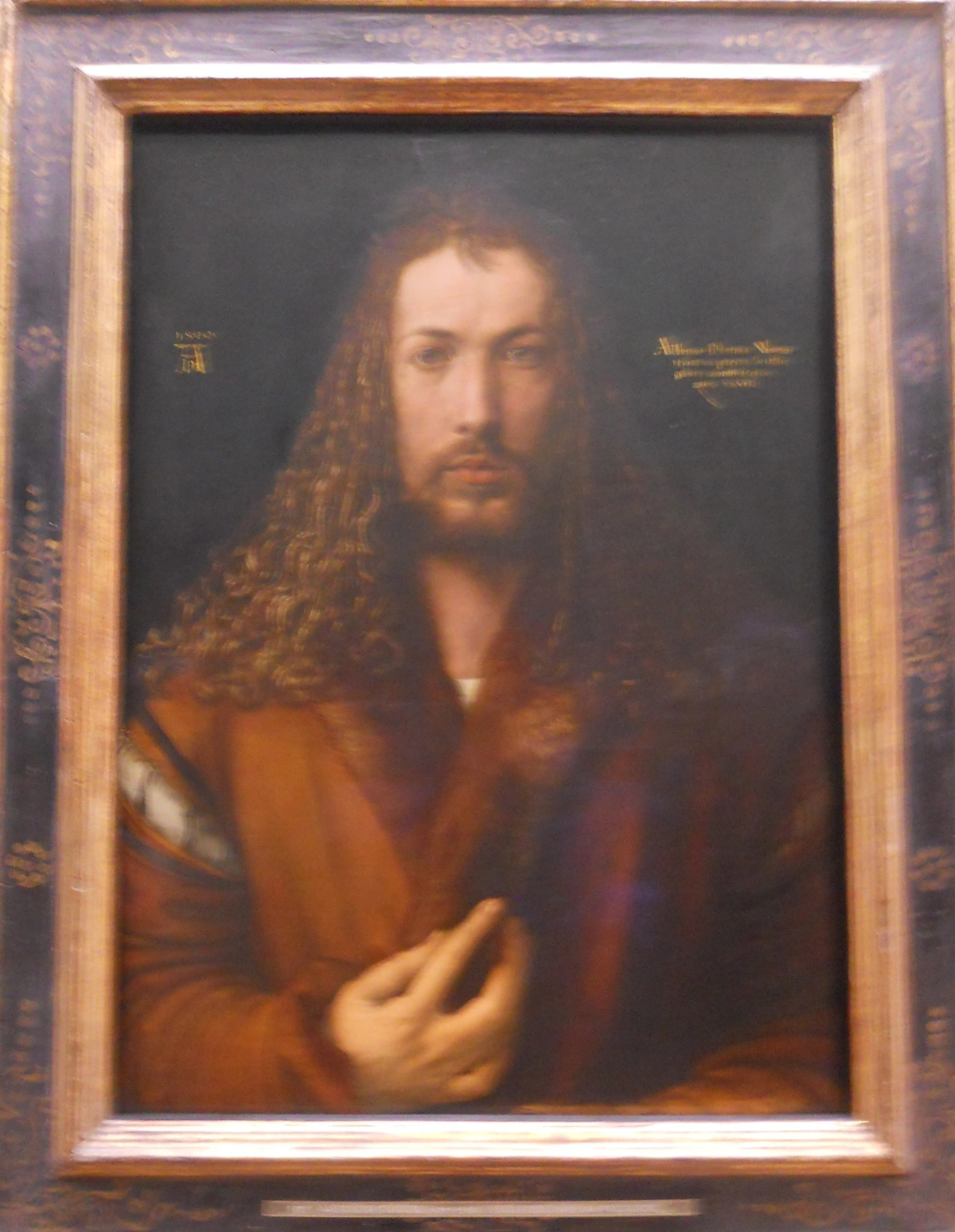
| 1896 | Self-Portrait with Halo | Gauguin portrayed as Christ figure, blending ego and spiritual ambition. | Oil on canvas | Musée d'Orsay, Paris |
| 1897 | Where Do We Come From? What Are We? Where Are We Going? | His magnum opus, a symbolic depiction of the human life cycle. | Oil on canvas | Museum of Fine Arts, Boston |
| 1899 | Two Tahitian Women | Iconic portraits, luminous skin, exotic flowers, representing idealized beauty. | Oil on canvas | The Metropolitan Museum of Art, New York |
| 1901 | The White Horse | Symbolic landscape with mystical elements, painted in Hiva Oa. | Oil on canvas | National Gallery of Art, Washington D.C. |
| 1902 | Woman with a Flower | Tender portrait showing more intimate connection to Tahitian subjects. | Oil on canvas | Musée d'Orsay, Paris |
| 1893 | Fatata te Miti (By the Sea) | Early Tahitian landscape showing his adaptation to tropical subjects. | Oil on canvas | Private Collection |
| 1895 | Manao Tupapau (The Spirit of the Dead Watching) | Another version of his famous ghostly scene, exploring Tahitian spirituality. | Oil on canvas | Musée d'Orsay, Paris |
| 1898 | Nevermore | Dark, symbolic image inspired by Edgar Allan Poe, reflecting his melancholy. | Oil on canvas | Courtauld Gallery, London |
| 1902 | The Call | Late work showing Gauguin's continued experimentation with form and color. | Oil on canvas | Private Collection |

Where Do We Come From? What Are We? Where Are We Going? (1897)
Perhaps Gauguin's most famous work, this monumental painting is often considered his artistic testament. The large canvas (approximately 4.5 feet by 12 feet) depicts the human life cycle in symbolic form. The painting is filled with Tahitian figures engaged in various activities, from birth and childhood to old age and death.
The work is deeply symbolic, with each figure representing different stages of human existence. The three main questions in the title reflect Gauguin's philosophical preoccupations: the origin of humanity, the meaning of life, and the destination of the soul. The painting's composition flows from left to right, suggesting the passage of time and the progression of life.
Despite its importance, Where Do We Come From?... was not well received when Gauguin first exhibited it. Critics found its symbolism obscure and its style too radical. Today, it is recognized as one of the masterpieces of Post-Impressionism and a profound exploration of the human condition.
The painting was created during Gauguin's most difficult period in Tahiti, marked by financial struggles, health problems, and deep personal turmoil. It was painted in his "Maison du Jouir" (House of Pleasure) in Papeari, Tahiti, where he lived in relative isolation. The work reflects his growing fascination with Tahitian mythology and his attempt to create a universal philosophical statement that transcended both Western and Tahitian traditions.
The Artistic Vision: Color and Symbol
Gauguin wasn't just trying to paint what he saw; he was trying to paint what he felt. He used color as an emotional language. A red wasn’t just red; it was passion, life, danger. A blue wasn’t just sky; it was melancholy, the infinite. His forms are often simplified, sculptural, almost primitive in their lack of detail. There’s a raw power in it. It feels ancient and modern at the same time. His work was a direct challenge to the impressionism of his day, with its fleeting light and delicate brushwork.
Technical Analysis and Painting Techniques
Gauguin's approach to painting was as revolutionary as his subject matter. He rejected the Impressionist technique of working directly from nature and instead developed a more methodical, symbolic approach to his art.
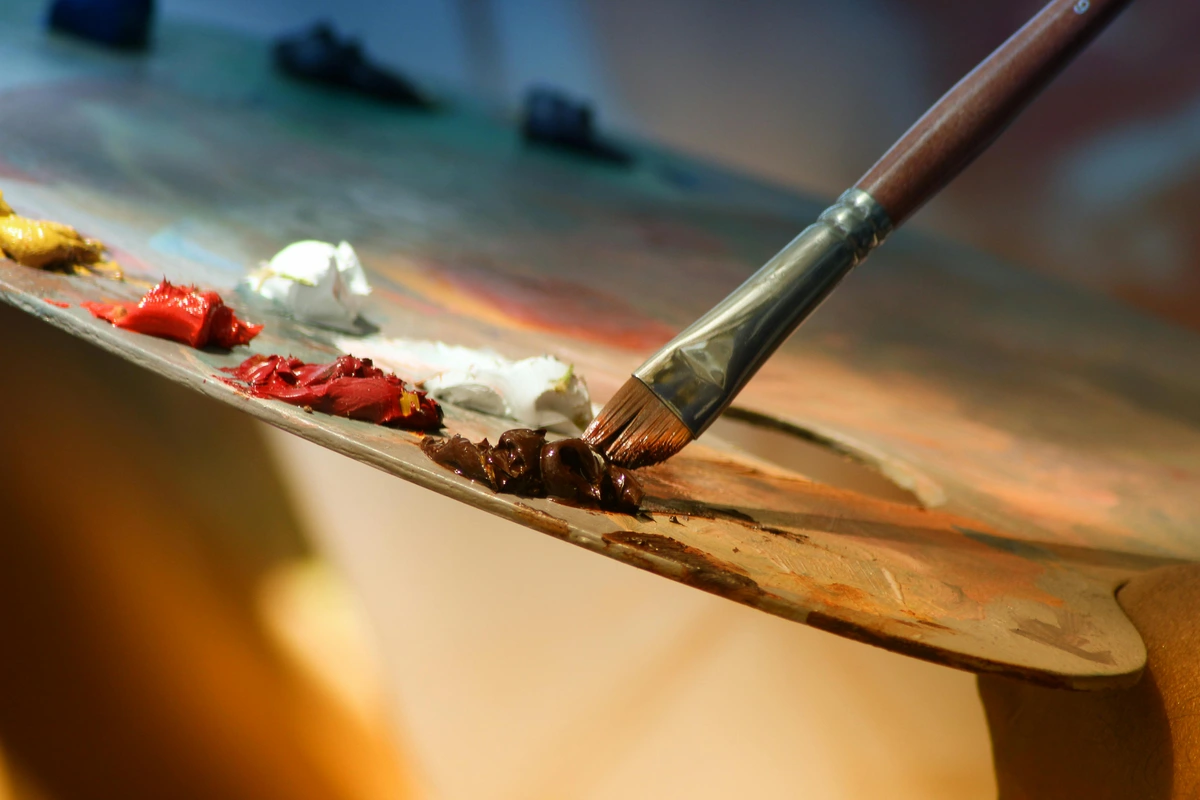
Materials and Process: Gauguin typically worked with oil paints on canvas, but he sometimes experimented with different grounds and supports. In his Tahitian period, he sometimes incorporated local pigments and materials into his work. He often applied paint thickly with visible brushstrokes, creating a textured, almost sculptural surface.
Color Theory: Gauguin's use of color was deliberate and symbolic. He created his own color theories, believing that certain colors carried specific emotional and spiritual meanings. His palette was deliberately non-naturalistic—he used bright yellows, deep blues, and vibrant reds not to describe what he saw, but to express what he felt.
Composition: Gauguin's compositions were heavily influenced by Japanese prints, which he studied intensely. He used flat planes of color, strong outlines, and simplified forms to create works that were both decorative and psychologically powerful. His compositions often had a dreamlike quality, with figures arranged in symbolic rather than naturalistic ways.
Symbolism and Spiritual Content
Gauguin was a theorist, too. He wrote about his ideas, creating manifestos. He believed in the Cloisonnism style (outlined, stained-glass-like forms) and promoted "Synthetism" (assembling forms from memory and emotion, not direct observation). He was, in many ways, an intellectual as well as a painter, always searching for the "truth" beneath the surface.
Gauguin's art was deeply symbolic, with each element carrying multiple layers of meaning. He was influenced by the Symbolist movement, which sought to express ideas and emotions through symbols rather than direct representation. His works often contain references to mythology, religion, and philosophy, inviting viewers to engage with them on multiple levels.

Some of the key symbols in Gauguin's work include:
- Trees: Often represent the division between the earthly and spiritual worlds
- Animals: Symbolize primal instincts and the connection to nature
- Red colors: Frequently represent passion, life, and spiritual energy
- Blue colors: Often symbolize melancholy, the infinite, and the divine
- Women: Sometimes represent idealized beauty, other times spiritual wisdom
- Flowers: Often symbolize beauty, fragility, and the passage of time
- Birds: Can represent freedom, spirituality, or the soul
- Geometric patterns: Suggest order, structure, and the underlying harmony of nature
Gauguin's symbolism was often personal and idiosyncratic, based on his own reading of mythology, religion, and philosophy. He frequently created his own symbolic systems, drawn from a wide range of sources including the Bible, classical mythology, Tahitian folklore, and his own imagination.
Gauguin's Literary Contributions
His writings are as fascinating and complex as his paintings. During his Tahitian years, he wrote Noa Noa ("Fragrance" in Tahitian), a semi-autobiographical account of his experiences that blends fact with poetic invention. This work reveals his philosophical thinking and his attempt to understand the Tahitian people and culture. He also wrote numerous letters to friends and patrons that provide insight into his artistic process, his financial struggles, and his increasingly unstable mental state. Through his writing, Gauguin positioned himself not just as an artist but as a thinker who was creating a new philosophy of art.
Noa Noa and Other Writings
Noa Noa is Gauguin's most famous literary work, though it's important to note that the published version was heavily edited by his friend and patron, Daniel de Monfried. The original manuscript was more personal and revealing, containing passages that Gauguin later regretted. The published version presents a more romanticized view of Gauguin's experiences in Tahiti.
In addition to Noa Noa, Gauguin wrote:
- Letters to friends and patrons: Provide candid insights into his thinking and struggles
- Artistic manifestos: Outlining his theories about color, form, and symbolism
- Travelogues: Documenting his experiences in Brittany and Tahiti
- Philosophical essays: Exploring his ideas about art, culture, and the human condition
- Avant-garde journals: Contributing to the emerging discourse on modern art
- Personal diaries: Revealing his inner turmoil, doubts, and creative process
- Art criticism: Writing about other artists and contemporary movements
- Cultural observations: Analyzing the differences between European and Polynesian worldviews
These writings show Gauguin to be a thoughtful, articulate man who was deeply engaged with intellectual questions. They also reveal his growing sense of isolation and his belief that he was misunderstood by the art establishment. Through his writing, Gauguin created a persona for himself that was part artist, part philosopher, part adventurer—a composite that continues to fascinate readers today.
Later Years and Death
Tahiti wasn’t his final destination. He moved to the nearby island of Hiva Oa in the Marquesas, seeking even greater isolation. He built a house he called "The House of the Pleasure." He continued to paint, but his health declined. He suffered from heart disease and a reliance on alcohol. He died in 1903 at the age of 54, alone on a remote island, far from the Parisian art world that would eventually celebrate him.
Health and Final Years
Gauguin's final years were marked by declining health and increasing isolation. He suffered from advanced syphilis, which had probably contracted in his youth and had gradually worsened. The tropical climate took its toll on his body, and he suffered from various tropical illnesses. He also struggled with depression and what would now likely be diagnosed as bipolar disorder.
Despite these challenges, Gauguin remained productive. He continued to paint, write, and correspond with friends and patrons. His work from this period shows a darker, more introspective quality, reflecting his physical and mental suffering. Yet even in his final works, he maintained his distinctive style and his commitment to artistic innovation.
Gauguin died on May 8, 1903, at his home in Atuona, Hiva Oa. The official cause of death was reported as heart disease, but syphilis and alcoholism were also contributing factors. He was buried in the Catholic cemetery in Atuona, far from the European art world that would soon begin to recognize his genius.
In his final years, Gauguin became increasingly embittered and paranoid, frequently clashing with colonial authorities and local officials. His relationship with the Catholic Church became strained, and he increasingly identified with the "savage" lifestyle he had romanticized. Yet, even in his isolation, he continued to develop his artistic theories, writing extensively about his beliefs regarding art, nature, and the human condition. His final works, including his famous woodcuts and ceramics, show a mature mastery of his techniques and a deepening philosophical complexity.
Controversies and Legacy
The Complex Legacy of a Modern Master
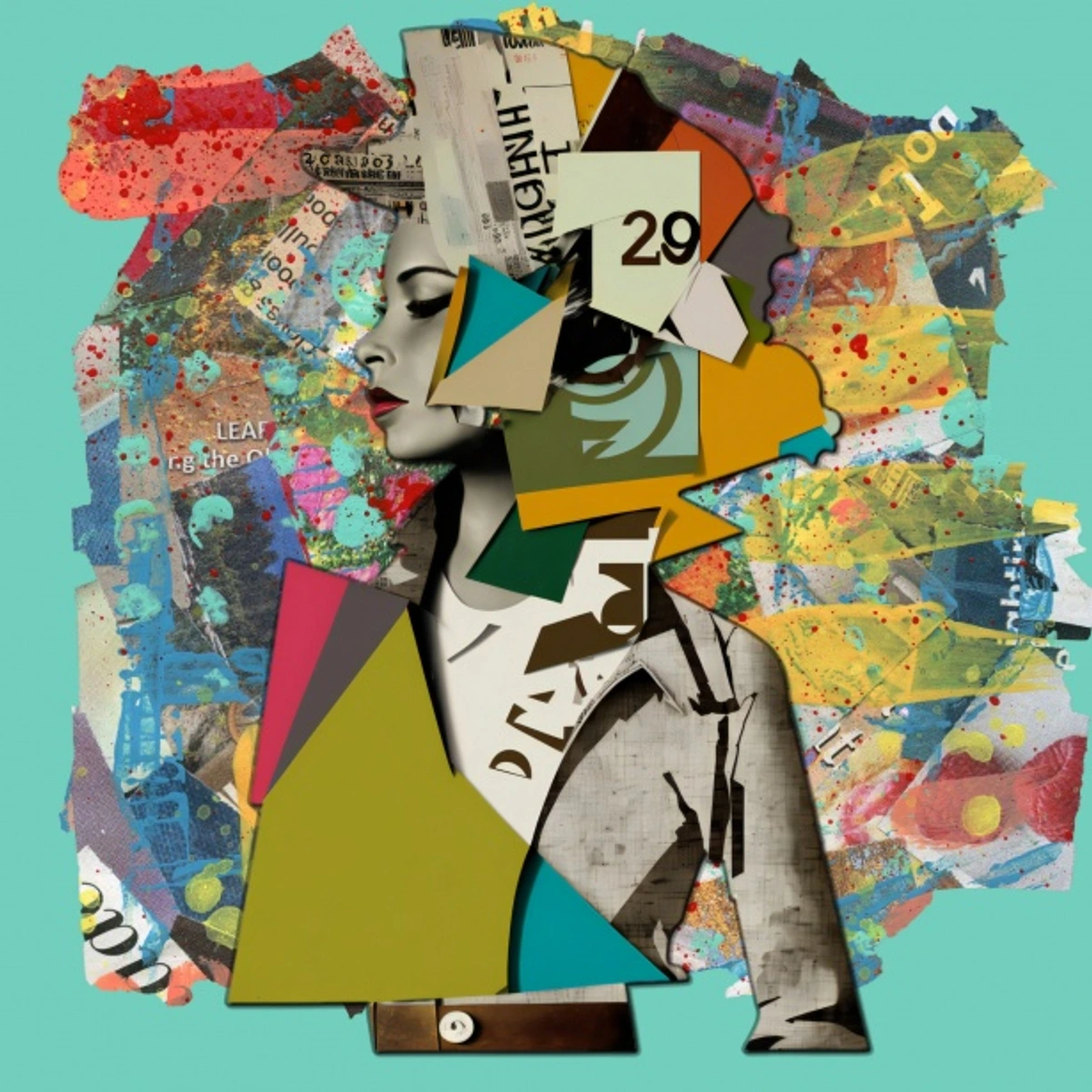
Today, Gauguin's legacy is a complex mixture of artistic genius and questionable ethics. He is undeniably a foundational figure of modern art. Picasso, Matisse, and the German Expressionists all drank from his well. He proved that art could be about the artist's inner world, not just a reflection of the outer one. He paved the way for abstraction.
Gauguin's importance in the development of modern art cannot be overstated. He was one of the first artists to deliberately break from the traditions of Western art and create something entirely new. His use of color, his approach to symbolism, and his willingness to explore non-Western art traditions all helped to expand the possibilities of what art could be. In many ways, Gauguin created the blueprint for the modern artist as a rebel, a visionary, and a cultural critic who operates outside the established norms.
Influence on Major Art Movements
Gauguin's influence can be traced through nearly every major art movement of the 20th century. His impact was particularly significant on:
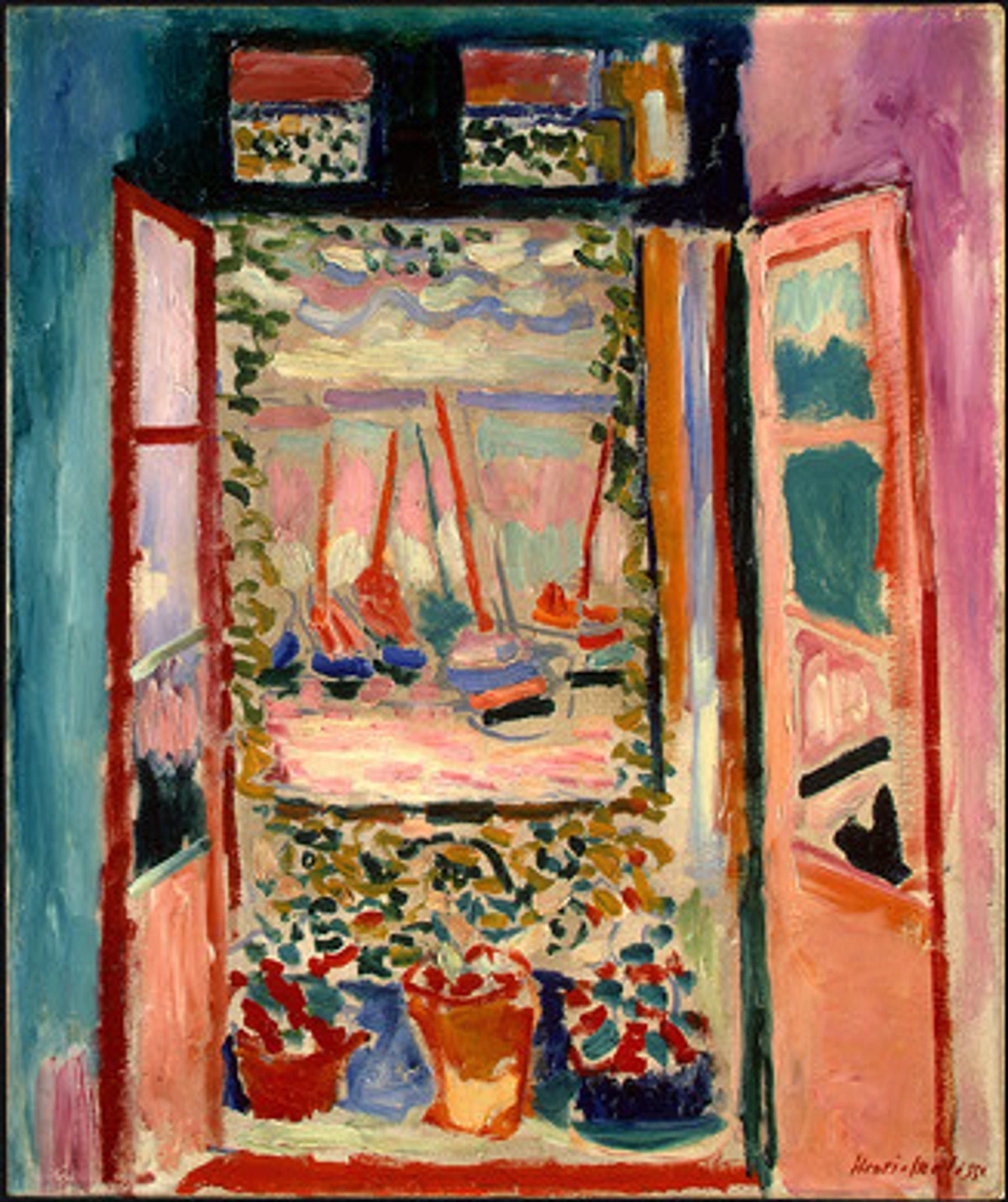
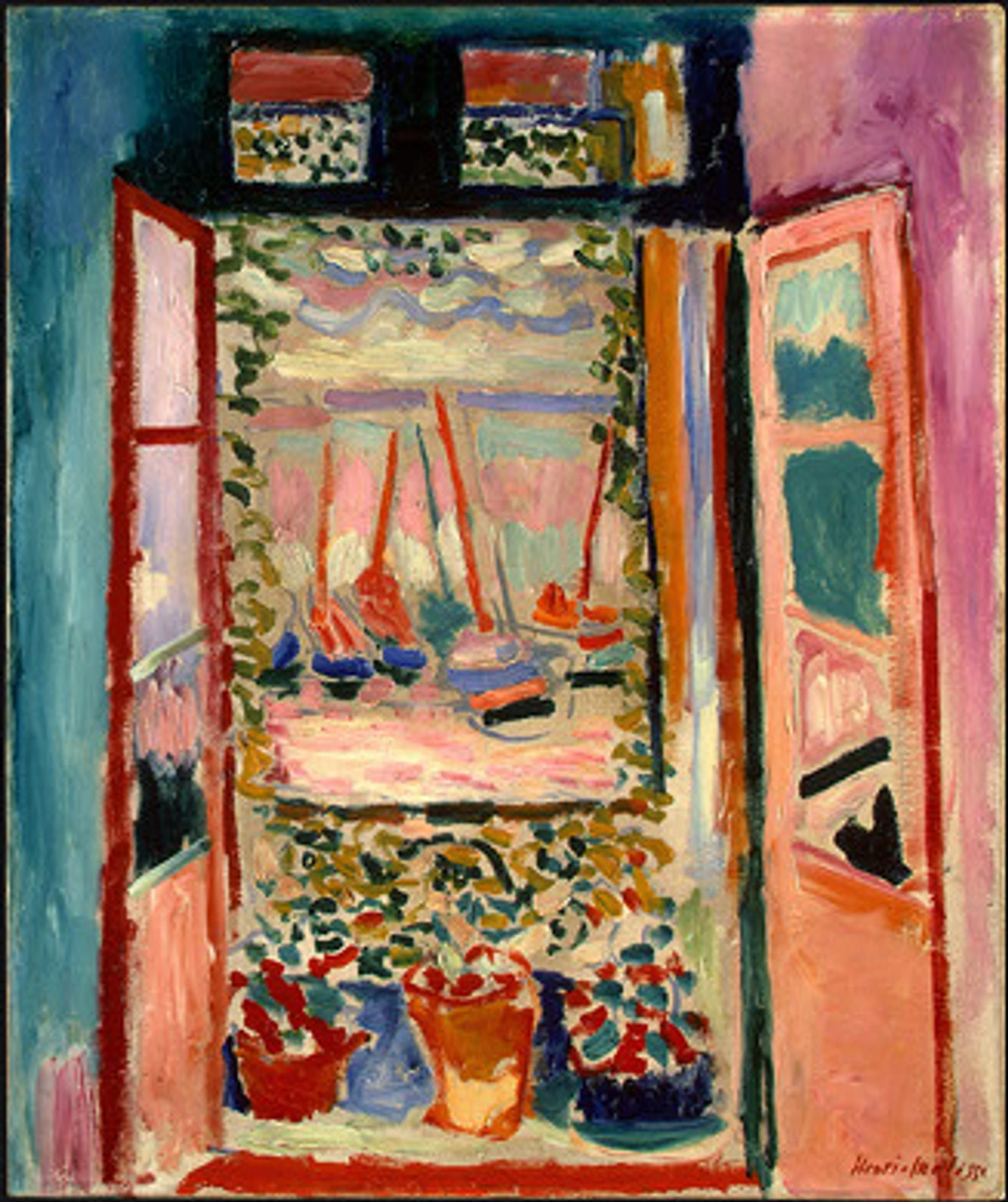
Fauvism (1904-1908): Led by Henri Matisse, the Fauves took Gauguin's bold use of non-naturalistic color to even greater extremes. Like Gauguin, they prioritized emotional expression over realistic representation, using color in deliberately provocative ways.
The Nabis Group (1888-1900): This movement, which included Pierre Bonnard and Édouard Vuillard, embraced Gauguin's decorative approach and symbolic content. They called themselves "prophets" and saw themselves as continuing Gauguin's revolutionary approach to art.
German Expressionism: Artists like Ernst Ludwig Kirchner and Emil Nolde were inspired by Gauguin's emotional intensity and rejection of academic norms. His use of bold color and simplified forms helped pave the way for this movement that would become central to 20th-century German art.
Cubism: While Cubism developed more analytical approaches to form, it shows traces of Gauguin's influence in its interest in multiple perspectives and its challenge to traditional representation.
Surrealism: Gauguin's exploration of the unconscious and his willingness to challenge rational reality influenced Surrealists like André Breton, who saw in his work an early example of exploring the depths of the human psyche.
Abstract Expressionism: Gauguin's emphasis on the artist's inner world and his expressive use of color influenced American abstract painters who were developing new approaches to non-representational art.
Primitivism: Gauguin became a central figure in the Primitivist movement, which sought inspiration in "primitive" art forms. While this movement has since been criticized for its colonialist assumptions, Gauguin's work helped establish the dialogue between Western and non-Western art traditions that continues to evolve today.

The Colonial Context of Gauguin's Work
Understanding Gauguin's work requires acknowledging the colonial context in which it was created. He arrived in Tahiti in 1891, just 17 years after it had become a French protectorate. The Tahitian society he encountered was already significantly altered by French colonial rule, Christianity, and Western influences. His romanticized depictions of "primitive" Tahitian culture reflected European fantasies about the "exotic other" rather than the complex reality of colonial life. This context doesn't necessarily invalidate the artistic merit of his work, but it does require us to approach it with critical awareness of the power dynamics at play.
Gauguin and Colonial Power Dynamics
The relationship between Gauguin and the Tahitian people was complex and fraught with power imbalances. As a European colonizer, Gauguin occupied a position of privilege and authority. His relationships with Tahitian women, while romanticized as muses and models, occurred within a context where colonial power structures shaped every interaction.
Modern scholarship has increasingly examined these dynamics, recognizing that Gauguin's "discovery" of Tahitian beauty was itself a colonial act. The "primitive" paradise he sought was, in reality, a society already transformed by European contact. His art both reflected and reinforced European fantasies about non-Western cultures, even as it criticized European society.
This complexity doesn't diminish Gauguin's artistic achievement, but it does enrich our understanding of it. By recognizing the colonial context in which his work was created, we can better appreciate both his formal innovations and the ethical questions his work continues to raise.

Gauguin and the Modern Artist Paradigm
But his influence extends even further. The Fauves (Wild Beasts), led by Henri Matisse, took Gauguin's bold use of color to even greater extremes. The Nabis group, which included Pierre Bonnard and Édouard Vuillard, embraced his decorative approach and symbolic content. Even Surrealists like André Breton found inspiration in Gauguin's exploration of the unconscious and his willingness to challenge rational reality. In many ways, Gauguin created the blueprint for the modern artist as a rebel, a visionary, and a cultural critic who operates outside the established norms.
Gauguin's life and career established a new model for what it meant to be an artist in the modern world. He rejected the traditional path of academic training and patronage, choosing instead to follow his own vision regardless of commercial success or critical approval. He traveled to distant lands in search of inspiration, living as an outsider in pursuit of artistic truth. He was willing to endure poverty, isolation, and hardship for the sake of his art.
This model would influence generations of artists who followed, from the Abstract Expressionists who saw themselves as heroic individualists struggling against the world, to contemporary artists who continue to explore themes of identity, culture, and the artist's role in society. Gauguin showed that the artist could be a philosopher, a critic, an adventurer, and a visionary—all at once.
Reconciling Genius and Problematic Legacy
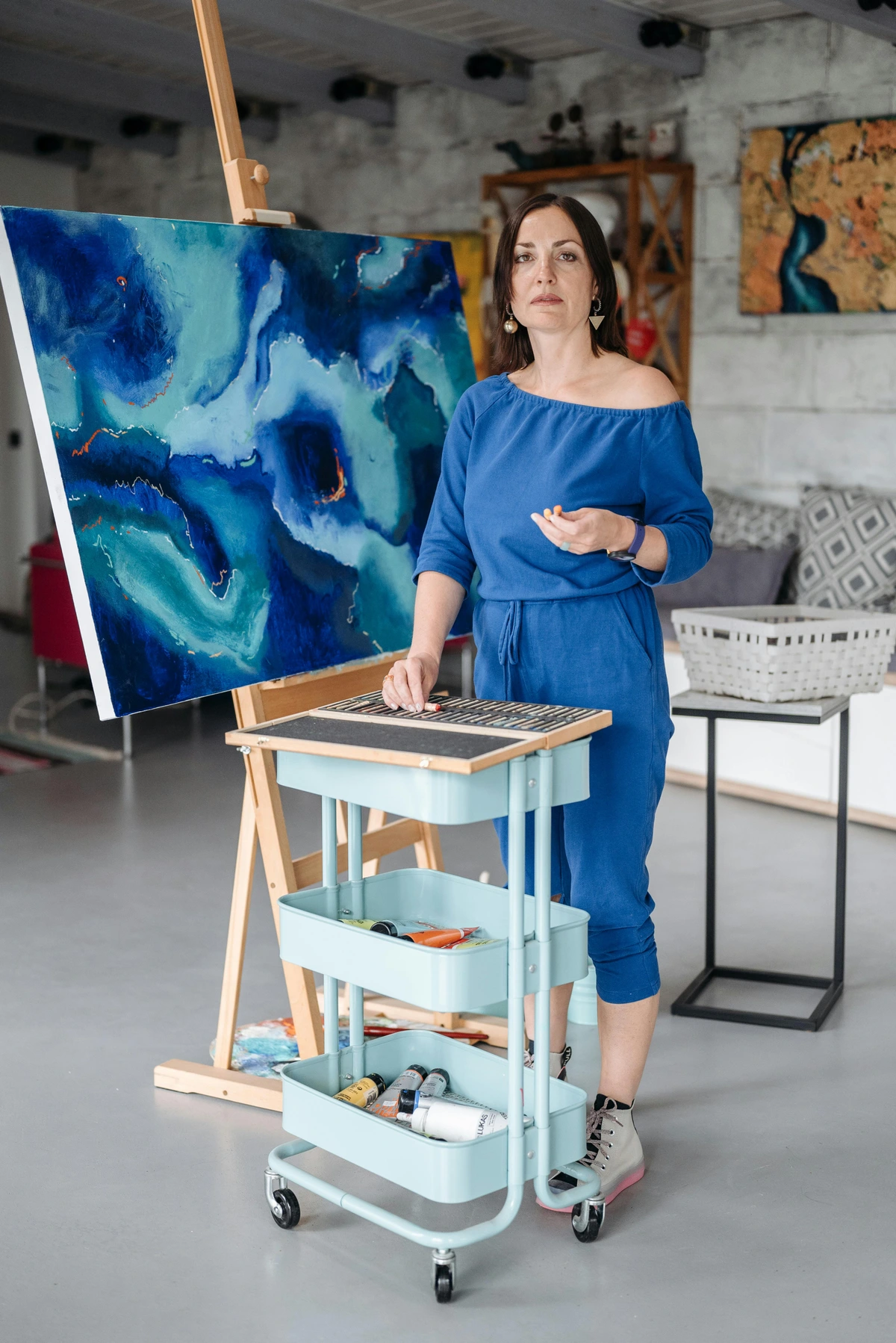
But this legacy is now being re-evaluated. The conversation around "primitivism" has changed. We see more clearly how European artists "exoticized" non-Western cultures, turning them into objects for their own artistic consumption. So, how do we reconcile the beauty of his work with the problematic nature of his gaze?
The challenge for contemporary viewers is to engage with Gauguin's art on multiple levels simultaneously. We can appreciate the revolutionary nature of his color, form, and symbolism while acknowledging the colonial context in which they were created. We can recognize his artistic genius while being critical of his ethical failures.
This kind of nuanced engagement is what makes art history a living, evolving discipline. It shows that great art is rarely simple or unproblematic. It often emerges from complex, contradictory circumstances and carries multiple meanings that can change over time as our understanding of history and culture evolves.
Modern scholars and curators are increasingly contextualizing Gauguin's work within the framework of colonialism. They examine how his artistic choices were shaped by his position as a European colonizer and how his representations of Tahitian people reflect the power dynamics of imperialism. This critical approach doesn't diminish the power of his art; it enriches our understanding of it. It allows us to appreciate the formal innovations while acknowledging the ethical complexities, creating a more complete and honest picture of Gauguin's contribution to art history.
I don’t have a simple answer. I think the best way is to look at his art with eyes wide open. Admire the courage to break rules, the audacity of that color, the profound mystery in those faces. But also, remember the history behind them. Remember that the "paradise" he painted was a place lived by real people, a place with its own complex history, not just a backdrop for a European artist's soul-searching.
In fact, this kind of critical engagement is vital for any art lover. It’s what makes looking at art an ongoing dialogue, not a static lecture. If you’re interested in how artists today grapple with these same issues of identity and representation, you might find subtle parallels in explorations of contemporary themes. Discover more about artistic perspectives.
Frequently Asked Questions (FAQ)
Q: What was Gauguin's artistic background? A: Gauguin began painting seriously in his late twenties, after a successful career as a stockbroker. He initially studied with academic painters but quickly developed his own revolutionary style. He was self-taught in many ways, learning from other artists, studying non-Western art, and developing his theories about color and form through experimentation and intuition.
Q: How many paintings did Gauguin create? A: Gauguin's total output is estimated to be around 800 paintings, plus hundreds of works on paper, sculptures, ceramics, and woodcuts. His most productive periods were during his time in Brittany (1886-1888) and his Tahitian years (1891-1903), when he created many of his most famous works.
Q: Where are Gauguin's most important paintings housed today? A: Gauguin's major works are held in museums around the world, including the Musée d'Orsay and the Musée de l'Orangerie in Paris, the Art Institute of Chicago, the Museum of Modern Art in New York, the Pushkin Museum in Moscow, and the Tate Gallery in London. Tahitian paintings are particularly prized and rarely travel for exhibitions.
Q: What was Gauguin's relationship with other post-impressionists? A: Gauguin had complex relationships with many post-impressionist artists. He was close to Camille Pissarro early in his career and influenced Émile Bernard and Paul Serusier. His relationship with Vincent van Gogh was intense but ultimately disastrous. He also corresponded with artists like Émile Schuffenecker and had connections to the Symbolist movement more broadly.
Q: Was Paul Gauguin friends with Vincent van Gogh? A: Yes, and it’s one of art history’s most famous (and disastrous) friendships. They spent only nine intense weeks painting together in Arles in 1888. They admired each other's work but had clashing temperaments and artistic ideals. The infamous ear-cutting incident happened during this time. It’s a tragic story of connection and conflict.
Q: What is primitivism in art? A: Primitivism is an art movement that arose in the late 19th century. Artists looked to what they considered "primitive" cultures—often non-Western, ancient, or folk art—for inspiration. They valued raw emotion, bold simplicity, and spirituality over what they saw as the corruption of European industrial society. It’s a term now heavily debated for its colonialist overtones.
Q: What is Vision After the Sermon about? A: Painted in 1888, this is a key work from his time in Brittany. It depicts Breton villagers after a sermon, where they have a collective vision of Jacob wrestling an angel. Gauguin uses a strong Japanese-inspired composition, with the tree trunk dividing the scene between the "real" world (the villagers) and the "visionary" world (angel and Jacob). It's a perfect example of Synthetism.
Q: What was daily life like for Gauguin in Tahiti? A: In reality, Gauguin's life in Tahiti and the Marquesas was marked by constant struggle. He was frequently broke, relying on small stipends from his ex-wife Mette and art dealer Ambroise Vollard. His health deteriorated rapidly due to advanced syphilis and the harsh tropical climate. He had frequent disputes with colonial officials and struggled to find authentic "untouched" indigenous culture, as the French had already significantly impacted Tahitian society. Yet, despite these hardships, Gauguin found creative renewal. The tropical environment provided the visual and spiritual inspiration he had been seeking, even if the reality fell short of his romantic ideals. His paintings created a myth of paradise that has captivated viewers for over a century, even as his letters reveal the difficult truth of his daily life.
Q: What is Vision After the Sermon about? A: Painted in 1888, this is a key work from his time in Brittany. It depicts Breton villagers after a sermon, where they have a collective vision of Jacob wrestling an angel. Gauguin uses a strong Japanese-inspired composition, with the tree trunk dividing the scene between the "real" world (the villagers) and the "visionary" world (angel and Jacob). It’s a perfect example of Synthetism.
Q: How much did Gauguin's paintings sell for? A: The market value of Gauguin's paintings has reached astronomical levels. In 2015, his painting Nafea Faa Ipoipo ("When Will You Marry?") sold for around $300 million, making it one of the most expensive paintings ever sold. Several of his other works have also sold for well over $100 million. This incredible value reflects several factors: the historical importance of his work in the development of modern art, the relatively small number of paintings he produced (especially during his Tahitian period), and the enduring fascination with his dramatic life story. Museums and private collectors compete for his major works, driving prices to extraordinary heights. The scarcity of his paintings, combined with their revolutionary impact on art history, ensures that Gauguin remains one of the most sought-after artists in the world.
Q: What materials did Gauguin typically use in his paintings? A: Gauguin worked with various materials throughout his career. In his early period, he used traditional oil paints on canvas, often applying them thickly with visible brushstrokes. During his Tahitian years, he sometimes used local pigments and experimented with different grounds. He also worked extensively with woodcuts, creating bold graphic works that showed his interest in primitive and folk art. His sculptures were typically carved in wood or created in ceramic, reflecting his fascination with three-dimensional form and "primitive" craftsmanship.
The market value of Gauguin's paintings has reached astronomical levels. In 2015, his painting Nafea Faa Ipoipo ("When Will You Marry?") sold for around $300 million, making it one of the most expensive paintings ever sold. Several of his other works have also sold for well over $100 million. This incredible value reflects several factors: the historical importance of his work in the development of modern art, the relatively small number of paintings he produced (especially during his Tahitian period), and the enduring fascination with his dramatic life story. Museums and private collectors compete for his major works, driving prices to extraordinary heights. The scarcity of his paintings, combined with their revolutionary impact on art history, ensures that Gauguin remains one of the most sought-after artists in the world.
Conclusion
Gauguin’s life was a search. A search for a perfect world, for pure expression, for a truth beyond the one we're given. He found moments of that truth, burning and bright, on his canvases. He left a body of work that is impossible to ignore—a testament to the power of color and form to express the most profound human questions. He was a flawed man, a colonialist, and a dreamer.
And maybe that’s the ultimate lesson. Greatness doesn’t come from perfection. It comes from the raw, messy, complicated act of creation. From the courage to paint your world, even if the world you paint is a fantasy. From the willingness to leap into the unknown.
Gauguin's Enduring Relevance
The next time you stand in front of a Gauguin, I hope you don't just see a "pretty picture." I hope you feel the tension, the color, the tragedy, and the beauty. I hope you see the man who dared to dream of paradise and, in the end, gave us a piece of it.
How to Experience Gauguin Today
Experiencing Gauguin's art today offers multiple layers of engagement. Here are some ways to deepen your understanding:
Museum Visits: Seeing Gauguin's works in person reveals details that reproductions can't capture—the texture of his brushwork, the luminosity of his colors, and the scale of his ambitious compositions. The Musée d'Orsay in Paris and the Museum of Fine Arts in Boston offer particularly rich collections.
Comparative Analysis: Place Gauguin's work alongside that of his contemporaries. Compare his use of color with Van Gogh's, his symbolism with Redon's, and his approach to "primitivism" with that of other artists of the period. This contextual understanding enriches your appreciation of what made Gauguin unique.
Critical Reading: Engage with contemporary scholarship that examines Gauguin's work through post-colonial, feminist, and psychological lenses. This helps you understand both his artistic innovations and the problematic aspects of his legacy.
Travel to His Locations: While the sites Gauguin painted have changed dramatically over time, visiting Brittany, Martinique, or French Polynesia can provide a sense of the landscapes and cultures that inspired him. Even if you can't travel, virtual tours and photographs can offer some connection to these places.
Creative Response: Try your own experiments with color, symbolism, and simplified forms. Gauguin believed that art should come from emotion and imagination rather than just observation. Creating your own work inspired by his approach can deepen your understanding of his artistic philosophy.
Gauguin's art continues to resonate because it speaks to universal human themes: the search for meaning, the tension between reality and ideal, the courage to be different, and the power of art to transform our understanding of the world. His work challenges us to think about what art can be and what it can mean, questions that remain as relevant today as they were in his time.
In an age where art is increasingly commercialized and digital, Gauguin's example reminds us that art can still be a radical, transformative force. His willingness to sacrifice comfort and security for the sake of his artistic vision continues to inspire artists and art lovers alike.
Further Reading and Resources
For those interested in exploring Gauguin's work further, here are some recommended resources:
Books:
- Gauguin: A Life by Stephen Eisenman
- Noa Noa by Paul Gauguin
- The Letters of Paul Gauguin
- Gauguin in the South Pacific by John Elderfield
- Paul Gauguin: The Breakthrough into Modernity by Richard Brettell
Museums:
- Musée d'Orsay (Paris) - houses many important Gauguin works
- Museum of Modern Art (New York) - significant collection of Post-Impressionist works
- Art Institute of Chicago - home to Day of the God
- Courtauld Gallery (London) - houses Nevermore
- Albright-Knox Art Gallery (Buffalo) - home to Spirit of the Dead Watching
Documentaries:
- Gauguin in Tahiti (BBC)
- The Private Life of a Masterpiece (Gauguin edition)
- Gauguin: The Savage Dream
Online Resources:
- The Gauguin Catalogue Raisonné project
- Museum collections websites with Gauguin works
- Art historical databases and scholarly articles
Travel Following Gauguin's Footsteps
For the adventurous art lover, following Gauguin's path can be a transformative experience. While his exact "paradise" has changed significantly since his time, visiting the places that inspired him offers unique insights into his work:
Paris: Start at the Musée d'Orsay to see his early works and understand the artistic context he emerged from.
Brittany (Pont-Aven): The village where he developed Synthetism still has much of its rustic charm. You can visit the sites that inspired his Breton paintings.
Martinique: Though less accessible, the Caribbean island where he had his tropical rehearsal offers a glimpse into the landscape that prepared him for Tahiti.
Tahiti and Hiva Oa: While heavily developed today, these islands still contain the natural beauty and cultural elements that captivated Gauguin. Many of his painting locations can still be identified, though they've changed dramatically over the decades.
- Books: Gauguin: A Life by Stephen Eisenman, Noa Noa by Paul Gauguin, The Letters of Paul Gauguin
- Museums: Musée d'Orsay (Paris), Museum of Modern Art (New York), Art Institute of Chicago
- Documentaries: Gauguin in Tahiti, The Private Life of a Masterpiece (Gauguin edition)
- Online Resources: The Gauguin Catalogue Raisonné project, museum collections websites
Gauguin's story is ultimately a testament to the power of art to transcend circumstance and time. Despite his flaws and failures, he created work that continues to move, challenge, and inspire viewers more than a century after his death. In that sense, he achieved the paradise he was searching for—not in a distant land, but in the enduring power of his art.
The Paradox of Gauguin's Paradise
What makes Gauguin so endlessly fascinating is the central paradox of his life and work: he spent his life searching for paradise, yet found his greatest artistic success in depicting a paradise that was, in reality, deeply problematic. The Tahitian paradise he painted was both real and imagined—a place he genuinely found inspiring and a fantasy he constructed through his colonialist lens.
This paradox is profound because it mirrors the human condition. We all search for perfection, for idealized versions of reality, yet our creations are always shaped by our limitations, our biases, and our particular moment in history. Gauguin's art reminds us that great art often emerges from this very tension—between what we wish to see and what is actually there.

















In the end, Gauguin's legacy is not just in his paintings, but in the questions he continues to ask us about art, culture, and human nature. He challenges us to look beyond the surface of both art and life, to seek the deeper meanings and symbolic truths that lie beneath. In doing so, he reminds us that art is not just decoration—it's a profound exploration of what it means to be human.
The Psychology of Gauguin's Art
Understanding Gauguin requires looking at his psychological makeup. He was a man torn between opposites: civilization and primitivism, reason and emotion, success and failure, Europe and the Pacific. This internal conflict fueled his art and his self-destructive tendencies.
Gauguin suffered from what would likely today be diagnosed as bipolar disorder. His periods of intense creative productivity were often followed by deep depressions and self-destructive behavior. His relationships were similarly volatile—intense but ultimately unsustainable. This psychological turmoil gave his work its emotional intensity but also contributed to his personal tragedies.
Yet it's precisely this complexity that makes Gauguin so compelling. He wasn't a perfect artist or a perfect man, but he was an authentic one. His willingness to embrace his contradictions and channel them into his art created works that continue to resonate because they speak to the fundamental conflicts of the human condition.