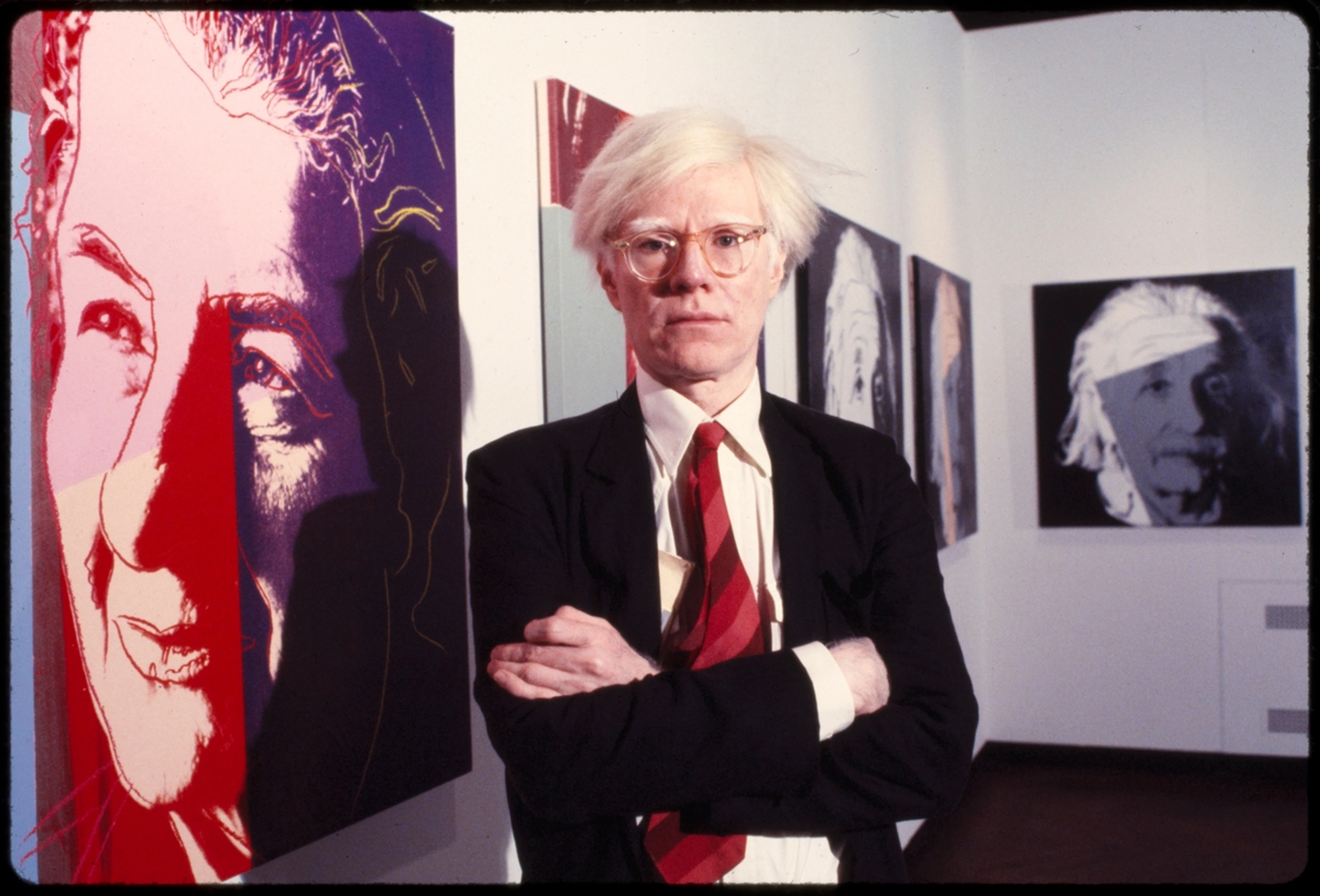
The Informed Decision Art Buying Guide
A comprehensive guide to making informed decisions when purchasing art, covering budget considerations, artist research, and value assessment.

The Informed Decision Art Buying Guide
So, you're thinking about buying art. Maybe it's your first time, or perhaps you've dabbled before but want to approach it more thoughtfully. I remember the first piece I ever bought—it was a small, vibrant abstract that caught my eye in a local gallery. I had no idea what I was doing, but something about it spoke to me. That’s the thing about art; it’s not just about aesthetics or investment. It’s about connection. But how do you ensure that connection is genuine and that your purchase is informed? Let’s dive in.
Why Art Matters
Art is more than just decoration. It’s a reflection of culture, history, and personal expression. Whether you're drawn to contemporary abstracts or classic landscapes, art has the power to evoke emotions, spark conversations, and transform spaces. It’s a way to connect with the world and express your unique perspective.
The Role of Art in Society
Art plays a crucial role in society by challenging norms, preserving history, and fostering creativity. It serves as a mirror to societal values and a catalyst for change. From street murals to museum masterpieces, art shapes our collective identity and inspires future generations.
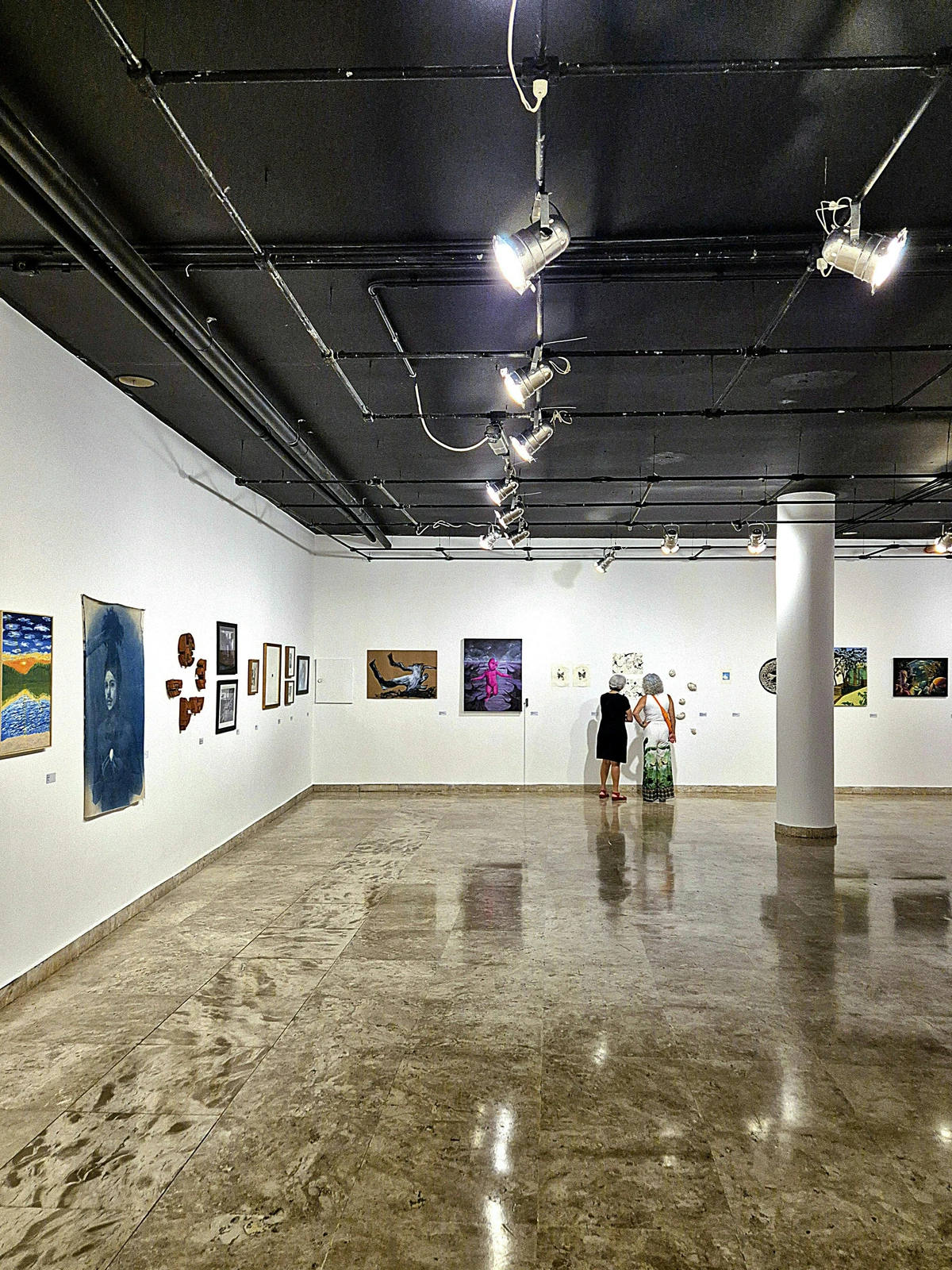
The Emotional and Financial Impact of Art
Art is more than just a decorative piece; it’s an emotional investment. The right piece can transform a space, evoke memories, and even inspire creativity. But it’s also a financial commitment. Understanding the balance between emotional resonance and financial prudence is key to making a purchase you’ll cherish for years.
The Psychological Benefits of Art
Studies have shown that engaging with art can reduce stress, enhance cognitive function, and improve overall well-being. Whether it’s the calming effect of a landscape or the invigorating energy of an abstract piece, art has the power to influence your mood and mindset.
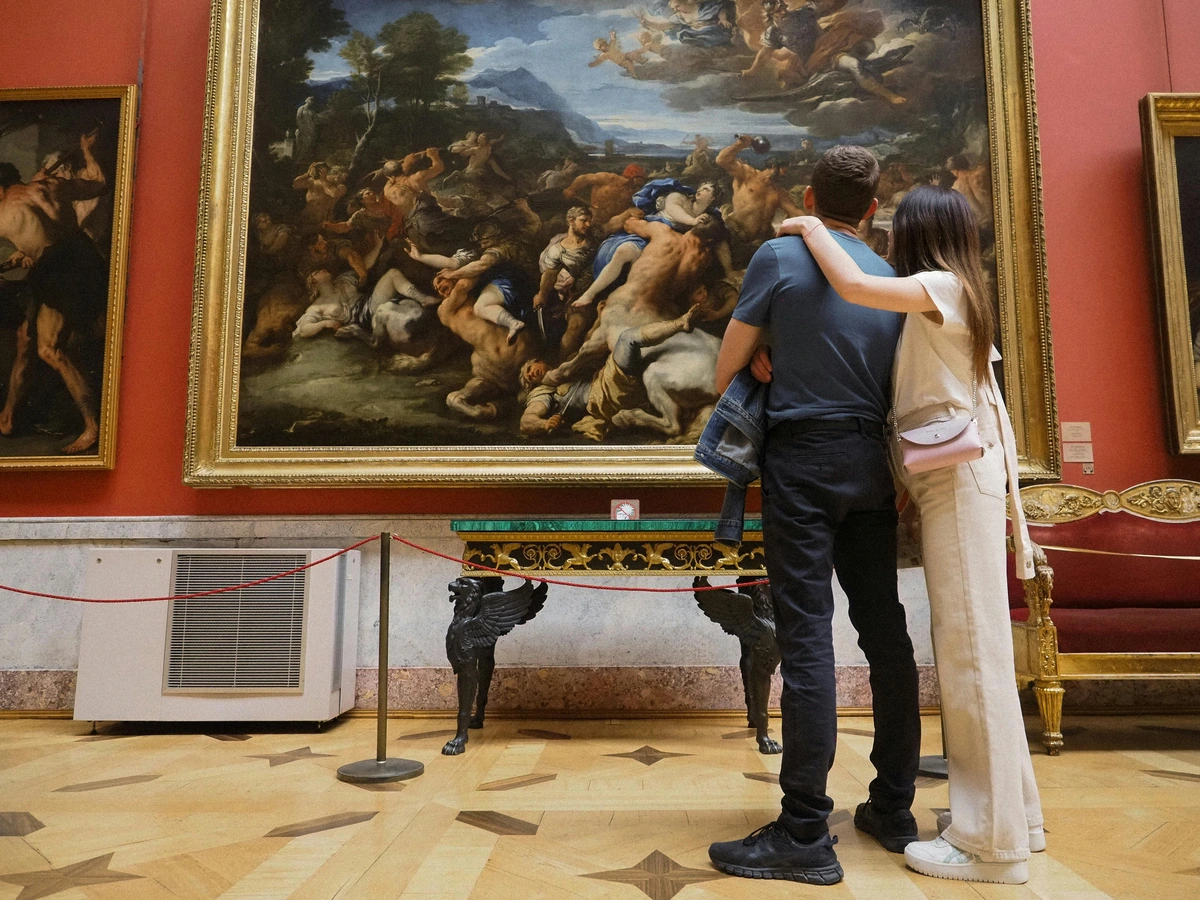
Why Buy Art?
Before we get into the nitty-gritty, let’s talk about why you’re here. Art can transform a space, evoke emotions, and even become a legacy. But it’s also a significant investment, both financially and emotionally. So, ask yourself:
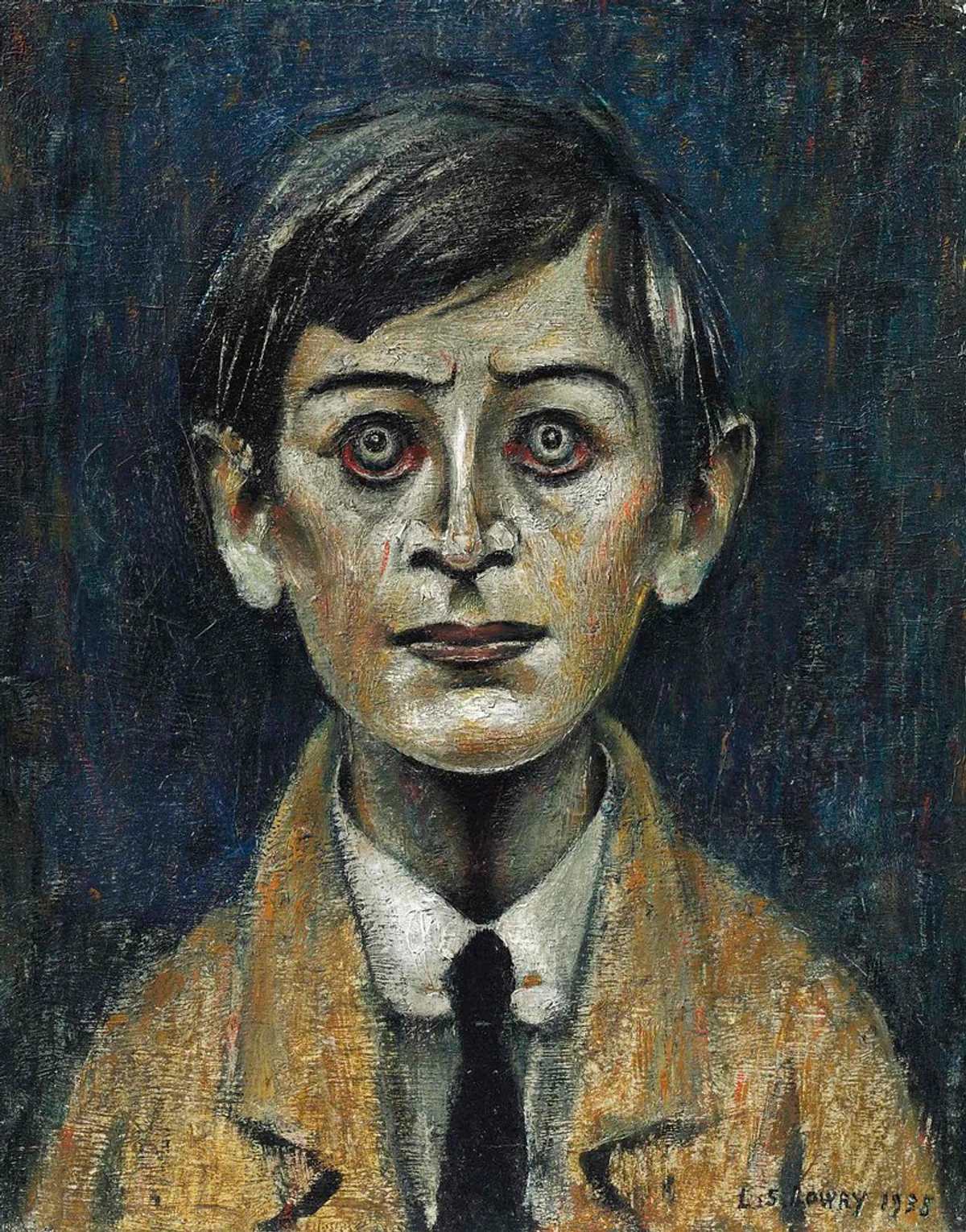
- Do I love it? This is the most important question. If a piece doesn’t resonate with you on a personal level, it’s probably not worth it.
- Does it fit my space? Consider where the art will live. Does it complement your home or office?
- Am I supporting an artist? Buying directly from artists or reputable galleries ensures that your money goes to the creators.
The Role of Art in Personal Expression
Art is a reflection of your personality and values. Whether it’s a bold abstract piece or a serene landscape, the art you choose says something about who you are. It’s a way to express yourself without words, to create a space that feels uniquely yours.
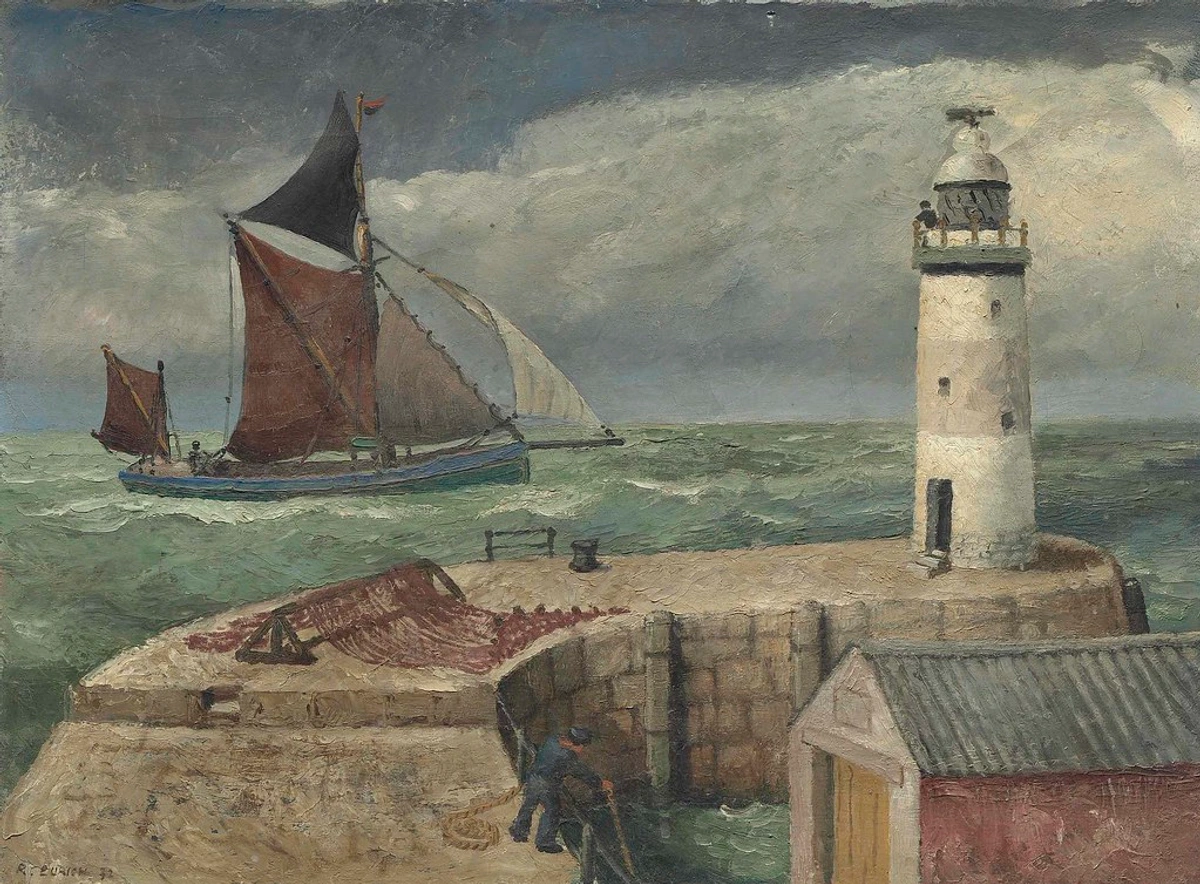
Art and Identity
The art you choose can also reflect your identity and beliefs. It can be a statement about your values, your experiences, or your aspirations. Whether it’s a political statement or a celebration of beauty, art allows you to communicate who you are in a powerful and visual way.
Budget Considerations
Art comes in all price ranges, from affordable prints to high-end originals. Setting a budget is crucial, but so is understanding what you’re paying for.
Setting a Realistic Budget
Before you start browsing, determine how much you’re willing to spend. Consider not just the cost of the artwork itself, but also additional expenses like framing, shipping, and insurance. It’s easy to fall in love with a piece that’s out of your price range, so having a clear budget in mind will help you make a more informed decision.
Budget Breakdown
Budget Range  | What to Expect |
|---|---|
| $50 - $500 | Prints, small originals, emerging artists |
| $500 - $5,000 | Mid-sized originals, established artists |
| $5,000+ | Large originals, renowned artists |
Budgeting for Long-Term Value
While it’s important to stick to your budget, it’s also worth considering the long-term value of the piece. Investing in a high-quality piece from an emerging artist might cost more upfront but could appreciate in value over time. Balance your immediate budget with the potential future value of the artwork.

Pro Tip: Don’t forget to factor in additional costs like framing, shipping, and insurance. These can add up quickly.
Hidden Costs to Consider
Beyond the initial purchase price, there are other expenses to keep in mind:
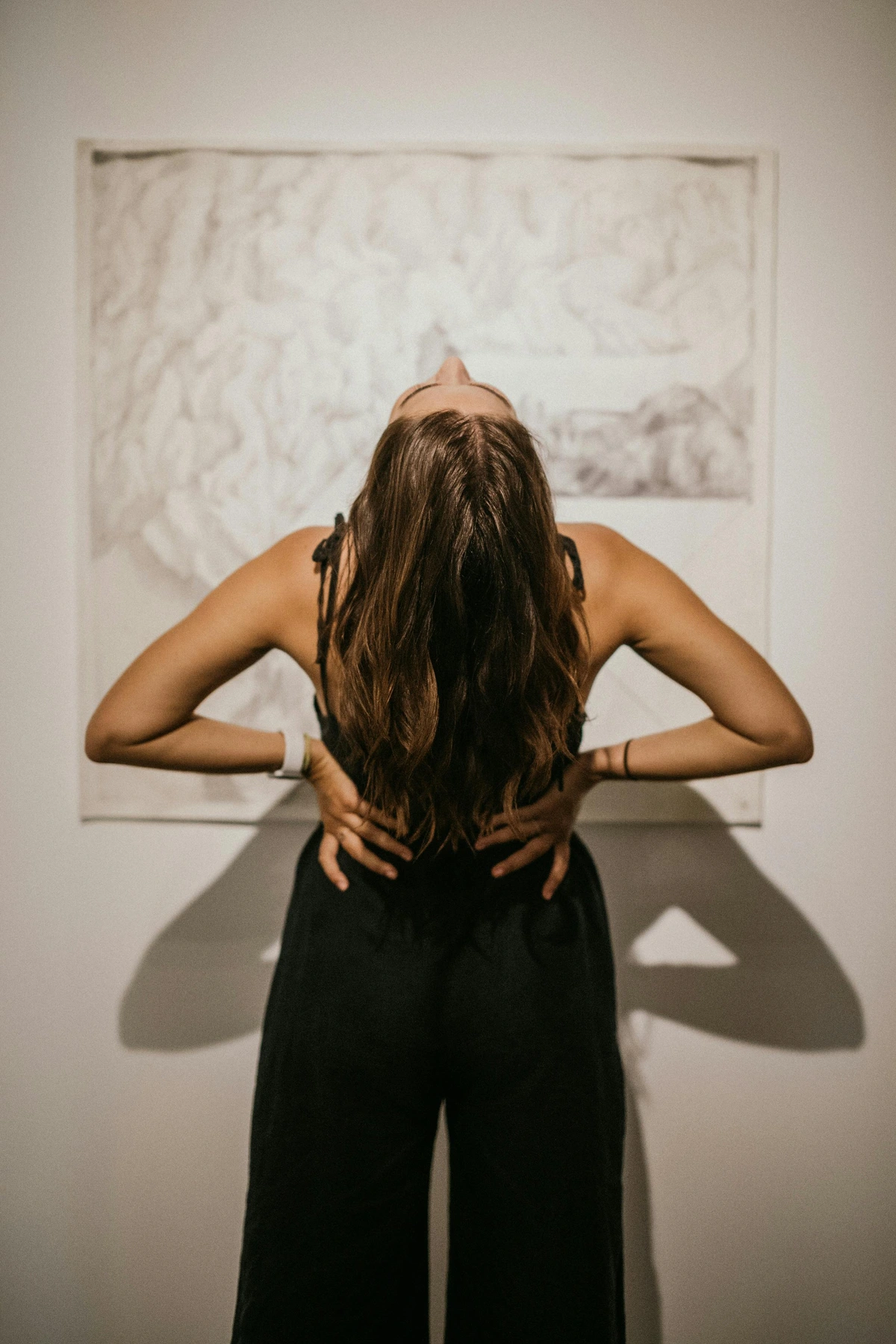
- Framing: Custom framing can significantly enhance the appearance of your artwork but can also be costly.
- Shipping: Large or fragile pieces may require special handling and shipping arrangements.
- Insurance: Protecting your investment with insurance is wise, especially for high-value pieces.
- Installation: Hanging or displaying art properly may require professional assistance.
Maintenance Costs
Art requires care to maintain its condition and value. This includes regular cleaning, proper storage, and sometimes restoration. Factor in these ongoing costs when budgeting for your purchase.
Researching Artists
Knowing the artist behind the work can add depth to your purchase. Here’s how to do your homework:
The Importance of Artist Research
Understanding the artist’s background, influences, and career trajectory can provide valuable context for their work. It can also help you assess the potential long-term value of the piece. Researching the artist is not just about verifying their credentials; it’s about connecting with their story and vision.

Where to Look
- Artist Websites and Portfolios: Many artists have online portfolios or websites. Check out their body of work, artist statements, and biographies.
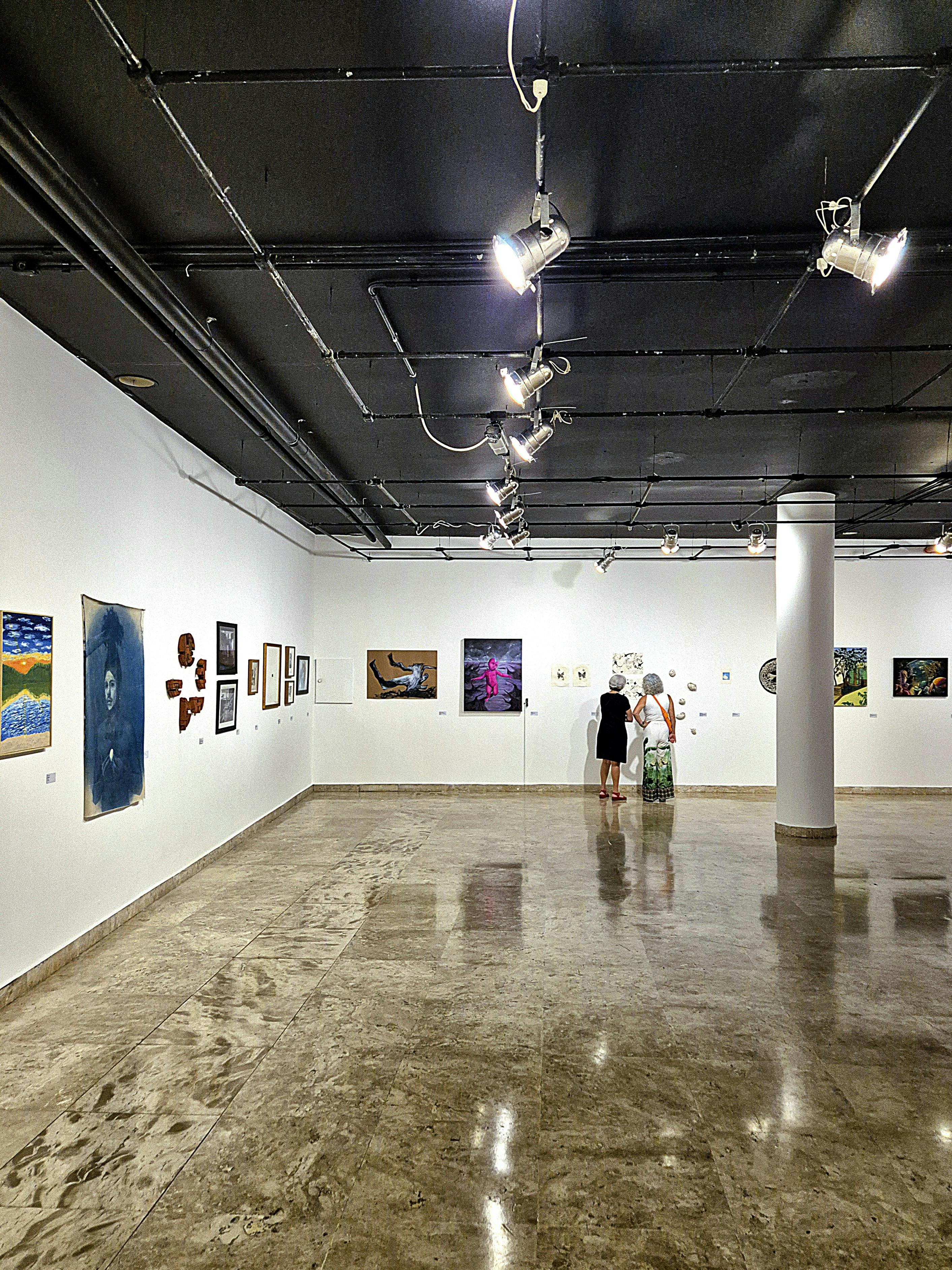
- Galleries and Exhibitions: Visit local galleries or exhibitions. Speaking with gallery owners can provide insights into the artist’s reputation and career trajectory.
- Social Media: Platforms like Instagram are great for discovering artists and seeing their latest work.
- Art Books and Catalogs: These can provide in-depth information about an artist’s career, major works, and critical reception.
Questions to Ask
- What is the artist’s background? Understanding their education, influences, and career can give context to their work.
- Has the artist won any awards or been featured in exhibitions? This can indicate recognition and potential value appreciation.
- What is the artist’s style and medium? Consistency in style and mastery of medium can be signs of a serious artist.
- What is the artist’s reputation in the art community? Speaking with other collectors, critics, or gallery owners can provide insights into the artist’s standing and potential for growth.
The Importance of Artist Statements
An artist’s statement provides insight into their creative process, inspirations, and the meaning behind their work. Reading these statements can deepen your appreciation for the piece and help you connect with it on a personal level.
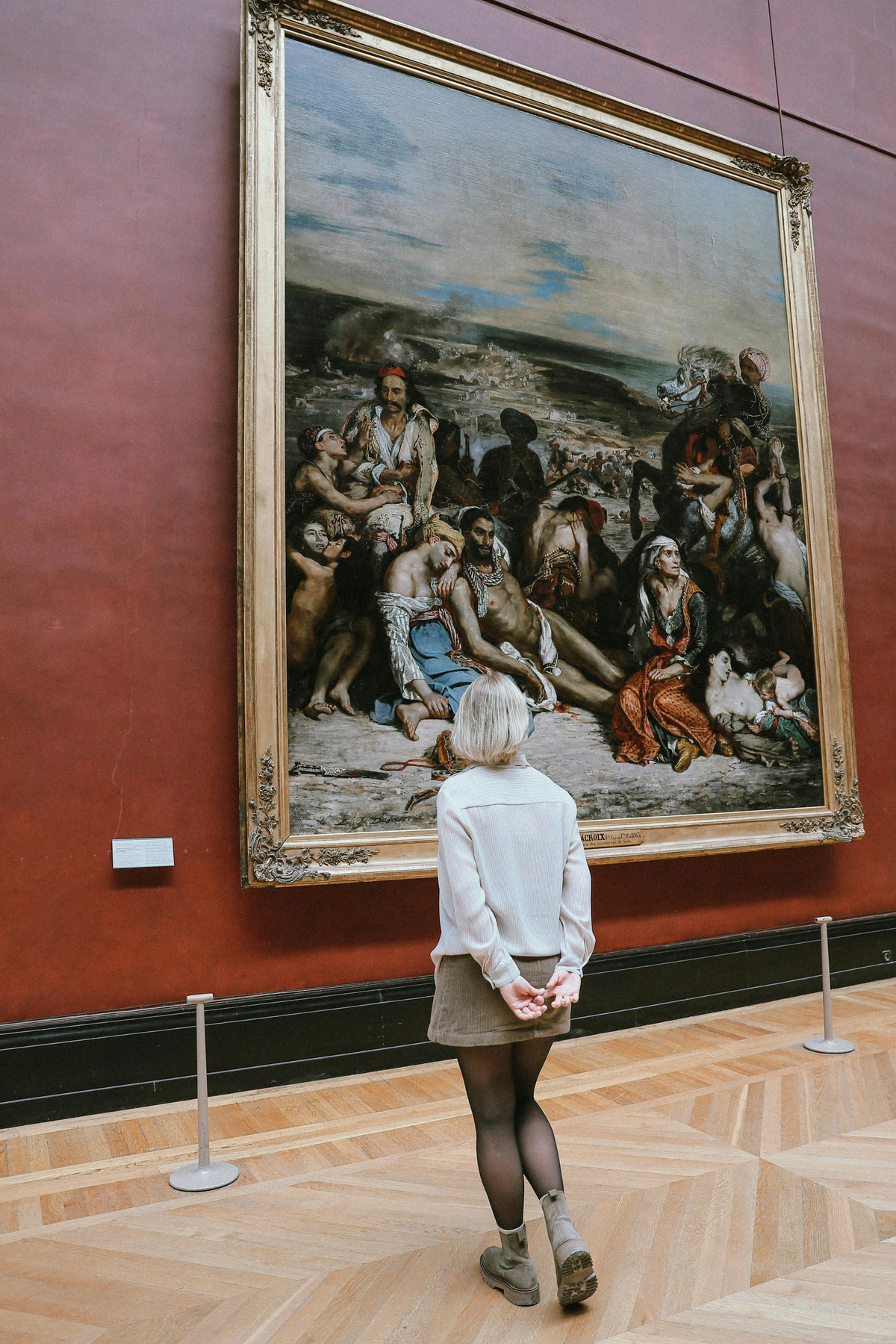
Artist Interviews and Documentaries
Watching or reading interviews with the artist can provide additional context and a deeper understanding of their work. Documentaries or behind-the-scenes footage can also offer a glimpse into their creative process and the stories behind their pieces.
Assessing Value
Art value is subjective, but there are some objective factors to consider:
The Subjectivity of Art Value
While there are objective factors that can influence the value of art, such as provenance and condition, the emotional and personal connection you have with a piece is equally important. The value of art is not just monetary; it’s also about the joy and meaning it brings to your life.
Key Factors
Factor | Description |
|---|---|
| Provenance | The history of ownership. A well-documented provenance can increase value. |
| Condition | The physical state of the artwork. Damage can significantly reduce value. |
| Rarity | Limited editions or unique pieces are often more valuable. |
| Market Demand | Popular artists or trends can drive up prices. |
| Cultural Significance | Artworks that hold cultural or historical significance can command higher prices due to their importance and relevance. |
Personal Story: I once bought a piece because I loved the colors and the energy it brought to my space. Years later, I found out the artist had gained significant recognition, and the value of the piece had increased. It was a pleasant surprise, but I would have bought it regardless.
Understanding Art Appreciation
While art can appreciate in value, it’s important to remember that this isn’t guaranteed. Factors like the artist’s career trajectory, market trends, and economic conditions can all influence the value of a piece. Buying art should first and foremost be about personal enjoyment.
The Role of Art Critics and Appraisers
Art critics and appraisers can provide valuable insights into the potential value and significance of a piece. Their expertise can help you make a more informed decision, especially when considering high-value purchases. However, always remember that their opinions are subjective and should be balanced with your personal connection to the artwork.
Where to Buy
Options
- Galleries: Physical galleries offer a curated selection and expert advice. They often represent established artists.
- Online Marketplaces: Websites like Artsy, Saatchi Art, and even Etsy offer a wide range of art. Be sure to read reviews and verify authenticity.
- Art Fairs: These events bring together artists, galleries, and collectors. They’re great for discovering new talent.
- Directly from Artists: Buying directly from artists can be rewarding and often more affordable. Check out their websites or social media.
- Auction Houses: Auction houses like Christie’s and Sotheby’s offer a platform for buying high-value art. They often feature rare and historically significant pieces.
Auctions and Estate Sales
Auctions, both online and in-person, can be a great way to find unique pieces. Estate sales often offer art at lower prices, but it’s important to verify the authenticity and condition of the pieces you’re interested in.
Buying from Art Dealers
Art dealers often have access to exclusive pieces and can provide expert advice on building a collection. They can also help you navigate the complexities of the art market, from negotiating prices to verifying authenticity.
FAQ
How do I know if a piece of art is authentic?
Authenticity can be verified through certificates of authenticity, provenance documents, and reputable sellers. If in doubt, consult an art expert or appraiser.

What should I look for in a certificate of authenticity?
A certificate of authenticity should include details about the artwork, such as the artist’s name, the title of the piece, the medium, the dimensions, and the date of creation. It should also be signed by the artist or a reputable authority.
Should I buy art as an investment?
While art can appreciate in value, it’s not a guaranteed investment. Buy what you love first and foremost. If it happens to increase in value, that’s a bonus.
How can I diversify my art collection?
Diversifying your art collection can involve acquiring pieces from different artists, styles, and periods. This not only enhances the aesthetic appeal of your collection but can also spread the risk if you’re considering the investment potential of your art.
How do I negotiate the price?
Negotiation is common in the art world, especially in galleries and with independent artists. Be respectful and reasonable. Start by asking if the price is flexible.
What are some negotiation strategies?
When negotiating, it’s important to be polite and professional. Start by expressing your interest in the piece and asking if there’s any flexibility in the price. You can also ask about payment plans or discounts for multiple purchases.
What should I look for in a contract?
A contract should include details about the artwork, price, payment terms, delivery, and any guarantees or return policies. Always read the fine print.
What are the common terms in an art purchase contract?
Common terms include the description of the artwork, the purchase price, payment terms, delivery and shipping details, and any warranties or return policies. It’s important to understand these terms and ask for clarification if needed.
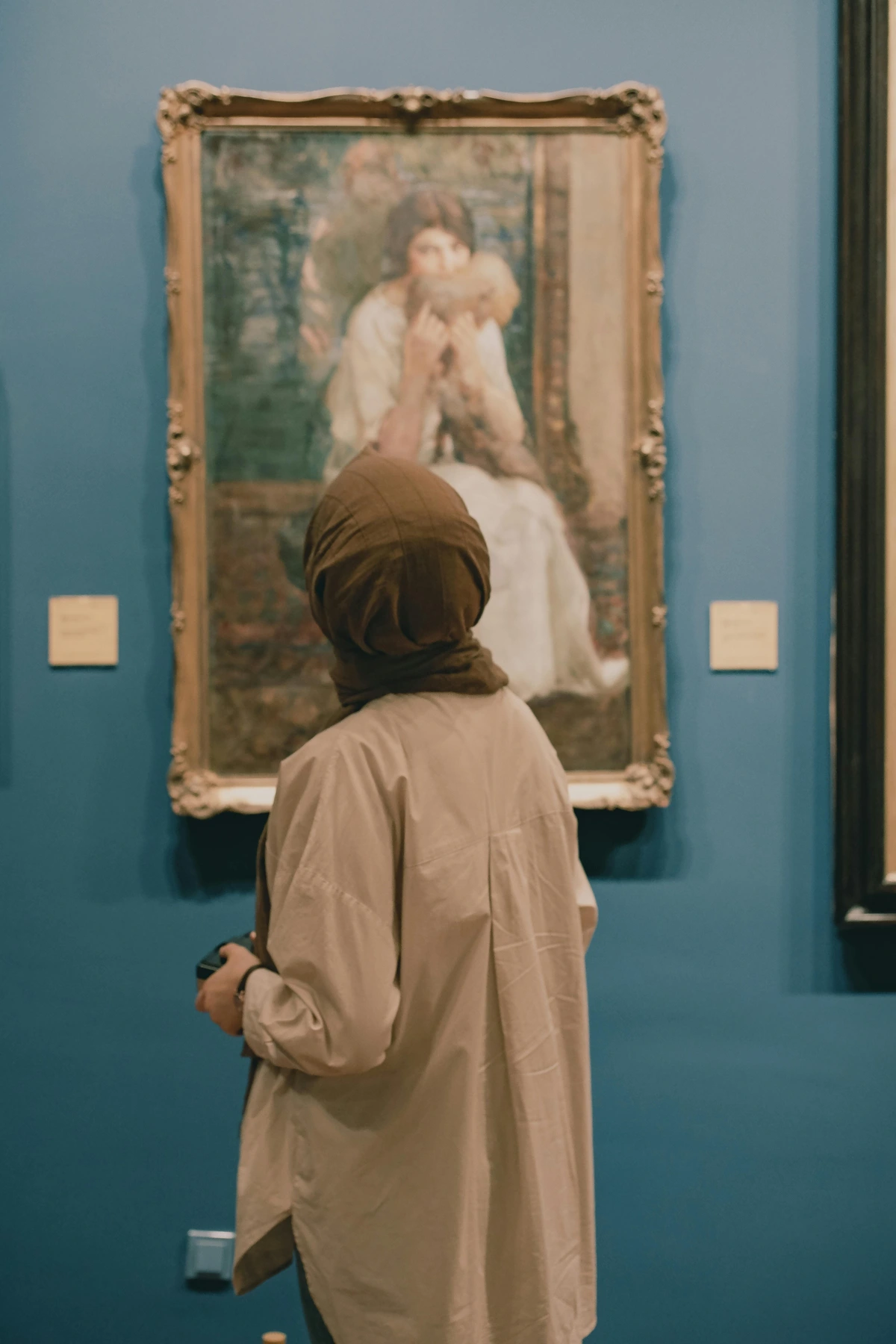
How do I care for my artwork?
Proper care includes avoiding direct sunlight, maintaining stable humidity levels, and using appropriate cleaning methods. Consult with a professional for specific advice.
What are the best practices for displaying art?
When displaying art, consider factors like lighting, placement, and framing. Avoid hanging artwork in direct sunlight or areas with high humidity. Use appropriate hardware and techniques to ensure the artwork is securely and attractively displayed.
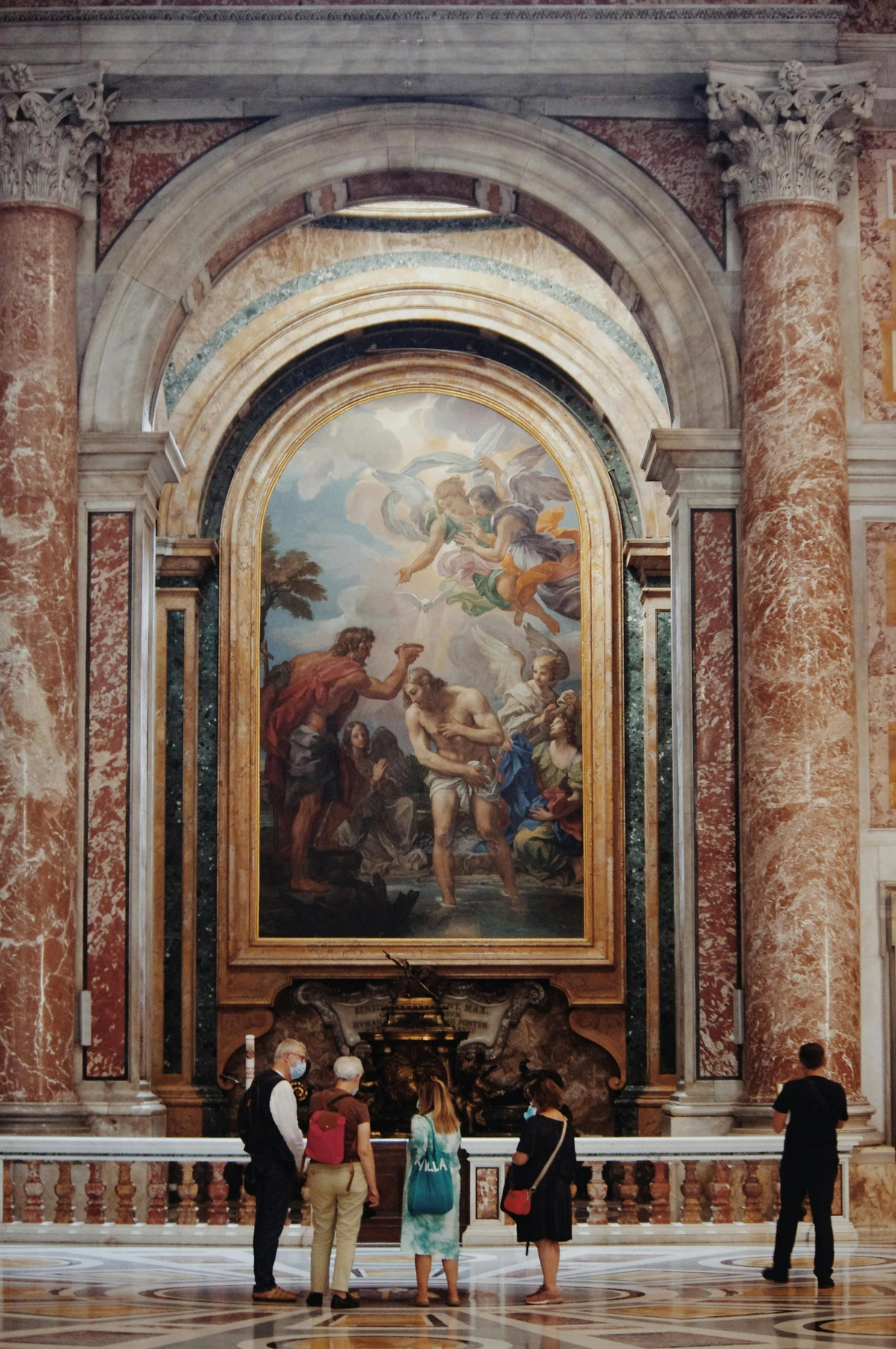
What are the benefits of buying limited edition prints?
Limited edition prints offer a more affordable way to own art by established artists. They are often numbered and signed, which can add to their value over time.
How can I verify the authenticity of a limited edition print?
To verify the authenticity of a limited edition print, look for a certificate of authenticity, a signature from the artist, and a numbering system that indicates the print’s place in the edition. Reputable sellers and galleries can also provide verification.
How can I tell if a piece of art will fit in my space?
Before purchasing, measure your wall space and visualize how the artwork will fit. You can also use digital tools or apps to create a mock-up of how the piece will look in your home.

What are some tools for visualizing art in my space?
There are several apps and online tools that allow you to upload a photo of your space and overlay images of artwork to see how they will look. This can be a helpful way to visualize the piece in your home before making a purchase.
What is the difference between an original and a print?
An original artwork is a one-of-a-kind piece created by the artist, while a print is a reproduction of the original. Prints can be more affordable and are often produced in limited editions.

What are the different types of prints?
There are various types of prints, including lithographs, etchings, screen prints, and digital prints. Each type has its own unique characteristics and production process, which can affect the value and appearance of the print.
How can I ensure the artwork I buy is ethically sourced?
Ethical sourcing involves verifying the provenance of the artwork and ensuring it was not obtained through exploitative or illegal means. Look for transparency in the seller’s practices and ask questions about the artwork’s history.
What should I consider when buying art online?
When buying art online, ensure the seller is reputable, read reviews, and verify the authenticity of the artwork. Look for detailed descriptions, high-quality images, and clear return policies.
How can I support emerging artists?
Supporting emerging artists can be done by purchasing their work directly, attending their exhibitions, and promoting their art on social media. This helps them gain visibility and build their careers.
What are the benefits of attending art fairs?
Art fairs provide an opportunity to discover new talent, see a wide range of art in one place, and network with artists, galleries, and collectors. They often feature unique and exclusive pieces.
How can I learn more about art history?
Learning about art history can be done through books, online courses, museum visits, and documentaries. Understanding the context and evolution of art can deepen your appreciation for it.

What are some common mistakes to avoid when buying art?
Common mistakes include buying art solely as an investment, neglecting to research the artist, and not considering the artwork’s fit in your space. Always buy what you love and ensure it aligns with your personal taste and values.
How can I build a meaningful art collection?
Building a meaningful art collection involves buying pieces that resonate with you, diversifying your collection, and supporting artists whose work you admire. It’s a journey of discovery and personal expression.
What are the benefits of joining an art community?
Joining an art community provides opportunities to connect with other collectors, learn from experts, and gain insights into the art world. It can enhance your appreciation and understanding of art.
How can I stay updated on art trends?
Staying updated on art trends can be done by following art blogs, attending exhibitions, and engaging with art communities. This helps you discover new artists and styles.
What are the benefits of visiting art museums?
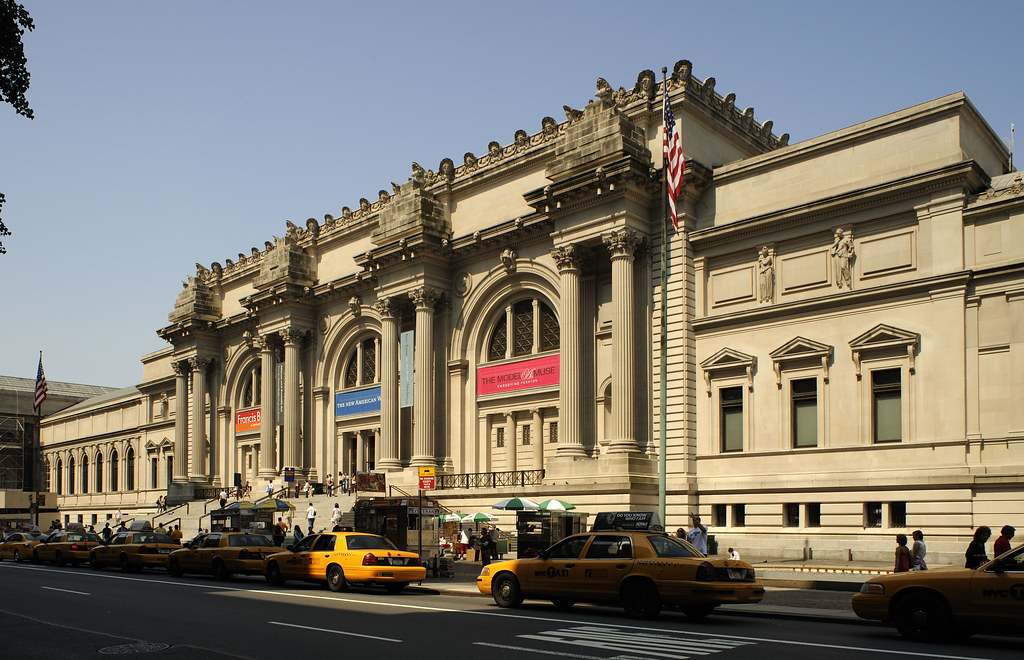
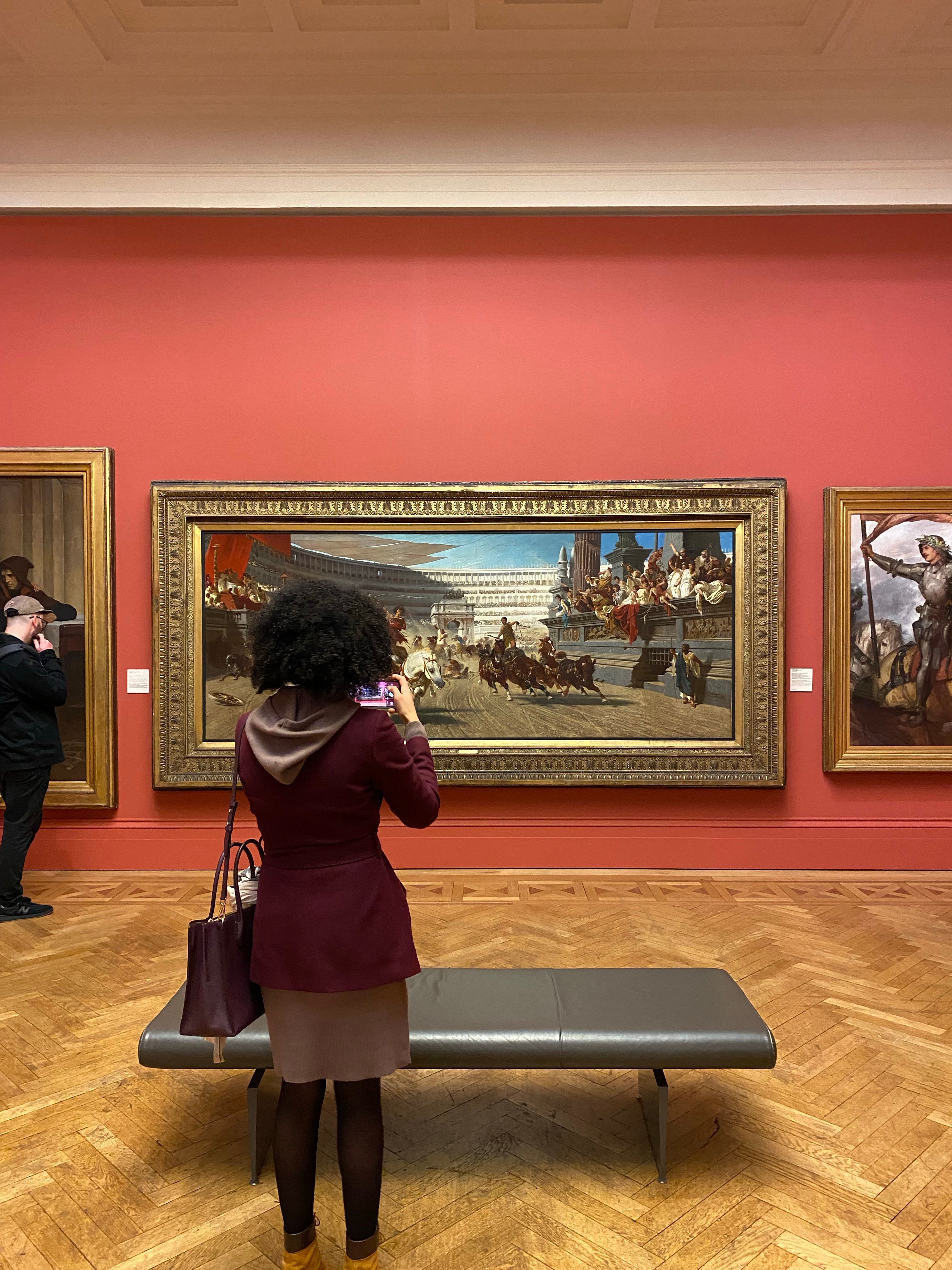
Visiting art museums allows you to see a wide range of art in person, learn about art history, and gain inspiration. It’s a great way to deepen your appreciation for art and discover new artists.
Conclusion
Buying art is a personal journey. It’s about finding pieces that speak to you, enhance your space, and bring you joy. By setting a budget, researching artists, assessing value, and knowing where to buy, you can make informed decisions that you’ll be happy with for years to come.

And remember, art is not just an object; it’s an experience. So take your time, trust your instincts, and enjoy the process.
Happy art hunting!
Final Thoughts
Art is a journey of discovery, not just of the artwork itself, but of your own tastes and preferences. Don’t be afraid to explore different styles, mediums, and artists. The more you engage with art, the more you’ll understand what truly resonates with you.














Additional Resources
For further reading and exploration, consider the following resources:
- Books: "The Art of Collecting Art" by Alan Bamberger, "Seven Days in the Art World" by Sarah Thornton.
- Online Courses: Platforms like Coursera and Udemy offer courses on art history and collecting.
- Museums and Galleries: Visit local and international museums to see art in person and gain inspiration.
- Art Communities: Join online forums and local art groups to connect with other collectors and artists.
Glossary of Art Terms
Term | Definition |
|---|---|
| Abstract Art | Art that does not attempt to represent external reality, but seeks to achieve its effect using shapes, colors, and textures. |
| Provenance | The history of ownership of a work of art, used as a guide to authenticity and quality. |
| Medium | The material or technique used by an artist to create a work of art. |
| Limited Edition | A series of prints or artworks that are limited to a specific number of copies, often signed and numbered by the artist. |
| Giclée | A high-quality digital print made using inkjet printing technology. |
Further Reading
- Understanding Art Movements: Learn about the major art movements and their influence on contemporary art.
- How to Start an Art Collection: A guide for beginners on building a meaningful art collection.
- The Role of Art in Interior Design: Explore how art can enhance and transform your living spaces.
Credit, License