Digital Art vs. Traditional Painting: The Ultimate Creative Battle
Explore the differences, strengths, and soul of digital art versus traditional painting. Practical insights for creators and collectors alike.

Digital Art vs. Traditional Painting: The Ultimate Creative Battle
Remember that moment in art history class when you first saw a Botticelli? The texture of that paint, the centuries in its brushstrokes. Fast forward to today, where a kid in Tokyo creates a mind-bending piece on a tablet during a train commute. Two worlds, one human impulse. And yet, we're still asking: Which one is "real" art? As someone who's spent years wrestling with charcoal, ink, and pixels, I can tell you this debate isn't just about tools—it's about how we capture lightning in a bottle.
The truth is, I've lived in both worlds. I've woken up at 3 AM with oil paint under my fingernails, and I've pulled all-nighters staring at pixel grids until my eyes crossed. I've sold paintings that now hang in galleries, and I've seen digital prints go viral overnight. Both paths have taught me different truths about creativity, failure, and what it means to make something that matters.
So let's settle this once and for all—not by declaring a winner, but by understanding what each medium truly offers. Because the real question isn't "which is better?" It's "which helps you become the artist you're meant to be?"
A Brief History of Artistic Evolution
Art has always been about pushing boundaries. From prehistoric cave paintings made with ochre and charcoal to the Renaissance masterpieces that changed how we see the world, artists have always sought new ways to express their vision. The digital revolution isn't the first time art has transformed—think about how photography changed painting in the 19th century, or how acrylic paints revolutionized 20th-century art studios.
Today, we're living through another transformation. Traditional painting, with its centuries-old techniques, coexists with digital art that barely existed 30 years ago. This isn't a battle of old vs. new—it's an expansion of what's possible for human creativity.
The Revolution Timeline
Prehistoric Era (30,000 BCE - 500 CE)
- Cave Paintings: First known artistic expressions using natural pigments
- Tools: Simple brushes made from animal hair and sticks
- Materials: Charcoal, ochre, and manganese dioxide mixed with animal fat
- Purpose: Likely spiritual and storytelling, not purely aesthetic
Classical Period (500 CE - 1400 CE)
- Tempera and Fresco: Development of more complex mediums
- Oil Painting Emergence: Early experiments with oil-based pigments
- Technical Advancement: Better understanding of perspective and composition
- Cultural Shift: Art becomes more focused on human experience and religious narratives
Renaissance & Baroque (1400 - 1700)
- Oil Painting Perfection: Van Eyck, da Vinci, and Rembrandt perfect the medium
- Scientific Approach: Artists become scientists of light, perspective, and human anatomy
- Pigment Innovation: Discovery of new colors like ultramarine and vermilion
- Market Creation: Art begins to function as both spiritual and economic commodity
Modern Era (1700 - 1980)
- Impressionism: Revolution in capturing light and fleeting moments
- Abstract Expressionism: Breaking from representational constraints
- Acrylic Revolution: Water-based paints that dry quickly and offer flexibility
- Photography Impact: Forces painting to explore abstraction and conceptual approaches
Digital Revolution (1980 - Present)
- Early Digital Art: Pixel art and basic computer graphics
- Photoshop Era: Digital manipulation becomes mainstream
- Tablet Revolution: Portable digital canvases change accessibility
- AI Art: Machine learning creates new possibilities and ethical questions
- Virtual Reality: Immersive 3D art spaces and experiences
The Great Divide: Core Concepts
At its heart, this isn't a battlefield. It's more like comparing opera to jazz. Both music. Both require genius. But their rules, spaces, and magic? Entirely different.
Understanding the Philosophical Foundation
Traditional art embodies the physical manifestation of artistic intent. There's a direct, tangible connection between artist and creation that can't be replicated digitally. The weight of pigment in your hand, the unpredictable flow of watercolor on paper, the physical exhaustion of stretching canvas—these aren't limitations; they're part of the language. Digital art, conversely, exists in the realm of pure possibility. Every tool can be customized, every effect can be reversed, and the only limitations are your imagination and processing power. Neither is inherently superior—they simply speak different dialects of the same human language.
Traditional art embodies the physical manifestation of artistic intent. There's a direct, tangible connection between artist and creation that can't be replicated digitally. The weight of pigment in your hand, the unpredictable flow of watercolor on paper, the physical exhaustion of stretching canvas—these aren't limitations; they're part of the language. Digital art, conversely, exists in the realm of pure possibility. Every tool can be customized, every effect can be reversed, and the only limitations are your imagination and processing power. Neither is inherently superior—they simply speak different dialects of the same human language.
Aspect  | ||
|---|---|---|
| Medium | Physical pigments on canvas/paper | Pixels, vectors, and code |
| Tools | Brushes, knives, palette knives | Tablet, stylus, software |
| Process | Irreversible strokes; physical labor | Undo/redo; file layers |
| Permanence | Degrades over centuries unless preserved | Vulnerable to obsolescence; needs backup |
| Reach | Limited by physical display | Global availability via screens |
| Cost | Materials (paints, canvas) recurring | Hardware/software investment long-term |
| Skill Development | Builds muscle memory and tactile intuition | Develops digital literacy and precision |
| Learning Curve | Immediate tactile feedback; steeper technical mastery | Steep software learning; instant visual feedback |
| Environmental Impact | Chemical waste and physical materials | Energy consumption and electronic waste |
| Community Access | Limited by physical location and resources | Global online communities and accessibility |
| Time Investment | Hours to weeks per piece | Minutes to years per piece |
| Reproduction | Limited by original medium | Infinite copies with no quality loss |
| Storage Requirements | Climate-controlled space needed | Digital storage with backups required |
| Exhibition Flexibility | Fixed location and lighting | Anywhere with screen/projector |
| Revenue Models | Gallery sales, commissions | Prints, NFTs (skeptically), licensing |
| Cultural Legacy | Centuries of established tradition | Emerging cultural significance |
| Technical Requirements | Basic tools, skill-intensive | Expensive hardware, software skills |
| Creative Iteration | Multiple versions require new canvas | Unlimited iterations on same file |
| Accessibility | Physical limitations for some | Can be more accessible with adaptive tools |
| Spontaneity | Immediate, unfiltered expression | Can feel disconnected from physical reality |
| Error Recovery | Mistakes become part of the piece | Undo/redo capabilities encourage perfectionism |
| Collaboration | Physical studios and workshops | Global, real-time collaboration possible |
| Artistic Voice | Often develops through material constraints | Can develop through software mastery |
| Critique Process | Physical gallery shows and reviews | Online portfolios and social media feedback |
| Educational Resources | Limited to physical classes and books | Unlimited online tutorials and communities |
| Market Saturation | Limited by physical production | High risk of digital oversaturation |
| Authenticity Concerns | Well-established authentication systems | Provenance challenges and authenticity debates |
| Maintenance | Regular conservation and care | Regular software updates and format migration |
Traditional Painting: The Timeless Craft
There’s something primal about the smell of turpentine, the resistance of canvas. When traditional artists mix pigments, they’re alchemists—literally grinding minerals and binding them into life. I’ve seen an 80-year-old painter refuse to switch mediums because, "A palette knife has a soul." And he’s right. The texture of impasto, the way light catches hand-mixed glazes, the accidental bleed that becomes serendipity—it’s a physical dialogue between hand and heart you can’t emulate with Ctrl+Z.
credit, licence
Digital Art: The Infinite Canvas
The Digital Revolution: Undo Erases All Fear
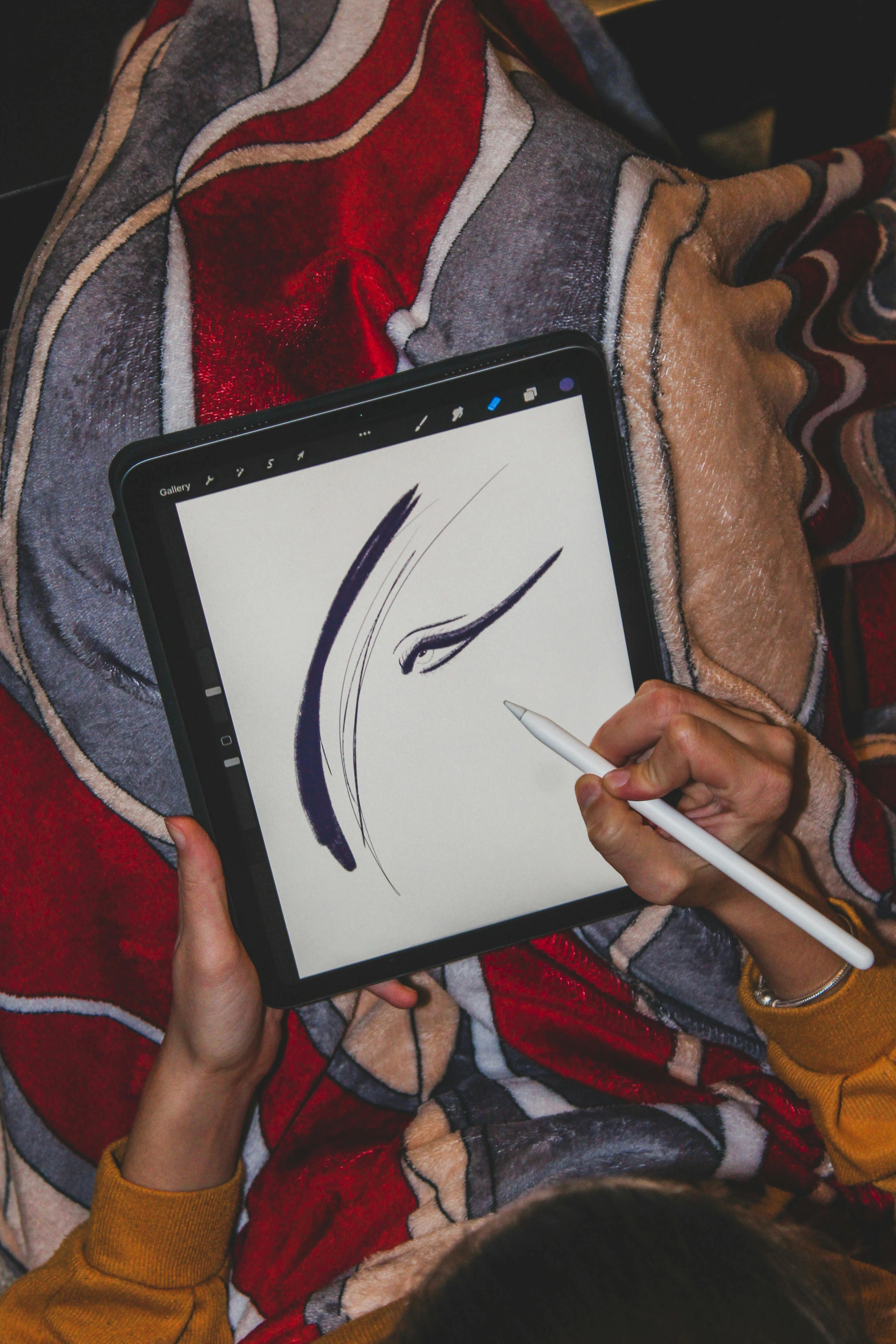
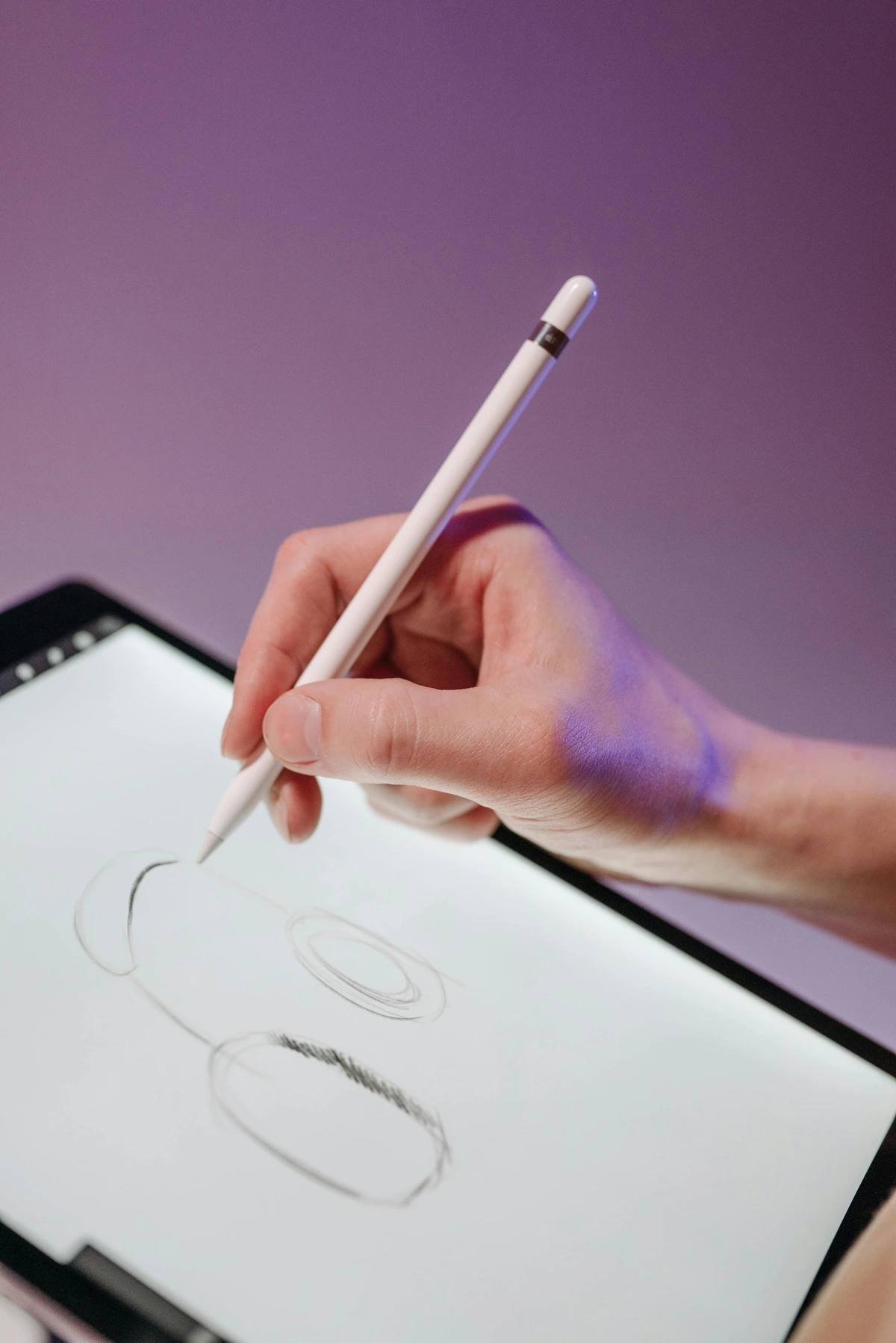
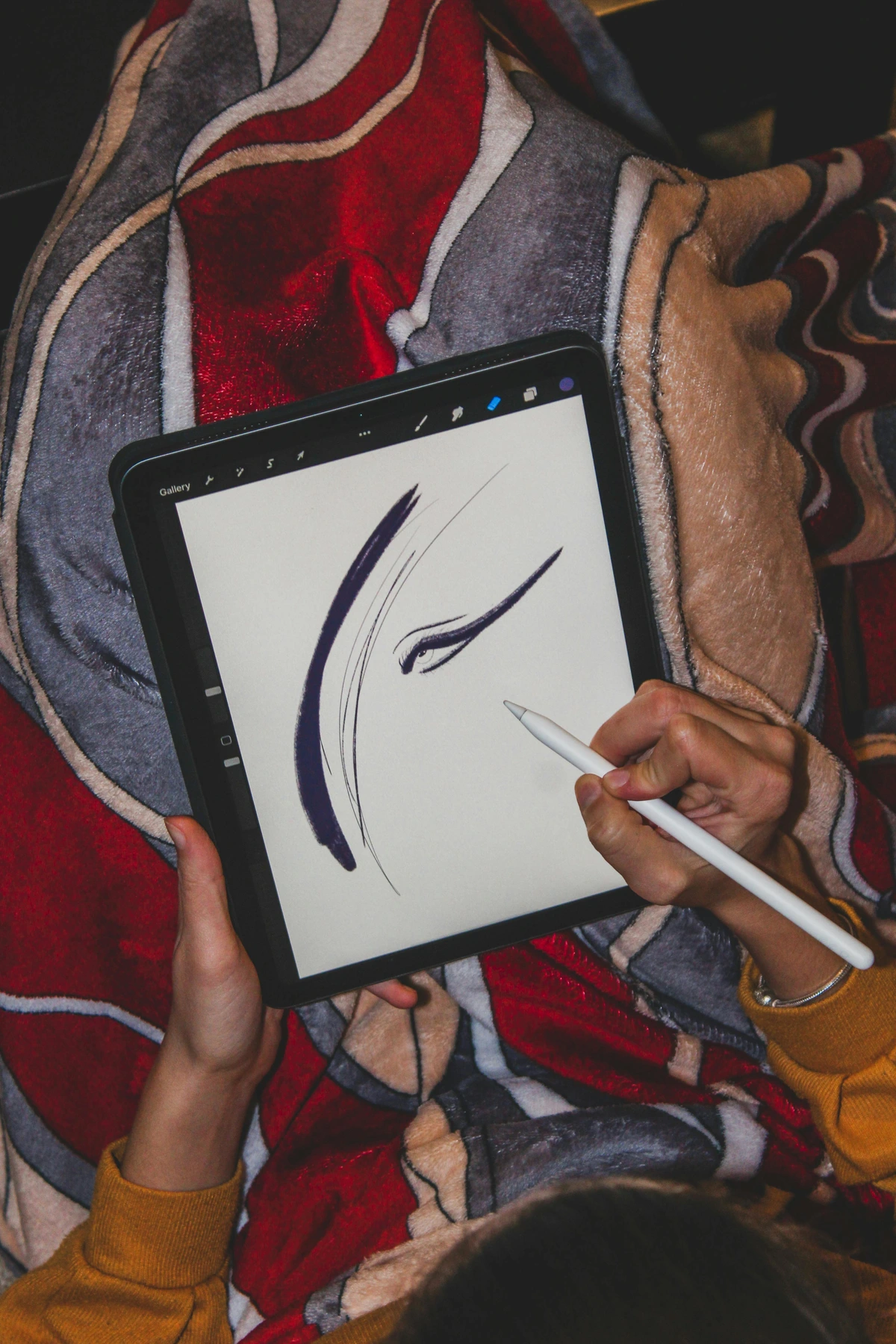
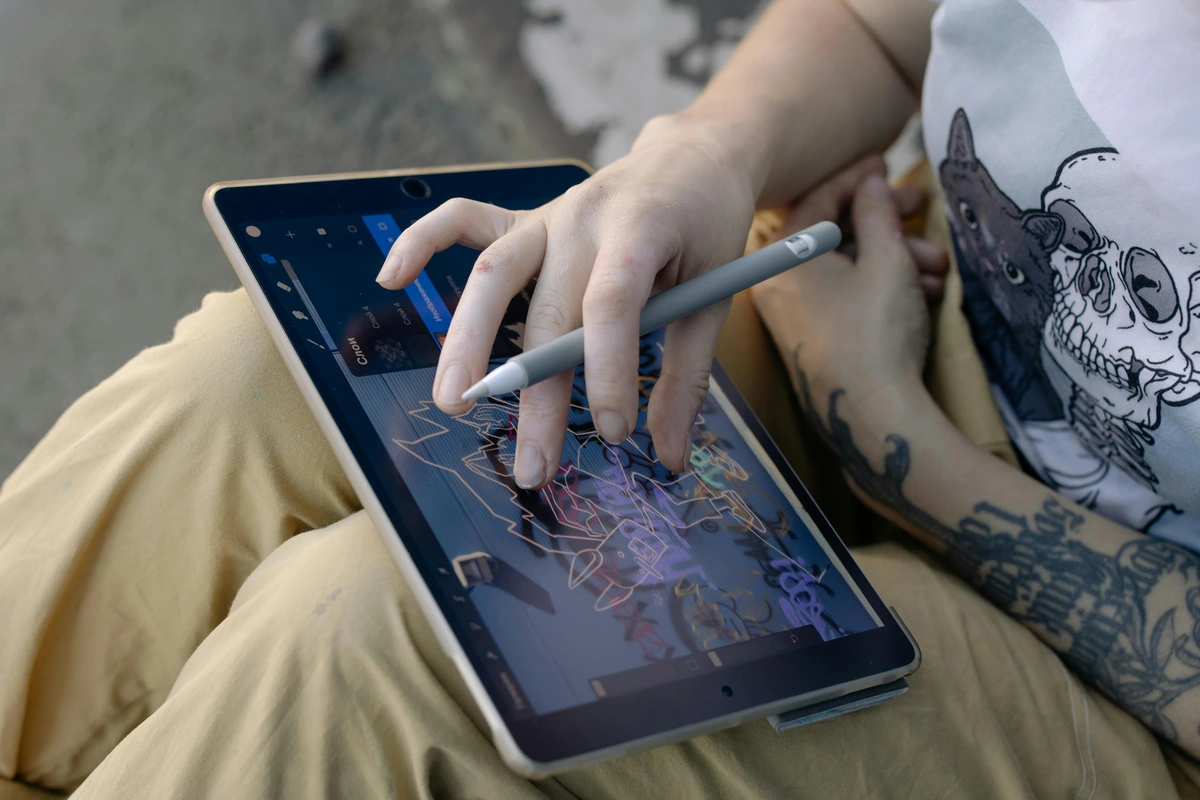
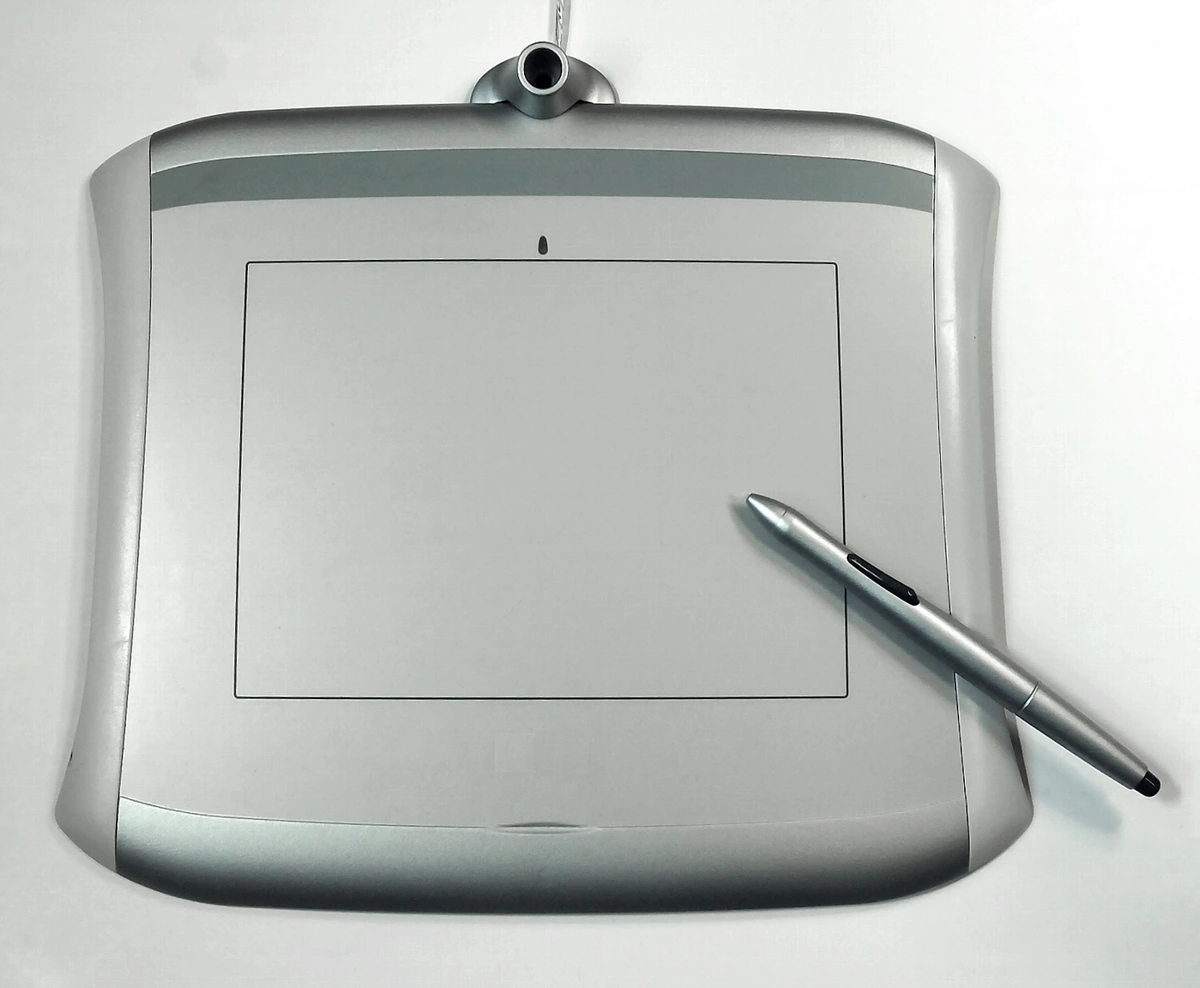
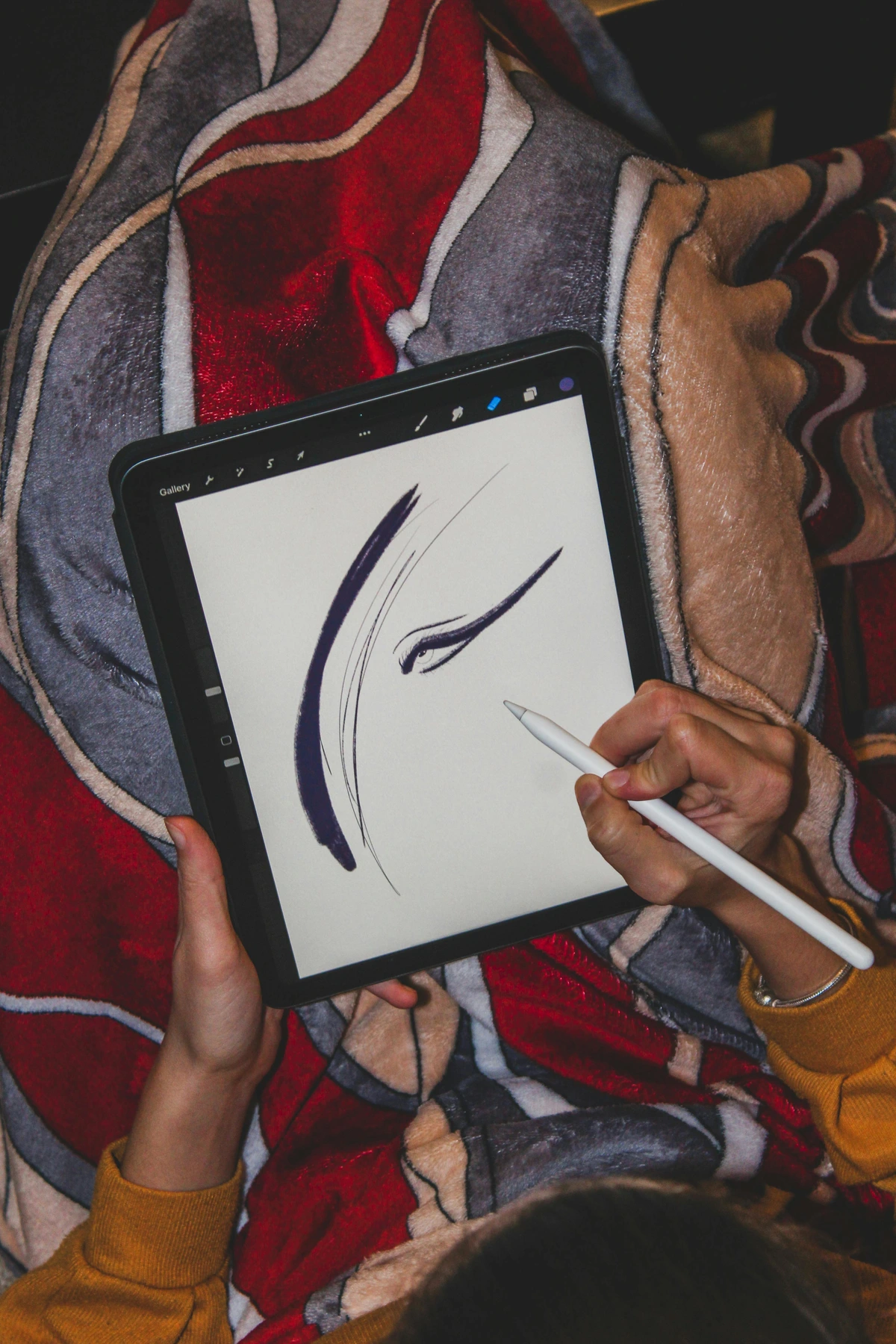
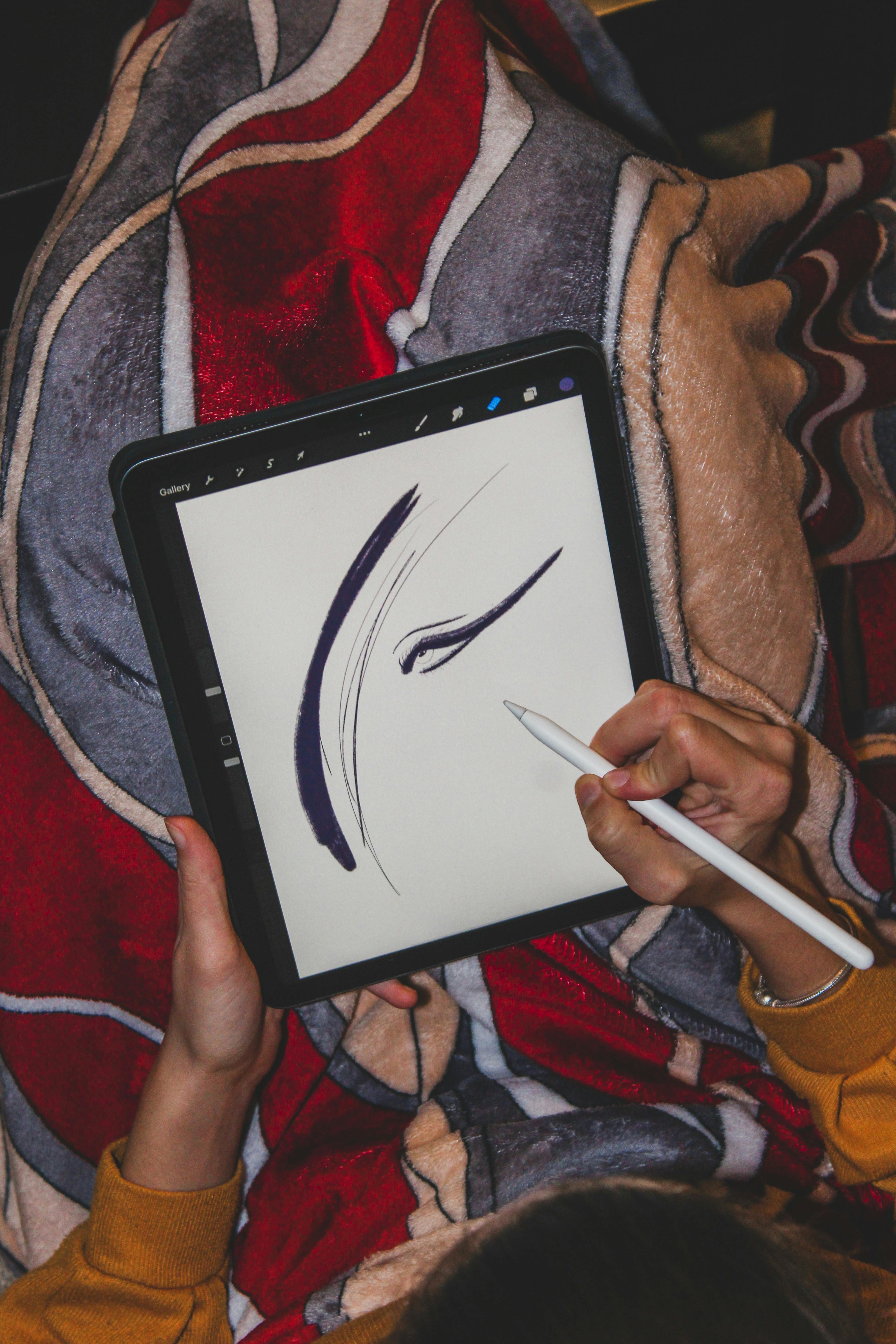
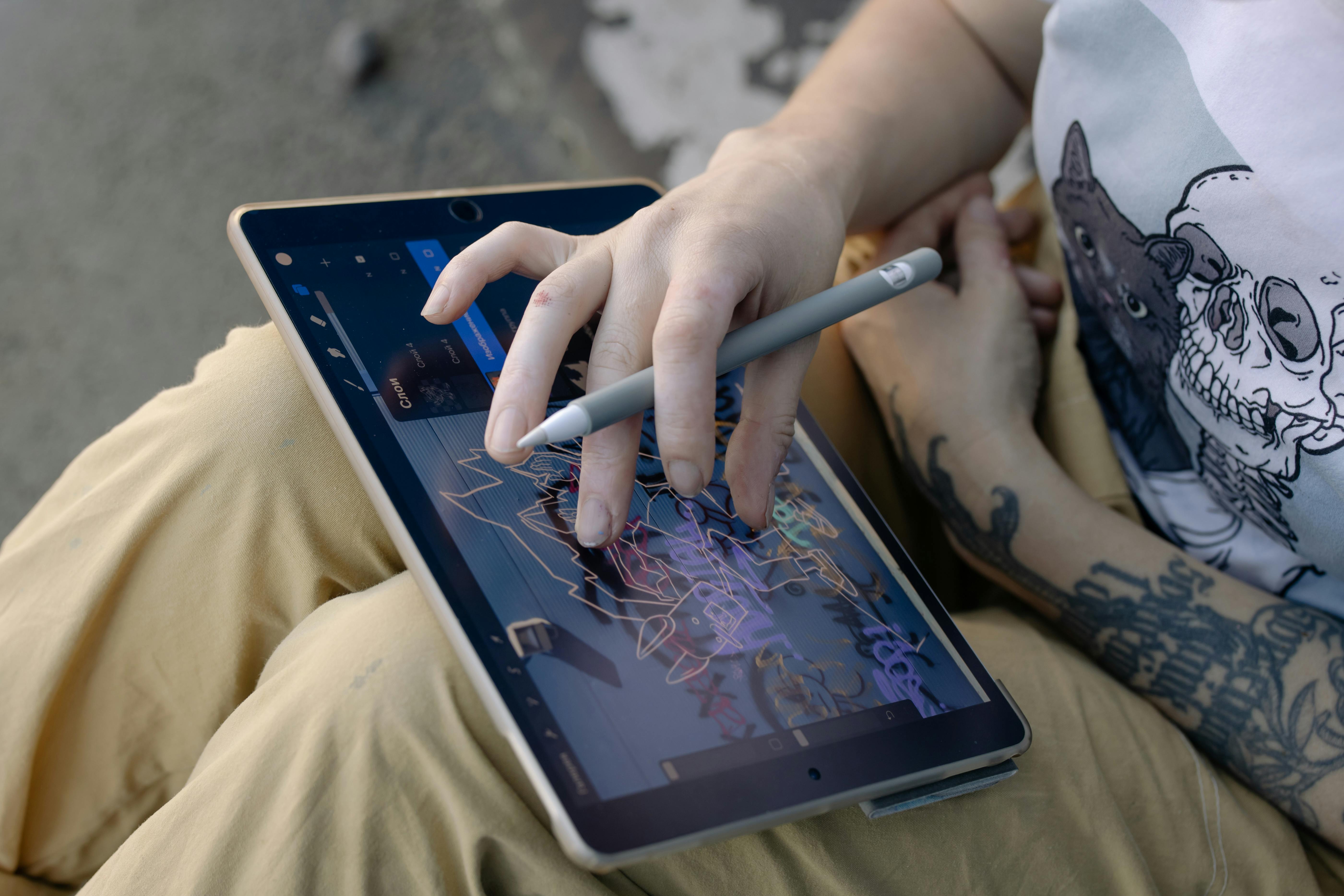
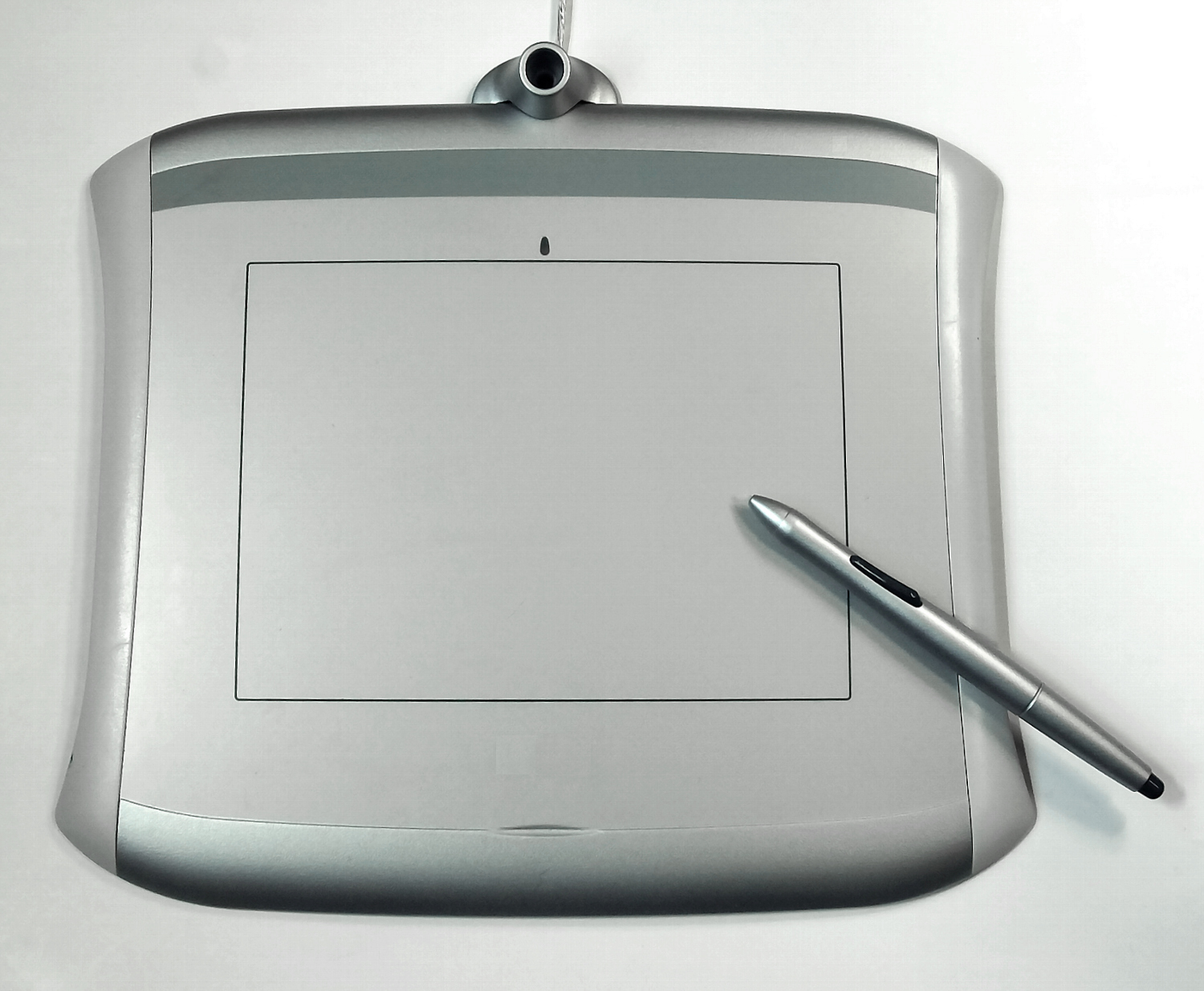
My first Wacom tablet felt like cheating. I could sketch 50 variations in an hour without wasting paper. No solvent headaches. No ruined canvases if I sneezed at the wrong moment. Digital art democratizes creativity: you can start with a $49 stylus and borrow open-source software like Krita. But here's where the skepticism kicks in—NFTs and blockchain hype? Utter nonsense. Digital ownership is a license, not a deed. Your "unbreakable" JPEG still depends on corporations and electricity. That's not artistry; it's digital colonialism wrapped in Silicon Valley buzzwords.
My first Wacom tablet felt like cheating. I could sketch 50 variations in an hour without wasting paper. No solvent headaches. No ruined canvases if I sneezed at the wrong moment. Digital art democratizes creativity: you can start with a $49 stylus and borrow open-source software like Krita. But here’s where the skepticism kicks in—NFTs and blockchain hype? Utter nonsense. Digital ownership is a license, not a deed. Your "unbreakable" JPEG still depends on corporations and electricity. That’s not artistry; it’s digital colonialism wrapped in Silicon Valley buzzwords.
credit, licence
The Hybrid Approach: Best of Both Worlds
Techniques That Bridge Traditional and Digital
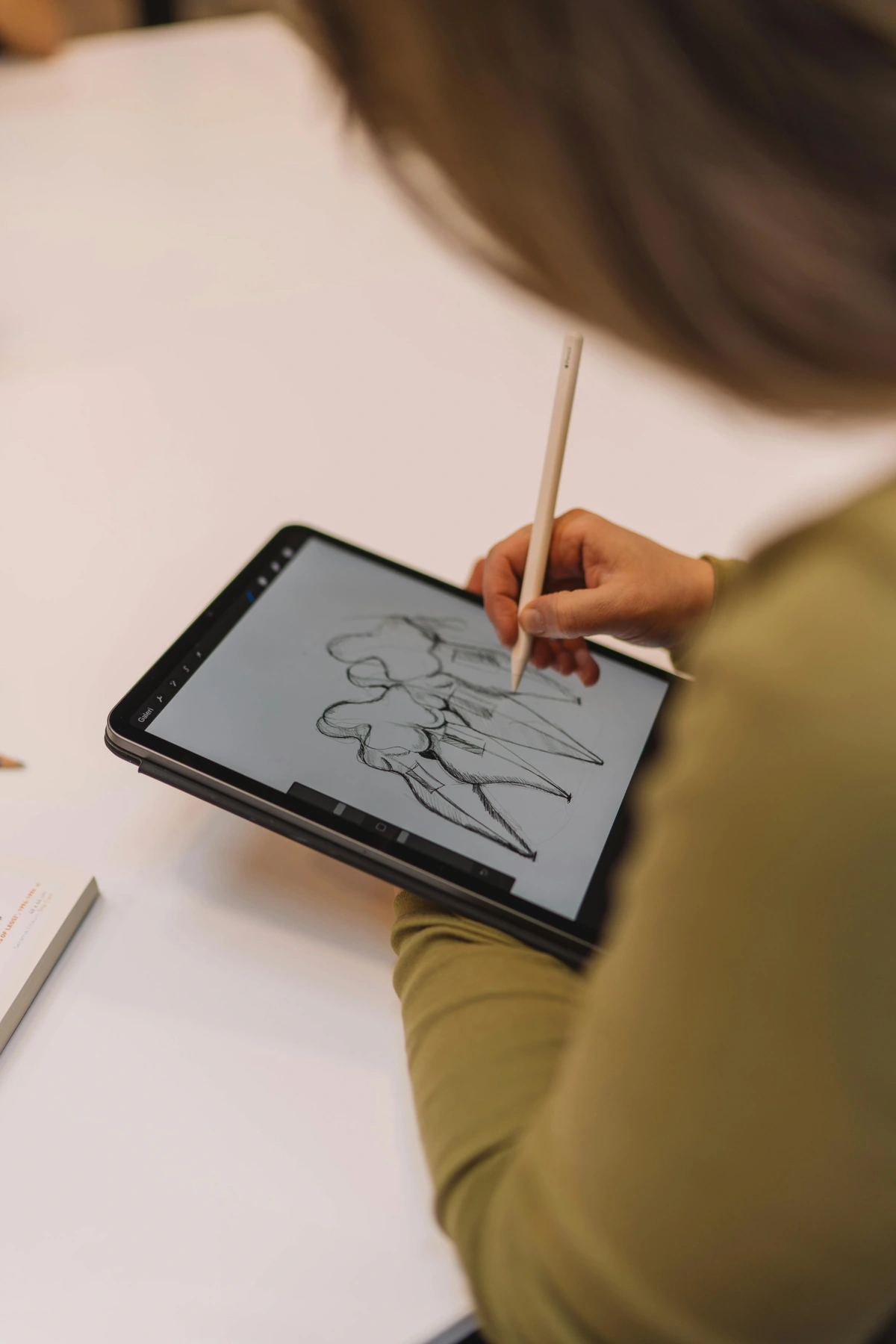
The most exciting work today happens in the middle ground. Artists like Kelsey Brookes scan traditional paintings, warp them digitally, then print with archival inks. Think of it like a painter discovering the electric guitar—you're not betraying roots; you're amplifying them. I once knew a muralist who practiced compositions on Procreate before touching a wall. Efficiency? Yes. Selling out? Not a chance. Tool mastery always serves the idea, never replaces it.
Advanced Hybrid Techniques
Digital-to-Physical Transformation
- Giclée Printing: High-quality archival prints on canvas or paper
- UV Printing: Direct printing onto various materials including wood and metal
- Screen Printing: Using digital designs for traditional screen printing
- Encaustic Painting: Layering melted wax over digital prints
- Mixed Media Collage: Combining digital prints with traditional materials
Physical-to-Digital Enhancement
- 3D Scanning: Converting physical sculptures into 3D digital models
- Photogrammetry: Creating 3D models from multiple photographs
- Digital Restoration: Repairing and enhancing traditional artwork digitally
- Augmented Reality: Adding interactive digital layers to physical art
- Projection Mapping: Displaying digital animations onto physical objects
Hybrid Creation Methods
- Sketch-Execute Workflow: Traditional sketches finalized digitally
- Underpainting Technique: Traditional underpainting with digital glazing
- Texture Transfer: Using digital textures in traditional painting
- Multi-Medium Layering: Alternating between digital and traditional layers
- Real-Time Collaboration: Traditional artists working with digital collaborators
Popular Hybrid Techniques
- Digital-to-Physical: Printing digital artwork on canvas with archival inks
- Physical-to-Digital: Scanning paintings for digital manipulation and printing
- Mixed Media: Combining traditional elements with digital projections
- Augmented Reality: Adding digital layers to physical artworks
- 3D Printing: Creating physical sculptures from digital designs
Hybrid Artist Case Studies
Kelsey Brookes
- Technique: Scans abstract paintings, digitally manipulates them
- Style: Psychadelic, scientific imagery with vibrant colors
- Materials: Traditional oil paintings combined with digital printing
- Impact: Bridged fine art and digital culture
Olafur Eliasson
- Technique: Large-scale installations with digital projections
- Style: Immersive experiences exploring perception and light
- Materials: Physical space combined with digital projections
- Impact: Redefined gallery experiences and audience participation
teamLab
- Technique: Interactive digital installations in physical spaces
- Style: Collaborative, ever-changing digital environments
- Materials: Software, projectors, and physical space
- Impact: Created new forms of participatory art experiences
Refik Anadol
- Technique: AI-generated visual installations from data
- Style: Abstract, data-driven visualizations
- Materials: Machine learning algorithms and projection systems
- Impact: Explored the intersection of art, technology, and data
Conservation and Preservation
Traditional Art Preservation: Oil paintings can last centuries with proper care. Key factors include:
- Climate control (stable temperature and humidity)
- Protection from light and UV radiation
- Regular cleaning by professional conservators
- Proper framing with archival materials
Digital Art Preservation: Digital art faces unique challenges:
- File Format: Use open, standard formats like PNG, TIFF, or JPEG
- Metadata: Preserve creation files, layers, and settings
- Backup Strategy: Multiple backups on different media
- Migration: Regularly transfer files to new storage technologies
- Documentation: Keep detailed records of creation process and intent
Hybrid Preservation: Works that combine traditional and digital elements require specialized care. This might involve:
- Archival-quality printing of digital elements
- Protection of both physical and digital components
- Documentation of the complete creation process
The most exciting work today happens in the middle ground. Artists like Kelsey Brookes scan traditional paintings, warp them digitally, then print with archival inks. Think of it like a painter discovering the electric guitar—you’re not betraying roots; you’re amplifying them. I once knew a muralist who practiced compositions on Procreate before touching a wall. Efficiency? Yes. Selling out? Not a chance. Tool mastery always serves the idea, never replaces it.
So... Which One Wins?
(Spoiler: Nobody loses.)
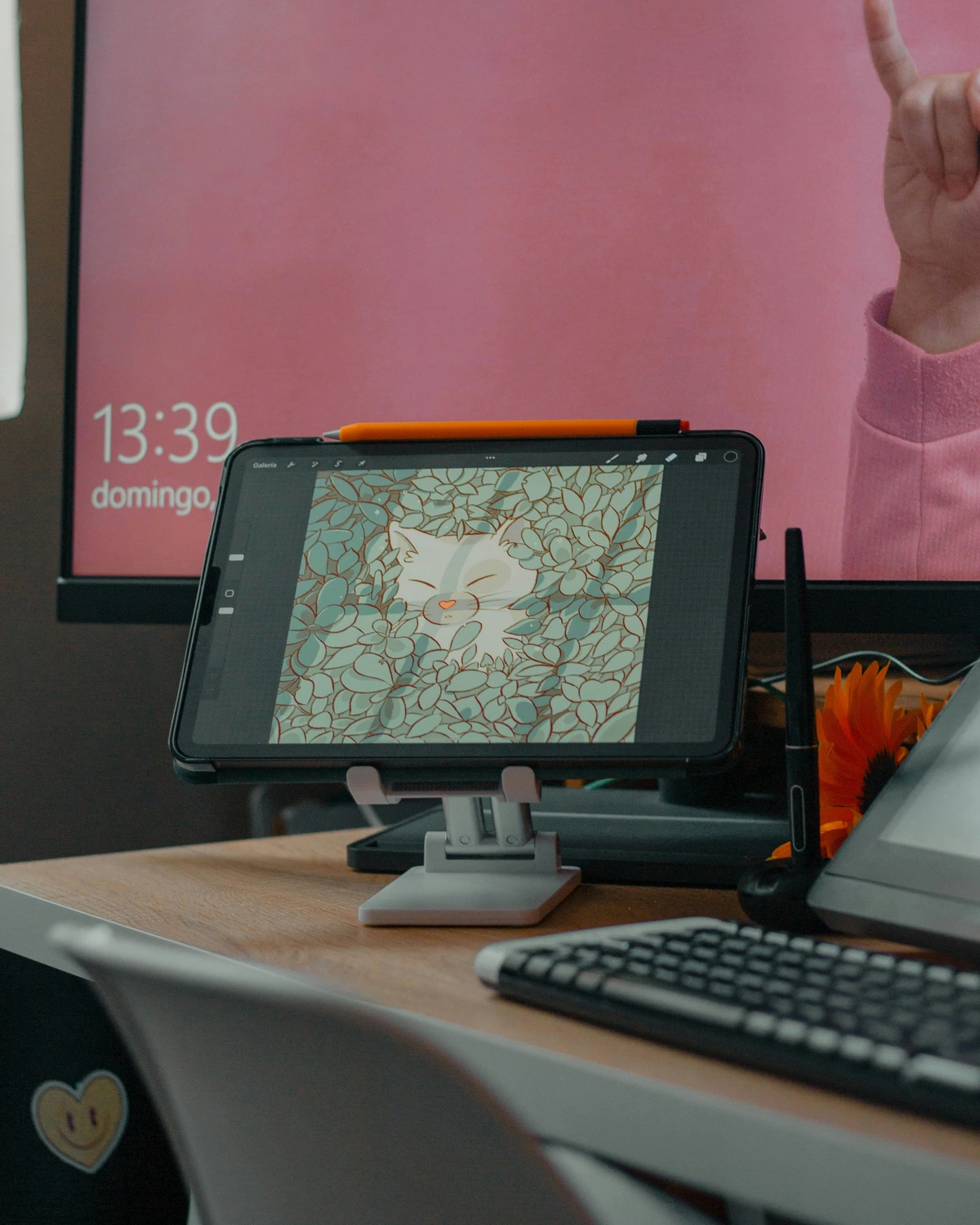
- For Artists: Start digital to experiment. Stay traditional to refine your tactile voice. Both train different muscles.
- For Collectors: Traditional art carries provenance you can hold. Digital offers bold concepts but demand museum-grade backups. Buy what moves you, not what’s trendy.
credit, licence
FAQ: Your Burning Questions
Q: Is digital art "easier" than traditional? A: Only if you mistake technical ease for creative depth. Both require discipline. Drawing a "perfect" circle in Photoshop? Easy. Conveying melancholy through color theory? Brutal work—regardless of medium.
Q: Why is traditional painting more valuable? A: Scarcity and history. A unique Rembrandt can’t exist in 10,000 copies. But "value" is shifting—rare digital editions (NFT excluded) with archival backing could appreciate. Caveat emptor.
Q: Can digital prints replace originals? A: Never. A giclée print is a snapshot. The texture, the layers, the artist’s physicality—those are lost. Like comparing a vinyl record to an MP3. Both music. But one has ghosts in the machine.
Q: Should kids learn traditional art before digital? A: Absolutely. Understanding light, form, and composition with real materials builds irreplaceable intuition. Then you can bend digital tools like they’re made of clay.
Final Brushstroke
I once stood in the Den Bosch Museum, inches from a Hieronymus Bosch triptych built 500 years ago. The cracked varnish, the underdrawings visible—proof that human chaos and brilliance transcend time. Then I walked into a neon-lit digital art gallery where projections warped facial features in real-time. Both moments left me breathless. Why choose? Creativity is the oldest technology we have. It evolves. It rebels. It reminds us that whether your tool is a quill or a quantum dot, you’re still just trying to say: I was here. I felt this.



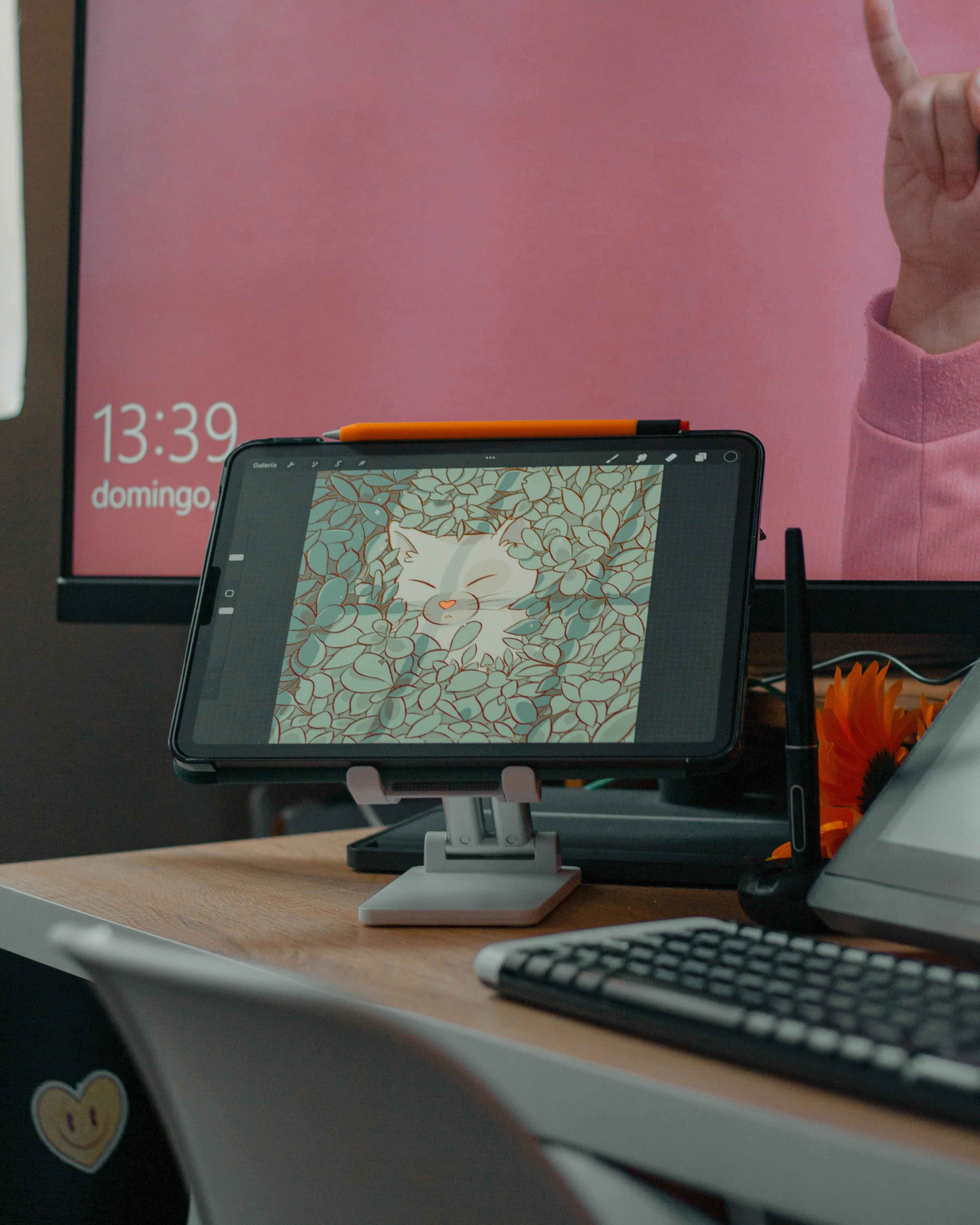
Explore my timeline to see how these influences shape my own work.
Art Supplies and Equipment Guide
Traditional Art Supplies
Essential Starter Kit:
- Pencils (2H, HB, 2B, 6B)
- Sketchbook (200+ gsm paper)
- Basic paint set (6-12 colors)
- 2-3 brushes of different sizes
- Canvas or paper for painting
- Palette for mixing colors
- Easel or drawing board
Traditional Art Techniques Guide
Drawing Fundamentals
- Line Quality: Contour, gesture, and expressive lines
- Shading: Rendering form with light and shadow
- Perspective: Linear and atmospheric perspective
- Composition: Rule of thirds, golden ratio, and design principles
- Figure Drawing: Proportions, anatomy, and movement
Painting Techniques
- Color Mixing: Creating harmonious color palettes
- Brushwork: Different strokes and mark-making
- Layering: Building depth through glazing and scumbling
- Texture: Creating tactile surfaces with impasto and collage
- Style Development: Finding your unique artistic voice
Budget-Friendly Options:
- Student-grade paints are perfectly adequate for beginners
- Second-hand brushes can be found at art supply stores
- Canvas panels are cheaper than stretched canvas
- Make your own easel from wood scraps
Premium Investment:
- Professional-grade pigments (last longer, more vibrant)
- Natural hair brushes (hold paint better)
- Linen canvas (more durable than cotton)
- Professional easel (better for posture and technique)
Traditional Painting Tool Guide
Brush Types and Uses
- Round Brushes: Versatile for detail and general painting
- Flat Brushes: Good for bold strokes and covering areas
- Filbert Brushes: Combination of round and flat, good for edges
- Fan Brushes: Create texture, foliage, and hair effects
- Mop Brushes: Hold lots of paint for washes and glazing
- Palette Knives: Mix paint and create impasto effects
- Sable Brushes: Premium for watercolor and detail work
- Synthetic Brushes: Budget-friendly alternative to natural hair
Canvas and Paper Guide
- Cotton Canvas: Affordable, good for beginners
- Linen Canvas: Premium, more durable and archival
- Canvas Panels: Rigid and portable, good for practice
- Watercolor Paper: Various weights and textures (cold press, hot press)
- Oil Paper: Pre-primed for oil painting
- Bristol Board: Smooth surface for detailed work
- Mixed Media Paper: Handles various mediums
Paint Quality Guide:
- Student Grade: Good for practice and experimentation
- Professional Grade: Better pigments, lightfastness, and performance
- Artist Grade: Highest quality, archival materials
- Hue vs. Pure Pigment: Hues are cheaper but less lightfast
- Lightfastness Ratings: Scale from I (excellent) to IV (poor)
- Toxicity: Be aware of cadmium, lead, and other toxic pigments
Digital Art Equipment
Essential Starter Kit:
- Drawing tablet (Wacom Intuos or similar)
- Computer/laptop with adequate specs
- Free or affordable software (Krita, GIMP, Clip Studio Paint)
- Stylus (often included with tablet)
- External storage for backups
Digital Art Software Ecosystem
Professional Software Suite
- Adobe Creative Cloud: Industry standard for digital artists
- Photoshop: Photo editing and digital painting
- Illustrator: Vector graphics and logo design
- After Effects: Motion graphics and animation
- InDesign: Layout and typography
- Procreate: iPad favorite for illustrators and designers
- Clip Studio Paint: Popular for comics, manga, and animation
- Corel Painter: Traditional media simulation software
- Blender: 3D modeling, sculpting, and rendering
Free and Open Source
- Krita: Full-featured digital painting application
- GIMP: Photoshop alternative with extensive features
- Inkscape: Professional vector graphics editor
- DaVinci Resolve: Video editing with VFX capabilities
- MediBang Paint: Comic and manga creation software
- MyPaint: Focused digital painting with brush engine
- Paint.NET: Simple but capable image editor
Mobile and Tablet Apps
- iPad Apps: Procreate, Adobe Fresco, Concepts
- Android Apps: Ibis Paint X, MediBang Paint, Artflow
- Cross-Platform: Autodesk Sketchbook, Concepts
- Specialized: Pixel Studio (pixel art), Artetry (generative art)
Budget-Friendly Options:
- Entry-level drawing tablets under $100
- Free open-source software
- Borrow equipment from libraries or schools
- Use older computers with basic requirements
Premium Investment:
- Professional Cintiq display tablet
- High-end computer with dedicated graphics card
- Professional software like Photoshop
- Multiple backup systems (external drives, cloud storage)
Digital Art Hardware Guide
Drawing Tablets Guide
- Entry Level (Under $100): Huion H420, XP-Pen StarG640
- Mid Range ($100-300): Wacom Intuos, Huion Kamvas
- Professional ($300-1000): Wacom Cintiq, Huion Kamvas Pro
- Premium ($1000+): iPad Pro with Apple Pencil, Wacom MobileStudio
- Factors to Consider: Pressure sensitivity, display quality, size, software compatibility
Computer Requirements
- Minimum: Intel i5, 8GB RAM, integrated graphics
- Recommended: Intel i7, 16GB RAM, dedicated graphics (GTX 1060 or equivalent)
- Professional: Intel i9, 32GB RAM, high-end graphics (RTX 3080 or equivalent)
- Storage: SSD for fast performance, external drives for backups
- Monitor: Color-accurate display, preferably IPS panel
Software Investment Guide
- Free Options: Krita, GIMP, Inkscape, Blender, MediBang Paint
- Affordable Options: Clip Studio Paint ($49 one-time), Procreate ($9.99)
- Professional Options: Adobe Creative Cloud (Photoshop, Illustrator), Affinity Designer
- Subscription vs. One-Time: Consider long-term costs and updates
Workspace Considerations
Traditional Art Workspace:
- Good lighting (natural light is best)
- Proper ventilation for paints and solvents
- Easy-to-clean surfaces
- Storage for supplies
- Comfortable seating and posture support
Digital Art Workspace:
- Ergonomic desk and chair
- Proper monitor positioning to avoid eye strain
- Good lighting to reduce screen glare
- Cable management for clean setup
- Comfortable temperature and airflow
Hybrid Workspace:
- Space for both traditional and digital work
- Easy transition between physical and digital tools
- Proper lighting for both screen and traditional work
- Storage for both physical supplies and digital equipment
Ergonomic and Health Considerations
Preventing Repetitive Strain Injury
- Traditional Artists: Take frequent breaks, stretch hands and wrists, use ergonomic brushes
- Digital Artists: Use adjustable stands, take screen breaks, practice hand stretches
- Both: Consider standing desks, ergonomic chairs, and proper lighting
Eye Health for Digital Artists
- 20-20-20 Rule: Every 20 minutes, look at something 20 feet away for 20 seconds
- Screen Settings: Adjust brightness, contrast, and blue light filters
- Monitor Distance: Keep monitors at arm's length to reduce eye strain
- Lighting: Use indirect lighting to reduce screen glare
Ventilation and Safety
- Traditional Artists: Use proper ventilation for solvents and paints
- Digital Artists: Ensure good airflow around computers and equipment
- Chemical Safety: Know which materials require special handling or disposal
- Electrical Safety: Proper grounding and surge protection for digital equipment
Further Reading and Exploration
For those interested in diving deeper into these artistic traditions:
Essential Books for Traditional Artists
- Traditional Art Fundamentals: The Natural Way to Draw by Kimon Nicolaides, Classical Drawing Atelier by Juliette Aristides
- Color Theory: Color and Light by James Gurney, Blue and Yellow Don't Make Green by Michael Wilcox
- Painting Techniques: Alla Prima by Richard Schmid, The Oil Painting Book by Bill Creevy
- Art History: Story of Art by E.H. Gombrich, Ways of Seeing by John Berger
- Composition: Composition of Outdoor Painting by Edgar Payne, Design and Composition by Nathan Goldstein
- Figure Drawing: Figure Drawing for All It's Worth by Andrew Loomis, Drawing the Human Figure by George Bridgman
- Still Life: The Art of Still Life Painting by Jim Ames, Painting Still Life by Margaret Kroll
Digital Art Learning Resources
Online Courses and Tutorials
- Skillshare: Digital painting, illustration, and design classes
- Udemy: Comprehensive digital art courses at various price points
- Domestika: High-quality art classes with professional instructors
- Schoolism: Professional training from industry veterans
- Art Wonders: Free digital painting tutorials and techniques
- Ctrl+Paint: Fundamentals of digital painting
- Marc Brunet: Professional digital painting techniques
- Proko: Anatomy and figure drawing for digital artists
Video Learning Platforms
- YouTube: Free tutorials from professional artists
- Patreon: Exclusive content and tutorials from your favorite artists
- Twitch: Live art streams and interactive learning
- Discord: Art communities and real-time feedback
- Instagram: Quick tips and technique demonstrations
- TikTok: Short-form art tutorials and trends
Traditional Medium-Specific Resources
Oil Painting Resources
- Books: * Alla Prima: Everything I Know About Painting* by Richard Schmid
- DVDs: Johnnie Liliedahl's oil painting instruction series
- Workshops: Various artist-led workshops at art centers
- Online: WetCanvas forums for oil painters
- Techniques: Glazing, impasto, scumbling, alla prima
Watercolor Resources
- Books: Watercolor Painting: A Complete Guide by Jean Haines
- DVDs: Alvaro Castagnet's watercolor workshops
- Workshops: Local watercolor societies and workshops
- Online: Watercolor Magic magazine and forums
- Techniques: Wet-on-wet, dry-brush, lifting, masking
Acrylic Resources
- Books: Acrylic Painting: A Complete Guide by Patti Mollica
- DVDs: Nita Leland's acrylic techniques
- Workshops: Golden Paints sponsored workshops
- Online: Acrylic Artists Guild resources
- Techniques: Pouring, texturing, layering, glazing
Online Resources and Communities
Traditional Art Resources:
- Proko: Free and paid tutorials on drawing and painting
- Drawabox: Structured drawing exercises for beginners
- Line of Action: Figure drawing practice with timed poses
- Ctrl+Paint: Free digital painting tutorials (fundamentals apply to traditional too)
- ArtStation: Community of professional artists with tutorials and inspiration
- Behance: Portfolio platform with diverse artistic styles and techniques
- DeviantArt: Large community of artists at all skill levels
- Reddit Communities: r/Art, r/learnart, r/painting, r/drawing
Digital Art Communities:
- ArtStation: Professional portfolio and community platform
- Behance: Adobe's creative professional community
- DeviantArt: General art community with strong digital presence
- ArtStation Learning: Professional tutorials and courses
- Schoolism: High-quality art instruction from industry professionals
- Ctrl+Paint: Free digital painting fundamentals
- Proko: Anatomical drawing and painting tutorials
- Drawabox: Fundamental drawing exercises
Specialized Digital Art Resources
Digital Painting Focus
- Ctrl+Paint: Free digital painting basics and advanced techniques
- Marc Brunet: Professional digital painting tutorials
- Bobby Chiu: Character design and digital painting
- Loish: Professional digital painting techniques
- Digital Painting School: Structured learning paths
3D and Animation
- Blender Guru: Blender tutorials for all levels
- CG Cookie: Professional 3D training
- FlippedNormals: 3D art education and tutorials
- Animation Mentor: Professional animation training
- School of Motion: Motion graphics and animation
Illustration and Design
- Skillshare: Online illustration classes
- Udemy: Affordable illustration courses
- Illustration Age: Industry news and tutorials
- Children's Book Academy: Children's book illustration
- Surface Pattern Design: Pattern and textile design
Essential Books for Digital Artists
- Digital Art Techniques: Digital Painting Techniques by 3dtotal Publishing, The Digital Canvas by David Drazil
- Concept Art: Color and Light by James Gurney, Imaginative Realism by James Gurney
- Software Guides: The Art of Photoshop by Dan Margulis, Digital Painting Techniques series
- Digital Illustration: Creative Illustration by Andrew Loomis, Drawing the Head and Hands by Andrew Loomis
Traditional Painting Mediums Guide
Oil Painting Deep Dive
- History: From Northern European origins to Renaissance perfection
- Materials: Linseed oil, pigments, solvents, and mediums explained
- Techniques: Glazing, alla prima, impasto, scumbling
- Safety: Proper handling of toxic materials and ventilation
- Conservation: Long-term care and preservation of oil paintings
Watercolor Mastery
- Paper Types: Cold press, hot press, rough, and specialty papers
- Brush Techniques: Wet-on-wet, dry-brush, lifting, masking
- Color Theory: Transparent layering and pigment properties
- Equipment: Travel kits, palettes, and specialized tools
- Styles: From traditional botanical illustration to contemporary abstract
Acrylic Painting Innovation
- Modern Advancements: Acrylic polymers and new formulations
- Texture Mediums: Gels, pastes, and texture builders
- Mixed Media: Combining acrylics with other materials
- Outdoor Painting: Quick-drying properties for plein air work
- Contemporary Applications: From illustration to fine art
Digital Art Technique Books
Software-Specific Guides
- Photoshop: Adobe Photoshop Classroom in a Book, Photoshop for Digital Artists by Scott Kelby
- Procreate: The Art of Procreate, Procreate Handbook
- Illustrator: Adobe Illustrator Classroom in a Book, Vector Basic Training
- Blender: Blender For Dummies, The Complete Blender Guide
Digital Painting Techniques
- Digital Painting Fundamentals with Photoshop by David Sibley
- Beginner's Guide to Digital Painting in Photoshop by 3dtotal Publishing
- Fantasy Art Studio by various professional artists
- Digital Character Design and Painting by Don Seegmiller
Digital Illustration
- Digital Illustration: A Masterclass in Creative Image-Making by Gary Andrew Clarke
- The Digital Renaissance: Tradition and Technology in Modern Painting by Frank Auerbach
- Illustration: A Theoretical and Contextual Perspective by Alan Male
Art Philosophy and Theory
- Art Philosophy: Ways of Seeing by John Berger, What Is Painting? by Julian Bell
- Contemporary Art Practice: Post-Digital Printmaking by Paul Lefley, The Hybrid Artist by various contributors
- Creativity Studies: Art & Fear by David Bayles & Ted Orland, The Creative Habit by Twyla Tharp
Business and Marketing for Artists
Career Development Strategies
- Portfolio Development: Creating compelling work samples for different audiences
- Personal Branding: Developing your unique artistic identity and voice
- Networking: Building meaningful connections in the art world
- Exhibition Planning: Organizing successful solo and group shows
- Grant Applications: Finding and securing artistic funding opportunities
Marketing Your Art
- Online Presence: Building an effective website and social media strategy
- Content Marketing: Creating valuable content that showcases your expertise
- Email Marketing: Building and nurturing an audience of art collectors
- Public Relations: Getting media coverage and press mentions
- Collaborations: Partnering with brands, galleries, and other artists
Sales and Pricing Strategy
- Value-Based Pricing: Setting prices based on perceived value rather than time
- Commission Work: Guidelines for working with clients on custom projects
- Print Sales: Editioning and pricing for reproductions of your work
- Licensing: Understanding intellectual property and licensing opportunities
- Payment Processing: Setting up systems for secure and efficient transactions
Creativity and Mental Health
The Artist's Mindset
- Creative Blocks: Understanding and overcoming artistic resistance
- Perfectionism: Learning to embrace imperfection as part of the creative process
- Self-Criticism: Developing a healthy inner dialogue about your work
- Inspiration: Cultivating sources of creative energy and ideas
- Discipline: Building sustainable creative habits and routines
Mental Health for Artists
- Burnout Prevention: Recognizing and preventing creative exhaustion
- Anxiety Management: Coping with creative anxiety and self-doubt
- Depression and Creativity: Understanding the relationship between mood and artistic output
- Isolation: Addressing the loneliness that can come with artistic practice
- Success and Failure: Developing emotional resilience in the face of artistic outcomes
Creative Community
- Finding Your Tribe: Connecting with supportive artistic communities
- Mentorship: The benefits of both giving and receiving mentorship
- Collaboration: Working with other artists to expand creative horizons
- Feedback: Learning to give and receive constructive artistic criticism
- Networking: Building relationships in the art world without selling out
Recommended Artists and Works
Traditional Masters to Study:
- Rembrandt van Rijn: Master of dramatic lighting and emotional depth. Study his use of chiaroscuro and expressive brushwork.
- Vincent van Gogh: Pioneer of textural brushwork and emotional intensity. His thick impasto technique revolutionized painting.
- J.M.W. Turner: Revolutionary in atmospheric effects and light manipulation. His seascapes changed how we see nature.
- Georgia O'Keeffe: Bold colorist known for simplified forms and intimate scale. Explore her flower and landscape paintings.
- Edgar Degas: Master of composition and movement. His ballet dancer studies are essential for understanding form.
- Claude Monet: Founder of Impressionism. Study his use of light and color to capture fleeting moments.
- Pablo Picasso: Revolutionary who constantly reinvented art. Study his different periods and styles.
- Frida Kahlo: Master of symbolic self-portraiture and personal narrative. Her work combines technical skill with emotional depth.
- Jackson Pollock: Pioneer of abstract expressionism. Study his action painting techniques and use of space.
- Anselm Kiefer: Contemporary artist working with traditional materials to explore complex historical themes.
Traditional Art History Timeline
Ancient Art (Prehistoric - 500 CE)
- Cave Paintings: Lascaux and Altamira, early symbolic imagery
- Ancient Egypt: Hieroglyphic art and tomb paintings
- Classical Greece: Idealized human form and architectural sculpture
- Roman Empire: Realistic portraiture and architectural innovations
- Byzantine Art: Religious iconography and gold backgrounds
Medieval to Renaissance (500 - 1600)
- Medieval Period: Religious art, illuminated manuscripts, Gothic architecture
- Early Renaissance: Perspective returns, humanism emerges
- High Renaissance: Leonardo, Michelangelo, Raphael at their peak
- Northern Renaissance: Detailed realism and religious themes
- Mannerism: Elongated forms and complex compositions
Baroque to Romantic (1600 - 1850)
- Baroque: Dramatic lighting and emotional intensity
- Rococo: Elegant, decorative style with pastoral themes
- Neoclassicism: Return to classical ideals and order
- Romanticism: Emotion, nature, and individual expression
- Realism: Everyday subjects and social commentary
Modern Art (1850 - 1970)
- Impressionism: Light, color, and fleeting moments
- Post-Impressionism: Emotional expression and symbolic content
- Expressionism: Inner emotional states over reality
- Cubism: Multiple perspectives and geometric forms
- Abstract Art: Non-representational forms and pure color
- Pop Art: Popular culture and consumer society
Digital Innovators:
- Beeple: Digital collage pioneer and NFT art figurehead. His work explores digital culture and consumerism.
- James Jean: Master of digital illustration blending Eastern and Western aesthetics. Known for intricate detail.
- Loish: Influential digital painter specializing in character design and atmospheric environments.
- Artgerm: Renowned for digital portraits and fashion illustration. Blends traditional painting techniques with digital tools.
- Greg Rutkowski: Fantasy digital painter creating epic, painterly scenes inspired by old masters.
- WLOP: Australian digital artist known for ethereal, atmospheric landscapes and emotional intensity.
Hybrid Pioneers:
- Kelsey Brookes: Scans traditional paintings and manipulates them digitally, creating psychedelic, scientific imagery.
- Olafur Eliasson: Creates immersive installations blending digital projections with physical space and natural elements.
- teamLab: Japanese collective creating large-scale interactive digital installations that respond to viewer movement.
- Trevor Paglen: Investigative artist using digital tools to explore surveillance, data, and technology's hidden impacts.
- Refik Anadol: Uses AI and machine learning to transform data into immersive visual experiences.
- Rafael Rozendaal: Creates interactive web-based artworks that exist purely in digital space.
Contemporary and Emerging Artists
Contemporary Traditional Artists
- Cecily Brown: Abstract painter with dynamic brushwork and vibrant colors
- Julie Mehretu: Large-scale abstract paintings with architectural elements
- Mark Bradford: Mixed-media artist exploring social issues through abstract compositions
- Kara Walker: Silhouette installations exploring race and gender narratives
- Do Ho Suh: Fabric and sculpture installations exploring space and memory
Contemporary Digital Artists
- Refik Anadol: Data-driven AI installations and visualizations
- Rafael Lozano-Hemmer: Interactive digital installations exploring human connection
- TeamLab: Immersive digital environments and interactive experiences
- Kaws: Digital artist bridging graffiti, fine art, and commercial design
- Hito Steyerl: Digital art exploring technology, surveillance, and power
Emerging Hybrid Artists
- Ian Cheng: AI-generated animations and digital installations
- Agnes Meyer-Brandis: Art-science projects exploring digital and natural worlds
- Haroon Mirza: Sound, light, and digital installations creating immersive experiences
- Rachel Rose: Video and digital installations exploring time, memory, and perception
- Cameron Jamie: Digital and traditional media exploring subcultures and identity
Emerging Trends and Future Directions
The art world continues to evolve rapidly. Keep an eye on:
- AI Art: Tools like Midjourney, DALL-E, and Stable Diffusion are creating new possibilities
- Virtual Reality Art: Galleries and museums exploring immersive 3D art experiences
- NFT Evolution: Moving beyond the hype to explore legitimate digital ownership models
- Sustainable Art: Both traditional and digital artists exploring eco-friendly materials and processes
- Collaborative Platforms: Online communities where artists co-create in real-time
- Augmented Reality: Blending digital art into physical spaces through mobile devices
The Future of Art: Predictions and Possibilities
Technological Integration
- Artificial Intelligence: AI becoming collaborative partners rather than tools
- Biotechnology: Artists working with living materials and biological processes
- Neurotechnology: Brain-computer interfaces for direct artistic expression
- Quantum Computing: Creating art using quantum algorithms and principles
- Holographic Displays: True 3D art experiences in physical space
Cultural and Social Shifts
- Globalization: Cross-cultural artistic collaboration becoming the norm
- Democratization: Greater accessibility to tools and audiences worldwide
- Sustainability: Environmental concerns shaping artistic choices and materials
- Mental Health: Art therapy and wellness becoming more integrated into practice
- Social Justice: Art as a tool for social change and political expression
Economic Evolution
- Decentralized Markets: New models for art sales and distribution
- Subscription Models: Recurring revenue for digital artists
- Hybrid Business Models: Combining traditional and digital income streams
- Microtransactions: Small-scale digital art sales and patronage
- Art as Investment: New evaluation criteria for digital and hybrid works
Educational Transformation
- Virtual Learning: Immersive art education in virtual environments
- AI Tutors: Personalized art education using machine learning
- Global Classrooms: Real-time collaboration across geographical boundaries
- Skill Democratization: Complex artistic techniques becoming more accessible
- Interdisciplinary Studies: Art education merging with technology, science, and philosophy