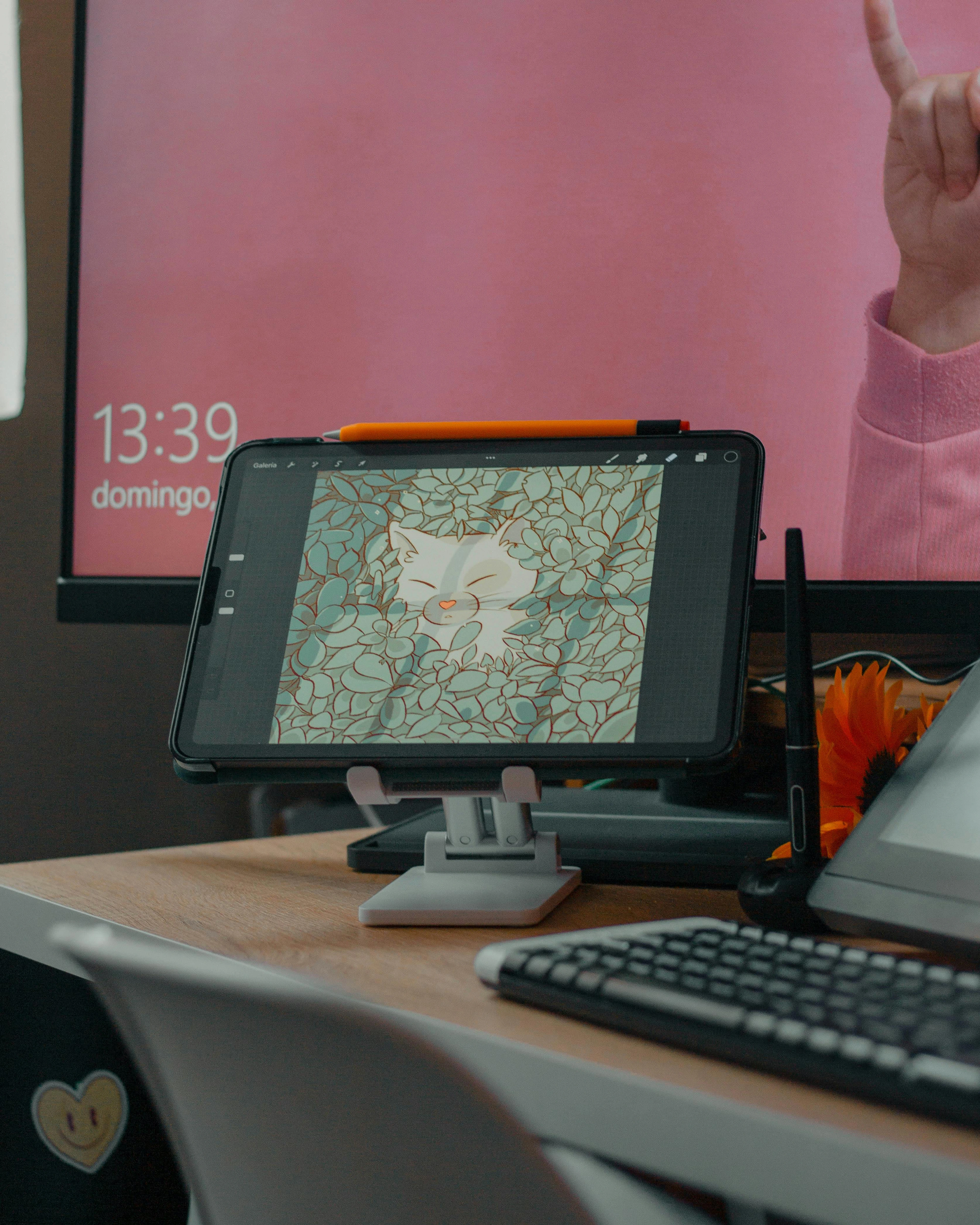
What is Fertile Ground Art? Cultivating Your Creative Ecosystem
Explore how artists find inspiration, cultivate creativity & build environments that foster innovation in contemporary art. Discover your own fertile ground.

What is Fertile Ground Art? Cultivating Your Creative Ecosystem
Ever stared at a blank canvas and felt... absolutely nothing? I mean, zero cosmic inspiration? Trust me, I’ve been there more times than I care to admit. But what if I told you the real magic isn’t just in the final artwork—it’s in the ground before planting any seeds? Welcome to the world of fertile ground art. This isn’t about quick techniques or viral trends. It’s about cultivating an entire ecosystem for creativity—one where ideas flourish unpredictably. Let’s dig in.
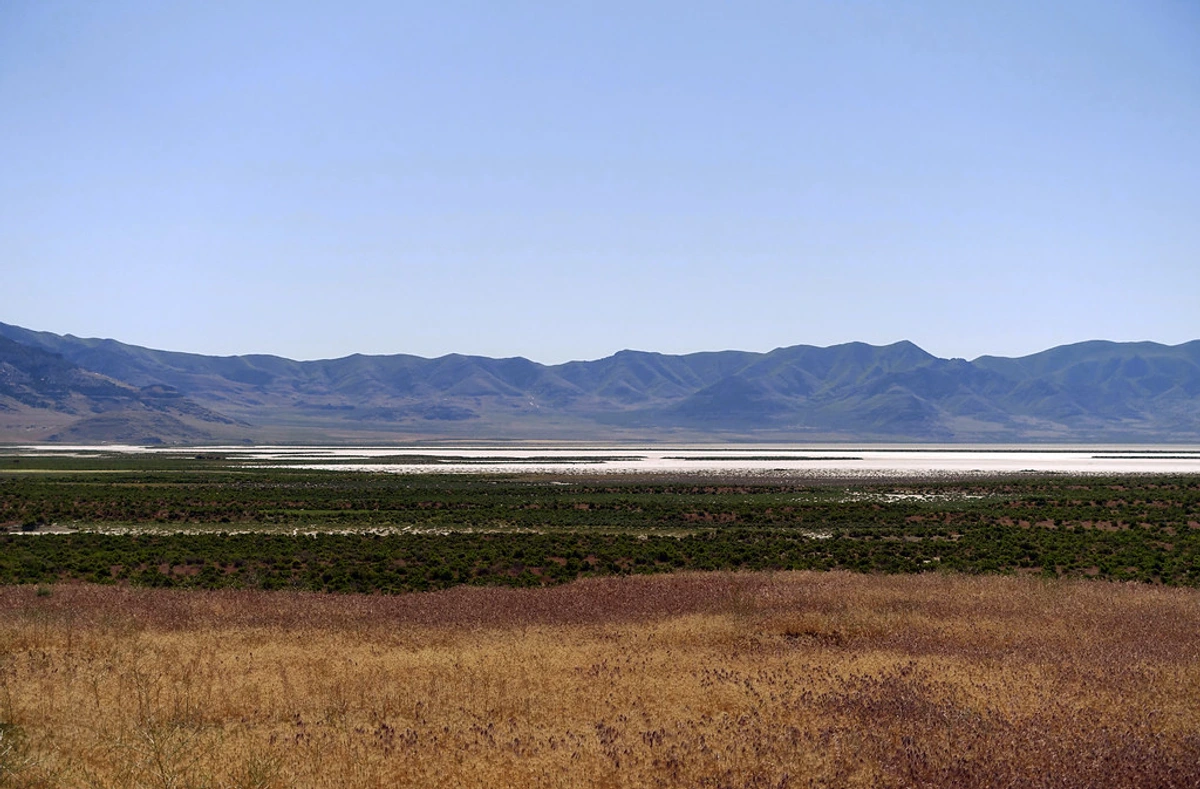
The Spiral Jetty exemplifies fertile ground art perfectly. Smithson didn't just create a sculpture—he transformed an entire ecosystem. The work emerged from his deep observation of the landscape, his understanding of natural processes, and his willingness to work with the environment rather than against it. The spiral grows from the earth itself, changing with the seasons and water levels. It's a perfect metaphor for creative growth that's rooted in place and responsive to change.
Historical Roots of Fertile Ground Art
While "fertile ground art" might be a contemporary term, the approach has deep historical roots throughout art history. Many artists throughout time have unconsciously or consciously worked with this principle:
- Land Art Movement (1960s-70s): Artists like Robert Smithson, Nancy Holt, and Michael Heizer created works that responded directly to the land, often making permanent changes to the environment. The land wasn't just a backdrop—it was a collaborator.
- Impressionists: Monet and his contemporaries worked en plein air, directly responding to changing light and weather conditions. They weren't just painting scenes—they were capturing the ephemeral qualities of a specific place and time.
- Abstract Expressionists: Artists like Mark Rothko and Jackson Pollock tapped into subconscious and emotional states, allowing raw feelings to guide their work rather than strict representational rules.
- Japanese Ink Painting (Sumi-e): This tradition emphasizes the process as much as the result, with artists embracing the unpredictable qualities of ink on rice paper.
The Fertile Ground Philosophy
At its core, fertile ground art is about conditions over content. Think of yourself as a gardener, not just a painter. You’re not just focusing on the result (a finished painting, a sculpture), you’re obsessing over the soil that makes any growth possible. It’s the messy, invisible work that happens beneath the surface: the inspiration sources, the creative routines, the emotional states that allow art to emerge authentically.
I remember one rainy afternoon where I’d planned to paint something "meaningful"... but ended up smearing coffee and ink on an old newspaper just because the texture felt right. That "failure" became the foundation for a series exploring urban decay. The finished piece was great, but the real moment of creation happened in the fertile ground of experimentation. It wasn’t planned. It was alive.
Key Components of Artistic Fertility
1. Sensory Soil
Your input sources are the organic matter in your creative compost pile. This isn’t just "looking at art." It’s:

Glenda Rowett's work demonstrates how fertile ground art connects to agricultural and environmental themes. Her paintings often depict the relationship between human cultivation and natural processes. The horse-drawn plow becomes both a practical tool and a metaphor for the work of creativity—preparing the soil, making way for growth, working in harmony with natural rhythms.
- Visual Noise: Street graffiti, crumbling architecture, the way light hits a puddle, reflections in windows, the patterns of weathered concrete, the play of shadows across surfaces, the way colors change under different lighting conditions
- Textures Obsessions: Rough bark, velvet folds, metallic flaking, the smoothness of river stones, the grain of different woods, the feel of different papers, the texture of weathered metals, the softness of worn fabrics
- Emotional Climates: Joyous gatherings, eerie silences, nostalgic fragments, moments of frustration, bursts of laughter, quiet contemplation, the tension of anticipation, the relief of release
- Acoustic Landscapes: Jazz rhythms, industrial hum, birdsong variations, the rhythm of footsteps, the sound of rain on different surfaces, the silence of snowfall, the chaos of a busy market, the harmony of nature
- Olfactory Memories: The smell of old books, rain on earth, coffee brewing, specific perfumes, kitchen spices, the scent of ocean air, the smell of drying paint, the aroma of fresh bread
- Tactile Experiences: The weight of different tools, the resistance of materials, temperature variations, pressure points, the vibration of machinery, the warmth of sunlight, the coolness of stone
Advanced Sensory Cultivation
Beyond simple observation, advanced practitioners of fertile ground art engage in active sensory cultivation:
- Sensory Deprivation Experiments: Brief periods without one sense (like blind drawing) to heighten others
- Sensory Overload Sessions: Intentional exposure to wildly different sensory inputs to spark new neural connections
- Cross-Sensory Translation: Converting experiences from one sense to another (describing colors using sounds, or emotions using textures)
- Sensory Archaeology: Digging through old memories and identifying the specific sensory details that made them powerful
- Sensory Mapping: Creating visual representations of your sensory experiences to identify patterns and gaps
Pro Tip: Create a "sensory garden" journal. Snap phone photos, collect fabric swatches, jot down overheard conversations. These become compost for future artworks.
2. Structural Roots
Discipline isn't about rigid rules—it's about creating scaffolding for spontaneity. This paradox is everything:
Sensory Cultivation Exercise: Spend 15 minutes each day focusing on one sense. One day, notice only colors and light. Next day, only sounds. The next, only textures. Record observations in a dedicated notebook. You'll build a rich database of sensory triggers that will inform your work for years.
Advanced Sensory Integration: Try synesthetic journaling—describe visual experiences using sound words, or emotional experiences using color words. This cross-sensory practice builds unique creative pathways in your brain.
2. Structural Roots
Discipline isn’t about rigid rules—it’s about creating scaffolding for spontaneity. This paradox is everything:
- Time Blocks: Sacred 90-minute bursts (no Instagram allowed)
- Space Anchors: A messy desk vs. a blank wall ritual
- Creative Constraints: "Only use 3 colors," "Paint without brushes"
- Output Triggers: Set mood playlists or scent diffusers
I used to think creativity was a thunderbolt. Now? It’s more like building a greenhouse. You make the conditions right for a storm to want to visit you.
3. Community Pollinators
Art grows in isolation, but thrives in exchange. Your community isn’t just cheerleaders—it’s the bees pollinating your ideas:
- Critique Circles: Honest feedback on unfinished work
- Collaborative Projects: Shared themes with fellow artists
- Cross-Pollination: Discussions with poets, chefs, engineers
- Museums as Catalysts: Seeing others’ work ignites your own unique response
john doe, CC0
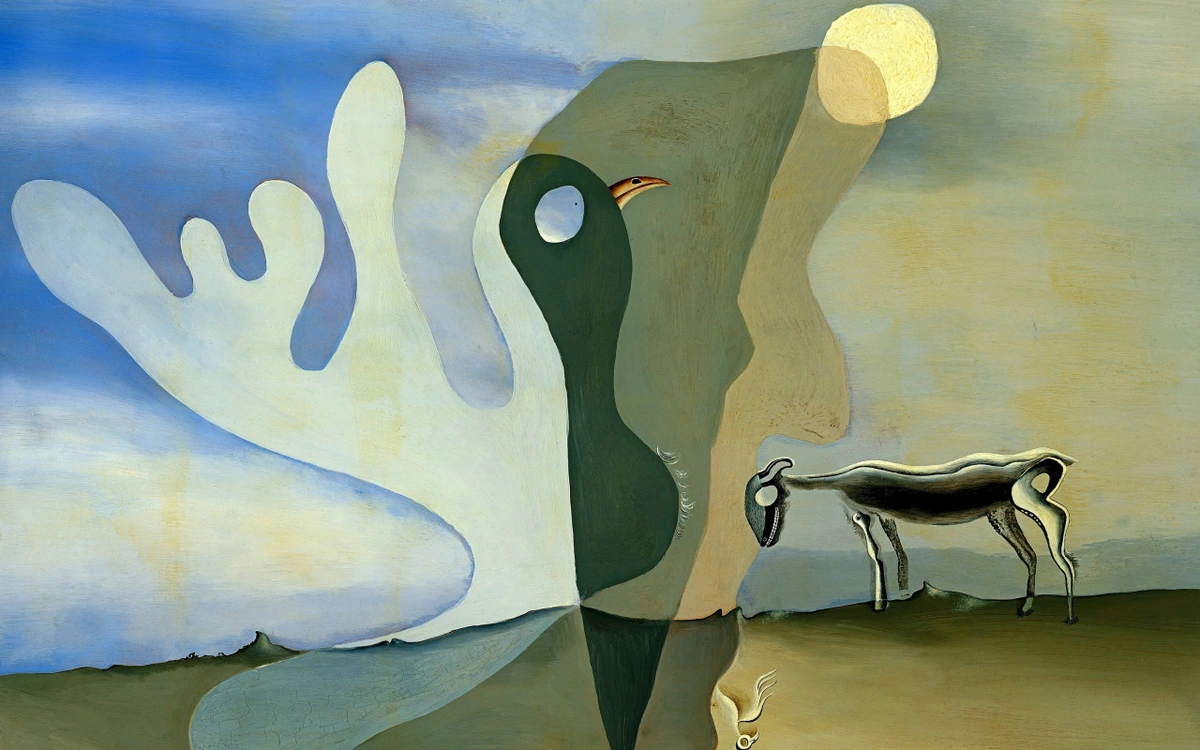
Yves Tanguy's surrealist work demonstrates the power of subconscious exploration in fertile ground art. His biomorphic shapes emerge from dream states and unconscious processes. This represents the "incubation" phase of creative work—letting ideas bubble up from beneath the conscious surface. Tanguy shows how fertile ground art embraces the mysterious, the irrational, and the deeply personal sources of creativity.
The Fertile Ground Workflow
Let’s get practical. Here’s how to structure your ecosystem:
Phase  | Action Items | Mindset Shifts |
|---|---|---|
| Preparation | Gather source materials → Designate space | It’s play, not labor |
| Inoculation | Trigger ritual → Set constraints | Trust the process over control |
| Incubation | Walk away → Engage in unrelated tasks | Let subconscious bubble up |
| Blooming | Embrace "mistakes" → Iterate wildly | Perfection is the enemy |
| Harvesting | Select strongest ideas → Share early | Share before it "feels ready" |
When Fertility Feels Barren
The NFT Dilemma
Digital art platforms? Great for visibility. But I’m skeptical about blockchain-as-savior. Tech can amplify voices, but don’t let the shiny token distract from the real ground: your authentic voice. The market will chase trends, but your roots must run deeper. Always.
The Comparison Trap
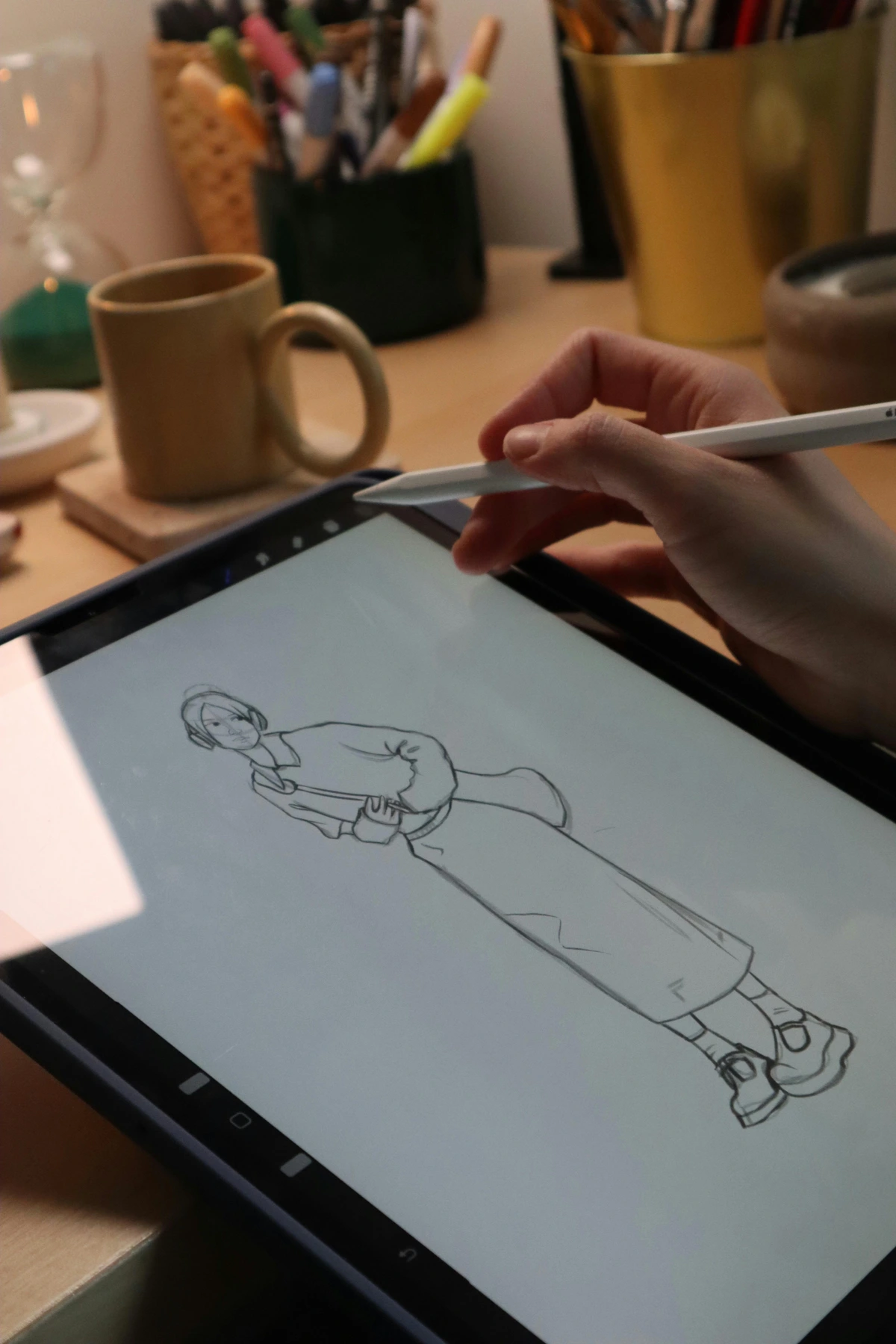
Scrolling galleries on IG gives instant inspiration... and instant inadequacy. The comparison monster is real, and it feeds on social media. But there are ways to navigate this digital landscape without losing your creative voice.
Building Your Creative Immune System
Beyond specific strategies, developing a general creative immune system helps you navigate the inevitable challenges of artistic work. This is about building resilience at a deep level so that when challenges arise—and they will—you have the internal resources to respond constructively rather than destructively.
The Resilience Toolkit
- Self-awareness: Understanding your triggers, patterns, and emotional responses
- Self-compassion: Treating yourself with kindness during difficult times
- Purpose clarity: Remembering why you create beyond external validation
- Adaptability: Being able to pivot when circumstances change
- Connection: Maintaining relationships that support your creative journey
Creative Recovery Protocols
Even the most resilient artists face setbacks. Having a recovery protocol helps you bounce back more quickly:
- Acknowledge the setback: Don't minimize or ignore what happened
- Feel the feelings: Allow yourself to experience disappointment, frustration, or sadness
- Identify the learning: What can this experience teach you?
- Reconnect with purpose: Why do you create, independent of this outcome?
- Take one small step: What's the next tiny action you can take?
Understanding the Psychology of Comparison
Understanding the Psychology of Comparison
Social media creates an "edited highlights reel" of others' creative lives. We see the finished pieces, the exhibitions, the recognition—but not the years of struggle, the rejected ideas, the self-doubt. This creates an unrealistic comparison point.
Strategies for Healthy Digital Engagement
- Curate Ruthlessly: Follow only artists who challenge, inspire, or educate you. Unfollow anyone who makes you feel inadequate
- Create Boundaries: Schedule specific times for social media, and stick to them
- Track Your Feelings: After scrolling, note how you feel. If it's negative, it's time for a break
- Focus on Process: Look at artists' sketchbooks, work-in-progress posts, and studio tours
- Engage Meaningfully: Comment thoughtfully on others' work instead of just passively consuming
Building an Anti-Comparison Toolkit
- Progress Tracking: Keep a file of your work over time. When you feel inadequate, look back at where you started
- Process Journal: Document your creative journey, including failures and breakthroughs
- Community Support: Surround yourself with people who know and value your unique voice
- Personal Metrics: Define your own success measures instead of comparing to others' external validation
The Comparison Journal Exercise
When comparison strikes:
- Write down what you're comparing
- Identify the feeling it brings up
- List 3 specific things you admire about that work
- List 3 unique strengths in your own work
- Write down one small step you can take to grow in that direction
This transforms comparison from a destructive force to a learning opportunity.
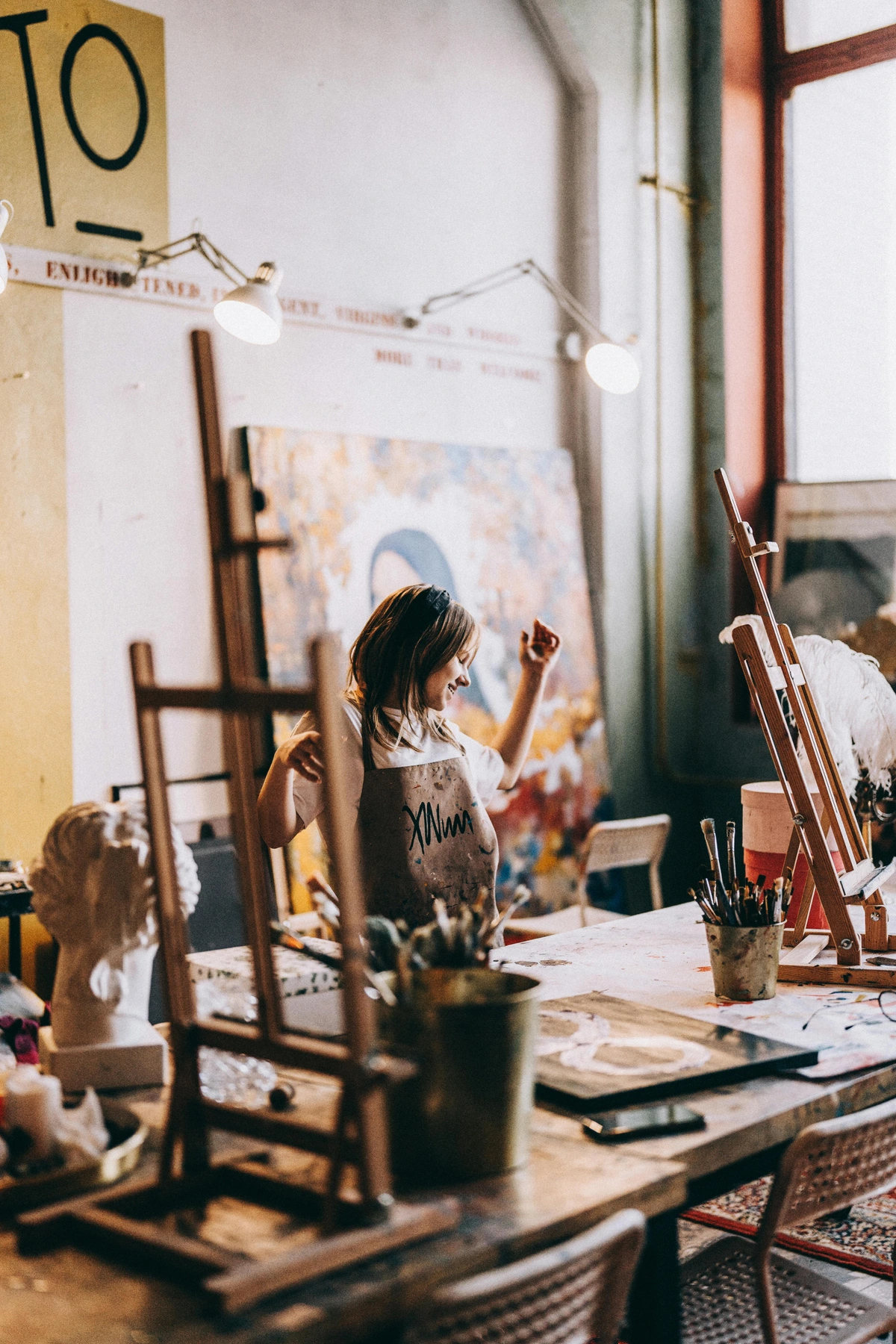
Curate your inputs ruthlessly. Follow 10 artists who challenge you, not 200 who make your work feel small. Your soil needs specific nutrients, not random fertilizers.
Frequently Asked Questions
Learning and Growth
Q: Do I need formal training for this?
A: Absolutely not. Fertile ground art is about cultivating your unique mind. Think of folk artists or self-taught visionaries—their strength comes from raw sensory connection, not academic rules. That said, structured learning can accelerate growth when approached with the right mindset.
The Self-Taught Path
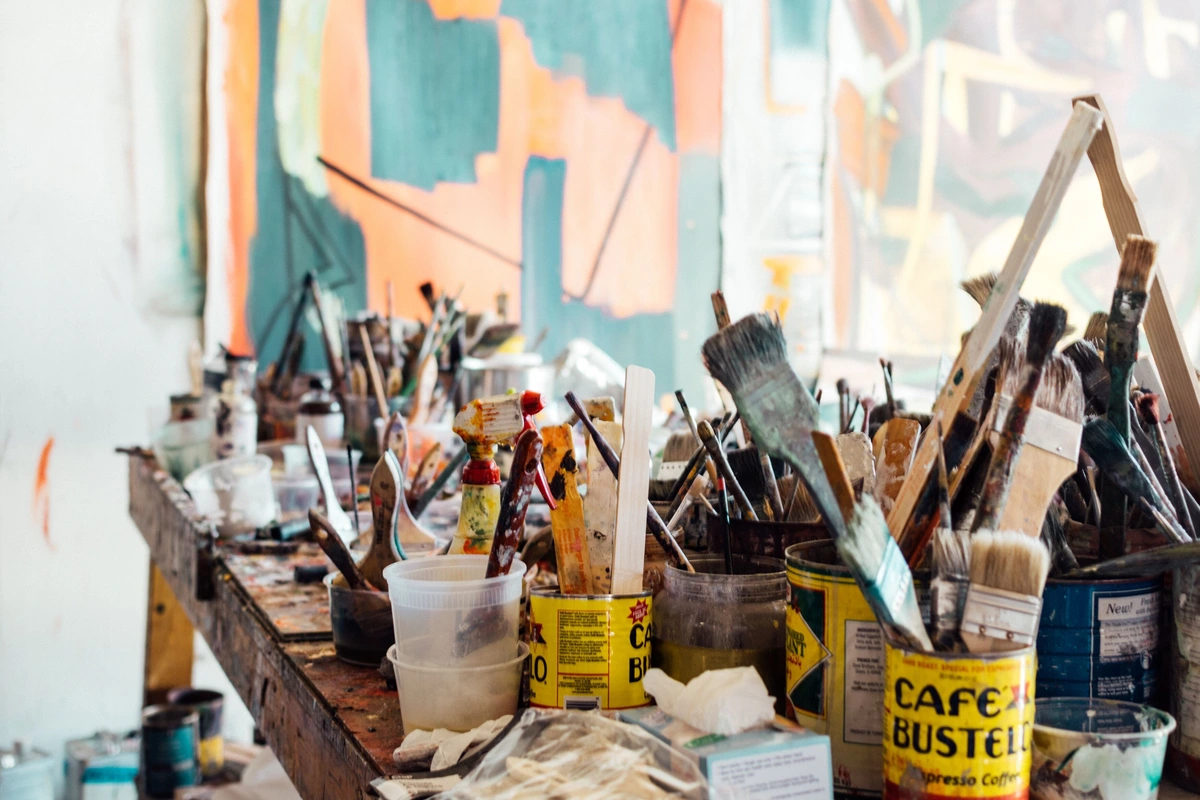
Many of the most influential artists in history were largely self-taught. Grandma Moses started painting in her late 70s. Henri Rousseau worked as a toll collector. Their strength came from authentic vision, not technical perfection. Fertile ground art honors this truth—your unique perspective matters more than your technical skill.
Formal Education as Enhancement
If you do pursue formal training, approach it as enhancing your fertile ground, not replacing it:
- Use it to expand your technical toolkit
- Learn from diverse perspectives and approaches
- Build connections with other serious artists
- Access resources and facilities you couldn't get alone
The Hybrid Approach
Most successful creators blend self-teaching with targeted learning:
- Workshops for specific skills
- Online courses for convenience
- Mentor relationships for guidance
- Self-directed study for passion projects
The key is maintaining agency over your learning. Education should serve your vision, not dictate it.
Q: What resources should I study?
A: Focus on process over technique. Study:
- Artists' journals and sketchbooks (not just finished works)
- Books on creativity psychology (like "Art & Fear" or "The Creative Habit")
- Nature documentaries and scientific illustration
- Poetry and literature for narrative approaches
- Film and photography for composition and visual storytelling
Essential Reading for Creative Cultivation:
- "The Artist's Way" by Julia Cameron: The classic 12-week program for unblocking creativity
- "Big Magic" by Elizabeth Gilbert: On living a creative life without fear
- "Steal Like an Artist" by Austin Kleon: How creativity happens through influence and inspiration
- "Art & Fear" by David Bayles & Ted Orland: The psychological challenges of making art
- "The Creative Habit" by Twyla Tharp: Building creativity into your daily routine
- "The War of Art" by Steven Pressfield: Overcoming resistance to creative work
- "Creative Quest" by Quincy Jones: On creativity across disciplines
- "Show Your Work!" by Austin Kleon: Sharing your creative process
- "Daily Rituals" by Mason Currey: How creative people structure their days
- "Wired to Create" by Carolyn Gregoire and Scott Barry Kaufman: The science of creativity
Visual Resources:
- "Ways of Seeing" by John Berger: Essential for understanding how we look at art
- "The Story of Art" by E.H. Gombrich: Comprehensive art history accessible to non-experts
- Documentaries about artists: Watch how they work, not just their finished products
- "On Photography" by Susan Sontag: Deep dive into the philosophy of image-making
- "The Photography Book" by Phaidon: Comprehensive overview of photographic history
- "Color and Light" by James Gurney: Understanding light in art and design
Digital Resources:
- Sketchbook blogs: Many artists share their process online
- Studio tour videos: See how creative spaces are organized
- Creative process interviews: Hear artists discuss how they approach their work
- Skillshare/Domestika: Online courses taught by working artists
- YouTube channels: Channels like "Art Assignment," "The Art Assignment," and artist-specific channels
- Instagram: Following artists for process and inspiration (use mindfully)
- Pinterest: Visual inspiration and mood boards
- Behavior/Dribbble: For digital artists and designers
- ArtStation: Concept artists and digital illustrators
Audio Resources:
- "Artists on Art" podcast: Conversations with contemporary artists
- "The Art Newspaper" podcast: News and analysis in the art world
- "Abstract: The Art of Design": Netflix series on creative professionals
- Creative conferences: TED Talks, Creative Mornings, local art talks
Q: How do I find my artistic voice?
A: Your voice emerges from the intersection of:
- What you're naturally drawn to (colors, themes, subjects)
- What you're good at (technical strengths)
- What you have something to say about (personal experiences, perspectives)
- What connects with others (universal themes in your unique expression)
The key is consistent experimentation without pressure to "find" it—let it emerge through your work.
Voice Discovery Exercises:
- Pattern Recognition: Look at your past 20 pieces. What visual elements repeat? What themes emerge?
- Authenticity Audit: Make a list of what you love to create vs. what you think you "should" create
- Influence Mapping: Chart the artists, experiences, and ideas that have shaped you
- Voice Journal: Write about what makes your work unique and why it matters to you
- Feedback Analysis: Collect feedback and look for patterns in what people respond to
Voice vs. Style Clarification:
Your voice is your unique perspective and approach—how you see the world and express it. Style is the visual manifestation of that voice. You can develop different styles within the same voice. Think of it as: voice is the soul, style is the clothing. Both can change while staying authentic.

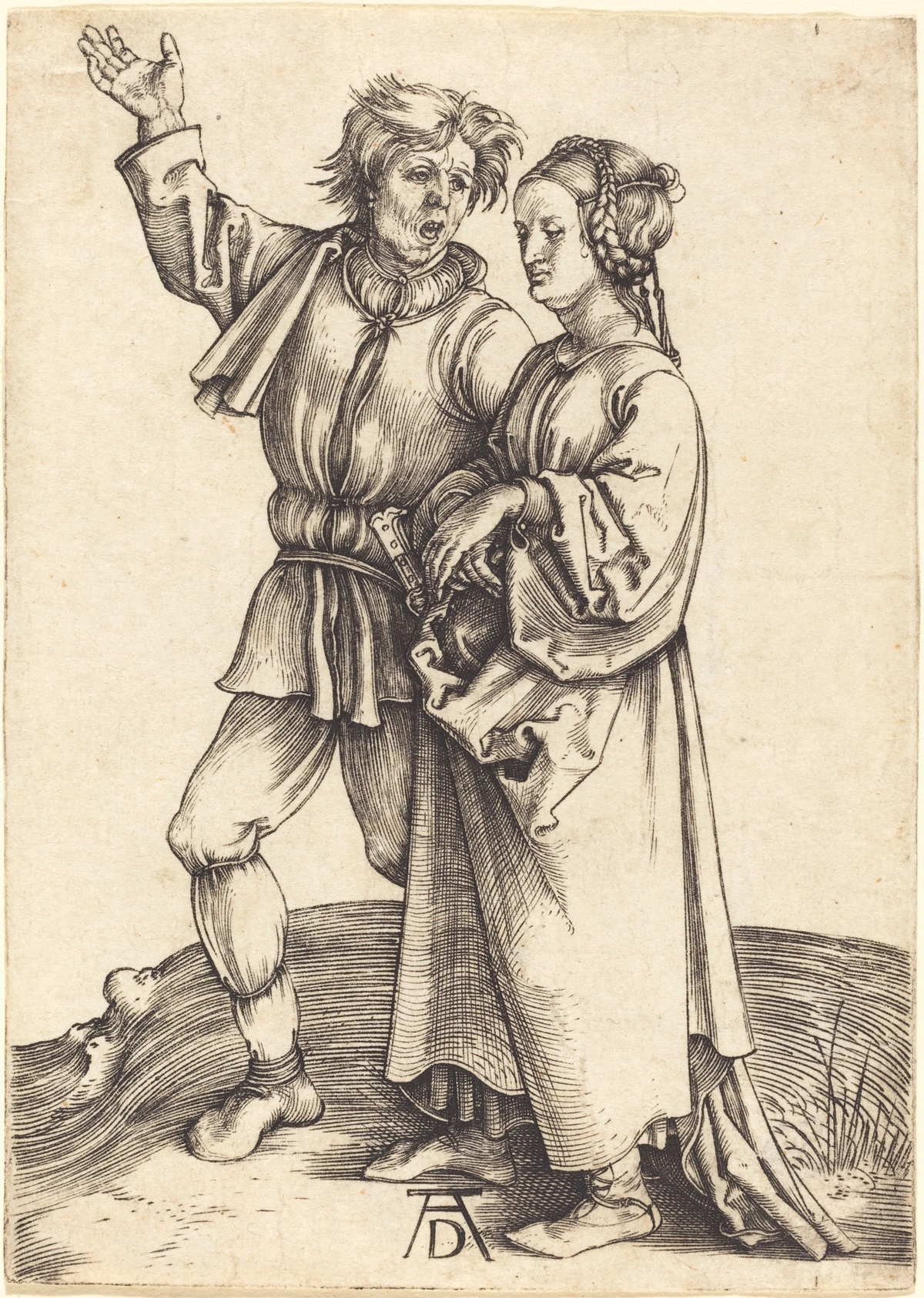
Albrecht Dürer's work shows how even traditional art embodies fertile ground principles. His detailed observations of everyday life, his technical mastery, and his willingness to explore new subjects all demonstrate fertile ground creativity. Notice how he captures not just appearance but character—this depth comes from deep observation and authentic connection to his subjects, hallmarks of fertile ground art.
Q: What if I"m not "inspired"?
A: Inspiration is lazy-speak. Creativity is about preparation meeting opportunity. Show up to the soil daily. Dig. Don’t wait for lightning build a lightning rod.
Q: How long does it take to build fertile ground?
A: From my experience? About 63 messy, imperfect days. Consistency trumps intensity. Small daily rituals accumulate like rainfall in a desert.
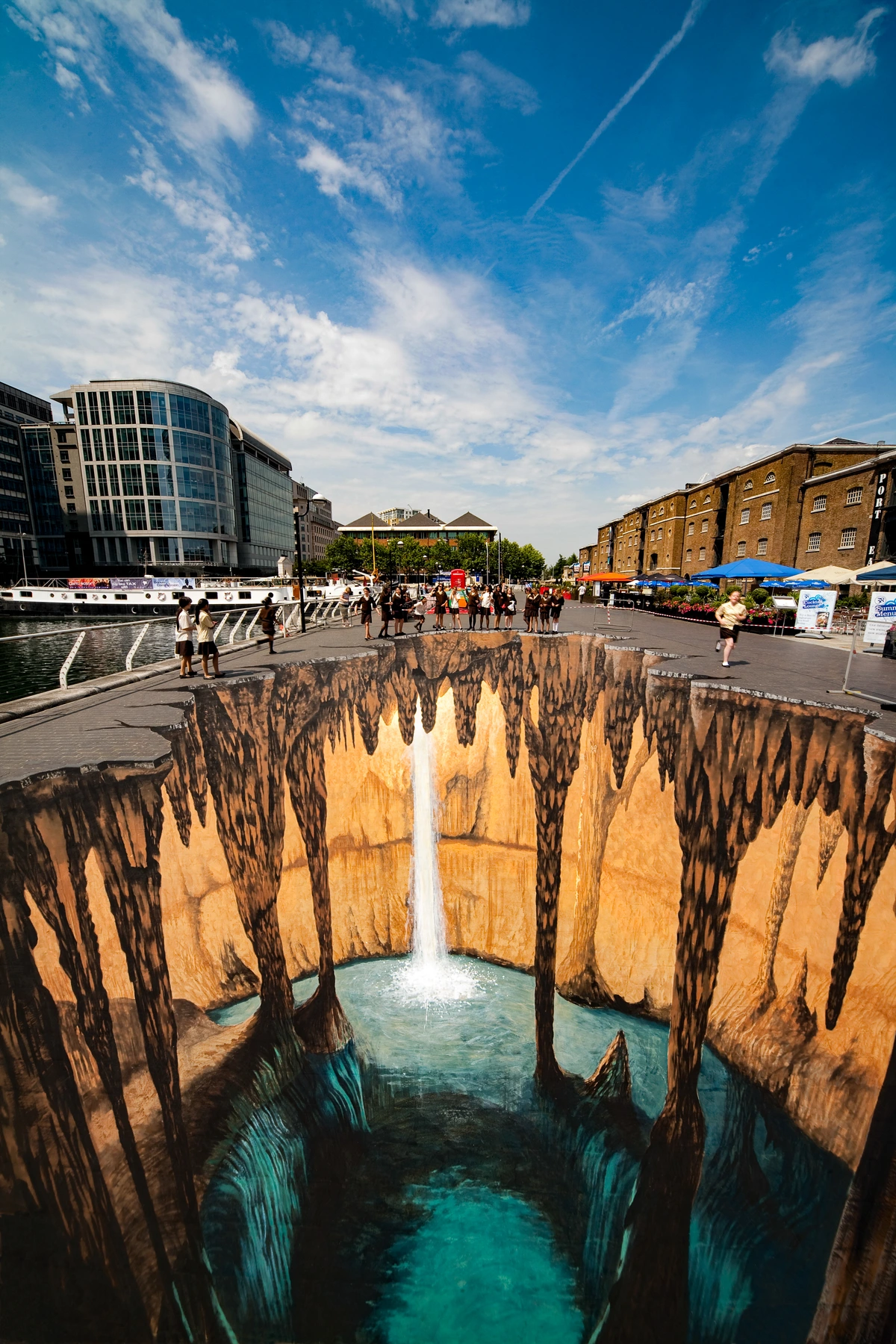
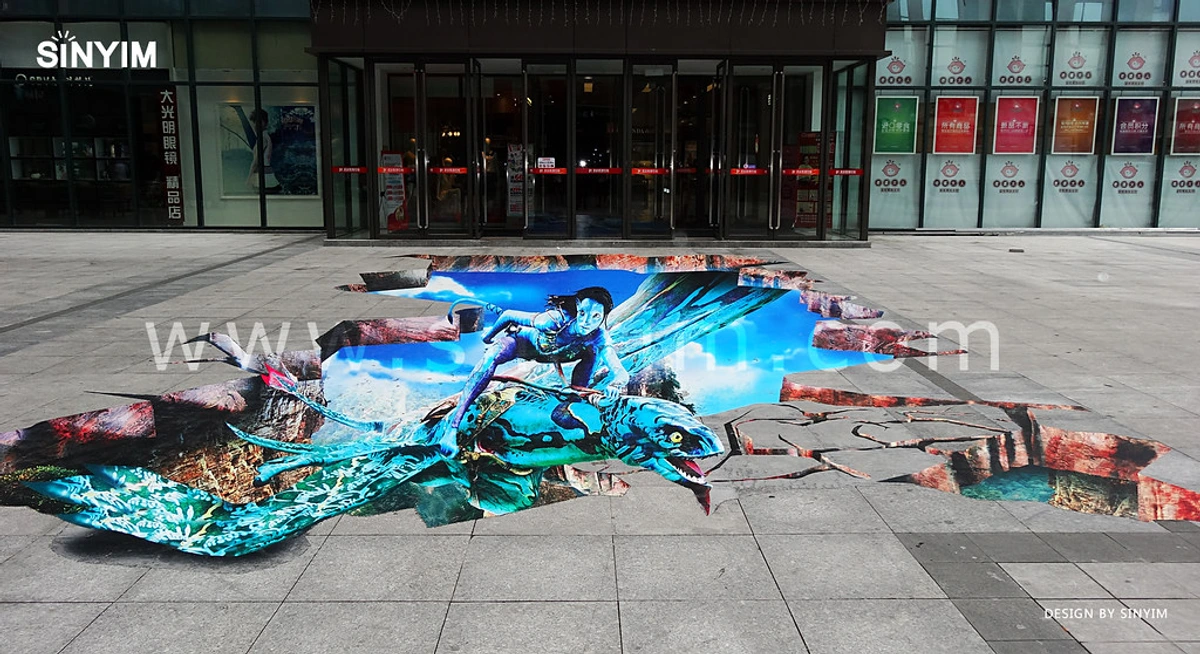
This Avatar-inspired anamorphic art demonstrates commercial applications of fertile ground principles. The work takes existing intellectual property and transforms it into something new and engaging through technical skill and creative interpretation. This shows how fertile ground art can:
- Adapt existing ideas: Transform popular culture into new art forms
- Use commercial constraints: Work within promotional requirements while maintaining creativity
- Engage audiences: Create immersive experiences that draw people in
- Blend mediums: Combine digital design with physical installation
- Serve multiple purposes: Function as both art and marketing
Q: How do you know when an idea is "ready"?
A: When it bugs you when you’re away from it. When you solve problems about it in the shower. When you start seeing its echoes in mundane things. That’s the harvest signal.

Final Soil Thoughts
Fertile ground art isn’t a destination. It’s a practice of noticing the world with raw curiosity. It’s about planting seeds in composted contradictions—precision and chaos, fear and courage.

Your first step? Go outside. Touch something strange. Listen to a sound you’ve ignored. Let the world seep into your pores. That’s your soil. Your canvas is waiting. Now: dig.
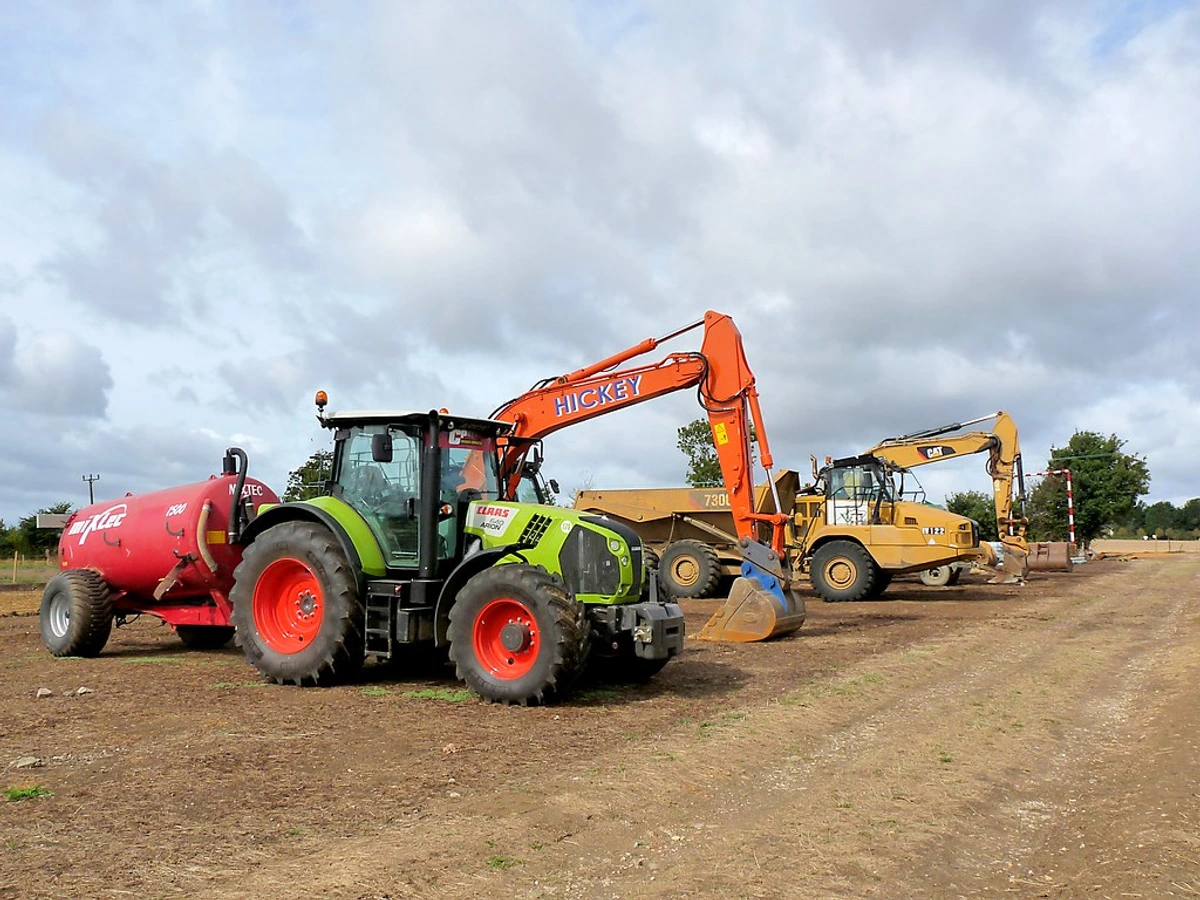
Modern agriculture provides a powerful metaphor for creative cultivation. The plowed ground represents preparation, the tractors our tools and techniques, and the eventual harvest our creative output. This image reminds us that:
- Preparation is essential: Ground must be prepared before planting
- The right tools matter: Modern equipment increases efficiency
- Patience is required: Growth takes time
- Knowledge is key: Understanding soil, seasons, and plants leads to success
- Consistency produces results: Regular tending leads to abundance
Just as farmers work with natural processes rather than against them, successful creators work with their own creative nature rather than fighting it.
Resources and Tools for Creative Cultivation
Essential Books for Creative Growth
- "The Artist's Way" by Julia Cameron: The foundational text for creative recovery
- "Big Magic" by Elizabeth Gilbert: On living a creative life without fear
- "Steal Like an Artist" by Austin Kleon: How creativity happens through influence
- "Art & Fear" by David Bayles & Ted Orland: The psychological challenges of making art
- "The Creative Habit" by Twyla Tharp: Building creativity into your daily routine
Recommended Digital Tools
- Pinterest: For visual inspiration gathering
- Notion: For creative project management
- Obsidian: For connecting ideas and building knowledge networks
- Procreate/Adobe Creative Suite: For digital creation
- Trello: For organizing creative projects
Physical Tools for Creative Practice
- Quality sketchbooks: For capturing observations and ideas
- Basic art supplies: Pencils, paints, brushes, markers
- Camera or phone: For documenting visual inspiration
- Note-taking system: For capturing thoughts and ideas
- Comfortable workspace: Proper lighting and ergonomic setup
Community and Learning Resources
- Local art groups: Find meetups or classes in your area
- Online platforms: Skillshare, Domestika, Coursera for structured learning
- Artist residencies: Programs for focused creative time
- Creative workshops: Hands-on learning with experienced artists
- Art retreats: Immersive creative experiences
Maintaining Your Creative Ecosystem
Regular Assessment:
- Monthly review of what's working and what isn't
- Quarterly evaluation of creative goals and progress
- Annual reflection on growth and direction
Seasonal Maintenance:
- Spring: New projects and experimentation
- Summer: Intensive work and development
- Autumn: Completion and sharing
- Winter: Reflection and planning
Sustainable Practices:
- Set boundaries to prevent burnout
- Build rest into your creative schedule
- Maintain physical health to support creativity
- Nurture relationships that feed your creative spirit
Troubleshooting Common Creative Issues
Creative Block:
- Change your environment
- Try a completely different medium
- Collaborate with another artist
- Take a break and return with fresh eyes
Perfectionism:
- Set time limits on pieces
- Embrace "good enough"
- Share unfinished work
- Focus on process over outcome
Burnout:
- Take a complete creative break
- Reduce commitments
- Focus on rest and recovery
- Reconnect with why you create
Comparison Trap:
- Limit social media exposure
- Focus on your own progress
- Build a supportive community
- Define your own success metrics
The Creative Garden Journal Template
Use this structure to track your creative ecosystem:
Daily Entry:
- Date and time
- Creative activity (what you did)
- Energy level (1-10)
- What sparked ideas
- What blocked progress
- Observations from the day
Weekly Review:
- Patterns in creativity and energy
- Most successful approaches
- Areas needing attention
- Goals for next week
- Ideas for experimentation
Monthly Assessment:
- Growth areas identified
- Projects completed
- Community connections made
- Resources needed
- Long-term direction check-in
Final Invitation
The world needs your unique creative voice. Not because you're perfect, but because you're authentic. The fertile ground approach isn't about creating masterpiece after masterpiece—it's about creating the conditions where your authentic self can express itself fully.
Every creative act plants a seed. Some sprout quickly, others take years to bloom. Some become mighty trees, others feed the soil for future growth. All matter.
Start small. Be consistent. Notice the world. Create from your authentic self. Share generously. Repeat.
Your creative ecosystem awaits. Begin today.
*Explore contemporary art that embodies fertile ground principles at our gallery. Ready to grow your collection? Discover original artworks here.
Additional Resources and Further Exploration
Creative Tools and Supplies
Having the right tools can make a significant difference in your creative practice, but remember that tools serve your vision, not the other way around.
Essential Art Supplies by Medium:
Medium | Core Supplies | Advanced Supplies | Budget-Friendly Alternatives |
|---|---|---|---|
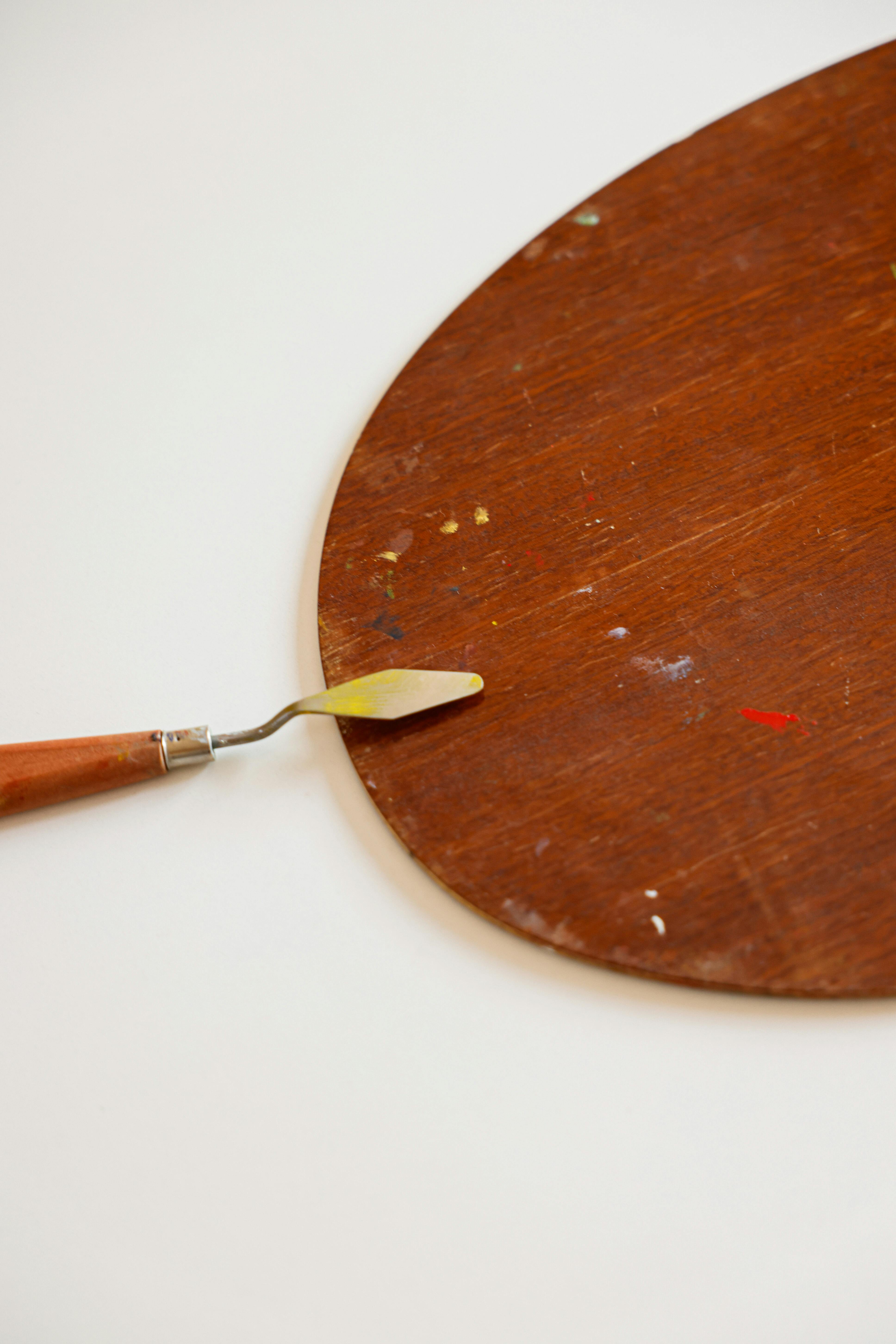
| Painting | Brushes, paints, canvases, palettes | Palette knives, mediums, varnishes | Cardboard, house paint, found brushes |
| Drawing | Pencils, paper, erasers | Blending tools, fixatives | Ballpoint pens, printer paper, coffee |
| Digital Art | Tablet, software, stylus | Secondary monitors, drawing glove | Mouse, free software, phone apps |
| Mixed Media | Variety of materials, adhesives | Encaustic supplies, resin | Found objects, glue, recycled materials |
| Sculpture | Clay, wire, base materials | Power tools, kiln | Natural materials, recycled objects |
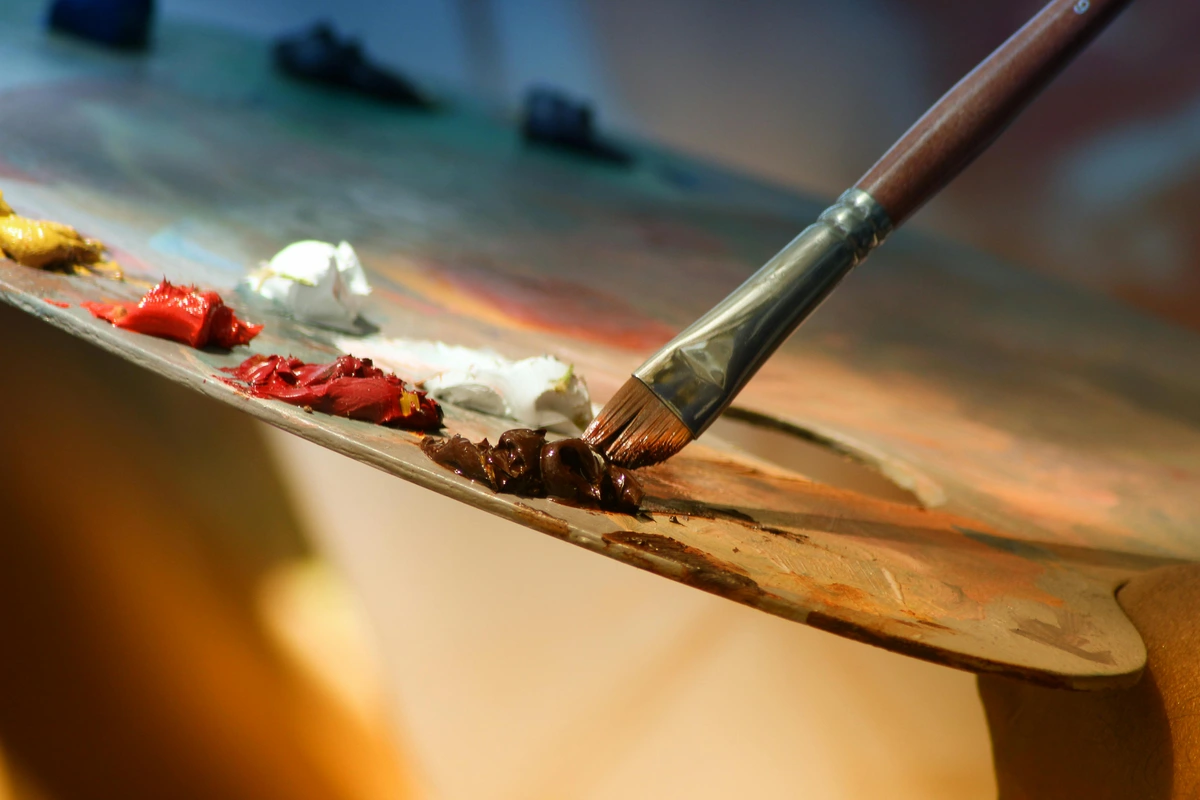
Recommended Brands and Resources:
- Professional quality: Daniel Smith paints, Faber-Castell pencils, Wacom tablets
- Student quality: Liquitex paints, Prismacolor pencils, Huion tablets
- Budget alternatives: Blick Studio products, Amazon basics, thrift store finds
Creative Community Building
Creating in isolation is possible, but creating with community enriches the experience and accelerates growth.
Finding Your Creative Tribe:
- Local options: Art classes, community centers, studio shares
- Online communities: Reddit's r/art, Discord servers for artists, Facebook groups
- Professional organizations: Local artist guilds, national art associations
- Educational institutions: Art schools, workshops, lectures
- Social platforms: Instagram, Pinterest, Behance for connecting with artists
Building Effective Creative Partnerships:
- Clear communication: Express expectations and boundaries upfront
- Mutual respect: Honor each other's creative processes and styles
- Shared goals: Align on what you want to achieve together
- Regular check-ins: Keep communication open throughout the process
- Celebration of differences: Value diverse perspectives and approaches
Maintaining Creative Longevity
A sustainable creative career isn't about short-term success—it's about maintaining creative energy over decades.
Preventing Creative Burnout:
- Seasonal planning: Align your creative cycles with natural energy patterns
- Work-life integration: Rather than balance, find harmony between all aspects of life
- Regular assessment: Monthly and quarterly reviews of what's working and what's not
- Adaptation: Be willing to change your approach as circumstances evolve
- Celebration: Regular acknowledgment of progress and achievements
Financial Sustainability for Artists:
- Diversified income: Multiple revenue streams beyond just selling art
- Pricing strategy: Regular review and adjustment of your pricing
- Financial planning: Saving for slow periods and investing in growth
- Grant applications: Researching and applying for relevant opportunities
- Teaching and workshops: Sharing knowledge while generating income
Continuing Education for Artists
Learning never stops for serious artists. Here are ways to continue your development:
Formal Education Options:
- Graduate programs: MFA degrees for deep specialization
- Workshops and intensives: Short-term focused learning with master artists
- Online courses: Flexible learning from anywhere in the world
- Artist residencies: Immersive programs focused on creative development
Self-Directed Learning:
- Reading lists: Curated books on art theory, history, and practice
- Study programs: Structured self-study with clear goals and timelines
- Mentorship: Learning from established artists through formal or informal relationships
- Practice experiments: Deliberate practice with specific goals in mind
The Learning Mindset:
- Beginner's mind: Approach new techniques with openness and curiosity
- Growth orientation: View challenges as opportunities to learn
- Process over perfection: Focus on learning rather than achieving perfect results
- Cross-pollination: Learning from outside your primary medium and discipline
Ethical Considerations in Artistic Practice
As you develop your creative voice and build your career, consider the ethical dimensions of artistic work.





Intellectual Property:
- Understanding copyright: What rights you have to your work
- Respecting others' rights: How to use existing work ethically
- Licensing considerations: How to license your work to others
- Public domain works: How to incorporate historical material appropriately
Cultural Appropriation:
- Understanding context: Researching the cultural background of elements you use
- Respecting traditions: Approaching cultural elements with sensitivity and respect
- Giving credit: Acknowledging the sources of cultural influences
- Consultation: Seeking guidance from cultural insiders when appropriate
Environmental Impact:
- Sustainable materials: Choosing eco-friendly art supplies
- Waste reduction: Minimizing waste in your creative process
- Energy use: Being mindful of energy consumption in digital work
- Transportation: Considering the environmental impact of shipping and travel
Social Responsibility:
- Inclusive representation: Ensuring your work reflects diverse perspectives
- Accessibility: Making your art and creative process accessible to all
- Community impact: Considering how your work affects the communities you're part of
- Authentic representation: Avoiding stereotypes and harmful generalizations
The Future of Fertile Ground Art
As we move forward, the principles of fertile ground art become even more relevant in a rapidly changing world.
Technology and Creativity:
- AI as collaborator: Using artificial intelligence as a creative tool rather than replacement
- New mediums: Exploring emerging technologies and platforms
- Digital-analog integration: Combining traditional and digital approaches
- Global connectivity: Leveraging technology for cross-cultural creative exchange
Environmental Awareness:
- Eco-art: Creating work that addresses environmental issues
- Sustainable practices: Adapting creative methods to ecological concerns
- Land-based art: Reconnecting with natural environments and processes
- Climate response: Creating work that engages with climate change and its impacts
Social Connection:
- Community building: Strengthening local and global creative communities
- Collaborative networks: Working across disciplines and boundaries
- Knowledge sharing: Making creative education and resources more accessible
- Cultural exchange: Fostering understanding through artistic dialogue
The future belongs to artists who can cultivate fertile ground—creating the conditions where authentic creativity can flourish in an increasingly complex world.