
Art in Kids' Rooms: Spark Creativity, Foster Growth & Imagination
Explore why art is vital for children's development. Get personal tips on choosing safe, age-appropriate, stimulating pieces and creating an inspiring, imagination-rich space.

Why Art in Kids' Rooms Isn't Just Decoration: Fostering Little Minds with Big Ideas
Art in a child's room is more than just a decorative element; it is a catalyst for creativity, emotional intelligence, and cognitive development. This article explores the transformative power of art in children's spaces, offering insights into its benefits and practical tips for selecting and displaying pieces that resonate with young minds.
Art has the unique ability to transform a child's room into a dynamic space that nurtures creativity, curiosity, and emotional intelligence. It's not just about aesthetics; it's about creating an environment that inspires and challenges young minds. In this article, we'll explore the multifaceted role of art in children's spaces, from its cognitive benefits to practical tips for selecting and displaying pieces that resonate with your child.
I've often wondered why we tend to reserve 'serious' art discussions for adults, or why children's rooms are sometimes adorned with mass-produced, predictable imagery. We often forget that the youngest among us are arguably the most open to new forms of expression. For me, the essence of art lies in its ability to spark something, to ask questions, to evoke a feeling. And honestly, who is better at that than a child? They see the world with fresh eyes, unburdened by our preconceived notions. So, if you're like me, constantly seeking ways to enrich a child's environment beyond the obvious, let's talk about why art isn't just decoration for their rooms, but a powerful tool for growth.
Art has the power to transform a child's room into a dynamic space that nurtures creativity, curiosity, and emotional intelligence. It's not just about aesthetics; it's about creating an environment that inspires and challenges young minds. In this article, we'll explore the multifaceted role of art in children's spaces, from its cognitive benefits to practical tips for selecting and displaying pieces that resonate with your child.
Art has the power to transform a child's room into a dynamic space that nurtures creativity, curiosity, and emotional intelligence. It's not just about aesthetics; it's about creating an environment that inspires and challenges young minds. In this article, we'll explore the multifaceted role of art in children's spaces, from its cognitive benefits to practical tips for selecting and displaying pieces that resonate with your child.

Why Art in Kids' Rooms is a Game-Changer
Think about it. We pour so much energy into choosing the right toys, the perfect books, but what about the visual landscape that surrounds them daily? It’s not just about aesthetics; it's about building a foundation for creativity and imagination. Historically, art in children's spaces has evolved from purely decorative to being recognized as a vital developmental tool. I'm not just selling art here; I genuinely believe that exposing children to diverse visual experiences from a young age can profoundly shape how they think, how they problem-solve, and how they express themselves. It's a silent teacher, helping develop crucial cognitive skills like visual-spatial reasoning and pattern recognition, and subtly enhancing emotional intelligence as they interpret feelings conveyed through color and form. It's a constant source of wonder, encouraging them to observe closely and understand different perspectives. Some might ask, "Isn't abstract art too complex for kids?" And I'd counter, "Is a cloud too complex for imagination?" If you're pondering how to make art truly connect with young minds, I've got some thoughts on how to choose abstract art for a child's room, fostering creativity and imagination that might help. So, how do we choose pieces that genuinely ignite these developing minds?
The Role of Art in Early Development
Art plays a pivotal role in early childhood development by stimulating various cognitive and emotional faculties. It encourages children to explore their surroundings, ask questions, and express their thoughts and feelings. By integrating art into a child's environment, we provide them with a platform to develop essential life skills such as problem-solving, critical thinking, and emotional regulation. Art is not just a visual experience; it's a holistic developmental tool that nurtures the mind, body, and spirit.
The Cognitive Benefits of Art
Art isn't just about making a room look pretty; it's about stimulating the mind. Studies have shown that exposure to art can enhance a child's ability to think critically and solve problems. For example, abstract art encourages children to interpret and find meaning in shapes and colors, which can translate into improved analytical skills. Additionally, art can foster visual-spatial reasoning, a skill that is crucial for subjects like mathematics and science. By engaging with art, children learn to recognize patterns, understand spatial relationships, and develop their observational skills.
Key Cognitive Skills Enhanced by Art
Skill  | Description | Benefit |
|---|---|---|
| Visual-Spatial Reasoning | Understanding spatial relationships | Improves math and science skills |
| Pattern Recognition | Identifying and interpreting patterns | Enhances problem-solving abilities |
| Observational Skills | Noticing details and nuances | Develops attention to detail |
| Emotional Intelligence | Identifying and expressing emotions | Enhances empathy and self-awareness |
| Critical Thinking | Analyzing and interpreting information | Improves decision-making skills |
Emotional Intelligence and Art
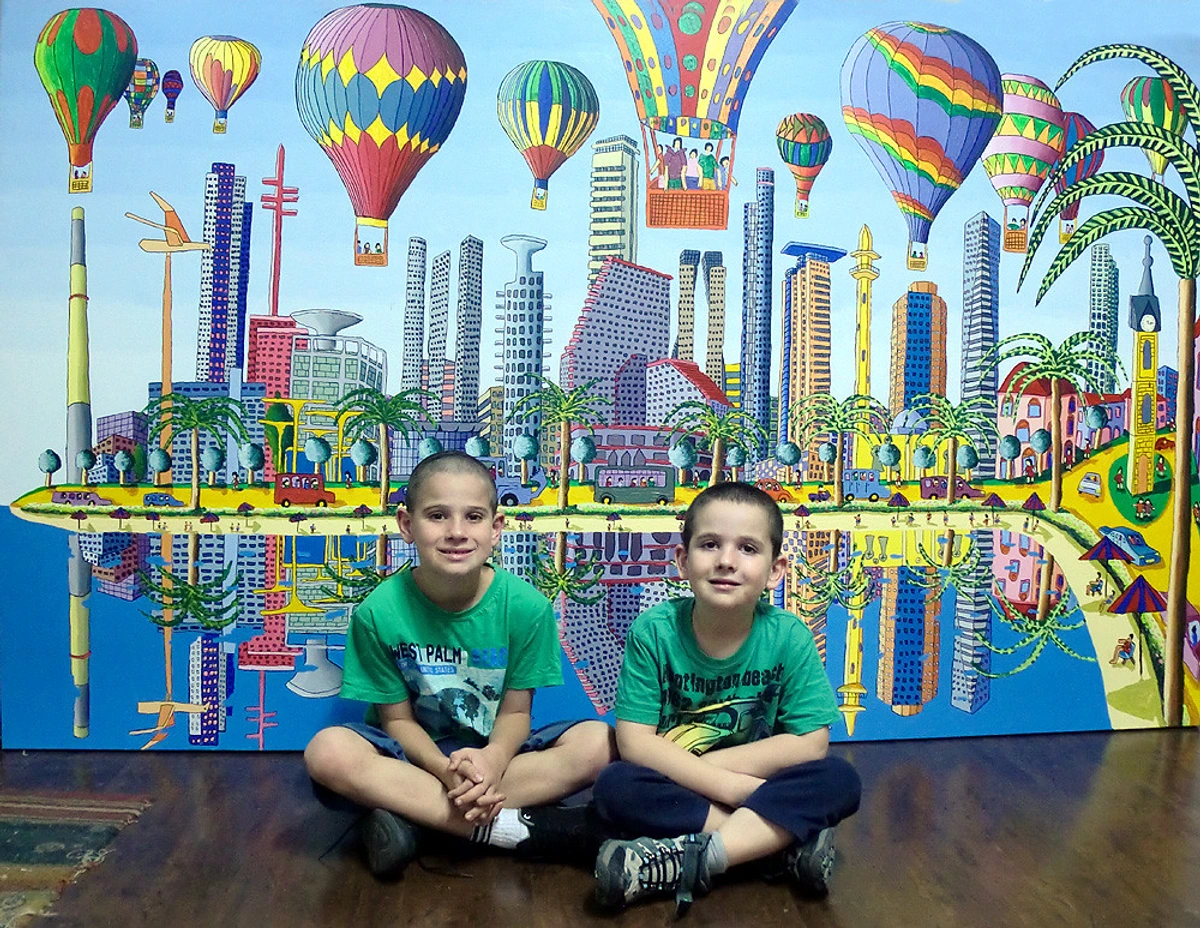
Art also plays a significant role in developing emotional intelligence. Children learn to identify and express their emotions through the colors, shapes, and themes they encounter in art. For instance, a painting with warm colors might evoke feelings of happiness and comfort, while cooler tones might create a sense of calm or introspection. By discussing these emotional responses, parents can help children articulate their feelings and develop empathy.
Art can also be a powerful tool for storytelling. Children often create narratives around the images they see, which can enhance their language skills and imagination. For example, a piece of abstract art might inspire a child to invent a story about a magical world or a daring adventure. This storytelling aspect of art can also be a bonding experience for parents and children, as they explore the meanings and stories behind the artwork together.
Emotional Intelligence and Art
Emotion | Color Association | Artistic Example |
|---|---|---|
| Happiness | Warm colors (red, yellow) | Bright, cheerful paintings |
| Calmness | Cool colors (blue, green) | Serene landscapes |
| Excitement | Vibrant colors (orange, pink) | Dynamic abstract art |
| Sadness | Muted colors (gray, brown) | Melancholic landscapes |
| Curiosity | Mixed colors (purple, green) | Whimsical and imaginative artworks |
Choosing the Right Pieces: More Than Just 'Cute'
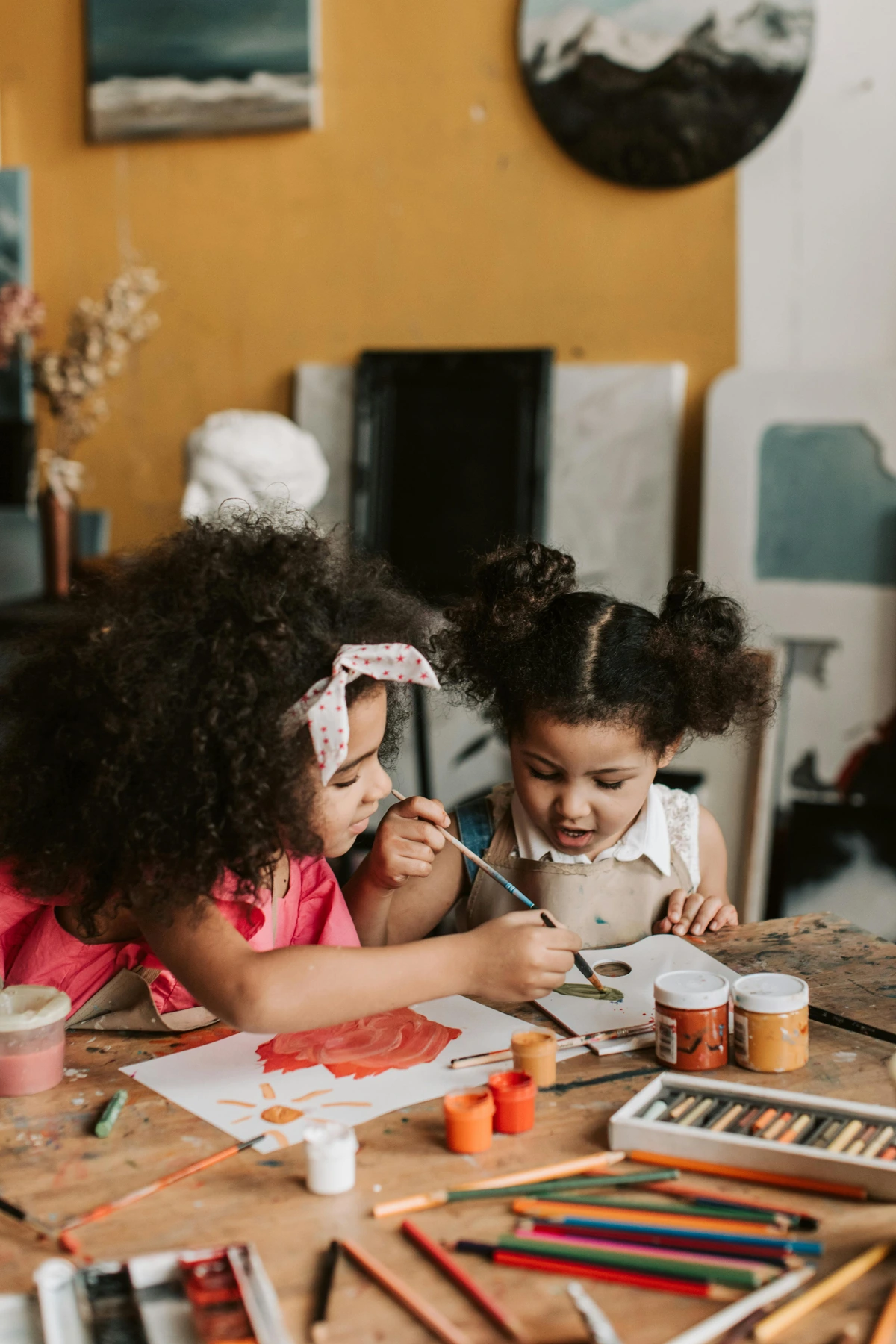
Now, this isn't about turning their room into a mini-gallery for your sophisticated tastes (though a little bit of that is okay, we're human!). It's about finding art that speaks to them, or better yet, art that invites them to speak, sparking wonderful conversations and endless storytelling. When I think about art for children, I often gravitate towards pieces that are rich in color, texture, and intriguing shapes – elements that engage and stimulate.
Key Elements to Consider
Element | Description | Benefit |
|---|---|---|
| Color | Vibrant and varied hues | Stimulates visual interest |
| Texture | Tactile and layered surfaces | Encourages sensory exploration |
| Shapes | Intriguing and dynamic forms | Sparks imagination |
The Role of Art in Storytelling
Art can be a powerful tool for storytelling. Children often create narratives around the images they see, which can enhance their language skills and imagination. For example, a piece of abstract art might inspire a child to invent a story about a magical world or a daring adventure. This storytelling aspect of art can also be a bonding experience for parents and children, as they explore the meanings and stories behind the artwork together.
Tips for Encouraging Storytelling Through Art
Tip | Description |
|---|---|
| Ask Open-Ended Questions | Encourage children to describe what they see |
| Create a Story Together | Collaborate on a narrative based on the artwork |
| Use Art as a Prompt | Inspire creative writing or drawing based on the art |
Color & Mood
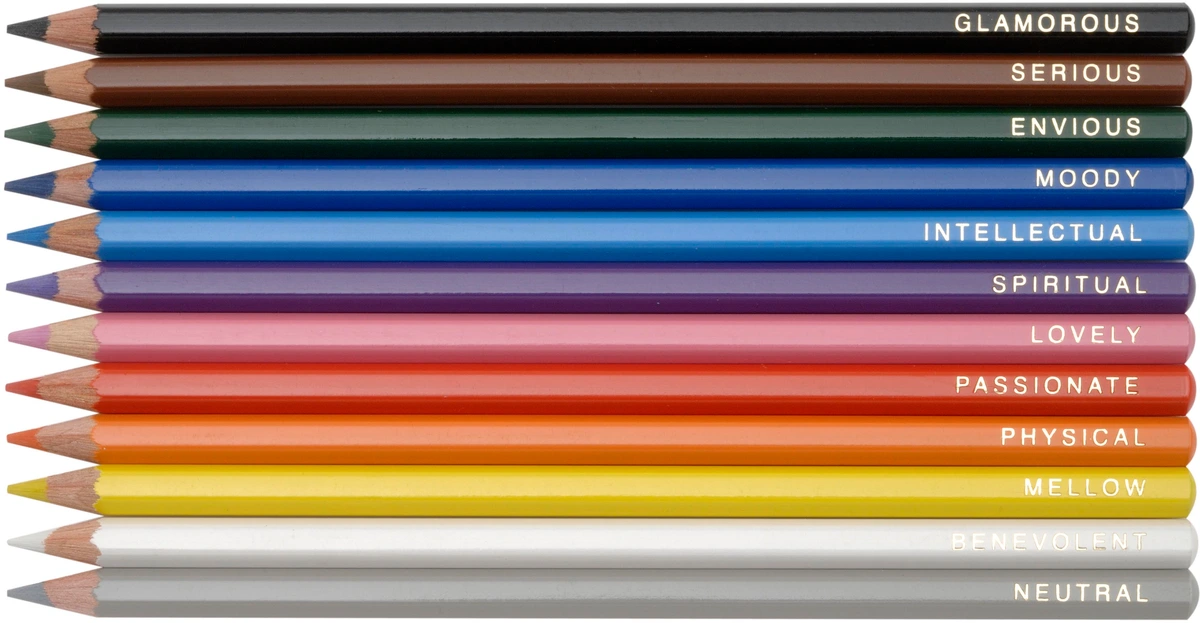
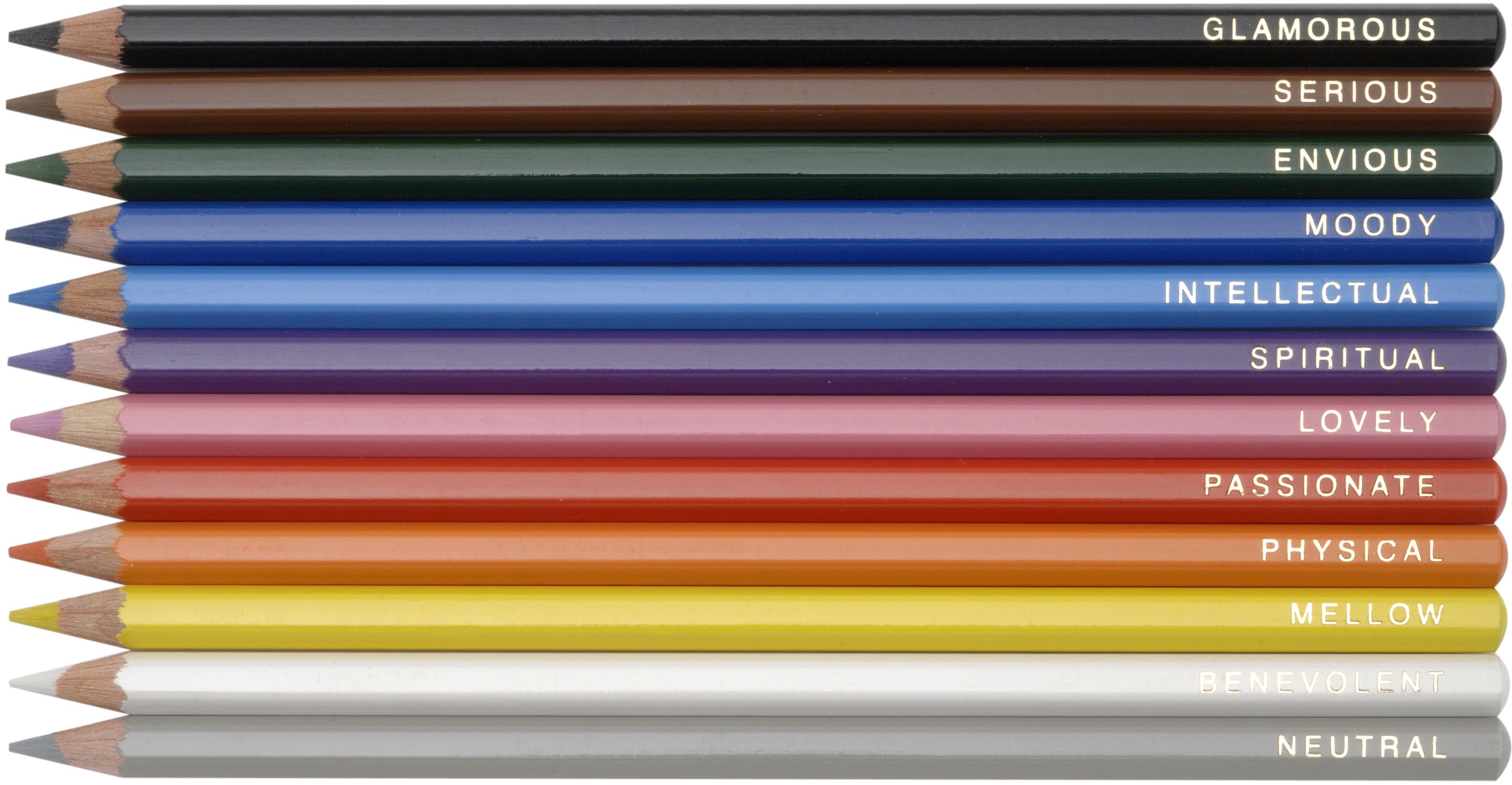
Colors aren't just pretty; they’re emotional powerhouses. A vibrant yellow might ignite joy, while a calming blue can soothe. When I choose colors for my own abstract pieces, I'm thinking about the energy they'll bring to a space. For a child's room, you might lean towards brighter, more stimulating hues, but always consider the overall mood you want to create. It's a bit like picking music for a party – you want the right vibe, you know? For a deeper dive into how hues affect us, check out the psychology of color in abstract art, beyond basic hues. What feelings do you want to inspire in their daily surroundings?
Color Psychology Table
Color | Emotional Impact | Best For |
|---|---|---|
| Red | Energy, excitement | Play areas, creative spaces |
| Blue | Calm, relaxation | Bedrooms, study areas |
| Yellow | Happiness, optimism | Playrooms, common areas |
| Green | Balance, harmony | Nature-themed rooms |
| Purple | Creativity, imagination | Art corners, reading nooks |
This table can serve as a quick reference guide when selecting art for your child's room. Remember, the goal is to create a space that resonates with your child's personality and needs.
Texture & Sensory Exploration
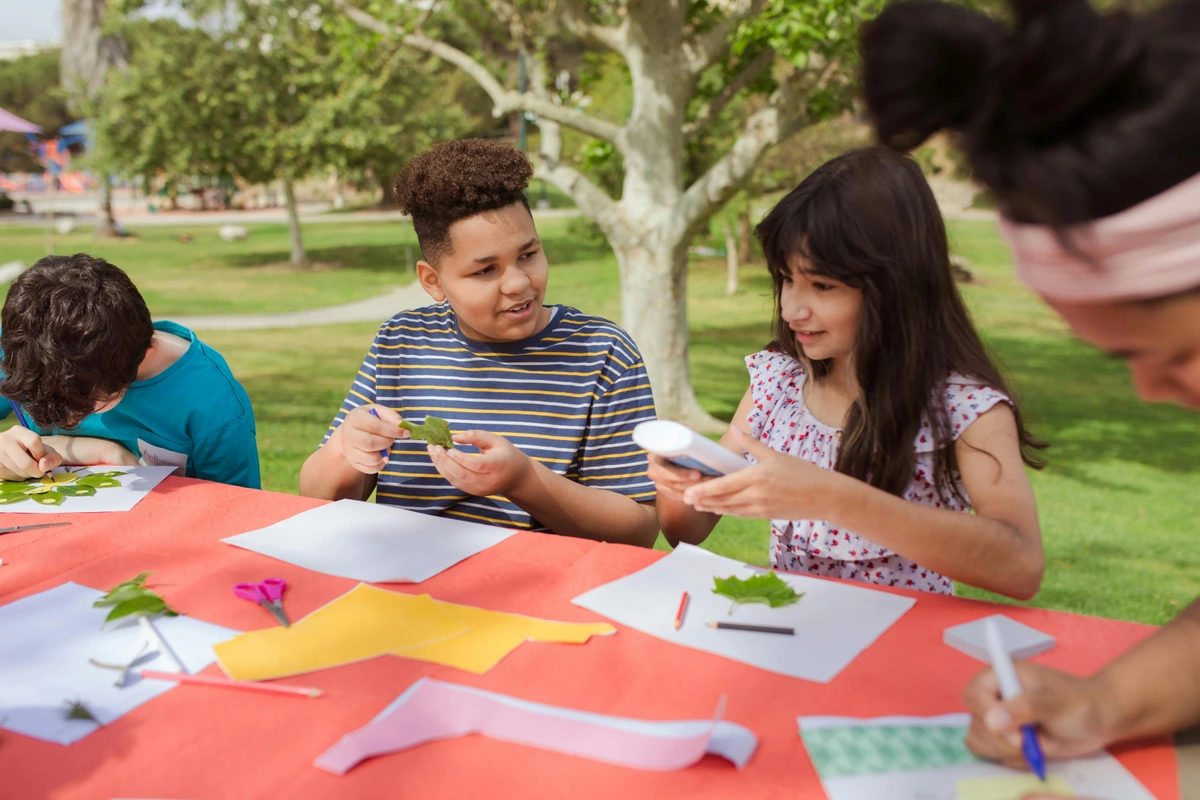
Ever seen a child run their fingers over something new? It's that immediate, uninhibited curiosity we want to encourage. Art with visible brushstrokes, layered elements, or even mixed media can offer a tactile experience, even if they're not allowed to touch the actual piece. Just knowing it's there, suggesting depth, can be fascinating. My own journey often involves exploring texture in abstract art: techniques and materials, building up those layers, and seeing how they interact, much like my journey with mixed media: blending materials for abstract expression. How can depth and dimension enrich their visual world?
Types of Textures in Art
Texture Type | Description | Example |
|---|---|---|
| Impasto | Thick, visible brushstrokes | Van Gogh's "Starry Night" |
| Collage | Layered materials | Mixed media artworks |
| Smooth | Flat, even surfaces | Minimalist paintings |
| Rough | Uneven, tactile surfaces | Abstract expressionist works |
Understanding these textures can help you choose art that not only looks appealing but also invites sensory exploration.

Age-Appropriateness & Evolving Tastes
What captivates a two-year-old might bore a ten-year-old, and vice-versa. For toddlers, bold shapes, high-contrast imagery, and primary colors are often winners – think simple, engaging forms like those found in early Bauhaus or simplified abstract expressionism. As preschoolers grow, introducing narrative elements, whimsical characters, or slightly more complex compositions can encourage their budding storytelling. For older children, exploring conceptual art or even some more mature abstract pieces, perhaps inspired by artists like Wassily Kandinsky with his playful compositions, or Joan Miró's imaginative forms, can encourage critical thinking and deeper interpretation. Don't be afraid to involve them in the selection process! Ask them what they like, what they see. You might be surprised by their insights and develop their unique aesthetic. How can art grow with your child?
Art Recommendations by Age Group
Age Group | Recommended Art Styles | Key Features |
|---|---|---|
| Toddlers | High-contrast, primary colors | Bold shapes, simple forms |
| Preschoolers | Narrative, whimsical | Characters, storytelling |
| Older Children | Abstract, conceptual | Complex themes, critical thinking |
This table provides a quick guide to selecting art that aligns with your child's developmental stage.
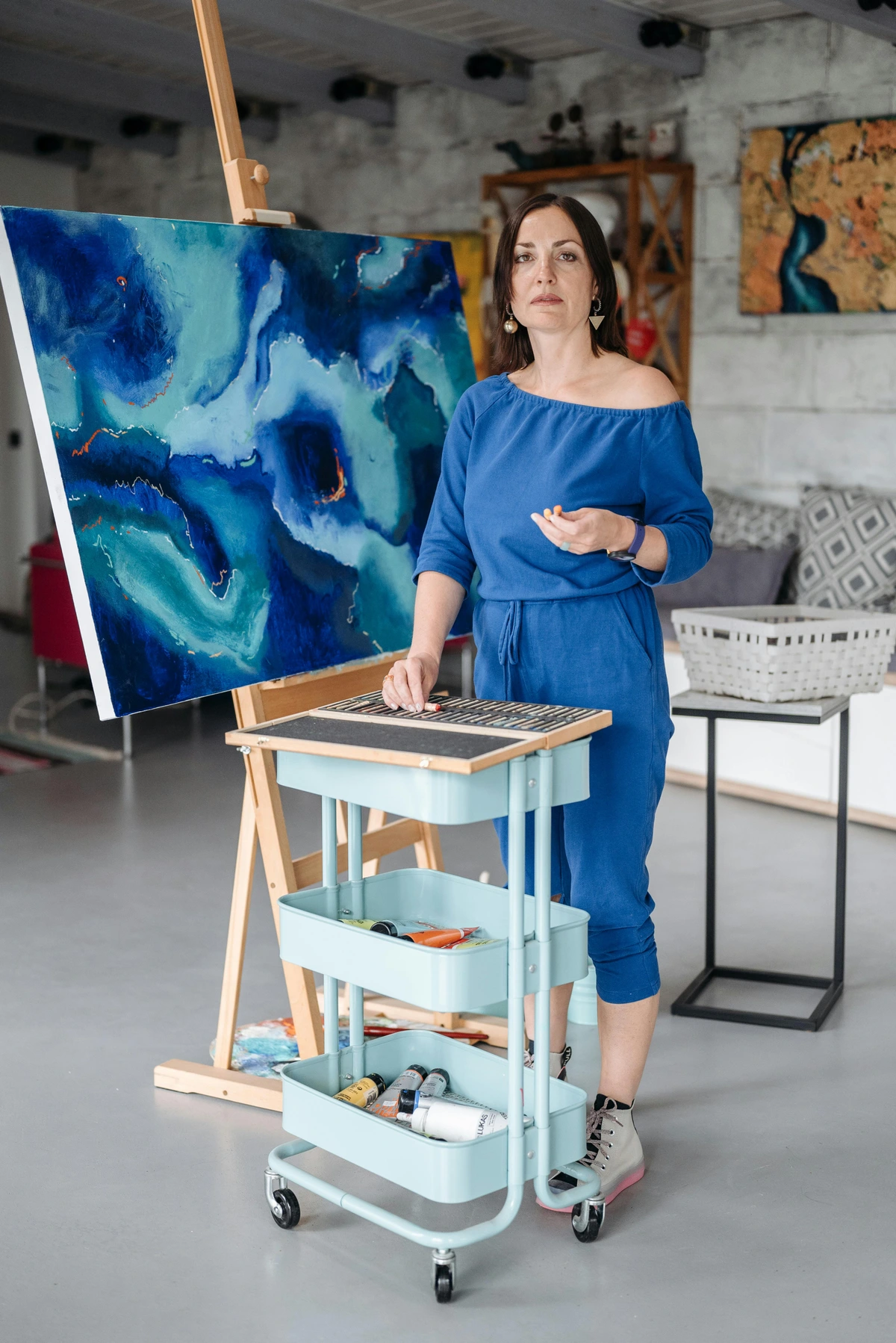
Zenmuseum, licence
Safety & Durability
Now, let's get practical for a moment. This is a child's room, after all. Glass frames might not be the best idea for younger kids – acrylic is a safer bet. Ensure art is securely mounted, out of reach if it's fragile, or chosen specifically to be durable. If the art is placed in a play area or within easy reach, consider pieces made with non-toxic materials. Sometimes, a high-quality print on canvas or metal can withstand more than a delicate original painting. Trust me, I've seen enough enthusiastic little hands in my life to know that robustness is key! What unexpected adventures might your chosen art face?
Safety Tips for Displaying Art
Tip | Description |
|---|---|
| Use Acrylic Frames | Safer than glass for younger children |
| Secure Mounting | Ensure art is out of reach if fragile |
| Non-Toxic Materials | Choose safe materials for play areas |
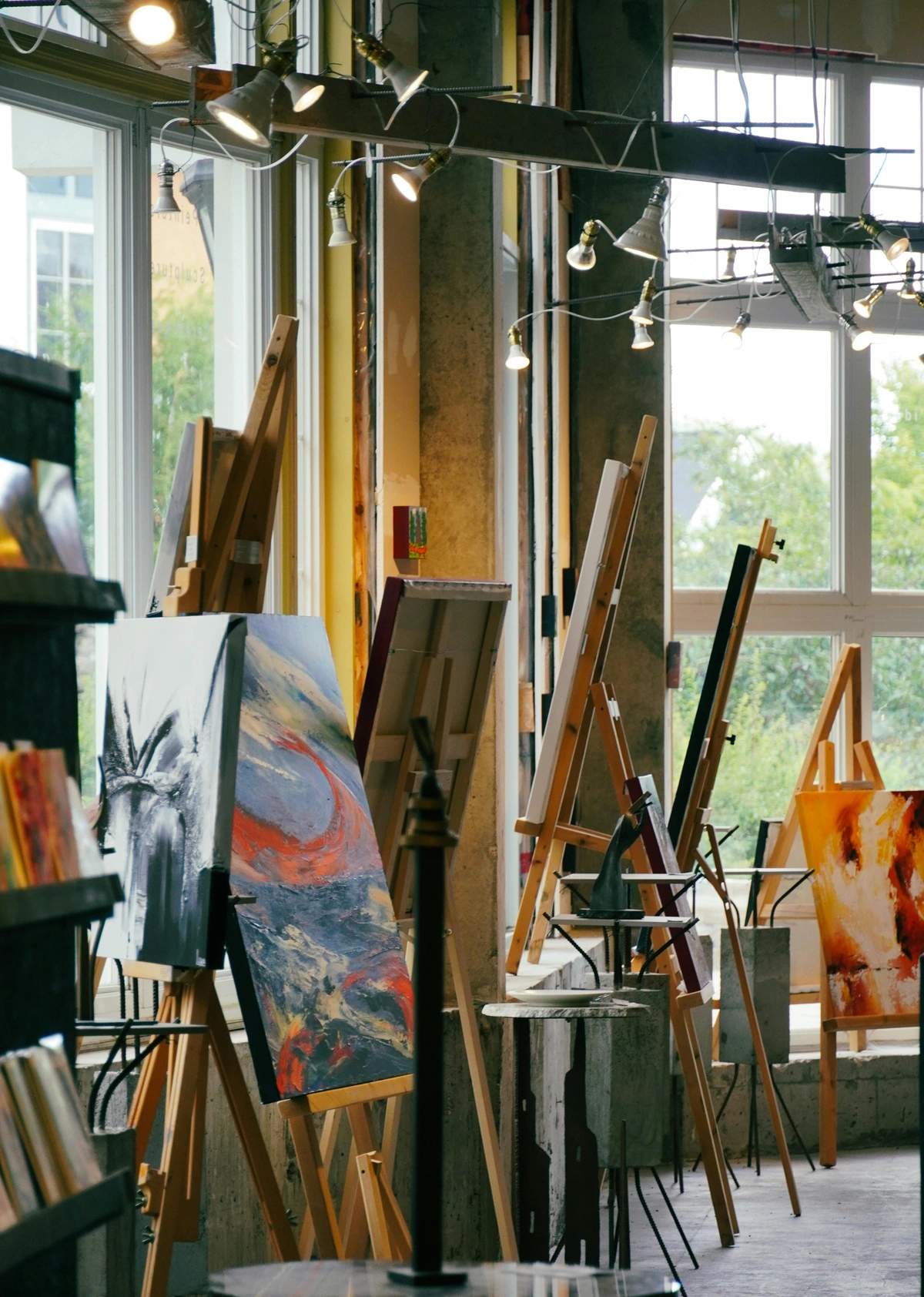
Displaying Art: Making it Their Own Gallery
Once you've chosen a few inspiring pieces, how do you make them part of their world? It's not just about hanging them up; it's about integration, making their space a dynamic canvas.
Creating a Thematic Display
Consider creating a thematic display that ties the art in your child's room to their interests. For example, if your child loves animals, you could create a gallery wall featuring various animal-themed artworks. This not only makes the space visually cohesive but also deeply personal and engaging for your child.
Thematic Display Ideas
Theme | Description | Example Artworks |
|---|---|---|
| Animals | Features various animal-themed artworks | Paintings of wildlife, cartoon animals |
| Nature | Focuses on natural elements | Landscapes, botanical prints |
| Space | Explores the universe | Planets, stars, astronauts |

Eye-Level for Little Ones
This one seems obvious, but it's often overlooked. Children experience the world from a different perspective. Hang art at their eye level, not yours. It makes the art accessible and personal, almost like a secret window just for them. Do you remember seeing something fascinating at your height as a child?

Height Guidelines for Hanging Art
Age Group | Recommended Height |
|---|---|
| Toddlers | 2-3 feet from the floor |
| Preschoolers | 3-4 feet from the floor |
| Older Children | 4-5 feet from the floor |
| Teenagers | 5-6 feet from the floor |
| Mixed Ages | Adjustable heights |
Height Guidelines for Hanging Art
Age Group | Recommended Height |
|---|---|
| Toddlers | 2-3 feet from the floor |
| Preschoolers | 3-4 feet from the floor |
| Older Children | 4-5 feet from the floor |
Height Guidelines for Hanging Art
Age Group | Recommended Height |
|---|---|
| Toddlers | 2-3 feet from the floor |
| Preschoolers | 3-4 feet from the floor |
| Older Children | 4-5 feet from the floor |
Height Guidelines for Hanging Art
Age Group | Recommended Height |
|---|---|
| Toddlers | 2-3 feet from the floor |
| Preschoolers | 3-4 feet from the floor |
| Older Children | 4-5 feet from the floor |
Height Guidelines for Hanging Art
Age Group | Recommended Height |
|---|---|
| Toddlers | 2-3 feet from the floor |
| Preschoolers | 3-4 feet from the floor |
| Older Children | 4-5 feet from the floor |
Following these guidelines ensures that the art is always within your child's line of sight, making it more engaging and interactive.
Rotate and Refresh
Kids, bless their hearts, get bored easily. Why not rotate the art in their room every few months? Or, even better, create a dedicated space where you can display their artwork alongside professional pieces. I've always been fascinated by how different contexts can change how we perceive art, and this applies beautifully to children's rooms. It’s like curating their very own rotating exhibition.
Benefits of Rotating Art
Benefit | Description |
|---|---|
| Keeps the space fresh | Prevents boredom and maintains interest |
| Encourages creativity | Inspires new ideas and artistic expression |
| Showcases child's work | Validates their efforts and boosts confidence |
Rotating art is a simple yet effective way to keep your child's room dynamic and inspiring.

Create an "Artist's Corner"
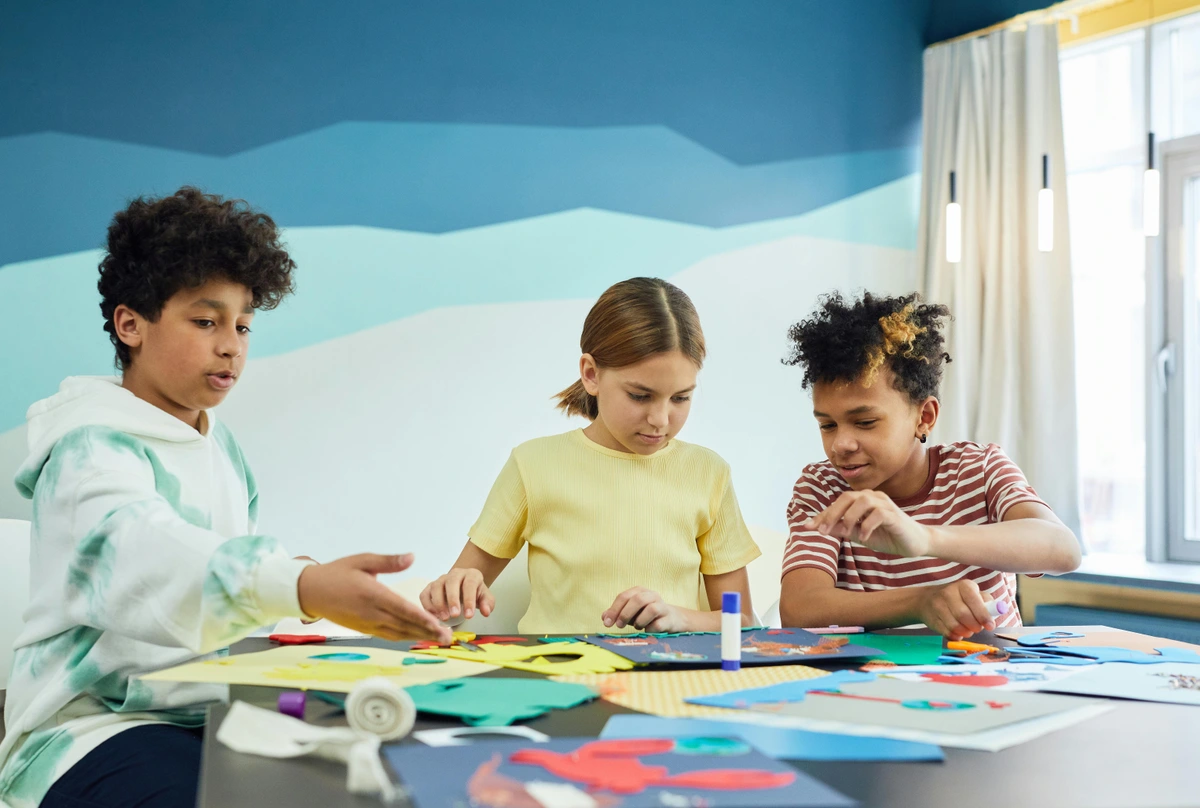
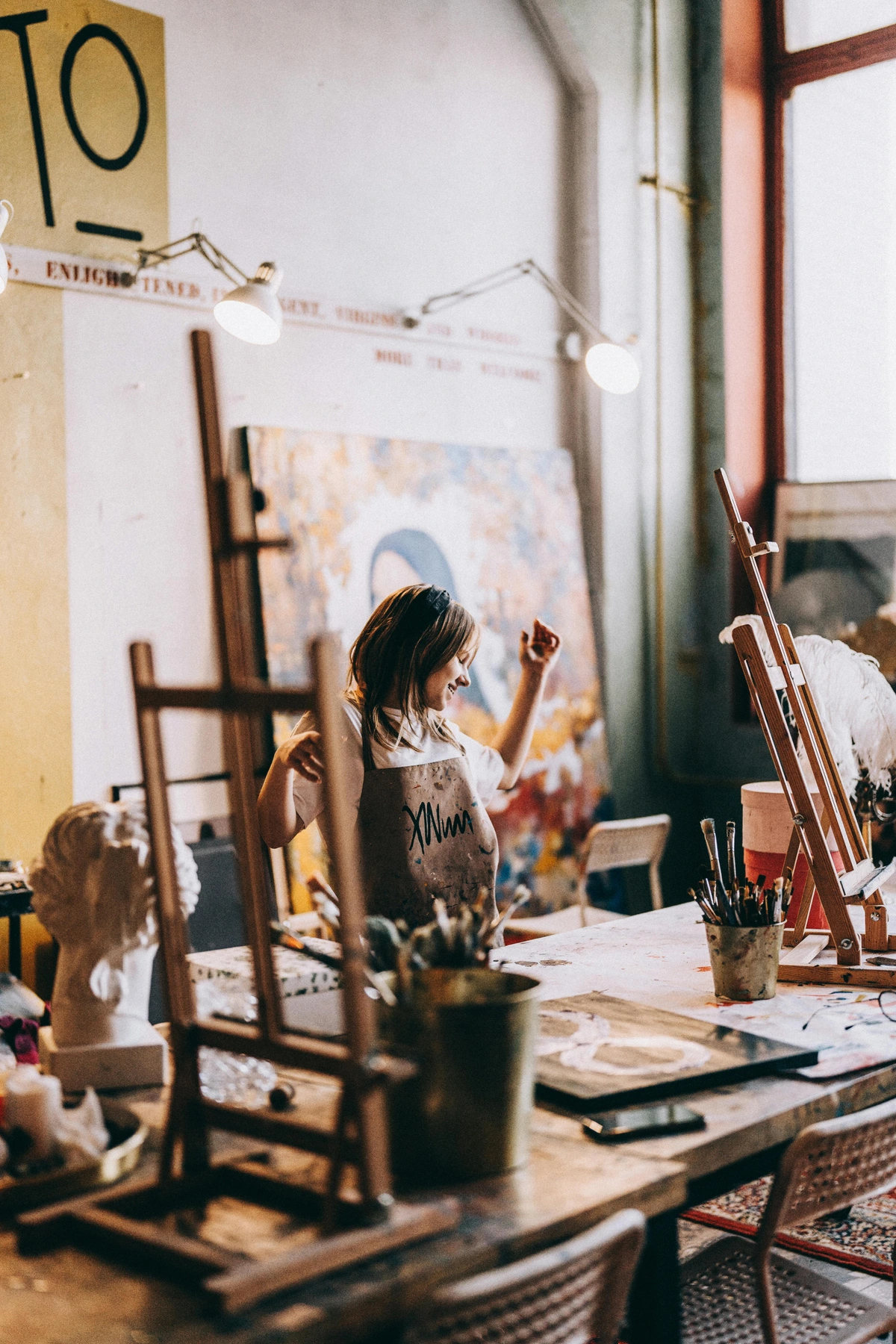
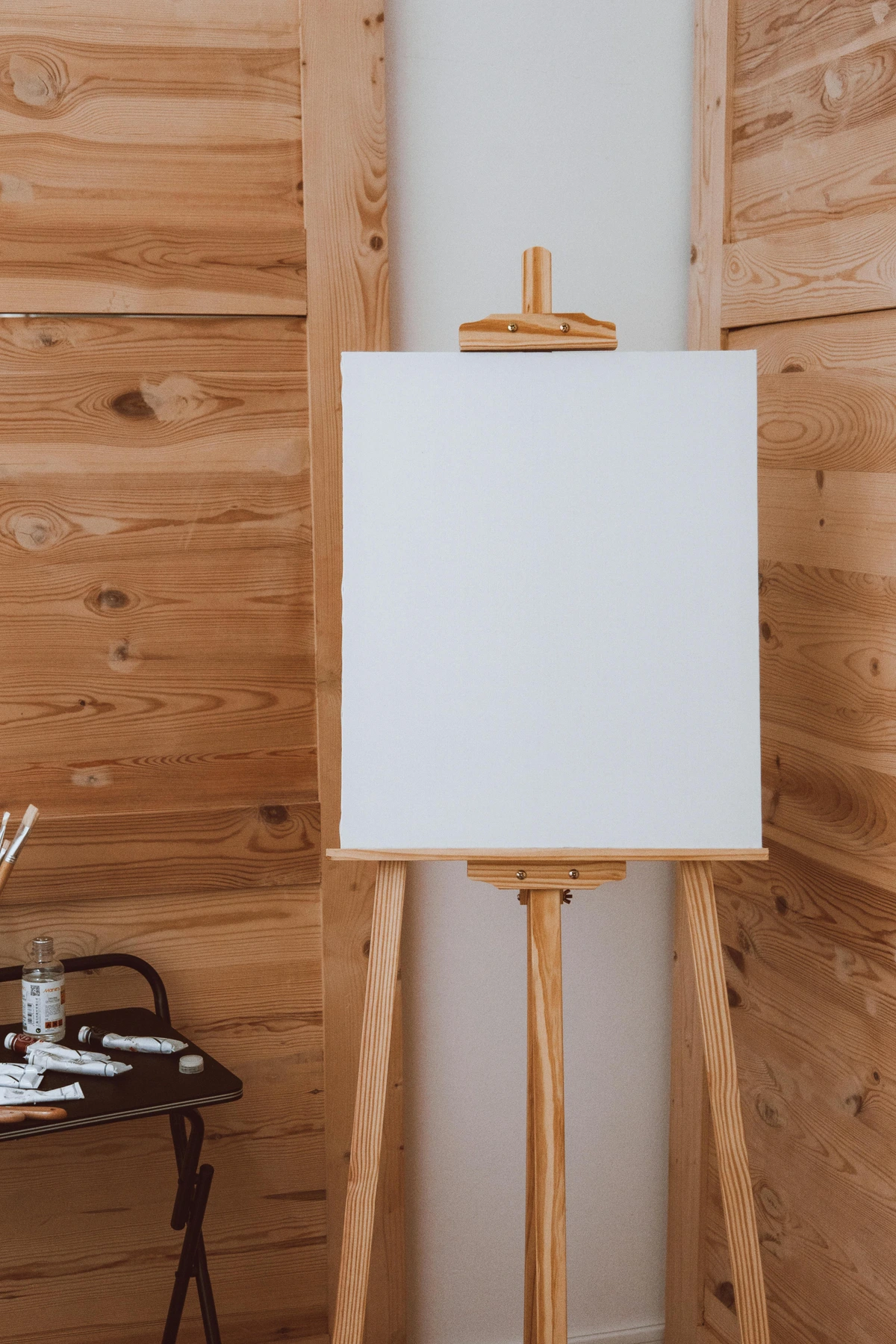
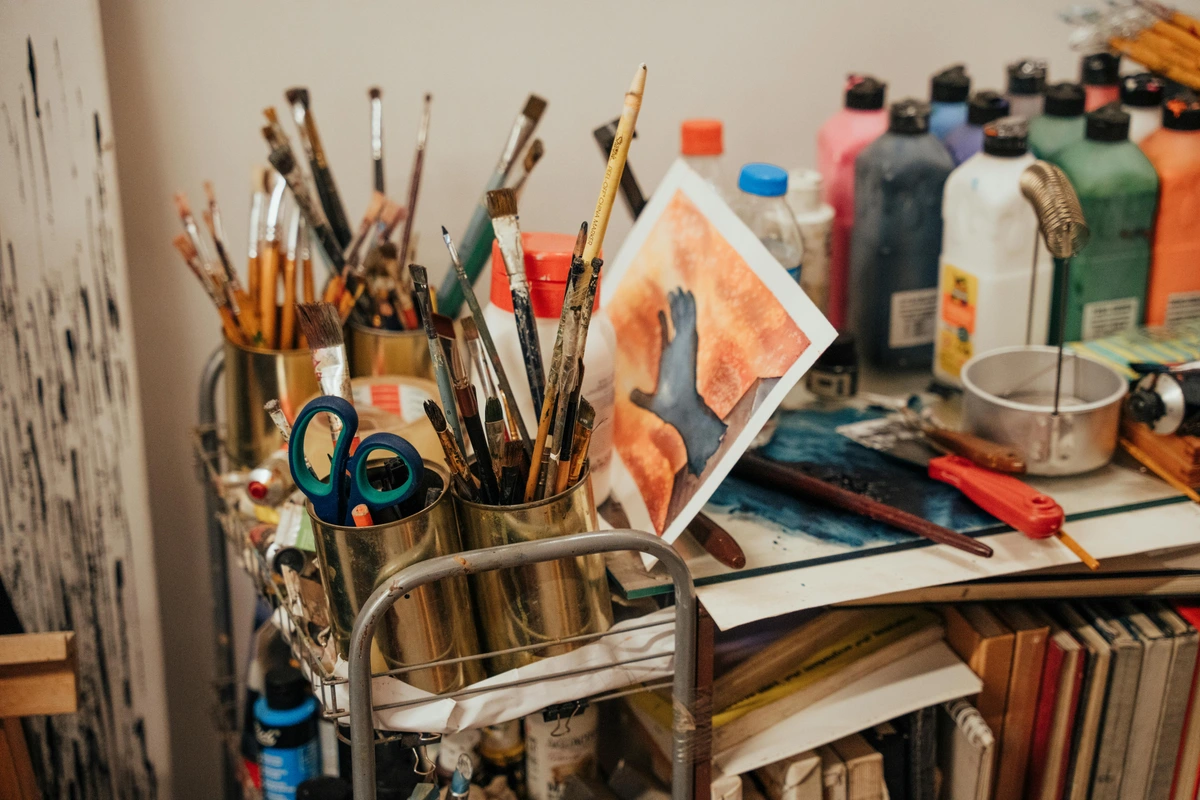
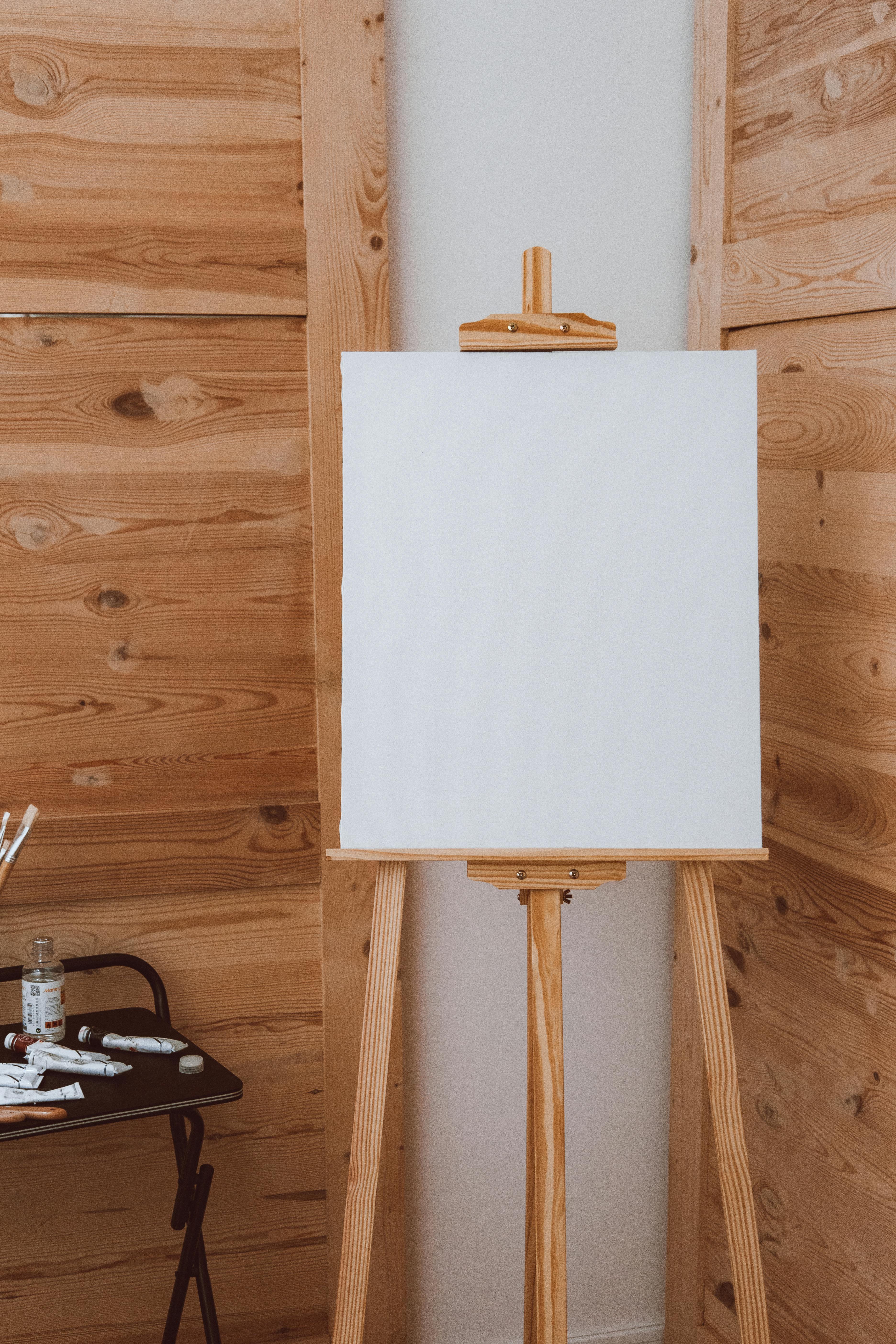
This is where the magic truly happens. Dedicate a small area with paper, crayons, paints, and maybe even some found objects. Think about a pegboard for easy access to tools, a small easel for serious masterpieces, or a bulletin board to proudly display their latest creations. When they see their own work displayed, it validates their efforts and reinforces the idea that art is for everyone. It’s like their own little museum, a personal timeline of their creative journey. How will you empower their artistic expression?
Essential Supplies for an Artist's Corner
Supply | Purpose |
|---|---|
| Paper | Drawing, painting |
| Crayons | Coloring, sketching |
| Paints | Creative expression |
| Easel | Displaying artwork |
| Bulletin Board | Showcasing creations |
| Markers | Bold, vibrant drawings |
| Glue and Scissors | Crafting and collage work |
| Found Objects | Mixed media projects |
Essential Supplies for an Artist's Corner
Supply | Purpose |
|---|---|
| Paper | Drawing, painting |
| Crayons | Coloring, sketching |
| Paints | Creative expression |
| Easel | Displaying artwork |
| Bulletin Board | Showcasing creations |
Essential Supplies for an Artist's Corner
Supply | Purpose |
|---|---|
| Paper | Drawing, painting |
| Crayons | Coloring, sketching |
| Paints | Creative expression |
| Easel | Displaying artwork |
| Bulletin Board | Showcasing creations |

Essential Supplies for an Artist's Corner
Supply | Purpose |
|---|---|
| Paper | Drawing, painting |
| Crayons | Coloring, sketching |
| Paints | Creative expression |
| Easel | Displaying artwork |
| Bulletin Board | Showcasing creations |
Essential Supplies for an Artist's Corner
Supply | Purpose |
|---|---|
| Paper | Drawing, painting |
| Crayons | Coloring, sketching |
| Paints | Creative expression |
| Easel | Displaying artwork |
| Bulletin Board | Showcasing creations |

Having these supplies readily available encourages your child to explore their creativity freely.
Zenmuseum, licence
Fostering a Lifelong Love for Art
The real goal here isn't just a pretty room; it's about cultivating an inherent appreciation for beauty and a natural inclination towards creativity. It’s about more than just understanding the definitive guide to understanding abstract art from cubism to contemporary expression; it's about feeling it, making it a part of their very being.

The Role of Art in Education
Art education is not just about creating beautiful pieces; it's about developing critical thinking, problem-solving, and communication skills. Schools that integrate art into their curriculum often see improved academic performance and higher levels of student engagement. By fostering a love for art at home, you're setting the foundation for a lifelong appreciation of learning and creativity.
Benefits of Art Education
Benefit | Description |
|---|---|
| Critical Thinking | Encourages analytical and problem-solving skills |
| Communication Skills | Enhances verbal and non-verbal expression |
| Academic Performance | Improves performance in other subjects |
Talk About the Art
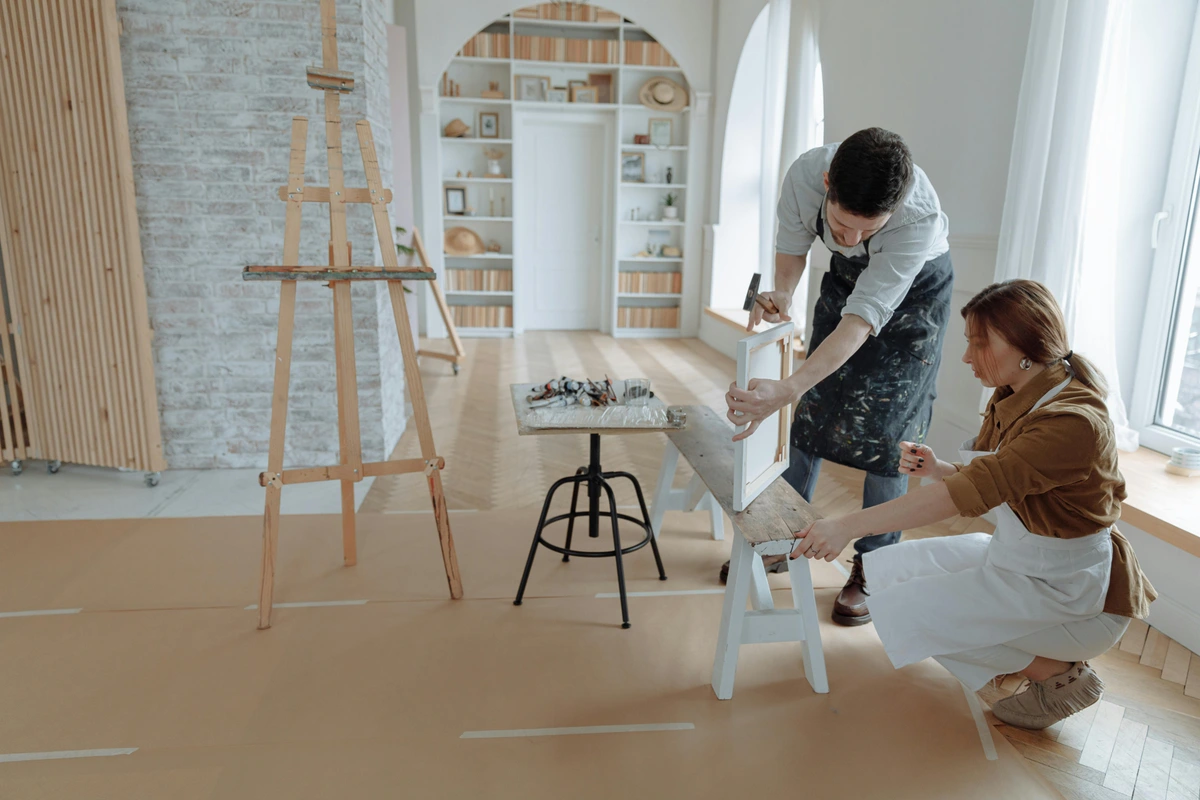
Don't just hang it and forget it. Engage your child. "What do you see in this painting?" "How does this color make you feel?" I once had a little one tell me a purely abstract piece was a "sleeping dragon." There are no wrong answers, just observations. This encourages them to find meaning in non-representational works, to trust their own interpretation and build confidence in their voice. What hidden stories will they discover?
Questions to Ask Your Child About Art
Question | Purpose |
|---|---|
| What do you see? | Encourages observation |
| How does this make you feel? | Develops emotional intelligence |
| What story does this tell? | Fosters creativity and storytelling |
| Why do you think the artist chose these colors? | Promotes critical thinking |
These questions can help your child engage more deeply with the art in their room.
Visit Galleries (Even Small Ones!)
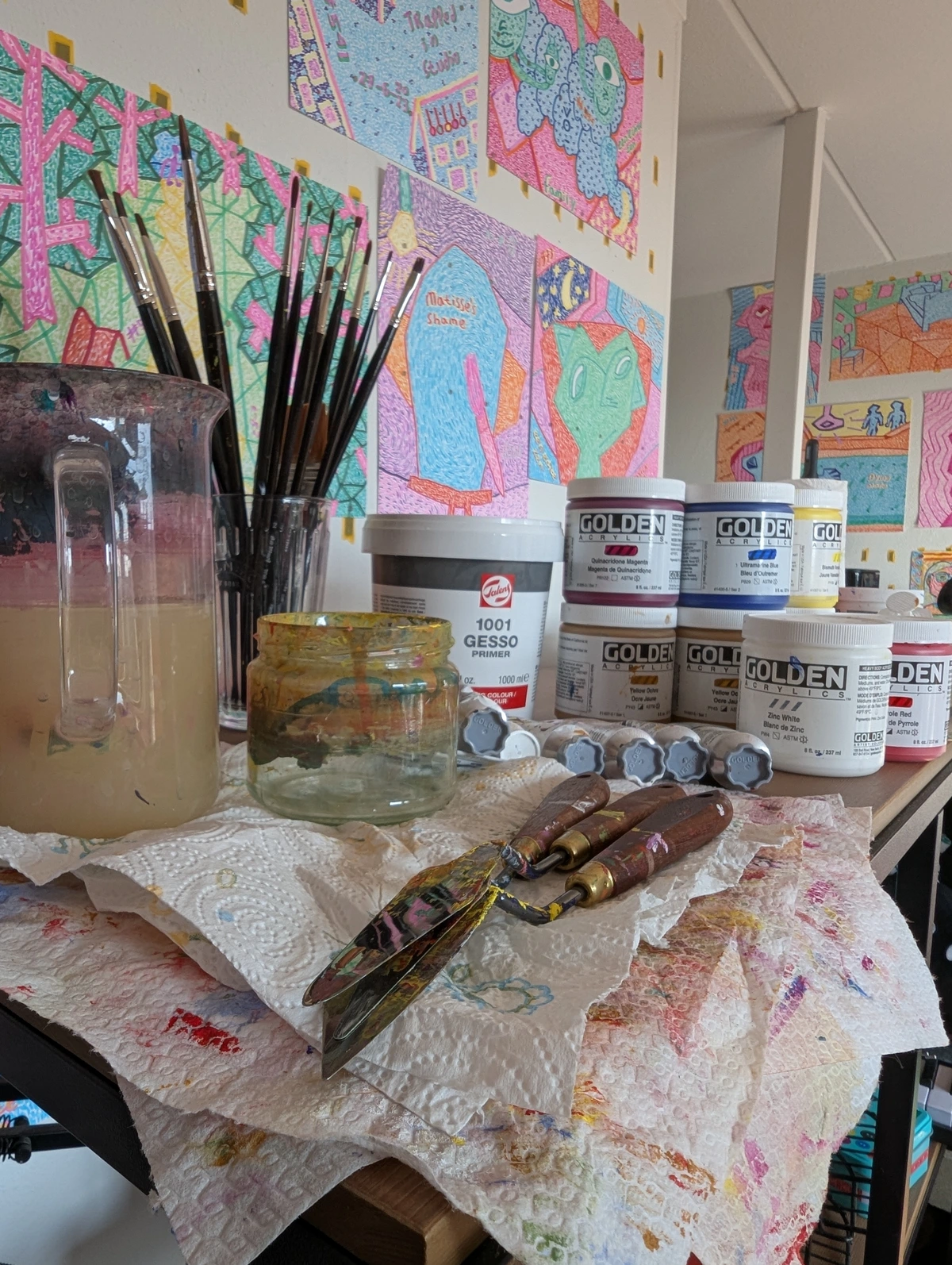
If you're ever in the Netherlands, you could always pop into my own small museum in 's-Hertogenbosch. But even local exhibitions, community art shows, or student showcases are fantastic. It shows them that art isn't just something on a wall at home; it's a living, breathing part of the world, a passion shared by many. When they see the dedication of artists, it can be incredibly contagious. How can you bring the art world closer to home?
Benefits of Visiting Galleries
Benefit | Description |
|---|---|
| Exposure to diverse art | Broadens artistic horizons |
| Inspiration | Sparks creativity and new ideas |
| Community engagement | Connects with local artists and culture |
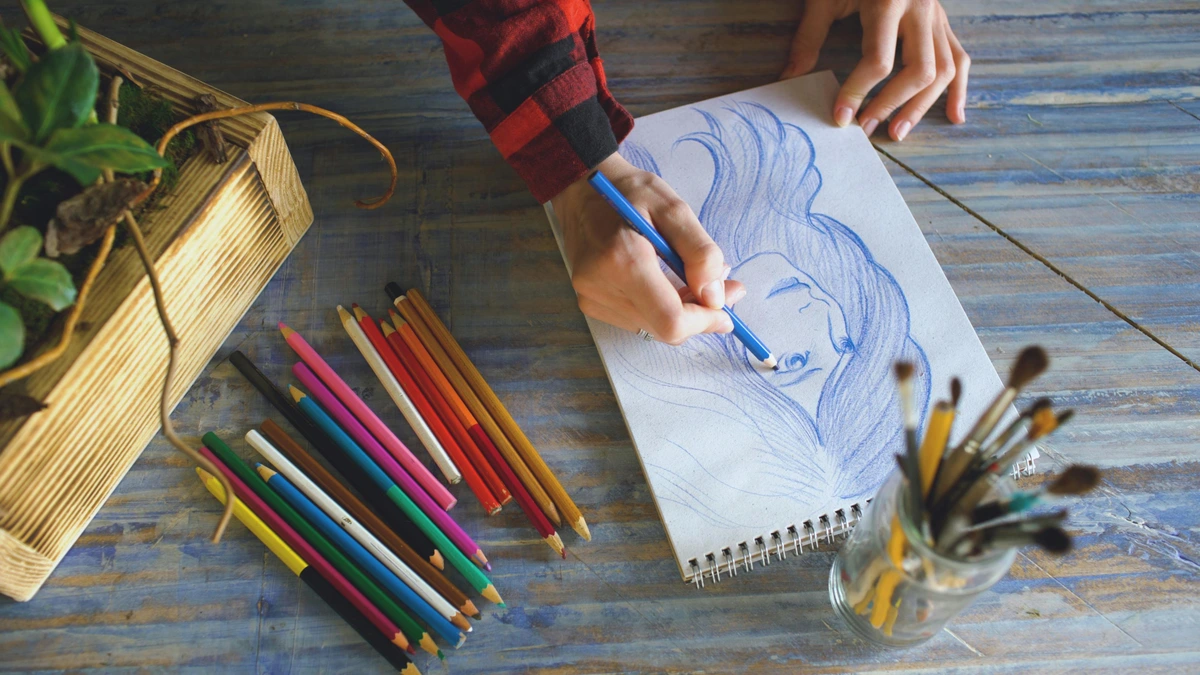
Visiting galleries can be a fun and educational experience for the whole family.
Encourage Their Own Creations
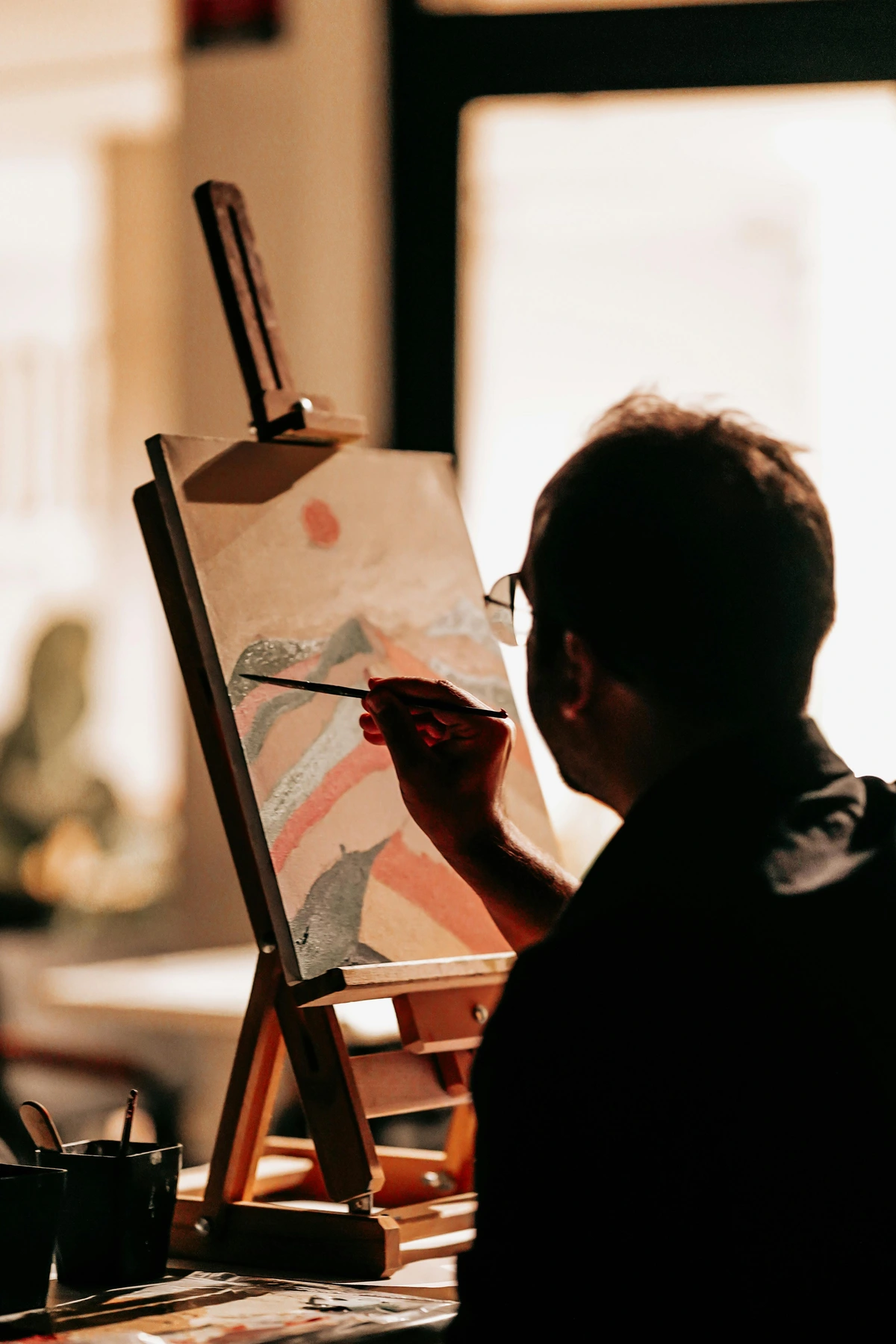
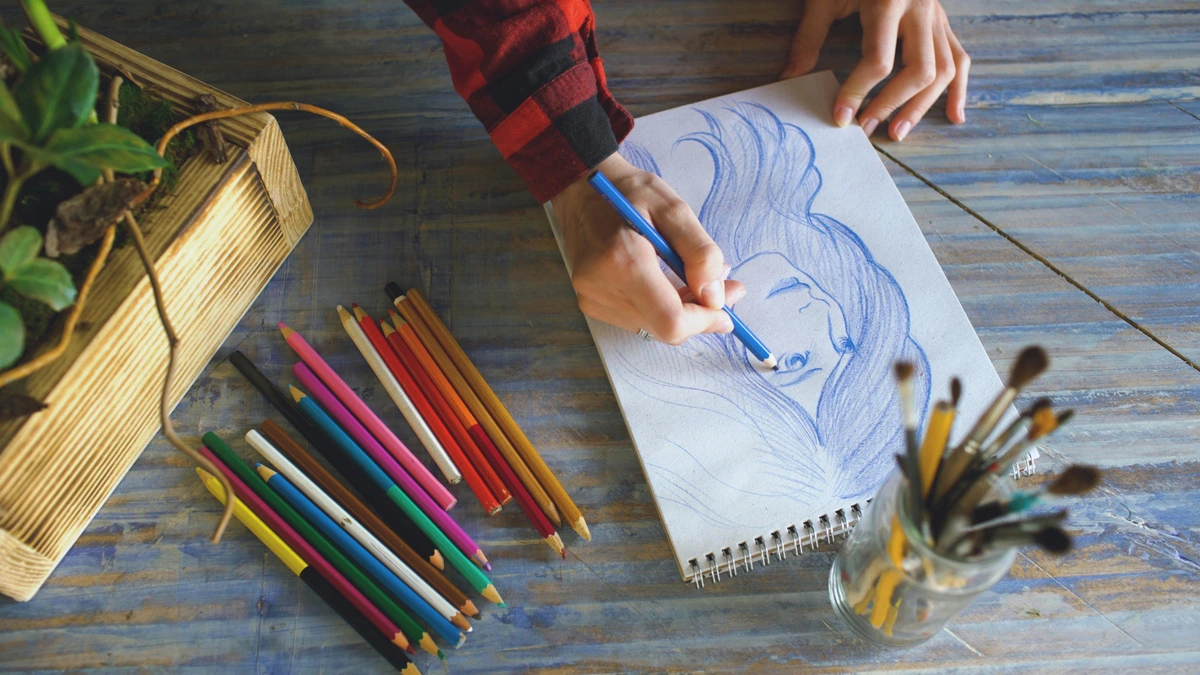
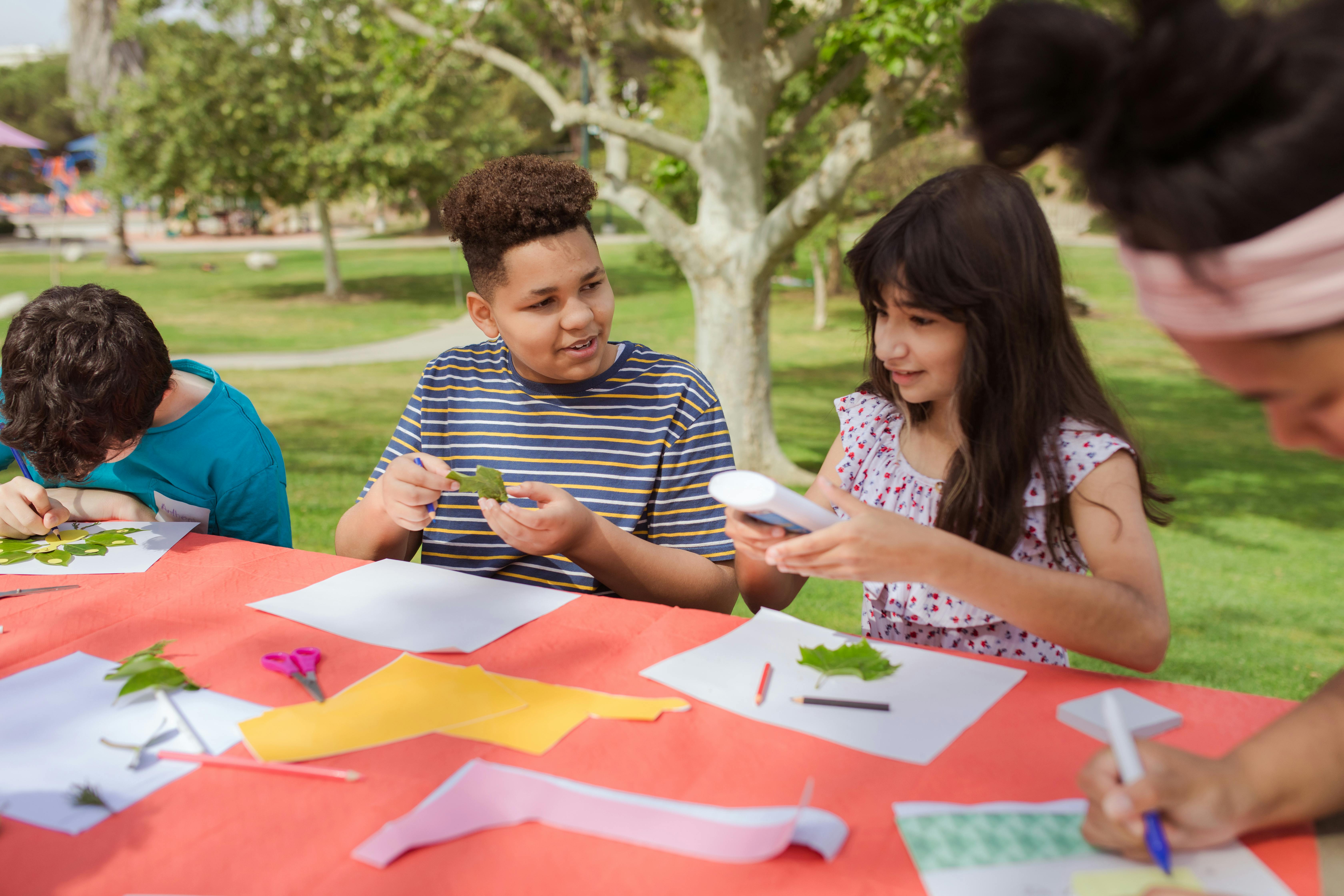
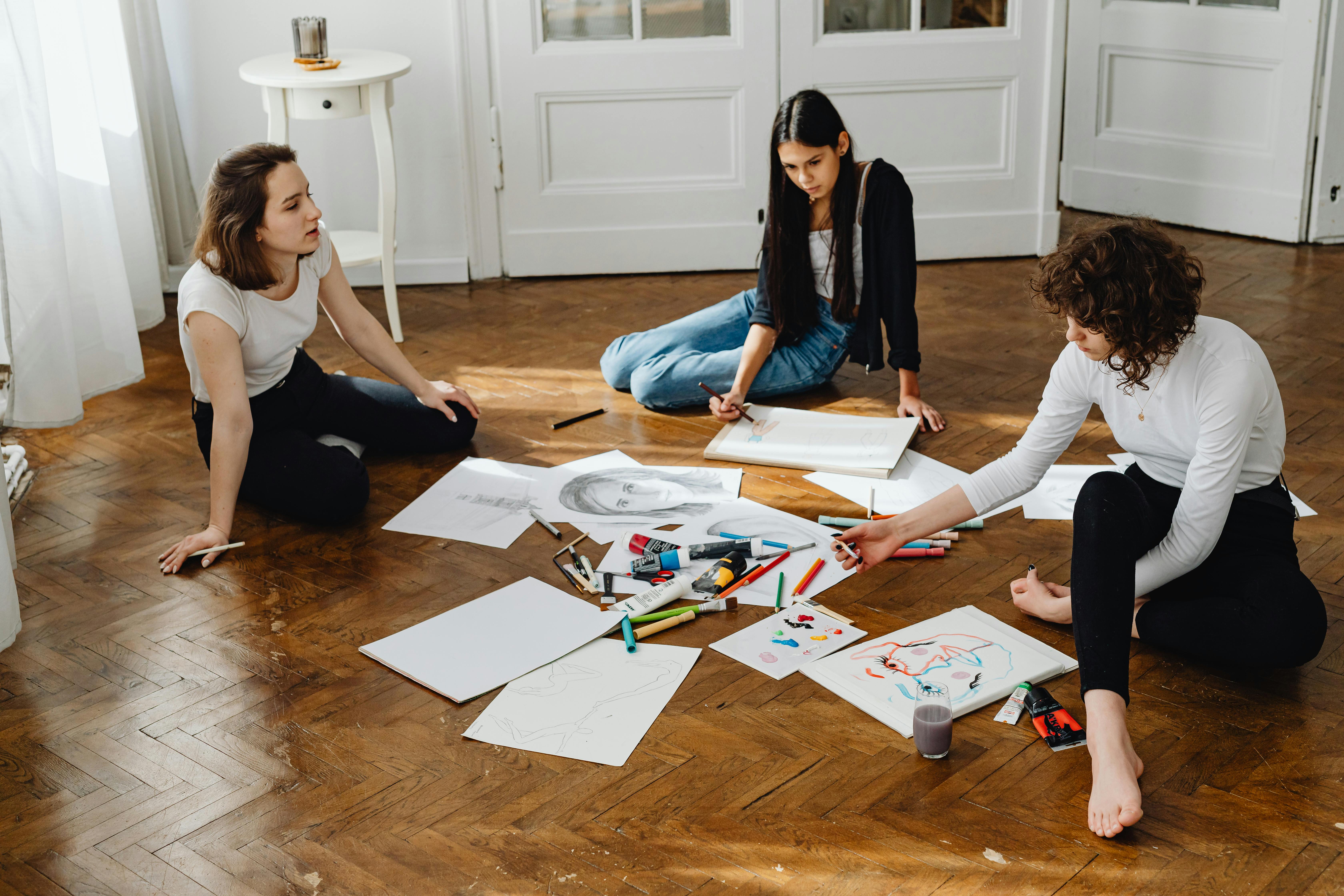
The most profound way to foster creativity is to let them make their own art. Provide the tools, give them space, and celebrate their unique expressions. Their scribbles are masterpieces in the making, trust me. What magnificent ideas are waiting to spill onto their canvas?
Tips for Encouraging Creativity
Tip | Description |
|---|---|
| Provide a variety of materials | Encourages experimentation |
| Create a dedicated art space | Makes art a regular activity |
| Celebrate their efforts | Builds confidence and motivation |
| Display their artwork | Validates their creativity |
By following these tips, you can create an environment that nurtures your child's artistic talents.
Key Takeaways: Nurturing a Creative Haven
Ultimately, the magic of art in a child's room isn't found in a perfectly curated display, but in the vibrant ecosystem of discovery it creates. Here are the simple truths I cling to:
- Beyond Decoration: Art is a powerful developmental tool, fostering creativity, imagination, and critical thinking from a young age.
- Thoughtful Choices: Consider age-appropriateness, vibrant colors, engaging textures, and practical safety measures. It's about inviting interaction, not just admiration.
- Their Perspective Matters: Hang art at their eye level, involve them in choices, and allow their interpretations to lead the way.
- Inspire Creation: Dedicate a space for their own artistic endeavors, celebrating every scribble and masterpiece.
- Ongoing Conversation: Talk about art, visit local galleries, and model a lifelong appreciation for beauty. Make it an active, joyous part of life.
Summary Table of Key Takeaways
Takeaway | Description |
|---|---|
| Beyond Decoration | Art fosters creativity and critical thinking |
| Thoughtful Choices | Age-appropriate, engaging, and safe art |
| Their Perspective Matters | Involve children in art selection and display |
| Inspire Creation | Encourage and celebrate their artistic efforts |
| Ongoing Conversation | Engage in discussions about art and visit galleries |
| Emotional Intelligence | Art helps children identify and express emotions |
| Cognitive Development | Enhances critical thinking and problem-solving skills |
| Thematic Display | Creates a cohesive and personal space |
| Eye-Level Display | Makes art accessible and engaging |
| Rotate Art | Keeps the space fresh and inspiring |
| Artist's Corner | Validates their creativity and boosts confidence |
This table summarizes the key points to remember when nurturing a creative haven for your child.
Frequently Asked Questions
- Q: What kind of art is best for a baby's room?
- A: For babies, focus on high-contrast images, simple shapes, and gentle colors. These elements are crucial for their developing vision and provide vital visual stimulation without overwhelming them. Soft, nature-inspired abstracts or illustrations can be very engaging. Think about what will capture their gaze and spark early curiosity.
- Q: How can art help with my child's academic performance?
- A: Art education has been linked to improved academic performance, particularly in subjects like mathematics and science. It fosters critical thinking, problem-solving, and communication skills, which are essential for academic success.
- Q: Should I let my child pick their own art?
- A: Absolutely! Within reason, of course. Giving them a few curated options to choose from empowers them and makes them feel invested in their space. It's a lovely way to build their personal aesthetic and decision-making skills, teaching them early on that their opinion matters.
- Q: How can I protect art from playful kids?
- A: Opt for canvas prints, framed prints with acrylic (not glass), or even unframed pieces that are durable. Placing art higher up or in less accessible areas can also help. And sometimes, you just have to embrace a little wear and tear – it's part of living with art! My philosophy? A slightly scuffed frame is a sign of a well-loved piece.
- Q: Where can I find suitable art for children's rooms?
- A: Independent artists, online marketplaces, specialized children's art shops, local art fairs, and even student exhibitions are fantastic places to start. You'll find unique pieces that often come with a story. And, if I may be so bold, you could always browse my collection! You might find something that sparks joy for both you and your little one.
- Q: How often should I rotate the art in my child's room?
- A: Rotating art every few months can keep the space fresh and engaging. This not only prevents boredom but also encourages your child to appreciate new styles and themes.
- Q: Can art help with my child's academic performance?
- A: Yes! Art education has been linked to improved academic performance, particularly in subjects like mathematics and science. It fosters critical thinking, problem-solving, and communication skills.
- Q: What are some budget-friendly ways to incorporate art into my child's room?
- A: Consider DIY projects, prints from local artists, or even framing your child's own artwork. These options are not only budget-friendly but also add a personal touch to the room.
- Q: How can I involve my child in the art selection process?
- A: Involve your child by asking for their opinions on different artworks. This empowers them and helps develop their personal aesthetic and decision-making skills.
- Q: What are some creative ways to display art in a child's room?
- A: Consider creating a gallery wall, using floating shelves, or hanging art at your child's eye level. These methods make the art more accessible and engaging for your child.
- Q: How can art foster a lifelong love for creativity?
- A: By surrounding children with art and encouraging their own creative expressions, you help them develop a lifelong appreciation for beauty and creativity. This fosters a natural inclination towards artistic exploration and expression.
- Q: What are the benefits of art education?
- A: Art education enhances critical thinking, problem-solving, and communication skills. It also improves academic performance and fosters a lifelong love for learning and creativity.
- Q: How can I encourage my child to create their own art?
- A: Provide a variety of materials, create a dedicated art space, celebrate their efforts, and display their artwork. These steps encourage experimentation and validate their creativity.
- Q: What are some tips for creating a thematic display in my child's room?
- A: Choose a theme that aligns with your child's interests, such as animals, nature, or space. Use various artworks that fit the theme to create a cohesive and engaging display.
- Q: How can I use art to enhance my child's emotional intelligence?
- A: Discuss the emotions evoked by different artworks with your child. Ask them how certain colors or shapes make them feel, and encourage them to express their emotions through their own art.
- Q: What are some ways to make art interactive for my child?
- A: Hang art at their eye level, involve them in the selection process, and encourage them to create their own art. These steps make art more accessible and engaging for your child.
- Q: What are the benefits of visiting galleries with my child?
- A: Visiting galleries exposes children to diverse art forms, sparks creativity, and fosters a deeper appreciation for art and culture. It also provides an opportunity for family bonding and learning.
- Q: How can I create an artist's corner for my child?
- A: Dedicate a small area with art supplies, a pegboard for tools, an easel for masterpieces, and a bulletin board to display their creations. This space encourages creativity and validates their artistic efforts.
- Q: What are some tips for encouraging storytelling through art?
- A: Ask open-ended questions about the artwork, collaborate on creating stories based on the art, and use art as a prompt for creative writing or drawing. These activities foster imagination and language skills.
Conclusion
Ultimately, decorating a child's room with art is more than just an interior design choice; it's an investment in their developing mind and spirit. It's about surrounding them with inspiration, encouraging their unique perspective, and teaching them that beauty and meaning can be found in the most unexpected places. It's a conversation starter, a dream weaver, and a little piece of the vast, wonderful world, all within the comfort of their own space. And frankly, that sounds pretty darn good to me.













Final Thoughts
Art in a child's room is not just about aesthetics; it's about creating an environment that nurtures their creativity, emotional intelligence, and cognitive skills. By thoughtfully selecting and displaying art, you're providing your child with a space that inspires and challenges them. So, go ahead and transform their room into a vibrant, dynamic gallery that reflects their unique personality and fosters a lifelong love for art.